

TOP>Stock List>1991model Cagiva Moke
1991model
Cagiva Moke






↑↑↑Please watch the archived video above with audio if possible...
This two-owner 1993 Cagiva Moke, held by the current owner for 27 years, has been sleeping in the garage—quietly dreaming of being brought back to life… This rare right-hand-drive example, one that has created countless “stories between people and cars,” now waits for the arrival of a passionate new owner…
Chapter One…
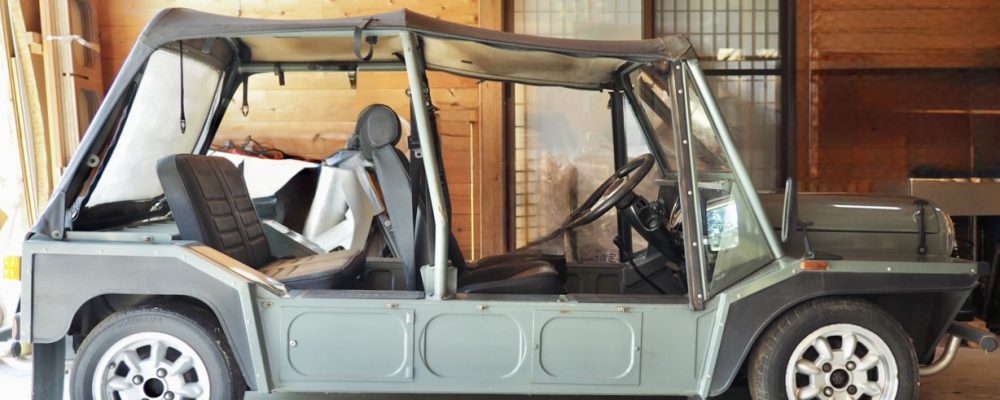
A 1991 Cagiva Moke, sleeping in rare, unrestored, fully original condition…
All it needs now is the passion to bring it back to life…
The place we visited for this interview was the owner’s charming, hand-built garage…
And resting there was a 1991 Cagiva Moke—the final evolutionary form of the Mini Moke.
Though the Moke was originally born in England, its last chapter was written in Varese, Italy, where the well-known motorcycle manufacturer Cagiva produced this model for only three years, building roughly 1,500 units in total.
From the temporary deregistration certificate in the owner’s possession, we can see that this car—type E-XKE22—was newly registered in Japan in 1991 (Heisei 3).
Its chassis number, TX5XKFP31E8S190083, beginning with TX5XKFP, confirms via its frame code that it is an Italian-built, final-lot Moke equipped with the A-series 998cc engine.
It was officially imported in extremely small numbers—only “several dozen”—by Checker Motors, which at that time handled Rover, Mini, Lotus, and other brands, making this one of those very rare, formally imported Mokes.
This exceptionally rare Cagiva Moke, newly registered in Japan in March 1991, passed from its first owner to the current second owner in March 1998.
For an extraordinary span of 27 years, it has been treasured by just a single custodian…
It has created countless family memories while being carefully preserved in full original condition.
The owner is an enthusiastic outdoorsman who enjoys serious mountain climbing, and the Moke served as the perfect partner—not only for year-round camping, but also for bravely climbing mountain passes even in winter to reach distant destinations and safely return.
In doing so, he experienced firsthand the true essence of the Moke: the British “all-purpose jeep” it was designed to be.
The car bears marks and memories of the journeys they shared—life moments etched into metal.
There were, at times, winter troubles as well…
The owner fondly recalled a time when the battery died on a freezing mountain pass.
He pulled the choke, pushed the lightweight car while running alongside it, jumped in, and started the engine on the fly.
He shared these stories with a joyful laugh—the kind of tales that only someone who has lived closely with a Moke for so long could tell.
As life progressed—marriage, a growing family—the Moke was temporarily deregistered in 2007.
Then began its long hibernation in the garage, with the owner always thinking, “Someday, I want to let it run again…”
Although he occasionally started the engine in the early years, the demands of establishing his own business made time scarce.
In recent years it has become non-running.
In other words: this Moke has been asleep in the garage for 18 years since deregistration—an exceptionally rare, long-slumbering survivor.
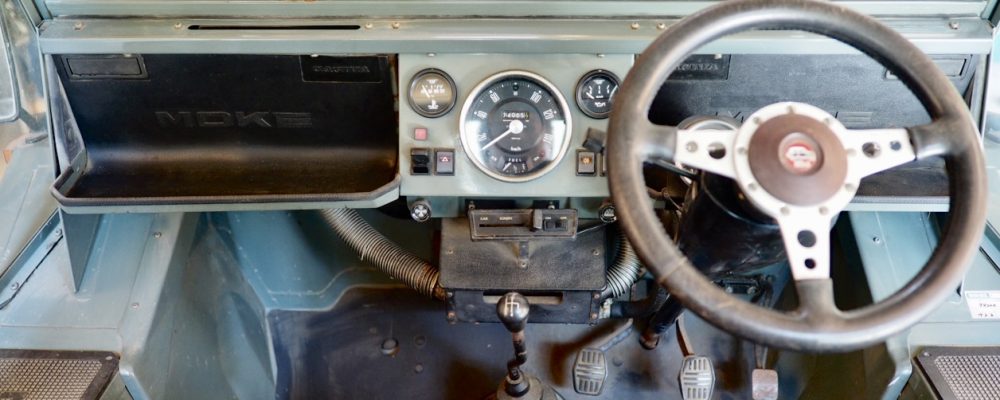
Aside from the Weber side-draft carburetor, everything inside and out remains original—an extraordinary rarity among Mokes, which are often heavily modified.
Because the engine has not turned in years, the correct procedure would be to add oil through the plug holes, hand-crank it to distribute the oil, then overhaul the electrical system, fuel tank, and fuel pump before attempting ignition.
Yet the body and chassis show no major rust or corrosion, and even the oil pan and drain area have been preserved dry and clean.
When we pushed the car during the interview, it moved forward and backward, though it stopped at points where some of the brakes were seized.
The soft top remains, just barely, but the removable roll-up doors have deteriorated and would need replacement if top-up driving is desired.
Although dirty, the seats have no tears and the floor shows no corrosion.
You can clearly feel the owner’s tenderness toward the car—his enduring wish that “one day, I’ll let it run again…”
Because it is a very simple, analog neo-classic with no complex electrical systems, the path to revival is clear—making it an ideal restoration project.
What is needed first is a carburetor overhaul, inspection of the fuel system, replacement of the fuel pump and strainer, renewal of fuel lines, and basic ignition servicing.
Starting with the restoration of the front calipers and rear drums, bringing this Moke back to life appears very achievable.
Even better news: the Cagiva Moke uses the classic Mini’s 998cc engine, transmission, suspension, and brakes.
A strong global supply chain for Mini and Moke parts—centered in the UK but available worldwide—still exists today.
And moreover…!
If one wishes to enjoy topless driving that suits the Moke’s wild character, that option is perfect as is—but incredibly, brand-new soft tops (with roll-up doors) are still available from France:
“Soft top with doors for Mini Moke Cagiva convertible in black vinyl with black finishes”
※ Safe external link below
https://www.comptoirducabriolet.com/en/convertible-mini-moke-cagiva-convertible-tops/soft-top-mini-moke-cagiva-convertible-black-vinyl-black-finishes.html
The car’s pedigree, minimal rust, and the authentic breath of an original, final-lot Cagiva Moke still alive within it…
As a “never-ending dream project” resting quietly in a garage, it represents the perfect vision of an enthusiast who enjoys the restoration itself.
Every word the owner shared conveyed deep affection for this car:
“It’s simple, so I always felt safe no matter where I went… Even if the engine didn’t start, I always thought I could manage somehow by pushing it.”
In that one sentence, the beautiful essence of a life spent with nature—and with a Moke—was perfectly condensed into a single “story of people and their car…”
Chapter Two…
The final legacy of the genius Sir Alec Issigonis, father of the Mini Cooper…
And the story of how marketing magic transformed the very identity of the legendary Cagiva Moke…
Even when a product is of excellent quality, if the timing of its release is off, the target audience is unclear, or the naming lacks appeal, it can unfortunately end up selling poorly…
The Mini Moke is the perfect example of a car that succeeded by changing its location and image—an iconic vehicle born from true marketing magic.
For that reason, even though production ended more than thirty years ago, this unique, unforgettable, one-and-only machine continues to charm the world.
Today, in famous resort destinations across the globe, the Moke remains an essential presence.
The final version of the Mini Moke—the Italian-built Cagiva Moke—was produced after earlier generations were built in the UK (from 1964), then Australia, and finally Portugal.
More than 50,000 Mokes were produced in total, but the model being introduced here—the final Italian version—was built for only a brief period between 1991 and 1993, with just 1,500 units ever made.
Sir Alec Issigonis, the brilliant engineer who created the Mini and later the Mini Cooper, originally developed the Mini to help the UK overcome the harsh conditions of the first oil shock by building a minimal-size car capable of carrying four adults.
But before creating the Mini, Issigonis had spent the Second World War designing various military vehicles.
Because of this background, the British Motor Corporation (BMC) asked him—after the war—to design an ultra-lightweight vehicle suitable for military deployment by helicopter transport for national defense.
To keep costs low, the prototype used existing Mini components: engine, transmission, suspension, brakes, and more.
However, it had clear drawbacks as a military vehicle.
While its small size and light weight were advantages for helicopter deployment, its front-wheel-drive layout and low ground clearance meant it could not match the off-road capability of American-built 4WD Jeeps.
Despite many prototypes and experiments, the military Moke project ultimately failed.
The Mini-based runabout never saw service as a military vehicle.
But BMC did not give up.
Determined to bring this unique Mini-derived vehicle to the public, they applied what we would today call “marketing magic.”
Shifting completely away from military use, they renamed it “Moke”—meaning “donkey”—in hopes of creating a friendly, universally loved image.
They launched PR campaigns aimed at resort destinations in the Caribbean, California, Australia, Spain, and throughout Europe, believing wholeheartedly that it would become a star.
Changing the market—changing even the name—this marketing magic succeeded brilliantly.
The world’s first outdoor runabout derived from the Mini became immensely popular as a “leisure car.”
From 1959 to 1968, the Moke was produced by BMC (British Motor Corporation).
From 1968 to the early 1980s, it was built by the newly privatized British Leyland.
From 1980 to 1990, production moved to Moke Portugal under the BL umbrella.
Then in 1990, Italian motorcycle manufacturer Cagiva purchased the production rights and facilities, and for the final three years—until 1993—the Moke was built under the Cagiva name.
Even long after production ended, Mokes continue to be beloved in countless resort destinations and tropical islands around the world—used as rental cars, hotel shuttles, and sightseeing taxis.
Their iconic “open-air freedom” style remains irresistible, captivating people everywhere they go…
Chapter Three
The dream of restoring the final-generation 1991 Cagiva Moke…
There are very few cars in the world this fun…!
—Author’s Afterword—
The final-generation 1991 Cagiva Moke sleeping in the garage…
Surely it has been dreaming of its future revival, waiting patiently for the arrival of a passionate new owner…
Once you drive it, you realize just how incredibly fun this car truly is.
There is absolutely no need to push it hard; no matter where or how you drive, it is stylish, charming, and simply delightful.
With its wheels placed at the outermost corners of the body—like the classic Mini—the Moke delivers that same kart-like handling, full of character.
And because, much like the U.S. military Jeep, everything unnecessary was stripped away, the Moke is even lighter than the Mini.
It is so light you can push it forward effortlessly by hand—making the driving experience all the more entertaining.
And above all, its unmatched cuteness and playful character radiate an unmistakable sense of freedom and lightness.
Just looking at it makes you feel its cheerful, breezy personality.
Climbing over the broad, box-shaped side sills to get in is a kind of Moke ritual.
Once inside, the first thing you notice is the surprisingly spacious cabin—far roomier than a Mini.
The 998cc A-series engine provides more than enough excitement for the lightweight body.
With no top installed, the Moke’s signature all-around openness delivers unbeatable freedom.
The soft top and roll-up doors are best reserved for sudden weather changes;
driving with everything open is unquestionably the ideal way to enjoy a Moke.
Even if rain forces you to put the top up, you’ll find yourself wanting to return to full open-air driving as soon as possible.
As someone who has test-driven several Cagiva Mokes in the past, I can say this with confidence:
shifting through the crisp, satisfying 4-speed manual and “driving wide-open and free” makes this one of the most enjoyable vehicles imaginable.
It reminds you of that special feeling you had as a teenager when you first learned to drive a manual—
that innocent excitement of discovering “Wow, driving can be this fun!”
Feeling the firm grip of the wheels planted at all four corners, matching your shift timing to the engine’s rhythm—
it’s an experience completely different from modern automatics.
It fills you with a uniquely joyful sensation, and before you know it, you’ll be laughing to yourself:
“Ha… haha… this is so much fun!”
(It happens to everyone.)
Your right brain awakens, your entire body harmonizes with the Moke, and you become vividly aware of just how special this car is.
It’s no surprise that the Moke became explosively popular in the world’s most beloved resort regions—the French Riviera, the Australian coast, and the Caribbean.
Nor is it surprising that icons like James Bond and Brigitte Bardot fell in love with it.
Even if you’re just driving down a familiar neighborhood street…
Even if your destination is just the convenience store around the corner…
Anyone who gets behind the wheel instantly understands that the Moke alone can make an ordinary road feel like a tropical resort.
That—that sensation of effortless, joyful liberation—is what makes the Moke truly magical.
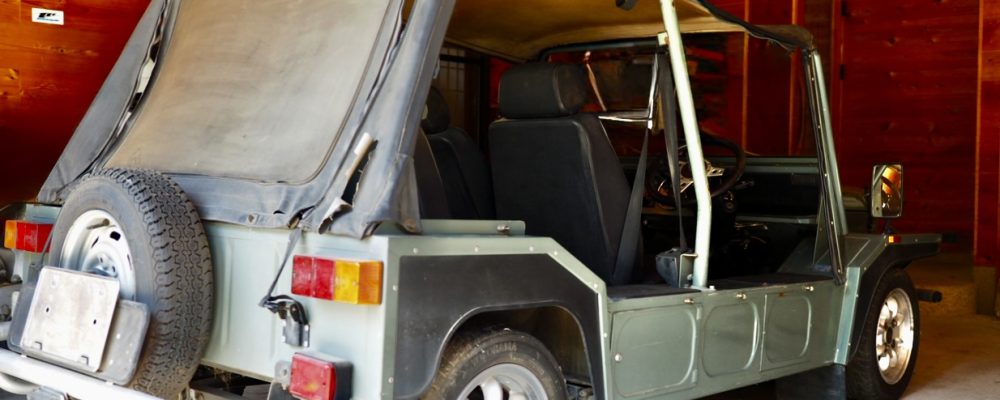
This two-owner 1993 Cagiva Moke, held by the current owner for 27 years, has remained asleep in the garage—quietly dreaming of its revival… This rare right-hand-drive example, which has created so many “stories between people and their cars,” now awaits the arrival of a passionate new owner…
“Dreaming of revival together with the Moke…”
If you keep that spark of passion alive in your heart, this car will surely become a one-of-a-kind, irreplaceable partner in your garage life…
We warmly invite you to visit the owner’s hand-built garage and experience this new encounter in person…
As this is a private sale, no consumption tax or additional fees will be charged.
Regarding the purchase of this vehicle, the buyer will be responsible for the prorated automobile tax (¥0 due to deregistration) and the recycling deposit (¥9,970).
Transportation arrangements are also the responsibility of the buyer; however, the author’s company provides classic car transport services using our own carrier truck. Please feel free to consult us if you would like assistance.
【For Inquiries…】
This vehicle is listed on Estate Sale Supremacy®, a cross-border EC site specializing in classic and collectible cars.
What is a “Supremacy Estate Sale”?
Estate Sale Supremacy® is the Japanese interpretation of the North American estate sale culture, introducing vehicles filled with their owners’ emotions through interview-based articles and video features.
We faithfully express the current owner’s sentiments, preserve their memories, and provide support to ensure the vehicle is passed on securely to the next generation.
We conduct detailed interviews with the current owner regarding past maintenance, repairs, and accident history.
If there has been a major accident, or if the ownership history is extremely short and details are unclear, we decline the listing in order to provide maximum reassurance to potential buyers.
This article was written based on a three-hour interview and passenger-seat test ride conducted under clear skies on the morning of September 17, 2025.
Please note that because the inspection was limited in time, the vehicle’s condition may not be described with 100% accuracy, and not all details are fully verified.
Comments on condition are based on the weather, circumstances at the time of inspection, and the author’s personal impressions.
For questions about this vehicle or to request a viewing, please contact us using the form at the bottom of this page.
As this is a private transaction, and to avoid casual inquiries, vehicle viewings are limited to customers seriously considering purchase.
Thank you very much for your kind consideration.
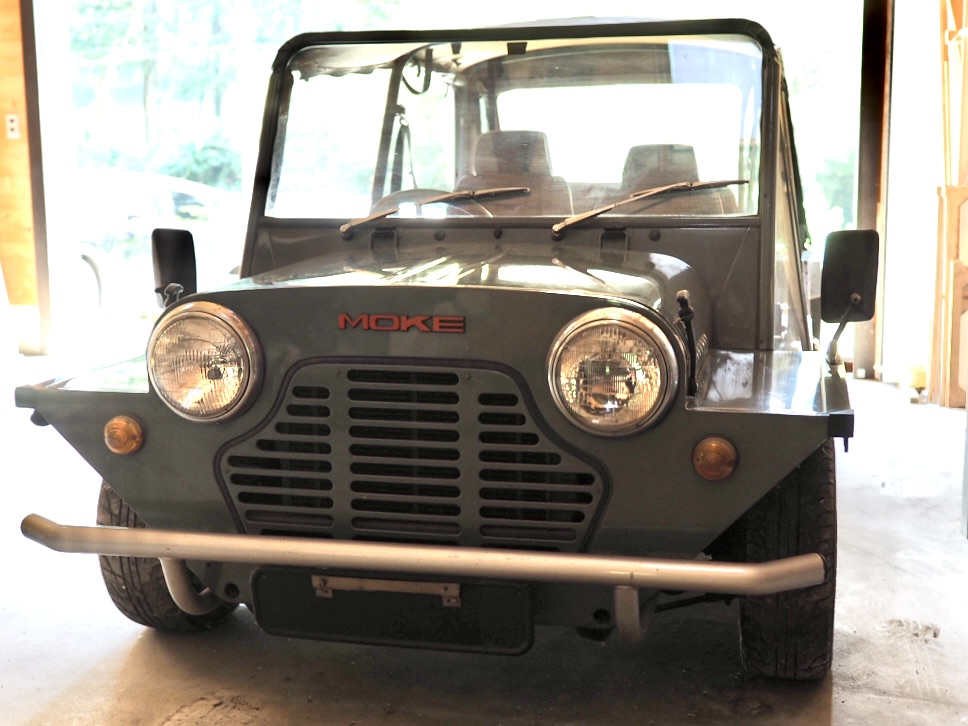
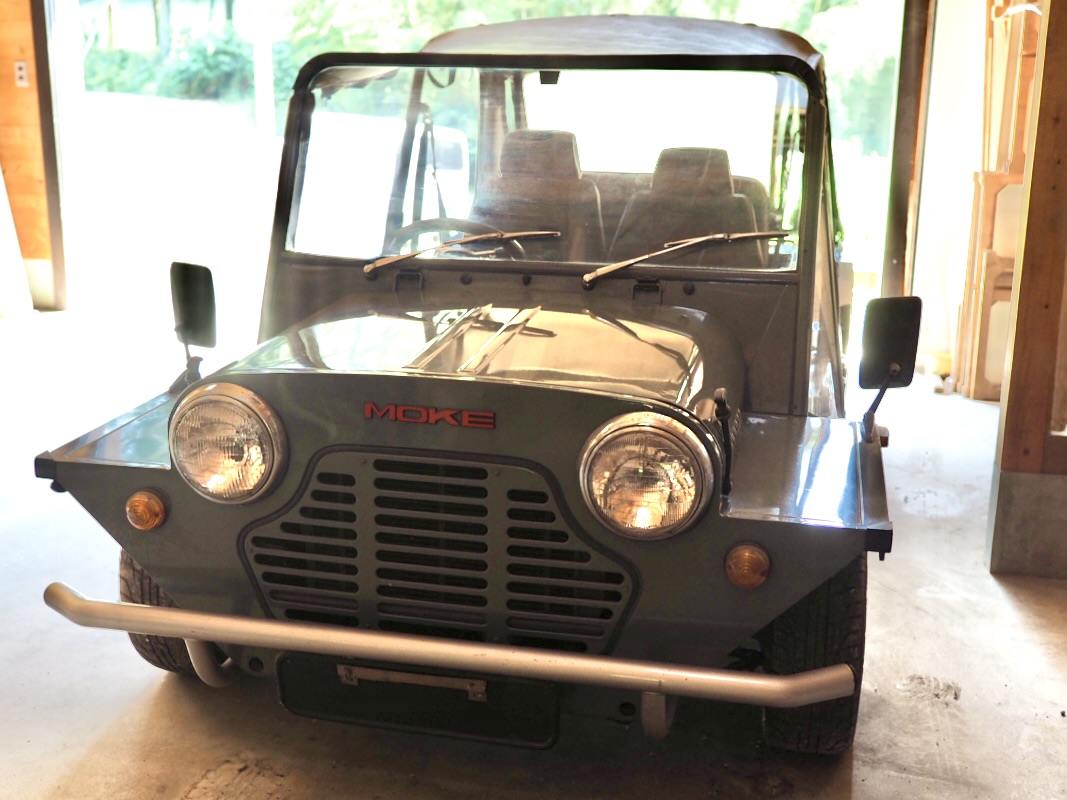
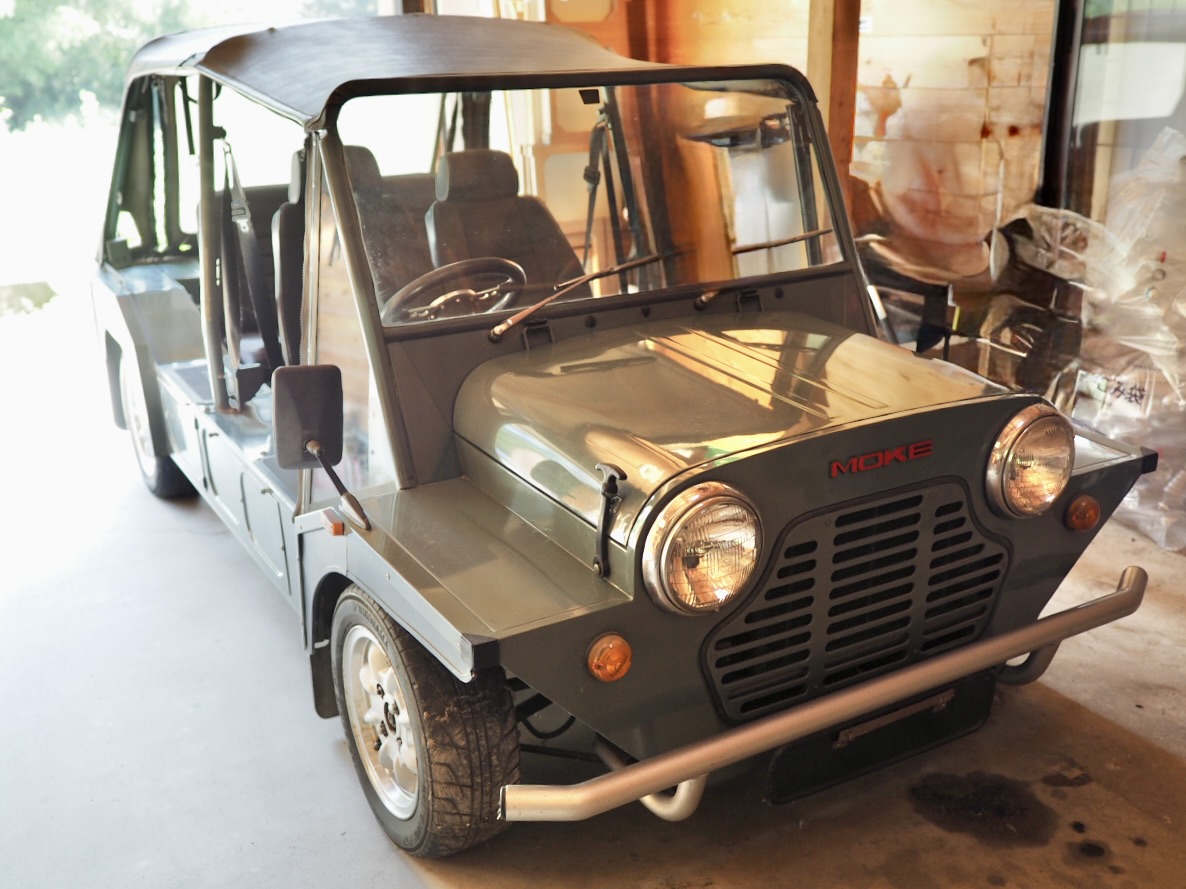
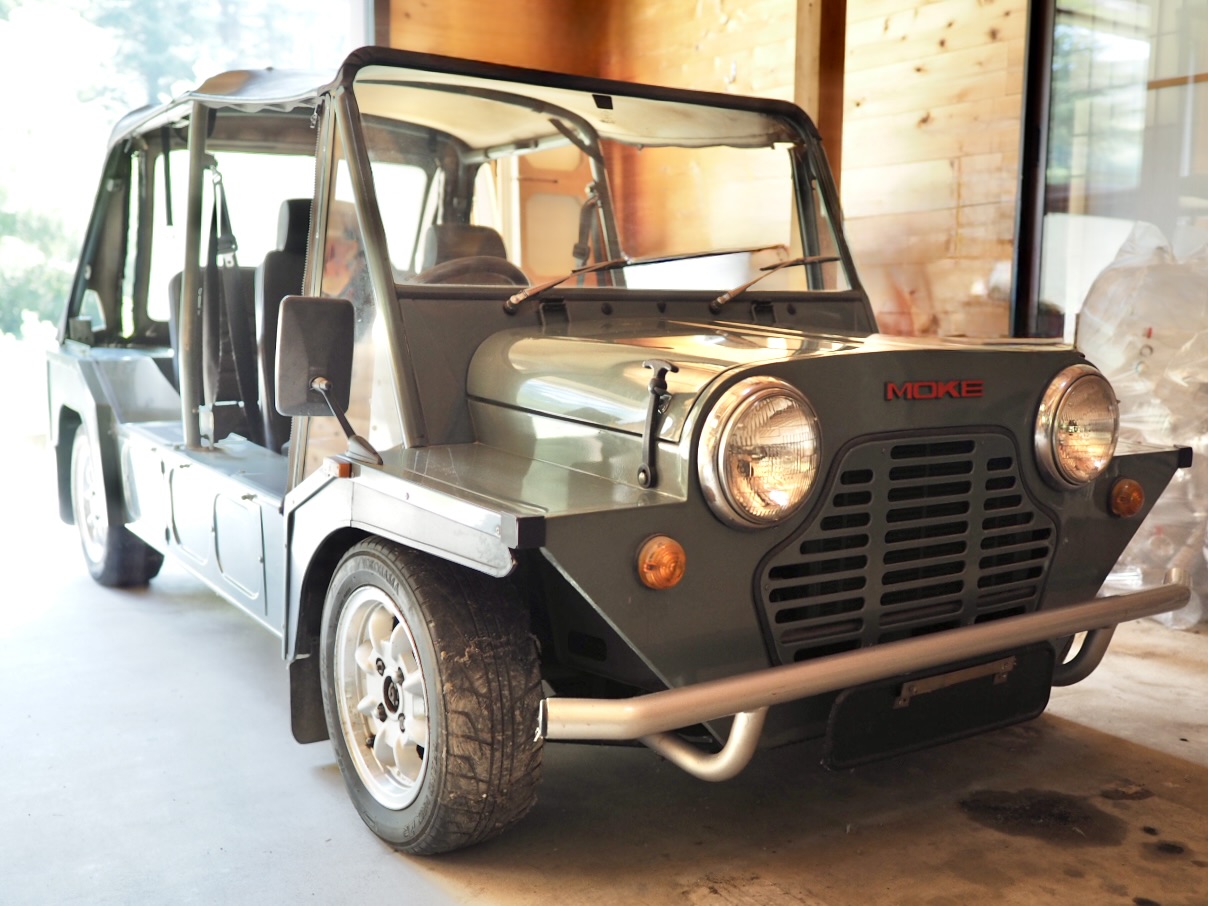
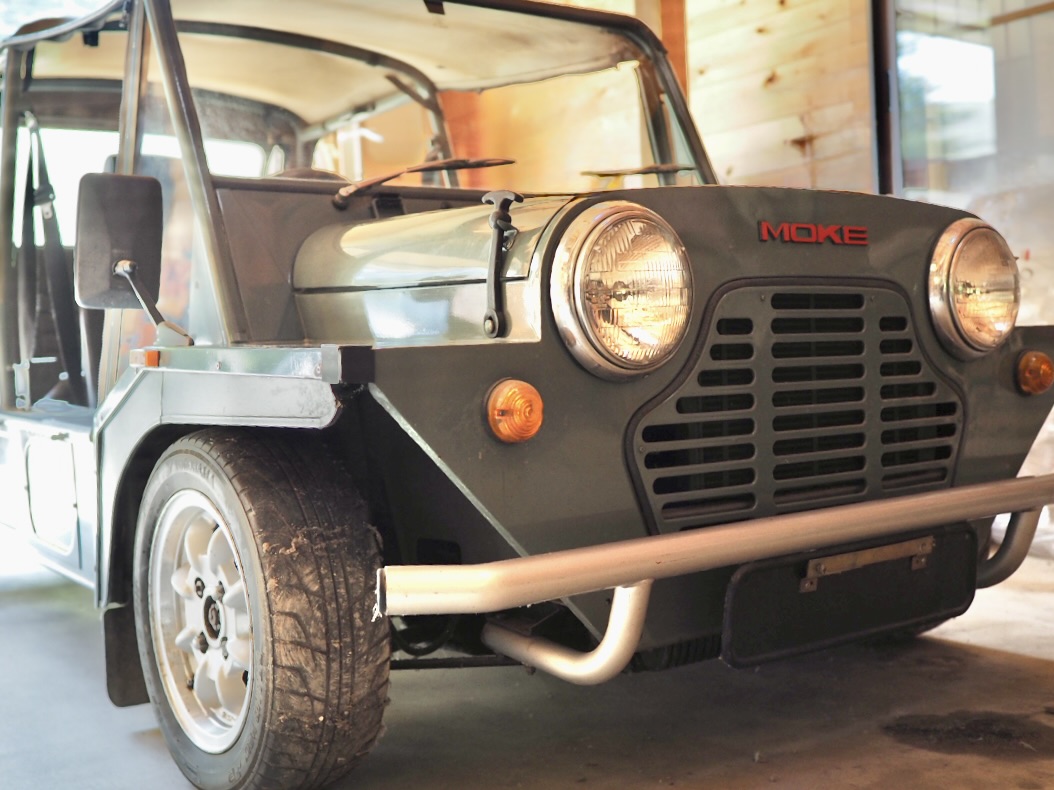
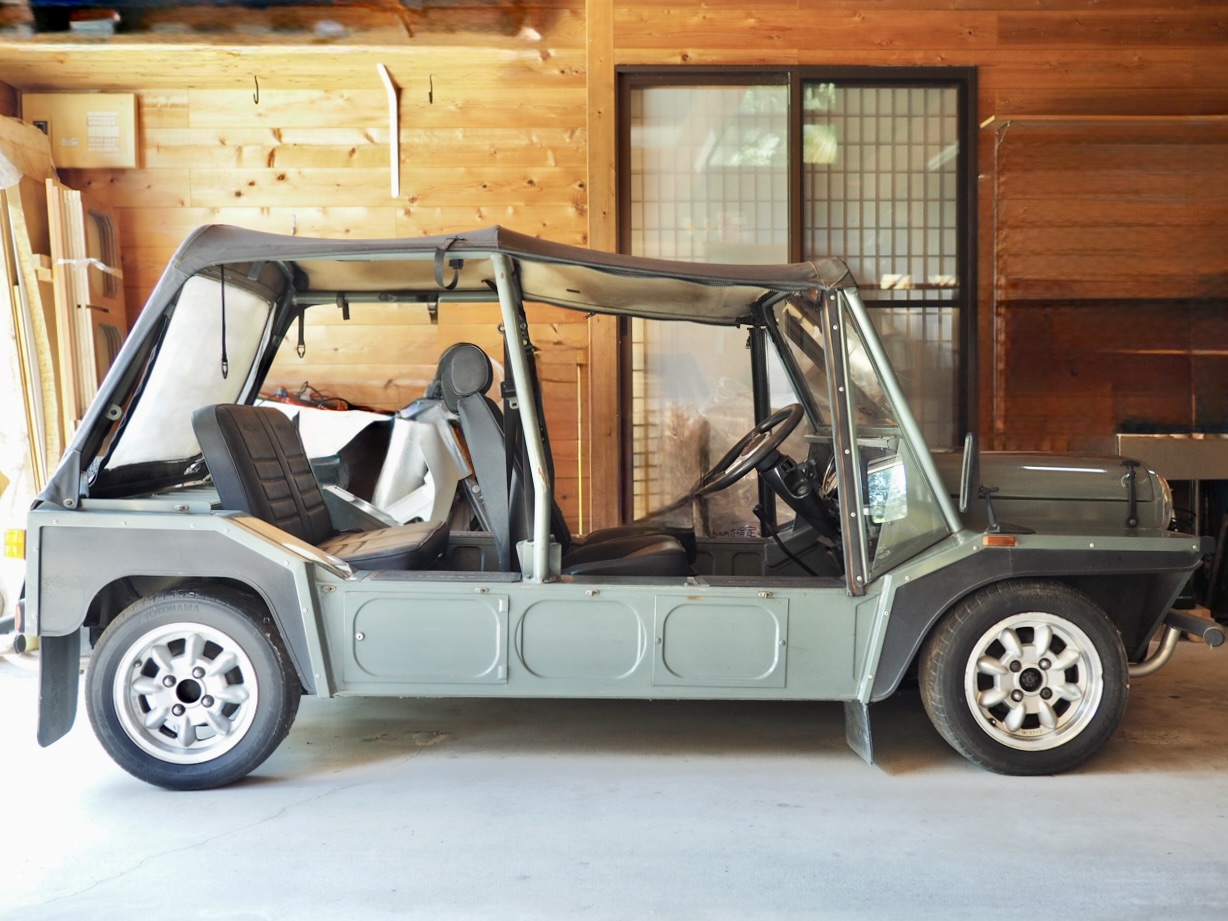
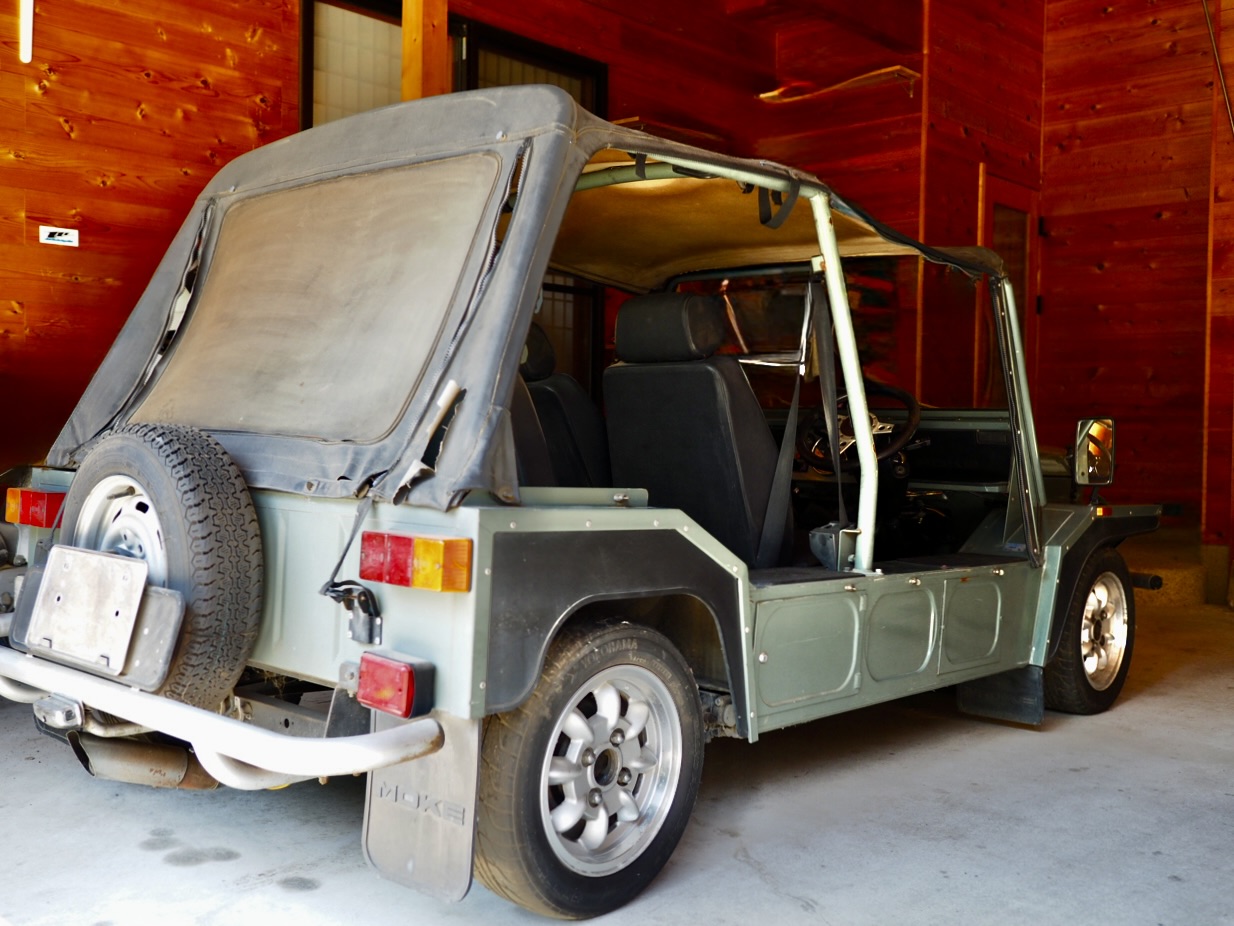
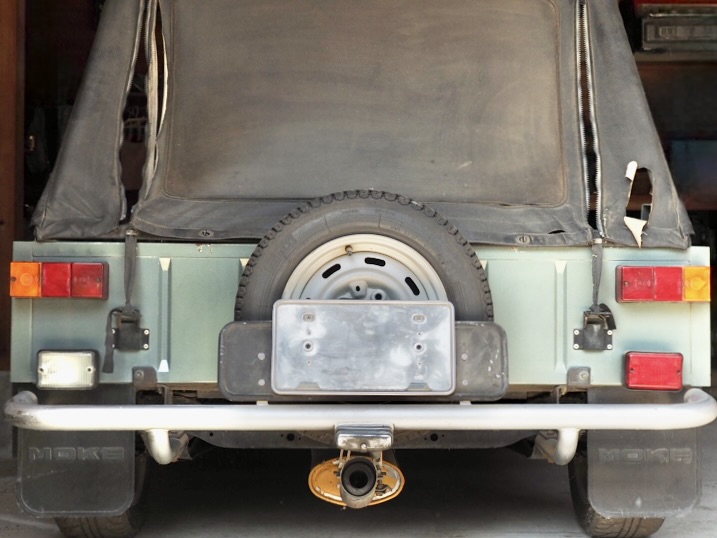
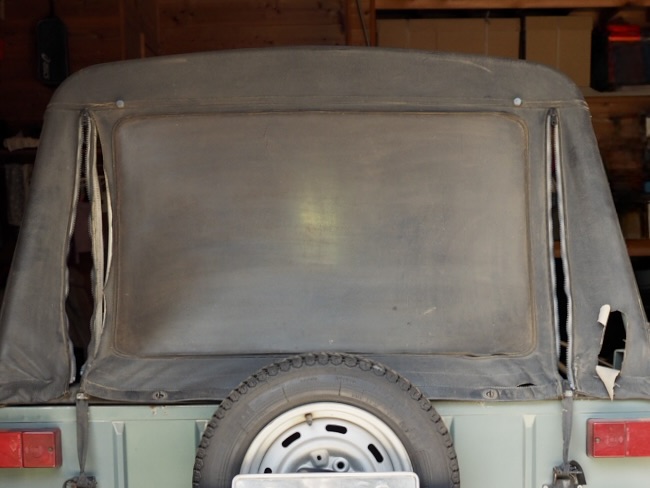
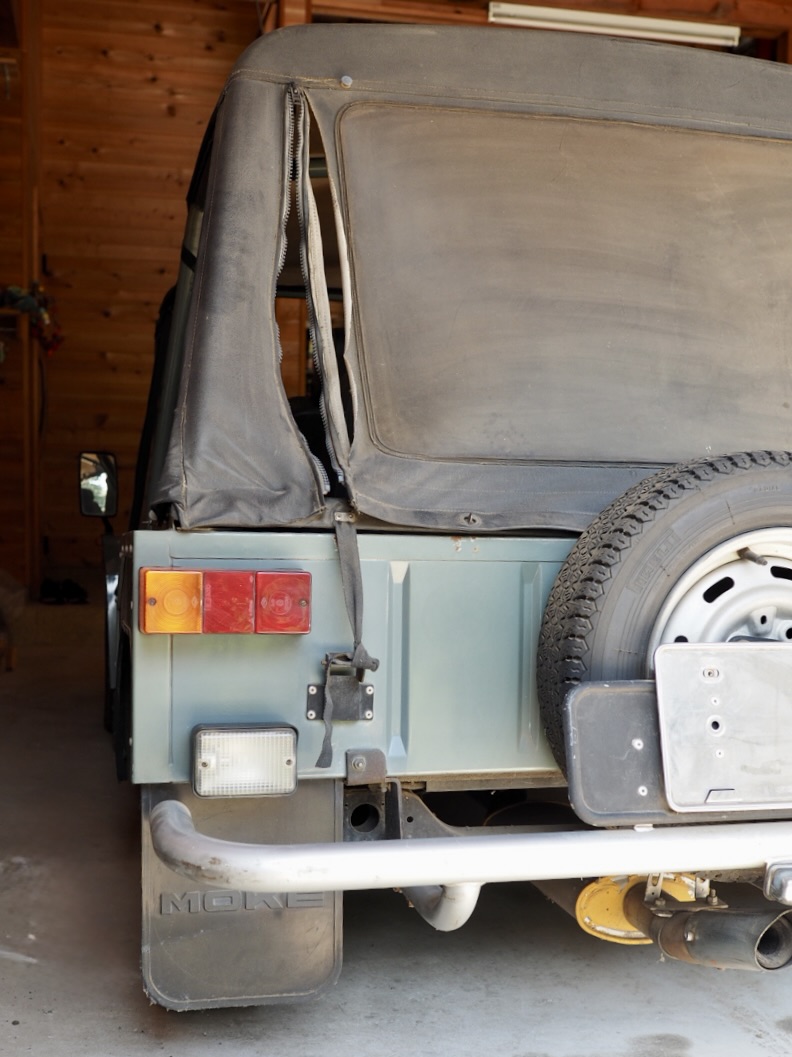
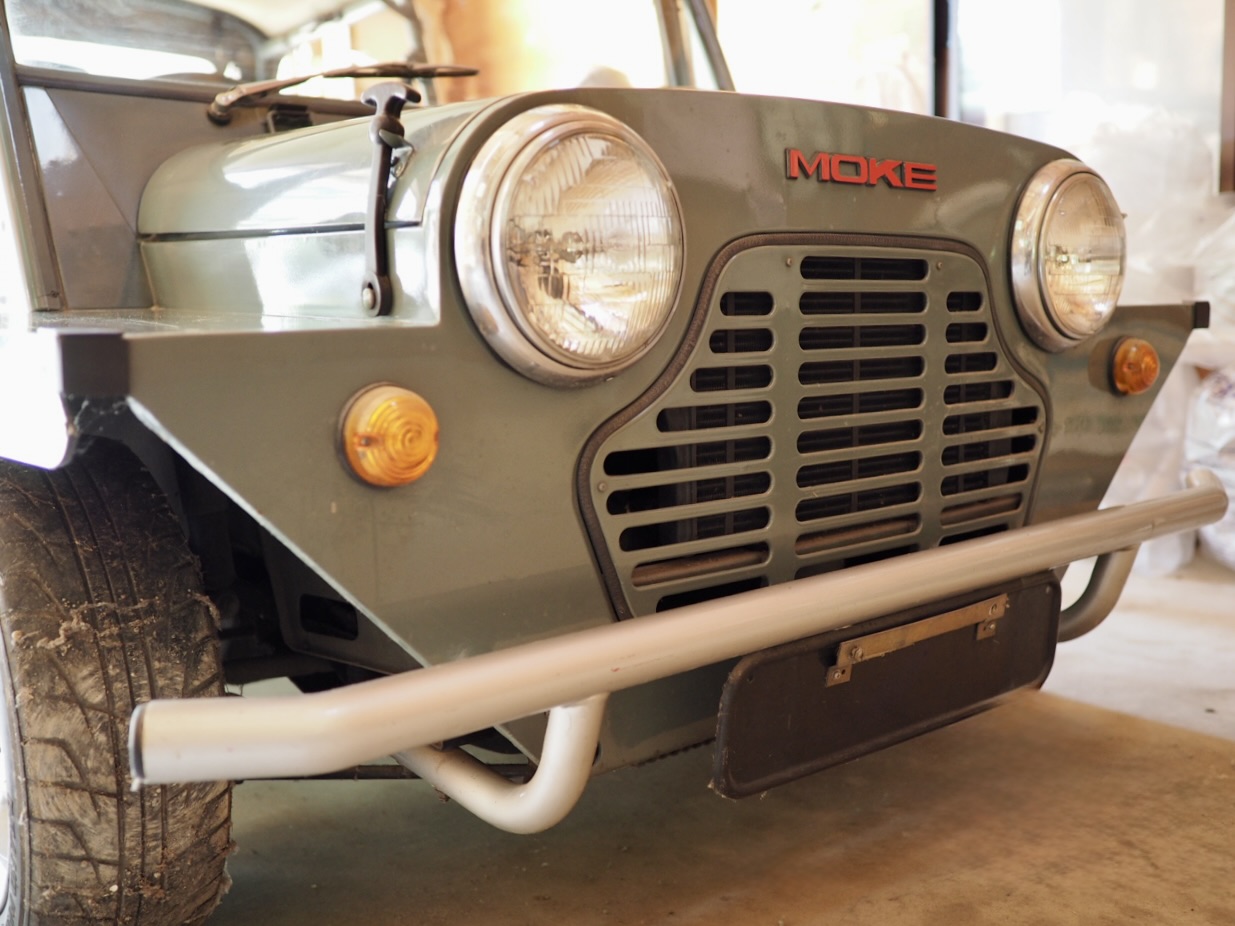
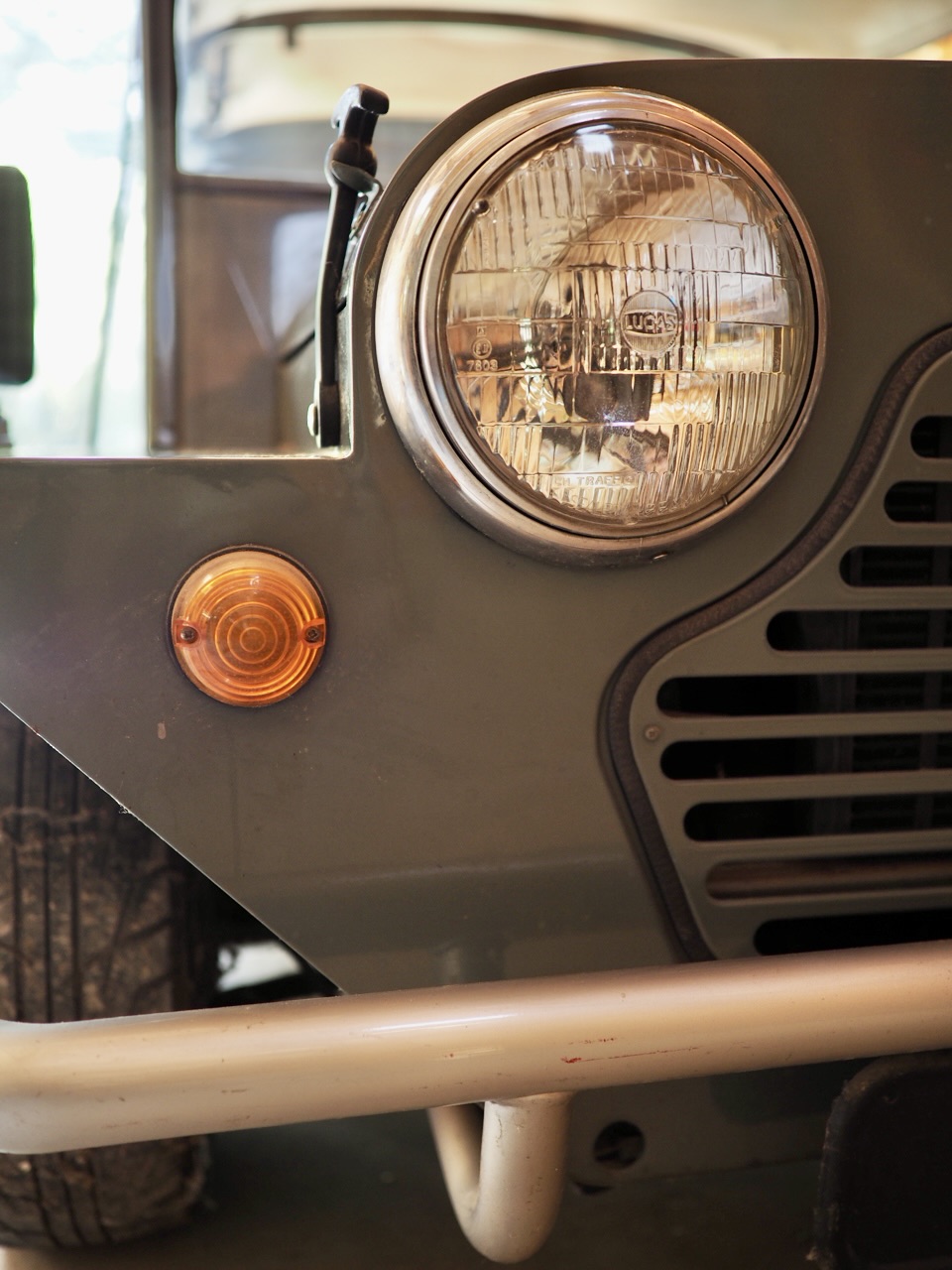
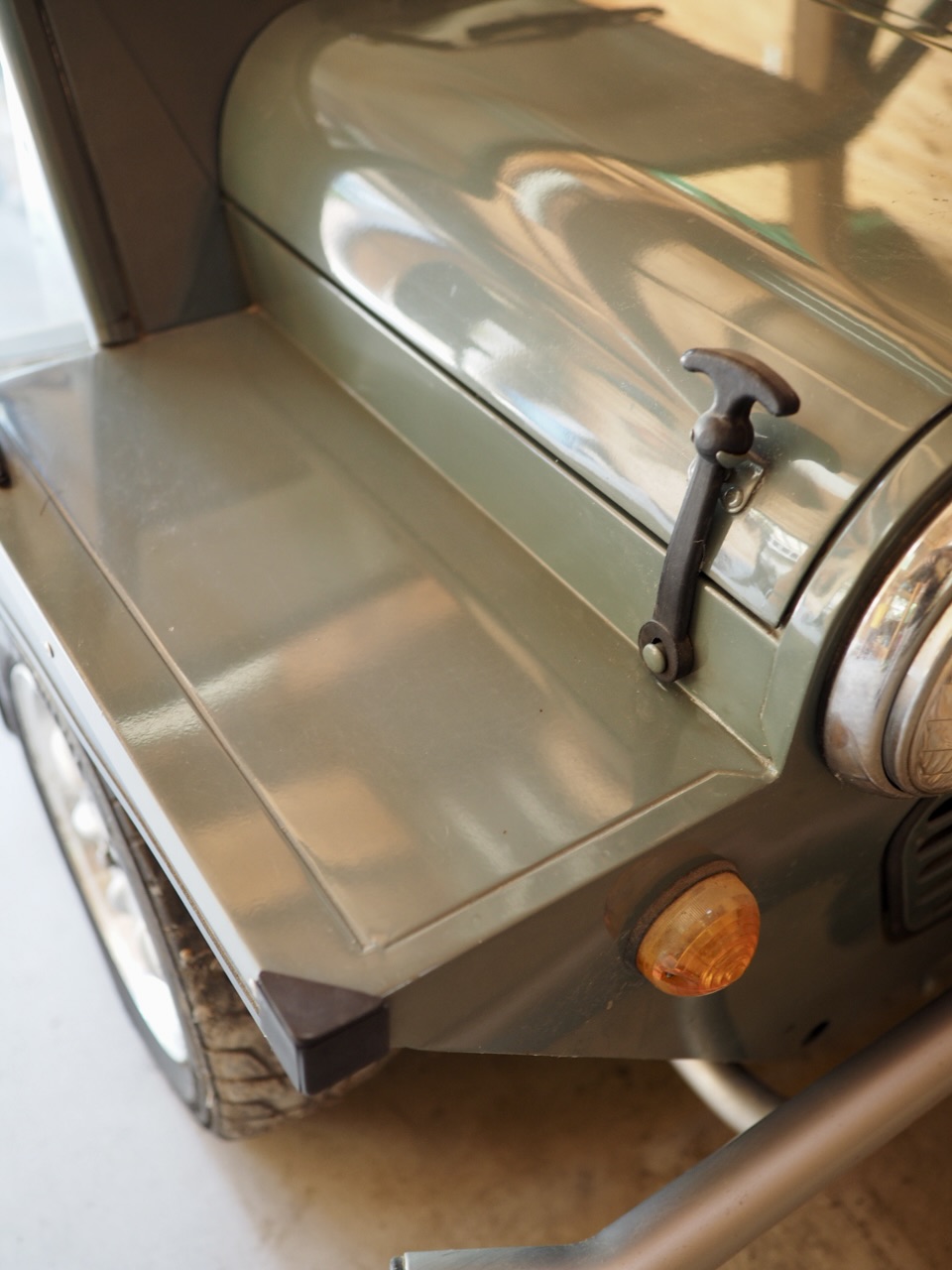
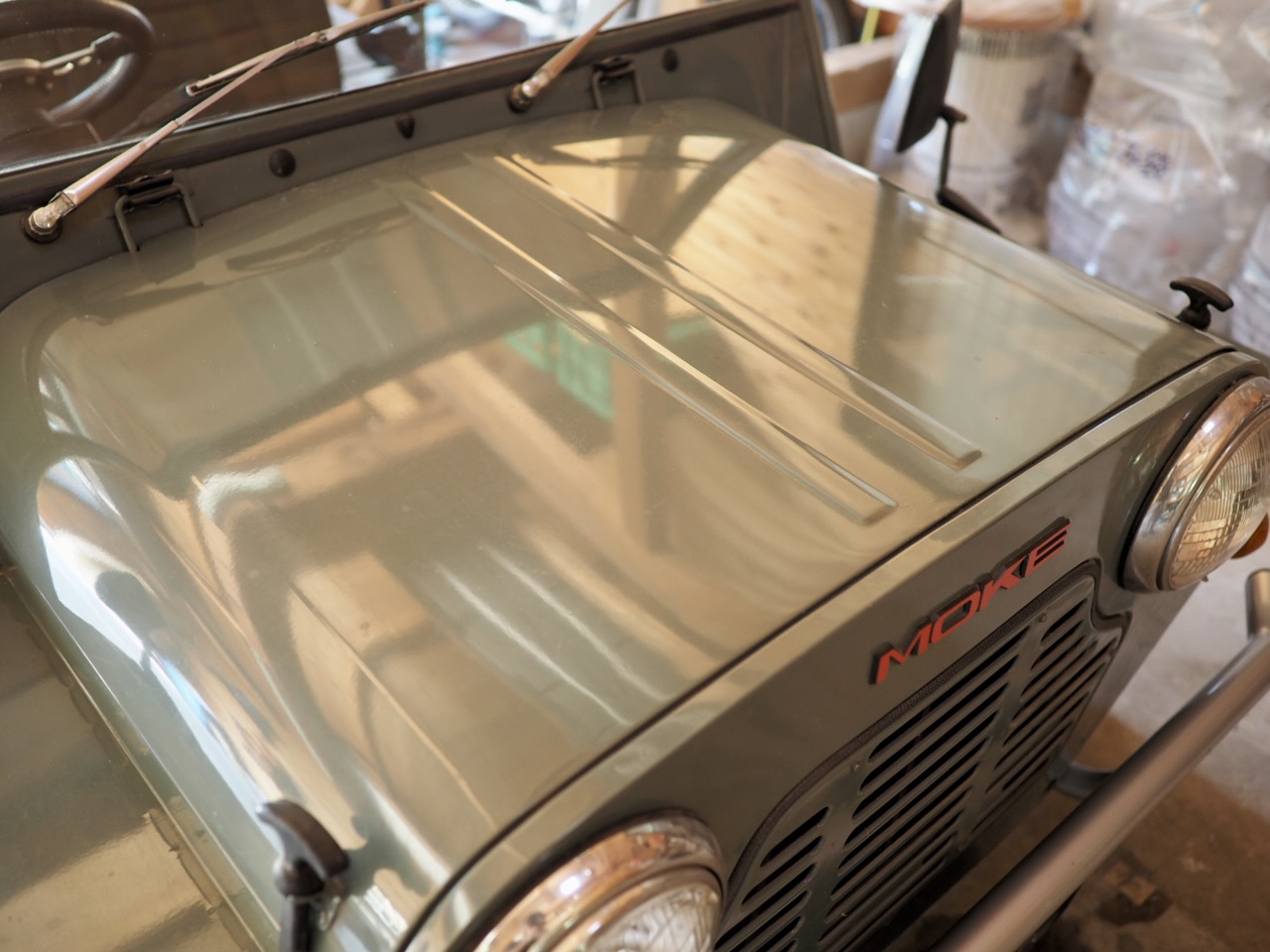
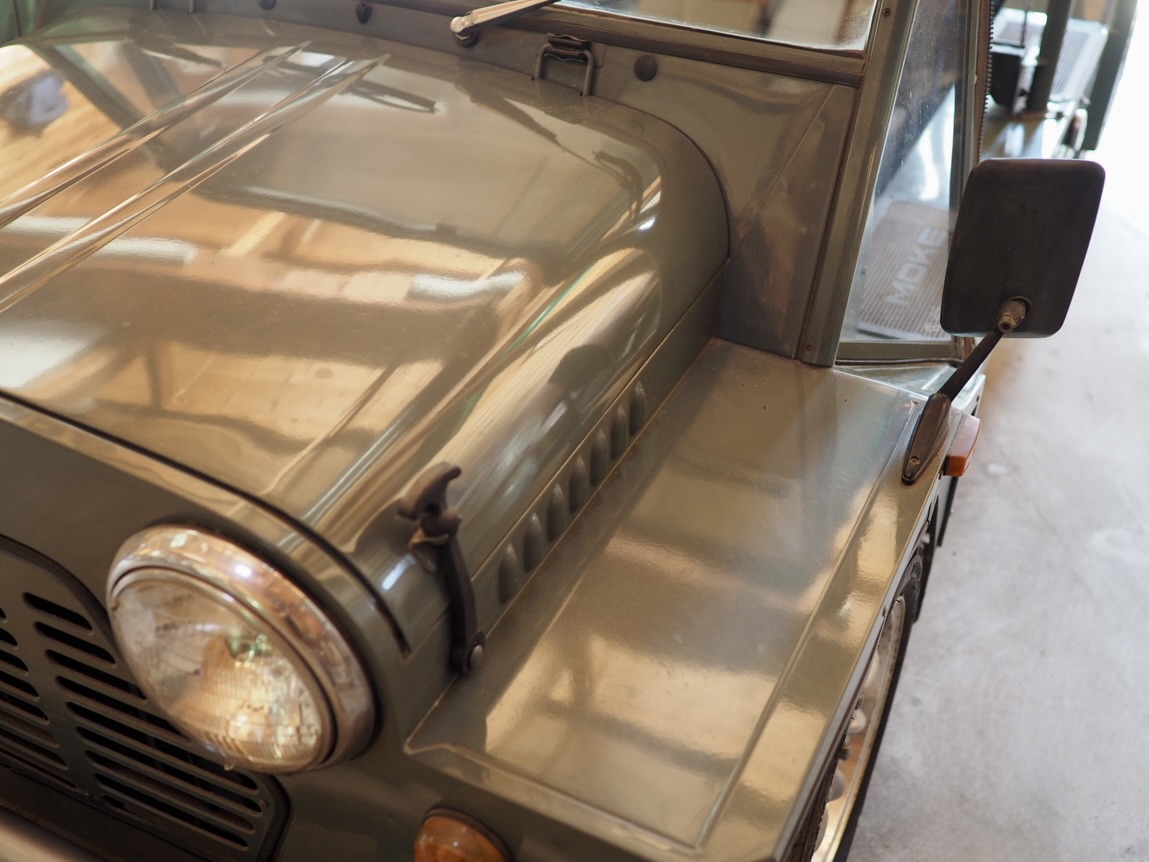
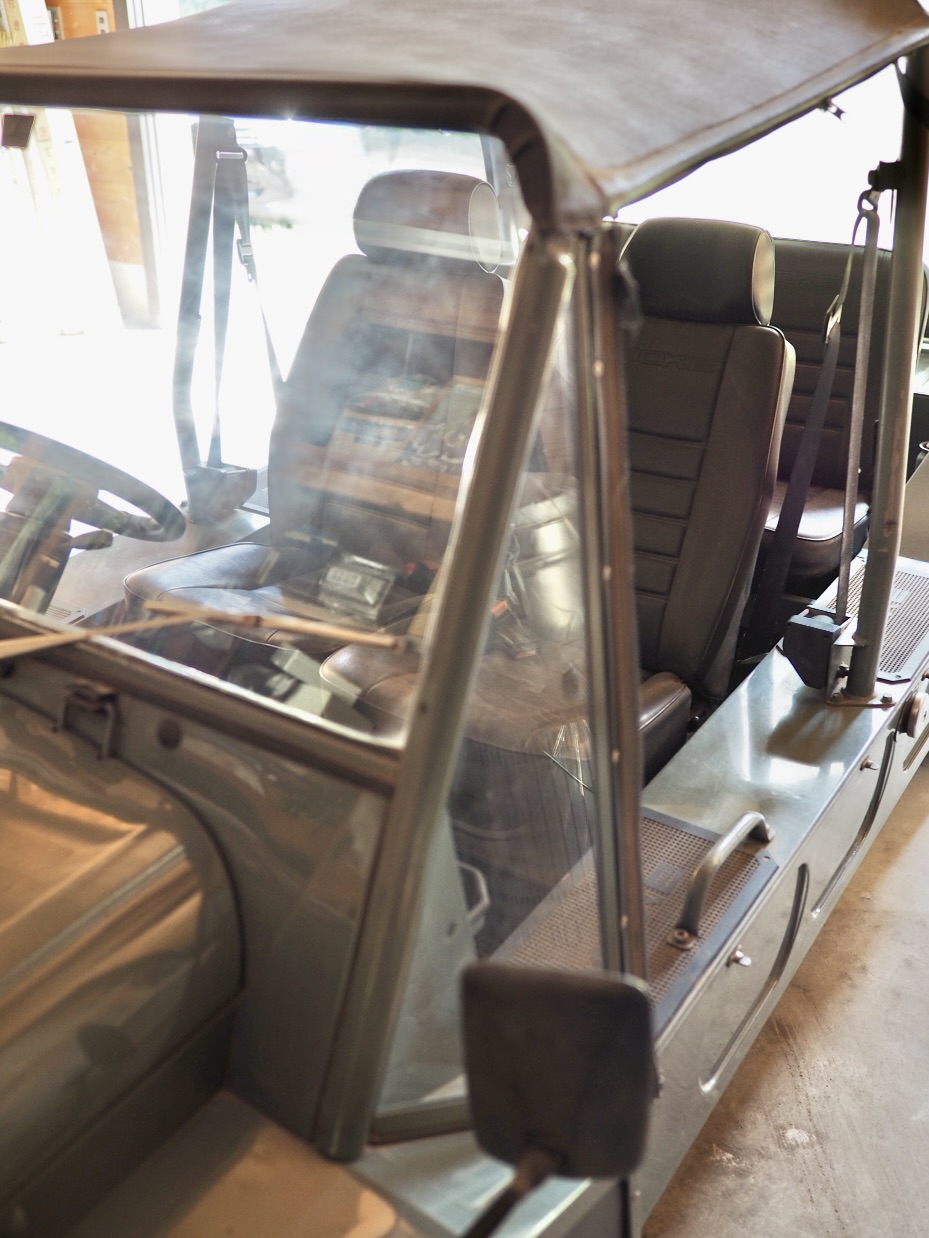
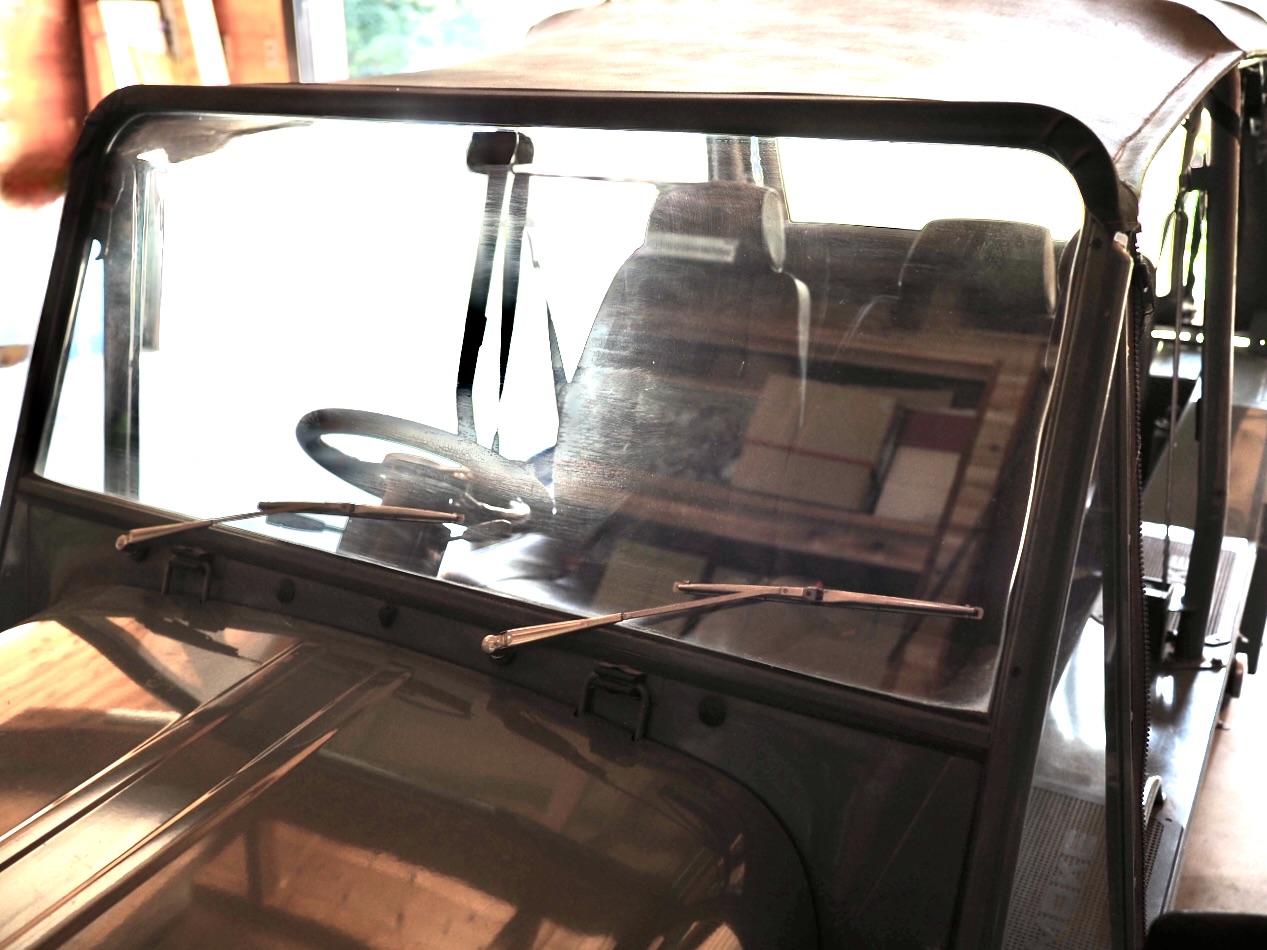
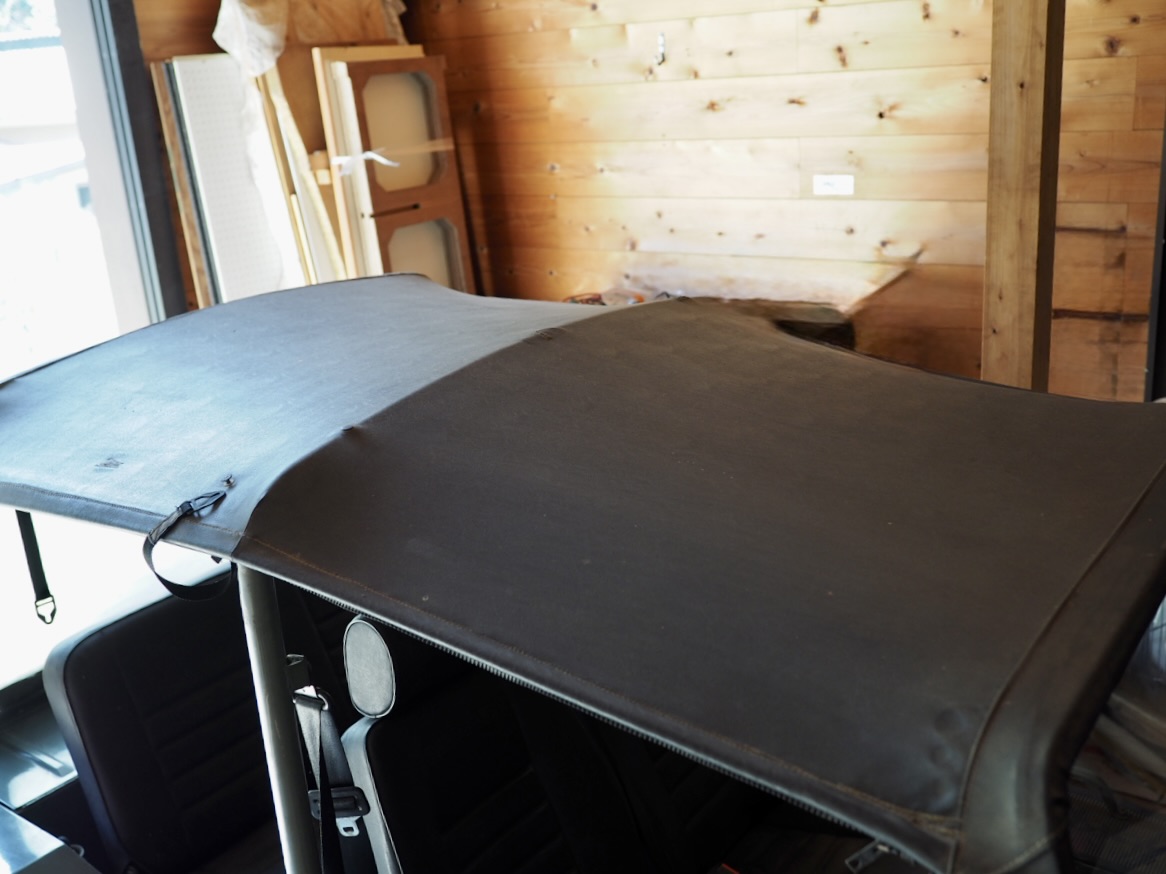
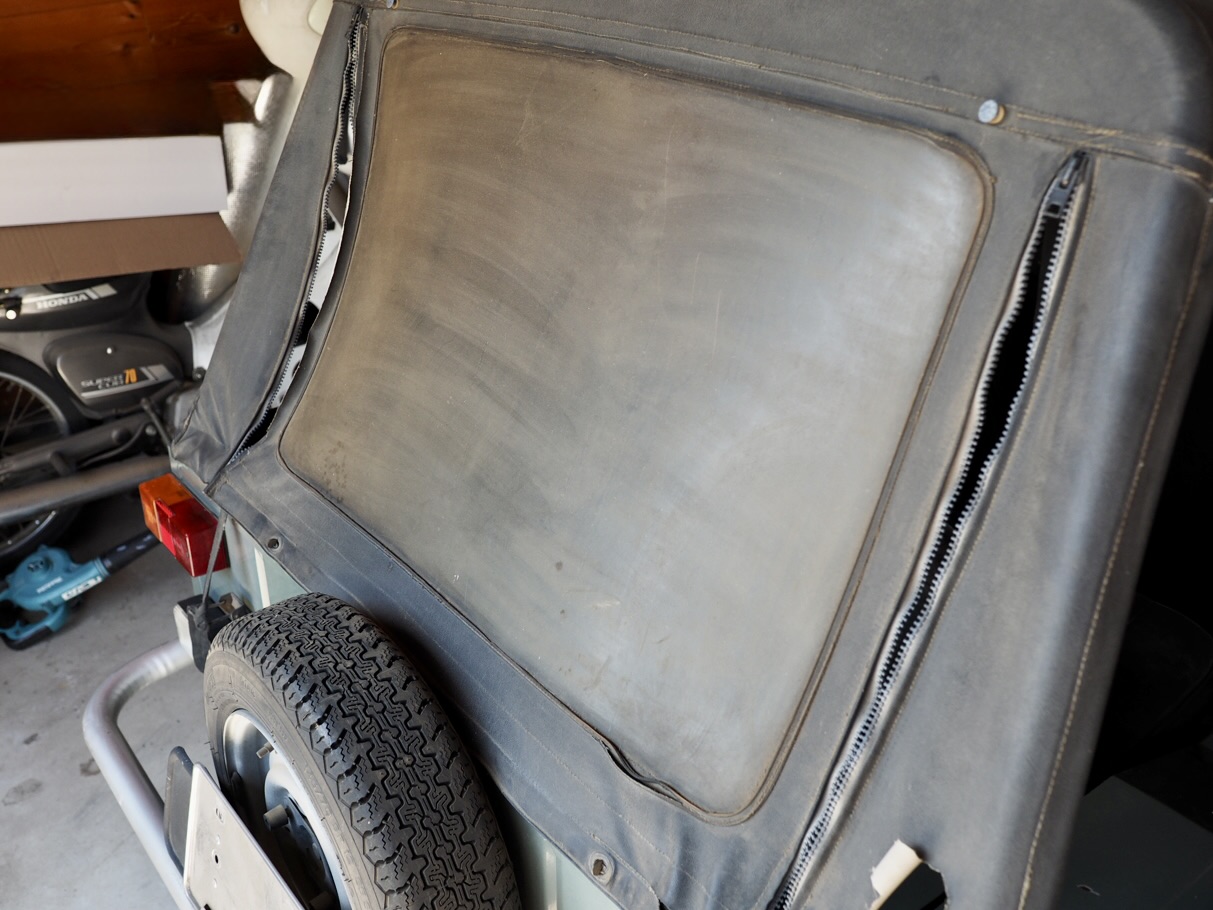
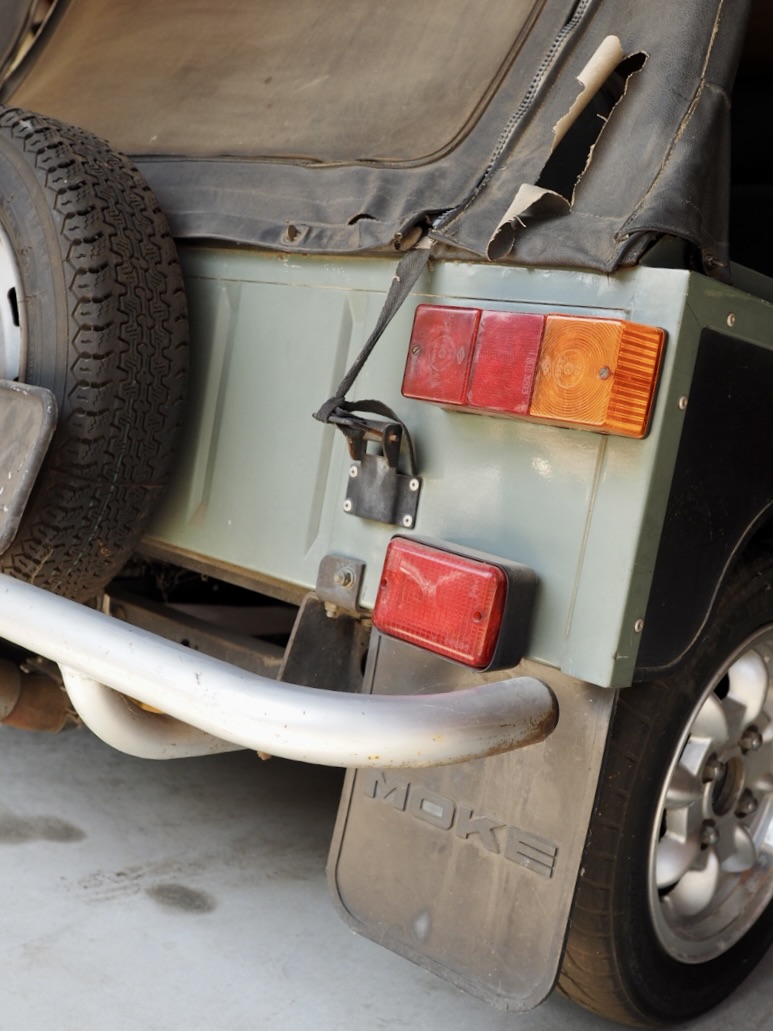
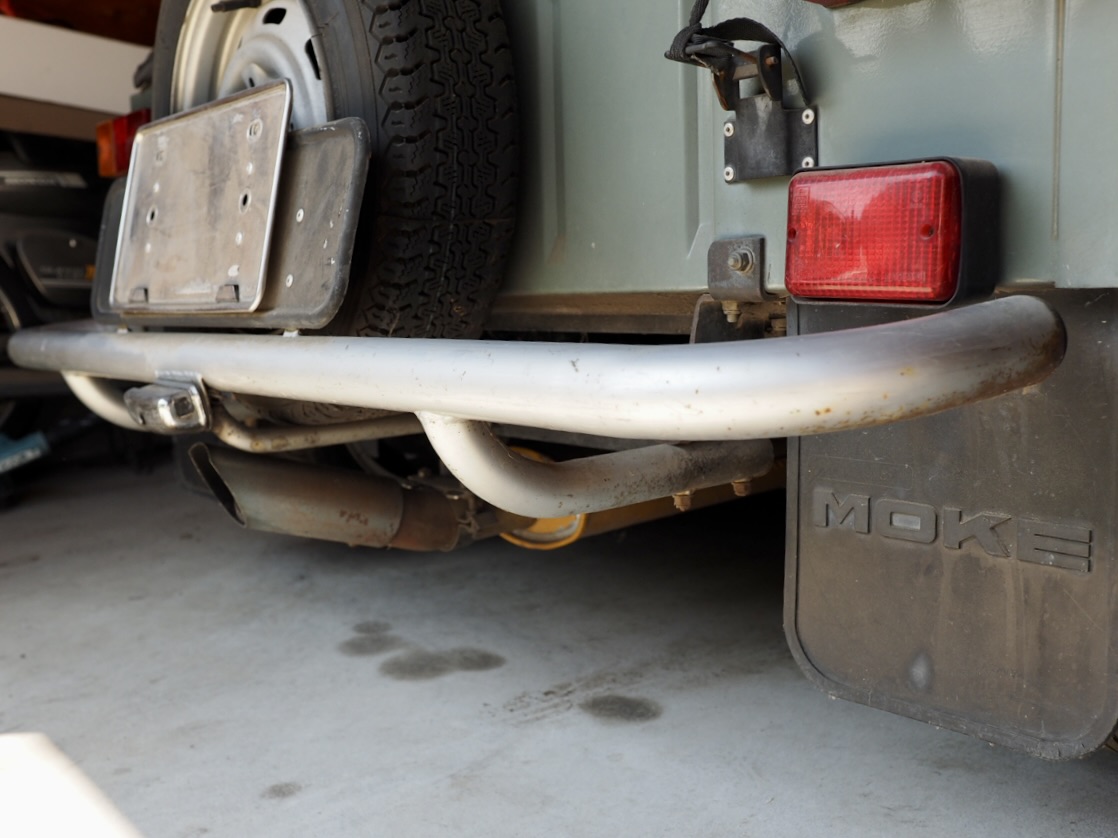
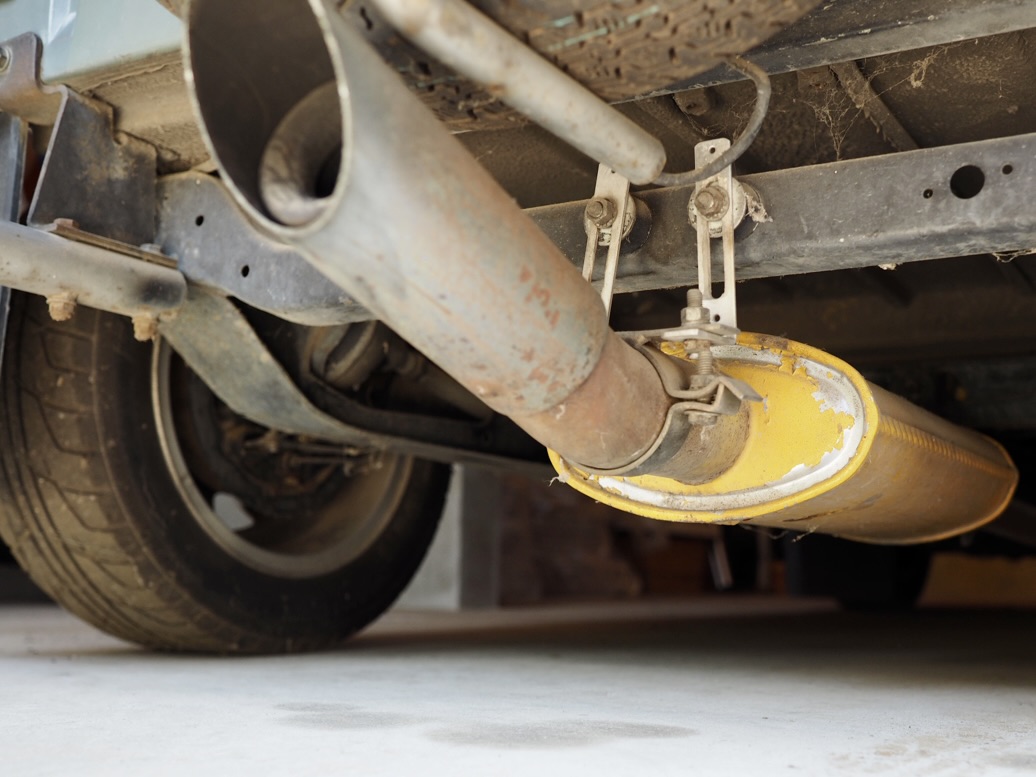
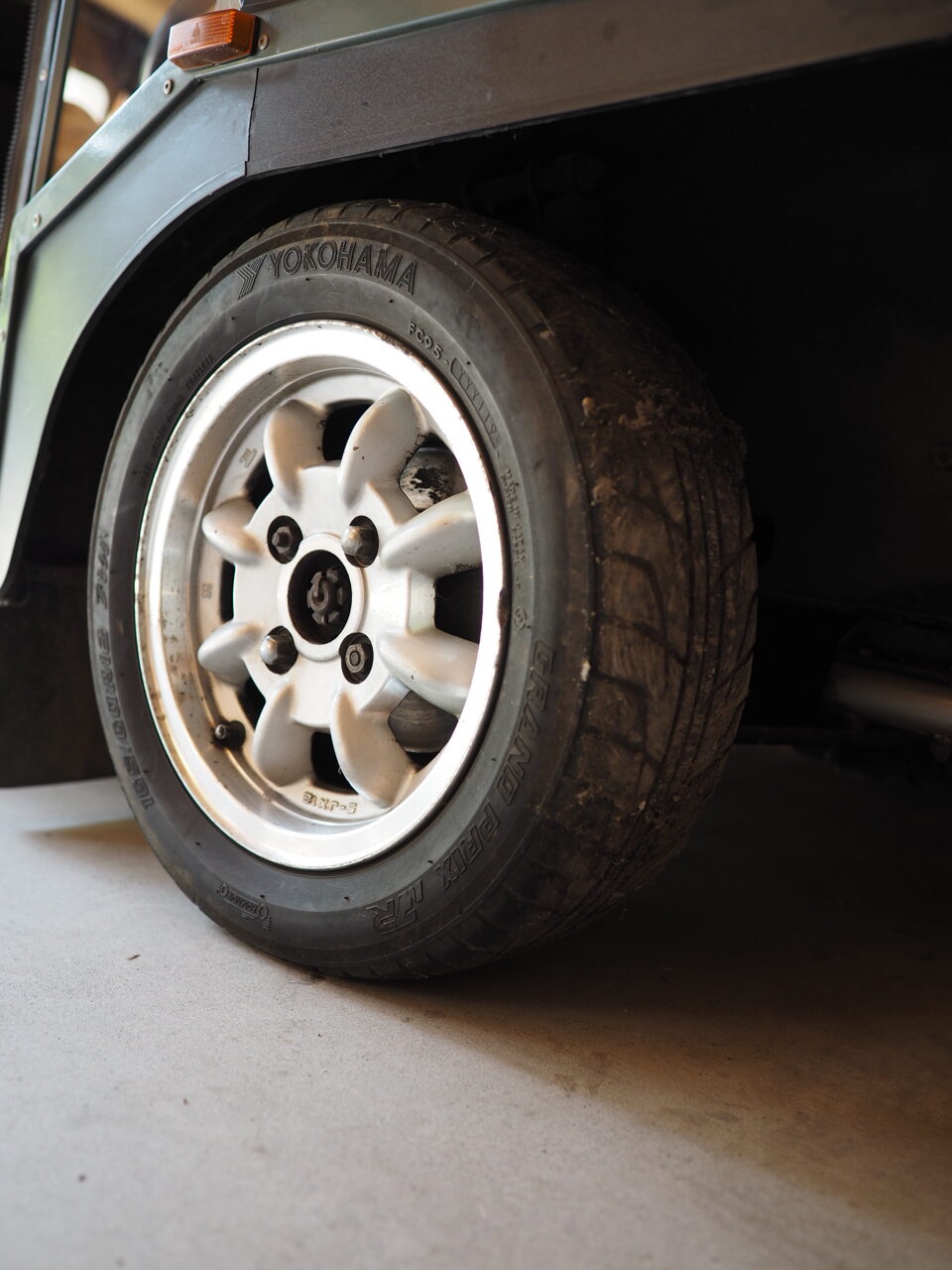
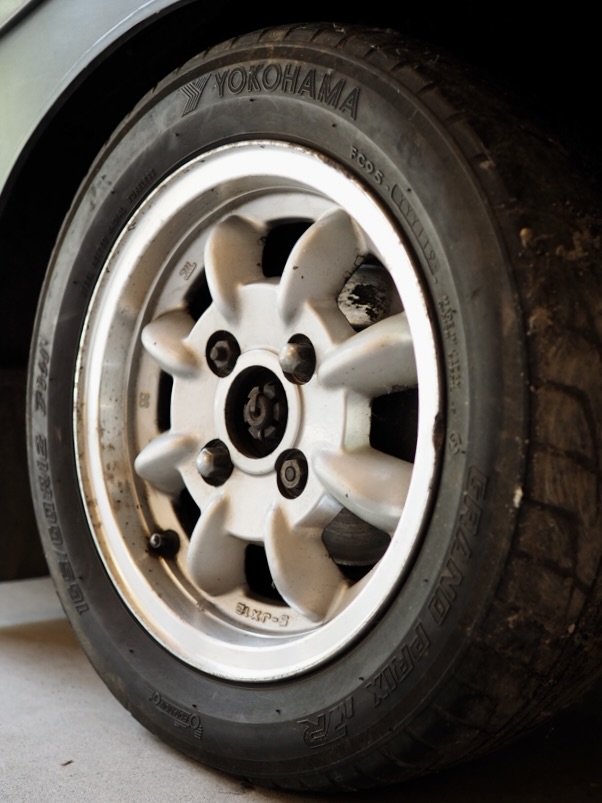
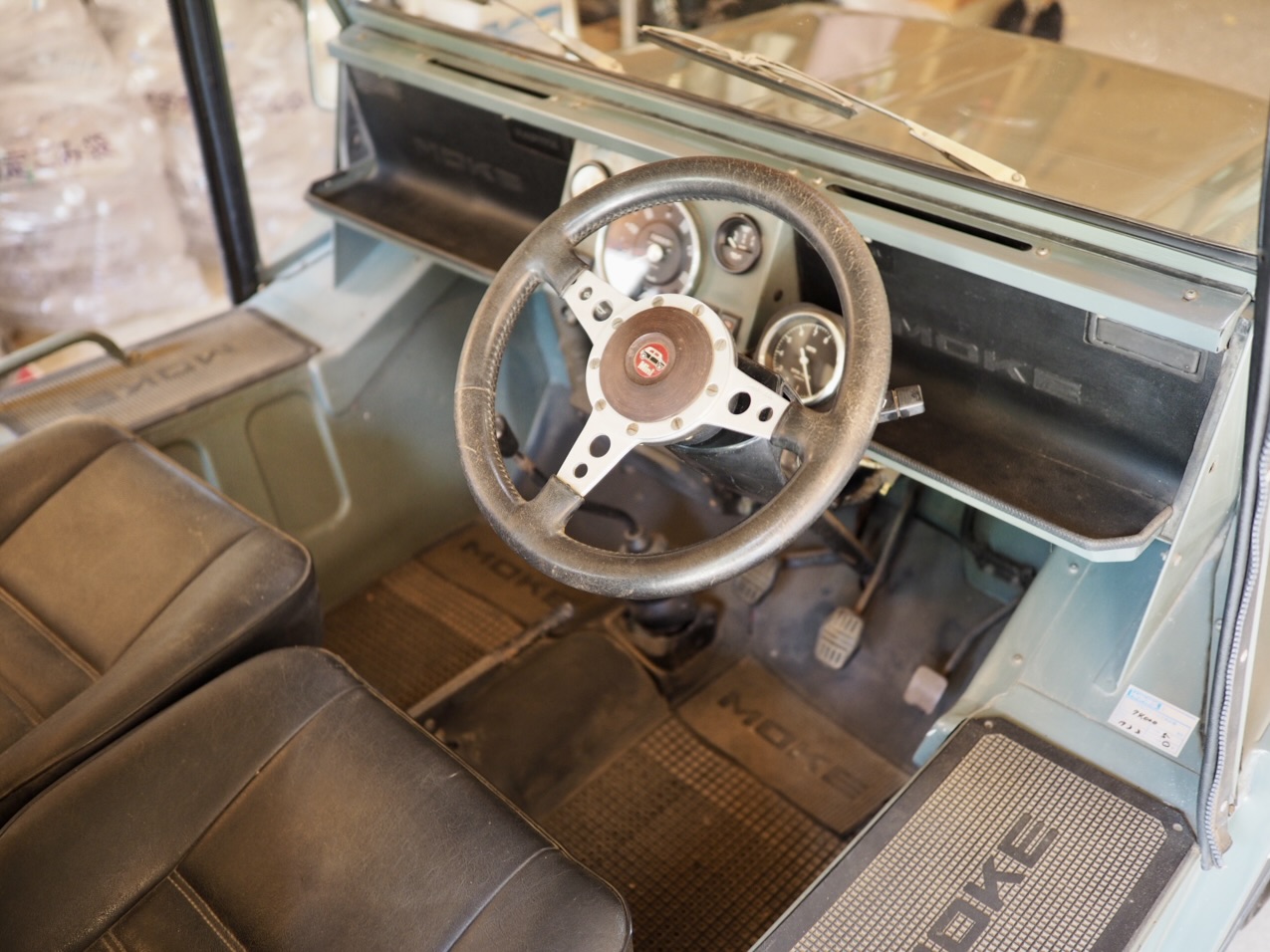
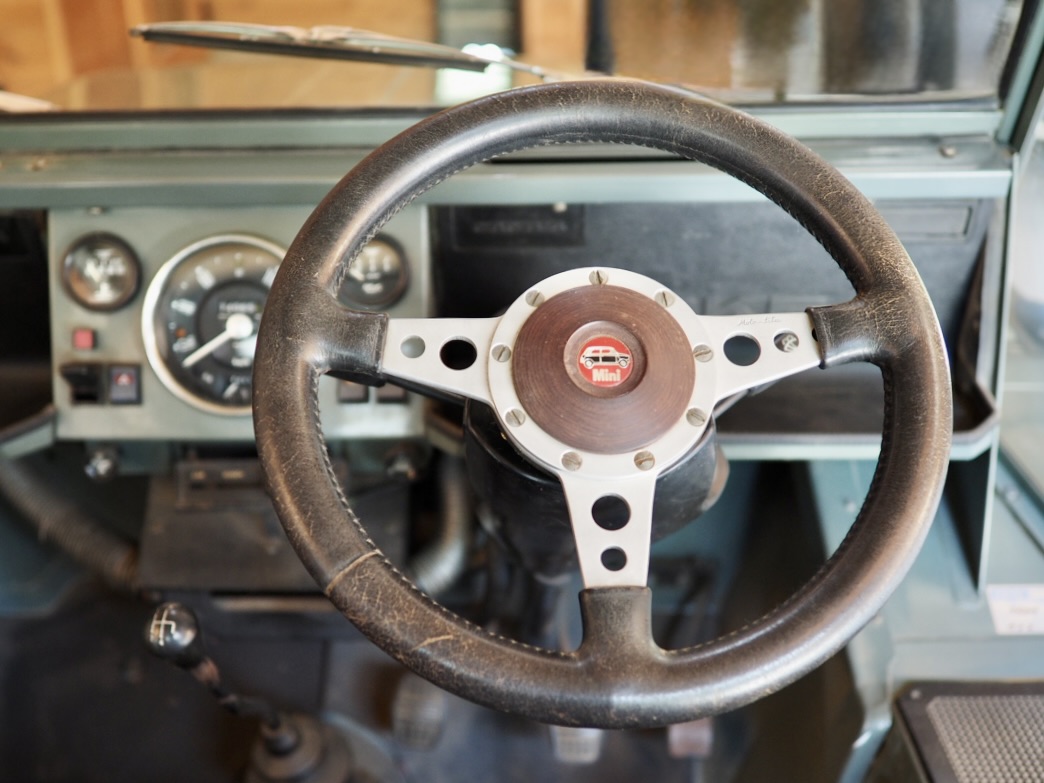
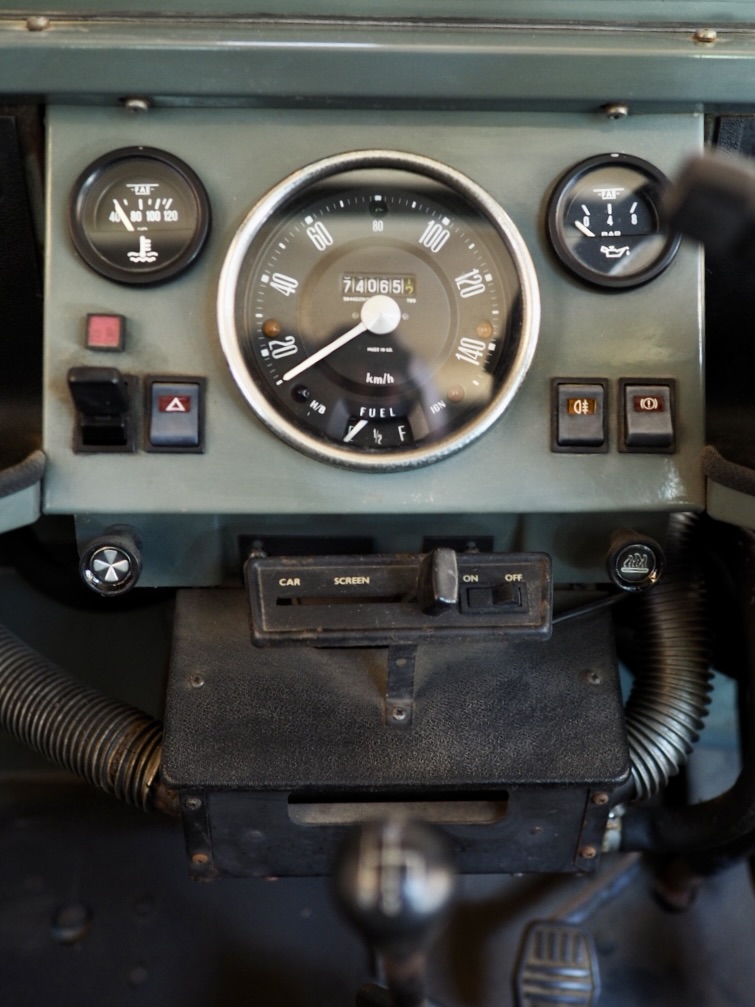
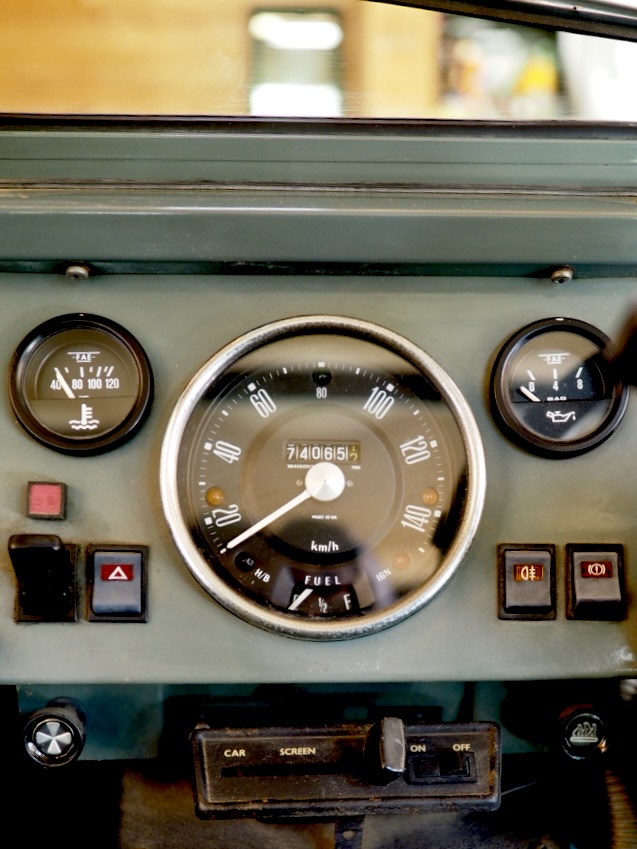
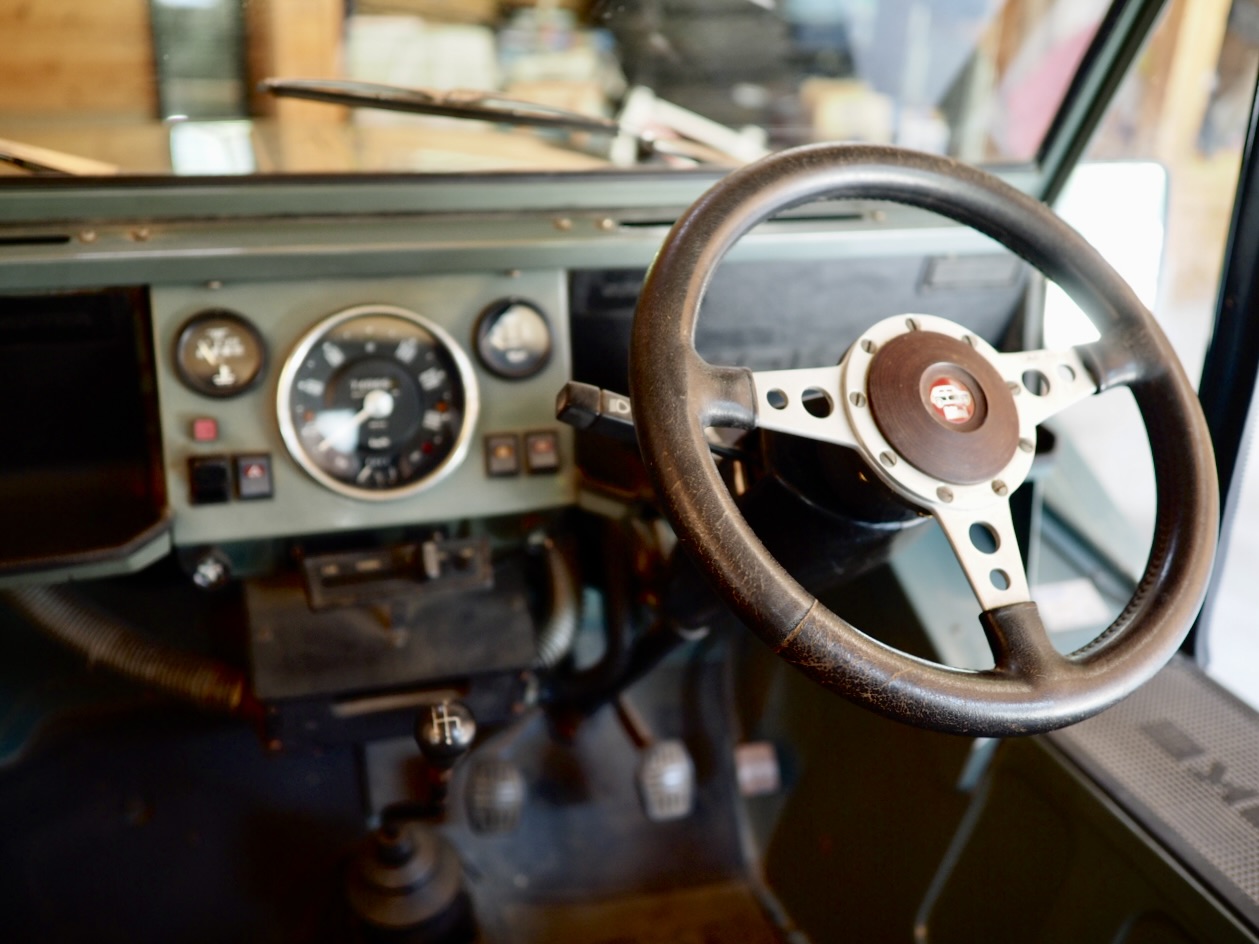
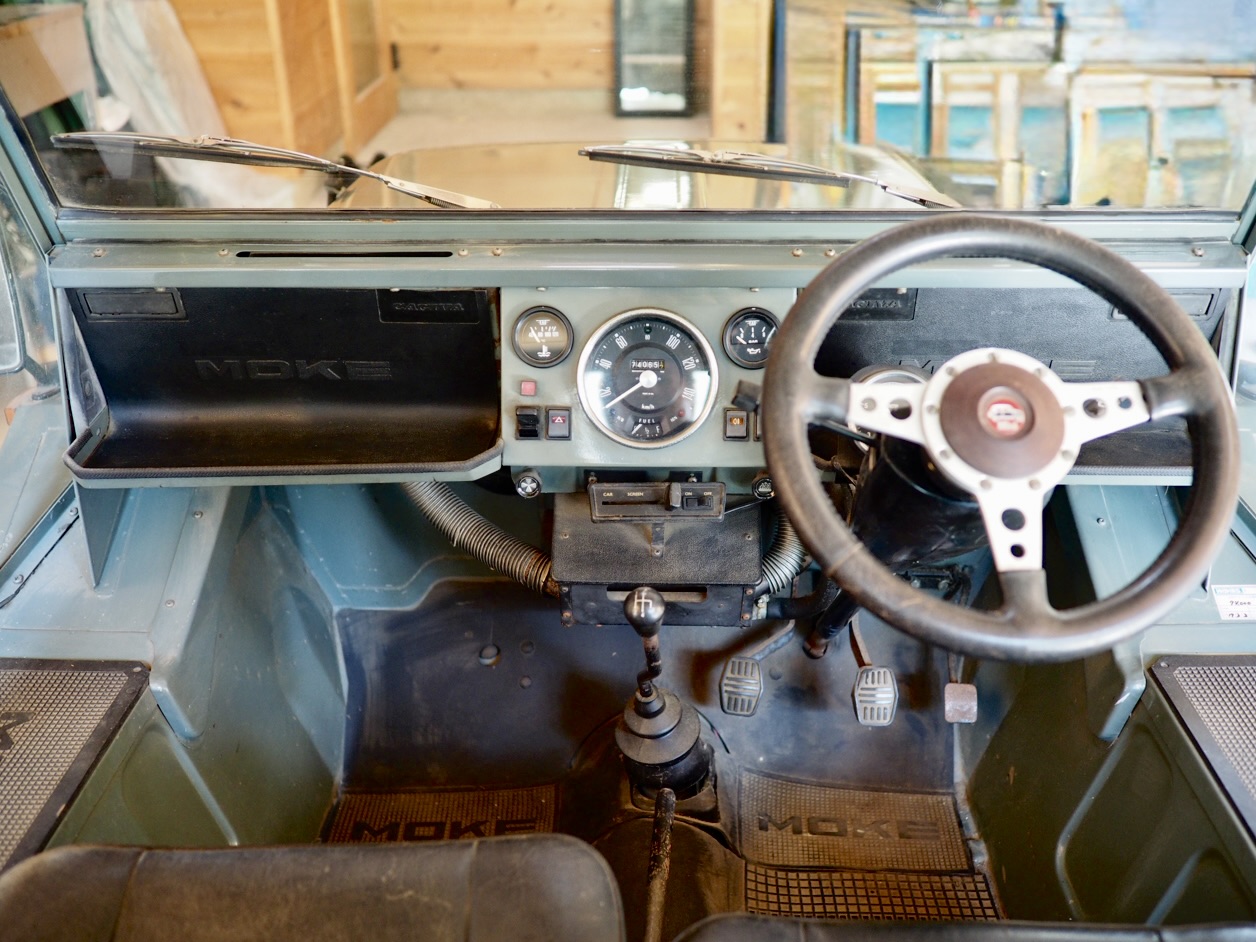
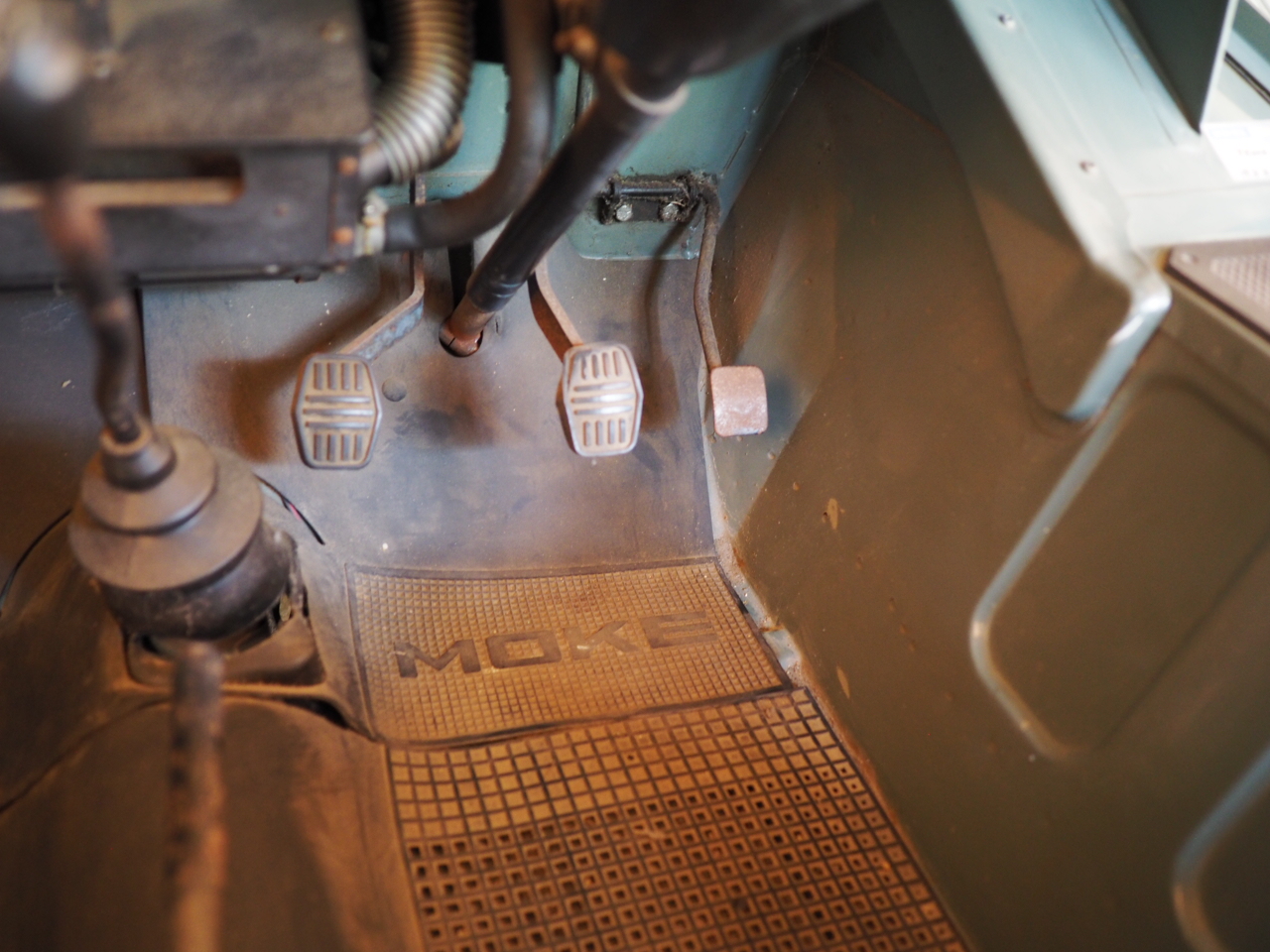
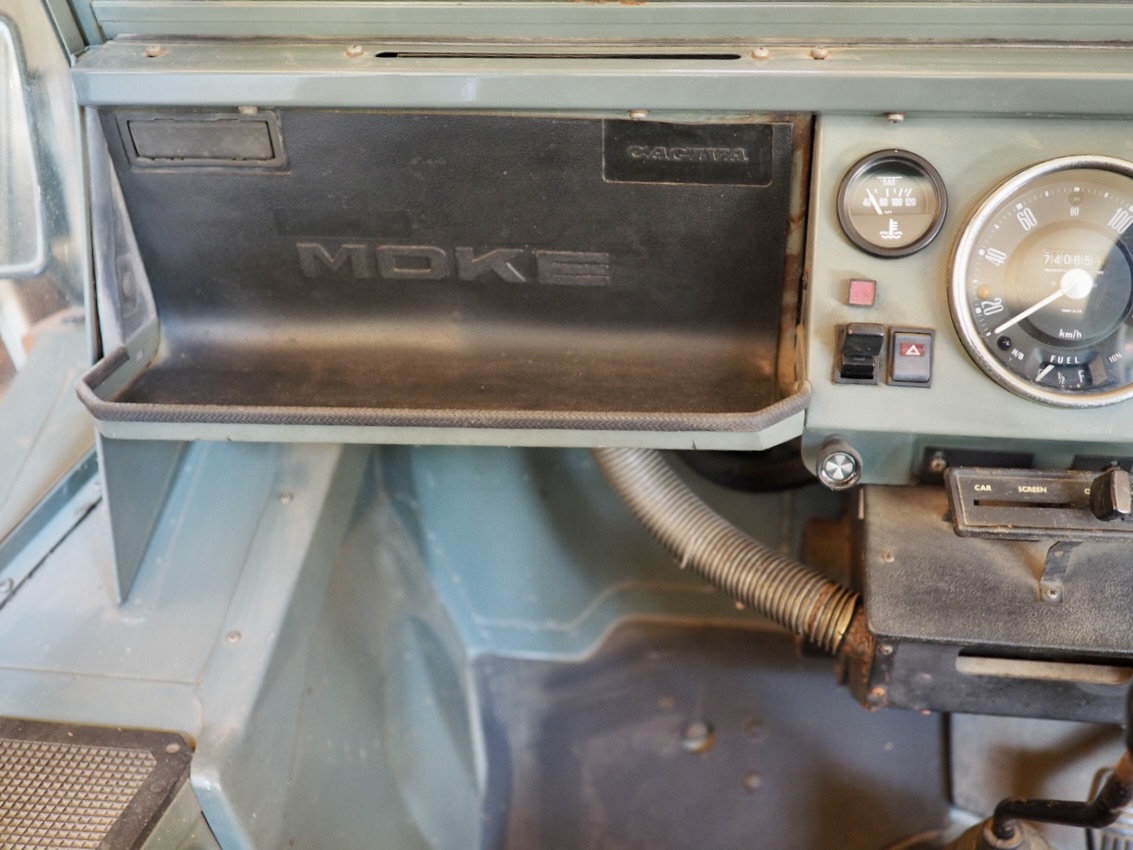
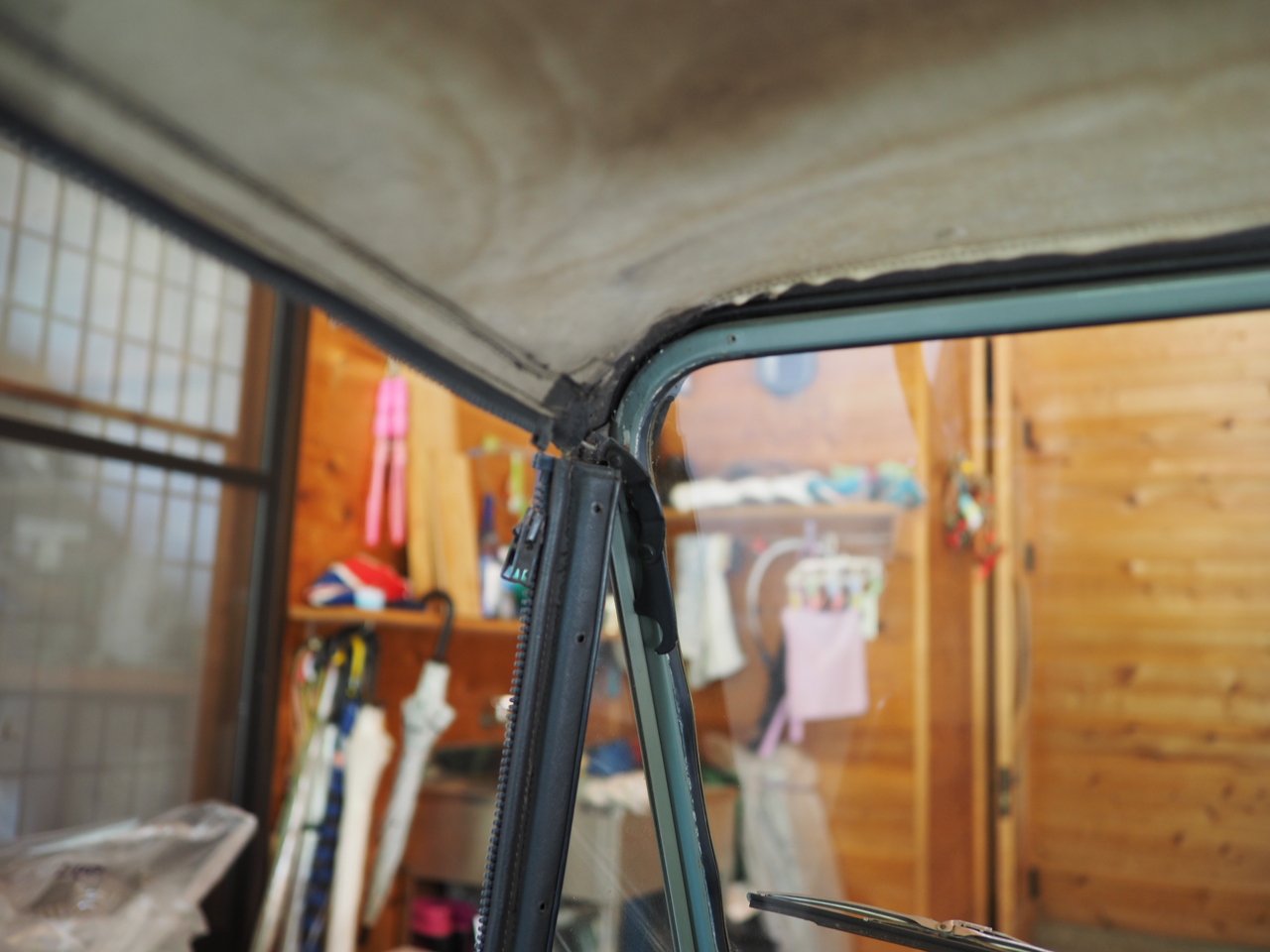
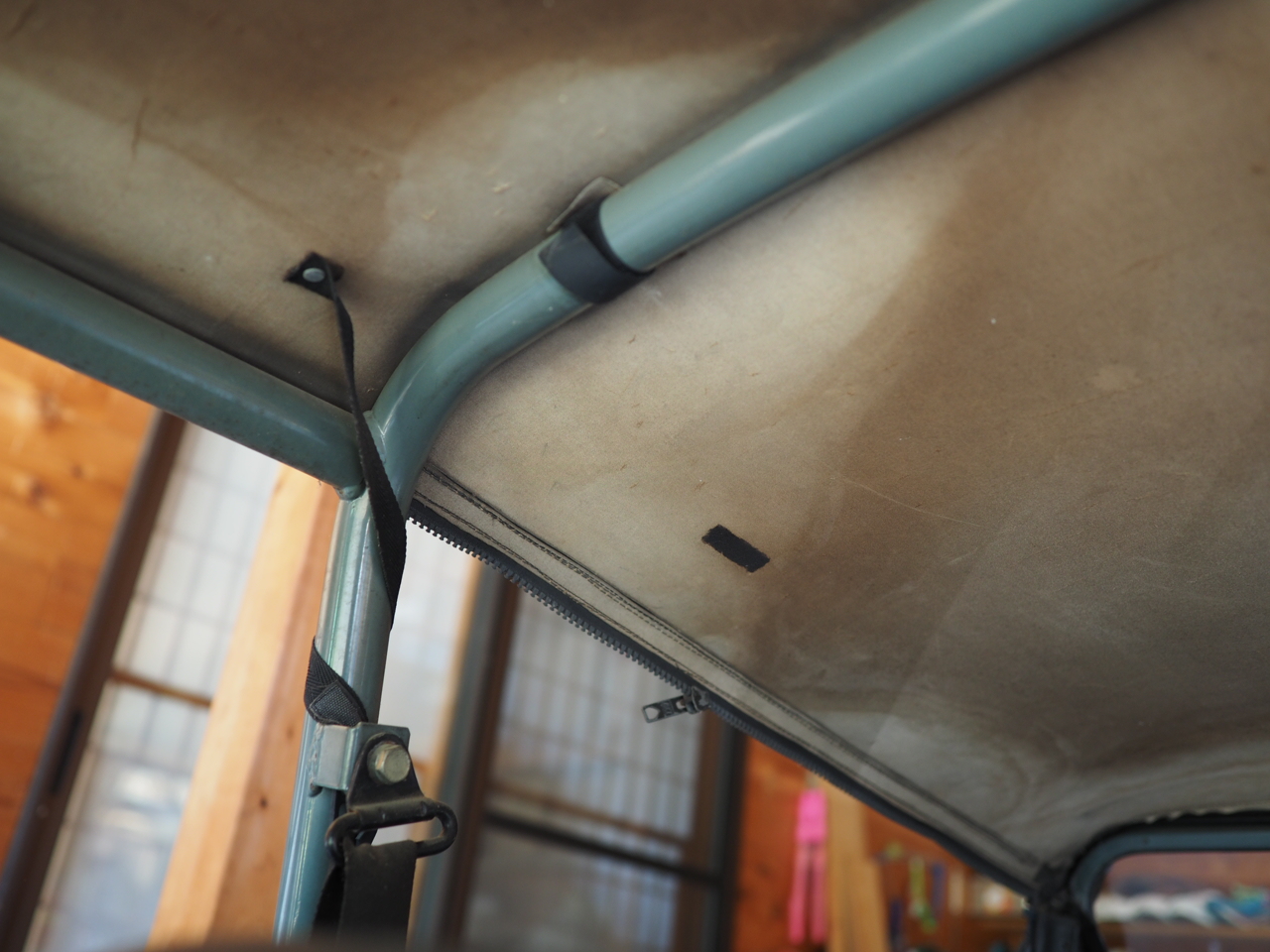
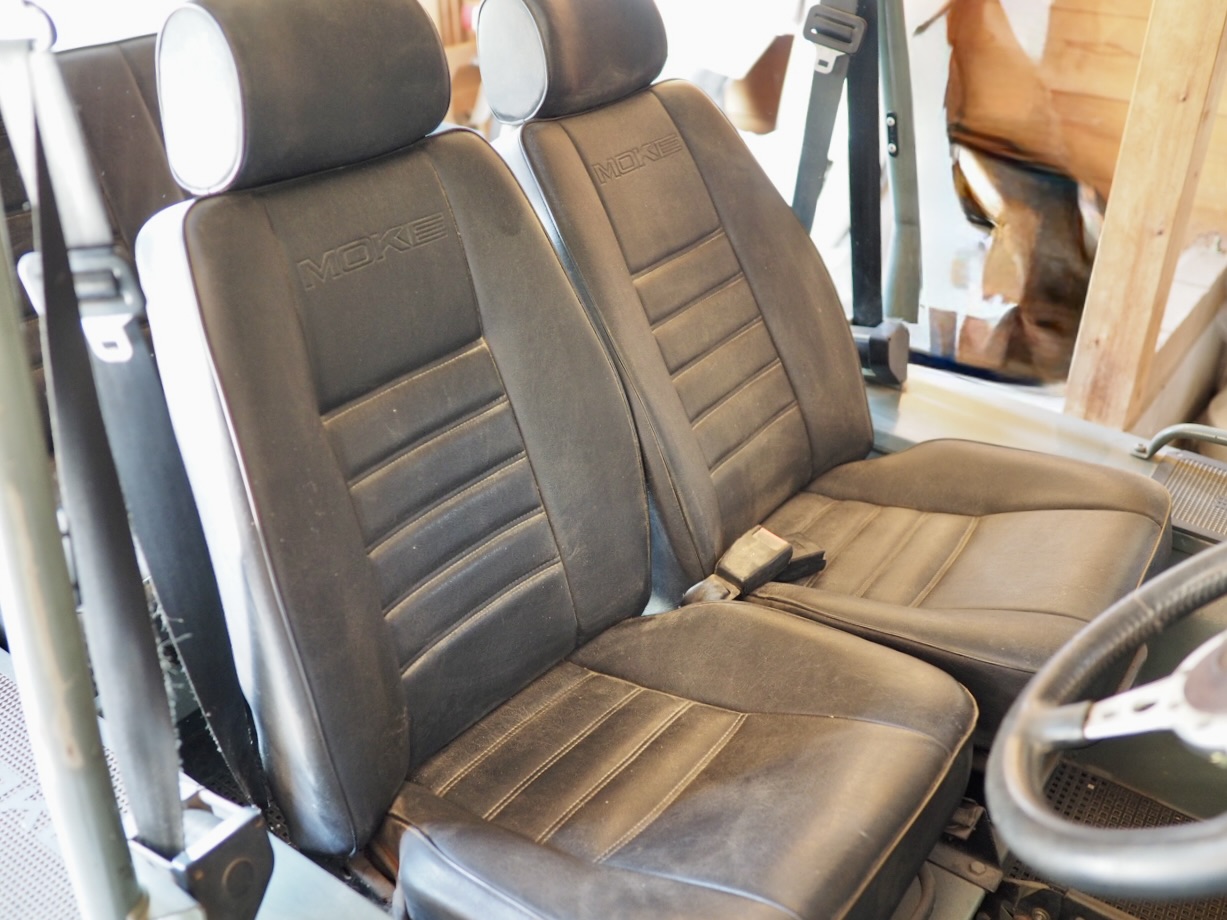
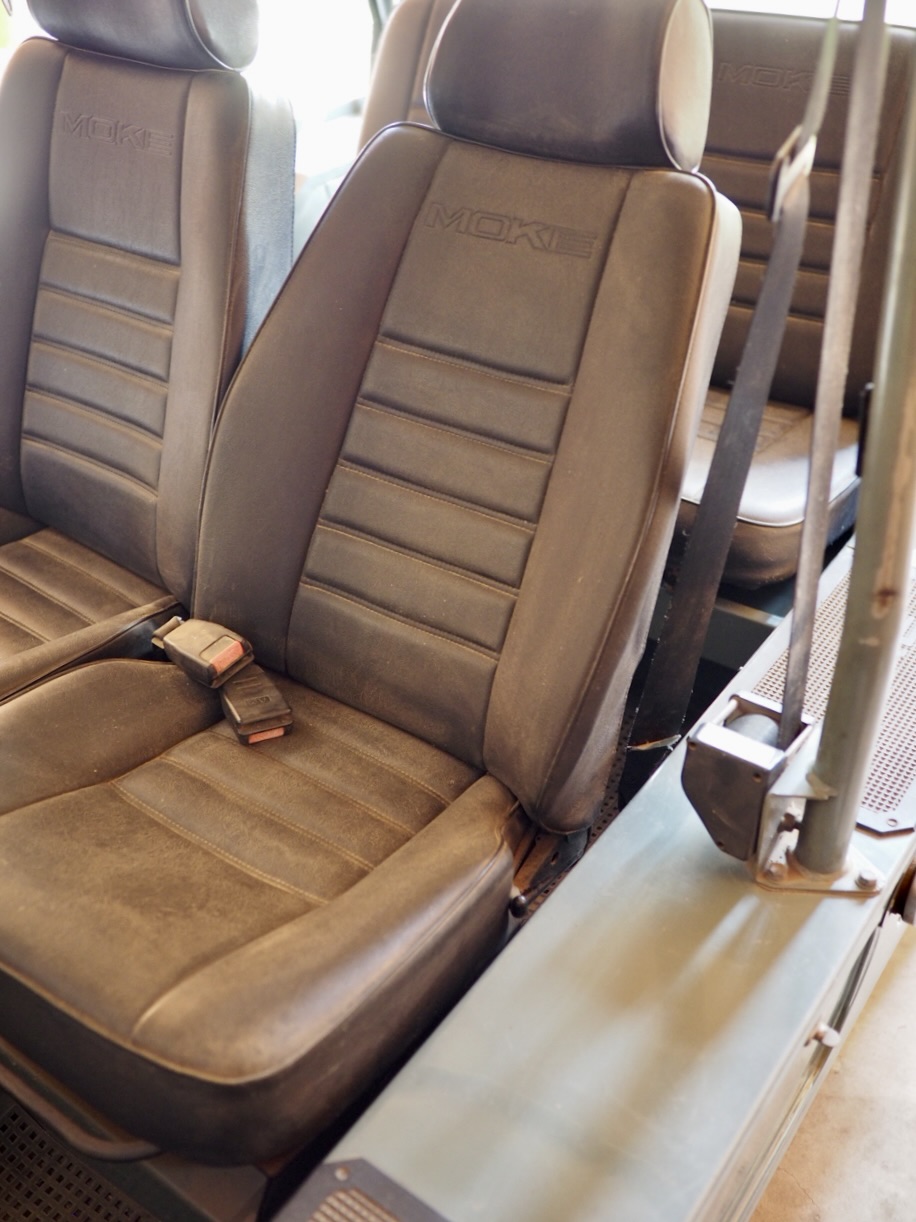
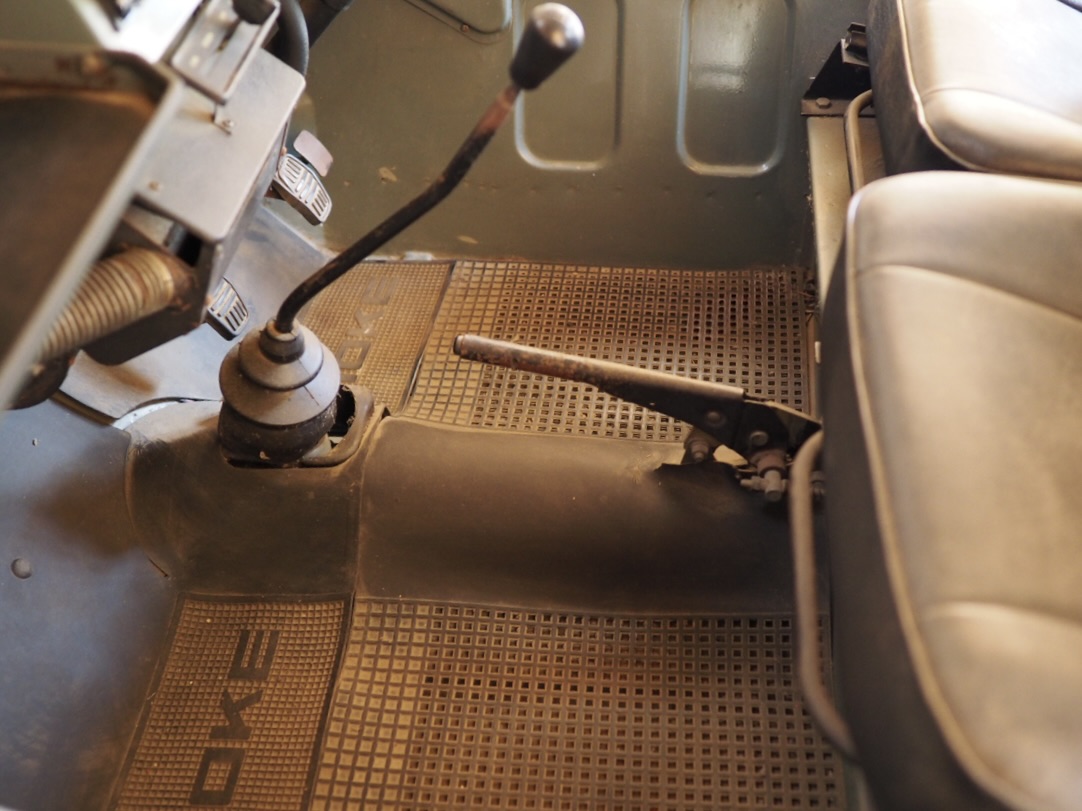
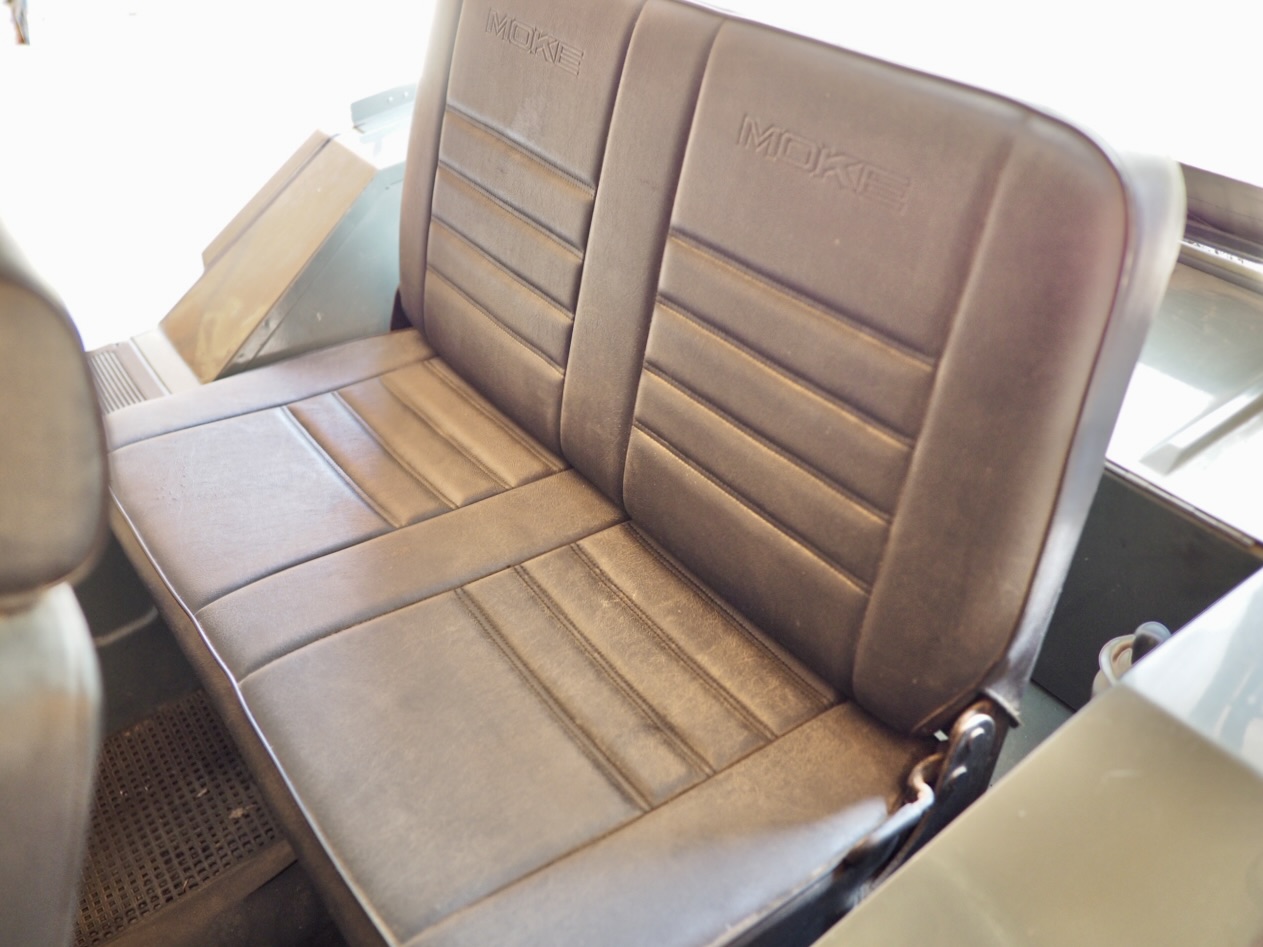
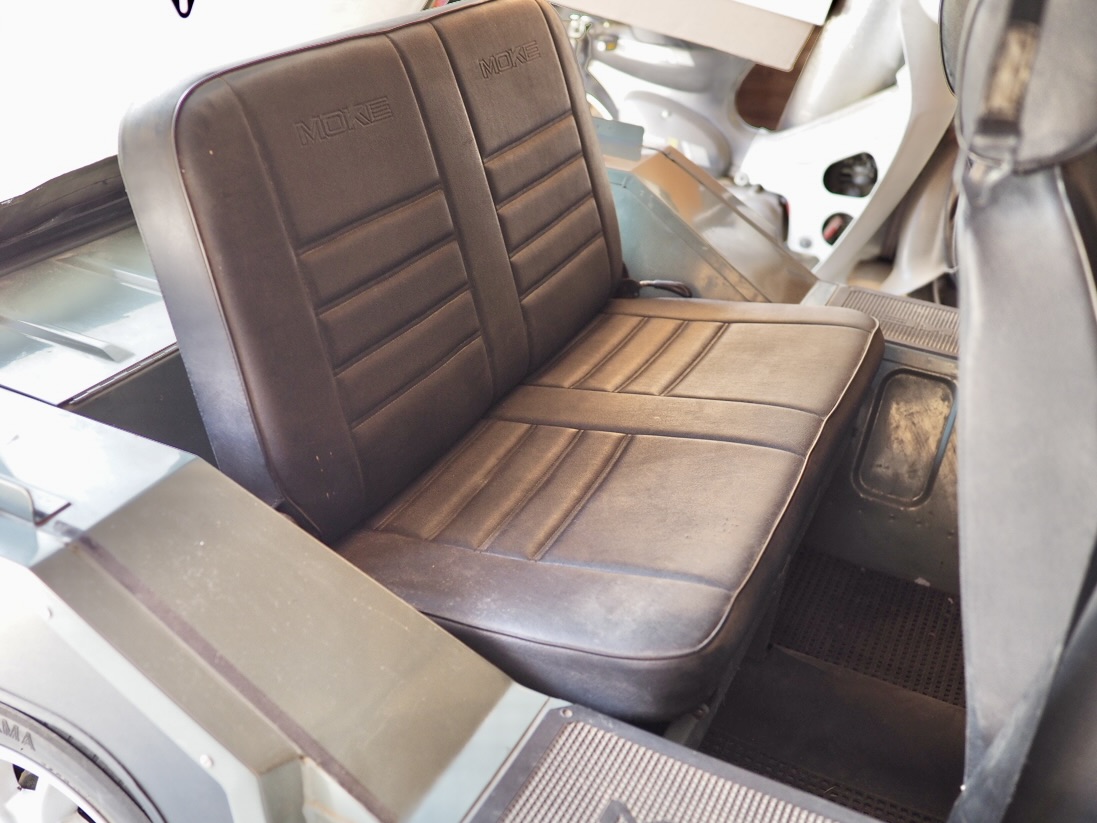
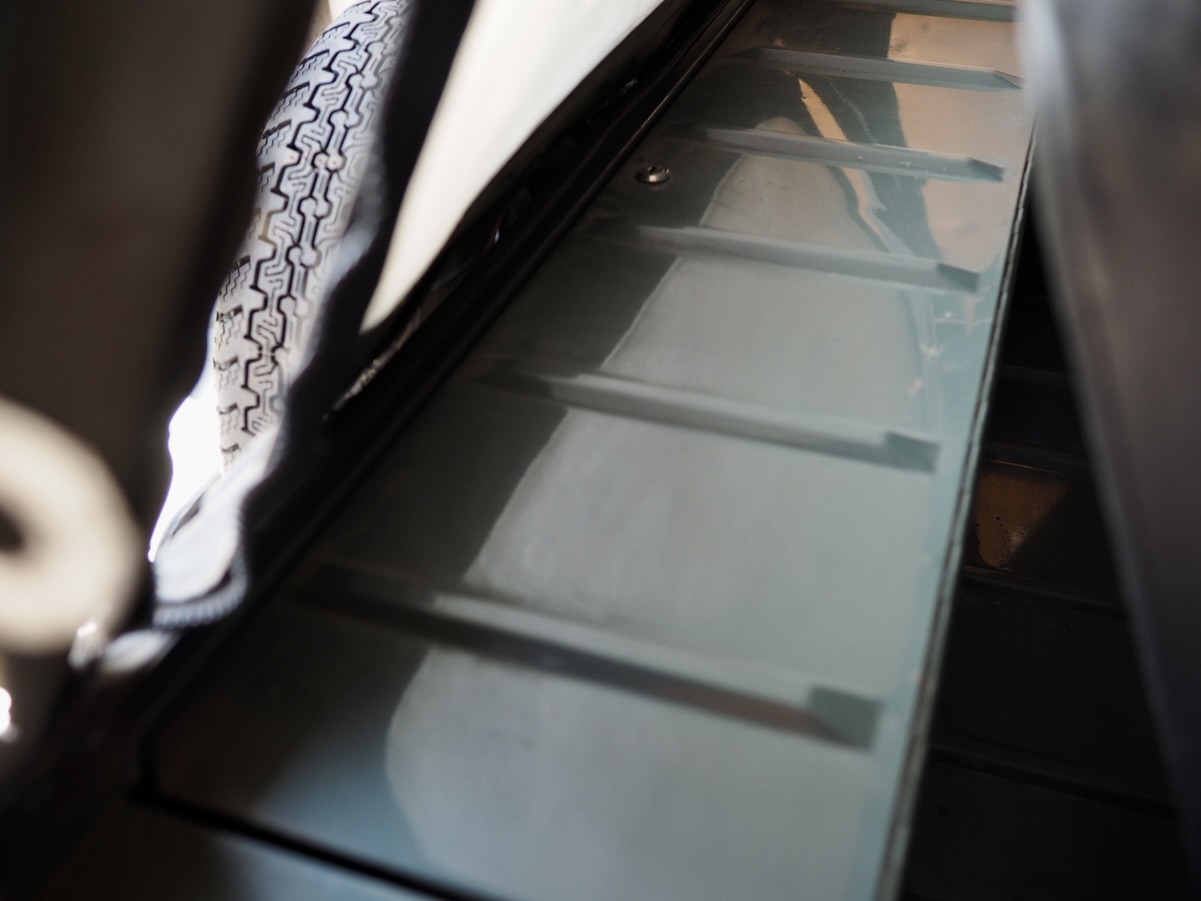
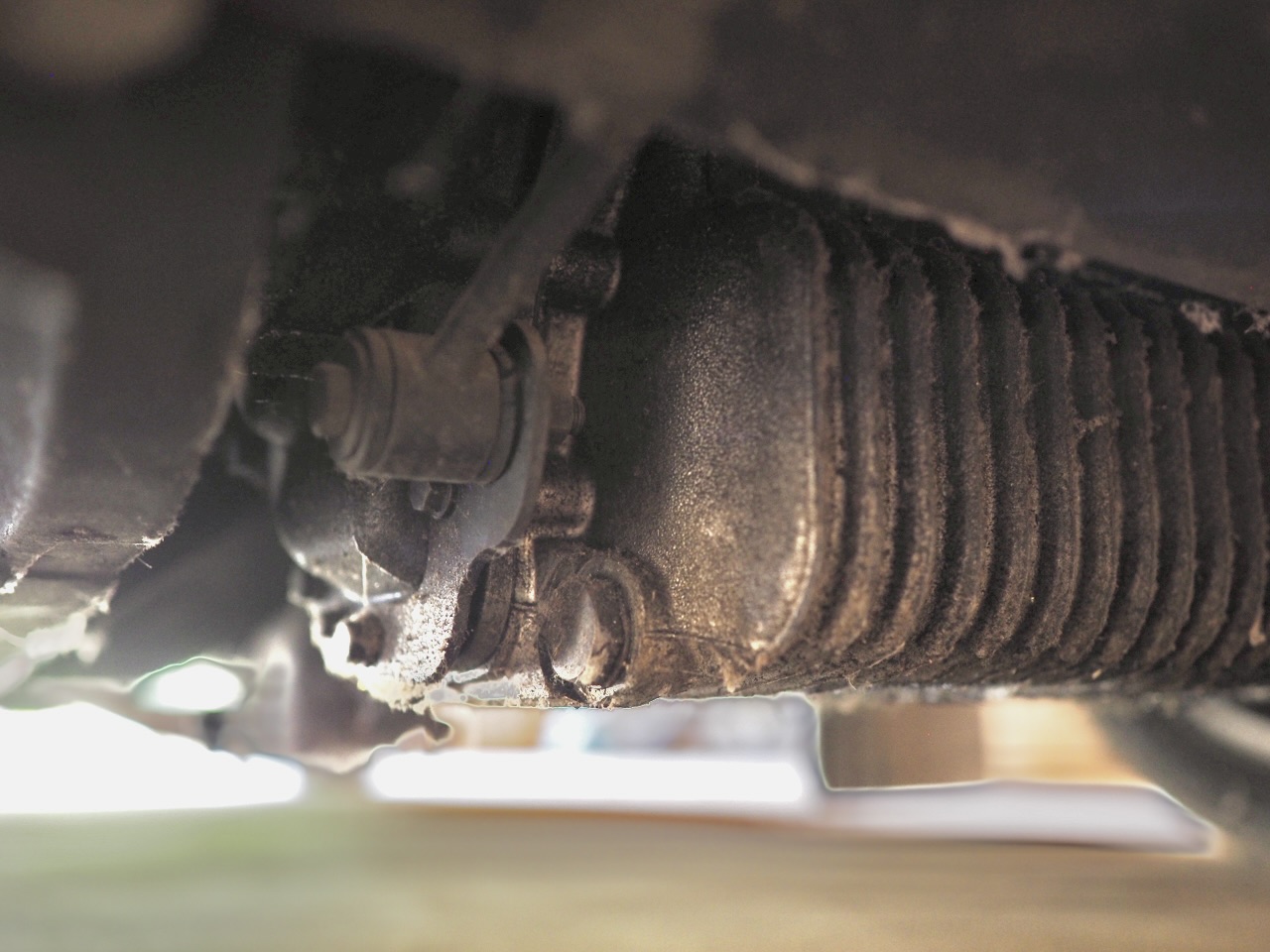
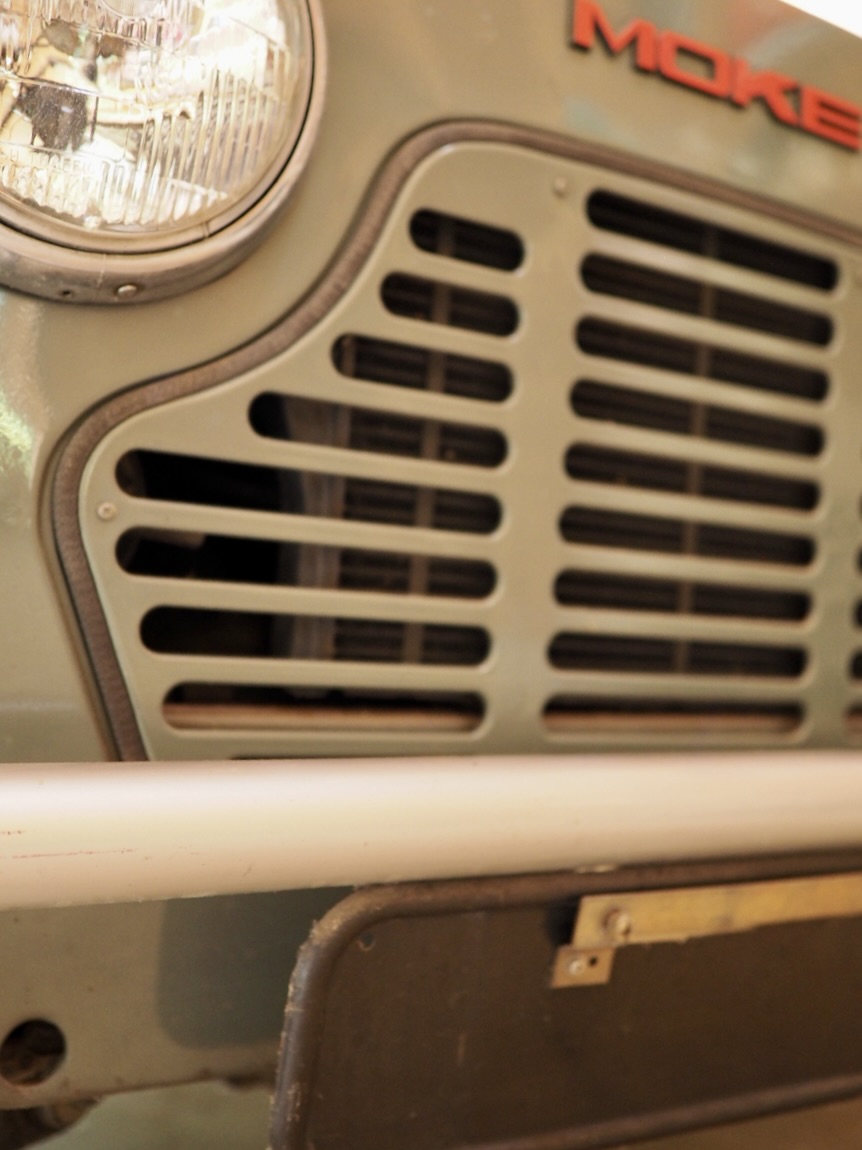
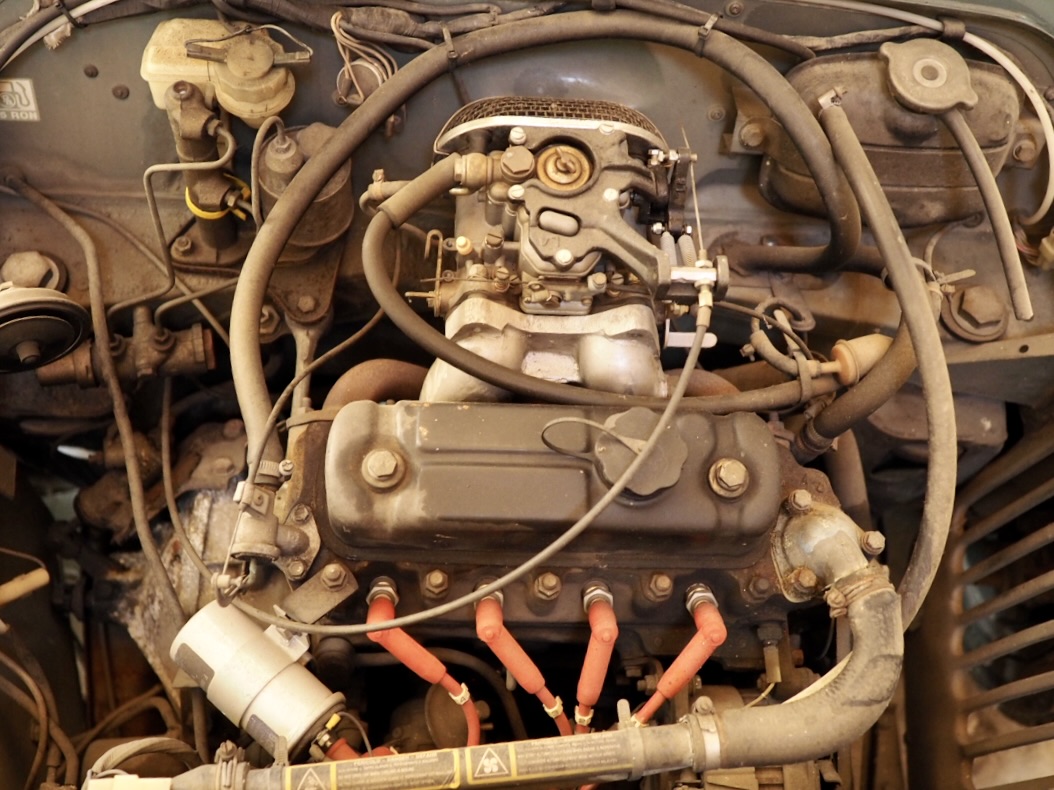
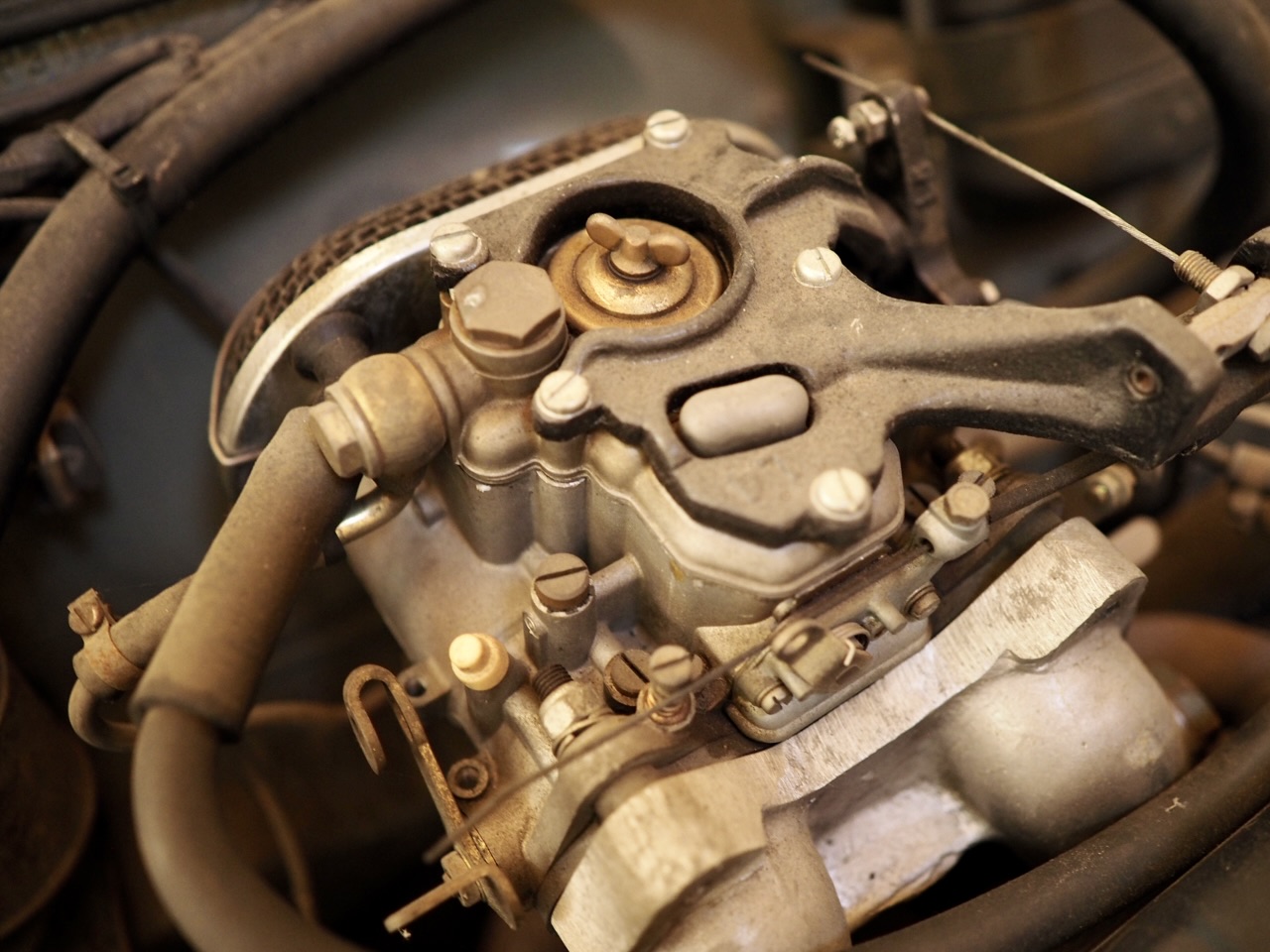
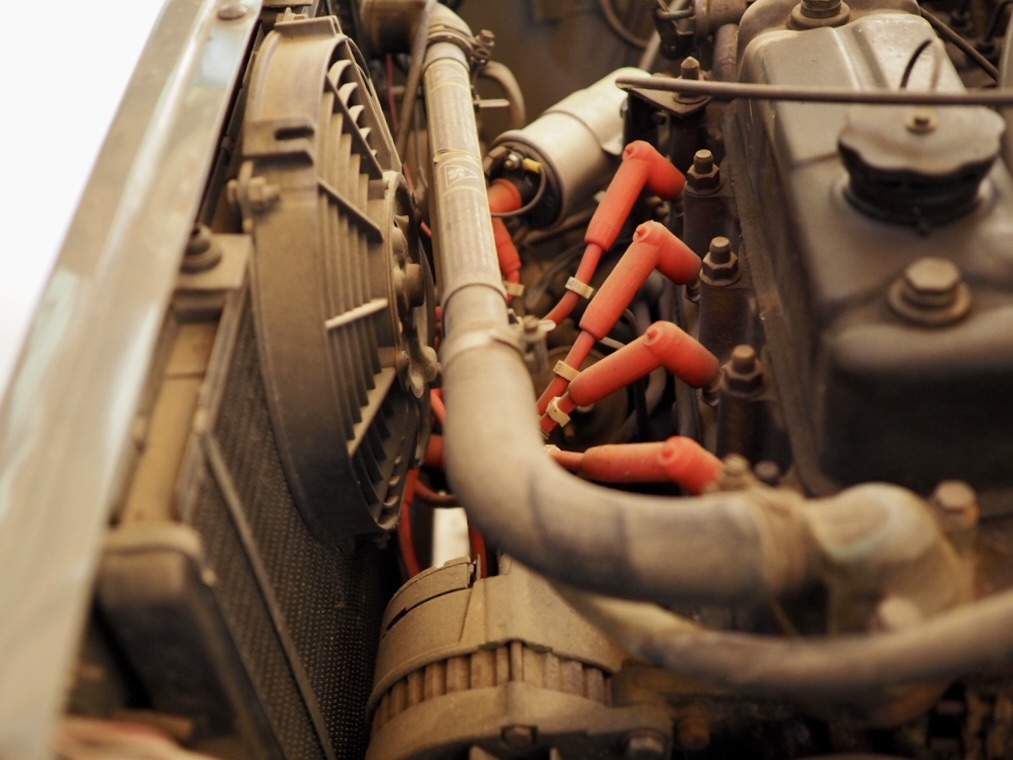
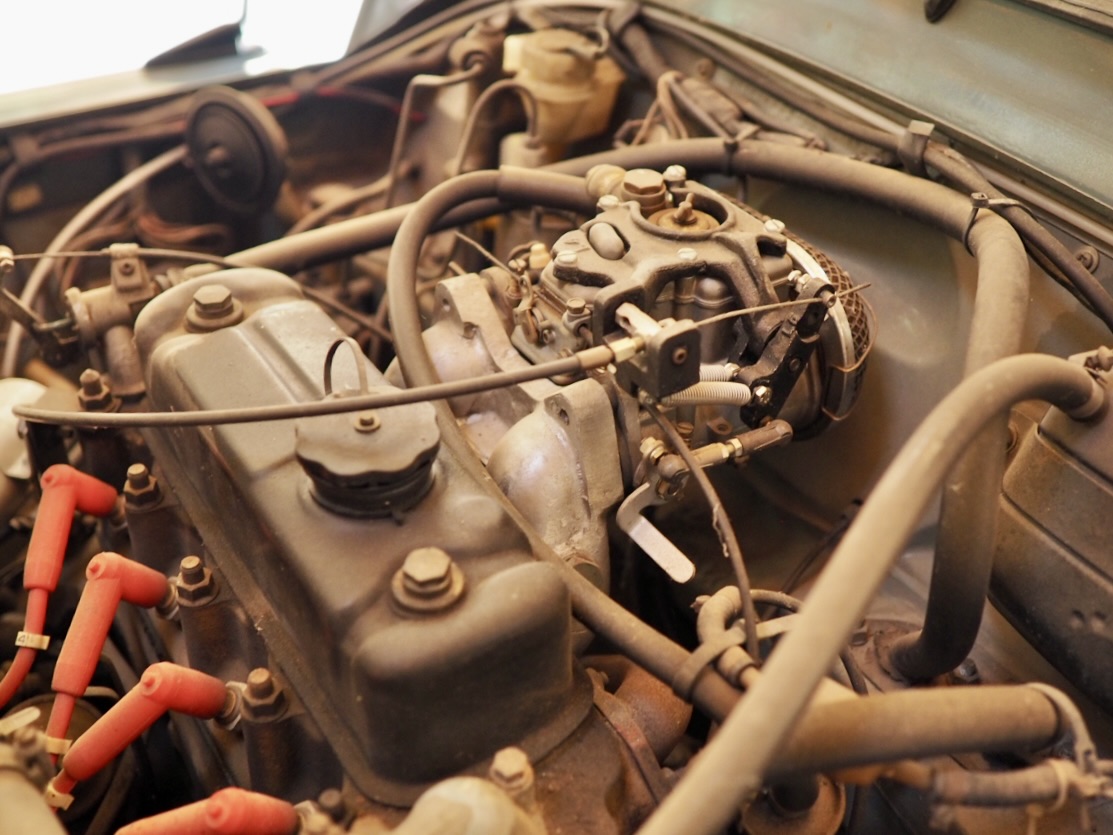
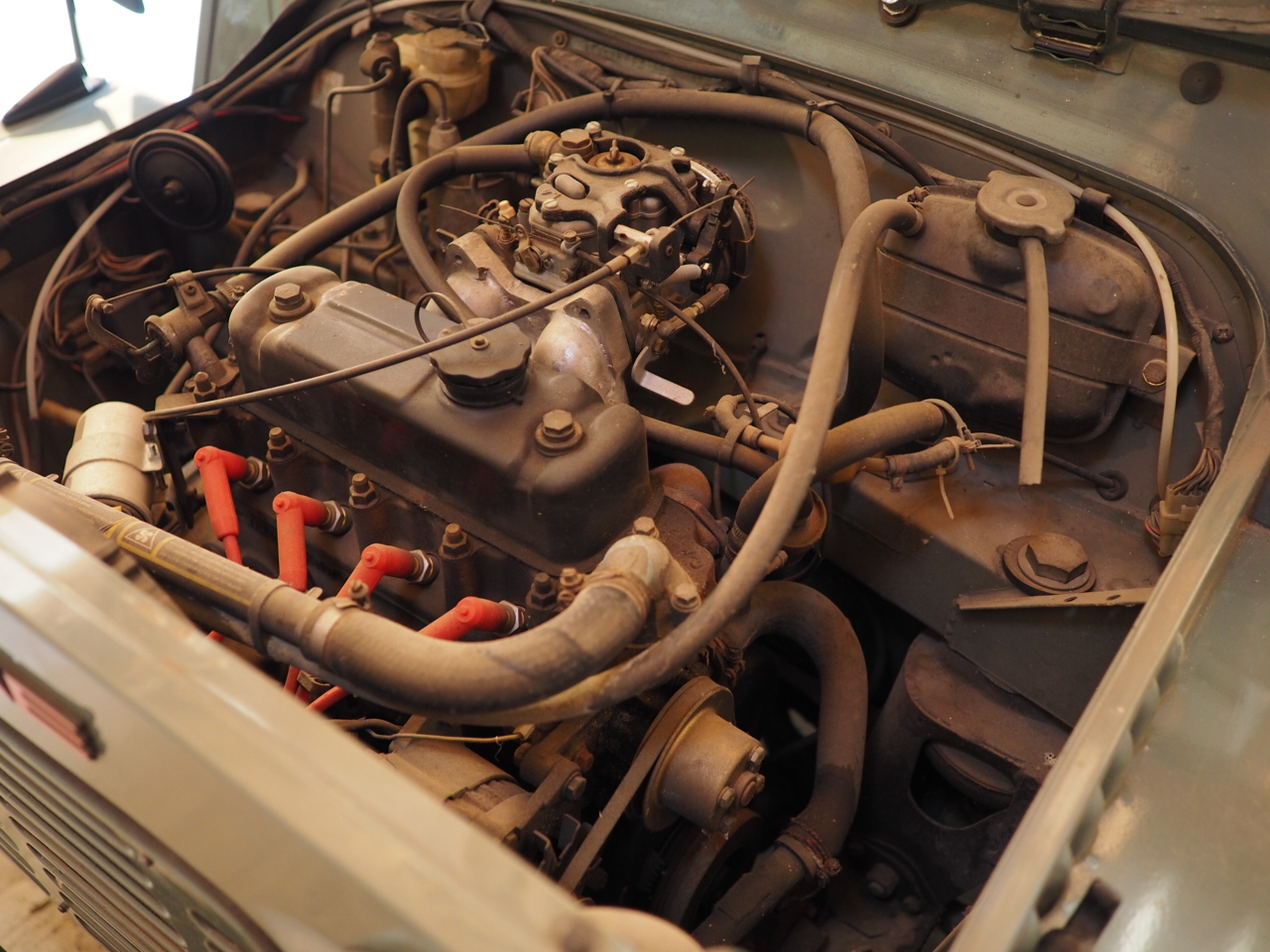
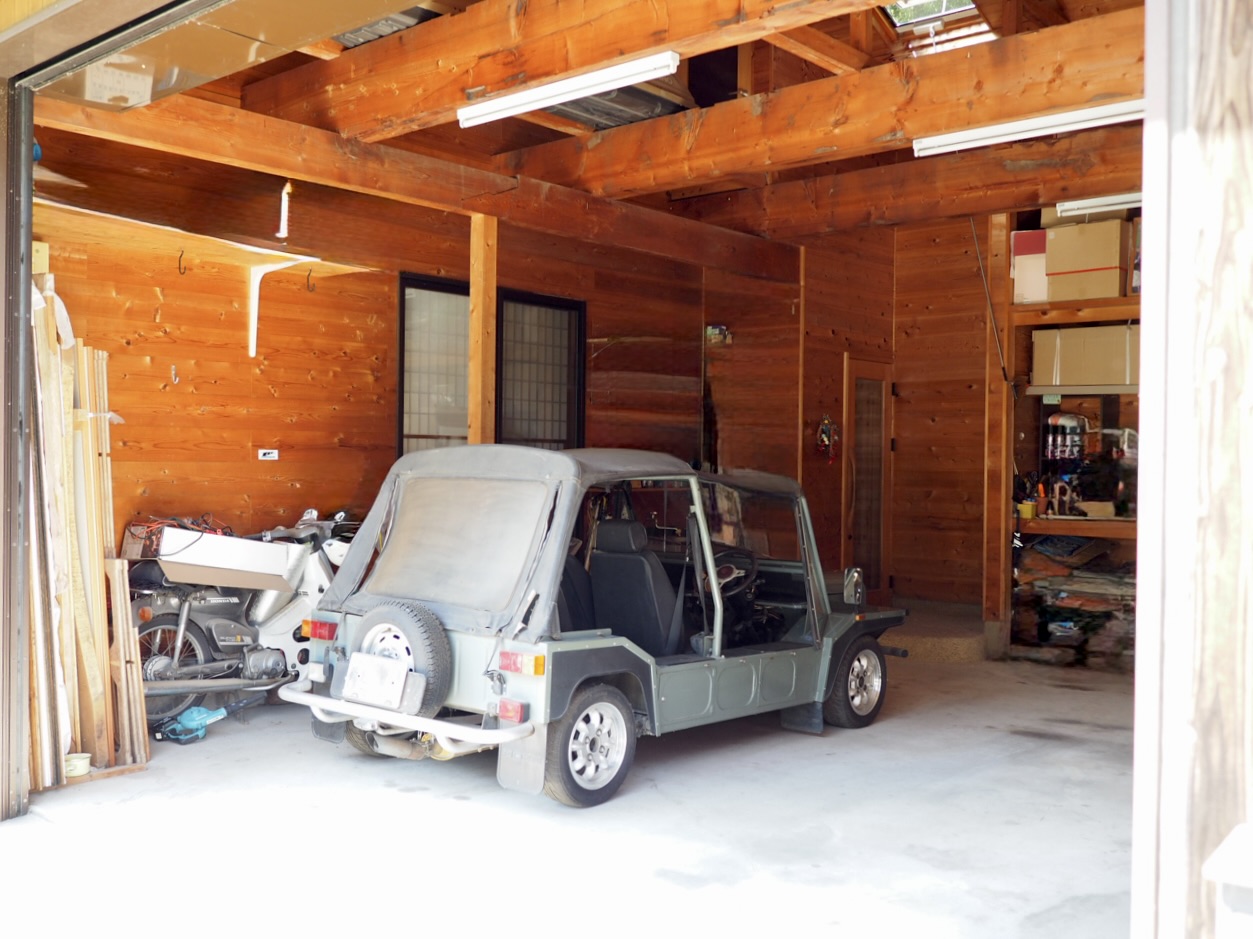
The detailed condition of the vehicle is described in each photo.
On the top slide you will find 50 attractive photos of the vehicle! Please click on a photo to view it with its description. Click outside the picture to return to the page.
SPEC
Length
3370mm
Width
1540mm
Height
1500mm
Weight
740kg
Engine Displacement
998cc