

TOP>Stock List>1990model Lotus Esprit X180 2.2L Naturally Aspirated
1990model
Lotus Esprit X180 2.2L Naturally Aspirated






↑↑↑Please watch the archived video above with audio if possible...
There existed a 1990 one-owner Lotus Esprit X180 2.2L NA, cherished with deep passion for over 30 years…! A never-before-released, original example with matching chassis and engine that richly colored its owner’s life—this captivating “new shape” Esprit was a car that enthralled everyone who drove it and everyone who beheld it…!
Chapter One…
A 1990 Lotus Esprit—of the new-shape generation yet the final naturally aspirated carbureted model—kept by a single owner for 30 years and never let go…
A “never-for-public-release” purebred example, resting in a pit-equipped garage and quietly polished over the years…!
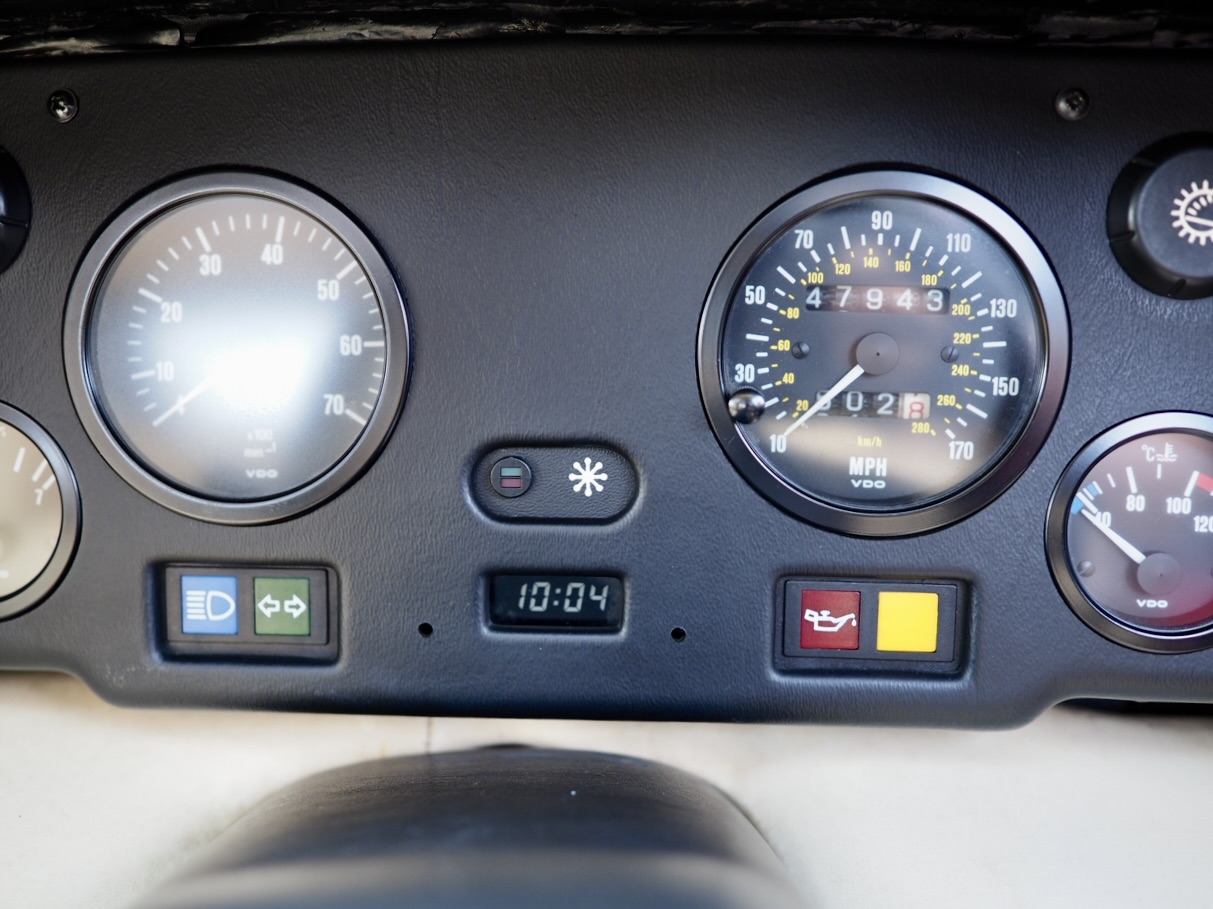
The total mileage over 30 years stands at 47,943 miles.
Reading the chassis number SCC085912LHD13678, this example is identified as a Lotus Esprit X180 2.2L NA (08591), built by Lotus Cars (SCC) in 1990 (L) at the Norfolk factory in the UK (H), carrying serial number D13678 and finished in the New Shape X180 style.
In the late 1980s, after twelve years of continuous production from S1 through S3, Giorgetto Giugiaro’s beautiful wedge-shaped design faced an inevitable turning point. Increasing demands for aerodynamic performance, new safety regulations, and the production realities of FRP bodies all converged at once. Much like Ferrari’s transition from the 308 to the 348, Lamborghini’s evolution from the LP400 to the Anniversary, or Porsche’s shift from the 930 to the 964, the era had reached a point where “design renewal was essential to remain relevant.”
To solve this, Lotus preserved the core character of the original Esprit while addressing these challenges. Retaining the fundamental wedge silhouette defined by Giugiaro, Peter Stevens thoroughly reworked the surface flow and aerodynamics, implementing a comprehensive redesign. In 1987, the “New Shape X180” was finally born.
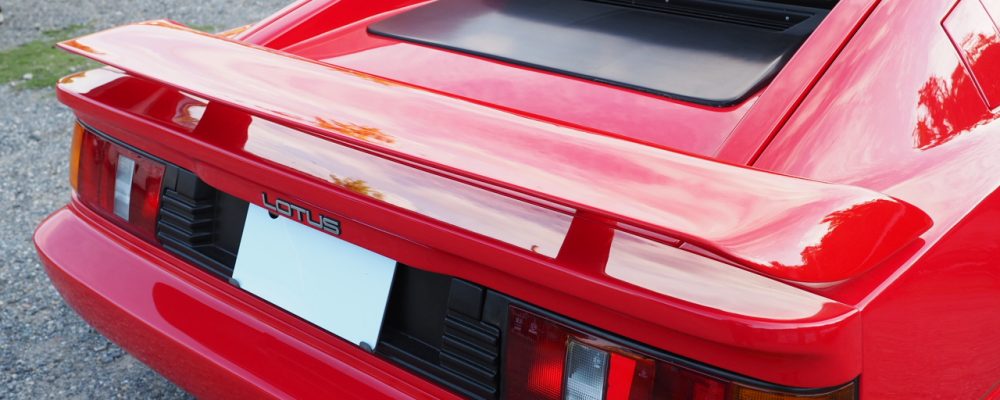
Peter Stevens—later renowned for designing the McLaren F1 in 1993 and one of Britain’s most distinguished automotive designers—paid deep respect to Giugiaro’s design philosophy. At the same time, he meticulously re-engineered the way air flowed, the tension of each surface, and even how light played across the body. He succeeded brilliantly in guiding the Esprit into a modern form that allowed air to flow smoothly, while preserving the razor-sharp tension that had always defined it. At a time when the supercar world was rapidly embracing roundness and aerodynamics, Lotus chose not to let the Esprit fade as a relic of the past, but instead evolved it and sent it forward into the next decade. Unveiled in 1987, the X180 opened the second chapter of the Esprit as the “New Shape.”
This particular car, identified by its chassis number, is a 1990 model. At the time, there was no major official Lotus importer in Japan, but records show that very small numbers were privately imported, and this example was first registered domestically in 1995.
For the subsequent 30 years, this final carbureted 1990 Lotus Esprit X180 was owned by a single individual who never once let it go. From new, it quietly stood at the back of the owner’s garage—remarkably equipped with a service pit—maintaining its form while being protected by time and silence, a truly “never-for-public-release” example.
The mileage accumulated under this one owner totals 47,943 miles at the time of our interview. According to explanations from the family members who contacted us, although the owner led a busy life as an aviation engineer, he cherished this Esprit deeply. The limited opportunities to drive it are reflected in this modest mileage.
This was an owner who pursued an “endless dream” within his own garage. The way he engaged with the car over 30 years—inside a pit-equipped home garage—reflects an engineer’s approach to further refining the Esprit. While preserving originality, he introduced tasteful, well-considered modifications in key areas.
Let us first outline those changes.
The Esprit-specific Type 912 2.2L engine was originally equipped with Dell’Orto DHLA carburetors as standard. In this example, however, to enhance driving dynamism, large-diameter 42mm Weber side-draft carburetors have been installed, elevating the car’s character into something far more dynamic.
Next, while the original wheels have been carefully stored in the garage, the car has been fitted with German-made RH Alurad wheels—17 inches at the front (215/40R17) and 18 inches at the rear (245/40R18). These are paired with modern Dunlop low-profile tires (DIREZZA D101). To match the visual balance of the lower-profile stance, adjustable coilover dampers were installed. Ground clearance is still properly maintained, yet the Esprit has been beautifully transformed into a wider, lower, more assertive presence.
Originality does not extend to the exhaust, but this is hardly a drawback. A custom-made, hand-fabricated and welded exhaust system has been fitted, producing a powerful mid-range punch and an exhilarating exhaust note. Together with the original Type 912 2.2L NA engine and twin Weber 42 side-drafts, it significantly enhances performance and delivers an exciting rear view as well.
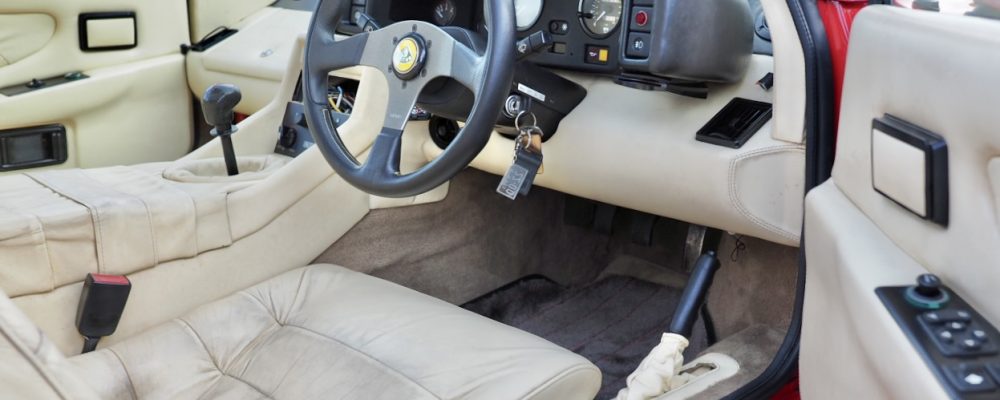
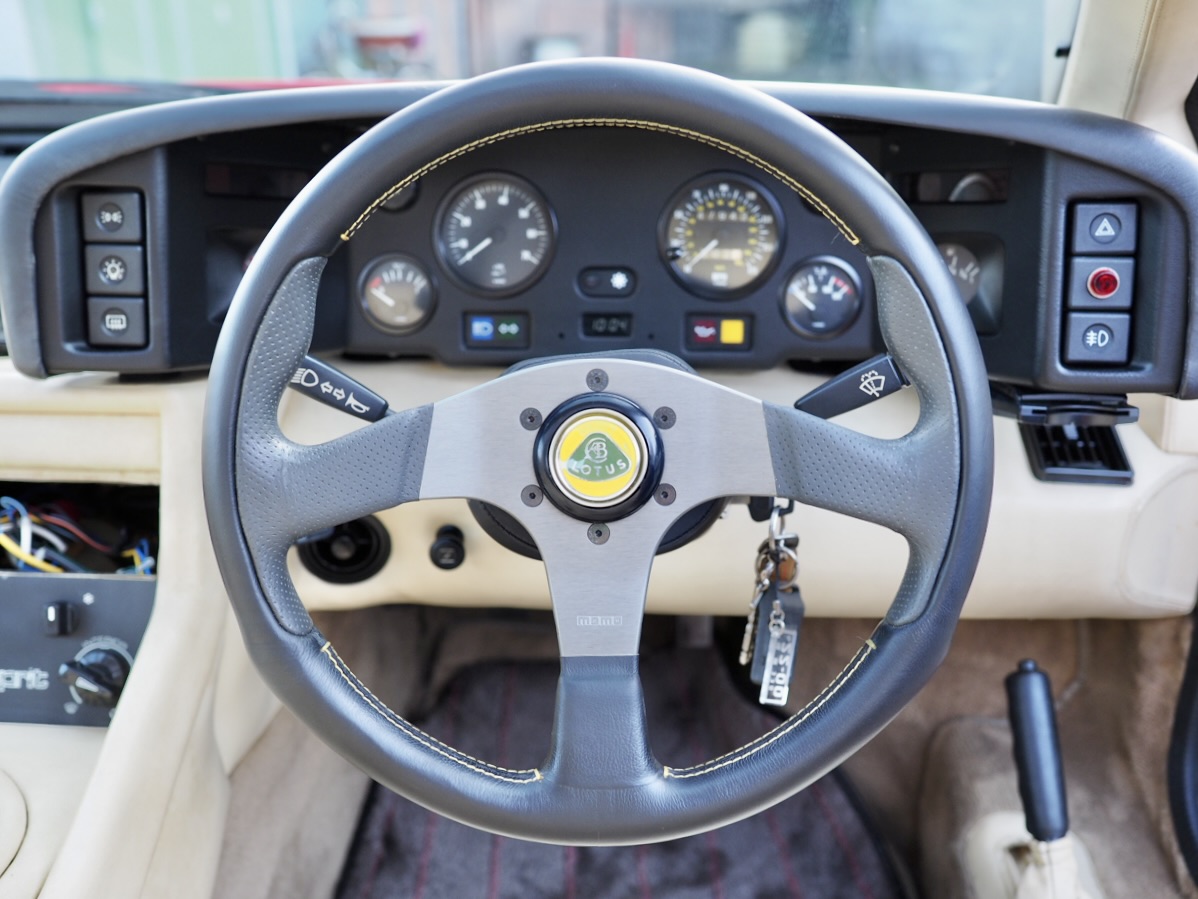
The final change from original specification is the steering wheel. Unfortunately, the whereabouts of the original wheel are currently unknown, but it has been replaced with a MOMO “Race” wheel in place of the factory Lotus A082H4035F. This was a common and well-accepted upgrade among British lightweight sports cars of the era, enhancing both driving feel and visual sportiness.
These are the only deviations from stock.
The engine number on this car aligns perfectly between the assembly number shown on the sticker beneath the front lid and the number stamped on the engine block, confirming that the original factory-installed engine is still retained. Consistency with the chassis number further supports this conclusion. Among the very limited production of Esprit X180 2.2L NA models, this is an example that preserves a remarkably high degree of originality.
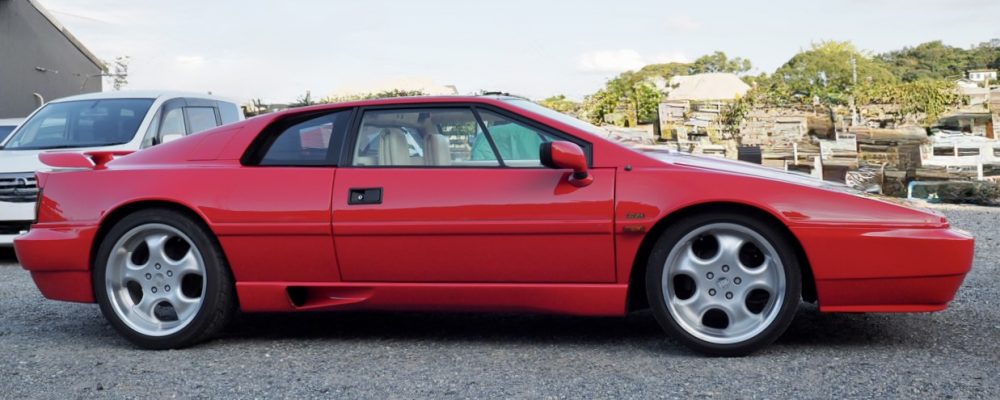
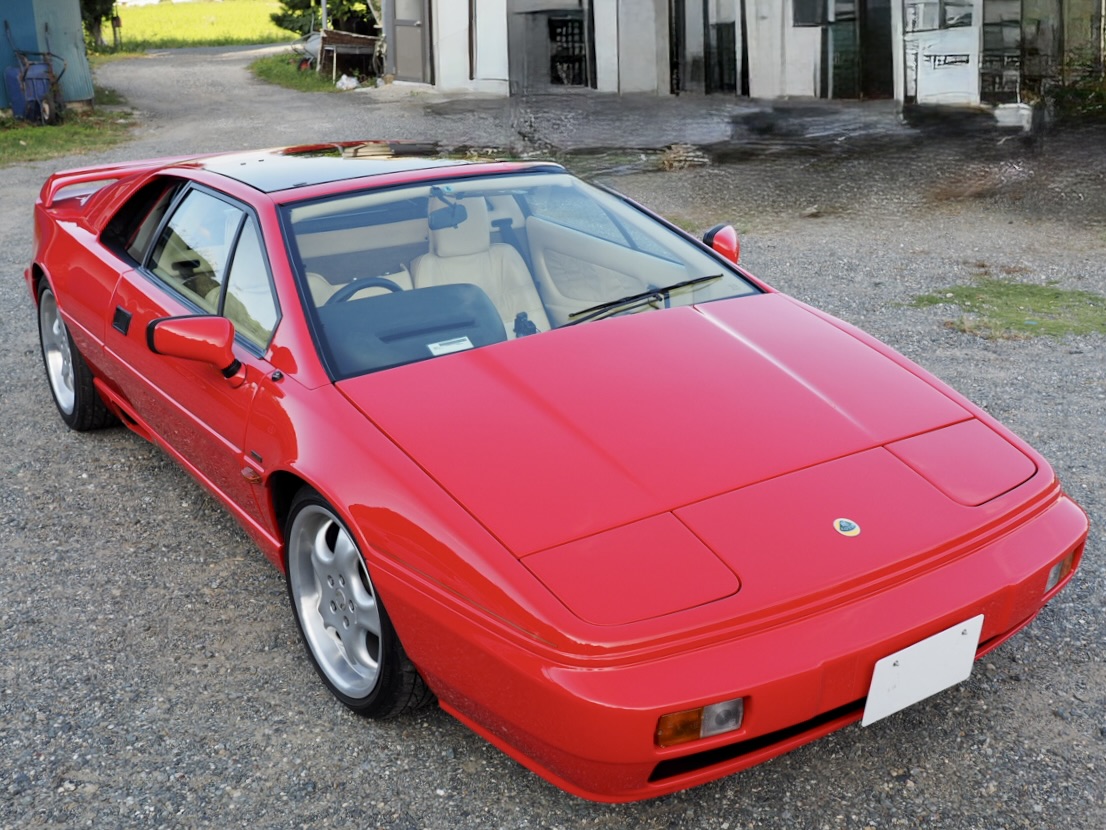
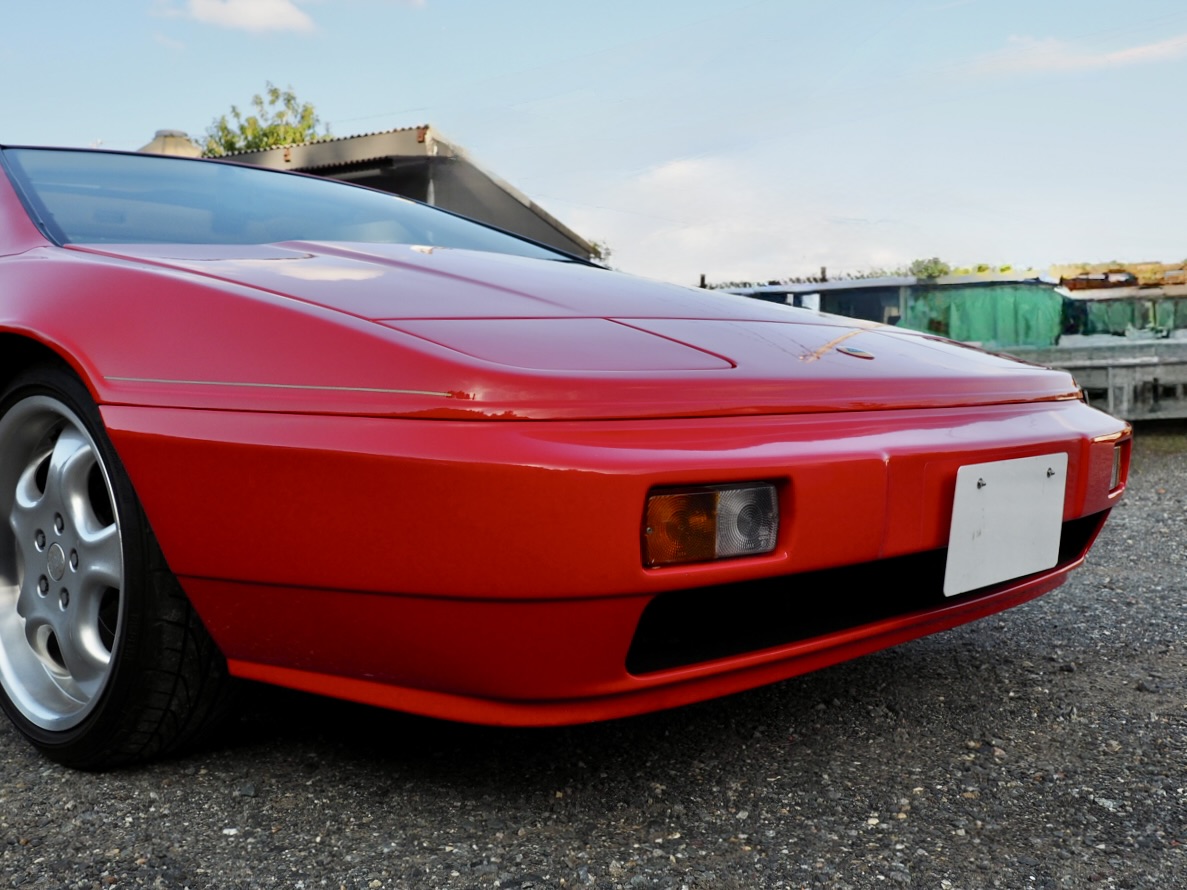
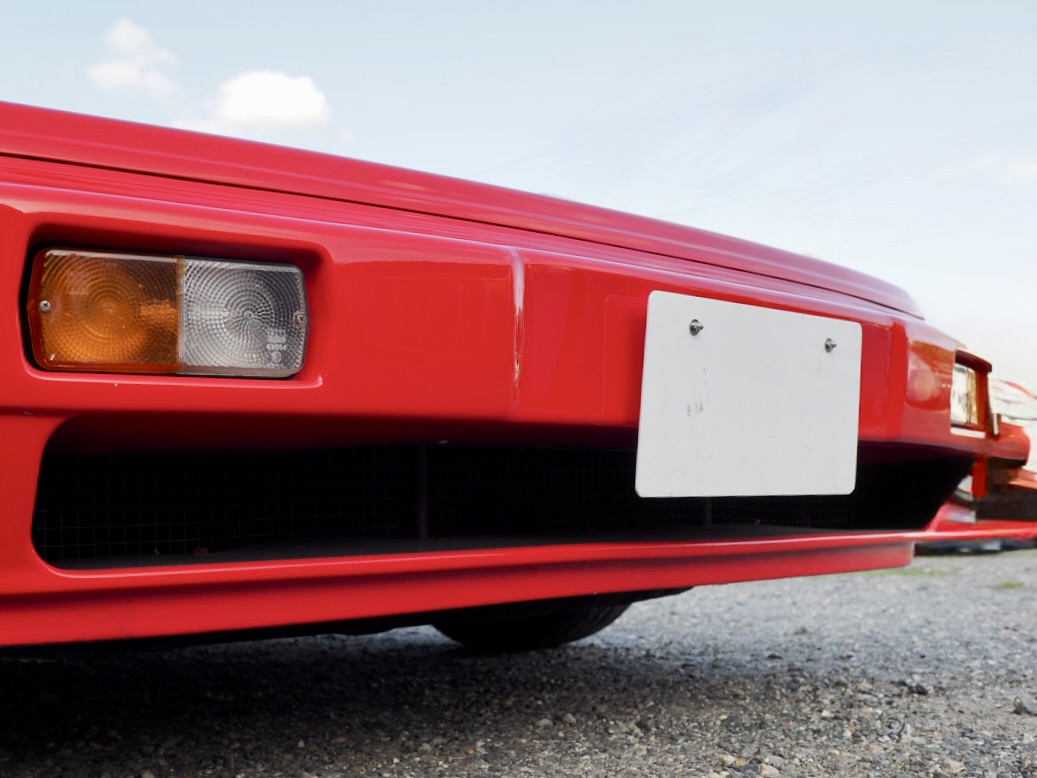
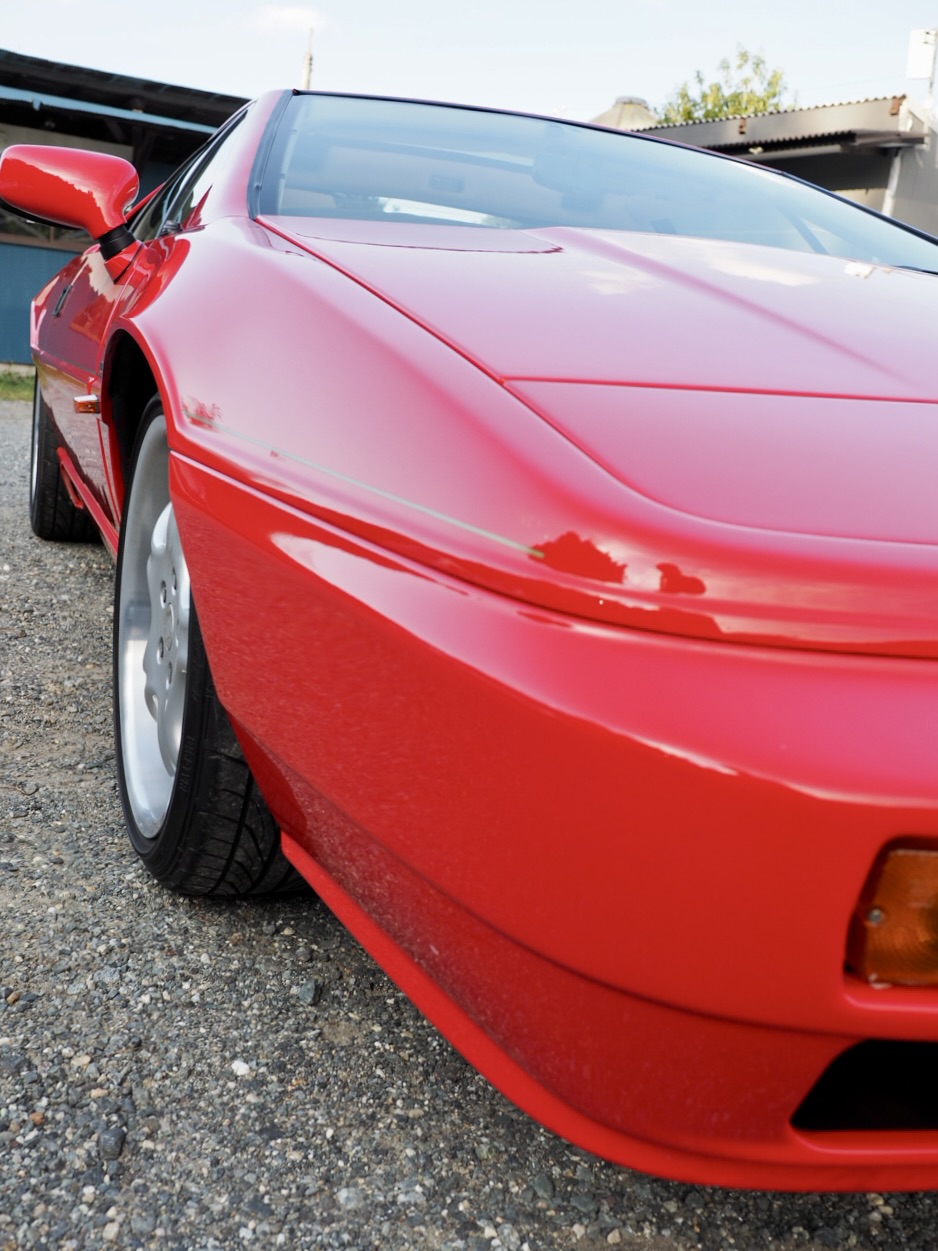
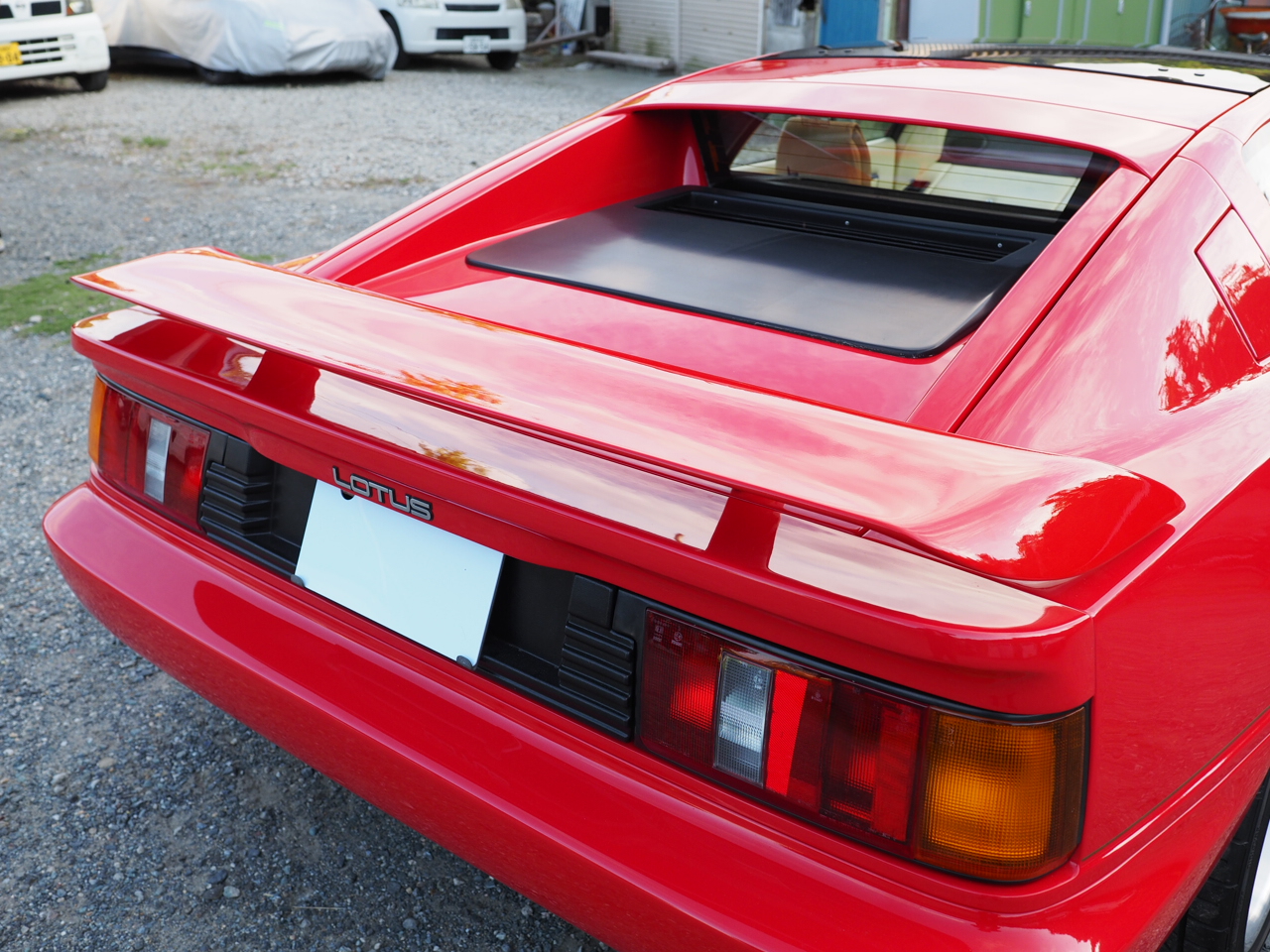
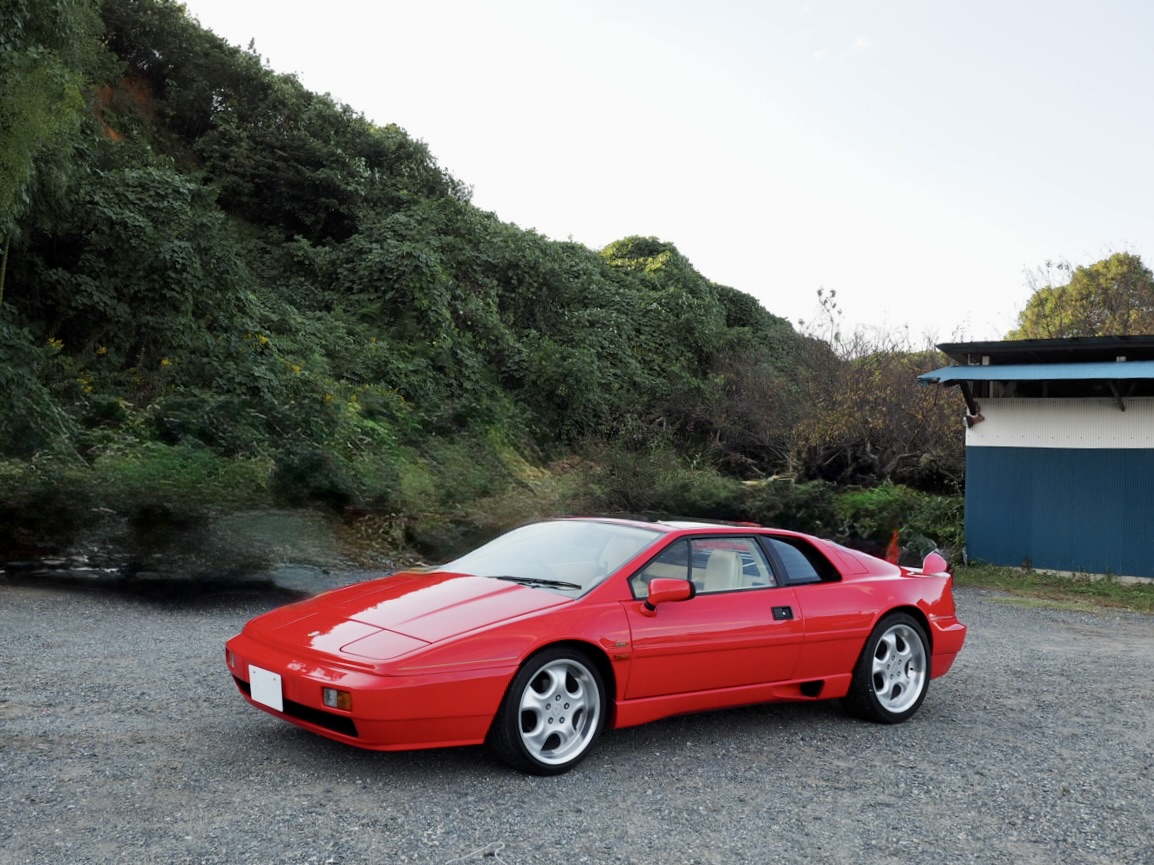
The exceptional condition shaped by 30 years under a single owner is immediately apparent the moment you stand before the car. The FRP body shows none of the distortion, shrinkage, or Lotus-typical body cracking one might expect from its age—virtually none at all. The tension and gloss that only long-term pit-equipped garage storage can preserve remain astonishingly intact, leaving viewers in genuine disbelief.
The exotic Esprit body lines change expression continuously depending on angle and eye level. Gazing at these beautiful lines—ones you could admire forever—you see light glide smoothly across the surfaces, renewing your admiration for its exotic presence. Despite its relatively small displacement, the Esprit was often compared with European supercars, particularly from Italy, and this was Lotus’s next-generation flagship that radiated overwhelming presence. Standing before it, one is reminded anew of that history.
Looking at the Esprit before us, even when viewed from the angle where winter light strikes it most beautifully, the flowing surfaces never lose clarity. Here, the true form of the New Shape X180 emerges honestly and vividly.
The “New Shape” crafted by Peter Stevens—fully sublimating Giugiaro’s original design—is undeniably captivating. Giugiaro’s structural essence remains perfectly intact, while the way light plays across each panel, the paths through which air escapes and is drawn in—simply watching it fills one with excitement. At the same time, the wedge line retains a tension absent from modern cars, wrapped in a sense of elegance that belongs to its era. This example, rich in originality, naturally and faithfully conveys the beauty that the “second chapter” Esprit possessed, even after 30 years.
This car has also recently undergone thorough maintenance. Although it is currently under temporary deregistration, a temporary plate was fitted at the time of our visit, allowing us to enjoy a powerful drive around the local area for video filming.
Engine type: CA912.
Just behind the driver sits the Lotus-developed 2.2L DOHC inline-four “Type 912” naturally aspirated engine, equipped with twin large-diameter Weber carburetors—an intoxicating sight for any carburetor enthusiast. Designed exclusively for the Esprit from the S2 onward, this mid-mounted, low center-of-gravity unit is characterized by its exceptionally low-profile DOHC design, with careful attention paid to cam cover height and intake/exhaust layout.
Opening the large rear engine lid and removing the rare original engine cover reveals a truly breathtaking view. The engine bay—visible even from behind the driver—is unmistakably exotic, inspiring dreams of driving with the cover removed and listening directly to the dynamic intake roar of the carburetors.
Combining a cast-iron block with an aluminum head, and incorporating a unique thermal management philosophy to mitigate heat effects from the FRP body, this masterpiece rewards revs with sharp response and delivers the linear, honest character unique to a naturally aspirated engine. Equipped with twin 42mm Weber side-drafts—chosen to suit the owner’s taste—it offers racing-machine-like throttle response and a vivid, granular intake sound. This is that unmistakable sensation of a machine truly breathing—something electronic control can never replicate.
Now, let us regain composure and turn our attention to the interior.
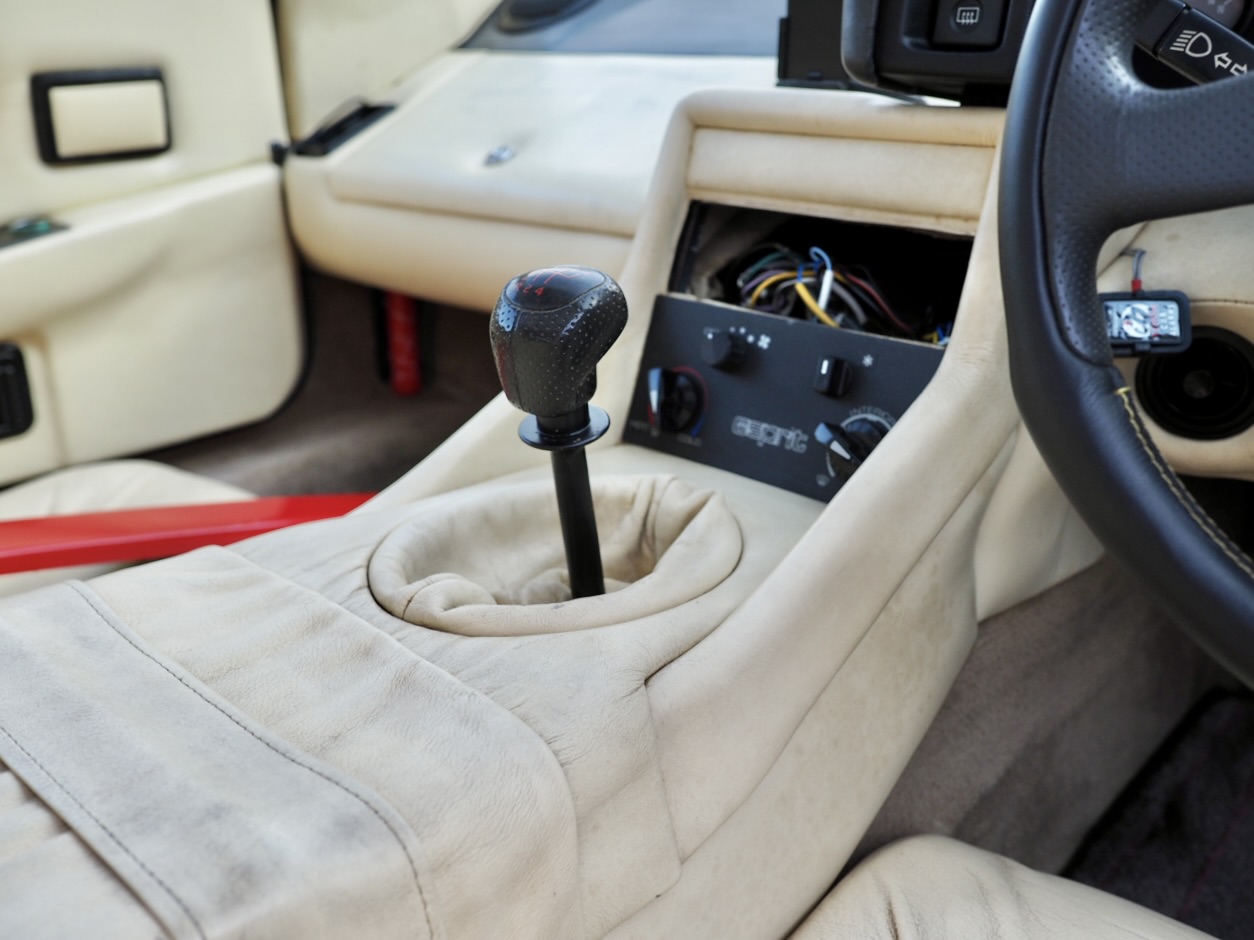
Here too, time carefully cherished has been quietly etched in. The Esprit is known for interior materials that tend to deteriorate easily due to prolonged exposure to sunlight through its steeply raked, expansive windshield. Yet thanks to long-term garage storage, the structural integrity of the materials remains intact throughout this example. Even the ivory-colored seats—where aging usually shows most clearly—remain in remarkably good condition. The darkening visible in photos, particularly on the seat bases, is due to the original leather being dyed with leather pigments at the factory; re-dyeing would readily restore their original brilliance.
Imagining the owner performing maintenance while working in the pit beneath his home garage, one cannot help but feel a sense of admiration. Looking underneath, the traditional Lotus steel backbone chassis remains in astonishingly sound condition. Areas prone to corrosion from mud and water exposure during wet driving also remain exceptionally healthy.
This is undoubtedly the benefit of pit-equipped garage storage. The transmission directly coupled behind the 912 engine, along with mounts, bushings, and even the coilover dampers—which still appear almost new—all shine with freshness. You can feel the reassurance that comes from an owner who consistently inspected the unseen parts, directly reflected in the car’s overall health.
The owner, we are told, was an aircraft design engineer who traveled extensively across the country. Beyond cars, he had many interests—guitars, audio equipment, leathercraft—and was someone with an exceptional sense for treating objects with care. Under such a person’s stewardship, this Esprit was loved for 30 years, and the meticulous way it was handled is clearly expressed in its overall presence. It was quietly protected by family members in the owner’s cherished, pit-equipped garage, where it remained a source of pride throughout his life.
Chapter Two…
What it means to drive a classic Lotus…!
From its exotic design worthy of the name “supercar,” we trace through history the very roots of Lotus’s uniquely captivating driving experience…!
In the 1960s… while large corporations such as Mercedes-Benz strategically entered racing to promote the appeal of their production cars, Lotus—then a small, independent constructor specializing in formula cars—took the exact opposite approach. Led by Colin Chapman, Lotus used racing success to secure funding, and only occasionally produced road cars in order to continue racing. From this completely inverted perspective, Chapman’s solitary marque built road cars in extremely limited numbers.
For the fortunate few enthusiasts of the era who were able to acquire a Lotus legally driven on public roads, the lineup delivered an unparalleled driving experience that conventional road cars could never offer. Against this rare and unconventional origin story, every encounter with a vintage Lotus today inevitably brings the thought: “It’s astonishing that they actually put this car into production.” And once you drive such a rare machine, you cannot help but feel a deep, genuine sense of awe.
Naturally, touching a properly prepared and carefully maintained vintage Lotus evokes a distinctly different sensation from that of other production cars. It is like traveling back in time—experiencing the aesthetics of a bygone era through a kind of automotive time machine. To “drive a vintage Lotus Esprit” is perhaps the most direct and vivid way to experience the condensed essence of British engineering, form, and feel from the 1970s through the 1990s. It is nothing less than a direct encounter with Colin Chapman’s own aesthetics and philosophy—an irresistible experience for any true car enthusiast.
At the foundation of it all lies the design philosophy of founder Colin Chapman.
His famous credo—“Simplify, then add lightness.”—has been passed down through every Lotus road car, and in many ways, it encapsulates everything that defines driving a vintage Lotus. It is not horsepower or luxury that defines the essence of a car, but responsiveness born of lightness. Because of this unwavering belief, Lotus remains a uniquely distinctive presence even today.
The Esprit was the first road car to translate that philosophy into the new realm of the mid-engined super sports car. A steel backbone chassis, an FRP monocoque body, and a low-profile, low-center-of-gravity, lightweight DOHC engine designed exclusively for midship layout—every component clearly embodies Chapman’s principle of simplification and lightness.
Approximately fifteen years after Giugiaro’s original wedge-shaped design, Lotus reached a major turning point in 1987, carrying the Esprit into the future. The design baton passed to Britain’s renowned Peter Stevens, and the new design language that emerged became known, as described earlier, as the “New Shape.” While retaining a sharp, linear wedge profile, every edge was smoothed and refined for greater aerodynamic efficiency, evolving the Esprit into a super sports car that was not only fast, but imbued with Lotus’s signature “aesthetics of lightness.”
The chassis architecture remained based on the structure established with the S3, but with improved assembly precision and materials, achieving greater suppleness while preserving a distinctly British sense of agility. In this, one can clearly feel Lotus’s brand ethos. This “New Shape” came to symbolize the Esprit of the late 1980s through the 1990s, and became the starting point for later evolutions such as the Turbo SE, Sport 300, and V8 models.
And positioned at the very beginning of that lineage—wearing the final carburetors—is the Esprit X180 introduced here.
By the late 1980s, when the New Shape was born, the automotive world was rapidly shifting toward electronic control, increasing luxury, rising vehicle weight, and the industrialization of brand identity. Rival manufacturers were steadily moving toward larger, more opulent machines. Yet Lotus refused to abandon one single belief: Colin Chapman’s enduring maxim that “lightness is speed, lightness is beauty, and lightness is philosophy.”
That is why the New Shape Esprit possesses a unique presence unlike any other super sports car. Every body line is drawn to slice through the air; every frame member is placed in pursuit of lightness. The low cabin height, the expansive forward visibility, and the astonishingly sharp handling—all of it exists as a “tool” to translate Chapman’s soul into a road car.
As is well known, the Esprit was never a car meant to overwhelm its driver with sheer horsepower. Quite the opposite—it is a solitary machine that strips away all excess, standing against the world with only what is truly necessary.
Thus, the moment you encounter a New Shape Esprit, the sensation of its core lightness leads you into a realm beyond mere performance figures. It is light, sharp, and astonishingly supple. With the low-center-of-gravity Type 912 engine optimized for mid-engine layout, accompanied by the aggressive intake sound of twin Weber carburetors, the car accelerates as if piercing through a wall of air. It combines the Esprit’s famously razor-sharp turn-in with stable high-speed straight-line performance, delivering a driving feel unique to its lightweight FRP body—an experience unlike any other.
Even the timeless 1990 example introduced here has already passed 35 years since its manufacture. In an era where global super sports cars continue to grow larger, heavier, and more dependent on electronic control—evolving into massive hyper grand tourers—the solitary philosophy of Lotus, which believed in lightness, fought with lightness, and expressed beauty through lightness, is becoming an irreplaceable relic of history.
This New Shape Lotus Esprit stands as living proof of the final era in which that philosophy truly shone. And this X180, as the very first model to herald that dawn, has etched a definitive and enduring presence into the history of Lotus.
Chapter Three…
The author’s post-interview reflections on the 1990 Lotus Esprit X180…
The Esprit seen through the viewfinder was truly beautiful…!
No matter where I framed the shot, its extraordinarily photogenic design was simply breathtaking.
I completely lost myself, taking over 200 photographs—running around in every direction, utterly absorbed—and in doing so, I found my own image overlapping with memories from some 50 years ago, when I was a fifth-grade schoolboy. Back then, I had desperately begged my father to lend me his half-frame Olympus Pen film camera, chasing and photographing Giugiaro’s raging bulls, Pininfarina’s prancing horses, and those exotic machines bearing the Stuttgart crest—cars born of engineering genius. Those memories came flooding back as I watched myself through the lens once more.
As you can see in the video I personally shot and edited, on the day of the interview a temporary registration plate was prepared, and we were able to let the Type 912 engine rev cleanly into its sweet zone, savoring the Esprit’s performance on open country roads…!
It was, quite simply, a magnificent experience overflowing with the uniquely captivating world of a neo-classic Lotus…!
The intoxicating intake sound of the twin Webers resonating just behind the driver sent shivers down my spine…!
Lotus’s defining trait—its direct, razor-sharp handling—revealed itself the moment the nose tucked in: as soon as it pointed toward the corner, the body flowed effortlessly around. The suspension was never harsh, yet roll was almost nonexistent; even charging into corners at excessive speed, the car cleared them with calm composure…!
The naturally aspirated 2.2-liter inline-four responded instantly, revving freely, and in the realm where lightness truly shines, it carried the driver to a state of pure exhilaration…!
All of this unfolded with remarkable suppleness—a driving experience that began with the S1 and, through the New Shape, was refined across generations into something utterly unlike any other car on Earth… a truly one-of-a-kind neo-classic Lotus that completely captivated the senses.
Born from formula-car-derived engineering and produced in extremely small numbers, the Lotus Esprit long radiated an aura of distinction—but today, these cars have become an endangered species.
Reexamining production figures only reinforces that reality…
Esprit S1 (1976–1978): 994 units
Esprit S2 (1978–1982): 1,149 units
Esprit S3 (1982–1988): 3,041 units
And for the naturally aspirated New Shape X180 equipped with the Type 912 engine, production is estimated at just 1,489 units—of which only around 970 were right-hand drive, making it extraordinarily rare…!
With no official importer at the time and vehicles brought in individually, combined with the fact that more than 30 years have passed since its release, the number of surviving examples in Japan has surely dwindled dramatically.
“Rather than letting it continue to sleep in a garage, we want it to run again under a new owner…”
It was this sentiment from the owner’s family that led to the decision to offer this New Shape Lotus Esprit.
Having quietly carried 30 years of history, the car has now completed thorough preparation for its handover, fully ready to enrich the life of its next owner with a truly fulfilling “vintage Lotus lifestyle.”
There existed a 1990 one-owner Lotus Esprit X180 2.2L NA, cherished with heartfelt devotion for over 30 years…! A never-released-to-the-public, original example with matching chassis and engine that richly colored its owner’s life—this captivating New Shape Esprit was a car that enthralled everyone who drove it and everyone who beheld it…!
The profound pleasure of losing track of time, spending night after night simply gazing at it in the garage…
Even just pulling it out early on a weekend morning and cruising the nearby mountain roads for 30 minutes is enough to completely cleanse the soul…
If you keep doing that… your sensibilities will grow ever sharper, until life itself feels impossible to describe without the Esprit—and you’ll realize you’re trapped in an inescapable quagmire (laughs).
That is how extraordinarily captivating and wonderful the sensual world of the Lotus Esprit truly is…!
To experience, straight to the core, the sentiments of an owner who cherished this car for 30 years through an in-person viewing…
We warmly invite you to visit us in Gunma Prefecture.
This 1990 Lotus Esprit X180 2.2L NA is currently located in Gunma Prefecture, Japan.
As this is a private sale, no consumption tax or additional fees will be charged.
At the time of purchase, the buyer will be responsible for settlement of the recycling deposit (¥13,230). Prorated automobile tax is not required, as the vehicle is currently deregistered.
Regarding inquiries…
The vehicle featured on this page is listed on Estate Sale Supremacy®, a cross-border e-commerce platform specializing in classic and collectible cars.
What is an “Estate Sale Supremacy®”?
Estate Sale Supremacy® is the Japanese adaptation of the North American estate sale culture, presenting vehicles filled with their owners’ sentiments through interview-based articles and videos. We faithfully convey the current owner’s feelings while preserving their memories, and provide guidance and brokerage services to ensure a proper handover to the next generation.
We conduct detailed interviews with the current owner regarding past maintenance records and repair history, including confirmation of any accident history. If a vehicle has experienced a major accident, or if the ownership period is extremely short and sufficient details cannot be obtained, we decline to feature it. This approach is intended to provide prospective buyers with the highest possible level of reassurance.
This article was written based on an interview with the owner conducted over approximately three hours, beginning at 1:00 PM on Sunday, November 23, 2025, under clear weather conditions. Due to the limited inspection time, there may be cases where the vehicle’s condition is not described with 100% accuracy. In addition, not all statements have been fully verified, and comments regarding condition reflect the weather conditions at the time of inspection as well as the author’s personal impressions.
For questions regarding the listed vehicle or to apply for an on-site viewing, please contact us via the form at the bottom of this page. As this is a private transaction, and in order to prevent casual inquiries, on-site viewings are limited strictly to customers who are seriously considering a purchase.
Thank you very much for your consideration.
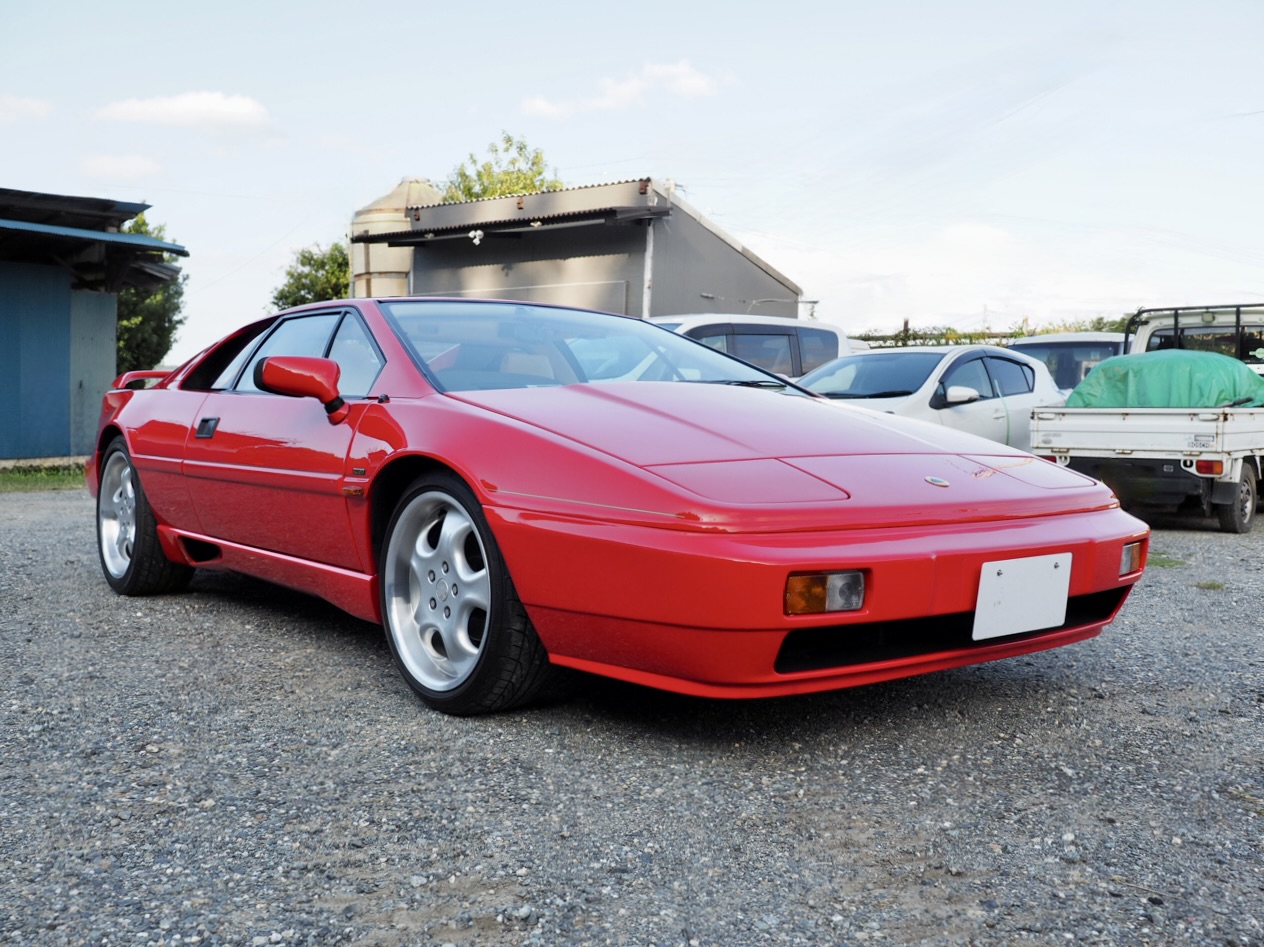
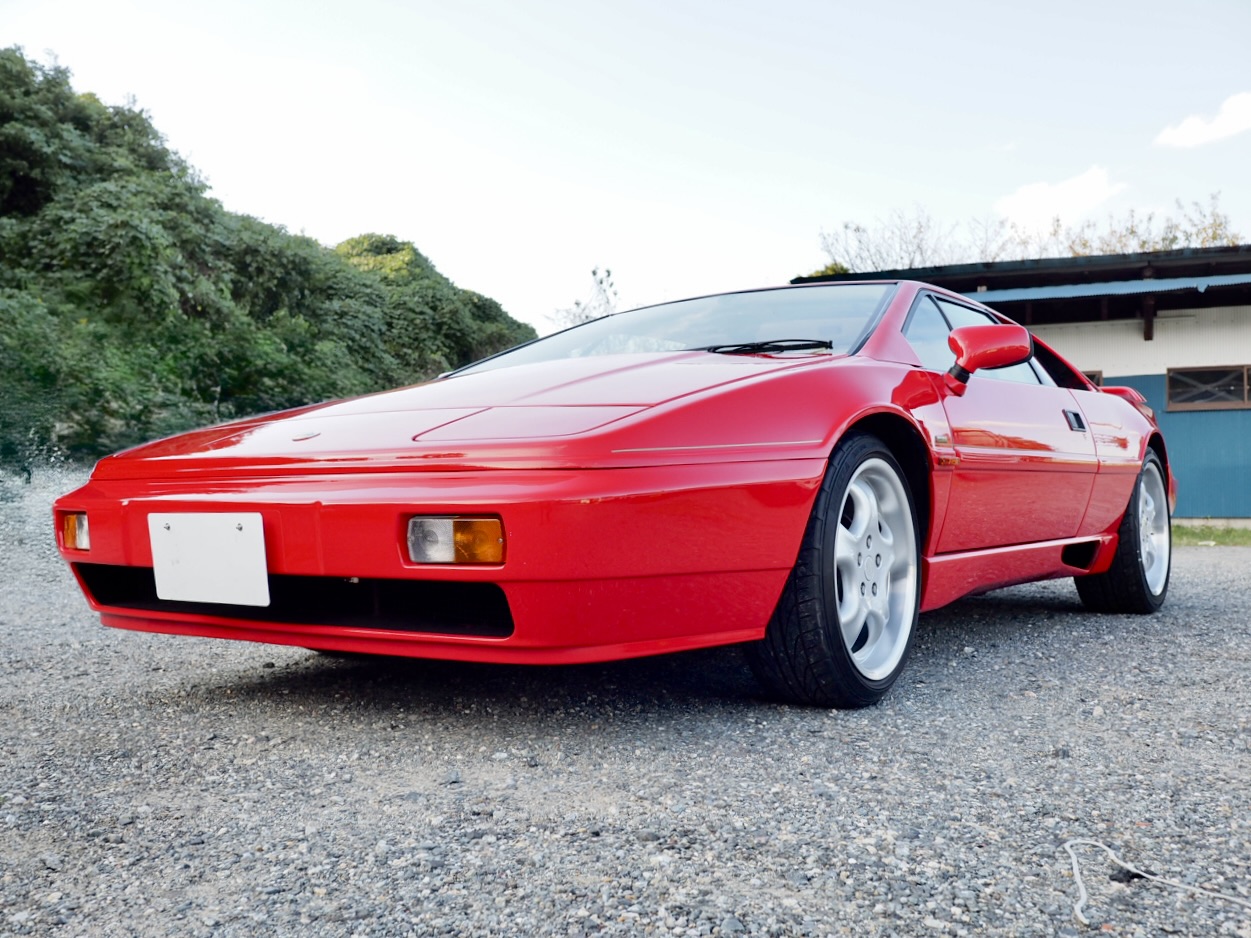
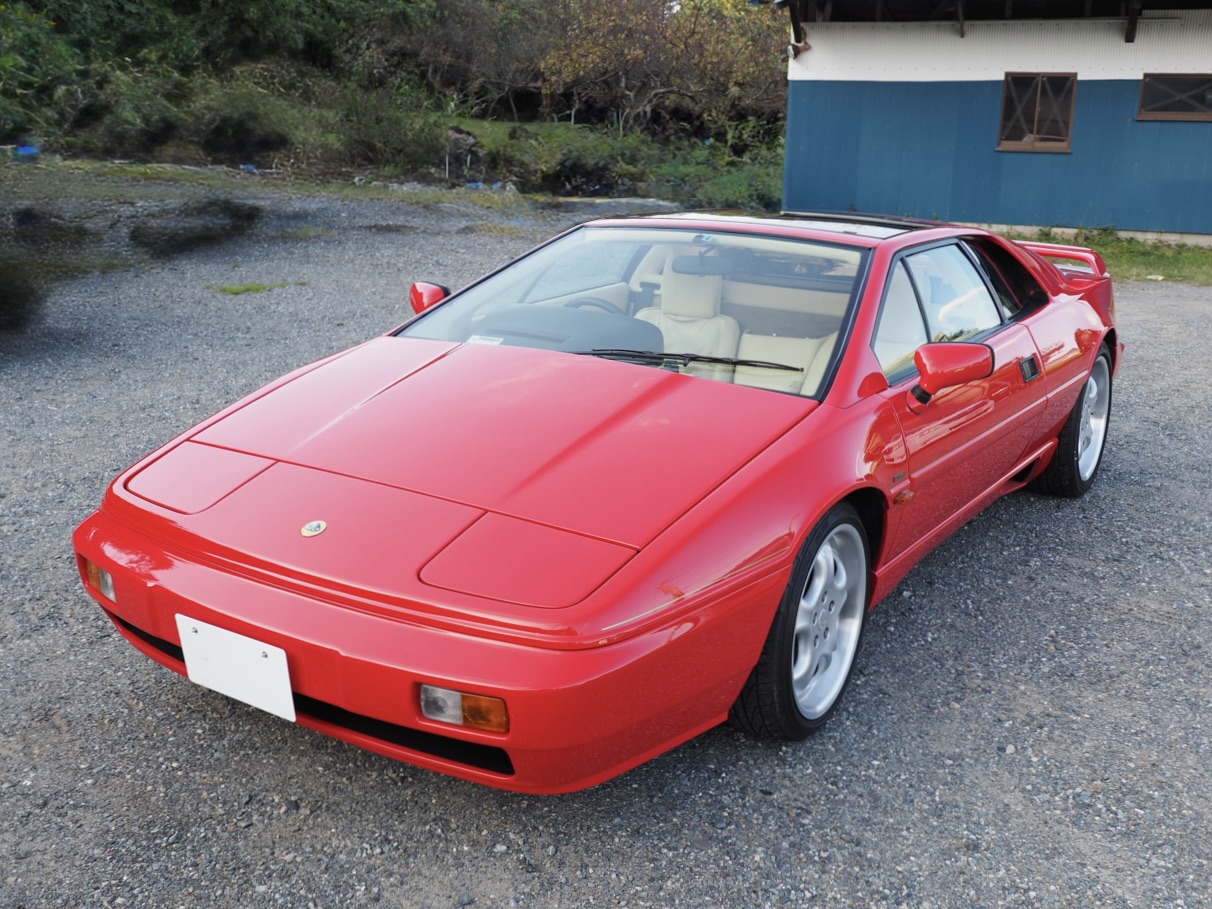
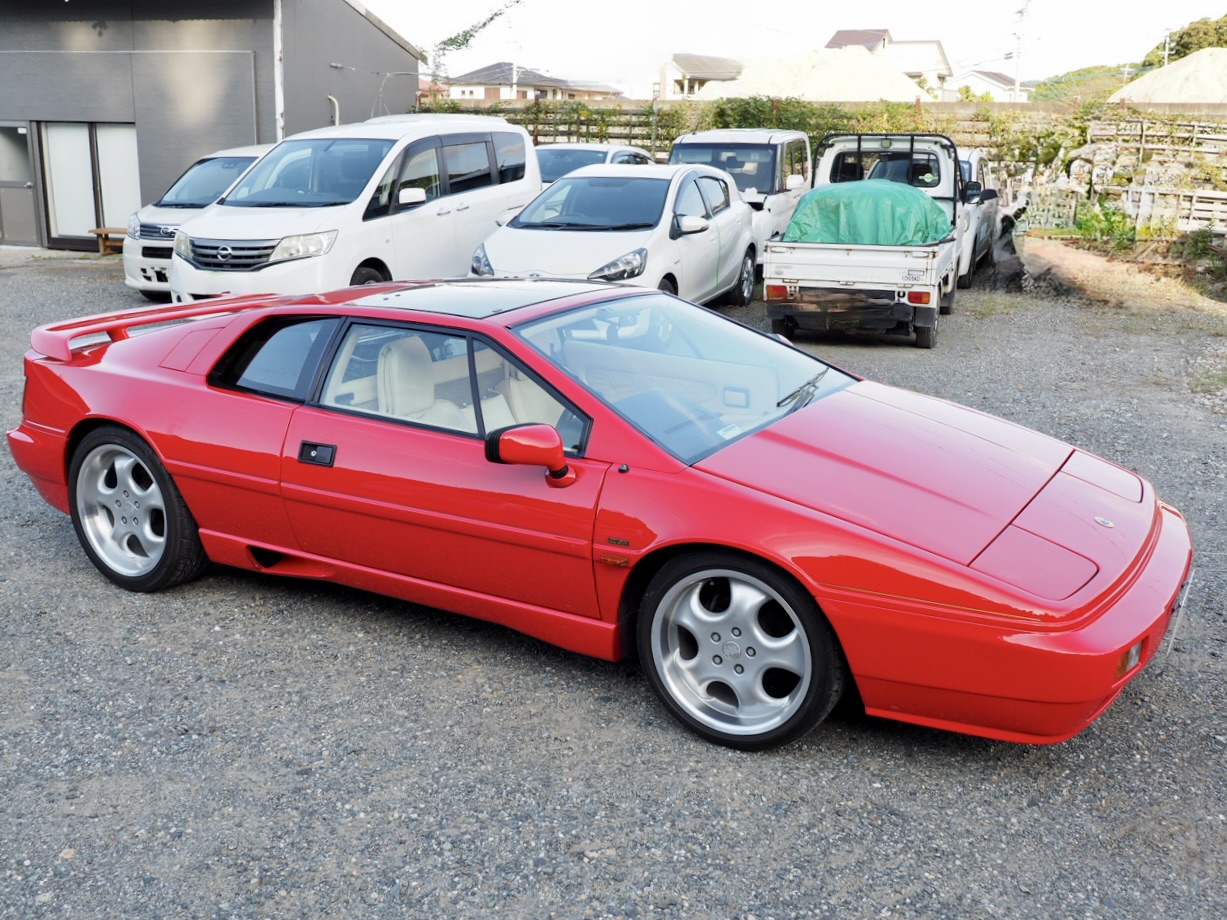
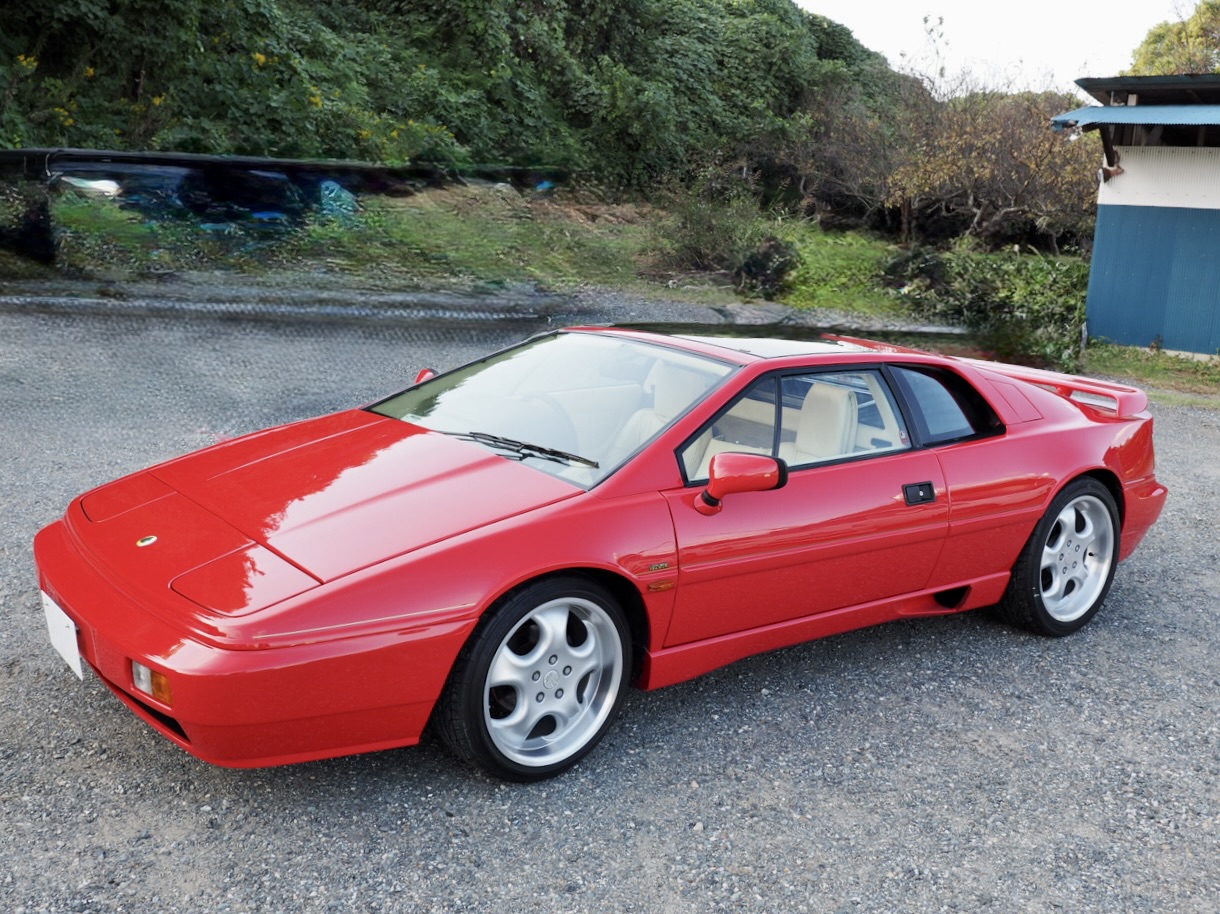
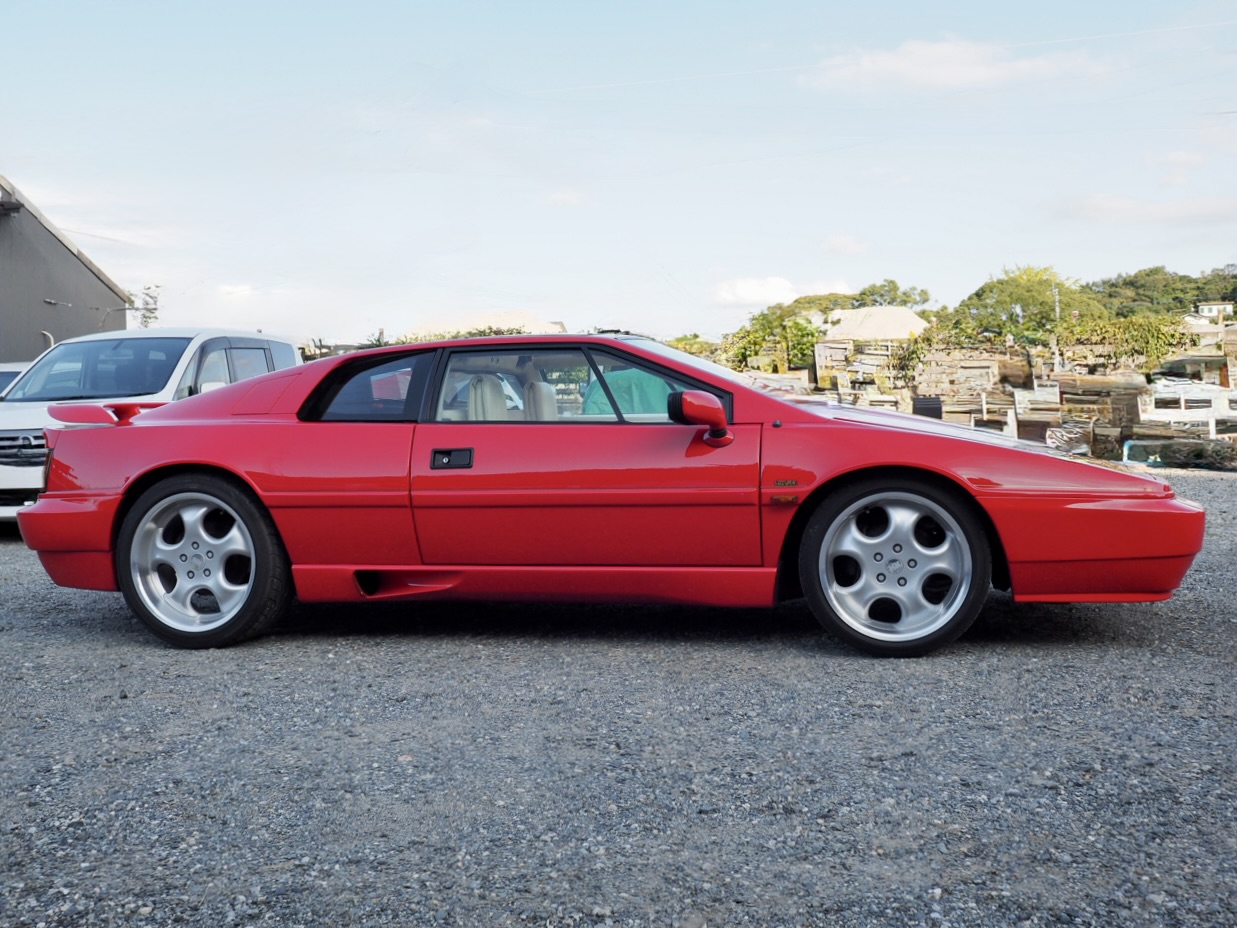
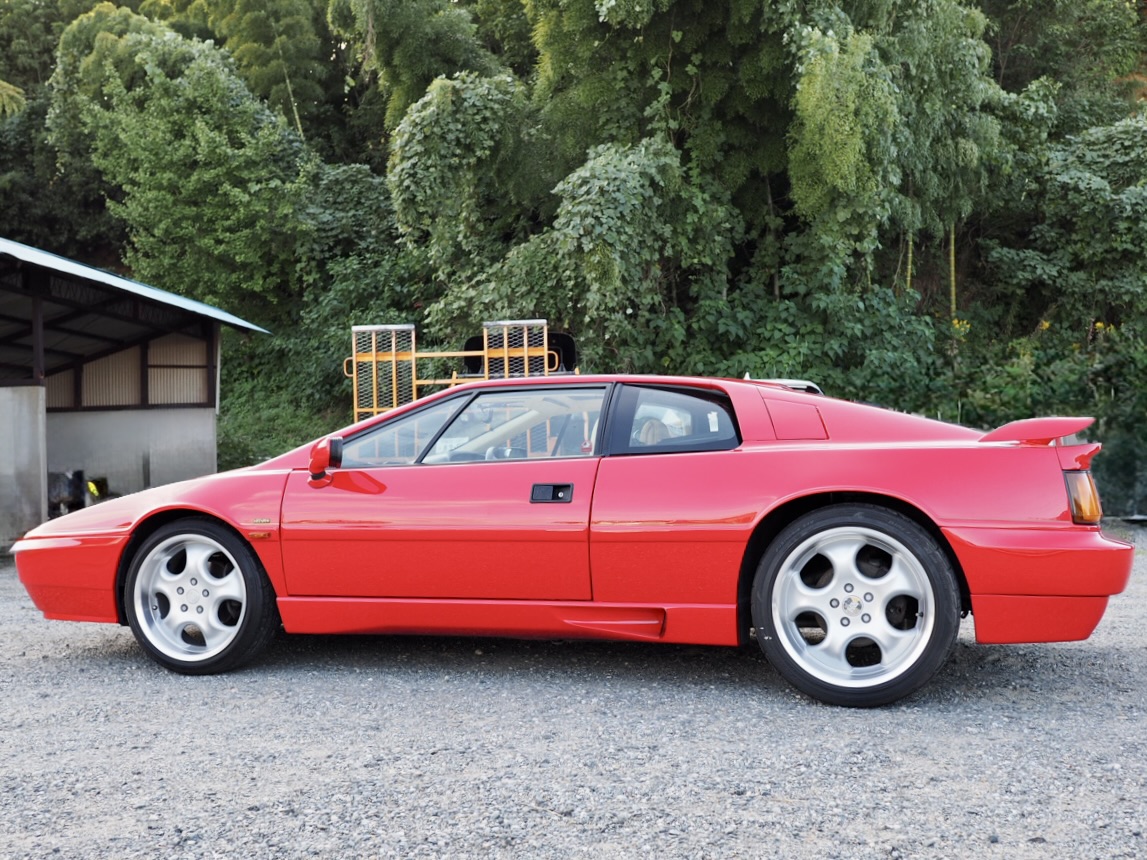
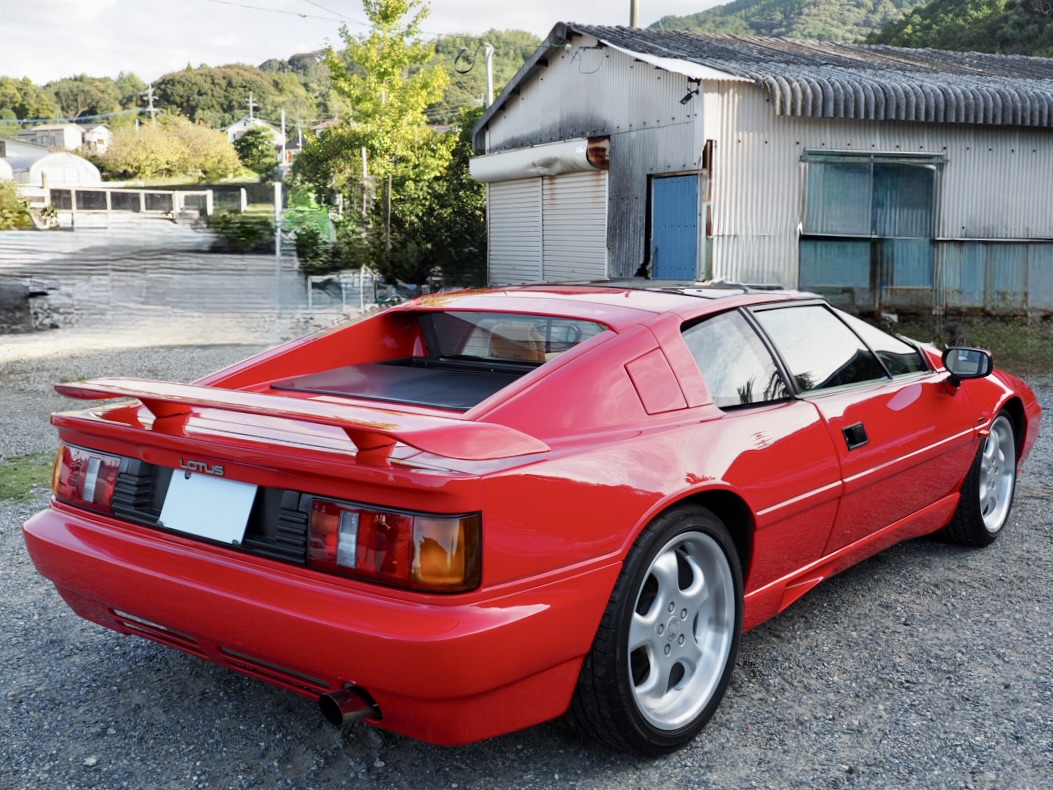
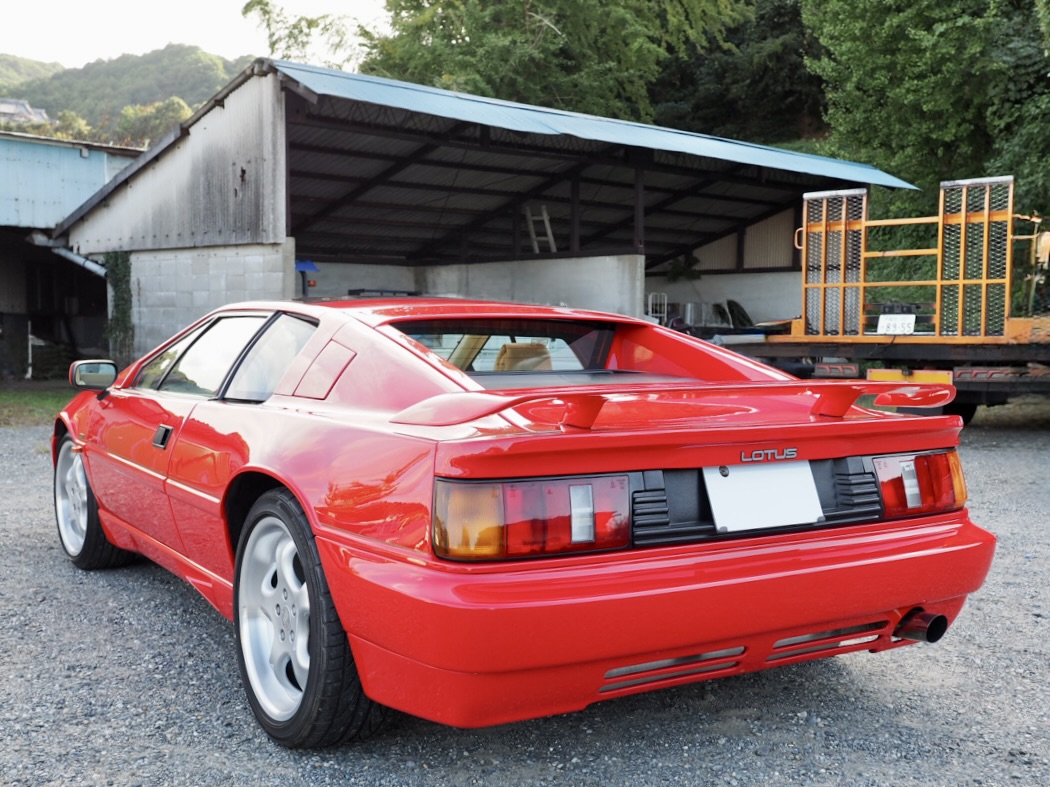
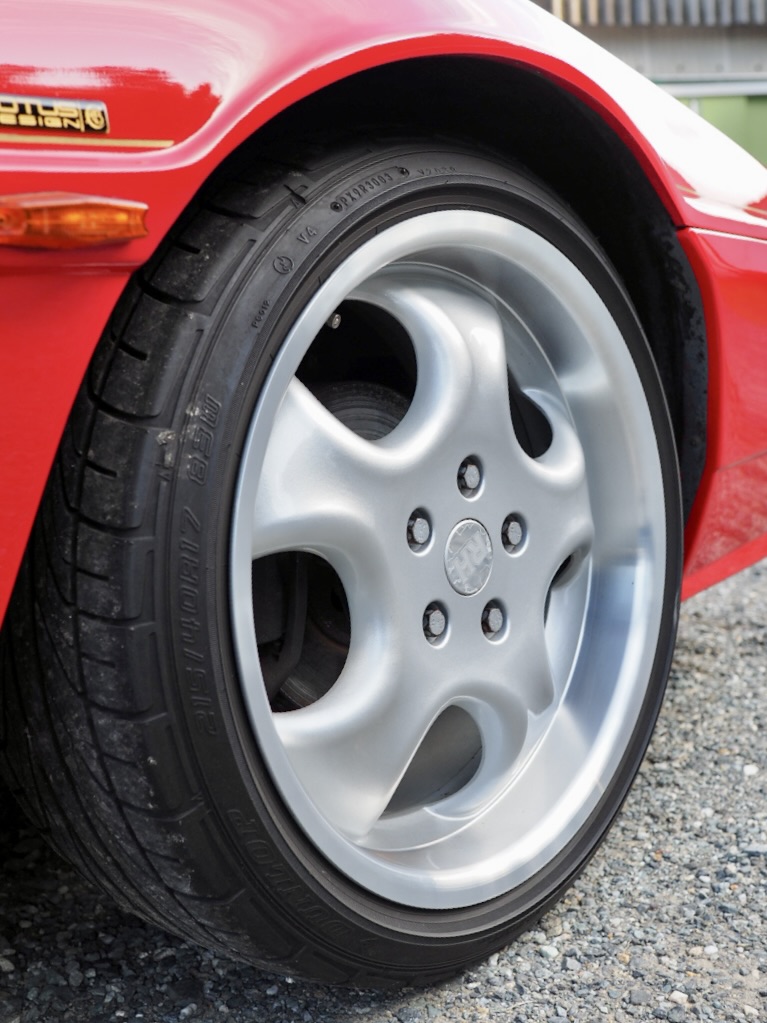
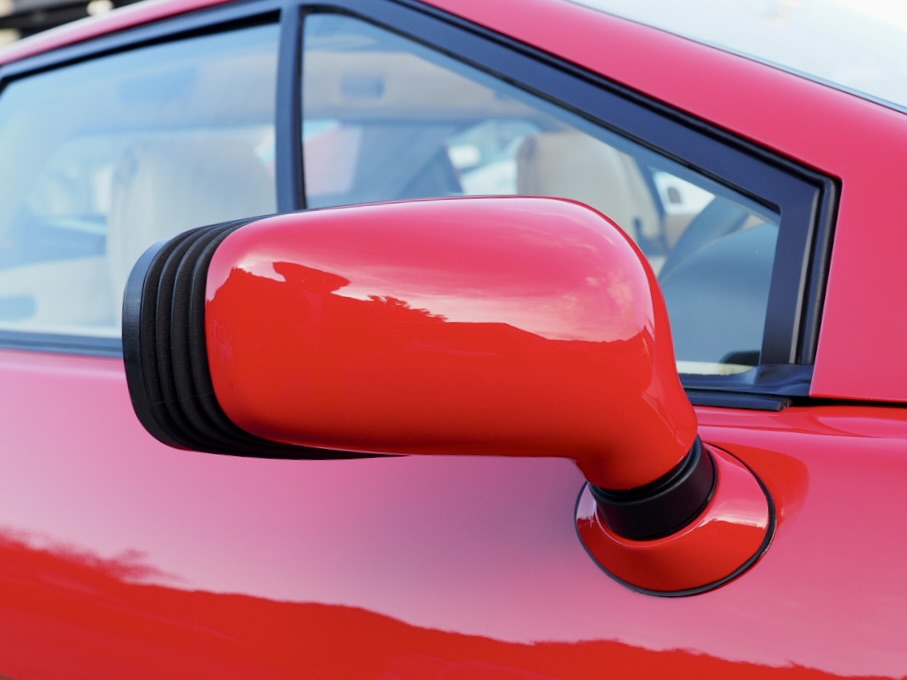
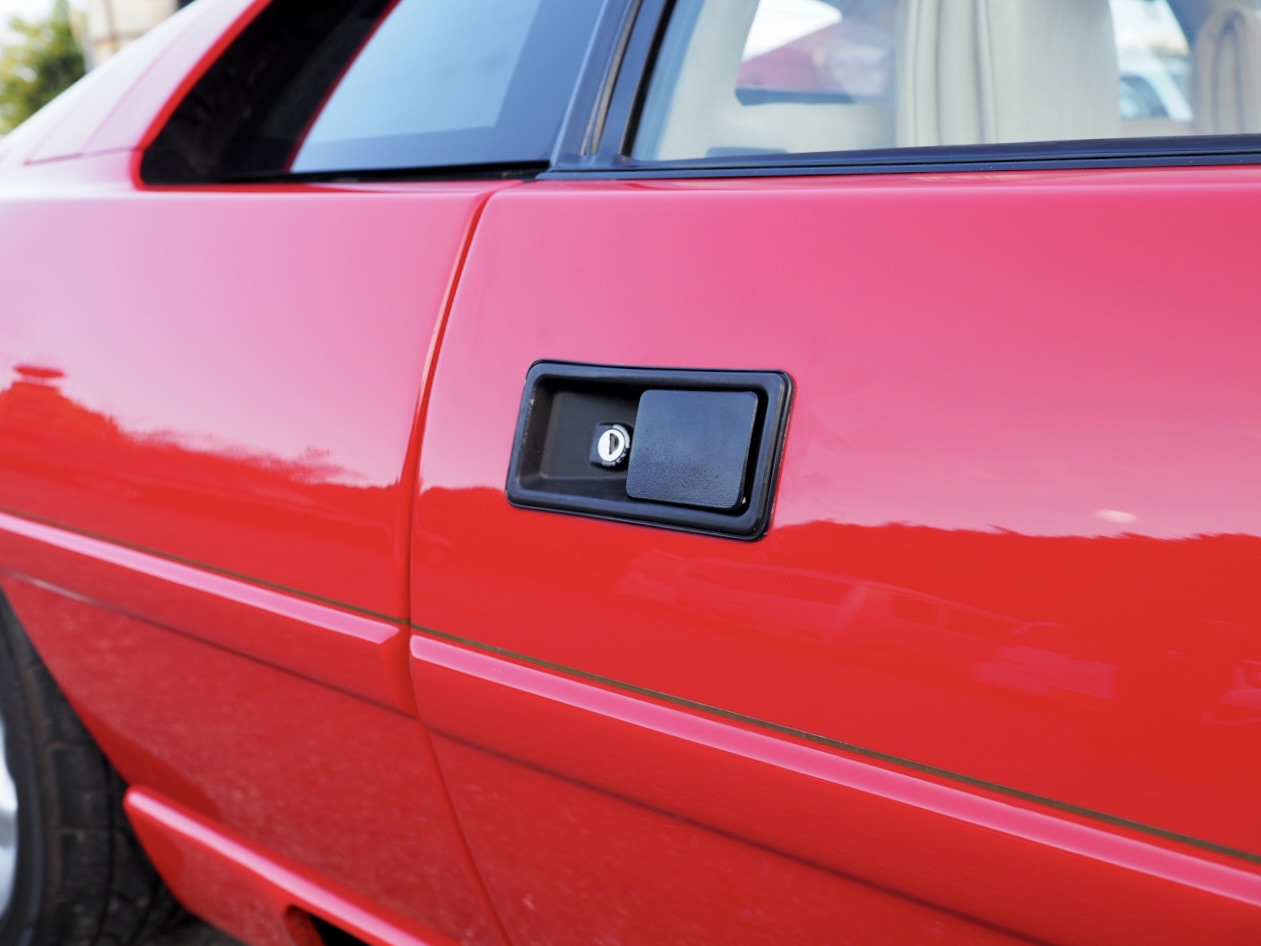
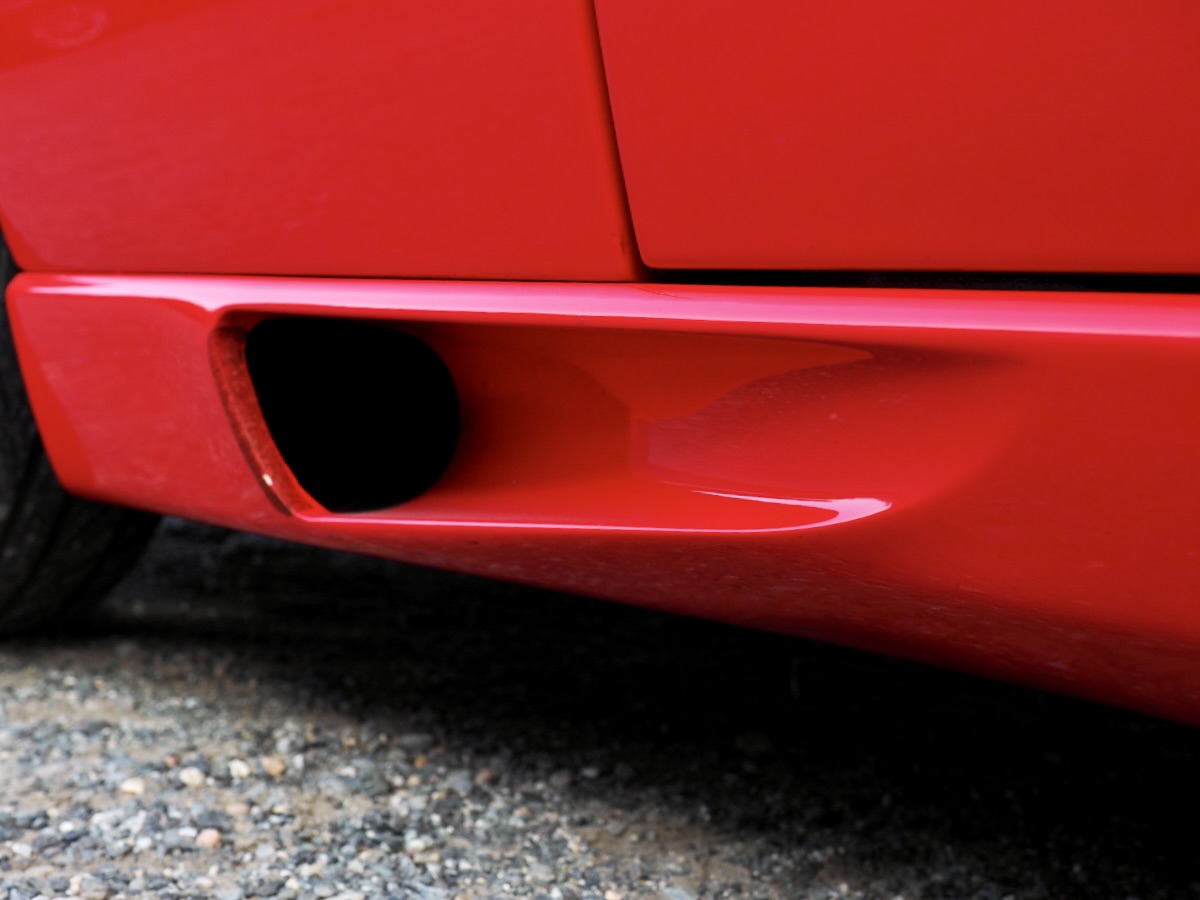
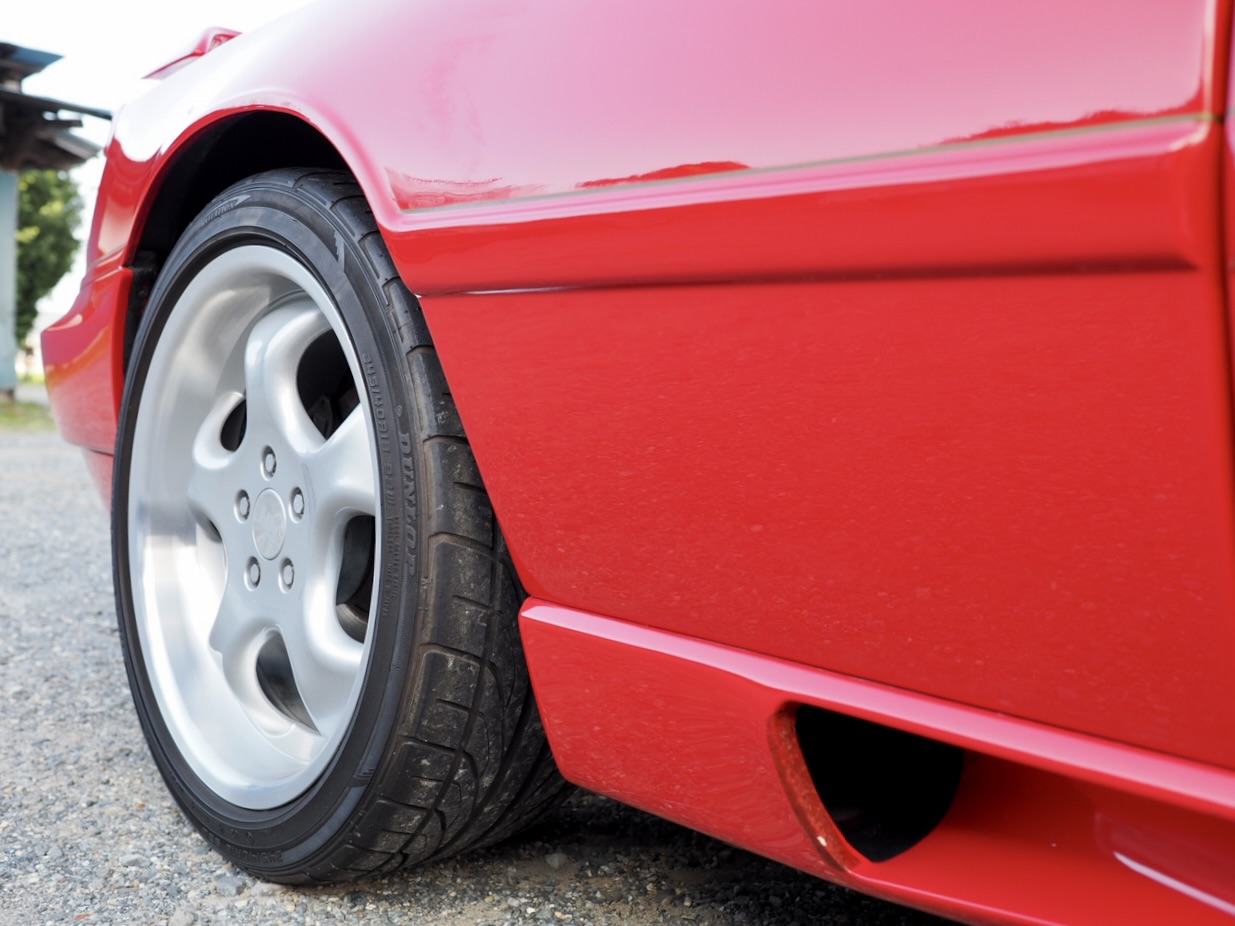
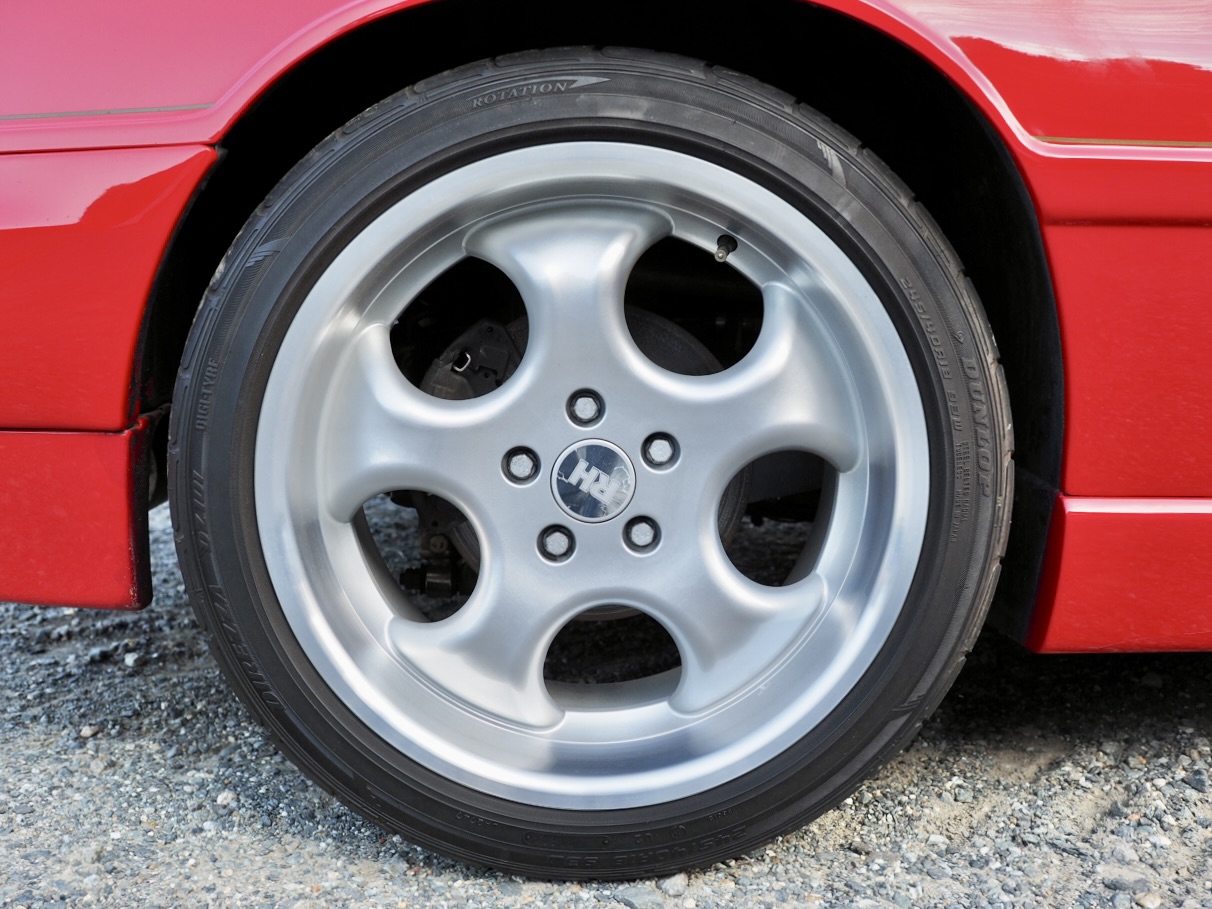
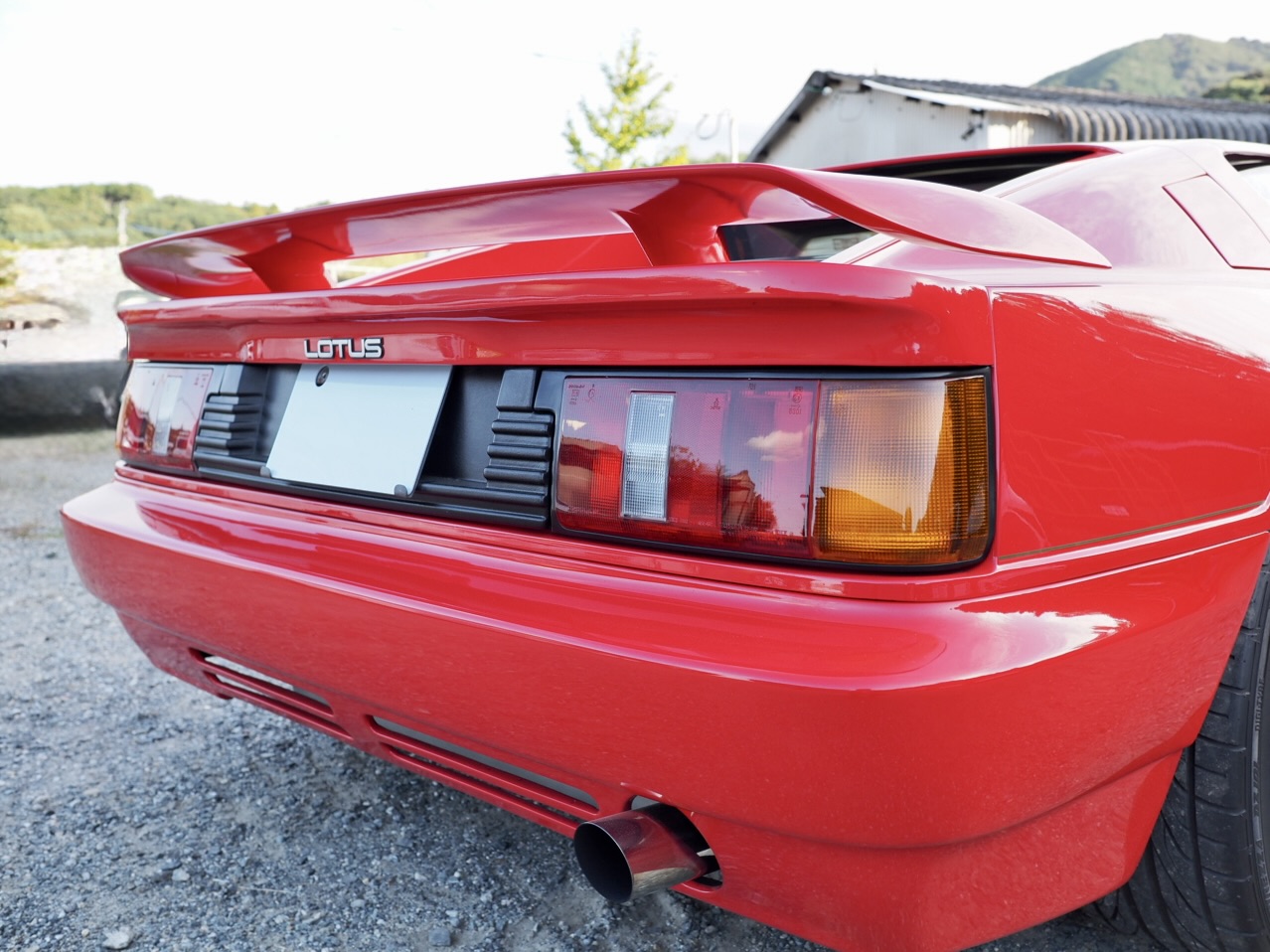
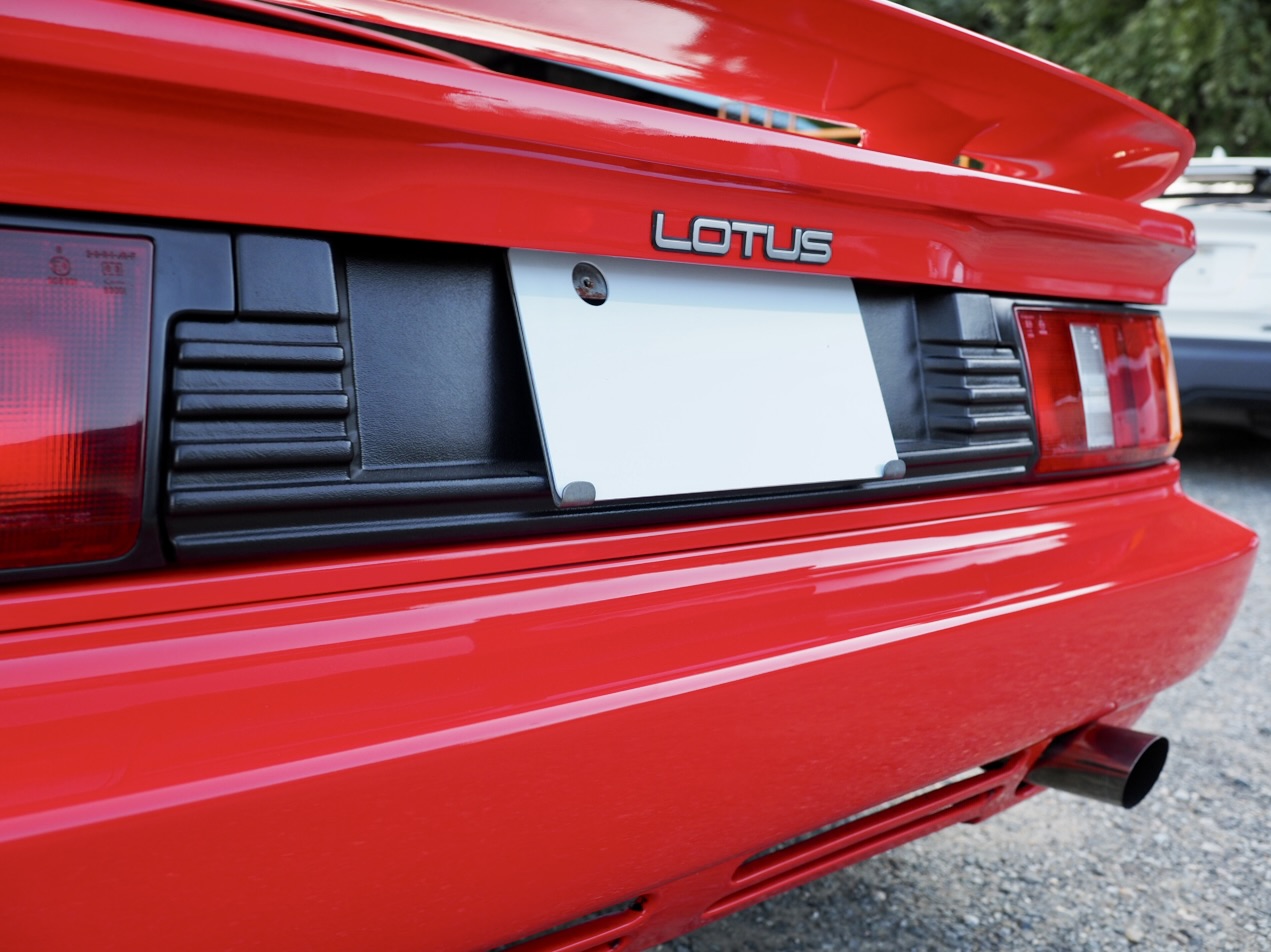
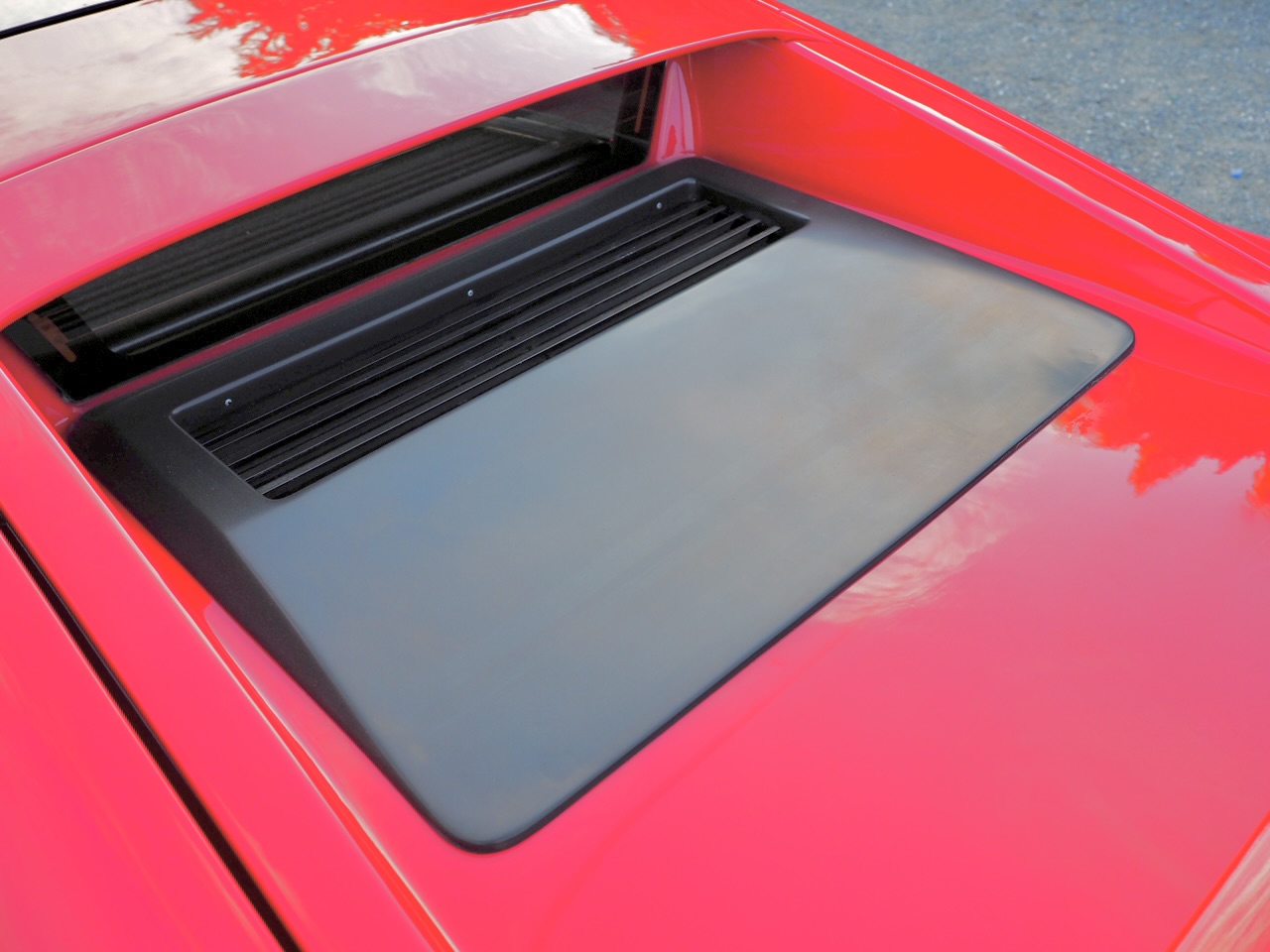
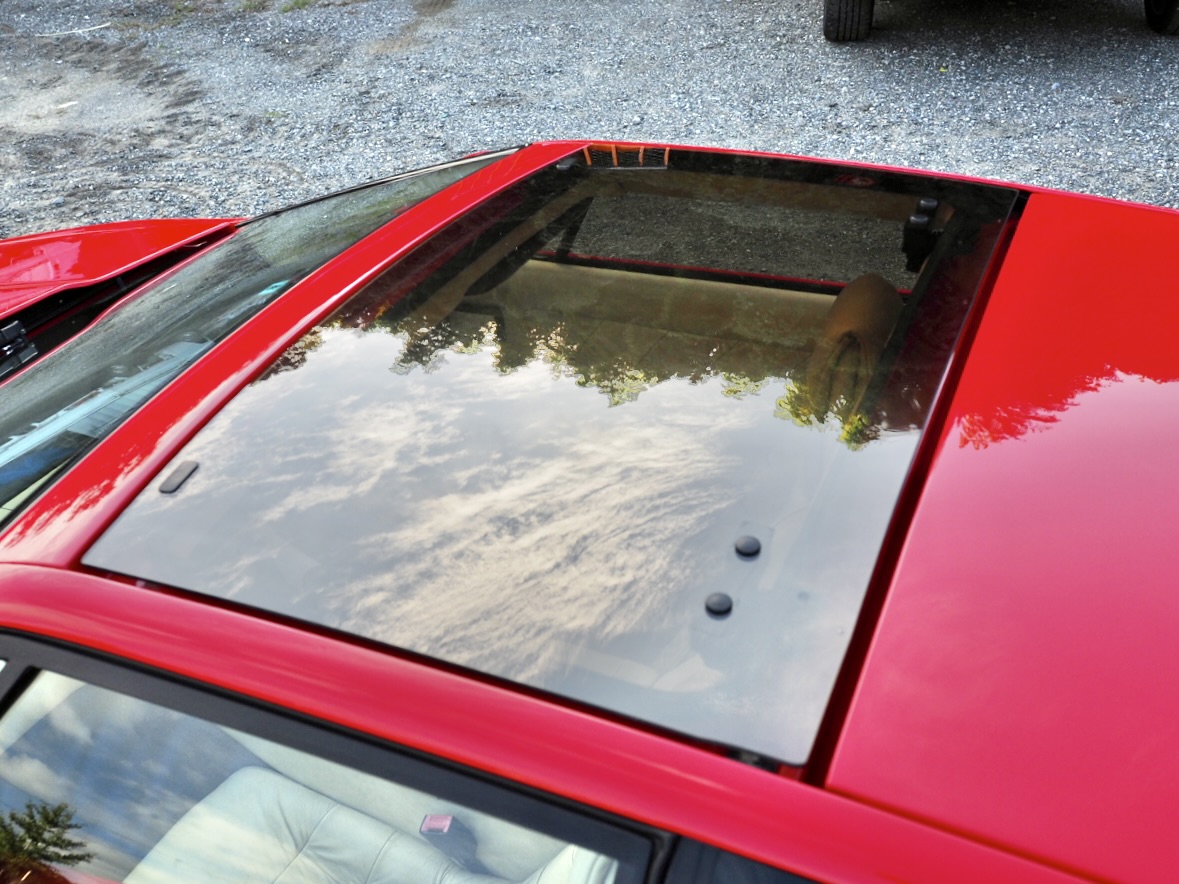
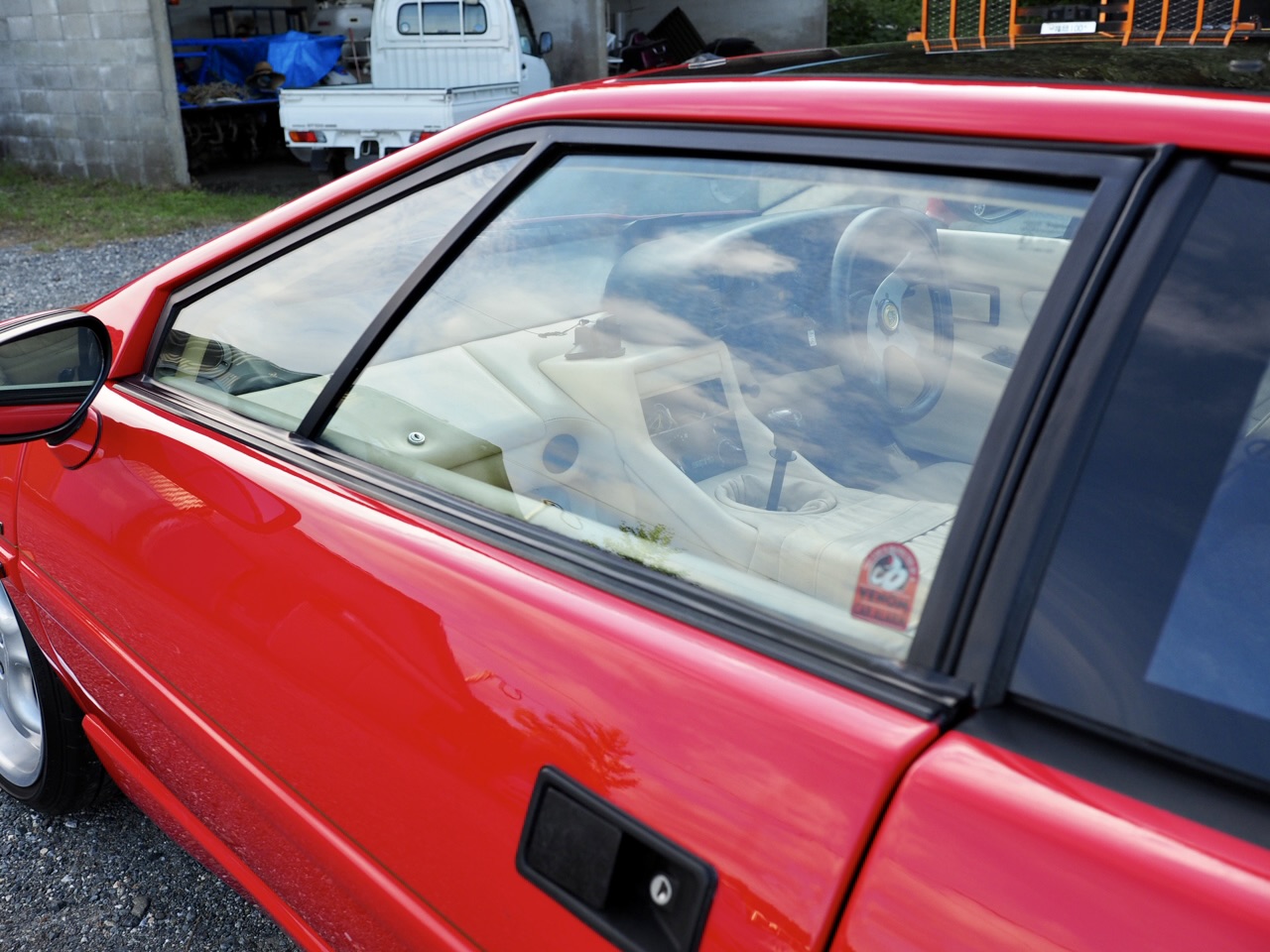
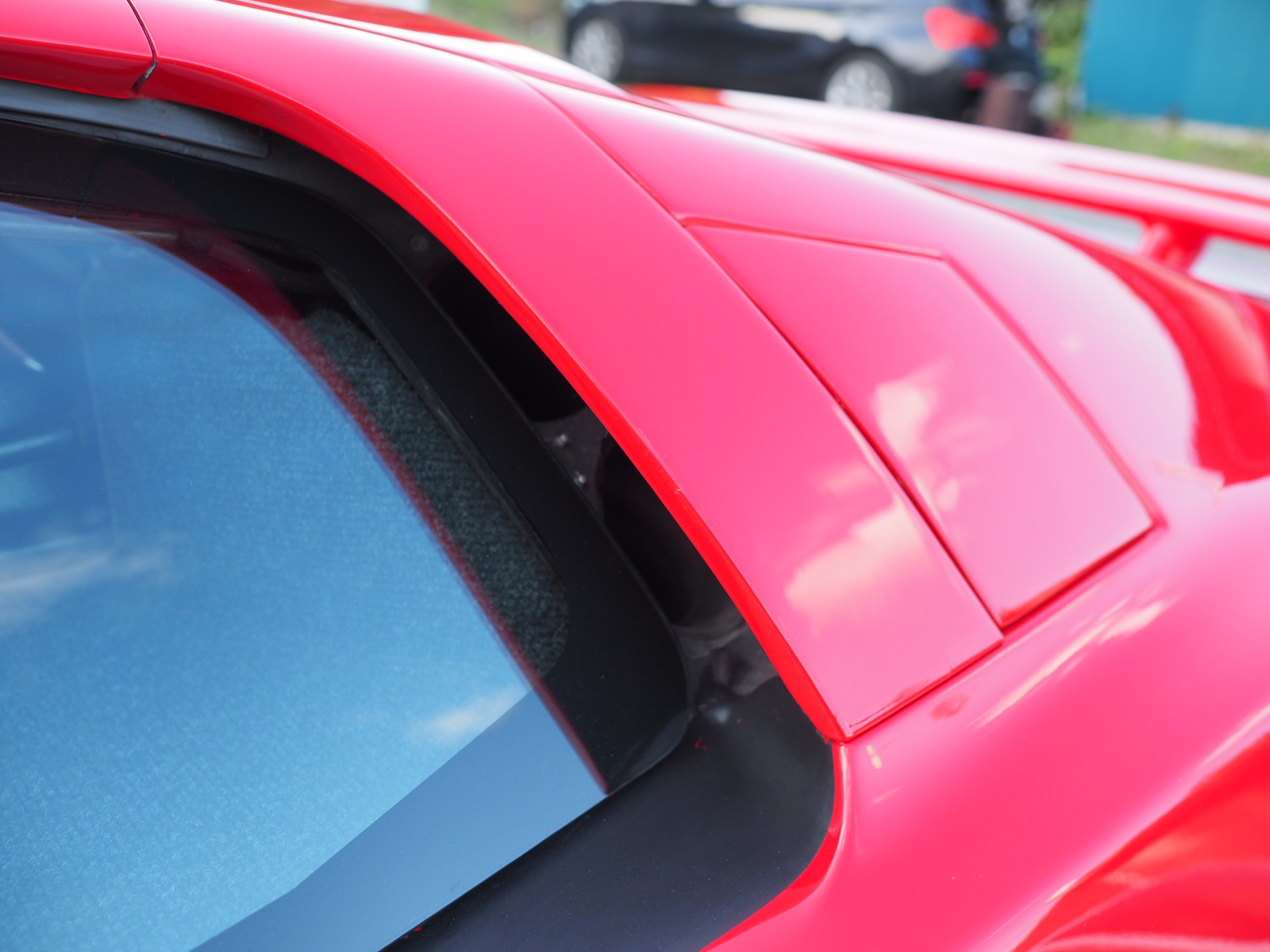
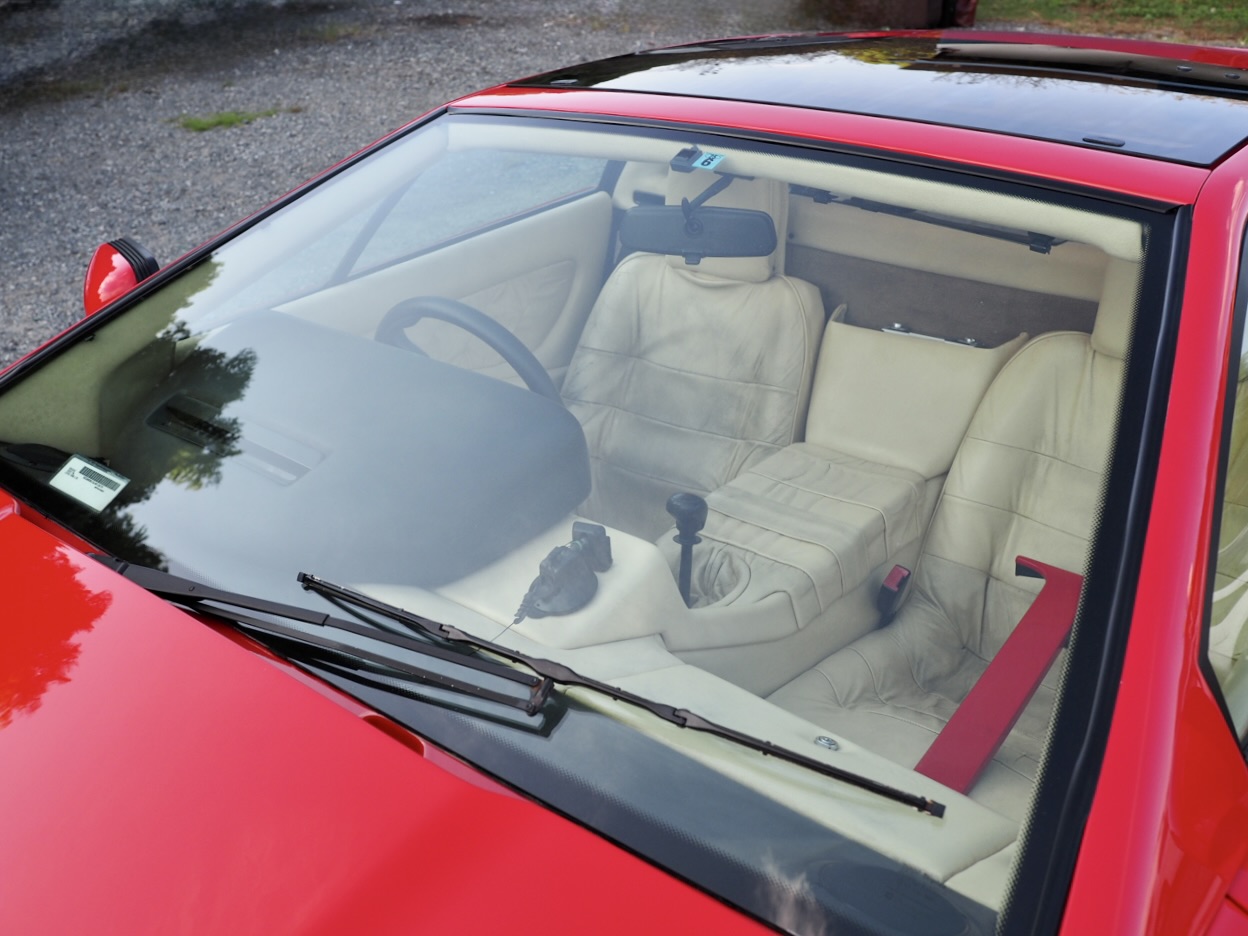
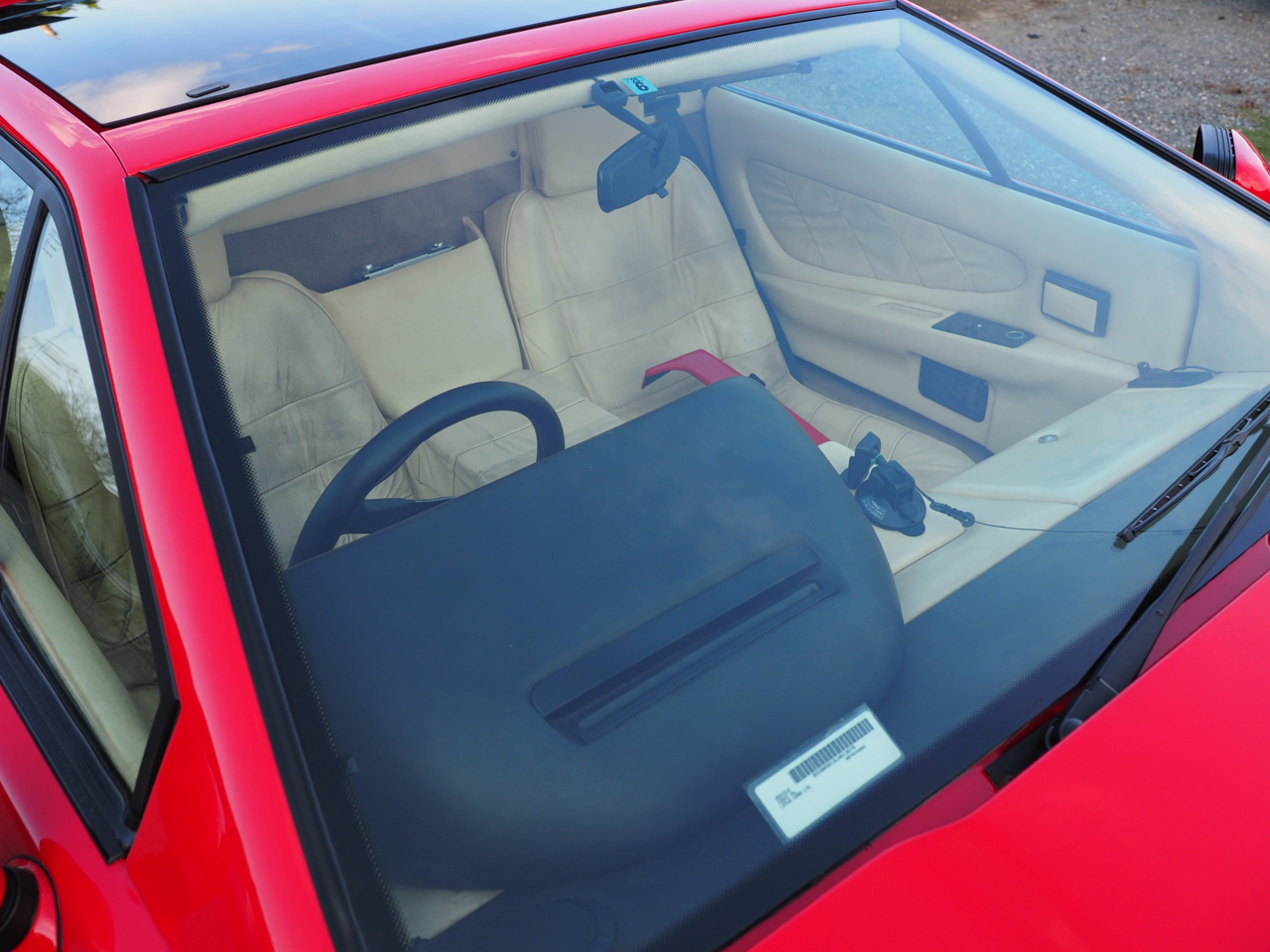
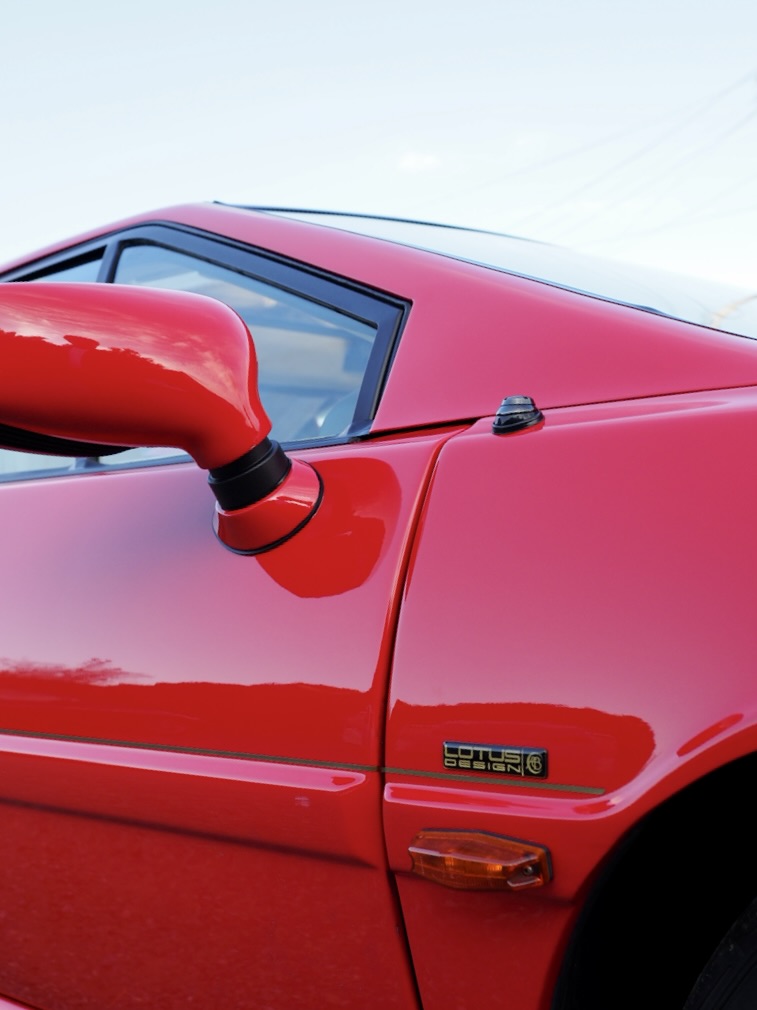
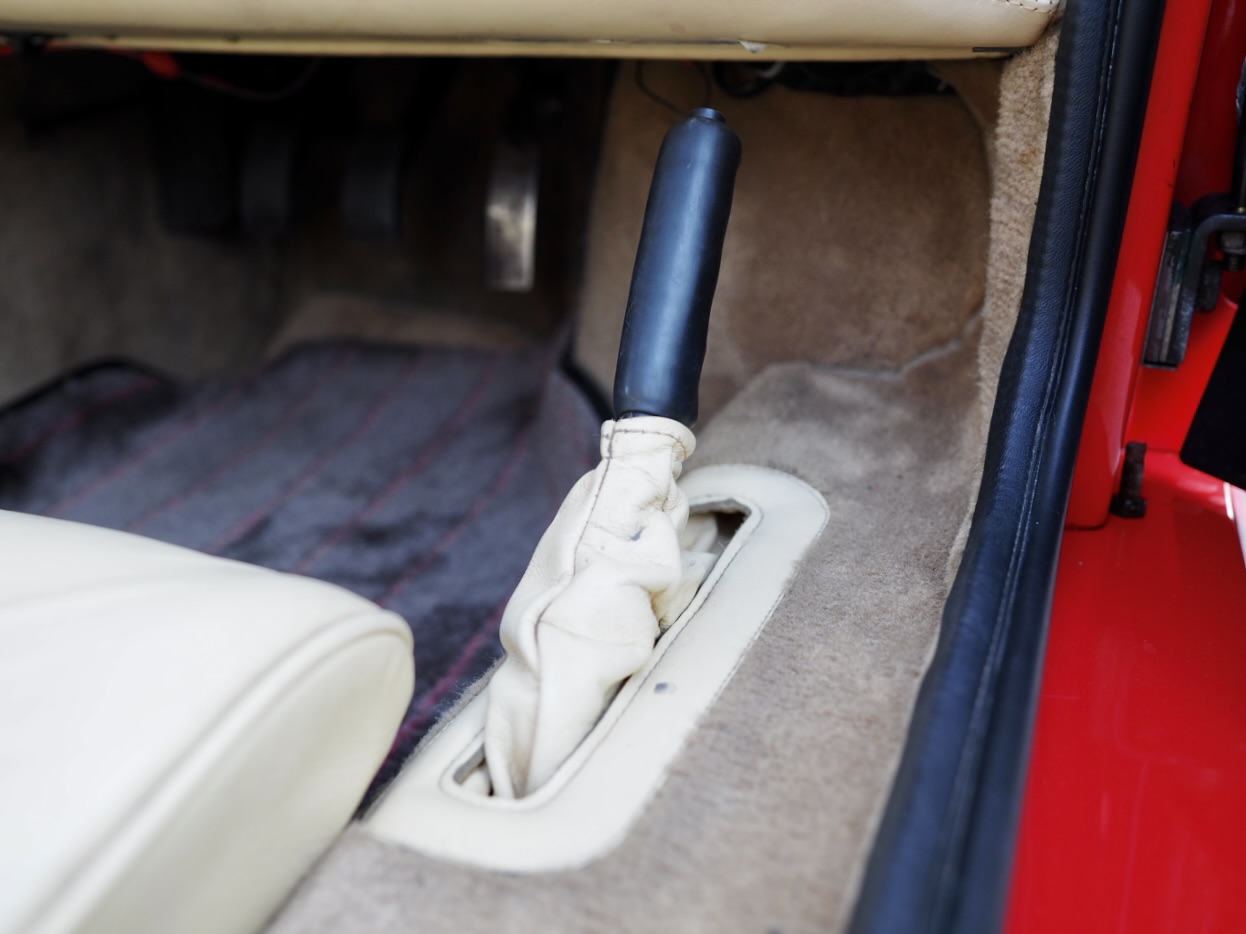
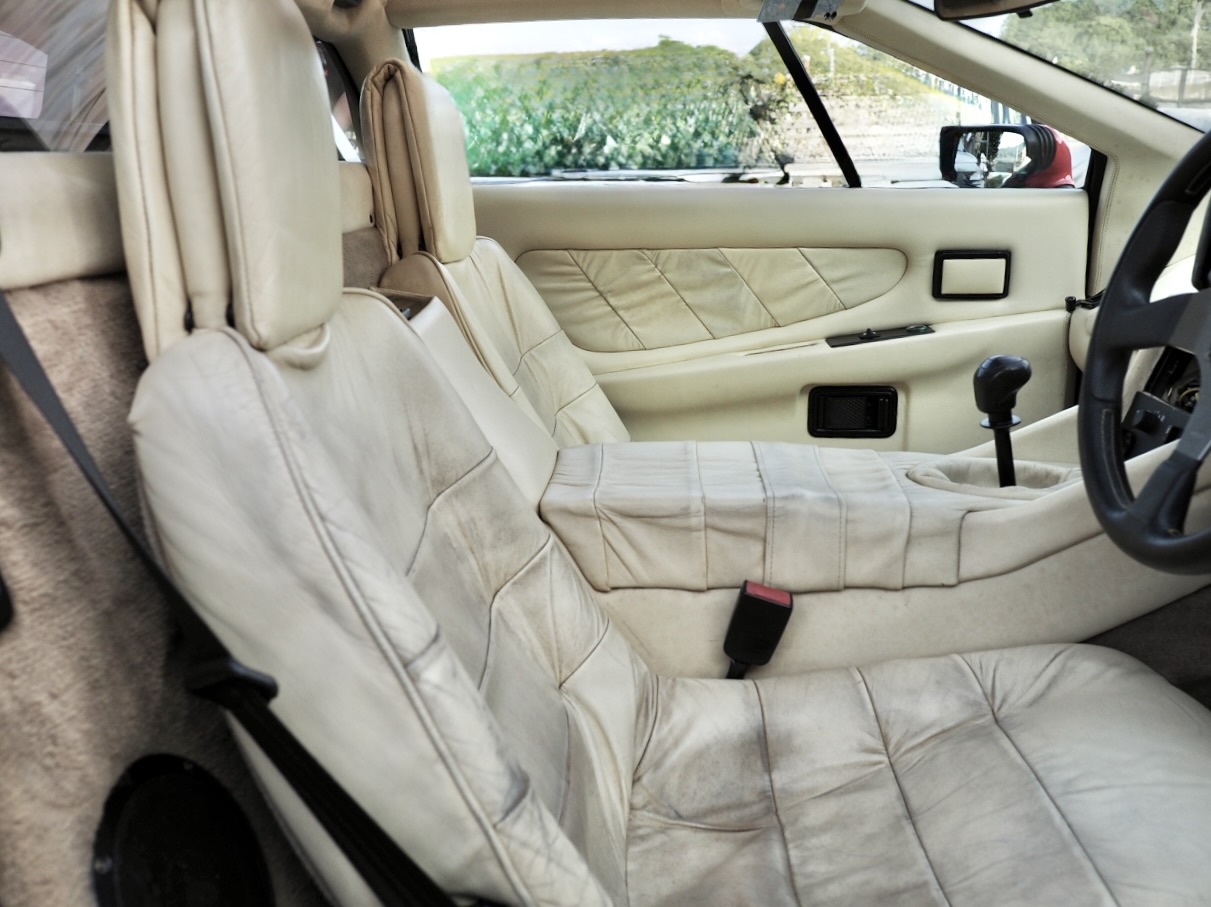
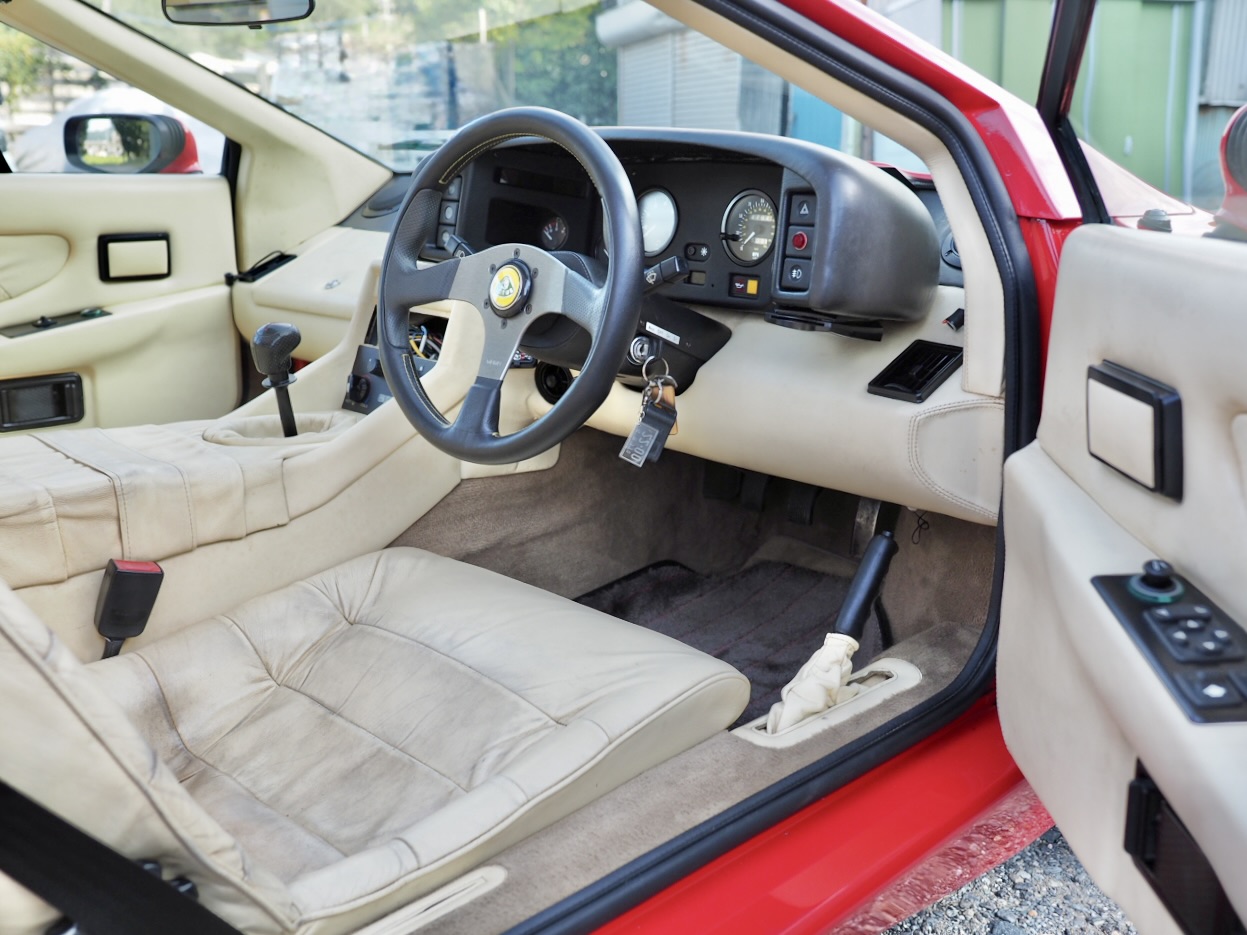
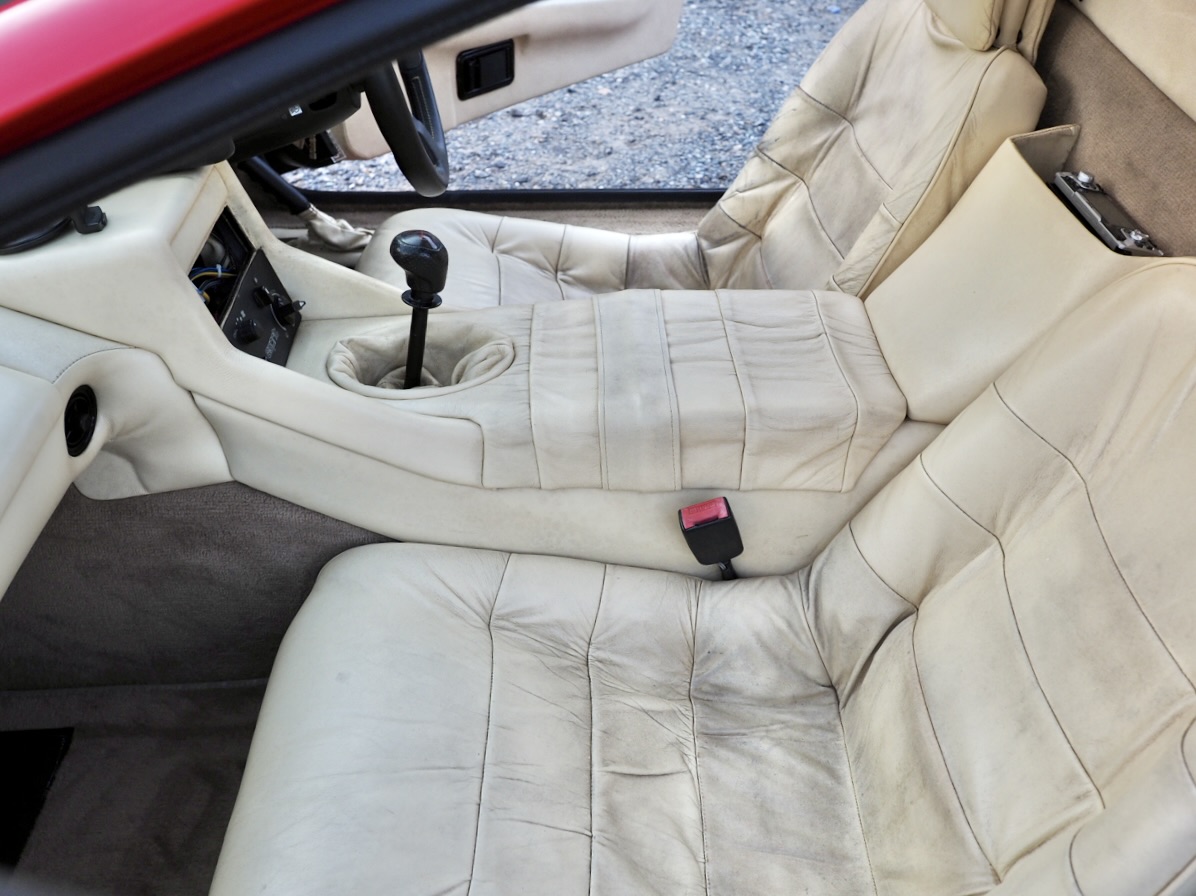
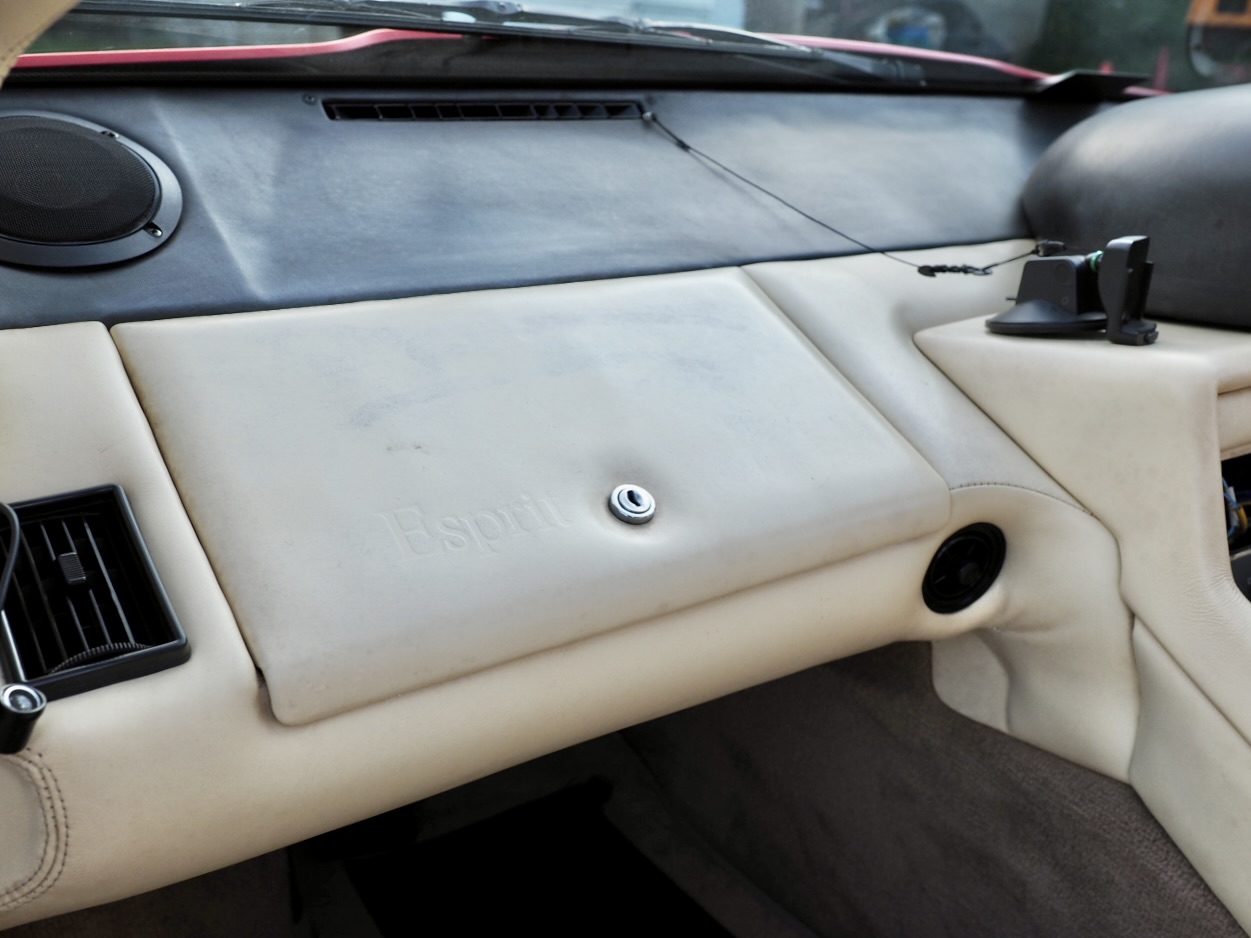
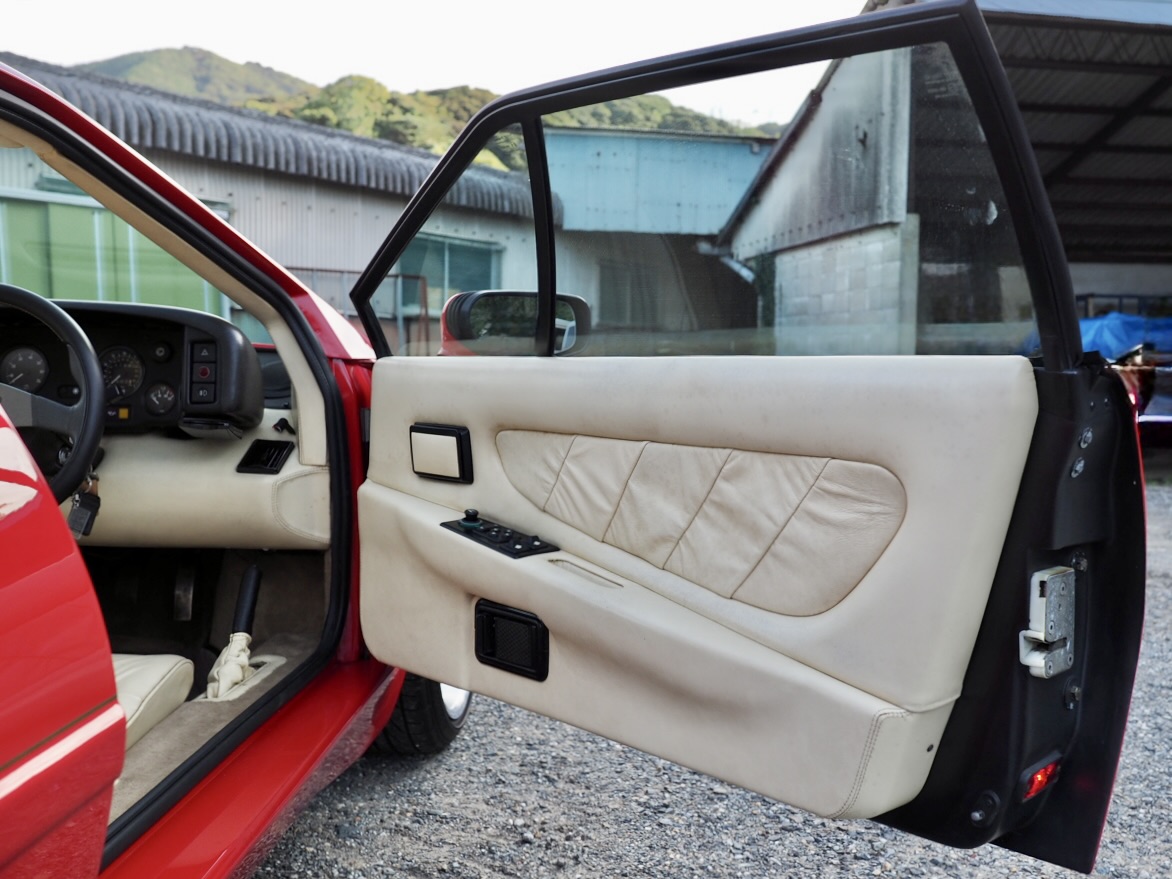
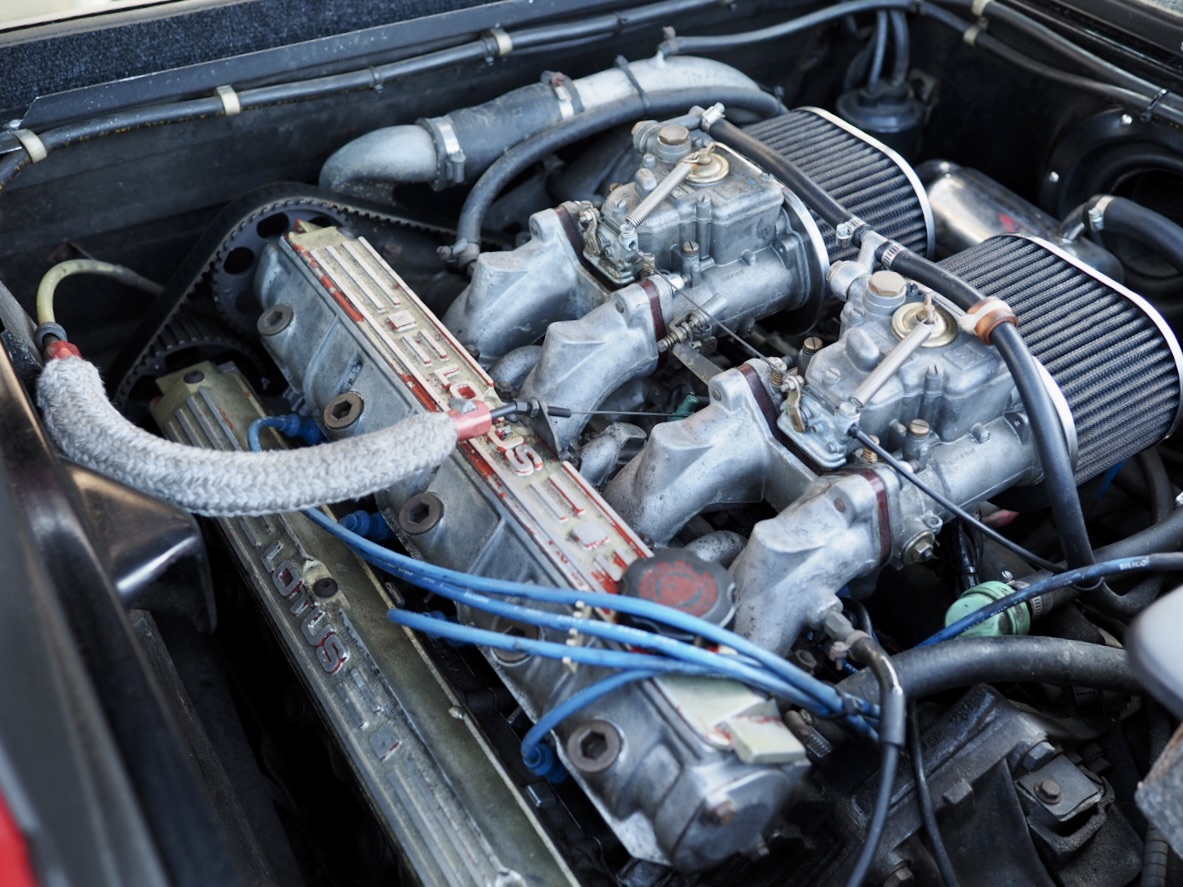
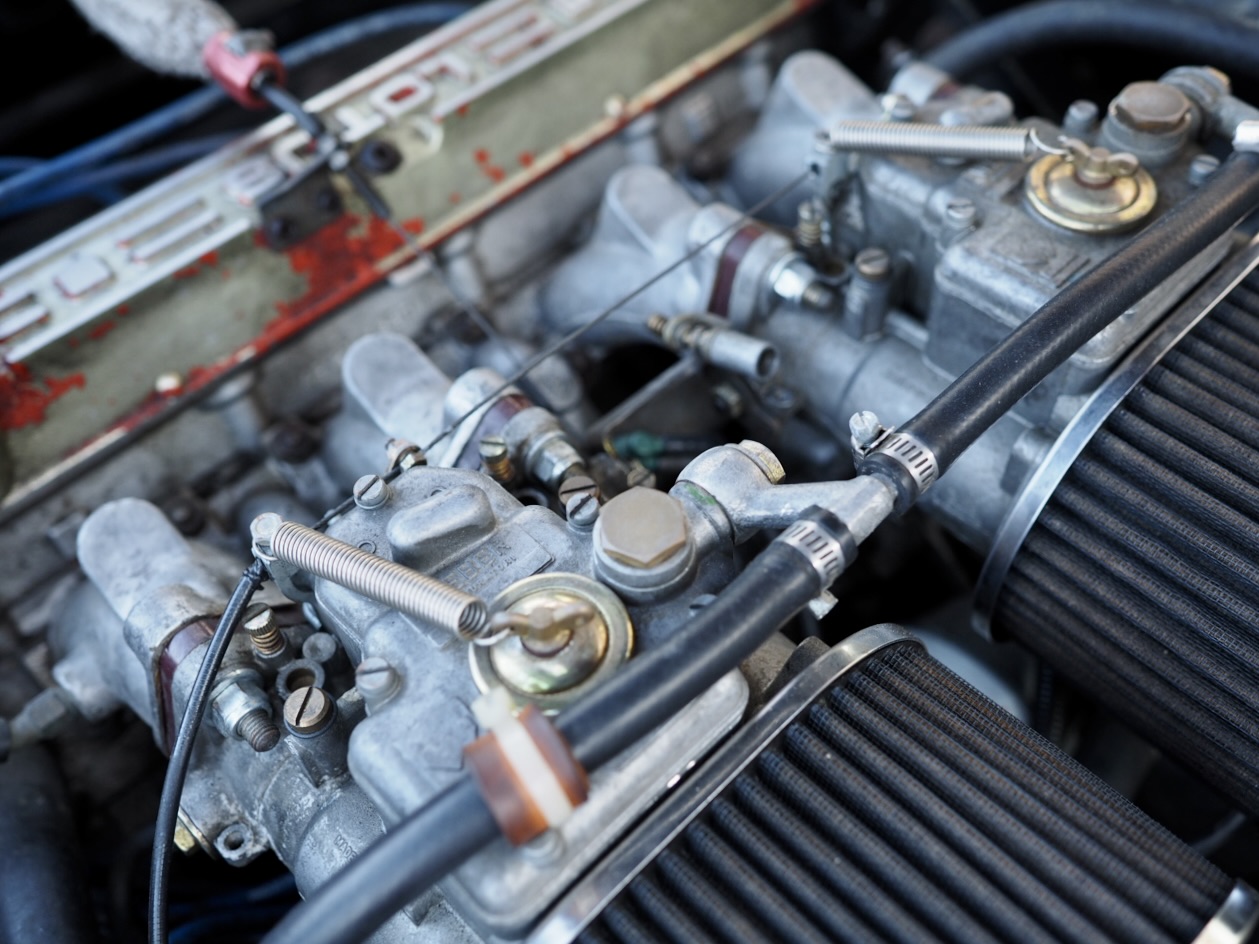
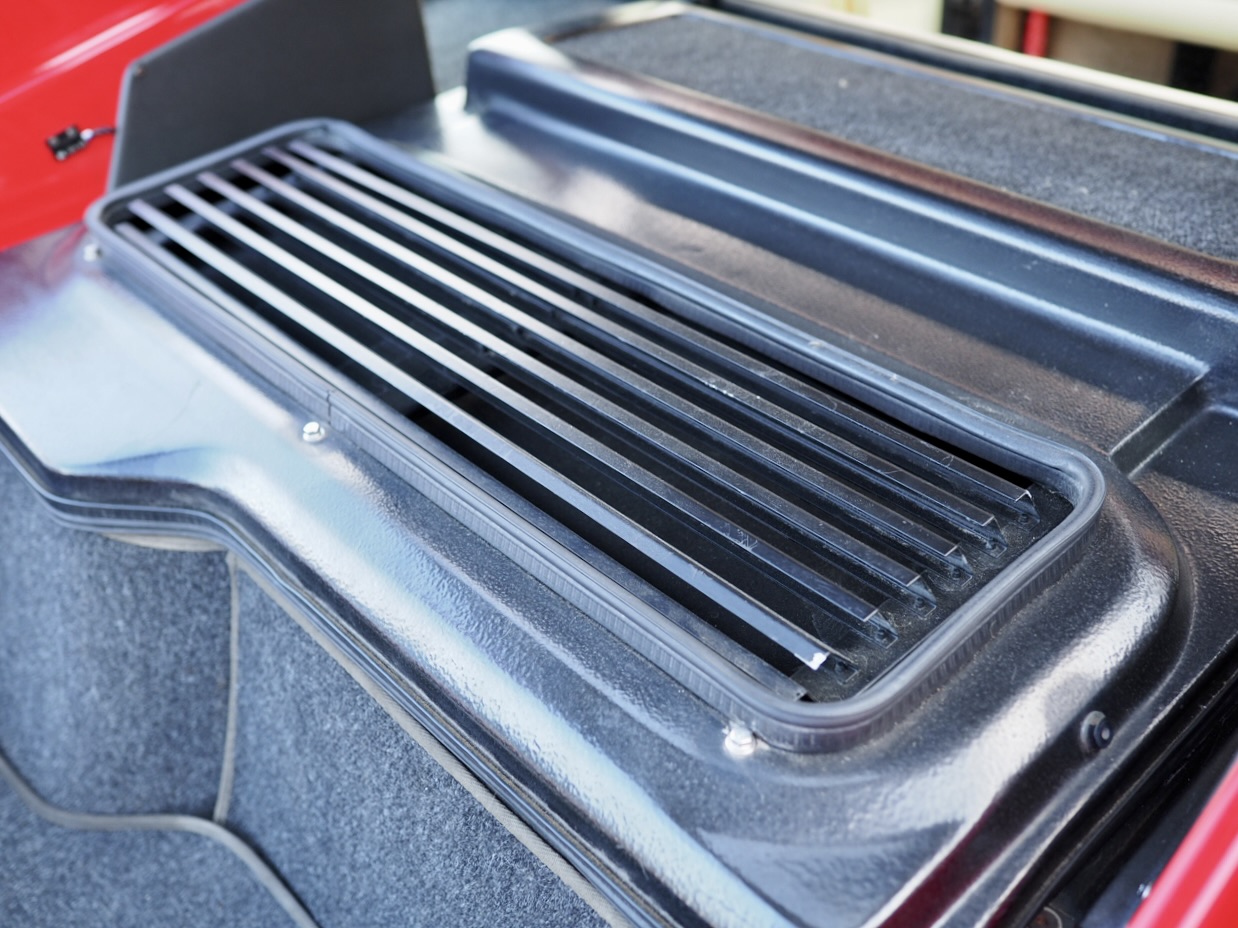
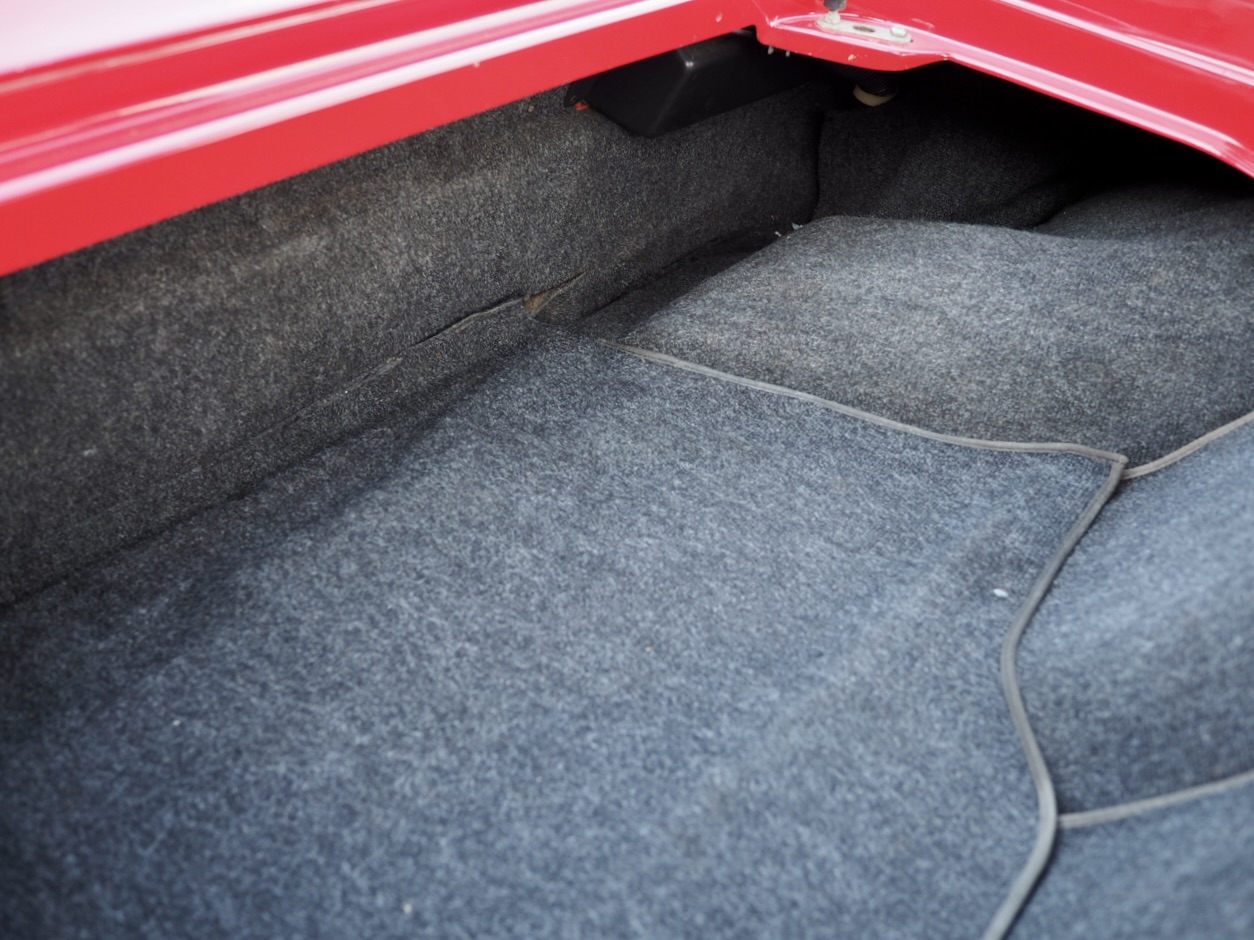
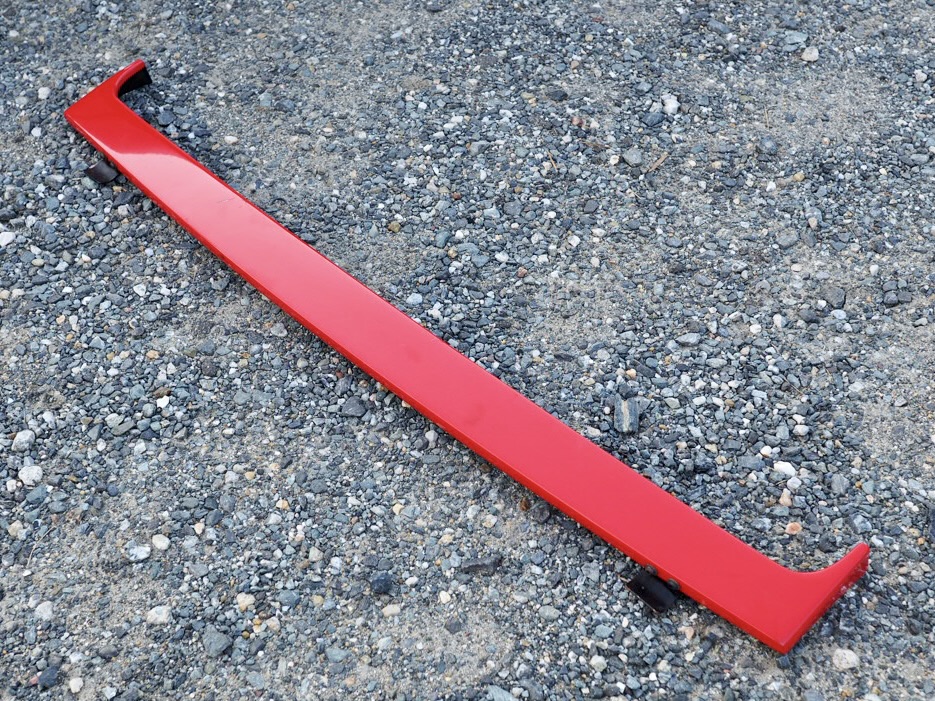
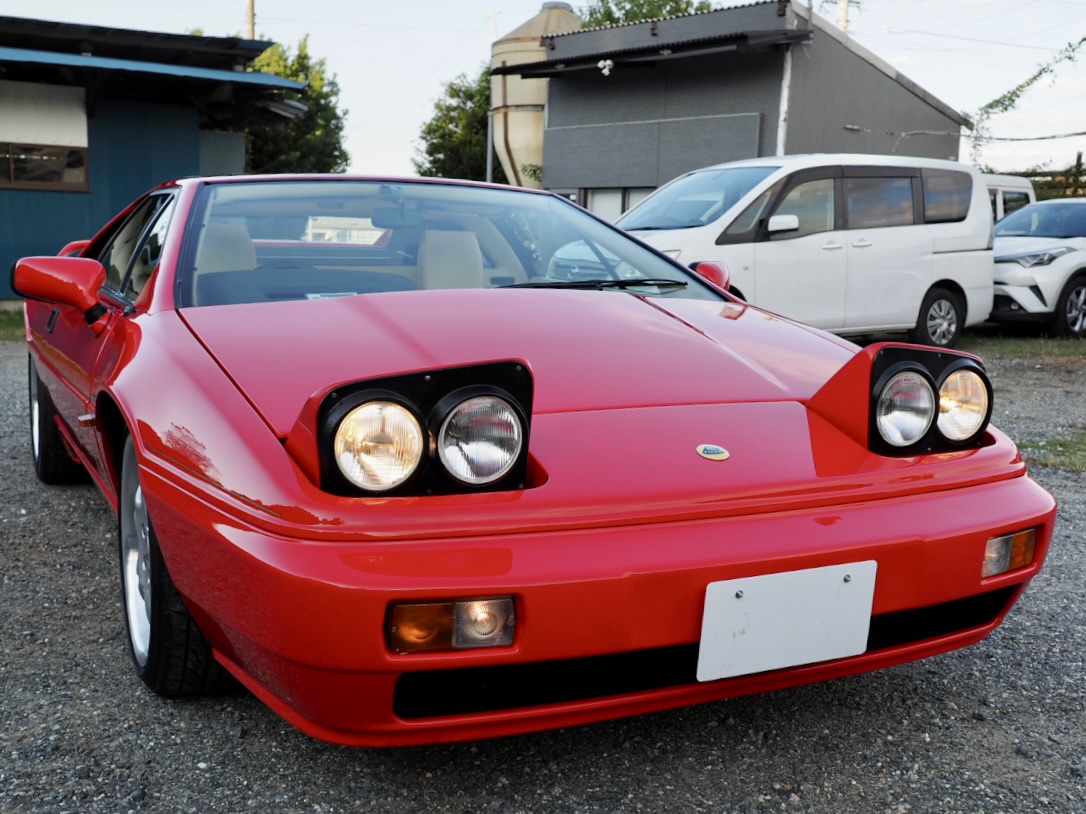
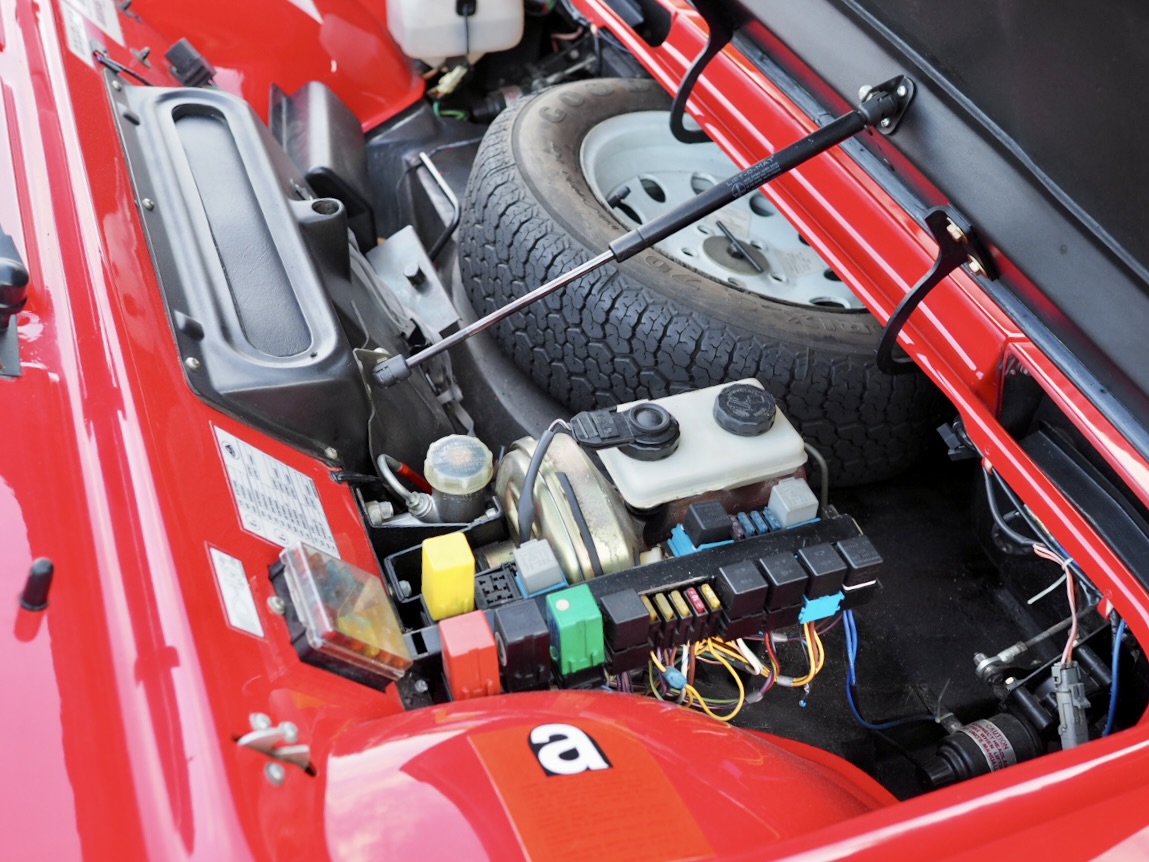
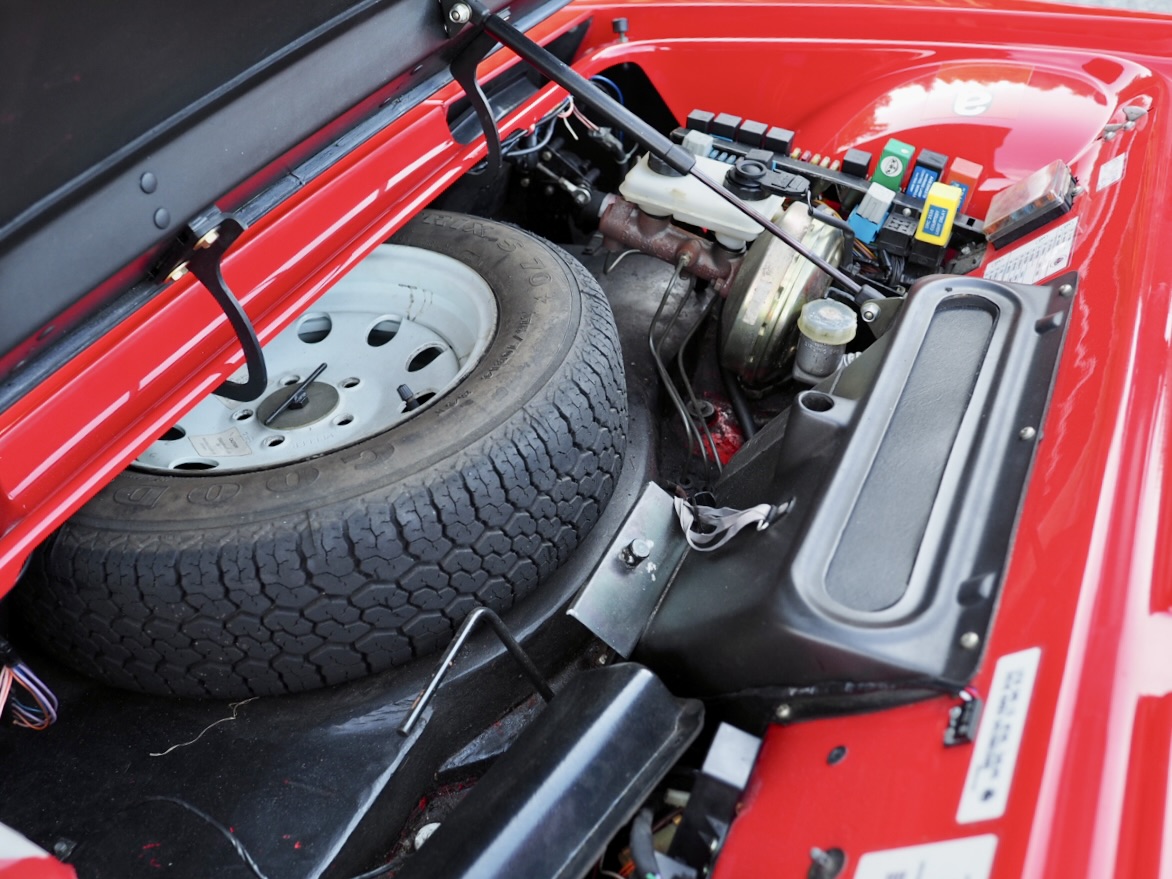
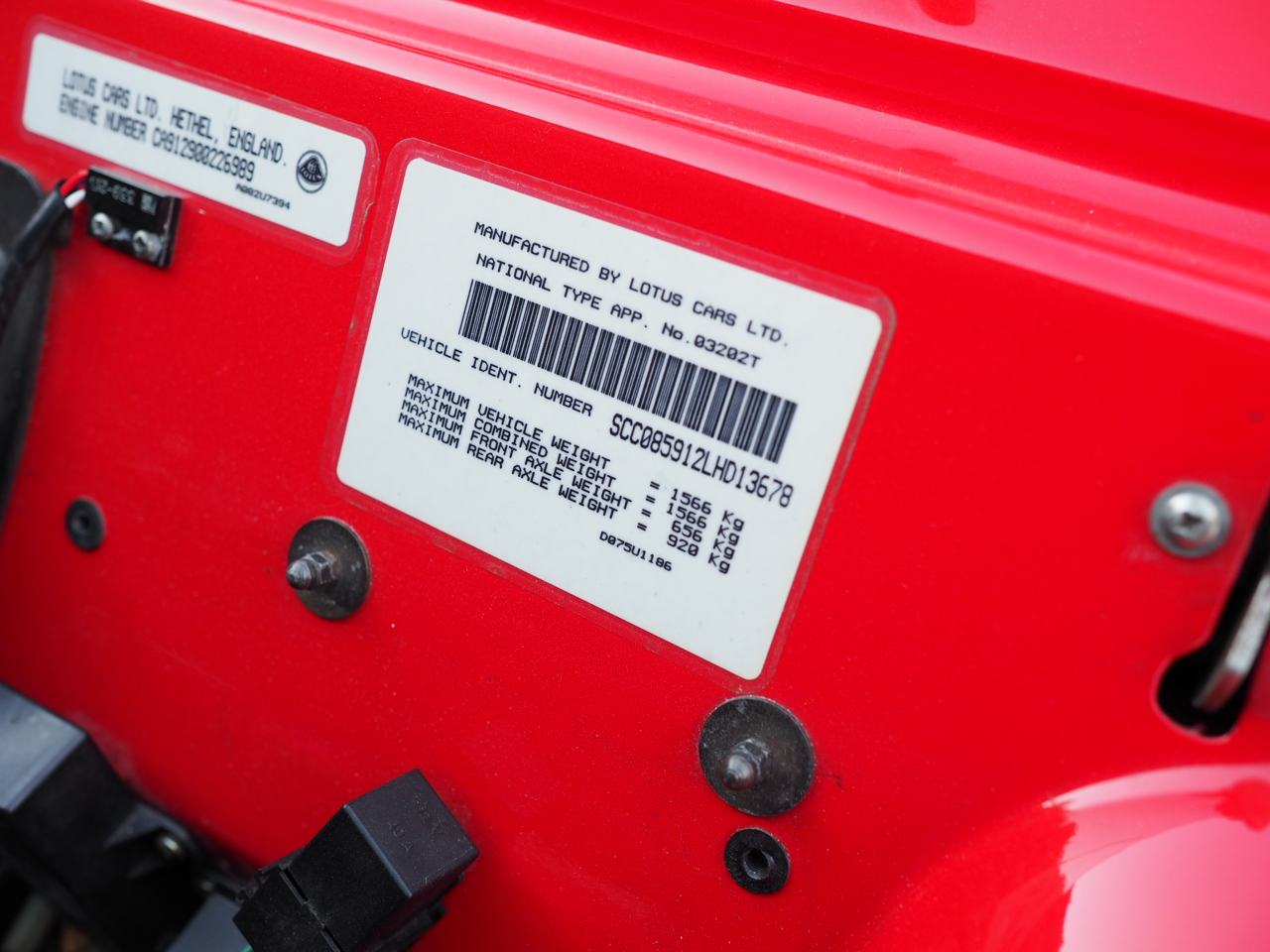
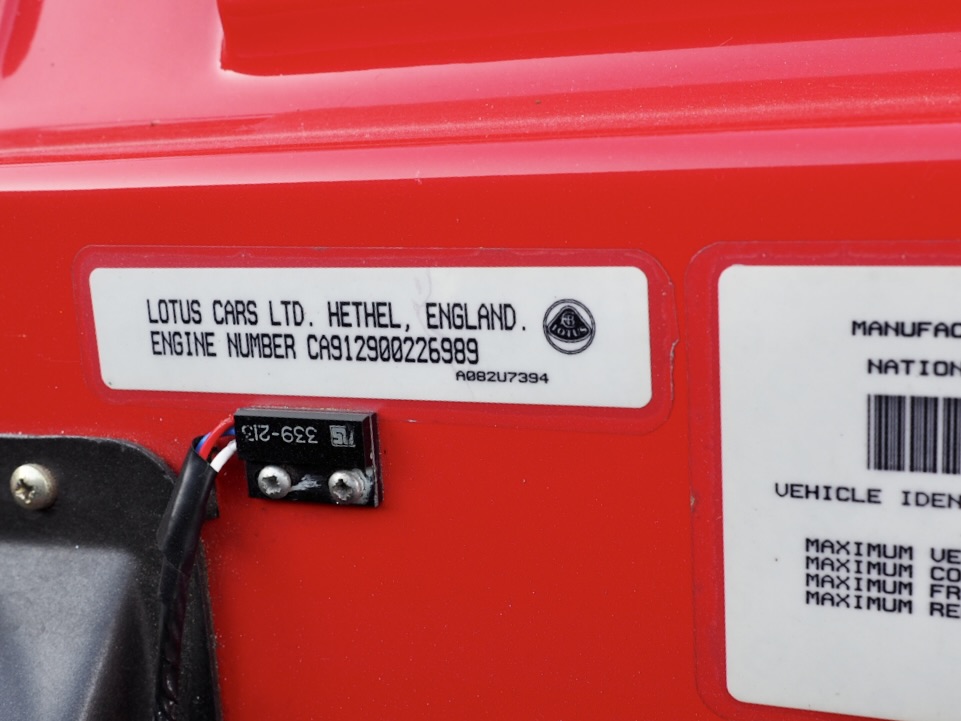
The detailed condition of the vehicle is described in each photo.
On the top slide you will find 50 attractive photos of the vehicle! Please click on a photo to view it with its description. Click outside the picture to return to the page.
SPEC
Length
4330mm
Width
1860mm
Height
1160mm
Weight
1230kg
Engine Displacement
2173cc