

TOP>Stock List>1966model MG Midget Mk-III
1966model
MG Midget Mk-III





↑↑↑Please watch the archived video above with audio if possible...
There are very few cars that make driving this much fun…! The ultimate expression of simplicity among British lightweight sports cars, the 1966 MG Midget Mk-III, is truly the perfect machine for fully enjoying a lifestyle enriched by a classic car…!
Chapter One…
“The joy of the cam coming alive beyond 3,000 rpm…!”
Savoring the 1966 MG Midget Mk-III to the fullest…
MG Midget Mk-III…
Anyone who has ever experienced a British lightweight sports car will surely feel their heart stir at the enchanting sound of the name “Midget.”
Its compact body, a pure expression of 1960s automotive design, weighs a mere 710 kg.
Purely—and extremely simply—designed solely for the joy of open-top driving, this captivating form makes lightness its greatest strength. Once you experience it, you are hooked… and before you know it, you are deeply immersed, struggling happily to escape the joy it delivers.
Once you become accustomed to this light-footed agility, even the higher-grade MGB begins to feel less like a lightweight and more like a grand tourer—so proud and evocative does the phrase “minimum lightweight” become.
With such wonderful appeal, the Midget—beginning in the 1960s and continuing through the 1980s with its urethane bumpers fitted to meet North American safety standards—has drawn enthusiasts around the world, myself included, into a crucible of driving enjoyment.
From its beginnings with the Frogeye in 1958, through badge engineering and the launch of the Midget Mk-I in 1961, nearly 70 years have passed to the present day. Thanks to the deep-rooted British automotive culture of cherishing and continuing to use good things, most parts—including brand-new body panels—are still available new today. Moreover, even as we approach half a century since production ended in 1979, British Motor Heritage Body Shells continues to produce new cars using the original jigs from the period.
As someone who dearly loves British lightweights, my own starting point was the MG Midget.
That origin dates back about 30 years in the United States, where I purchased a restoration-base MG Midget for a surprisingly low price. Thanks to its simple construction, I was able to restore it bit by bit in my garage exactly as I pleased—an experience I thoroughly enjoyed.
The familiar, truly minimal 1275cc A-series OHV engine is a joy: rev it beyond 3,000 rpm and you feel it come onto the cam, and running it all the way out in fourth gear with vigor is simply fantastic!
Despite the tiny body, you climb in with your legs stretched straight out into a classic driving position. With the large-diameter steering wheel held close to your body, elbows bent and cradling it, you guide what feels like a long nose—experienced from just ahead of the rear wheel housings. It may not be objectively quick, yet it feels remarkably quick once driven: the slightly distant nose snaps lightly and crisply into direction.
Driving in this traditional 1960s classic sports car style is, above all else, immense fun!
Even 30 years after that day with the MG Midget, the joy has never left my mind. Though the cars I’ve owned have changed, I have never been able to pull myself away from the enchanting pull of British lightweight sports cars—and I suspect I never will.
Let us take a brief look back into its history…
When one speaks of the A-series OHV inline-four 1275cc engine, it is none other than the evolved version of the engine fitted to the Mini Cooper S that was installed in the MG Midget Mk-III…
With the aim of “building a small, lightweight, appealing, and affordable sports car for young people,” BMC released the Austin-Healey Sprite Mk-I in 1958. When it underwent a model change to the Mk-II in 1961, an MG-branded version was also prepared through badge engineering, giving birth to the MG Midget Mk-I.
Subsequent minor updates followed, and by 1966 the model had evolved into the MG Midget Mk-III. What truly defined this Mk-III was the adoption of the 1275cc engine used in the Mini Cooper S.
However, the interesting point lies here: had the Cooper S–spec engine been installed as-is, the MG Midget Mk-III—being far lighter than the MGB, which was marketed as a higher-grade model at the time—would have been significantly faster. To prevent this, the engine was deliberately detuned before installation.
In practice, the Cooper S engine’s output of 76 bhp at 5,800 rpm was reduced through changes to the cylinder head, exhaust valves, and other components. The compression ratio was lowered from the Cooper S’s 9.75:1 to 8.8:1, resulting in approximately a 15% reduction in power, settling at 65 hp at 6,000 rpm.
Even so, this 1966 MG Midget Mk-III is an immensely enjoyable car to drive.
The driving feel is disarmingly honest and straightforward, with absolutely no need to tense up—its natural character is simply wonderful.
At the same time, careless inputs are reflected directly in the car’s behavior.
Gripping the steering wheel as if cradling it, engaging the light clutch, and briskly shifting from first to second—this sequence alone conveys why this compact sports car is so enjoyable, not through theory, but directly to the body and through the senses straight into the right side of the brain.
What allows this experience to shine so clearly is the fact that this car belongs to the early phase of the later Mk-III generation, specifically the 1966 model year.
Even as a detuned version of the Cooper S engine, the MG Midget of this period—equipped with the A-series 1275cc unit—is often regarded as the most well-balanced and complete form within the series.
Against the lightweight monocoque body, the engine’s 65 hp at 6,000 rpm still provides a subtle surplus of performance—an exquisite balance.
It is precisely this “slight margin of reserve” that allows drivers to fully enjoy the Midget’s signature character above 3,000 rpm as the cam comes alive, ultimately creating an unmatched sense of driving pleasure.
Chapter Two…
What is the true nature of the unreconditioned, original 1988 Autobianchi Y10 4WD—imbued with the joy of enriching everyday life through unpretentious driving…?
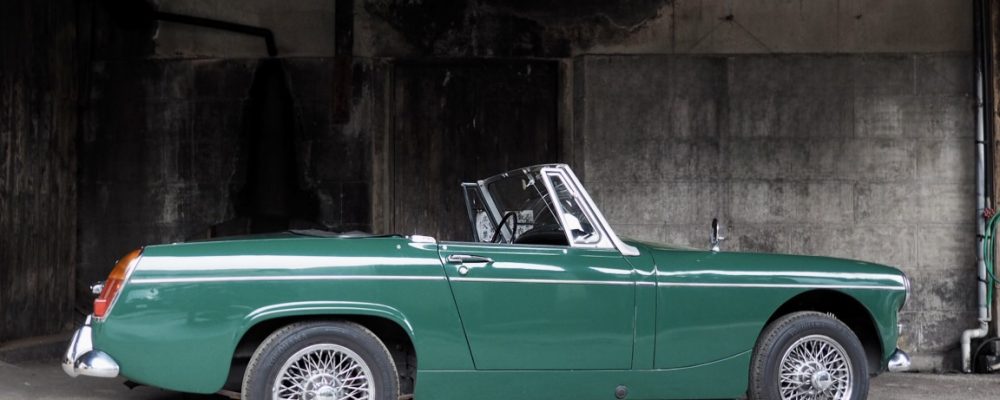
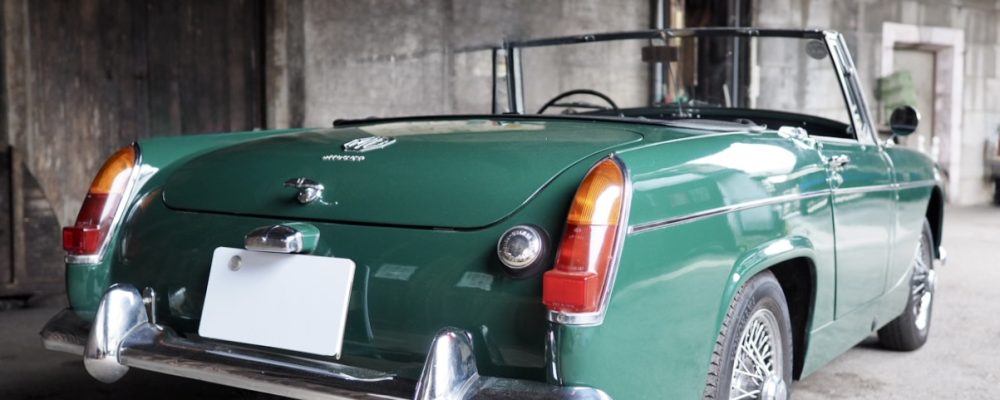
Set against the backdrop of a historic building, standing with remarkable poise and beauty, this is a left-hand-drive North American–spec example born at the Abingdon factory in the UK—an early production car of the later Mk-III generation, dated 1966.
At a glance, its distinctly classical atmosphere clearly preserves a strong sense of its unrestored originality, making it an exceptionally evocative and appealing car.
The veteran owner places a number of precious classic cars squarely at the center of his real, everyday lifestyle. Early weekend mornings are spent on what he calls “morning practice,” heading out to well-known local winding roads to truly enjoy driving itself and reset his mind.
This seasoned enthusiast originally favored compact, lightweight cars for many years, including older Japanese kei cars that are now considered discontinued classics.
Interestingly, he says that before he knew it, British cars had always occupied the center of his attention.
This was no coincidence, but rather the result of a deeply ingrained formative experience.
In his youth, he loved machines of all kinds, both two- and four-wheeled. During the early days of domestic motorsport in Japan, he was strongly influenced by charismatic, deeply knowledgeable adults around him who embodied the allure of automobiles.
Among them was a figure who owned many so-called legendary cars—Ferraris, Porsches, and the like—yet always kept and continuously drove one car throughout his life: an MG Midget.
That dignified and admirable way of life left an indelible impression deep in the owner’s heart.
About four years ago, through personal connections, the owner came to take over this very car from an acquaintance who had decided to part with it.
The history after acquiring the car began, quite simply, with driving it.
During repeated checkdowns, he once experienced a roadside engine stoppage.
Tracing the cause revealed that the installed clutch disc was not the correct one. As the engine warmed up, thermal expansion caused a characteristic issue—a very classic-car-like “quirk.”
By refitting the original clutch disc that had been removed and stored, the problem was resolved. Since then, the engine has started instantly; even in winter, starting has been stable with the use of the choke. On the day of the interview, despite retaining the original dynamo setup, the voltage remained stable and well controlled.
This is another noteworthy point of this particular car: it still retains its original dynamo.
Unlike many examples of this era that have been converted to alternators, this car preserves the electrical system and overall atmosphere of its period intact.
The original British Racing Green exterior paint from the time of manufacture still retains a healthy sheen, and together with the car’s accumulated patina as a true “working tool,” it presents a deeply appealing presence.
Despite nearly 60 years having passed, it gives an astonishingly fresh impression to those who see it, radiating a wonderful aura—this is the Midget’s greatest charm.
The owner’s sincere approach to classic cars is not one of mere “ownership,” but of “stewardship.”
He places rare classic cars at the heart of his lifestyle and adheres to the philosophy:
“If a car is entrusted to me, I want to pass it on in better condition than when it arrived.”
These words perhaps describe this car’s condition more accurately than anything else.
The owner’s thoughts and philosophy were also introduced in AUTO MESSE WEB (formerly the “Classic Car Sommelier” section) in November 2024:
https://www.automesseweb.jp/2024/11/23/1708291
“Because this car is structurally simple, honest, and genuinely fun to drive, I would really like younger generations to experience it as well.”
Such a quiet wish certainly exists in the background of this MG Midget.
Through the interview, I felt that this 1966 MG Midget Mk-III is a car that embodies both the philosophy passed down through generations and the real passage of time spent being used.
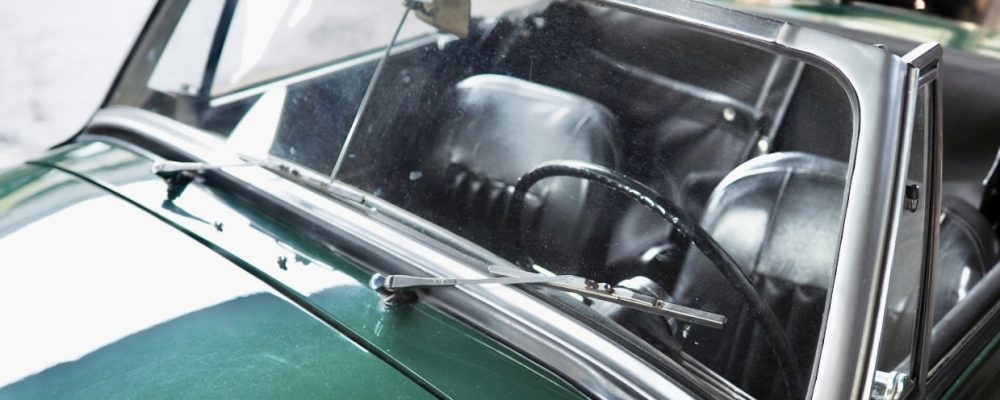
That is why, the moment I grasped its rare ebonite steering wheel, all of that history and care came through quite naturally.
Chapter Three…
1966 MG Midget Mk-III — The Author’s Afterword…
A captivating lightweight with remarkably strong originality, the 1966 MG Midget Mk-III… it was a truly charming and precious example.
No matter how many specifications one lines up, the true essence of this car would never be conveyed.
It is not a car that boasts speed, and by modern standards it is full of inconveniences (laughs).
And yet, you spend your days looking forward to an early weekend morning… climb into the tight cockpit, turn the key, listen carefully to the engine for a moment, then slot the satisfyingly mechanical shifter into first gear—and the instant you set off, every reason why this car has been passed down suddenly makes perfect sense, bringing an involuntary smile to your face.
The 1966 MG Midget Mk-III is a machine that allows you to experience the very act of “driving” in an extraordinarily honest and richly rewarding way.
The sensation as it comes onto the cam beyond 3,000 rpm, the A-series OHV inline-four 1275cc engine coming alive…!
Gripping the slender ebonite steering wheel as if embracing it, consciously guiding the slightly distant nose, and immersing yourself in drawing the ideal line…!
Not quick in an absolute sense, yet somehow feeling wonderfully light and agile—this mysterious unity between car and driver…!
Here, without question, remains the magnificent world that can only be experienced in a 1960s British lightweight sports car.
Neither excessively restored nor subjected to forced updates, this largely original example is one that should be passed down across generations.
Because successive owners have faced this car with sincerity over the course of nearly 60 years, its natural, unpretentious charm remains intact.
That vitality, transmitted through the steering wheel and the seat, reaching all five senses, is simply irresistible.
After enjoying a familiar early-morning winding road in conversation with the MG Midget Mk-III, you park by a lakeside and gaze at it from the outside—and suddenly a moment arrives when you think, “This must be why one keeps it for a lifetime…”
Encounters with a car that resonates so deeply with the heart are exceedingly rare.
There are very few cars that make driving this much fun…! Among British-built lightweights, the very essence of simplicity itself—the 1966 MG Midget Mk-III—is truly the ultimate car for fully enjoying a lifestyle with a classic car.
This is truly one of those examples that cannot be found even if you search for it—
a car you can only encounter by waiting for the right meeting.
It is genuinely a car that makes you feel that way.
Rather than ownership, it is a car that conveys the meaning of stewardship.
We warmly invite you to come to Gunma Prefecture for a wonderful viewing experience where you can feel that spirit of passing it on.
This 1966 MG Midget Mk-III is currently located in Gunma Prefecture.
As this is a private sale, no consumption tax or additional fees will be charged.
Upon purchase of this vehicle, the pro-rated automobile tax (annual ¥39,600) and recycling deposit settlement (¥0, as it has not been deposited) are to be borne by the purchaser.
Regarding inquiries:
The vehicle on this page is listed on “Estate Sale Supremacy®︎,” a cross-border EC platform specializing in classic and collectible cars.
What is an Estate Sale Supremacy®︎?
Estate Sale Supremacy®︎ is the Japanese adaptation of North American estate-sale culture, introducing vehicles filled with the owner’s passion through interview-based articles and videos.
We faithfully convey the current owner’s sentiments, preserving their memories while ensuring a reliable handover and sales mediation to the next generation.
We conduct detailed interviews with the current owner, including past maintenance records and repair history, and investigate accident history based on the owner’s declaration.
If there has been a major accident, or if the current owner’s period of ownership is extremely short and details cannot be sufficiently verified, we decline coverage. This policy is intended to provide buyers with the highest possible level of peace of mind.
The content of this article was written based on an approximately three-hour owner interview conducted on Saturday, October 18, 2025, from 10:00 a.m., under clear weather conditions.
Due to the limited inspection time, the vehicle’s condition may not be described with 100% accuracy. In addition, not all content has been fully verified, and comments regarding condition reflect the weather at the time of coverage and the author’s personal impressions.
For questions regarding the listed vehicle or to apply for an in-person viewing, please contact us using the form at the bottom of this page.
As this is a private transaction, to prevent non-serious inquiries, vehicle viewings are limited to customers who are genuinely considering purchase.
Thank you very much for your kind consideration.
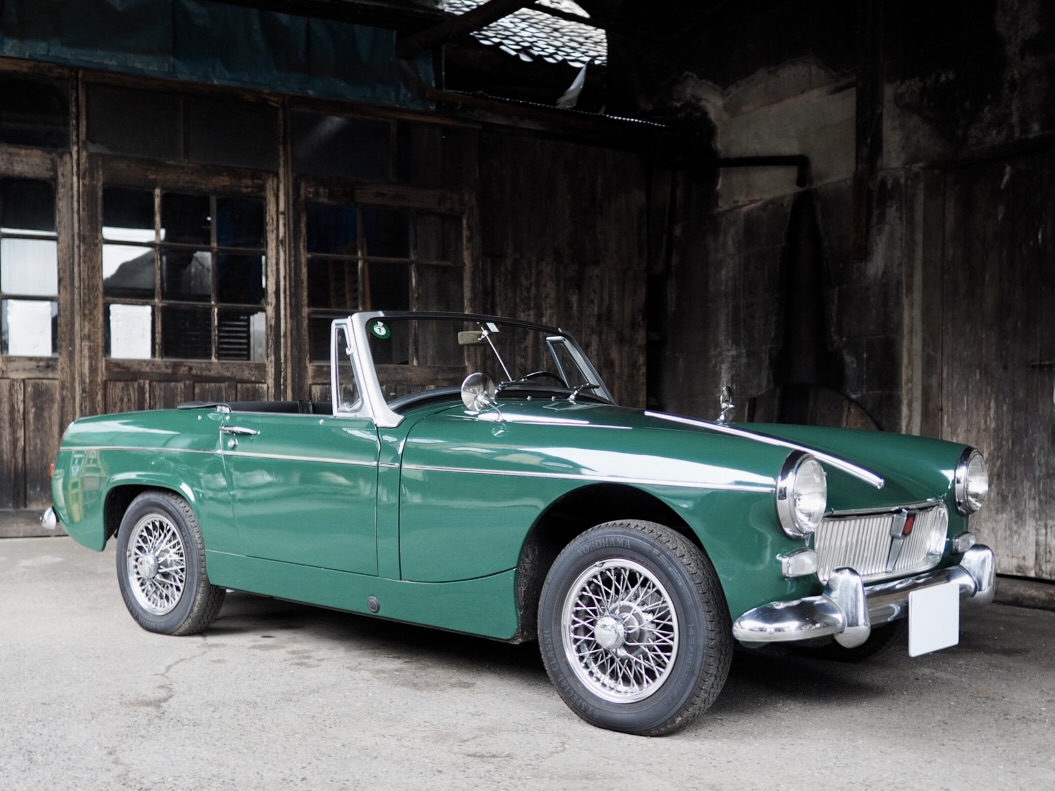
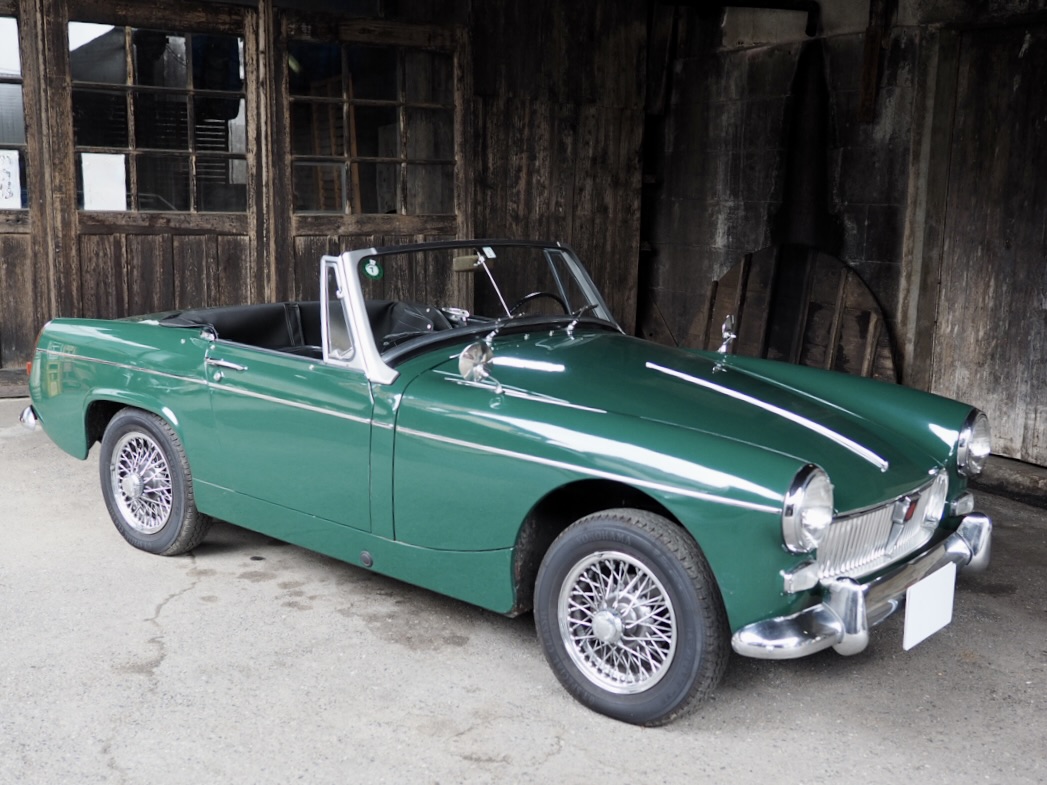
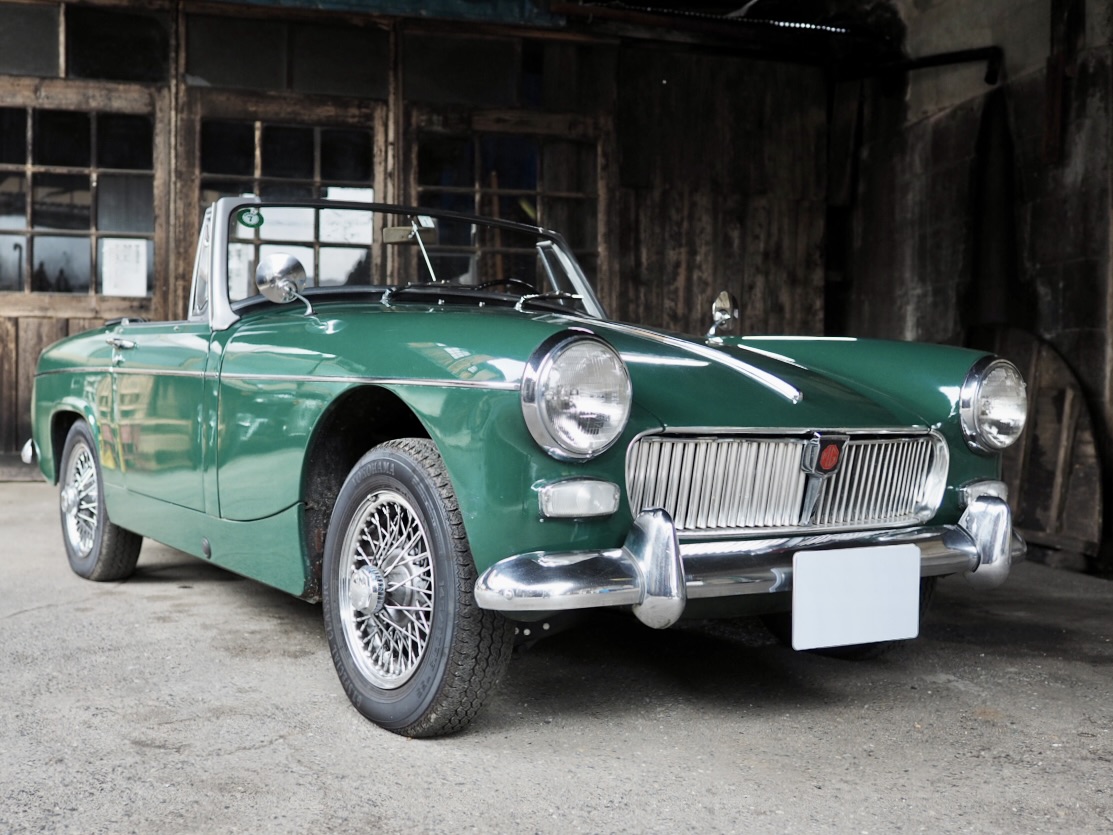
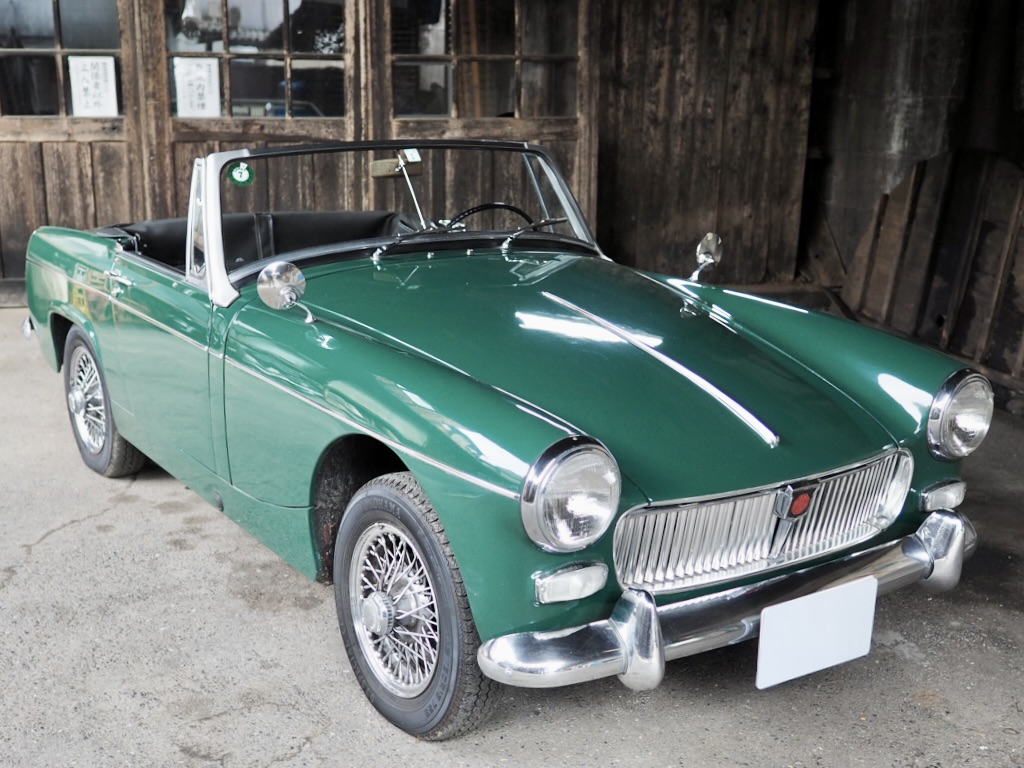
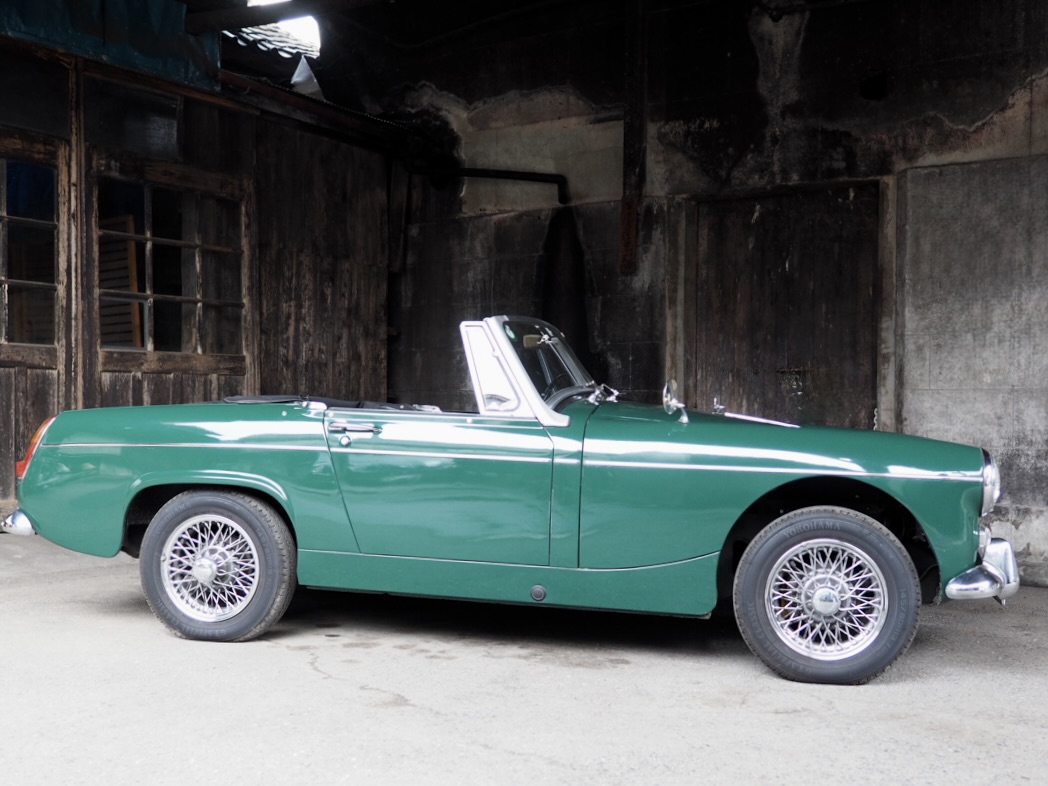
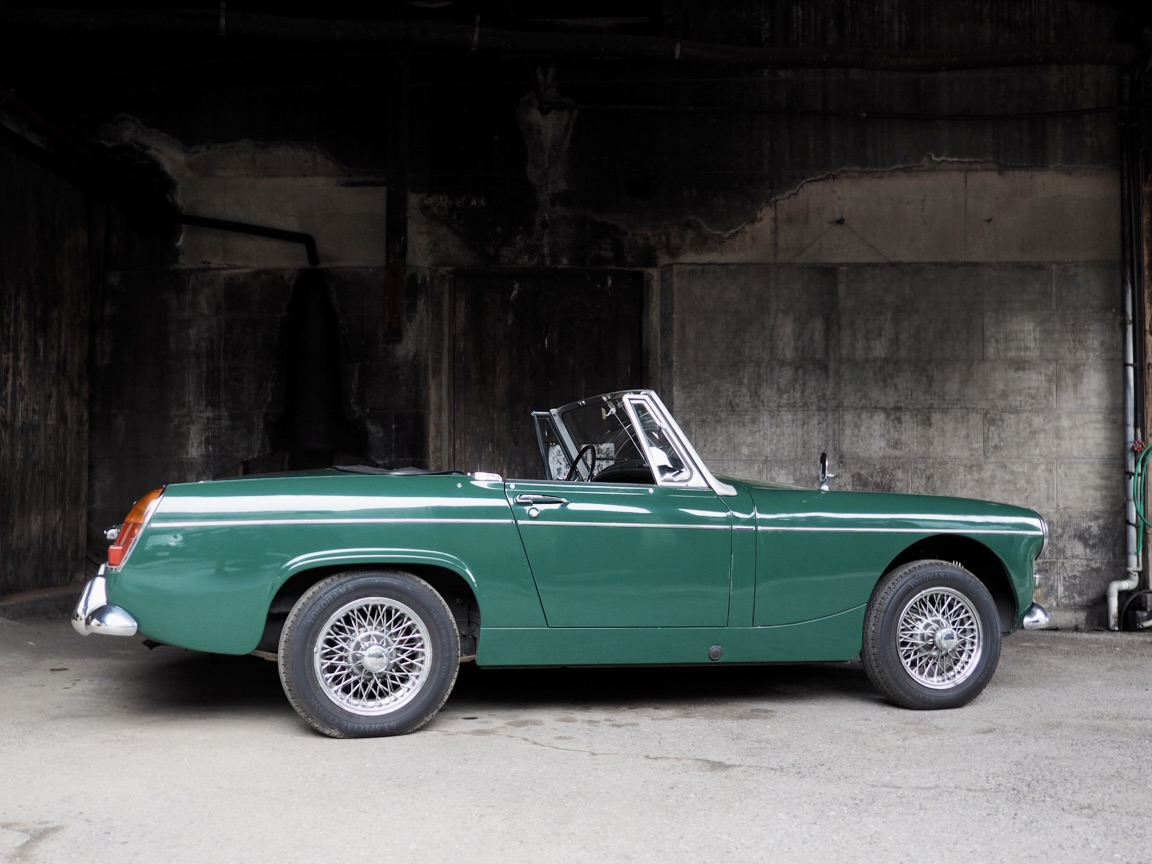
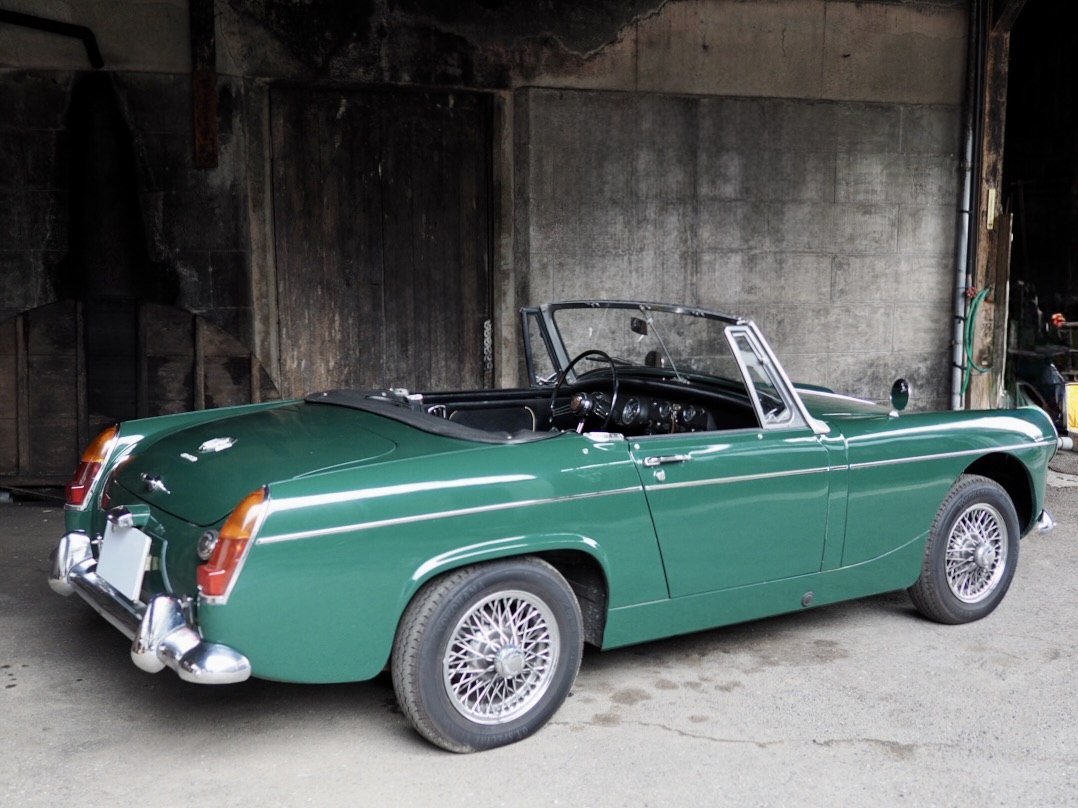
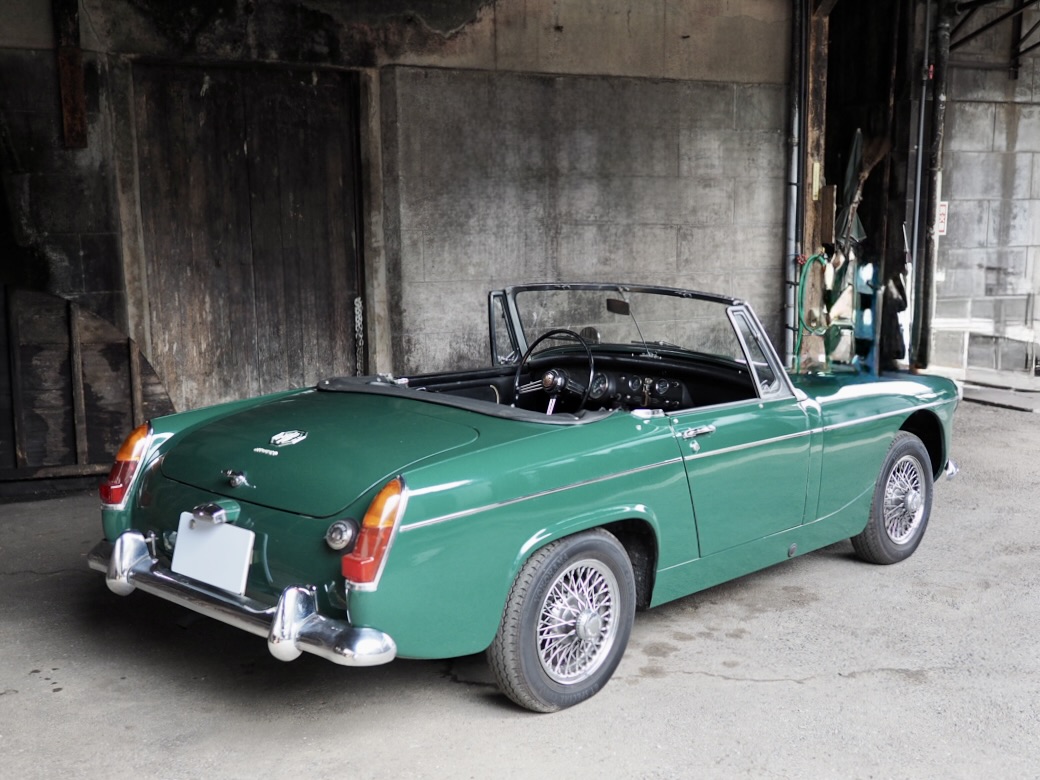
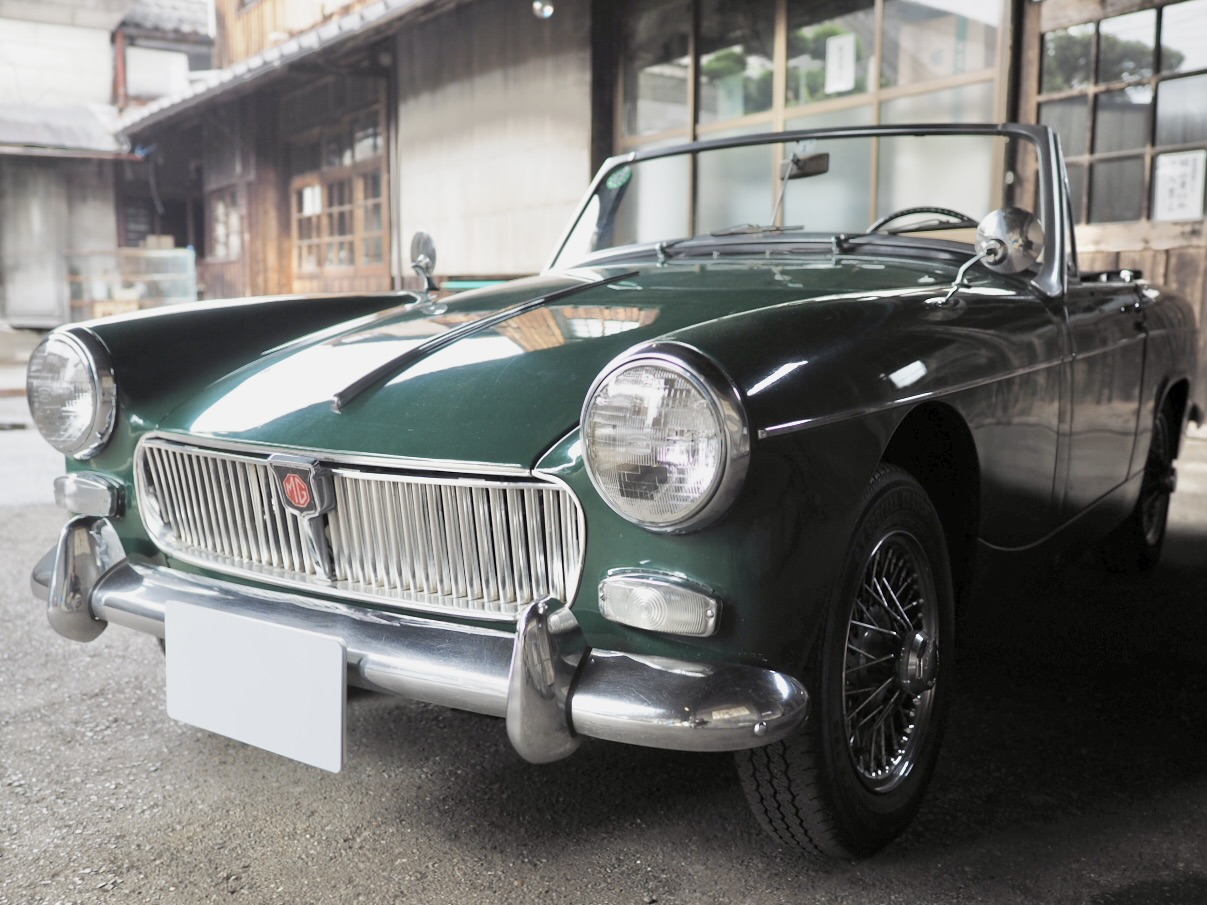
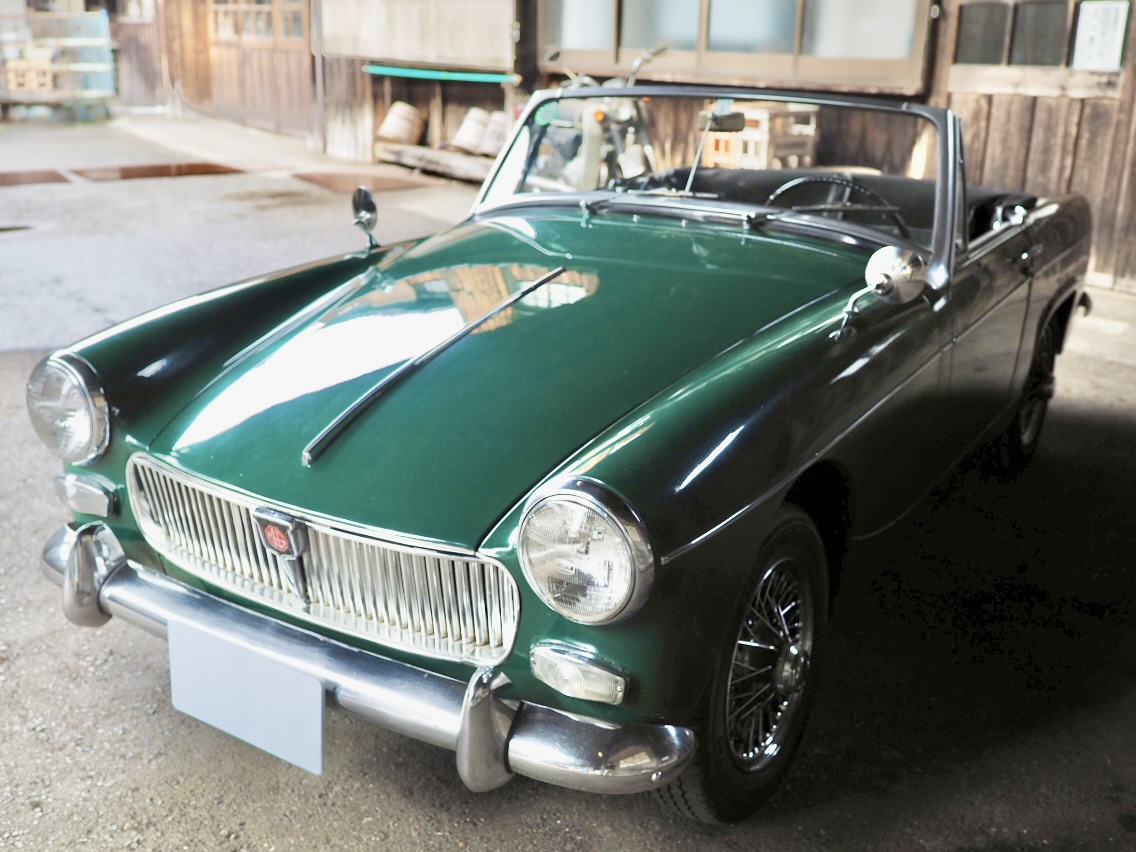
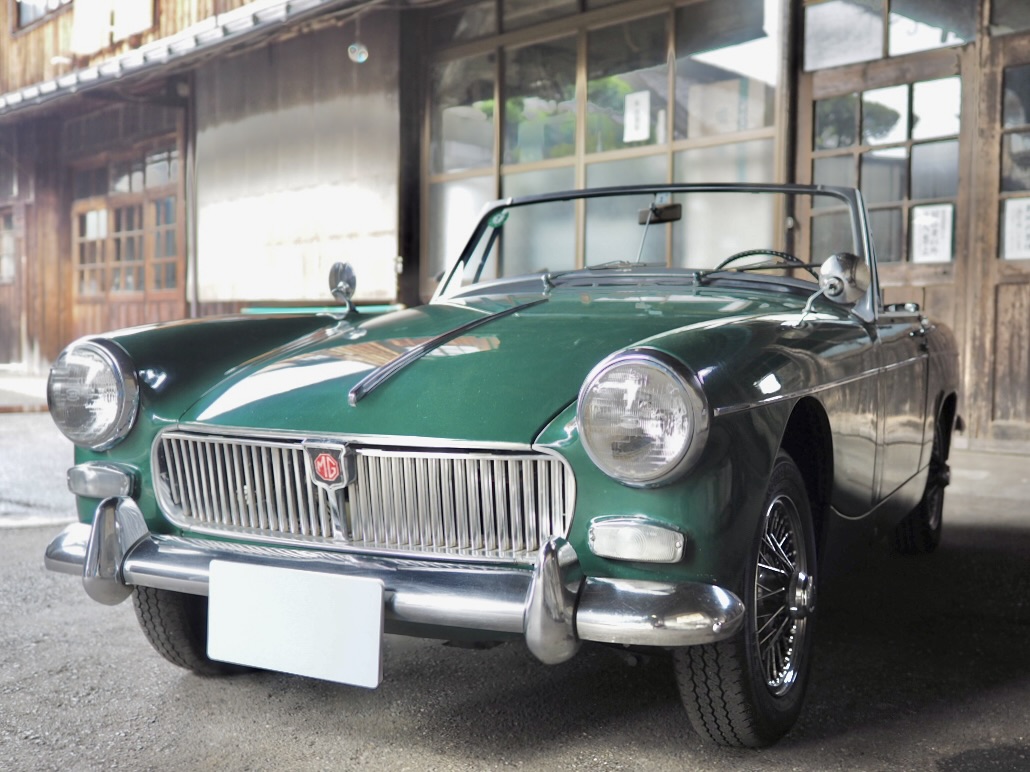
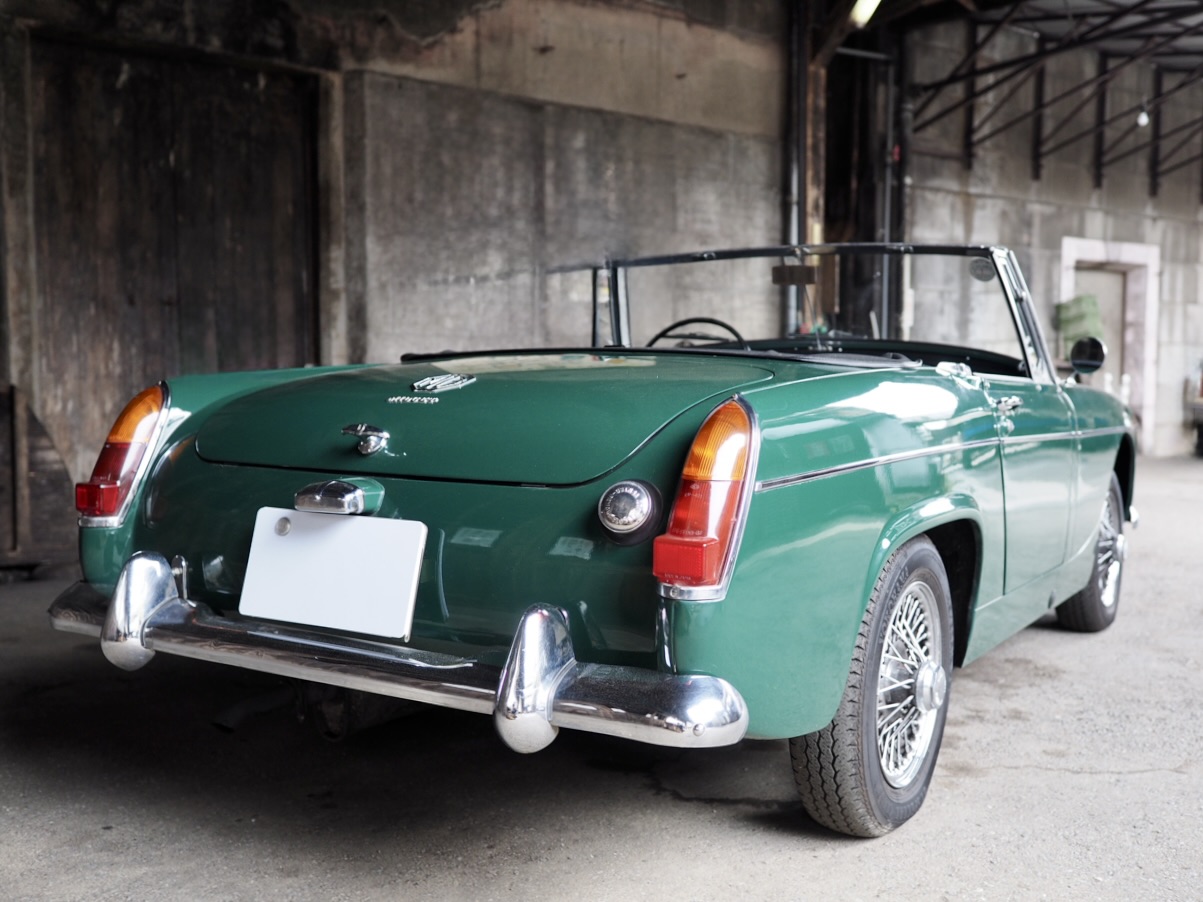
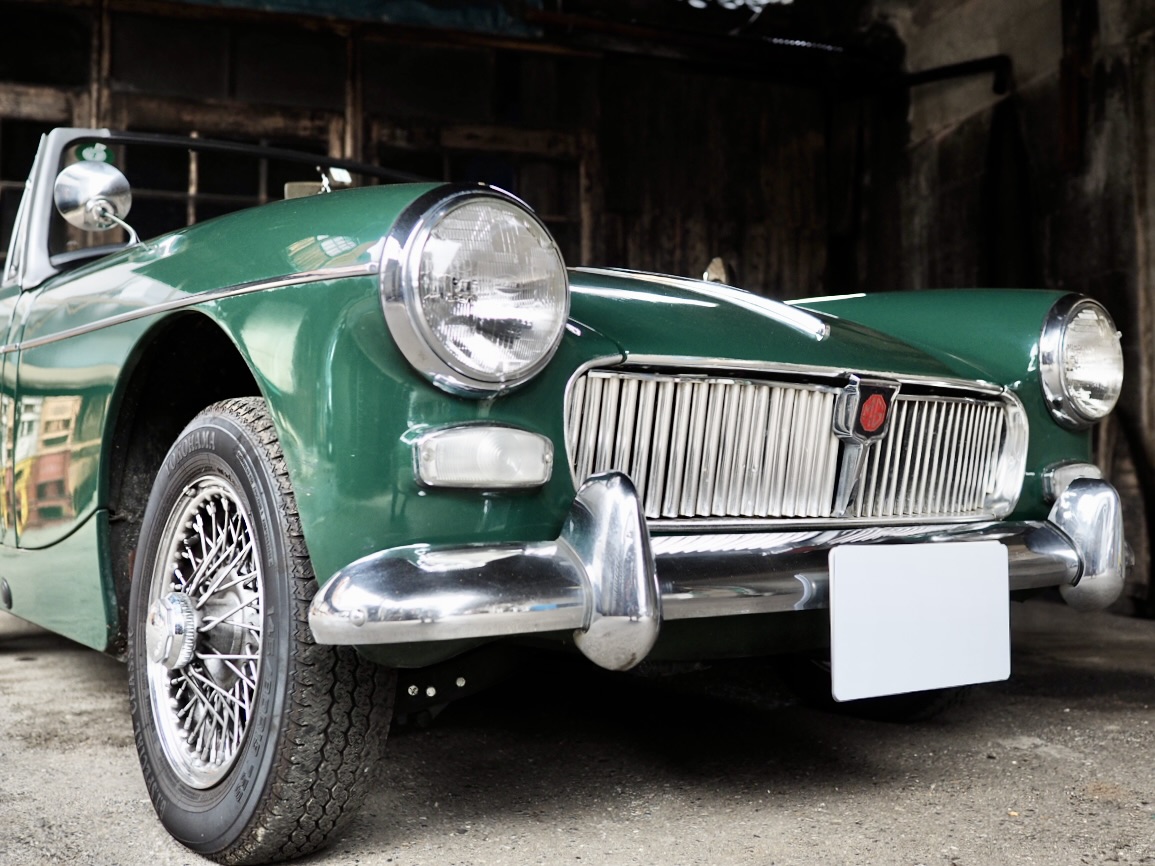
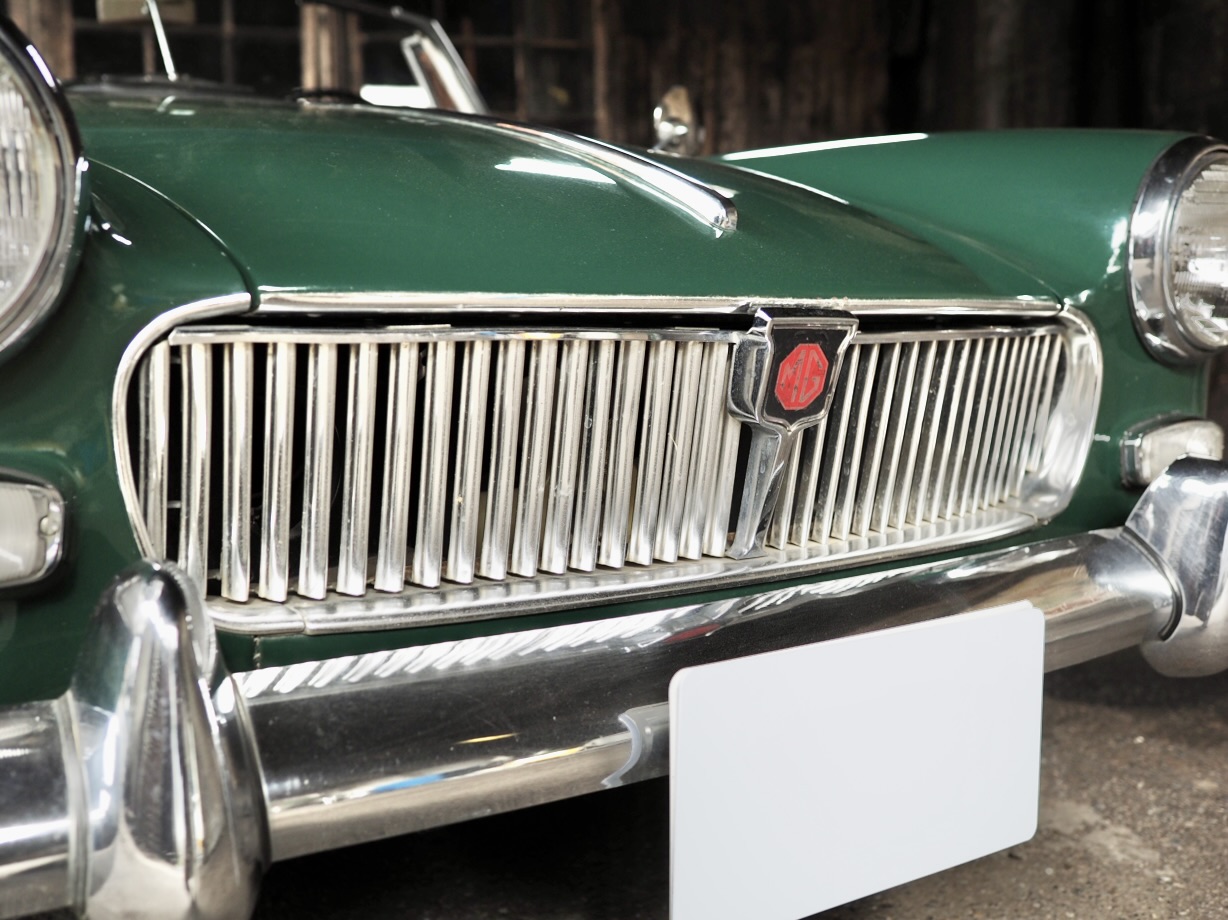
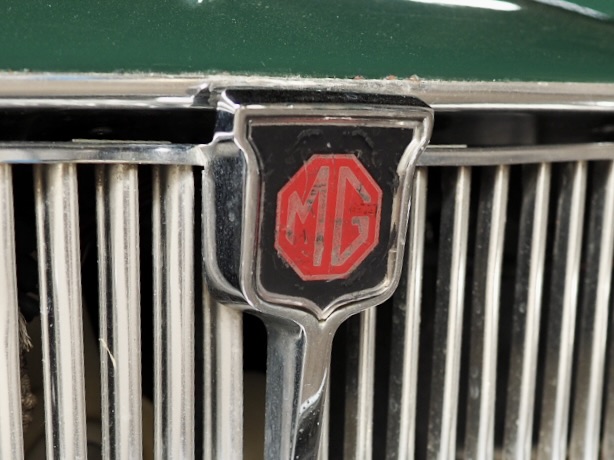
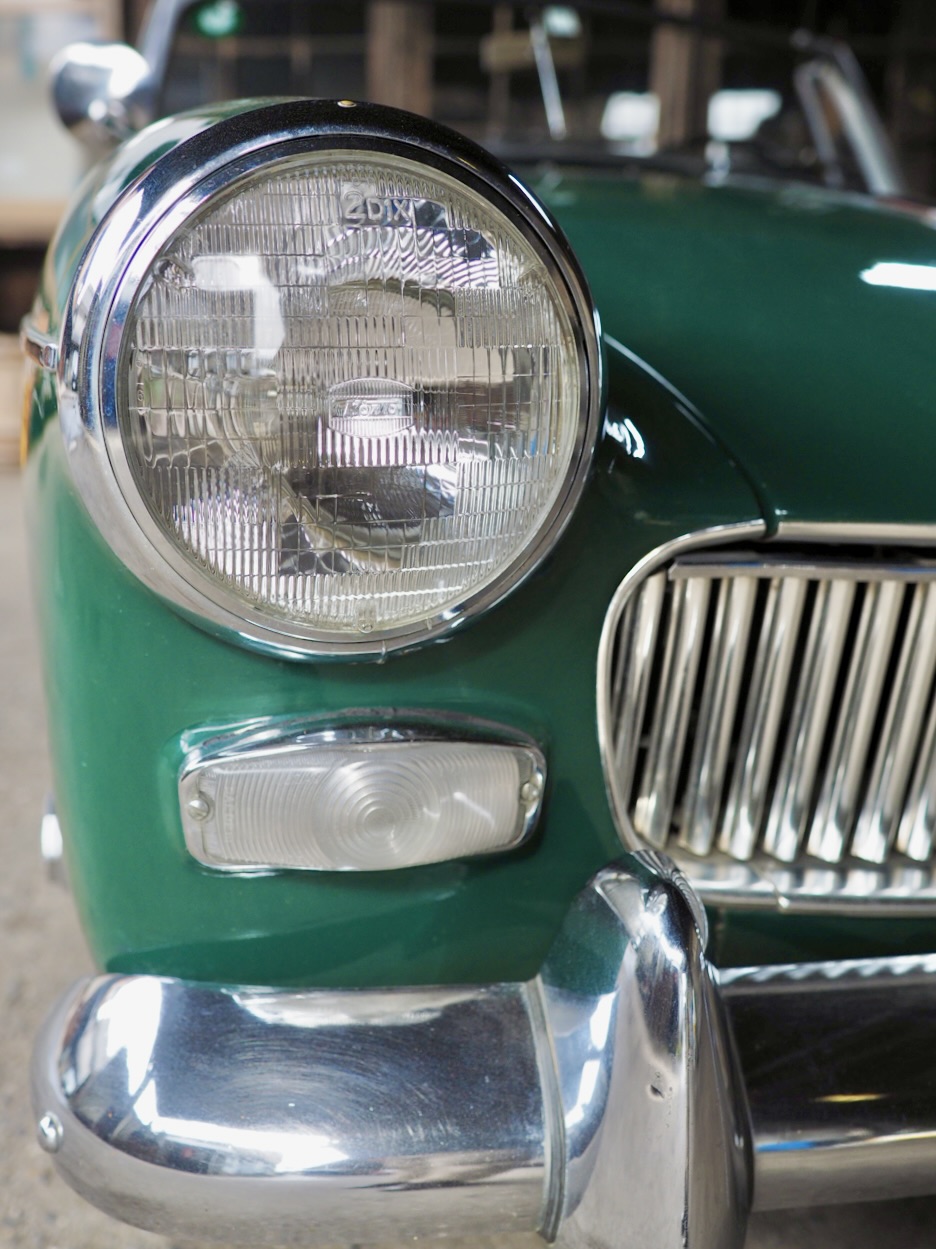
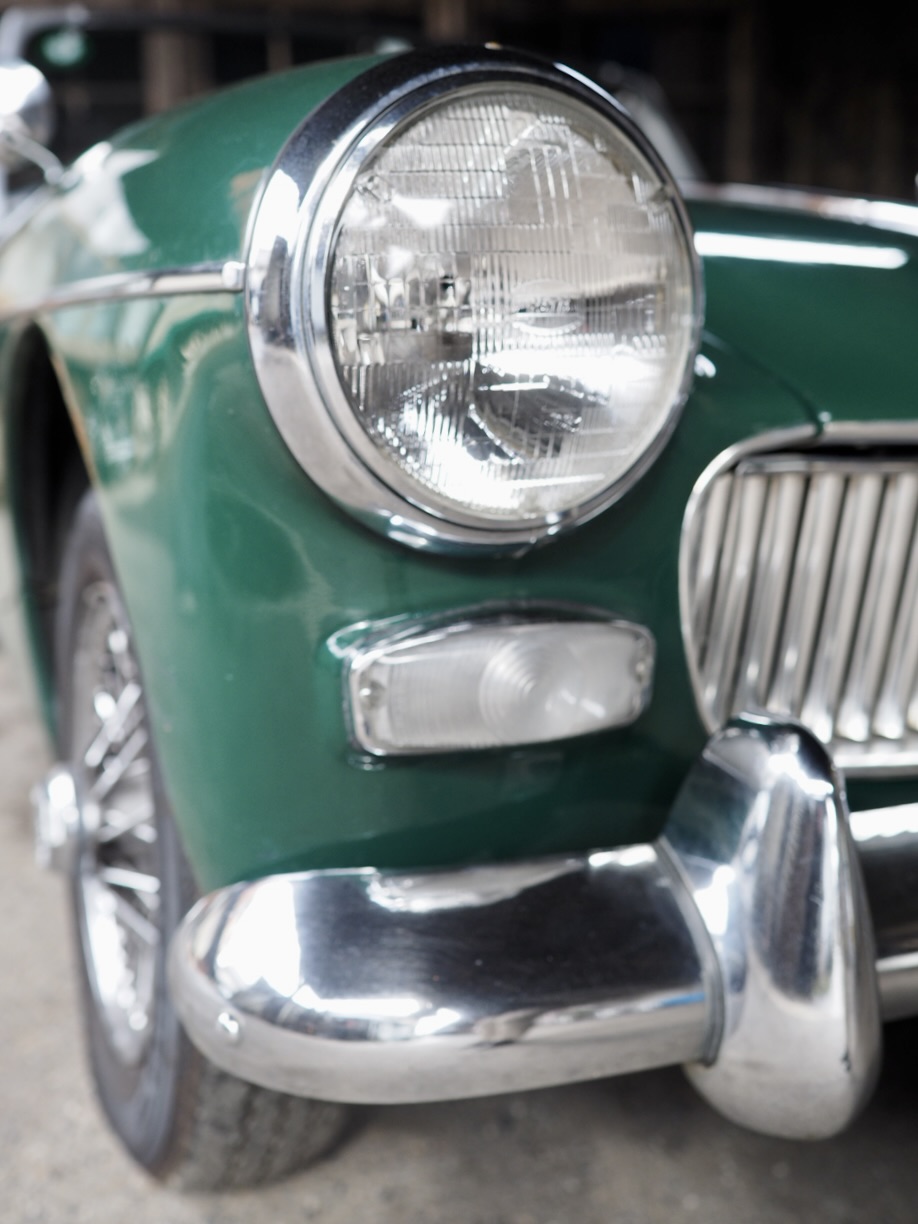
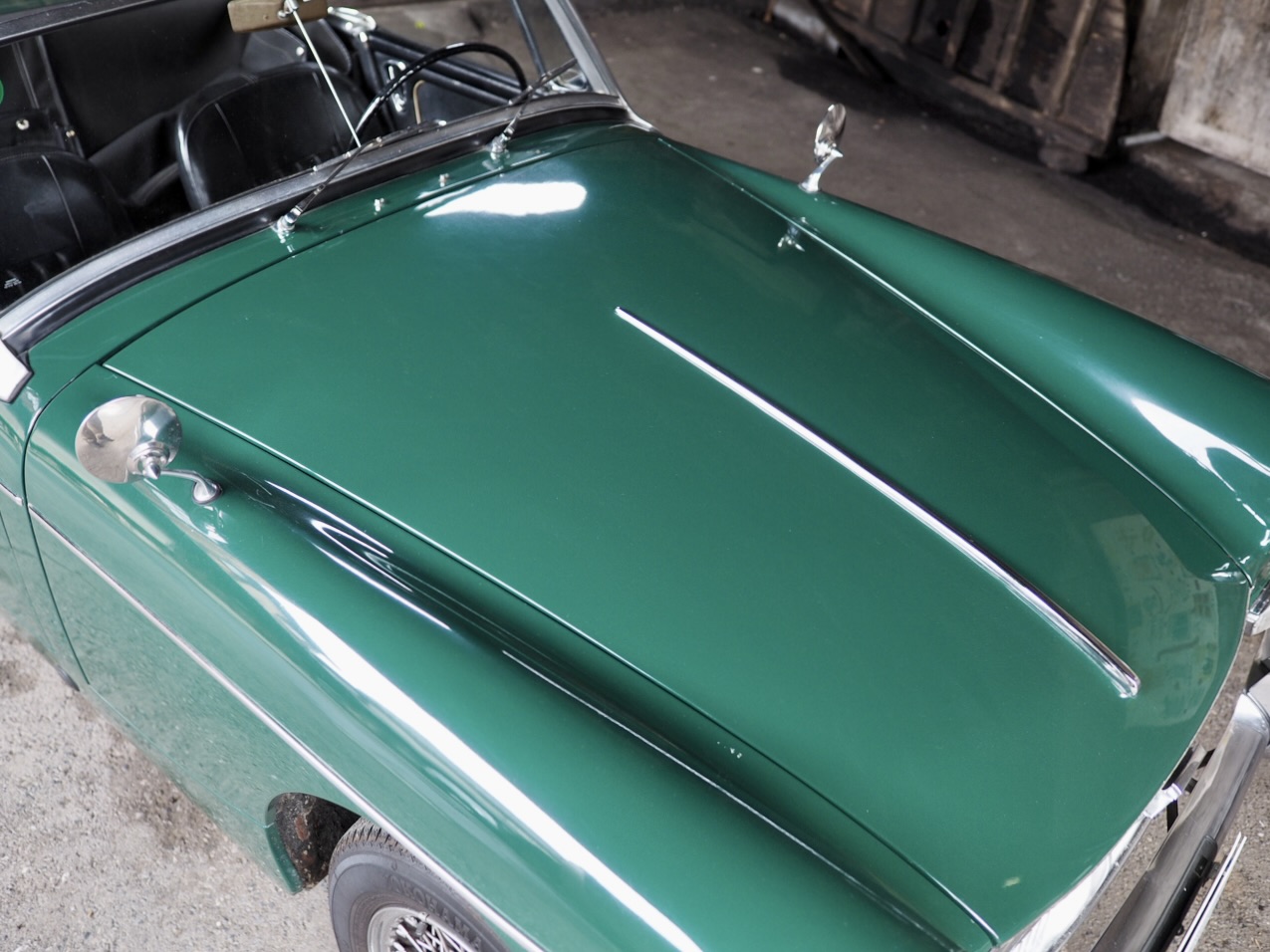
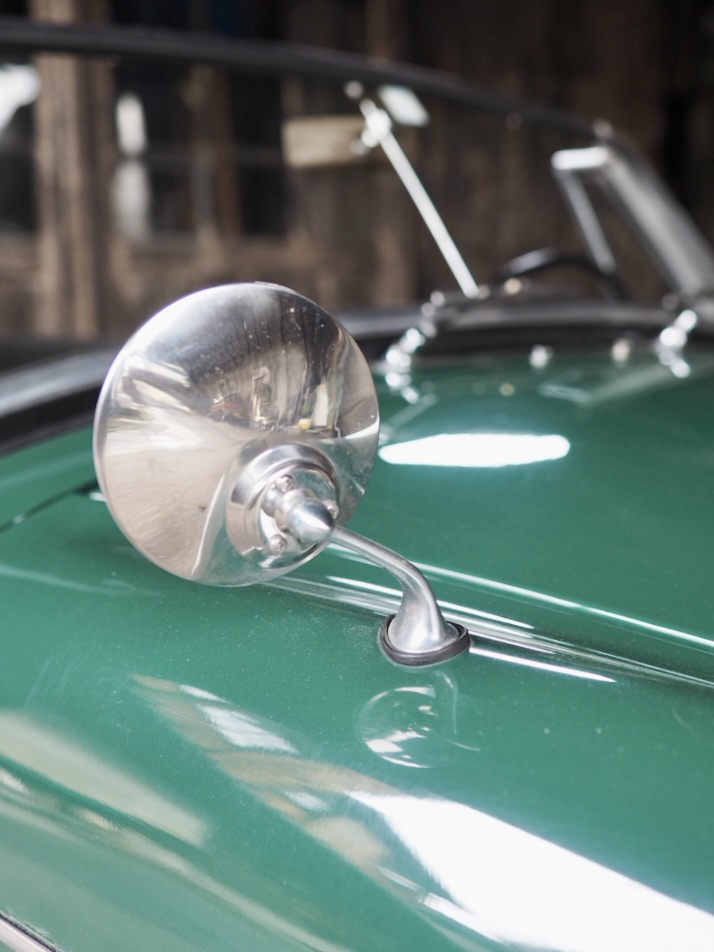
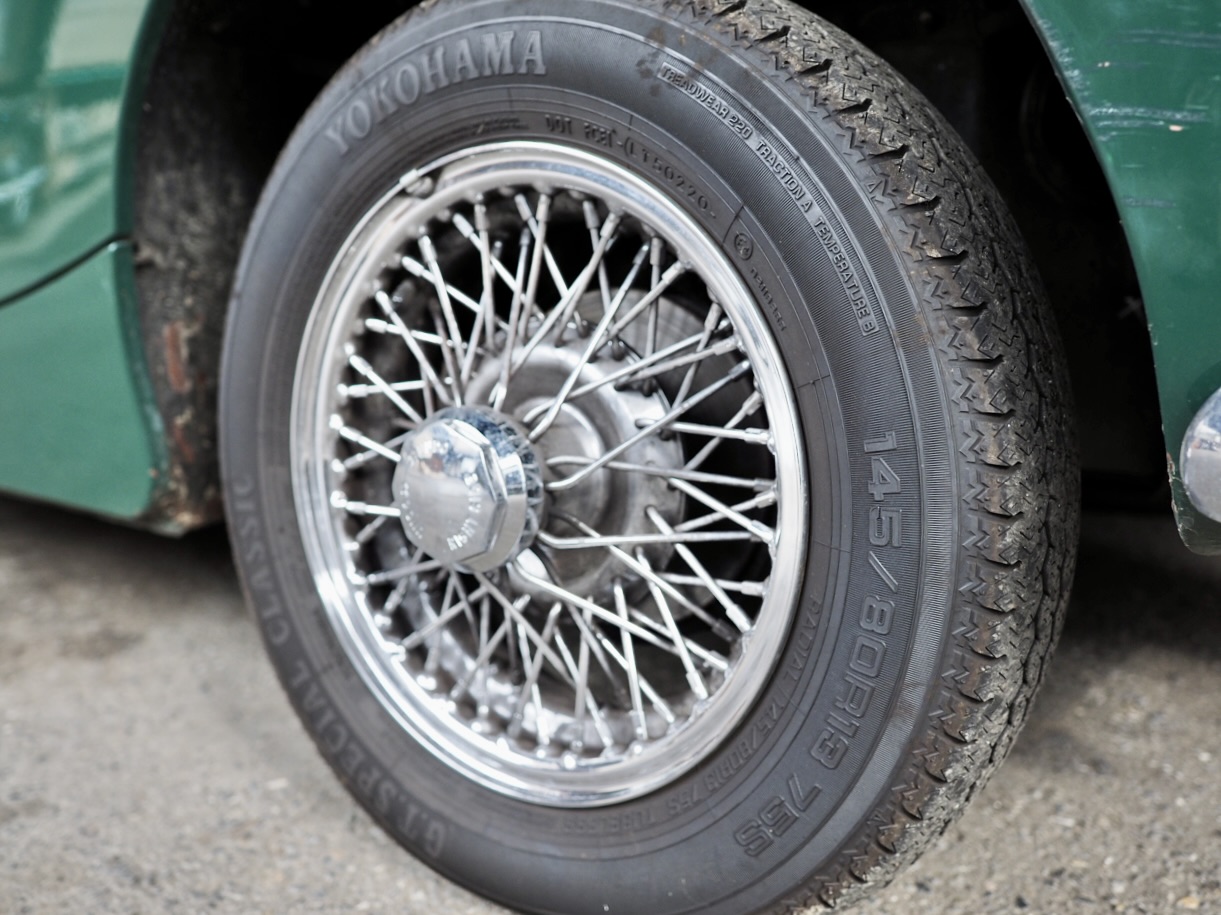
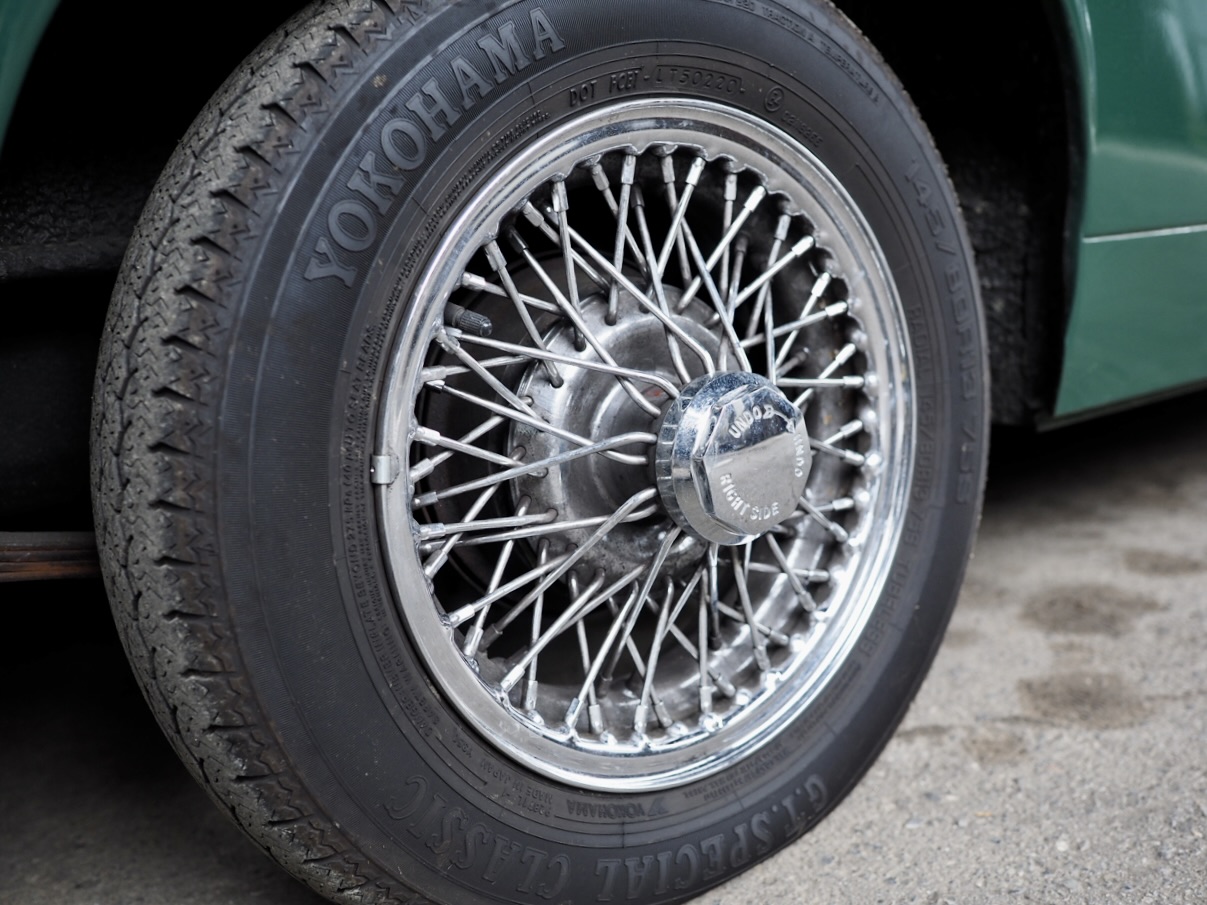
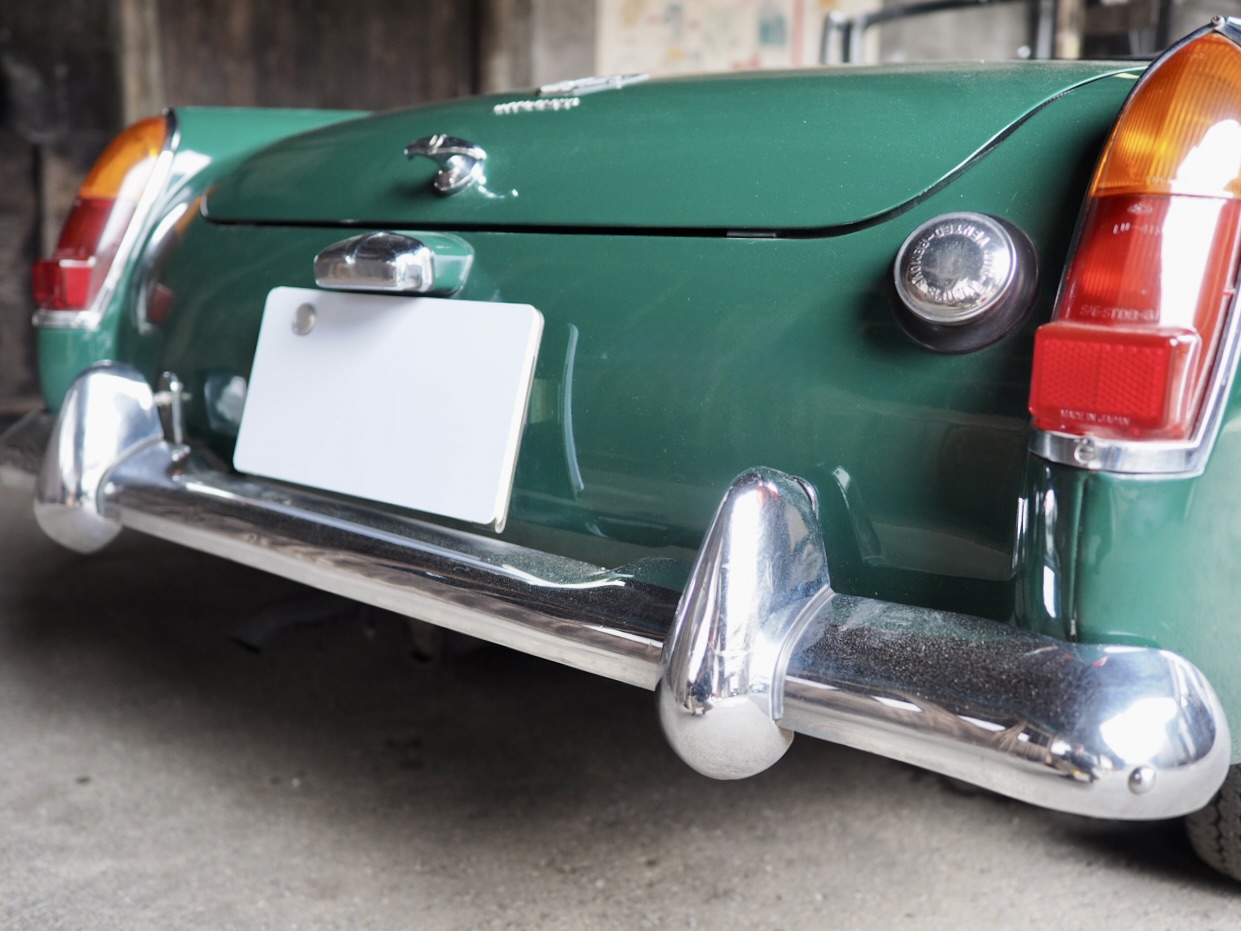
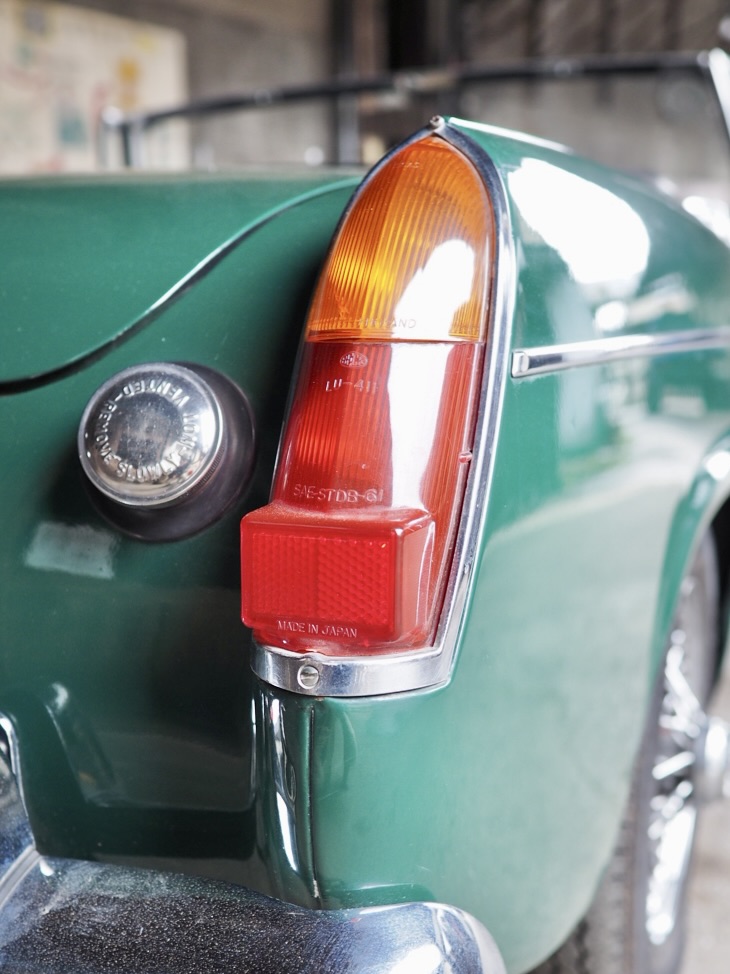
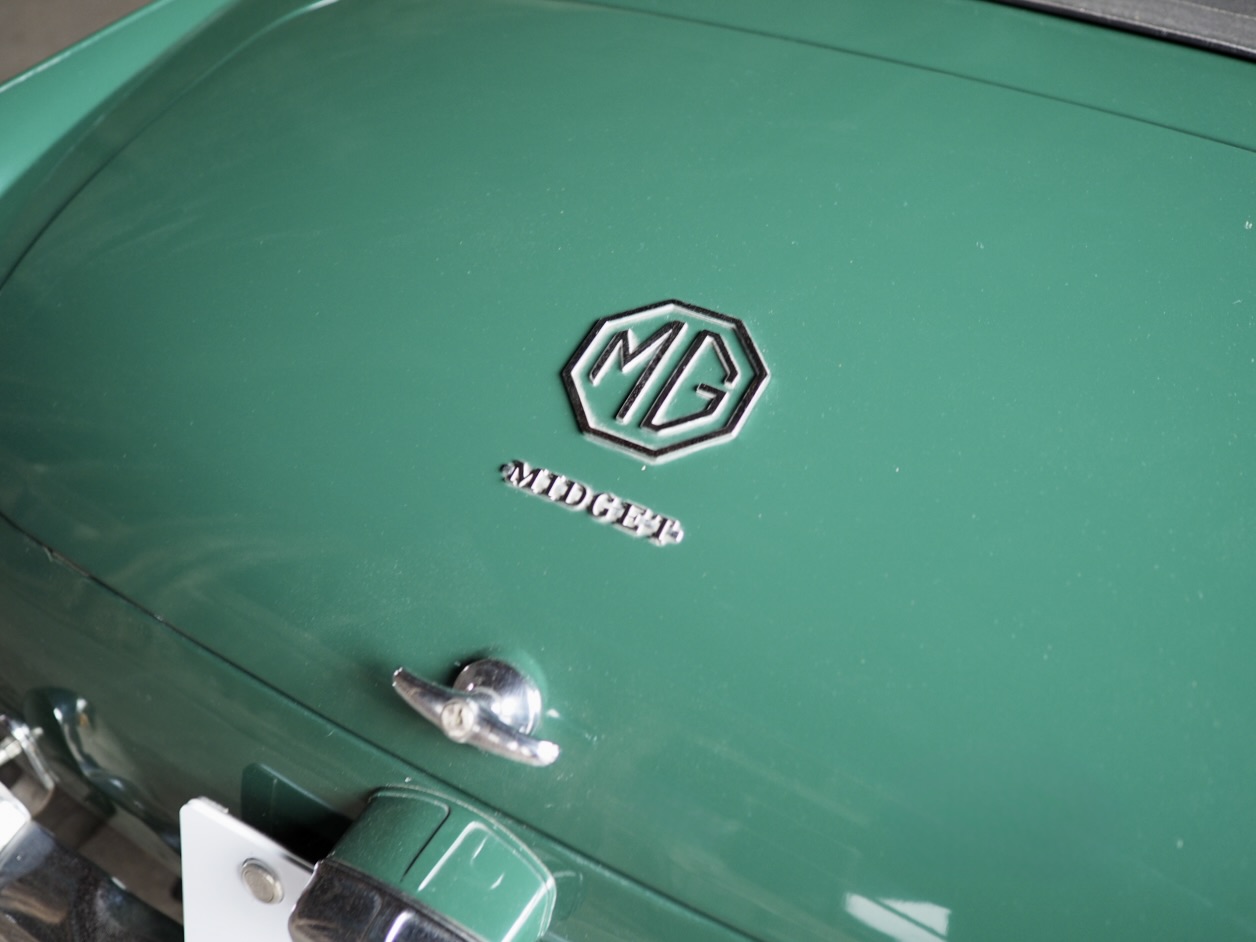
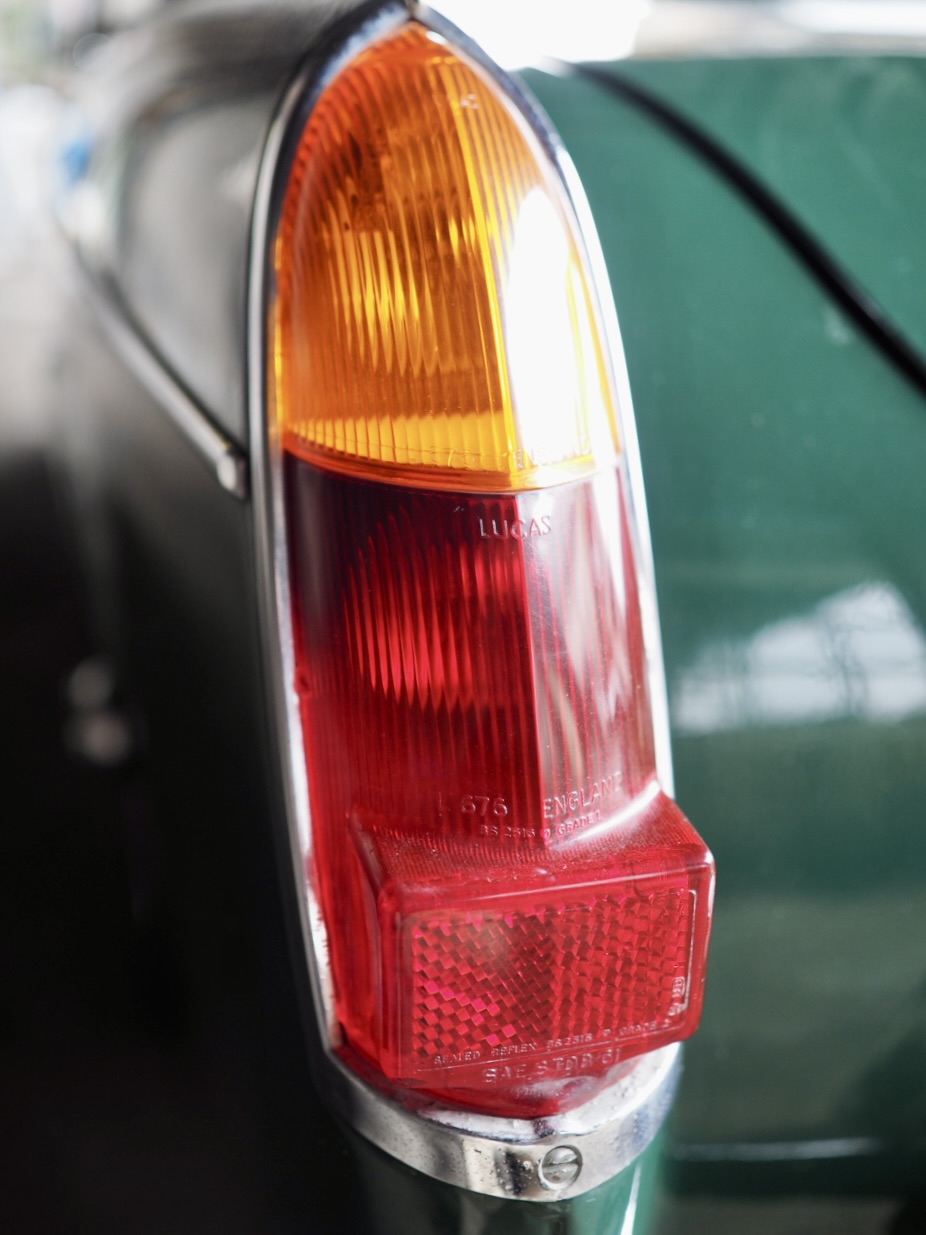
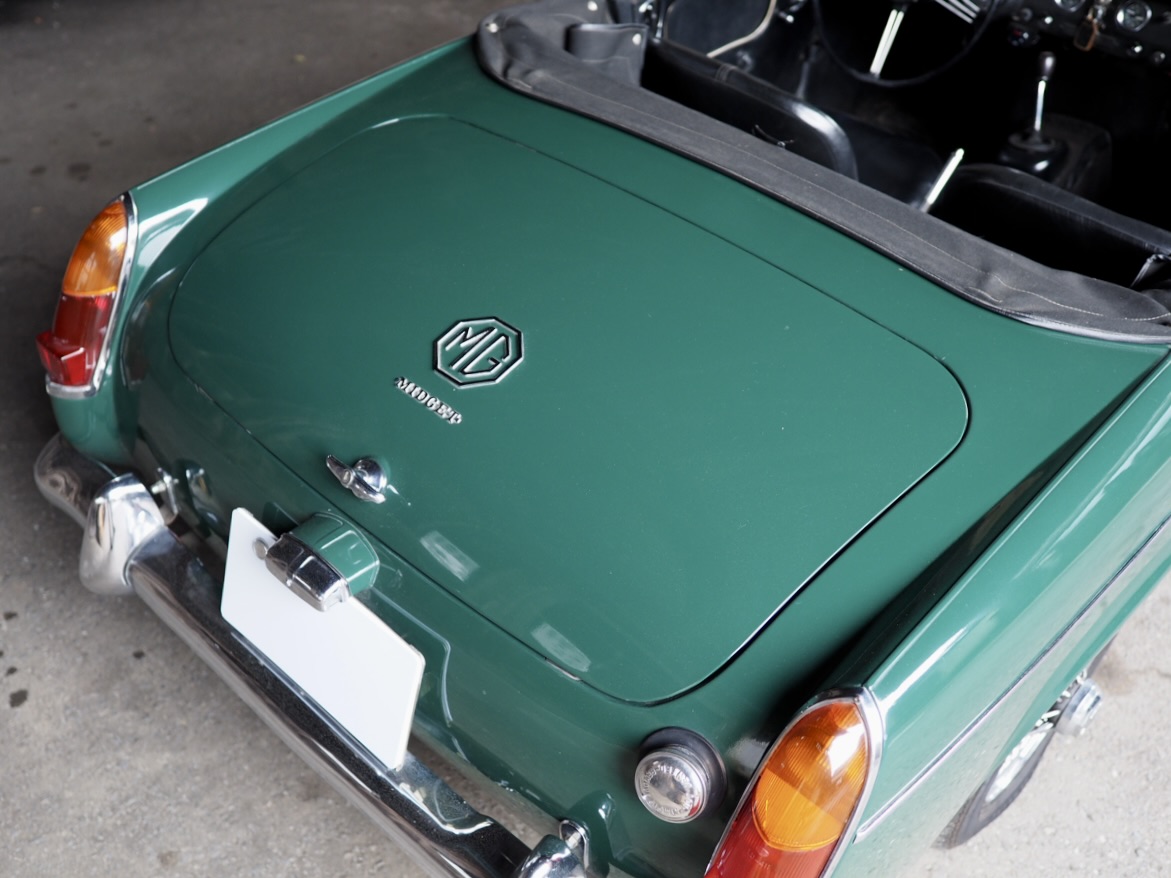
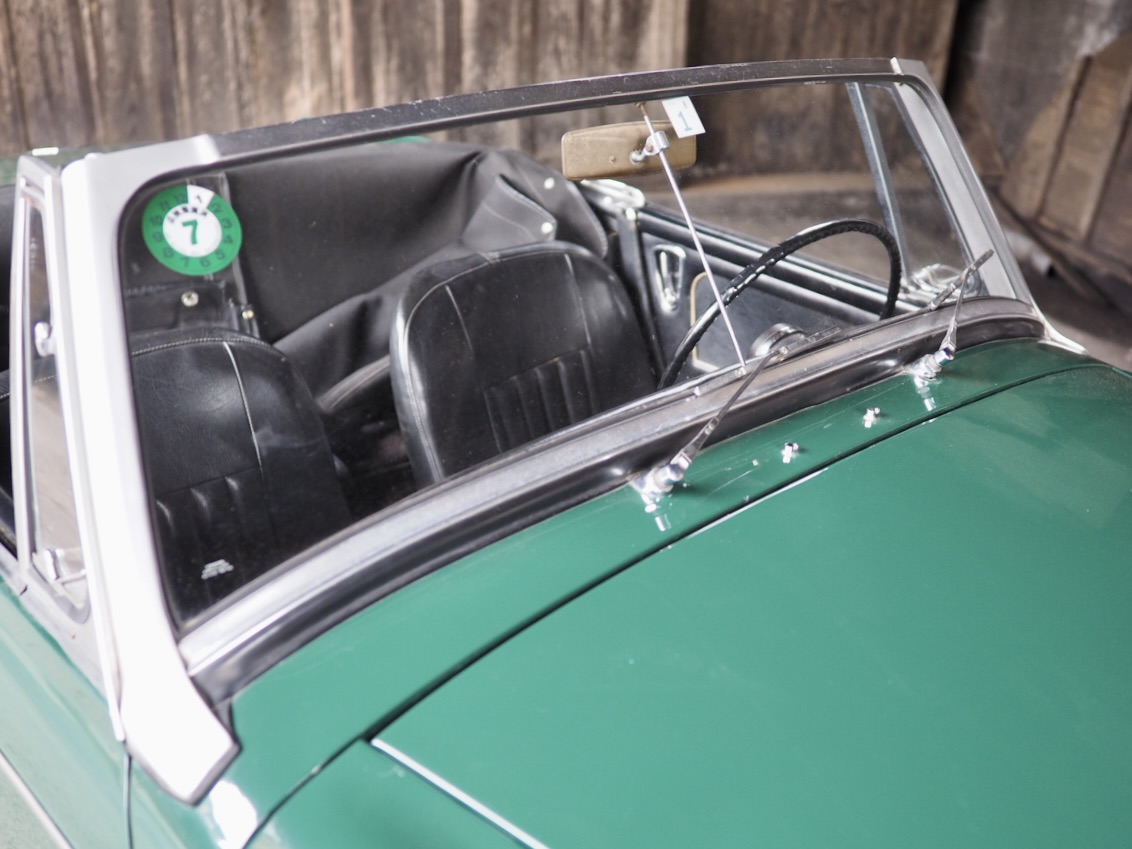
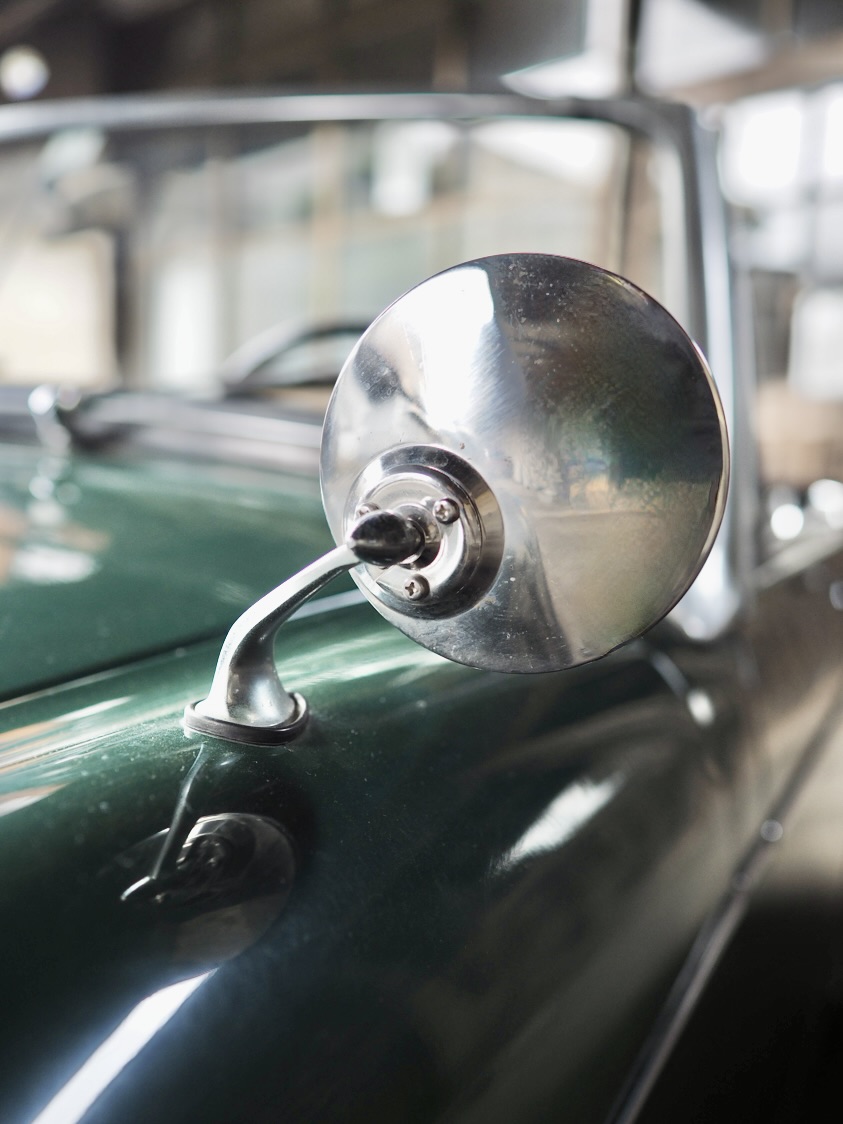
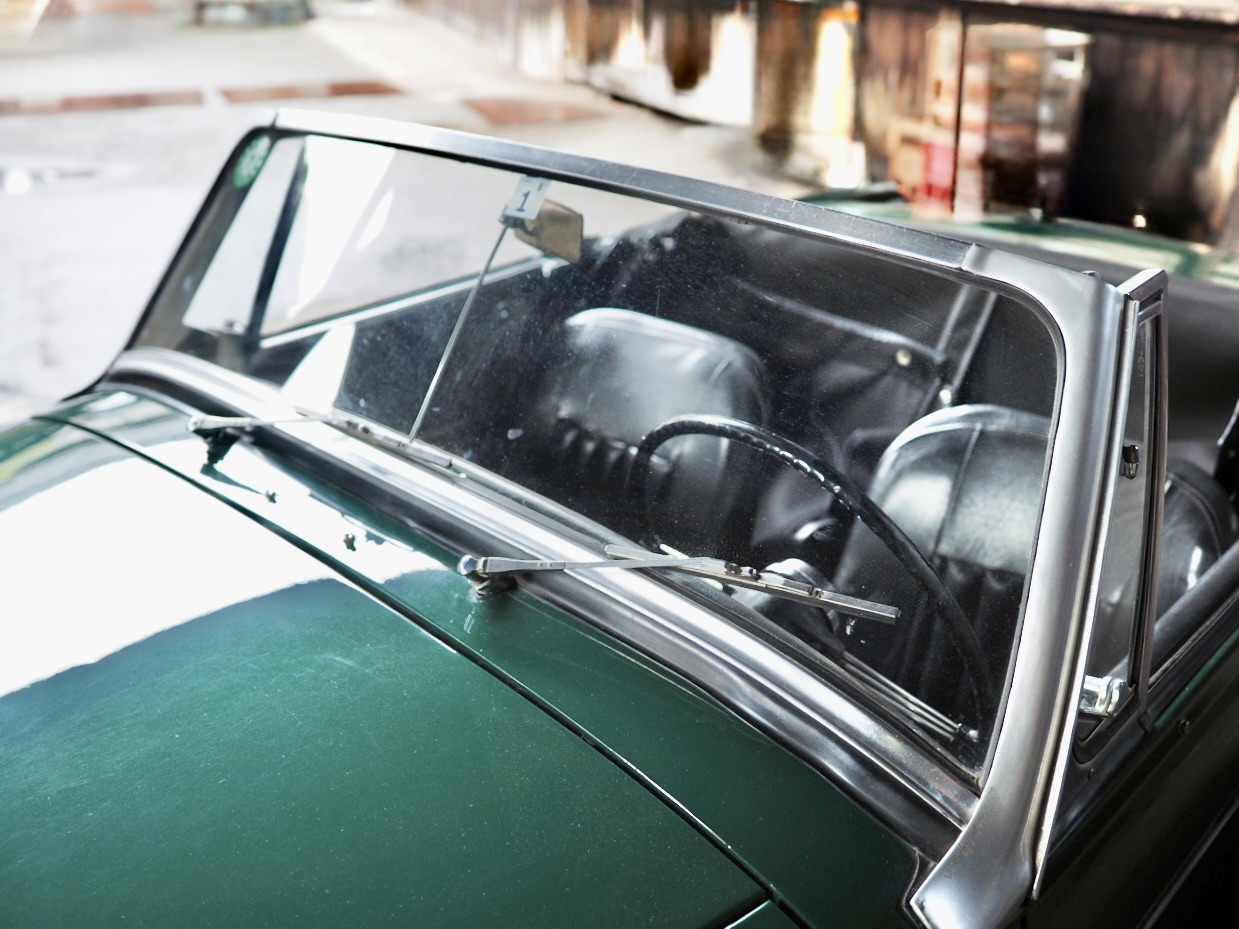
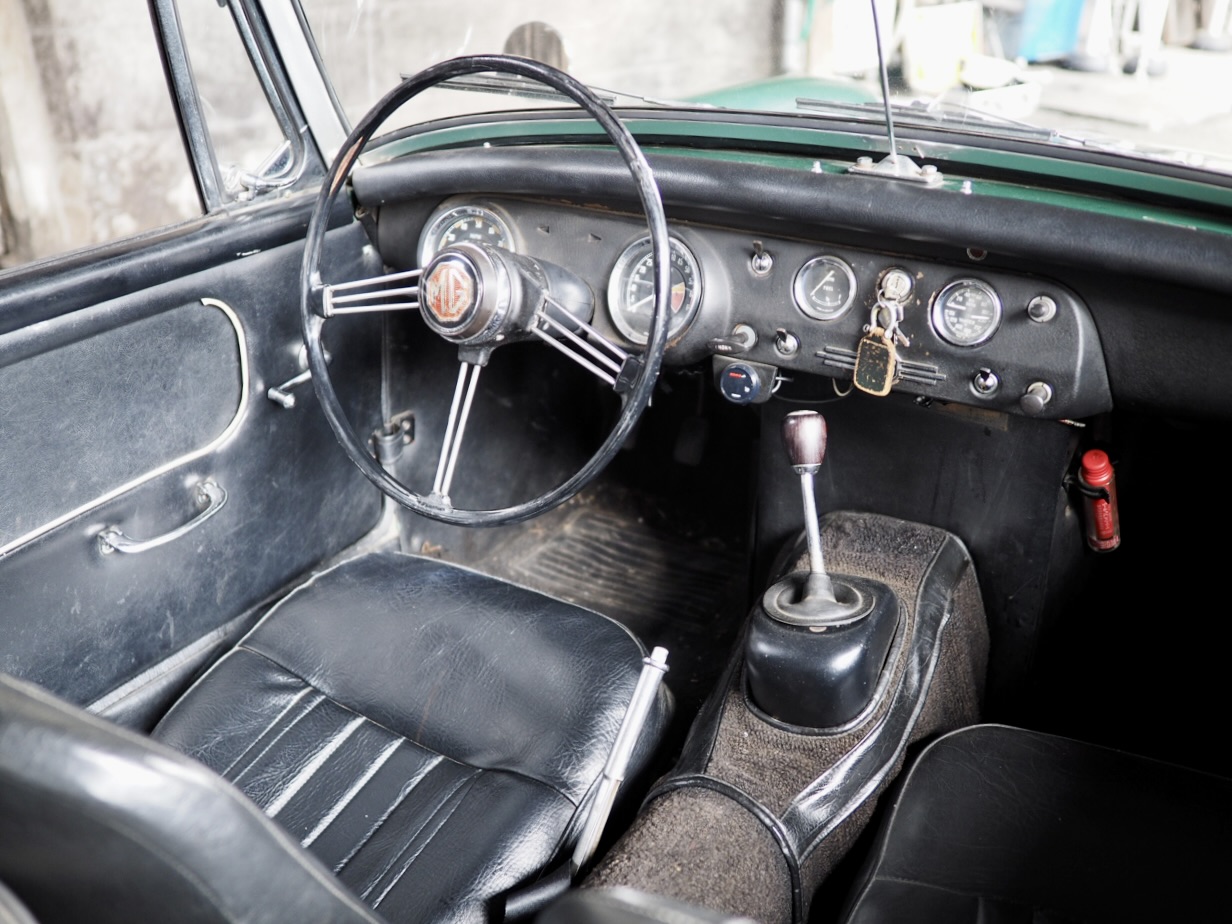
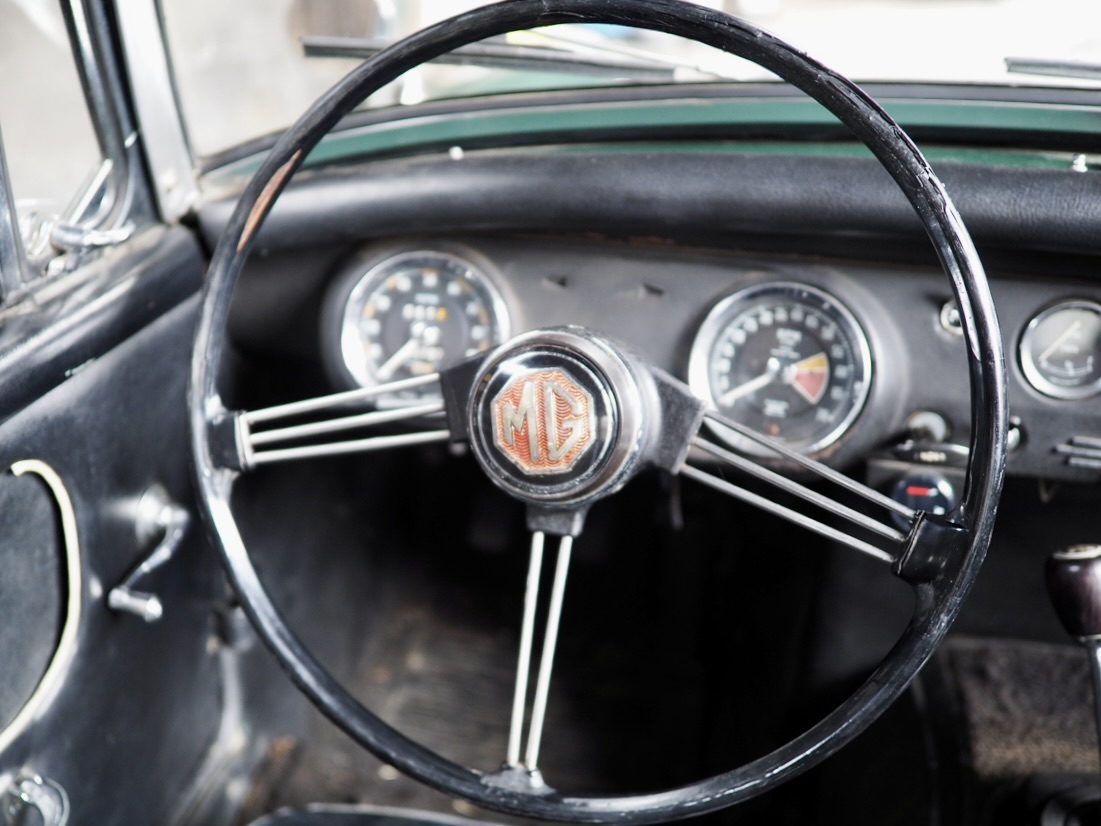
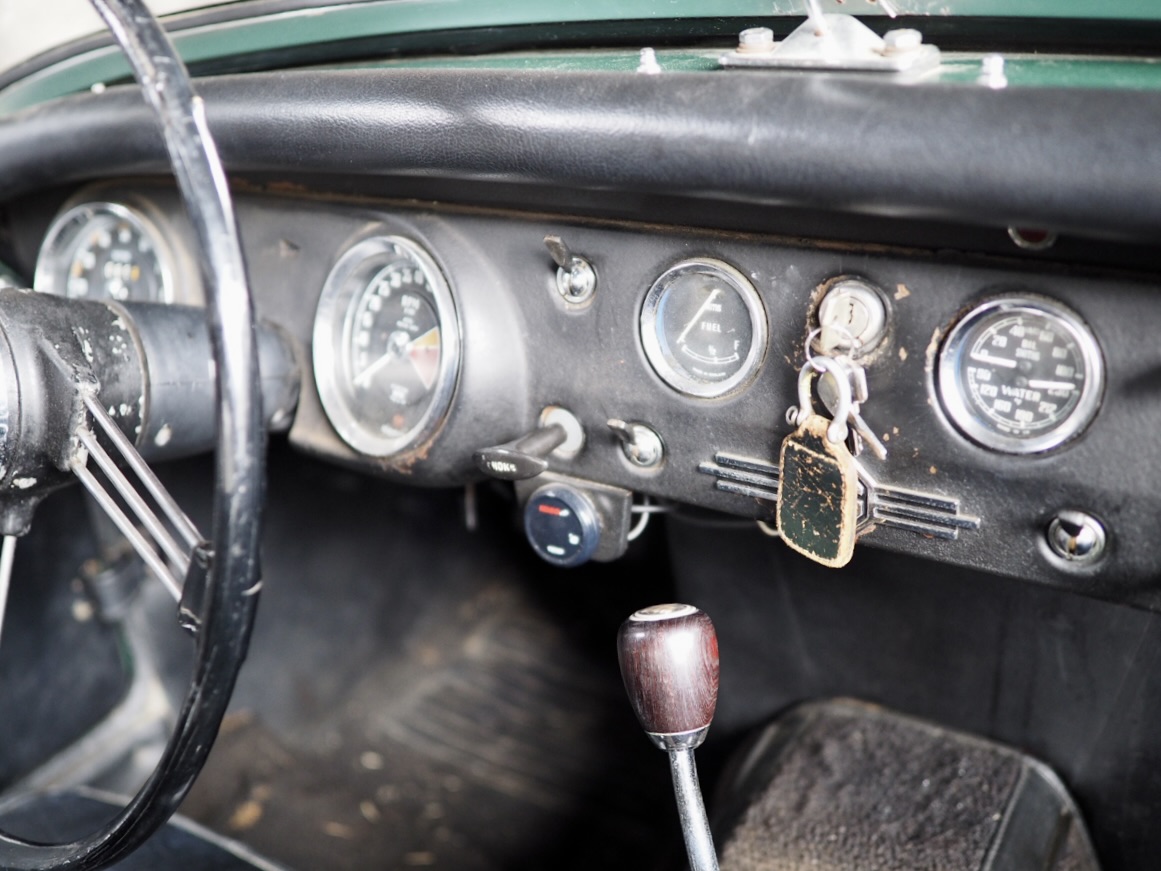
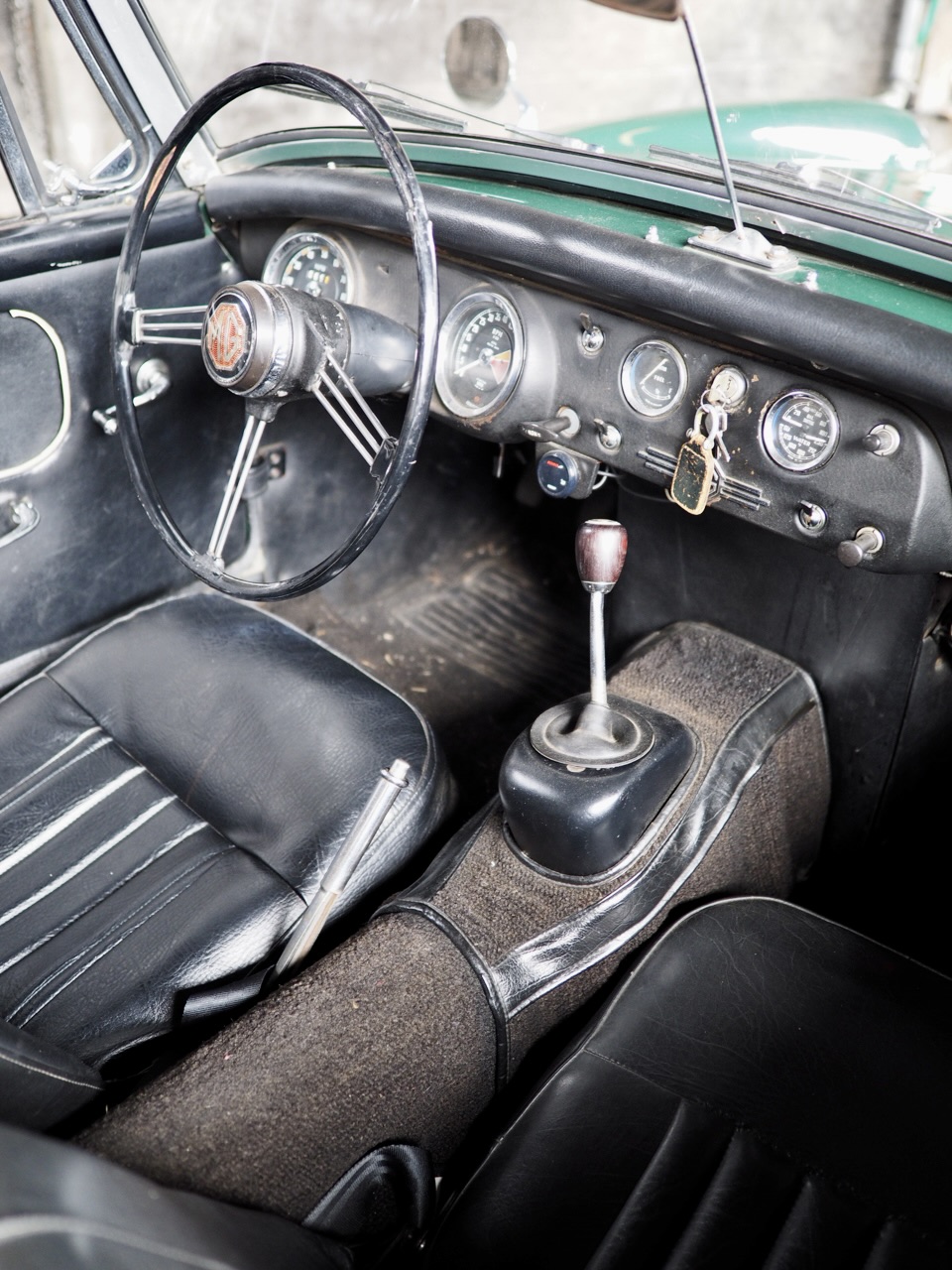
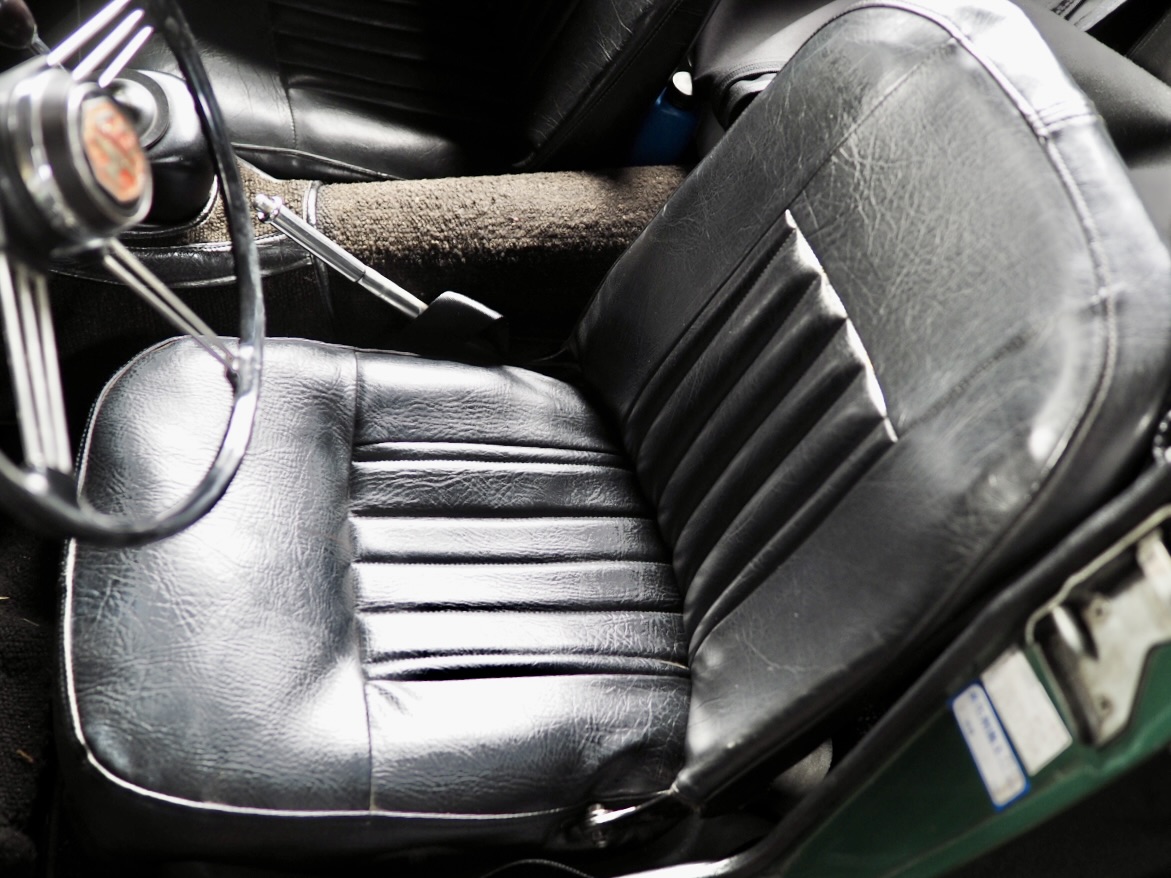
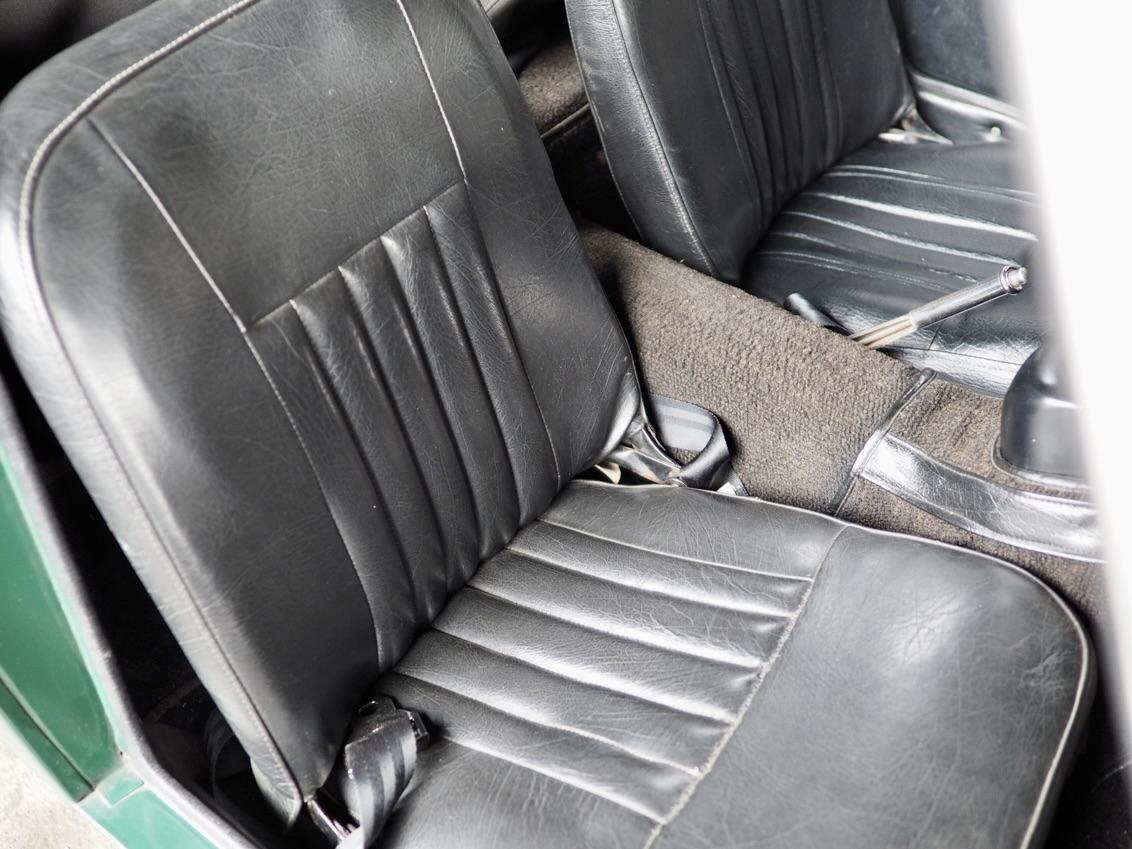
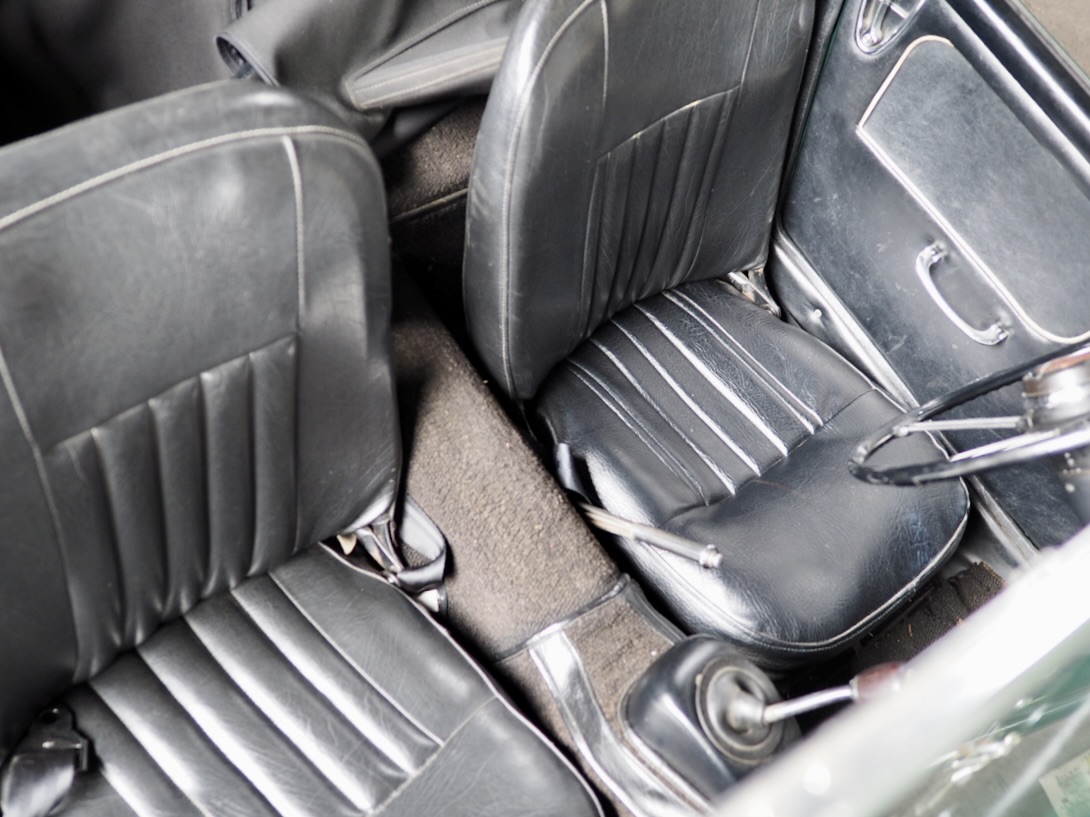
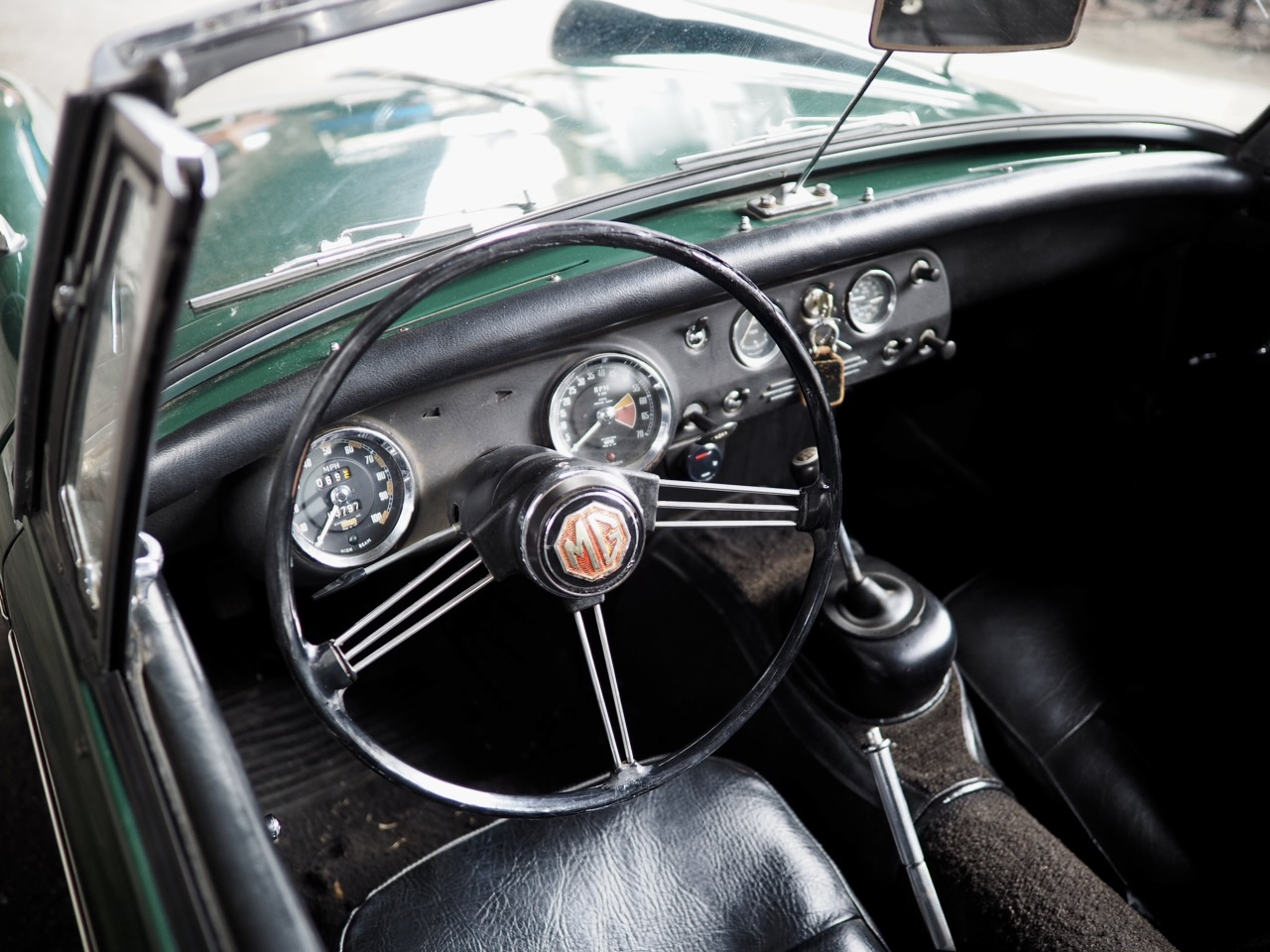
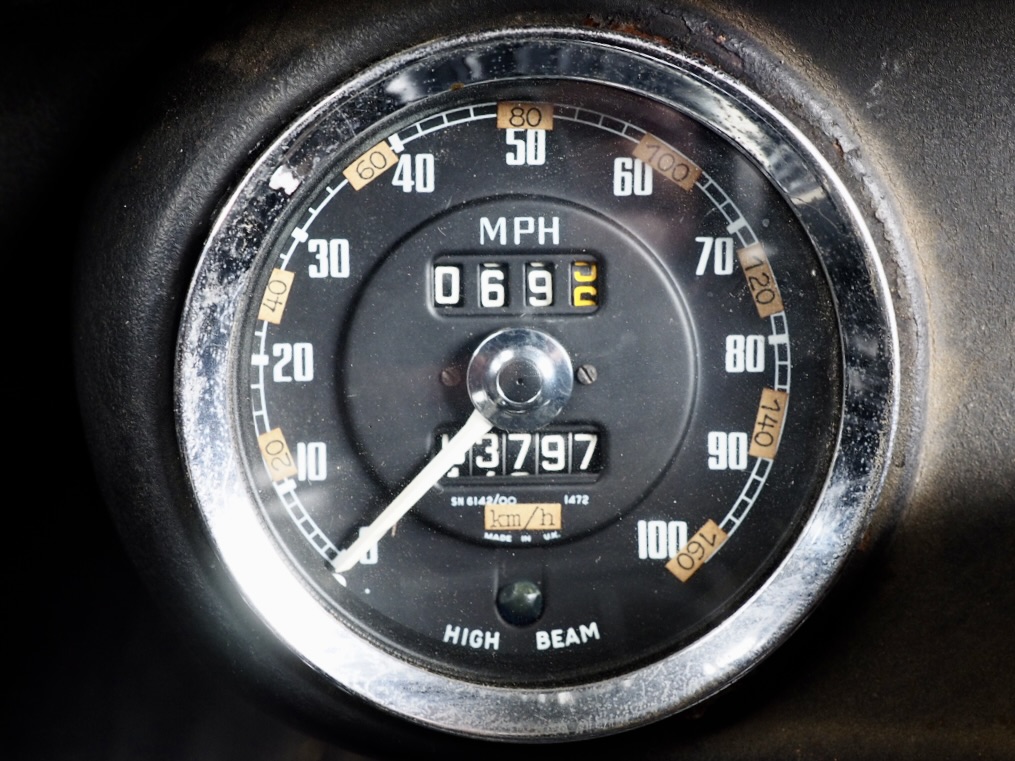
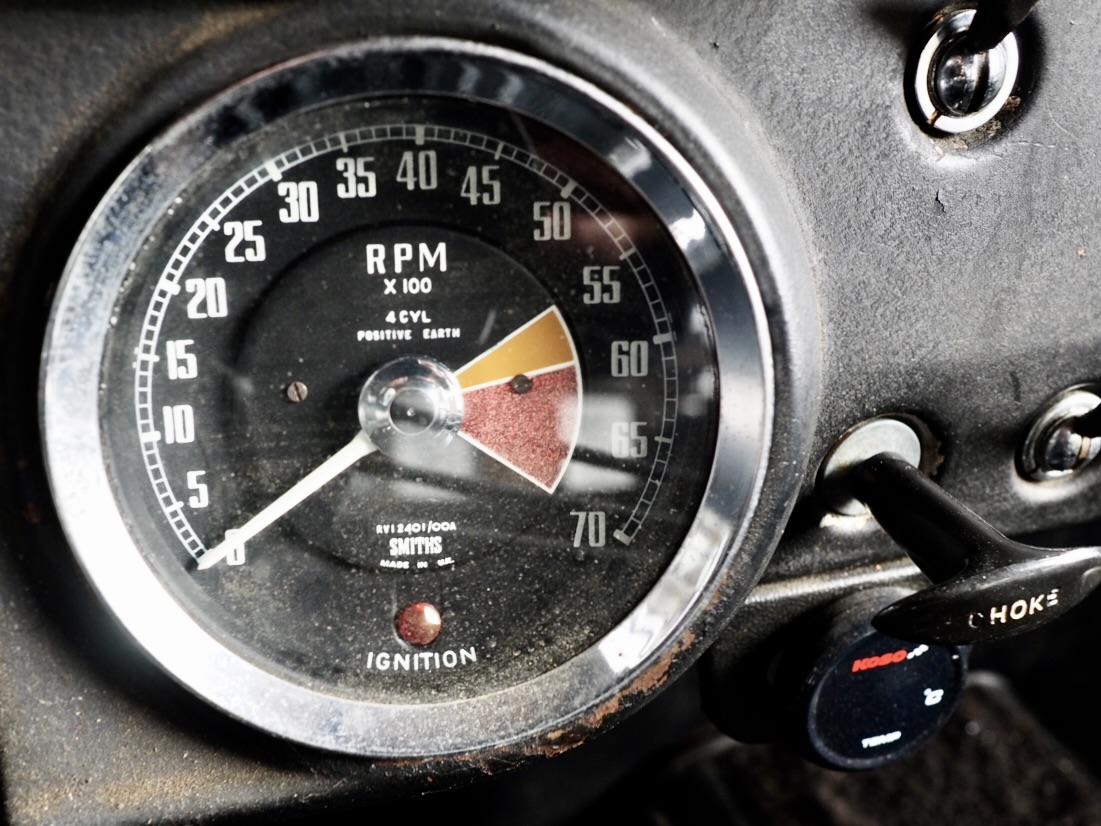
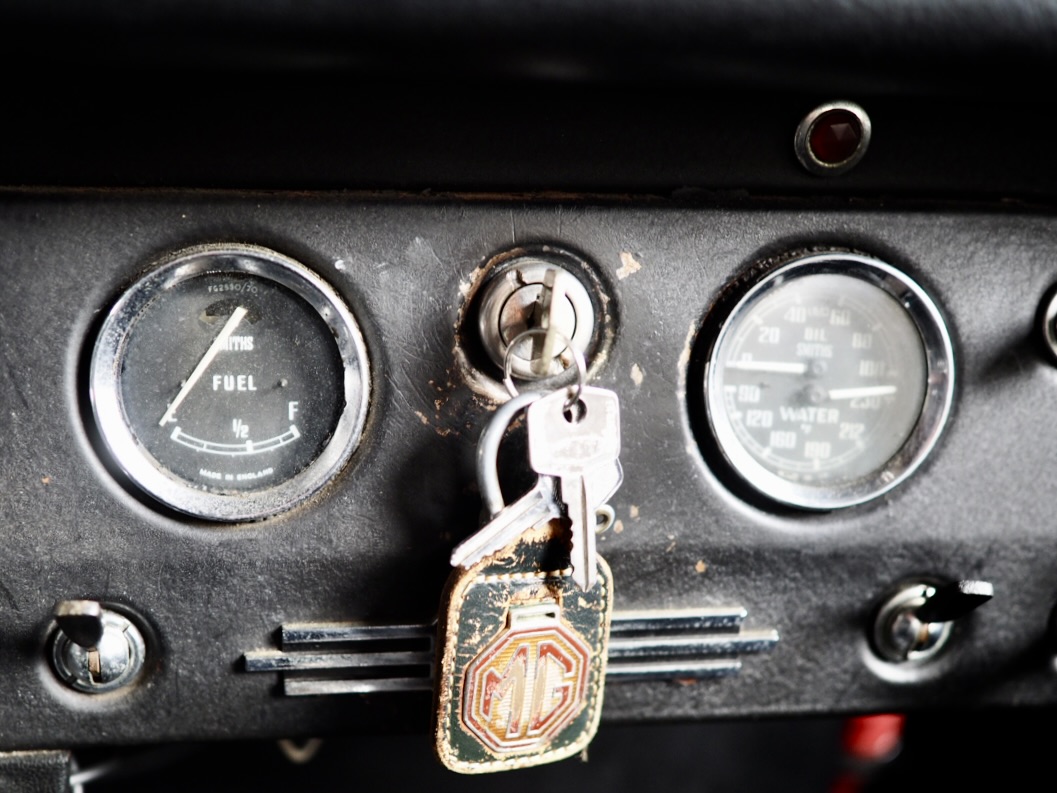
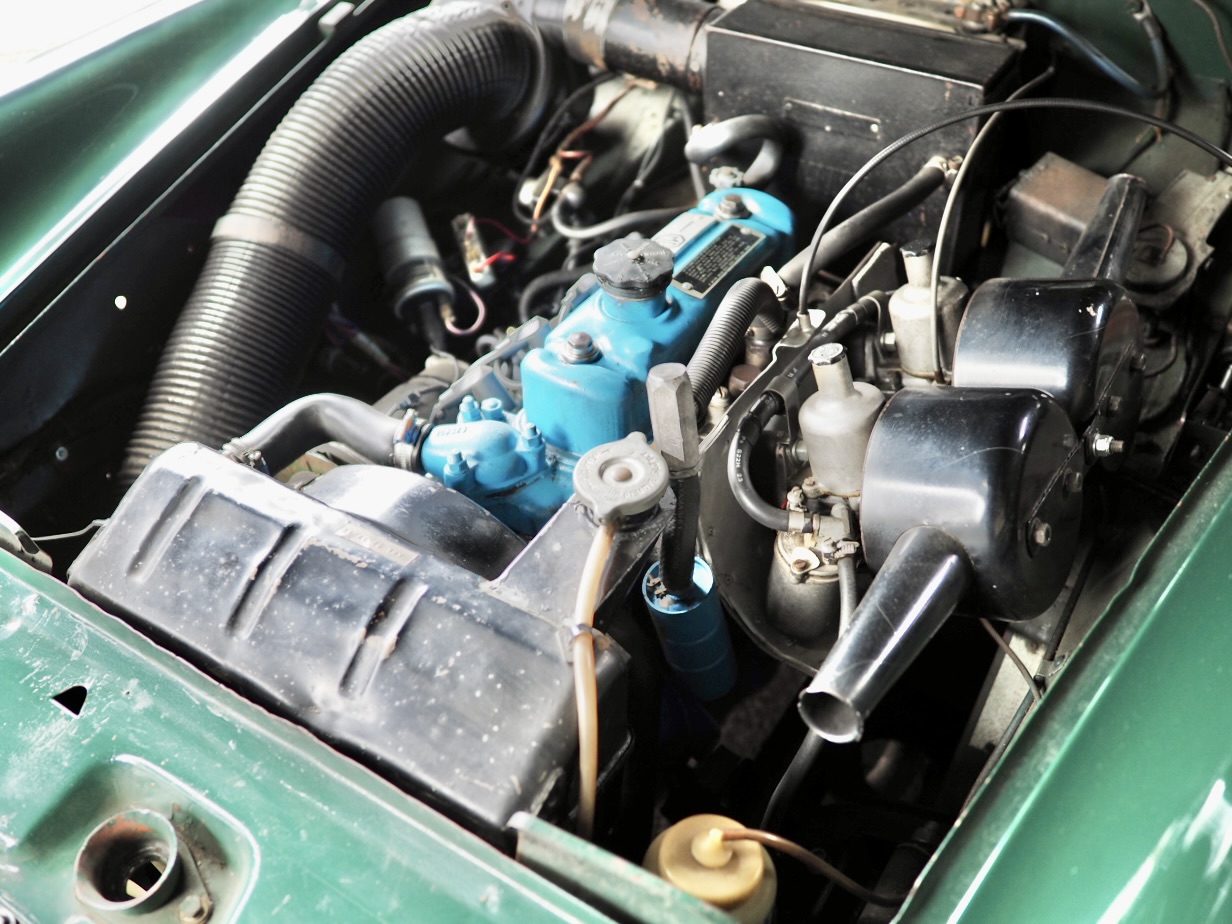
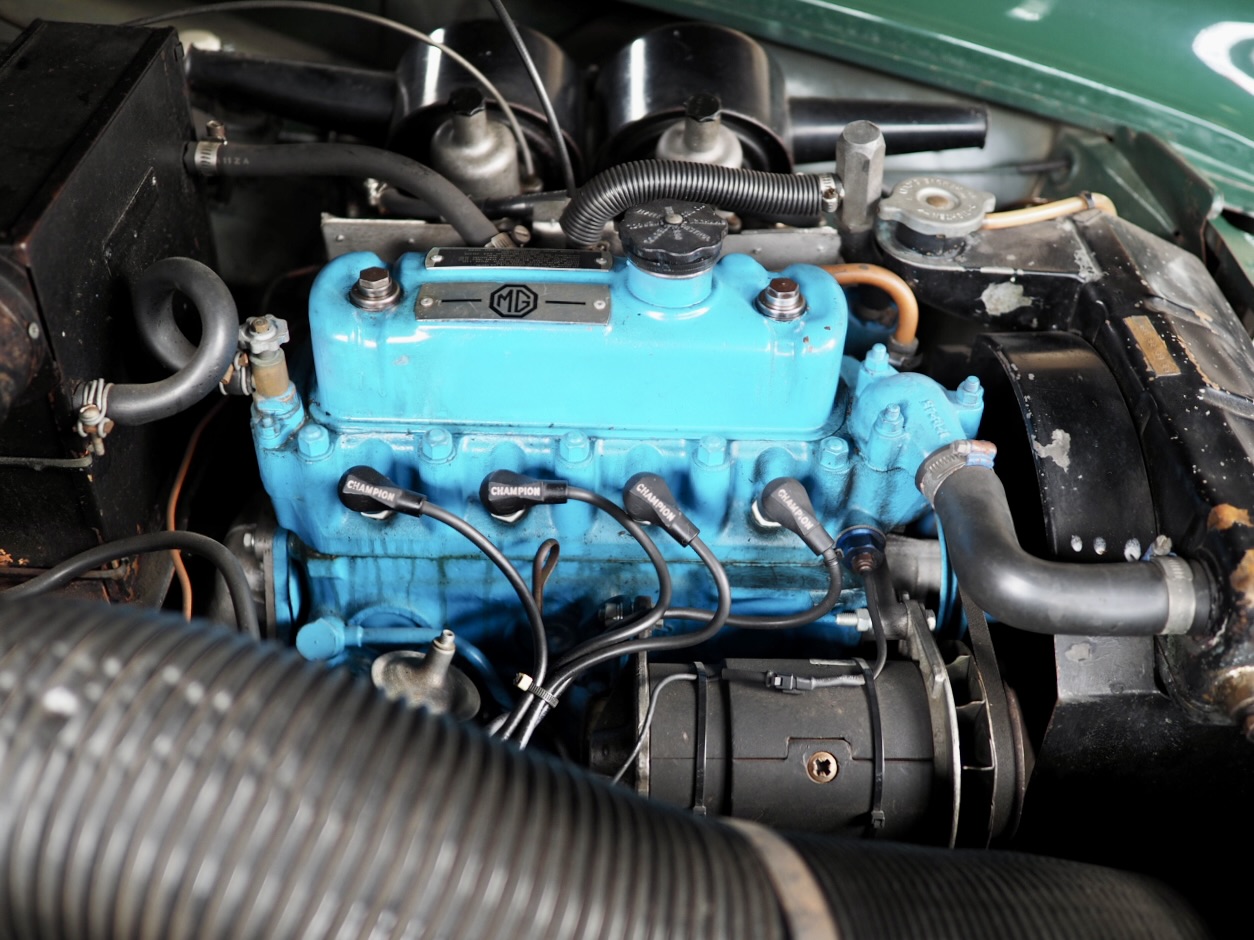
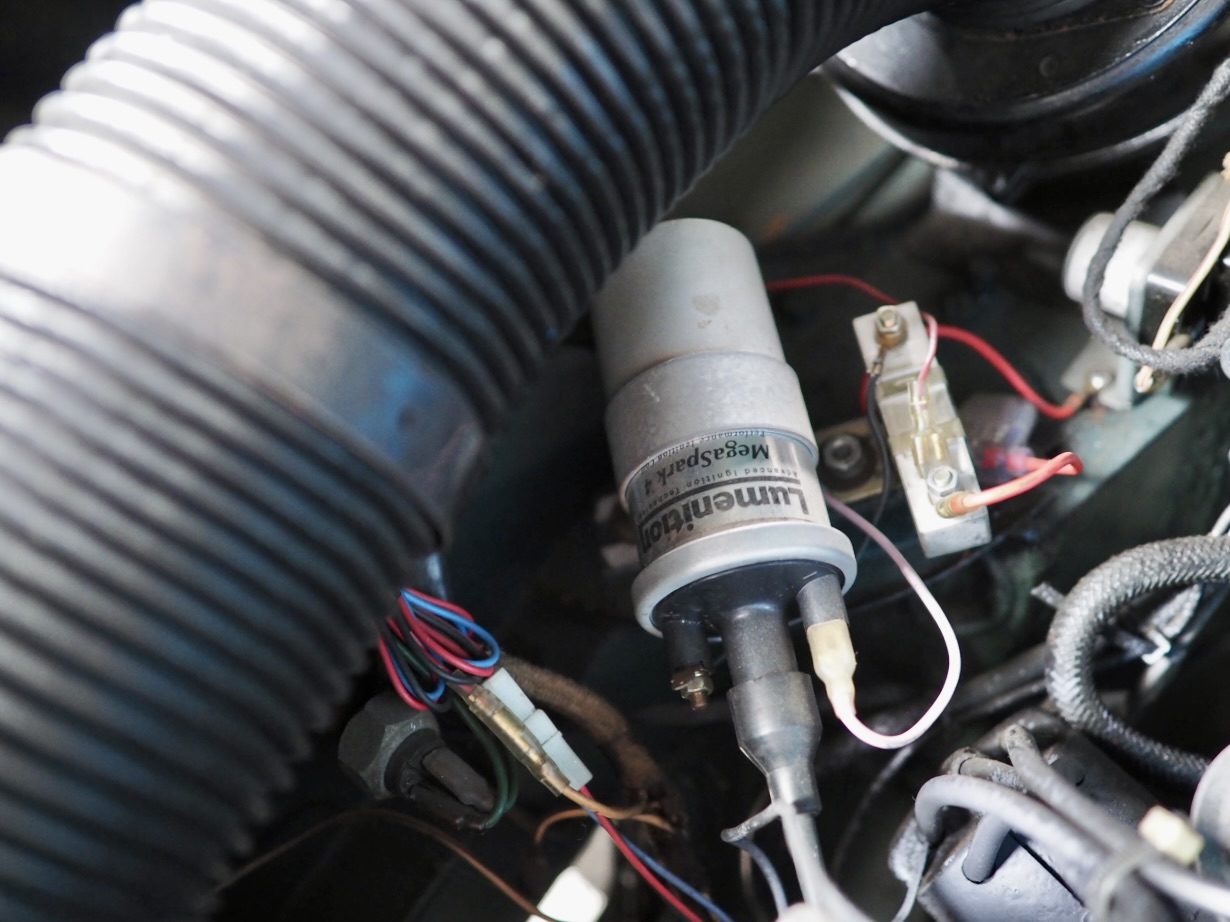
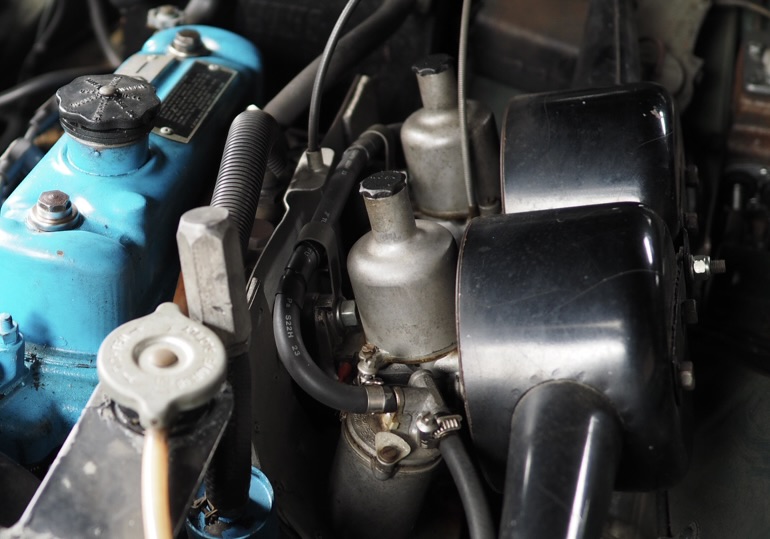
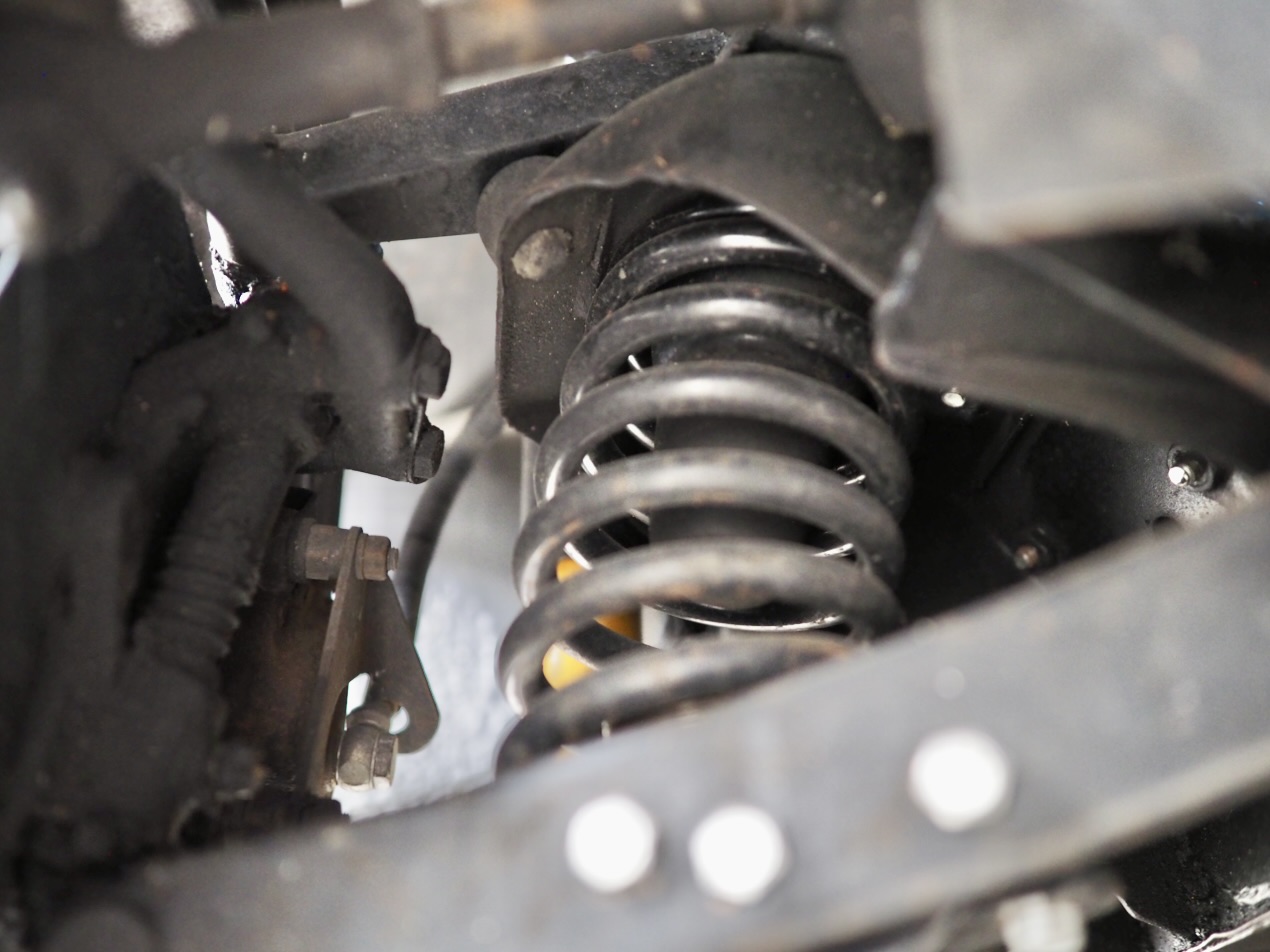
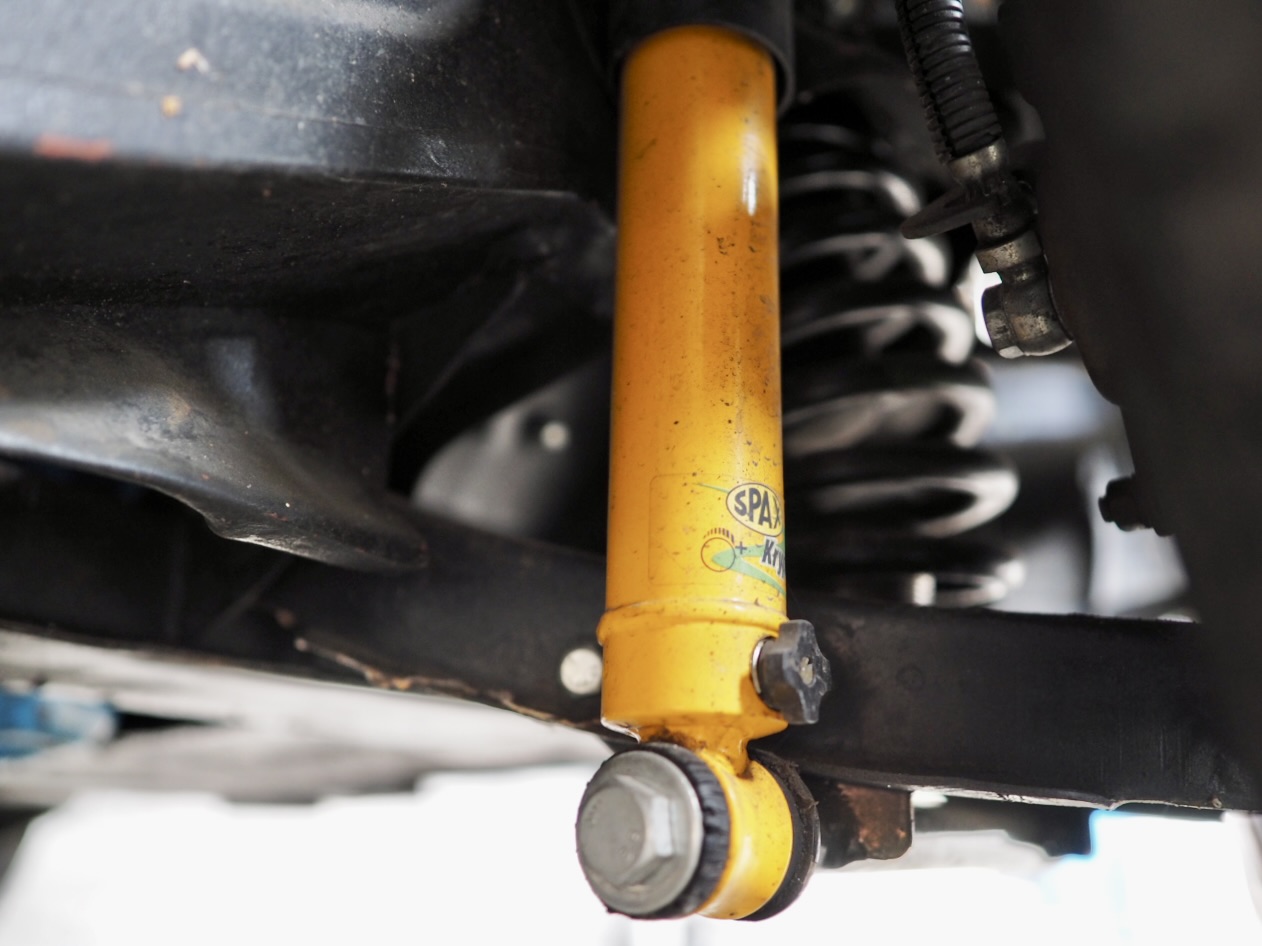
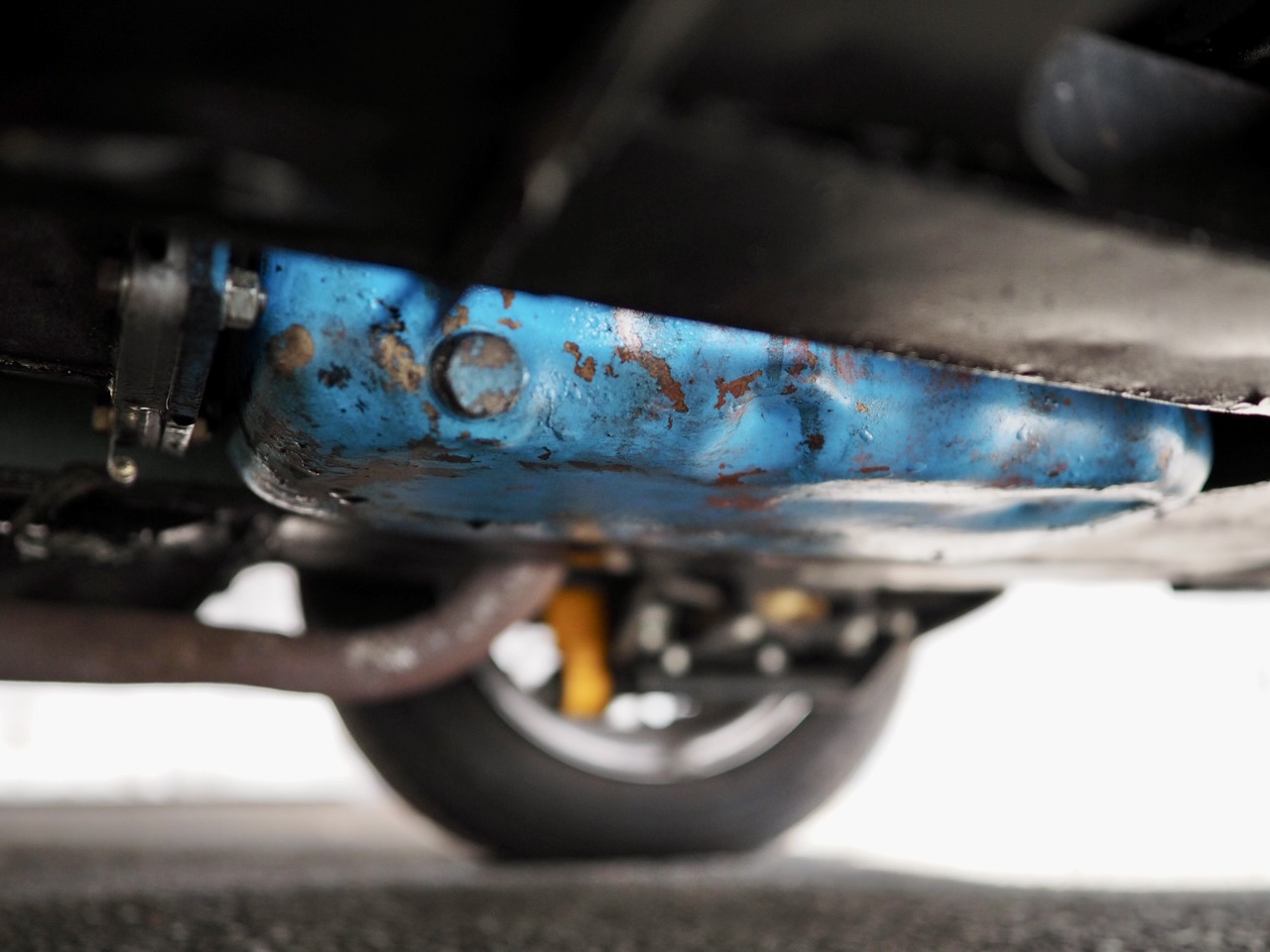
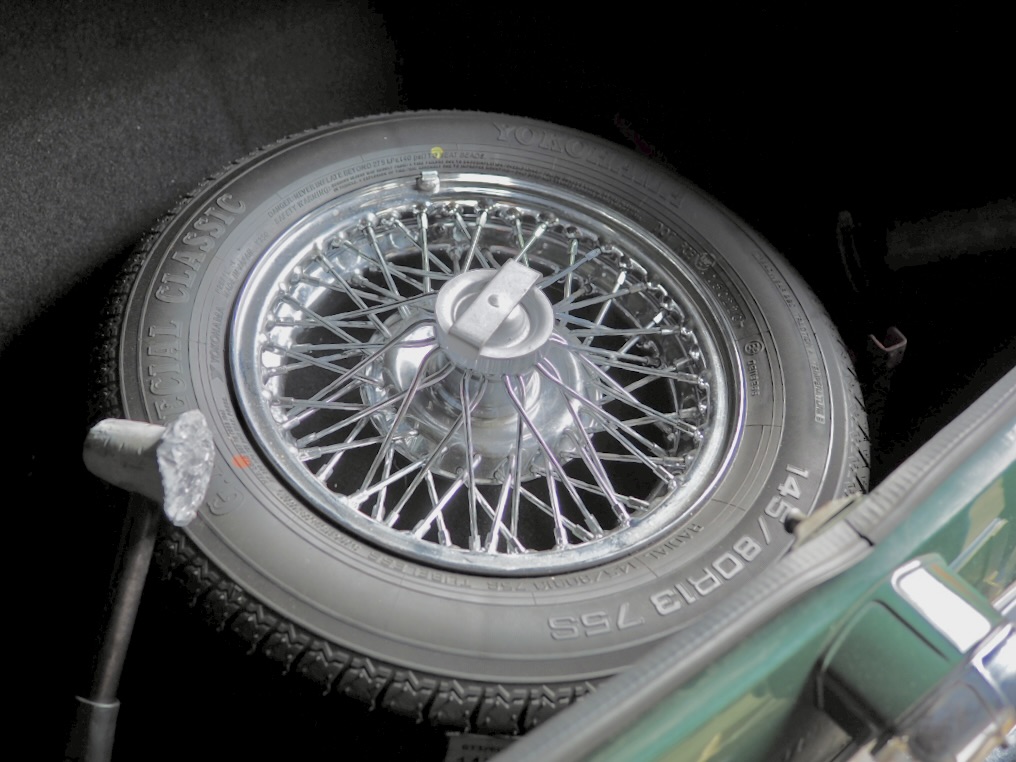
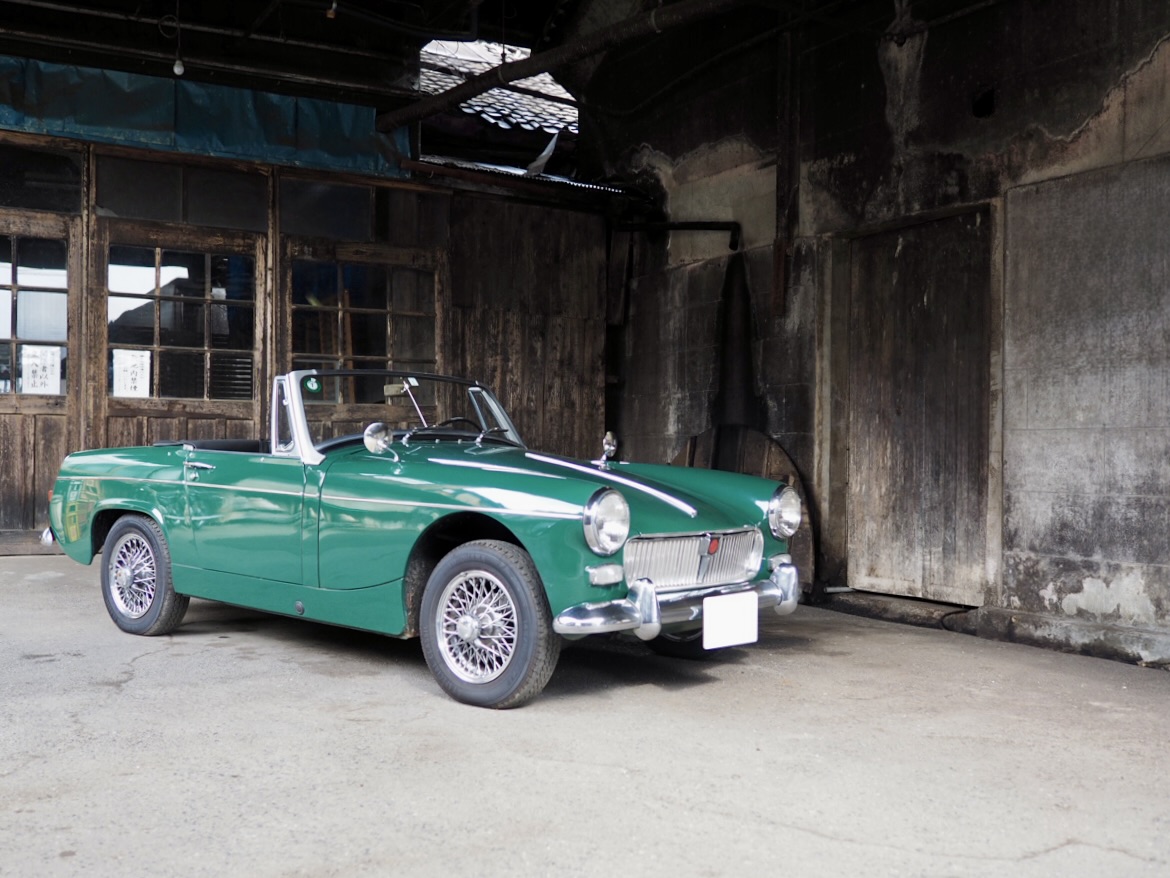
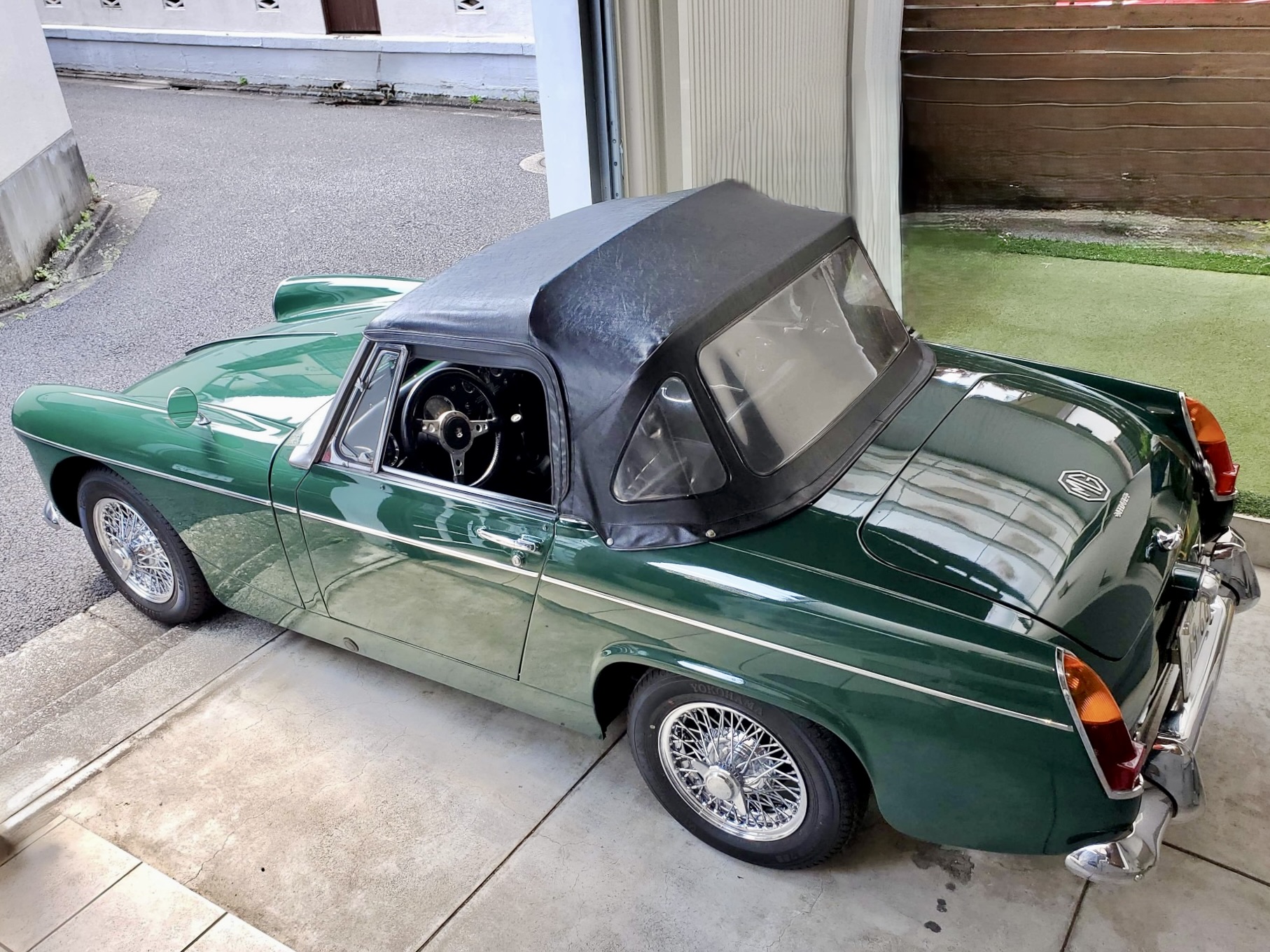
The detailed condition of the vehicle is described in each photo.
On the top slide you will find 50 attractive photos of the vehicle! Please click on a photo to view it with its description. Click outside the picture to return to the page.
SPEC
Length
3500mm
Width
1380mm
Height
1240mm
Weight
710kg
Engine Displacement
1275cc
FOB Tokyo price is