

TOP>Stock List>1970model Honda S800 Coupe
1970model
Honda S800 Coupe






↑↑↑Please watch the archived video above with audio if possible...
The thrill of fully exploiting a high-revving DOHC engine that screams effortlessly all the way to 8,000 rpm…! This fully restored, engine-overhauled 1970 Honda S800 Coupe reveals its true worth only when driven—an embodiment of Honda’s original philosophy, with sublime chassis balance that makes every moment behind the wheel irresistibly rewarding.
Chapter One…
It really revs this freely…! Even more than half a century later, the air-cooled DOHC four-cylinder 791cc engine—Honda’s bold challenge to the world—still leaves one in awe, delivering driving enjoyment at the absolute extreme.
Honda Yellow in the 1960s was a color imbued with a special meaning—a declaration of “challenging the world.”
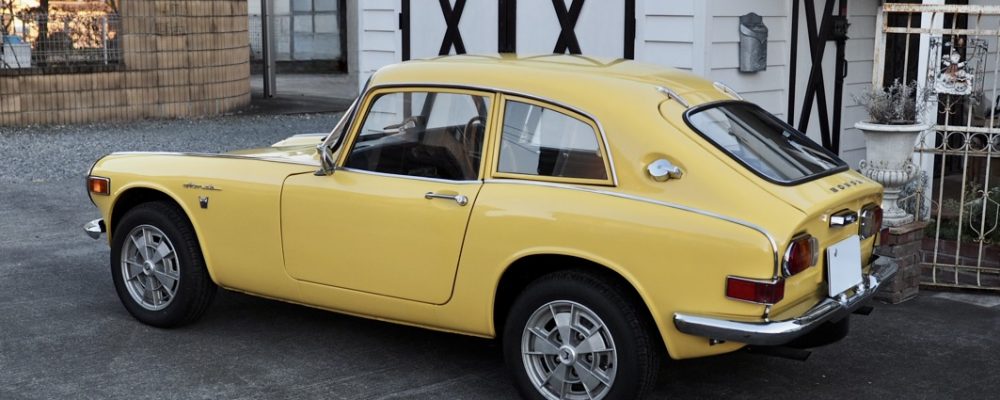
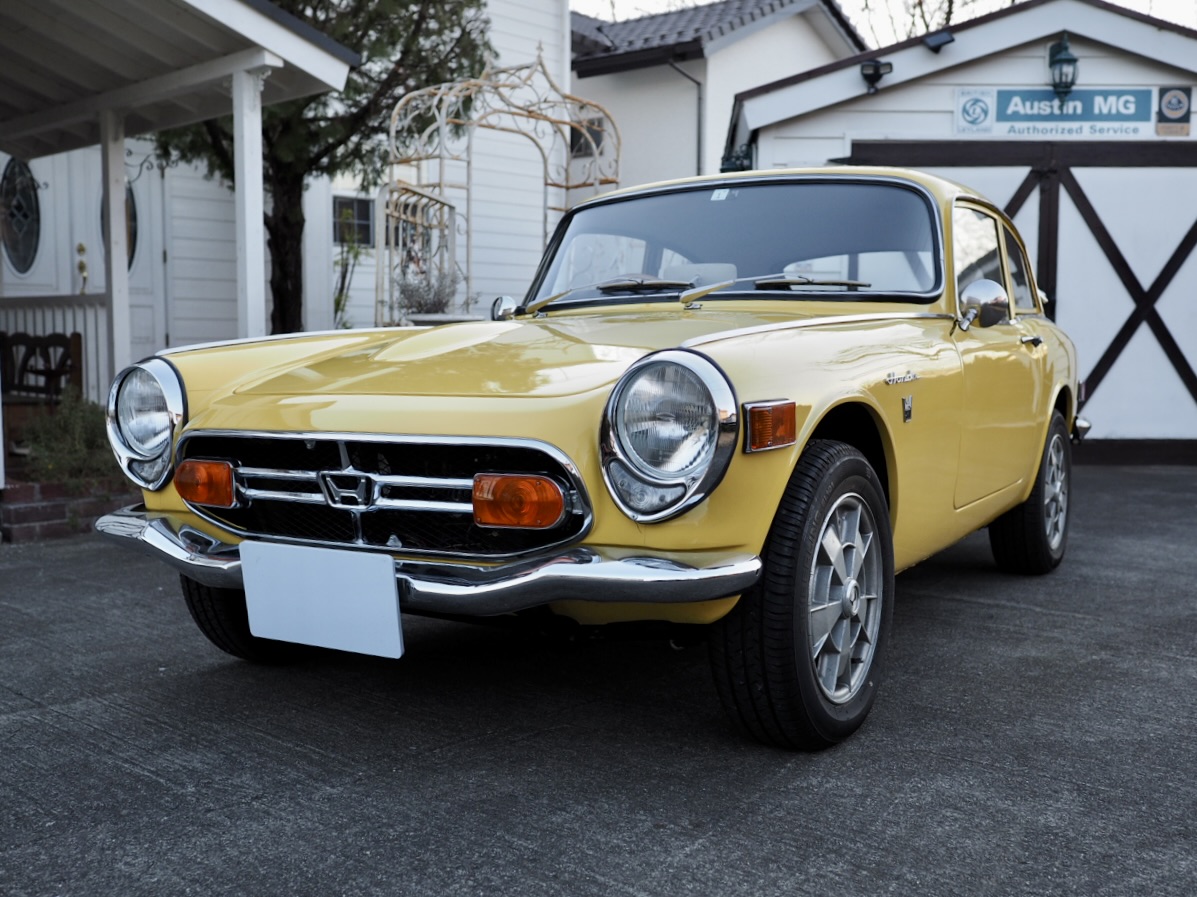
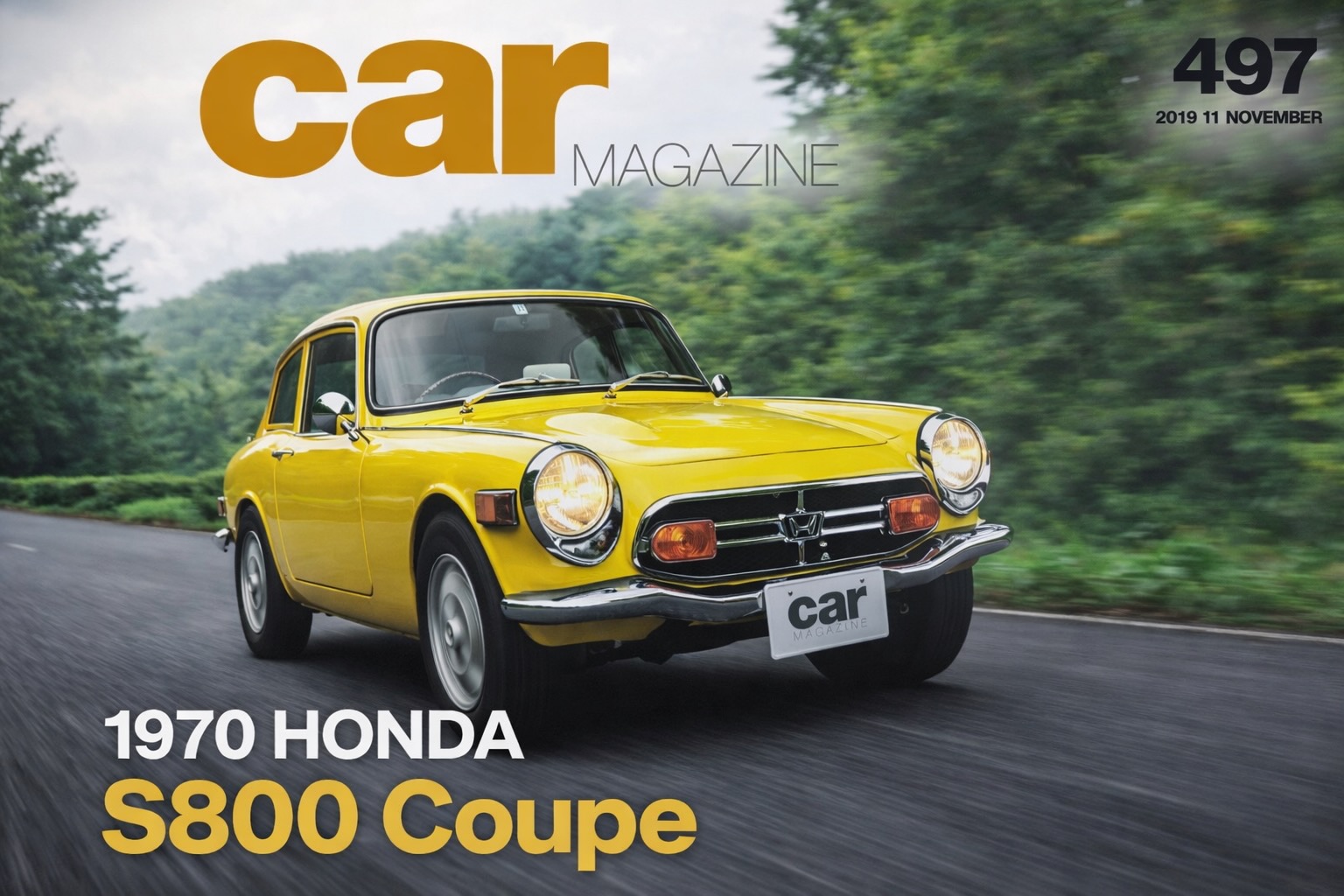
Standing before me, this 1970 Honda S800 Coupe wears its original Honda Yellow in strikingly vivid condition. Having undergone a full body restoration several years ago, followed more recently by further refinement and a complete mechanical overhaul—including the engine—by a well-known specialist shop, the car radiates an exceptionally fresh aura, vivid and alive right before my eyes.
That restoration extends comprehensively from the engine bay to the interior, betraying not the slightest hint that this is a machine well over half a century old. To eyes accustomed to today’s ever-growing sports cars, its astonishingly compact proportions feel refreshingly radical, irresistibly stirring the impulse: “I want to get in and drive it.”
“Since you’re writing about it, take your time and really drive it to be sure.”
With those warm words from the veteran owner—who has owned several S800s and, over many years, driven countless legendary cars from around the world—I finally give in to that impulse and climb aboard.
Opening the lightweight coupe door—its front and side windows raised by 40mm to ensure adequate cabin space—and settling into the beautifully preserved original seats, I am instantly enveloped in the pure world of the S800.
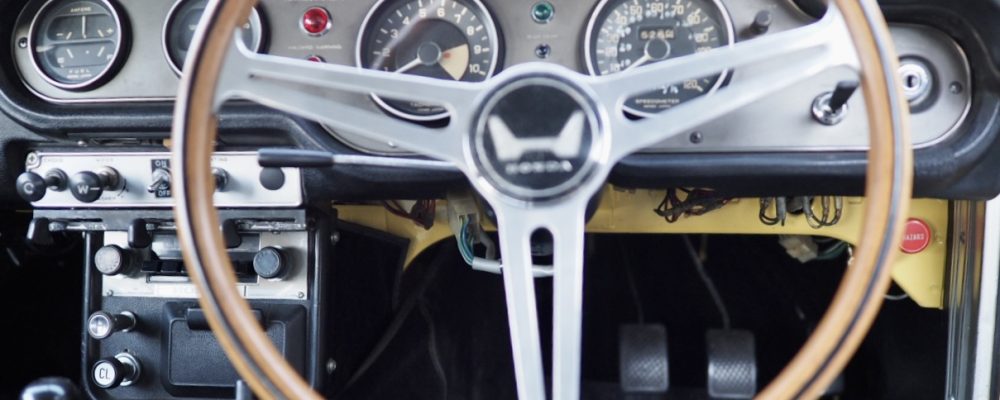
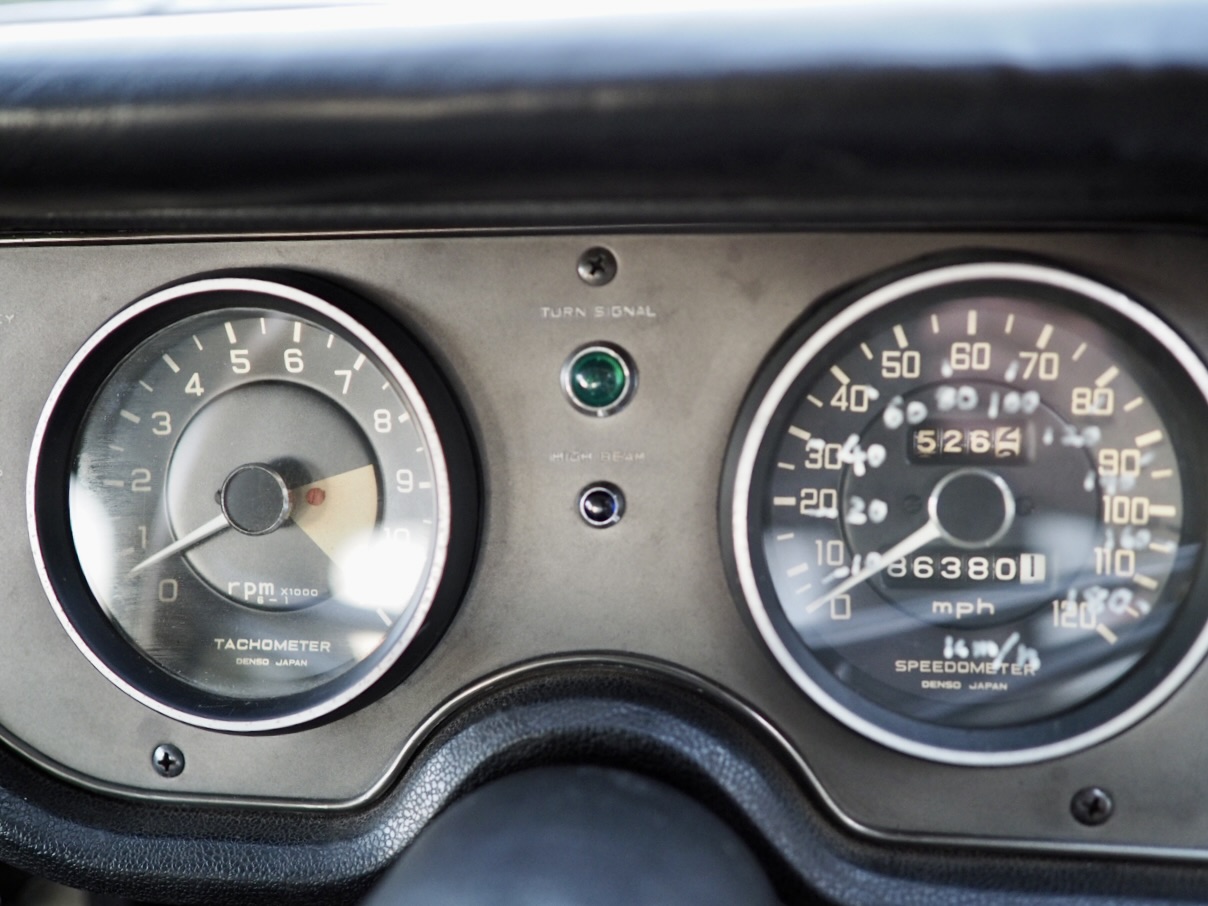
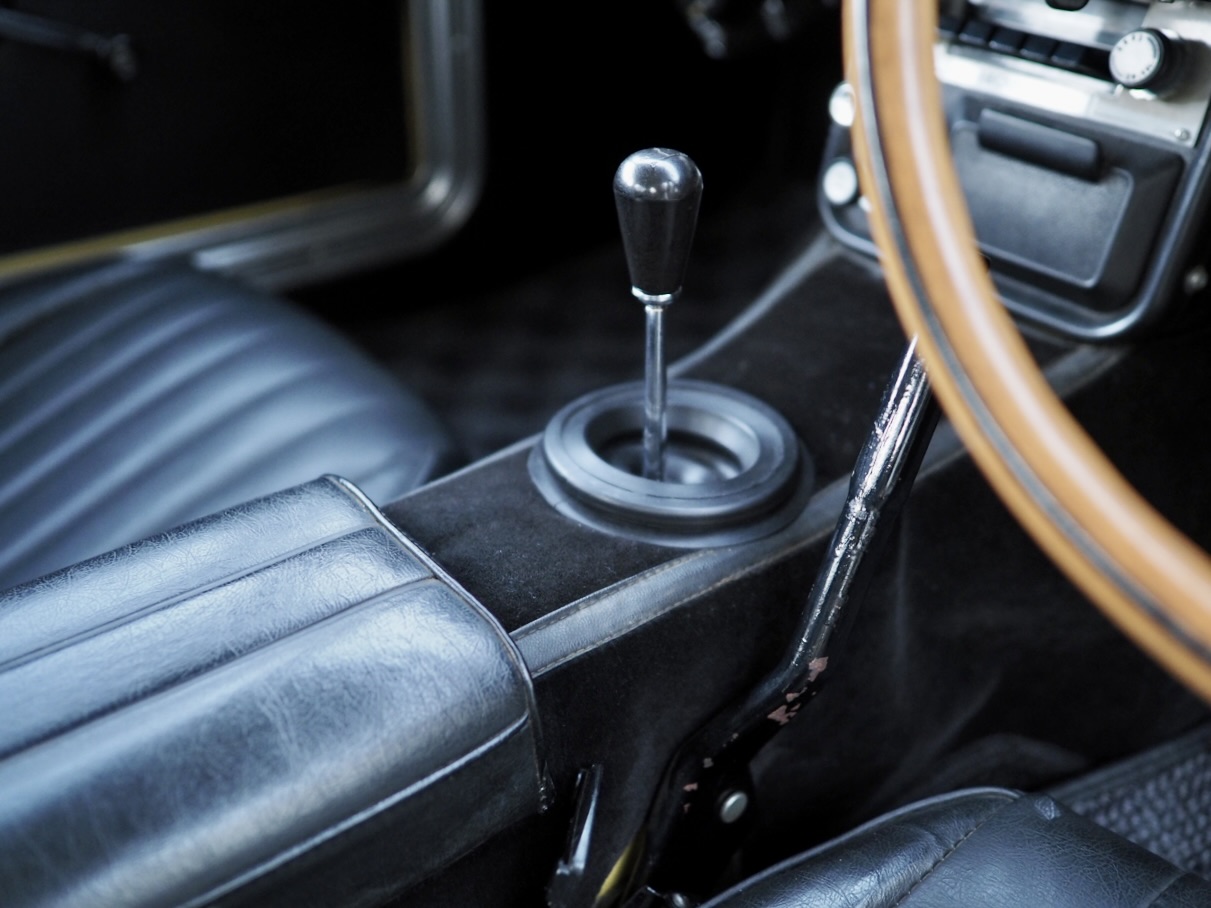
The tachometer before me is marked all the way to 11,000 rpm (!), with the red zone beginning at 8,500 rpm—an astonishing fact in itself. Rising from the tall center tunnel, a short shifter emerges, transmitting a direct, mechanical connection to the gearbox.
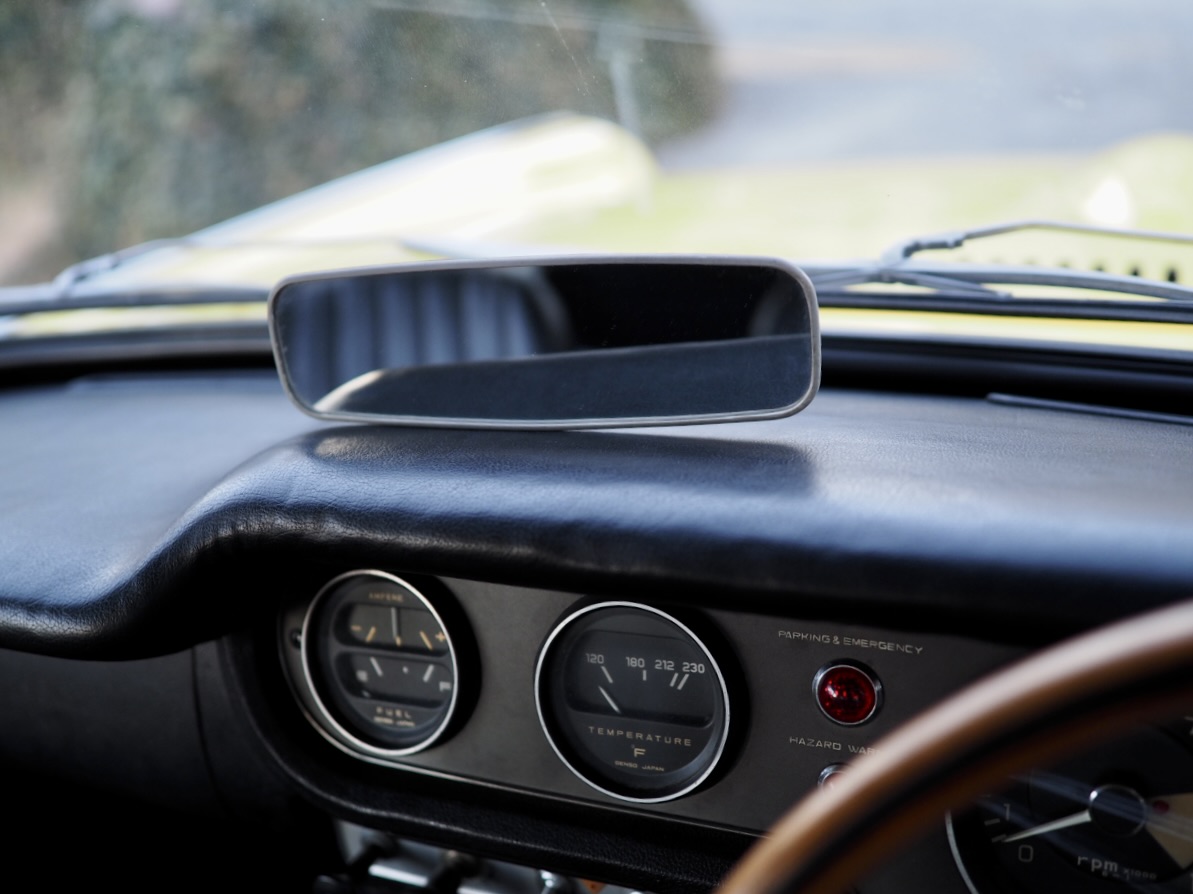
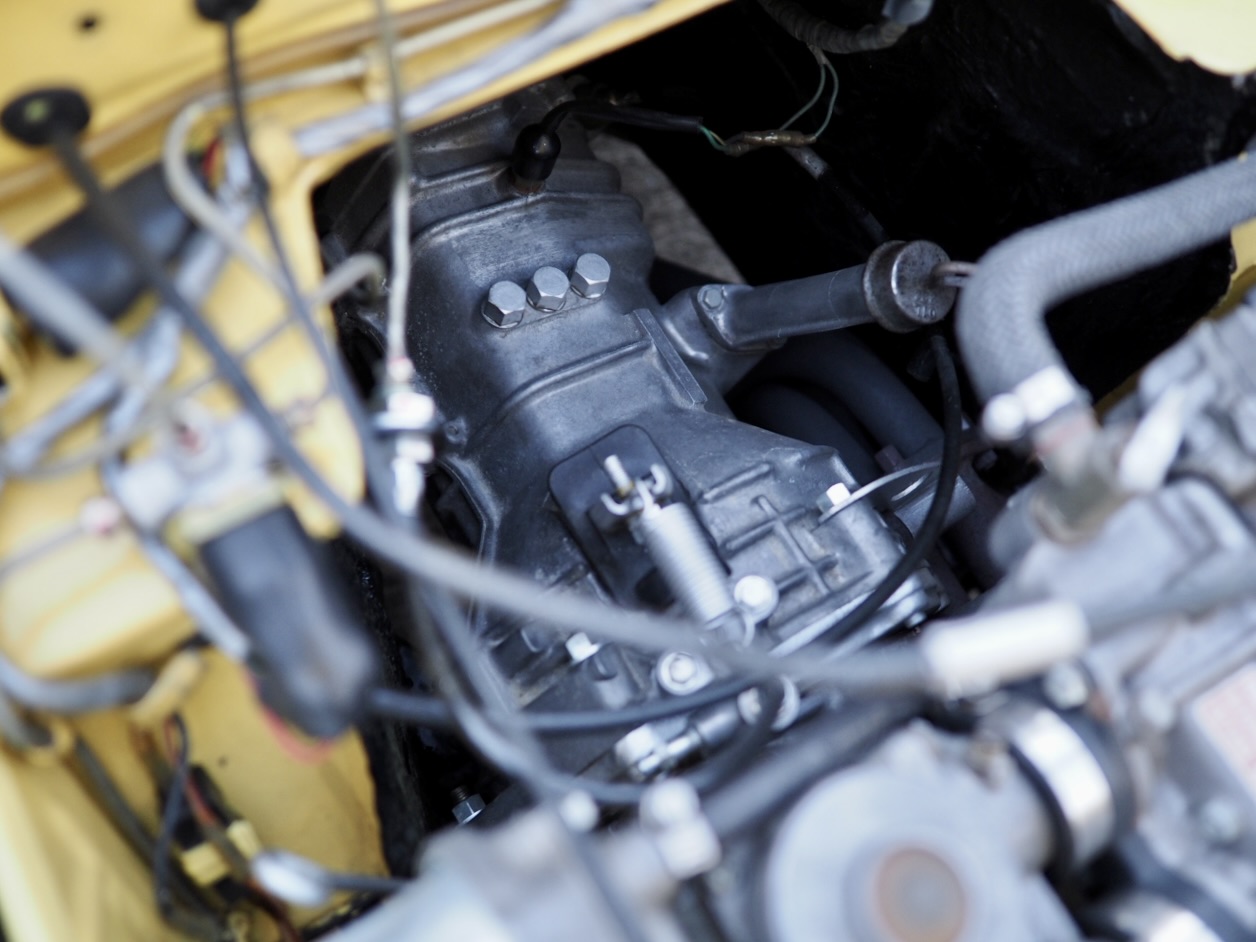
That crisp, delightfully precise shift action—so characteristic of the S800—further heightens the driver’s anticipation, and together with the low driving position visible through the windshield, promises an exceptionally sharp driving experience.
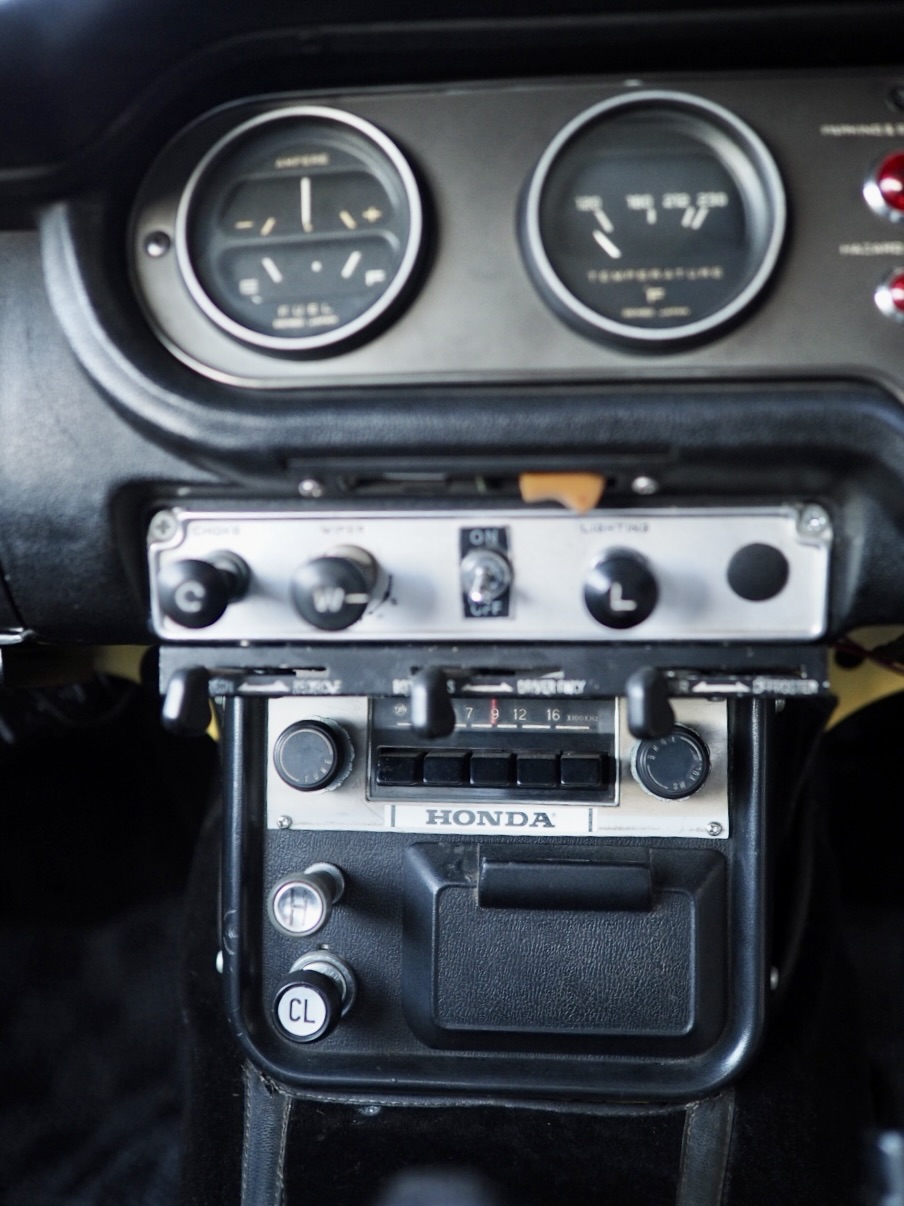
Cradling the slender original steering wheel, legs stretched forward from the low hip point of the seat, operating the ABC pedals naturally—this layout is pure 1960s European sports car philosophy. The immaculate, crack-free crash pad, the woodgrain-style meter panel Honda once used to evoke luxury, and the minimal array of original switches all aligned in period-correct fashion—each detail sends a shiver through the soul every time it’s touched.
The day’s shoot began on a bitterly cold morning.
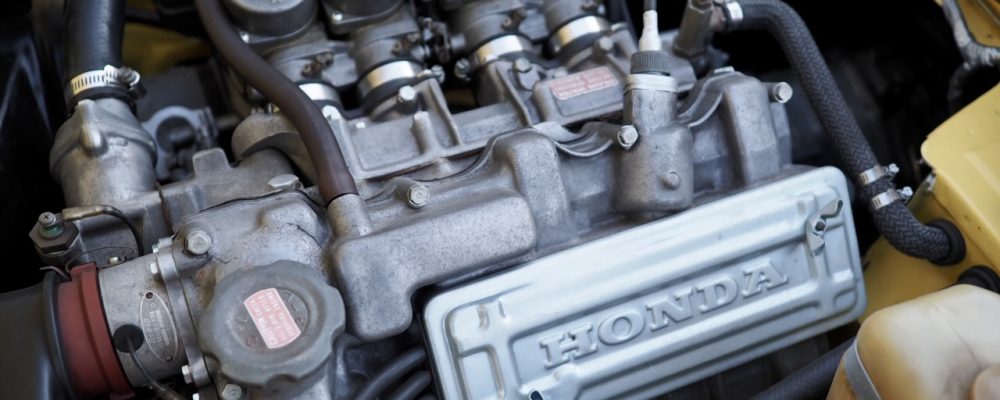
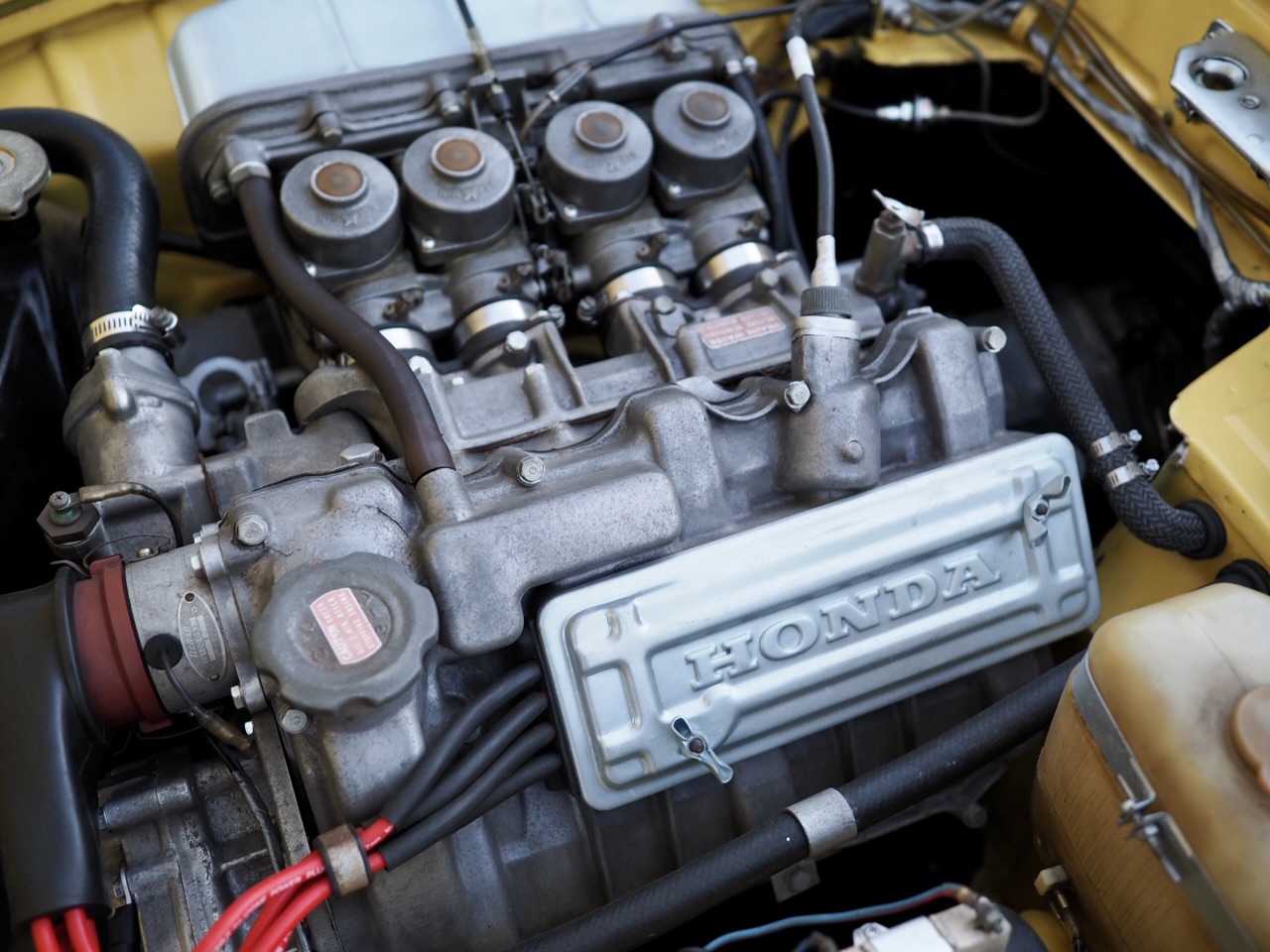
Pulling the choke and gently turning the key, the Honda AS800E air-cooled, four-stroke inline-four DOHC engine springs to life without the slightest hesitation. This alone is astonishing. There’s no unevenness whatsoever; the engine spins up with remarkable smoothness, and with just a light blip of the throttle, the tach needle leaps upward. In that moment, one can’t help but feel: “This is the DOHC engine Honda built when it returned to challenge the world on four wheels, after conquering it on two.”
“Air-cooled Porsches are SOHC… there’s nothing else like an air-cooled DOHC engine,”
I muse, indulging in such thoughts as I work the short shifter, progressively stepping up through the close-ratio gearbox. The responsiveness is so immediate that I can’t help but grin to myself.
Once the engine oil is fully warmed, I press the throttle further, stitching together the revs in short bursts. The high-revving, air-cooled DOHC engine surges effortlessly all the way to 8,500 rpm—utterly free of hesitation—delivering pure, unfiltered driving joy straight to the driver.
It feels less like “revving an engine” and more like being drawn upward by its razor-sharp response, naturally using every bit of the 69 PS produced from just 791 cc at 8,000 rpm. This is a sensation utterly impossible to experience in high-power, large-displacement engines—a deeply immersive, almost addictive feeling that anyone who grips this steering wheel will instantly understand.
Rev it even harder, and thanks to motorcycle-derived lightweight pistons and a highly precise crankshaft and valvetrain, the engine note becomes lighter still. Vibrations fade away, almost like an electric motor, and the originally lightweight 740 kg body seems to grow even lighter as speed builds—an entirely novel sensation flooding the senses.
This agility, born of an exquisitely balanced chassis that feels impossibly modern for a car conceived over half a century ago, is the true essence of the S800. The pure, high-fidelity control feel—gradually disappearing from today’s bloated, safety-driven sports cars—is fully concentrated within this compact body.
What’s fascinating is how, with every drive, more elements resonate with your sensibilities.
This late-production 1970 S800 Coupe, for example, is right-hand drive yet features a mile-based odometer. As evidenced by its dual-circuit brake master cylinder, it was originally exported to the UK and returned to Japan in 1999.
Despite lacking a brake servo—as was typical of the era—the split front/rear dual-circuit master cylinder delivers an exquisitely balanced pedal feel. Heel-and-toe downshifts—now often suppressed by modern ECU controls—come effortlessly here, making every interaction deeply satisfying.
Deceleration rises in perfect proportion to right-foot pressure. After selecting the correct gear, you set the car’s attitude on corner entry, apply just a hint of steering input, and feed in the throttle to exit cleanly. That seamless flow—the feeling—is there, alive and vivid.
It’s why you find yourself enjoying each upshift and downshift, seeking out the next enticing corner, and pushing on just a little farther along familiar winding roads… again and again.
Having completed its body restoration several years ago, and more recently undergone a full engine and mechanical overhaul at a renowned specialist—shortly before being featured in Car Magazine issue No. 497—this 1970 Honda S800 Coupe proves that it is only when driven in earnest that its engine, chassis, and controls unite as one cohesive whole to respond to the driver.
That is precisely why, even more than half a century later, it continues to deliver genuine driving pleasure with such ease.
And behind this irresistibly compelling sensation, one cannot help but imagine the clear intent and philosophy Honda sought to present to the world at the time.
Chapter Two…
Because it has been restored and mechanically overhauled, this is a car through which one can truly experience Honda’s history of challenging the world. Exploring the development background that led to the late revised S800 Coupe…
When considering the era in which Honda brought the S800 into the world—the postwar high-growth period through the late 1960s, set against the backdrop of the private-car boom that followed the spread of the “three sacred treasures” (television, refrigerator, and air conditioner)—it would be far too simplistic to group this car merely as “one of the early Japanese cars that began to venture onto the global stage.”
If we do so, the truly outstanding essence of this car disappears entirely.
The S800 was not a “successful example of a Japanese car,” but rather a machine that stood at the final stage of challenge: an experiment in how far Soichiro Honda could carry into the four-wheel world the same philosophy and fighting spirit with which he had challenged the world on two wheels.
The Isle of Man TT… the World Grand Prix…
By that time, Soichiro Honda had already experienced the pinnacle of success in the world of motorcycles.
His philosophy was forged through battling the world despite disadvantages in displacement and capital, relying instead on engine speed, lightness, and mechanical precision—and producing results.
When he turned his attention to four-wheel vehicles, what he sought was not “a car that would sell well to the masses.”
Rather, it was a single question: could the philosophy that worked on two wheels also prevail on four?
From the S500 of 1963, to the S600 of 1964, and then the S800 introduced in 1966…
Looking back at the evolution of the S-series, displacement gradually increased, but the fundamental stance and design philosophy—prioritizing the joy of revving and driving an engine over market demands for “ease of use” or “quietness”—never changed.
The early chain-drive rear-wheel layout was eventually abandoned in favor of a propeller shaft and rigid axle from 1966 onward, a decision made in pursuit of overall four-wheel-car completeness.
Even so, Honda never abandoned air cooling, nor the premise of a high-revving engine—an unorthodox configuration for four-wheel cars of the time, carried through to the very end.
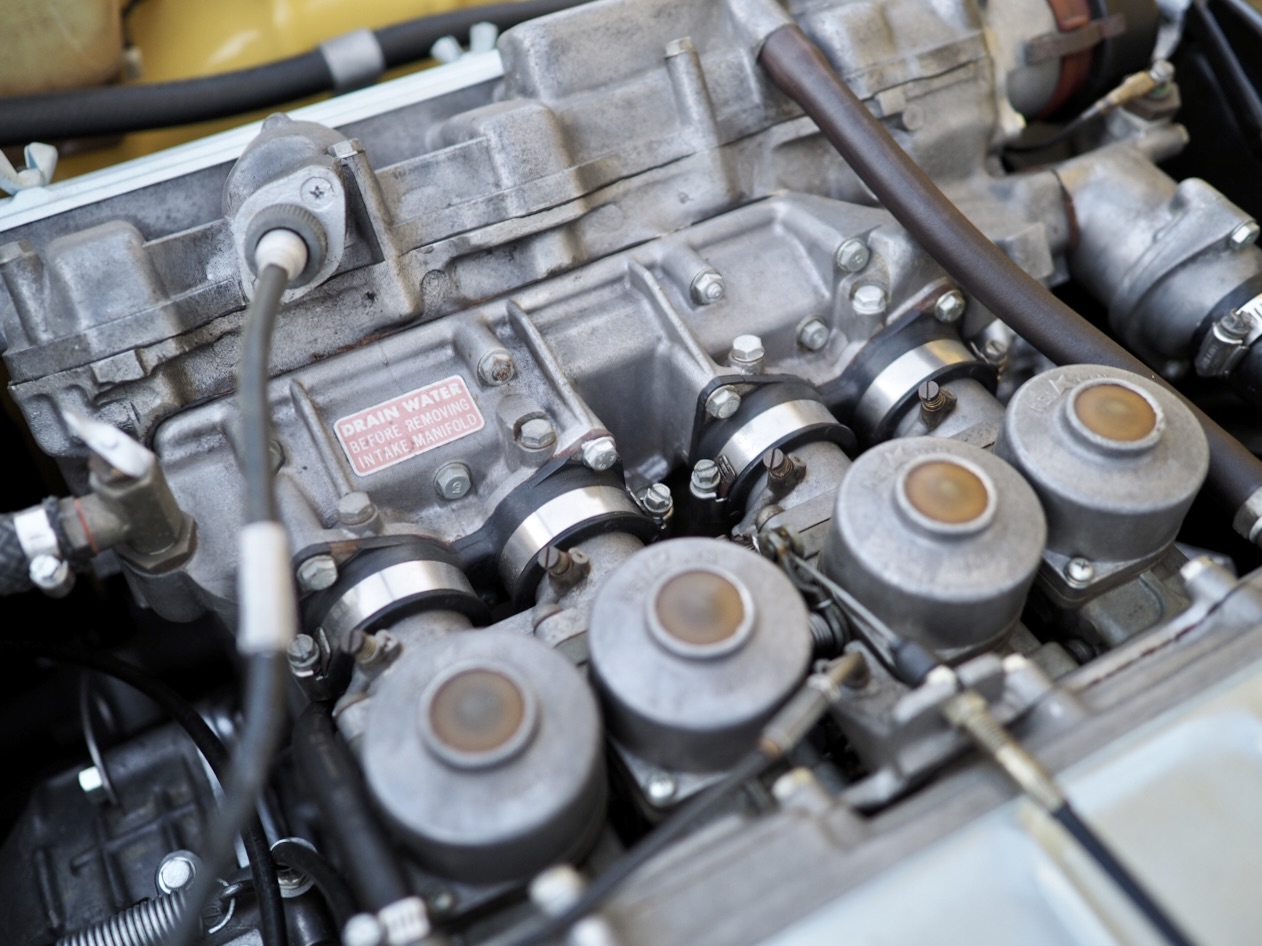
The AS800E air-cooled DOHC inline-four engine fitted to the S800 was the very crystallization of that philosophy.
With a displacement of 791cc, producing 69PS at 8,000rpm, and a tachometer marked all the way to 11,000rpm…
This was neither exaggeration nor theatrical display, but proof that Honda had absolute confidence, from the design stage onward, in achieving high rotational speeds through mechanical precision.
It was not about boasting the ability to rev, but about designing an engine meant to be fully used at high rpm—pushing through the disadvantages of air cooling with lightweight pistons, a highly precise crankshaft and valvetrain, and sheer engineering prowess.
Here lies the true intensity of the philosophy and technology aimed squarely at the world.
The S800 then evolved into the late revised Coupe starting with the 1968 model year.
Raising the front and side windows by approximately 40mm to improve cabin space and provide greater long-distance usability was not merely a matter of product refinement.
It can be seen as a decision to create a coupe that would allow this rev range and this engine character to be enjoyed longer and more securely.
Here again, Soichiro Honda’s philosophy—placing the joy of driving above all else—shines through vividly.
The final form, born from seeing the idea through without compromise…
Although no official production data remains, it is said that around 4,000 to 5,000 units of the late revised S800 Coupe were built, with roughly 1,500 exported overseas, mainly to Europe.
Given the already limited production numbers, many cars later returned to Japan, but today, truly good examples have become endangered species.
For that very reason, the S800 has become an extraordinarily rare machine—one that can still be driven, and through which Soichiro Honda’s philosophy itself can be directly experienced.
The sensations I described in Chapter One were neither coincidence nor mere nostalgia.
They were the living proof that the accumulated technology of a single engineer, who believed wholeheartedly in his approach and challenged the world with it, continues to breathe within the driving experience even half a century later.
Chapter Three…
1970 Honda S800 Coupe — The Author’s Afterword After Actually Driving It…
The original Honda Yellow remains strikingly vivid, and the AS800E air-cooled four-stroke inline-four DOHC engine has been finished to an astonishingly high standard—truly a beautiful example that gives no hint of the fact that more than half a century has passed since its birth…
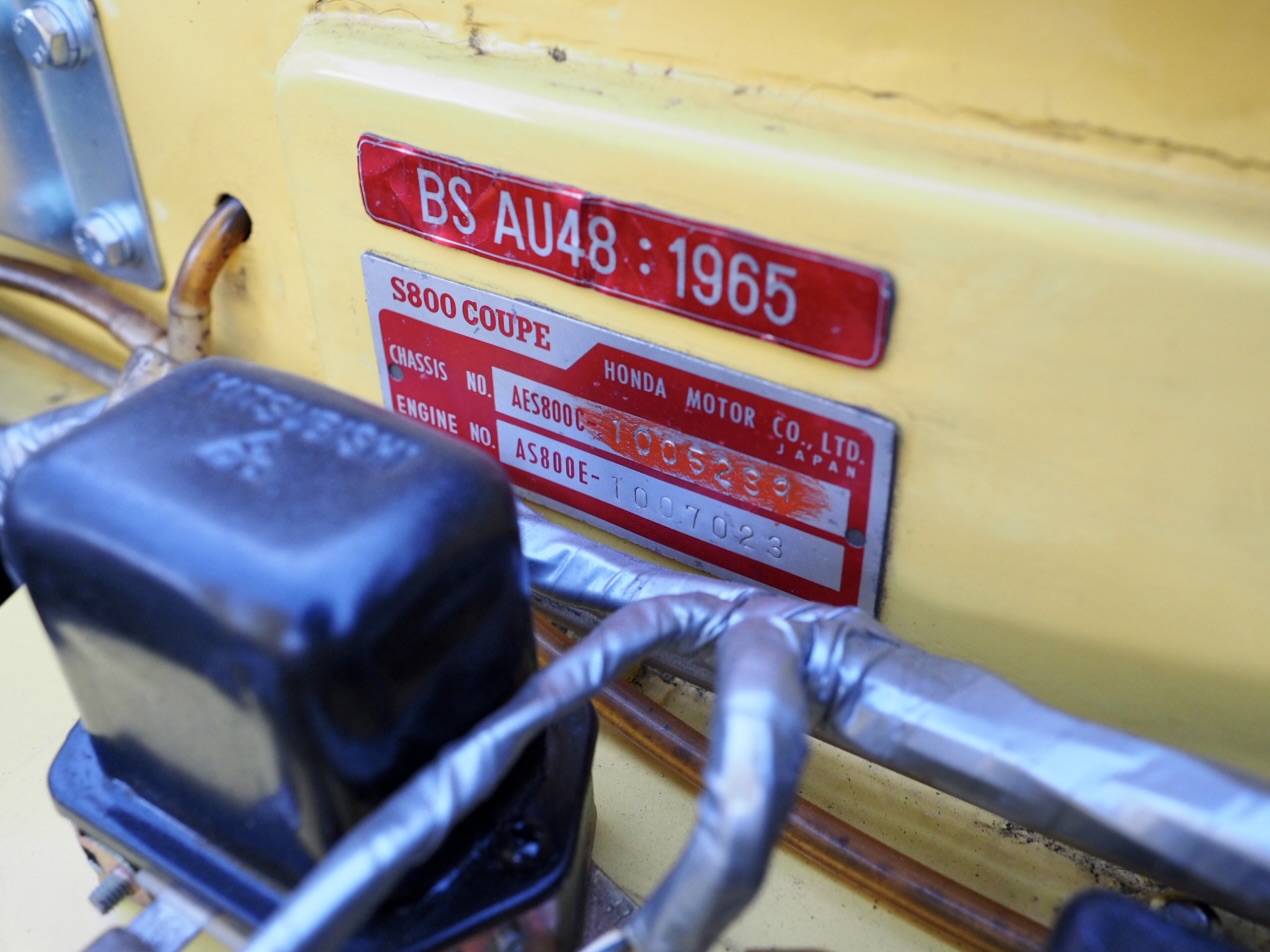
Although this is a right-hand-drive car, the speedometer is calibrated in miles, and details such as the shape of the side markers, the dual-circuit brake master cylinder, and the marking inside the engine bay reading “BS AU48·1965” (British Standard Automotive Use 48) quietly indicate that this car was built with British regulatory standards in mind. Combined with the fact that the first domestic registration on record is Heisei 11 (1999), it becomes clear that this is a car that was re-imported into Japan in 1999…
Several years ago, the body underwent a full restoration, and more recently, a comprehensive mechanical overhaul—including the engine—was carried out by a renowned specialist. This late-update S800 Coupe, which later graced the pages of Car Magazine issue No. 498, now carries all of that history within it, resulting in a car that is a joy to look at, a joy to drive, and a joy to own as part of a collection…
The veteran owner mentioned earlier is someone who places the highest priority on condition and has long enjoyed collecting and driving many celebrated automobiles. However, as inevitably happens in life, changes in personal circumstances have made it necessary to reorganize the contents of the garage, leading to the heart-wrenching decision to part with this car…
—or rather, to be precise, the decision is at the stage of intent. Only when this car encounters a new owner who will sincerely understand and carry forward its history will the owner be able to make the final determination to let it go…
The sheer exhilaration of fully exploiting a high-revving DOHC engine that screams effortlessly all the way to 8,000 rpm…! This fully restored and engine-overhauled 1970 Honda S800 Coupe reveals its true worth only when driven, embodying Honda’s original philosophy in its purest form—where the superbly balanced chassis delivers an unmatched joy of driving…!
This 1970 Honda S800 Coupe is currently located in Gunma Prefecture, Japan.
As this is a private sale, no consumption tax or additional dealer fees will be charged.
Upon purchase, the buyer will be responsible for the prorated automobile tax (annual amount: ¥33,900) as well as the recycling deposit settlement (¥10,380).
【Regarding Inquiries】
The vehicle featured on this page is listed on Estate Sale Supremacy®, a cross-border e-commerce platform specializing in classic and collectible cars.
What is an “Estate Sale Supremacy”…
Estate Sale Supremacy® is the Japanese adaptation of the North American estate-sale culture, introducing vehicles cherished by their owners through interview-based articles and videos.
By faithfully conveying the current owner’s sentiments, preserving memories close to the heart, and ensuring a proper handover to the next generation, we provide guidance and brokerage support for each sale.
We conduct detailed interviews with the current owner regarding past maintenance records and repair history, including confirmation of any accident history.
If a vehicle has suffered a major accident, or if the current owner’s period of ownership is extremely short and sufficient details cannot be confirmed, we decline to feature the car, as part of our commitment to providing buyers with the highest possible peace of mind.
This article was written based on an interview with the owner conducted over approximately three hours, starting at 10:00 a.m. on Monday, January 5, 2026, under clear weather conditions.
Due to the limited inspection time, the condition of the vehicle may not be described with 100% accuracy. In addition, not all statements have been independently verified, and comments regarding condition reflect the weather at the time of the interview as well as the author’s personal impressions. Please understand this in advance.
For questions regarding the listed vehicle or to request an on-site viewing, please contact us via the form at the bottom of this page.
As this is a private transaction, and to prevent casual inquiries, on-site inspections are limited strictly to customers who are considering purchase with serious intent.
Thank you very much for your consideration.
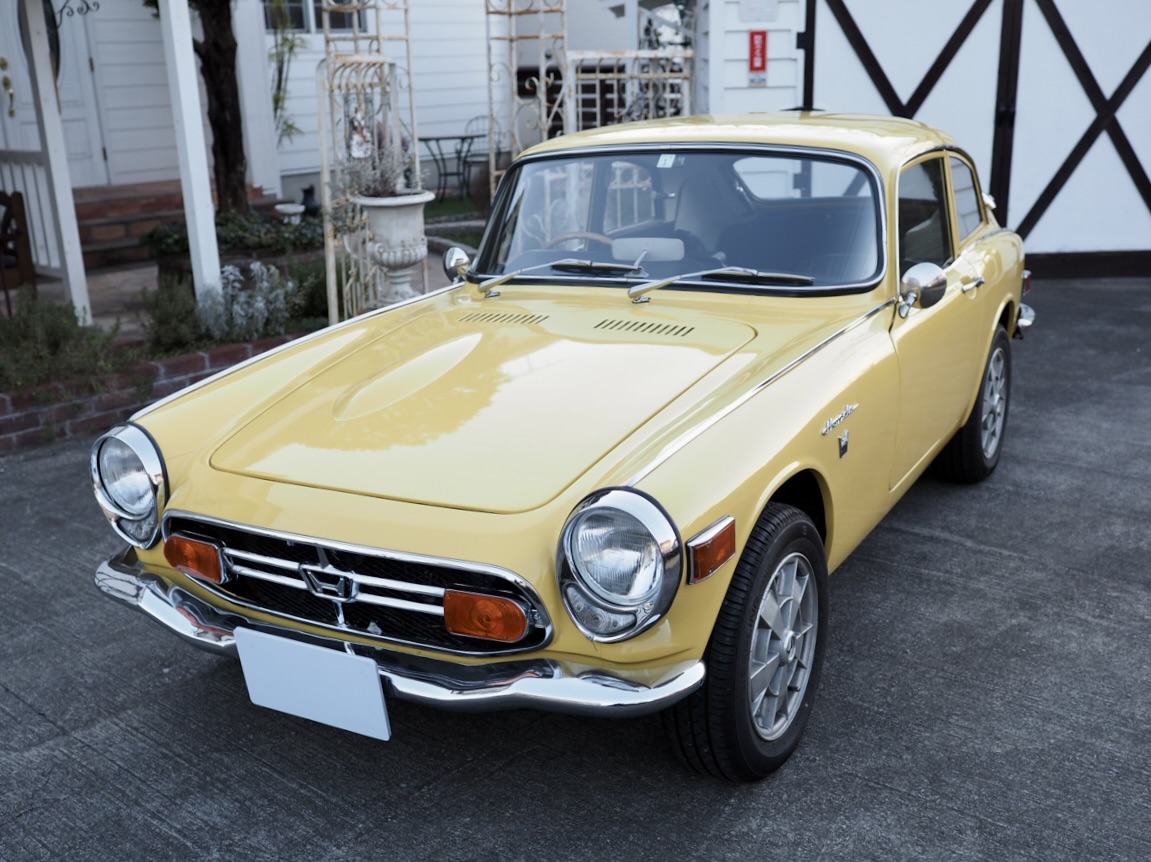
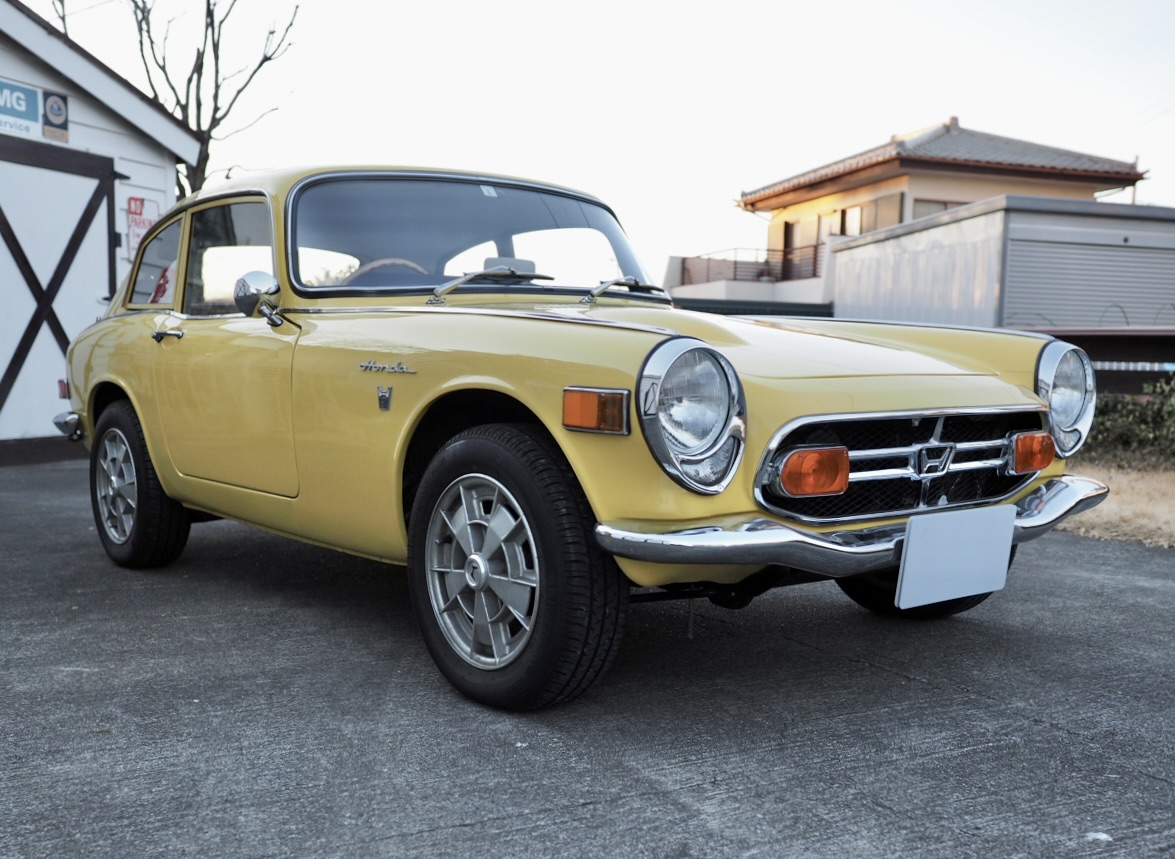
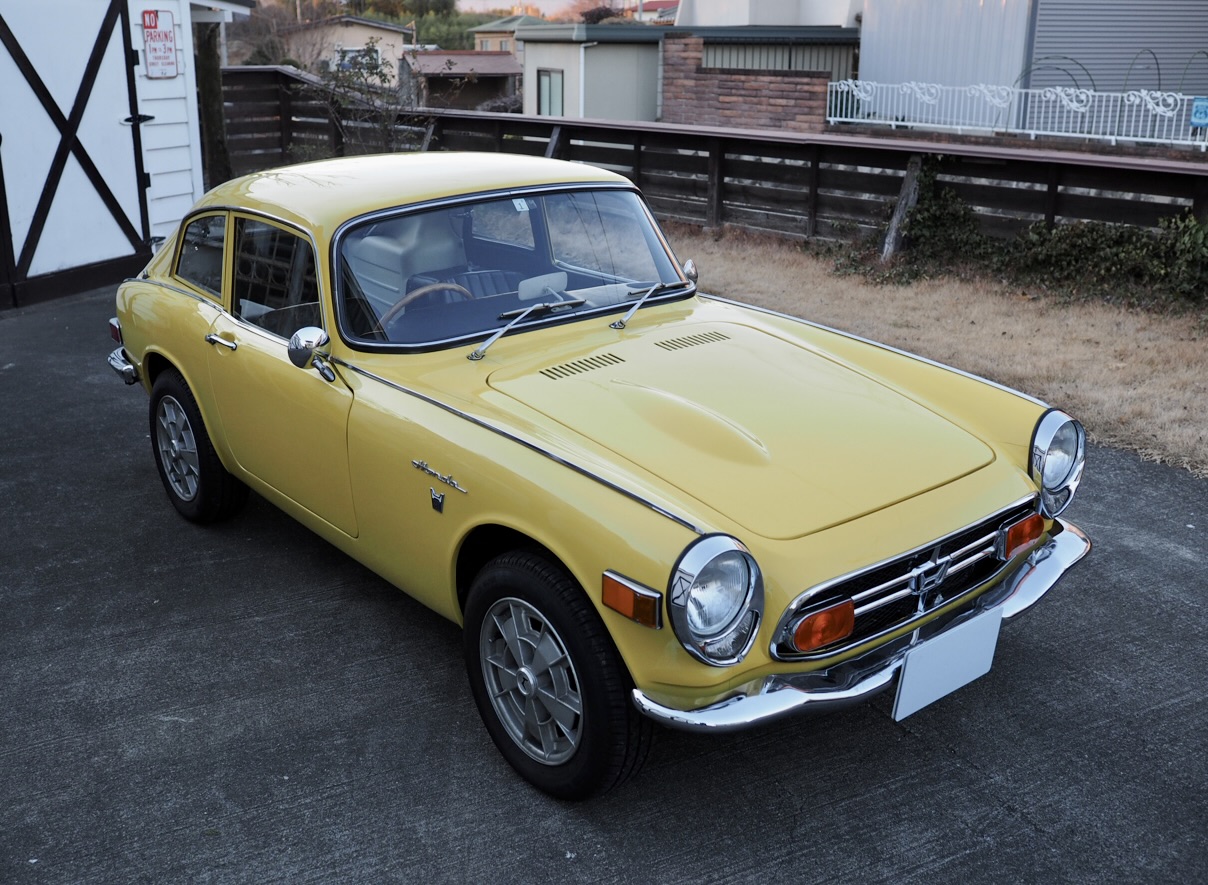
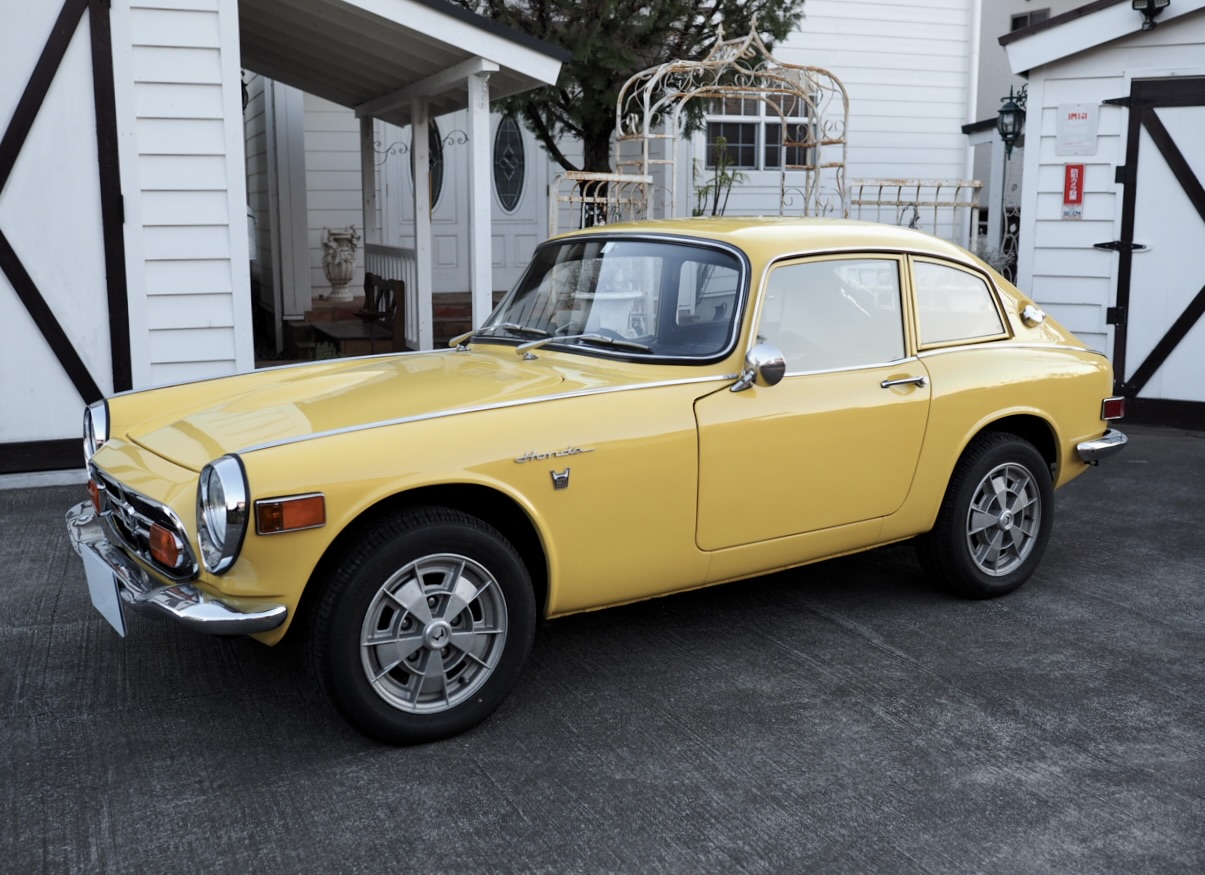
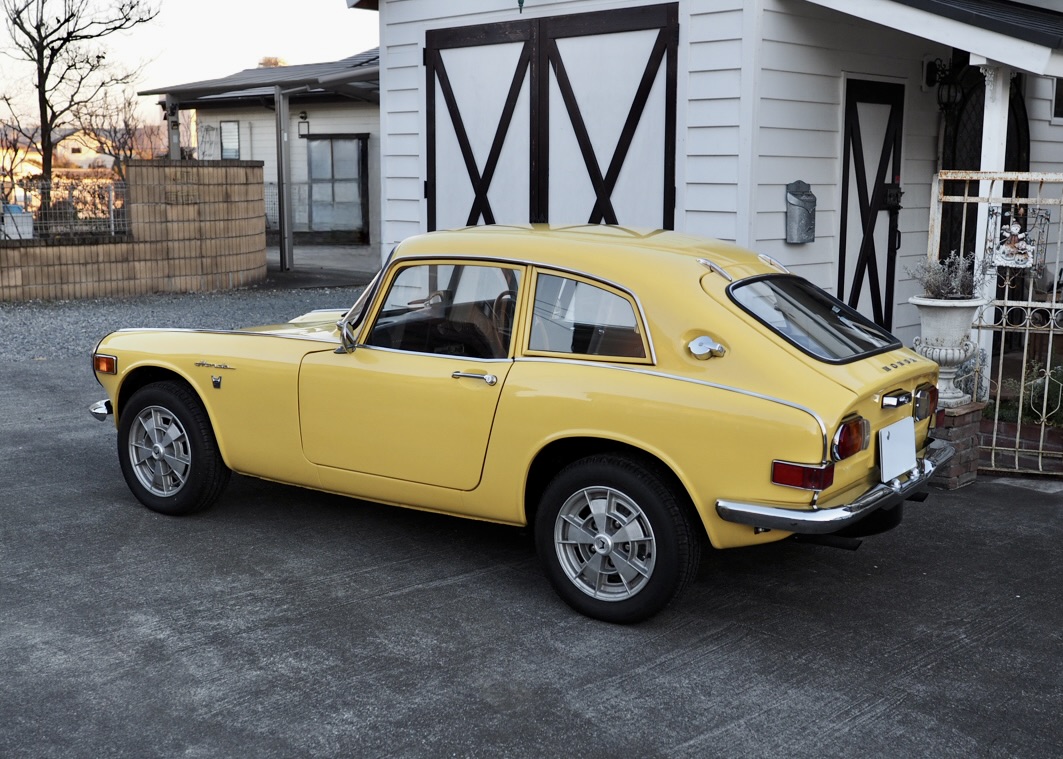
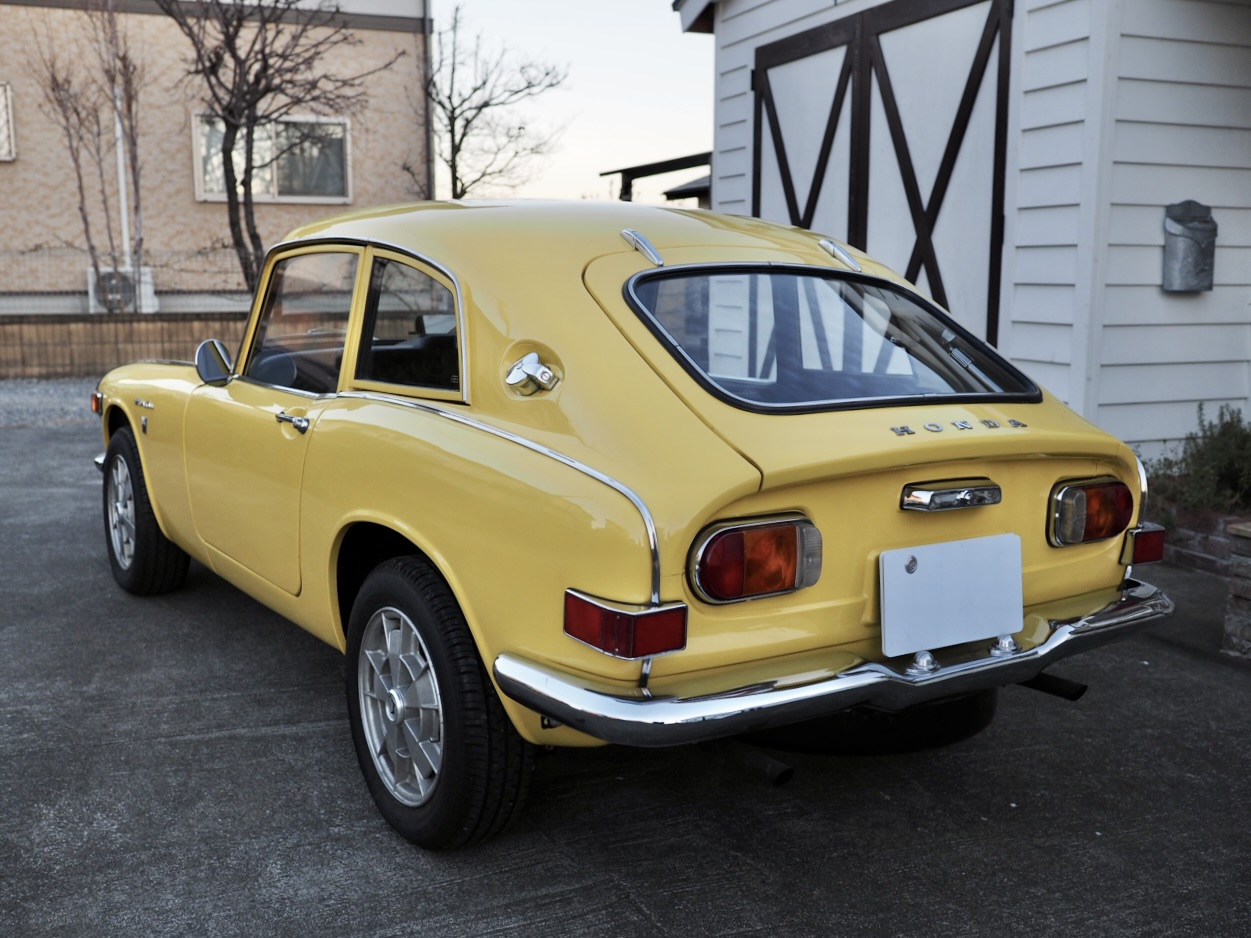
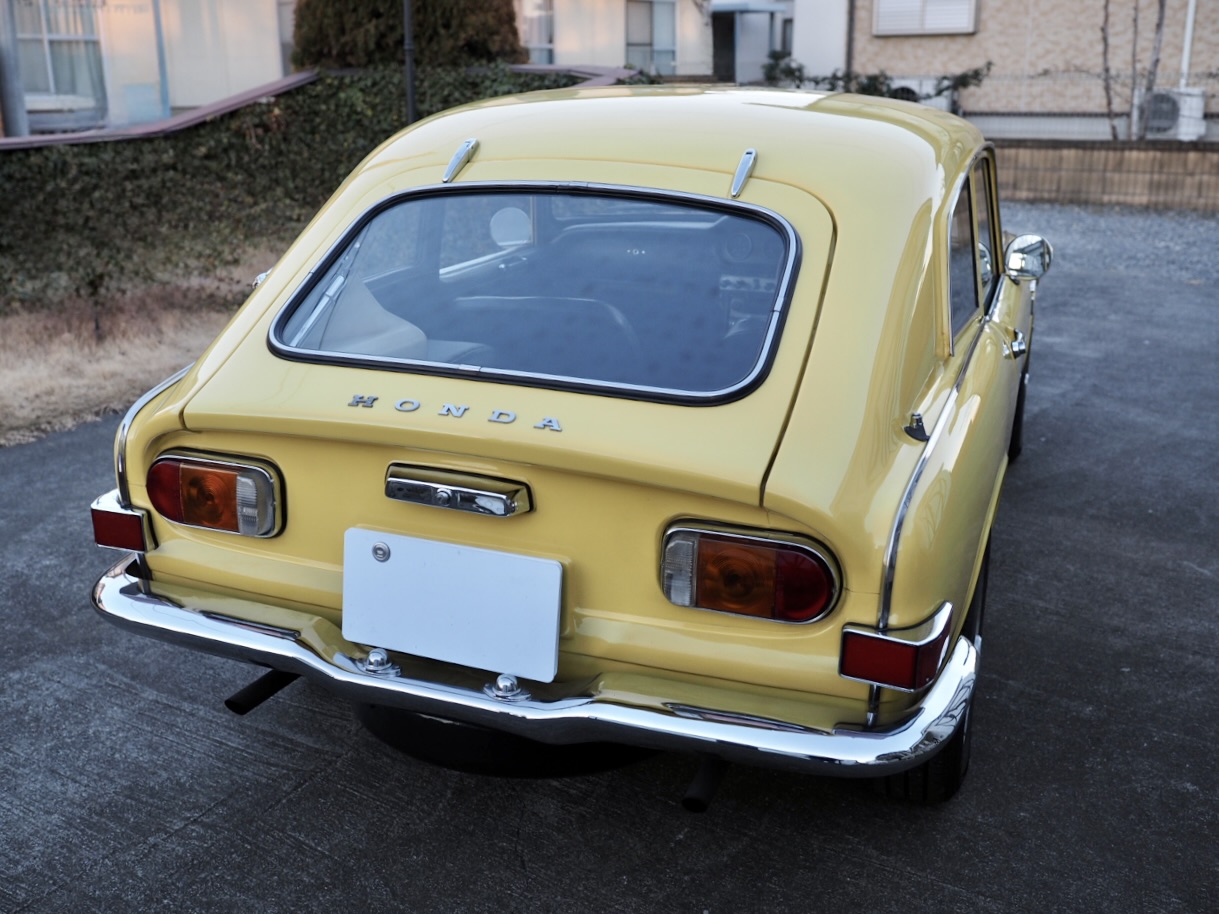
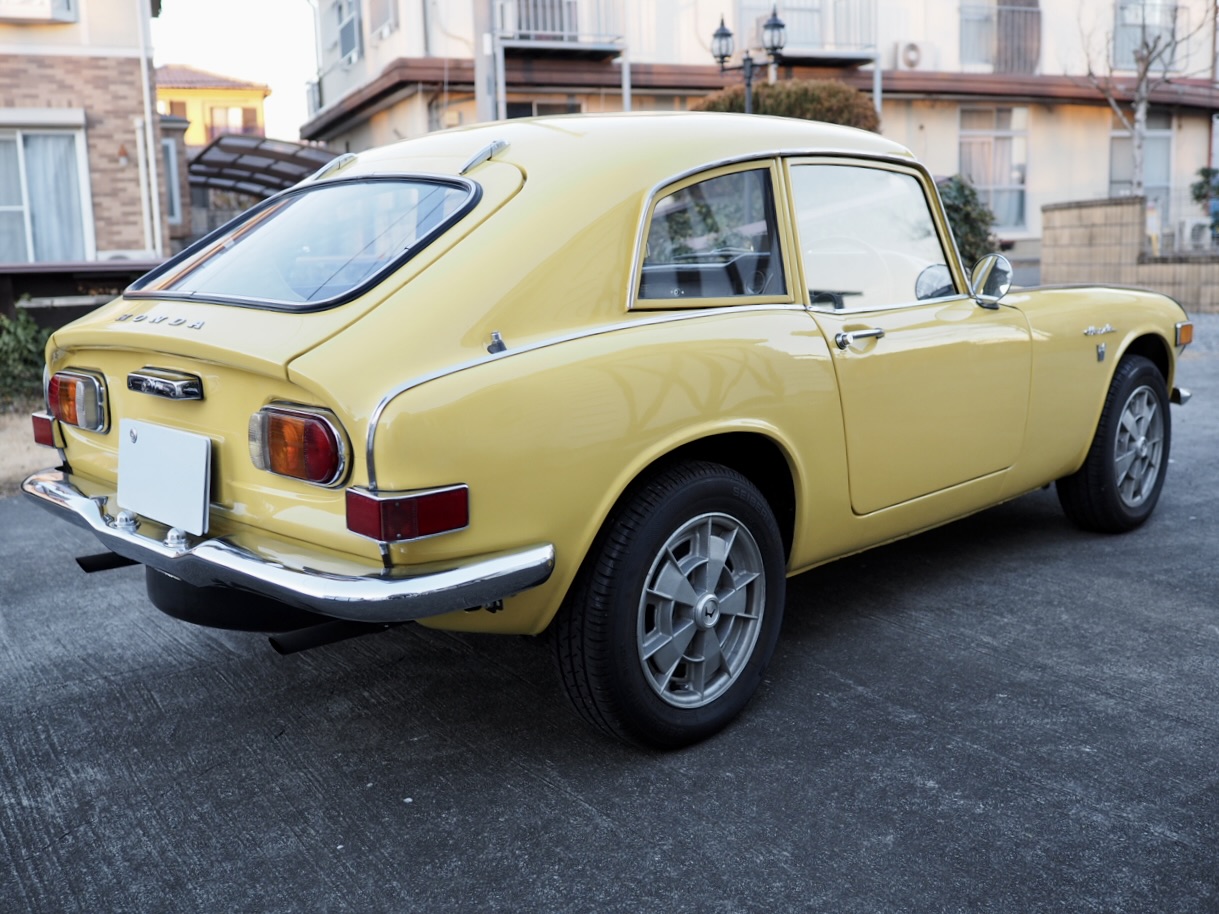
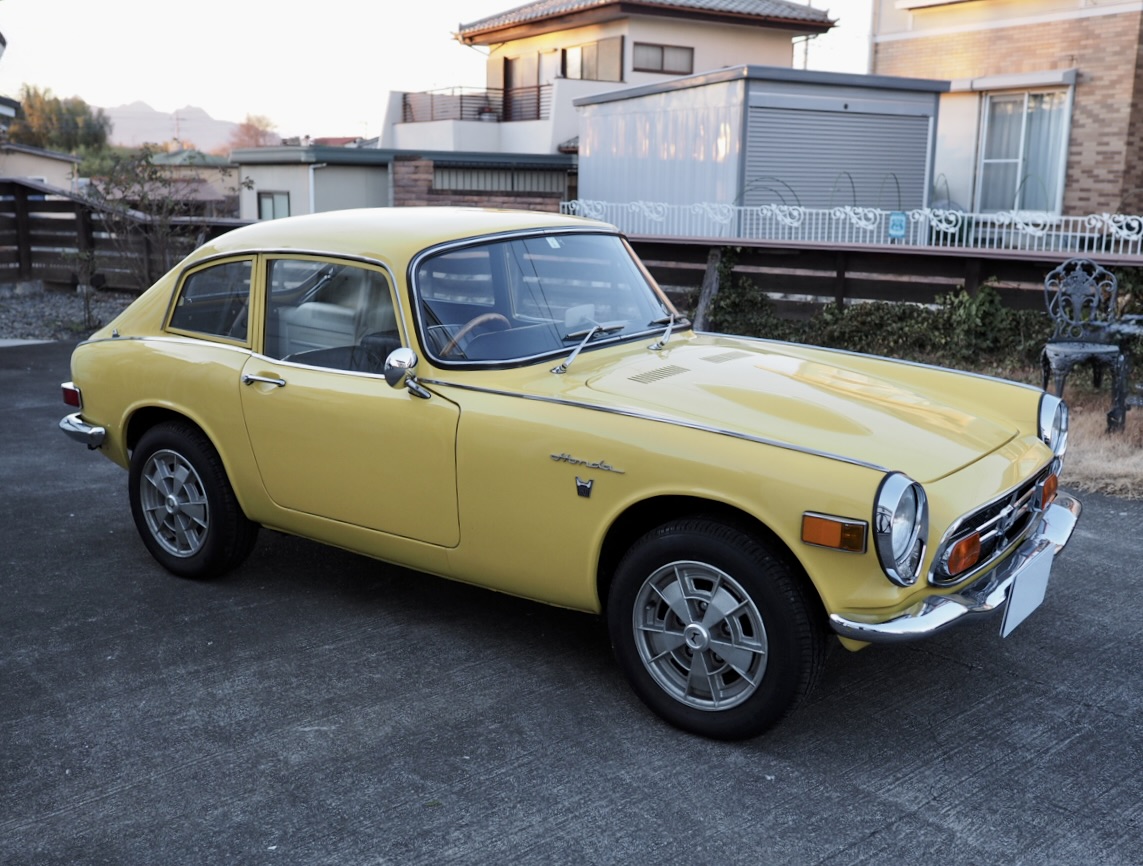
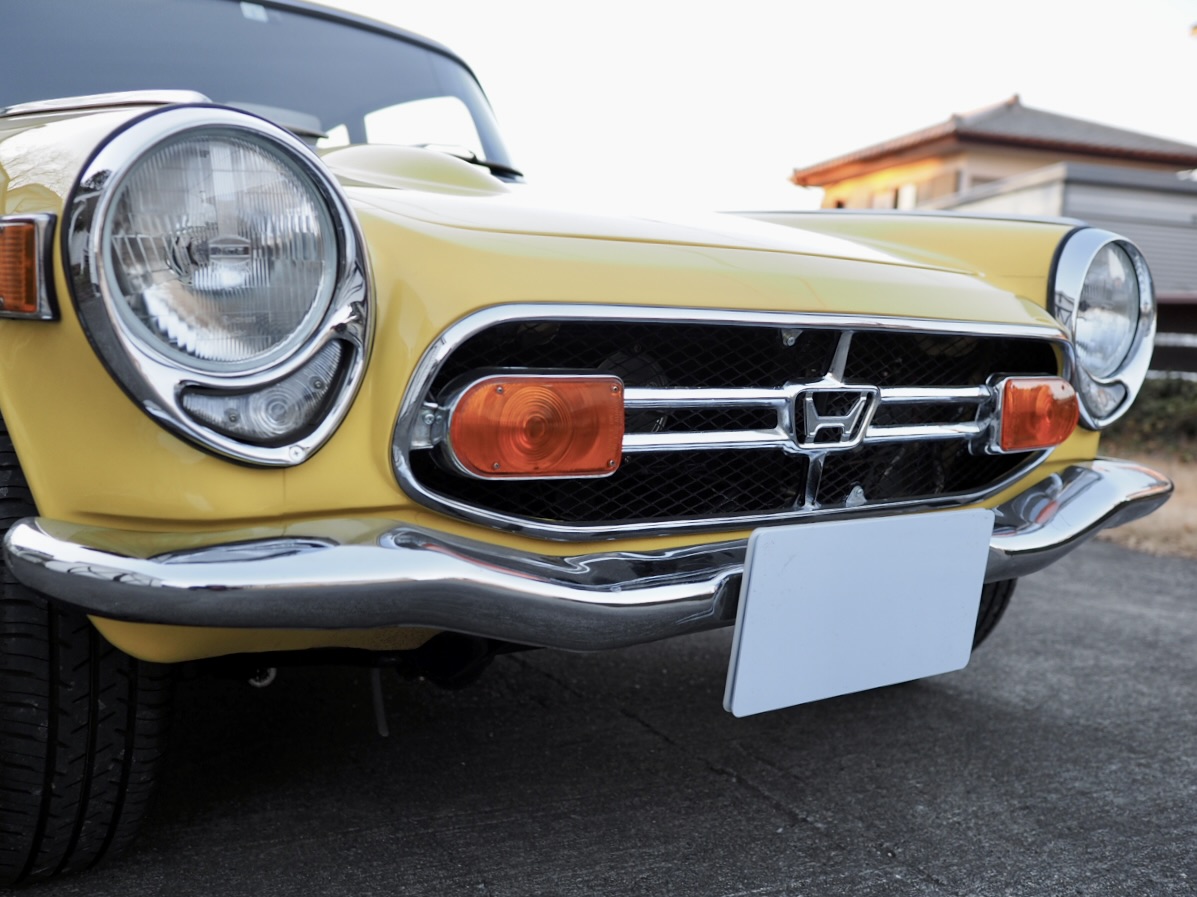
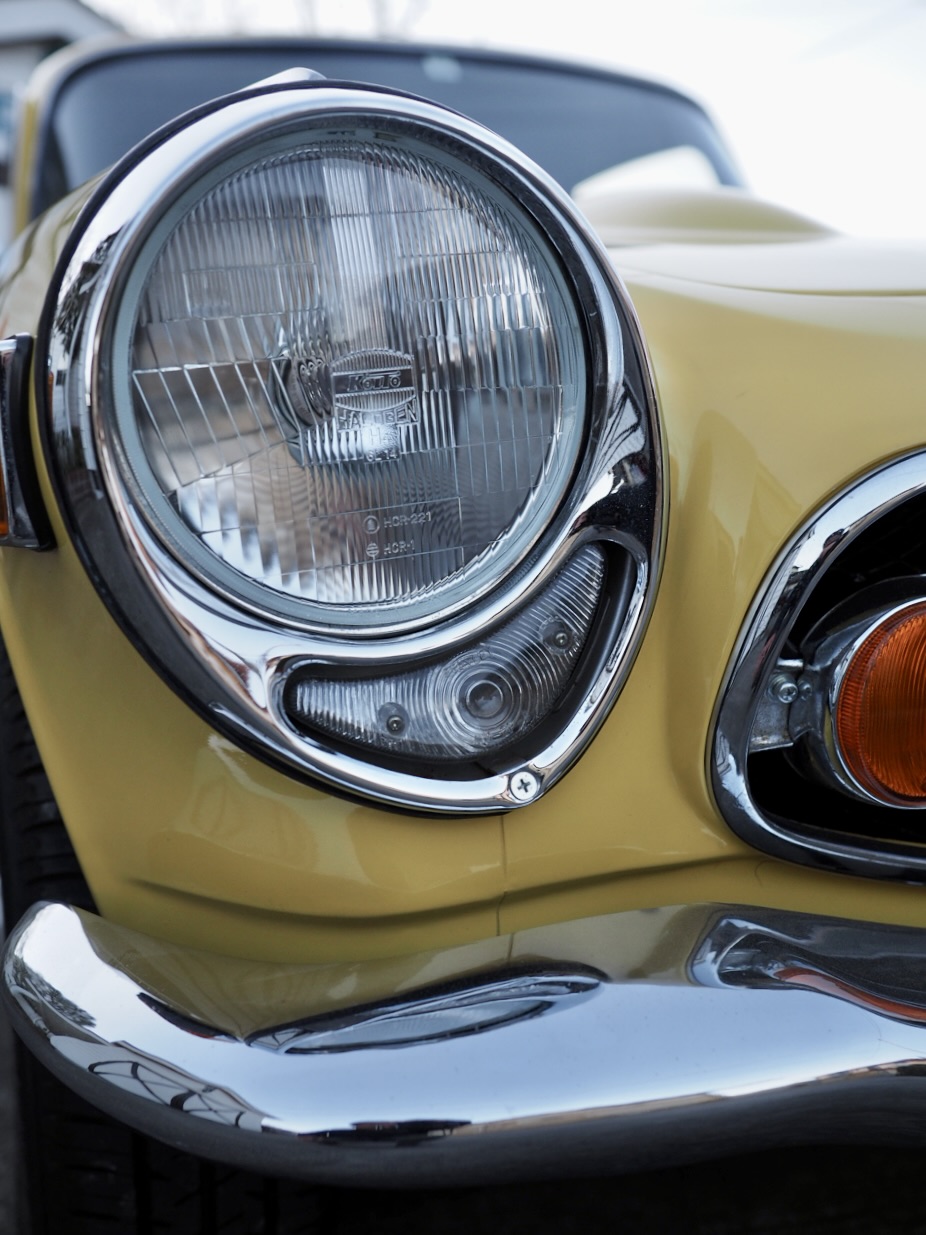
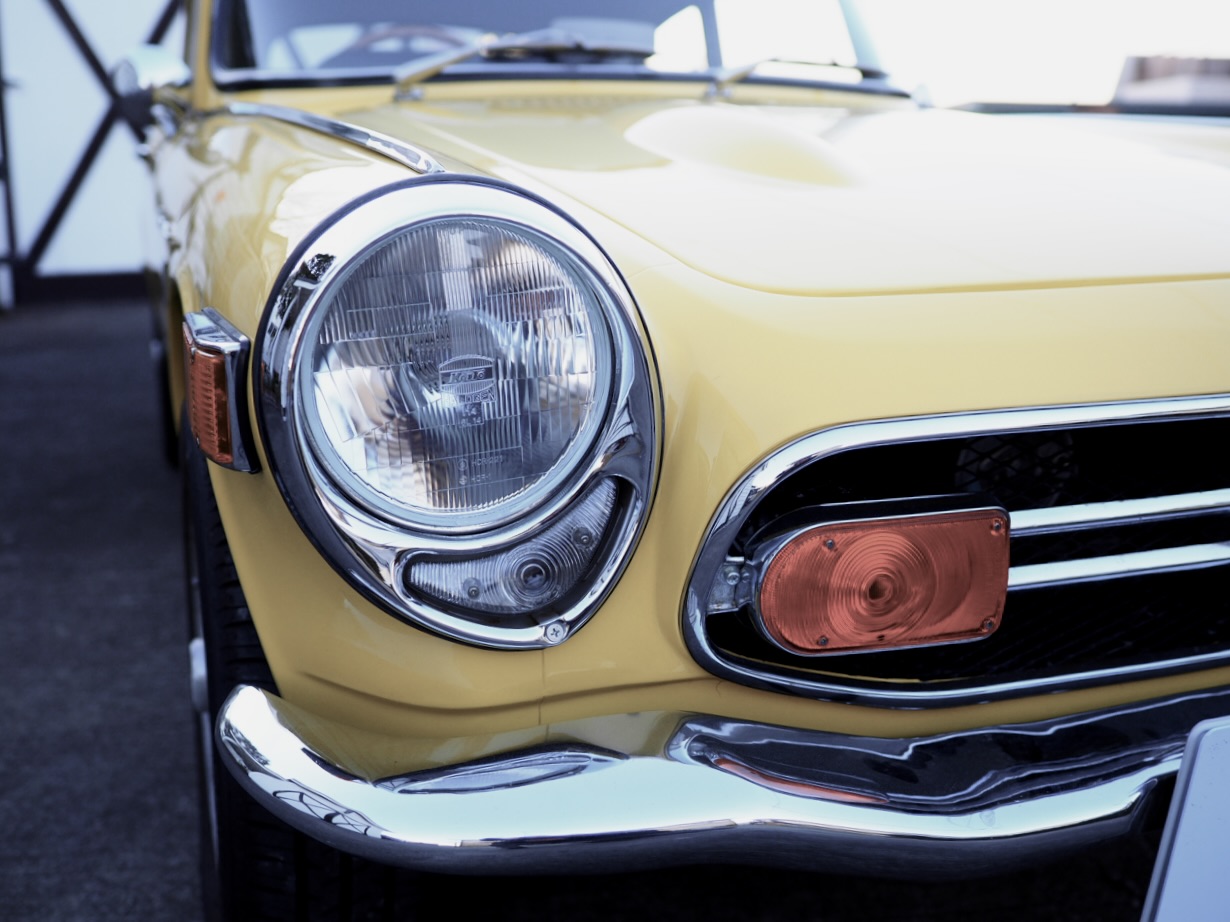
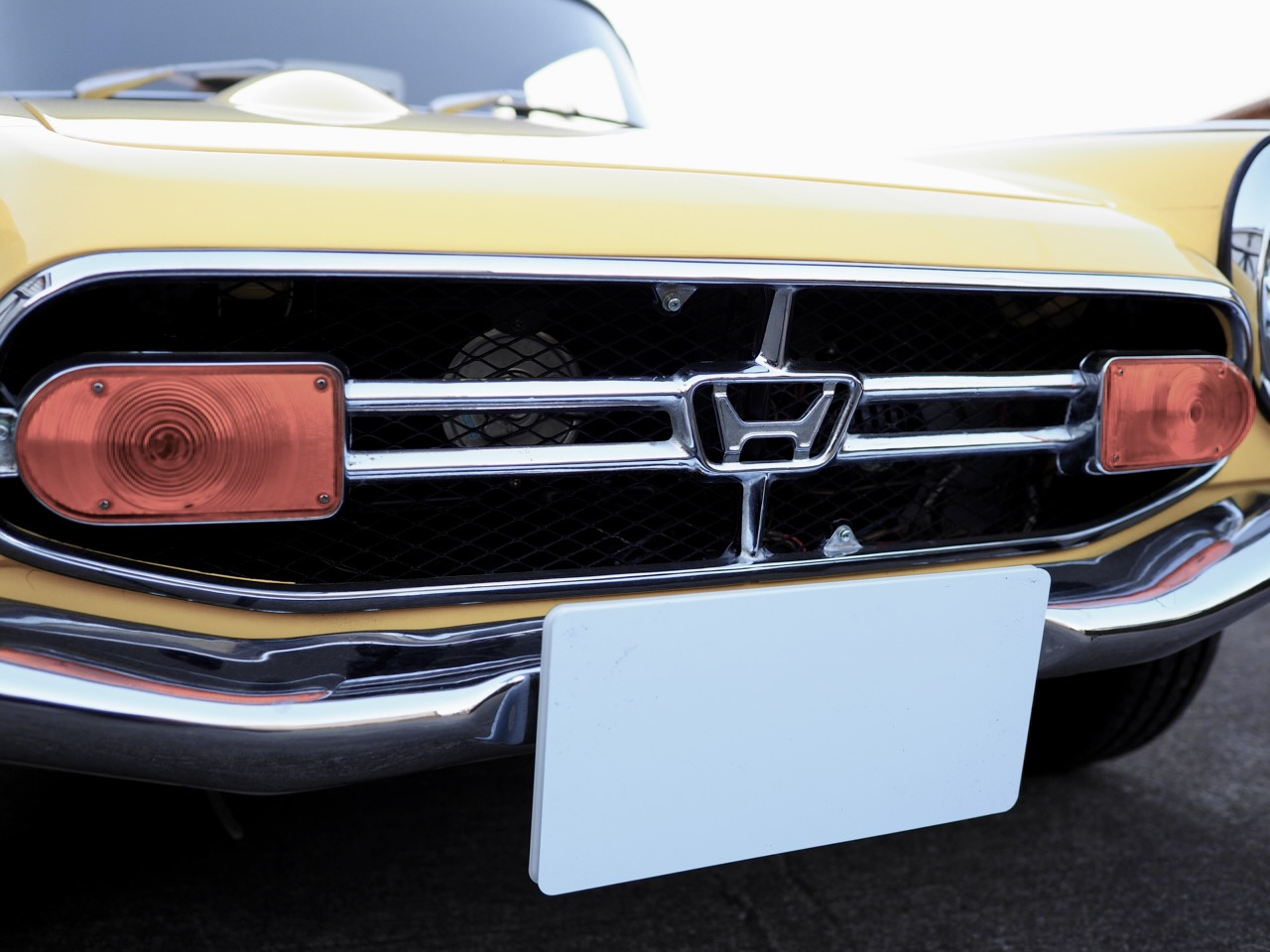
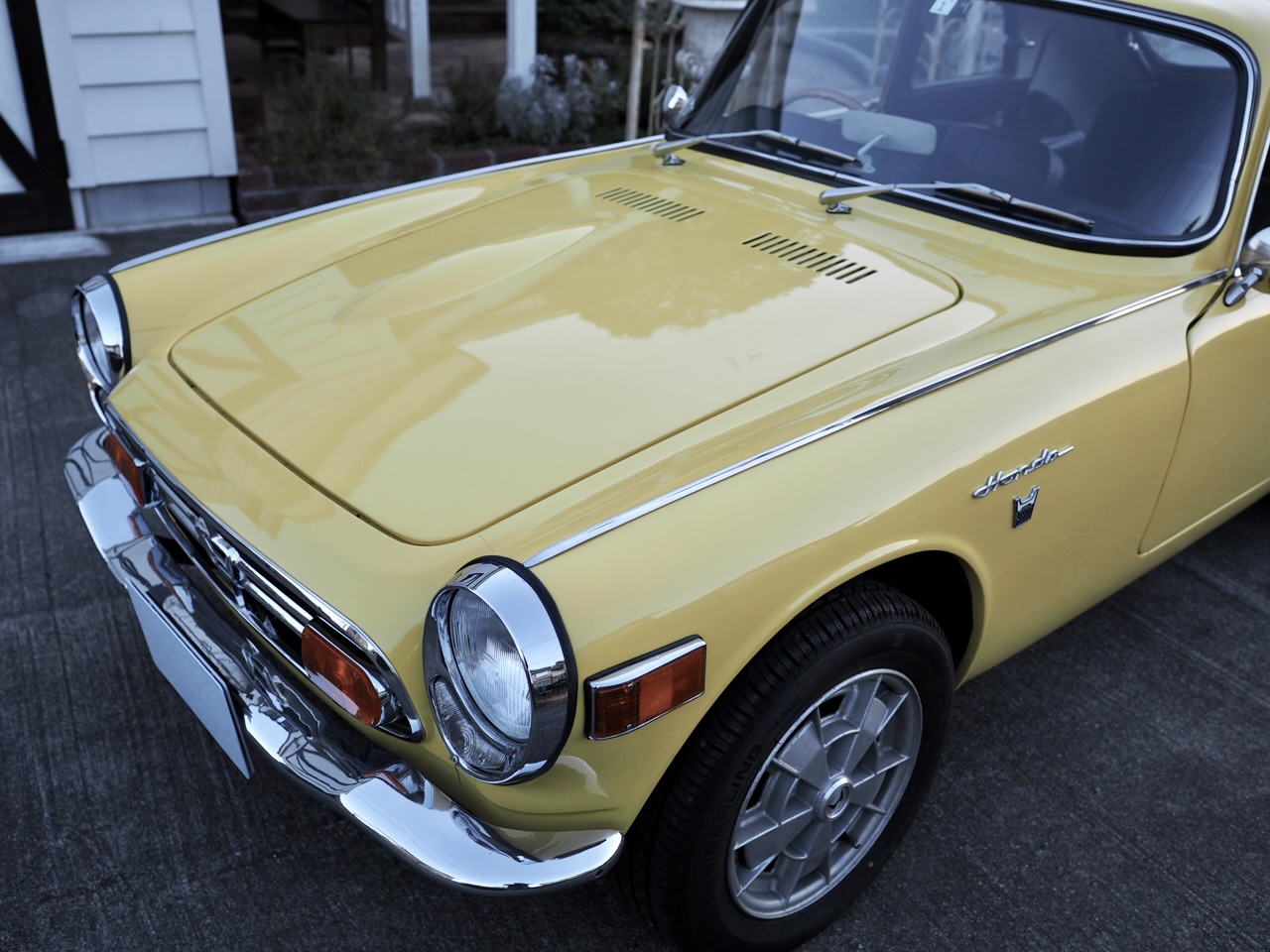
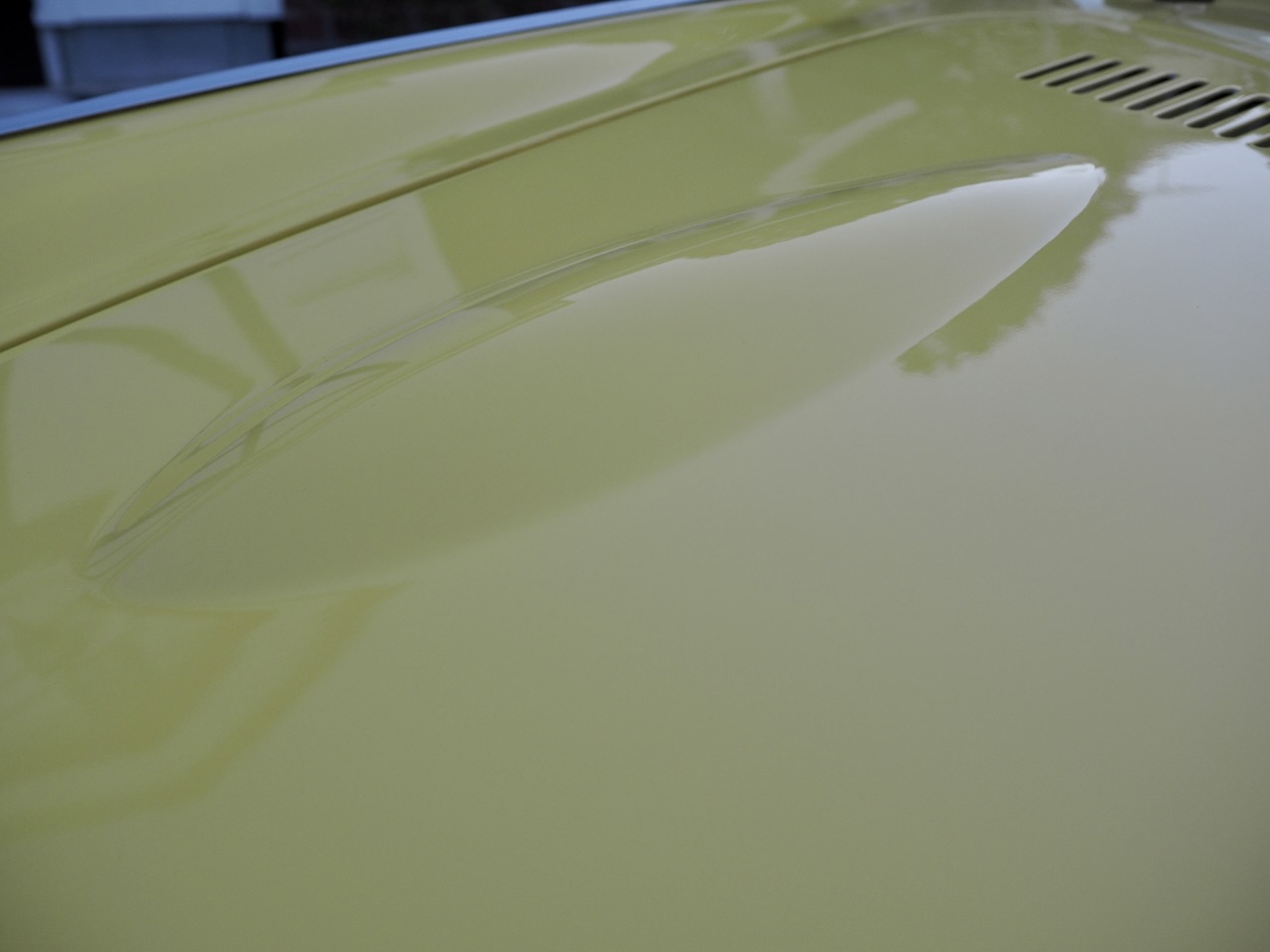
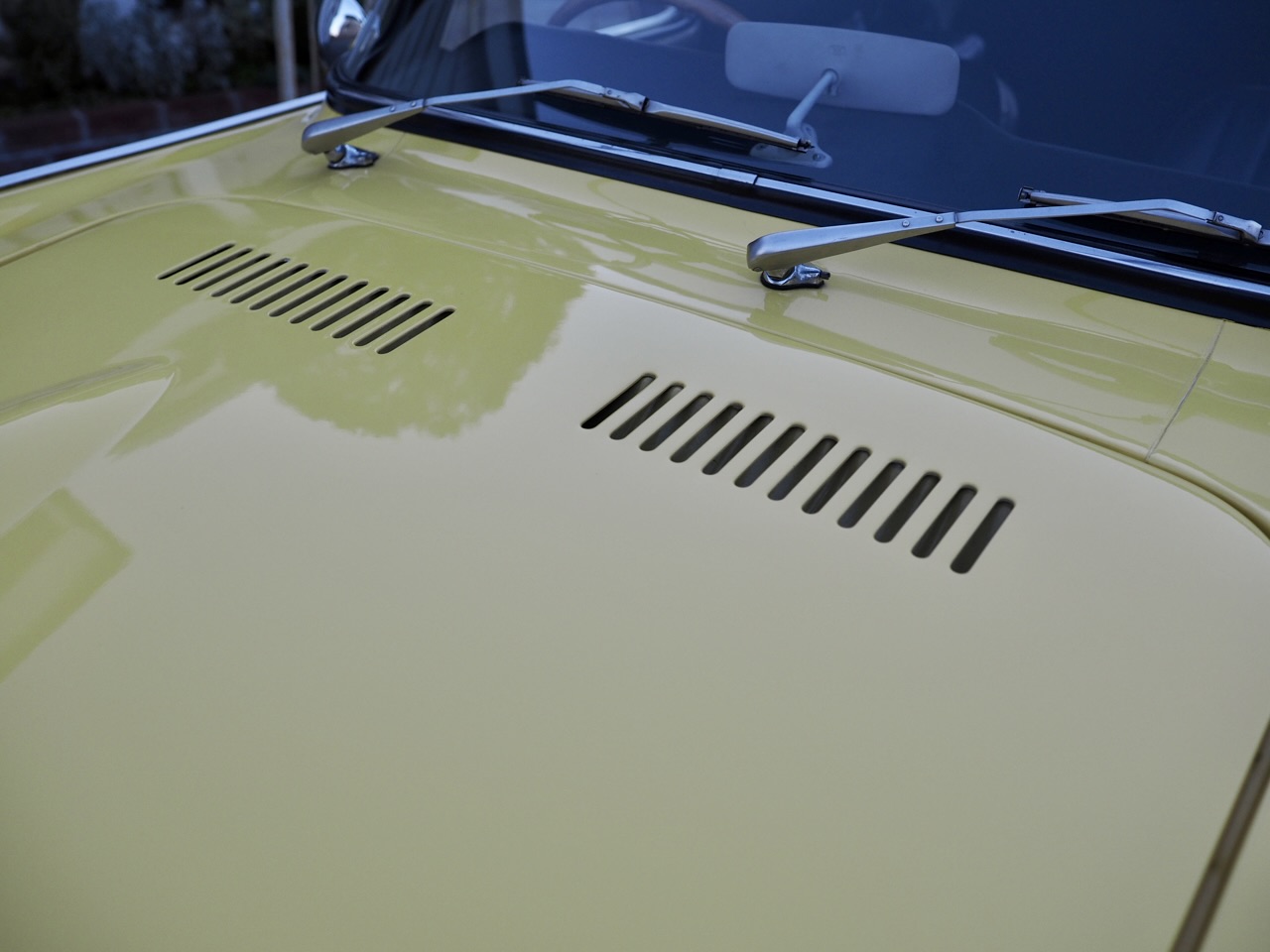
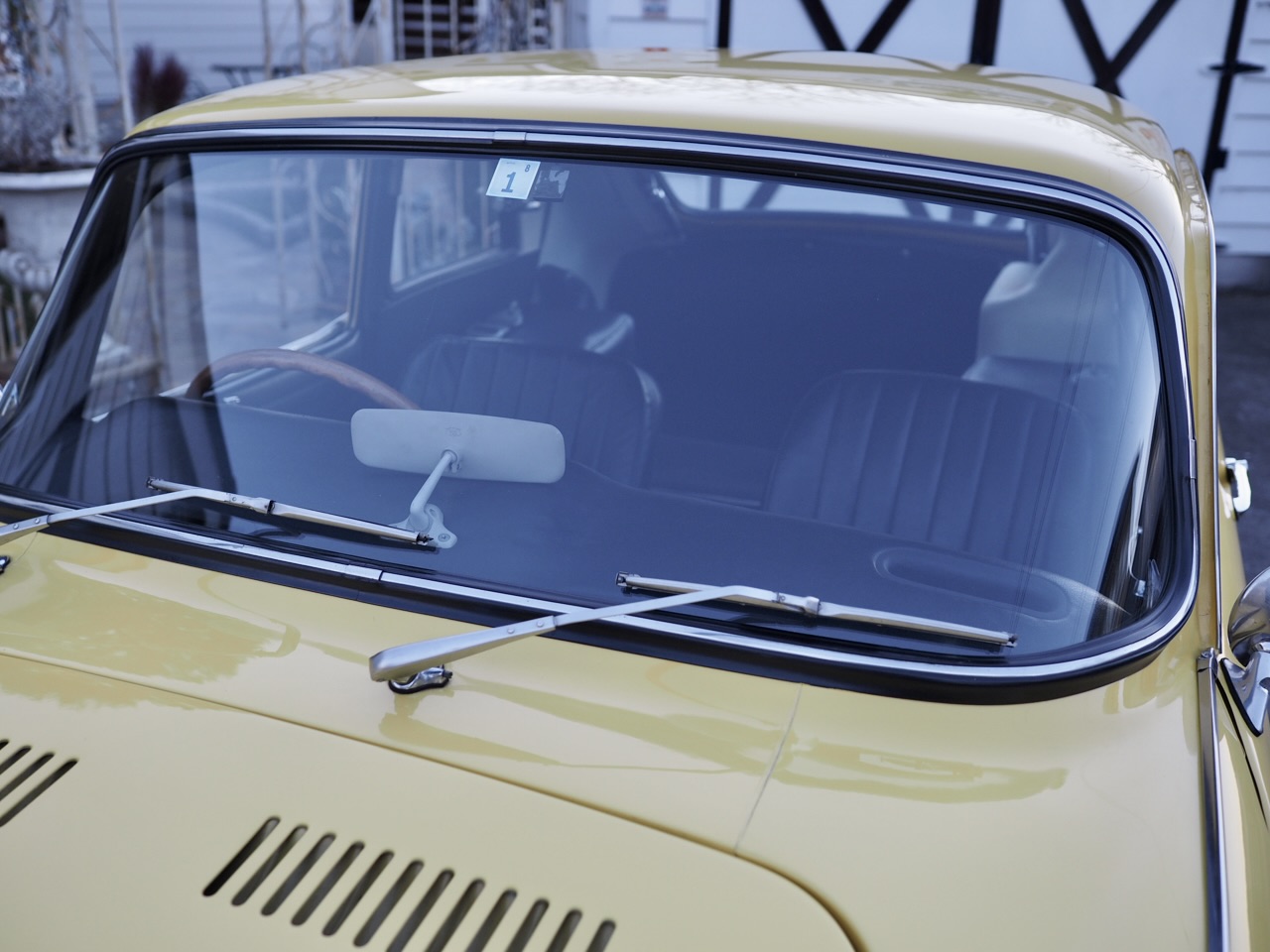
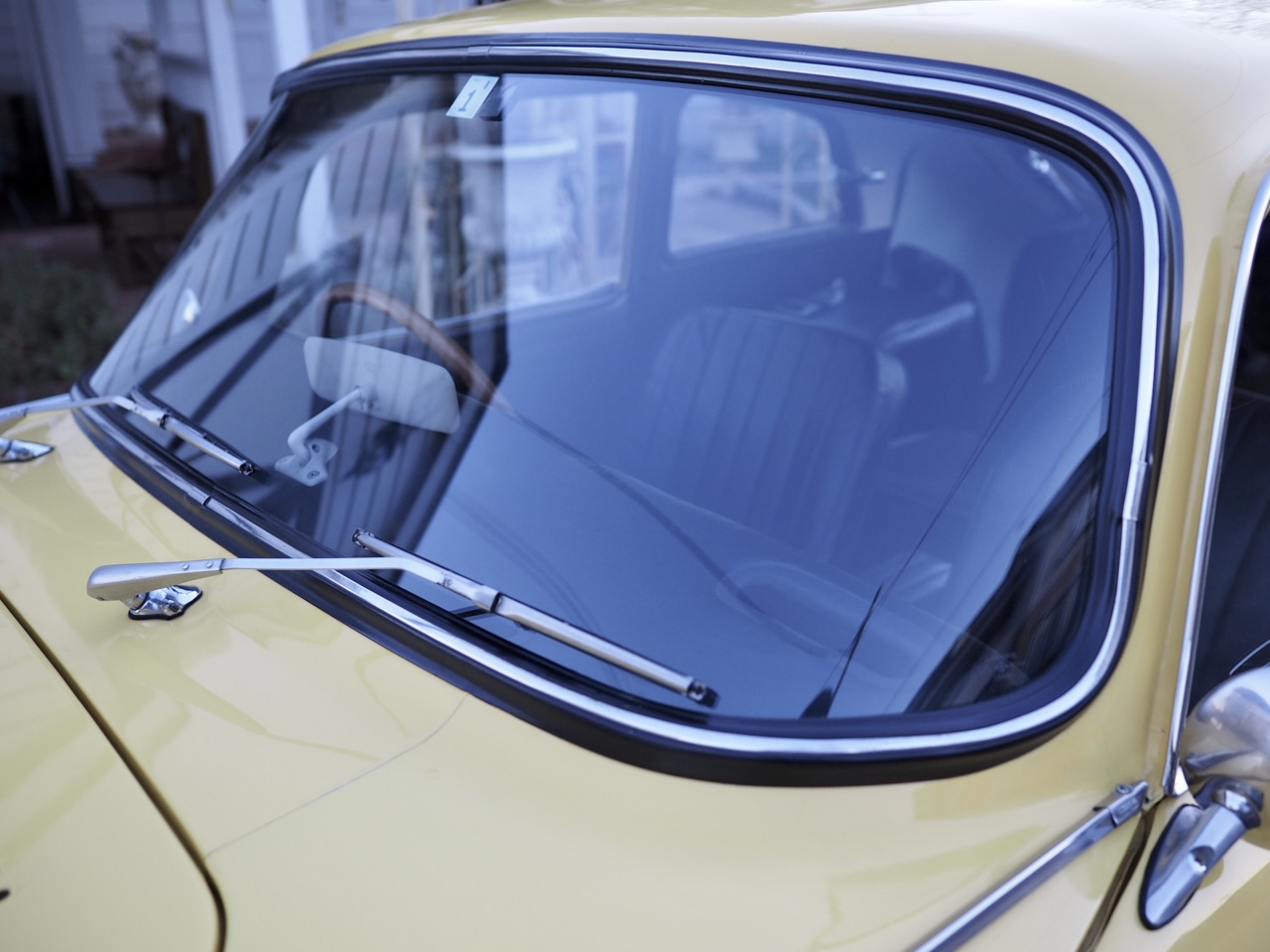
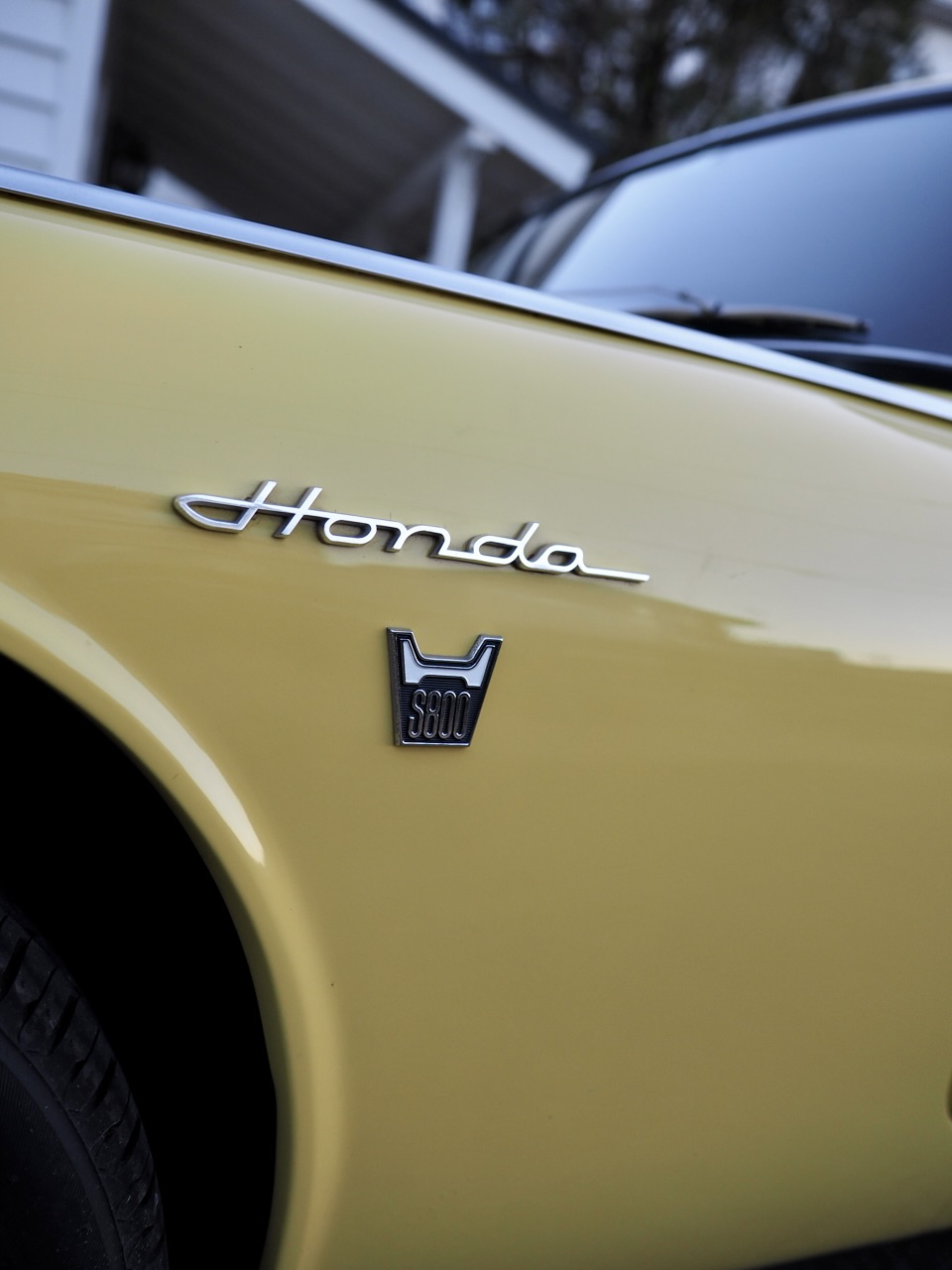
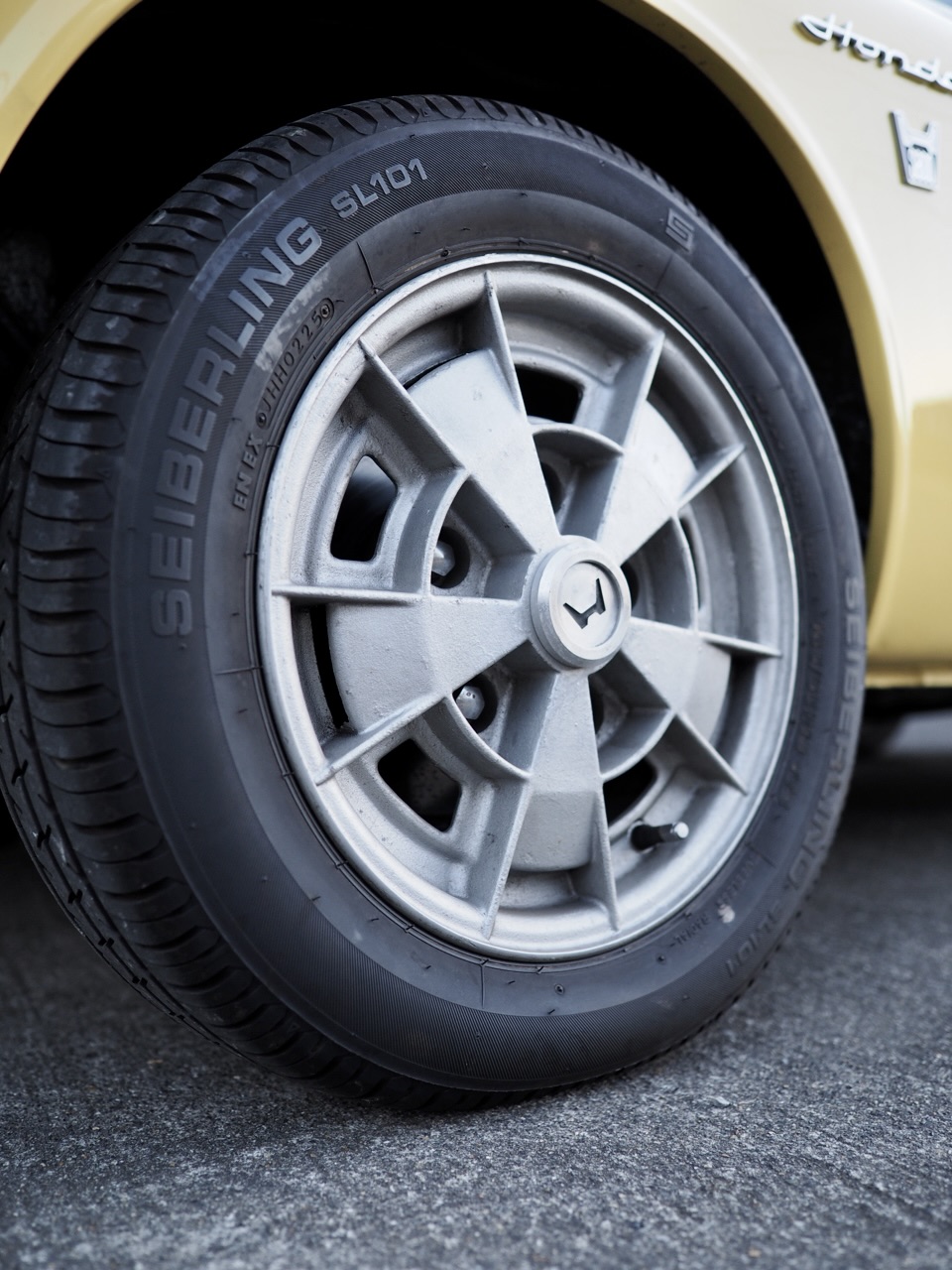
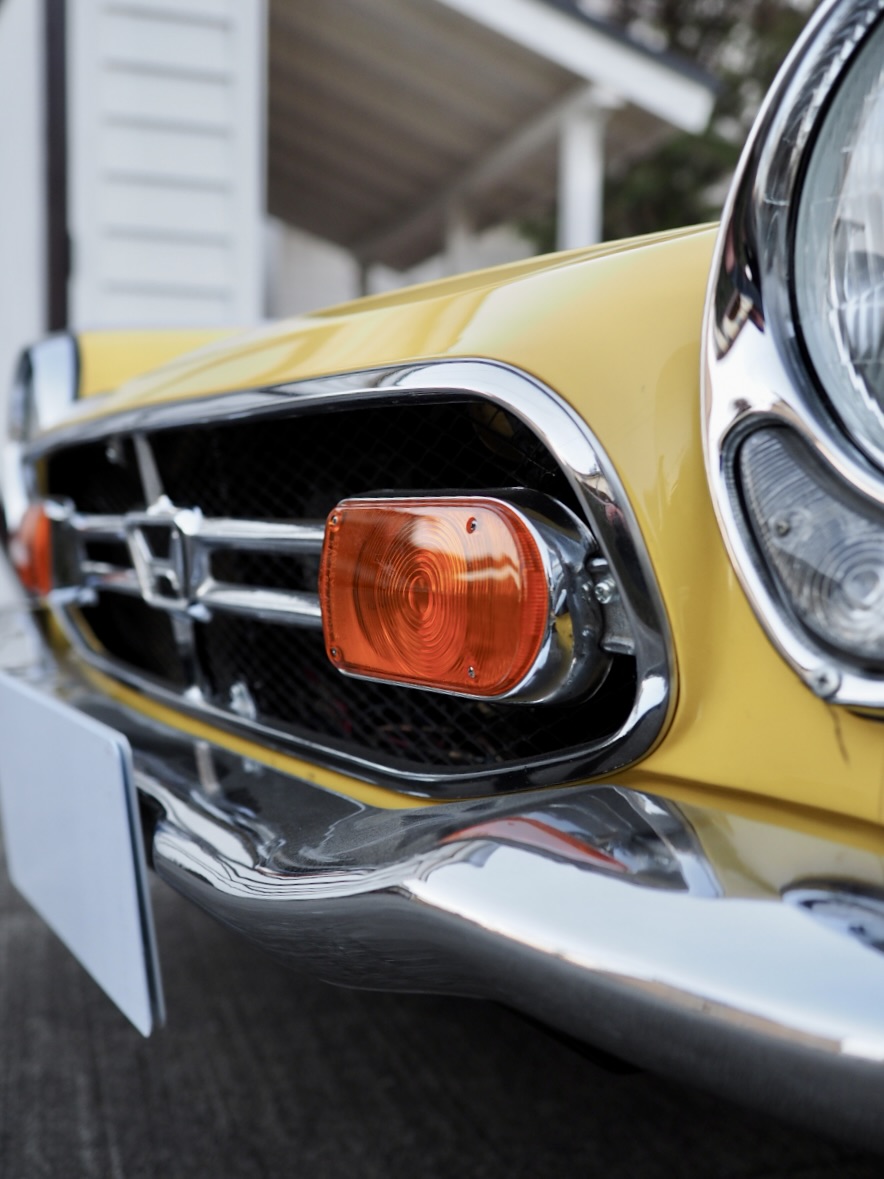
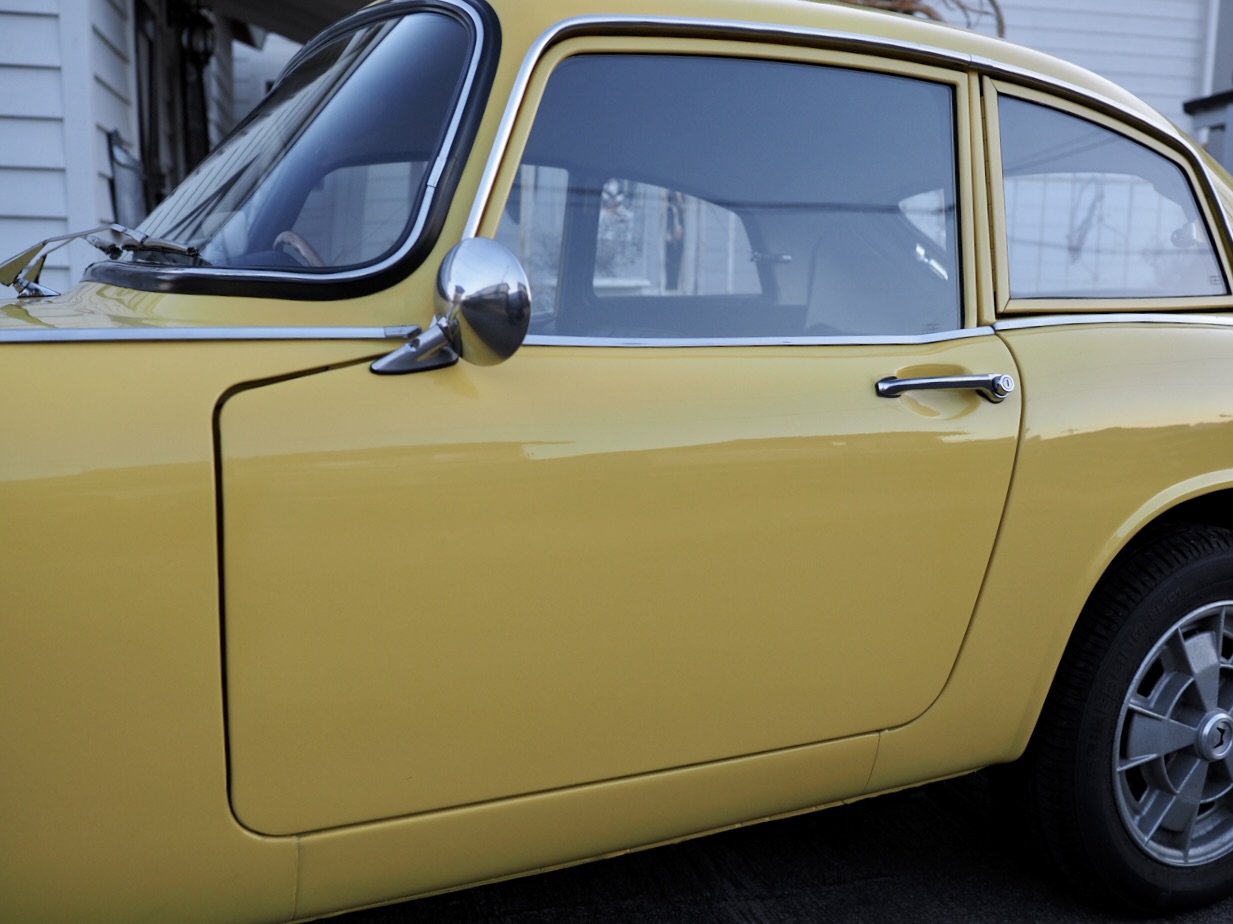
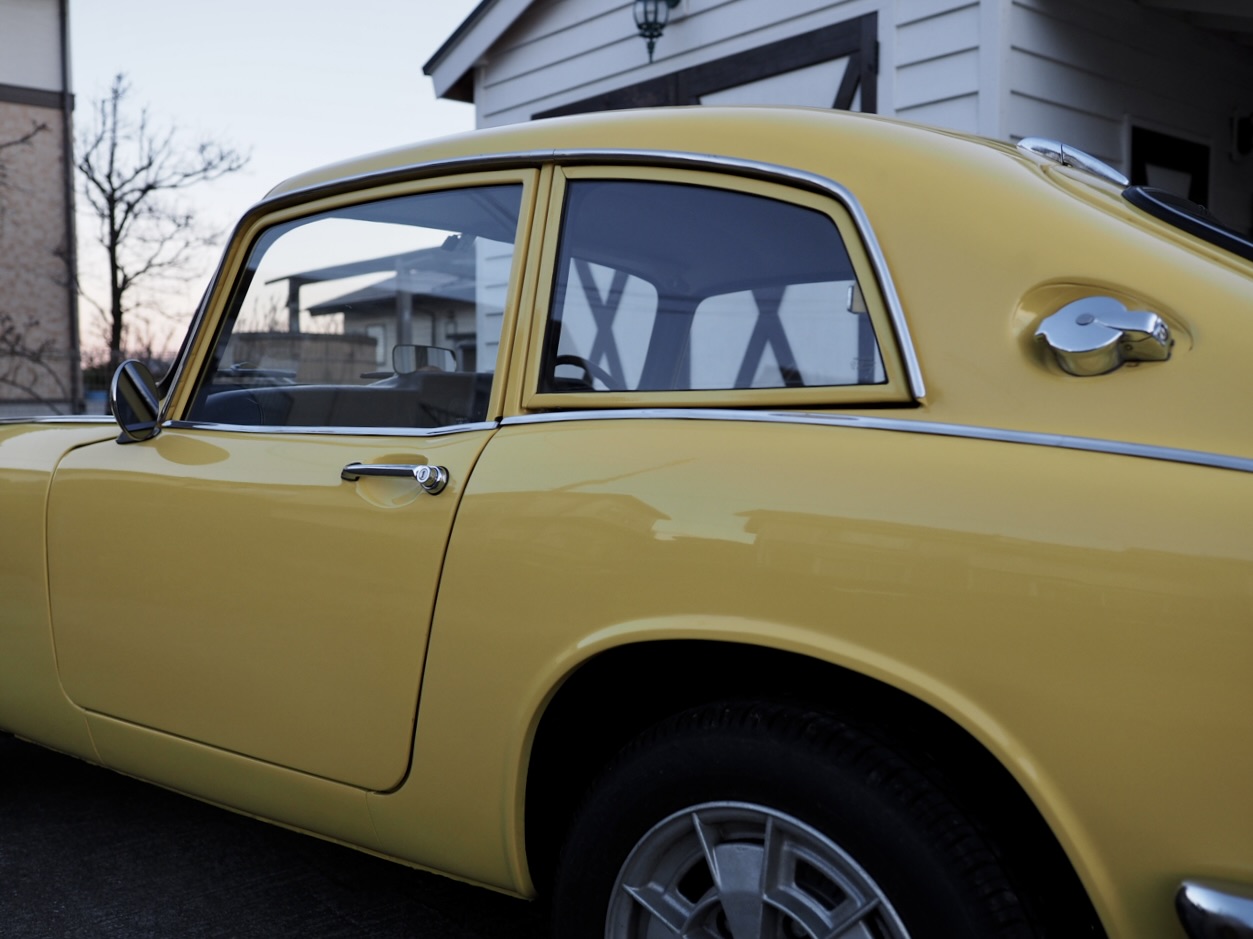
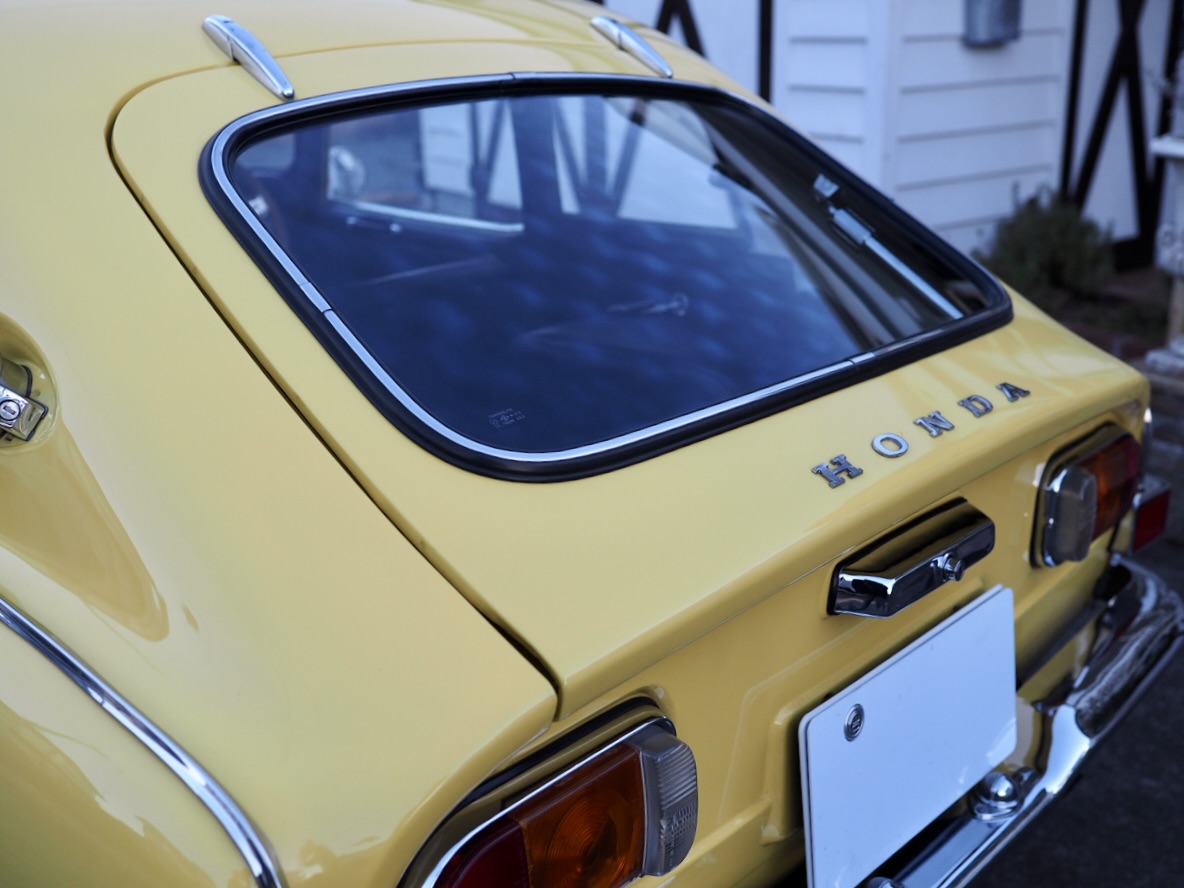
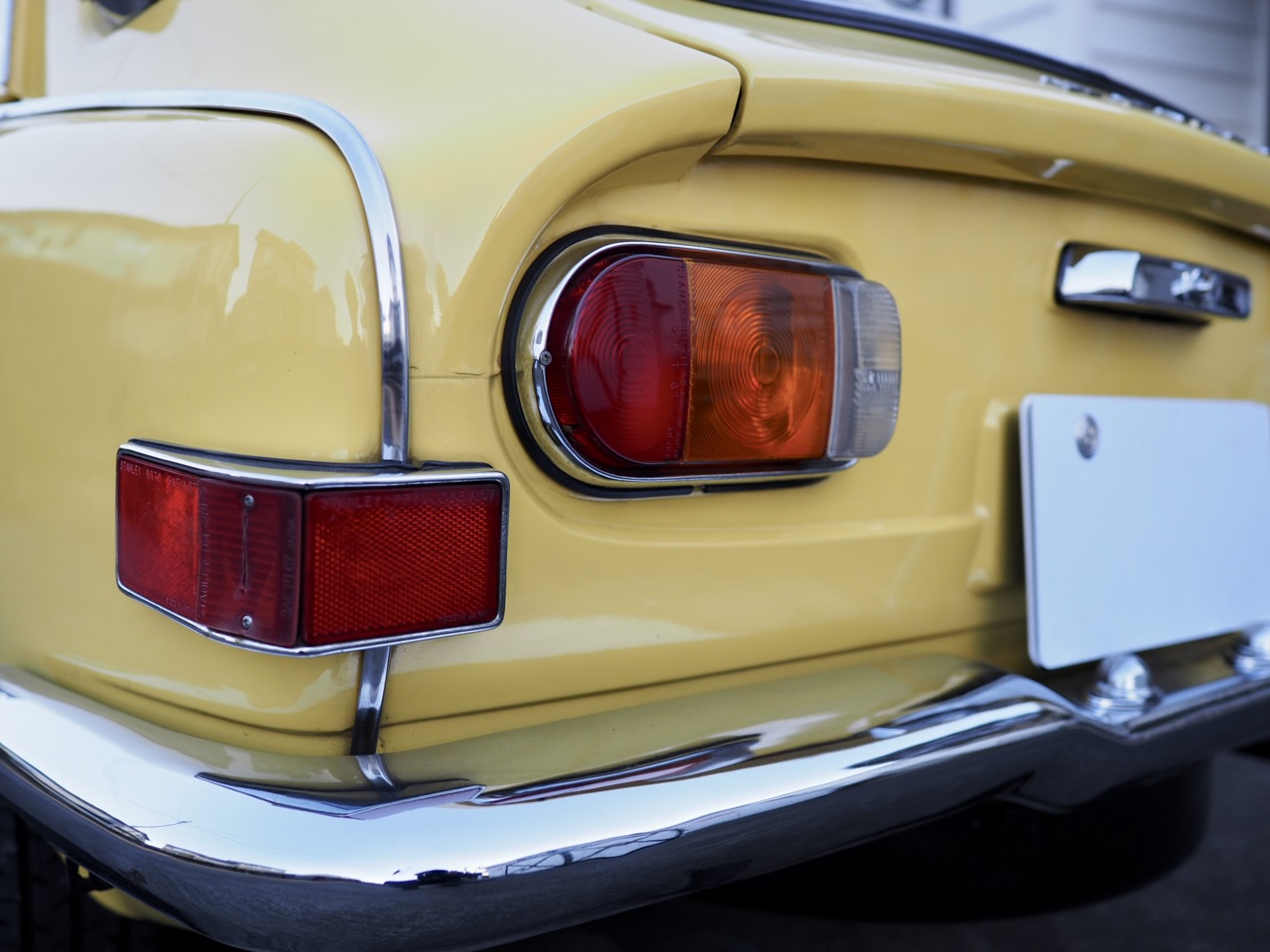
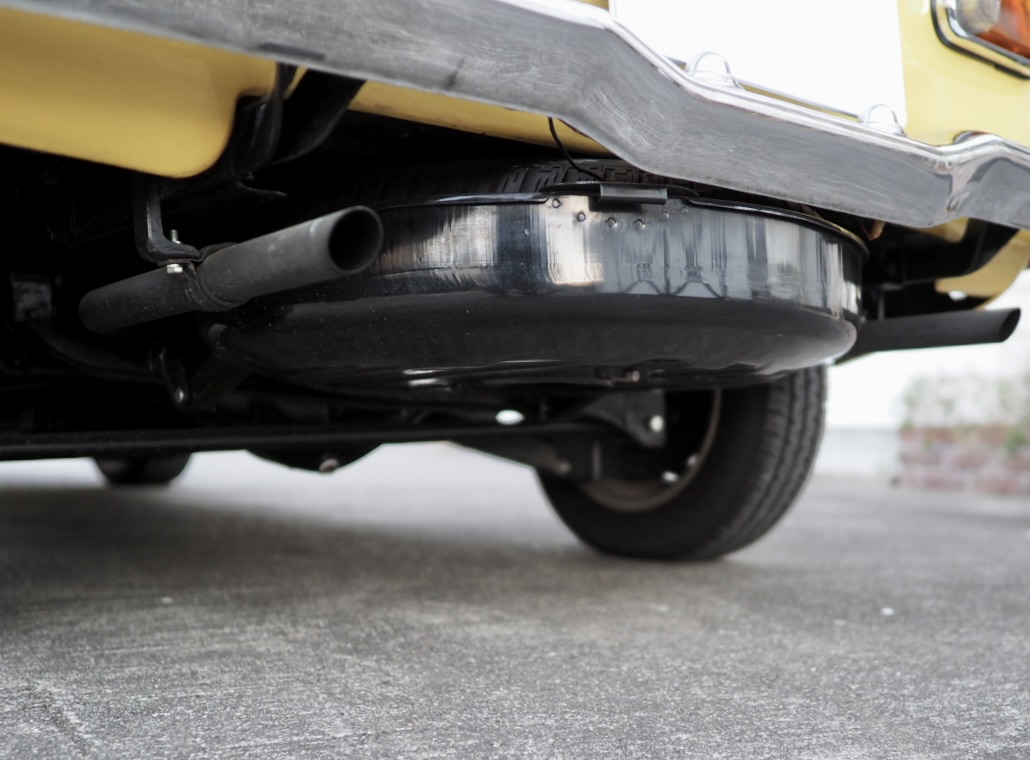
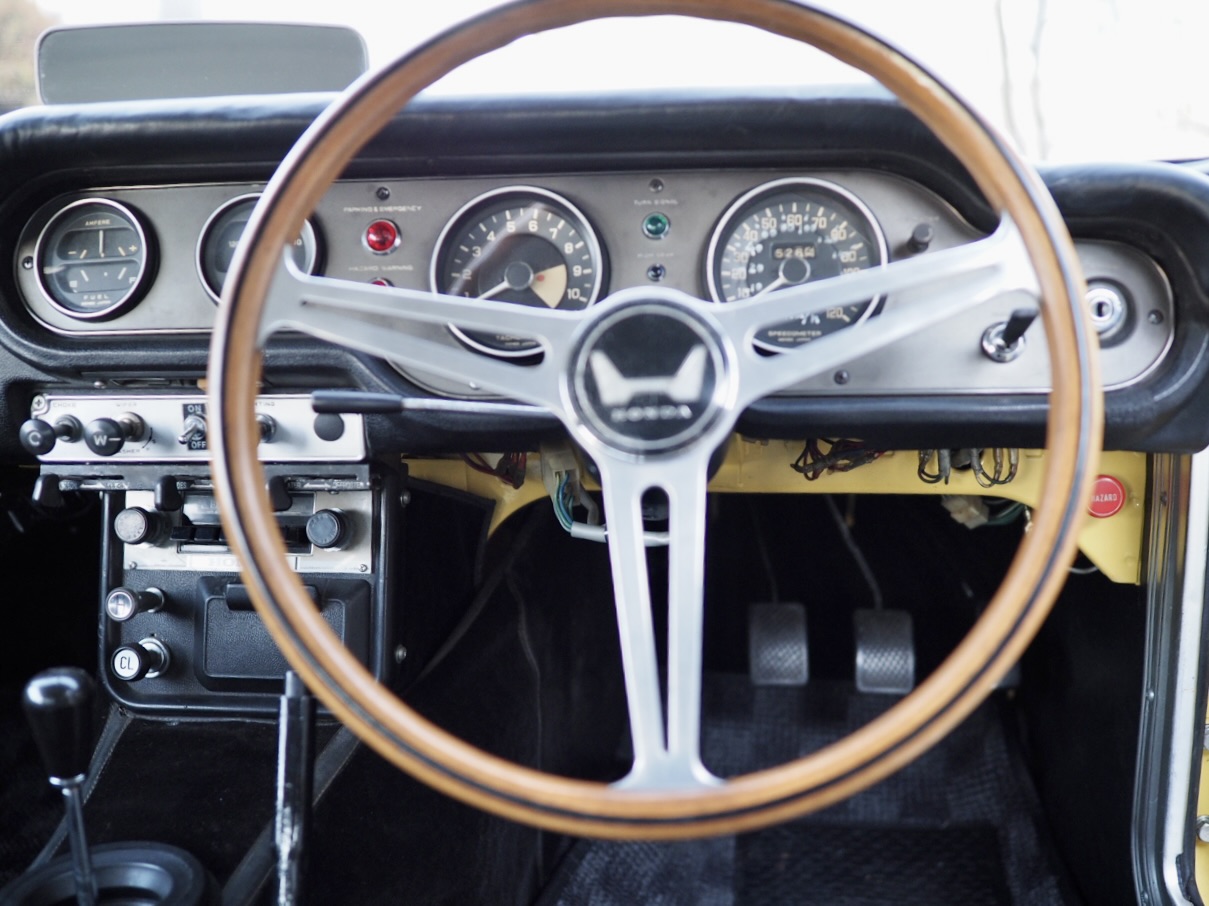
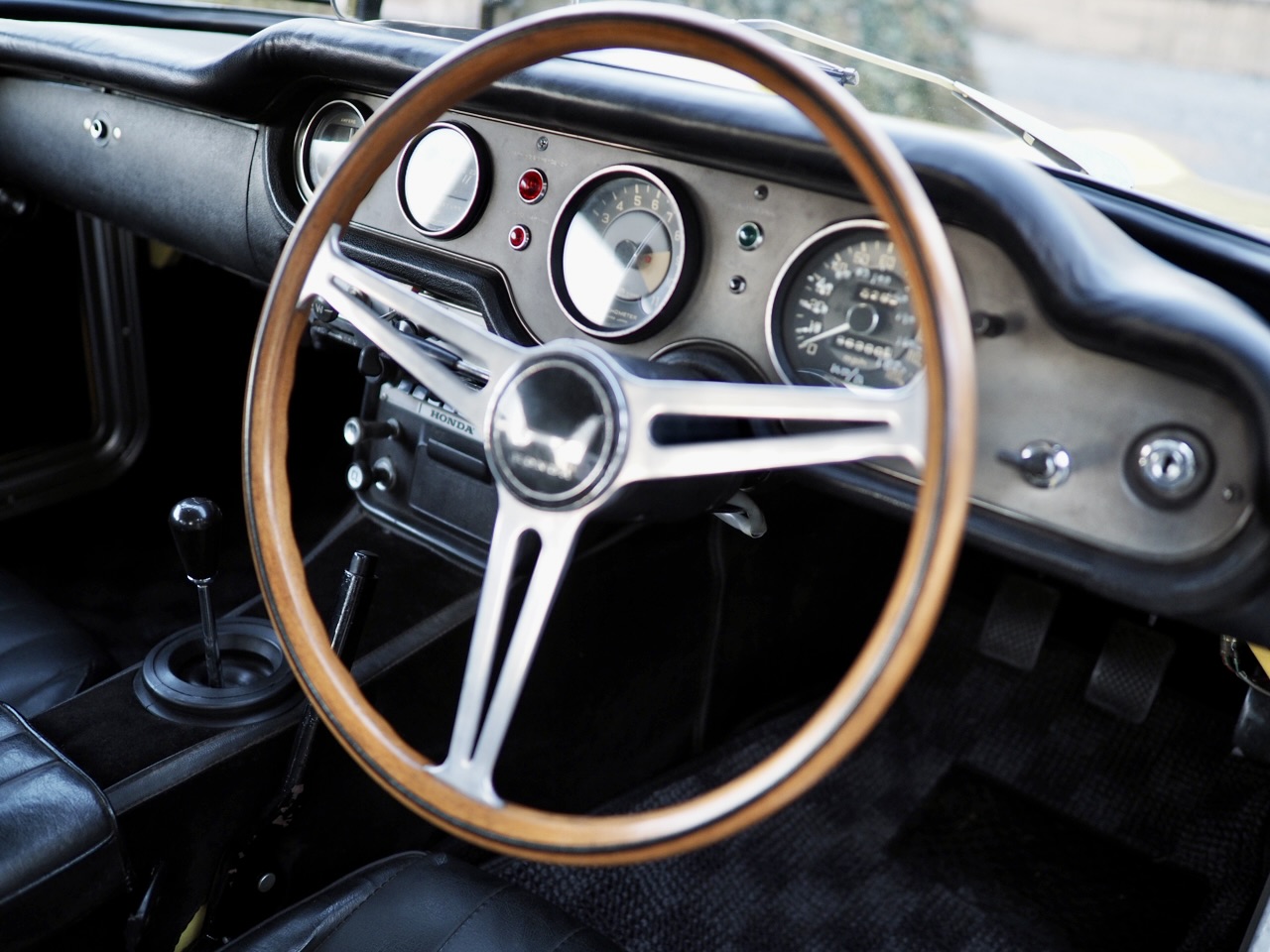
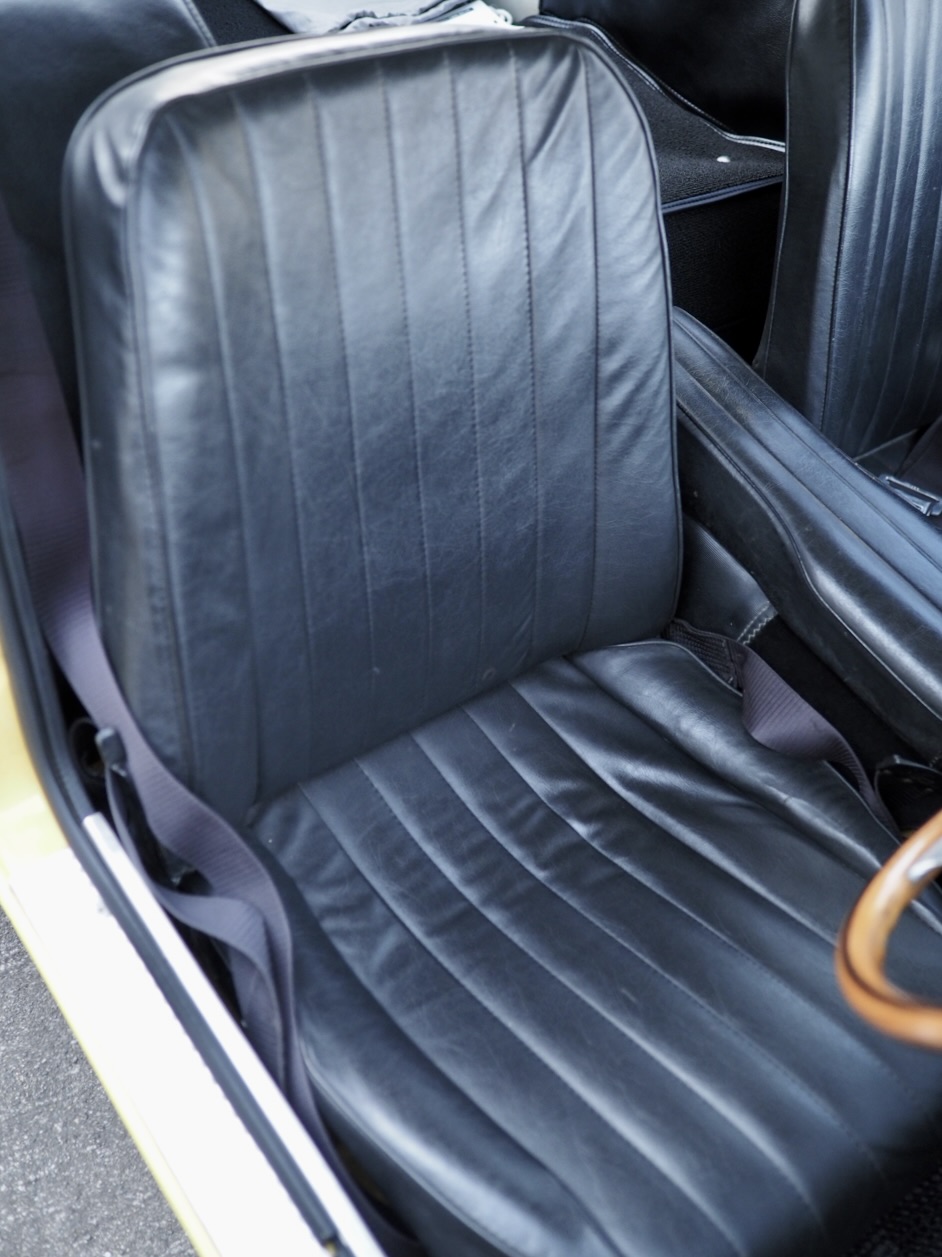
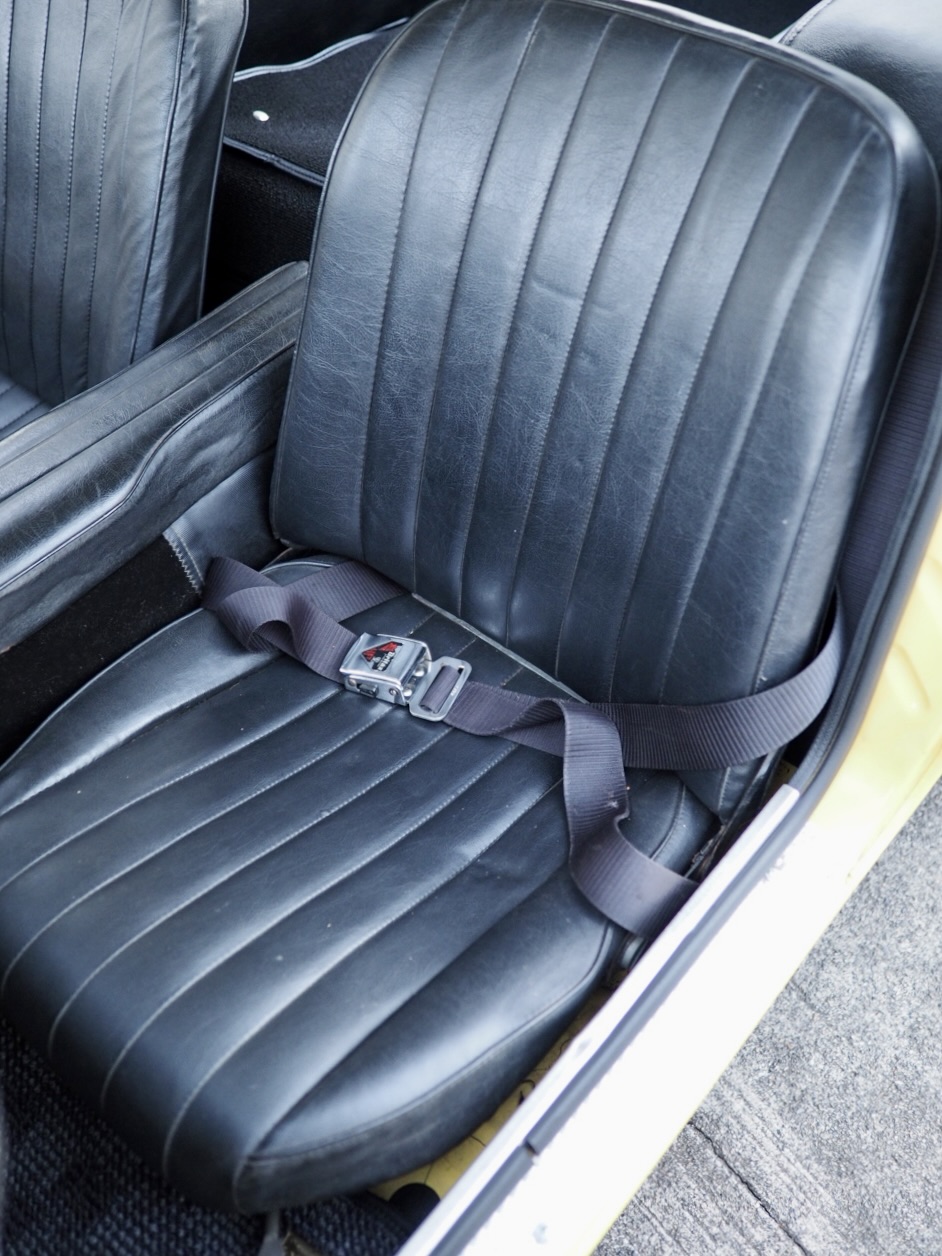
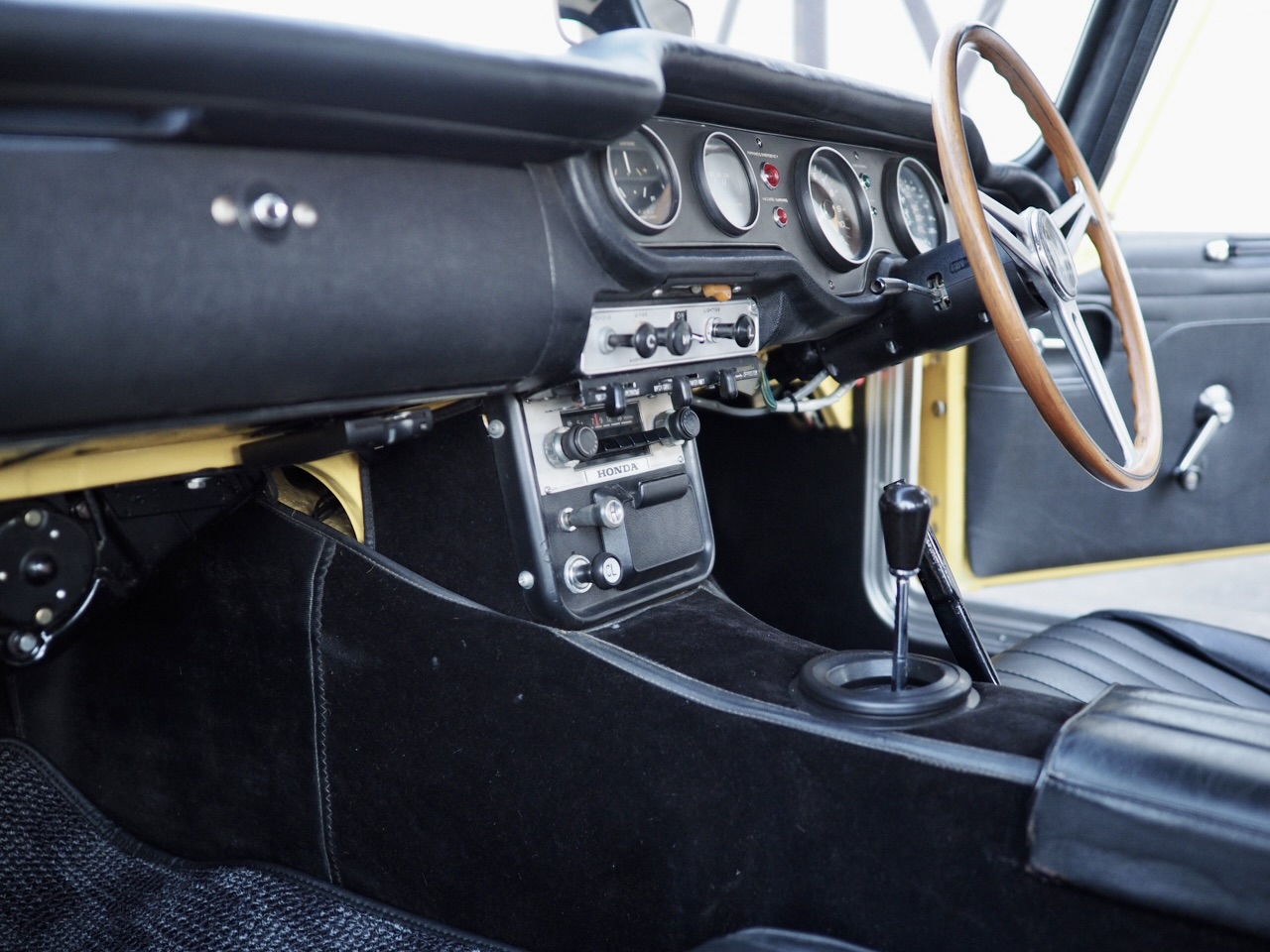
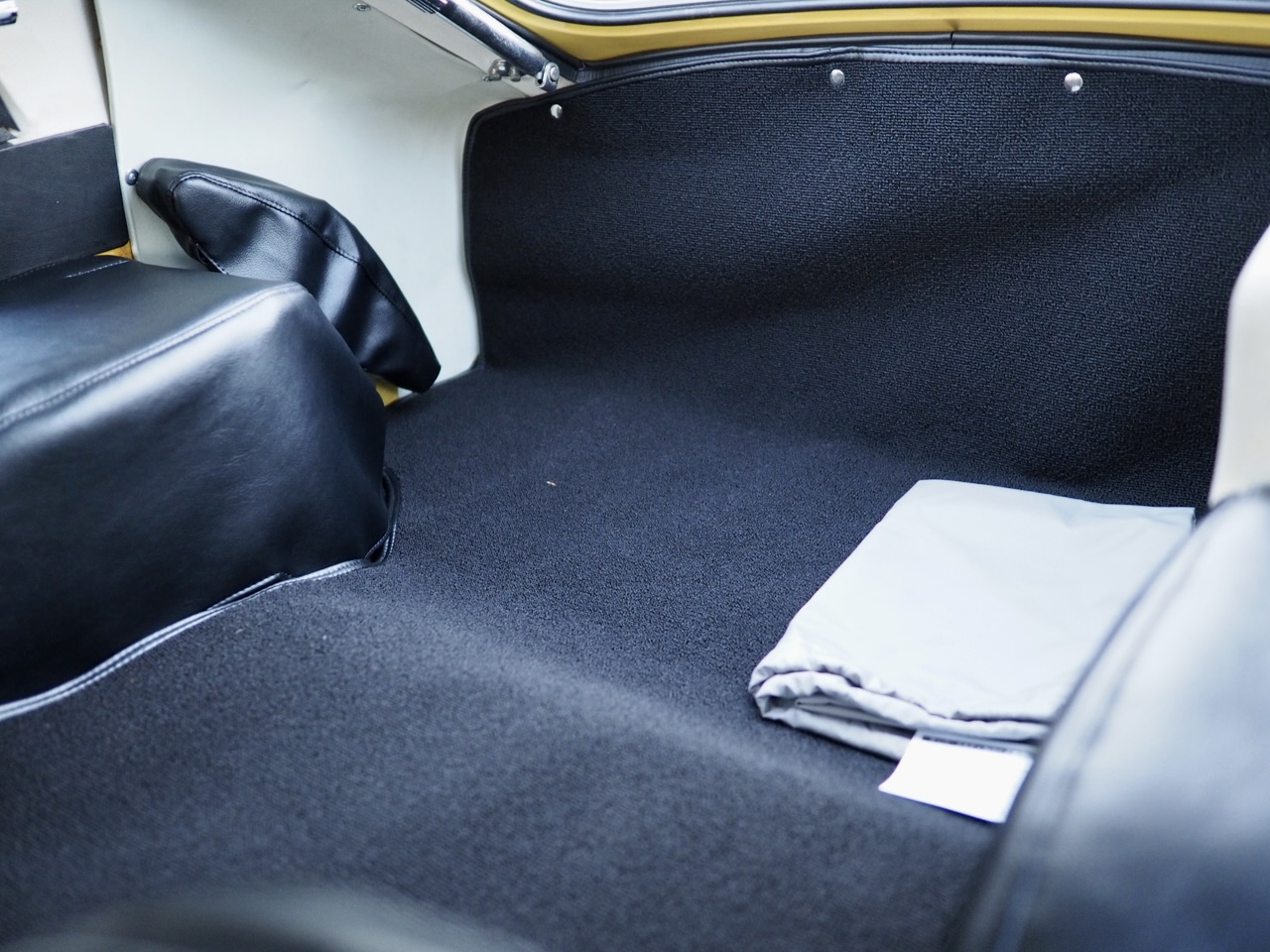
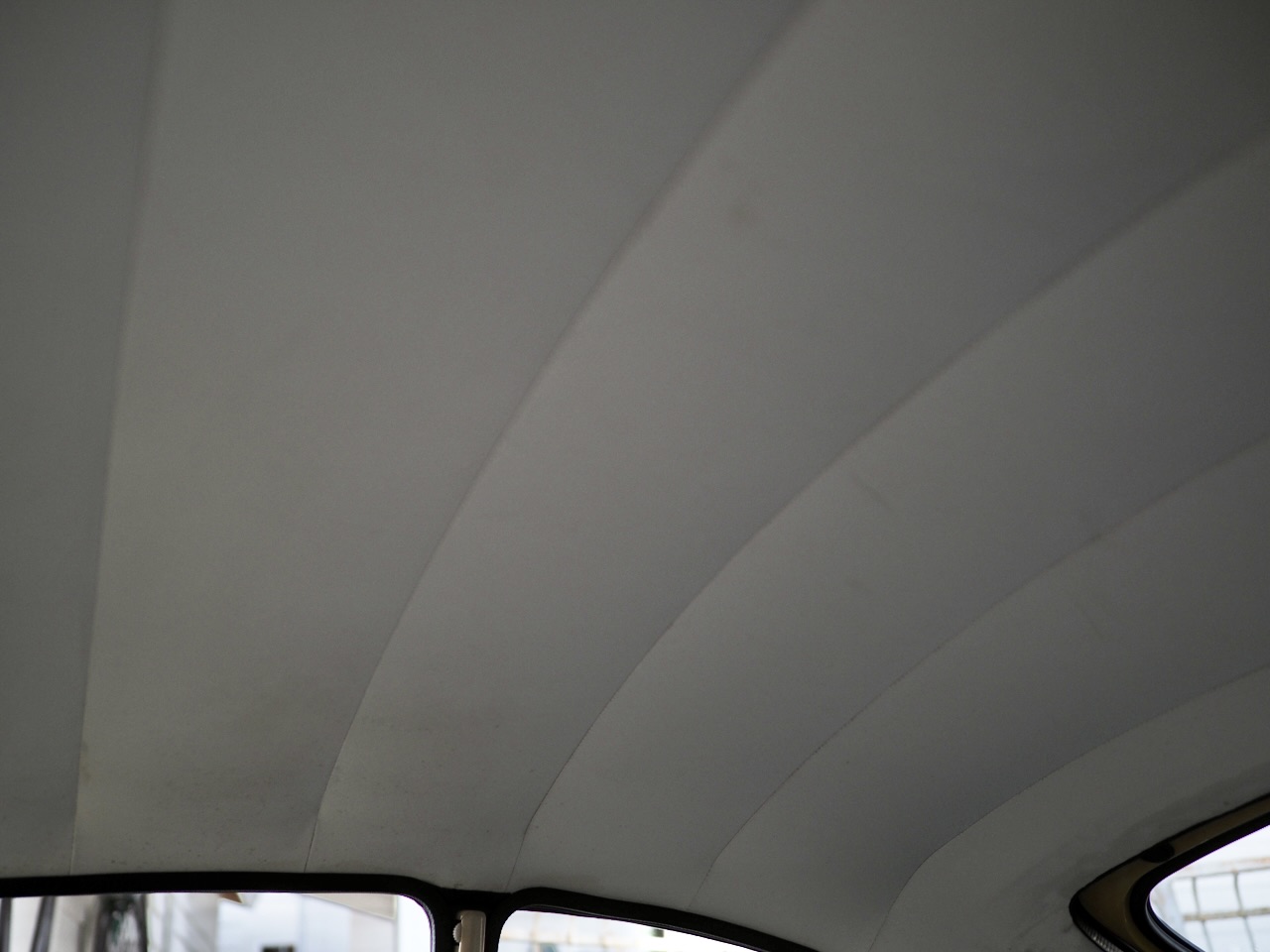
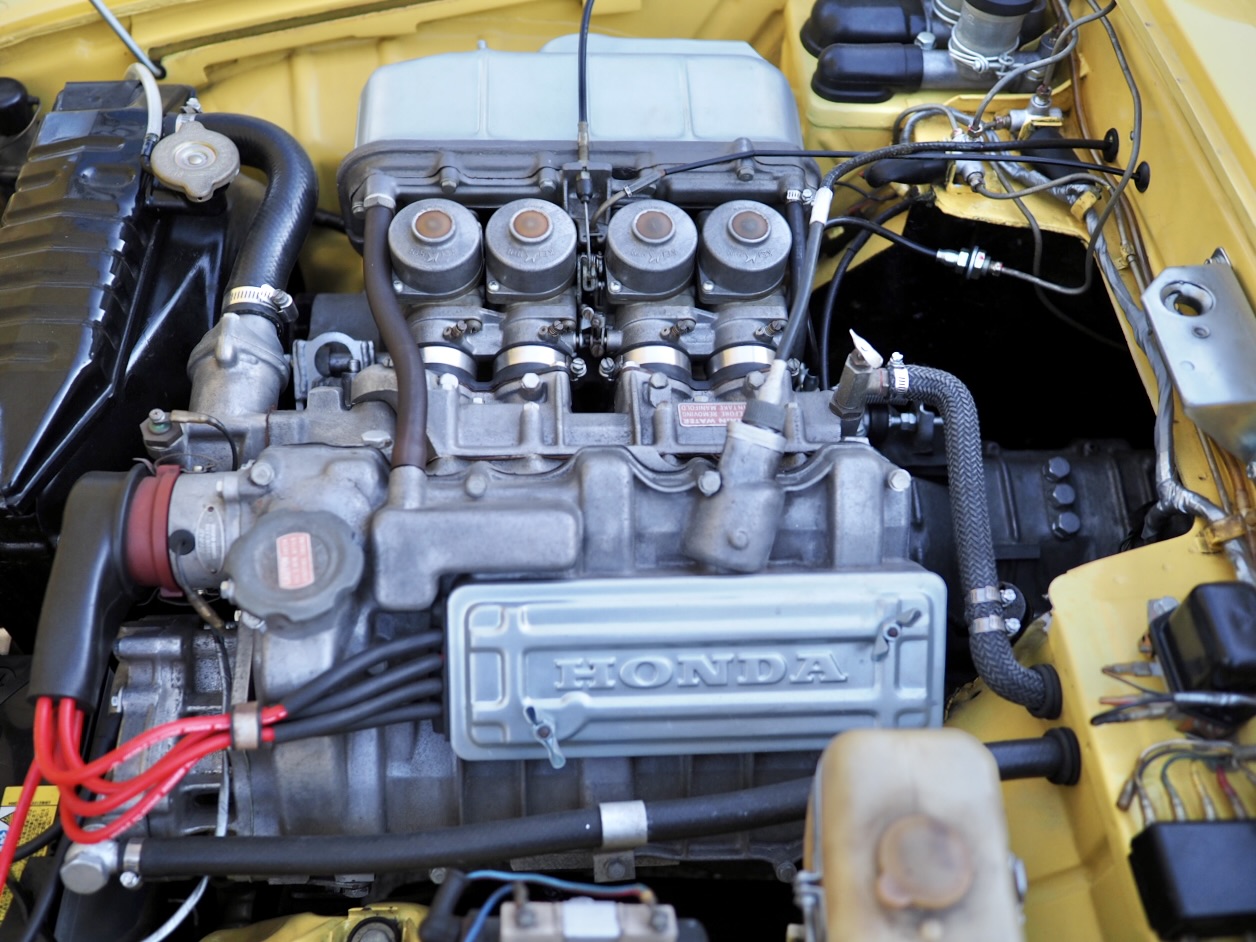
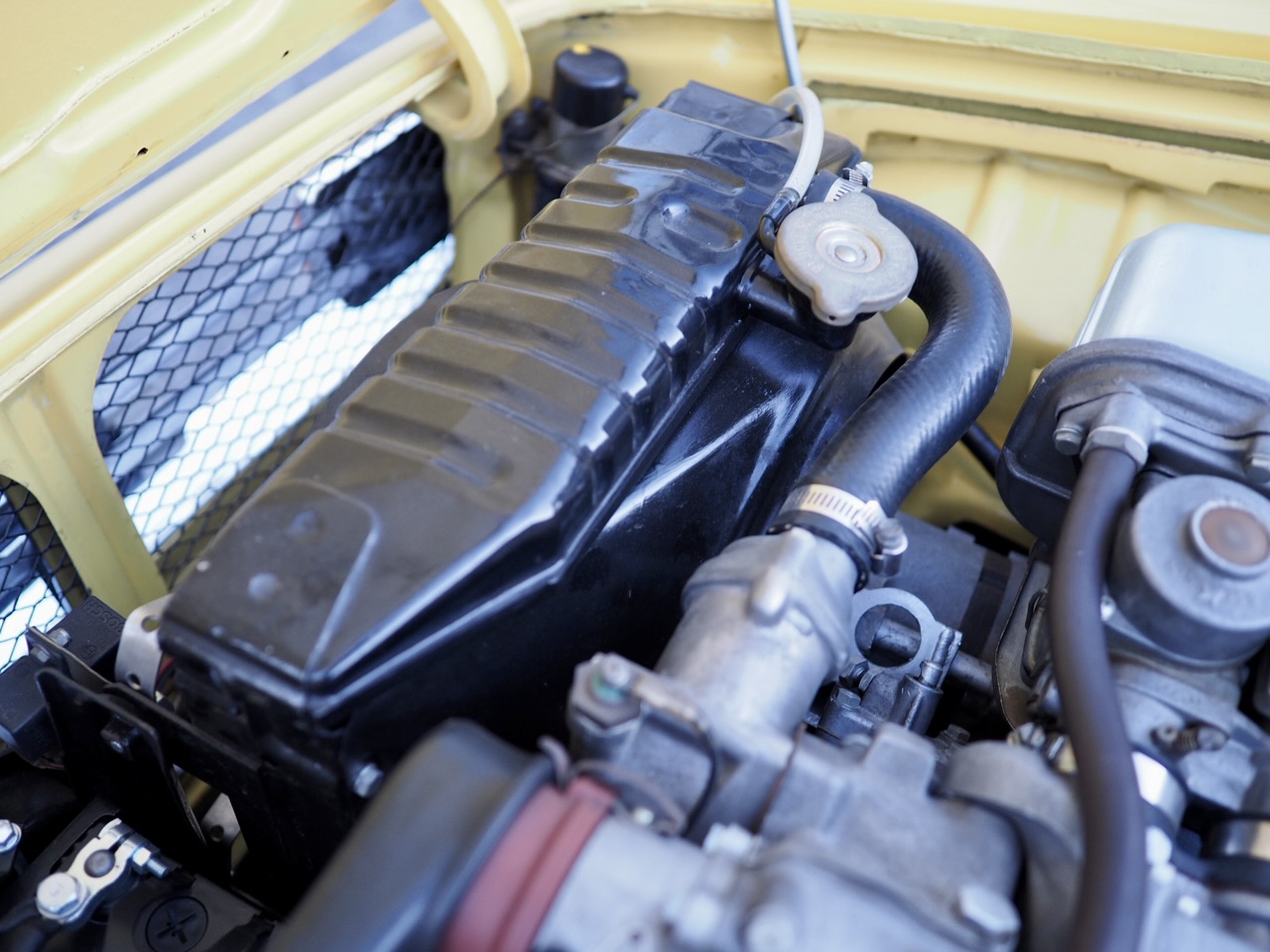
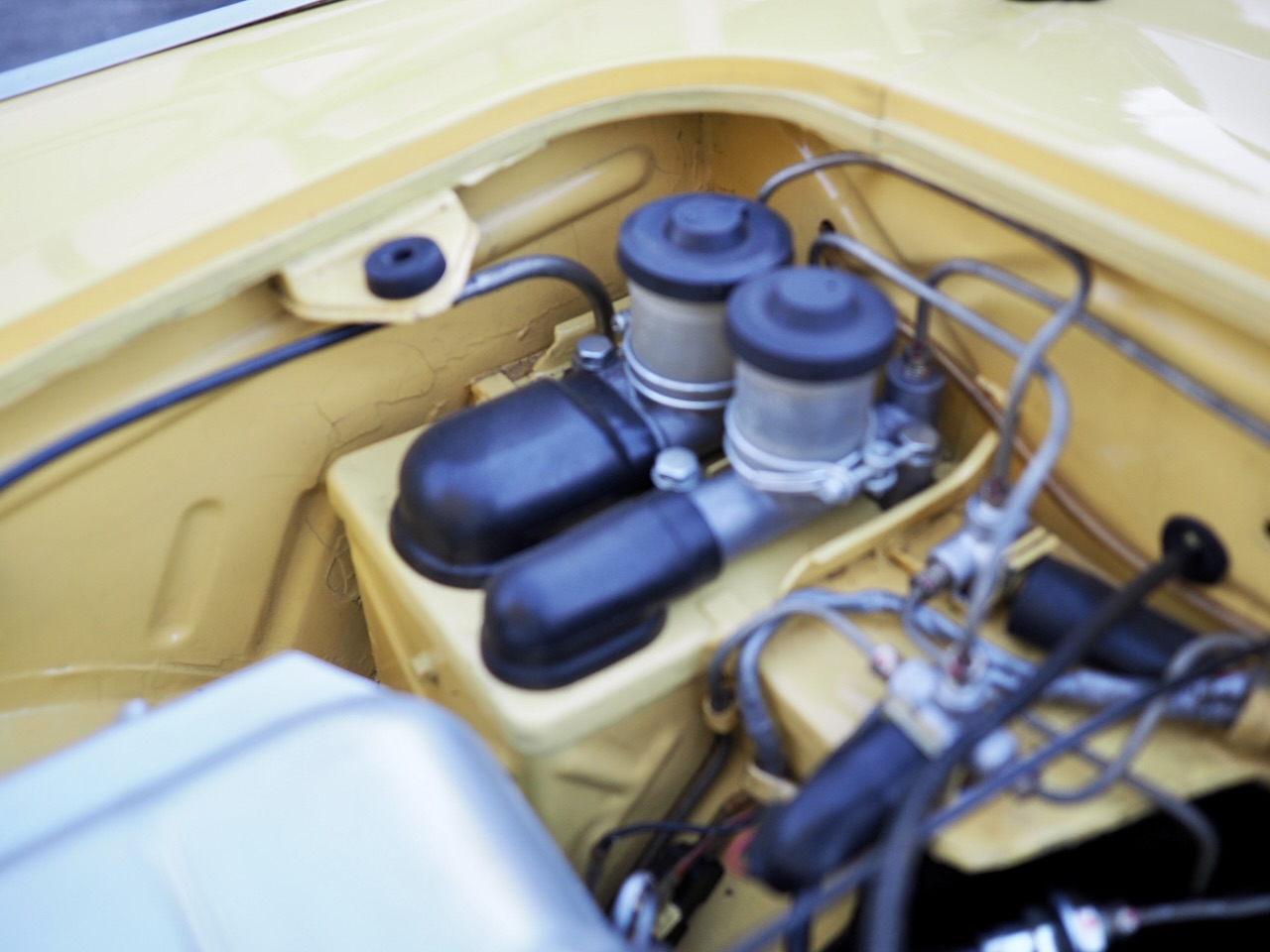
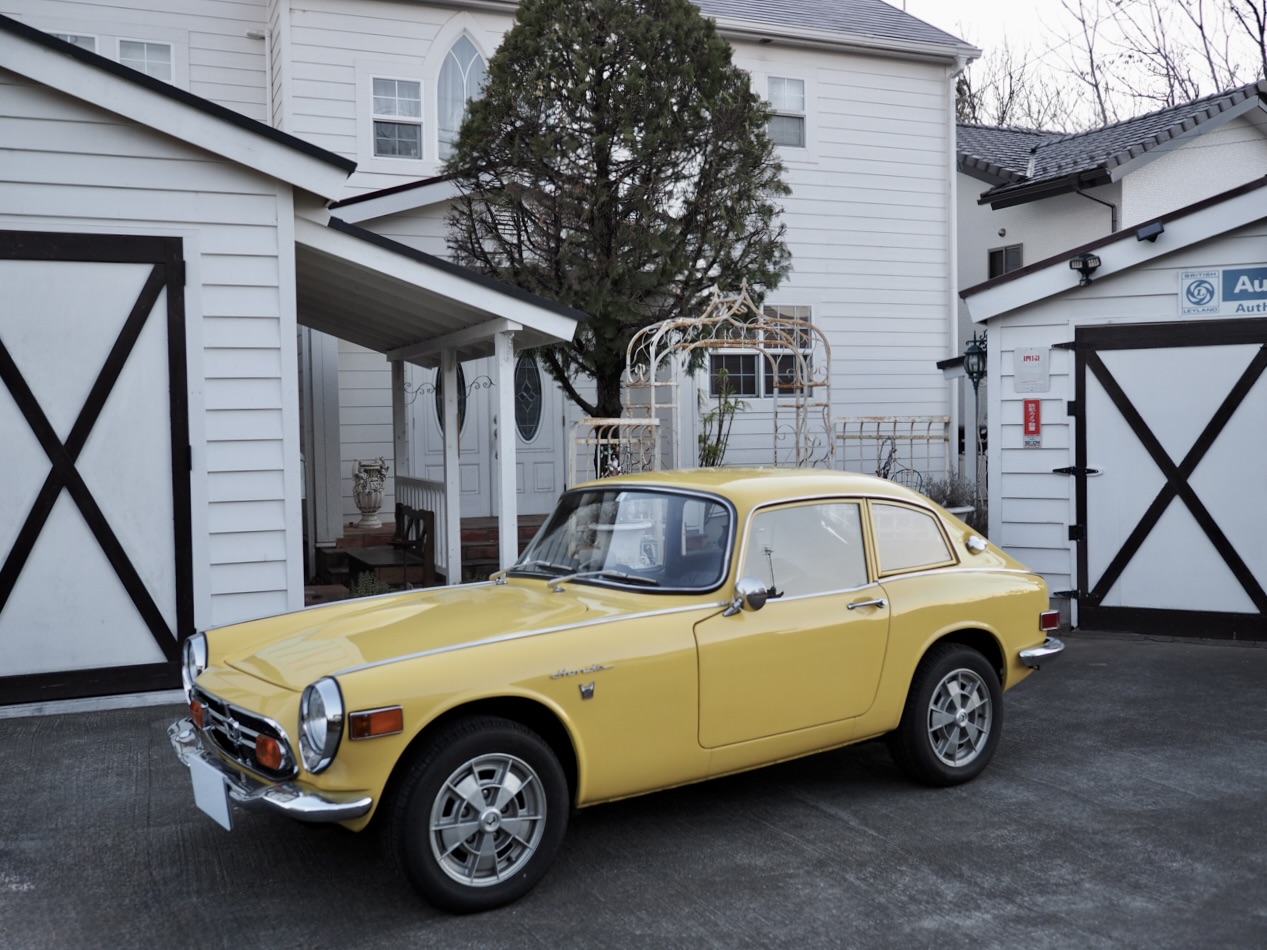
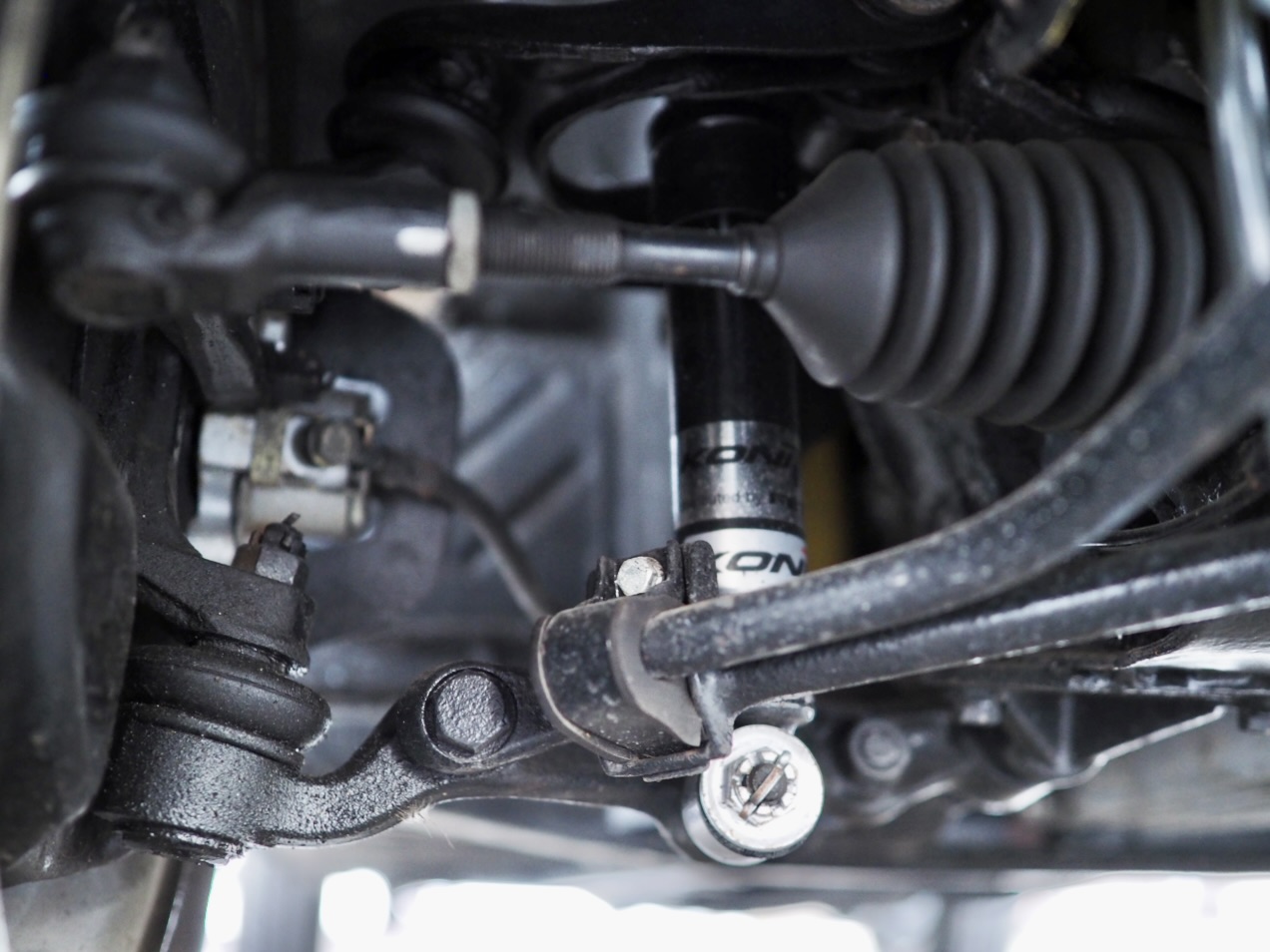
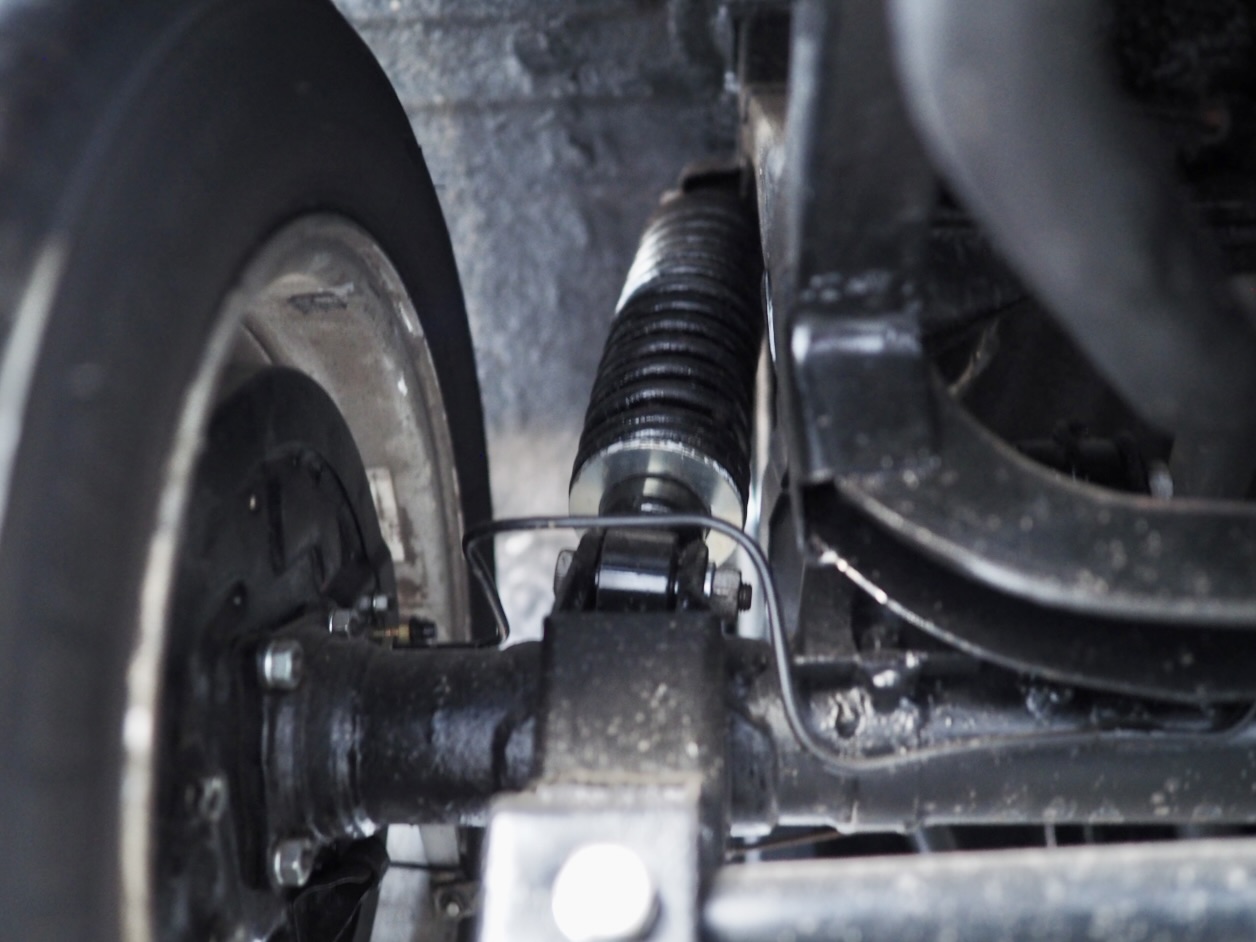
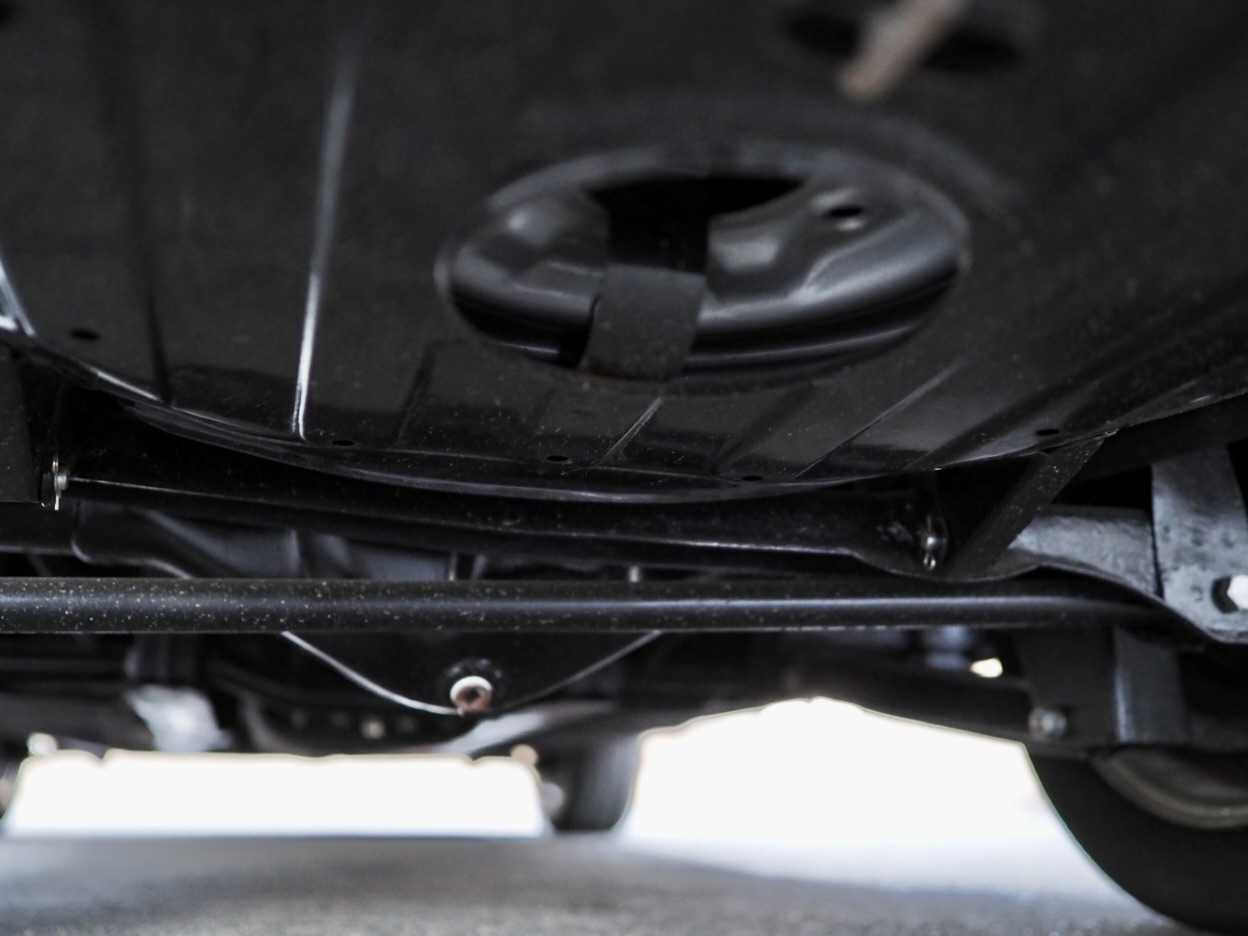
The detailed condition of the vehicle is described in each photo.
On the top slide you will find 50 attractive photos of the vehicle! Please click on a photo to view it with its description. Click outside the picture to return to the page.
SPEC
Length
3300mm
Width
1400mm
Height
1230mm
Weight
740kg
Engine Displacement
791cc