

TOP>Stock List>1999model Volkswagen Beetle (Mexican Beetle)
1999model
Volkswagen Beetle (Mexican Beetle)






↑↑↑Please watch the archived video above with audio if possible...
The joy of enjoying, day after day, the “final evolutionary form of the air-cooled era,” where an air-cooled flat-four was endowed with modern fuel-injection technology… This 1999 VW Mexican Beetle, owned by its current caretaker for 19 years, is a car in which the very act of driving soaks deep into the soul—a living embodiment of Volkswagen’s original landscape and philosophy itself…!
Chapter One…
The “Dealer-Exclusive Summer Specification” from just before the millennium, a car that has colored the current owner’s lifestyle for 19 years…
Across a carpet dyed in autumn hues by fallen ginkgo leaves, a Beetle painted in the special solid blue of the then “dealer-exclusive Summer specification” glides by, filling the air with the smooth, evenly tuned sound of its air-cooled flat-four engine…
1999…
With the millennium just around the corner, that year saw several of Germany’s most renowned automakers quietly bid farewell to the era of “air-cooling.”
And yet, at the Puebla factory in Mexico, one more air-cooled Beetle was still being born.
It was the point at which the lineage of the Volkswagen Type I—whose prototype was completed in 1938 and whose mass production for civilian use resumed in earnest after the war in 1945, becoming one of the longest-running mass-produced passenger cars in the world—arrived at its “final evolutionary form of air-cooling.”
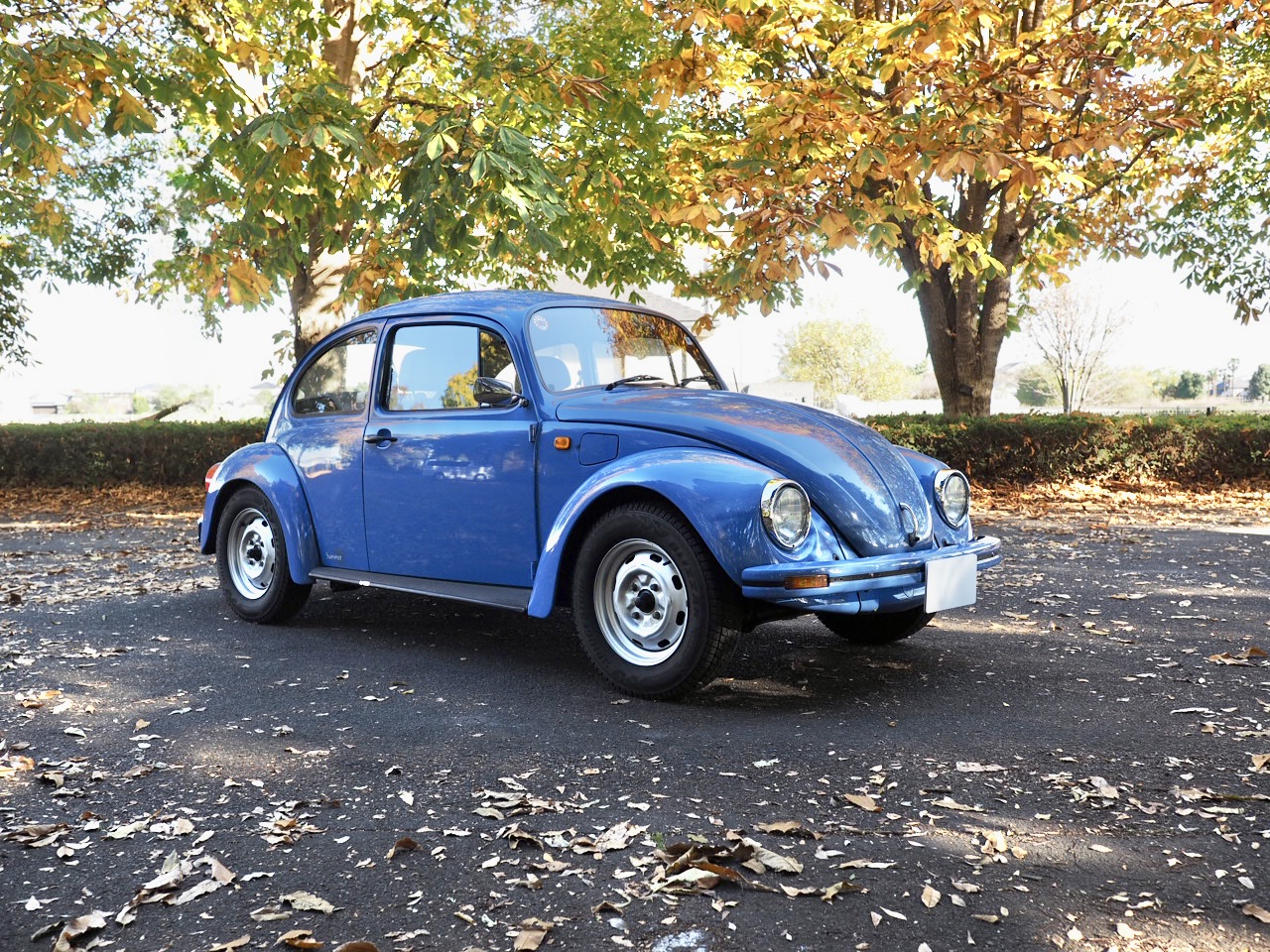
This particular car, finished in a striking light blue that leaves a strong impression, is a 1999 Volkswagen Mexico Beetle.
It is one of the dealer-exclusive “Summer specification” models of the time, wearing a solid light-blue color unique to that edition.
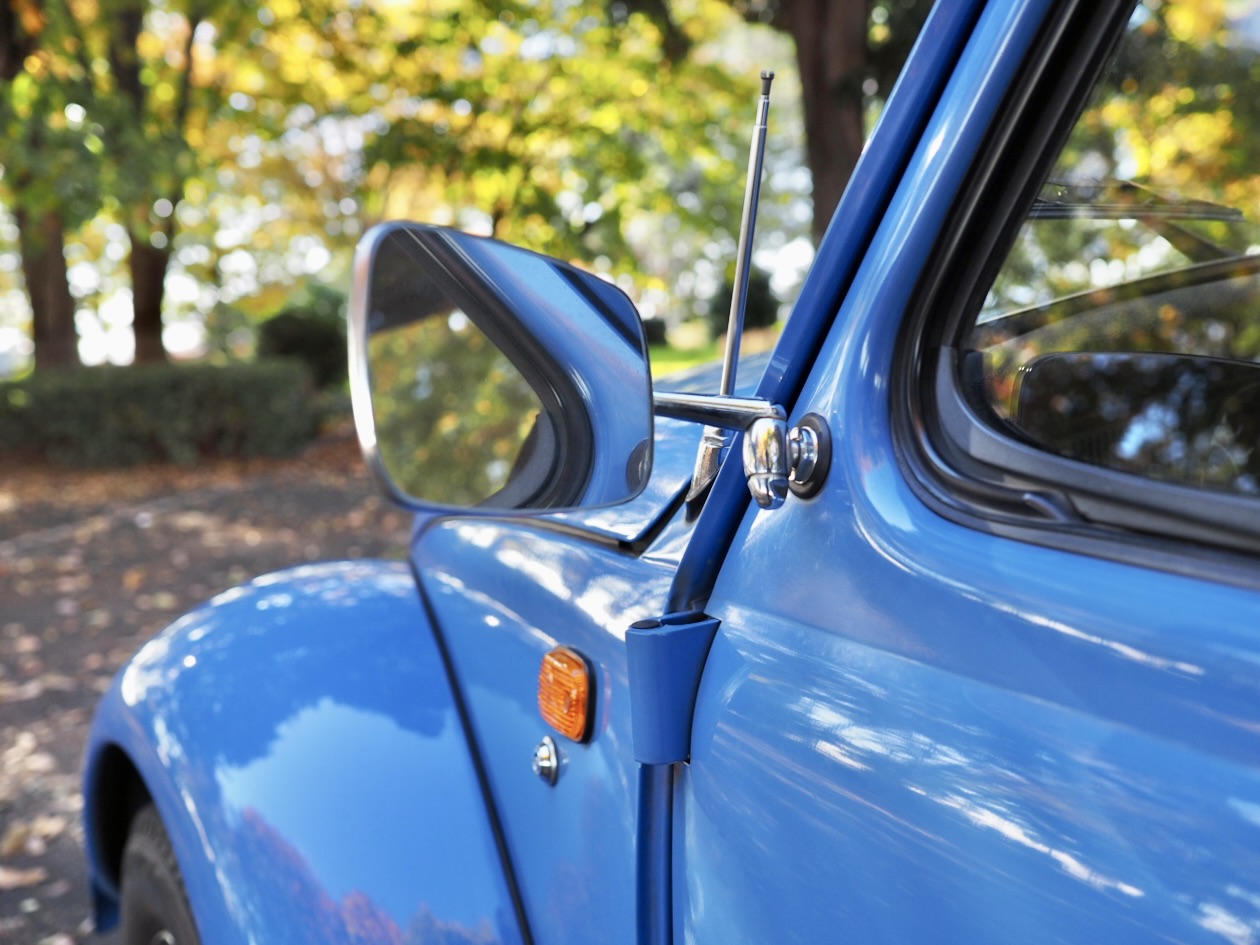
Although this example belongs to the very final generation of 1999, just before the millennium, it features a flat front windshield and slender A-pillars reminiscent of the old Beetle era—distinct from the domed “big window” front glass adopted with the 1303 model from 1973 onward.
Its clean, classical presence, defined by thin A-pillars and a flat windshield, is deeply appealing; dappled sunlight reflects vividly across its body as it stands quietly before the observer.
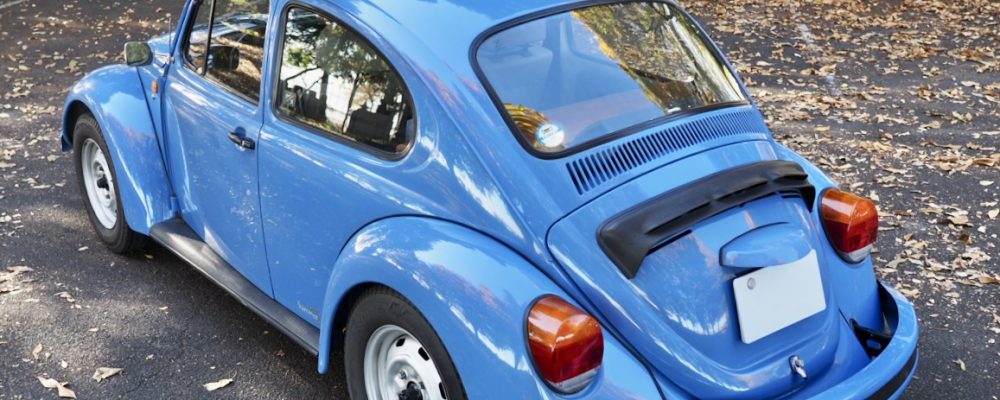
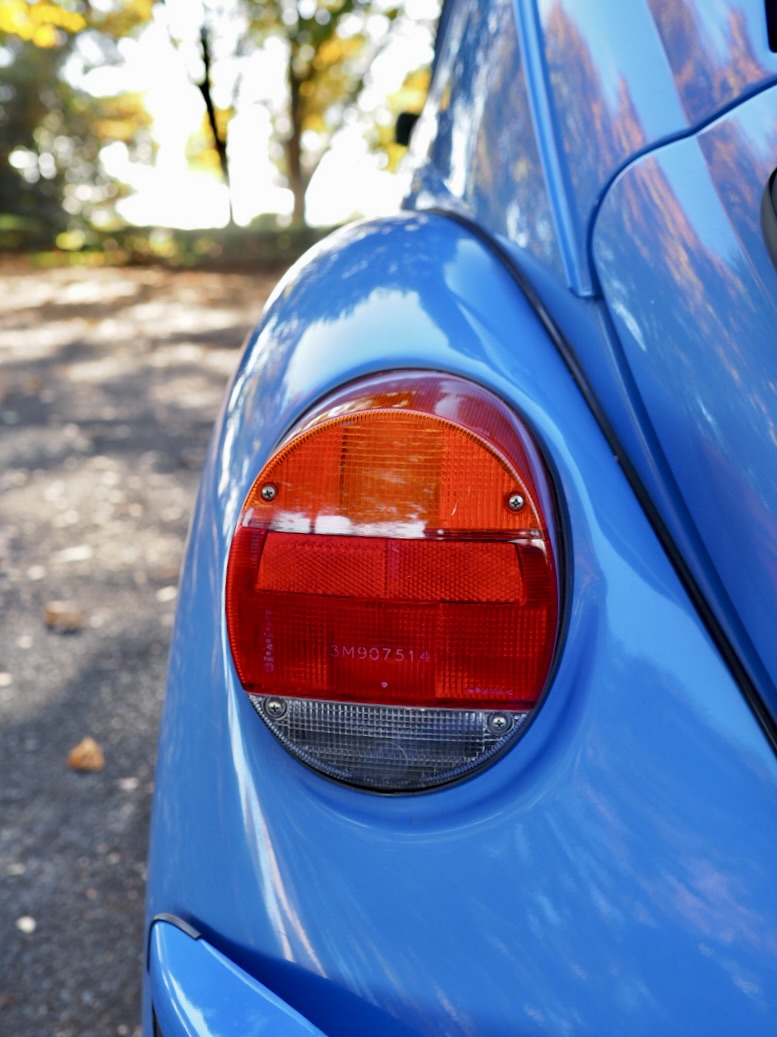
The taillights, fitted with the large so-called “elephant foot” units for modern safety compliance, are the one obvious concession to later regulations.
Even so, the slim A-pillars, flat glass, and the short distance from the hood’s leading edge to the base of the windshield compress the original Type I silhouette—first conceived in the 1930s and nurtured as a postwar civilian car—into a remarkably pure form.
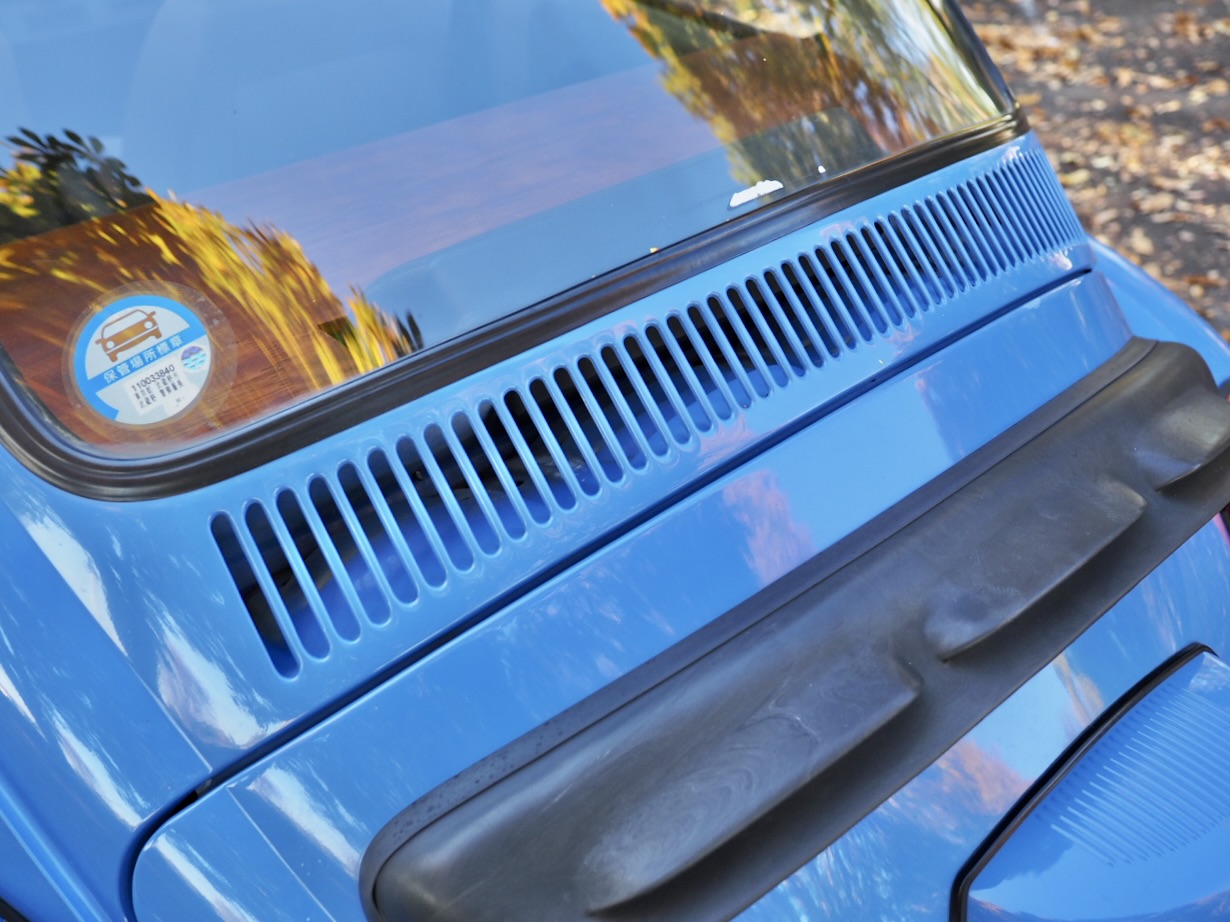
At the same time, the rear engine lid follows the design language finalized during the late-model 1303 era of 1973, just like the elephant-foot taillights.
Thus, the flat-window look of the early Beetle era coexists with the rear detailing of the 1970s and beyond.
This fusion—an old design adapted to modern requirements—is deeply embedded in the Mexico Beetle’s styling.
Mechanically it represents the “final evolution of air-cooling,” yet visually it almost seems to turn back the clock.
This contradiction feels like the greatest irony—and charm—of the Mexico Beetle’s existence.
That expressive quality manifests as a distinctly mature aura in this final evolution, which is what makes this car so fascinating.
There is a softness to it, a sense of nostalgia—yet it never feels outdated.
It emits a unique tone that seems to encapsulate the atmosphere of the era itself, a time just before the millennium when values were shifting dramatically, as if that moment in history had been sealed within the body.
Power comes from the ACD-code air-cooled flat-four, 1600cc “1600i” engine.
Rather than a carburetor, it uses Bosch Motronic EFI fuel injection.
The sound of this thoroughly matured flat-four—developed right up to the brink of the end of air-cooling—is notably mild, with much of the familiar clatter subdued.
By granting modern fuel-injection technology to a system refined over more than half a century, this engine preserves its classical design while clearly achieving the rationality needed for everyday use—an aspect that is especially intriguing.
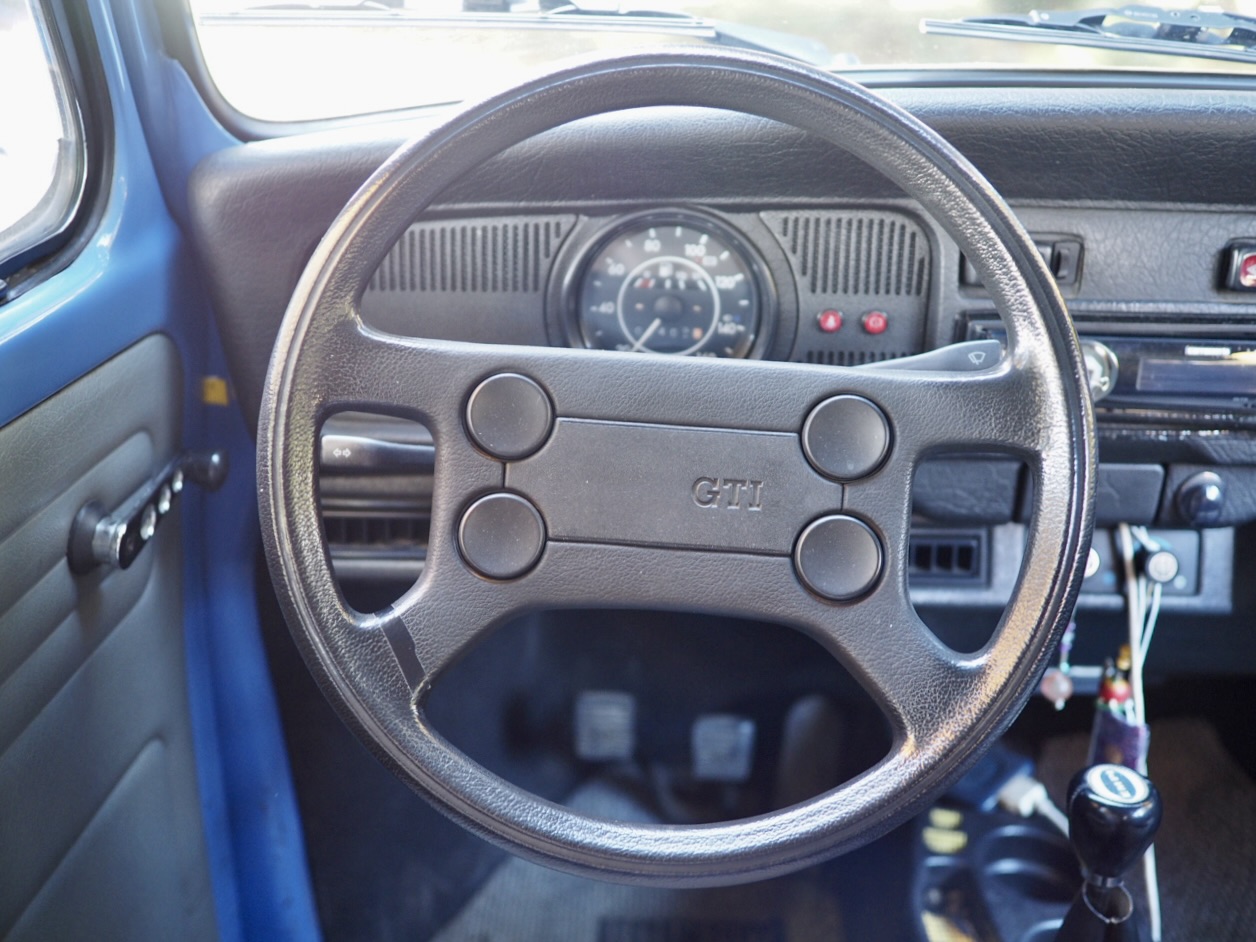
Thanks to the engine’s broad torque band, the transmission remains a simple and unhurried four-speed manual—something wonderfully pastoral in character.
The sense that four gears are entirely sufficient adds depth to the driving experience, allowing the enjoyment of the Beetle’s rear-engine, rear-drive tradition, the familiar compression of air when the doors close, and the philosophy Volkswagen steadfastly preserved over decades to be experienced directly even today.
It is hard to describe this as anything other than wonderful.
This car has been carefully owned by its current owner for 19 years.
It has quietly accumulated time without undergoing restoration or excessive modification, retaining its original appearance throughout.
The exterior still wears its original paint, and considering its 26 years since production, the fact that it continues to display a natural sheen is one of its many charms.
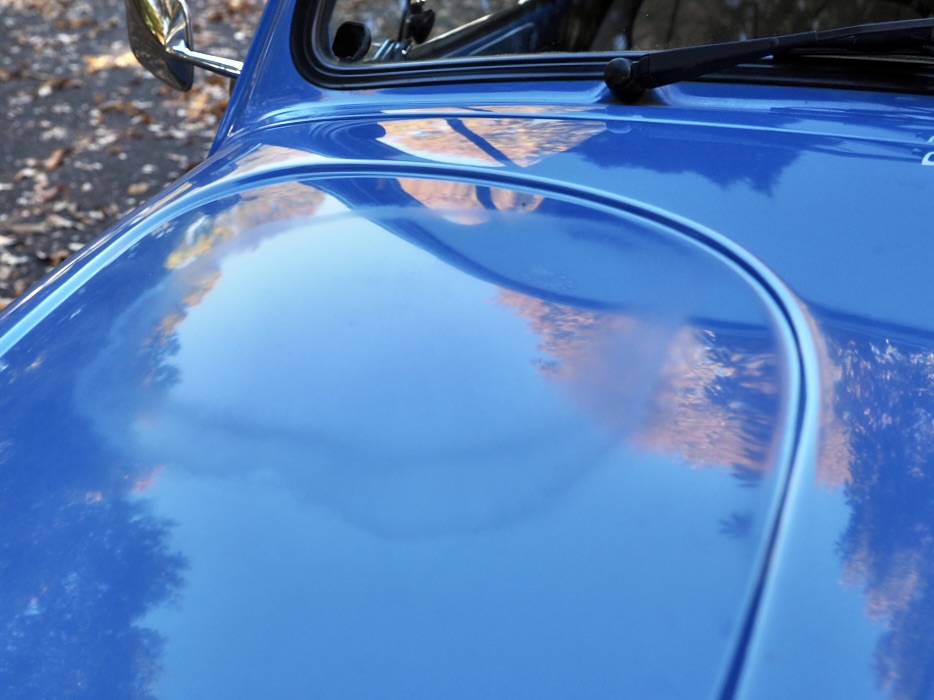
There is some clear-coat deterioration on part of the front hood, reportedly caused unintentionally by sunlight reflected off a mirror stored in the garage.
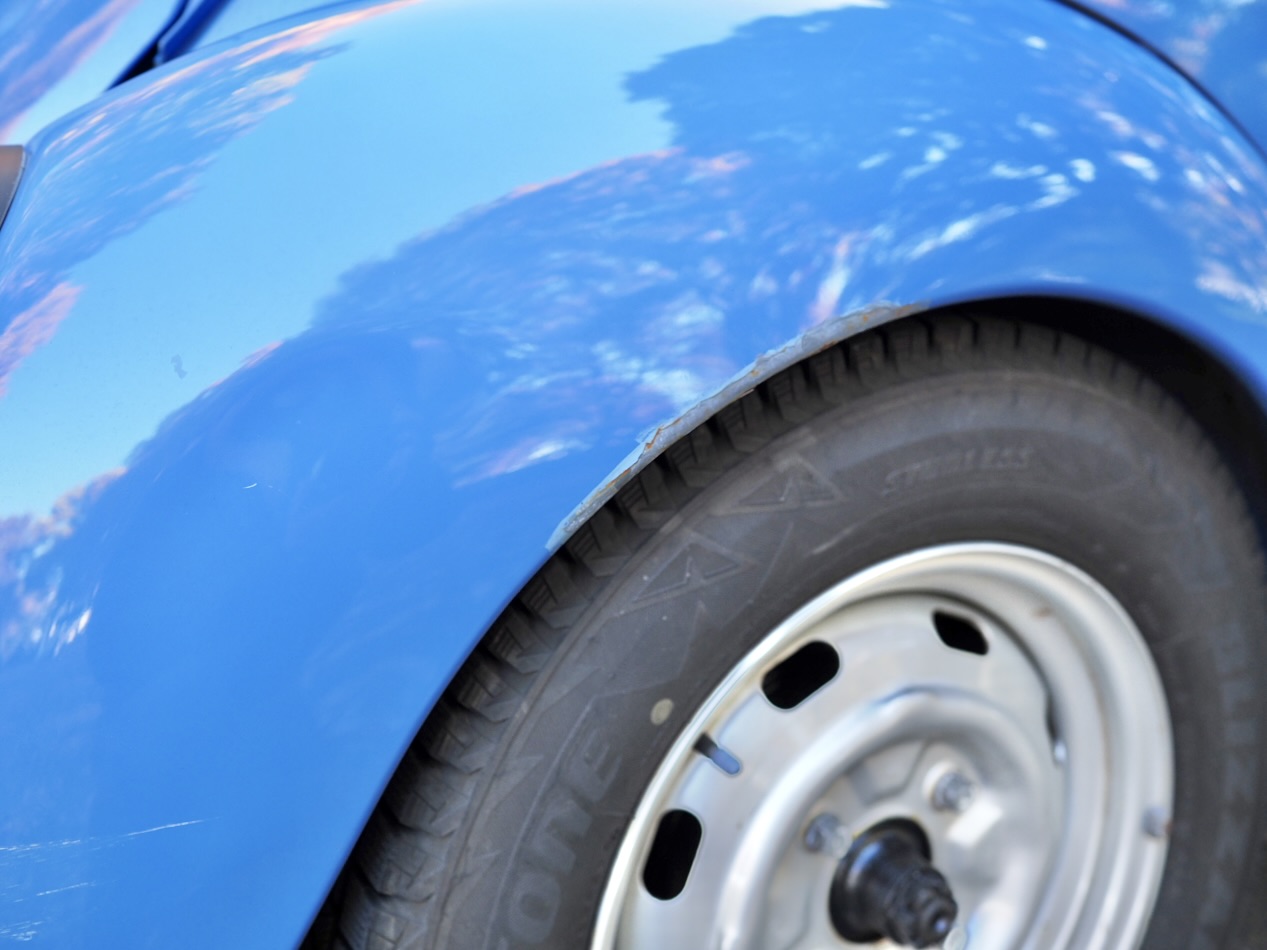
There is also a small area of paint damage on the right rear fender from a minor scrape.
These marks can be understood as part of the character of a car that has “lived while being used.”
The front bumper has been replaced, but there is no accident history or structural damage.
A removable cover is fitted to the rear deck lid, adding a subtle personal touch.
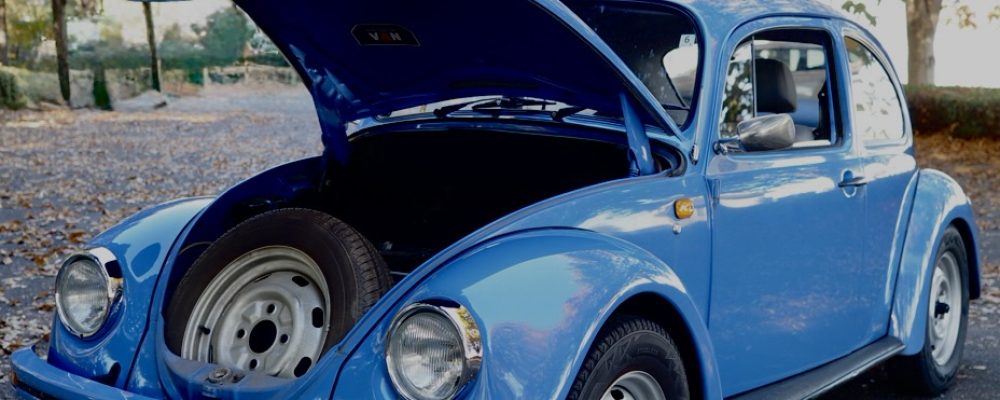
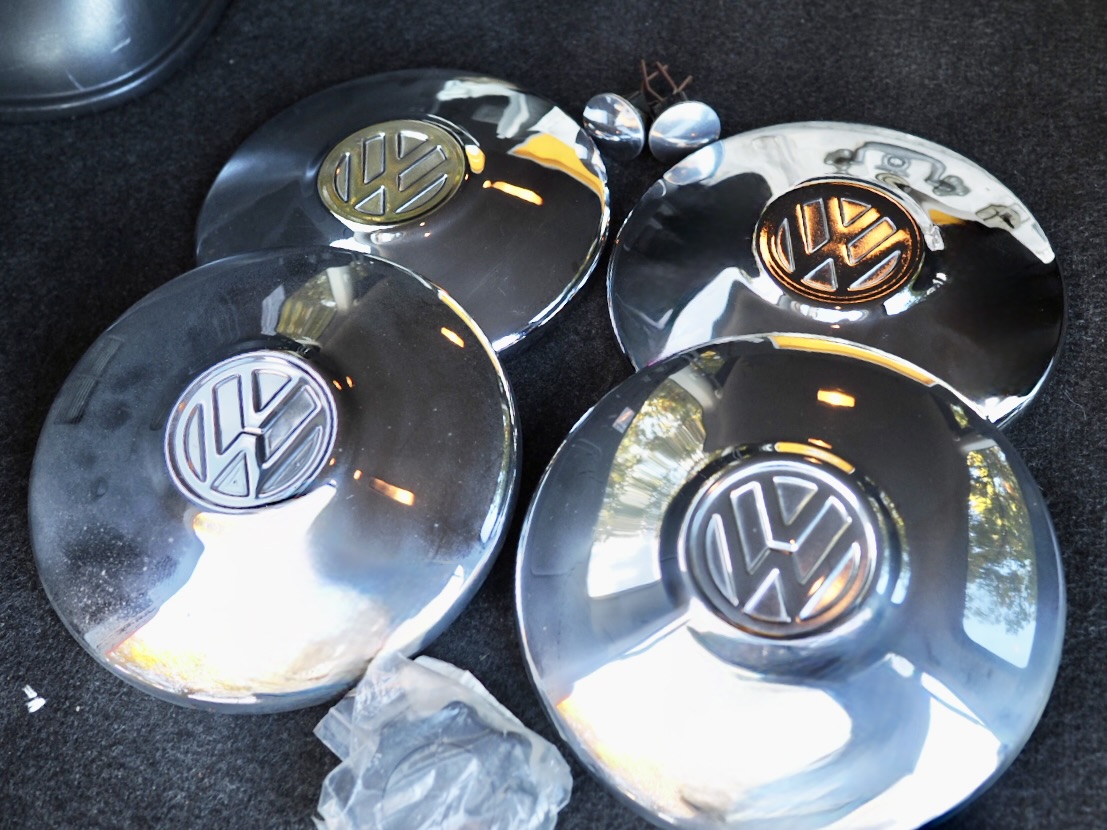
Underfoot are the original steel wheels with factory hubcaps—another element that preserves the car’s “as-it-should-be” form.
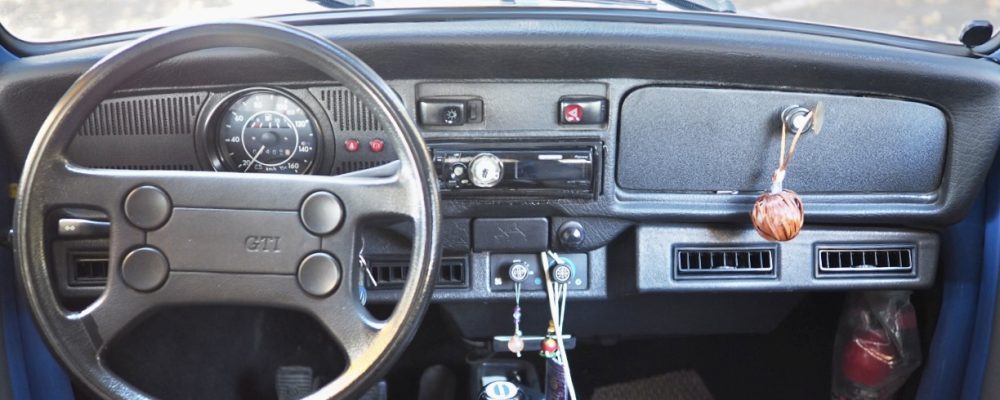
For the veteran owner, cars have always been a natural part of daily life since childhood.
Memories of being taken around by family members in work vehicles remain vividly etched as formative experiences.
He acquired this Beetle around 2006.
Those early memories left the Beetle’s design firmly lodged in his mind, and a long-standing attraction to its shape ultimately led to the purchase.
This Mexico-built Volkswagen Beetle was never bought merely as a “hobby car.”
Rather, it was chosen as a car for everyday use—driven normally, enjoyed for daily errands and longer trips alike.
Nearly 19 years passed in what felt like no time at all.
Over that period, the Beetle gradually became a “precious presence” in the owner’s heart.
Throughout the entire ownership, it suffered no major mechanical troubles and was maintained primarily through regular inspection and standard servicing.
Cold starts are easy, waking smoothly with light cranking even after periods of inactivity.
And there is a reassuring sense that it will take you anywhere—a hallmark of the fully matured flat-four engine of the final air-cooled era.
As characterful cars continued to disappear from the world, it became clear that this was now “a car not easily replaced.”
For 19 years, this light-blue Volkswagen Beetle carried family memories wherever it went.
Life with a Beetle was once simply an everyday scene, but over time it quietly became an irreplaceable presence, filled with meaning.
Standing before the car, the owner smiled and said,
“It’s a very robust one. I think it’s because it’s an injection-equipped Mexico Beetle that I was able to keep driving it for so long.”
Those words left a particularly strong impression during the interview.
Chapter Two…
Deciphering the “final evolutionary form of air-cooling,” tracing the lineage of the VW Type I that continued for more than half a century, leading to the rare Mexico Beetle.
The Volkswagen Type I, whose prototype was completed in 1938 and whose mass production for civilian use resumed after the war in 1945, was the very embodiment of the idea of a “people’s car” itself…
Simple and robust, easy to maintain, and capable of continuing to run anywhere in the world…
Its design philosophy was at once a symbol of postwar German reconstruction and the very original landscape of the age of motorization itself…
However, from the late 1960s through the 1970s, the world quietly yet decisively began to bid farewell to the technology of “air-cooling”…
Emissions regulations, safety standards, demands for comfort, and the evolution of mass-production techniques…
All of these were simply too harsh a set of era-driven requirements for the simple and beautiful configuration of an air-cooled rear-engine layout…
Production of the Type I in Germany came to an end in 1978, and although production continued thereafter in certain regions such as Mexico and Brazil, the Beetle was no longer a “global standard automobile,” quietly shifting its position into a cultural and symbolic existence…
Amid this 흐ow, the introduction of fuel injection in the air-cooled Beetle began with the 1975 model, the year German production came to an end, and although it was once interrupted by the demands of emissions regulations,
within the course of Mexican production that resumed in earnest from 1986 onward, it returned in the form of Bosch Motronic EFI after 1993, and continued its “final evolution” right up until the last Mexican production in 2003…
In other words, this 1999 Mexico Beetle is not merely a “late model”…
It is the “final completed form” of the Type I philosophy—
a classical design refined over more than half a century in the form of the air-cooled flat-four,
now endowed with modern fuel-injection technology to meet real-world demands such as emissions compliance, startability, durability, and everyday usability, while still preserving Beetle character in its entirety…
The fussiness of carburetors fades into the background; the engine awakens instantly even when cold, idles steadily, and delivers smooth, gentle throttle response…
And yet, when the accelerator is pressed, the distinctive pulse and sound of the air-cooled flat-four remain—milder, perhaps, but still rich in character…
In other words, not a single element of the Type I’s appeal has been lost here…
This “miraculous coexistence of the classical and the modern” is precisely the greatest attraction of the final-generation Mexico Beetle known as the 1600i…
Chapter Three
Its appeal is once again surging in Europe today… The author’s post-interview reflections on the 1999 VW Mexico Beetle…
n recent years, within the European classic car market, 1990s Mexico-built Beetles—particularly the final-generation fuel-injected models known as the 1600i—have been clearly reappraised, with values steadily rising as well.
What makes this especially fascinating is how precisely that renewed appreciation aligns with the very reasons this owner has kept the car for 19 years.
The key point of its appeal lies in an extremely realistic and rational assessment: “the most practically matured air-cooled Beetle.”
The 1600i, the only Type I in history equipped with Bosch Motronic EFI, stands distinctly apart from the carbureted, German-built air-cooled Beetles of earlier eras in terms of cold-start reliability, idle stability, emissions performance, durability, and everyday usability.
In other words, without altering the classic air-cooled rear-engine layout in any way, it became the only Beetle to be refined to a level where it can be used “normally” in modern traffic conditions.
The reason European enthusiasts are now rediscovering the value of the 1600i is strikingly simple.
It preserves the classic styling of the German-era Beetle intact, while its mechanicals have been elevated to near-modern standards. Parts availability remains good, ownership does not demand excessive commitment, and yet not a single element of the Beetle’s essential character has been lost.
This 1999 Mexico Beetle fulfills all of those conditions perfectly.
This light-blue Beetle, carefully owned and driven as an ordinary car for 19 years by its current caretaker, tells that story more honestly than anything else.
That, above all, was the strongest impression left by this interview—one that quietly but convincingly speaks to the true value of the Mexico-built Beetle.
The joy of enjoying, day after day, the “final evolutionary form of the air-cooled Beetle,” in which modern fuel-injection technology was bestowed upon an air-cooled flat-four engine… This 1999 VW Mexico Beetle, owned by its current caretaker for 19 years, was a car in which driving itself resonated deeply with the heart—a pure embodiment of Volkswagen’s original landscape and philosophy.
Please do come to Gunma Prefecture to see this final-evolution air-cooled “Mexi-Beetle,” a car that can be cherished and enjoyed for many years to come.
As this is a private sale, no consumption tax or additional fees will be charged.
Upon purchase of this vehicle, the buyer will be responsible for the prorated automobile tax (annual amount: ¥45,400) as well as the recycling deposit settlement (¥10,870).
Transportation arrangements, such as vehicle delivery, are likewise to be handled by the buyer; however, please feel free to consult us if you require assistance.
【Regarding Inquiries】
This vehicle is listed on the cross-border EC platform for classic and collectible cars, “Estate Sale Supremacy®︎.”
What is an Estate Sale Supremacy—supreme and ultimate?
Estate Sale Supremacy®︎ is the Japanese adaptation of North American estate-sale culture, introducing vehicles filled with their owners’ passion through interview-based articles and videos.
We faithfully convey the current owner’s sentiments, preserving memories in the heart while ensuring a reliable handover to the next generation, including sales and brokerage support.
The content of this article was written based on an interview with the owner conducted over approximately three hours starting at 1:00 p.m. on November 15, 2025, under clear skies.
Due to the limited time available for inspection, the condition of the vehicle may not be described with 100% accuracy. In addition, not all statements have been independently verified, and comments regarding condition reflect the weather at the time of the interview as well as the author’s personal impressions.
For questions regarding the listed vehicle or to apply for an in-person viewing, please contact us via the form at the bottom of this page.
As this is a private transaction, to prevent non-serious inquiries, vehicle viewings are limited strictly to customers who are considering purchase with genuine intent.
Thank you very much for your kind consideration.
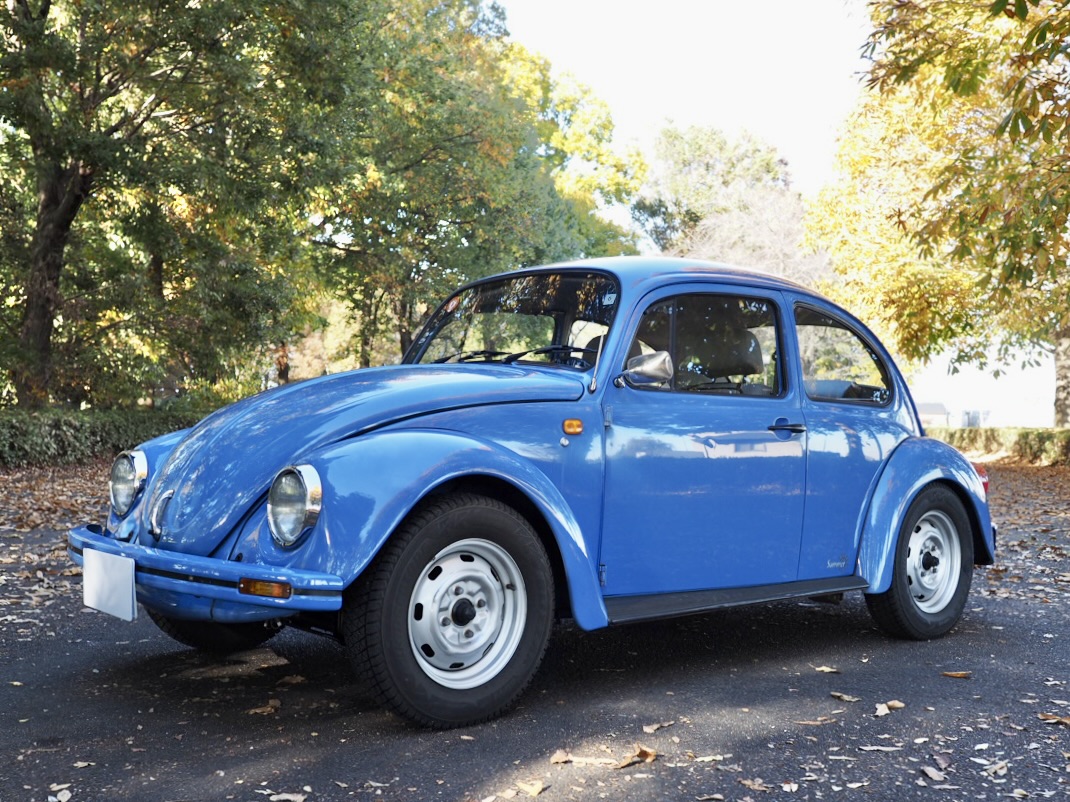
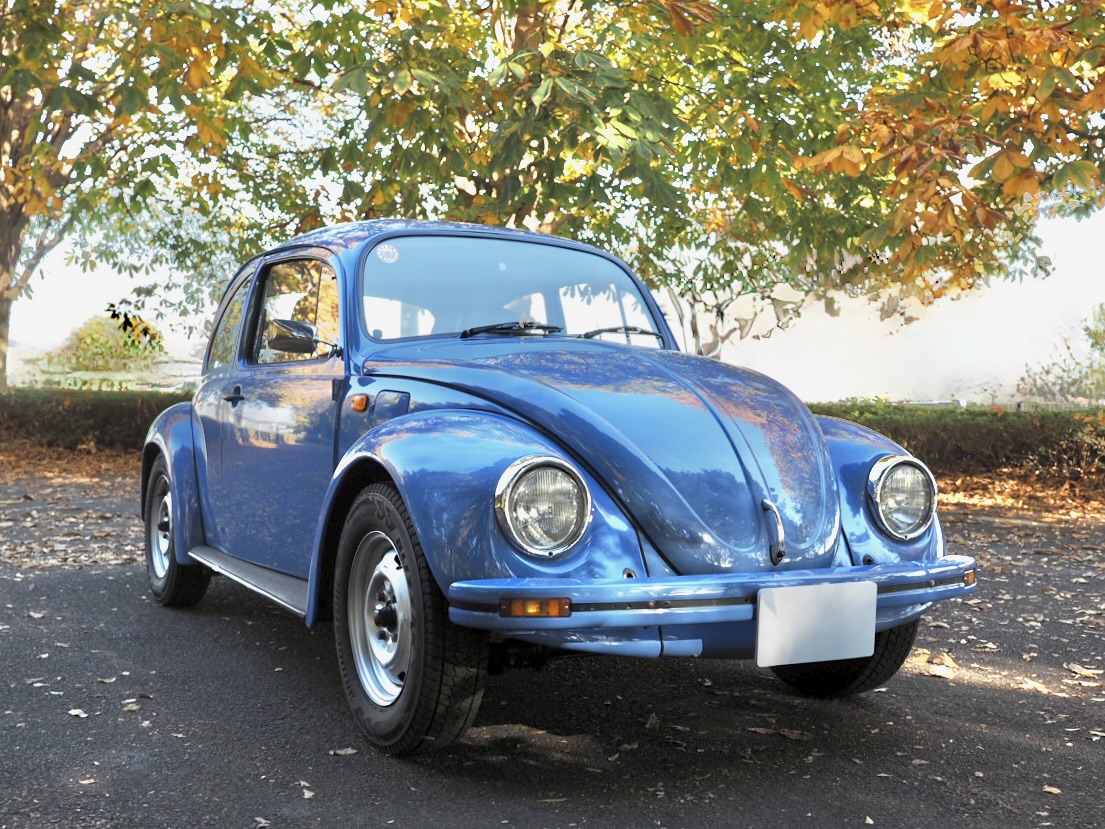
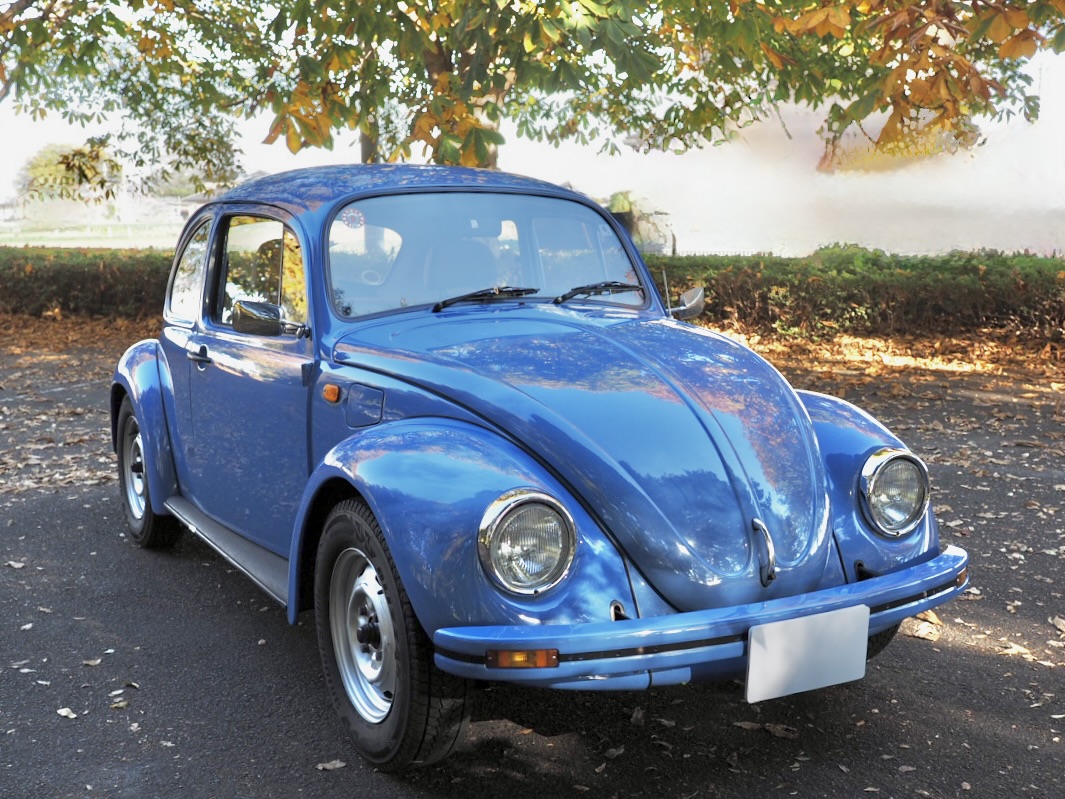
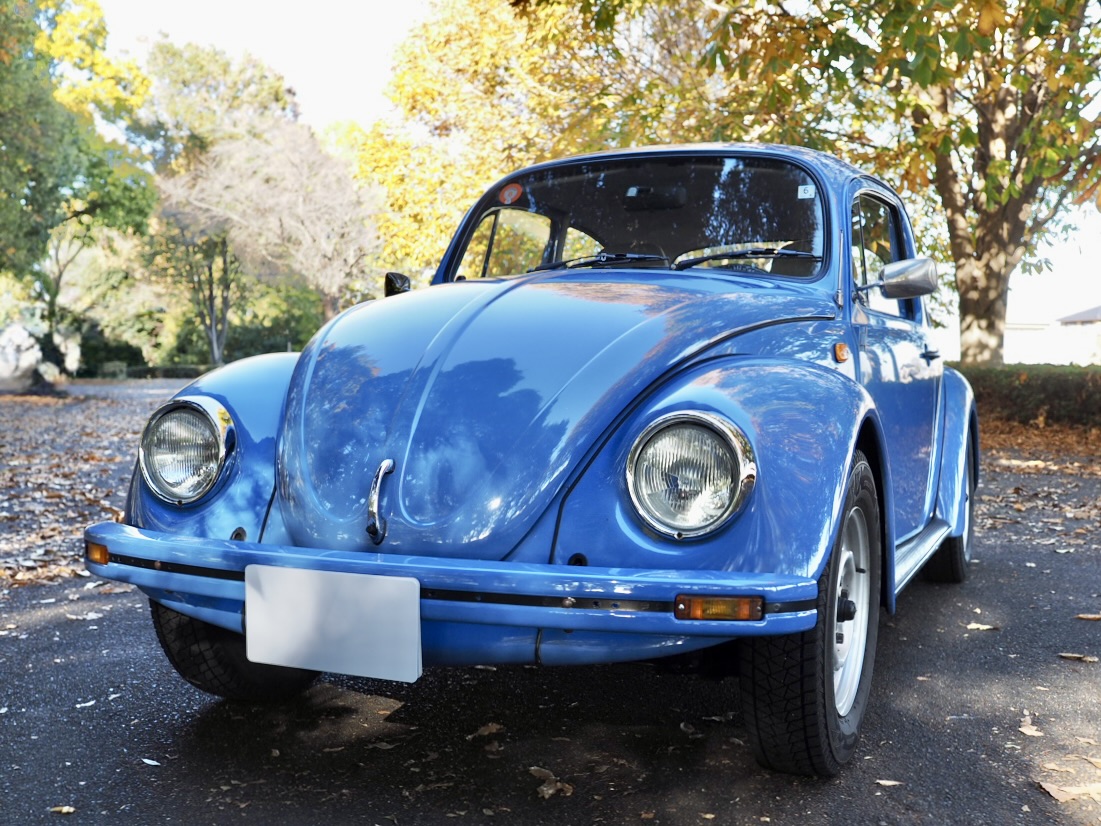
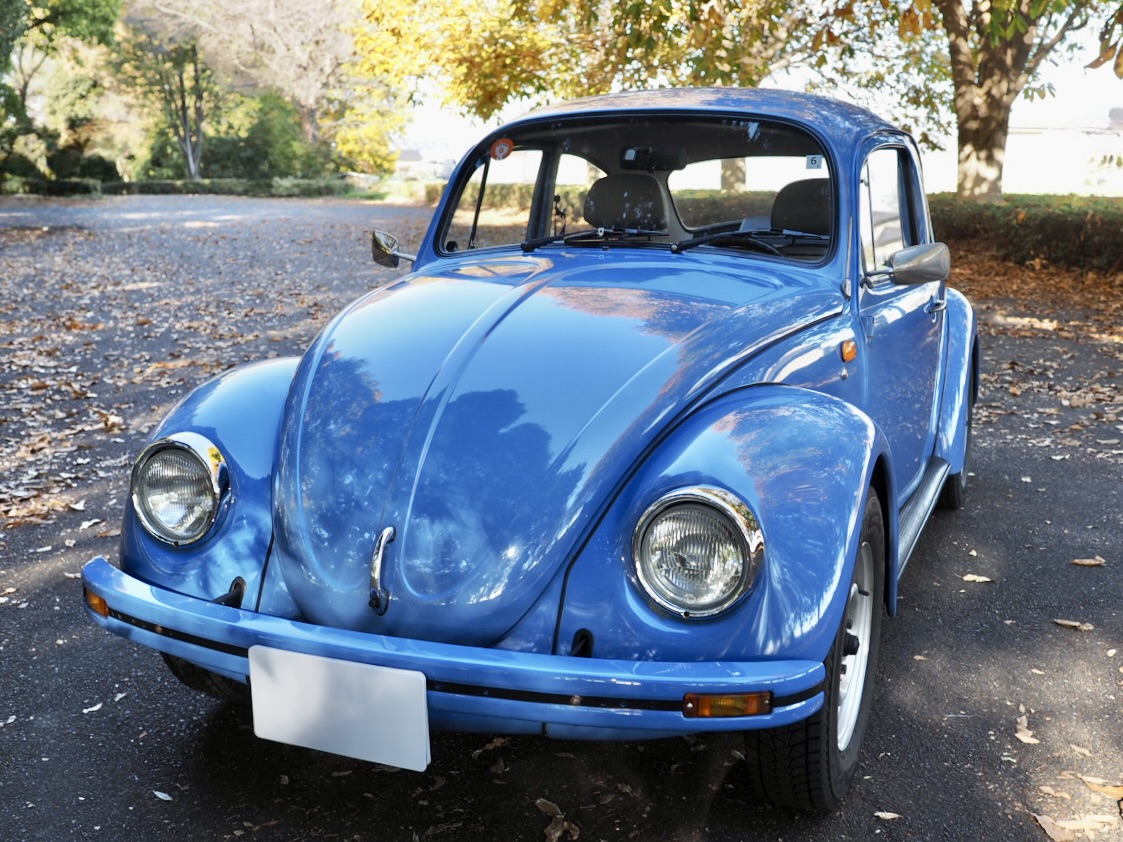
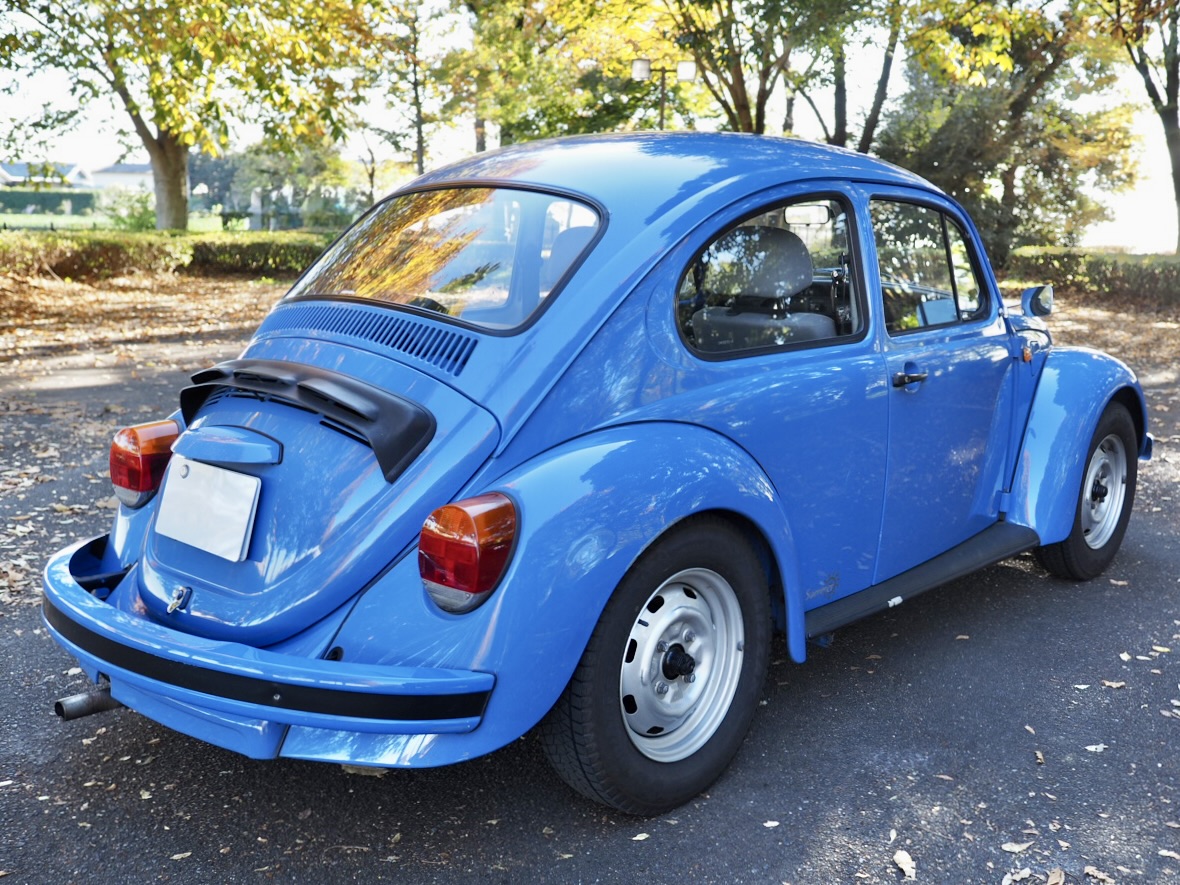
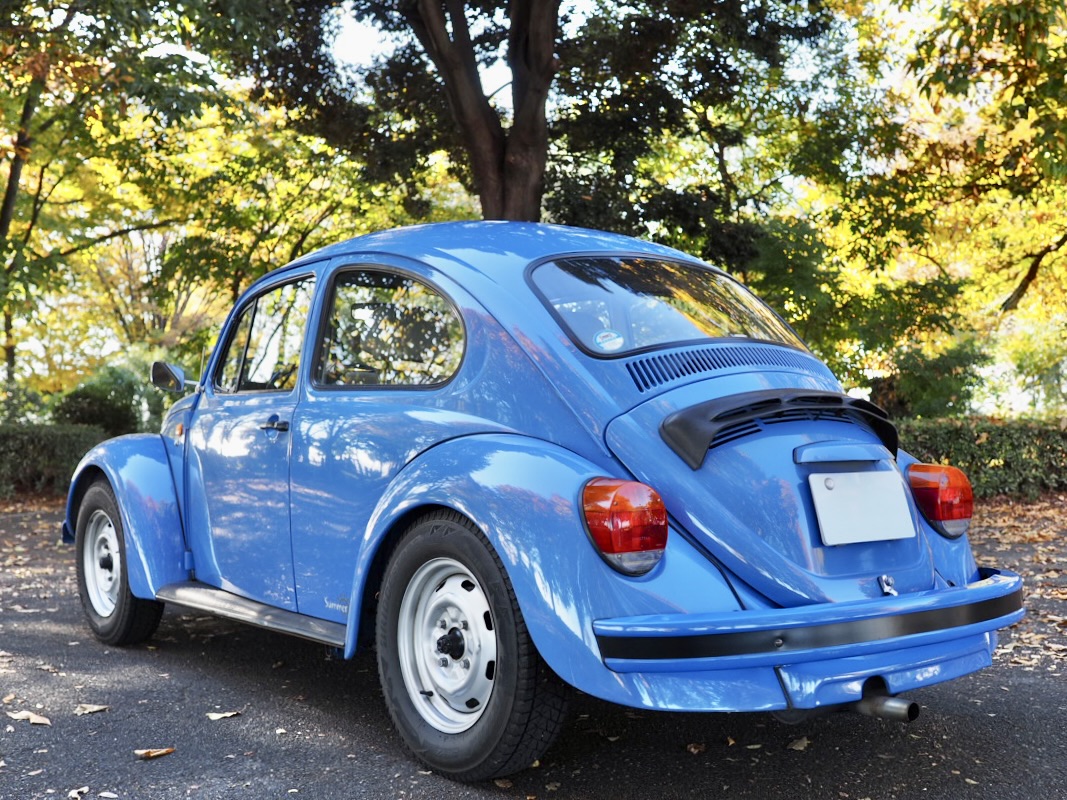
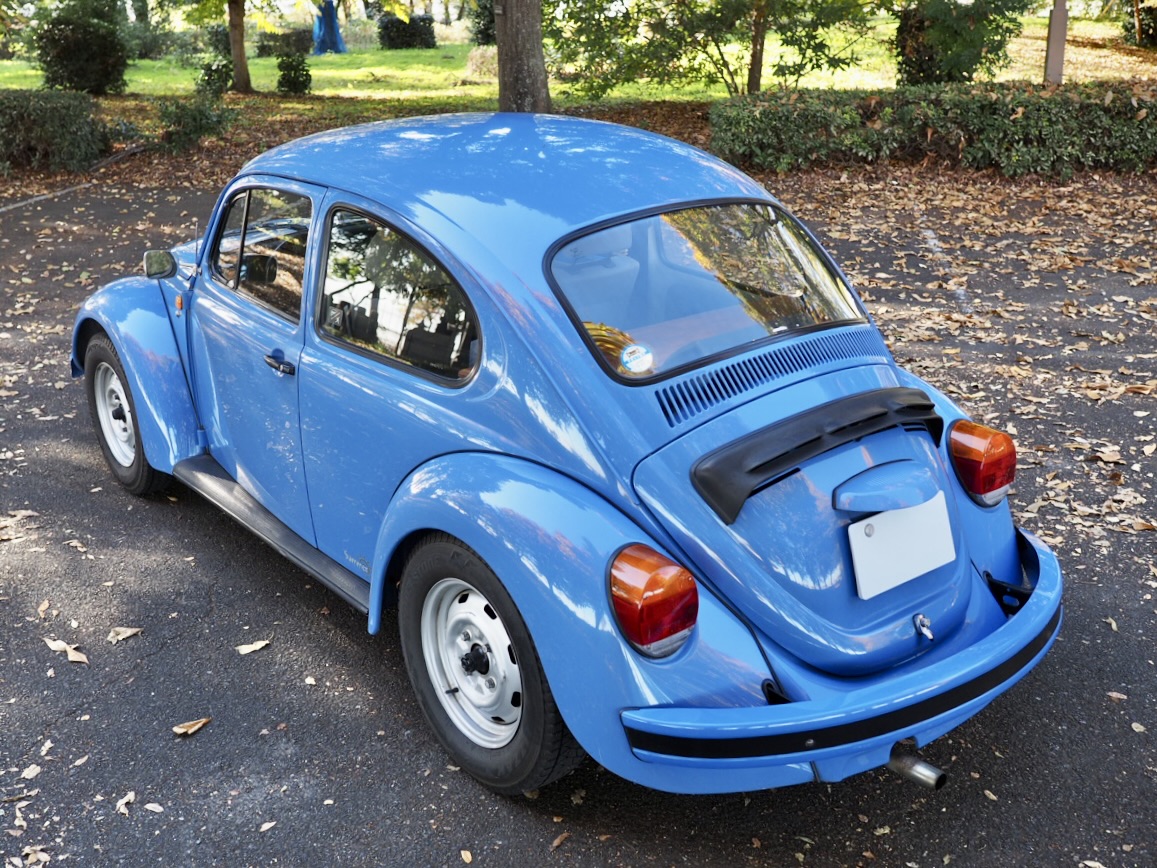
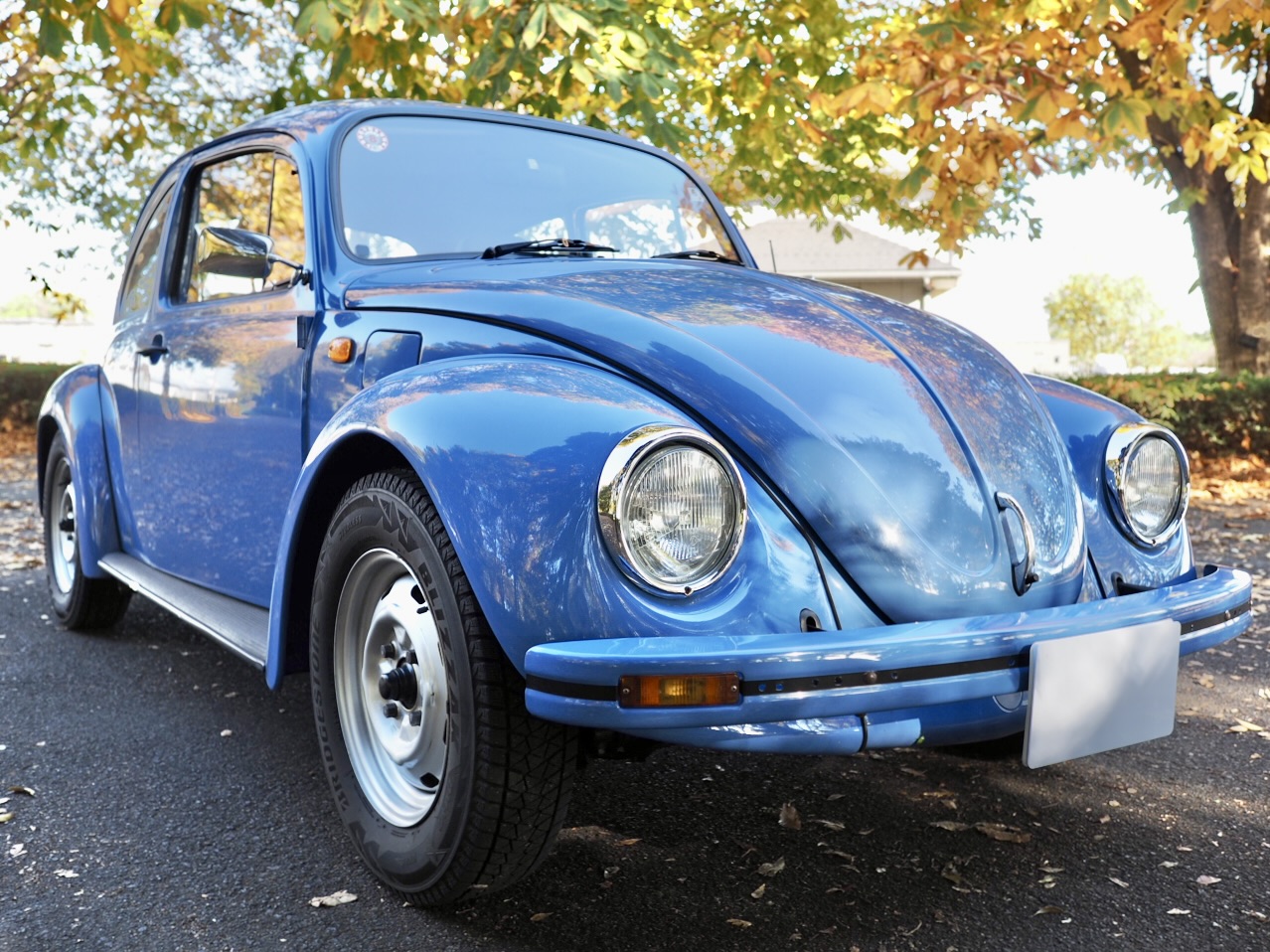
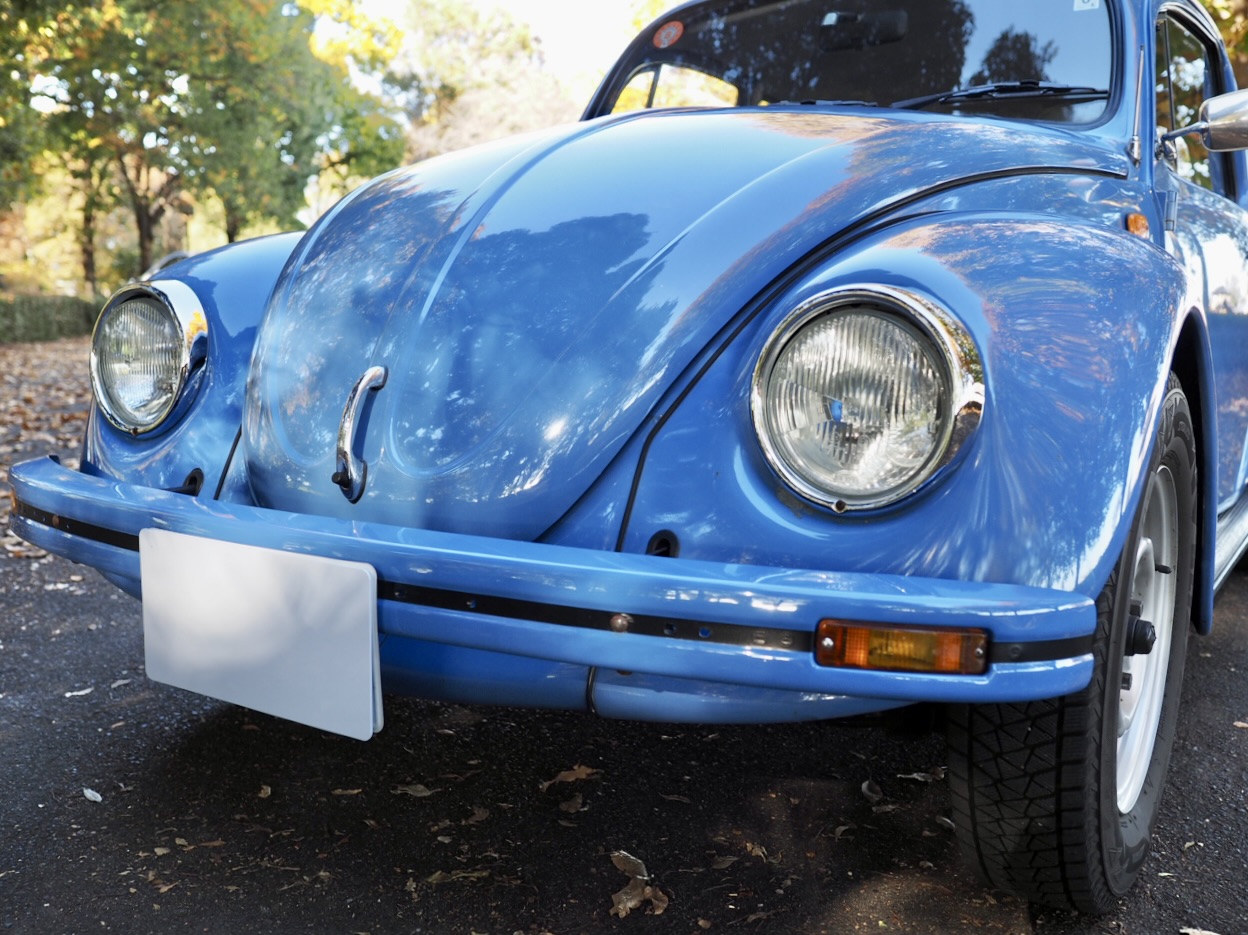
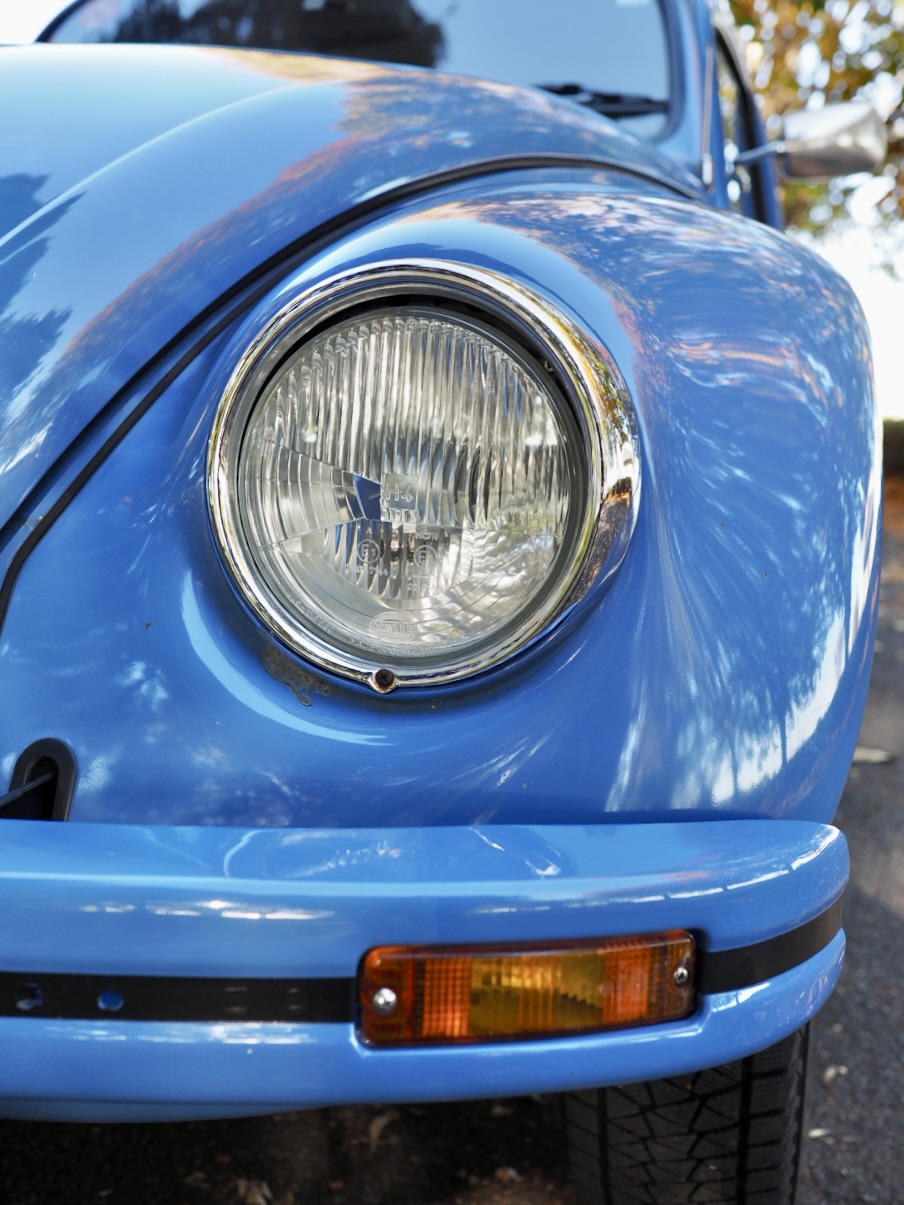
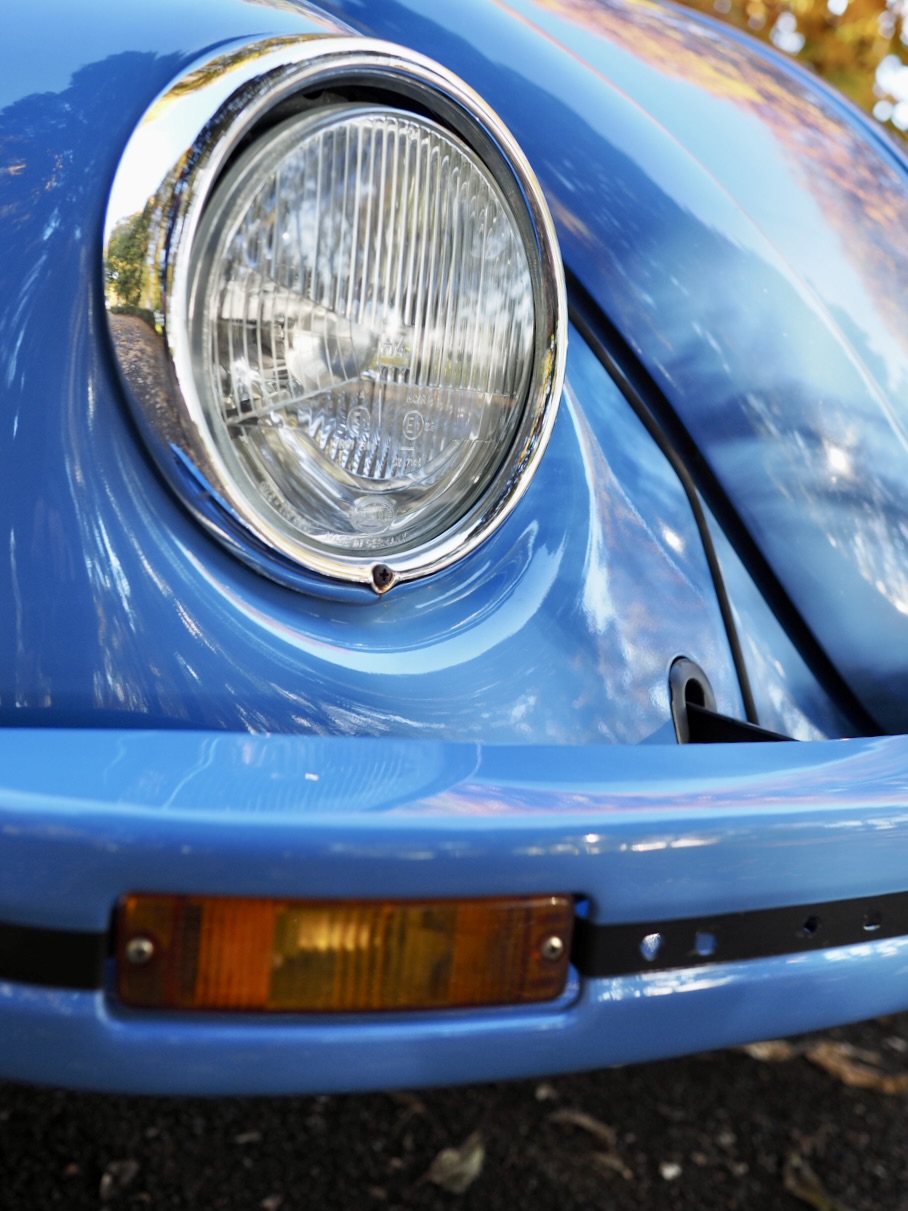
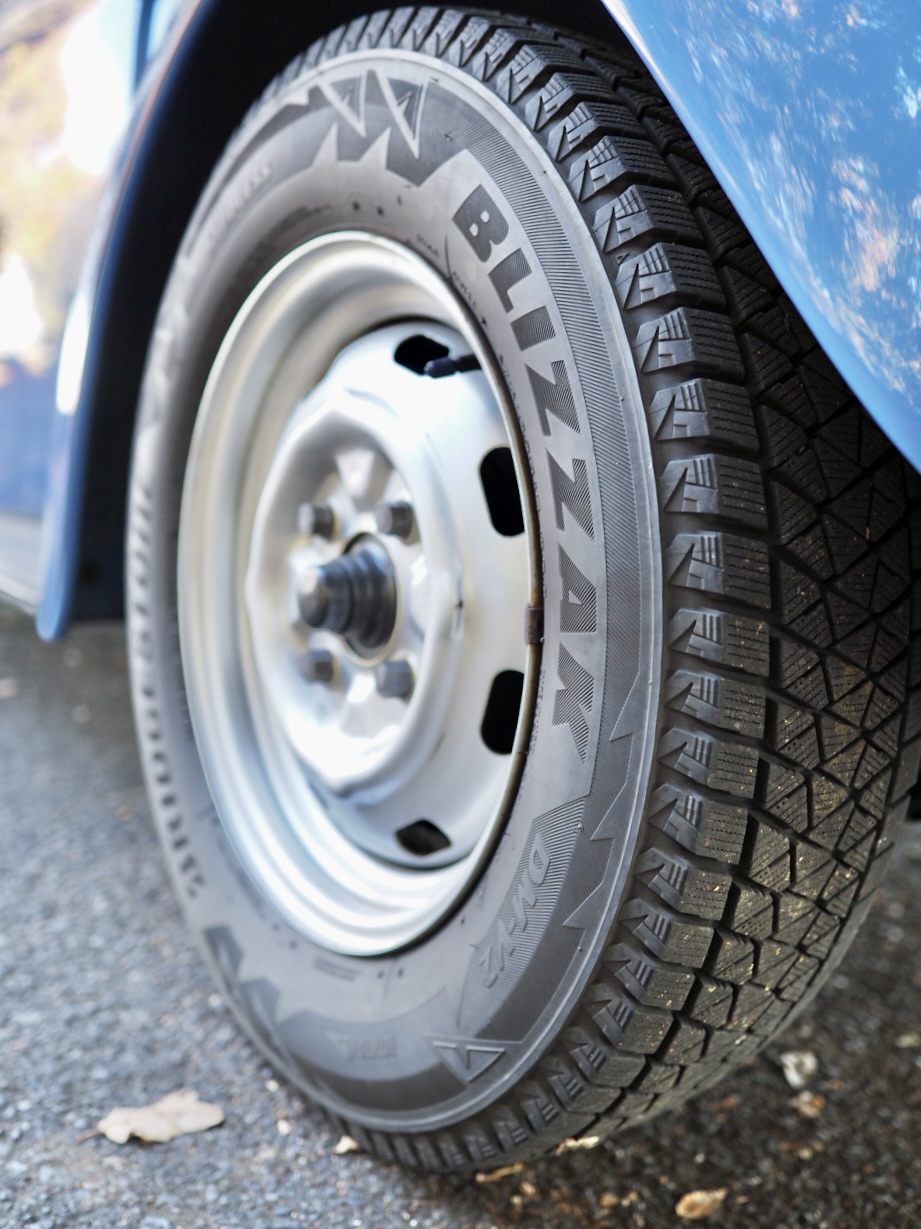
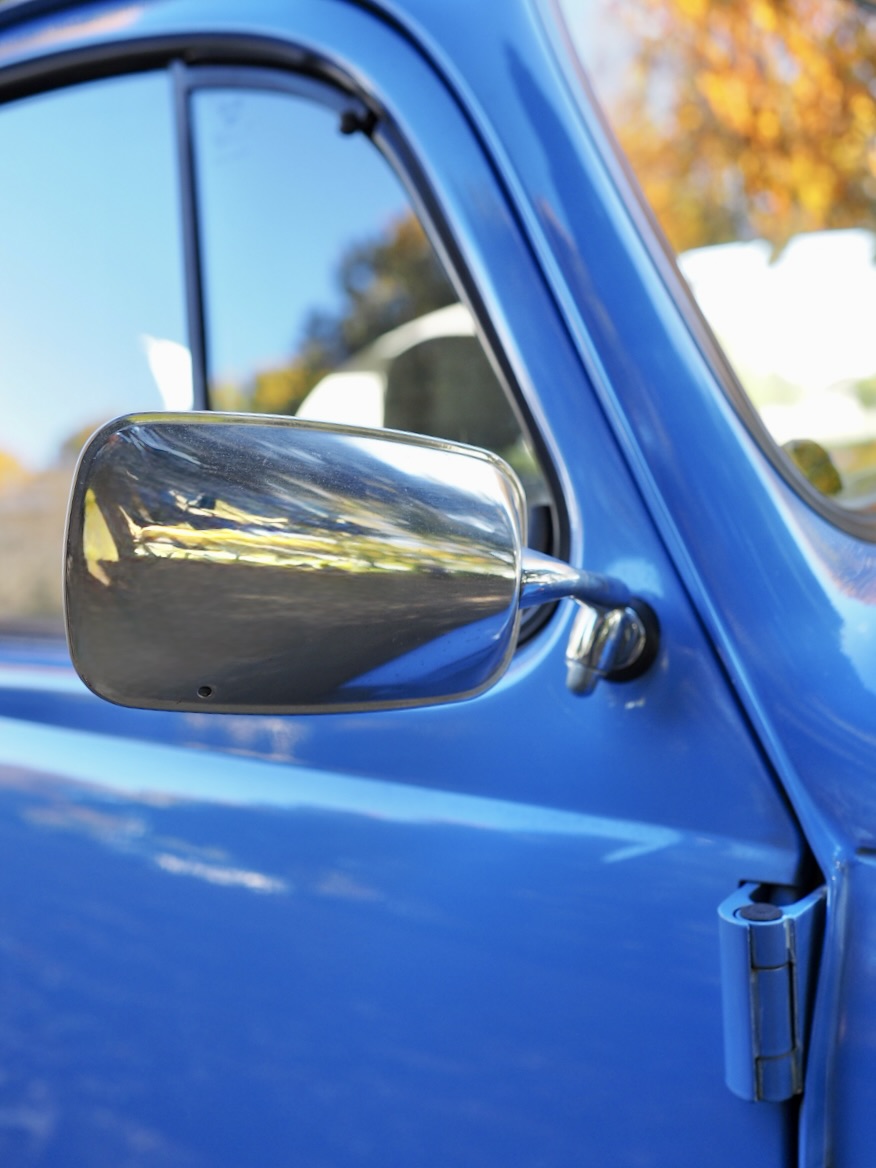
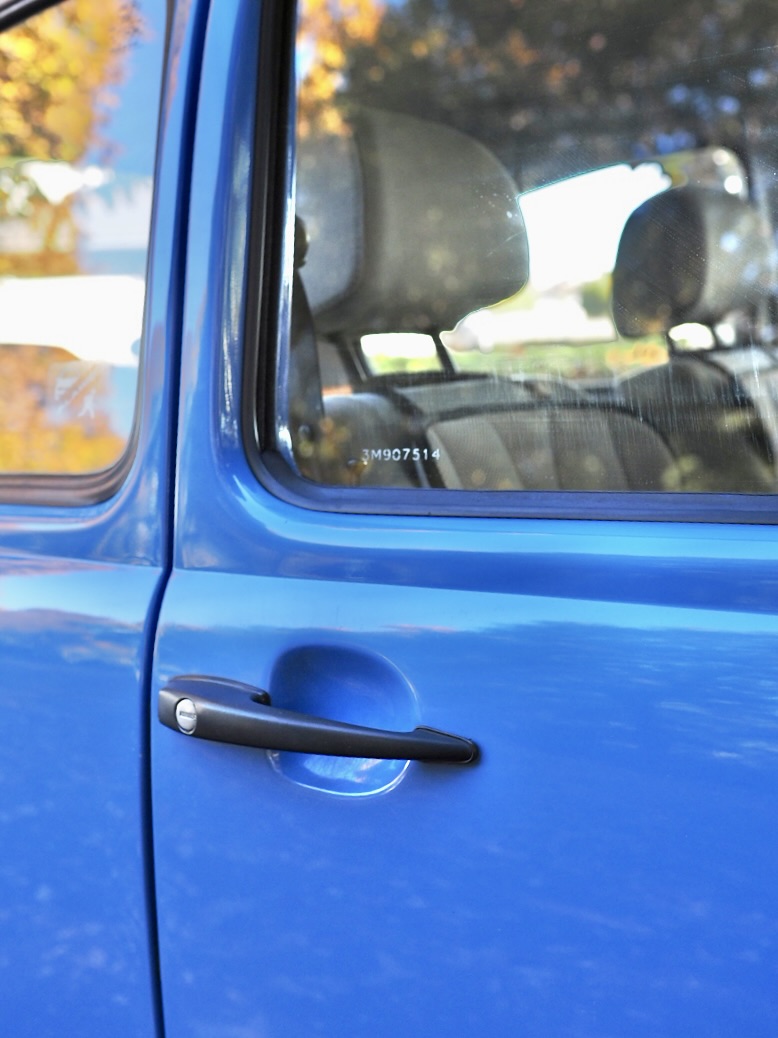
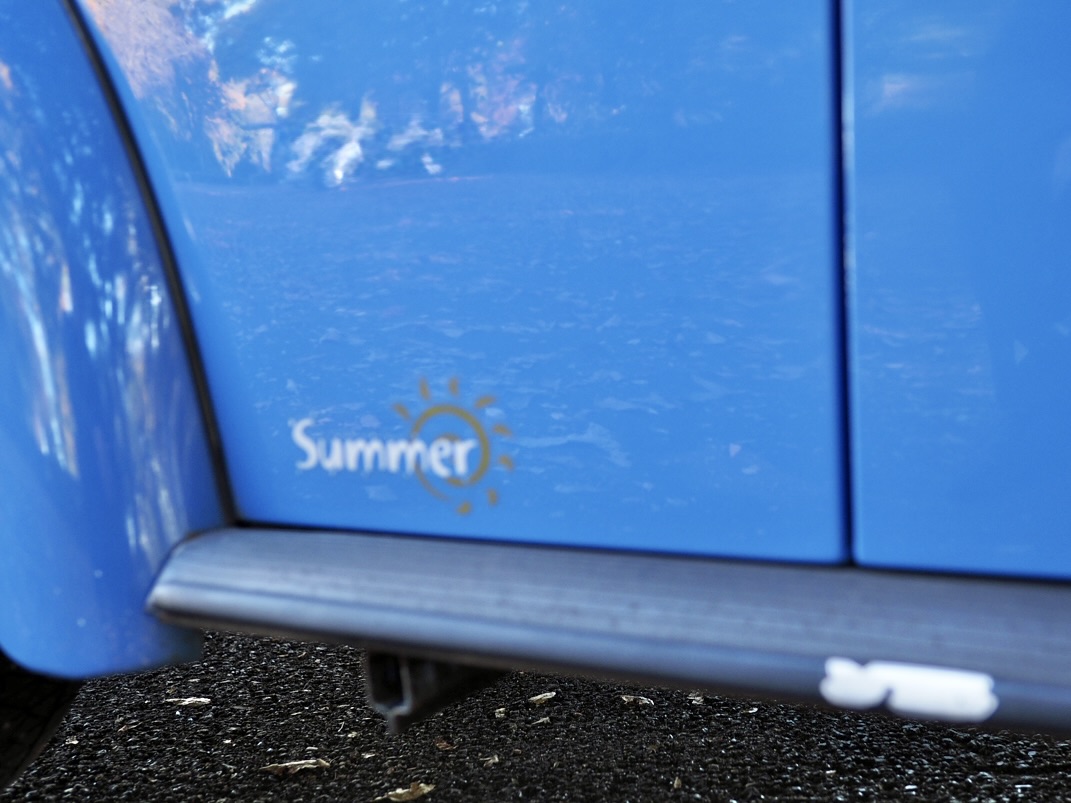
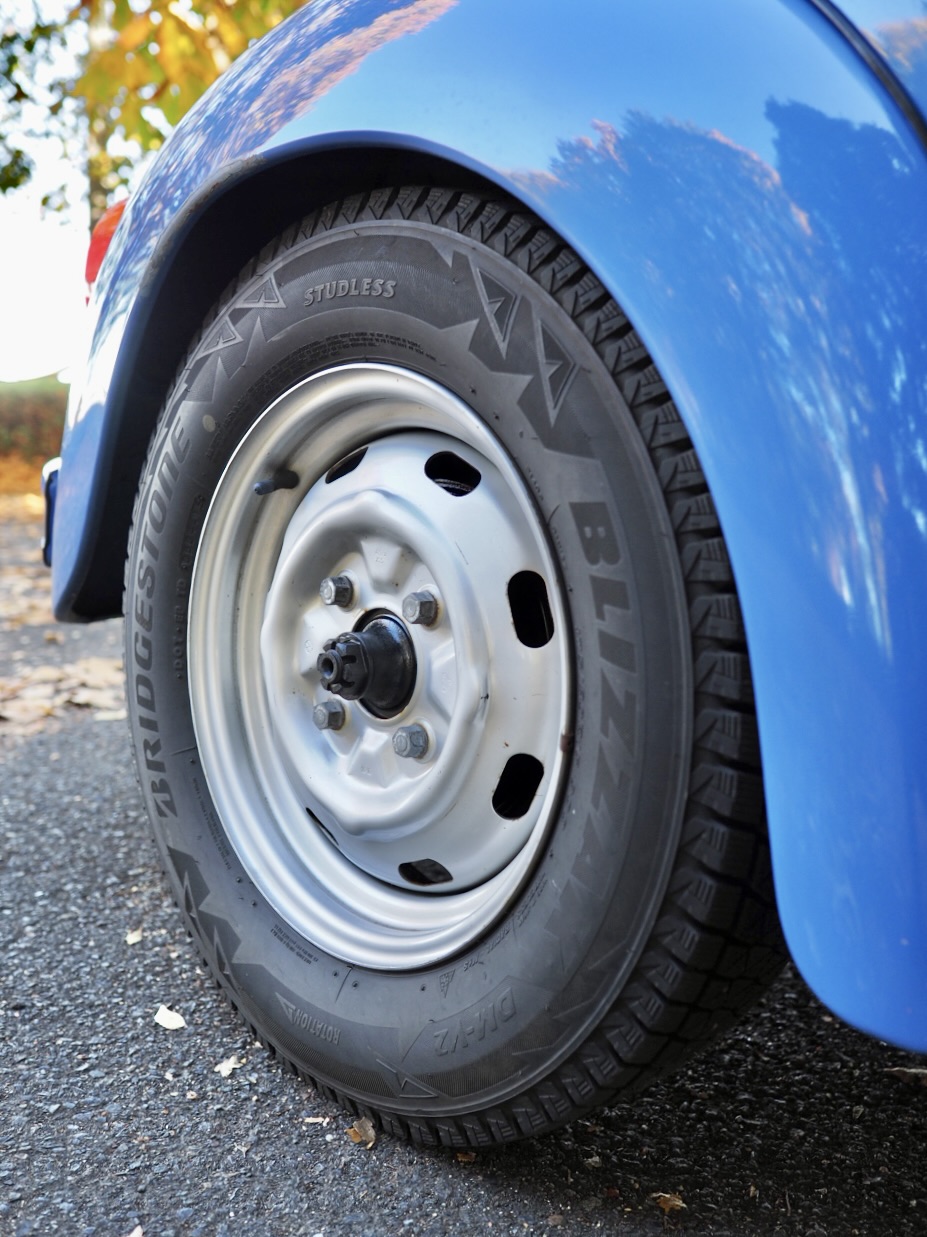
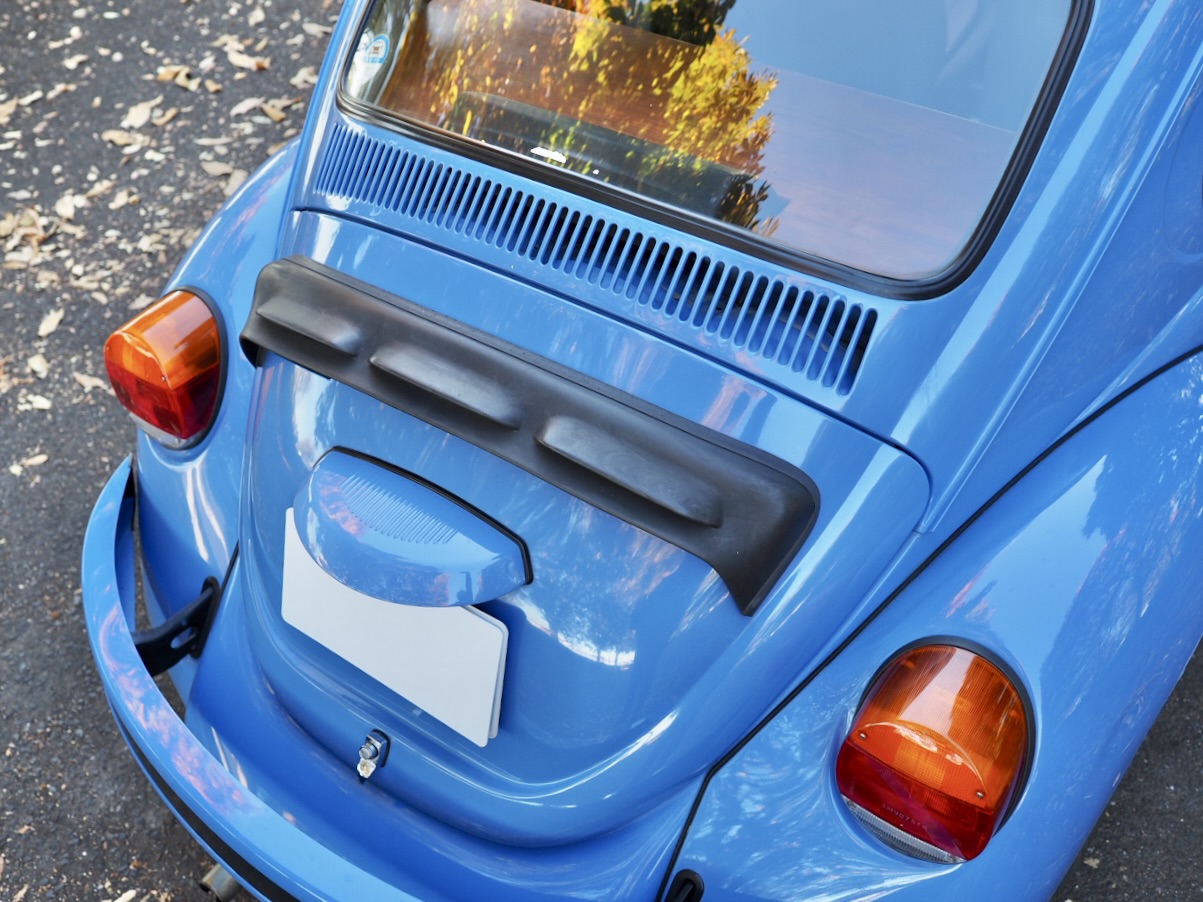
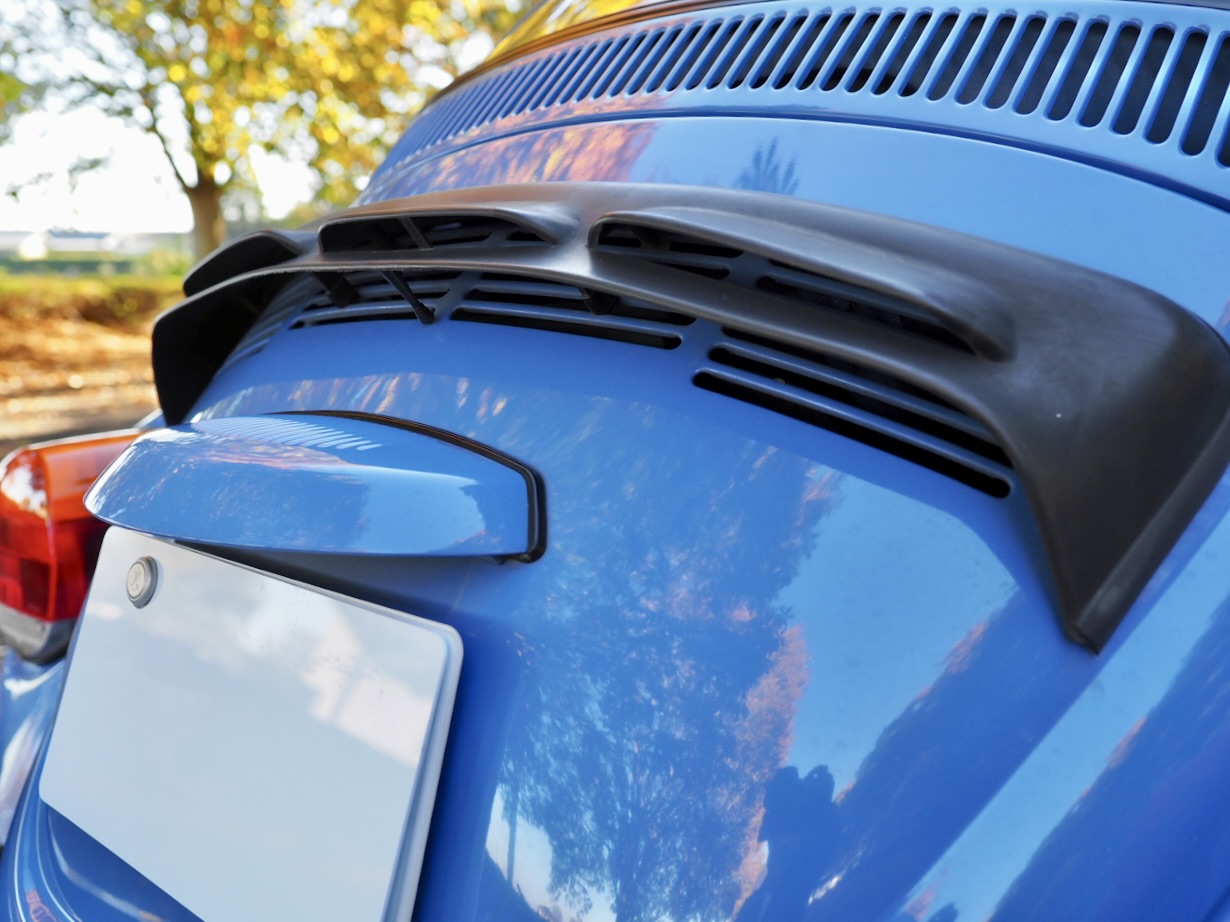
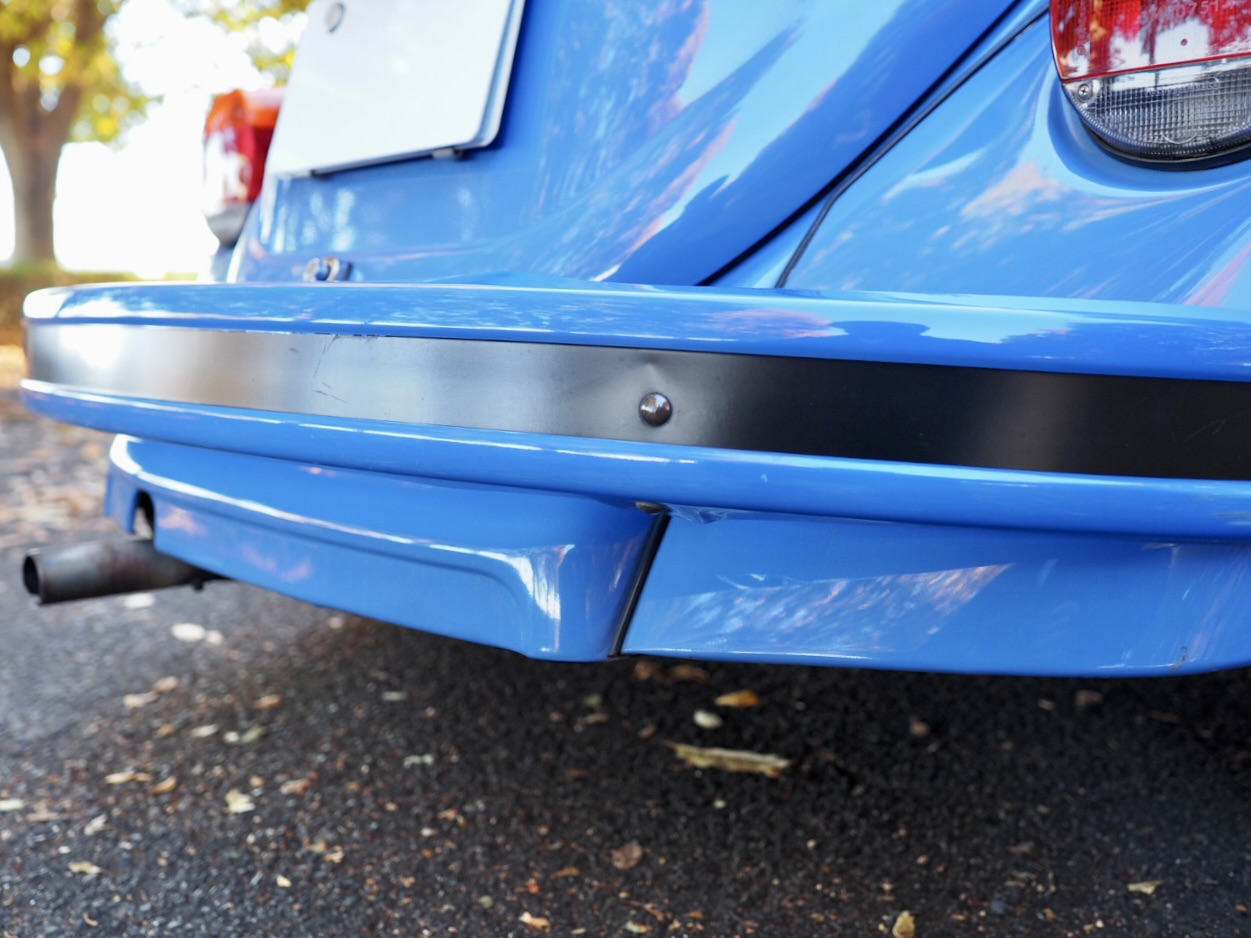
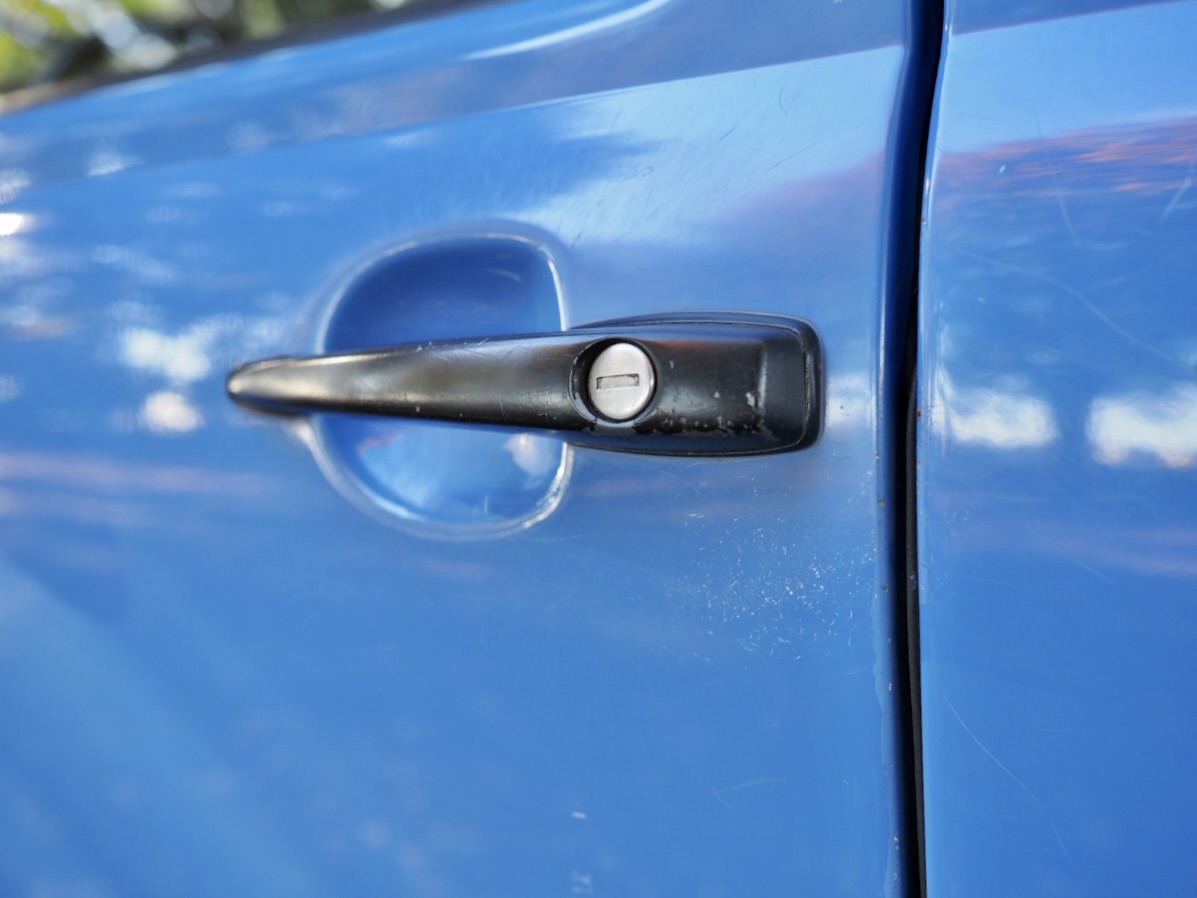
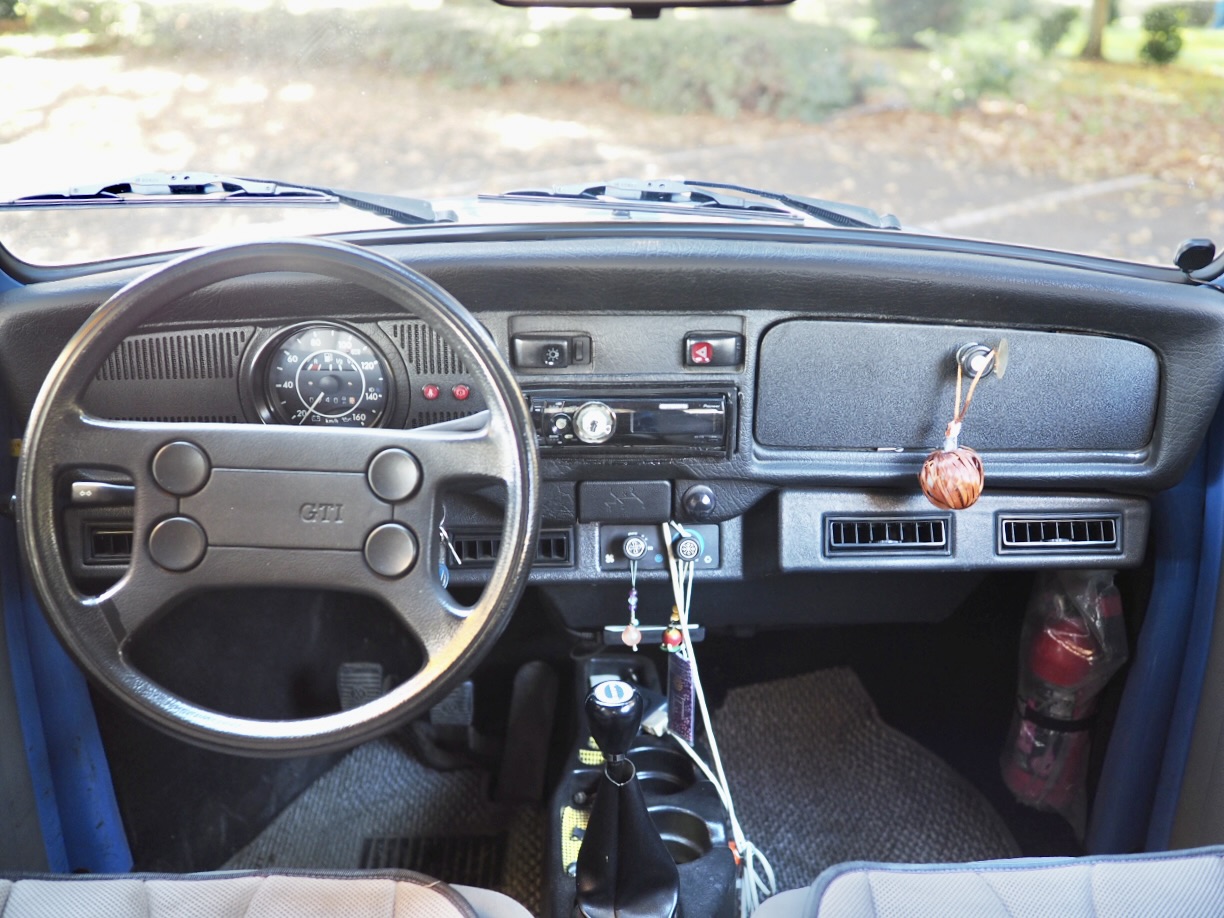
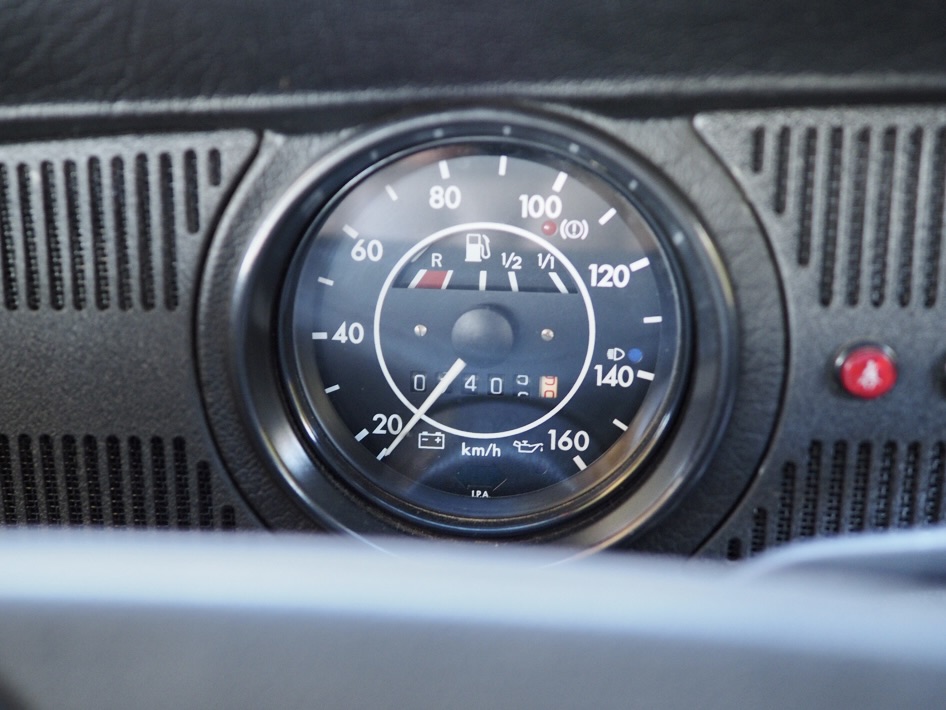
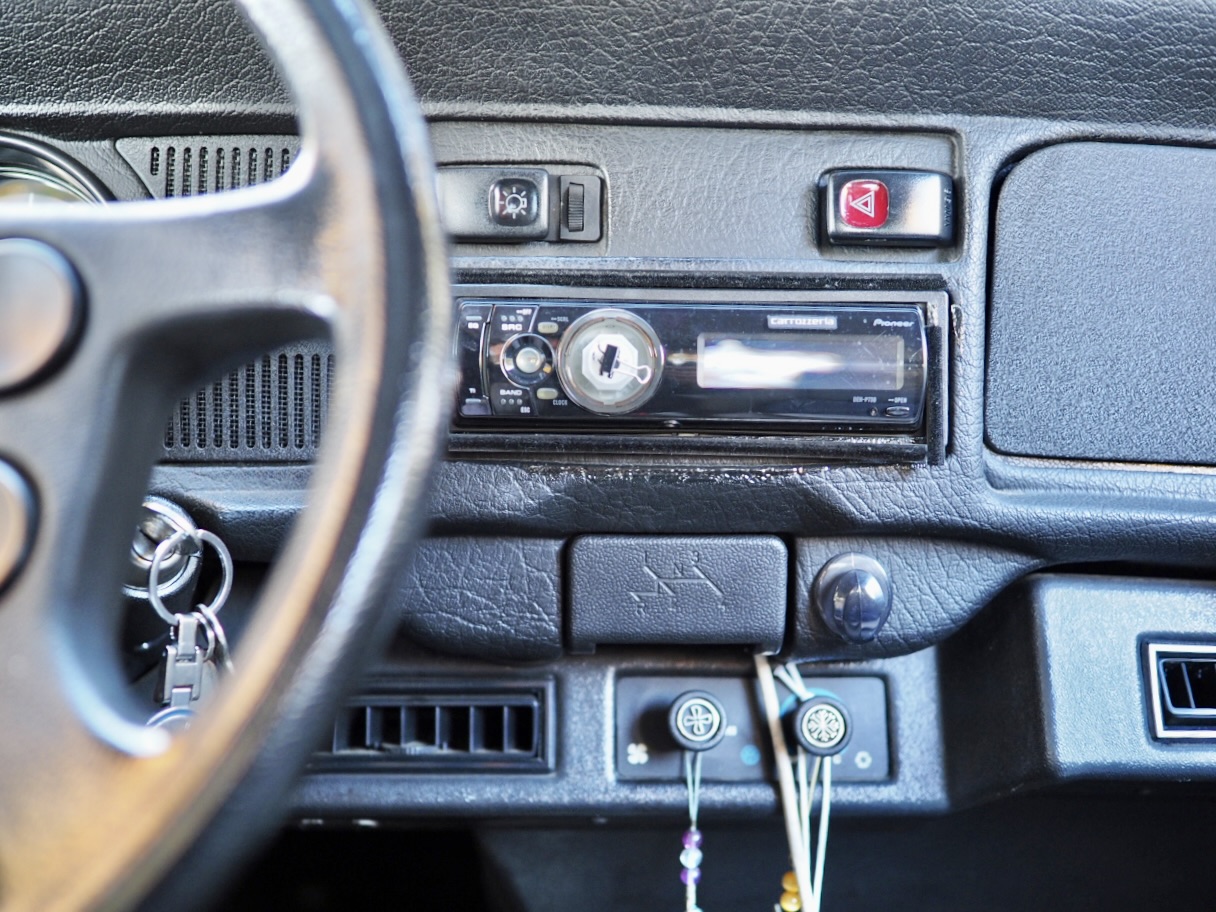
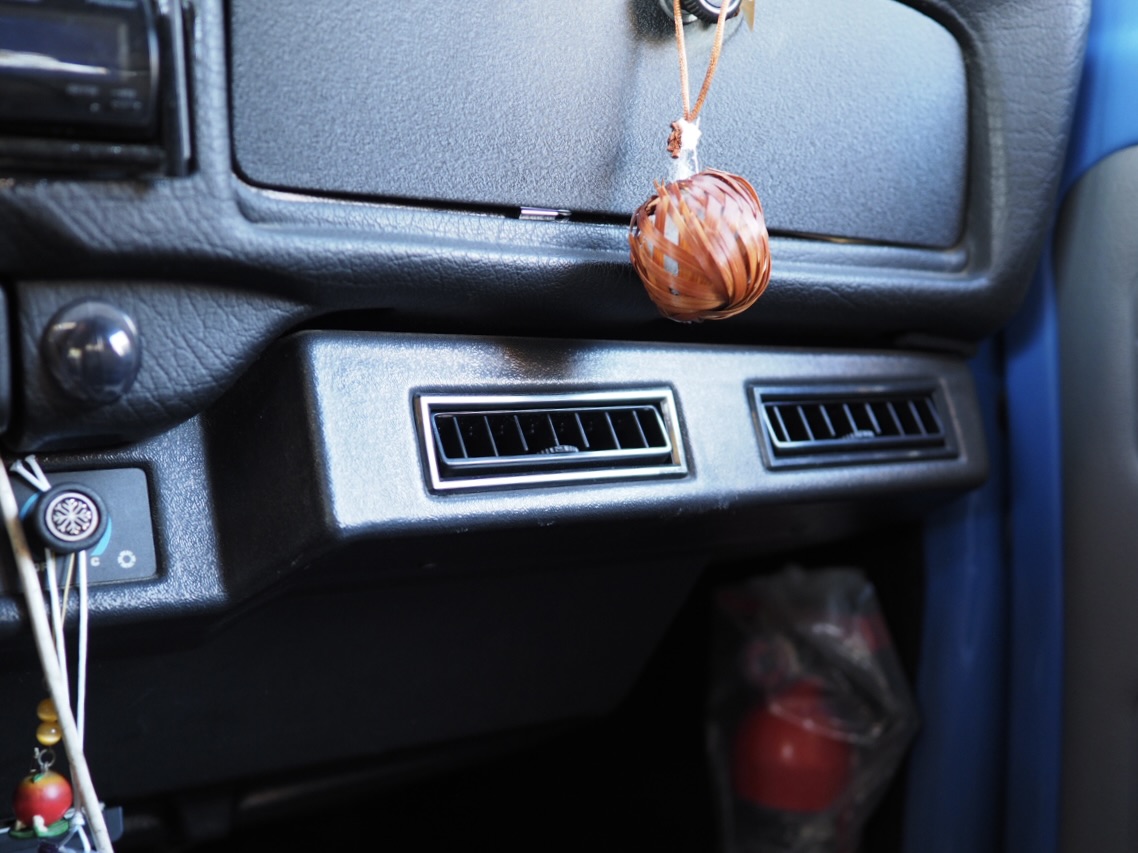
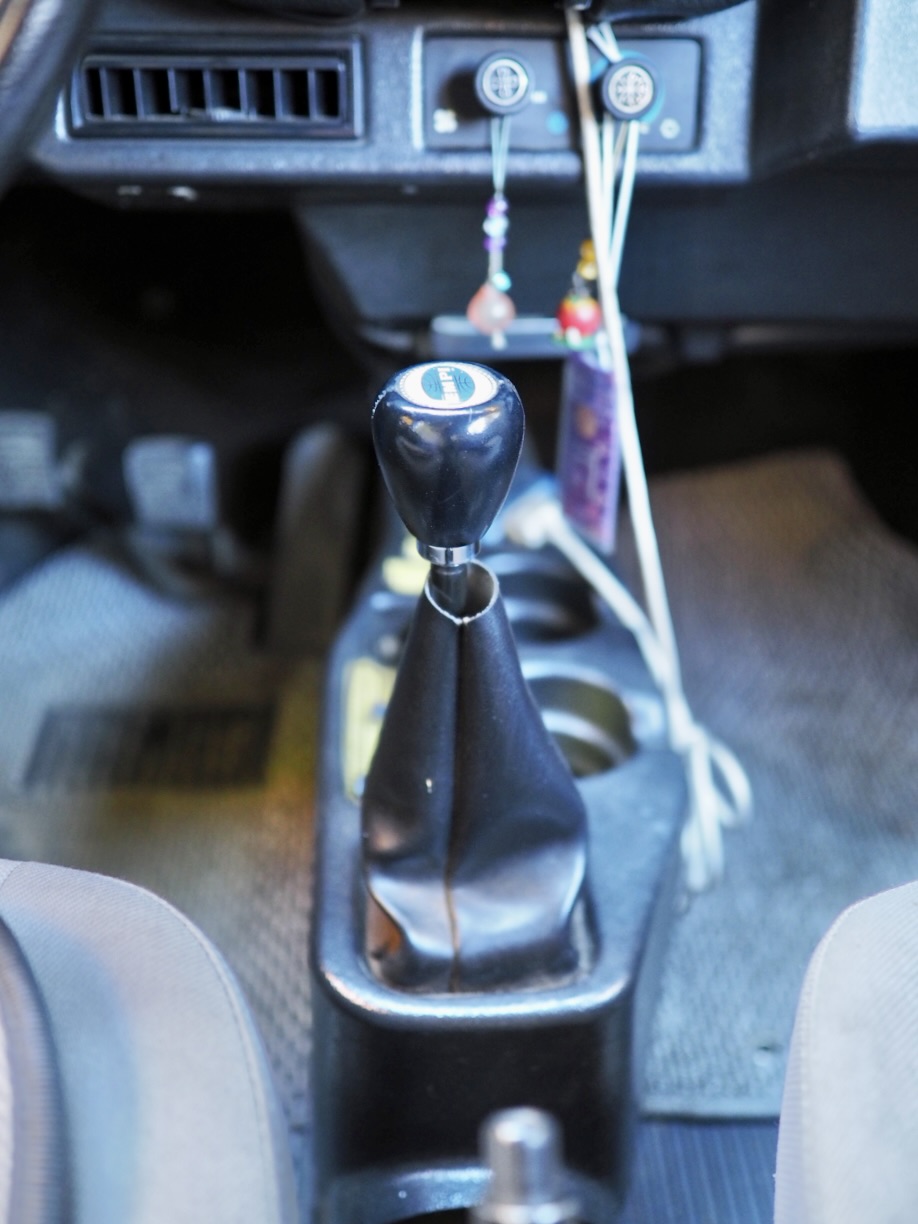
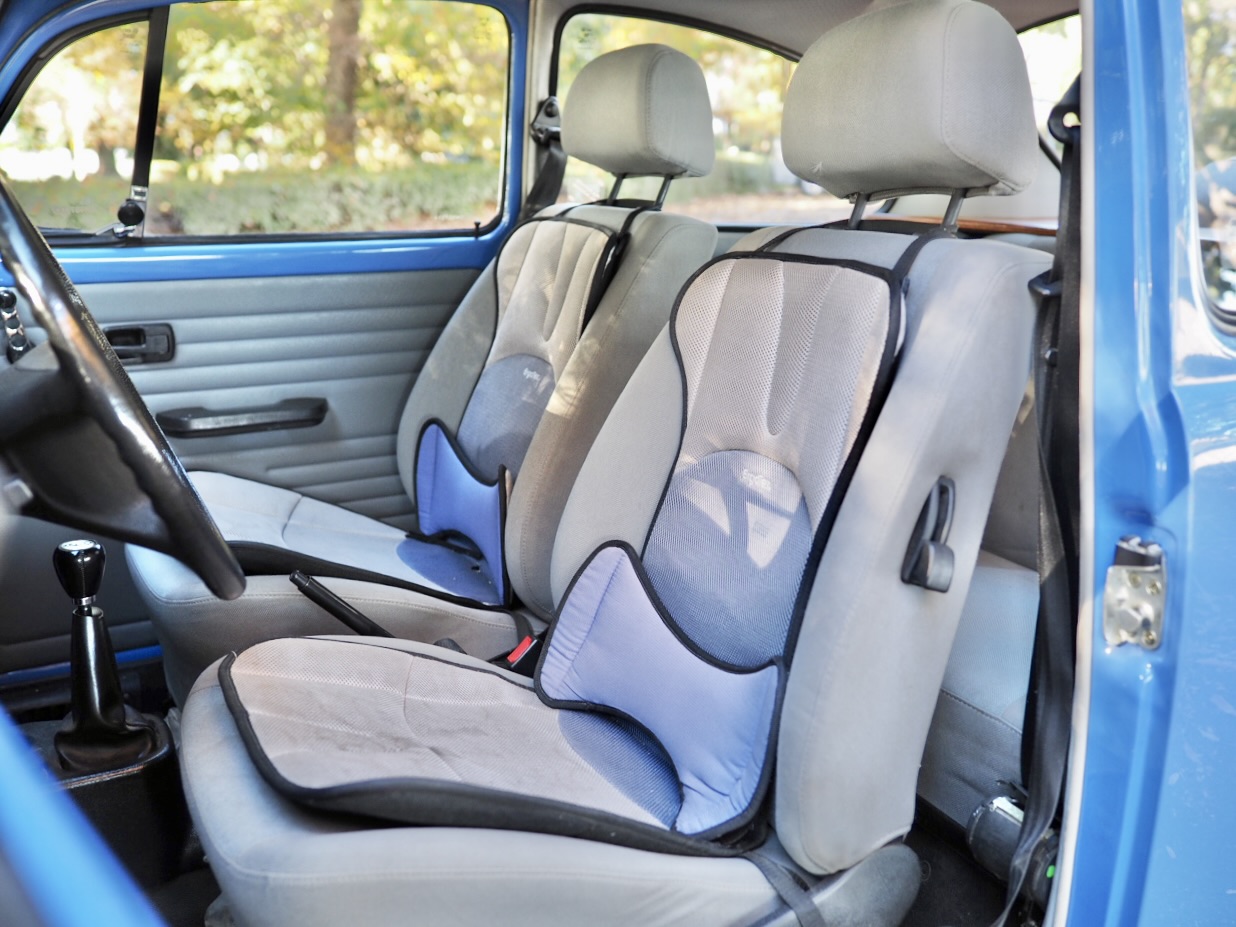
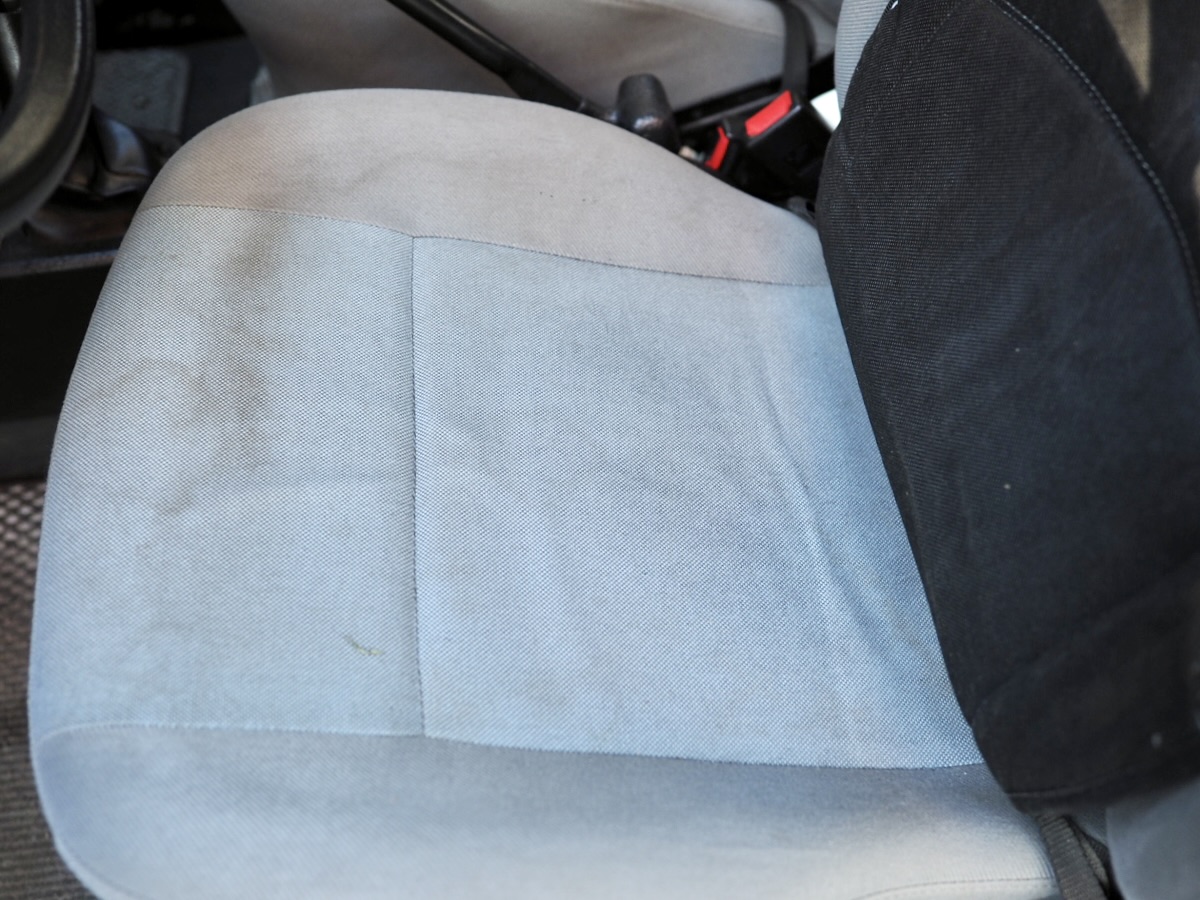
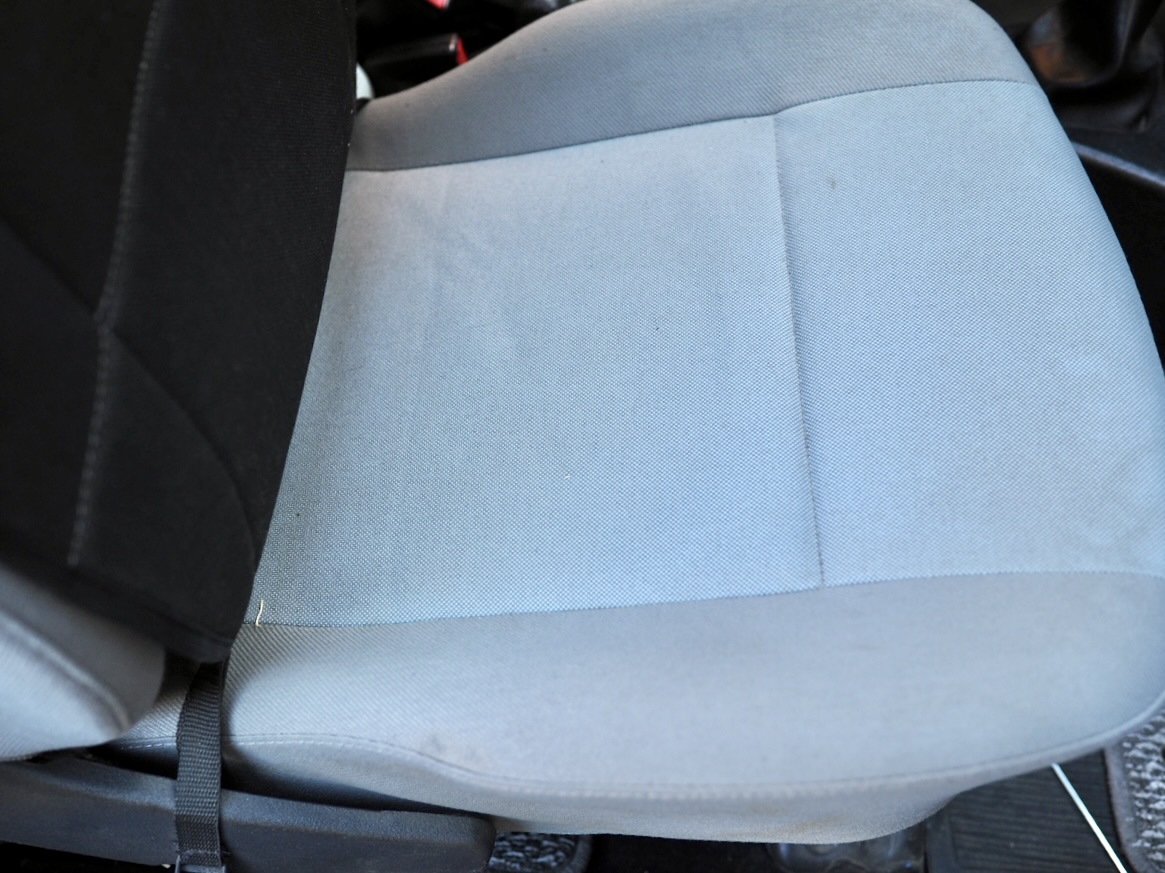
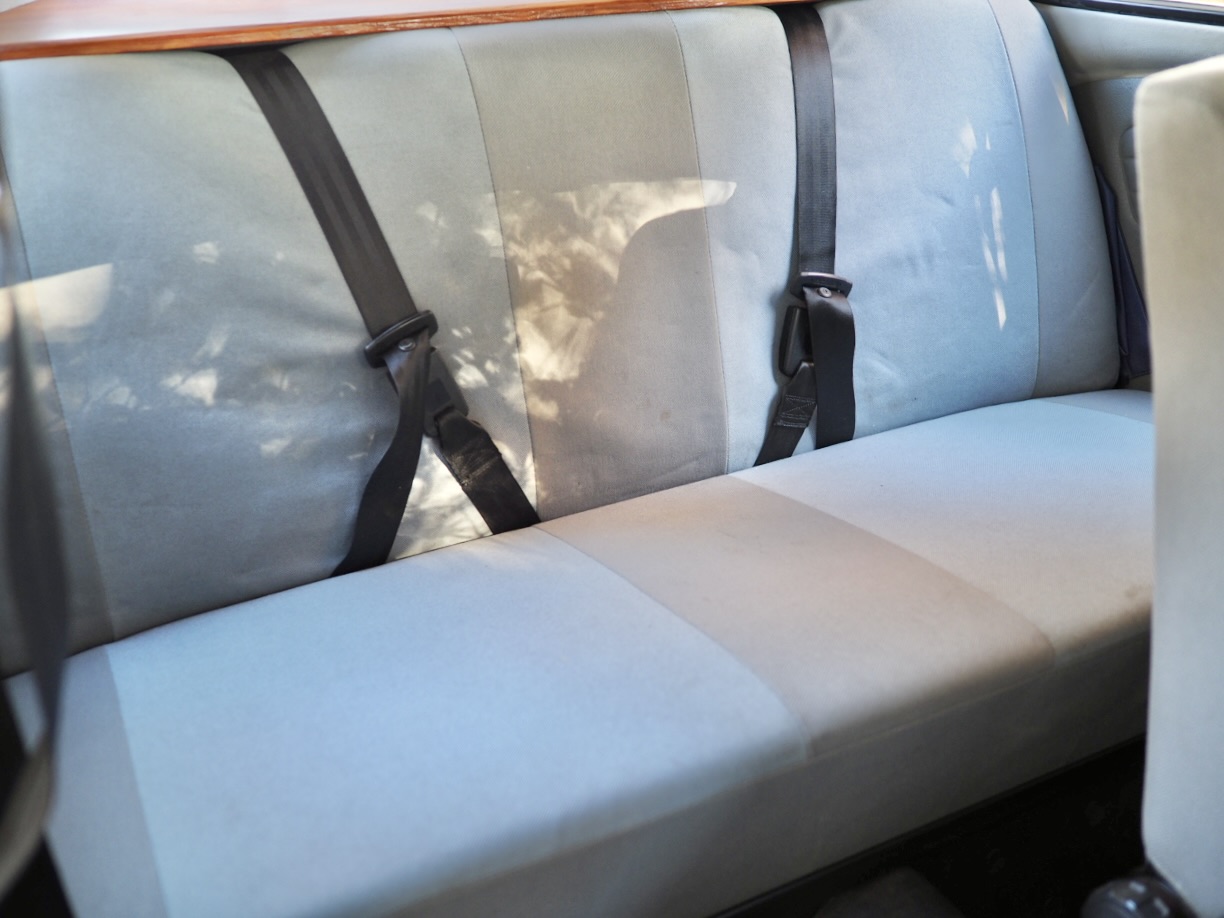
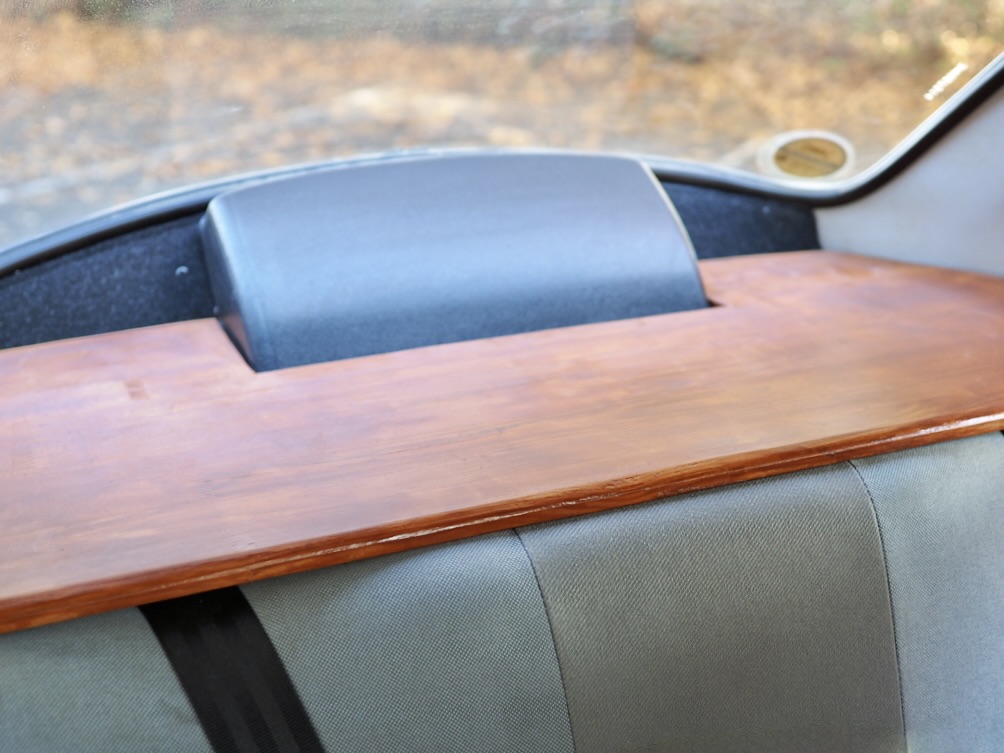
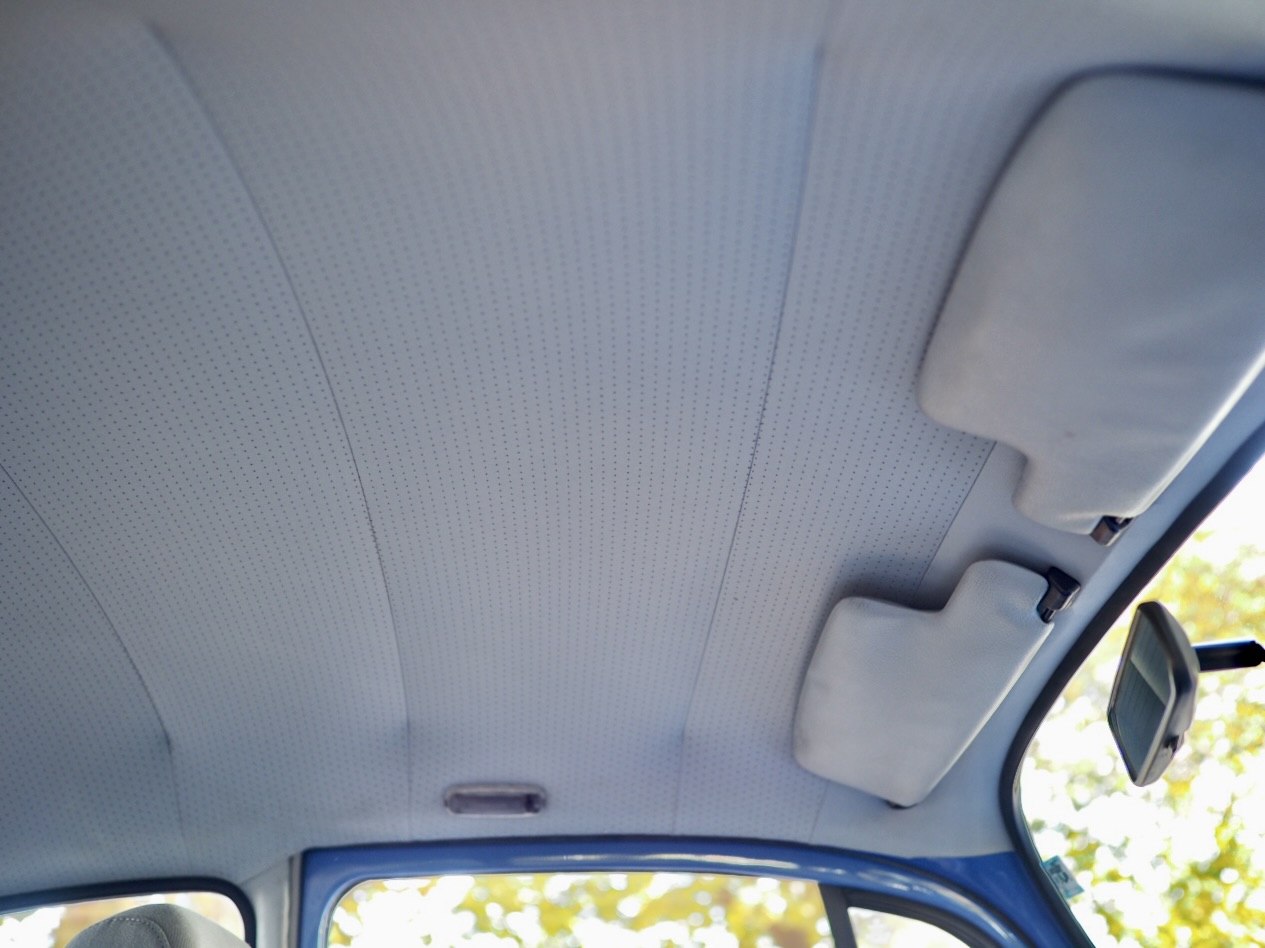
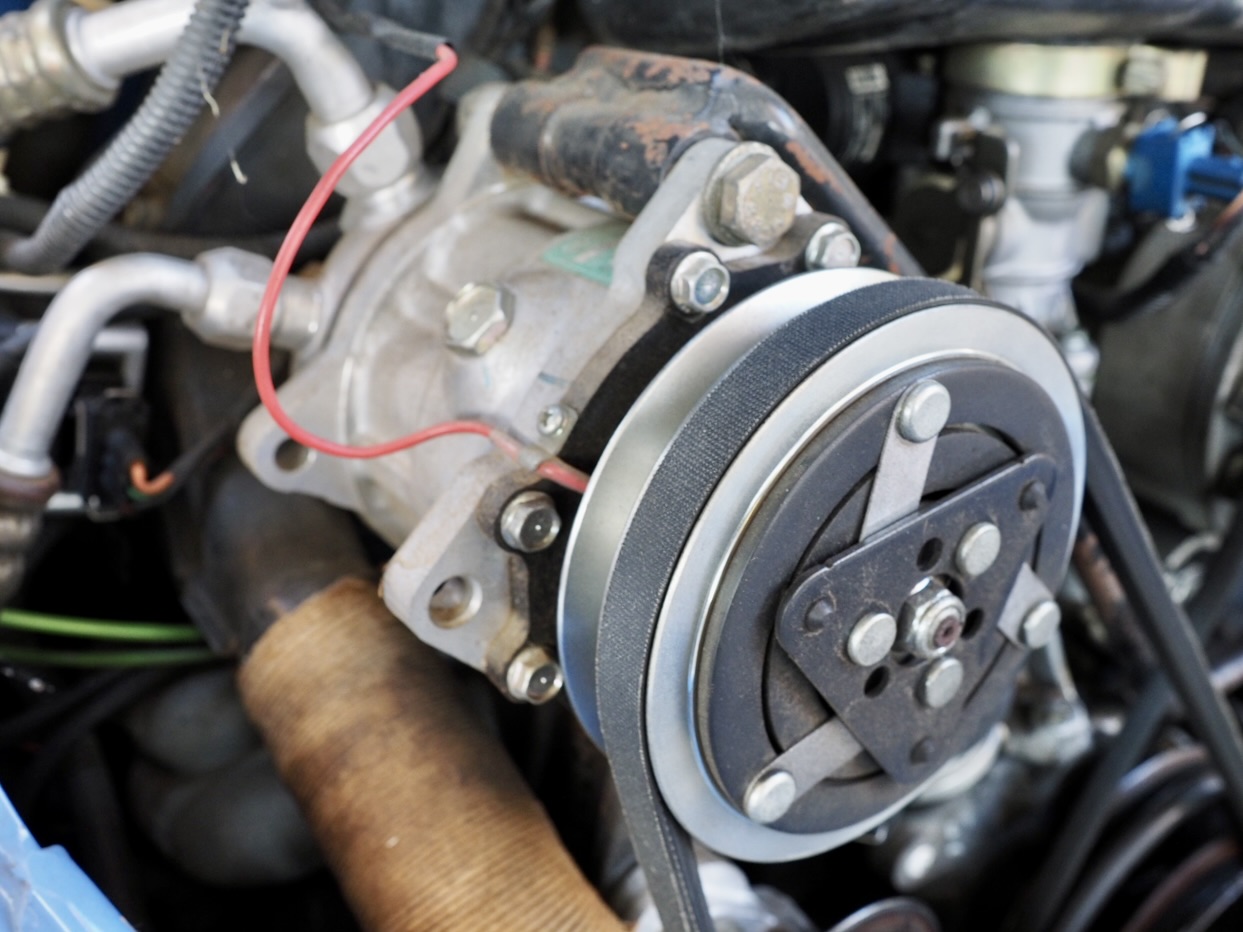
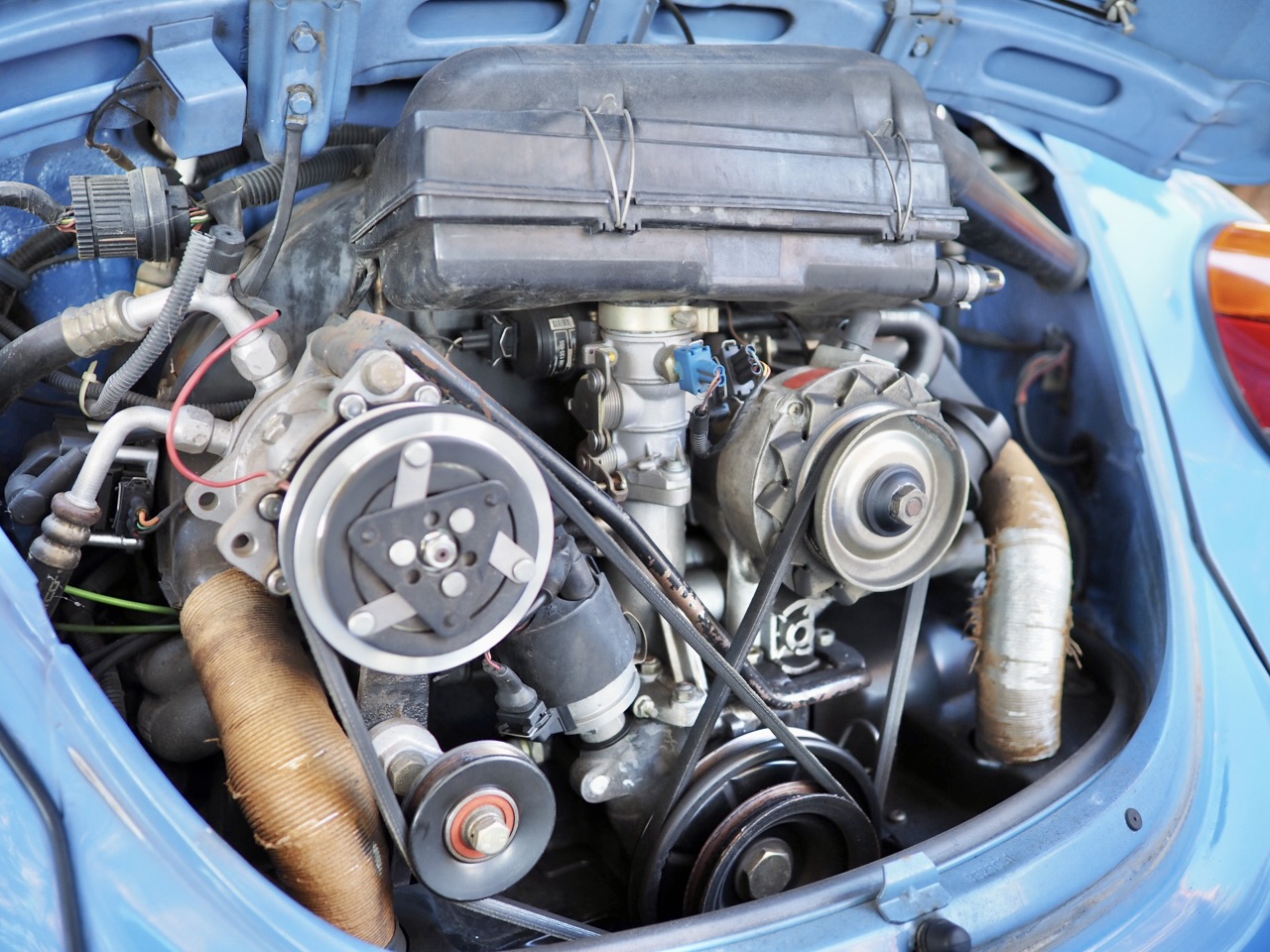
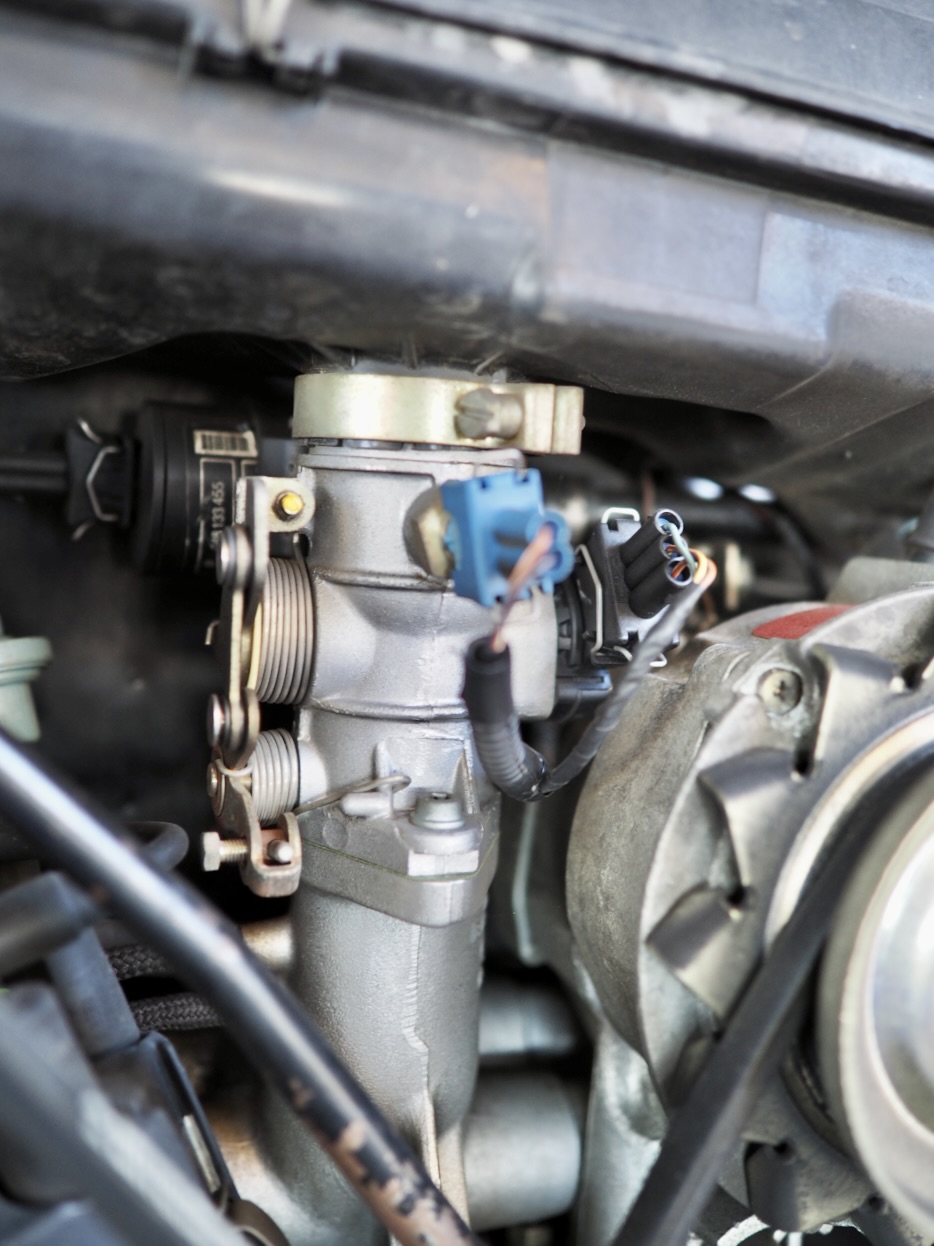
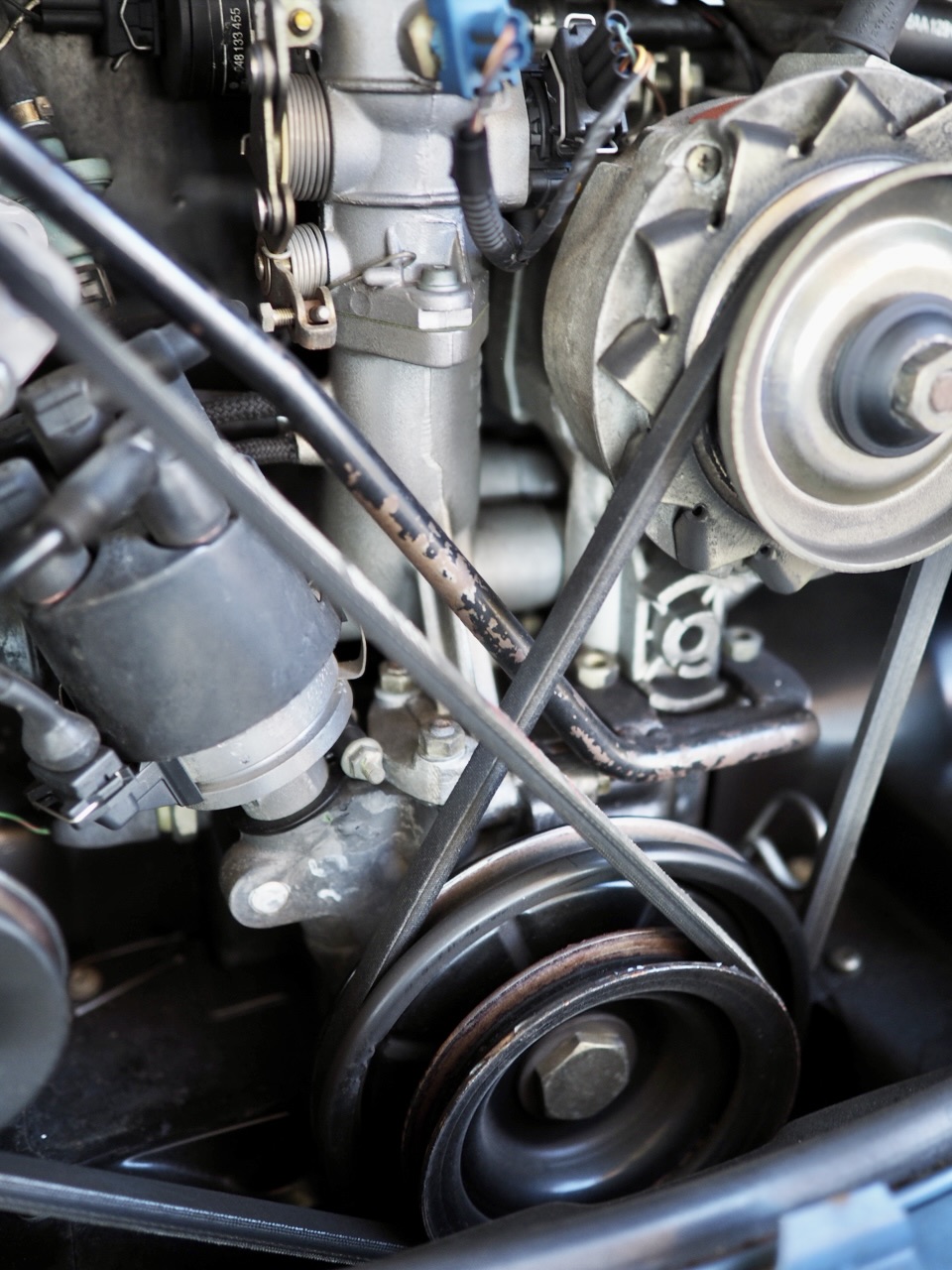
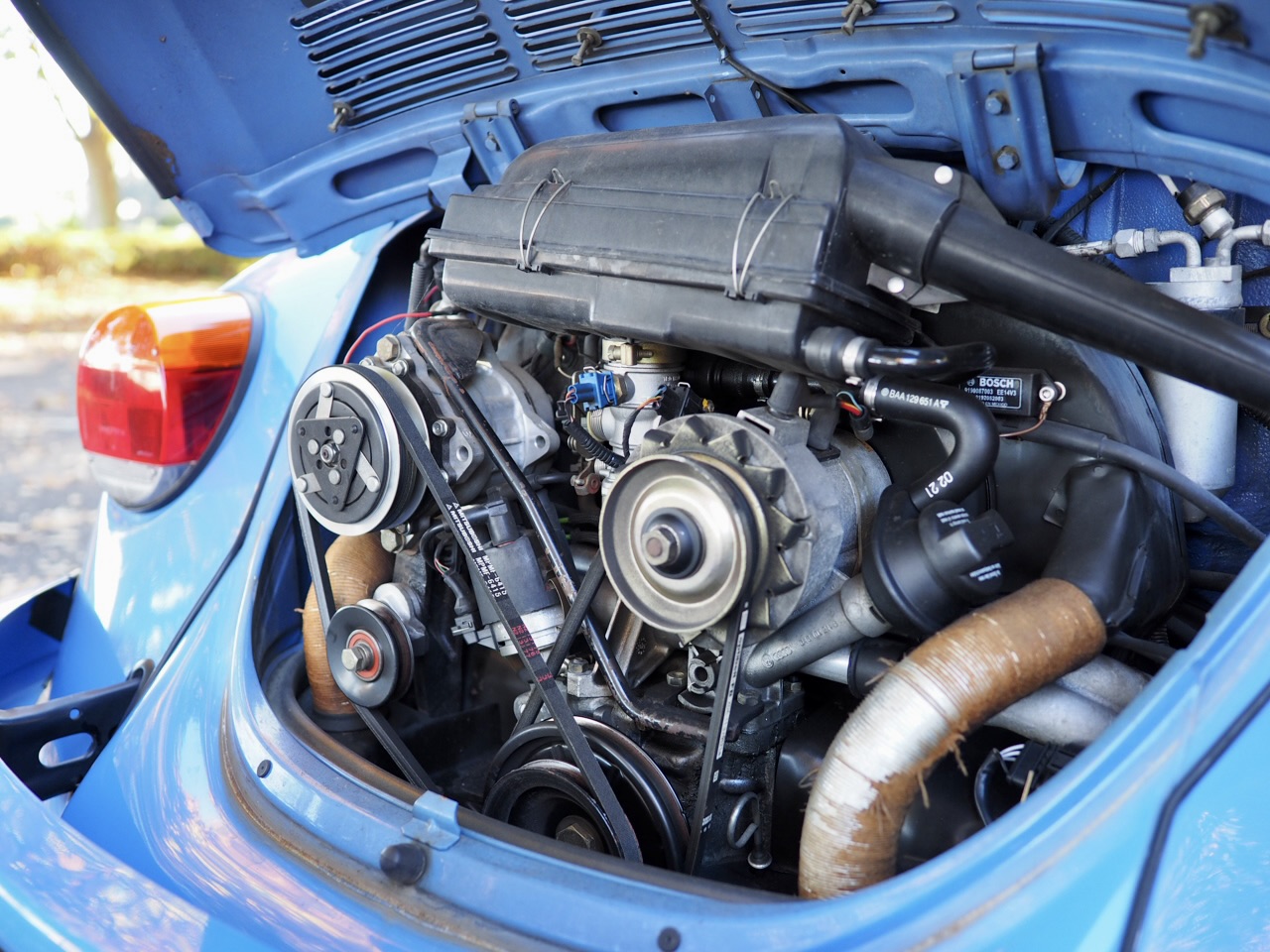
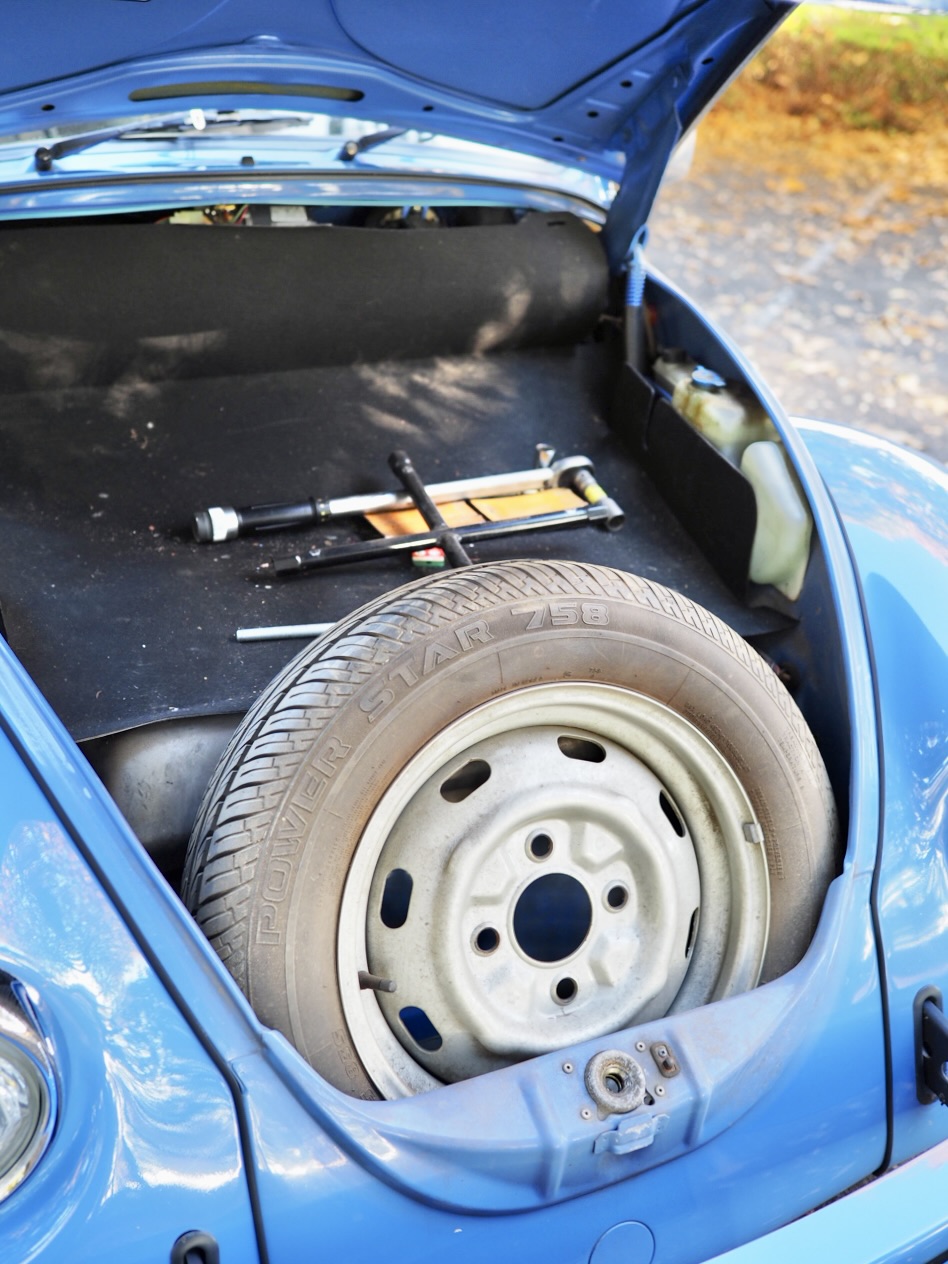
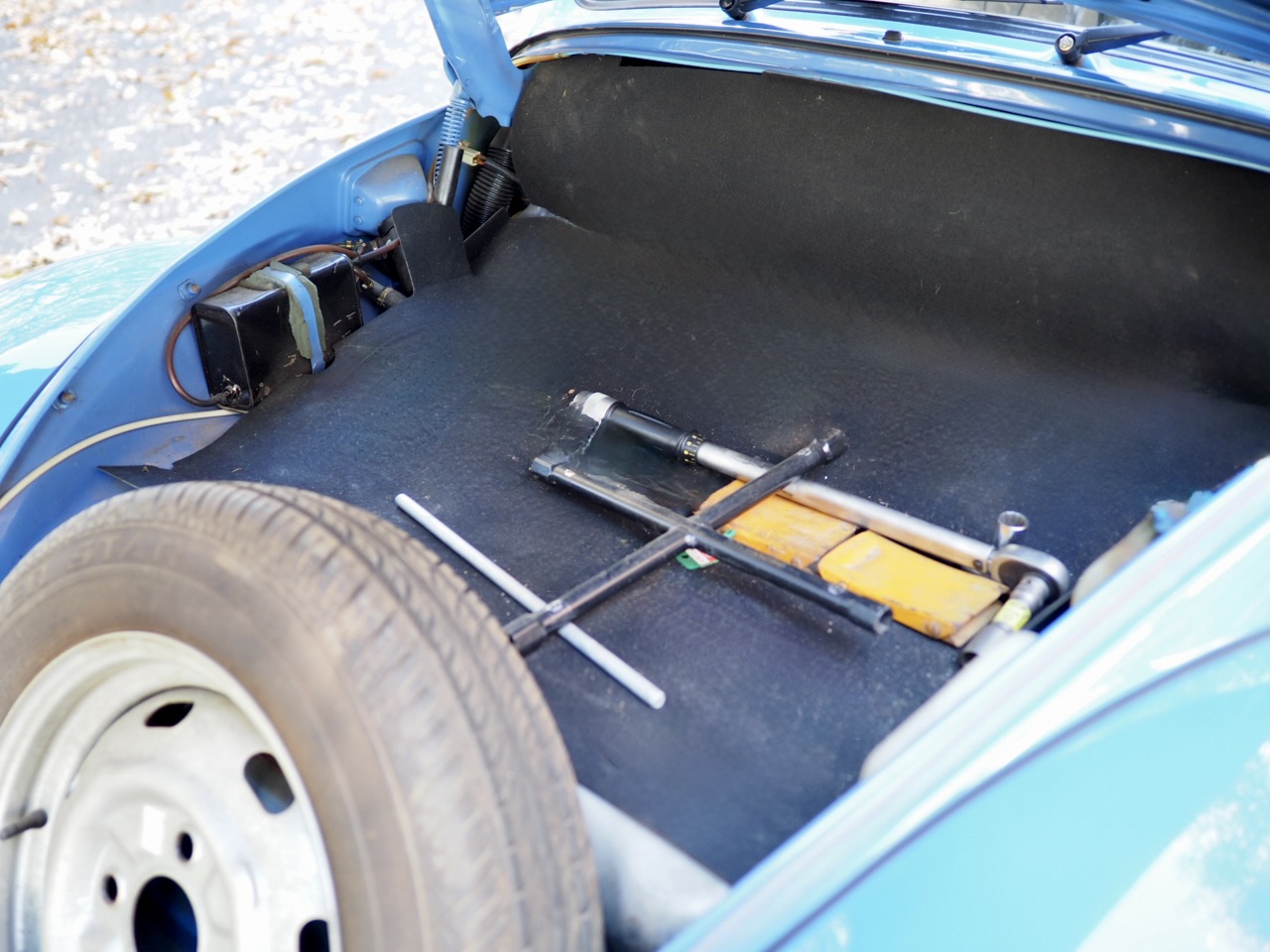
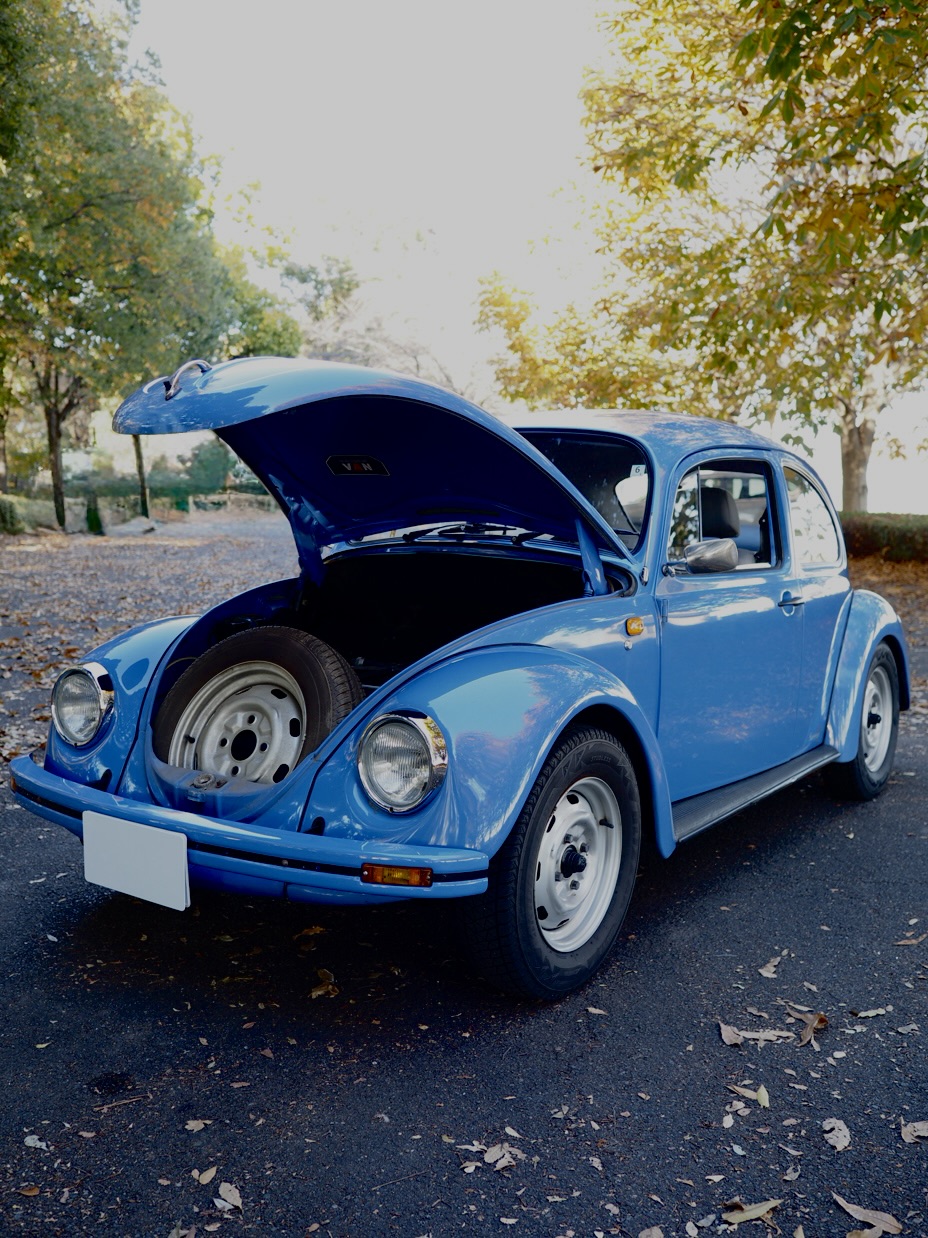
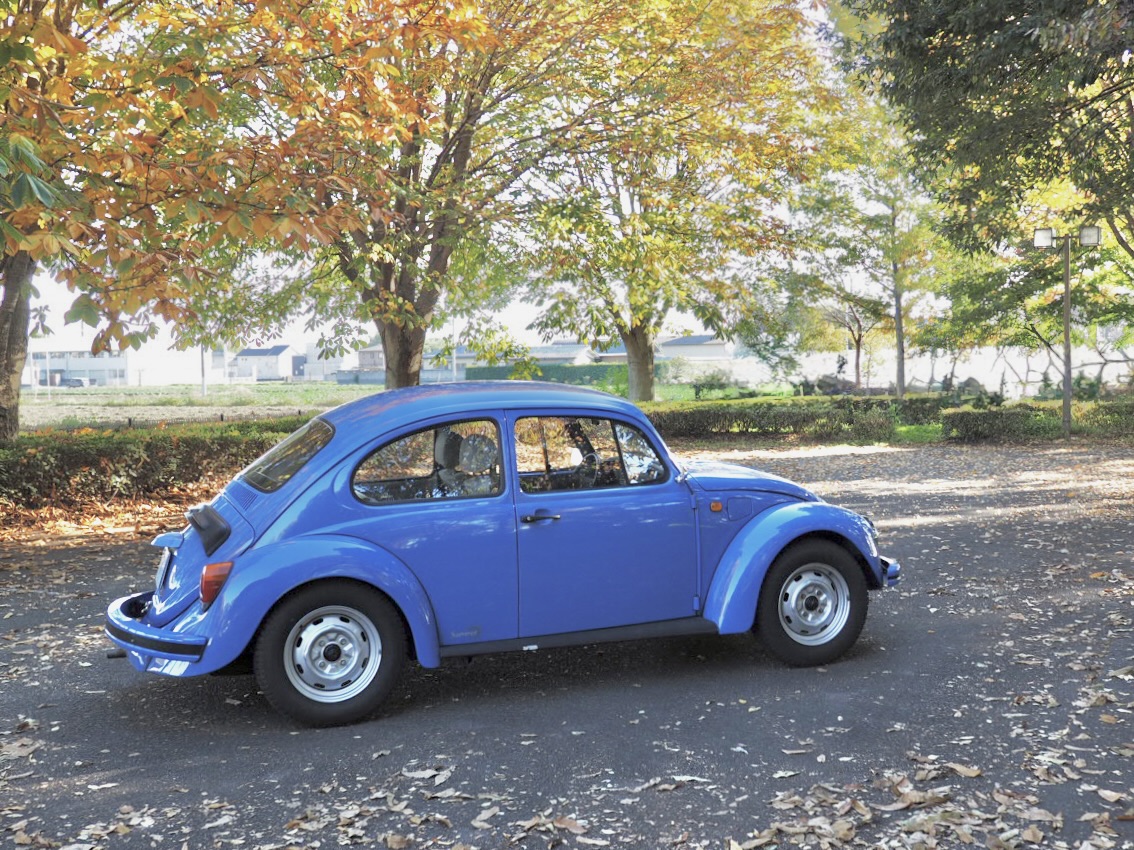
The detailed condition of the vehicle is described in each photo.
On the top slide you will find 50 attractive photos of the vehicle! Please click on a photo to view it with its description. Click outside the picture to return to the page.
SPEC
Length
4050mm
Width
1530mm
Height
1470mm
Weight
1584cc
Engine Displacement
656cc