

TOP>Stock List>1984model Mercedes-Benz W123 300TD
1984model
Mercedes-Benz W123 300TD






↑↑↑Please watch the archived video above with audio if possible...
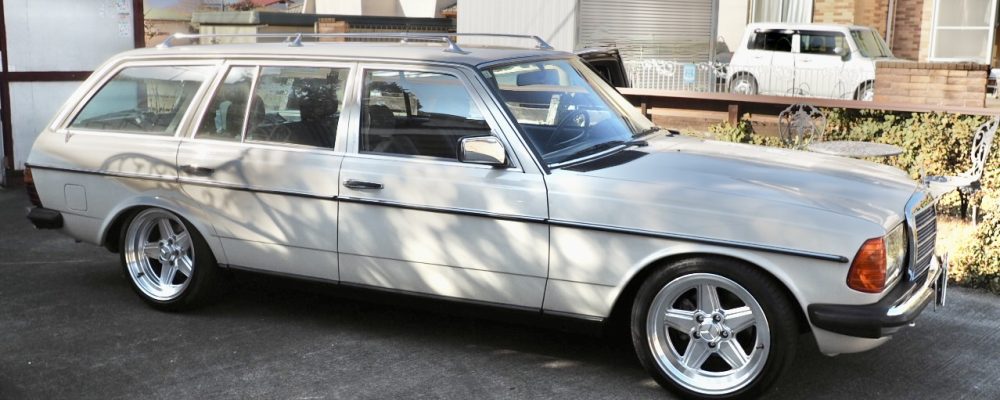
his is how I always wanted to see the golden-era Mercedes-Benz W123 300TD…! A forbidden low-down stance achieved with bespoke coilovers… the deep lips of custom-made 17-inch AMG Penta wheels are simply breathtaking…! Fully restored and ready to be driven forever, this first-generation station wagon captivates enthusiasts with its subtly bad-boy style…!
Chapter One…
Over the course of three years, a devoted W123 enthusiast owner brought his long-held vision of “this is how I always wanted it to be” to life—this is how the car was created…!
Mercedes-Benz W123 300TD…
The distinctive clatter of the five-cylinder diesel engine echoes with the reassuring promise that it will take you anywhere—and bring you home again without fail. Thanks to the steering system with its complex linkage, often described as a precursor to the multilink layout, the large-diameter steering wheel feels remarkably light. The superbly designed seats, which never tire the body no matter how long the drive, gently cradle you. Press the accelerator and, accompanied by a high-frequency turbo sound rising from low revs, the car accelerates with impressive smoothness. Inside the cabin, a quiet roar—completely different from the diesel sound heard outside—resonates softly. It is an intensely rich and emotional experience that modern cars can never replicate, allowing you to savor the scenery flowing past while luxuriating in the act of travel itself.
Designed from the outset to be driven for 500,000 kilometers—or even a million—during Mercedes-Benz’s golden era of uncompromising engineering, the W123 series was “hand-drawn” by engineers led by Bruno Sacco, who was already deeply involved in the brand’s design philosophy at the time. Today, more than 40 years after its release, the W123 has fully matured into a richly flavored neo-classic overflowing with character.
Precisely because more than four decades have passed since its debut, the emotional experiences unique to this car can now be enjoyed even more deeply. Over time, the hours spent driving and the distances covered become a source of pride, and the rich moments shared with a W123 turn into irreplaceable life experiences that vividly color one’s life. This, I feel, is the most wonderful aspect of truly living with this car.
“The journey started with British lightweight cars like Lotus and MG, and eventually led me to the world of classic Mercedes-Benz—a place where you can experience the extraordinary even in everyday life,” says the owner. Over the past 30 years, he has owned four W123s, including sedans. Above all, what set this car apart was the unparalleled peace of mind: the abundance of restoration parts available worldwide means that “no matter what happens, there’s always a solution.” With that confidence, he began restoring his second station wagon about three years ago.
This 1984 W123 300TD, a late-model example newly registered in Japan and built at Mercedes-Benz’s Bremen plant, appears in winter’s orange-tinged daylight as the traditional DB050 Classic White. For this project, however, the owner subtly reinterpreted the original shade, repainting the car in a color that shifts between white and gray depending on the light—entirely to his own taste. With the characteristic moldings replaced with new parts, the full restoration project officially began.
“If I’m going to restore it completely anyway…”—after previously owning a China Blue car in completely stock form (laughs)—he conceived a bold idea: “If I lower the long-proportioned station wagon just a bit, in a mature way, it has to look fantastic!” Because the wagon’s rear hydraulic leveler normally prevents lowering, the “forbidden lowering plan” began with commissioning custom height-adjustable dampers from overseas.
Naturally, this was a tasteful lowering project. The legally required minimum ground clearance of 9 cm was fully preserved. Just as importantly, the distinctive W123 steering feel and ride quality were not to be compromised. The aim was also to improve high-speed stability. This was never a superficial, appearance-only customization.
Lowering the car risks ruining ride quality and sacrificing the wagon’s load-carrying stability. Fully aware of these “accepted truths” of the W123 300TD, the owner nevertheless pursued an exceptionally meticulous and careful approach to make it all work.
Custom adjustable-damping shock absorbers were fitted front and rear. Rather than simply lowering the ride height, sufficient suspension stroke was retained to absorb road irregularities, while at high speeds the body settles firmly and confidently. With repeated fine-tuning alongside a trusted mechanic and a strong focus on front-end alignment, the goal was a modern European ride feel—resulting in a wide and low stance with just a hint of rebellious character that looks irresistibly right.
“I don’t know if everyone will like it (laughs),” the owner says, but the finished suspension—set slightly on the firm side—feels so natural in everyday driving that you almost forget the car has been lowered. On very rough roads it may bounce slightly, but overall it delivers a more unified and composed ride than stock.
Given this level of suspension work, leaving worn bushings, boots, and arms untouched was not an option. Parts were sourced domestically and internationally, and all fatigued rubber components were thoroughly replaced. Because the W123’s unique linkage system requires special tools and extensive disassembly to adjust properly, many cars suffer from excessive steering play. This example, however, feels tight and precise, with no unnecessary slack—the result of cumulative, painstaking restoration work.
The braking system received equal attention. The calipers were overhauled, discs and pads replaced, restoring the W123’s hallmark braking feel: smooth, progressive, and reassuringly “sticky” in its stopping power. Despite being a lowered station wagon, the fundamentals—go, turn, stop—are clearly aligned and cohesive.
And then…
“This was something I absolutely wanted to achieve with the lowering (laughs),” says the owner. Completing the look are custom-made AMG Pentas in an otherwise nonexistent 17-inch size, commissioned from a European specialist. The deep rims are outrageously good-looking. Combined with fresh Pirelli tires, they strike straight at the enthusiast’s heart. With front 8J and rear 9.5J widths, the rear view in particular is commanding, perfectly complementing the car’s long proportions and making it clear this is no ordinary W123 wagon. The original Mercedes “Sazae” wheels have been refinished and are included as well.
Under the hood lies the crown jewel of Mercedes diesel engineering: the OM617 3.0-liter inline-five turbo-diesel. There are no oil leaks or seepage whatsoever; the engine bay is immaculately clean, radiating mechanical health. Cold starts are excellent, warm-up times are short for an old diesel, and from low revs the turbo builds boost smoothly, delivering a reassuring sense that it will “just keep going forever.” The transmission is equally healthy, engaging smoothly from Drive to Reverse with barely any vibration.
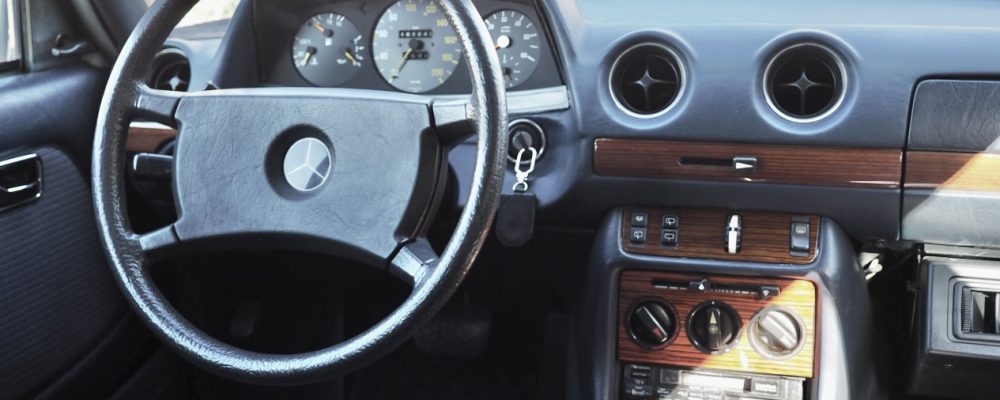
Inside, the once-cracked dashboard has been replaced with a brand-new NOS piece—described at purchase as “the last one”—found in Europe. The wood trim was upgraded to elegant zebrawood, sourced anew from around the world, restoring a fresh sense of classic Mercedes calm and dignity.
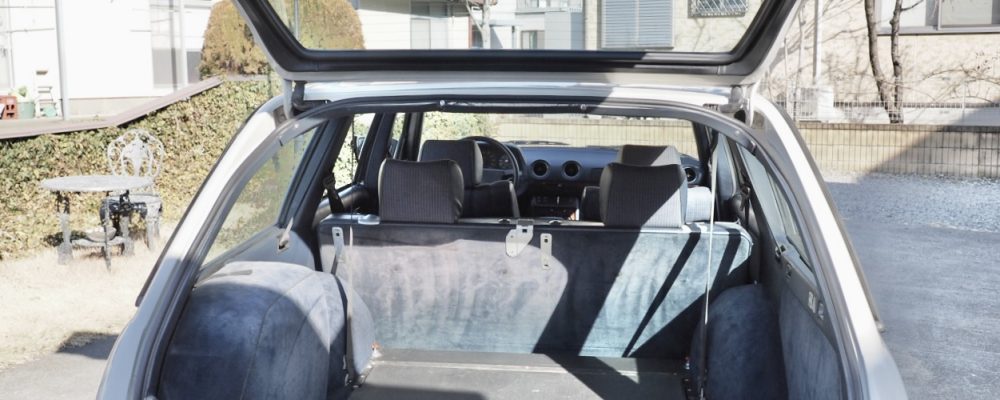
The front seats, originally showing age in their striped cloth, were replaced with high-quality used seats in the same blue striped fabric imported from overseas. Even the headrests were sourced individually—one from France, one from Germany. The rear seat remains original due to its excellent condition, resulting in an interior that feels remarkably fresh. All door and rear hatch weatherstrips were also replaced, eliminating rattles during startup vibrations and restoring the signature soft, satisfying W123 door-close sound.
The instrument cluster remains original, but unlike most W123 300TDs that have a large clock on the right, this one features a tachometer—a pleasing detail for those in the know. Even the odometer reading of 161,046 km feels like merely the opening chapter of this car’s story.
Furthermore, as a “modern classic upgrade,” a recently popular electric air-conditioning system has been installed, making the car comfortable year-round. Thoughtfully concealed switchgear inside the glovebox preserves the original interior ambiance, while reducing engine load and eliminating concerns about future refrigerant leaks. The alternator has been upgraded from 70A to 130A, ensuring stable voltage and enhancing daily usability.
To complete the restoration, the owner fitted new round headlights and a new grille, returning the front end to its original 1984 appearance. Combined with the repaint, new exterior moldings, and refreshed front face, the car now exudes a strikingly fresh impression.
There is still much more that could be said, but supported by a trusted mechanic, three years of work and substantial investment have culminated in this 1984 Mercedes-Benz W123 300TD—a finished vision reached by an owner who knows the stock car inside and out, dared to step into forbidden territory, and achieved a singular form of completion. Now, with just a hint of “room for future enjoyment” remaining, the car stands ready to begin its next chapter.
“If I can pass this car on to someone who truly understands its value and will drive it for 500,000 kilometers—perhaps even a million—that would be my greatest joy,” the owner said at the end of the interview.
Some photos from the restoration process have been compiled into a file. Please feel free to view them via the Dropbox link below:
https://www.dropbox.com/scl/fo/l3x0bqz5rvjx7qgh3l032/ACBcrpKP-wByyM-9qZmaiFs?rlkey=sxymhibwkatmulfdx3kvstsb6&st=syhg71c0&dl=0
Chapter Two…
This is where the origins of Bruno Sacco’s design philosophy can be found…
The Mercedes-Benz W123 series, created during the brand’s golden era without a single compromise, was a car conceived from the outset to be driven for a lifetime.
A curious car—one in which the longer you own it, and the higher the mileage you accumulate, the more it becomes a point of pride.
That car is the Mercedes-Benz W123 300TD.
Now that nearly half a century has passed since its debut, the examples that still convey the same legendary, historic depth of character as they did when new are, without exception, those that have received proper restoration, meticulous maintenance, and have steadily accumulated their mileage through careful use. I cannot help but feel that this is the defining truth of the W123 today.
As safety and environmental regulations have grown ever stricter over time, modern cars have expanded in size almost without exception. Against this backdrop, the medium-class W123—boasting what was once the world’s highest level of safety—now appears smaller even than a contemporary Japanese Corolla, to the point of feeling almost minimal and perfectly proportioned.
Its classical design, maintaining horizontal lines at the front and rear while forming an overall softly rounded wedge shape, is breathtakingly beautiful no matter how many times one sees it. The sheer thickness of the body steel is visibly apparent—robust to a degree that modern cars simply cannot match. This solidity is vividly expressed in the characteristic sound of the doors closing; even those encountering a W123 for the first time are instantly captivated by the soft yet substantial metallic resonance that accompanies it.
The W123 series was created under the design leadership of Bruno Sacco—who would later fully demonstrate his talents with the W124—together with his mentor, the legendary Friedrich Geiger, the designer of the 300SL Gullwing. The result was a design that embodied the mature proportional sense of the 1980s and a timeless spirit deliberately distanced from fleeting trends. There were no radical stylistic leaps, no fashionable gimmicks. Instead, the universal design language inherited from the Mercedes-Benz 600 remains, even nearly half a century later, strikingly fresh to the eye. In today’s era—where the image of the W123 has been fully sublimated into what we now call a “neo-classic”—it is regarded as exceptionally stylish, capable of captivating even young people who were not yet born when it first appeared.
Once the glow plugs have warmed and the orange warning light goes out, turning the key located at the lower right of the dashboard brings the OM617A 3.0-liter inline-five turbo-diesel engine to life without hesitation, regardless of season. Gently move the four-speed automatic selector into Drive. The large-diameter steering wheel—made from special materials in an era before airbags—must be embraced and turned slowly in an old-fashioned driving style. As you steer, the complex linkage system progressively increases the steering angle of the tires, allowing the car to maneuver with remarkable agility. Set in motion, the W123’s pioneering fully independent suspension delivers a rock-solid sense of handling that feels profoundly rich and deeply engaging—something no modern luxury sedan can replicate.
Even when braking suddenly on poor surfaces marked by deep ruts, the unique steering feel transmits virtually no disturbance back to the driver. Combined with superbly comfortable, spring-like seats and a well-controlled suspension, the car corners with exceptional stability, offering the driver the one-and-only “W123 magic ride.” Add to this the visibly thick steel panels in the engine bay—appearing to be nearly 5 mm thick—and you physically sense the car’s robustness. As you cruise along with both agility and composure, enveloped in an innate feeling of safety, you quickly realize that this car possesses a depth of character that has all but vanished from modern automotive design.
The late-model 1984 example introduced here, restored to an exceptional standard, has covered just over 160,000 kilometers. By ordinary standards, that statement alone may sound surprising. Yet among W123 collectors and veteran Yanase engineers who know these cars intimately, it is commonly said to be “a young car that has only just finished its break-in period.”
The W123 series—so uncompromising in its pursuit of “the best or nothing” that it was even described as being over-engineered—was the only car of its era equipped with an odometer capable of displaying six digits, up to 999,999 kilometers. In Europe, dealers of the time even created “Ownership Awards,” recognizing milestones at 250,000 km, 500,000 km, 750,000 km, 1,000,000 km, and even one million miles (1.61 million km), each accompanied by awards and special grille badges. Designed to enrich its owner’s sensibilities over a lifetime, the W123 was built to run slowly yet endlessly—beloved worldwide, and later exported to developing countries after completing its original role, where it continued serving as taxis until it could no longer be driven at all. It is a car with an extraordinarily rare destiny.
That is precisely why the W123 300TD—now fully sublimated into a stylish neo-classic some forty years on—remains a joyfully usable daily car for enthusiasts even today. Its excellent visibility, manageable size, and ease of handling; the endlessly chattering yet indestructible OM617A 3.0-liter inline-five turbo-diesel engine, a true Mercedes-Benz milestone; and the non-kickdown transmission that invites manual downshifts on mountain roads or highway on-ramps—all make driving deeply engaging. From highways to undulating winding roads, it blends effortlessly into modern traffic and handles long-distance high-speed travel without issue. These unchanged, approachable qualities are precisely why the W123 is still regarded worldwide as one of the most trustworthy Mercedes-Benz models ever made.
And so, once you fall in love with a W123, it has the power to make you think, “This is all I’ll ever need,” fundamentally reshaping your values toward automobiles. As with the current owner, it is not uncommon to find oneself collecting multiple W123s in different body styles—sedans and wagons alike—and ultimately pursuing perfection through restoration. Even owners with the means to buy numerous high-end new cars, such as the famously devoted Lady Gaga, continue to cherish the W123 alone for years on end—not merely as a form of self-expression, but likely because they simply cannot find a reason to let it go.
The W123 series radiates timeless charm in any era—and naturally, it makes you want to know more.
In the next chapter, let us take a deeper look into the history of Mercedes-Benz and the origins of this extraordinary machine.
Chapter Three…
The captivating Mercedes-Benz W123 300TD—let us delve even deeper into the untold stories behind its birth in that era…
The Mercedes-Benz W123 series is a car born as a direct embodiment of founder Gottlieb Daimler’s corporate philosophy:
“The best or nothing” (Das Beste oder nichts).
Development began in the mid-1970s, in an era when cost-cutting thinking simply did not exist. With the clear premise that customers would own and cherish their cars for a lifetime, uncompromising craftsmanship was pursued. The W123 series was produced and sold over a ten-year period from 1976 to 1986.
At the time of its launch, its price was extraordinarily high—approximately three times that of the BMW 5 Series in the same medium-class segment—yet orders flooded in. Because the earliest production cars were built with complete disregard for cost, manufacturing progressed at a painfully slow pace during the first year. Customers faced waiting periods of nine months to over a year.
Even so, demand was so intense that black-market trading emerged, where one-year-old used cars commanded prices around 5,000 Deutsche Marks above the new-car list price in the currency value of the time—clear proof of the model’s overwhelming popularity.
What captivated people from the very beginning was the W123’s unrivaled durability and safety. As a result, total production of the W123 family over roughly a decade reached 2,696,914 units, of which about 40%—approximately 1.08 million cars—were sold worldwide.
Thanks to this exceptional durability, the W123 was widely adopted across Europe as government vehicles and police cars, serving with distinction. After retirement from official duties, many were exported to developing countries to live out a second life. Even today, it is entirely possible to encounter the drama of boarding a W123 taxi abroad—one that has covered nearly a million kilometers.
The reason the OM617A 3.0-liter inline-five turbo-diesel engine is regarded as a milestone within the W123 lineup is perfectly clear.
From the outset, it completely ignored the conventional wisdom of the time that “300,000 km is enough,” and instead was engineered with the assumption that it would run 500,000 km, 1,000,000 km, and beyond. This philosophy alone placed it on a fundamentally different level from other diesel engines.
A massively thick cast-iron block…
A crankshaft supported by seven bearings…
A low-revving, low-stress design…
And the exceptionally rare choice of an inline-five-cylinder layout, perfectly balancing vibration control and durability…
All of these were not chosen simply “to prevent failure,” but rather to avoid consuming the engine’s lifespan. That cumulative intent is what defined this powerplant.
Moreover, the engine’s extraordinary durability—remaining unshaken even when a turbocharger was added to a design that already had more than enough margin in naturally aspirated form—was proven repeatedly in taxis and harsh operating environments around the world. This gave rise to an entire culture of the Mercedes-Benz golden era: odometer displays reaching 999,999 km, and cars proudly boasting seven-figure mileage.
Seeing this engine seated beneath a two-position bonnet, allowing engine removal without fully removing the hood, and watching it operate through its intricate throttle linkage, still evokes a sense of mechanical romance even today.
Unfazed by trends, shifting values, or environmental changes, the W123 was forged with unwavering dedication to a single principle: making something genuinely good, properly. That is precisely why it has fully matured into a captivating neo-classic, and why it continues to hold the hearts of enthusiasts around the world so firmly even now.
Mercedes-Benz W123 300TD…
Though it is an industrial product, it quietly absorbs the time spent behind the wheel, the distance accumulated, and the emotions invested. In doing so, it ultimately evolves into a mirror reflecting the life of its owner.
It is, without question, a car worthy of the name “Mercedes-Benz of the Golden Era.”
Chapter Four…
Restoration accompanied by the “forbidden” lowering treatment—
the author’s afterword on a truly cool-looking 1984 Mercedes-Benz W123 300TD.
About thirty years ago, prompted by the need for a wagon, the owner began driving an ’85 W123 300TD.
Expecting breakdowns simply because it was an old car, he instead encountered almost no major mechanical troubles—and before he knew it, he had fallen deeply under the spell of the W123’s profound character.
Like many true enthusiasts, he came to genuinely enjoy extensive preventive maintenance, continuing to drive and care for the car over many years.
Originally a devotee of lightweight British sports cars, he eventually found himself always keeping four W123s close at hand. When he happened upon this 1984 W123 300TD, he remarked, “The moment I saw it, the desire to restore it—completely—came bubbling up.”
He truly lives a lifestyle thoroughly immersed in the W123 series, and clearly relishes it from the bottom of his heart.
No matter how busy work becomes, he laughs as he says, “The interior of a W123 is the only place where I can truly relax, both physically and mentally.”
The more he drives it, the deeper the flavor becomes; even on the short, roughly 20-minute commute to his office, he finds himself muttering every single time he steps out, “It really is a wonderful car.”
For anyone who truly understands the W123 series, it is only natural that higher mileage becomes a point of pride rather than concern. Accordingly, when it came to this 1984 W123 300TD, the owner paid no attention to the odometer at all, focusing instead on the condition of the engine and transmission when they first met.
Just as his initial intuition suggested, he committed to a full restoration—and, driven by a long-held vision, declared, “I absolutely had to realize this wide-and-low stance I’d always imagined,” leading him to carry out the forbidden lowering modification.
In earlier times, classic cars could be enjoyed with playful freedom in many ways; today, however, the era has shifted, and passing inspections smoothly has become more difficult overall.
Even so—
“While preserving the deep, original character, I still want to enjoy a car with a bit of playful flair and truly good taste.”
That sentiment, built up through many years spent with the W123, seems to overflow from this very car.
Of course, it should be noted that in its current state, this example will pass inspection simply by being brought directly to the transport bureau.
By all means, consider keeping at your side this neo-classic that has been restored to such a level—one you can drive daily with confidence, and admire just as much.
The more time you spend with it, the more you will notice the remaining “blank space,” and for the next owner, it will surely mark the beginning of another never-ending dream.
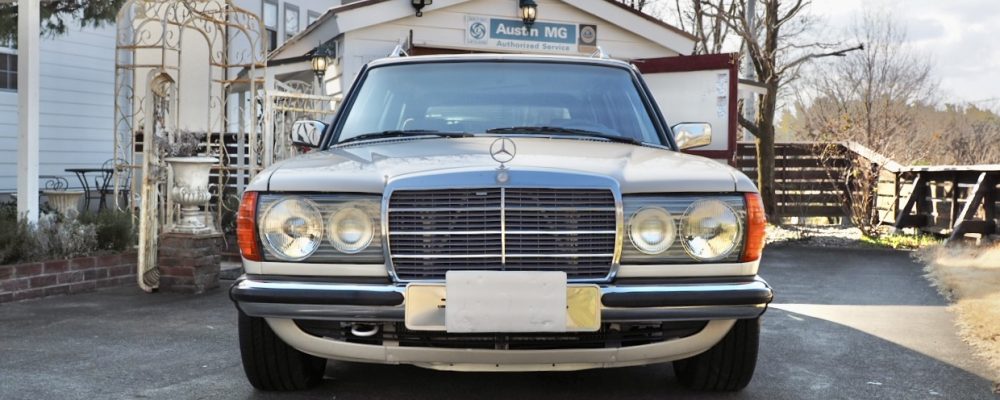
This is how I always wanted to see the W123 300TD from Mercedes-Benz’s golden era…! A forbidden lowered stance achieved with custom-made coilovers… brought to tears by the deep-dish lips of bespoke 17-inch AMG Penta wheels…! Fully restored and ready to be driven forever, this first-generation station wagon captivates enthusiasts with a subtly bad-boy style…!
Finally, having reflected once more on the core theme of this manuscript and reaffirmed it from the author’s own perspective, I would like to present this proposal with sincerity…
Please do come to Gunma Prefecture to view this truly supreme 1984 Mercedes-Benz W123 300TD for yourself…
As this is a private sale, no consumption tax or additional dealer fees will be charged.
Please note that this vehicle cannot be registered for use in NOx/PM regulated areas.
Accordingly, the registered place of use for this vehicle must be outside NOx/PM control zones. We appreciate your understanding.
Upon purchase of this vehicle, the buyer will be responsible for the prorated automobile tax (annual amount: ¥58,650) as well as the recycling deposit fee (¥13,830).
Transportation arrangements, including vehicle shipping, are likewise to be handled by the purchaser; however, should you require assistance, please feel free to consult with us.
Regarding Inquiries…
The vehicle featured on this page is listed on Estate Sale Supremacy®, a cross-border EC platform specializing in classic and collectible cars.
What is a “Supreme Estate Sale”?
Estate Sale Supremacy® is the Japanese interpretation of North American estate-sale culture, introducing vehicles cherished by their owners through interview-based articles and videos.
We faithfully convey the owner’s sentiments, preserving their memories while ensuring a proper and thoughtful handover to the next generation, including sales mediation.
We conduct detailed interviews with the current owner, covering maintenance records, repair history, and accident history.
If a vehicle has experienced a major accident, or if the owner’s period of ownership is extremely short and details cannot be adequately verified, we decline coverage in order to provide prospective buyers with the highest possible level of confidence.
The content of this article was written based on an owner interview conducted over approximately three hours, beginning at 3:00 PM on February 6, 2026, under clear skies.
Due to time limitations during inspection, the condition of the vehicle may not be described with complete accuracy. Furthermore, not all statements have been independently verified, and comments regarding condition reflect the weather at the time of inspection and the author’s personal impressions. Please be advised accordingly.
For questions regarding the listed vehicle or to request an in-person viewing, please contact us via the form at the bottom of this page.
As this is a private transaction, and in order to prevent non-serious inquiries, vehicle viewings are limited strictly to customers who are considering purchase.
Thank you very much for your kind consideration.
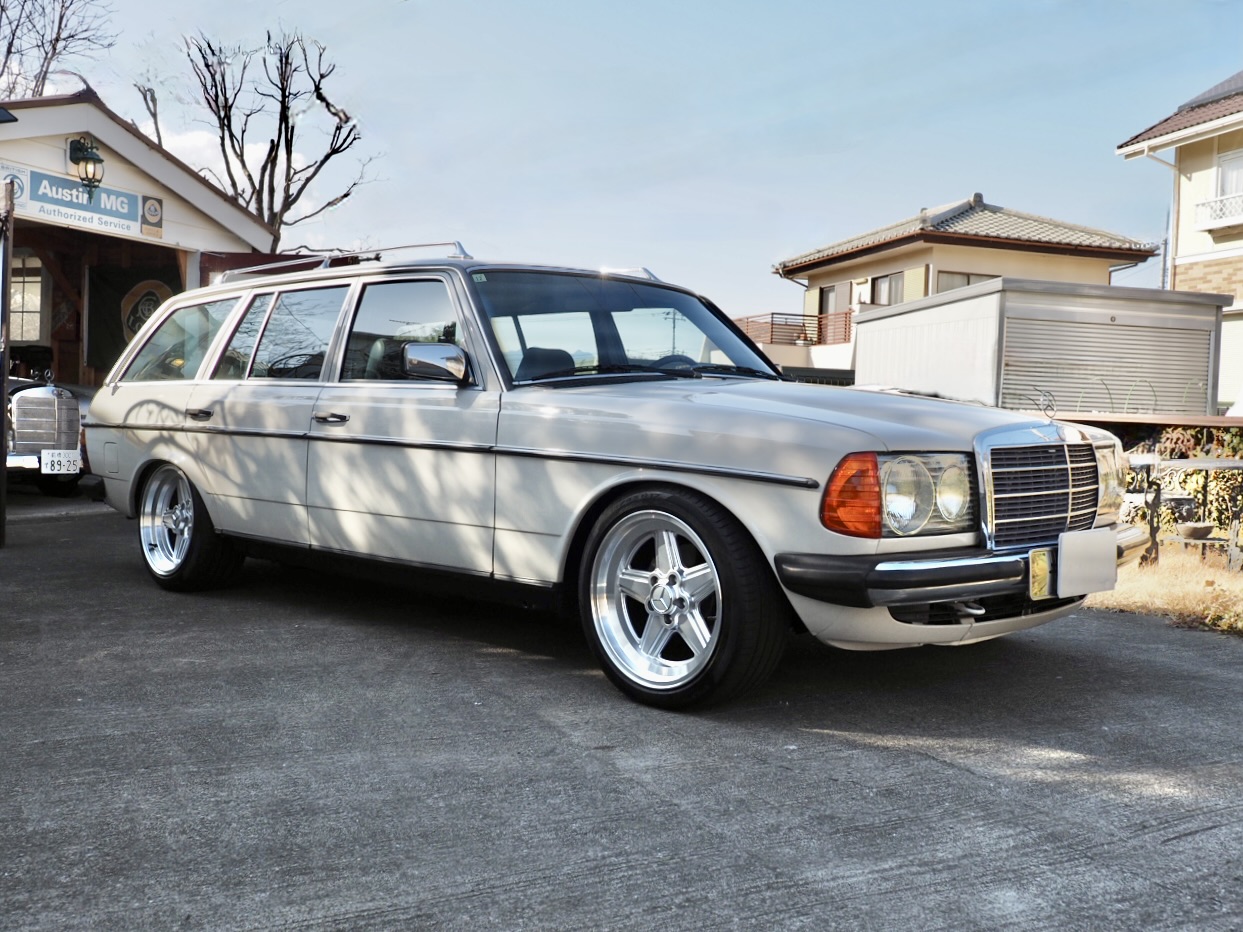
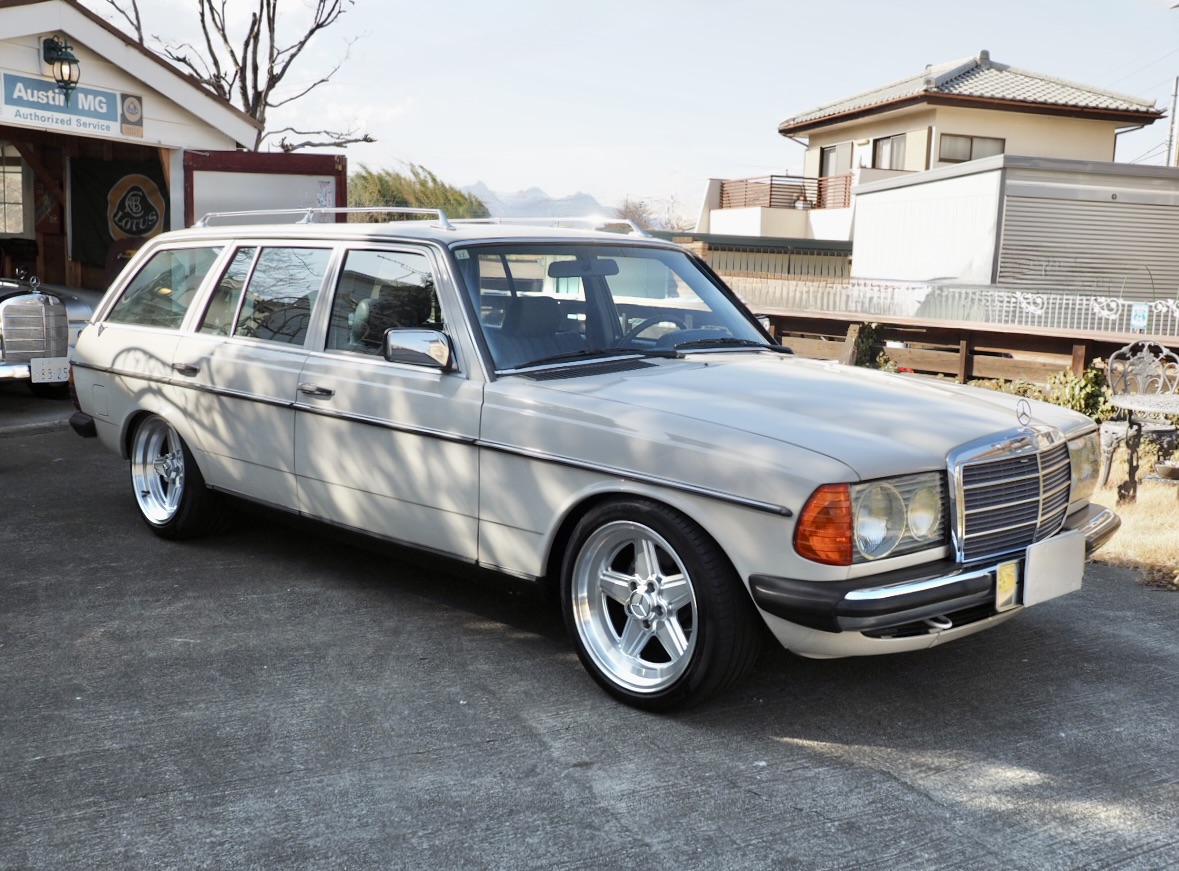
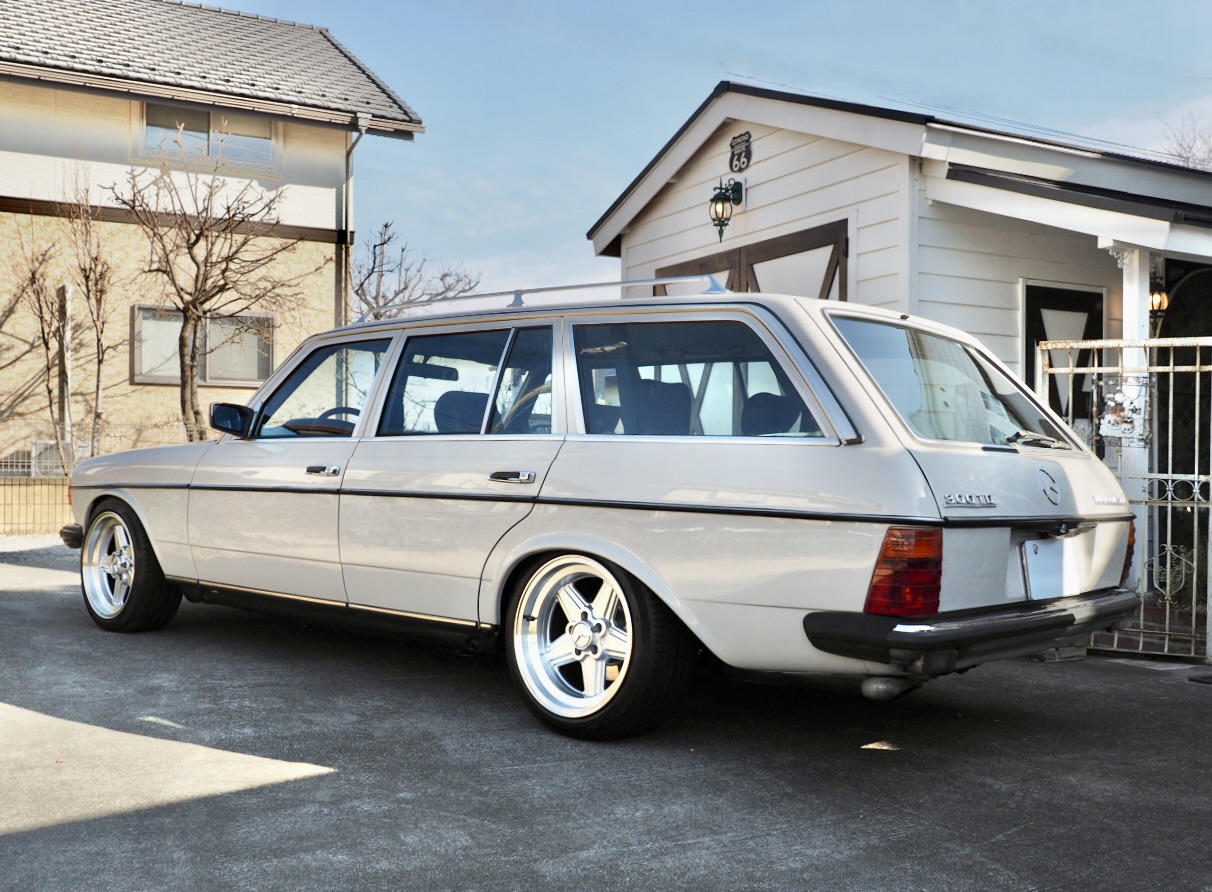
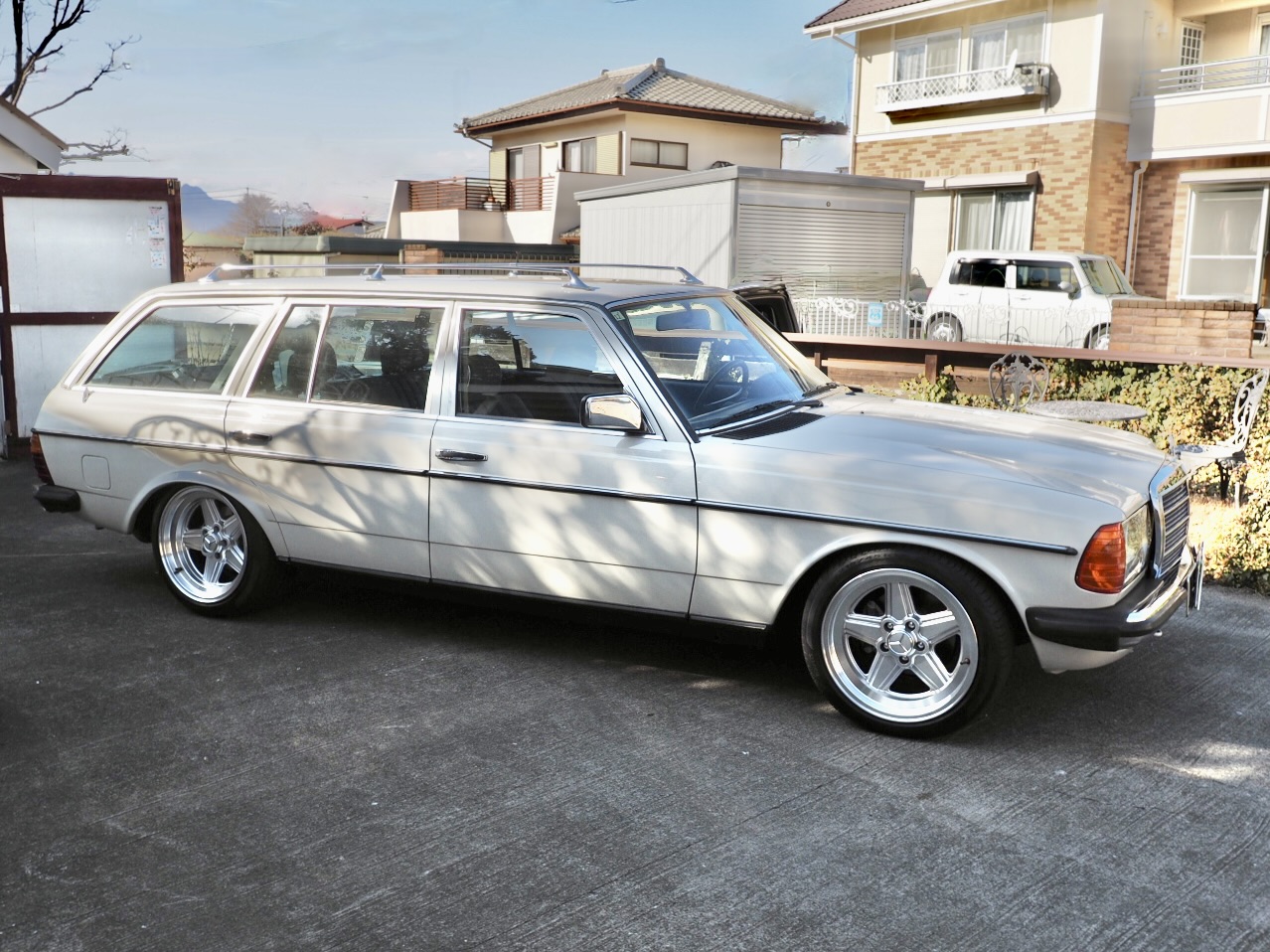
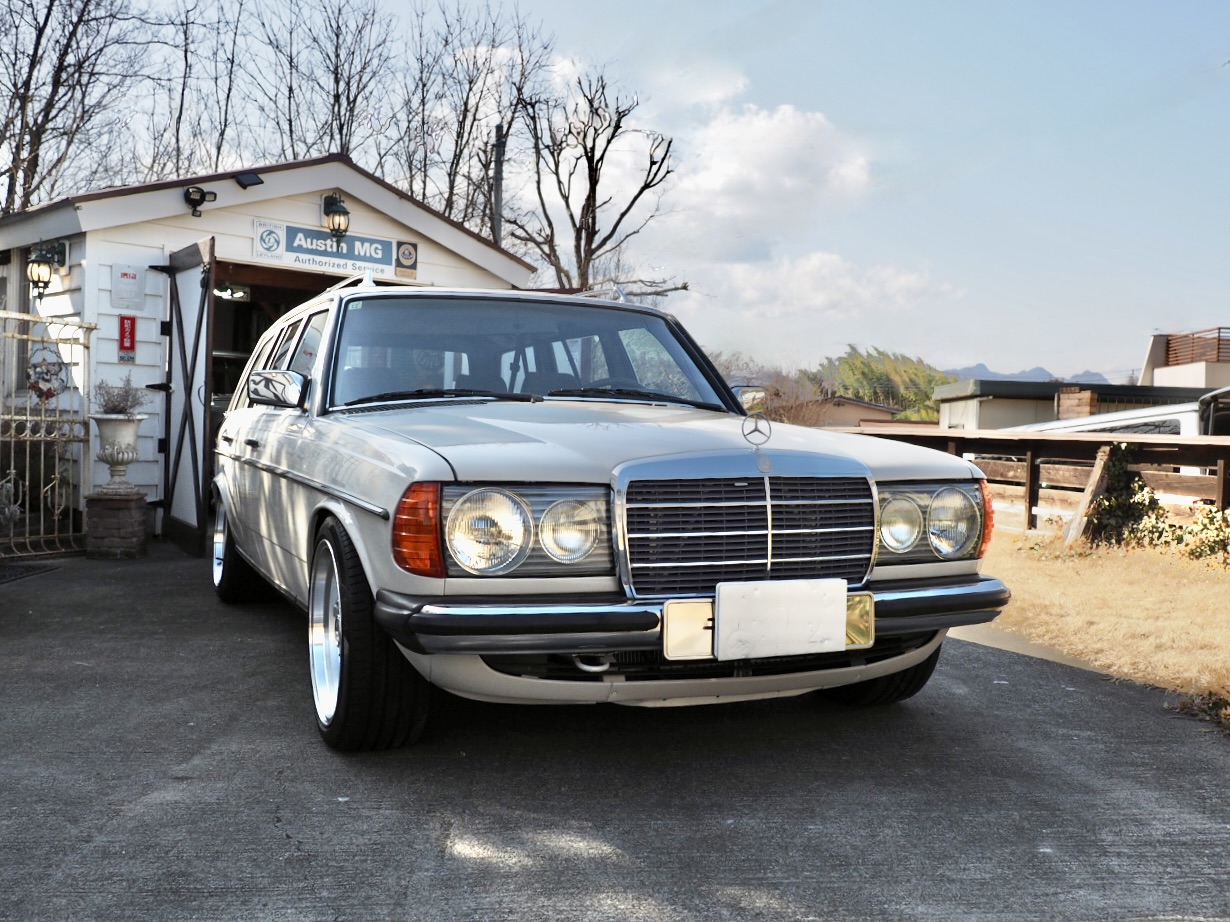
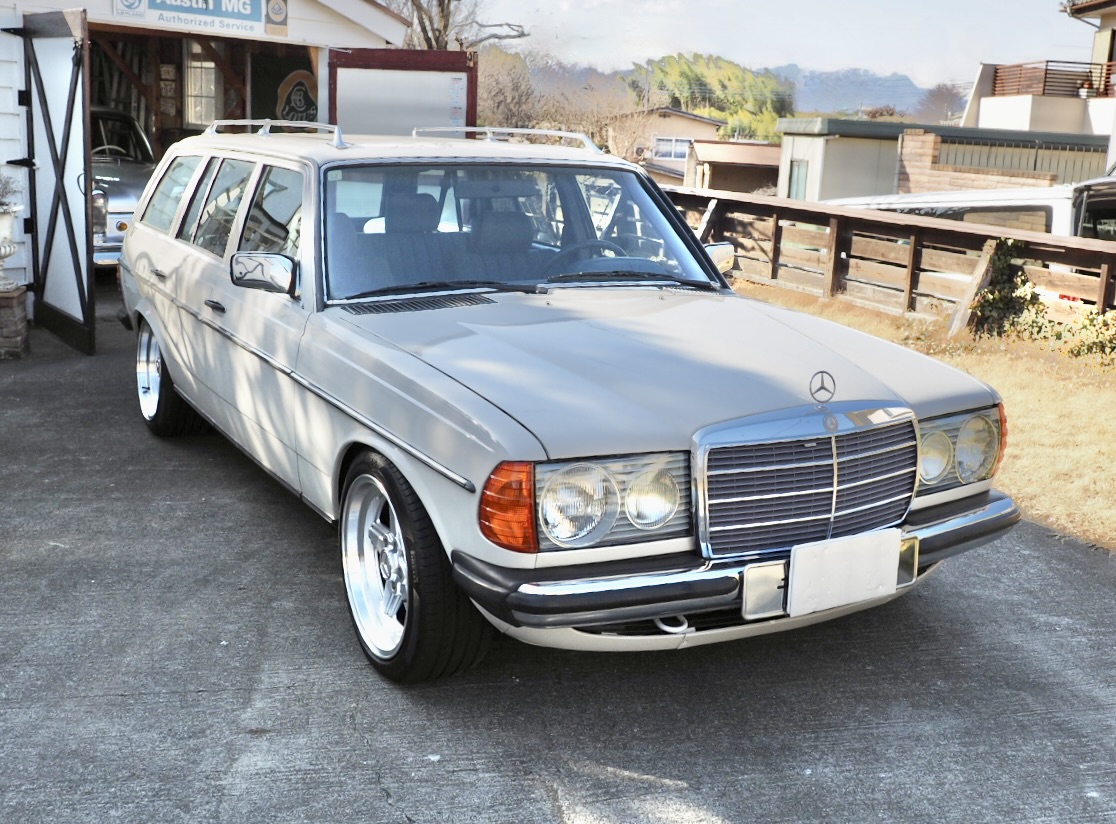
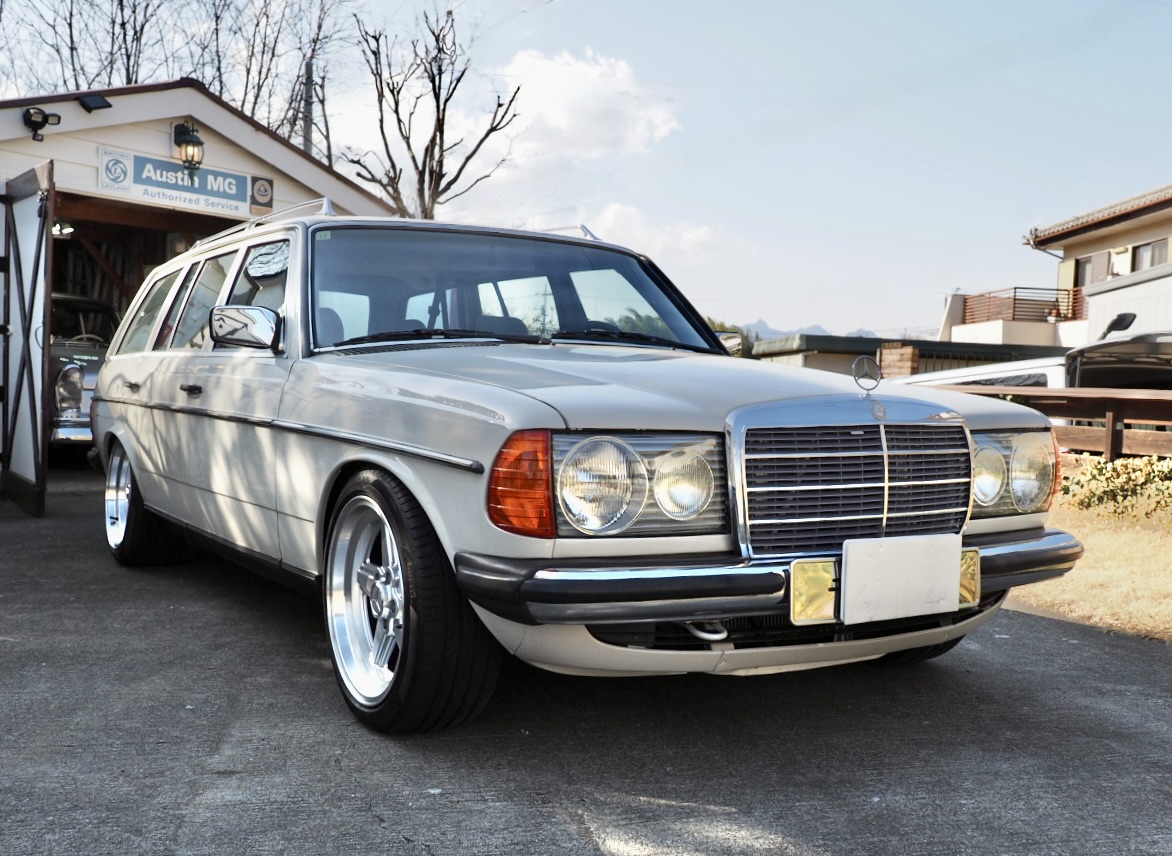
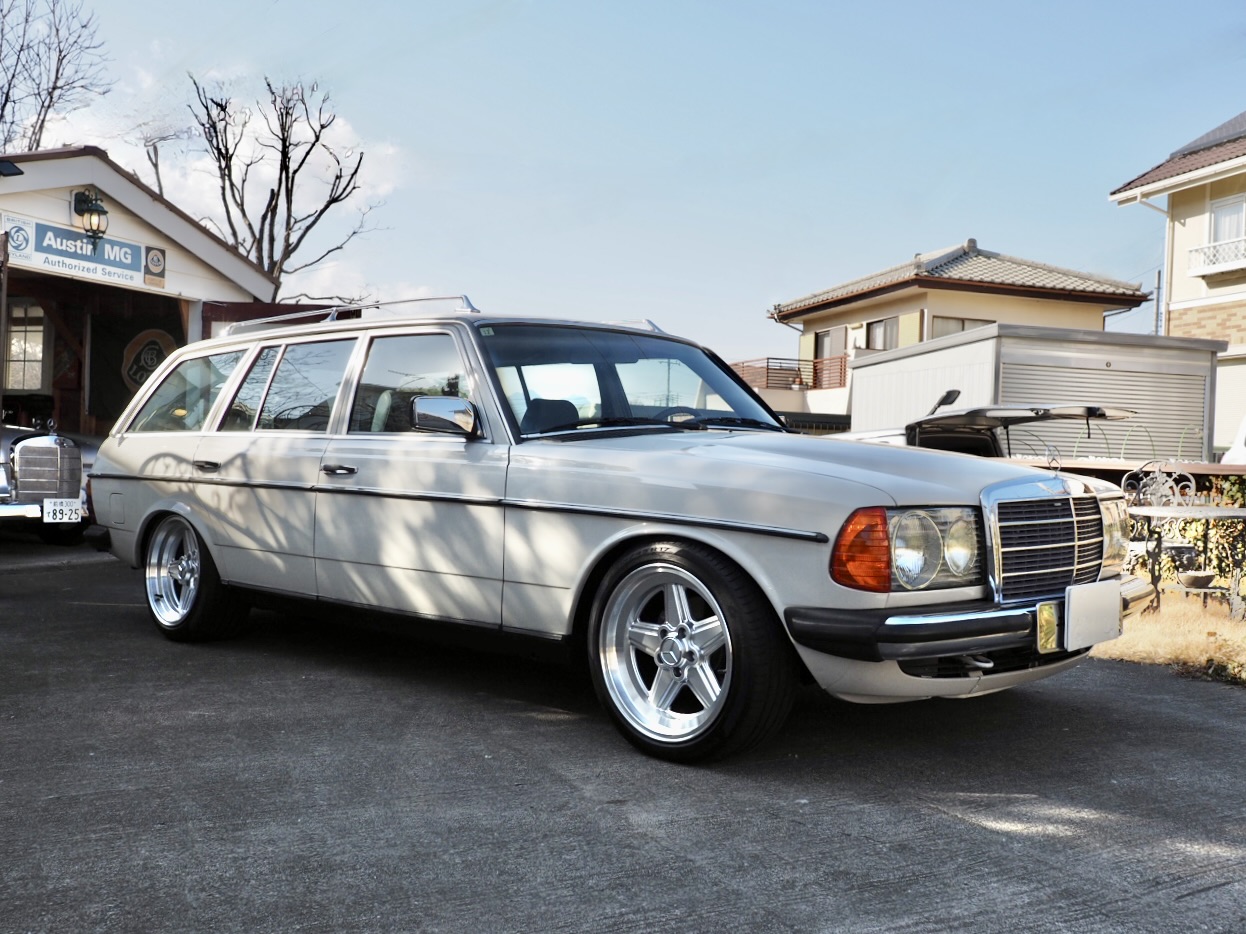
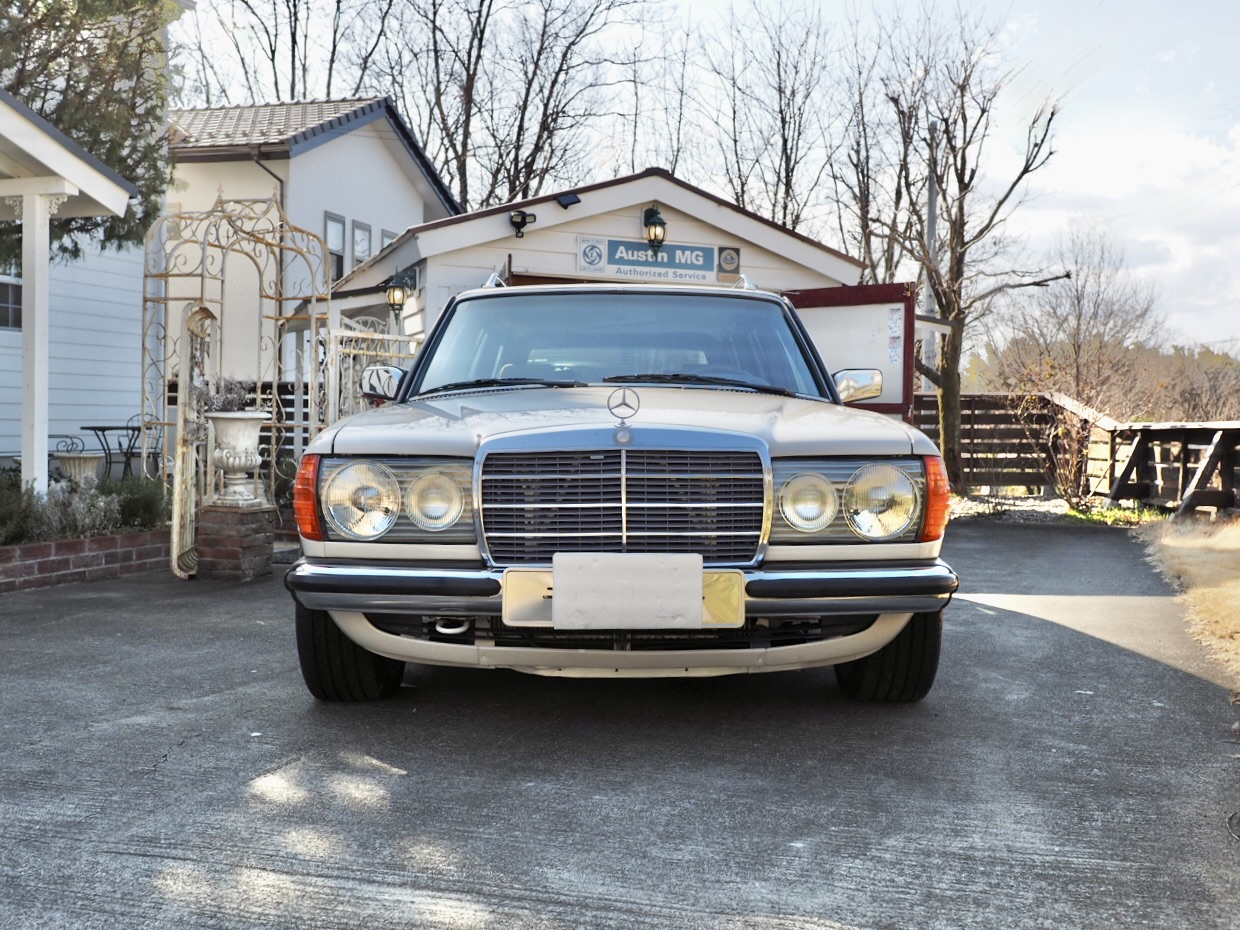
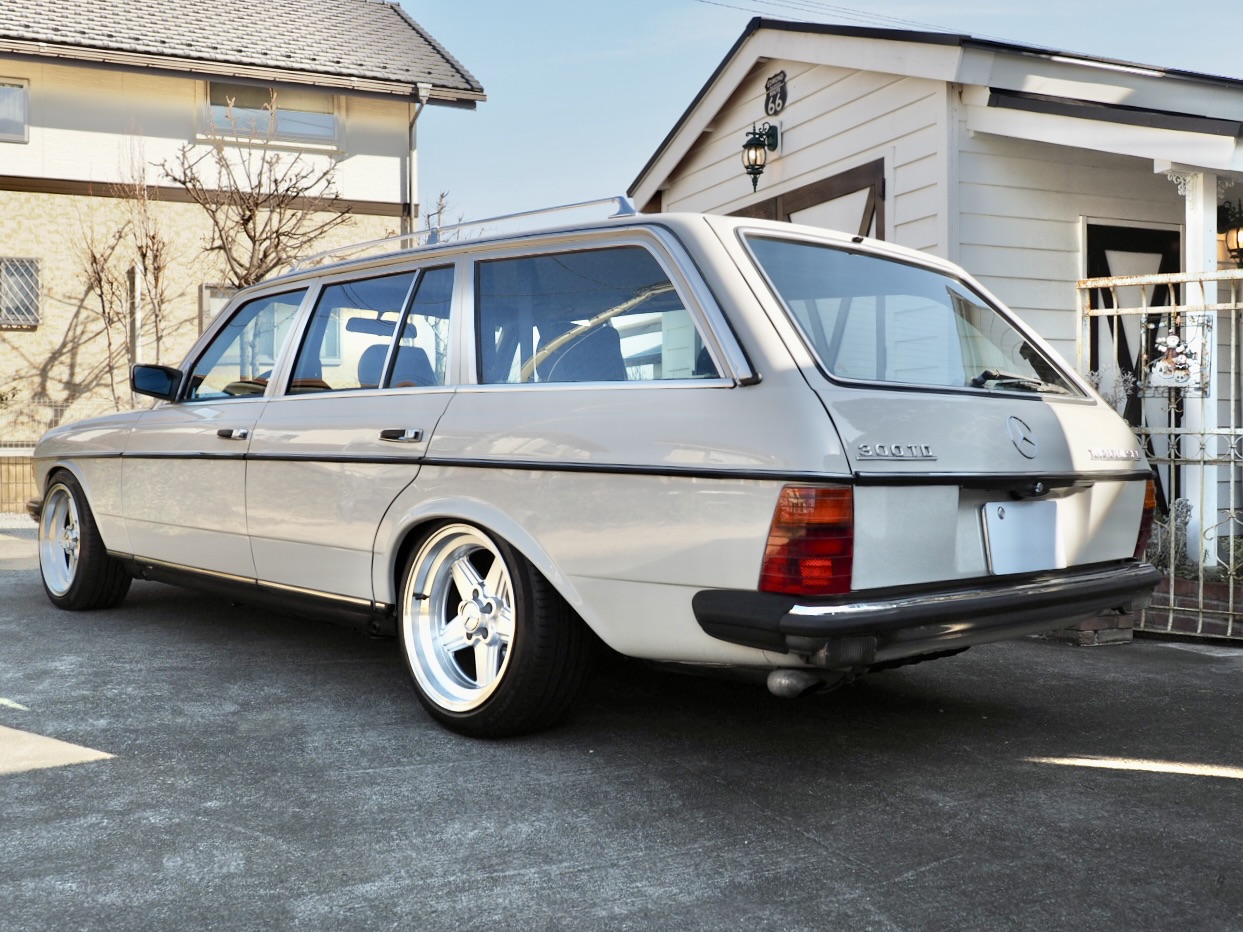
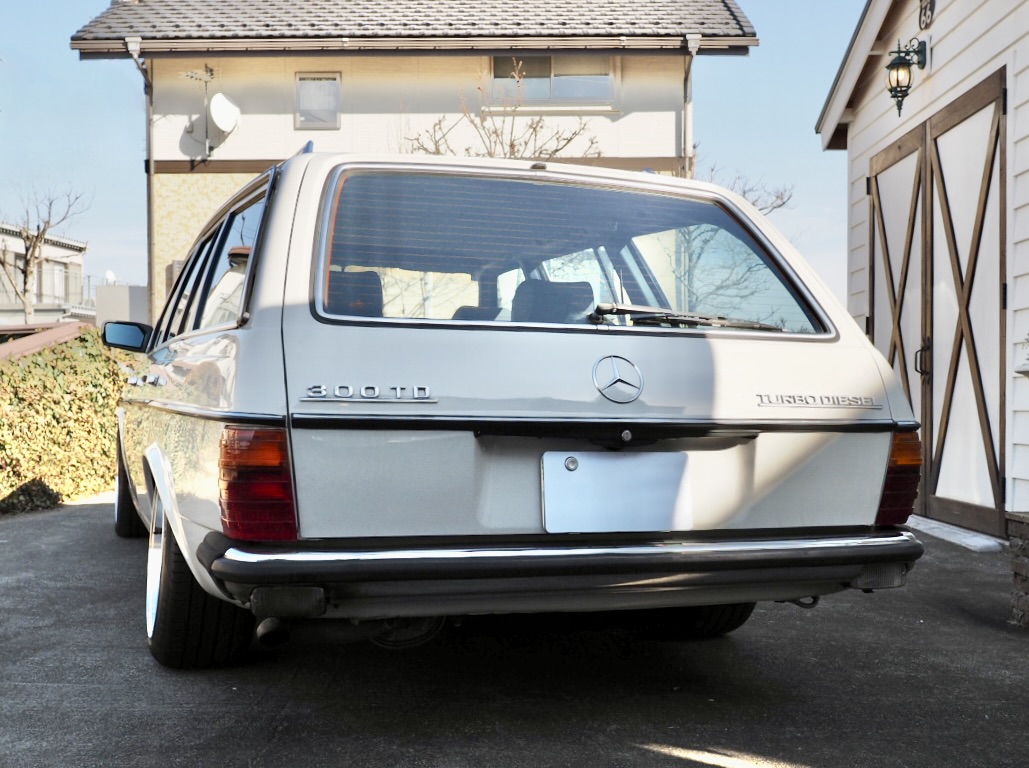
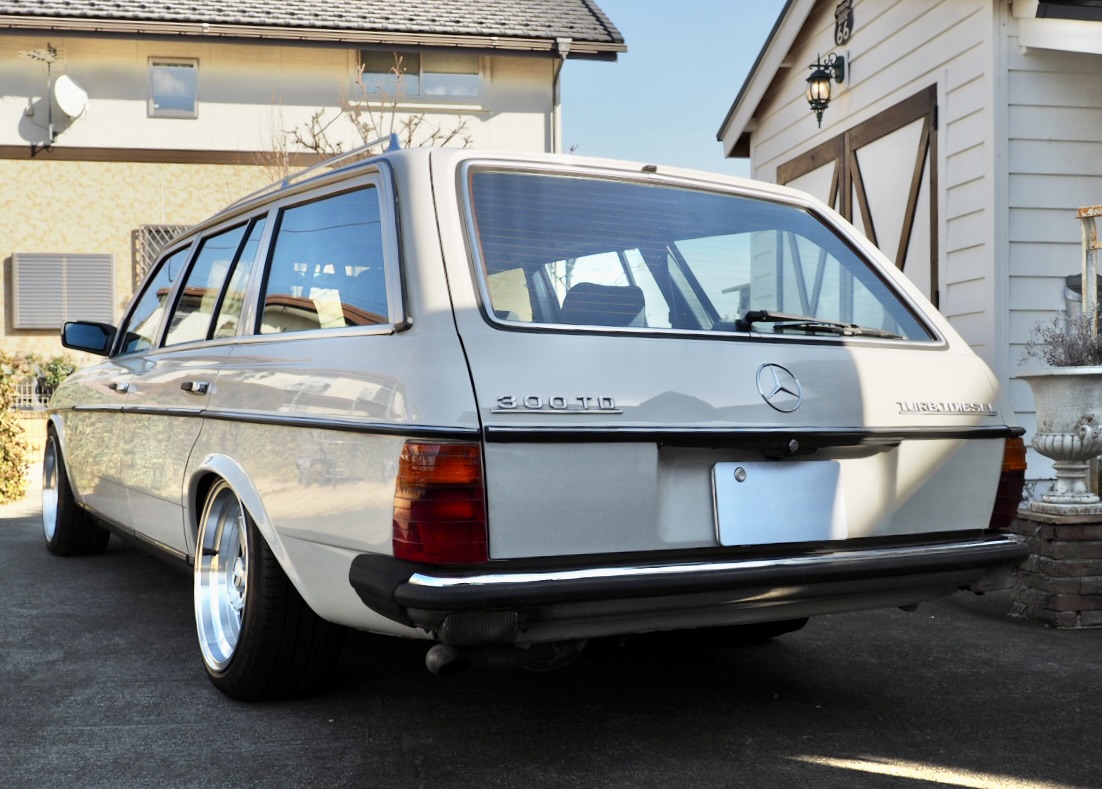
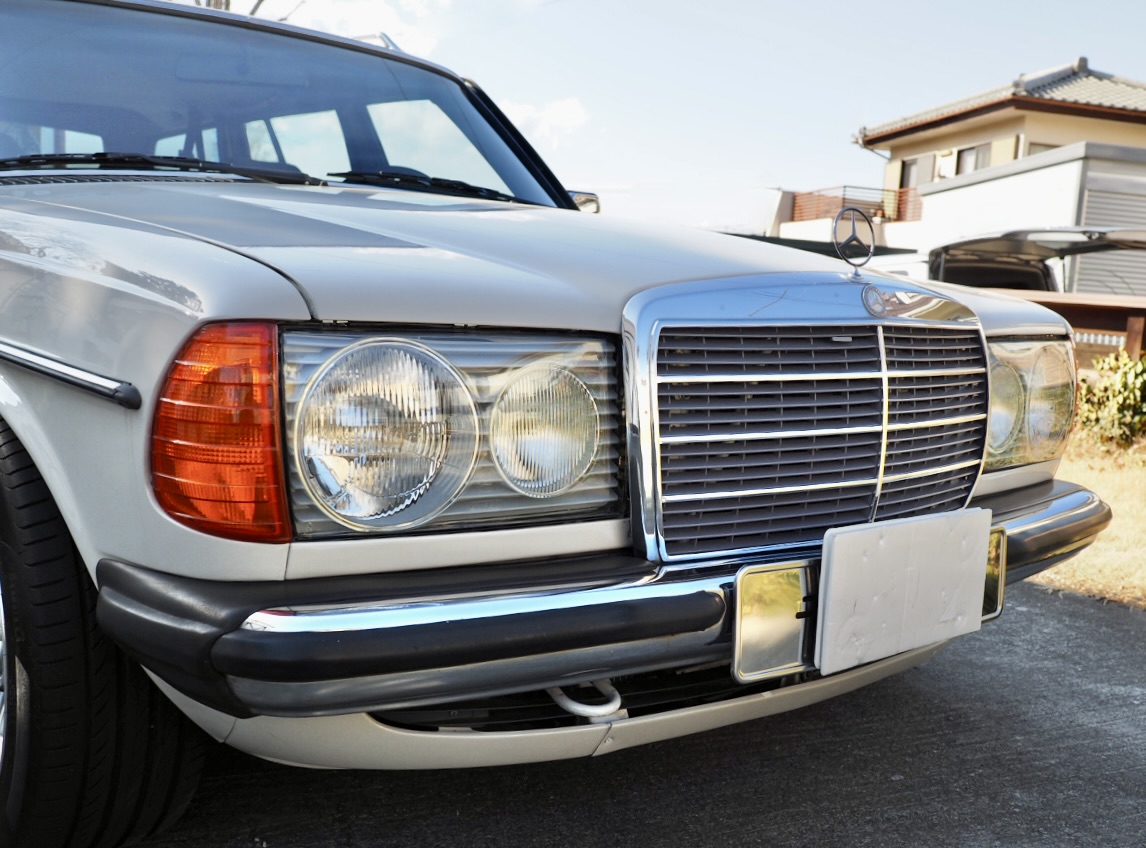
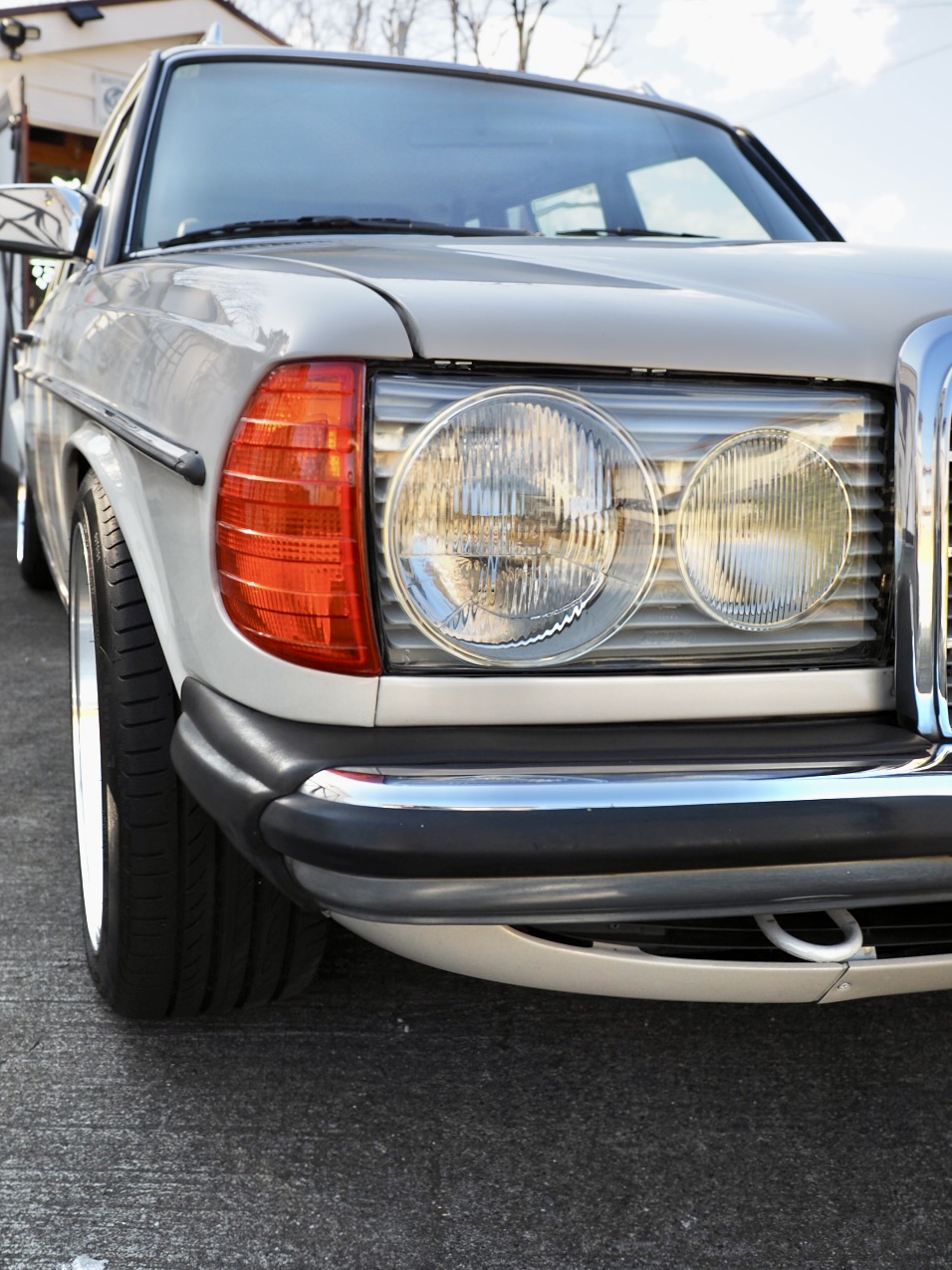
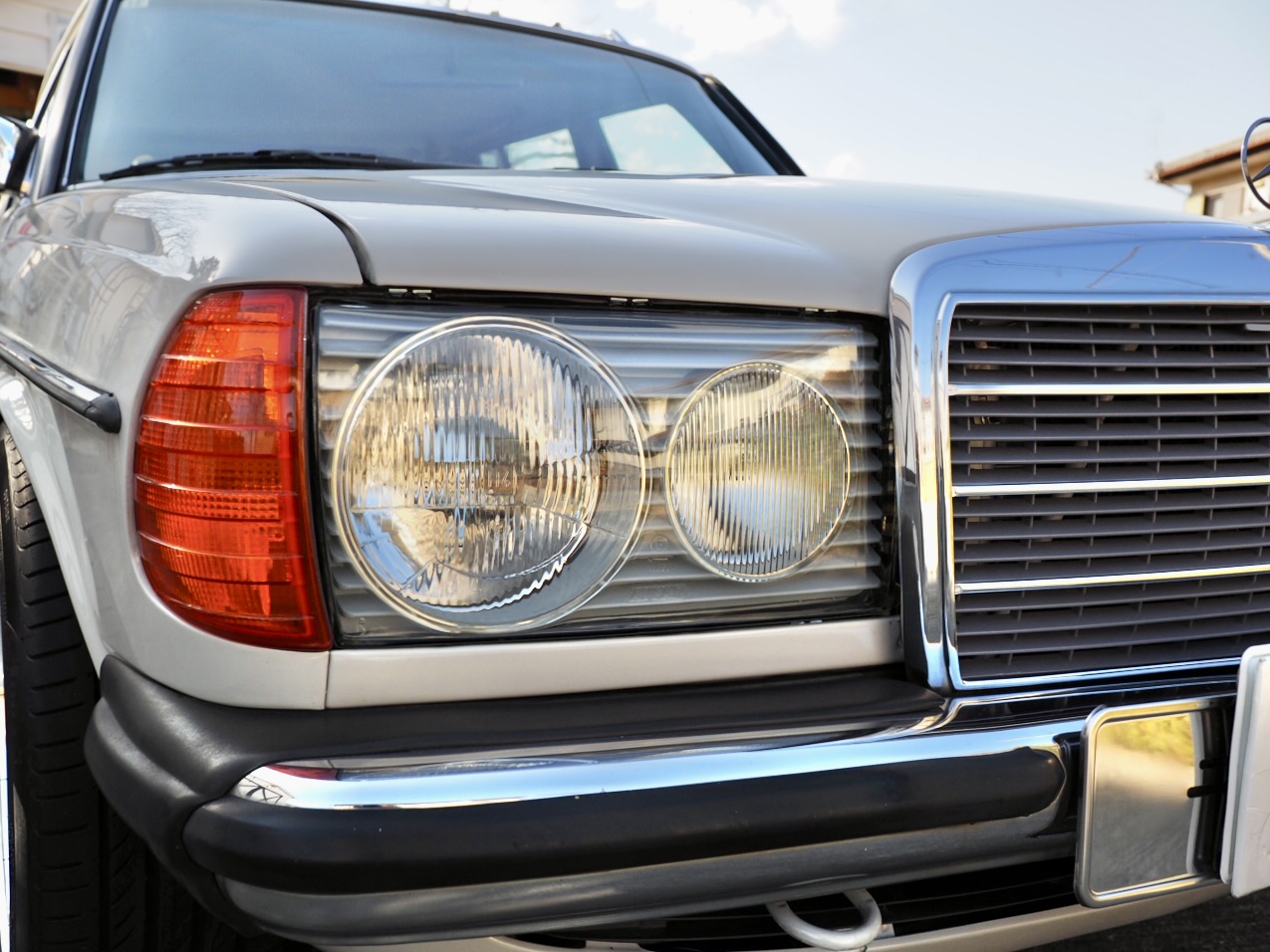
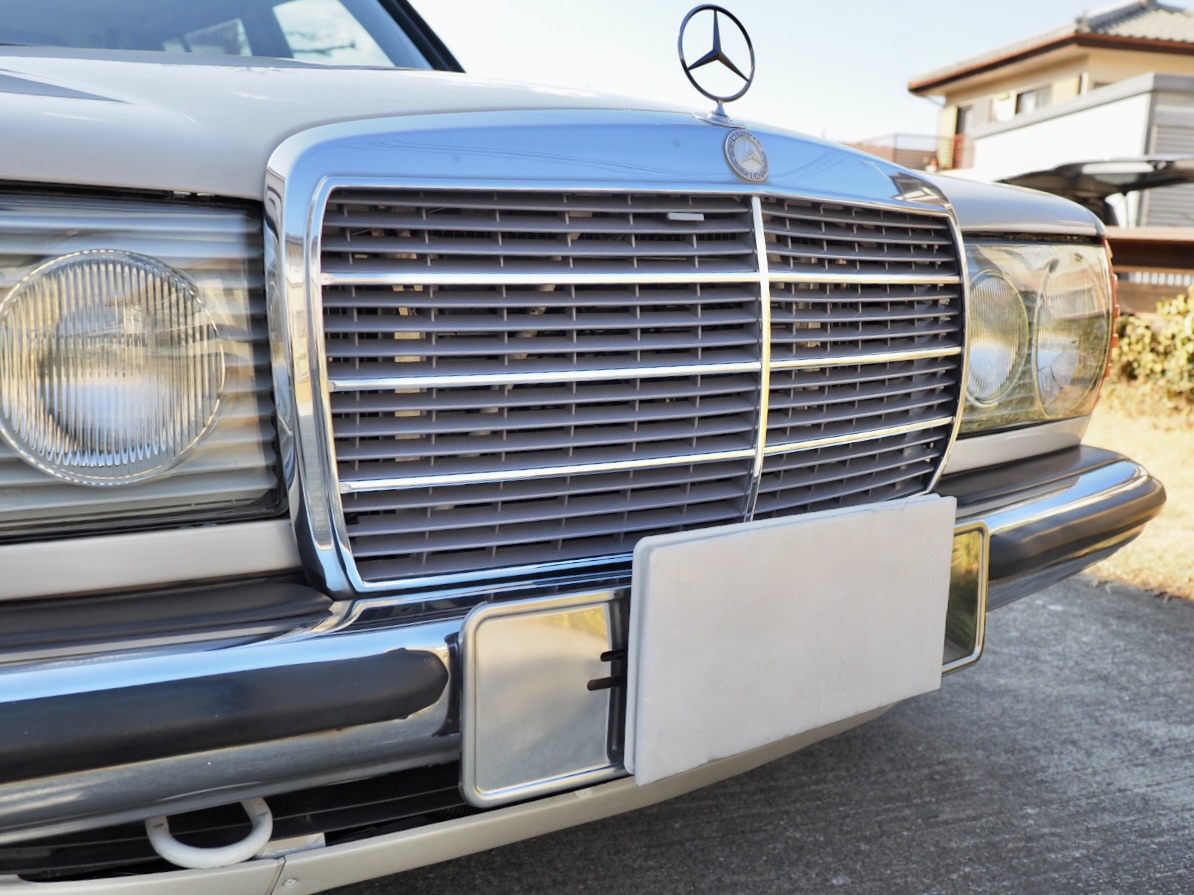
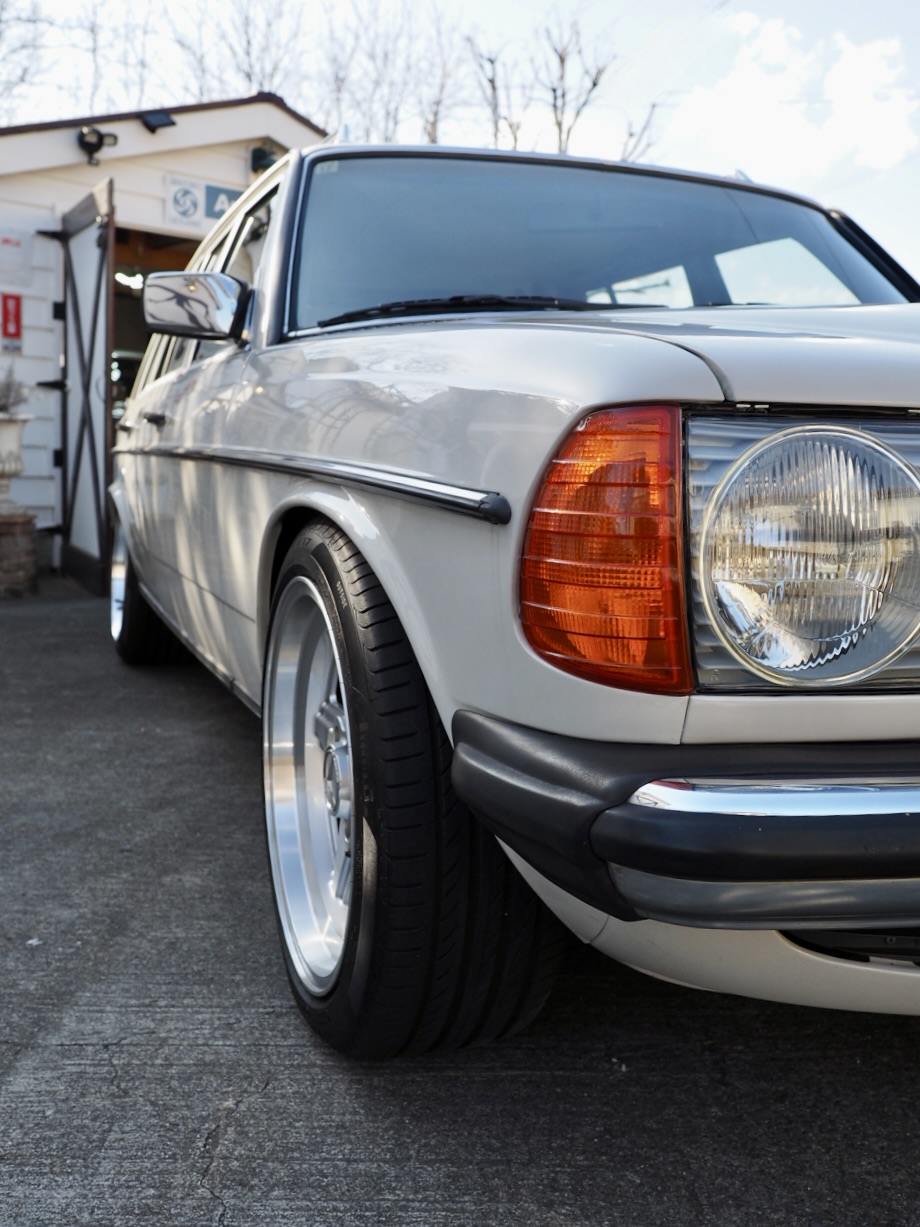
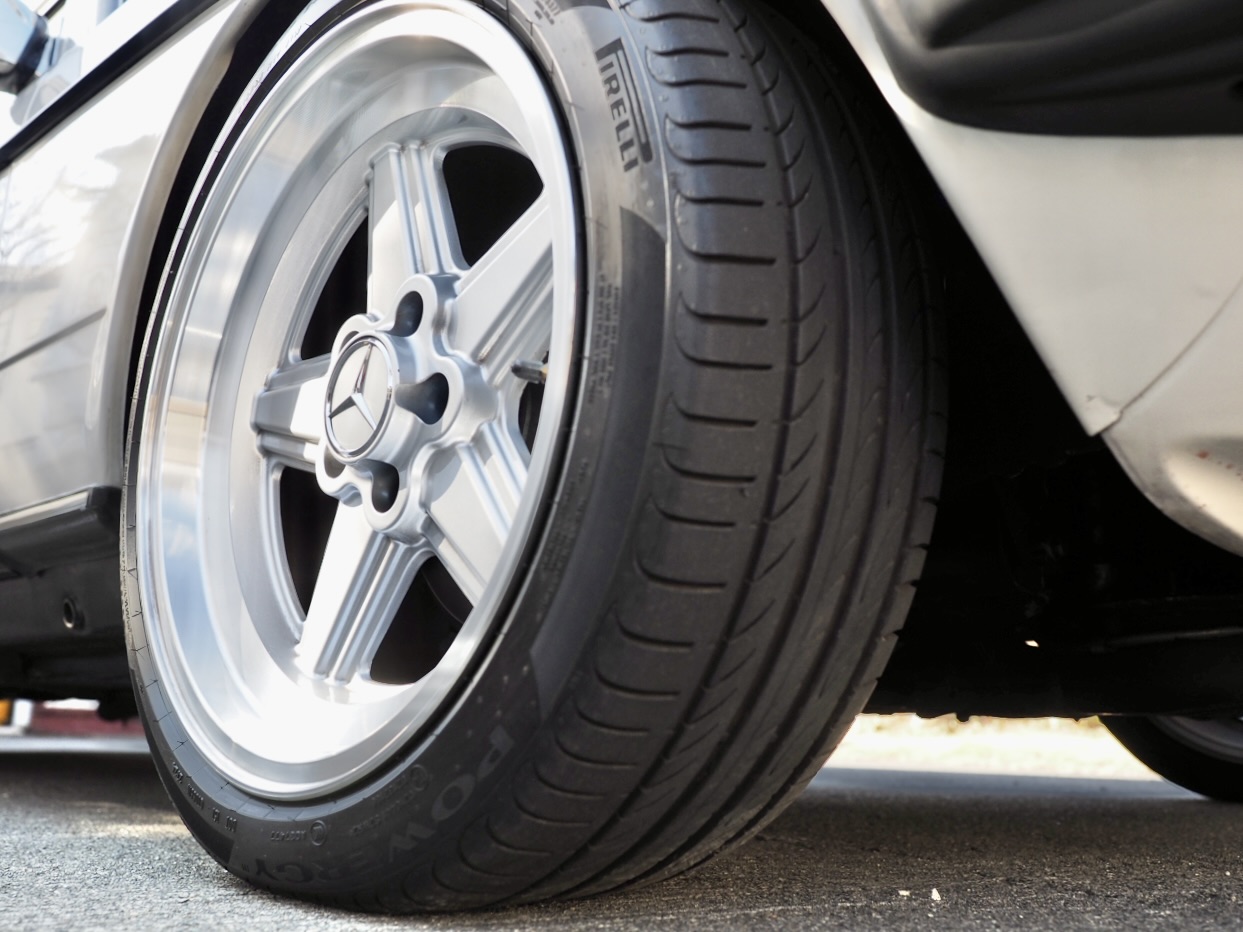
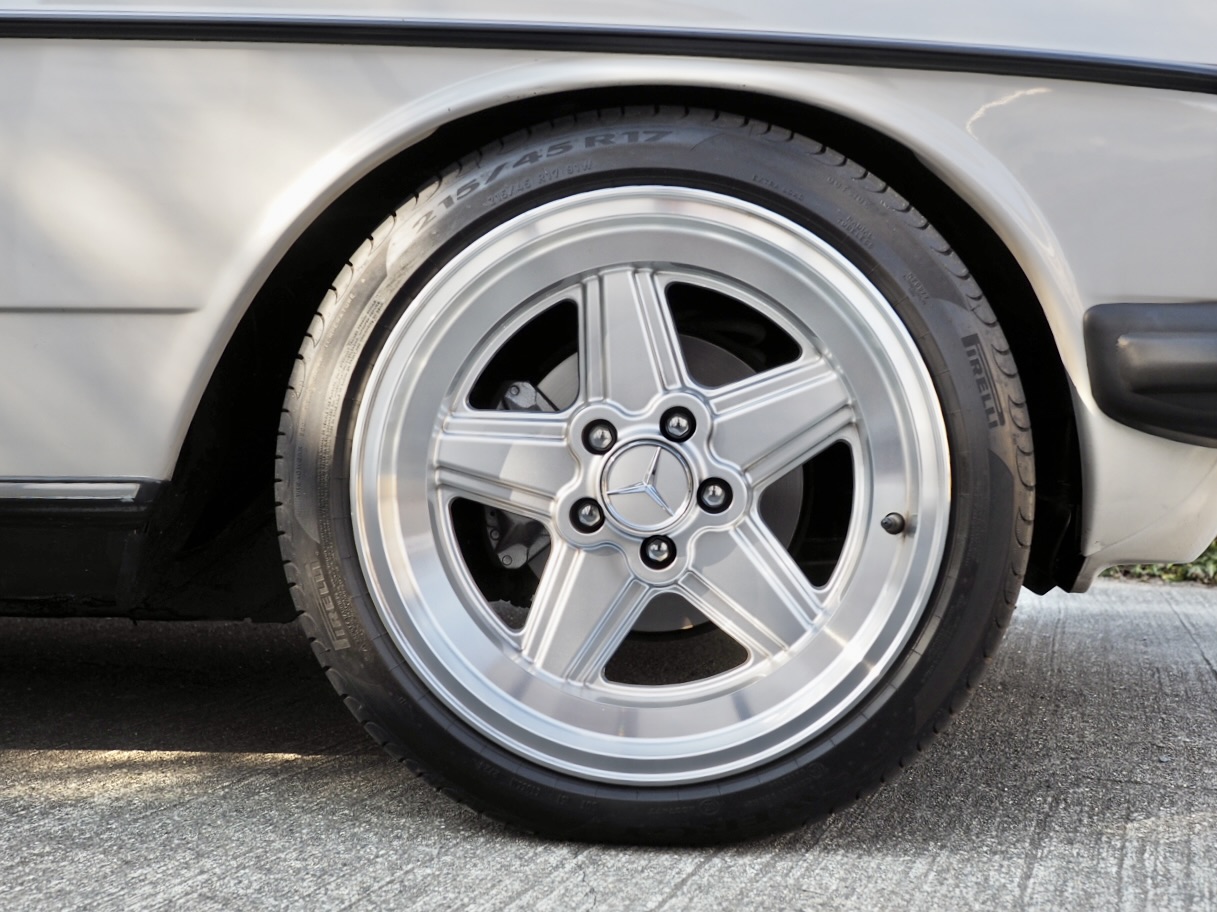
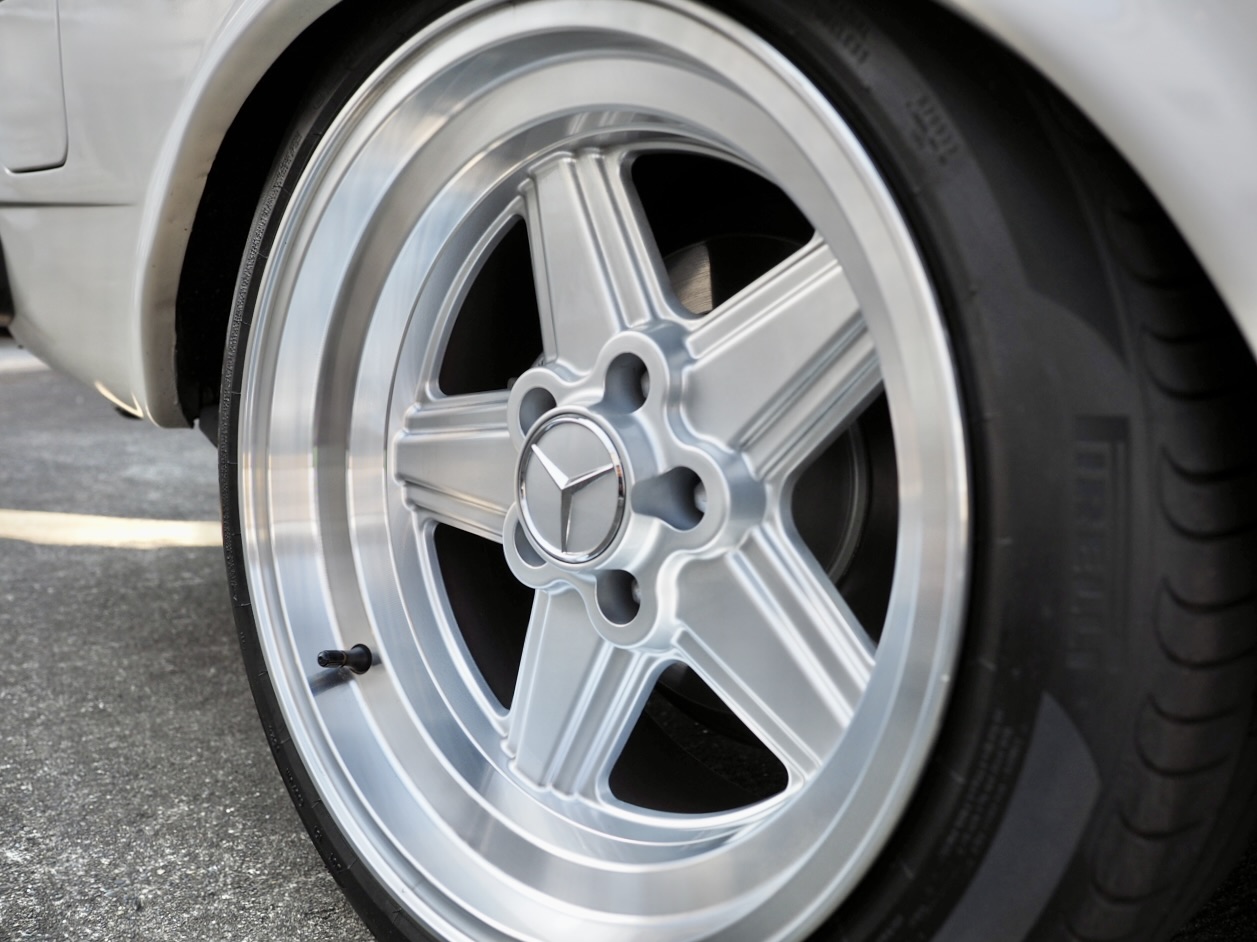
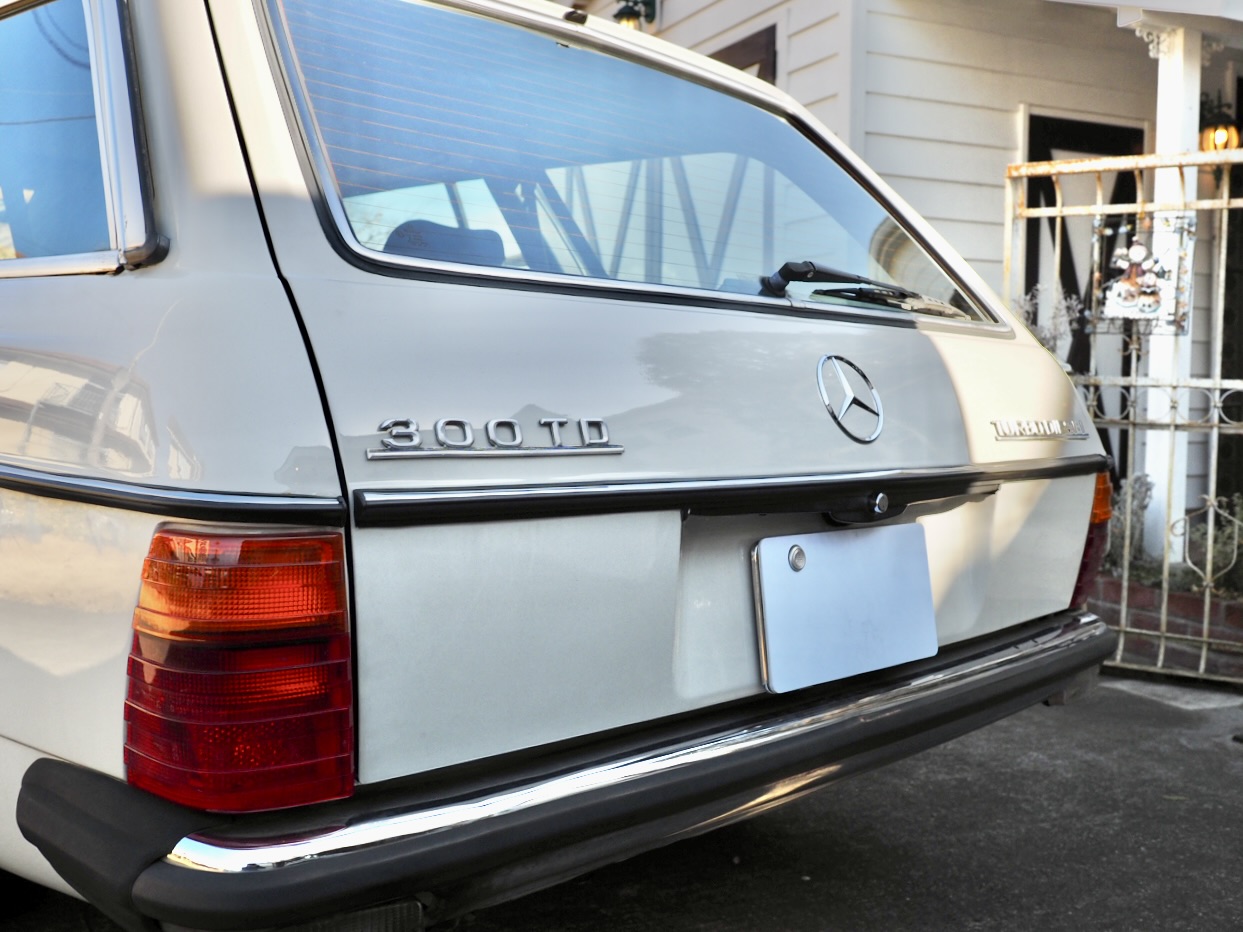
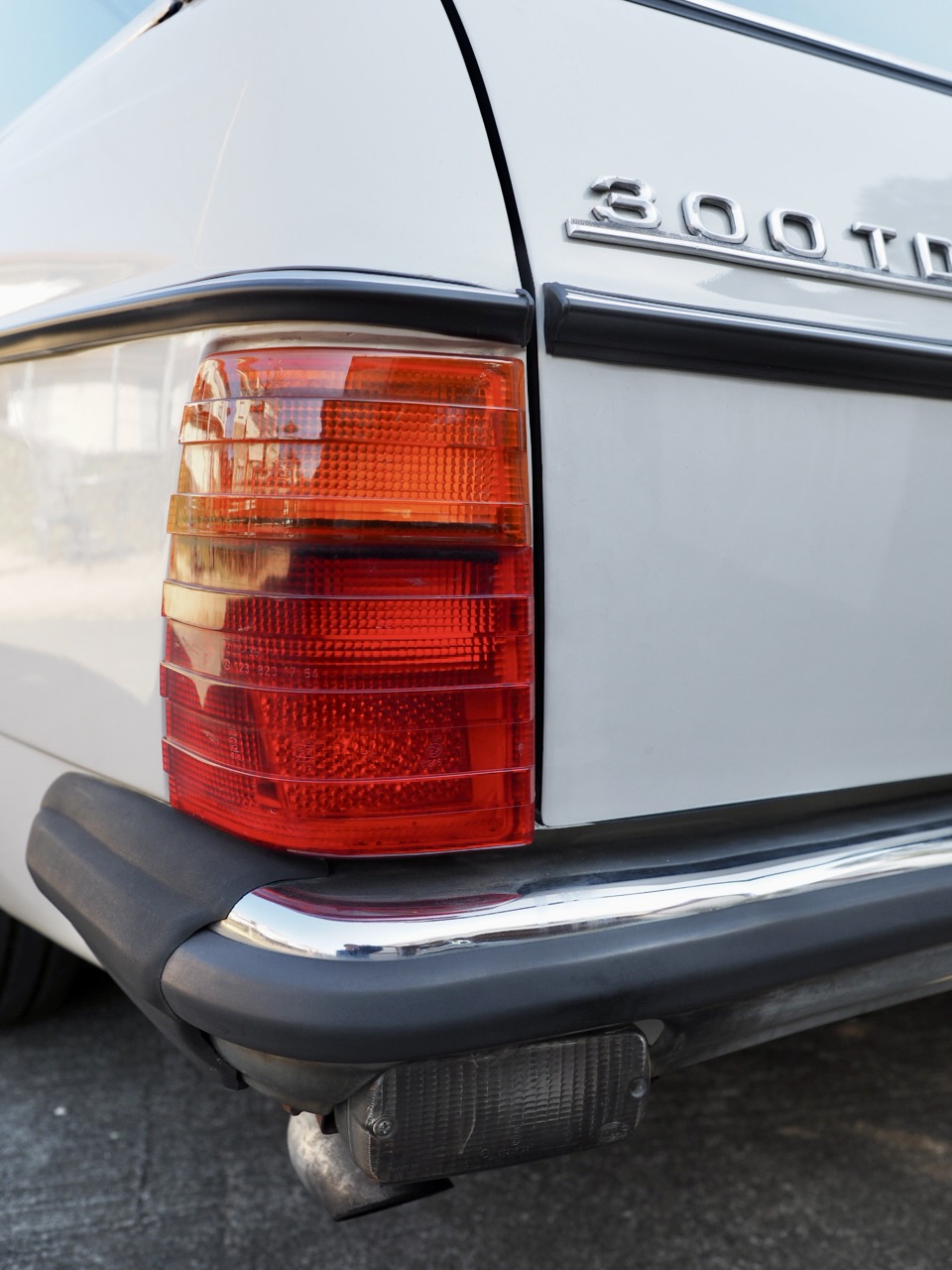
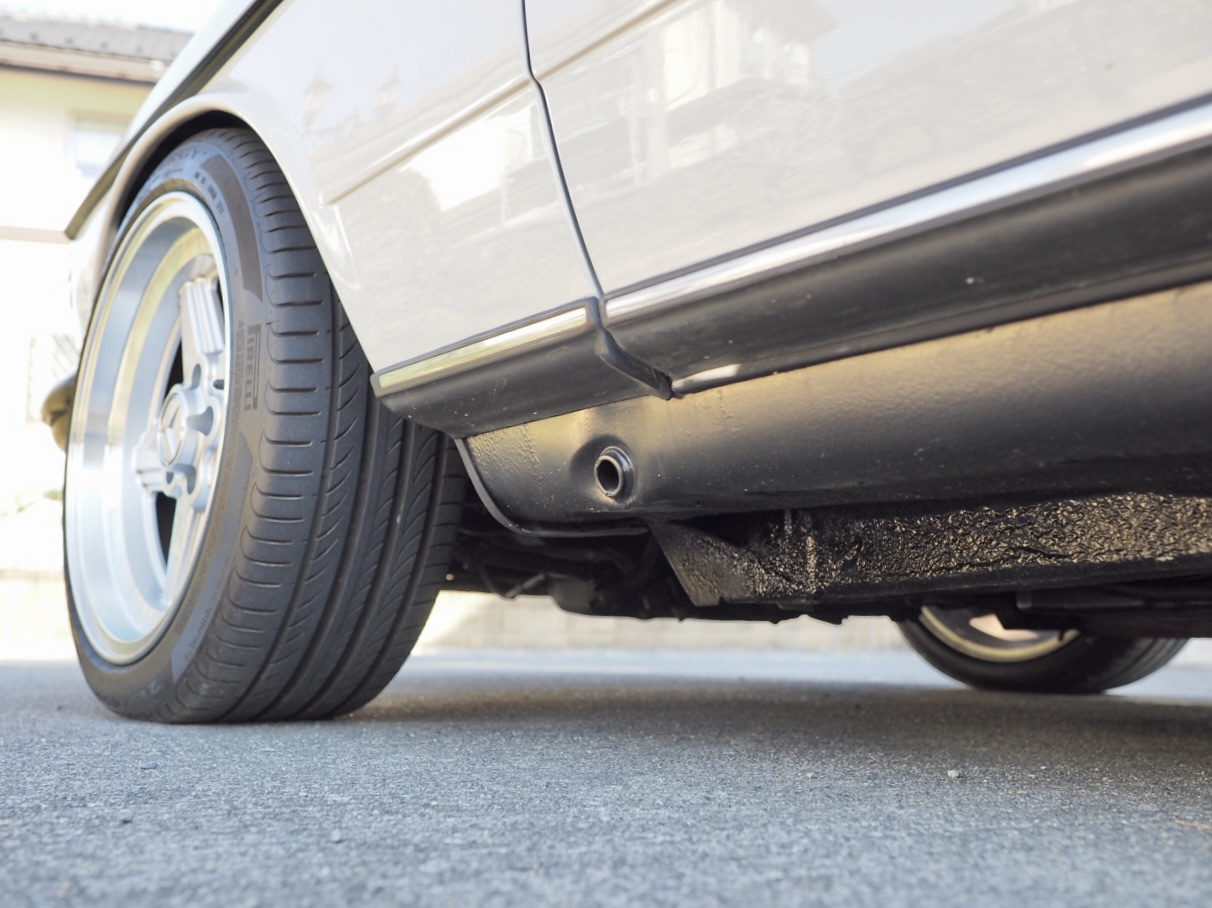
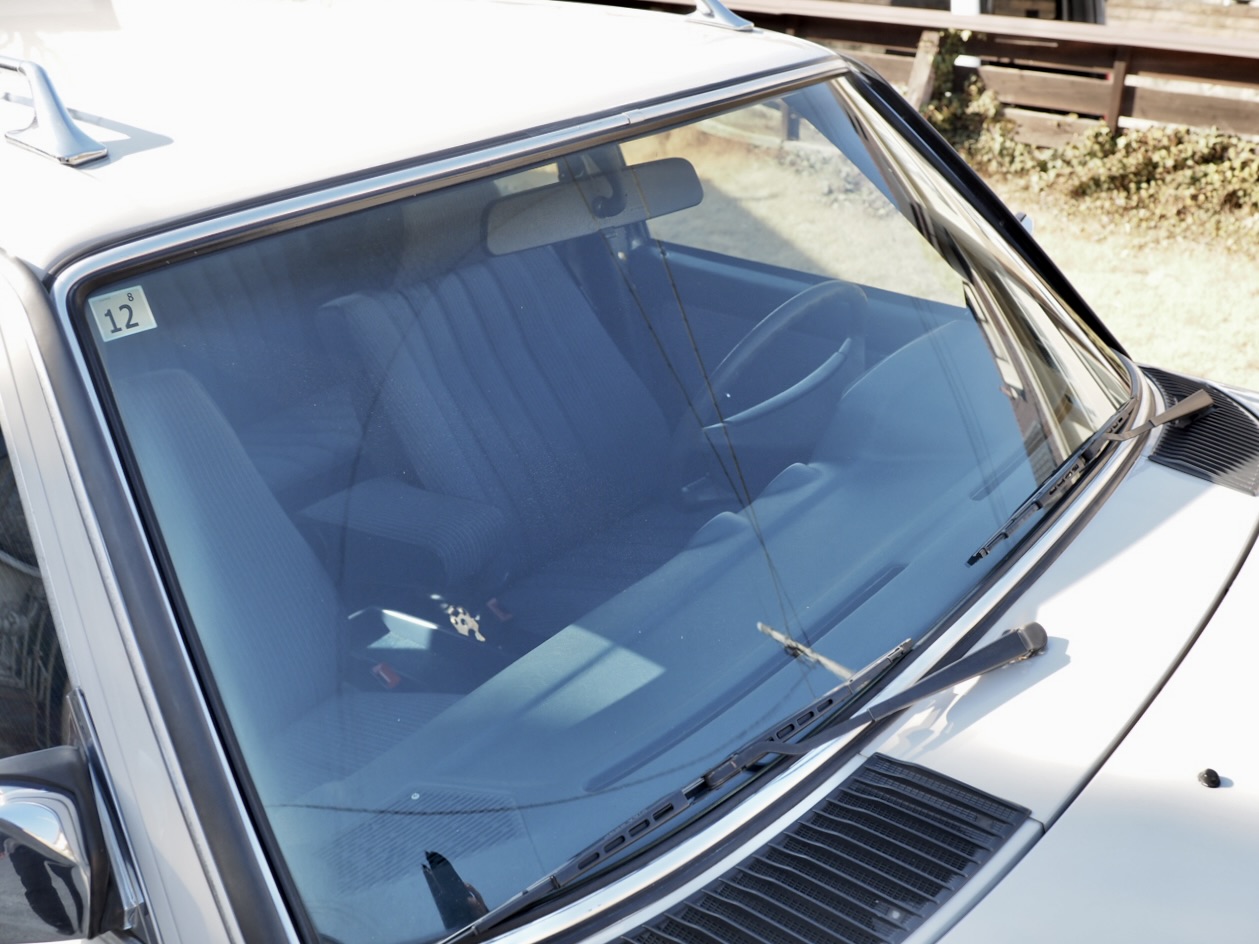
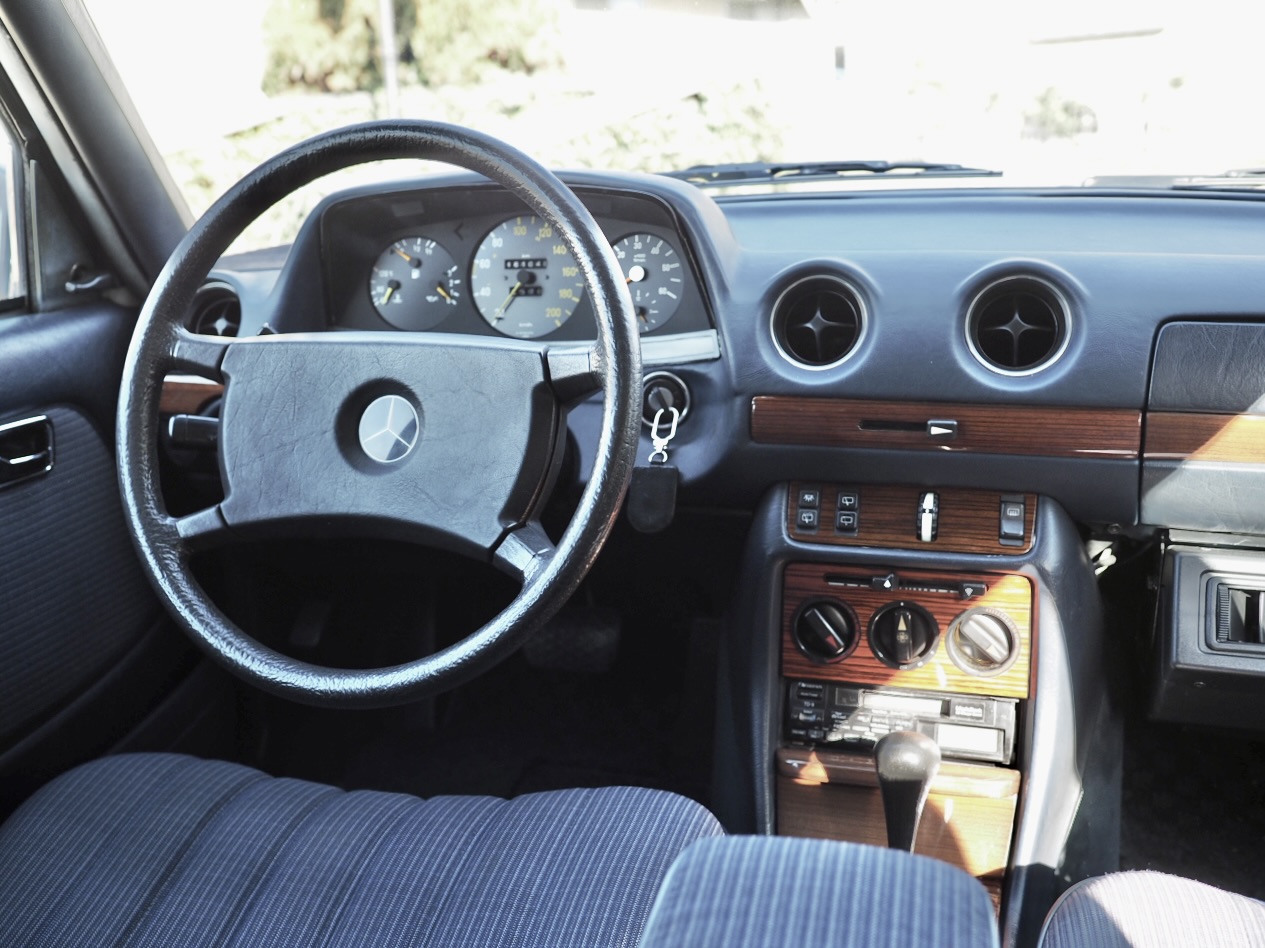
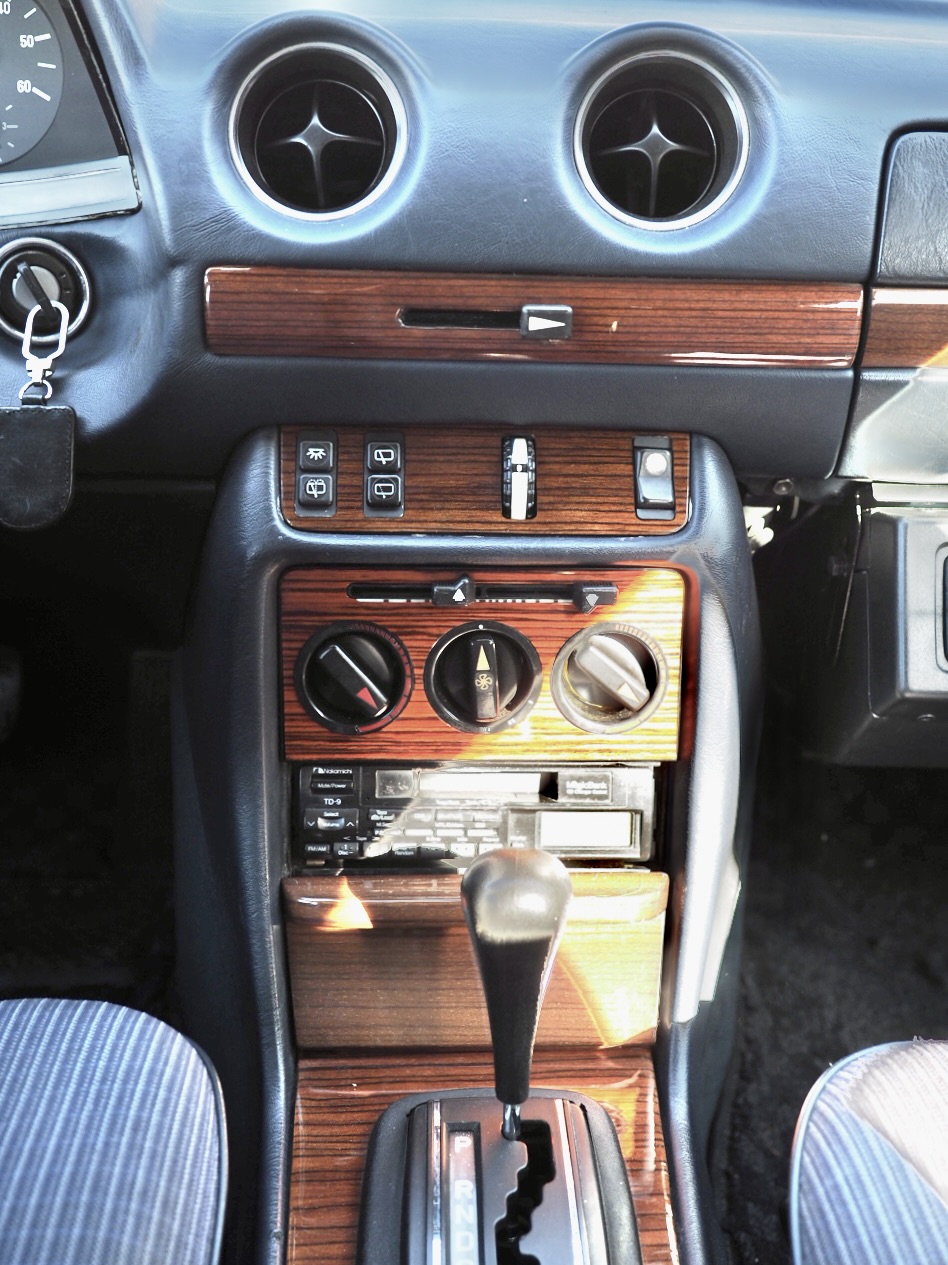
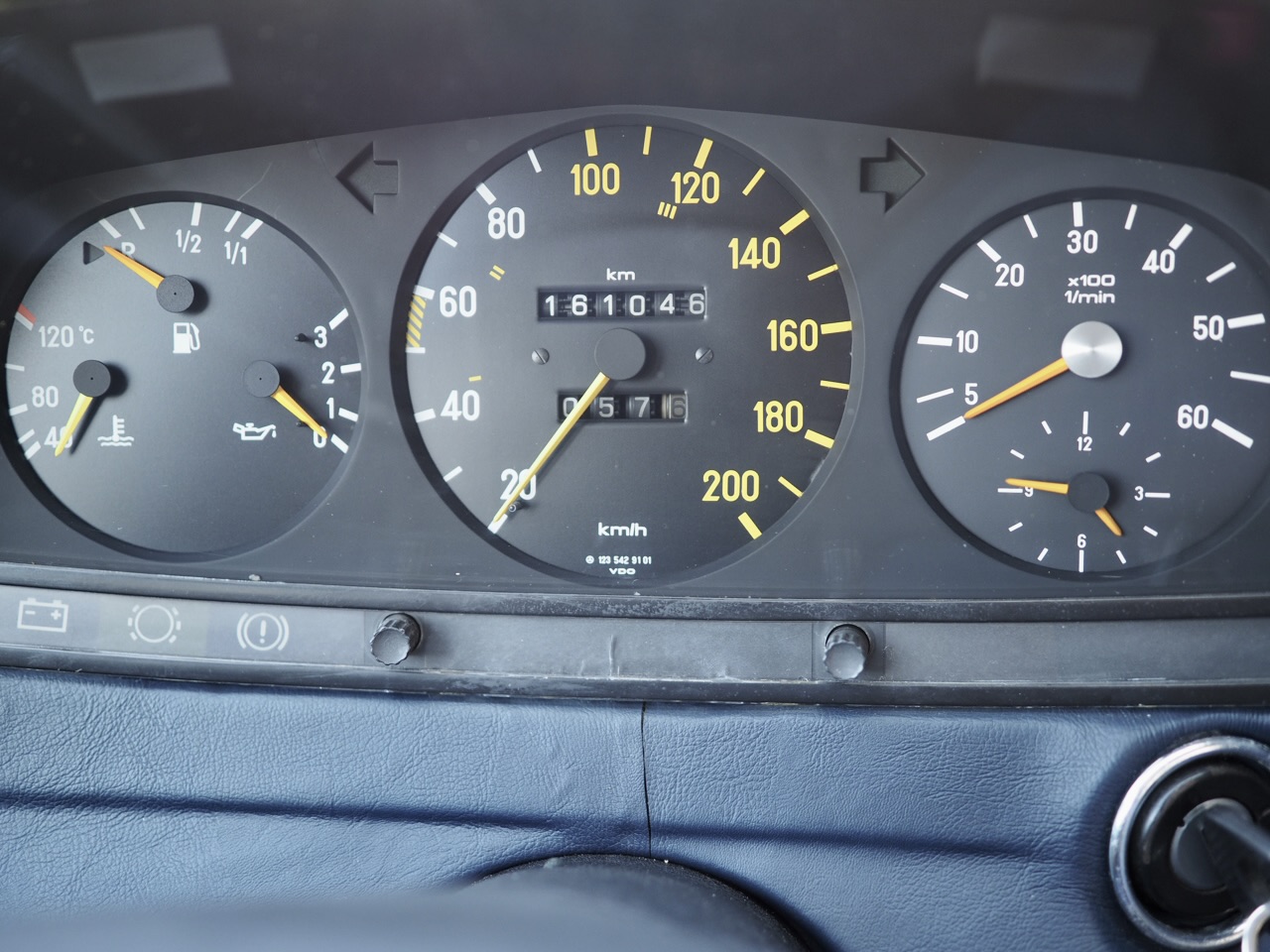
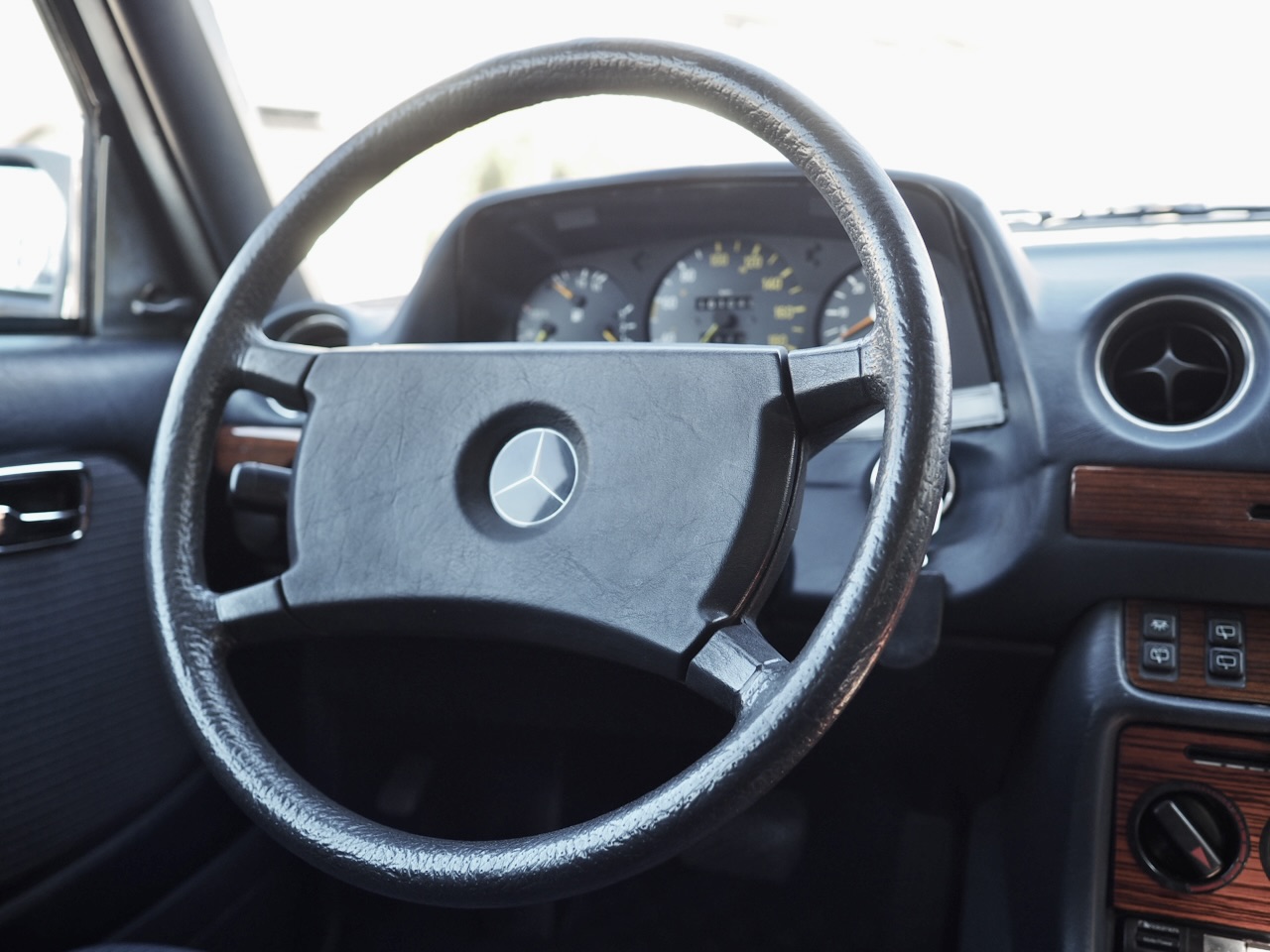
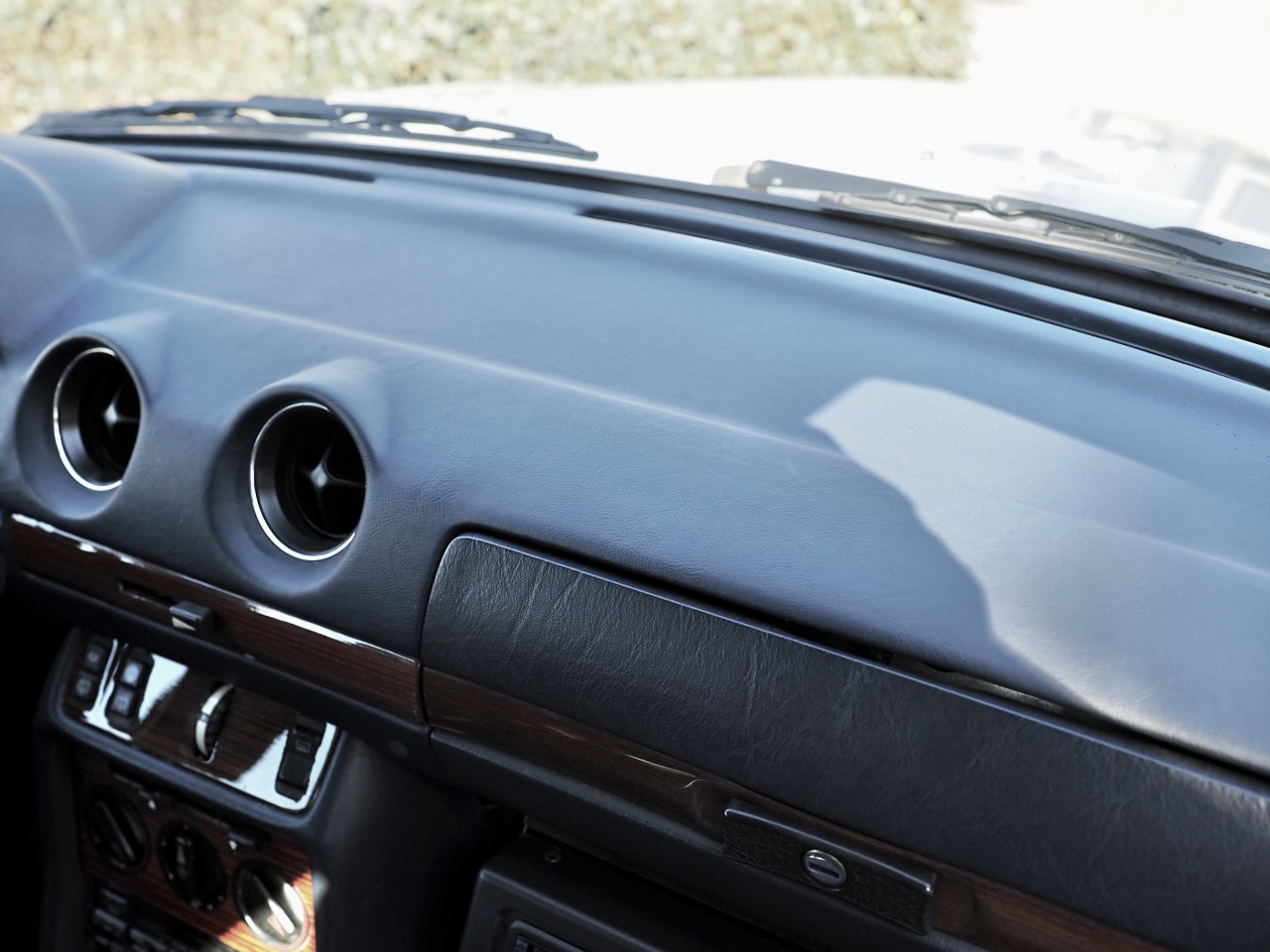
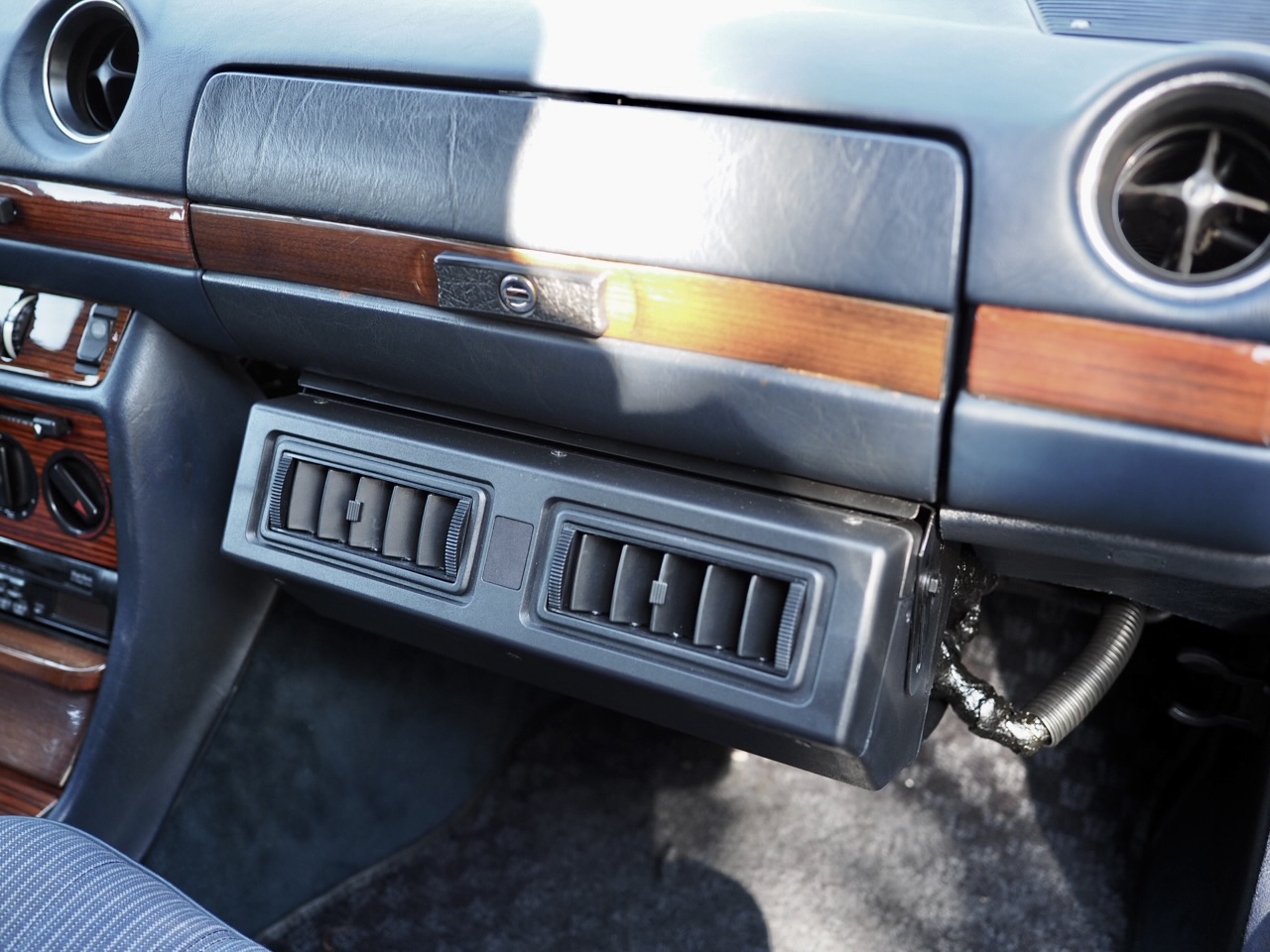
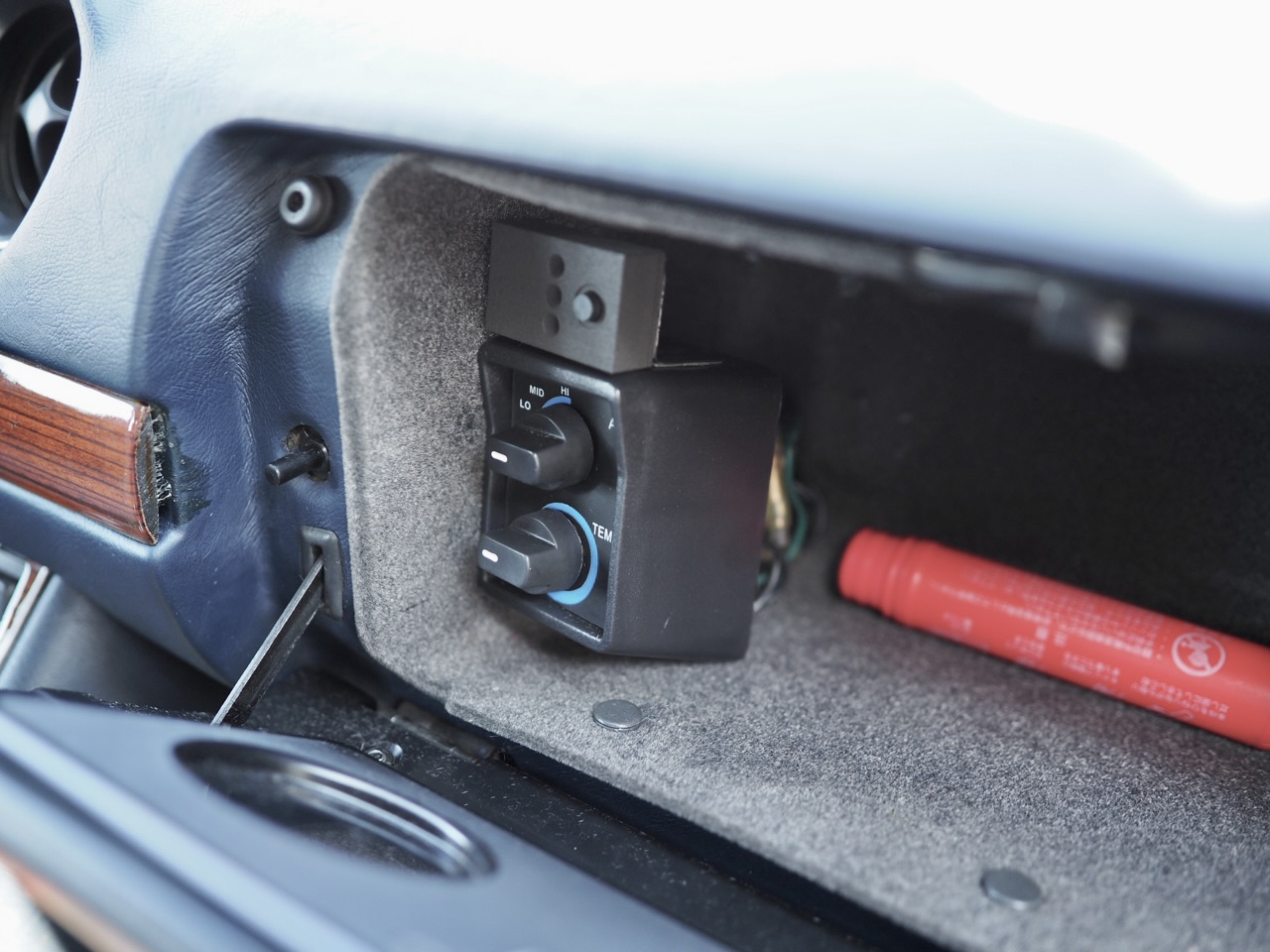
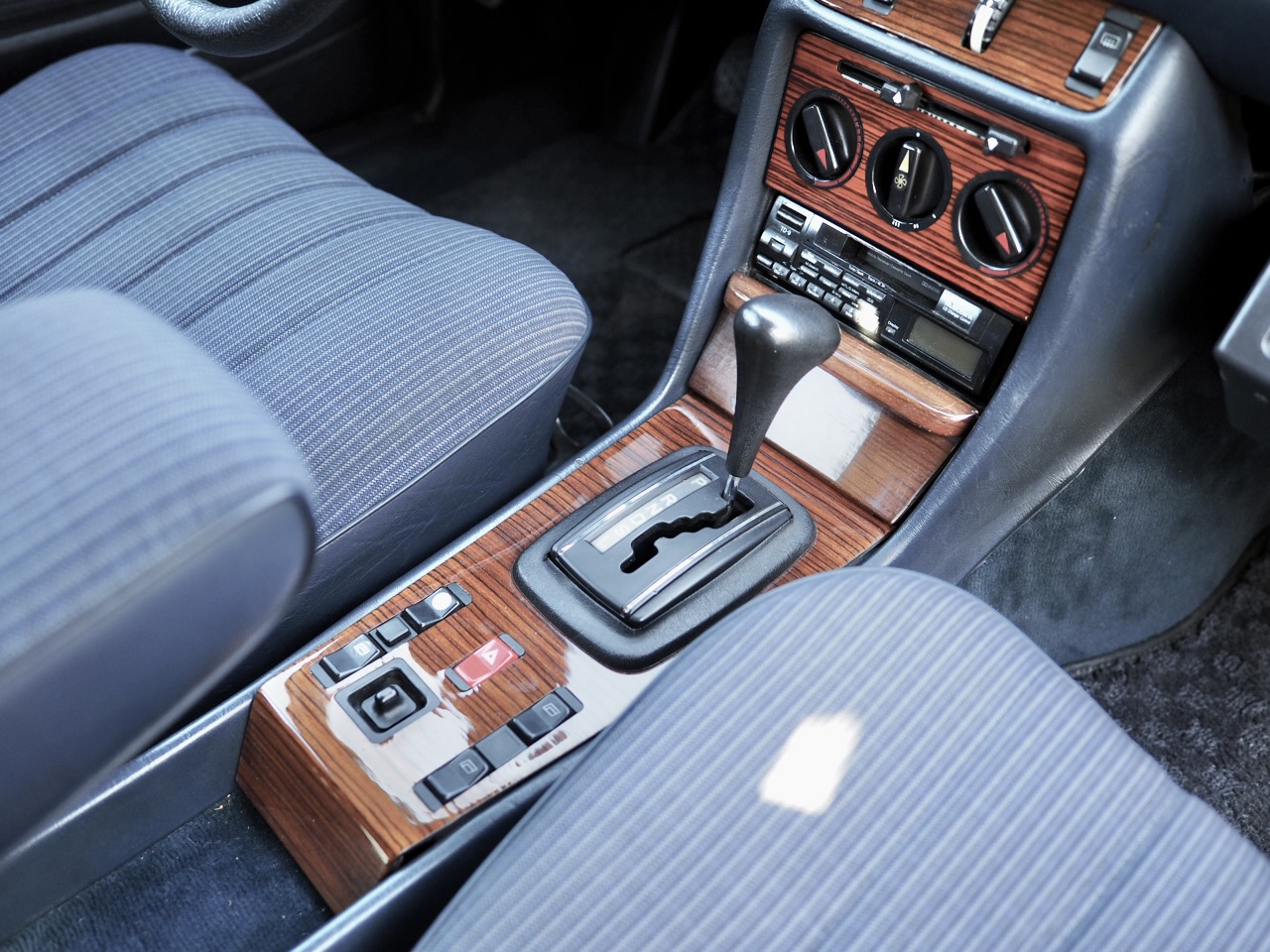
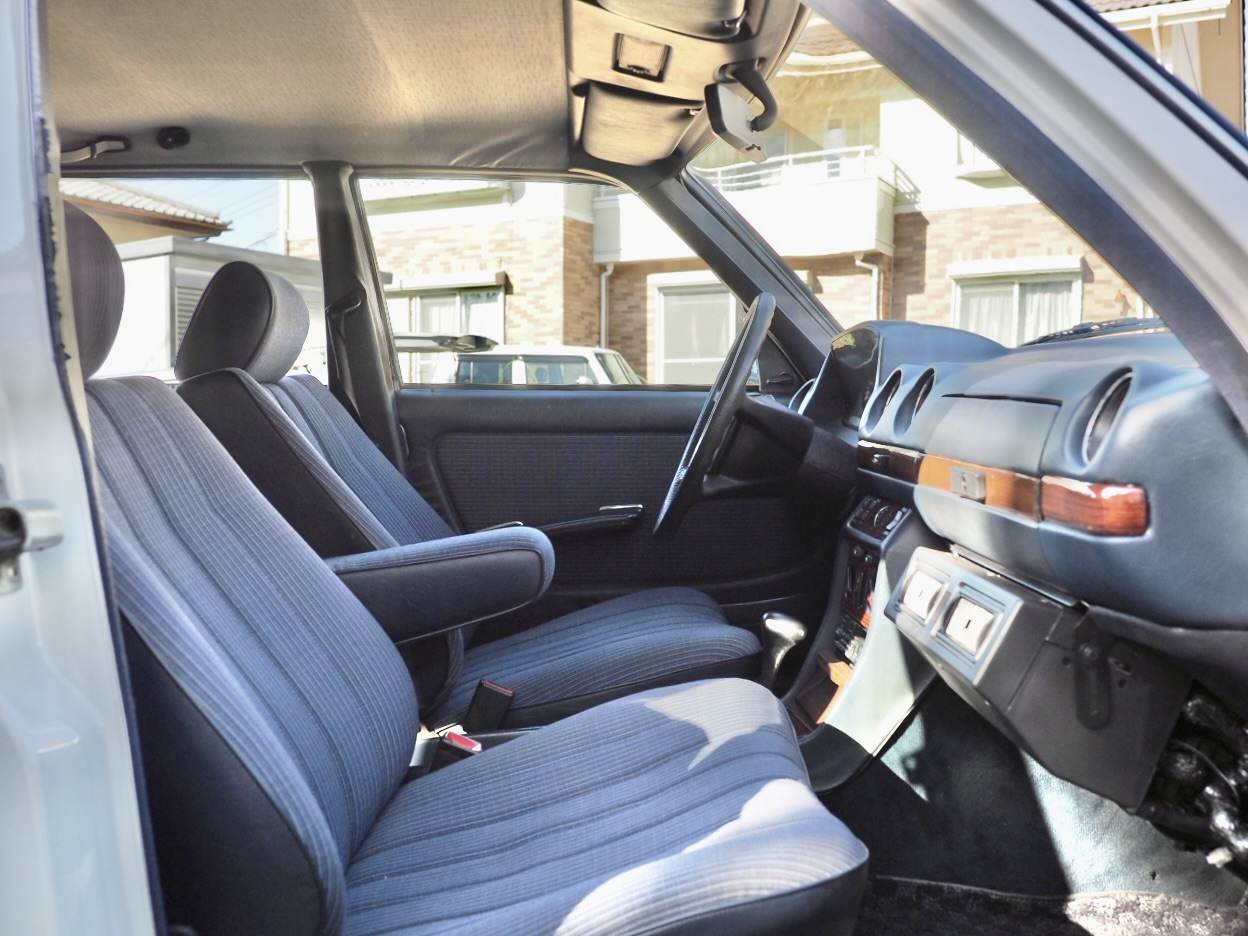
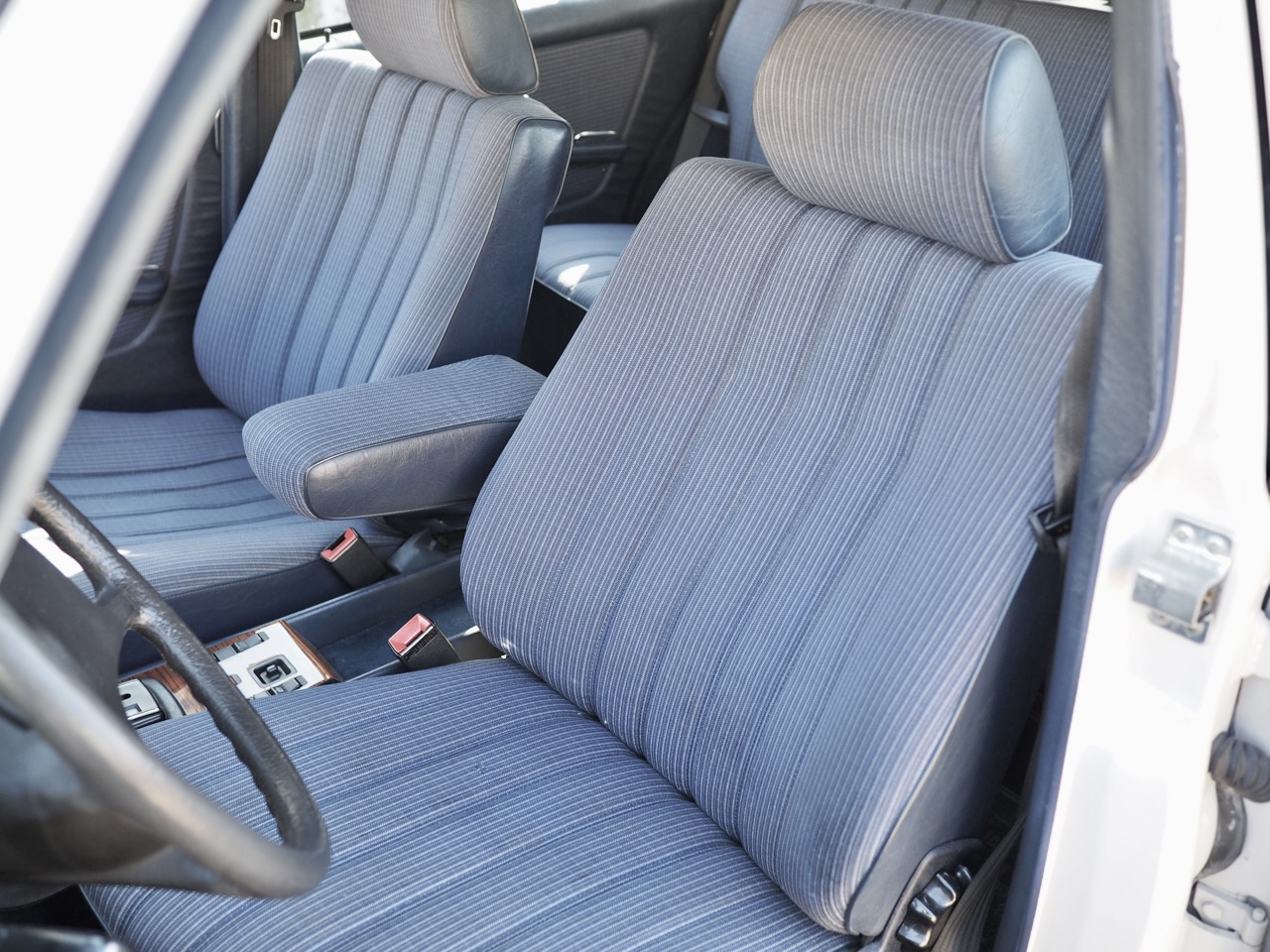
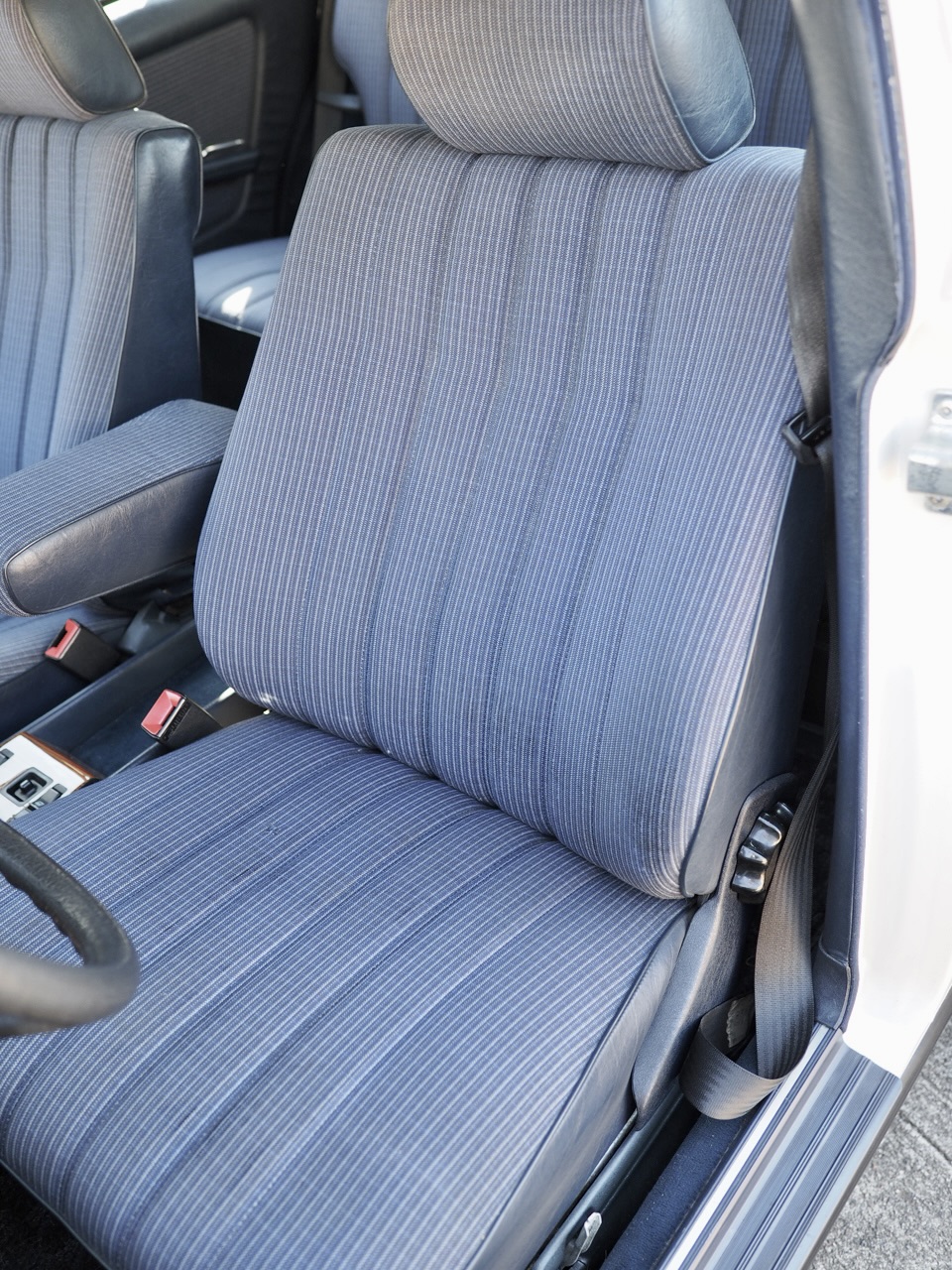
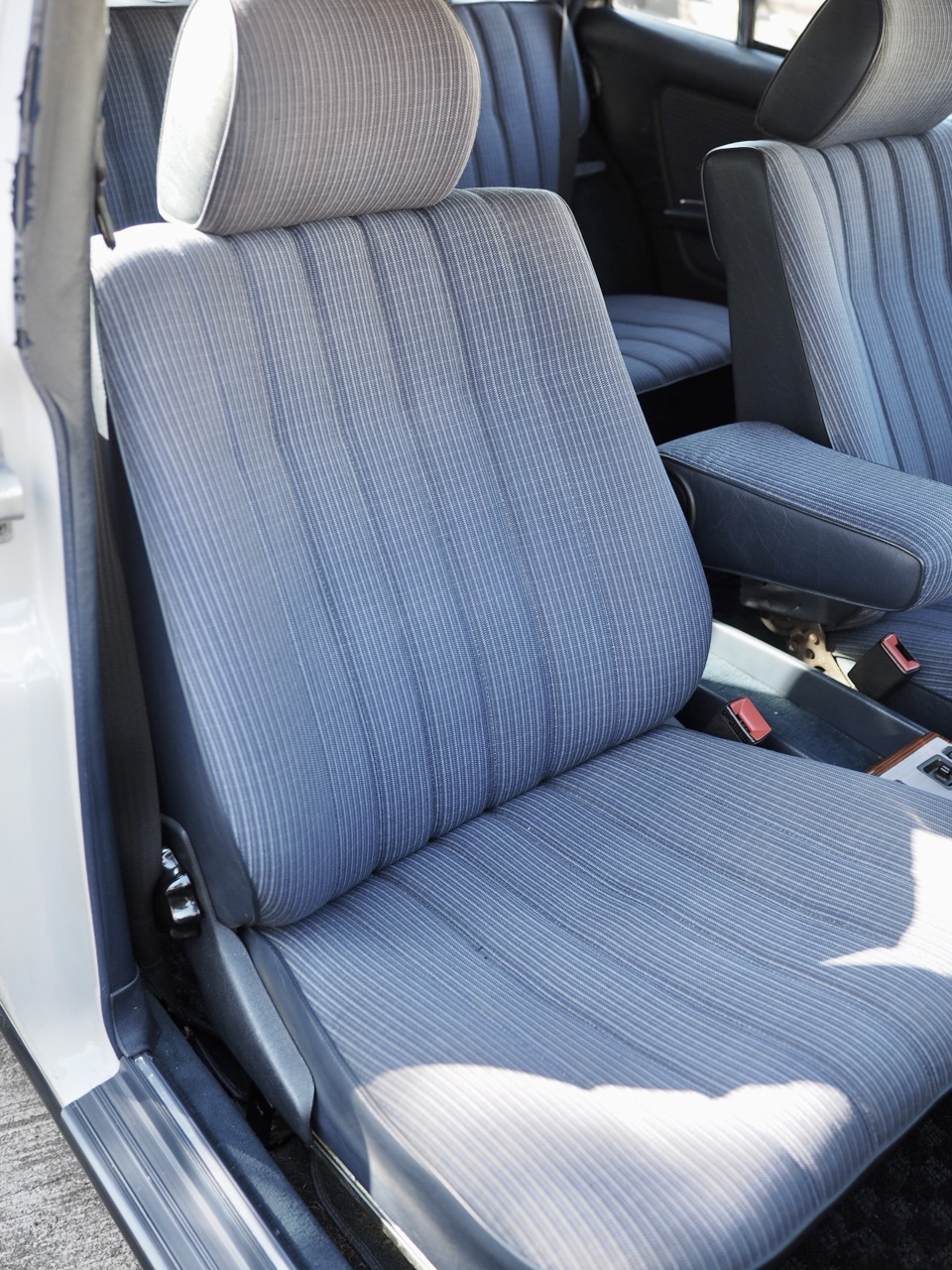
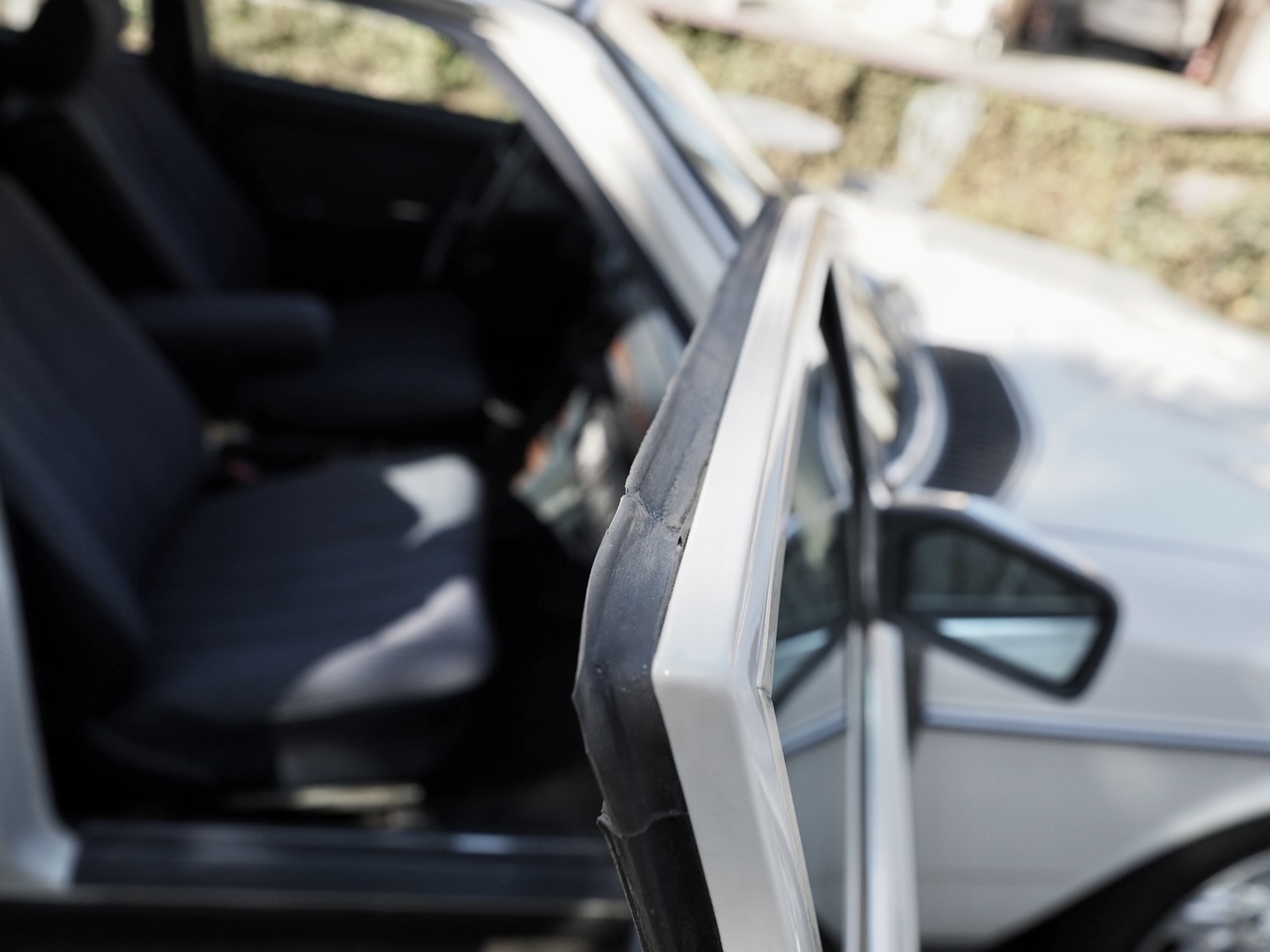
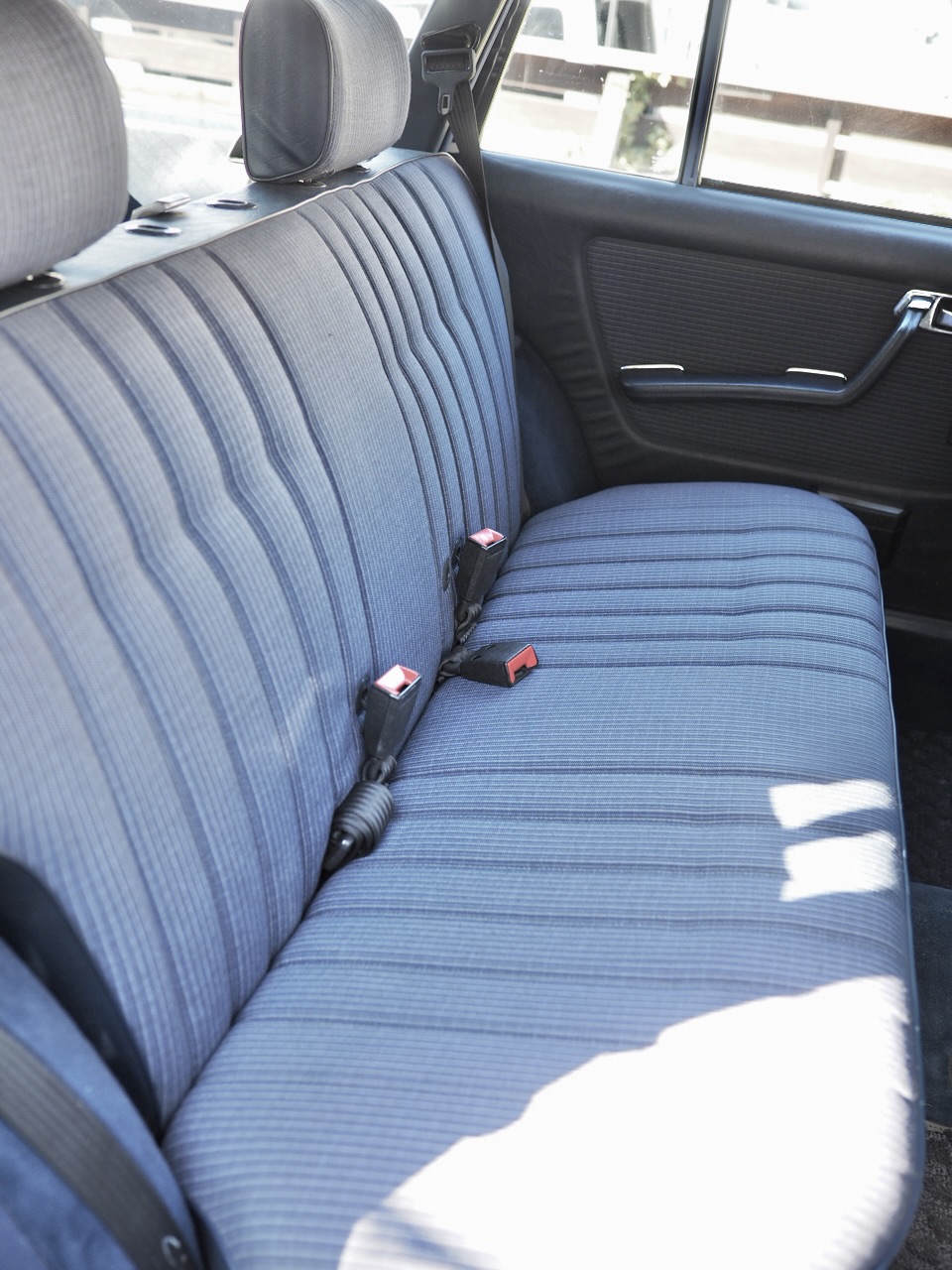
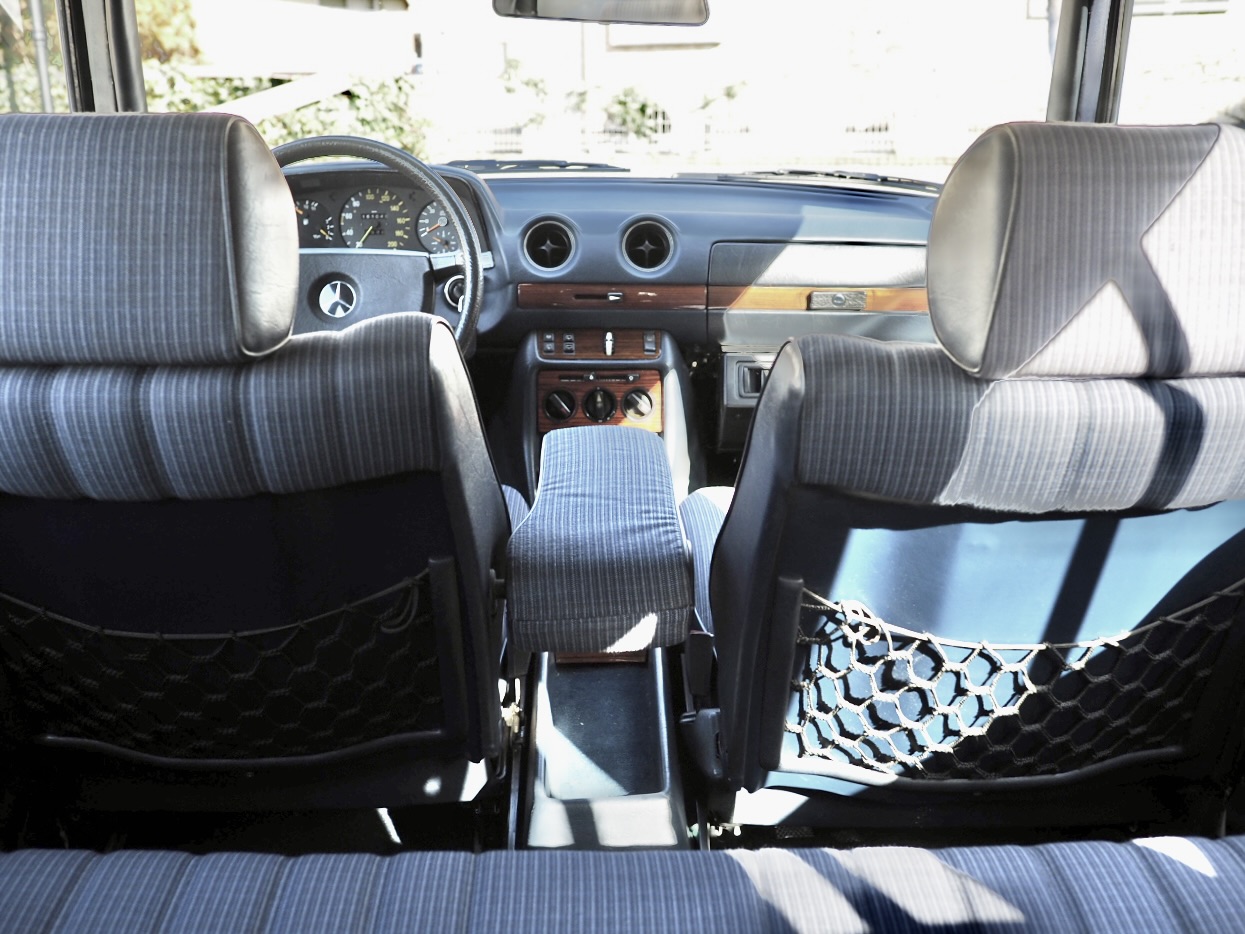
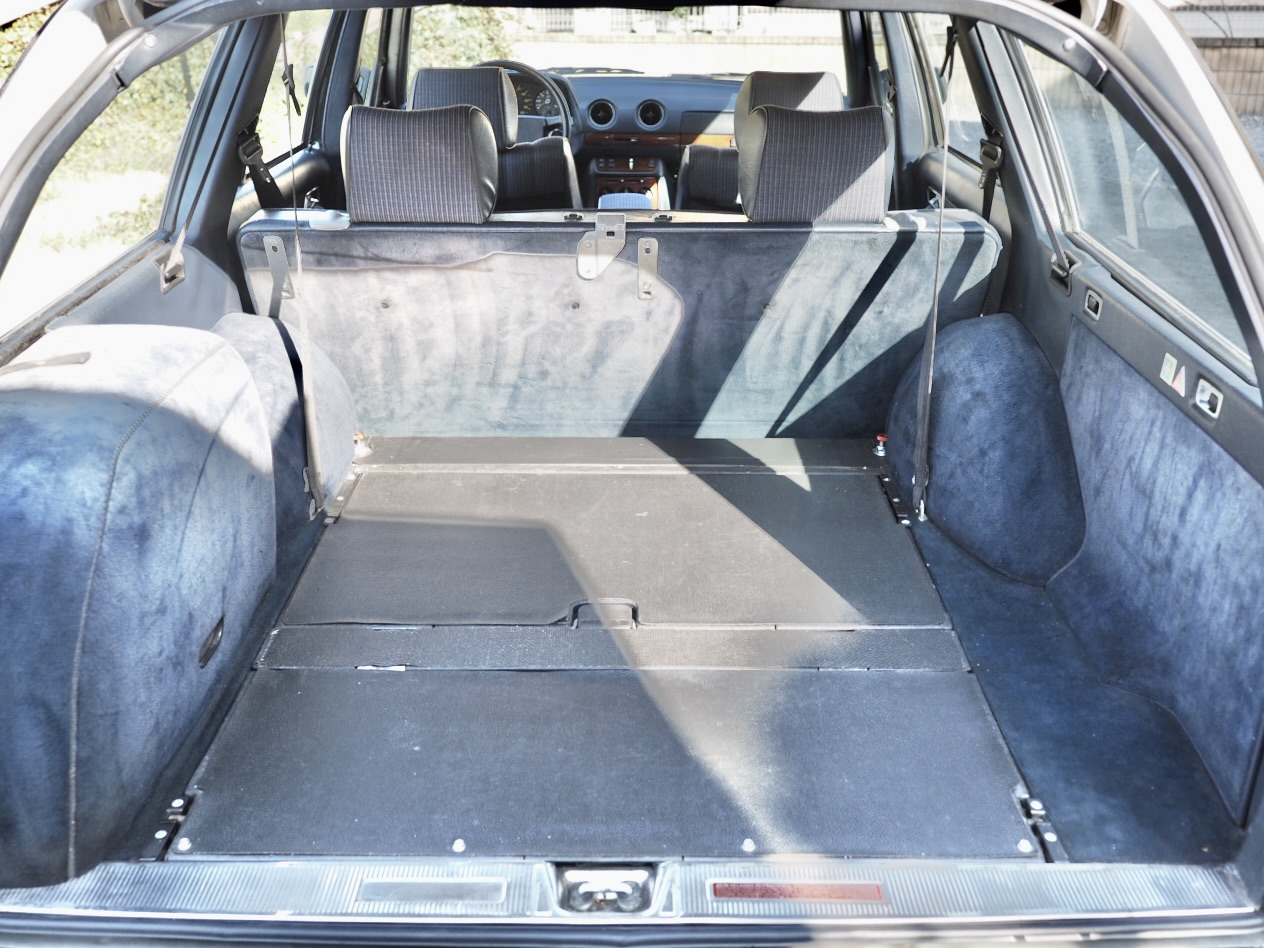
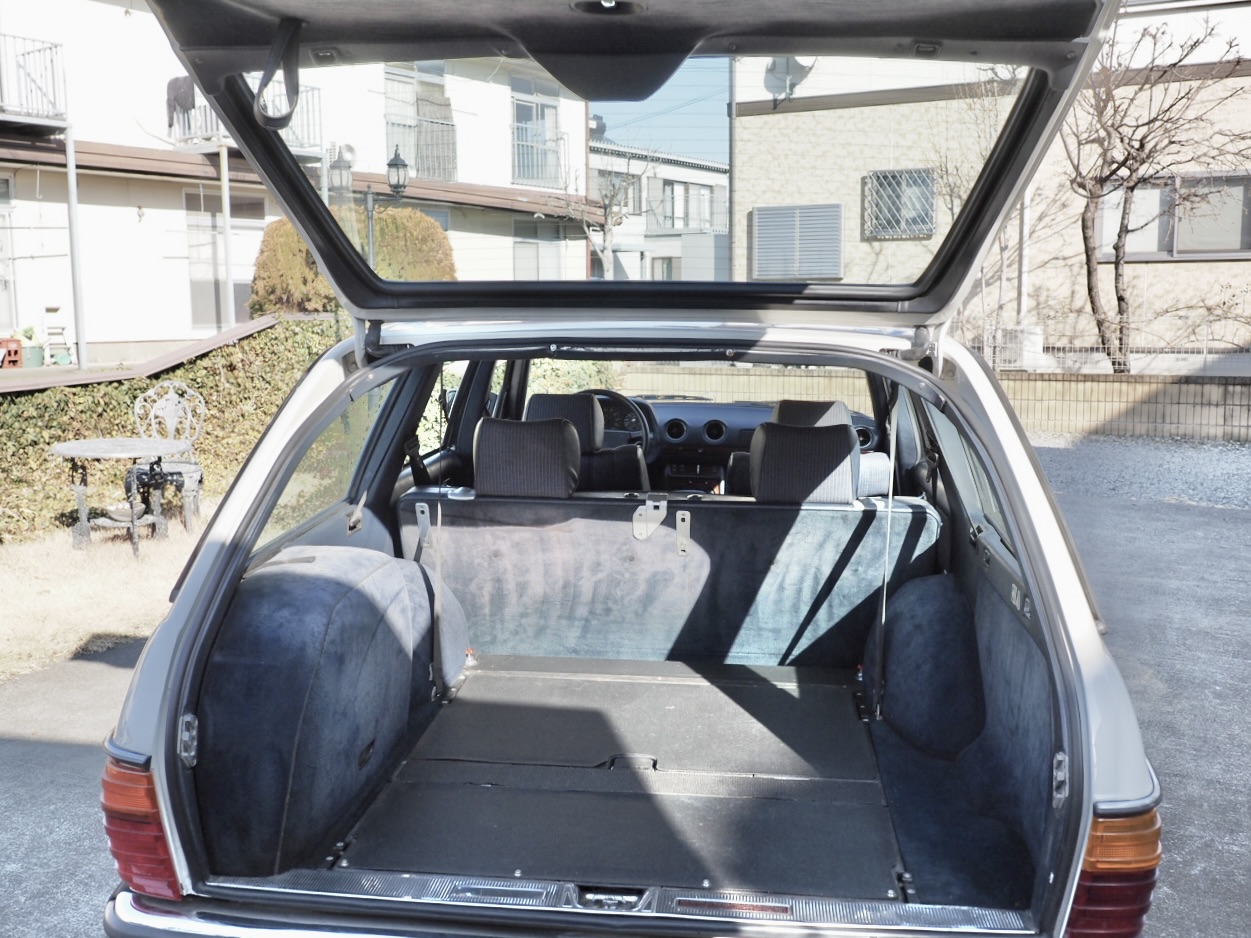
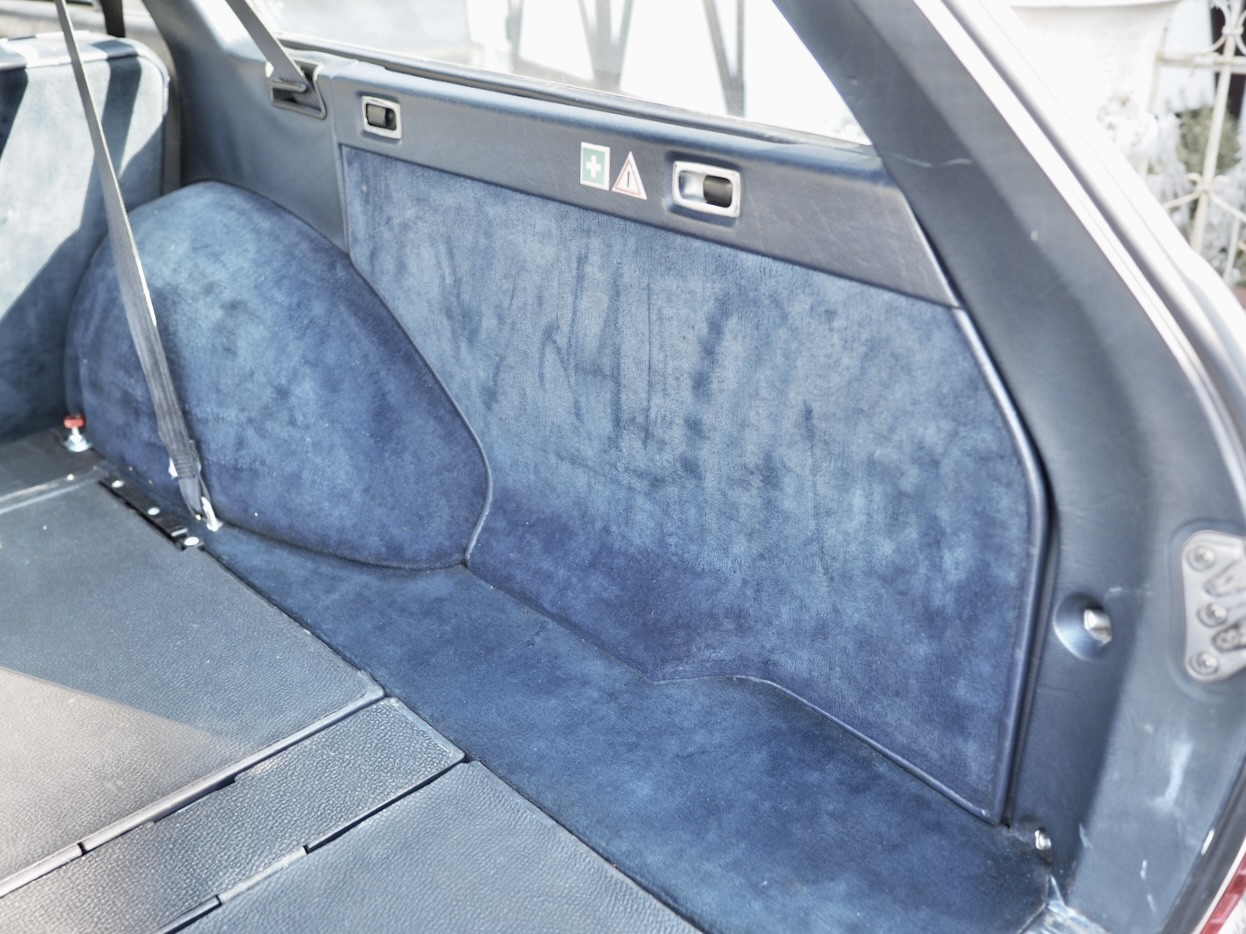
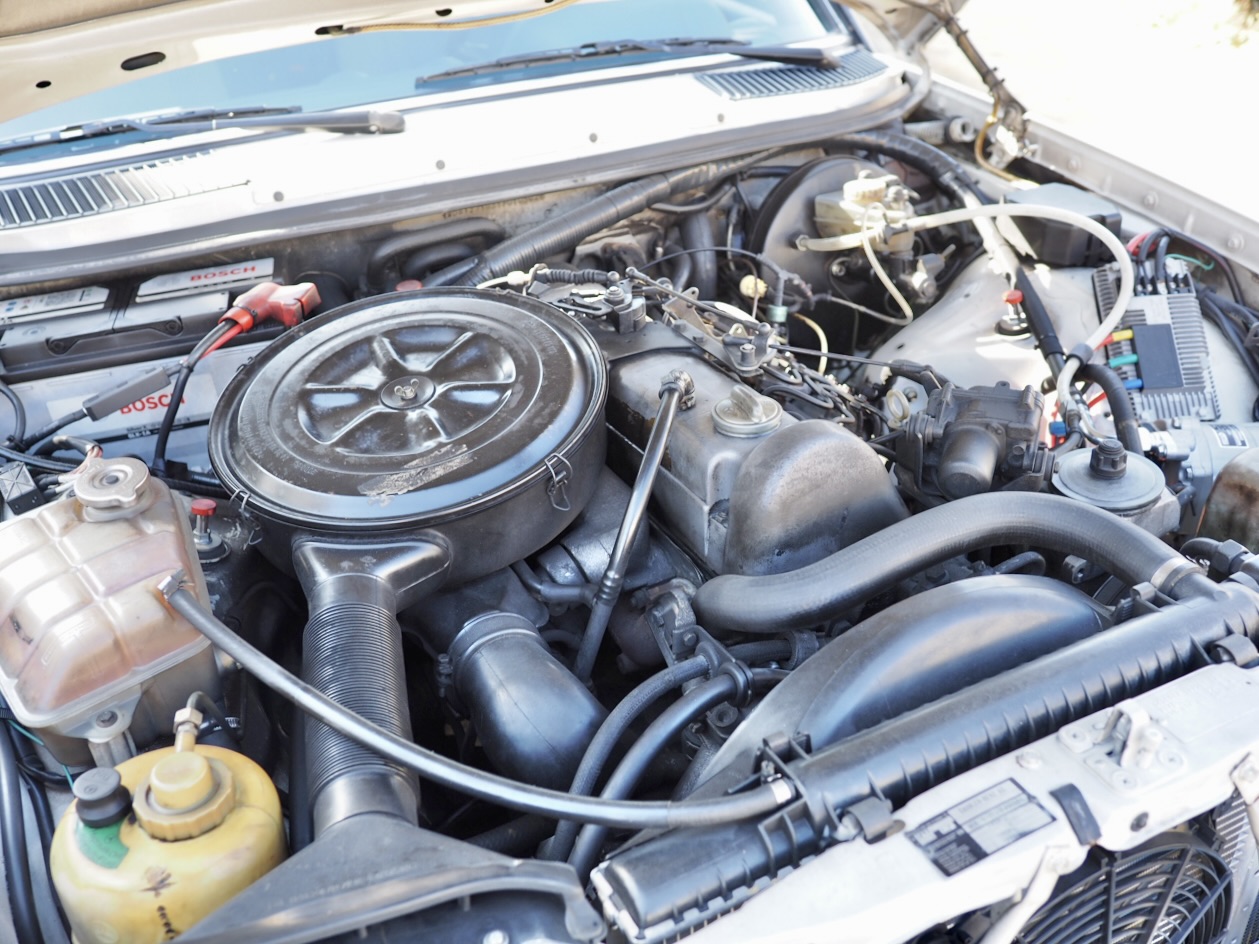
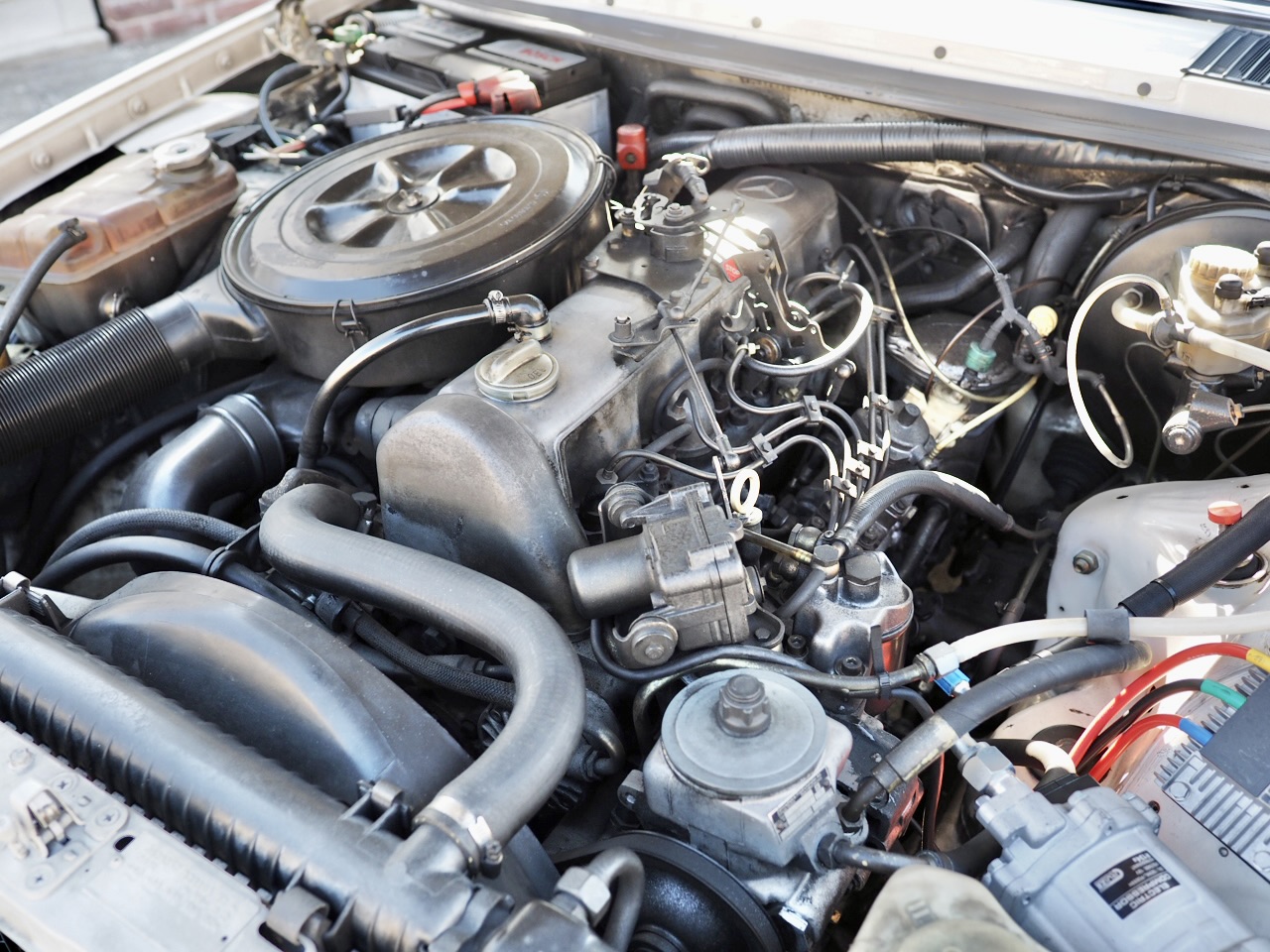
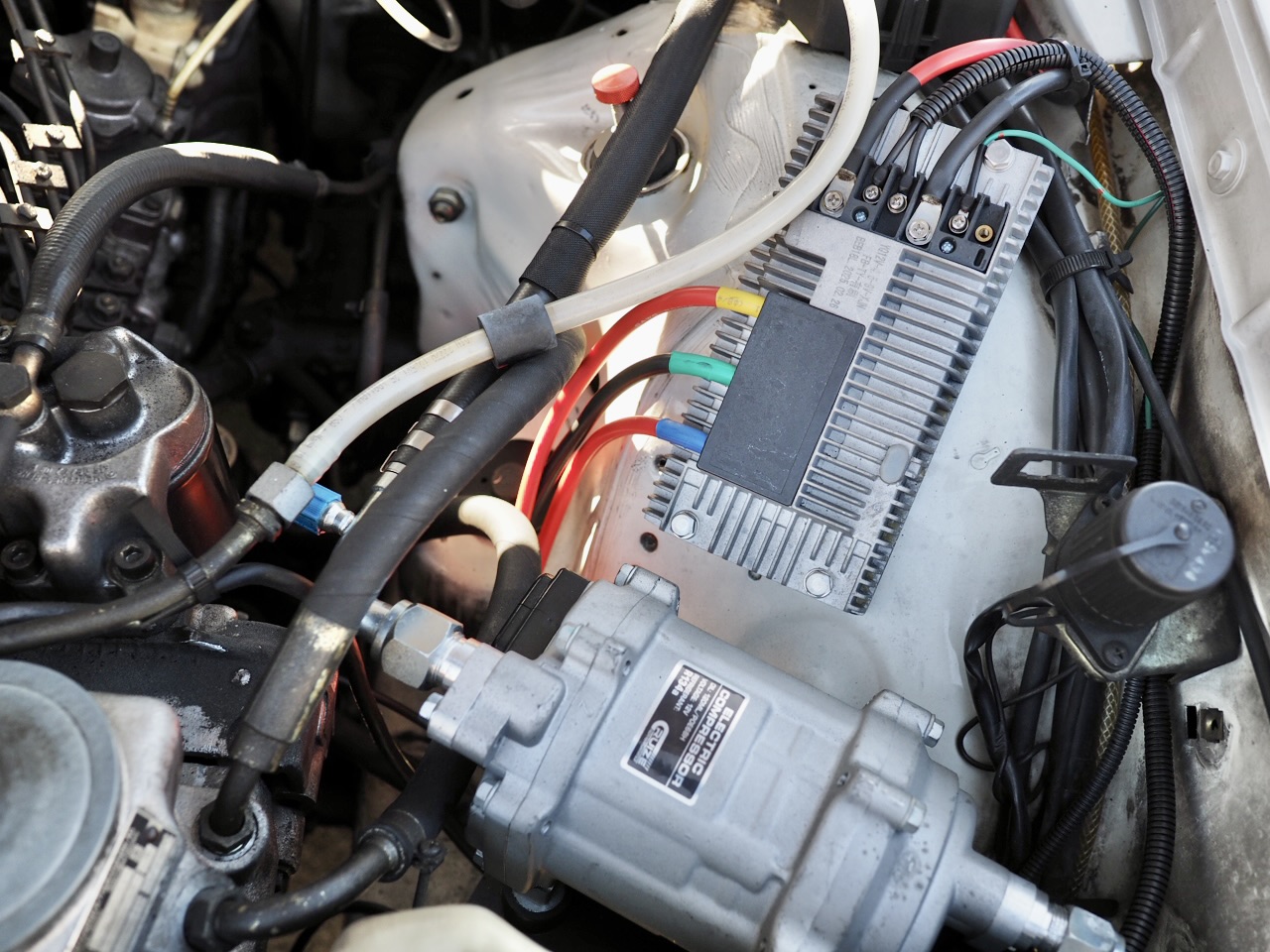
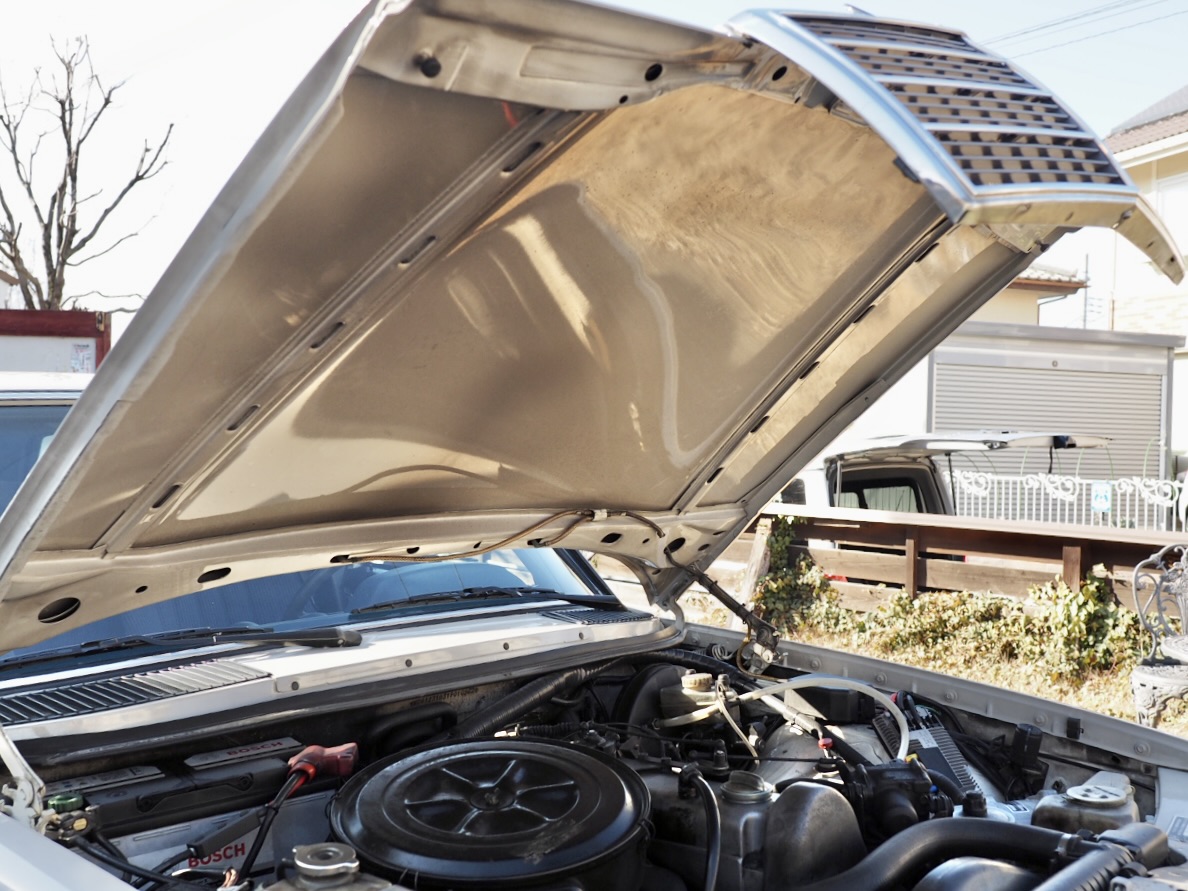
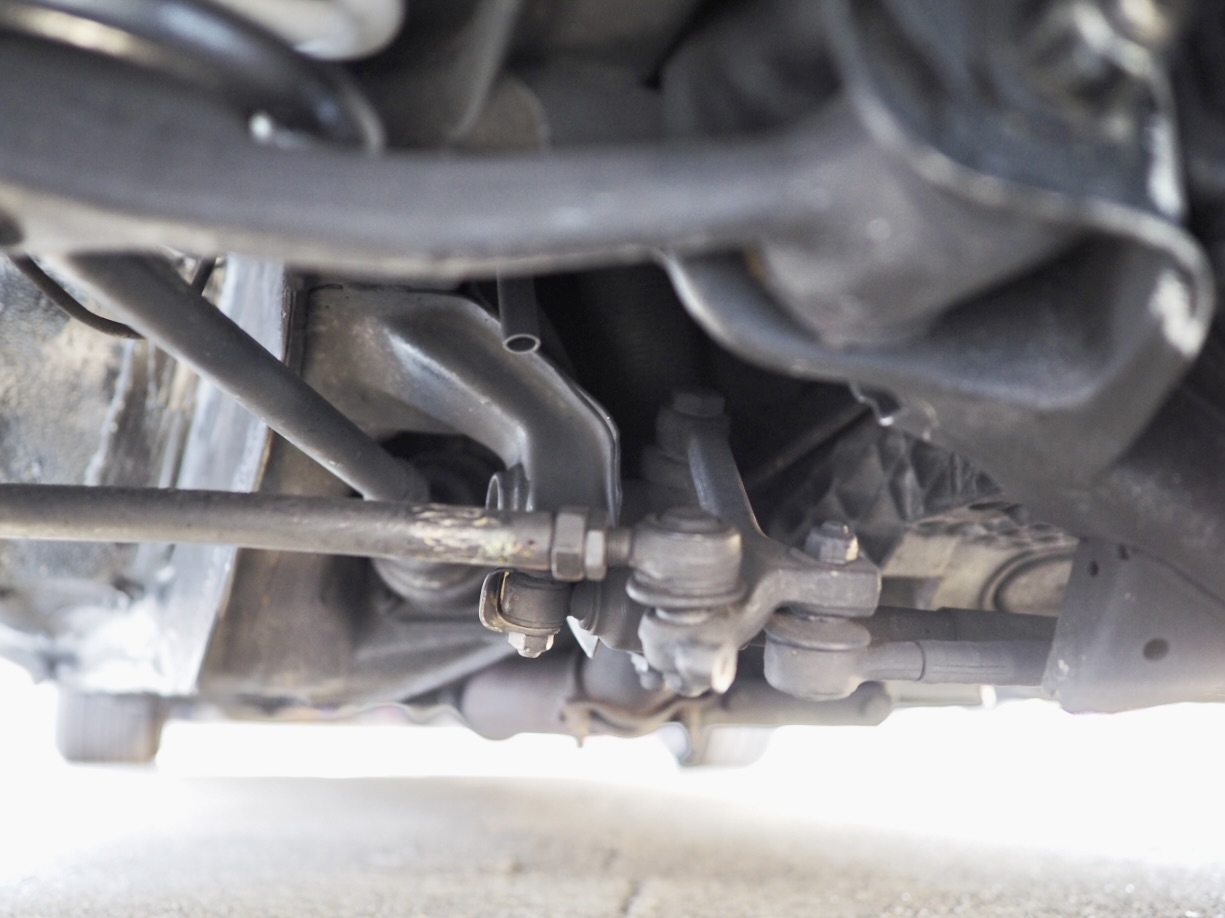
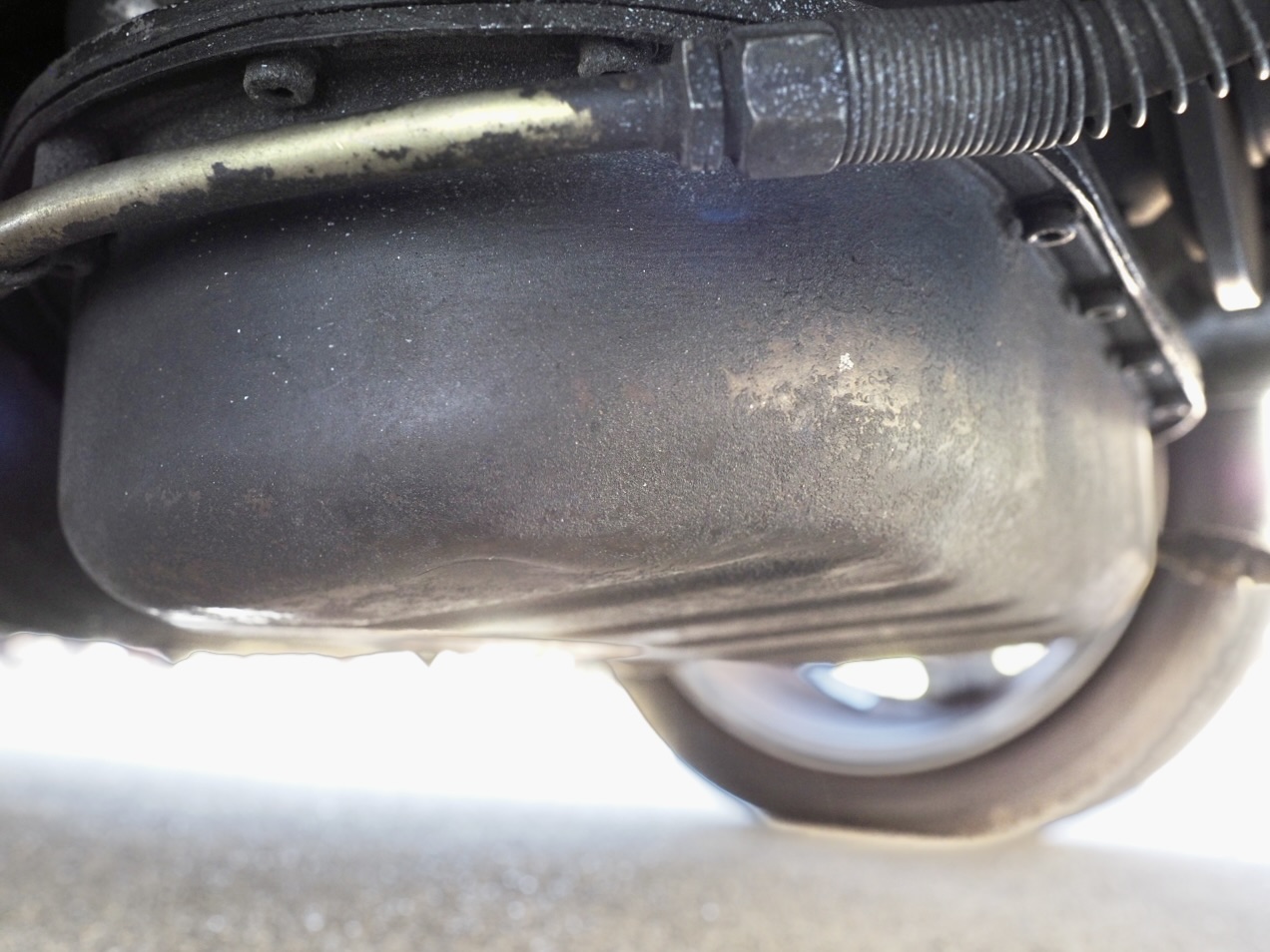
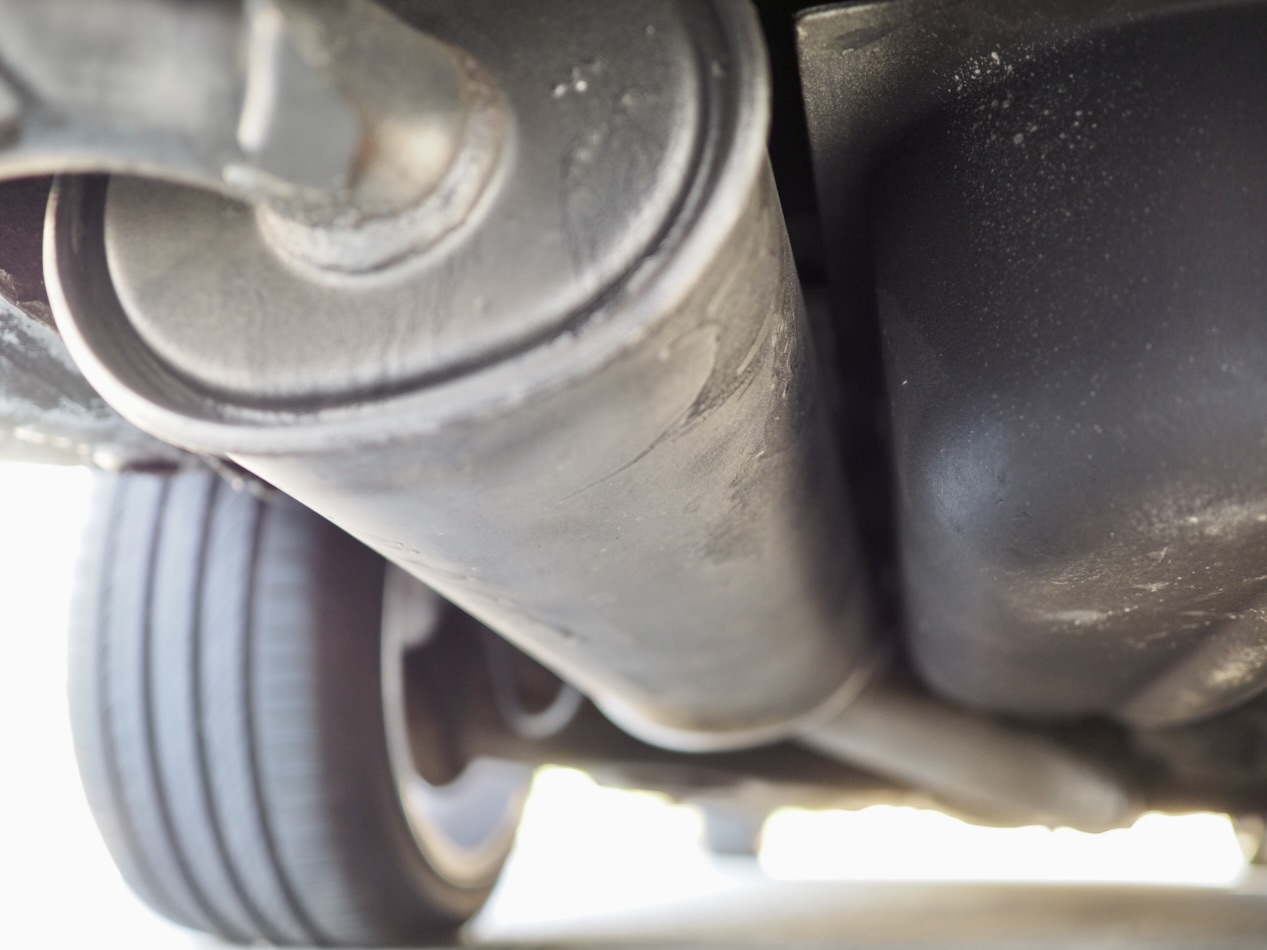
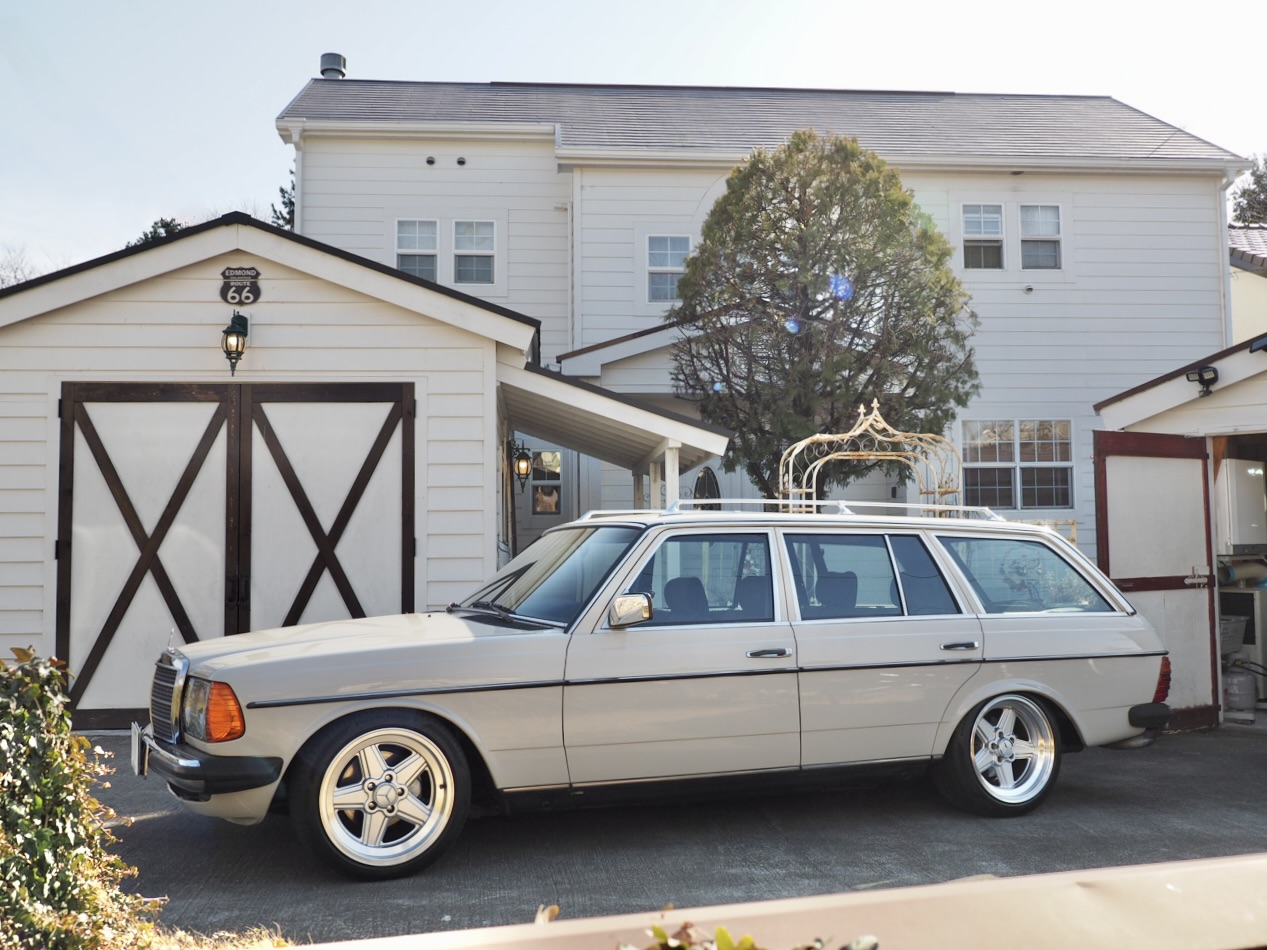
The detailed condition of the vehicle is described in each photo.
On the top slide you will find 50 attractive photos of the vehicle! Please click on a photo to view it with its description. Click outside the picture to return to the page.
SPEC
Length
472cm
Width
178cm
Height
147cm
Weight
1,640kg
Engine Displacement
2998cc