

TOP>Stock List>1990model Mercedes-Benz W124 300TE (Early Model)
1990model
Mercedes-Benz W124 300TE (Early Model)





↑↑↑Please watch the archived video above with audio if possible...
There existed a 300TE refined to superb mechanical condition through a special connection with a true W124 master. Thirteen years of meticulously accumulated maintenance records speak not only of the owner’s devotion, but of a story carefully preserved and carried forward. The 1990 Mercedes-Benz W124 300TE stands as a neo-classic that continues to captivate enthusiasts across generations.
Chapter One…
Thirteen years of maintenance records—simply astonishing…!
What story does this fully original early-model example begin to tell…?
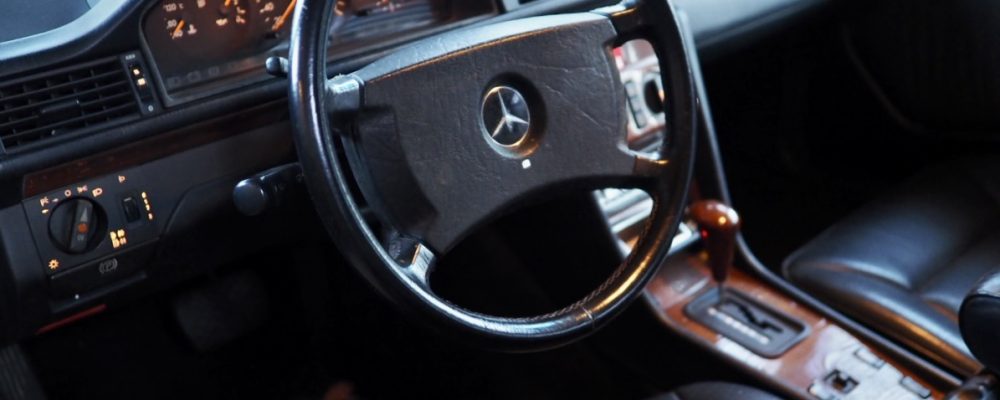
Solid, dignified, and deeply captivating… simply hearing the sound of the doors opening and closing on this W124 300TE brings an involuntary smile.
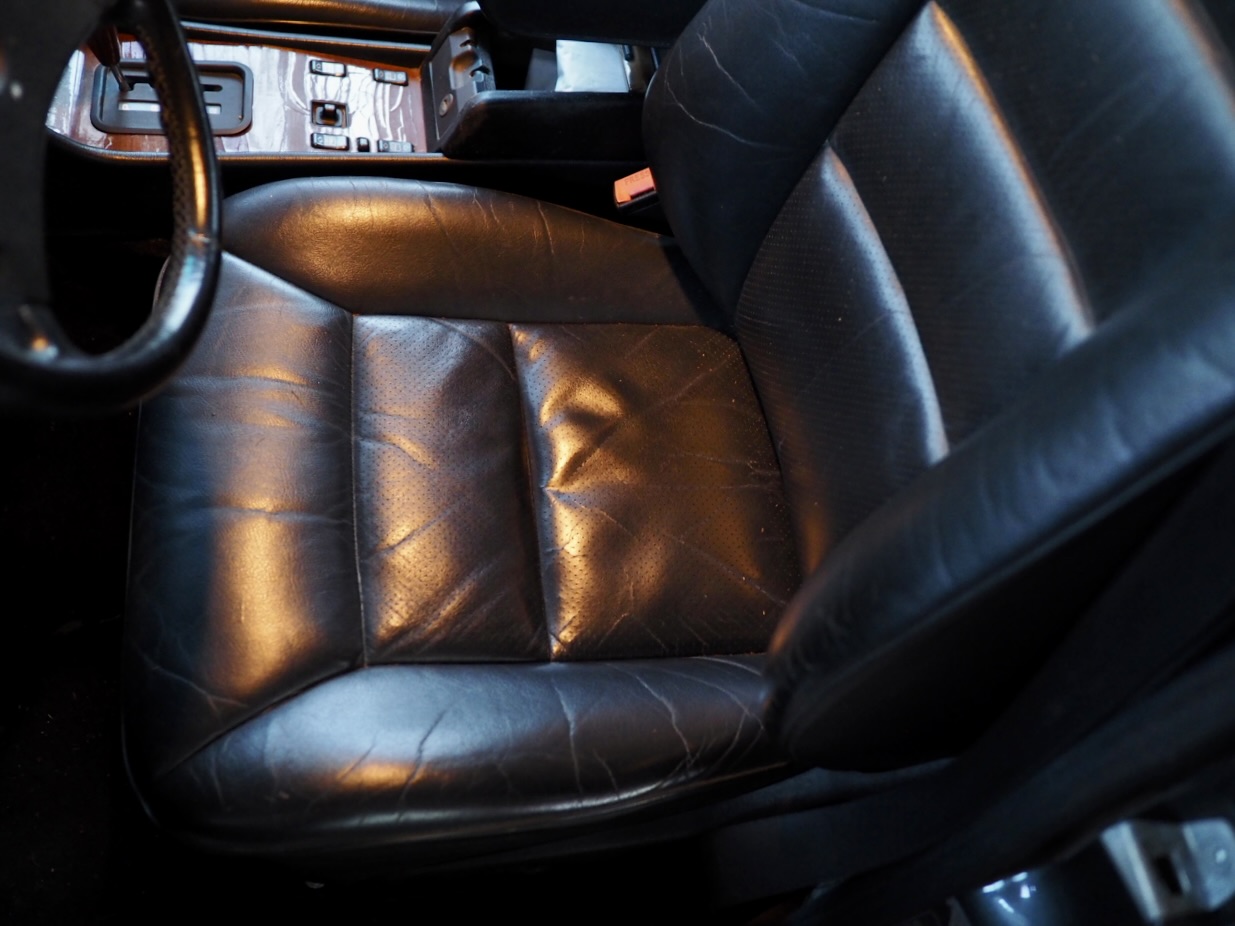
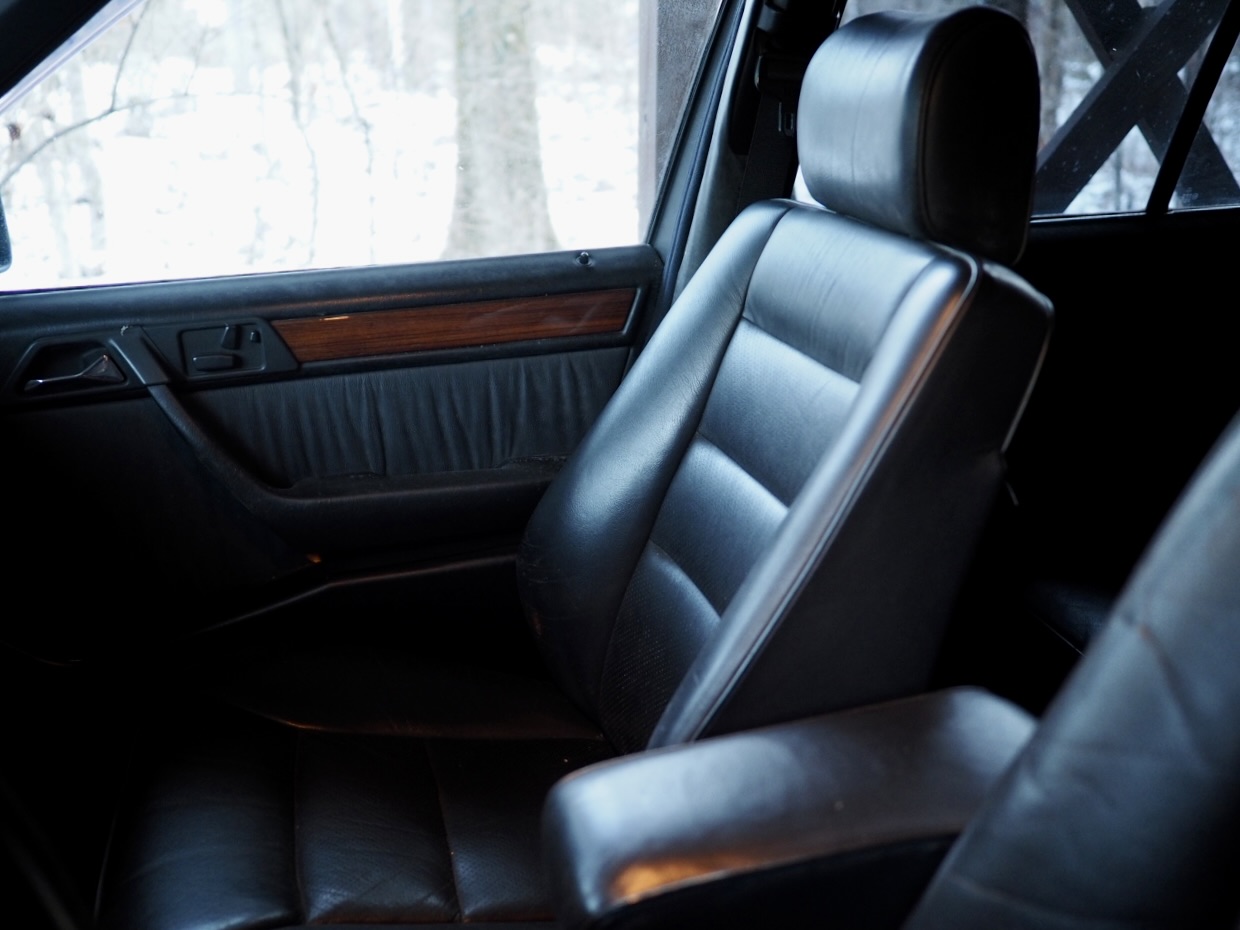
As I settle into the well-preserved black leather seats—still in excellent condition—I savor the subtle sensation of compressed air moving through the cabin.
Having owned and driven four W123s over more than 20 years, my first impression upon sitting in this early-model W124 was the remarkably body-friendly seat design. Combined with the supple quality of the leather, it is enough to move any classic Mercedes enthusiast to tears. And so, this interview began.
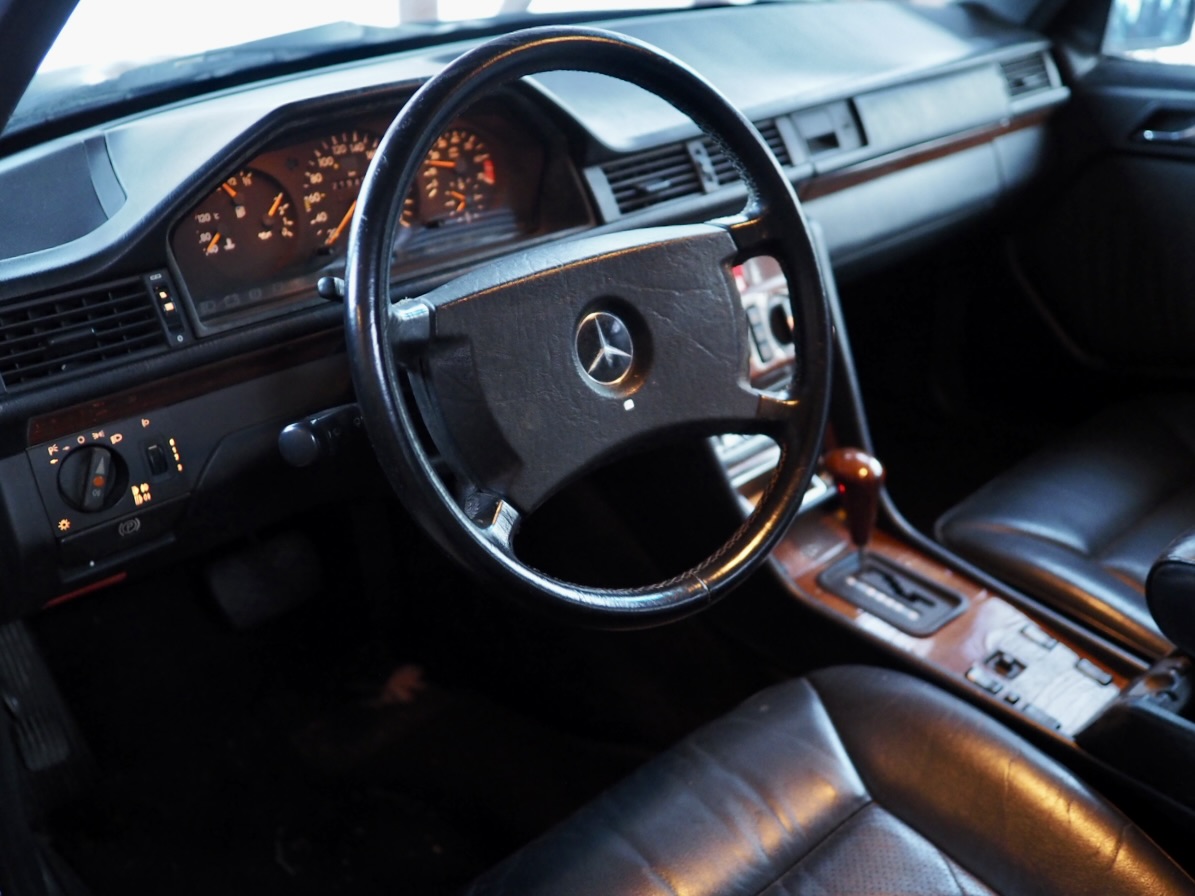
Unfortunately, as the vehicle inspection expired in June 2021, we were unable to take it out from the owner’s beautifully appointed villa garage. Yet this 1990 early-model W124 300TE—carefully stored and started regularly—stood before me as a testament to late-1980s design evolution and modernization. The refined instrument cluster left a strong impression, and the moment the ignition turned, it began telling a story—of an owner’s devotion and of years of careful maturation alongside a master mechanic who knows this model intimately.
The seasoned owner, well-versed in European classics ranging from aggressive sports cars to refined sedans, told me something particularly striking: before acquiring this W124, he did not first search for the car—but for a mechanic deeply knowledgeable in W124s.
He believed that truly enjoying a neo-classic Mercedes in its authentic form is not simply about purchasing the vehicle itself, but about the relationship with the person entrusted to maintain it.
That journey led him to a Mercedes specialist shop in Kanagawa—“FACT”—and to Mr. Kobayashi, a craftsman regarded as a master of the W124.
Before purchasing this 300TE, the owner consulted Mr. Kobayashi about what kind of example to select. The advice was clear and concise:
Left-hand drive. Leather seats. Sunroof.
With those three elements in place, the car would be recognized as properly valuable—not only in Japan but also by enthusiasts in Germany and abroad—provided it was carefully matured over time.
Guided by that advice, the owner began searching for a suitable example.
Fate works in mysterious ways. Astonishingly, a car meeting those criteria was found just a few hundred meters from the owner’s residence. After negotiations, he acquired it. Though fundamentally sound, the car did not yet possess the dignified appearance it now carries. It wore AMG-style bumpers and other non-original embellishments.
The owner painstakingly returned each element to factory specification, restoring the authentic character of the early W124. His philosophy was simple: respect originality and savor the essence of the W124 300TE itself.
And then there is the other indispensable element of this story—
Thirteen years of meticulously recorded maintenance history.
Fuel pumps. Engine mounts. Brakes. Suspension. ATF changes. Cylinder head overhaul…
By understanding the potential issues common to the W124 and addressing them proactively—including preventive maintenance—the owner ensured that the car’s original character could always be enjoyed.
This is precisely how European enthusiasts treat their beloved cars—like members of the family—investing time and energy into thoughtful upgrades and preservation. Over thirteen years, the owner faced occasional issues, embraced them, and overcame them with enthusiasm. That journey itself became part of this car’s story.
One particularly memorable anecdote involved an idle instability issue.
Suspecting the fuel system, the injectors were replaced—yet the issue persisted. Electrical components were examined next, but still no resolution. Ultimately, the cause was traced to voltage drop due to deterioration of the main battery cable.
Anyone who understands older Mercedes models will surely nod in recognition at this tale.
Additionally, the well-known single-wiper gear issue—a common W124 weak point—has been addressed with the updated aluminum component, replacing the original plastic gear that inevitably fails with age.
Reviewing the maintenance records page by page, it becomes clear that this car has been nurtured and matured through the collaboration of a passionate owner and a master mechanic deeply familiar with the W124.
Toward the end of the interview, one comment lingered in my heart:
“This car doesn’t make you tired at all, even on long journeys.”
He recounted a 1,200 km round-trip drive to the Kumano Kodo with a friend. Both were astonished at how little fatigue they felt.
The reason lies not only in the seats, but in the body rigidity and engine characteristics. The atmosphere and over-engineered functionality of the W124 achieve a perfect balance. There is a sense of being protected by the car’s structural integrity—a quality truly special to this era of Mercedes-Benz.
The 13 years of maintenance have been carefully logged in Excel. A chronological summary reveals the breadth of work performed—from engine overhauls and fuel system replacements to brake, suspension, transmission, and climate system servicing.
At approximately 190,000 km, the instrument cluster was replaced. The current indicated mileage is 225,000 km, reflecting actual mileage.
Across all systems—engine, fuel, intake, cooling, electrical, brakes, suspension, exhaust, transmission, air conditioning, tires—the car has received thorough and attentive care.
It is clear that this W124 300TE has been comprehensively maintained.
Owning a neo-classic is not about reaching completion at the moment of purchase. True enthusiasts understand that ownership is the beginning—a process of gradual refinement, deeper understanding, and careful maturation toward one’s ideal vision.
This 1990 W124 300TE represents exactly that journey—thirteen ideal years during which the owner carefully enjoyed and cultivated the car to its present, beautifully matured state.
Chapter Two…
The Ultimate Design of Modern Mercedes by the Master, Bruno Sacco…!
The Last Mercedes-Benz Built to Be Owned for a Lifetime
In the mid-1980s, Mercedes-Benz reached a pivotal moment—one in which the brand’s very design philosophy underwent a profound evolution.
At the center of this transformation stood Bruno Sacco, who led Daimler-Benz’s design division beginning in 1975.
When speaking about Mercedes design philosophy, Sacco always emphasized a single guiding principle:
“A new Mercedes must not make an old Mercedes look old.”
This was far more than a stylistic preference. It was a philosophy aimed at preserving the brand’s continuity across time—designing each new generation in such a way that previous models would never lose their value. It was an exceptionally sophisticated approach to automotive evolution.
The model in which this philosophy was most purely realized was the Mercedes-Benz W124, introduced in 1984.
Development of the W124 began in the late 1970s, during a period when automotive engineering was entering the era of aerodynamics. The tightening of fuel economy regulations and the demand for improved high-speed cruising performance forced manufacturers to rethink body design. The upright, traditional sedan forms of the past were no longer sufficient—flowing shapes that reduced drag were now required.
The result was the W124’s distinctive form: boxy yet remarkably streamlined.
While preserving the dignified authority of its predecessor, the Mercedes-Benz W123, the W124 pursued aerodynamic efficiency and structural rationality with uncompromising precision. For its time, it represented a highly advanced approach to body engineering.
Its drag coefficient of Cd 0.29 was outstanding for a sedan of the 1980s. The body sides were composed of flat, interconnected surfaces, while the characteristic side moldings were integrated as functional design elements. The horizontal press lines across the doors visually reinforced the car’s structural solidity.
One cannot discuss the W124 without mentioning the so-called “Sacco panels”—the side cladding along the lower body. These were not mere decoration. They served as protective elements against stone chips while simultaneously lowering the visual center of gravity.
This integration of function and form defines Sacco’s design language. The restrained yet impeccably complete appearance of the W124 is the direct result of this philosophy.
Yet the true value of the W124 lies not only in its exterior design—but equally in its engineering ethos.
This generation of Mercedes-Benz would later be described by enthusiasts as “Over-Engineered Mercedes.”
Literally meaning “engineered beyond necessity,” the term refers to vehicles built stronger and more durable than strictly required.
The W124’s body structure exhibited exceptional rigidity and employed multi-layered construction for crash safety. Its suspension design prioritized long-distance stability, maintaining straight-line composure regardless of speed.
Most notably, it introduced Mercedes’ proprietary multi-link rear suspension—replacing the semi-trailing arm setups of previous generations. This innovation significantly improved road-following capability and stability, becoming a foundational technology for future Mercedes designs.
The station wagon variant—the 300TE—took this philosophy even further.
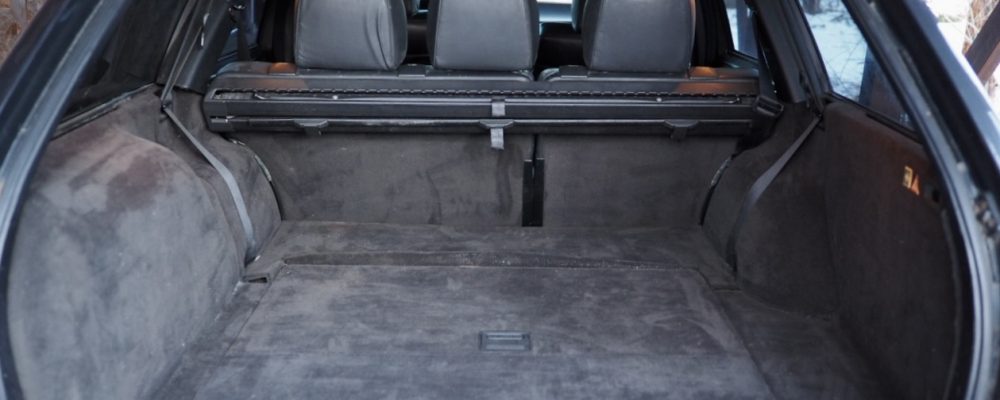
At a time when many manufacturers simply converted sedans into wagons with minimal reinforcement, Mercedes-Benz engineered dedicated structural reinforcements for the wagon body and equipped it with a hydraulic self-leveling rear suspension capable of handling load changes with composure.
The result was a wagon remarkably free of fatigue during long-distance travel.
When the owner in this interview remarked, “You don’t get tired at all, even on long drives,” he was describing the tangible result of this engineering philosophy.
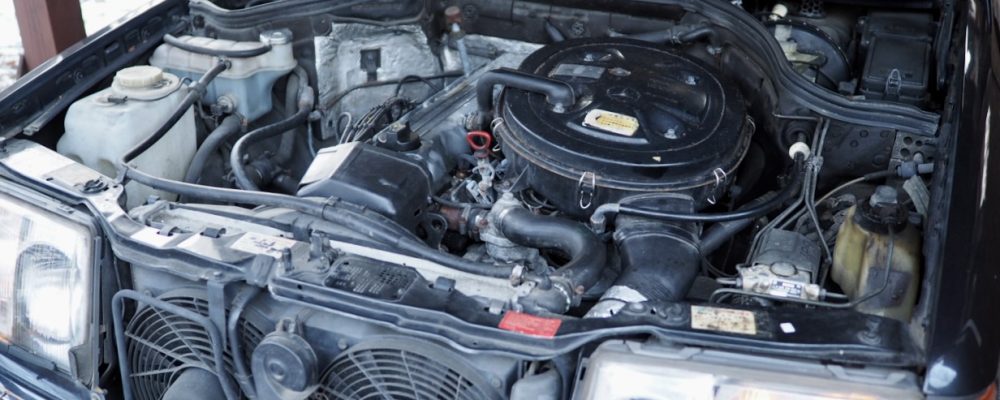
Powering the 300TE is the renowned M103 inline-six engine.
Rather than delivering high-revving excitement, this engine emphasizes smooth torque delivery from low revs and quiet composure during extended cruising. Its cast-iron block construction provides robust durability, while its straightforward layout ensures serviceability. With proper preventive maintenance, it is known for exceptional longevity.
Looking back, the W124 was not merely another generation of Mercedes-Benz.
It represented the highest fusion of classic Mercedes tradition and modern engineering advancement—a profoundly important chapter in Mercedes history.
Today, enthusiasts worldwide refer to this generation as “The Last Real Mercedes.”
This designation reflects an era when design philosophy, materials, structure, and durability were all conceived with longevity as the fundamental premise.
And yes—
The 1990 300TE featured in this interview embodies that philosophy to this very day.
Thirteen years of meticulously documented maintenance. The weight of history preserved by one devoted owner and one master mechanic.
As a lifelong admirer of classic Mercedes-Benz, I cannot help but feel that this car is no mere old vehicle—it is a machine matured through time itself.
Chapter Three…
Just a Little More Passion to Make It Perfect…
1990 Mercedes-Benz W124 300TE (Early Model)
Author’s Post-Interview Reflections…
Over the course of thirteen years, the owner has faced each issue with care and deliberation. Alongside Mr. Kobayashi of FACT—a craftsman deeply versed in this model—he has addressed the necessary areas with precision, carefully maturing the car without disturbing the original character that defines the W124. It is, without question, a deeply appealing example.
At the same time, what I felt strongly through this interview was that this car still retains a certain “margin for completion.” And that margin itself is precisely the enjoyment to be entrusted to its next owner—this is the true meaning behind the phrase in the title, “just a little more passion.”
First, it is important to address the fitment of the driver’s door.
This is not accident damage. Rather, while stored in a mechanical parking structure, the lift rose while the driver’s door was slightly ajar, resulting in damage as the door was forced upward. The door itself has since been replaced and can now be opened and closed without issue; it does not affect drivability.
However, a truly perfect correction would require adjustment on the hinge side—specifically the front pillar alignment. This remains an honest point of attention for the car in its current state. According to the owner, the cost to fully resolve this properly would be approximately ¥200,000. In other words, the most significant remaining task for this vehicle is, in truth, this single point.
Next, the exhaust system.
While the rear section has been repaired, it appears that there is currently a hole somewhere in the center section. During cold starts, exhaust leakage near the middle of the car can reportedly be observed.
This is not a fatal issue that prevents driving. However, for those who wish to own and enjoy a neo-classic properly, the quality of exhaust tone and flow is not something to overlook. The owner estimates that replacing both the center and rear sections would cost approximately ¥120,000.
Again, this represents the final push needed to elevate the car to an even more satisfying level.
One further detail worth mentioning is the automatic antenna.
At present, it has been removed. For those who value full originality, this may be a notable point. Yet it does not undermine the fundamental integrity of the car. It belongs more to the realm of finishing touches.
Because the core value of this example—its body, interior, mechanical health, and extensive maintenance record—remains solid, such details can naturally be entrusted to the aesthetic vision of the next owner.
Having seen many classics and neo-classics over the years, I have come to believe that truly compelling cars do not need to be flawless.
In fact, it is precisely when a small amount of finishing work remains that the next owner gains the opportunity to build a relationship with the car.
Rather than receiving a perfectly completed object, one invests one’s own time, sensitivity, and care—personally completing that final step. That, in essence, is the joy of owning a neo-classic. And that is the gift this W124 300TE quietly offers to its next steward.
Adjust the door alignment.
Refine the exhaust system.
Restore the missing automatic antenna.
For someone willing to embrace that “little bit more,” this car will become an endless dream within the garage.
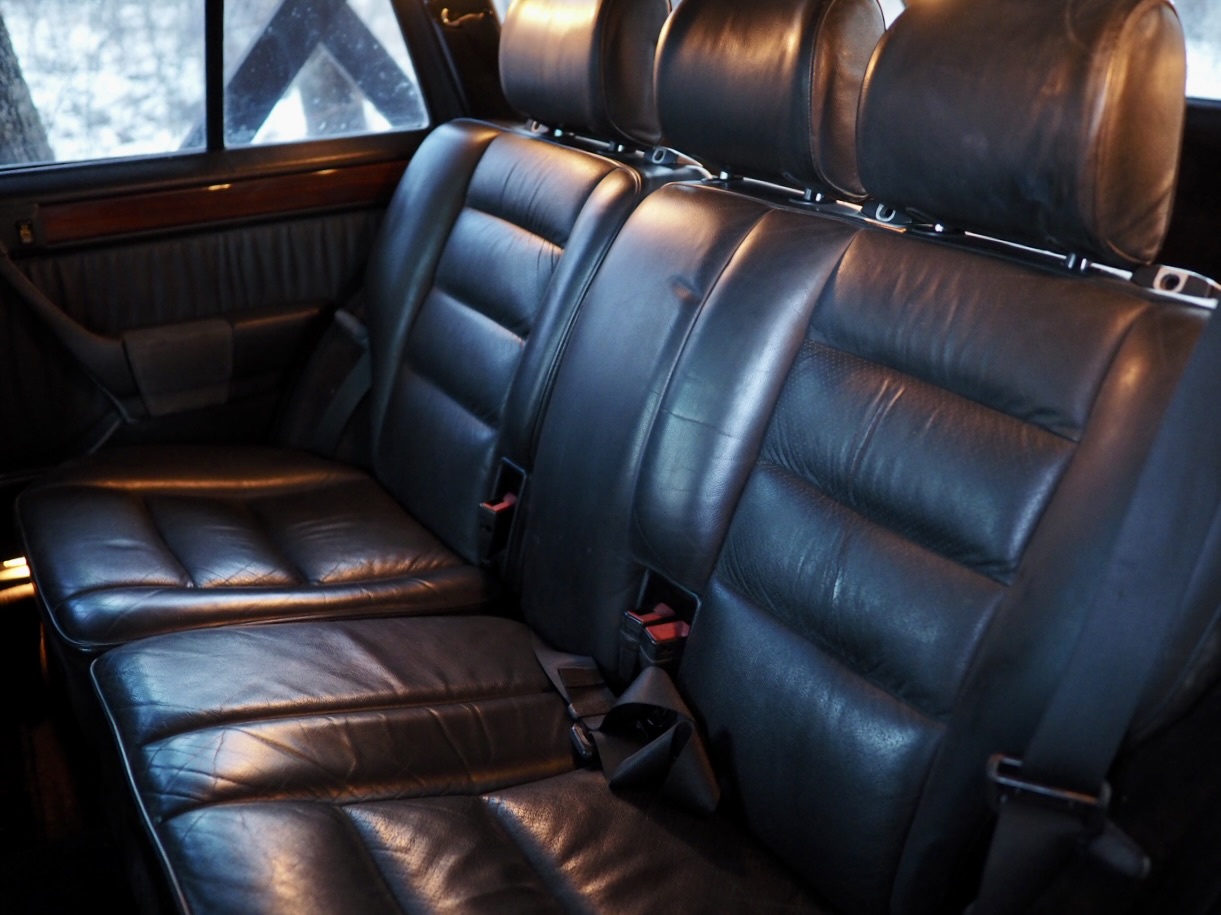
Its fully original presence, well-preserved black leather interior, long-distance comfort, and the smooth, weighty character of the M103 inline-six—all of these essential qualities remain firmly intact.
Because the core has not been lost, this 300TE can, with just a little more passion, undoubtedly be elevated into something truly magnificent.
And that is why I chose the title of this piece as I did.
There existed a 300TE whose mechanical excellence was carefully matured through a special bond with a true master of the W124. Thirteen years of meticulously accumulated maintenance records speak eloquently of the owner’s devotion—and of a story that has been faithfully preserved and carried forward. The 1990 Mercedes-Benz W124 300TE stands as a neo-classic that continues to captivate enthusiasts across generations, transcending time itself.
For those who truly understand the essence of the W124 as a great automobile—who respect its engineering philosophy and can embrace even the necessary care as part of the joy—this early-model 300TE will surely become the finest companion.
It is my sincere hope that this example will be passed on into the hands of such an enthusiast.
We warmly invite you to come to Gunma Prefecture and experience this remarkable car in person.
As this is a private party sale, no consumption tax or additional fees will be charged.
Upon purchase of this vehicle, the buyer will be responsible for the prorated automobile tax settlement (annual amount: ¥58,600) as well as the recycling deposit settlement (¥15,650).
Transportation arrangements are likewise to be handled by the buyer; however, should you require assistance, please feel free to consult with us.
Regarding Inquiries…
The vehicle featured on this page is listed on the cross-border classic and collectible car EC platform, Estate Sale Supremacy®.
What is a “Supreme Estate Sale”?
Estate Sale Supremacy® is the Japanese adaptation of North American estate sale culture. We introduce vehicles filled with the owner’s passion through interview-based articles and video presentations.
We faithfully express the current owner’s sentiments—preserving cherished memories in the heart—while carefully guiding the vehicle toward its next generation through dedicated sales mediation and brokerage services.
We conduct detailed interviews with the current owner regarding past maintenance records and repair history, including confirmation of accident history. If a vehicle has experienced a major accident, or if the ownership period is extremely short and sufficient details cannot be confirmed, we decline coverage in order to provide prospective buyers with the greatest possible peace of mind.
This article was written based on an approximately three-hour interview conducted with the owner on January 14, 2026, beginning at 1:00 PM under clear skies. As the inspection was conducted within a limited timeframe, the vehicle’s condition may not be described with 100% accuracy. Furthermore, not all written content has been independently verified, and comments regarding condition reflect the weather conditions at the time of inspection as well as the author’s subjective impressions.
For questions regarding the listed vehicle or to arrange an in-person inspection, please contact us via the form at the bottom of this page. As this is a private transaction, and to prevent non-serious inquiries, vehicle viewings will be limited to customers who are genuinely considering purchase.
We sincerely appreciate your consideration.
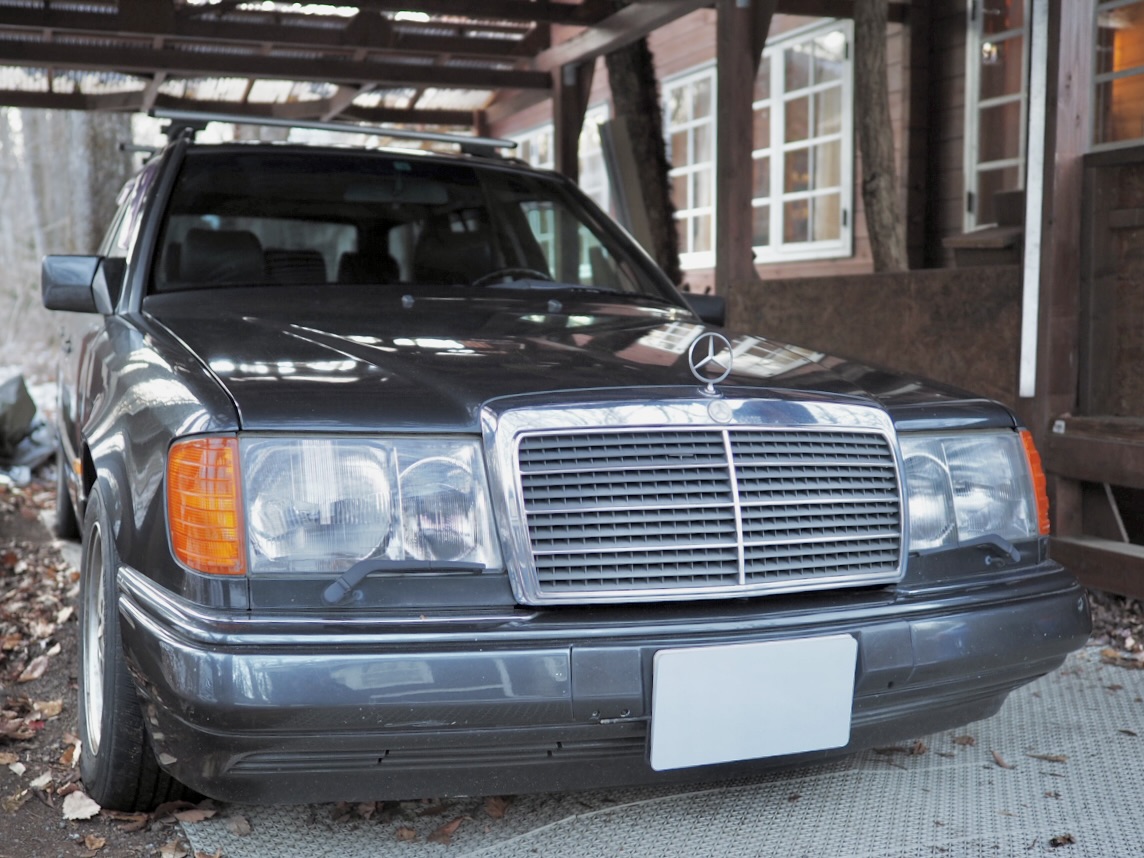
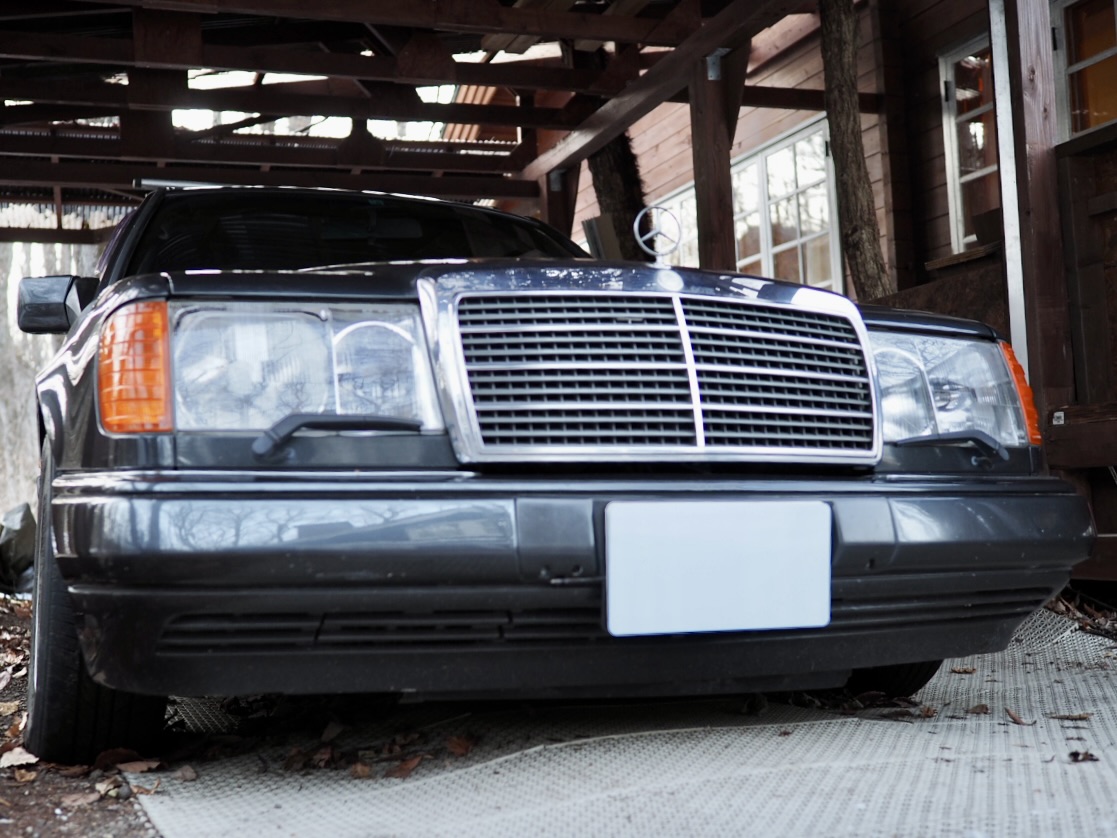
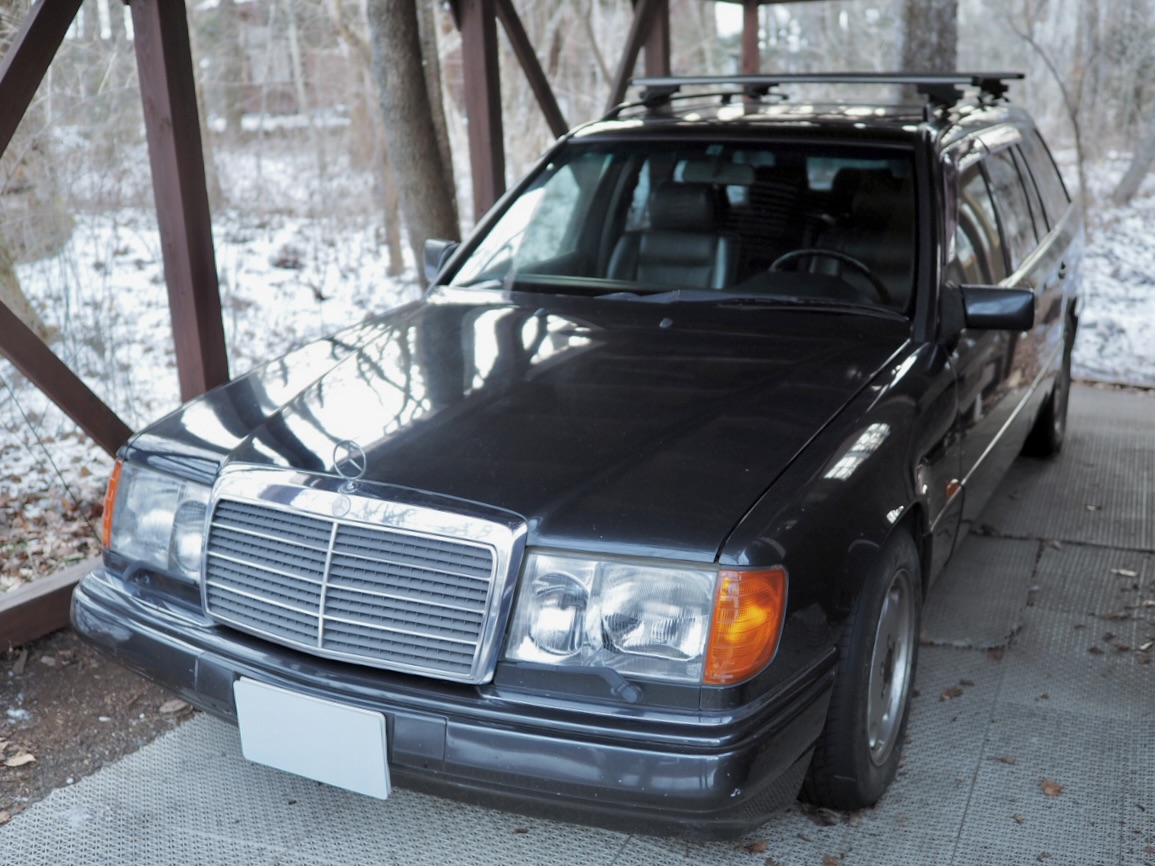
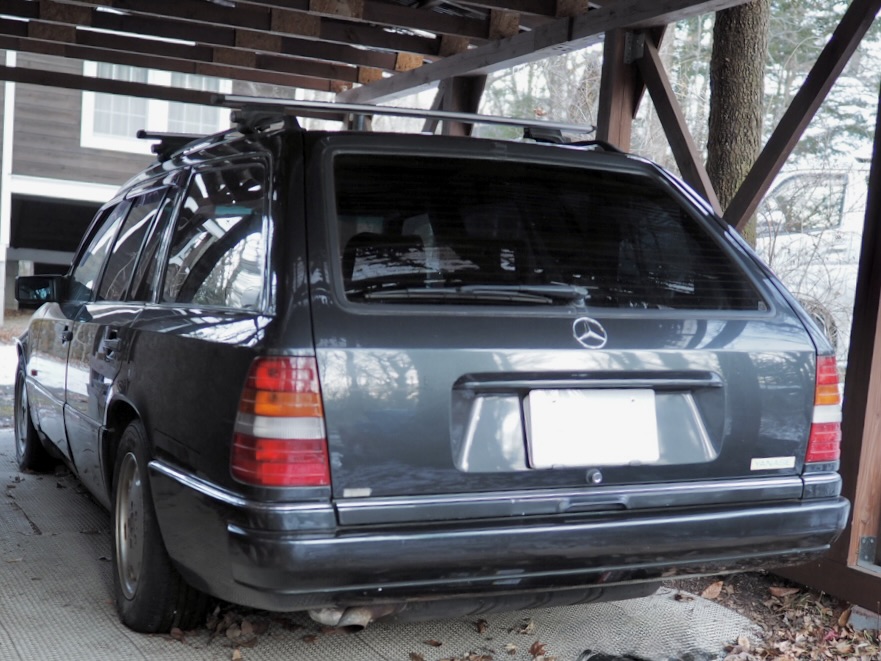
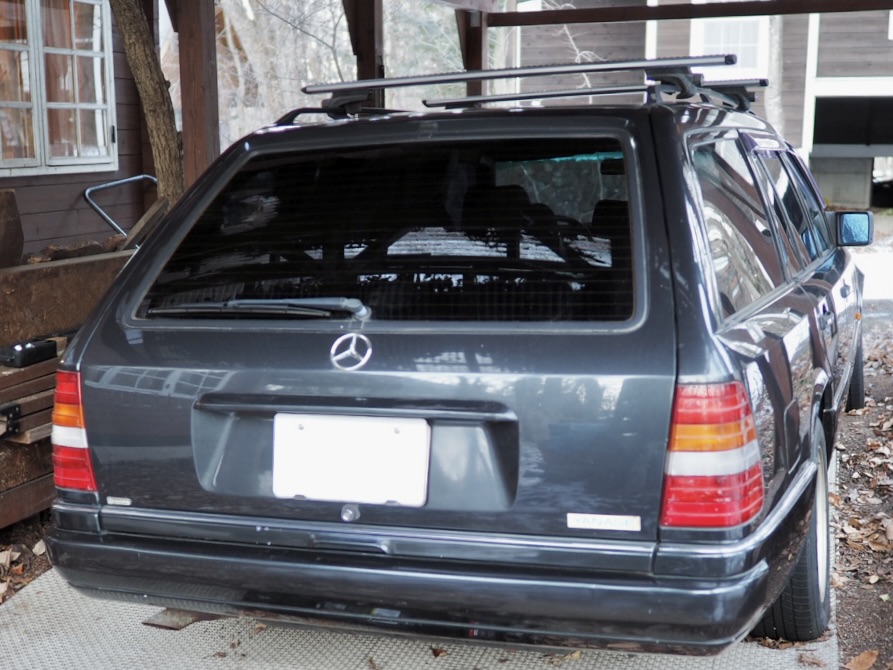
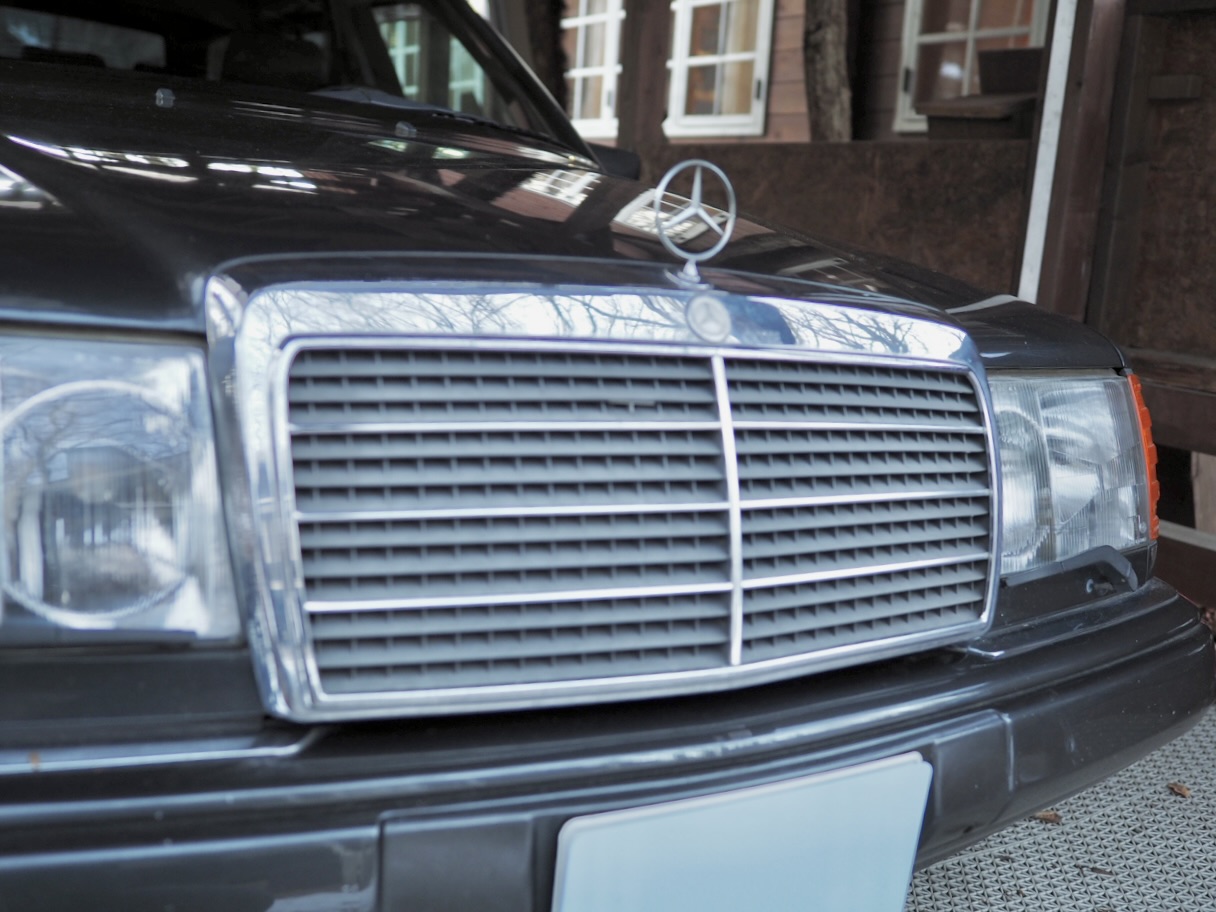
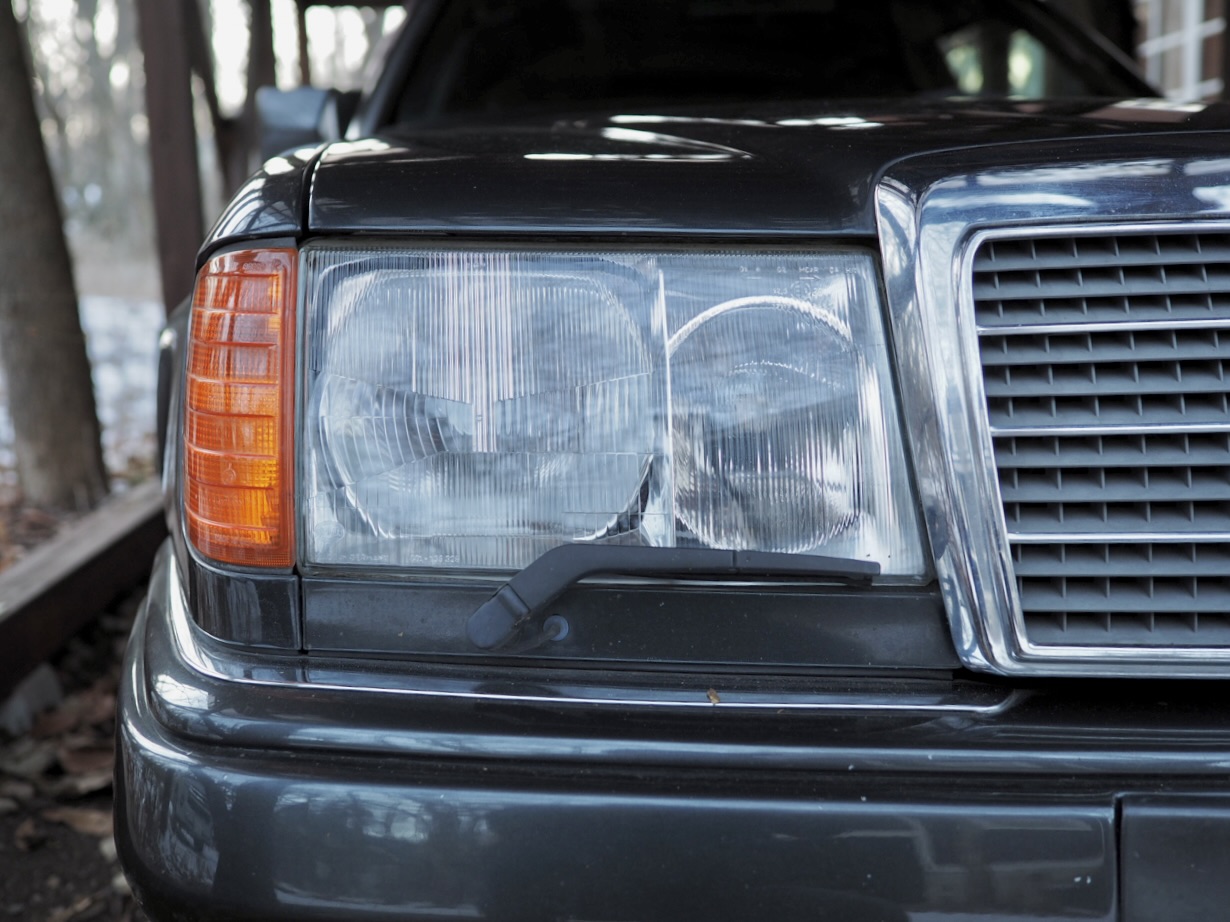
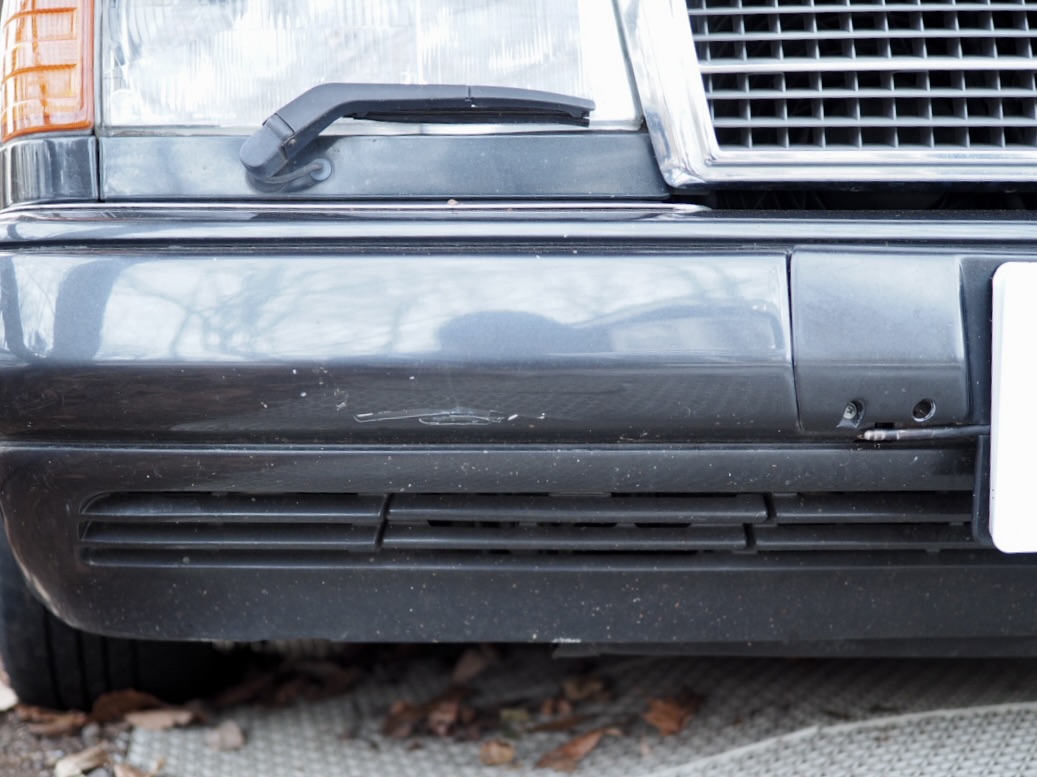
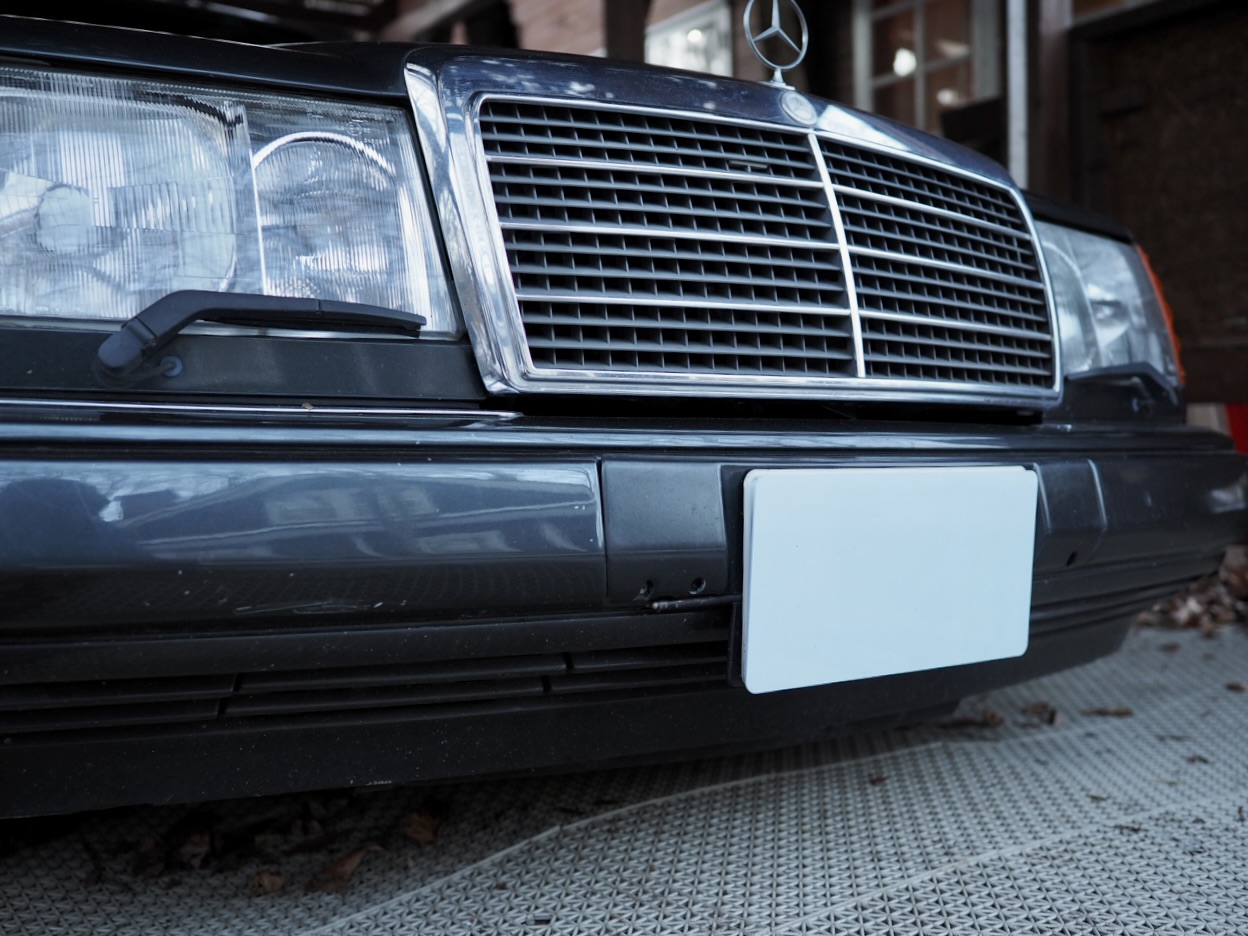
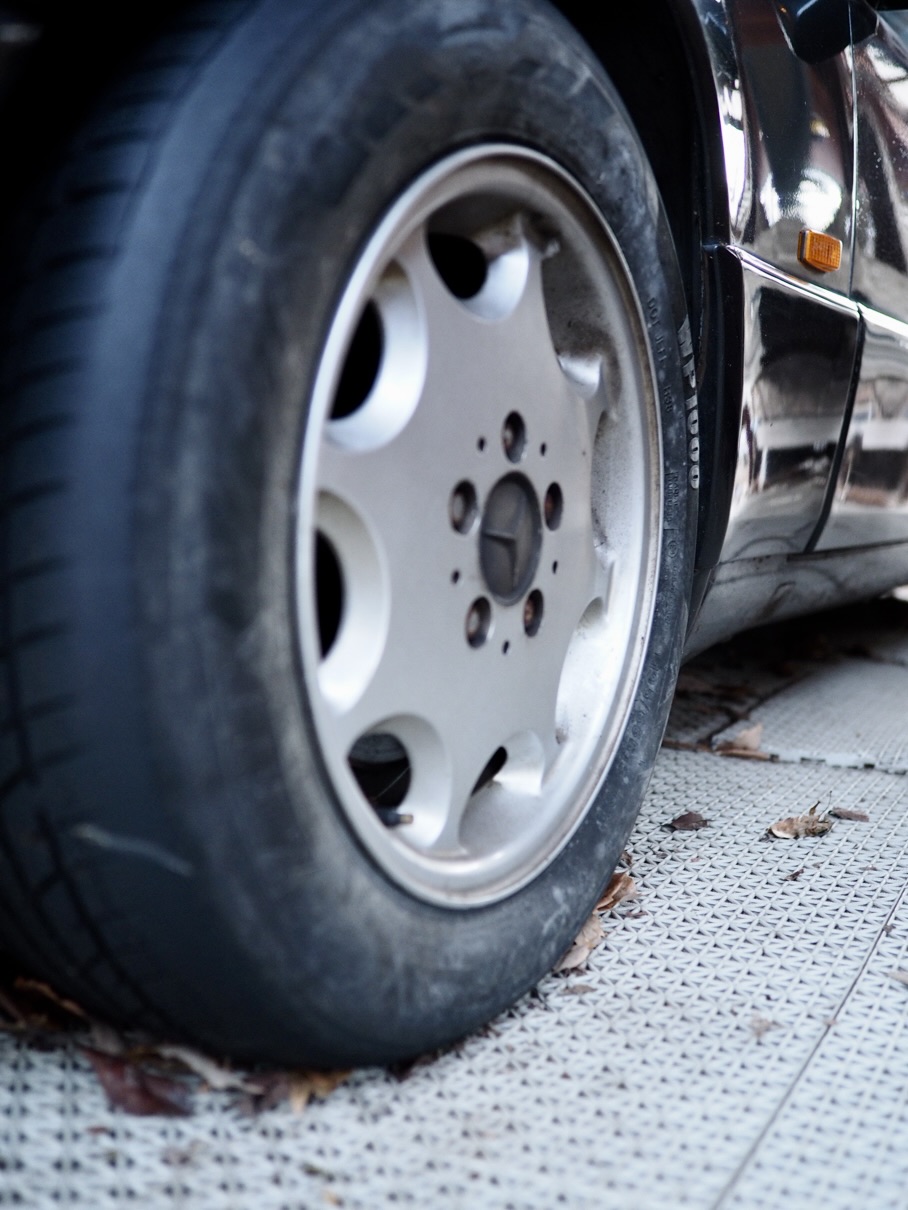
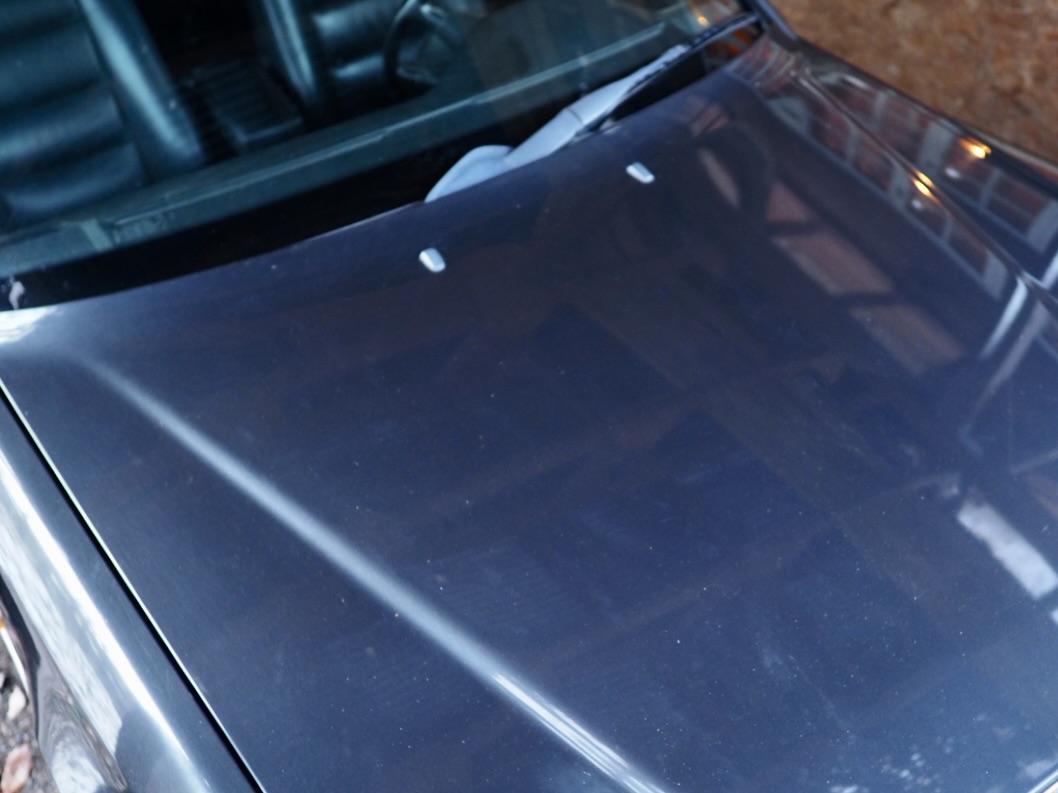
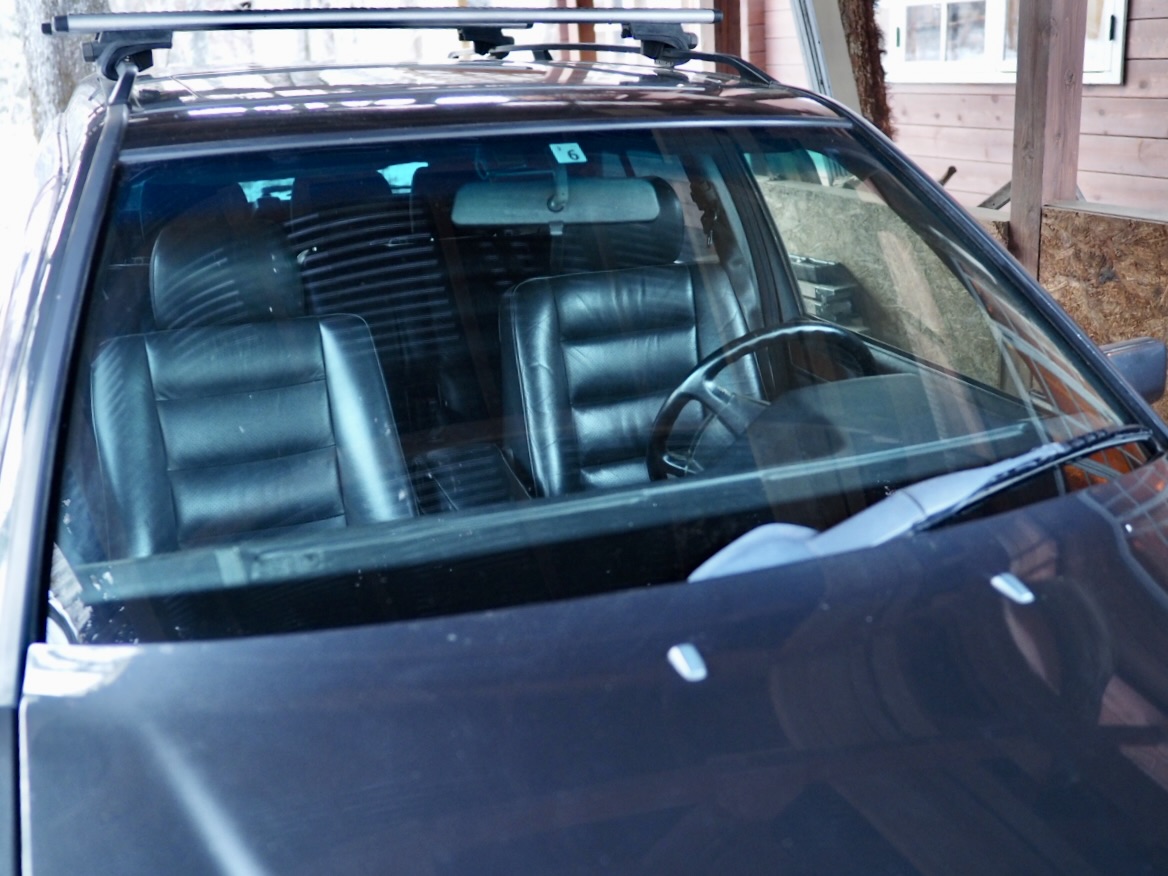
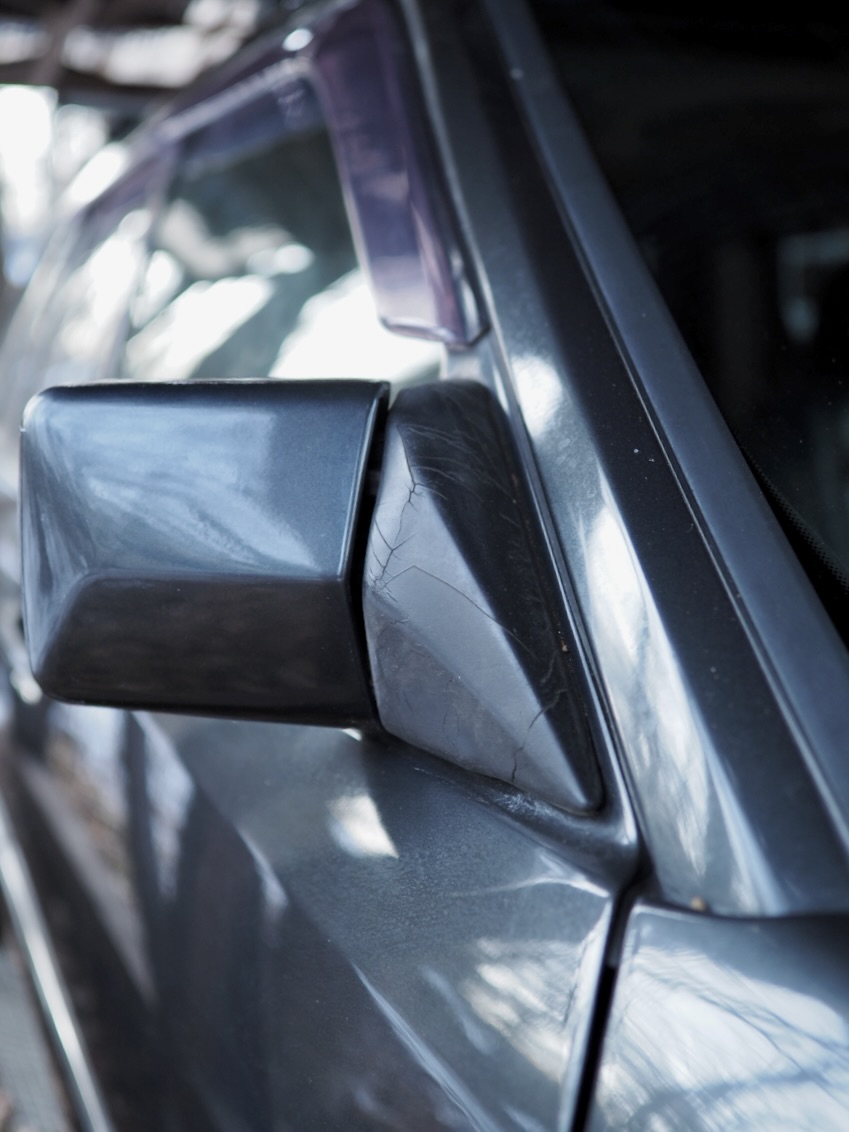
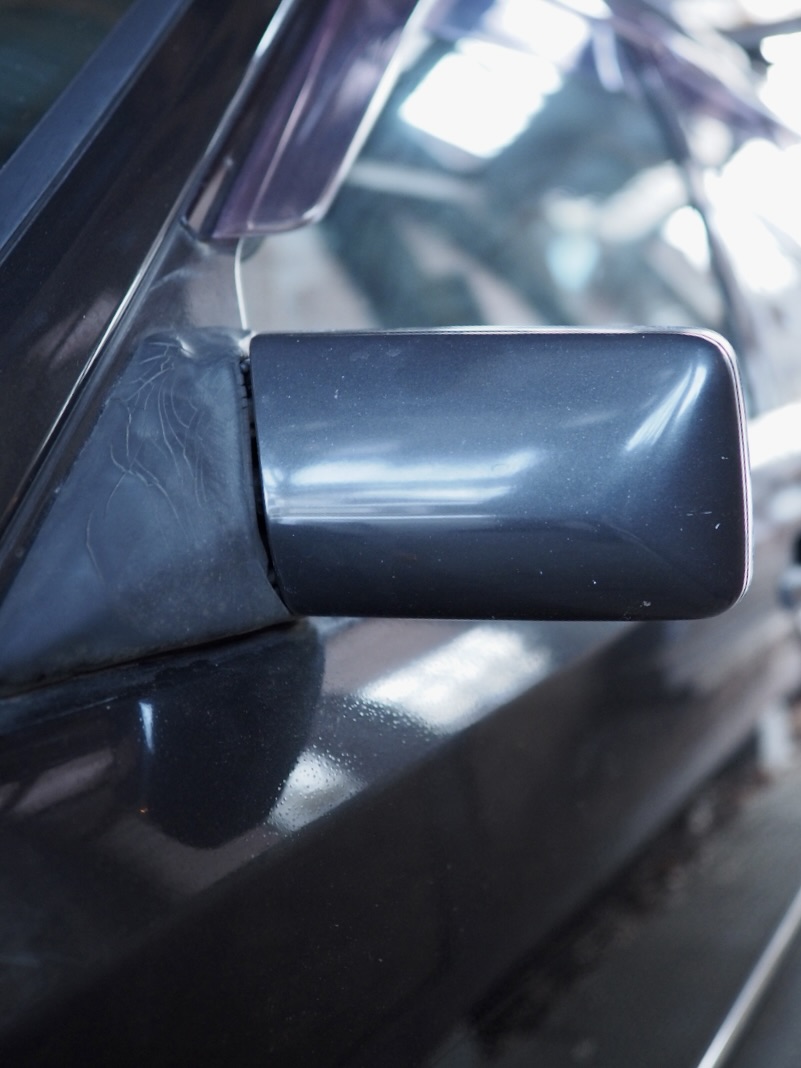
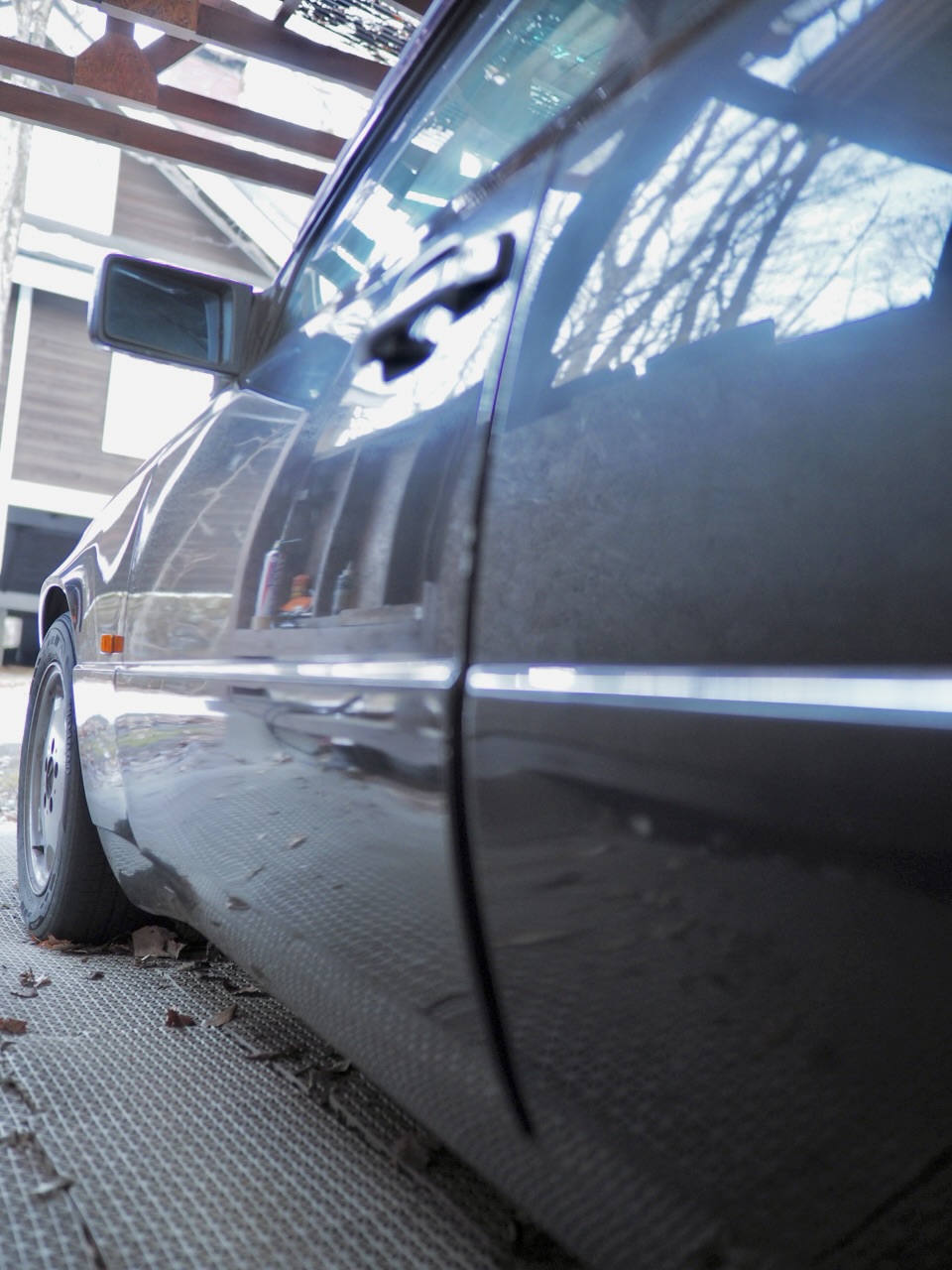
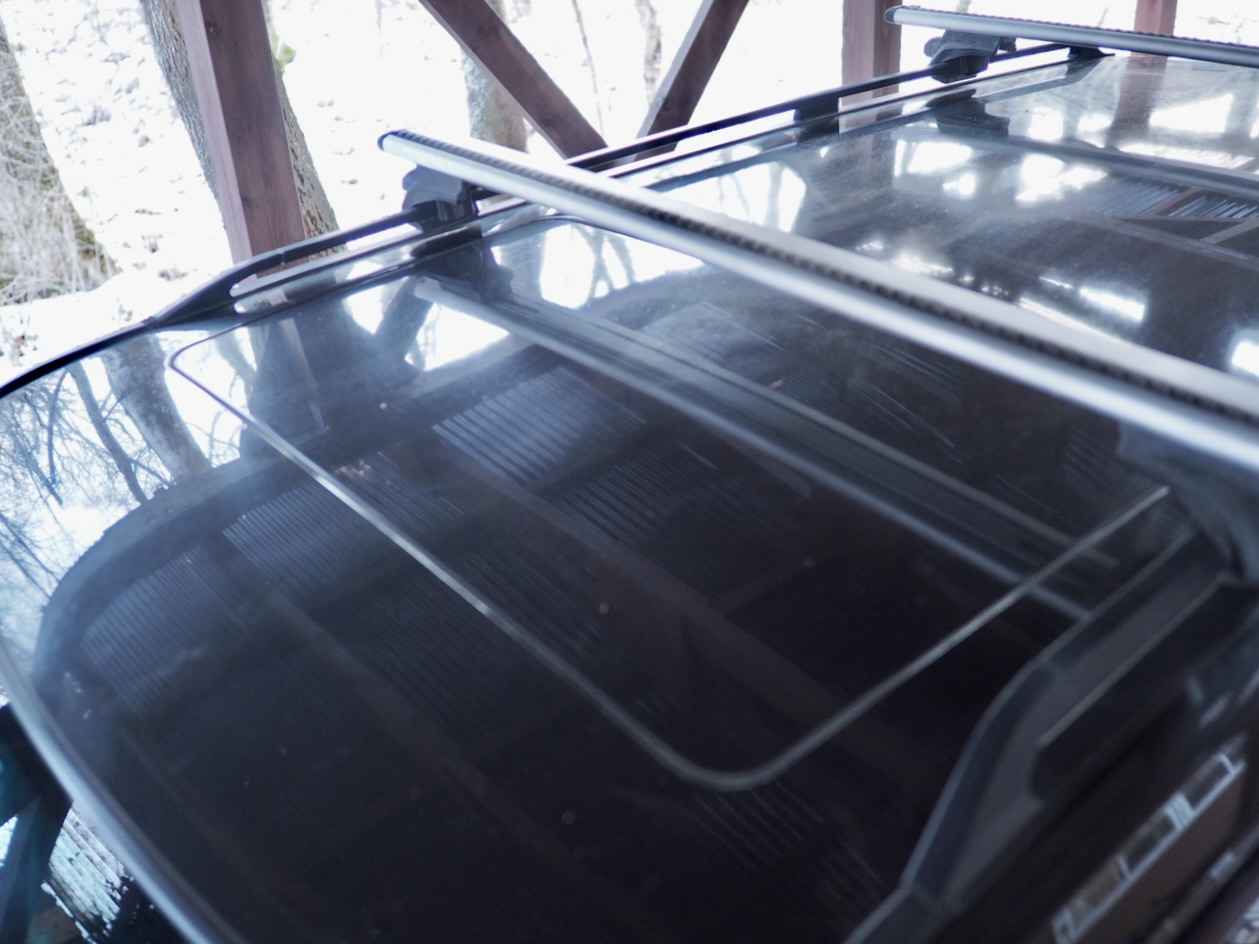
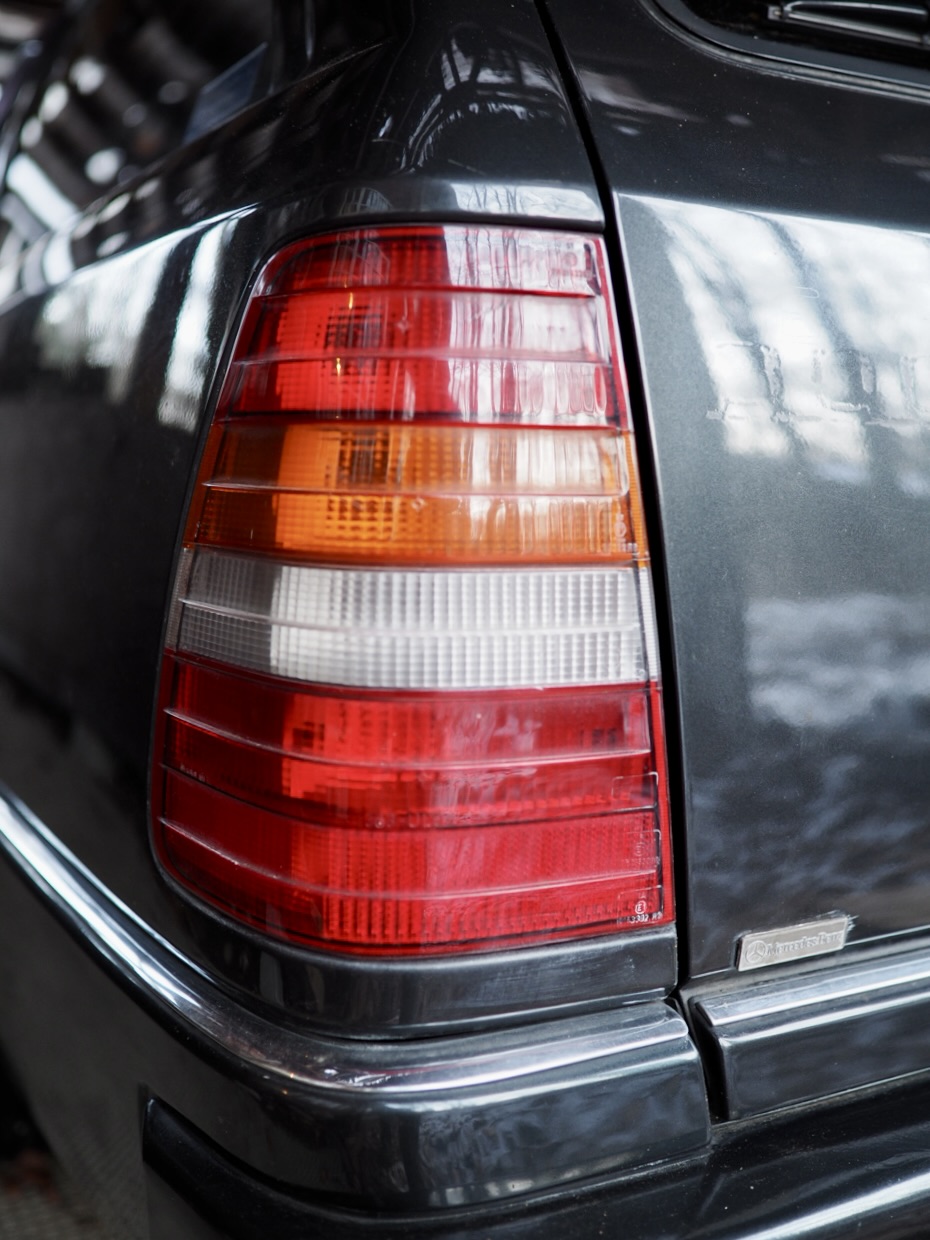
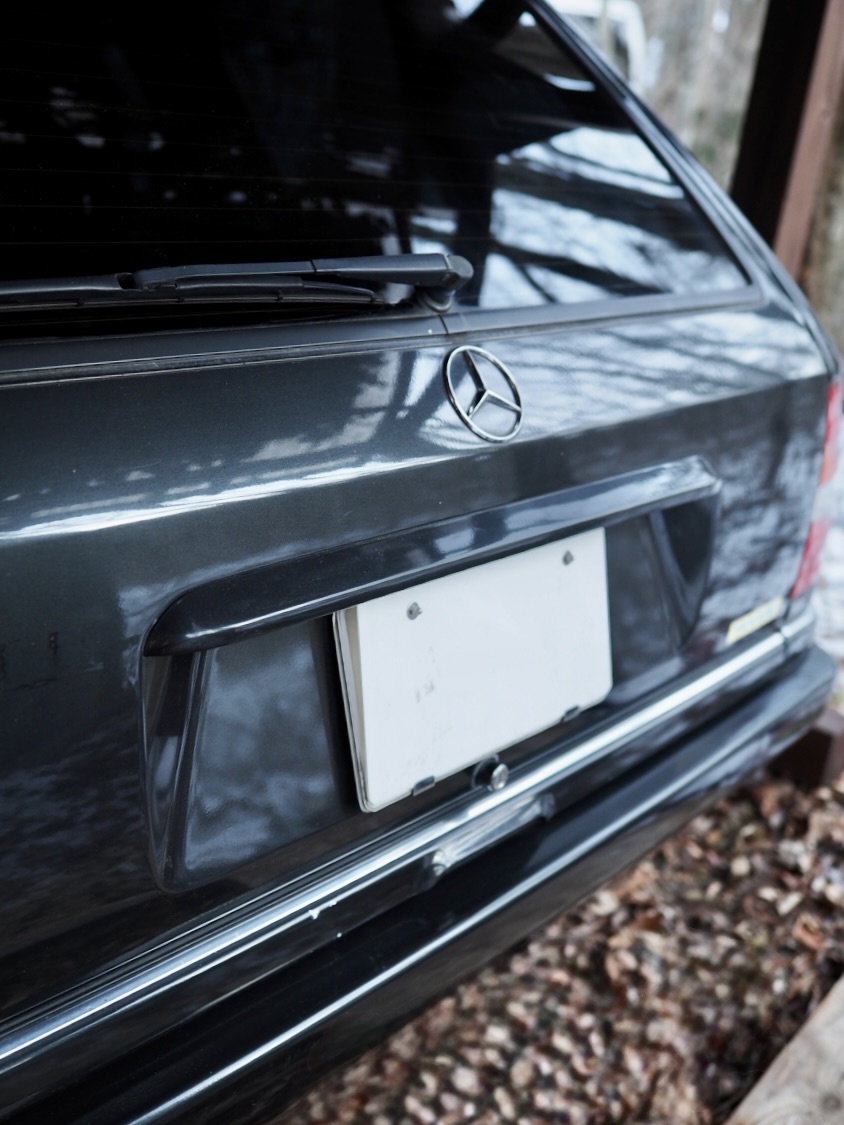
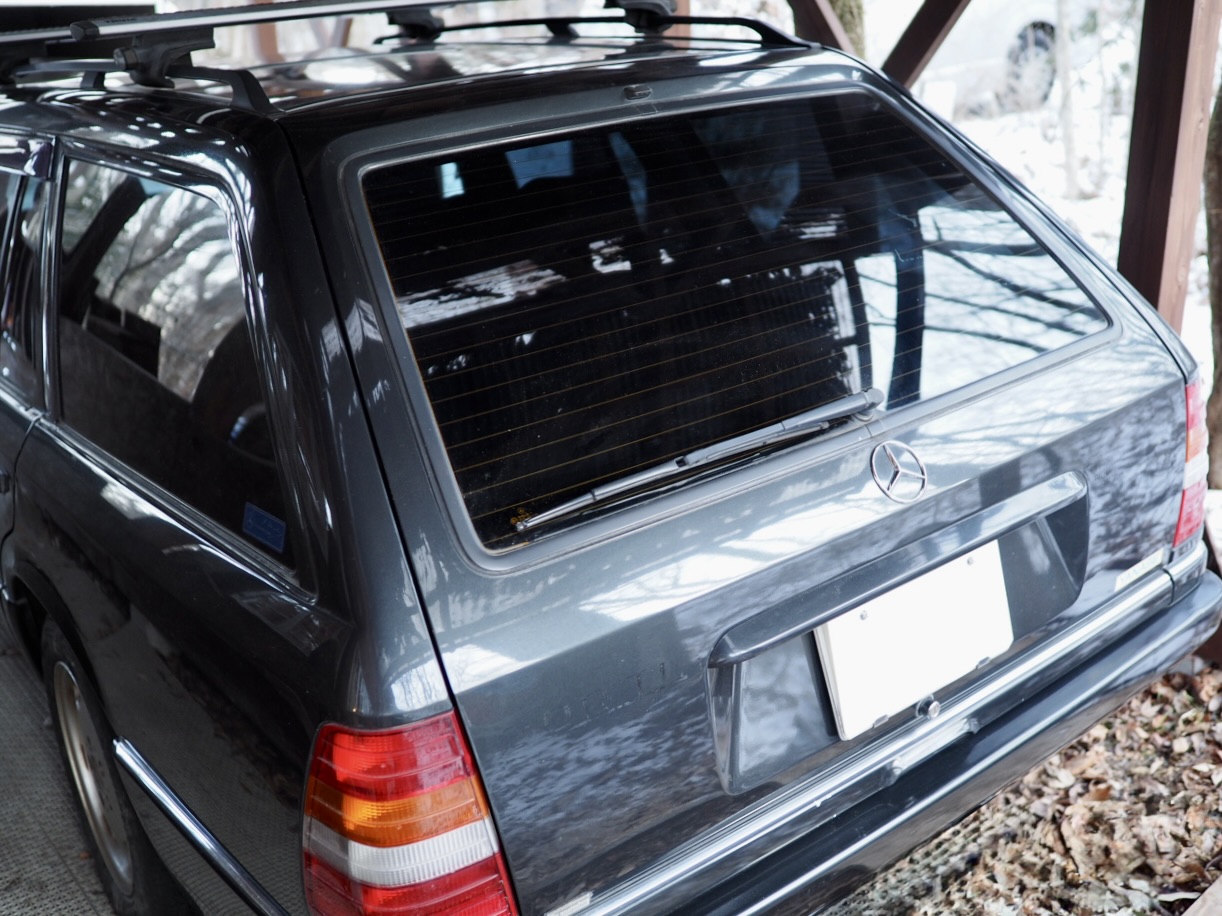
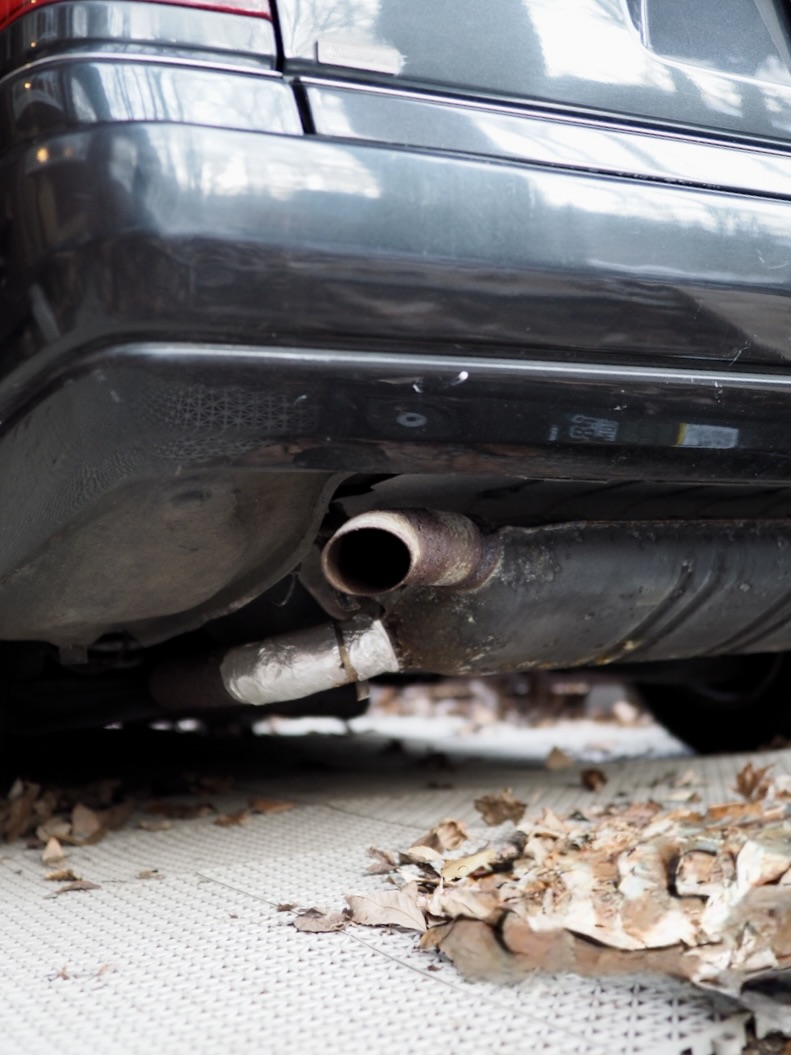
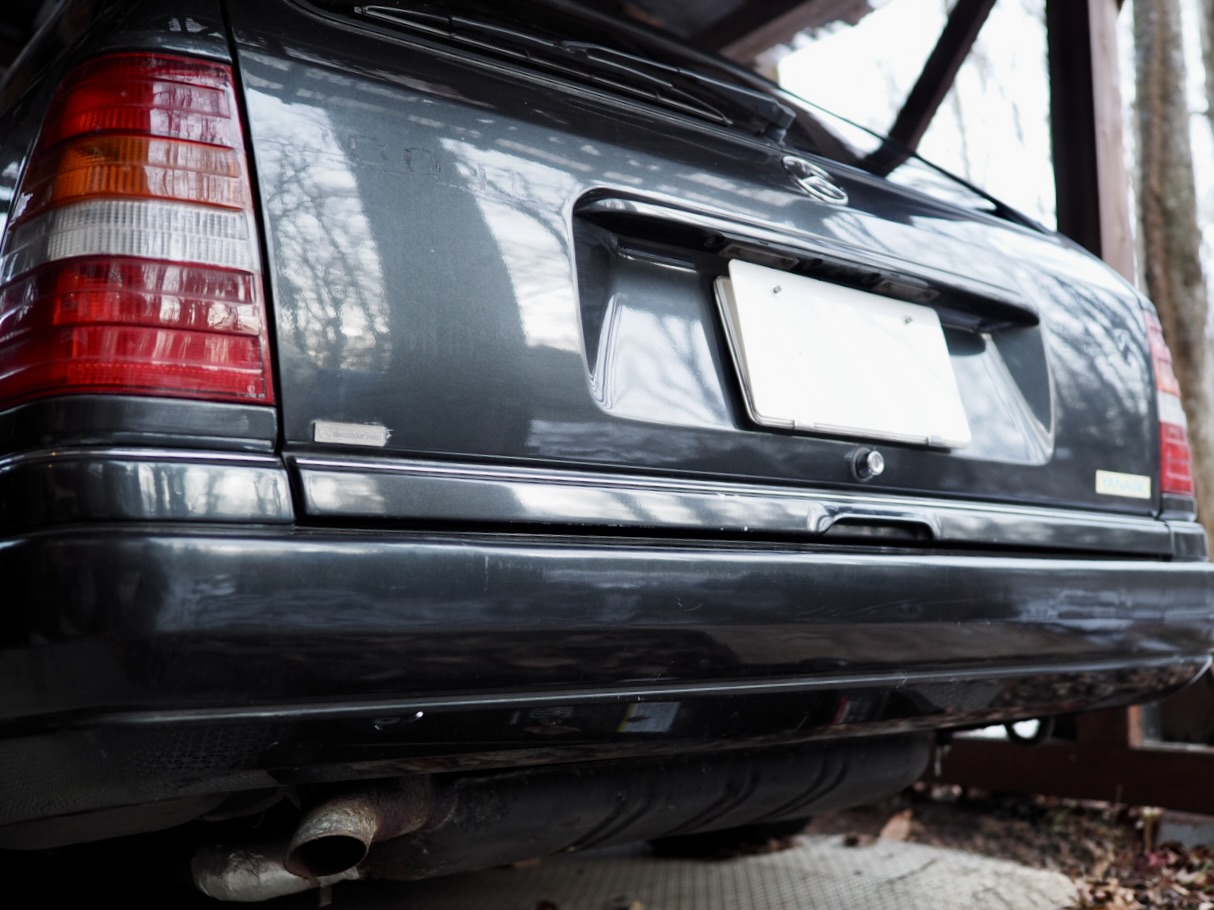
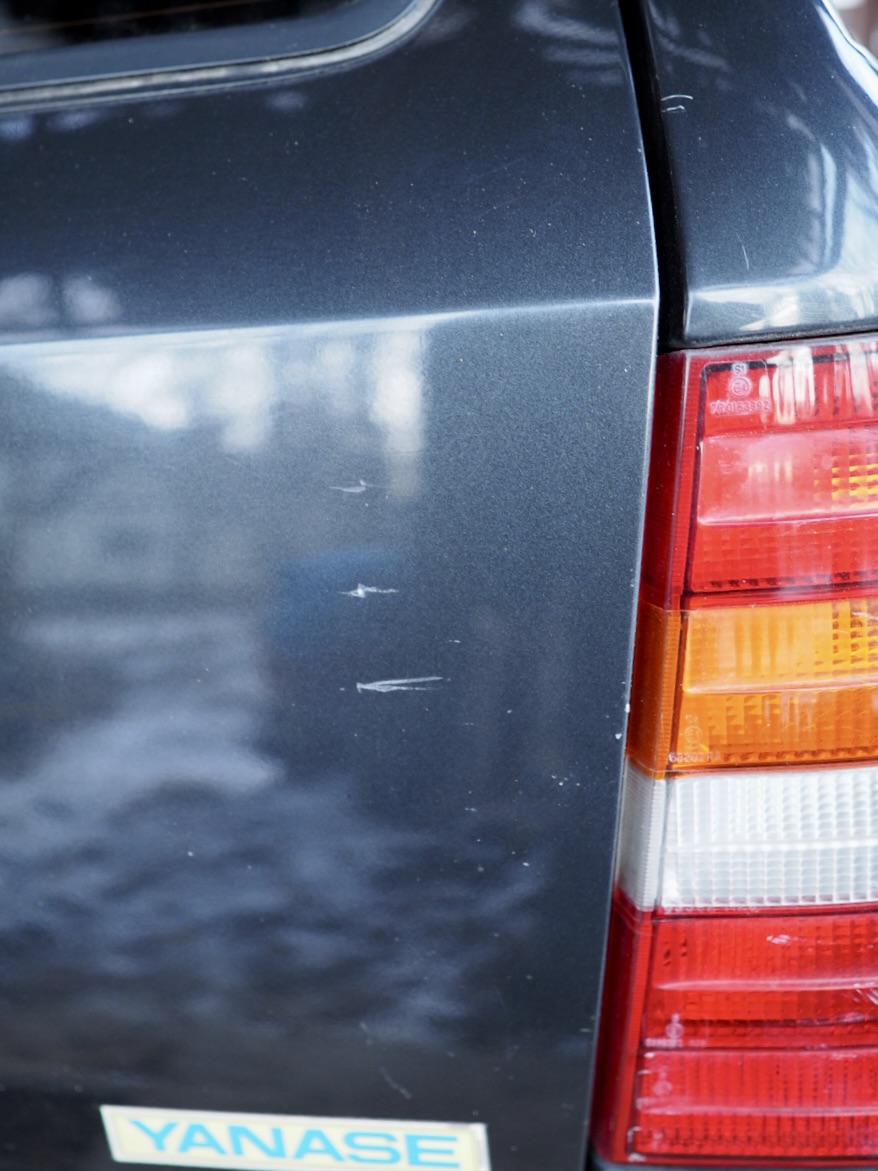
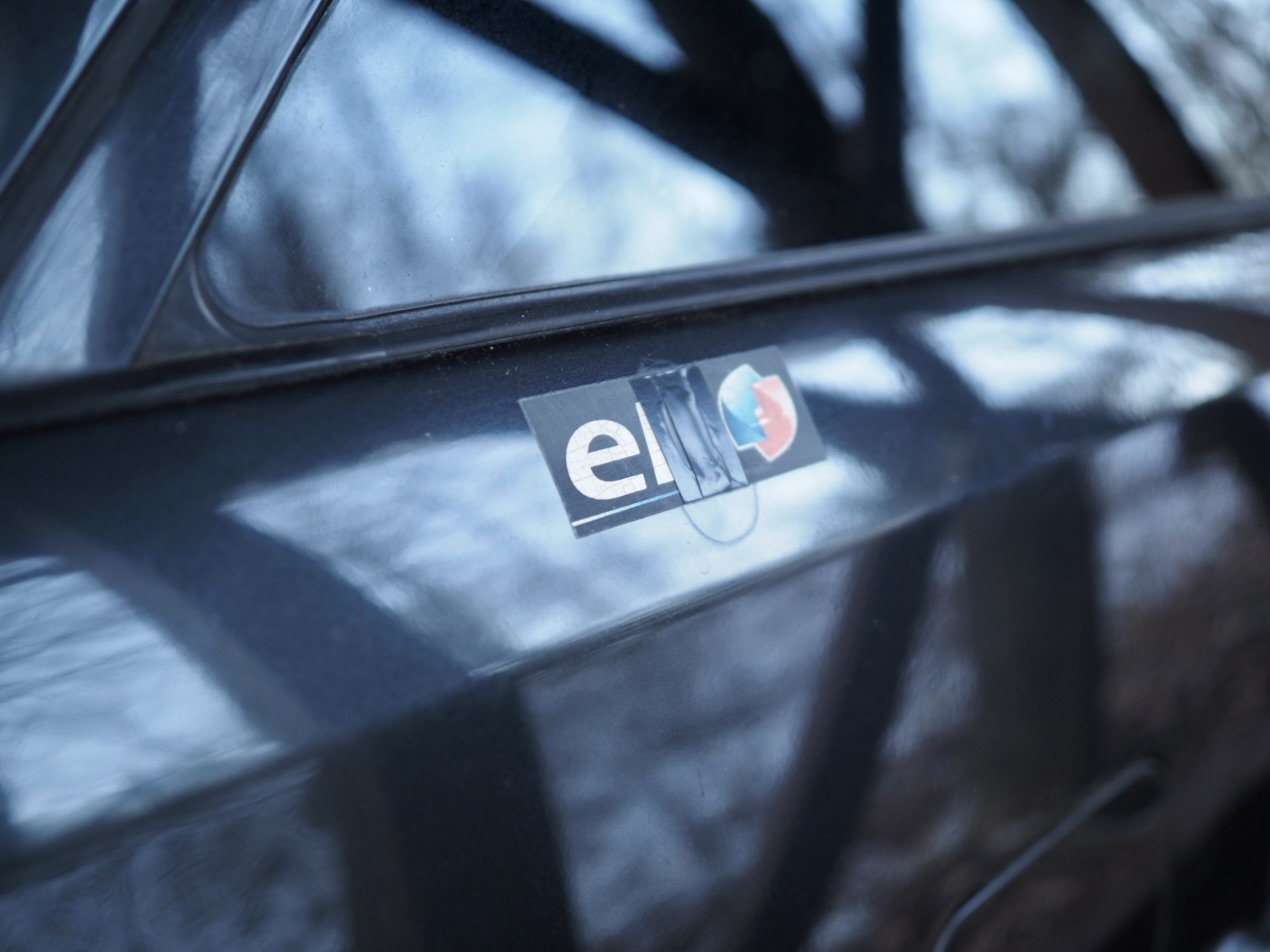
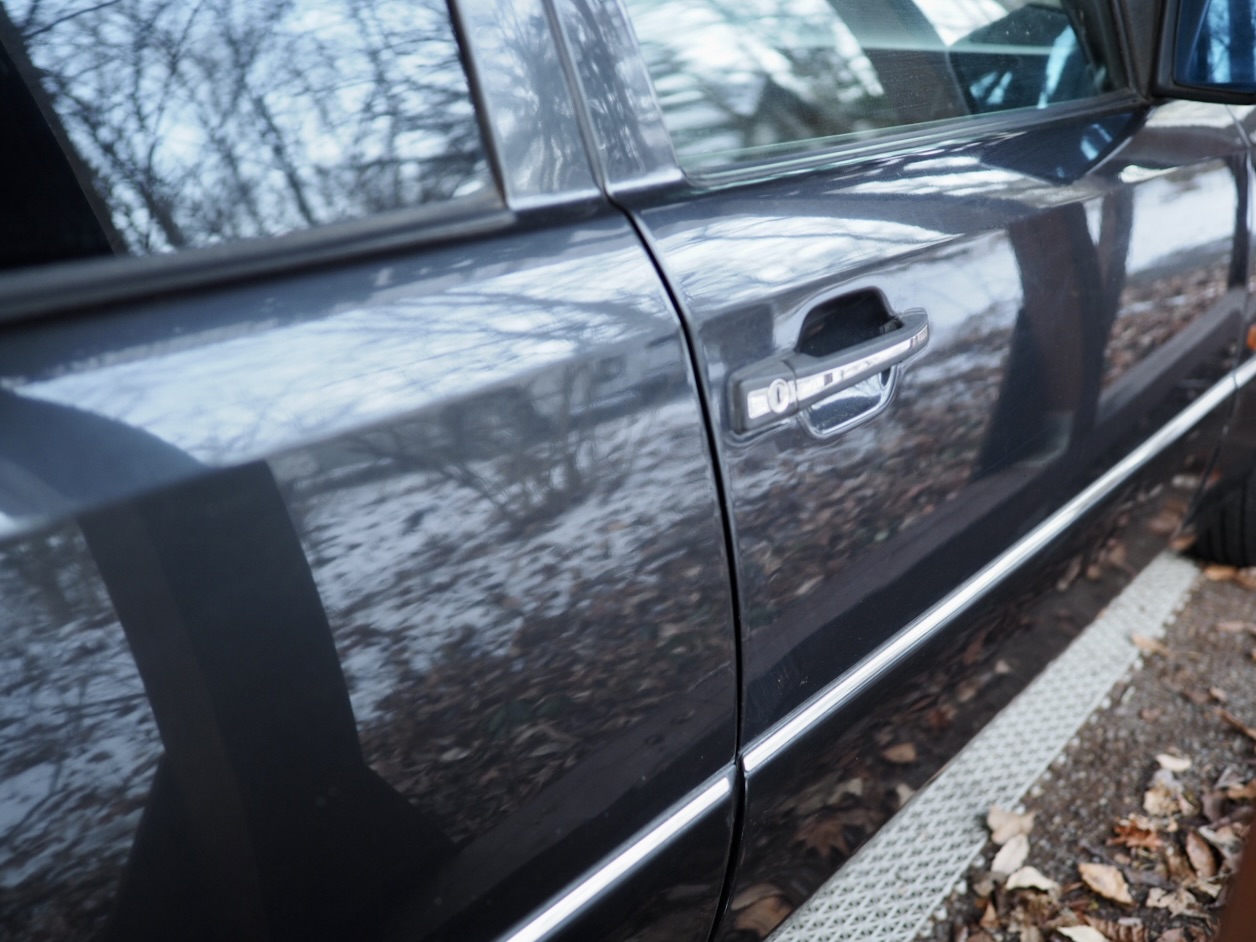
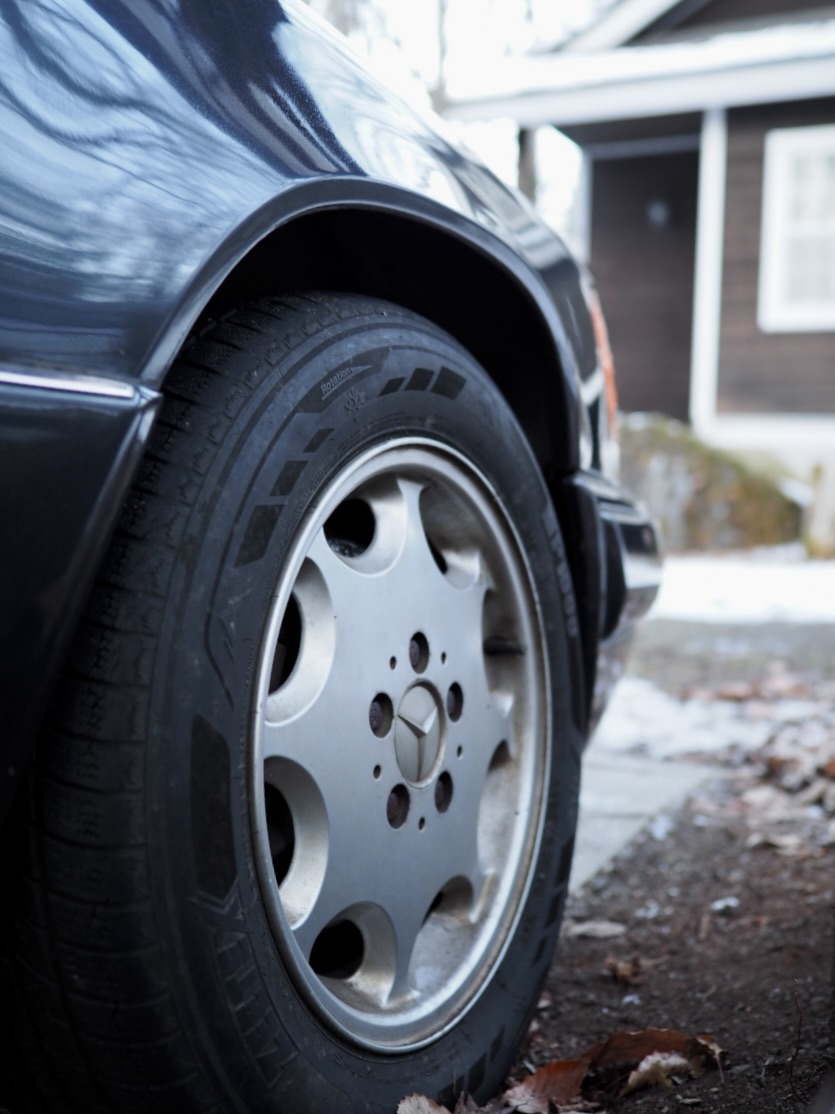
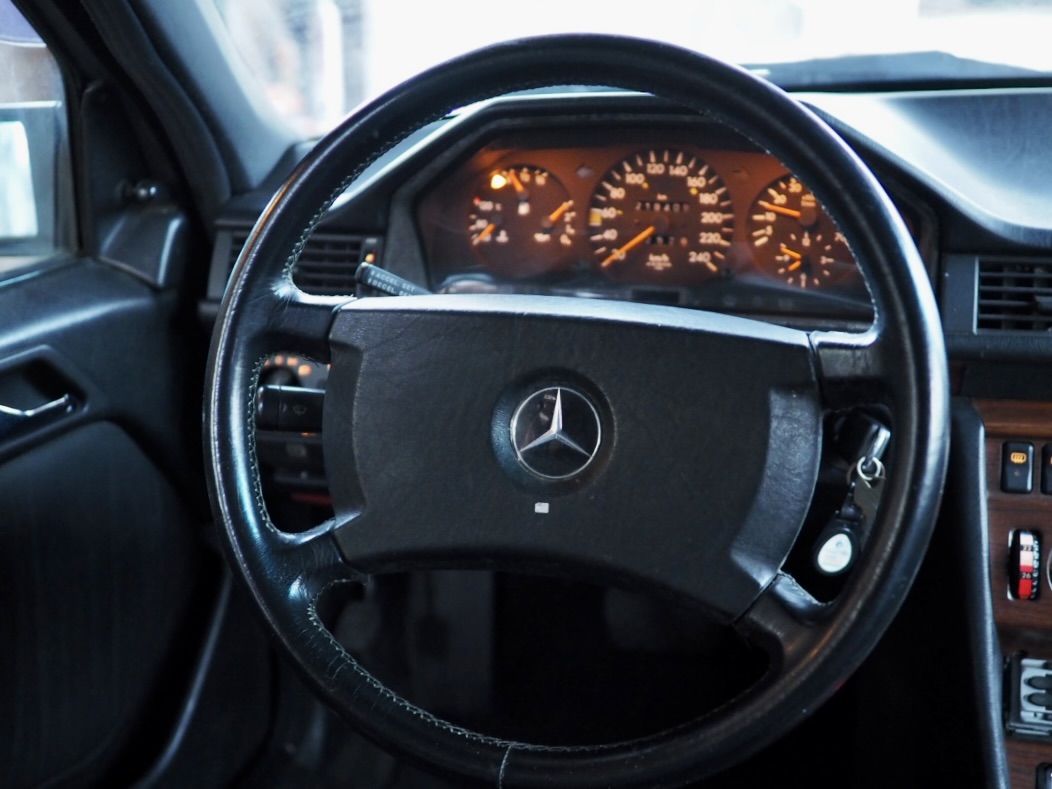
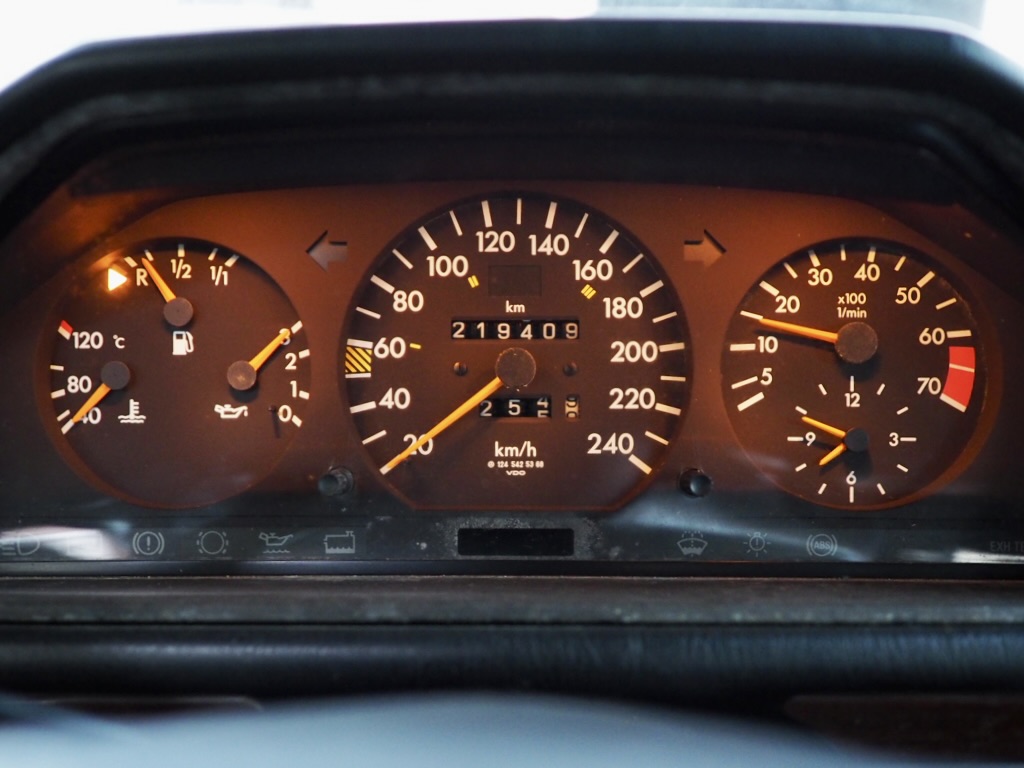
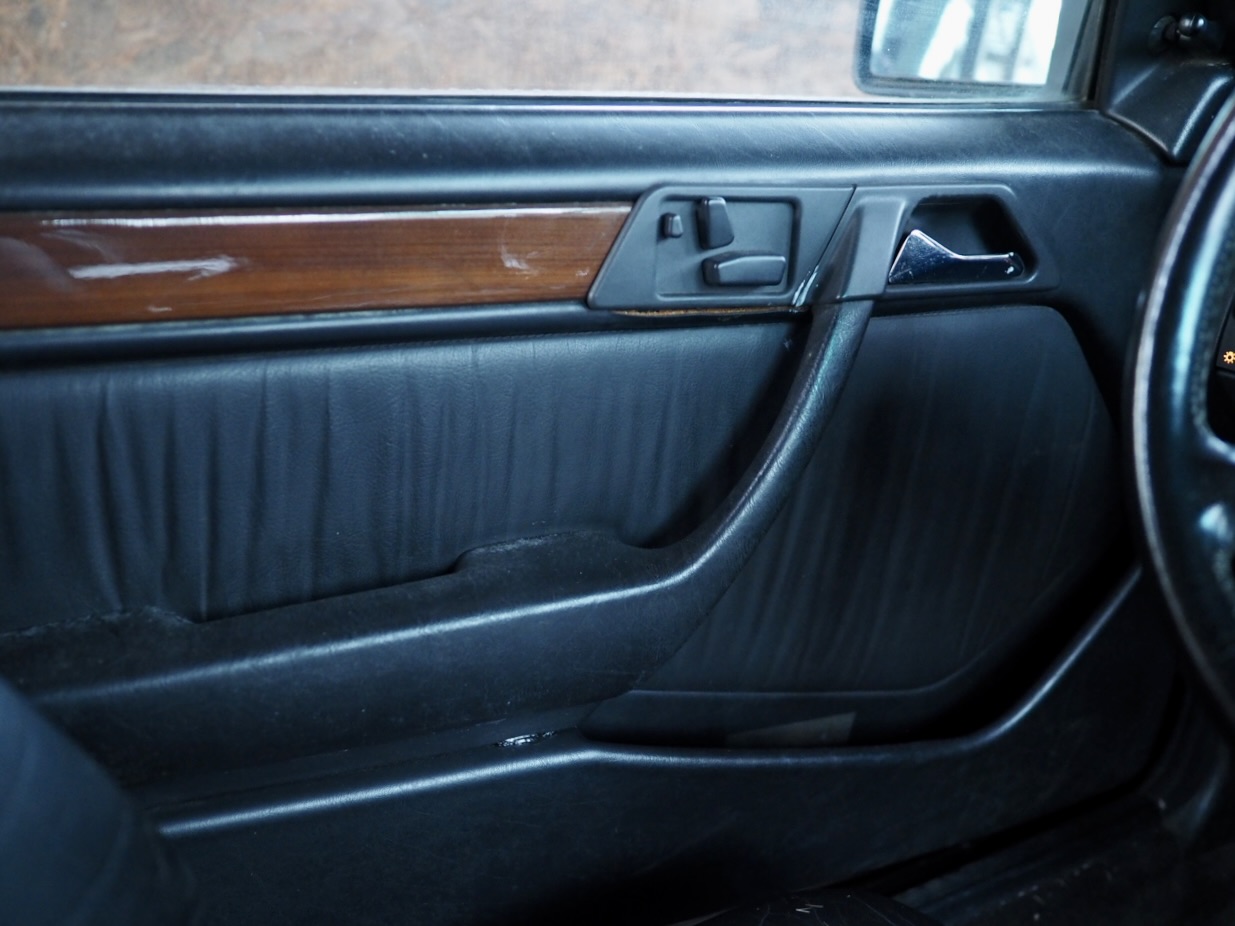
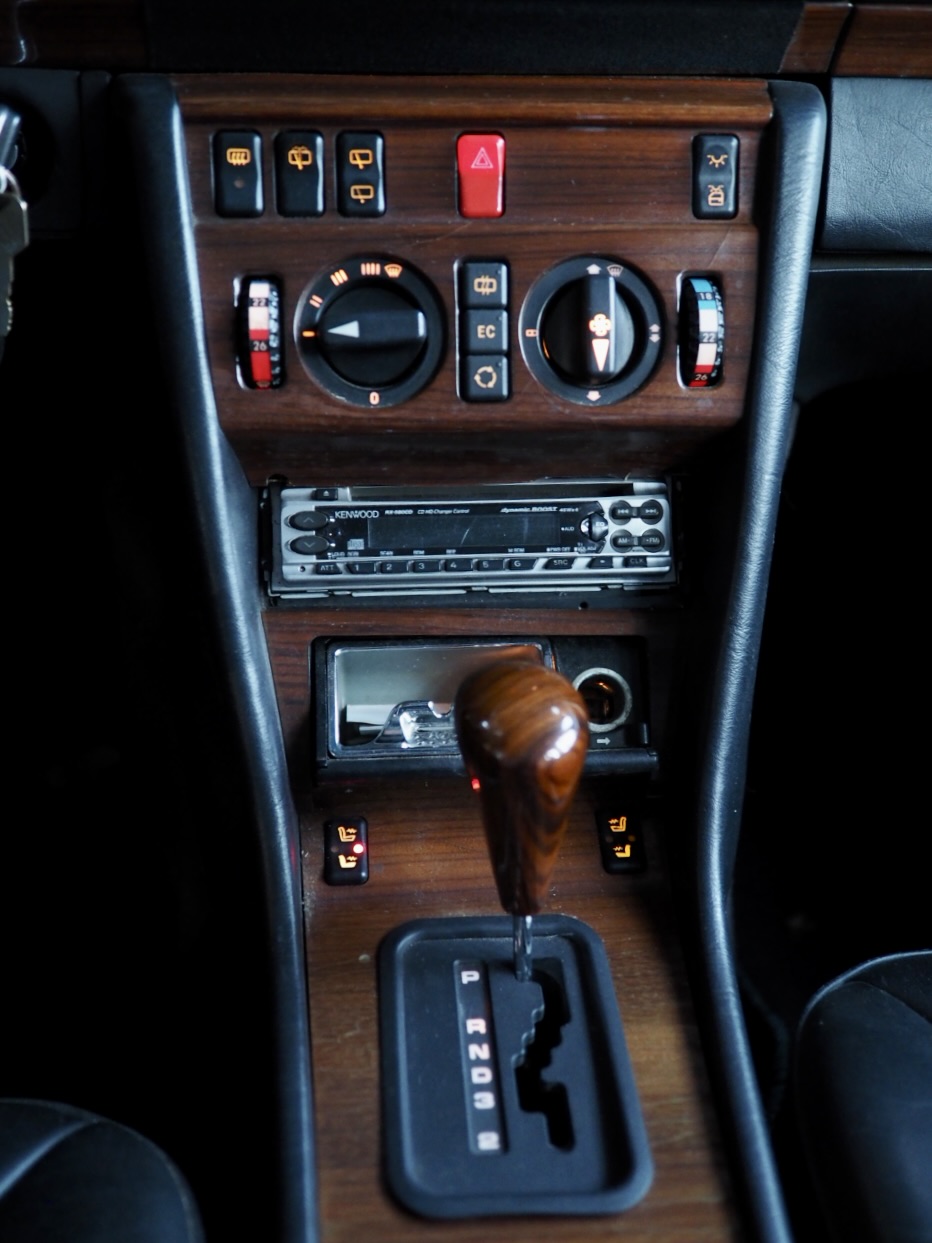
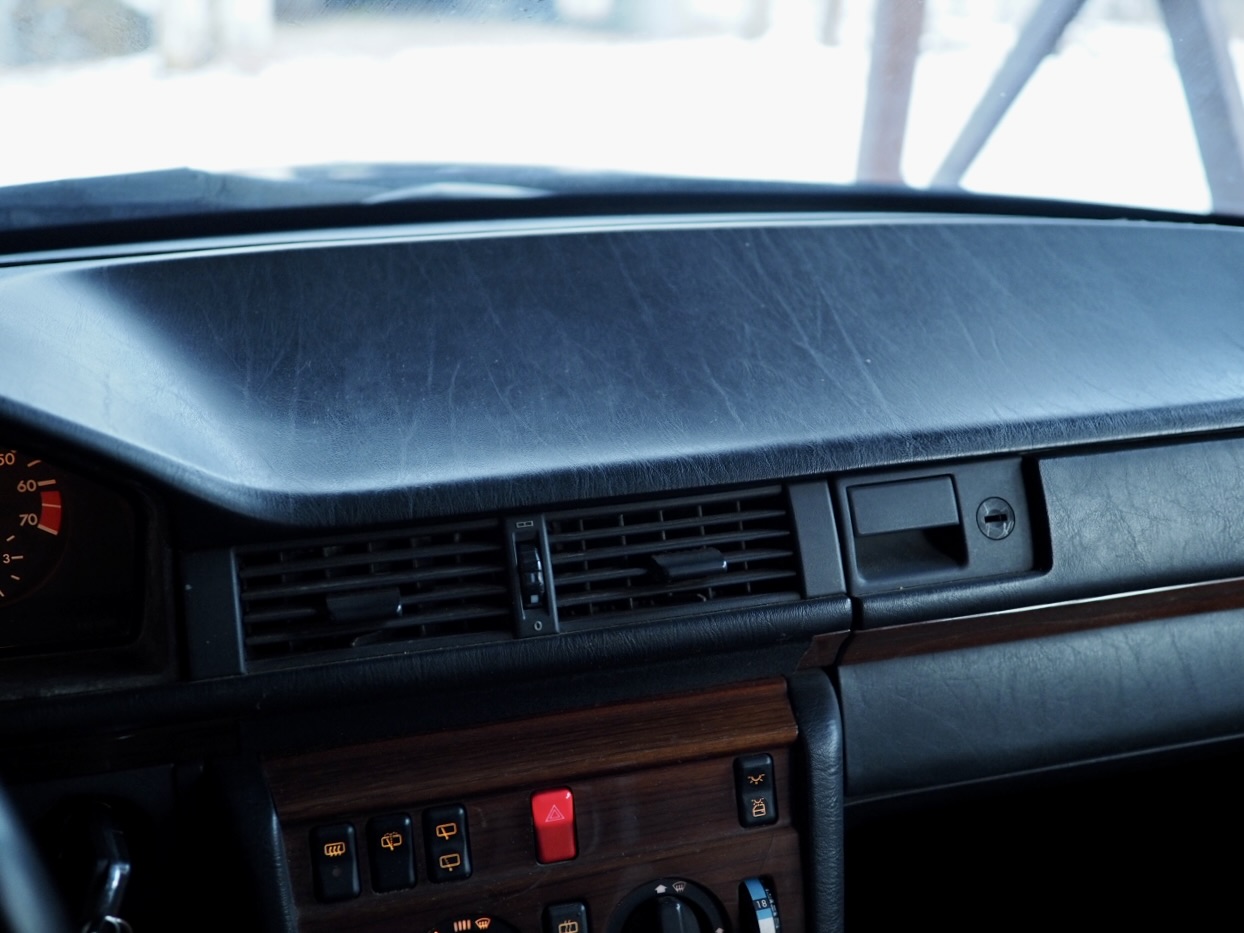
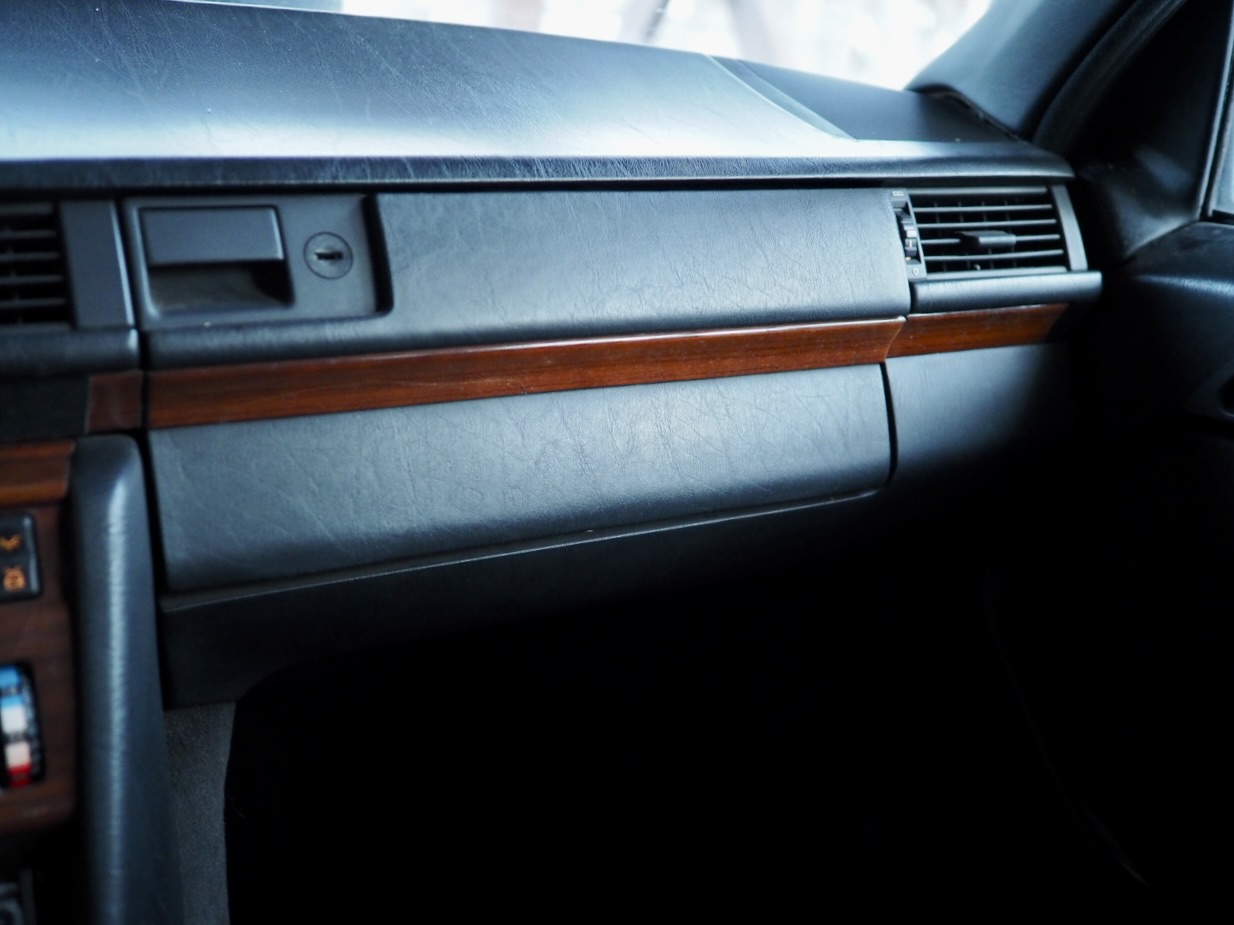
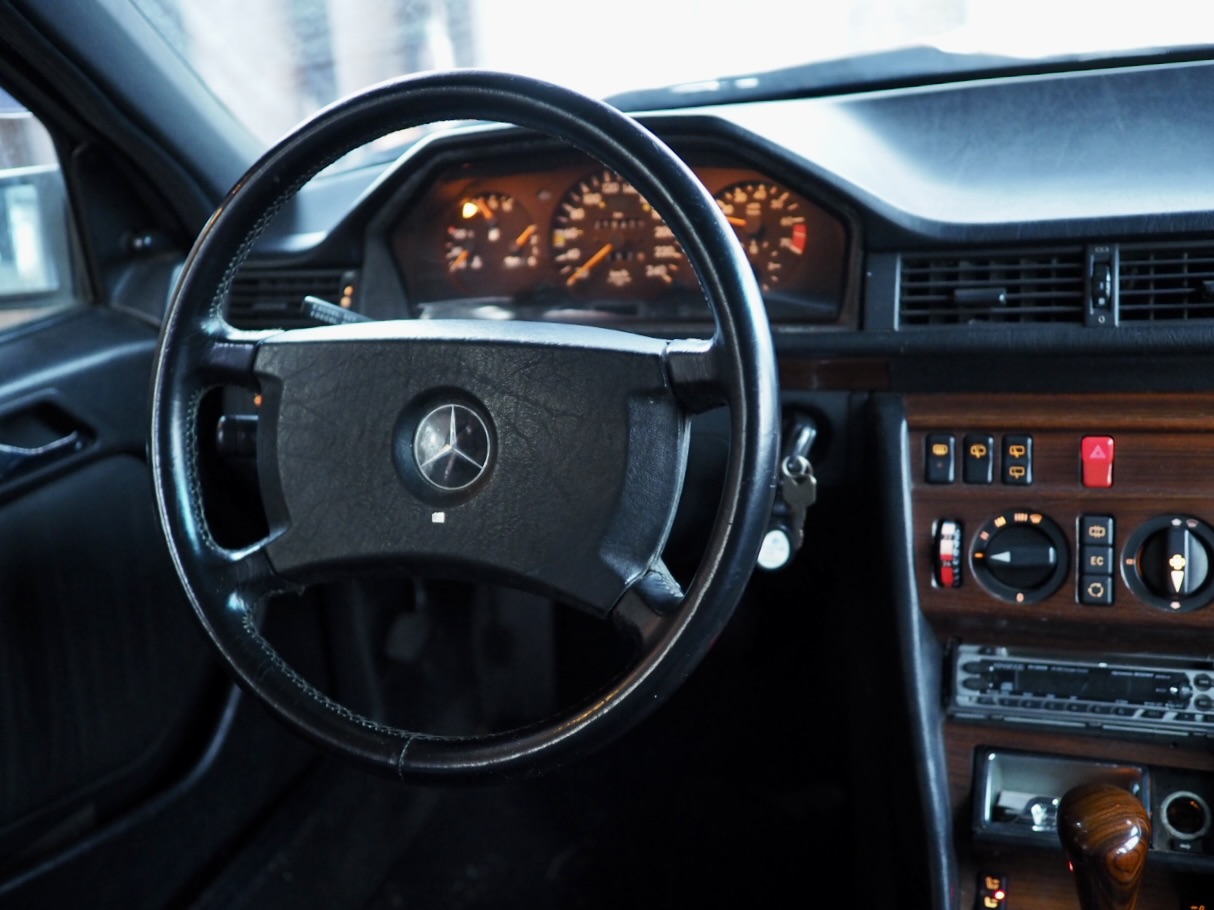
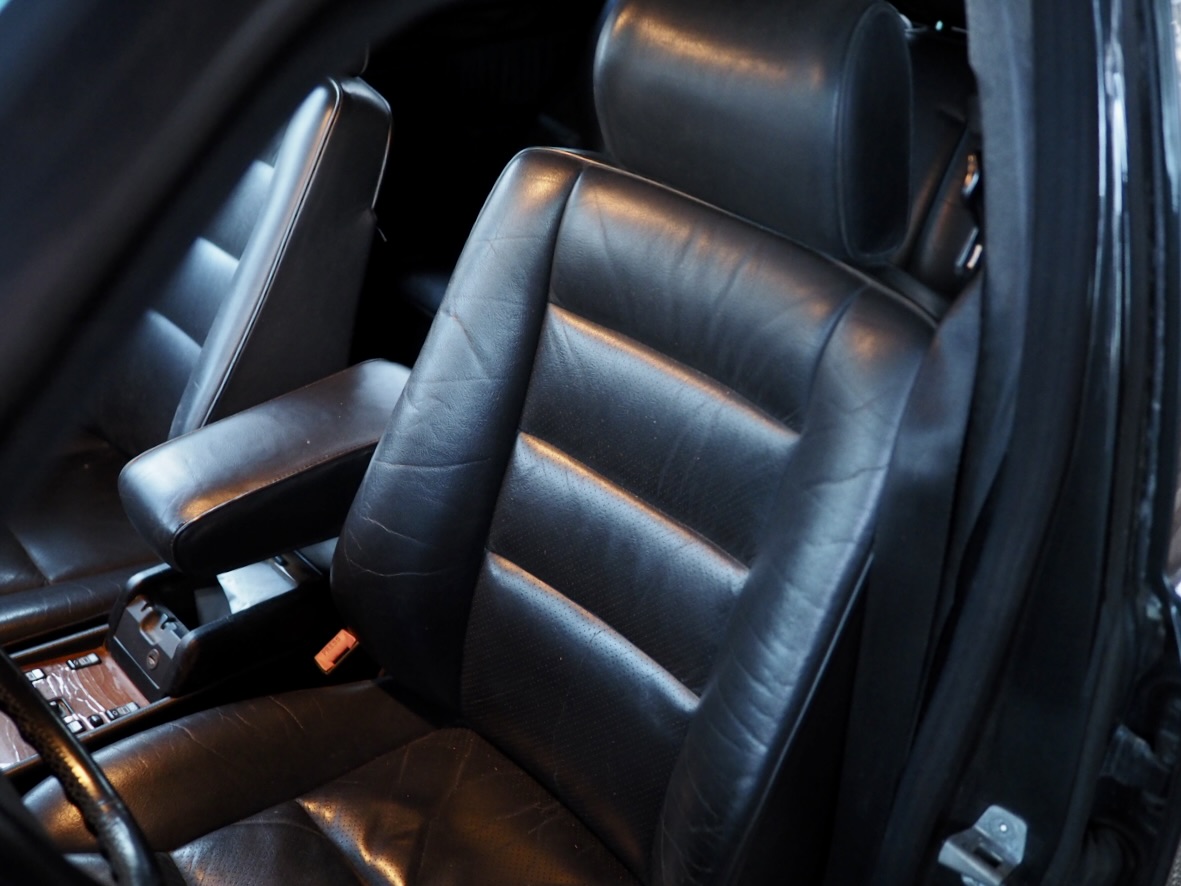
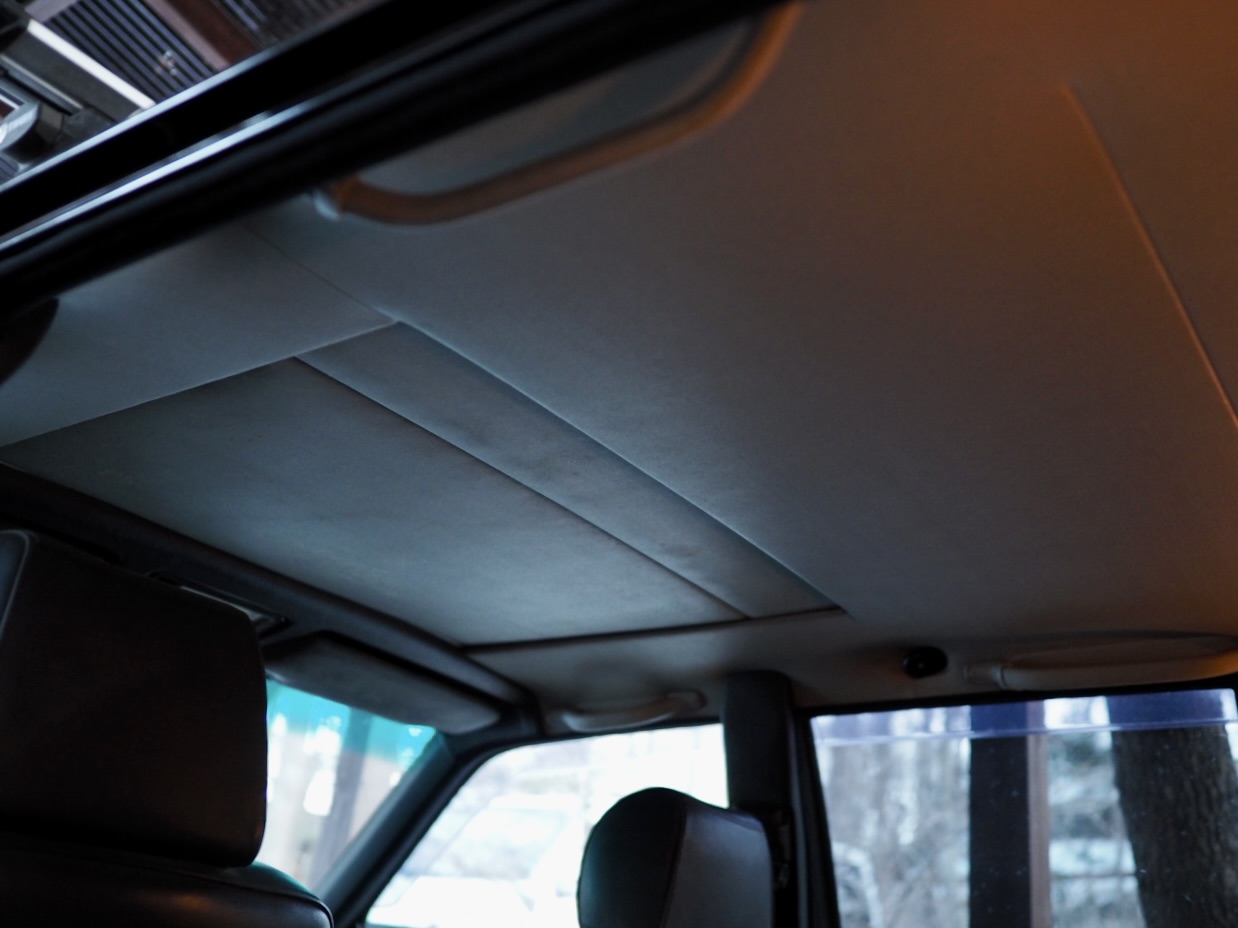
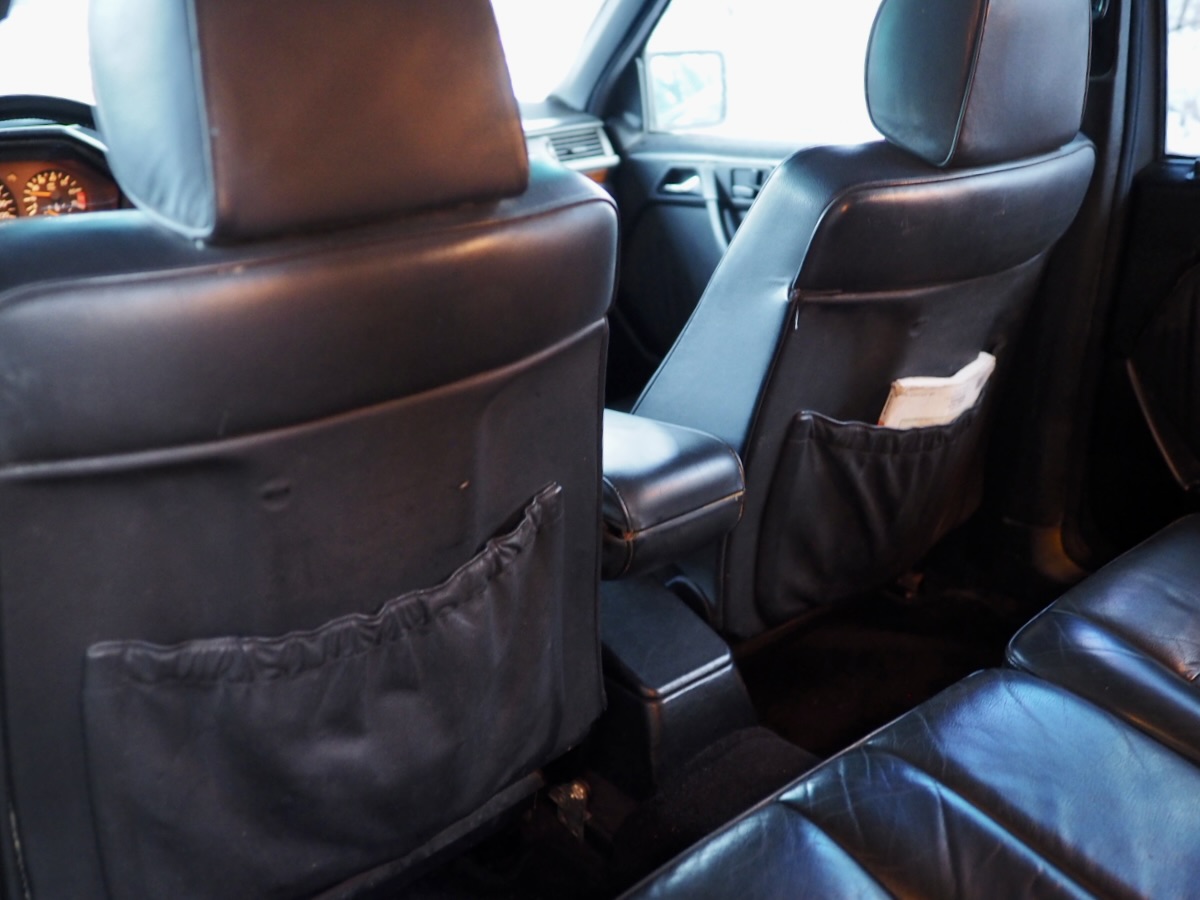
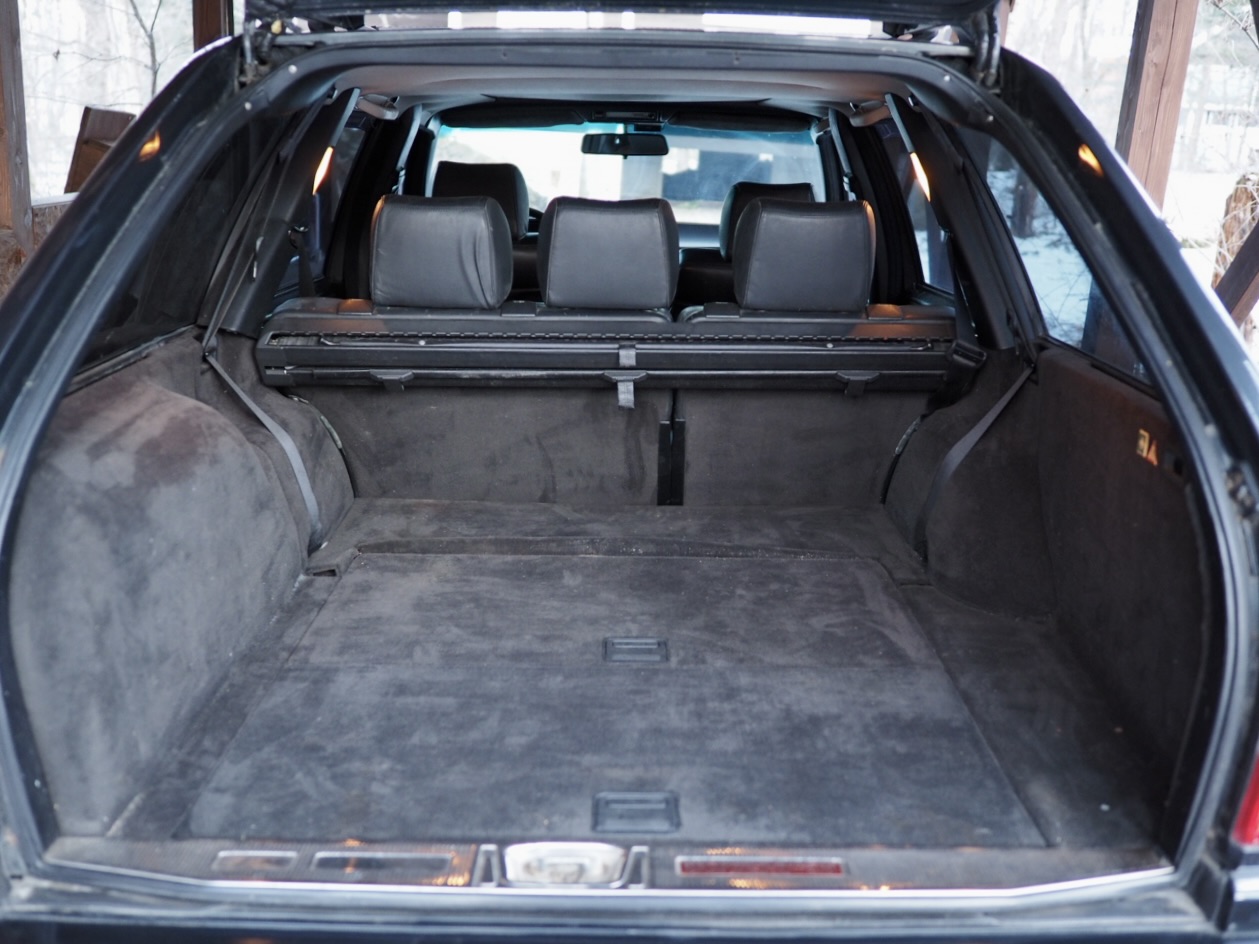
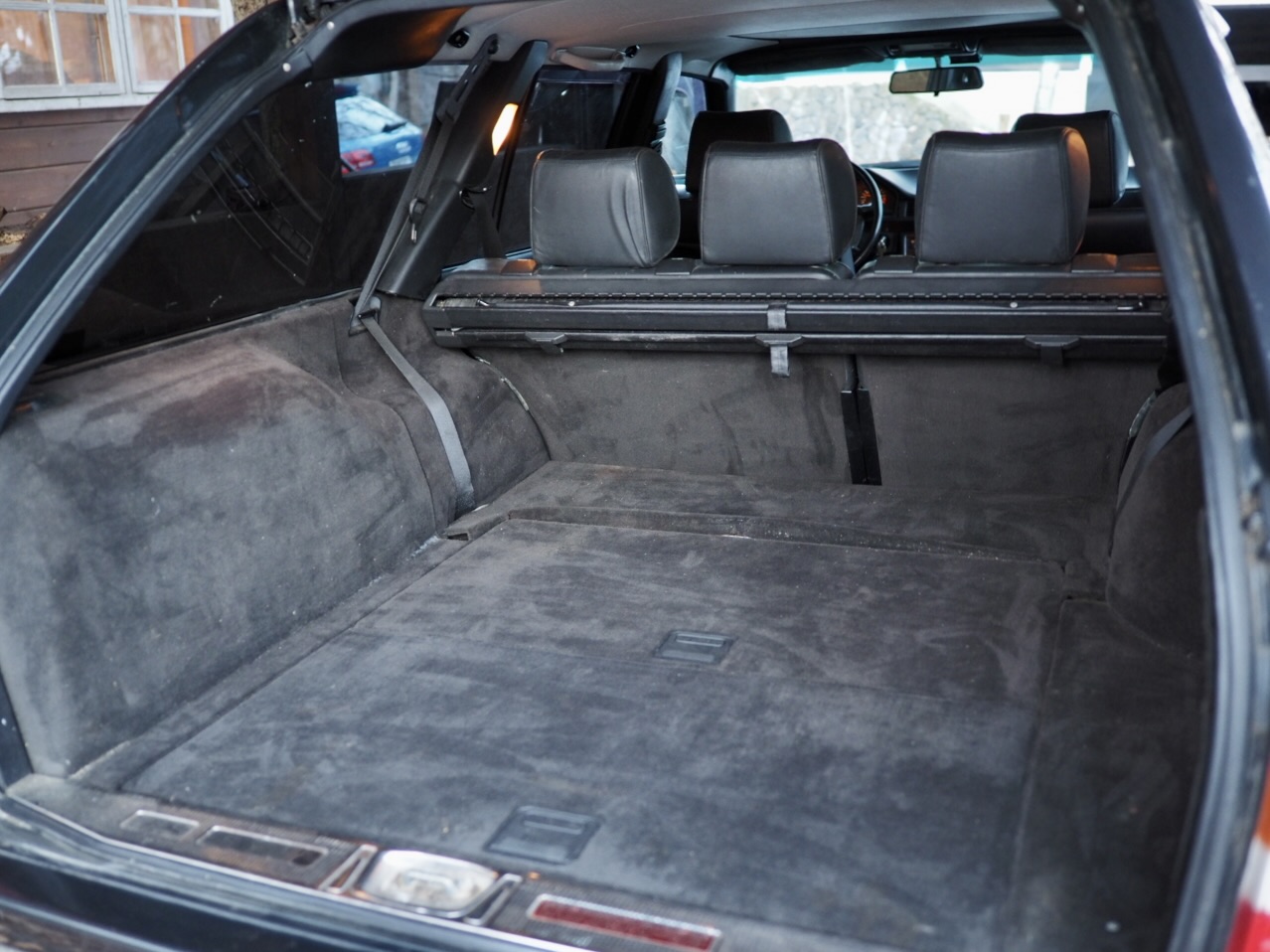
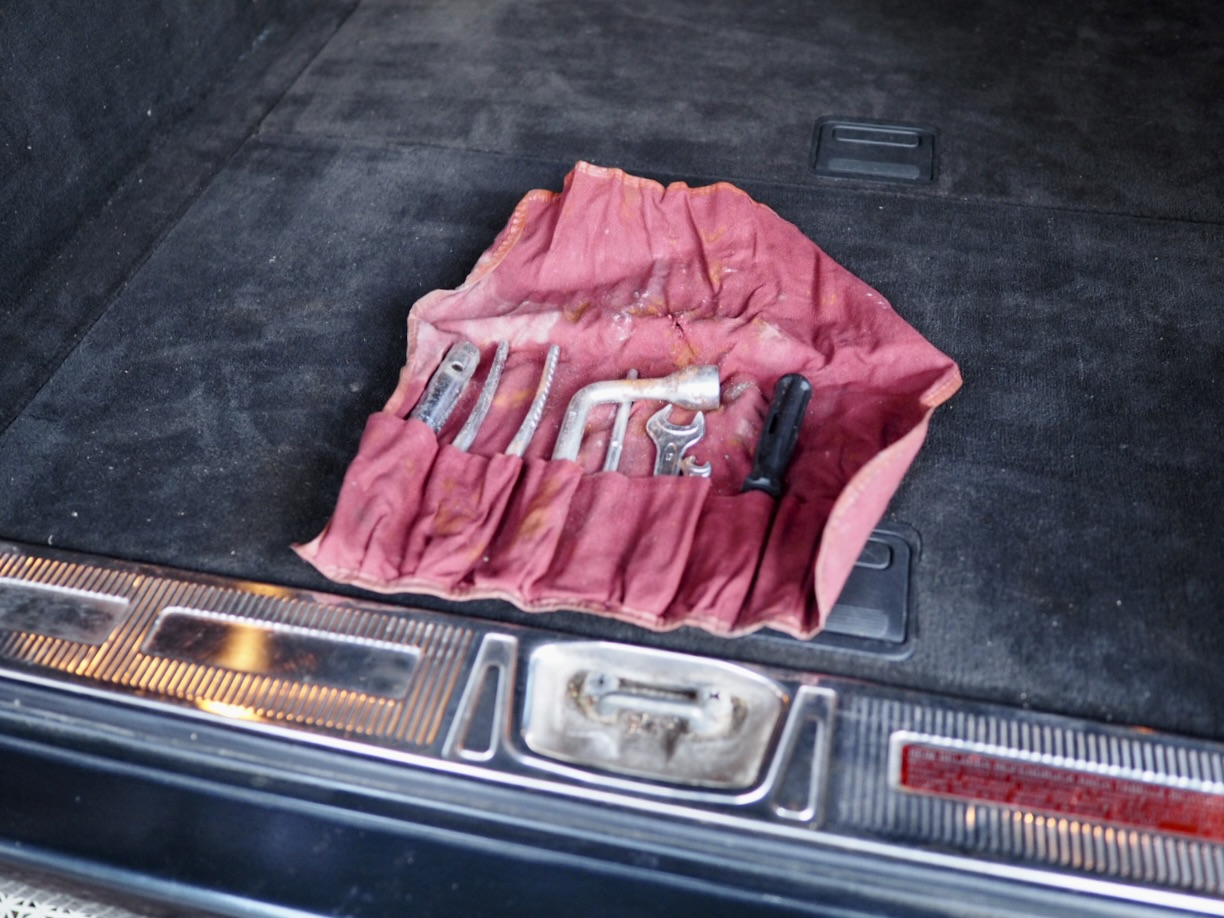
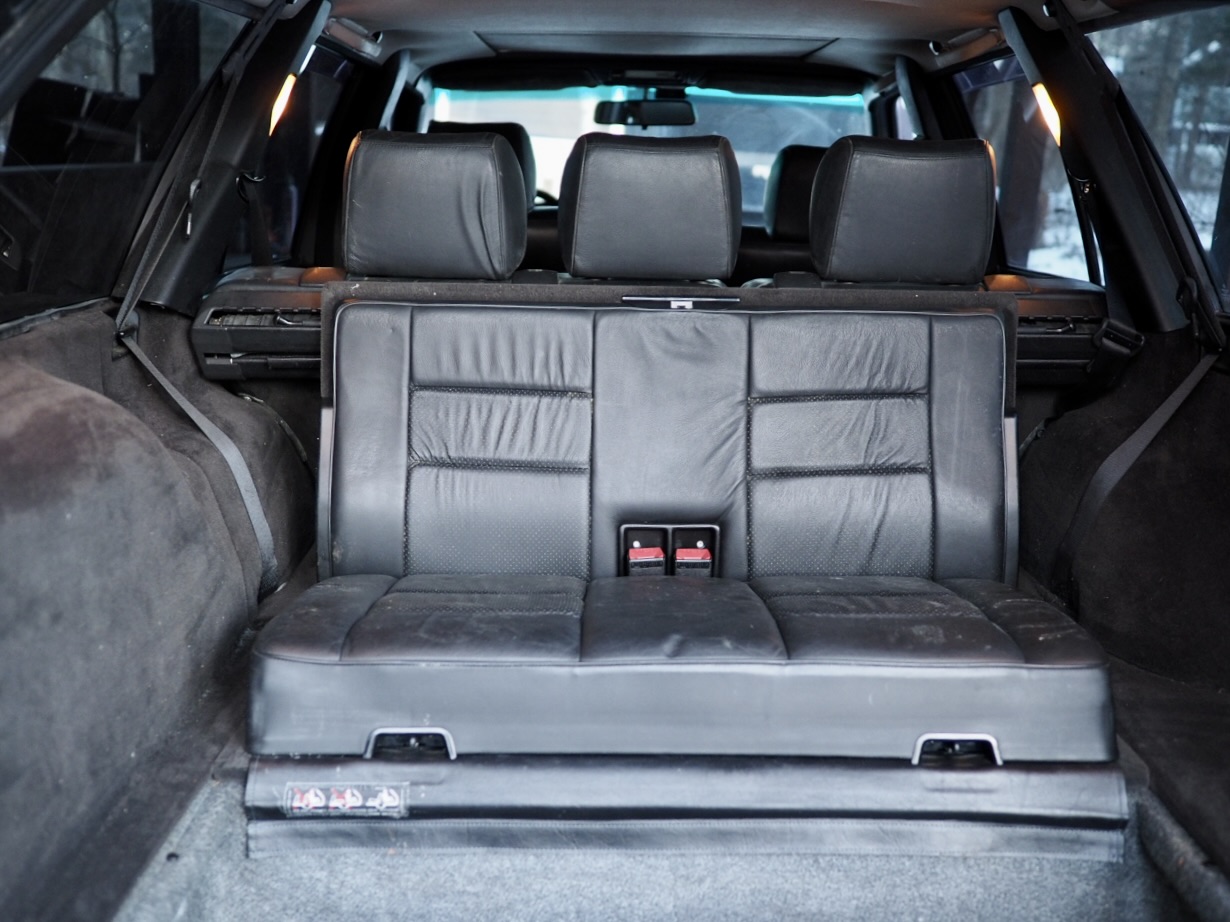
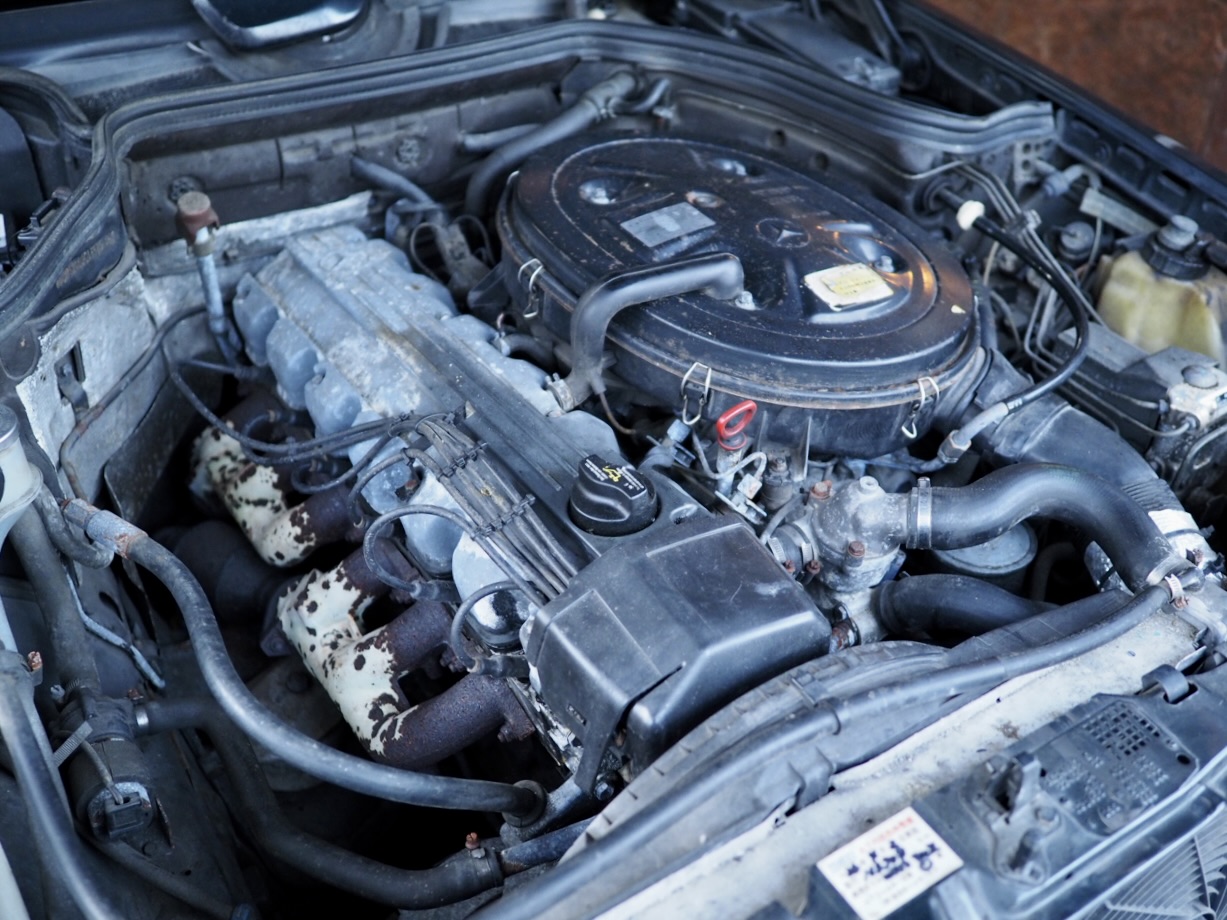
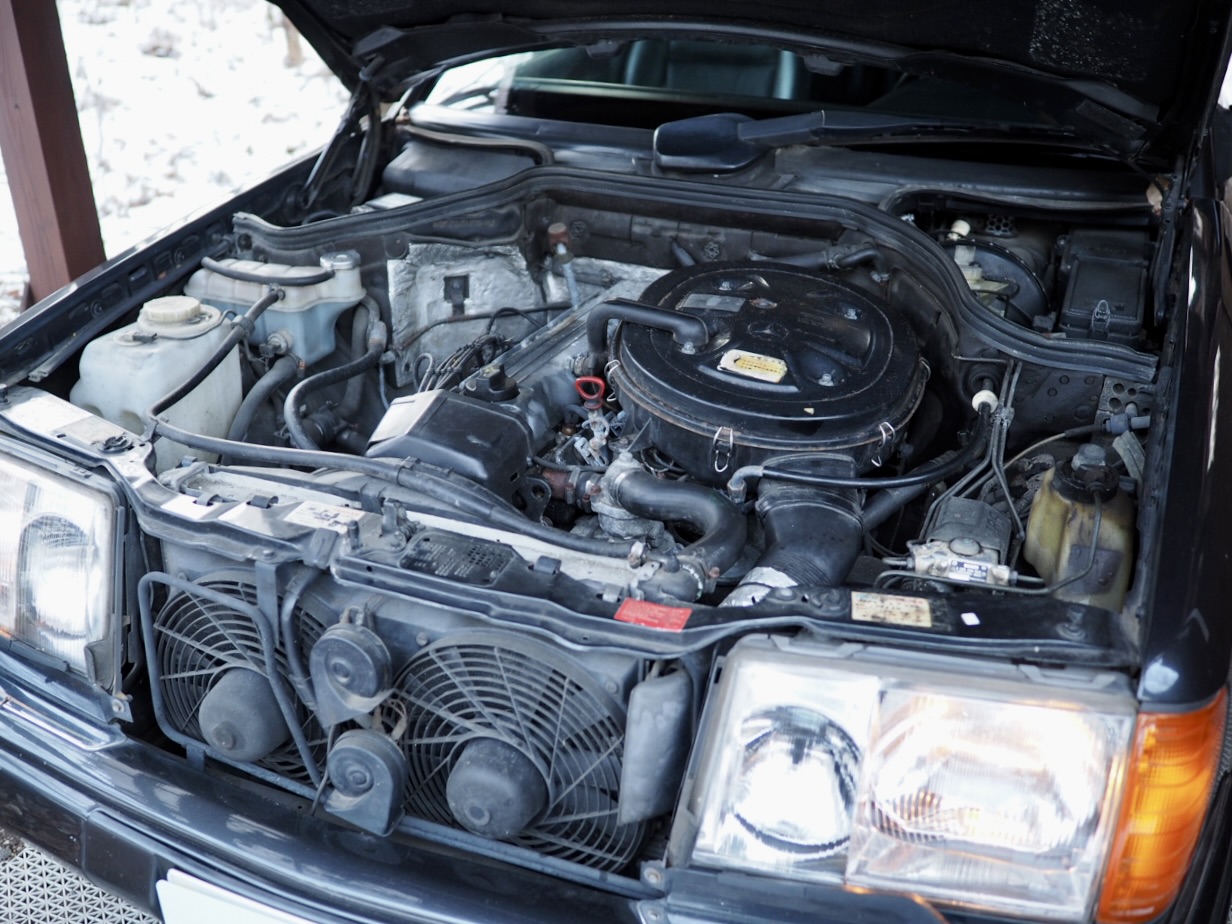
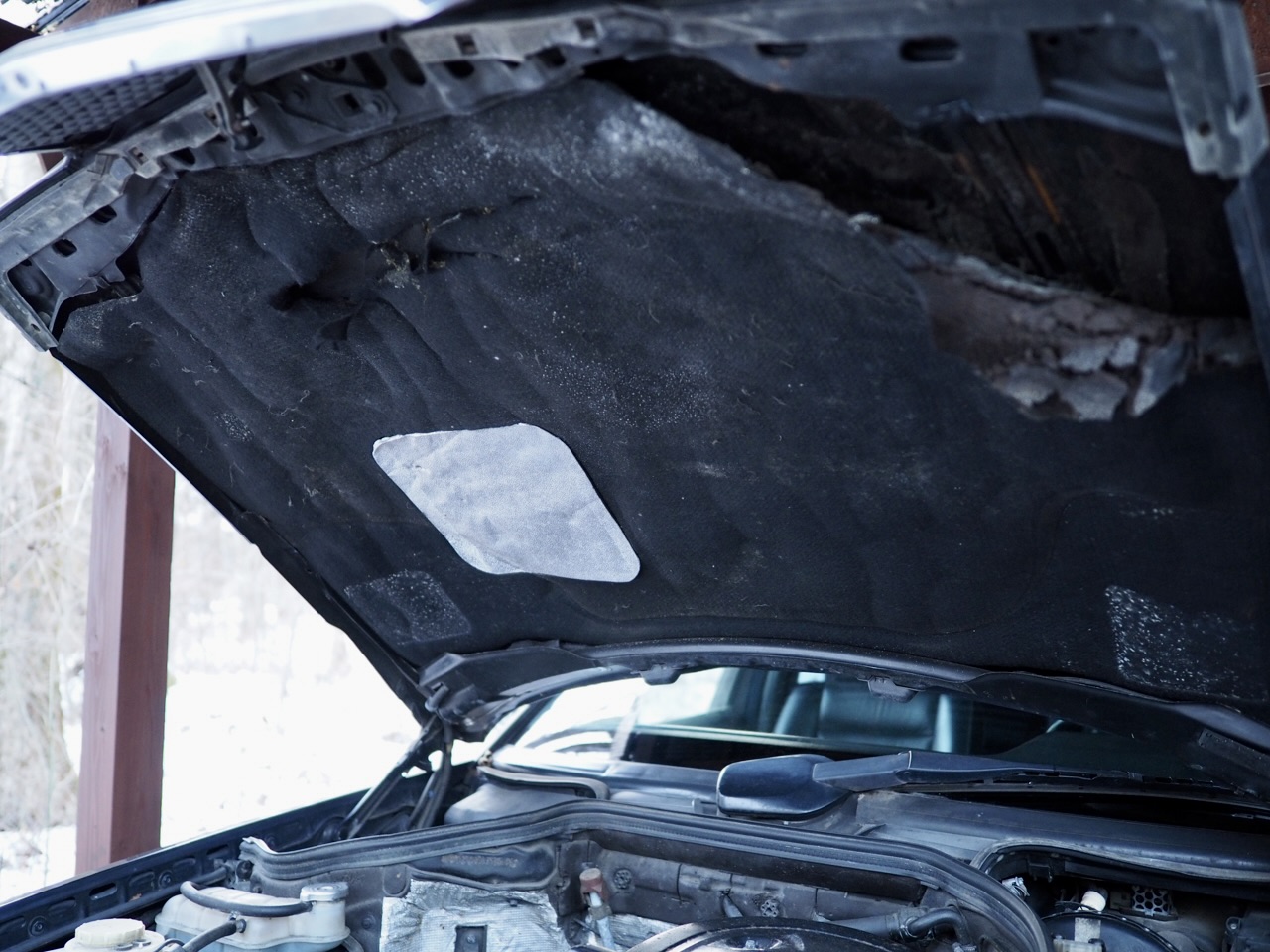
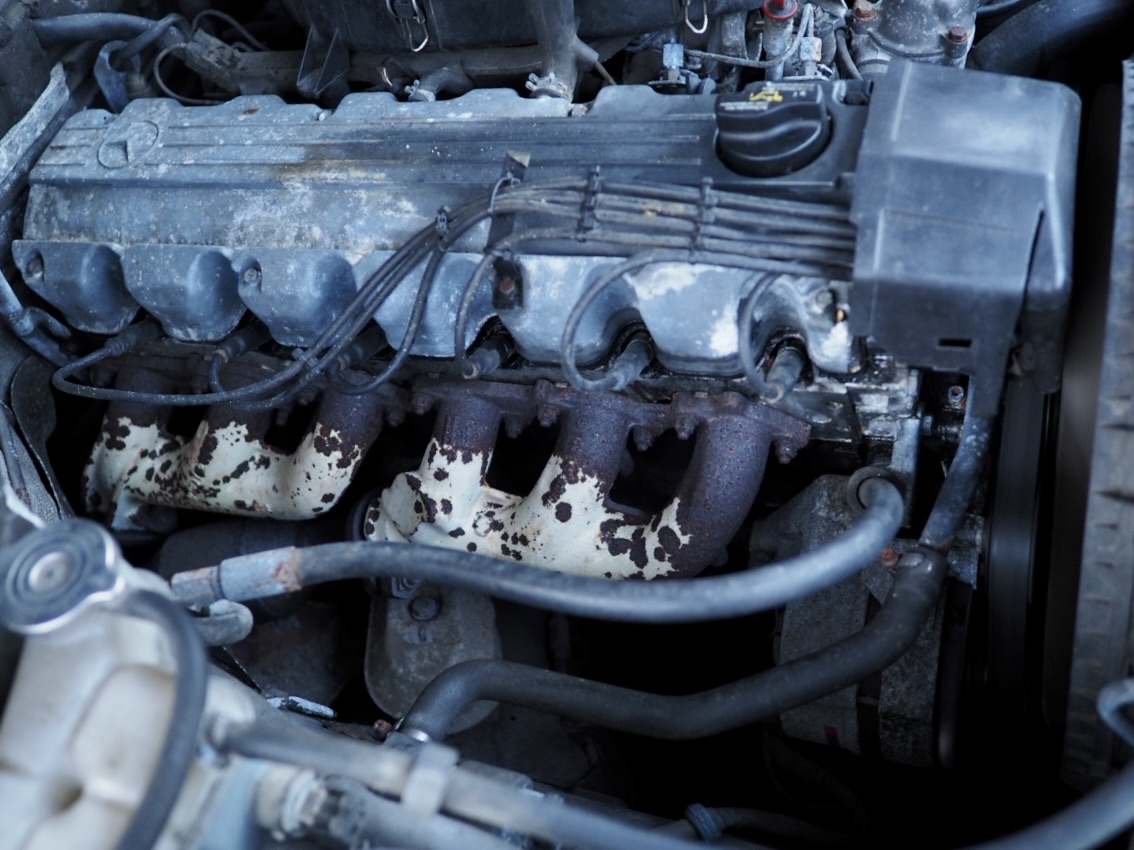
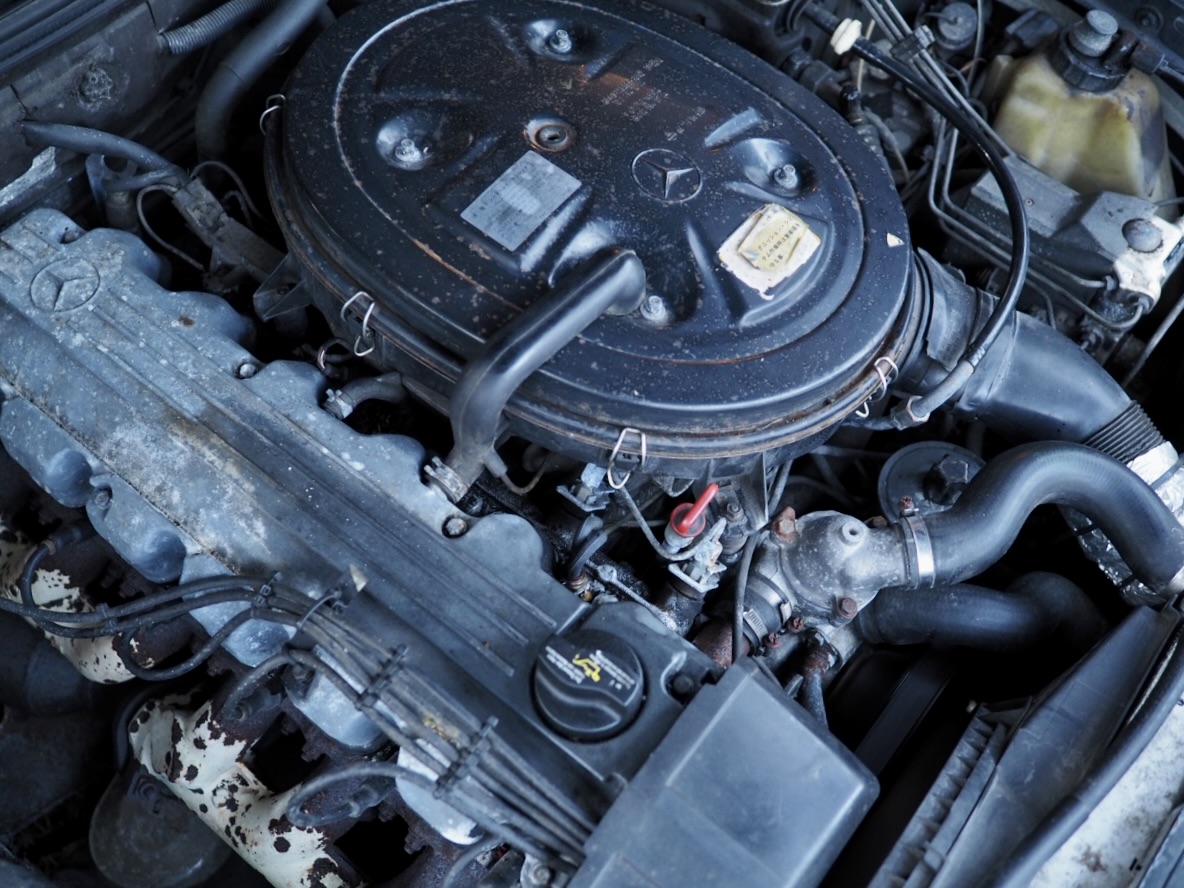
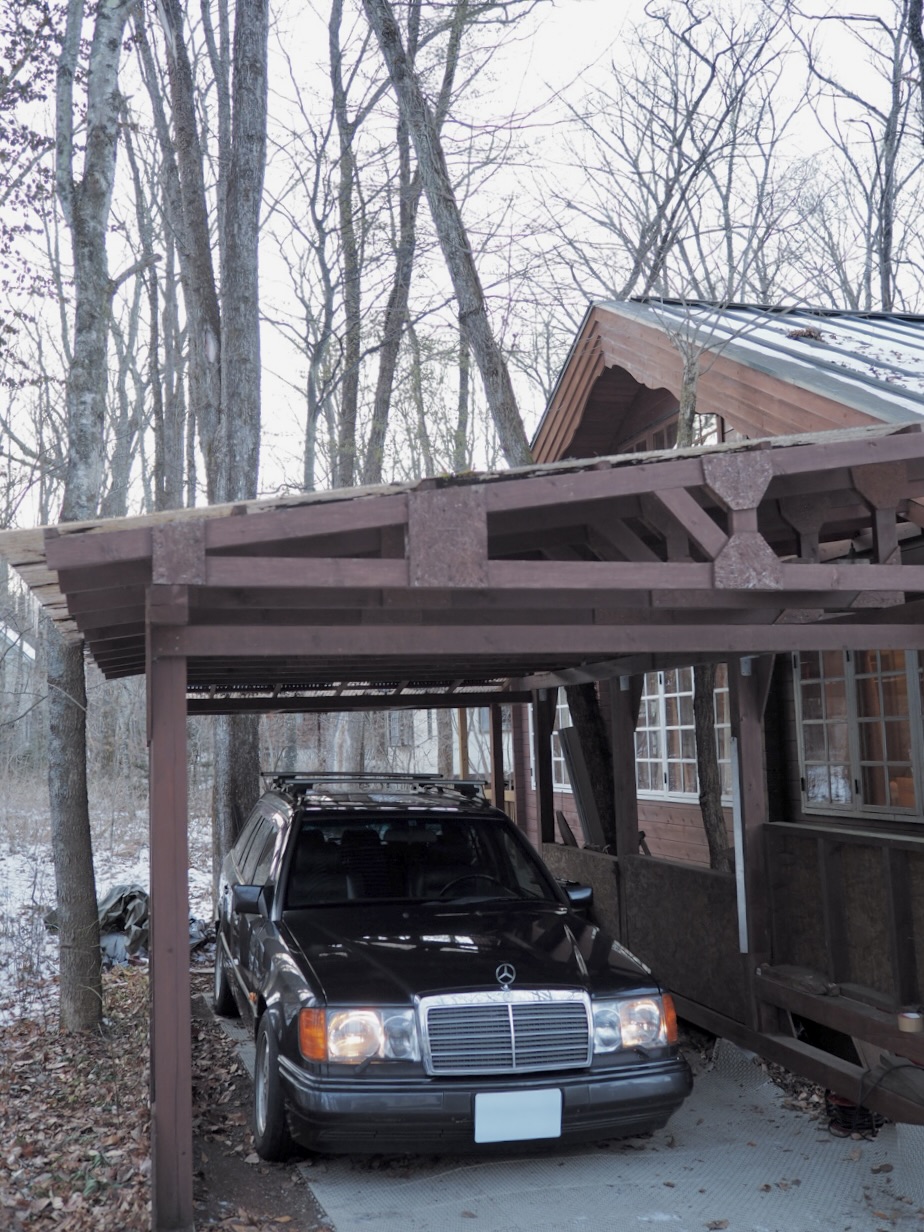
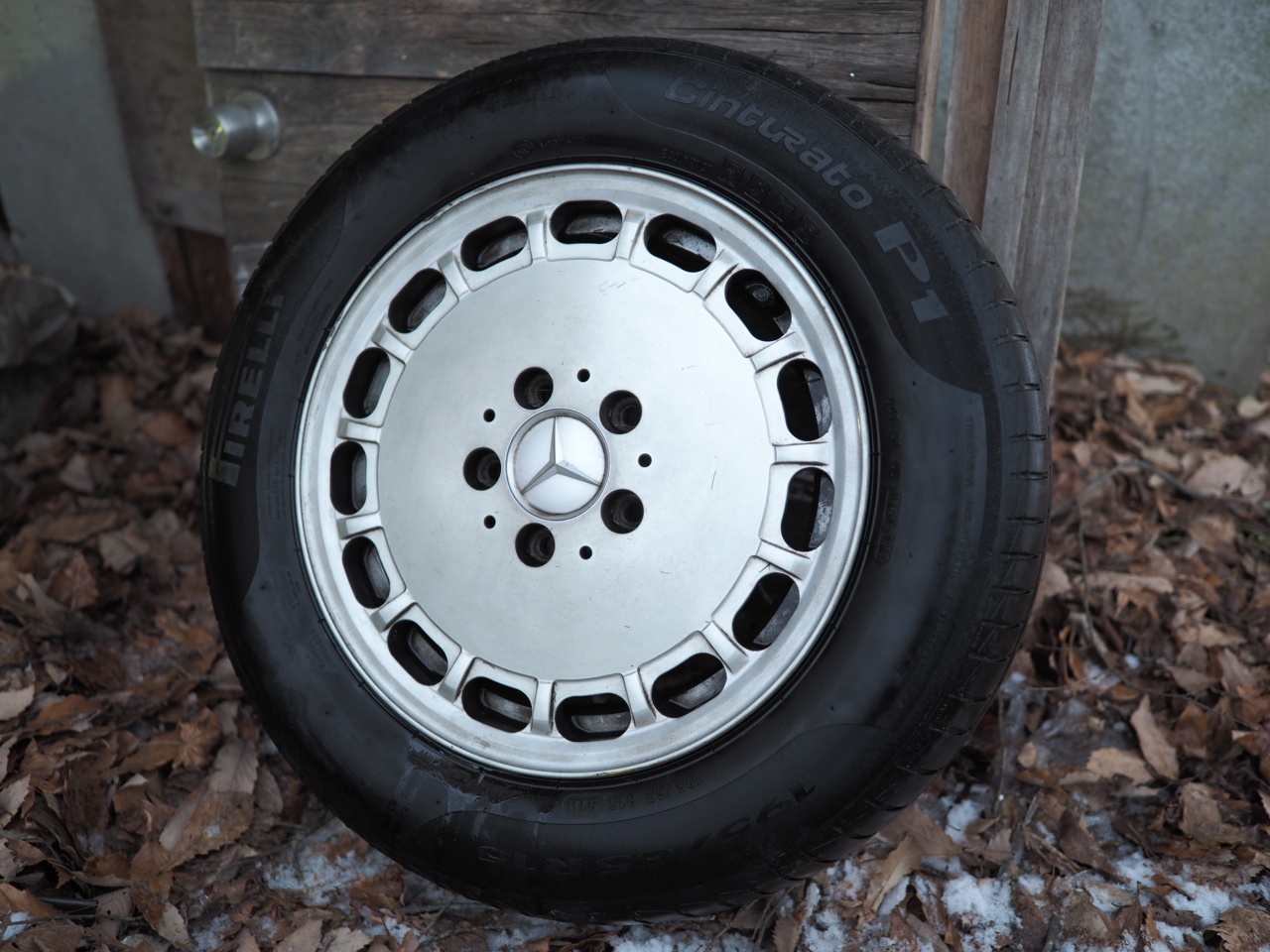
The detailed condition of the vehicle is described in each photo.
On the top slide you will find 50 attractive photos of the vehicle! Please click on a photo to view it with its description. Click outside the picture to return to the page.
SPEC
Length
476cm
Width
174cm
Height
141cm
Weight
1640kg
Engine Displacement
2960cc
FOB Tokyo price is