

TOP>Stock List>1993model Honda Beat
1993model
Honda Beat






↑↑↑Please watch the archived video above with audio if possible...
It turns in sharply and stops decisively…! This late-early, first-generation Honda Beat, meticulously finished according to the uncompromising standards of a veteran owner who has truly mastered the Beat, is a machine refined far beyond stock form—its driving dynamics honed to key points that clearly set it apart, creating a car that will make any true enthusiast nod in appreciation.
Chapter One…
A car continuously refined for driving—records of the maintenance and development this particular example has undergone.
The Honda Beat is a groundbreaking kei sports car packed with numerous “firsts,” produced over a brief five-year period from 1991 to 1996, with total sales limited to just 33,892 units—hardly a large number by any measure.
More than 30 years have passed since its truly sensational debut, and with the lifting of the 25-year import rule, many examples have crossed the seas to Europe and North America—regions without kei-car regulations—driven by passionate JDM enthusiasts. Today, it remains a beloved icon of the Heisei era, cherished with equal enthusiasm both in Japan and overseas.
Actually driving this compact mid-engine sports car reveals an intensely concentrated essence of what it means to control a car—simply irresistible fun, no explanations needed.
The more you rev it, the more it explodes with usable power, inviting the driver straight into a world of pure pleasure.
It is the only naturally aspirated kei-car engine to achieve the then self-imposed manufacturer limit of 64 ps, and remarkably, that peak output arrives at a very high 8,100 rpm.
Fully exploiting Honda’s signature high-revving character—pushing it flat out and truly using all its power—while tossing around the compact body with its exquisitely balanced mid-engine layout is nothing short of exhilarating.
The highly rigid open monocoque body follows inputs naturally, and anyone who has driven a Beat will understand why their feet so often point instinctively toward winding roads and familiar mountain passes.
This is a uniquely Japanese kei sports car that satisfies an enthusiast’s heart in everyday driving.
It can be enjoyed safely at public-road speeds, yet on winding roads it can be flung around freely, allowing the driver to extract its character right up to the limit.
For any enthusiast, it is undoubtedly a car you would want to keep close at hand.
There is just one thing, however.
Drive a completely stock Beat hard, and the one area that tends to feel lacking is the softness of the suspension.
While it may be unfair to compare it with more serious sports cars, owning one naturally awakens the enthusiast’s urge to improve the suspension above all else.
The Beat introduced here has been developed by a veteran owner who has collected many legendary cars over the years and has owned several Beats himself—someone who thoroughly understands both the strengths and weaknesses of the Honda Beat and has continued refining it with one clear priority: enjoying the act of driving.
After once letting a Beat go, the owner found himself wanting to return to it—and about five years ago, acquired this example fitted with a Mugen hardtop.
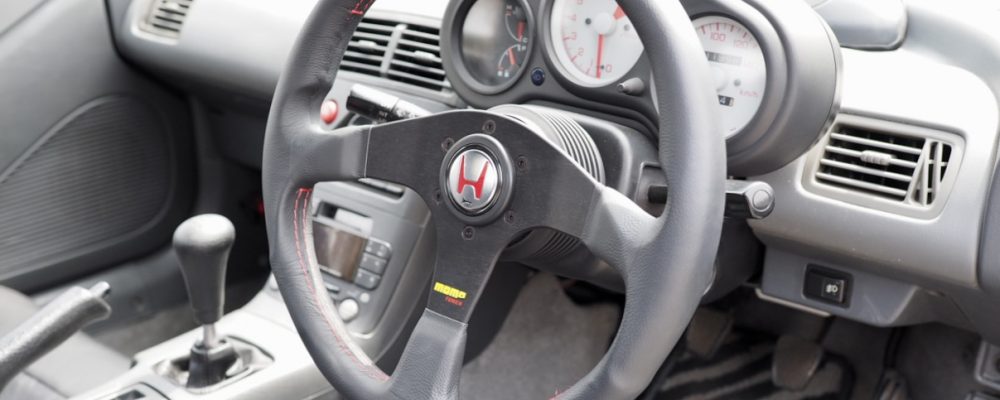
A Cusco suspension kit was installed, lowering the car by just a few centimeters—a tasteful, balance-focused drop befitting a mature enthusiast.
Brake rotors and pads were upgraded to Dixcel components, improving pedal feel while eliminating brake squeal.
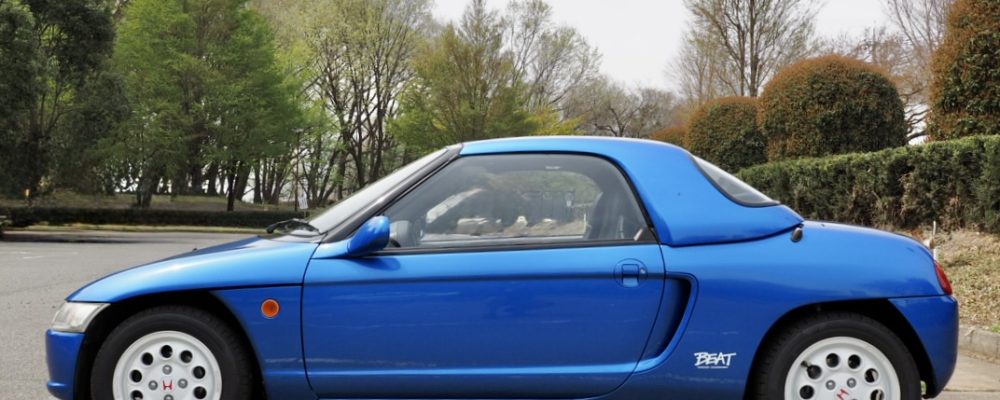
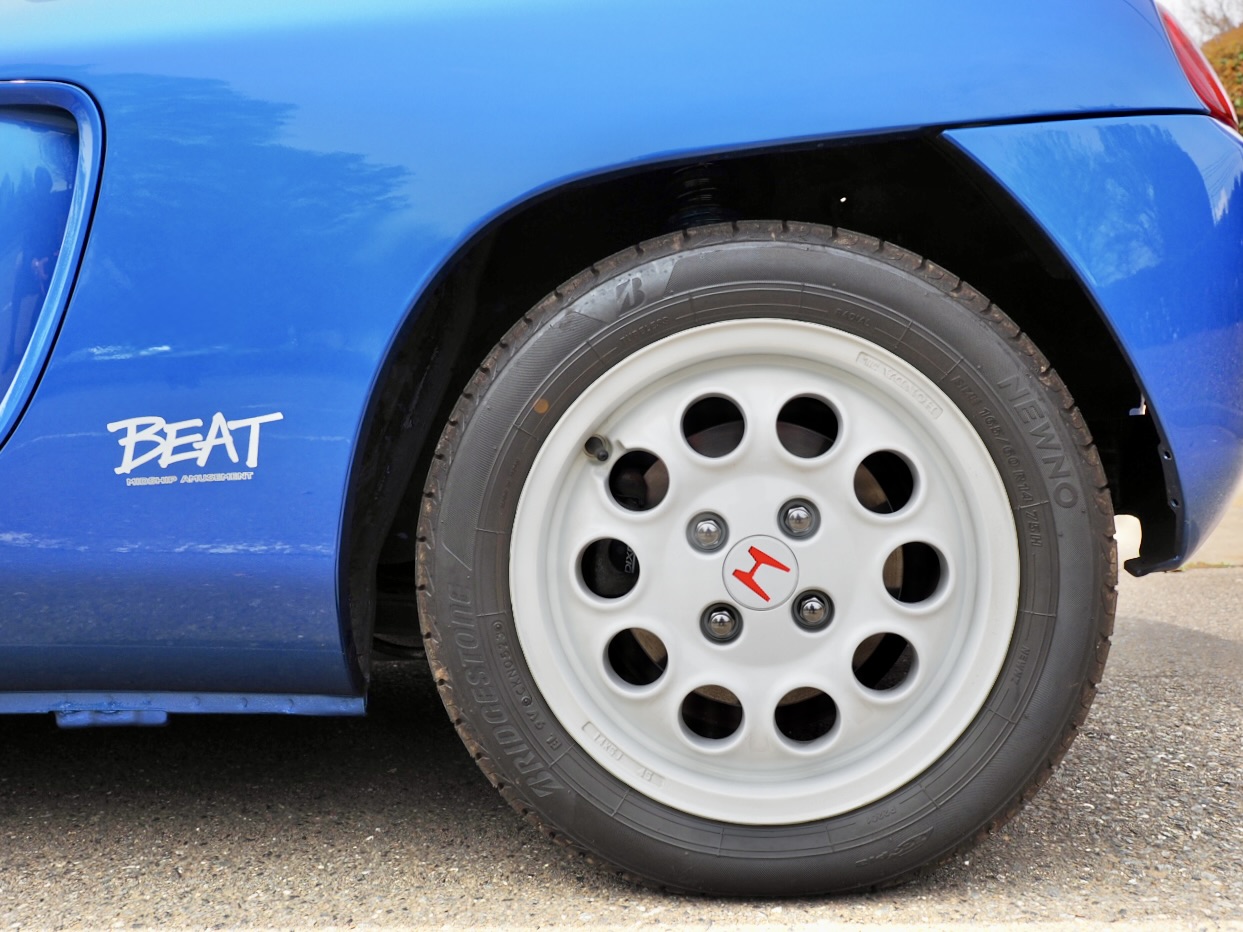
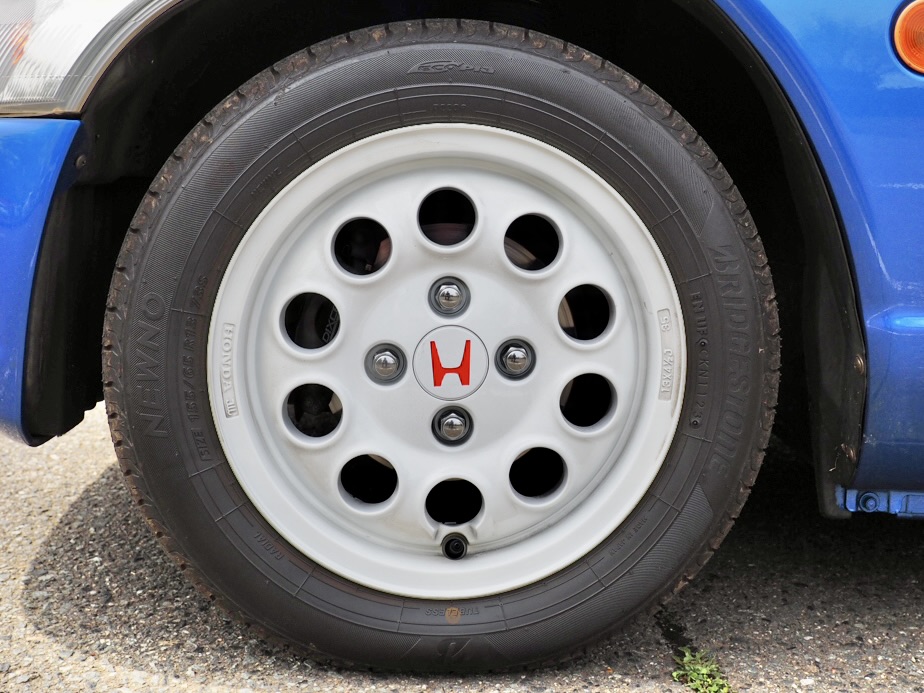
This car also features a freshly repainted blue body in the original color, paired with refurbished white wheels—hallmarks of the early model.
Among enthusiasts, this specification is often referred to as “Version C.”
While its appearance is refreshingly clean and crisp, beneath the surface it is a machine carefully honed for driving, reflecting the owner’s meticulous philosophy.
Rather than a typical “classic car preservation,” this Beat has been maintained with the goal of always keeping it in a condition that feels good to drive.
From renewing wear items to suspension, braking components, and exterior refreshment, each step has prioritized usability and reliability.
These changes go far beyond cosmetic enhancement and are clearly intended to improve real-world driving feel—something evident in the maintenance records below.
Excerpt from maintenance records:
June 14, 2021
Bodywork and full repaint repair
Front bumper face; left and right headlights; hood; left front fender panel; left front inner fender (front); left front inner fender (rear); right front fender panel; right front inner fender; left front door outer panel; left front door inner panel; left front door molding; left front door mirror (painted); left front door mirror cover; left front outside handle; left outside sill; front outside pillar; right front door outer panel; right front door molding; right front door mirror (painted); right front door mirror cover; right front outside handle; right outside sill; rear bumper face; trunk lid; right rear bonnet hinge cover (painted); left and right tail lights; left rear outside panel; left air inlet (painted); right rear outside panel; right air inlet (painted); soft top fabric; rear glass for soft top; rear window; front roof rail; front windshield glass.
All components removed and reinstalled.
Parts replaced during repaint:
- Center emblem (H) – Part No. 75700-SS1-010
- Rear center emblem (H) – Part No. 75701-SS1-010
- Left and right rear fender piece stickers (limited model, white)
- Front window upper dam rubber – Part No. 73125-SS1-000
- Front window lower dam rubber – Part No. 73126-SS1-000
- Front windshield molding – Part No. 73151-SS1-003
January 28, 2022 (Mileage: 118,643 km)
Front brake discs replaced (2); rear brake discs replaced (2); compressor belt replaced; A/C generator belt replaced.
February 27, 2022 (Mileage: approx. 118,716 km)
Timing belt replaced; water pump replaced; thermostat replaced; idler pulley replaced; coolant replaced (4 L); engine oil (MILD SN) replaced; oil filter replaced; drain plug replaced.
March 20, 2022 (Mileage: approx. 118,716 km)
Complete clutch replacement (friction disc, pressure disc, clutch release spring); right and left driveshaft joints replaced; transmission oil (MTF) replaced; engine oil replaced; brake fluid replaced.
January 28, 2023 (Mileage: approx. 119,010 km)
Front window weatherstrip replaced; right rear abnormal noise repaired.
February 2, 2023
Wheel repair performed: Honda Beat genuine wheels (13-inch, set of four)
Rim polishing; wheel straightening; crack repair; full repaint in original white; center caps repainted red.
February 22, 2023 (Mileage: approx. 119,042 km)
Suspension replaced (front and rear shock assemblies); 12 mm nuts; bushings; dust boots; bearing seals; wheel alignment check and adjustment; weatherstrip installation.
April 27, 2023
Vehicle inspection and maintenance at Honda Cars Maebashi
Mileage: 119,121 km
24-month inspection and vehicle inspection; comprehensive checks (brakes, suspension, exhaust, engine, electrical); engine oil replaced; brake fluid replaced; wheel nuts replaced.
May 19, 2023
Tires replaced (mounted from another set of wheels):
Bridgestone NEWNO (front 155/65R13 ×2, rear 165/60R14 ×2).
May 2025
Vehicle inspection and maintenance at Honda Cars Maebashi
24-month inspection and vehicle inspection; comprehensive checks (brakes, suspension, exhaust, engine, electrical).
Regular vehicle inspections have consistently been carried out at a Honda dealership up to the present day.
This 1993 early-production, late-early-phase Beat has been shaped by the owner’s deep passion.
Among Honda Beats, this specific production window is often regarded by enthusiasts as “the sweetest spot.”
It is not merely an “old Beat,” but rather a point where design purity, maturity, and reliability converge almost miraculously.
The greatest appeal of this late early-phase model lies in the fact that it retains the lightness and simplicity unique to the earliest cars—indeed, the design philosophy remains entirely early-model—while featuring a lightweight, pared-down, pure specification.
It occupies an exceptionally privileged position: “the most Beat-like, and the most reassuring early model to own.”
Compared with later models, this generation is slightly lighter, with minimal sound insulation, reinforcements, and comfort equipment—resulting in noticeably sharper turn-in and handling response.
In a mid-engine, short-wheelbase layout, differences of only a few dozen kilograms are transmitted to the driver with striking honesty.
Turn-in speed, initial steering response, and the lightness of the nose on corner exit all stand out.
If you’ve ever thought, “Was the Beat really this agile?”—it is almost certainly this early model you are experiencing.
The engine feel of the late early-phase cars is also often spoken of as being in a class of its own.
Despite sharing the same E07A engine and 64 ps output, the ECU control is more primitive, auxiliary resistance is lower, and emissions constraints were looser at the time—resulting in extraordinarily free-revving character.
Press the accelerator and it spins eagerly all the way to the 8,100 rpm redline, delivering a tangible sense of vitality.
This is why, despite identical paper specifications, the Beat from this production run is widely regarded as feeling noticeably faster.
An early-production, late-phase Beat refined with such care is not merely an object of nostalgia—it is a fully realized kei sports car that still deserves to be chosen today.
Chapter Two…
The background behind the birth of the Honda Beat — the concept of a kei-class mid-engine car that overturned conventional wisdom.
Honda Beat…
Its true nature is that of a car that resembles a solid mass of philosophy—one that Honda unleashed in earnest during the late 1980s to early 1990s, the freest period in Japanese automotive history, when engineers were still allowed to dream.
At the time, Honda was at its technological peak: conquering the world in Formula One, releasing the aluminum-monocoque supercar NSX, and redefining the value of high-revving naturally aspirated engines with VTEC.
Behind the scenes, however, an almost insane idea quietly ignited among a small group of engineers: “Even a kei car should be able to be a real sports car.”
From a conventional standpoint, choosing a mid-engine layout within kei-car regulations made absolutely no sense—neither in terms of cost nor packaging.
At the time, industry common sense dictated that “kei sports cars = FF or FR, cheap, simple, and reasonably quick.”
Honda turned that logic completely upside down.
The engine chosen was the then state-of-the-art E07A 3-cylinder DOHC 12-valve unit—and not turbocharged, but naturally aspirated.
To extract the maximum allowable 64 ps within kei-car constraints, virtually everything was designed from scratch: bore and stroke, valve diameters, cam profiles, intake and exhaust layout, and friction-reduction technologies.
It was an extraordinary power unit—one that will almost certainly never be built again.
Maximum power was produced at an astonishing 8,100 rpm—an almost abnormal engine speed for a kei car—and the rev limiter extended beyond 8,500 rpm.
“Is there really any point in revving a kei car this high?”
Ignoring such internal objections, Honda deliberately engraved its philosophy of “a rev-happy engine” into this car.
And then came the most shocking decision of all: placing that engine in a mid-engine layout.
Weight distribution approached an ideal 45:55 front-to-rear.
Wheelbase measured just 2,280 mm.
Overall length was a mere 3,295 mm.
Into this ultra-compact package, Honda crammed elements normally reserved for high-end sports cars: a mid-engine layout, open monocoque body, high-revving DOHC engine, and four-wheel double-wishbone suspension—all at once.
Even more astonishing is the fact that the Beat was not conceived primarily as a profit-generating product, but rather as a showcase to demonstrate Honda’s philosophy to the world.
It is often said that Honda made little to no profit on each unit sold.
The key figures behind its development were young engineers at the core of Honda R&D at the time.
They intentionally ignored the “adult logic” of “because it’s a kei car,” “because it has to sell,” or “because it won’t be profitable.”
The result was the Honda Beat—still unmatched today—with its unprecedented specifications: the only kei car with a mid-engine layout, the only kei car with a high-revving DOHC 12-valve naturally aspirated engine, and the only kei car with four-wheel double-wishbone suspension.
For the true enthusiasts, there is even more to the story.
Originally, the Beat was planned to be even more extreme: shorter final gearing, higher-lift cam profiles, and an even lighter interior—nearly a circuit-focused specification.
In the end, however, Honda chose to settle on a philosophy of “a sports car that ordinary users could safely and enjoyably drive on a daily basis,” intentionally dialing back the peakiness.
Ironically, this “unfulfilled edge” is precisely why the Beat continues to be loved today as a car with immense tuning potential.
The Honda Beat is not merely an object of nostalgia, nor a fleeting product of Japan’s bubble era.
It is a singular industrial creation—one in which Honda, at its most Honda-like moment in history, forcibly compressed a true sports car into the smallest possible framework known as a kei car.
Chapter Three…
Afterword from the Author — 1993 Honda Beat
I have also owned an early, stock Honda Beat with a healthy engine in the past, and whenever I dropped the soft top, a surprisingly expansive world opened up before me. The compact body never felt restrictive at all, and the engine—so thoroughly usable right up to its limits—was always intoxicating in its character.
At moderate speeds, the benefits of the rigid monocoque frame made it genuinely fun to drive, but on familiar winding suburban roads and mountain passes, the suspension would start to feel a bit soft and unsettled. Before long, I found myself thinking, “I really want to upgrade the dampers to something more high-grade…”—and around that time, I happened to meet someone who wanted the car, which led me to let it go.
However…
The Beat featured this time, painstakingly built by an owner I have known well for many years, was clearly different. The suspension equipped with Cusco coilovers, the upgraded brakes, and although the engine itself remains stock, the ECU upgrade seems to have transformed the way the power is delivered—it feels noticeably stronger. Above all, the car feels completely stable, with none of the nervousness I remembered.
Finished in a freshly repainted blue exterior thanks to full indoor garage storage, paired with white wheels, this so-called “Version C” example is exceptionally clean. While respecting the virtues of originality, it has been treated to tasteful, mature modifications, making it a car that left a very strong positive impression.
In fact, the video footage was shot in the spring of last year. Just as preparations were underway to finalize the article, I received a call from the owner saying, “Let’s wait a little longer…”
“I’ll miss it too much—I want to keep it a bit longer. I’ll contact you again, so please don’t list it this time,” he said.
After the interview, the car underwent another inspection renewal in May of last year and has remained in excellent condition ever since. Then, earlier this year, the owner commented, “Now it’s in the best condition it has ever been. I’ve finally decided to let it go.”
Today, truly good early Honda Beats have become almost an endangered species. Taking into account the owner’s special attachment to this car, the late-early production, early-type Beat presented here has finally been released into the world—on the condition that it will be passed on to a new owner who shares the same passion and values, and only through such an encounter could the decision to part with it truly be made.
It turns in sharply and stops with absolute authority…! This late-early, early-generation Honda Beat—meticulously built by a veteran owner who has truly lived with the model—has been refined down to the very essence of driving performance, setting it clearly apart from stock examples and standing as a machine that will leave true enthusiasts genuinely impressed.
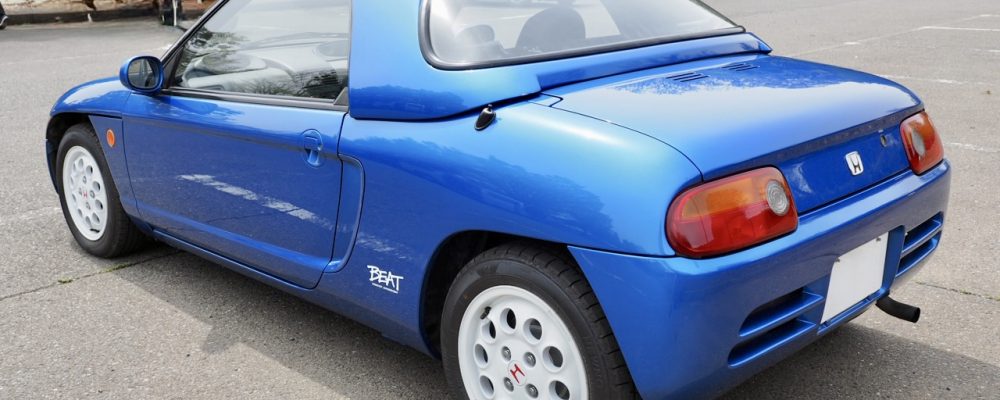
Anyone who has ever driven a Beat will immediately understand just how special this particular example truly is…
For an opportunity to experience what may be the ultimate Honda Beat, we warmly invite you to come and see it in Gunma Prefecture.
As this is a private sale, no consumption tax or additional fees will be charged.
Upon purchase of this vehicle, the prorated automobile tax (annual amount: ¥12,900) and the recycling deposit settlement (¥6,610) shall be borne by the purchaser.
Transportation arrangements, including vehicle shipping, are to be made by the purchaser as well; however, please feel free to consult with us should you require assistance.
【Regarding Inquiries】
This vehicle is listed on “Estate Sale Supremacy®︎,” a cross-border e-commerce platform specializing in classic and collectible cars.
What is an Estate Sale Supremacy®︎?
Estate Sale Supremacy®︎ is the Japanese adaptation of North American estate-sale culture, presenting vehicles filled with their owners’ passion through interview-based articles and videos.
We faithfully convey the current owner’s sentiments, preserving cherished memories while ensuring a proper handover to the next generation, and providing sales brokerage support.
We conduct detailed interviews with the current owner, including past maintenance records and repair history, and confirm whether there has been any accident history.
If a vehicle has a significant accident history, or if the current owner’s ownership period is extremely short and details cannot be adequately verified, we decline coverage in order to provide prospective buyers with the greatest possible peace of mind.
This article was written based on an interview with the owner conducted over approximately three hours, starting at 10:00 a.m. under clear skies on January 16, 2026.
Due to the limited inspection time, the condition of the vehicle may not be described with 100% accuracy. In addition, not all statements have been fully verified, and all comments regarding condition reflect the weather conditions at the time of the interview and the author’s subjective impressions.
For questions regarding the listed vehicle or to apply for an in-person viewing, please contact us using the form at the bottom of this page.
As this is a private transaction, and to prevent casual inquiries, vehicle inspections are limited strictly to customers who are considering purchase with genuine intent.
Thank you very much for your consideration.
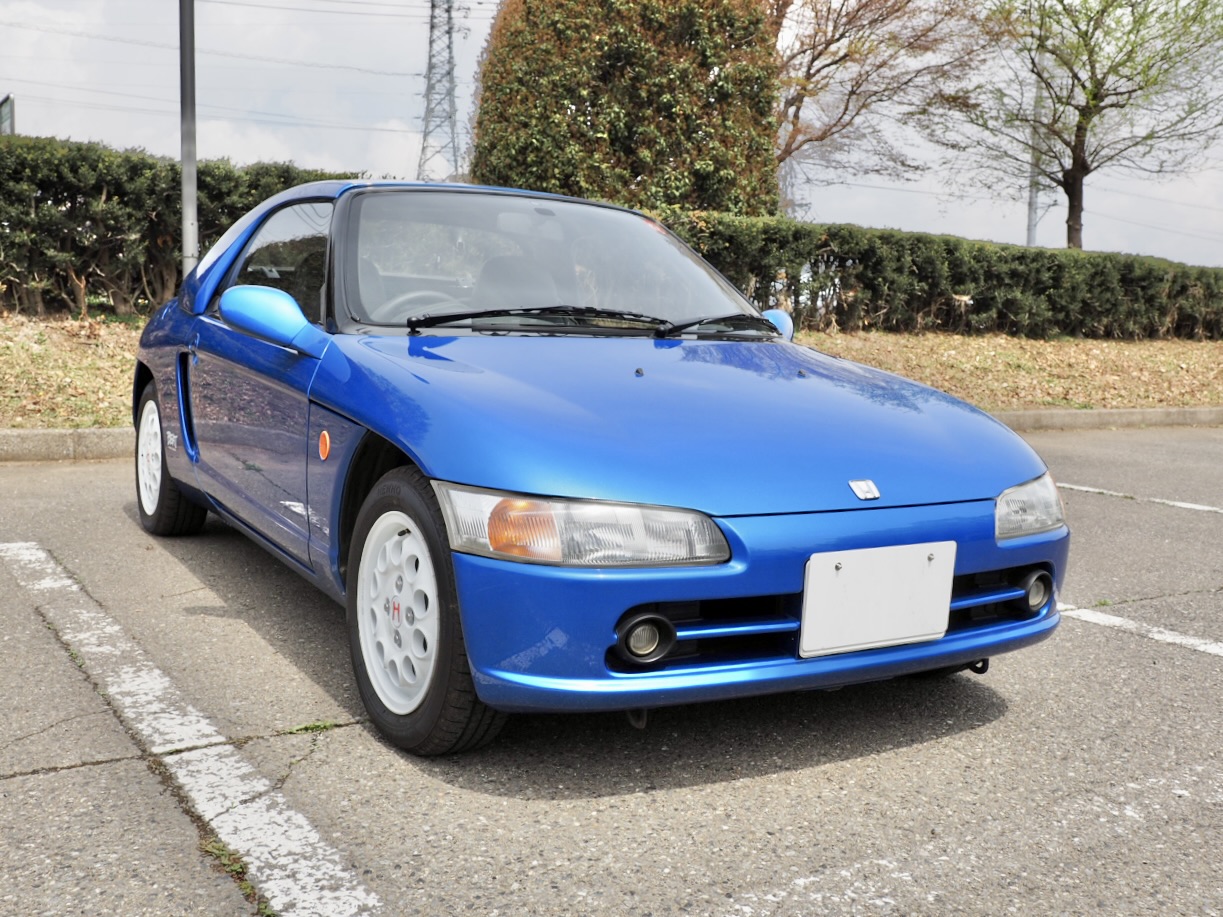
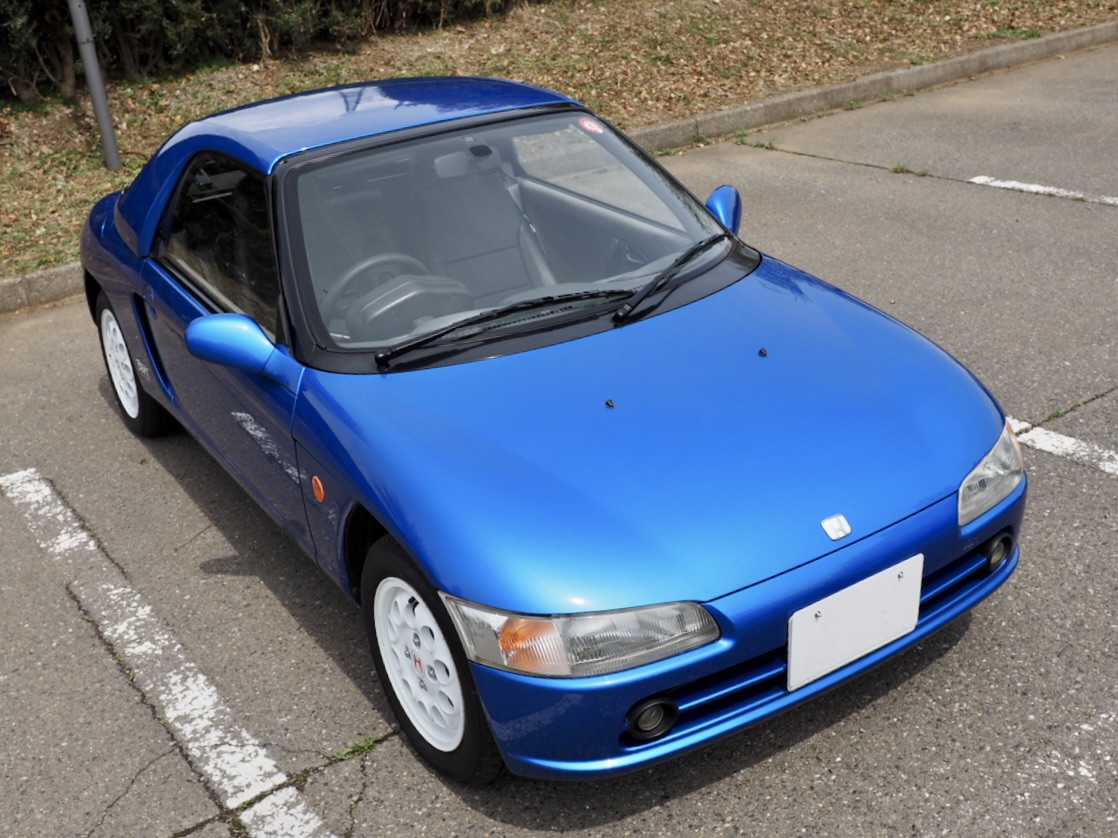
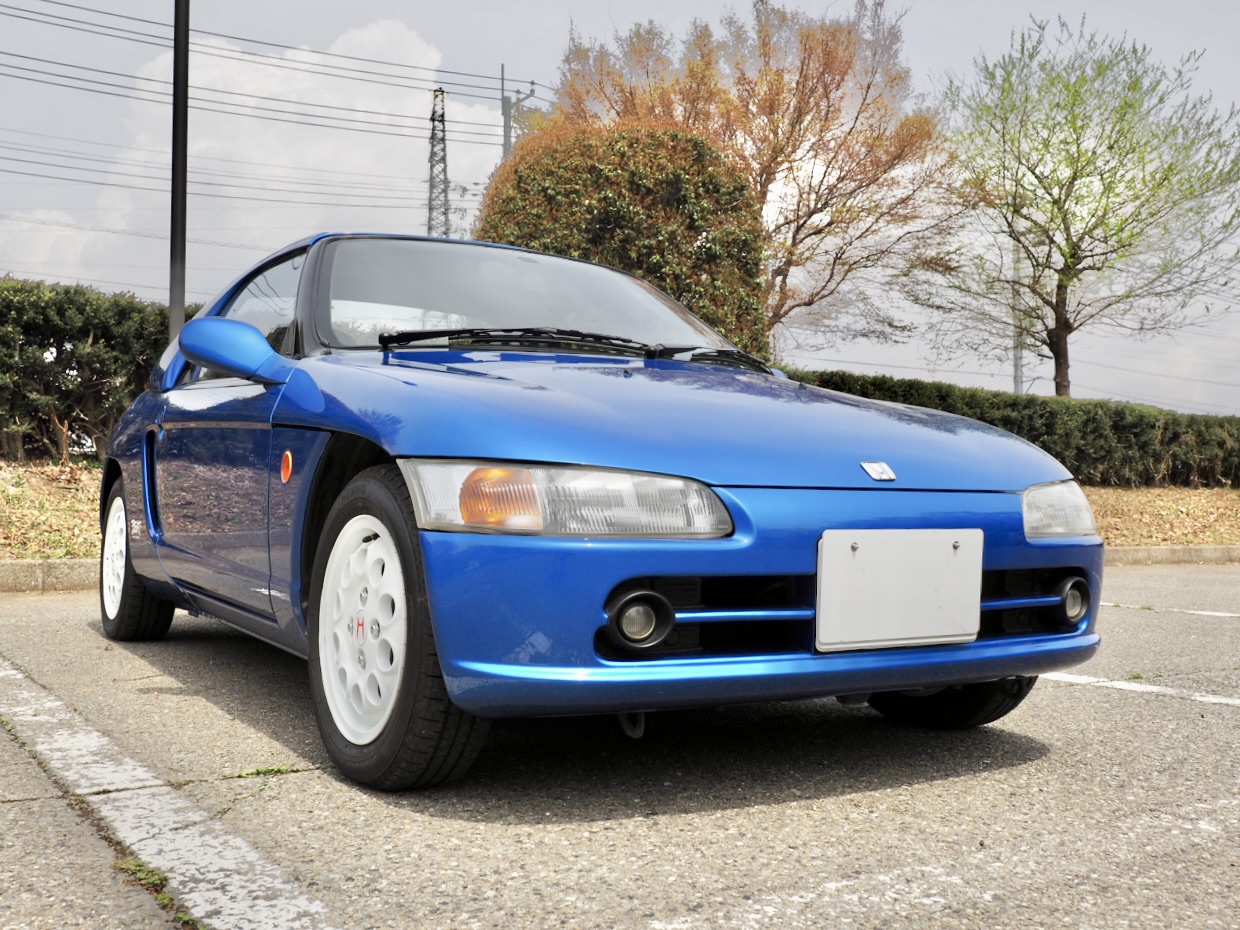
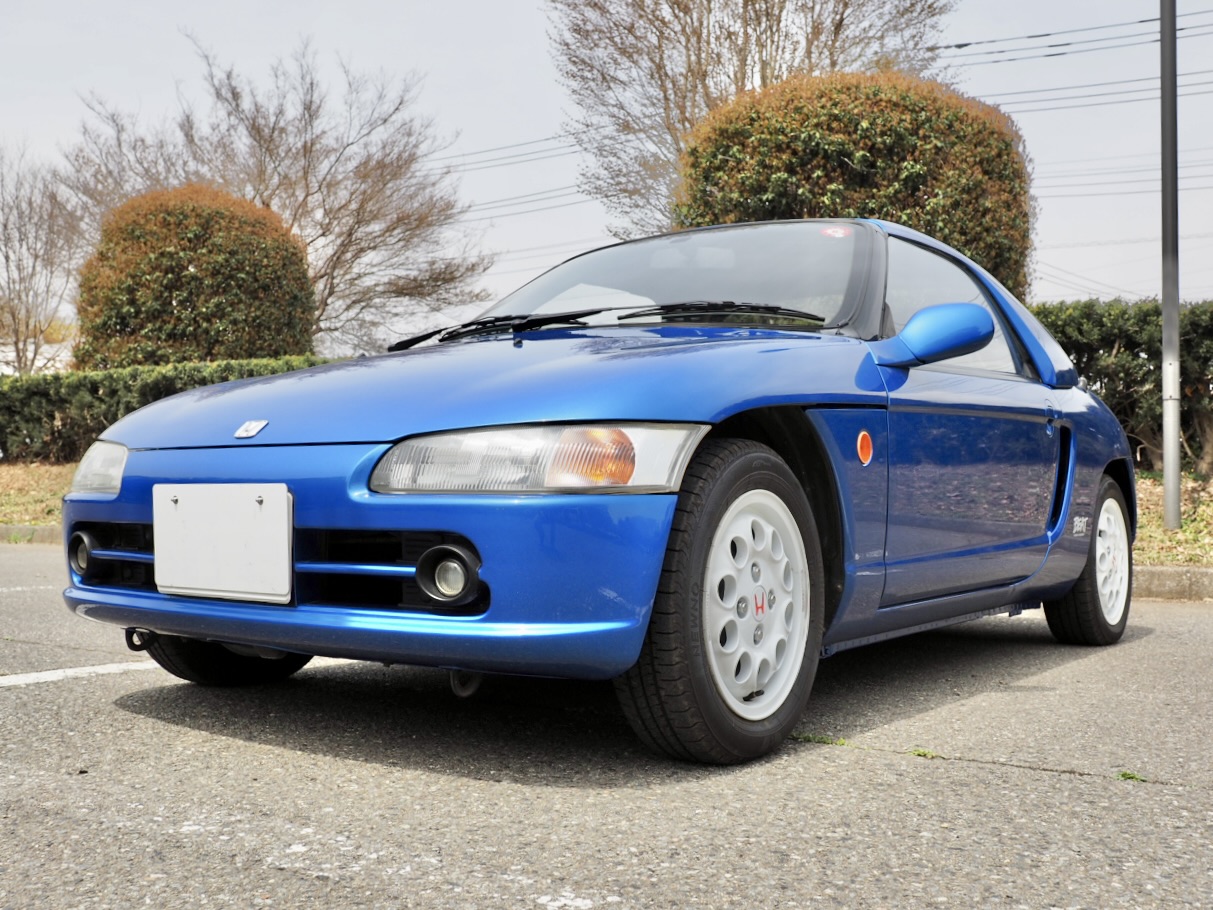
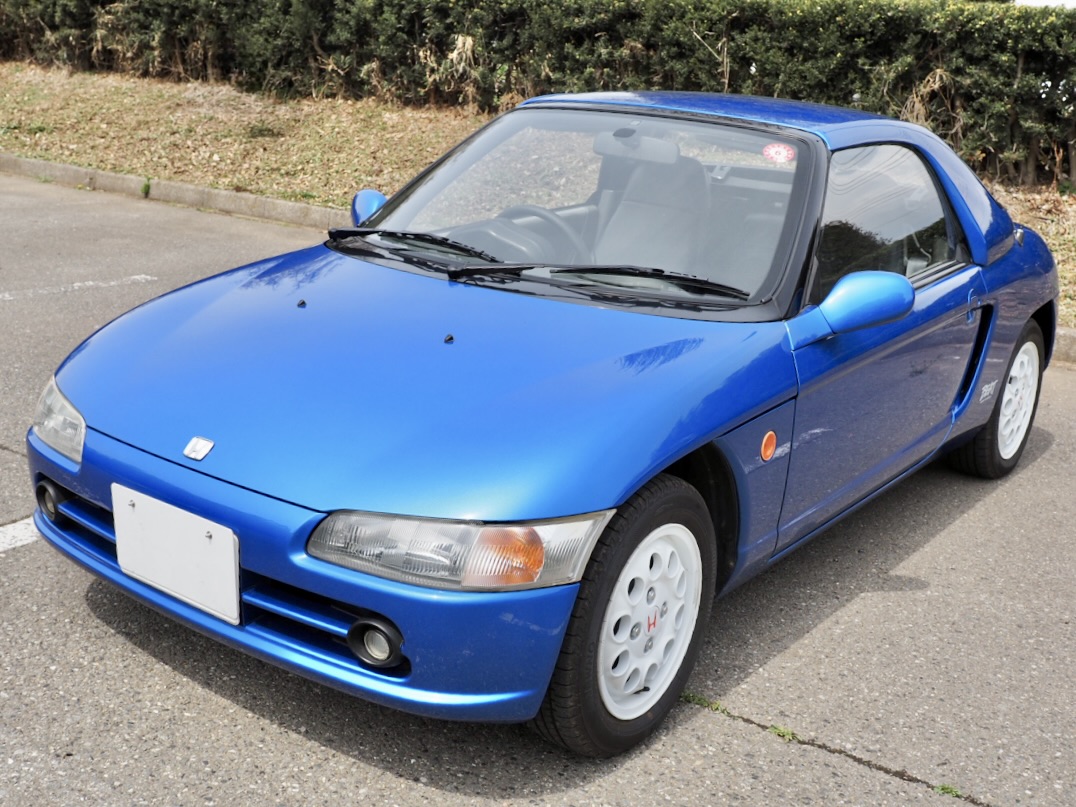
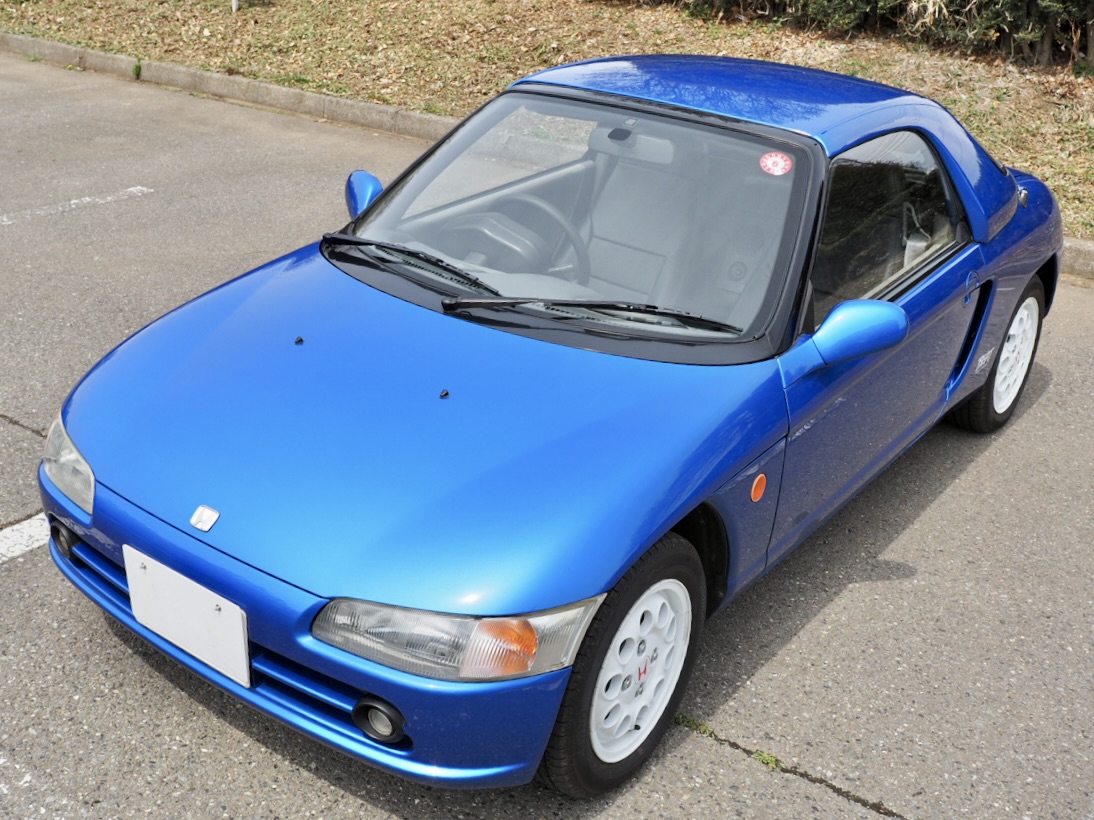
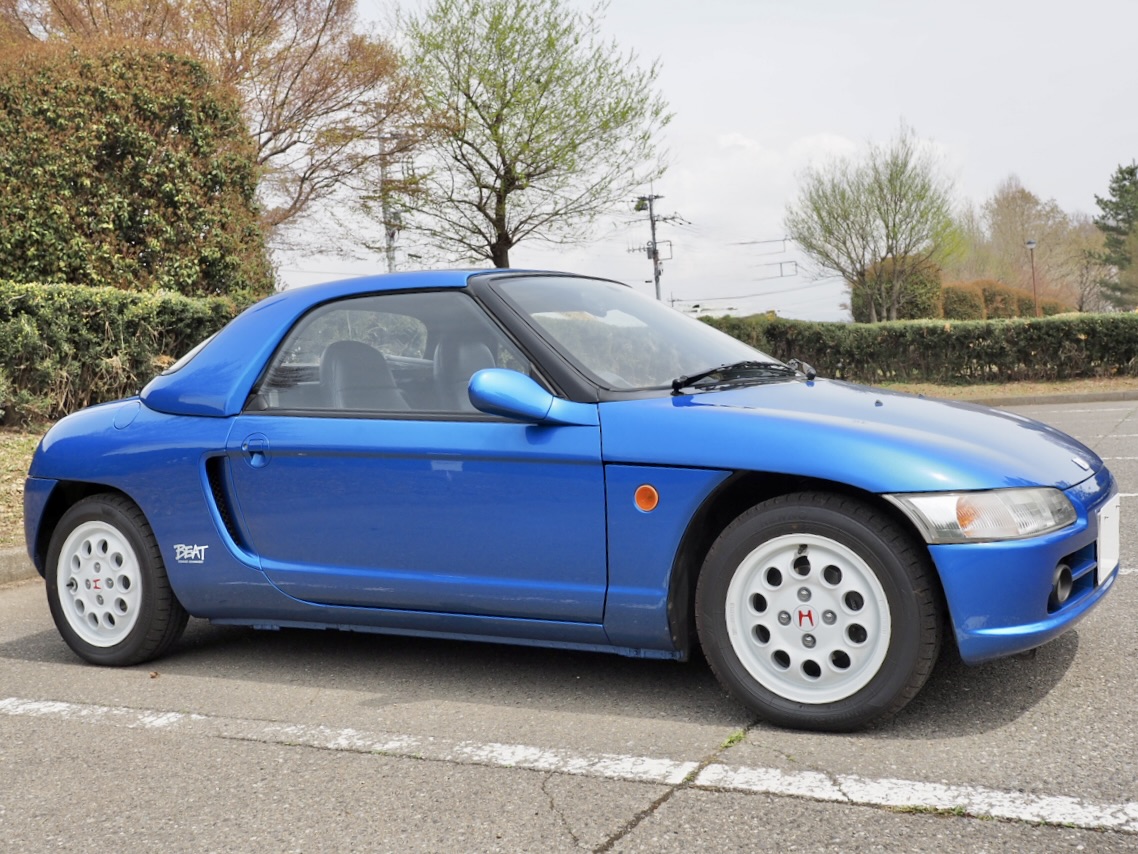
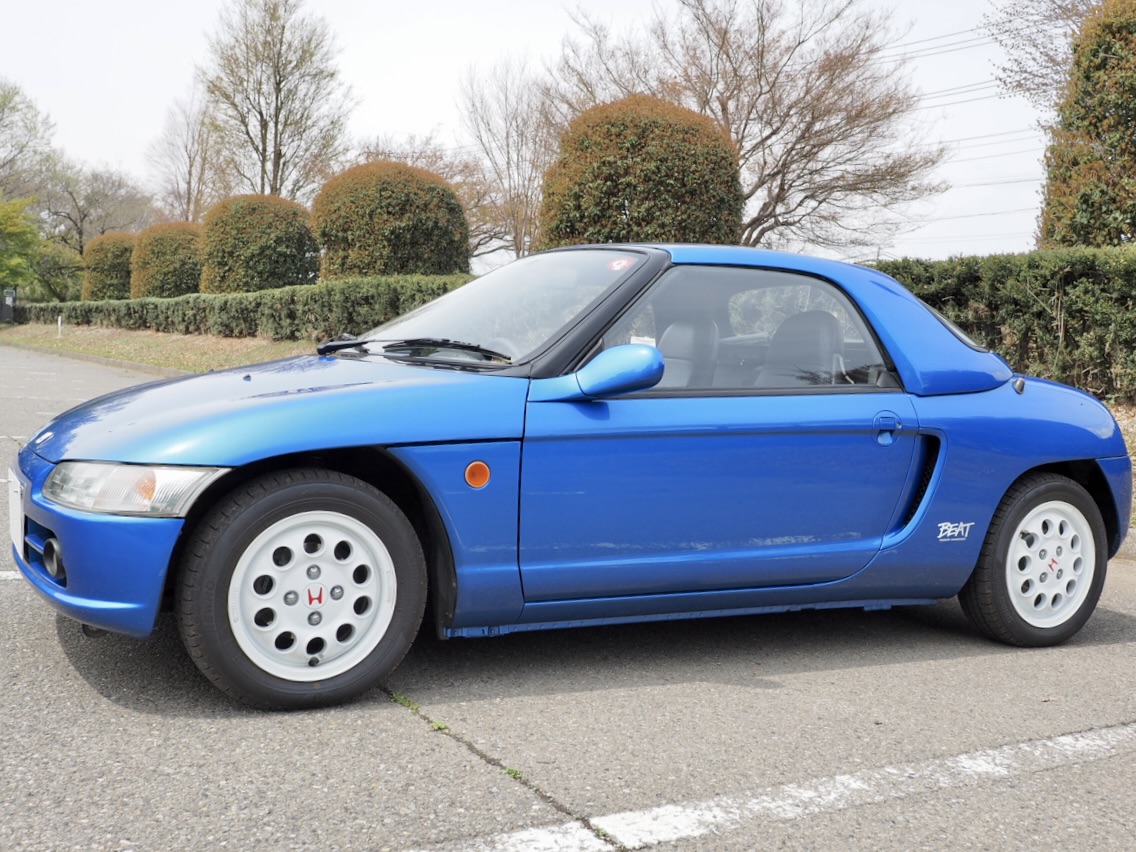
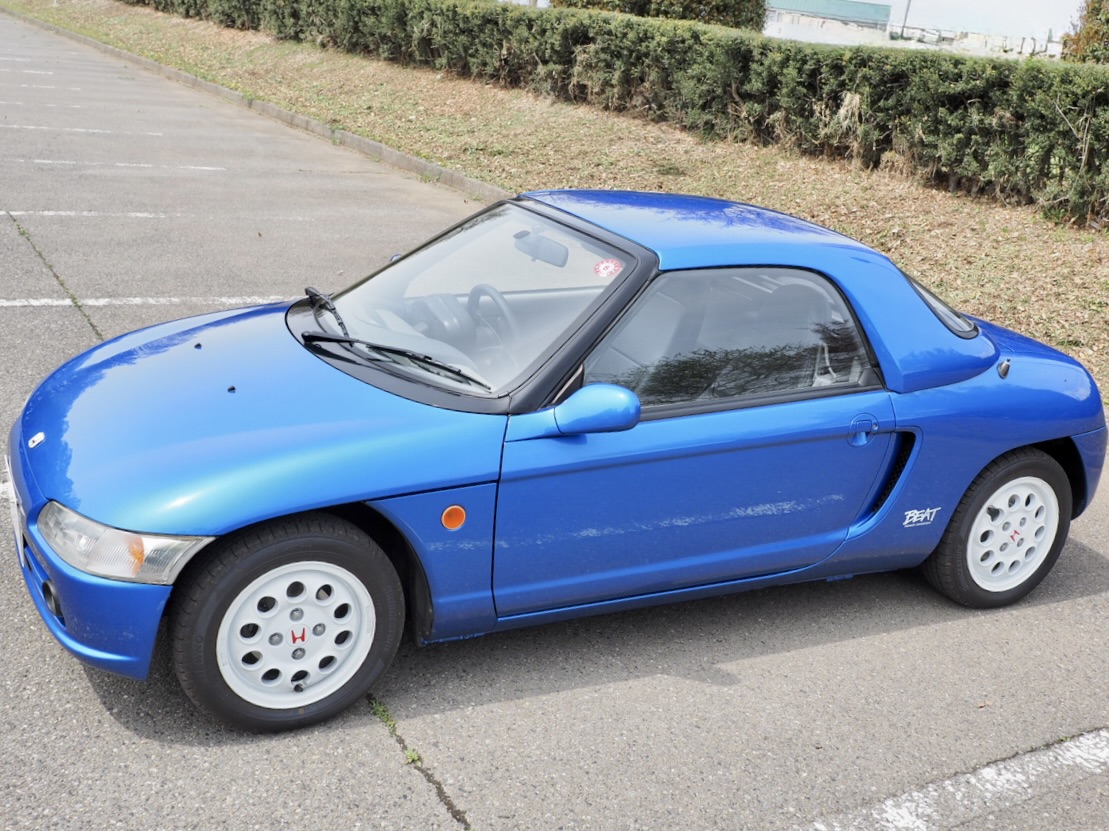
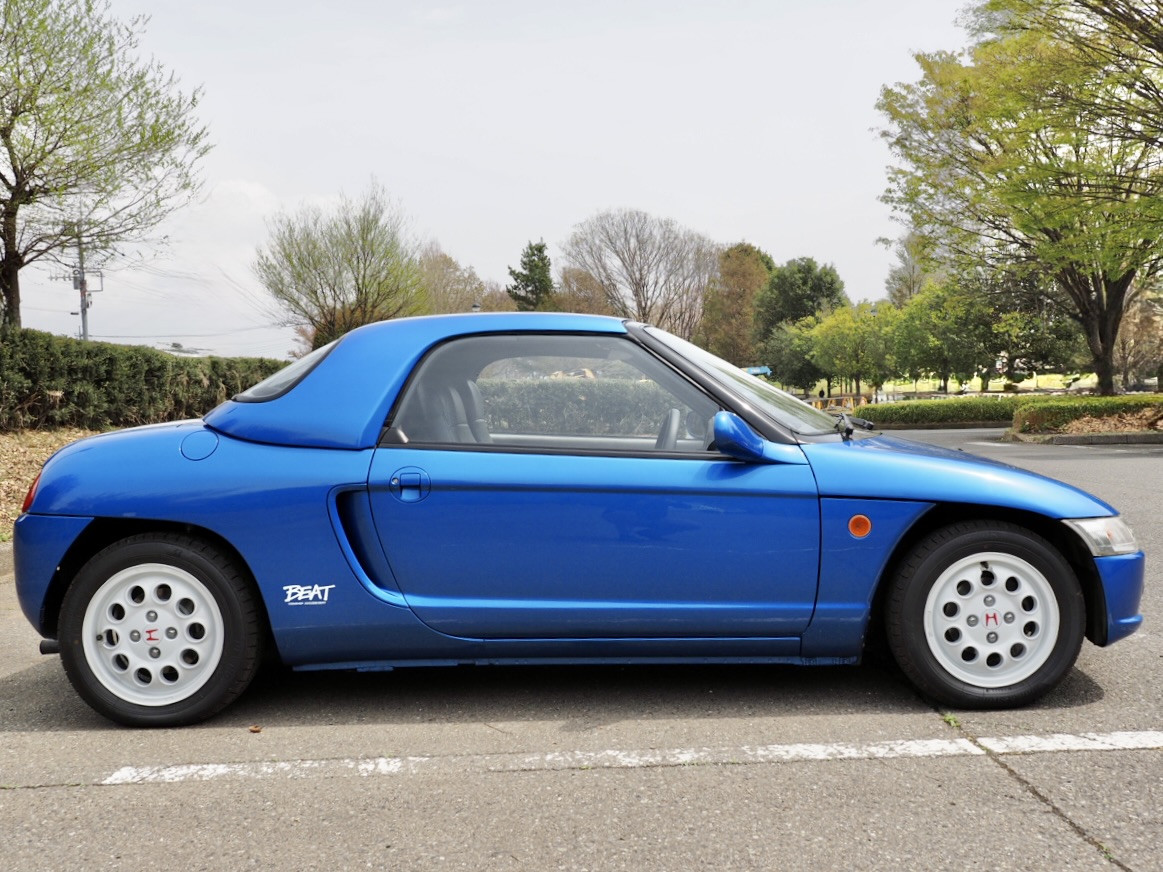
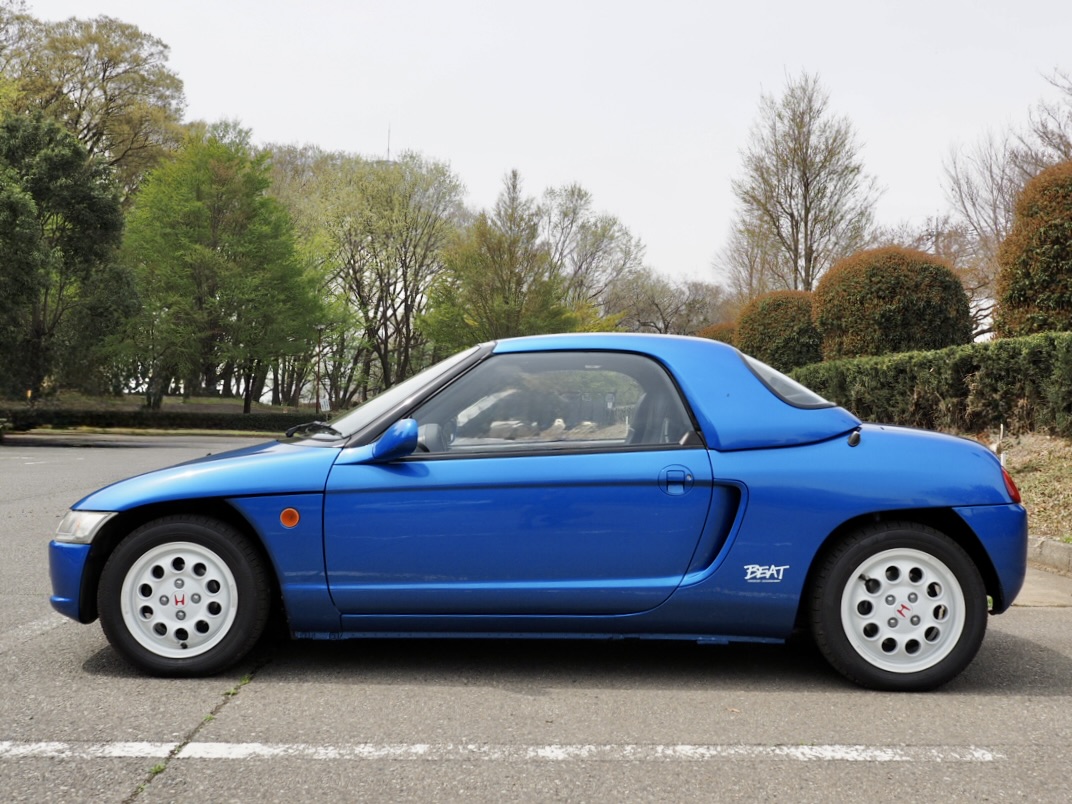
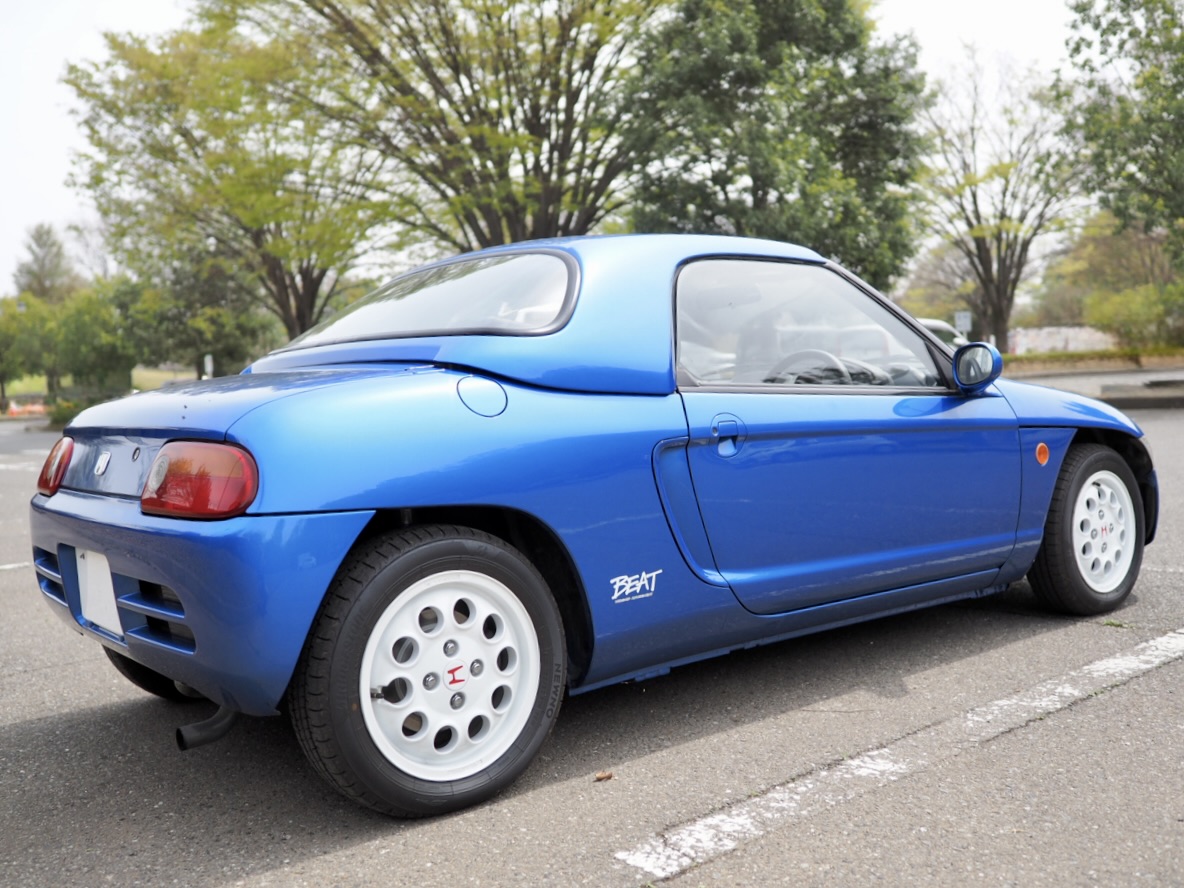
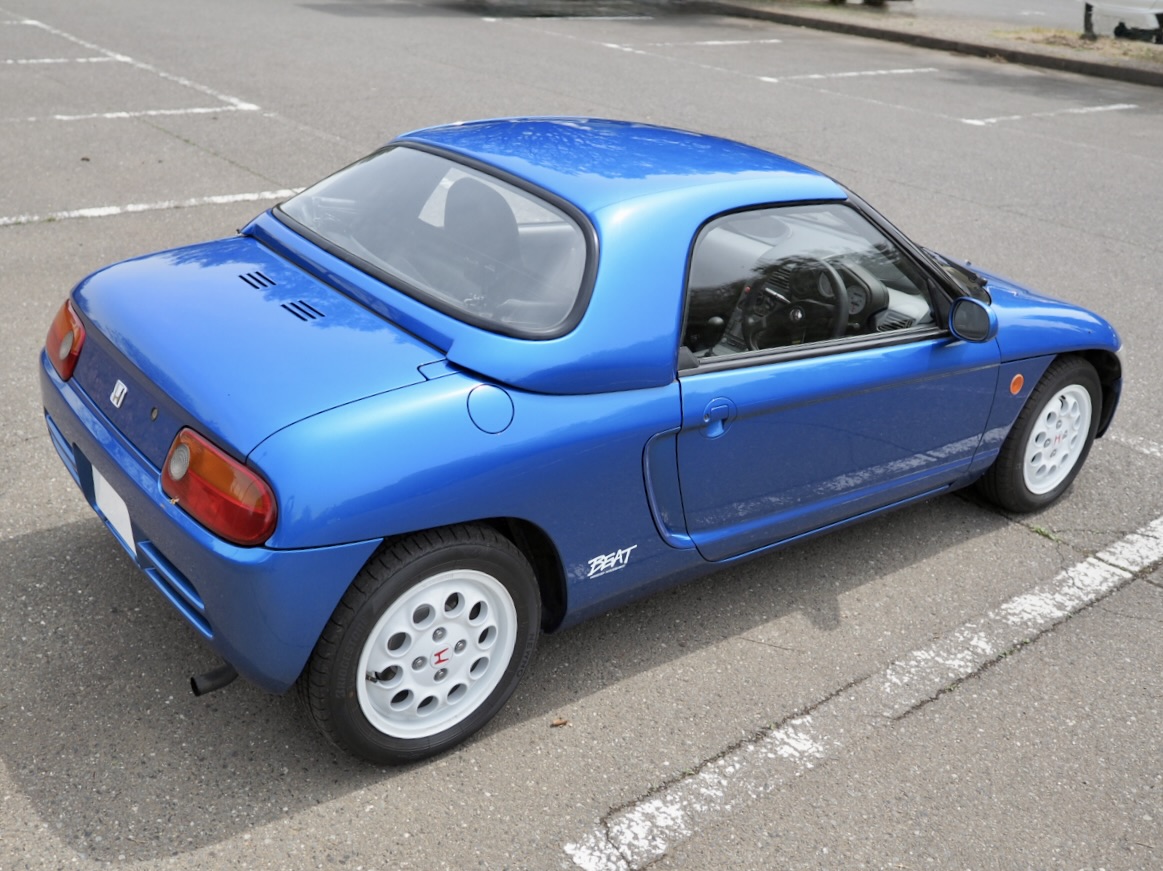
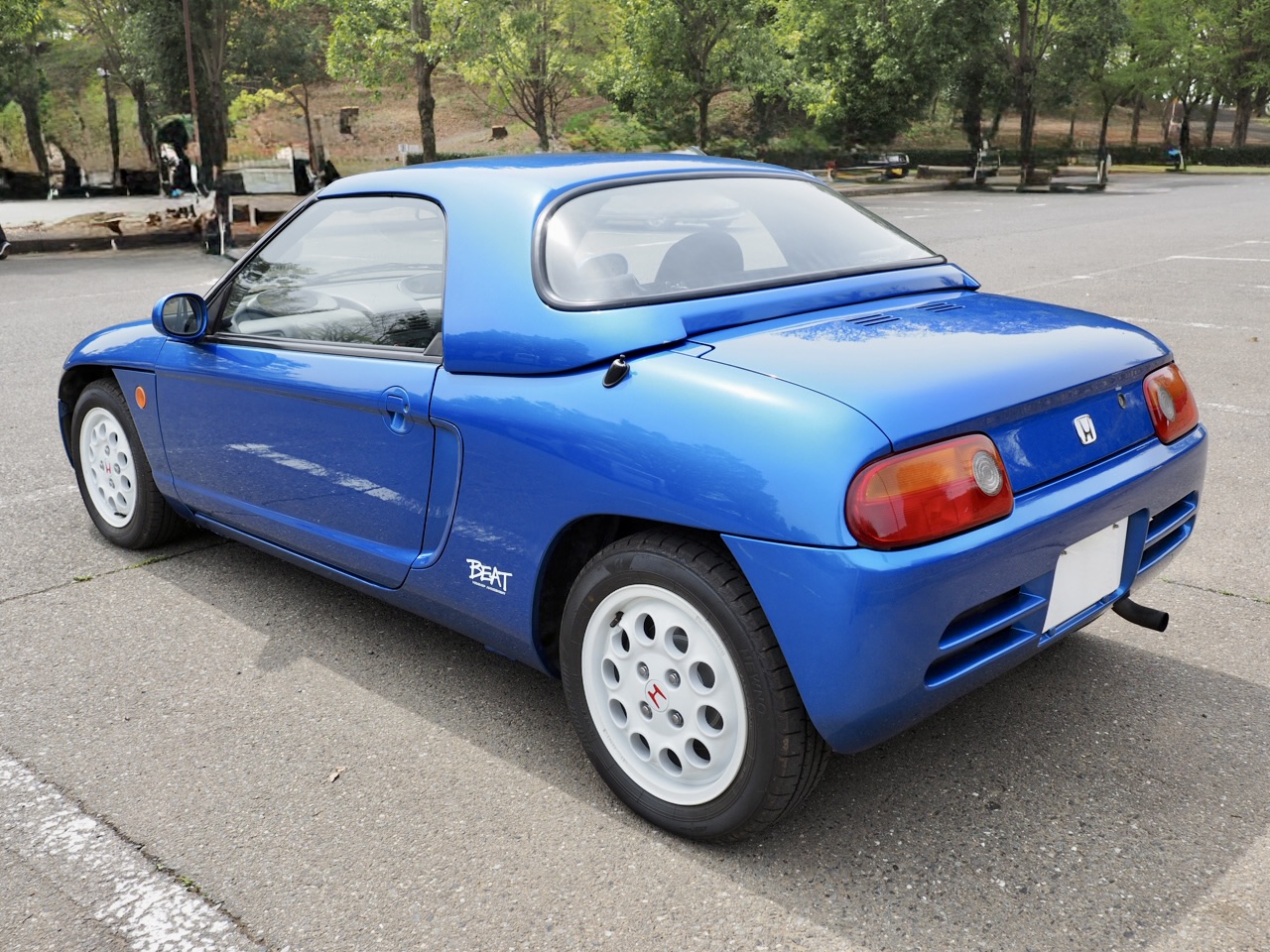
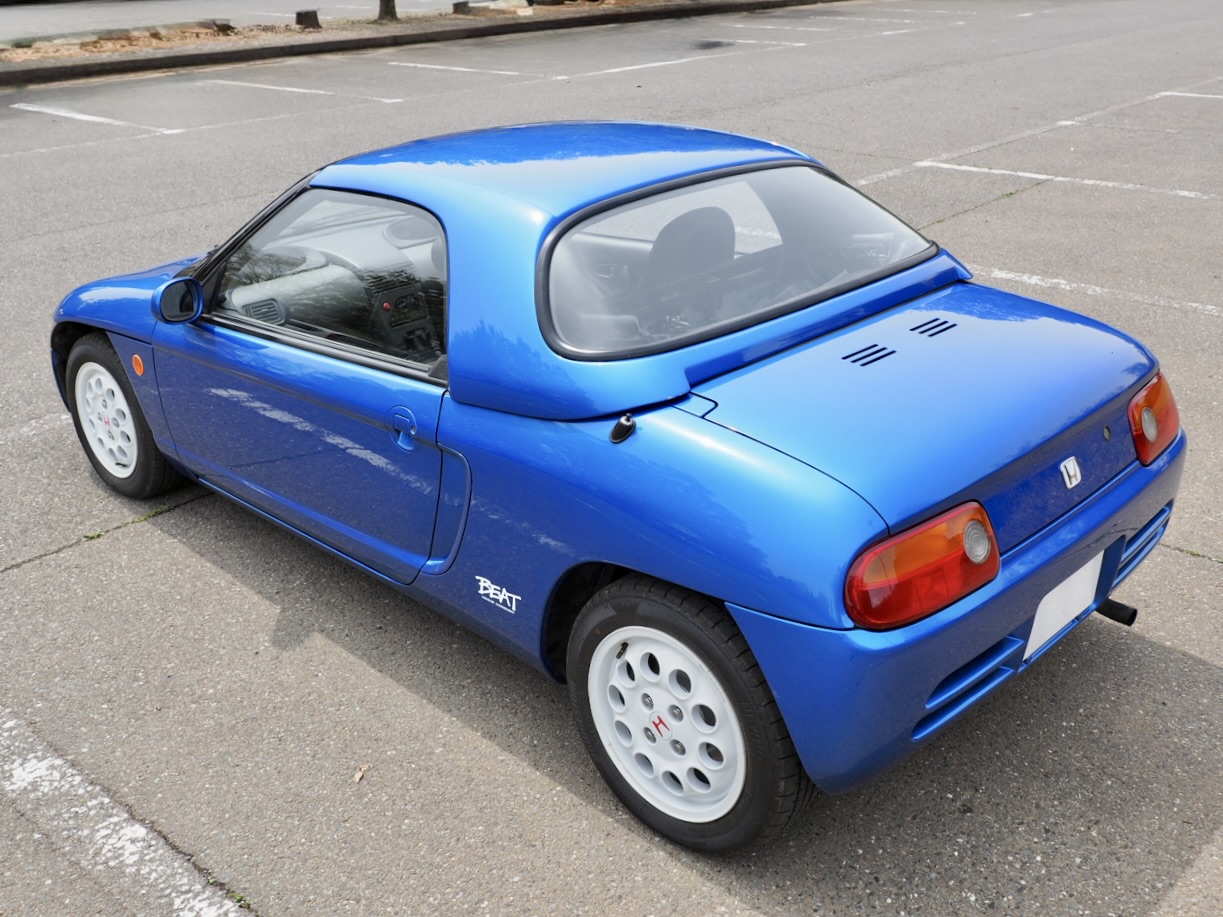
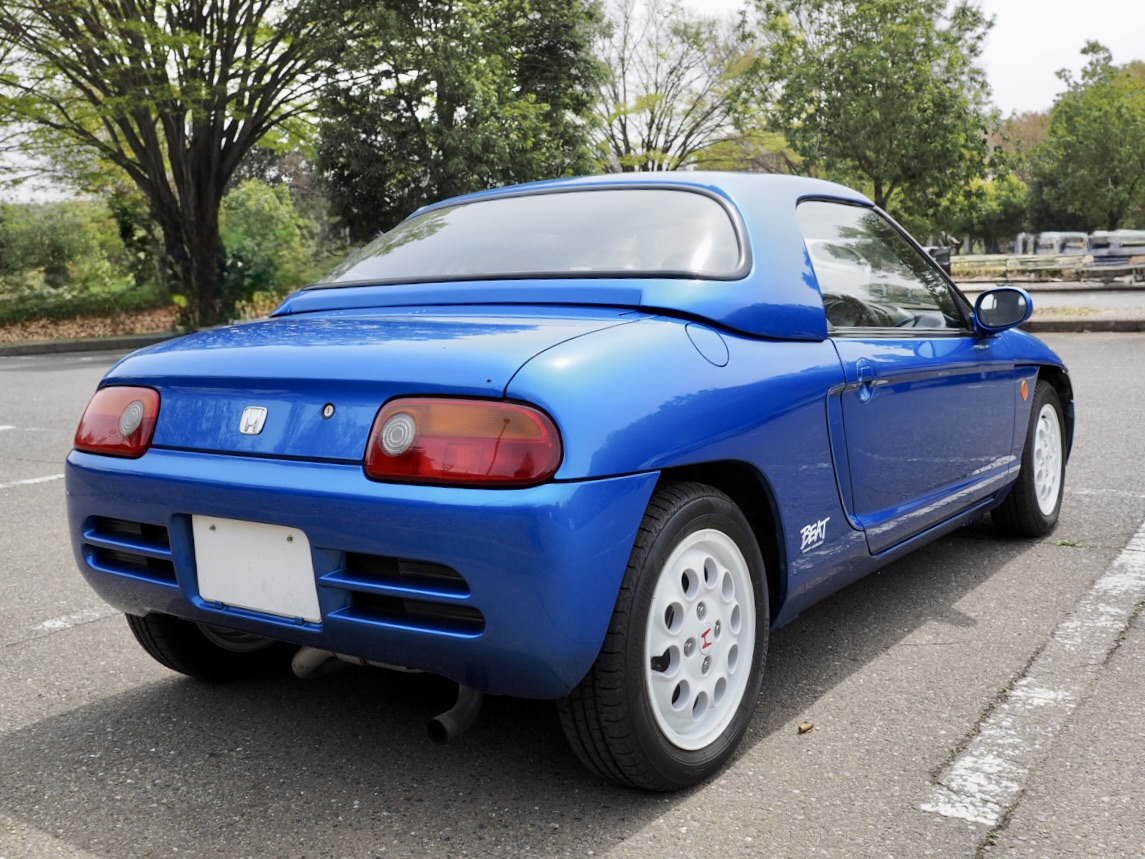
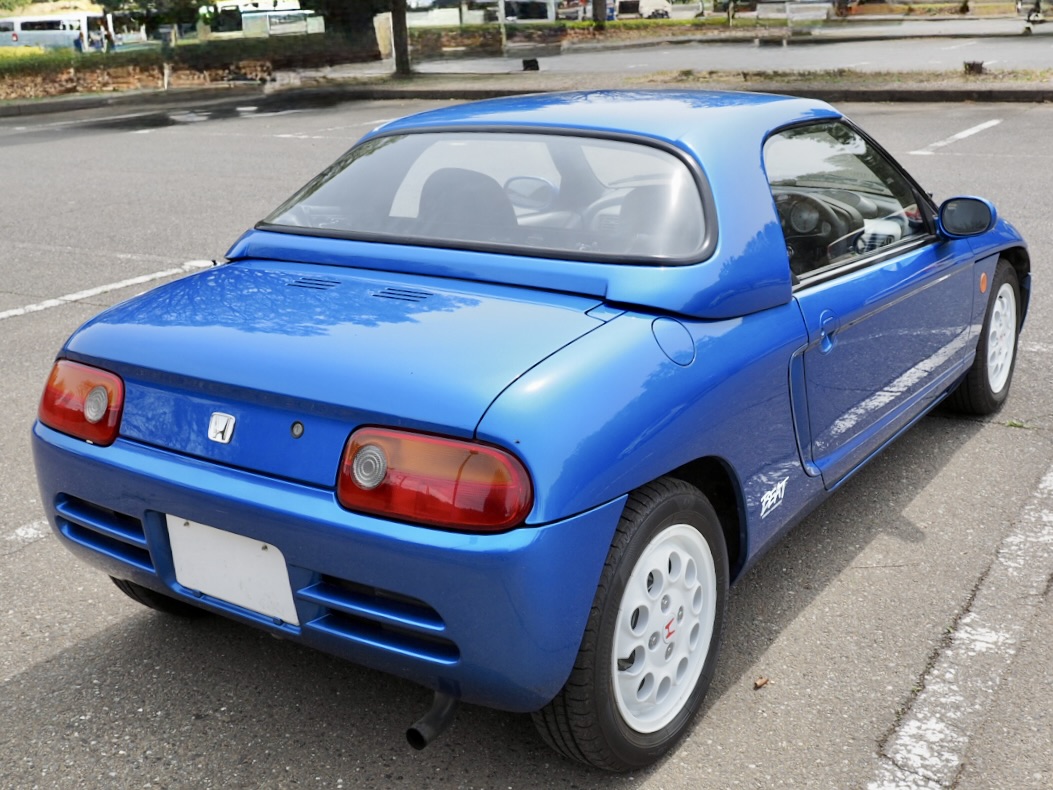
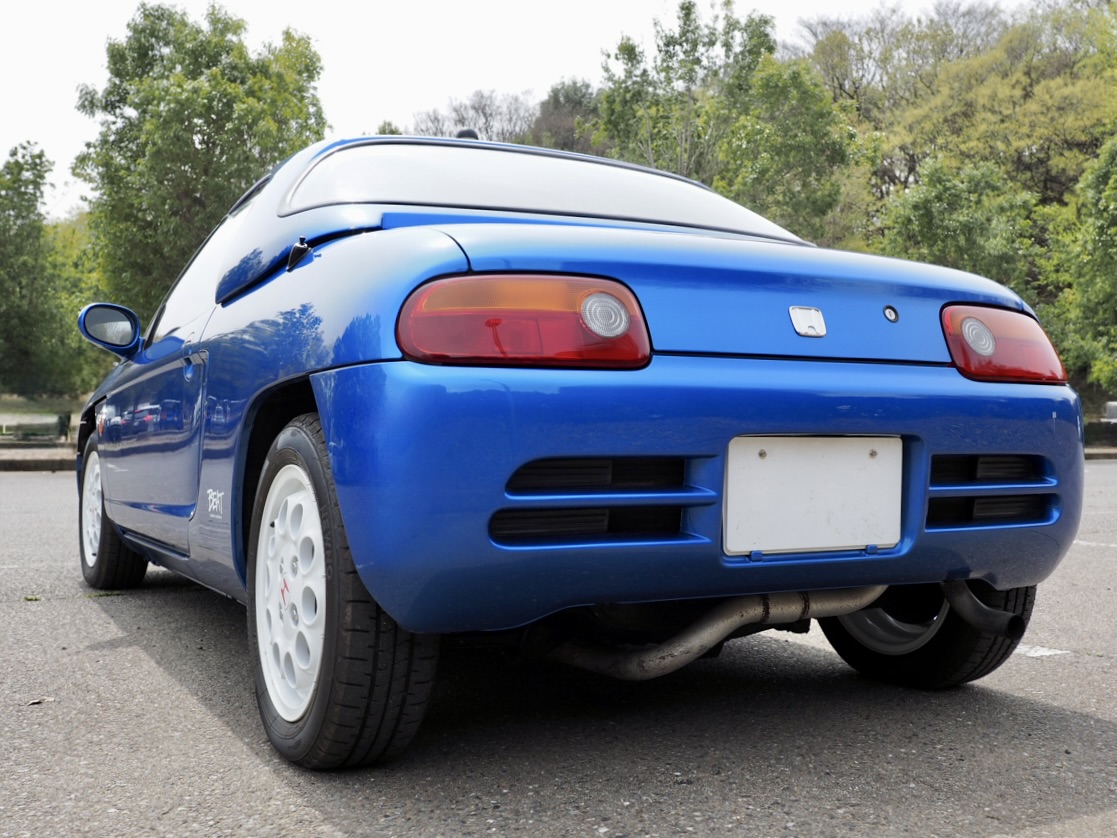
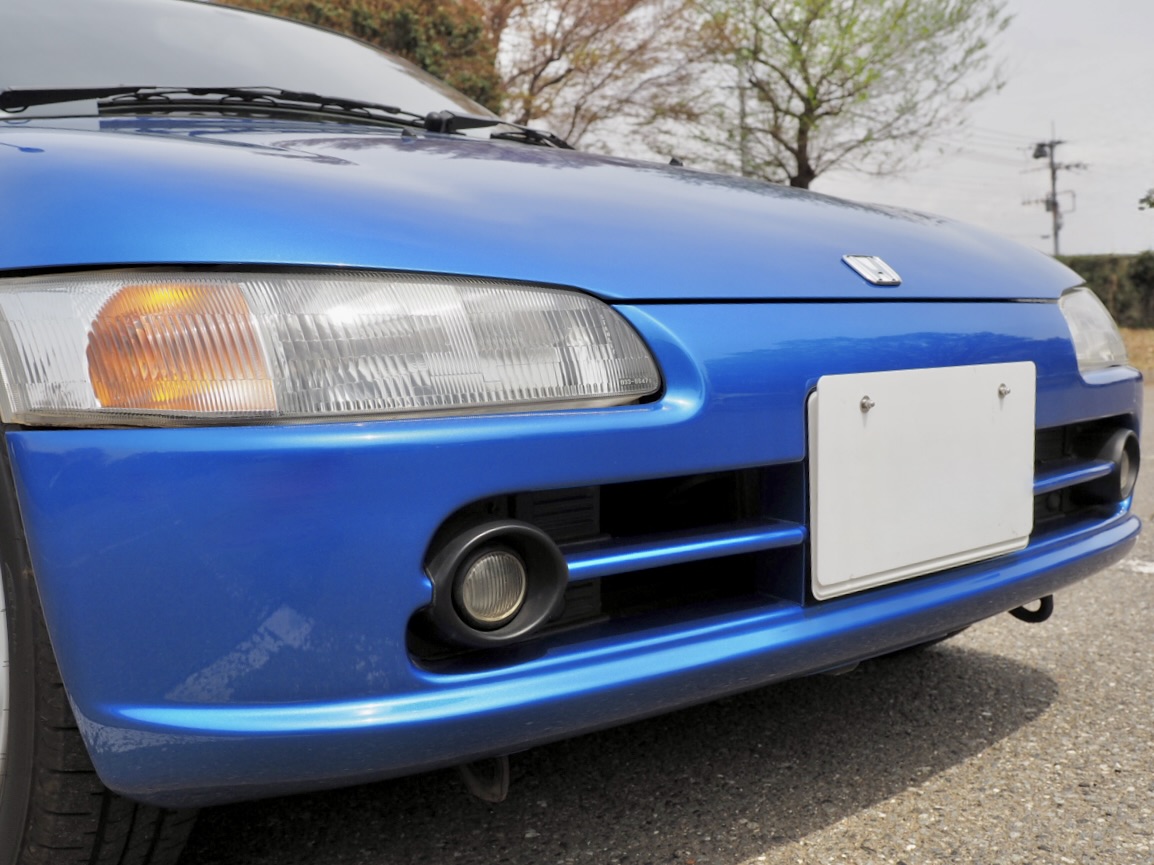
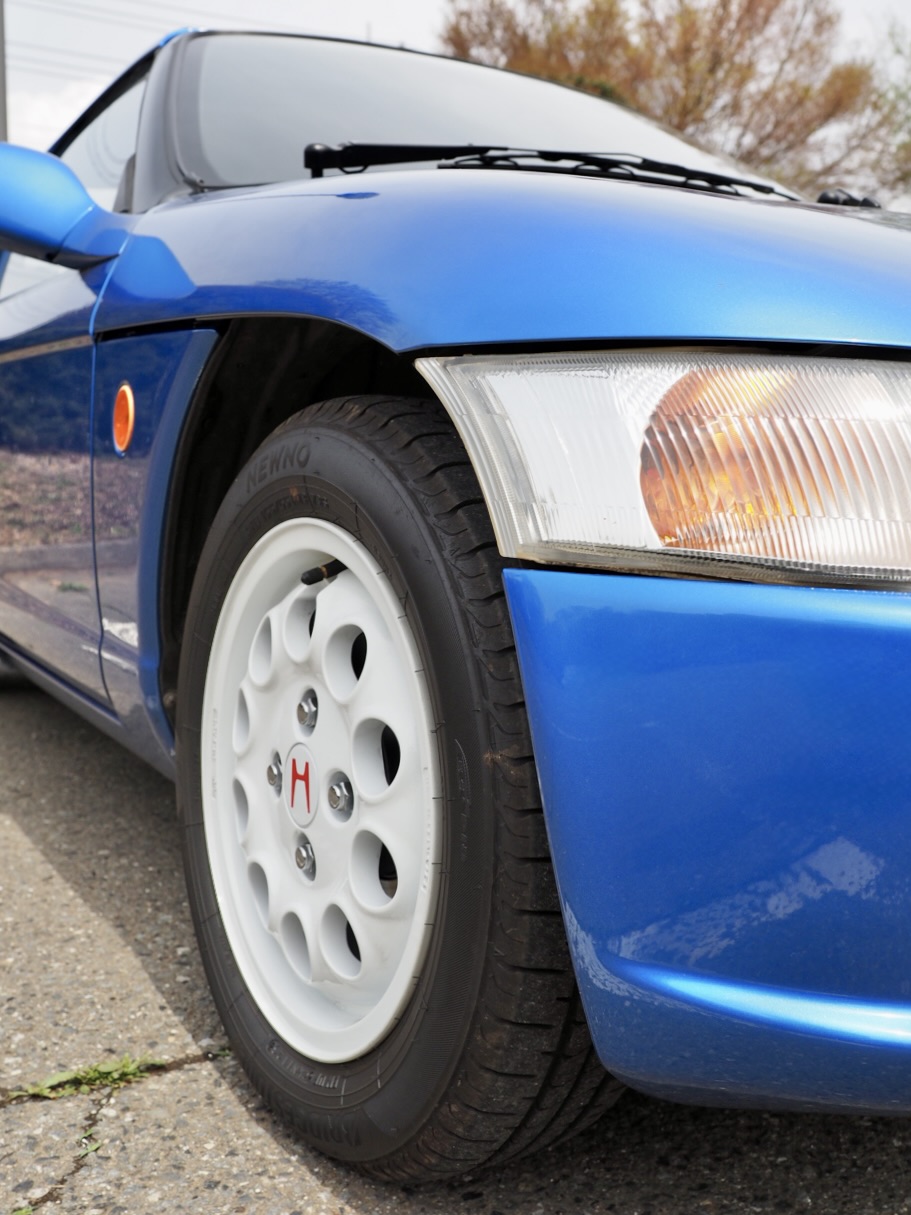
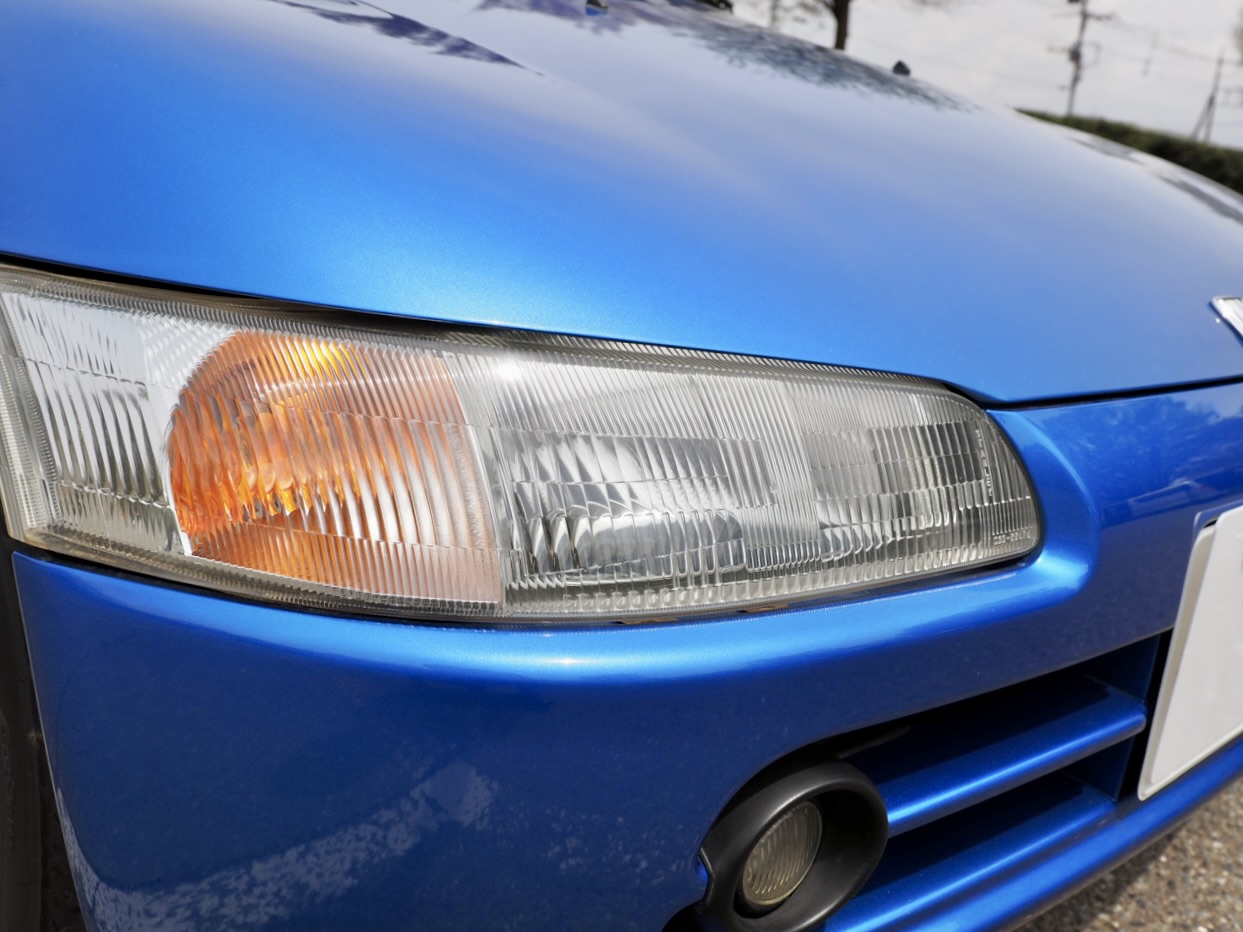
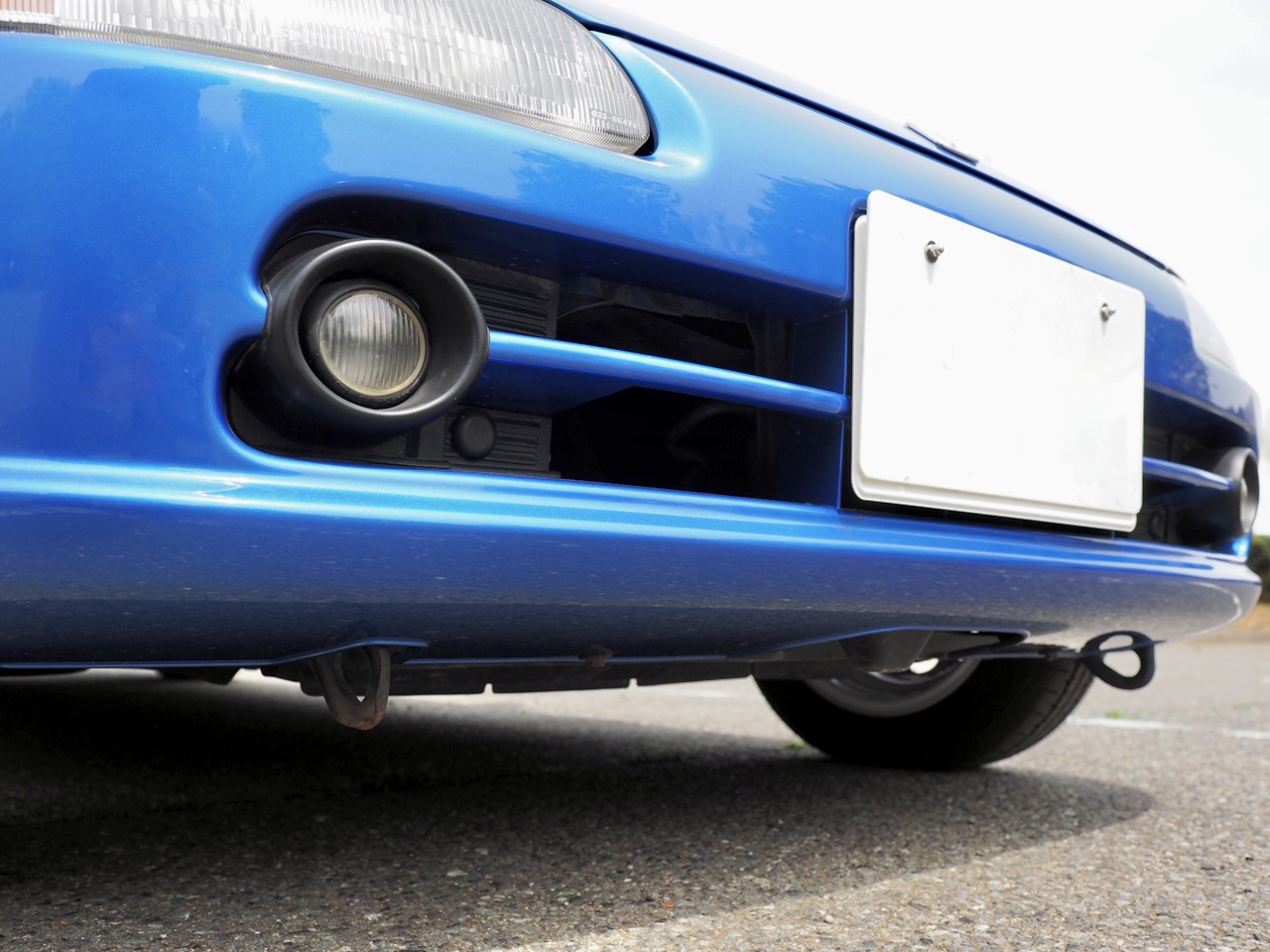
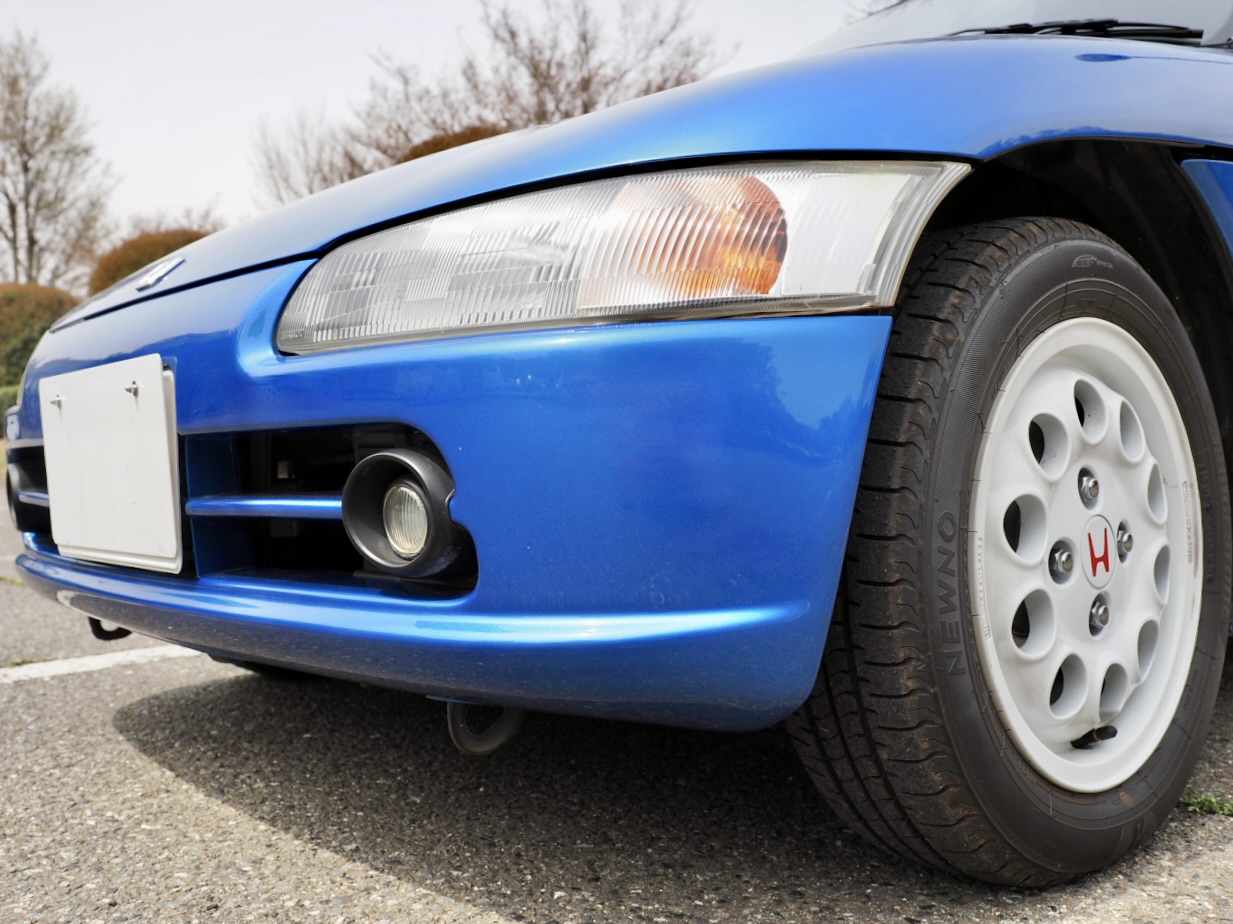
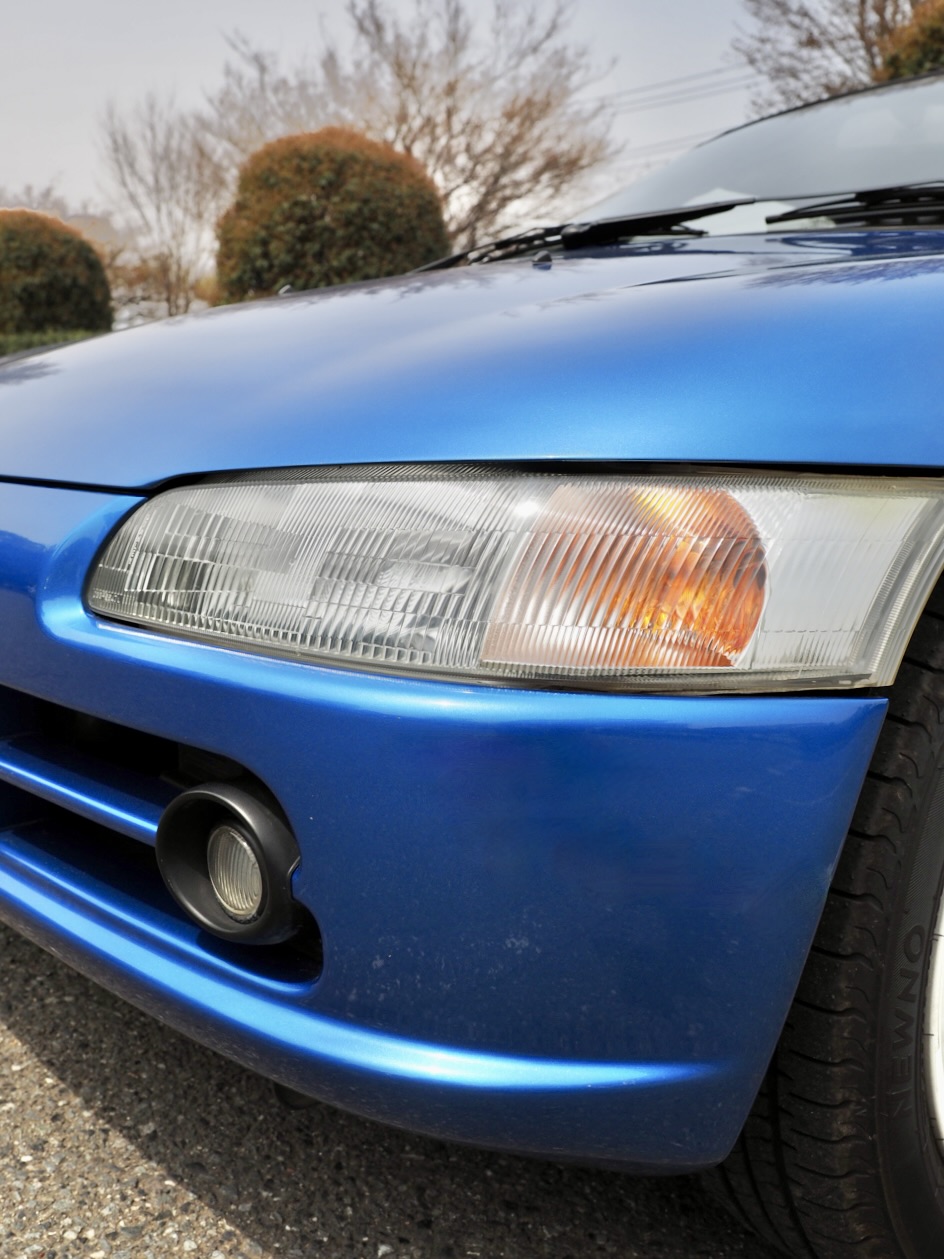
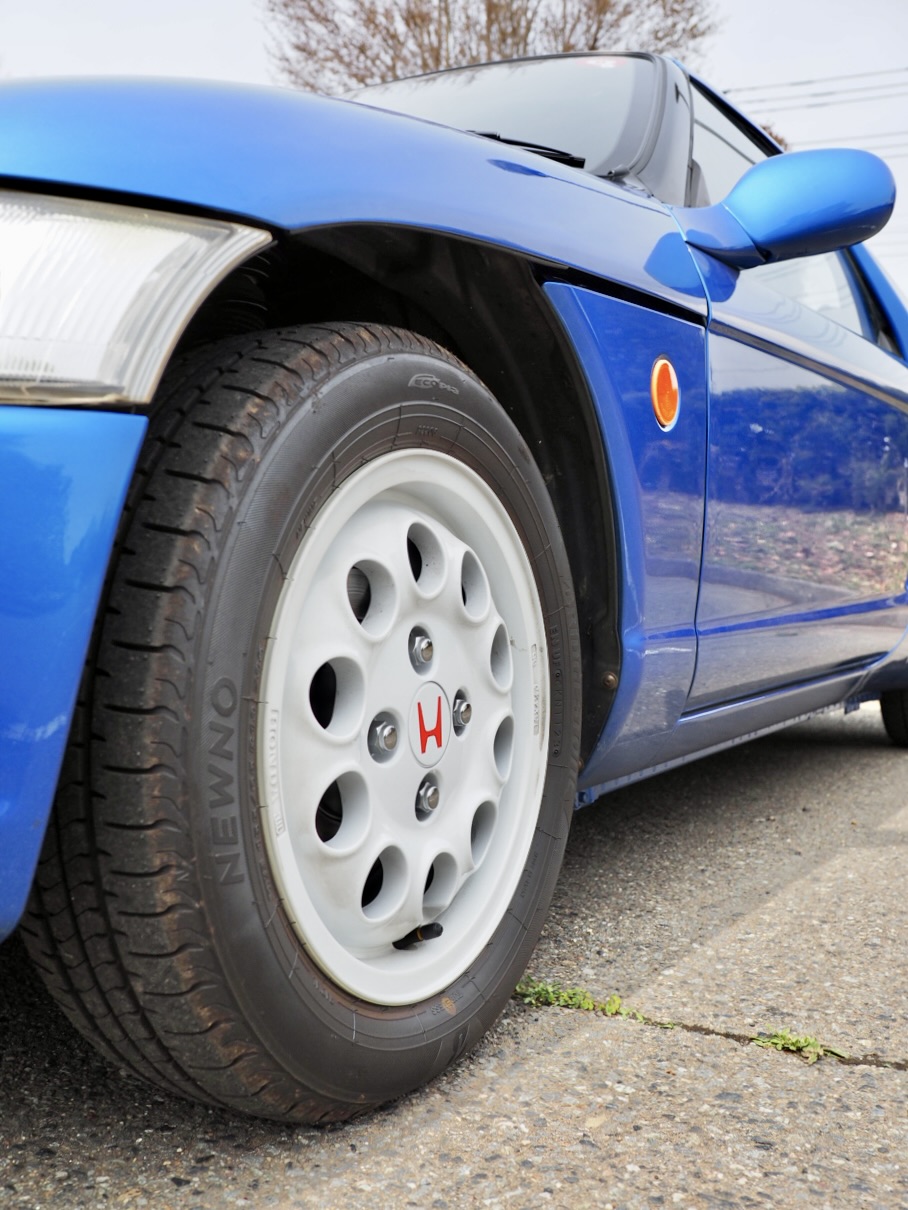
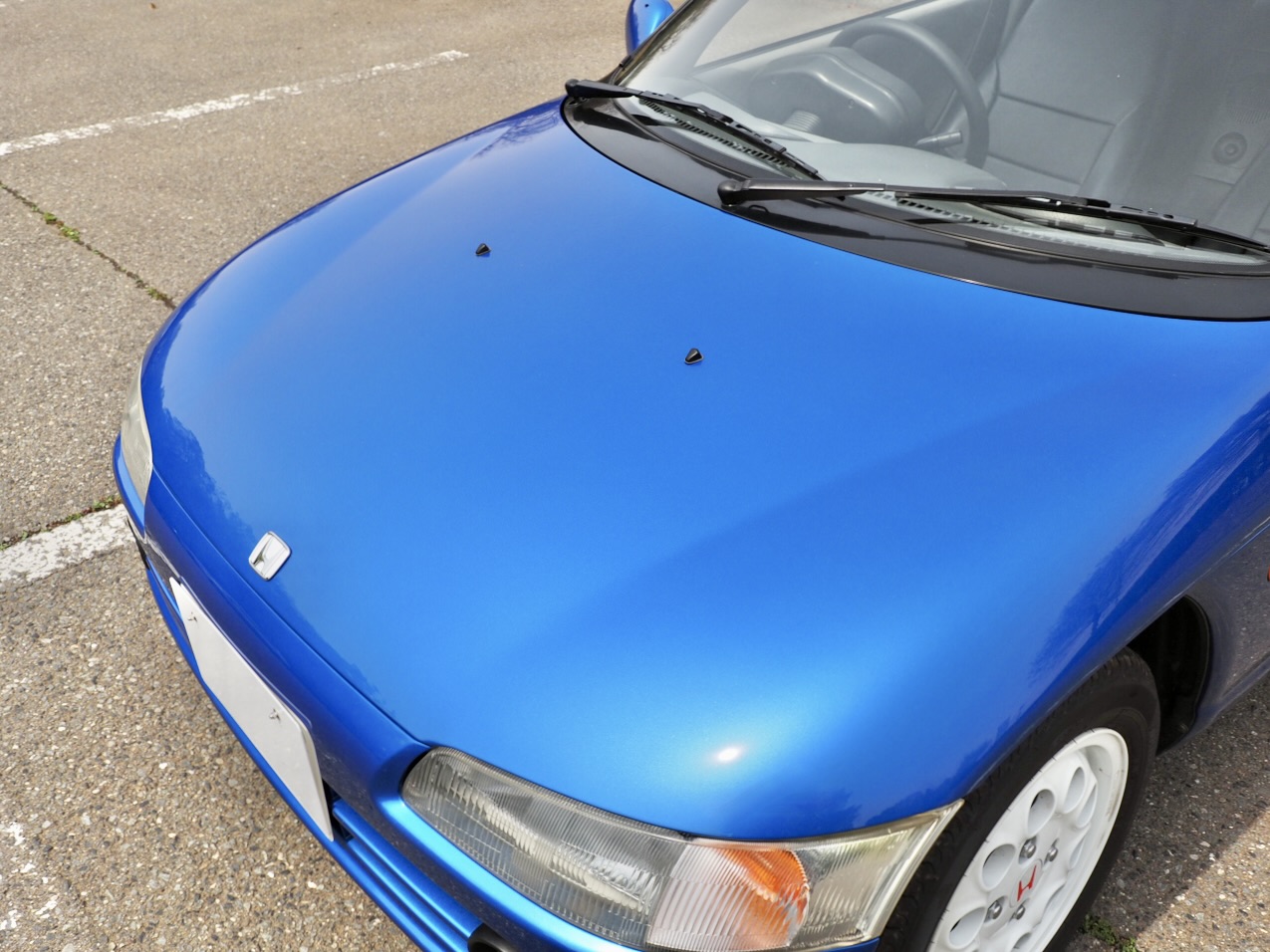
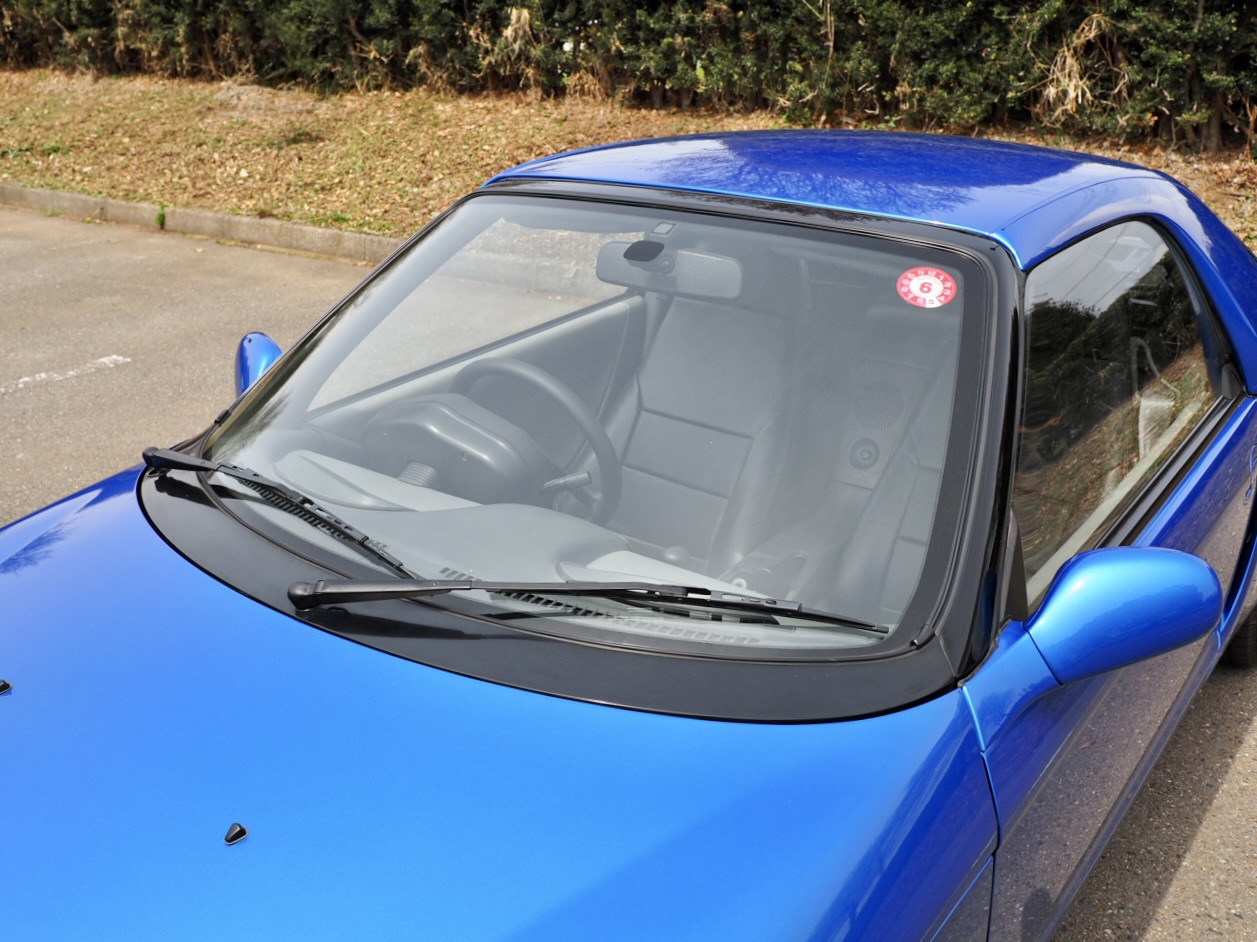
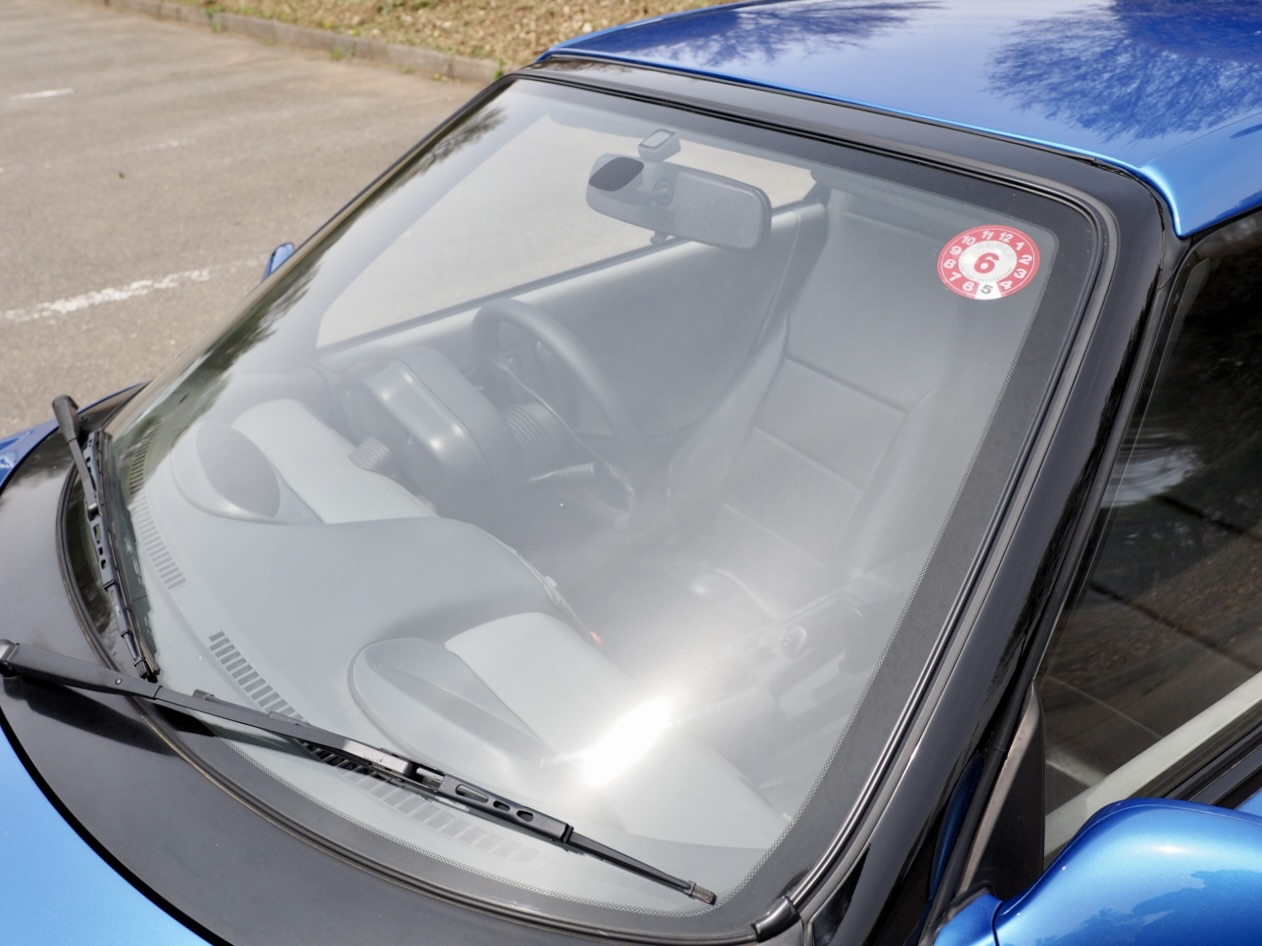
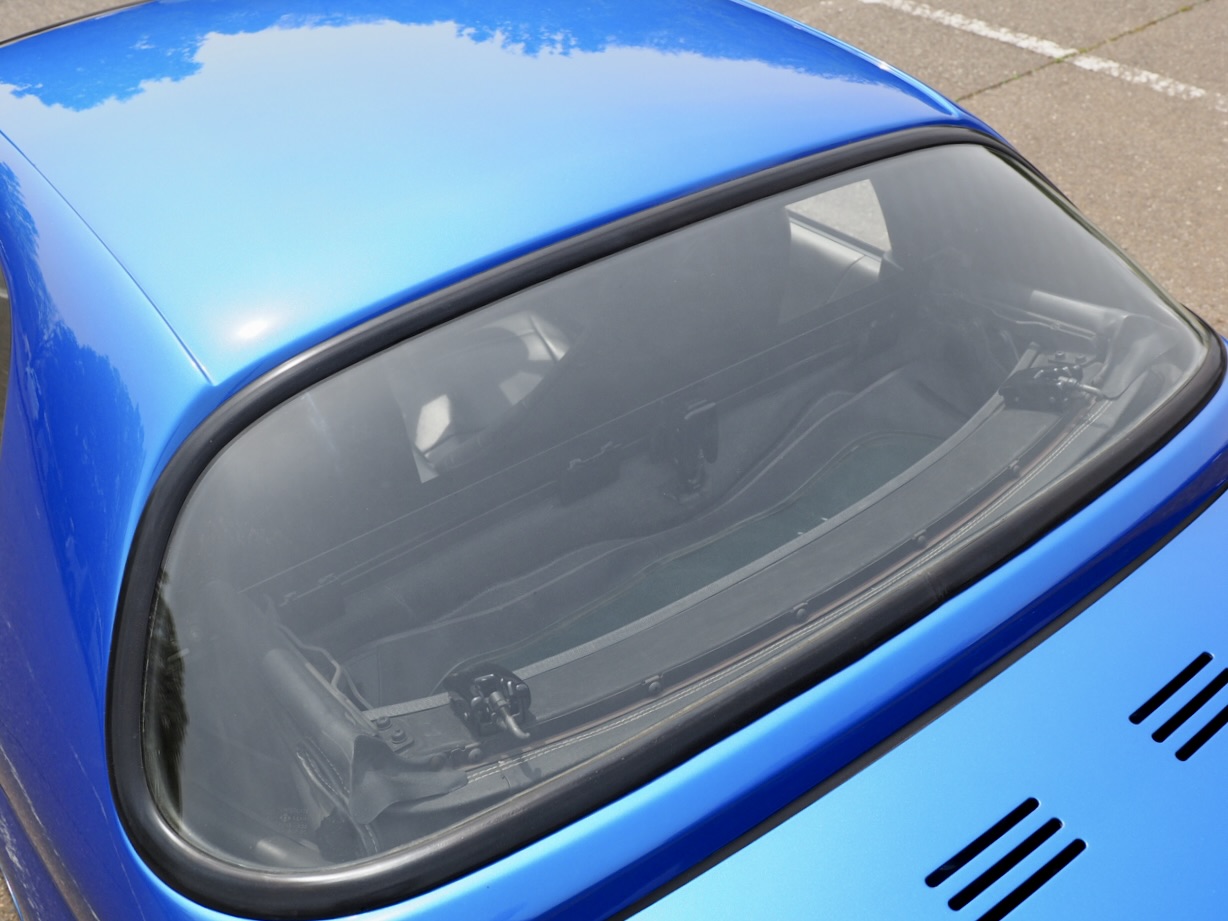
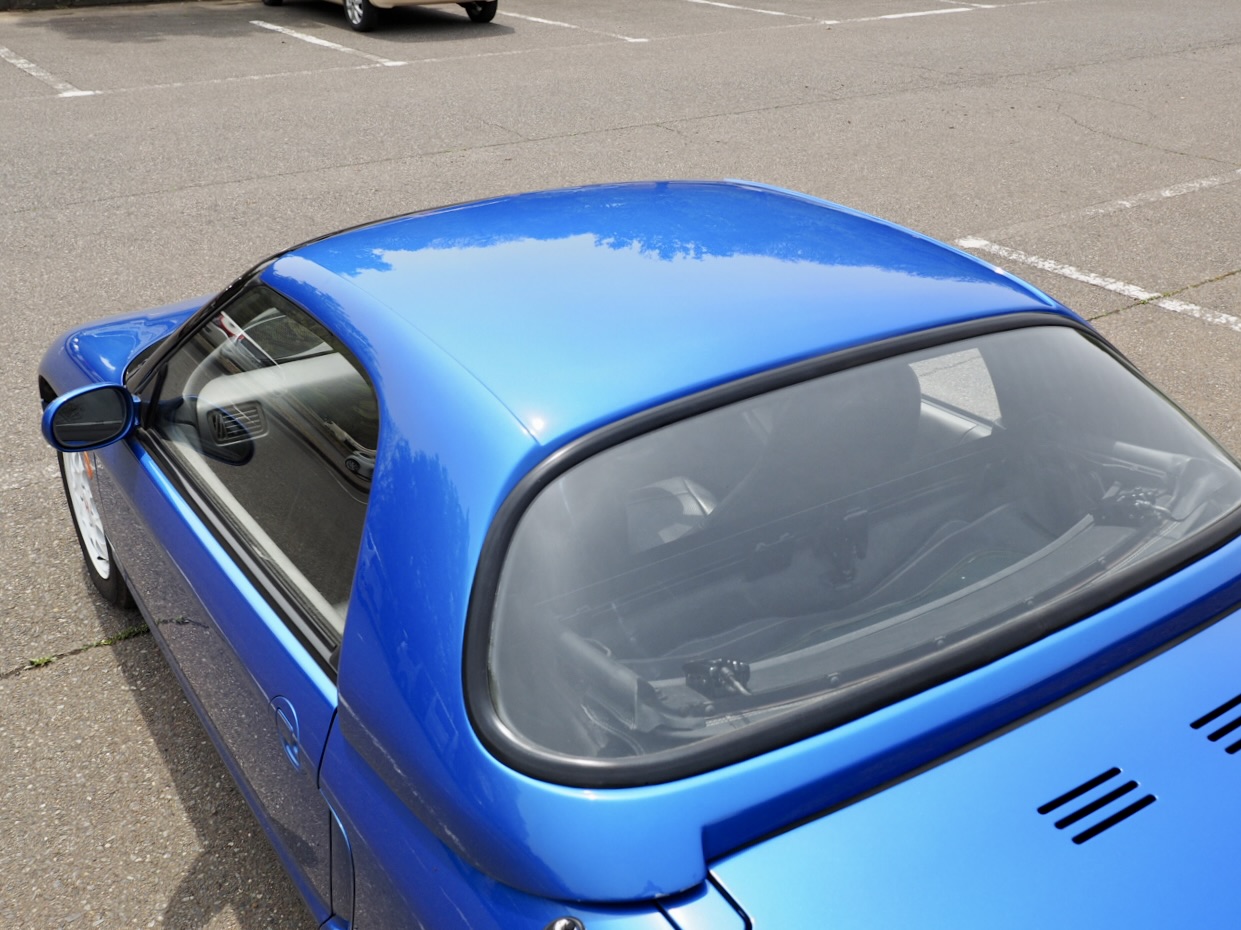
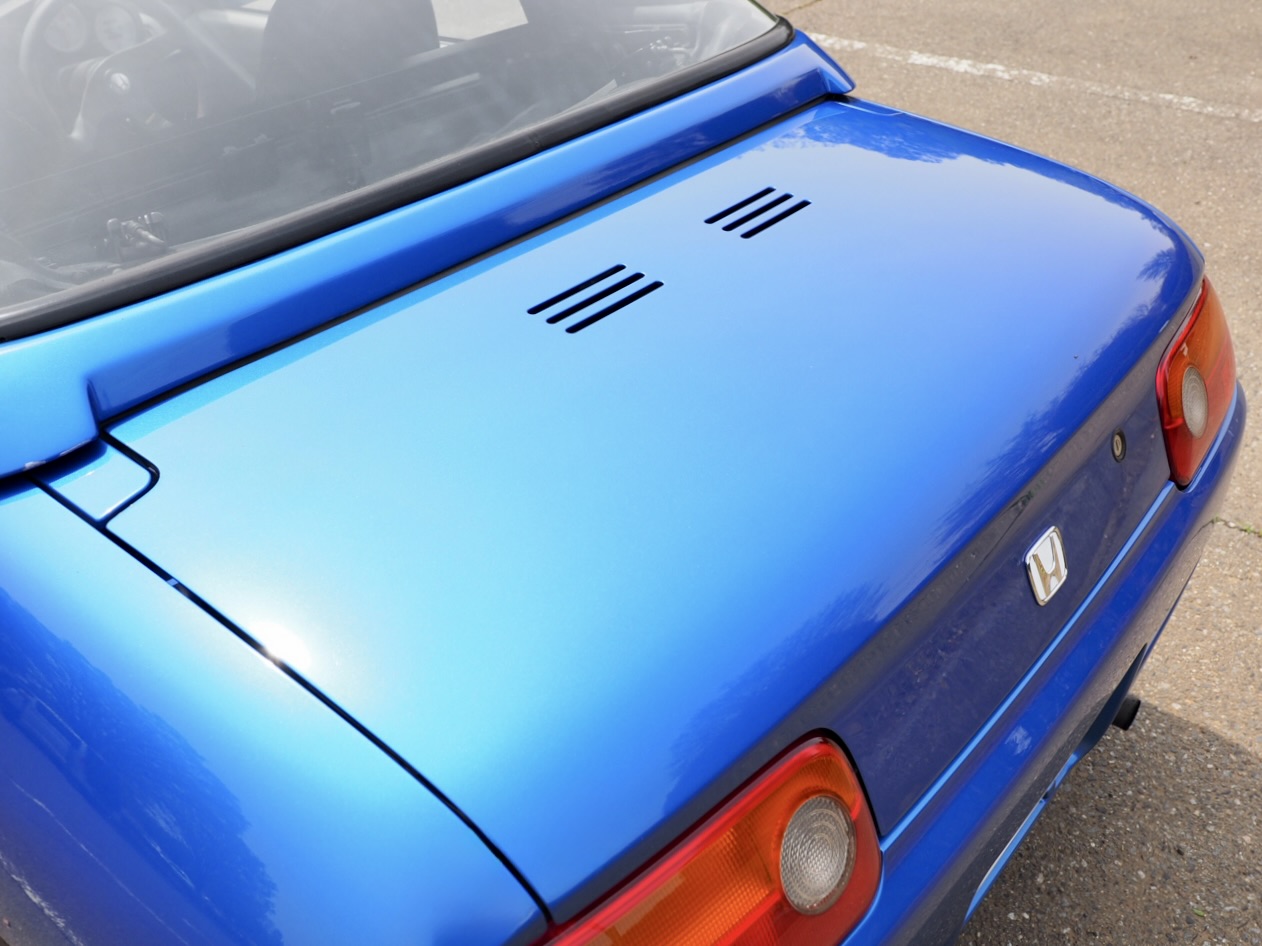
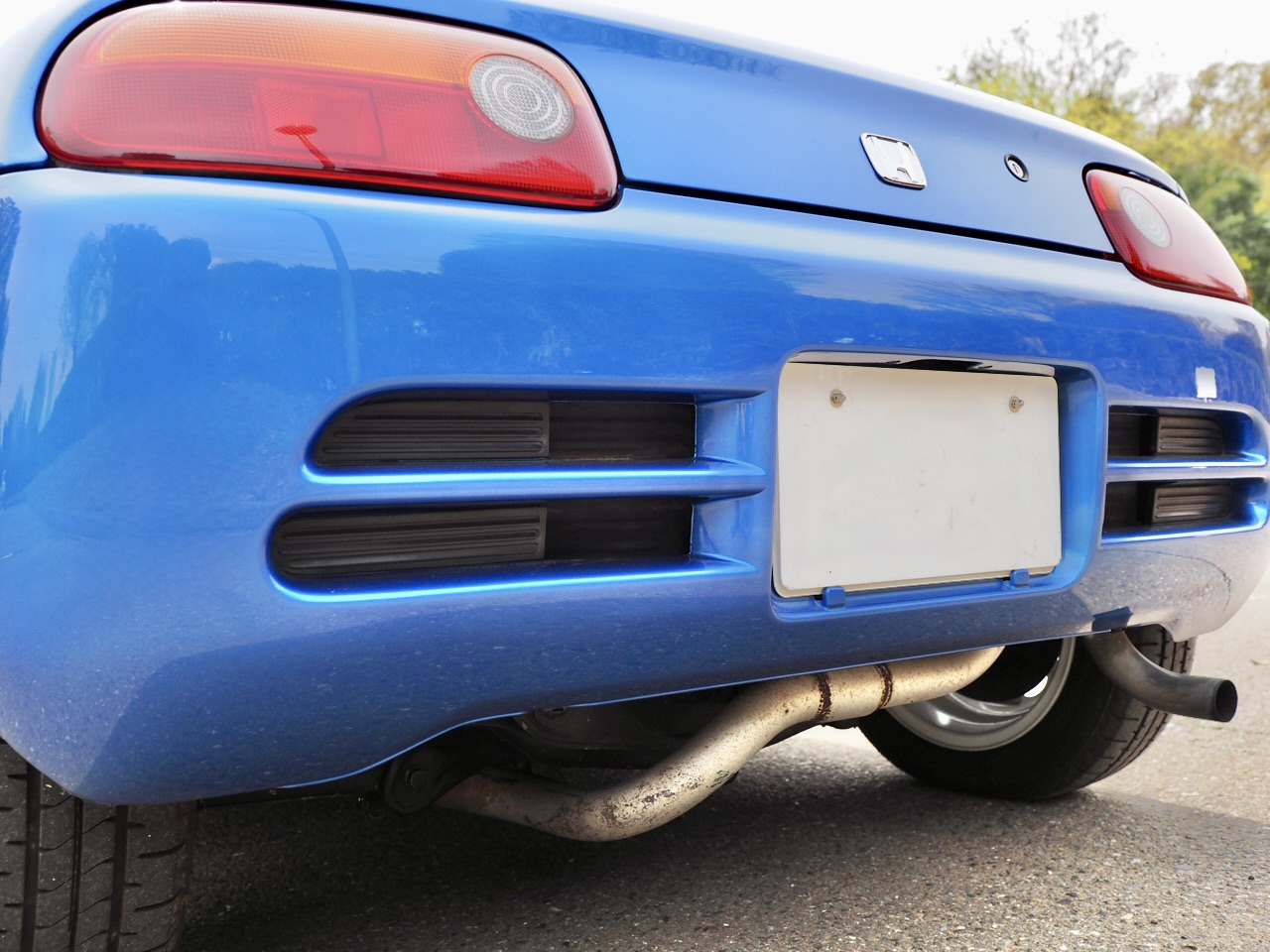
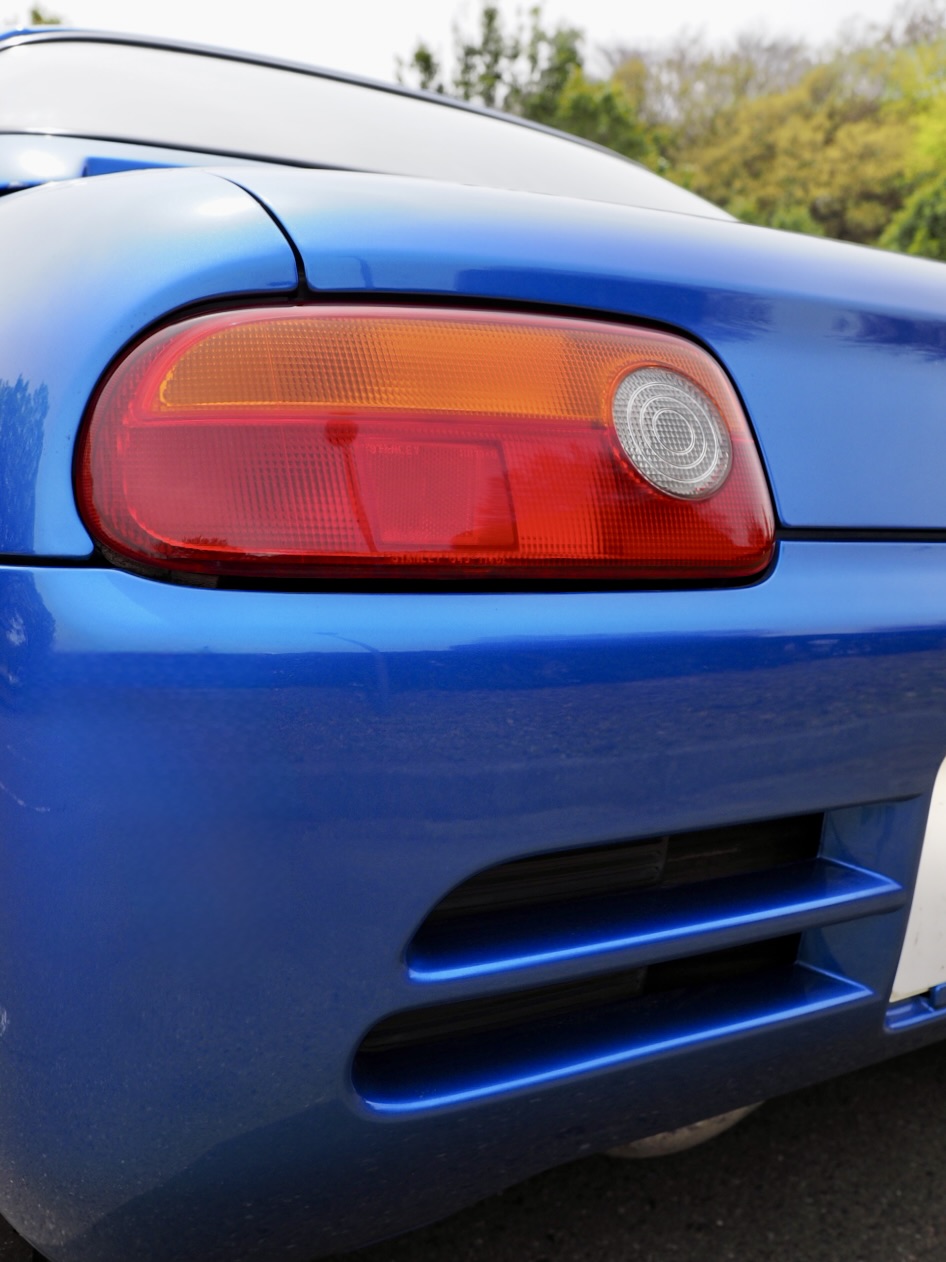
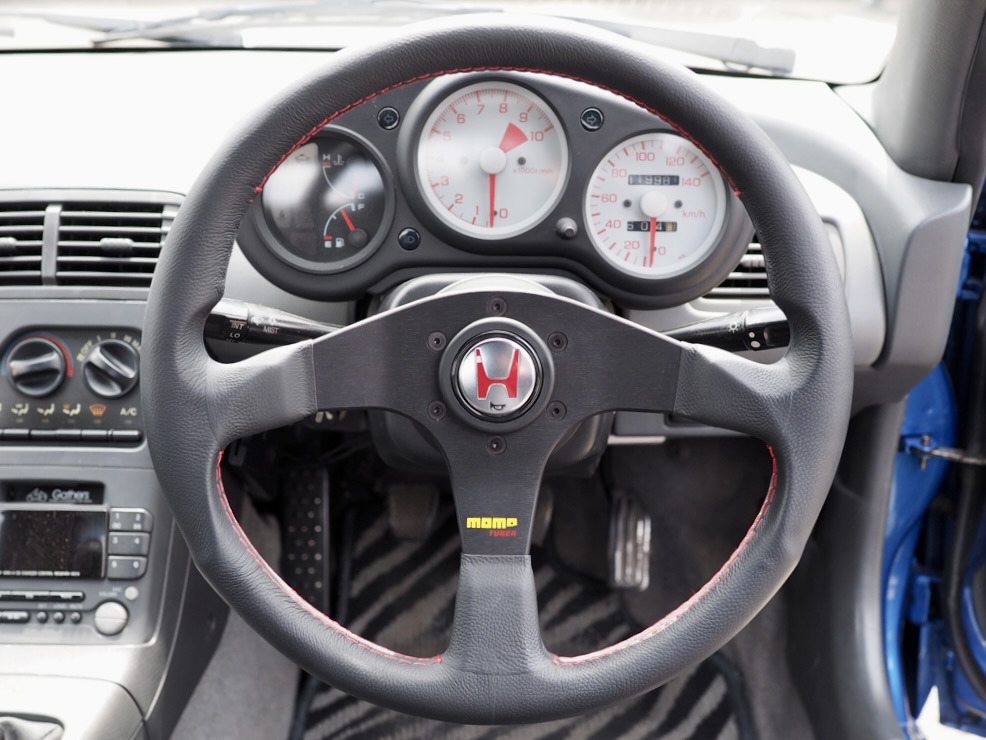
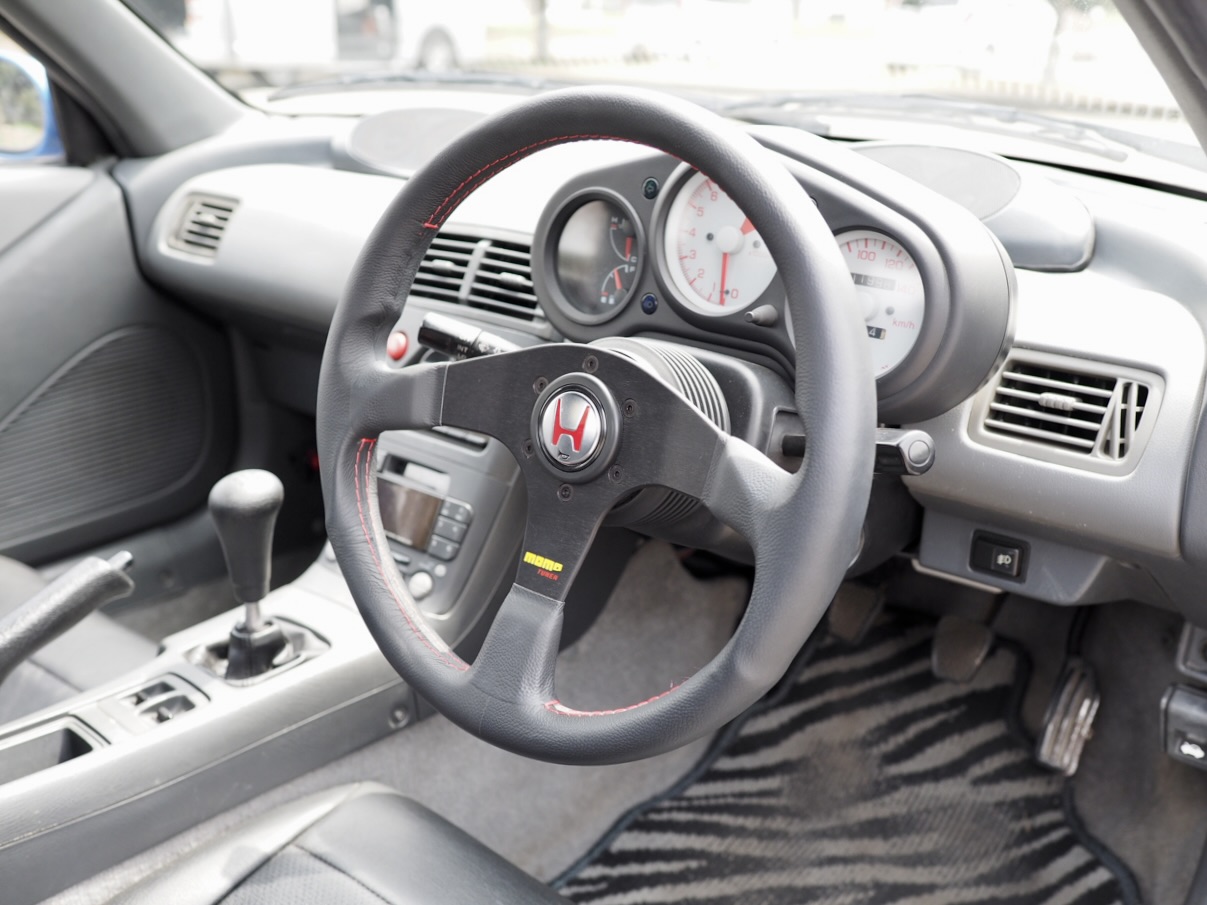
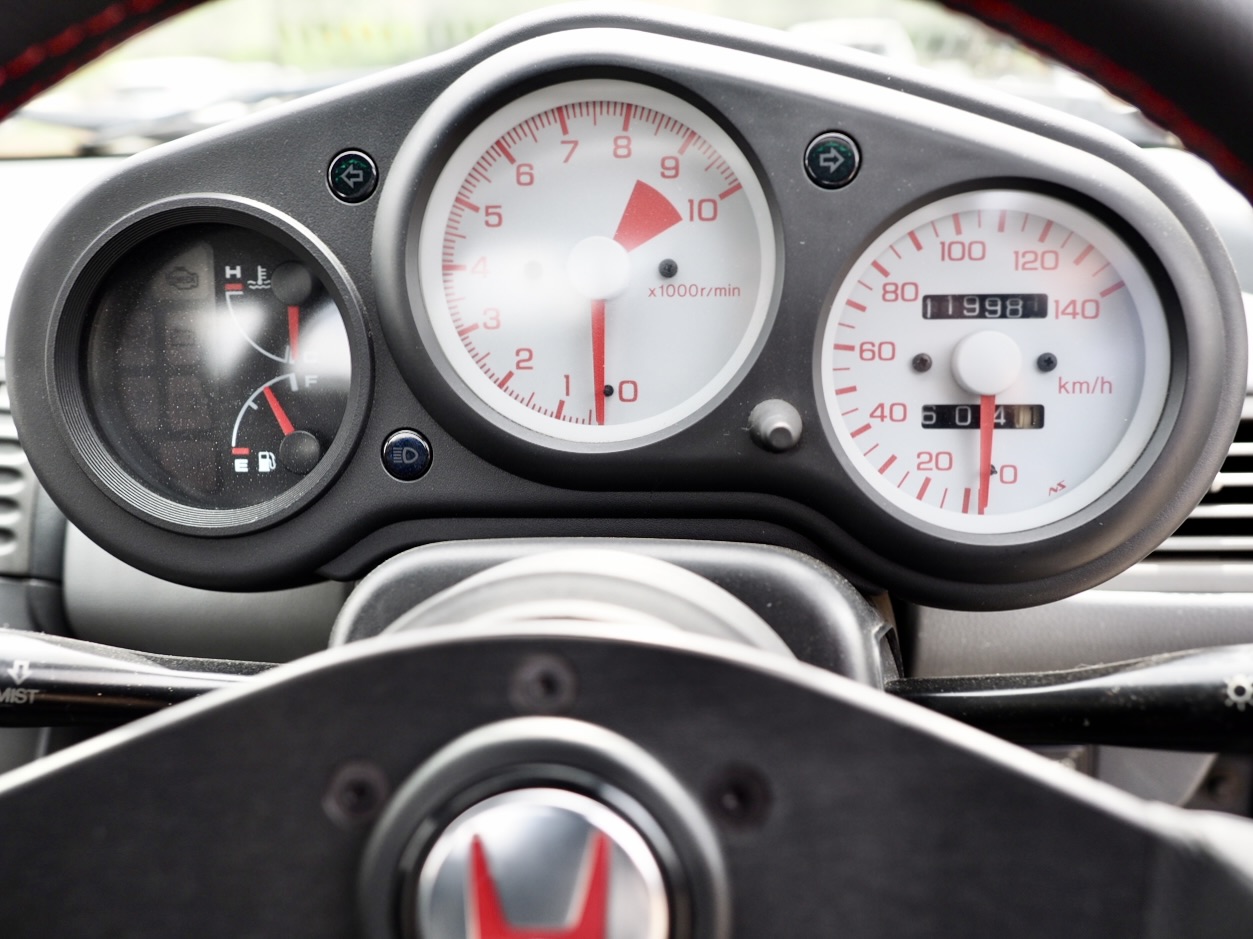
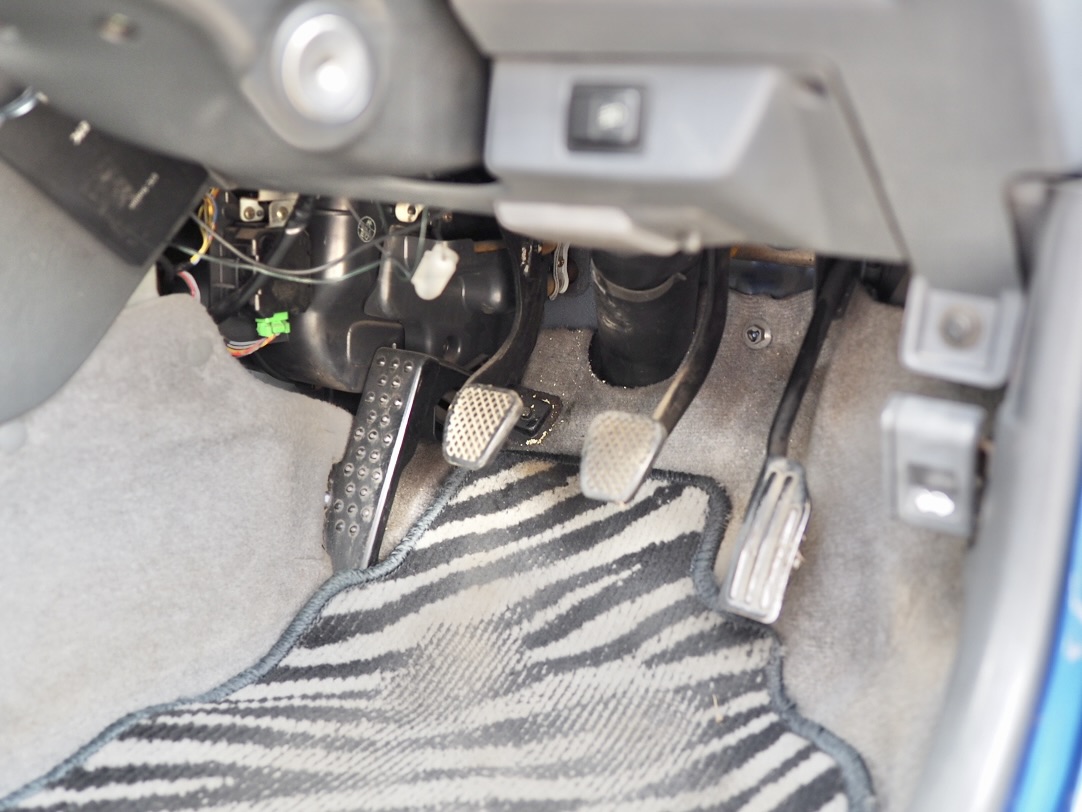
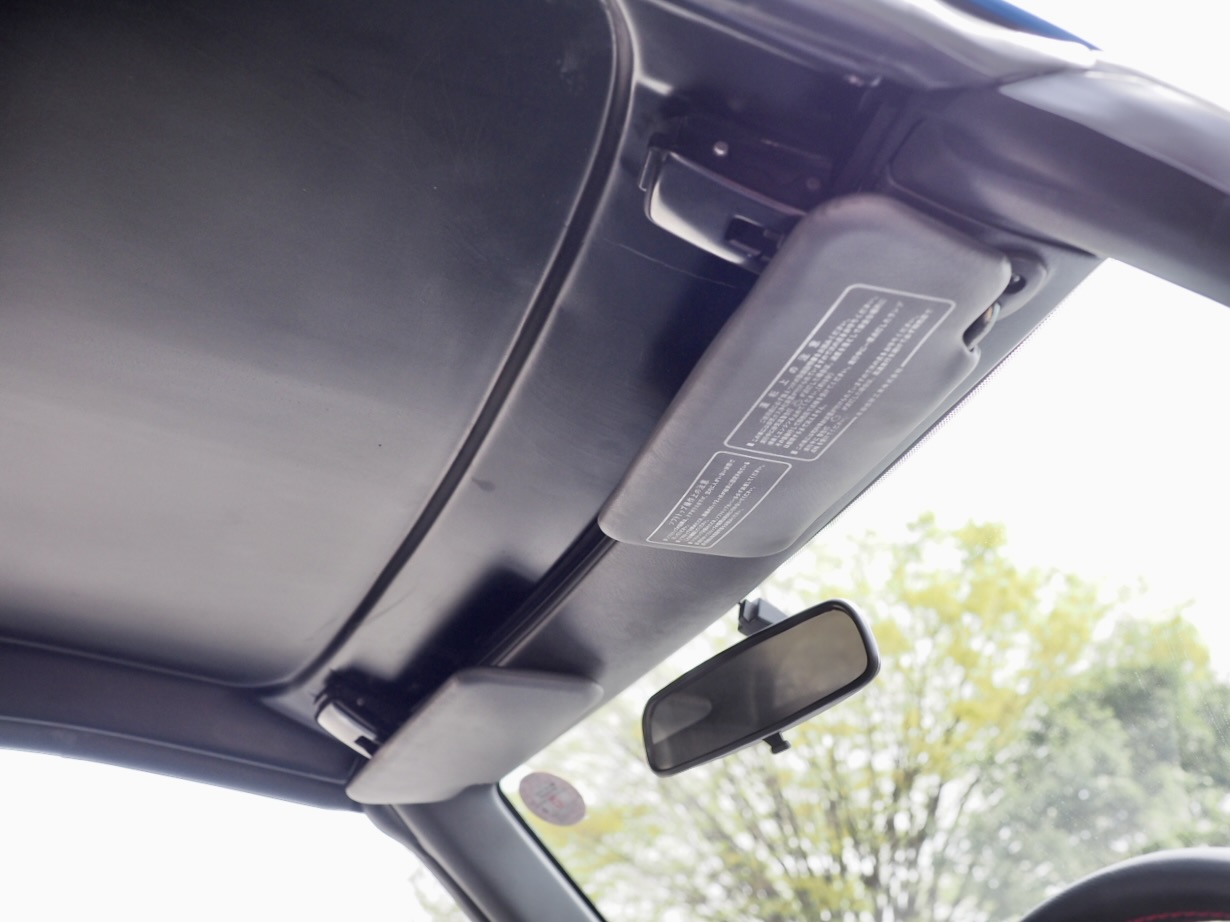
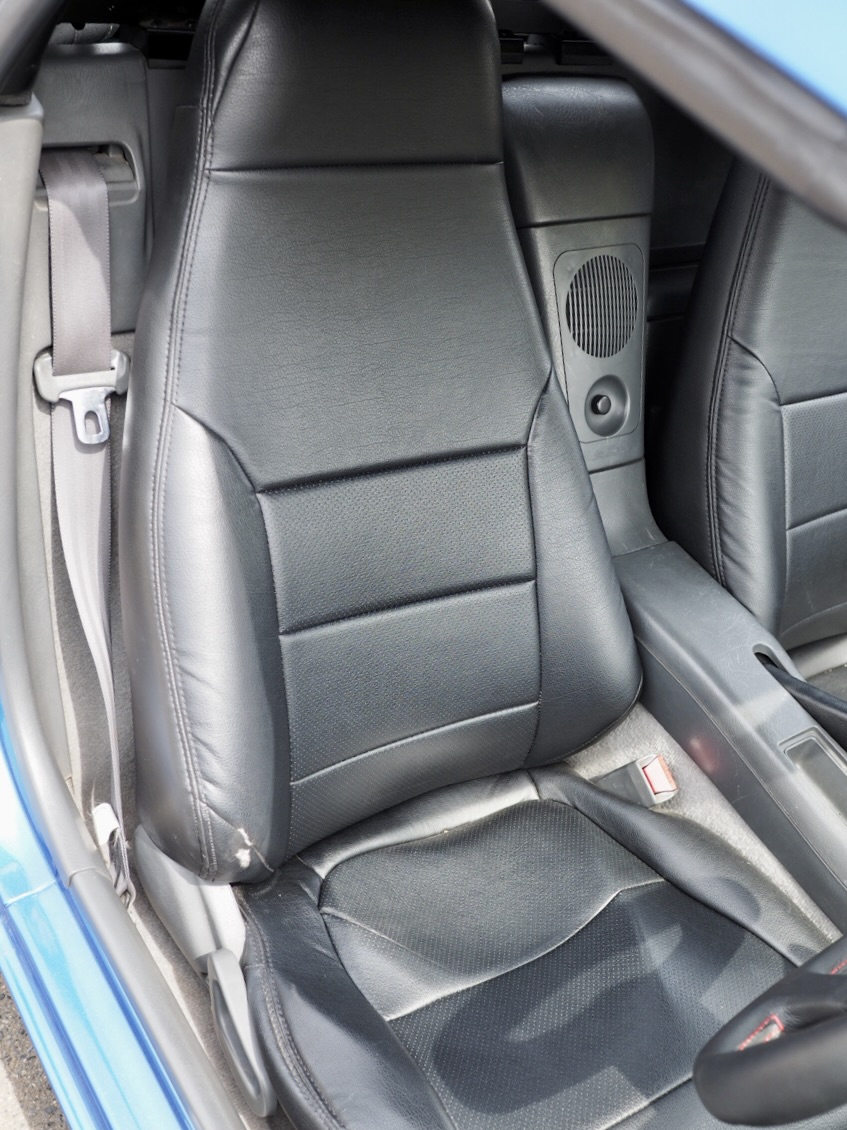
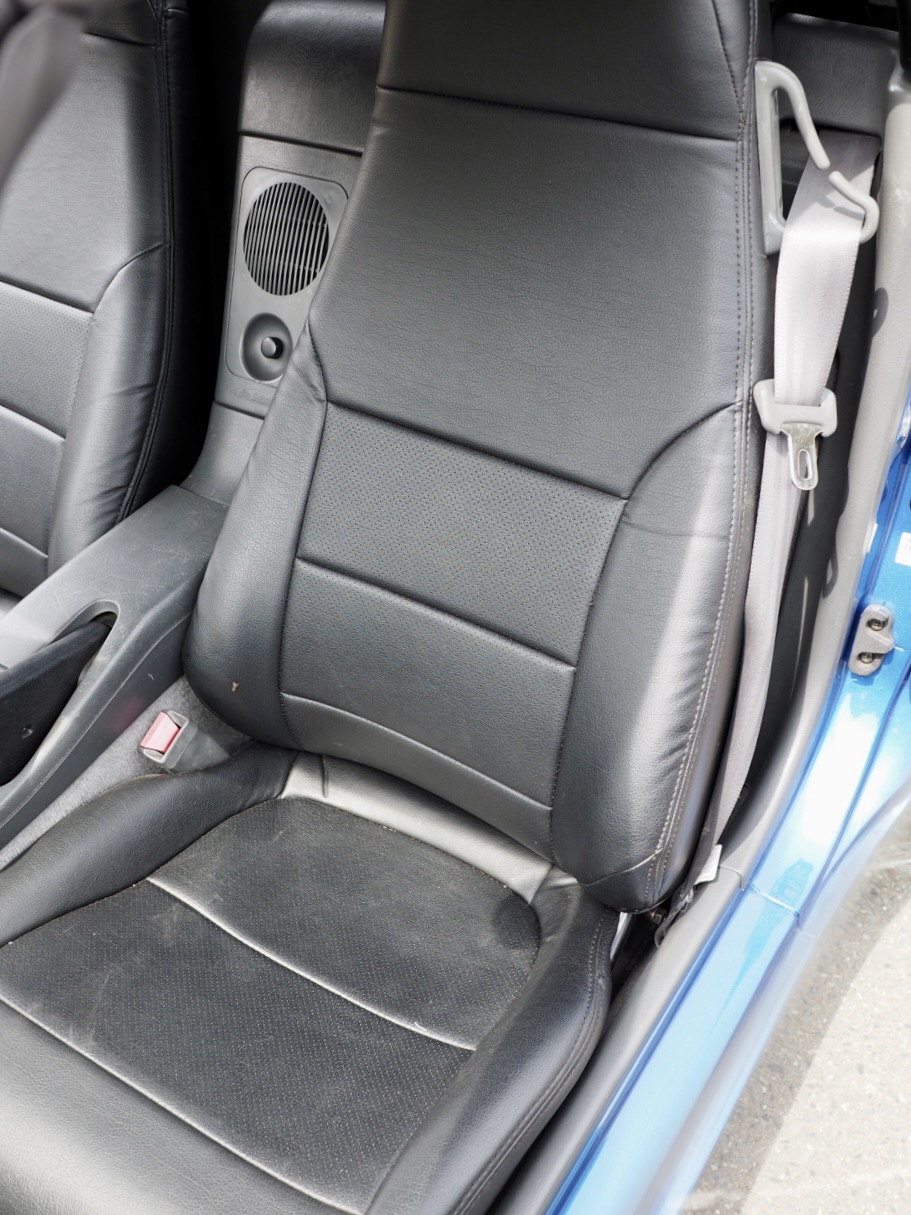
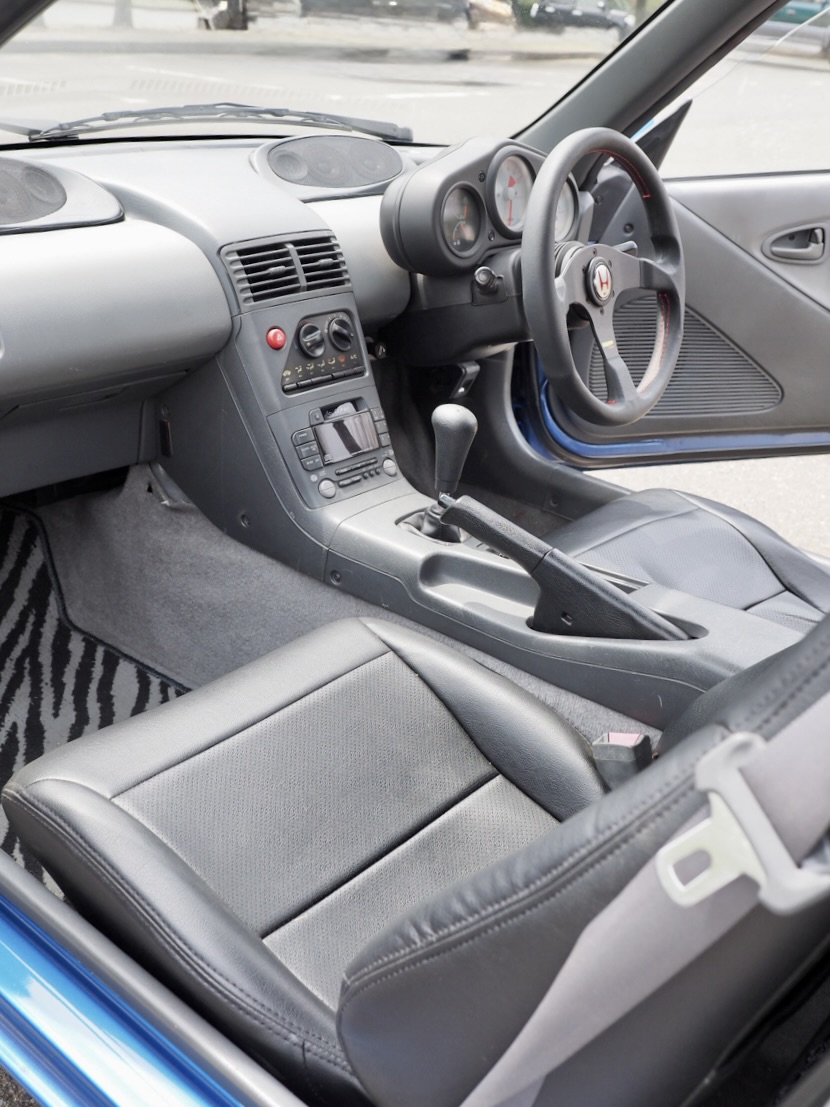
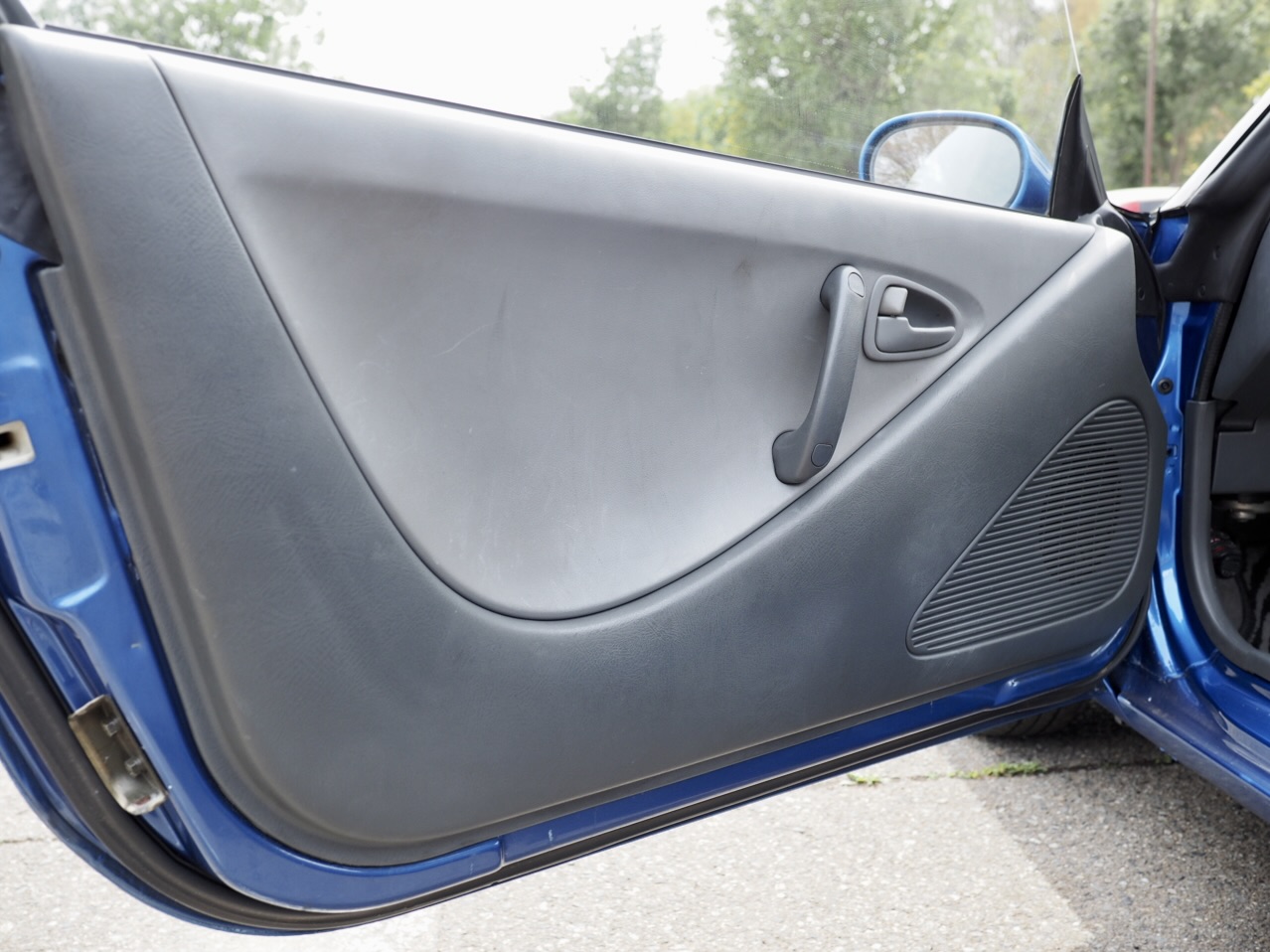
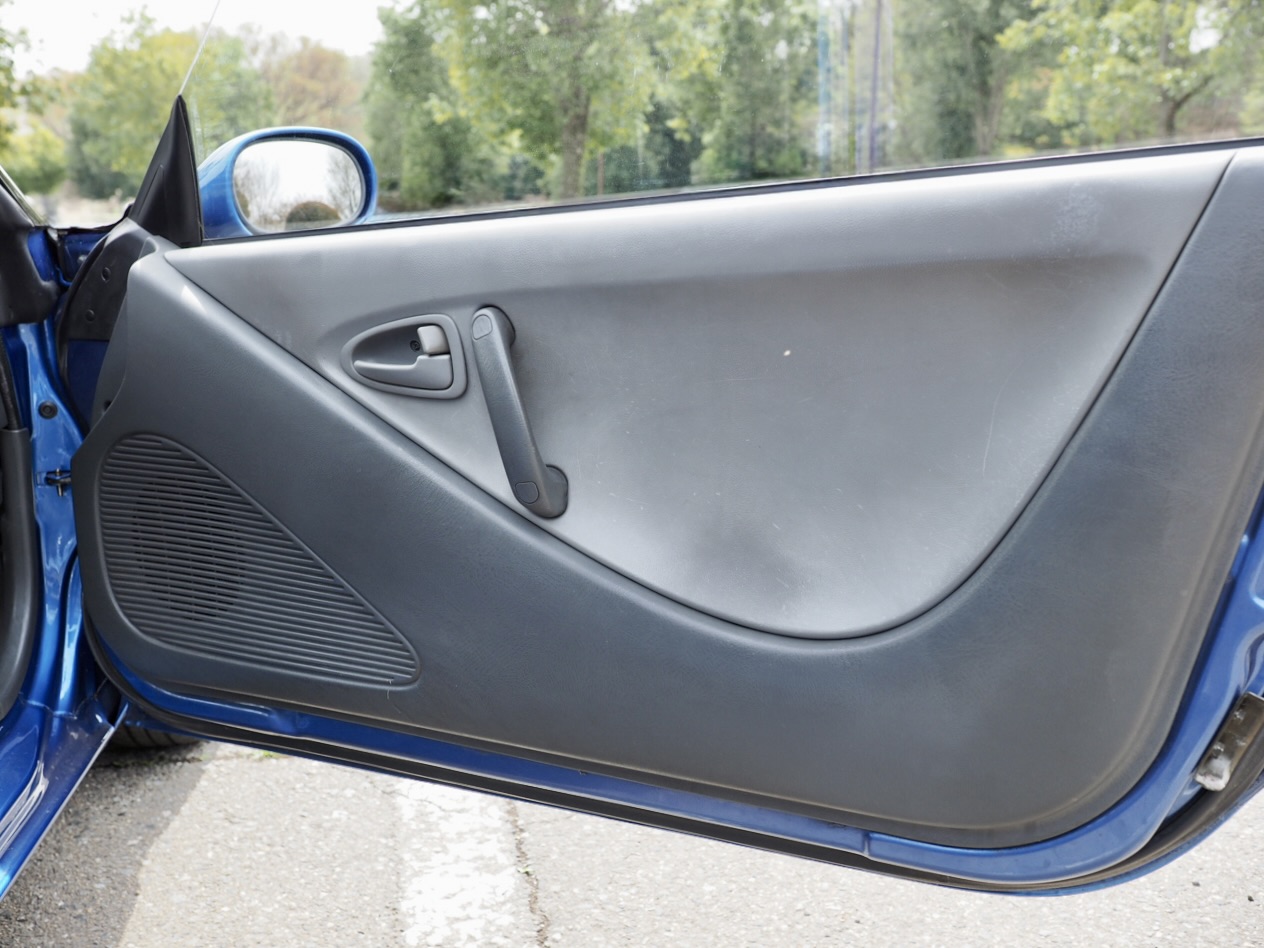
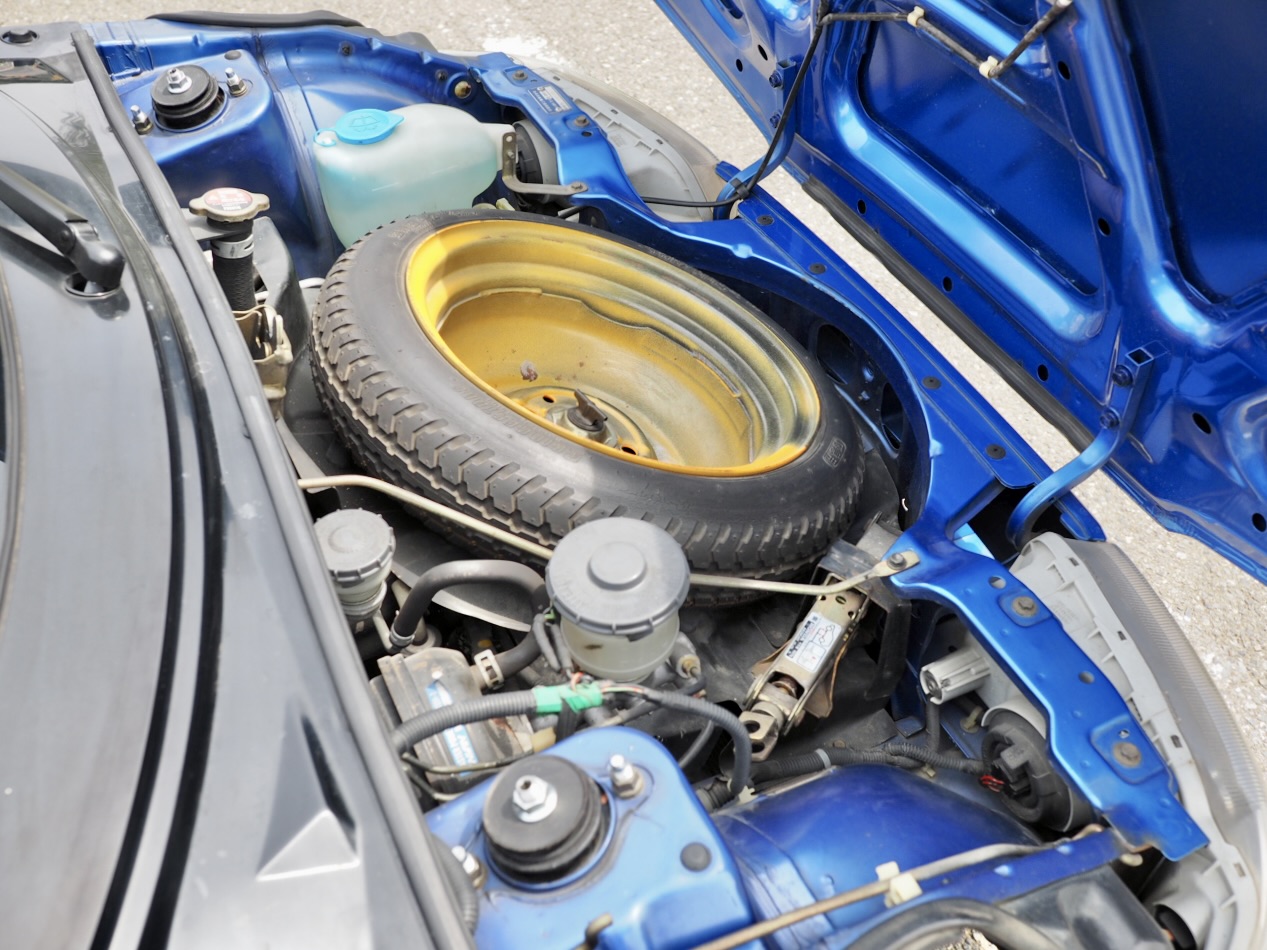
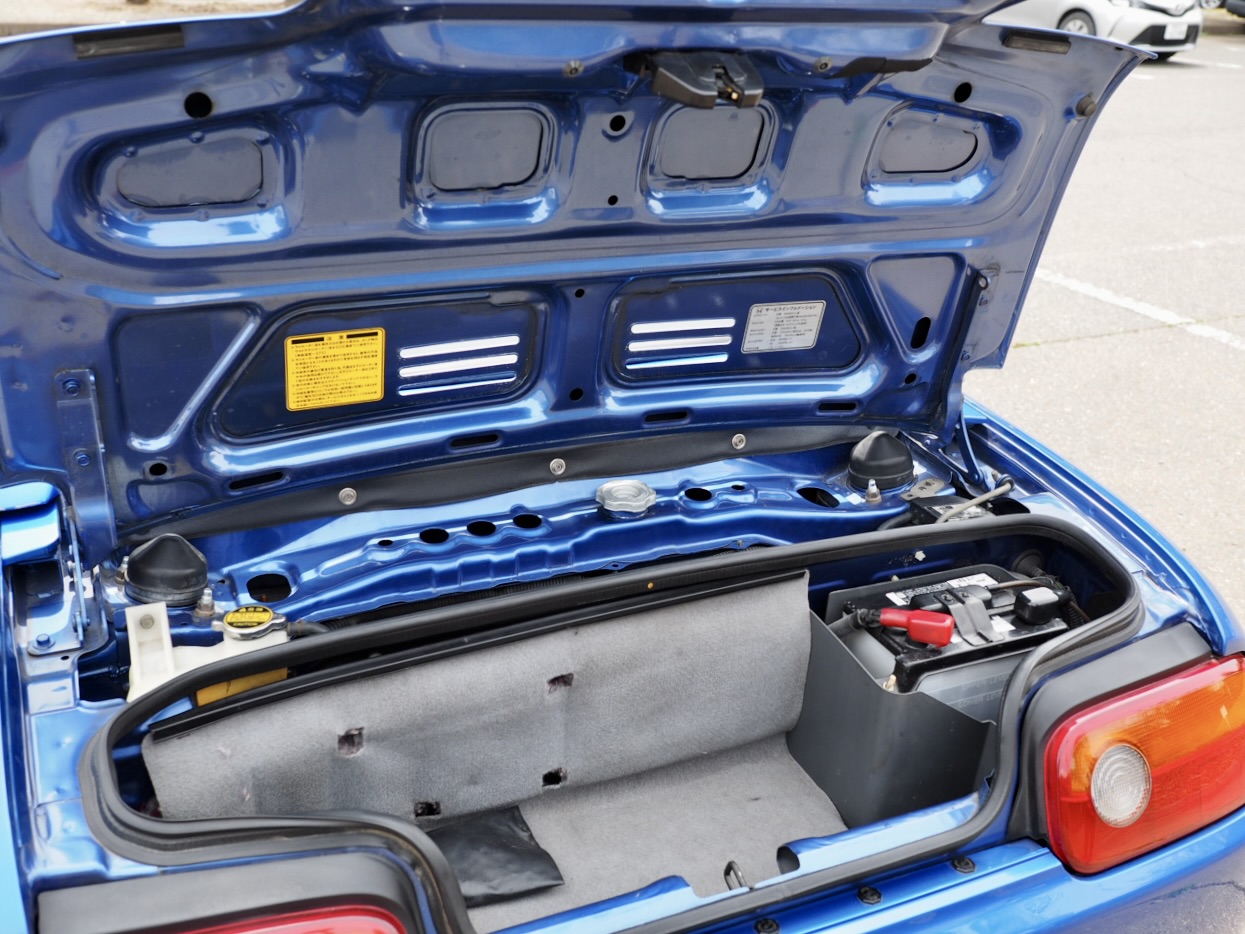
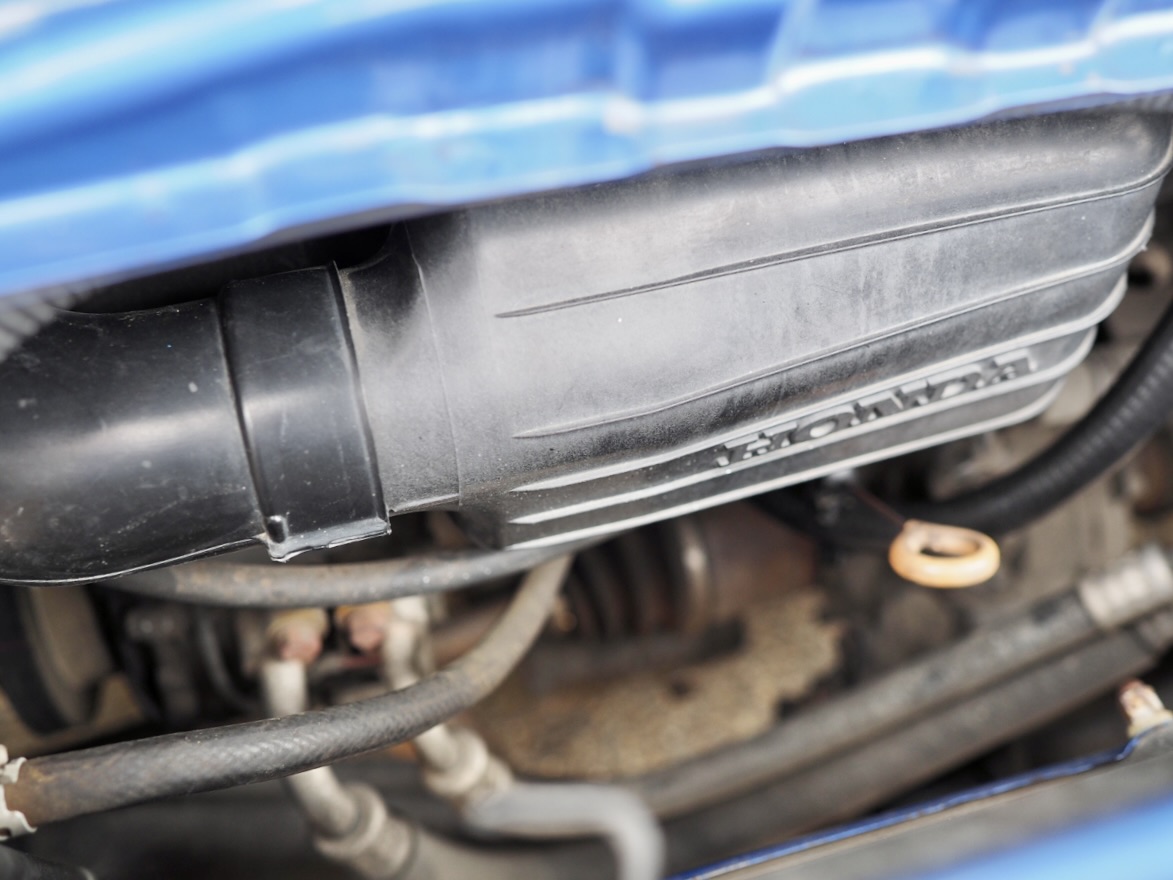
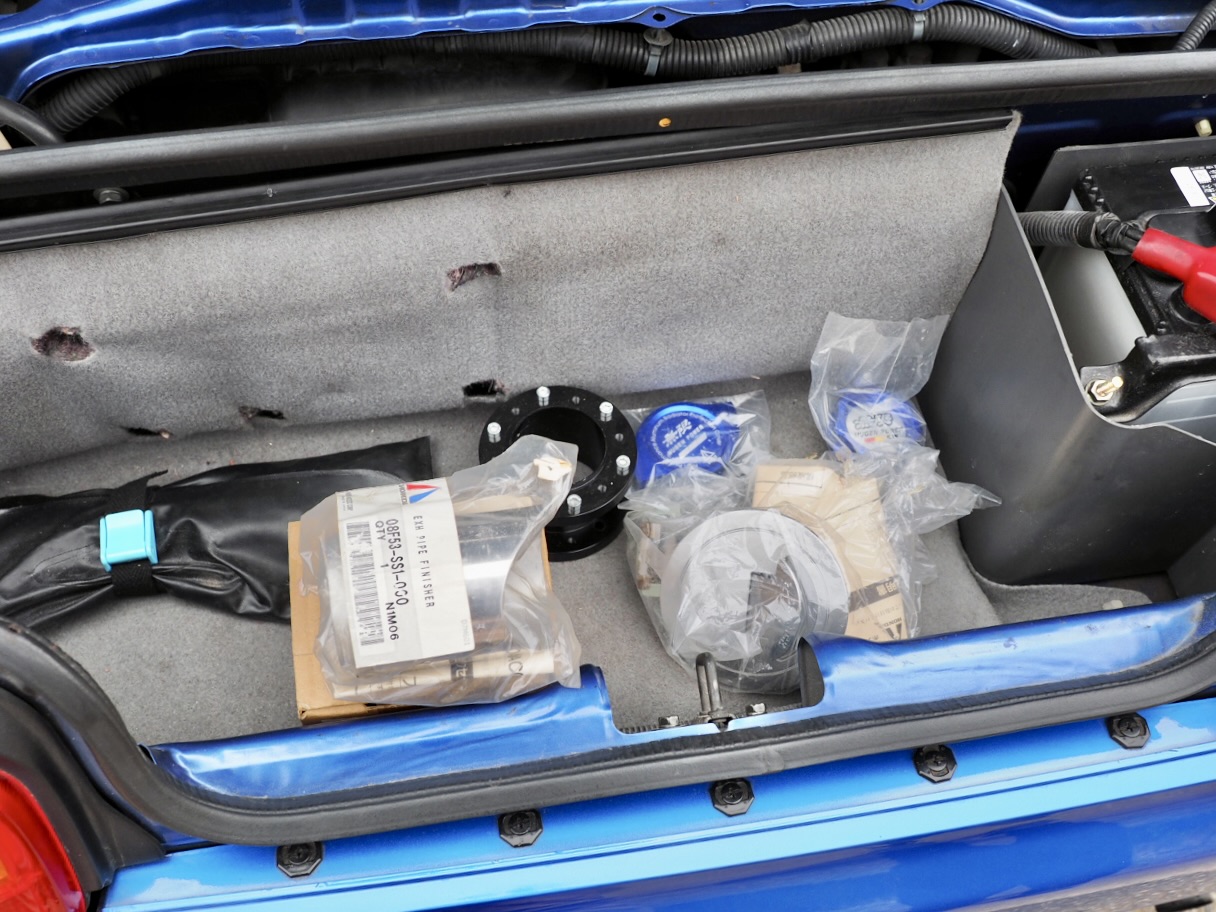
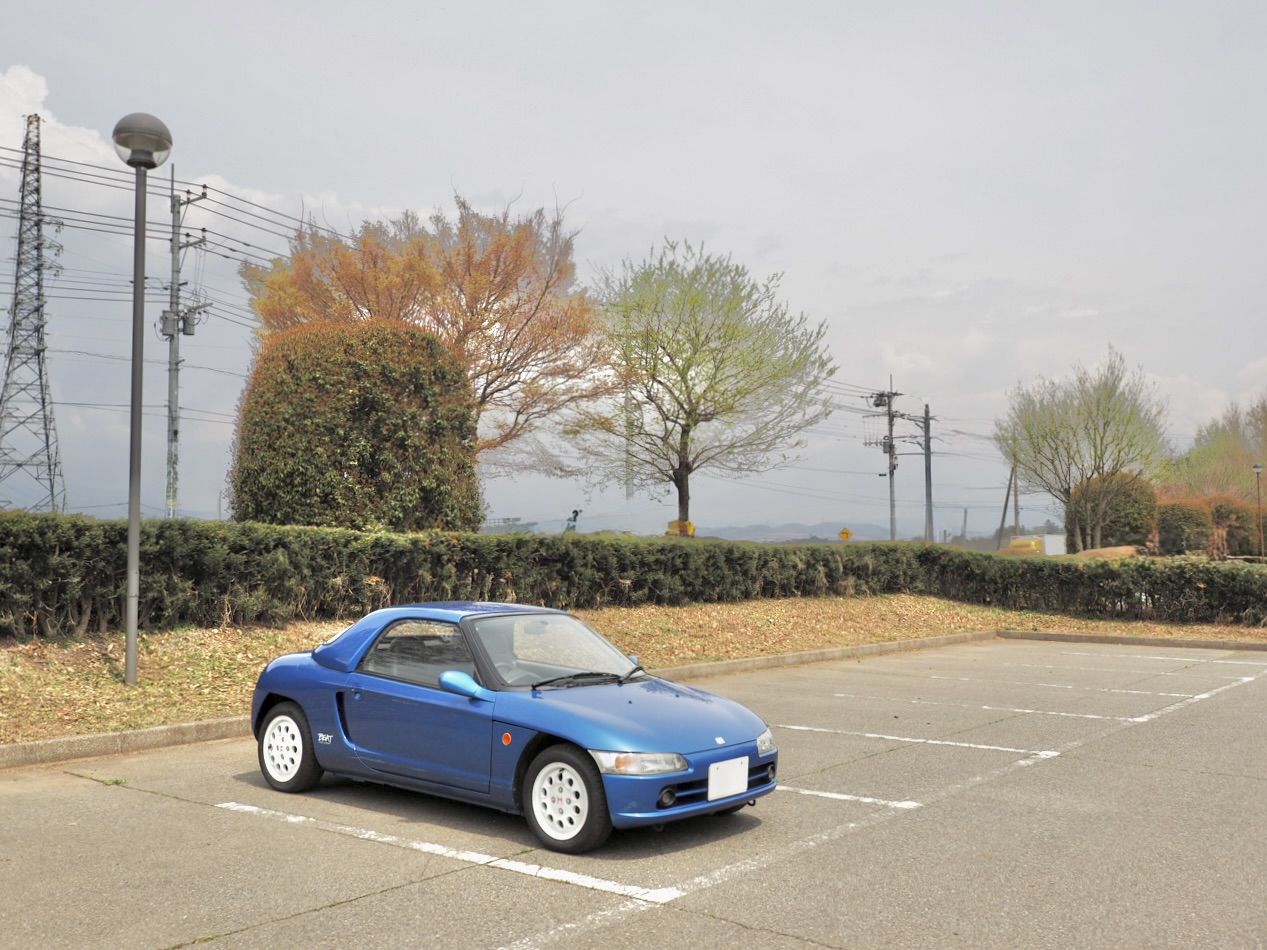
The detailed condition of the vehicle is described in each photo.
On the top slide you will find 50 attractive photos of the vehicle! Please click on a photo to view it with its description. Click outside the picture to return to the page.
SPEC
Length
3295mm
Width
1395mm
Height
1170mm
Weight
780kg
Engine Displacement
656cc