

TOP>Stock List>1982model Toyota Starlet KP61 (Modified) – Mid-Production Model – Fully Certified 4A-G Engine Conversion
1982model
Toyota Starlet KP61 (Modified) – Mid-Production Model – Fully Certified 4A-G Engine Conversion






↑↑↑Please watch the archived video above with audio if possible...
The origin of Showa-era FR driving that taught us the true joy of motoring in our youth is reborn in the modern age—now powered by a 4A-G! Owned for 17 years and built over a span of 7 years, this ultimate KP61—extensively crafted using AE86 components—stands as a thrilling machine and a true return to the roots.
Chapter One…
After 17 years of ownership and 7 years of meticulous development, this rare mid-production KP61—carefully matured over time—has become a machine like no other…
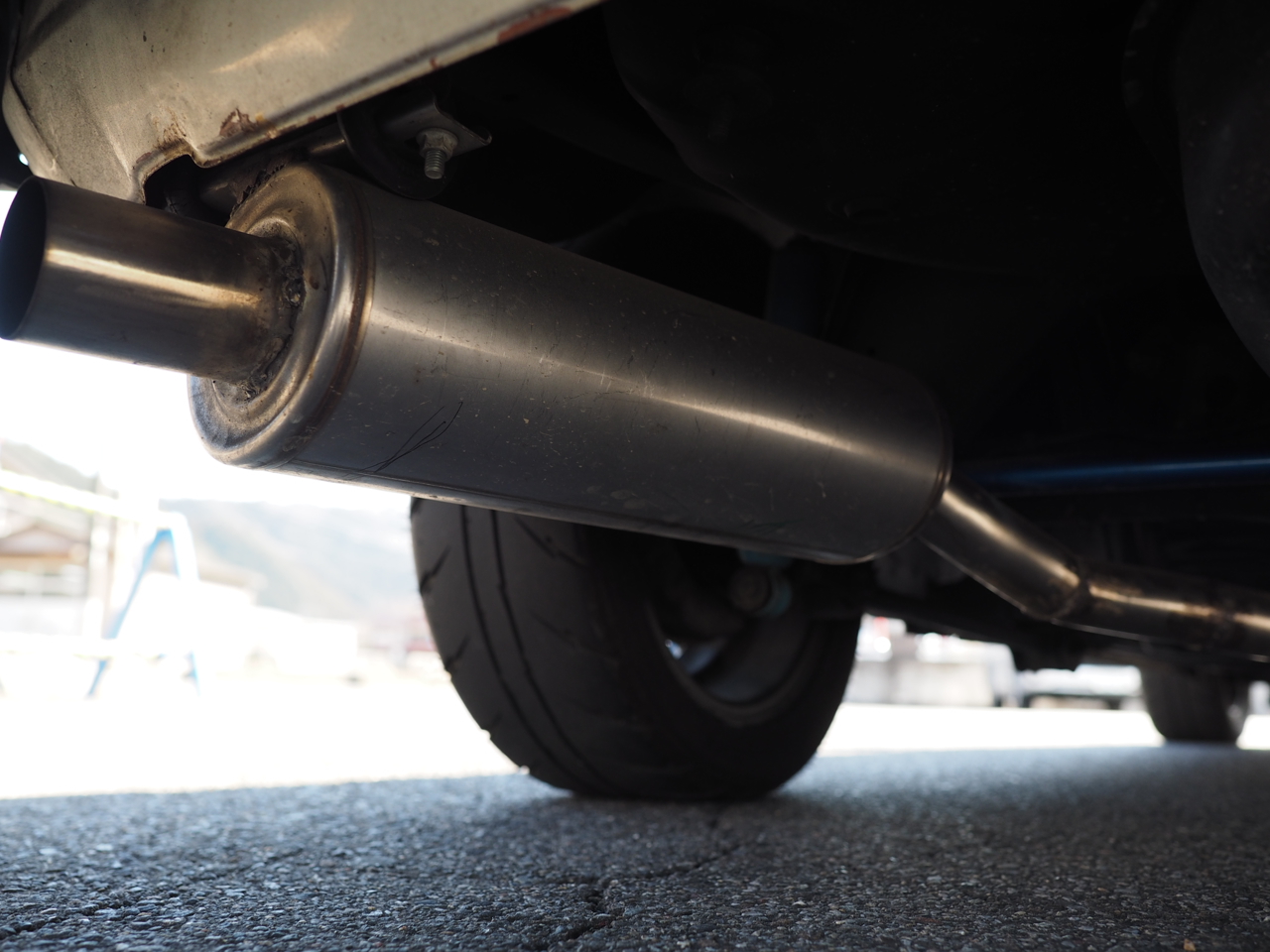
From the one-off custom exhaust echoes a razor-sharp, mid-range–boosted soundtrack—clearly distinct from the original 1.3L OHV 4K engine.
An external tank–style fuel system has been adopted, with an electromagnetic fuel pump mounted directly behind the driver. The mechanical whirring sound it emits heightens the anticipation of the extraordinary performance this KP61 delivers.
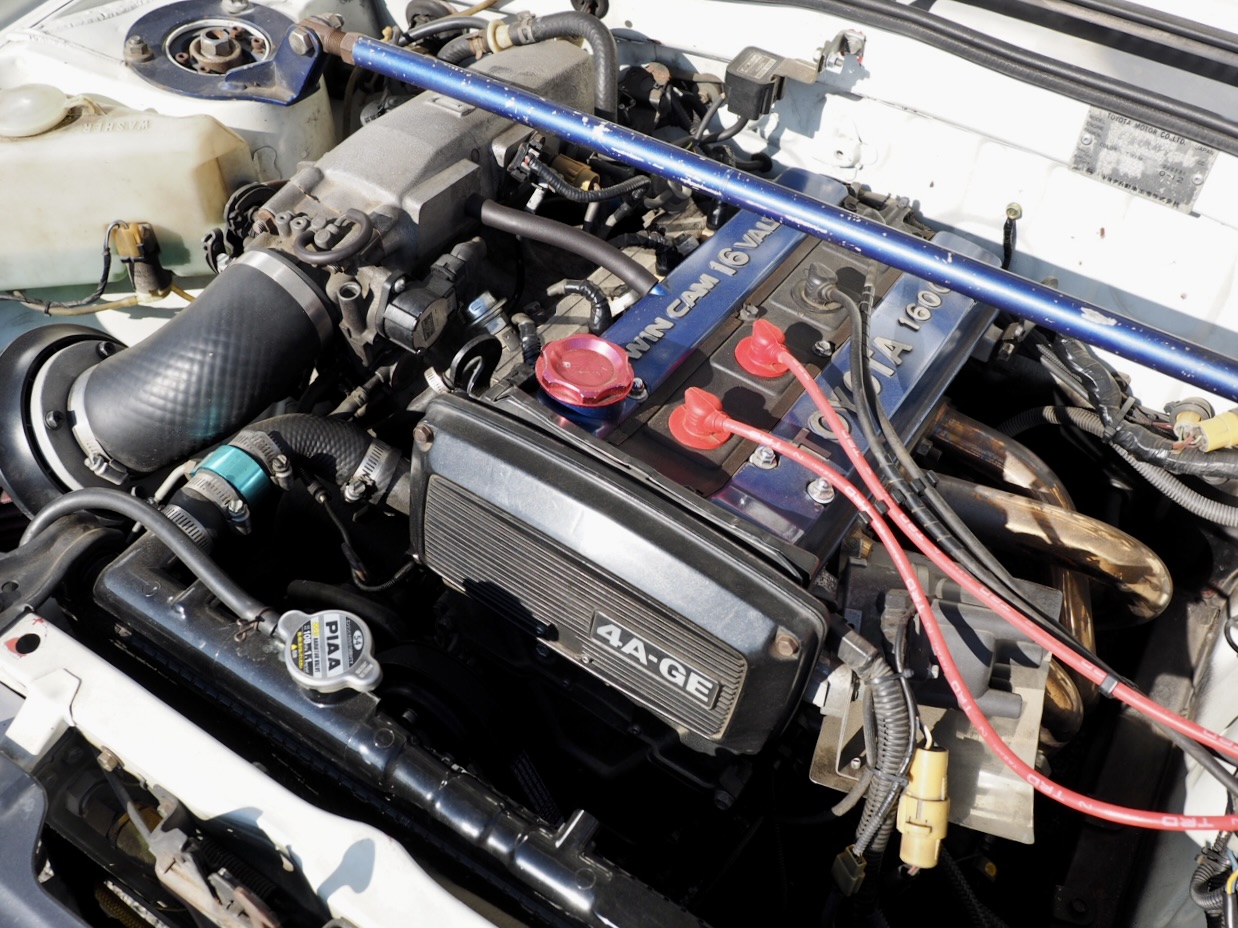
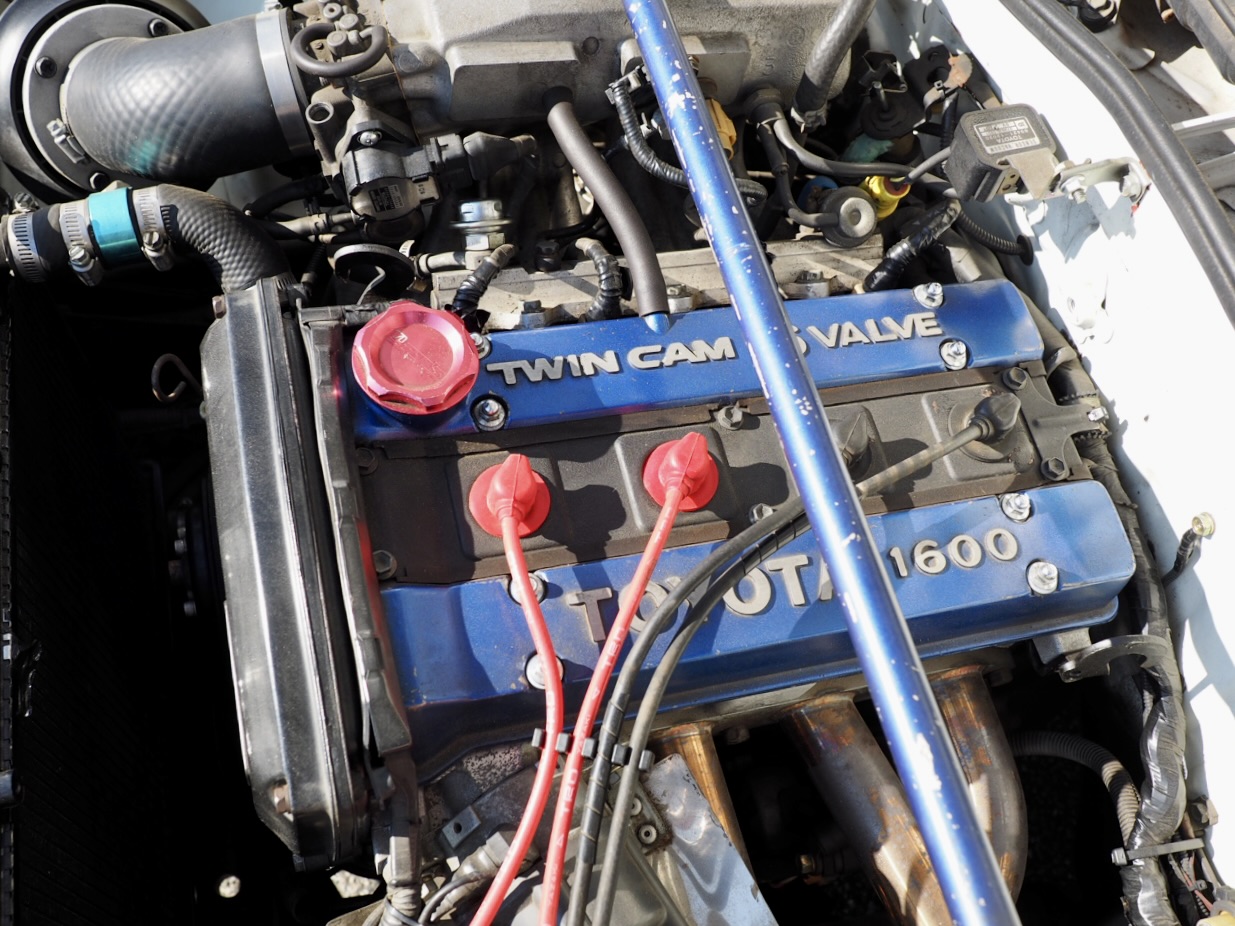
Though outwardly a rare mid-production KP61, at its heart lies a fully overhauled 4A-G engine, with AE86 components extensively utilized throughout. During the 17 years of ownership, particularly over the past 7 years, tremendous investment has been poured into this build, resulting in a machine that has clearly been reborn.
Its performance is nothing short of exhilarating pleasure. The original KP61, an ultra-lightweight 850kg FR powered by the 4K engine, produced around 70PS. This example, retaining essentially the same weight, is estimated to produce approximately 130PS—nearly double the output.
No—beyond the numbers, for enthusiasts who know this car as their origin point, it is the very aura this machine radiates that is irresistibly electrifying. Simply looking at it is enough to feel adrenaline begin to surge.
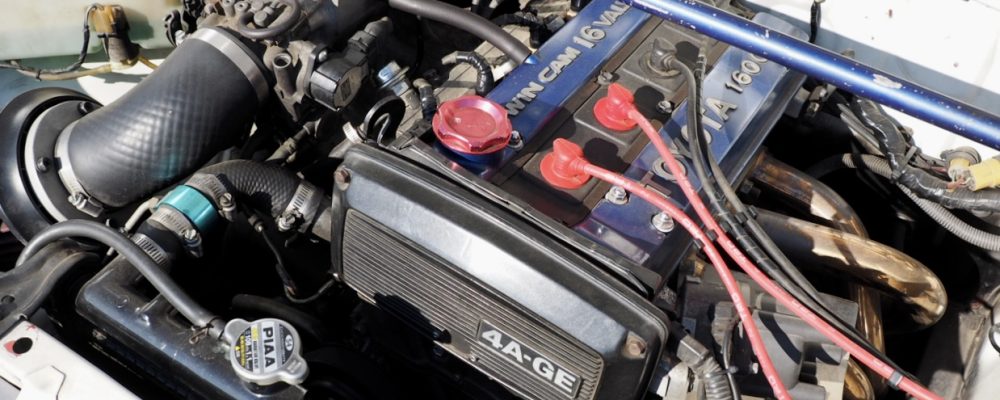
As you can see in the video, this is a meticulously crafted build. The owner worked closely with a mechanic who refined his expertise in Japanese tuning overseas and possesses deep mastery of the 4A-G. Even the engine block forming the lower half of the 4A-G is sourced from an AW11 automatic model.
Compared to manual engines, automatic engines typically experience less crankshaft stress due to their automatic shift patterns. After distortion measurements, a carefully selected block was chosen. From the cylinder head down, the engine was fully overhauled and painstakingly assembled. Controlled by a stable AE86 factory ECU and paired with a chromoly flywheel, the engine revs with razor-sharp responsiveness.
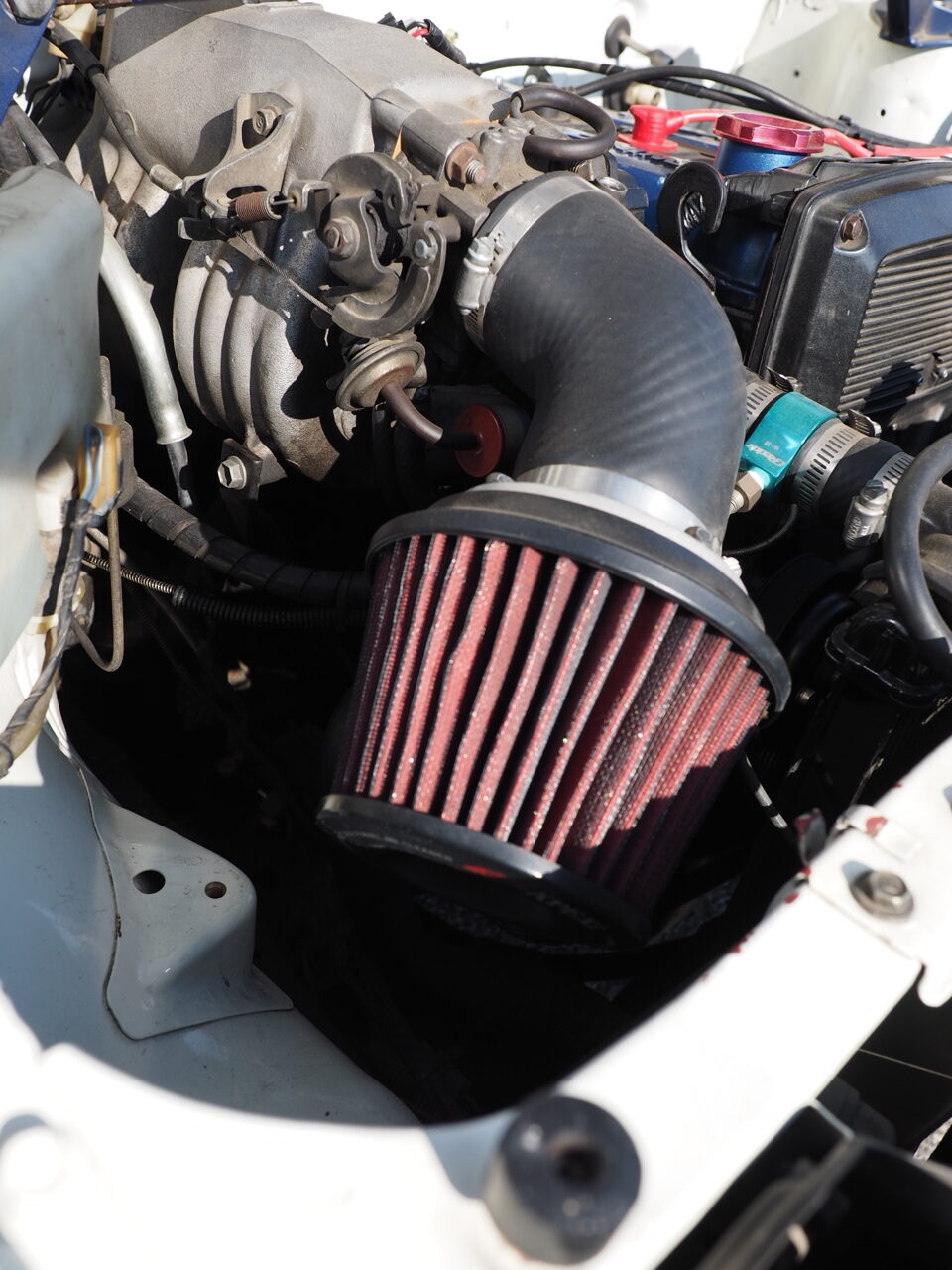
Intake duties are handled by an Apexi system, renowned for its exceptional compatibility with the 4A-G.
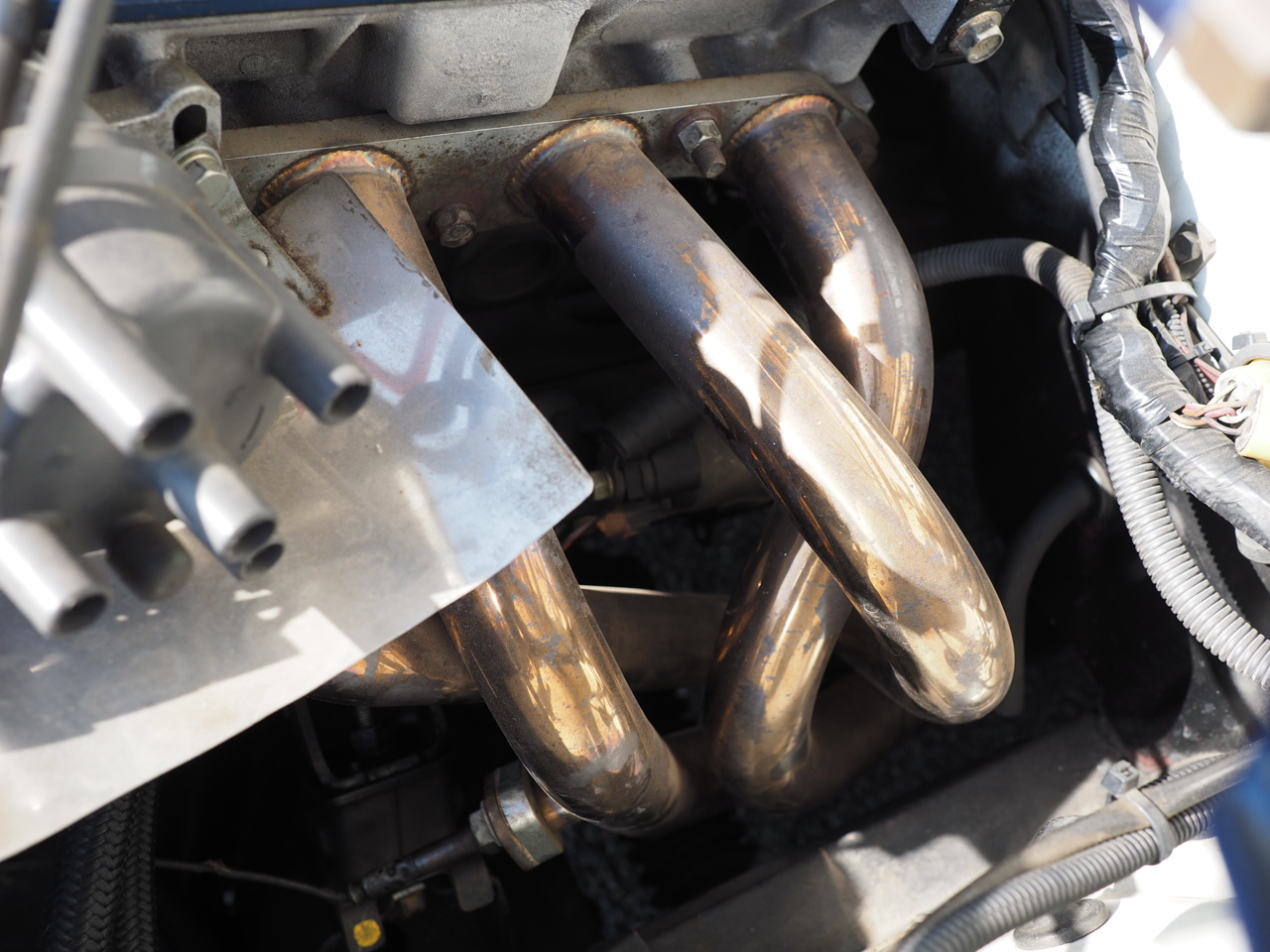
Exhaust gases flow efficiently from beautifully measured equal-length headers into a one-off muffler fabricated by the mechanic himself. Even with a Sard Sports catalytic converter, the system passes inspection without the need for an inner silencer—an impressively uncompromising specification.
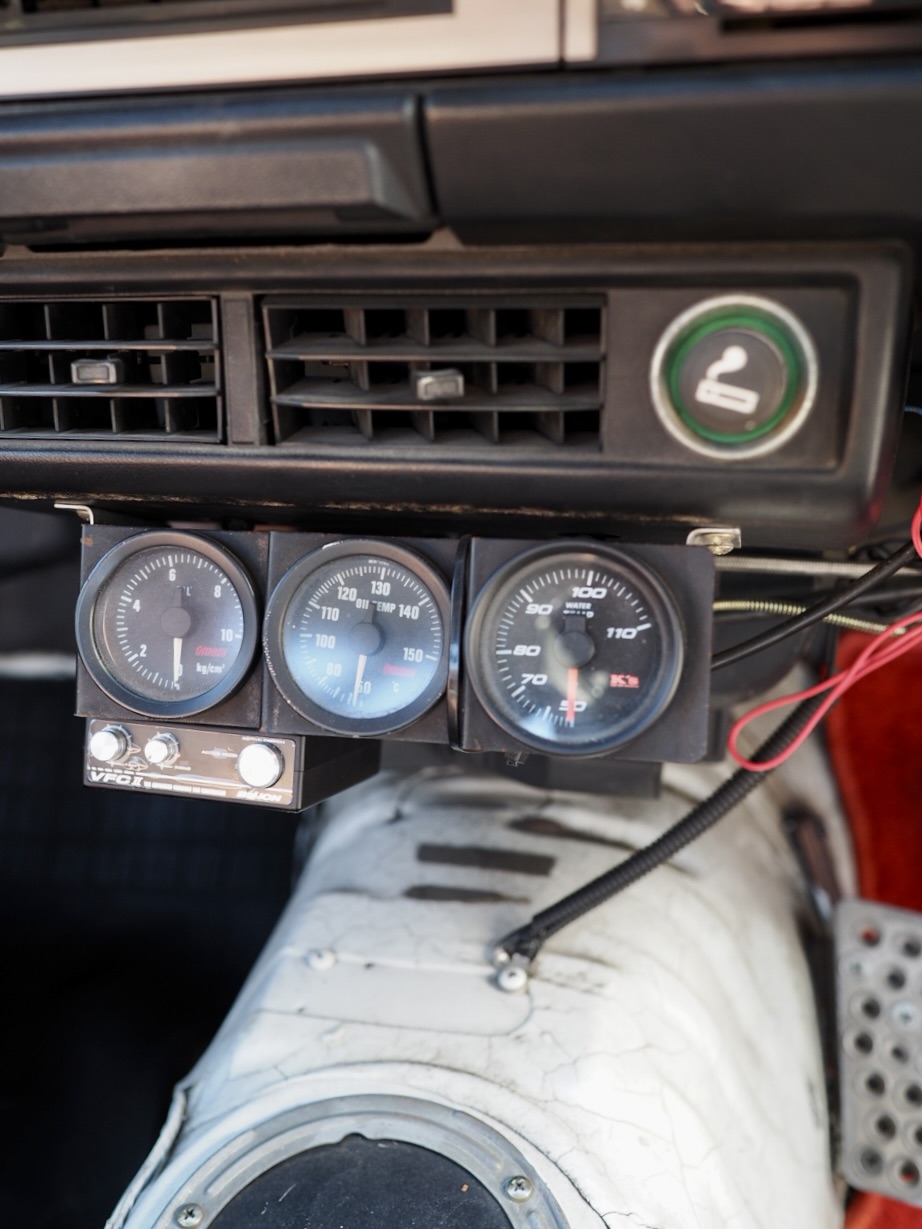
An Ultra twin-ignition kit delivers powerful, efficient spark. A Koyo two-layer radiator and a 12-row oil cooler support sustained high-rev operation, while a Billion electric fan controller precisely manages coolant temperatures.
Ignition, cooling, intake, and exhaust—every element of the 4A-G system has been methodically optimized. This KP61 has evolved into a machine whose specifications can be confidently discussed in detail. It is not merely a 4A-G–powered KP61—it awakens the very essence of the original Showa-era FR spirit.
Fuel is delivered by the in-cabin external tank–style electric pump, its mechanical hum constantly reminding the driver of the machine’s tension and purpose.
Through an S15 fuel filter and even equipped with a spare pump, the thorough preparation reflects the reliability matured over 17 years.
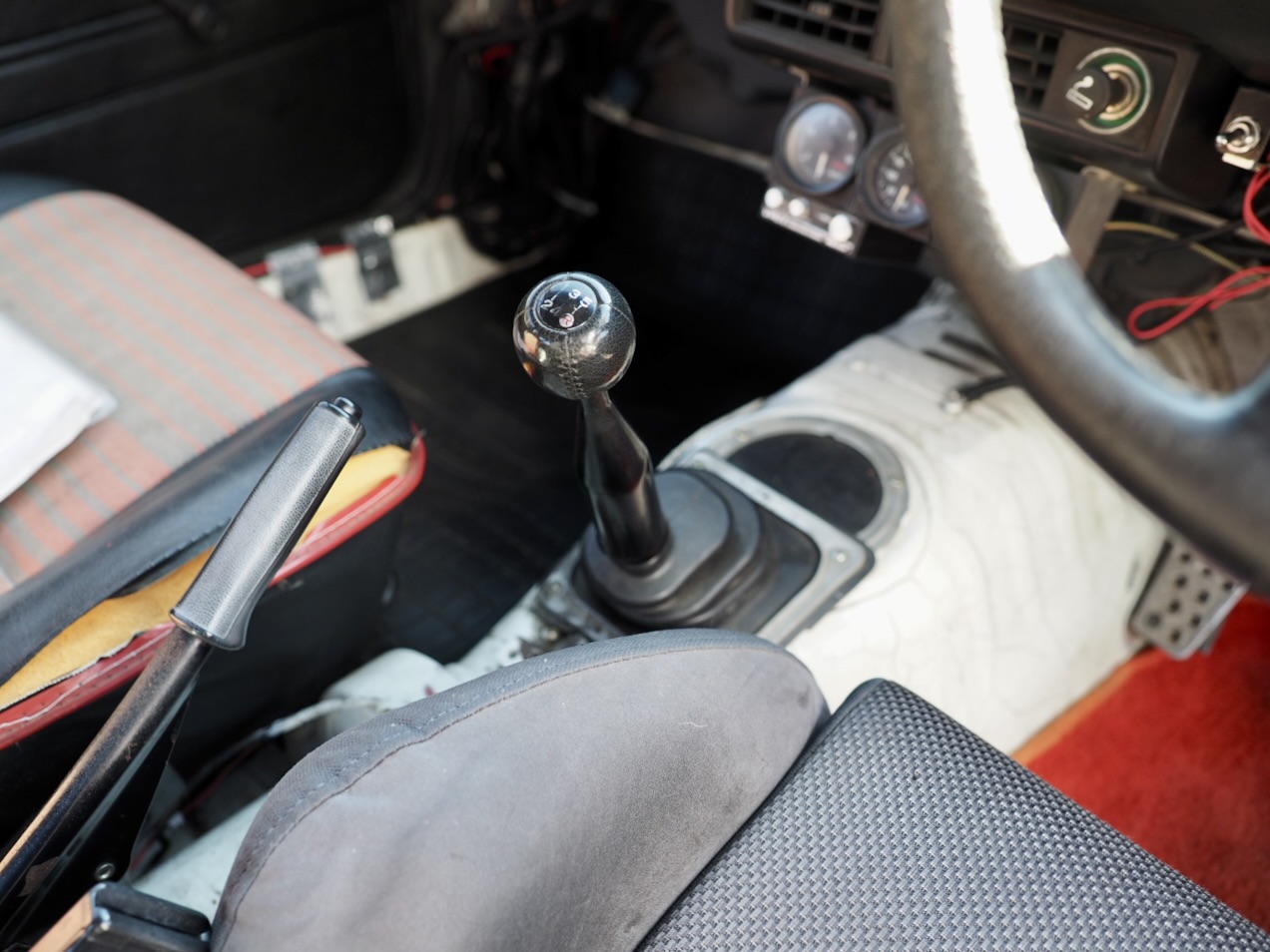
The T50 transmission has been overhauled and delivers a firm, precise stroke. Offset approximately 10cm rearward, the improved shifter position enhances ergonomics and deepens the sense of unity with the 4A-G.
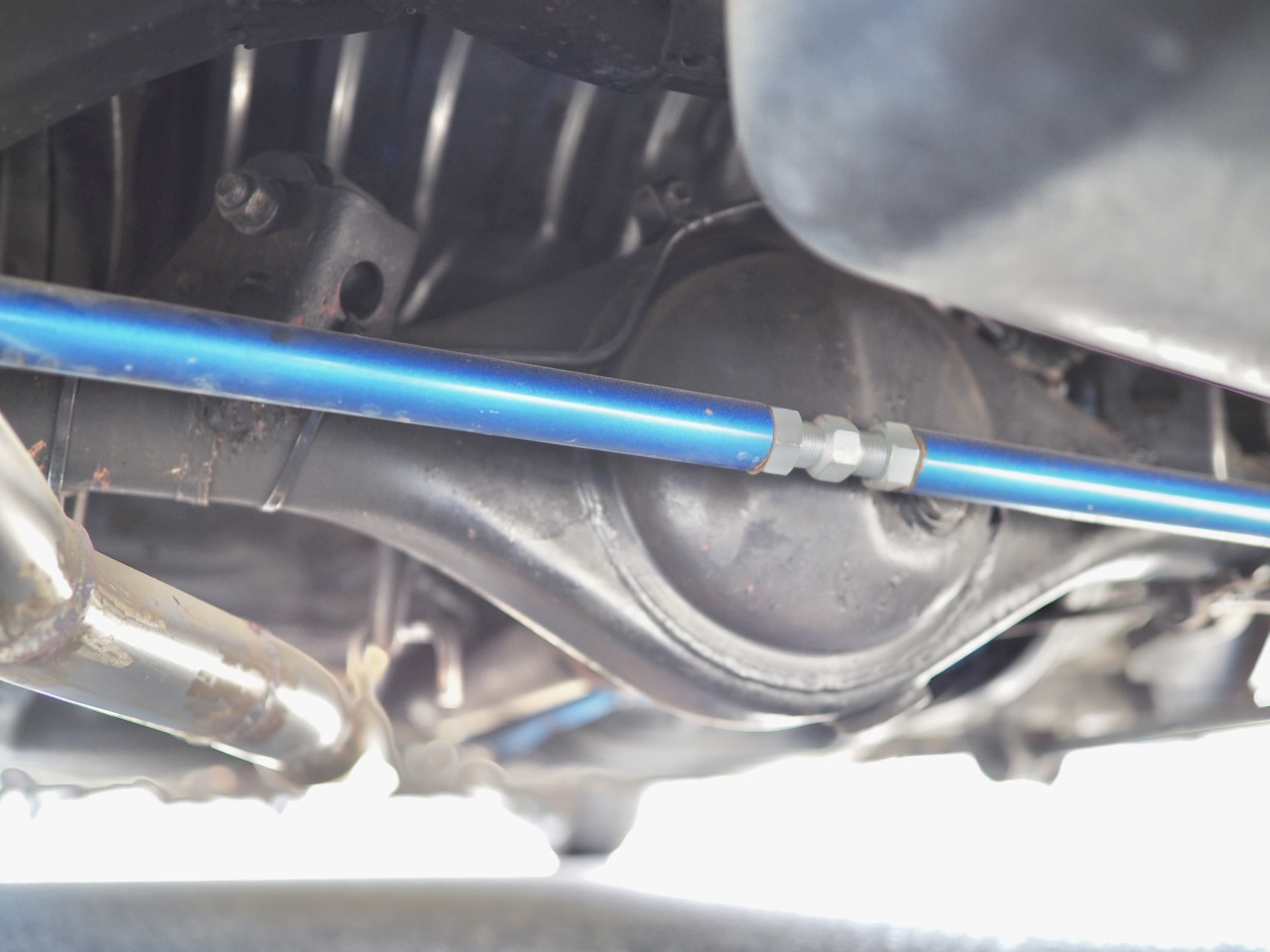
The drivetrain is another highlight—arguably one of the mechanic’s finest achievements. A complete AE86 rear housing assembly has been painstakingly transplanted into this chassis.
A TRD LSD paired with a 4.5 final ratio, a Cusco lateral rod correcting axle alignment, and reinforced URAS tie rods sharpening front-end response—all contribute to its high-spec character.
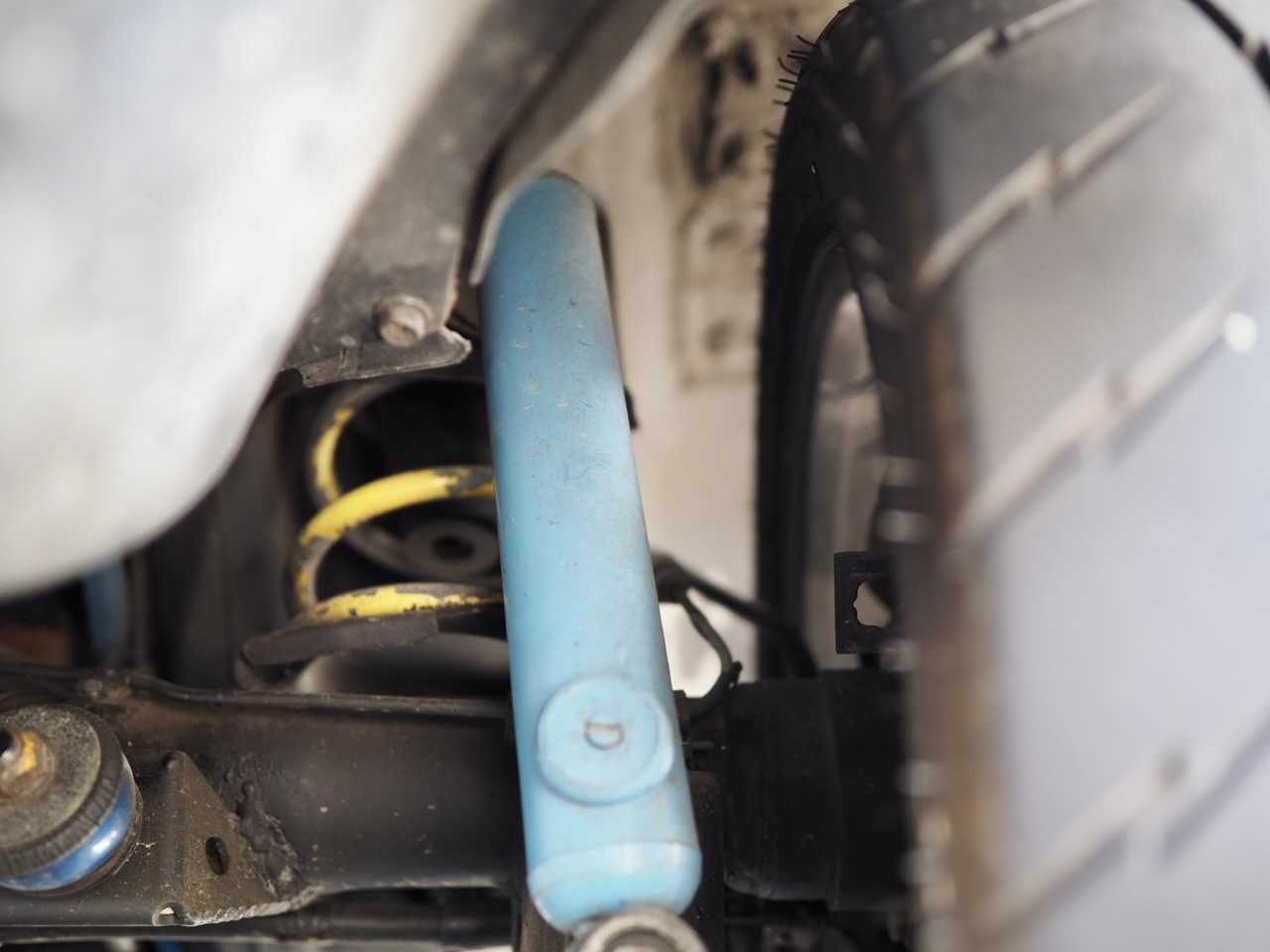
Suspension consists of front height-adjustable coilovers with pillow-ball upper mounts and TRD shocks and springs in the rear. Hub bearings and boots have been replaced, establishing a proper foundation for serious driving.
Brakes have been converted to four-wheel discs using AE86 components, including rear disc conversion.
All calipers have been overhauled, and stainless mesh brake lines up front ensure direct pedal feel and immediate stopping power—ideal for commanding an 850kg lightweight chassis.
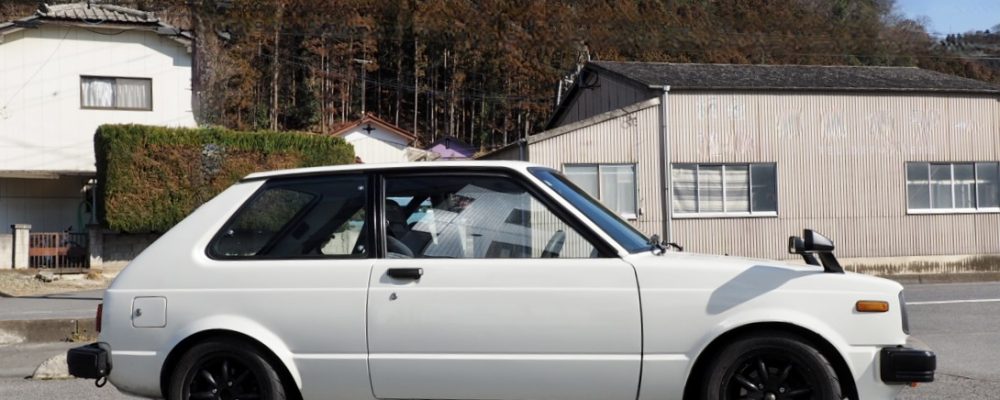
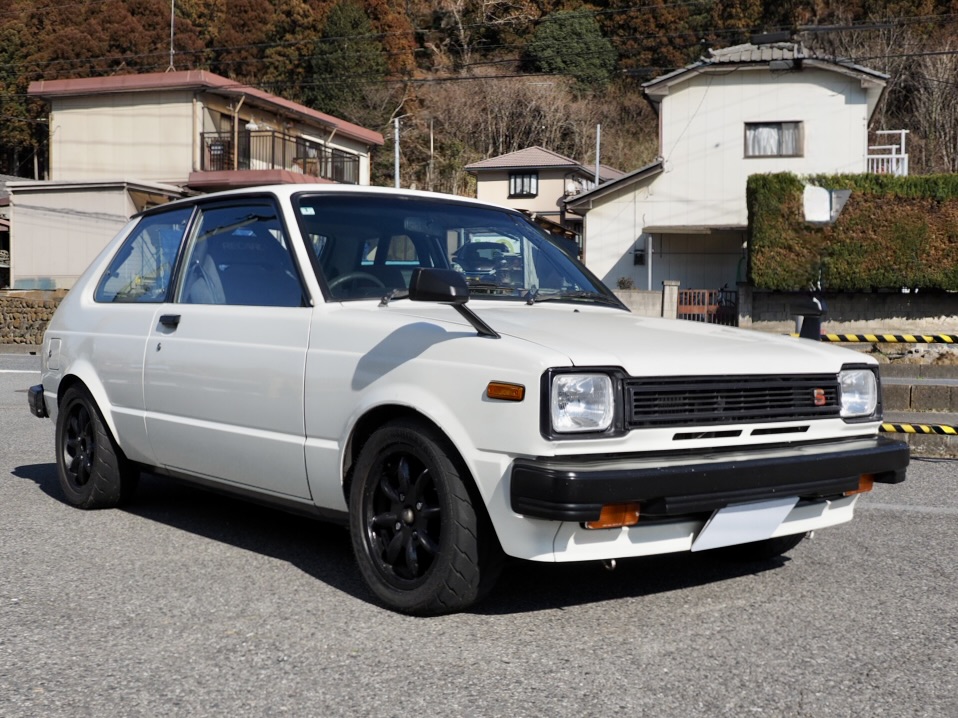
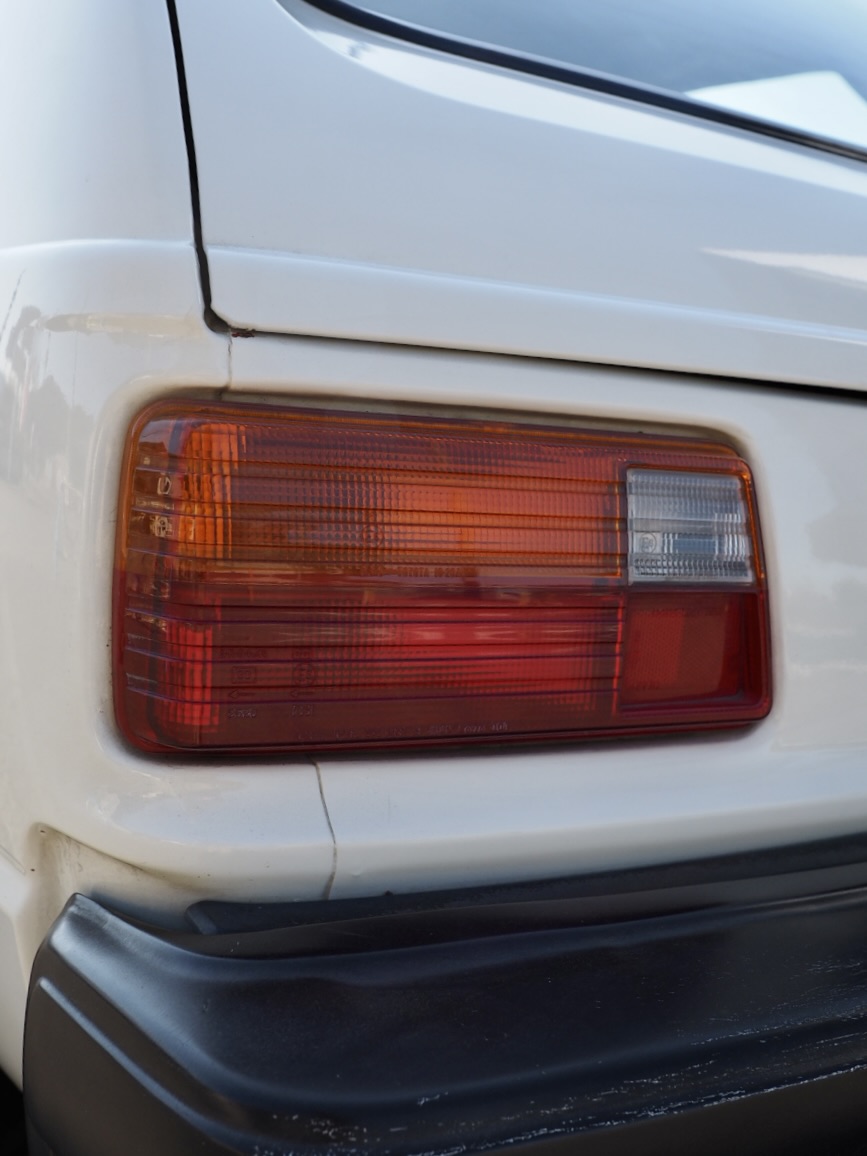
The body began as a rust-free example with no accident repair history and was repainted in the original color. The underbody remains corrosion-free and in excellent condition.
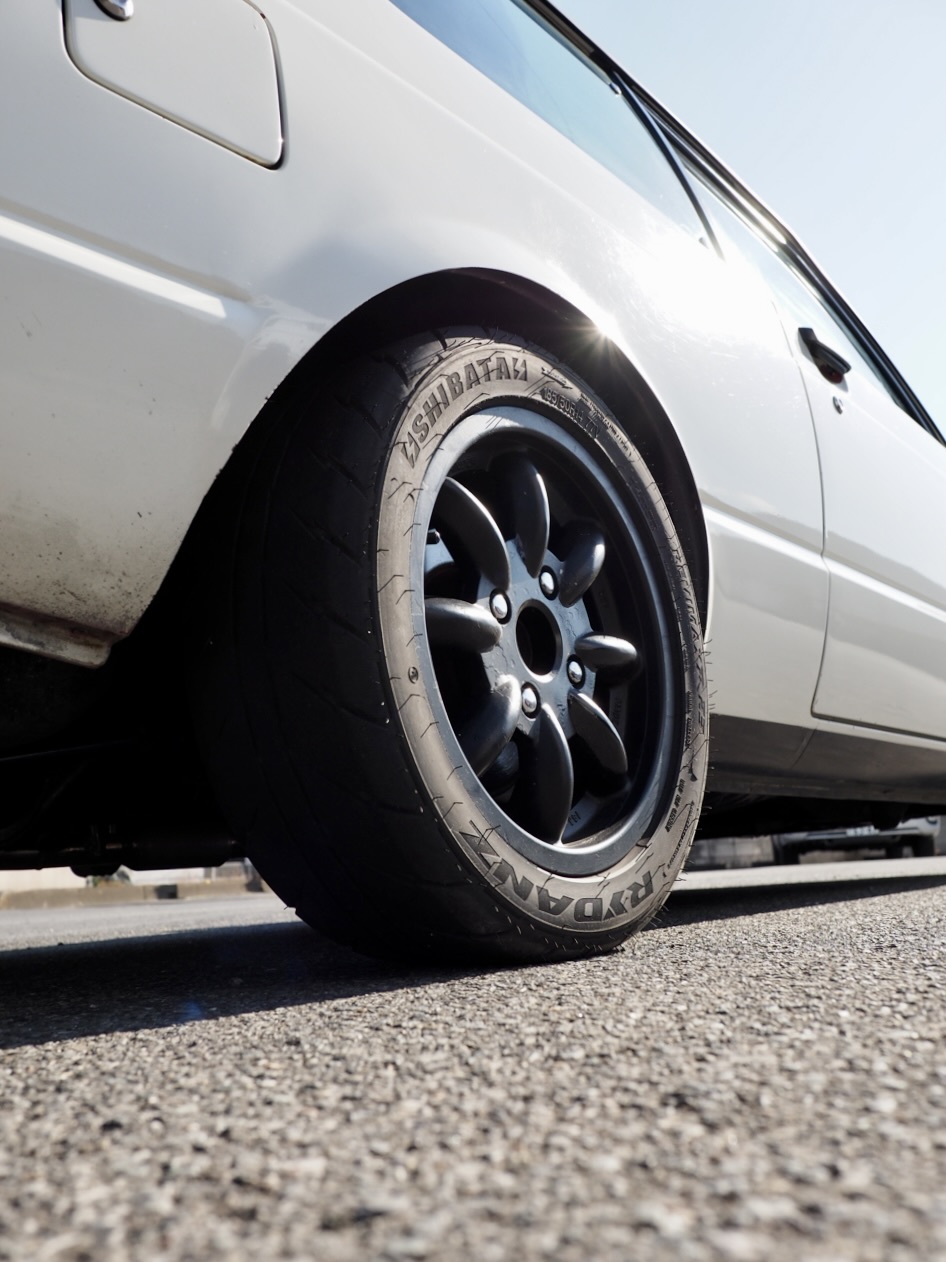
During repainting, overfenders were installed, carefully shaped with filler, and painted in matching body color.
With slightly lowered ride height and widened stance, the car quietly asserts its special presence.
It rides on 14-inch British Minilite alloy wheels wrapped in Shibatire 185/50R14 radials. Its stance unmistakably conveys a machine built to drive.
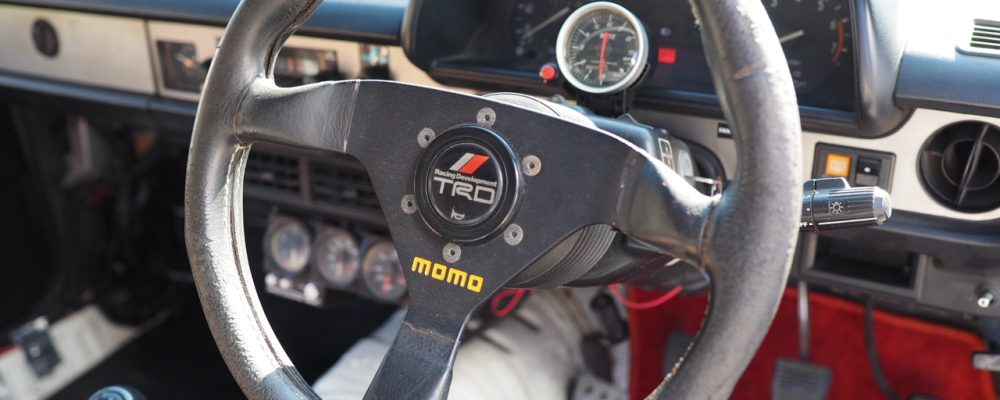
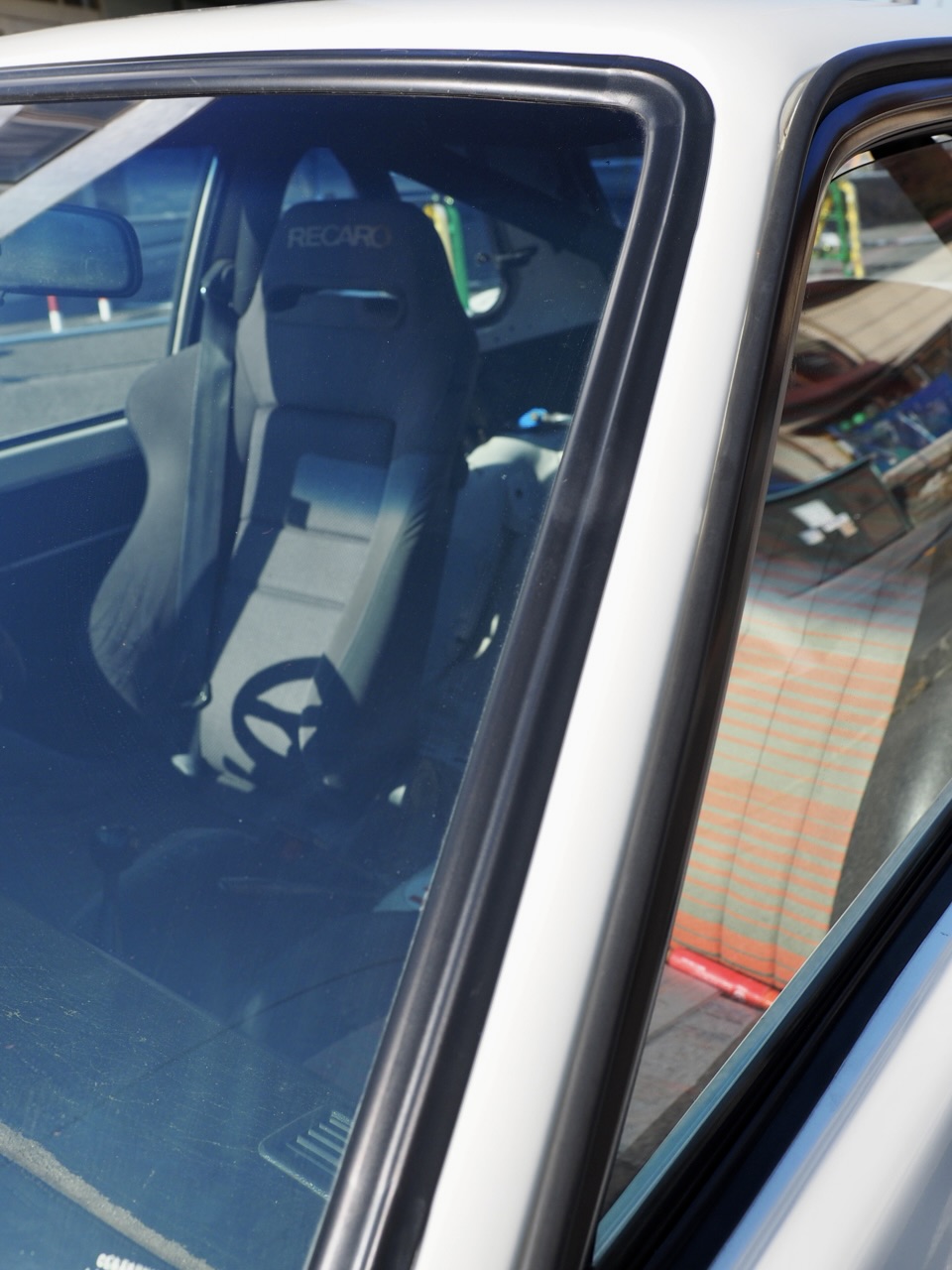
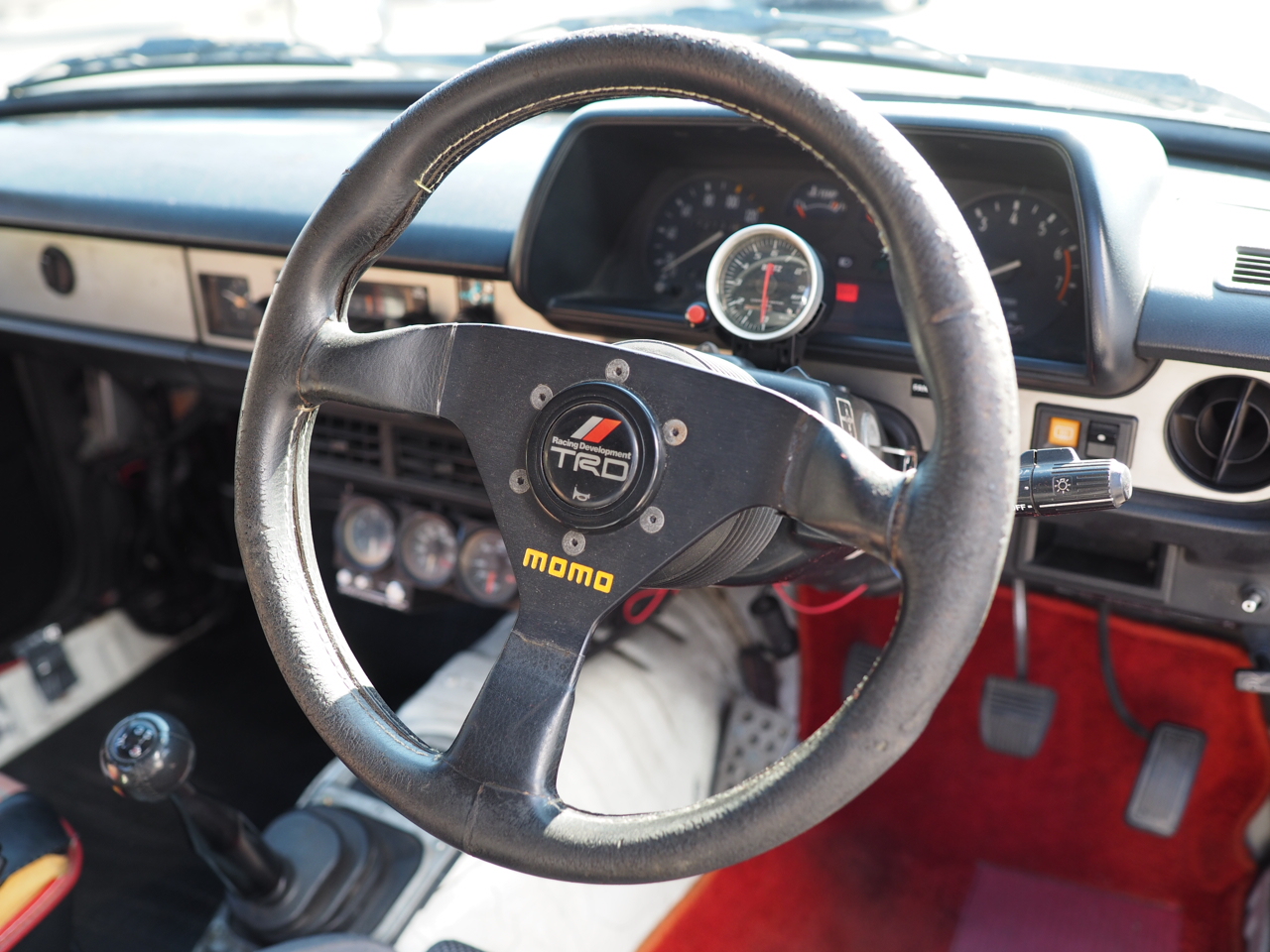
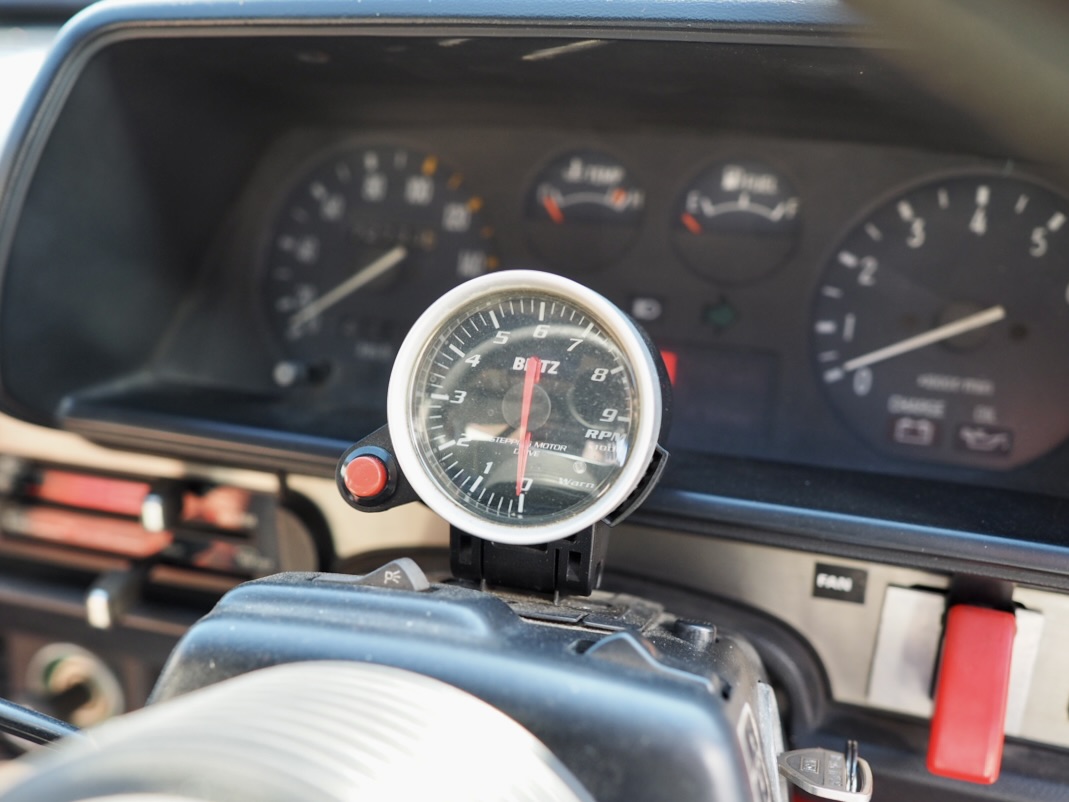
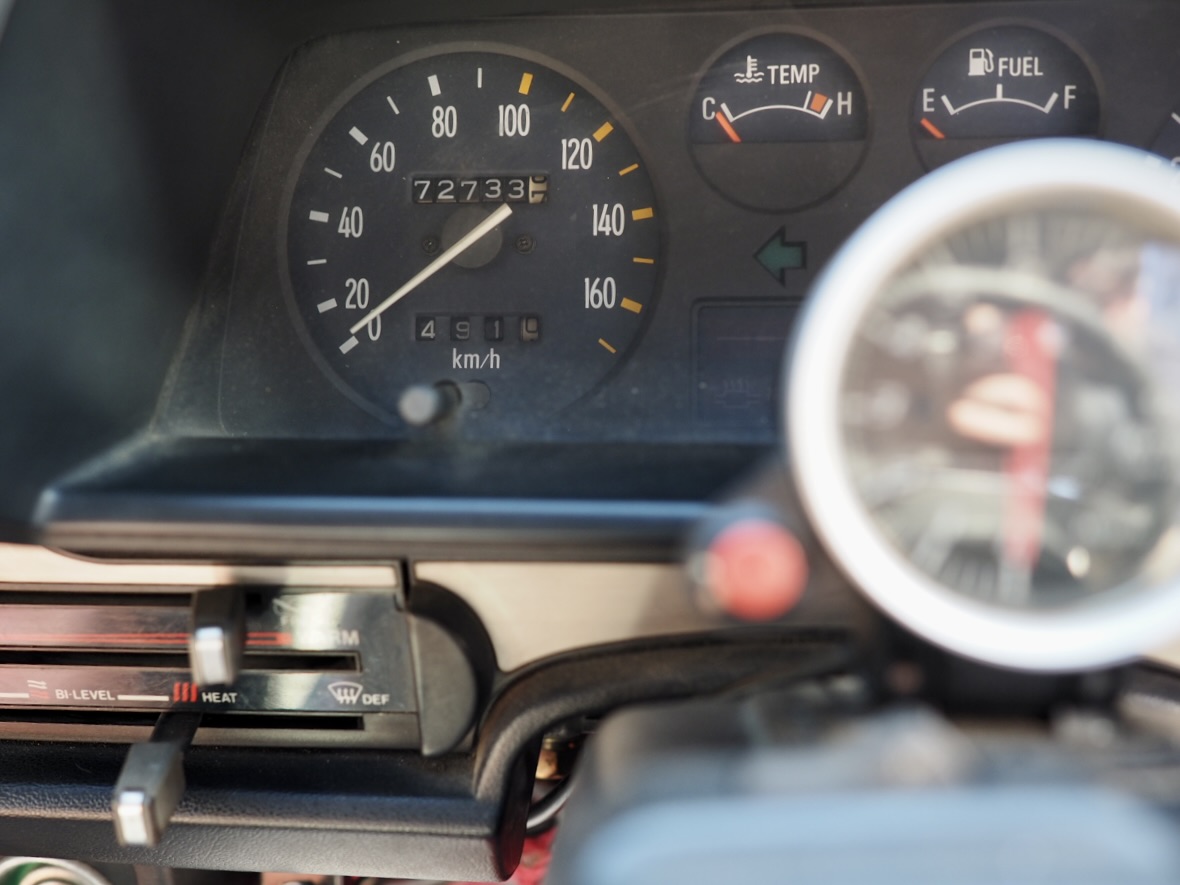
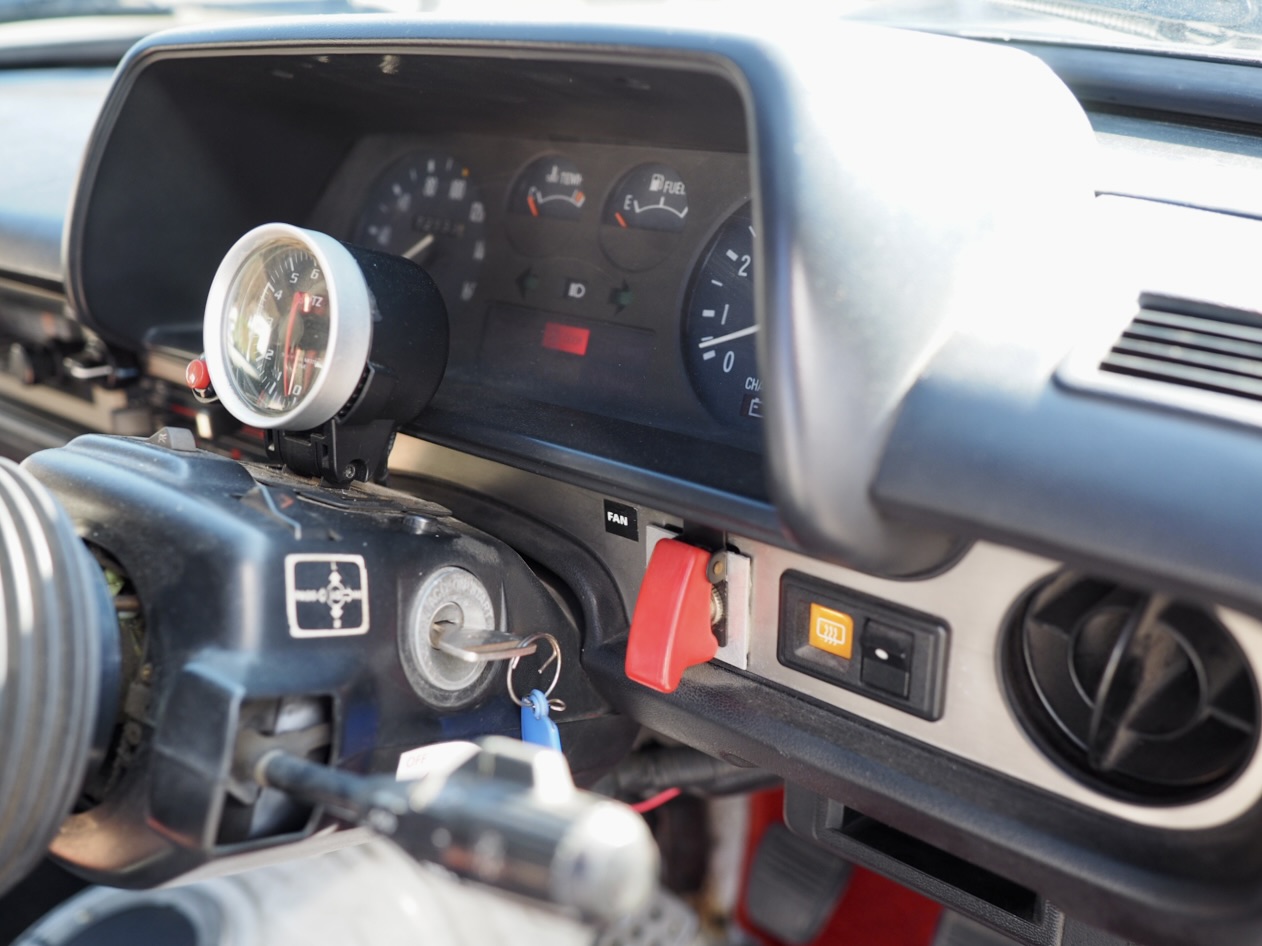
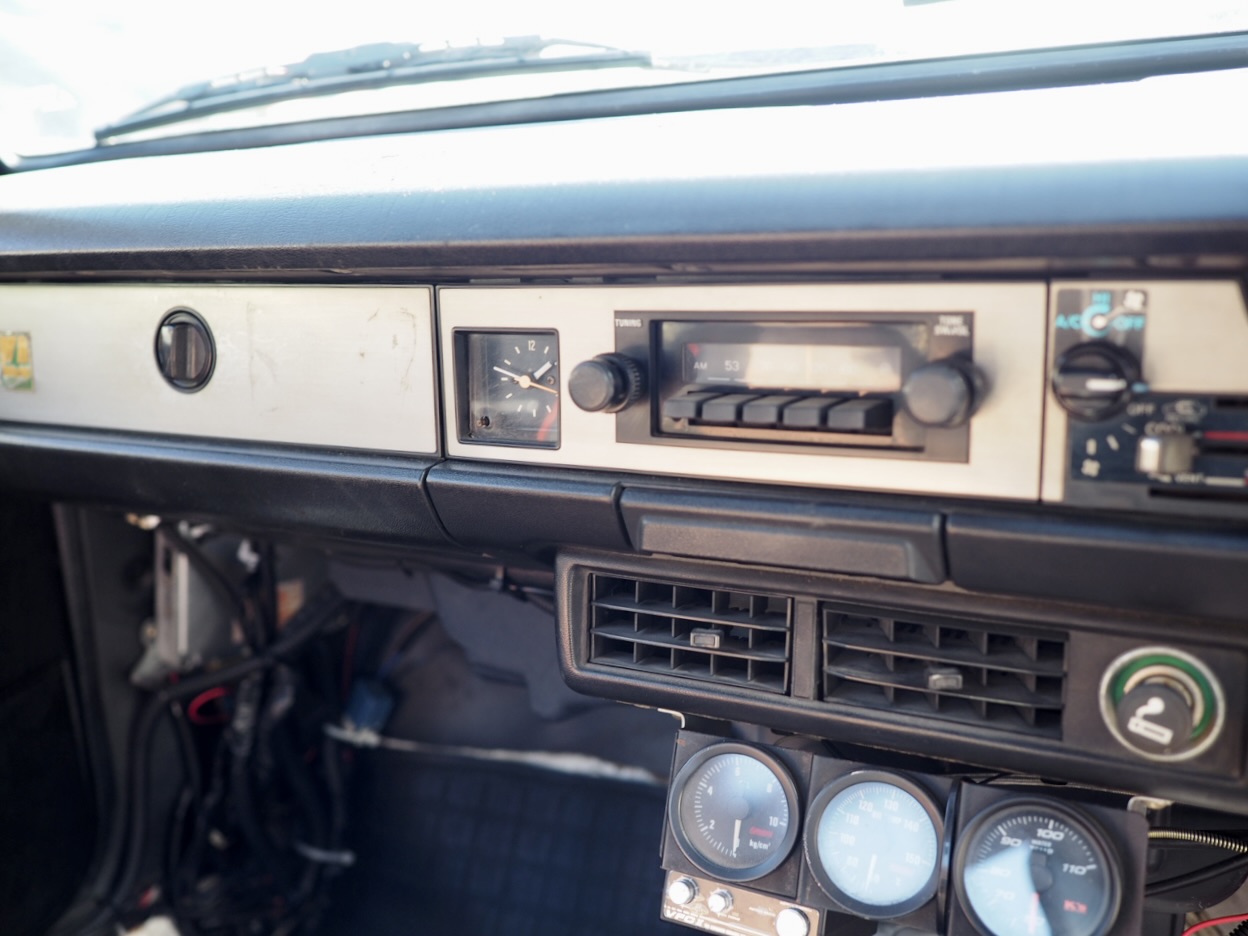
Inside, a mechanical triple gauge cluster and a Blitz tachometer are neatly arranged, elevating the mood. Grasp the MOMO Racer steering wheel, and before you unfolds the pure landscape of Showa-era FR motoring.
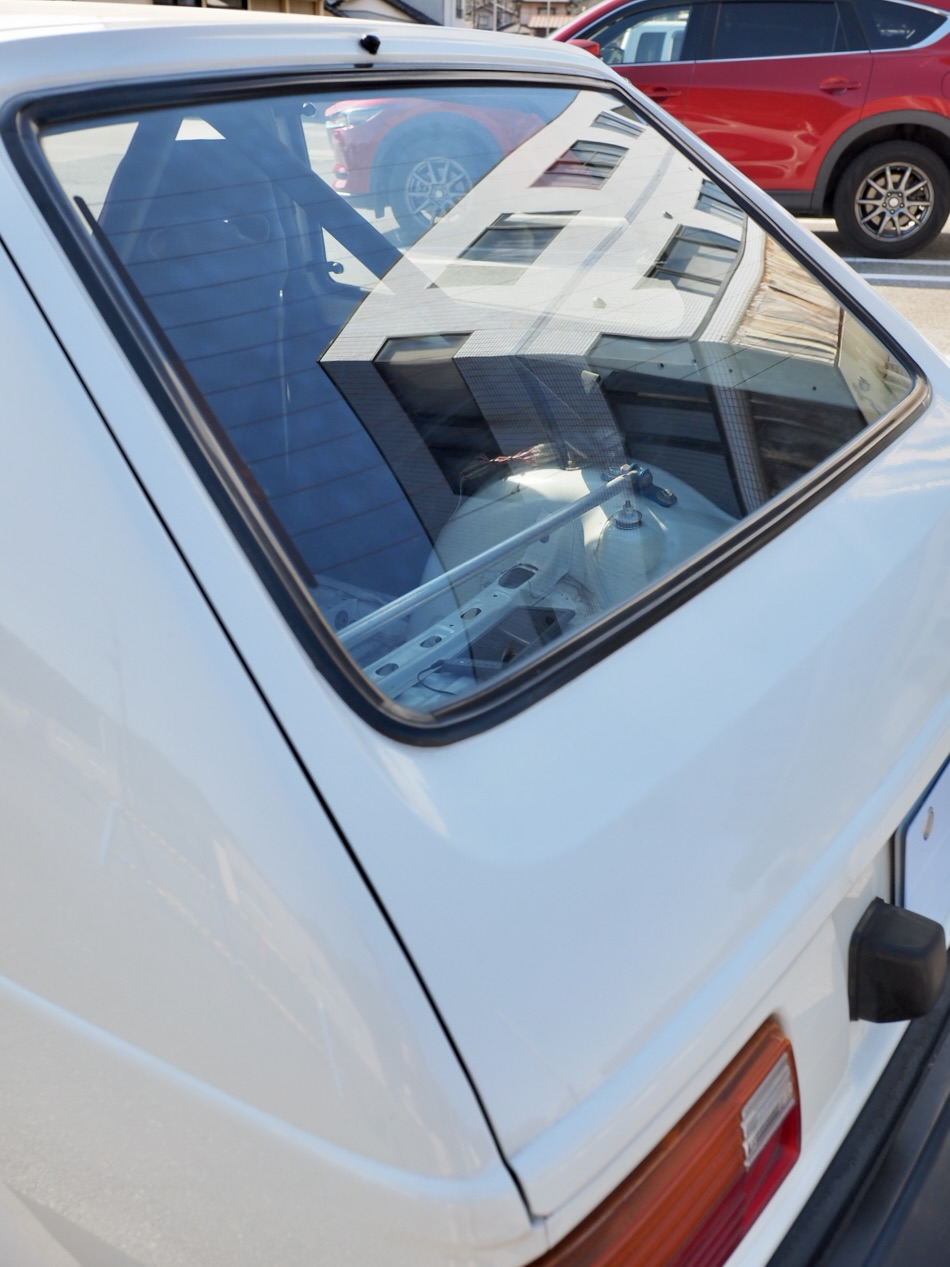
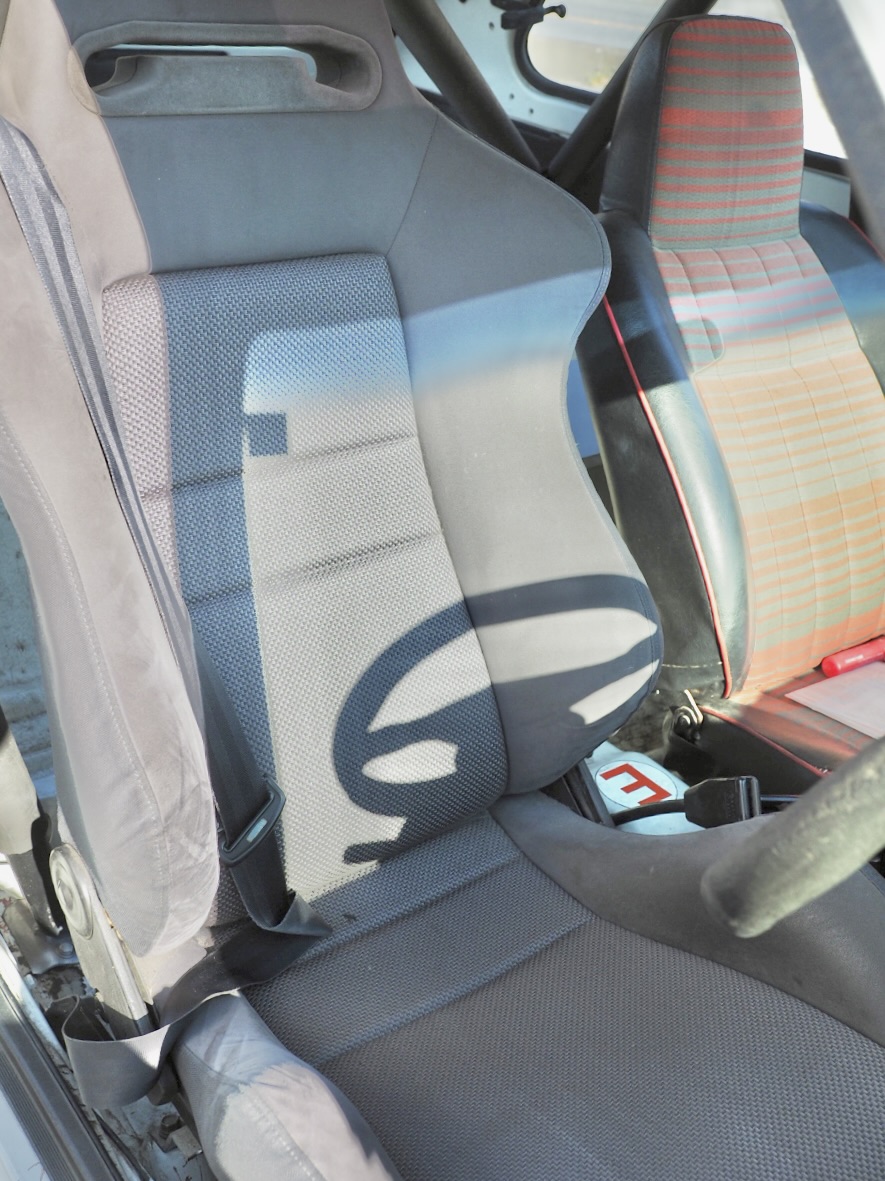
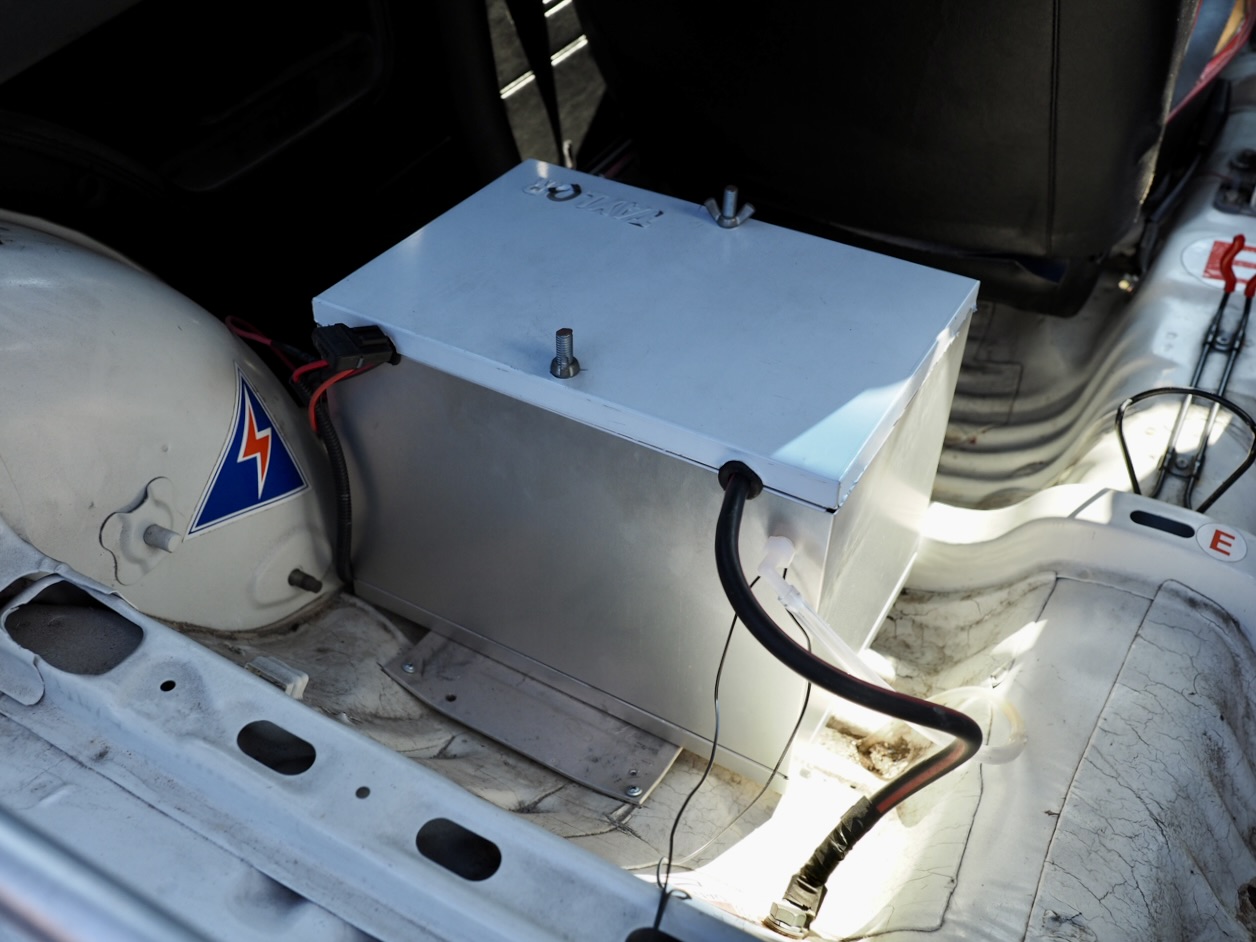
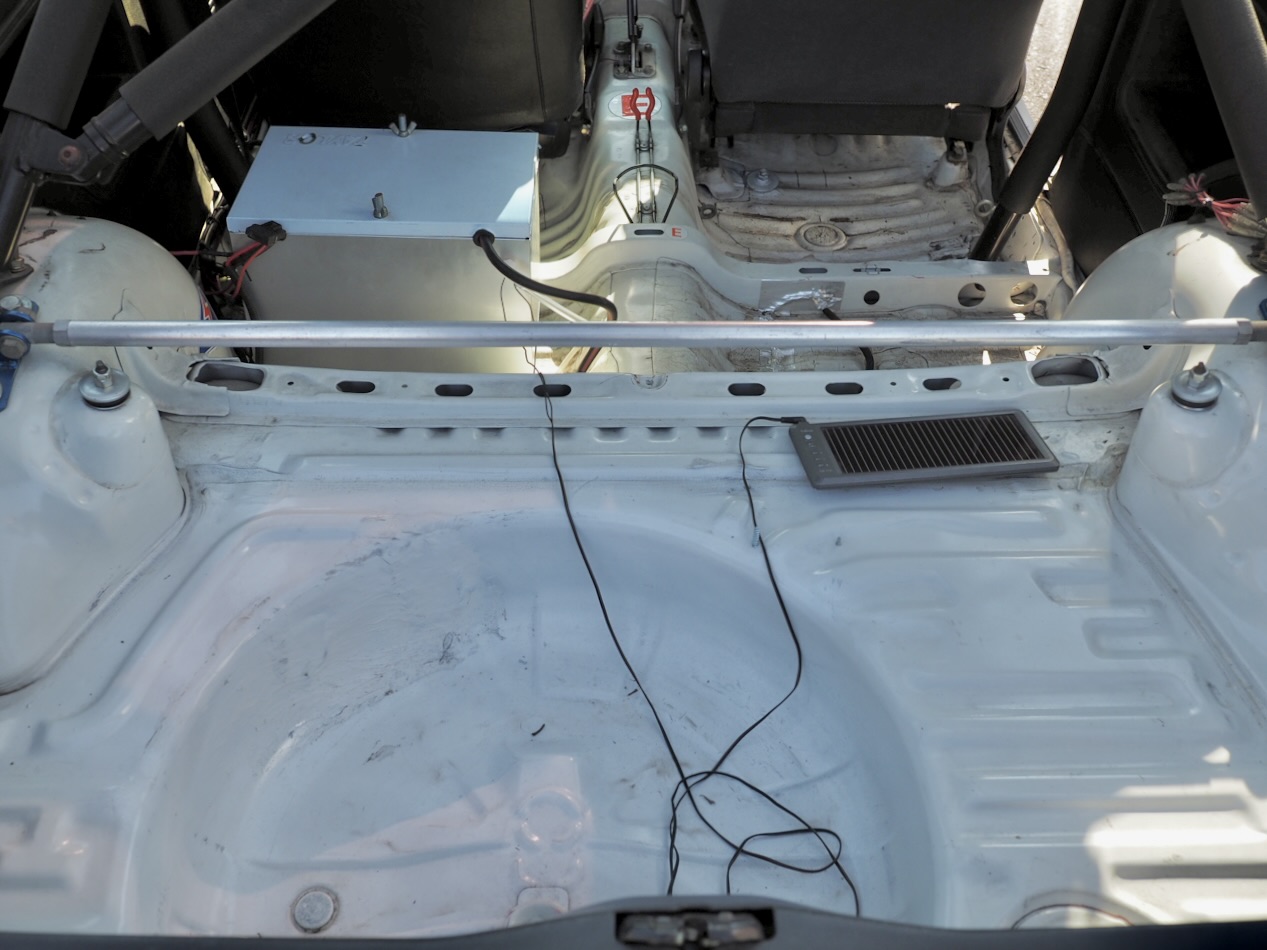
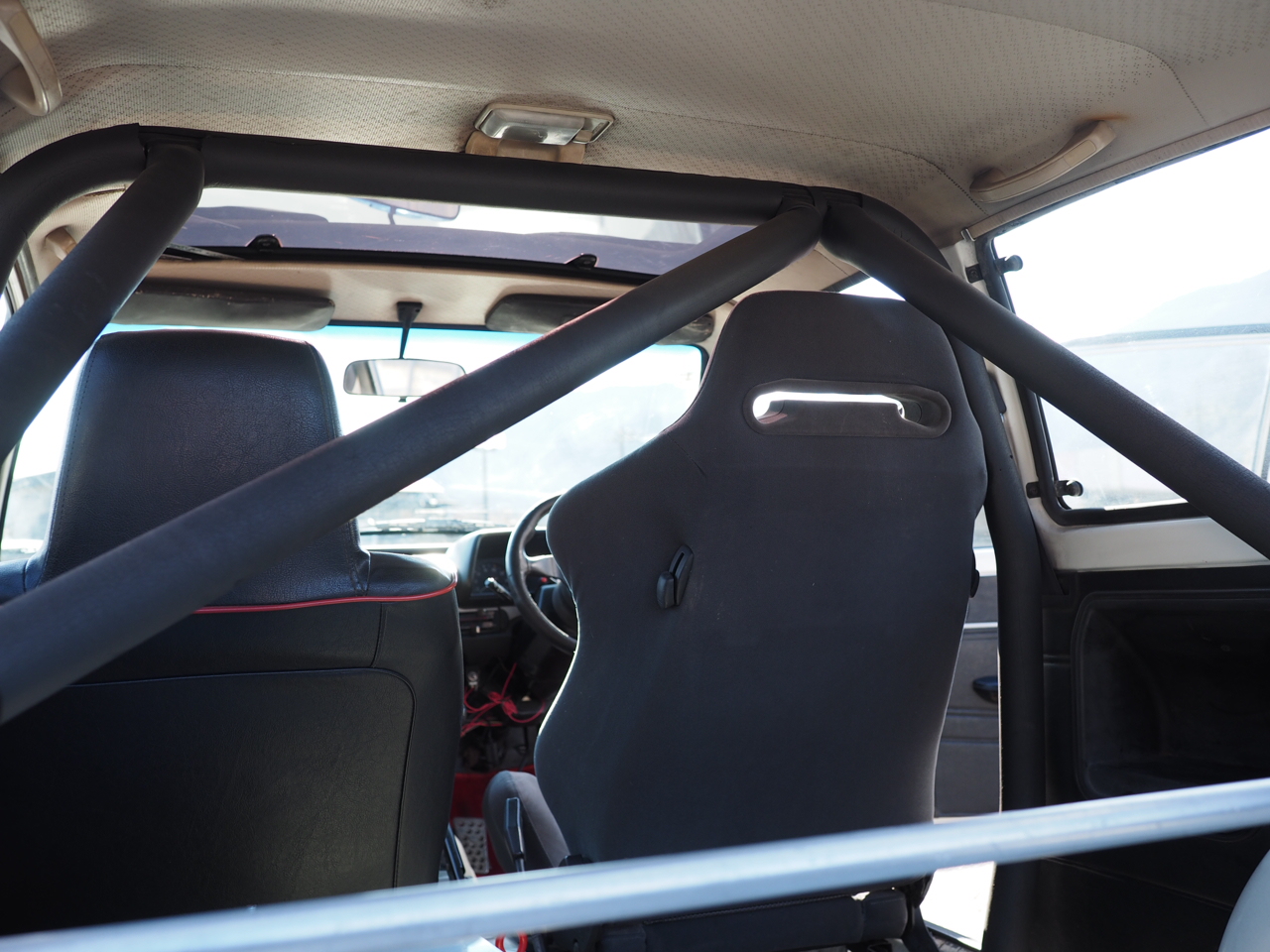
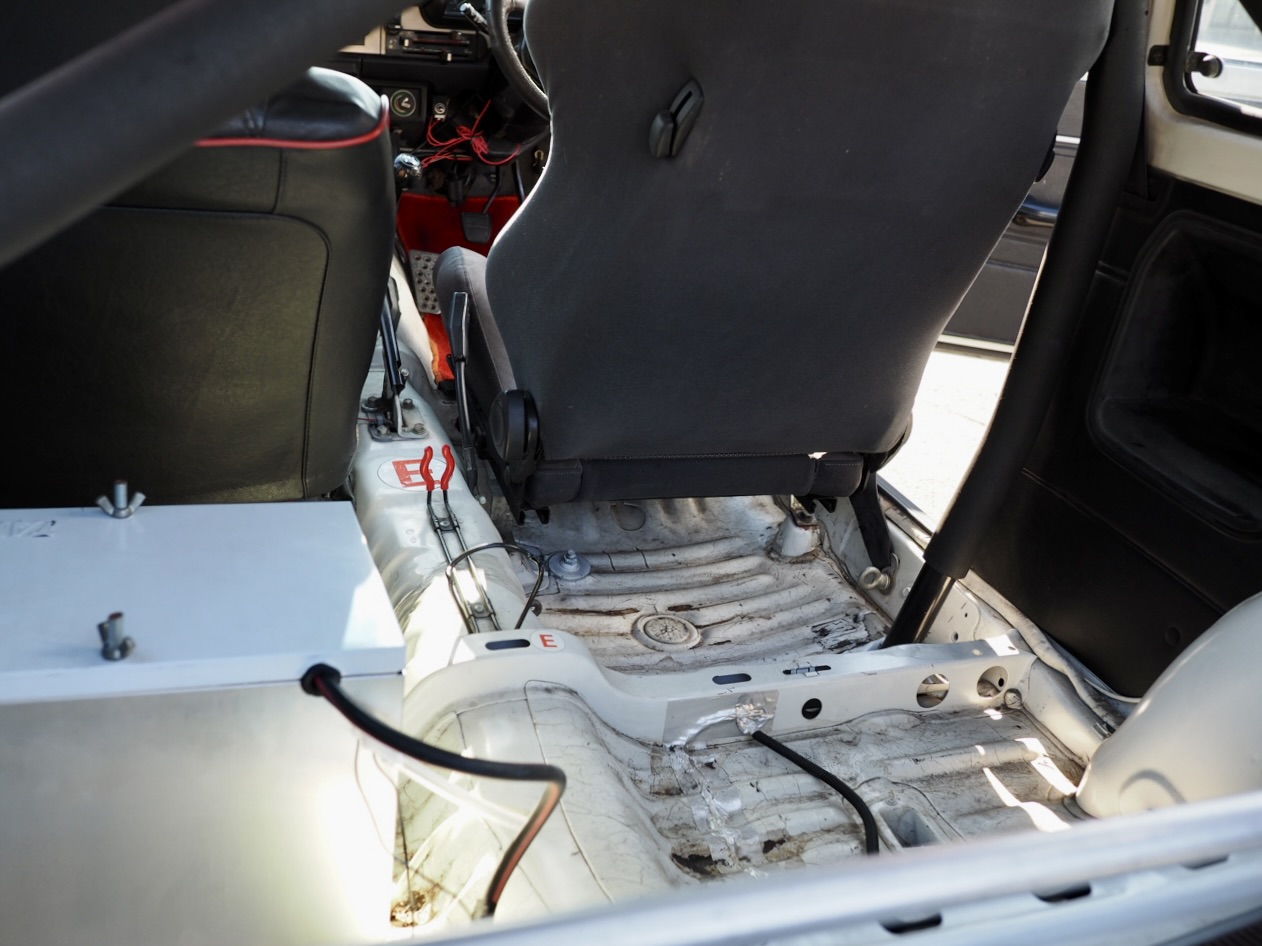
A five-point roll bar behind the driver enhances both rigidity and safety. An aluminum battery box and the in-cabin fuel pump emphasize its serious intent.
And yet—despite its far-from-ordinary appearance—this car is fully street legal, with structural modifications officially certified.
This mechanic personally brought the vehicle to the Gunma Transport Bureau, where it passed inspection without issue. It is a true “completed car,” far beyond the ambiguous realm of casual modification, projecting a commanding presence.
The KP61 once powered by a 70PS 4K engine has become an estimated 130PS machine—without gaining weight.
Yet more stirring than the numbers are the inherent lightness of the chassis, the superb engine response, and the honest FR handling unique to the KP61.
This is not modification for mere spectacle.
It is the origin, rendered clearer and sharpened into a more stimulating form.
Seventeen years of ownership—seven of those years devoted entirely to its creation. Working side by side with a master mechanic, the owner poured his life into perfecting this KP61.
It is not simply a modified car.
It is the very embodiment of a return to one’s roots—an image that passionately ignites the spirit of life itself.
Chapter Two…
The origin of Showa-era FR…
Unraveling the true significance of this particular example through the birth story of the KP61.
In 1978—when this car became the origin point for so many of the enthusiasts reading this—
Japan’s automotive world was being battered by strict emissions regulations, and one by one, domestic sports models were losing their edge.
Amid that turbulent era, Toyota introduced a small FR machine to the world.
That car was the KP61.
While inheriting the lineage of the earlier Publica, it was lighter, more manageable, and—most importantly—faithful to the FR layout that allowed anyone to experience the joy of driving.
At the time, its primary engine was the OHV 4K.
A 1.3-liter single-carburetor unit producing 70PS—not high-powered by any means. Yet paired with a lightweight body of just 860kg and an honest front-to-rear balance, its handling captivated countless young dreamers who longed for a car of their own.
The S grade in particular evolved from the early round-headlight model to the later square-headlight version, adapting with the times. However, the mid-production model—such as this example—occupies a significant transitional phase.
Retaining the simplicity of the early cars while benefiting from refinements that would lead to the later versions, the mid-model represents a rare and beautifully balanced stage of the KP61’s evolution. Stripped of excess, its clean styling and inherent excellence as a lightweight FR stand out clearly.
The mid-production KP61 is not about flash—it is about essence. It represents the period when the KP61 matured into its most harmoniously balanced form.
Crucially, the KP61 was the last small FR Starlet.
After this generation, the Starlet transitioned to front-wheel drive, and the era changed.
In that sense, the KP61 stands as a witness to the final age when lightweight FR was the norm. That is why it continues to be passionately supported by devoted enthusiasts to this day.
Its honest drivability closely mirrors the qualities that later made the AE86 so beloved:
balanced weight distribution, ideal wheelbase, and above all, lightness.
Driving it is inherently enjoyable.
For that very reason, transplanting AE86 components into this car is not a gimmick nor a novelty—it may in fact be seen as following the true lineage.
Merging the lightweight FR foundation of the KP61 with the matured mechanicals of the AE86 is more than modification.
It is an attempt to connect Toyota’s FR evolution into a single continuous line.
To grant the 70PS 4K-era origin a next-generation heart—the 130PS 4A-G.
Yet the essence is not power.
The true value lies in the lightness and the structural purity of FR—the direct, unfiltered sensation of control.
And this particular example preserves that “origin” rather than distorting it.
In fact, it brings it into sharper, more exhilarating focus.
That, perhaps, is the true value radiated by this KP61—
a machine owned for 17 years and painstakingly crafted over 7, forged through unwavering collaboration between owner and mechanic alike.
Chapter Three…
A True Return to the Origin —
1982 Toyota Starlet KP61S (Modified), Mid-Production Model, Fully Certified 4A-G Conversion
Author’s Post-Interview Reflections…
After completing the interview and video shoot, I watched the modified KP61 accelerate aggressively down the highway and disappear into the distance. What lingered afterward was a deeply satisfying feeling—simply, “I’ve witnessed something truly good.”
It brought back memories of those early days just after getting my driver’s license, when a few close friends scraped together everything they had to buy a KP61. I still remember the thrill of being given a ride. A few years later, when another friend—now in college—began driving the newer FR Starlet (the “Idaten”), I once again realized how uniquely enjoyable the older model had been. Those days came rushing back with nostalgia.
Of course, the prancing horses of Italy, the raging bulls, and the crests of Stuttgart were undeniably imprinted in our minds—icons that still influence the course of our lives. Yet when speaking of the true, realistic origin of enjoying cars, it must surely have been the Showa-era FR machines of that time.
I deeply empathized with the owner—someone of the same generation—who has devoted 17 years to this car. The sincerity and joy with which he refined it over seven of those years resonate profoundly. From the bottom of my heart, I felt: “This is a magnificent machine.”
A life story with this car by your side.
That subtle presence which gently stirs something deep within your chest—this is precisely what “returning to one’s origins” means.
There comes a time in everyone’s life when circumstances change.
Though the owner does not wish to part with it, he has made the painful decision to let it go. Yet even having decided so, it will surely take a miraculous encounter with a new owner who shares the same passion before he can truly say from the heart, “Yes… this person.”
Should it remain as it is—becoming a companion for early weekend morning drives along familiar winding roads?
Or should it be refined even further, pursuing the ultimate expression of this return to origins?
Either way, the unfinished dream that lives within the garage seems destined to continue endlessly.
The very origin of Showa-era FR motoring—the car that taught us the joy of driving in our youth—has been reborn for the modern age, now powered by a 4A-G! Owned for 17 years and crafted over 7 years of meticulous development, this ultimate KP61—extensively built using AE86 components—stands as an incredibly thrilling machine and a true embodiment of returning to one’s roots.
For those located nearby, maintenance can continue to be entrusted to the very same mechanic who knows this car inside and out.
Of course, as a fully certified vehicle with all structural modifications officially approved, it can undergo routine inspections at any Land Transport Bureau across Japan.
By all means, we invite you to visit Gunma Prefecture and experience this remarkable return-to-the-origin machine in person.
As this is a private party sale, no consumption tax or additional dealer fees will be charged.
Upon purchase of this vehicle, the buyer will be responsible for the prorated automobile tax settlement (annual amount: ¥45,400) as well as the recycling deposit settlement (¥4,260).
Transportation arrangements are likewise to be handled by the buyer; however, should you require assistance, please feel free to consult with us.
Regarding Inquiries…
The vehicle featured on this page is listed on the cross-border classic and collectible car EC platform, Estate Sale Supremacy®.
What is a “Supreme Estate Sale”?
Estate Sale Supremacy® is the Japanese adaptation of the North American estate sale culture. We introduce vehicles filled with the owner’s passion through interview-based articles and video presentations.
We faithfully express the current owner’s sentiments—preserving cherished memories in the heart—while carefully guiding the vehicle toward its next generation through dedicated sales mediation.
We conduct detailed interviews with the current owner regarding past maintenance records, repair history, and accident history. If a vehicle has a major accident history, or if the current ownership period is extremely short and sufficient details cannot be confirmed, we decline coverage in order to provide prospective buyers with the greatest possible peace of mind.
This article was written based on an approximately three-hour interview conducted with the owner on February 13, 2026, beginning at 1:00 PM under clear skies. As the inspection was conducted within a limited timeframe, the vehicle’s condition may not be described with 100% accuracy. Furthermore, not all written content has been independently verified, and comments regarding condition reflect the weather conditions at the time of inspection as well as the author’s subjective impressions.
For questions regarding the listed vehicle or to arrange an in-person inspection, please contact us via the form at the bottom of this page. As this is a private transaction, and to prevent non-serious inquiries, vehicle viewings will be limited to customers who are genuinely considering purchase.
We sincerely appreciate your consideration.
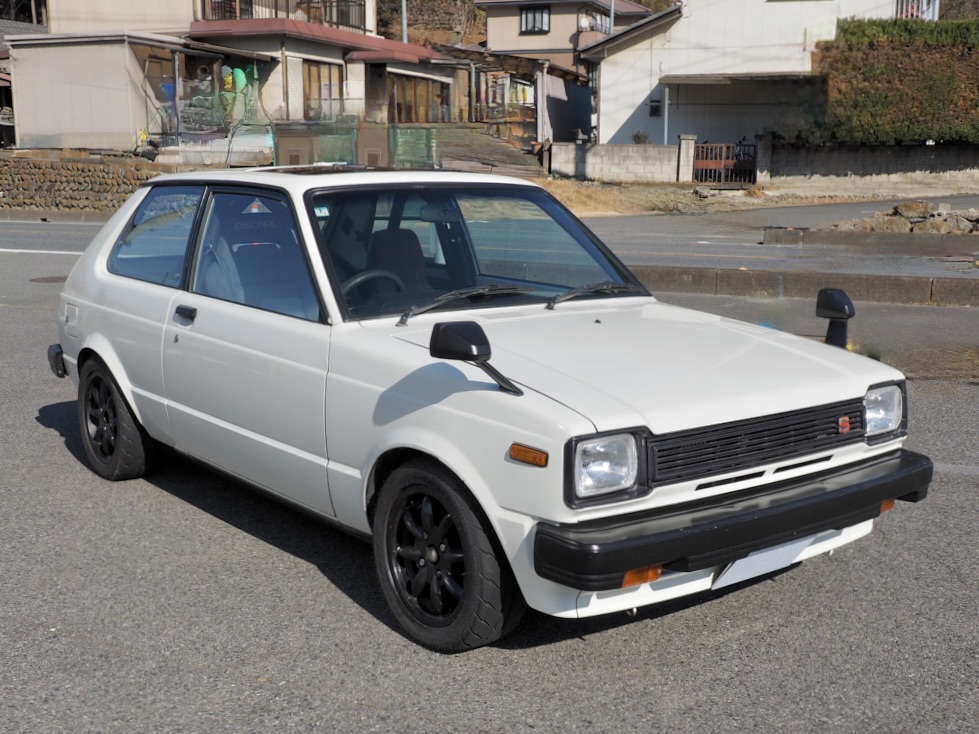
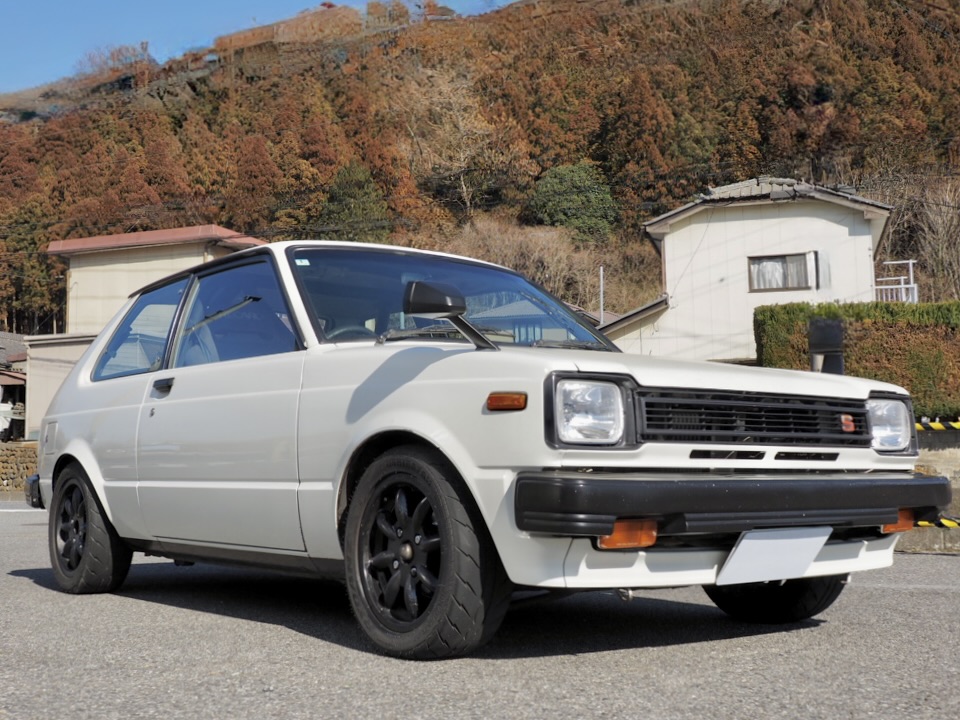
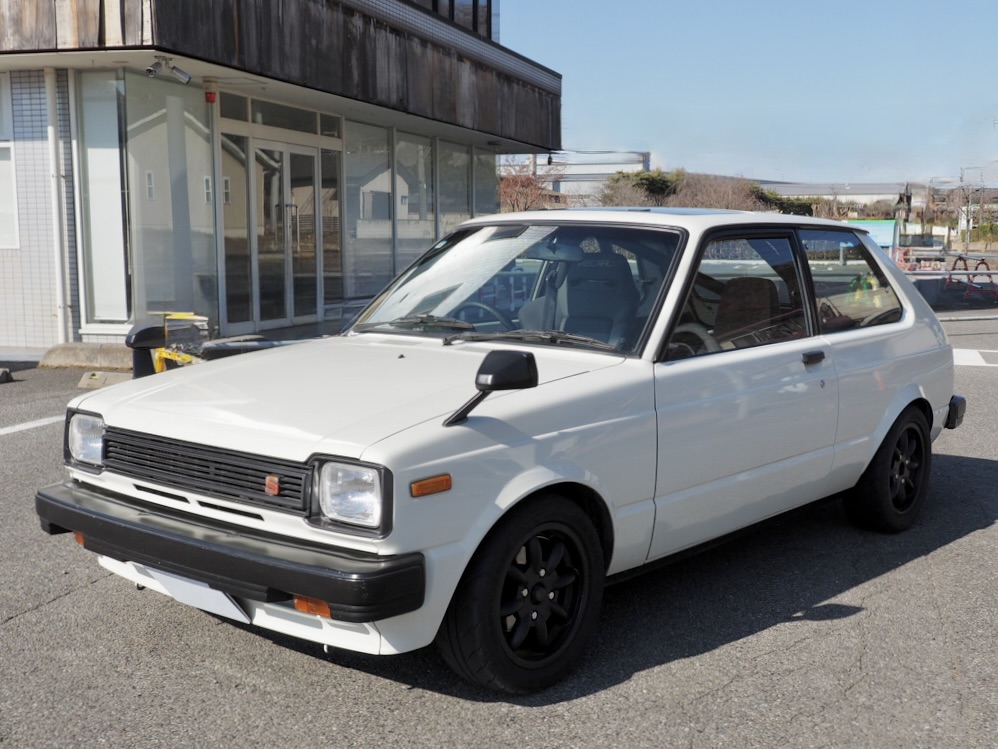
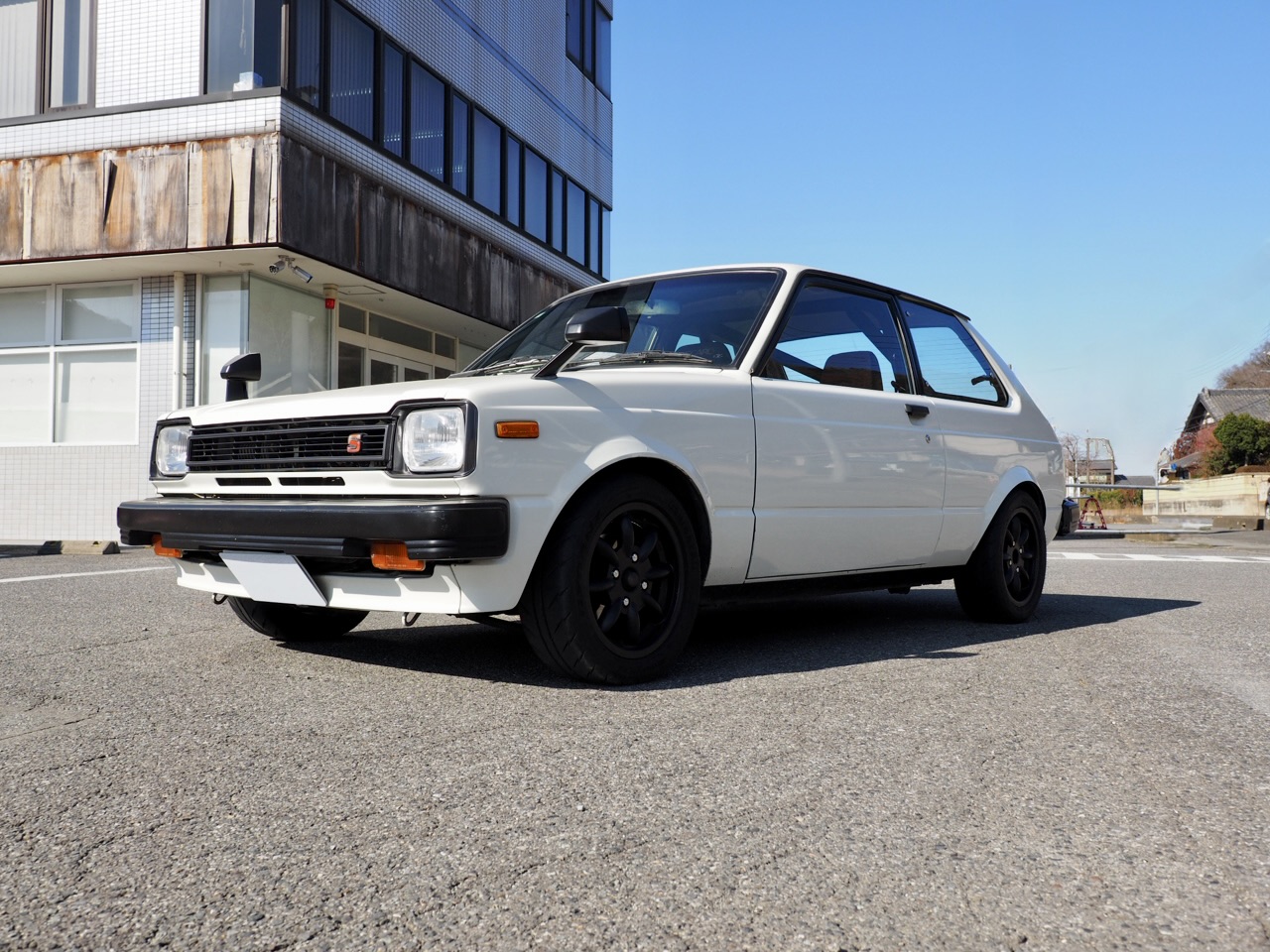
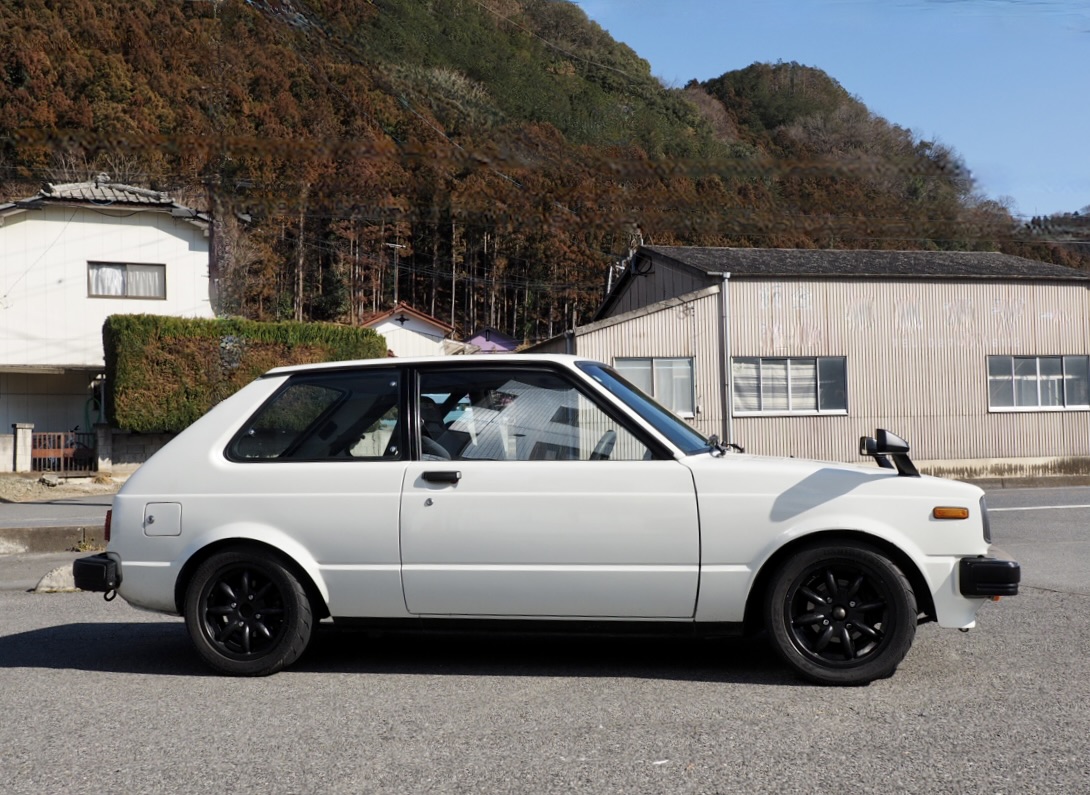
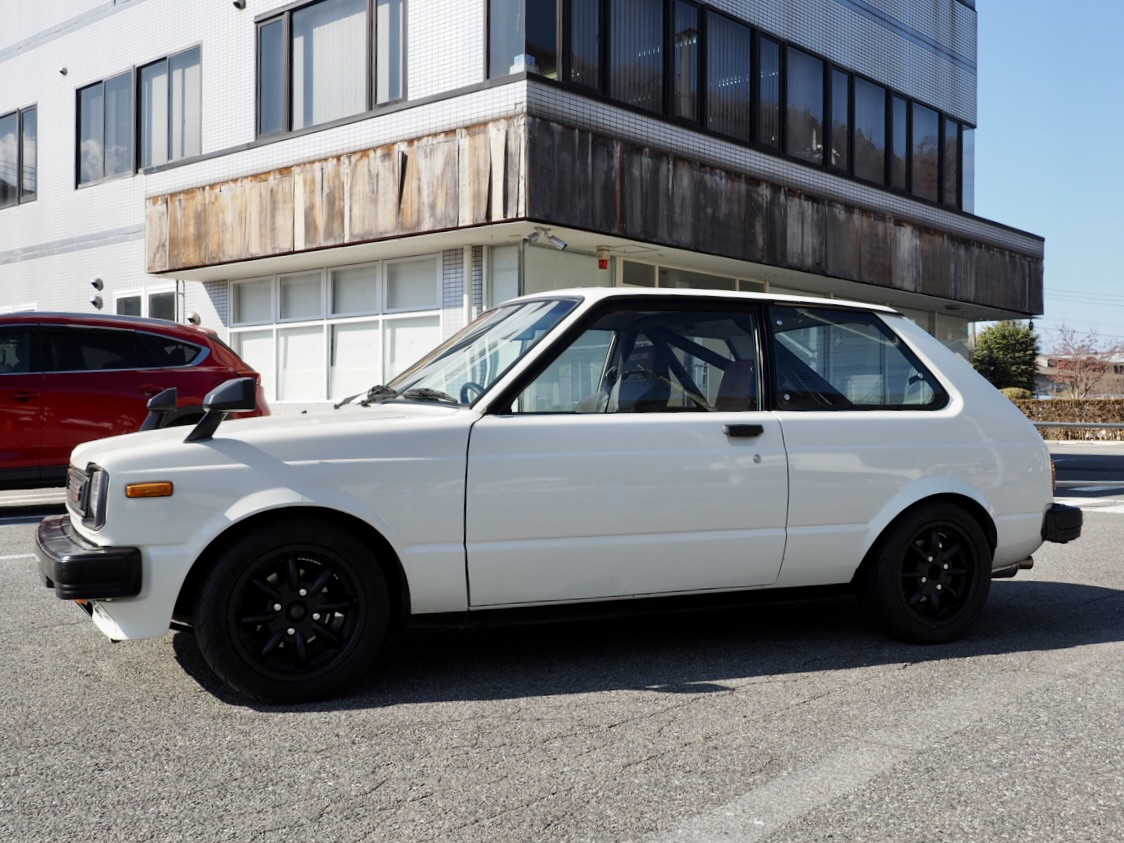
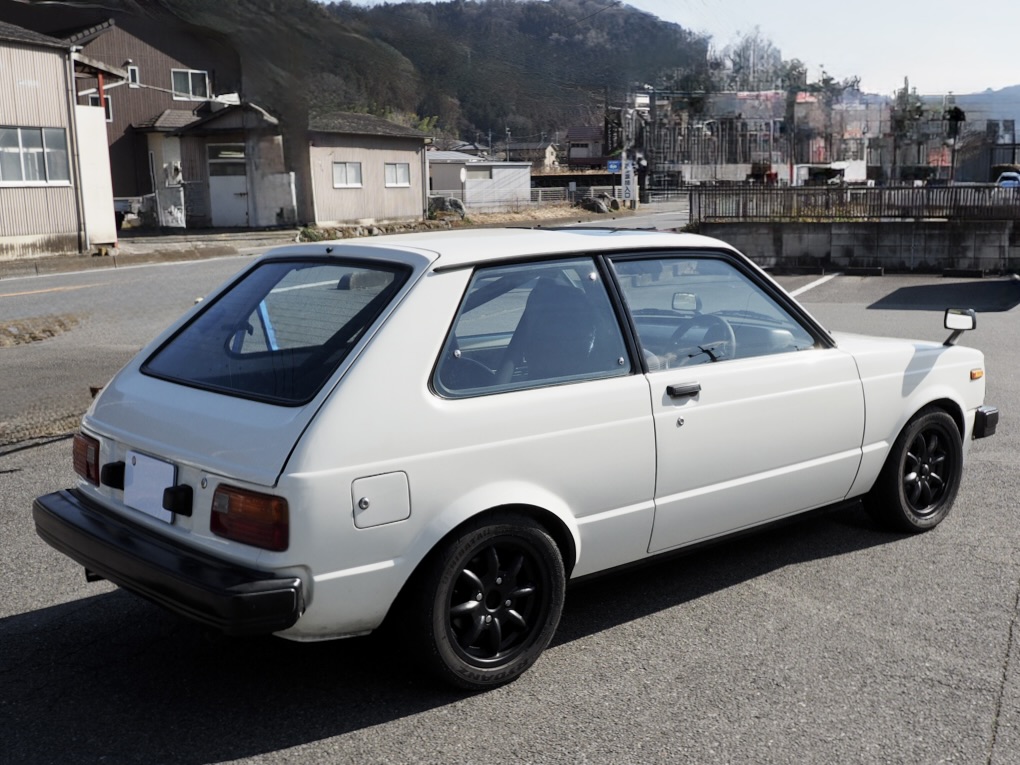
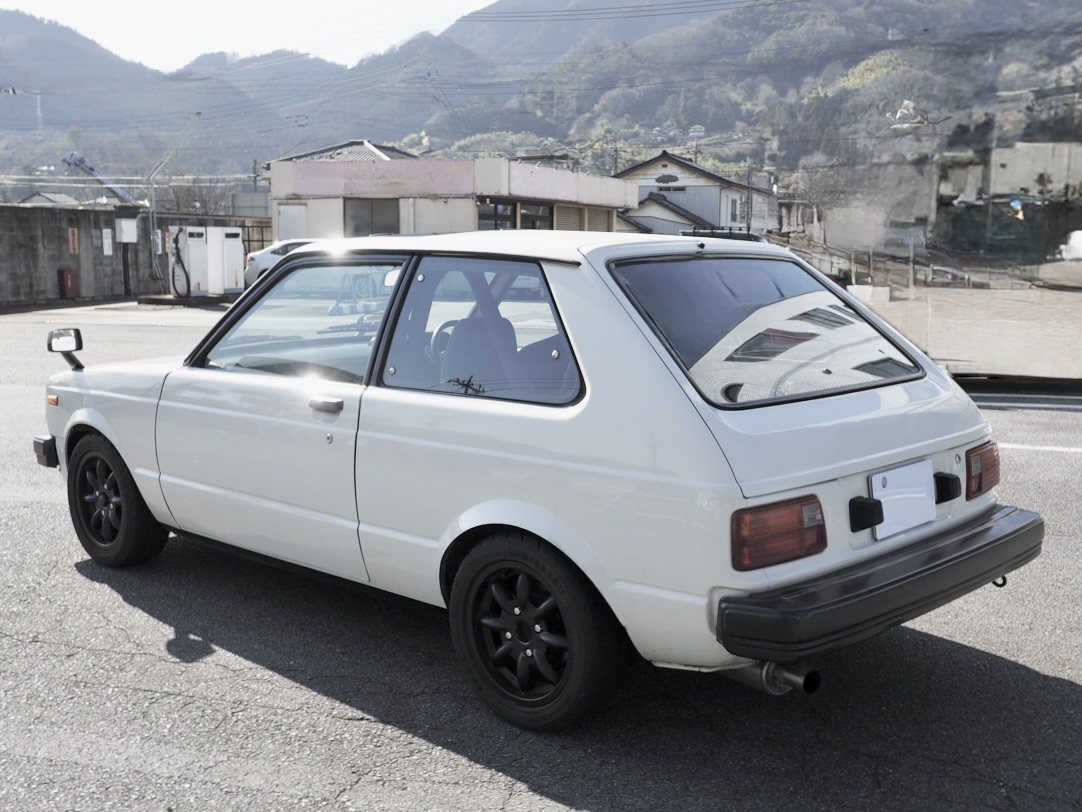
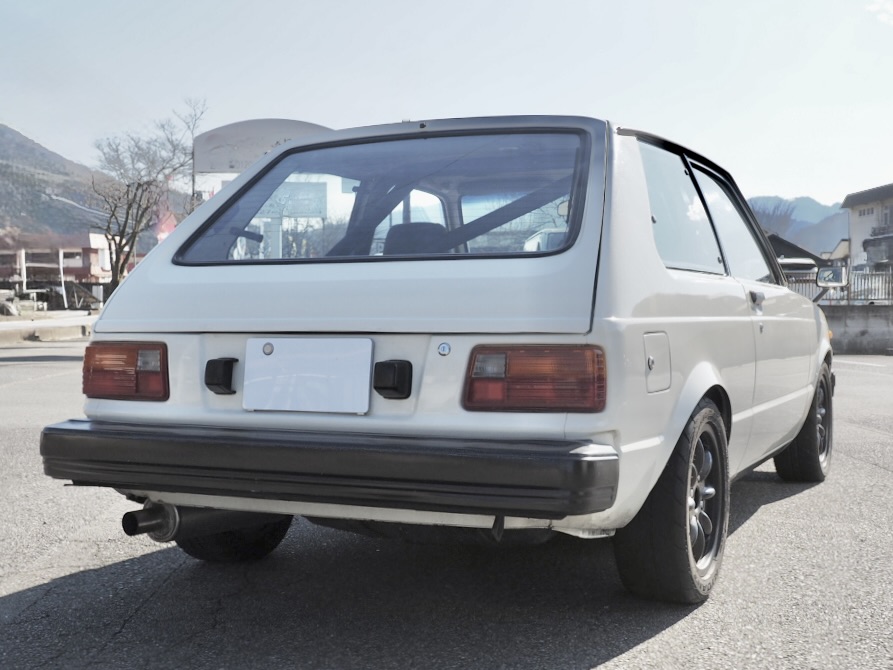
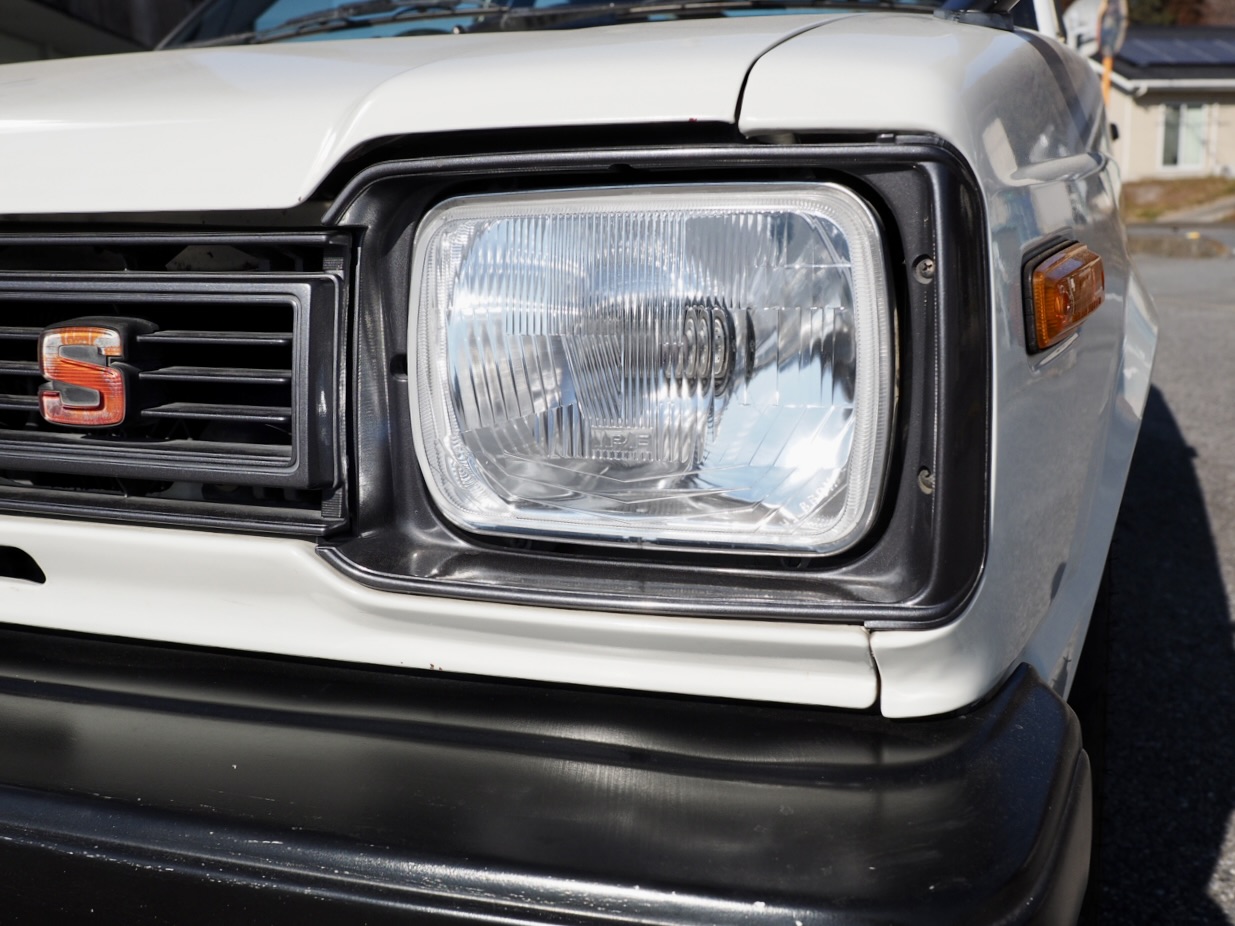
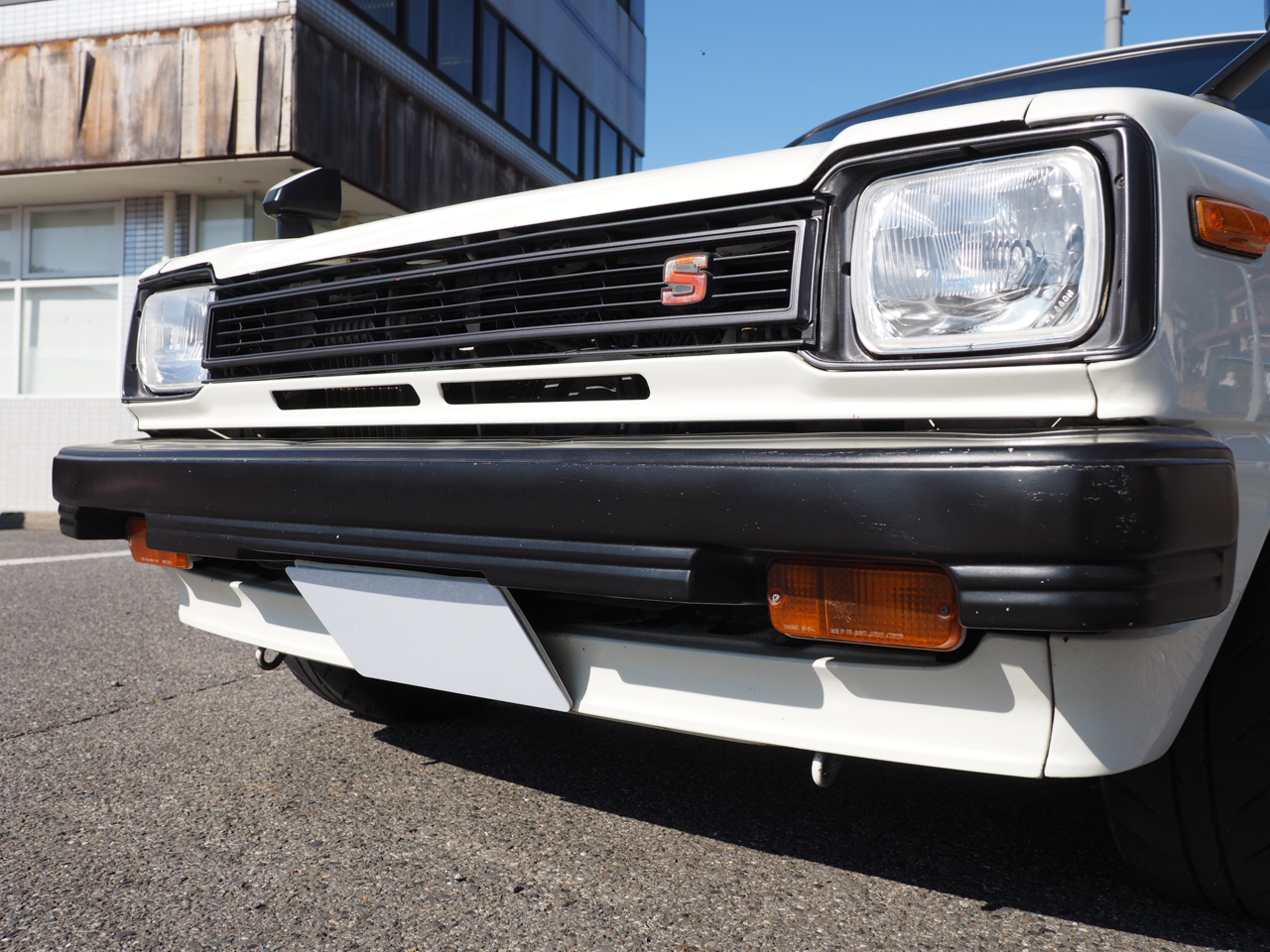
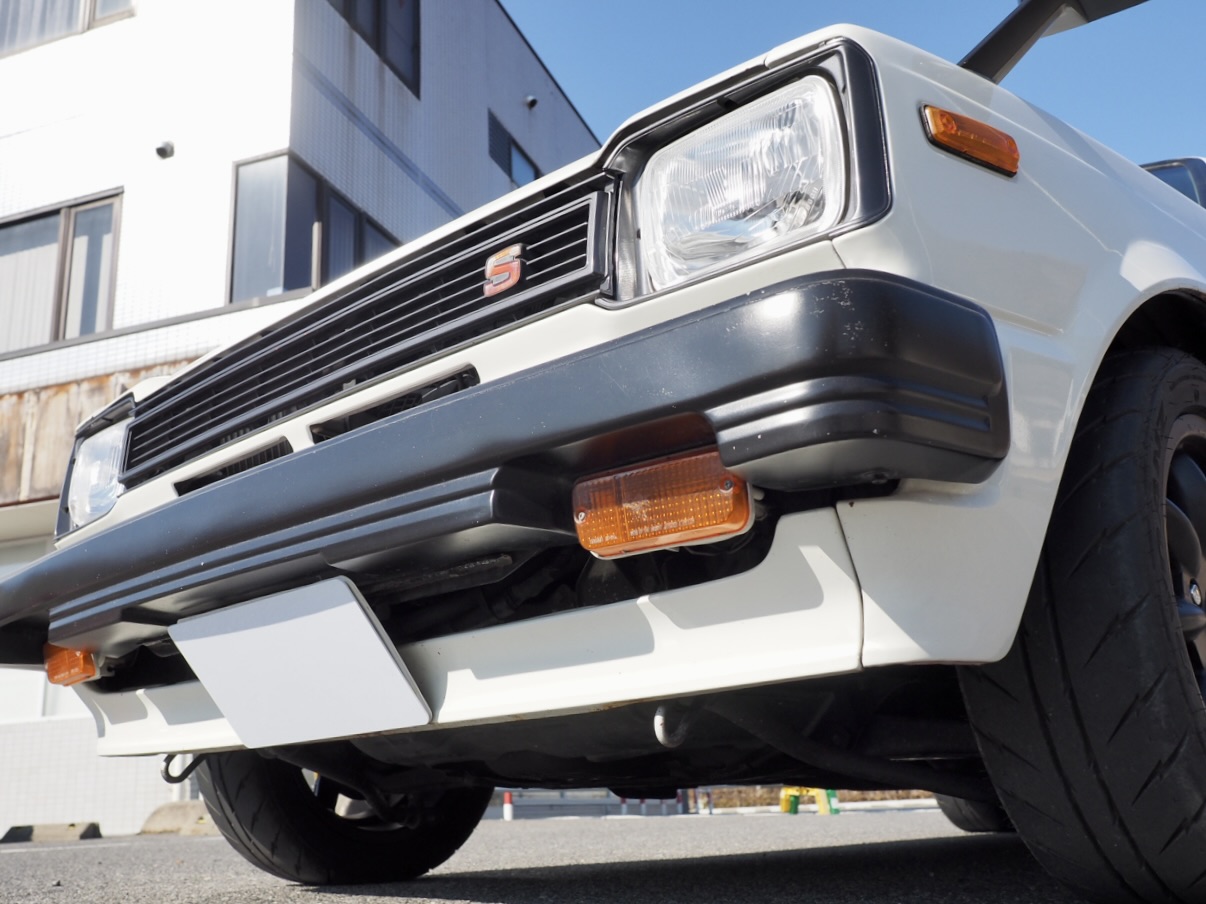
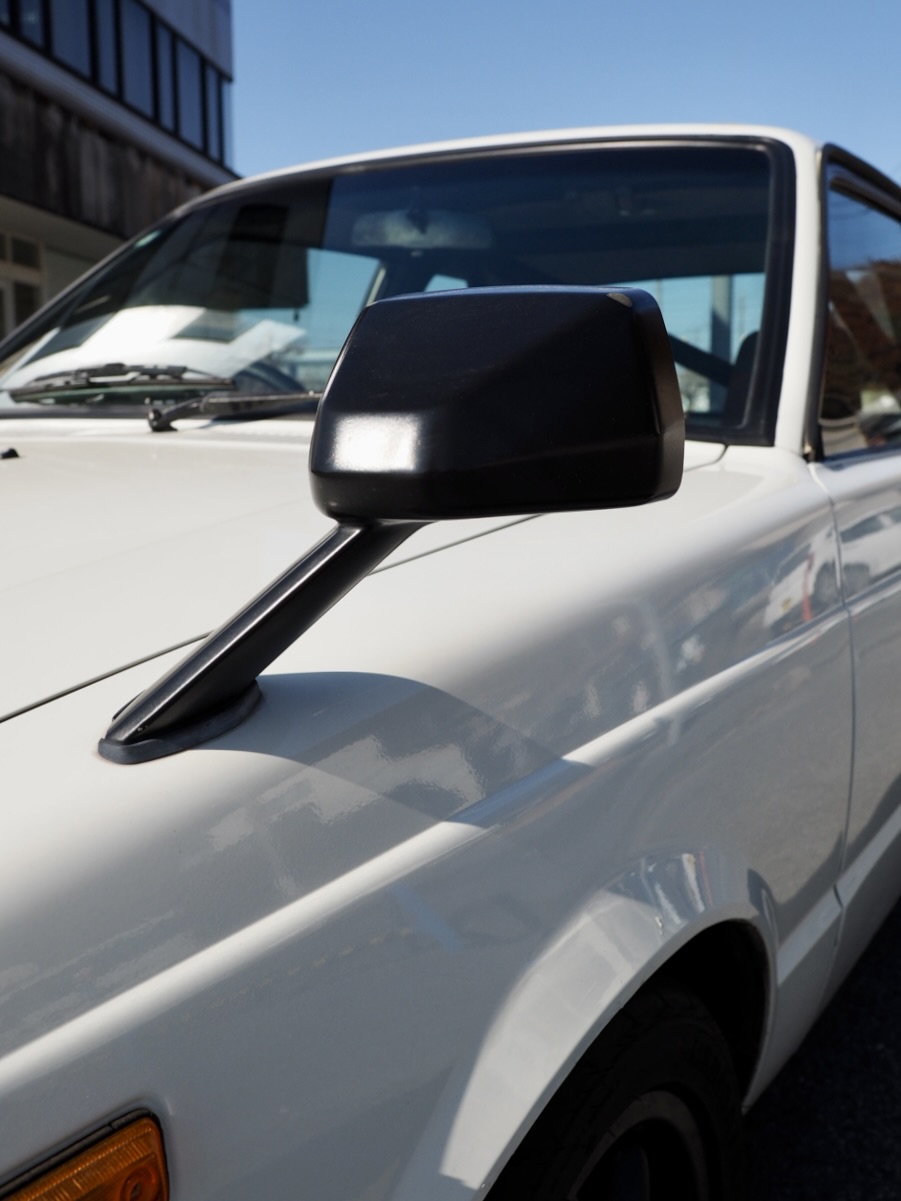
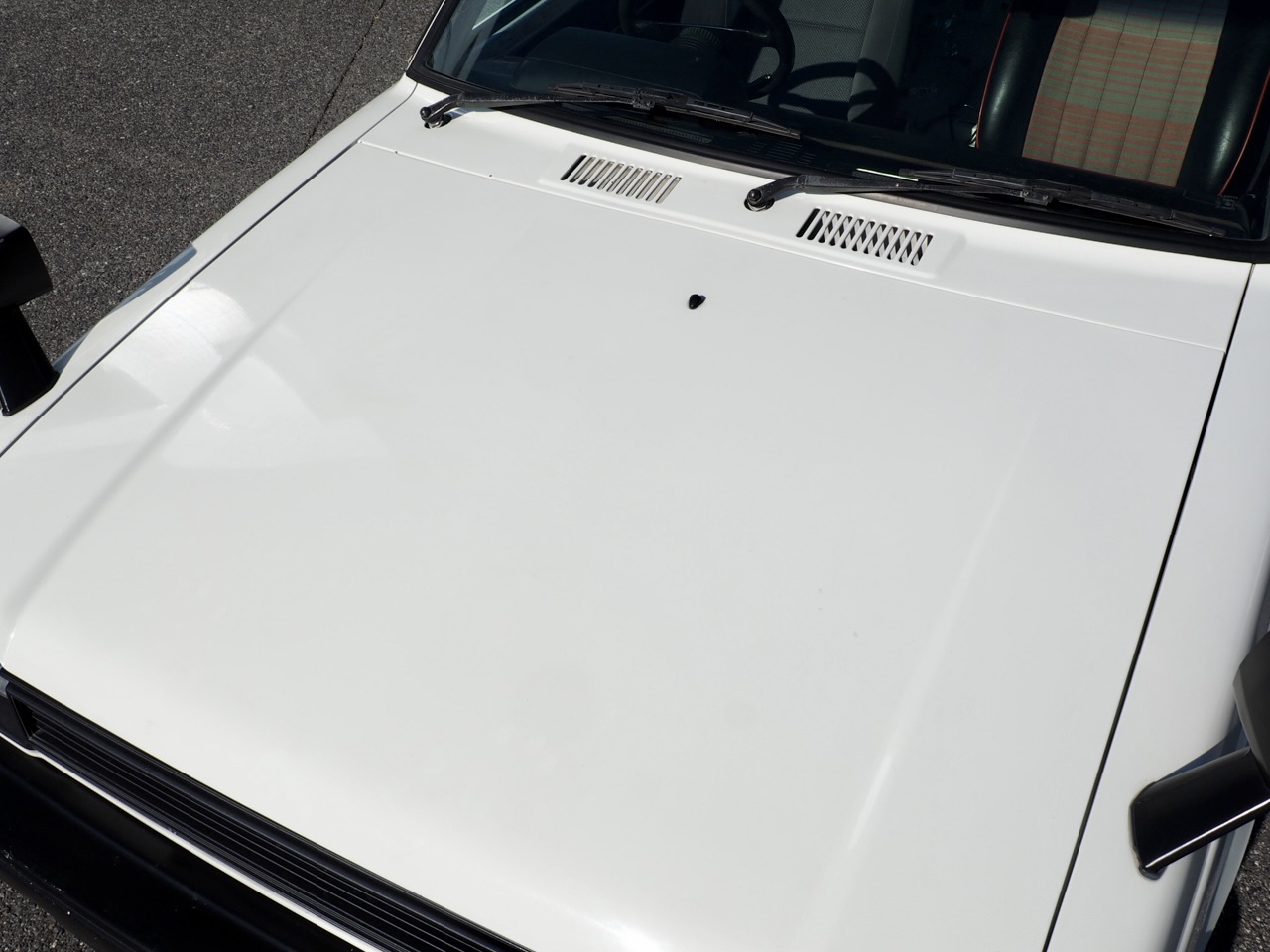
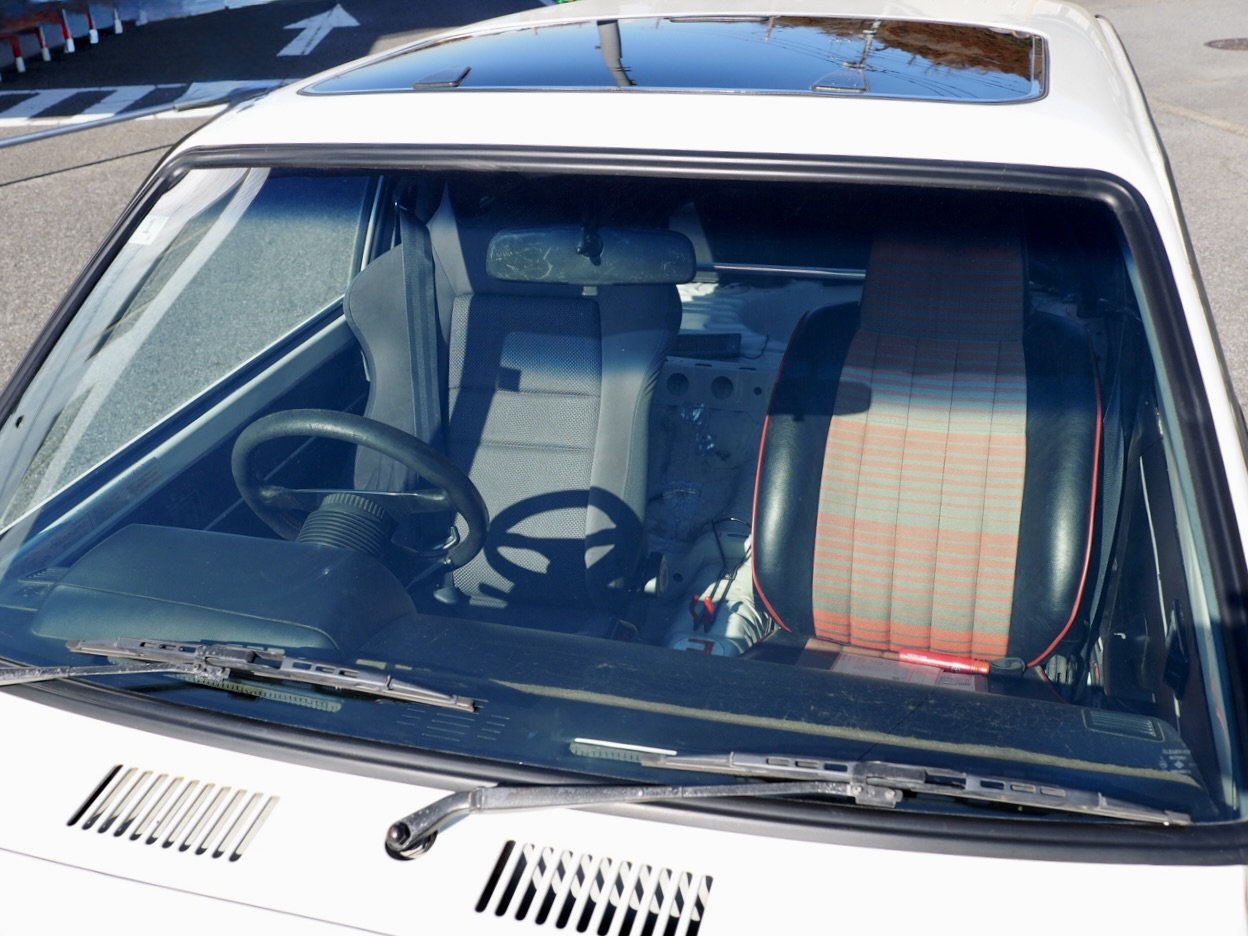
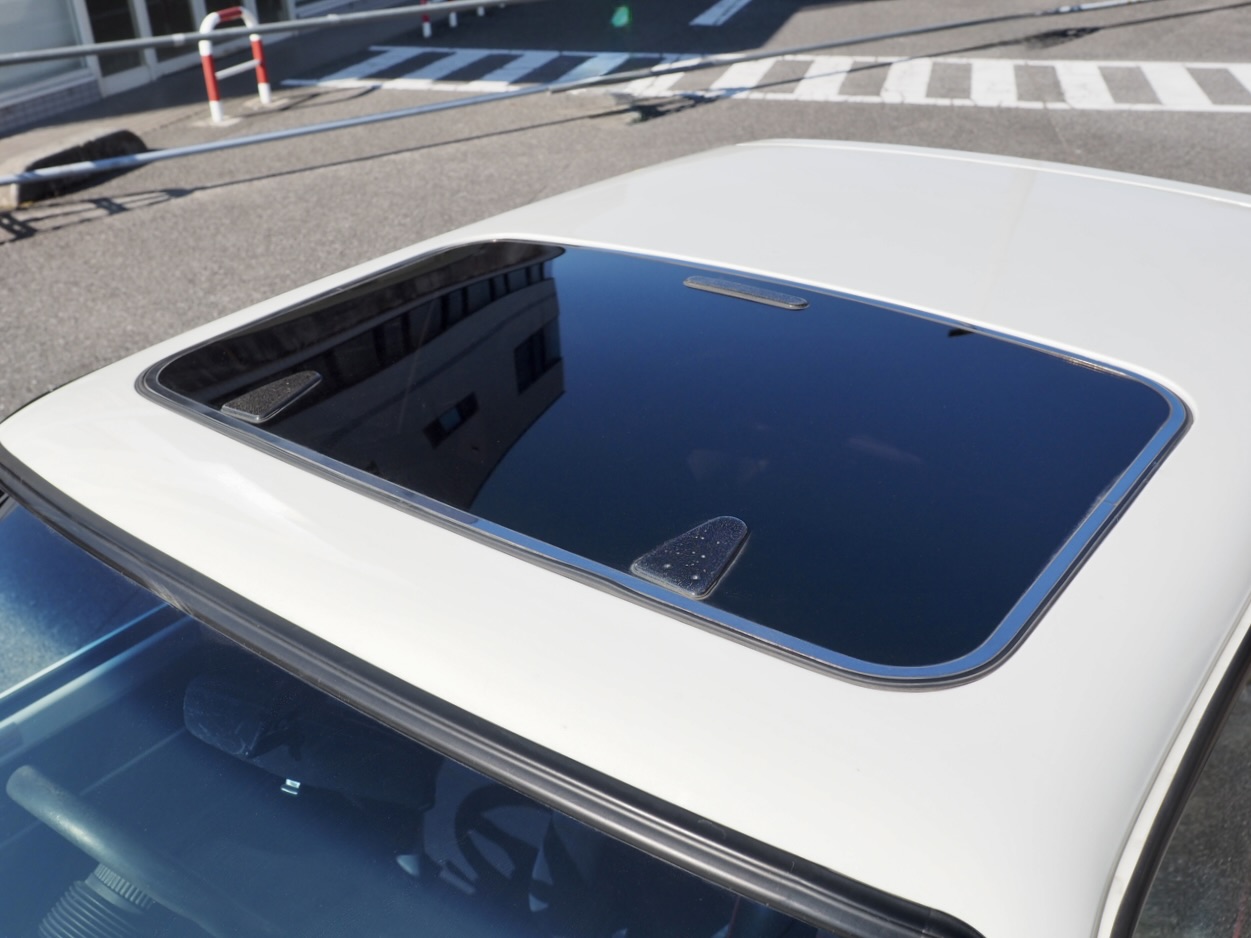
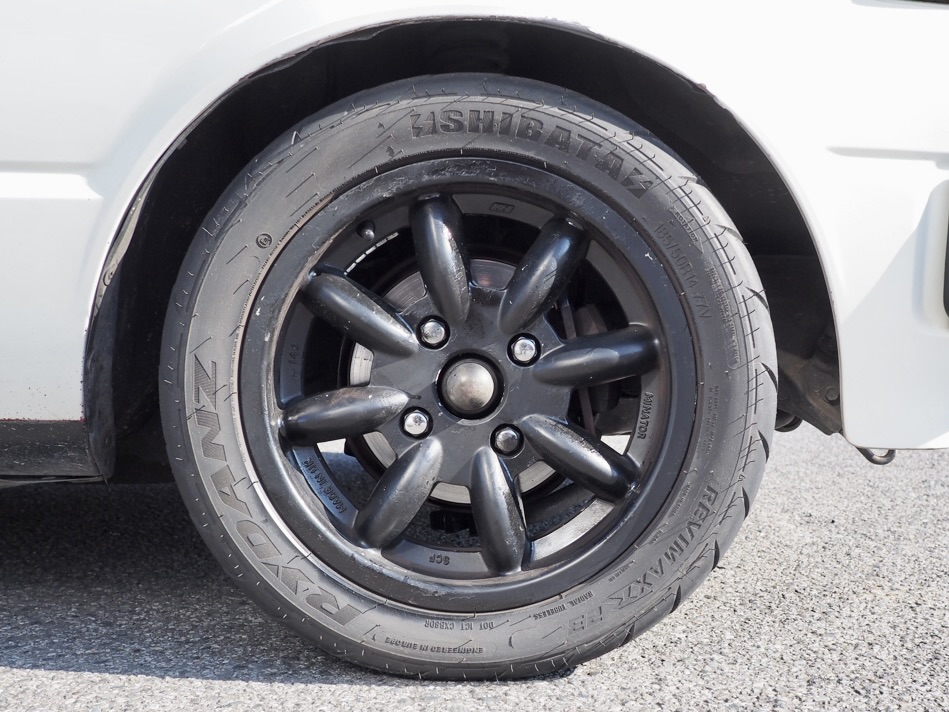
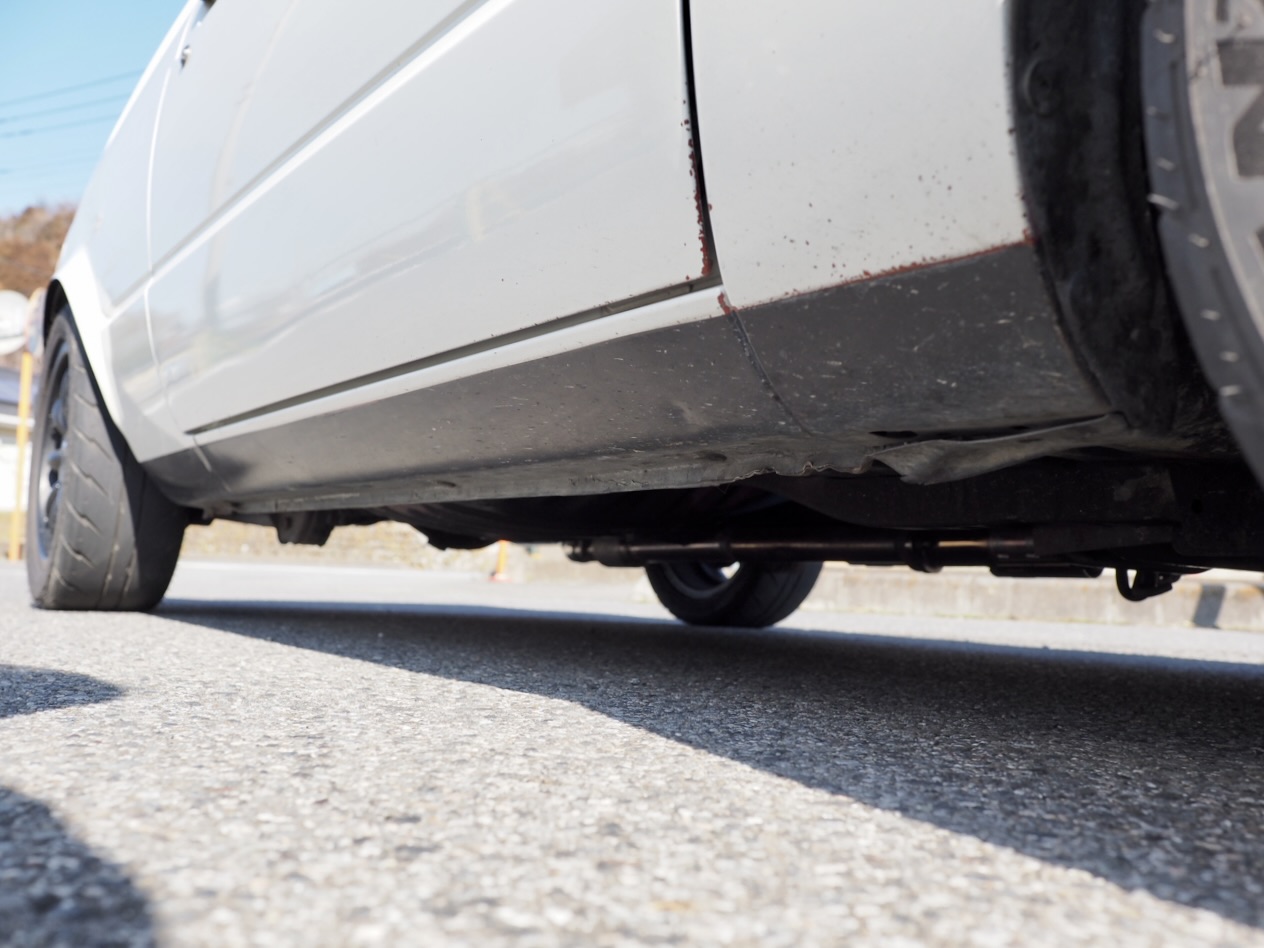
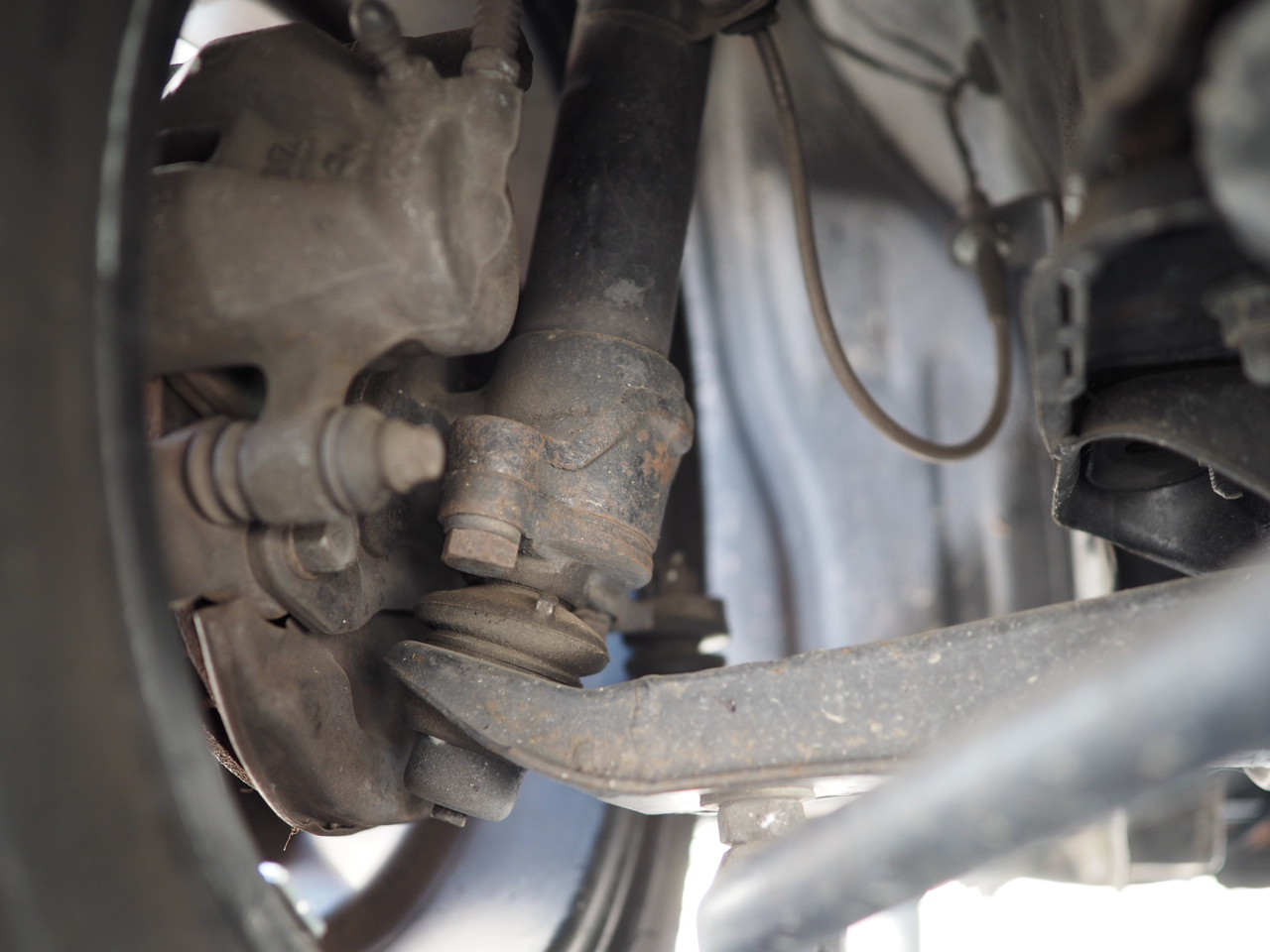
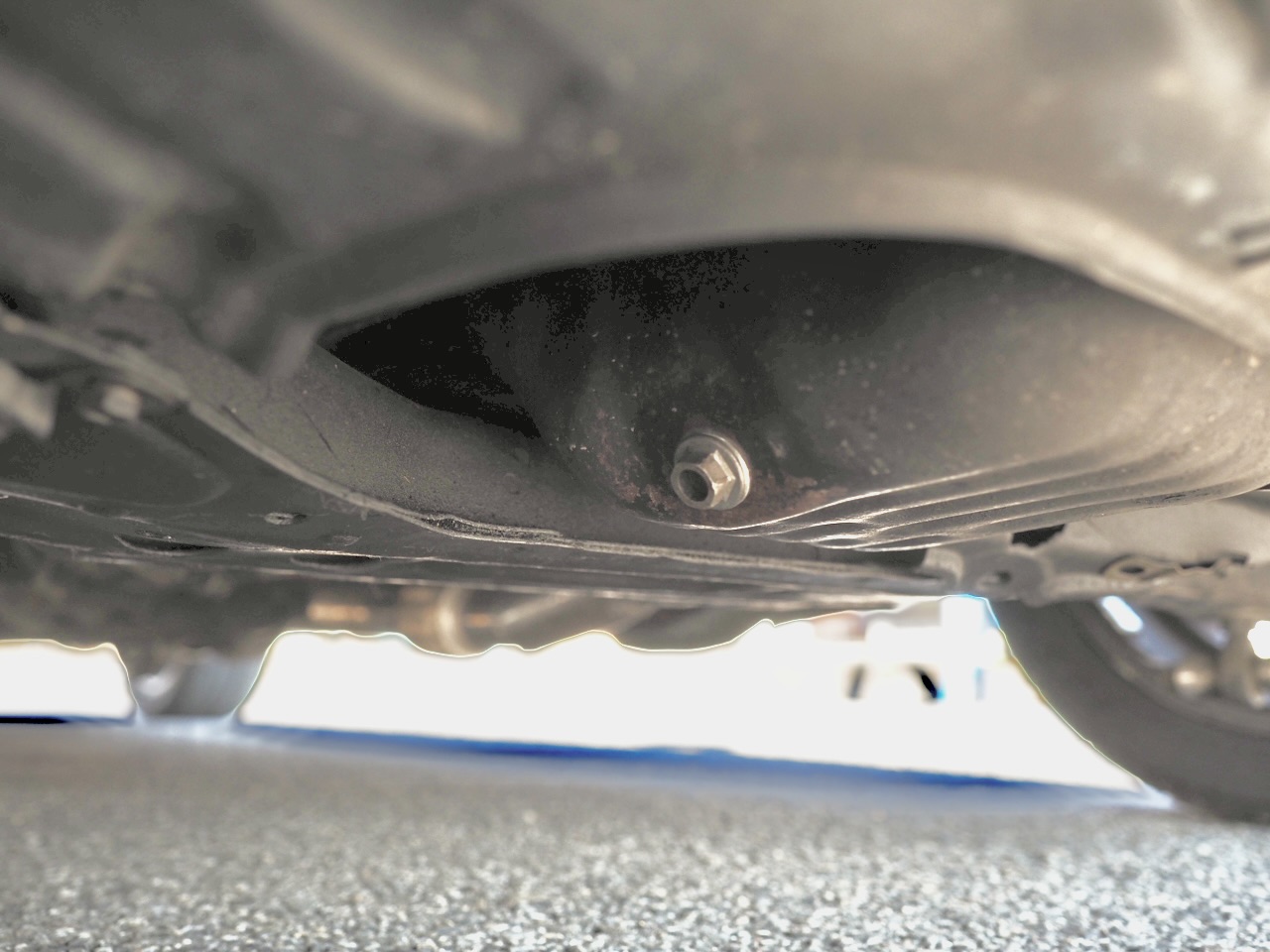
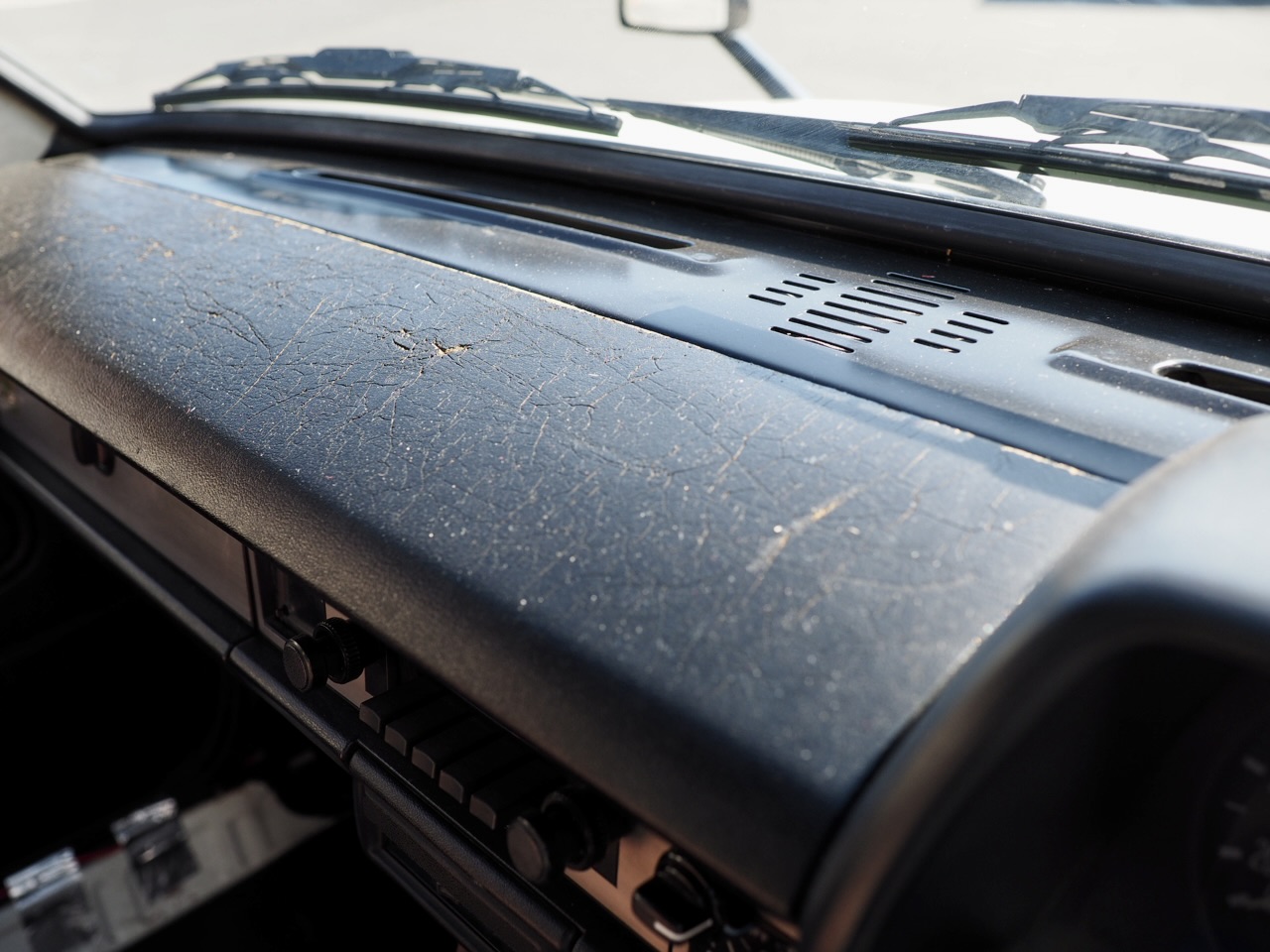
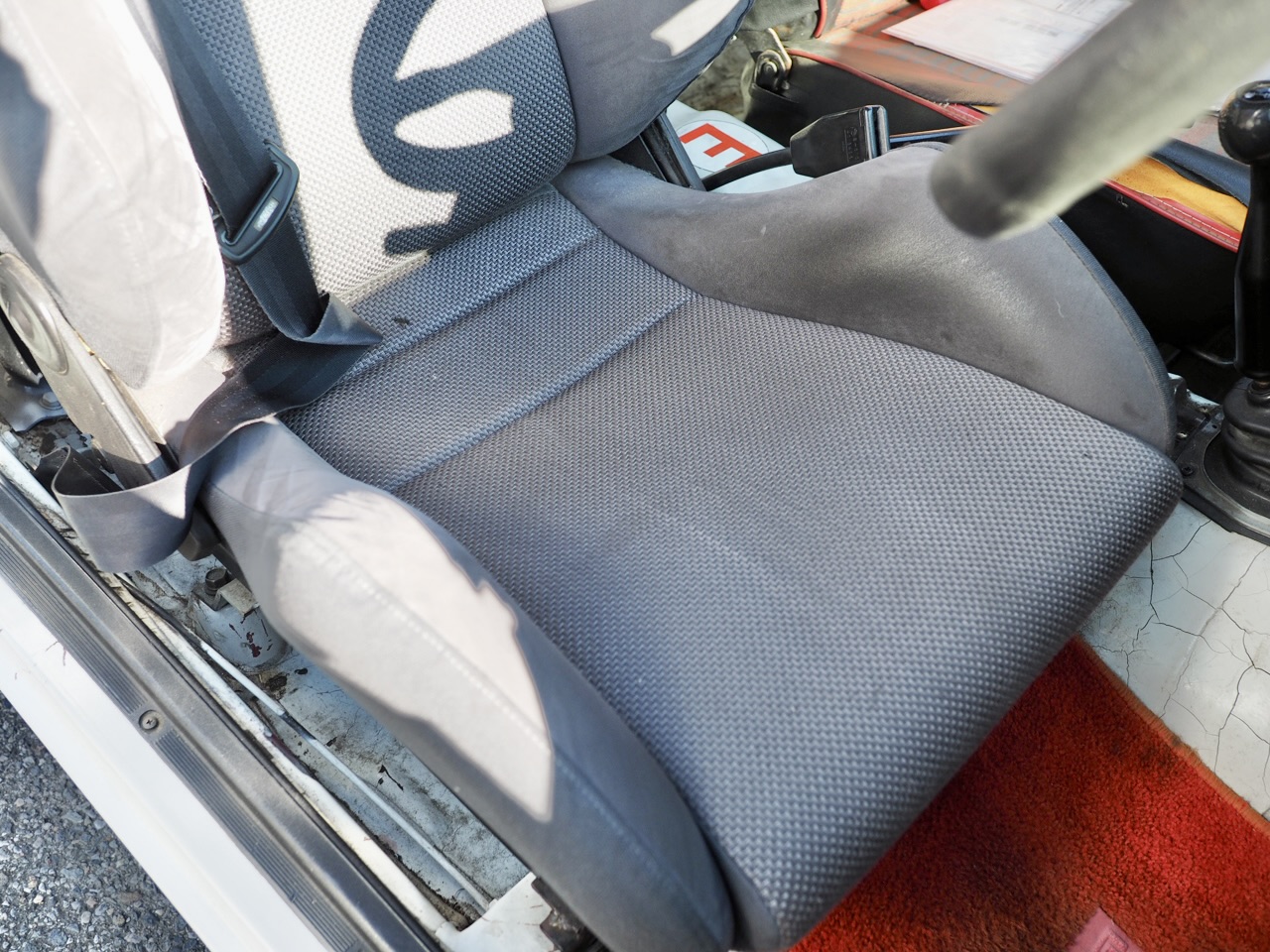
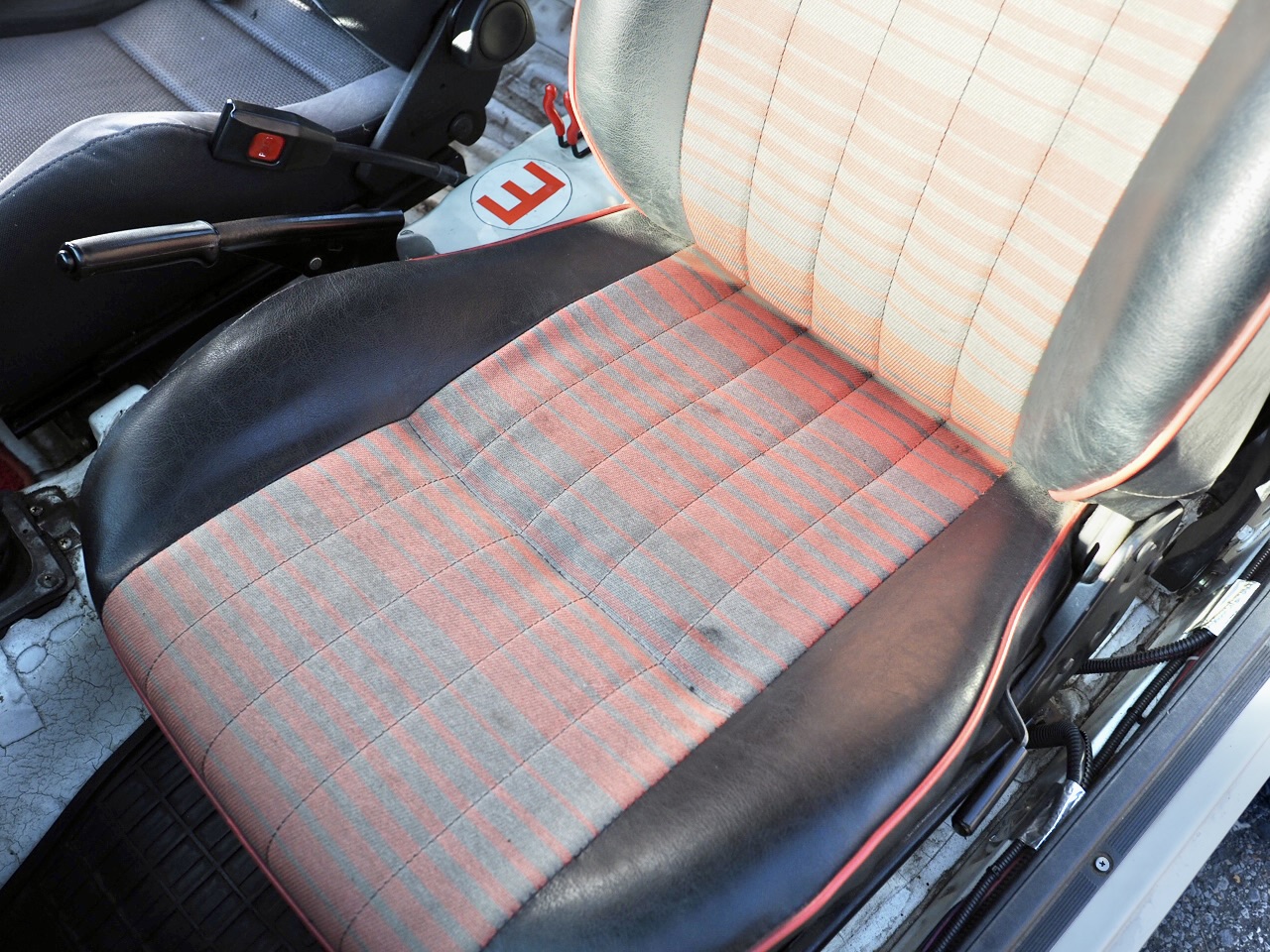
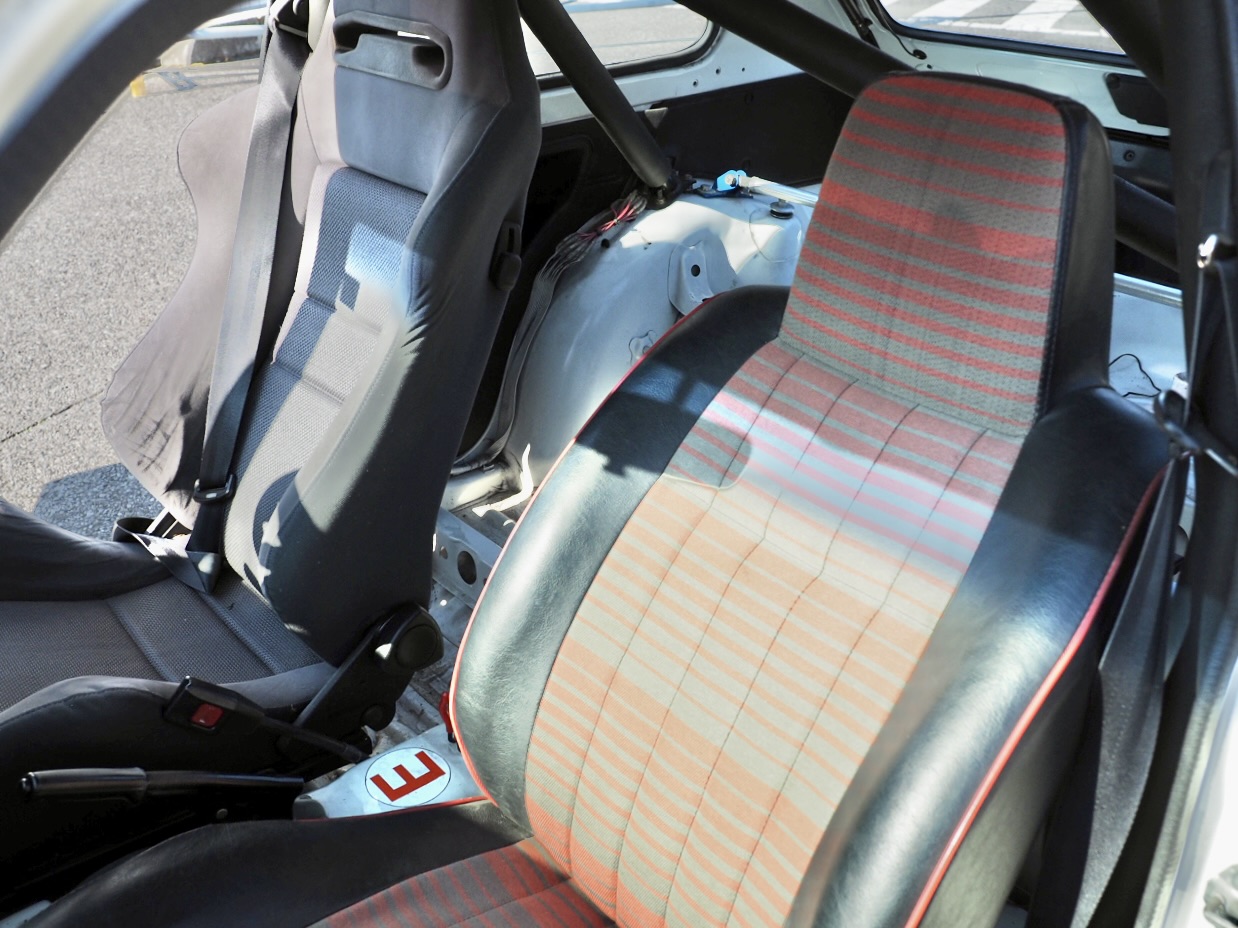
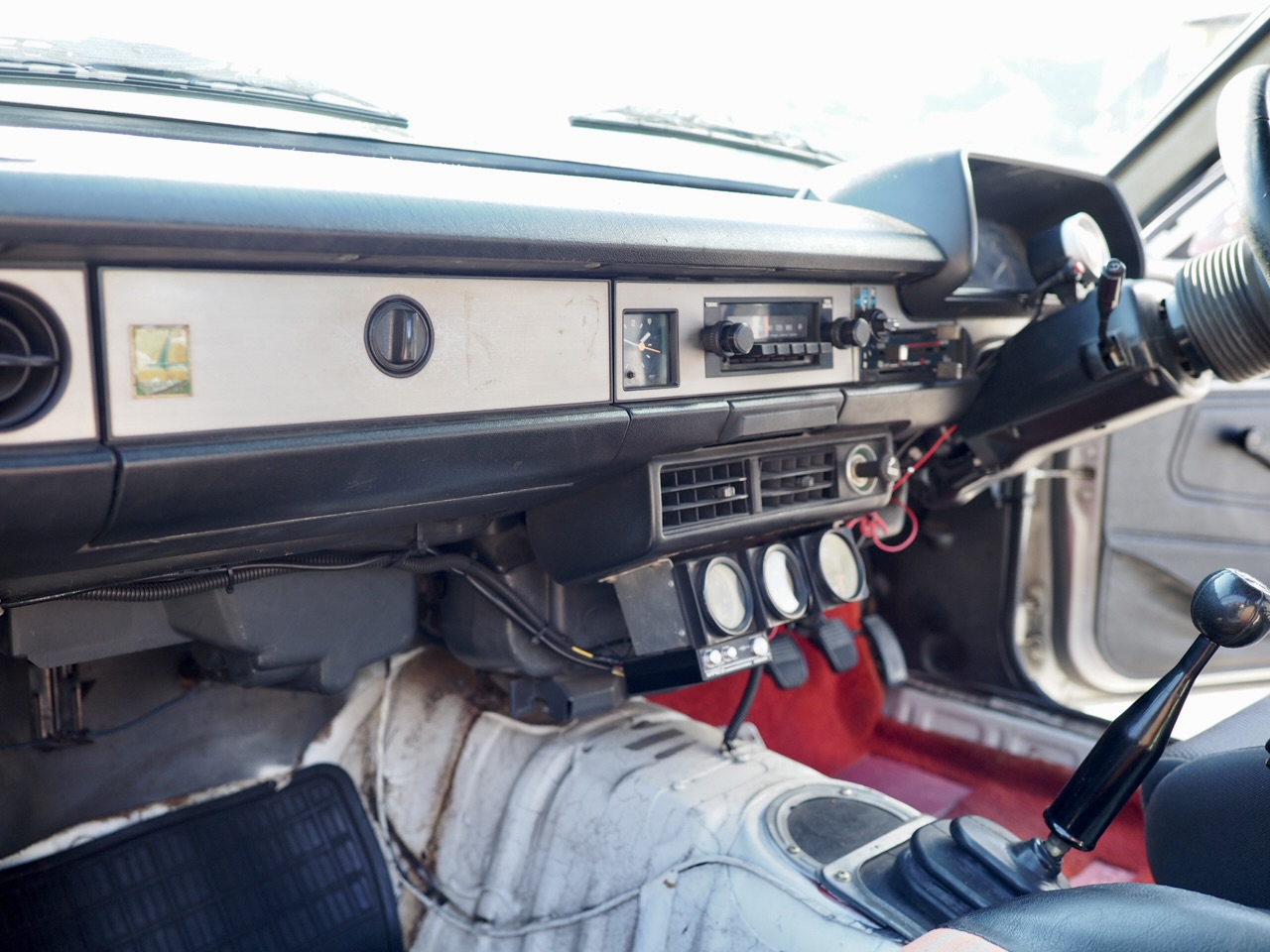
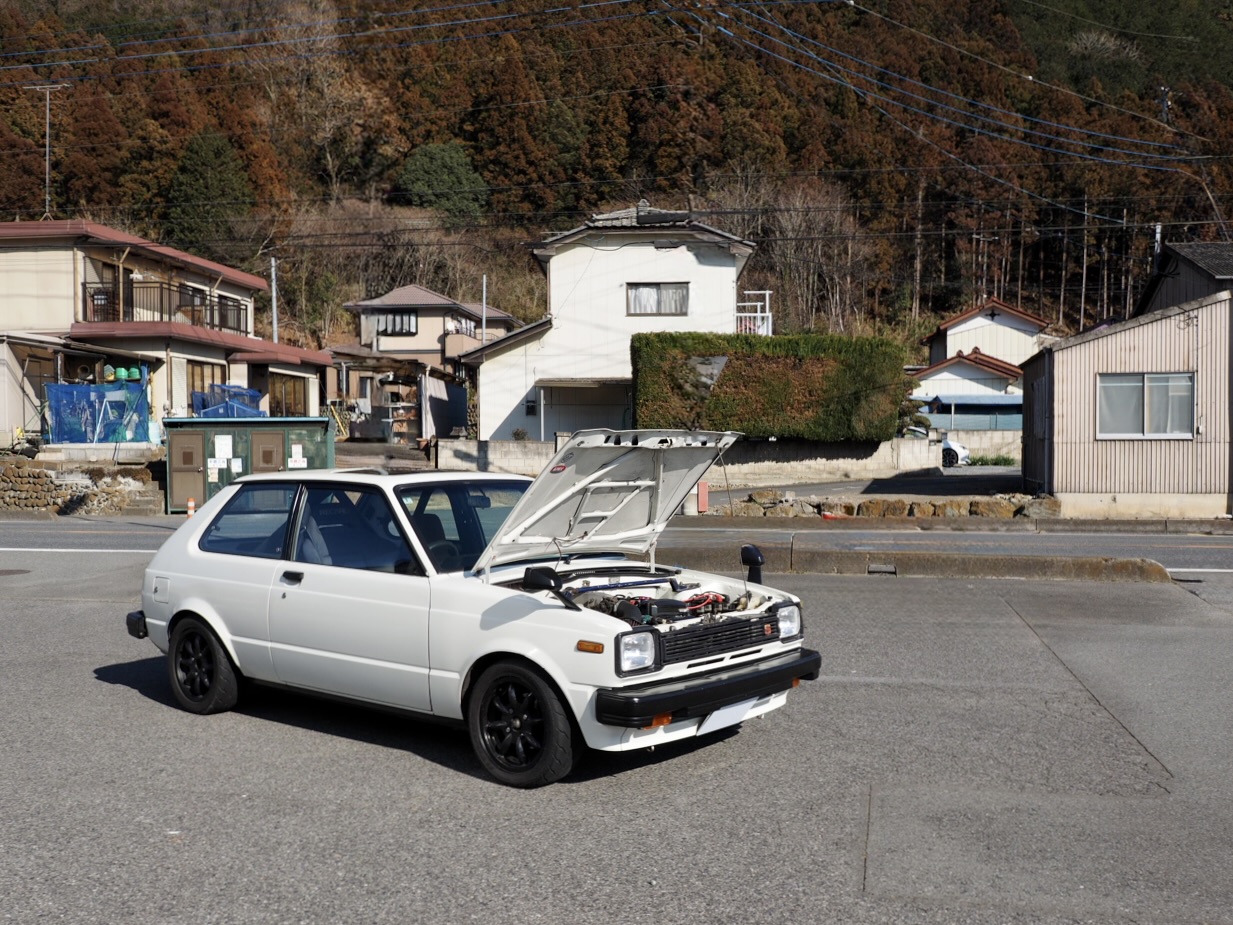
The detailed condition of the vehicle is described in each photo.
On the top slide you will find 50 attractive photos of the vehicle! Please click on a photo to view it with its description. Click outside the picture to return to the page.
SPEC
Length
3780mm
Width
1625mm
Height
1380mm
Weight
850kg
Engine Displacement
1580cc