

TOP>Stock List>1998model Toyota Hiace Wagon Super Custom (100 Series) – Full-Time 4WD
1998model
Toyota Hiace Wagon Super Custom (100 Series) – Full-Time 4WD






↑↑↑Please watch the archived video above with audio if possible...
The ultimate expression of the mechanical diesel era…! Now is the time to put the 100-series Hiace to true, practical use! The rugged 1KZ turbo diesel paired with full-time 4WD makes for a machine that fears nothing. Preserved in unrestored original condition and registered as an 8-number camper, this example holds an undeniable charm.
Chapter One…
It will take you anywhere… and bring you safely back home.
This 100-series Hiace camper, powered by the legendary and supremely reliable 1KZ diesel and registered under the 8-number camper classification, is a machine like no other…
Nearly 30 years have passed since the debut of the 100-series Hiace…
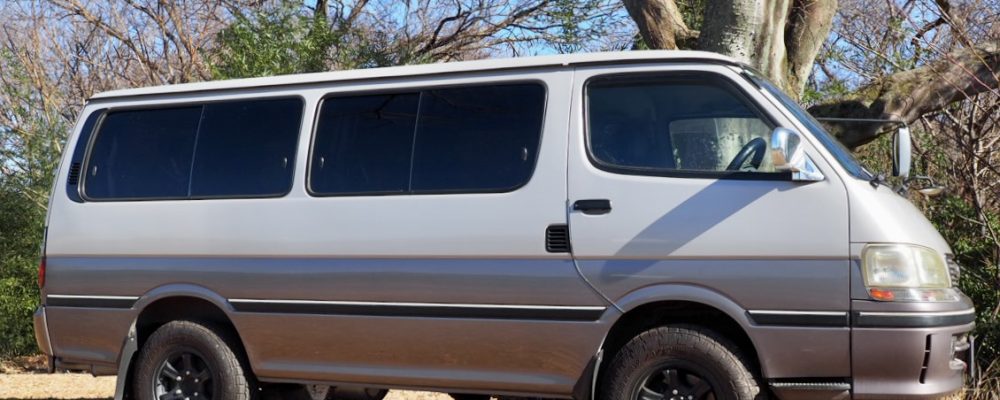
This particular example, preserved in unrestored original condition, wears blacked-out aftermarket wheels wrapped in bold Toyo All-Terrain tires—an assertive combination that perfectly complements its character. In its many expressions, one can sense the history of careful stewardship by the current owner over the past decade.
Thanks to its fundamentally excellent design, the Toyota Hiace—one of Toyota’s all-time best sellers—has long transcended its intended role, serving not only as a workhorse but also as a platform for hobbies and lifestyle pursuits. As someone who personally uses a modern Hiace as a work tool—covering 360,000 kilometers in five years—I can say that the pre-millennium 100-series, with its generous use of soft curves, carries a distinct charm that still resonates deeply today.
The true appeal of this fully original, unrestored 100-series Hiace lies in its top-tier Super Custom grade, combining the mechanical character of the 3.0L 1KZ turbo diesel with full-time 4WD.
The legendary 1KZ diesel engine, renowned for its exceptional reliability, is fundamentally different from today’s common-rail diesels—both in structure and in feel. It does not rely excessively on electronics; instead, it operates through mechanically controlled injection.
There is that faint vibration immediately after startup…
The muscular pull at low revs…
And then, around 2,000 rpm, the smooth surge as the turbocharger builds boost.
That unmistakable, torque-rich sensation of a traditional diesel engine—overflowing with trustworthiness—is something modern diesels simply cannot replicate.
To delve a bit deeper…
Even though the 1KZ-TE in this 100-series Hiace features electronic control, it remains based on a distributor-type injection pump. Its engineering philosophy differs entirely from the ultra-high-pressure, multi-stage injection systems of common-rail diesels.
Fuel is not stored in a rail under extreme pressure; rather, it is pressurized within the pump and mechanically distributed to each cylinder.
This difference is not something you merely see in numbers—it is something you feel.
At idle, there is a subtle vibration. When you gently press the accelerator, there is a slight pause—
Then the boost builds, and a dense wave of torque pushes forward as a single mass.
The mid-range surge around 2,000 rpm is the very essence of a practical diesel engine.
And this particular vehicle advances almost endlessly without even pressing hard on the accelerator. There is no need to rush upshifts; simply riding the torque band naturally carries you forward with effortless momentum.
Another defining characteristic of the 100-series Hiace is its exceptionally tough chassis.
The front features double wishbone independent suspension, while the rear employs a simple yet robust leaf-spring rigid setup. This combination reflects a design philosophy centered entirely on durability and load-bearing capability—a true tool built for work.
Even unloaded, it never feels unsettled. Add weight, and it becomes even more composed. It is, quite literally, a suspension honed through labor.
This example’s full-time 4WD system further enhances its practicality.
With a center differential distributing power constantly to all four wheels, stability at highway speeds is significantly improved. Unlike part-time systems, there is no need for manual engagement—there is always the reassuring sense that all four wheels are working for you.
High-speed straight-line stability is far greater than one might expect from its tall stance. Once you take the wheel, you can feel how the ladder frame’s rigidity and balanced weight distribution translate directly into composure.
Equally important is the Super Custom designation—the highest grade available.
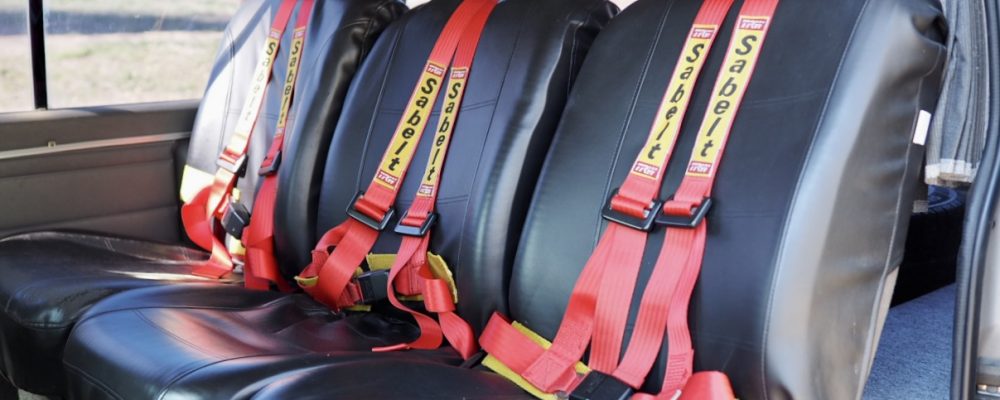
Far from being a simple commercial base model, this specification reflects Toyota’s sincere commitment to refinement at the time. The wood-grain panels, seat materials, and thoughtful sound insulation all speak of Toyota’s dedication to quality in that era.
All these elements come together in this unrestored original example, which subtly asserts its personality through aftermarket alloy wheels and all-terrain tires—an exquisite balance of authenticity and intention.
Its 8-number camper registration further underscores its practical versatility.
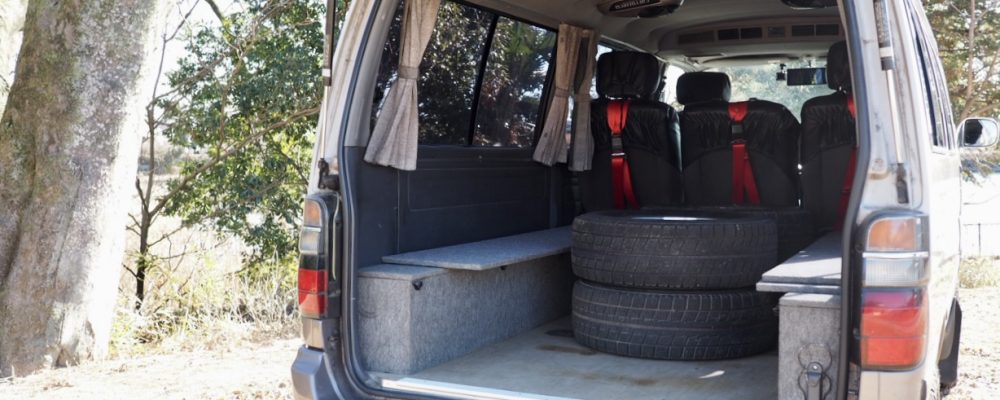
This vehicle has carried countless hobby tools, chased the seasons, and traveled far from home. The faint traces of use in the cargo area, the scuffs on the floor, the neatly arranged storage space—all tell stories of real adventures.
Climbing mountain roads with thick torque, gripping the surface with full-time 4WD, and upon arrival, opening the rear gate to transform the space into a basecamp—
That is what this unrestored, deeply original 100-series Hiace truly represents.
Chapter Two…
Now is the time to rediscover the captivating qualities of the 100-series Hiace—
by tracing the evolution of the Hiace itself.
The name Hiace has evolved alongside Japan’s roads themselves.
Beginning with the first-generation H10 series in 1967, followed by the 20 series, 30/40 series, and then the 80 series, the Hiace has consistently embodied the efficiency-driven philosophy of the cab-over layout. Its history is inseparable from Japan’s era of rapid economic growth and expanding logistics.
Among these generations, from the perspective of a devoted enthusiast, the one that truly deserves discussion is the 100 series.
Introduced in 1995, the H100-series Hiace was developed in the aftermath of the burst of Japan’s economic bubble. Cost control was strict—yet quality could never be compromised. That distinctly “tightened” Toyota mindset is evident throughout its engineering philosophy.
The body became more rounded than the preceding 80 series, reflecting a shift toward improved crash safety and aerodynamics. Yet beneath it remained a robust ladder-frame chassis.
And this is crucial:
This generation fully retained the philosophy of separating frame and body.
The frame was engineered primarily for commercial durability, while the body was designed to enhance passenger comfort in wagon form. This “dual-layer structure” philosophy gives the 100 series its uniquely distinctive ride character.
The suspension setup further reflects this clarity of purpose: double wishbone independent suspension at the front and a leaf-spring rigid axle at the rear.
This configuration is not merely old-fashioned—it was deliberately chosen to minimize geometry changes under heavy loads and to prioritize long-term durability. The leaf springs were not “stiff” by accident; they were adopted with sustained load-bearing in mind.
Then there is the engine.
The early- and mid-production 100-series diesel models were powered by the 1KZ-TE.
This inline-four 3.0L SOHC intercooled turbo engine can be considered the culmination of Toyota’s diesel technology at the time. Though an evolutionary step from the earlier 2L series, its torque characteristics were entirely different.
Producing a maximum torque of 343Nm around 2,000 rpm, the figure may appear modest on paper—but the real-world sensation exceeds the numbers.
Why?
Because of the way the torque builds.
Throttle input and boost pressure rise in harmony. The “push” arrives even before the engine speed climbs. That is the charm of a mechanically centered injection design.
With the later 200 series and the introduction of the 1KD-FTV engine, the shift to common-rail systems and stricter emissions compliance became the priority. The driving feel became refined—polished, sophisticated.
Yet paradoxically, that dense, tangible “mass” of torque faded away.
In other words, the 100 series was the last Hiace you truly drove by feeling the torque.
The era in which the 100 series existed was just before emissions regulations intensified dramatically—just before electronic control would come to dominate completely. It was also the final era when “not breaking down” was the core product value.
As a result, its engineering was conservative—yet extraordinarily complete.
Rather than relying excessively on electronics, reliability was secured through mechanical precision and robust construction. This was Toyota during the period when it was solidifying its global reputation as the brand that “does not break.”
Designs had matured. Reliability had been refined. Components were built with margin and durability in mind.
Toyota retained the ladder frame.
It preserved the mechanically centered diesel philosophy.
It continued using the leaf-spring rear structure.
All of these decisions were made for one reason: to avoid failure in the real world.
That is why the 100 series is not merely an older model—it is remembered as the last generation with a clearly defined engineering philosophy.
The 100-series Hiace retains that worldview in its purest form.
And that is precisely why, today, more people are choosing the 100 series not simply as a nostalgic option—but as a deliberate evaluation of its structural integrity and design philosophy.
To choose a 100-series Hiace is, in many ways, to choose a philosophy itself.
Chapter Three…
1998 Toyota Hiace Wagon Super Custom (100 Series) Full-Time 4WD
Author’s Post-Interview Reflections…
The moment the engine fired to life, this 100-series Hiace revealed a heartbeat brimming with punch and character.
As someone who has put 360,000 kilometers on a later-generation Hiace over five years—using the smoothness of modern common-rail diesel engines as a daily work tool—I found this raw punch to be something truly special. It reminded me, once again, that this is what a diesel engine is meant to feel like: that unwavering sensation of being able to move forward endlessly, with absolute confidence.
The owner, who has cherished this particular vehicle for the past ten years, maintained its inspection validity right up until February 2026. He treated this camper-registered Hiace as a vehicle that richly colored his life.
Yet, as happens to us all, a change in life stage has led him to make the difficult decision to part with it—bringing us to its listing here today.
The ultimate expression of the mechanical diesel era…! Now is the time to put the 100-series Hiace to true, practical use! The rugged 1KZ turbo diesel paired with full-time 4WD makes for a machine that fears nothing. Preserved in unrestored original condition and registered as an 8-number camper, this example holds an irresistible appeal.
We warmly invite you to visit Gunma Prefecture and experience this captivating machine in person.
As this is a private party sale, no consumption tax or additional fees will be charged.
Upon purchase of this vehicle, the buyer will be responsible for the prorated automobile tax settlement (annual amount: ¥56,100) as well as the recycling deposit settlement (¥14,530).
Transportation arrangements are likewise to be handled by the buyer; however, should you require assistance, please feel free to consult with us.
Regarding Inquiries…
The vehicle featured on this page is listed on the cross-border classic and collectible car EC platform, Estate Sale Supremacy®.
What is a “Supreme Estate Sale”?
Estate Sale Supremacy® is the Japanese adaptation of North American estate sale culture. We introduce vehicles filled with the owner’s passion through interview-based articles and video presentations.
We faithfully convey the current owner’s sentiments—preserving cherished memories in the heart—while carefully guiding the vehicle to the next generation through dedicated sales mediation and brokerage services.
We conduct detailed interviews with the current owner regarding past maintenance records, repair history, and accident history. If a vehicle has a significant accident history, or if the ownership period is extremely short and sufficient details cannot be confirmed, we decline coverage in order to provide prospective buyers with the greatest possible peace of mind.
This article was written based on an approximately three-hour interview conducted with the owner on January 9, 2026, beginning at 10:00 AM under clear skies. As the inspection was conducted within a limited timeframe, the vehicle’s condition may not be described with 100% accuracy. Furthermore, not all written content has been independently verified, and comments regarding condition reflect the weather conditions at the time of inspection as well as the author’s subjective impressions.
For questions regarding the listed vehicle or to arrange an in-person inspection, please contact us via the form at the bottom of this page. As this is a private transaction, and to prevent non-serious inquiries, vehicle viewings will be limited to customers who are genuinely considering purchase.
We sincerely appreciate your consideration.
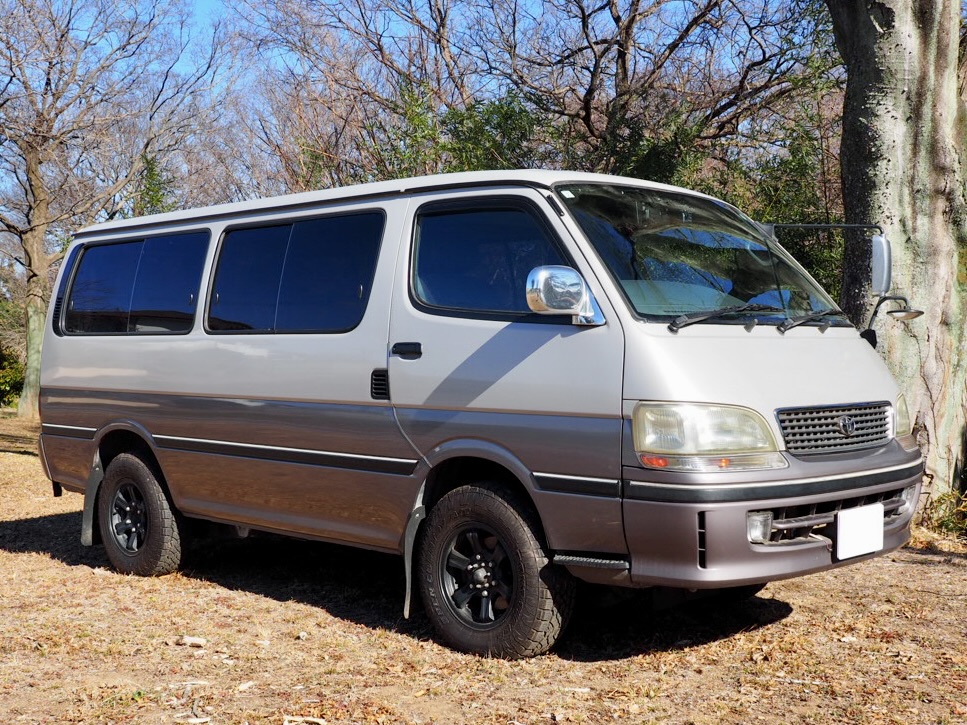
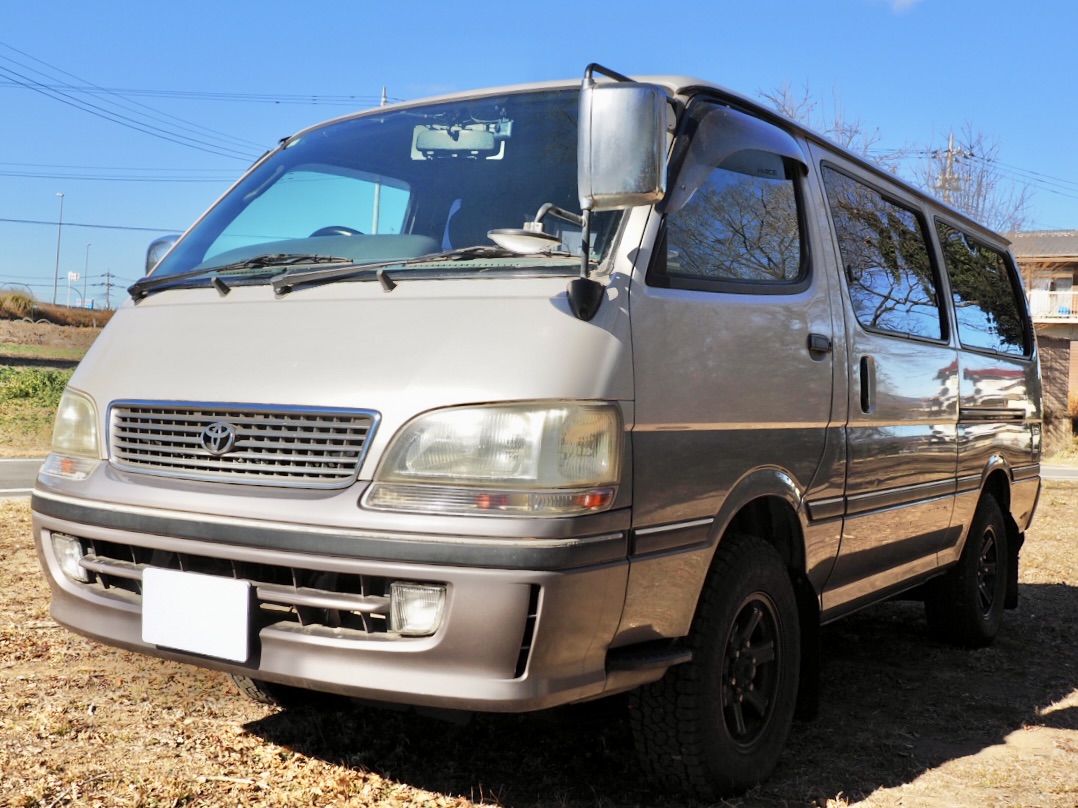
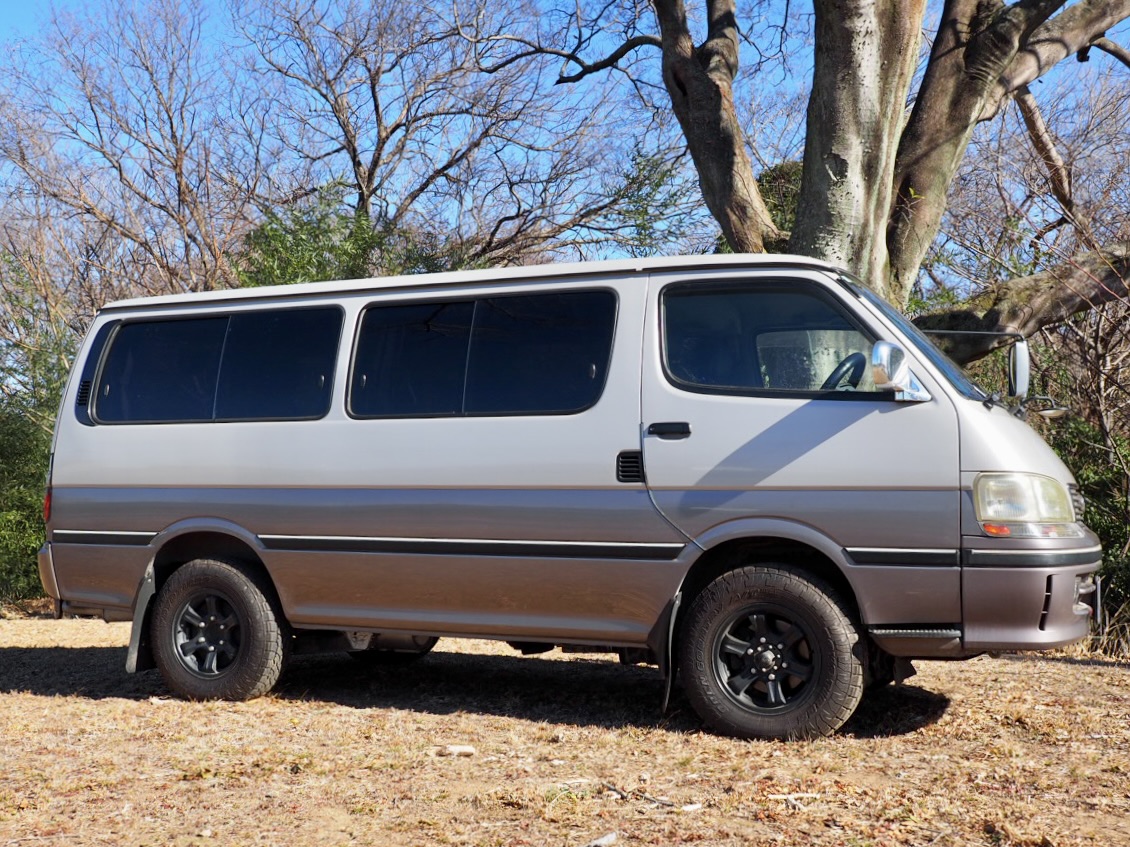
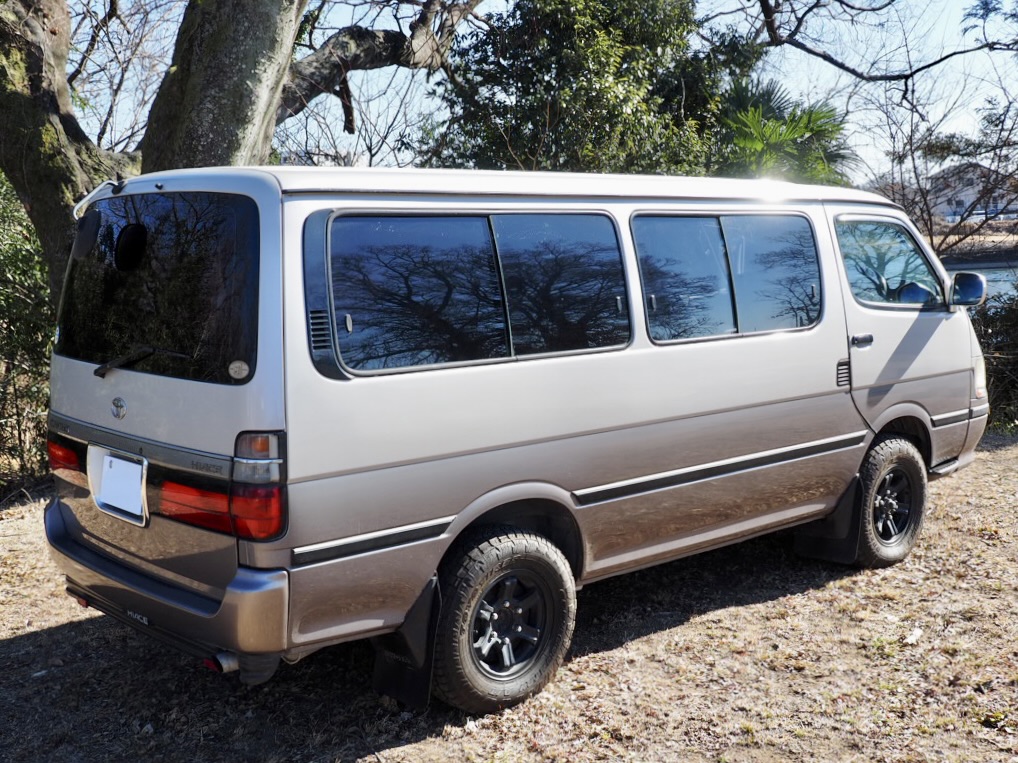
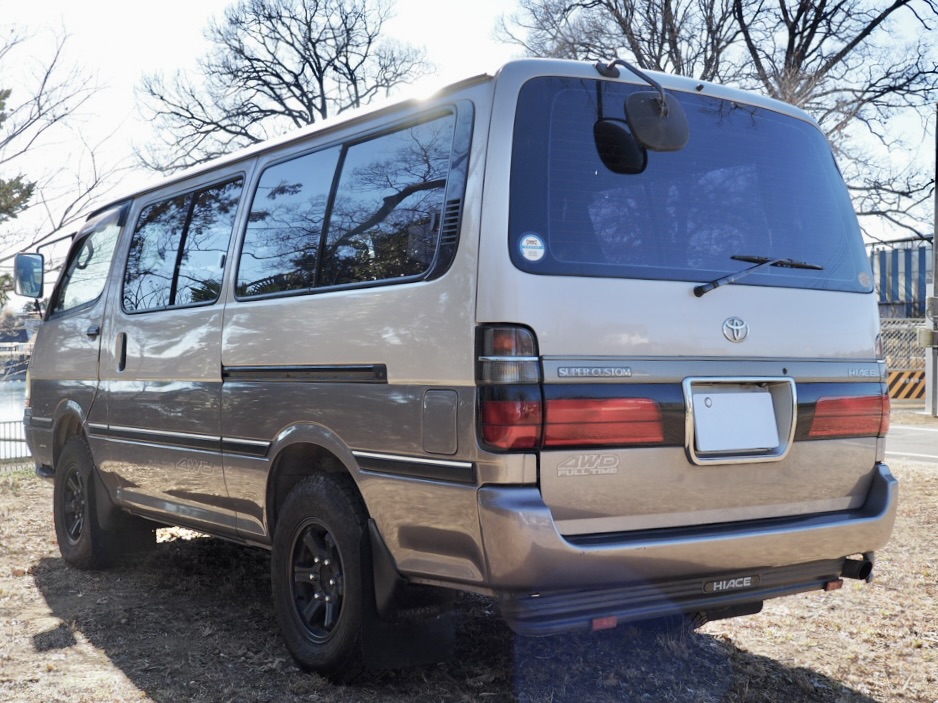
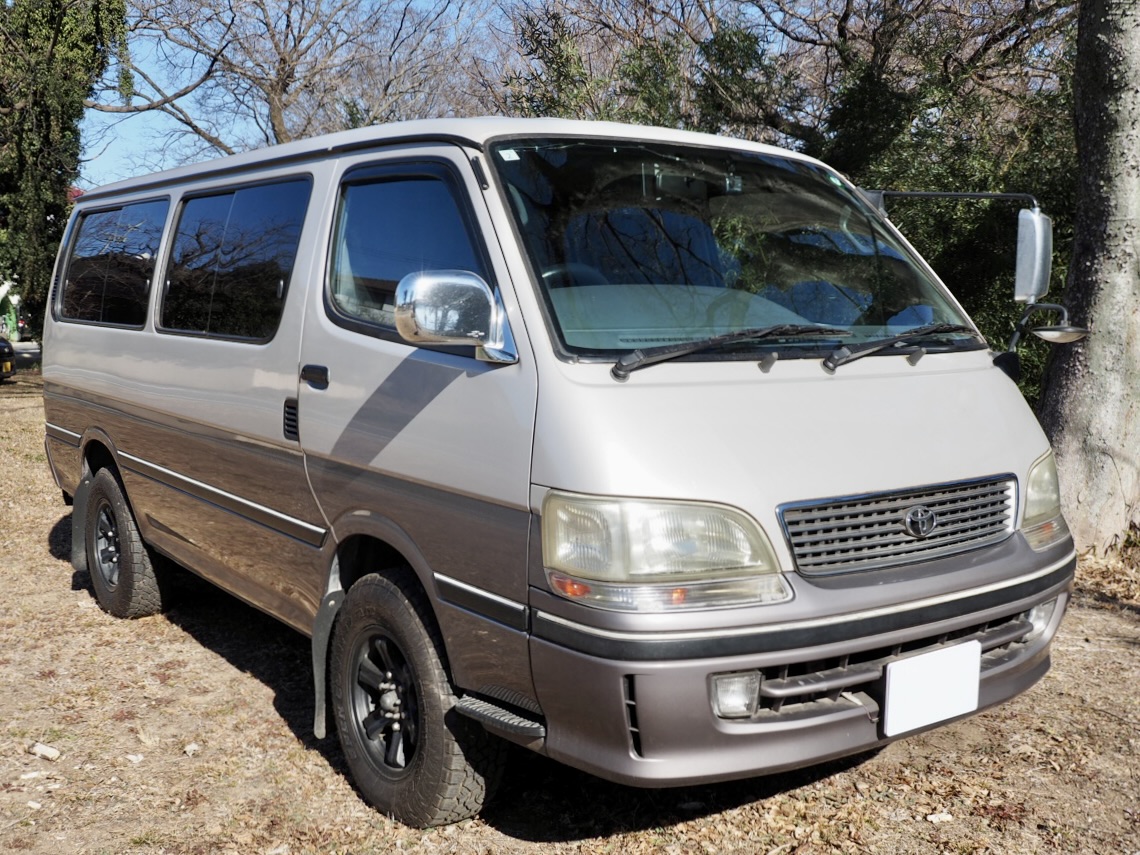
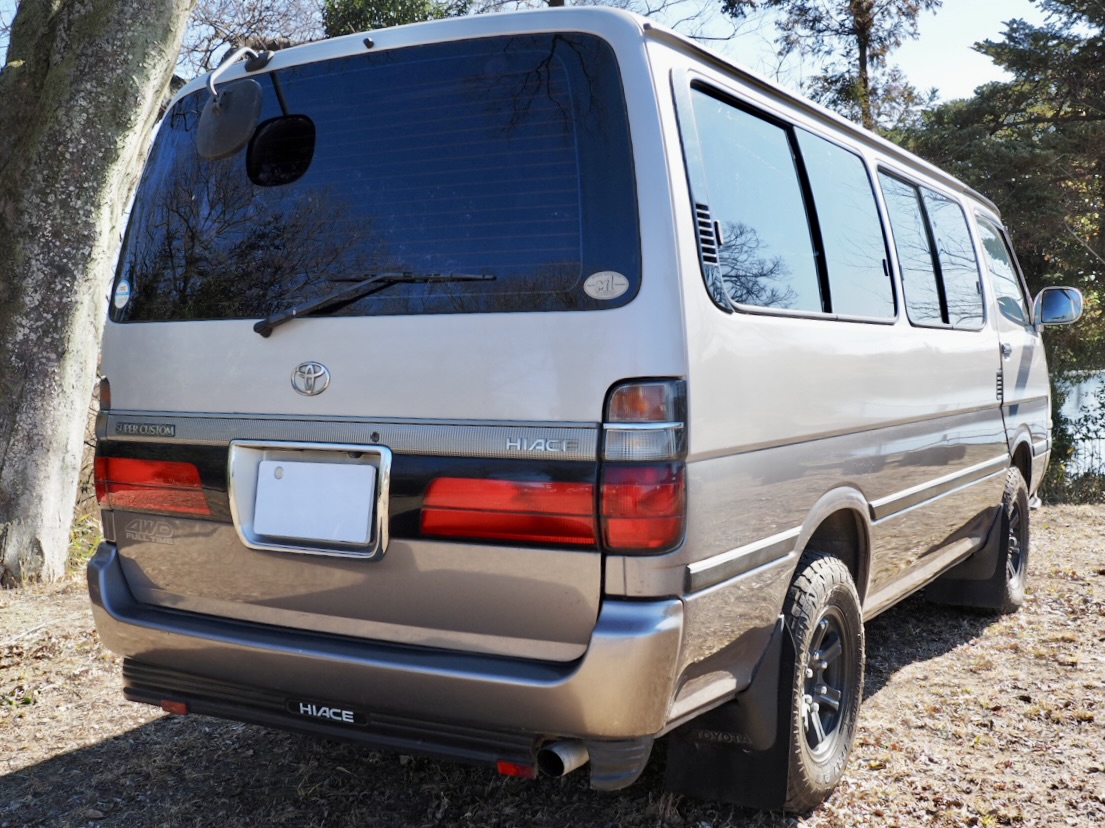
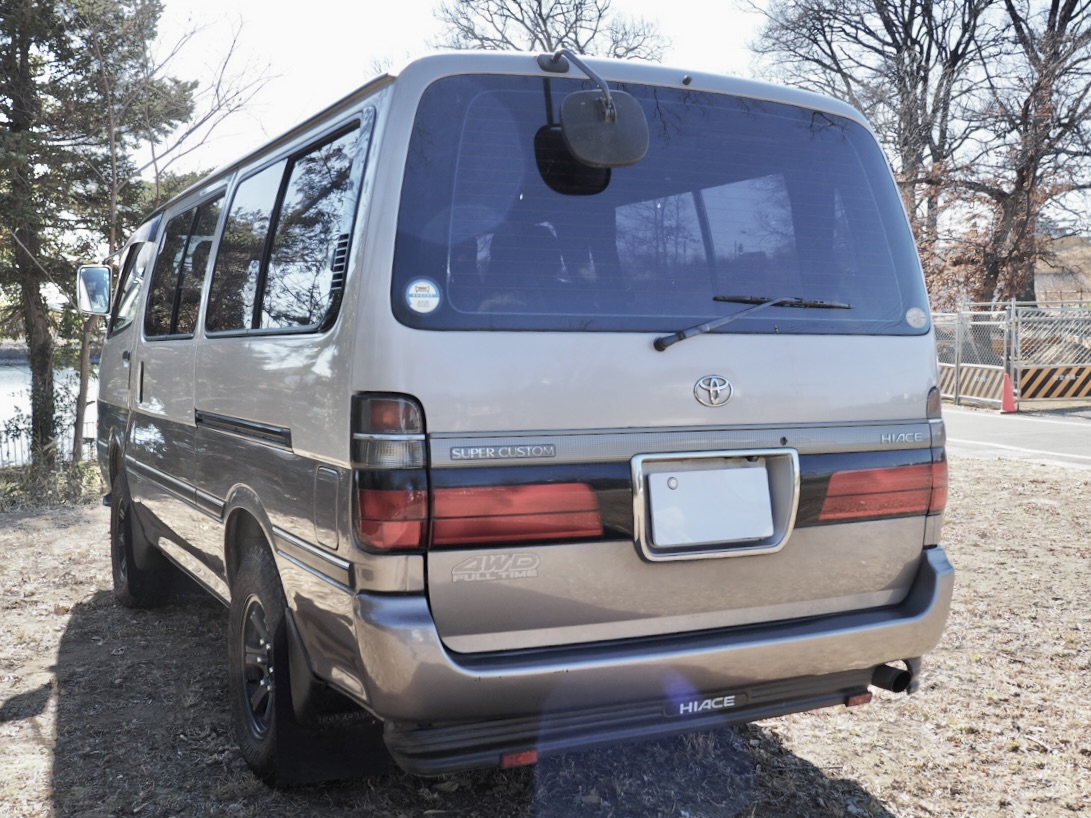
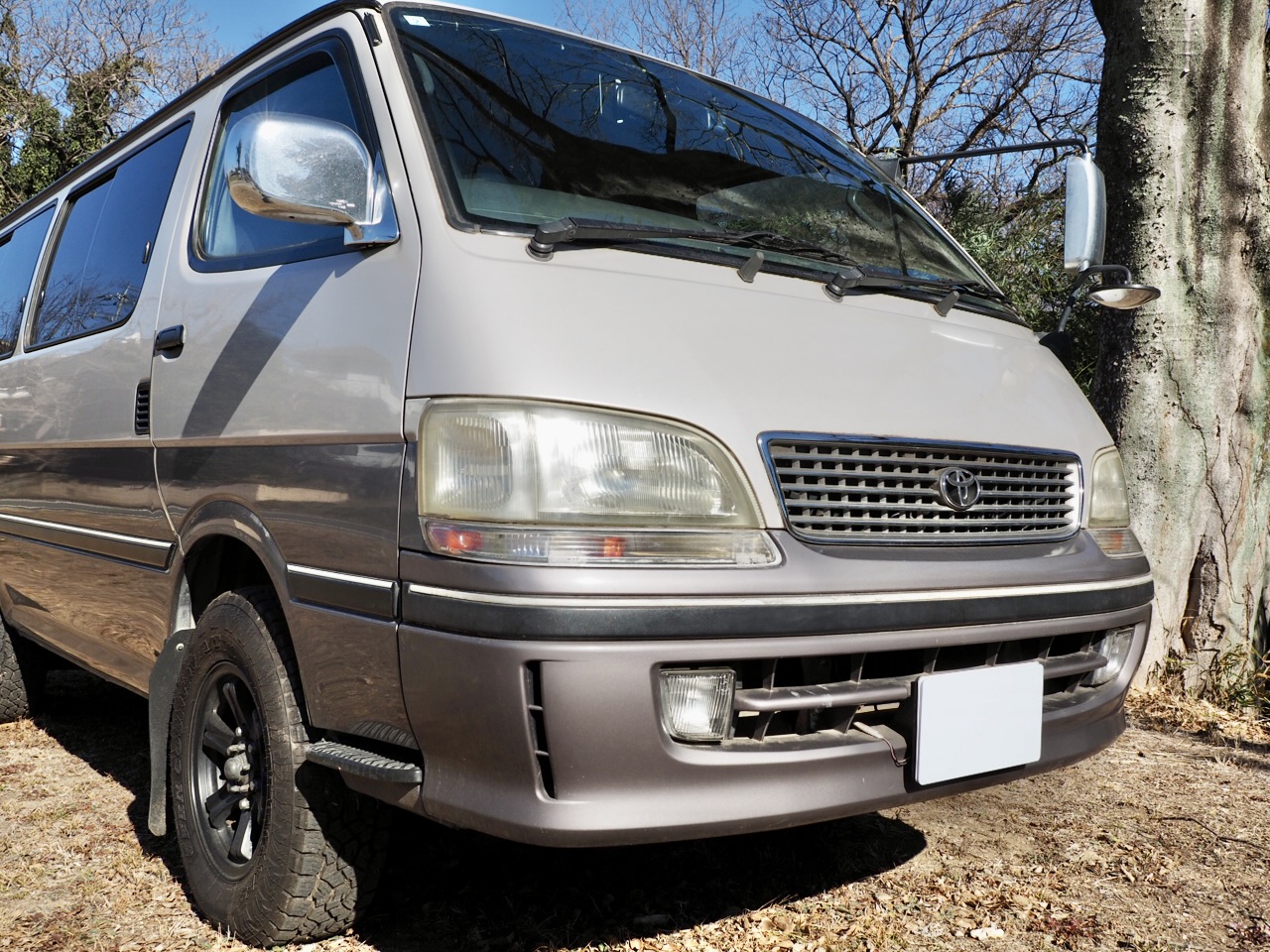
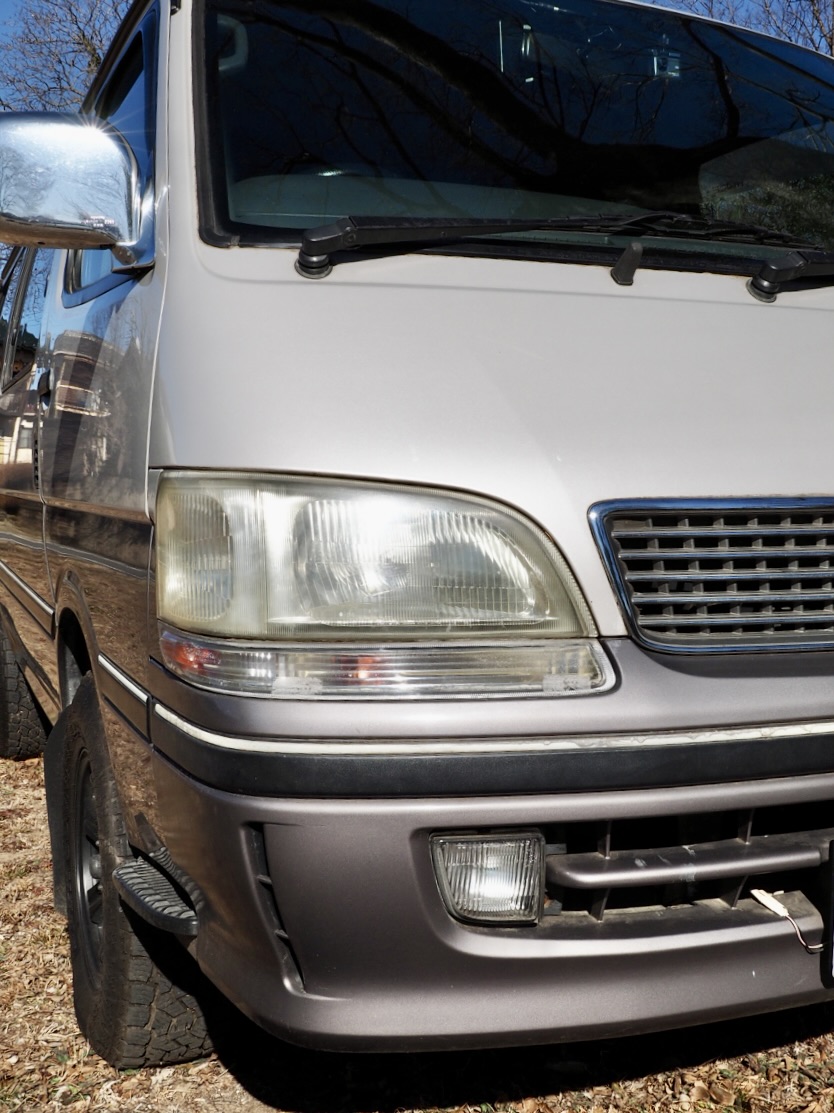
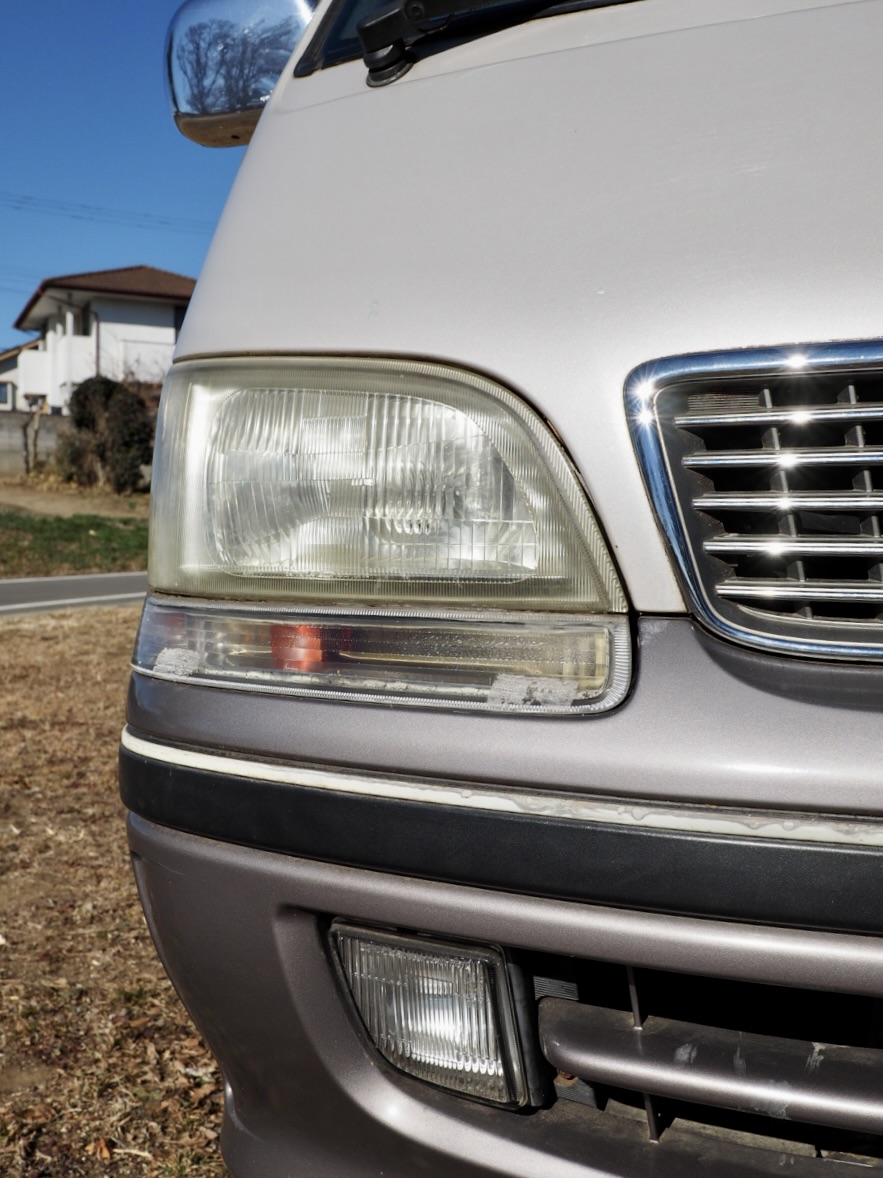
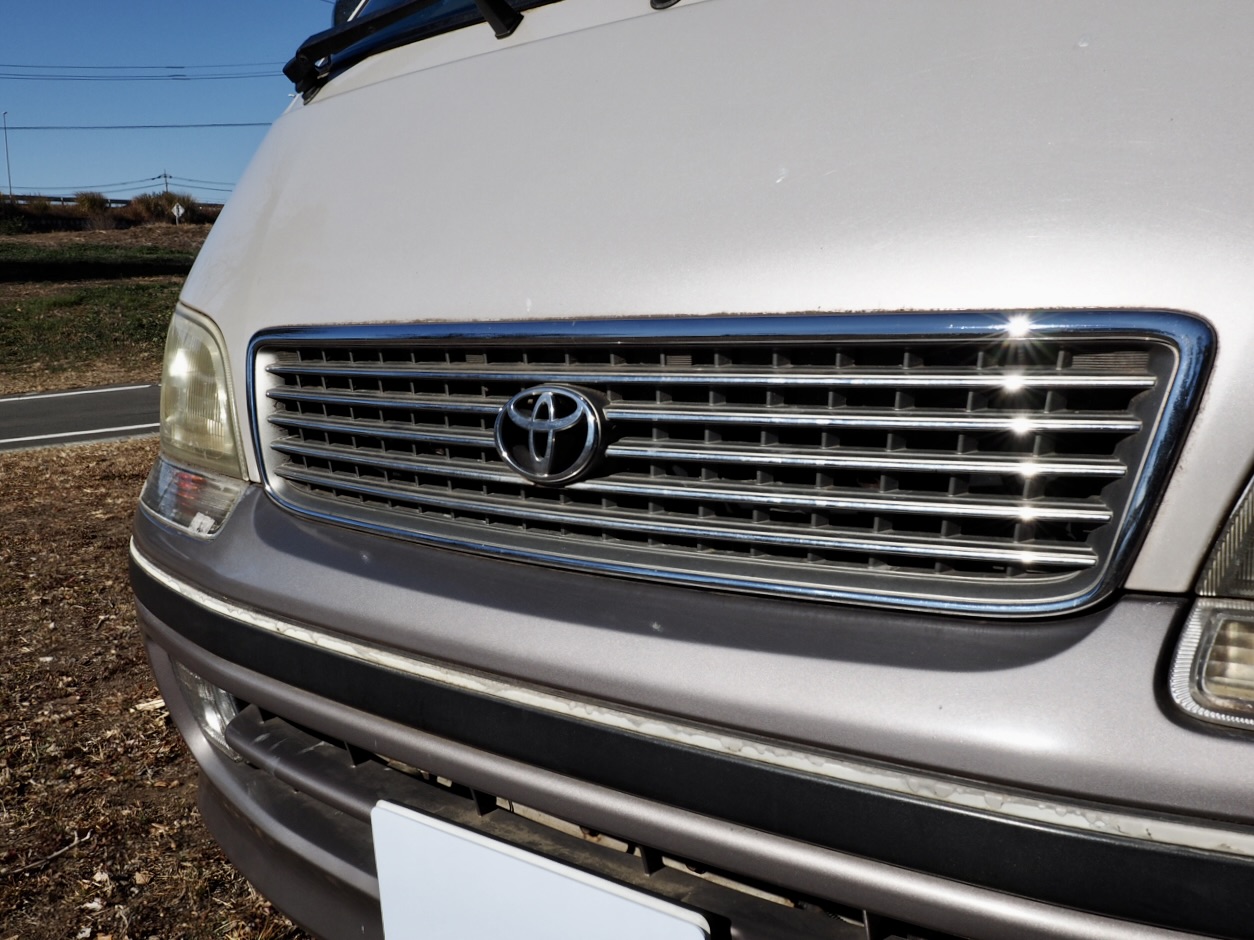
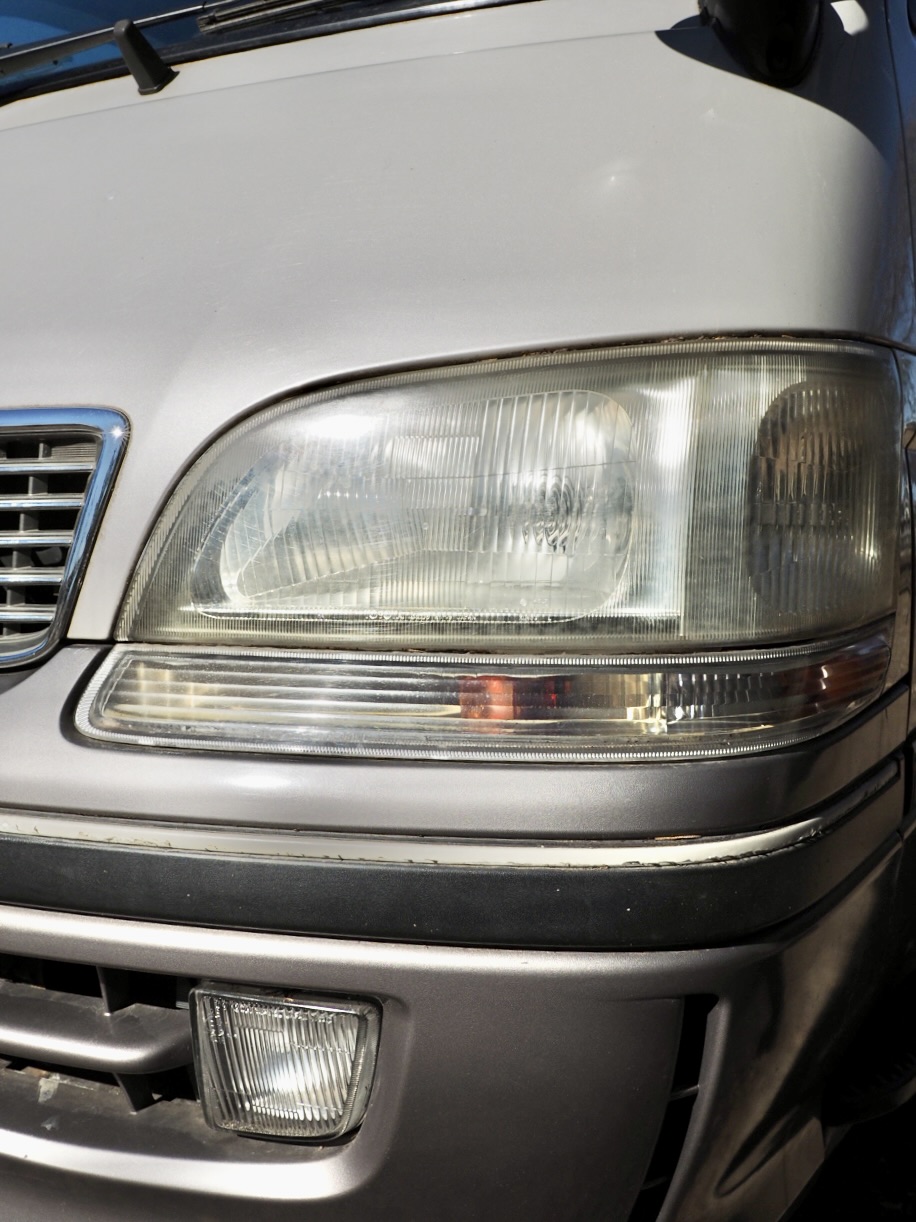
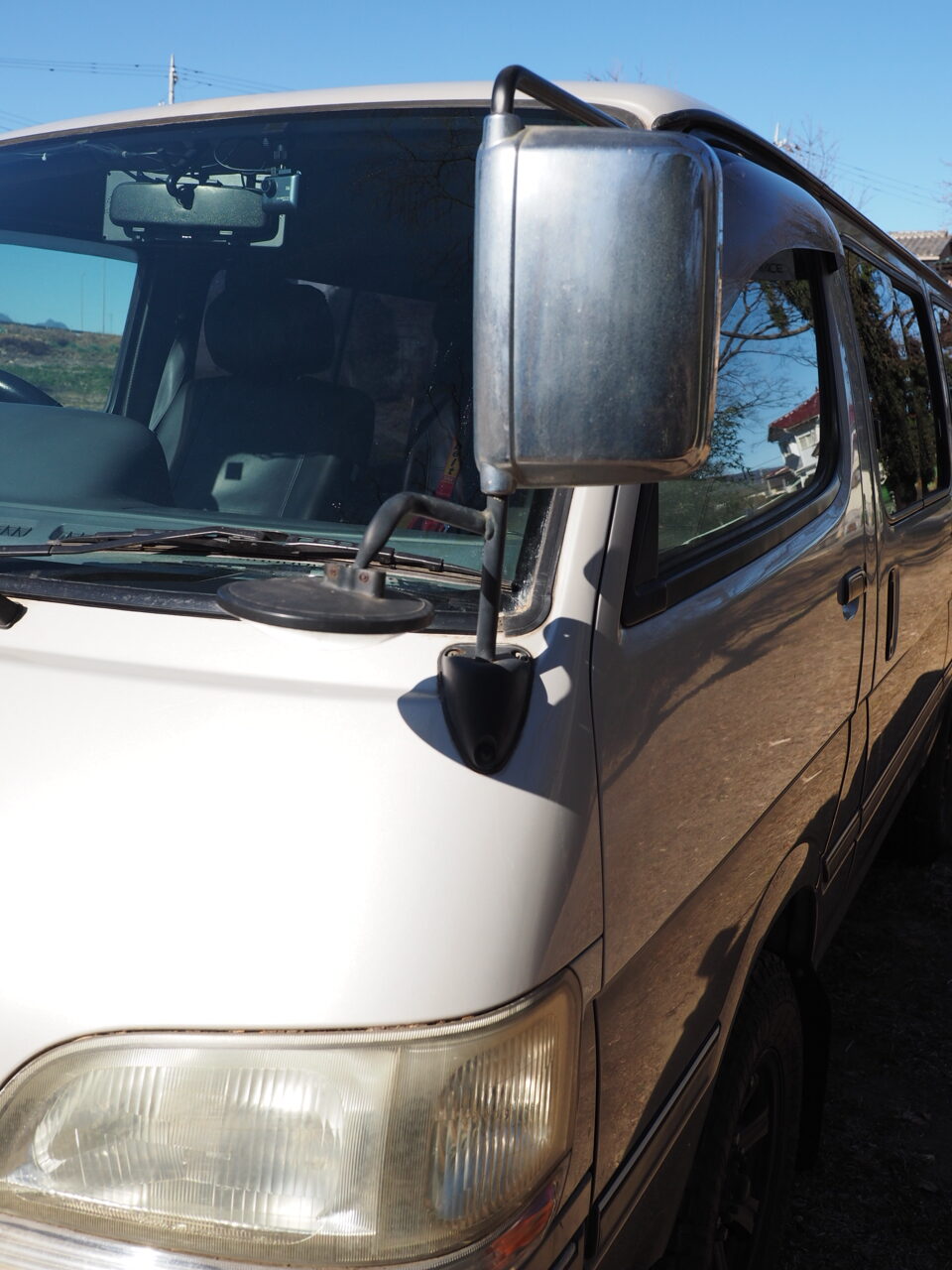
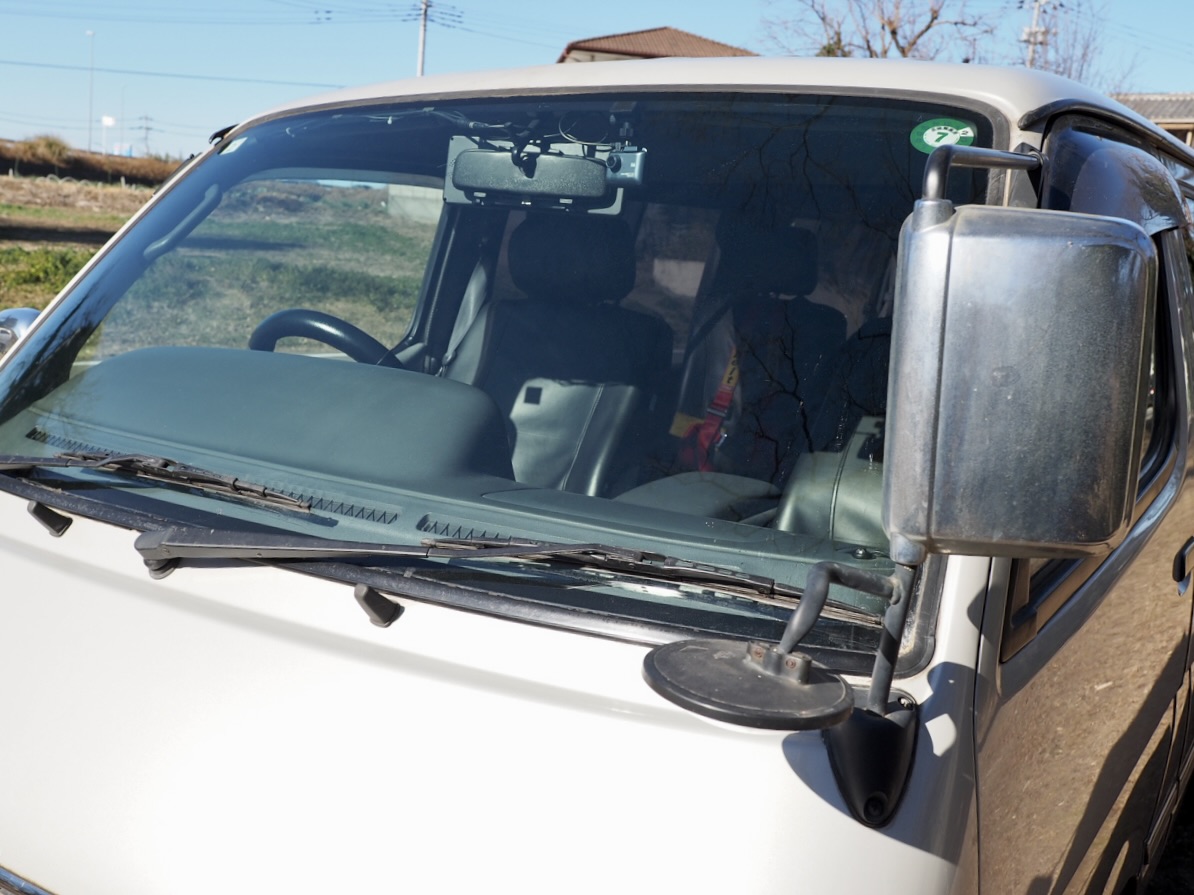
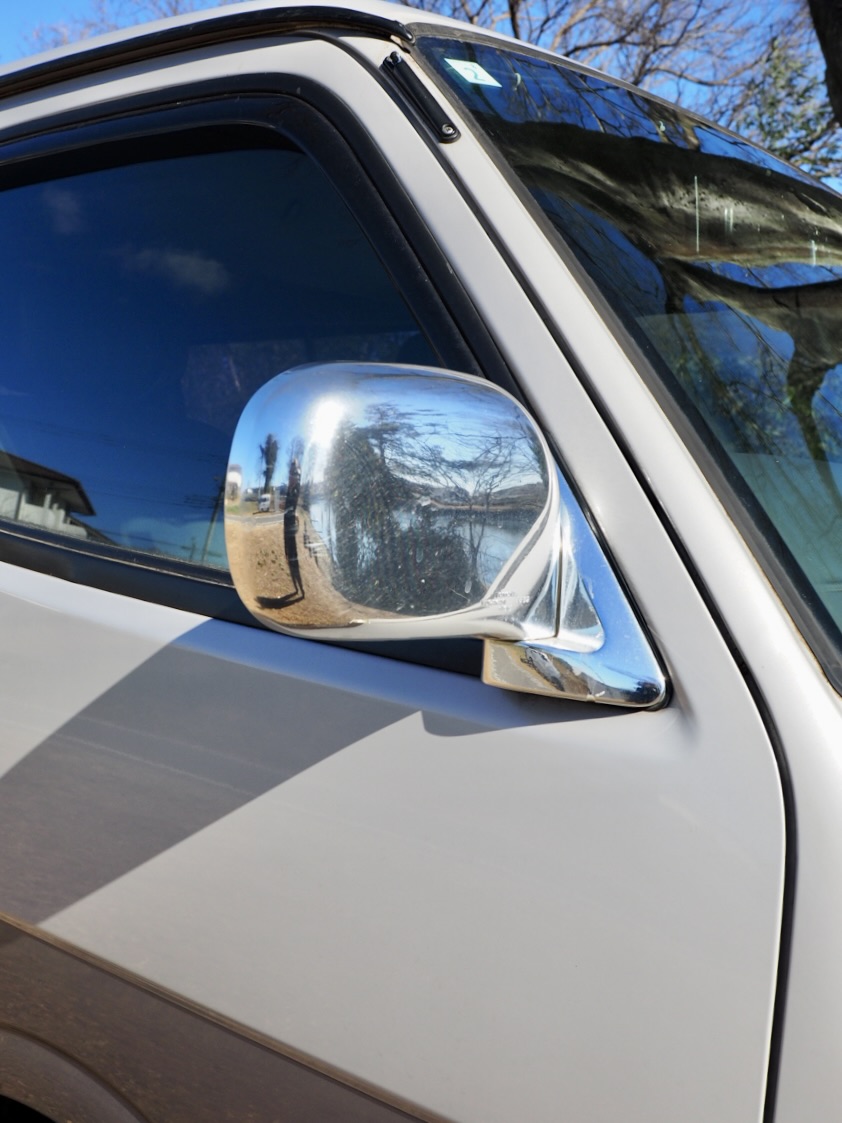
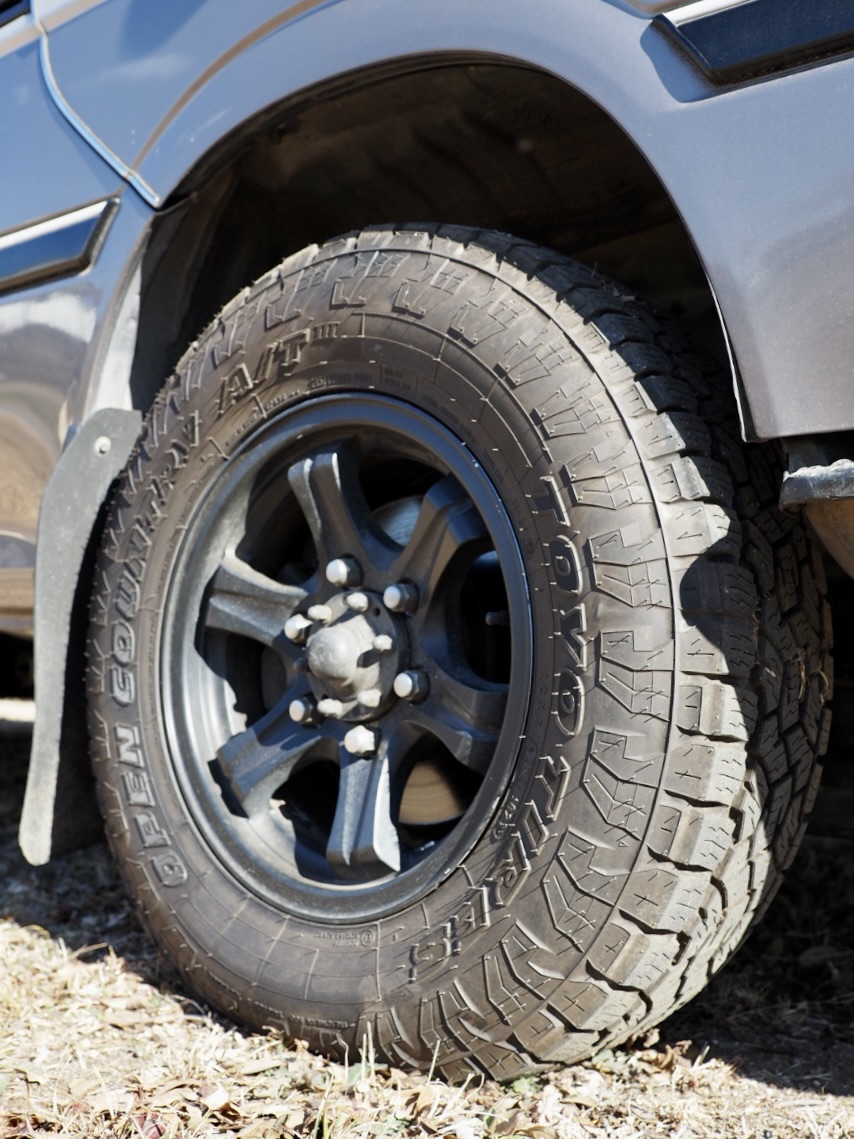
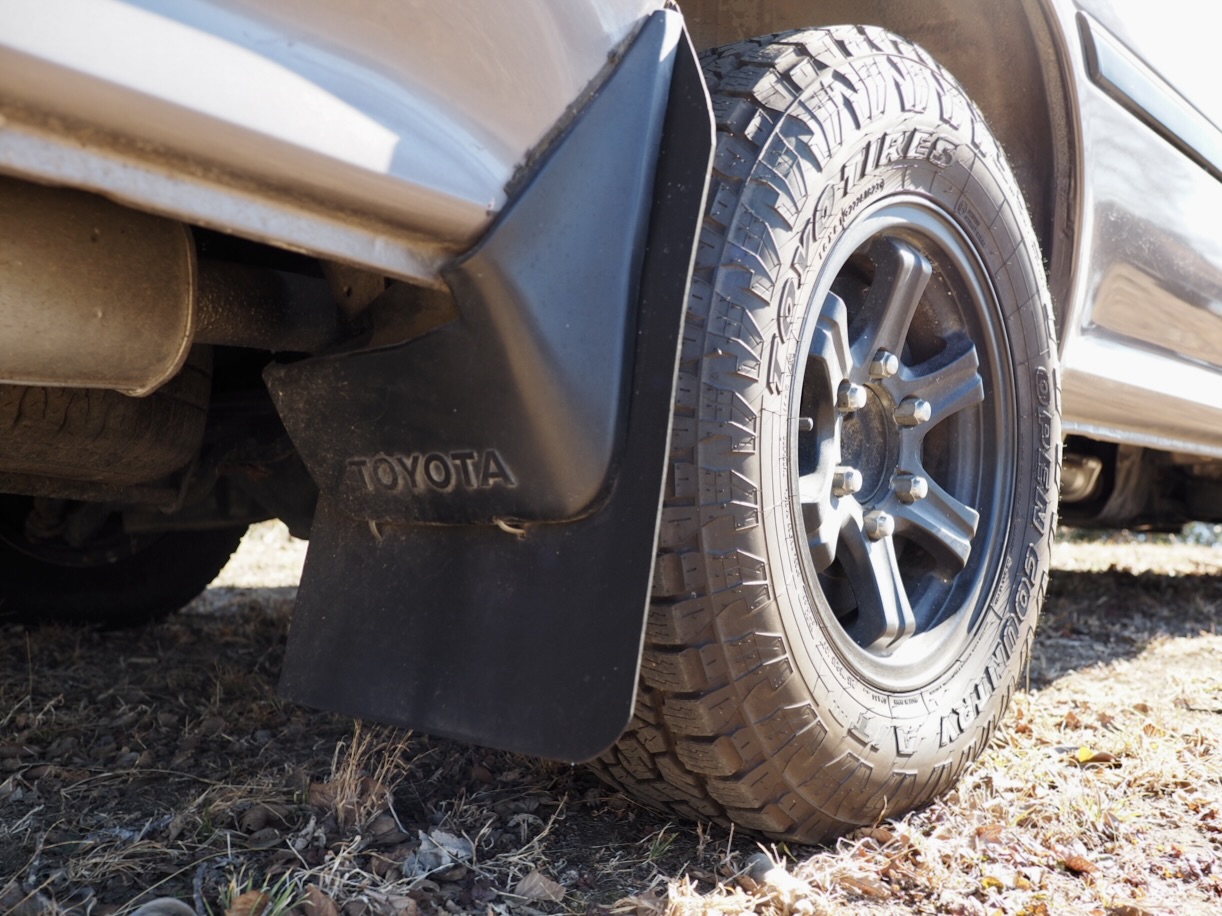
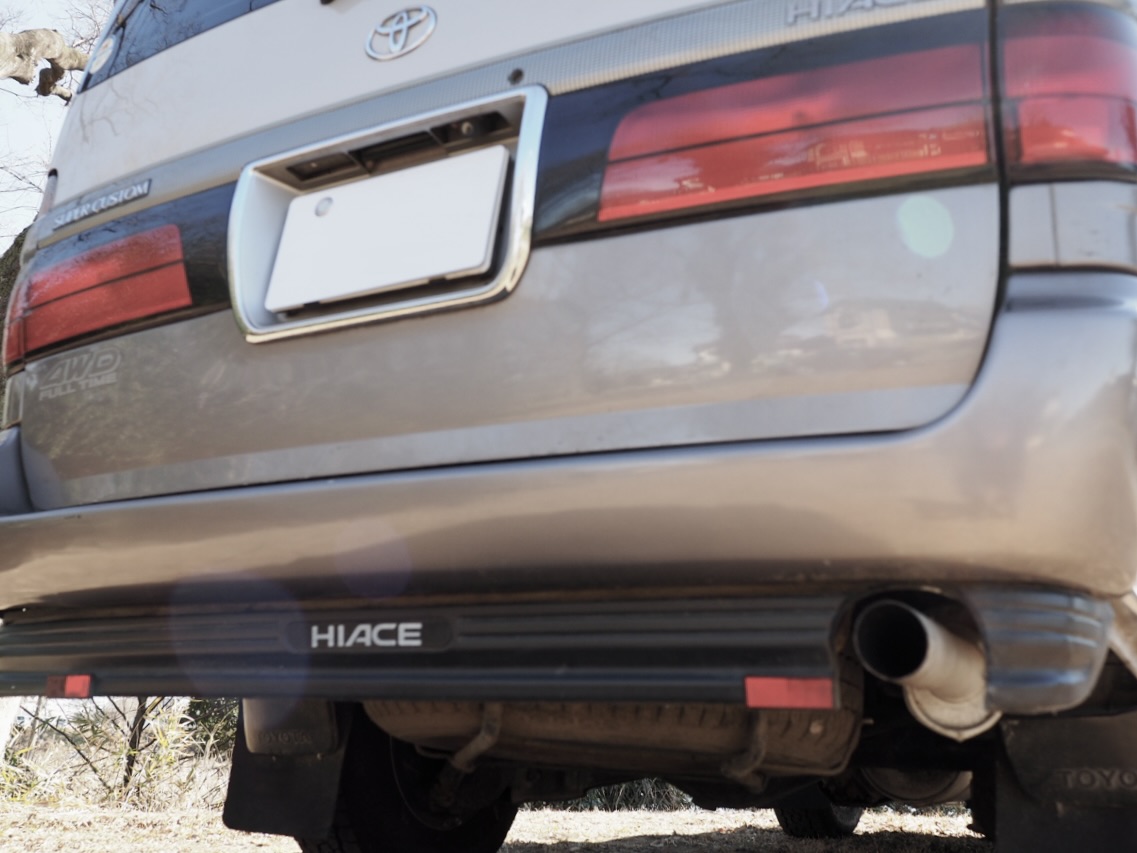
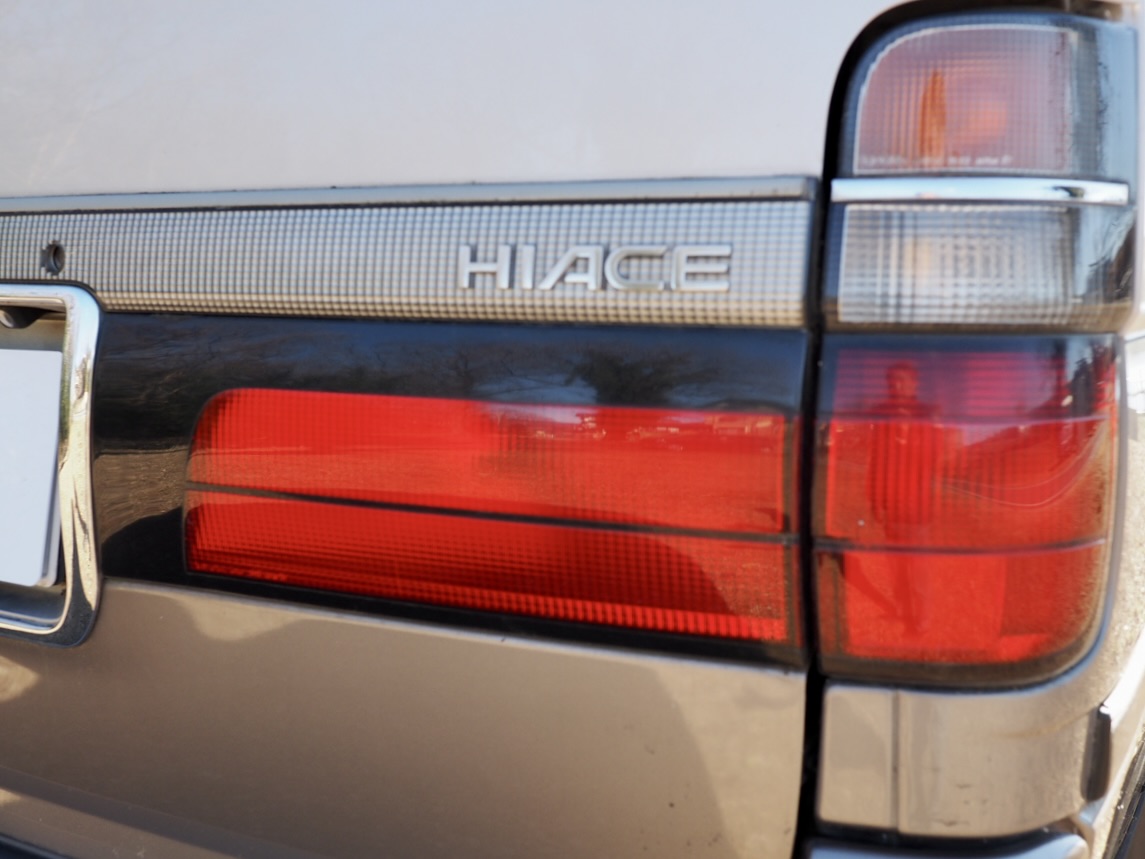
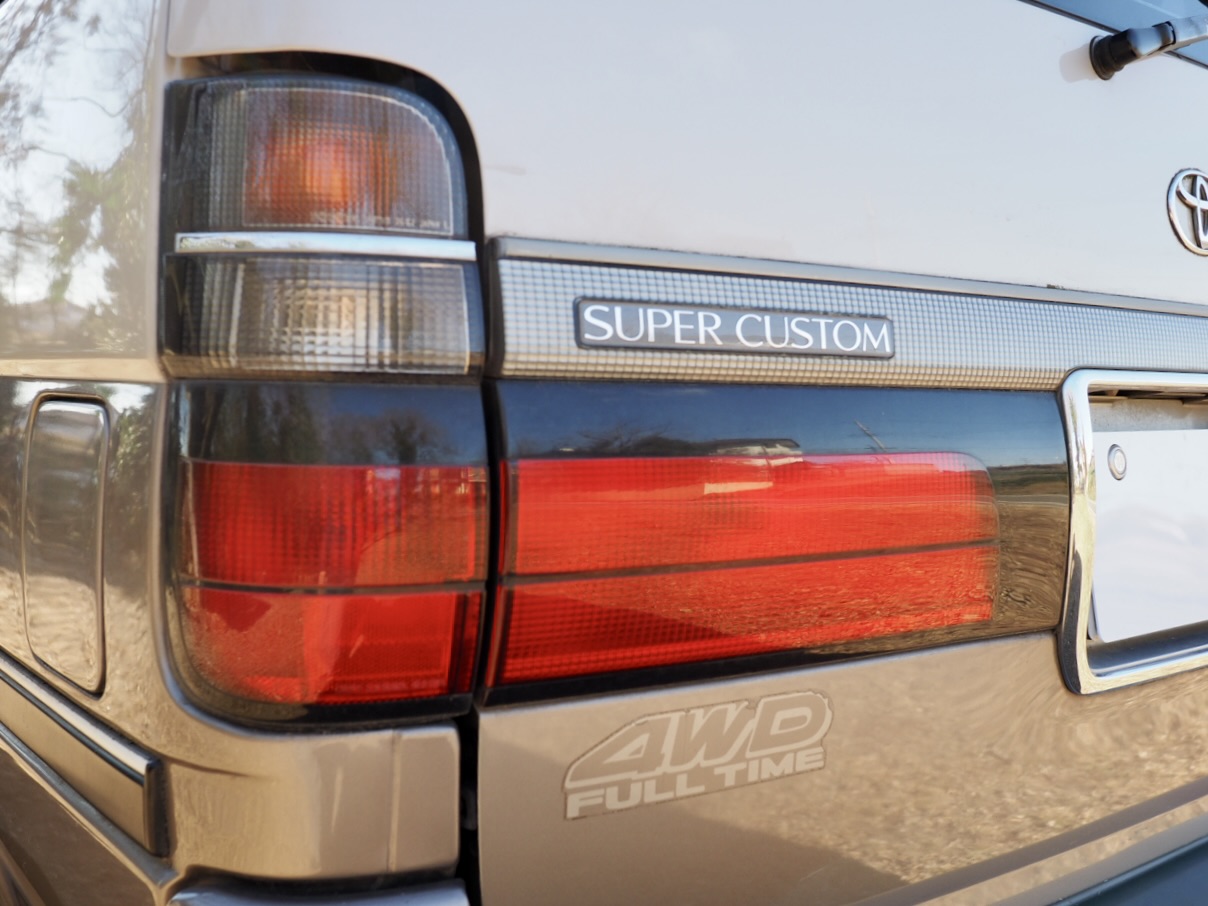
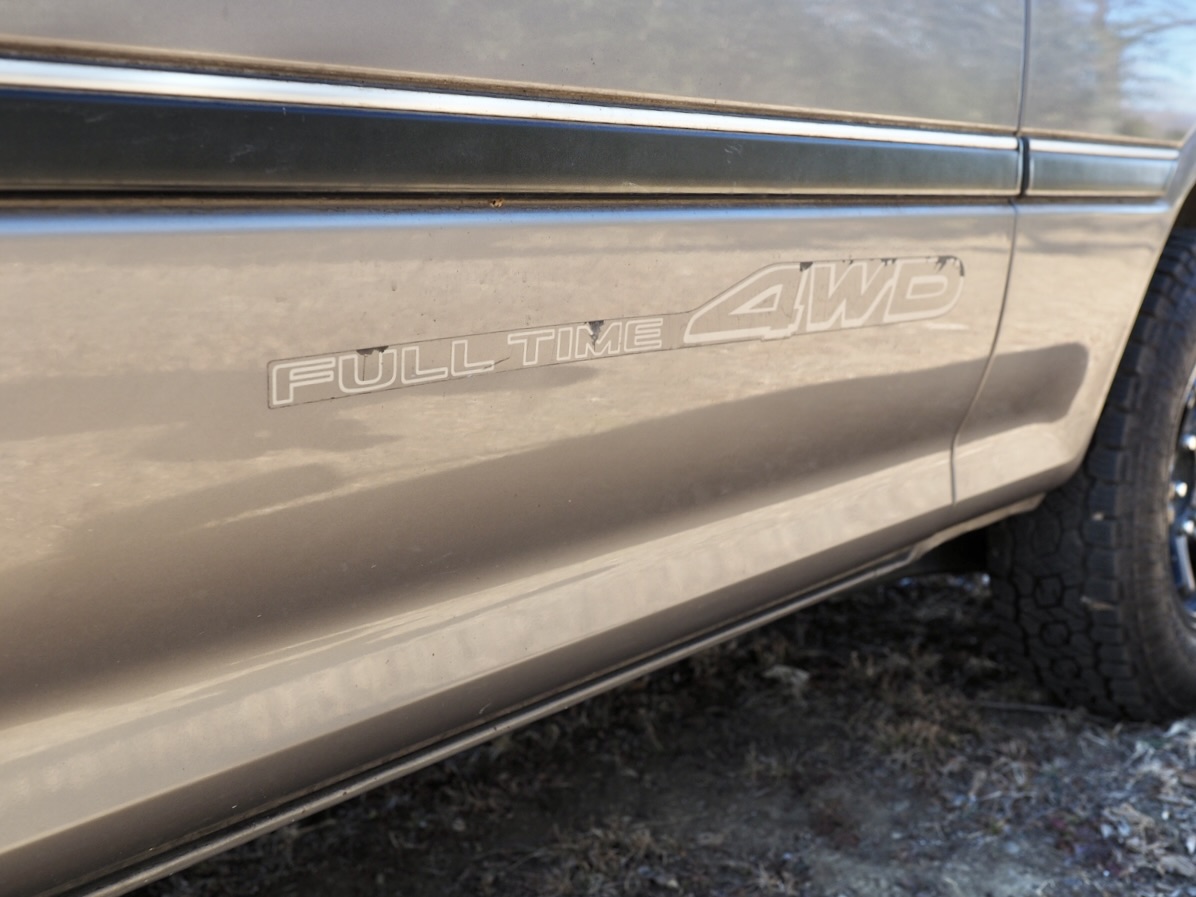
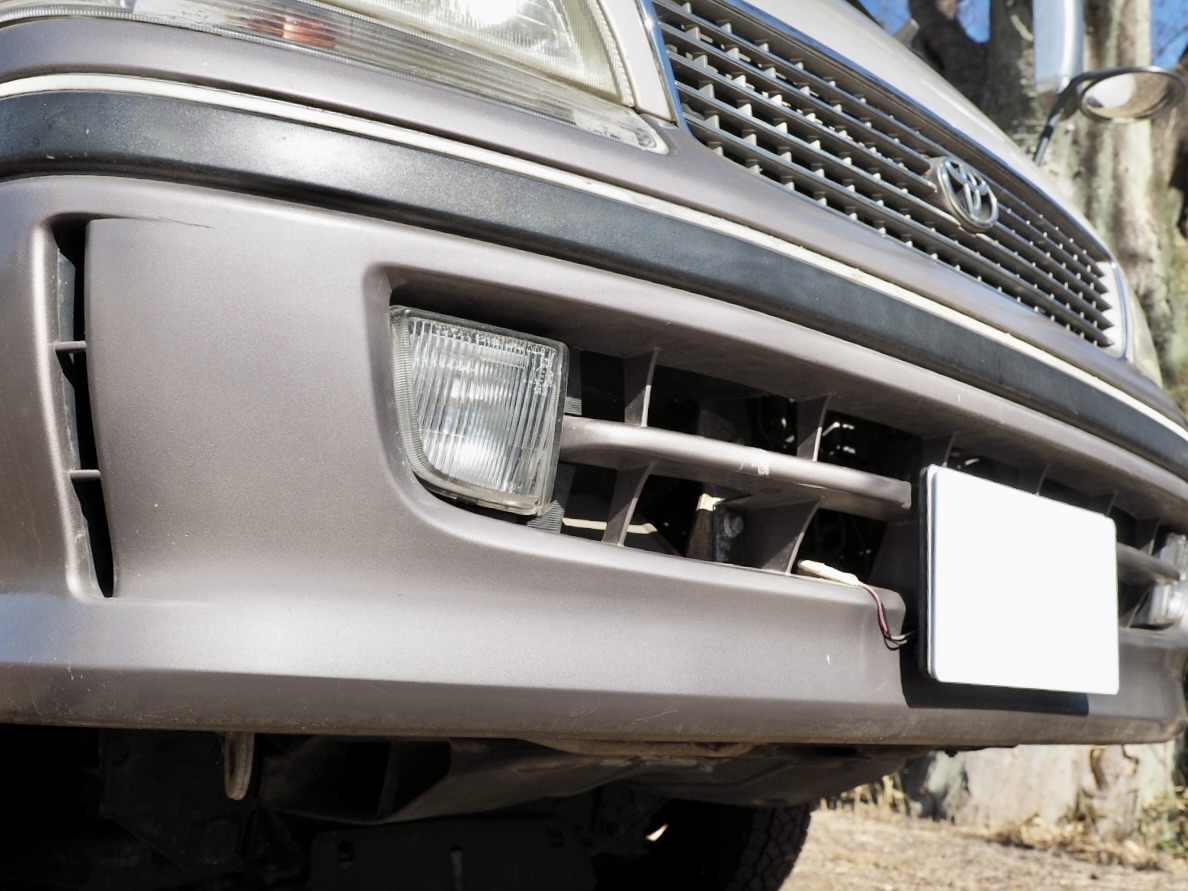
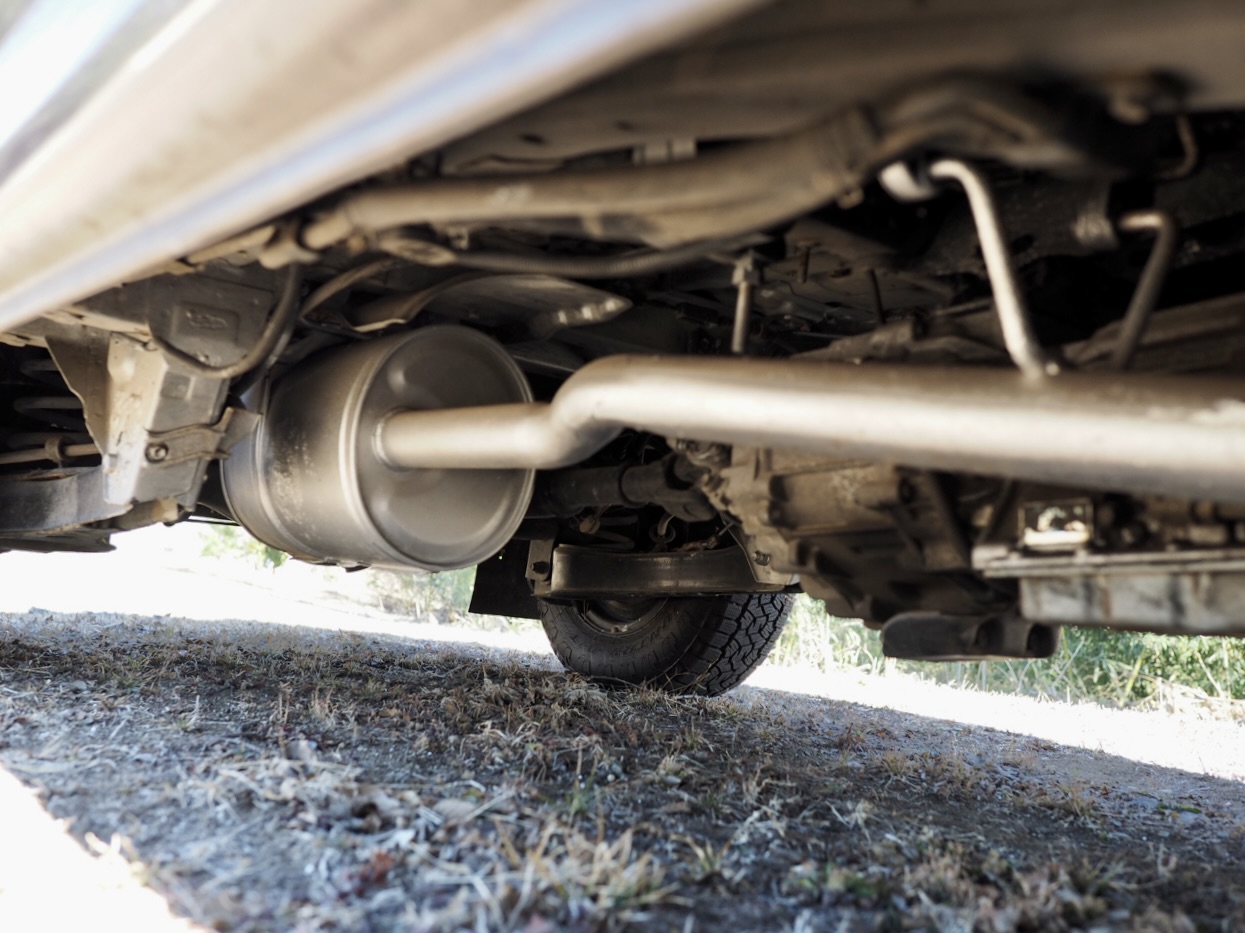
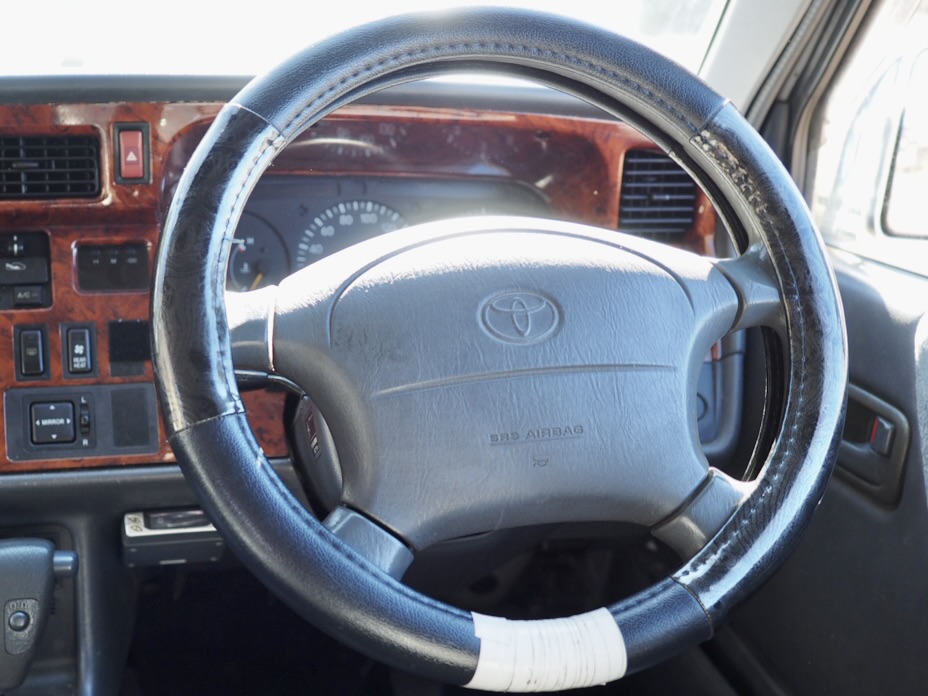
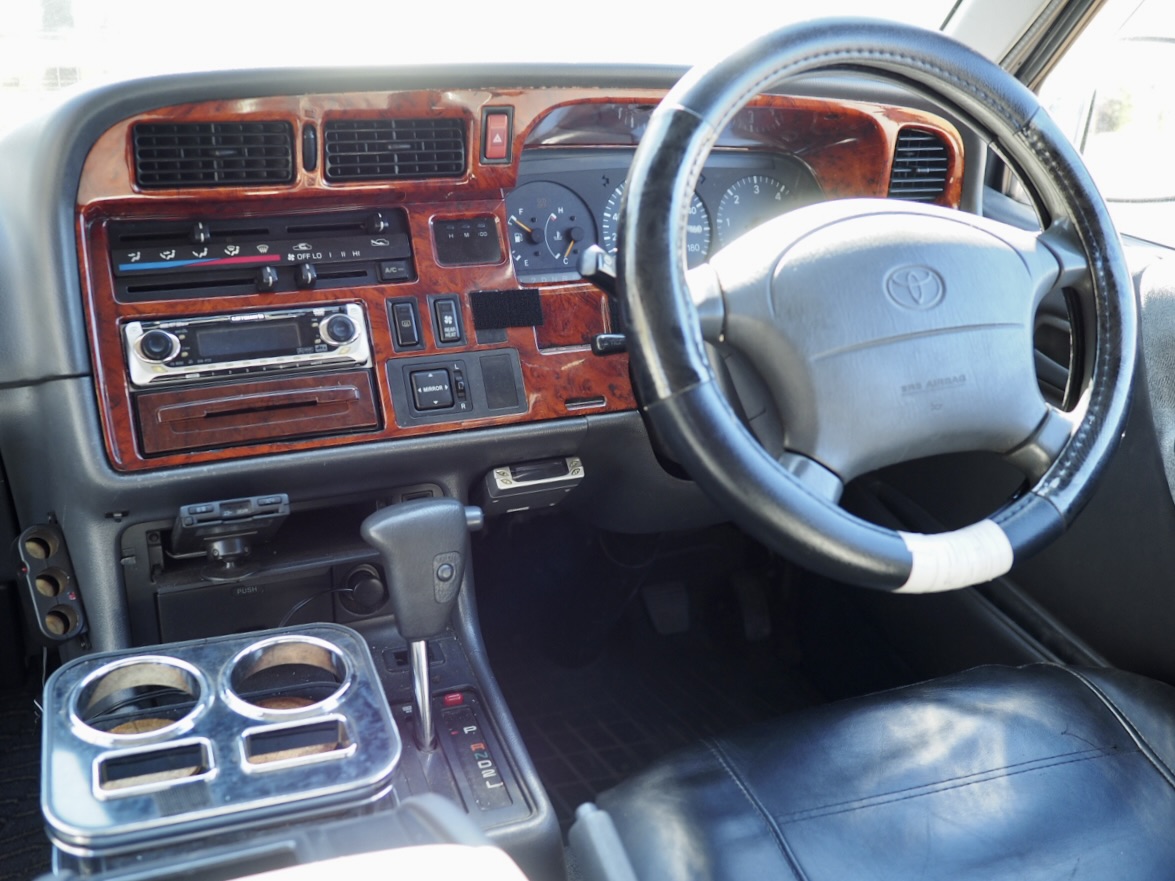
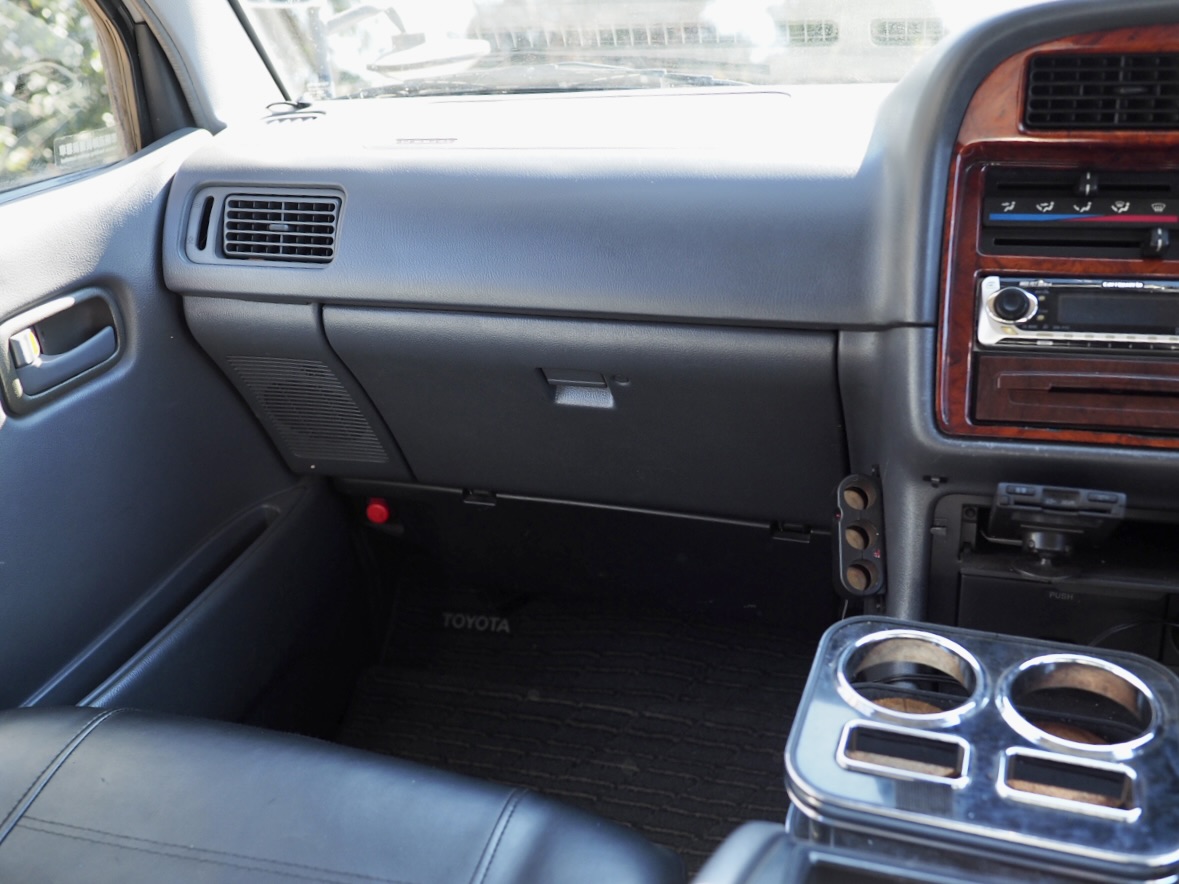
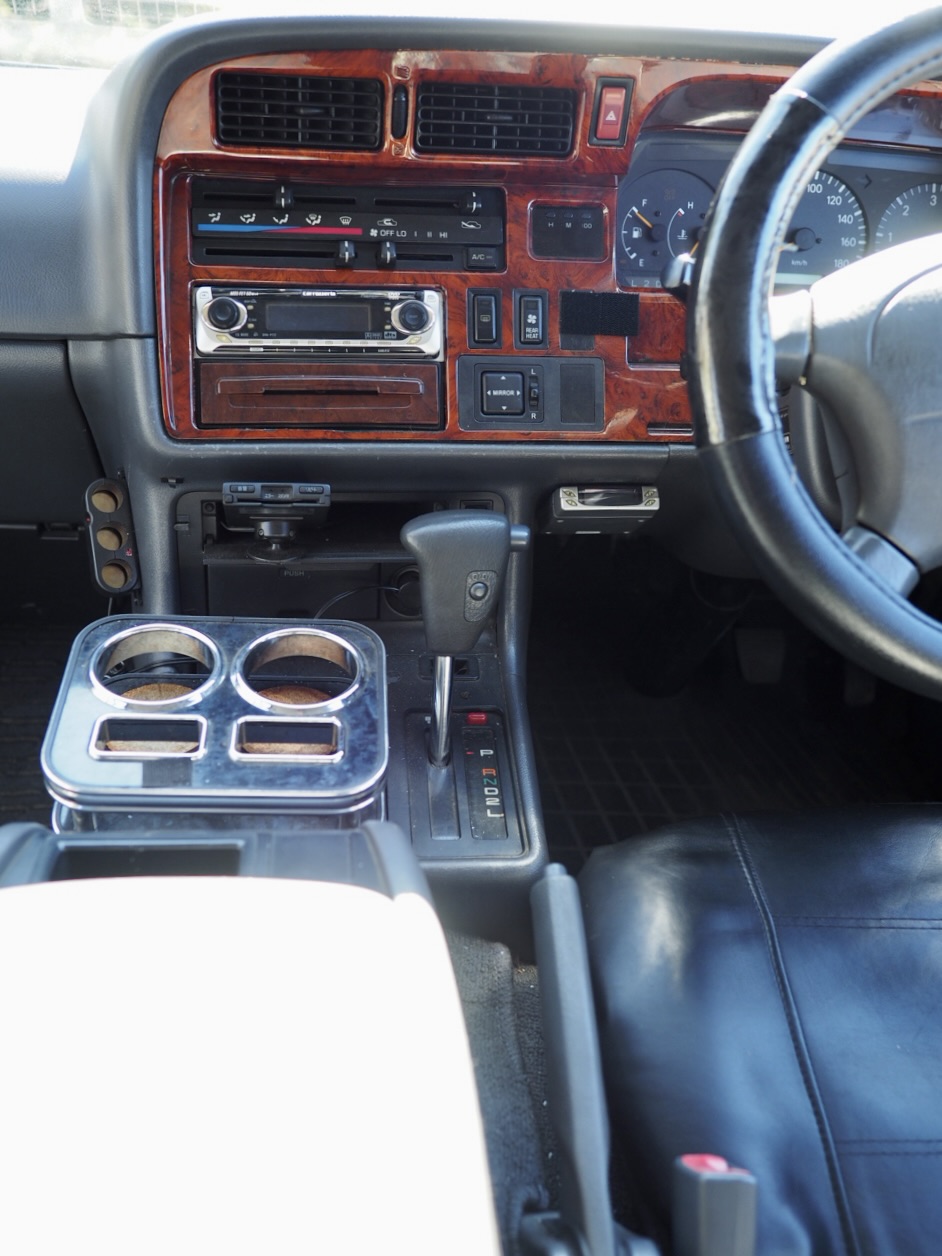
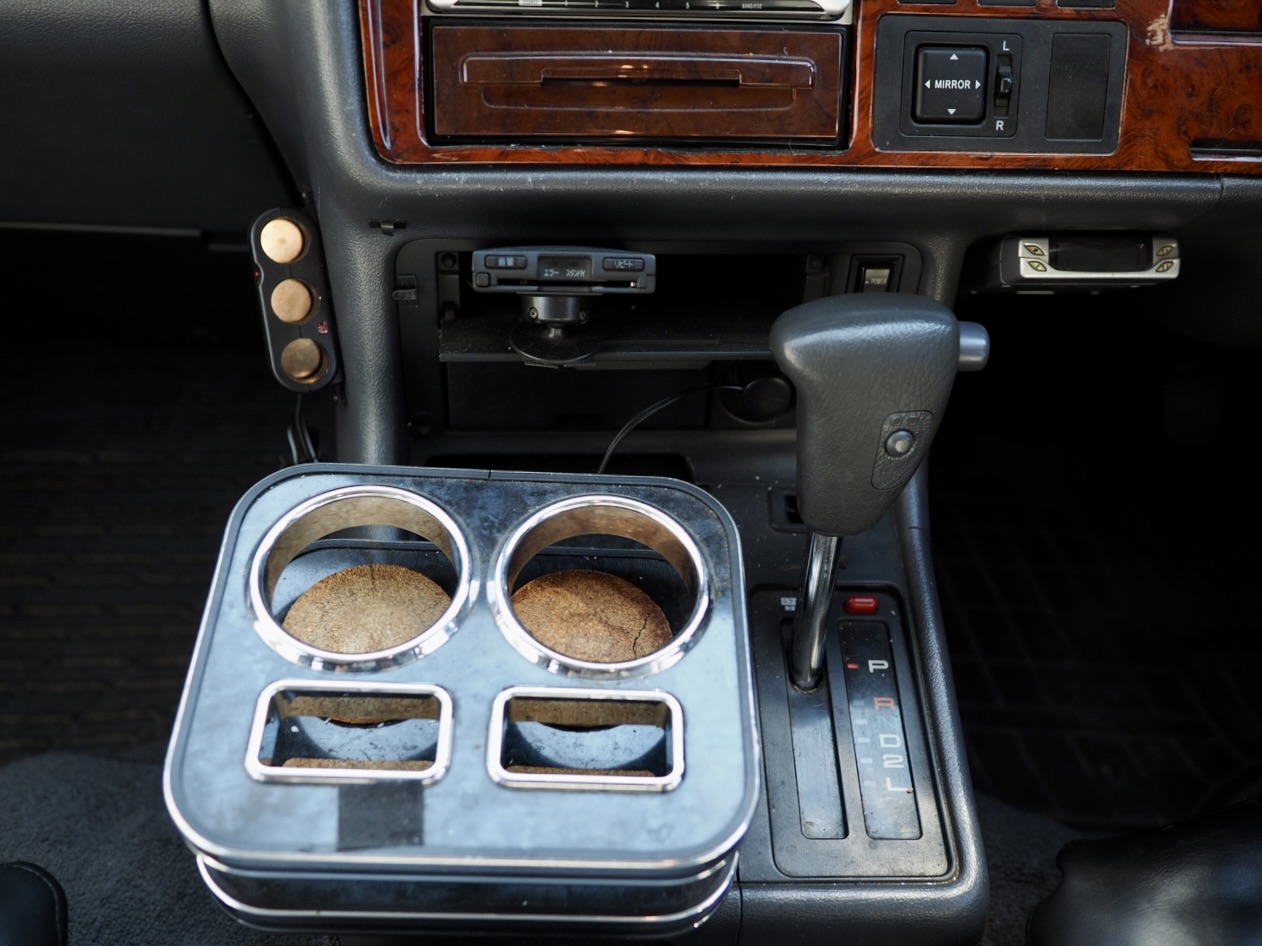
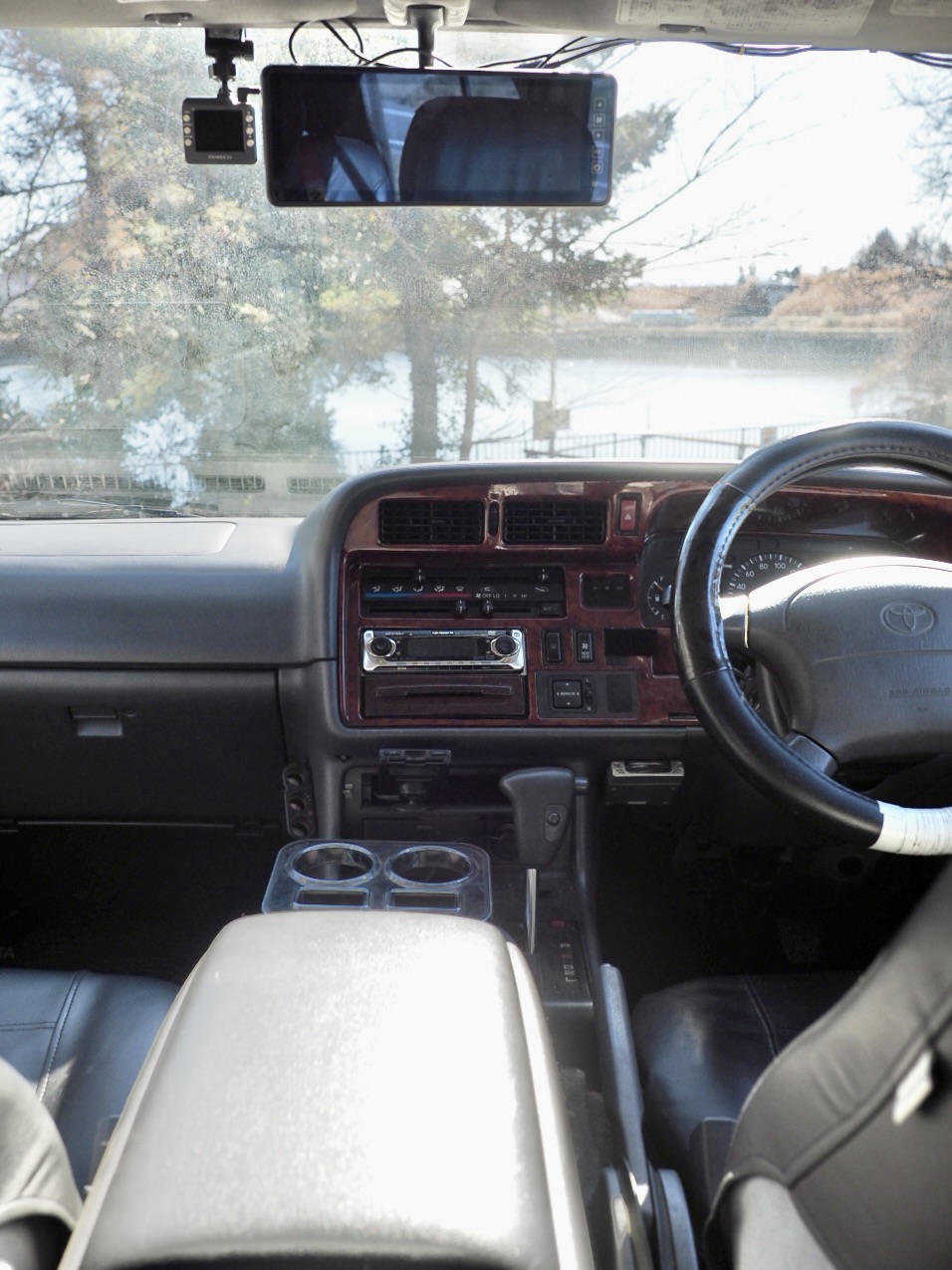
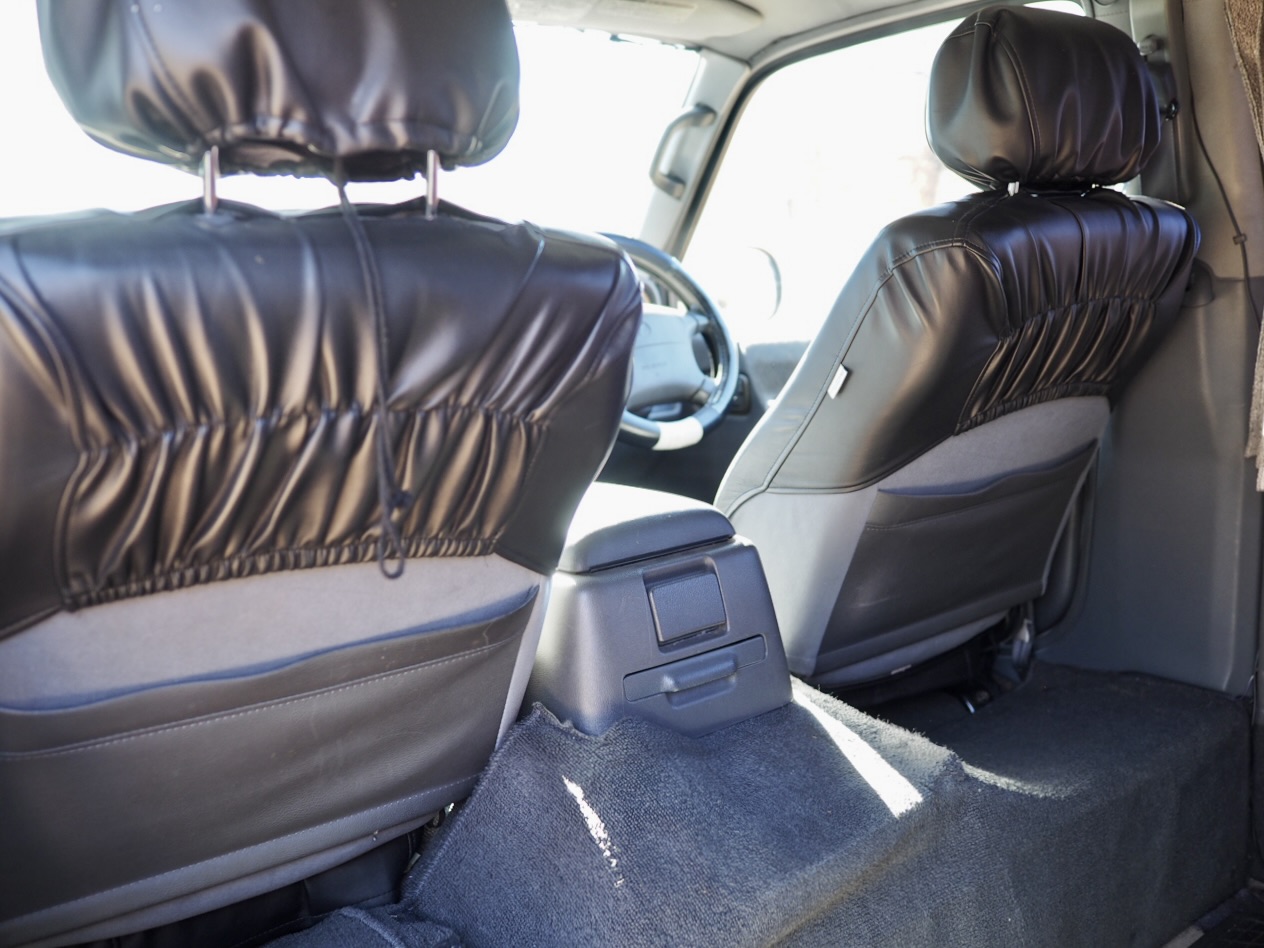
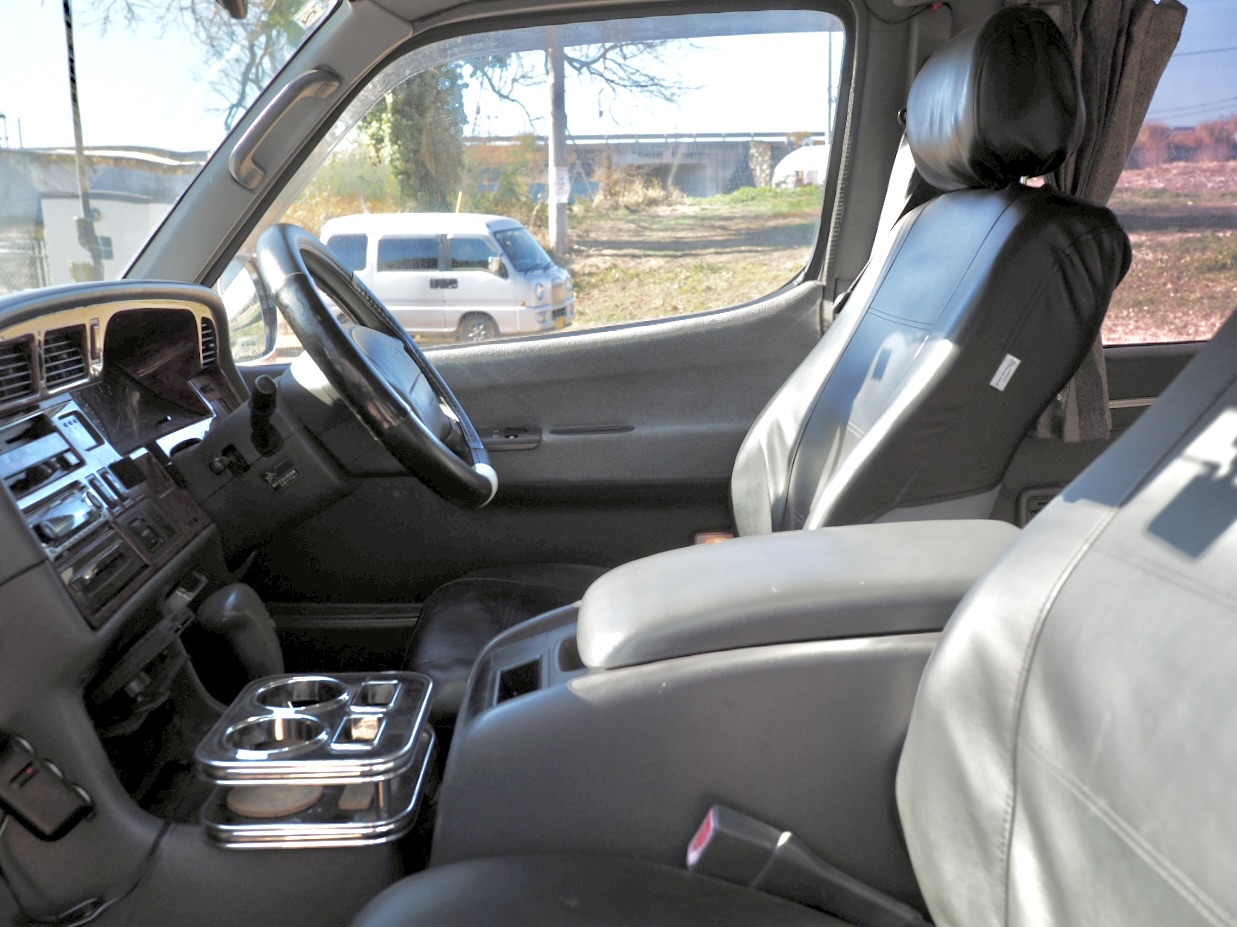
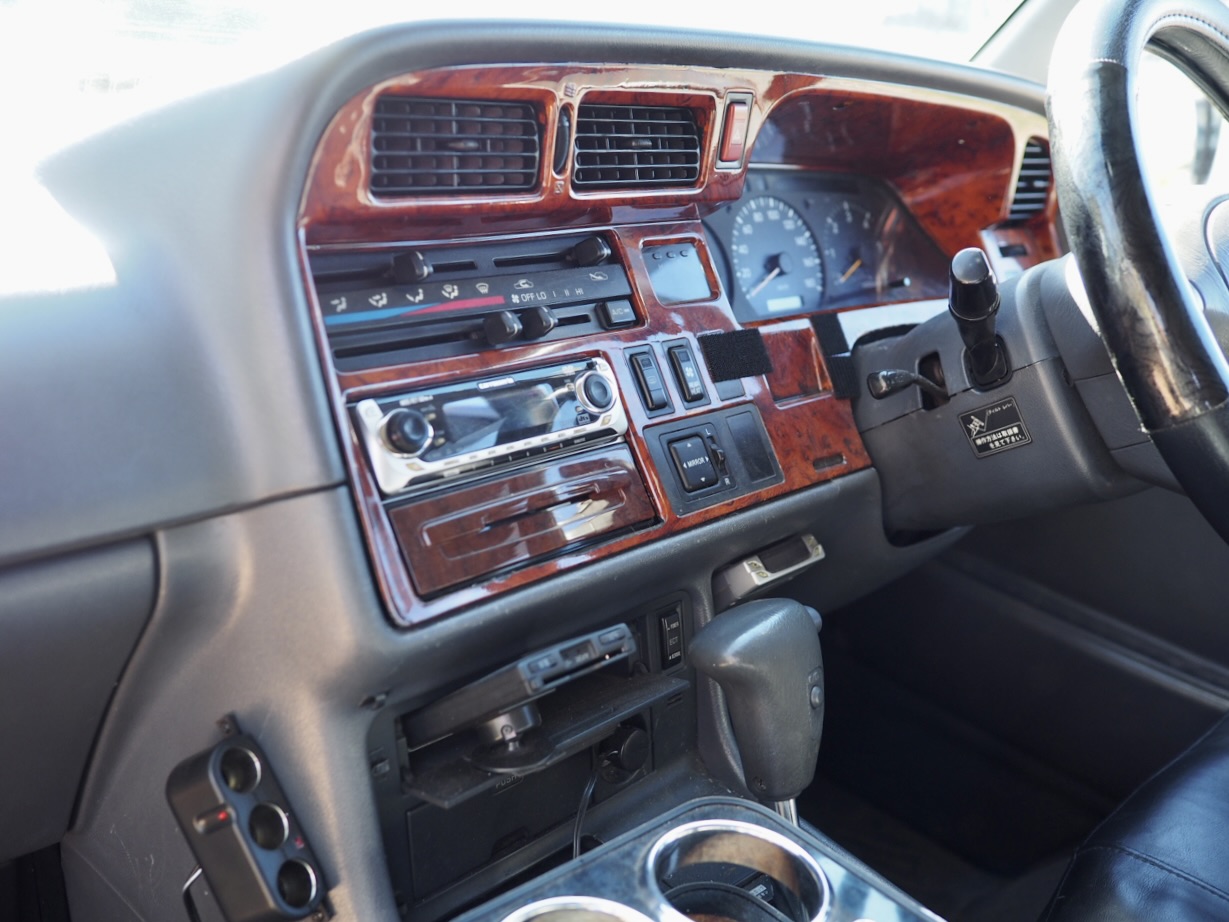
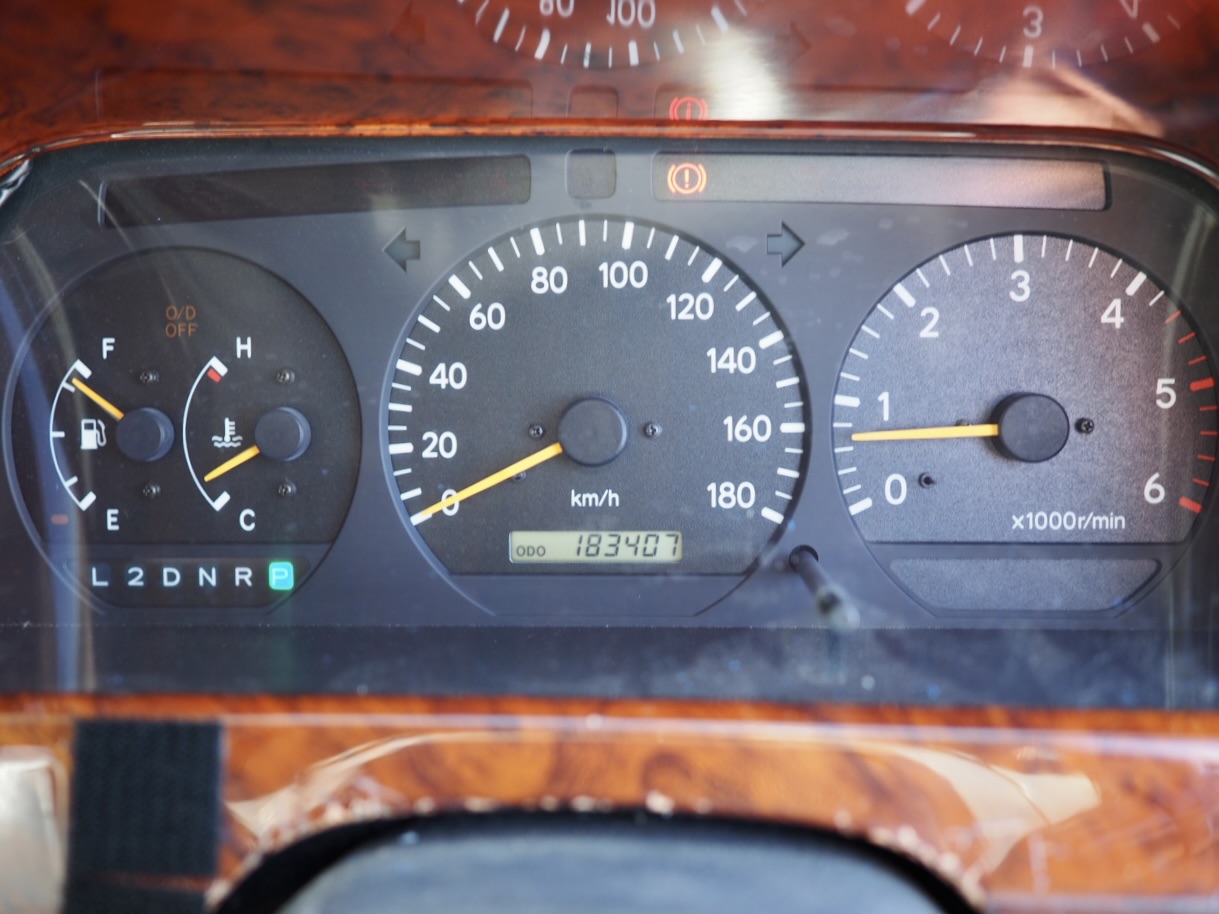
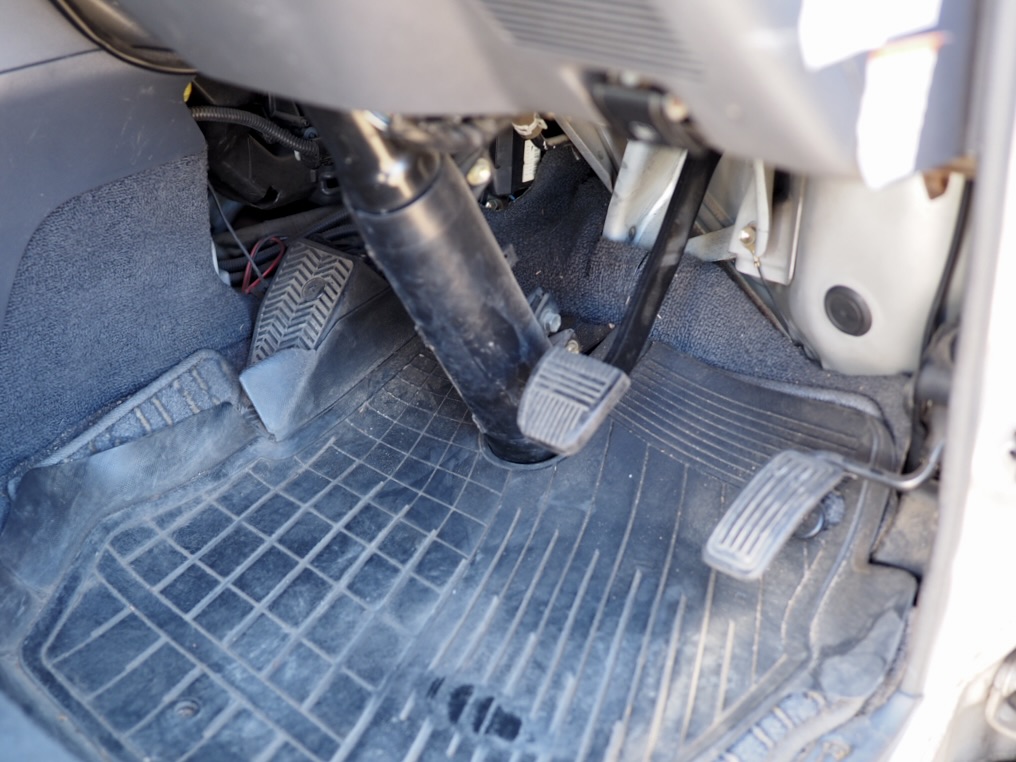
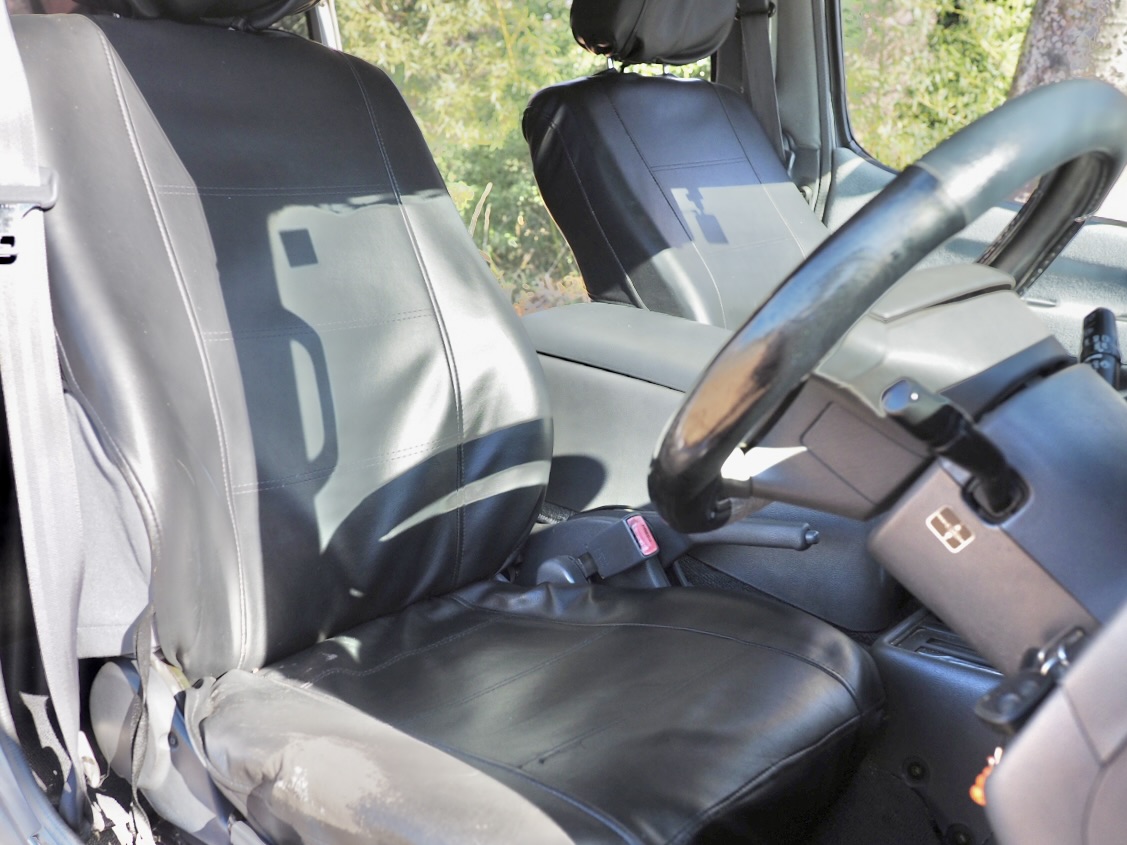
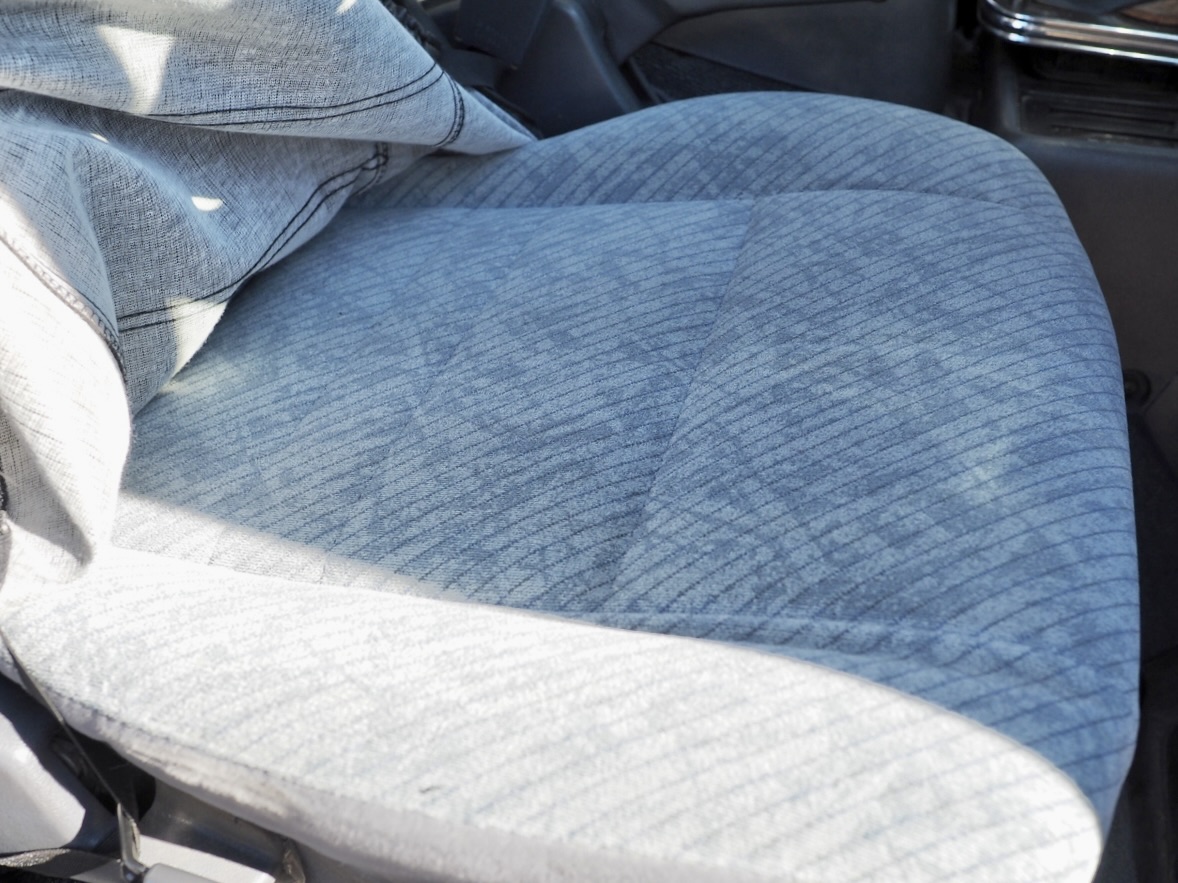
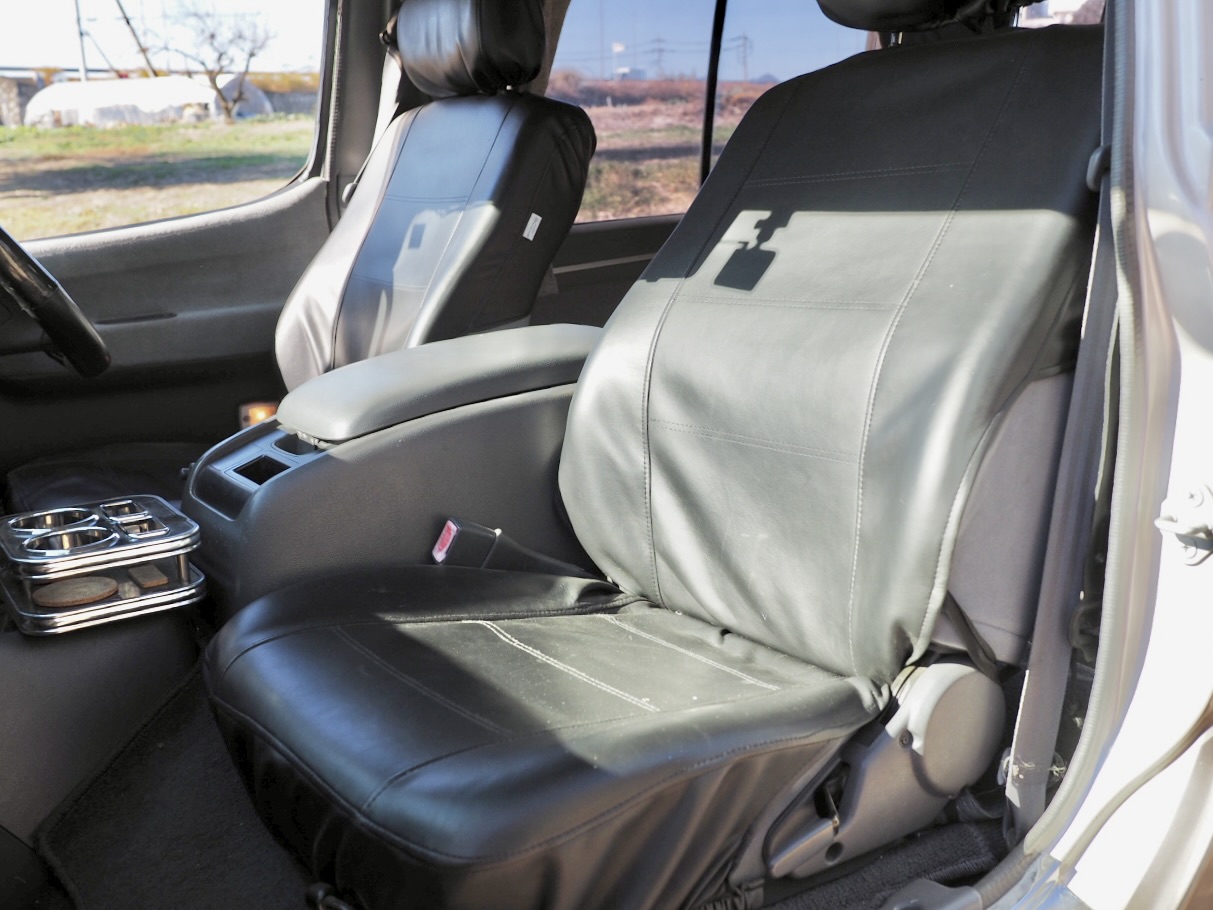
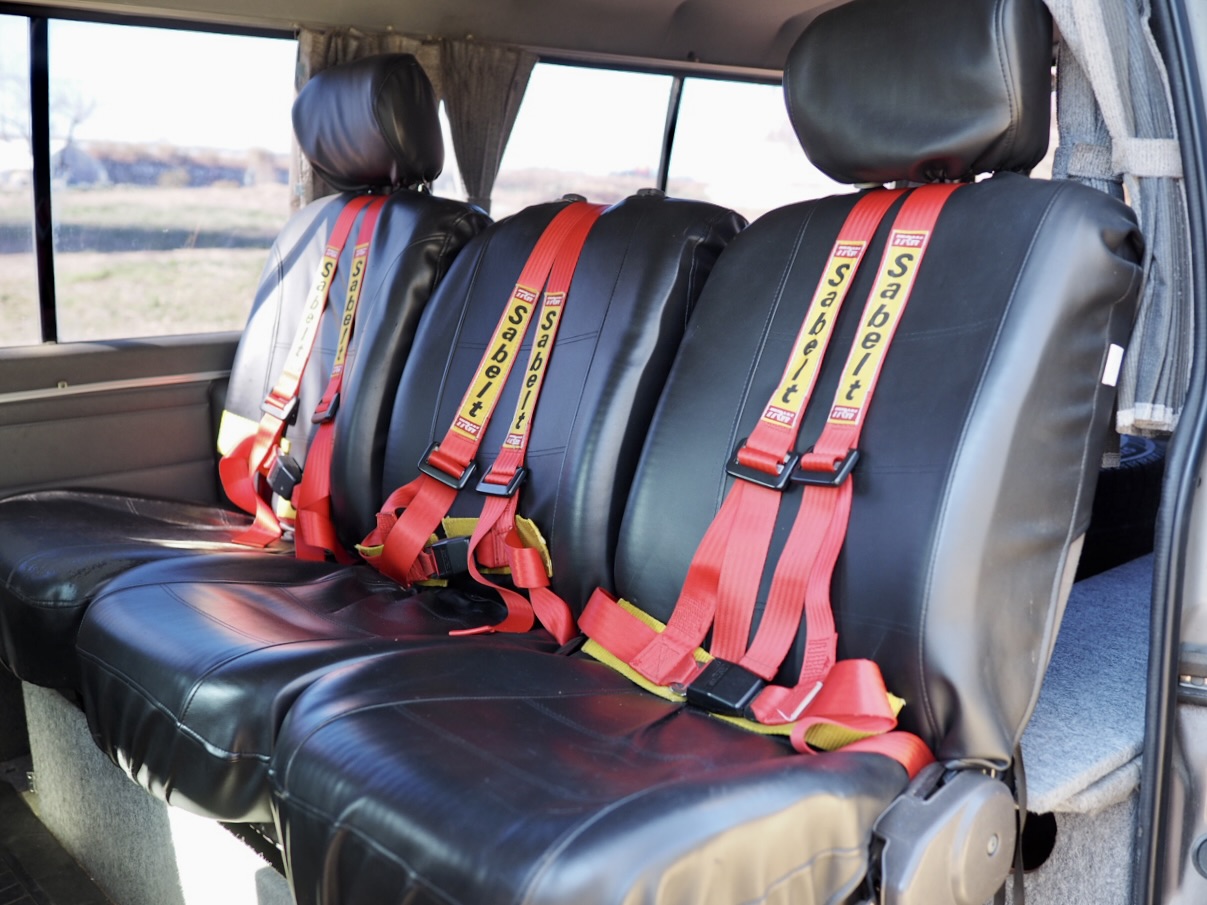
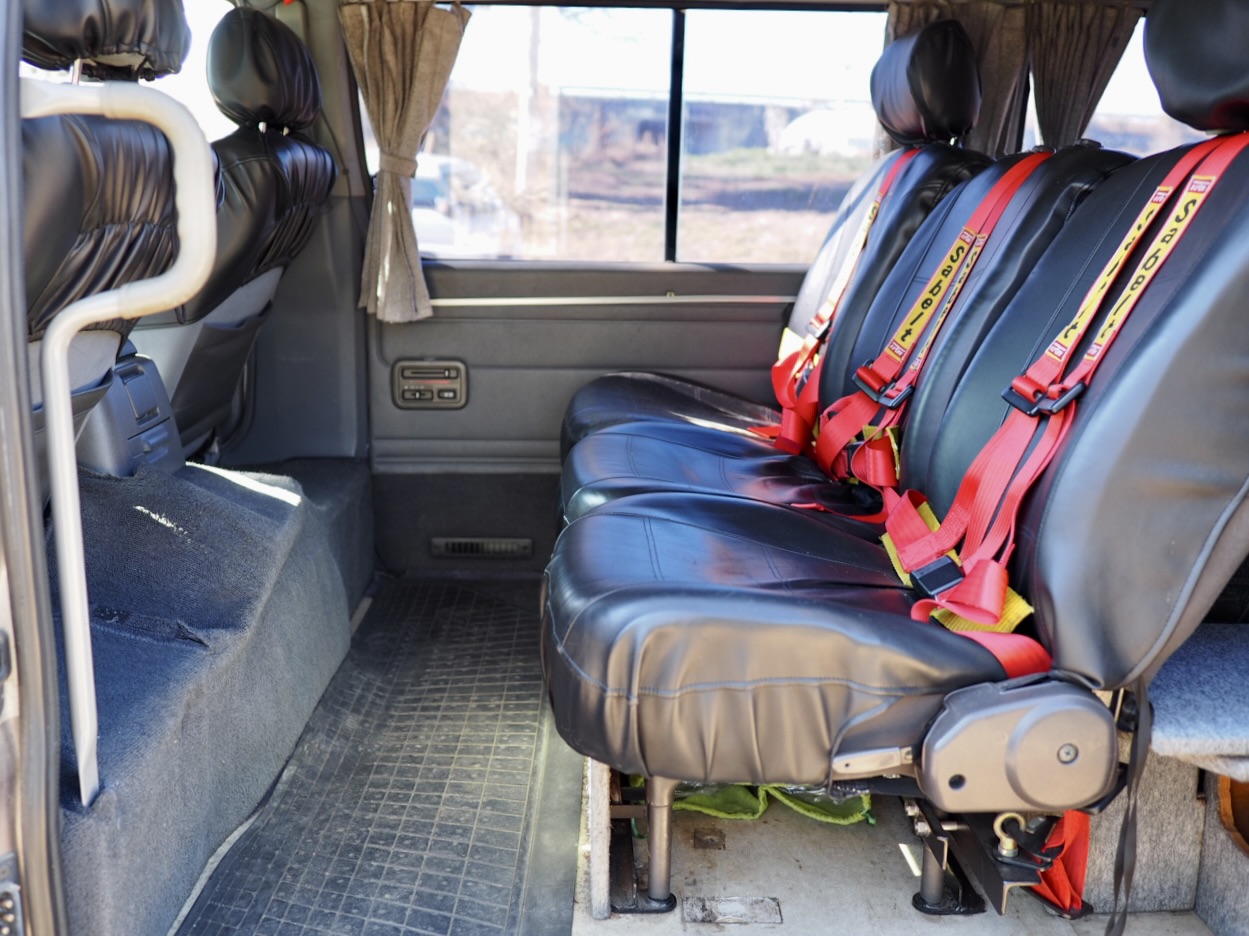
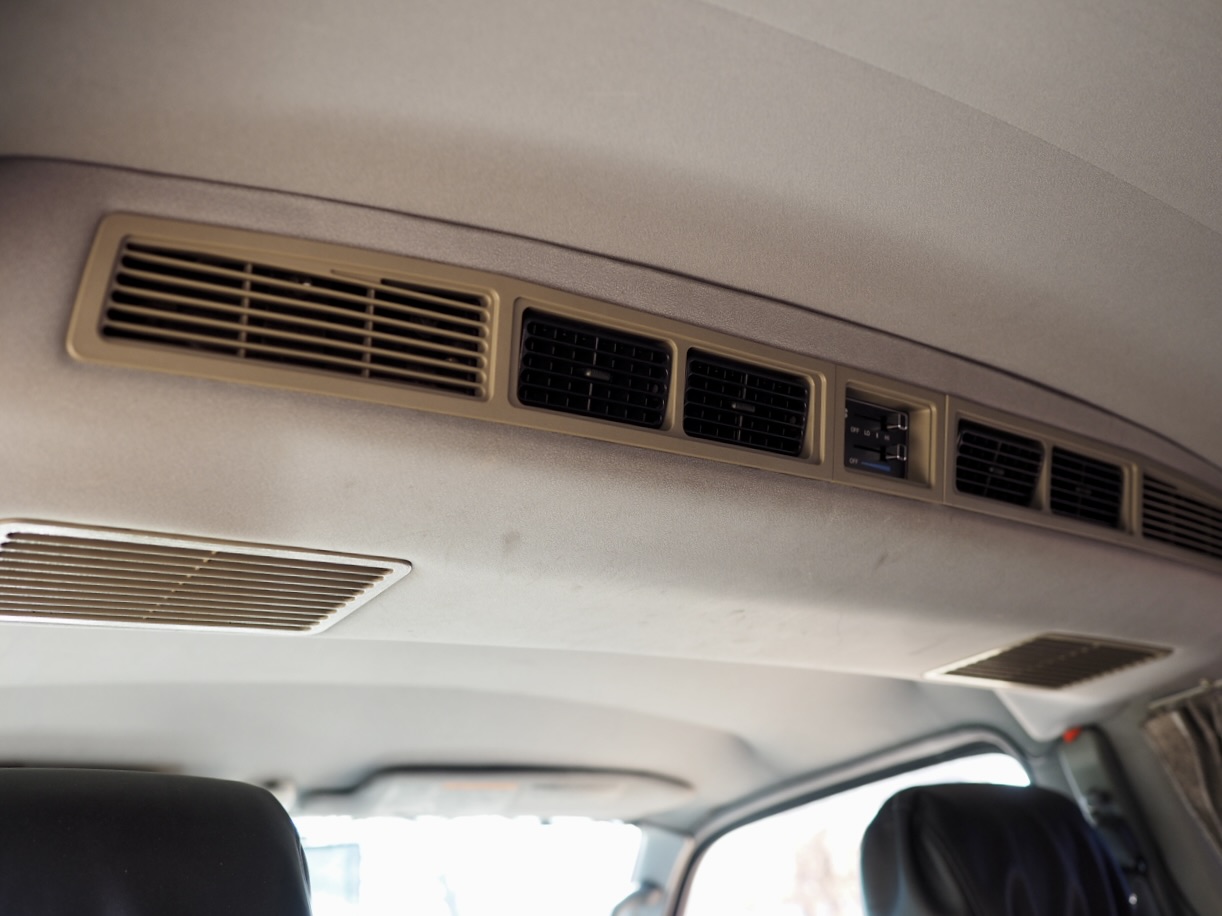
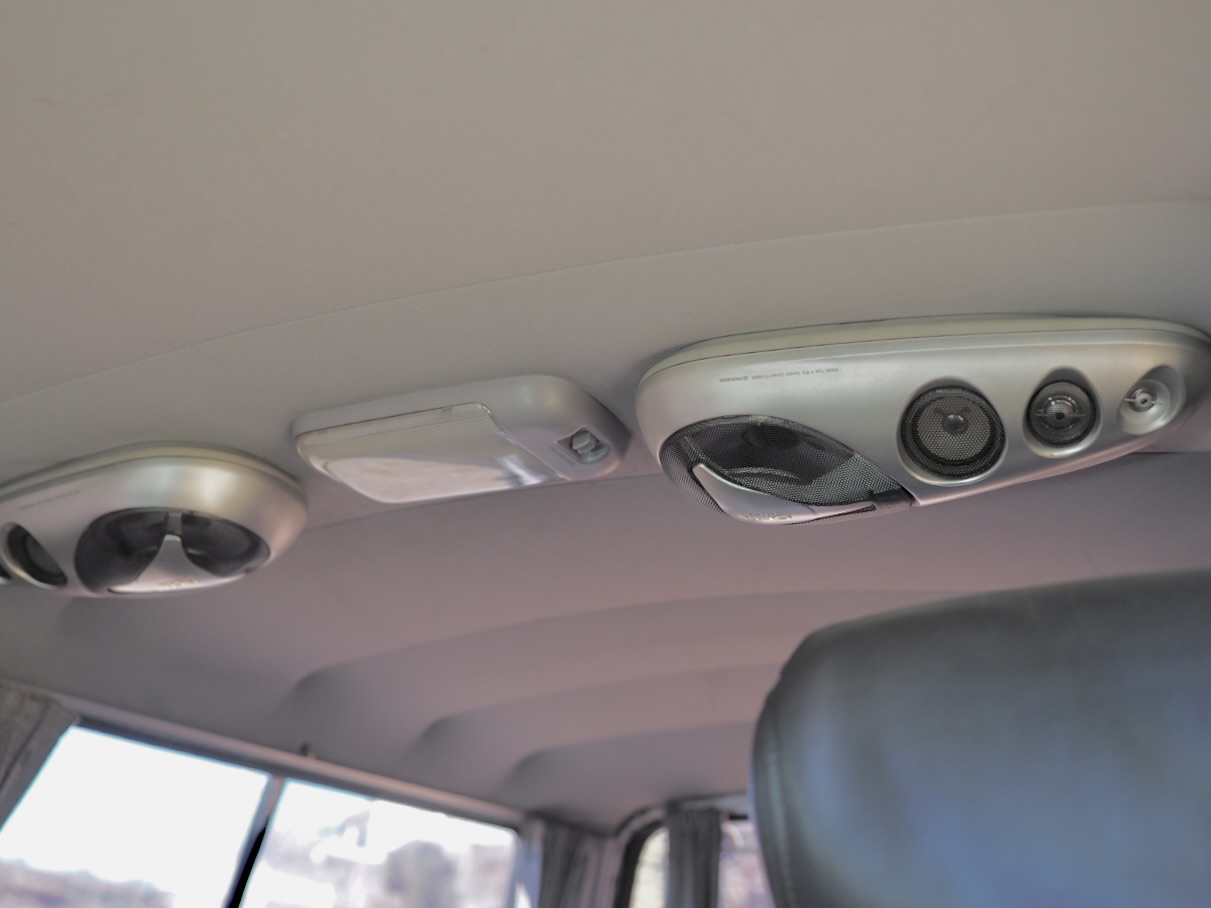
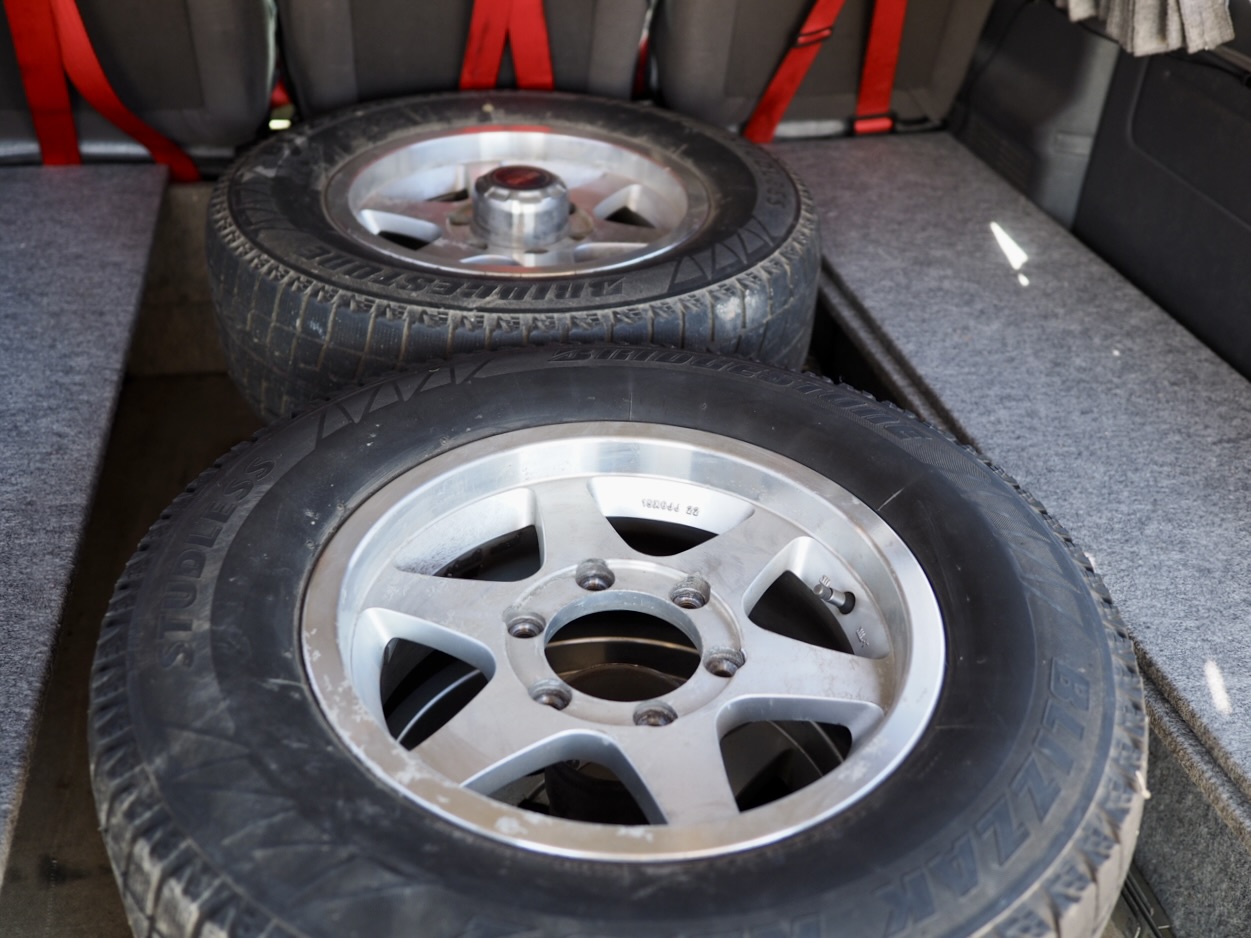
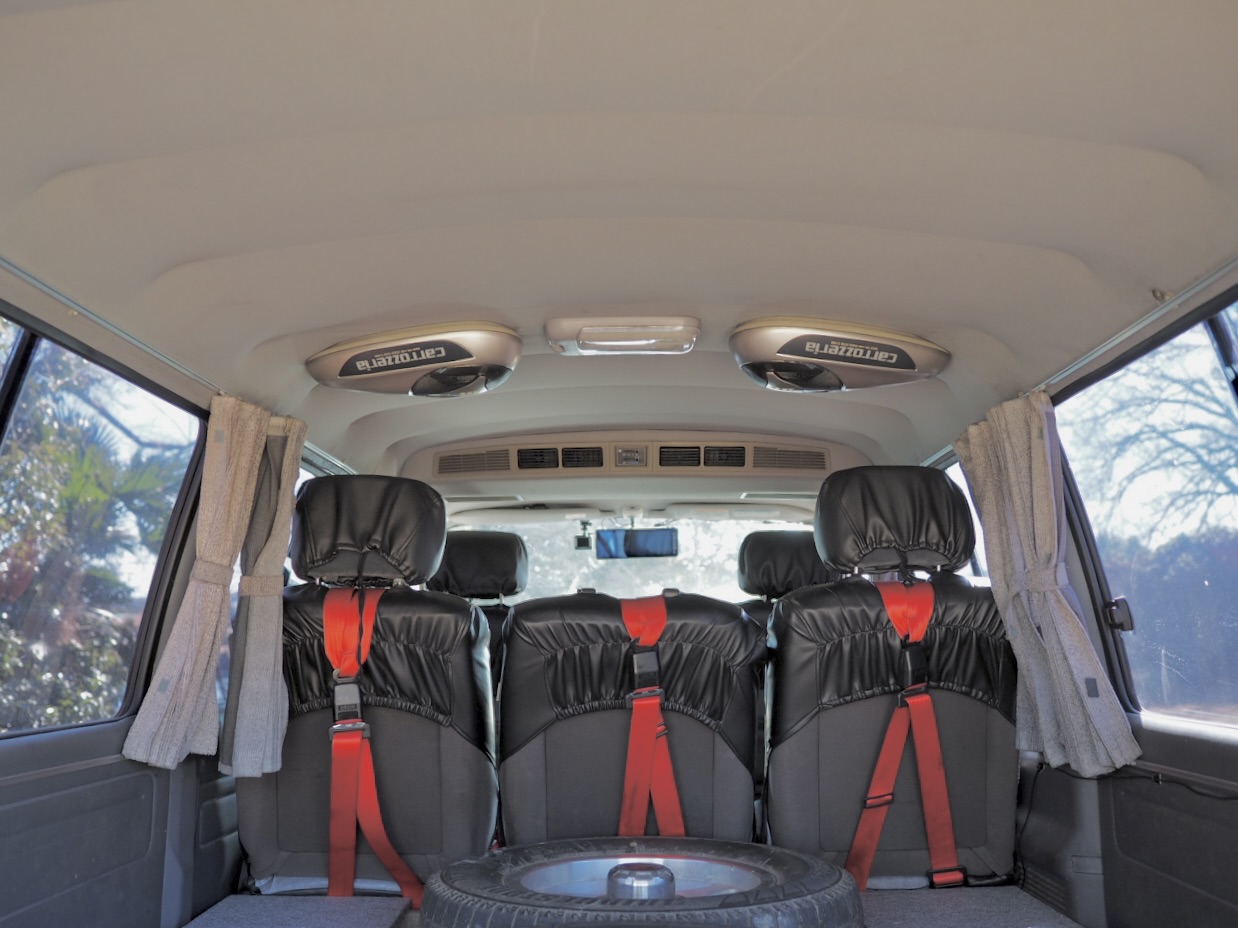
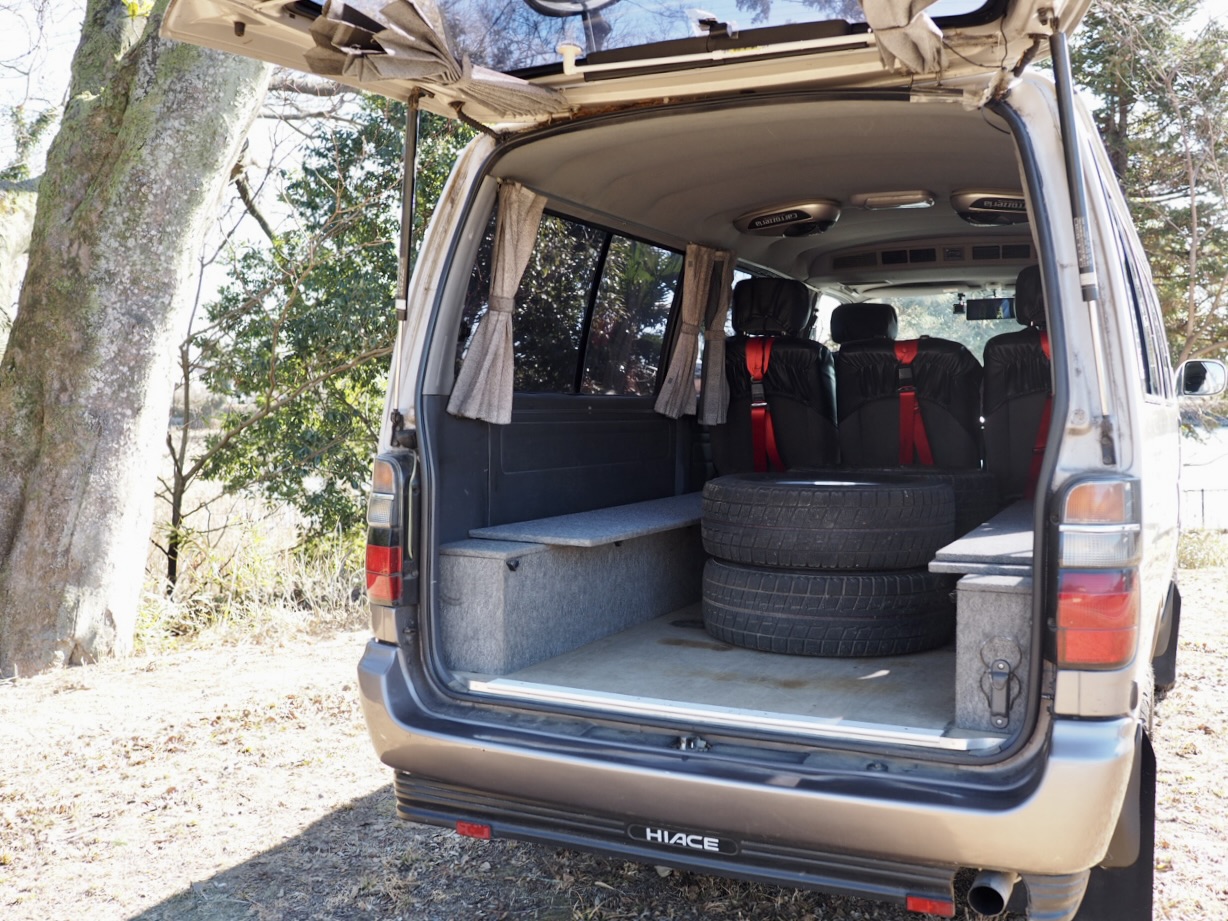
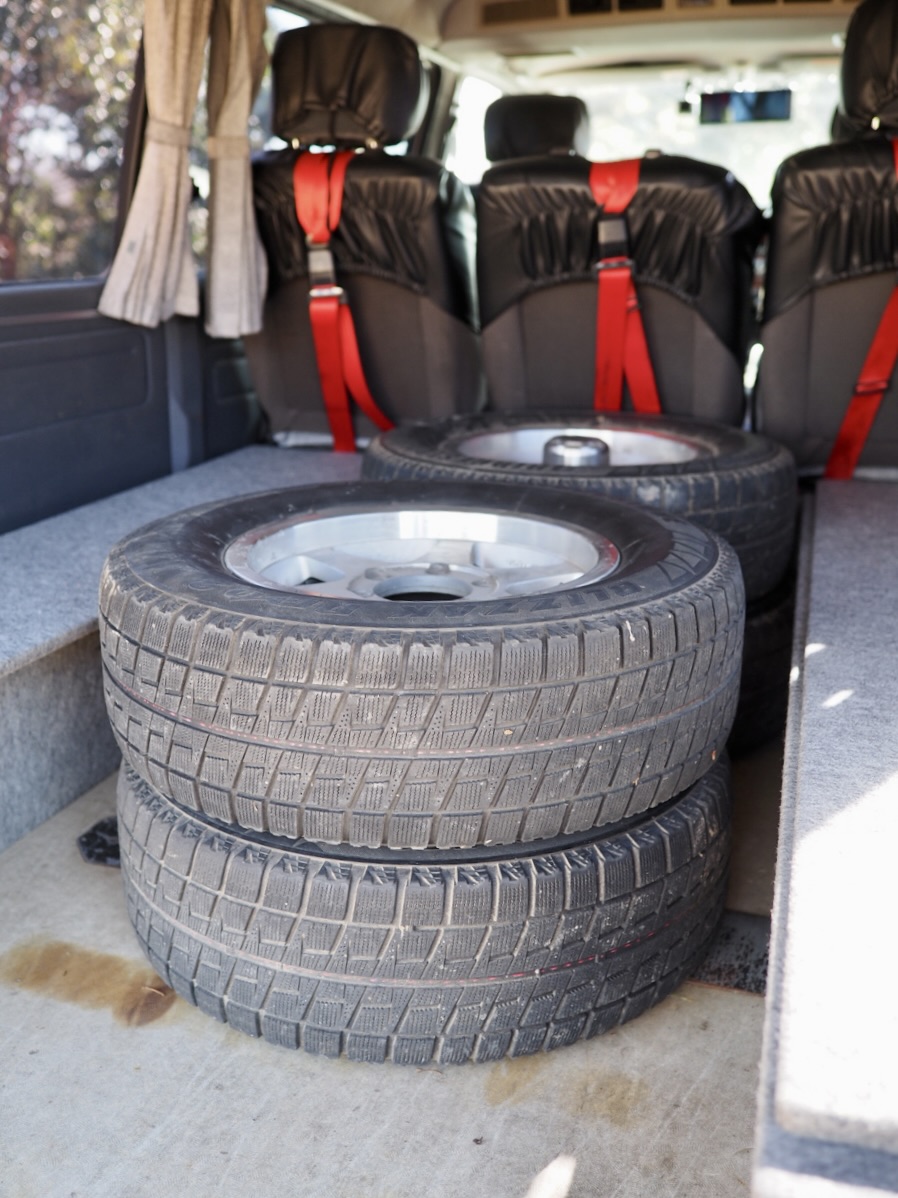
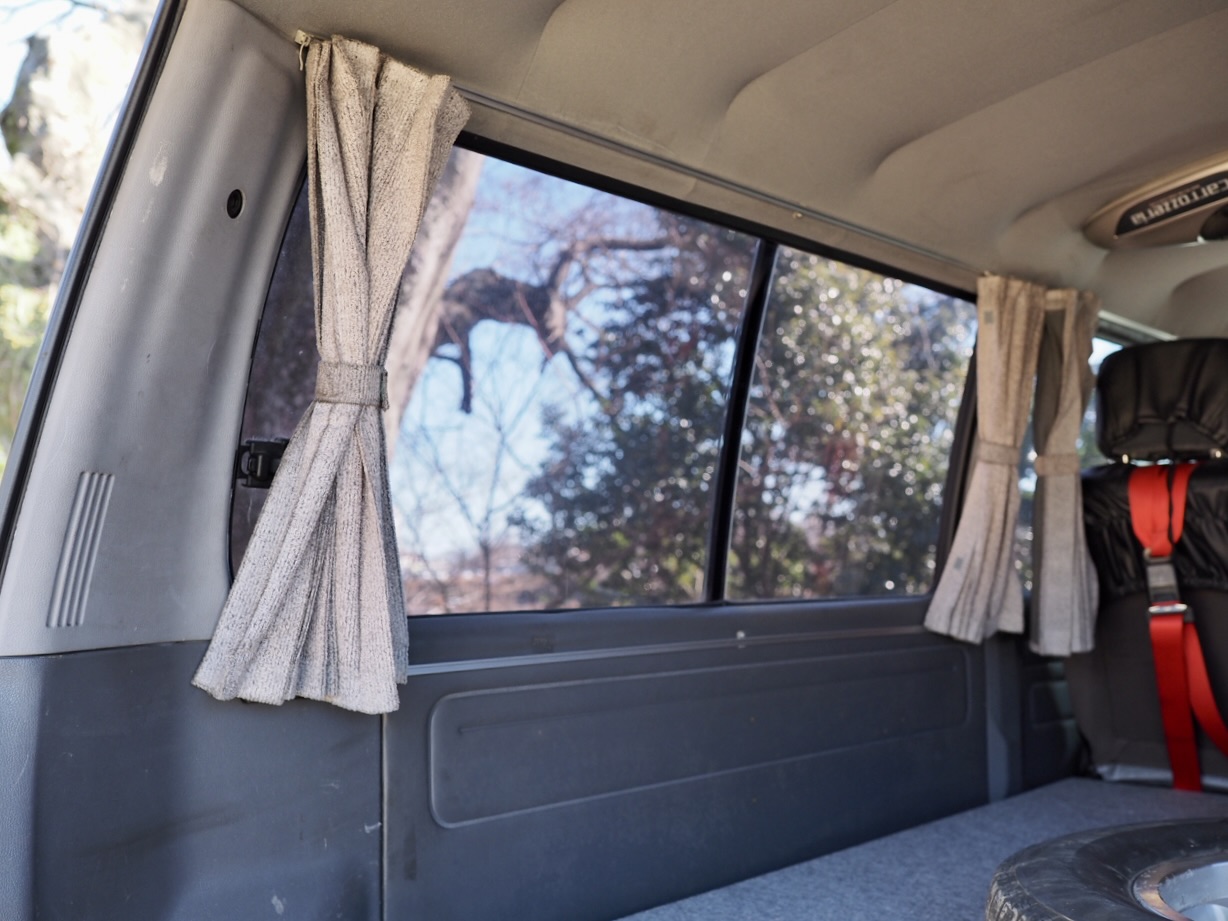
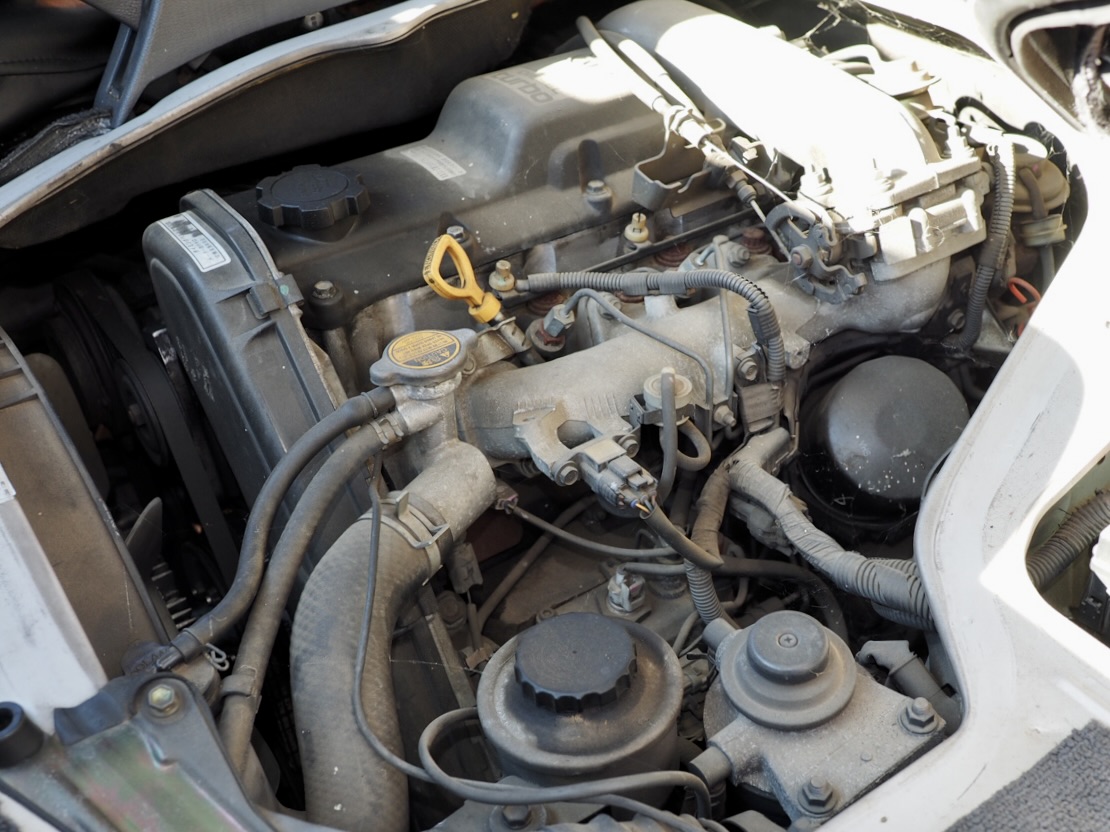
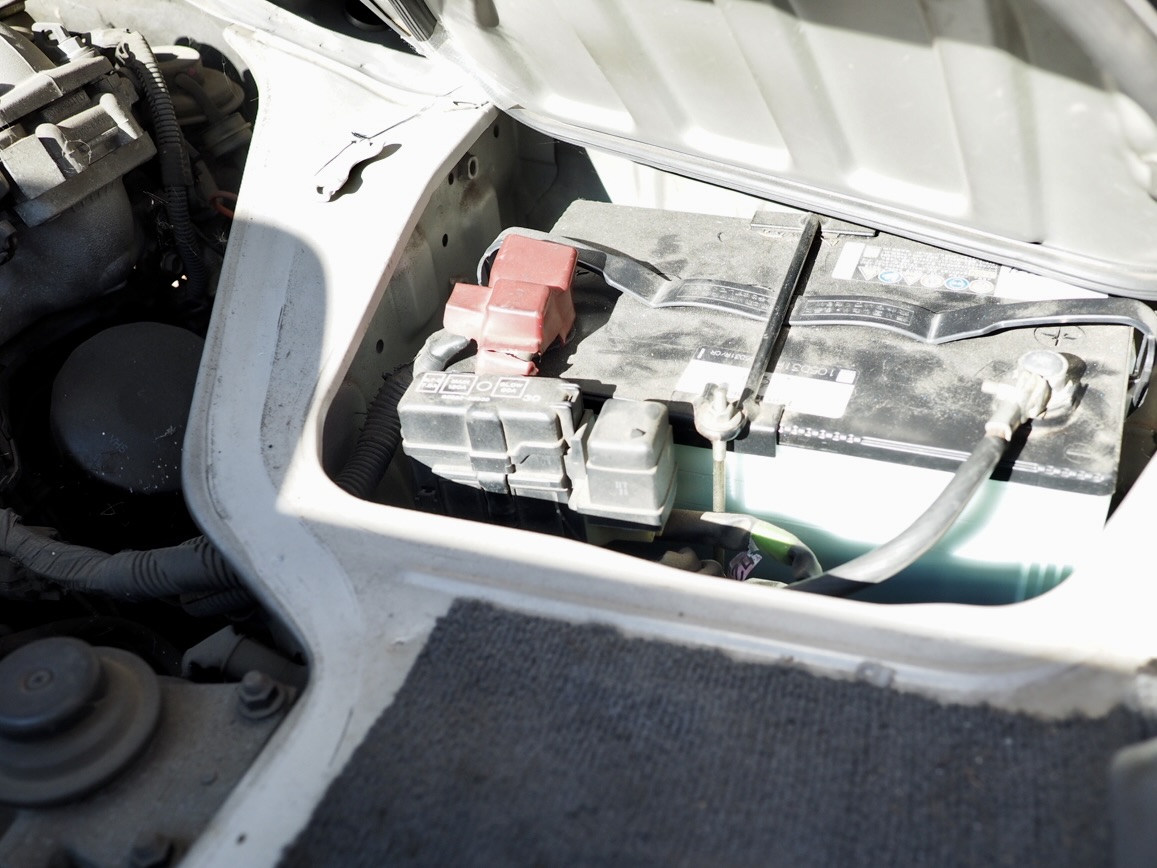
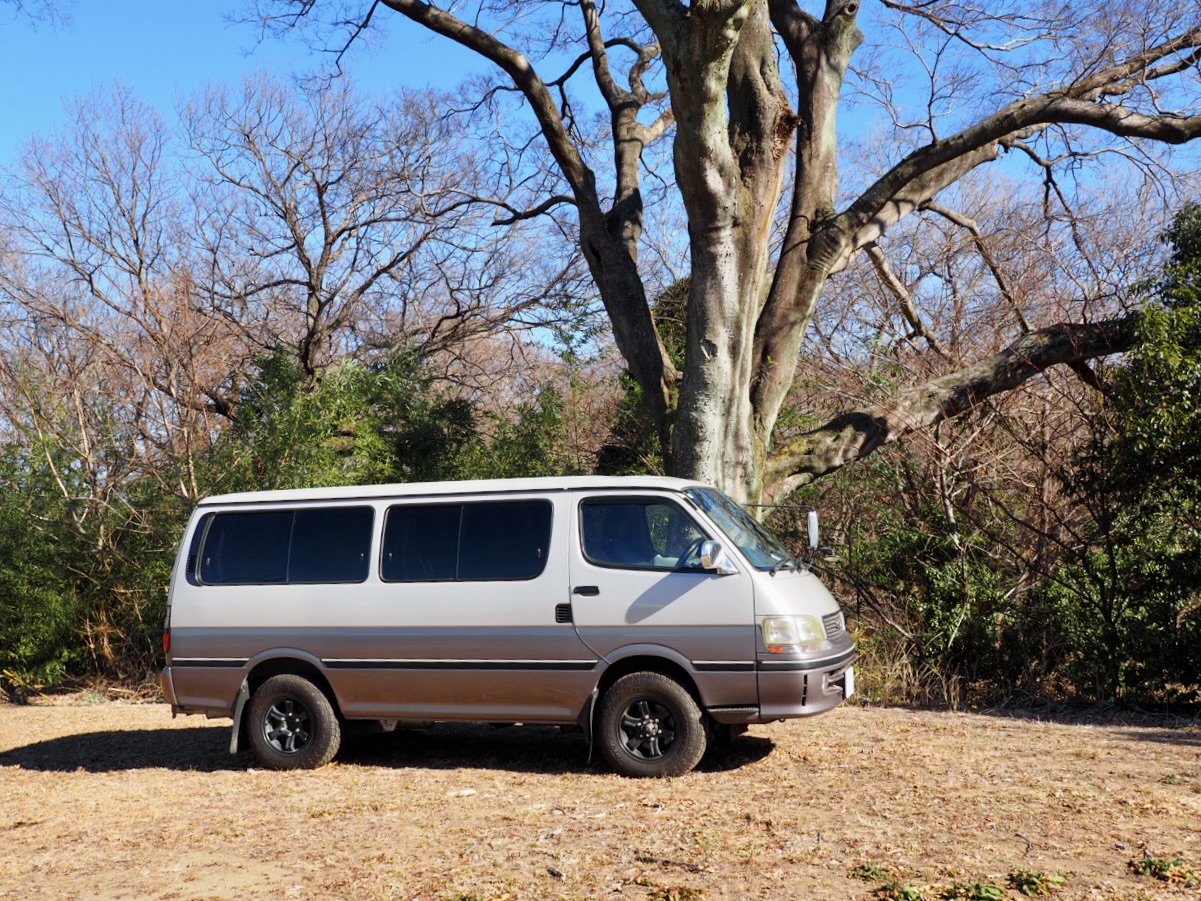
The detailed condition of the vehicle is described in each photo.
On the top slide you will find 50 attractive photos of the vehicle! Please click on a photo to view it with its description. Click outside the picture to return to the page.
SPEC
Length
4900mm
Width
1690mm
Height
2010mm
Weight
2070kg
Engine Displacement
2988cc