

TOP>Stock List>1999model Subaru Sambar Van Classic – Automatic Transmission
1999model
Subaru Sambar Van Classic – Automatic Transmission






↑↑↑Please watch the archived video above with audio if possible...
The rear-engine, rear-drive Subaru Sambar was without question the ultimate hobby vehicle beloved by true enthusiasts…! You won’t see one like this again…! A magnificent piece of JDM that redefined the very concept of the kei van—discover the joy of putting this 1999 Subaru Sambar Classic AT to full use in everyday life.
Chapter One…
The “Porsche of the Farm Roads”…!
The RR Sambar—something that will never come again—is this much fun in a kei van…!
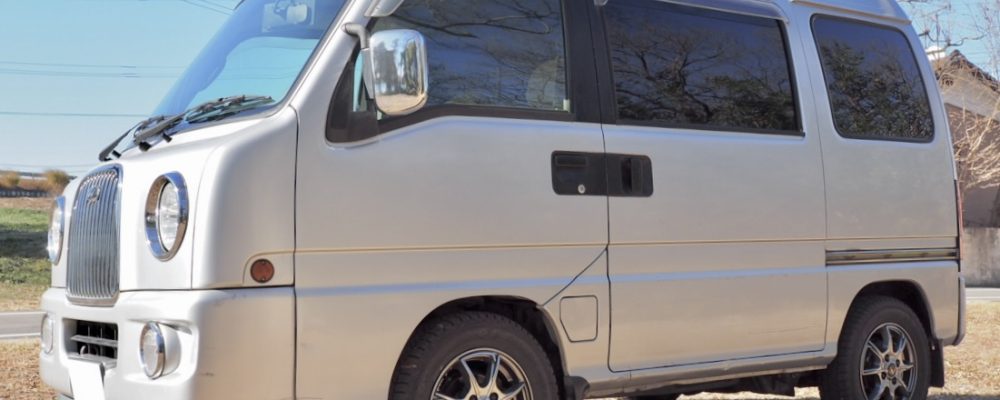
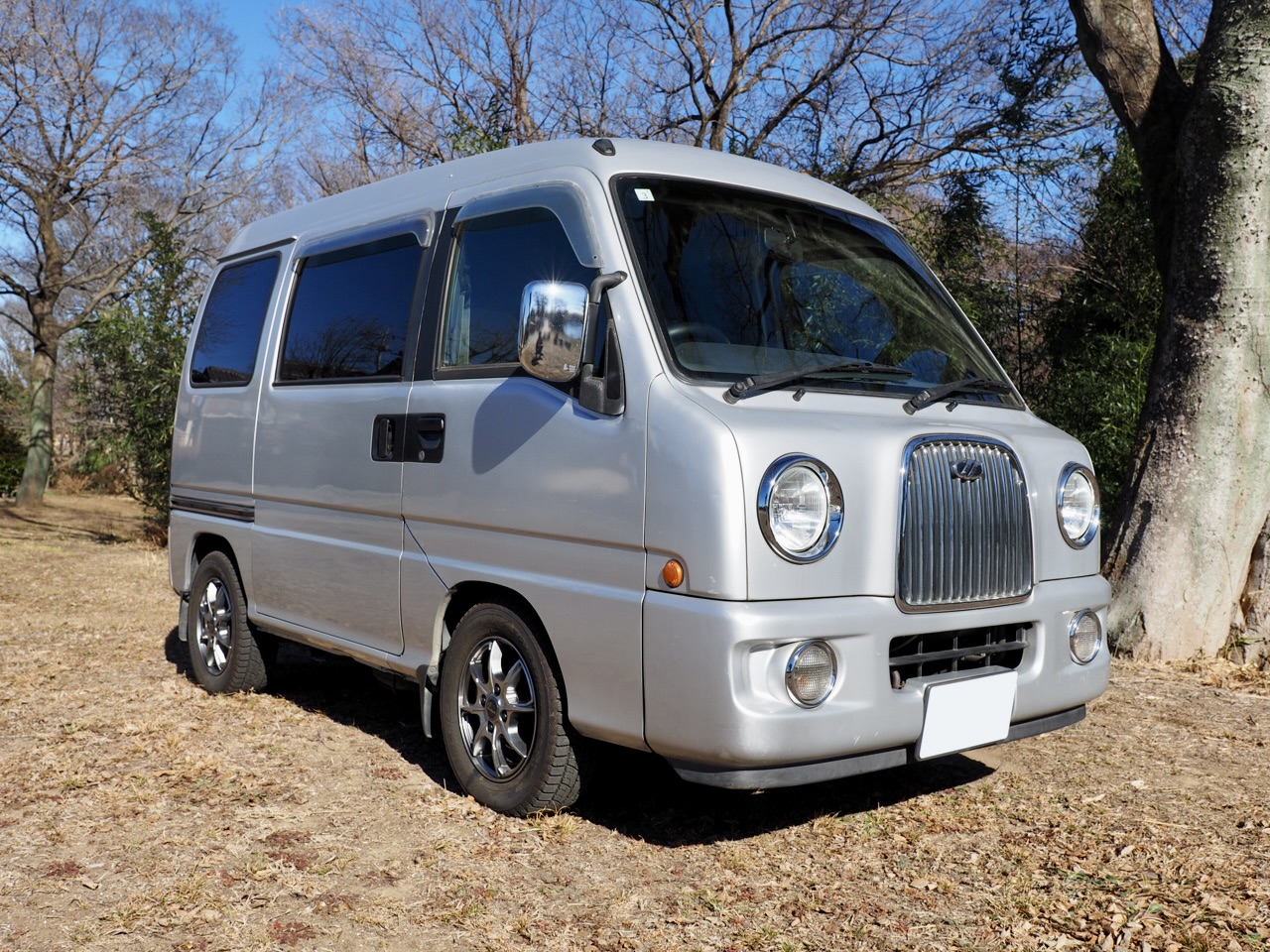
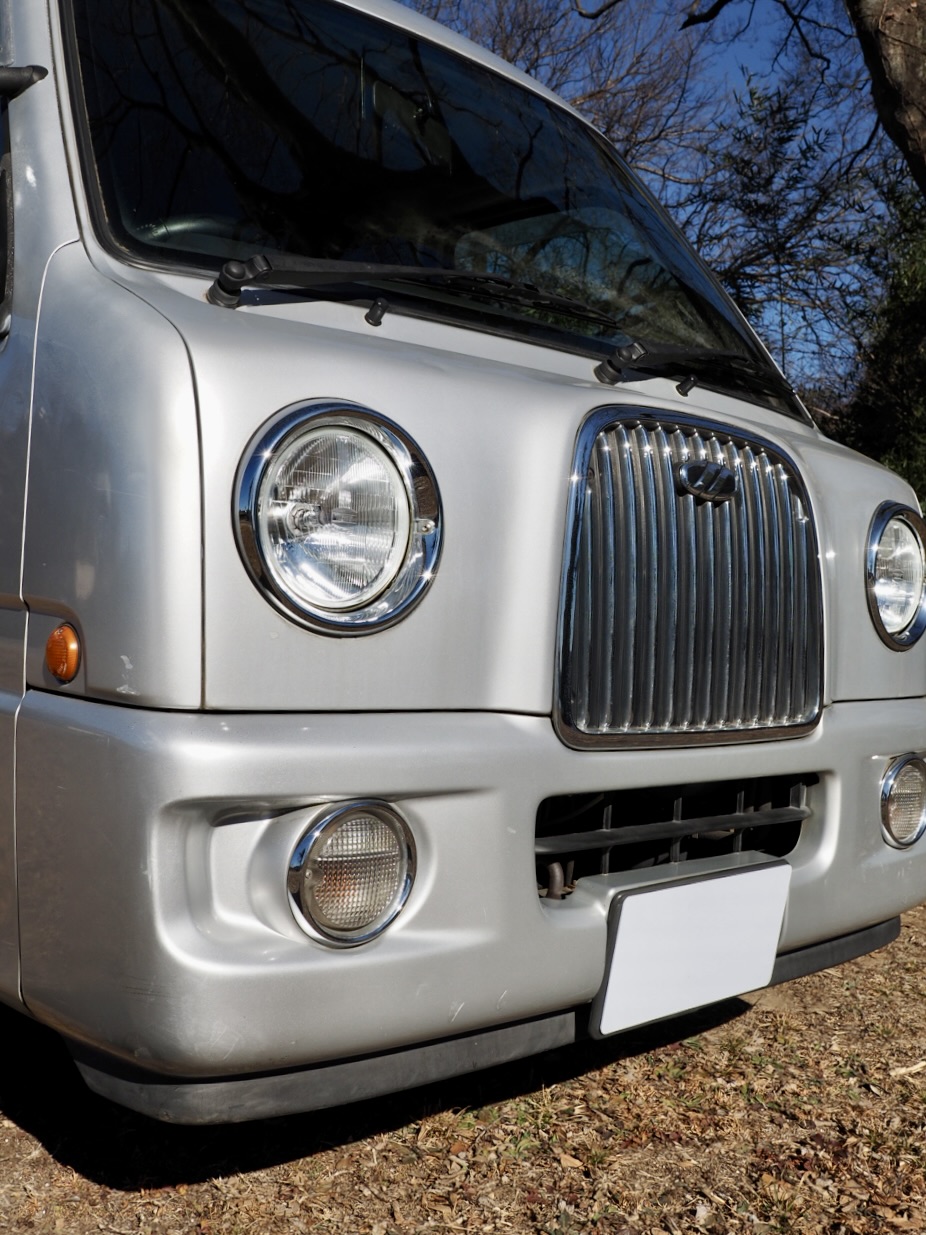
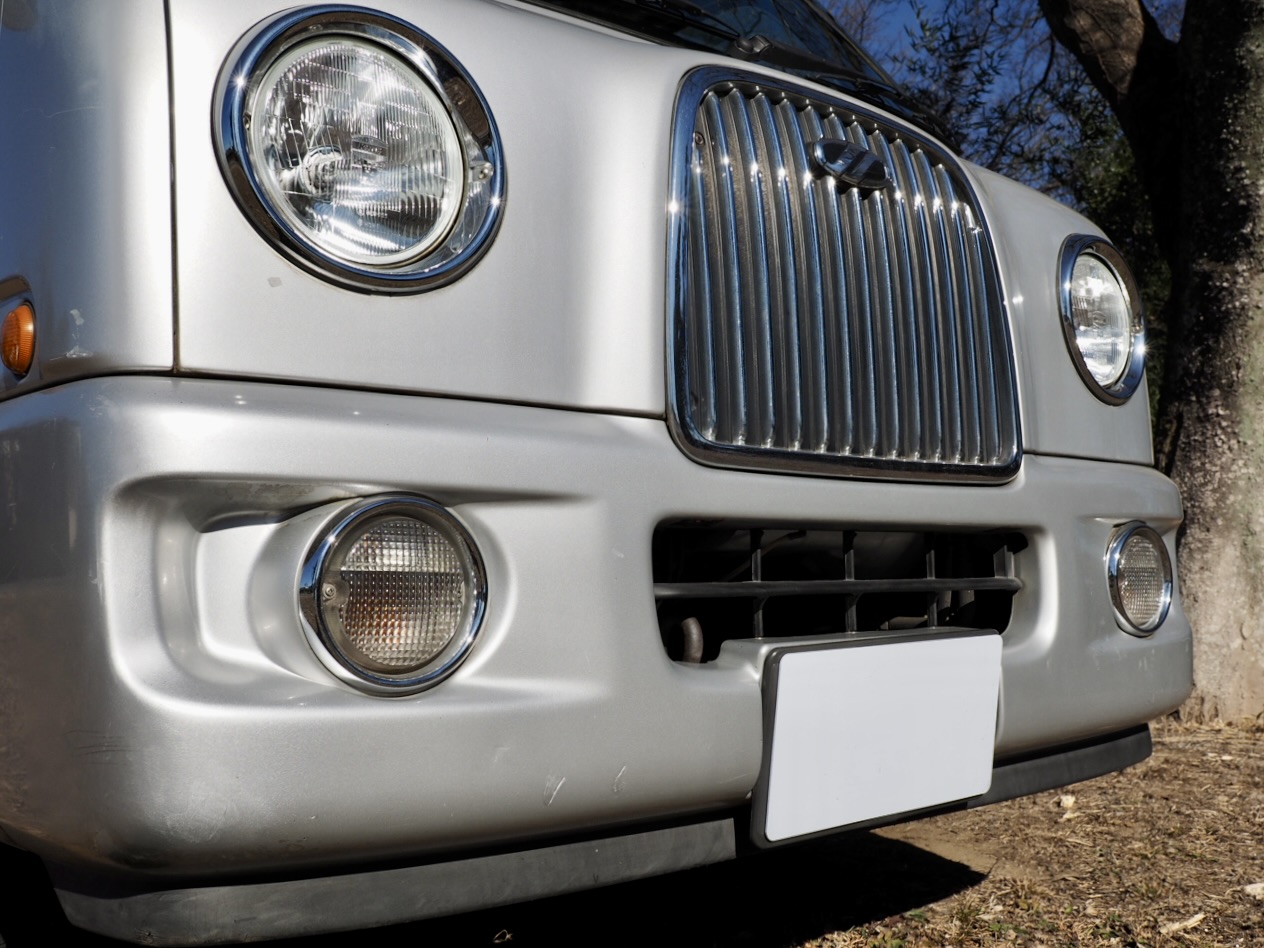
With its rounded, endearing front fascia and a design unlike typical Japanese vehicles, the Subaru Sambar Classic possesses a truly captivating charm.
This now-discontinued icon—worthy of being called a legendary model—was recently finished by a seasoned mechanic who built his career overseas tuning Japanese cars. Embracing the spirit of the “Porsche of the farm roads,” he personally enjoyed the unique steering feel delivered by its rear-engine, rear-drive layout in everyday driving.
Though it has traveled 167,594 km, the timing belt was replaced in 2012 at 148,110 km. Since then, it has been meticulously maintained by this very mechanic and remains in consistently excellent condition. At present, there are no issues whatsoever. It stands as a delightful JDM kei van that can be enjoyed with complete peace of mind.
The Sambar Classic cannot simply be described as a dressed-up kei van. It radiates a presence that defies such simple categorization.
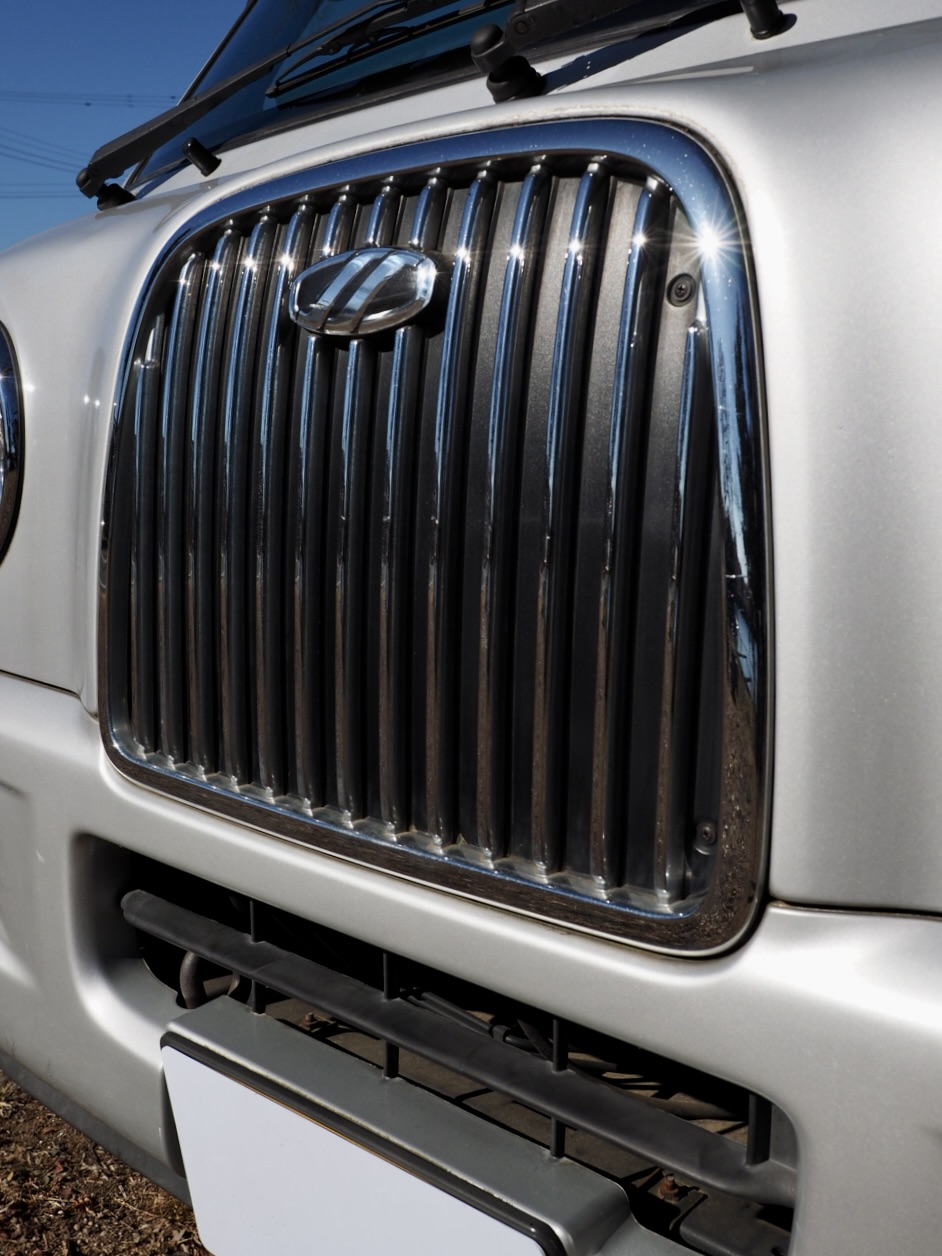
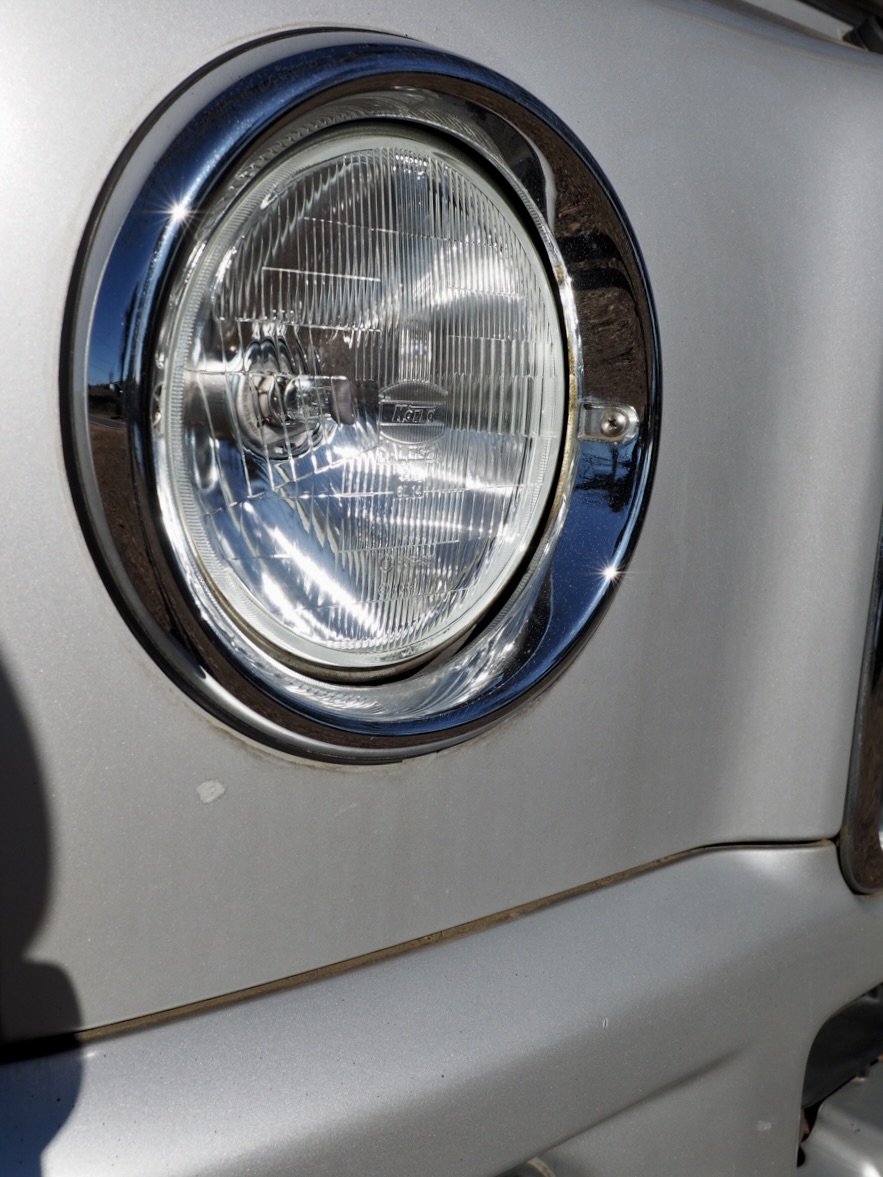
Yes, the round headlights and vertical chrome grille create a charmingly classic front face—but its true essence lies not in appearance, but in the unique mechanical philosophy Subaru upheld for decades.
Having met countless enthusiasts who keep prancing horses from Italy or Stuttgart crests in their garages—yet choose to daily-drive this “Porsche of the farm roads”—I can say this: the Sambar occupies a very special place.
Despite being a kei commercial vehicle, it adopts a rear-engine layout with the engine mounted at the back of the chassis. Furthermore, it is rear-wheel drive—an RR configuration rarely, if ever, seen in today’s kei van world. Within the realm of Japanese kei cars, it is an extraordinarily unique machine.
That is precisely why so many enthusiasts cannot help but keep one by their side as their everyday companion. Its allure resonates deeply with the enthusiast mindset.
The greatest characteristic of this lightweight kei van combined with an RR layout is, without question, that unmistakable driving sensation.
Press the accelerator, and the rear wheels firmly bite into the road, pushing the lightweight body forward with a uniquely satisfying surge. That sense of traction and propulsion is simply irresistible.
Moreover, the Sambar features a rare four-wheel independent suspension—an indulgent choice for a kei commercial vehicle. Even on rough pavement or farm roads, the suspension works fluidly, maintaining remarkable composure and stability far beyond what one would expect from a light truck.
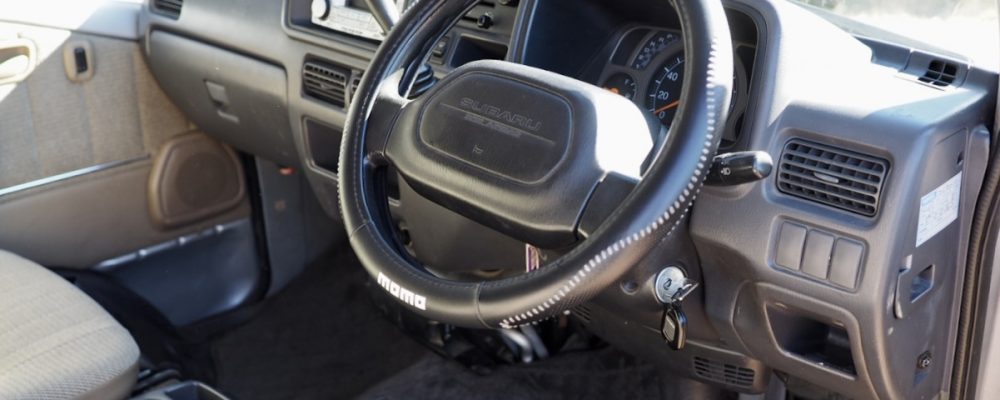
This particular example has been maintained by a mechanic who truly understands and respects the inherent brilliance of the Sambar’s mechanical design. While the exterior retains a slightly weathered, fully original appearance, the mechanical components remain exceptionally healthy. There is none of the tiredness often associated with long-used light commercial vehicles.
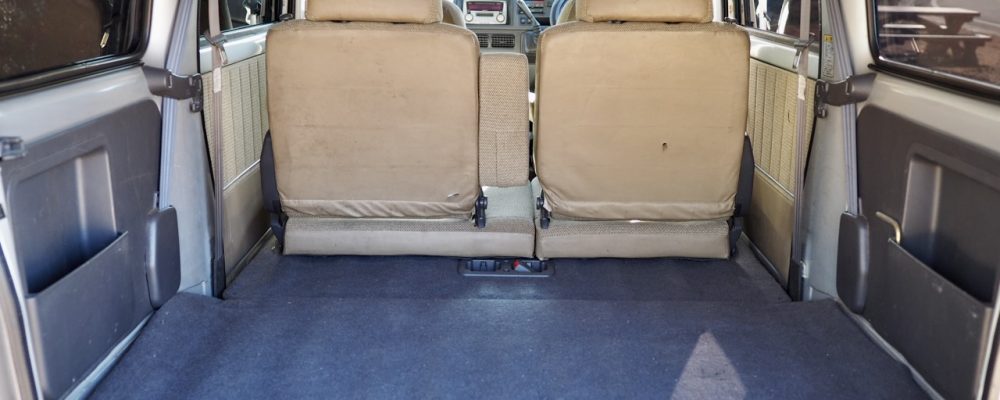
It offers the practicality of a kei van, yet remains easy to drive daily—and somehow, driving it is simply fun.
Vehicles with such distinct character are virtually nonexistent in today’s kei van market. That enduring appeal exists only because Subaru steadfastly preserved the rear-engine Sambar for so many years.
Chapter Two…
Long since discontinued…
Tracing the lineage of the Subaru Sambar’s birth to uncover the true significance of this rare “Classic” model.
February 29, 2012…
“If it’s not a Sambar, we can’t do our work…! Please, don’t discontinue this car…!”
Even cries that sounded like pleas from customers and loyal enthusiasts across the country could not change the outcome. Subaru (Fuji Heavy Industries) brought an end to 54 years of kei car production—a lineage that began with the Subaru 360.
In the year when the late Tetsuharu Kawakami became manager of the Yomiuri Giants and quickly led them to victory… when the word “leisure” began trending in popular culture… when Tokyo bustled with construction ahead of the Olympic Games… and when the Second Ikeda Cabinet launched its “Income Doubling Plan”…
Amid the turbulent waves of postwar recovery and rapid economic growth in Showa-era Japan, the first-generation Subaru Sambar was born on February 1, 1961—three years after the debut of the Subaru 360.
Although the 1964 Tokyo Olympics would mark the arrival of Japan’s first expressways and urban highways, most roads nationwide remained unpaved at the time. Vehicles were required to traverse rough terrain and steep inclines while fully loaded with goods. At the same time, a growing and increasingly prosperous public—now hearing the word “my car”—longed for a vehicle that could serve work during the week and “leisure” on weekends.
The Sambar’s birth story is legendary. It was commercialized only after successfully completing a grueling test climb: a 1,000-meter elevation gain on the unpaved Akagi mountain road in Gunma Prefecture, carrying four passengers.
By utilizing the rear-engine drivetrain and four-wheel independent suspension of the Subaru 360—developed with the fiery passion of Showa-era engineers—the Sambar inherited a ride comfort far beyond typical commercial vehicles.
Its ability to transport goods over rough roads without undue stress, combined with exceptional traction from the rear-mounted engine positioned low beneath the cargo bed, made it highly capable on steep gradients. It quickly captured the hearts of shop owners and small business operators nationwide.
Within just one year of its release, the Sambar surpassed the Subaru 360 in sales volume, becoming an instant hit and a pillar supporting Japan’s high-growth era driven by energetic citizens and merchants.
From 1961 to 2012—a total of 51 years—approximately 3.7 million units were produced. That figure accounts for nearly half of Subaru’s total kei car production of roughly 7.97 million vehicles. The Sambar was not only a backbone of Subaru, but a vehicle that helped support Japan’s economic engine itself.
As the era shifted from Showa to Heisei, the rear-engine Sambar—born in the age of rapid growth—continued to evolve in response to regulatory changes and shifting demands.
Its displacement grew from 360cc to 550cc and eventually to 660cc. Yet throughout these changes, Subaru never abandoned the core structure of rear-engine, rear-wheel drive.
Unlike today’s kei commercial vehicles, which prioritize efficiency and cargo capacity above all else, the Sambar retained a certain “mechanical charm.” Though a practical work vehicle, it remained somehow delightful to drive—a slightly mysterious and enduring appeal.
Then came the late 1990s.
On the eve of the new millennium, Japanese automakers—facing the harsh economic realities after the burst of the bubble economy—shifted decisively toward cost efficiency and rationalization.
Yet even amid these trends, Subaru introduced a model with a touch of playfulness.
That model was the “Sambar Classic.”
With its round headlights and vertical chrome grille evoking a distinctly European character, this version added a layer of lifestyle-oriented charm to the unique rear-engine Sambar that Subaru had safeguarded for decades.
It was still a practical vehicle—yet with a friendly, almost whimsical face.
And beneath that charm lay the pure bloodline of over half a century of rear-engine kei commercial vehicles.
The 1999 Sambar Classic introduced here was born at that very moment—just before the turn of the millennium—representing what may well be considered the mature phase of Subaru’s long-preserved rear-engine Sambar lineage.
From supporting Japan’s Showa-era economic growth, to serving as the trusted partner of merchants and tradespeople nationwide, and continuing into the Heisei era while preserving its unique mechanical philosophy—the Sambar’s long history culminates in this 1999 Sambar Classic.
How could it possibly be anything but enjoyable?
Chapter Three…
1999 Subaru Sambar Classic
Author’s Post-Interview Reflections…
This 1999 Sambar Classic is an automatic transmission model.
Among enthusiasts, the most sought-after versions of the Sambar are typically the 5-speed manual, 4WD variants—perhaps even those equipped with a supercharger. That is certainly the prevailing narrative, and I myself have written accordingly up to this point.
However… standing before this Sambar Classic, gazing at its unique front face, I began to feel that the ease of an automatic transmission suits it remarkably well.
With its round headlights and vertical chrome grille—reminiscent of a charming European classic commercial vehicle—it carries a gentle, almost nostalgic presence. Paired with this slightly classical style, using it casually as an everyday companion without tension or effort may in fact represent its truest character.
Of course, the fundamental structure that defines the Sambar remains intact. The engine is mounted at the rear, and the drive wheels are at the rear as well—an RR layout that is very much alive in this example. Even as an automatic, when you press the accelerator, you can still feel that distinctive sensation of the rear tires firmly pushing against the road surface.
In fact, without the need to focus on clutch operation, one can leisurely savor the steering feel unique to this RR Sambar. In that sense, the AT specification may represent a particularly luxurious way to enjoy it.
Daily errands, commuting, short drives—
Within those ordinary moments of movement, you can experience the singular driving character of a rear-engine Sambar.
And then, while waiting at a traffic light, your eyes catch the round headlights and chrome grille…
Indeed…
When a kei van like this exists, it somehow brightens the streets around it. (smiles)
To relax and enjoy an RR Sambar in everyday life—
That, I sincerely believe, may be the most luxurious way to appreciate this 1999 Subaru Sambar Classic. And it is with that conviction that I wrote this piece from the very first line.
The rear-engine, rear-drive Sambar was without question the ultimate hobby vehicle beloved by true enthusiasts…! You won’t see one like this again…! A magnificent piece of JDM that redefined the very concept of the kei van—discover the joy of putting this 1999 Subaru Sambar Classic AT to full use in everyday life.
By all means, come to Gunma Prefecture and experience the ultimate “Porsche of the Farm Roads” for yourself…
By all means, come to Gunma Prefecture and experience the ultimate “Porsche of the Farm Roads” for yourself…
As this is a private party sale, no consumption tax or additional fees will be charged.
Upon purchase of this vehicle, the buyer will be responsible for the prorated automobile tax settlement (annual amount: ¥12,900) as well as the recycling deposit settlement (¥8,080).
Transportation arrangements are likewise to be handled by the buyer; however, should you require assistance, please feel free to consult with us.
Regarding Inquiries…
The vehicle featured on this page is listed on the cross-border classic and collectible car EC platform, Estate Sale Supremacy®.
What is a “Supreme Estate Sale”?
Estate Sale Supremacy® is the Japanese adaptation of North American estate sale culture. We introduce vehicles filled with the owner’s passion through interview-based articles and video presentations.
We faithfully express the current owner’s sentiments—preserving cherished memories in the heart—while carefully guiding the vehicle to the next generation through dedicated sales mediation and brokerage services.
This article was written based on an approximately three-hour interview conducted with the owner on January 9, 2026, beginning at 1:00 PM under clear skies. As the inspection was conducted within a limited timeframe, the vehicle’s condition may not be described with 100% accuracy. Furthermore, not all written content has been independently verified, and comments regarding condition reflect the weather conditions at the time of inspection as well as the author’s subjective impressions.
For questions regarding the listed vehicle or to arrange an in-person inspection, please contact us via the form at the bottom of this page. As this is a private transaction, and to prevent non-serious inquiries, vehicle viewings will be limited to customers who are genuinely considering purchase.
We sincerely appreciate your consideration.
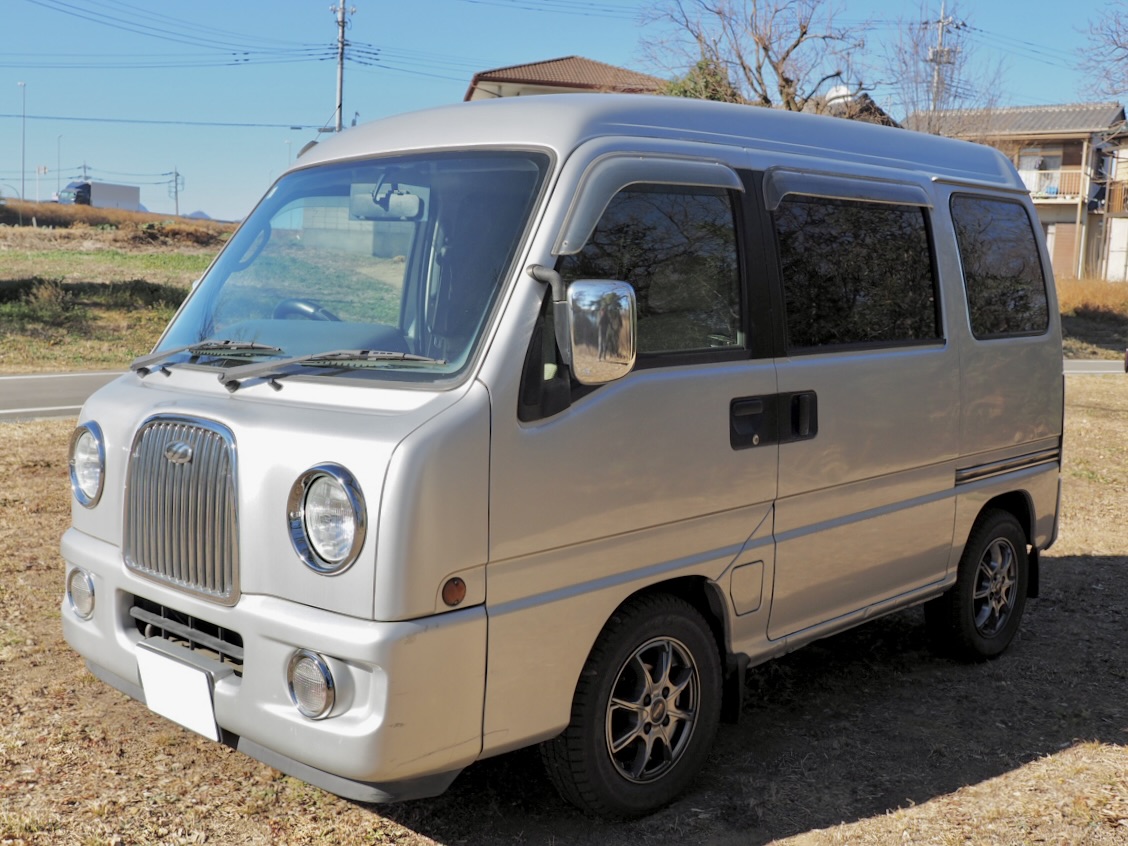
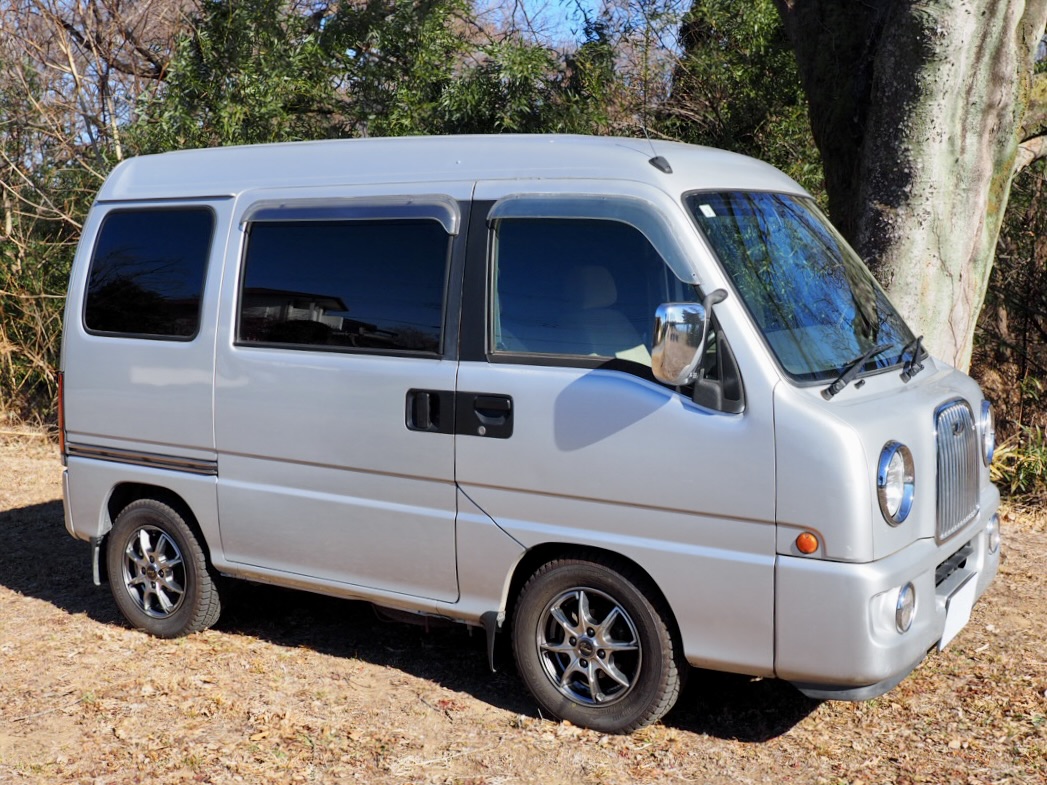
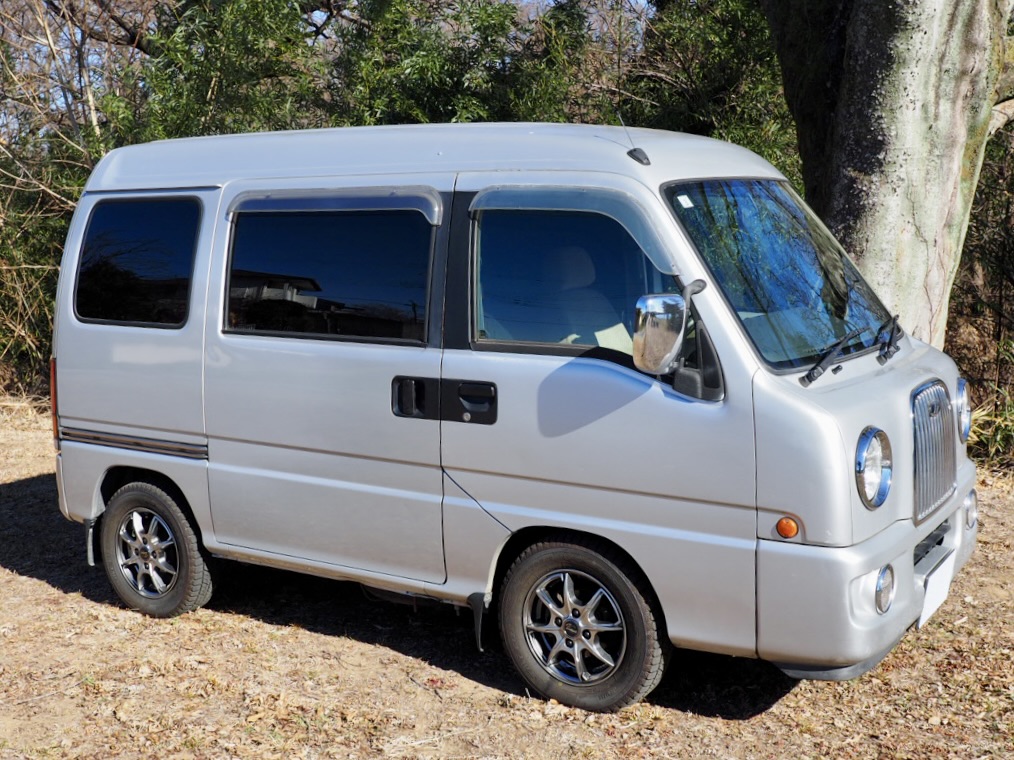
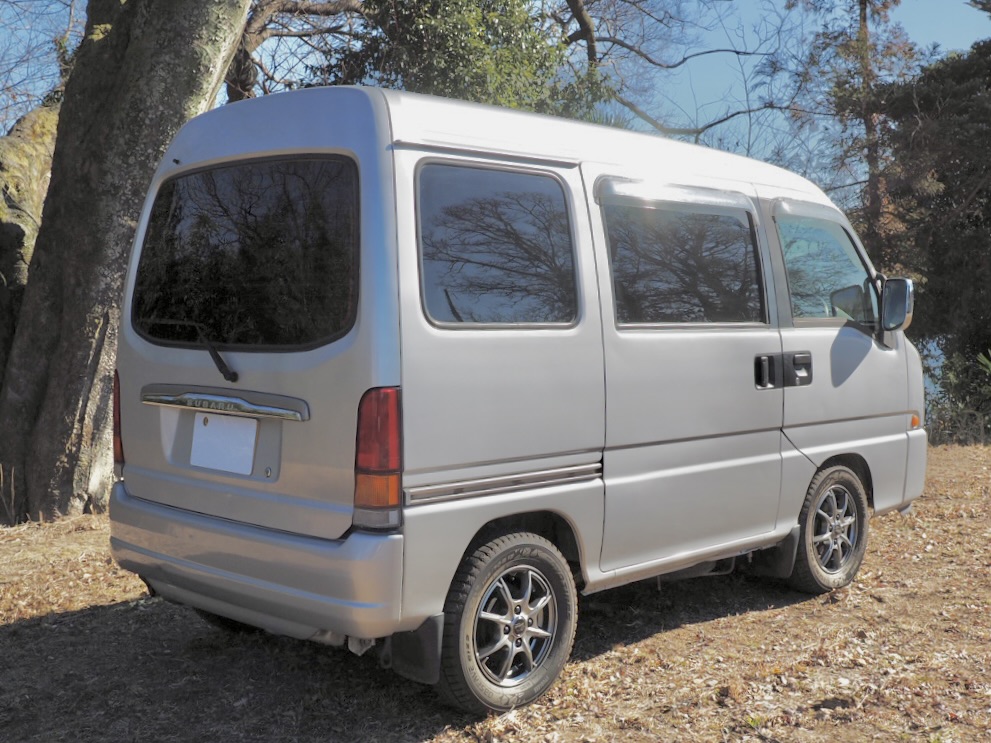
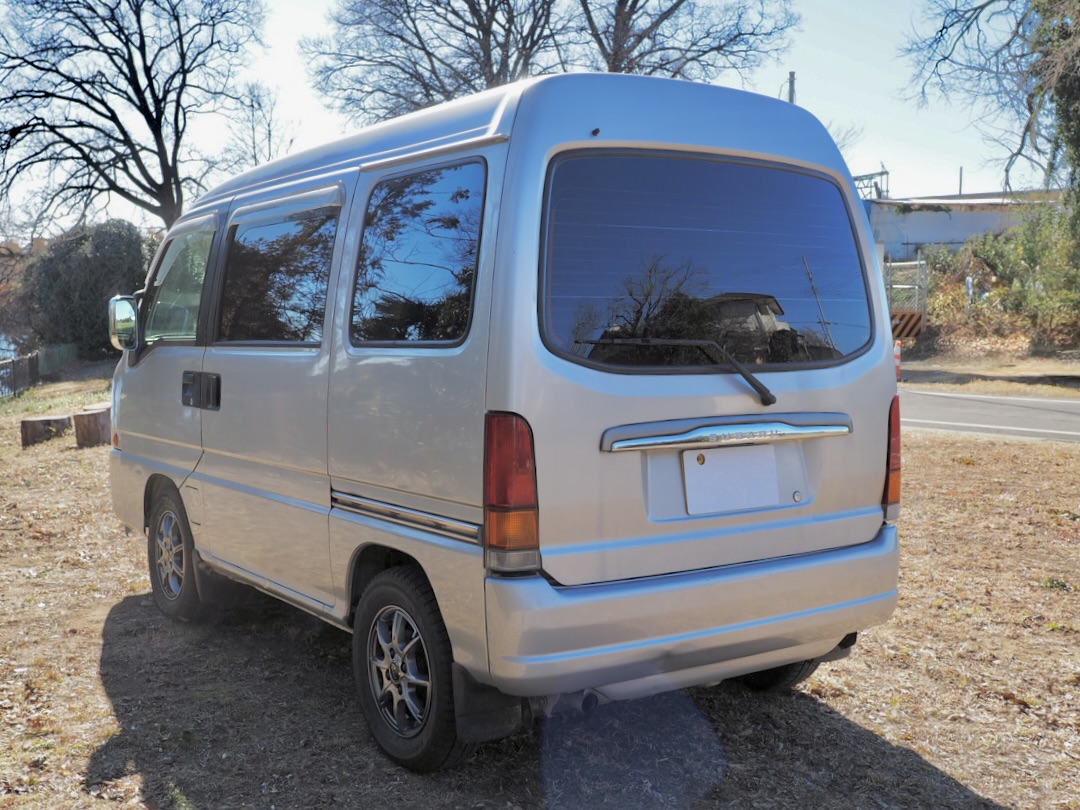
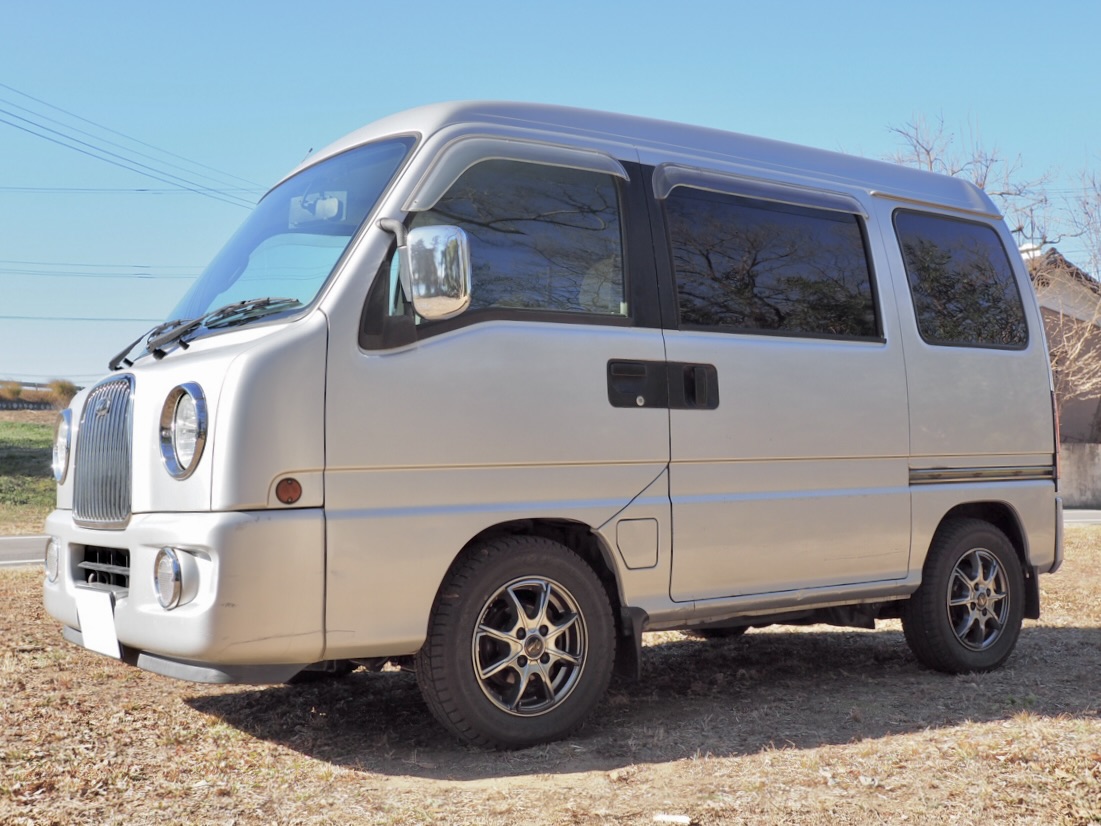
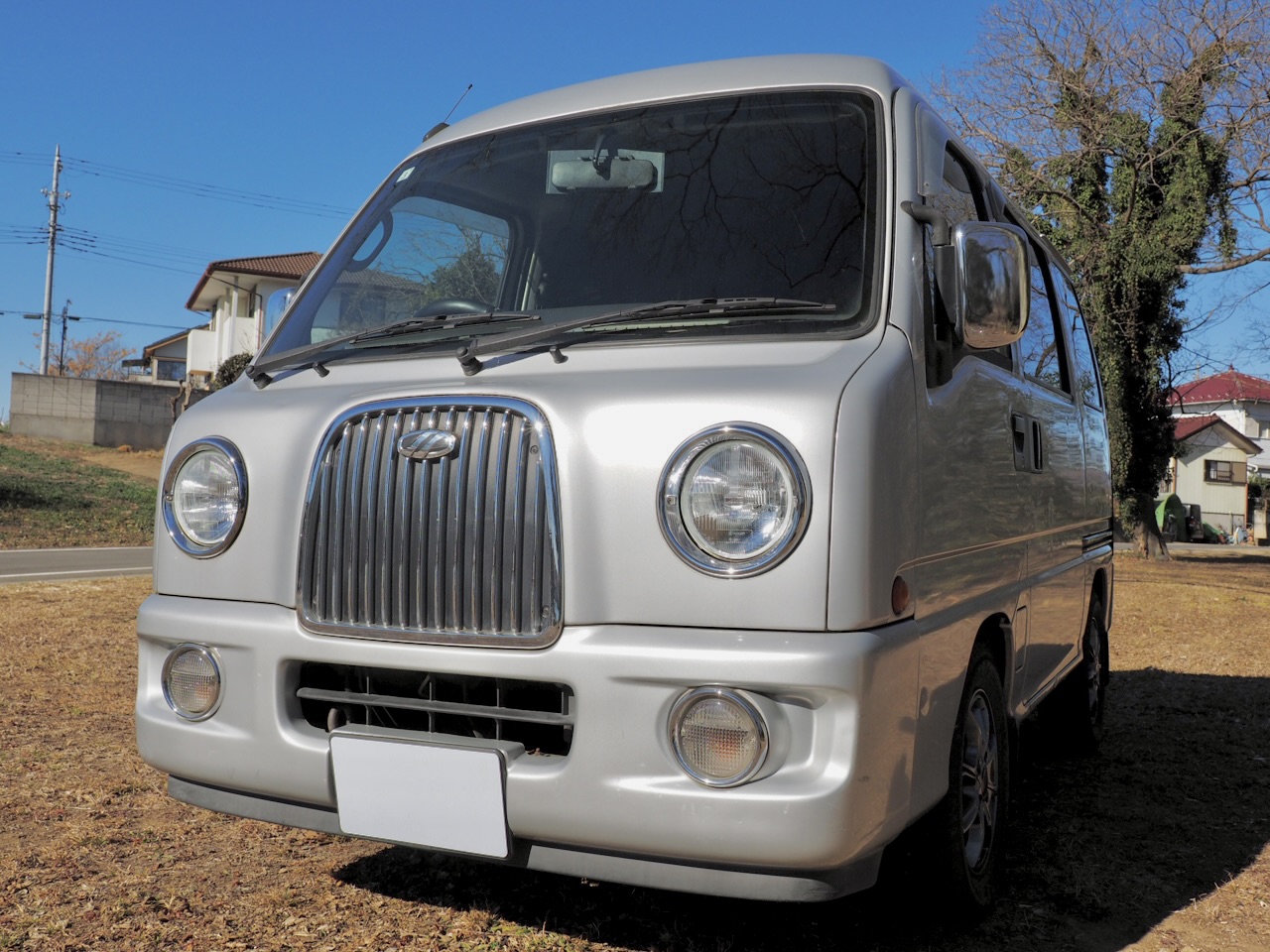
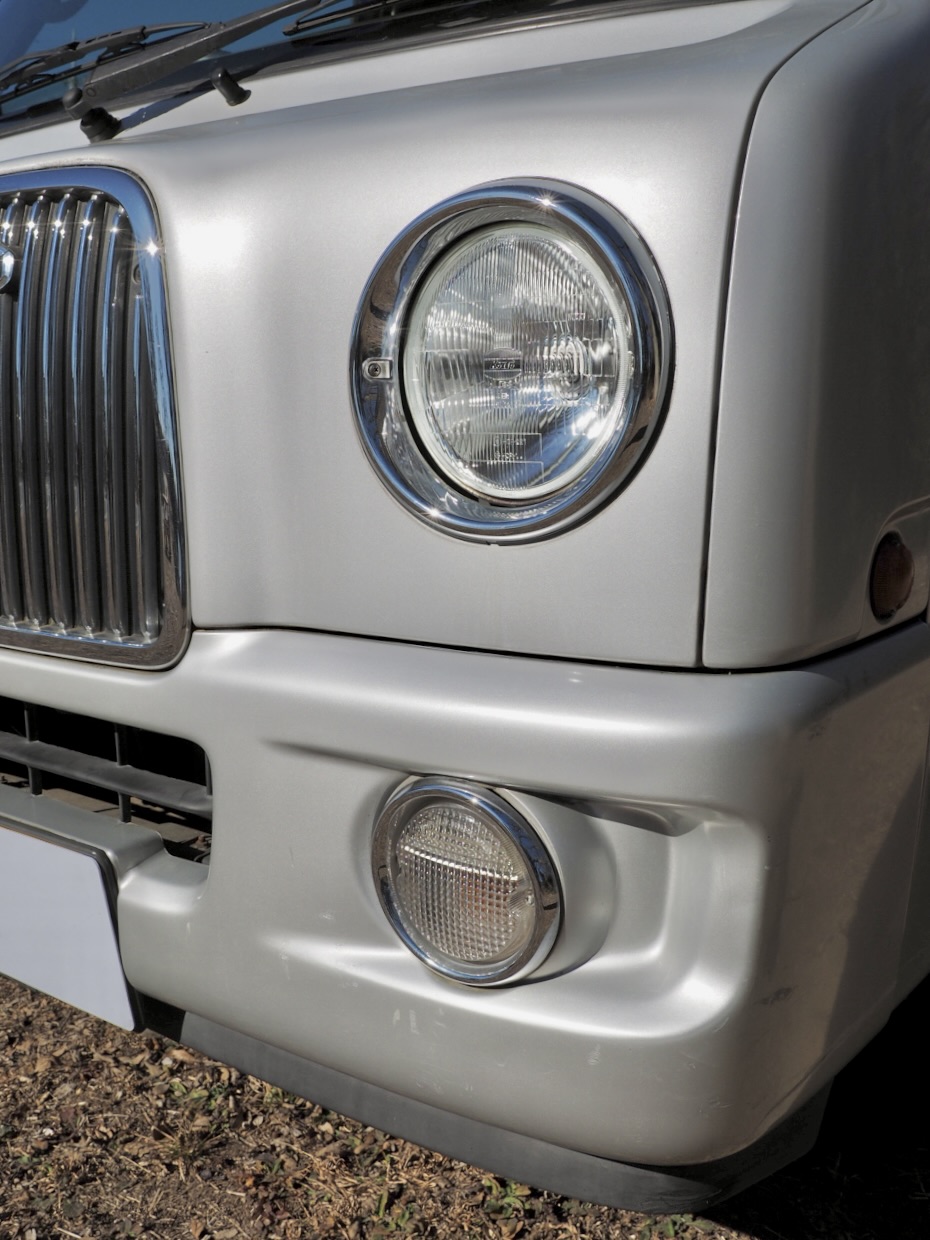
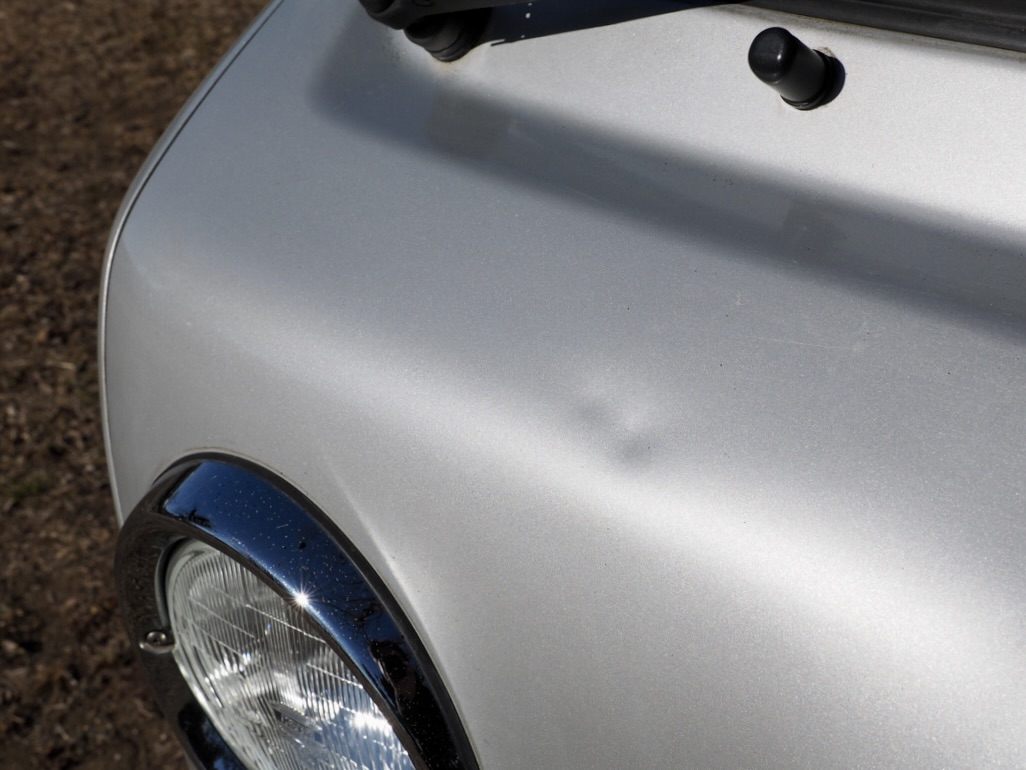
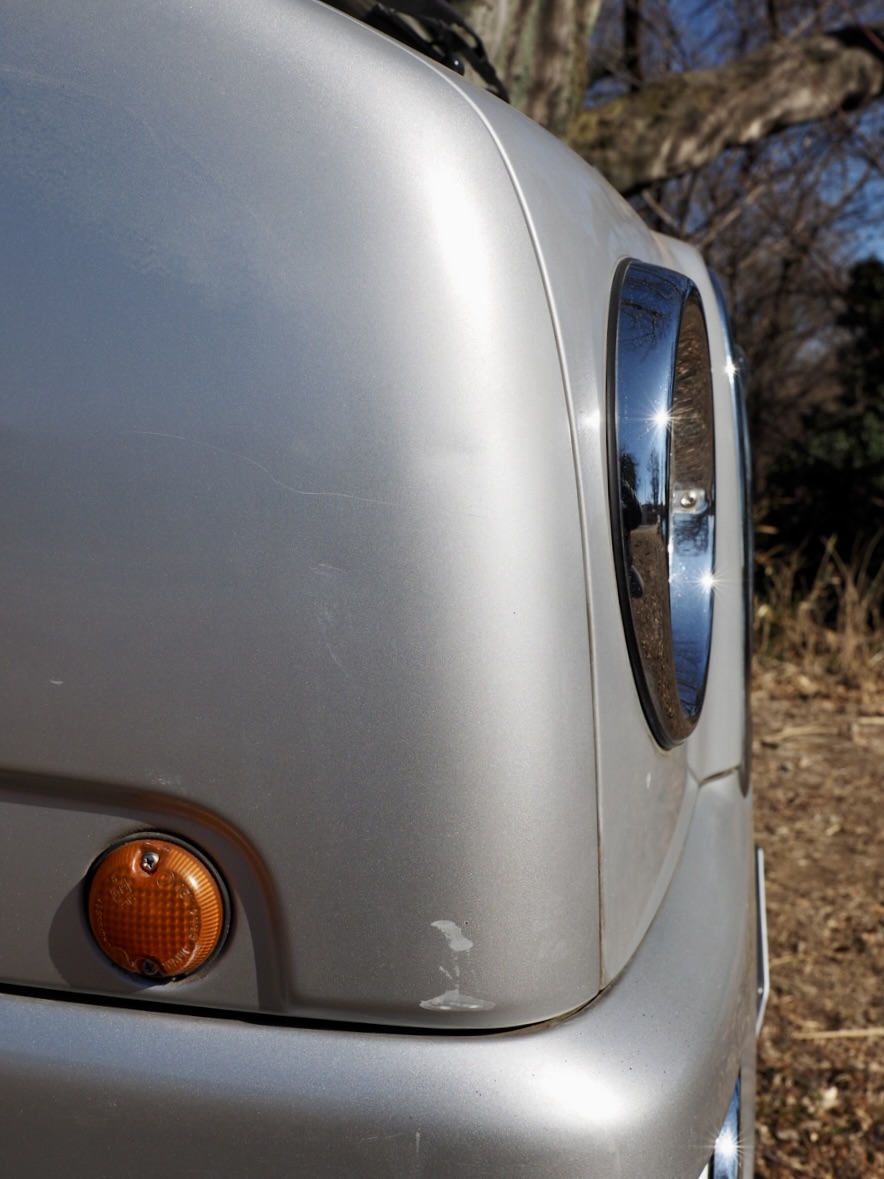
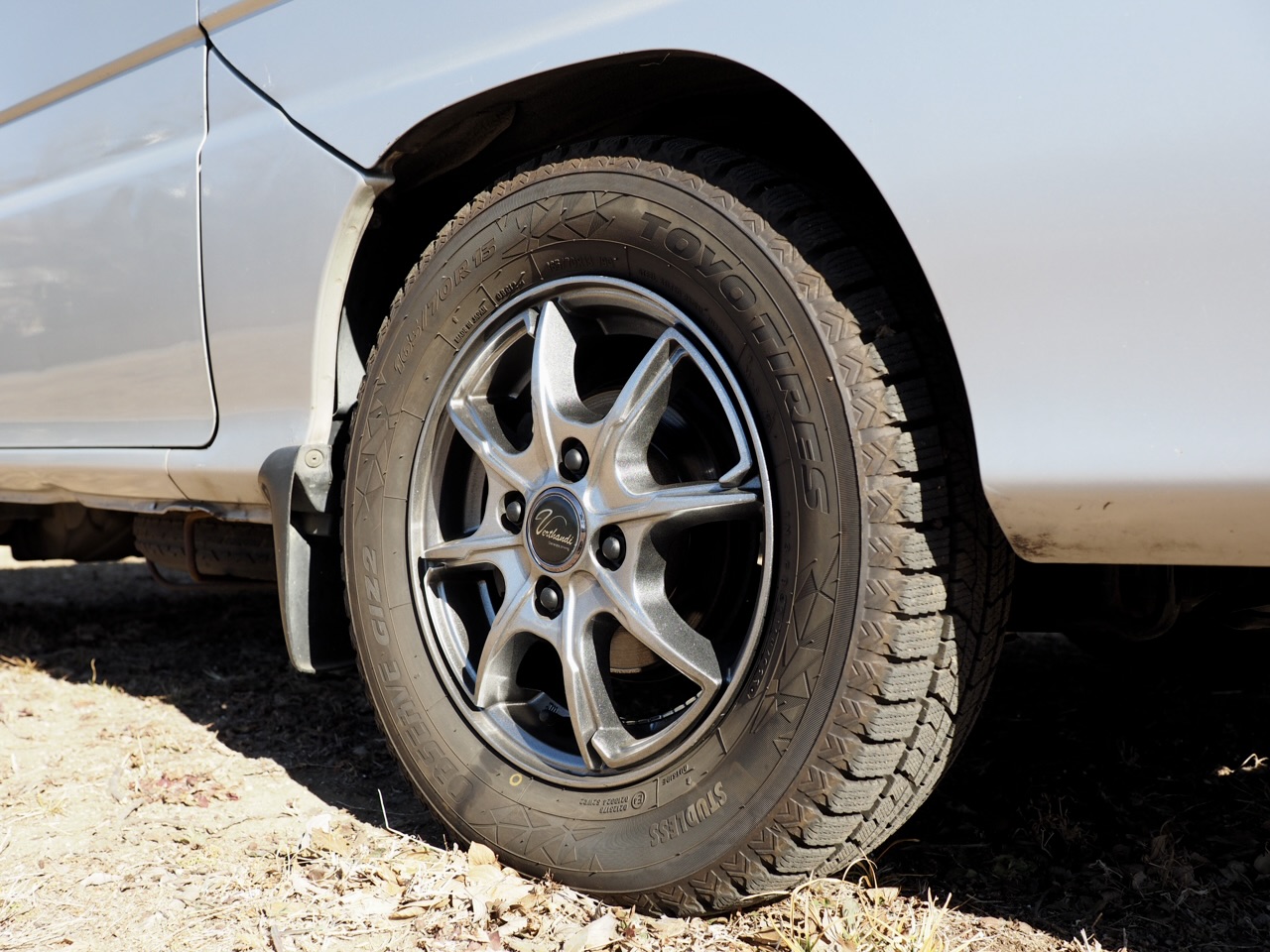
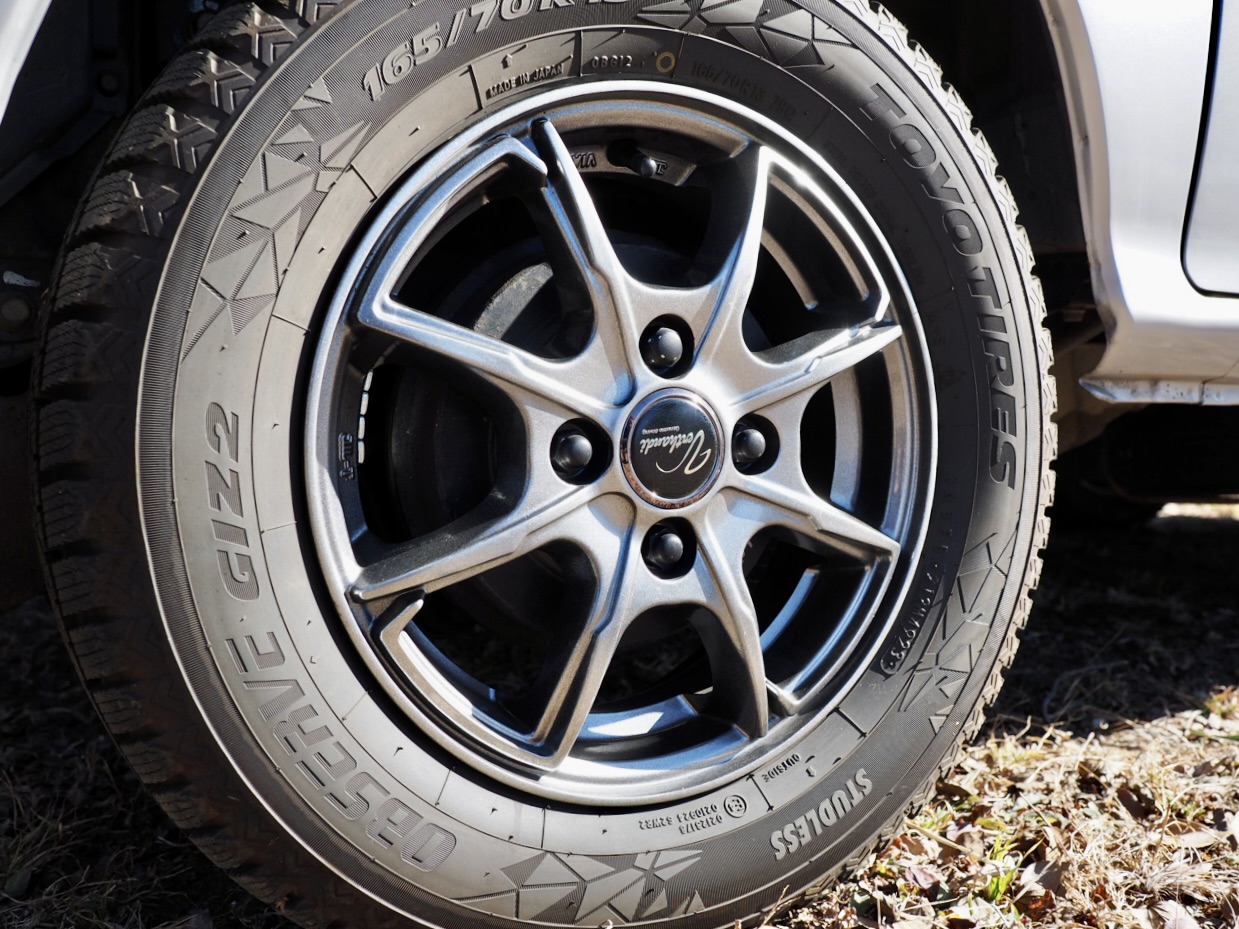
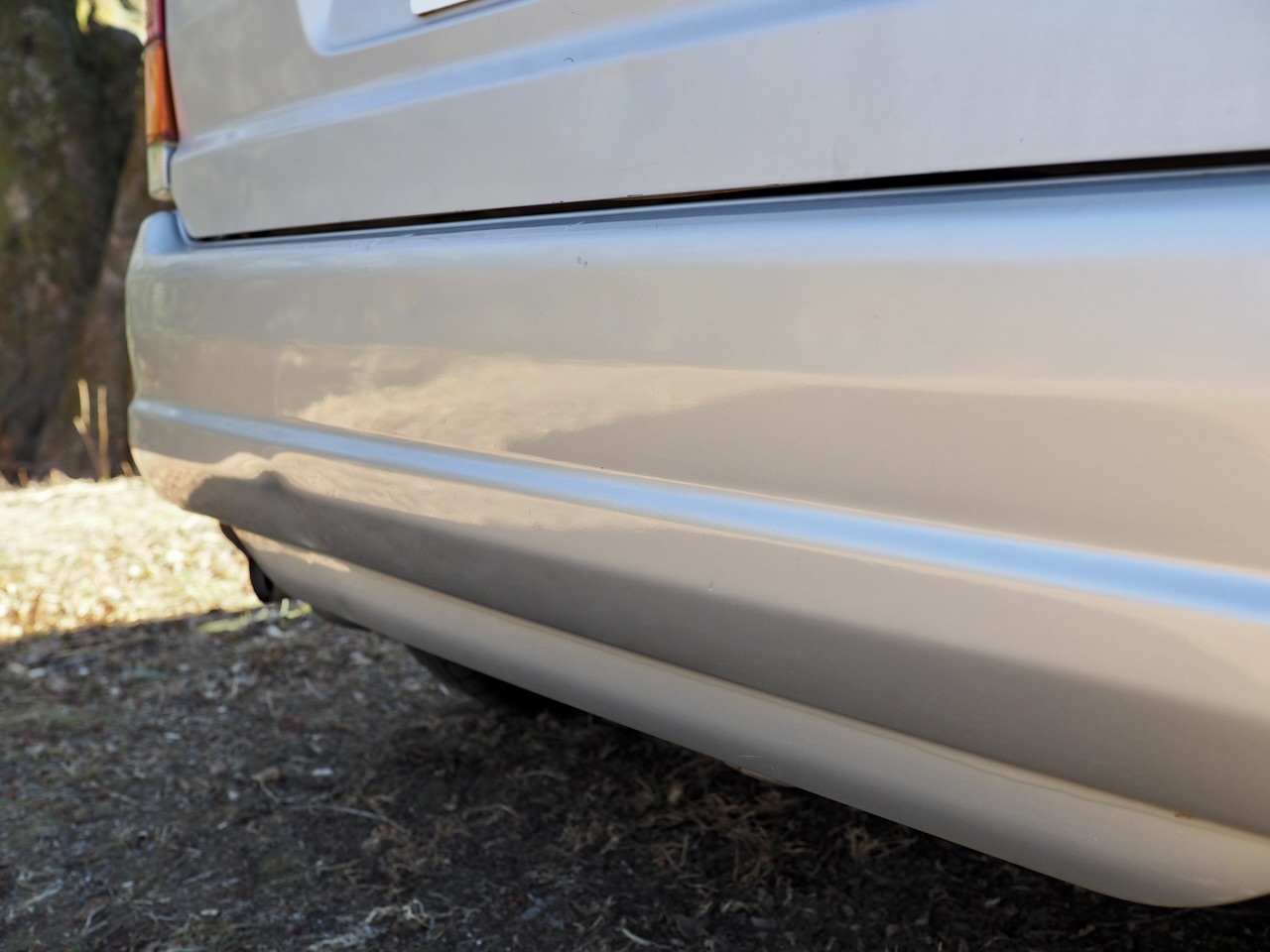
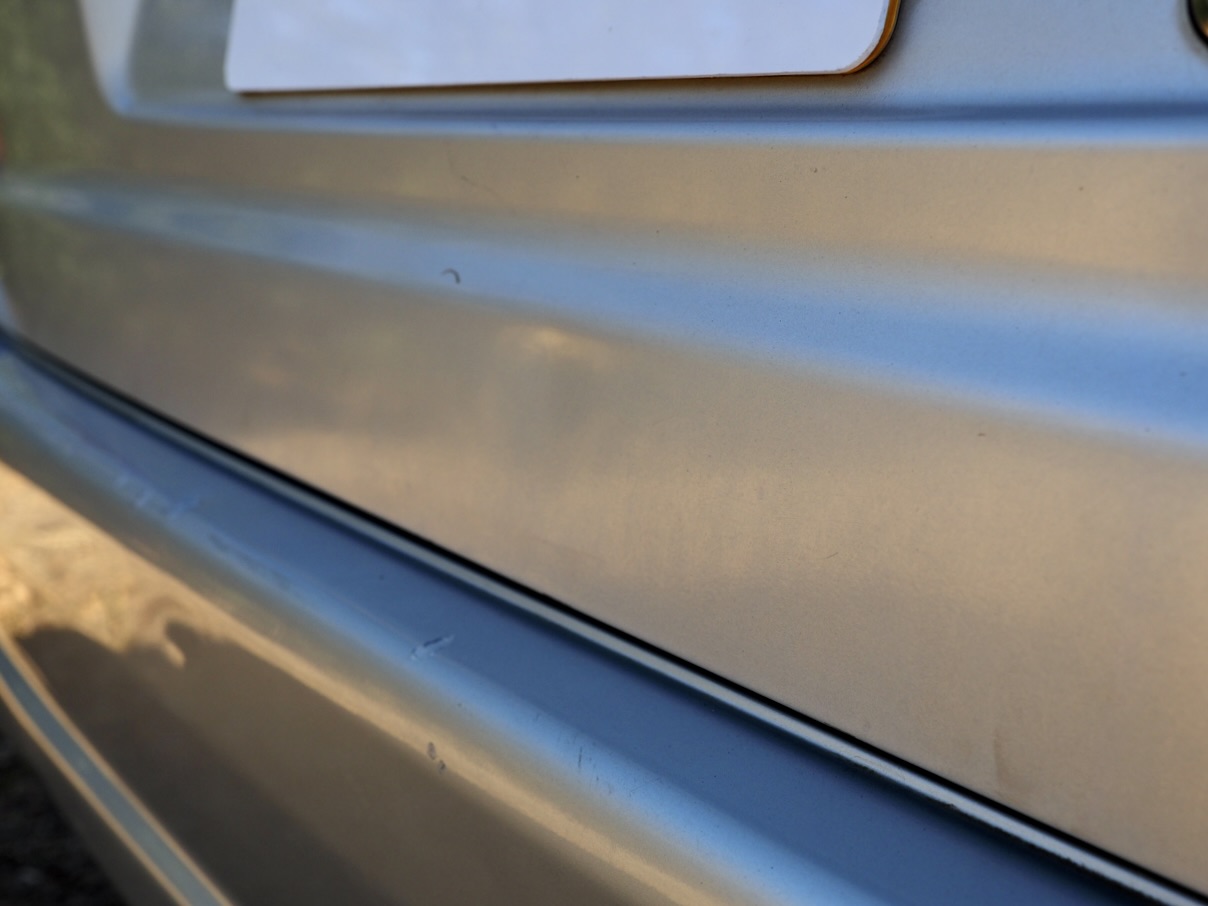
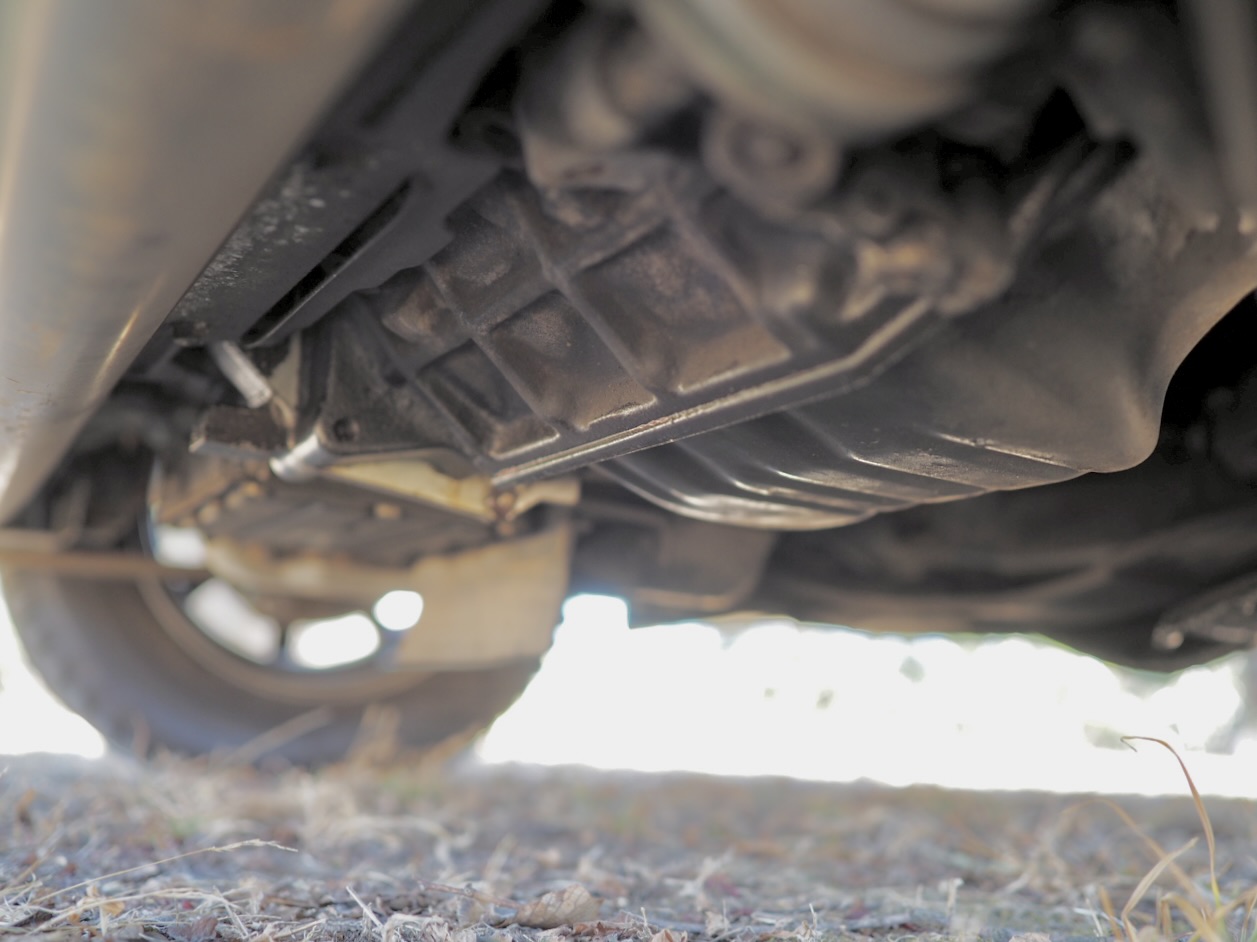
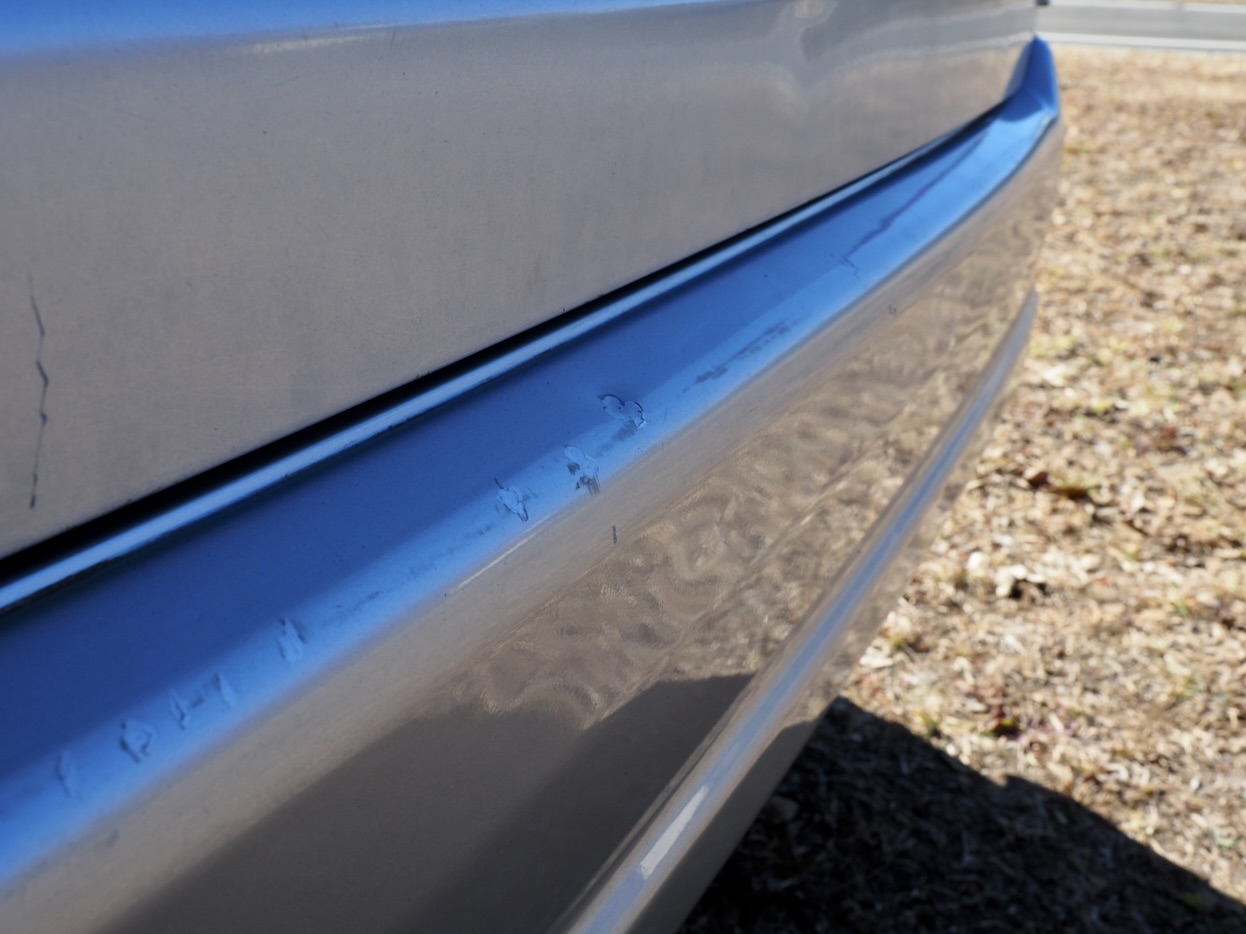
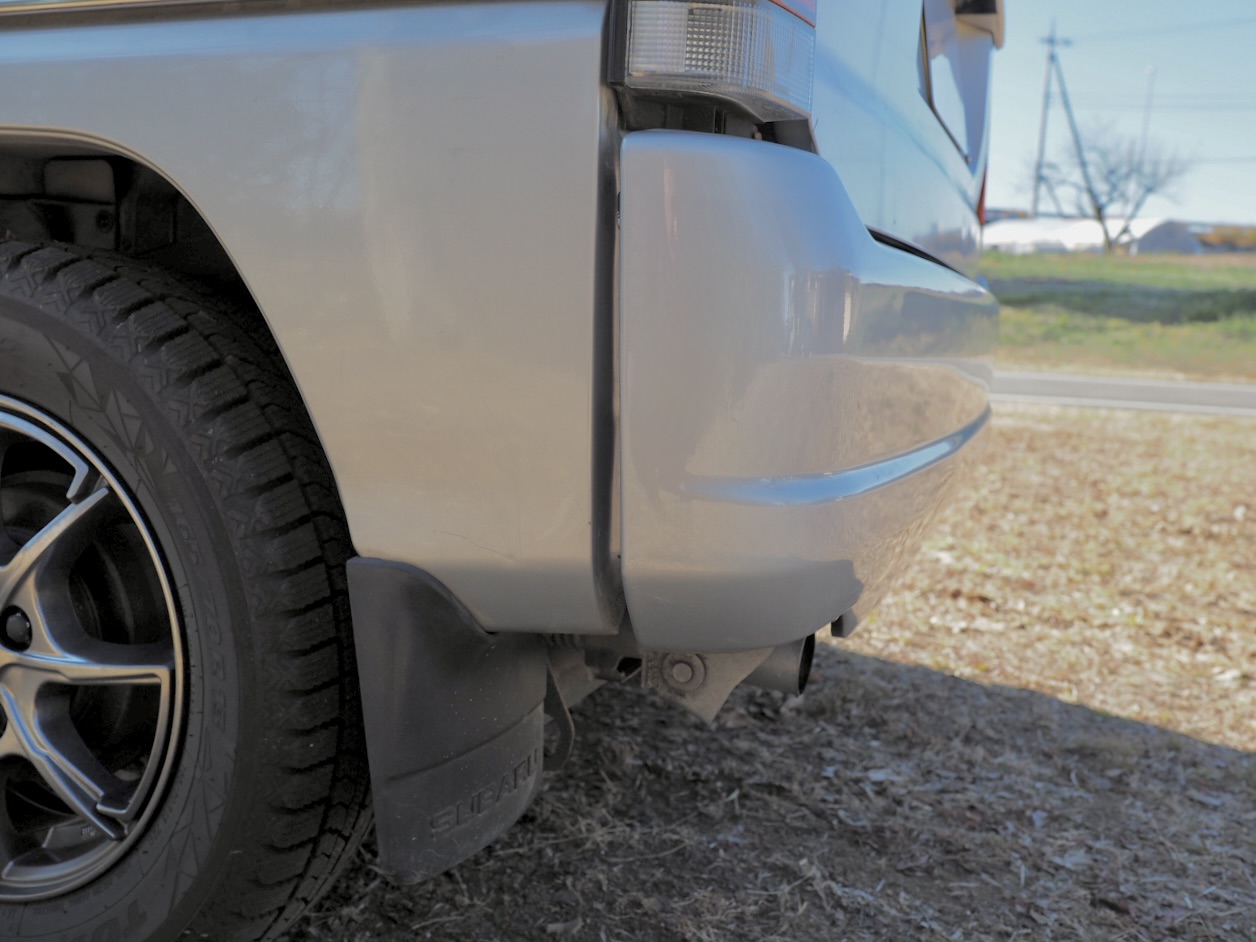
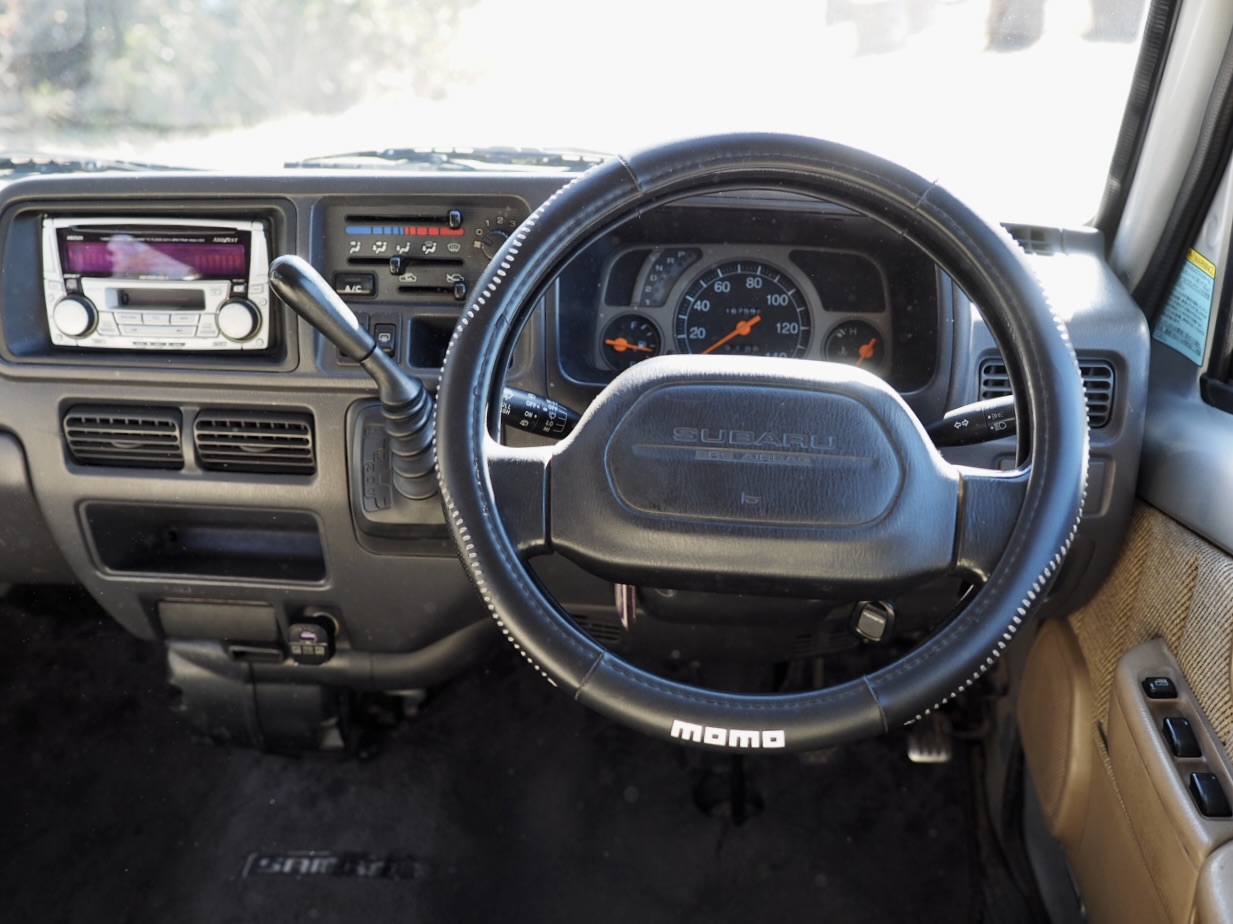
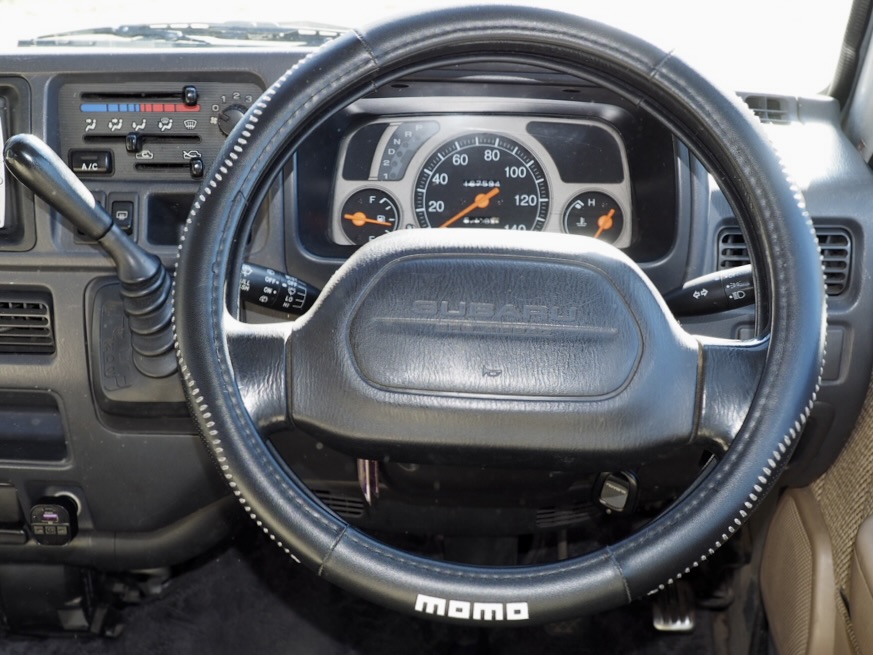
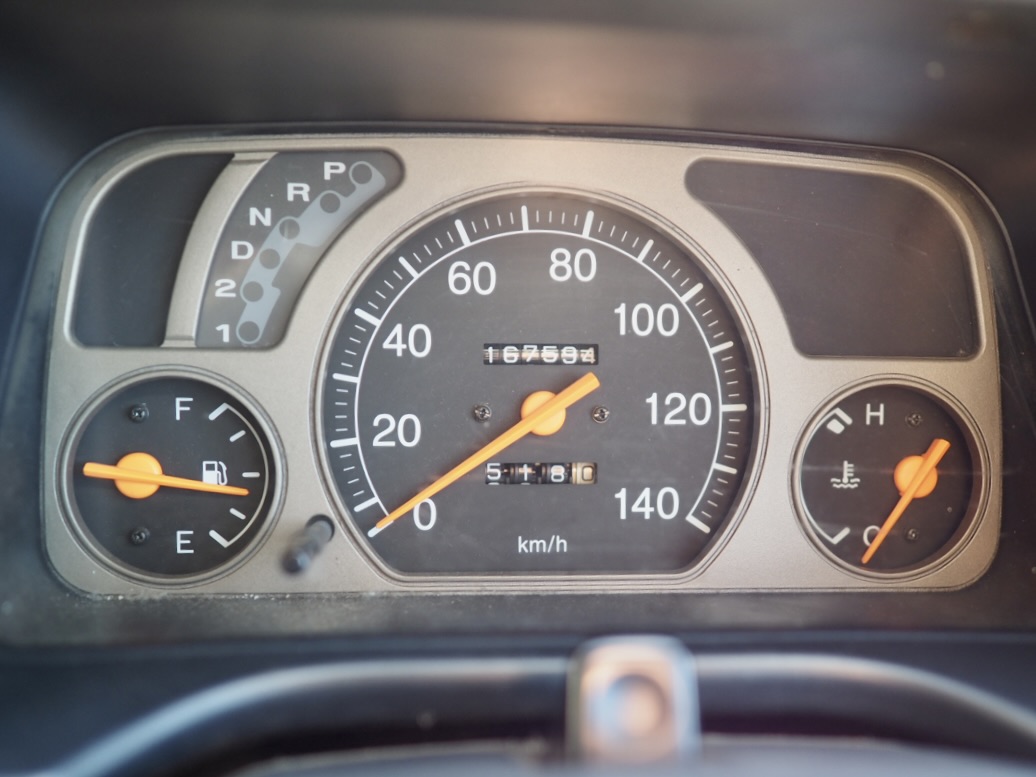
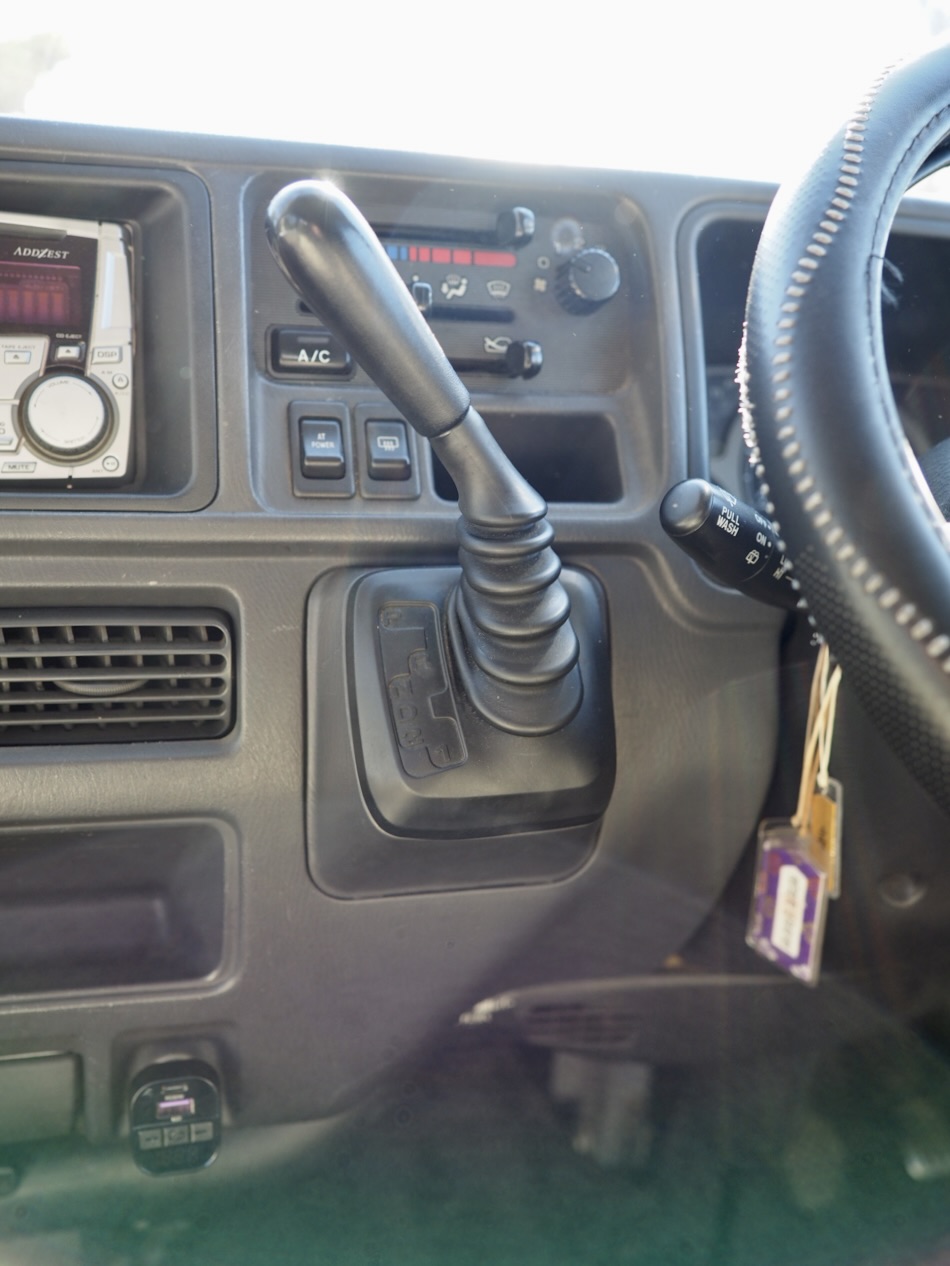
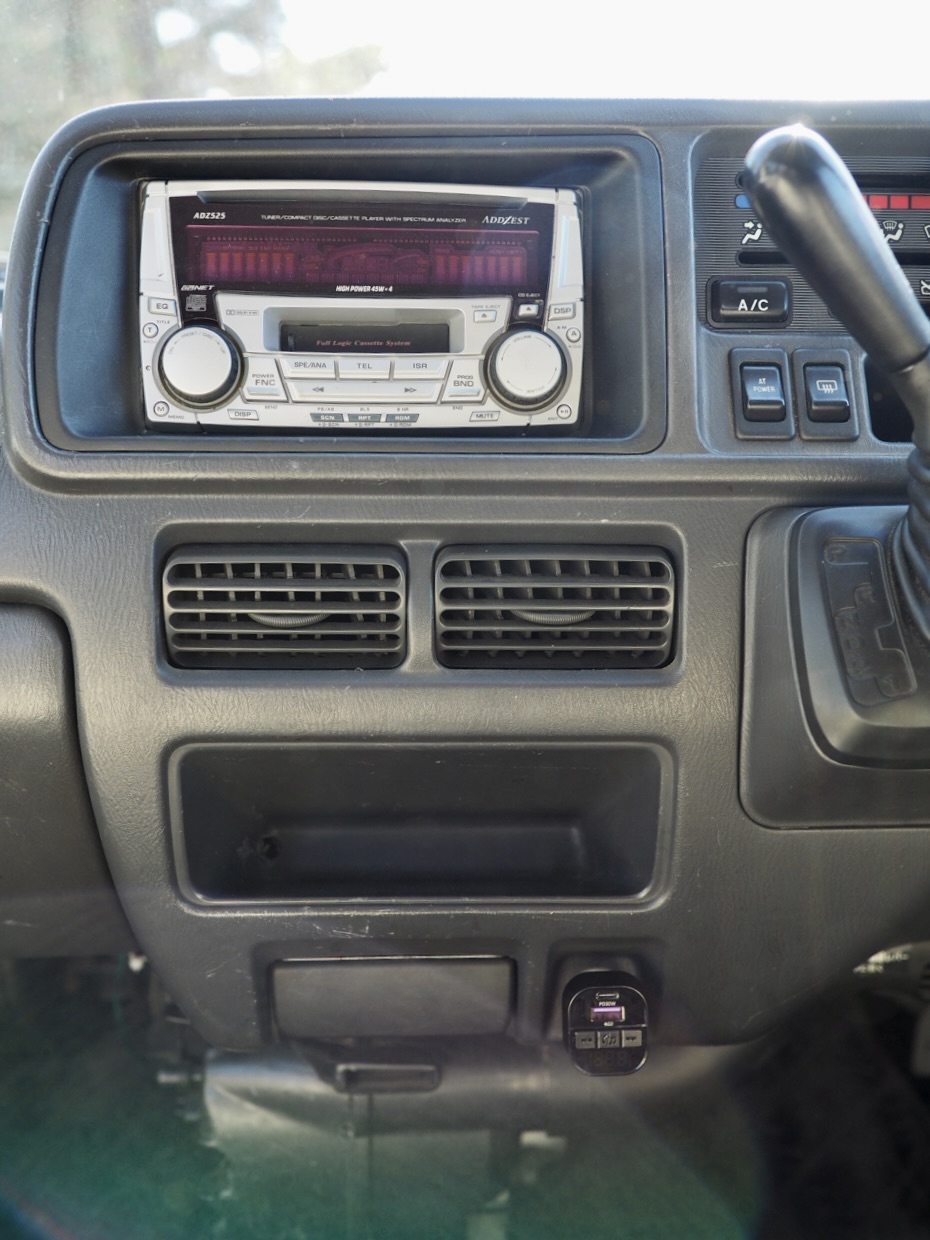
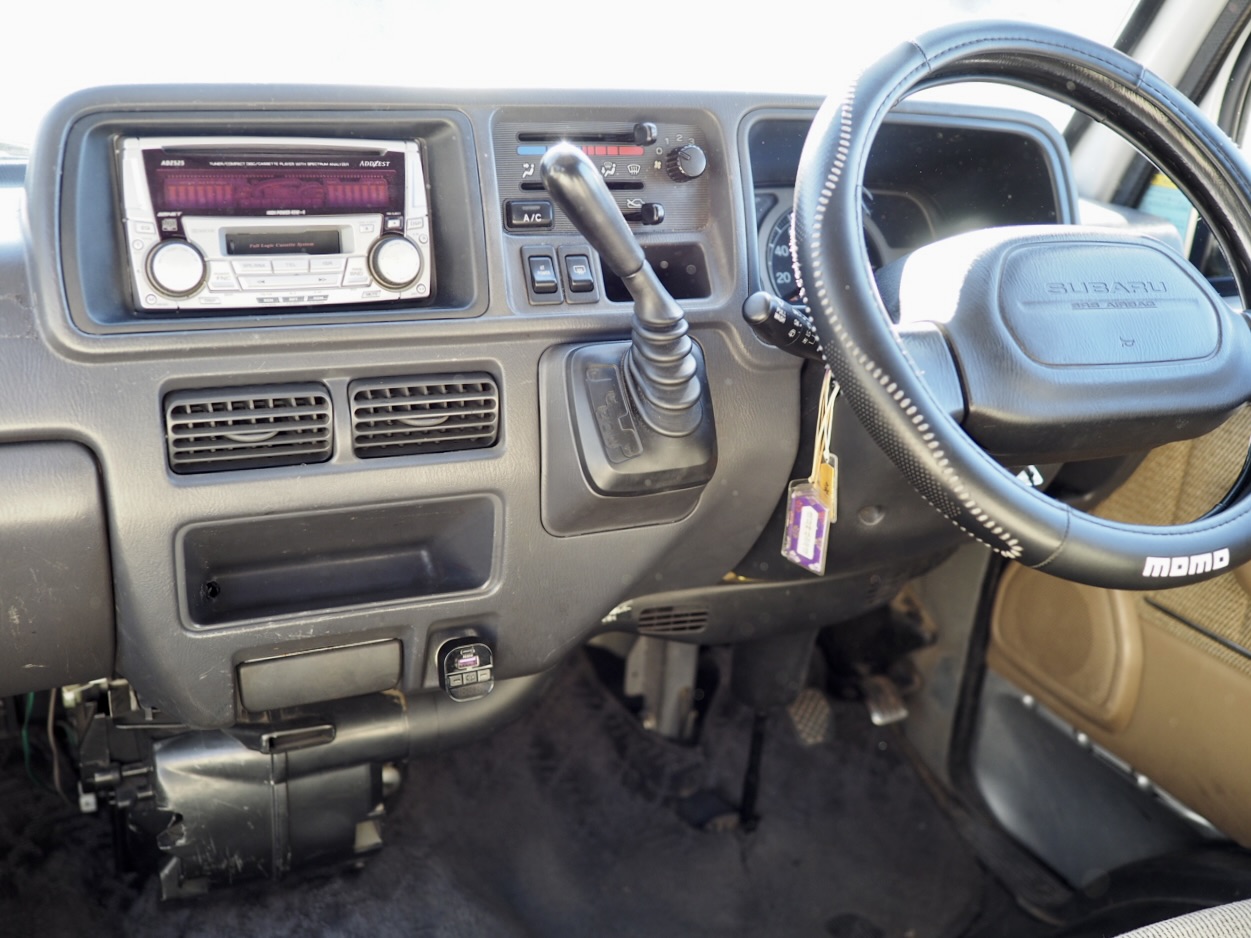
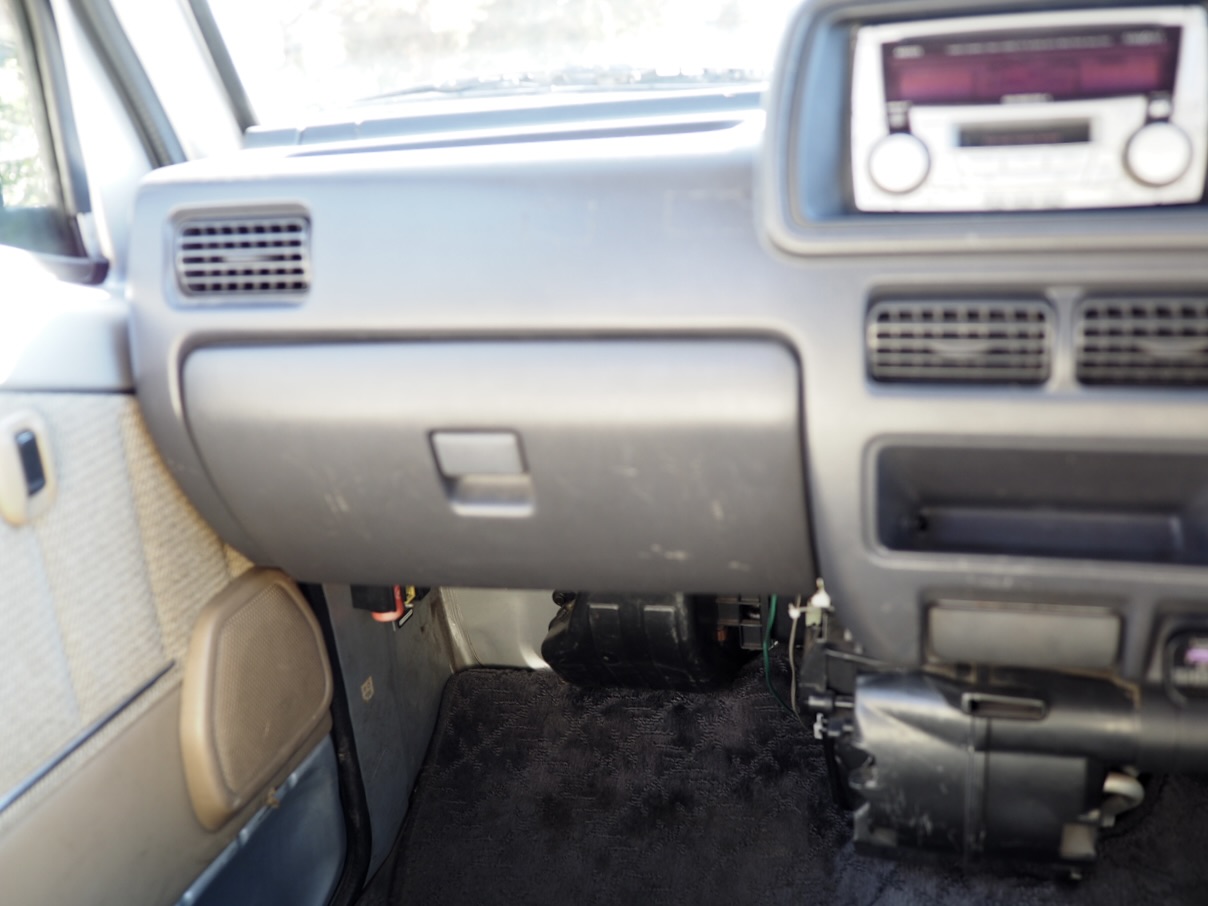
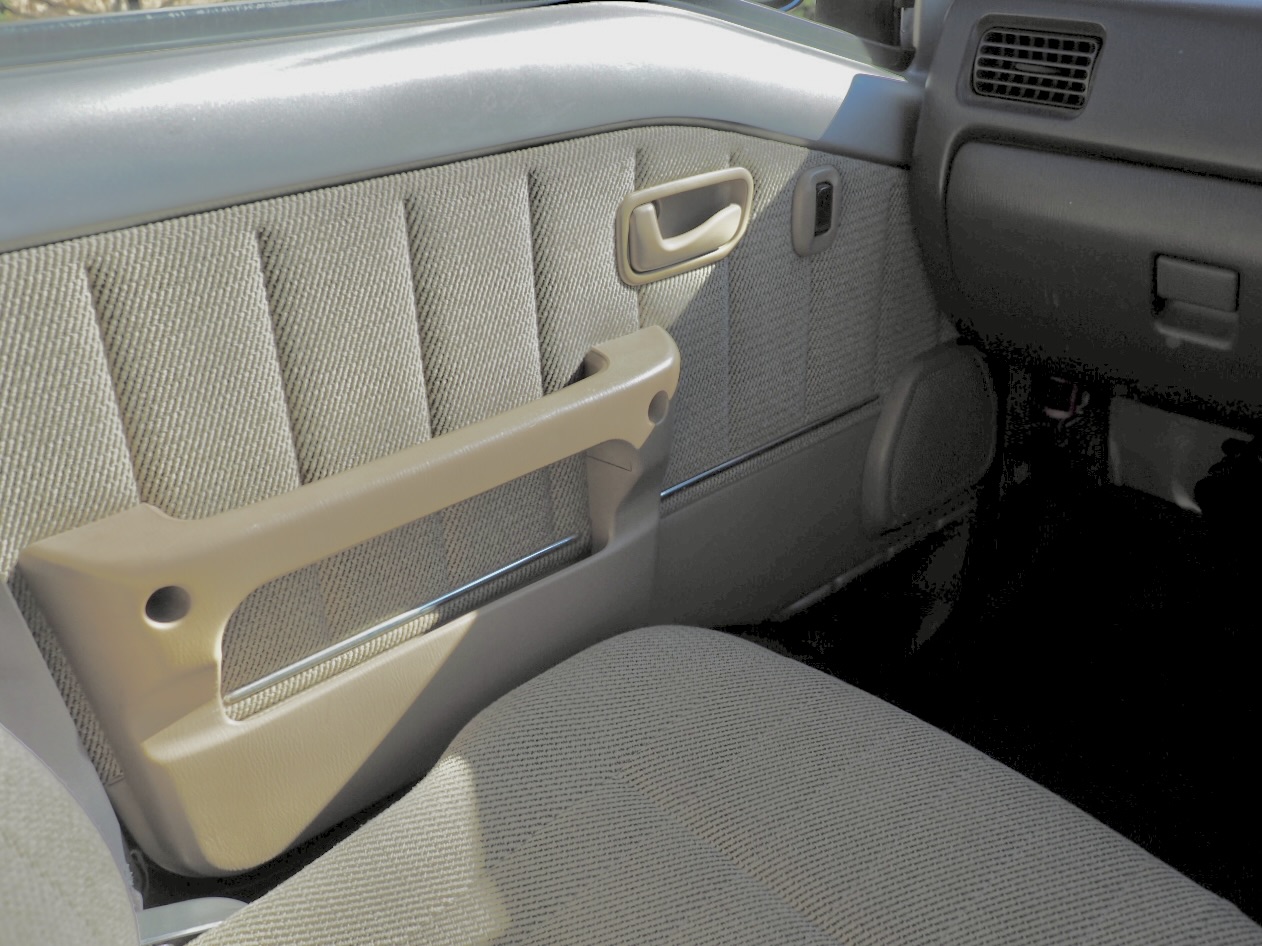
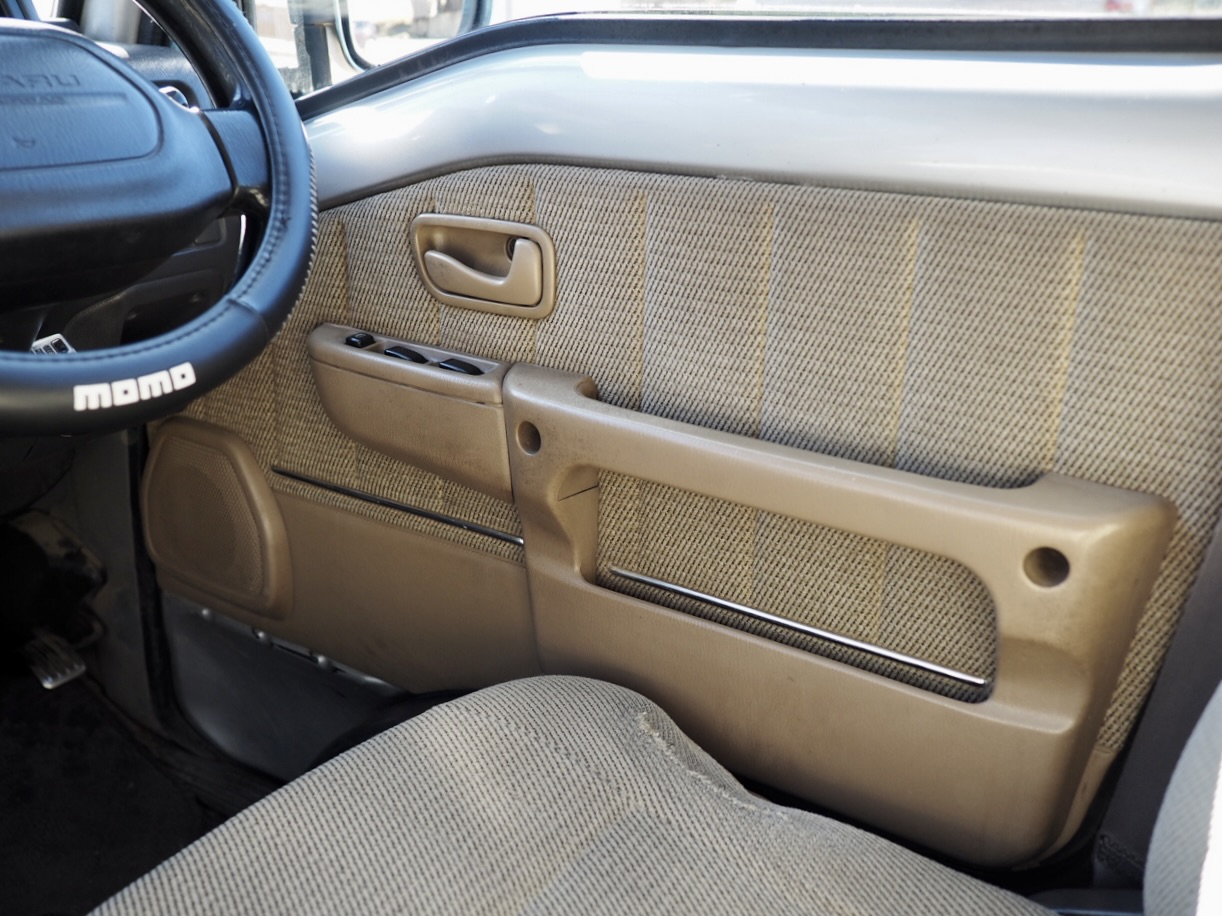
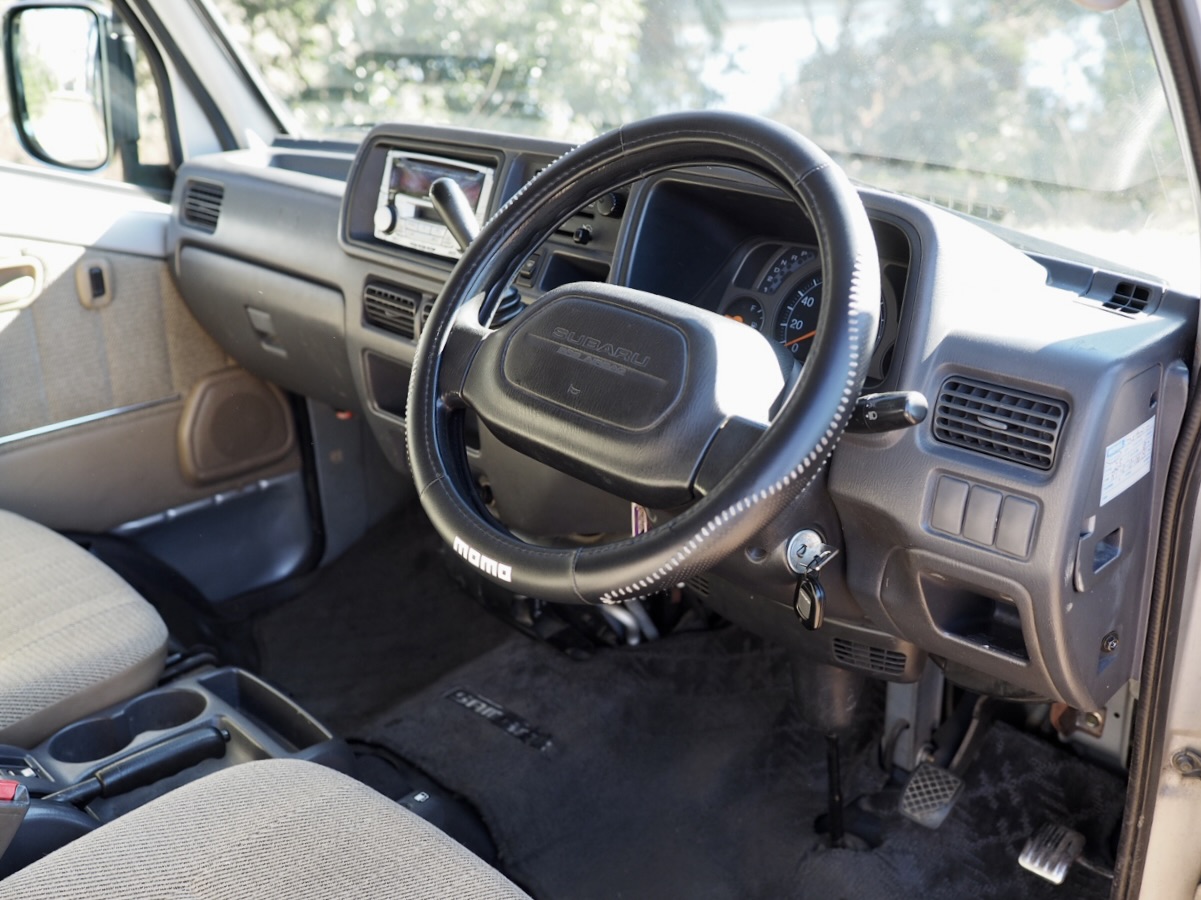
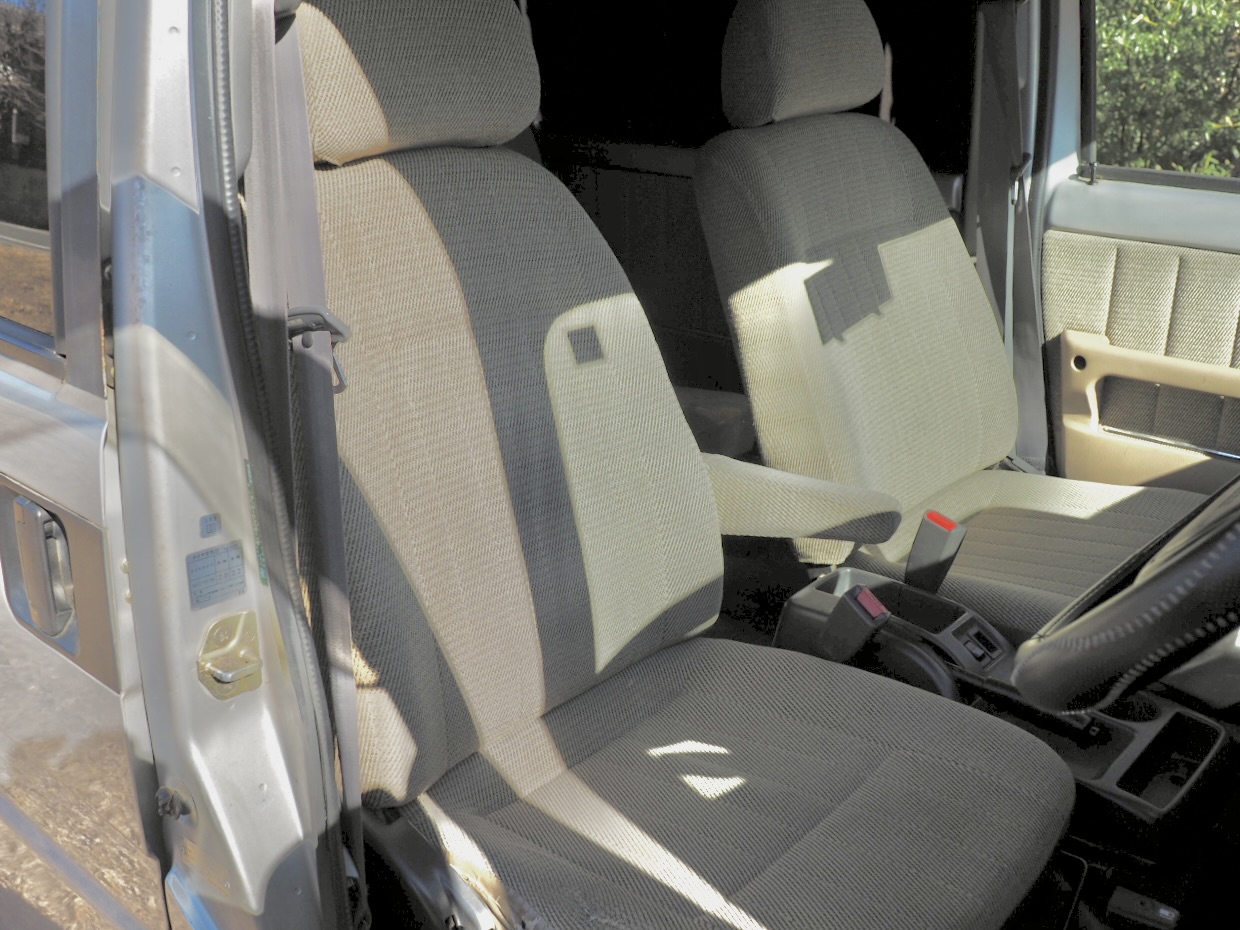
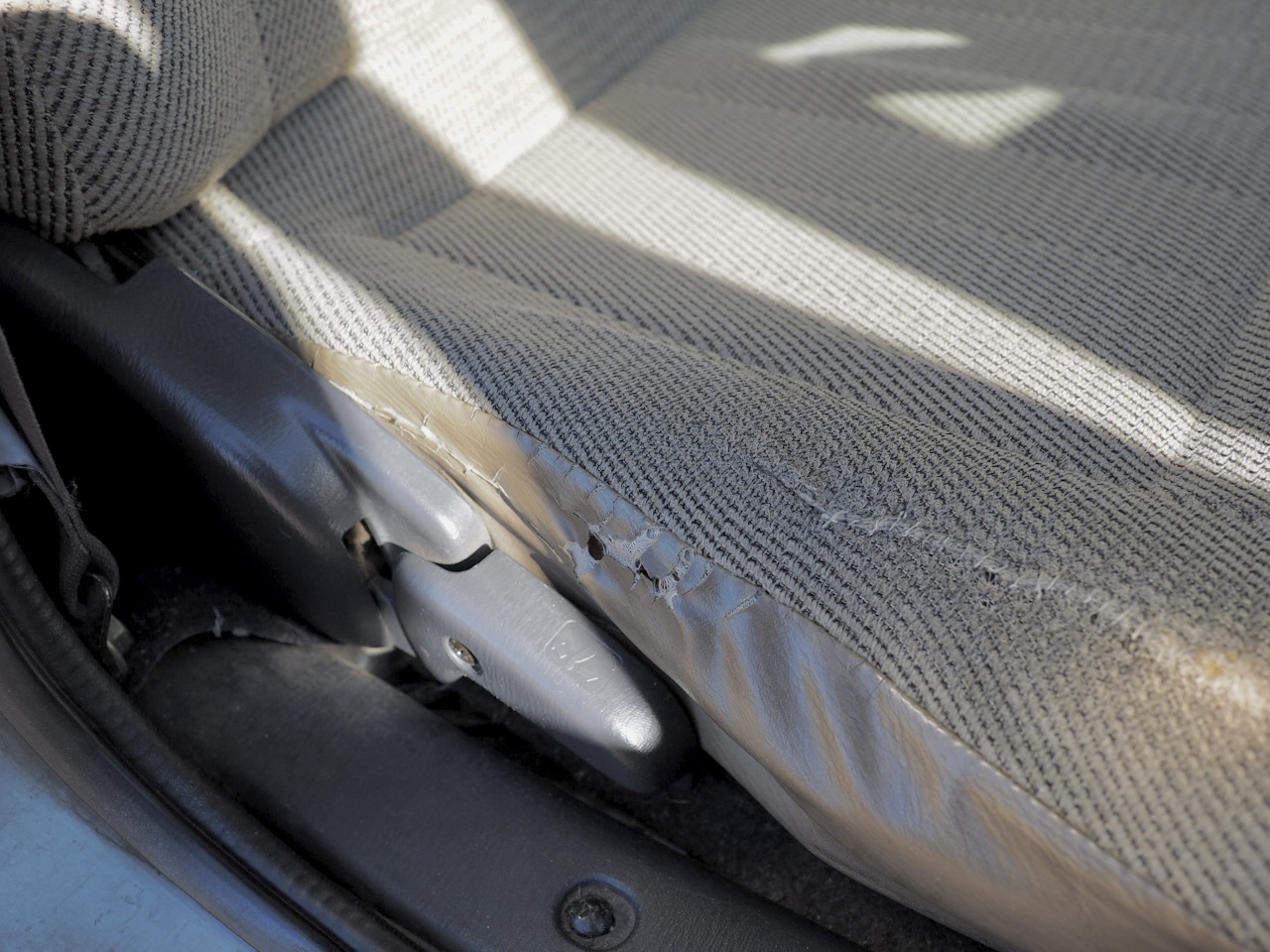
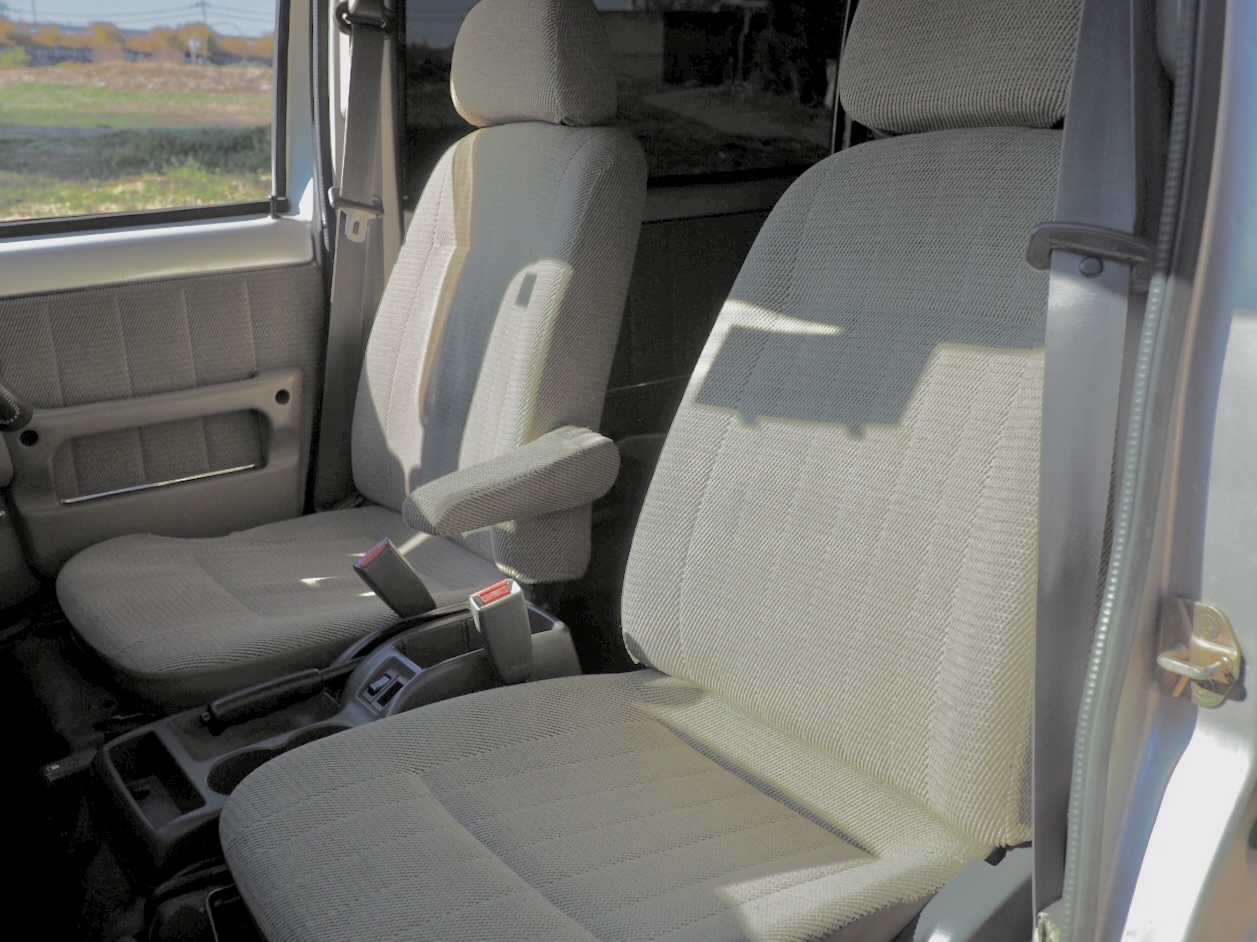
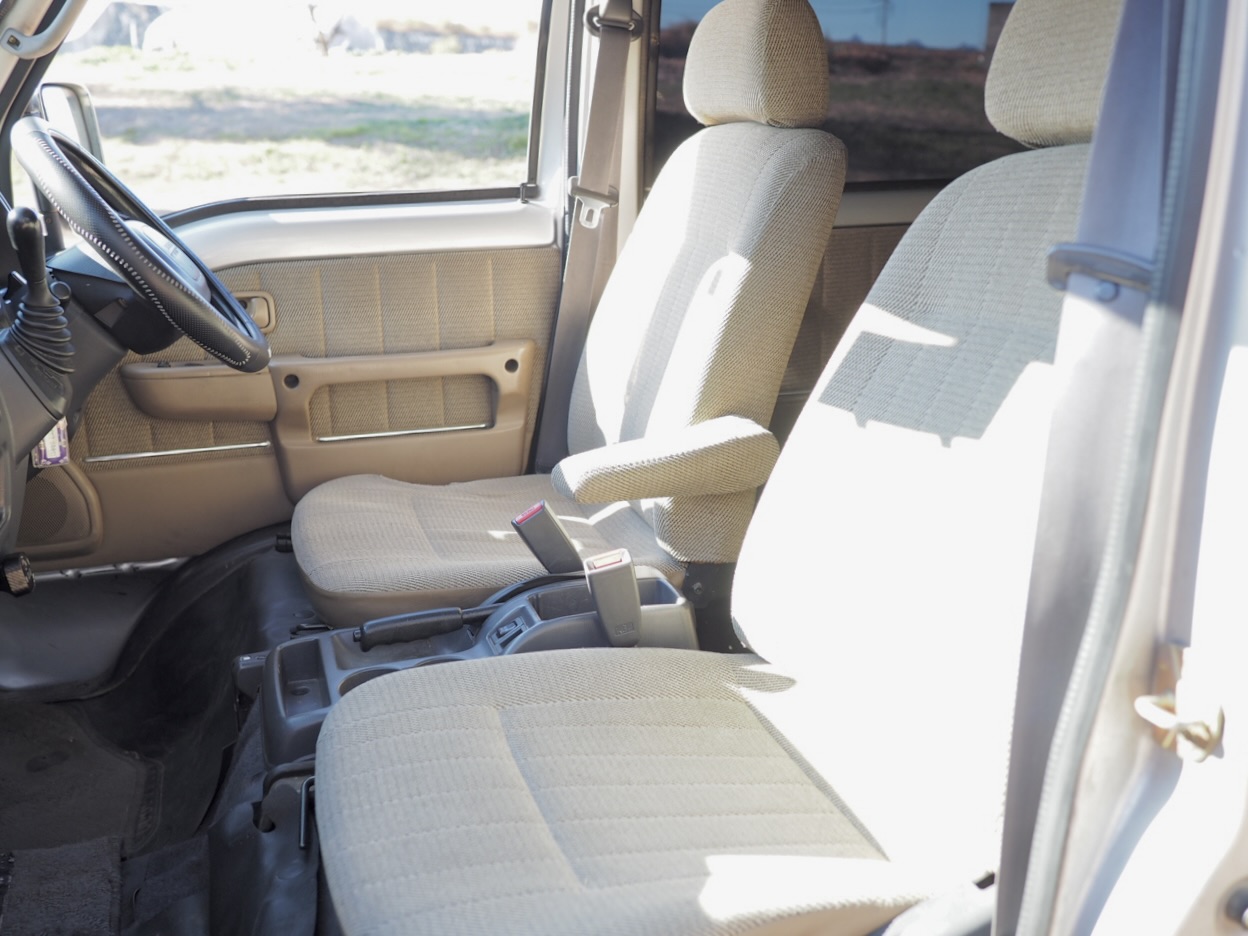
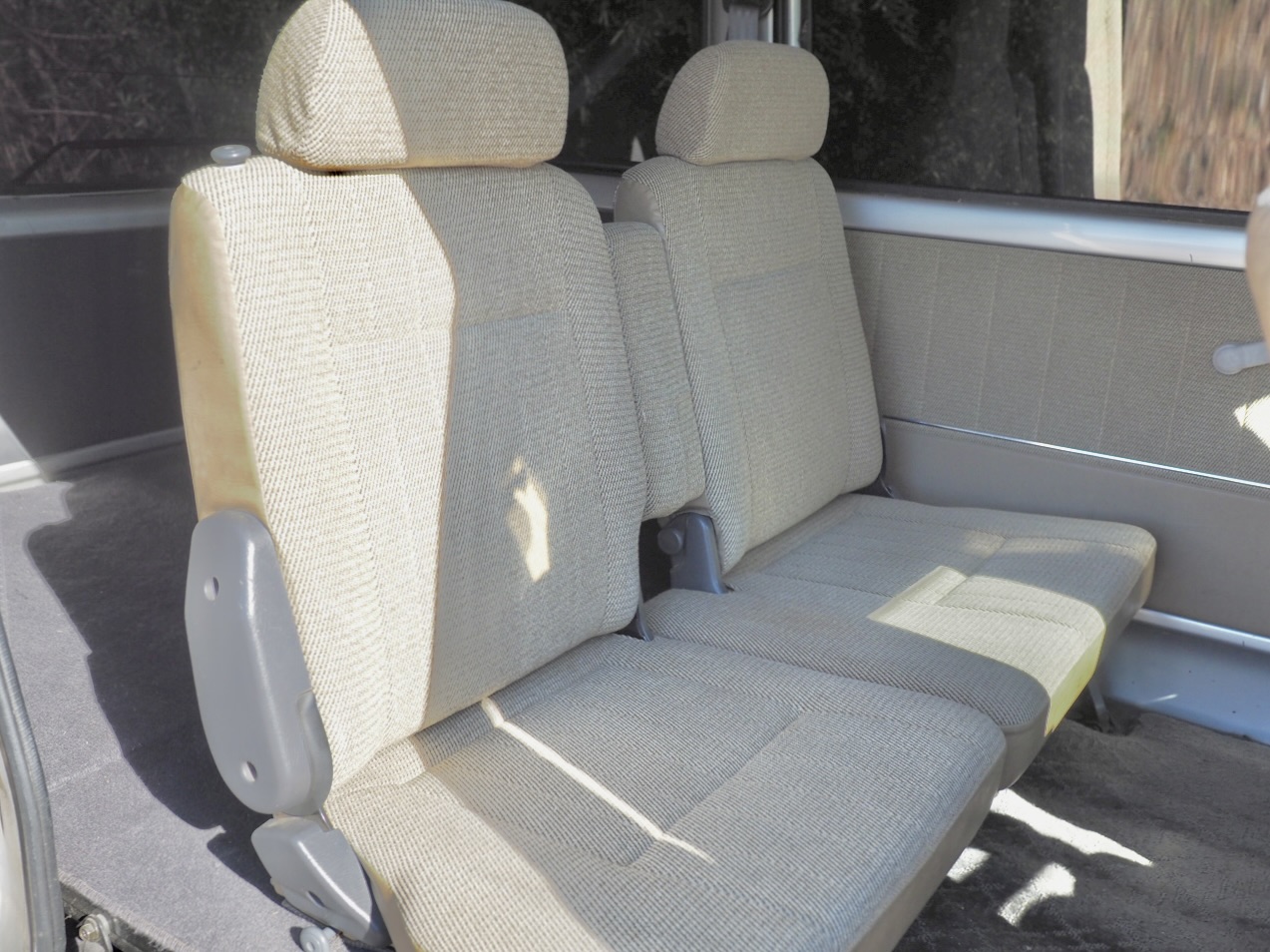
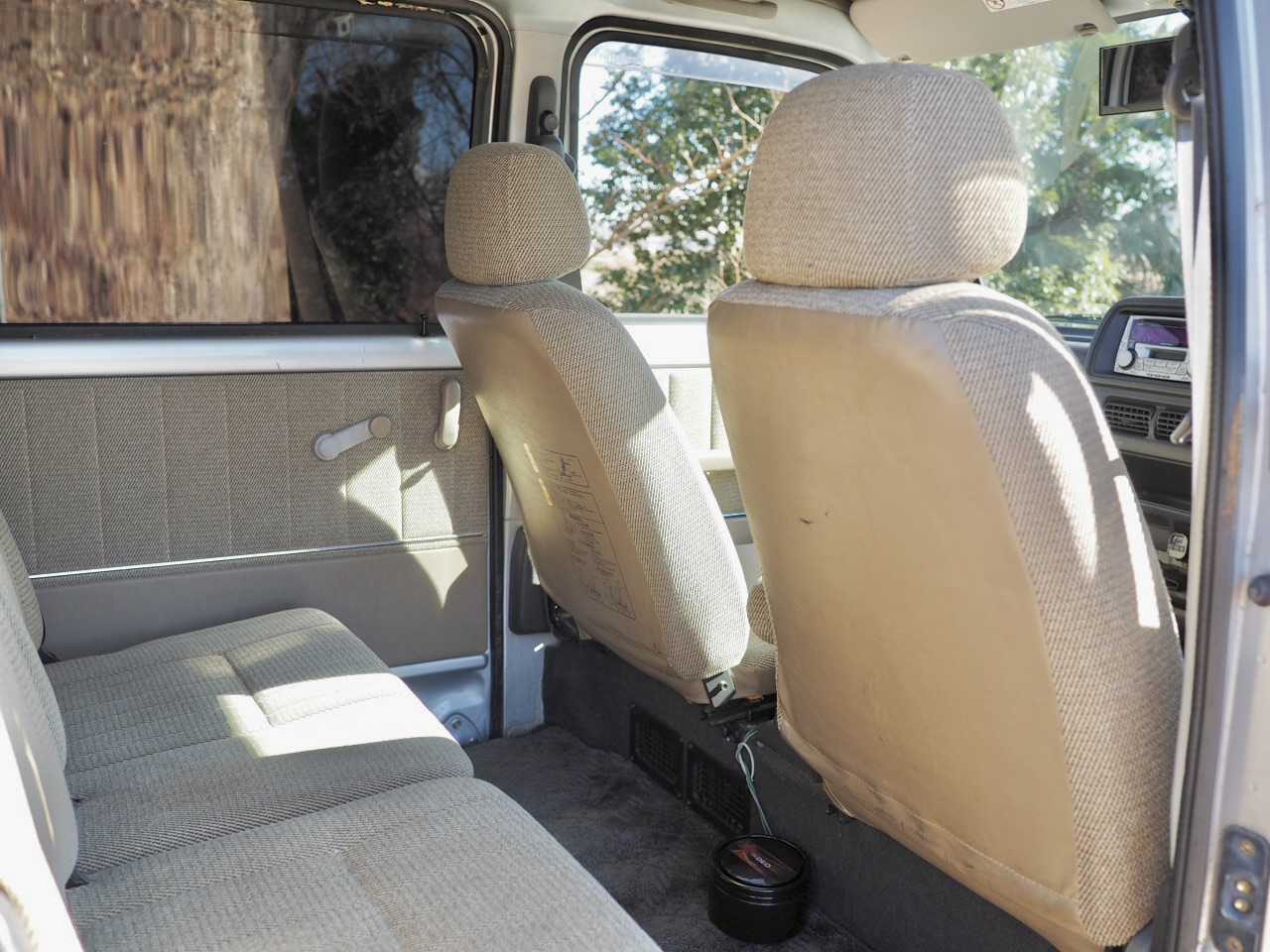
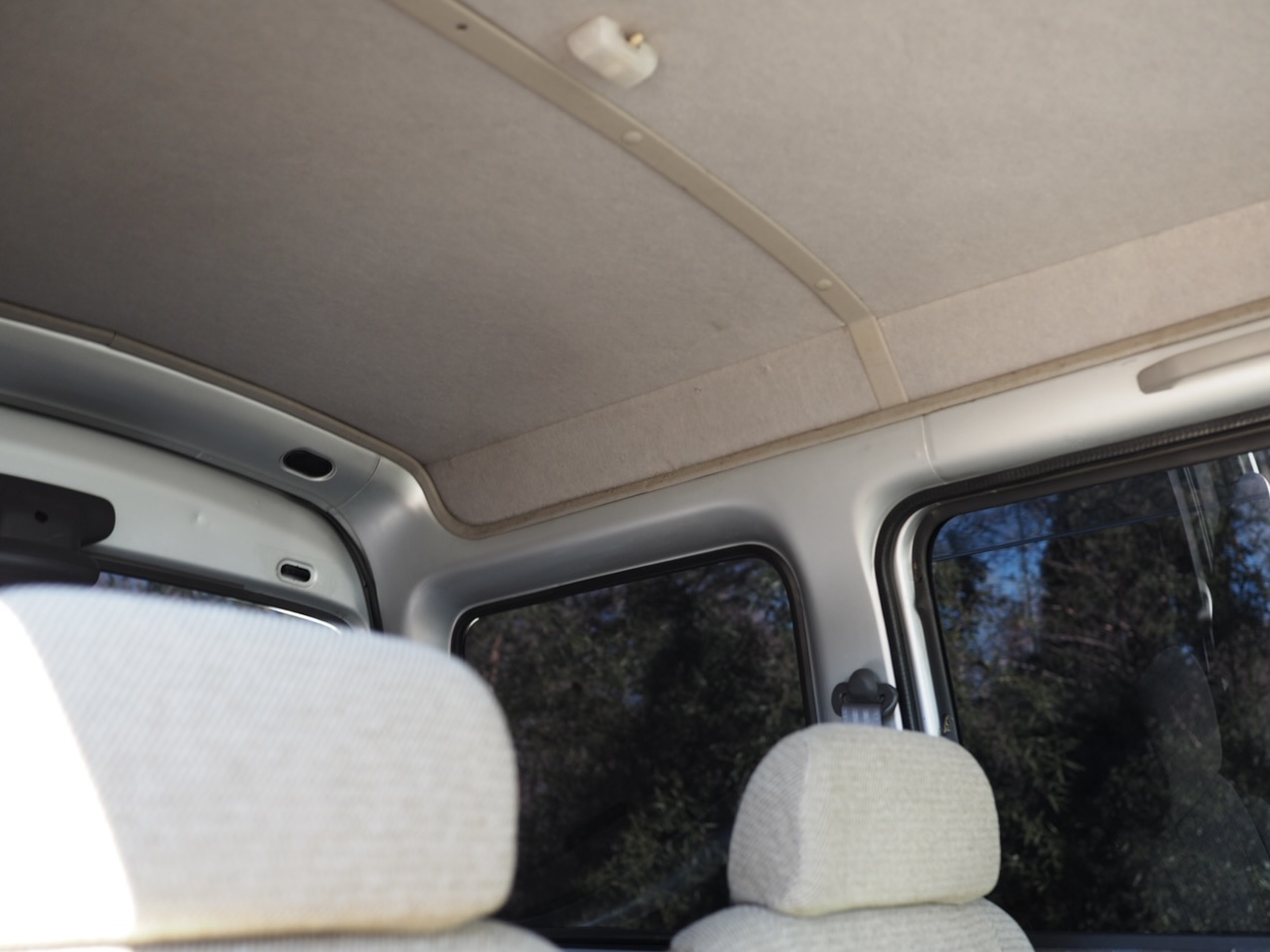
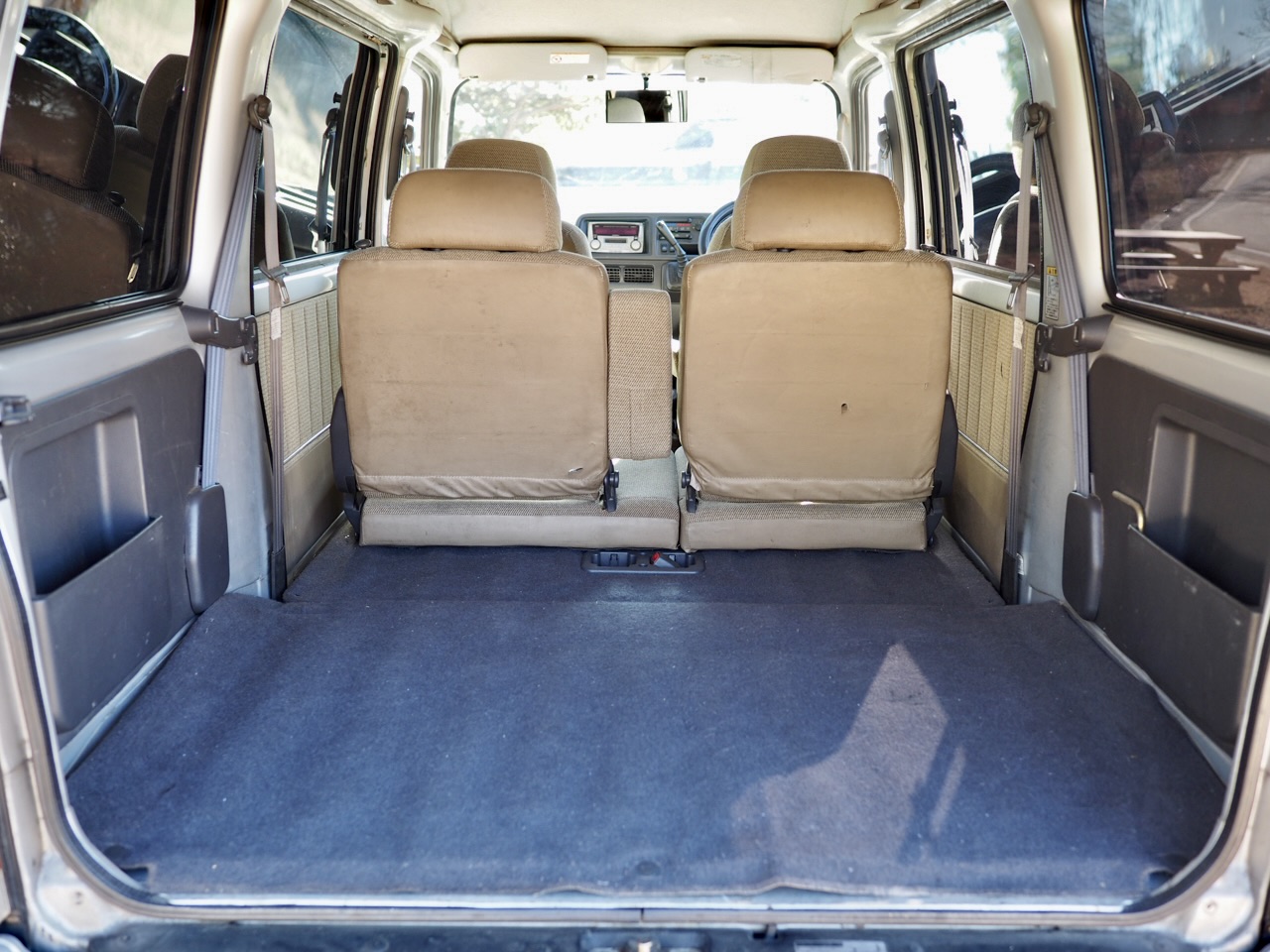
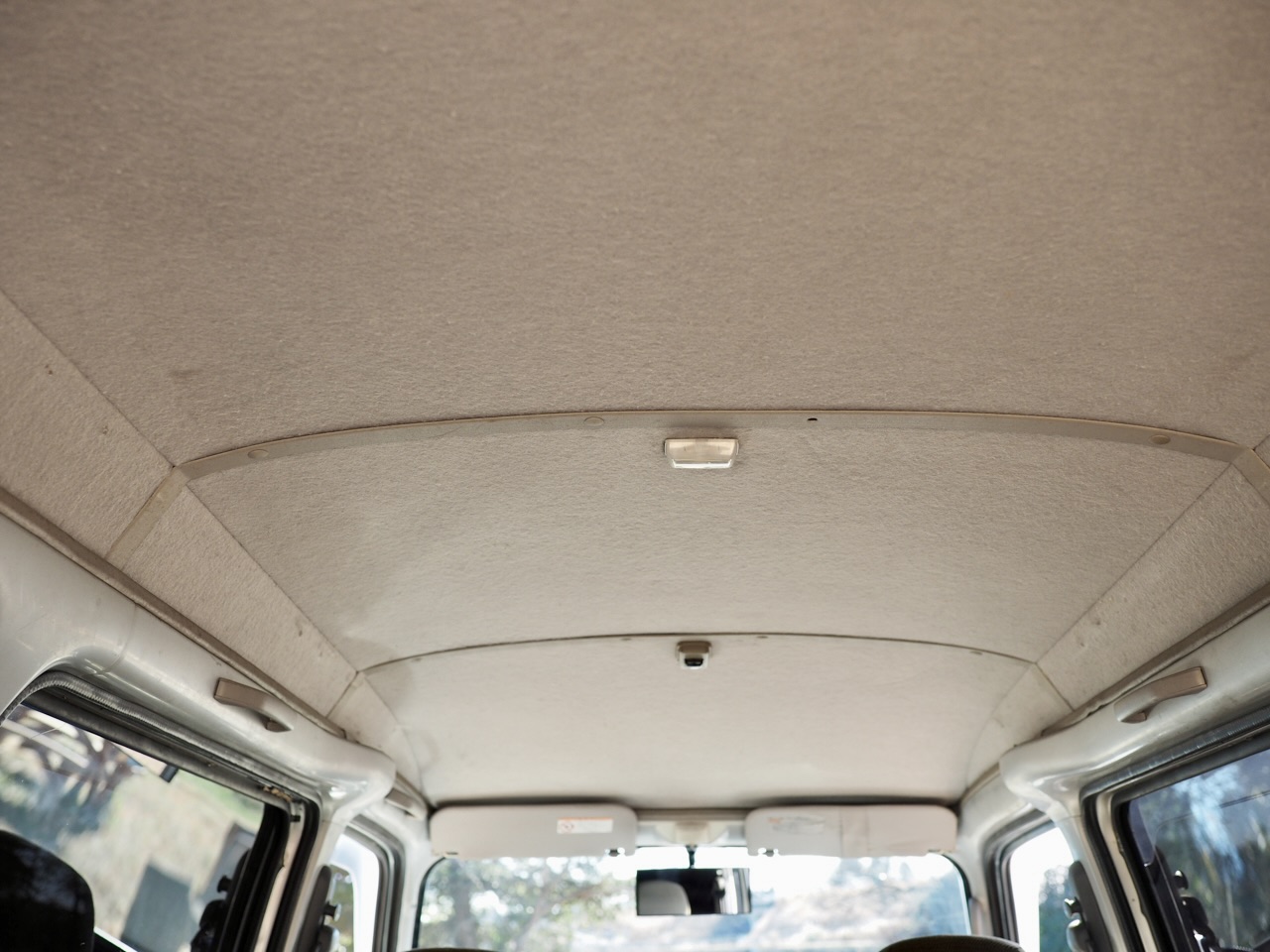
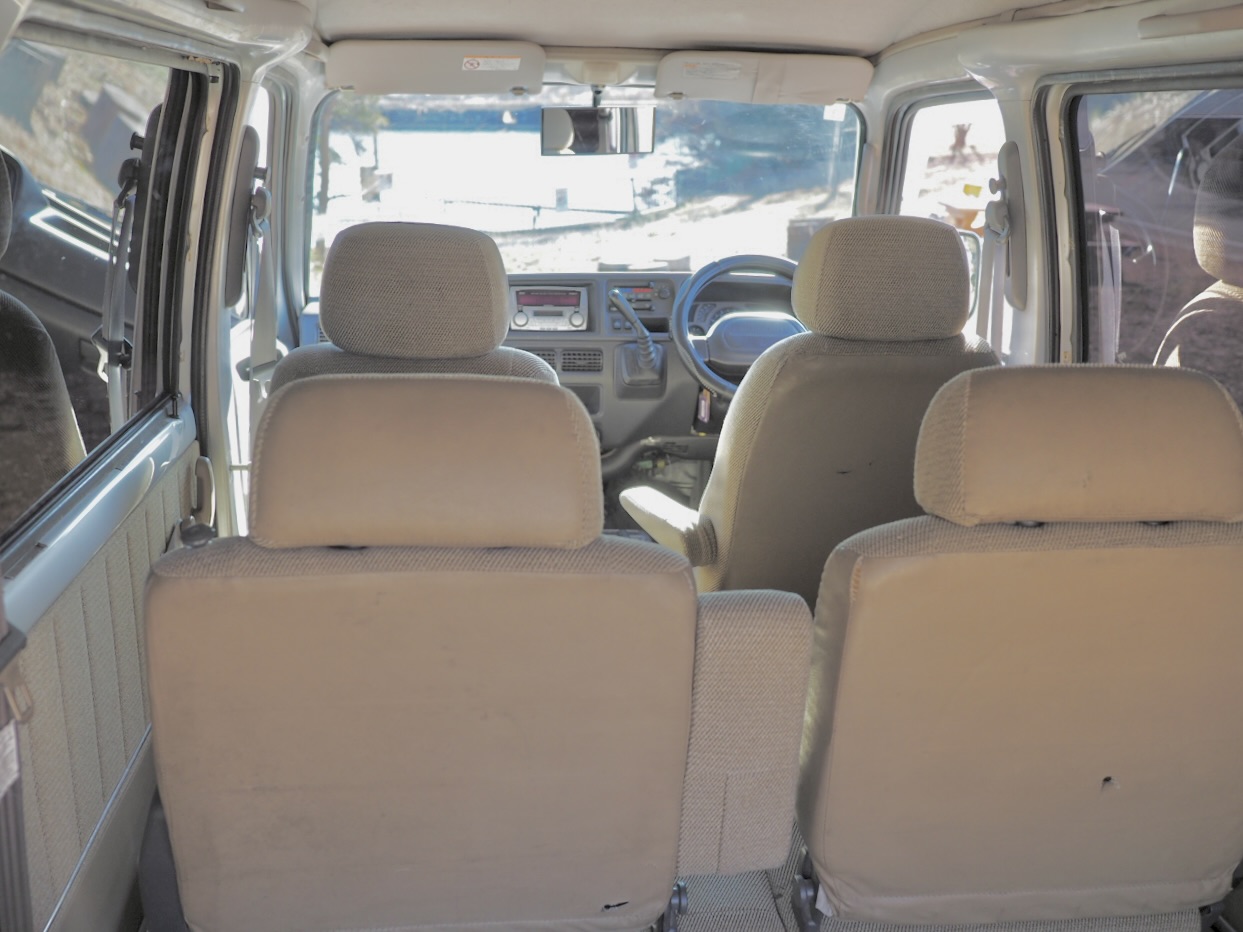
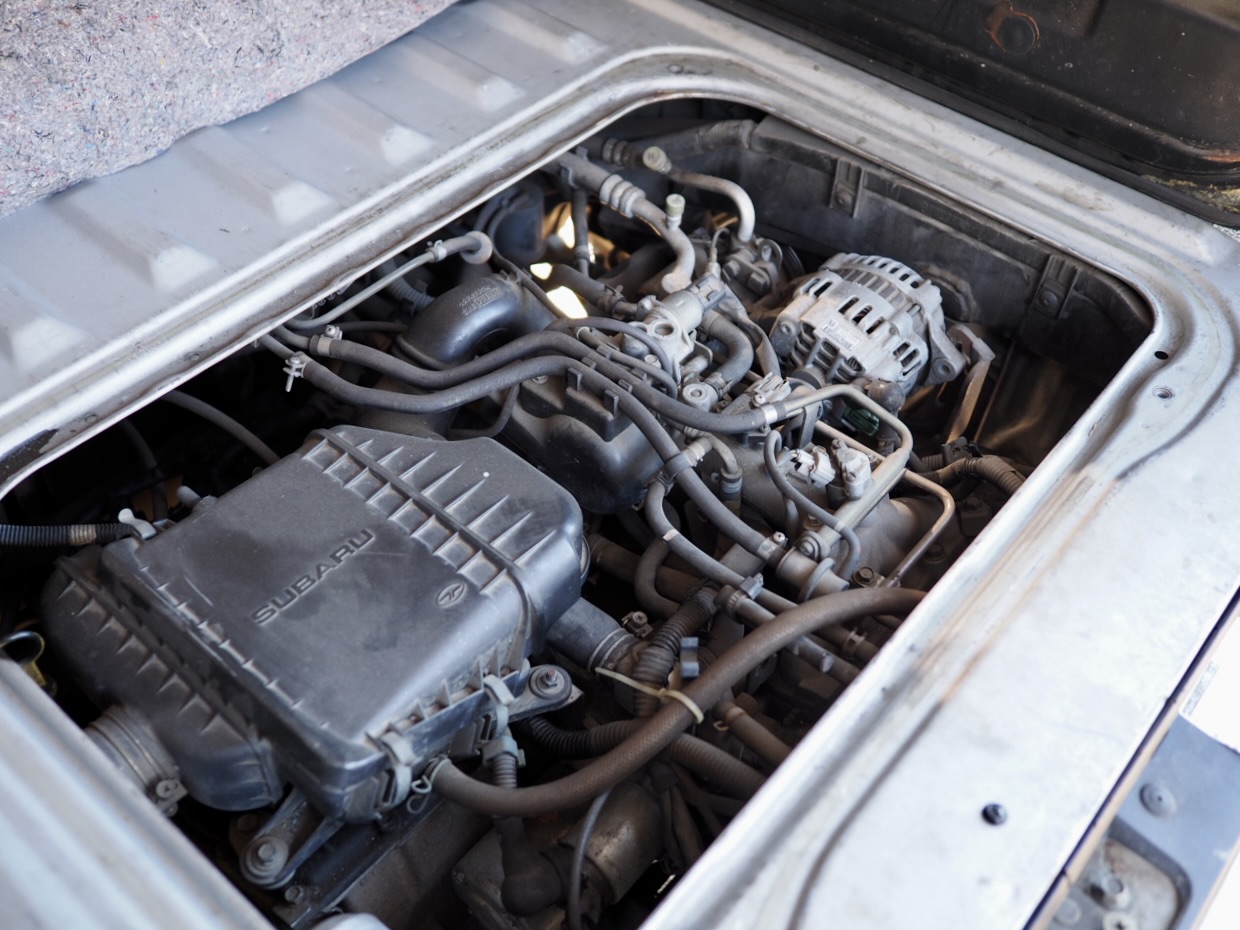
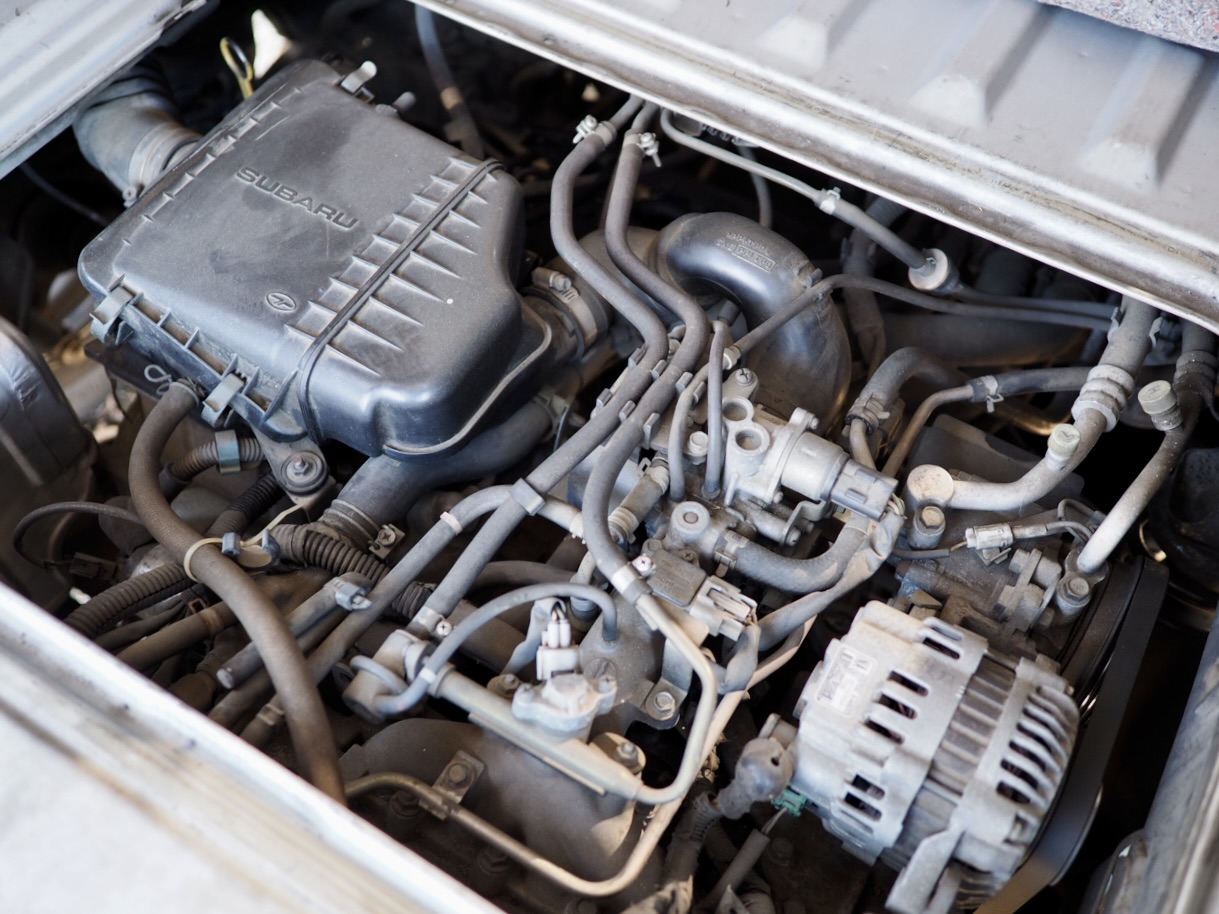
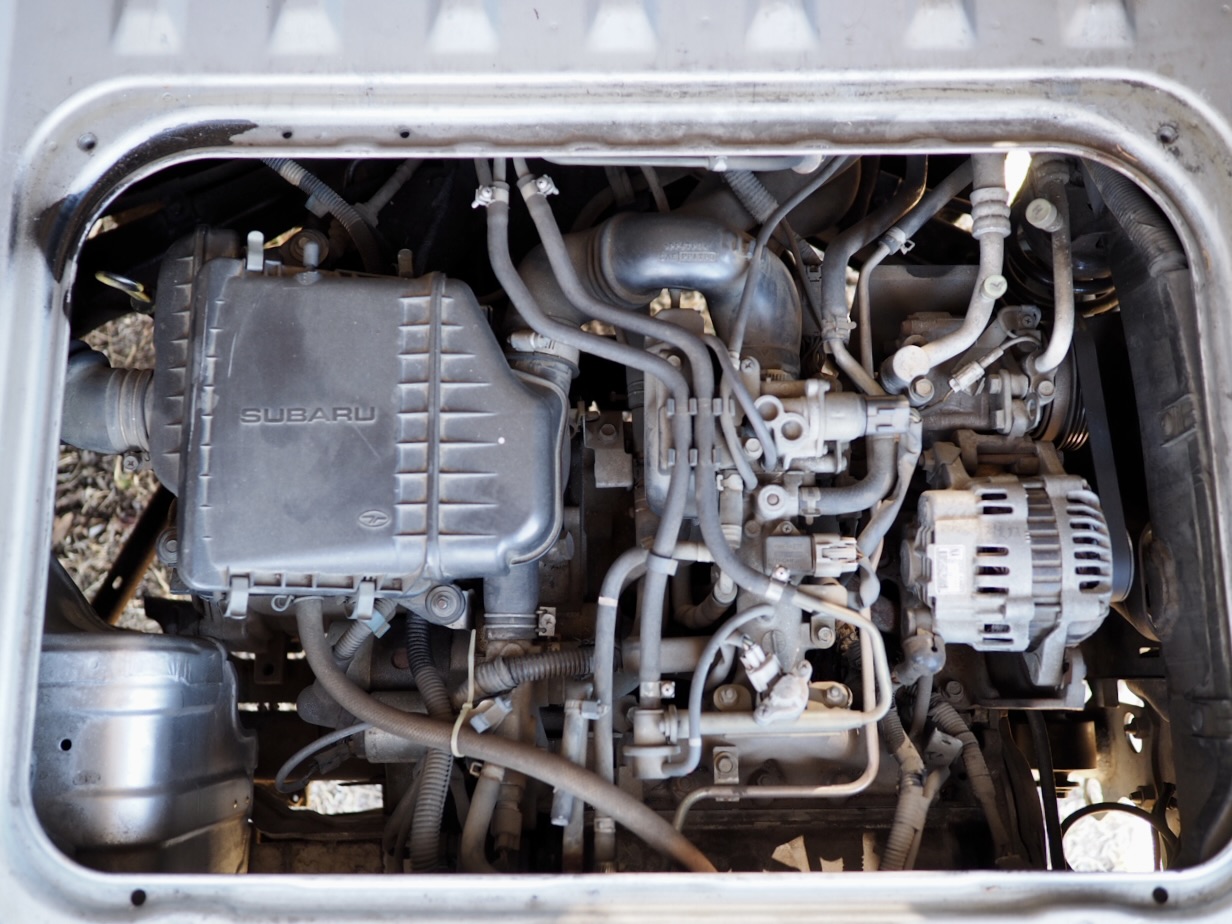
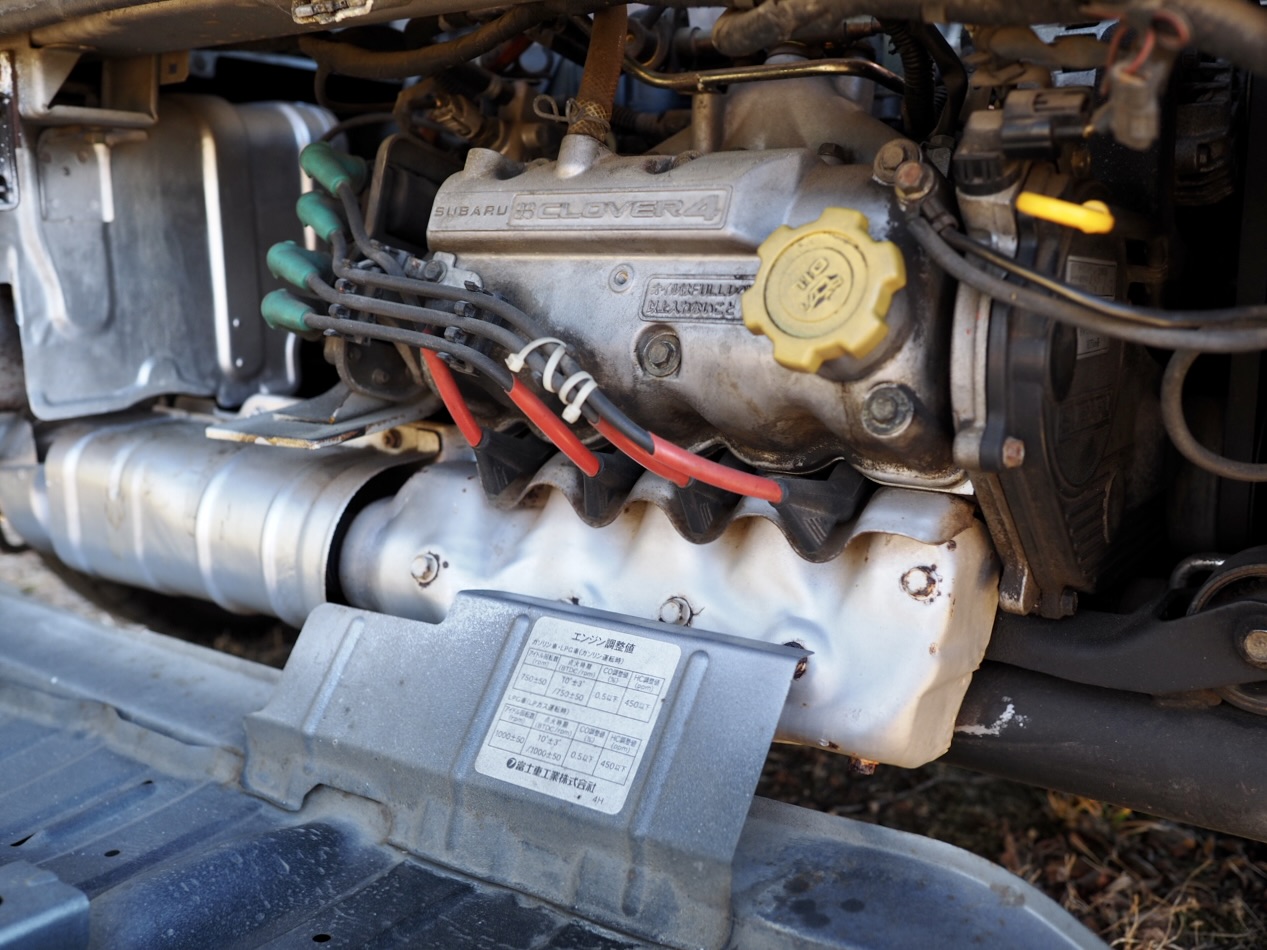
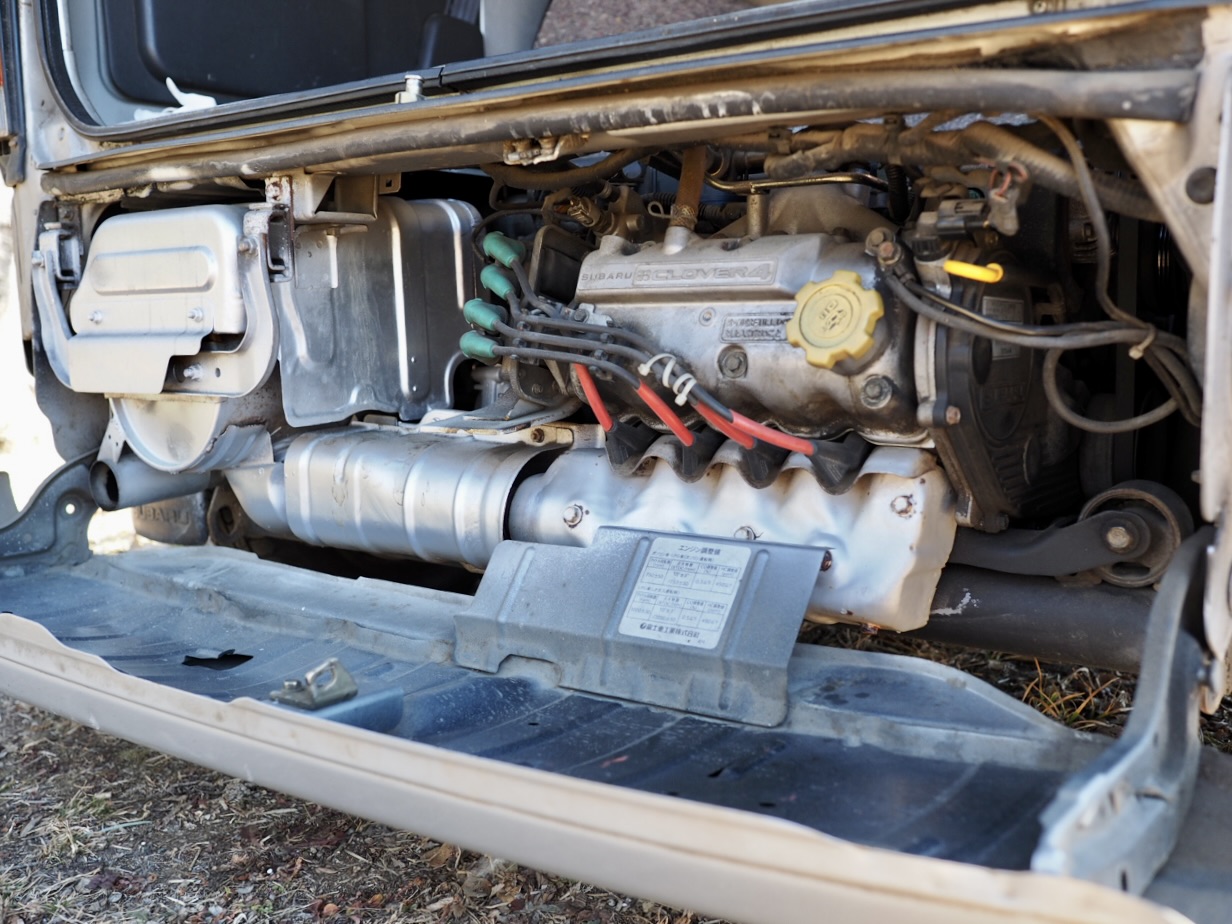
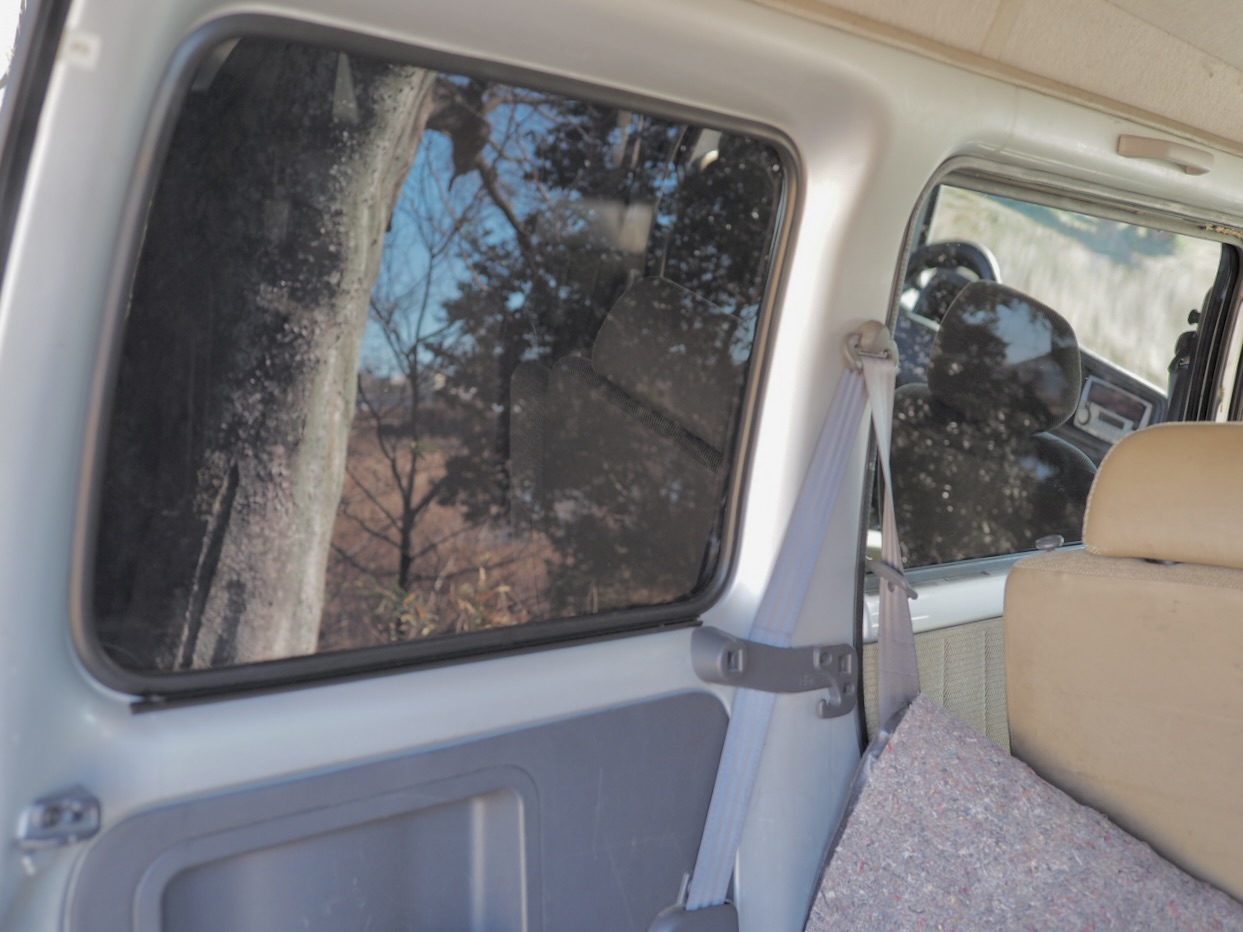
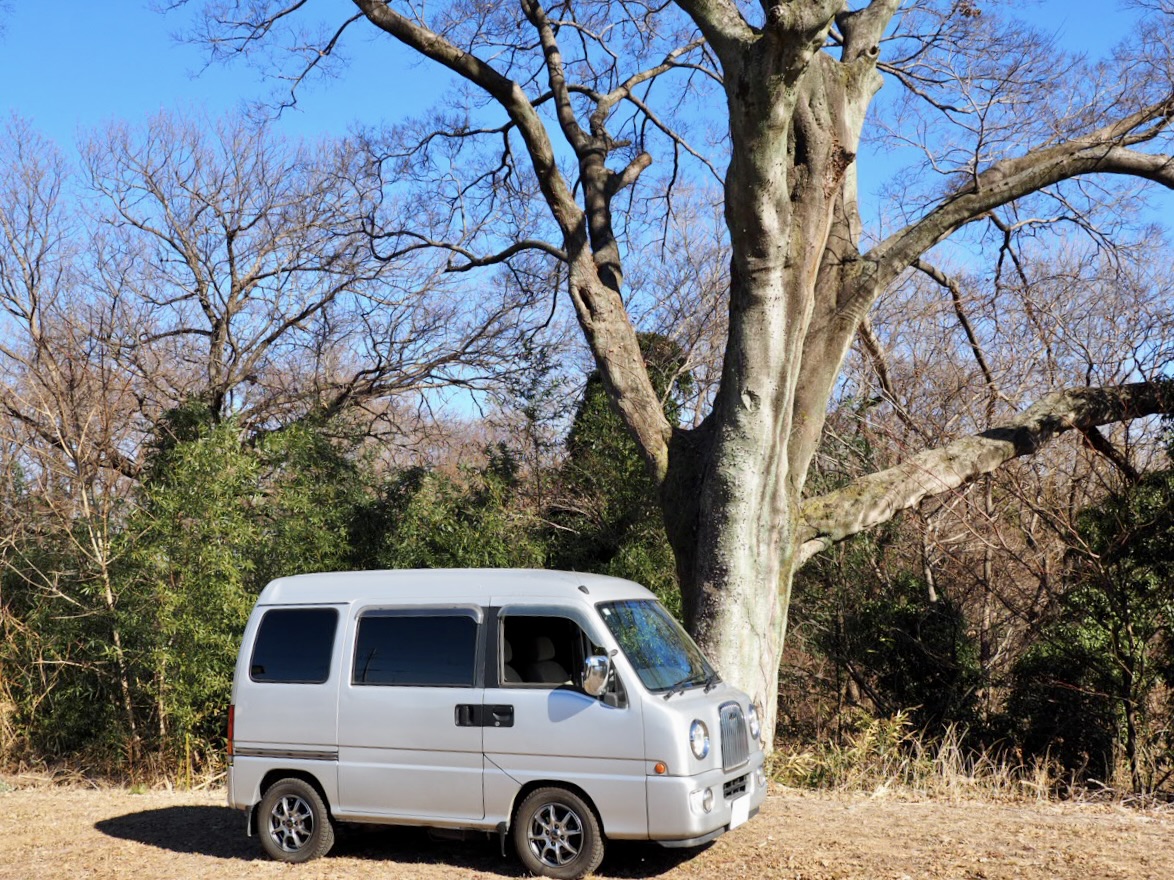
The detailed condition of the vehicle is described in each photo.
On the top slide you will find 50 attractive photos of the vehicle! Please click on a photo to view it with its description. Click outside the picture to return to the page.
SPEC
Length
339cm
Width
147cm
Height
190cm
Weight
920kg
Engine Displacement
658cc