

TOP>Stock List>2011model Toyota Land Cruiser ZX 4.6L V8 4WD
2011model
Toyota Land Cruiser ZX 4.6L V8 4WD





↑↑↑Please watch the archived video above with audio if possible...
No internal combustion engine like this will ever appear again...! Equipped with the final naturally aspirated 4.6L V8 engine, this is a Land Cruiser that fully evolved into a true world-standard 4WD...! Fitted with a hitch member and registered as a Category 1 vehicle in Japan, this 2011 Toyota Land Cruiser 200 ZX was a machine that allowed its owner to enjoy life to the fullest, without holding anything back...!
Chapter One…
The final Land Cruiser equipped with a naturally aspirated 4.6L V8 engine…!
What is the true value of the 200 Series ZX…!
Overwhelmingly powerful, yet astonishingly quiet…
Cruising while feeling the presence of this engine is, for any true car enthusiast, something that clearly transcends ordinary satisfaction. It creates a sensation as if the chemicals in your brain are circulating with a distinct bias toward the right hemisphere…
Anyone driving a Land Cruiser equipped with this engine for the first time will surely realize that this is the unmistakable meaning of “driving a Land Cruiser with this engine”…
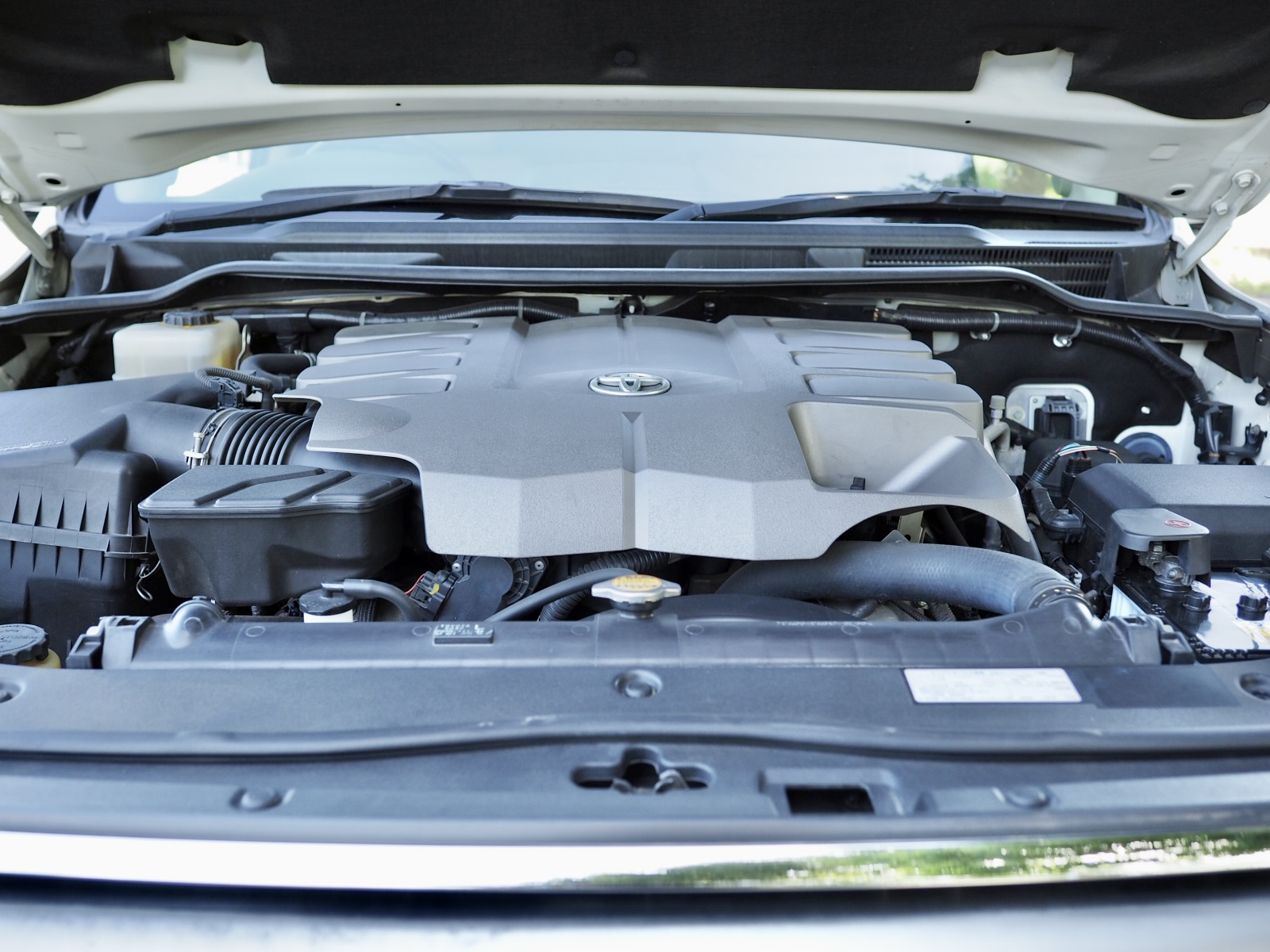
The 4.6L V8 “1UR-FE” fitted to this 200 Series Land Cruiser has its roots in the V8 engine used in the Lexus LS460, yet it was further refined for Land Cruiser use with even greater durability and practicality. It is the final naturally aspirated V8 engine…
As is widely known, the automotive industry today is seeing large-displacement naturally aspirated engines disappear rapidly due to increasingly strict environmental regulations around the world.
Downsizing, in which displacement is reduced and supplemented by turbocharging, as well as hybridization and electrification, have become the mainstream direction of development. As a result, a full-scale cross-country 4WD equipped with a large-displacement 4.6L naturally aspirated V8 engine has now become something no longer seen in the new-car market…
The Land Cruiser is no exception.
In the 300 Series, the successor to this 200 Series, the V8 engine was discontinued, and Toyota made a major shift to a 3.5L V6 twin-turbo engine.
Performance, fuel economy, and safety have undoubtedly evolved. However, there is something deeply important that only a large-displacement naturally aspirated V8 can offer — something that resonates with human senses.
Anyone who has driven one will immediately understand it: that absolute sense of torque rising powerfully from low revs…!
The distinctive V8 response that faithfully follows every movement of the accelerator…!
And above all, the unique feeling of directly controlling the engine itself…
It is a truly sad reality that this unmistakable sensation has clearly begun to disappear from the world.
That is precisely why, when one drives a refined yet massive V8-powered 200 Series Land Cruiser like this again, one cannot help but feel:
“A powerful 4WD fitted with such a wonderful internal combustion engine will probably never appear again…”
A honeymoon story with a 2011 Land Cruiser 200 ZX — a vehicle that has towed a 20-foot pleasure boat and allowed its owner to enjoy life to the fullest…!
“This generation of Land Cruiser really is the best, after all…!”
“I would like to pass this vehicle on to someone who can truly inherit and appreciate its appeal…”
In my work, I often hear wishes like this as I travel to conduct interviews in many different places. However, these were the very first words spoken by the owner we interviewed this time, as he looked toward this Land Cruiser with a broad smile and eyes filled with affection…
Having owned and driven many different four-wheel-drive vehicles over the years, traveling to the sea, lakes, and mountains, and actually towing 20-foot-class pleasure boats while fully enjoying an outdoor lifestyle, these were words that only this owner could say — words that expressed the true fundamental capability of the Land Cruiser…
The owner acquired this 200 Series Land Cruiser around five years ago.
At the time, a friend who owned this Land Cruiser 200 ZX decided to part with it, and the current owner took it over when the mileage was around 70,000 km.
Of course, this is an owner who uses several vehicles according to purpose.
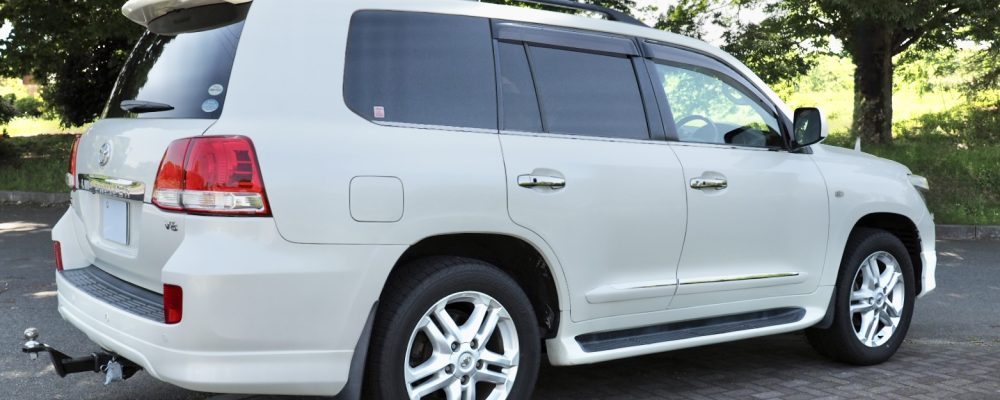
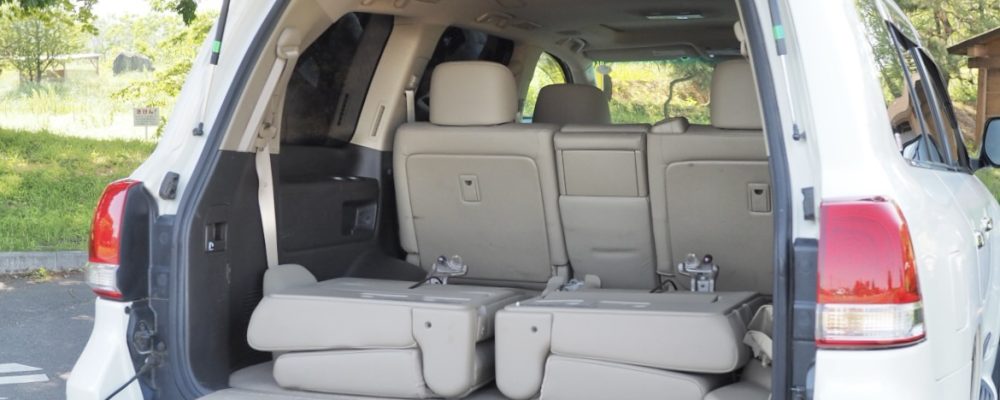
As for this Land Cruiser, the third-row seats were removed, changing the original eight-passenger configuration to a five-passenger layout. It was then registered in Japan as a Category 1 vehicle, treated as a cargo vehicle with a maximum payload of 200 kg.
With a very clear vision of how he wanted to enjoy it, the owner introduced this 200 Series Land Cruiser into his lifestyle…
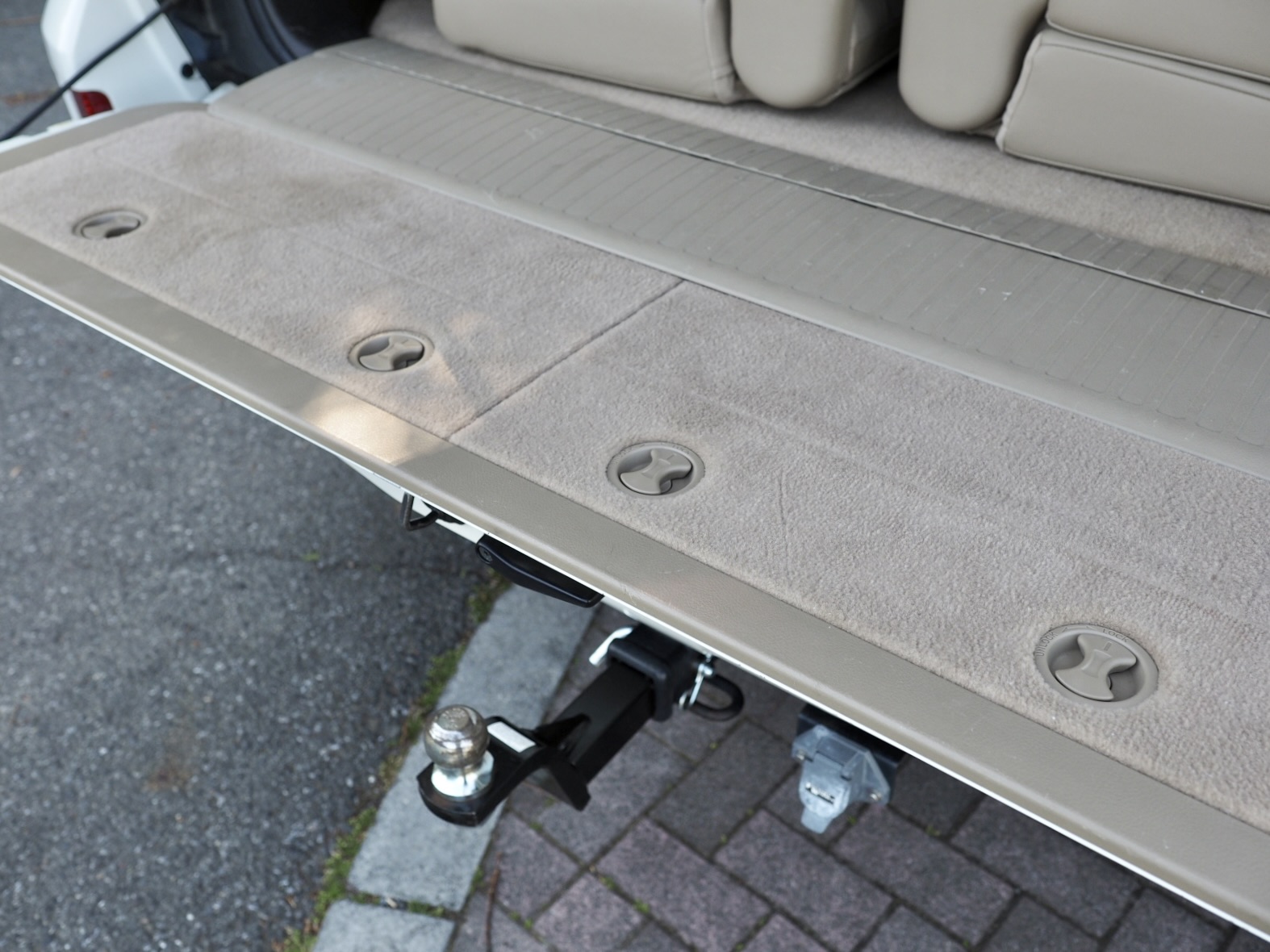
A Draw-Tite hitch member was fitted, allowing him to tow the various boats he owns. From pleasure boats up to 20 feet — approximately 6 meters in overall length — to aluminum boats, he enjoyed everything from offshore waters to lakes, as well as fishing trips to dams…
Naturally, towing a 20-foot-class pleasure boat requires abilities completely different from ordinary driving.
When you include not only the boat itself, but also the trailer, fuel, and equipment, it is easy to imagine that the towing weight becomes considerable.
At takeoff, strong force is required to move a large stationary mass. On uphill grades, torque that continues smoothly from low revs is essential. On highways, the vehicle must maintain straight-line stability while keeping the trailer behind it settled and secure.
Furthermore, when launching a boat down a ramp into the water, the vehicle must repeatedly move forward and reverse with great care on wet surfaces and sloped ground.
What supported all of this with complete confidence was the enormous torque produced by the 4.6L V8 “1UR-FE” engine, the assured traction of full-time 4WD, and the highly matured, strong ladder frame and rigid body structure of the 200 Series Land Cruiser…
The figures of 318 horsepower and 46.9 kgf-m of torque become unmistakably clear when towing heavy loads.
The immense torque generated by the naturally aspirated V8 rises smoothly from low engine speeds. Rather than delivering power abruptly, it continuously produces the exact force needed in line with accelerator input.
Whether starting off while pulling a trailer, or approaching an uphill grade while maintaining speed, the engine never gives the driver the feeling that it is struggling.
The effortless composure that allows it to perform a major task without making that task feel major is surely the essential appeal that V8 Land Cruisers of this era possessed…
When the owner said, “This generation of Land Cruiser really is the best, after all…!” I believe those words carried not only praise for its relaxed power performance, but also a deep trust in the Land Cruiser as a complete vehicle — one in which all of these qualities were balanced and refined so well…
Chapter Two…
Sixty years after the birth of the Land Cruiser…!
Why did the 200 Series fully evolve into one of the world’s greatest 4WD vehicles…!
The reason the name “Land Cruiser” has built absolute trust around the world cannot possibly be explained by the single phrase “high durability” alone…
Over the 60 years since the birth of the BJ model in 1951, Toyota has absorbed, one by one, the real-world demands placed on vehicles by roads, climates, usage conditions, and the people living in every corner of the globe — and has carried all of those lessons forward into each successive generation.
To drive comfortably on paved roads, to advance surely over unpaved terrain, to carry cargo, to tow heavy loads, to travel long distances, to start reliably in both extreme cold and scorching heat, and above all, to reach a destination and return once again…
The history of refining each of these qualities generation after generation is what created the weight and meaning behind the Land Cruiser name. As one enthusiast of the masterpieces born from Toyota Auto Body’s Yoshiwara Plant, this is something I deeply feel…
The original BJ model was born from the extremely significant challenge of domestic production of a true four-wheel-drive vehicle in postwar Japan.
What was required at the time was not everyday comfort or luxury, but strength as a machine — the ability to drive over undeveloped roads, climb steep grades, carry heavy loads, and complete its mission.
Equipped with an engine originally developed for large trucks, the BJ possessed power unimaginable from the size of its body. By thoroughly pursuing off-road capability and durability, it had already established the core philosophy of the Land Cruiser at this very point…
The following 20 Series added comfort with export markets in mind, while the 40 Series further refined the ruggedness that would decisively spread the Land Cruiser name throughout the world.
The 40 Series was produced over a long period and continued to be used as an everyday tool in harsh environments around the world — deserts, jungles, mountain regions, mines, farms, and construction sites.
It was hard to break, easy to understand structurally, and could be repaired and used for a very long time.
During this era, the Land Cruiser grew beyond the framework of simply being a Japanese-made 4WD vehicle. In some regions, it became almost part of the social infrastructure supporting daily life and industry.
With the 60 Series, habitability and cargo capacity required for long-distance travel were improved. With the 70 Series, its role became clearer as a heavy-duty vehicle that prioritized professional use and operation in harsh environments.
Then came the 80 Series. While preserving the toughness built up until then, it adopted a wider body, full-time 4WD, and a more comfortable cabin, stepping fully into the global luxury cross-country 4WD market.
At this point, the Land Cruiser clearly gained the qualities not only of a tool for surviving harsh environments, but also of a luxury vehicle for covering long distances in comfort…
The model that made this direction even clearer and brought it to a much higher level of maturity was the 100 Series.
An independent front suspension, a refined ride, a high-quality interior, and the overwhelming durability of the 4.7L V8 “2UZ-FE” engine…
The 100 Series could be called a “golden intersection,” retaining the rich character of a traditional Land Cruiser made of iron and oil while greatly improving its comfort as a passenger vehicle.
As a result, from the 100 Series era onward, the demands placed on the Land Cruiser around the world became even more advanced and complex…
Then, in 2007, the 200 Series Land Cruiser was born with an even more difficult mission than ever before.
While preserving the durability and off-road capability of a true cross-country 4WD with a ladder frame, it also had to succeed as a single vehicle across entirely different environments: European highways, long-distance travel in North America, the dunes of the Middle East, the Australian Outback, the extreme cold of Russia, and the unpaved roads of Africa.
Furthermore, it also had to raise all the elements demanded of a 21st-century luxury SUV at the same time — crash safety, quietness, handling stability, environmental performance, towing ability, and electronic control technology…
Having overcome these challenges through repeated severe testing around the world, the 200 Series Land Cruiser occupies a truly distinctive position.
The 200 Series is not simply a successor that made the 100 Series larger and more luxurious.
It is a model that actively combined electronic control with the mechanical strength cultivated by previous Land Cruisers, evolving into a fully integrated 4WD system in which the vehicle itself supports even the areas that had traditionally been left to the driver’s experience and skill.
The strong ladder frame is the backbone of the Land Cruiser, absorbing the twisting forces generated off-road and the loads imposed when towing heavy objects.
While many passenger-car-based SUVs moved toward monocoque construction, the 200 Series deliberately preserved this ladder-frame structure and combined it with a highly rigid body.
This structure may be disadvantageous in terms of weight, but it has a clear purpose in environments where large loads are applied over long periods, when towing trailers, and when the body is twisted diagonally over uneven terrain.
The history of this 2011 example towing a 20-foot-class pleasure boat also shows that the design philosophy of the 200 Series was not merely theory on paper, but something that functioned fully in real-world recreation and practical use…
Furthermore, in the 200 Series, the relationship between mechanical strength and electronic control evolved significantly.
The full-time 4WD system with a center differential balances stability on paved roads with traction on rough terrain, distributing drive force to all four wheels according to surface conditions.
On slippery surfaces, the system suppresses wheelspin and transfers drive force to the wheels that still have grip. On steep grades and low-speed rough roads, the vehicle precisely controls throttle and braking, allowing the driver to concentrate on steering.
These electronic control systems, adopted in earnest on the 200 Series, were certainly not intended to weaken the Land Cruiser’s original capability. Rather, they were advanced technologies demanded by the times so that more drivers could reliably bring out that capability…
This “fusion of machinery and electronic control” is one of the key elements that makes the 200 Series such a special model in Land Cruiser history.
Up through the 100 Series, the relationship between machine and human was more direct: body toughness, suspension stroke, engine tenacity, and the driver’s skill.
With the 200 Series, while preserving that mechanical strength, the vehicle constantly monitors road surface conditions, wheel speed, vehicle attitude, accelerator opening, brake pressure, and more. By controlling driving force and braking force when needed, it became possible to move its massive body more safely and more surely.
Then, with the 300 Series, the Land Cruiser evolved further toward weight reduction, higher efficiency, and a new-generation electronic platform.
In other words, the 200 Series stands at another important crossroads — the point where the heavy mechanical construction of the traditional Land Cruiser and the advanced electronic control of the modern Land Cruiser overlapped most densely.
And without question, at the center of that development was the 4.6L V8 “1UR-FE” engine.
If the 2UZ-FE of the 100 Series was an engine that symbolized overwhelming durability through its cast-iron block, the 1UR-FE was a more refined V8 engine chosen to carry the Land Cruiser into the next era.
This internal combustion engine features an aluminum alloy block, DOHC 32-valve construction, and variable valve timing on both intake and exhaust sides. It produces 318 horsepower and 46.9 kgf-m of torque.
While moving a body weighing more than 2.6 tons, it turns with astonishing quietness during highway cruising and smoothly raises the necessary power from low revs when towing.
The essence of the 1UR-FE lies in the fact that it achieves both the quietness required of a luxury vehicle and the sustained practical torque demanded of a Land Cruiser in a single engine…
The fact that this engine is deeply connected to the technical lineage of the Lexus LS460 V8 is also an interesting point when understanding the character of the 200 Series.
The smoothness, quietness, and response demanded of a luxury sedan were adapted to the conditions required of a Land Cruiser: heavy vehicle weight, rough roads, towing, high-temperature environments, and long hours under heavy load.
Here, we can see Toyota’s philosophy, which is different from mere luxury.
Toyota did not simply install a refined engine and leave it at that. It further engineered that refinement so it could be maintained even in harsh environments, making it function properly as a true Land Cruiser tool…
The 200 Series also clearly inherited another Toyota strength: excellent repairability created by the solid global supply of parts.
Because the Land Cruiser has been supplied around the world for many years, it has built an enormous maintenance foundation that includes parts distribution, service information, mechanics with repair experience, and markets for rebuilt and used parts.
In regions such as the Middle East, Africa, and Australia, workshops that understand the structure and failure tendencies of Land Cruisers are widely present. Continuing to use these vehicles for long periods while replacing wear items has become almost a culture in itself…
By now, I believe you can understand that the reason Land Cruisers continue to be valued in the global market even after exceeding 200,000 or 300,000 km is not durability alone.
They are difficult to break, and even when they do break, there are ways to repair them. The necessary parts circulate, and people who understand the vehicle exist all over the world.
The quality of the vehicle itself and the global maintenance environment that supports it come together to create the almost extraordinary residual value of the Land Cruiser…
For these reasons, and speaking also as a Land Cruiser enthusiast myself, I do not consider the 200 Series Land Cruiser to be merely an intermediate model between the 100 Series and the 300 Series.
If the 100 Series was the “golden intersection of the Land Cruiser made of iron and oil,” then the 200 Series is surely the “completed form of a world-standard 4WD in which mechanical reliability and advanced electronic control were fully fused.”
A ladder frame, a naturally aspirated V8, full-time 4WD, a heavyweight body, towing capability, long-distance cruising performance, quietness, luxury, and electronic control that assists the driver off-road…
The real pleasure of experiencing the 200 Series introduced here is that all of these elements are concentrated into one vehicle in their most substantial form.
With the 300 Series, the V8 was discontinued, and the vehicle moved toward weight reduction and efficiency through a V6 twin-turbo engine and a new-generation platform.
That is surely the evolution necessary for the Land Cruiser to survive into the next era. However, it is also true that this has brought the unique appeal of the 200 Series into sharper focus — the heartbeat of a naturally aspirated V8 engine, the weighty confidence of a strong ladder frame, and the maturity of electronic control all existing at the same time.
With this deeper understanding, after actually touching and experiencing the 2011 Land Cruiser 200 ZX we inspected this time, and recalling the owner’s words — “This generation of Land Cruiser really is the best, after all…!” — the reason the 200 Series fully evolved into one of the world’s finest 4WD vehicles can be clearly felt throughout the entire machine…!
The quiet heartbeat of the 4.6L V8…
The unshakable sense of reassurance created by the strong ladder frame…
Cruising performance that makes you forget the weight of the massive body…
Low-rev torque that does not lose its composure even while towing a trailer…
Durability refined in the world’s harshest environments, and luxury-car comfort that wraps around the occupants…
All of the experience that the Land Cruiser accumulated over 60 years is condensed into this one machine called the 200 Series.
Therefore, this 200 Series Land Cruiser…
I cannot help but strongly feel that it is not simply an SUV from one generation ago, but one completed form in the history of cross-country 4WD vehicles that Toyota sent out to the world — and that its value will only continue to rise from here.
Chapter Three…
Author’s Afterword on the 2011 Toyota Land Cruiser ZX 4.6L V8 4WD…
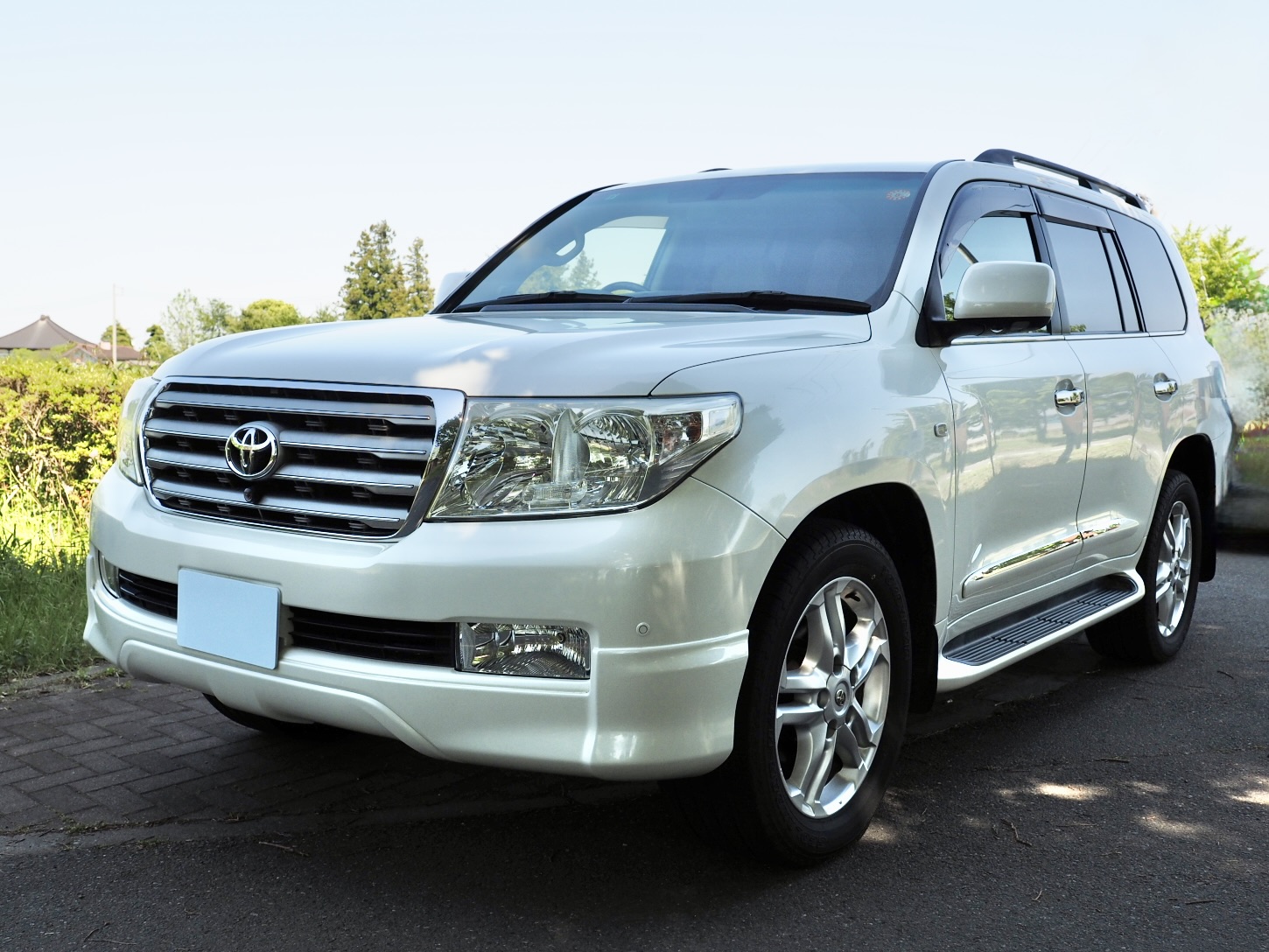
The front mask has an overwhelming presence, and the overall size gives the vehicle a truly reassuring feel…
The Pearl White exterior remains clear and beautiful, with very few stone chips and nothing that appears concerning.
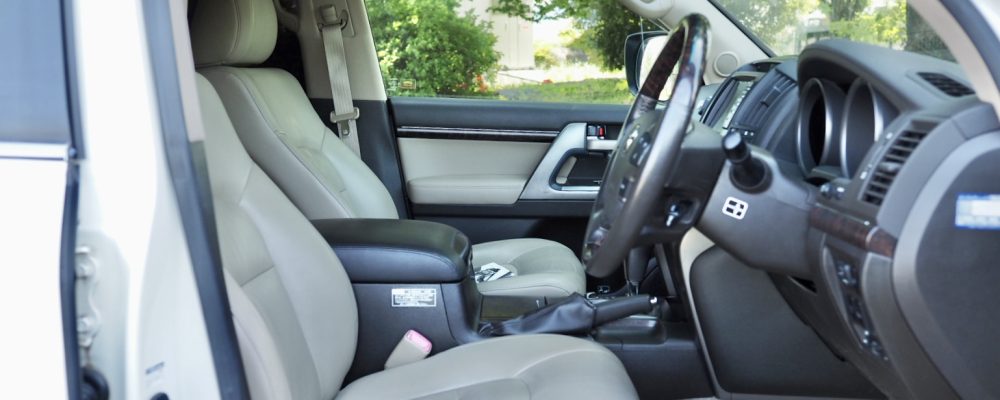
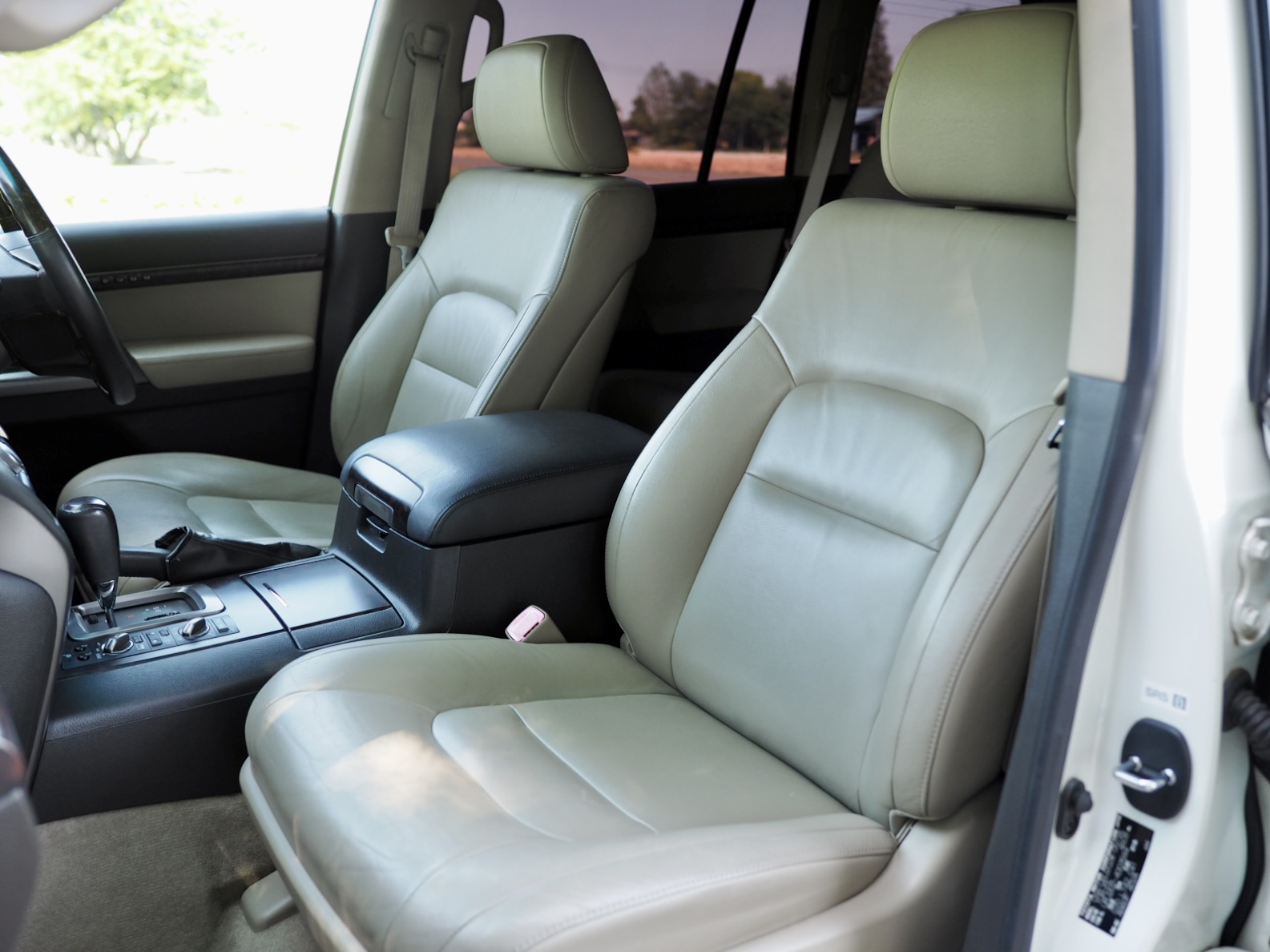
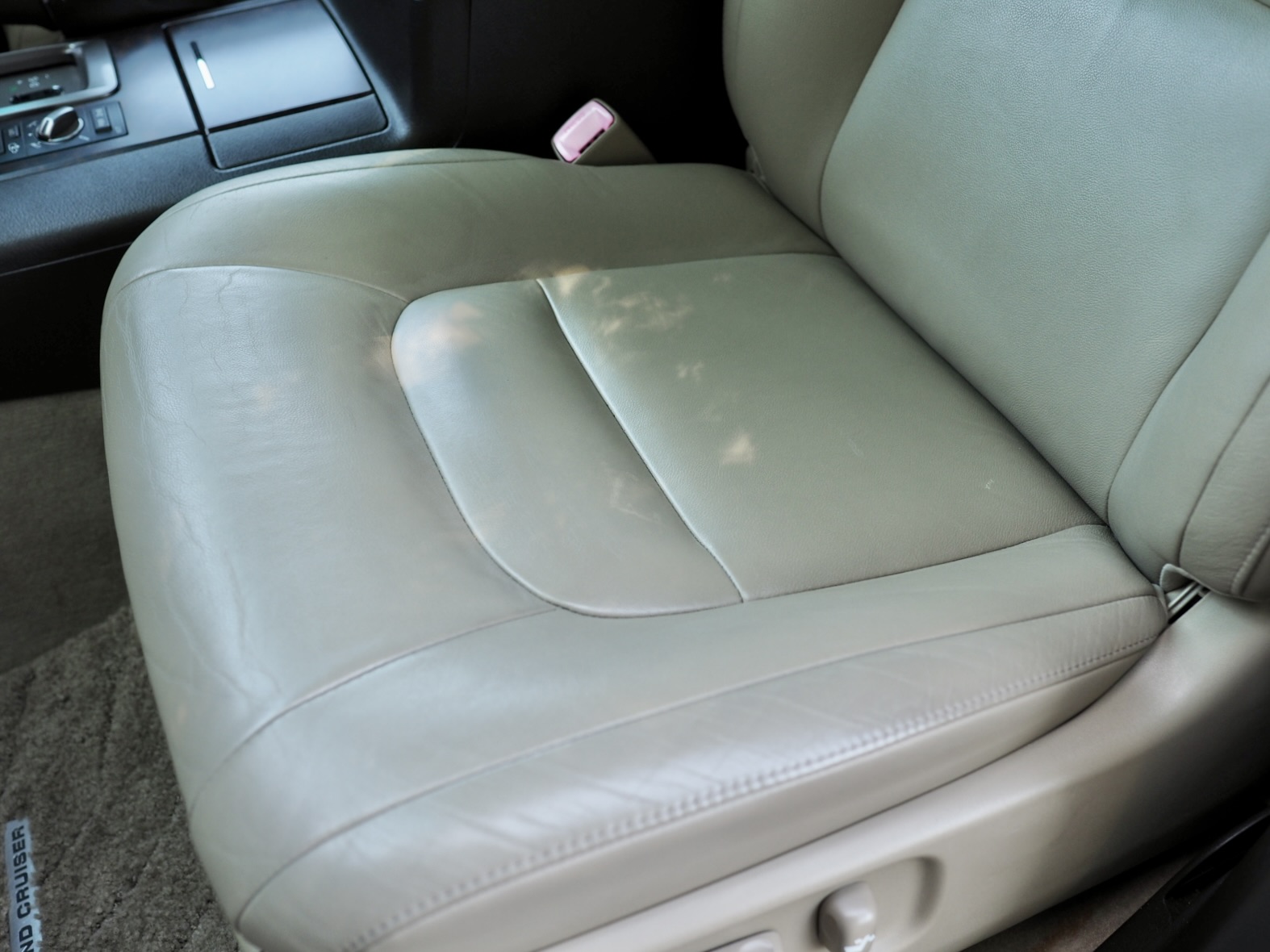
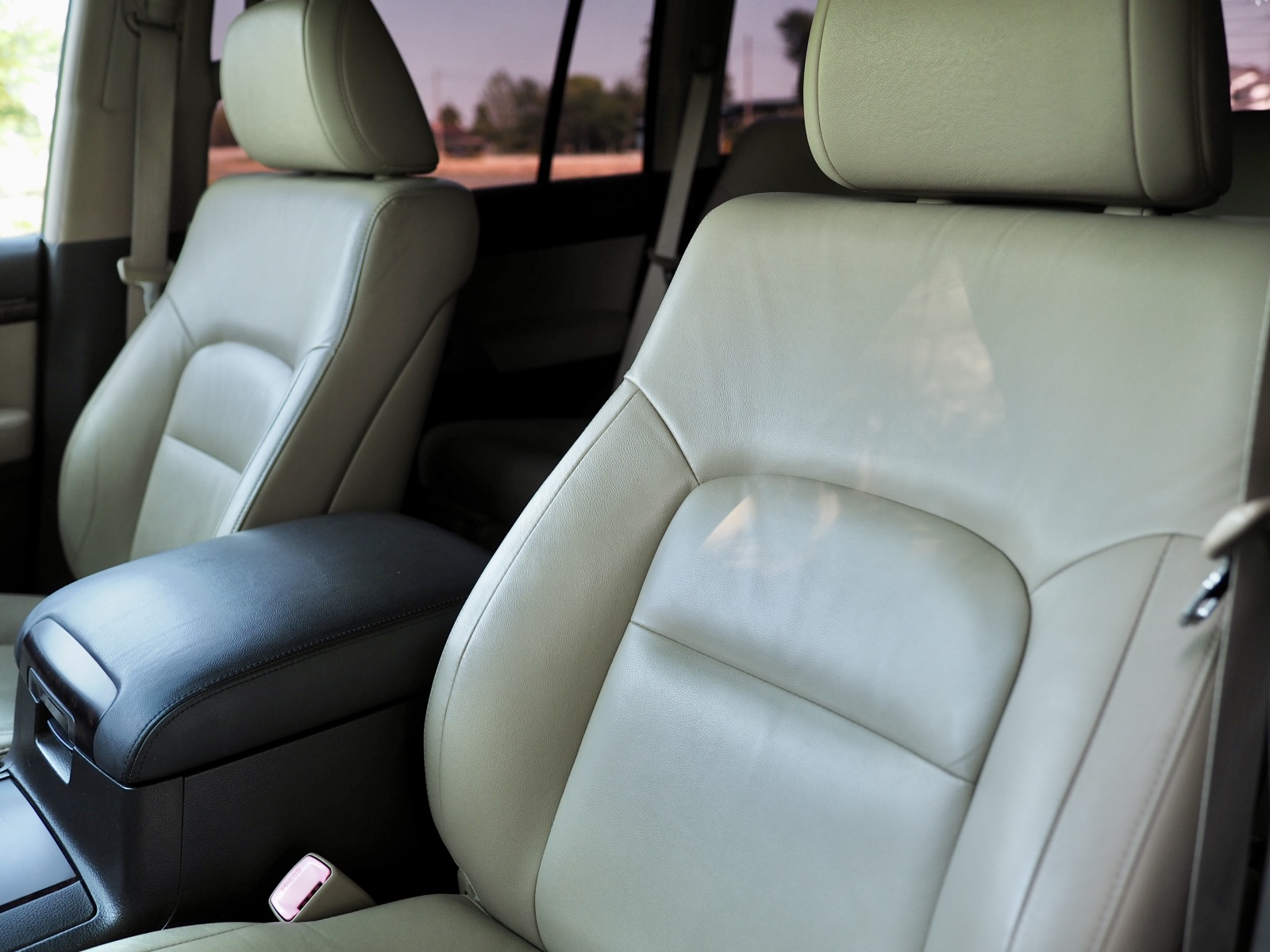
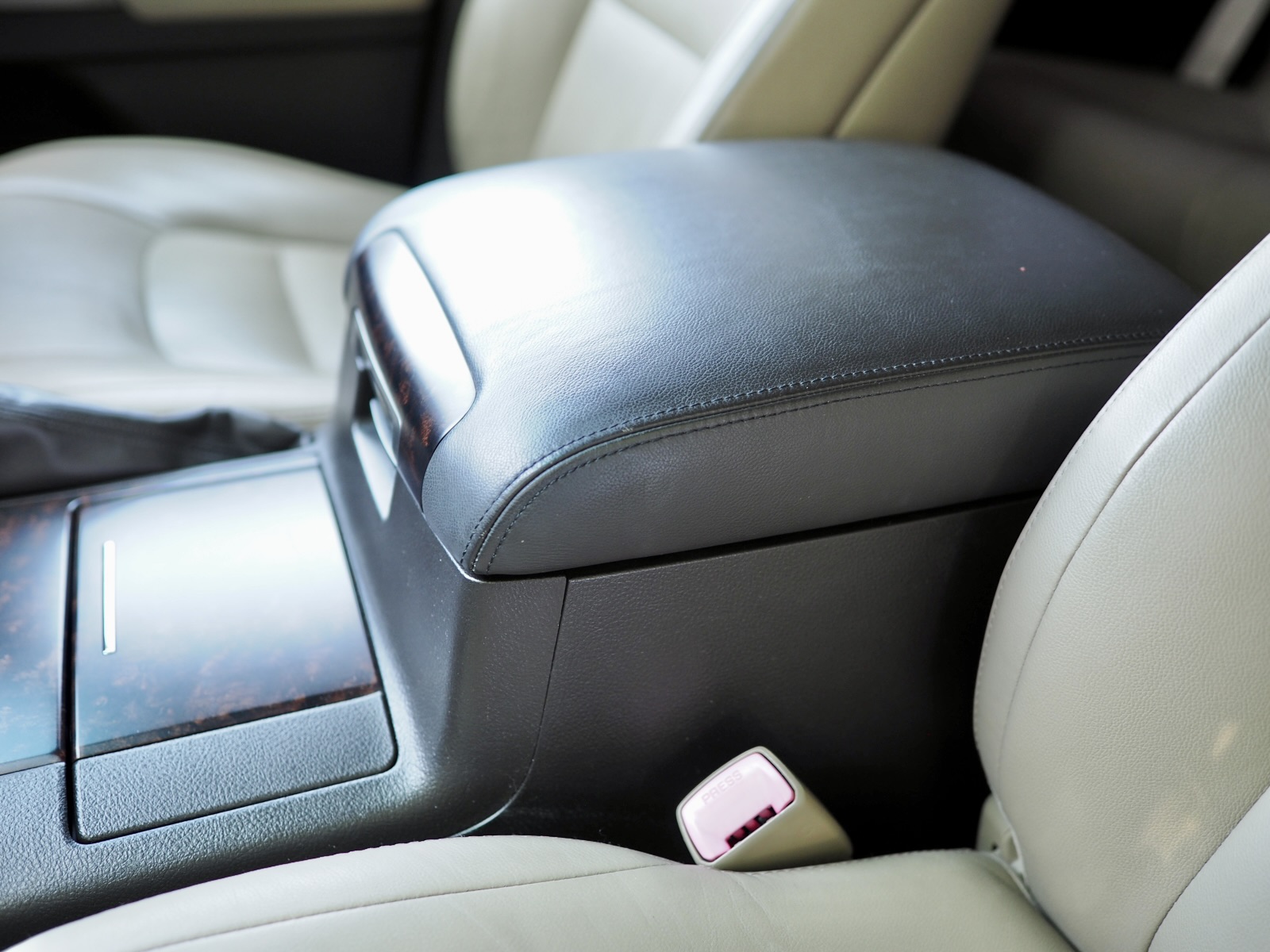
There is some age-related wear visible around the lower joints beneath the front bumper and fog lamps. However, the vehicle remains fully original, with nothing altered. As for the interior, the beige leather seats create a wonderful atmosphere, and aside from some slight soiling around the door handle on the front passenger side, the condition is so good that it is hard to believe 15 years have already passed…
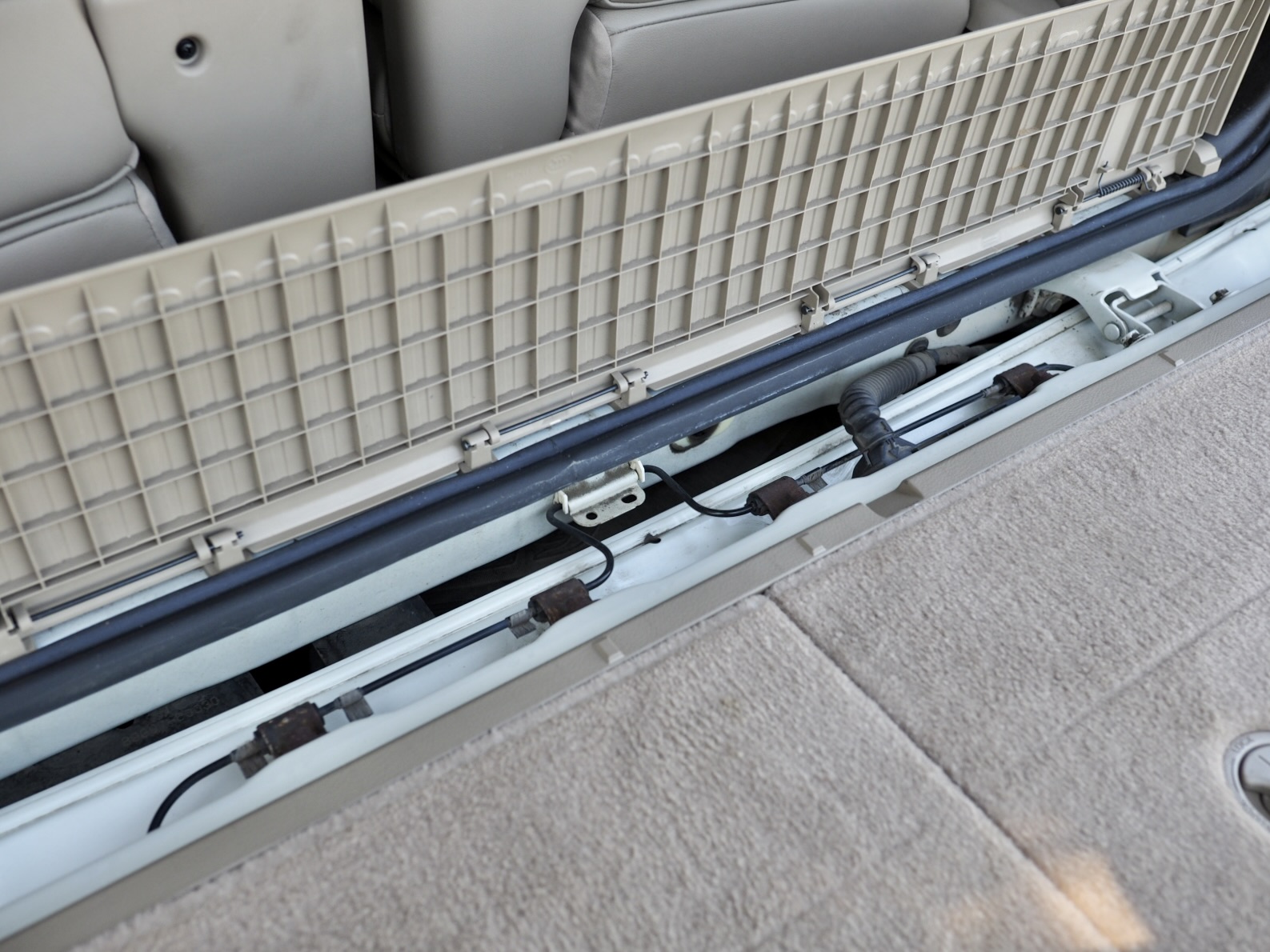
For the photos, the third-row seats, which are normally stored separately, were removed and placed in the cargo area. However, unless more than five passengers need to ride, this setup feels just right. The cargo area, described as having a maximum payload capacity of 200 kg, is also highly practical. The fact that it is registered in Japan as a Category 1 vehicle, keeping the annual automobile tax down to ¥16,000, is certainly a very attractive point…
This 2011 200 Series Land Cruiser ZX clearly shows through its clean condition that it has been carefully stored and maintained. Its ease of continued ownership thanks to Category 1 registration is also appealing, but above all, its defining feature is surely the fact that a Draw-Tite hitch member has already been installed…
If one were to purchase a 200 Series Land Cruiser and newly install a hitch member of a similar class, including lighting wiring and all required parts, the total cost would generally be around ¥300,000.
The fact that this vehicle is already equipped and truly “Ready to Go!” is a very welcome point…!
Toward the sea, into the mountains, or into various outdoor lifestyles by towing a camper trailer or other equipment — this is exactly the kind of feature that makes one’s dreams expand tremendously…!
“This generation of Land Cruiser really is the best, after all…!”
At the beginning of the interview, the owner narrowed his eyes fondly as he looked toward his beloved vehicle and spoke these words brightly.
He has truly enjoyed a lifestyle with a Land Cruiser by his side, treating it with great care. However, due to life-stage changes that come to everyone, he eventually parted with his pleasure boat, and that became the reason he requested this listing.
His sincere wish is that this wonderful lifestyle itself will be inherited by someone who truly appreciates the deeply appealing character of this mature Land Cruiser, equipped with the irresistibly attractive final V8 engine…
No internal combustion engine like this will ever appear again...! Equipped with the final naturally aspirated 4.6L V8 engine, this is a Land Cruiser that fully evolved into a true world-standard 4WD...! Already fitted with a hitch member and registered in Japan as a Category 1 vehicle, this 2011 Toyota Land Cruiser 200 ZX was a machine that allowed its owner to enjoy life to the fullest, without holding anything back...!
Please come to northern Saitama Prefecture to experience this captivating vehicle in person…
As this is a private-party sale, no consumption tax or additional dealer fees will be charged.
Upon purchase of this vehicle, the buyer will be responsible for the prorated automobile tax settlement of ¥16,000, as well as the recycling deposit settlement of ¥18,890.
Transportation and delivery arrangements shall also be made by the buyer. However, please feel free to consult with us if you would like assistance…
【Regarding Inquiries…】
The vehicle featured on this page is listed on “Estate Sale Supremacy®︎,” a cross-border e-commerce platform for classic and collectible cars.
What is an estate sale of supremacy — the finest and highest kind?
Estate Sale Supremacy®︎ is the Japanese version of the North American estate sale culture. It introduces vehicles filled with the owner’s memories and passion through interview-based articles and videos.
We sincerely express the current owner’s thoughts and emotions, while helping preserve those memories in the heart and ensuring that the vehicle is properly passed on to the next generation through guidance and sales brokerage support.
We conduct detailed interviews with the current owner, including past maintenance records, repair history, and whether or not the vehicle has been involved in any accidents.
If the vehicle has a major accident history, or if the current owner’s period of ownership is extremely short and detailed information cannot be confirmed, we decline to conduct coverage. In this way, we make every effort to provide as much peace of mind as possible to prospective buyers.
This article was written based on an interview with the owner conducted over approximately three hours, beginning at 1:00 p.m. on May 10, 2026, under clear weather conditions.
Please note that, due to the limited inspection time, the condition of the actual vehicle may not be described with 100% complete accuracy. In addition, not every statement in the article has been independently verified. Comments regarding condition and other impressions are based on the weather conditions at the time of the interview and the subjective views of the writer.
For questions regarding the listed vehicle or to request an in-person inspection, please contact us using the form at the bottom of this page.
As this is a private-party transaction, in order to prevent casual or non-serious inquiries, vehicle inspections are limited to customers who are seriously considering purchase.
Thank you very much for your kind consideration.
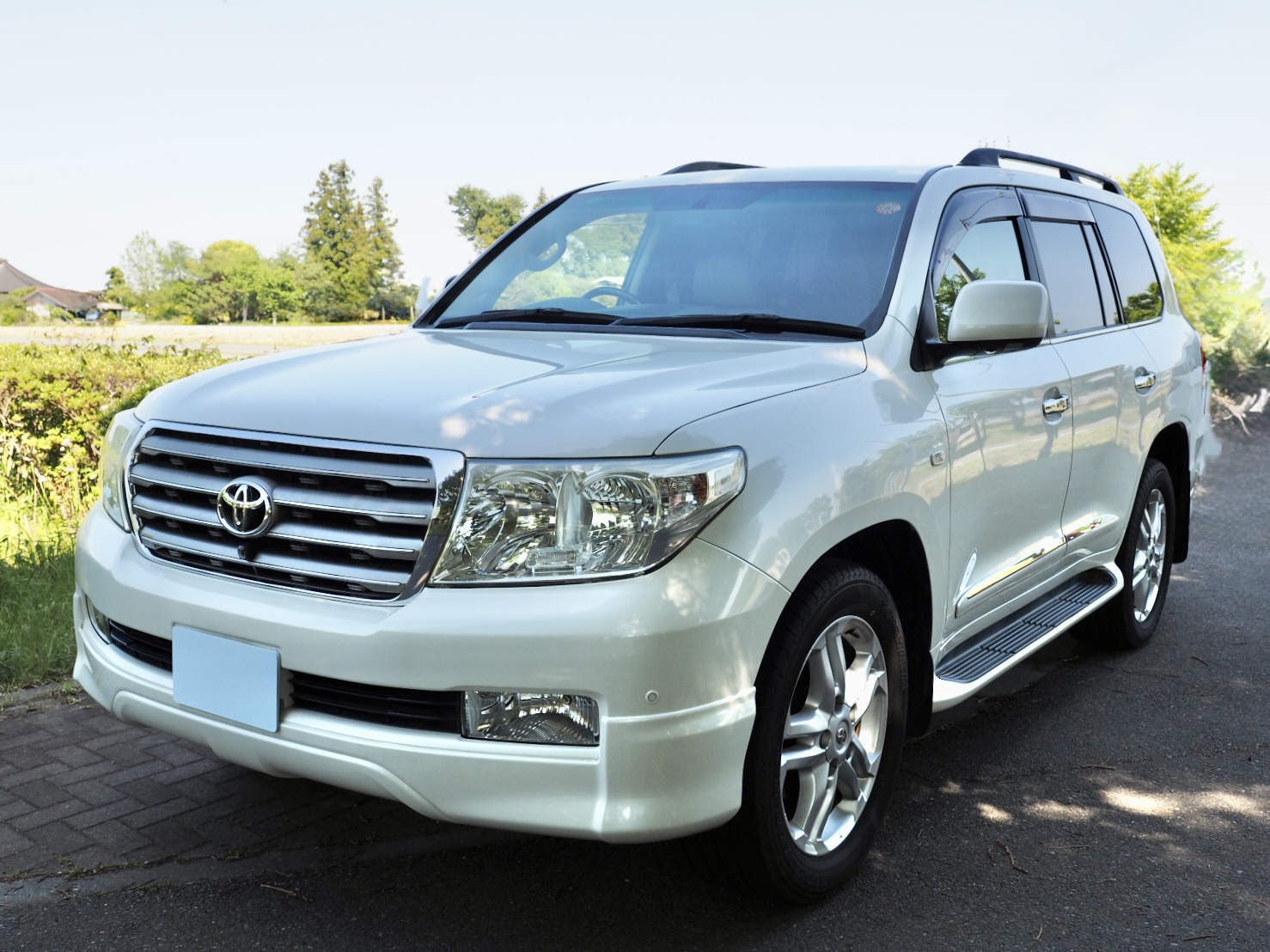
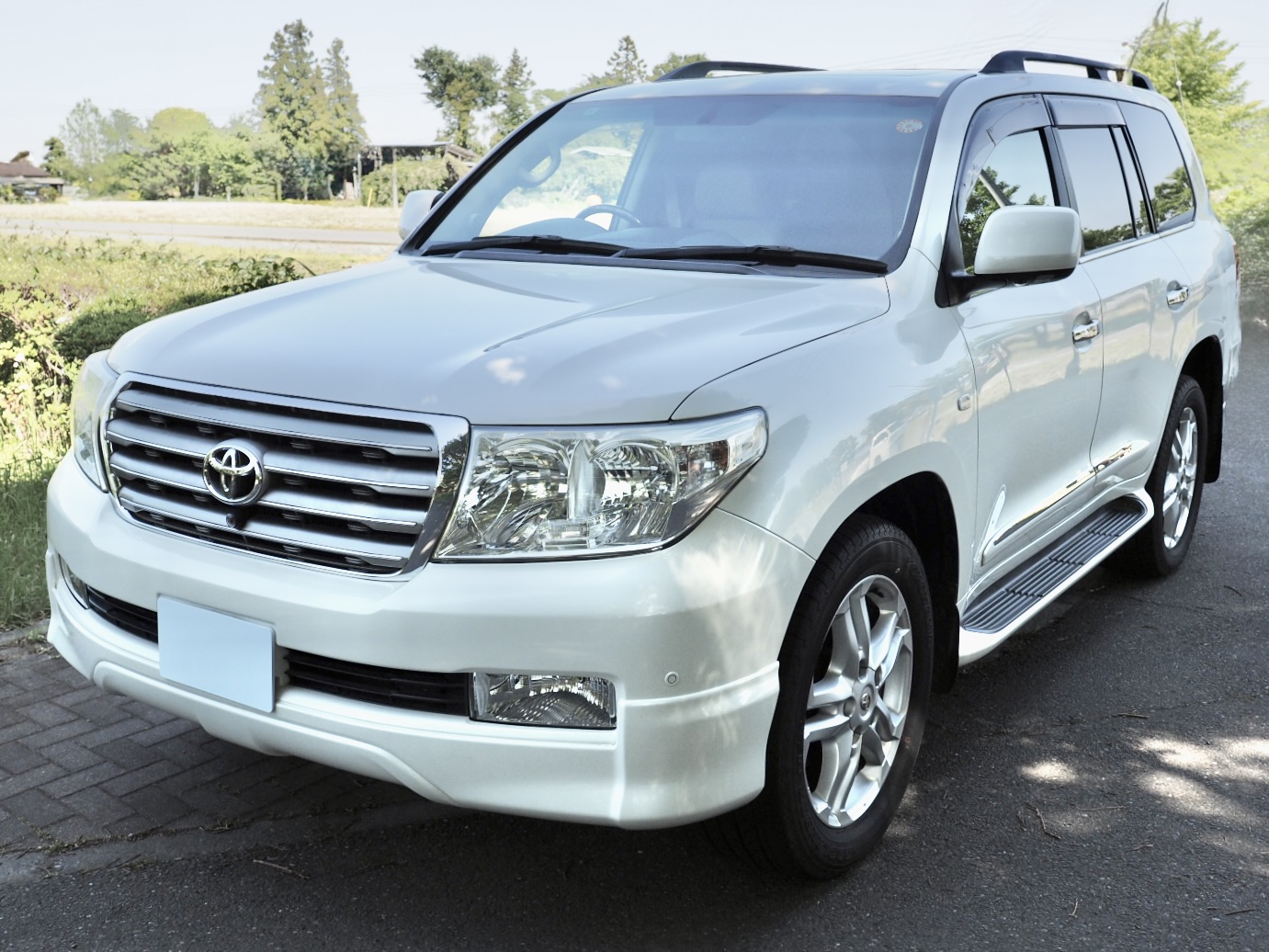
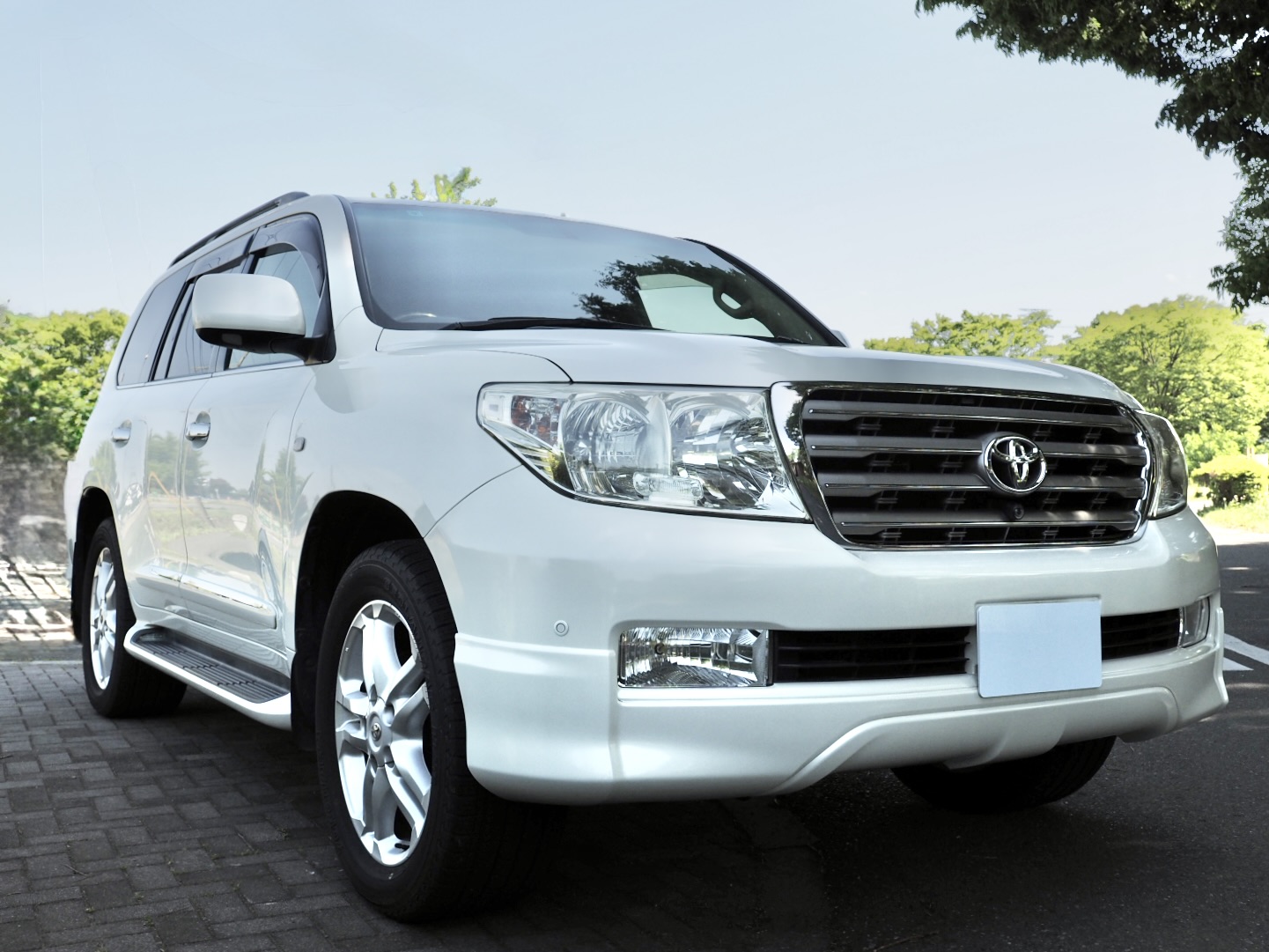
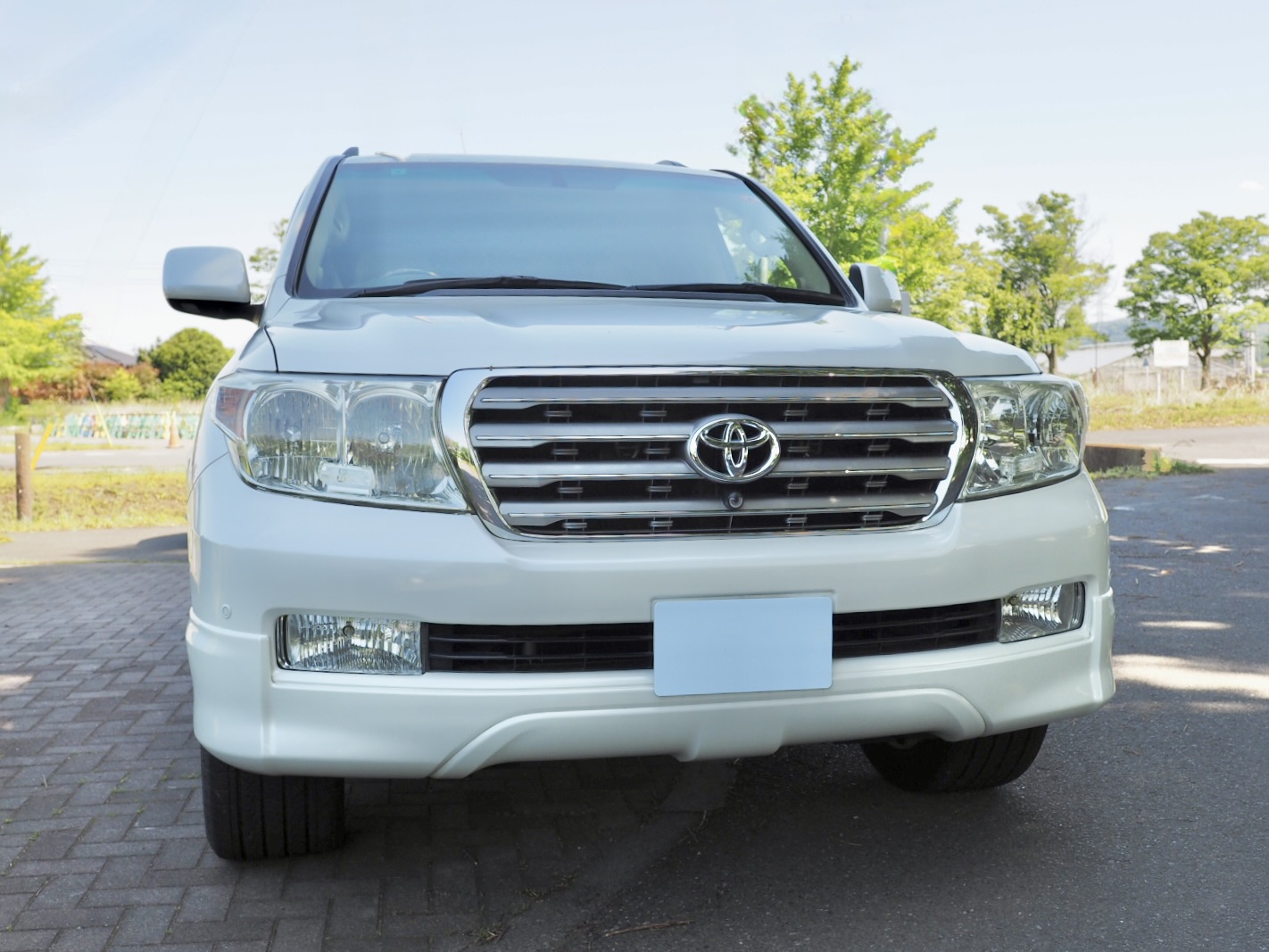
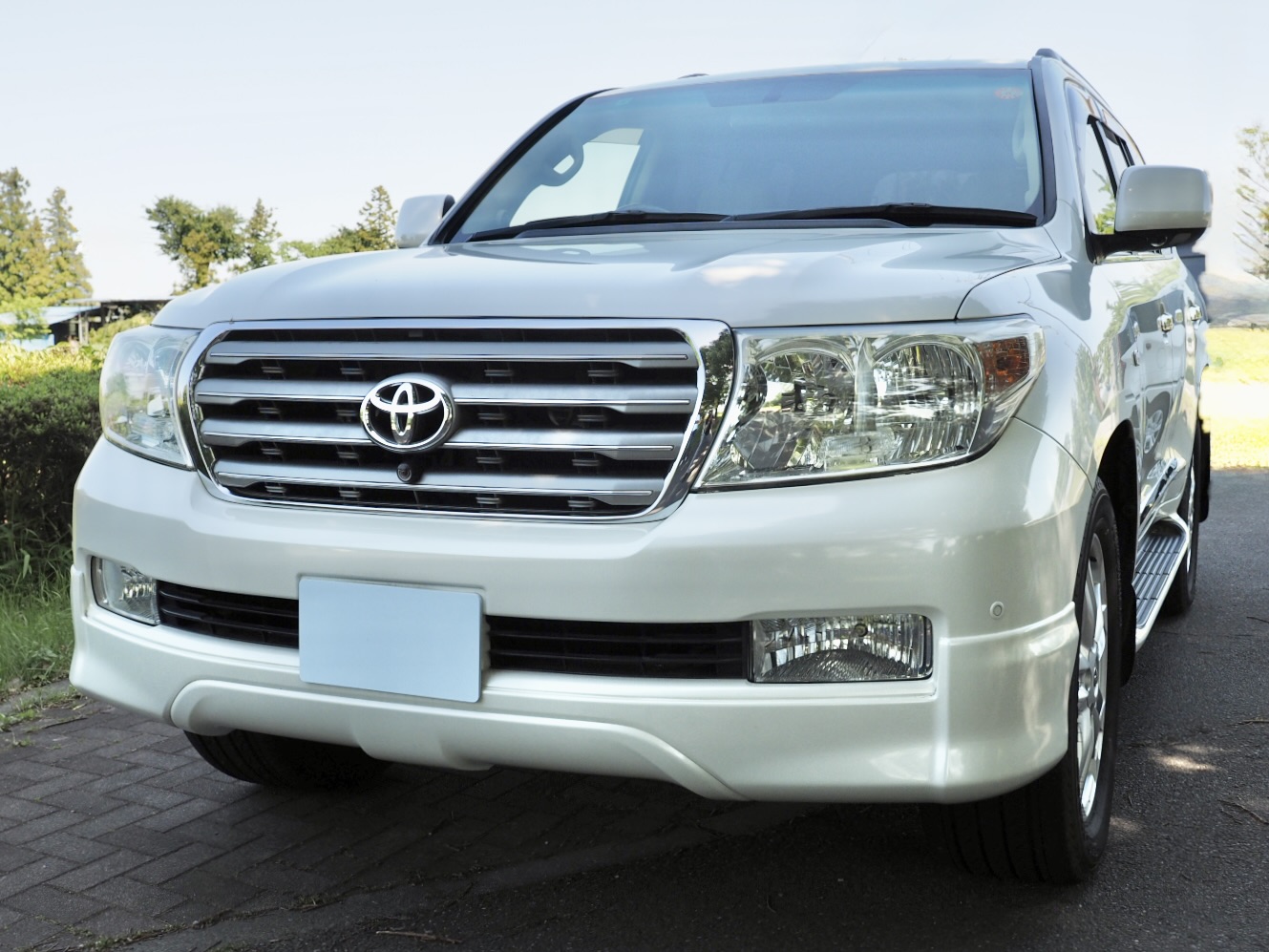
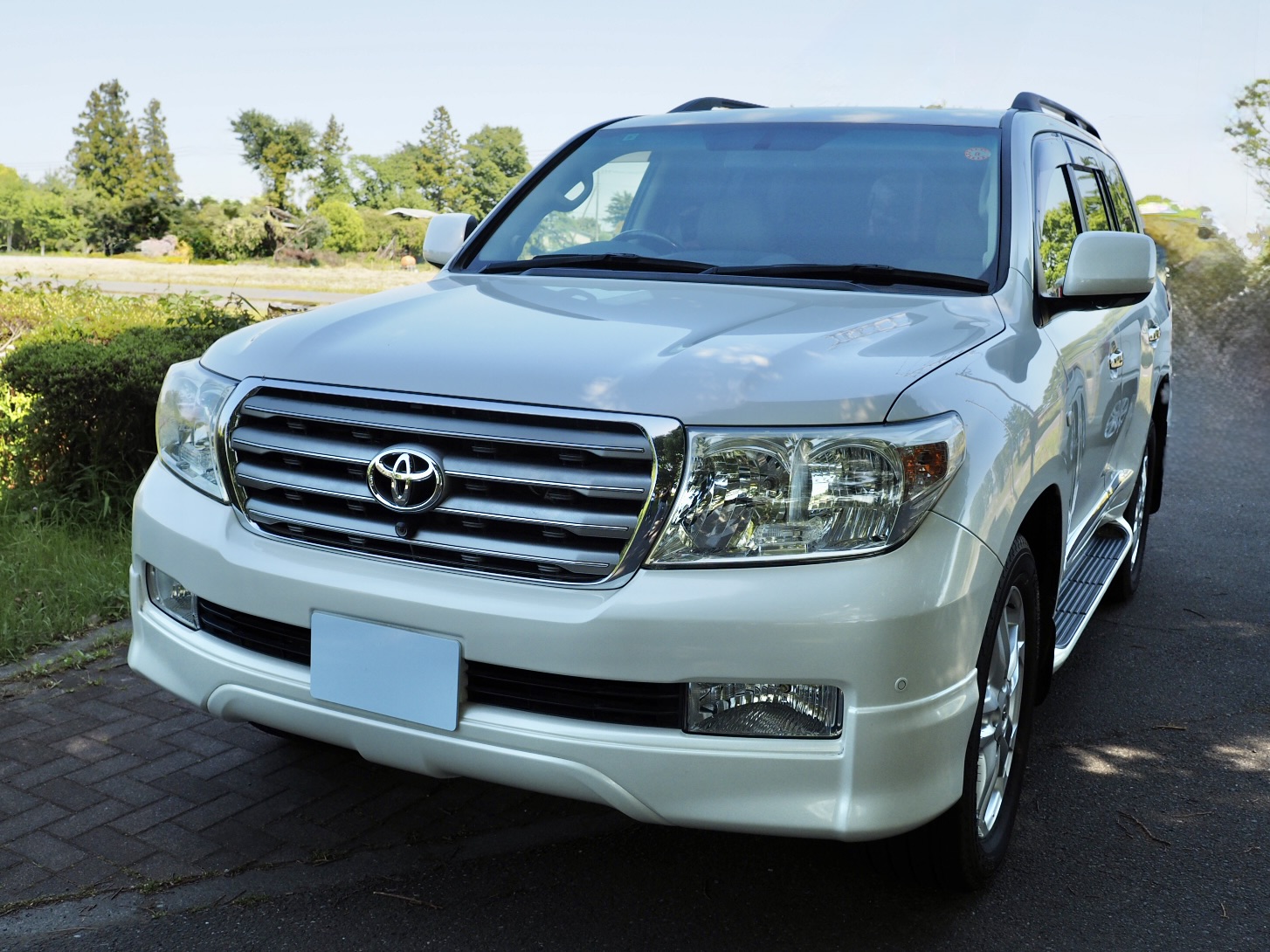
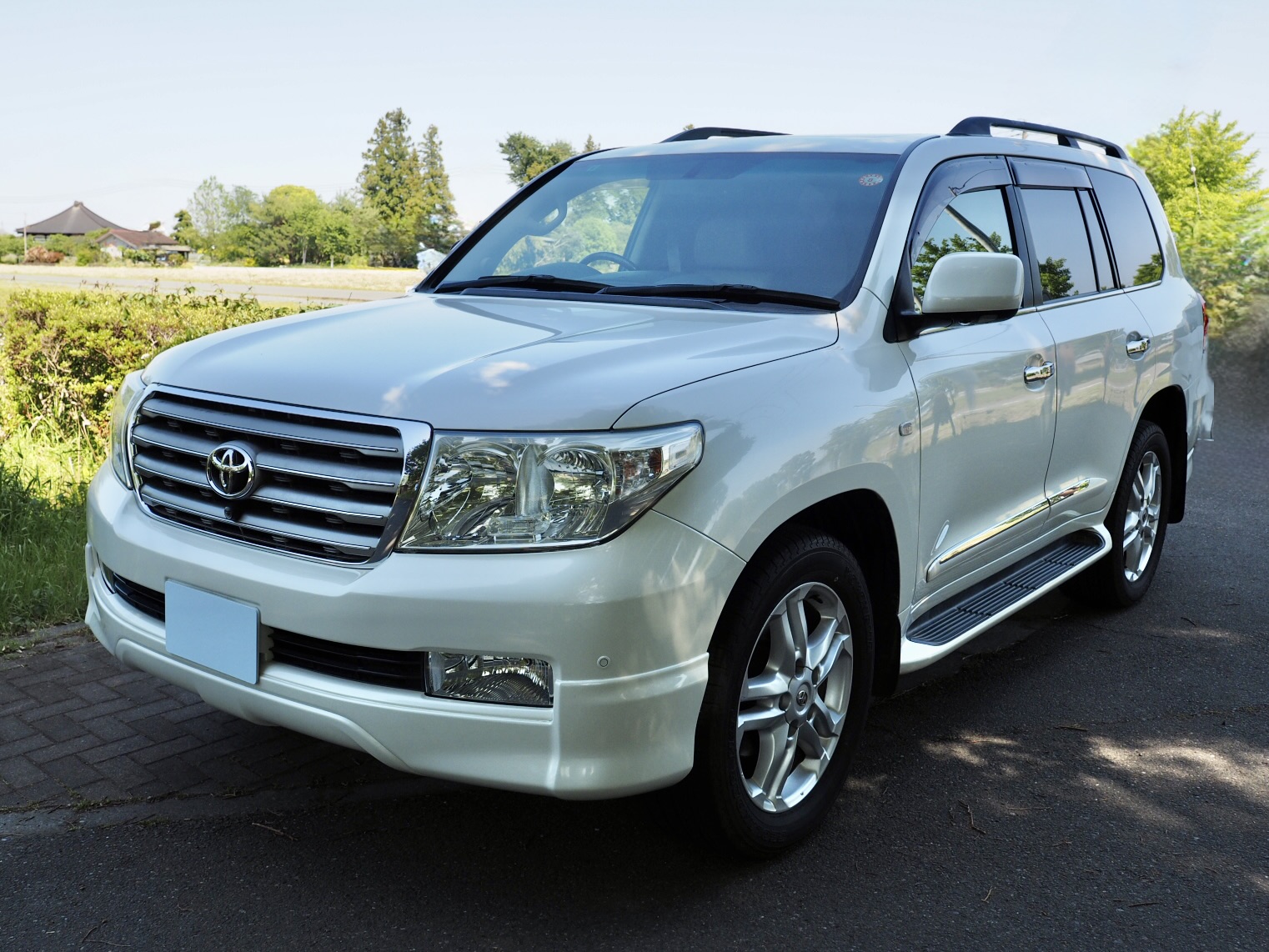
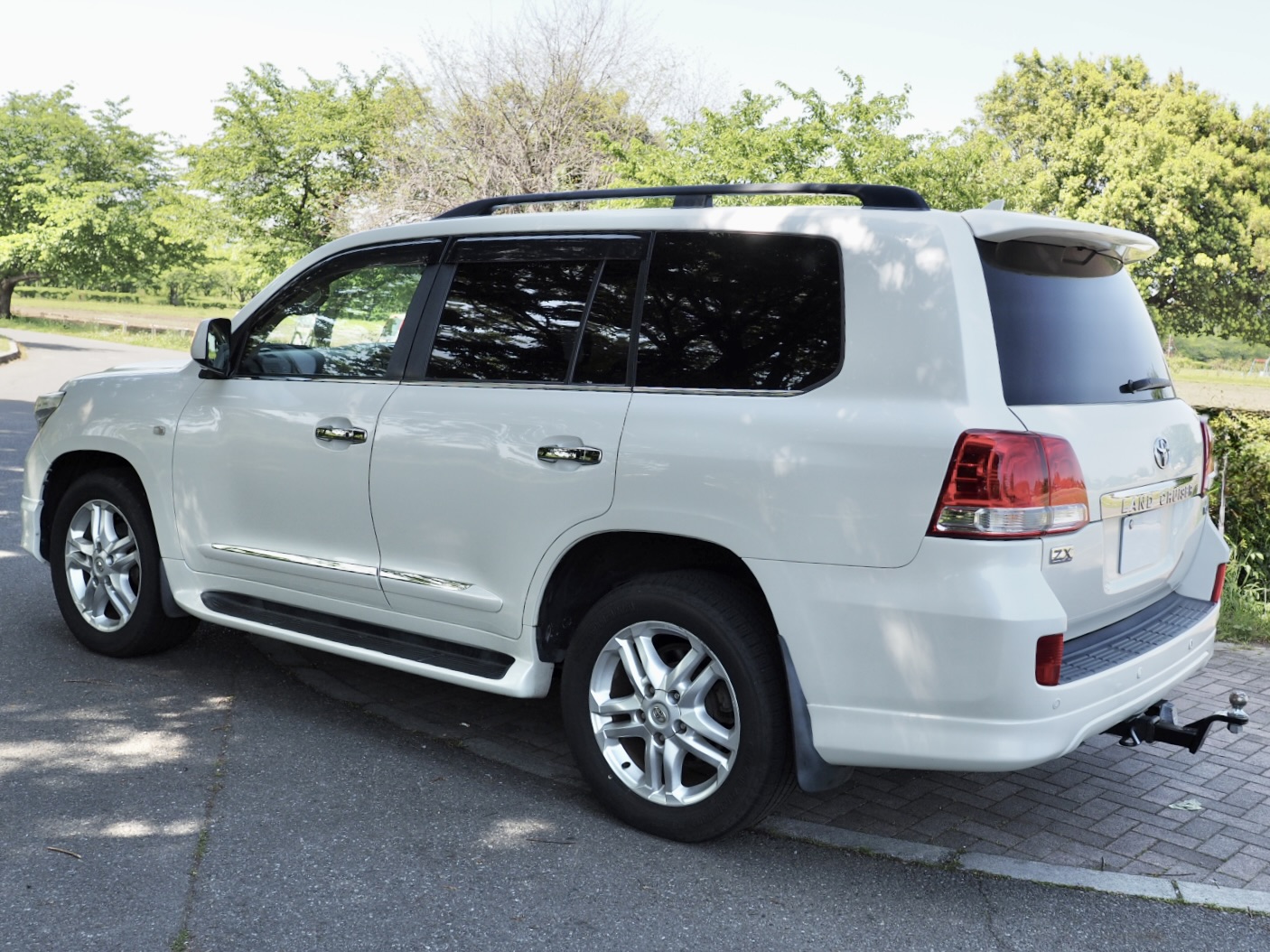
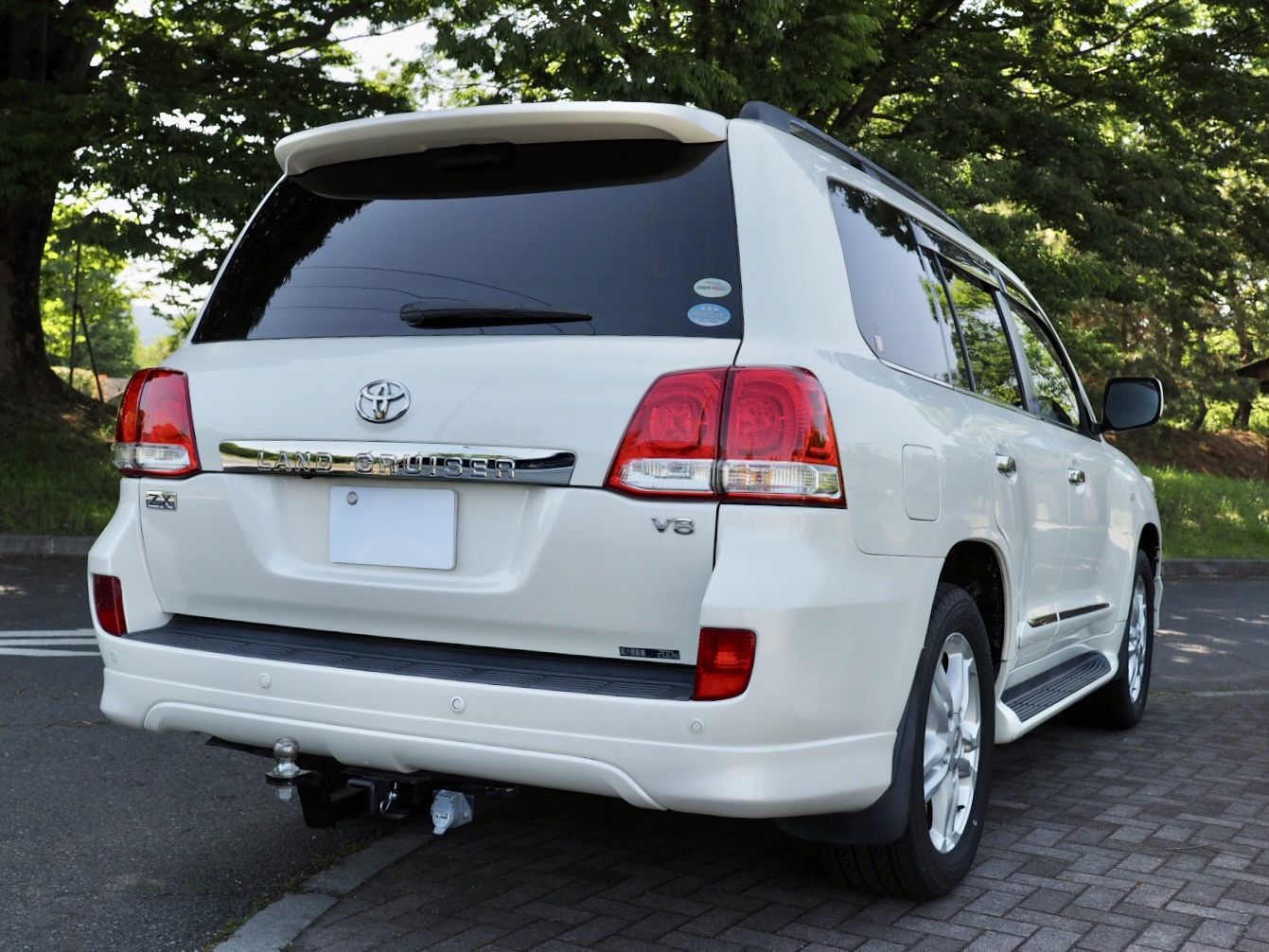
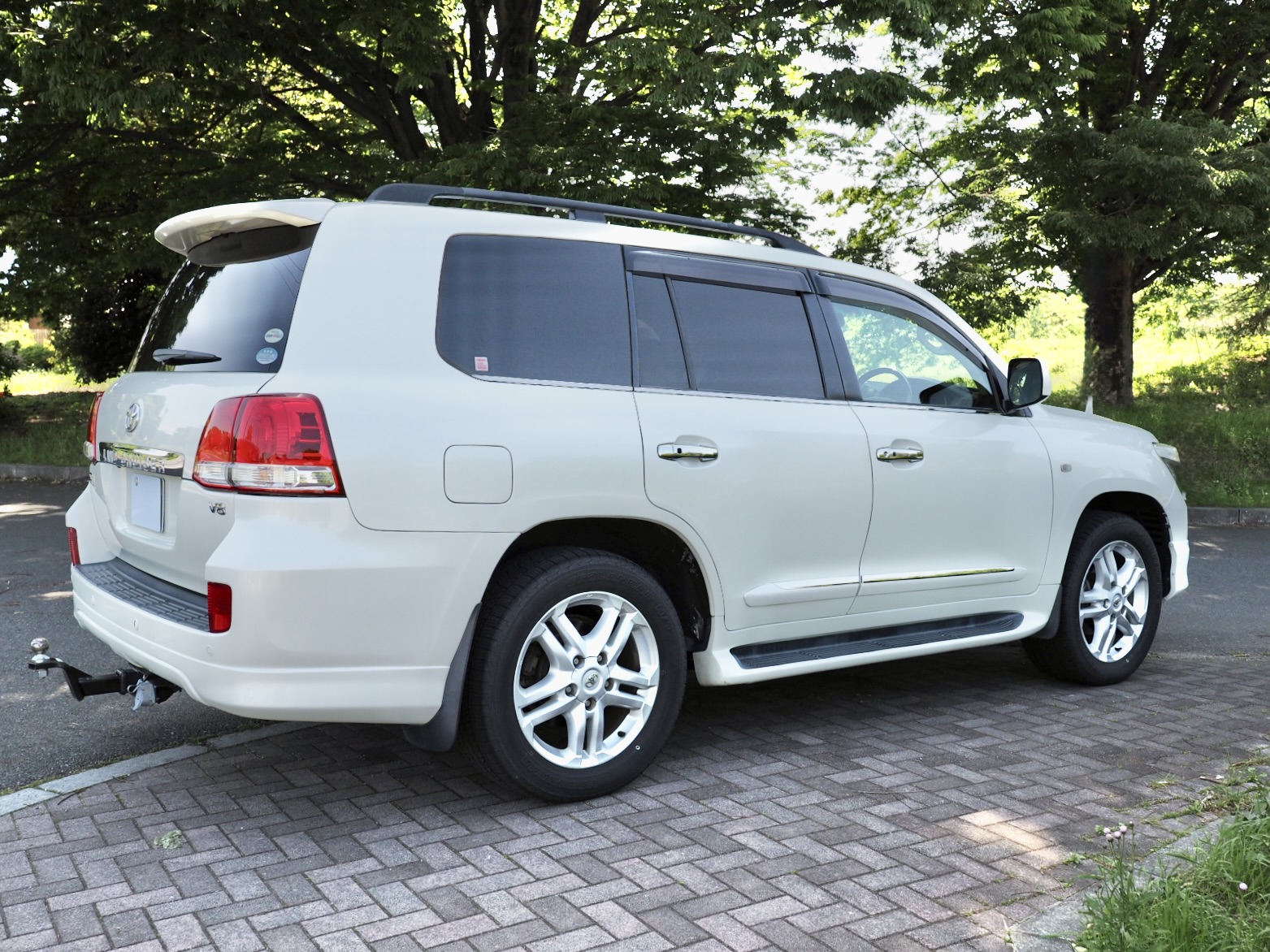
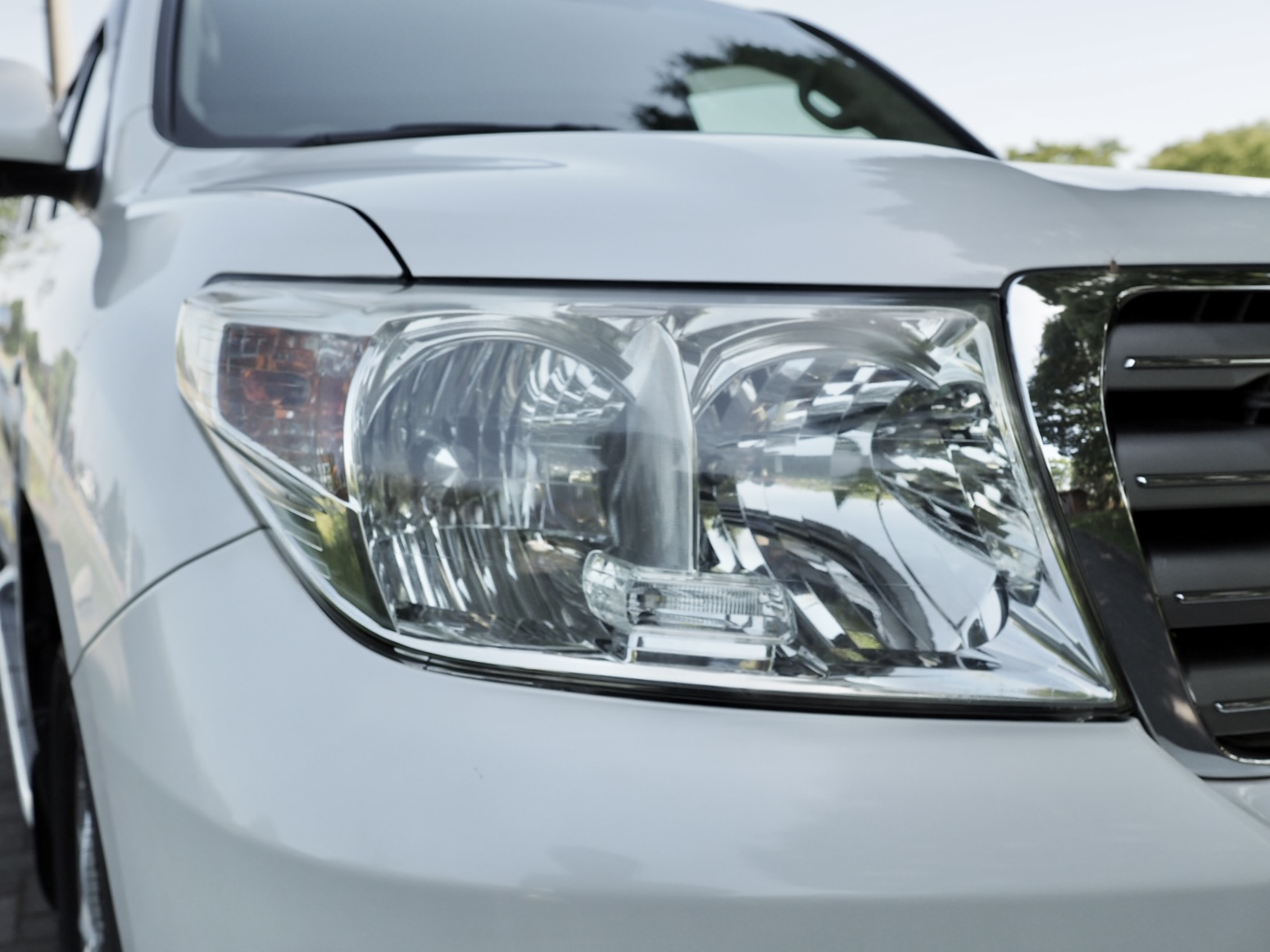
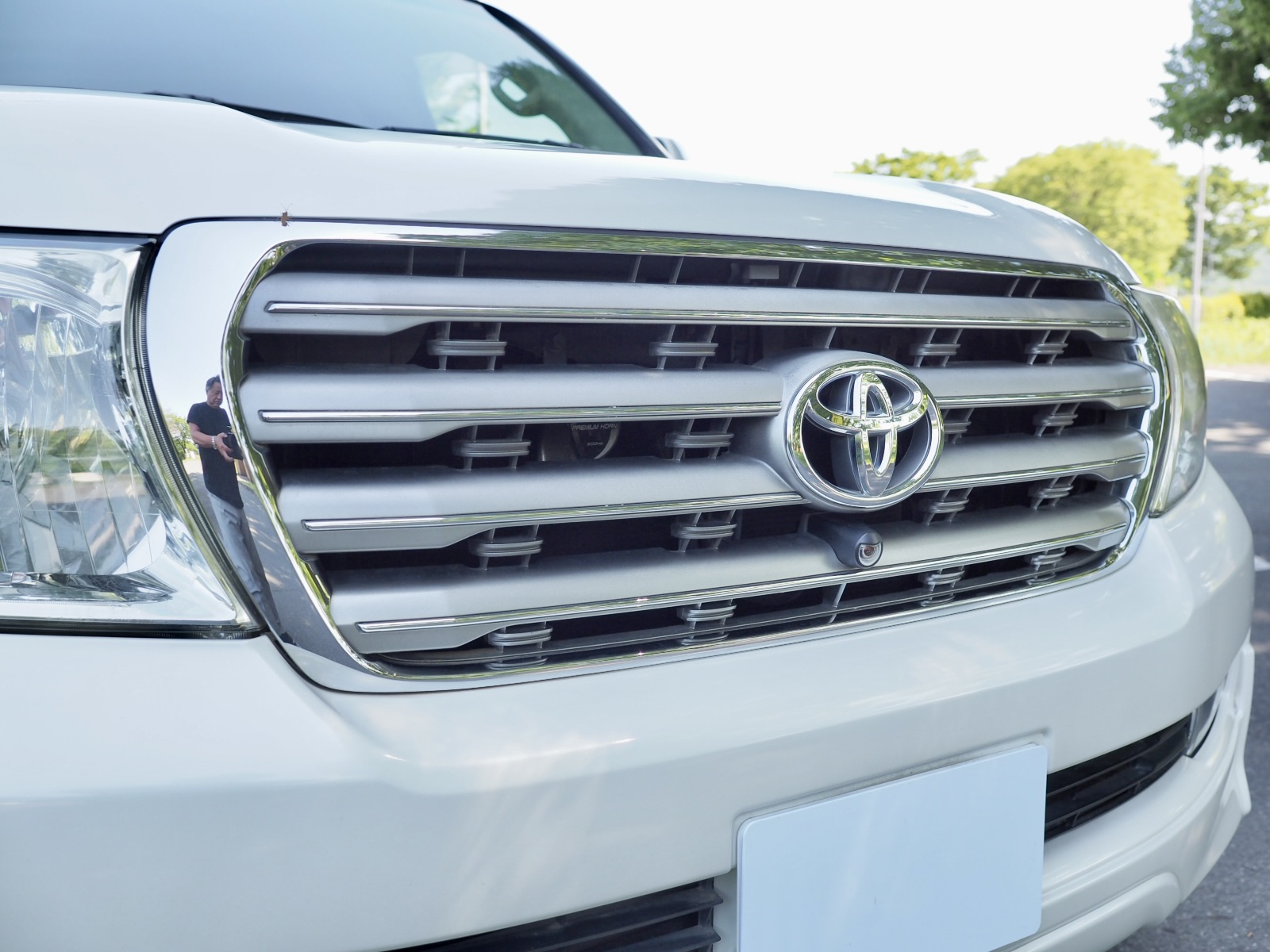
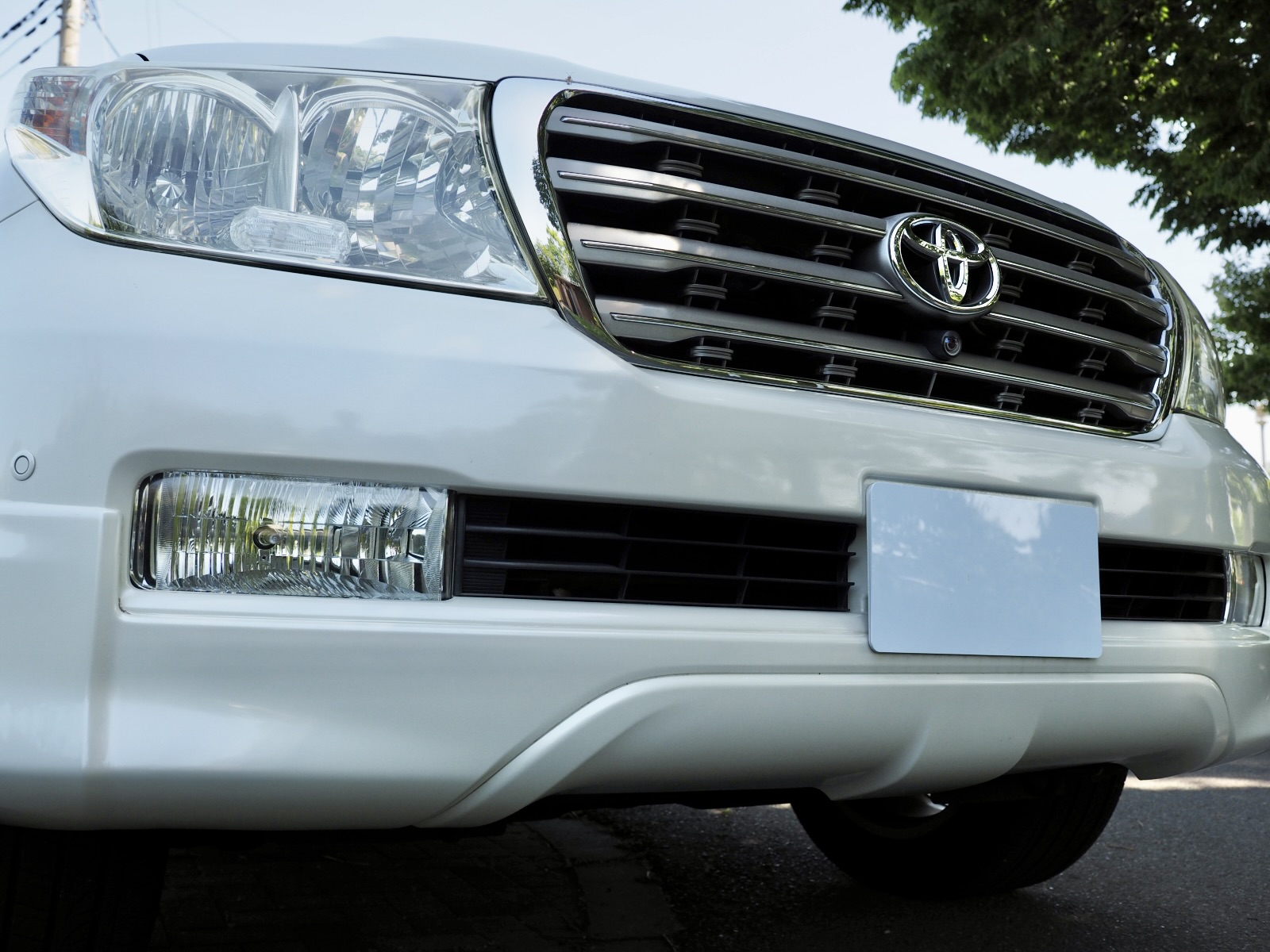
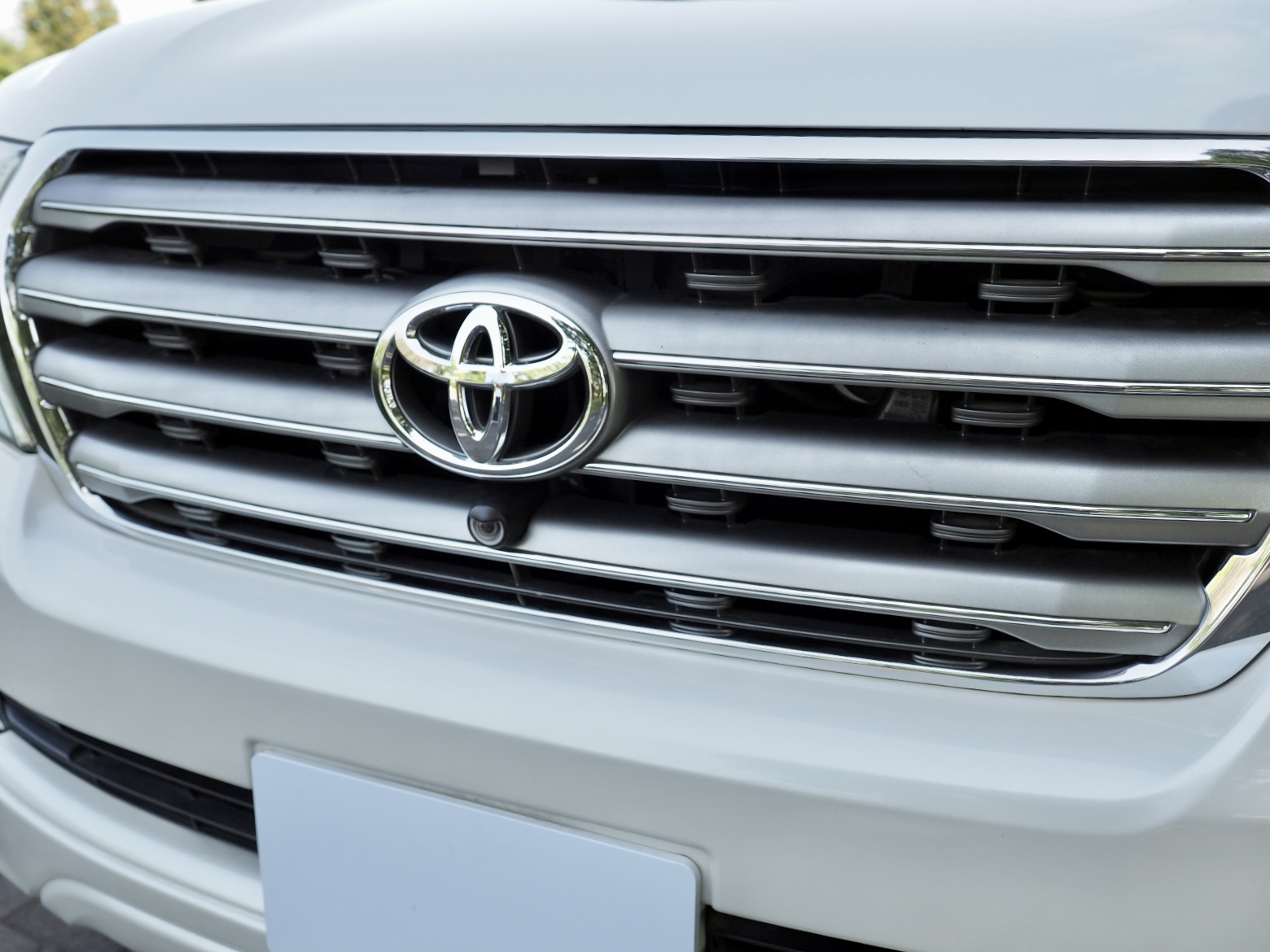
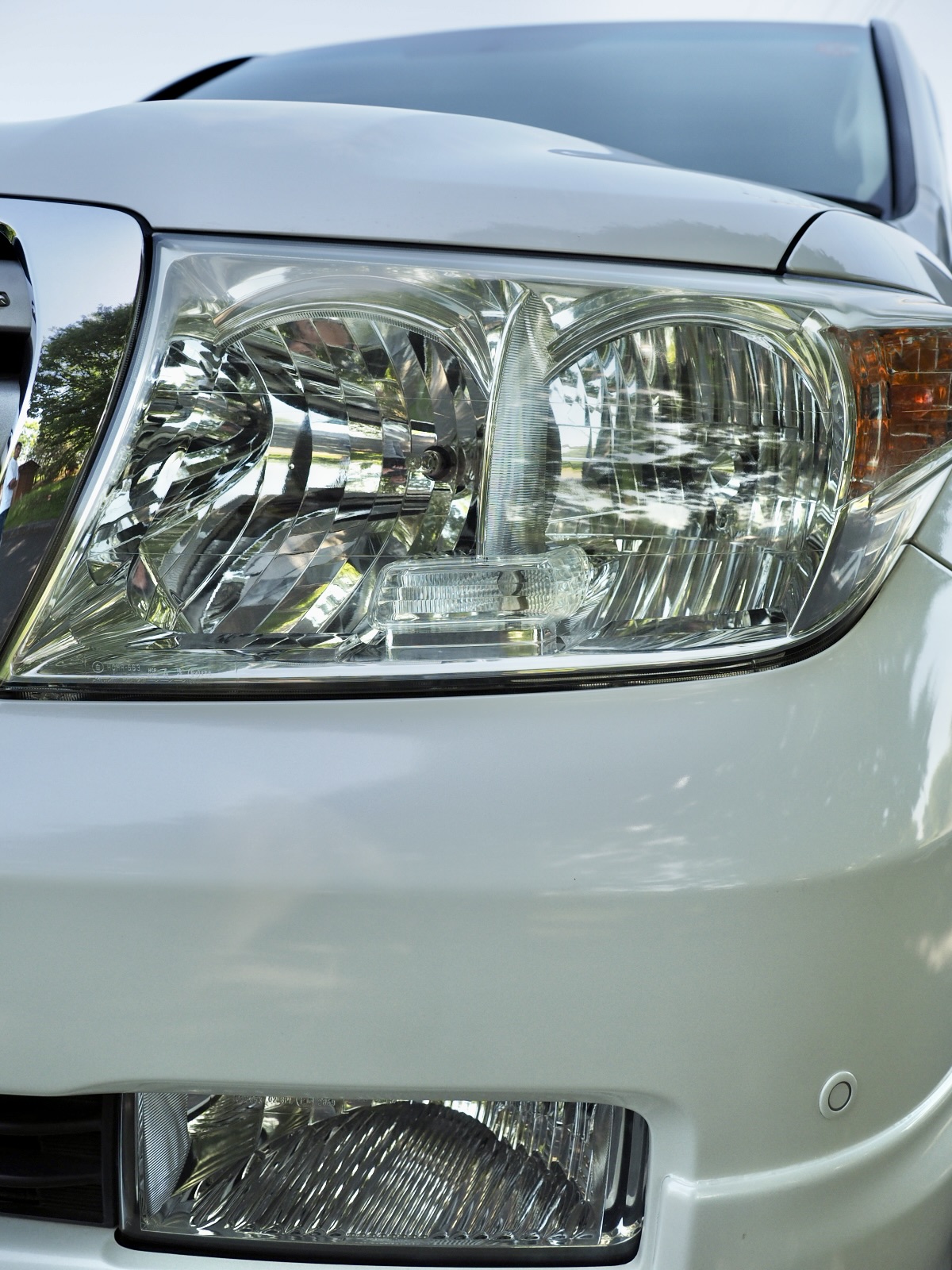
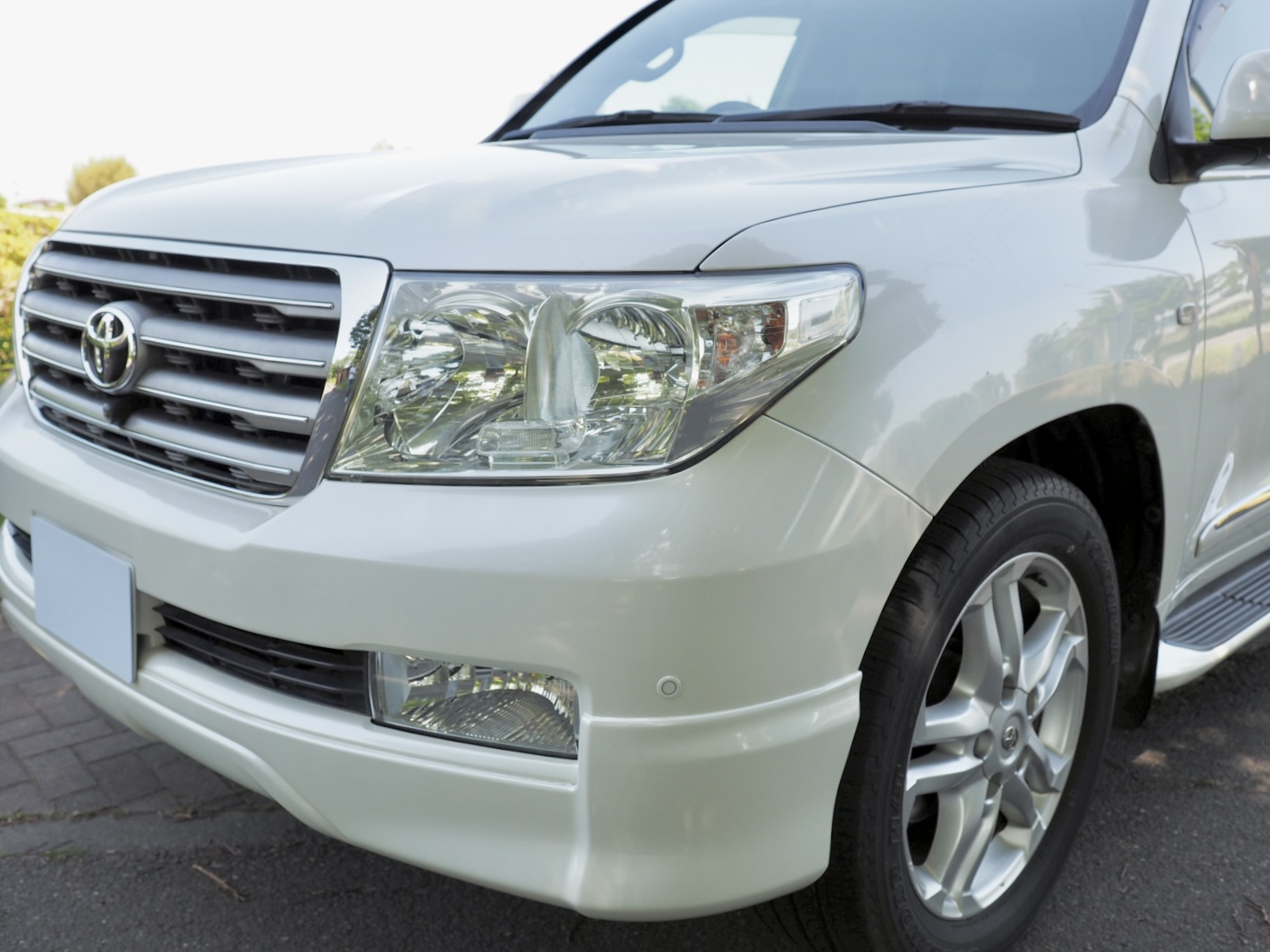
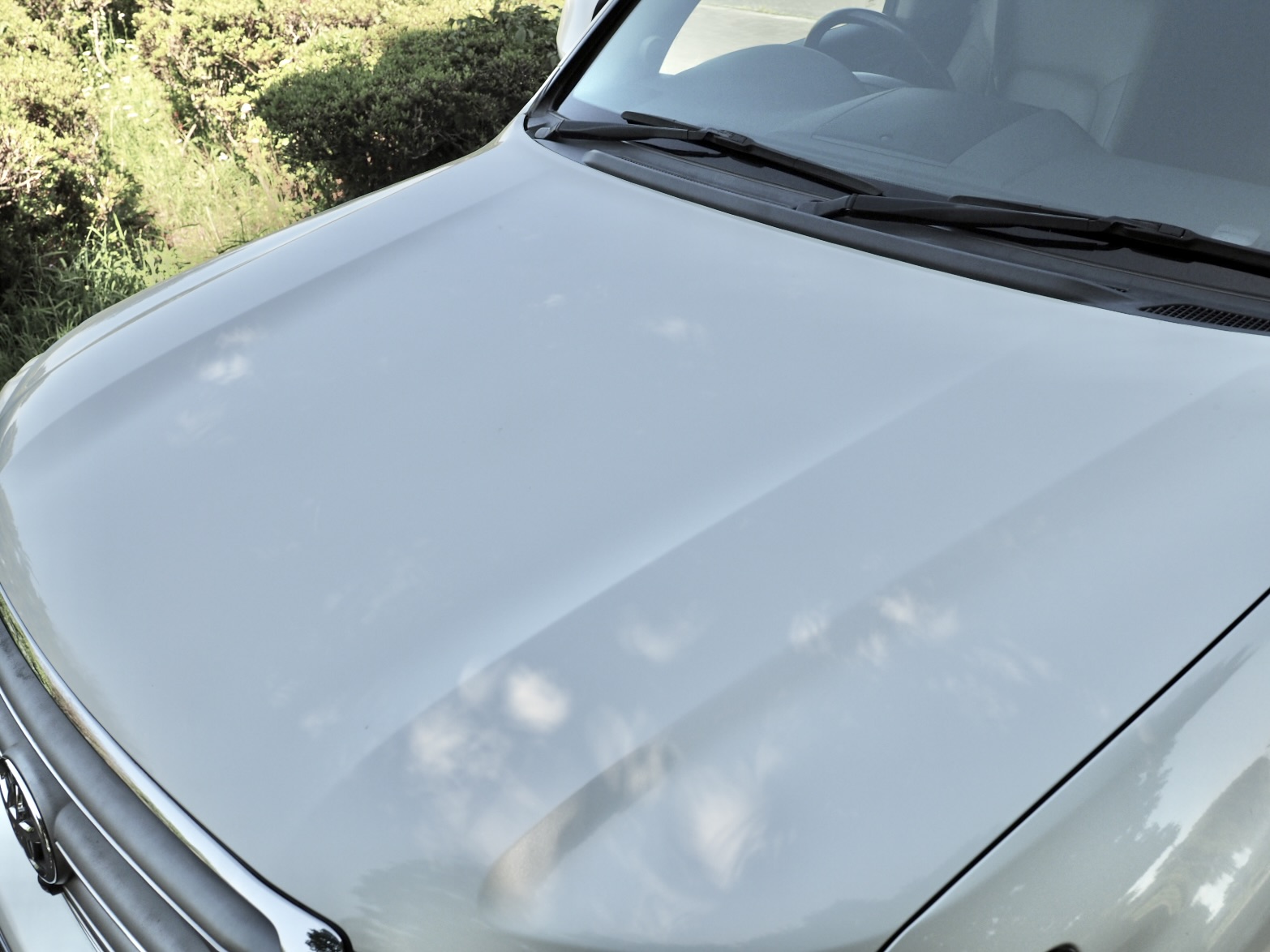
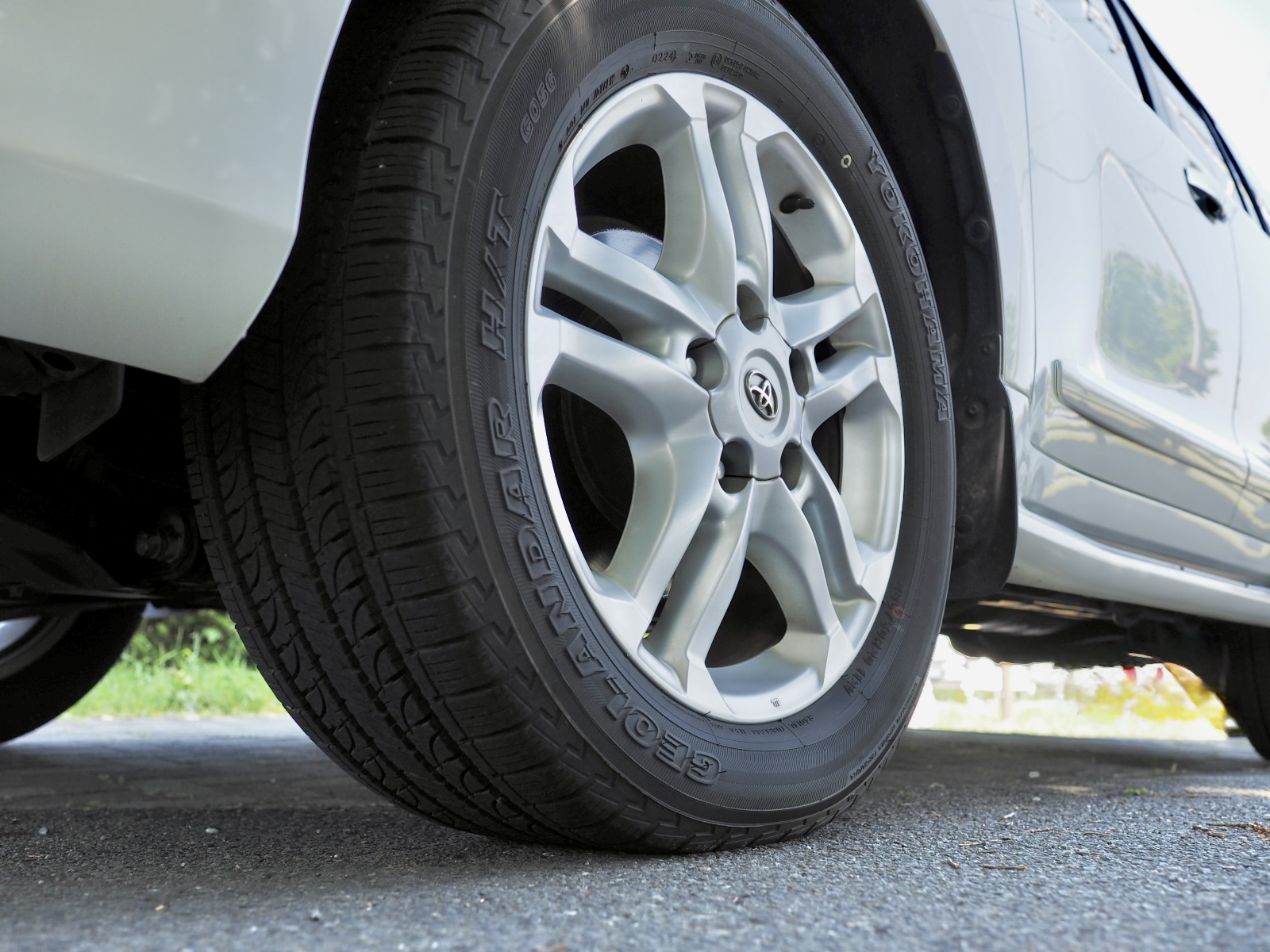
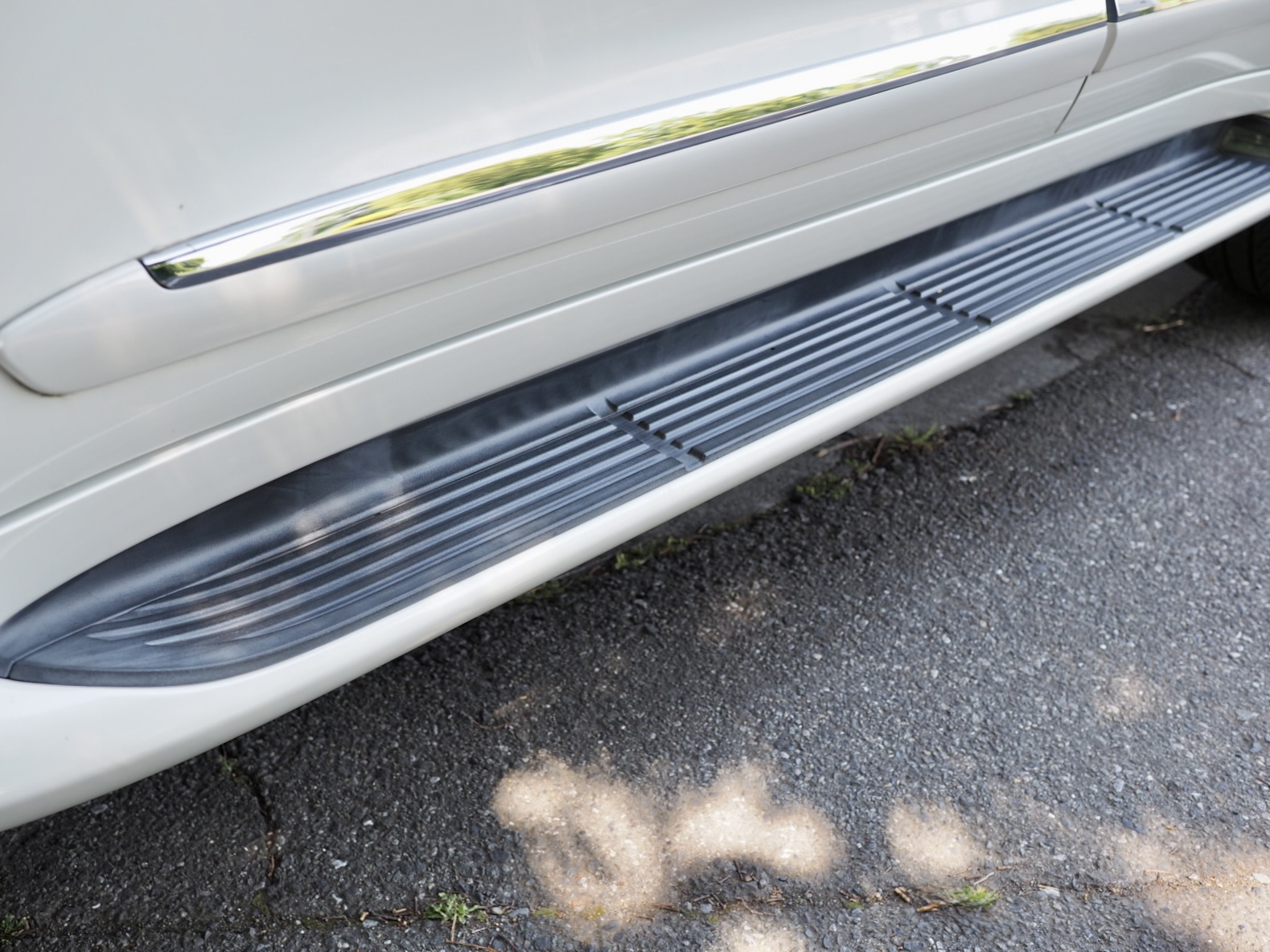
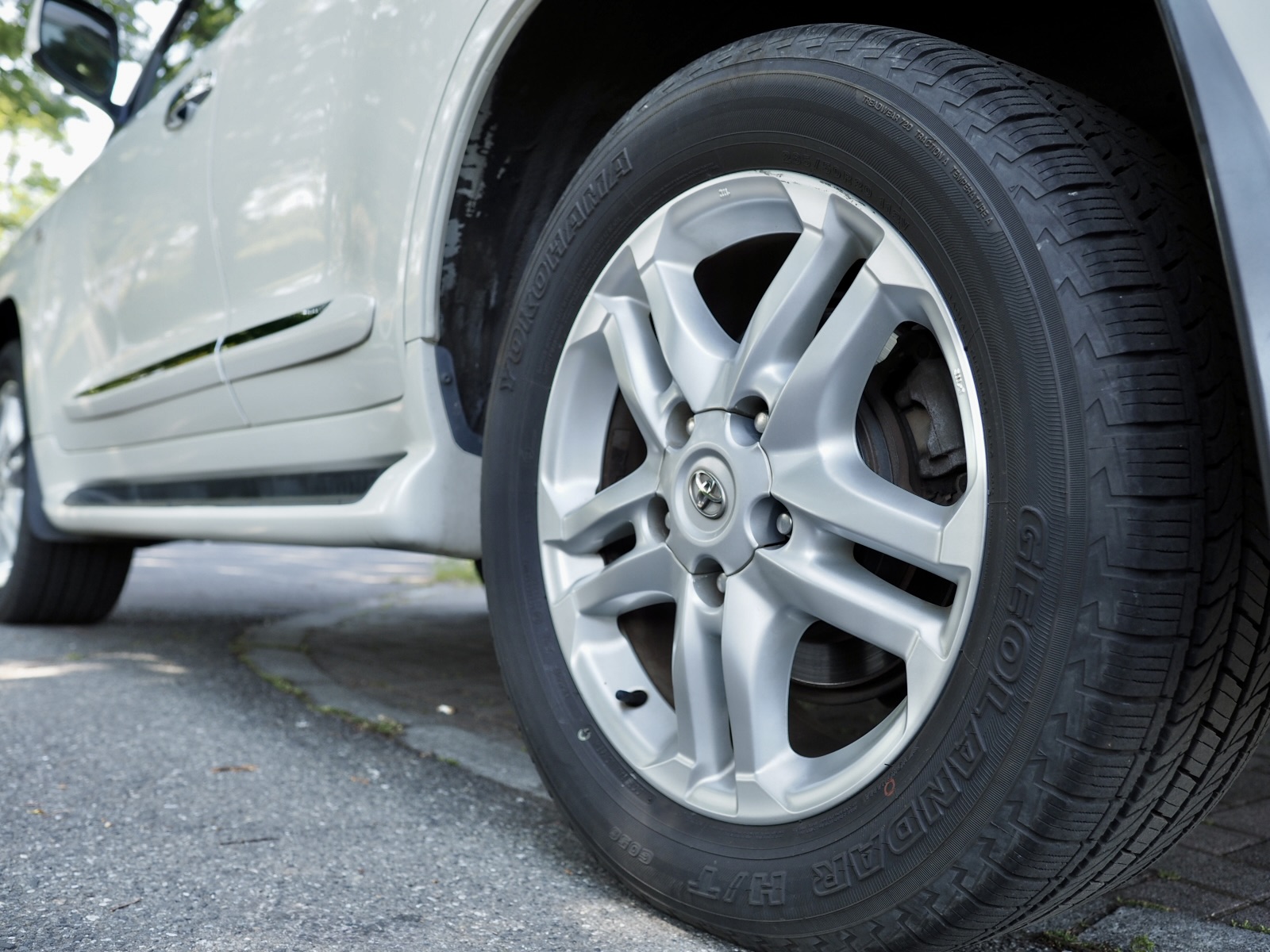
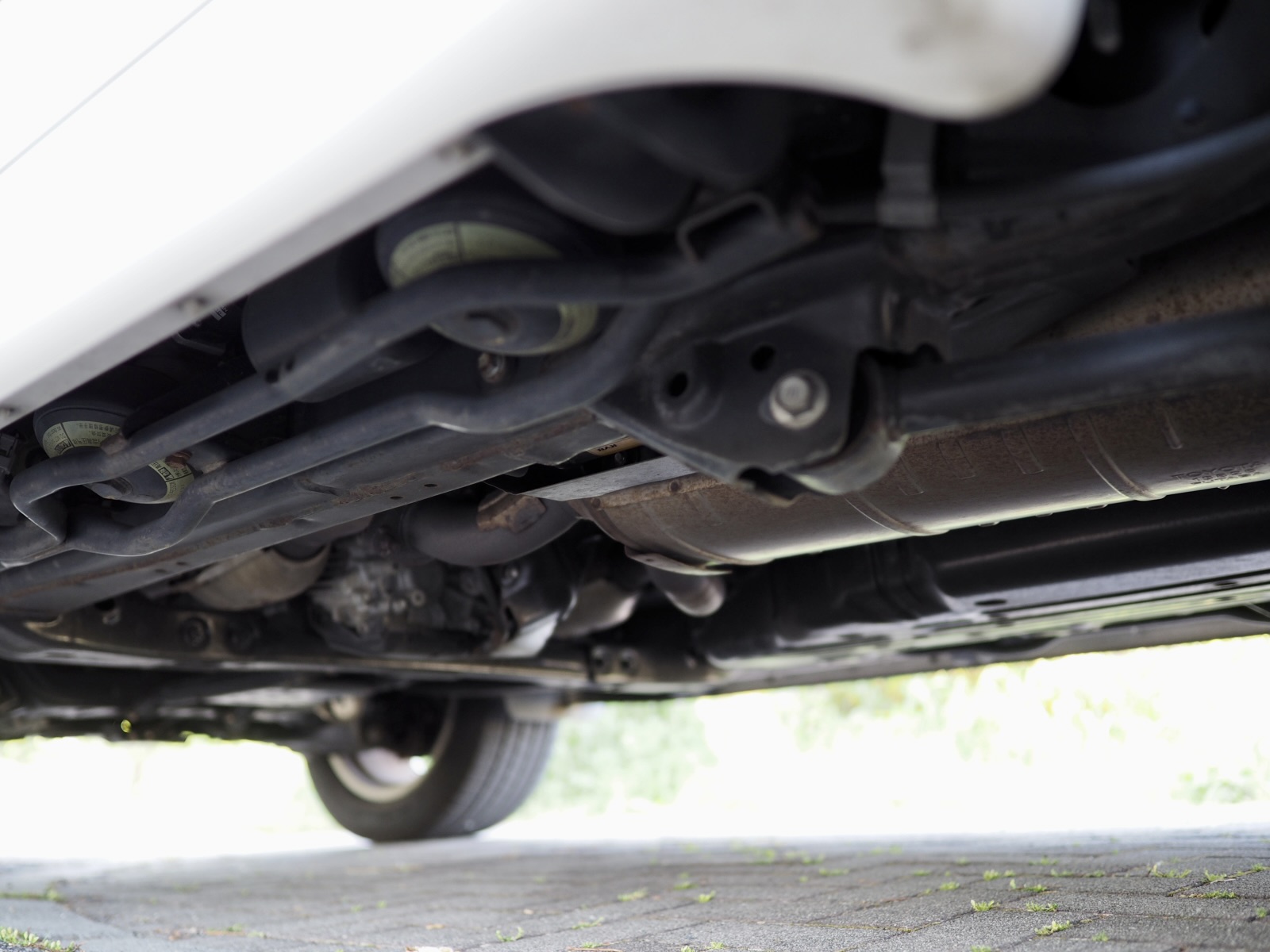
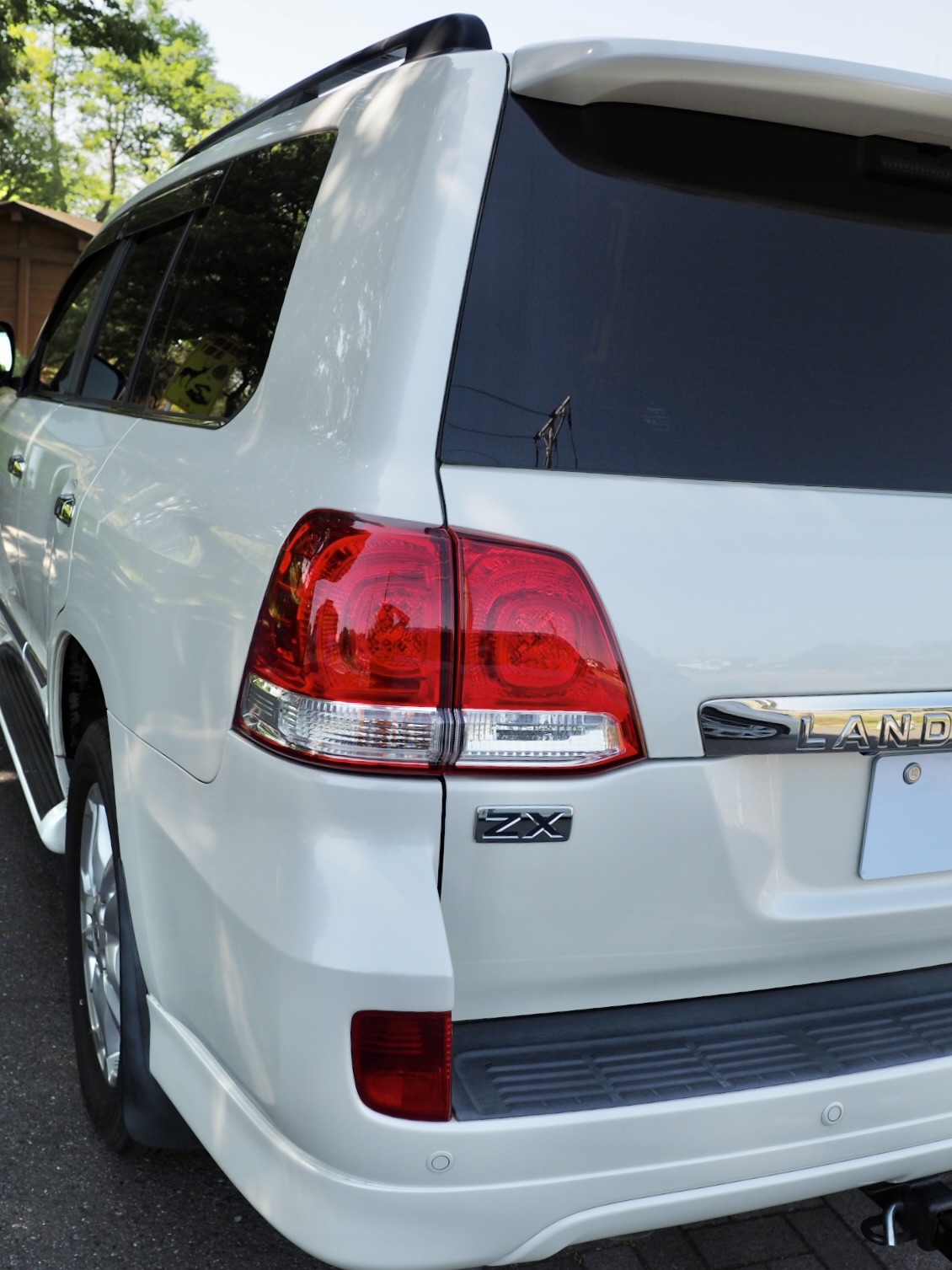
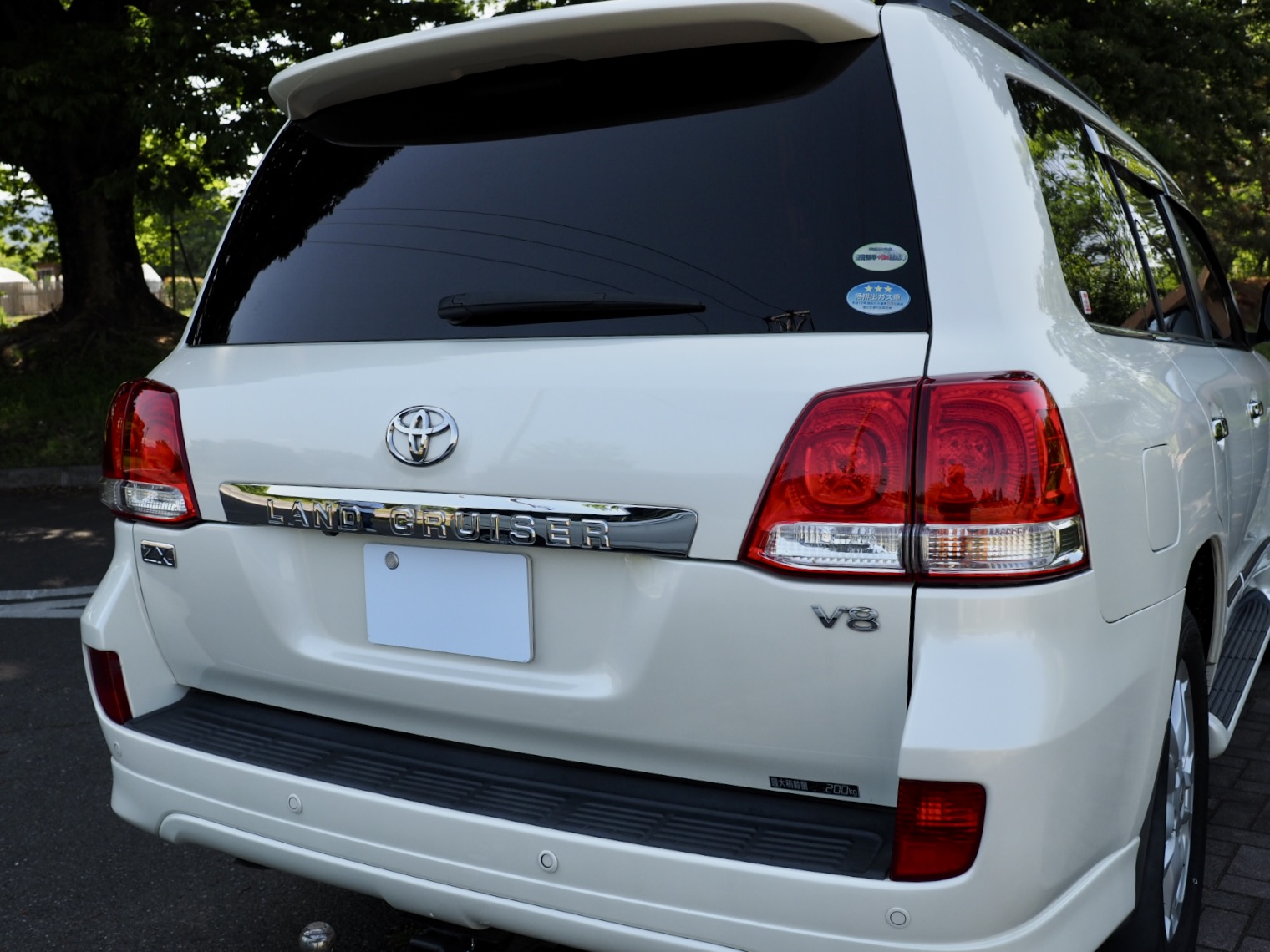
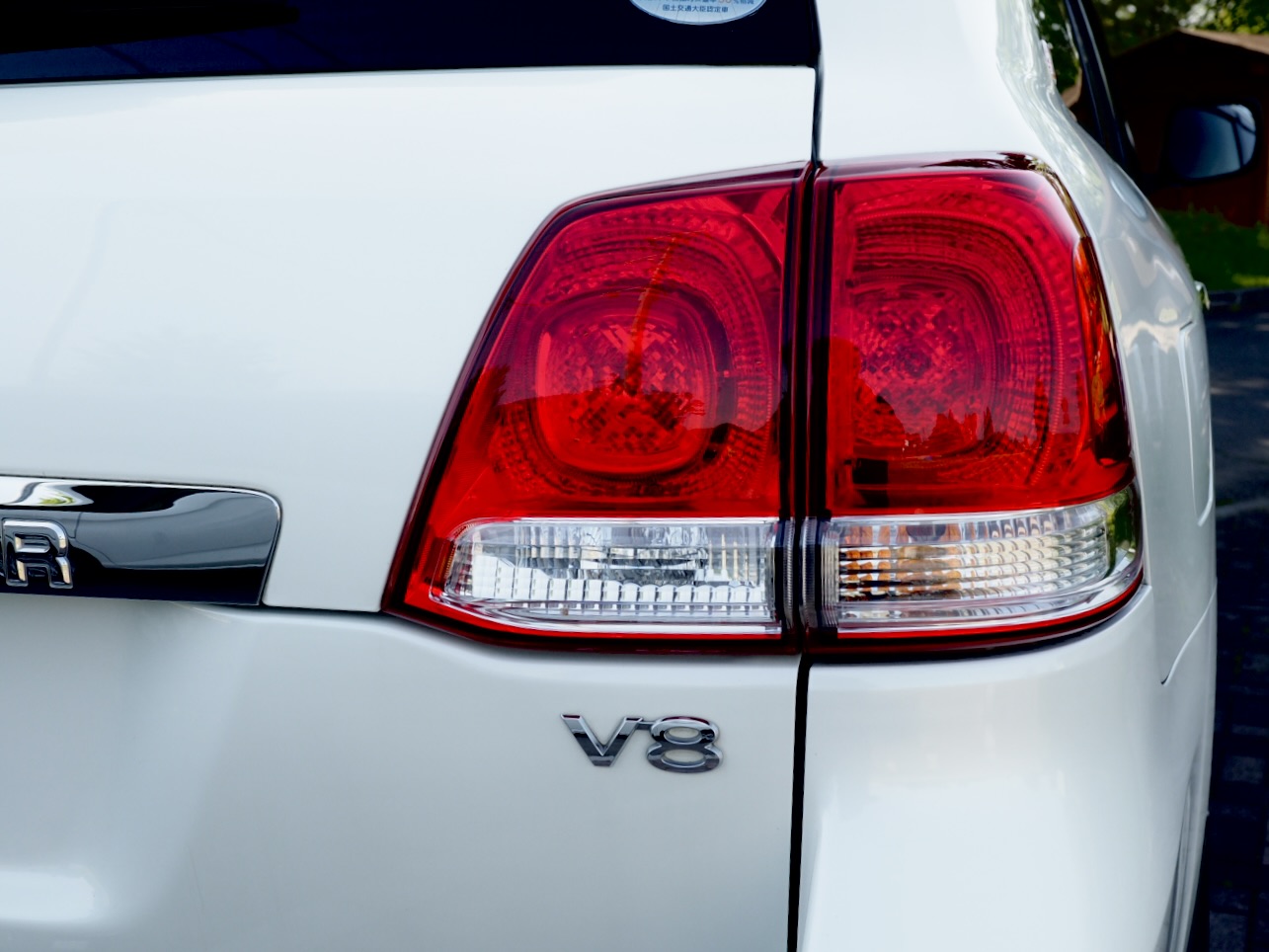
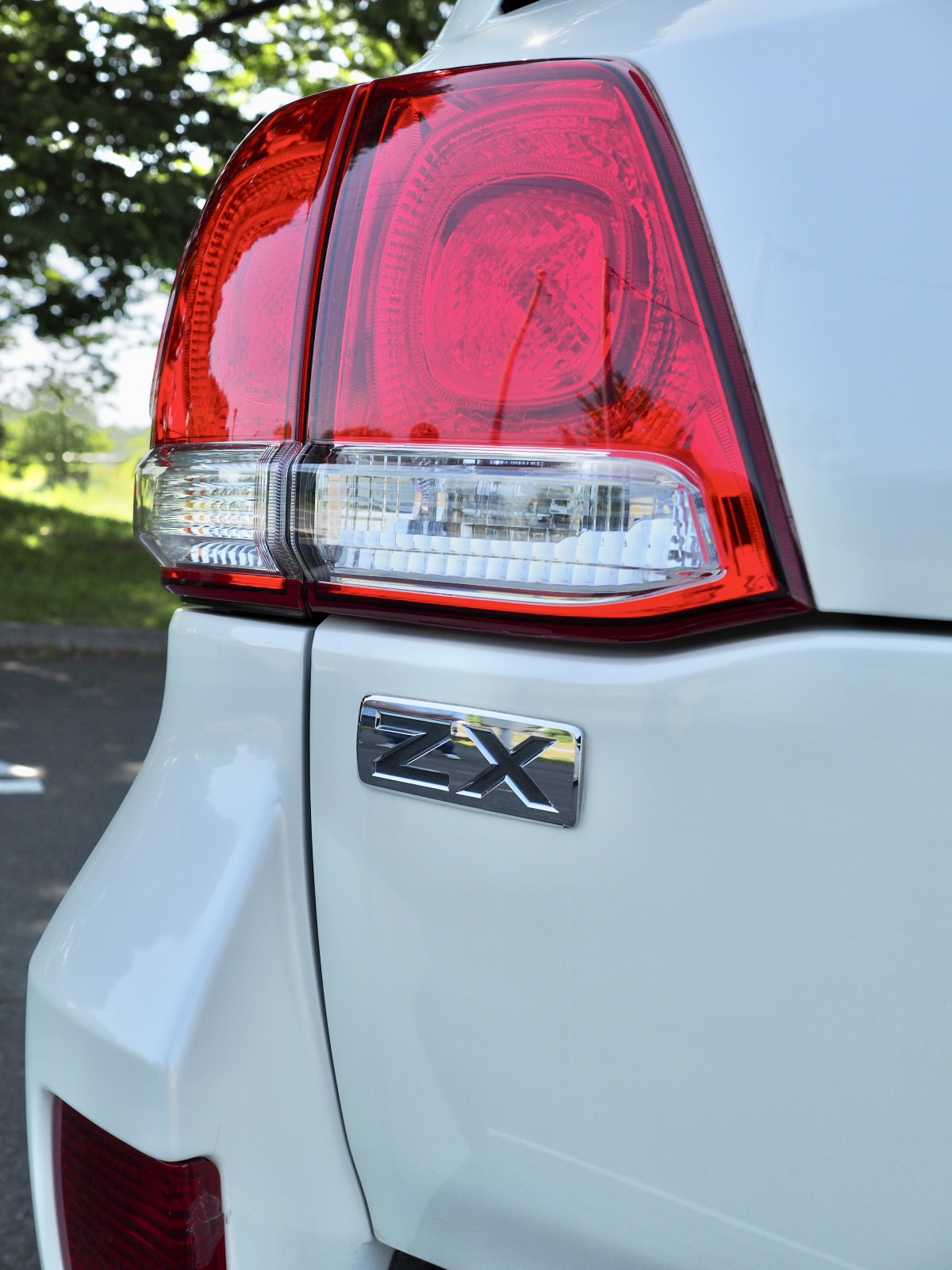
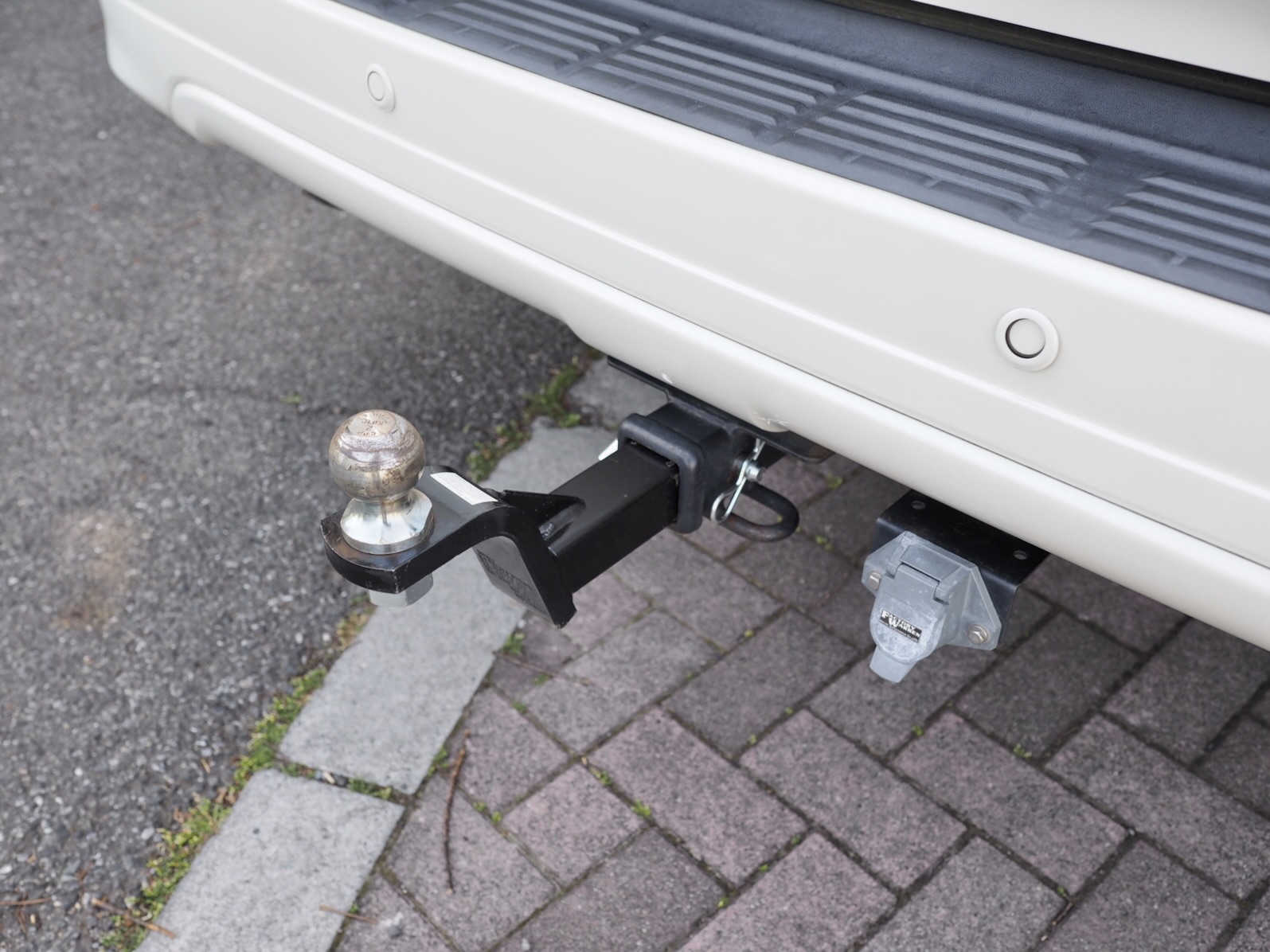
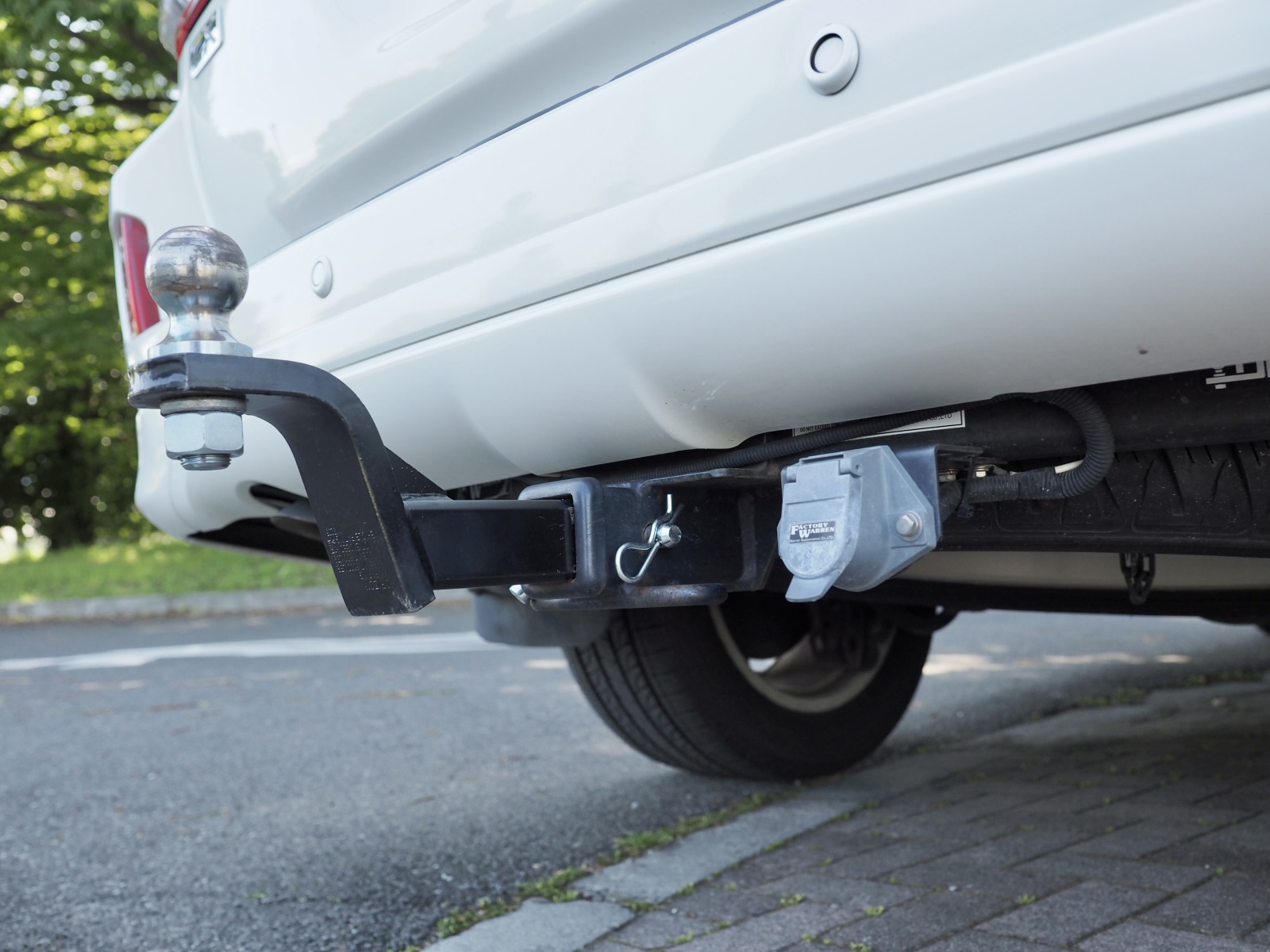
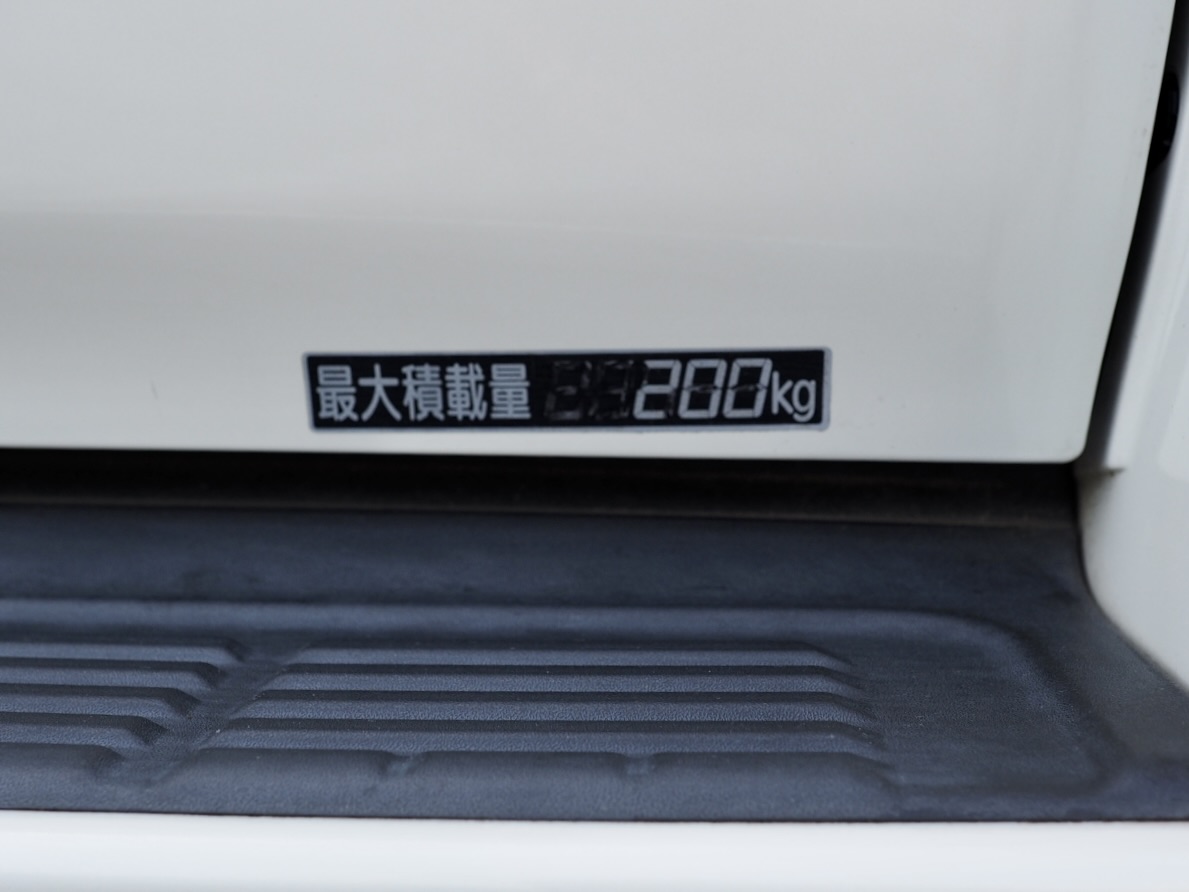
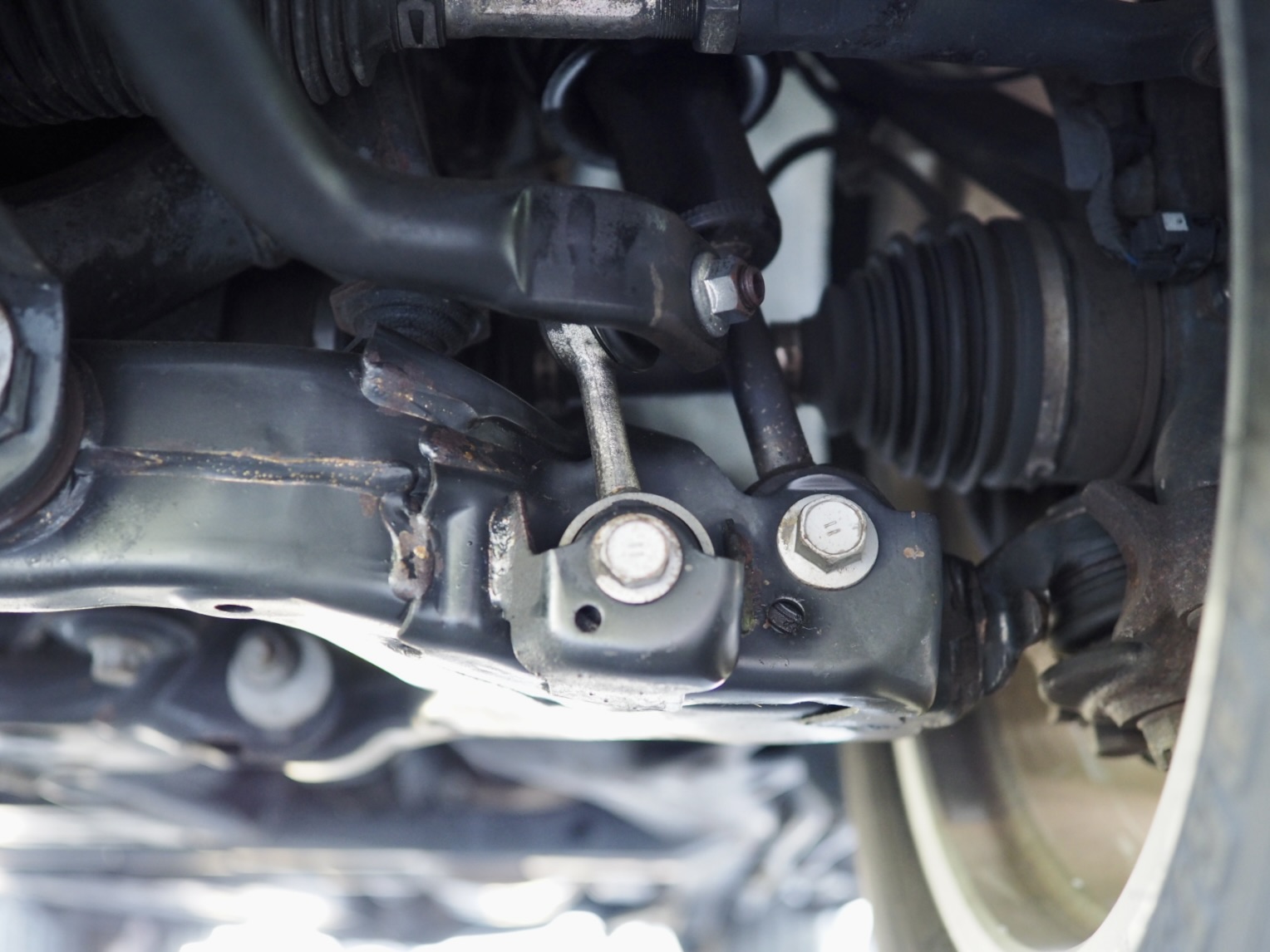
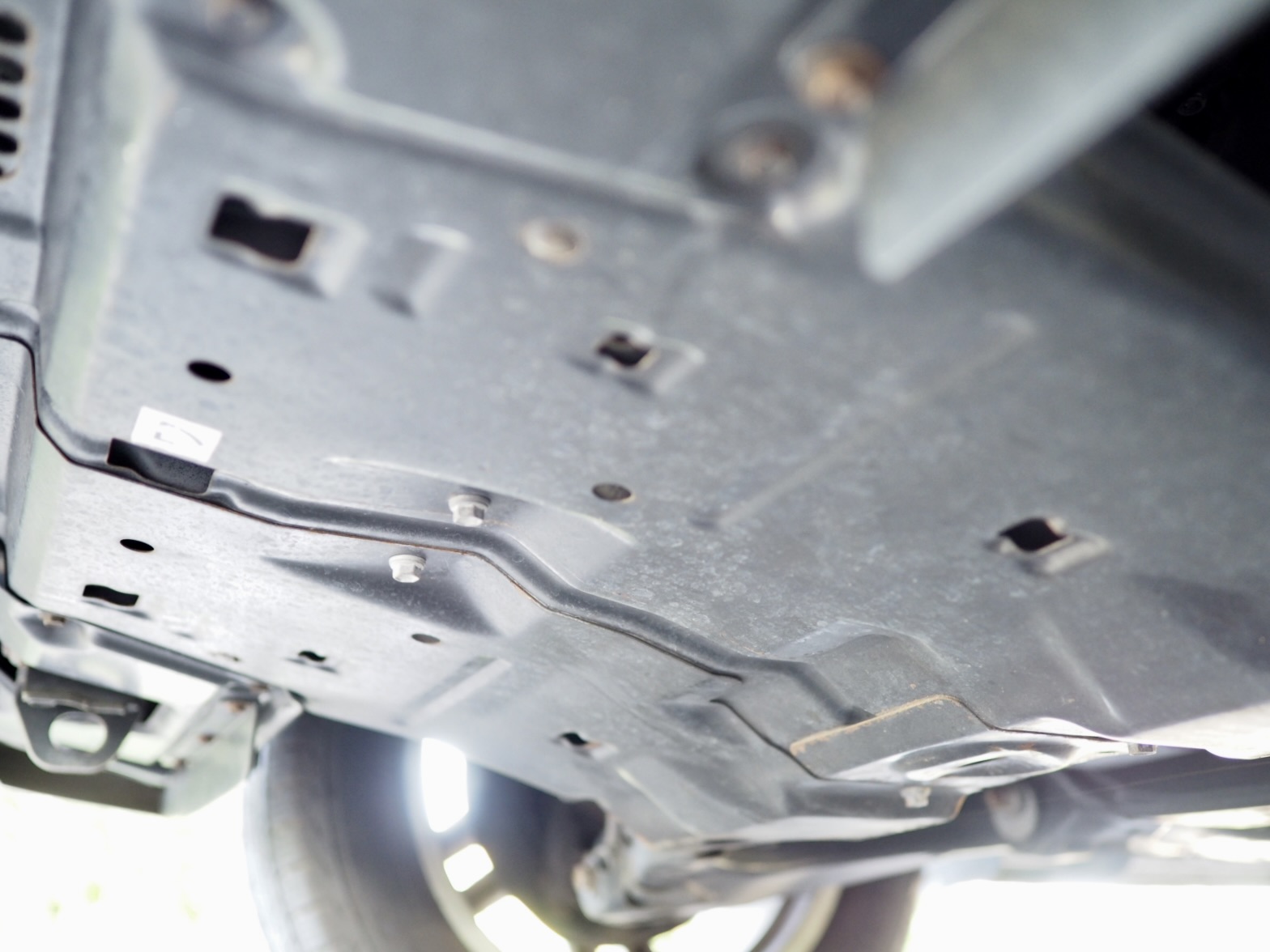
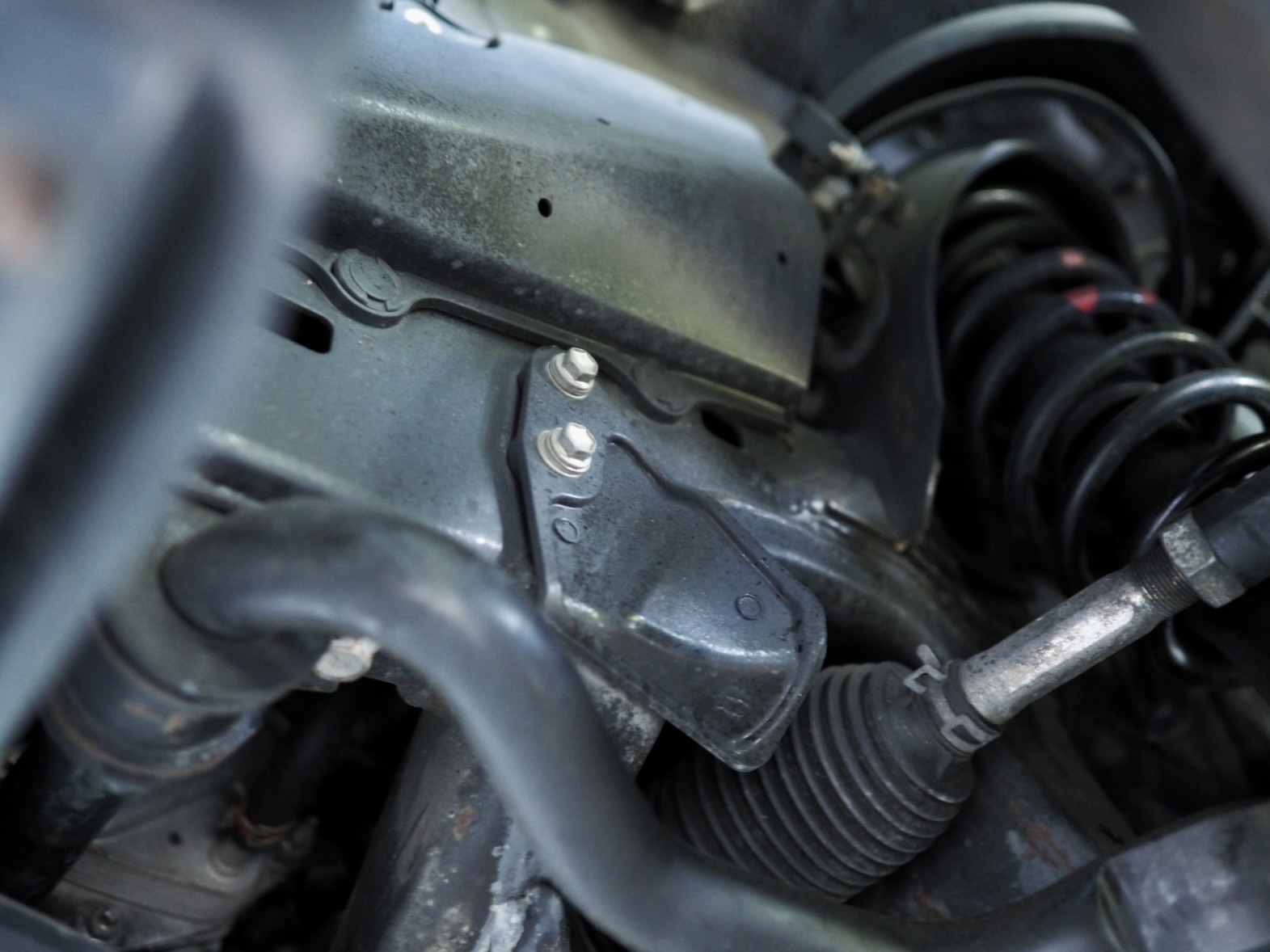
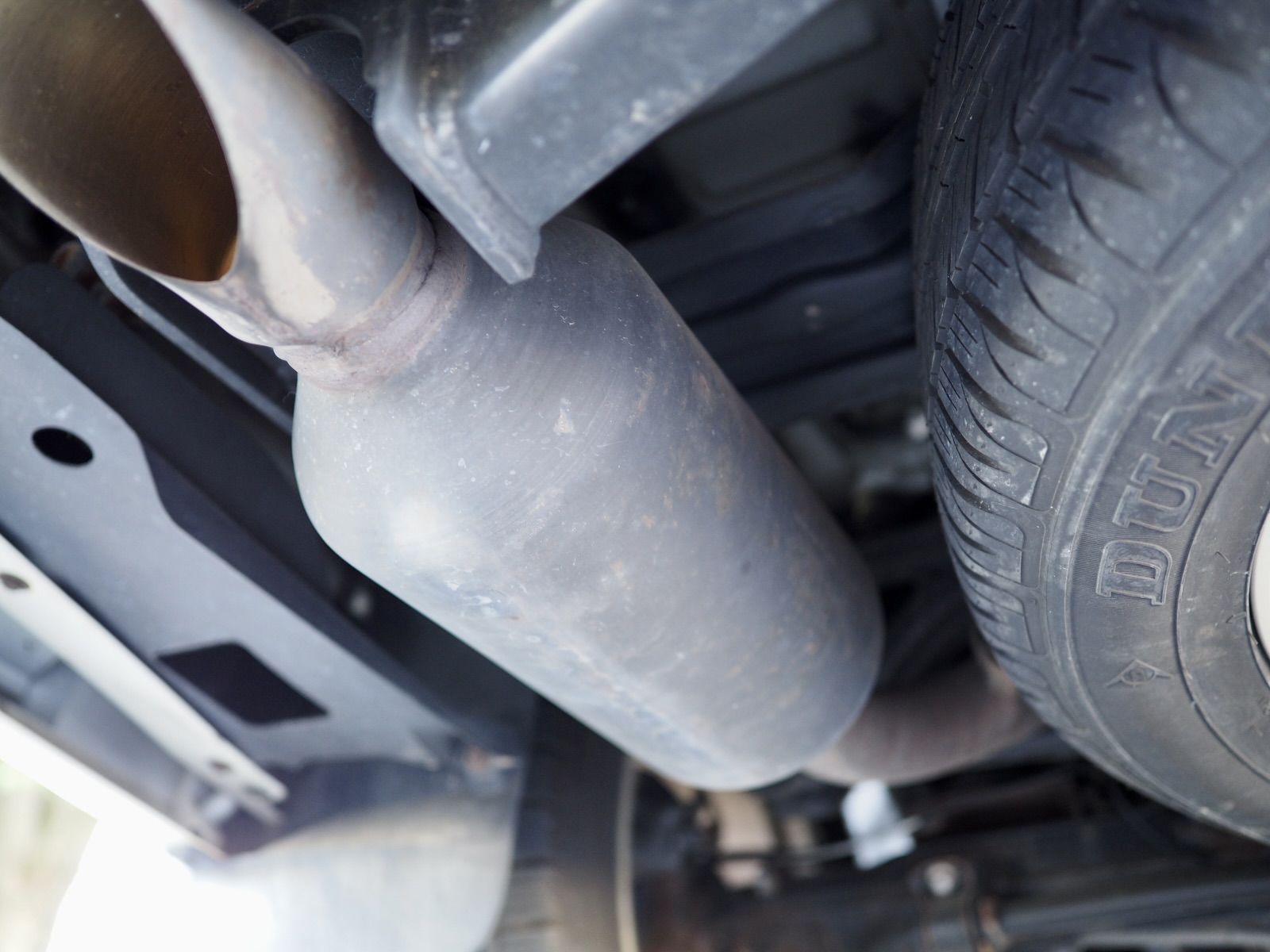
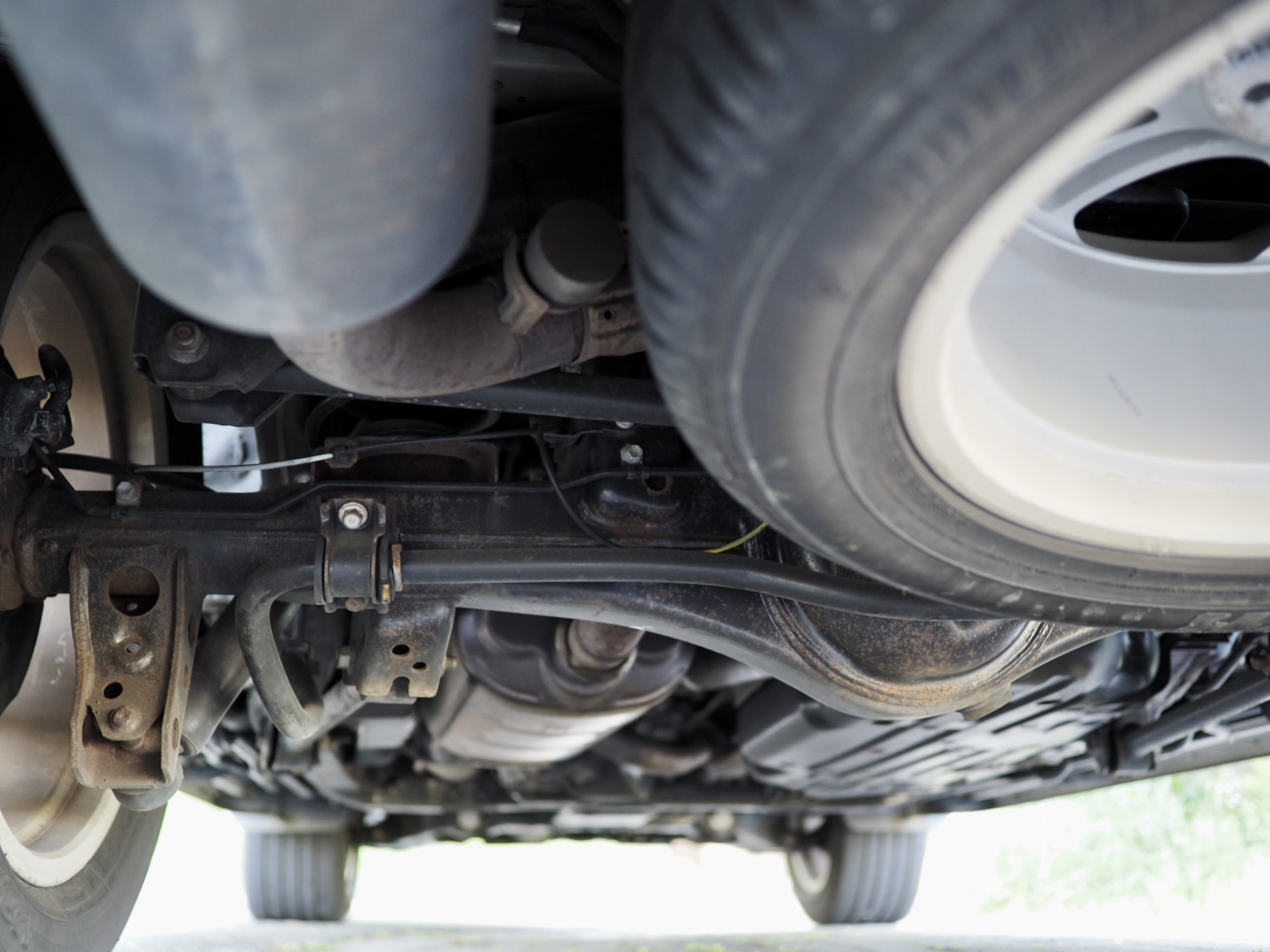
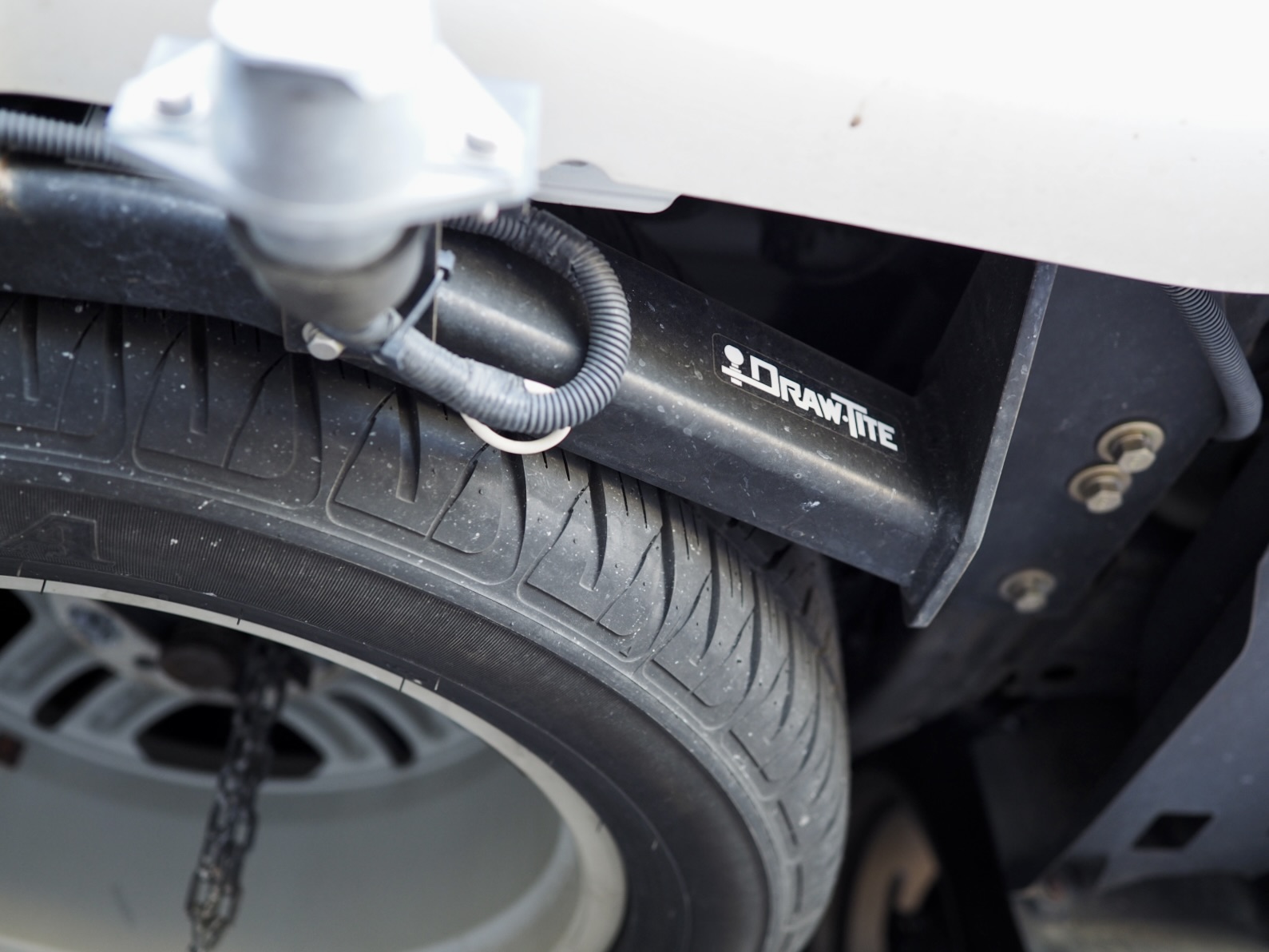
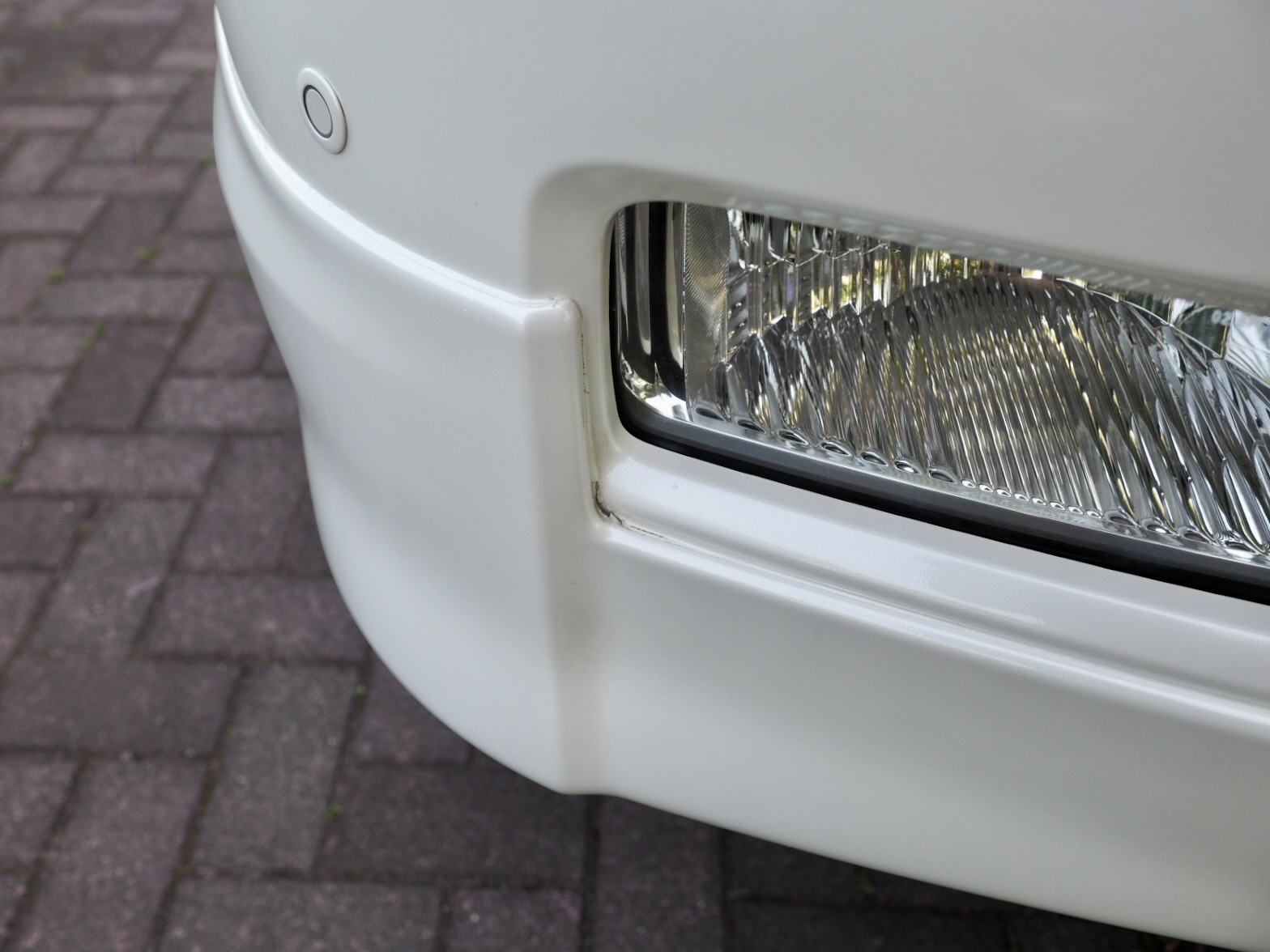
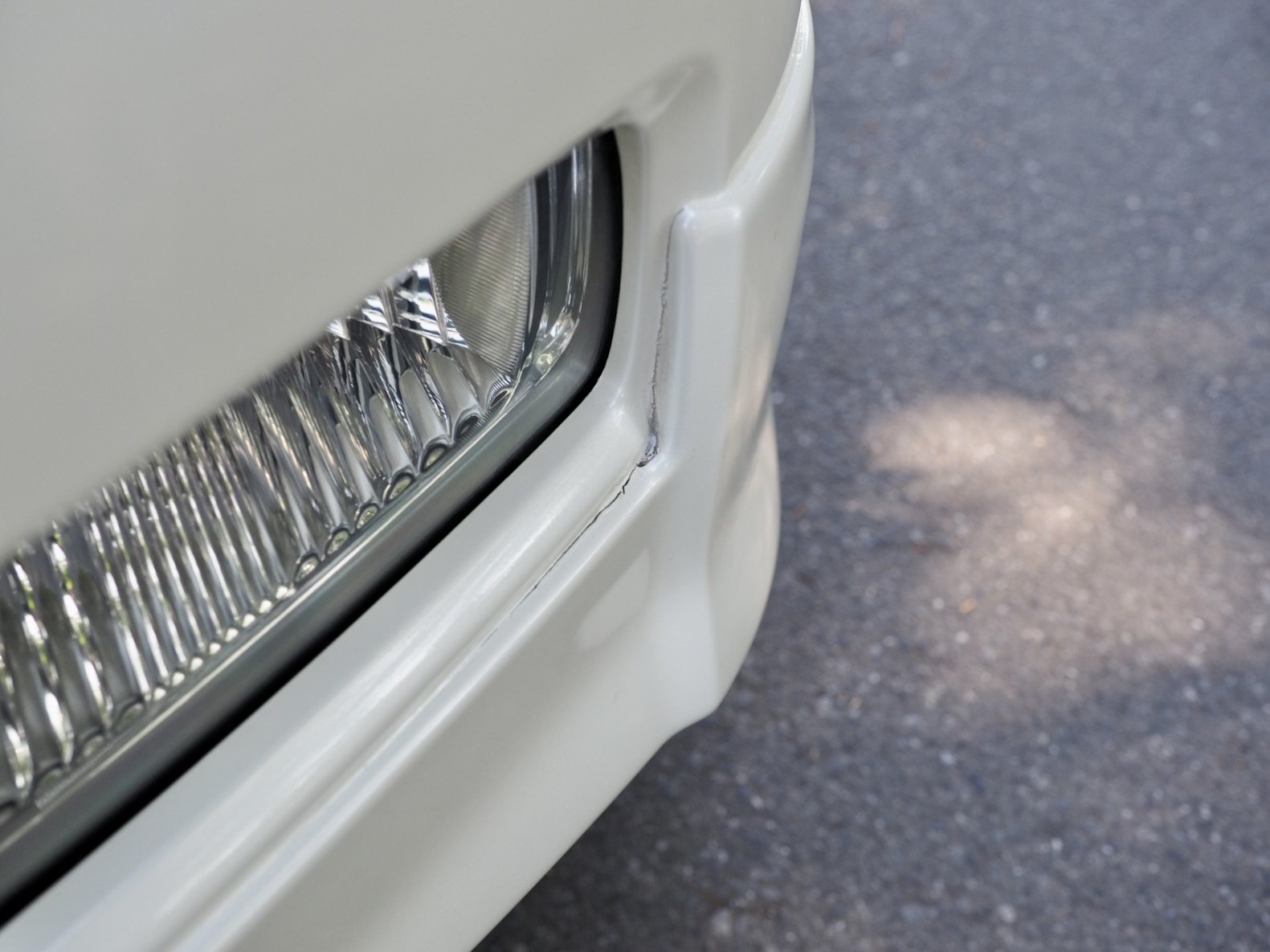

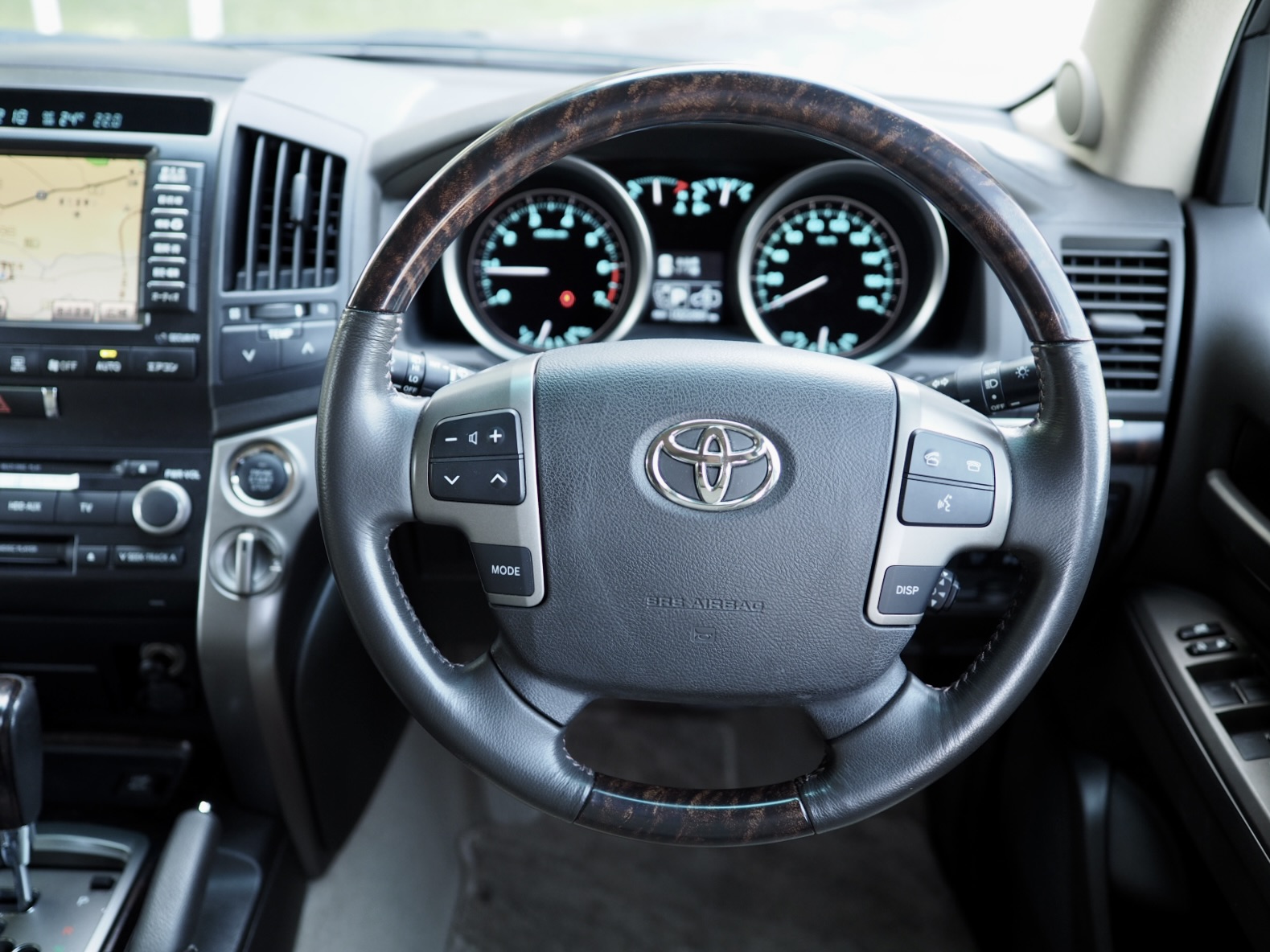
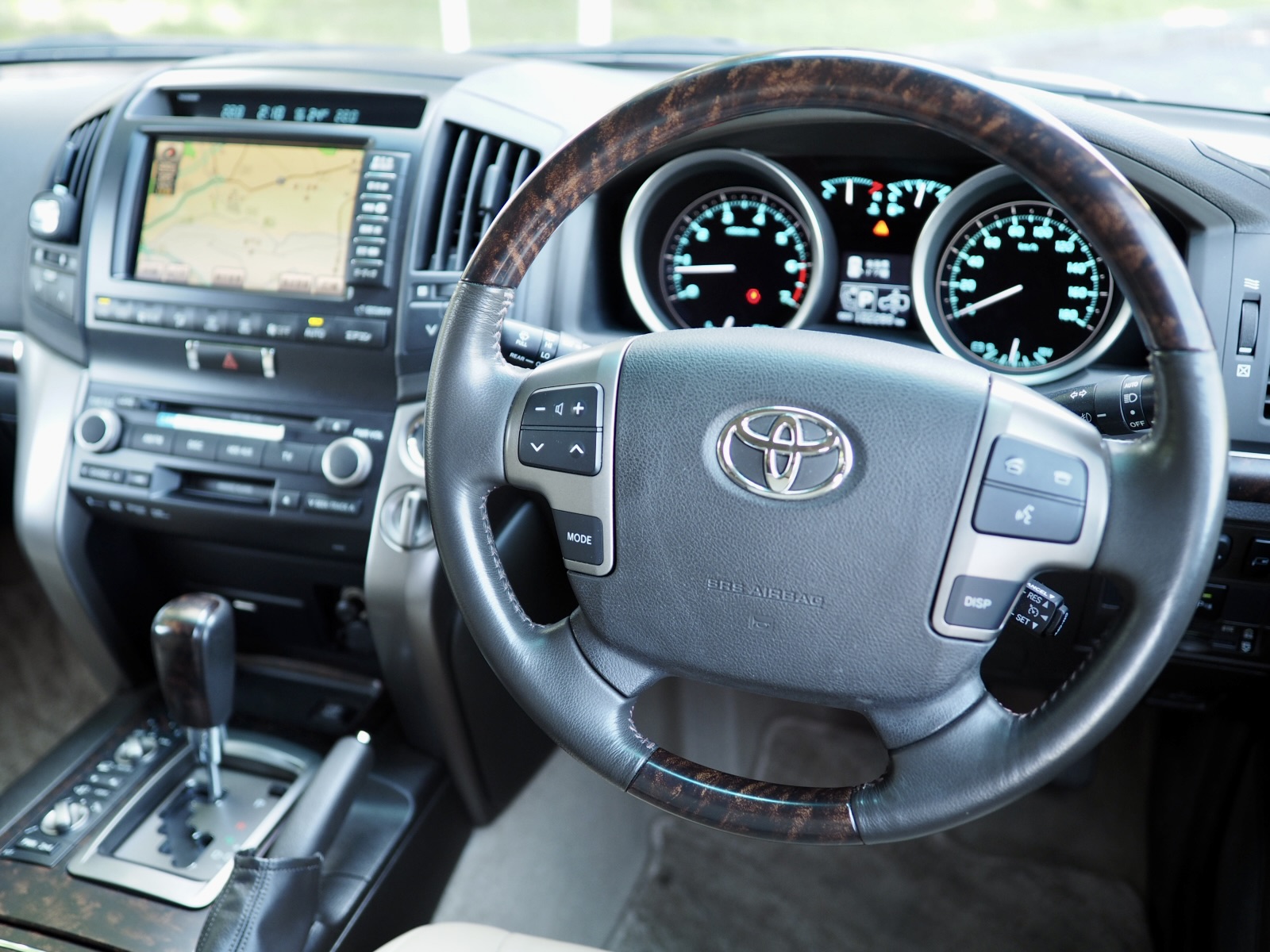
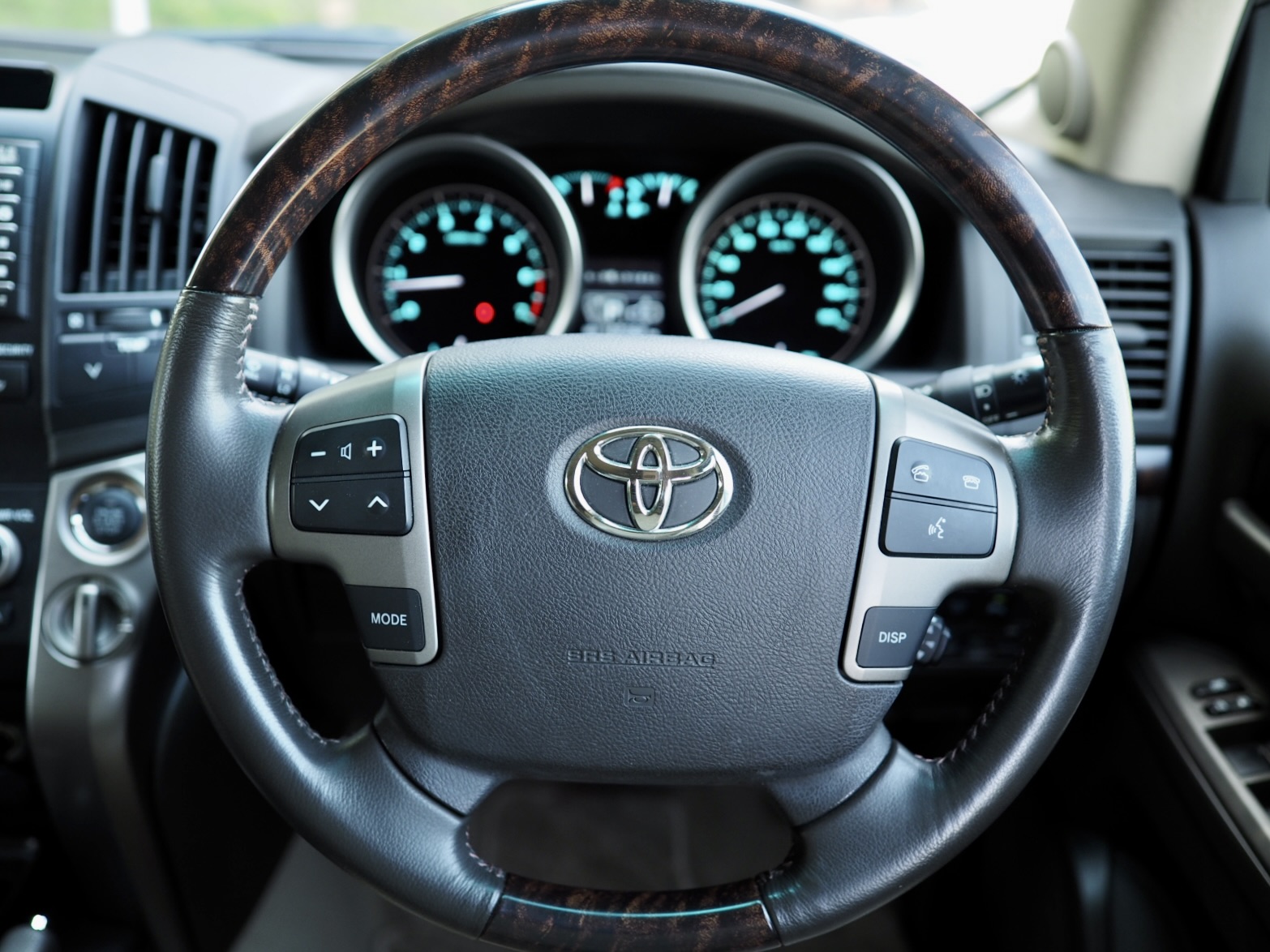
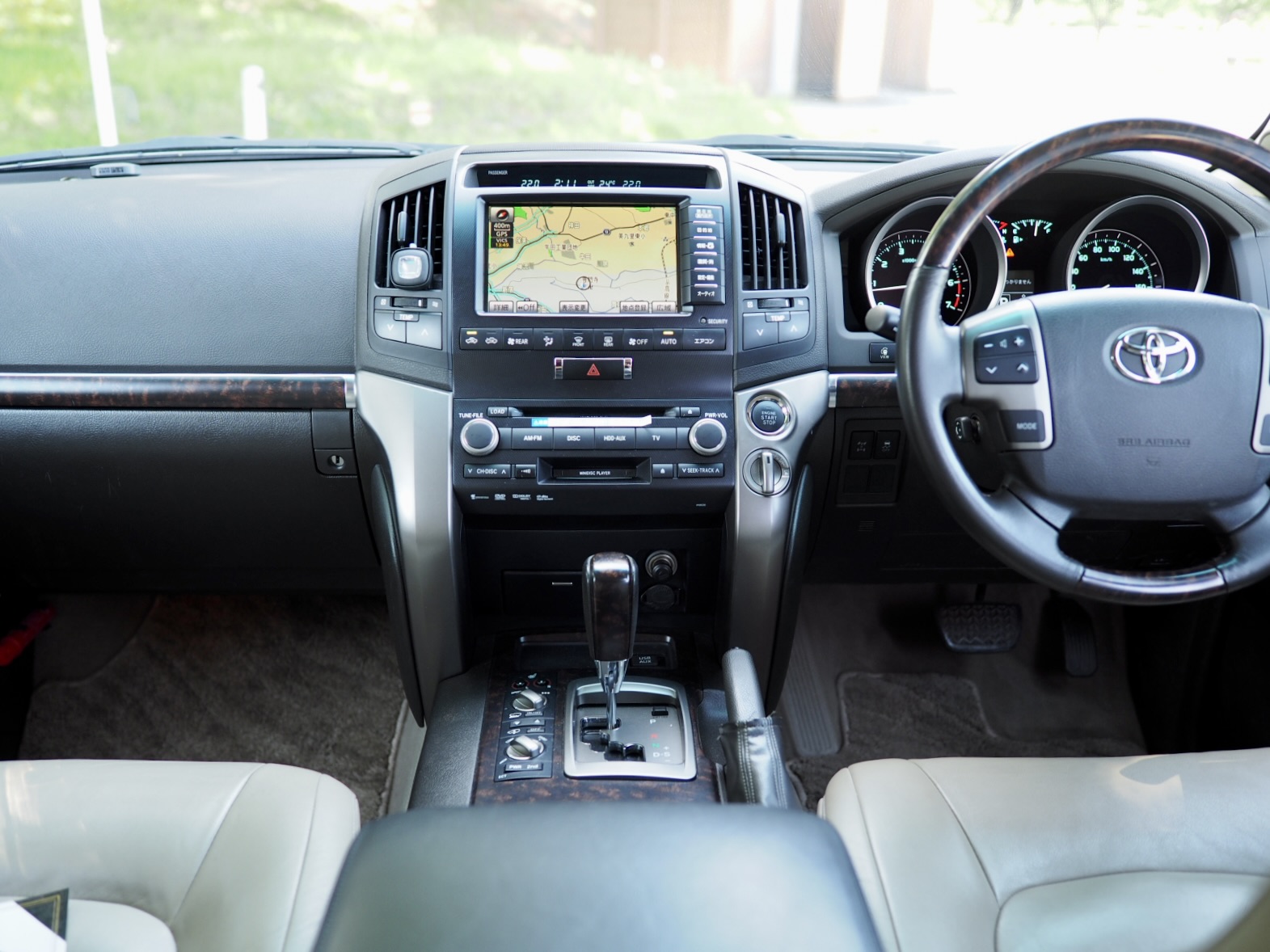
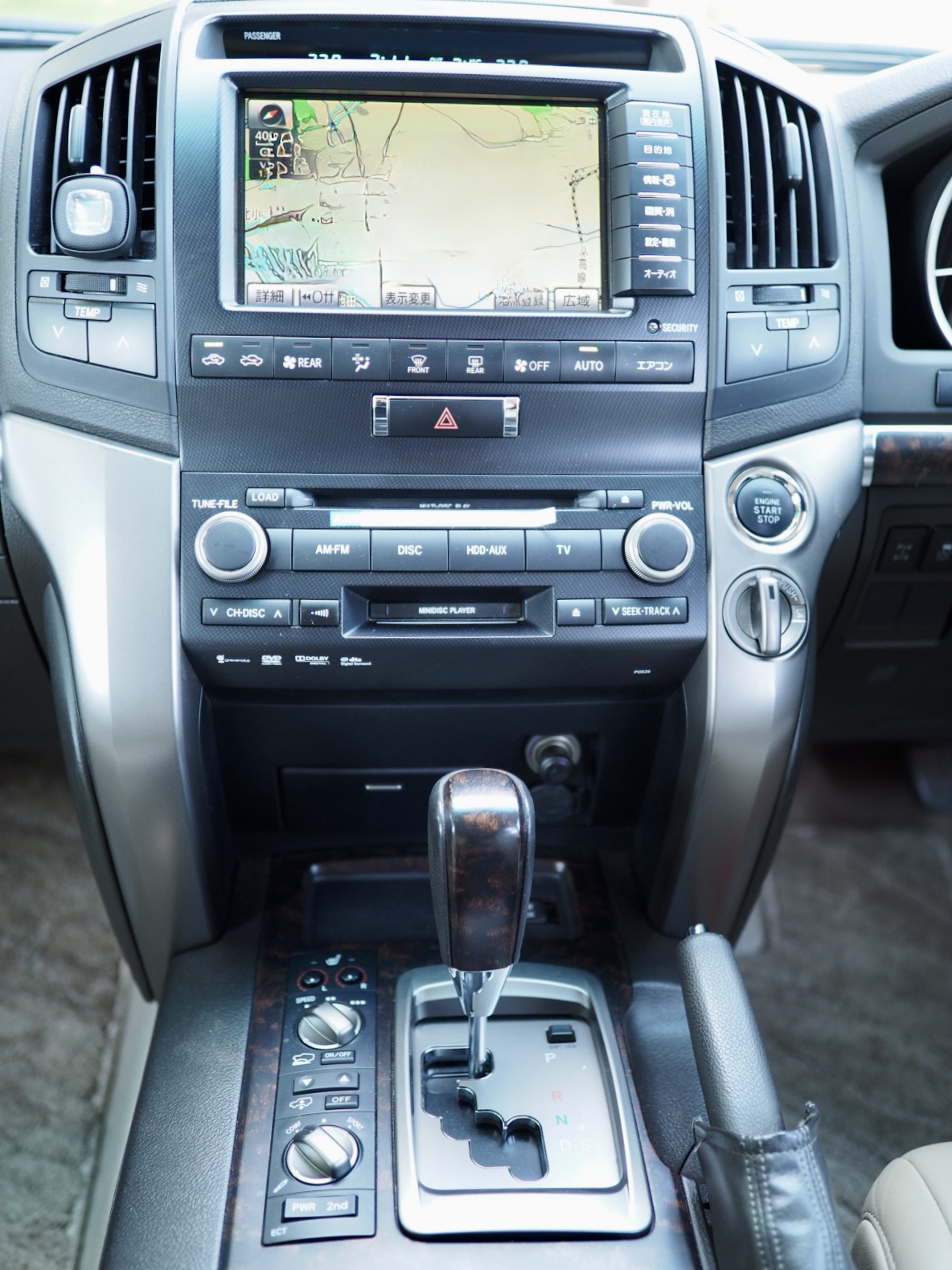
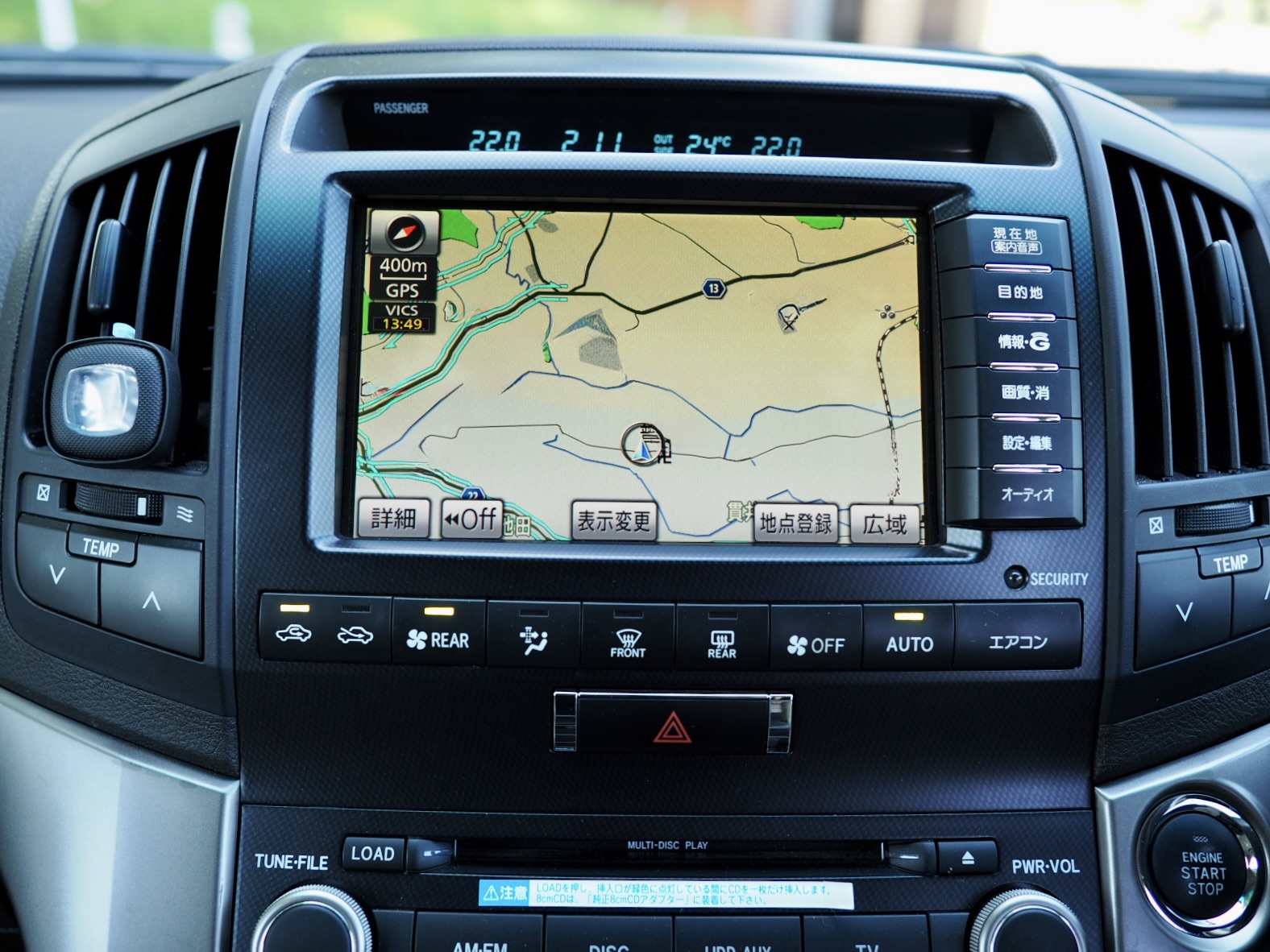
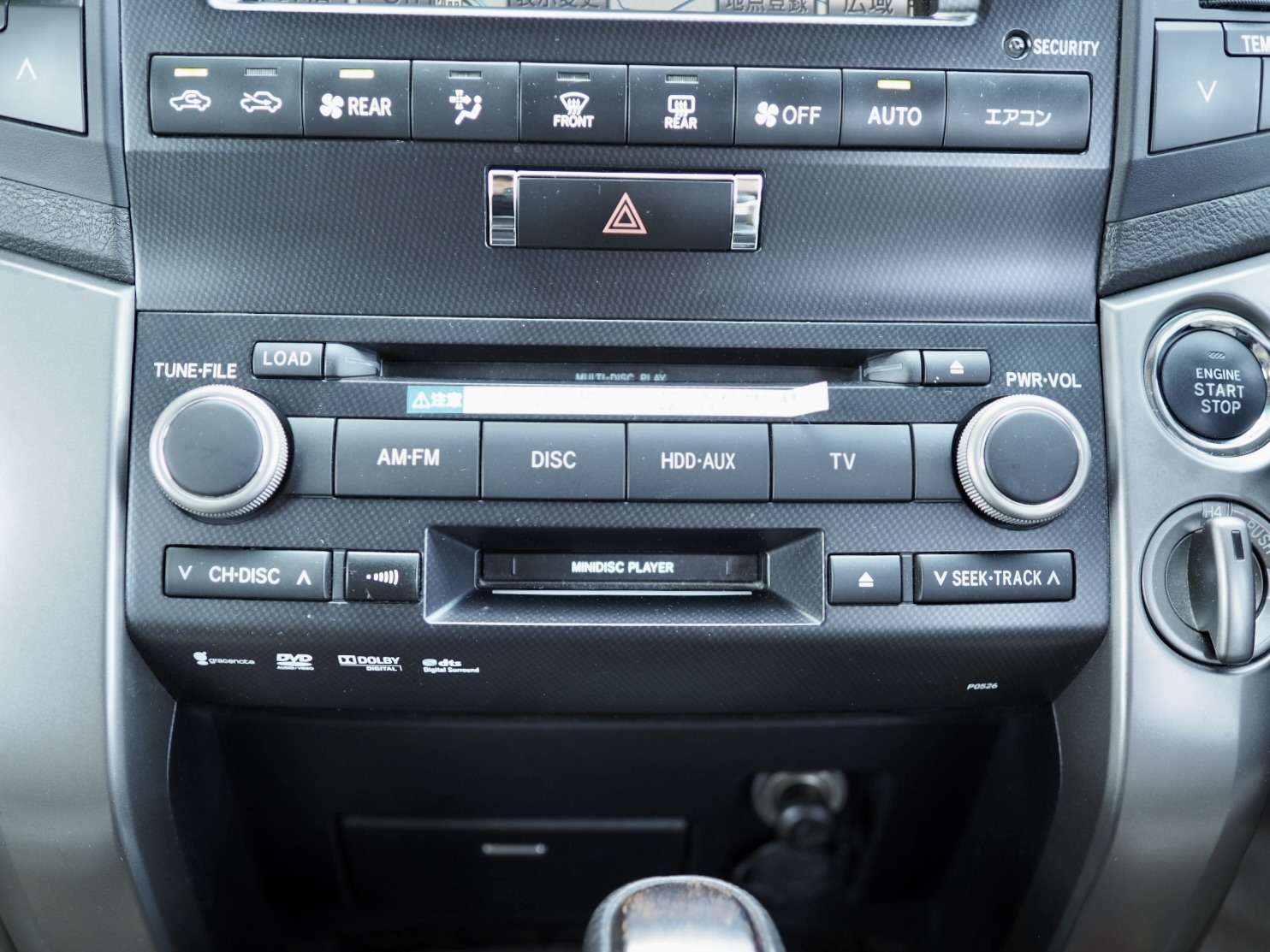
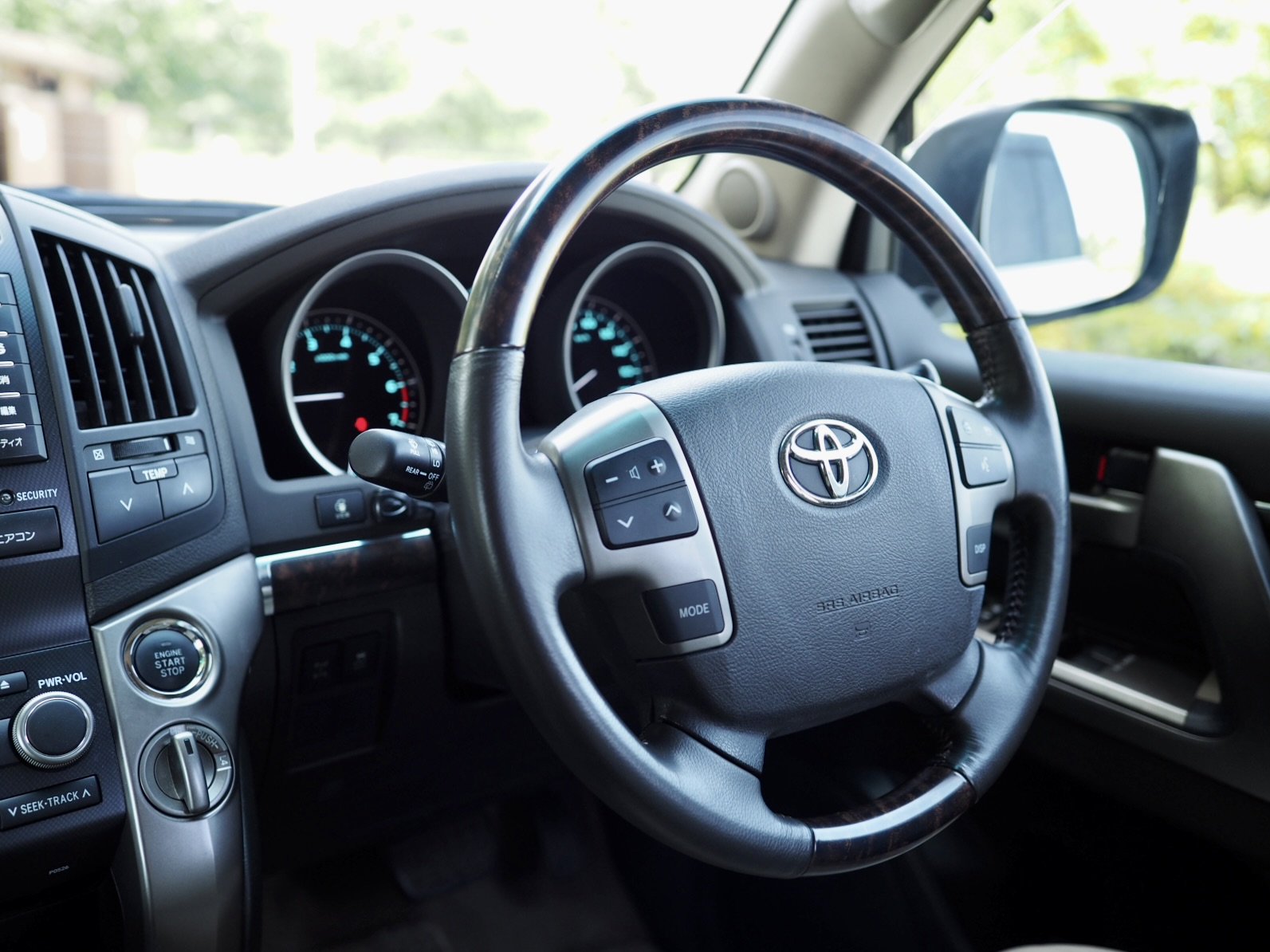
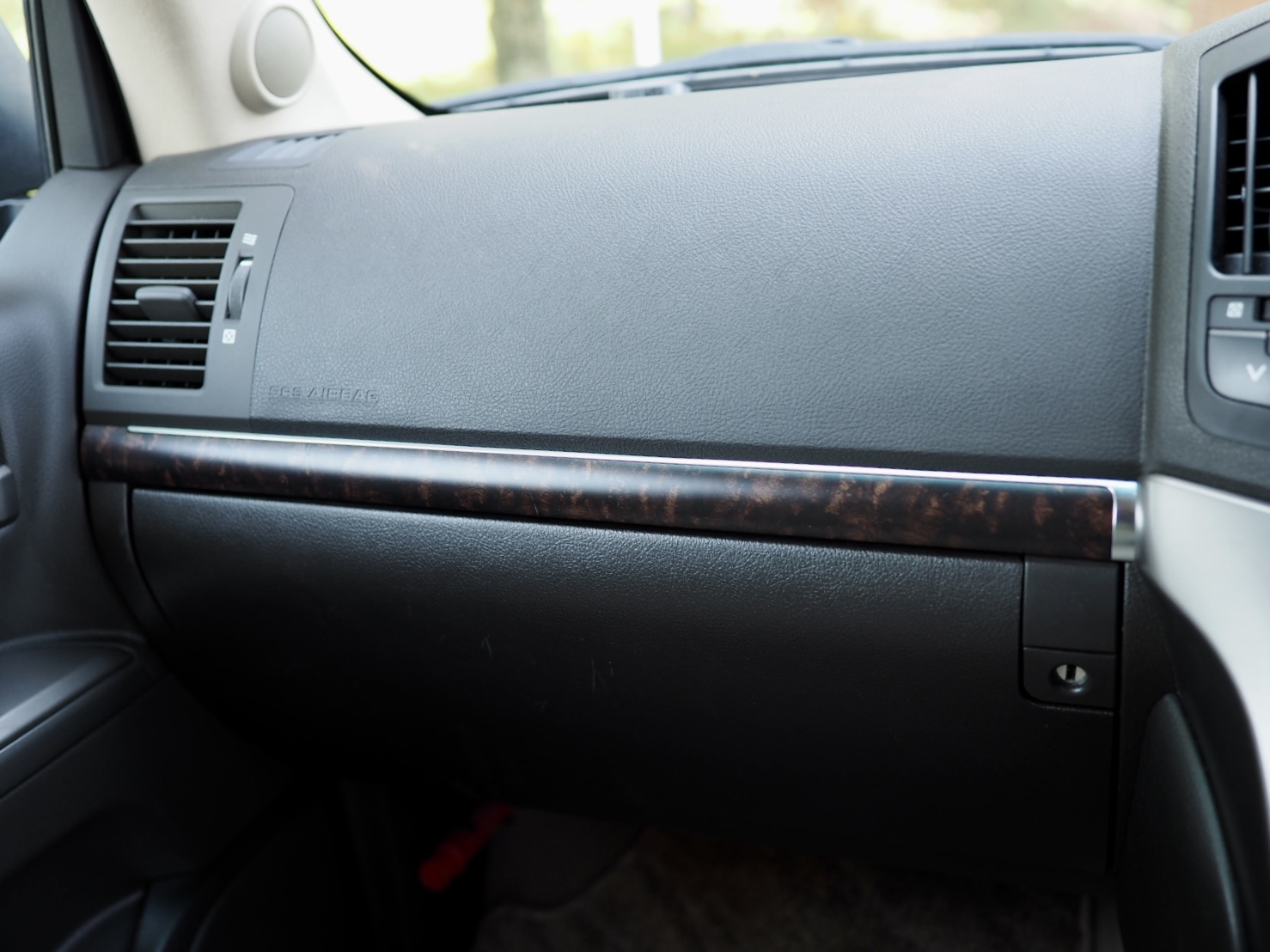
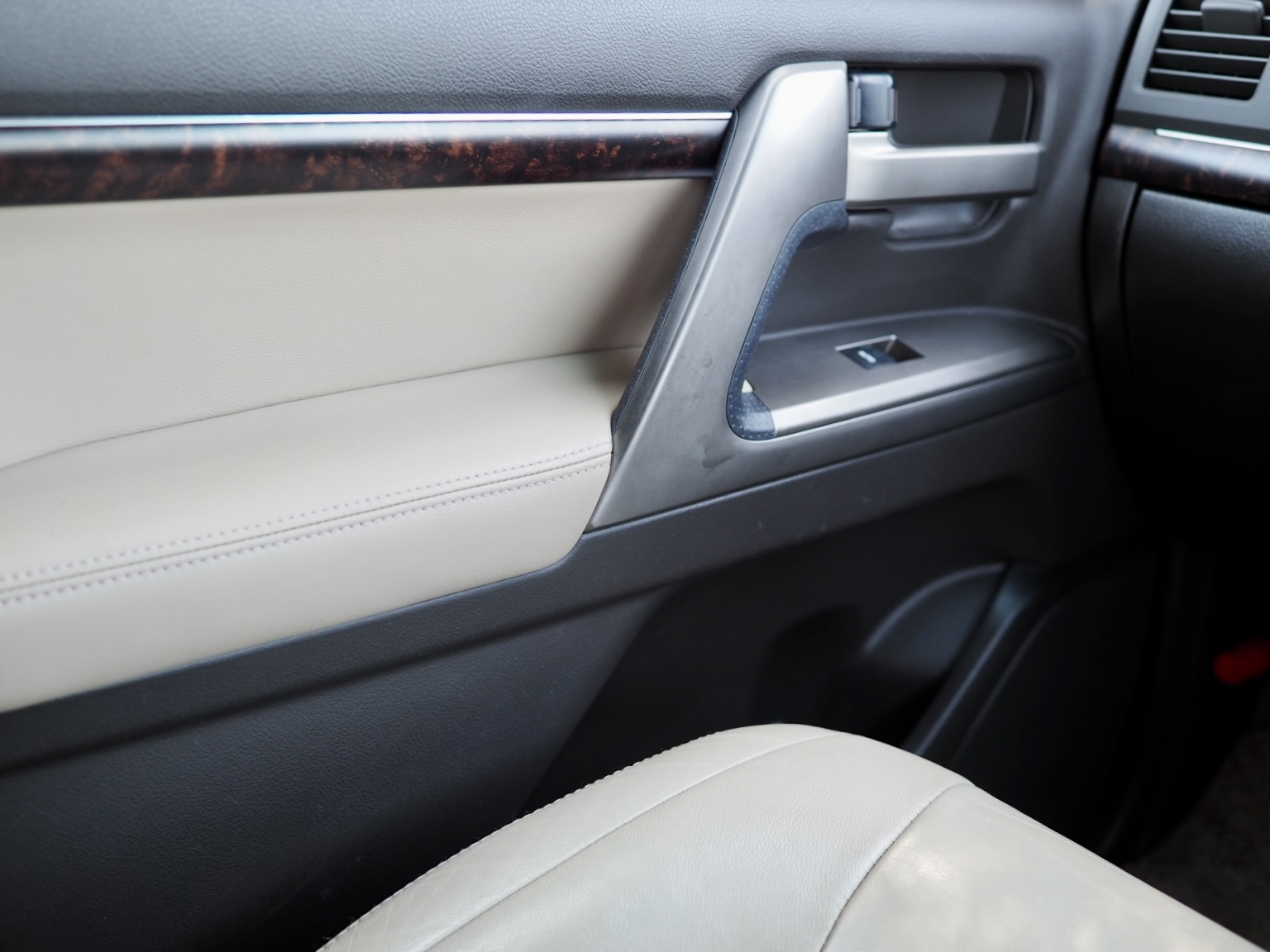
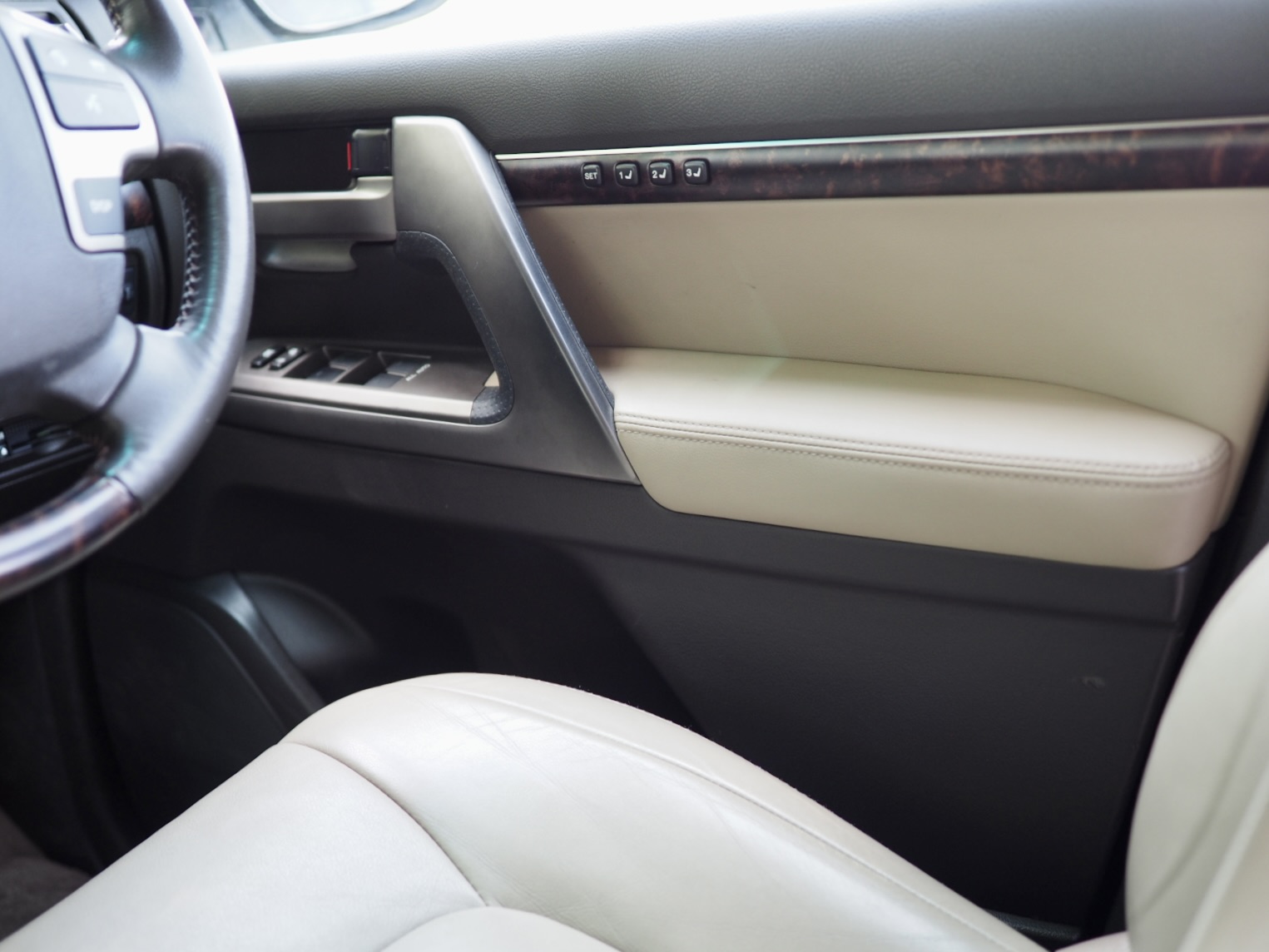
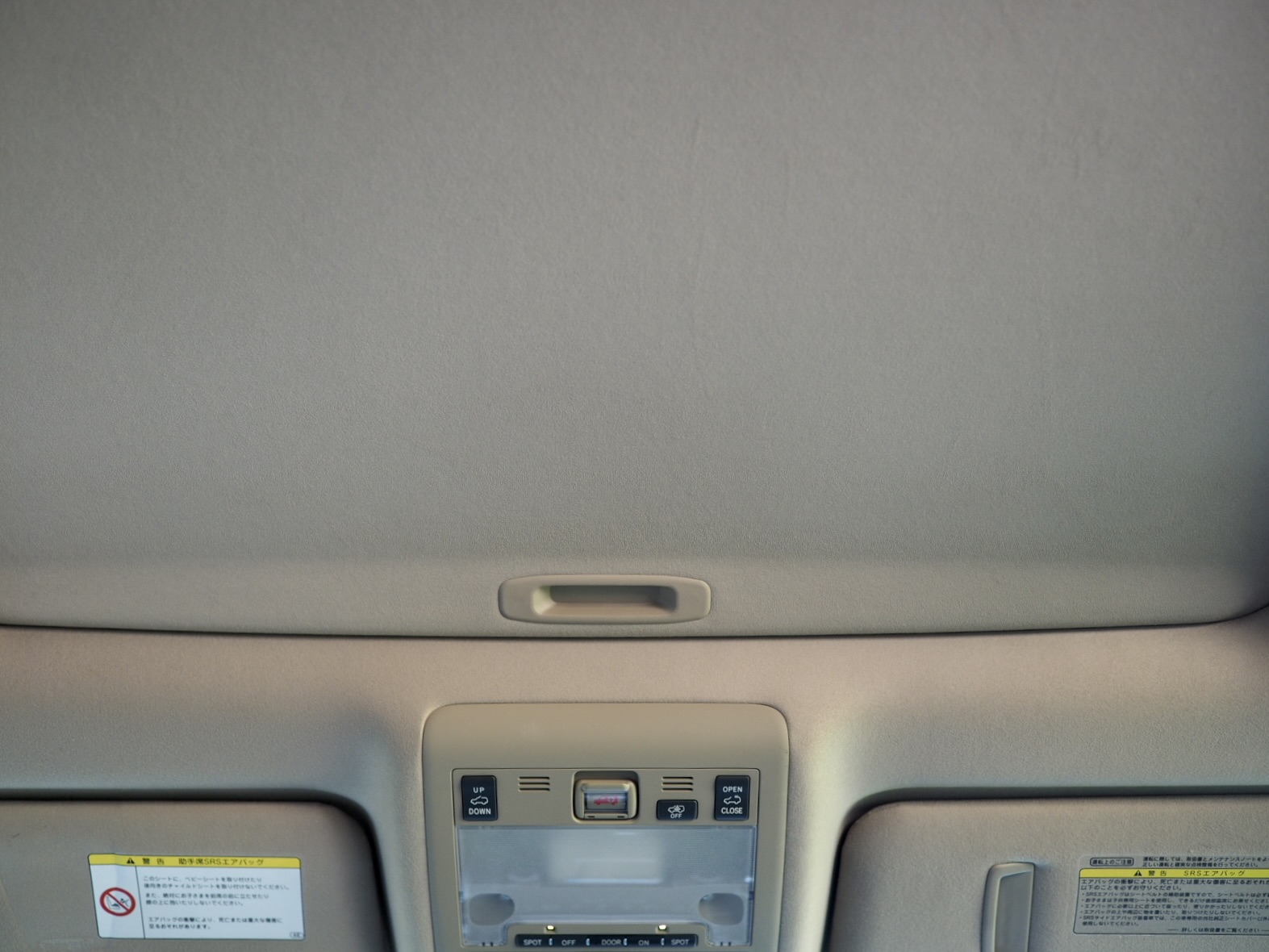
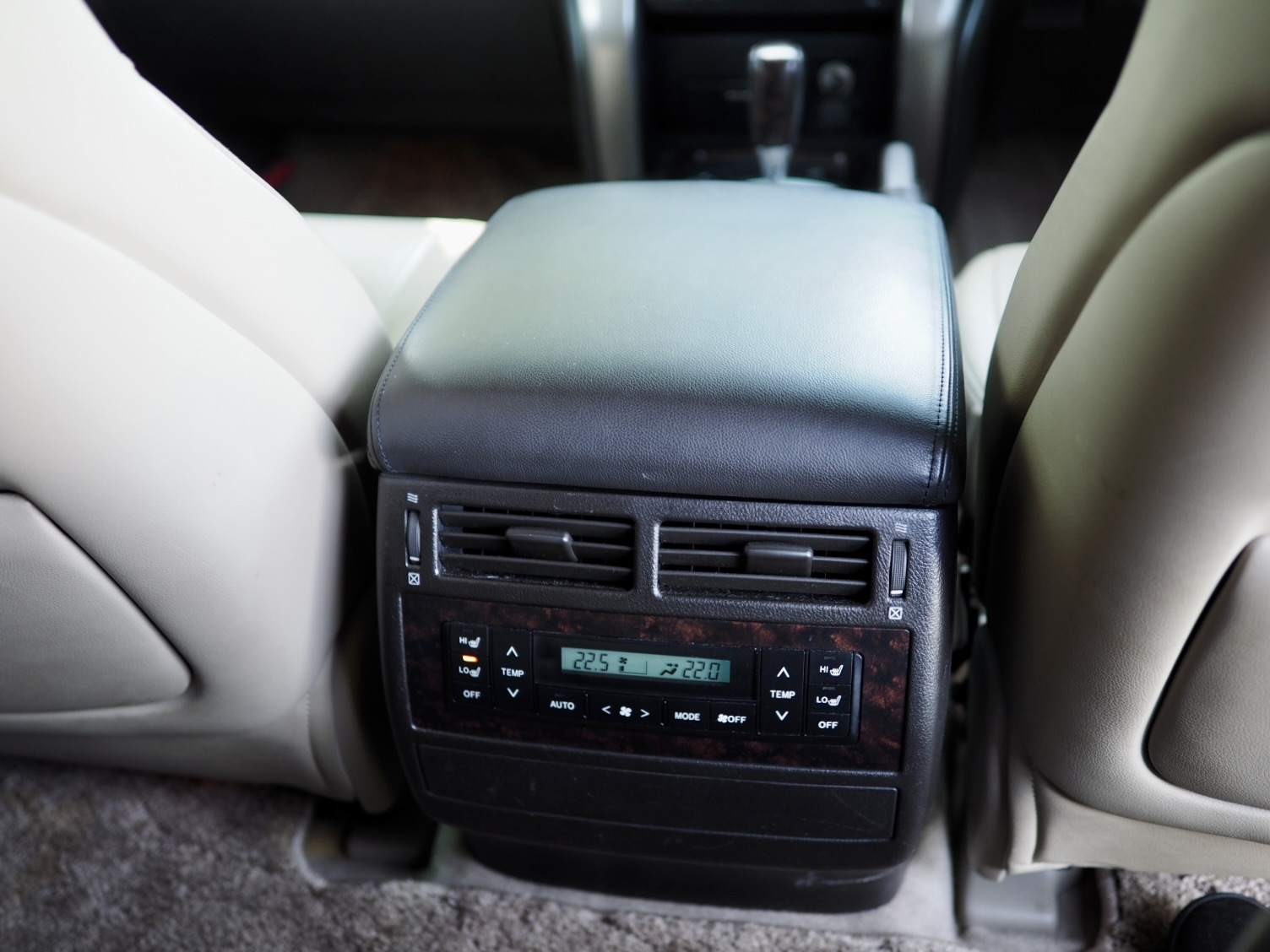
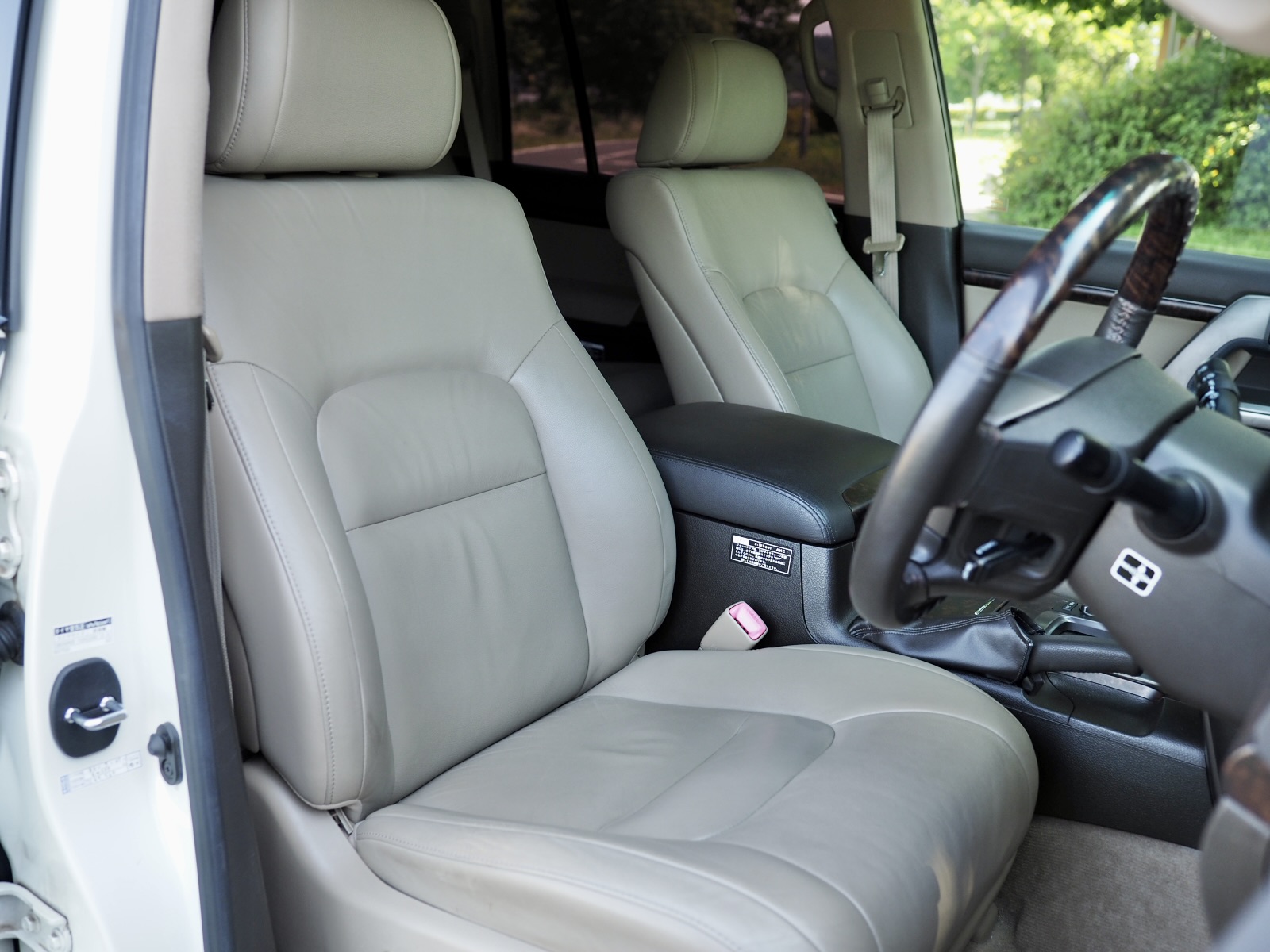
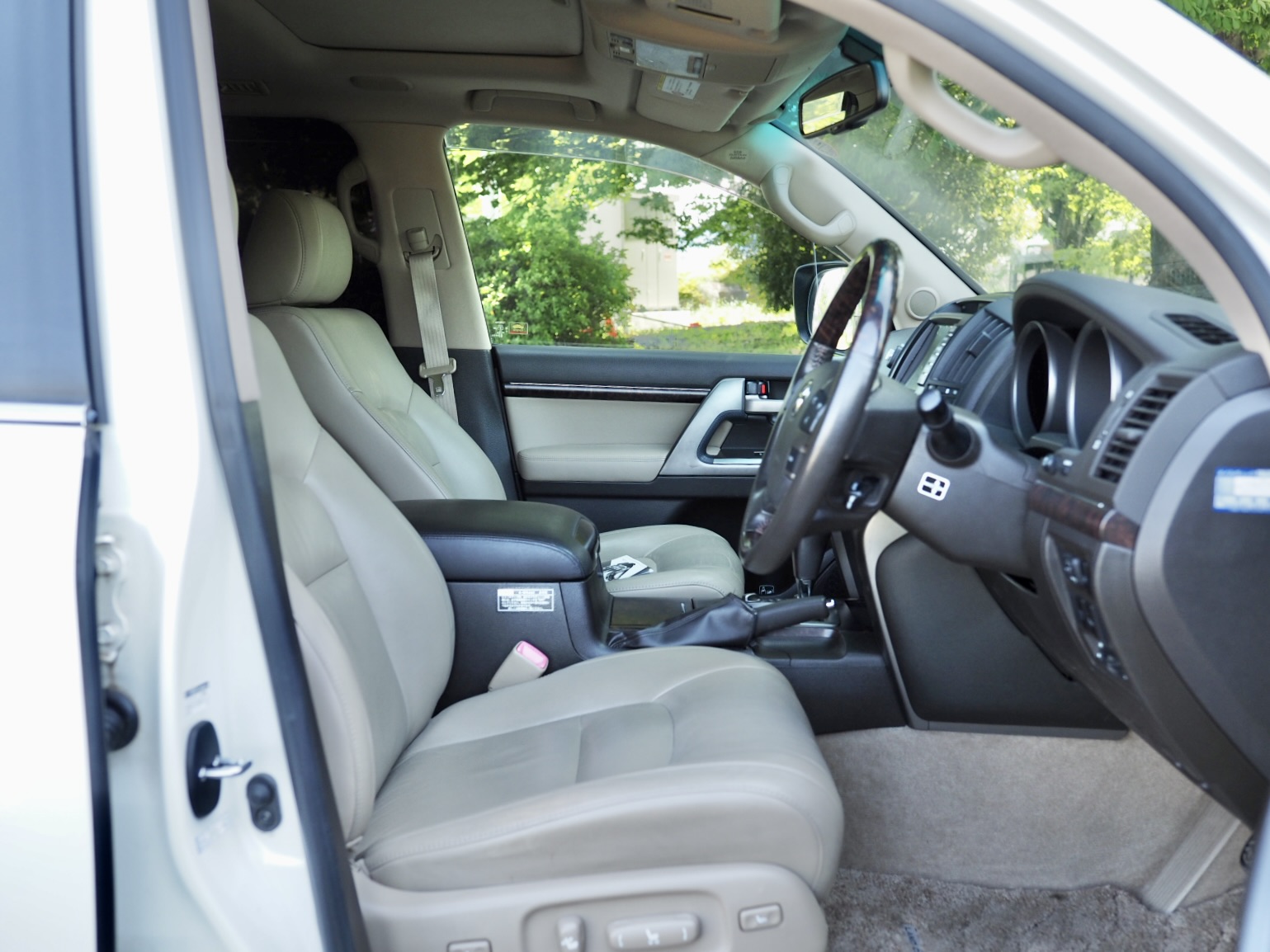
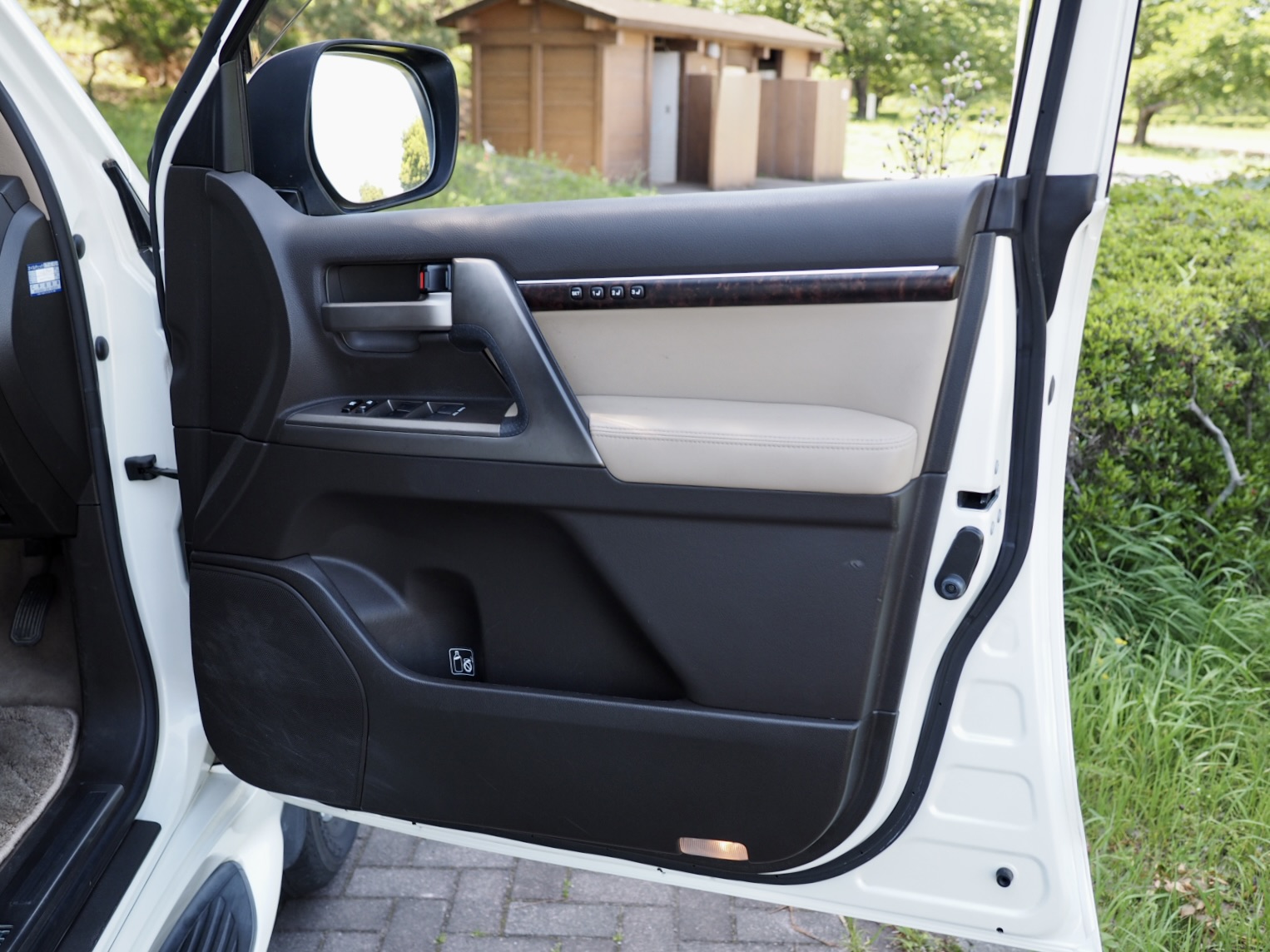
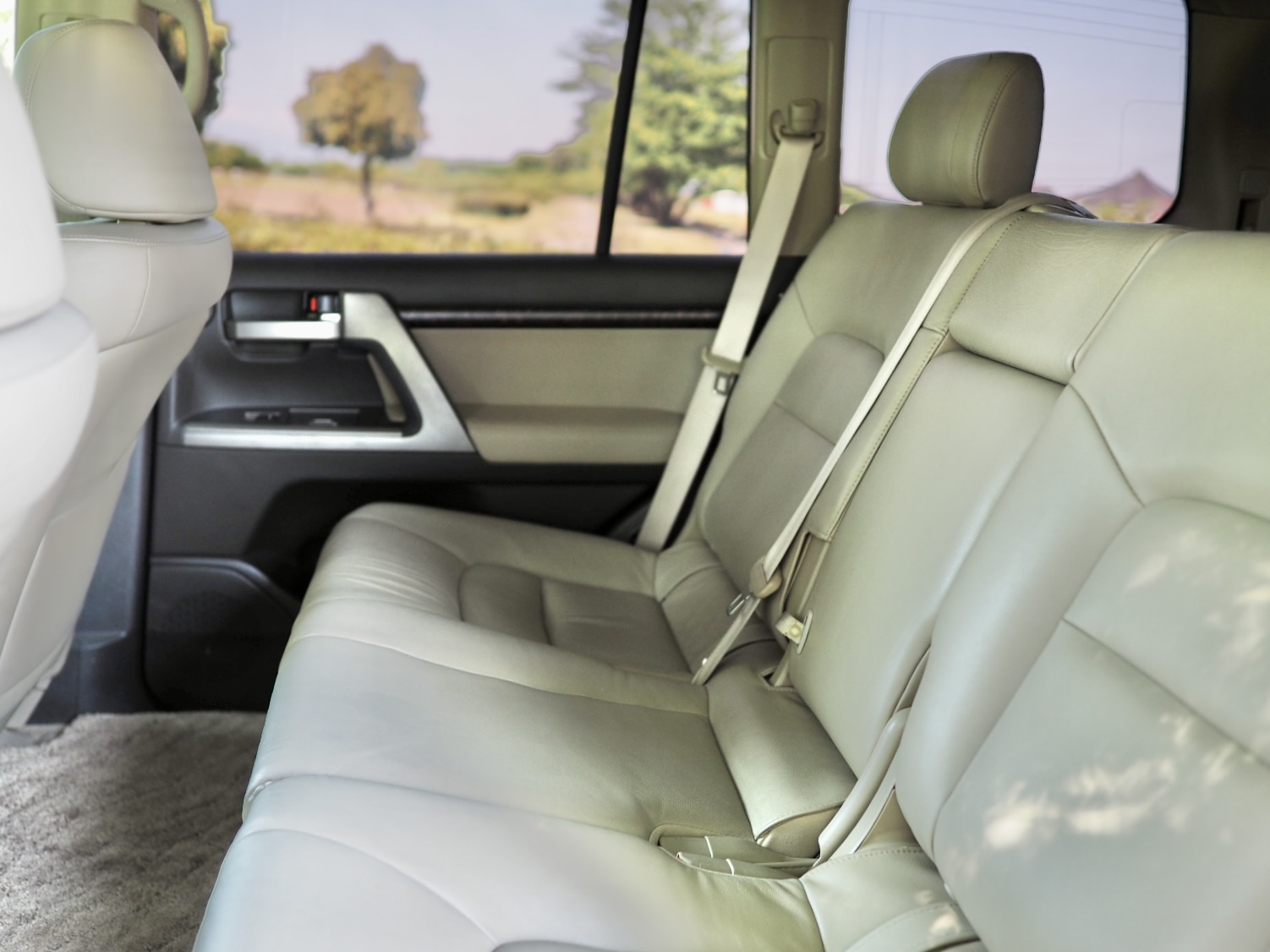
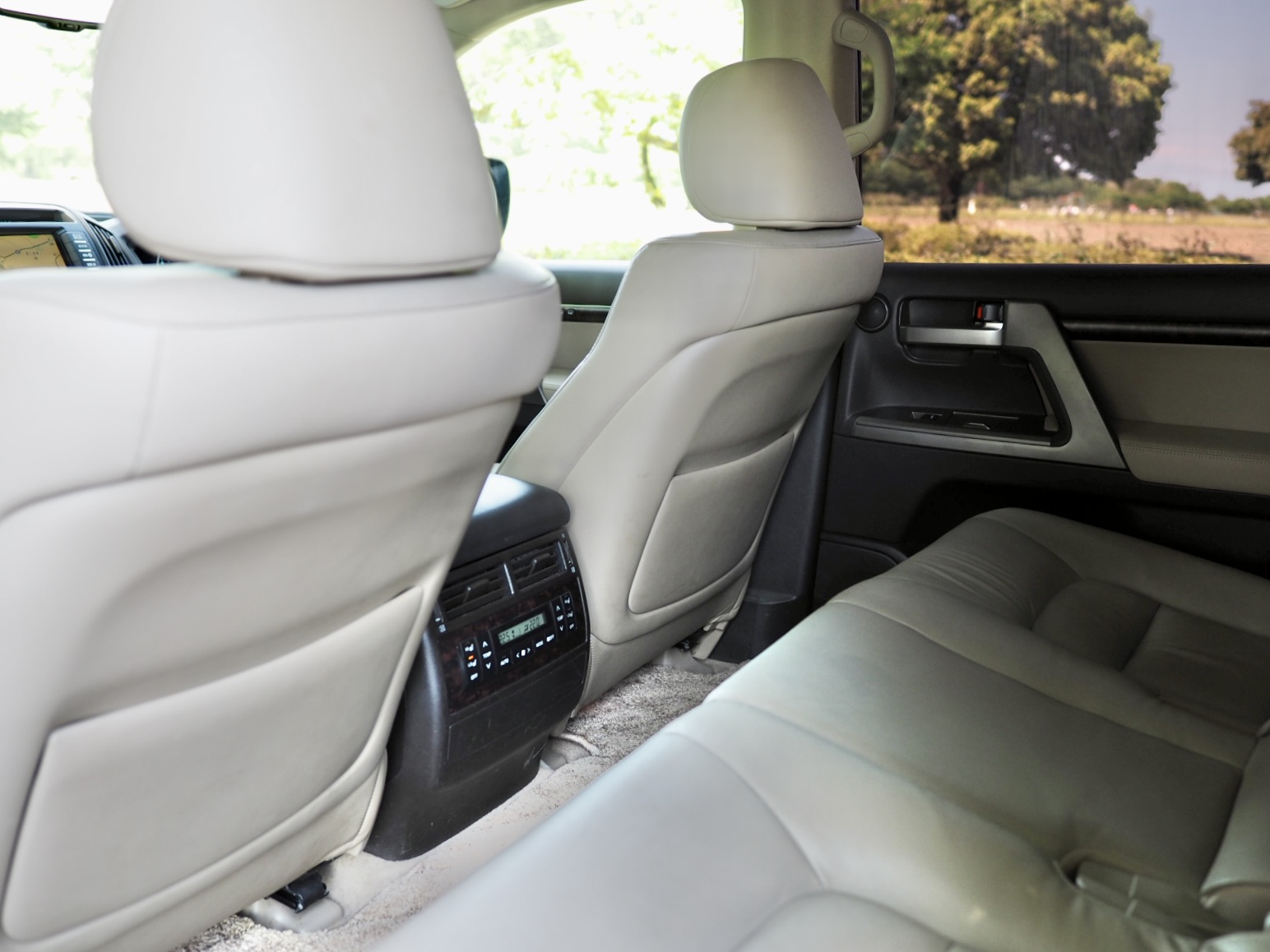
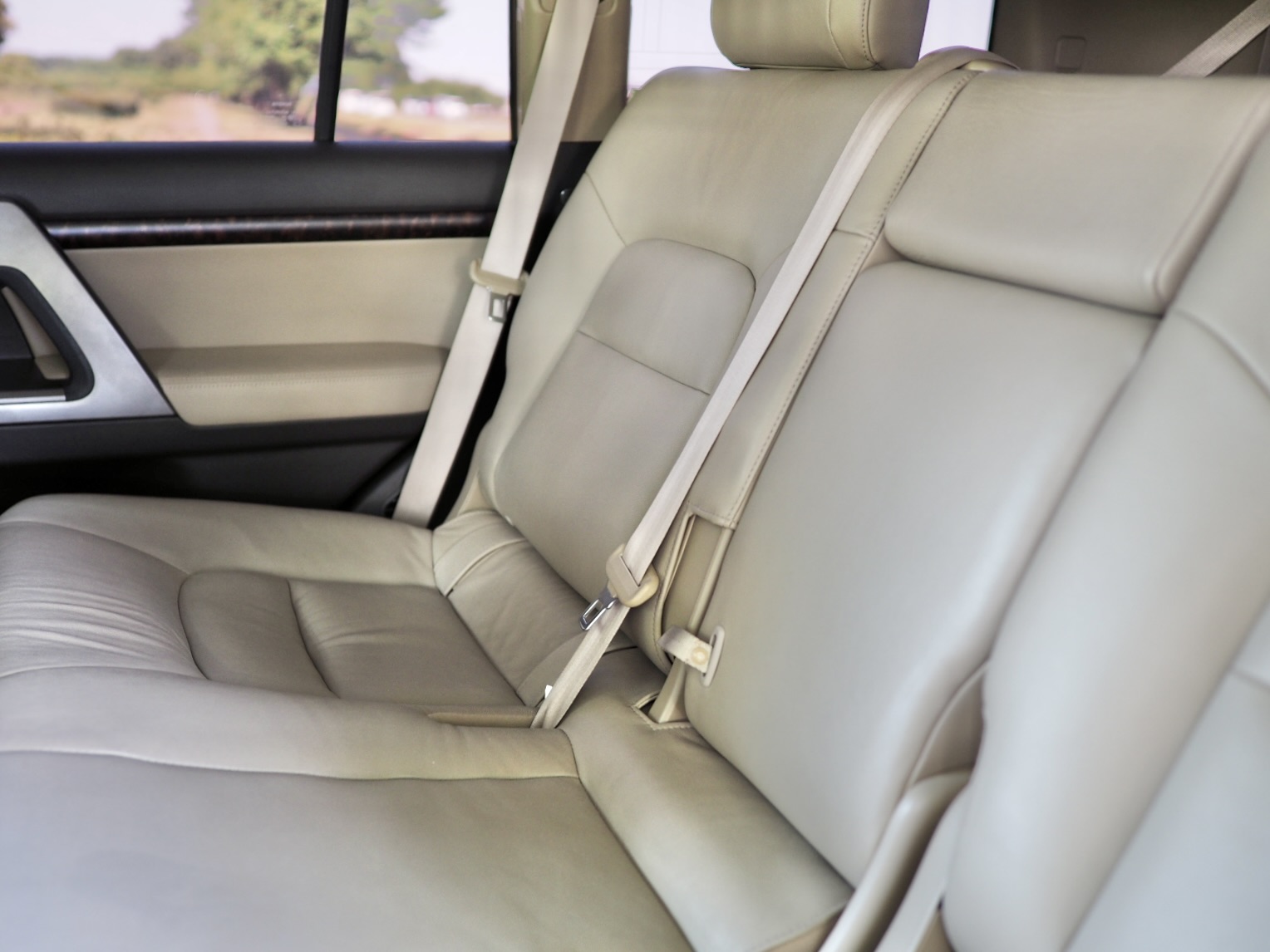
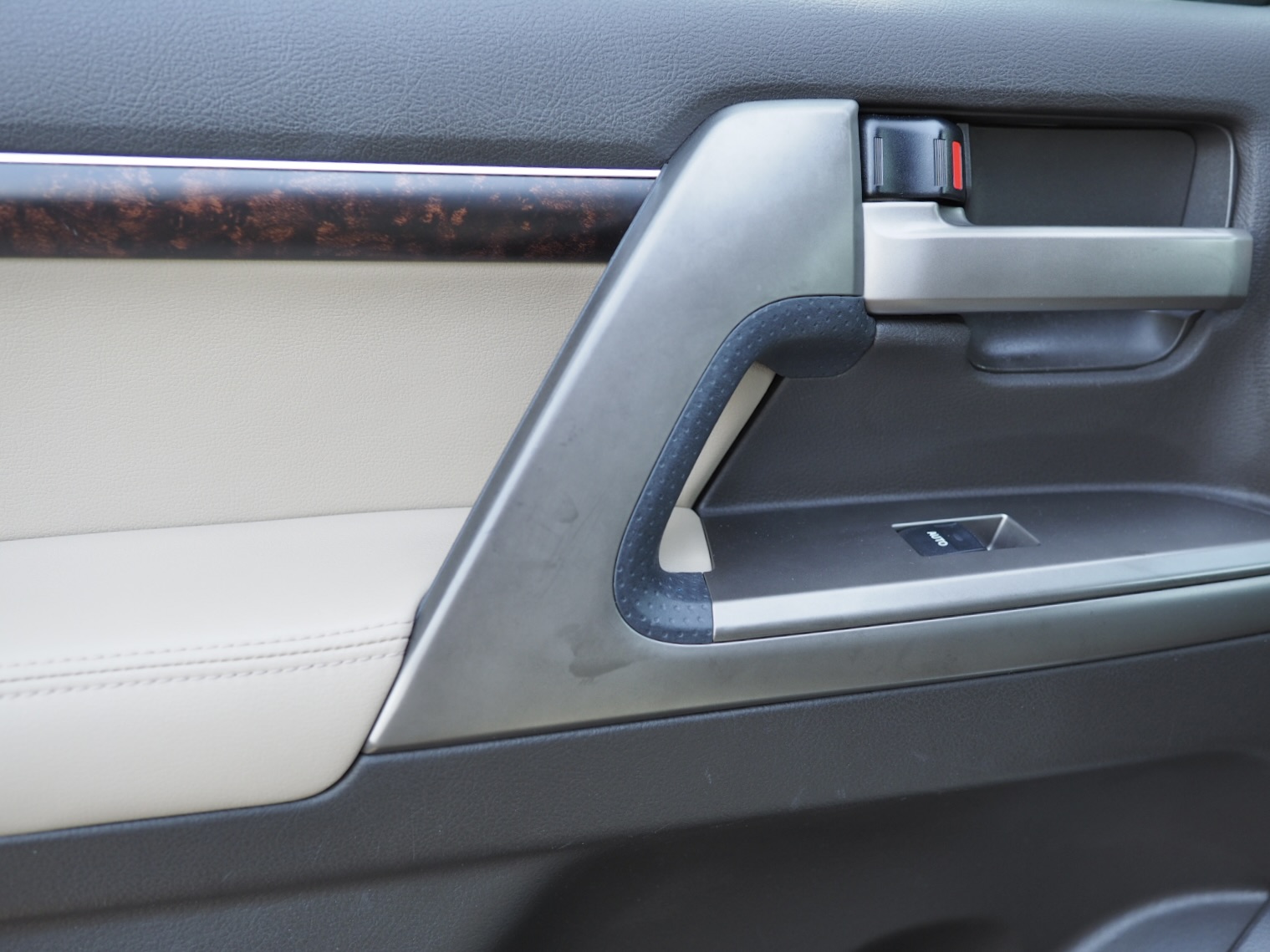
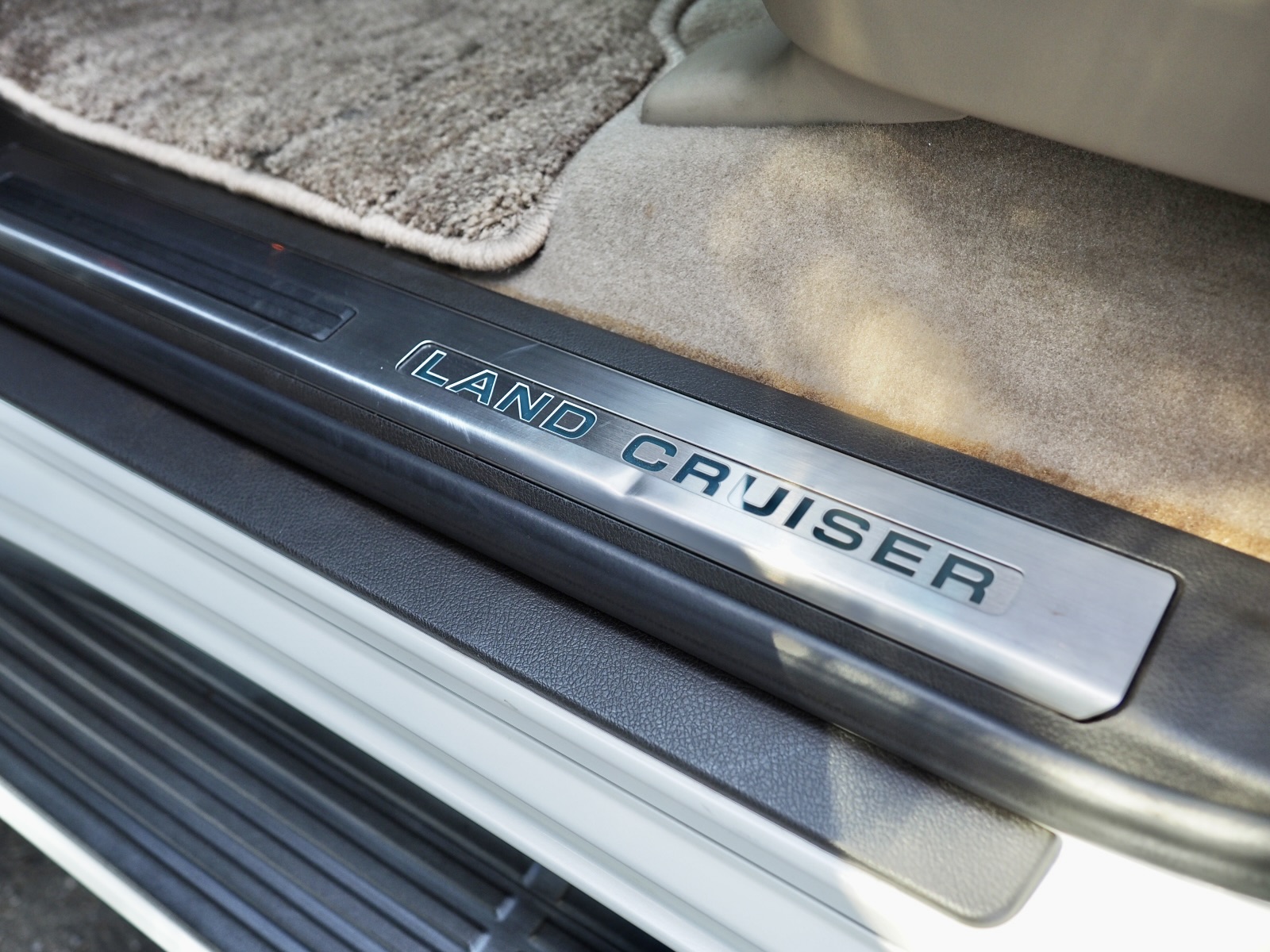
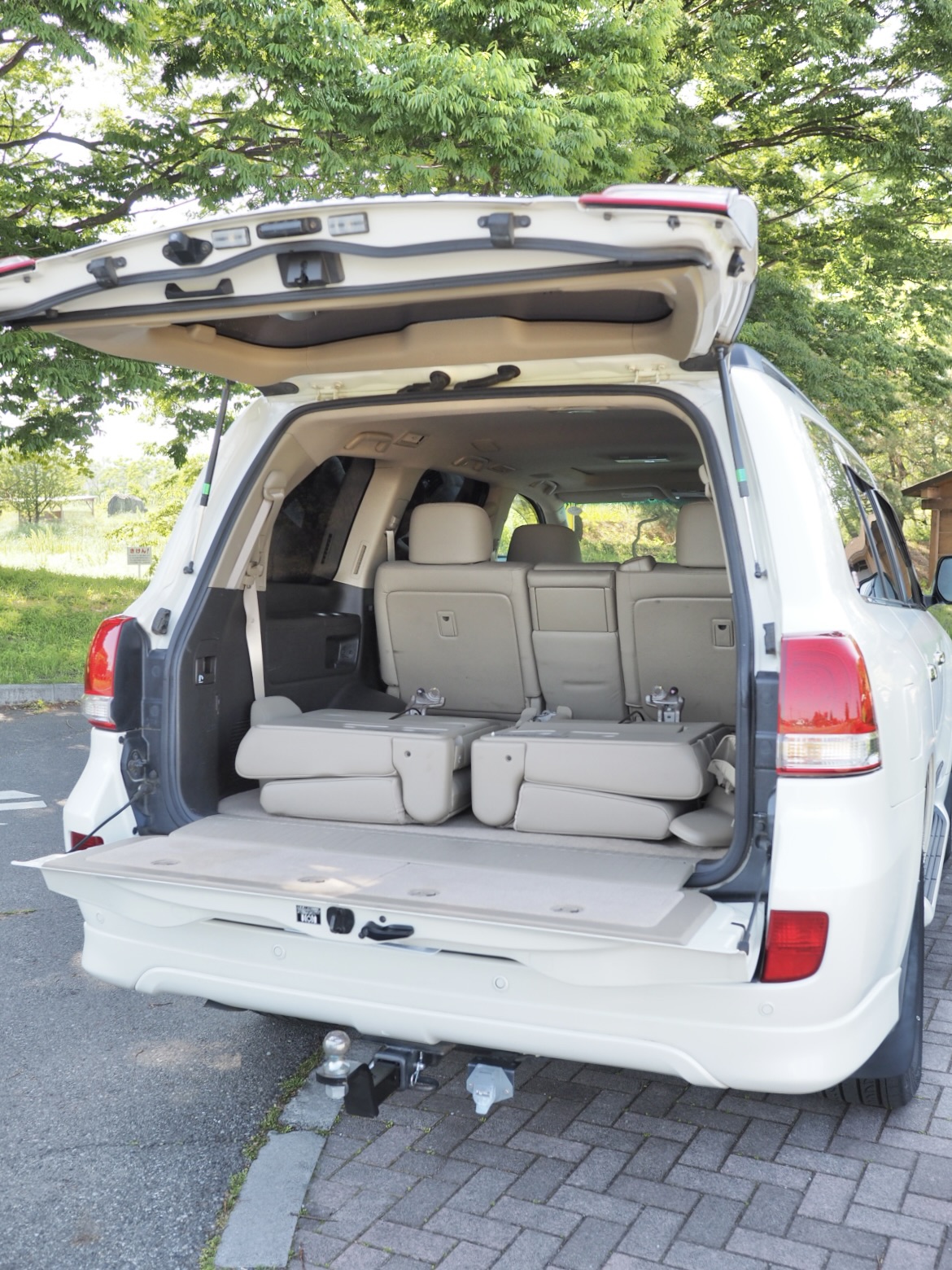
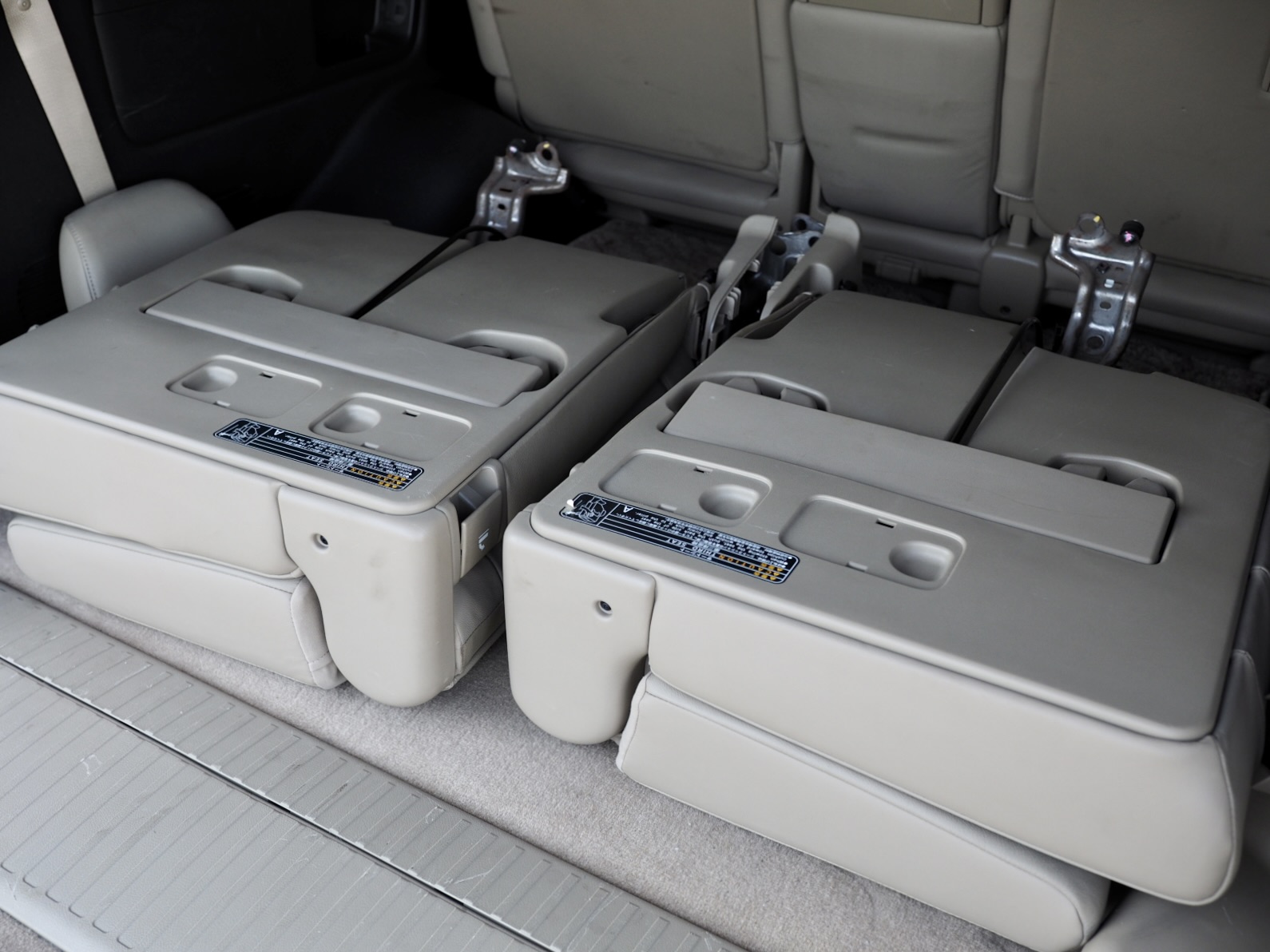
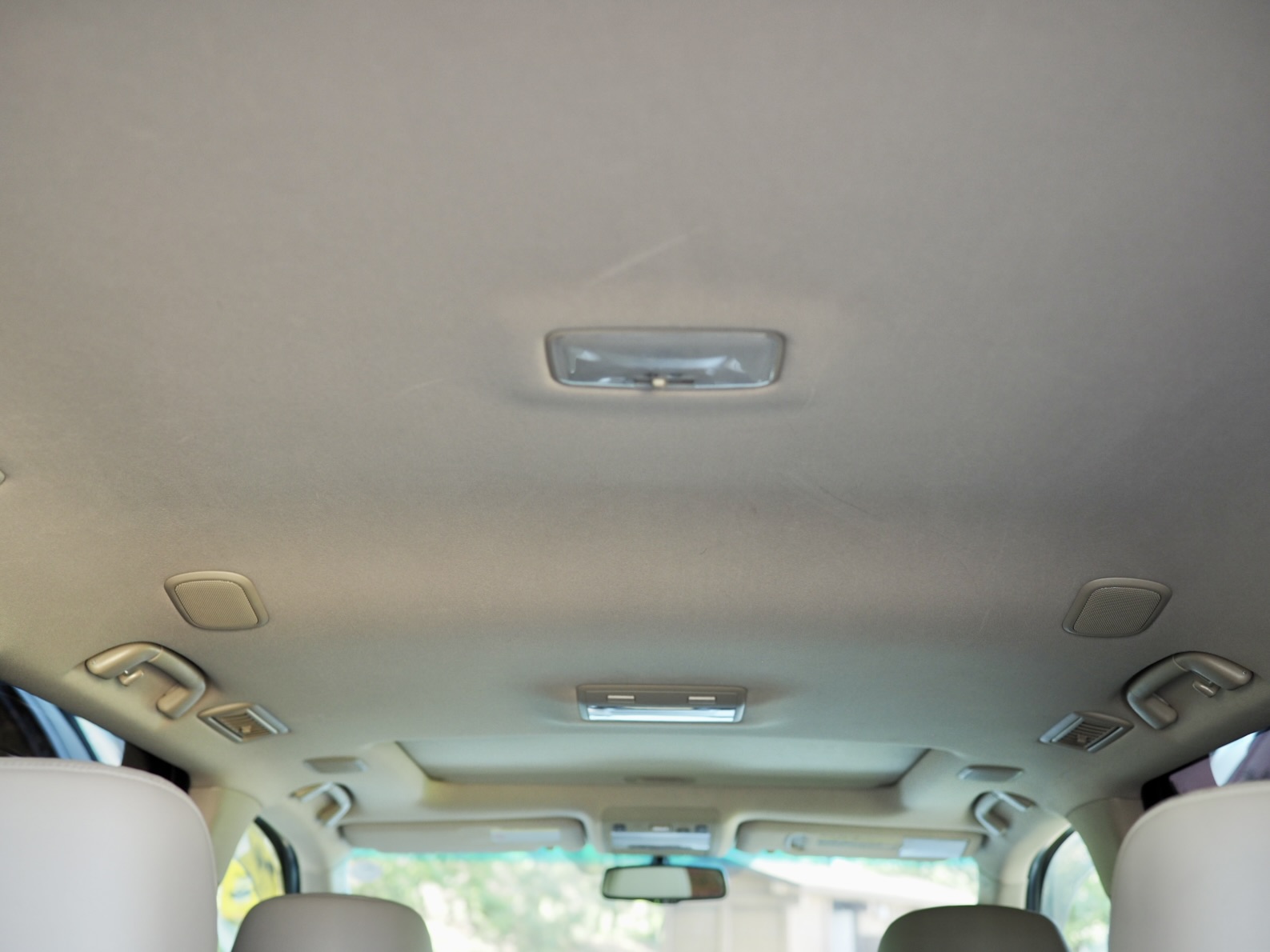
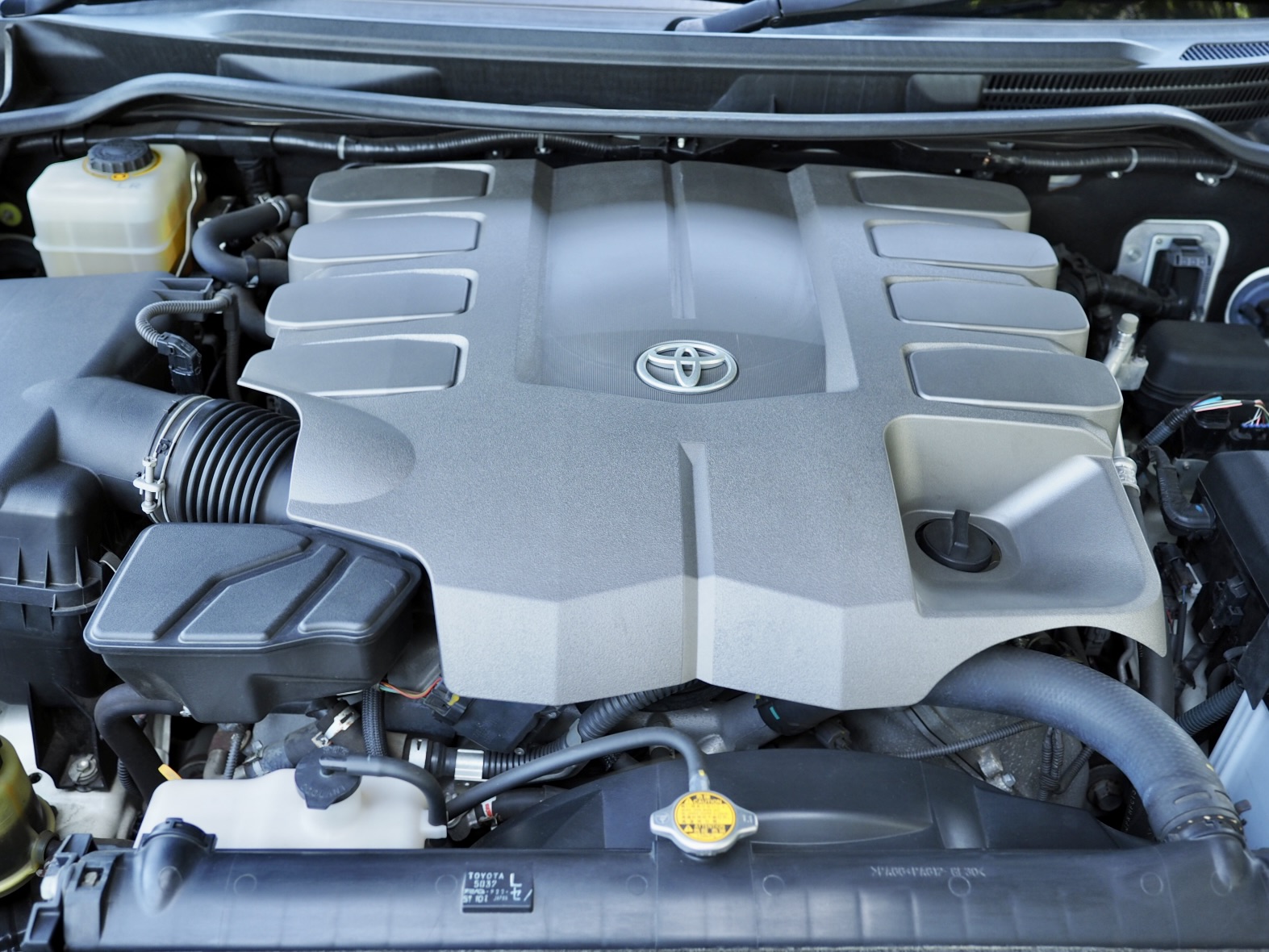
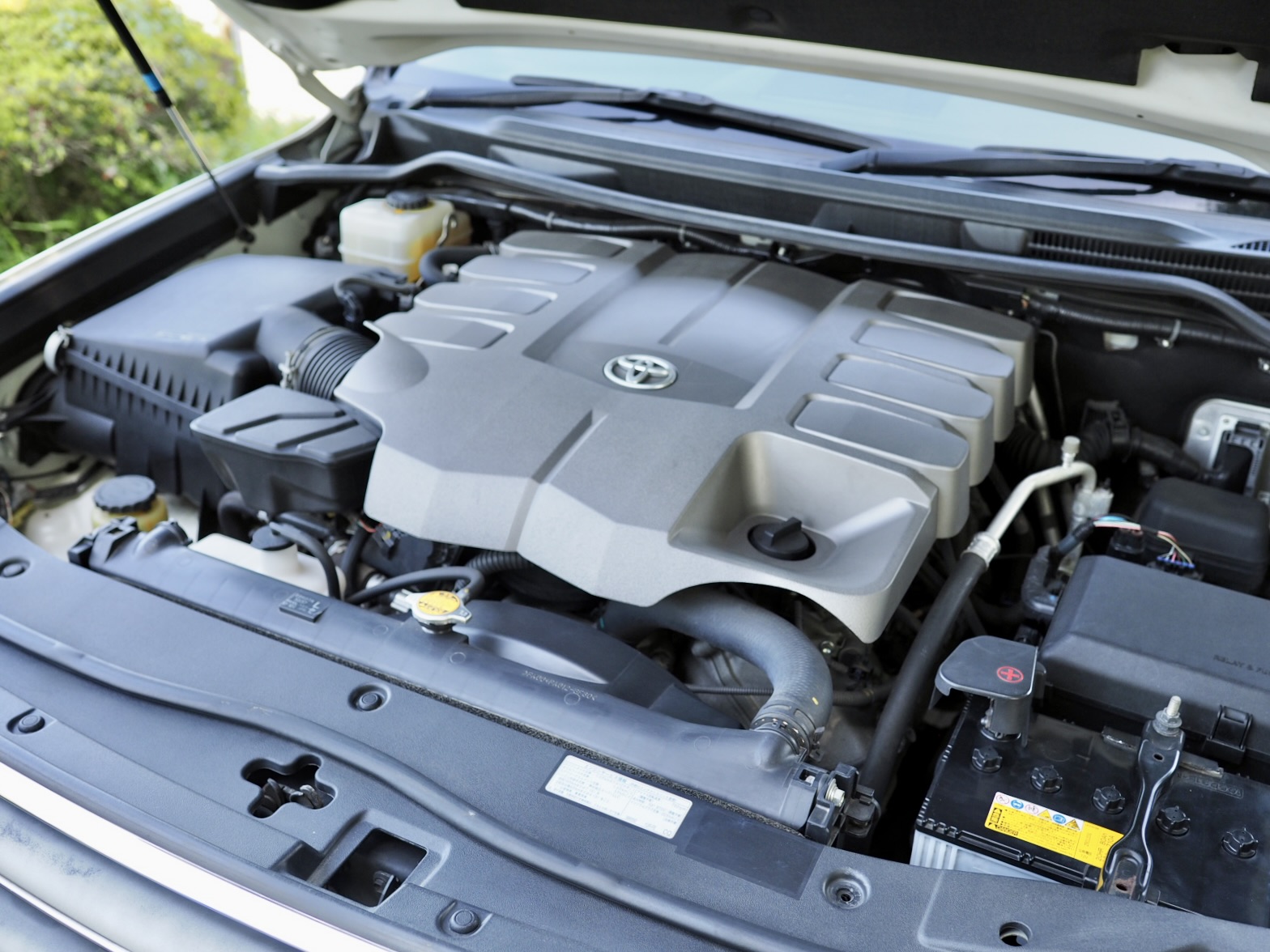
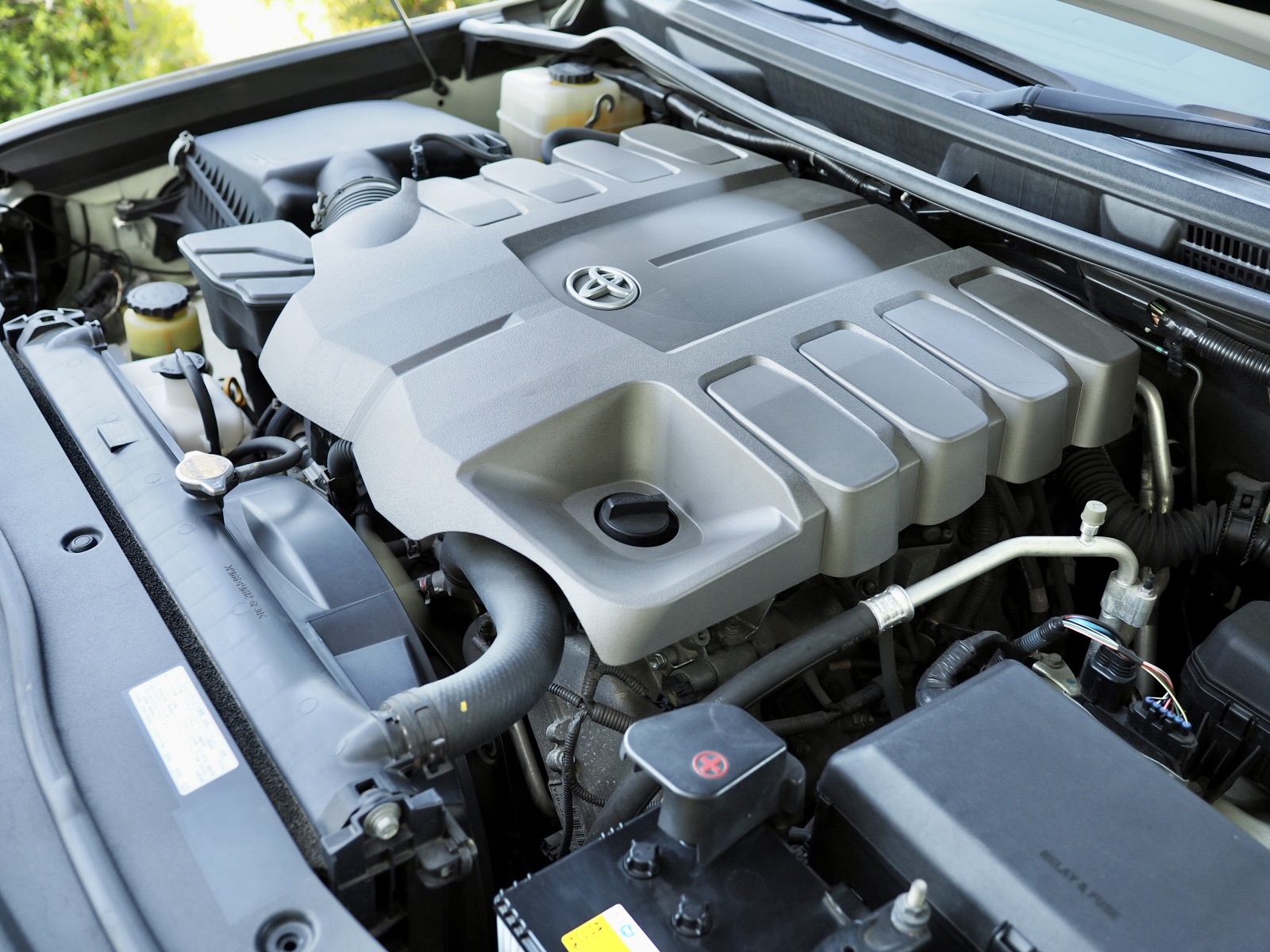
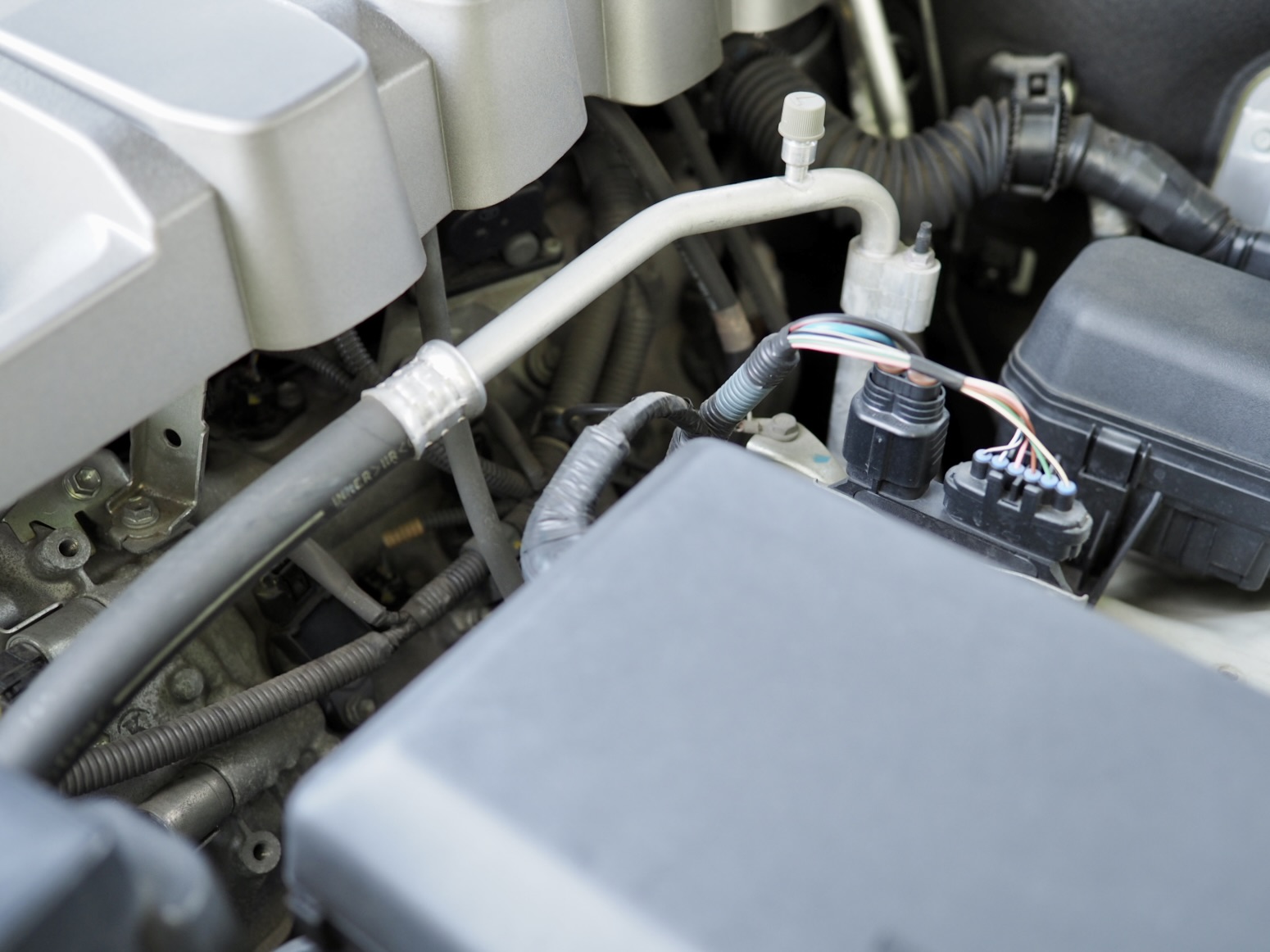
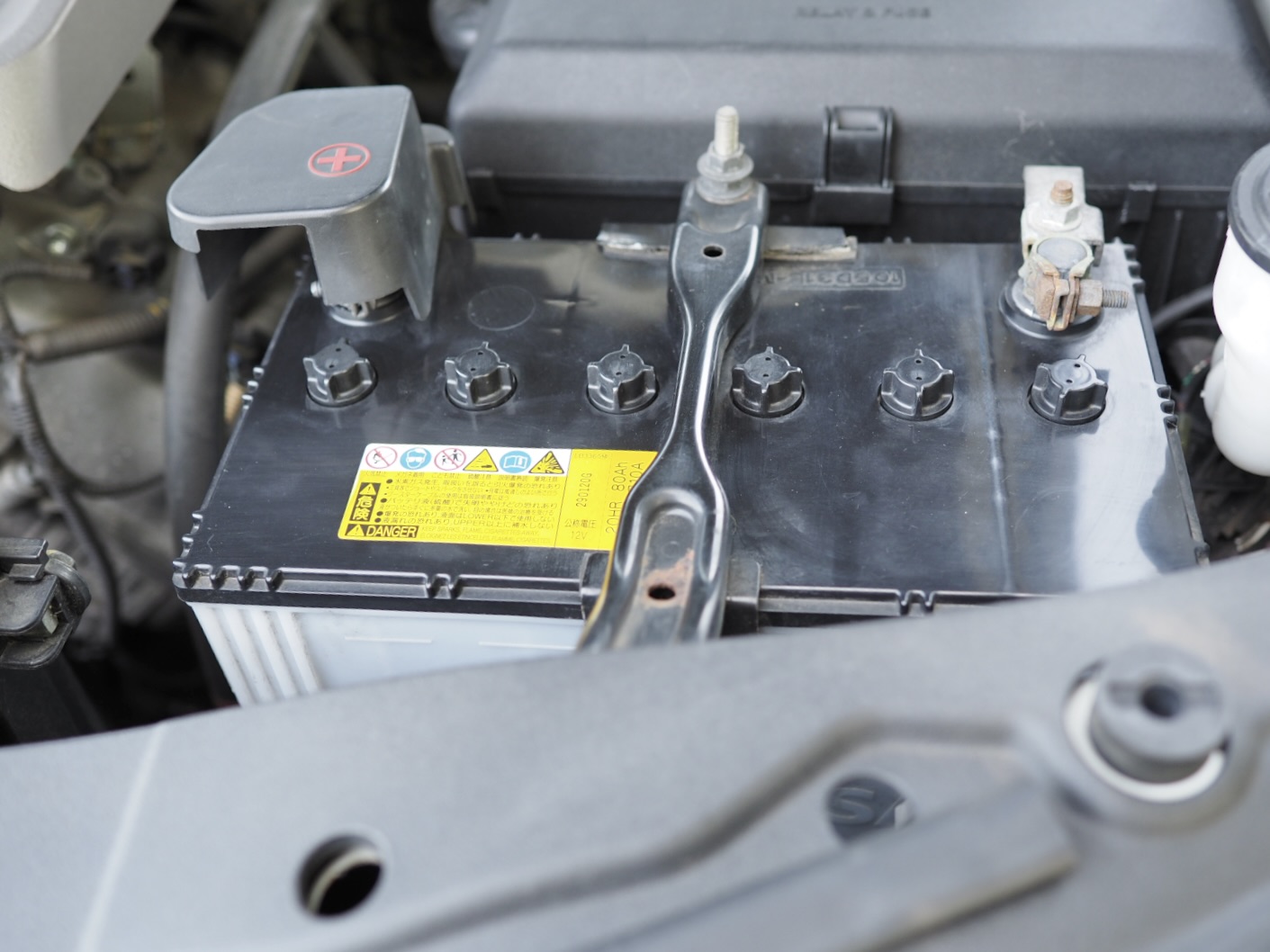
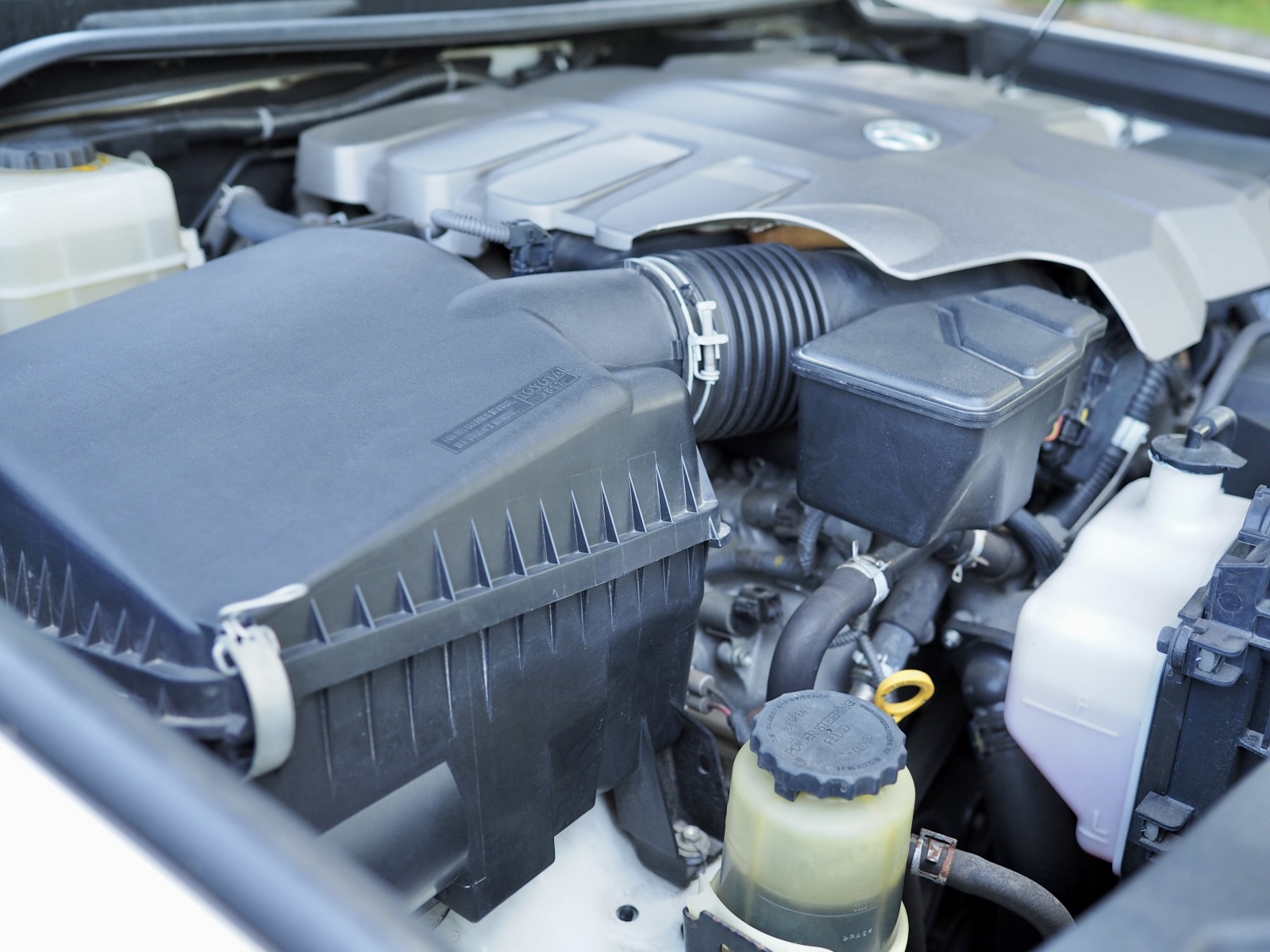
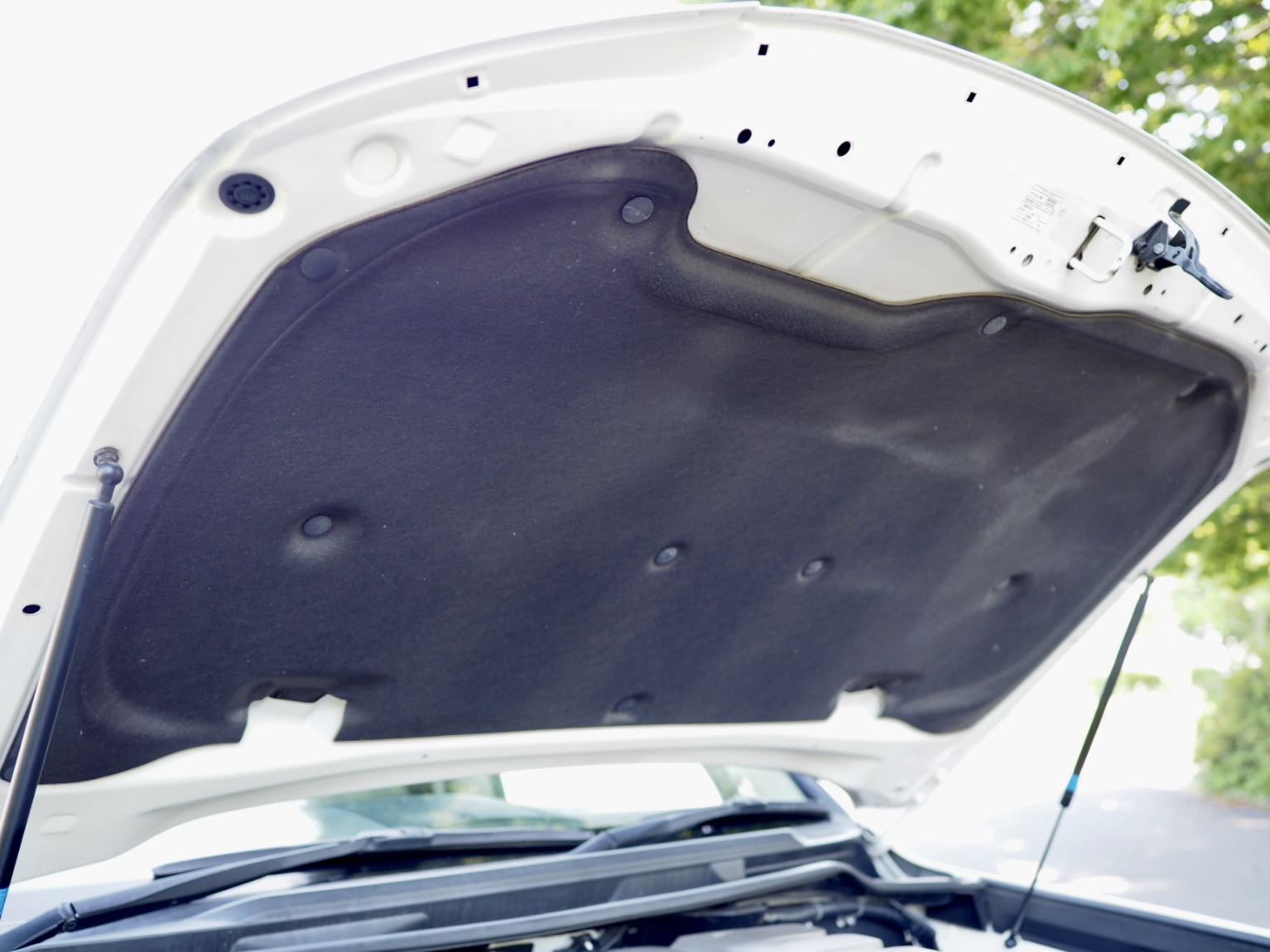
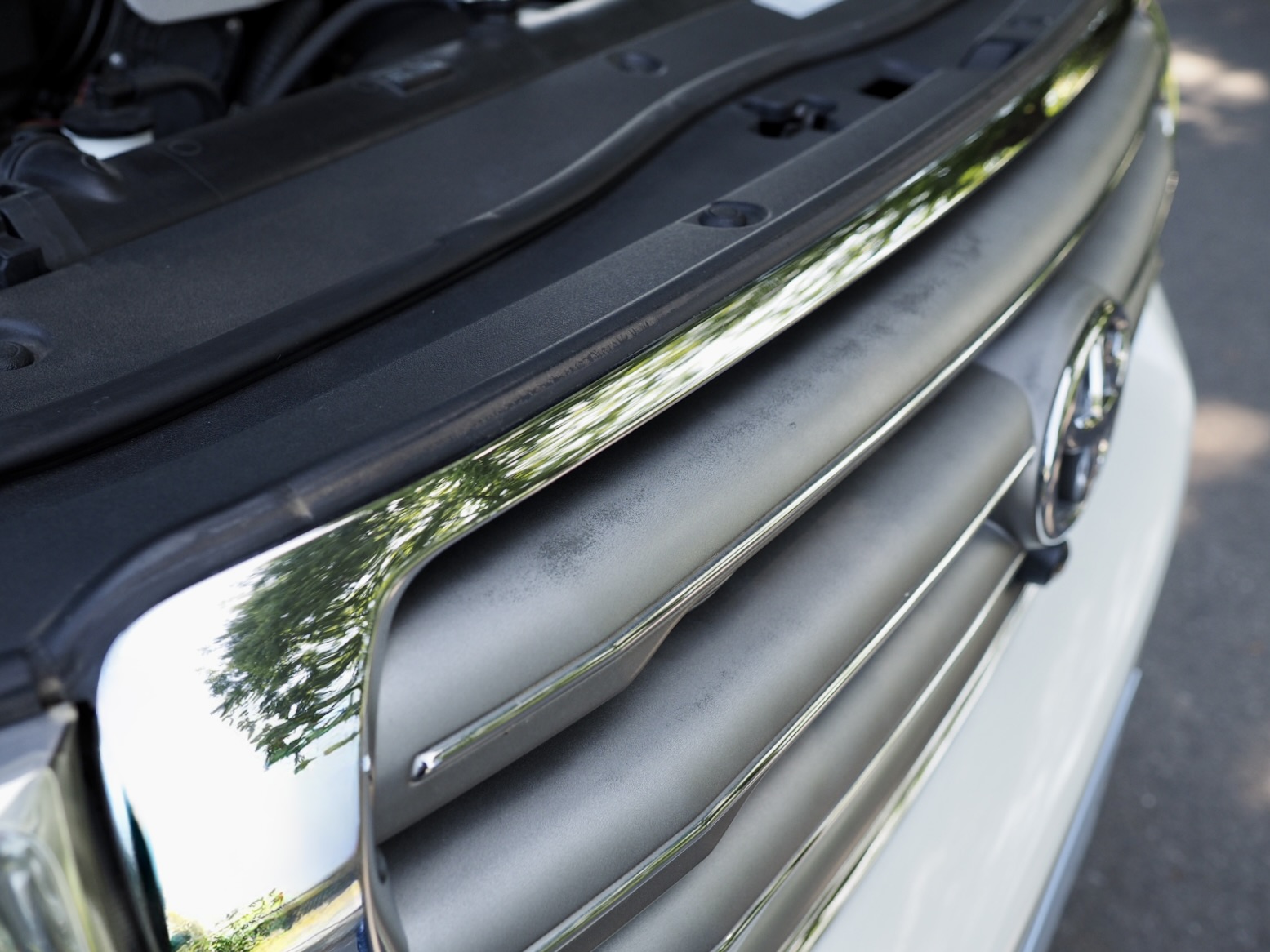
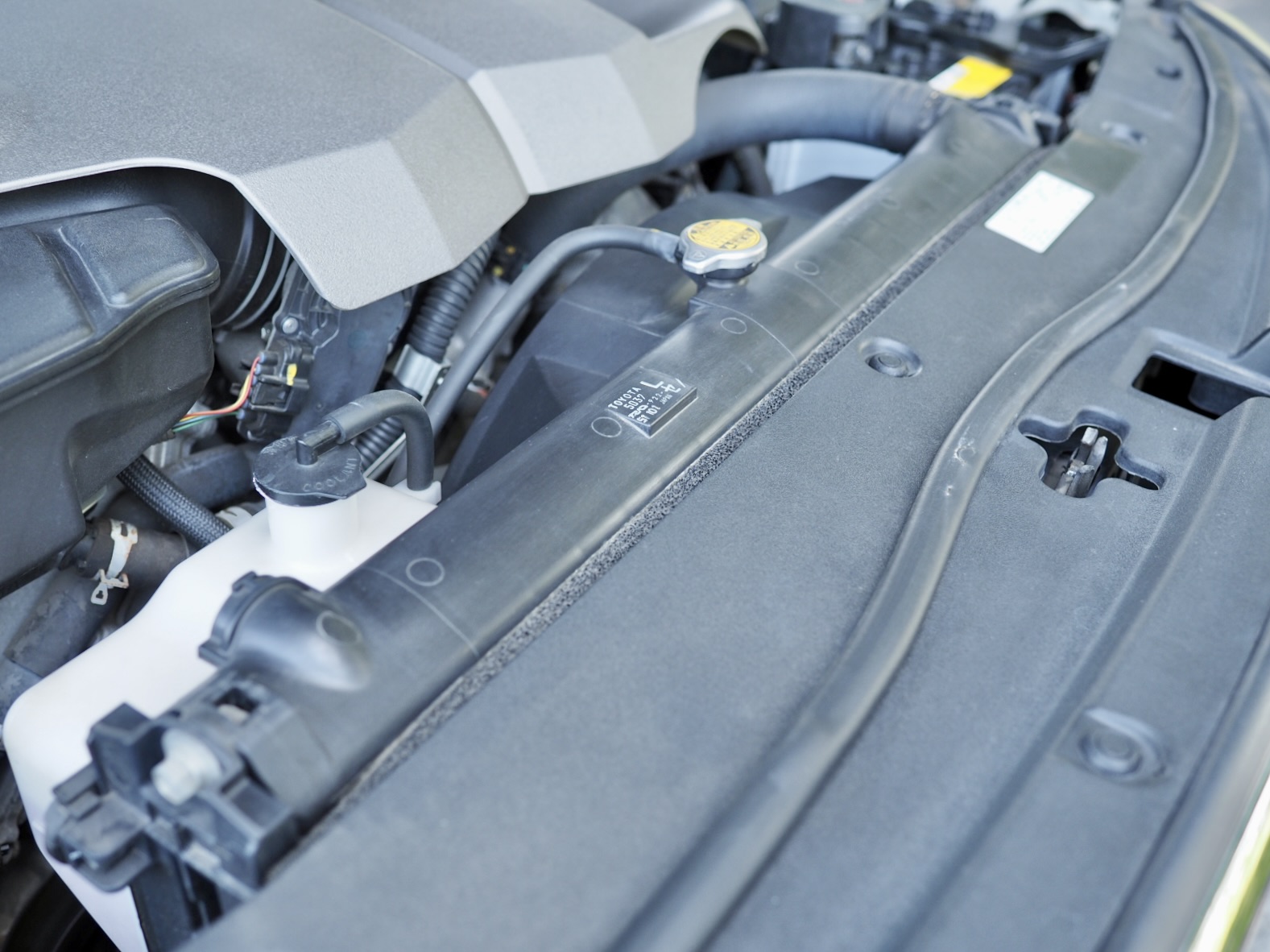
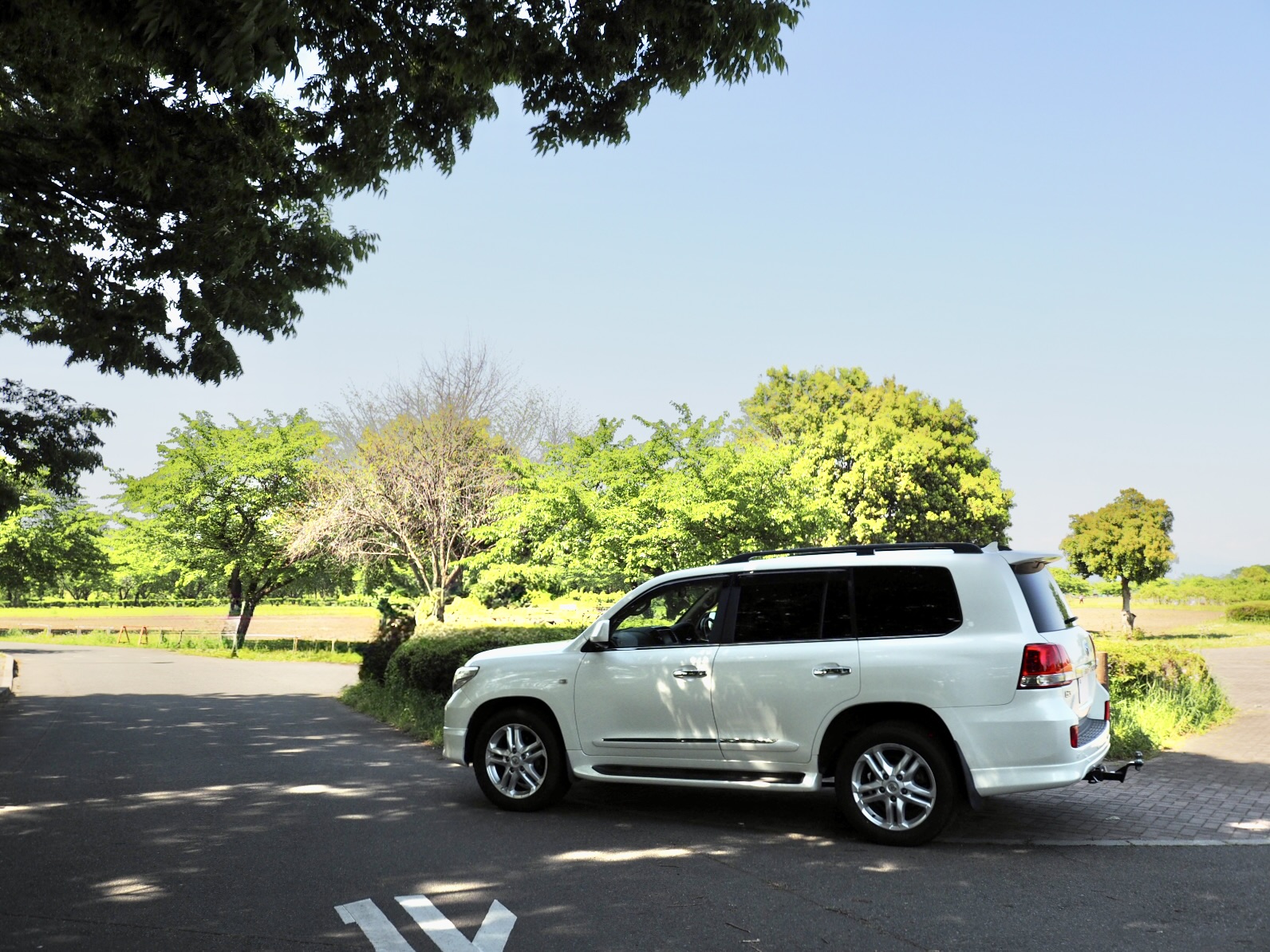
The detailed condition of the vehicle is described in each photo.
On the top slide you will find 50 attractive photos of the vehicle! Please click on a photo to view it with its description. Click outside the picture to return to the page.
SPEC
Length
4950mm
Width
1970mm
Height
1920mm
Weight
2680kg
Engine Displacement
4608cc
FOB Tokyo price is