

TOP>Stock List>1951model Aston Martin DB2 Vantage
1951model
Aston Martin DB2 Vantage





↑↑↑Please watch the archived video above with audio if possible...
The DB2 Vantage loved by a British flying ace was here in Japan...! With all matching numbers confirmed and even its original 1950s factory service records still present, this clearly documented 1951 Aston Martin DB2 Vantage overwhelms the viewer with an extraordinary presence...!
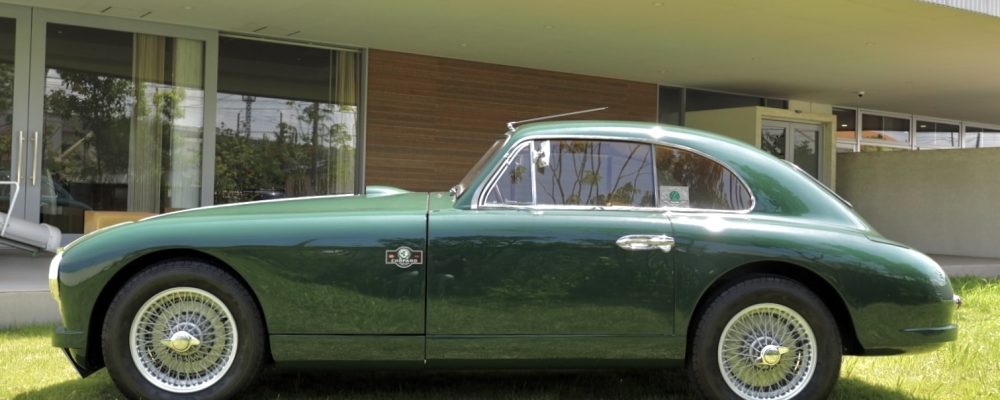
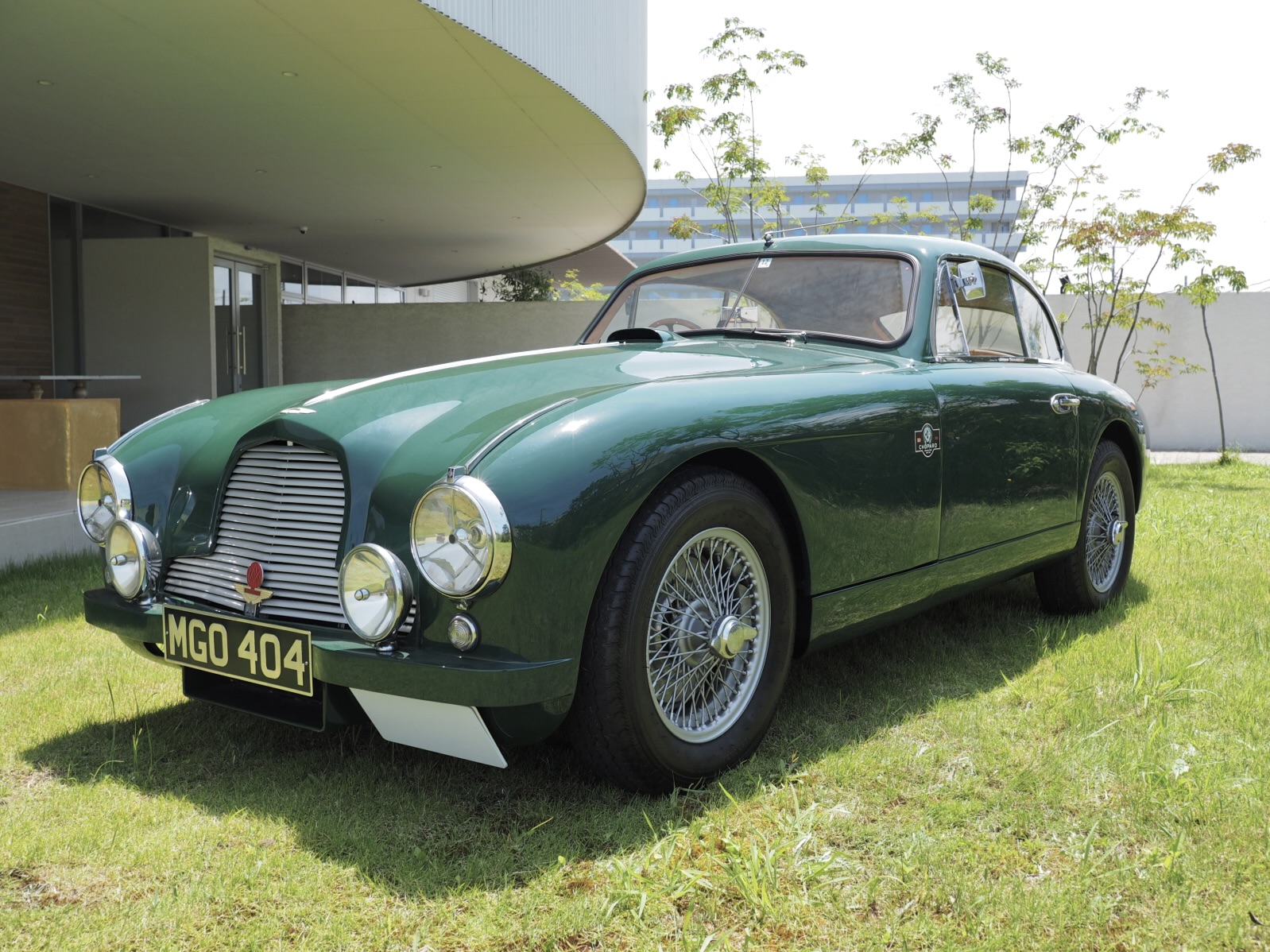
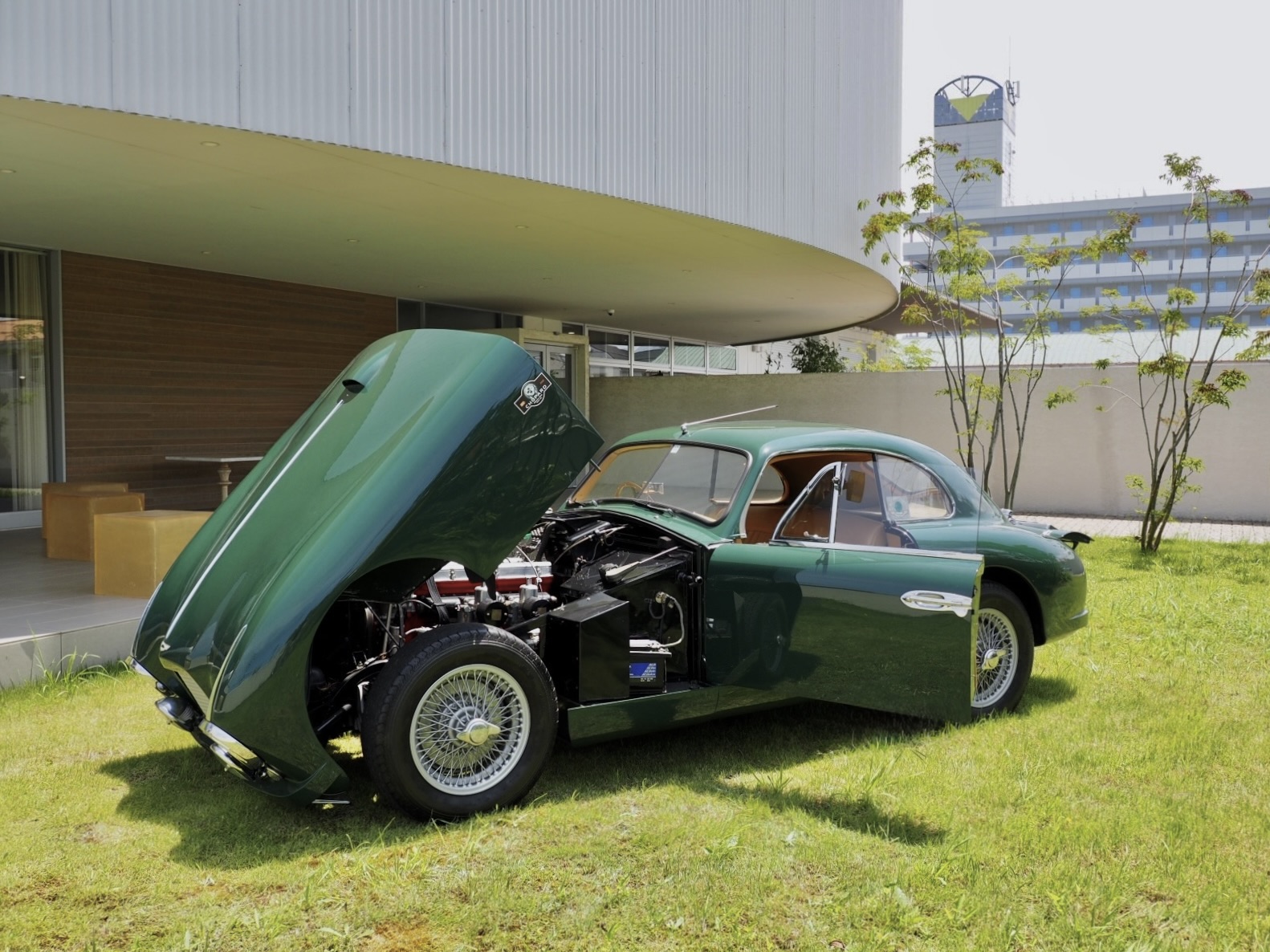
Bathed in the dazzling summer light, the chic Almond Green body changes its expression from moment to moment, almost like the iridescent wing of a jewel beetle…
Human intuition once sensed the invisible flow of air, designers drew the shape by hand, and craftsmen hammered each panel into form by hand. A body coachbuilt one car at a time like this is, in itself, deeply evocative art…
Beneath the historic-car beauty that the right side of the brain simply recognizes as beautiful lies technology that was cutting-edge in the quest for Le Mans victory at the time: a DOHC engine, independent suspension, and more. The breathtaking performance they create feels so modern and so startling that it makes you forget the car was built three quarters of a century ago…
The very existence of the LML/50/65 Aston Martin DB2 Vantage before us throws its clearly documented history into sharp relief. The more carefully it is handed down through the years, the richer and more exceptional its value becomes as a storyteller of history…
Chapter One…
The car loved by British flying ace Sir Max Aitken…!
LML/50/65, one of the earliest DB2 Vantages that helped open a new era for Aston Martin…
When you unravel the story of the DB2 in depth, it becomes clear that neither its beautiful form nor its astonishingly powerful performance came about by chance…
Concentrated within it were Aston Martin’s prewar philosophy of placing motorsport at the heart of its activities, technologies accumulated through re-engineering lessons from wartime aircraft development, and the fierce determination and enthusiasm of those who sought to build one of the world’s finest sports cars for the new postwar era…
From the moment of its founding, Aston Martin has been a marque inseparable from the race track…
Since its establishment in 1913, Aston Martin began with success at the Aston Hill Climb that gave the company its name, then challenged Grand Prix racing with twin-cam engines and went on to the 24 Hours of Le Mans, always placing “competition” at the heart of development…
Build a car to go faster; if it breaks, find out why; then feed what was learned back into the next car…
This development cycle sounds obvious today, but Aston Martin was repeatedly practicing it from an early stage when the automobile itself was still developing…
A major turning point for Aston Martin came in 1947, after the Second World War…
British industrialist David Brown, himself known as a highly capable engineer, acquired the long-established Aston Martin company and, in the same year, brought another distinguished British marque, Lagonda, under his control…
Aston Martin brought its lightweight yet highly rigid chassis expertise and its motorsport-honed approach to building cars…
From Lagonda came a 2.6-litre inline-six twin-cam engine designed by William Watson under the direction of W.O. Bentley, the man who had once led Bentley…
This inline-six twin-overhead-camshaft engine…
Today that configuration sounds familiar, but only a few years after the war had ended, even the idea of installing such an engine in a production sports car was extraordinarily ambitious…!
David Brown’s grand vision was not simply to relaunch the new Aston Martin as a luxury-car maker, but to bring sports cars of peerless performance to the world. And once again, the place chosen to prove that performance was the race track…!
The challenge stage chosen by David Brown was the June 1949 24 Hours of Le Mans, revived after a nine-year interruption caused by the Second World War…
To enter that race, Aston Martin built three prototypes that would lead directly to the later DB2…
On their debut, one of the cars finished a remarkable seventh overall…! Even before the model reached the market, the prototype of the DB2 proved its speed and durability in actual competition on the extreme stage of the world’s greatest endurance race…
Now take another look at the 1951 Aston Martin DB2 Vantage standing before you…
With high-speed stability and aerodynamic performance demanded by racing given top priority, it wore an advanced streamlined closed body at a time when open bodies still dominated British sports cars…
The man responsible for this beautiful shape was former Lagonda designer Frank Feeley…
Dynamic front wings that seem almost independent on either side; a low central nose that cuts sharply inward; a gently flowing roof tapering in magnificent curves as if revealing the airflow toward the rear; and a rear end pulled tightly inward despite its generous volume…
Exactly…! The continuous sweep of curves, with not a single truly straight line to be found, is simply magnificent…
In the 1950s, designers imagined the invisible flow of air and drew the forms by hand, while craftsmen hammered those shapes into existence one car at a time…
To disturb the air a little less, to go a little faster, and to remain stable for hours on end, people imagined the path of the wind and drew this wonderfully beautiful, almost organic form…
The huge one-piece front clamshell, integrating the front wings and bonnet and hinging forward as a whole, is pure racing-car engineering…
This structure provides immediate access to the engine, front suspension and steering mechanism, and Aston Martin adopted it even before the later Jaguar C-Type appeared…
Based on the experience gained at Le Mans in 1949, and driven by David Brown’s enthusiasm, the Aston Martin DB2 was completed as a production model…
Officially announced in April 1950, the DB2 was produced at the historic Feltham works…
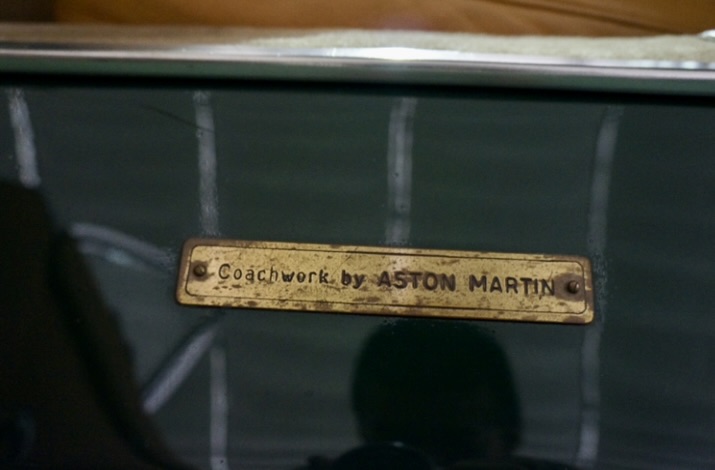
Its aluminium body adopted aircraft technology that had advanced dramatically during the Second World War. Craftsmen took hammers to flat sheets of aluminium, raised the curves by hand, and finished each panel to fit its individual chassis…
It was coachbuilding in the truest sense of the word…
During the roughly three years from May 1950 to April 1953, only 411 DB2s were produced across all body styles…
Production ran at just two or three cars per week, and only 308 of them were Saloons…
Beneath that beautiful hand-built, custom-made body lived the cutting-edge technology developed at Le Mans—the greatest essence of what makes this car so rewarding to experience…
A Lagonda—ultimately Bentley-derived—2,580 cc inline-six twin-cam engine… A robust chassis made from square-section steel tubing… Independent front suspension, with the rear wheels driven through a four-speed manual transmission…
Inside what appears at first glance to be an elegant, state-of-the-art aerodynamic body was unmistakably a car engineered for the racing world…
And within the DB2 range there was an even higher-performance specification…
That was the Vantage…
Where the standard engine produced 105 horsepower, the higher-compression Vantage-specification LB6V engine, equipped with twin SU carburettors, delivered 125 horsepower at 5,000 rpm…
In postwar Britain, where low-octane fuel was generally the only fuel readily available, a high-compression Vantage engine with a 20-percent increase in output was clearly a special specification born from racing…
And then came 1951, when DB2 Vantage production had only just begun…
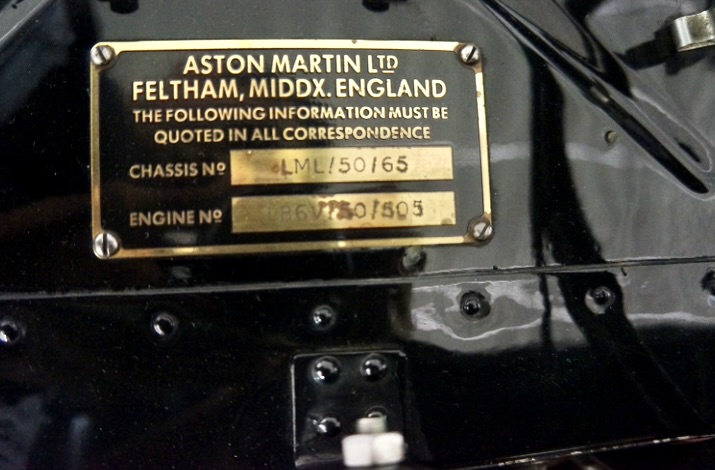
One of the cars hand-built at Feltham was chassis LML/50/65, the subject of this story: a right-hand-drive home-market car from the very earliest phase of production, built little more than 50 cars after series production began…
As shown in the accompanying documentation, the factory records preserved by the Aston Martin Heritage Trust state:
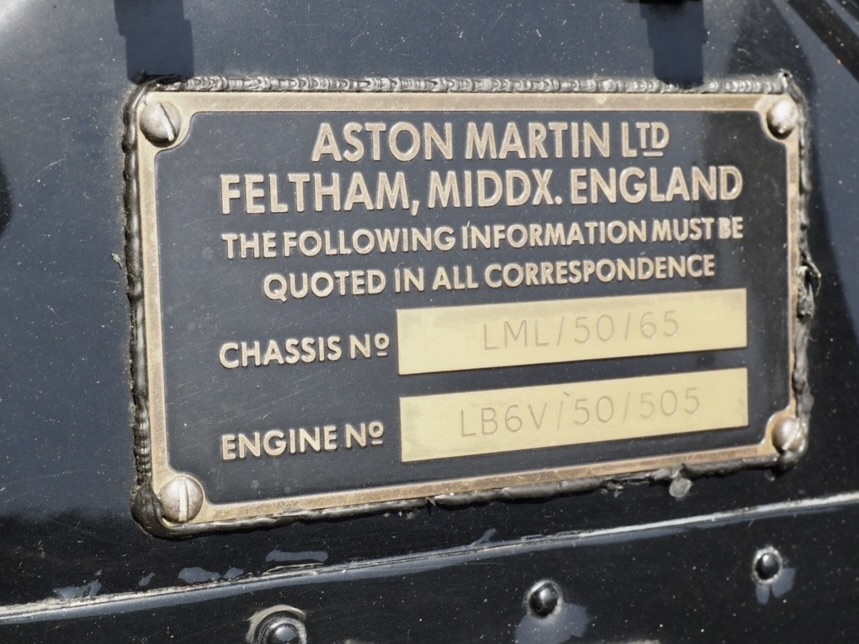
Chassis Number: LML/50/65
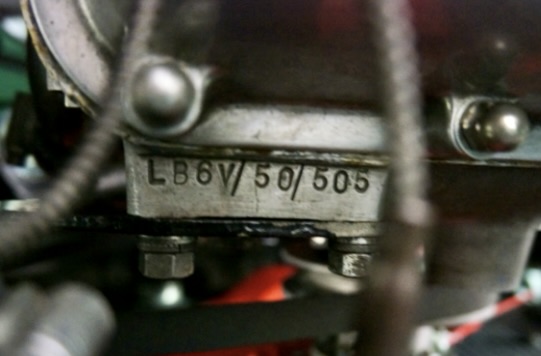
Engine Number: LB6V/50/505
Gearbox Number: DBCC/50/311
Body Number: 68037A
Its identity at birth is therefore clearly recorded. Comparing those entries with the numbers visible on the car today confirms that it is an original matching-numbers example handed down with those identities intact…
Then there are the Aston Martin Owners Club records included at the end of the documentation…
And the facts recorded for LML/50/65 at the bottom of page 89…
As you read further, one name appears that transforms LML/50/65 from a rare early DB2 Vantage into a historic car of an entirely different dimension…
First owner: The Hon. Max Aitken, DSO, DFC…
A Royal Air Force flying ace awarded the DSO (Distinguished Service Order) and DFC (Distinguished Flying Cross), later known as Sir Max Aitken…
Born in Montreal, Canada, in 1910 and raised in Britain from childhood, he fought in the Battle of Britain as an RAF fighter pilot during the Second World War and became known as a flying ace decorated with these honours…
After the war he served as a Member of Parliament and newspaper proprietor, and in 1965 he was knighted. Yet what is especially fascinating in the history of this car is that he was not merely a public figure—he was a committed Aston Martin enthusiast…
At the very moment Aston Martin stepped into a new postwar era, the car chosen by a man who himself knew the ultimate limits of speed was, naturally, an Aston Martin…
Even more fascinating is what appears when we trace the production numbers immediately before and after LML/50/65…
The preceding car, LML/50/64, was the works reserve car for the 1951 Le Mans…
And the following car, LML/50/66, was purchased new by Phil Hill, who would later become one of the world’s greatest racing drivers…
It was an era when racing cars and road cars were not yet clearly separated…
A rich period when the technology developed to fight at Le Mans was delivered almost directly to wealthy enthusiasts…
And in the midst of that era, this DB2 Vantage passed into the hands of British flying ace Sir Max Aitken…
Seventy-five years later, you are looking at that very car here and now…
Chapter Two…
The original factory service records that still survive today, and the facts told by “MGO 404″…! An astonishingly clear history passed down for more than 75 years, from Britain to Japan…
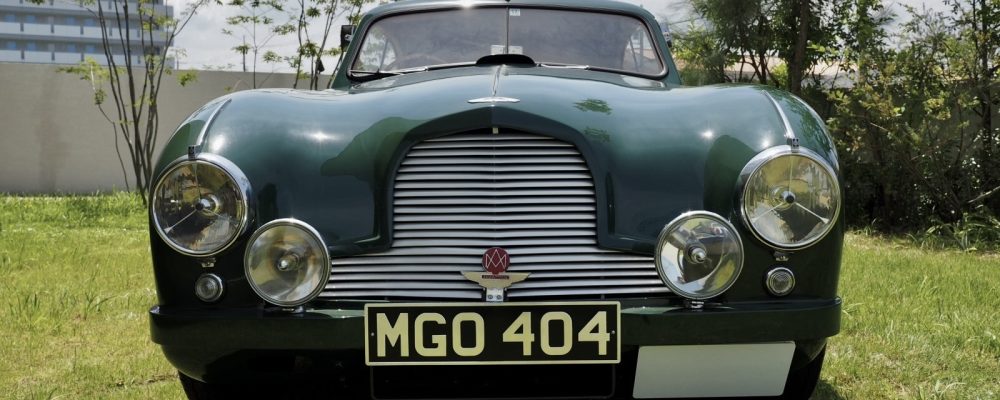
In 1951, LML/50/65 left the Feltham works as a DB2 Vantage for the British home market and was assigned the UK registration number “MGO 404″…
MGO 404 appears repeatedly in later photographs, Aston Martin Owners Club records, and books published in subsequent years, remaining an important identity through which the journey of LML/50/65 can be traced across more than seven decades…
Of enormous importance in understanding this car’s history are the original Aston Martin factory service records from the 1950s that still survive today…
The earliest entry we can confirm is dated May 4, 1953, at 15,944 miles.
That means the car had covered almost 16,000 miles in only about two years since its 1951 manufacture, a figure that already conjures an image of Sir Max Aitken actively driving what was then the latest DB2 Vantage…
The record for that day meticulously notes rectification of brake squeal, repair of the starting-handle cover in the front grille, replacement of the cigar lighter, tightening of the rear flap support bracket, and even the elimination of a rattle near the left-side ventilator…
From May 4 to 22 of that same year, under repair number R.3474, the work included fitting a Purolator oil filter, adding front-brake cooling air scoops, bleeding and adjusting the brakes, correcting the clearance of the rear bumper moulding, eliminating rear rattles, raising the centre-seat fitting by one inch, road testing, final adjustment, and even modification of the brake pushrod…
One line in those records—”fit wheel discs supplied by owner”—adds another vivid detail to the individual history of LML/50/65.
The original factory record from when the car was new officially notes that the owner supplied Ace wheel discs himself, and two different documents—the 1951 production record and the 1953 service record—connect this unusual equipment to the same car…
Under R.3647, from June 23 to July 16, 1953, five Avon tyres supplied by the owner were fitted and the road wheels balanced. Recorded mileage was 17,829 miles.
Further chassis and suspension testing followed through July and August. Under R.3742, dated July 20 to August 14, mileage was 19,168 miles, with correction of noise from the axle and adjustment of brake balance recorded…
Under R.4075, from November 16 to December 7 of the same year, the work went inside the engine.
Carbon was removed from the engine internals and valve area, the engine was tuned, the cylinder head modified, and the engine refitted to the chassis…
The record also notes replacement of the contact points, fitting a clip to the breather pipe, rectification of a gearbox oil leak, and fitting Widney buffers to both doors.
More than 70 years ago, Aston Martin mechanics removed the engine from LML/50/65, worked on its head, reinstalled it in the chassis and tuned it—and the details of that work can still be read today exactly as recorded…
May 23, 1955: R.5883, mileage 38,223 miles.
The work included replacement of the liner seals, a complete set of connecting rods, main bearings, and lead-bronze big-end bearings, as well as decarbonising and tuning the engine and changing the engine oil.
More than 38,000 miles in roughly four years from manufacture…
The figures in these service records preserve the very time this DB2 spent being driven extensively on British roads as a high-performance grand tourer whose abilities had been forged at Le Mans…
March 30, 1960: R.2745.
This factory service was even more extensive.
The engine was decarbonised; inlet valve guides and inserts were replaced; valves and valve seats were corrected; tappet clearances adjusted; spark plugs, contact points and distributor attended to; valve timing reset; the fuel filter and carburettors cleaned; and the engine tuned.
Work also extended to the flywheel, bellhousing, clutch centre plate, oil seals and thrust assembly around the clutch, propeller shaft, brakes and steering box…
Only three weeks later, under R.2809 dated April 20, 1960, the complete timing chain assembly and two chain tensioners were replaced, valve timing and ignition timing reset, and the timing-case oil seal, water-pump seal, impeller thrust pad and oil seals for both camshafts were also renewed…
The documentation then jumps forward substantially in time, to 1994.
LML/50/65 was offered at a Coys auction in London, and in the following period it appeared at Aston Martin Owners Club concours events, adding an outstanding competition record to its history…
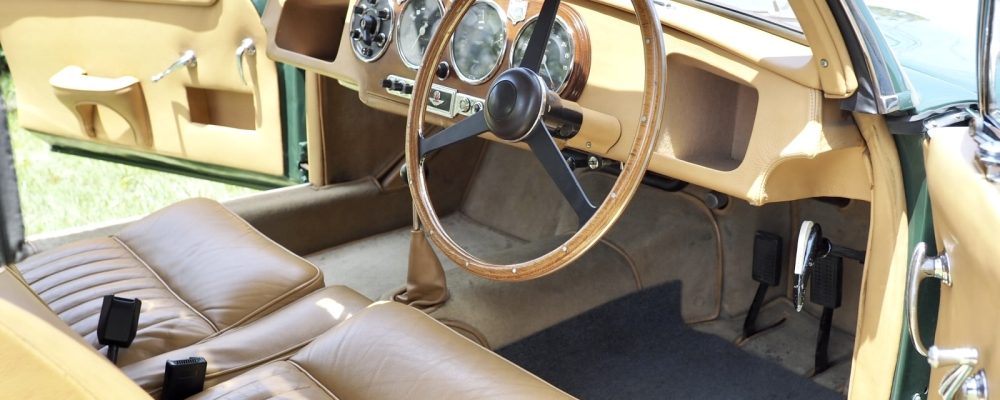
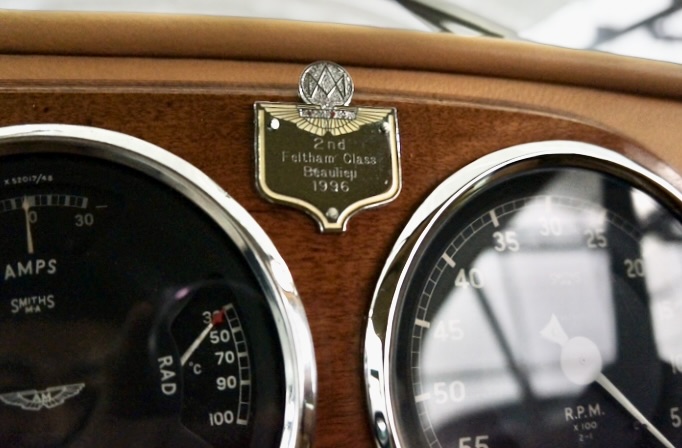
Most notably, at the 1995 Aston Martin Owners Club concours at Beaulieu in Britain, it won first place in the “Feltham Class” for Aston Martins produced at Feltham between 1949 and 1959, including the DB2, DB2/4 and DB Mk III. It placed second the following year, and the plaques reading “1st Feltham Class Beaulieu 1995” and “2nd Feltham Class Beaulieu 1996” remain on the dashboard today…
Photographs from this period also show the car wearing MGO 404, allowing the British registration number used since the 1950s to continue linking the later LML/50/65 to the very same car…
And then, 2000…
The Aston Martin Owners Club register records M.C. Lee, resident in the United States, as the owner around this time. According to the surviving history documentation, LML/50/65 passed through the hands of an American collector and was exported to Japan that same year…
Born in Britain, spending decades there, then crossing to America and finally arriving in Japan in the last year of the twentieth century…
The Japanese registration document records its first domestic registration as February 2004, leaving two separate markers of this chapter: importation to Japan in 2000 and domestic registration in 2004.
Then, from May 19 to 22, 2005…
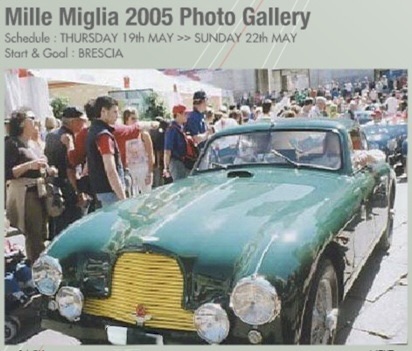
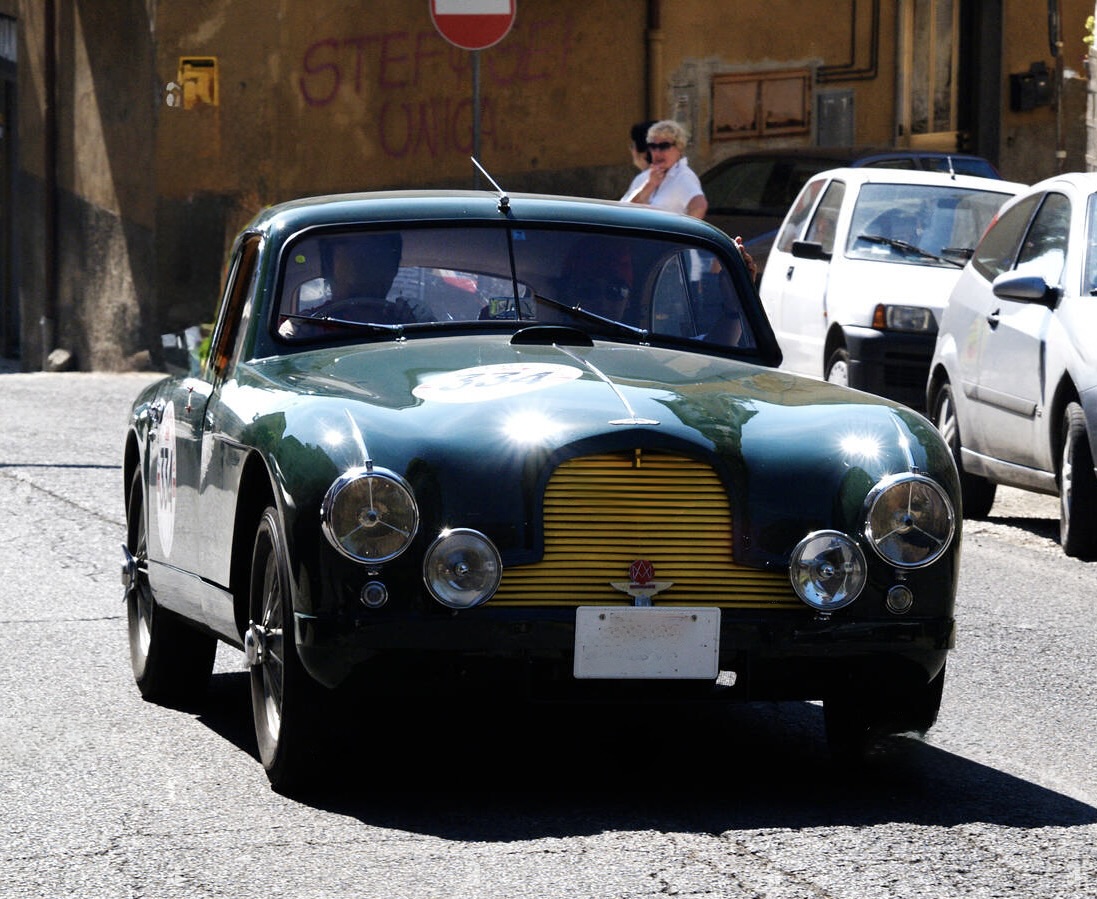
LML/50/65 was transported back to Europe and entered the Mille Miglia Storica, starting from Brescia, Italy, as car number 334…
The surviving documentation records a 157th-place overall finish, while period photographs show a striking appearance combining a green body with a yellow front grille…
A DB2 that had driven British roads in the 1950s was once again running on European public roads more than half a century later…
The 1953 LML/50/65, whose factory service records even note road tests, and the 2005 LML/50/65 competing in the Mille Miglia are connected along one continuous timeline…
Later, “MGO 404” also appeared in Andrew Noakes’ renowned book “Aston Martin DB: 70 Years”…
Produced with the cooperation of the Aston Martin Heritage Trust, the book features a large exterior photograph of MGO 404 as a representative DB2, and uses the same car for interior and specification photographs as well…
To have appeared in a book chronicling 70 years of the DB series as a car symbolic of the DB2 era is another important chapter in the accumulated history of LML/50/65…
Then, June 5, 2015.
The maintenance history of LML/50/65 gained another major chapter, this time with extensive work carried out in Germany…
The German invoice clearly identifies the vehicle as an Aston DB2, chassis number 5065, with an indicated mileage of 12,340.
Following abnormal engine noise, both camshafts were removed and the valve clearances and tappet buckets inspected…
Wear was found in the tappet buckets and their cylinder-head guides, so a new cylinder head, tappet buckets, valves and camshafts were fitted, and even the timing chain was replaced before reassembly and adjustment…
At the same time, the alternator output was measured and wiring repaired; the ignition and carburettors were adjusted; shock absorbers topped up with oil; engine oil and filter changed; lubricants in the steering, front and rear axles and gearbox checked; front and rear brakes and drums inspected; the right rear handbrake mechanism repaired; lights, wipers, washer motor and trunk lock attended to; hazard lamps installed; and compression and leak-down tests performed. The work extended across the entire vehicle…
The 2015 German records make it vividly clear that this was not maintenance intended merely to preserve an old DB2 as a static object. Work from inside the engine to the brakes and electrics was carried out thoroughly so that the car could genuinely be driven…
The following year, 2016, the setting for the maintenance returned to Japan…
An invoice from Corgys, received April 7 and issued June 5, identifies chassis number LML5065 and mileage 12,389, and states: “Imported used vehicle: obtain new two-year inspection and make required improvements”…
The Japanese registration document retains the February 2004 first-registration date, while the 2016 maintenance invoice contains this wording concerning a newly inspected imported used vehicle…
Placing those two records in chronological order, the 2016 work included modifications for inspection compliance involving lights and mirrors, overhaul of all four brakes, replacement of the left-front wheel cylinder, relining of the rear brakes, replacement of the differential pinion oil seal, engine and timing adjustment, replacement of the fuel pump, electric-fan switch and battery, and fitting four Michelin X 185SR16 tyres…
The details show that even after coming to Japan, LML/50/65 continued to be maintained as a car intended to be driven on public roads…
Order received January 7, 2017; invoice issued February 21; mileage 12,382 miles.
At this time the front and rear suspension were removed to lower the ride height by approximately three centimetres, 25 mm lowering springs were fitted, and various settings including toe-in were adjusted…
At the same time, poor engine response prompted removal and overhaul of the carburettors, blast finishing, engine adjustment, timing adjustment and road testing.
The fog lamps, which had not been illuminating correctly, were repaired with partial rewiring…
A further order was received May 20 and invoiced June 17 of the same year, at 12,375 miles.
This time the issues were a damaged crank pulley and a leaking radiator.
The radiator was removed, a new core fabricated, the assembly repaired, various areas reinforced by brazing, and the tanks inspected and replaced as necessary.
The crank pulley was repaired/replaced as required, and of course the fan belt and coolant were also renewed…
These records show a maintenance philosophy that did not simply “fix the engine” or “fix the suspension,” but pursued each symptom thoroughly as it appeared, building the car’s condition back up one issue at a time…
And then, 2018…
The maintenance records from this year contain some of the most substantial work carried out in Japan.
Order received February 17, invoice issued June 30, mileage 12,308 miles.
Following noise from the differential, the rear axle was removed from the vehicle, disassembled and cleaned internally.
The differential pinion assembly, ring gear, bearings and seals were replaced, with tooth contact, pinion height and backlash adjusted one by one.
Cracks found in the body-side mounting brackets for the rear axle and swing arms were repaired by fabrication and welding, while a hole in the differential cover was also welded, repaired and repainted…
The itemised record lists the ring and pinion, bearings, seals, case, bolts and more individually, preserving in detail the work of dismantling and accurately rebuilding a driveline that was approaching 70 years old…
For another order received May 11 and invoiced July 31 that year, a 24-month inspection and continuing vehicle inspection were carried out at 12,332 miles.
Engine oil, transmission oil, brake fluid and coolant were changed, and the front and rear brakes were cleaned and adjusted.
It is only natural that brake adjustment and oil changes recorded in the 1953 British factory service records should reappear in Japanese maintenance records 65 years later, in 2018…
With whatever work each era required carried out along the way, LML/50/65 passed through Britain, America, Japan and Germany, carrying its timeline forward into the present…
Then, June 23, 2023.
The Aston Martin Heritage Trust formally issued a vehicle heritage certificate for LML/50/65…
Chassis number LML/50/65, engine number LB6V/50/505, gearbox number DBCC/50/311, body number 68037A, right-hand drive, British-market specification, and first owner The Hon. Max Aitken.
The original 1951 factory records were brought together again more than 70 years later in 2023 as a single certificate, reconnecting the present car with its birth…
To summarise the history above:
1951: UK registration MGO 404.
Factory service records surviving from 1953 onward.
Engine work in 1955 and 1960.
1994: Coys, London.
1995: winner at the Aston Martin Owners Club concours.
Subsequently owned by an American collector.
2000: brought to Japan.
2004: first registered domestically in Japan.
2005: competed in the Mille Miglia Storica.
2015: major engine-centred maintenance in Germany.
2016-2018: continued maintenance in Japan covering the mechanicals, brakes, cooling system, suspension and differential.
And in 2023: a Vehicle Heritage Certificate issued by the Aston Martin Heritage Trust…
Each of these chapters accumulated over 75 years on LML/50/65 and connects through photographs, documents, service records, event participation records and the car that exists today…
That passage of time itself has become a history only this one car can tell, and with every additional year it continues to deepen the car’s value…
Chapter Three…
From Britain to America, Germany and Japan…
Driving the 1951 Aston Martin DB2 Vantage that has been preserved and handed down with no expense spared…! Author’s postscript…
The UK registration MGO 404 featured in Andrew Noakes’ “Aston Martin DB: 70 Years,” and the Aston Martin Heritage Trust records show that the car’s original new-car combination was Botticelli Blue with a grey Connolly Vaumol interior…
It can be confirmed that by the time of the 2005 Mille Miglia the car was already wearing its present colours, but exactly when the full restoration was carried out is not known…
More important is that the car’s current owner, Mr. C, a well-known collector in Japan, greatly appreciates this classically Aston Martin combination of Almond Green and camel Connolly leather and has carefully preserved it…
A car already three quarters of a century old…
And not just any car, but a historic DB2 Vantage…
A full restoration extending through both exterior and interior is naturally to be expected, but what matters is that the car retains a deep sense of character…
The restoration preserves the original qualities beautifully while preparing the car to be handed down to future generations. It was such a movingly wonderful DB2 Vantage that one can only feel respect for the work that made this possible…
Mr. C told us, “You can just start it and drive it normally,” but we nevertheless started the engine with support from his dedicated mechanic…
The LB6V/50/505, a 2,580 cc inline-six DOHC Vantage engine with Bentley-to-Lagonda roots and managed by twin SU carburettors, woke immediately from completely cold and settled into a precise, almost mechanical idle…
At the centre of the dashboard, the plaque commemorating first place in the Feltham Class at the 1995 Aston Martin Owners Club concours at Beaulieu beautifully expresses the identity of LML/50/65, while the classical Smiths instruments are guaranteed to quicken the pulse…!
Listening to the thick yet gentle mid-range exhaust note from the tail, we pull away slowly… no, simply normally. And the car moves through modern traffic with astonishing ease—more than merely adequately, with real solidity yet beautiful smoothness—while clearly communicating to the driver that this is a special car with racing-car blood, delivering a deeply sensual driving experience…!
Please enjoy this part together with the driving video, filmed desperately while the camera shook with excitement and nerves…!
Several days after the interview, even as I write this manuscript while organizing all the information, the excitement I felt from a car with such profound afterglow and such clearly documented history comes rushing back…
A DB2 Vantage born in Britain in 1951.
It passed into the hands of Sir Max Aitken and received the registration MGO 404, drove British roads while receiving Aston Martin factory service from 1953 onward, later crossed to America and Japan, returned to Europe to run the Mille Miglia, and was repeatedly maintained in Germany and Japan. Three quarters of a century have now passed through that continuous chain of stewardship…
Factory records, photographs, concours award plaques, event participation records and maintenance records all remain with the present car, and even the identities from birth—including engine number LB6V/50/505—continue into the vehicle before us today. That continuity is where the true power of this historic car lies…
Driving it revealed that the cutting-edge technology of 75 years ago still feels astonishingly vivid today…
The incomparable beauty of its flowing aluminium body… the magnificent texture created by hand craftsmanship that could never be reproduced in the same way today… the strength of the twin-cam inline-six Vantage engine… and the superb way it gathers speed smoothly despite its substantial, weighty character…
Beautiful to look at, deeper still when you open the records, and when you actually drive it, its essence communicates directly through your body…
That is surely the unique pleasure of keeping a historic car that has been properly handed down over many decades…
A car acquired by British flying ace Sir Max Aitken in 1951 still wakes its engine and drives magnificently in Japan three quarters of a century later…
Learning that fact, touching its history so deeply, and actually being able to hold the steering wheel made this interview an experience that will remain powerfully in my own memory as well…
When LML/50/65 passes to its next owner, new time and new history will begin to be written beyond that point…
With every new page added, the history of this one 1951 Aston Martin DB2 Vantage will become deeper still… and richer still…
The DB2 Vantage loved by a British flying ace was here in Japan...! With all matching numbers confirmed and even its original 1950s factory service records still present, this clearly documented 1951 Aston Martin DB2 Vantage overwhelms the viewer with an extraordinary presence...!
If you would like to see the actual car and experience this remarkable history firsthand, please come to Osaka Prefecture, Japan…
As this is a private-party sale, no consumption tax or other dealer fees apply.
In purchasing this vehicle, the buyer will be responsible for the prorated automobile tax settlement (annual amount: ¥58,600) and the recycling deposit settlement (¥0, as no deposit has been made).
Transportation is likewise to be arranged by the purchaser; however, our company also owns an all-weather, fully enclosed flat-loader transporter and can accommodate transport requests.
Please feel free to contact us if you would like to discuss this service…
【Regarding Inquiries…】
The vehicle on this page is listed on “Estate Sale Supremacy®︎,” a cross-border e-commerce site for classic and collectible cars.
What is a supreme estate sale…?
Estate Sale Supremacy®︎ is a Japanese version of the North American estate-sale culture, introducing cars filled with their owners’ passion through interview-based articles and video.
We faithfully express the current owner’s feelings, preserving the memories while providing guidance and sales brokerage so the vehicle can be securely passed on to the next generation.
We conduct detailed interviews with the current owner, including past maintenance and repair history, and investigate whether the vehicle has any accident history. If there has been a major accident, or if the current ownership period is extremely short and details cannot be established, we decline coverage in an effort to provide prospective buyers with as much peace of mind as possible.
This article was written based on an approximately three-hour interview with the owner beginning at 10:00 a.m. under clear skies on July 14, 2026. Because inspection time was limited, the article may not describe the vehicle’s present condition with 100% accuracy. Please also understand that not every statement has been independently verified, and comments regarding condition reflect the weather and circumstances at the time of the interview as well as the author’s subjective impressions.
For questions regarding the listed vehicle or to request an in-person inspection, please contact us using the form at the bottom of this page. As this is a private-party transaction, and to discourage casual inquiries, vehicle inspections are limited to customers genuinely considering purchase.
Thank you very much for your consideration.
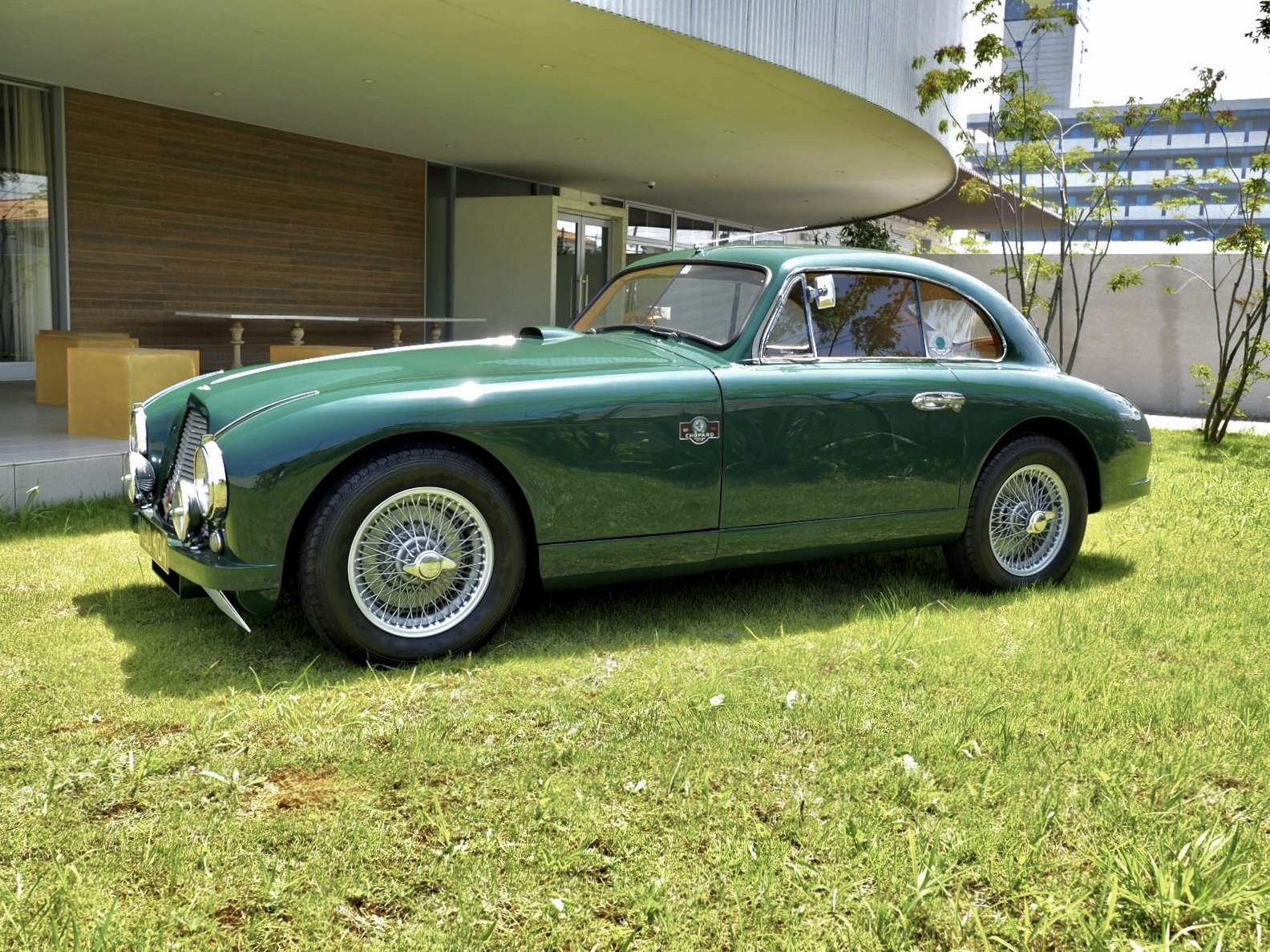
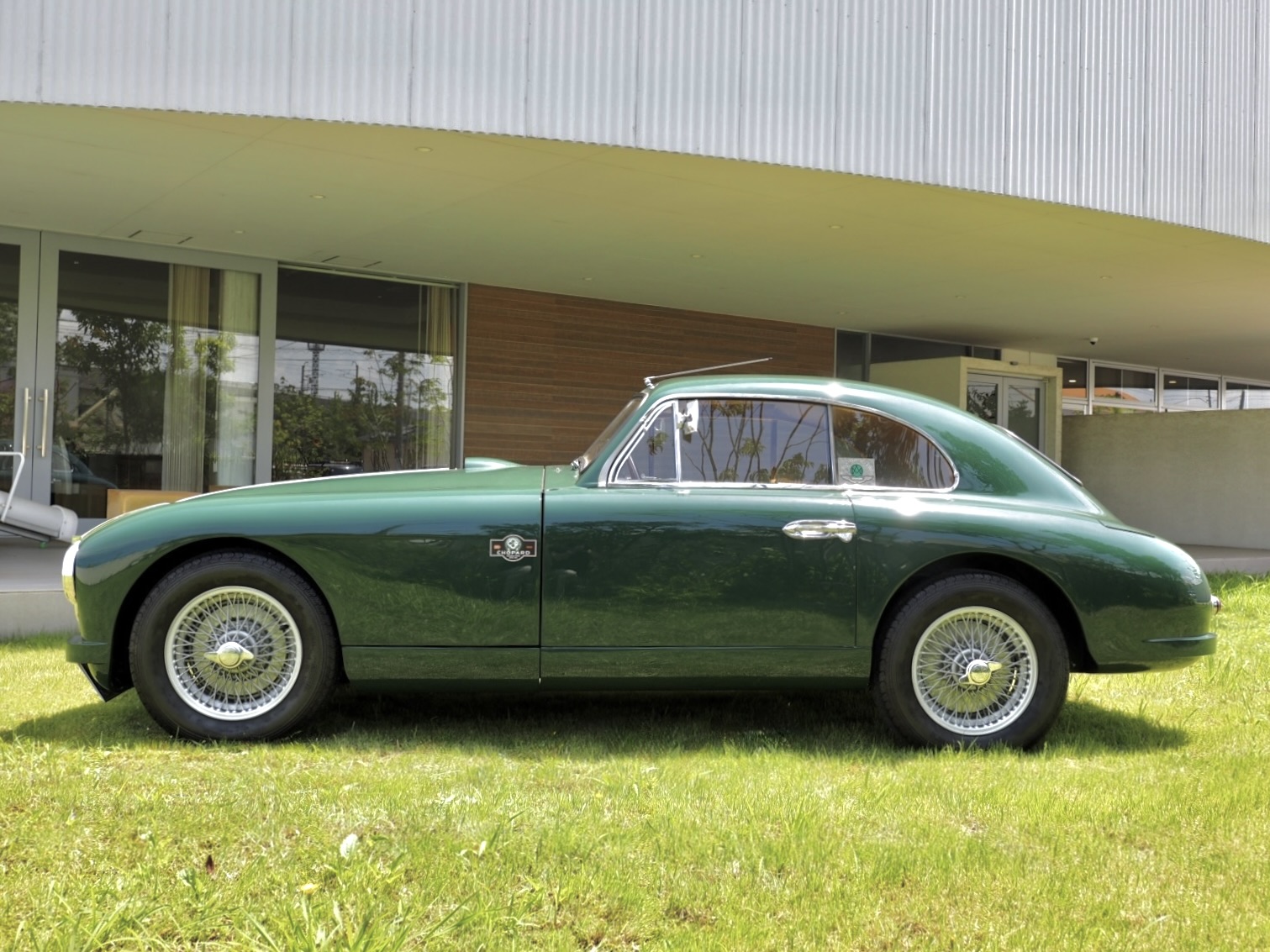
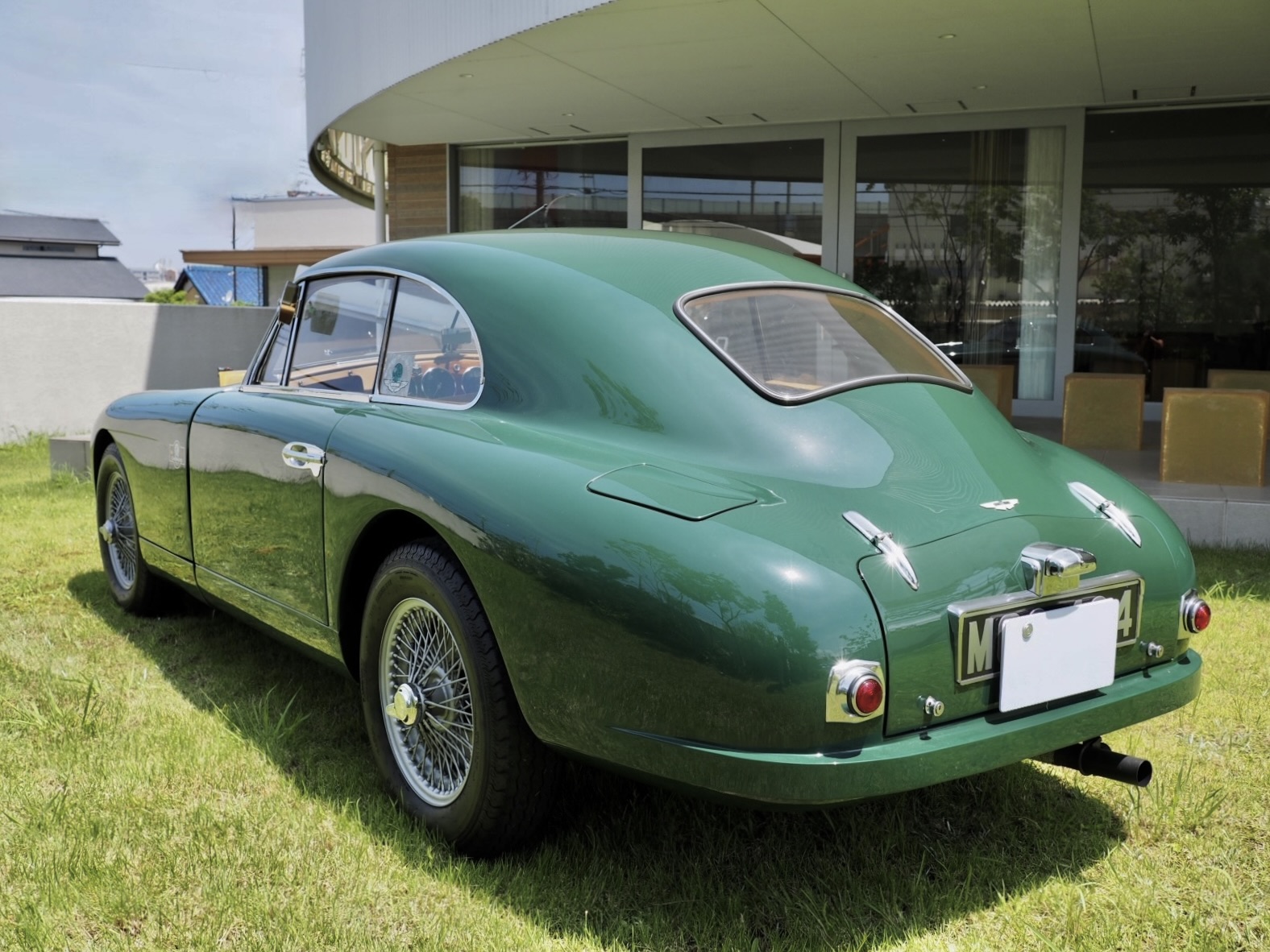
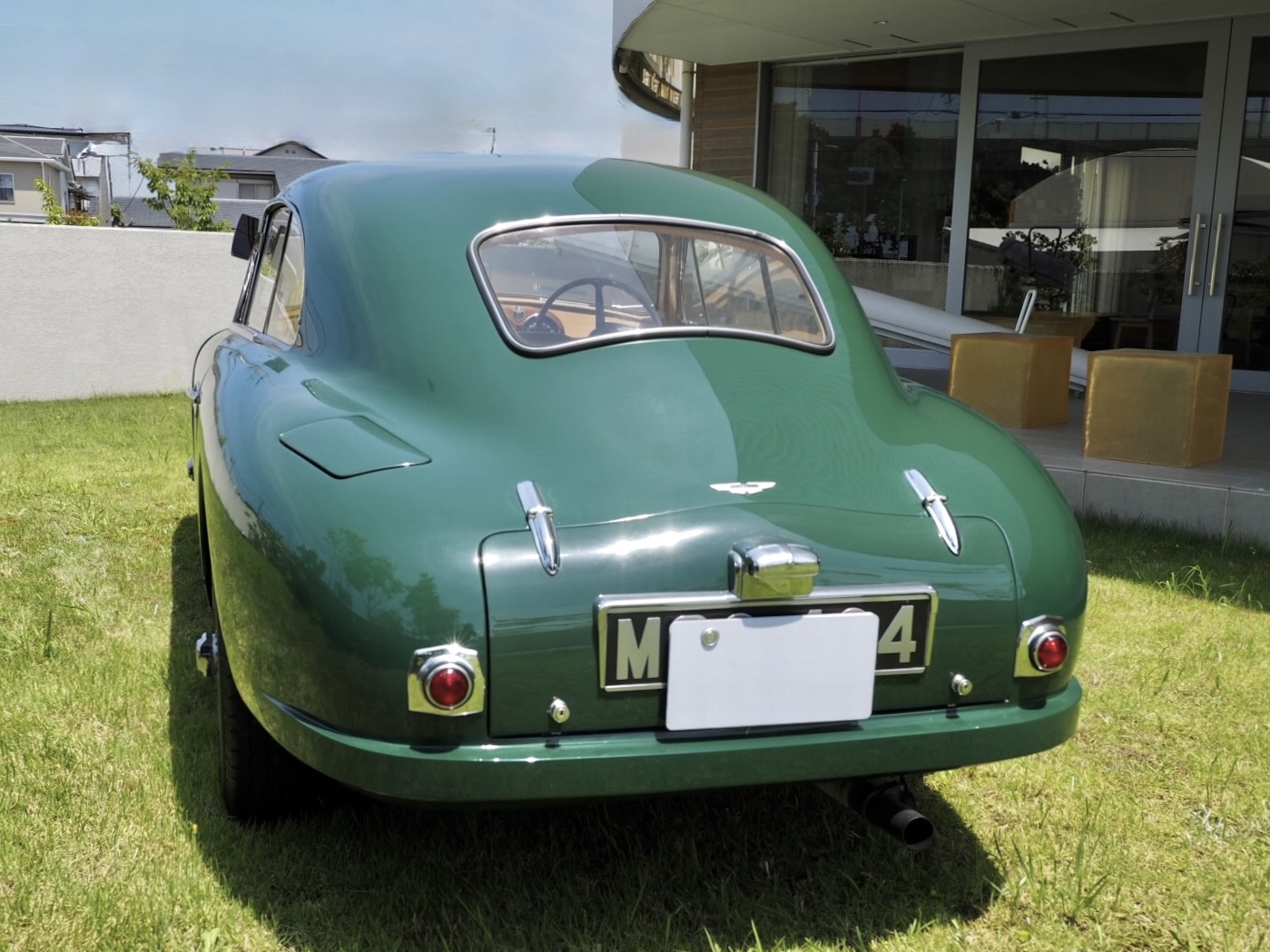
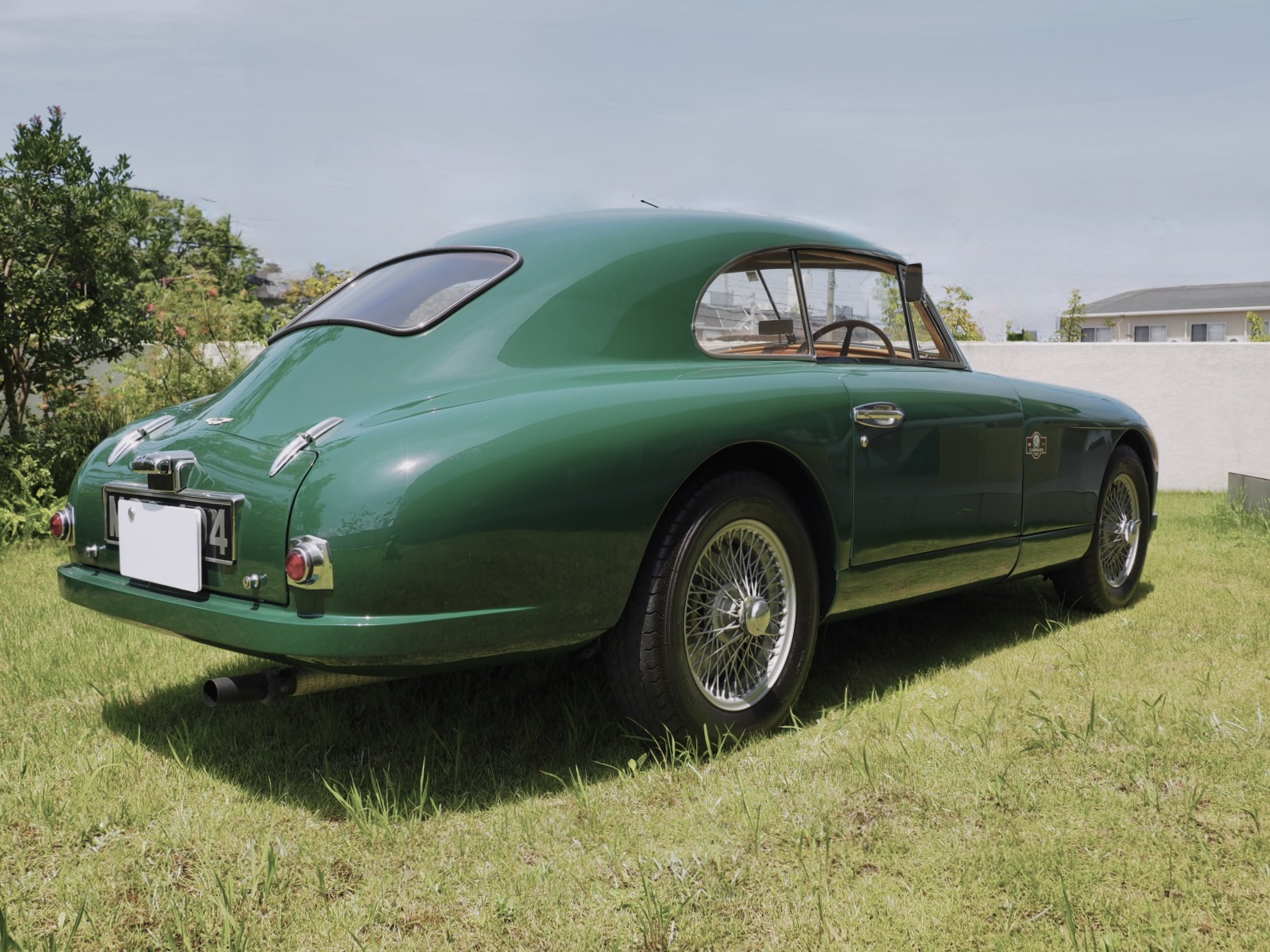
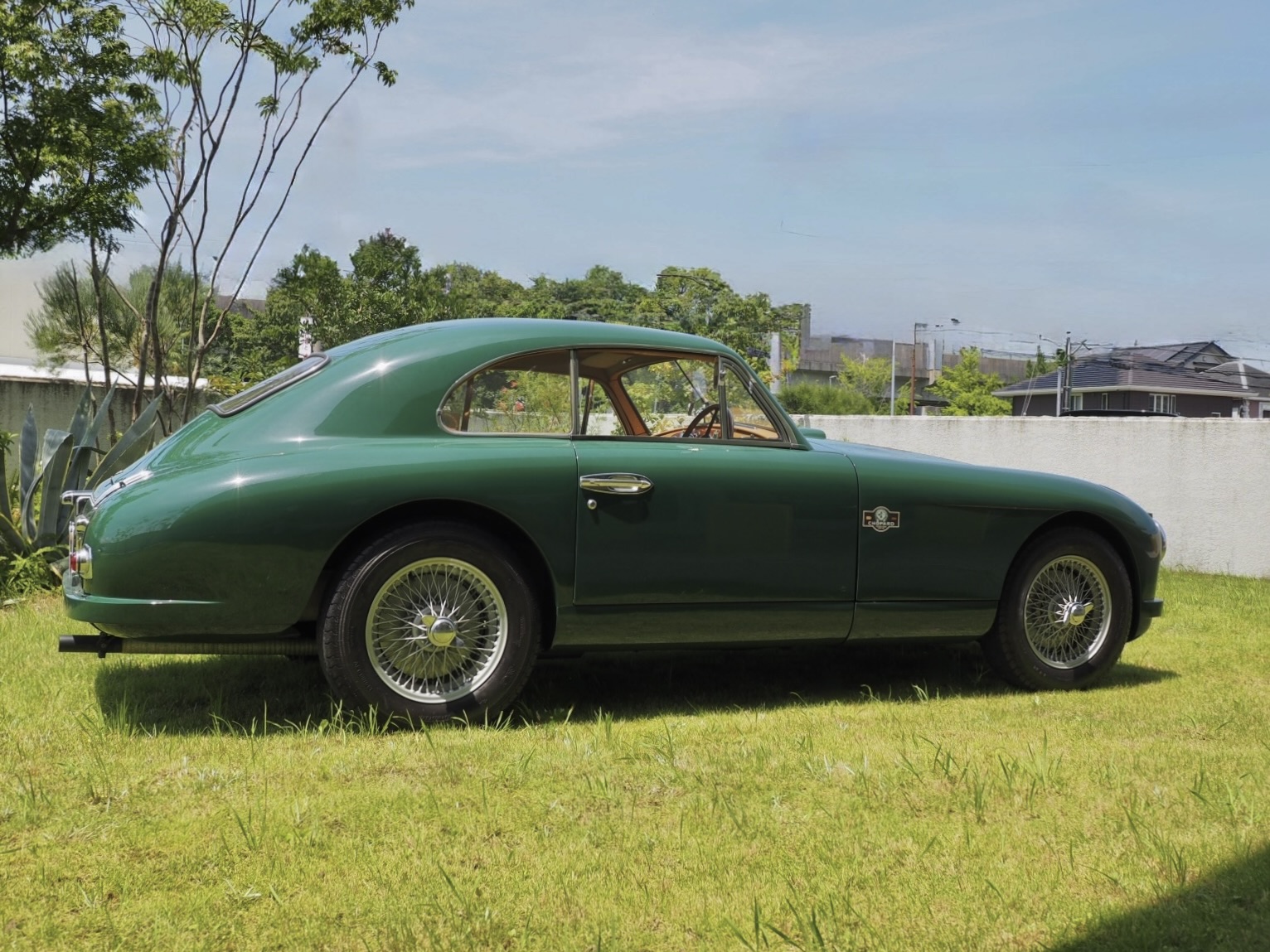
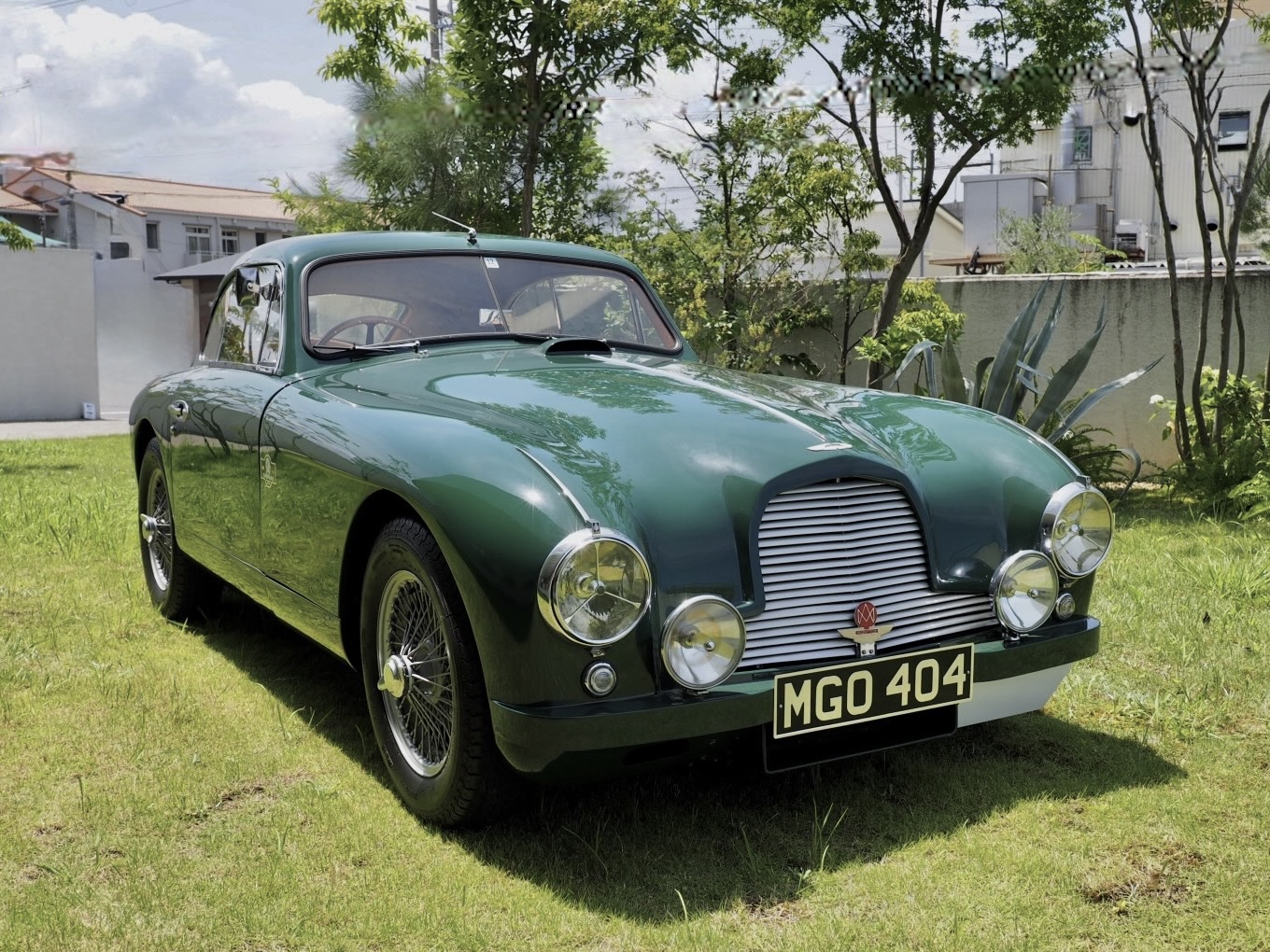
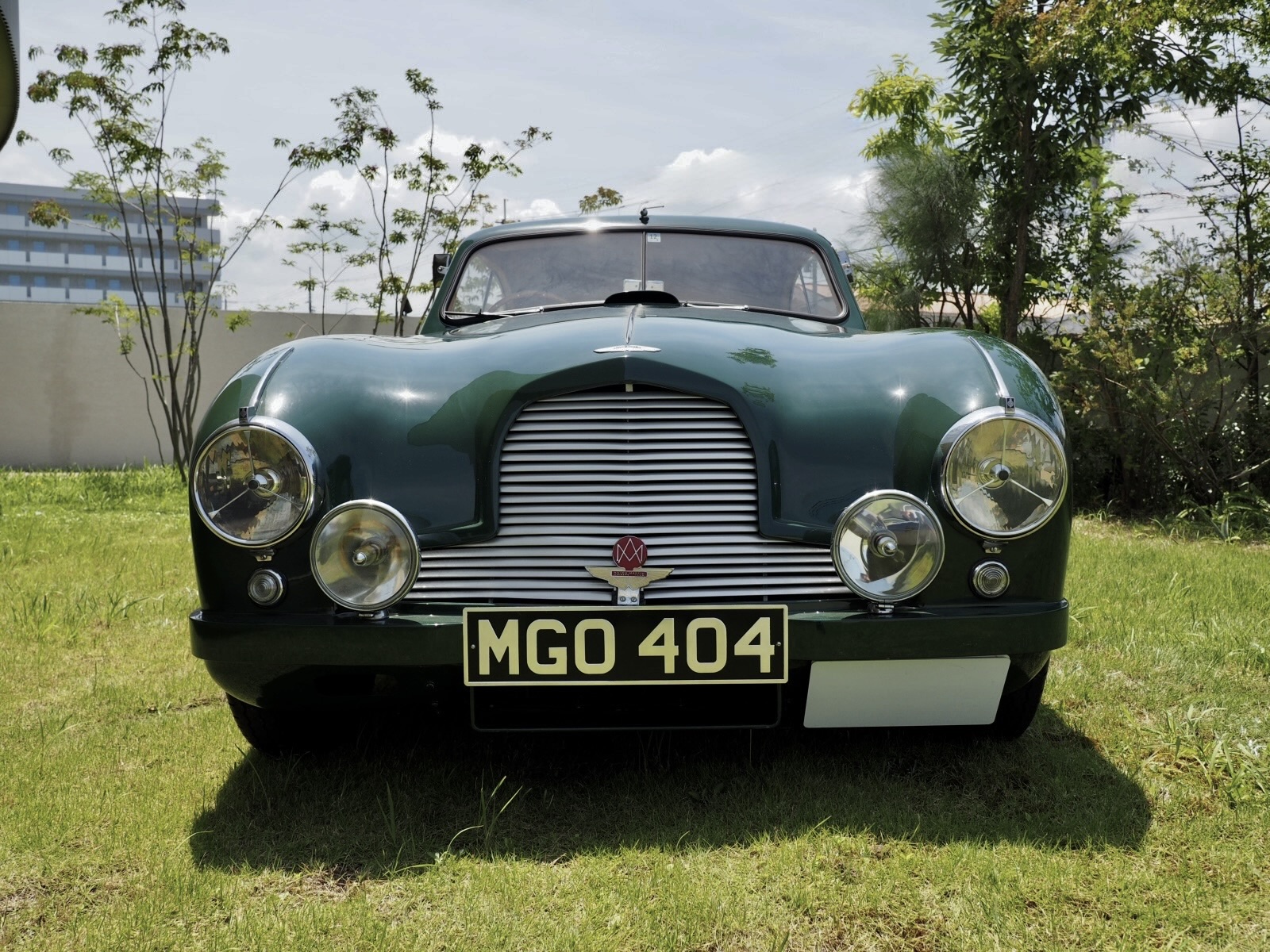
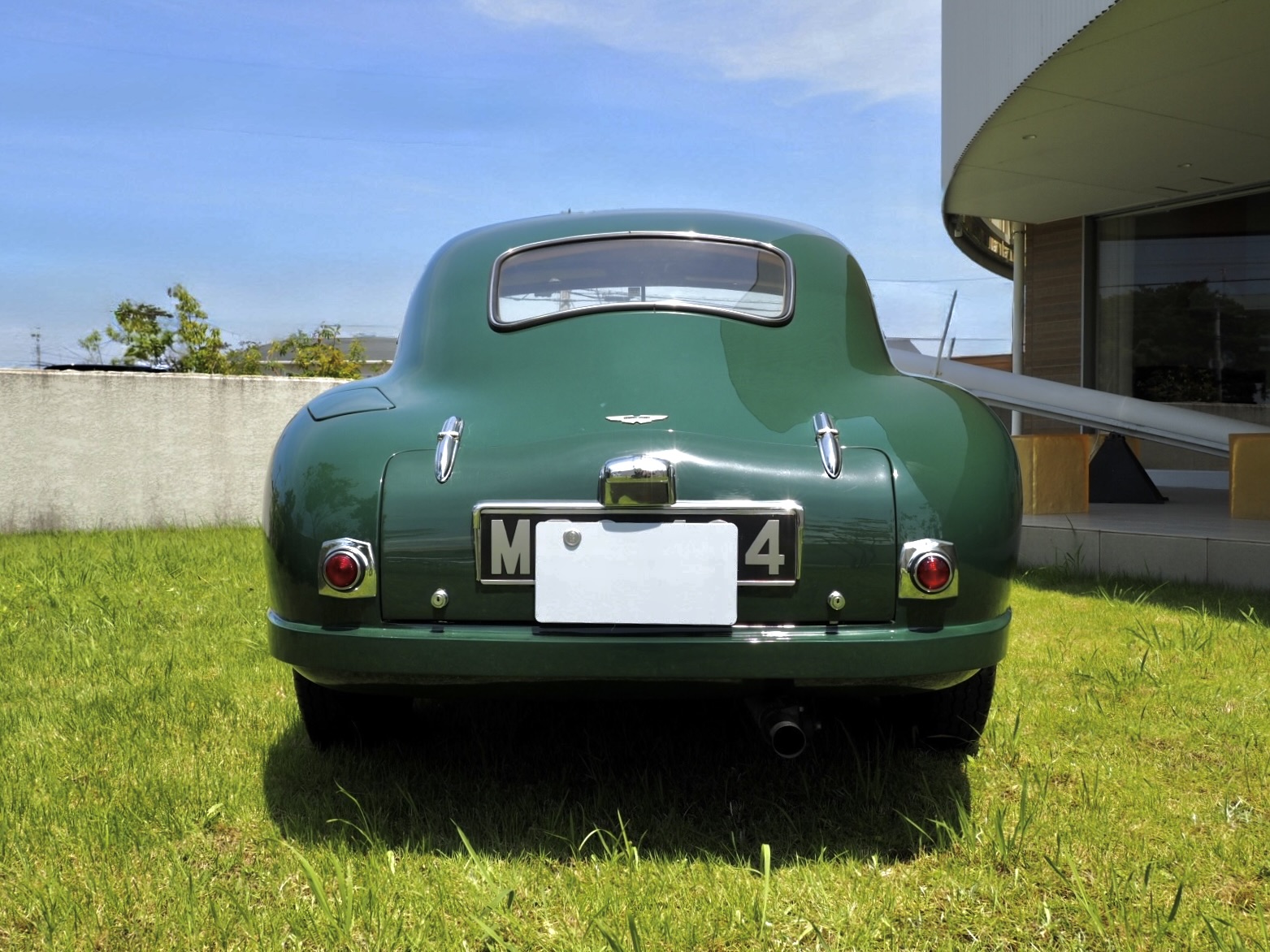
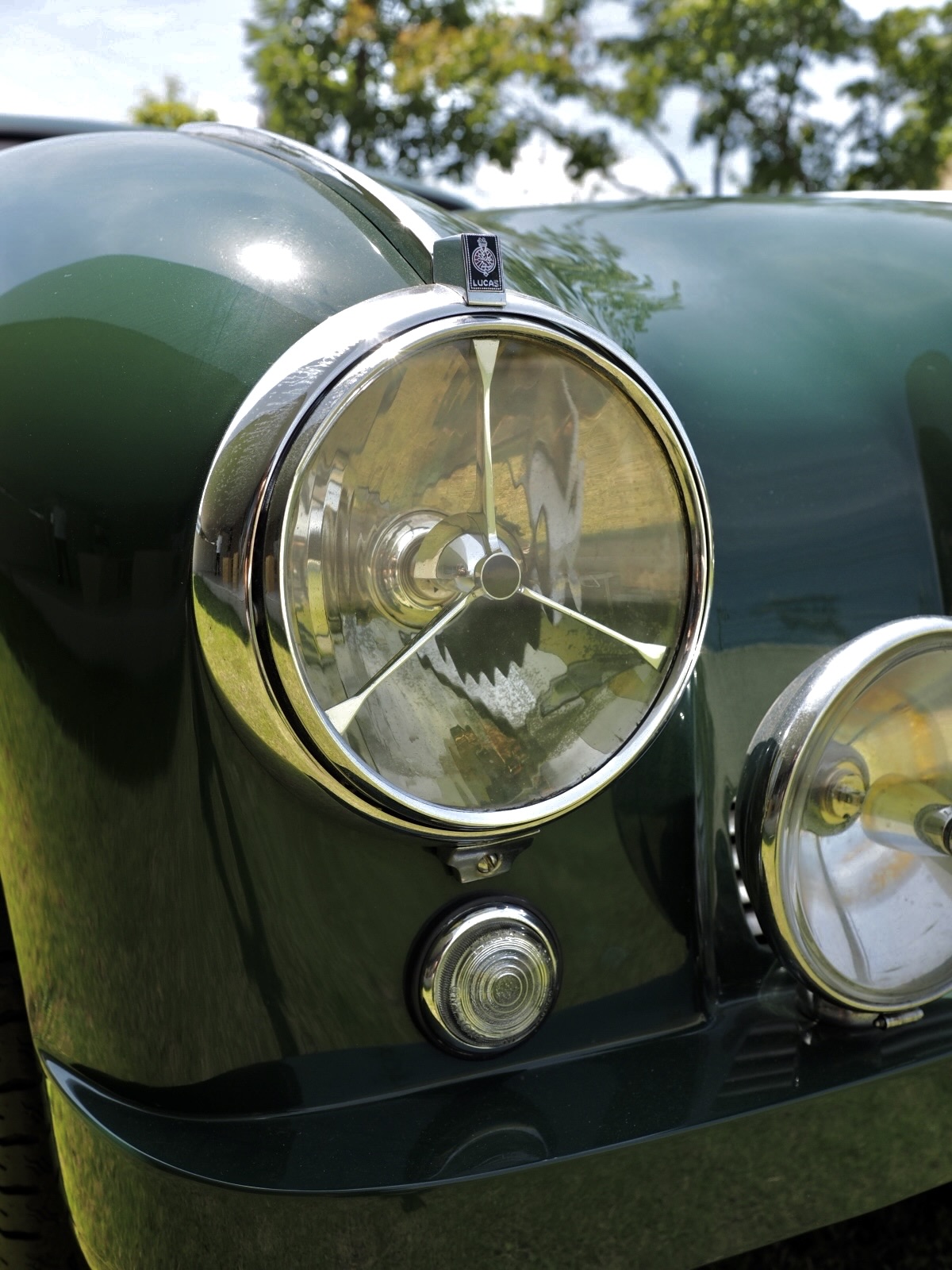
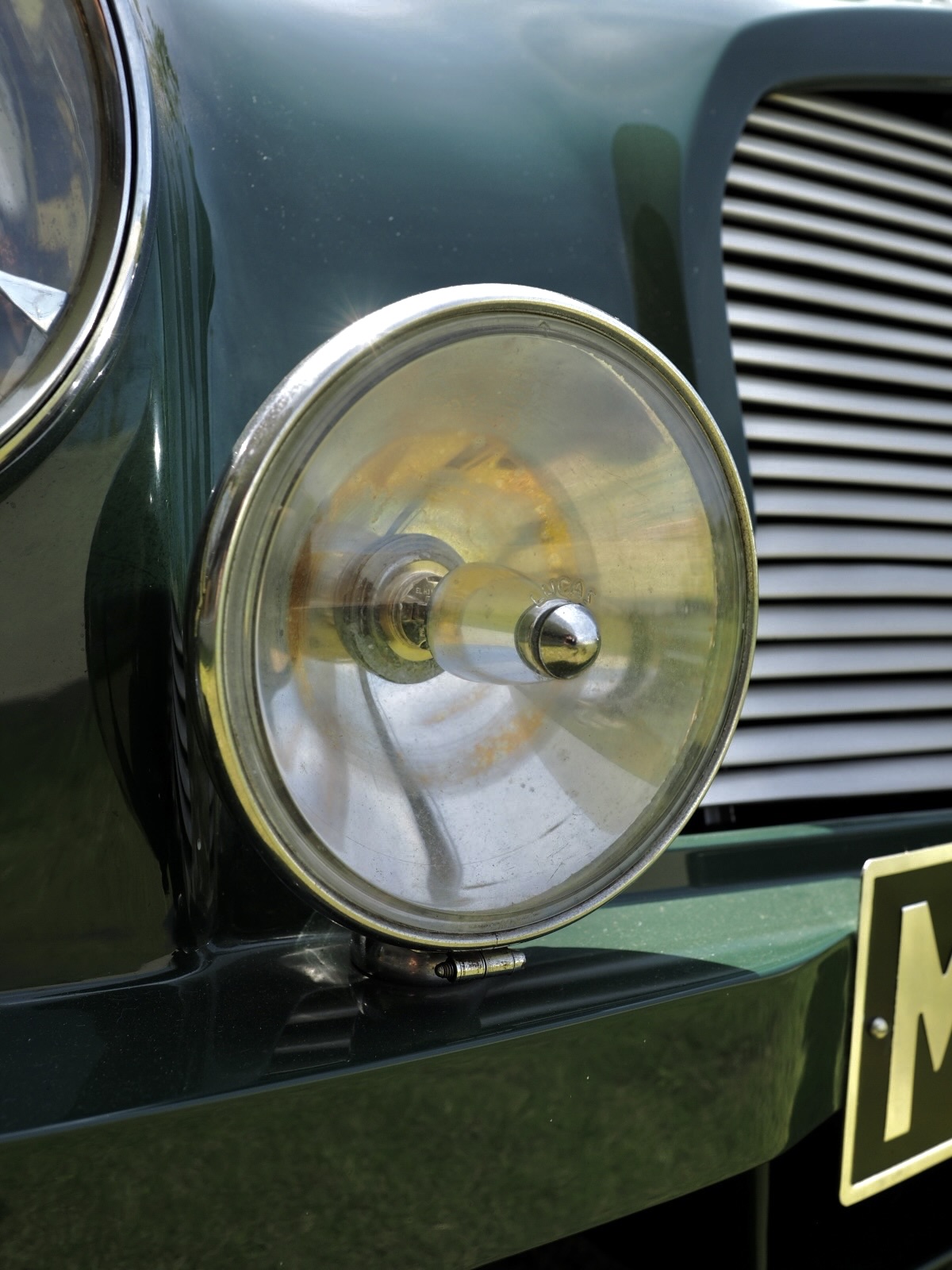
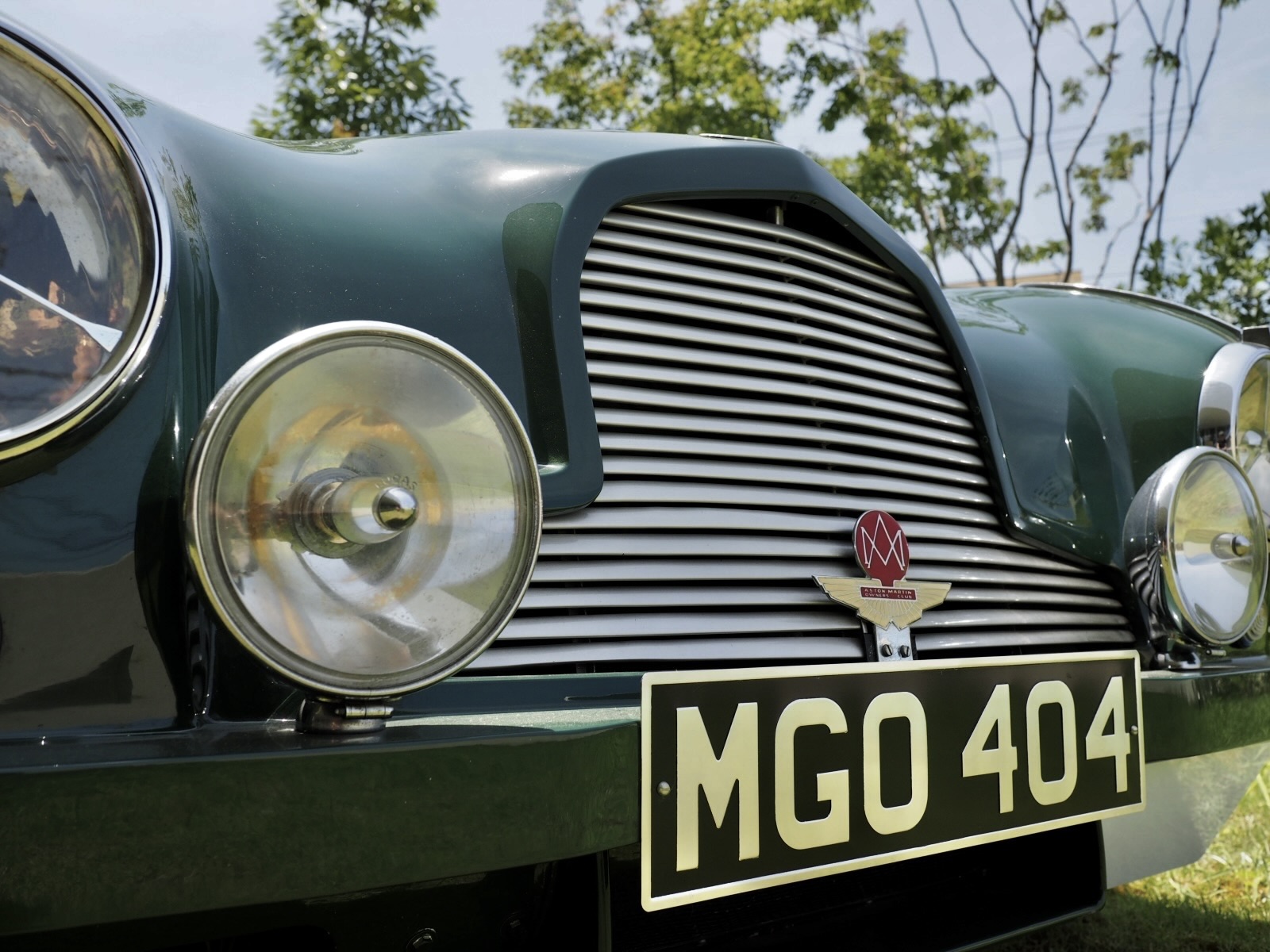
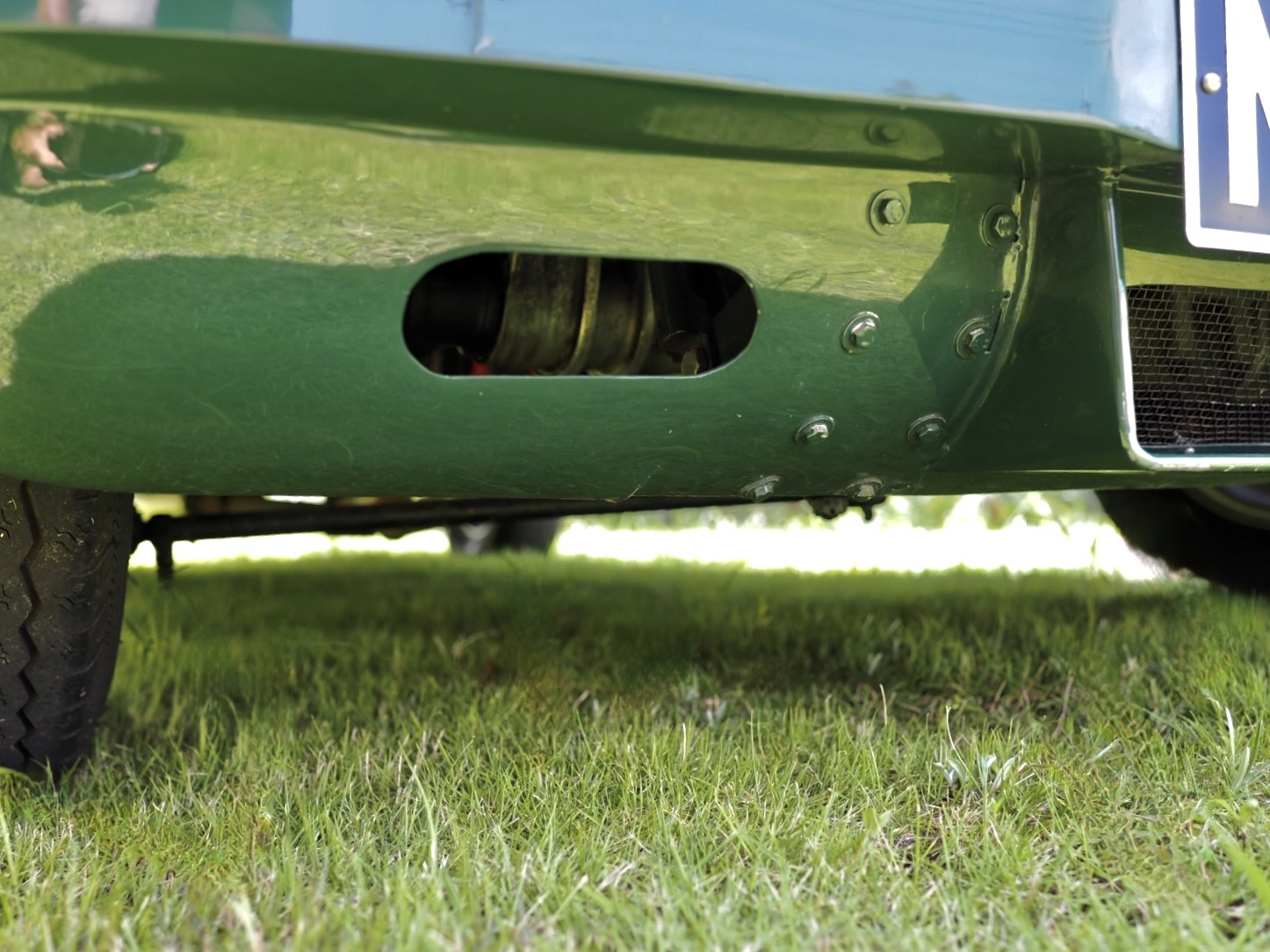
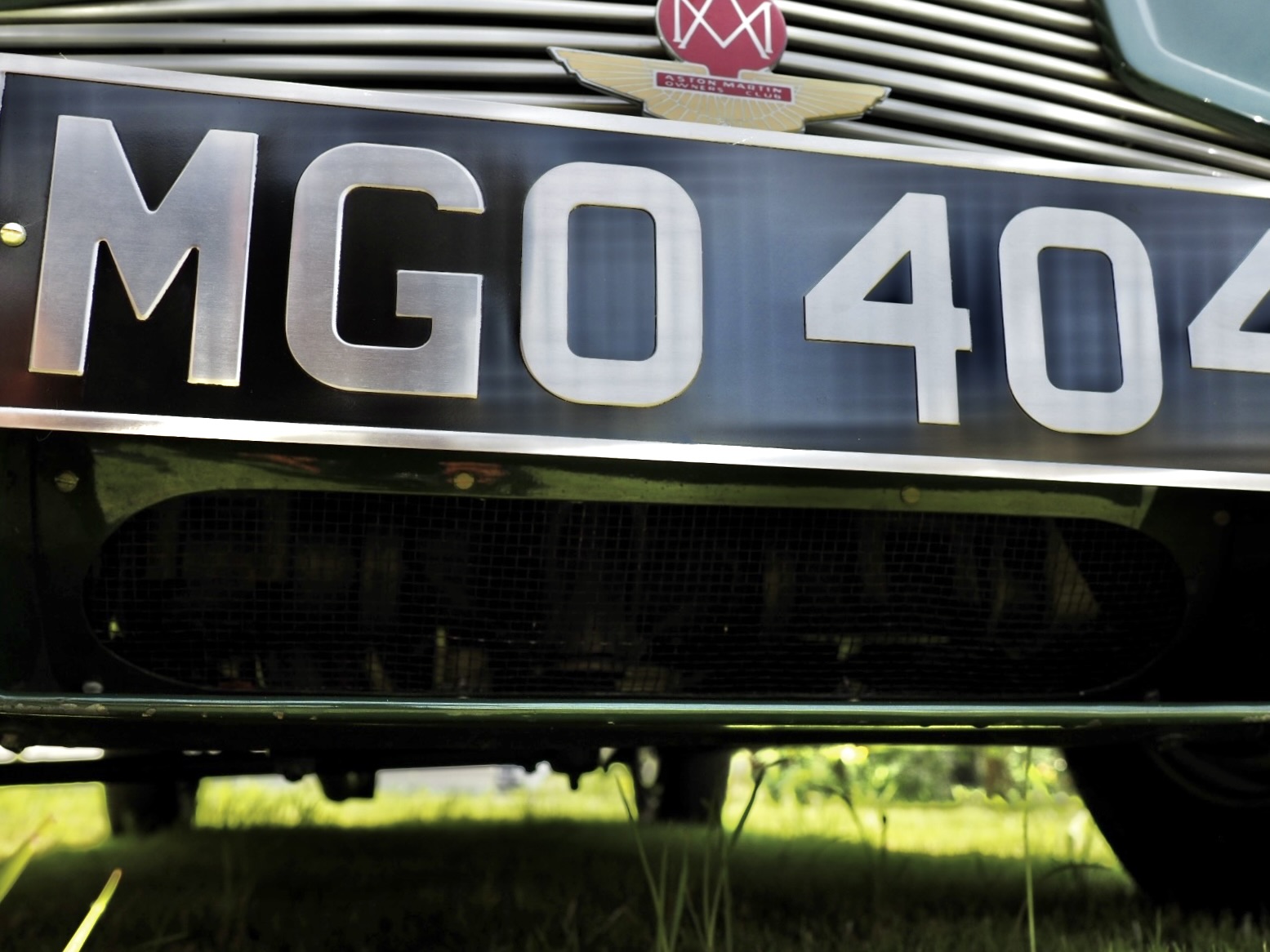
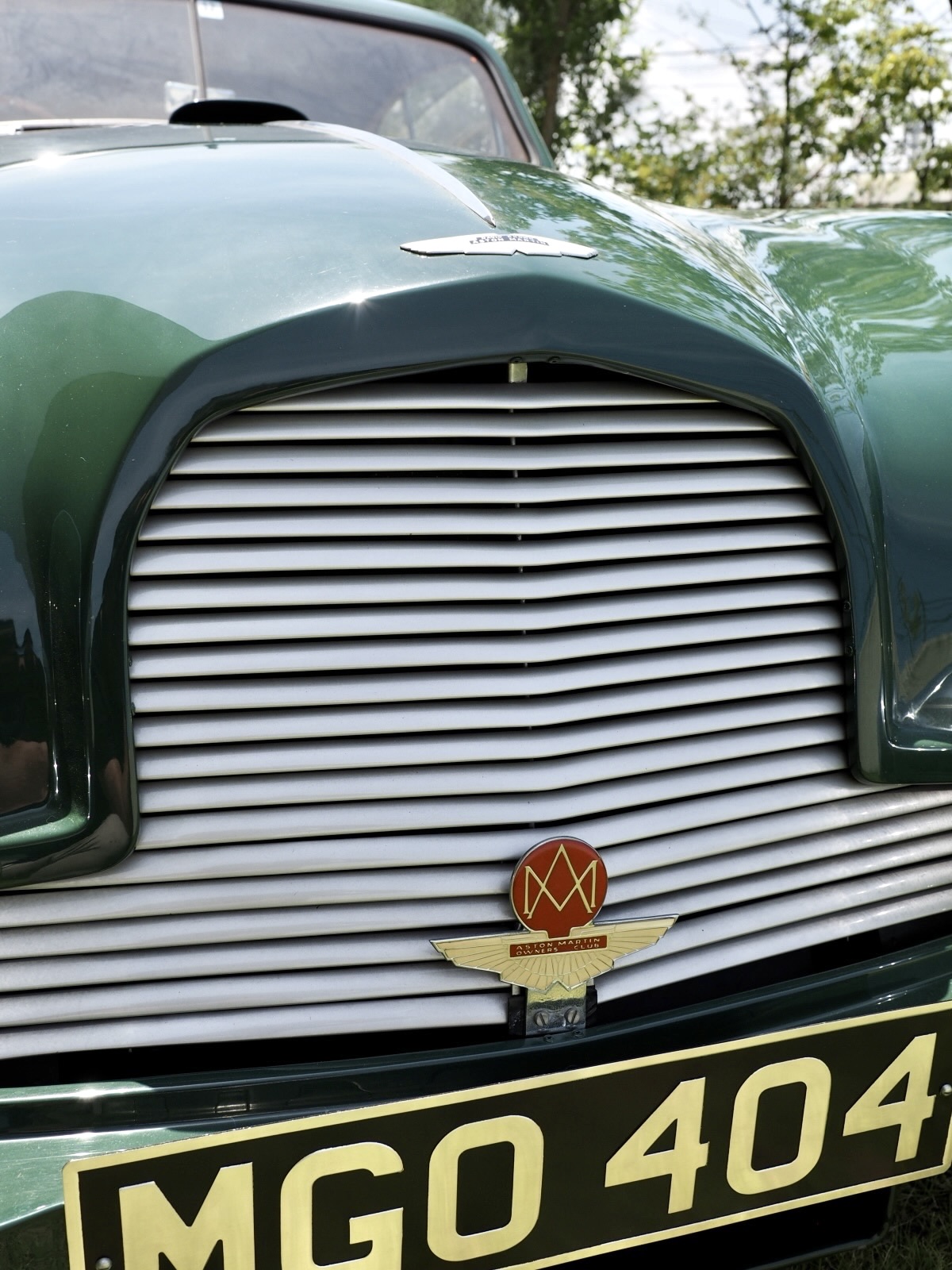
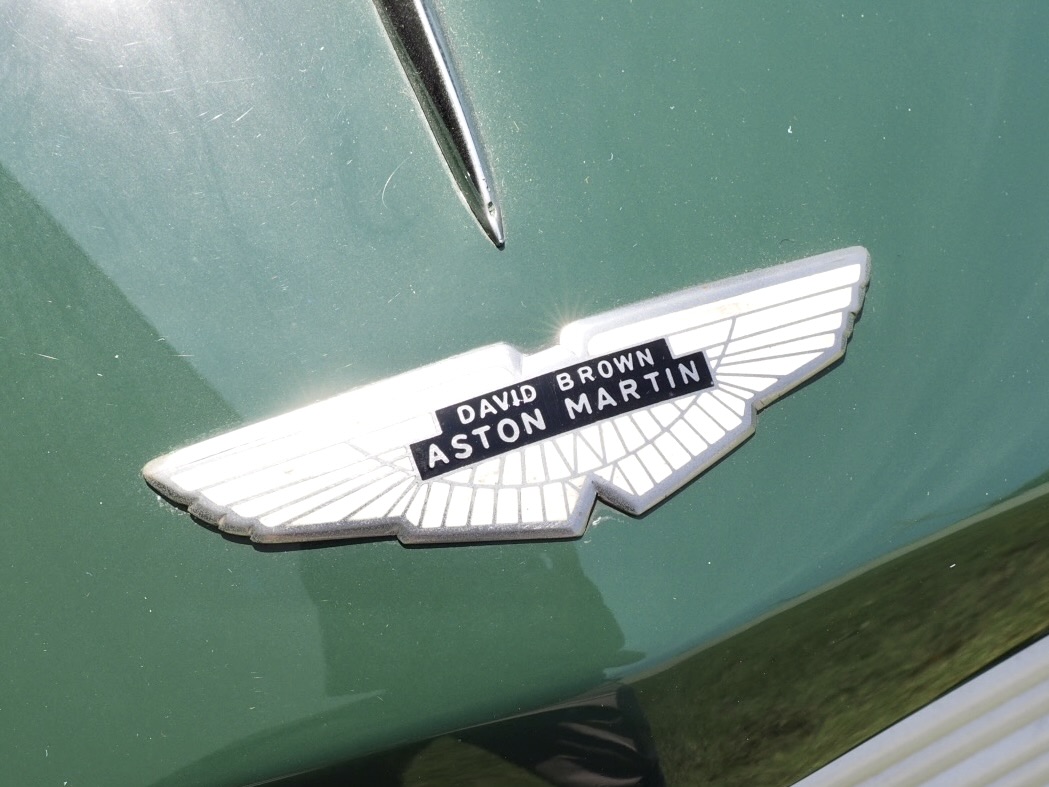
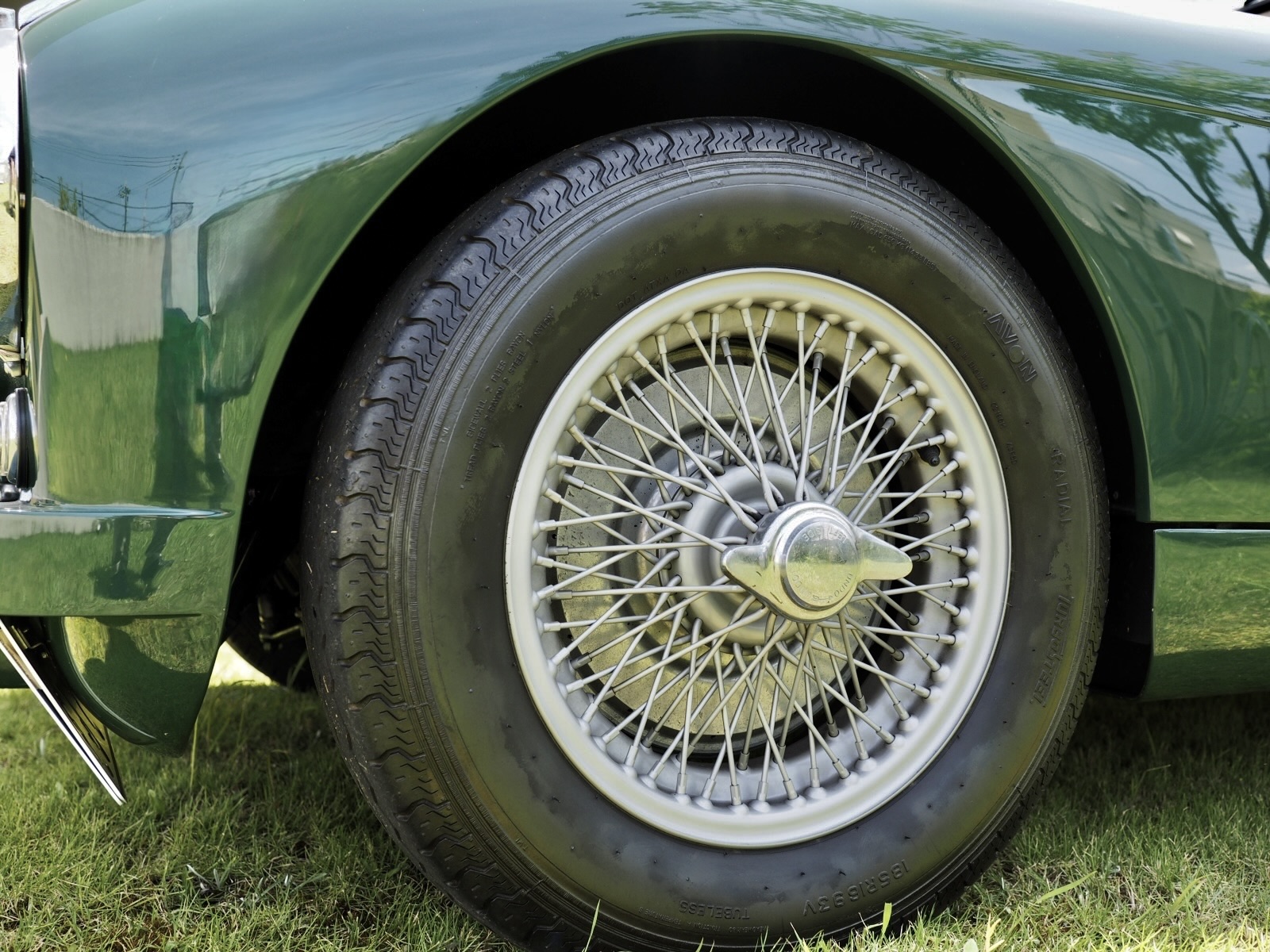
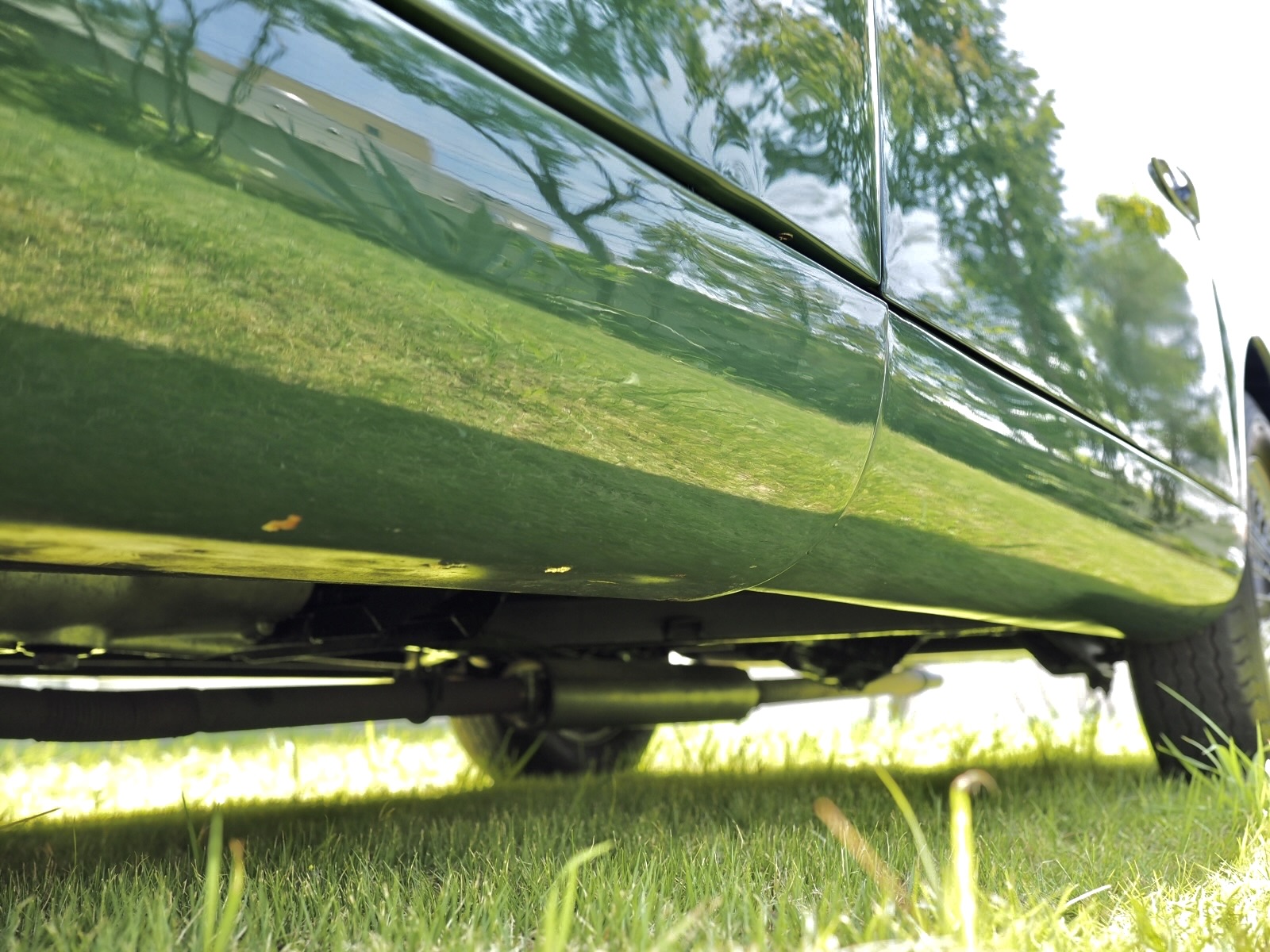
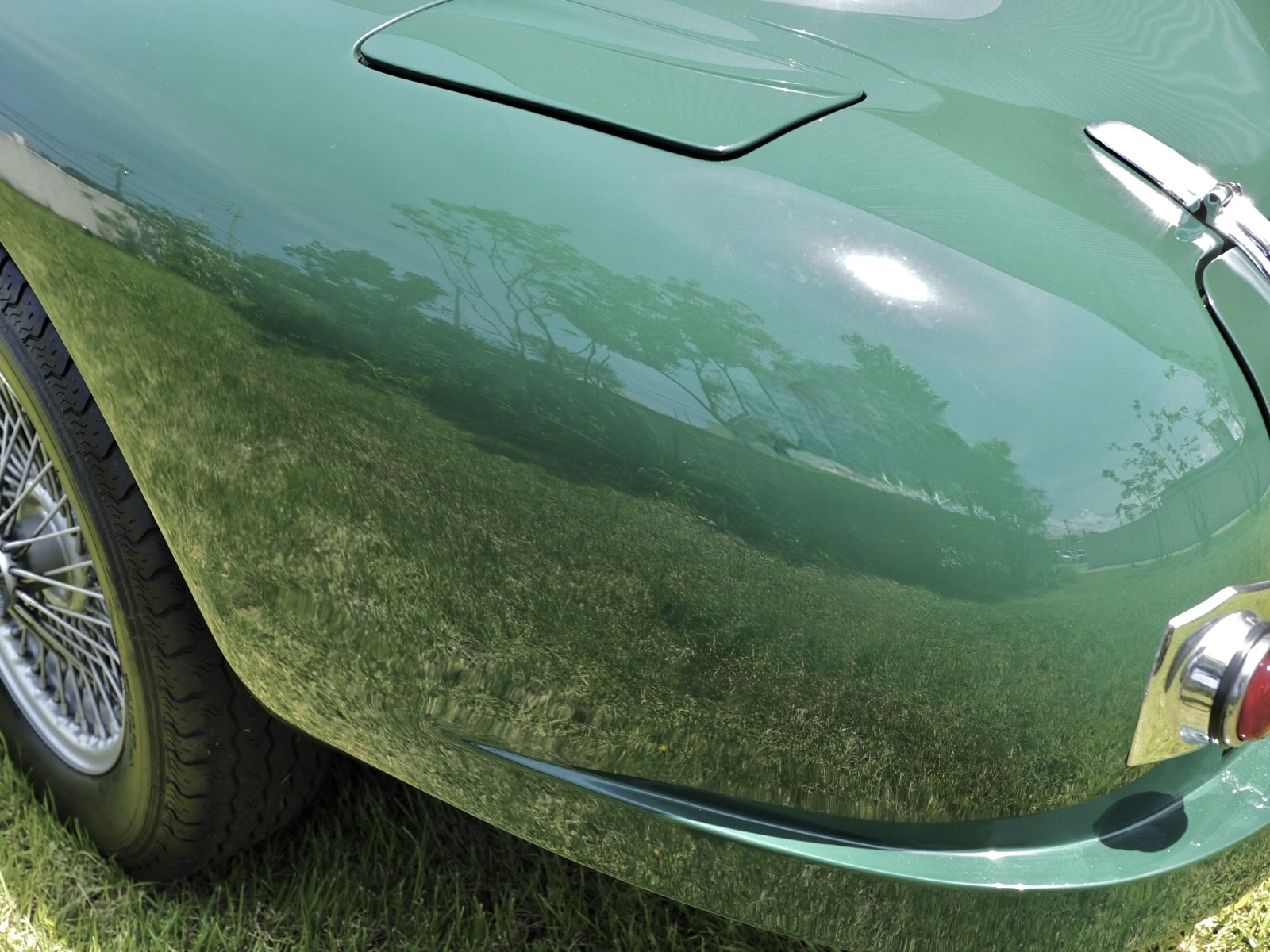
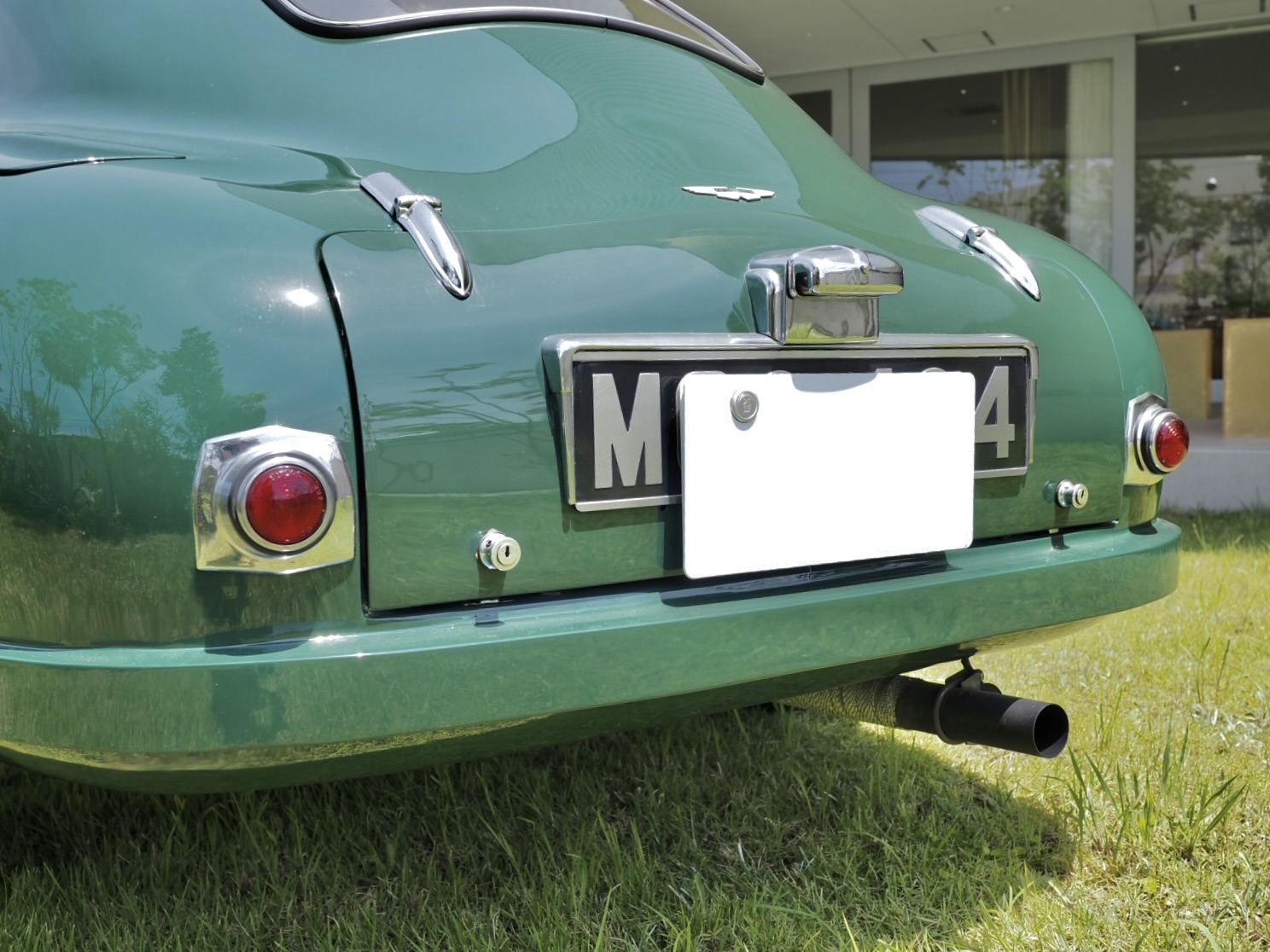
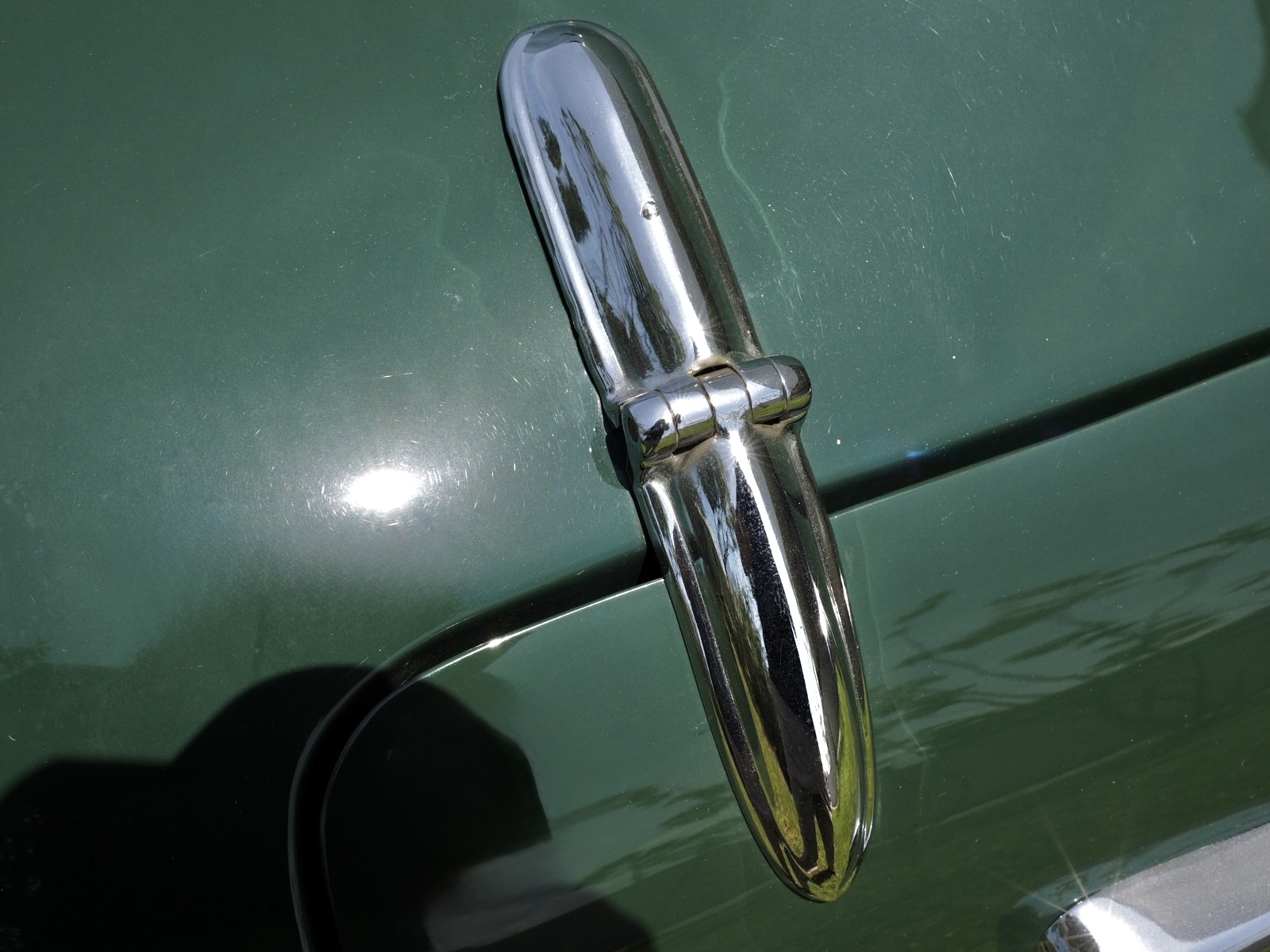
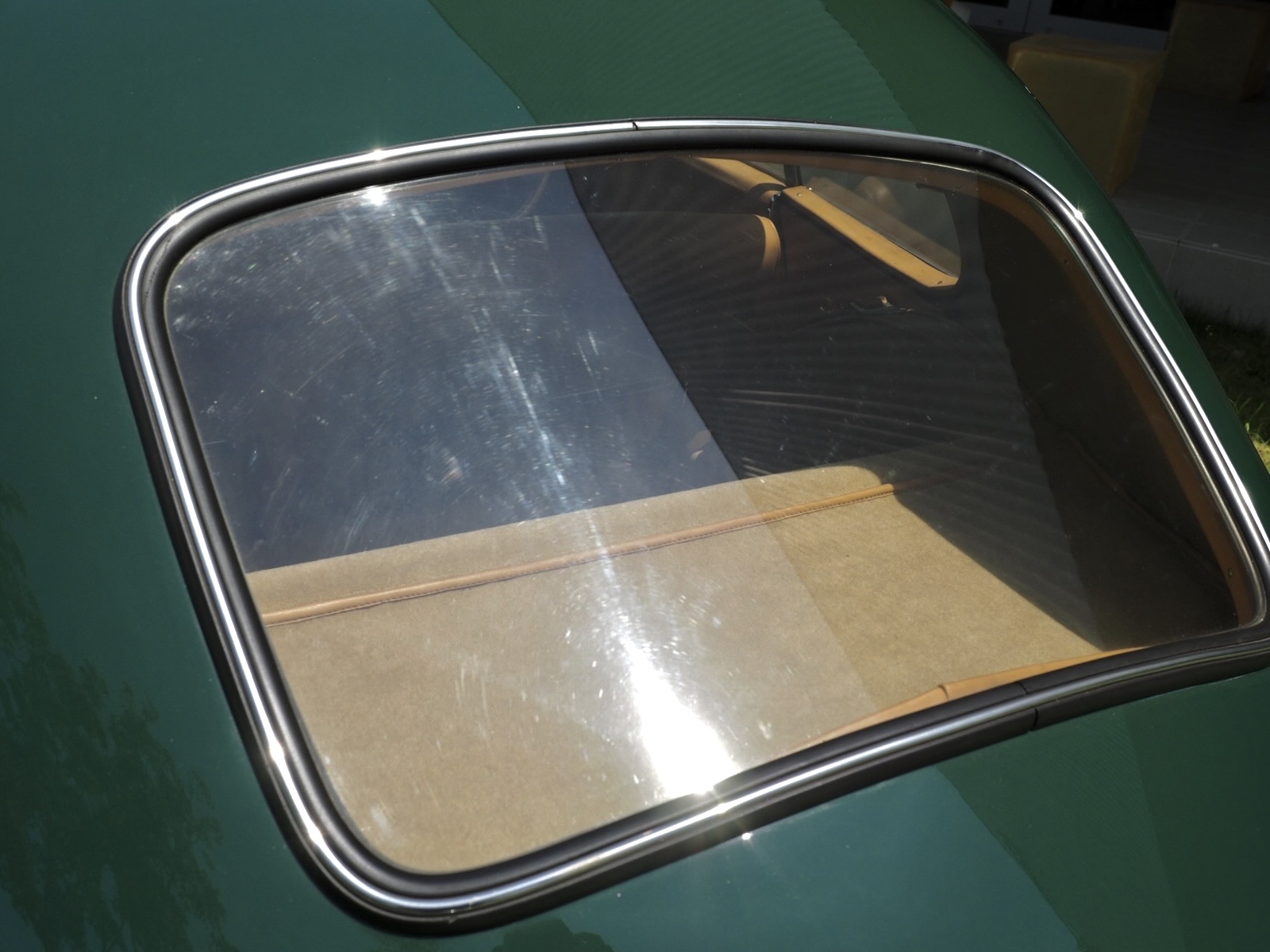
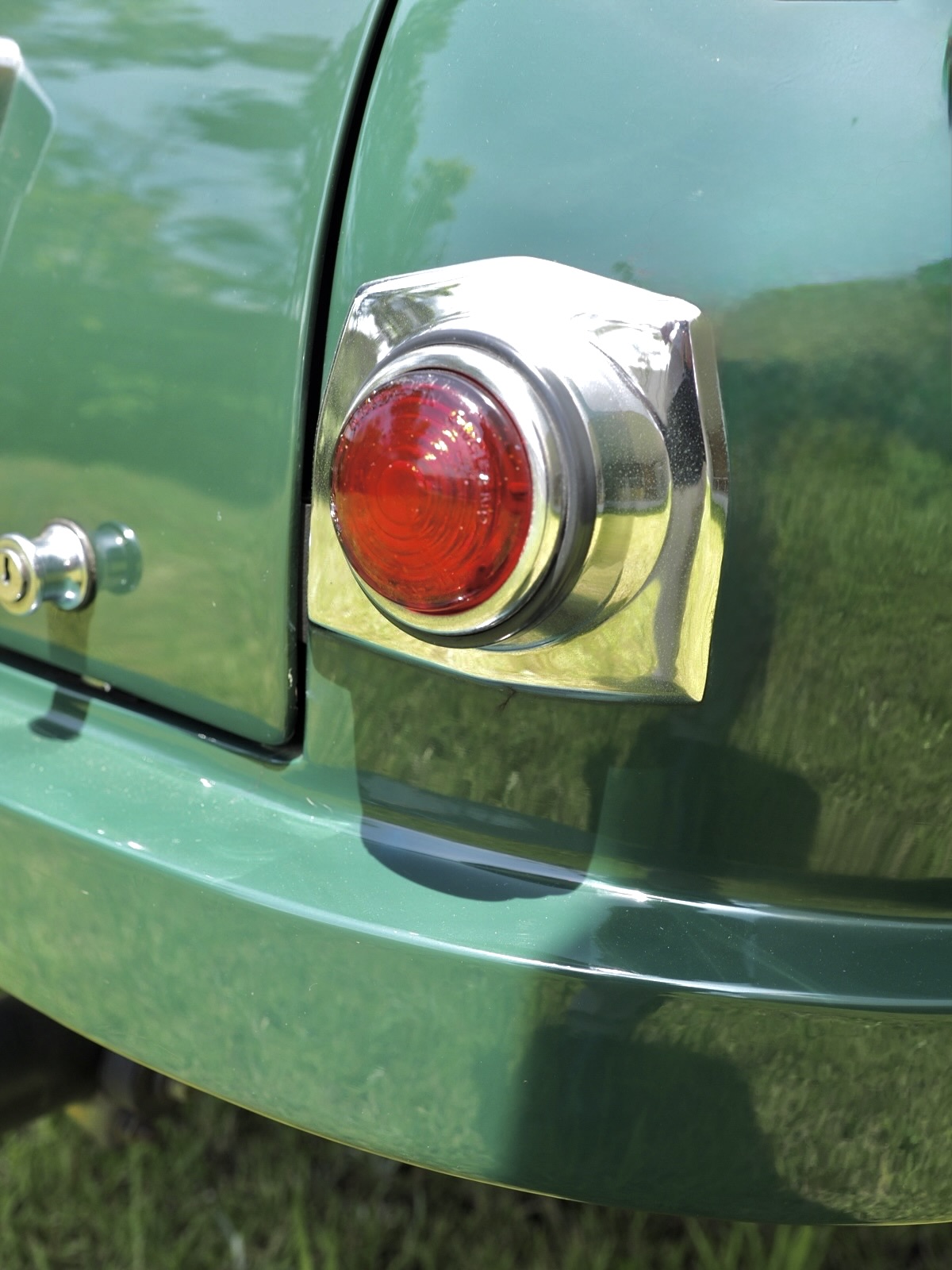
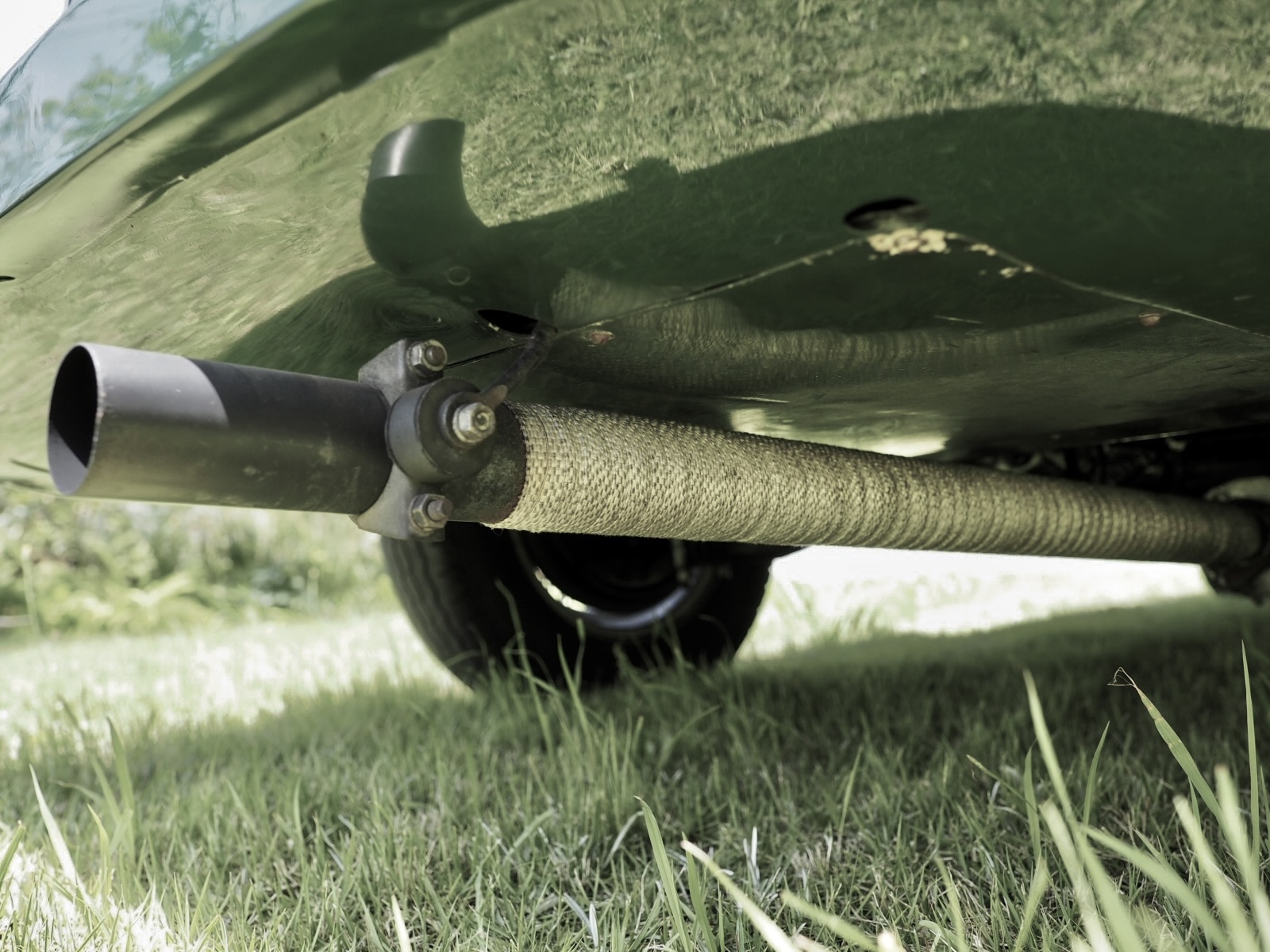
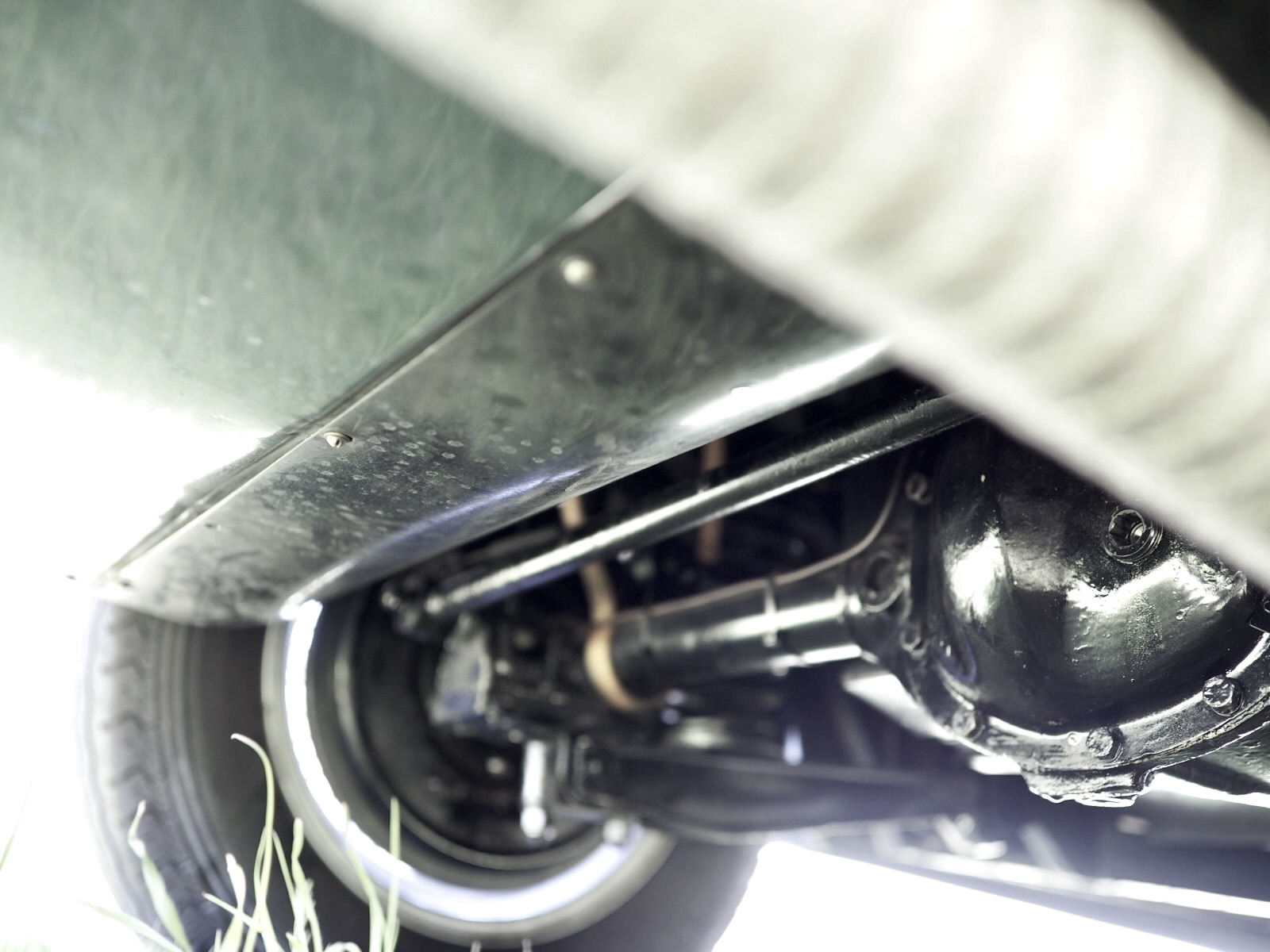
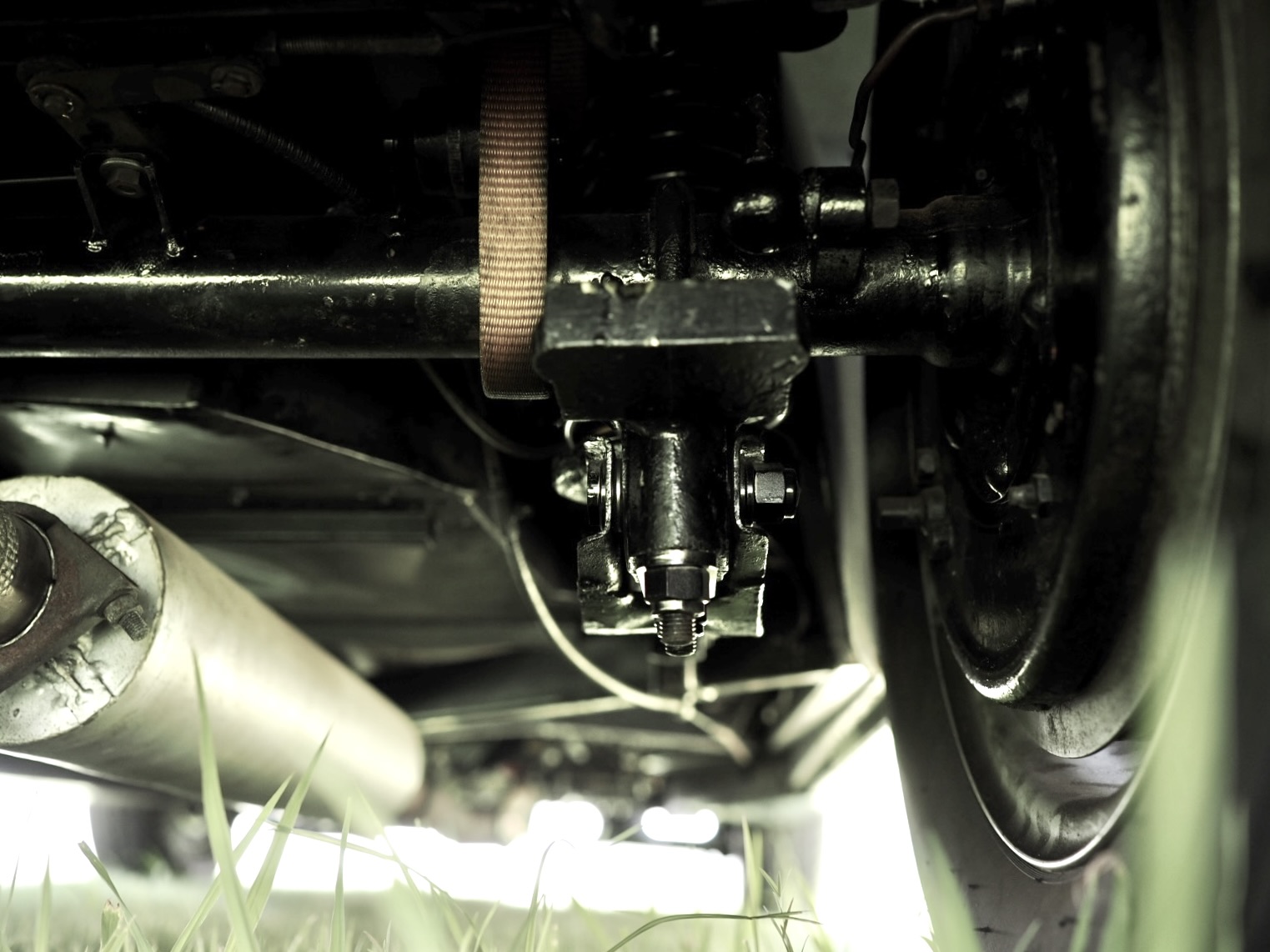
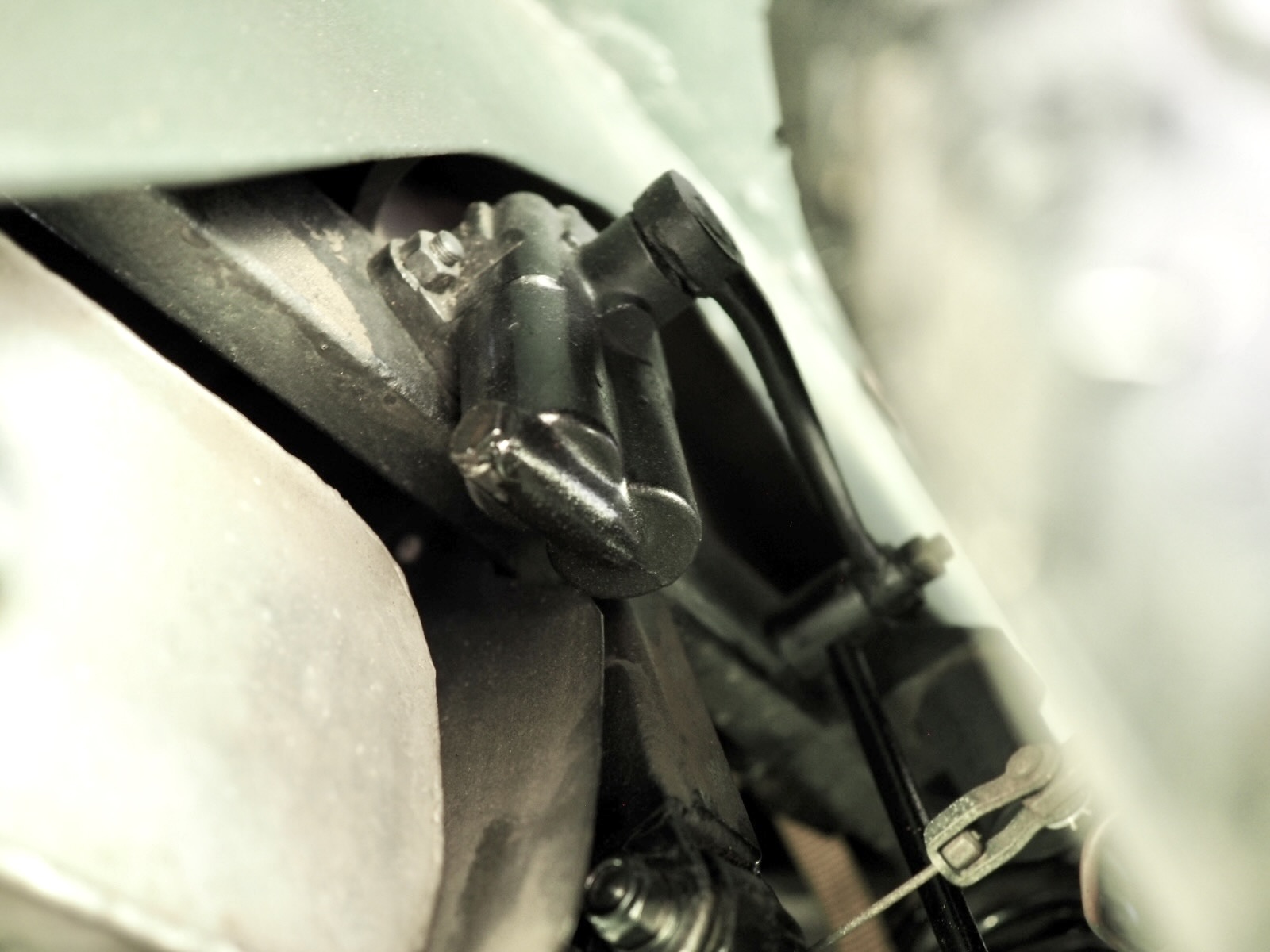
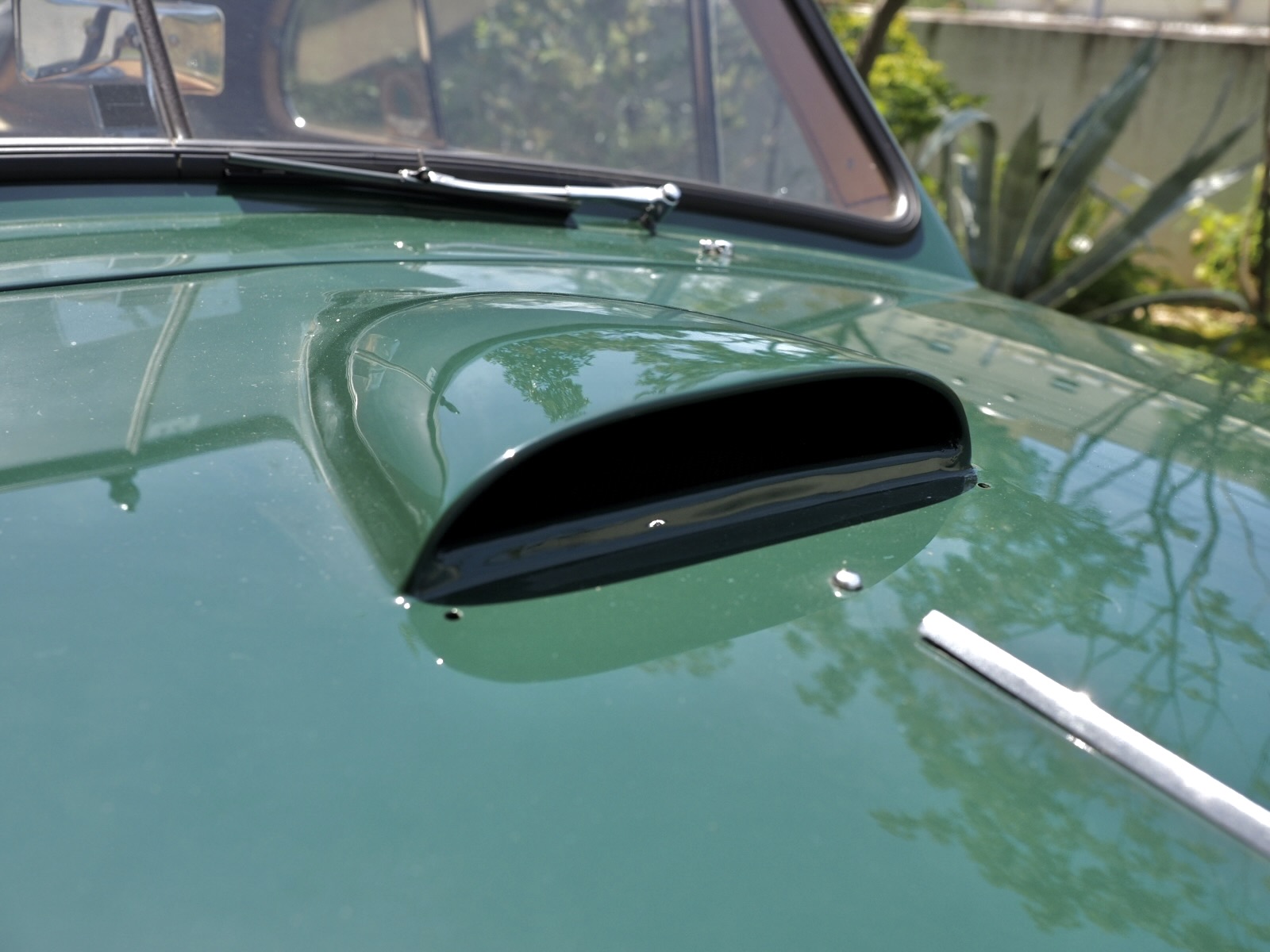
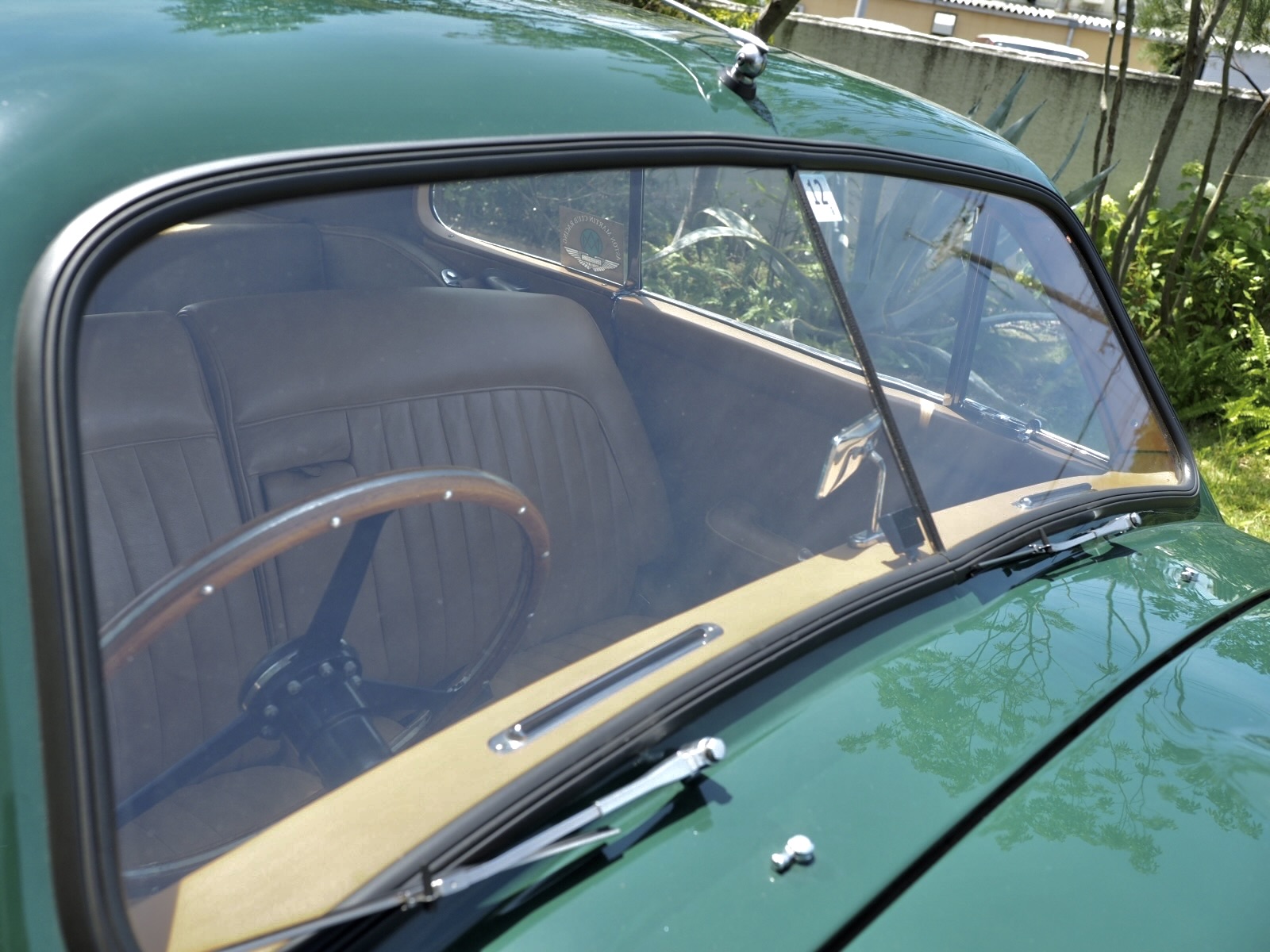
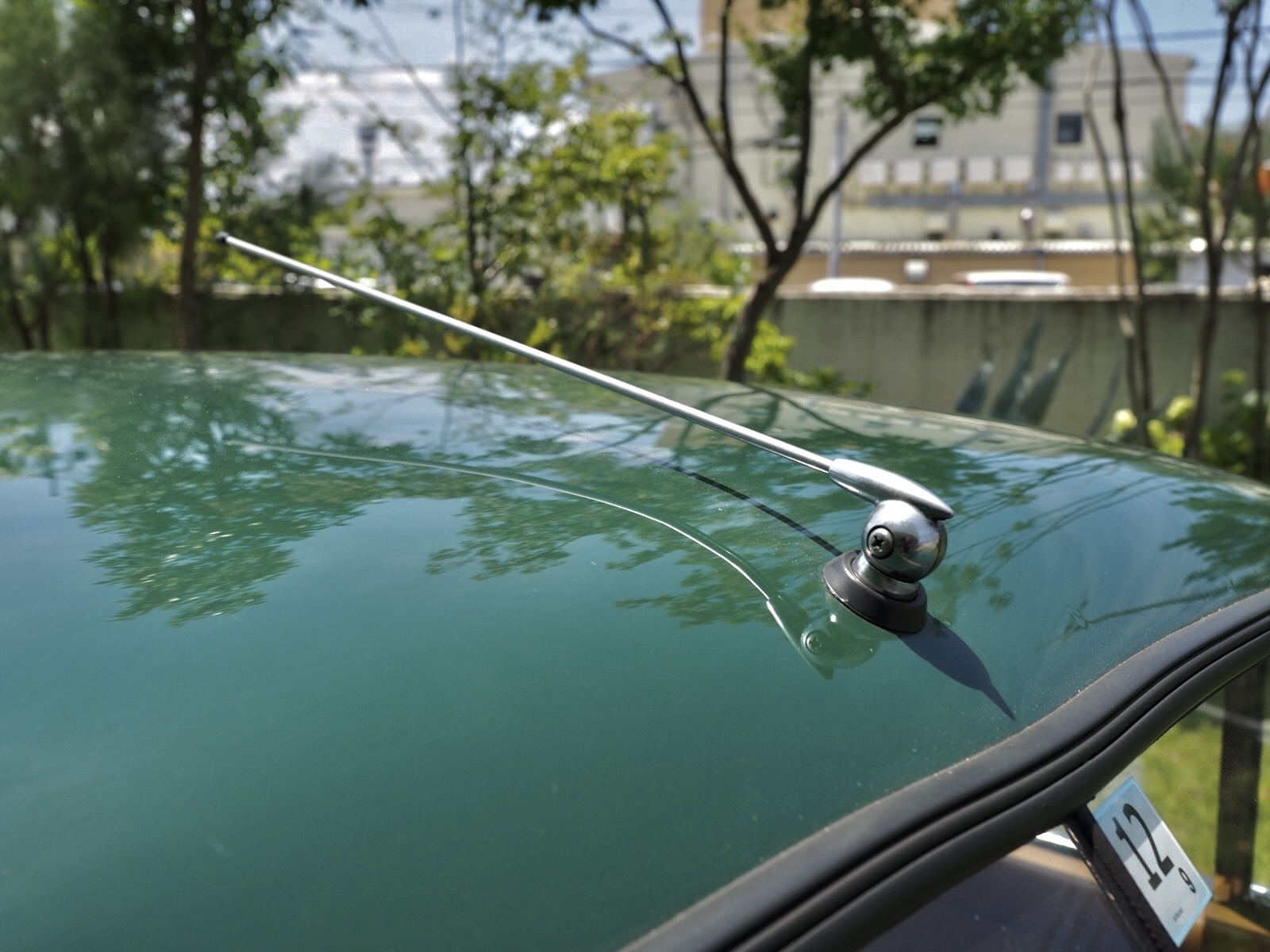
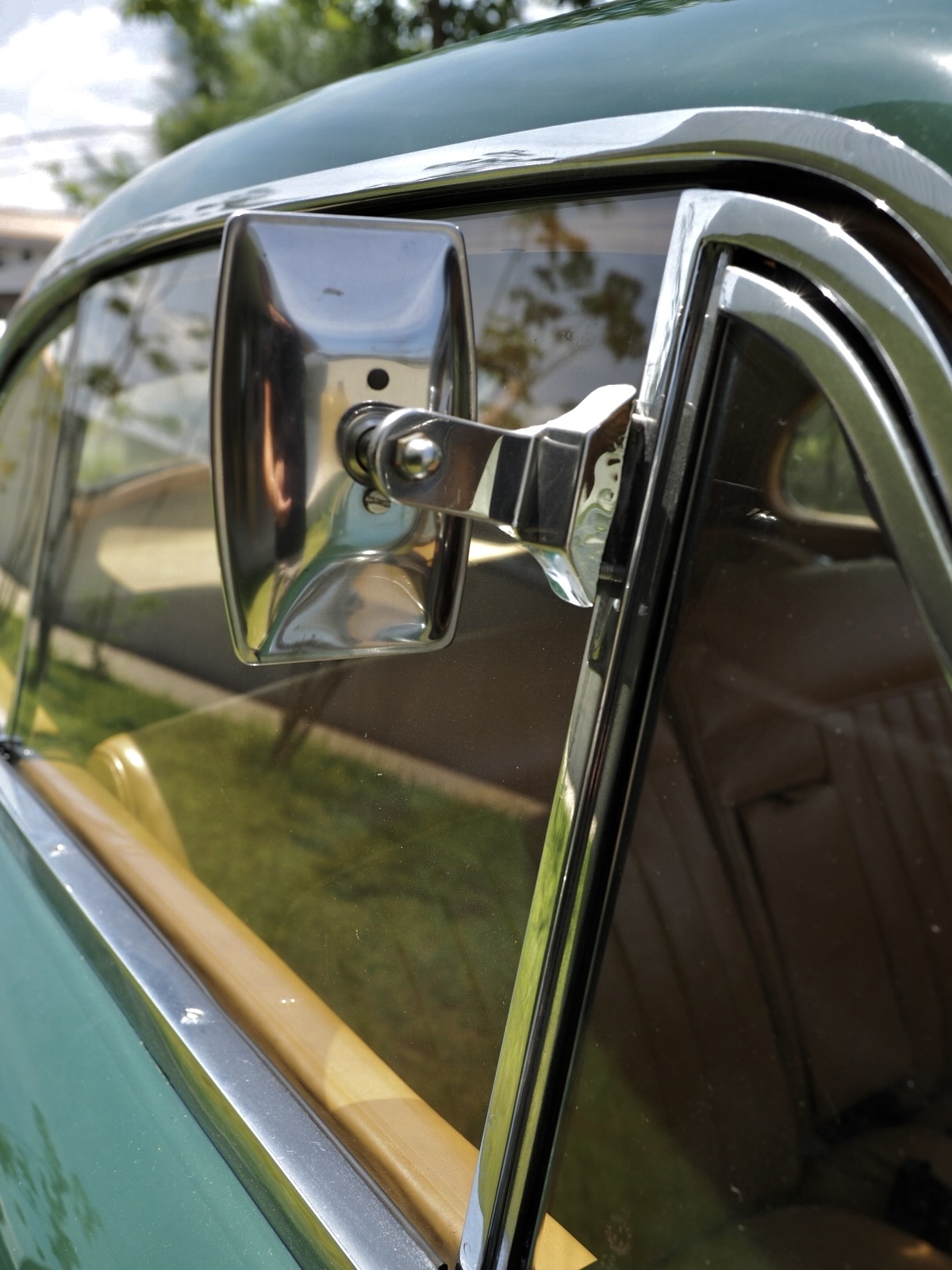
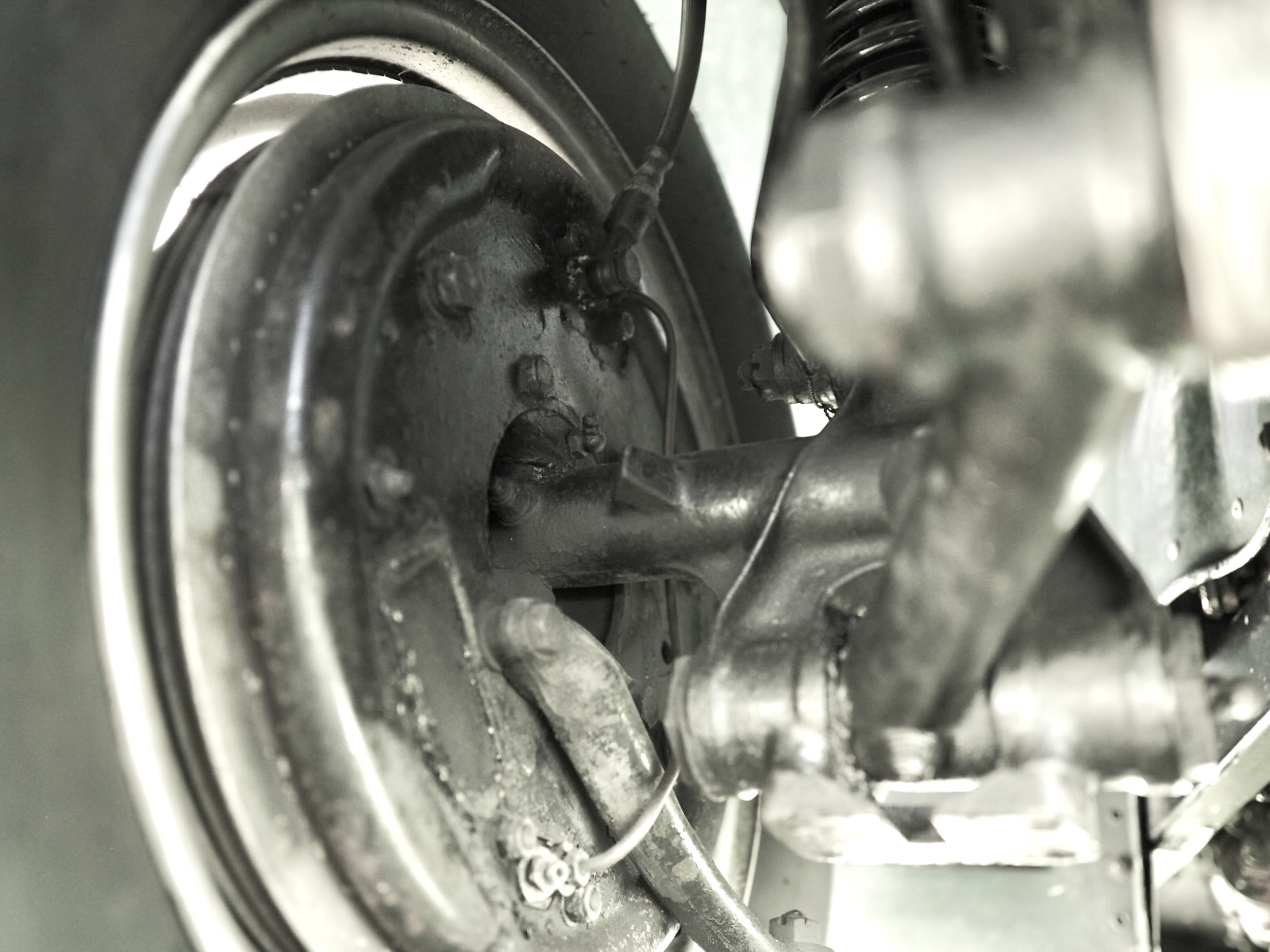
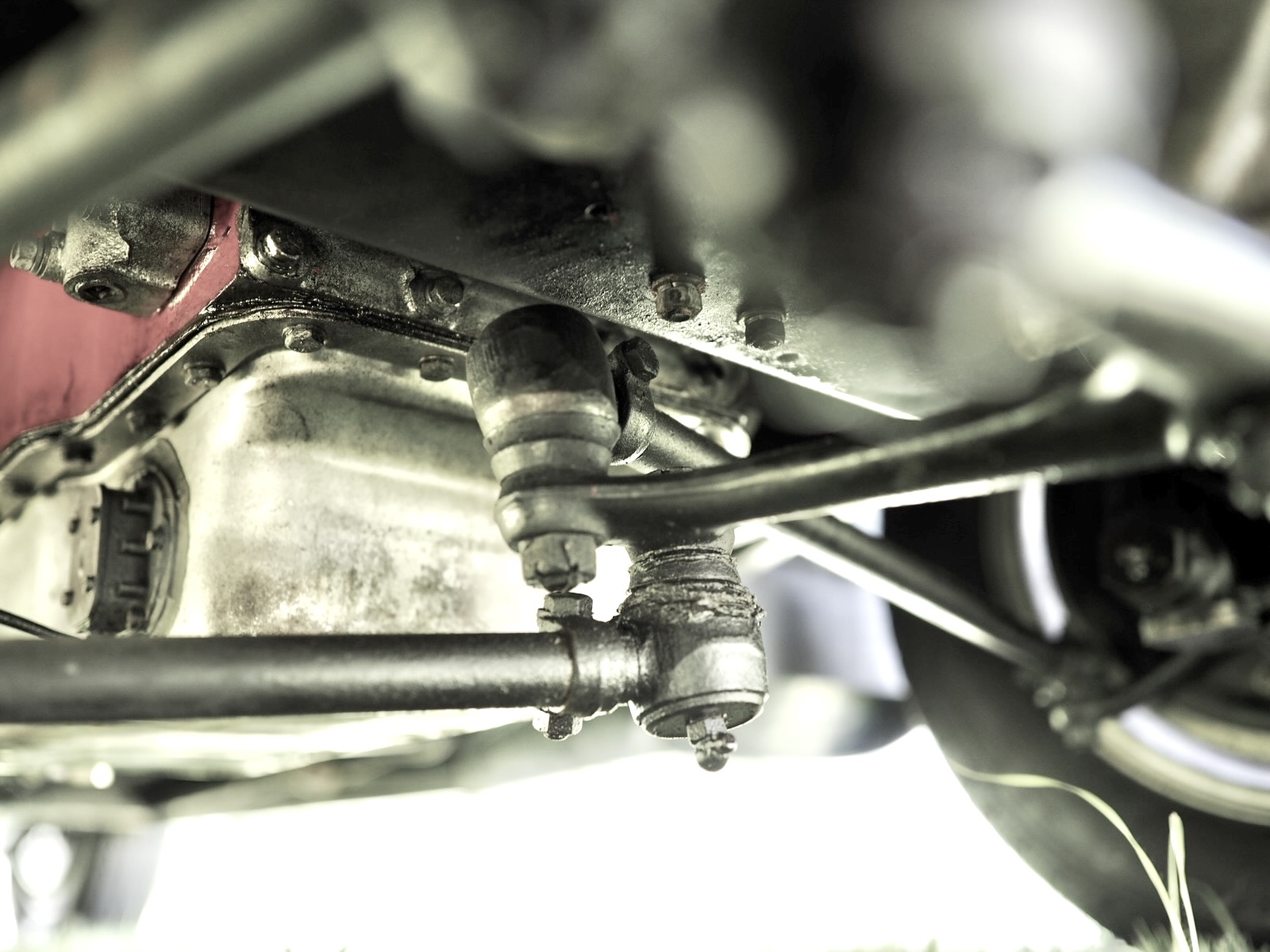
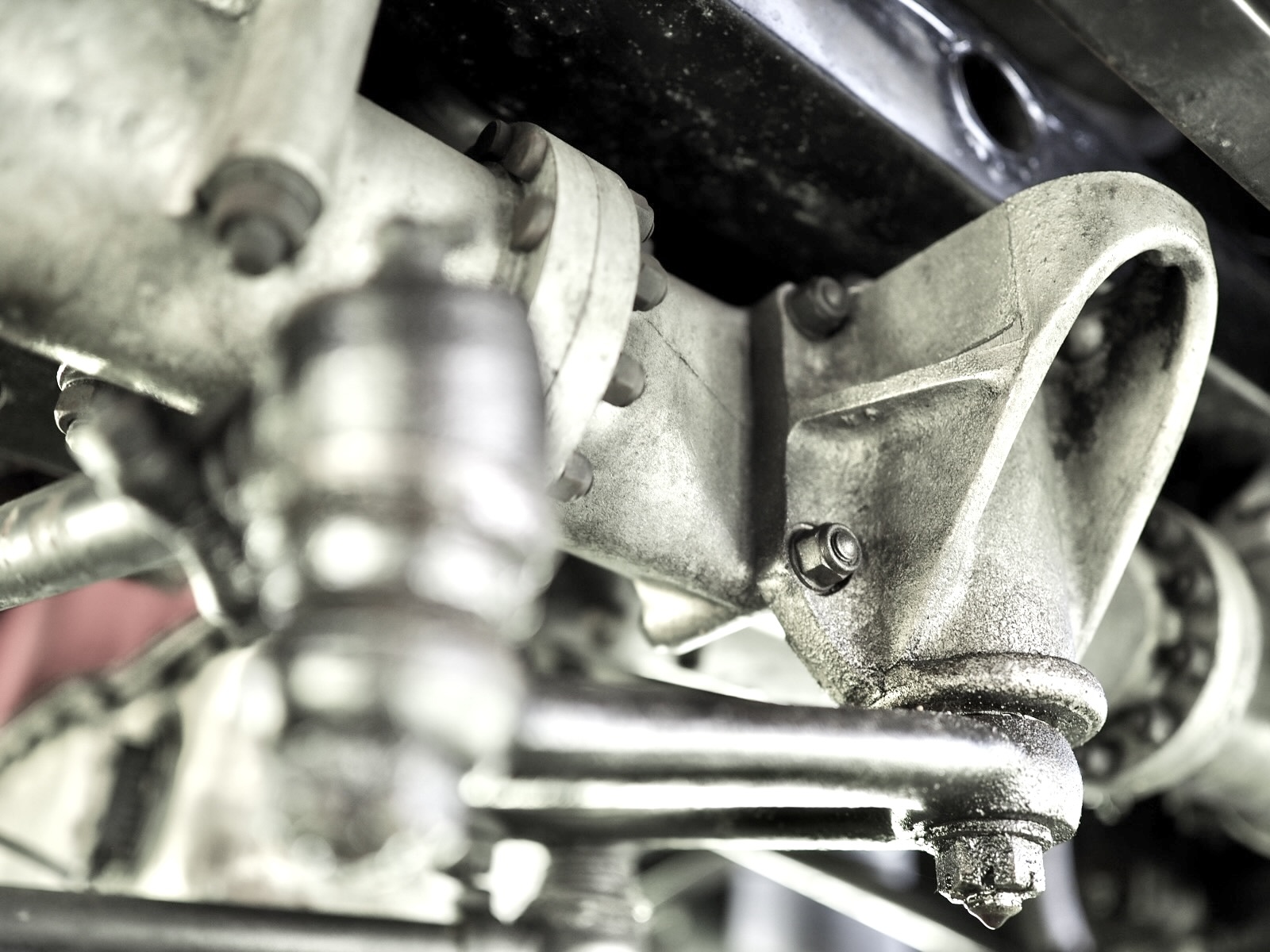
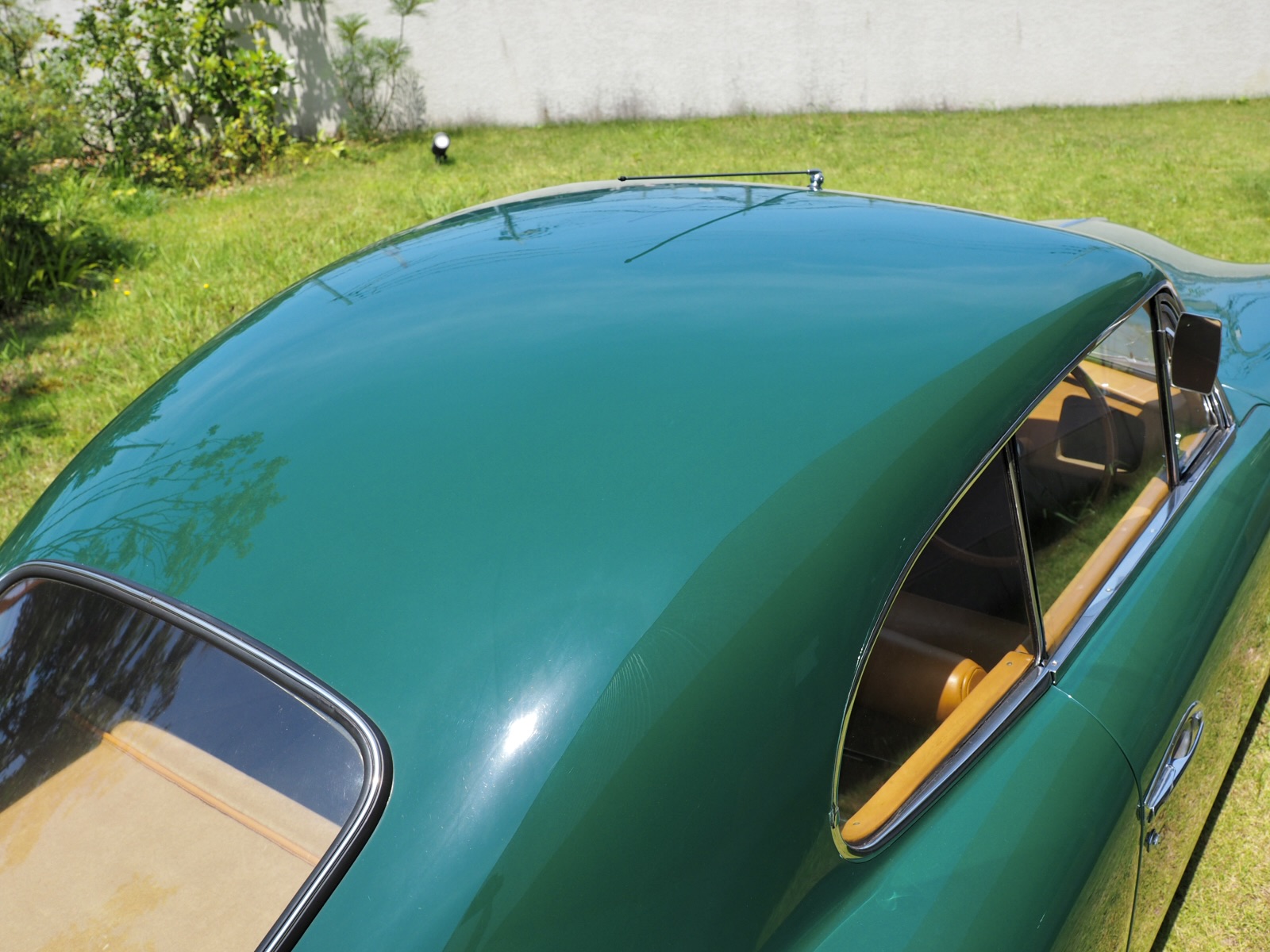
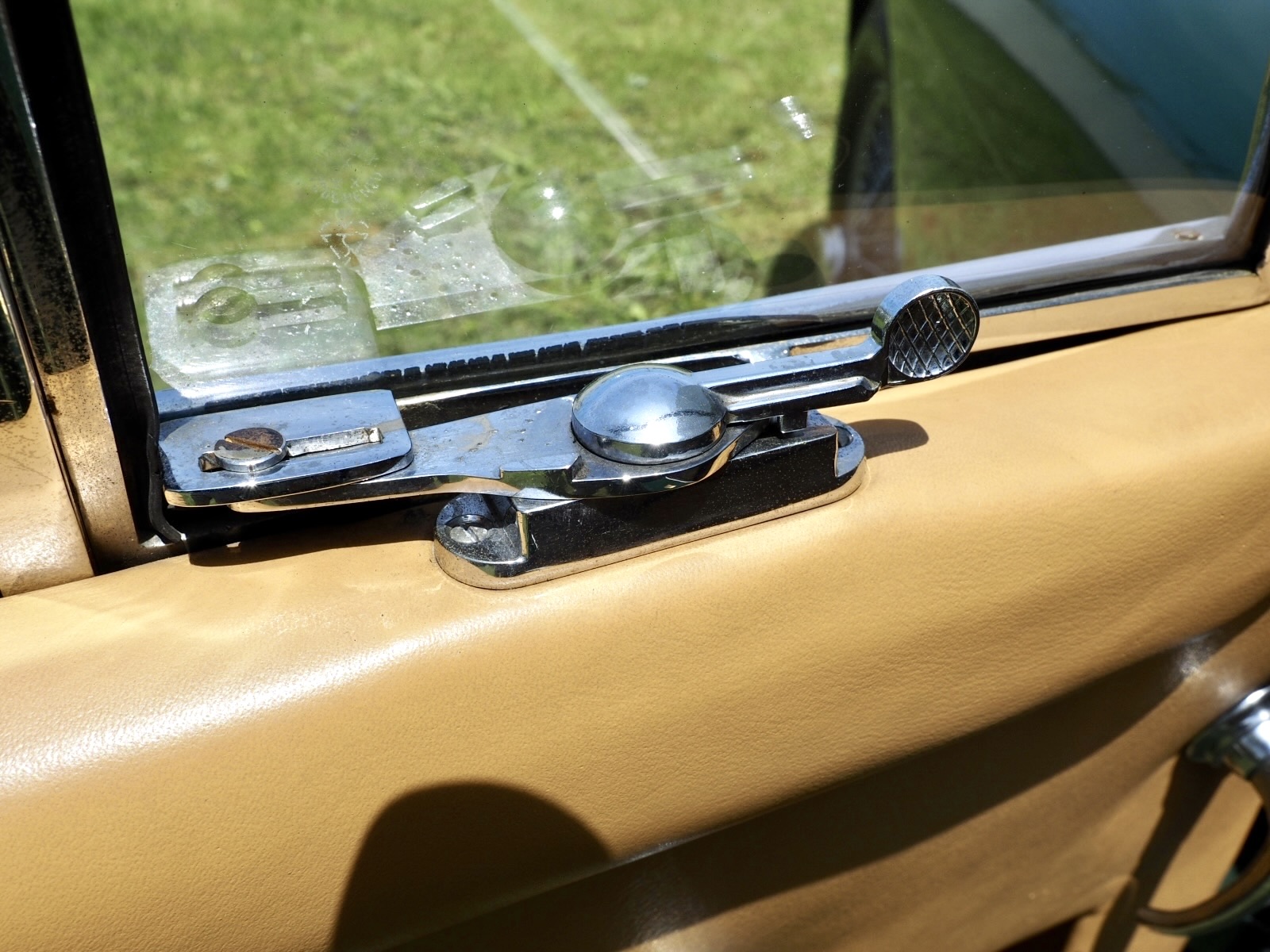
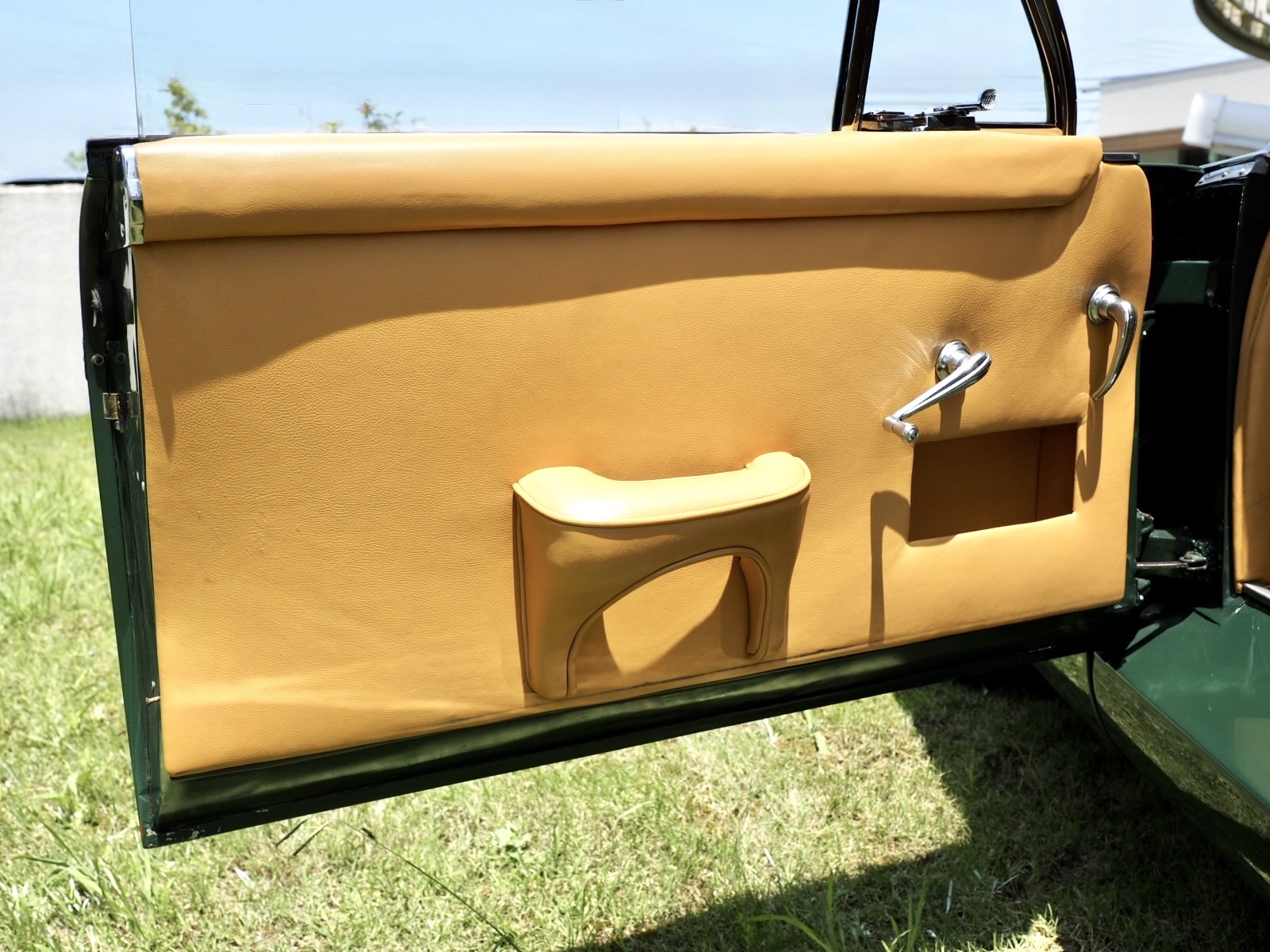
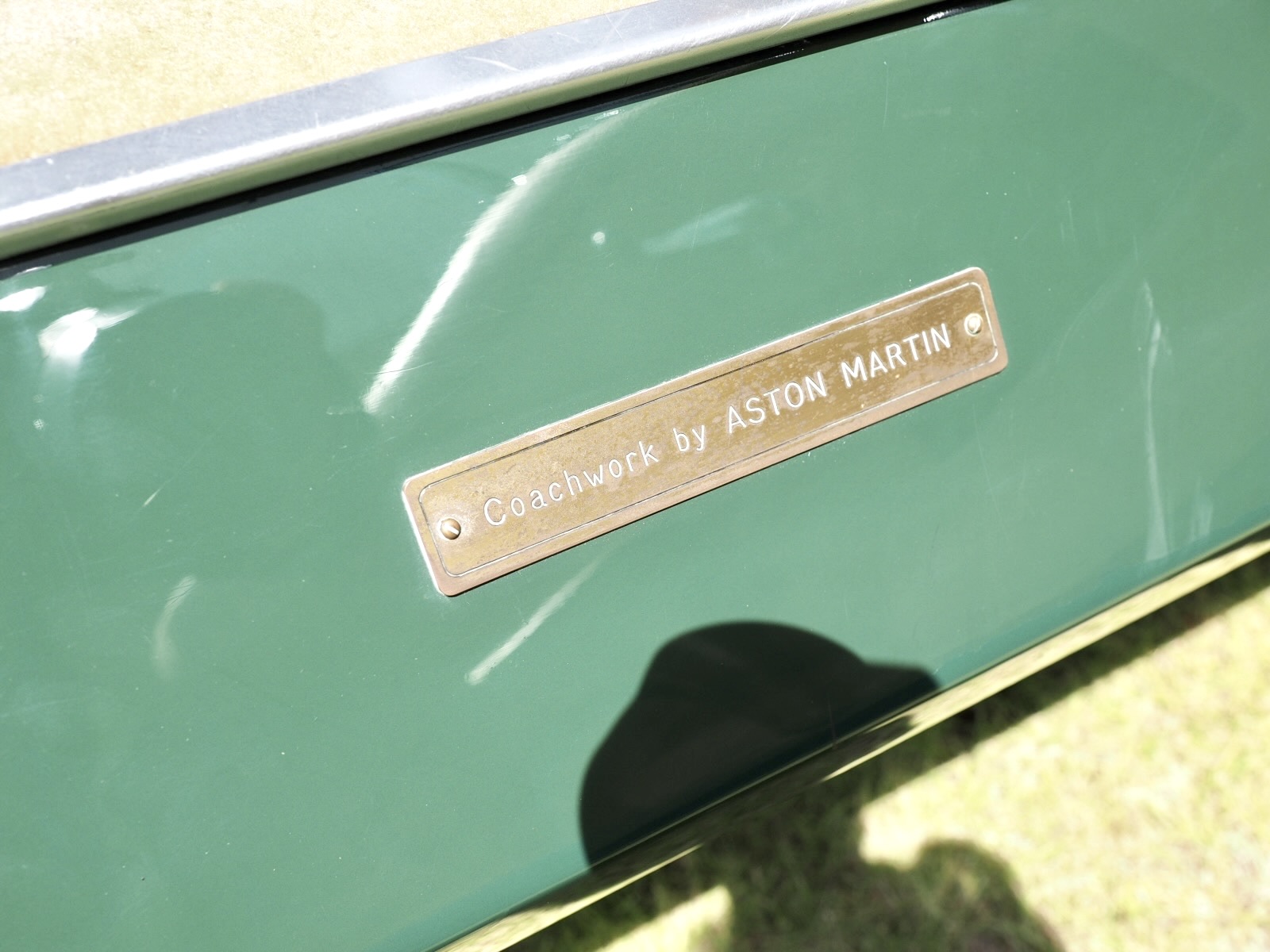
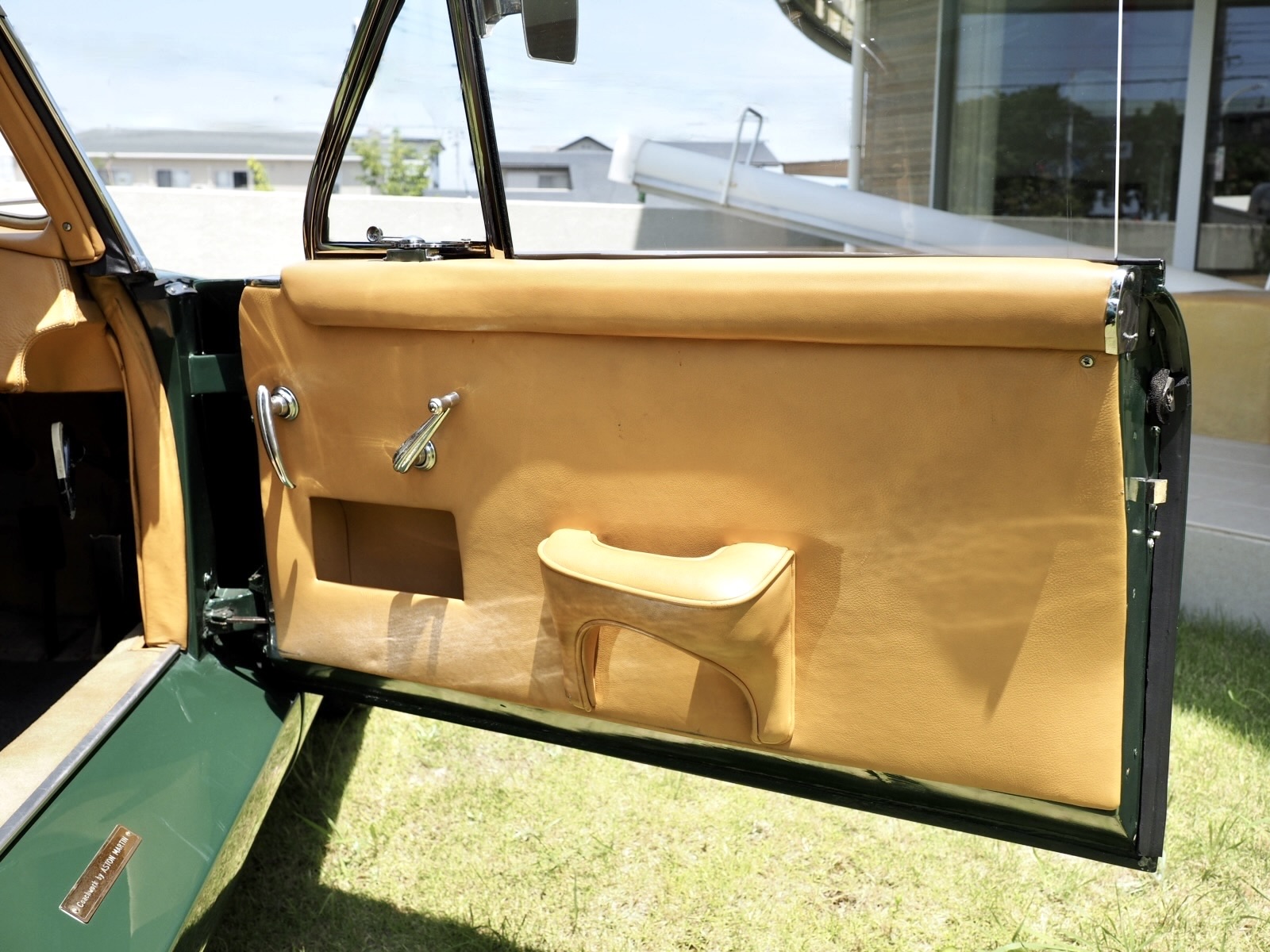
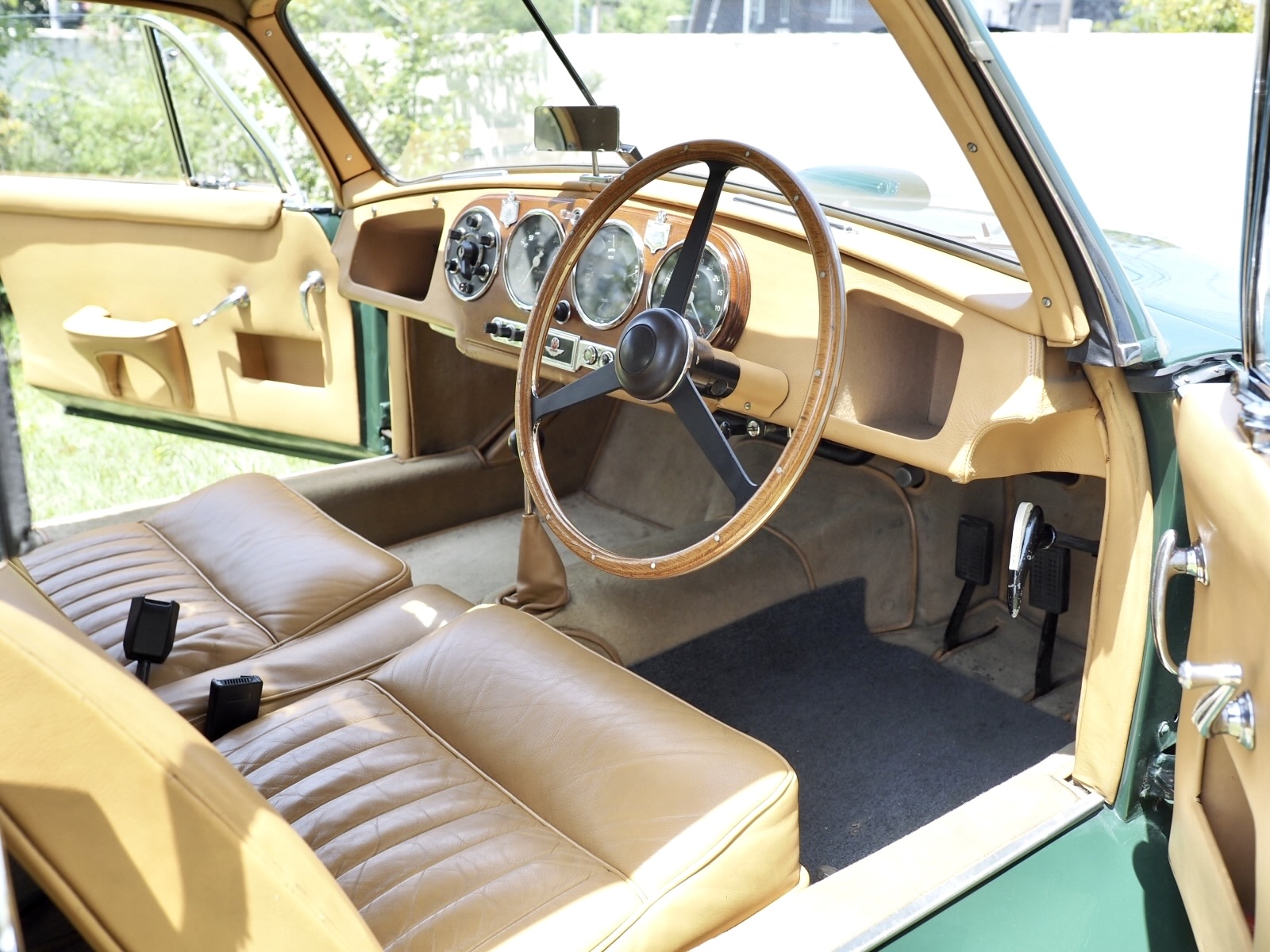
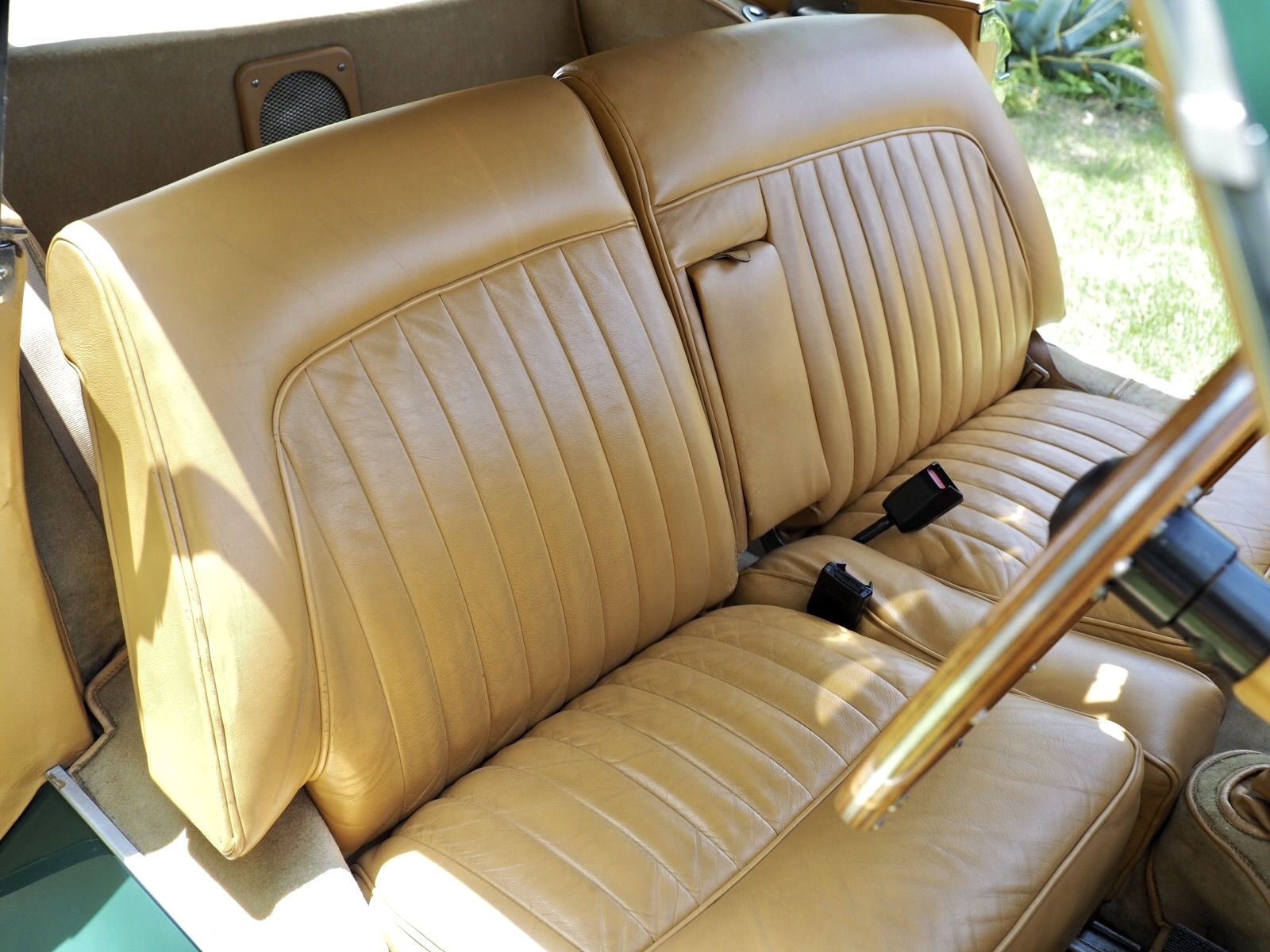
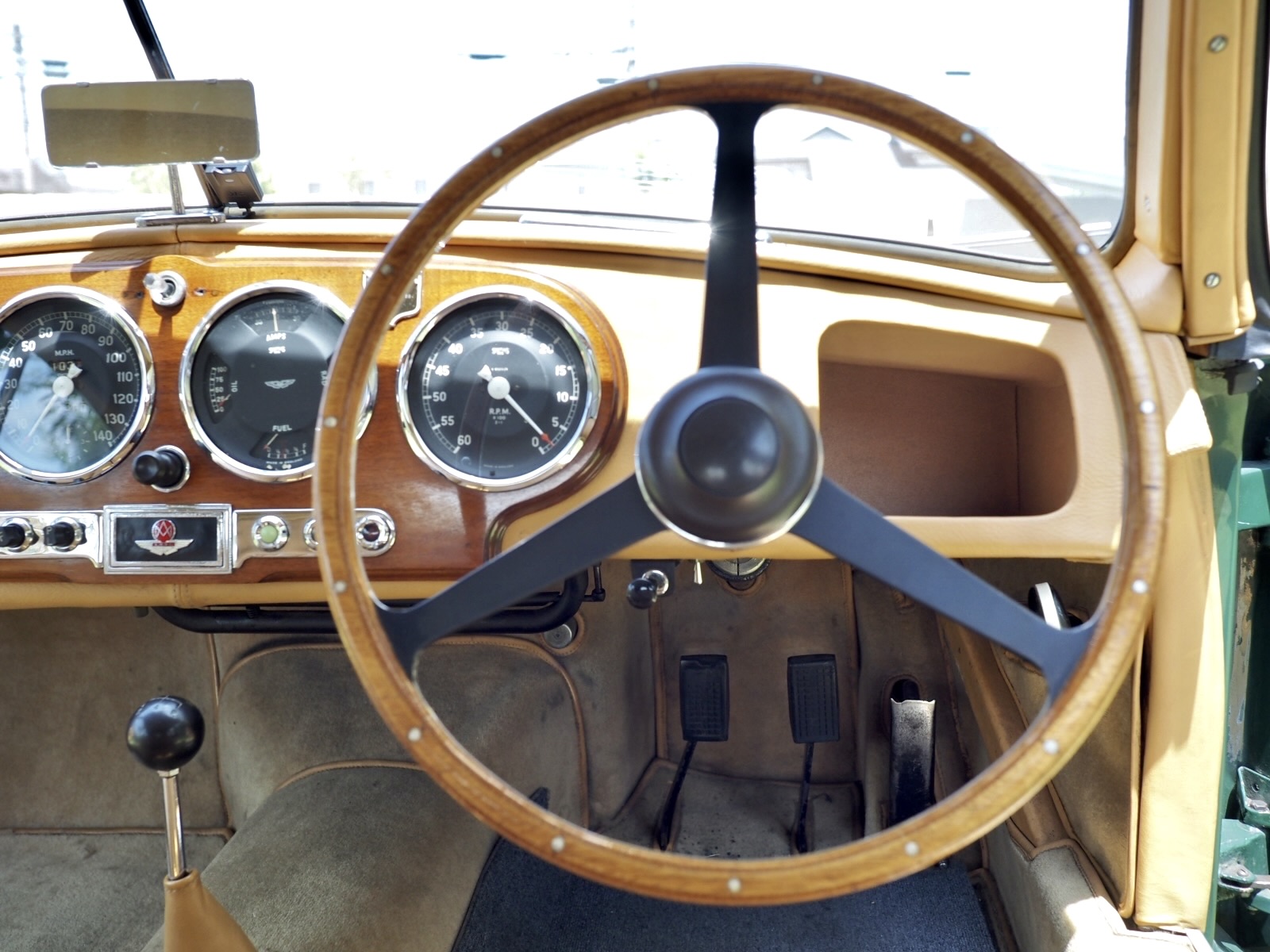
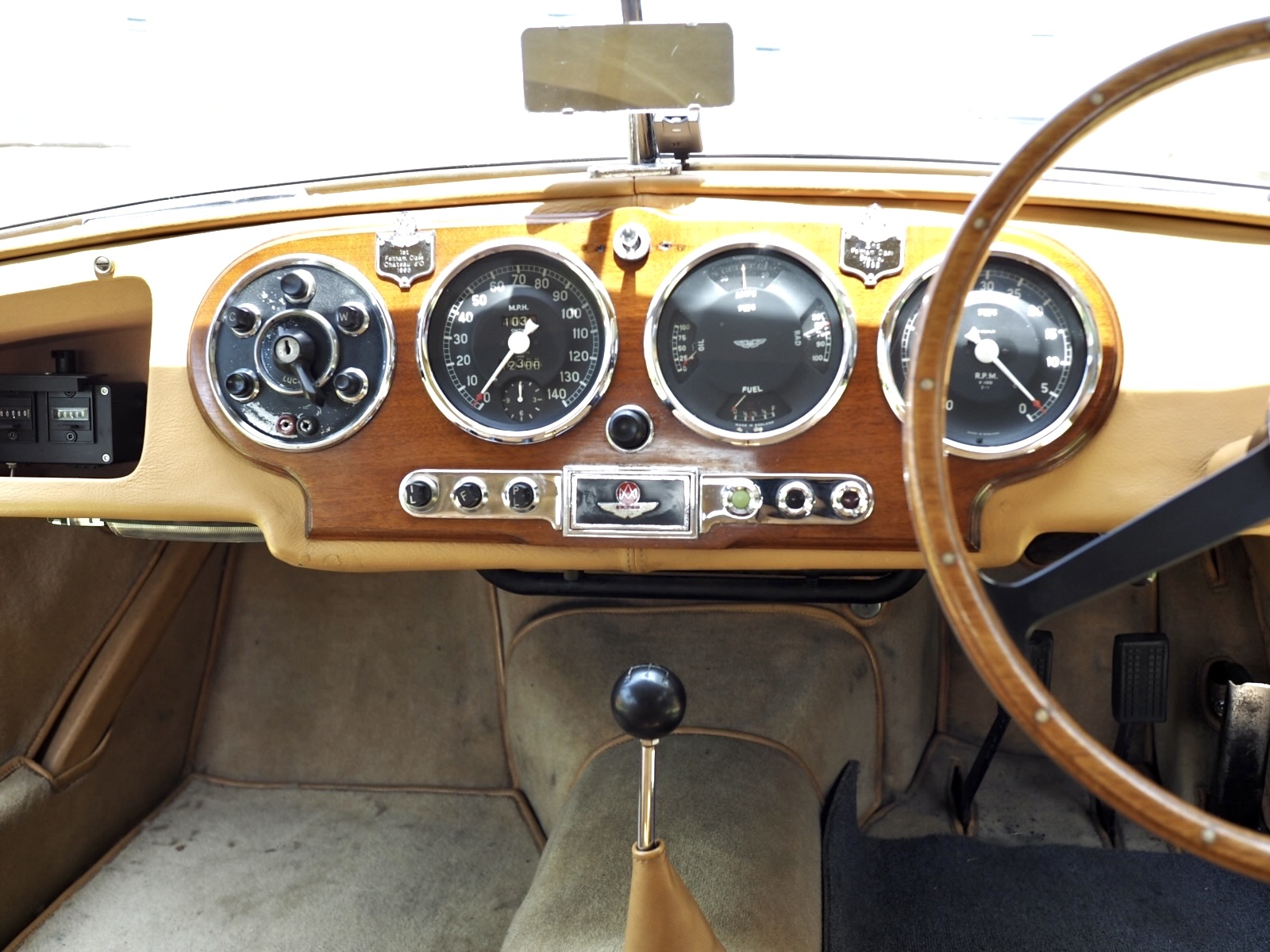
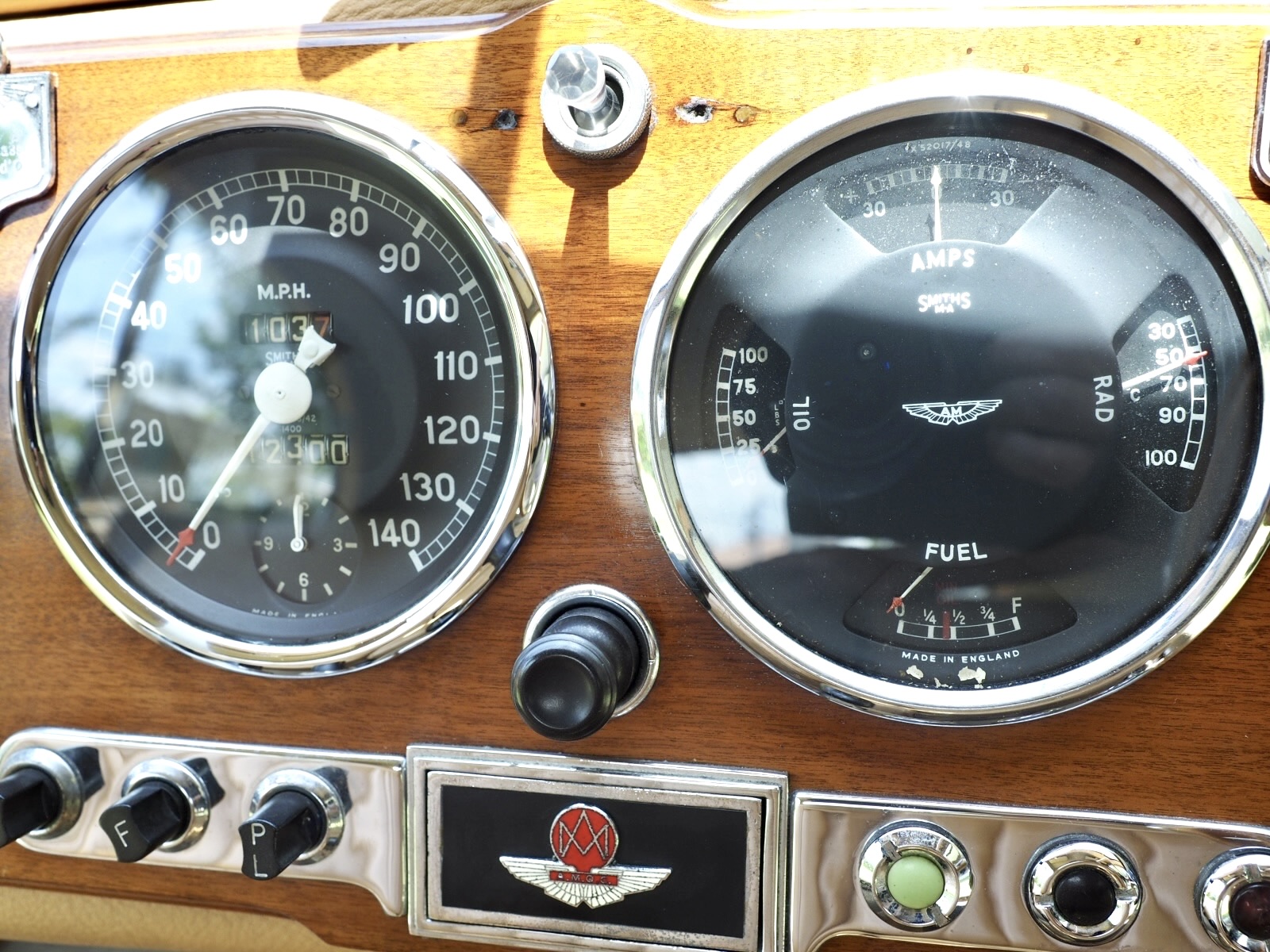
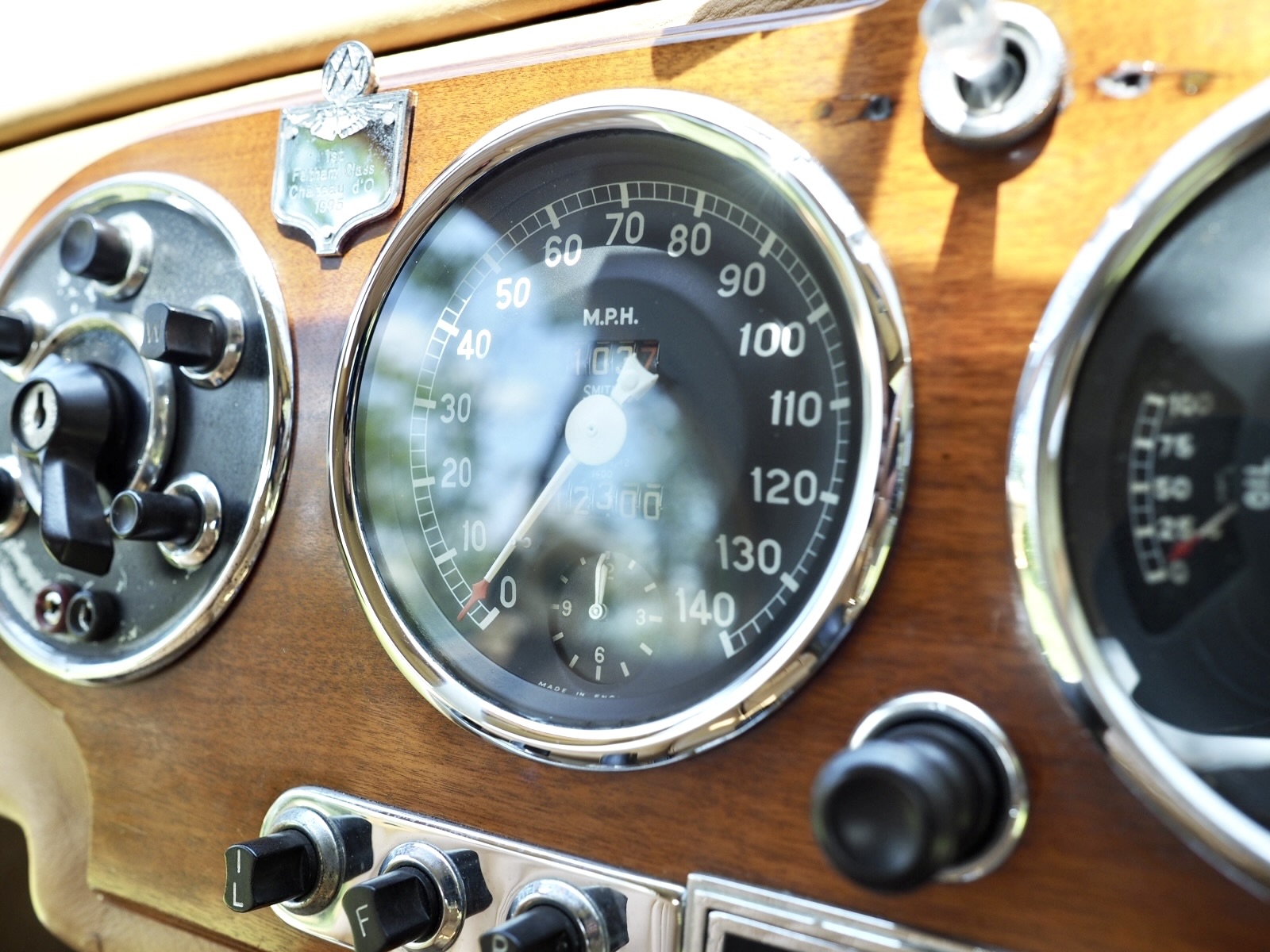
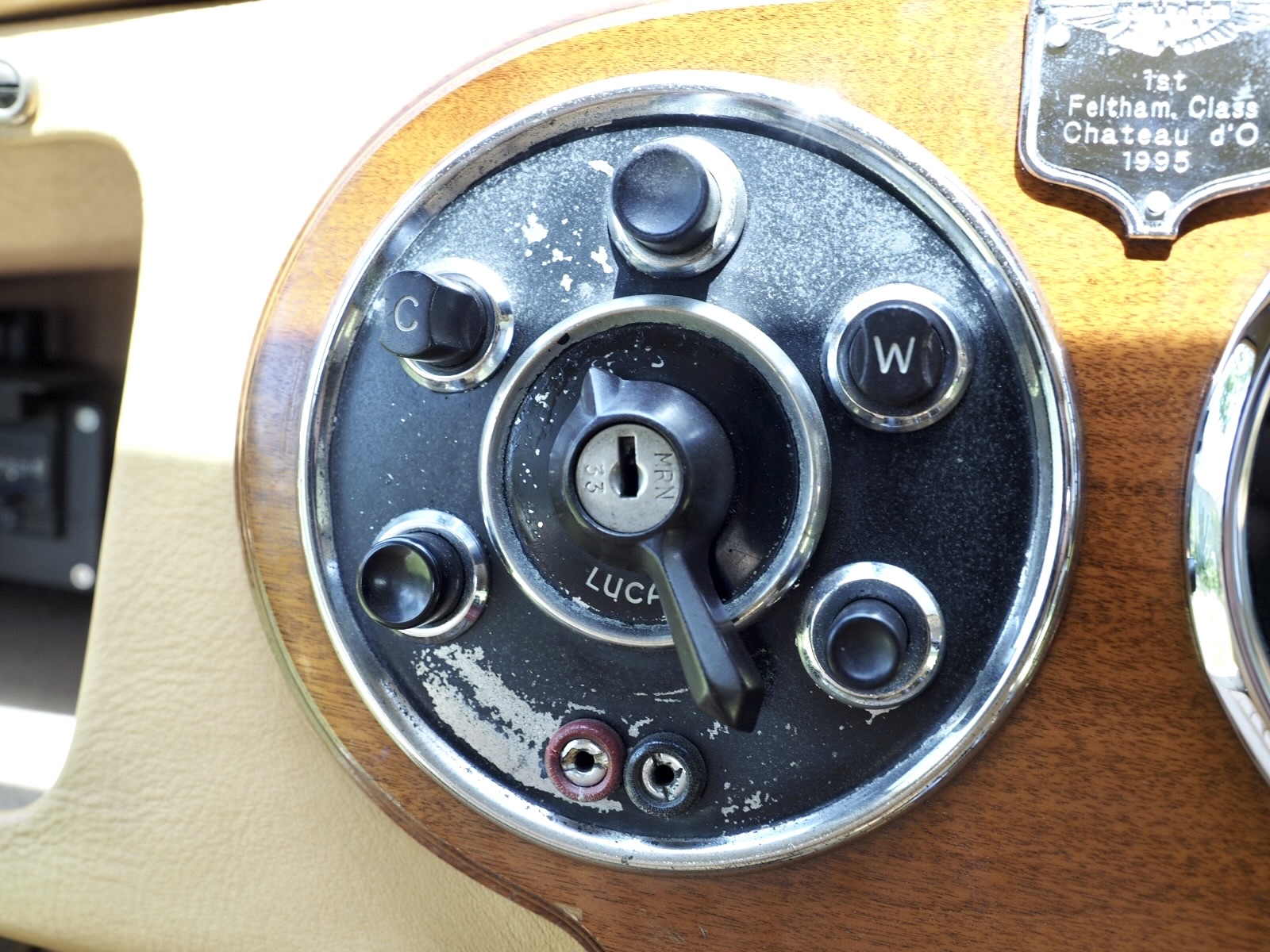
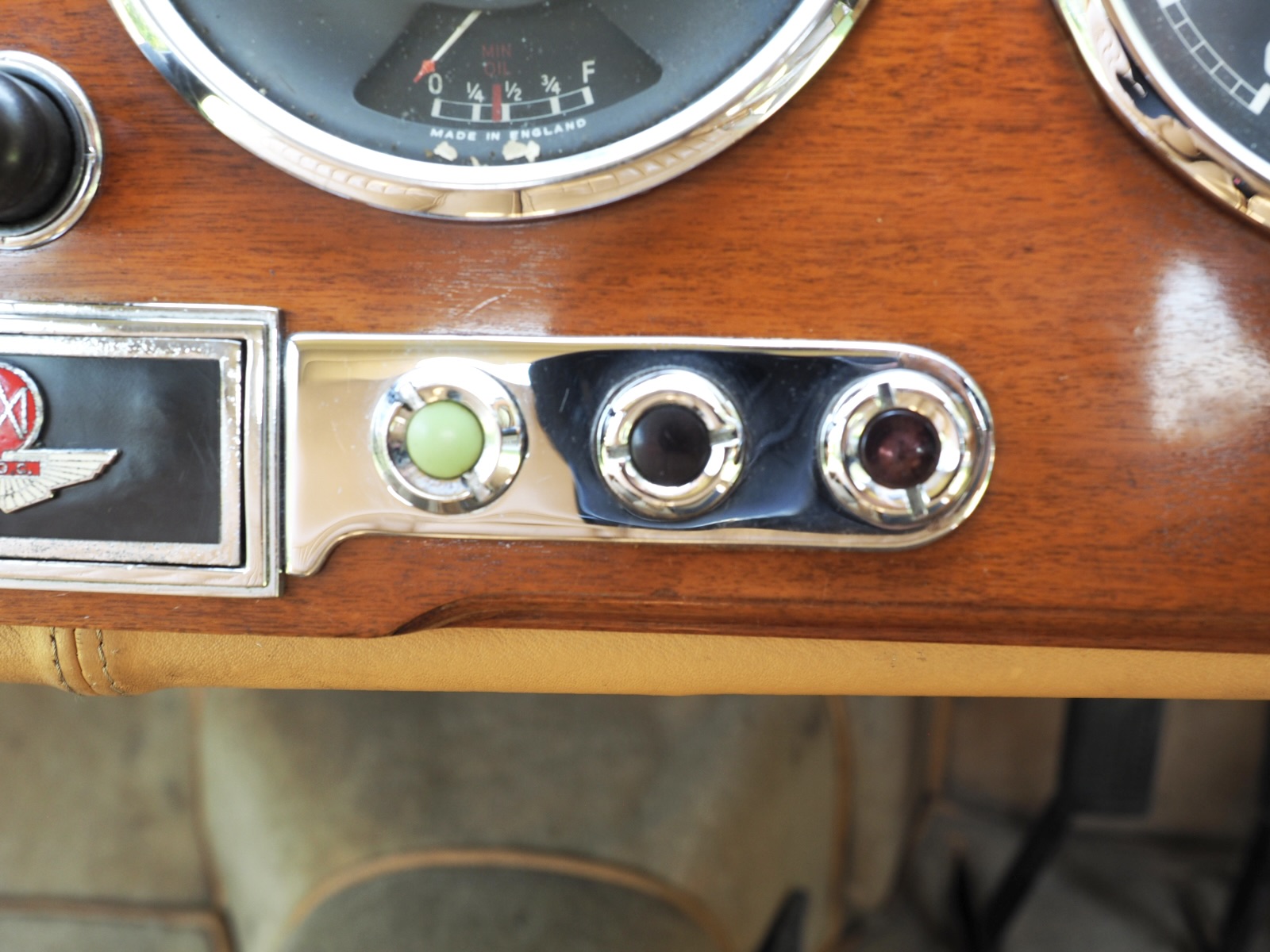
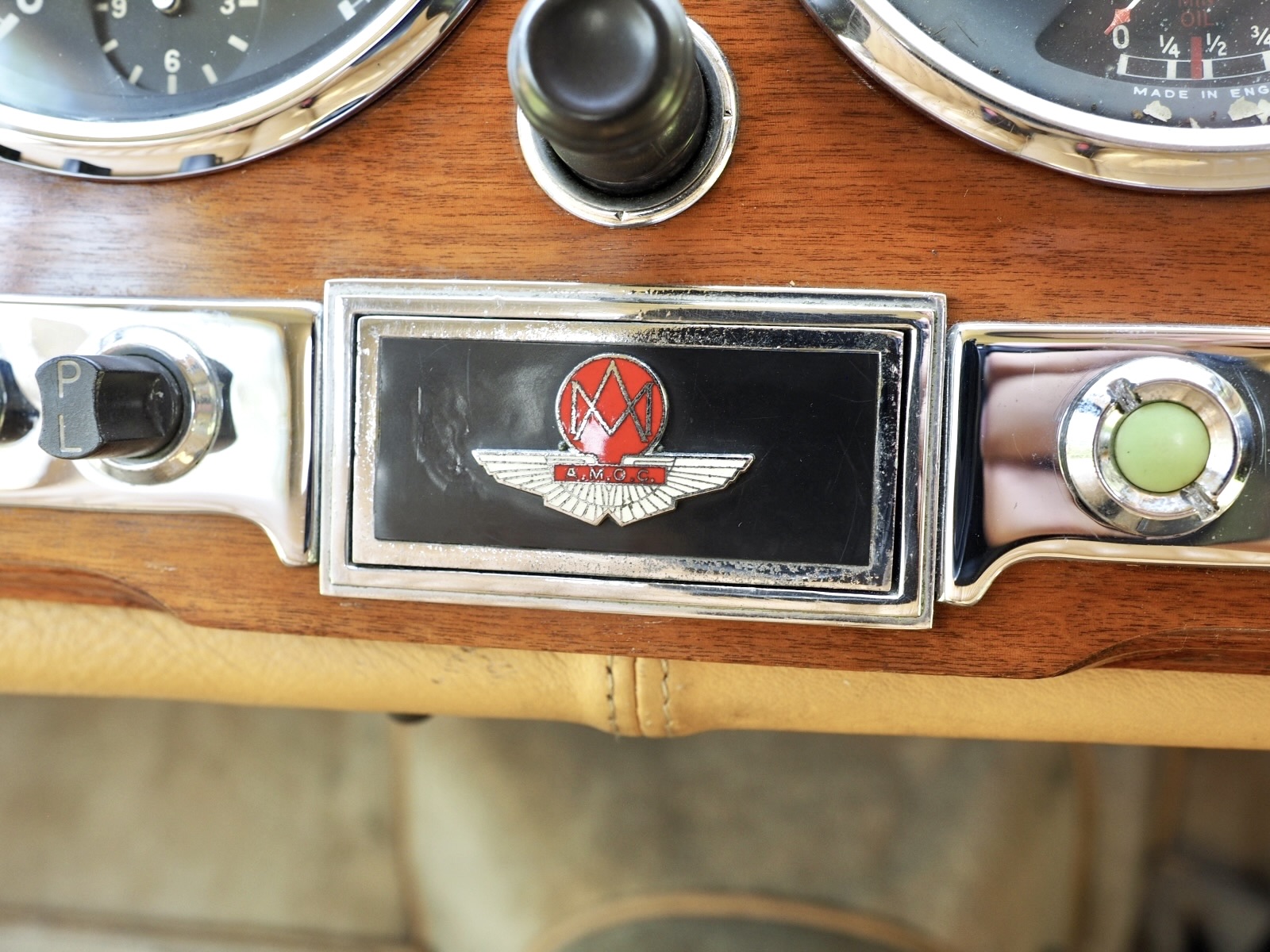
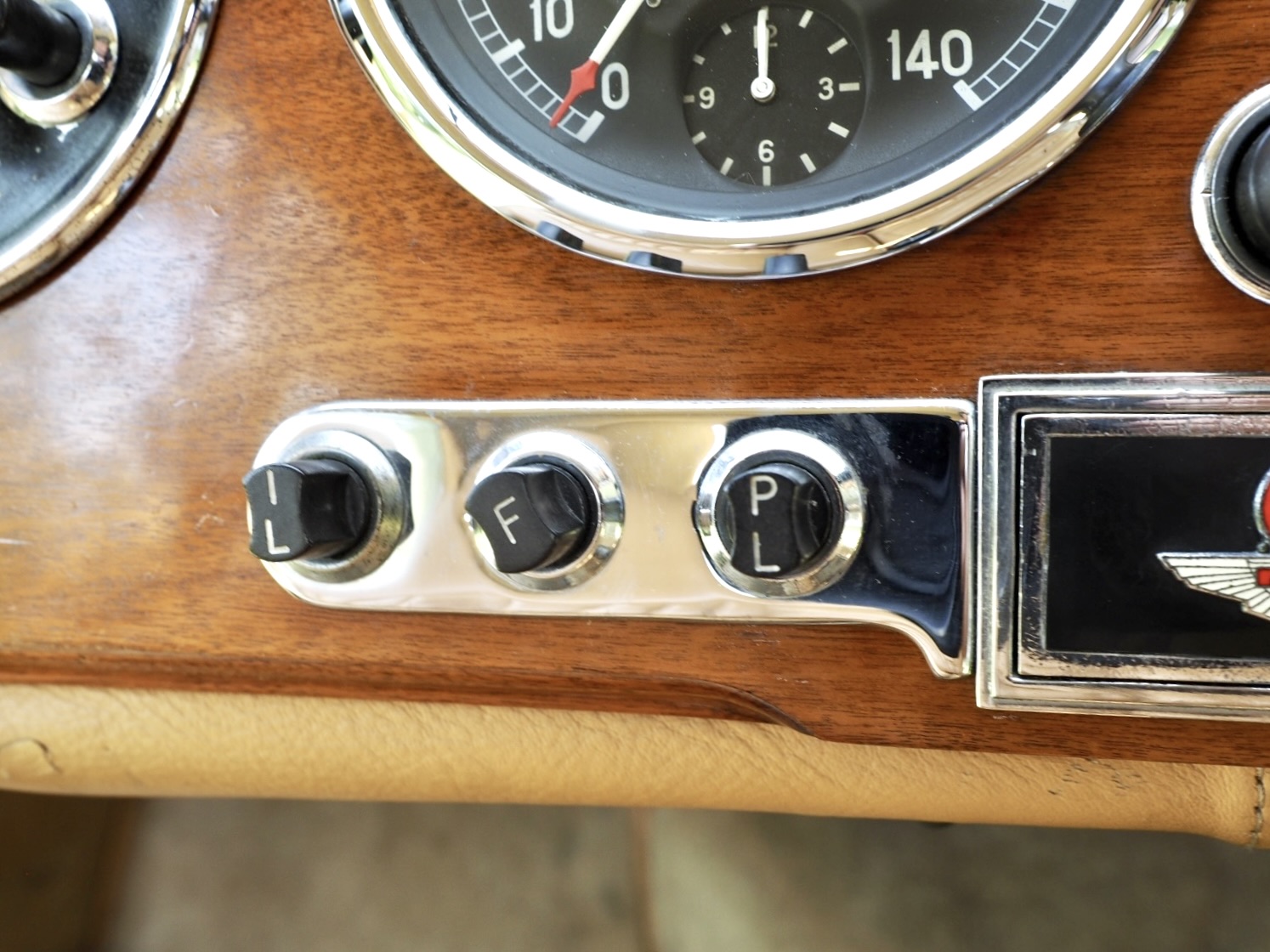
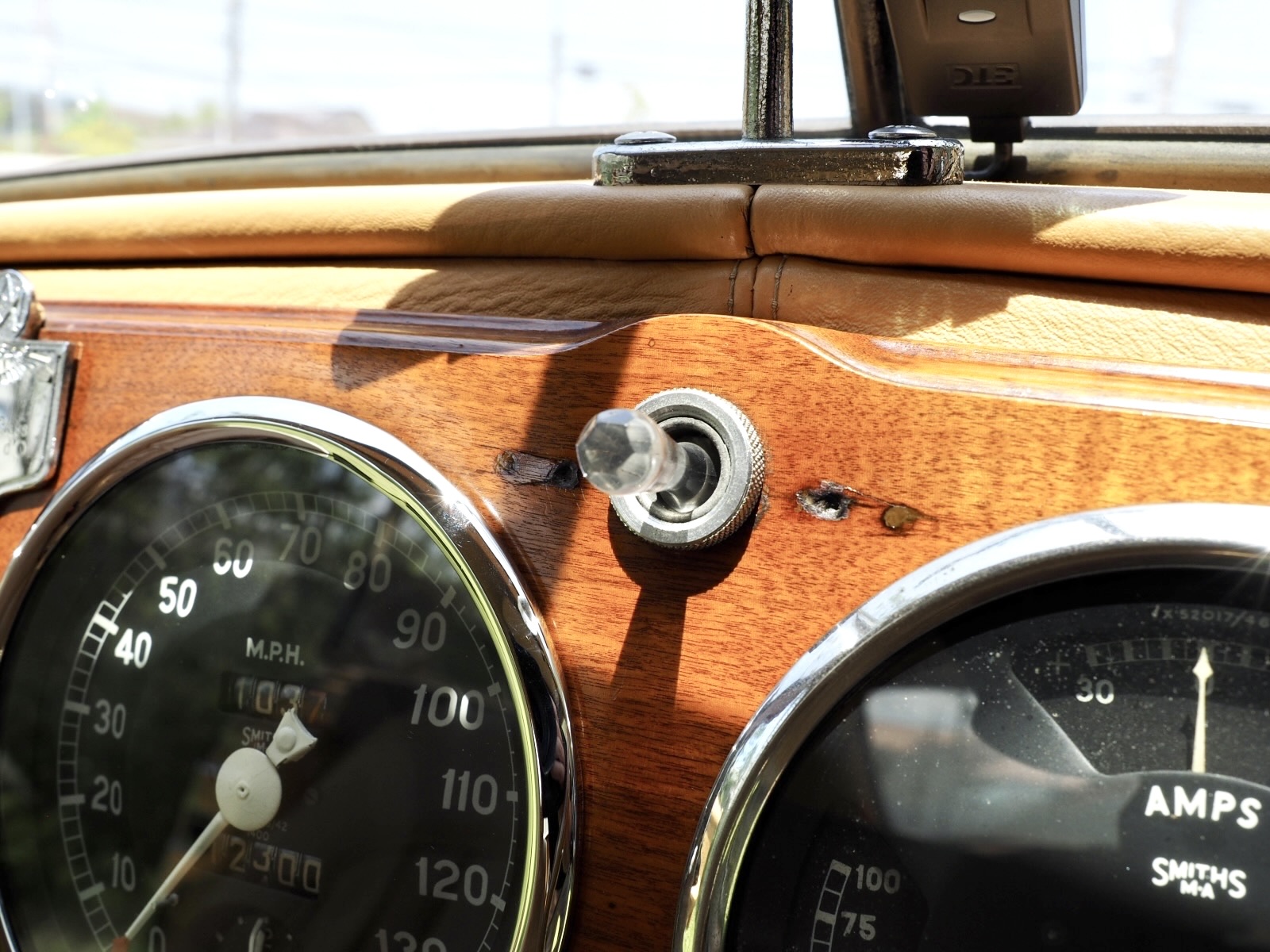
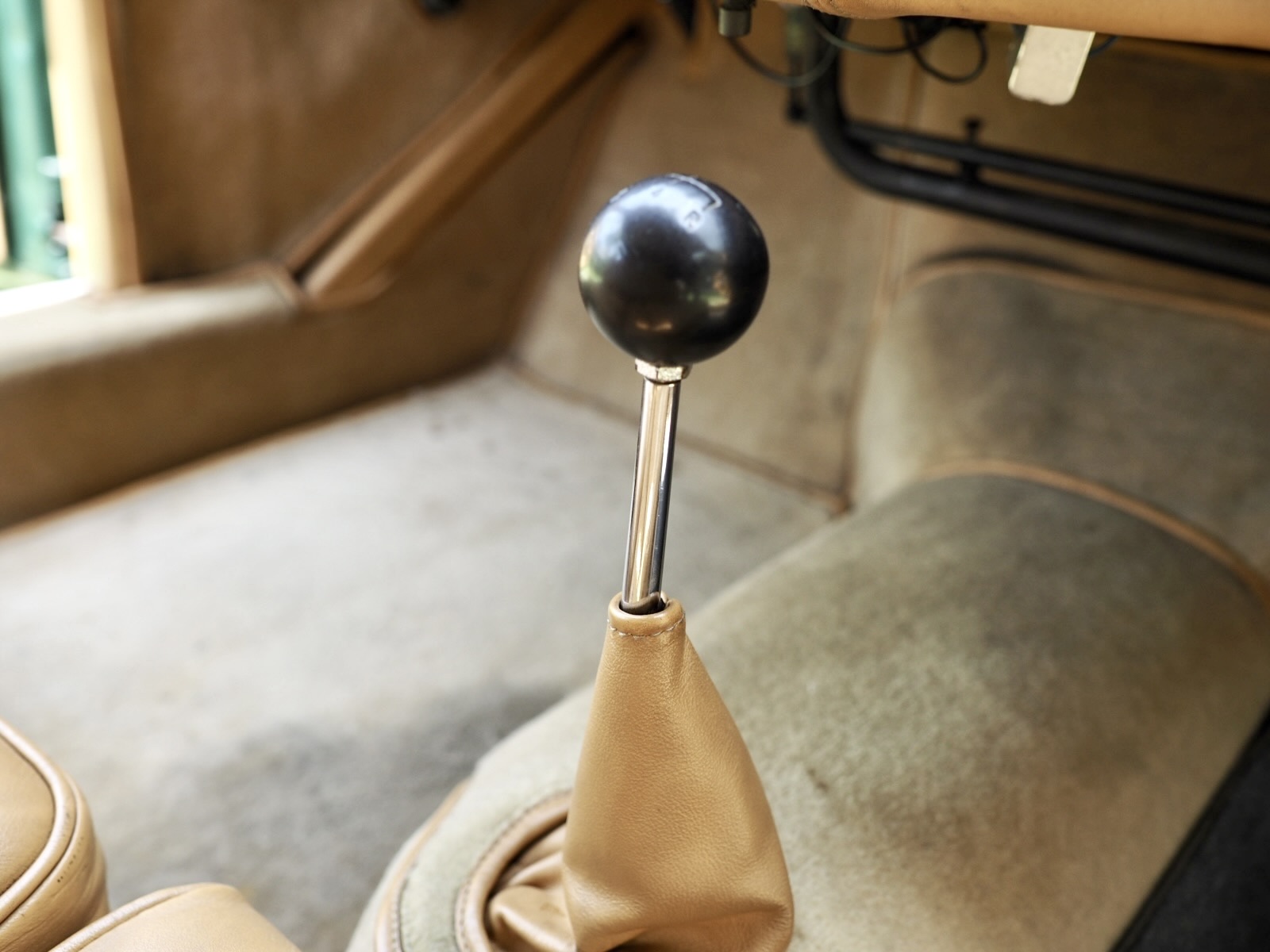
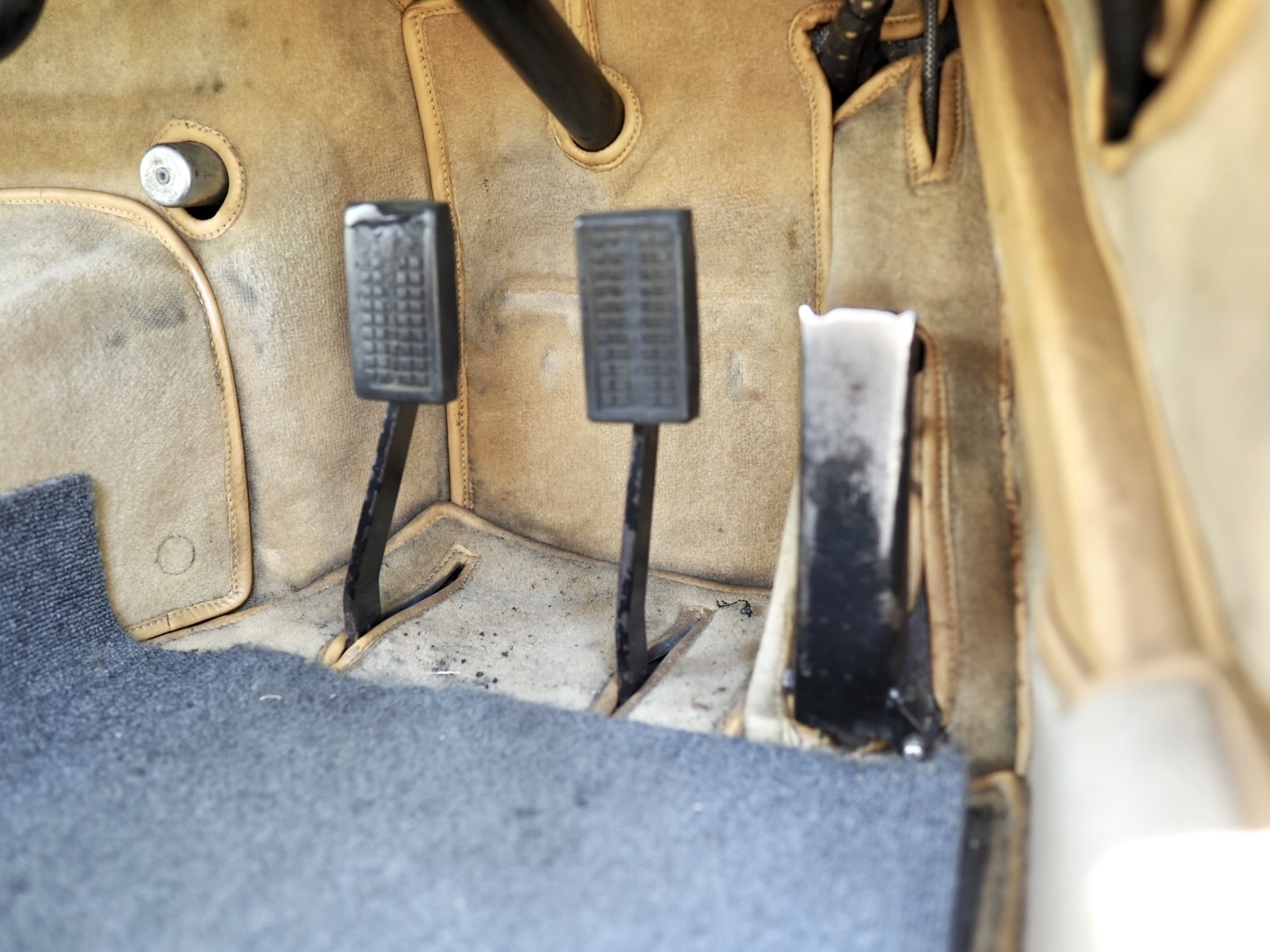
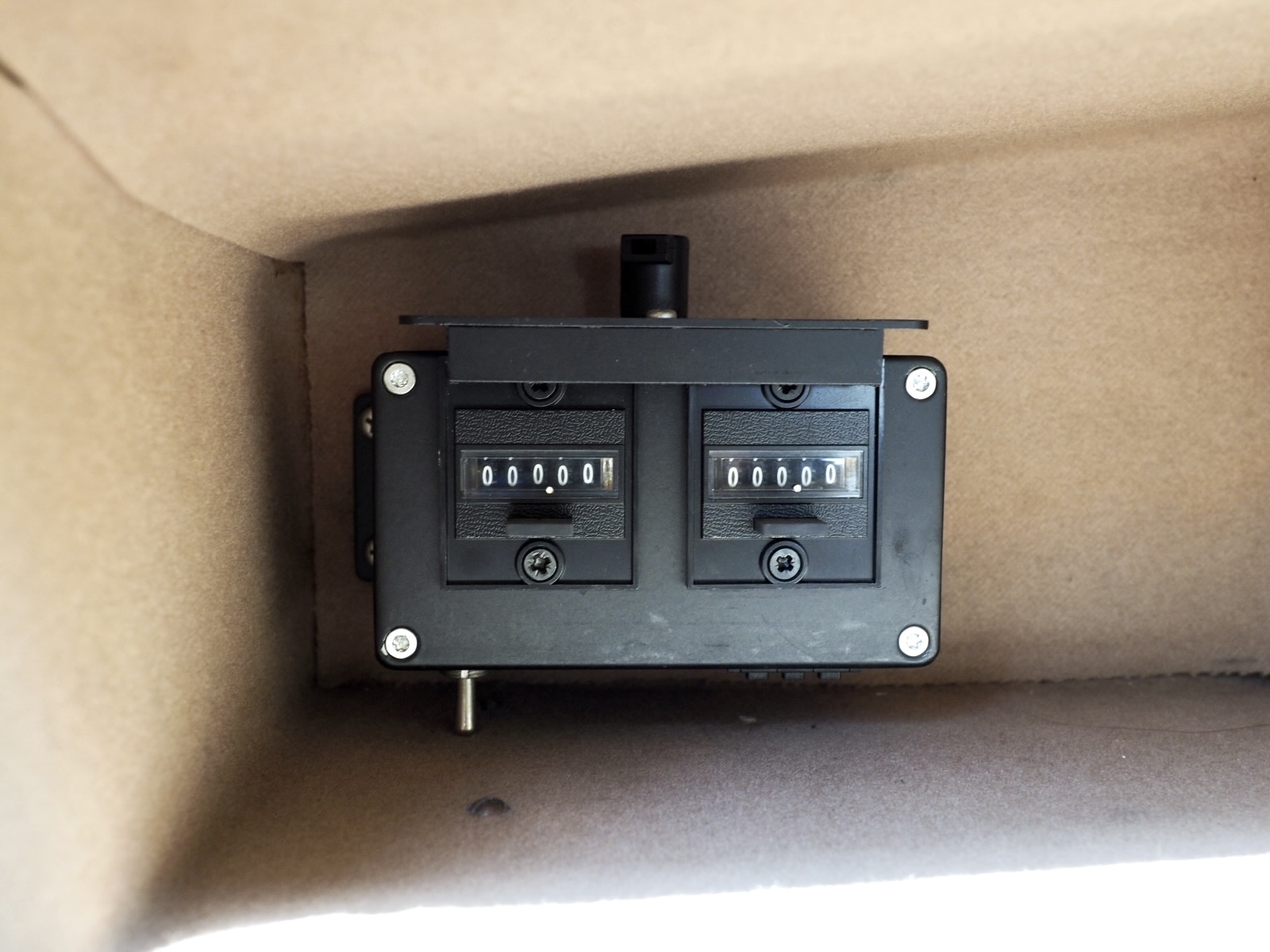
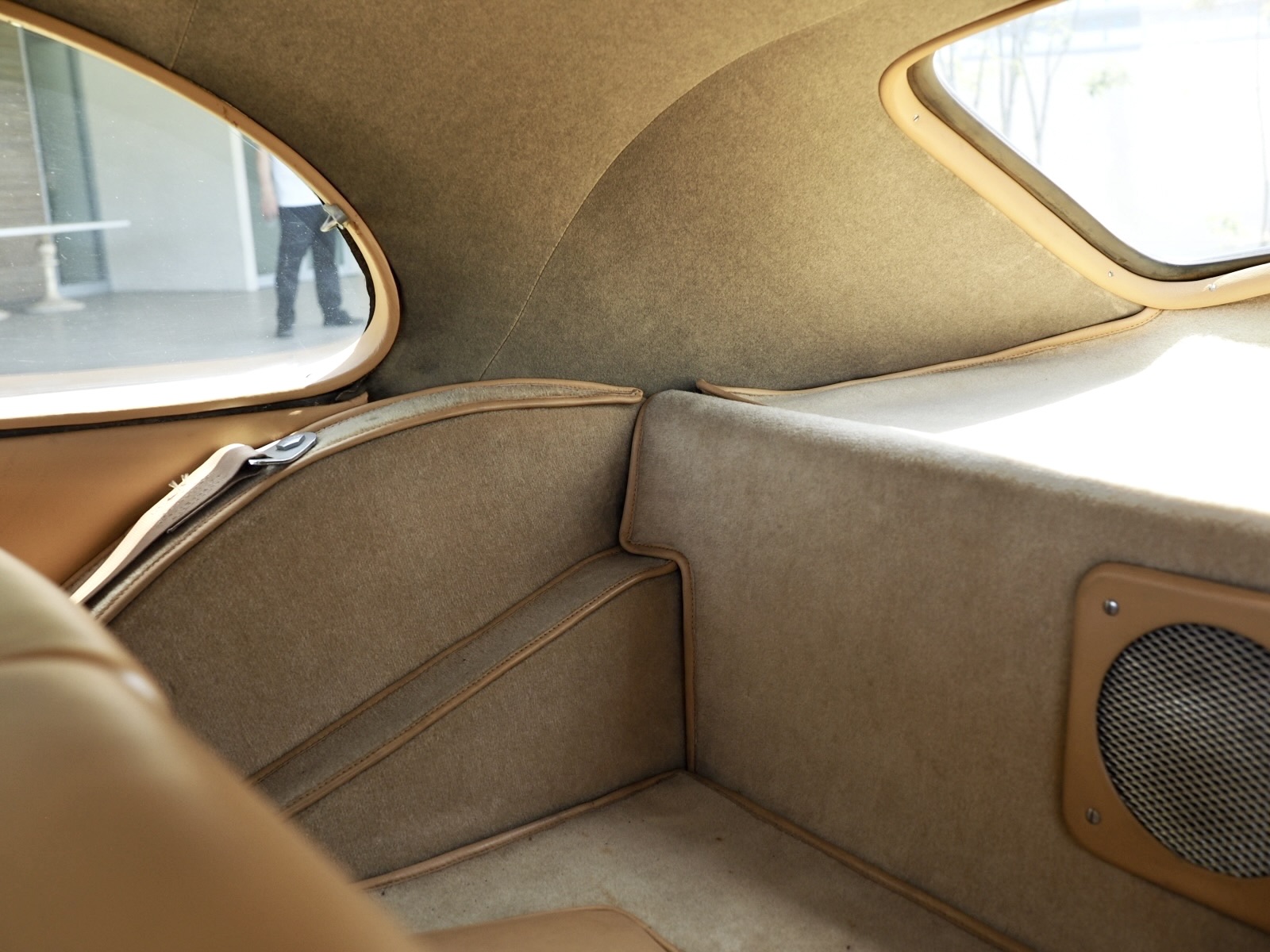
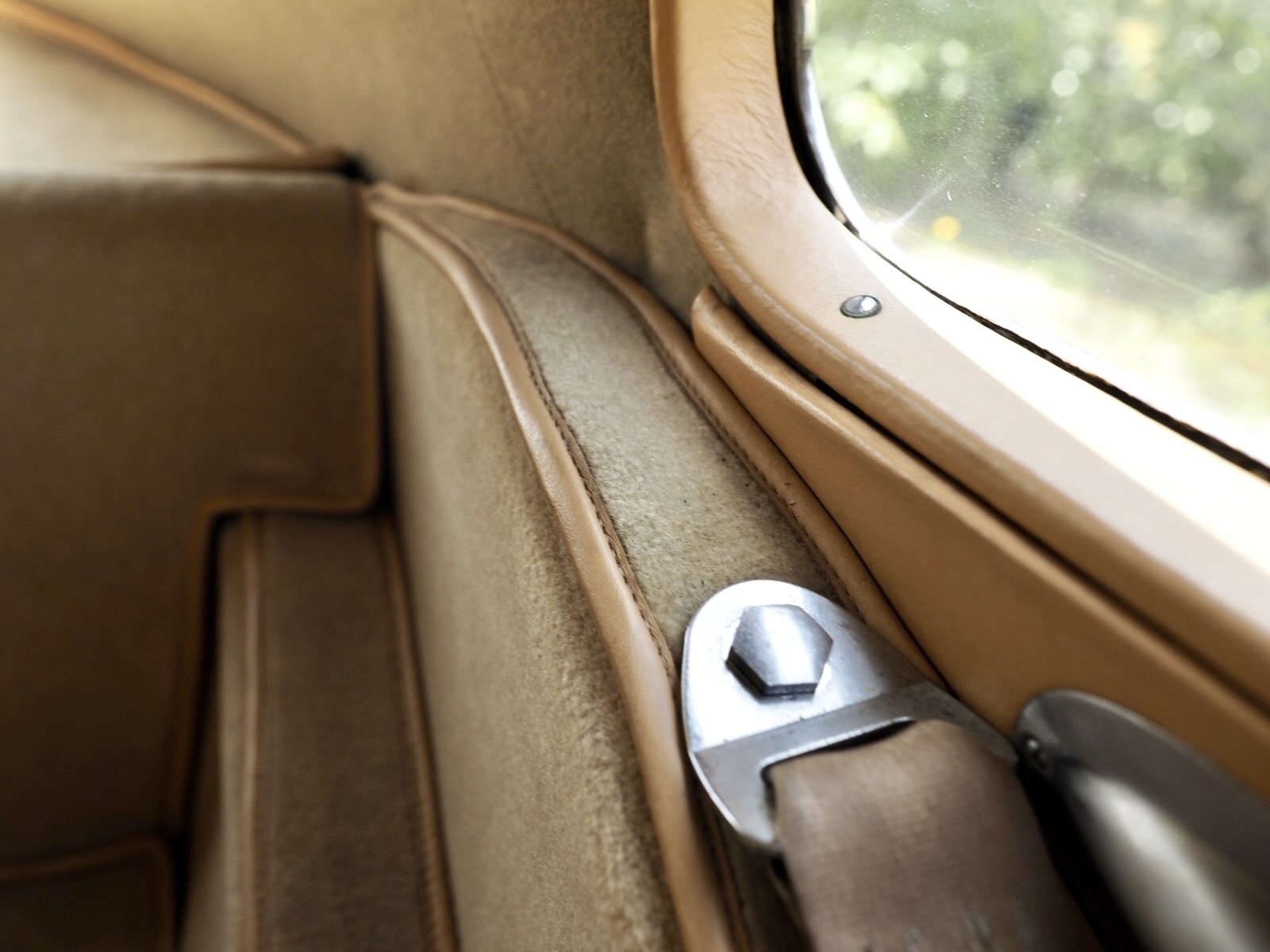
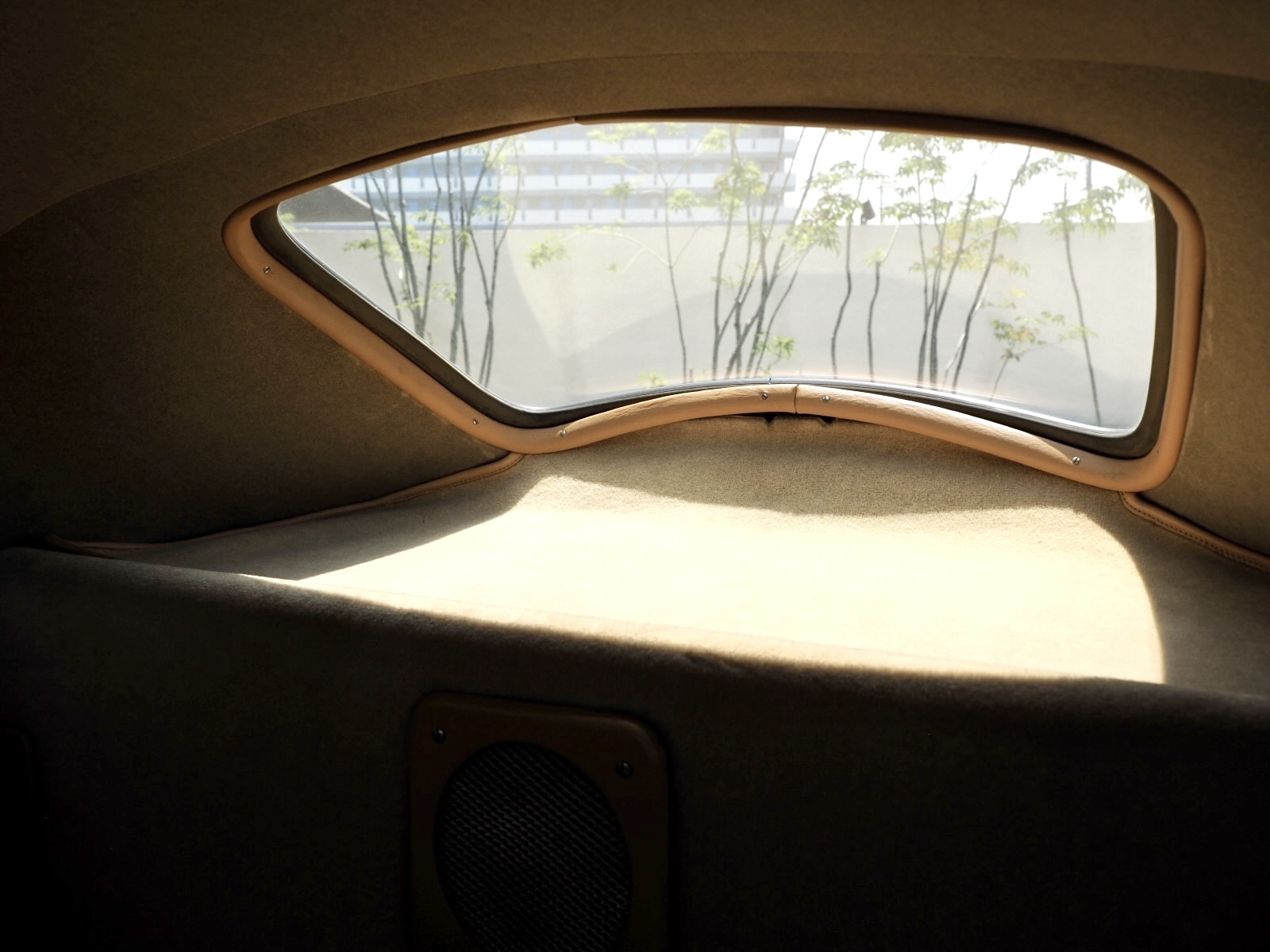
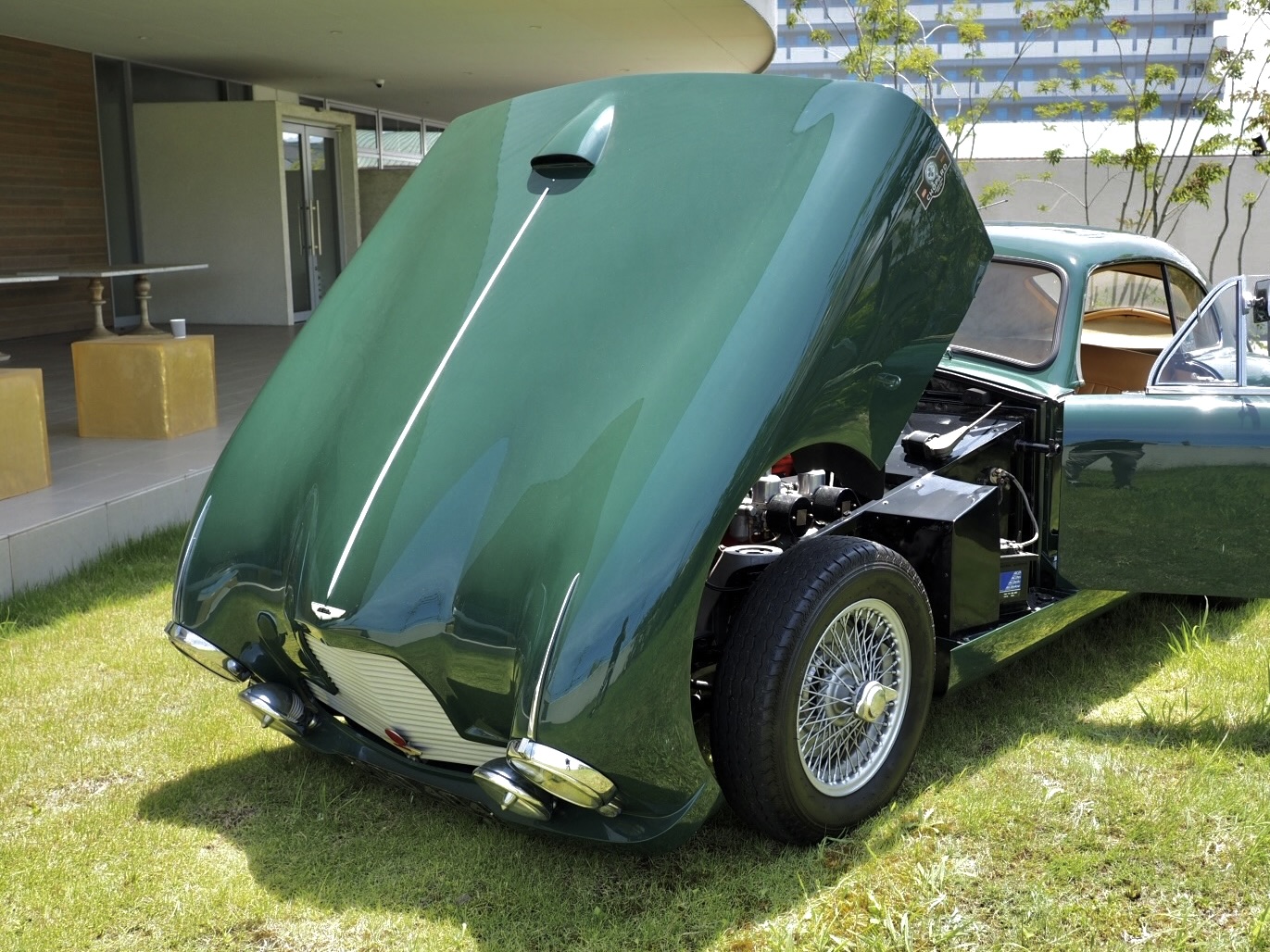
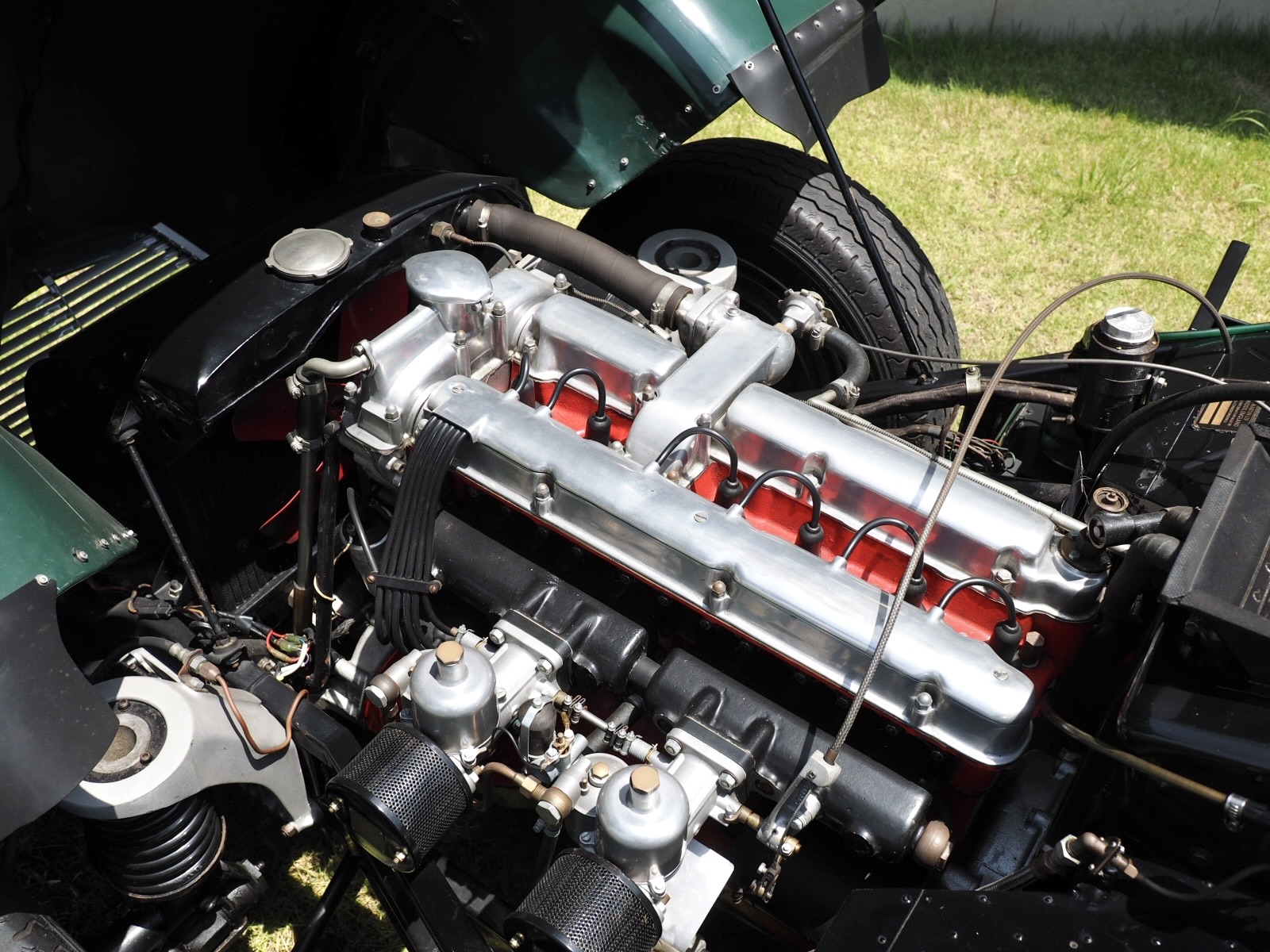
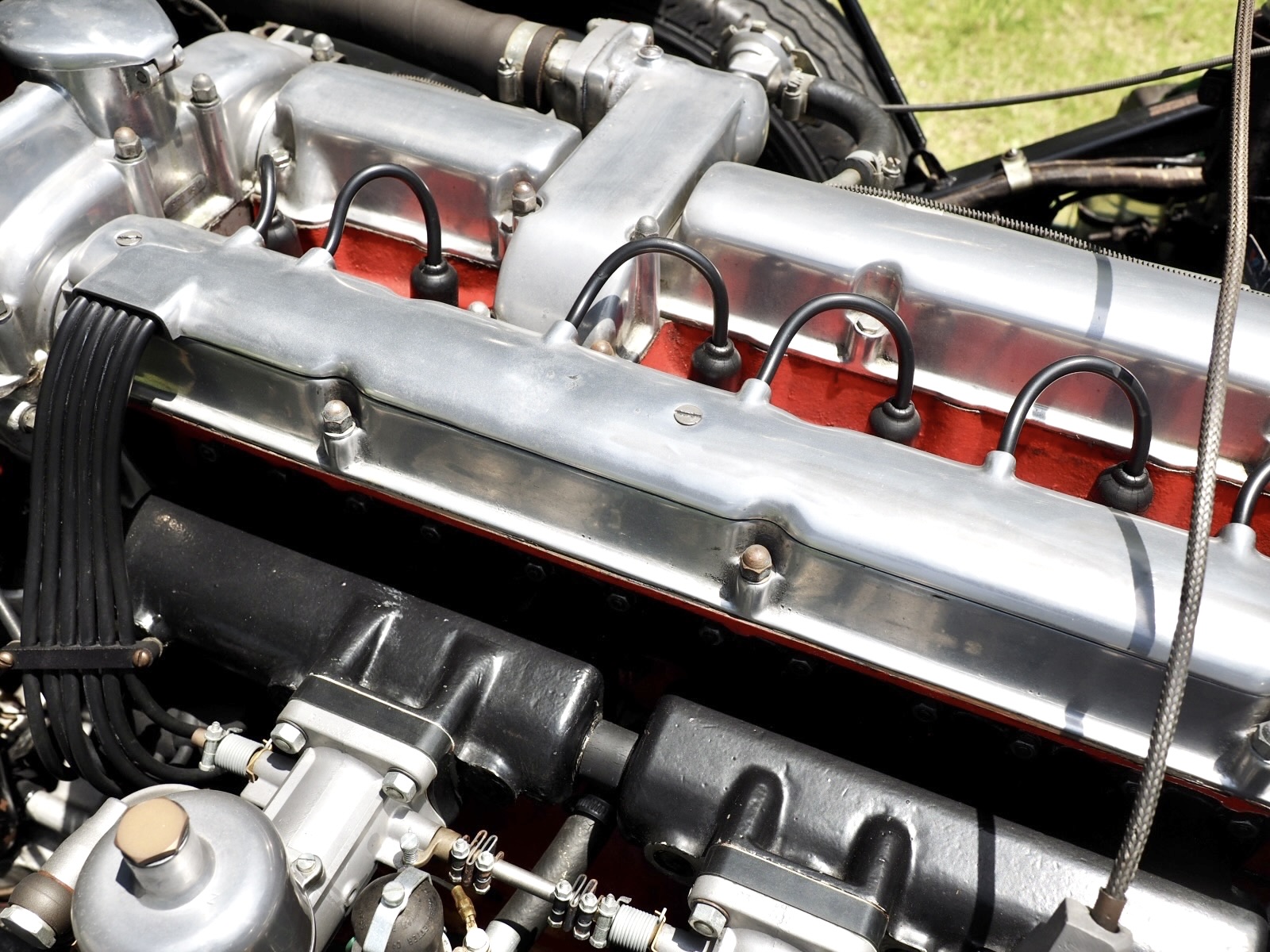
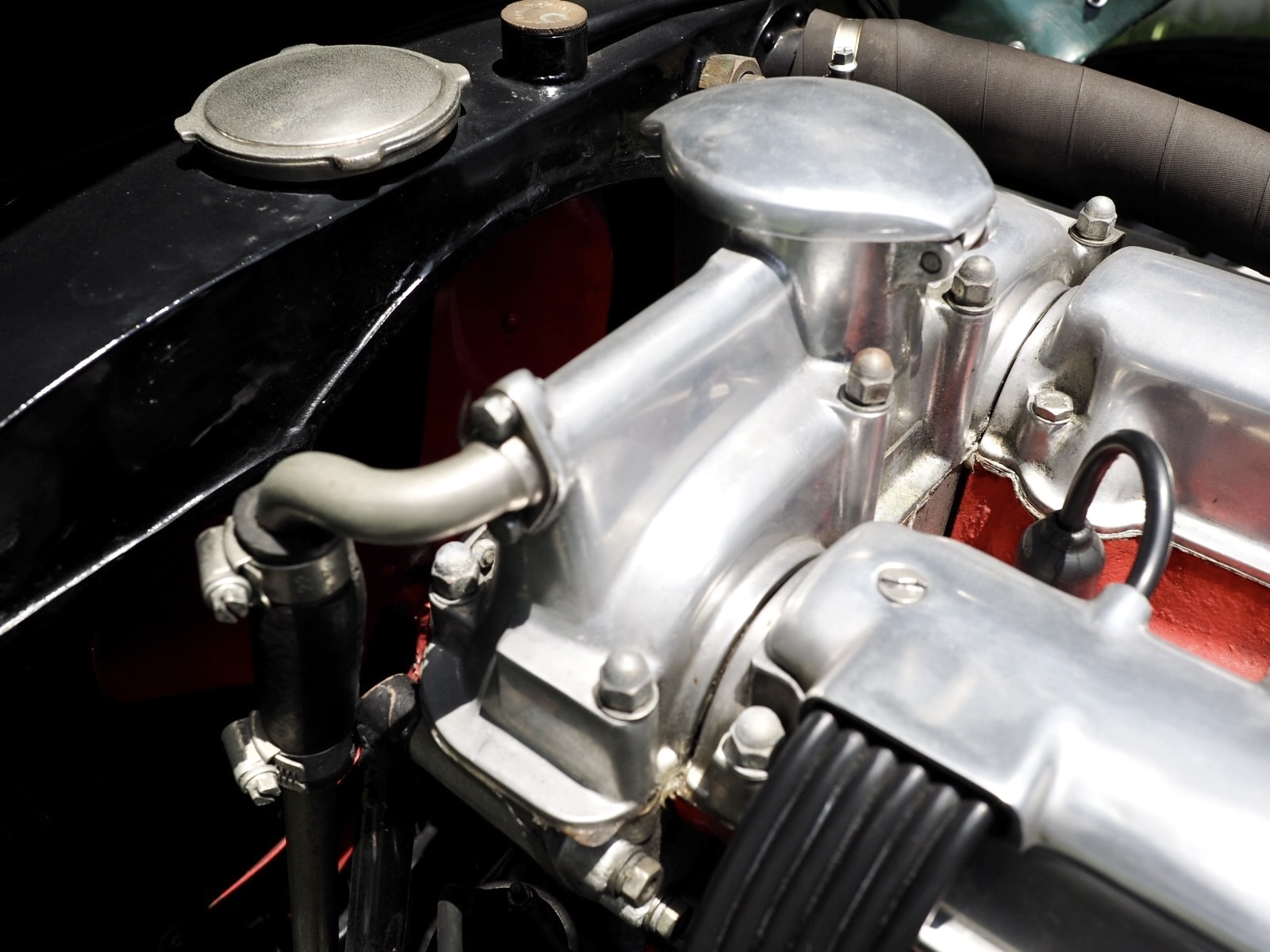
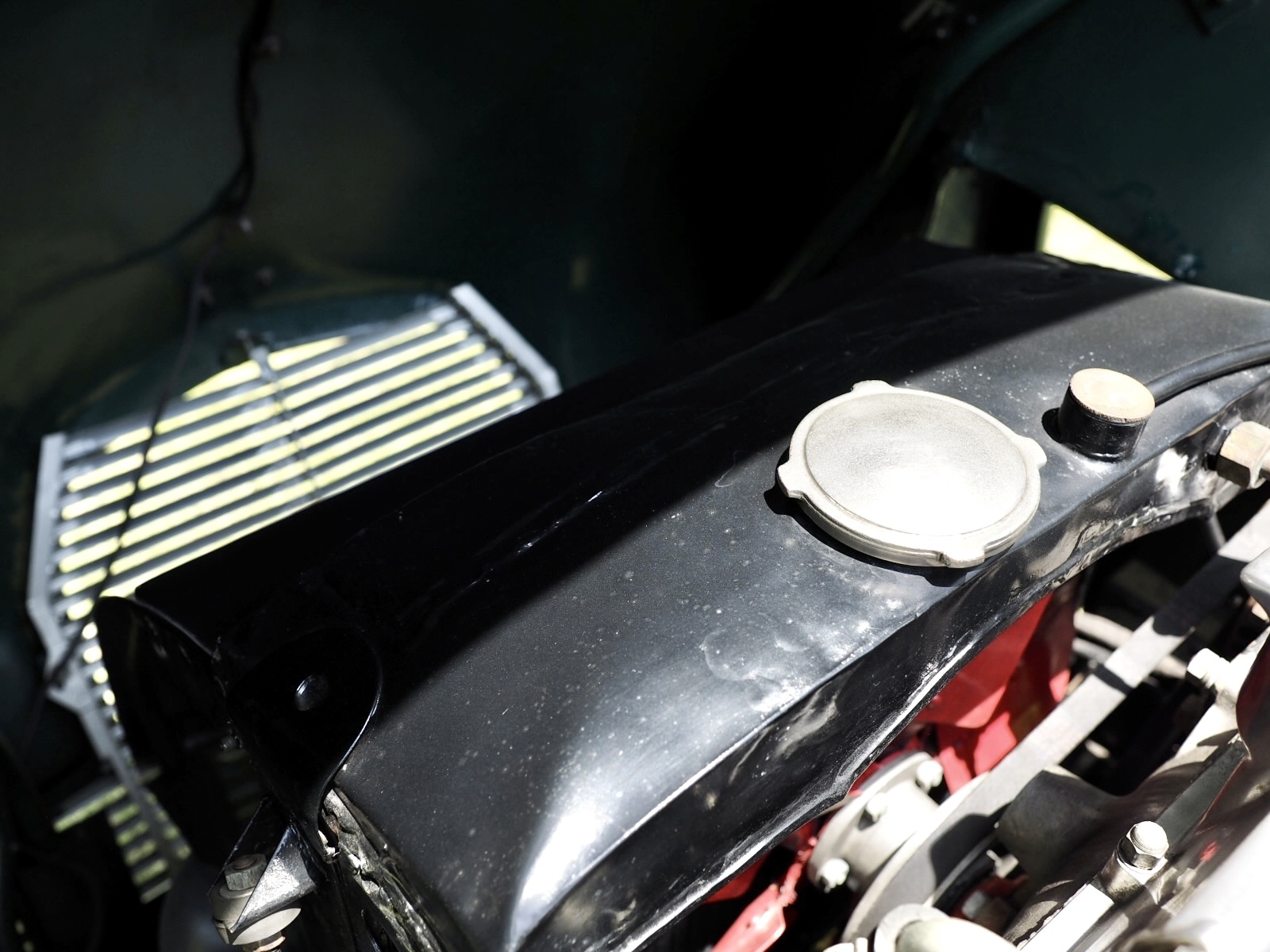
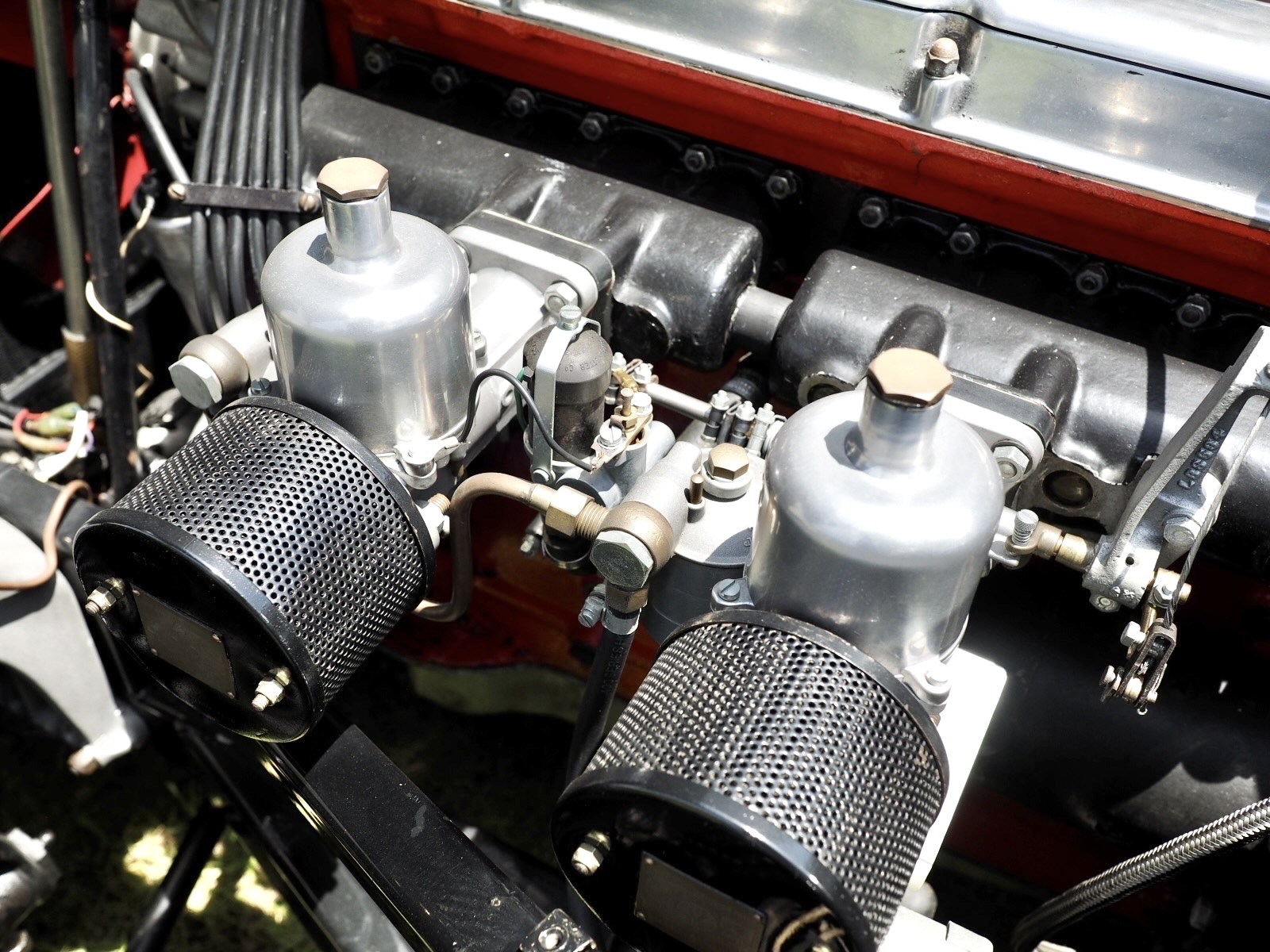
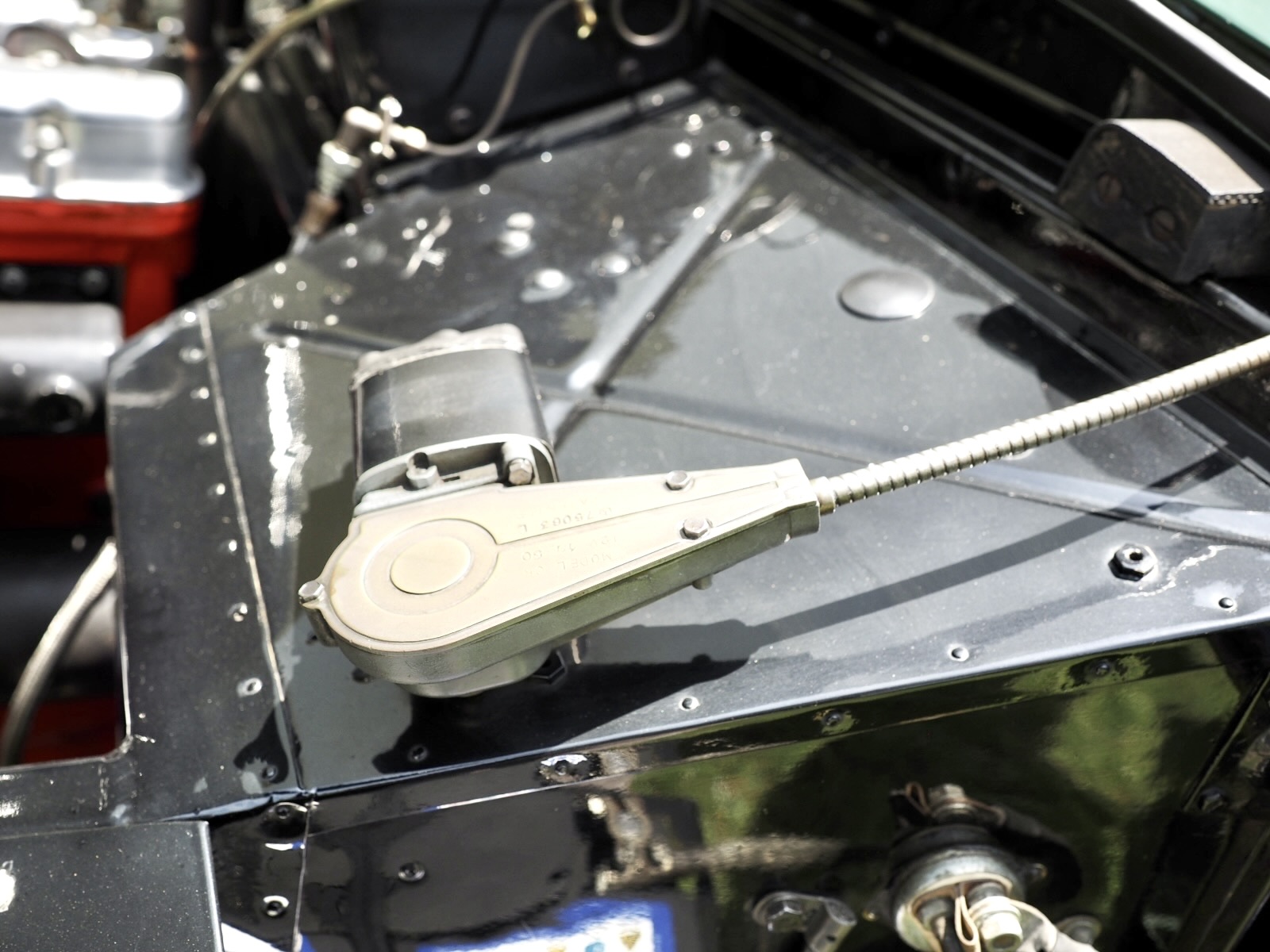
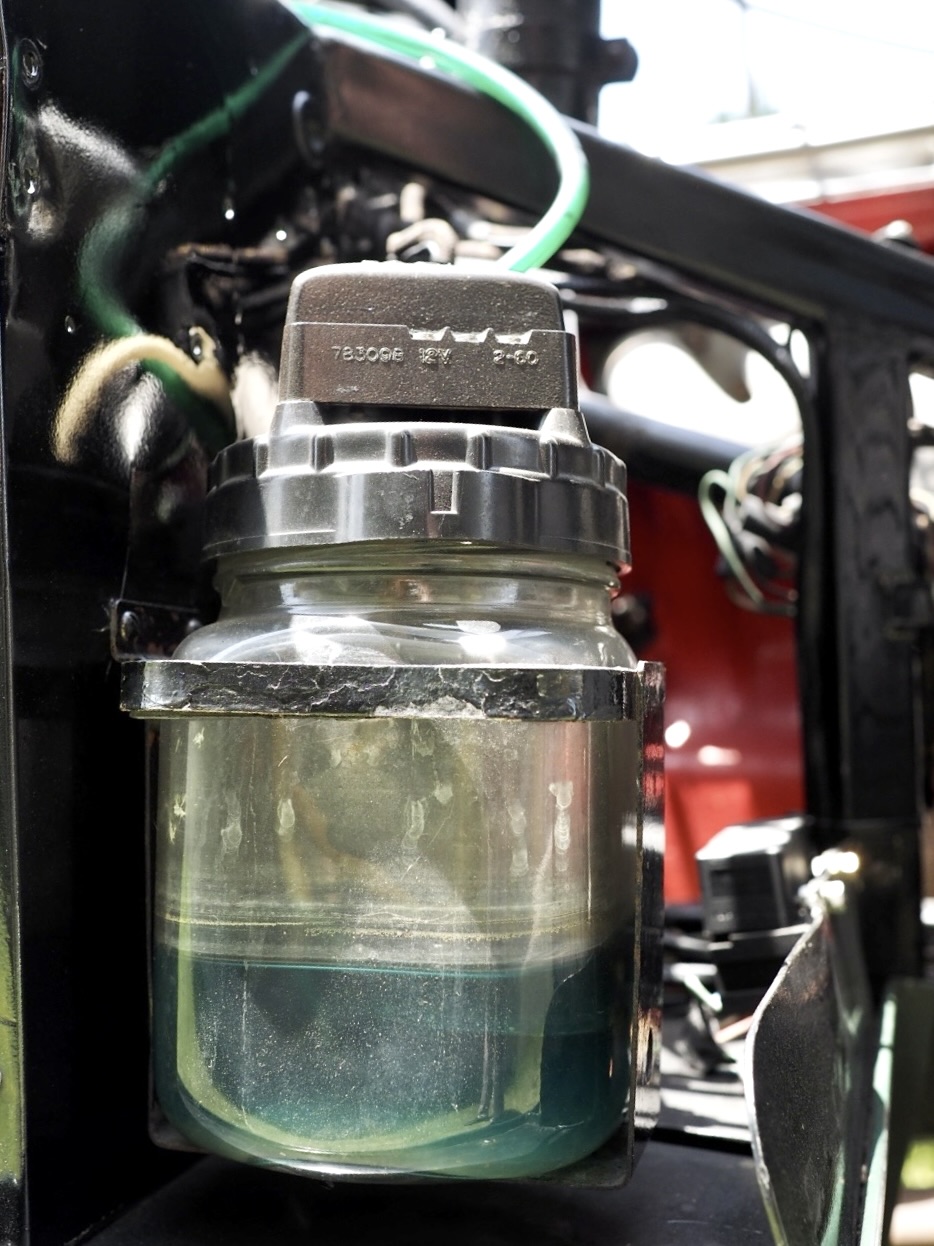
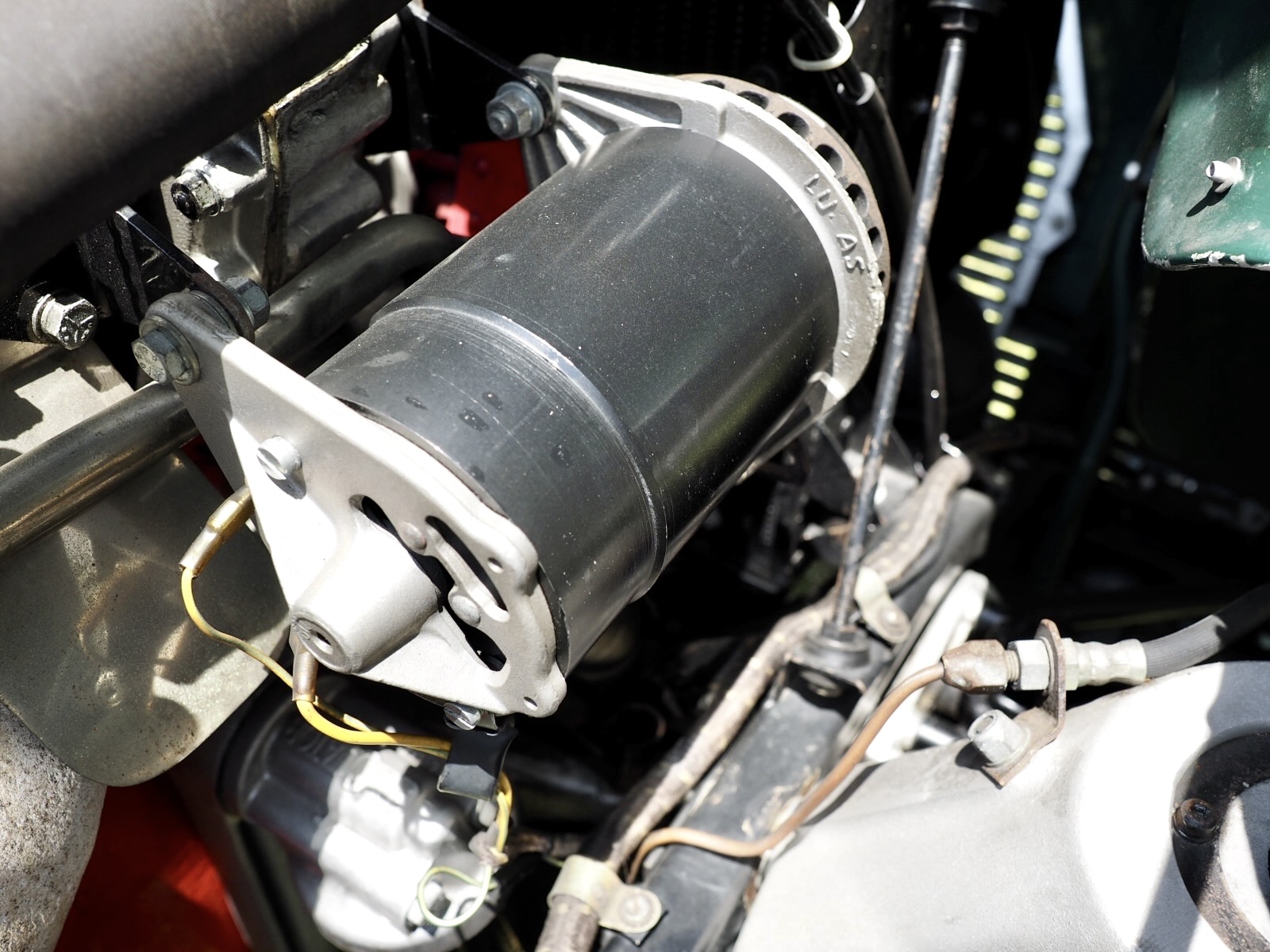
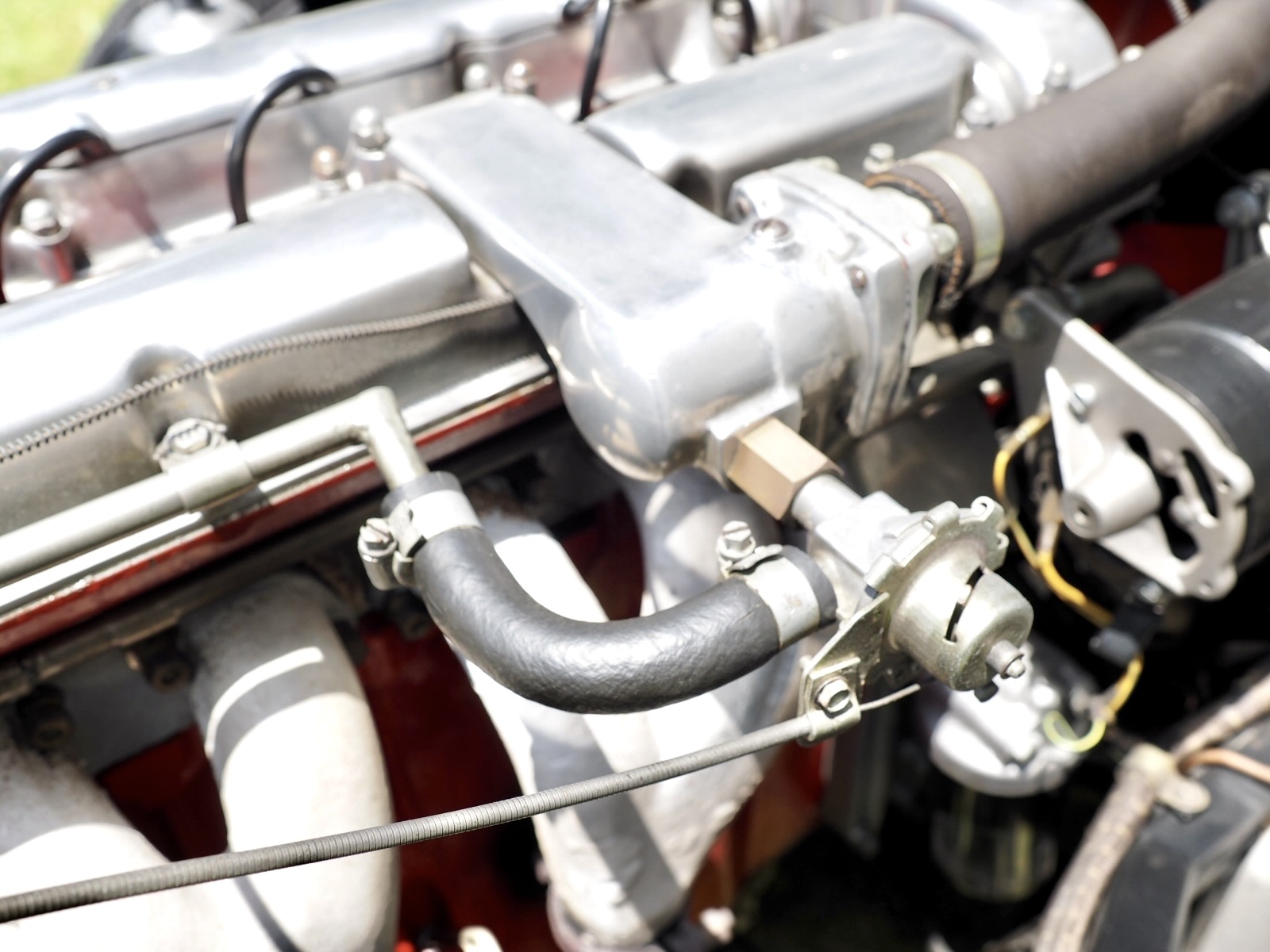
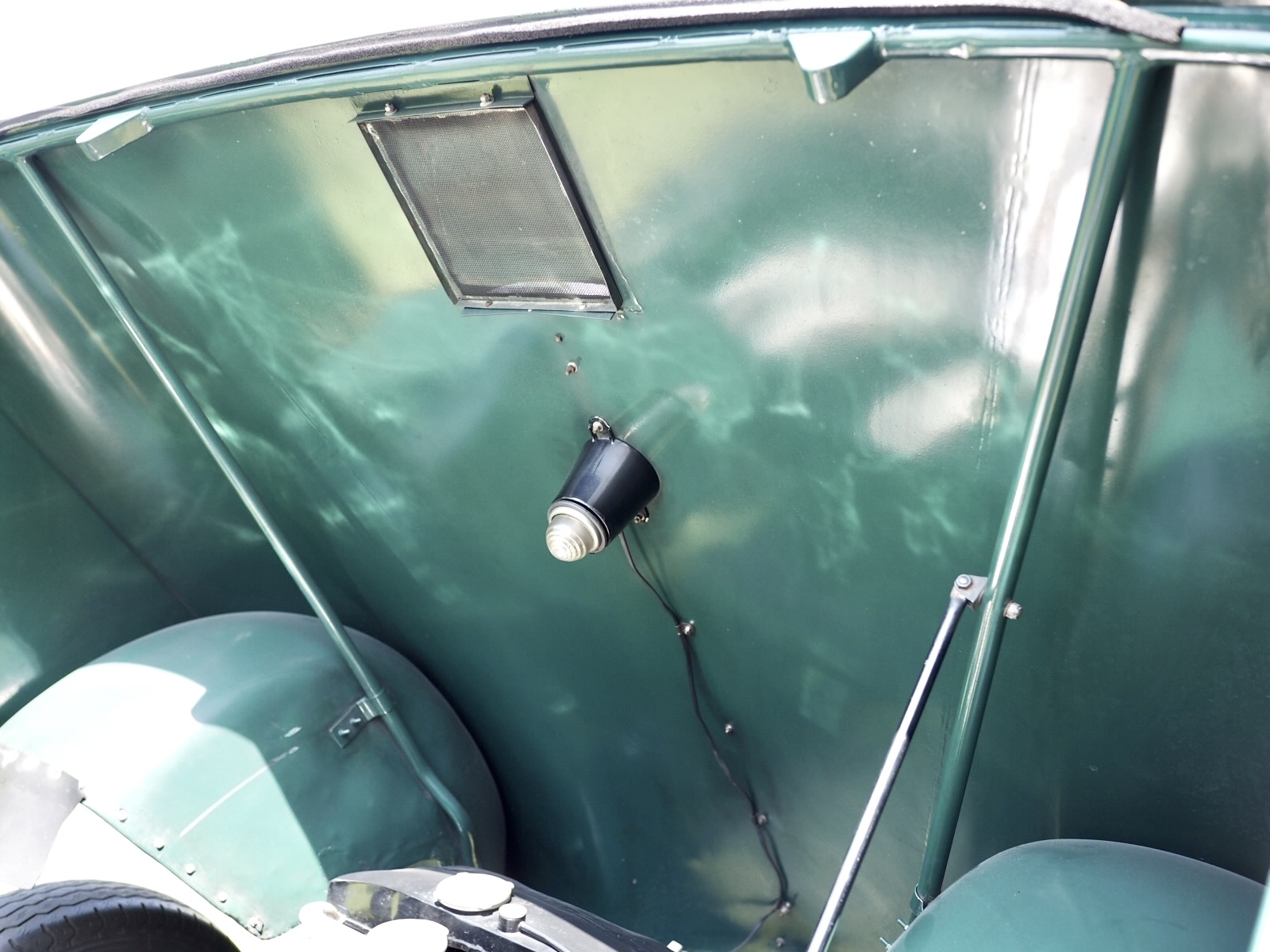
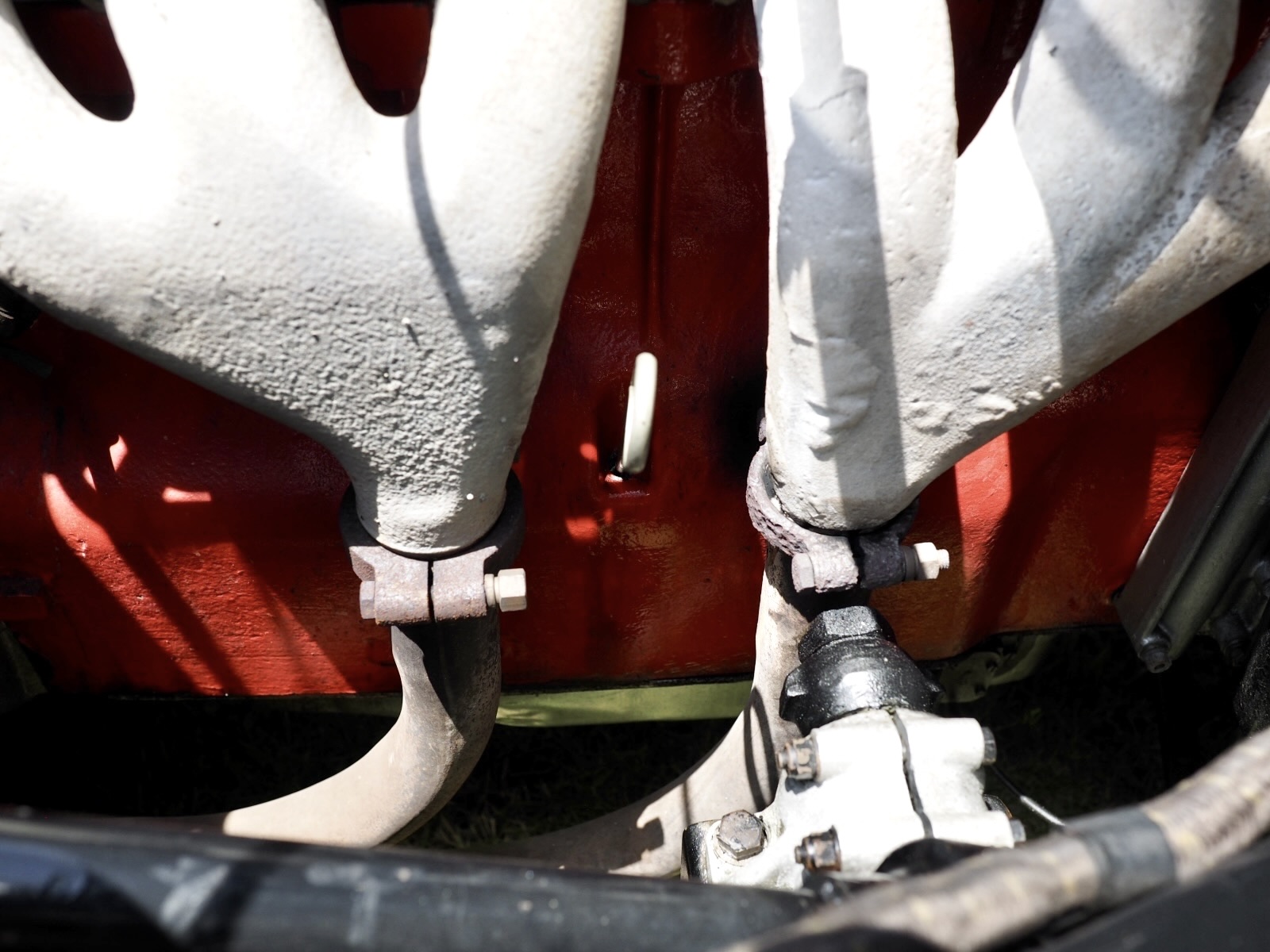
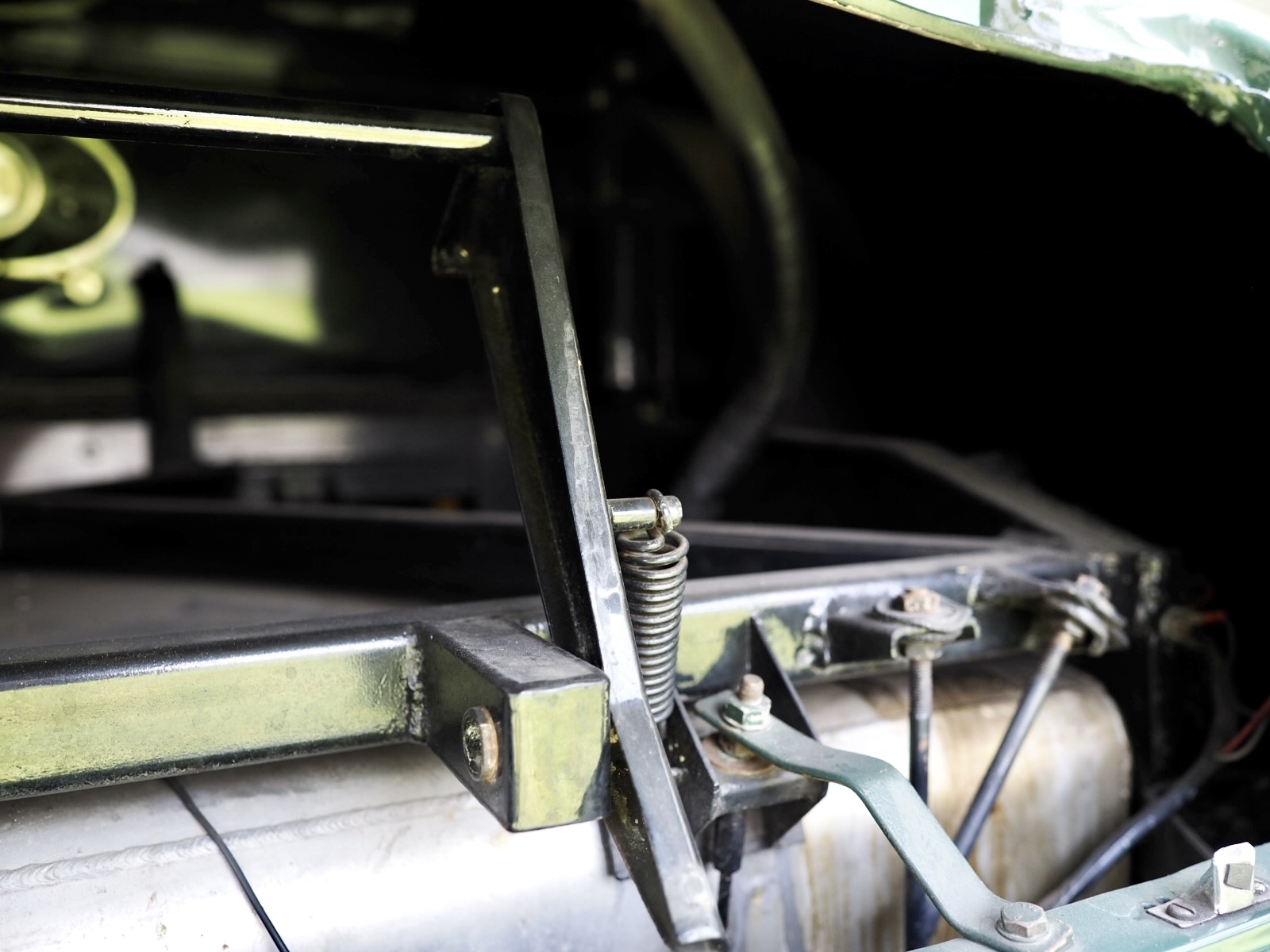
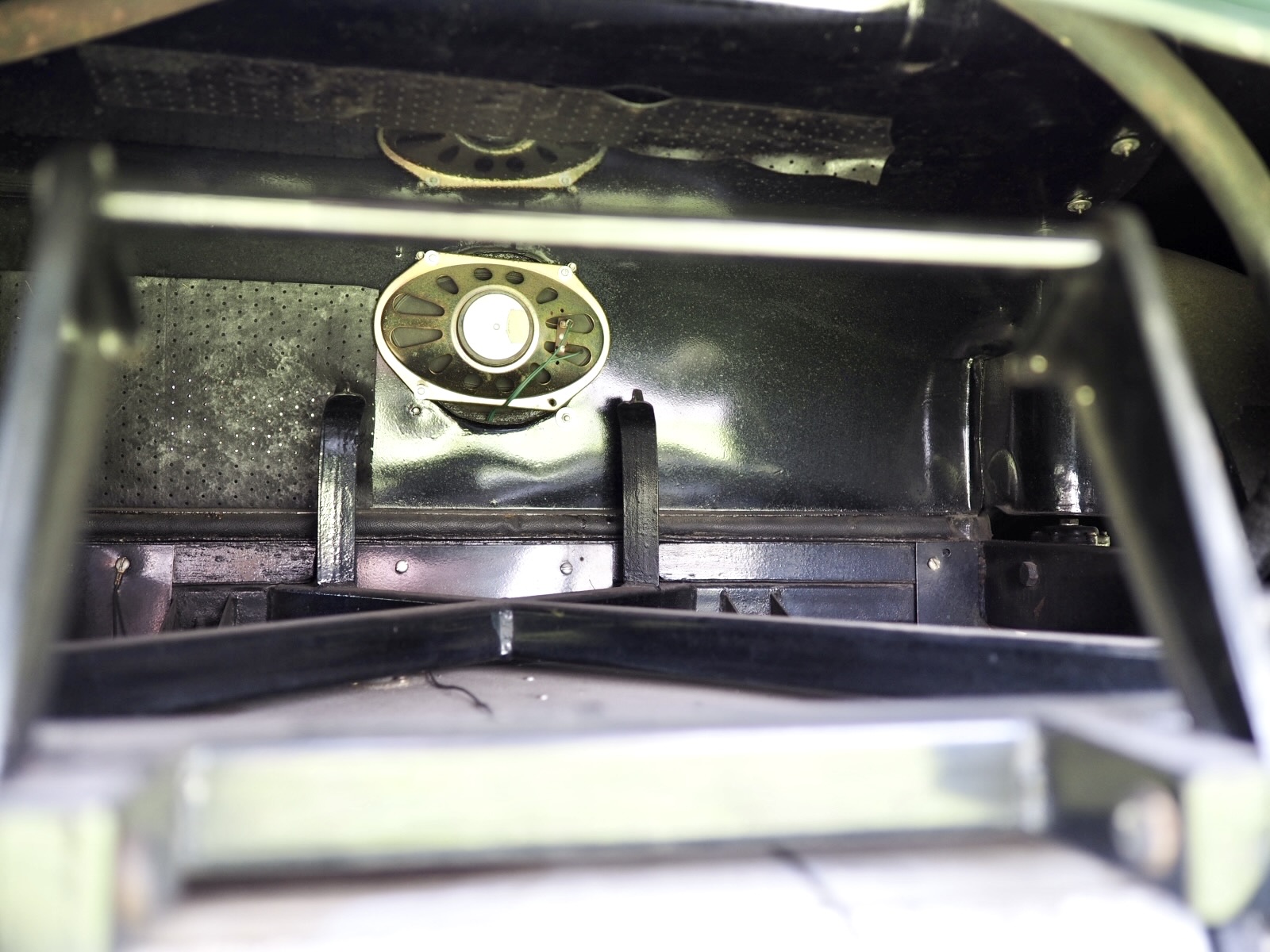
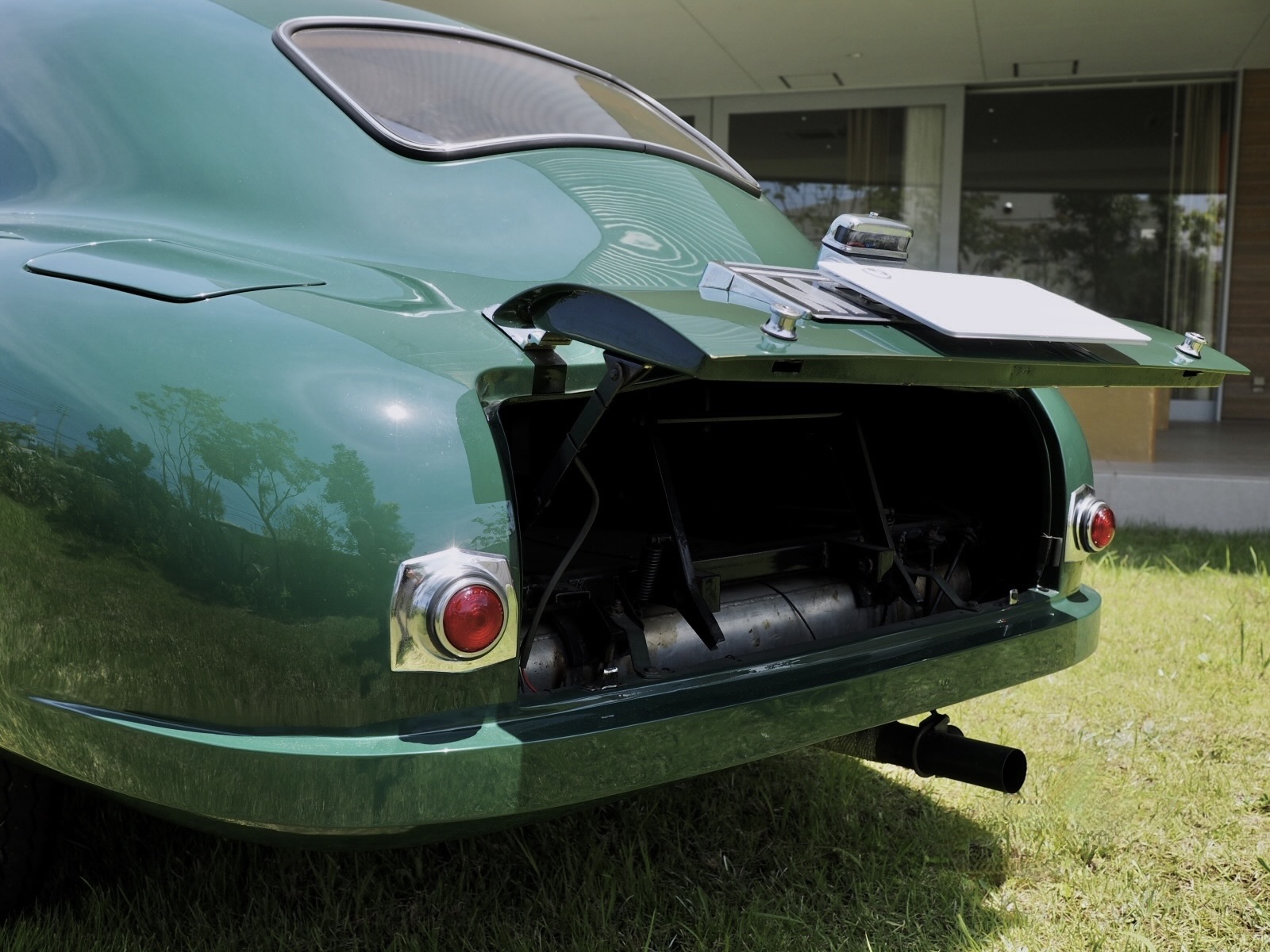
The detailed condition of the vehicle is described in each photo.
On the top slide you will find 50 attractive photos of the vehicle! Please click on a photo to view it with its description. Click outside the picture to return to the page.
SPEC
Length
4,140 mm
Width
1,640 mm
Height
1,400 mm
Weight
1,180 kg
Engine Displacement
2,580 cc
FOB Tokyo price is