

TOP>Stock List>2011model Subaru Sambar Van Dias Supercharger 5MT
2011model
Subaru Sambar Van Dias Supercharger 5MT





↑↑↑Please watch the archived video above with audio if possible...
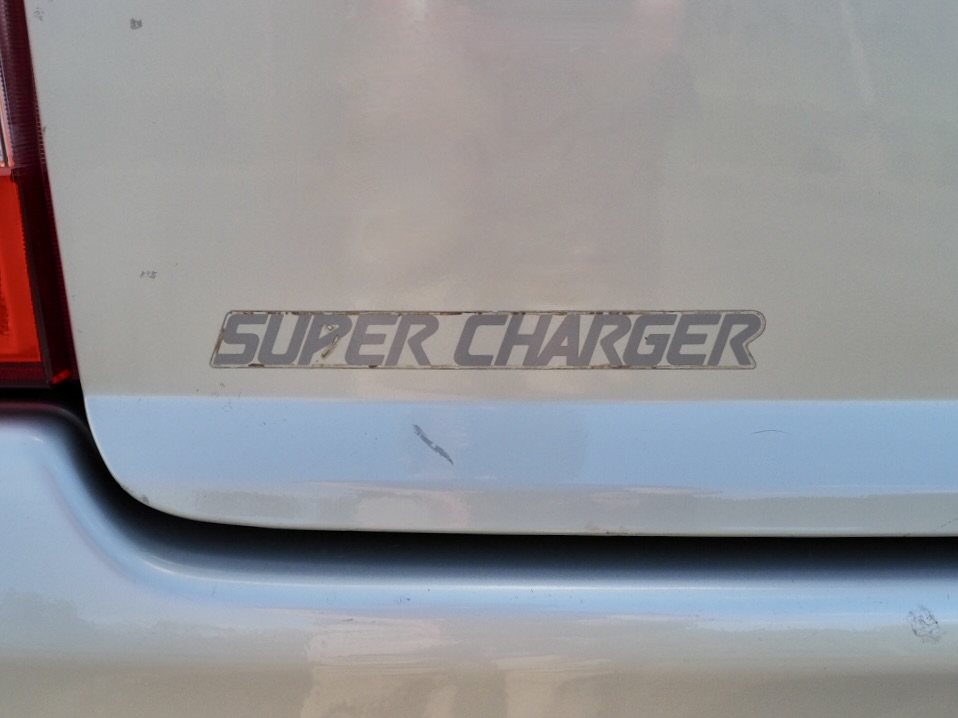
One of Subaru’s greatest creations...! We may never see another kei van like this again...! The 2011 Subaru Sambar Van Dias, combining a supercharger, 5-speed manual and rear-wheel drive, is a machine that turns an ordinary day into something genuinely exciting...!
Chapter One…
“The history itself is red-hot…! The Subaru Sambar, the ‘great kei van’ that helped support Japan’s high-growth Showa era.”
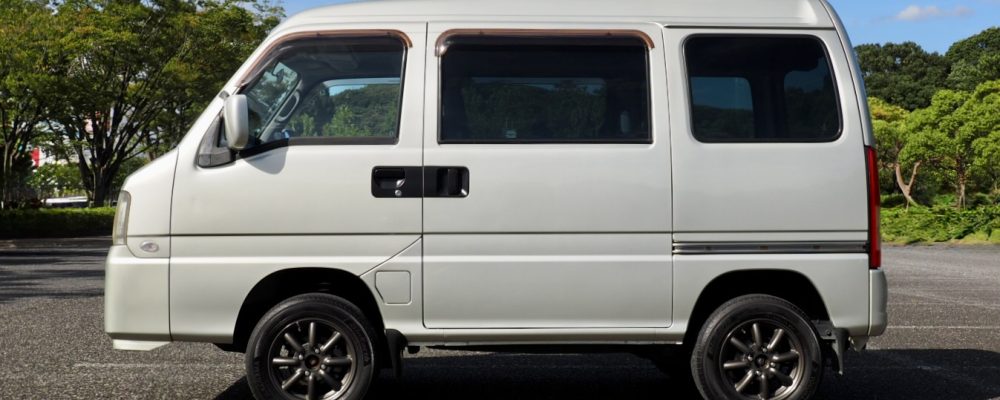
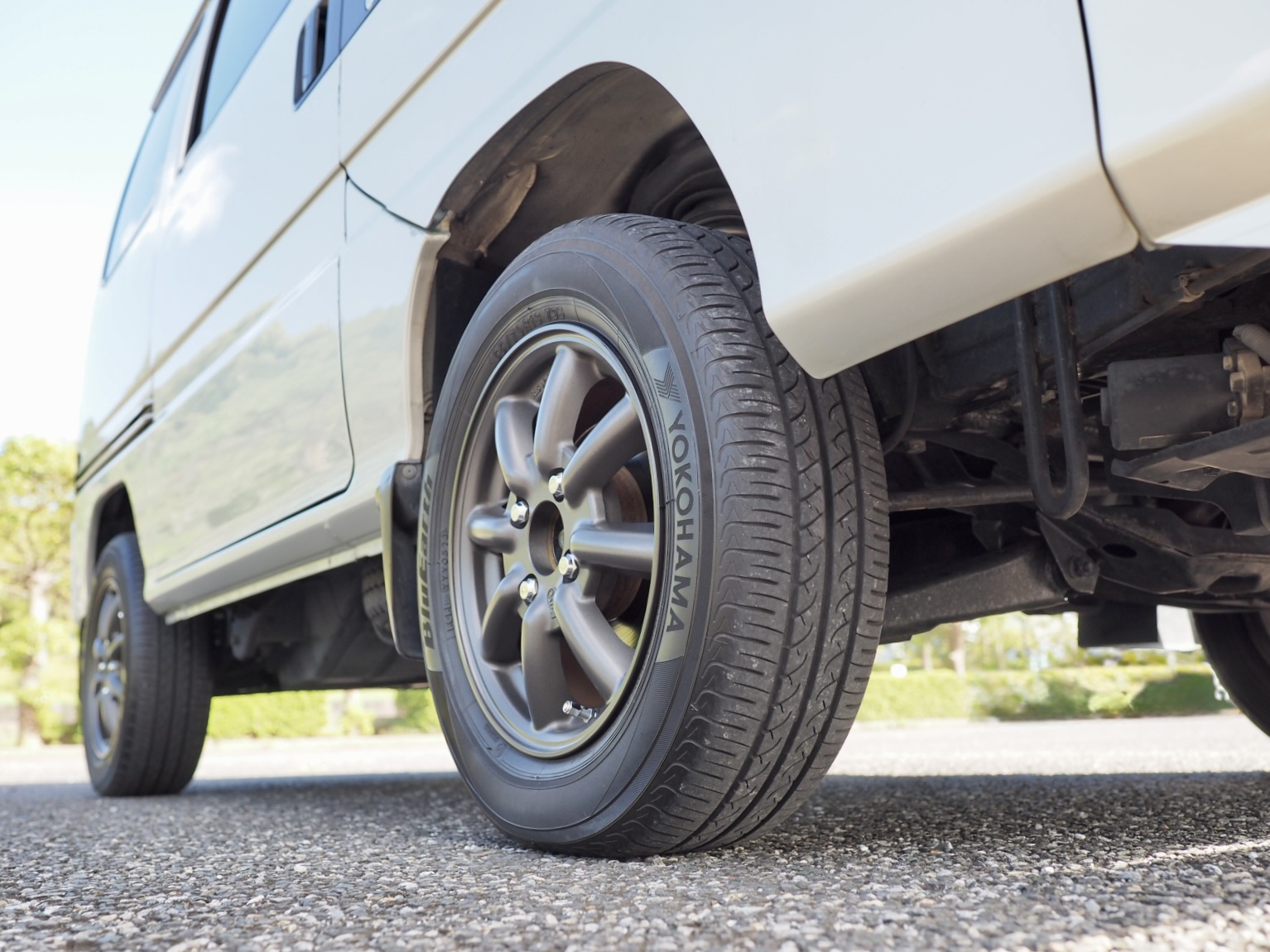
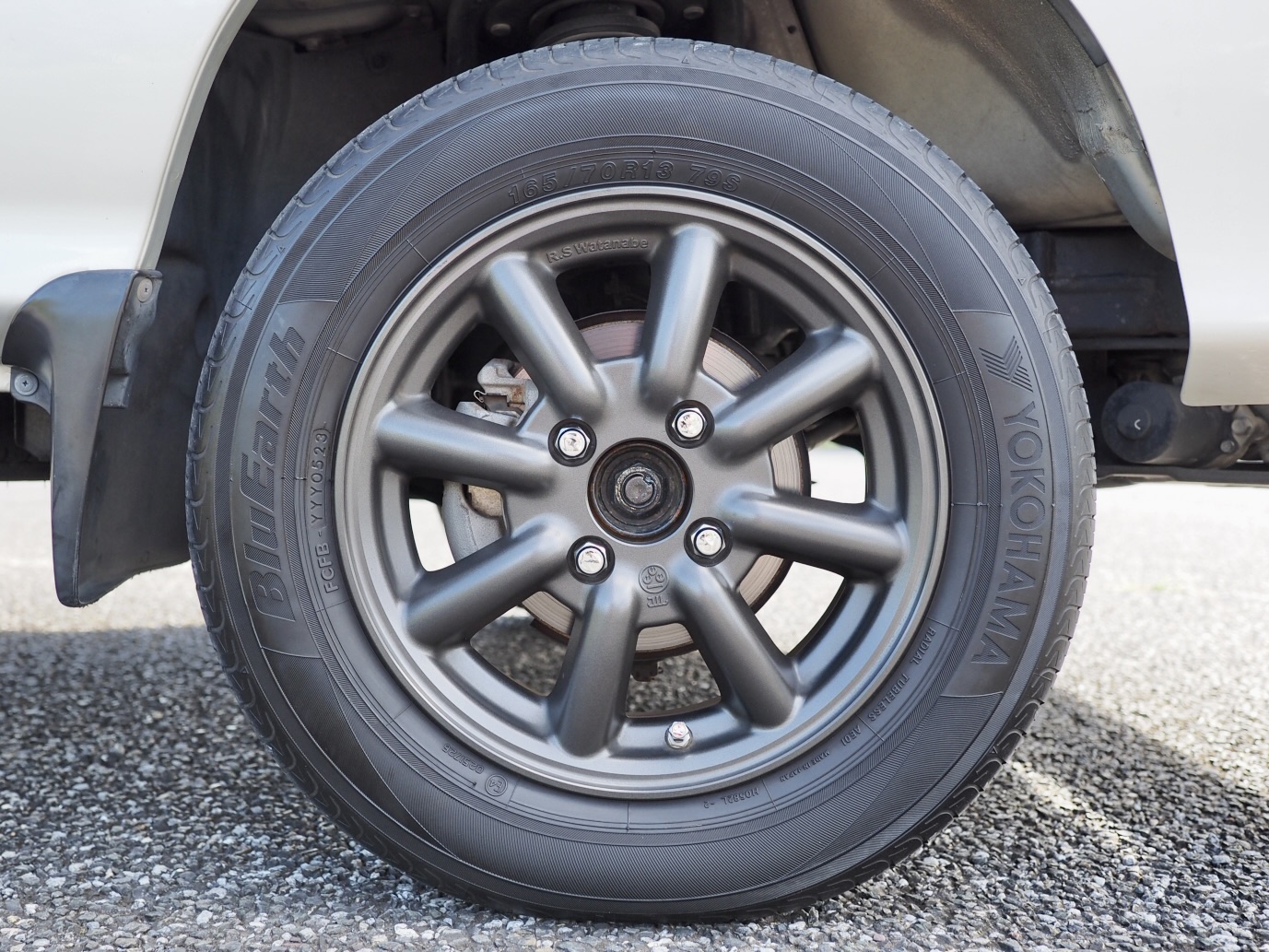
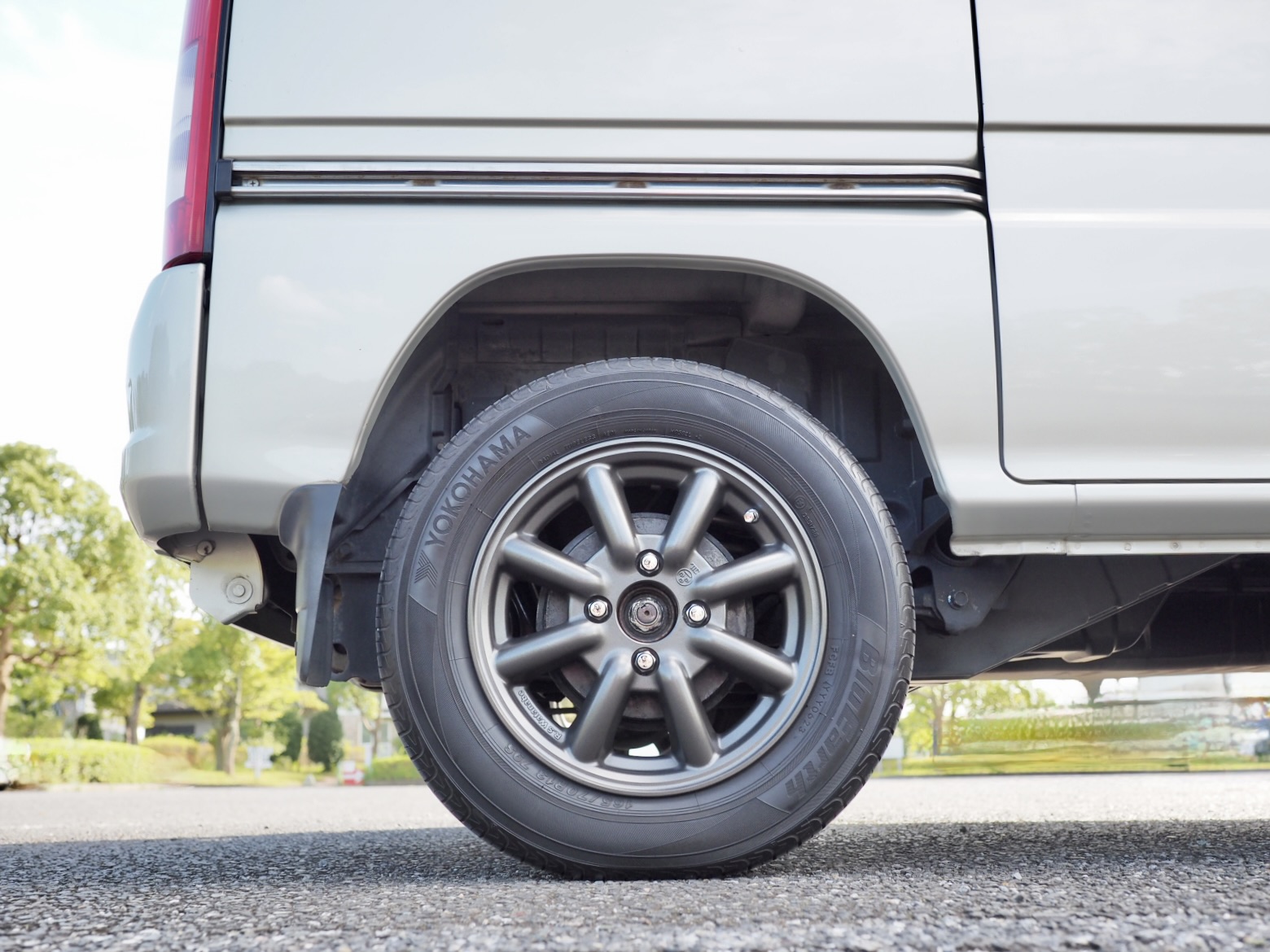
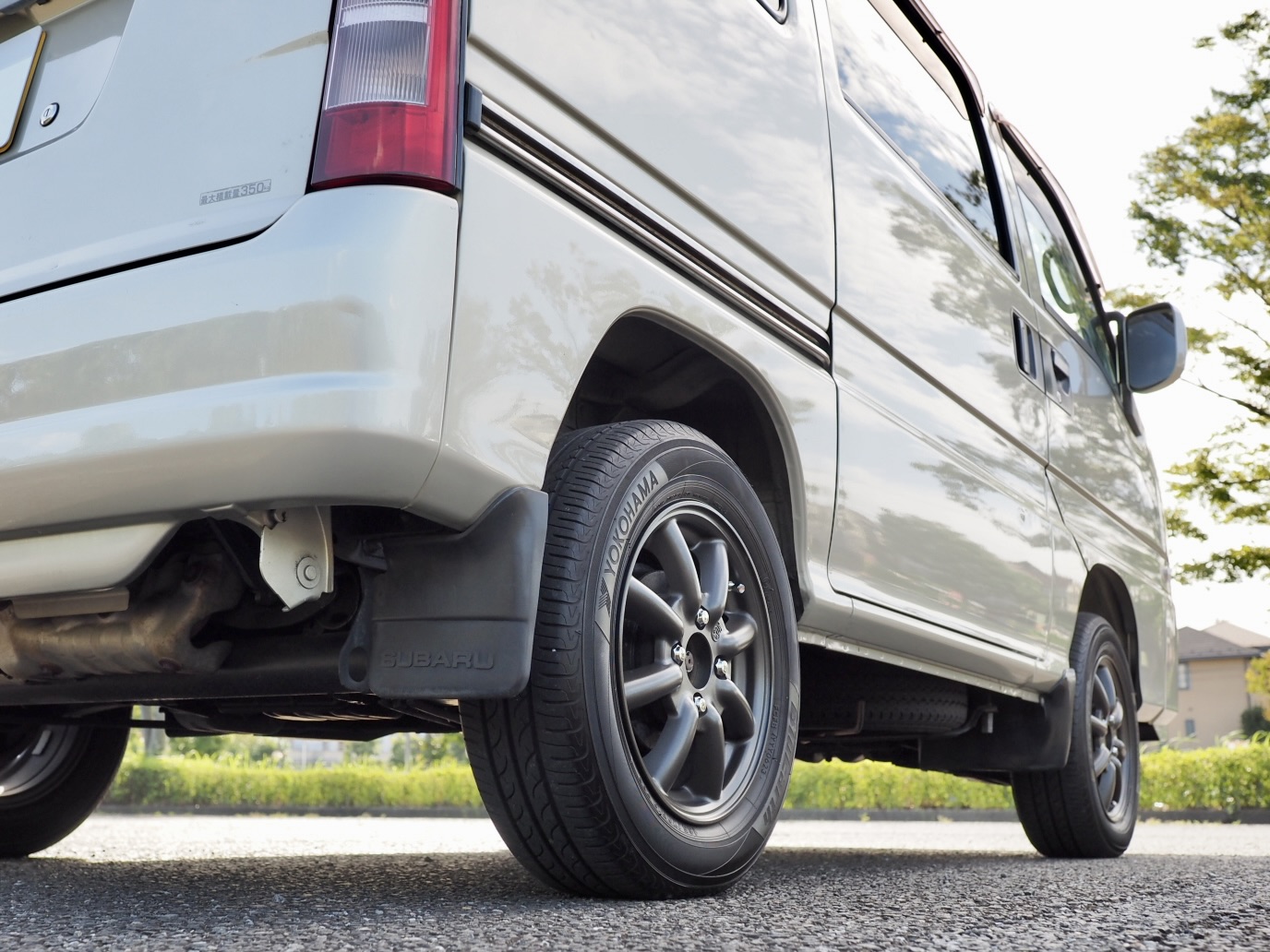
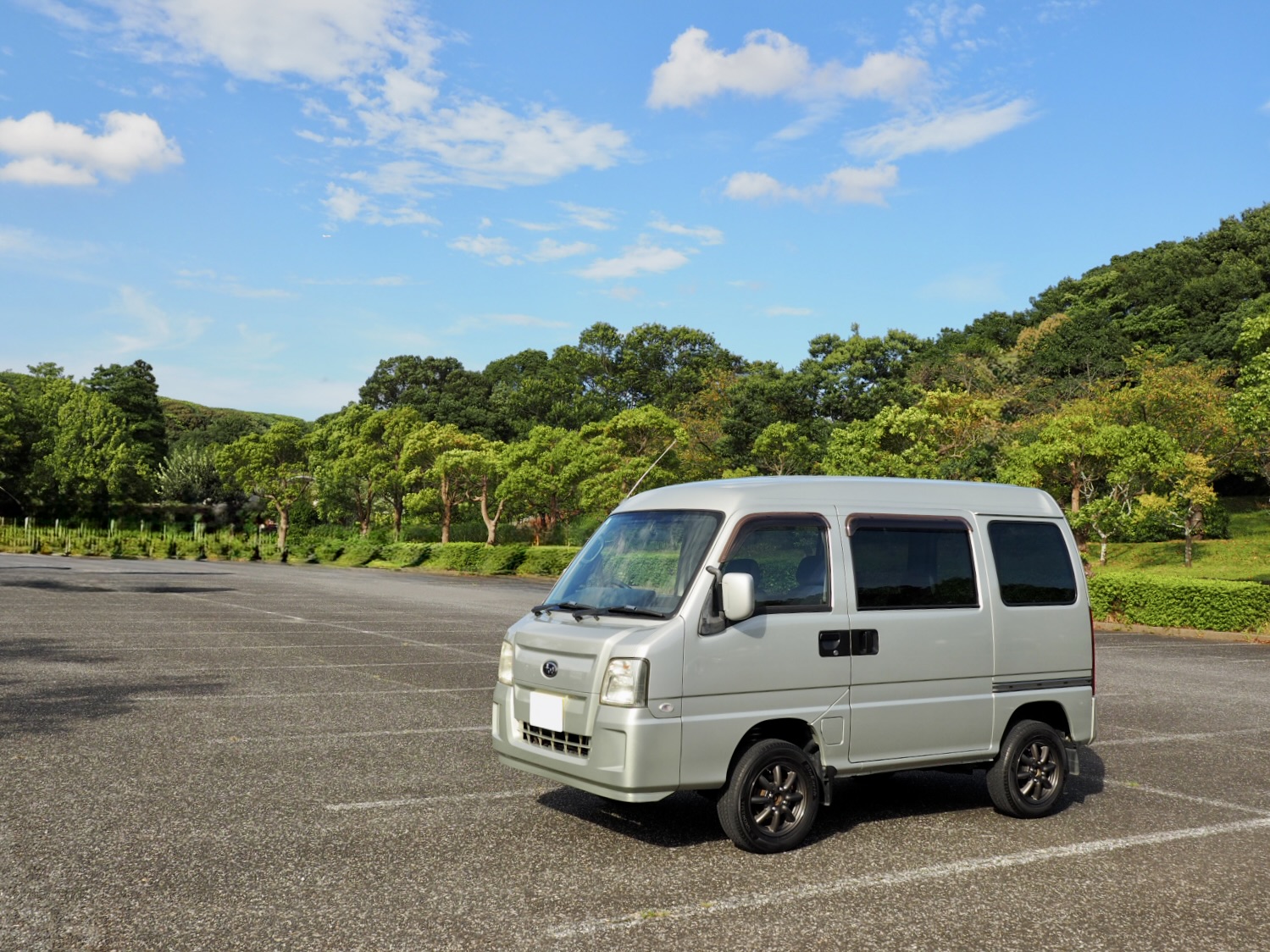
Fitted to the owner’s taste with Forest Auto FAF lift-up springs for an approximately 35 mm ‘mild lift,’ plus RS Watanabe 13-inch wheels and one-size-up Yokohama 165/70 tires, this Sambar Van Dias Supercharger 5MT 2WD—the van long nicknamed the ‘Porsche of the farm roads’—stands before me radiating the kind of hot-blooded fun that practically invites you into the driver’s seat…
As the owner puts it, “Even an ordinary corner in town is genuinely fun in this car…!”
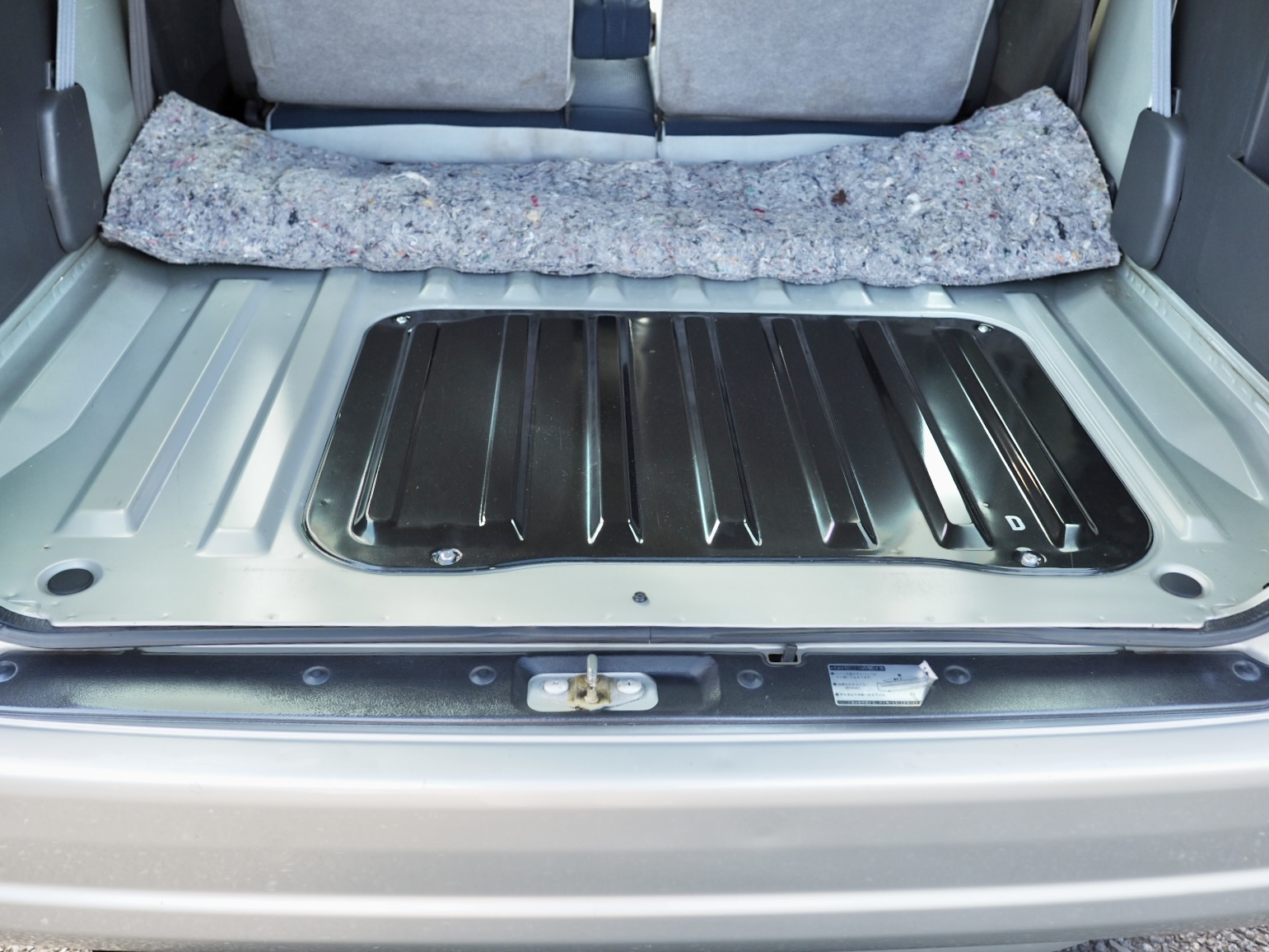
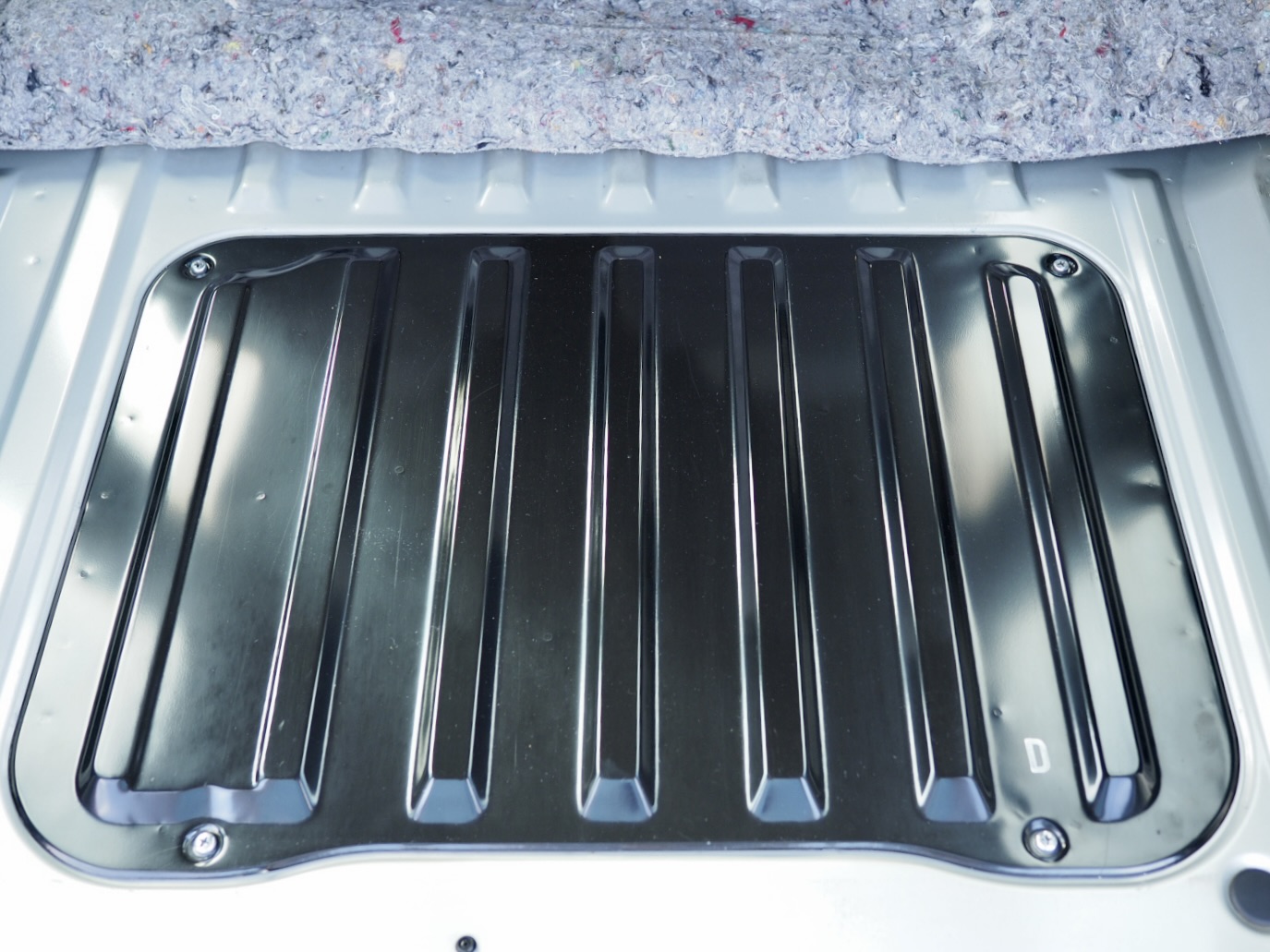
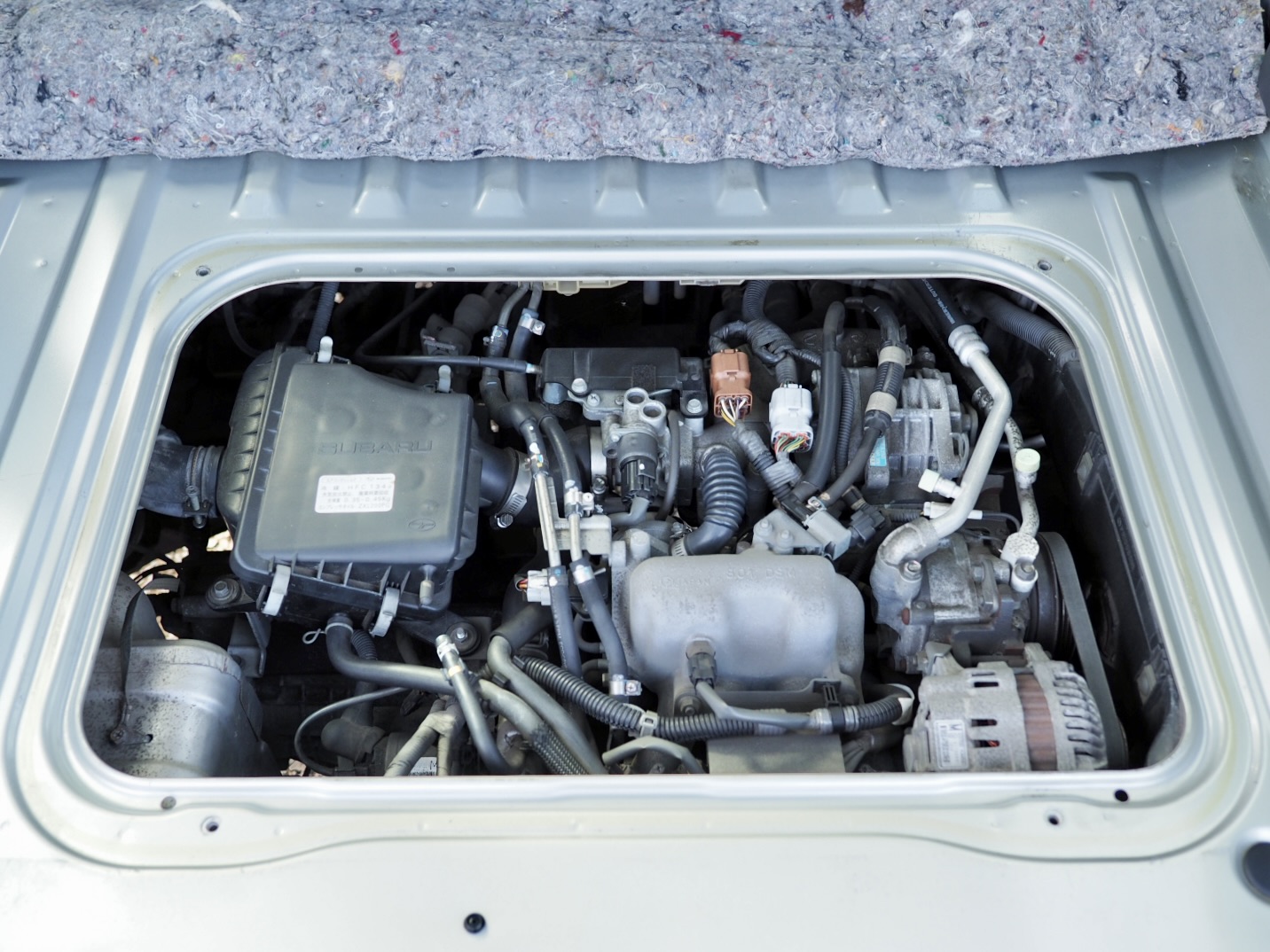
With its engine mounted at the rear, the Subaru Sambar delivers its mechanical sounds from a place completely different from an ordinary car—from behind the driver…
Despite carrying its heaviest component, the engine, very low at the rear, the Sambar achieves an excellent 490 kg front / 450 kg rear axle-weight balance. That uniquely balanced driving feel is exactly why it earned the nickname ‘Porsche of the farm roads’…
And with its well-judged suspension upgrade and roughly 35 mm lift, this example may be a kei van, but its 5-speed manual lets it deliver the maximum possible dose of pure driving fun…!
In that case, surely I cannot be the only one who finds greater joy in this 2WD version and its rear-wheel-drive character than in the all-weather stability of the 4WD model…!
This final-generation example was first registered in March 2011. Then, one year later, on February 29, 2012…
“We can’t do our jobs without the Sambar…! Please, whatever you do, don’t end production of this vehicle…!”
Yet even the near-desperate pleas of customers and enthusiasts across Japan could not change the outcome. Subaru’s kei-car production, which had begun with the Subaru 360 and continued for 54 years under Fuji Heavy Industries, came to an end…
The history of the Sambar is, in many ways, the history of the Showa era itself…
It was the year when the late Tetsuharu Kawakami led the Yomiuri Giants to his first championship soon after becoming manager, Tokyo was alive with construction for the Olympic Games, and the second Ikeda Cabinet launched its ‘Income Doubling Plan’…
Amid the dramatic currents of postwar reconstruction and rapid economic growth, the first Subaru Sambar was born on February 1, 1961—three years after the launch of the Subaru 360…
The 1964 Tokyo Olympics became a major turning point, bringing Japan its first expressways and urban motorways, but across most of the country paved roads were still rare…
In a Japan that was gradually becoming more prosperous and where the idea of the private ‘my car’ was only beginning to take hold, people longed for a vehicle that could carry a full load of goods over rough roads and steep grades during the week, yet also be used for the fashionable new pursuit of ‘leisure’ on days off…
Before production began, the Sambar passed a four-up climbing test on Gunma Prefecture’s then-unpaved Akagi mountain road, tackling a continuous steep ascent with an elevation gain of roughly 1,000 meters…
The Sambar inherited the rear-engine drivetrain and four-wheel independent suspension of the Subaru 360, itself refined through the intense determination of Showa-era engineers. The result was a commercial vehicle with passenger-car-like ride comfort, the ability to carry cargo over rough roads without beating it up, and excellent hill-climbing traction thanks to the engine being mounted low beneath the rear load floor…
That formula—‘usable for everyday work and for leisure on days off’—captured the public imagination. Within a year, Sambar sales surpassed those of the Subaru 360, and it quickly became a major hit and one of the vehicles that symbolized Japan’s energetic era of rapid economic growth…
From 1961 to 2012, across 51 years and six generations, total Subaru Sambar production reached approximately 3.7 million units…!
That was nearly half of the roughly 7.97 million kei vehicles Subaru produced in total. The Sambar became not only a pillar of Subaru’s business, but truly a ‘great kei van’ that helped support the Japanese economy itself…!
Chapter Two…
“Carefully modified in small ways so this fully original survivor can always be returned to stock…!
A closer look at a lovingly maintained final-generation example whose owner even treats routine maintenance as part of the fun…!”
“Someday I want to own this great Showa-era Subaru Sambar and actually drive one for myself…!”
When the owner wondered what vehicle could truly represent Japan, there were of course many world-class Japanese cars—from the Land Cruiser onward—but his attention turned instead to the small kei van born from a uniquely Japanese automotive culture…
He had always liked van-type vehicles, and the more he researched them, the more the Subaru Sambar began to occupy his thoughts…
Beyond its unusual development story, there was also the package Subaru refined over 51 years yet never abandoned from the original concept: rear engine, rear-wheel drive and four-wheel independent suspension…
And in the final version, that package was joined by a four-cylinder EN07 with a supercharger and 5-speed manual transmission—a wonderfully enthusiast-oriented mechanical combination that feels all the more special now, at a moment when the internal-combustion automobile itself is changing into something entirely different…
It was with all of that in mind that the owner encountered the very 2011 Sambar Van Dias featured here…
Happily, by then this example had already received a great deal of care from its previous owner…
The timing belt, water pump and complete fan-belt system had been replaced, and even a slight trace of brake-fluid seepage was not ignored: the front brake calipers on both sides and the rear wheel cylinders had all been overhauled…
The interior had also received a complete cleaning, and even the driver’s seat, which had shown some wear, had been replaced with a good-condition original seat…
Accident-free and still an unrestored, fully original vehicle, it had also received careful attention to its mechanicals, suspension and interior so it was fully prepared to be enjoyed for years to come. That was the condition in which the current owner took over this Sambar…
“A Sambar is only truly fun when you drive it…!”
Since coming into the current owner’s care, it has been used actively for everyday transportation, especially commuting. At times he has loaded a road bicycle into the cargo bay and headed out for cycling trips as well…
The word ‘leisure’ may now sound like a relic of the Showa era, but this owner has in fact used the final-generation Sambar exactly as the original concept intended: ‘for everyday work, and for leisure on days off’…
And then comes that irresistible enthusiast urge: ‘I’d like to make it just a little more my own…’ I understand that feeling completely…!
But because he inherited such a fully original example, the owner resisted making major changes and instead carried out only ‘light modifications’ that can be reversed at any time…
First came the wheels: RS Watanabe F8Fs, which suit the Sambar exceptionally well…!
A brand-new set of black 13×5.0J wheels with +40 offset was purchased and fitted with Yokohama 165/70R13 tires…
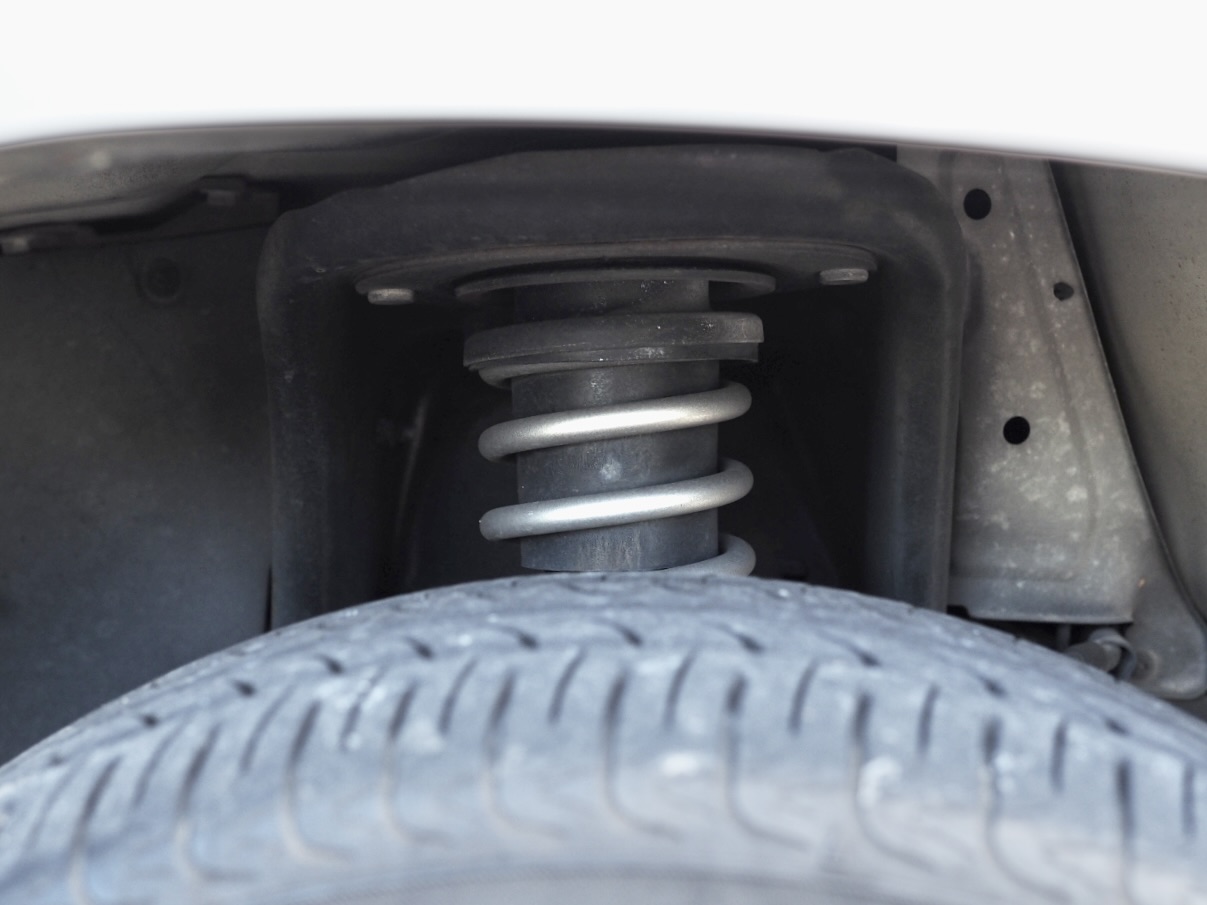
For the suspension, the owner chose Forest Auto Factory’s FAF lift-up springs. Since 2009, the company has promoted the mildly raised ‘choi-age’ style for kei vans and kei trucks and is widely known as a pioneer of this kind of lift…
Their catchphrase, ‘Expand your range with +5 cm of ground clearance,’ says it all. These road-legal lift springs—recognized as a Chiba Prefecture manufacturing-certified product—raise the vehicle by roughly 35 mm and transform the boxy Sambar’s stance into something irresistibly appealing…!
This is not simply a cosmetic ride-height increase. The extra ground clearance lets the owner enjoy more of the kei van’s inherent mobility and outdoor capability—a modification perfectly matched to the Sambar’s character…
Combined with the black RS Watanabe wheels, the result is remarkably well balanced. It adds just the right amount of playful personality to this once fully original example without going too far…
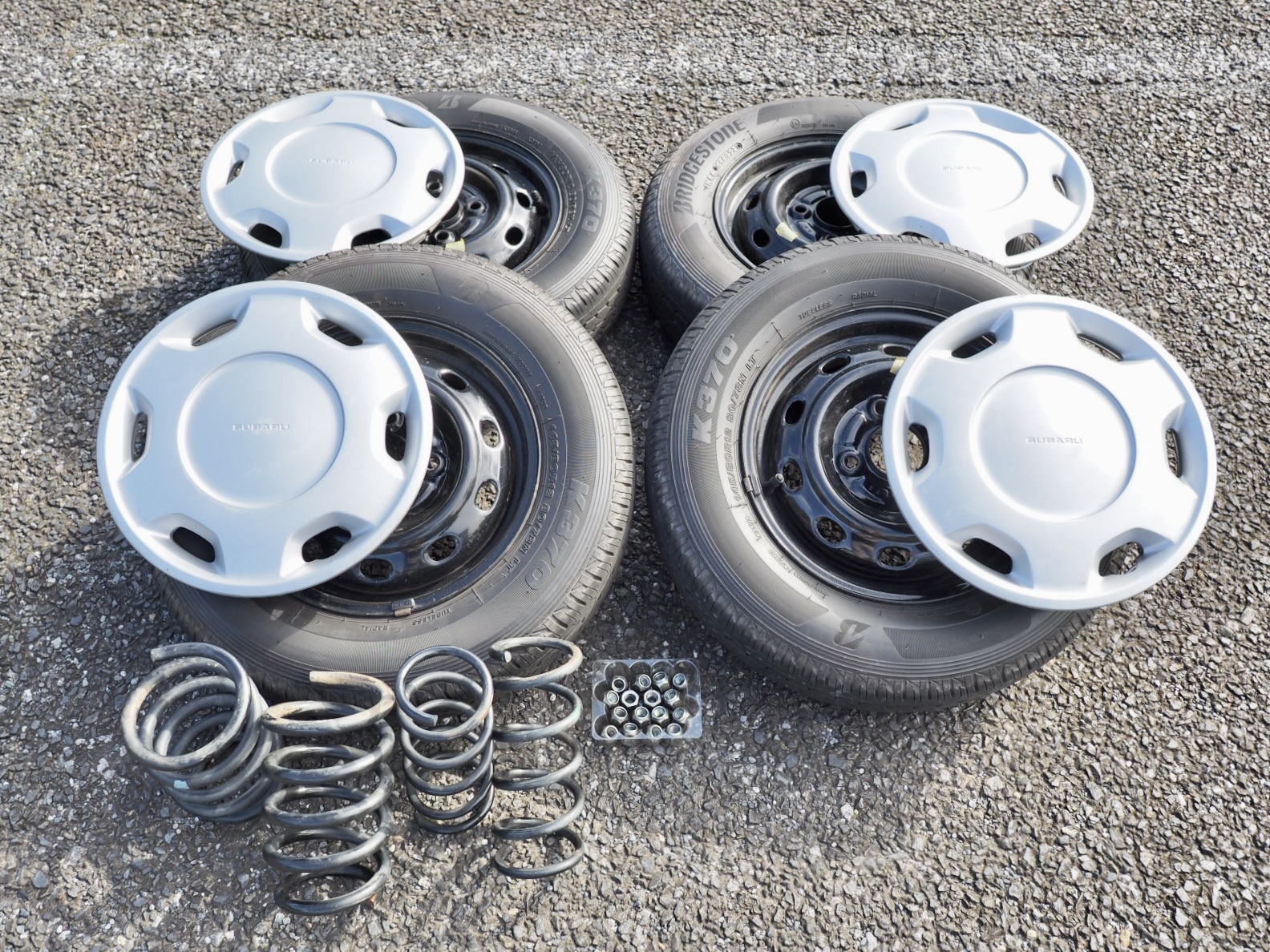
And of course, as shown in the photos at the end, the removed factory springs, factory steel wheels, genuine Subaru wheel covers and original nuts have all been carefully stored…
The current look can be enjoyed now, while the van can still be returned to completely original specification whenever desired…
That detail says a great deal about the owner’s approach: enjoying the Sambar while respecting what the vehicle fundamentally is…
And now we come to an especially important part of the story…
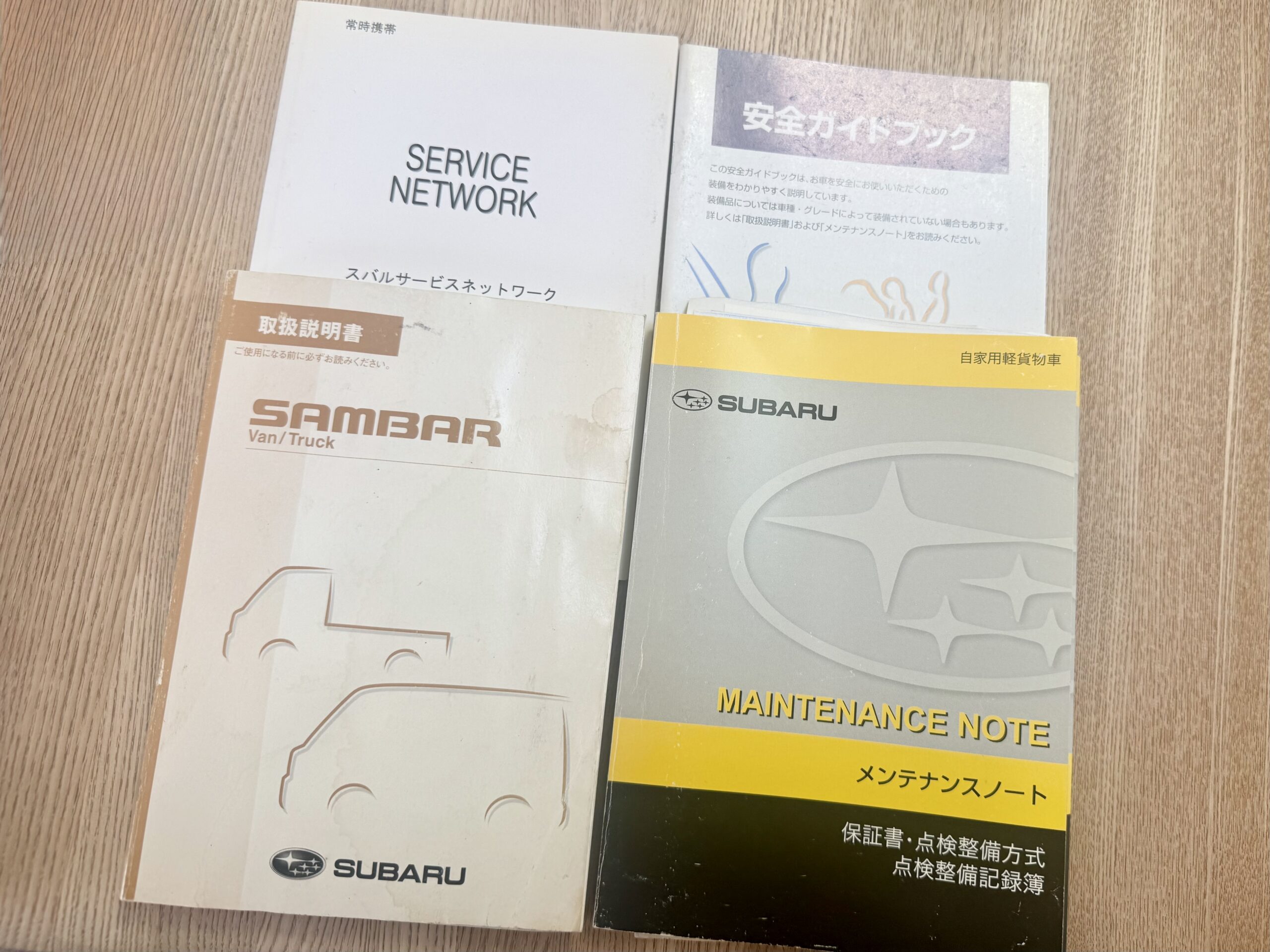
The maintenance history included with this Sambar contains records dating all the way back to new. For the current owner, inheriting that history—and continuing to preserve it carefully—became part of the enjoyment of ownership itself…
If we lay out the nearly four years of records under the current owner by date and mileage, it becomes immediately clear just how thoroughly and carefully this vehicle has been maintained…
First, shortly after purchase, at 97,462 km on February 12, 2023, Subaru Chiba Minami carried out the statutory 24-month inspection…
The engine and chassis were steam-cleaned, a final inspection was performed with test equipment, and front suspension side-slip was adjusted. In the braking system, the brake fluid, front disc pads and front disc-pad kit were replaced…
On the engine side, an oil leak was addressed by replacing the cylinder-head-cover gasket and six tappet sealing washers, together with the engine oil, oil filter and oil-pan drain-plug gasket…
During this inspection, it was also noted that the belt tensioner had begun to make noise when cold…
At 101,615 km on August 17, 2023, the aforementioned Forest Auto Factory fitted the FAF lift-up springs…
This was when the Sambar took on the ‘mild-lift’ stance described above…
Just nine days later, at 101,668 km on August 26, 2023, it returned to Subaru Chiba Minami…
Rather than replacing only the supercharger belt, the workshop addressed the previously noted tensioner issue properly, replacing the supercharger-belt tensioner and arm as well…
The fan belt and its tensioner/arm were replaced at the same time…
The engine and chassis were inspected, the engine oil and oil-pan drain-plug gasket were replaced, and a noise from the clutch pedal was checked; even the clutch-pedal spring area was lubricated…
At 104,832 km on February 10, 2024, Subaru Chiba Minami replaced 2.7 liters of 5W-30 engine oil, the oil filter and the oil-pan drain-plug gasket…
About six months later, at 109,109 km on September 28, 2024, Subaru Chiba Minami again replaced the engine oil—2.5 liters of 5W-30—along with the oil-pan drain-plug gasket…
In the same period, with the mileage in the 109,000-km range in September 2024, attention shifted beyond the engine to the suspension, steering and driveline…
The left and right front lower ball joints and lower-ball-joint assemblies were replaced…
The left and right tie-rod-end dust boots and related dust covers were replaced…
The left rear driveshaft inner boot, rear driveshaft boot kit and related parts were also replaced, with fresh grease included as part of the work…
So at just over 100,000 km, wear items in the suspension, steering and driveline—the systems that support the Sambar’s fundamental enjoyment of going, turning and driving—were properly renewed, not merely the engine…
Then at 111,681 km on February 23, 2025, another statutory 24-month inspection was carried out at Subaru Chiba Minami…
The engine and chassis were steam-cleaned, a final inspection was performed with diagnostic equipment, and the brake fluid was replaced…
All four spark plugs in the four-cylinder EN07 were also replaced…
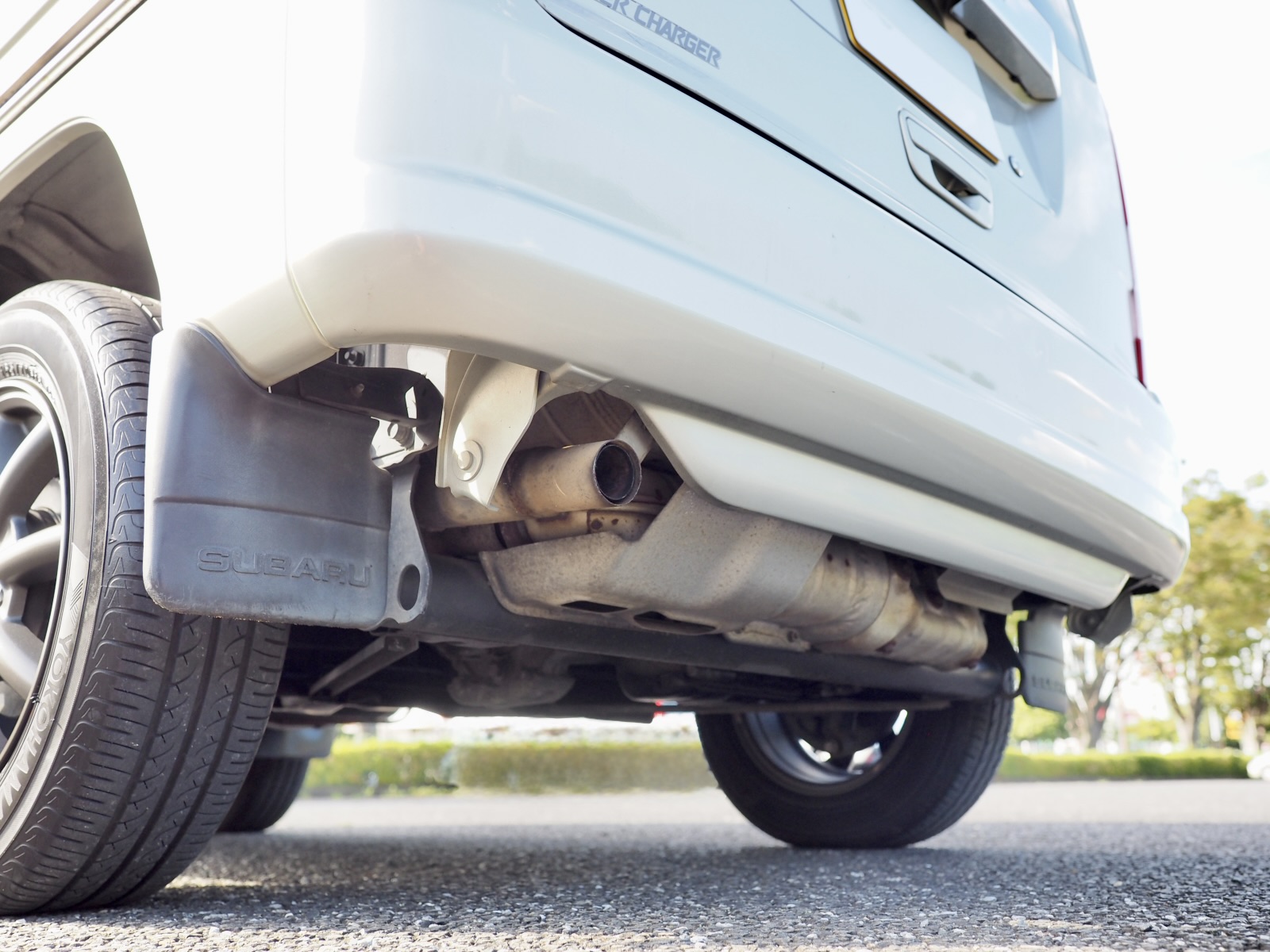
The February 23, 2025 service record also notes the beginning of a slight engine-oil seep around the oil-pump area…
I personally inspected the underside during this interview and confirmed that minor seepage, so please review the photos at the end of the article as well…
Maintenance continued after that…
At 115,027 km on August 2, 2025, Subaru Chiba Minami replaced 2.7 liters of 5W-30 engine oil, the oil filter and the oil-pan drain-plug gasket…
Most recently, at 120,129 km on April 5, 2026, Subaru Chiba Minami replaced 2.5 liters of 5W-30 engine oil and the oil-pan drain-plug gasket…
Even if we look only at the recorded engine-oil changes in chronological order—97,462 km on February 12, 2023; 101,668 km on August 26, 2023; 104,832 km on February 10, 2024; 109,109 km on September 28, 2024; 115,027 km on August 2, 2025; and 120,129 km on April 5, 2026—we can see six documented changes under the current owner, effectively at roughly six-month intervals, with necessary issues addressed as they arose…
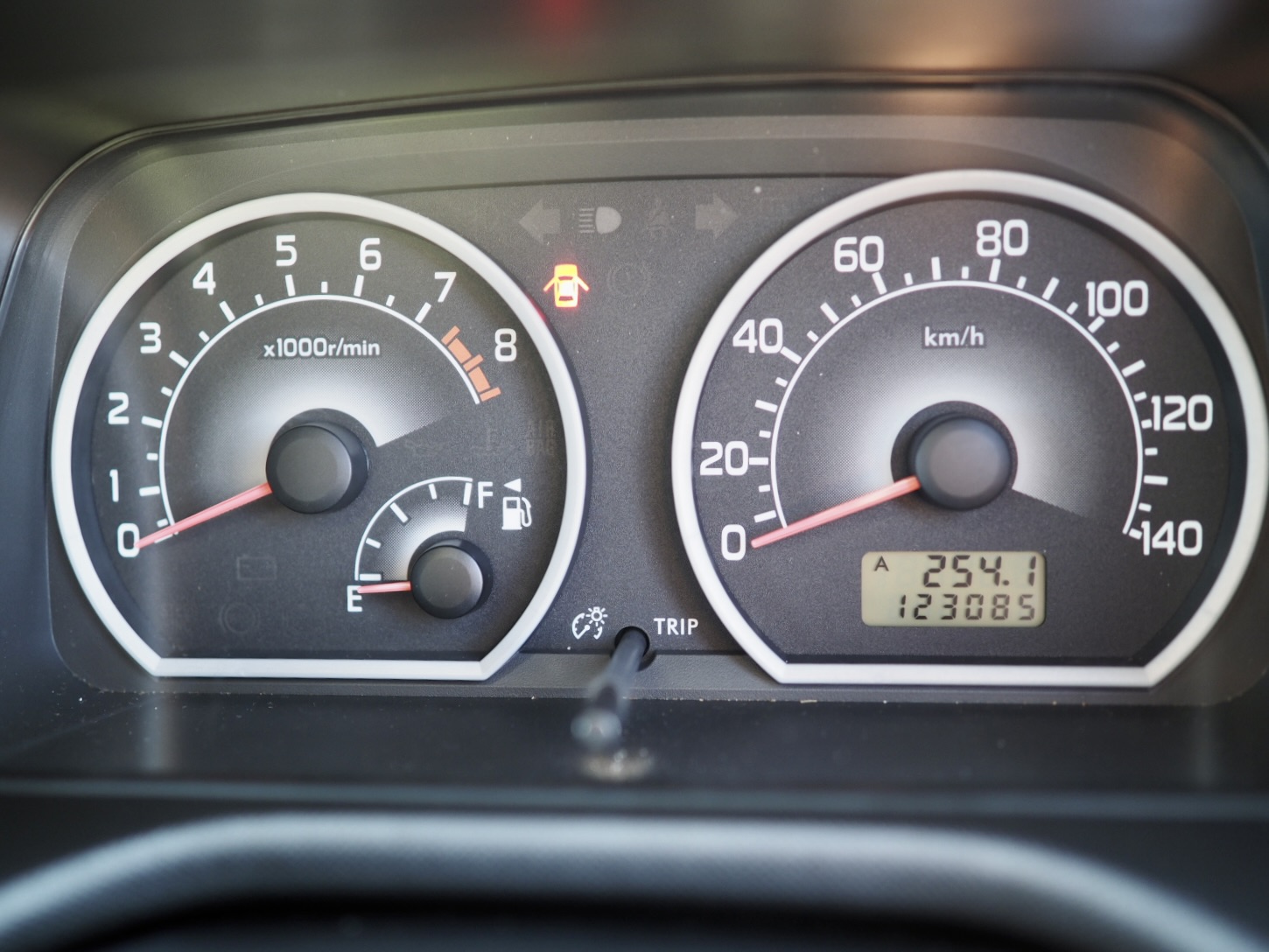
At the time of our interview on September 14, 2026, the odometer showed 123,085 km…
Building on the timing-belt, water-pump, fan-belt and brake work inherited from the previous owner, the current owner has attended to the head-cover area, front brakes, supercharger- and fan-belt tensioner systems, clutch pedal, suspension, steering, driveshaft, ignition system and ongoing oil management—carefully addressing whatever the car needed at each stage…
That record speaks more strongly about the condition of this Sambar than the mileage alone ever could. Standing in front of it, one cannot help but feel that there is still plenty of ‘never-ending fun’ ahead…
Chapter Three…
2011 Subaru Sambar Van Dias Supercharger 5MT…
I drove it…! The author’s post-interview notes…
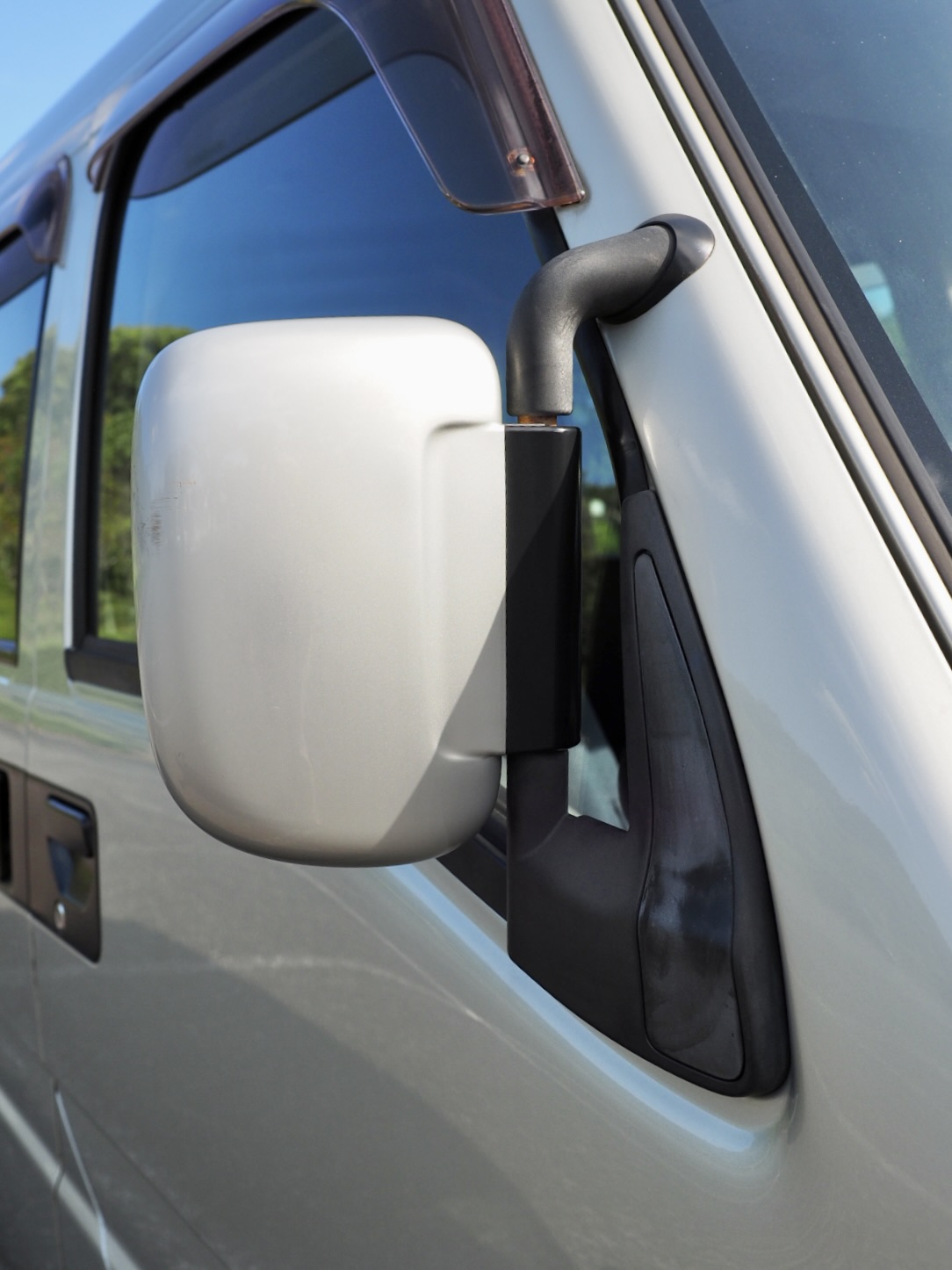
On the day of the shoot, the angled autumn sunlight was just strong enough to bring out the vivid tones of the original ‘Champagne Metallic’—a color offered at the time only on the range-topping Dias van…
The original, accident-free paintwork—confirmed with a paint-thickness gauge—carries a few age-related marks here and there, yet those honest scars only made its crisp stance look even more appealing…
The smooth idle from the rear-mounted engine, heard from behind your ears, immediately lifts the spirits. Another hallmark of this Sambar is the solid, planted way it moves away from rest…
I have driven several Sambars in the past, but the freshness evident even in its upright stance clearly reflects the excellent condition of this rear-engine, 2WD, rear-wheel-drive example…
The supercharger—often a concern on these vehicles—has also been properly maintained, giving me confidence that the next owner can enjoy the Sambar’s uniquely rear-engined driving experience with peace of mind…
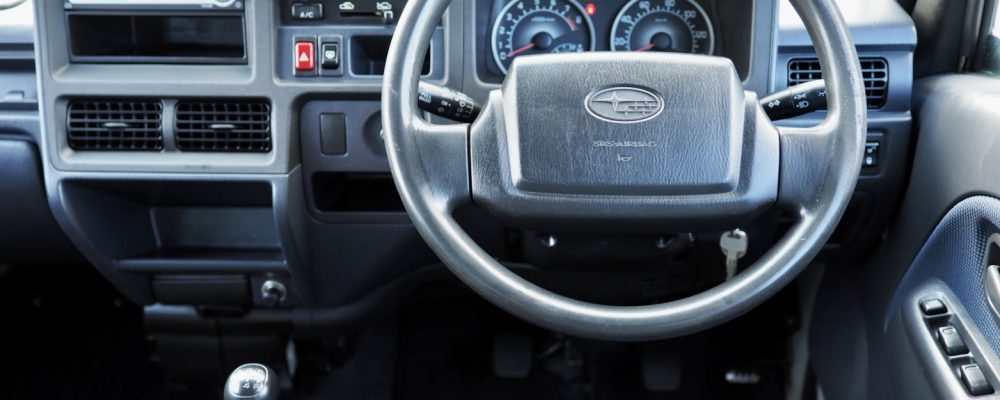
The original steering wheel has some softened, slightly distorted grip texture around the 2-to-3 o’clock area from age-related degradation of the resin material, but the cabin overall is remarkably fresh and clean, making the pleasure of driving it all the greater…
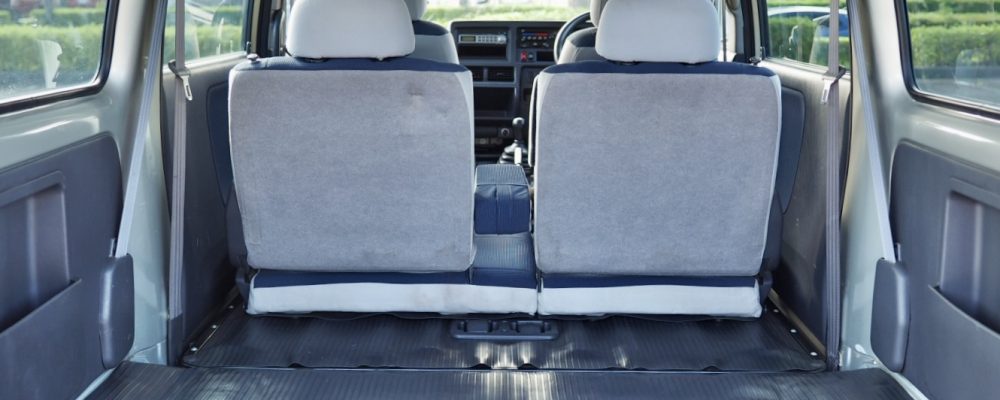
It is also the kind of vehicle that sparks playful daydreams: What should I load into that huge rear cargo area, and where should I go? That sense of possibility is undeniably part of this Sambar’s charm…
Everyone faces changes in life stages—often more than once over a lifetime…
The owner has enjoyed this Sambar immensely, yet ultimately made the difficult decision to let it go…
When we discussed the asking price, I suggested, ‘Given how good the condition is, perhaps we could set it a little higher?’ He replied with admirable conviction, ‘I cannot ask more than the price I paid to the previous owner who entrusted it to me.’ That attitude is what made this price possible…
That is how sincerely he is thinking about passing this Sambar on to its next caretaker…
It has now been 15 years since Subaru brought an end to its own kei-car production with this final generation…
Precisely because this is a machine that can carry, drive and play, well-maintained enthusiast examples of this quality will only become harder to find…
And that is why there was one line I genuinely wanted to shout…!
One of Subaru’s greatest creations...! We may never see another kei van like this again...! The 2011 Subaru Sambar Van Dias, combining a supercharger, 5-speed manual and rear-wheel drive, is a machine that turns an ordinary day into something genuinely exciting...!
We may never see another one—certainly not one with such a wonderful background…
Including the character of its owner, this is a vehicle I can recommend with genuine confidence…
Please come to Chiba Prefecture and see this remarkable Sambar for yourself…
As this is a private-party sale, no consumption tax or dealer fees will be charged.
Upon purchase, the buyer will be responsible for prorated automobile tax (annual amount: ¥6,000) and settlement of the recycling deposit (¥8,670).
Transportation should likewise be arranged by the buyer; however, we can also accommodate requests using our fully enclosed, all-weather flat-loader transporter.
Please feel free to contact us if you would like to discuss this service…
【Regarding Inquiries…】
The vehicle on this page is listed on Estate Sale Supremacy®, a cross-border e-commerce platform for classic and collectible cars.
What is a truly supreme Estate Sale…?
Estate Sale Supremacy® is a Japanese interpretation of the North American estate-sale culture, introducing cherished automobiles through owner interviews, written features and video.
We faithfully convey the current owner’s feelings and memories while supporting the process of passing the vehicle securely to the next generation, including sales brokerage.
We conduct detailed interviews with the current owner covering past maintenance records, repair history and accident history. If a vehicle has a significant accident history, or if the current owner’s period of ownership is extremely short and the details cannot be established, we may decline coverage in order to provide prospective buyers with as much reassurance as possible.
This article was written based on an approximately three-hour interview with the owner beginning at 1:00 p.m. under clear skies on September 14, 2026. Because the inspection time was limited, the description may not represent the vehicle’s condition with 100% accuracy. Not every statement in the article has been independently verified, and comments regarding condition reflect the weather and circumstances at the time of the interview as well as the author’s personal impressions.
For questions regarding the listed vehicle or to request an in-person inspection, please contact us using the form at the bottom of this page. As this is a private-party transaction, in order to prevent casual viewing requests, vehicle inspections are limited to customers seriously considering a purchase.
Thank you for your consideration.
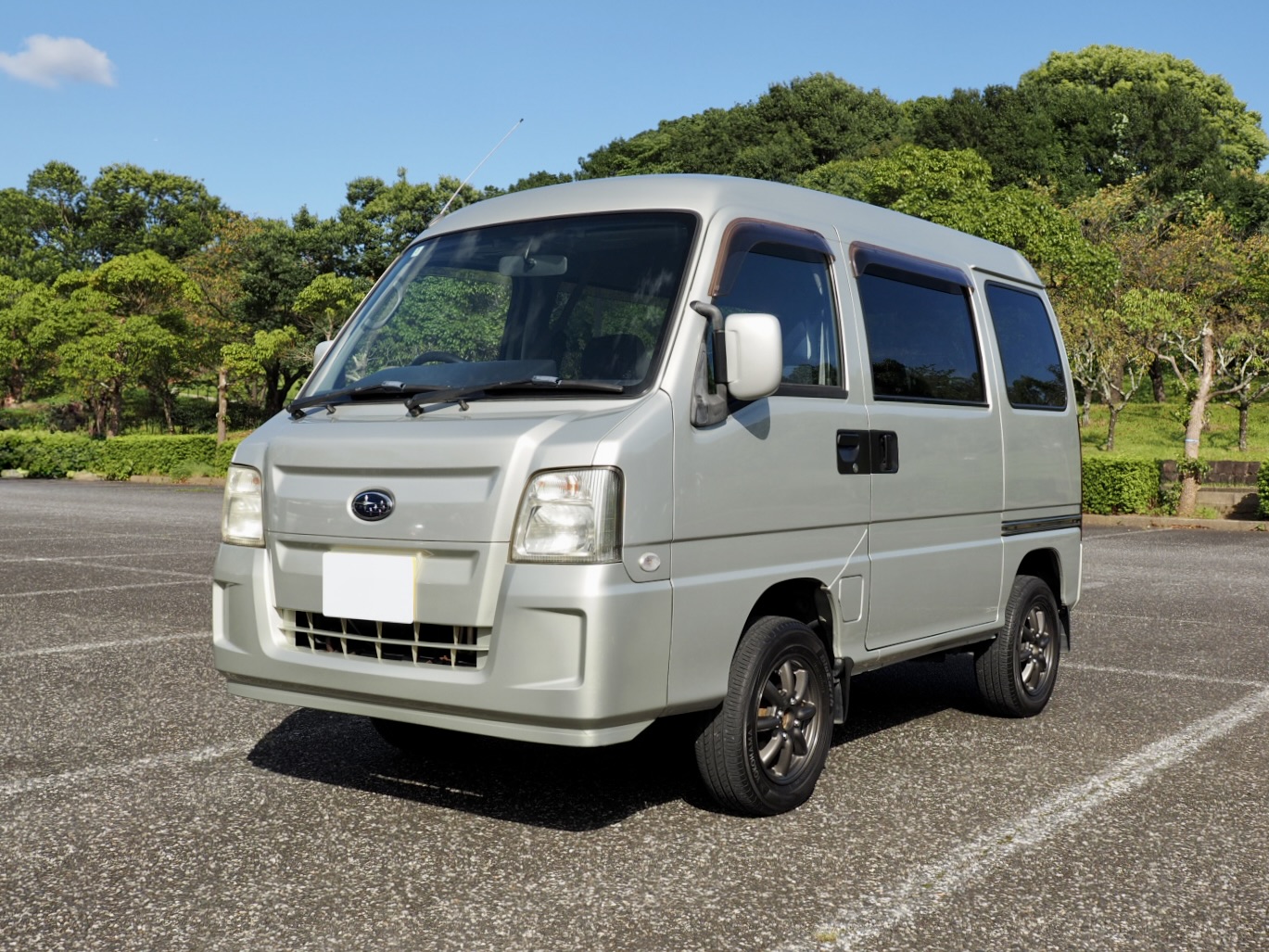
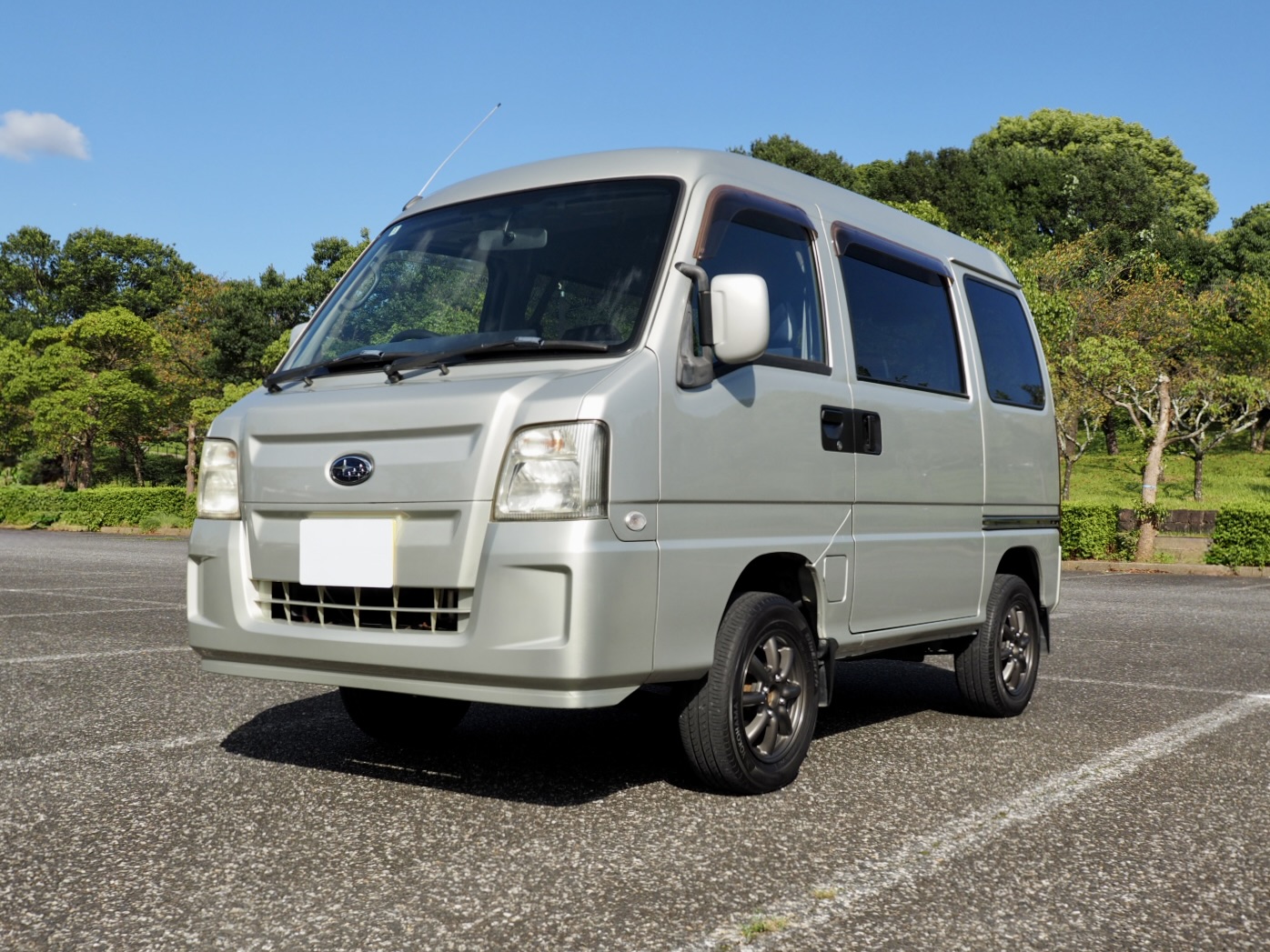
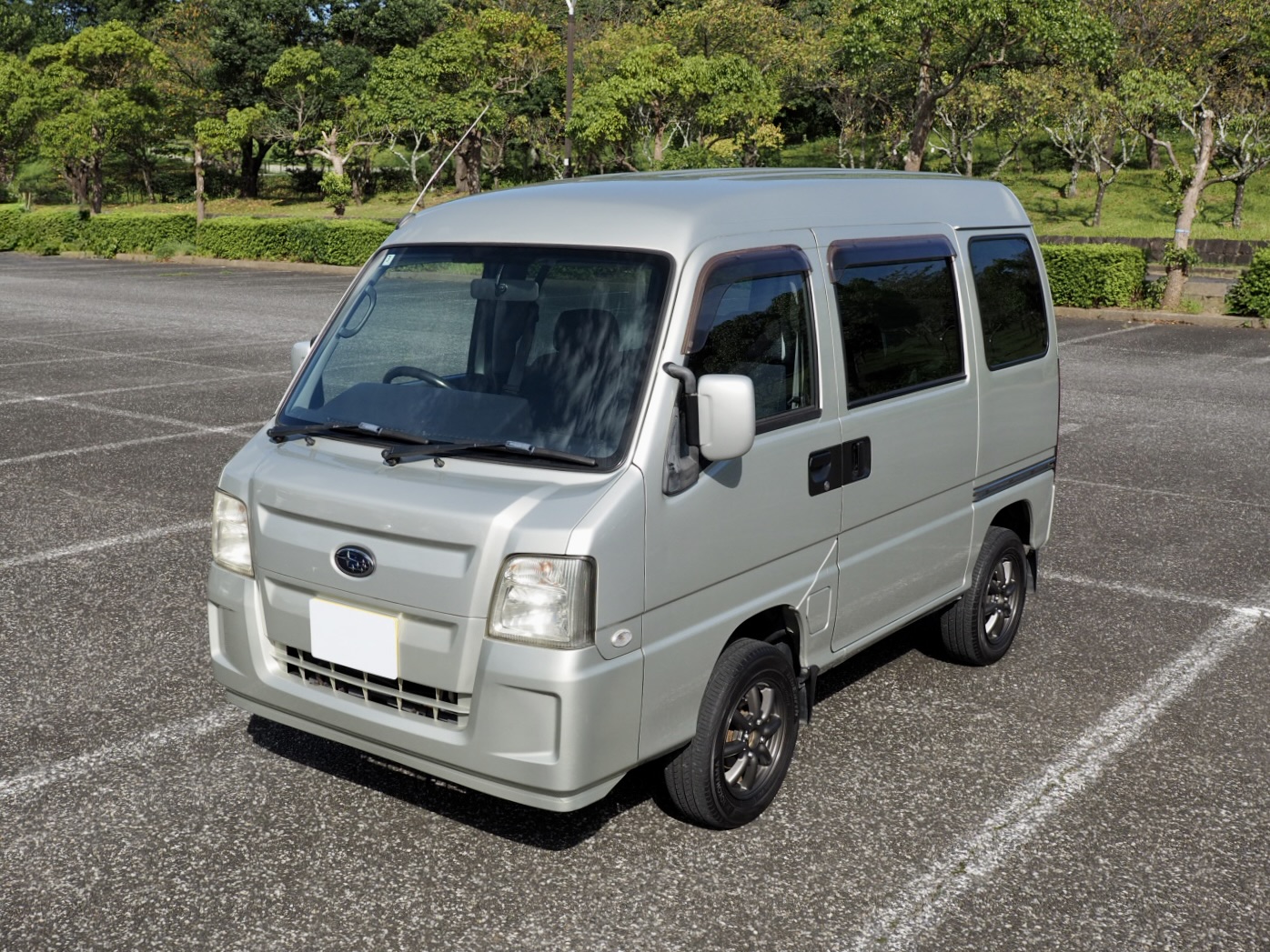
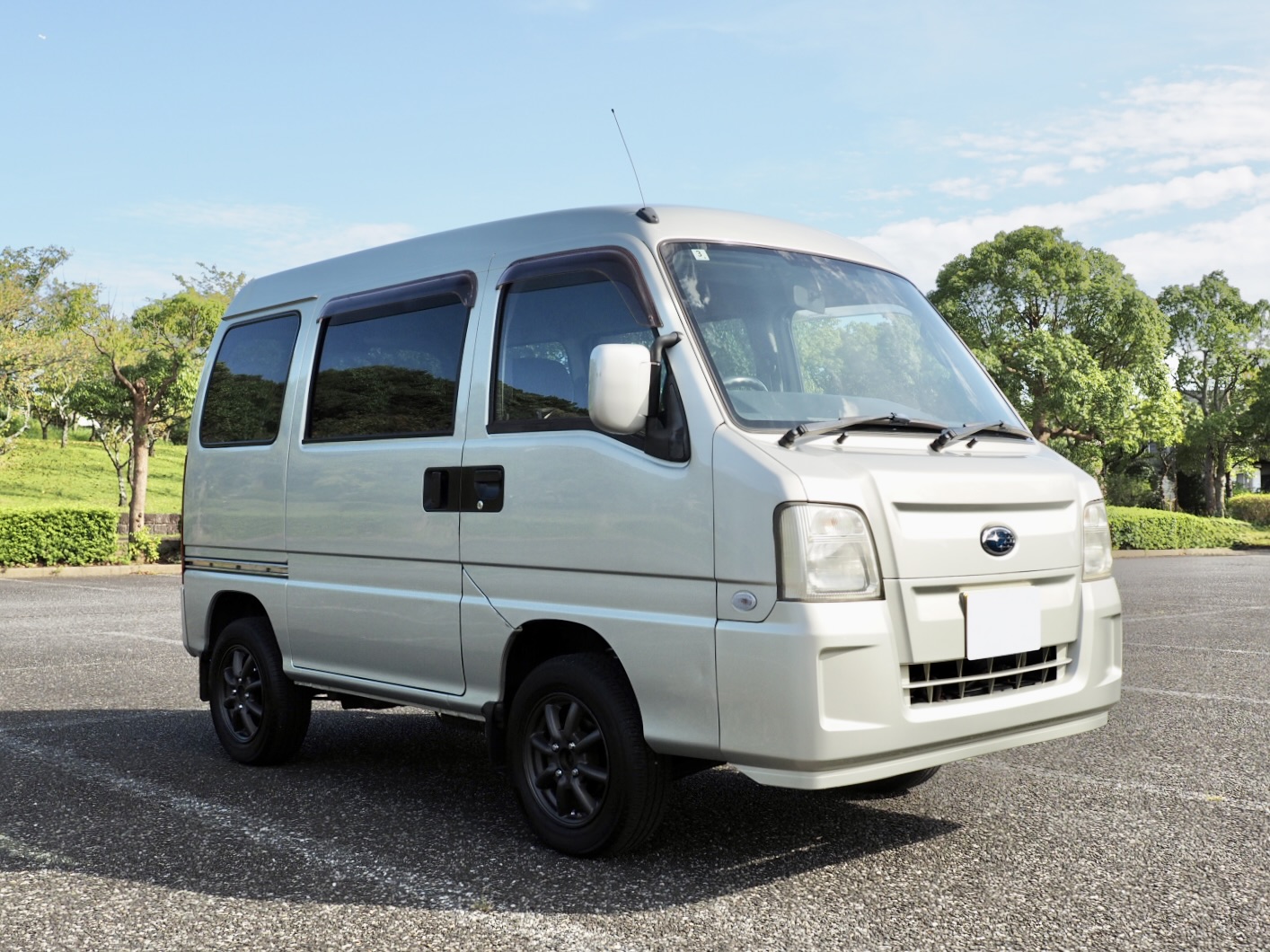
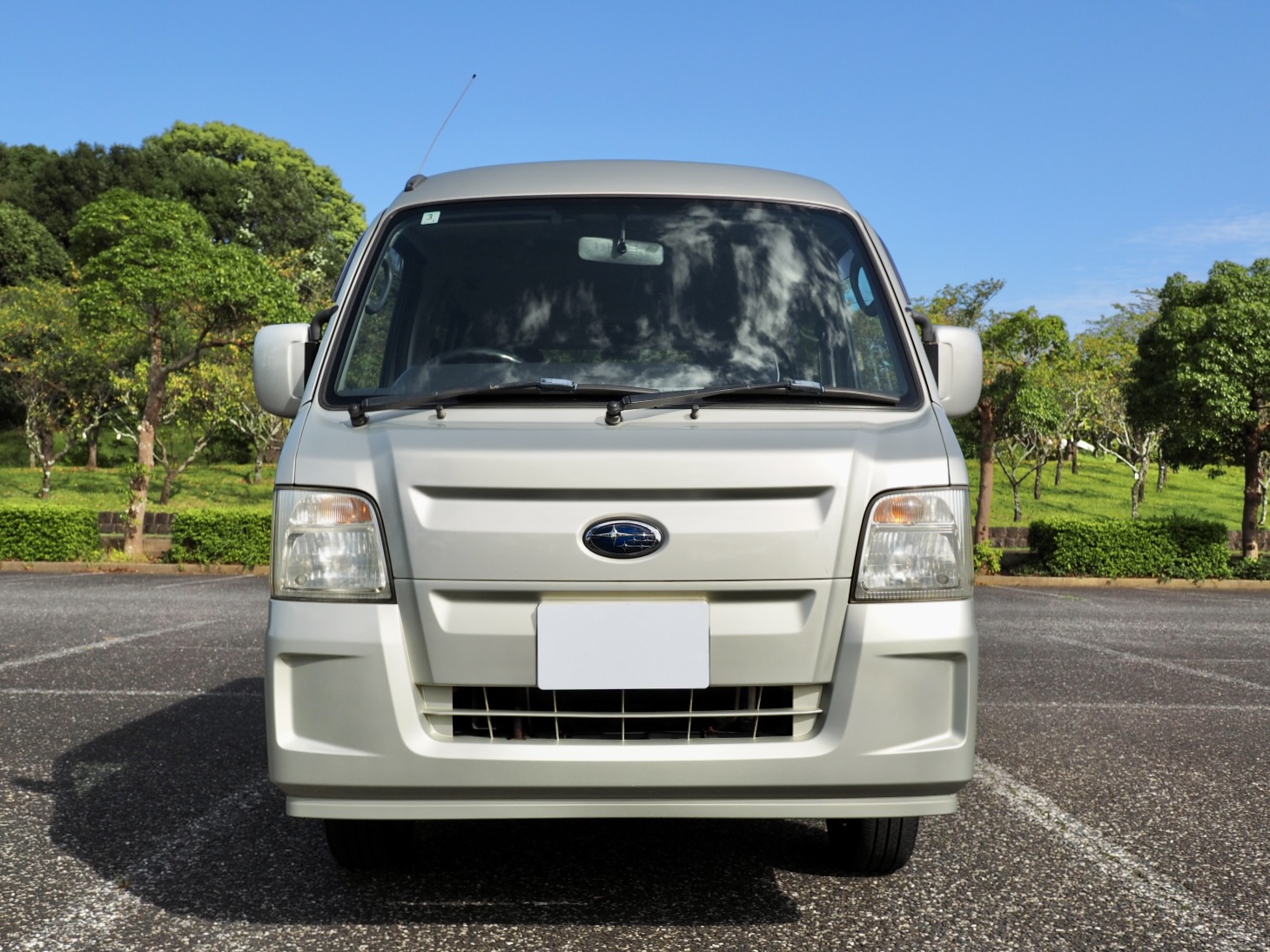
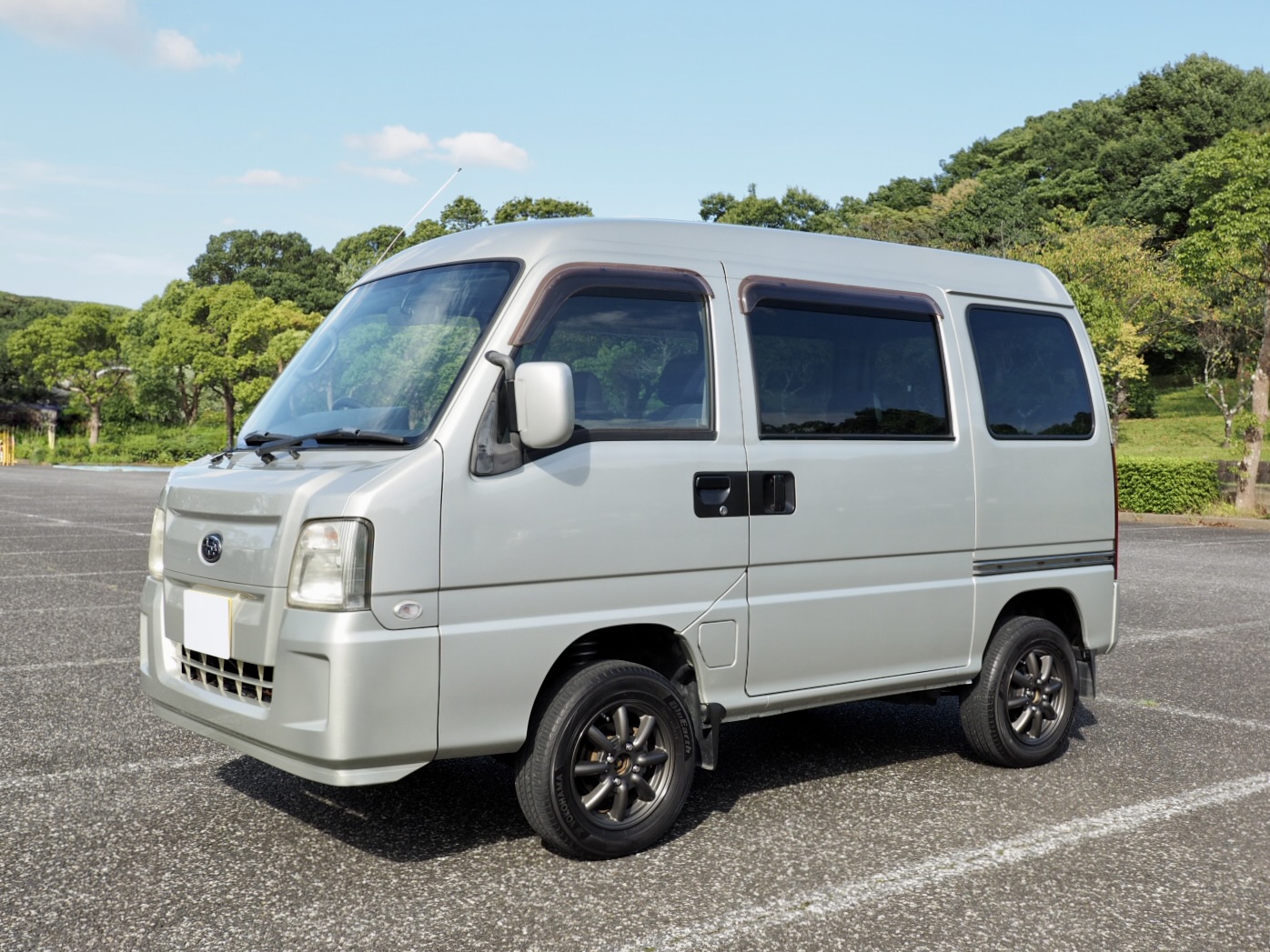
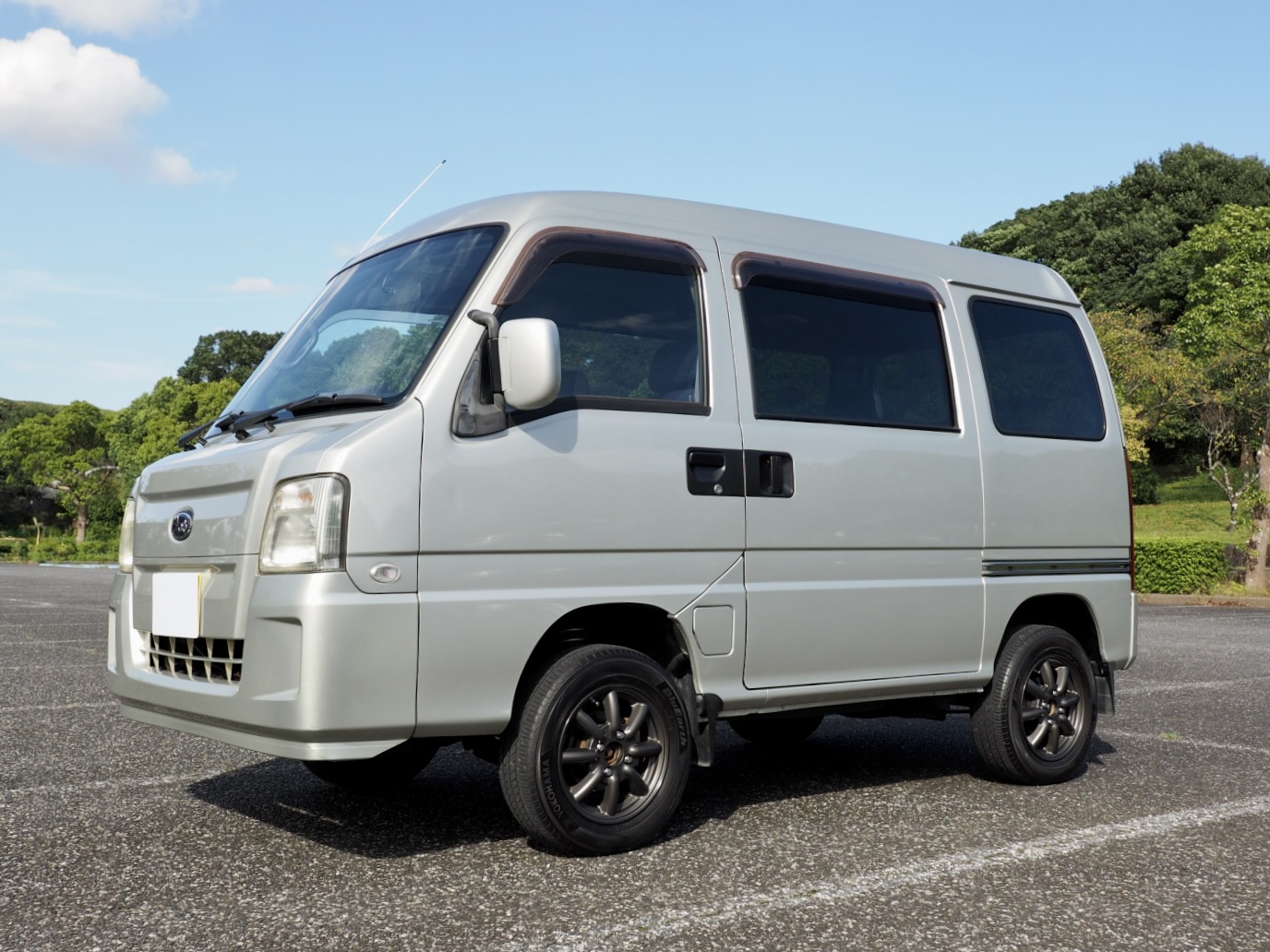
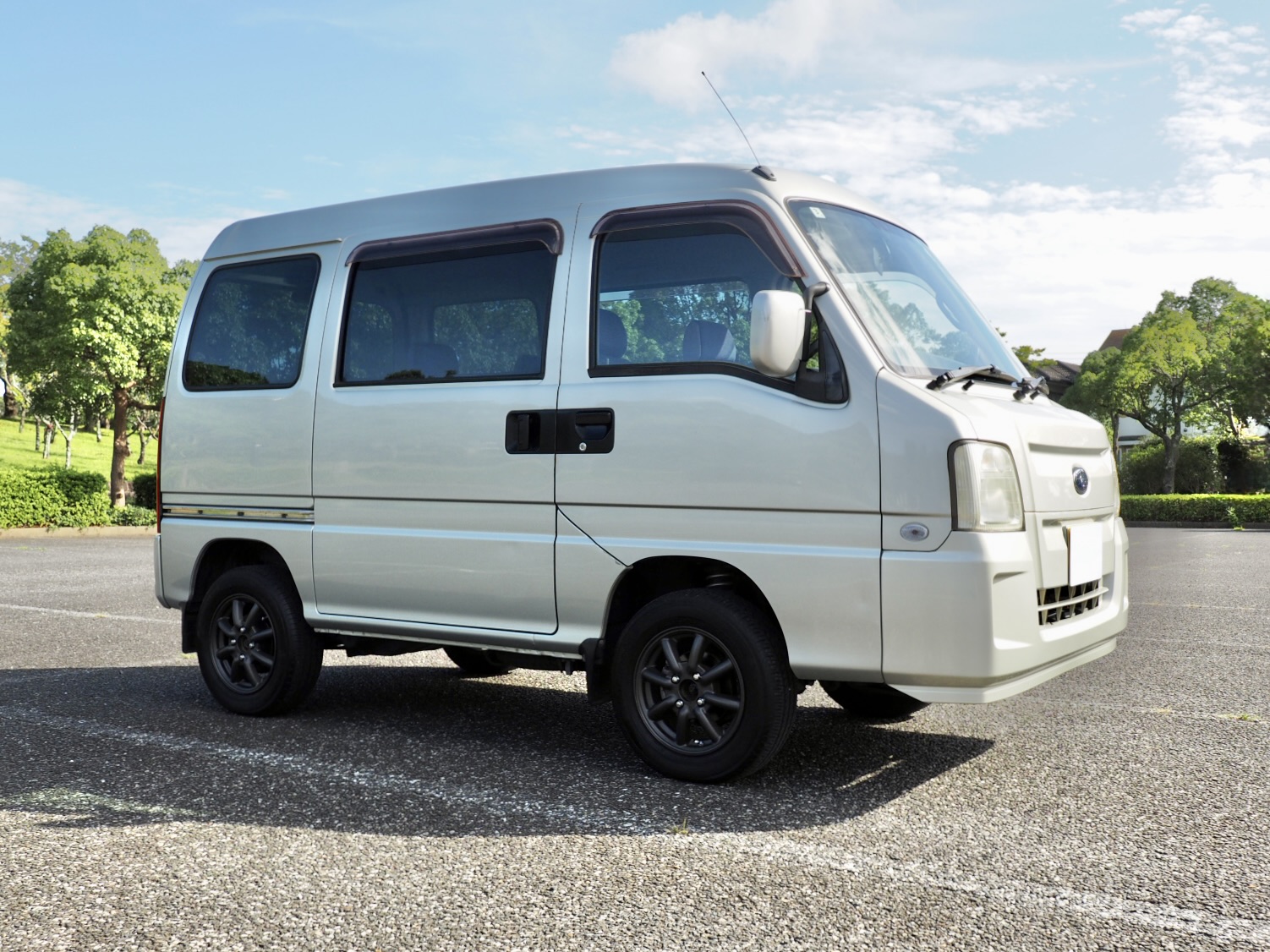
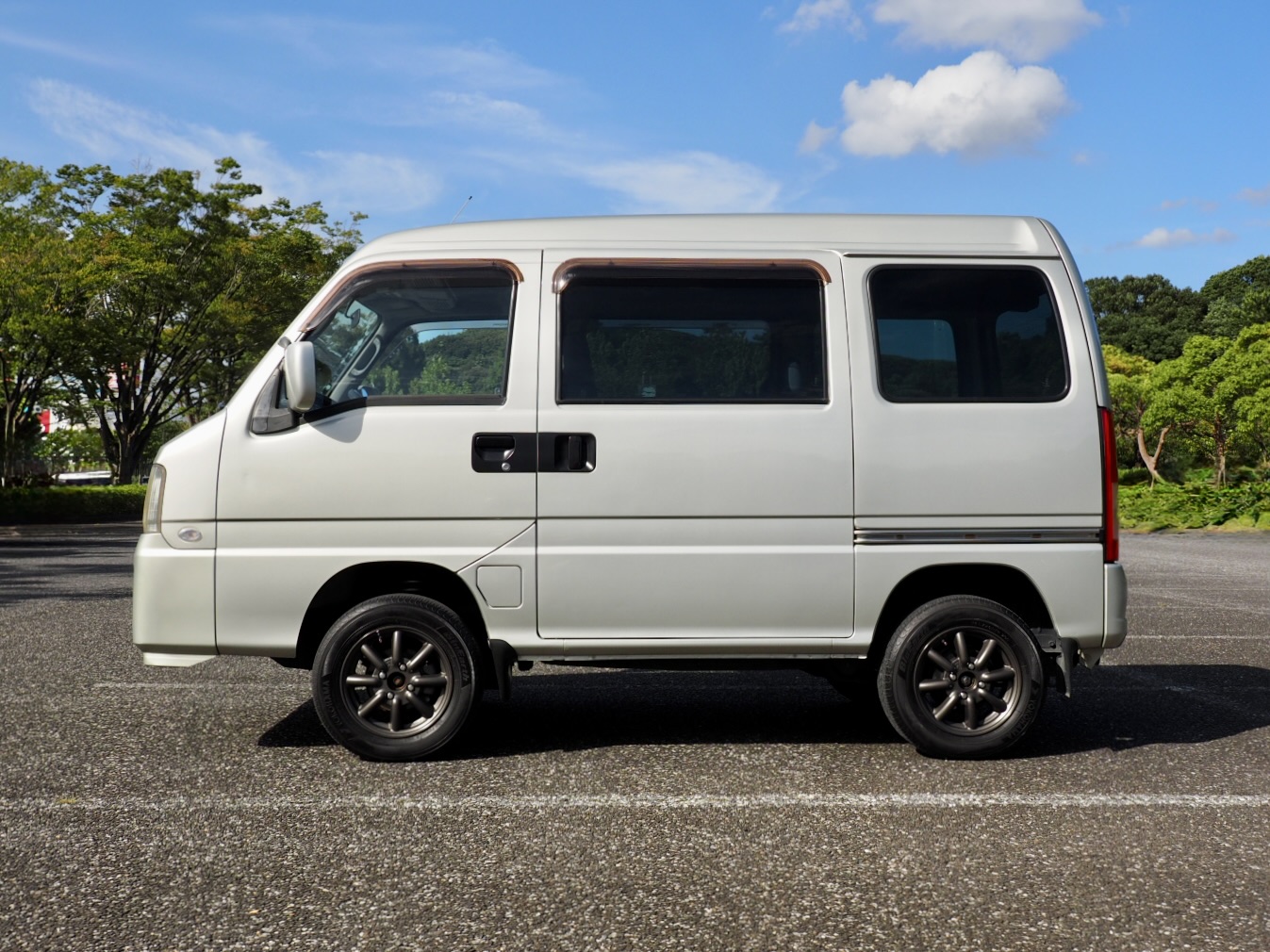
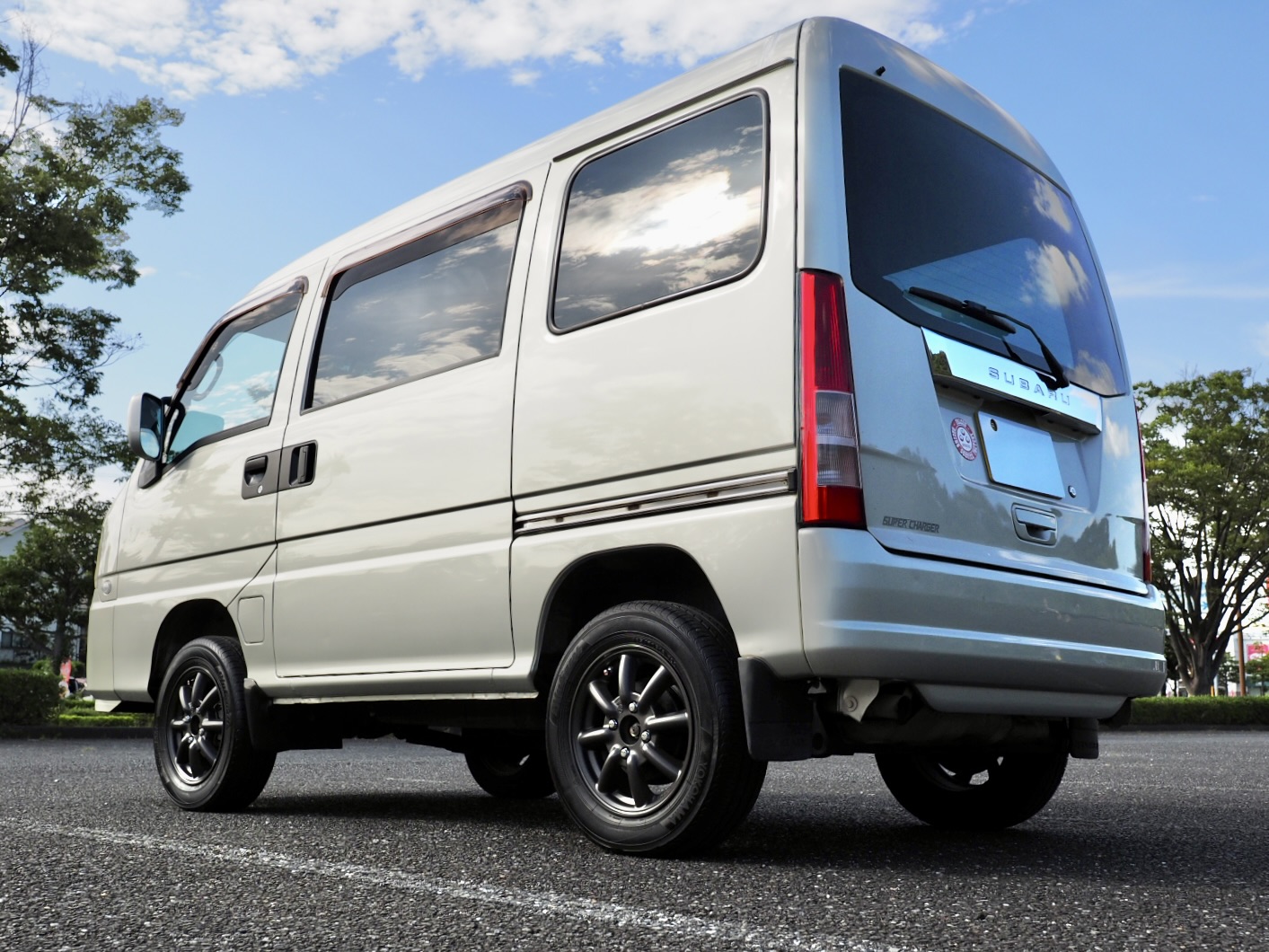
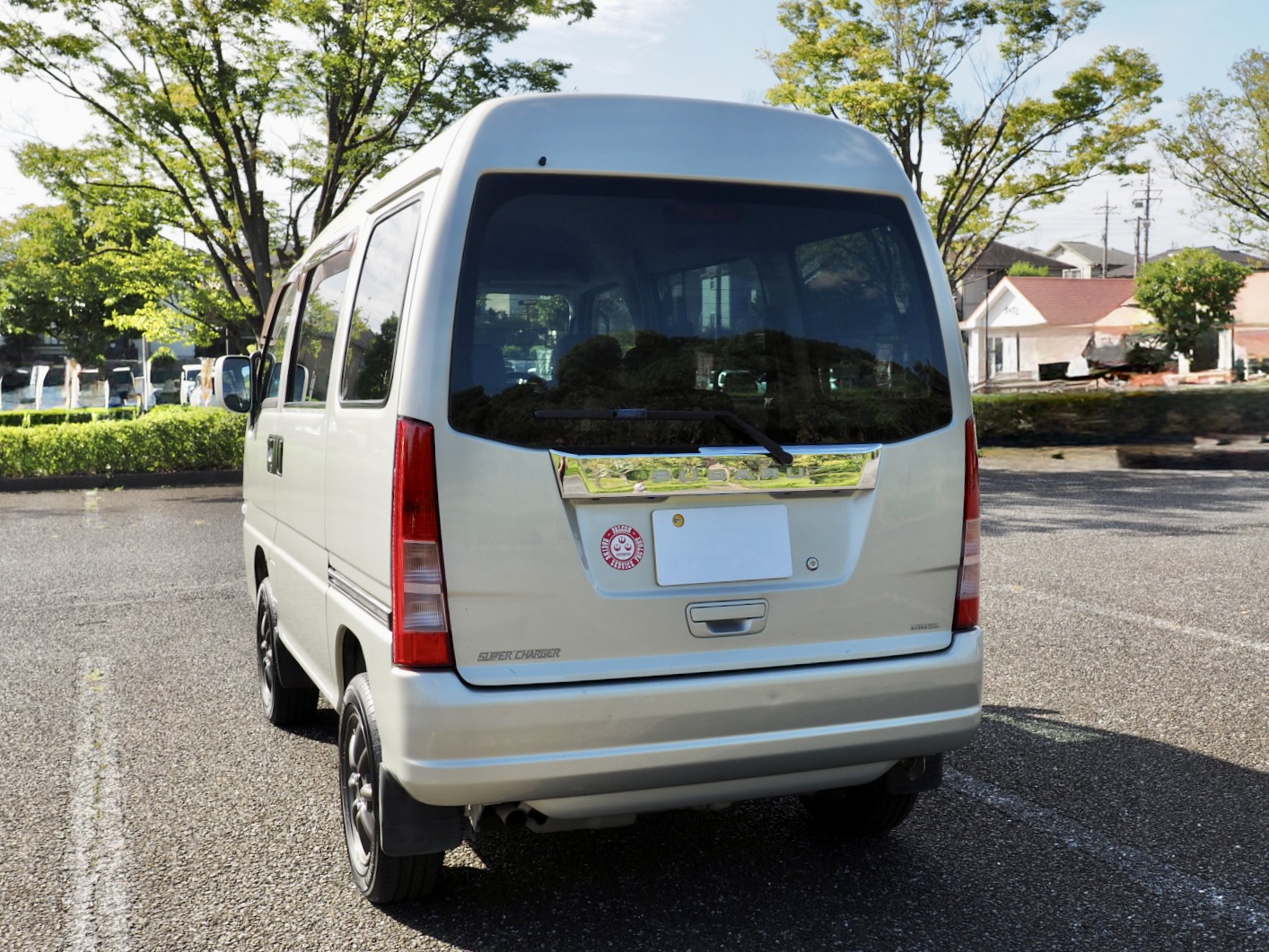
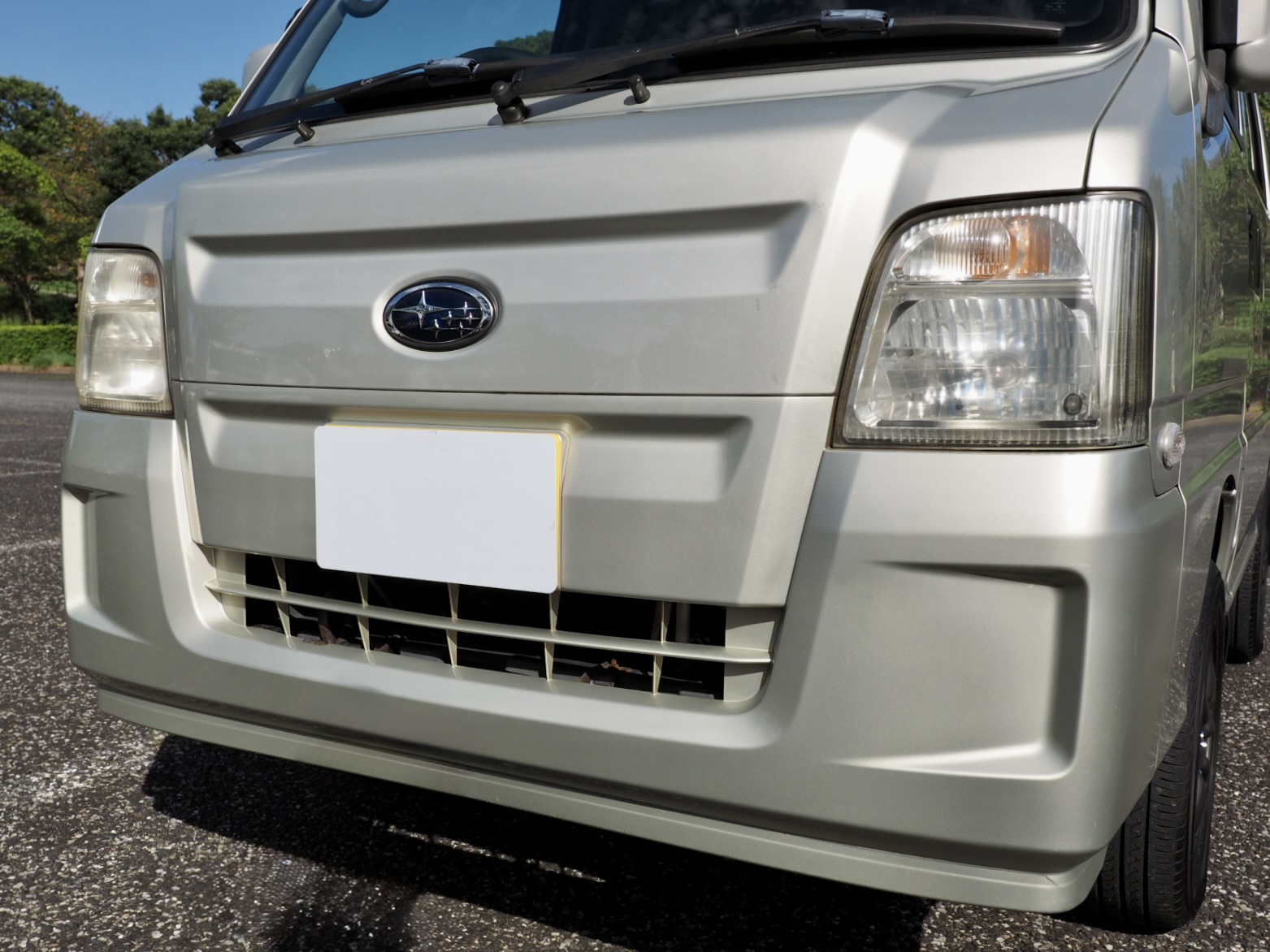
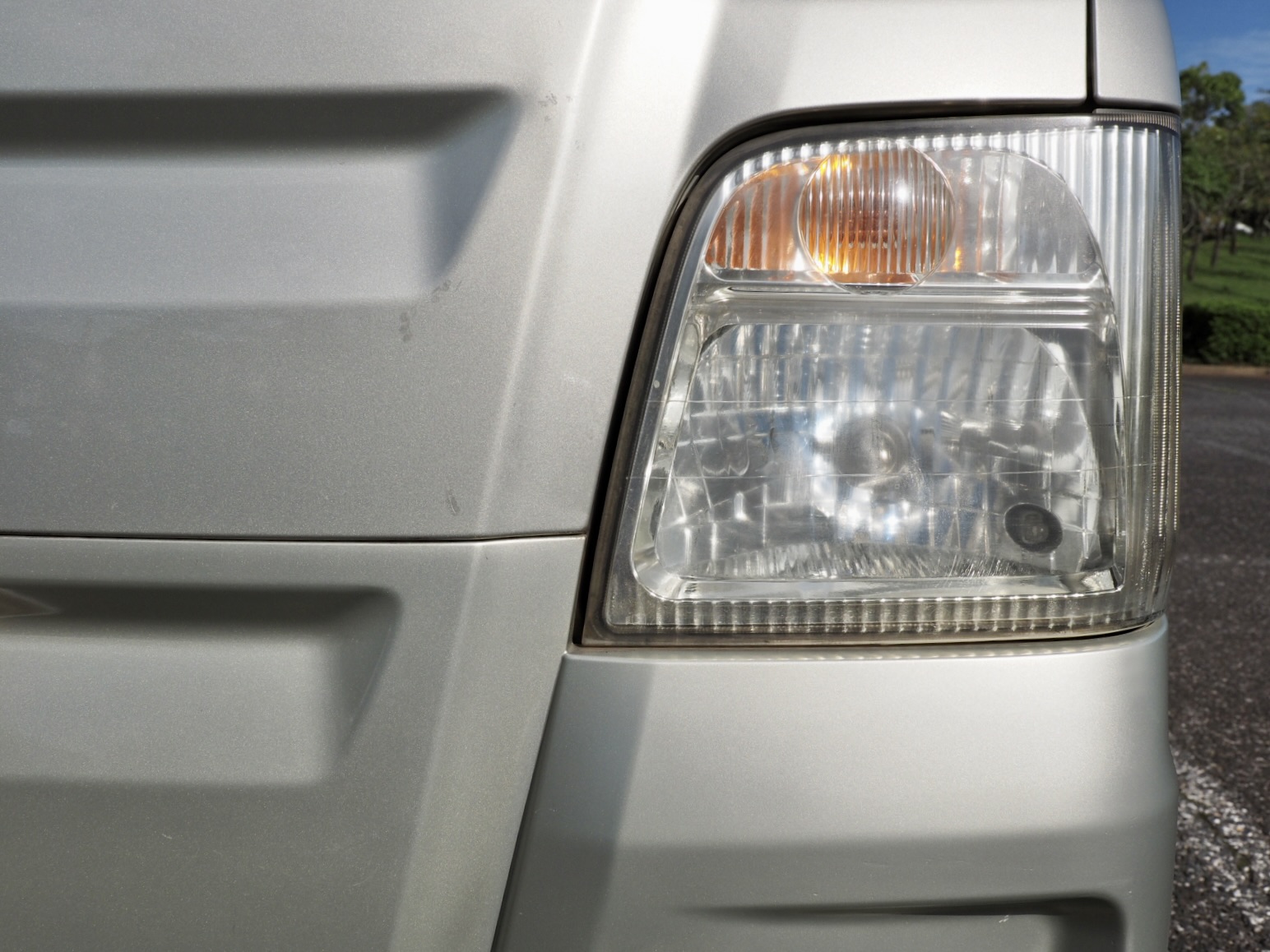
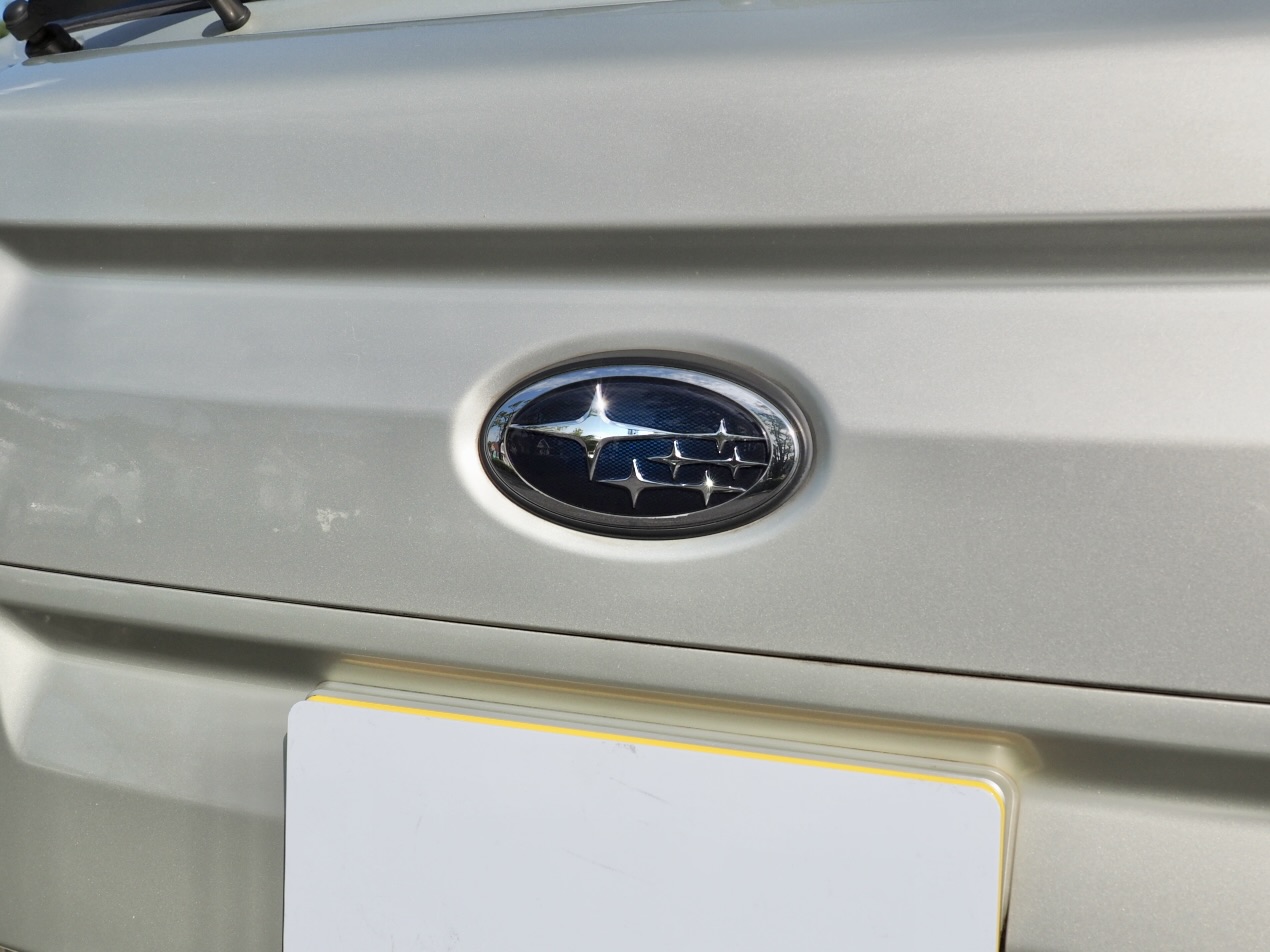
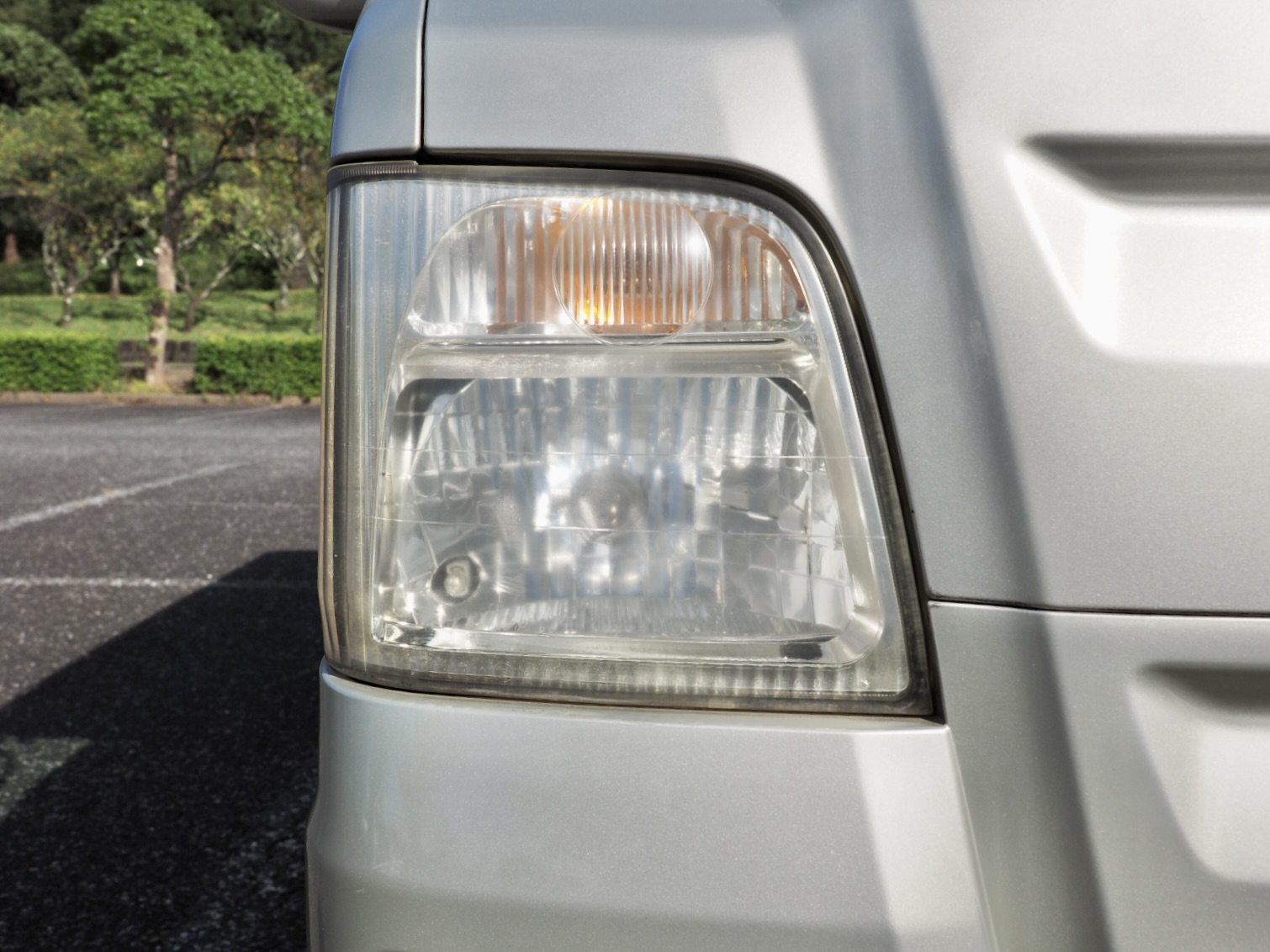
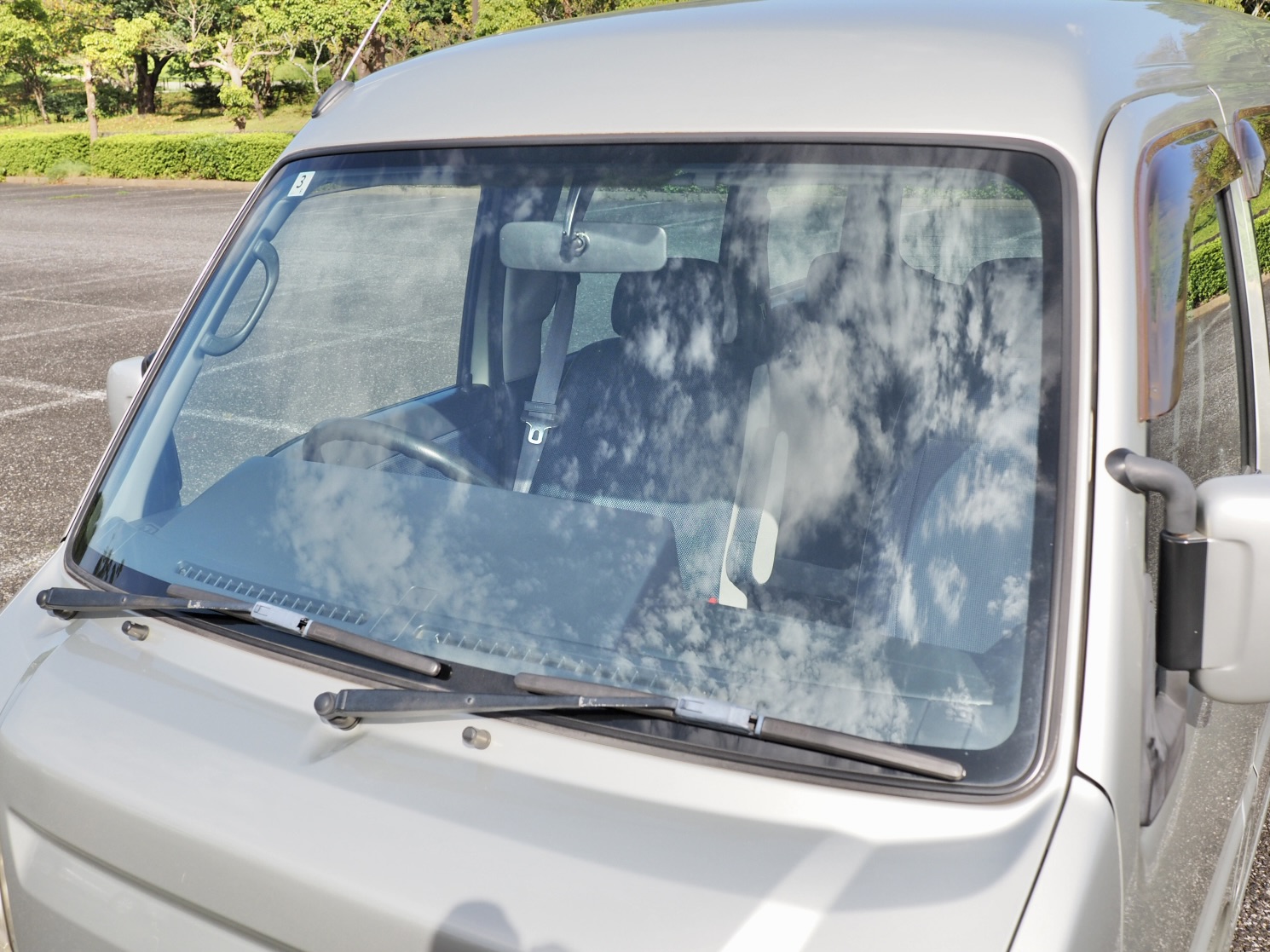
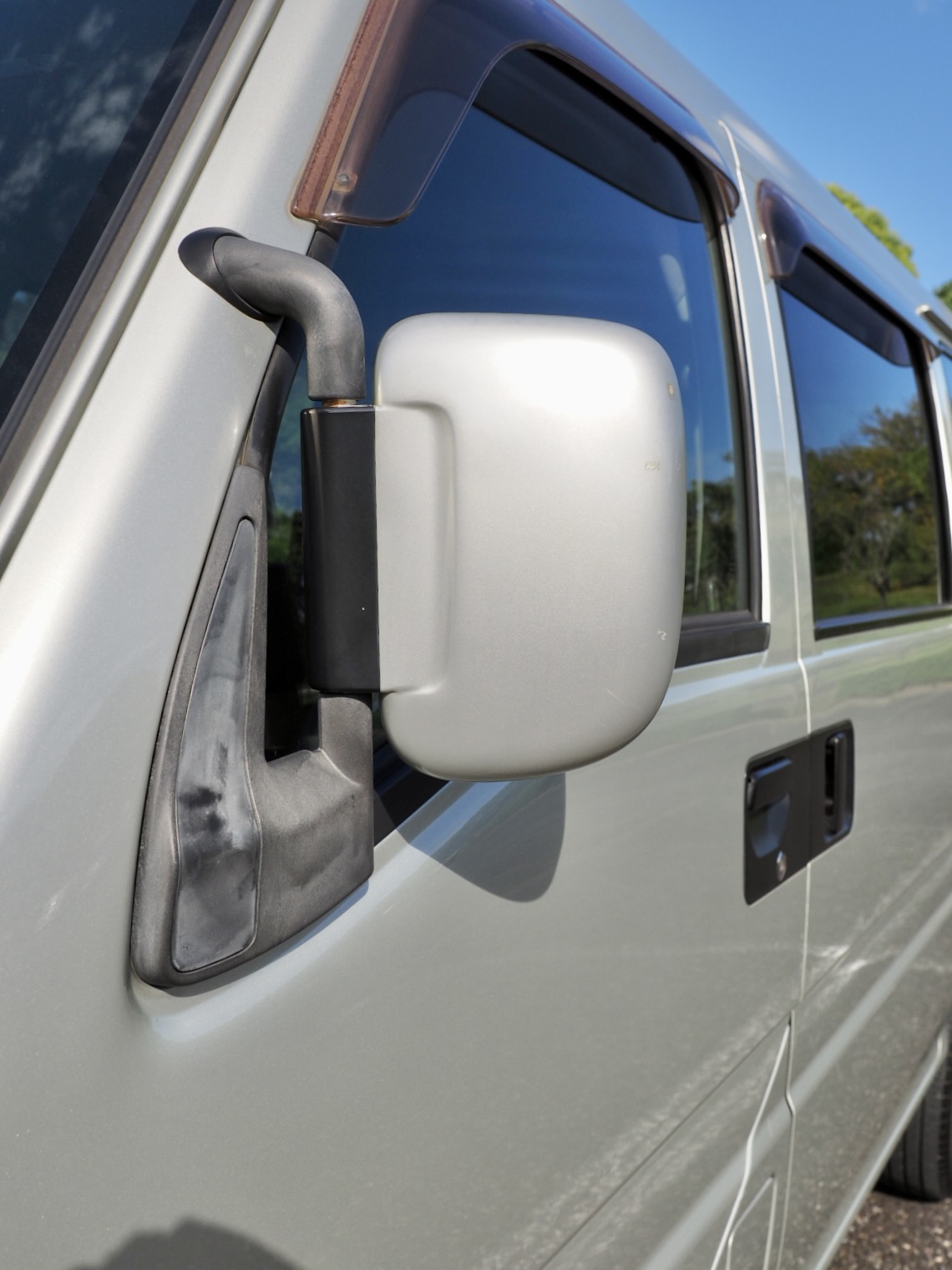
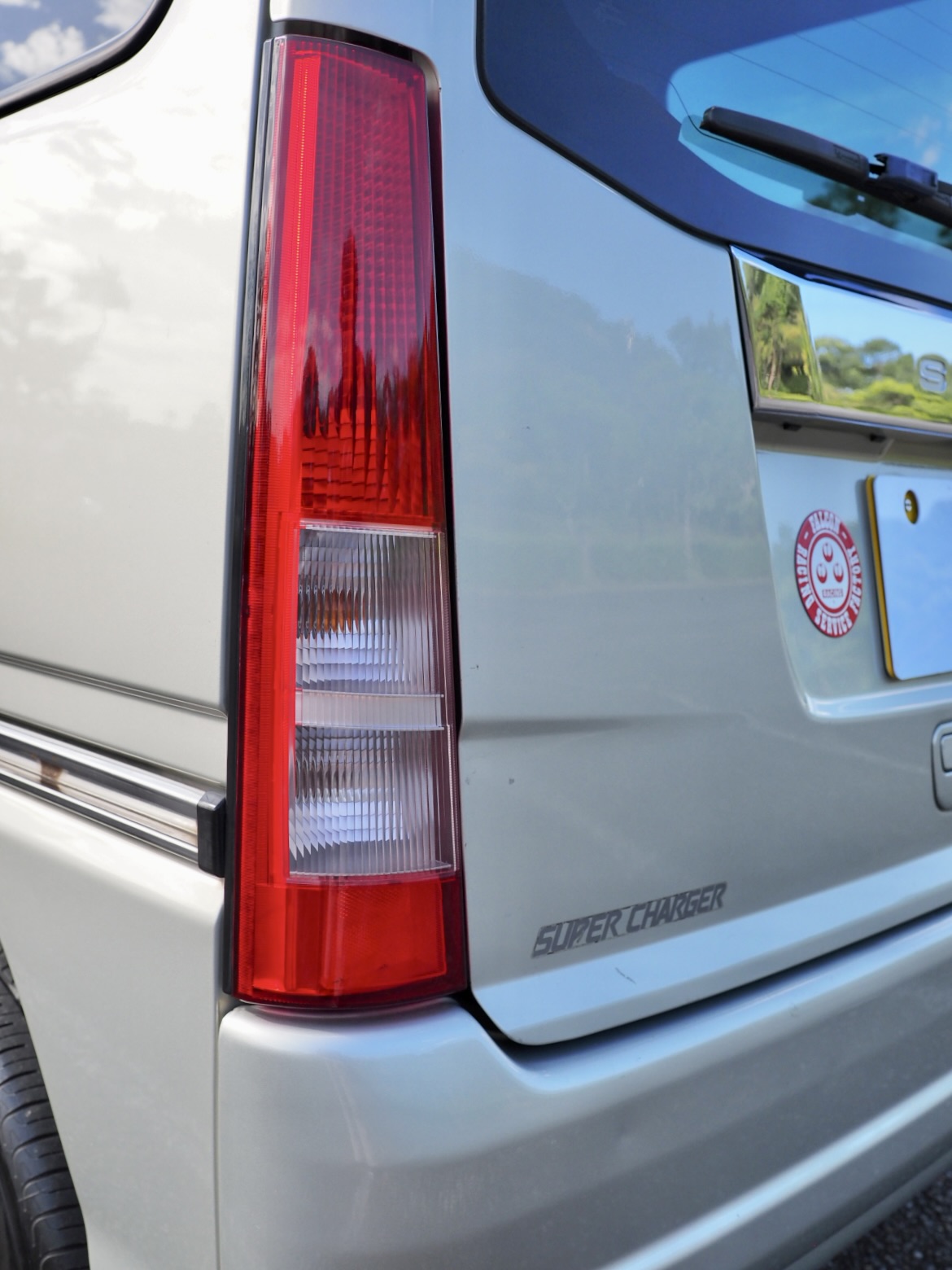
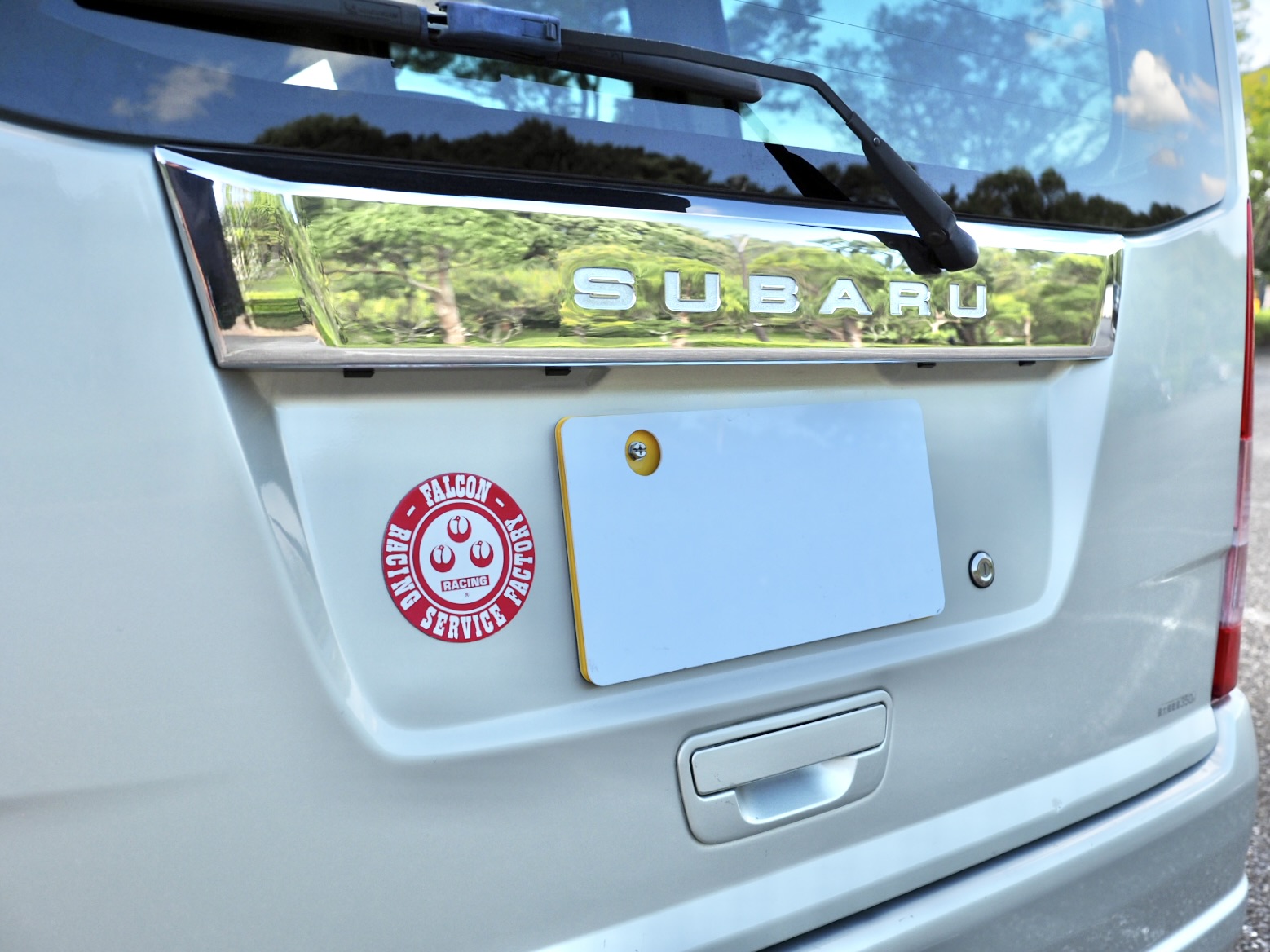
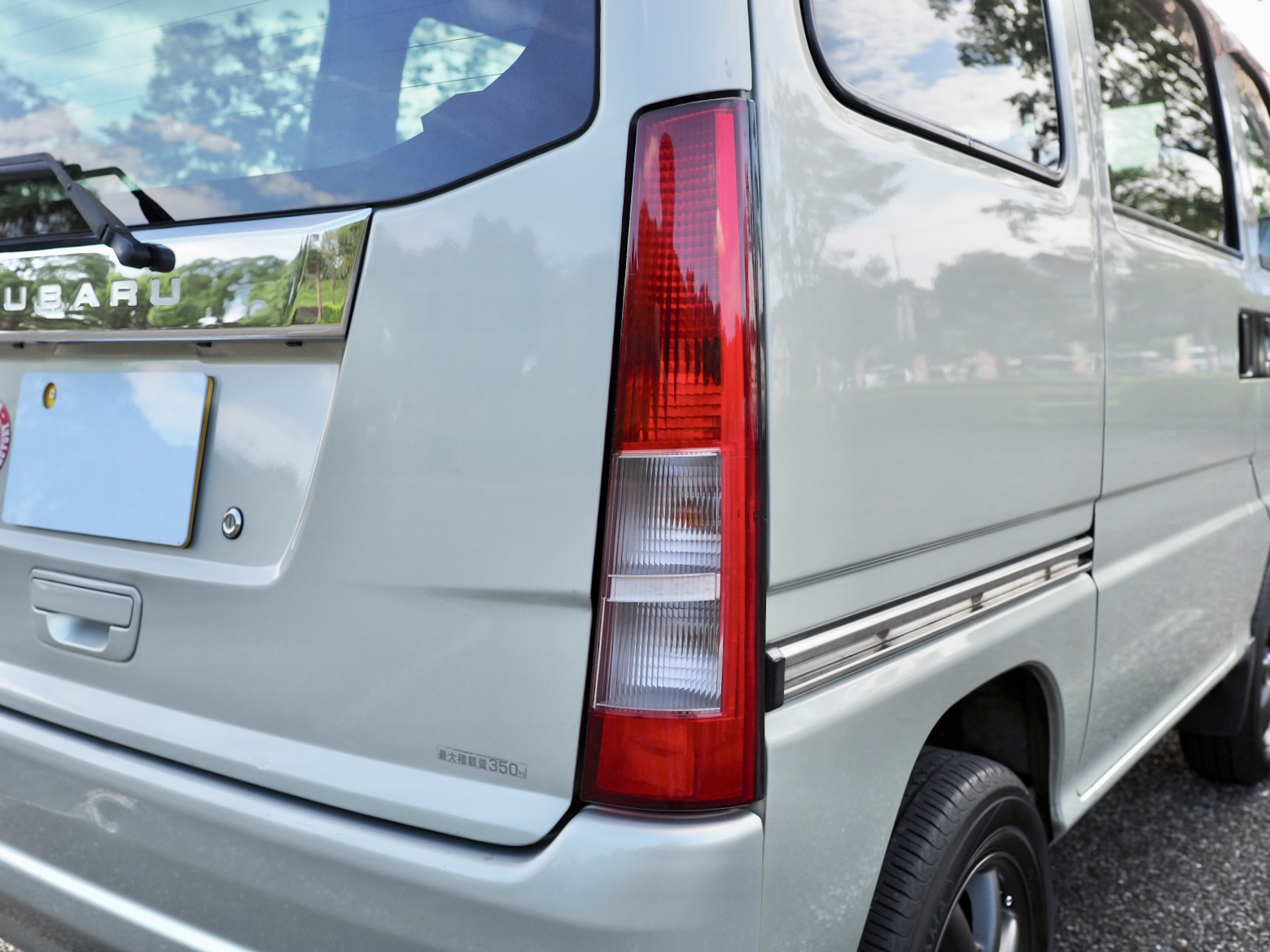
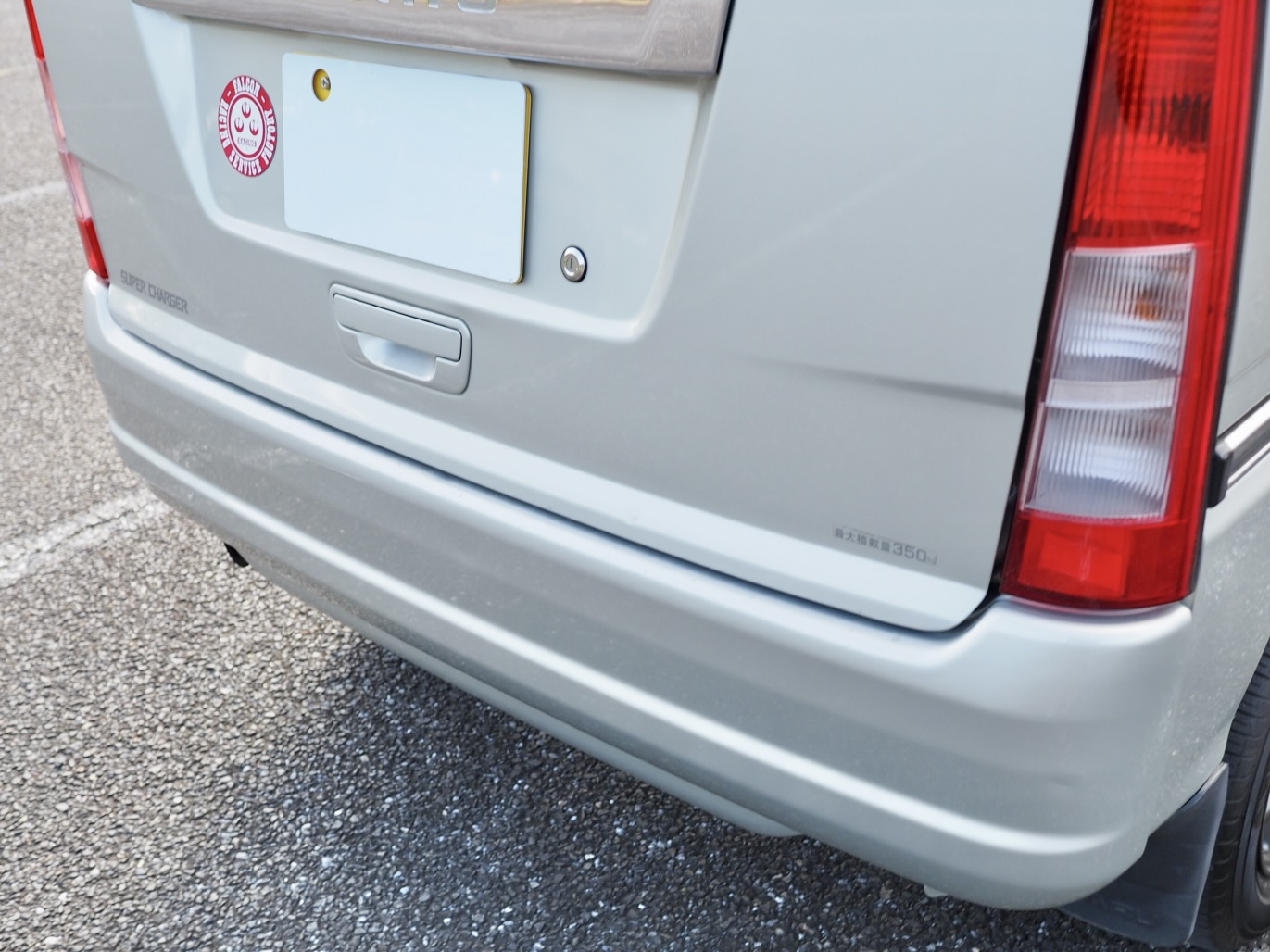
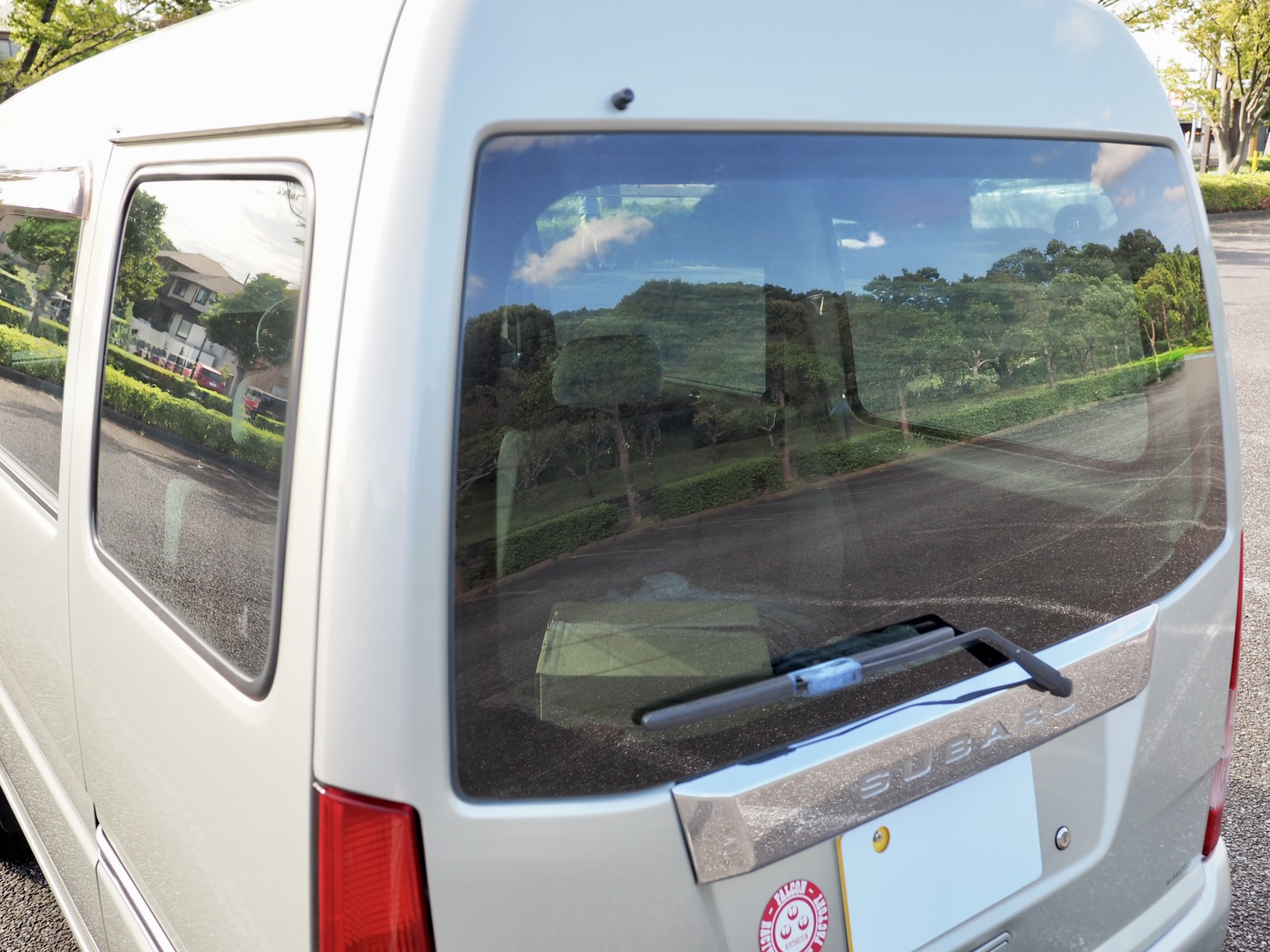
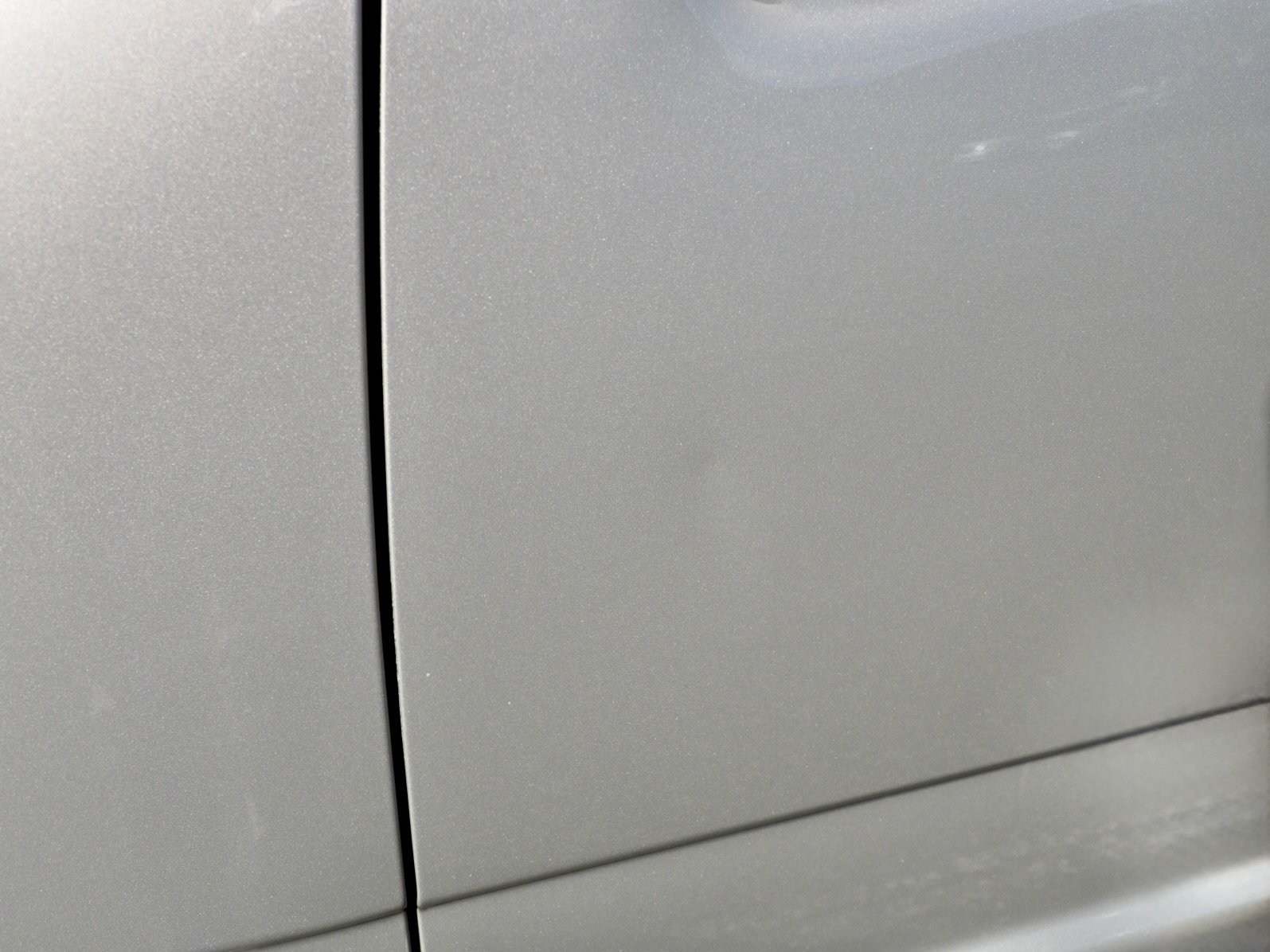
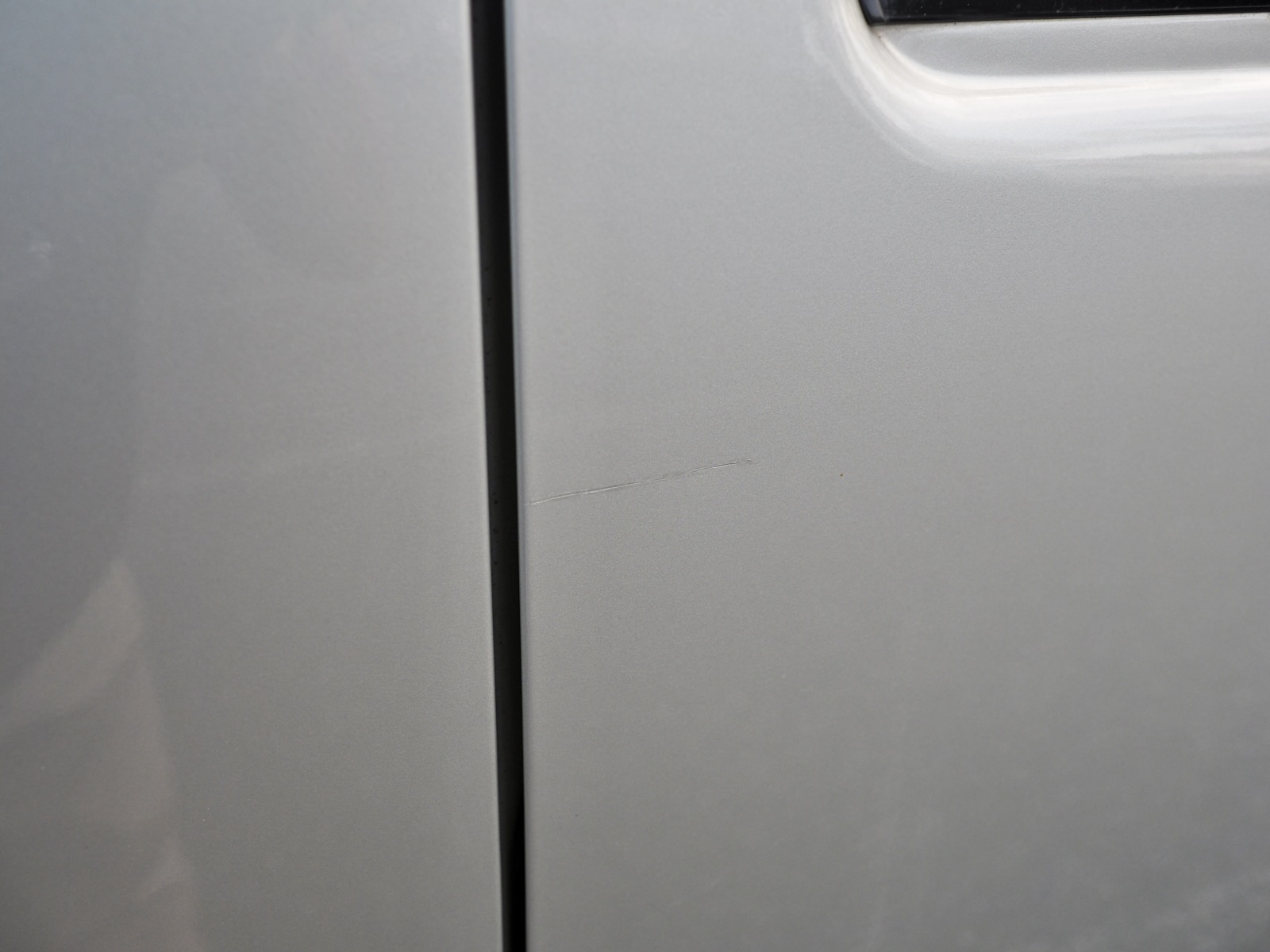
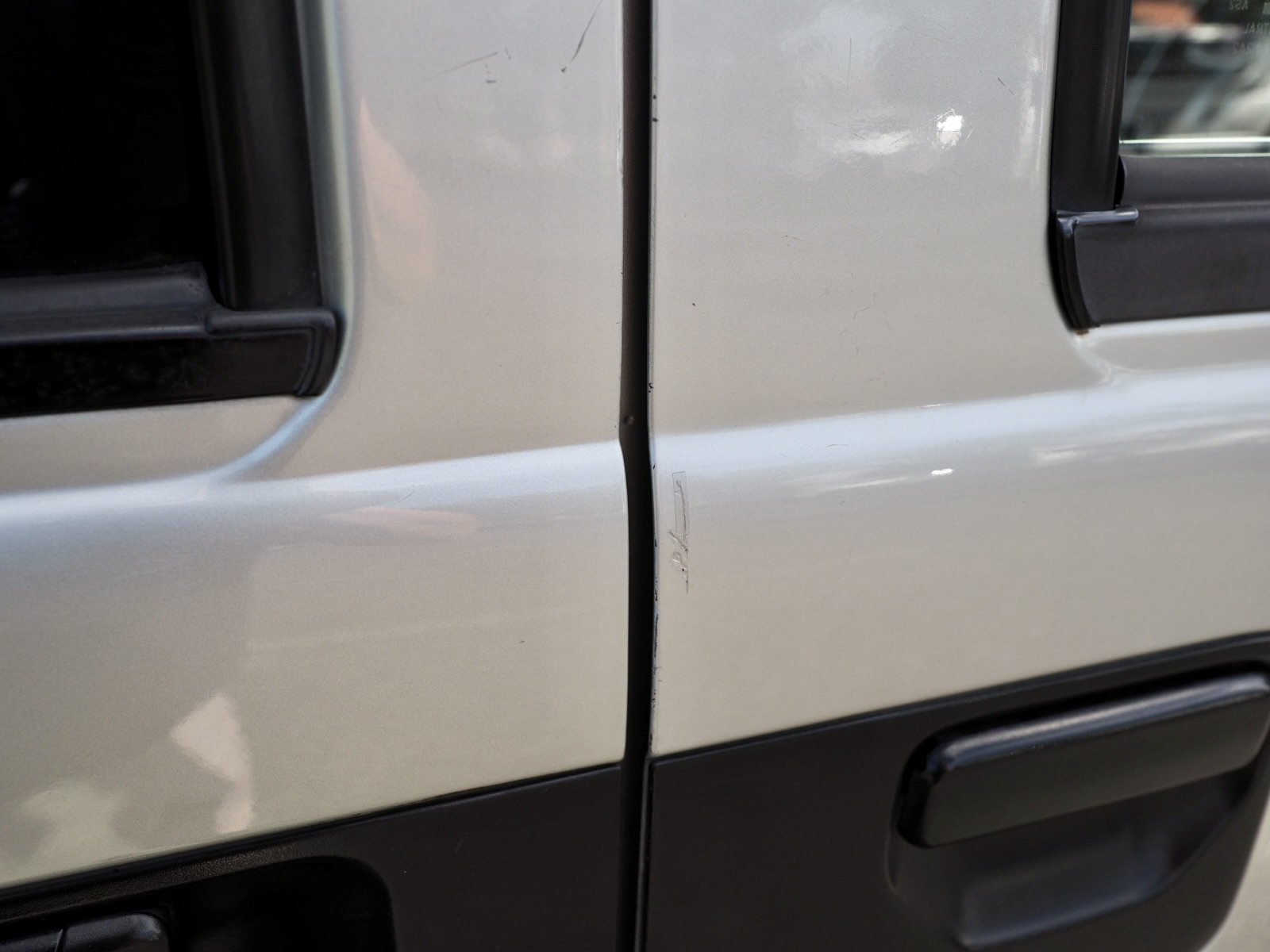
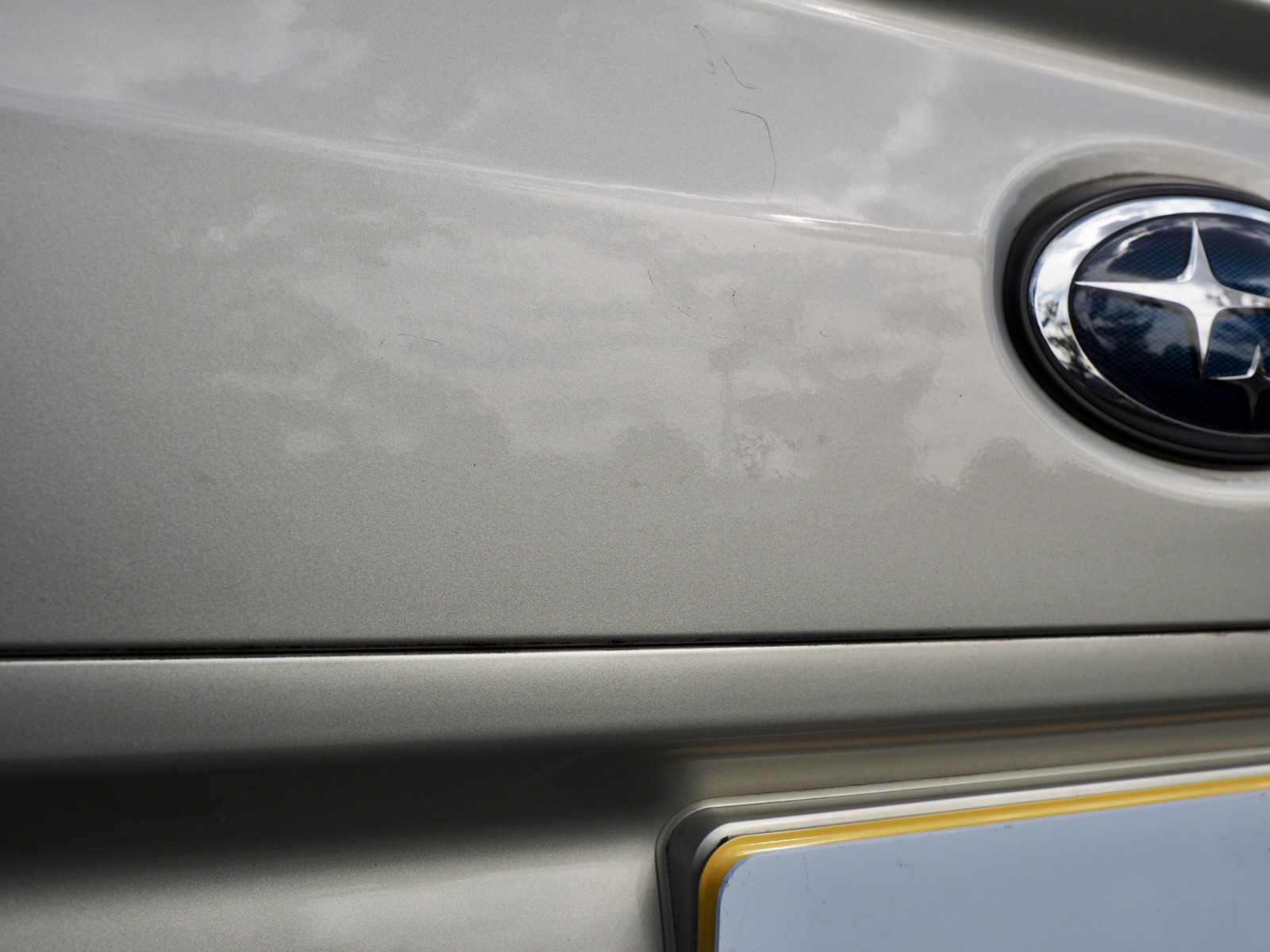
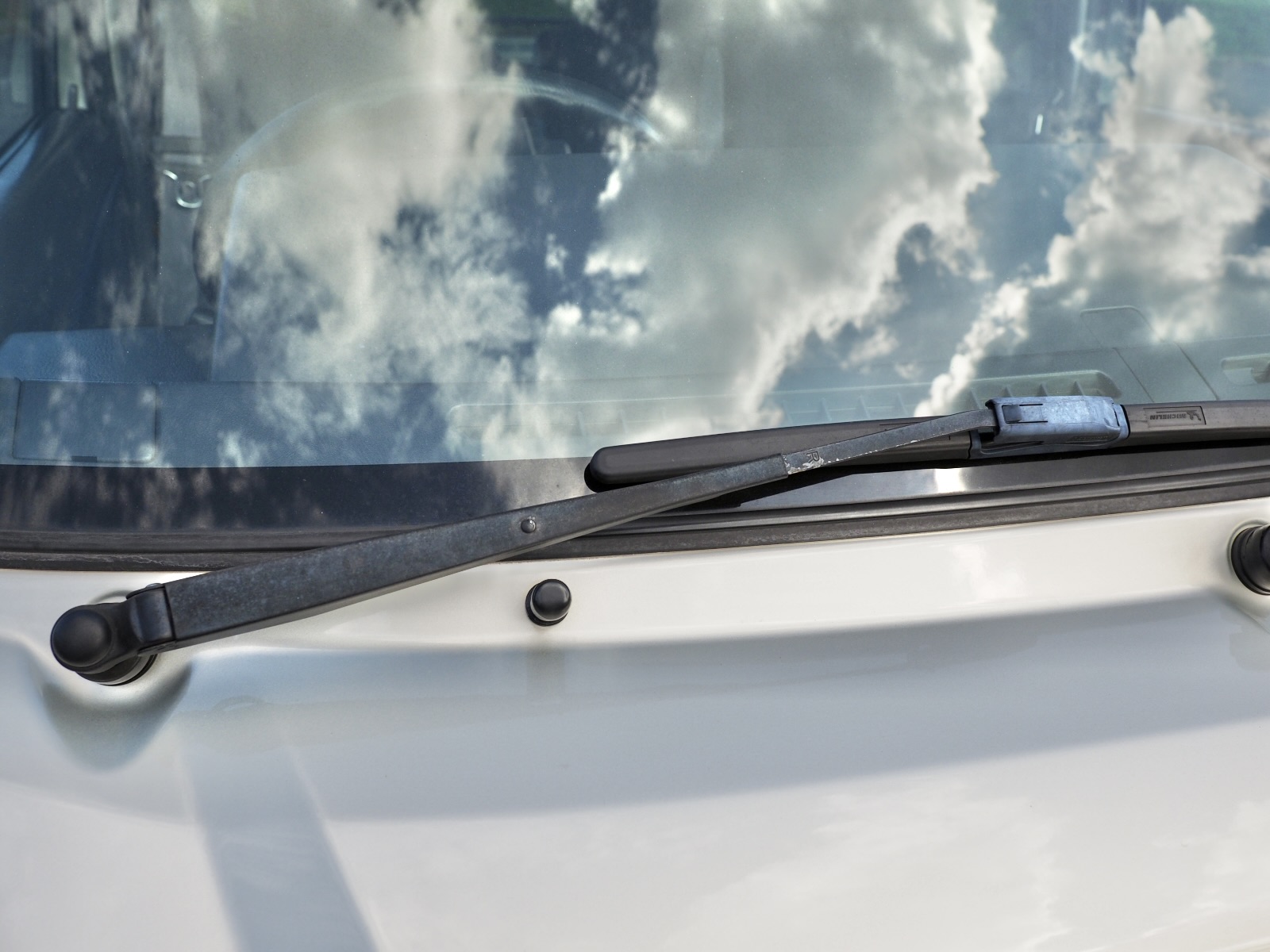
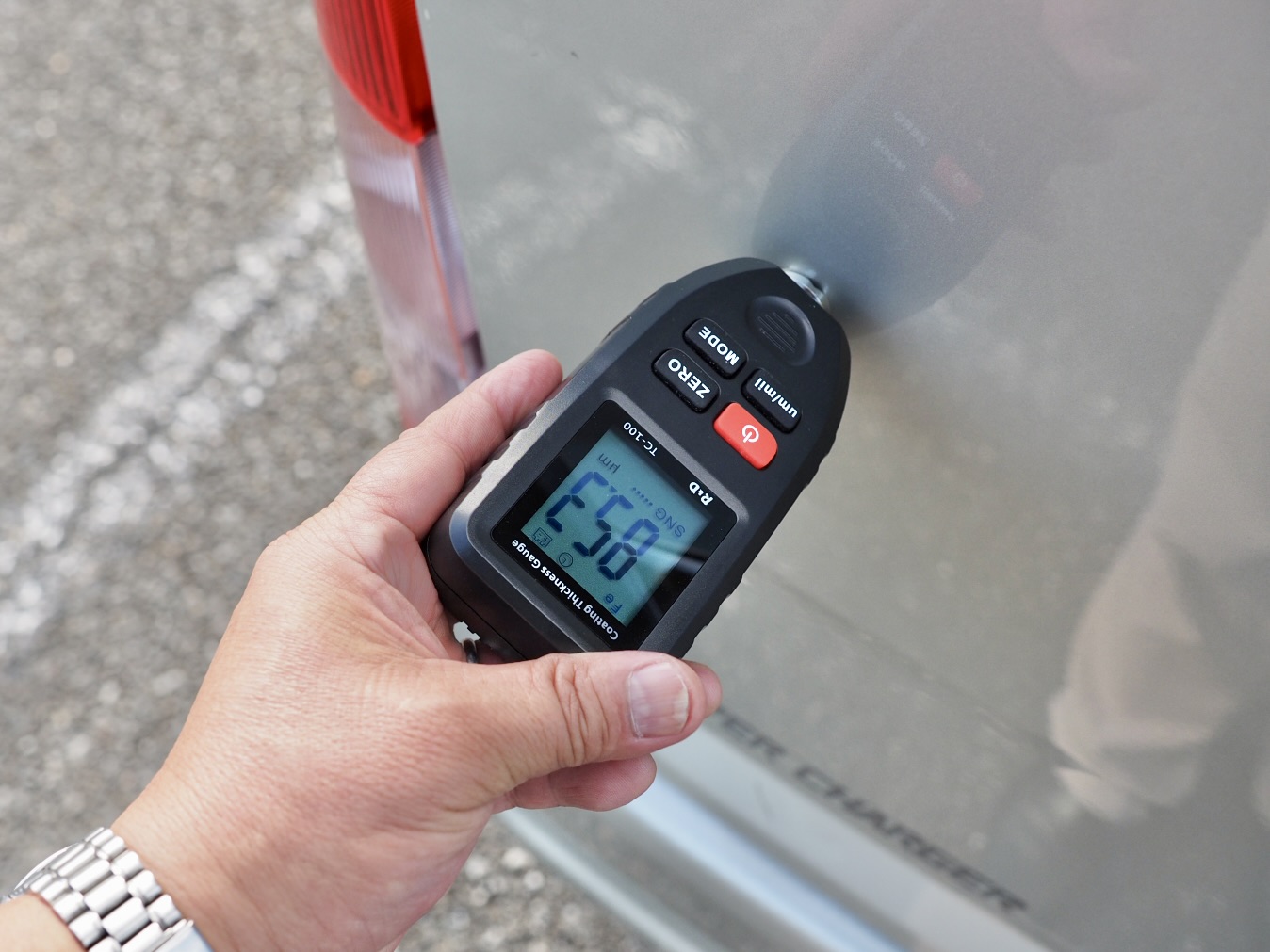
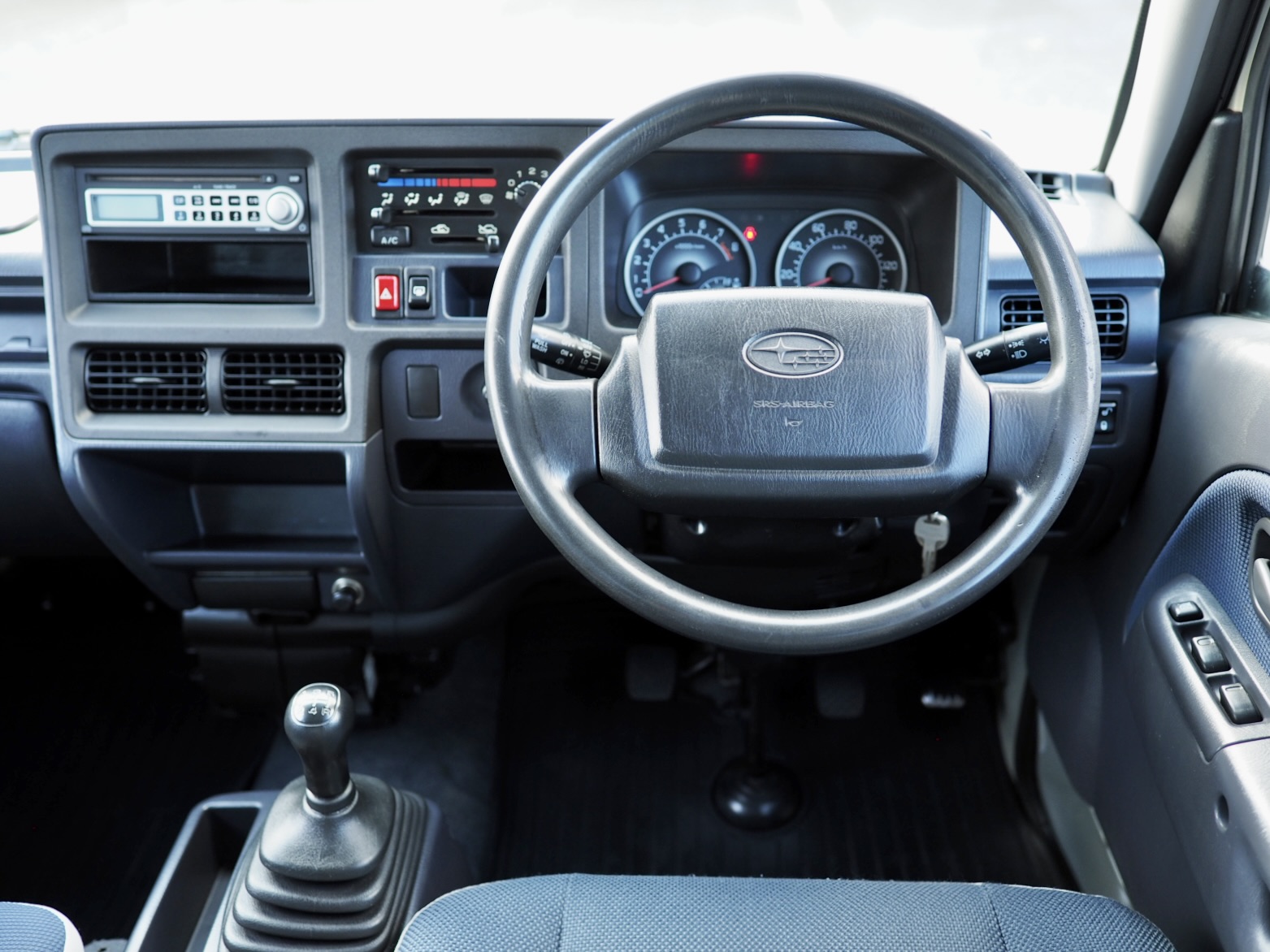
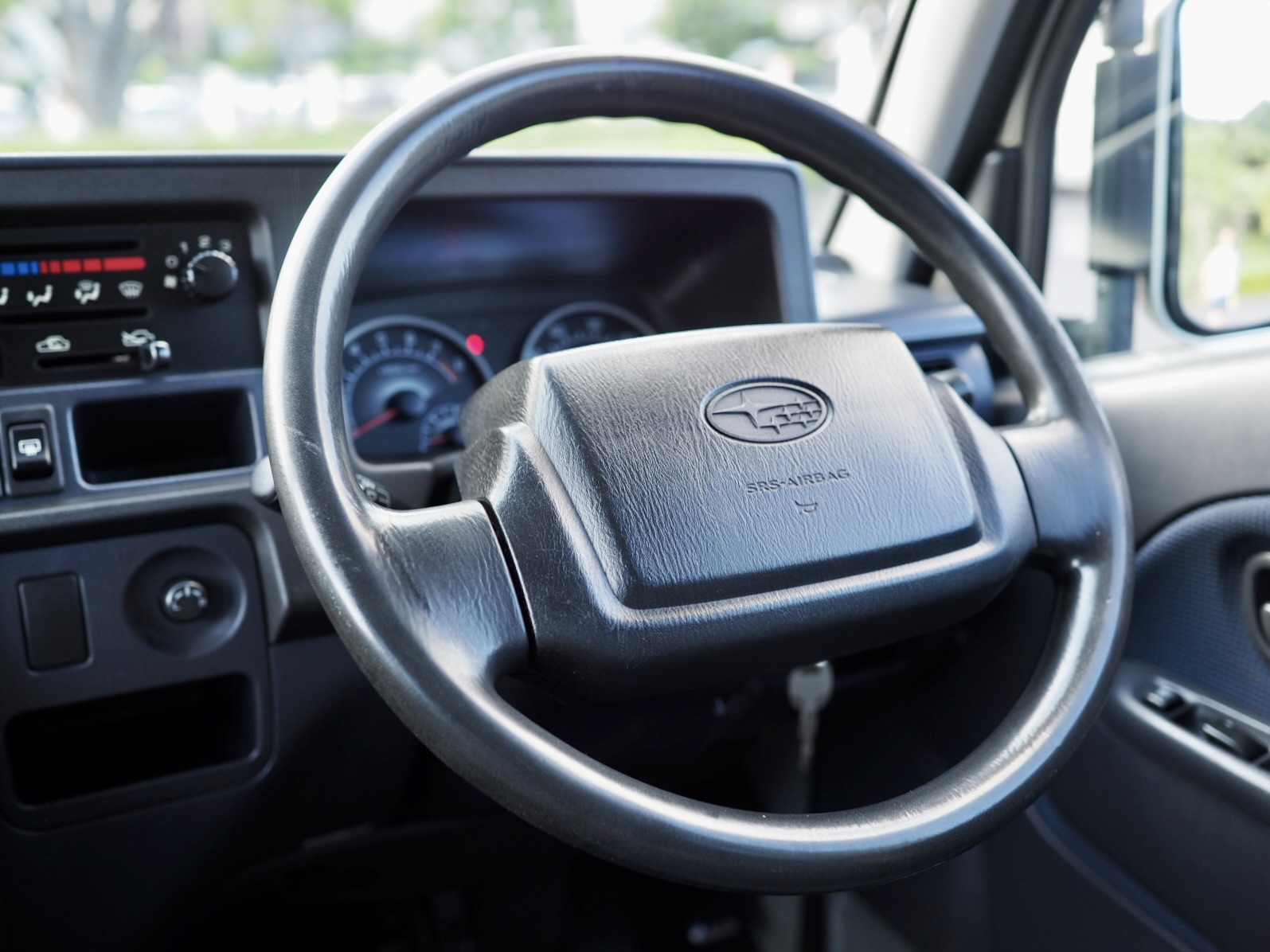
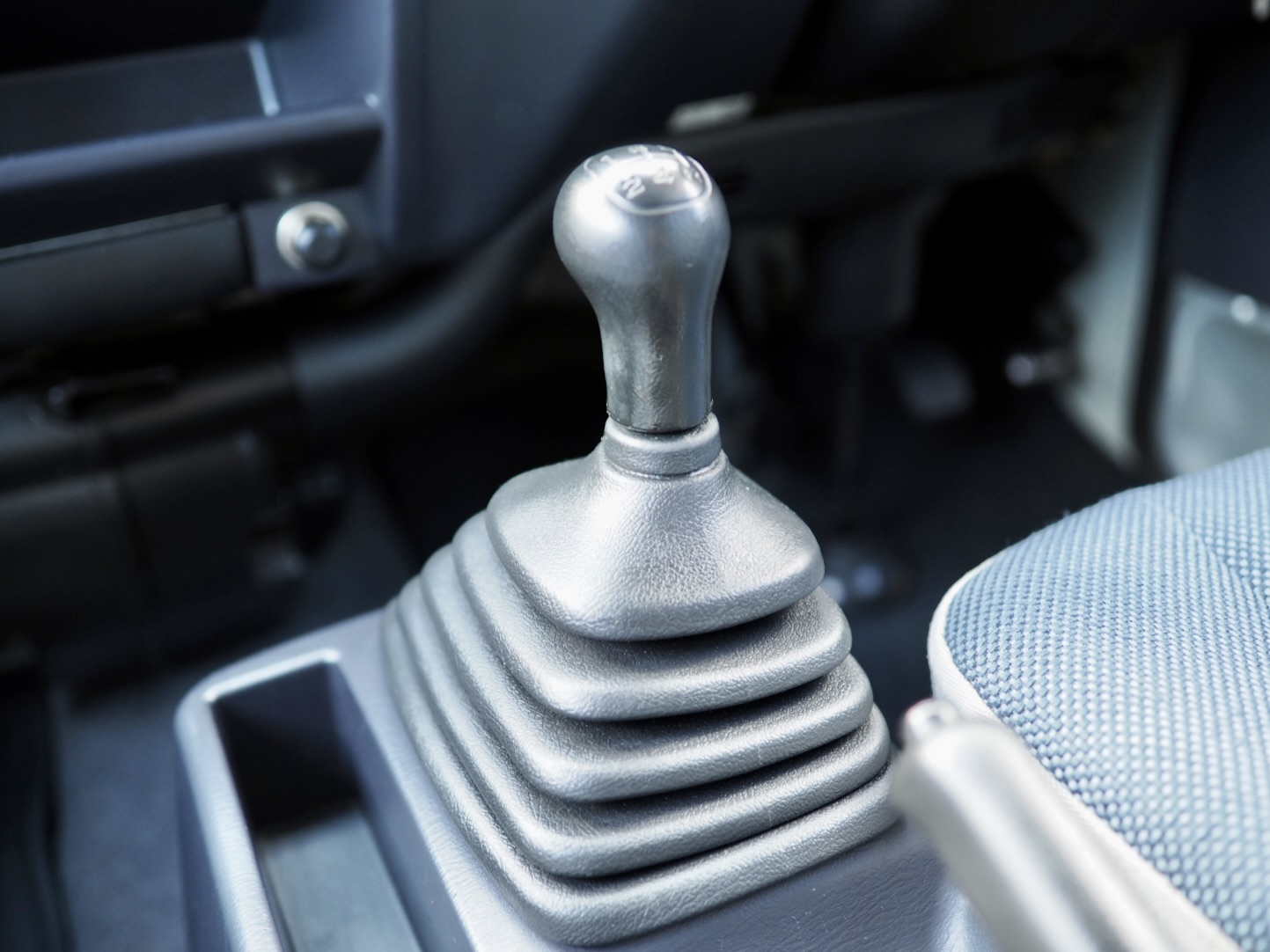
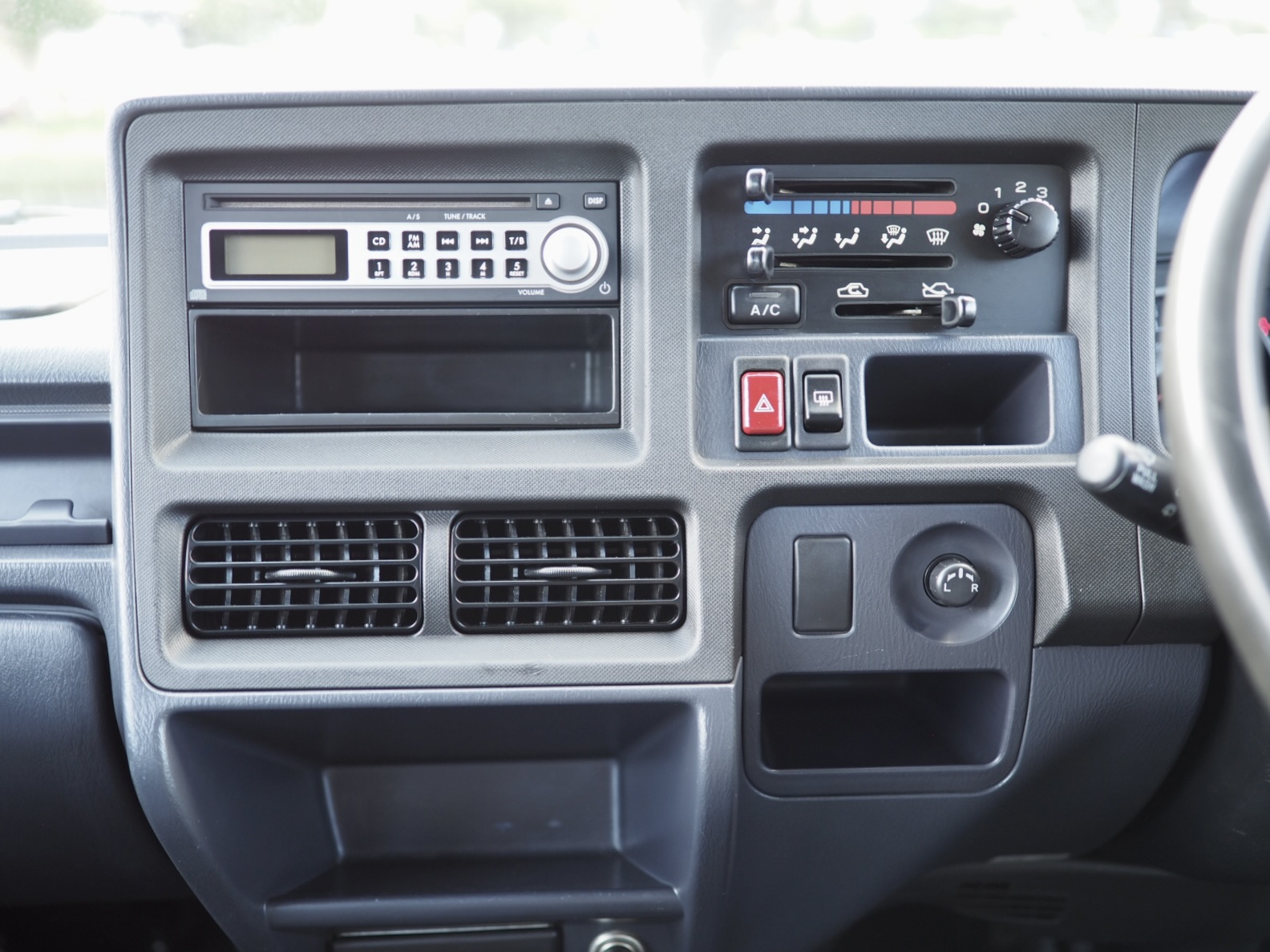
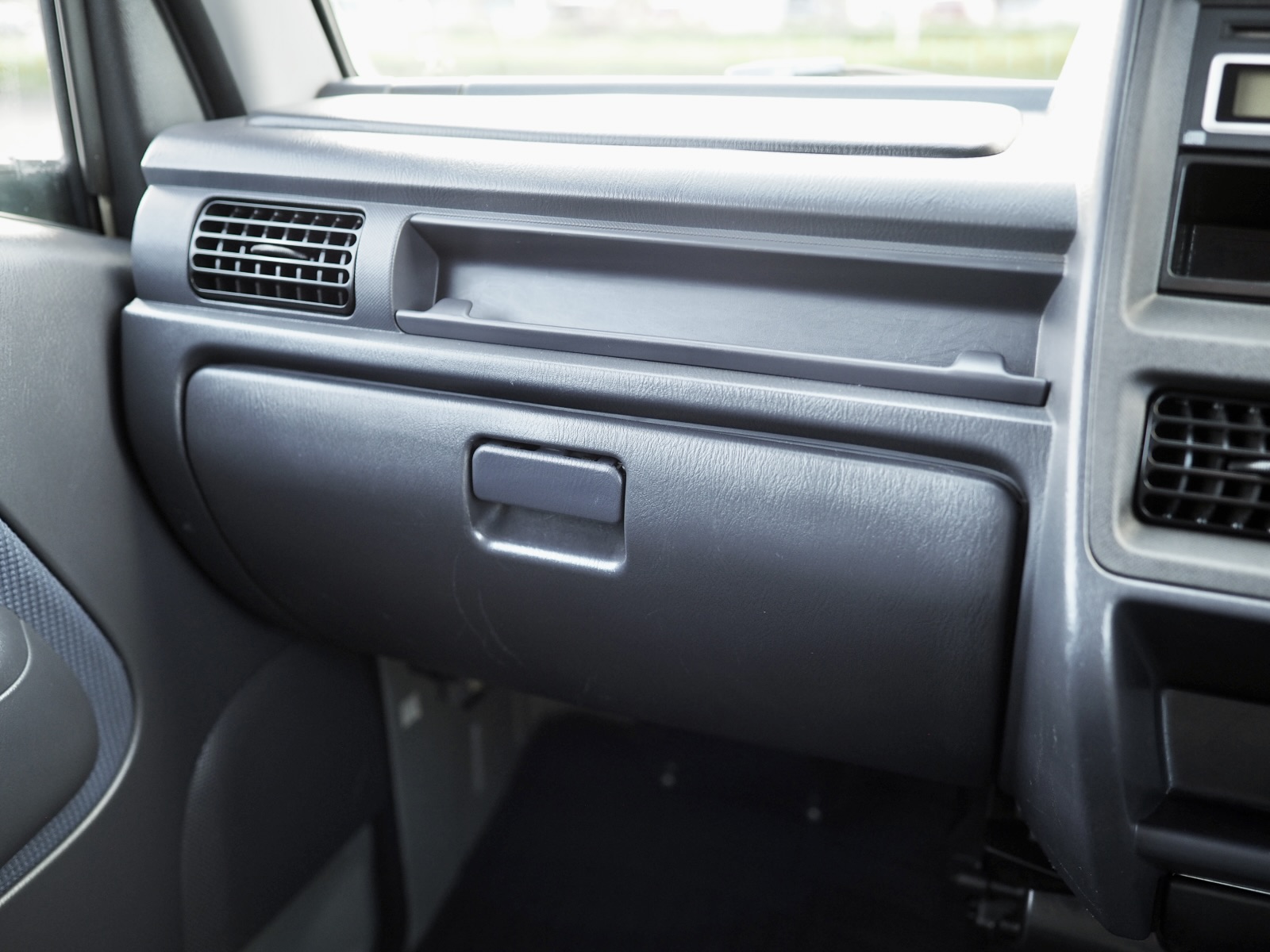
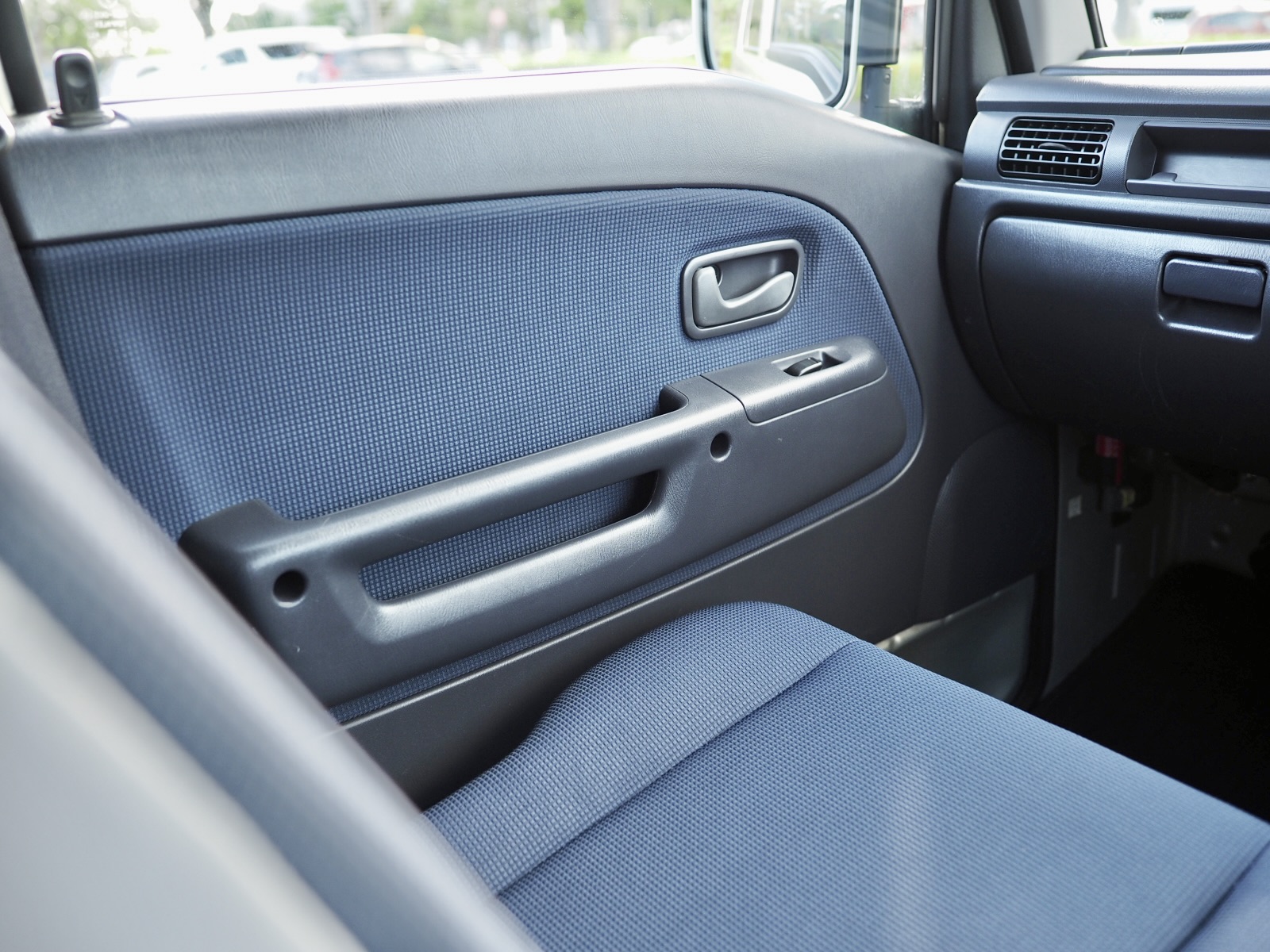
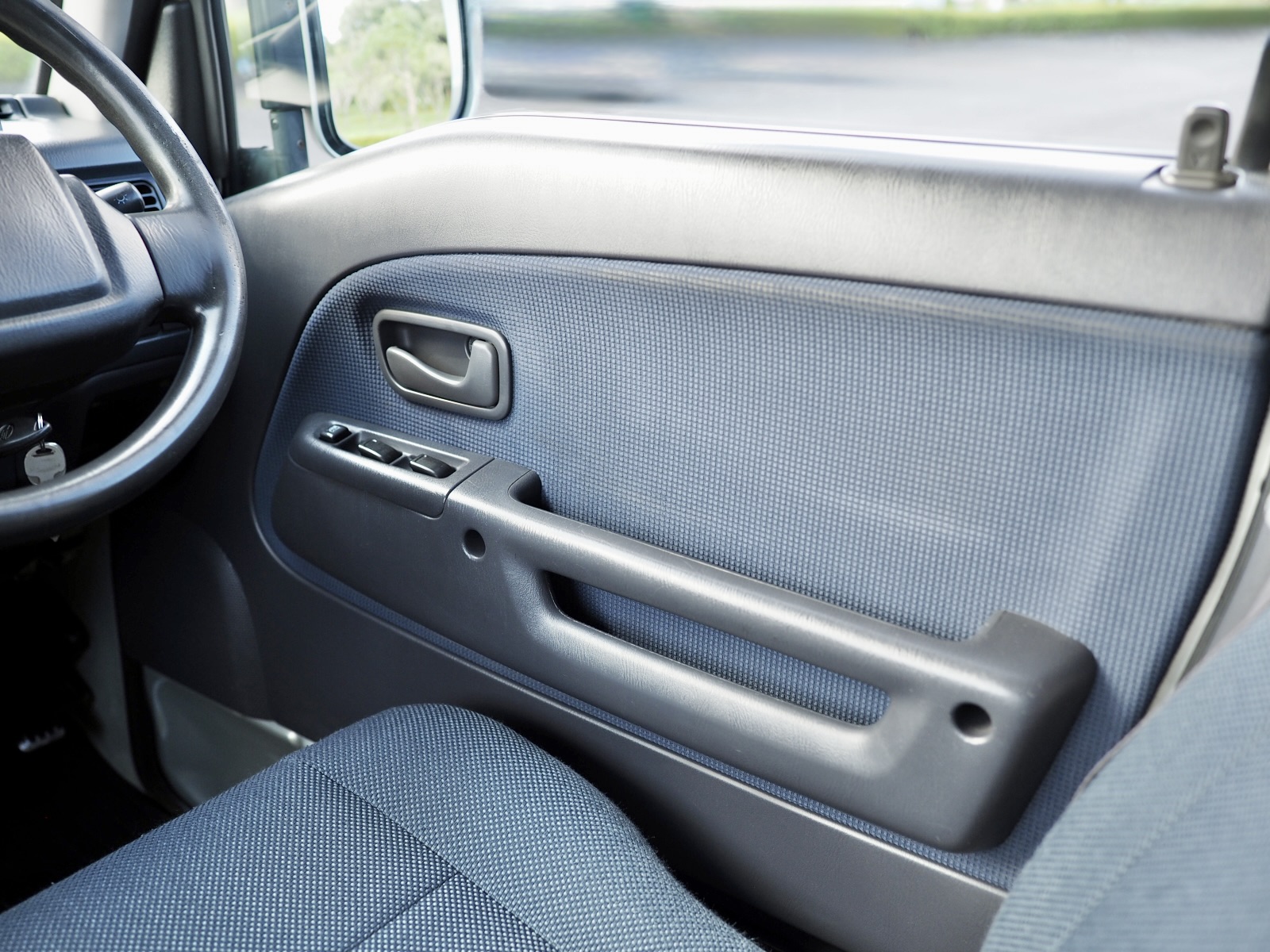
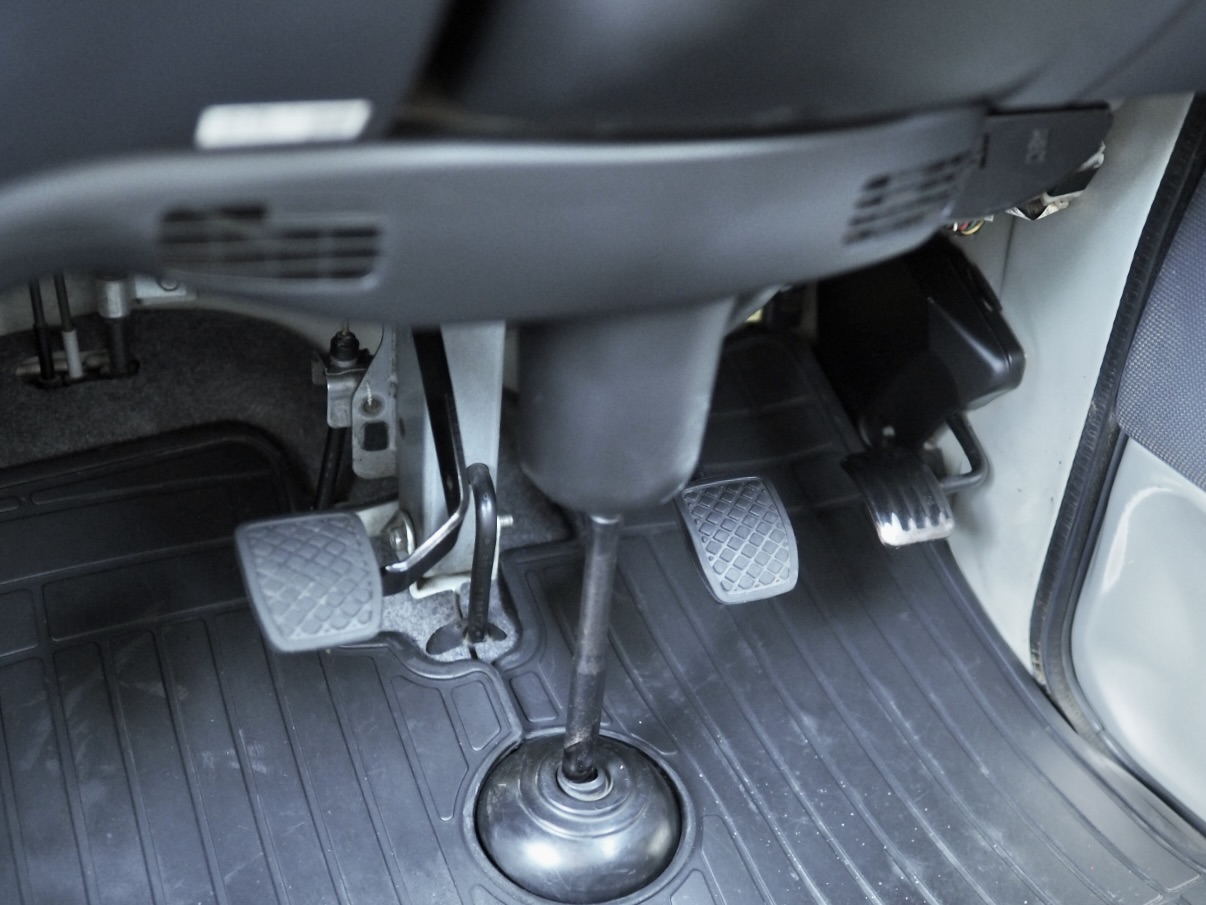
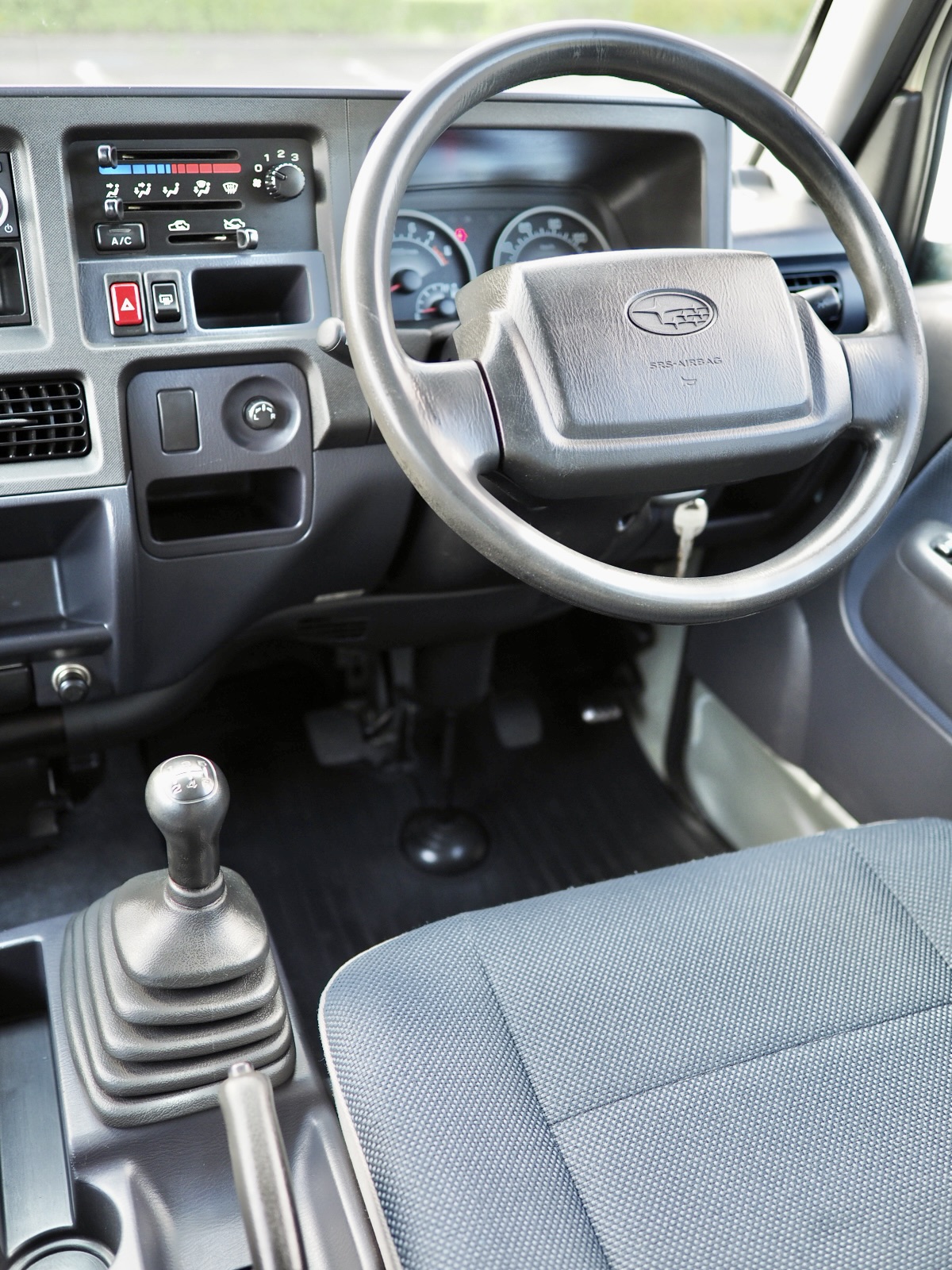
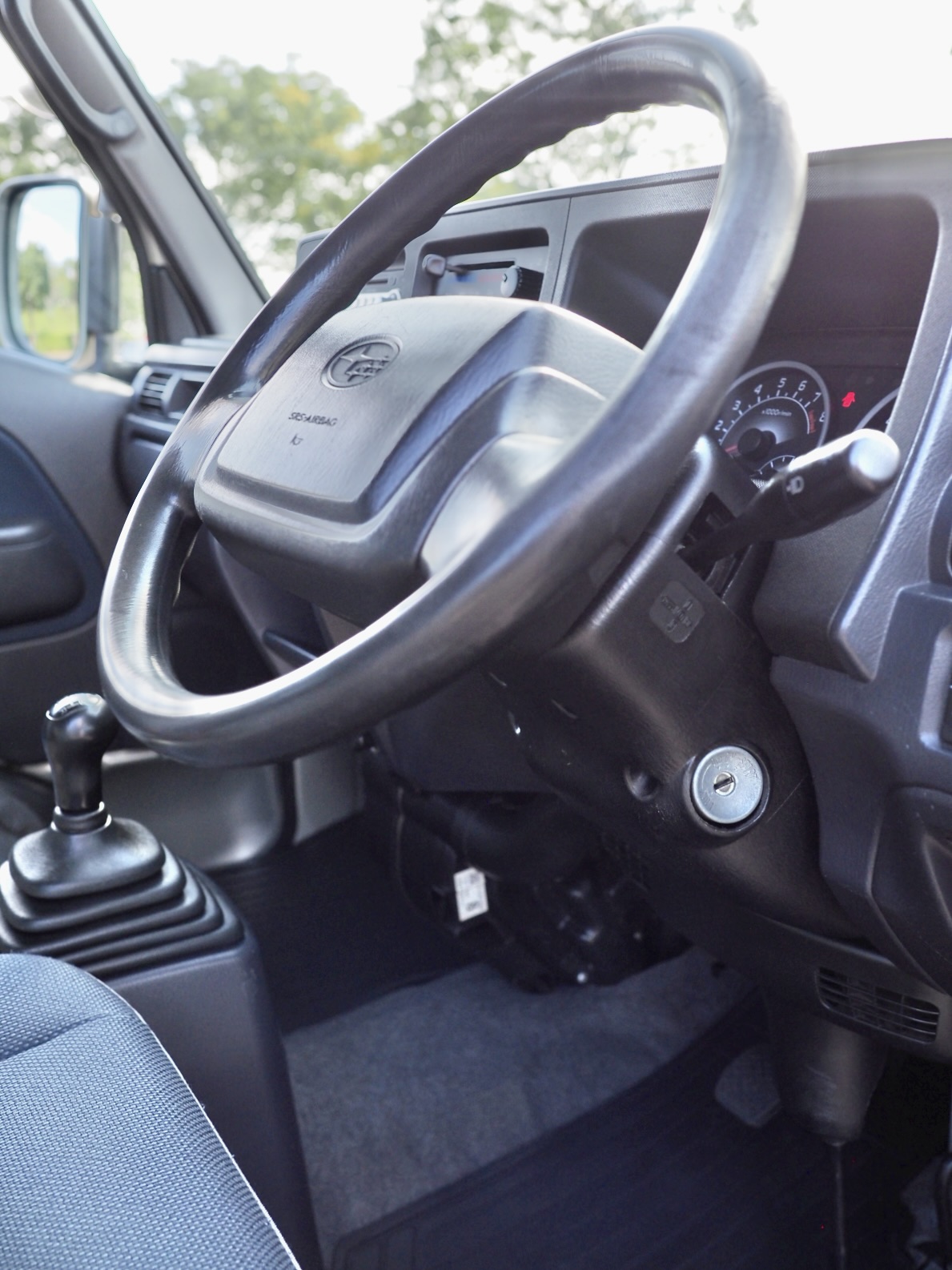
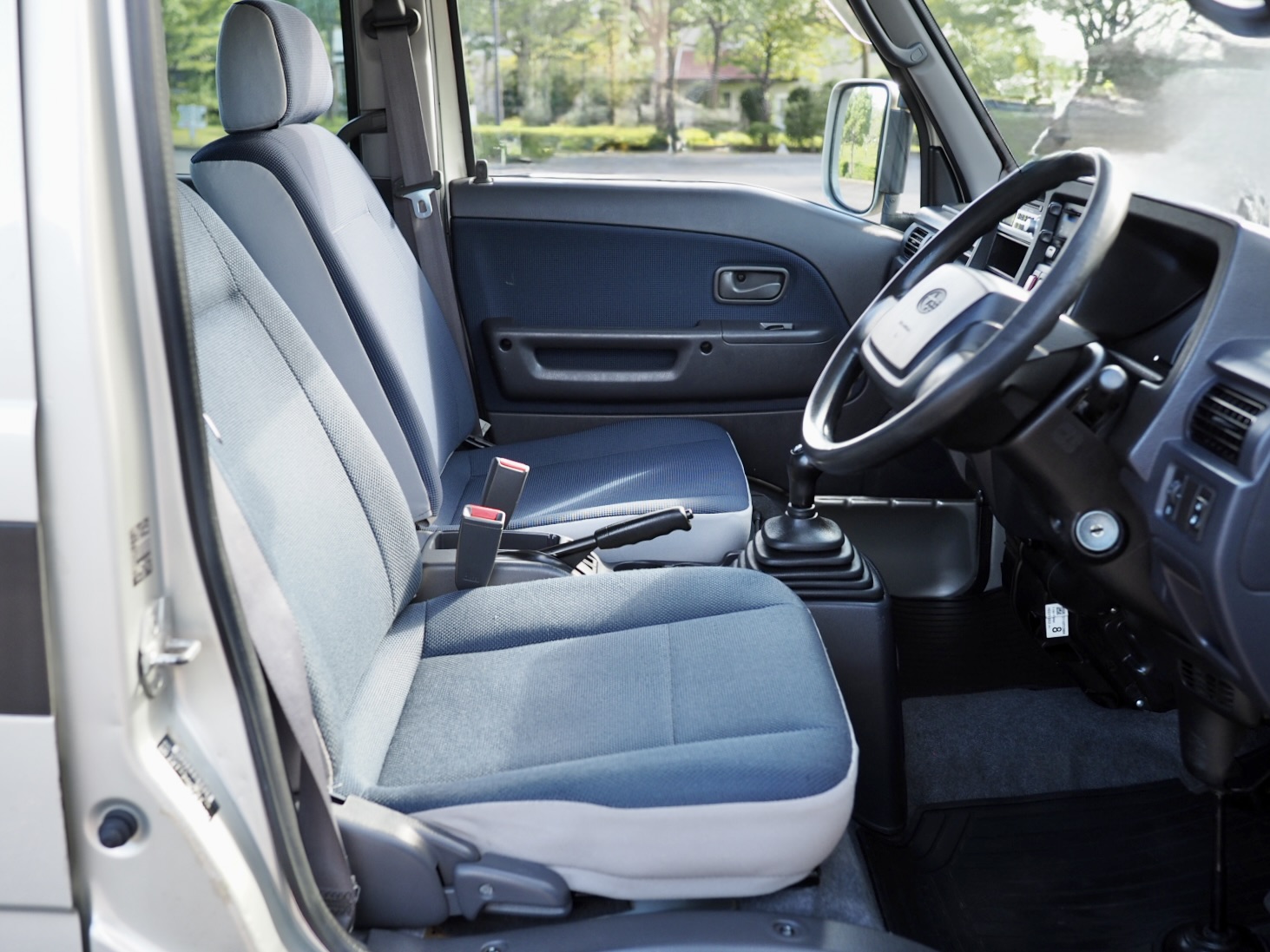
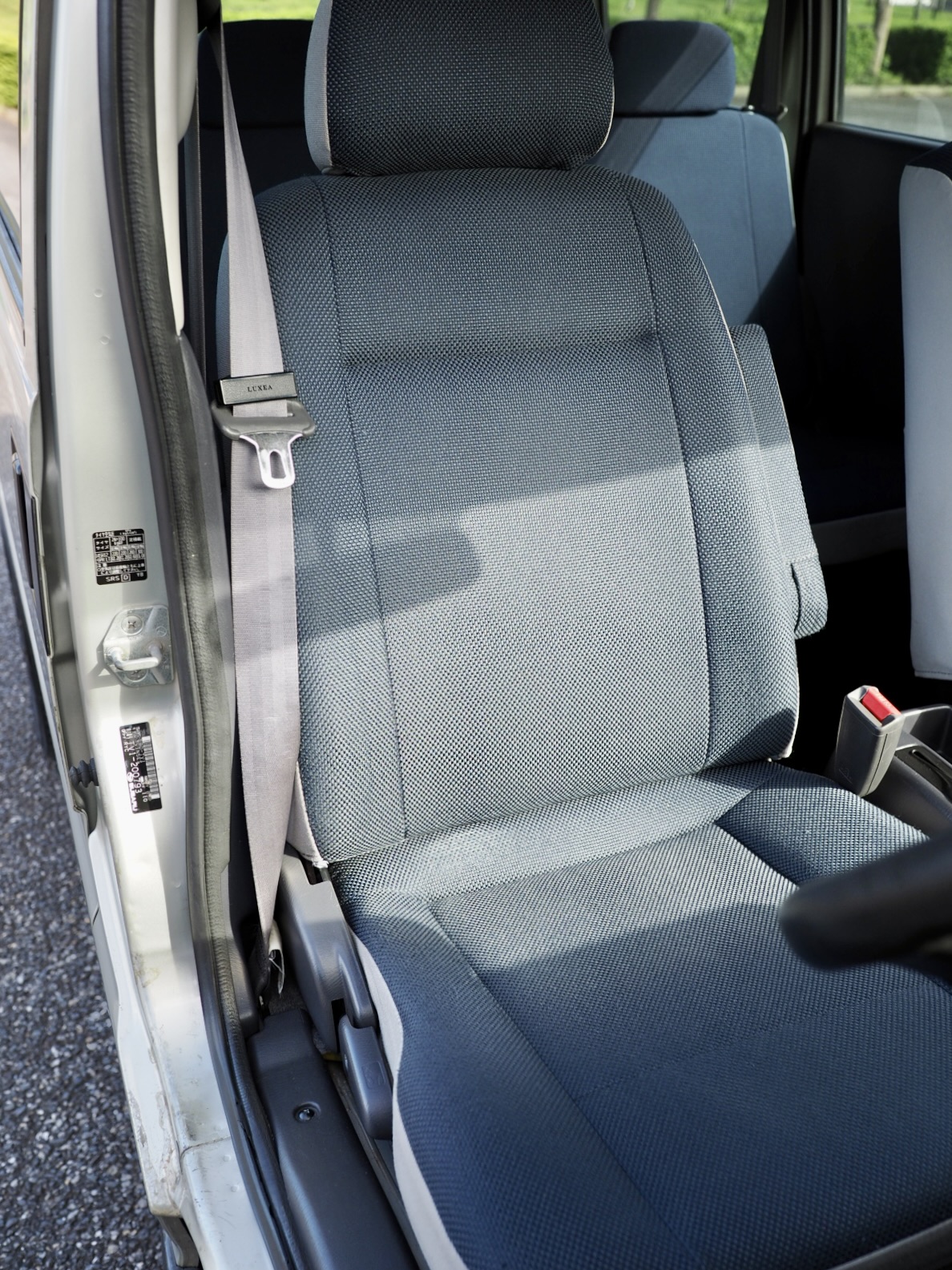
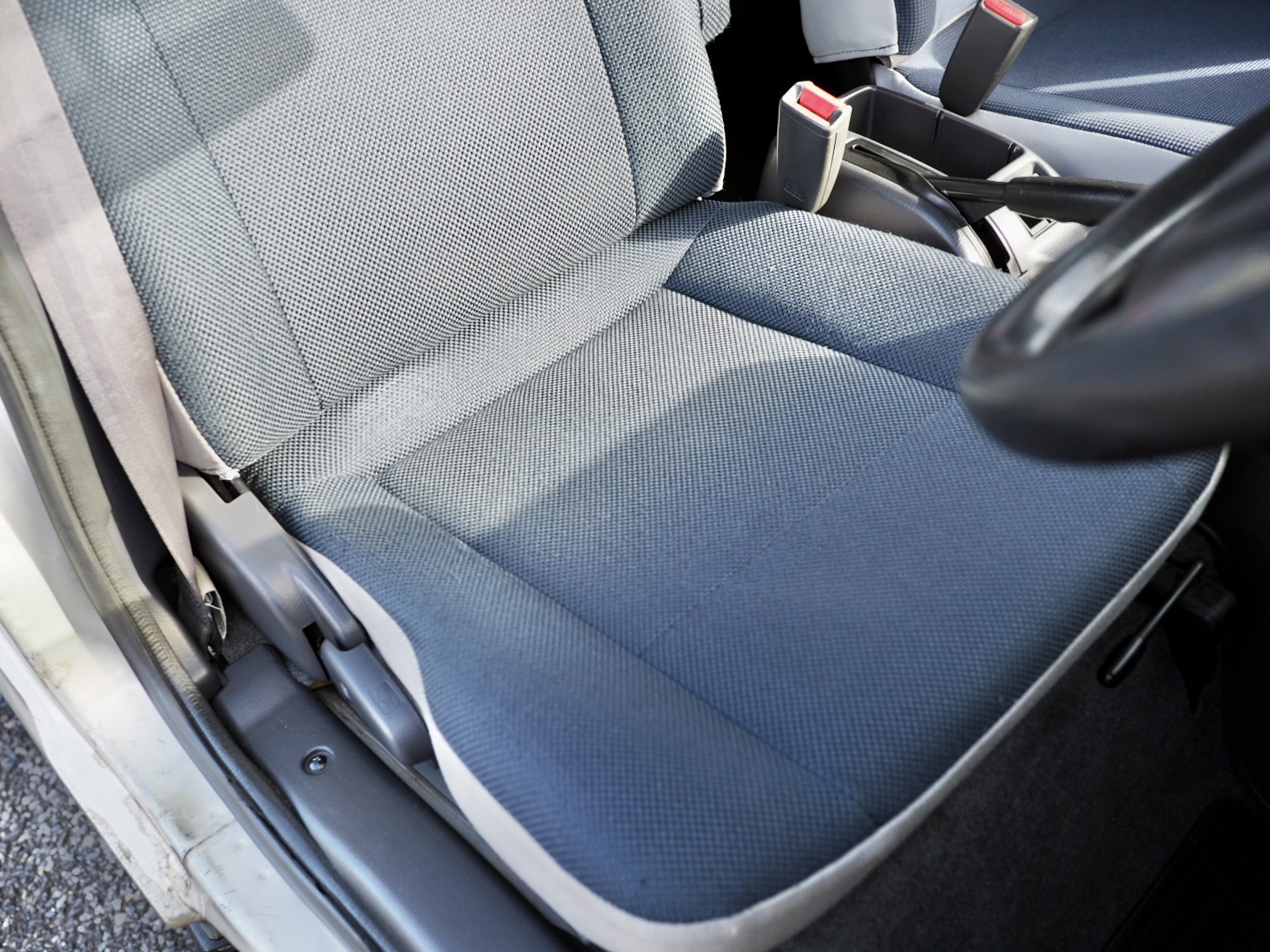
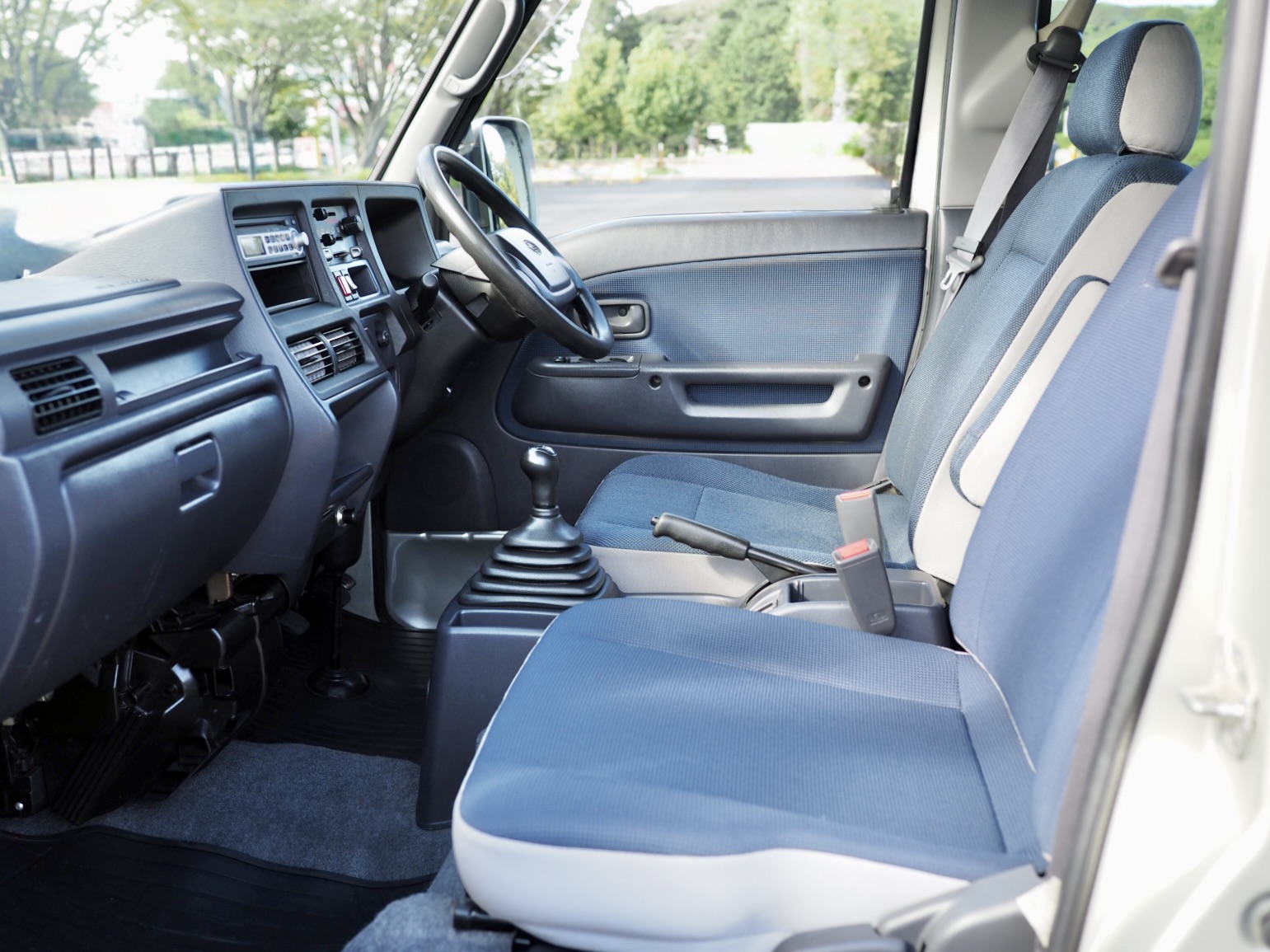
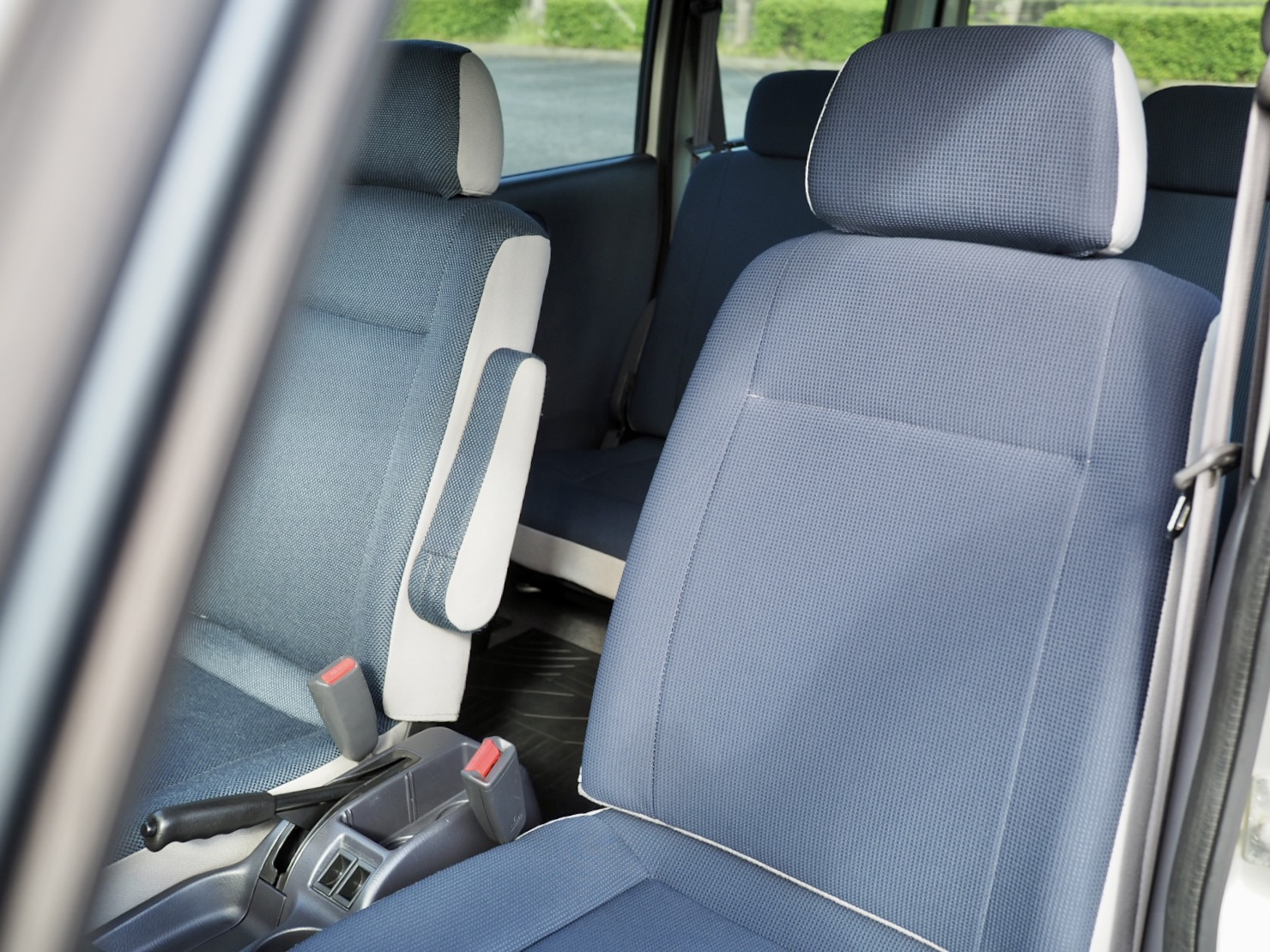
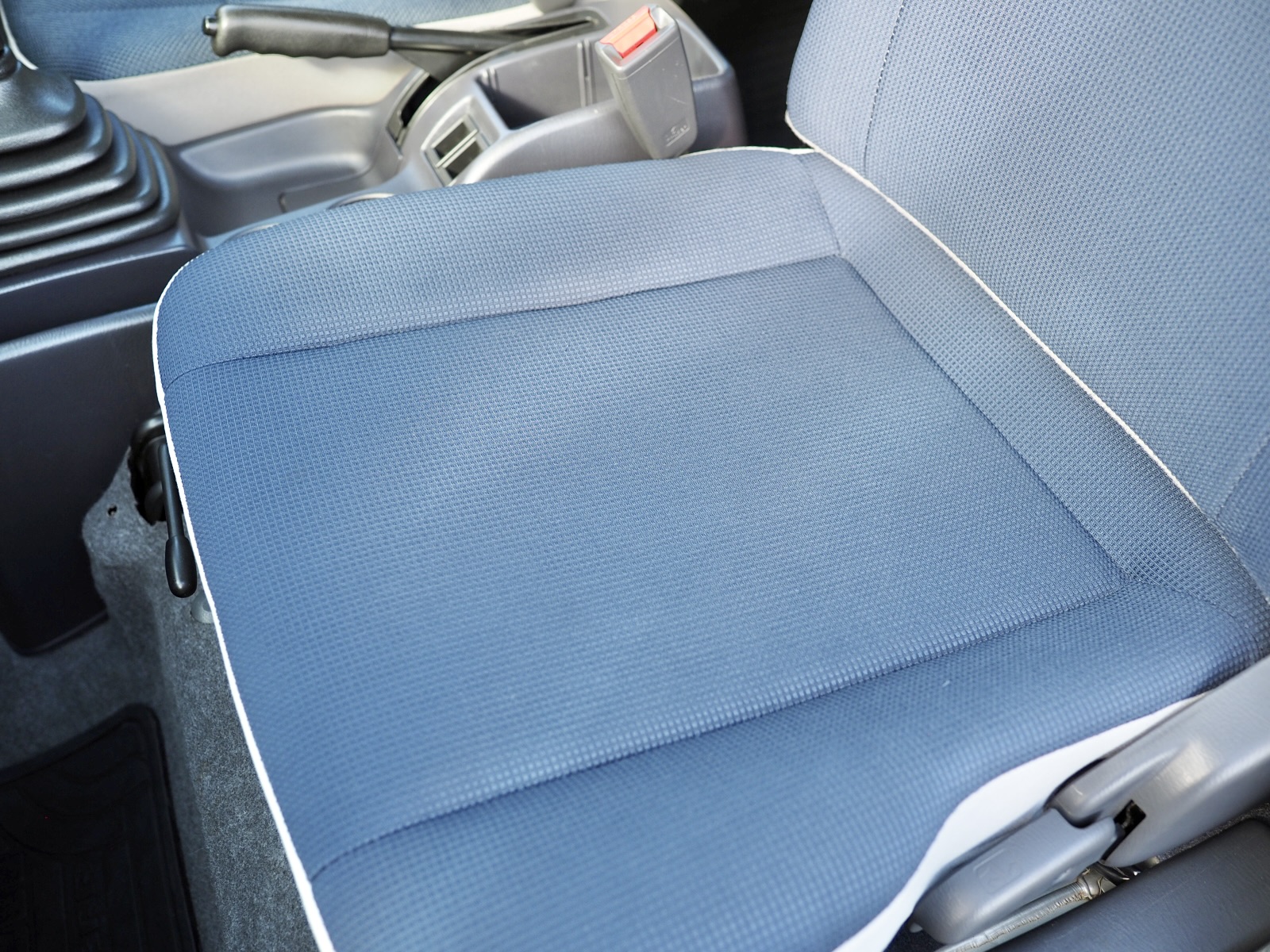
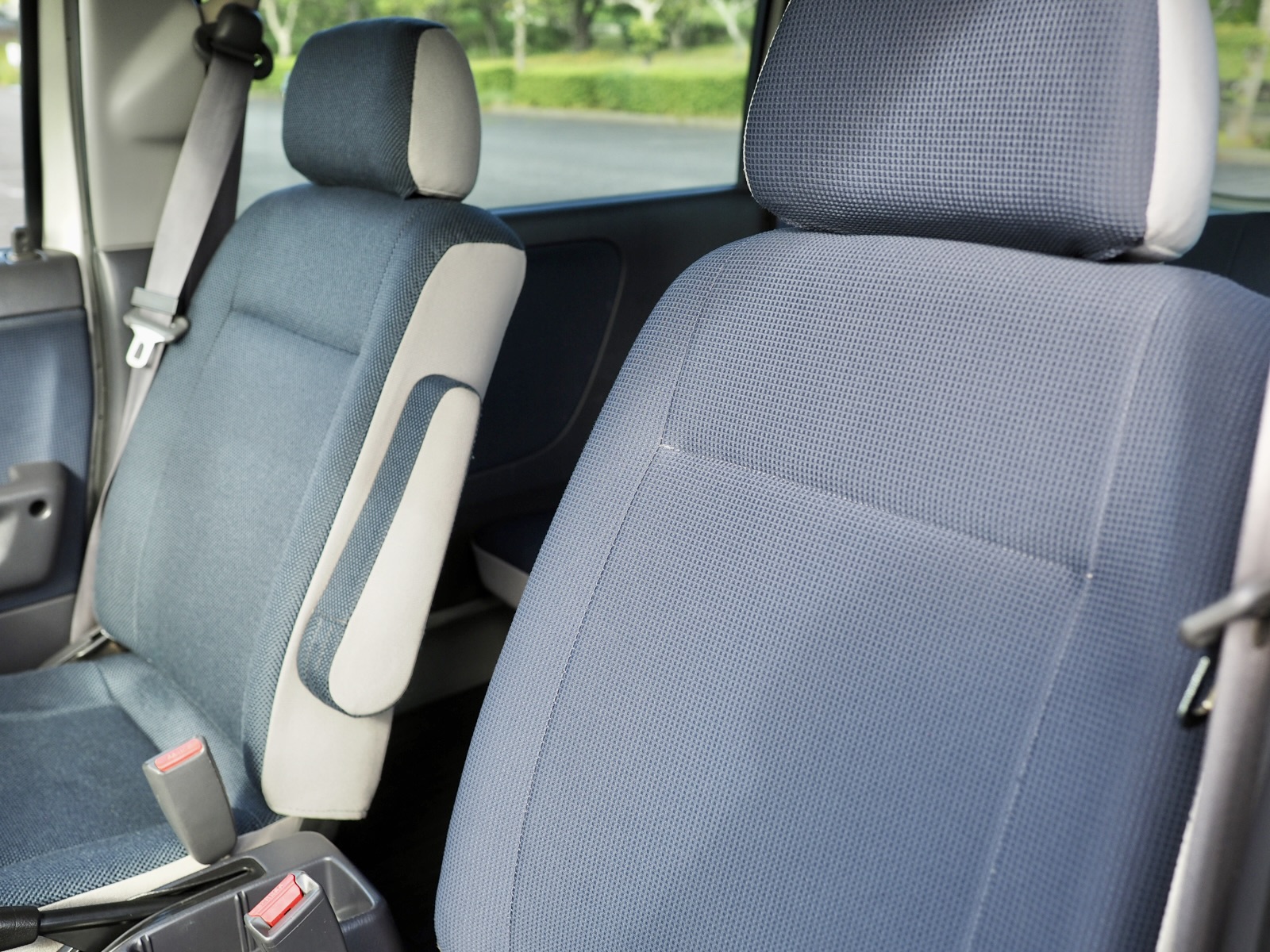
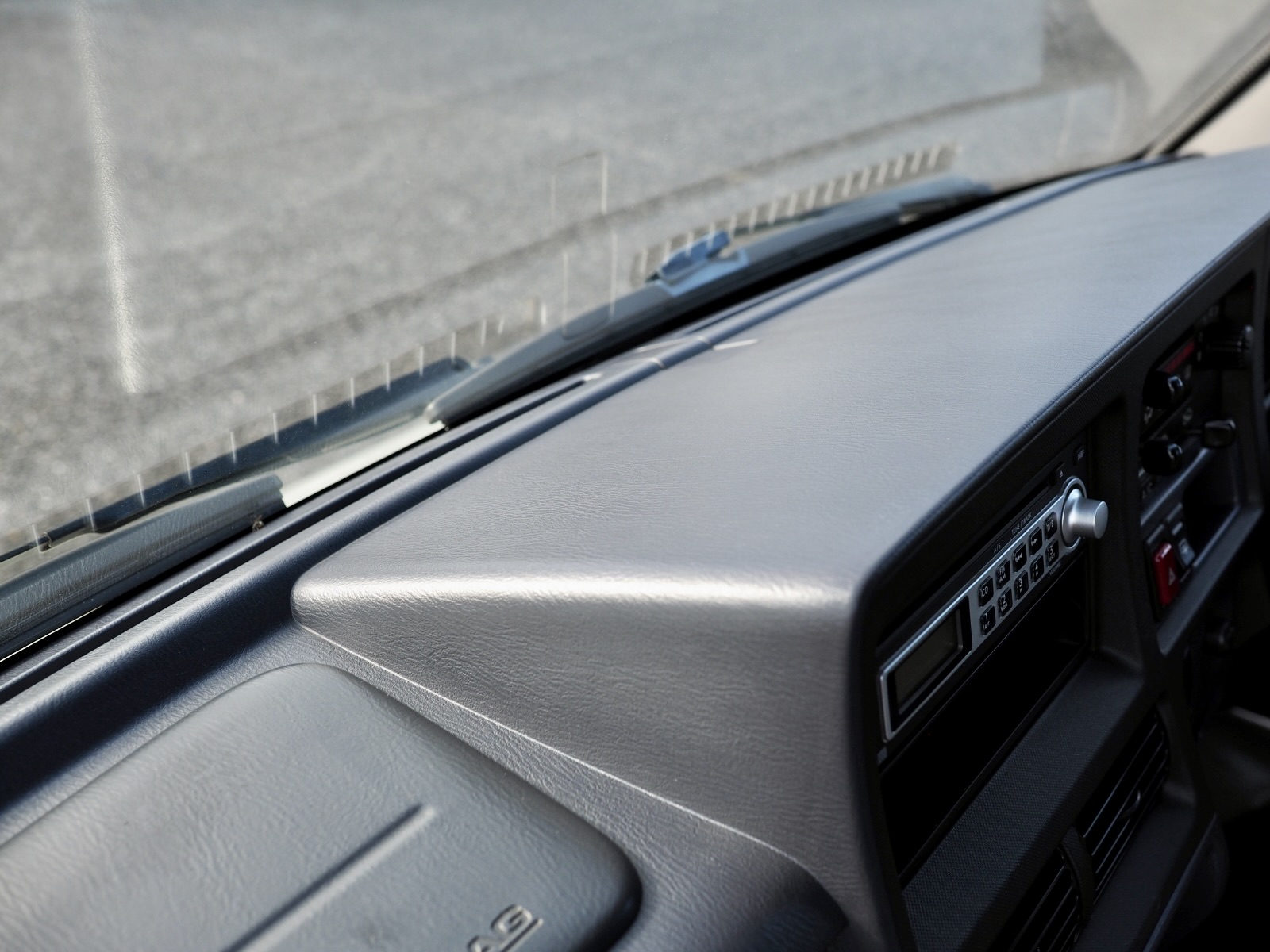
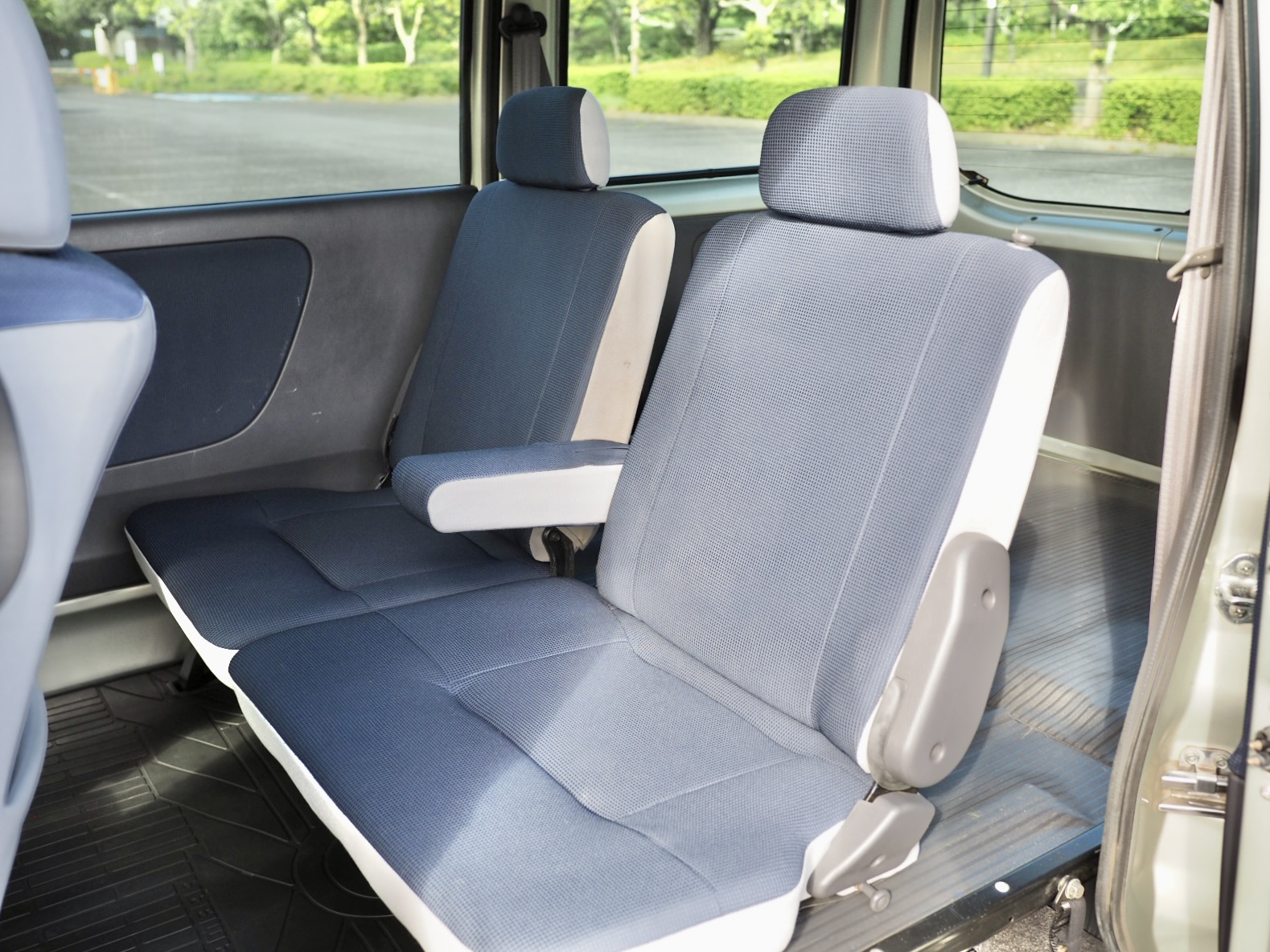
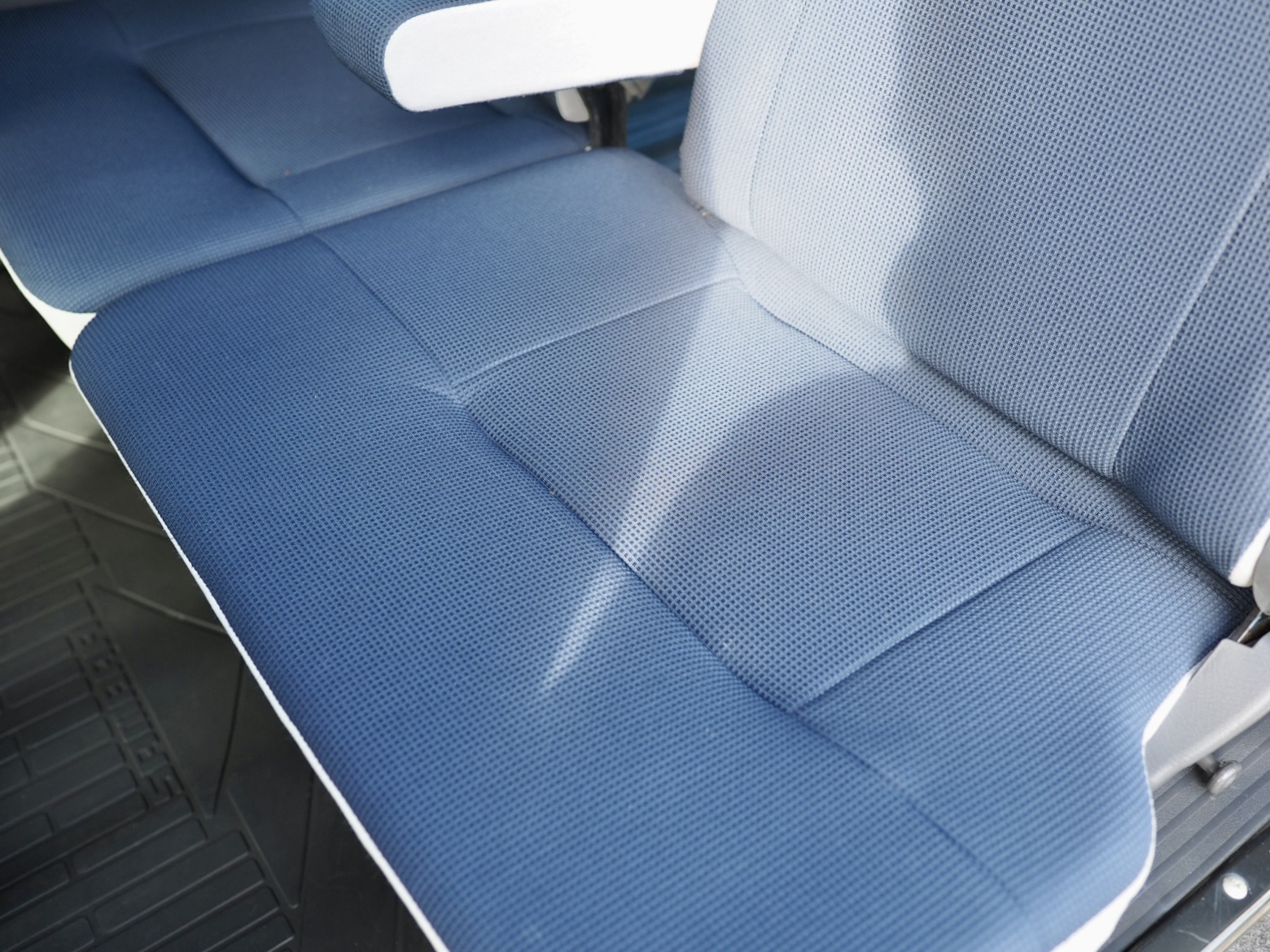
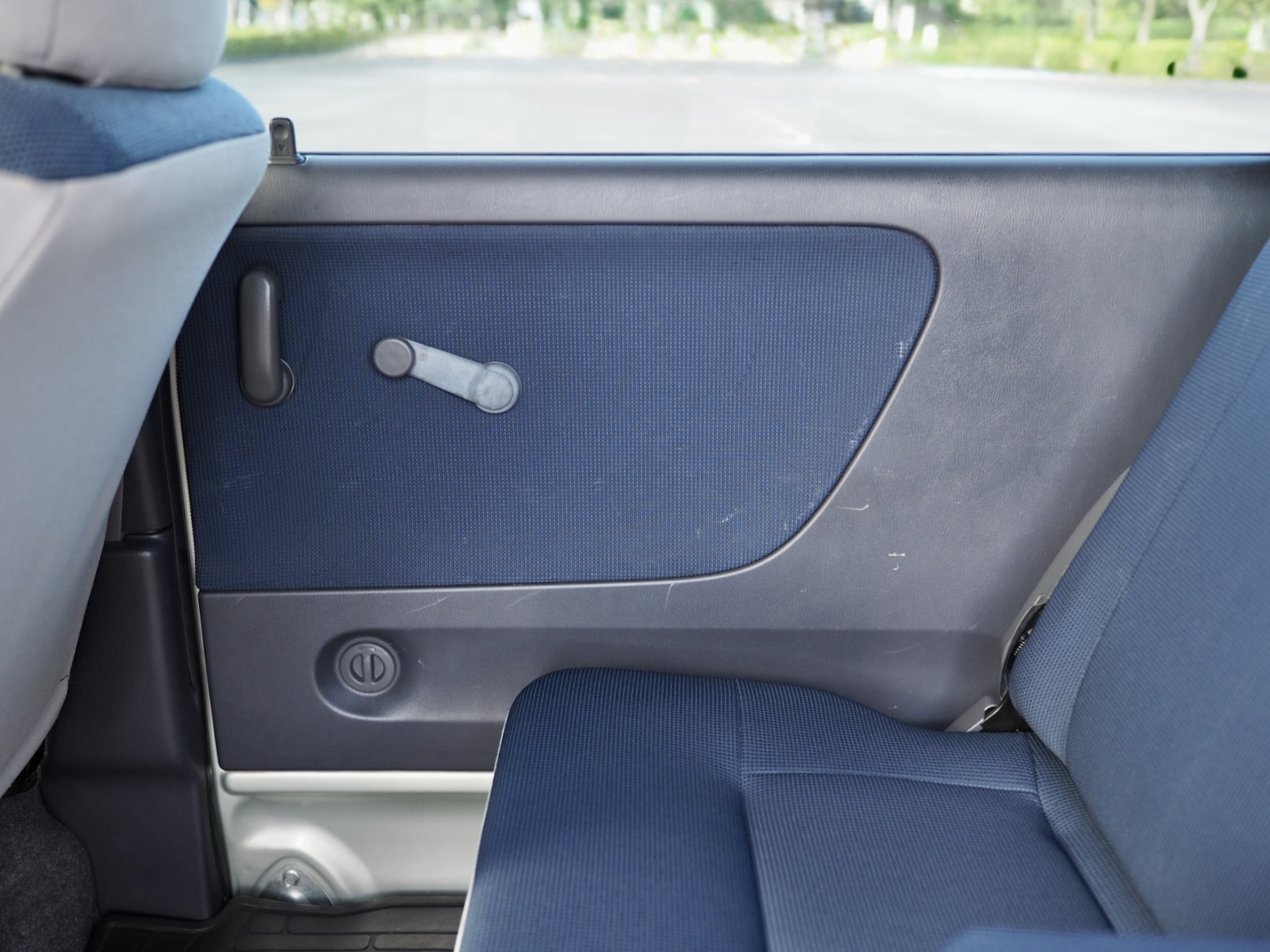
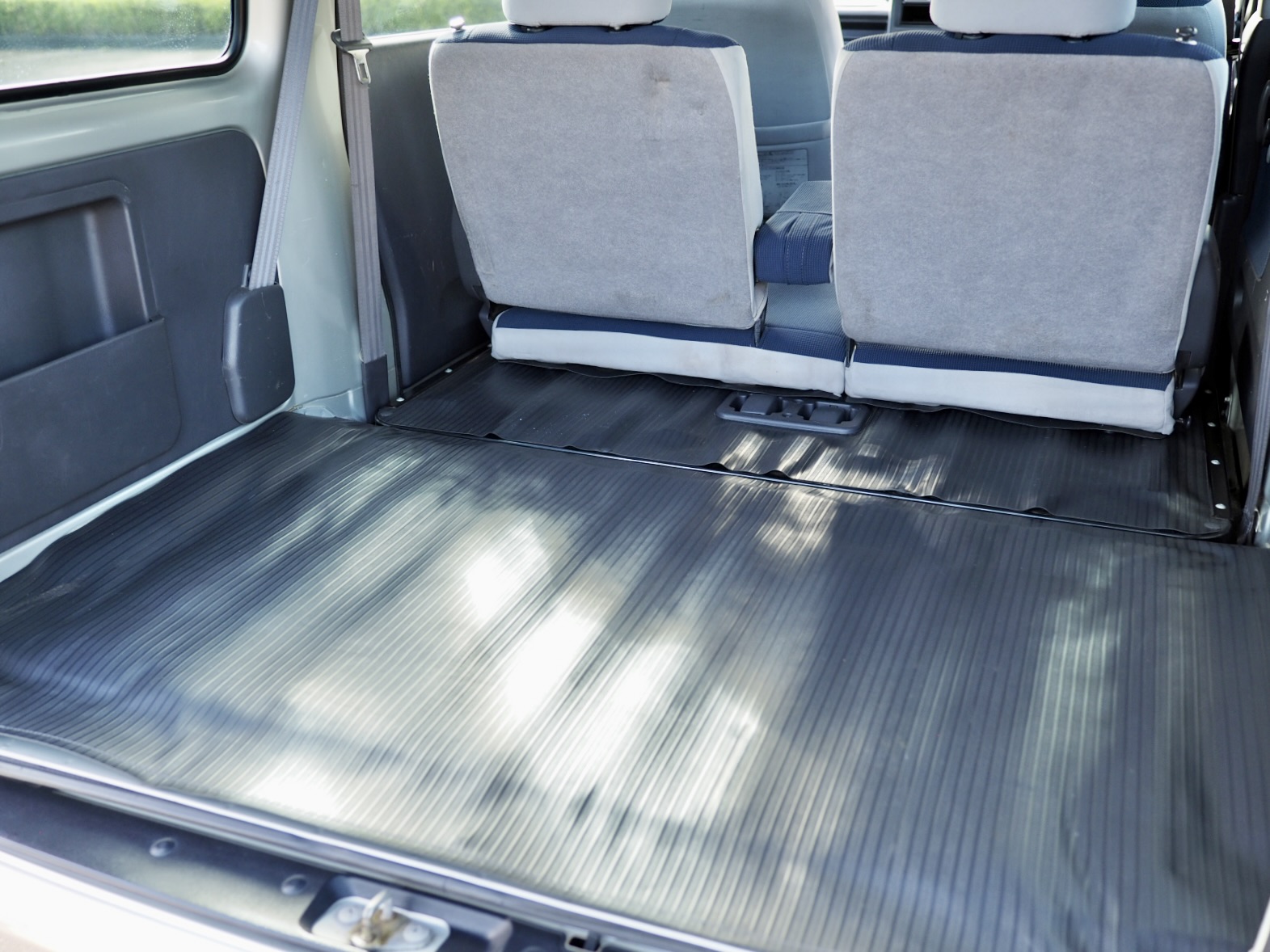
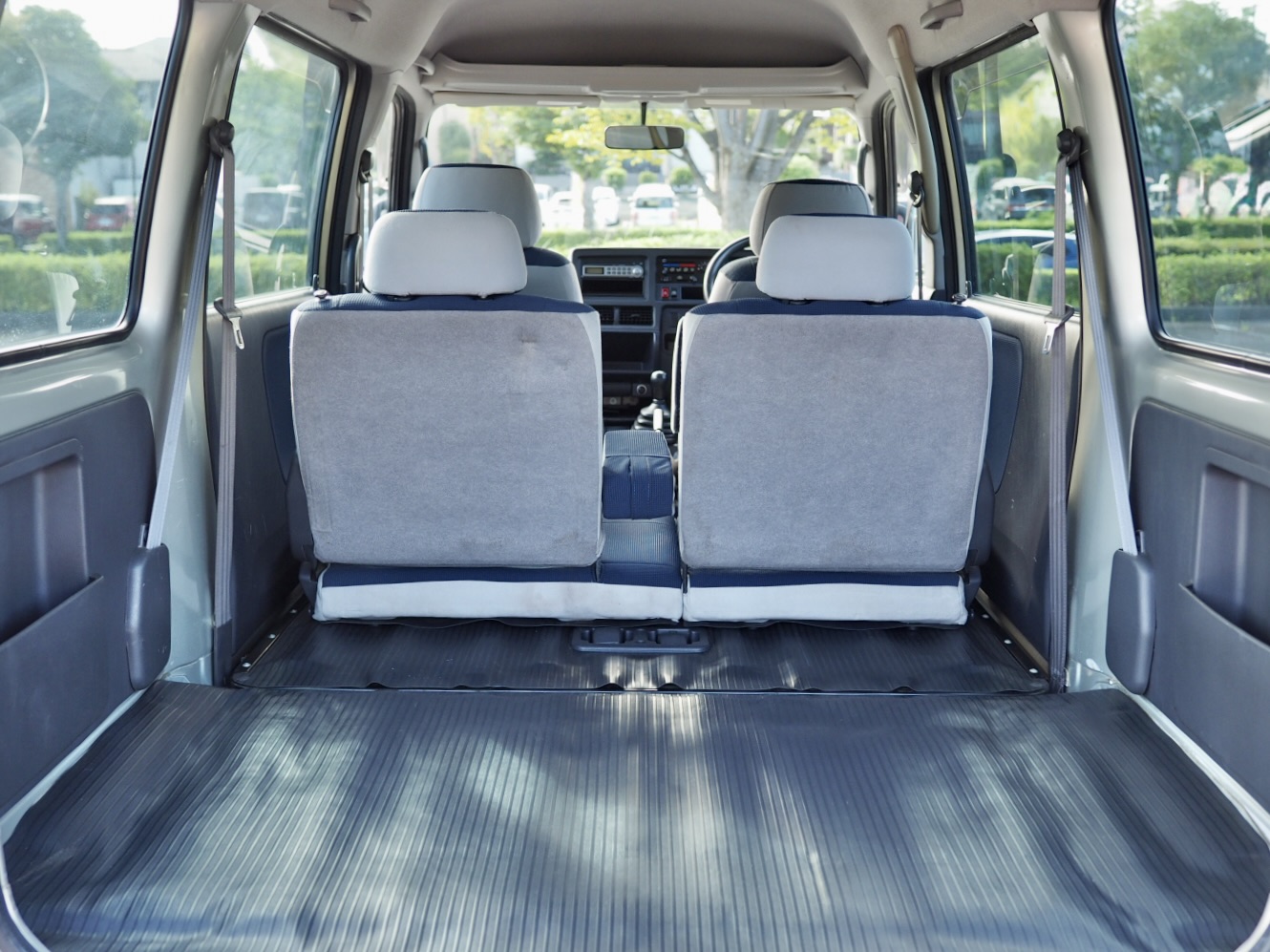
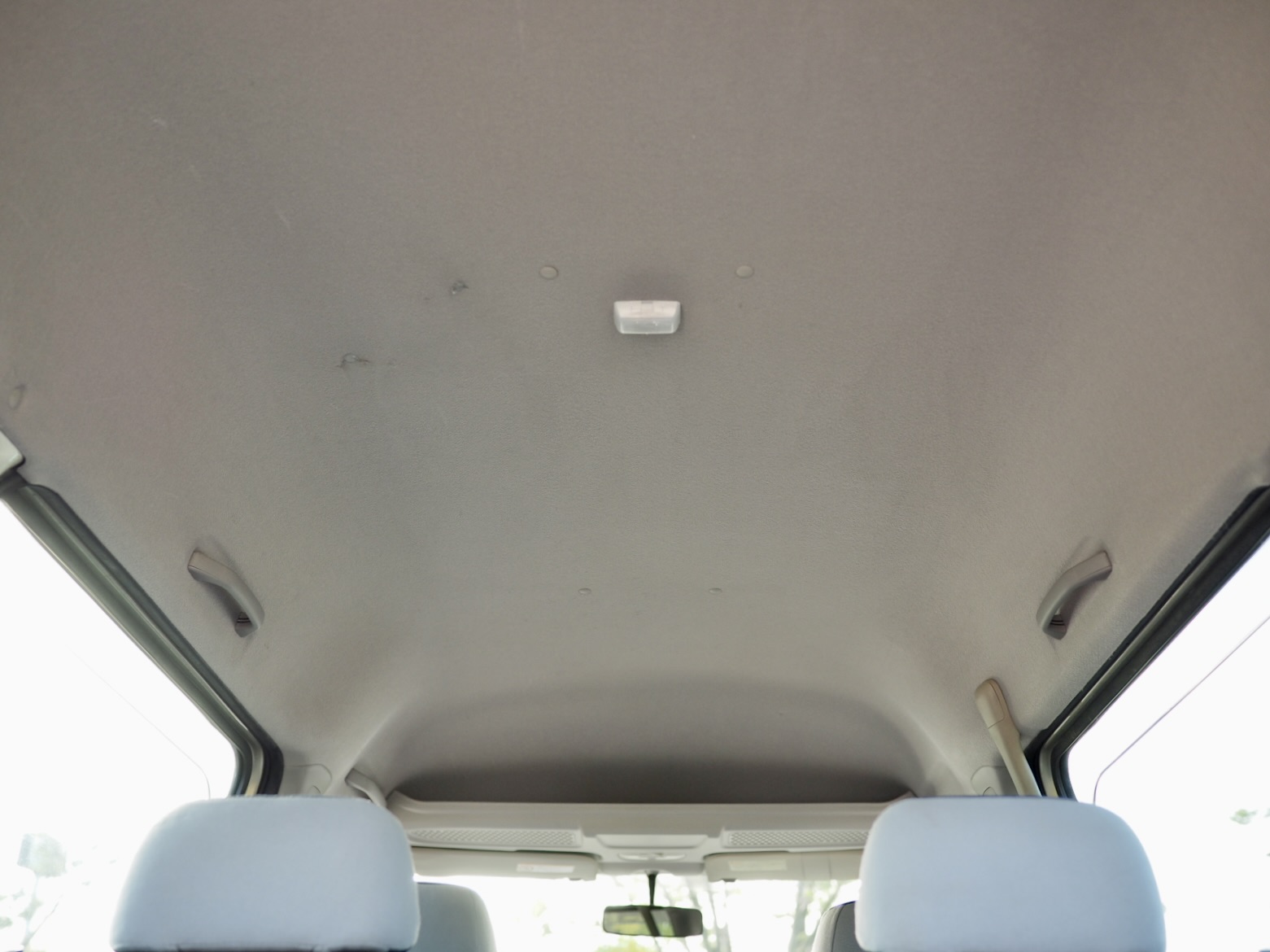
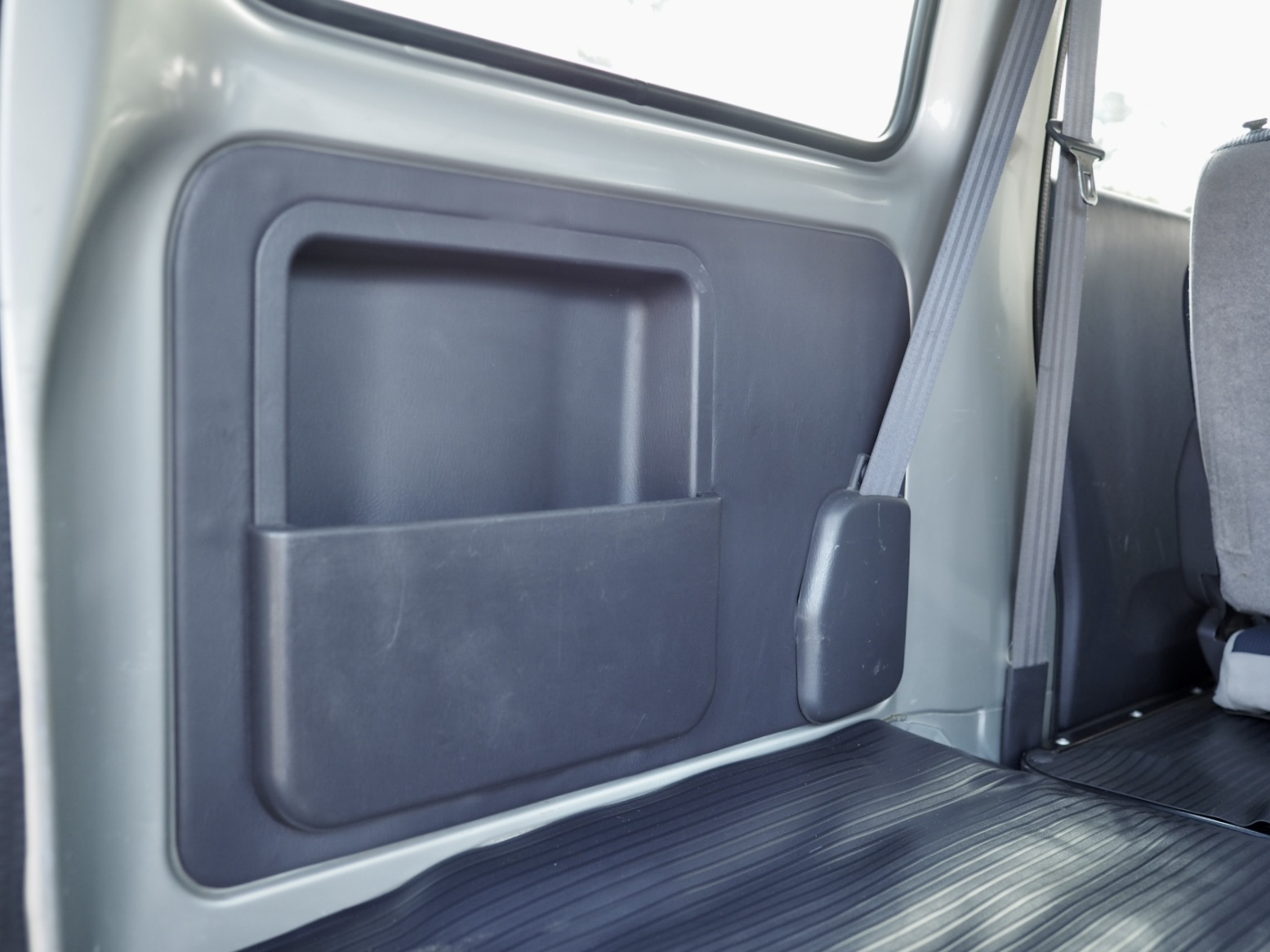
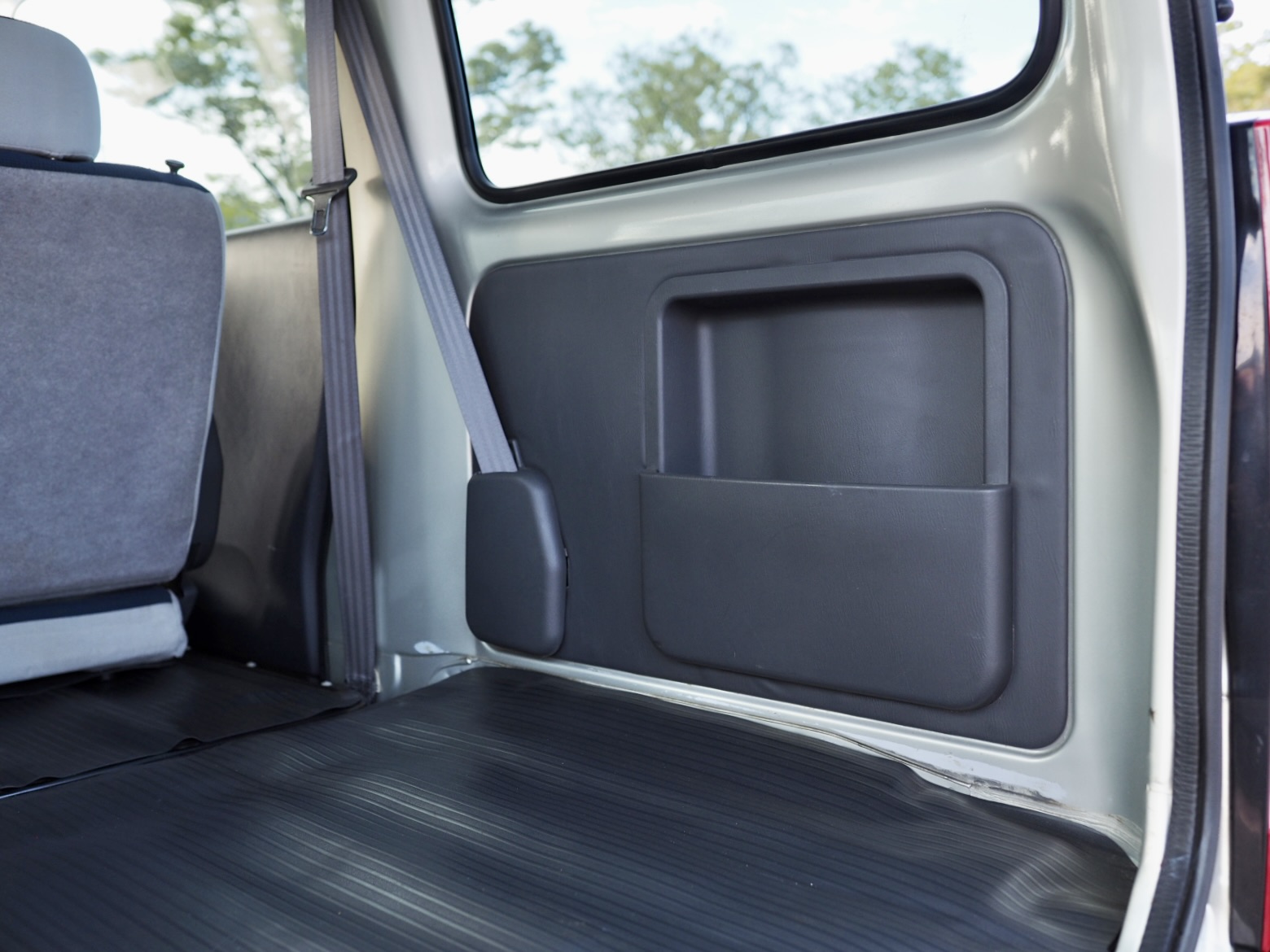
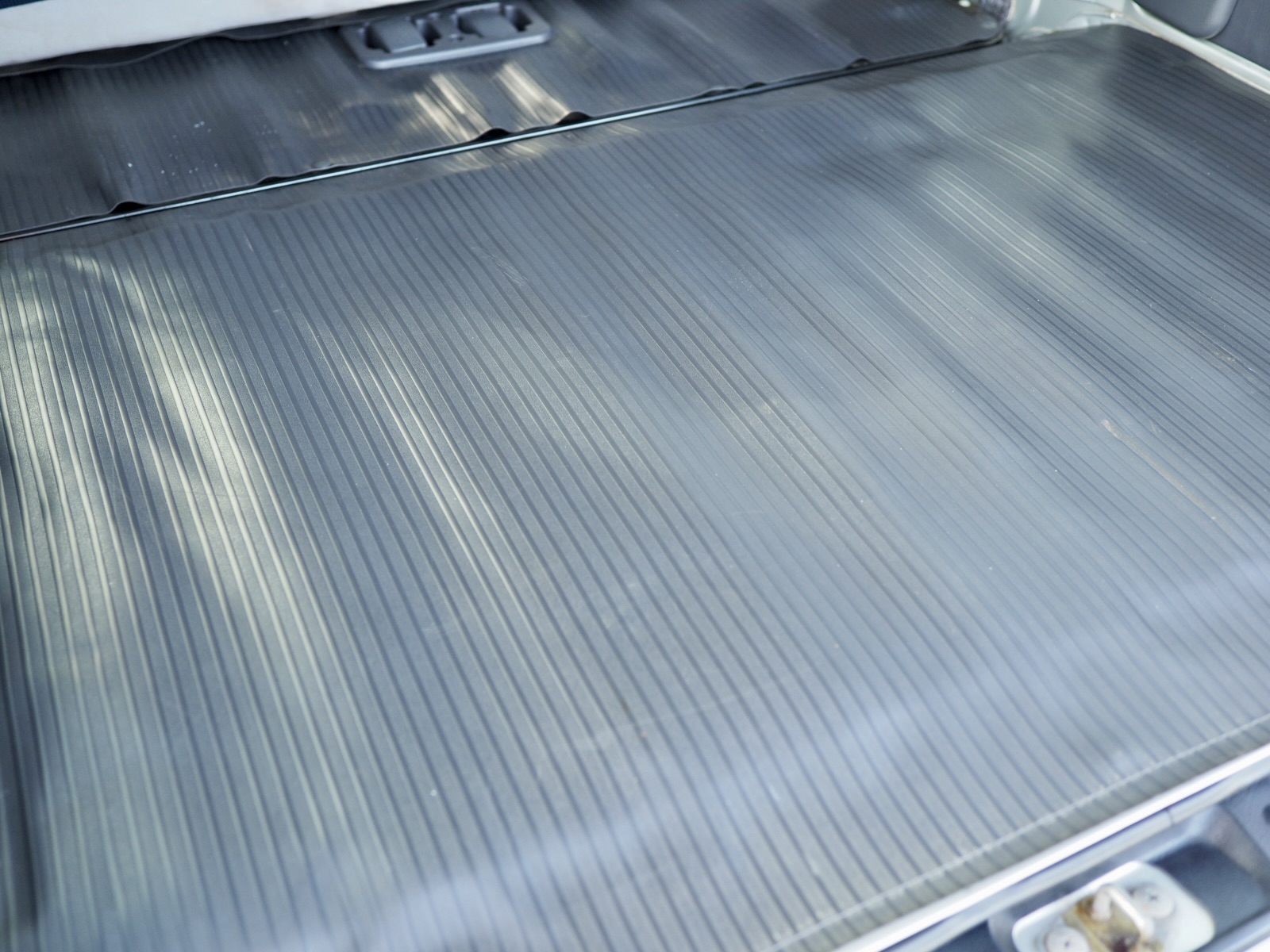
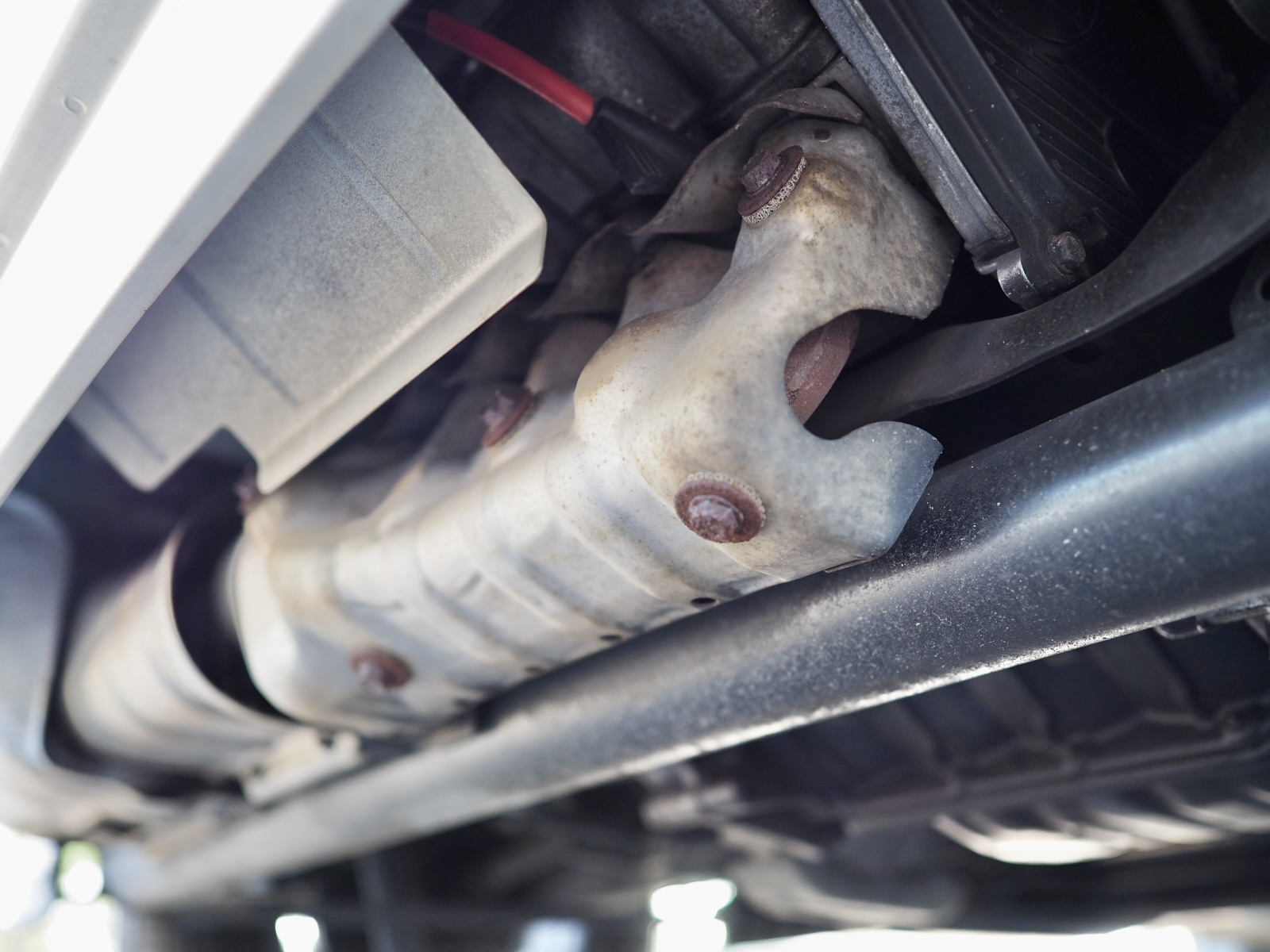
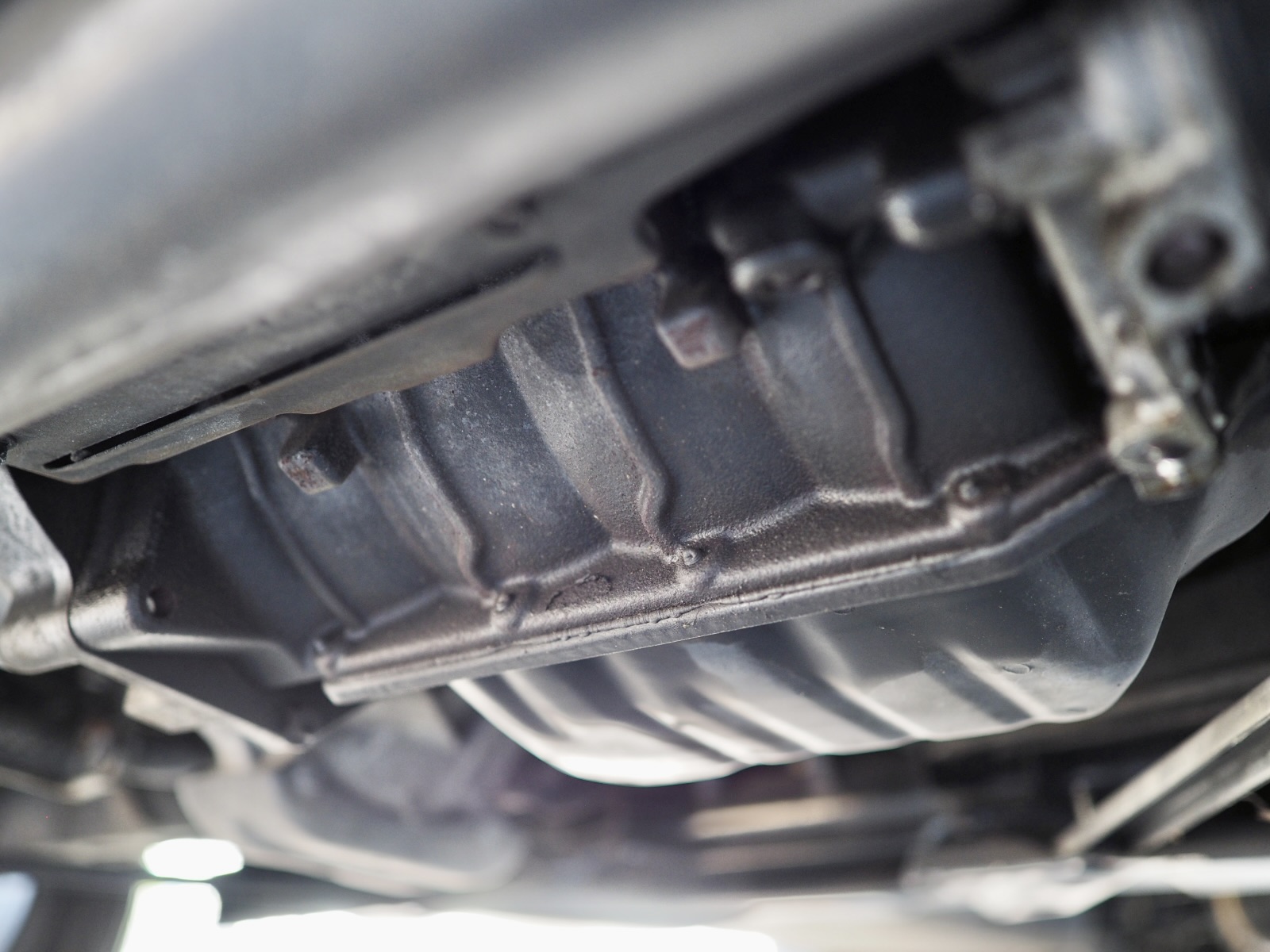
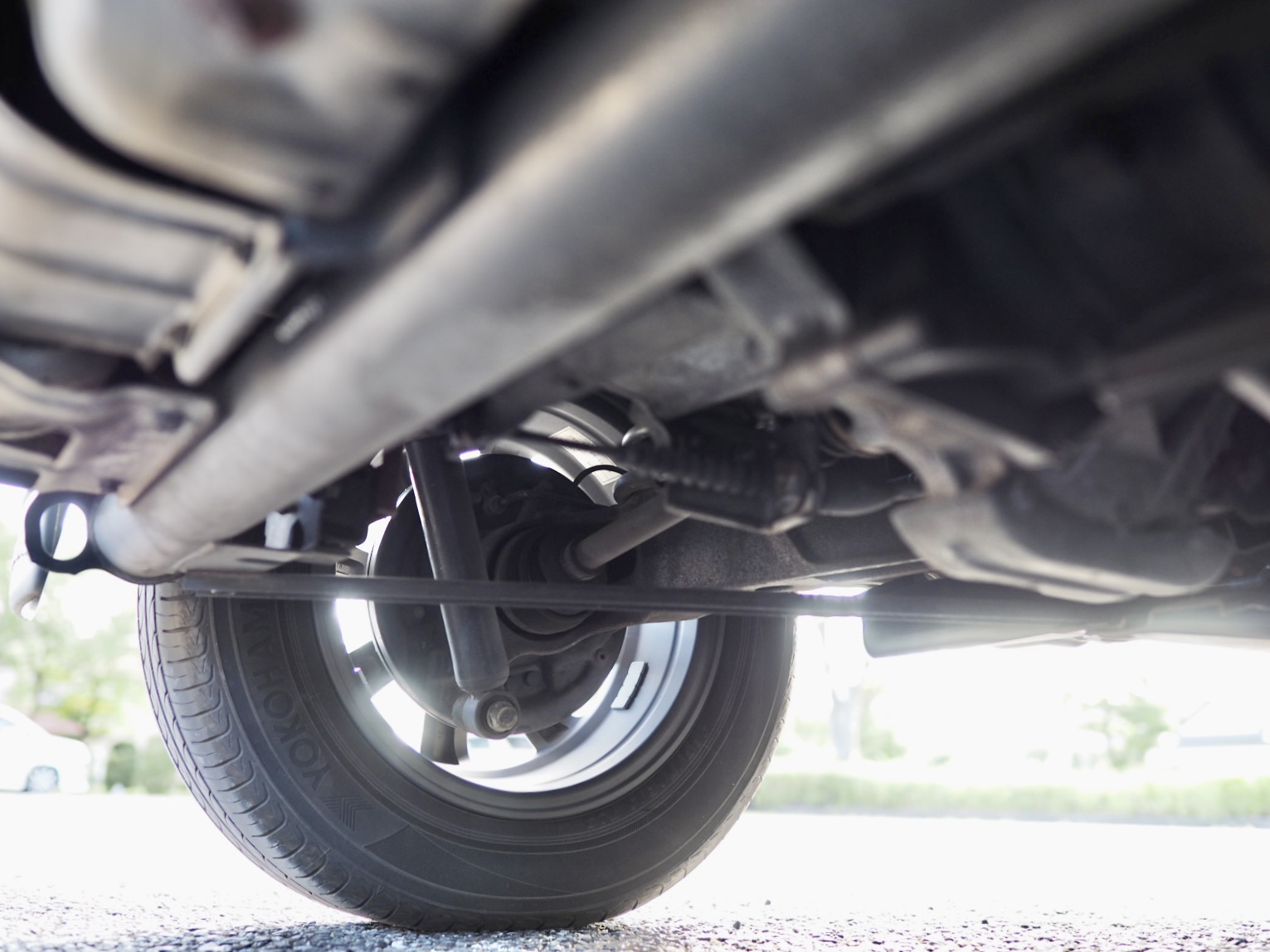
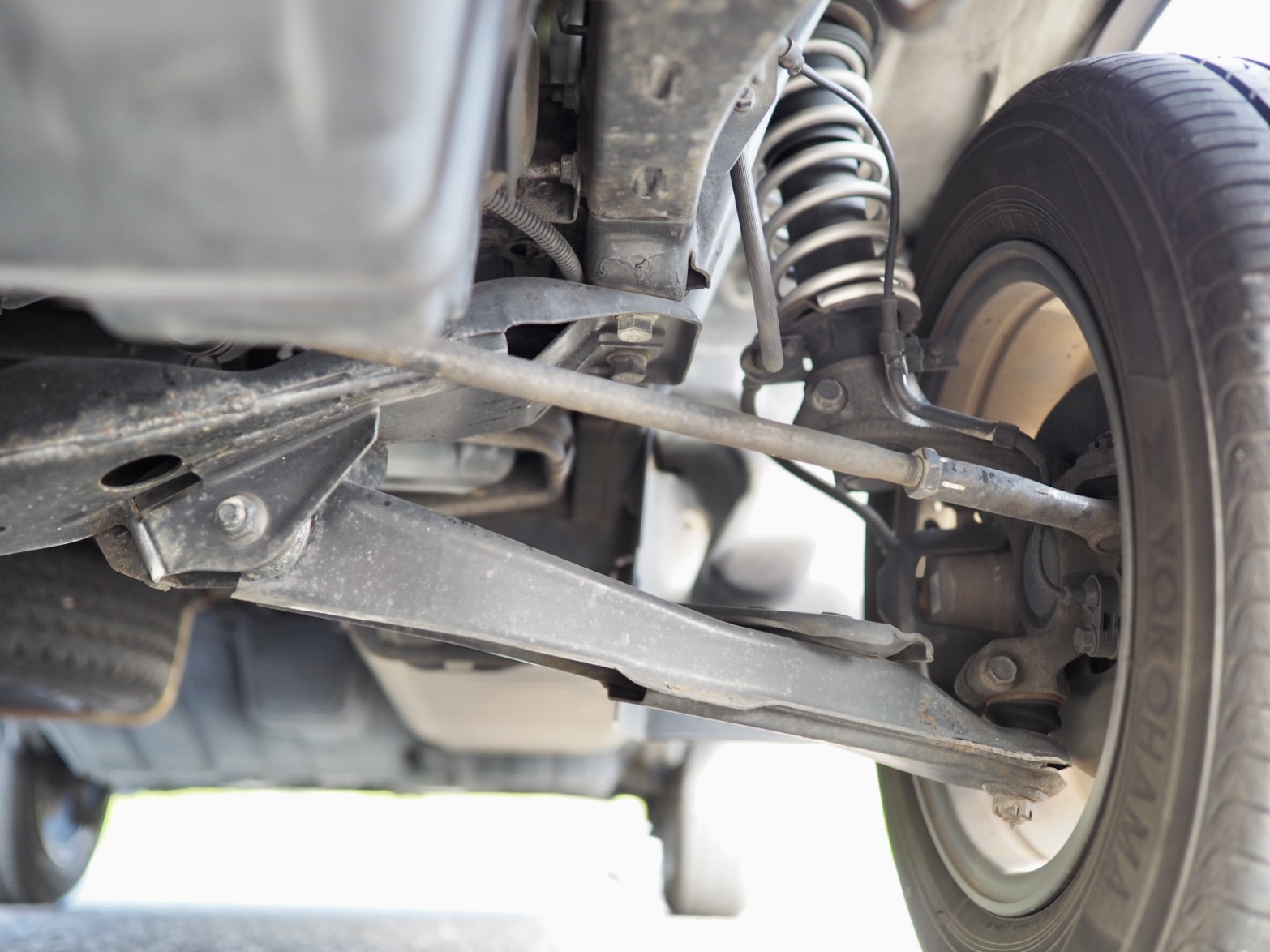
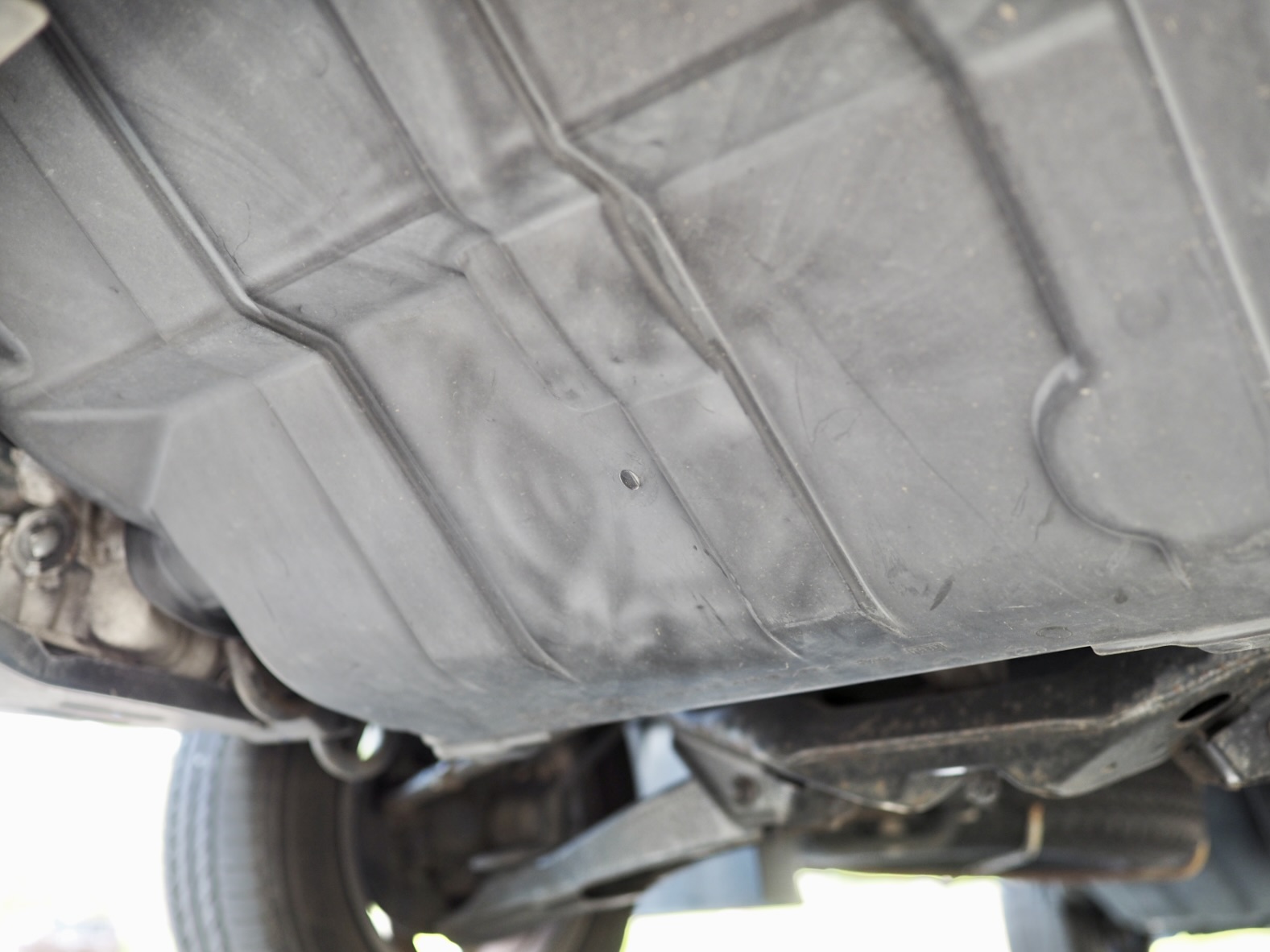
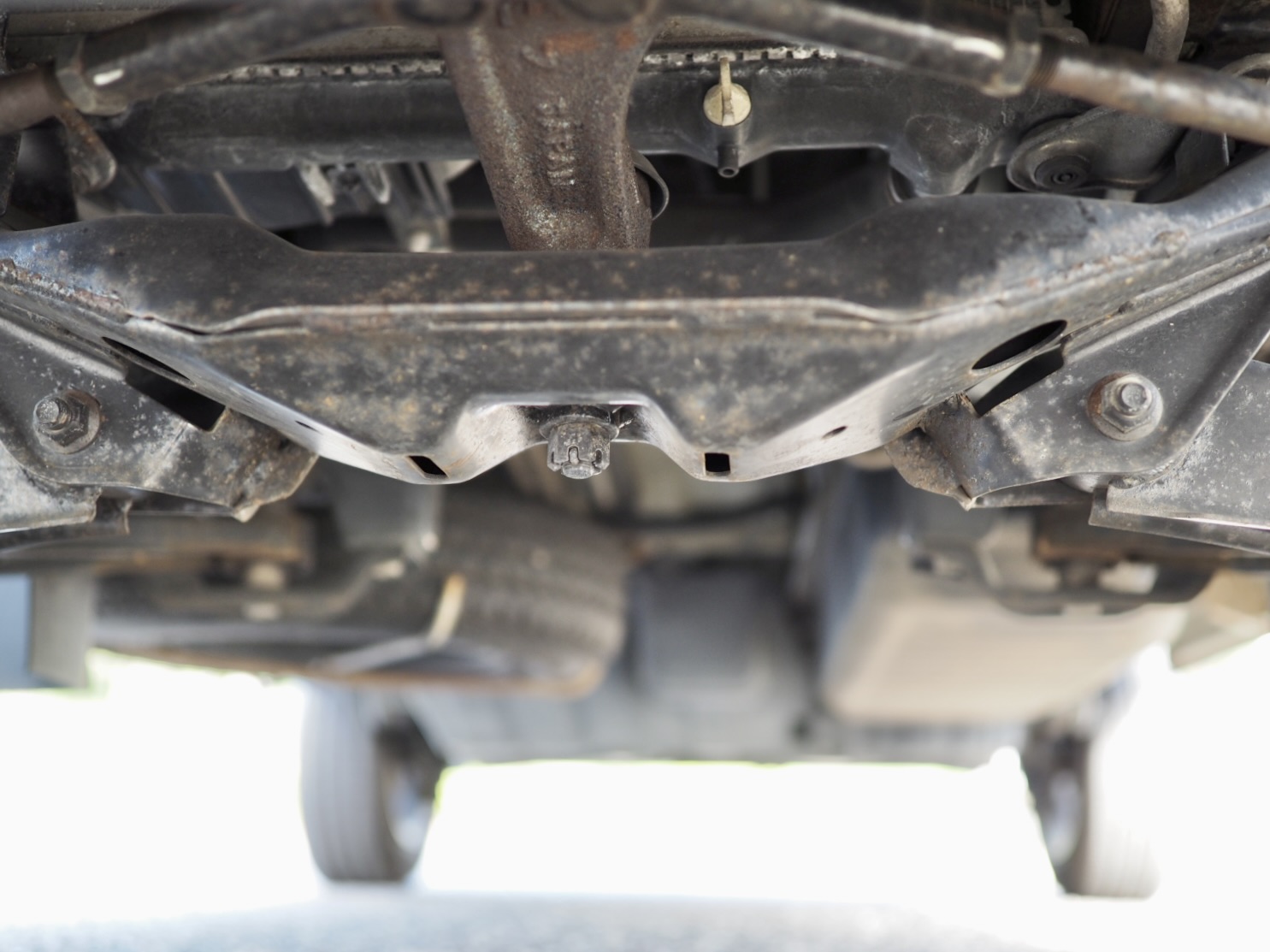
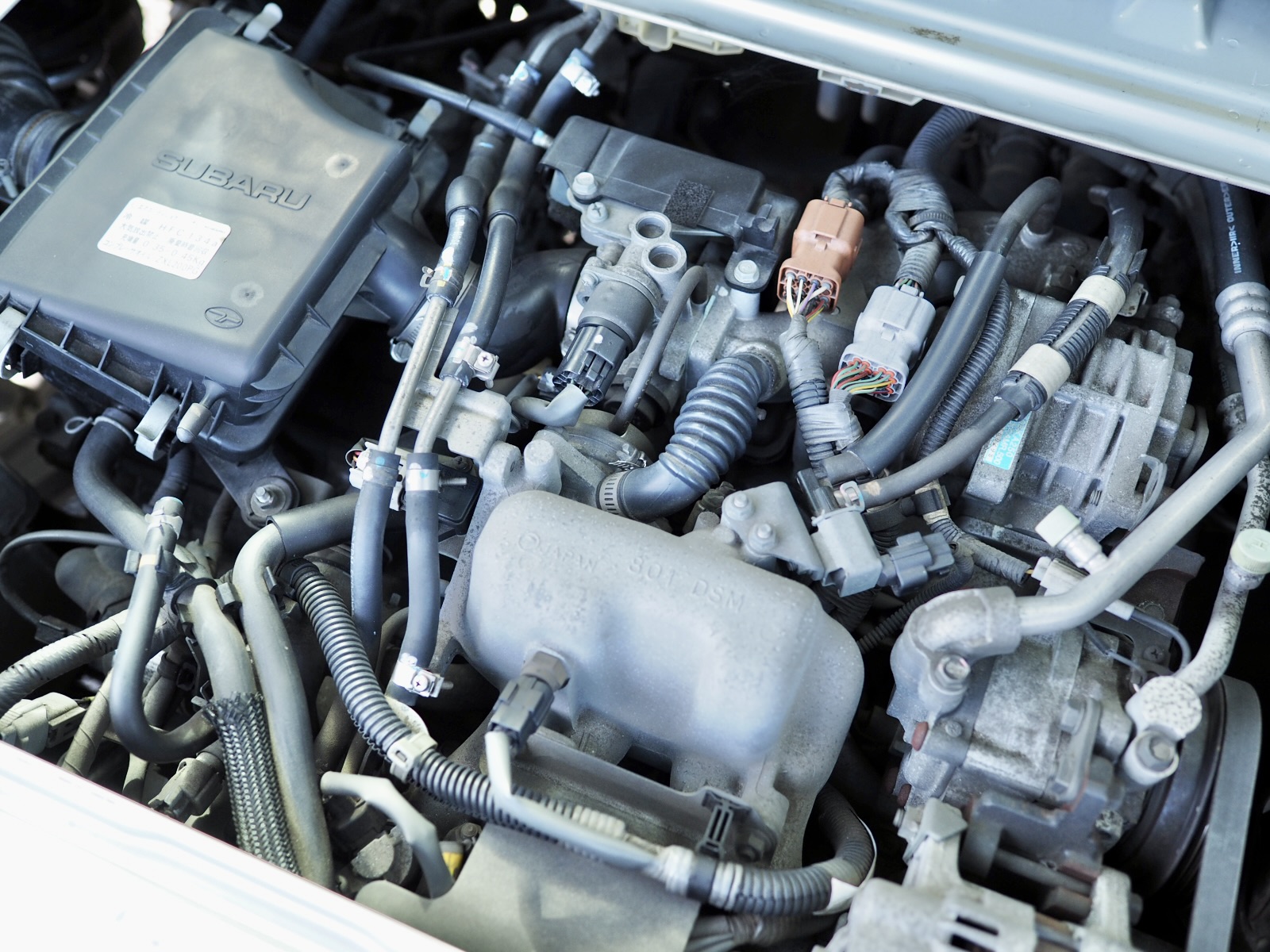
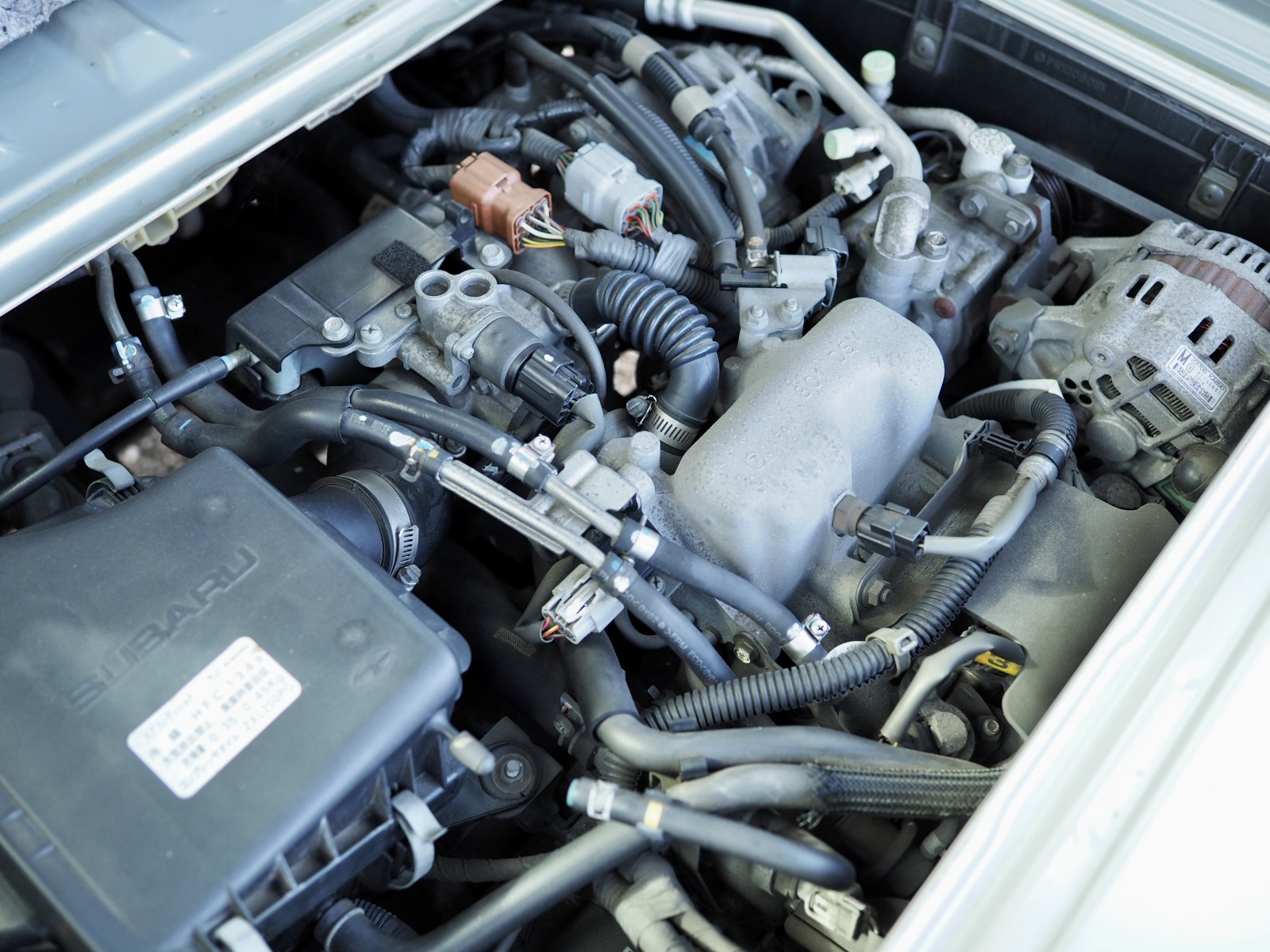
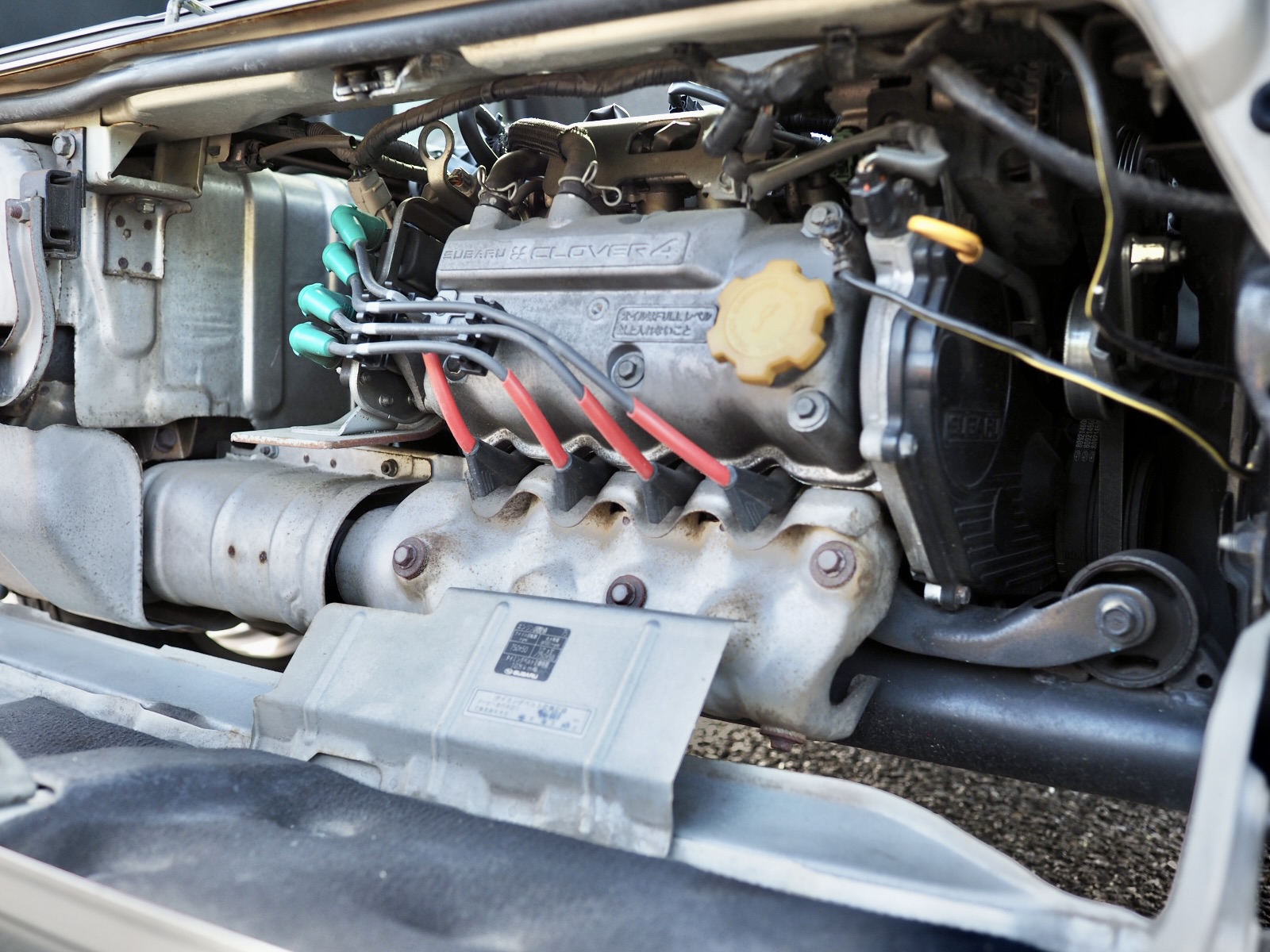
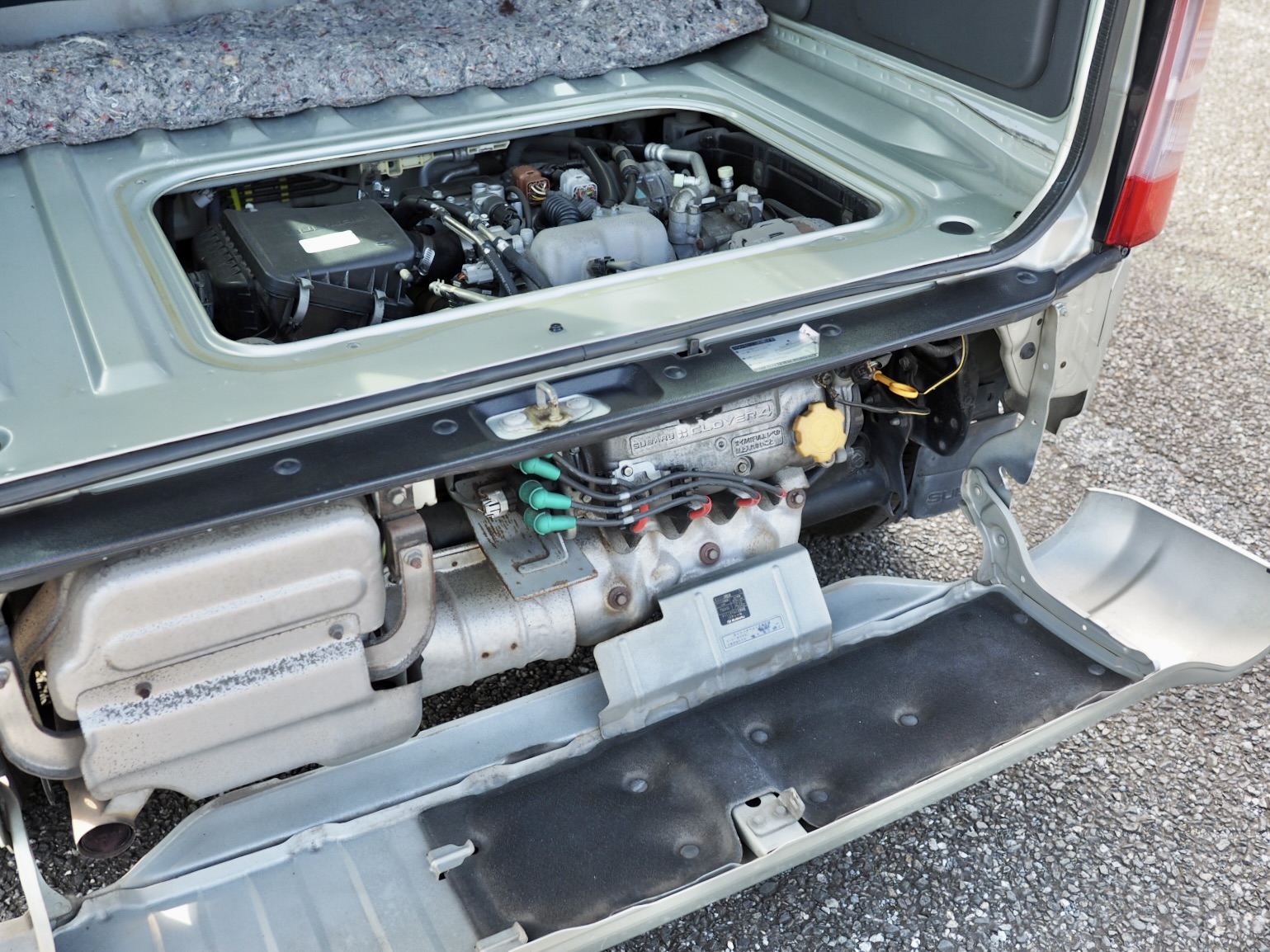
The detailed condition of the vehicle is described in each photo.
On the top slide you will find 50 attractive photos of the vehicle! Please click on a photo to view it with its description. Click outside the picture to return to the page.
SPEC
Length
3,390 mm
Width
1,470 mm
Height
1,900 mm
Weight
940 kg
Engine Displacement
658 cc
FOB Tokyo price is