

TOP>Stock List>1963model Lotus Elan 1600 Series 1 Type 26
1963model
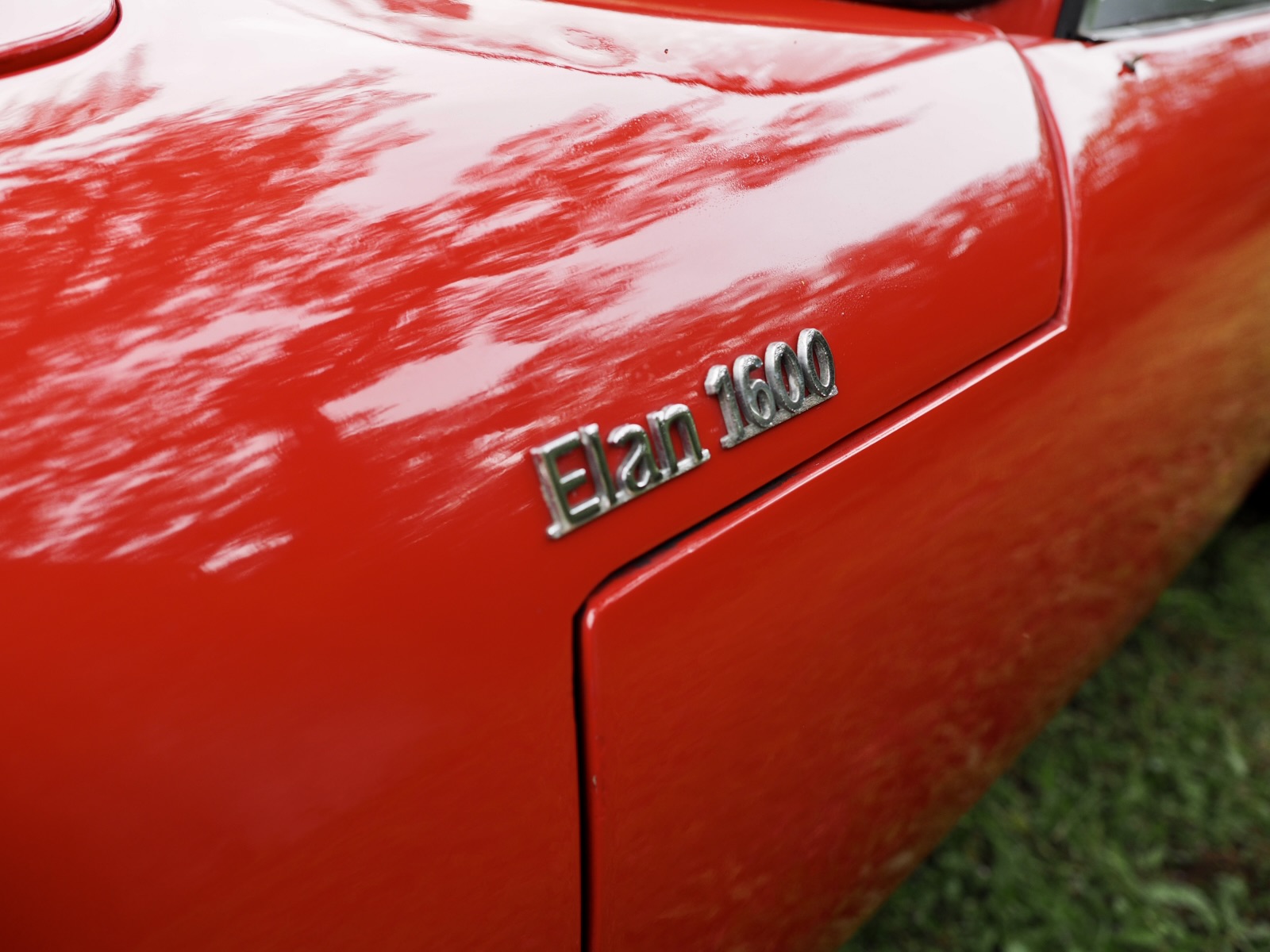
Lotus Elan 1600 Series 1 Type 26





↑↑↑Please watch the archived video above with audio if possible...
After 20 years and enormous investment, this Lotus Elan 1600 Series 1 has matured into an utterly exhilarating driver’s car...! This exceptionally early chassis No. 26/0112 is a supreme Elan—beautiful in its fully original form, wonderful to drive, and a joy simply to admire...!
Chapter One…
The very essence of classic Lotus…!
The happiness of driving a Type 26 Series 1 Lotus Elan—the pure expression of Colin Chapman’s philosophy…
More than 60 years have passed since its debut, and naturally, who worked on the car, where, and how over all those years…
That provenance and clearly documented history have a profound effect on the present condition of any classic car…
And with something as singular as a ‘classic Lotus,’ whose origins differ so clearly from those of ordinary production cars, this factor becomes even more important…
Classic Lotus cars even have their own unmistakable smell. I have become deeply immersed in their unique appeal—especially the wonderfully tangible philosophy of Chapman—and have restored and restomodded several examples including Europas. In a classic Lotus, with its unusual backbone frame clothed in an FRP body, I firmly believe the condition of an individual car reveals itself most clearly in one thing above all: the way it drives…
This Series 1—the very early Elan—is a model from before convenience was ever a priority, with virtually no luxury equipment at all…
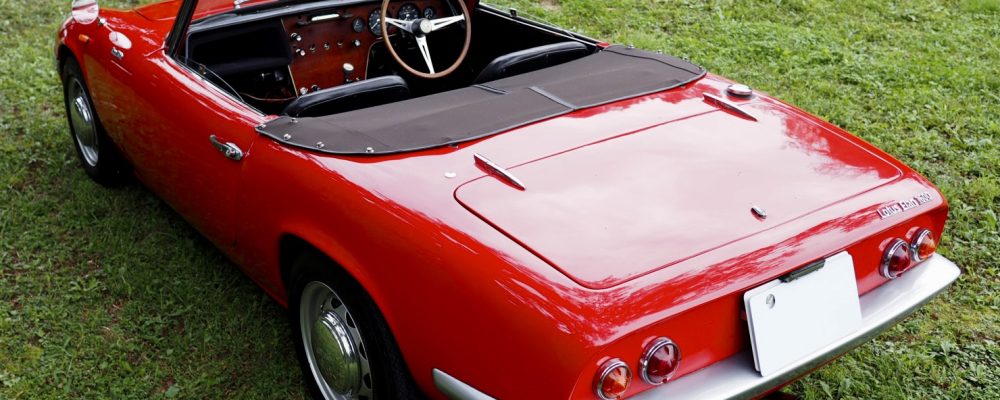
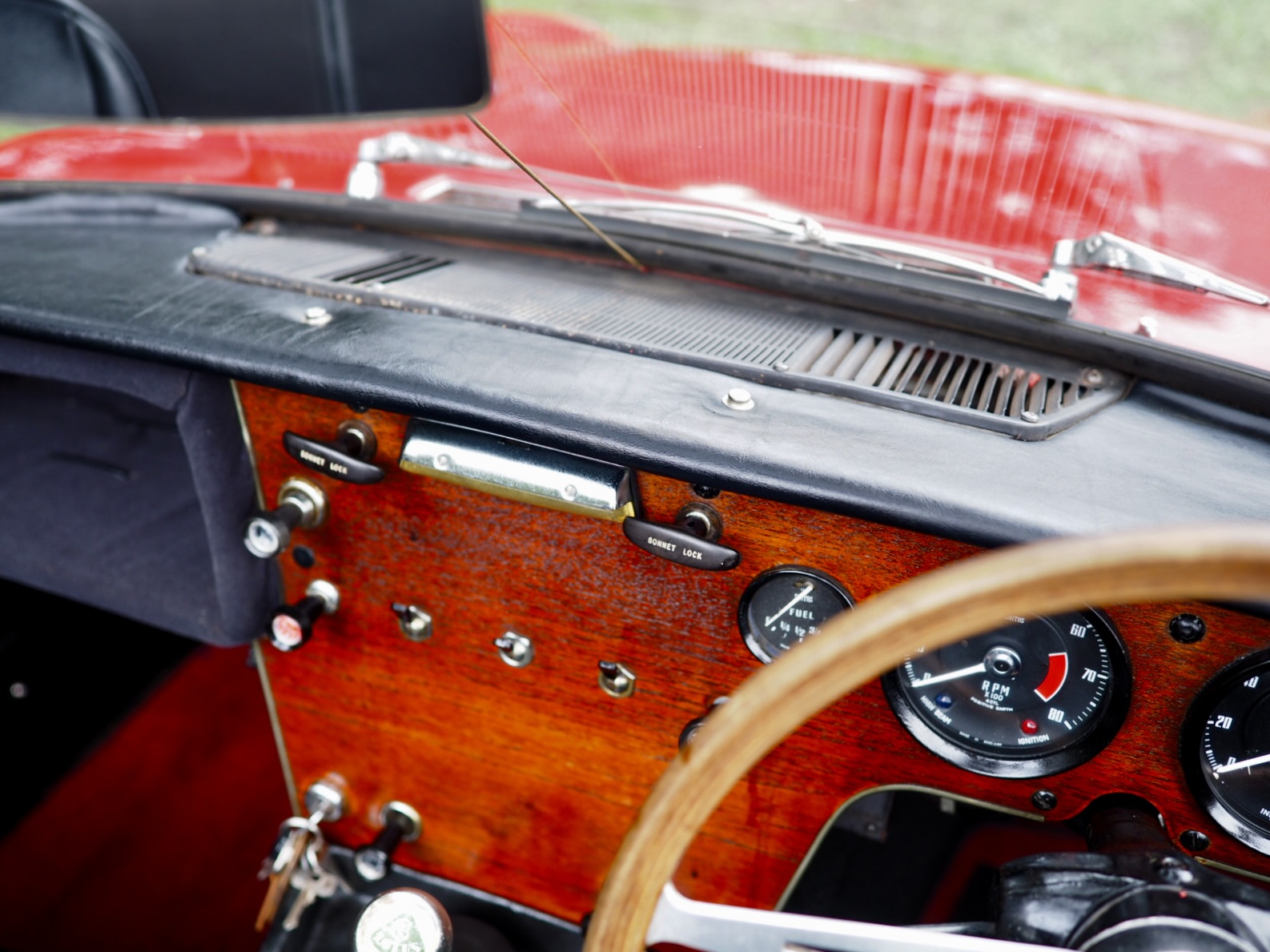
The side windows do not wind down; they are lifted out by hand. Even the soft top is removed from its side frames and stored in the trunk. Looking back now, what an extraordinarily unconventional approach that was…
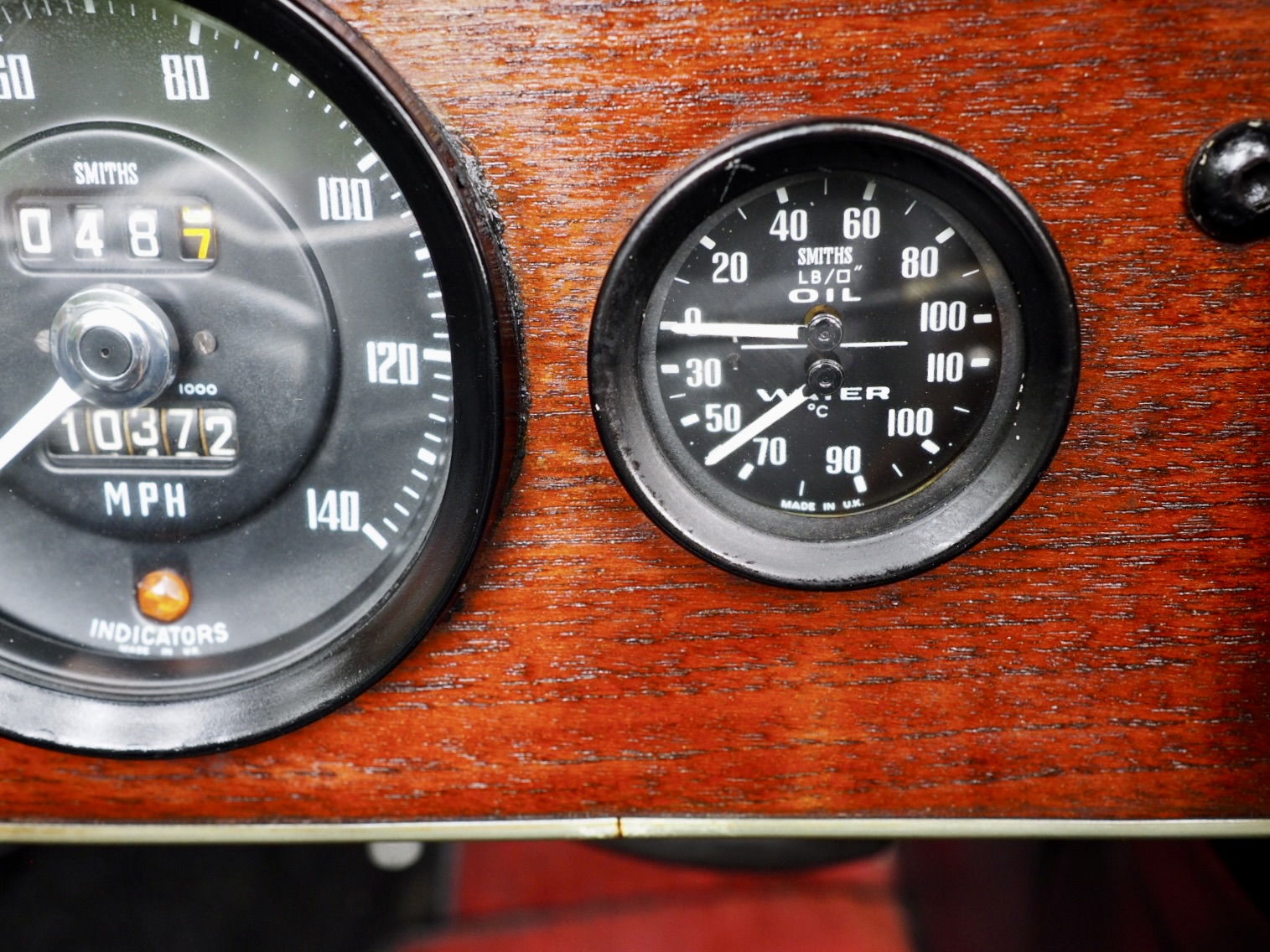
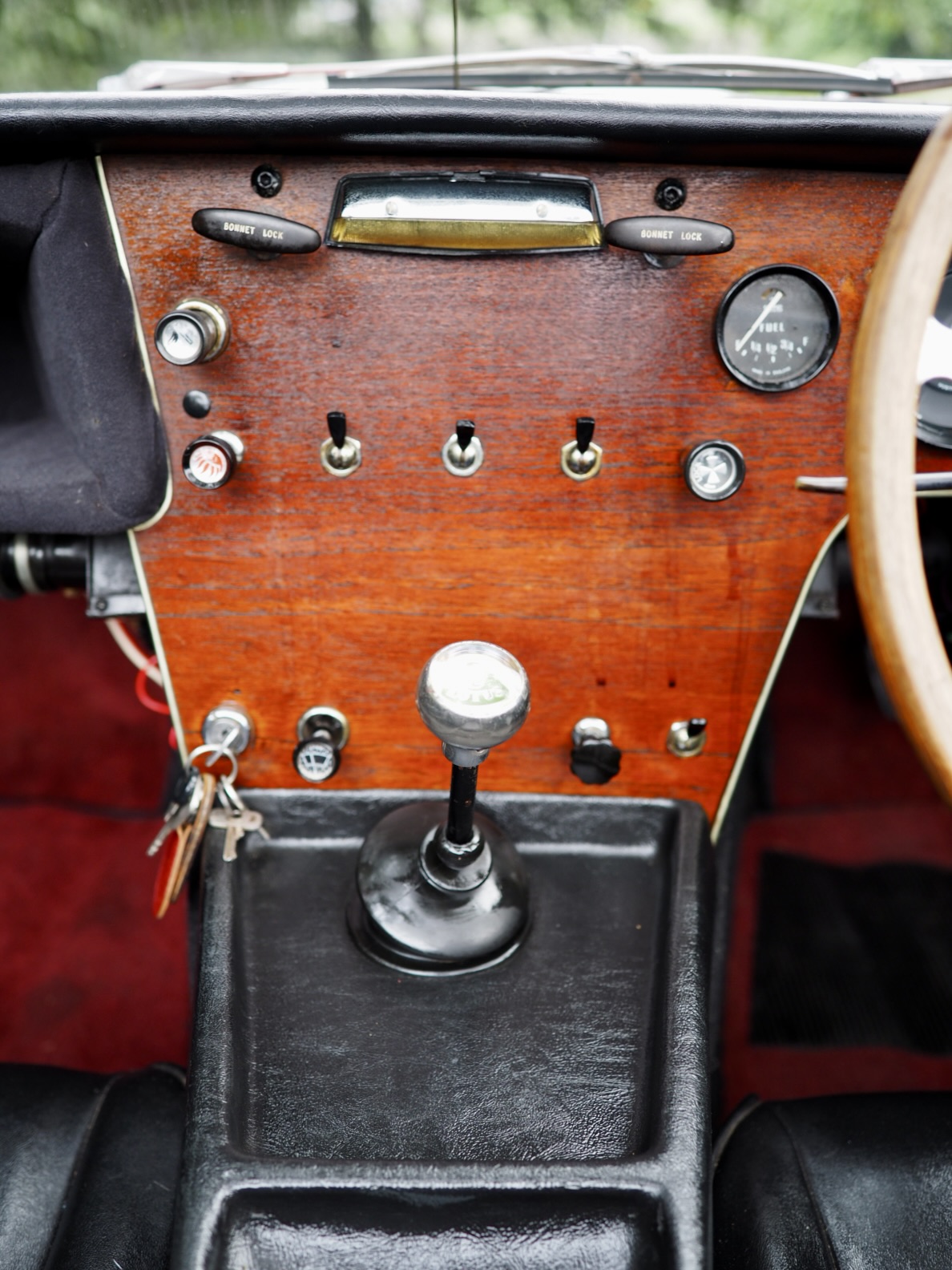
Admiring the simple, unadorned original wood dashboard while carefully checking that the doors have not sagged, you open the door by its handle, step into the Elan feet-first in that distinctively Lotus fashion, and sink into the extremely low seat. Settling into the slightly inboard driving position—as if the car itself were saying, ‘Adapt yourself to me’—you are greeted by a view so simple and so unmistakably Series 1 Lotus Elan that it draws an involuntary sigh: ‘Ah… this is it…’
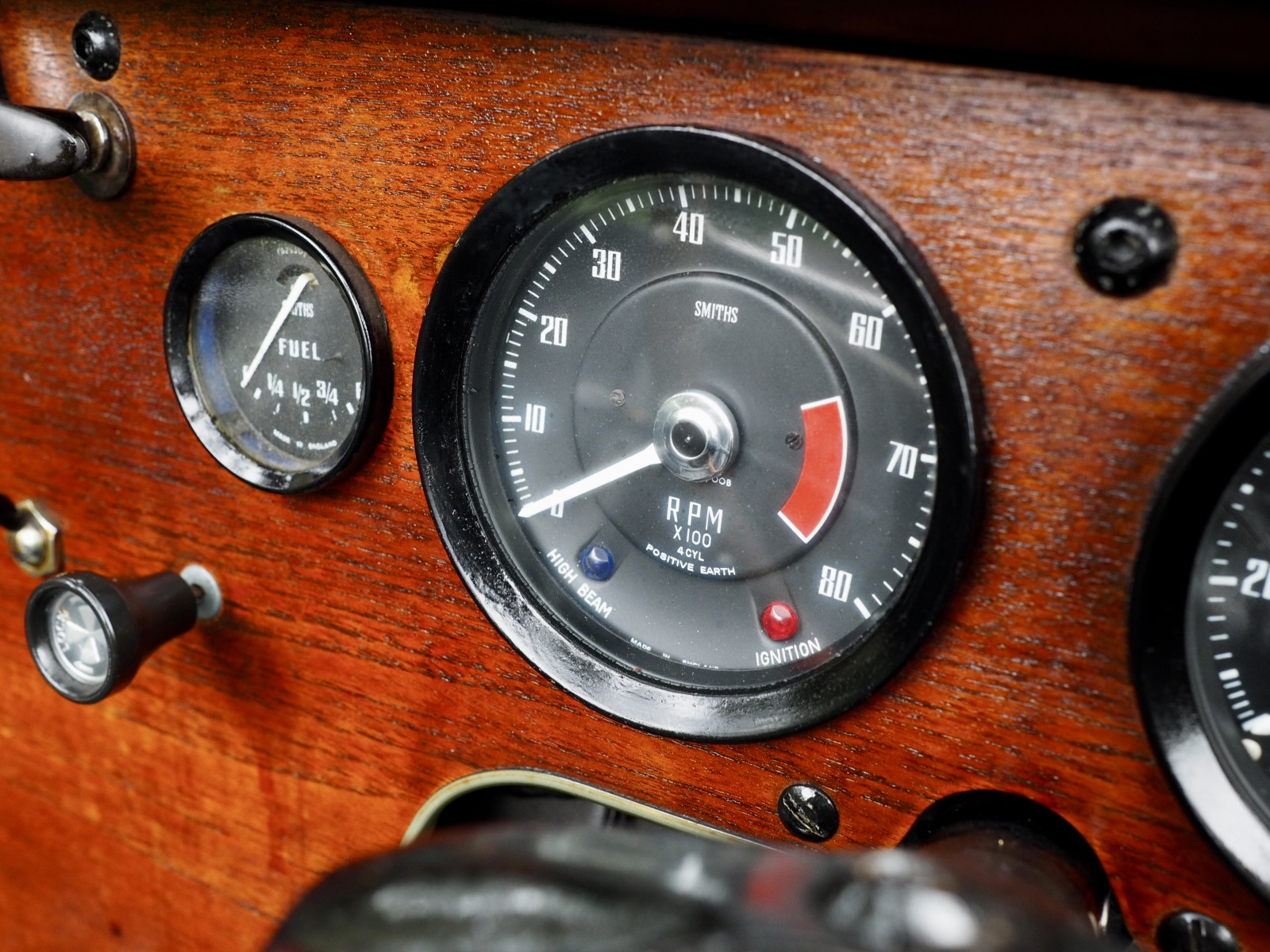
Even from completely cold, the original Lotus Twin Cam surprises you by firing instantly and settling into a steady idle, with no choke required, thanks to the beautifully set-up original twin Weber carburetors. Once the oil has fully circulated and you blip the throttle, the Smiths rev counter in front of you snaps upward with superb response. In contrast to the mellow, heart-stirring midrange-rich note of the steel exhaust system, the needle’s slight oscillation adds another wonderfully period touch…
The four-speed manual shifter moves through such a short, crisp throw that you cannot help wondering, ‘How can it feel this mechanical and precise?’ A flick of the wrist clicks it into gear, and with just the right engagement of the light clutch, the ultralight body simply glides forward…
And from there… the unimaginably seductive Series 1 Lotus Elan driving experience is guaranteed to put a genuine smile on the driver’s face…!
For the full report on how it drives, please look forward to the author’s notes in Chapter Three…
Before that, however, there is so much more that deserves to be told about this 26/0112 Series 1 Elan, so I hope you will continue reading carefully…
The 1960s…
Unlike a major company such as Mercedes-Benz, which could strategically enter races to promote the appeal of its production cars, Lotus was a small specialist constructor of formula cars. It earned money through racing success and used those funds to build tiny numbers of road cars from time to time—an almost completely opposite approach to the conventional car manufacturer…
That philosophy was expressed wonderfully in contemporary Elan advertising. In a 1964 Road & Track advertisement, Lotus boldly declared in effect that because it was impossible to build a car that satisfied everyone, it would instead build one that appealed intensely to a select few. Another advertisement that year stated just as clearly that if you wanted a car merely to park outside your apartment and show off, this was not it. Instead, Lotus emphasized the essence of driving—its twin-cam engine related to the Lotus 23B, its cornering, braking and handling—and ultimately positioned the Elan unequivocally as ‘a car for enthusiasts only’…
Lotus thus used its achievements and technology as a racing constructor as its greatest form of advertising, sending road cars into the world with the unapologetic attitude that ‘only those who understand need understand.’ For the fortunate few enthusiasts who could own a Lotus in period, the reward was an exceptional driving experience…
Fascinating, isn’t it…!
Against that remarkable historical background, every time I encounter a vintage Lotus more than sixty years later, I cannot help thinking: ‘It is astonishing that they actually put a car like this into production back then…!’
Encountering a classic Lotus that carefully preserves its period appearance while having been properly restored where necessary and beautifully finished offers an undeniably ‘special experience’ quite unlike encountering an ordinary production car…
It is almost a privilege reserved for the owner—the chance to experience the aesthetics of a vanished era as though through a time machine…
Through one car that condenses 1960s British engineering, styling and an almost racing-machine-like feel, you can reach across the decades and directly experience the aesthetics and philosophy pursued by the genius Colin Chapman himself…
The Elan’s codename was ‘Type 26,’ born from development project ‘M2’…
Unveiled at the London Earls Court Motor Show in October 1962, the Lotus Elan embodied Colin Chapman’s racing-field philosophy—‘simplify, then add lightness’—in an extraordinarily pure road-going sports car…
To understand its birth, we need to look back briefly to its predecessor, the Type 14 Lotus Elite…
The Elite’s full-FRP monocoque was astonishingly advanced for its time: light, rigid and unmistakably Lotus in its innovation. But its complex molding process made it expensive to produce, and as a road-car business it could not generate sufficient profit…
Chapman and designer/development engineer Ron Hickman therefore began searching for a new road car that could be produced more realistically without sacrificing the Elite’s lightness or dynamic performance…
A full FRP monocoque was initially considered for the Elite’s successor, but to test the suspension and powertrain, Chapman sketched a single backbone chassis made from folded thin-gauge steel…
Although intended only as a test structure, it proved both light and sufficiently torsionally rigid. Once covered by an FRP body, it became clear that an ideal road car could be created without the Elite’s complex and expensive monocoque…
Thus was born the construction that would symbolize Lotus for decades: a steel backbone with forked extensions front and rear from a central box section, combined with a lightweight FRP body carrying very little structural load…
Paired with that chassis was the Lotus Twin Cam: a Ford 116E-family five-bearing block topped with a DOHC cylinder head developed by Harry Mundy and others…
During testing, a 1499cc version was fitted to the Lotus 23B and raced by Jim Clark in the 1962 Nürburgring 1000 km. It was, quite literally, an engine developed for a lightweight racing car…
That very racing-derived engine was mounted at the front and drove the rear wheels through a four-speed manual transmission…
Add independent suspension front and rear, rack-and-pinion steering, Lotus’s distinctive Chapman strut at the rear, and rubber driveshaft couplings inspired by thinking used on the works F1 cars of the period, and the result was pure Lotus: formula-car technology brought almost directly onto the public road…!
Completed in 1962, the Elan S1 Type 26 weighed under 600 kg thanks to its FRP body and backbone chassis…
The Lotus Twin Cam, enlarged soon after launch from 1499cc to 1558cc, produced around 100 bhp. Rather than relying on absolute power, the Elan achieved extraordinary road-holding through extreme lightness, supple suspension, a low center of gravity and remarkably low inertia…
The reason Lotus still describes the Elan as a quintessential pure driver’s car of the 1960s lies precisely in the production philosophy of Lotus at the time and the design philosophy of the genius who led it, Colin Chapman…
And now, at last…
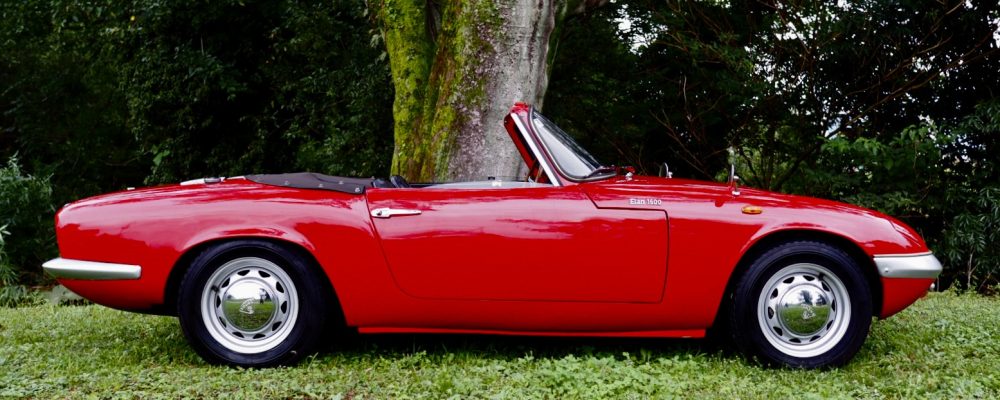
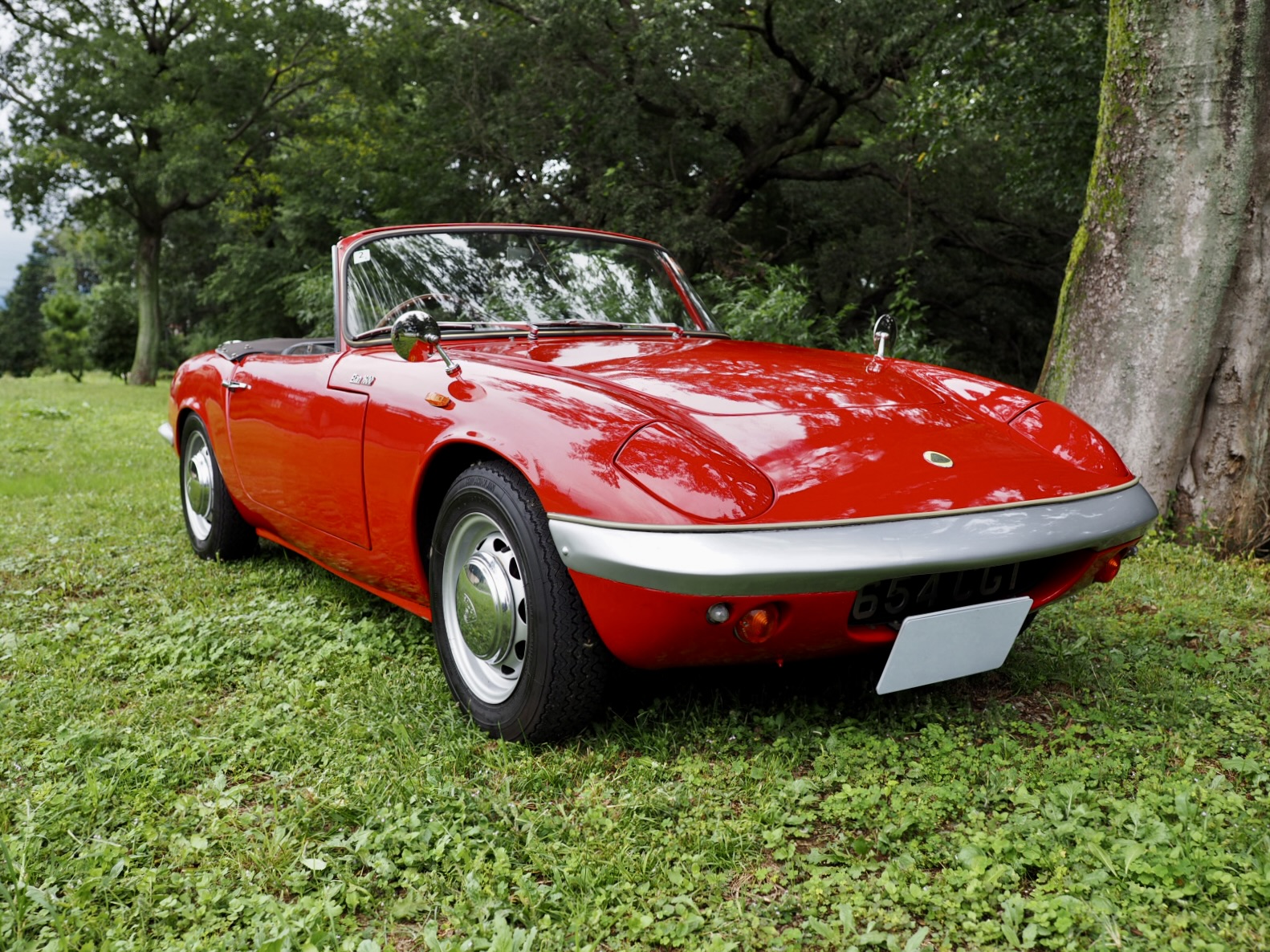
The car featured here is a particularly early Type 26: a 1963 Elan 1600 Series 1, chassis No. 26/0112…
After arriving in Japan as a parallel import in 2005, this Series 1 was matured over more than two decades by one owner who poured enormous passion and investment into it, using a single specialist workshop while preserving its originality…
Later Series 2 and subsequent cars gained more road-car comfort and practicality. This example beautifully preserves the philosophy that came before: the slender, delicate body, simple interior, lightweight construction, and Chapman’s belief in carrying ‘nothing unnecessary.’ It has been restored exceptionally well while retaining the spirit of the earliest Elan…
Built in a way that simply could not exist today, this is an exceptionally rare opportunity to experience directly—more than sixty years later—Colin Chapman’s conviction that ‘lightness is performance.’
Chapter Two…
Reading the details of this beautifully original and mechanically superb car through some 40 pages of records from more than 20 years of servicing by the same workshop…
It is rare indeed to see a car with this much astonishing originality remaining—far beyond what can be summarized by saying merely that it has been ‘nicely restored’…
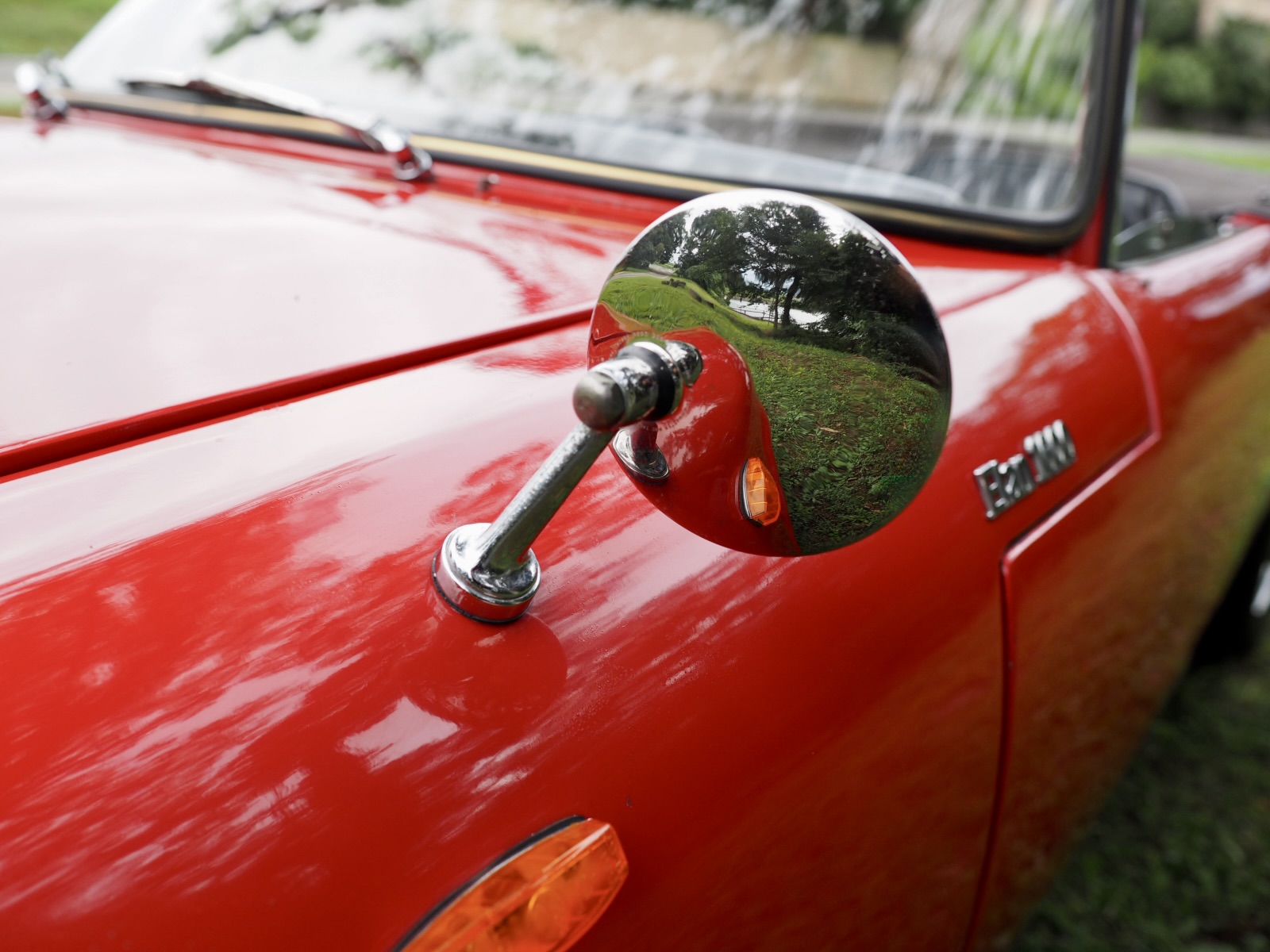
The original exterior paint survives in remarkable condition, with only a small amount of the surface texture characteristic of aging FRP visible on the heat-affected engine hood…
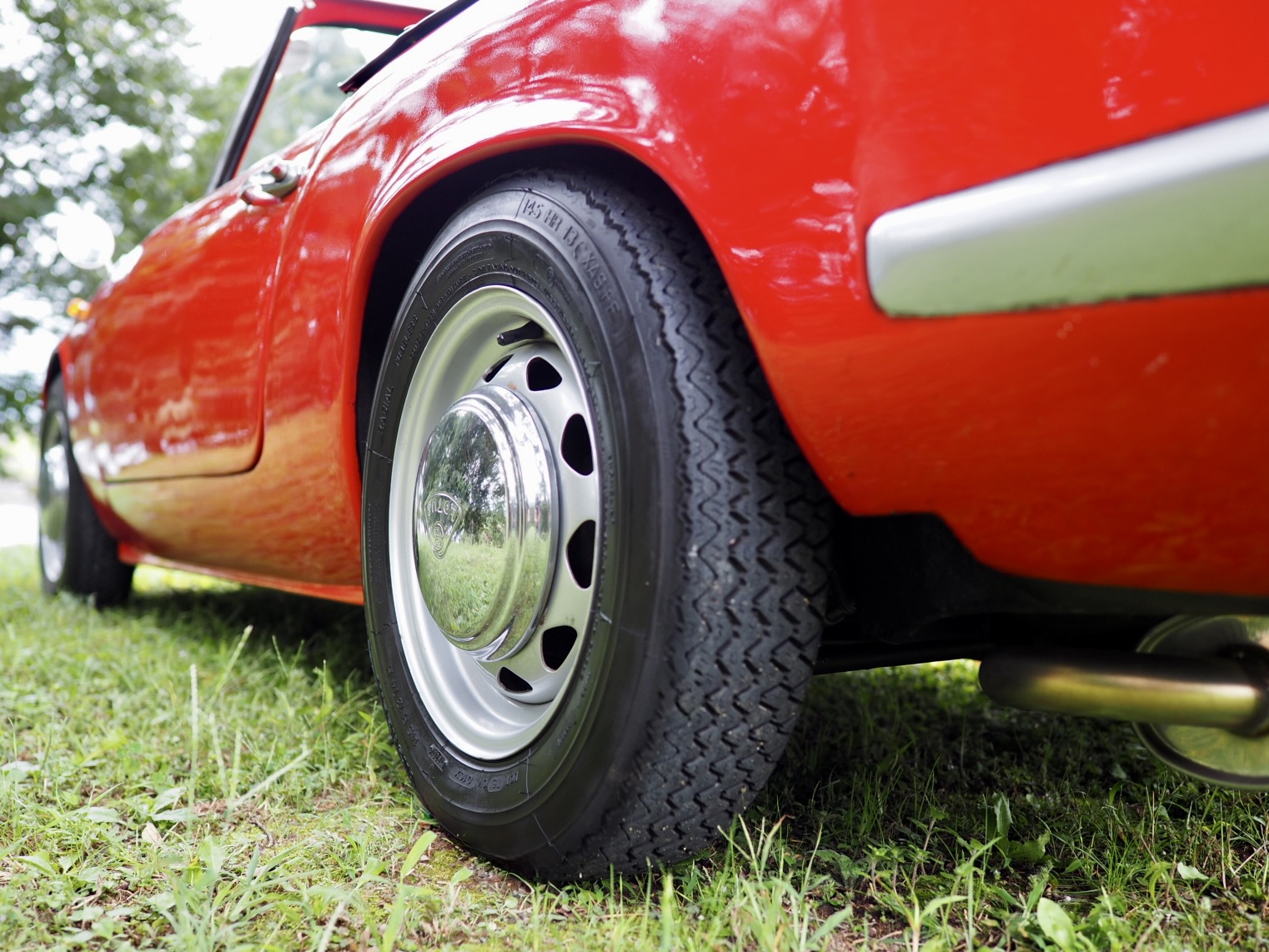
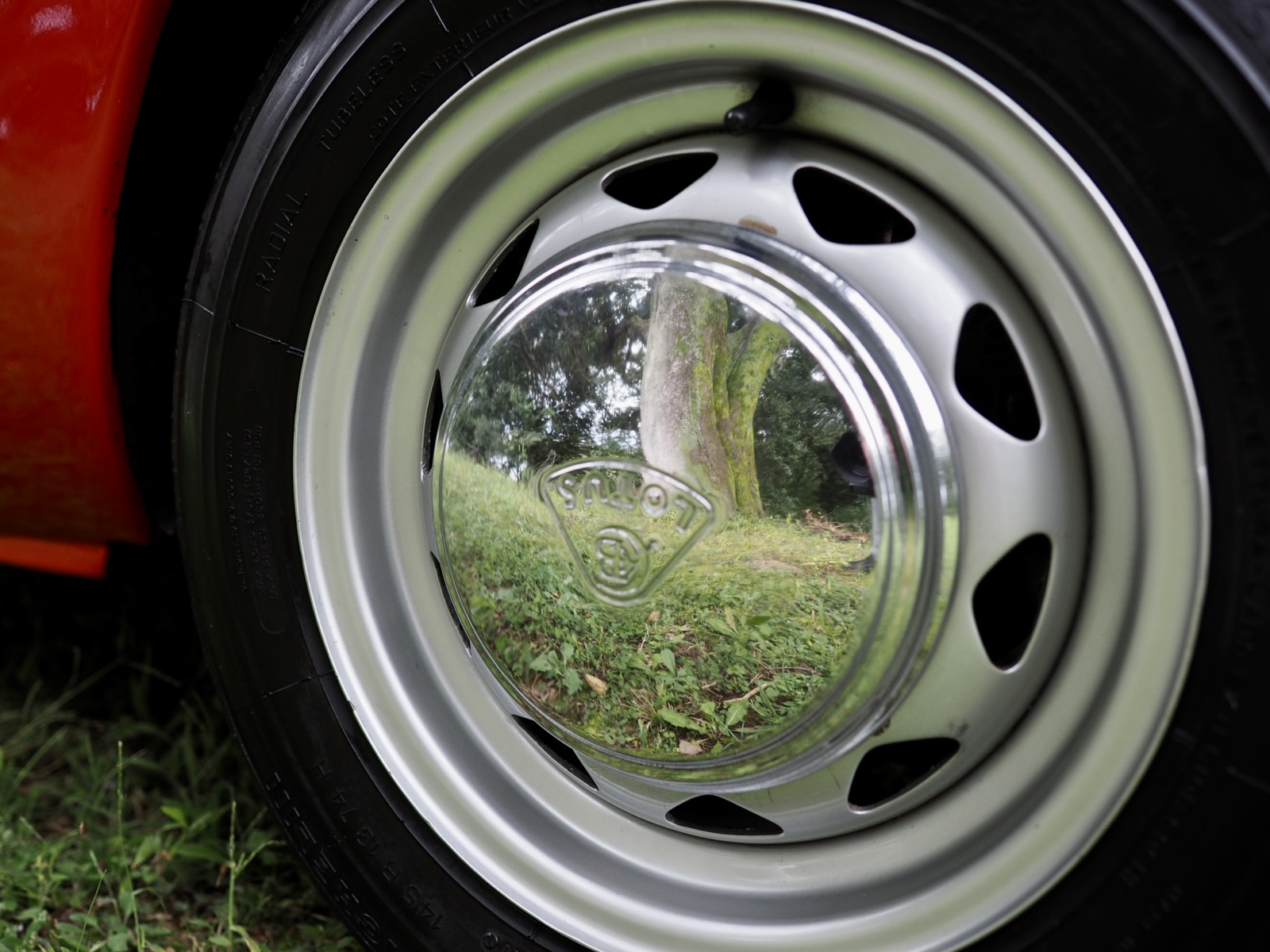
From the interior to the smallest details—even the wheels, which at first glance simply look beautifully restored—this Series 1, 26/0112, retains period-original components rather than NOS reproductions…
The resulting driving feel is better than any Elan I have experienced, and every time I drove this car I found myself wondering, ‘How exactly has it been cared for and developed over the years…?’
The answer lies in the roughly 40 pages of detailed workshop invoices accompanying the car, covering the 20 years from its first Japanese registration in 2005 through 2025…
This second chapter is a little long, but rather than merely listing what was repaired and when, I want to read the records in detail and explore the background of those two decades…
Lotus Elan Series 1 chassis No. 26/0112, carrying the UK registration ‘654 CGT,’ was parallel-imported from Britain and first registered in Japan in 2005. From the following year onward, it was serviced almost consistently by the same long-established vintage-car specialist garage in northern Kanto…
Following the surviving documents chronologically makes one thing very clear: this is not a restoration that was suddenly rebuilt to as-new condition at a single point in time…
Rather, the records reveal more than two decades of maintenance that respected the car’s lived history, preserved its original structure and components wherever possible, and addressed only the problems that appeared through actual use—carefully and decisively, one by one…
When something failed, it was not simply discarded and replaced with a new part. What could be repaired was repaired, what could be rebuilt was rebuilt, and machining or overhauls were carried out where necessary, gradually raising the car’s level of completion step by step…
Because that process was repeated over many years, today’s 26/0112 retains an extraordinarily strong sense of its 1963 appearance and atmosphere while also driving astonishingly well. Its superb cold starting, stable idle, light clutch, crisp four-speed shift, supple suspension, and above all the ‘incredibly Elan-like way it drives’ that surprised me so much are, I believe, the direct result of this long maintenance history…
- 2006 — Serious refinement begins in Japan…
Soon after its Japanese registration, the first work in 2006 focused on preparing the car fundamentally so it could be driven and enjoyed in earnest…
Rust was found on the steel wheels, so all four were stripped and treated, the corrosion removed, primer applied, and the wheels repainted. They were then properly balanced as well…
- 2007 — A year-long full engine rebuild creates the heart of the car as it exists today…
The greatest turning point in this car’s maintenance history came in 2007…
It entered the workshop in September 2006 and was completed the following September, in 2007…
Over almost an entire year, extensive work centered on the engine was carried out…
At the time the engine was producing white smoke from oil passing into the combustion chambers. That prompted removal of the engine from the car, removal of the transmission, complete disassembly and a thorough overhaul…
After disassembly, the cylinders, crankshaft, connecting rods, main bearings, pistons, cylinder head, camshafts and numerous other components were measured and inspected…
Two broken head bolts were also discovered and properly dealt with…
After inspection and measurement, the crankshaft was polished, and its balance was checked and corrected…
The cylinders were bored and honed, while the block deck, cylinder-head face, oil-pan mating surface and other surfaces were machined flat…
On the cylinder-head side, the valve guides and valve seats were replaced, followed by seat grinding, valve lapping, assembly and clearance adjustment…
The pistons were replaced with 83.65 mm items, and the main bearings, connecting-rod bearings, cam bearings, small-end bushes, jackshaft bearings and thrust washers were renewed…
The camshafts were also replaced, with larger intake valves fitted. The intake and exhaust valves, guides, seats, retainers and tappet shims were all carefully addressed, with even the individual shim dimensions preserved in the records…
The timing system received a new chain, tensioner, damper and related bolts, while the water pump, thermostat, oil pump and other lubrication and cooling components were renewed at the same time…
Gaskets and oil seals were replaced comprehensively as well, including the front and rear crank seals, cam cover, timing case and exhaust-area sealing. At this stage the engine was, in effect, reset throughout…
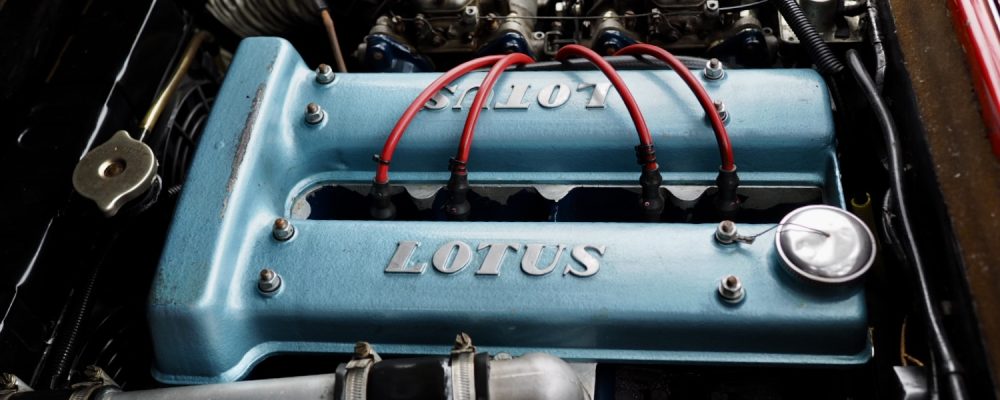
The engine was not merely rebuilt internally. The cylinder block, cylinder head, timing cover, water-pump housing and oil pan were all refinished and painted, leaving the engine visually beautiful as well…
Reading the records, this was clearly more than a simple ‘engine overhaul.’ It was a true full rebuild, retaining the original block, crankshaft and cylinder head while completely reconstructing the internals…
The beautiful mechanical presence you feel today when opening the engine bay was surely built on the quality of the work carried out at that time…
- The Weber 40DCOEs were rebuilt at the same time, and the ignition system was overhauled…
Once the engine itself had been rebuilt to this standard, naturally the carburetors were not left untouched…
Both Weber 40DCOEs were dismantled and overhauled, then set up using emulsion tubes, air jets, idle jets, main jets, 34 mm outer venturis and other calibrated components…
The distributor was also removed, dismantled and lubricated, after which ignition timing and carburetor balance were readjusted…
When I started the engine from completely cold during this interview, the Twin Cam fired almost as soon as the starter turned and immediately settled into a stable idle. That was remarkable, but it makes sense when you realize that, at this stage, the engine, fuel system and ignition were developed together as one complete package…
The fuel pump was also converted to an electric unit at this point…
A dedicated bracket was fabricated on the trunk side, and new wiring, fuse protection, fuel hoses and related components were installed as a complete system…
This differs slightly from original specification, but it is an appealing reliability improvement made on the assumption that the car would actually be driven…
The driveshafts were also dismantled on both sides at this time and all four rubber couplings were replaced—an important step in returning Lotus’s distinctive driveline to proper condition. This area would be serviced again in later years…
- 2008 — Refining the rebuilt engine through real-world driving…
About a year after the major rebuild, the focus shifted to smaller issues that emerged only through actually driving the car…
An oil leak was found at the front of the engine, so the cylinder head, oil pan and timing case were removed again. The threaded oil-line area and rear crank sealing were corrected, and upper and lower gaskets were replaced…
The oil pump was also upgraded to a higher-capacity type at this time…
This is an important part of the history because it shows that the job did not simply end when the engine was assembled. The rebuilt engine was actually used, leaks and weak points were identified, and the package was refined further…
Play was also detected in the front suspension, and the left and right upper ball joints were replaced…
Cracks, mounting issues and lifting around the top of the dashboard were repaired as well. Tonneau-cover hooks were added, brackets reinforced, trim fabricated and other body details addressed…
- 2009 — Correcting common Elan door and electrical issues…
In 2009, both doors were attended to for sagging…
When the driver’s door was removed, a crack was found. It was bonded and repaired, after which both doors were readjusted…
The window frames were also removed, and the rubber channels were replaced to correct the tendency of the glass to drop…
On a classic Lotus with an FRP body, the condition of the doors is an extremely important indicator of how the car has been treated and of the body’s overall condition…
The battery was replaced at the same time, and smaller details such as the horn, wiring and antenna opening were also corrected…
An engine-running issue was traced all the way to a crack in the distributor mounting area; after repair, the ignition timing was reset…
- 2011 — Further refining the feel and operation of the small details…
In 2011 the bonnet-lock spring was replaced, dashboard-panel mountings repaired, and gauge illumination improved…
The gauge lighting work went beyond simply fitting new bulbs: the instruments were removed, and brackets and reflector plates were fabricated to guide light into the gauges more effectively…
Both left and right engine mounts were also replaced at this time…
Afterward, the relationship between the engine and bonnet was checked; when interference was found, the bonnet side was adjusted as well…
Following each of these small jobs reveals how, over many years of actual ownership, every detail that bothered the owner in day-to-day use was gradually refined…
- 2014 — Major attention to the underbody and driveline…
In 2014, together with the vehicle inspection service, extensive work was carried out on the underbody and driveline…
Engine oil and filter, coolant, brake fluid, transmission oil and differential oil were replaced, and the engine bay, suspension, steering system, brakes, muffler and related areas were comprehensively inspected…
Even the remaining thickness of the front and rear brake pads was recorded…
At this time deterioration was again found in the driveshaft rubber couplings. Both driveshafts were removed and all four couplings replaced; numerous mounting bolts and nuts were renewed as well…
A noise from the left rear was also investigated thoroughly. The brakes, hub, handbrake and disc area were dismantled and inspected, with lubrication applied wherever required…
Rather than assuming a component replaced seven years earlier could simply be left alone, age-sensitive parts were replaced again when they deteriorated…
This basic but essential discipline appears repeatedly throughout the car’s records…
- 2017 — Refinishing the doors and starter once again…
In 2017, both doors were readjusted for sagging…
The door trims were removed, and the hinges and strikers on both sides were adjusted…
The starter, which would occasionally spin without engaging, was removed, dismantled and overhauled…
With a classic car it is always possible to replace a troublesome assembly wholesale with a modern new part, but throughout this Elan’s history there is a consistent effort to repair and preserve period mechanisms wherever practical…
Later that same year, a symptom described as ‘the brakes going away’ developed…
Inspection showed the cause to be fluid leakage from the brake master cylinder. The master assembly was replaced, the brake lines bled, and the surrounding area cleaned…
At the same time, the battery was topped up and charged, the earth around the cut-off switch was checked, and the frame-side earth point was polished—tightening up the fundamentals of the electrical system as well…
- 2019 — Tracing the cause of smoke properly…
In 2019, smoke from the engine bay caused by a coolant leak was addressed…
Coolant leaking from a heater-hose connection was dripping onto the exhaust and evaporating into smoke. Once the source was identified, the hose clamp was retightened and the leak corrected…
Engine oil, coolant and brake fluid were changed at the same time, and the brake master and clutch master cylinders were checked for external leakage…
- 2021 — Cooling system, ignition and carburetors readjusted…
In 2021 a coolant leak was found and the lower radiator hose was replaced…
Naturally, the coolant was renewed at the same time…
Engine oil was also changed, while the contact points, ignition timing and carburetor balance were adjusted…
Even many years after the 2007 full rebuild, the service history shows that maintenance did not stop at fluid changes; adjustments necessary to keep the Twin Cam and Webers operating as intended continued…
- 2023 — All brake hoses replaced…
Early in 2023, a symptom described as ‘the brakes do not work’ appeared…
Inspection revealed brake-fluid leakage from the right-front brake hose…
Once again, the repair did not stop with replacing the single failed hose. All four brake hoses—front left and right, rear left and right—were renewed, together with the copper washers…
The entire system was bled, and both brake fluid and clutch fluid were replaced…
Differential oil and transmission oil were checked at the same time…
Here too, the philosophy is clear: rather than patching only one failed old component, related parts that have aged together are renewed as a set…
Only a few months later, vibration developed while driving…
A road test reproduced the vibration, particularly at low speed, and a crack was found in the tread of the right-rear tire…
The tires were identified as the cause, and all four were replaced with Michelin Classic 145R13s…
Naturally, the air valves, wheel balance and tire pressures were all addressed at the same time. A follow-up road test confirmed that the vibration had disappeared…
The classically styled Michelin tires currently fitted to the car are the set installed during that work…
- 2025 — The latest servicing that brought the car to its present excellent condition…
The most recent major record is the vehicle-inspection service carried out from late 2024 through February 2025…
Work at this time included a starter overhaul, correction of a burnt-oil smell, inspection of fluids, and attention to the clutch system and differential area…
Investigation of the starter fault found a problem not only with the starter itself but also with the negative-side electrical connection. The starter assembly was removed and sent to a specialist for overhaul…
The original unit was rebuilt using a Lucas brush set…
A new earth line was also added from the frame side to the transmission side, while the earth cable and terminals were reviewed…
Rather than simply replacing the starter motor with a new unit, the existing Lucas-type starter was rebuilt while electrical weaknesses on the vehicle side were corrected at the same time…
The burnt-oil smell was traced to leakage at the cam-cover mating surface…
The cam-cover gasket, sealing washers and circular plug were replaced, correcting the condition so that oil no longer reached the exhaust…
The clutch release cylinder was also found to be leaking fluid. It was replaced, and both clutch and brake fluid were renewed at the same time…
At this time the torque-rod bushes supporting the differential were also found to be deteriorated, and both left and right were replaced…
This final job is not something that should be dismissed as merely routine inspection work…
Support rigidity around the differential directly affects driveline movement during on-off throttle transitions and the sensations transmitted from the rear of the car…
When I actually drove the car, I felt almost none of the unpleasant driveline vibration or excessive play so common in old Lotuses. Recent attention to inconspicuous bushes like these surely contributes greatly to that impression…
This has been a long section, but after reading through 20 years of records, the character of this particular 26/0112 becomes very clear…
Following the history from 2006 through 2025, the maintenance performed on this Elan shows an exceptionally consistent direction…
The most important point is that its major original components were never discarded…
That high degree of originality, clearly evident from the records, is one of this car’s greatest attractions…
That is why standing before it today, you feel such a remarkably strong sense of the 1963 Series 1 itself…
Exactly…!
As you have surely realized by now, the true value revealed by this enormous body of documentation is the fact that its provenance has been respected, the original car of more than sixty years ago has been treated with the utmost regard, and over the last twenty years of ownership the car has matured little by little—improving every time it was driven…!
And then…
From here begins a new chapter in the ‘never-ending dream story inside the garage’…
The greatest pleasure comes included with this car: continuing to touch, drive and refine the Elan day by day, starting from its already excellent present condition and allowing it to mature even further…
Chapter Three…
I actually drove it up the winding roads on the southern side of Mount Akagi…!
1963 Lotus Elan 1600 Series 1 Type 26 — the author’s post-interview notes…
At first glance, the simple body lines of an original Series 1 are immediately and beautifully apparent on this 1963 Lotus Elan…
But even more than that, this particular 26/0112…
It would be a shame merely to collect it…!
Drive it, and its character is simply enormous fun…!
This is a rare car with a wonderful world waiting for you…
At last, it is time to describe how it actually feels to drive…!
The Lotus Twin Cam wakes instantly even from completely cold and surprises you first with a wonderfully stable idle from the moment the engine starts…
Thinking, ‘The balance must be really good,’ I reached for the linkage on the twin Weber carburetors and blipped the throttle. The response was so sharp and satisfying—like a racing car (which, in spirit, it truly is)—that I found myself wanting to listen to it indefinitely… (laughs)
That unmistakable ‘classic Lotus smell’ of the FRP body is intoxicating in its own right…
Open the featherweight door, settle into the original seat, admire the beautiful Smiths gauges ahead of you, and blip the throttle—the movement of the needles alone is enough to bring a smile…
And then you set off…!
What follows is the marvelous world of the Elan Series 1, stimulating all five senses and surely drawing you into its spellbinding realm…
The moment you move away, you feel an extraordinarily supple chassis—something you could never experience unless the car were genuinely well sorted…
This is pure Lotus, and something only a classic Lotus can deliver: movement so light that ‘ridiculously light’ is almost the only adequate description. It is genuinely moving…
With narrow tires and such a light body, even the road noise sounds light and delicate…!
Keep the razor-responsive Lotus Twin Cam alive with your right foot, make a light downshift, then turn the large, delicate original Springall steering wheel with your palm and simply point the nose where you want it to go. The car takes a pleasing degree of roll and then smoothly changes direction almost as though responding directly to your intention…!
Then back on the throttle and through another crisp upshift, the satisfying acceleration continues without interruption…
While filming, I changed course partway through and suddenly realized I was heading for the winding roads on the southern slope of Mount Akagi…
As you can see in the video I edited, the car climbs those bends with tremendous enjoyment while the actual speeds remain entirely within a safe range…
That is precisely what makes this particular 26/0112 Series 1 Elan feel so wonderfully good…
One owner, wanting to savor ‘this pleasure’ on weekends, encountered a sincere specialist workshop and invested more than twenty years and an enormous sum to mature the car to this level…
I have been deeply immersed in classic Lotus cars and have driven several Elans across different series, but I have never before driven an Elan that felt this good…
What you feel so clearly is the reality of 1960s Lotus—something no ordinary production car can ever reproduce—and the philosophy of Colin Chapman himself. The world it creates is simply magnificent…
Once you begin to see it, there is no escape. I came away convinced that this truly is the ‘ultimate enthusiast’s paradise’…
After 20 years and enormous investment, this Lotus Elan 1600 Series 1 has matured into an utterly exhilarating driver’s car...! This exceptionally early chassis No. 26/0112 is a supreme Elan—beautiful in its fully original form, wonderful to drive, and a joy simply to admire...!
As for the enormous amount invested, that is part of the pleasure of seeing the documentation in person…
For a viewing of this ‘ultimate example you cannot simply search for—you have to wait for fate to bring it to you’…
Please come and visit us in Gunma Prefecture, right at the foot of the southern Mount Akagi winding roads…
This exceptional 1963 Lotus Elan 1600 Series 1 Type 26 is currently located in Gunma Prefecture.
As this is a private-party sale, no consumption tax or dealer fees will be charged.
Upon purchase, the buyer will be responsible for prorated automobile tax (annual amount: ¥45,400) and settlement of the recycling deposit (¥10,100).
Transportation should be arranged by the buyer, but please feel free to consult us if desired. We can prepare a quotation based on distance and can also deliver the vehicle using our own fully enclosed 3-ton flat-loader transporter.
【Regarding Inquiries…】
The vehicle on this page is listed on Estate Sale Supremacy®, a cross-border e-commerce platform for classic and collectible cars.
Estate Sale Supremacy® is a Japanese interpretation of North American estate-sale culture, introducing cherished vehicles through owner interviews, written features and video.
We faithfully express the current owner’s feelings while preserving the memories in the heart, and we support a secure sales-brokerage process to ensure the vehicle is properly passed on to the next generation.
This article was written based on an approximately three-hour interview with the owner beginning at 3:00 p.m. under cloudy skies on September 26, 2026. Because the time available for inspection was limited, the description may not represent the vehicle’s condition with 100% accuracy. Not every statement in the article has been independently verified. Comments regarding condition reflect the weather, circumstances and the author’s subjective impressions at the time of the interview.
For questions regarding the listed vehicle or to request an in-person inspection, please contact us using the form at the bottom of this page. As this is a private-party transaction, in order to prevent casual viewing requests, inspections are limited to customers seriously considering a purchase.
Thank you for your consideration.
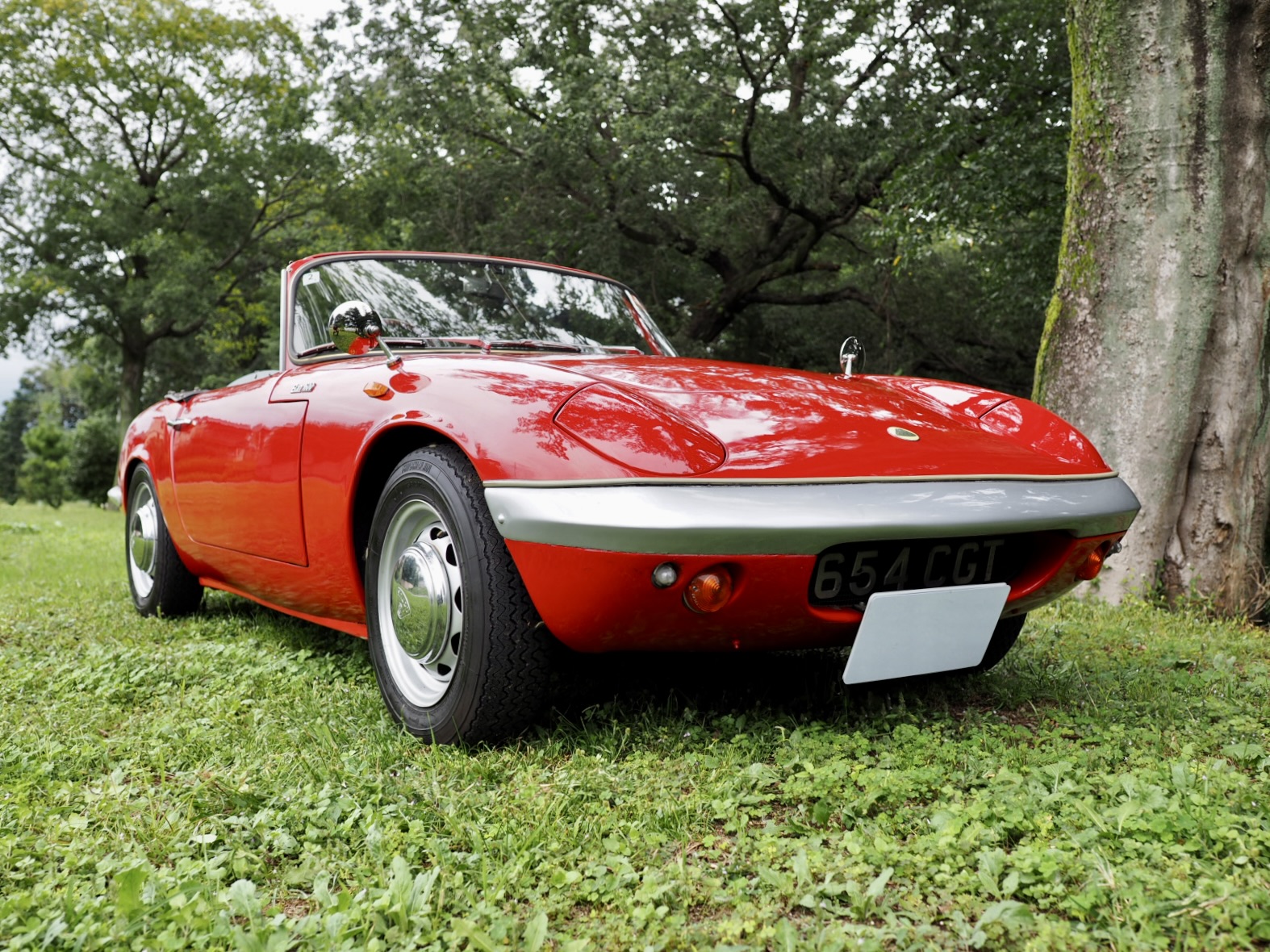
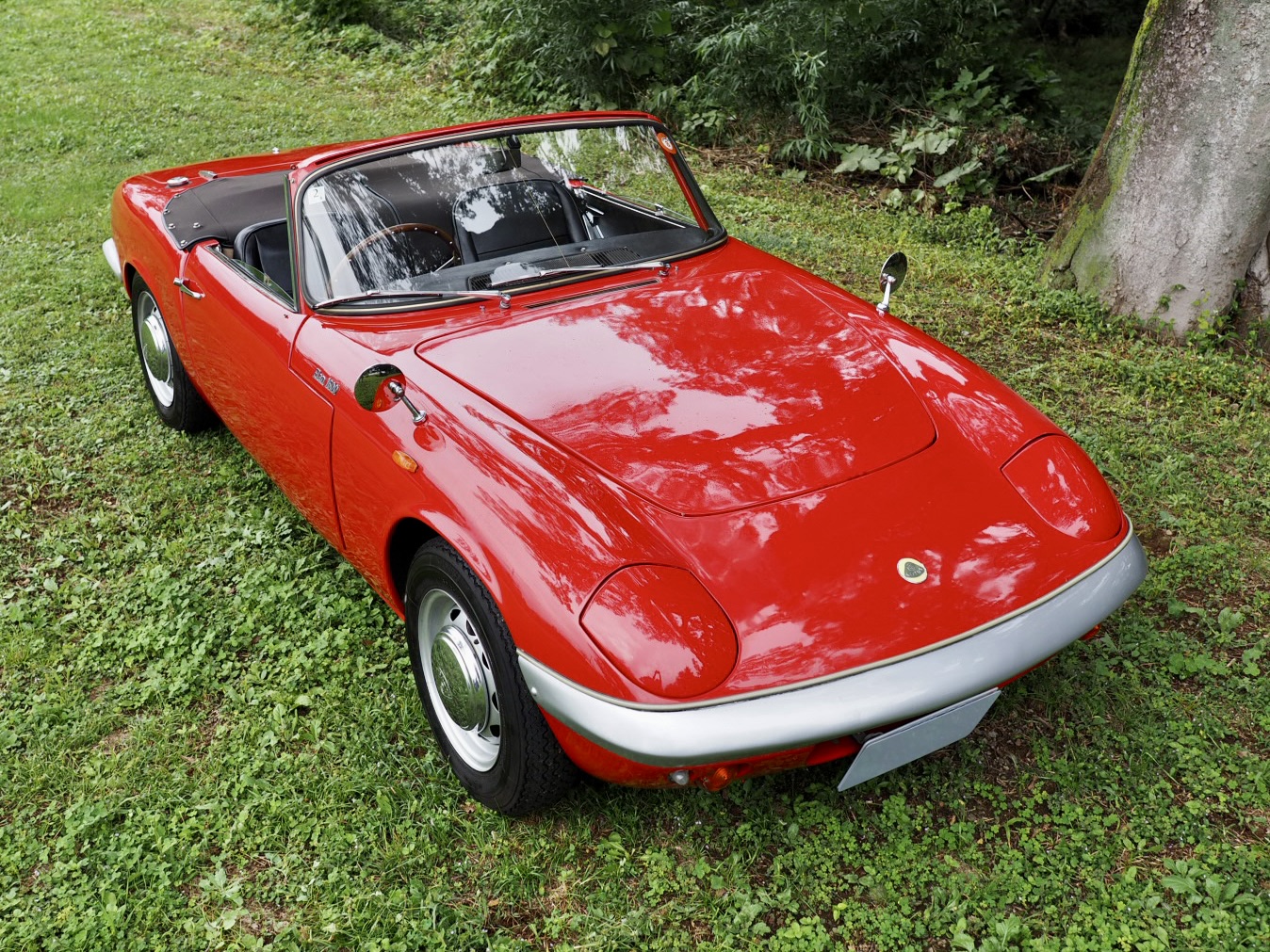
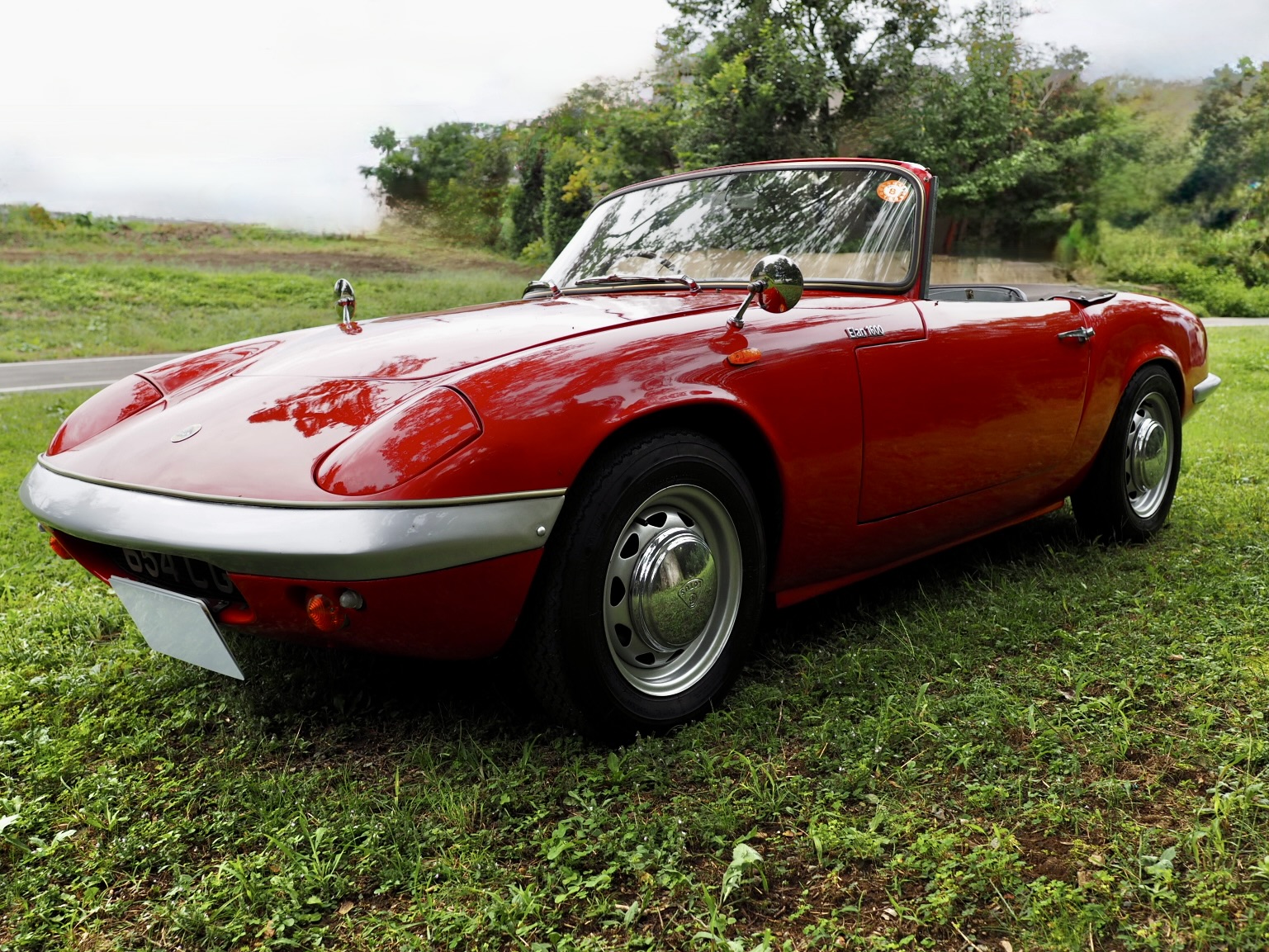
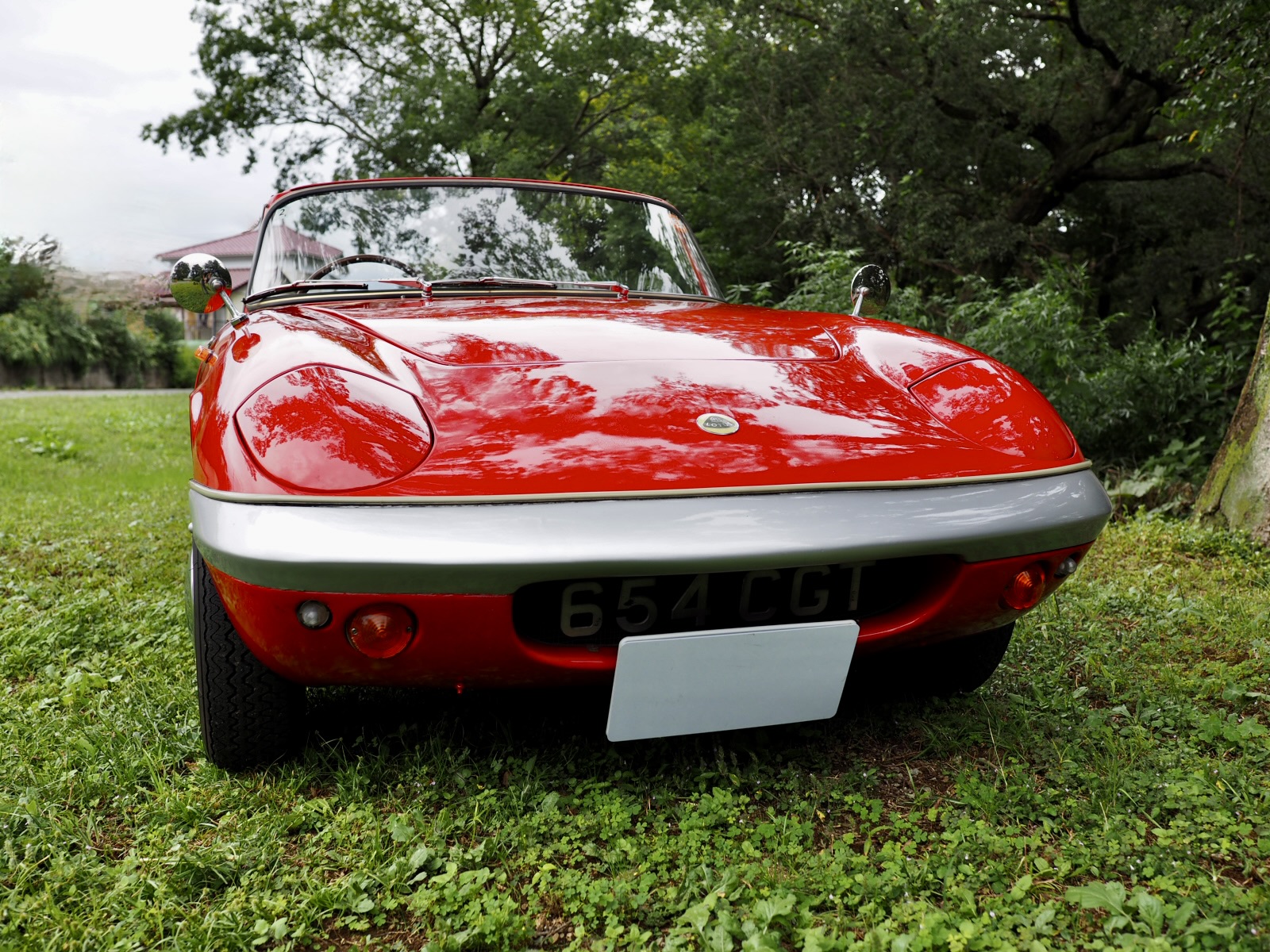
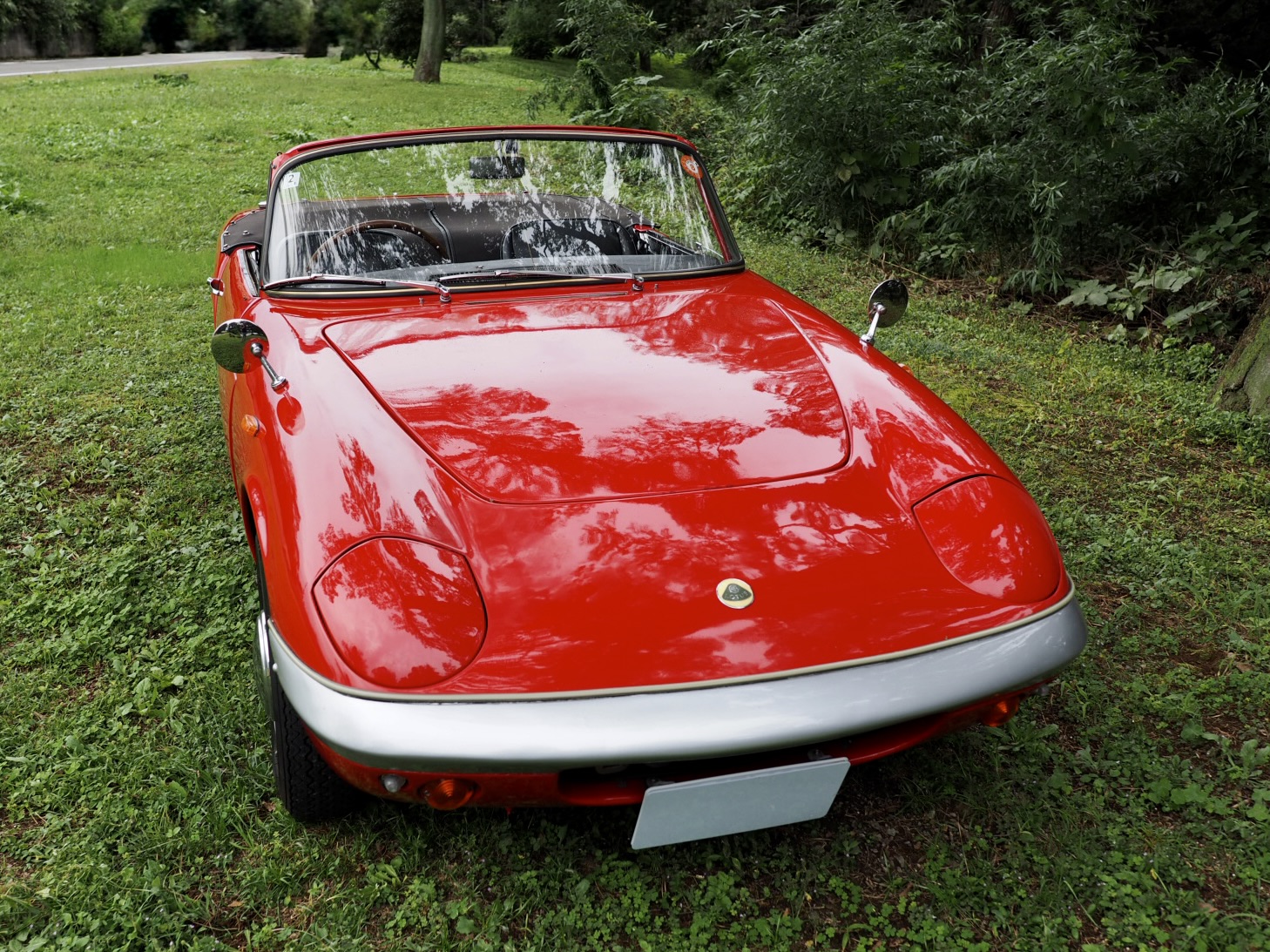
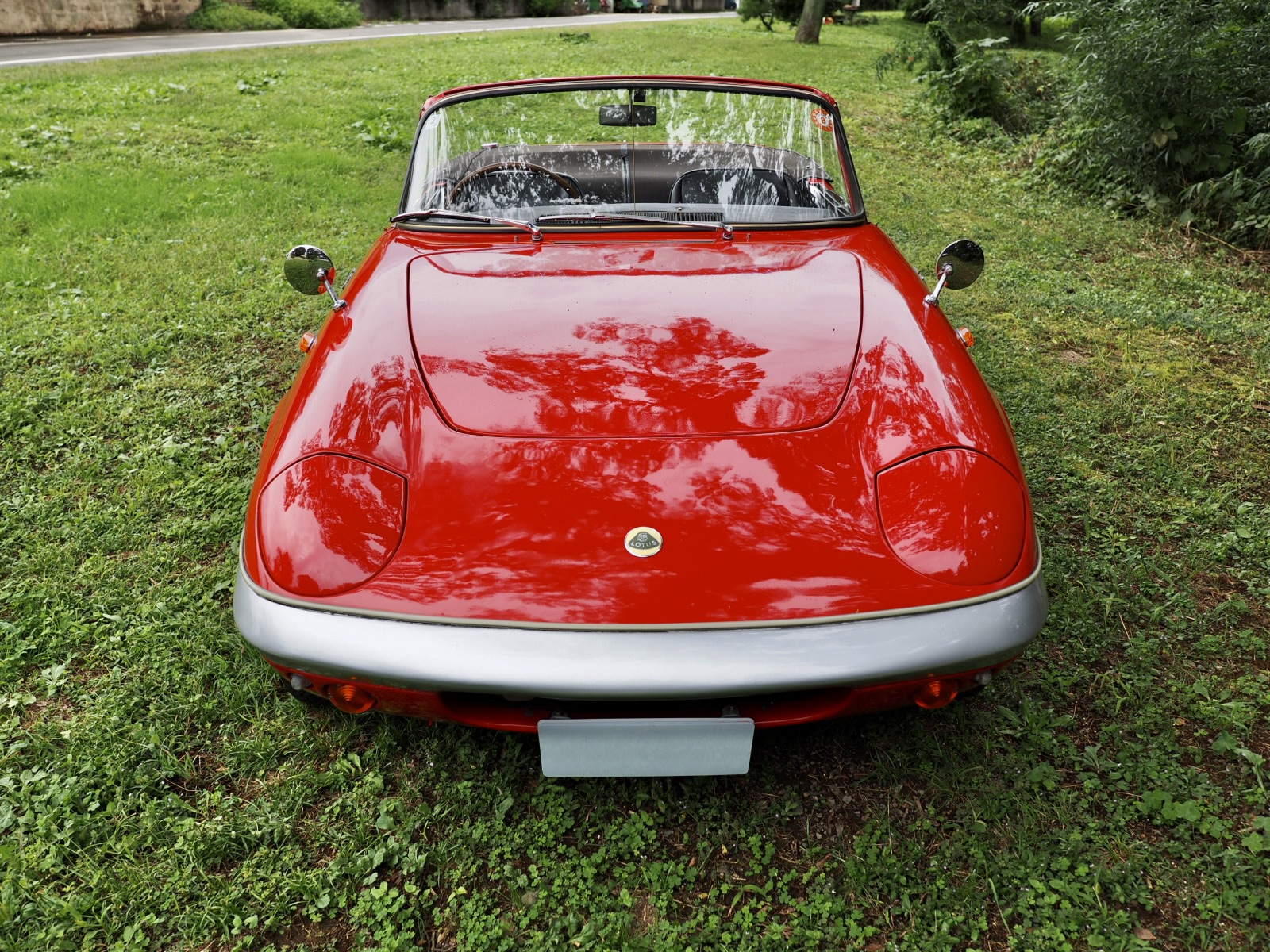
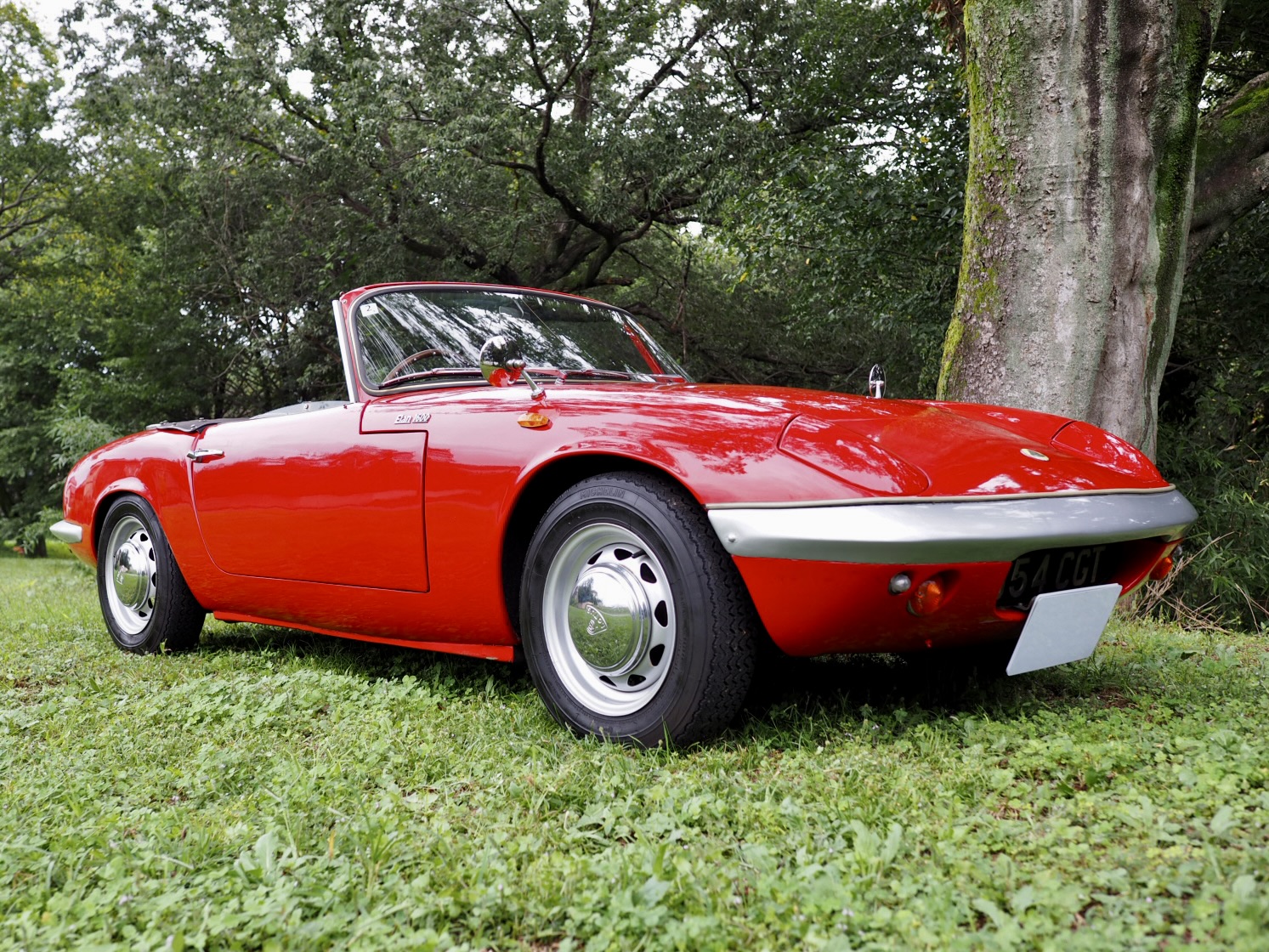
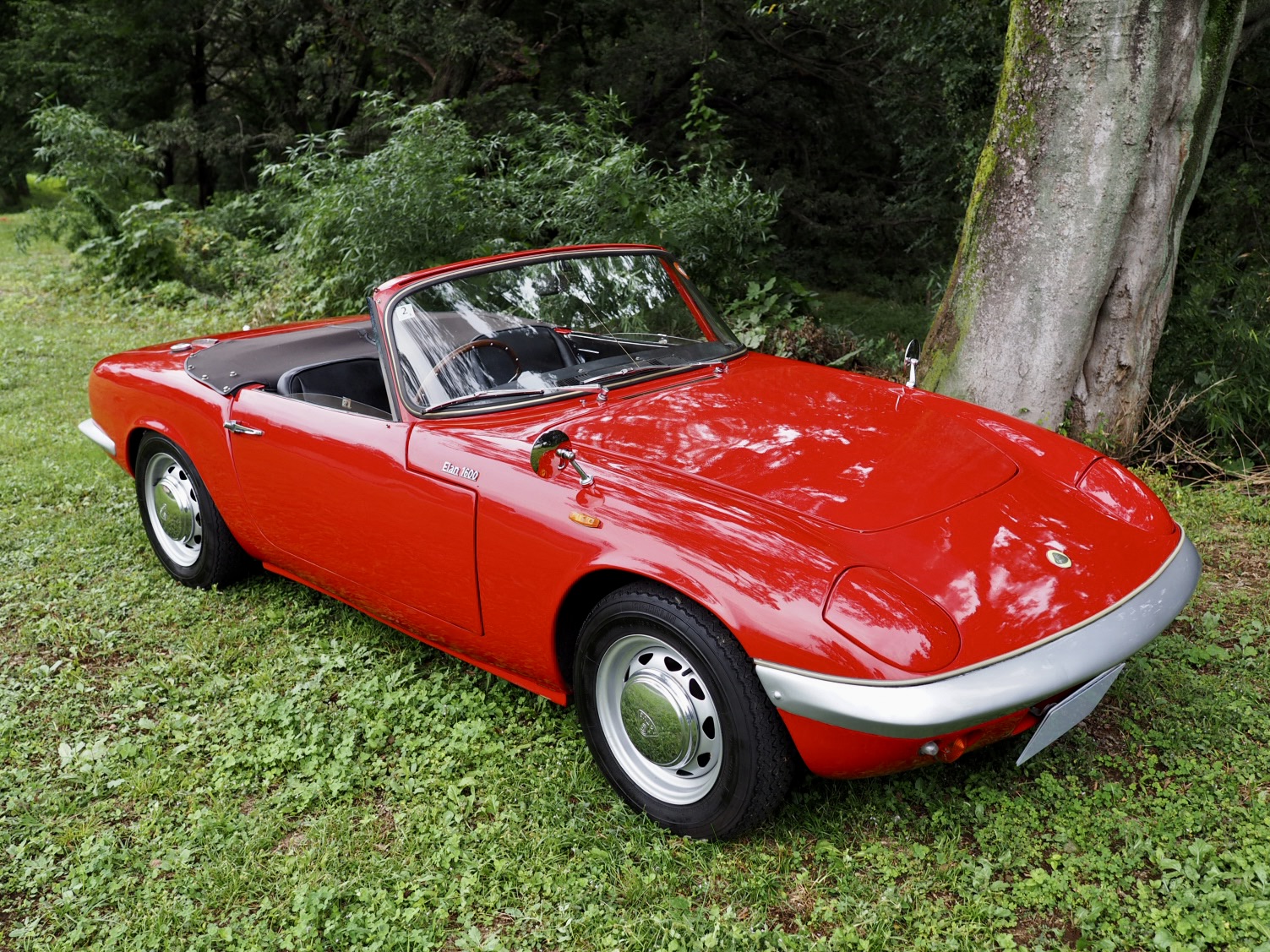
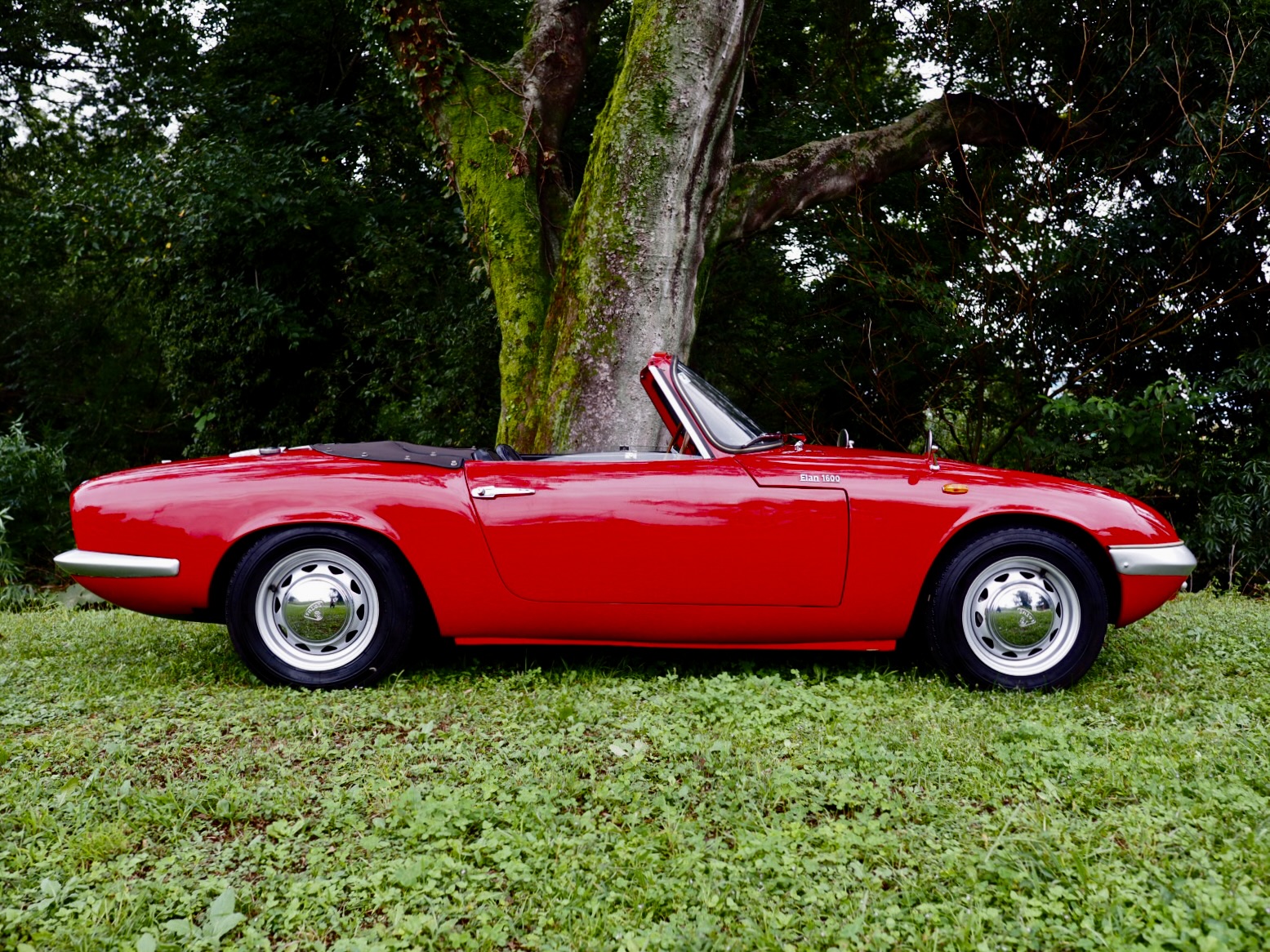
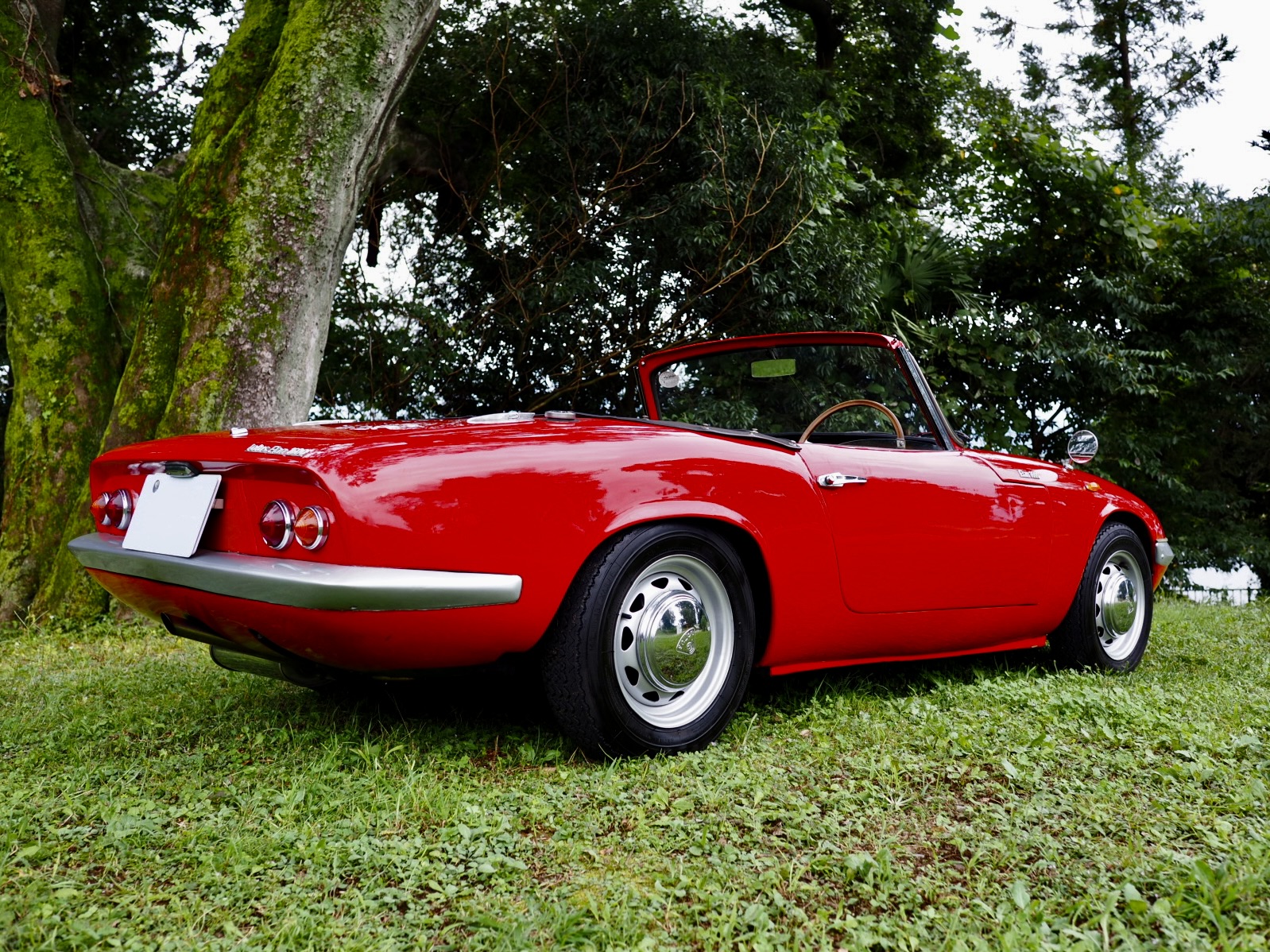
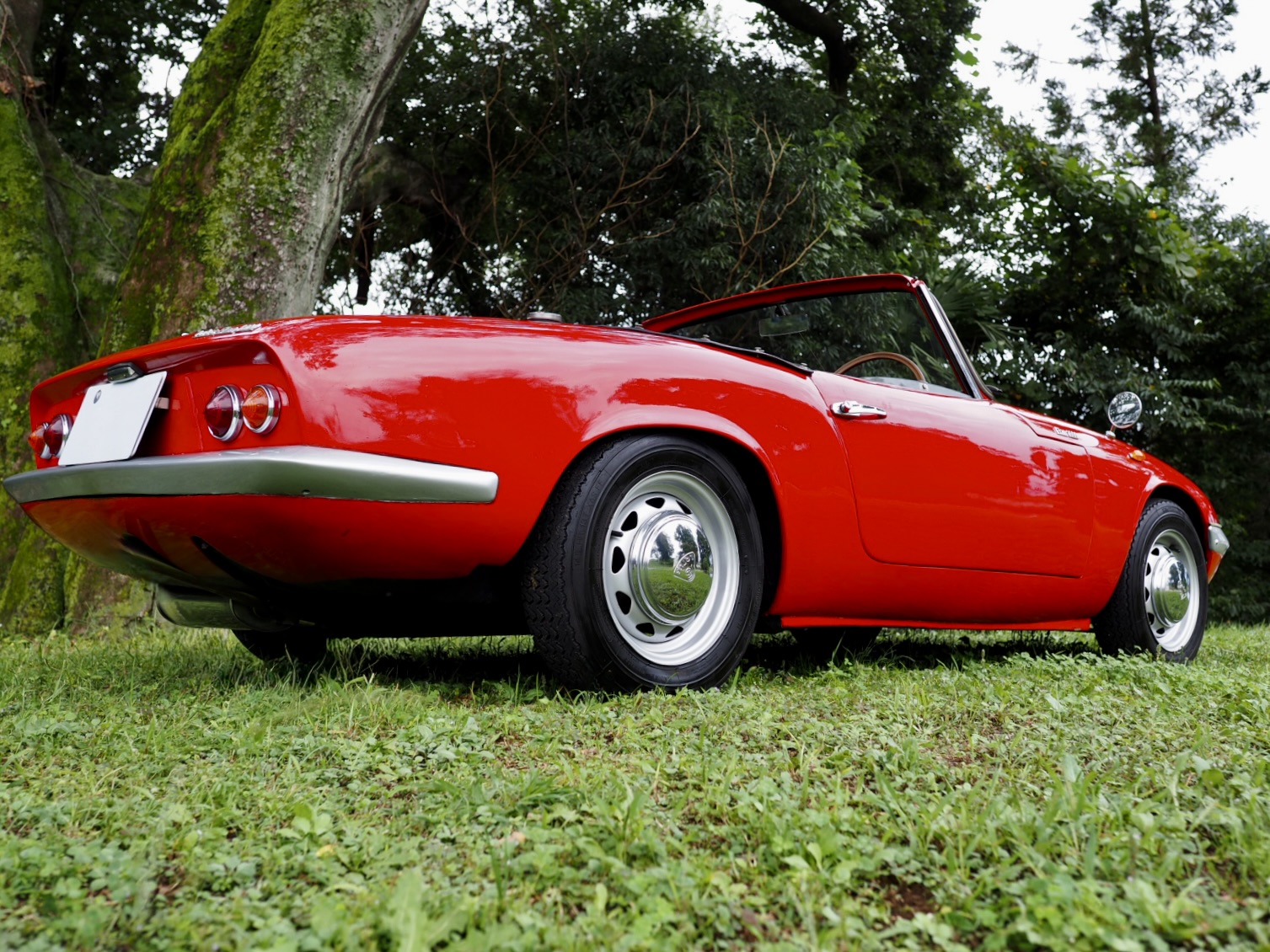
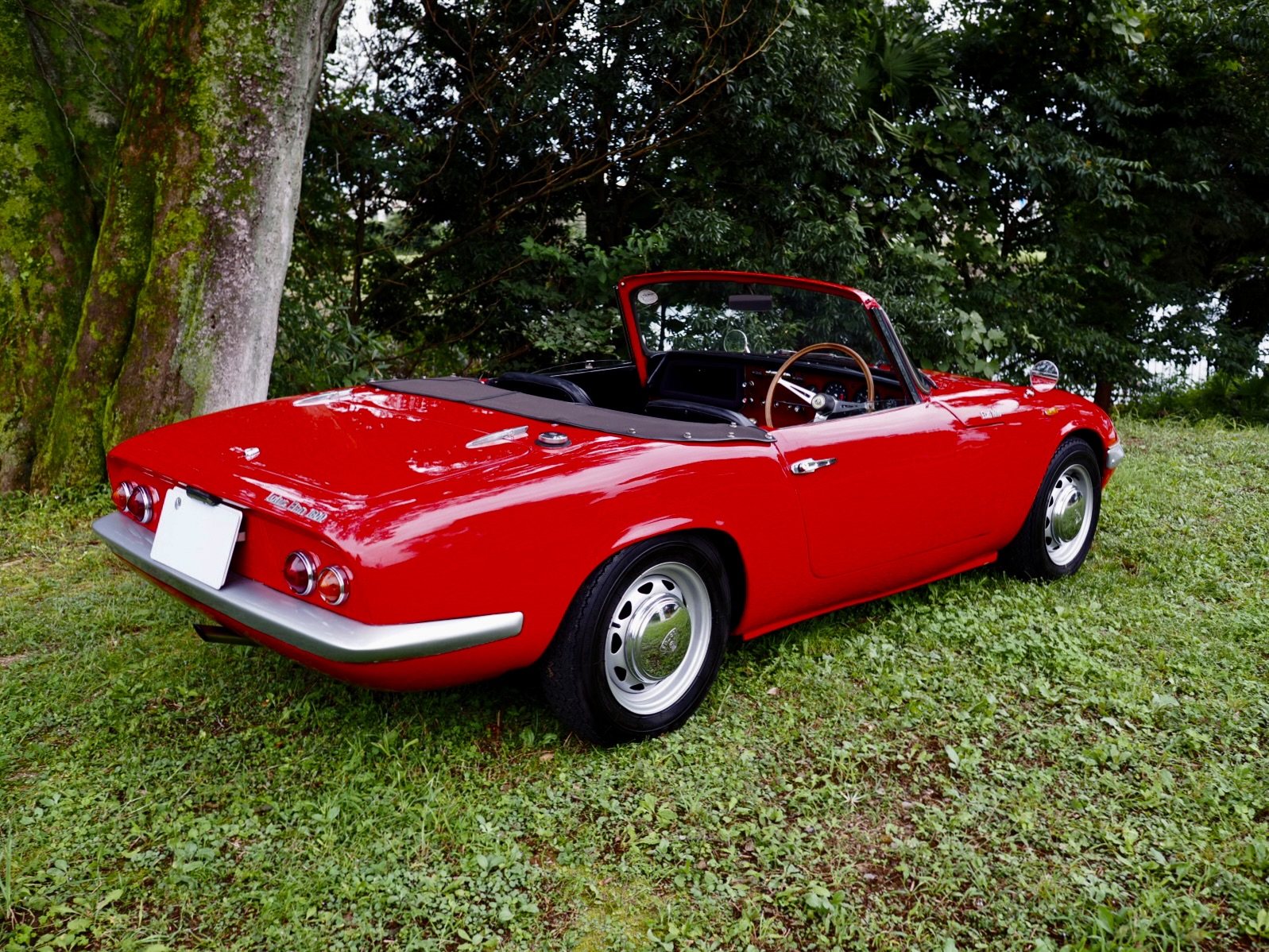
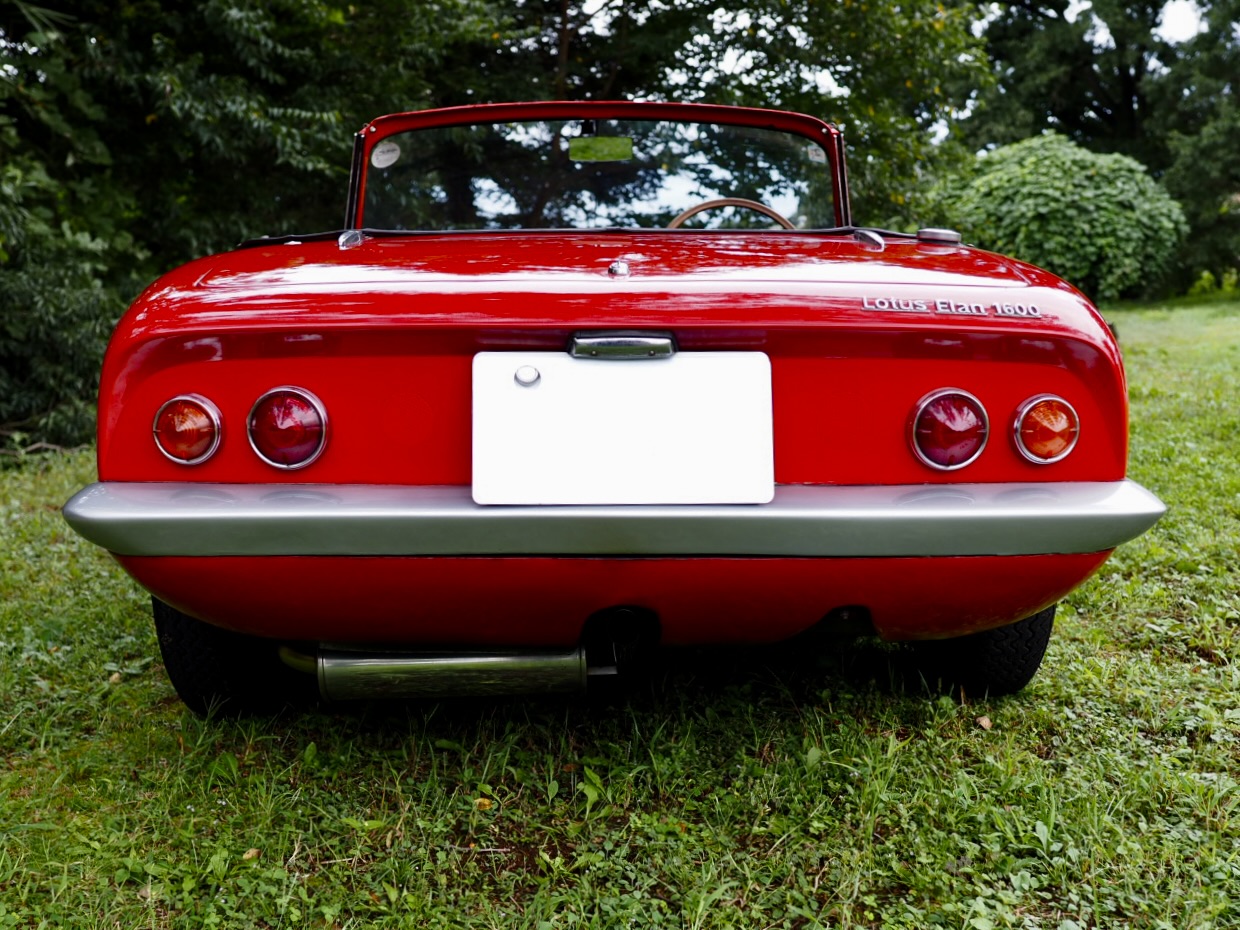
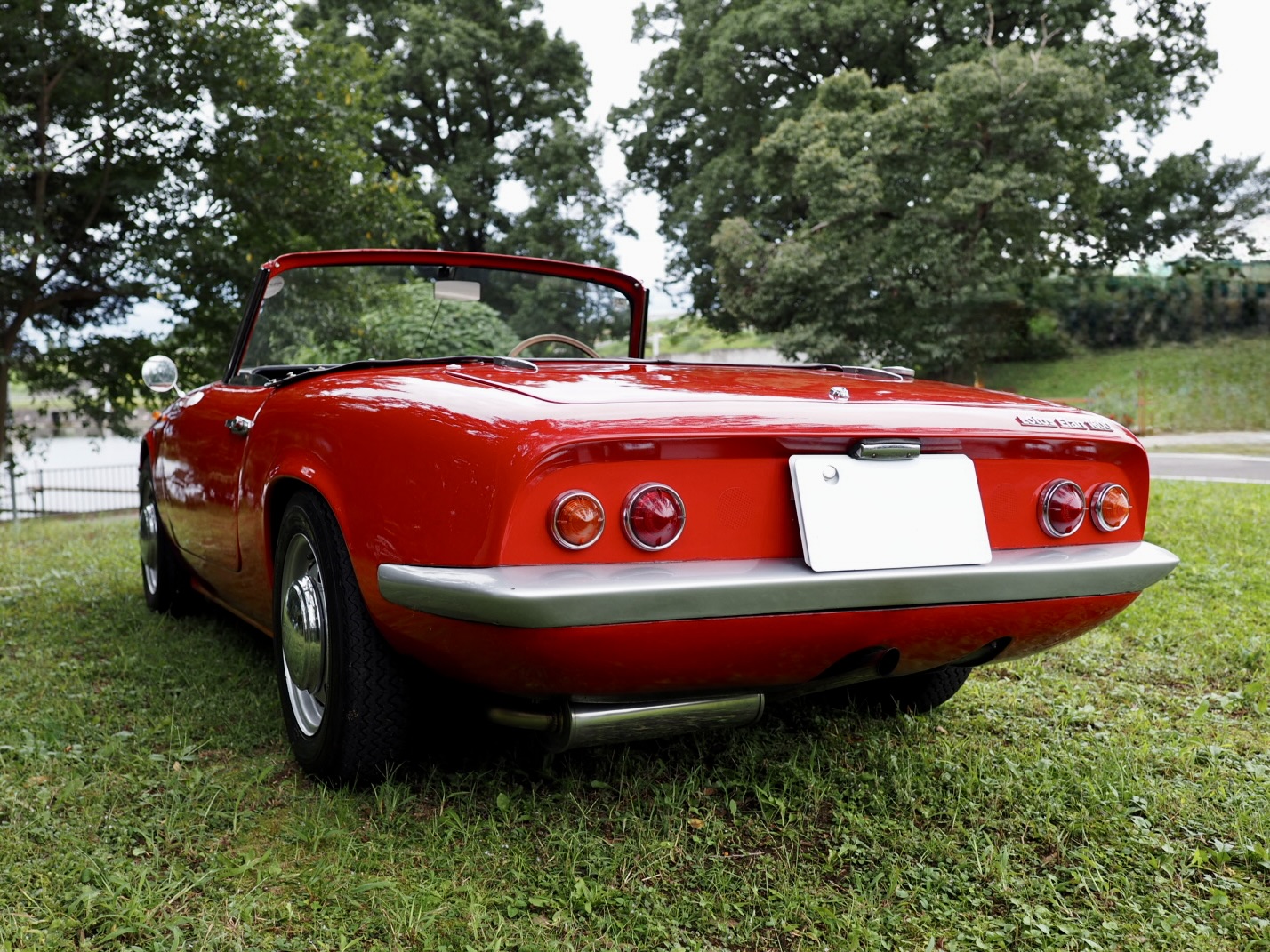
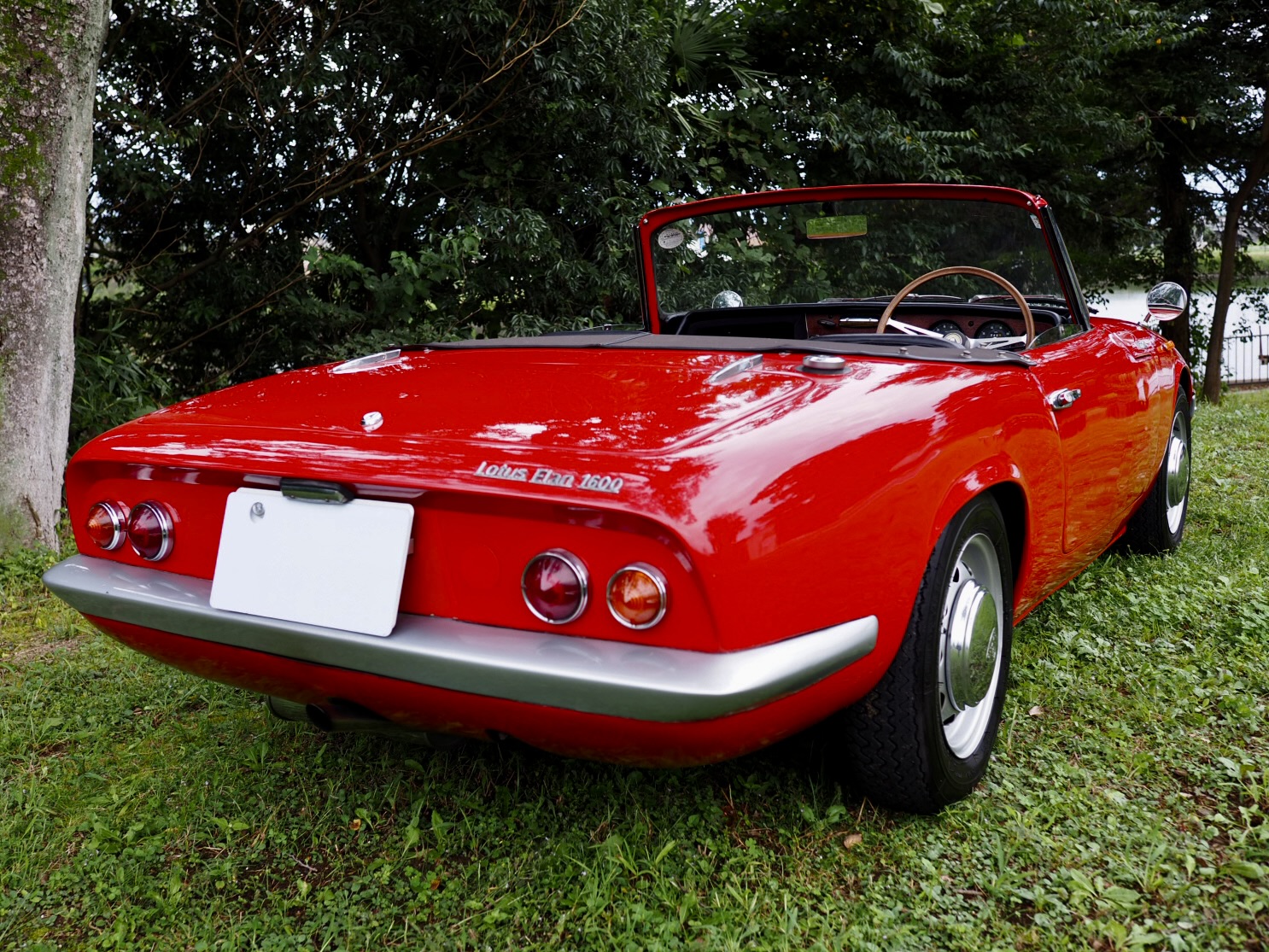
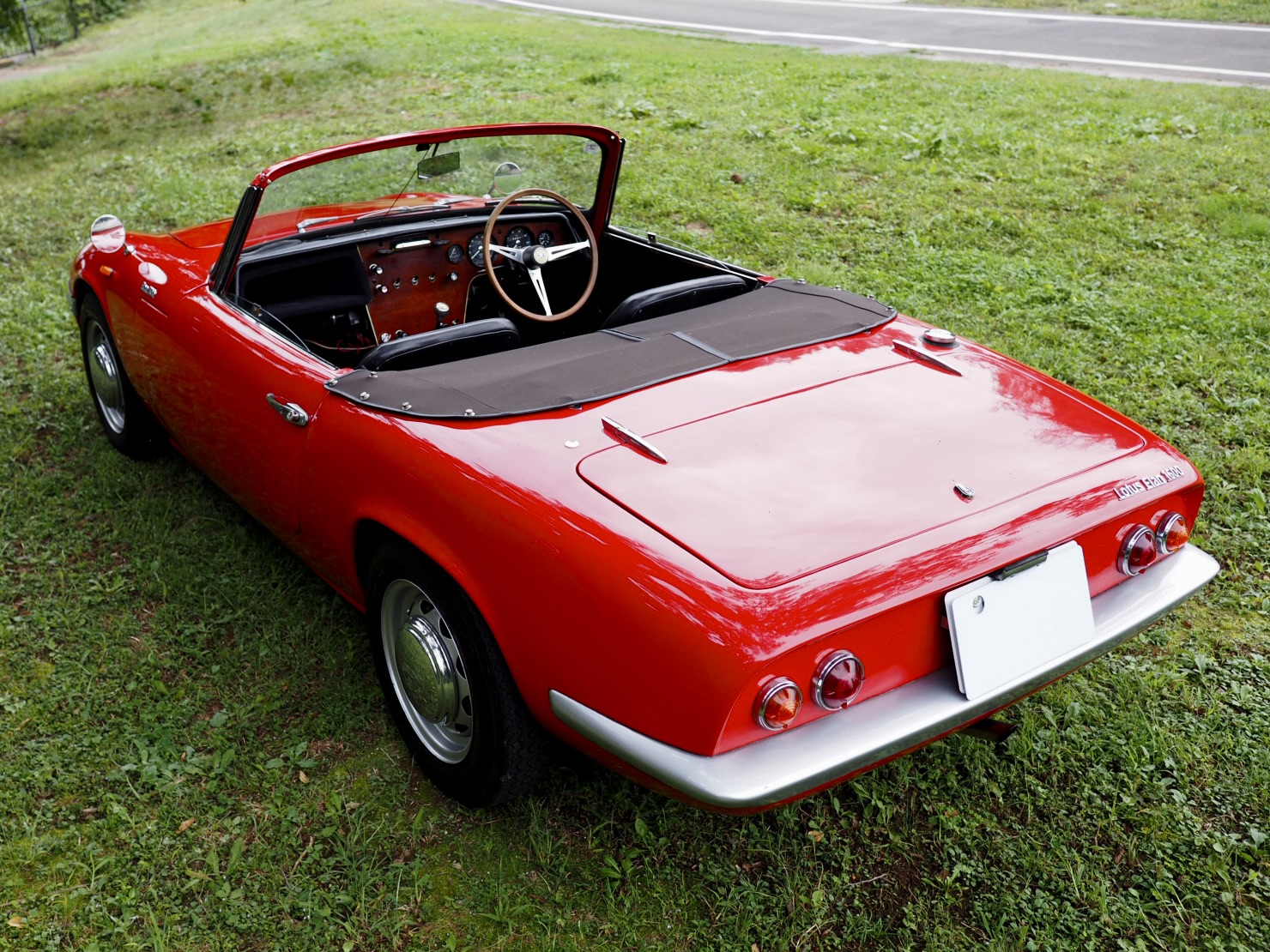
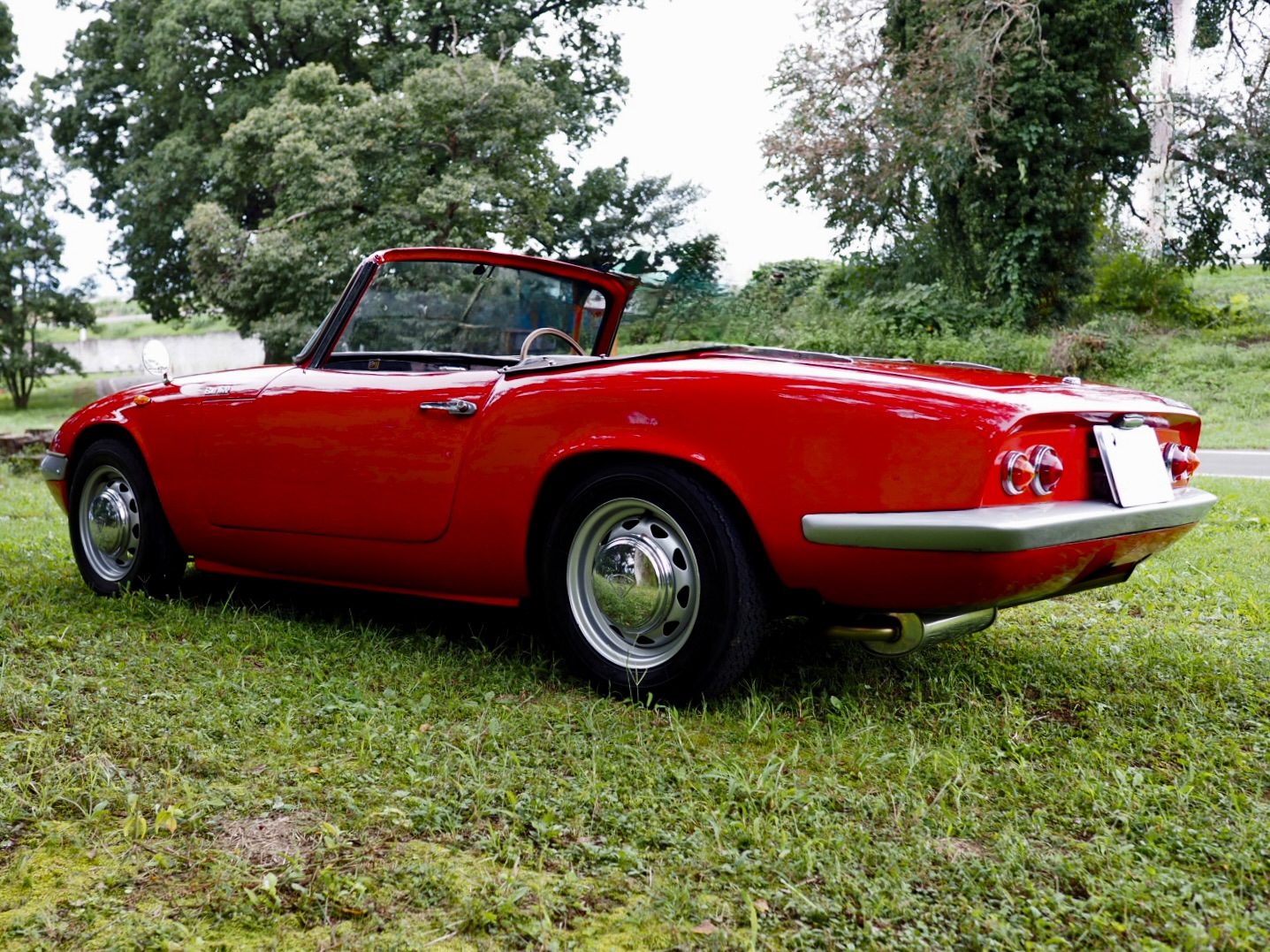
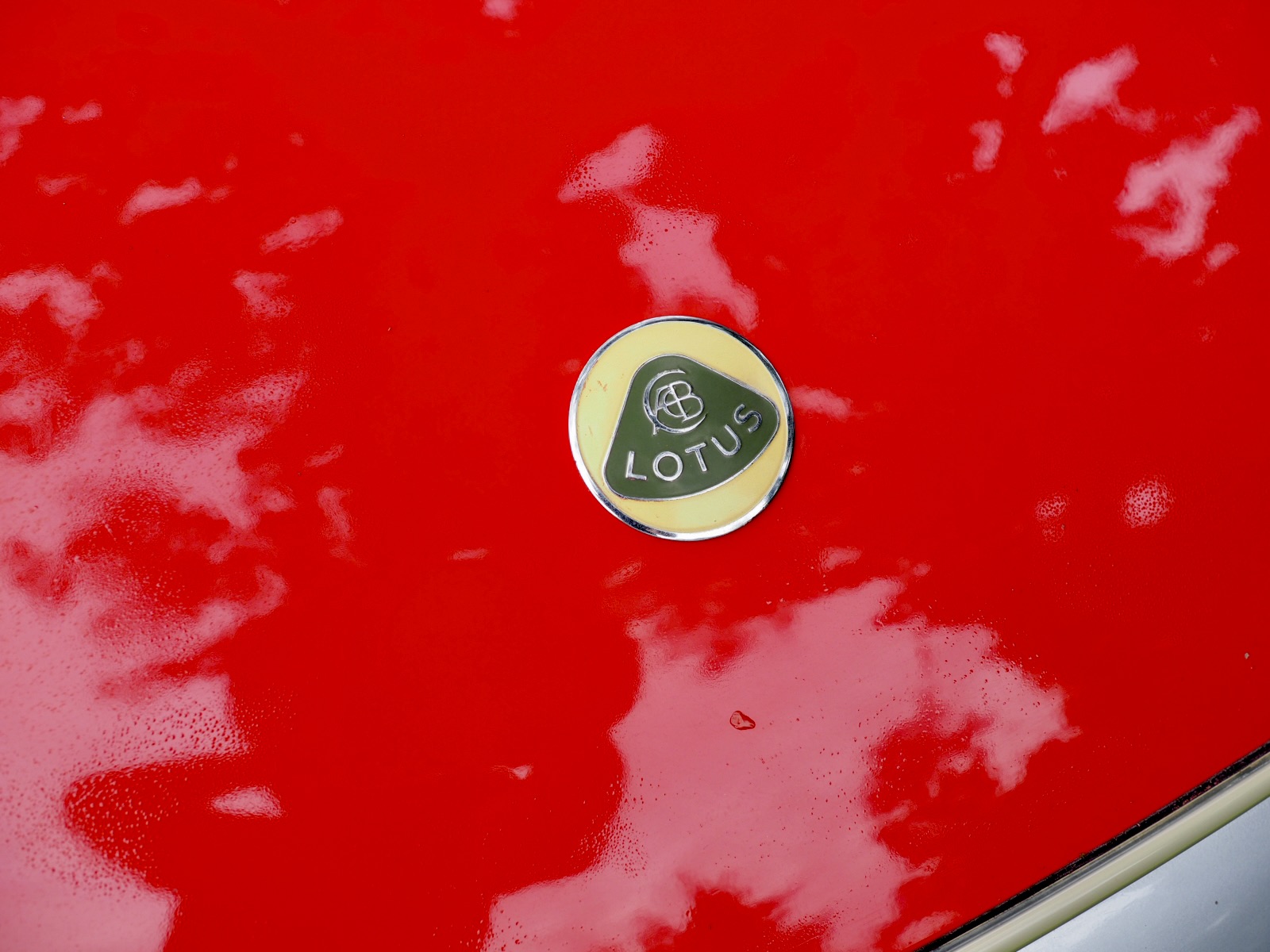
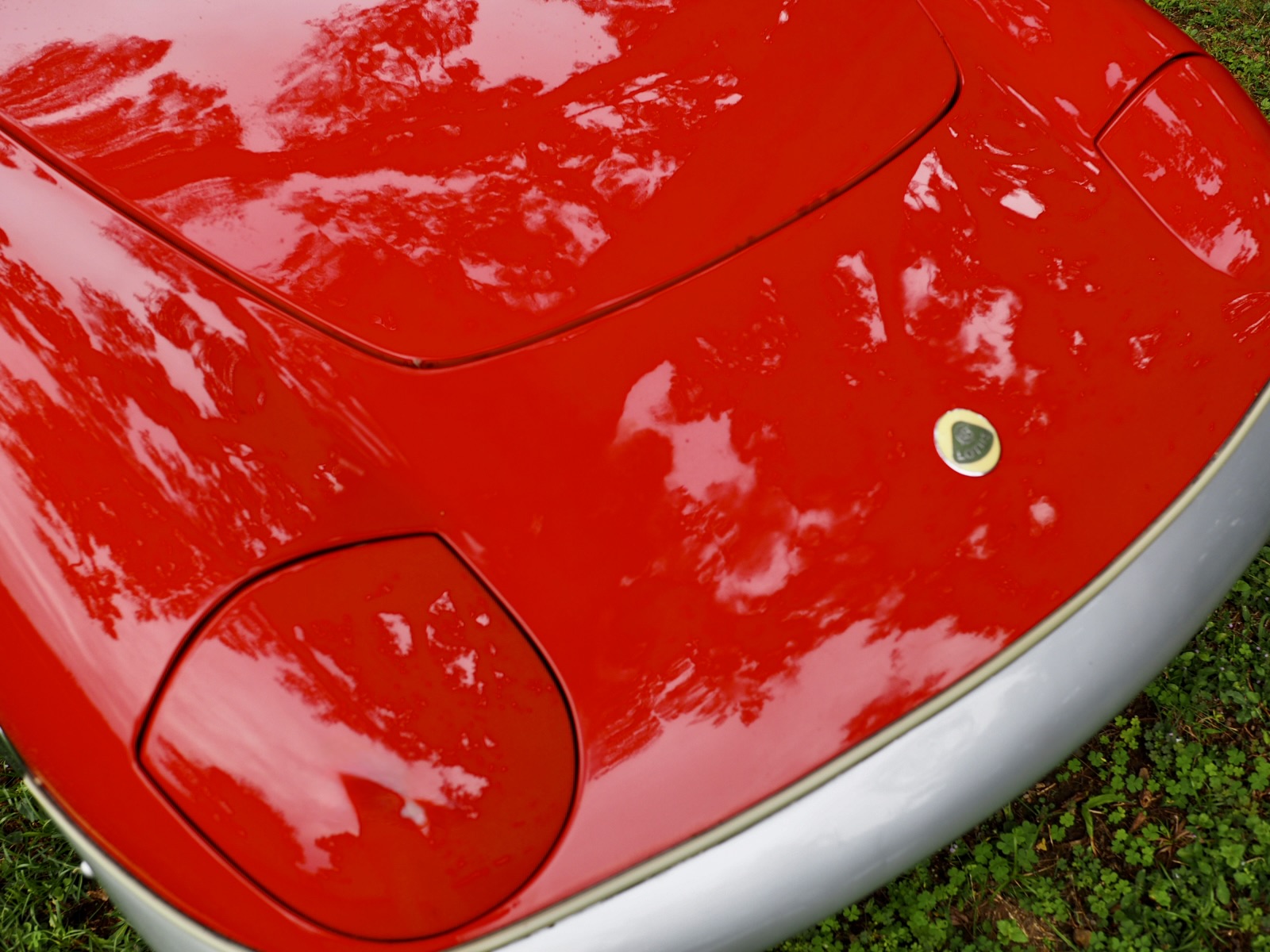
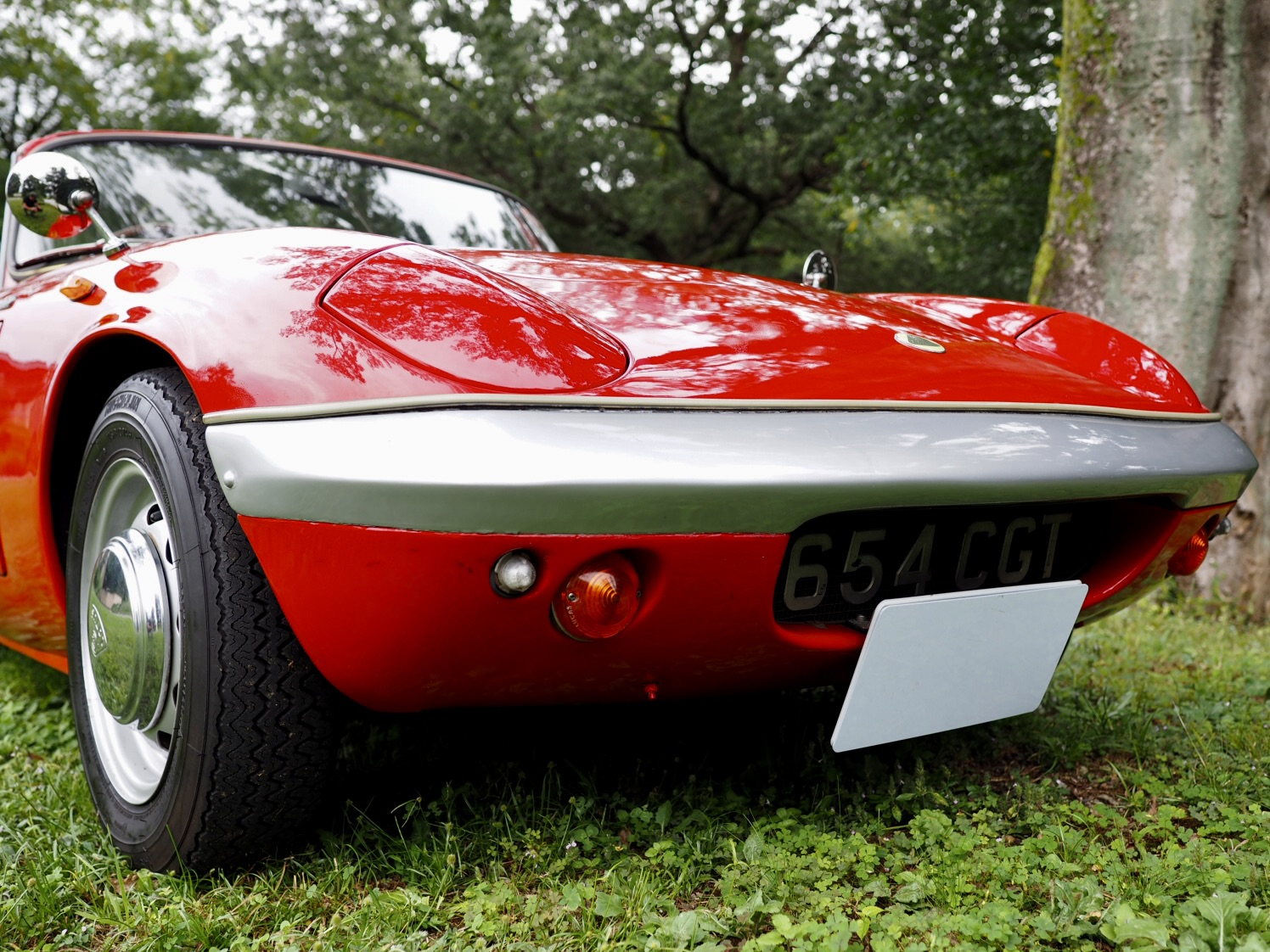
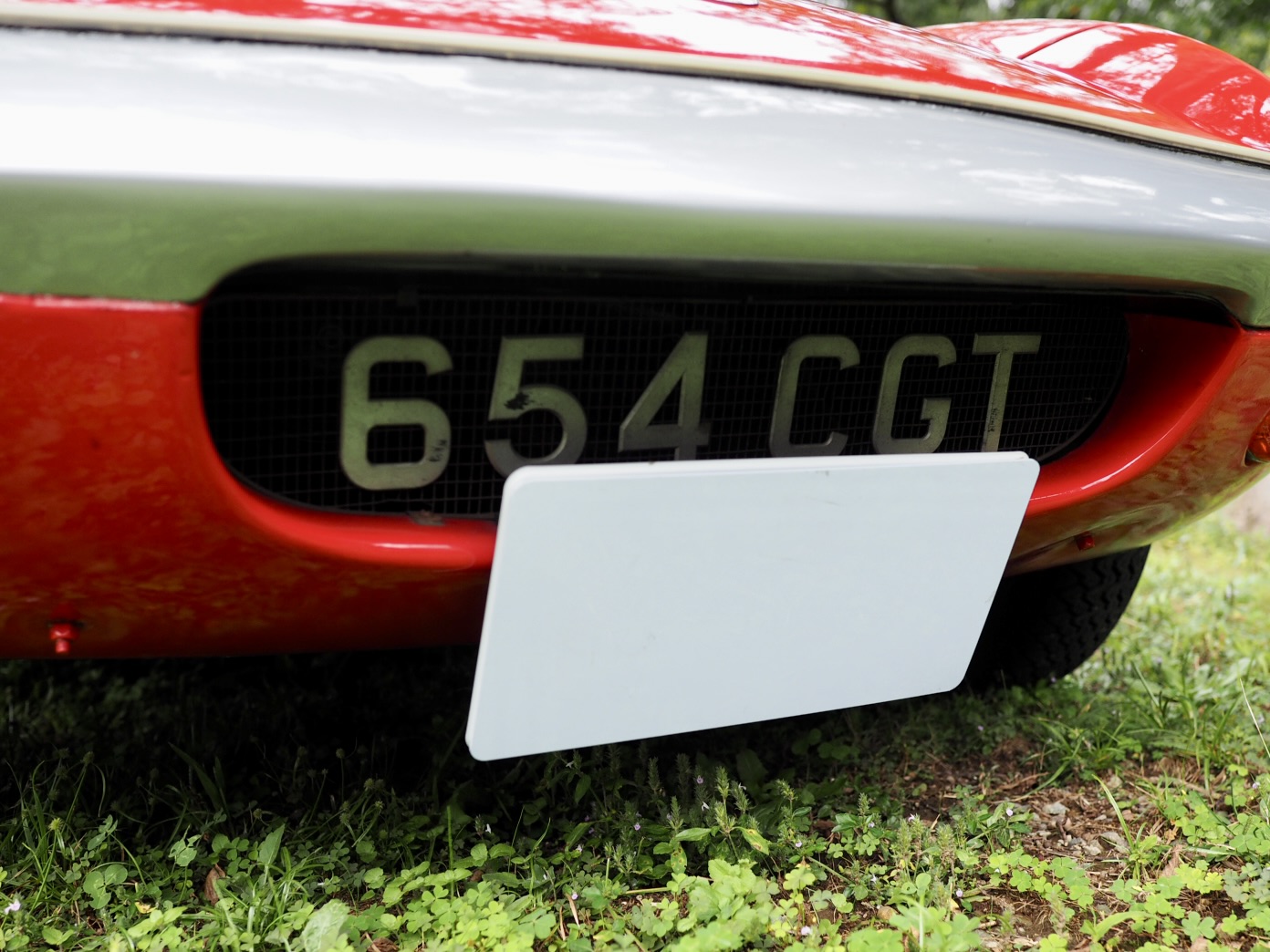
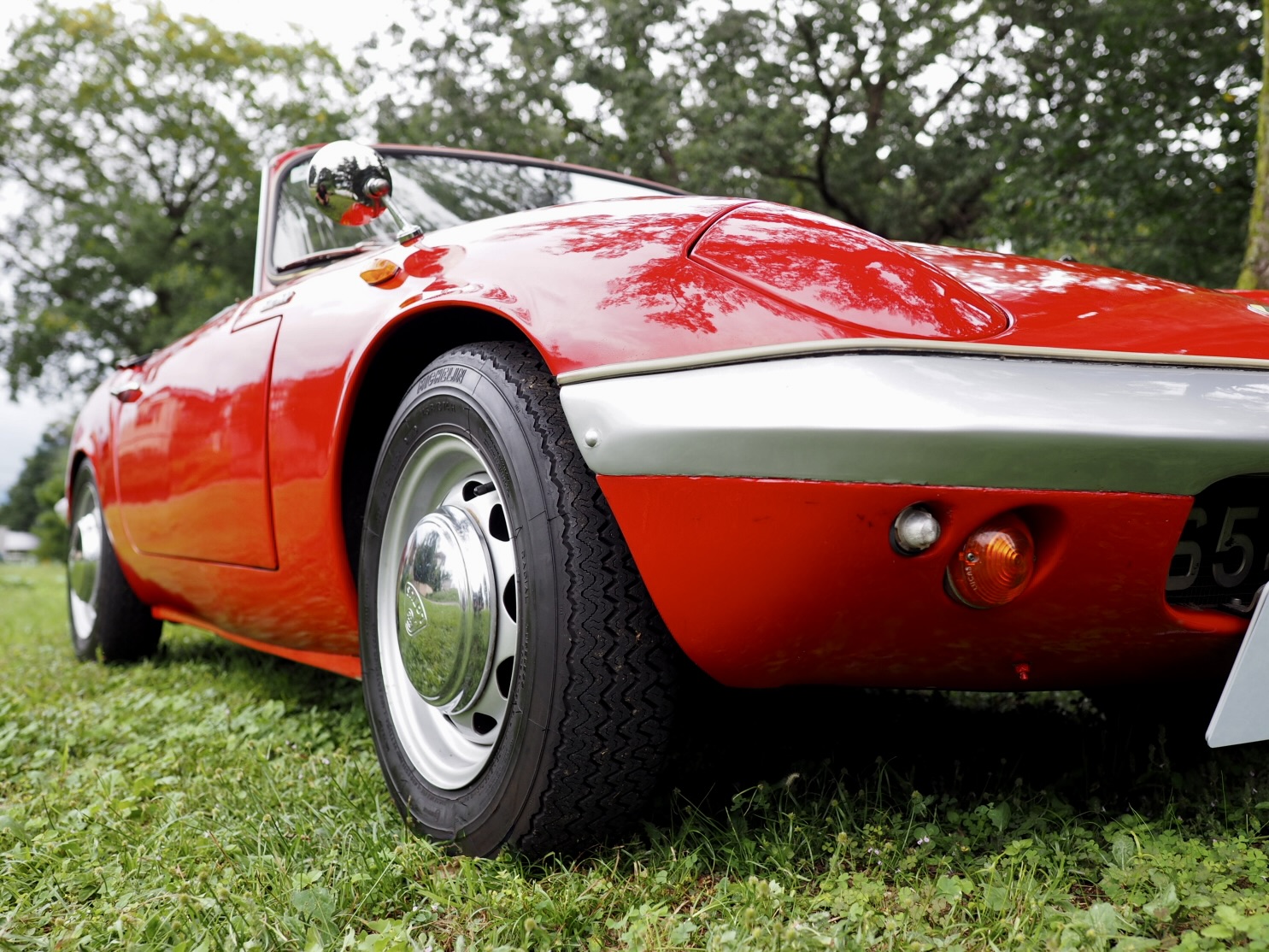
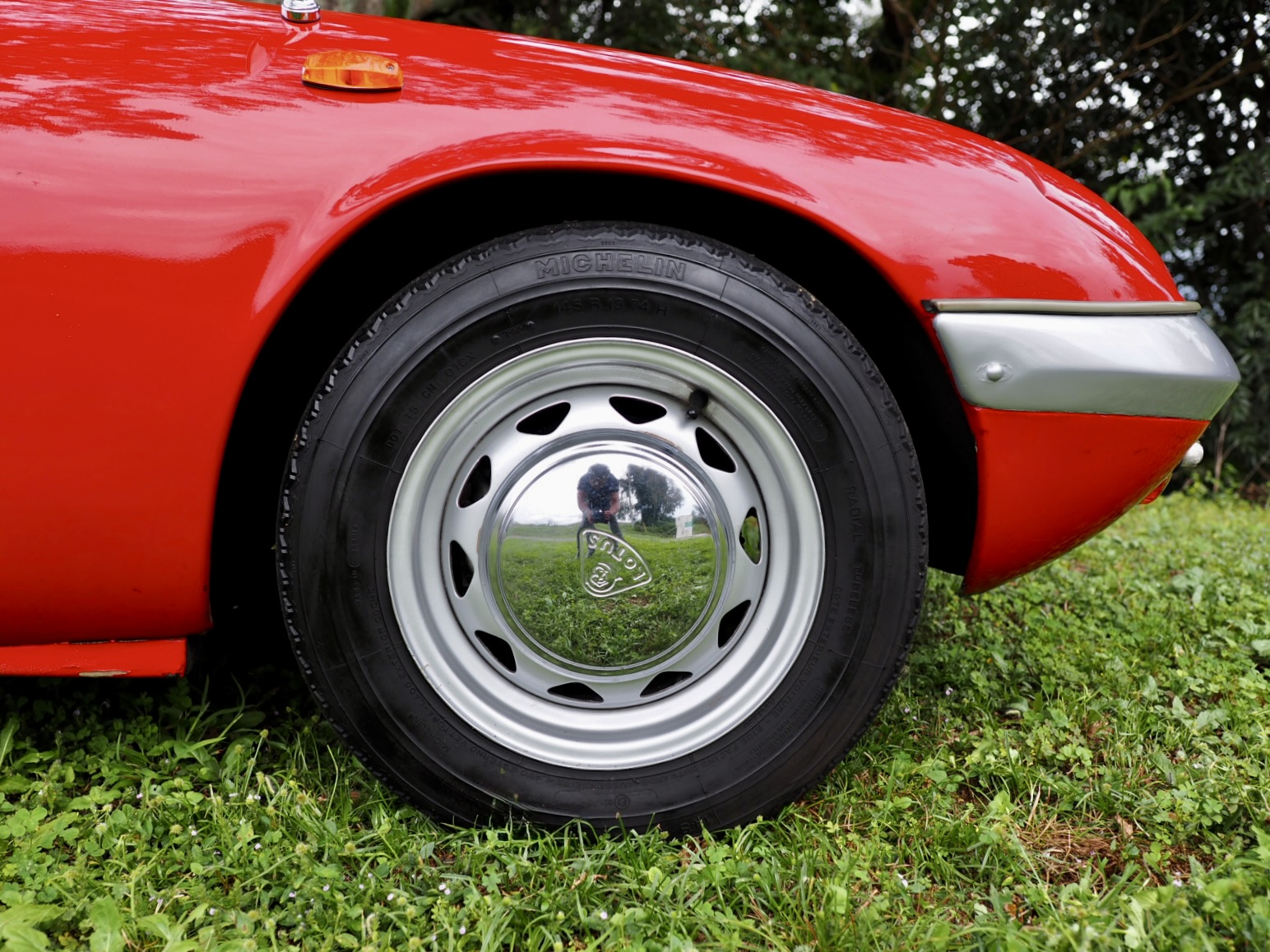
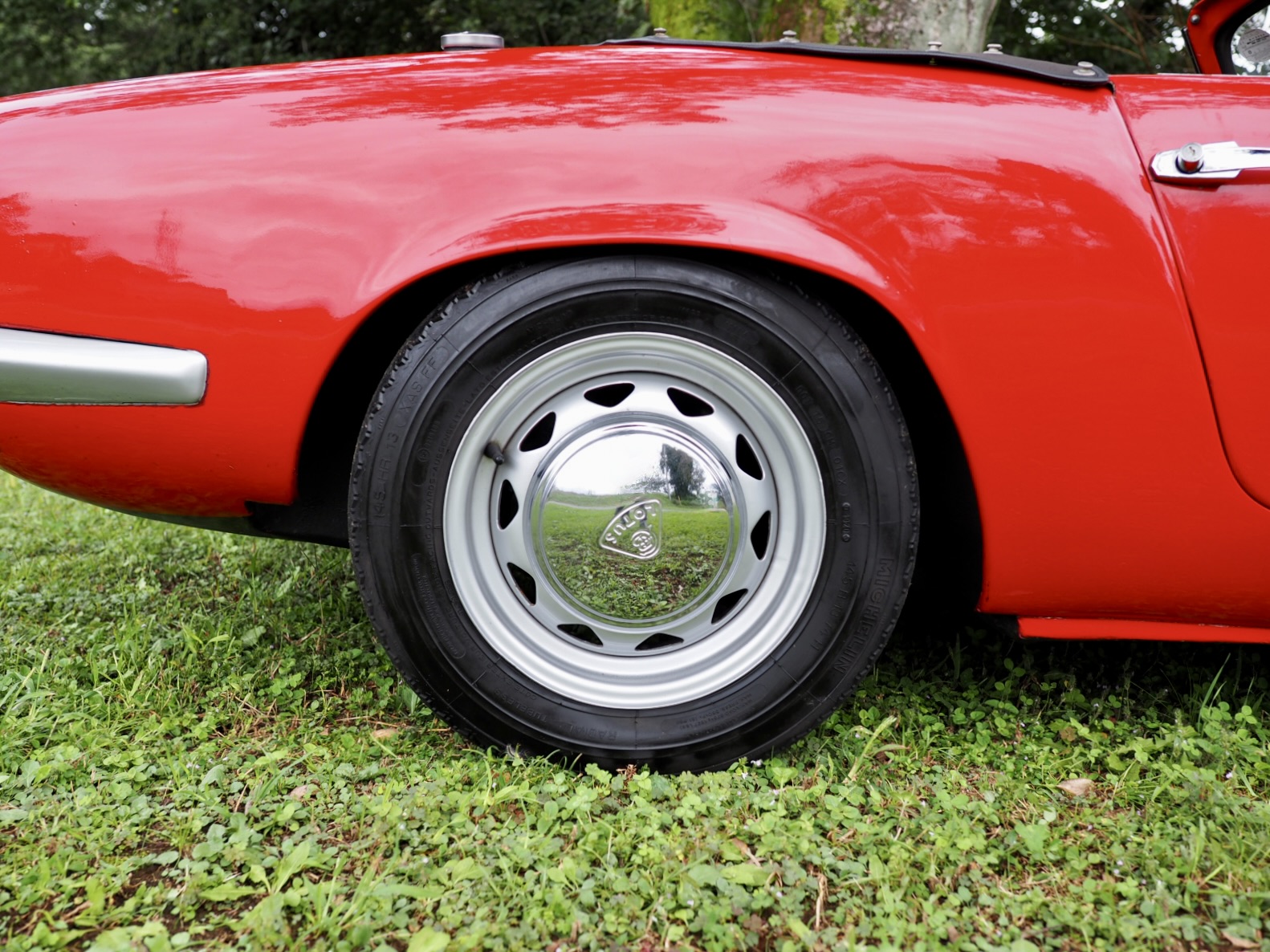
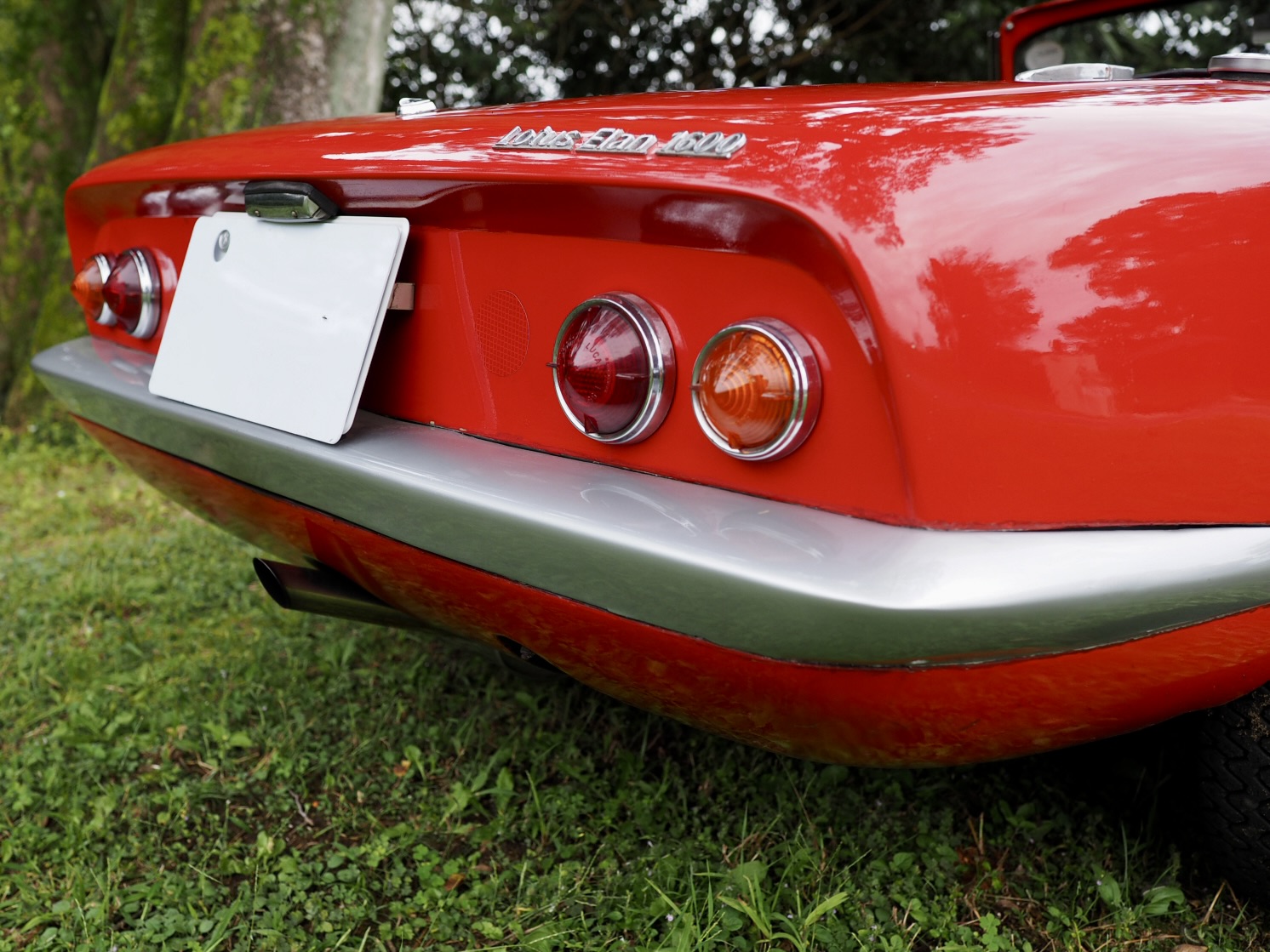
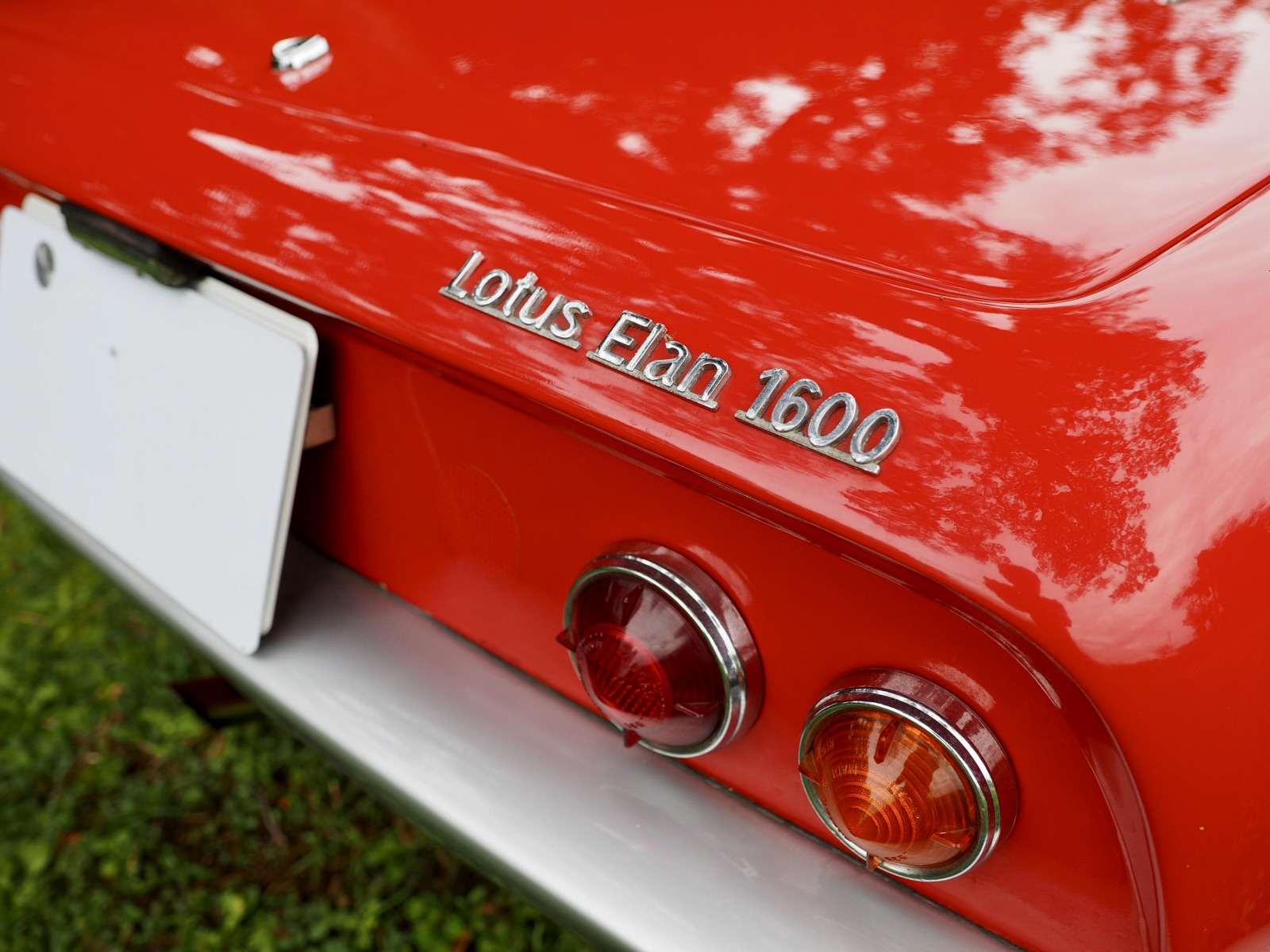
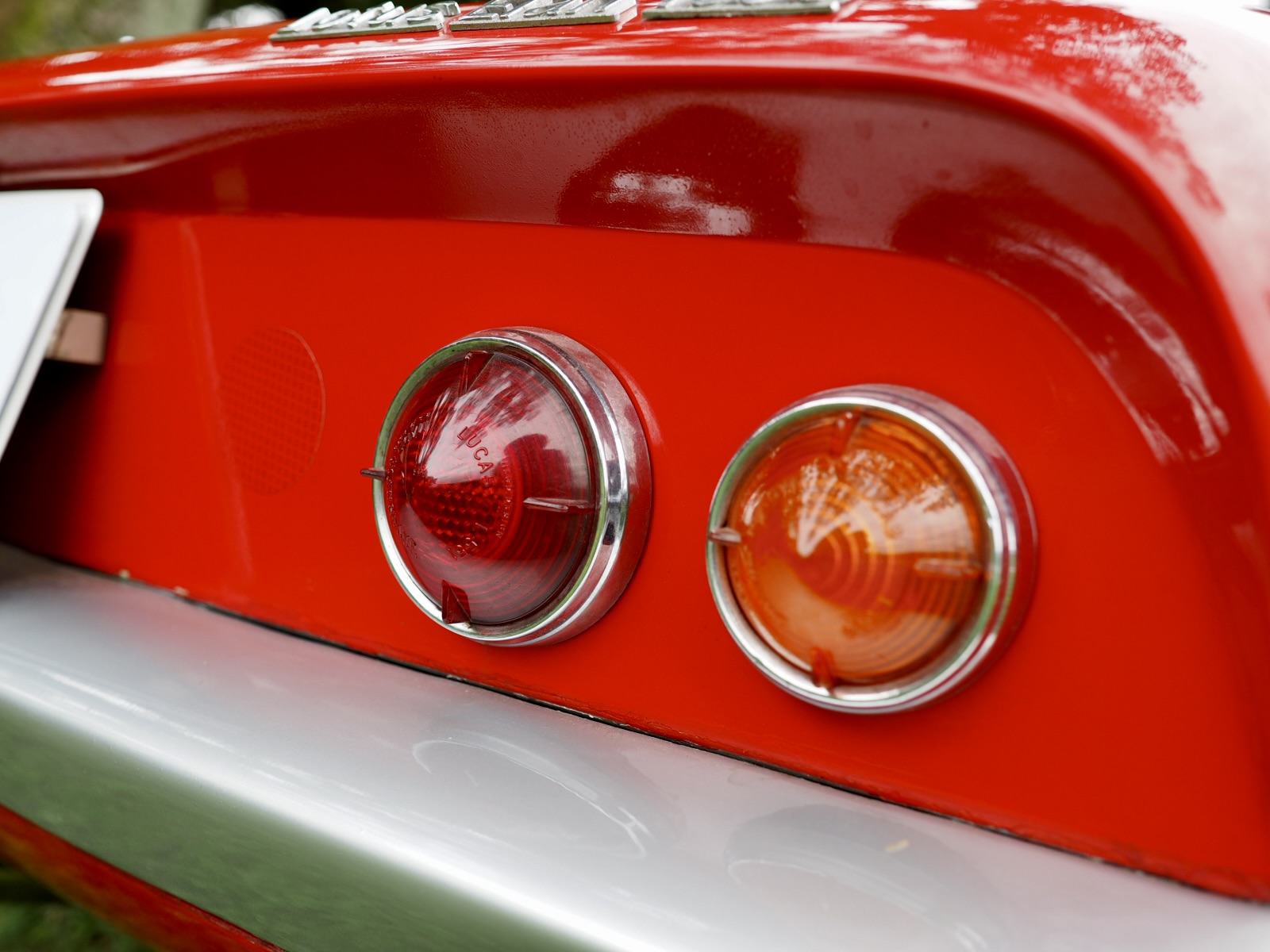
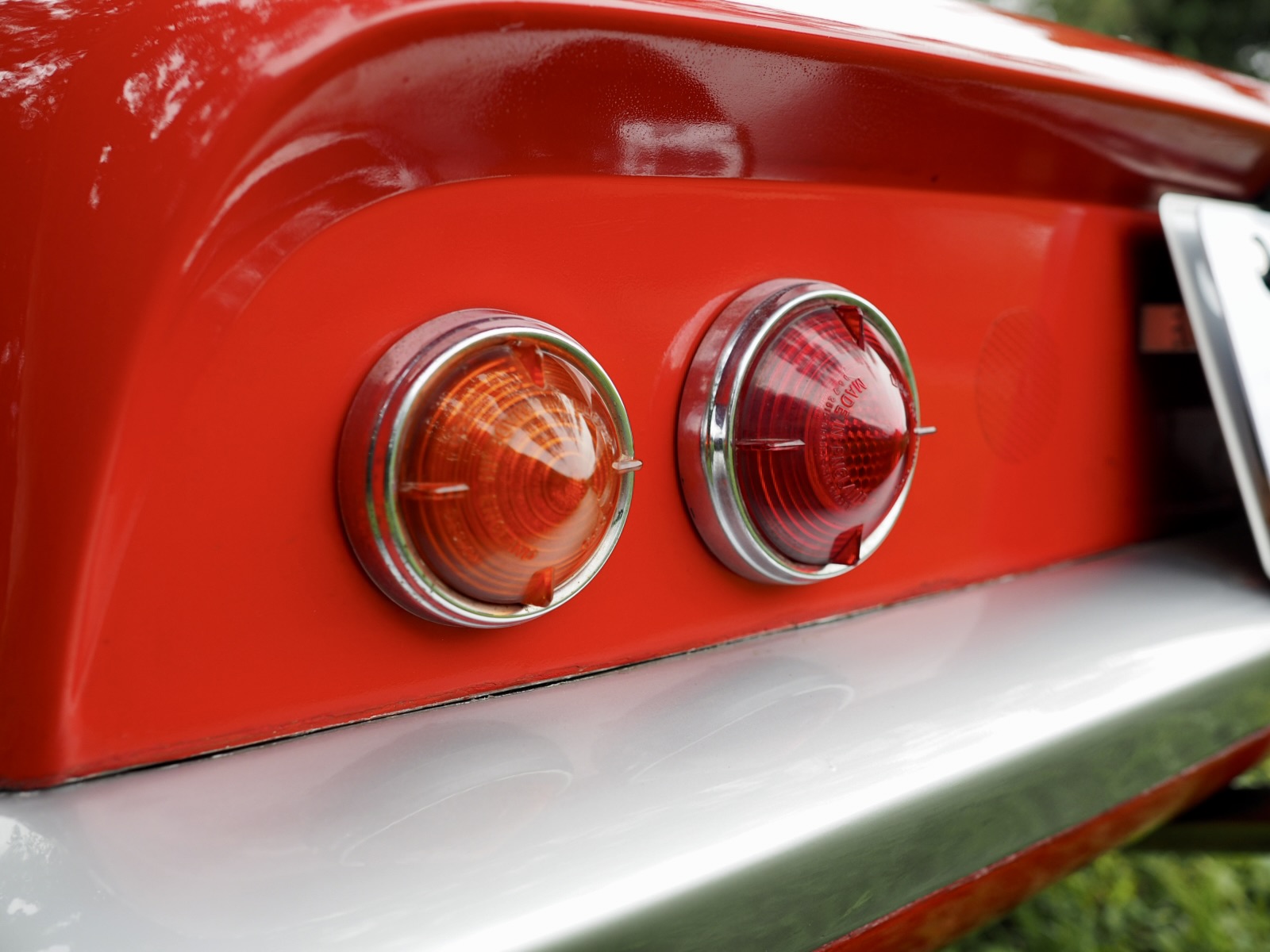
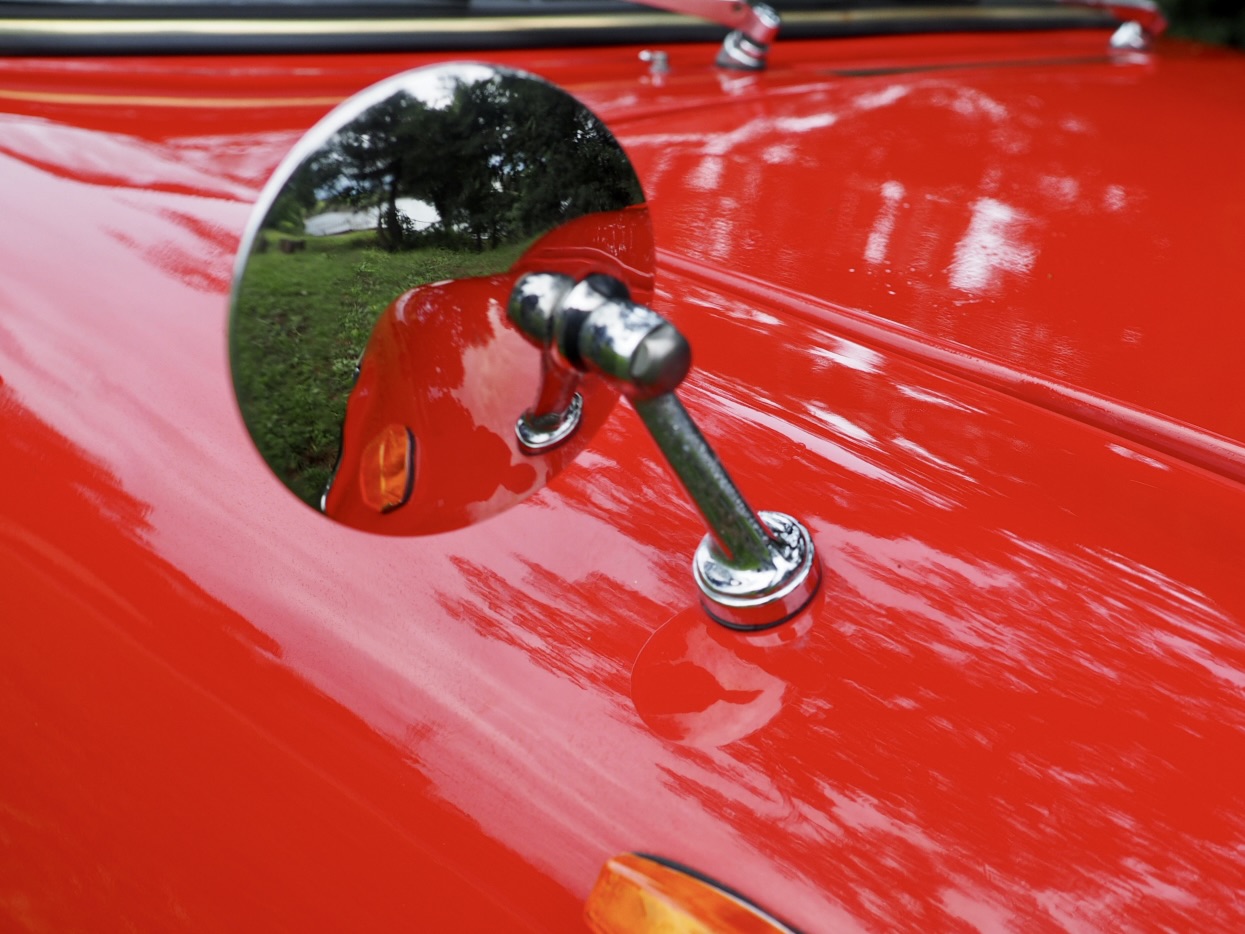
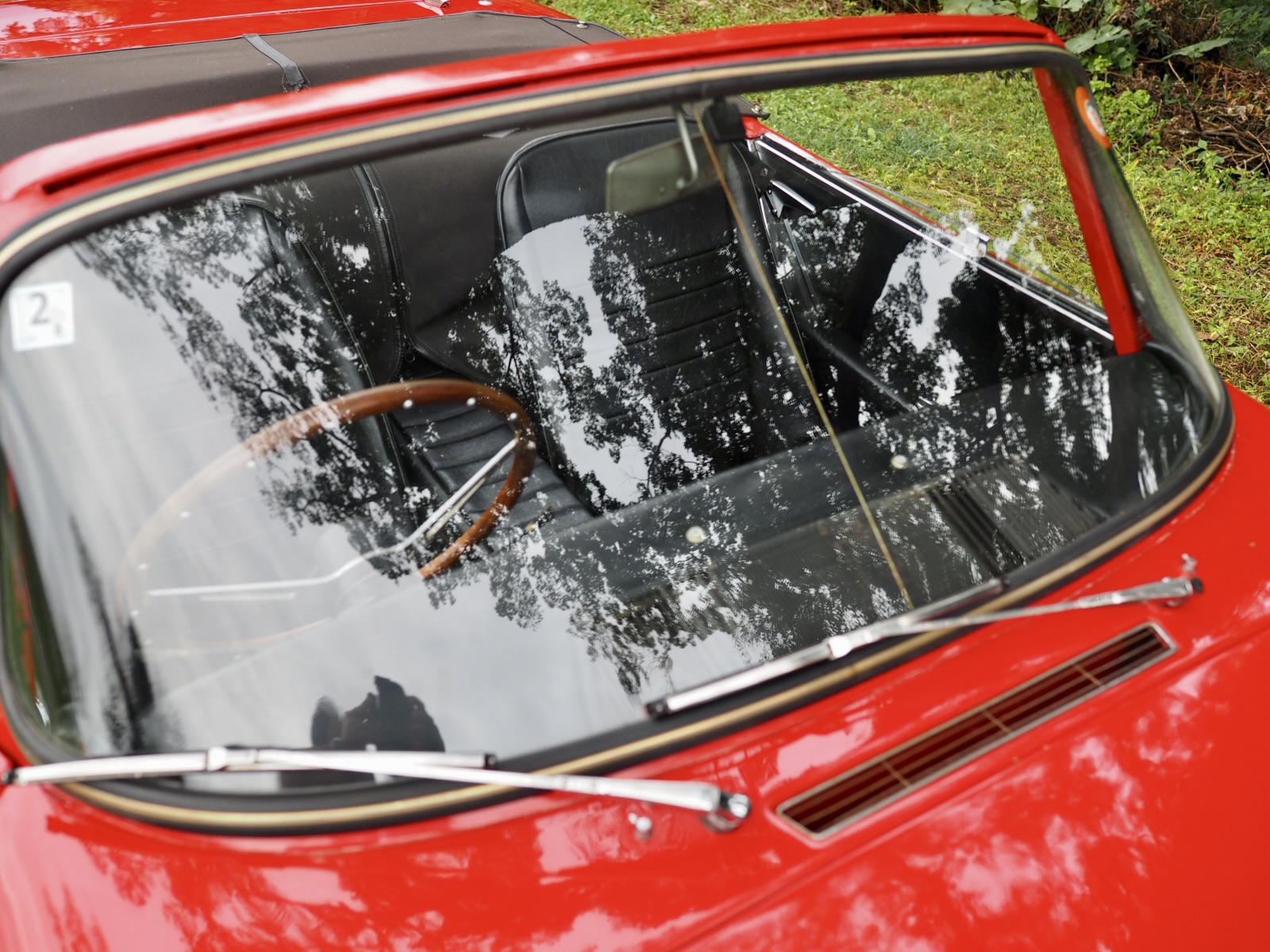
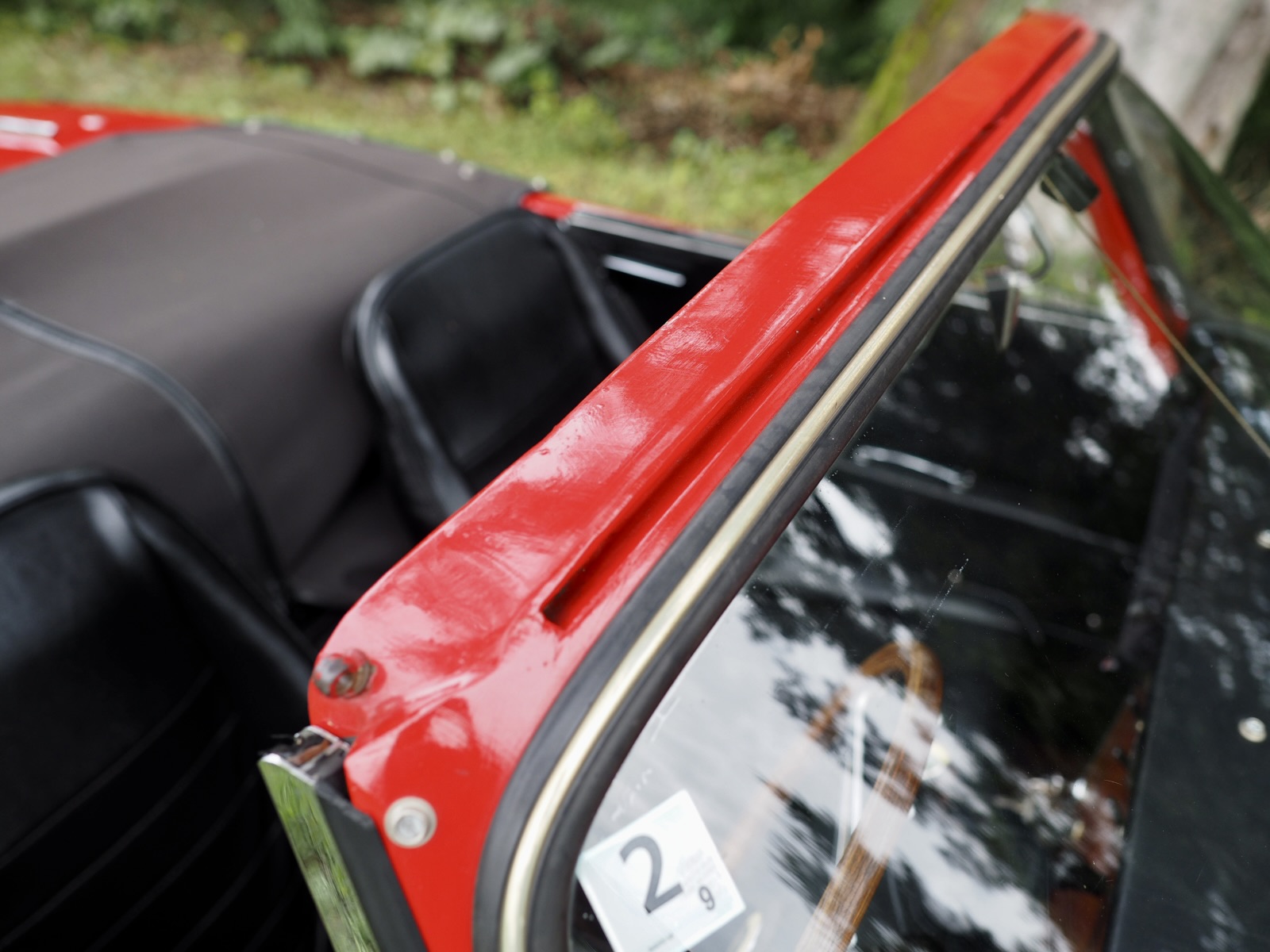
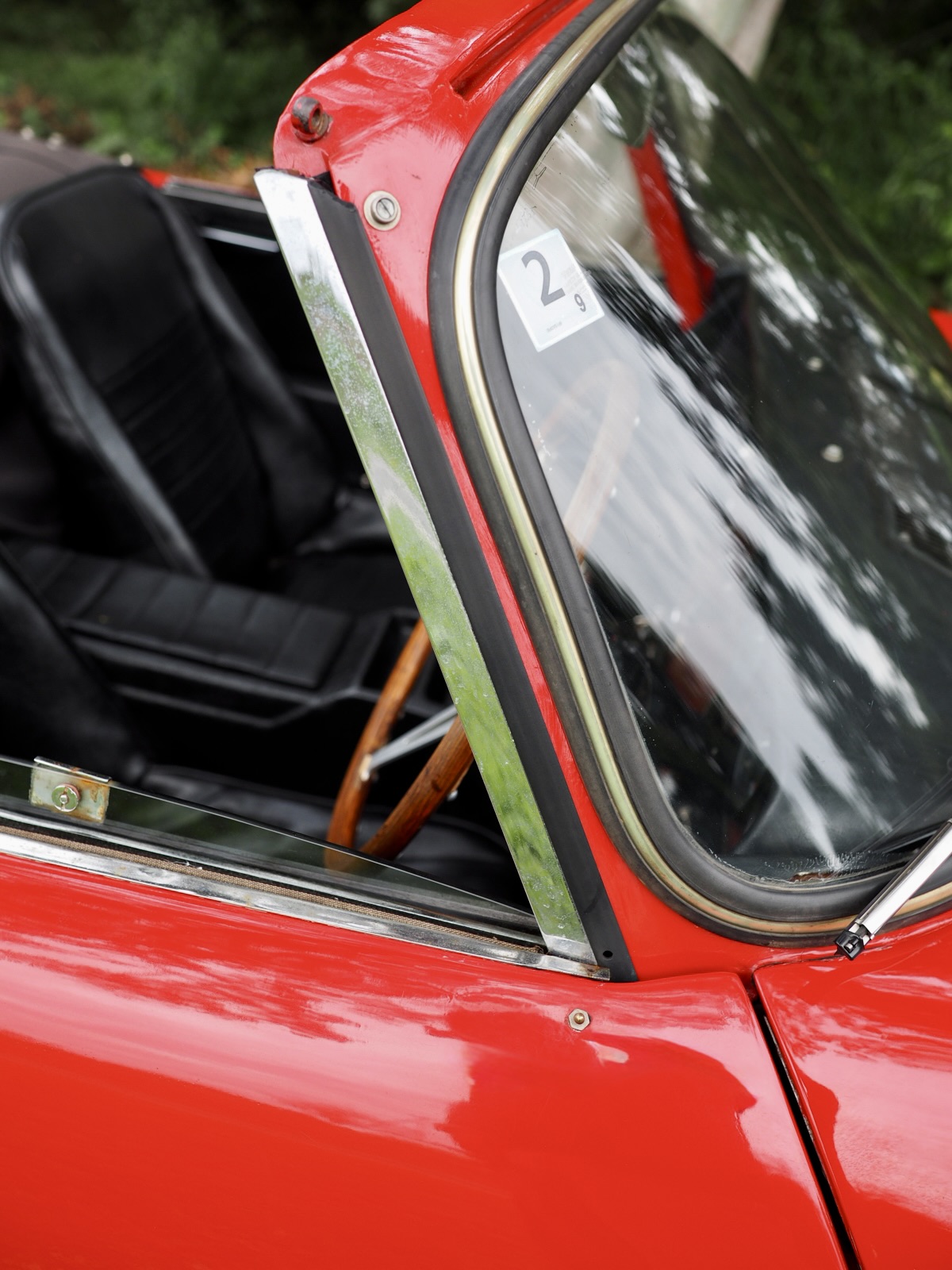
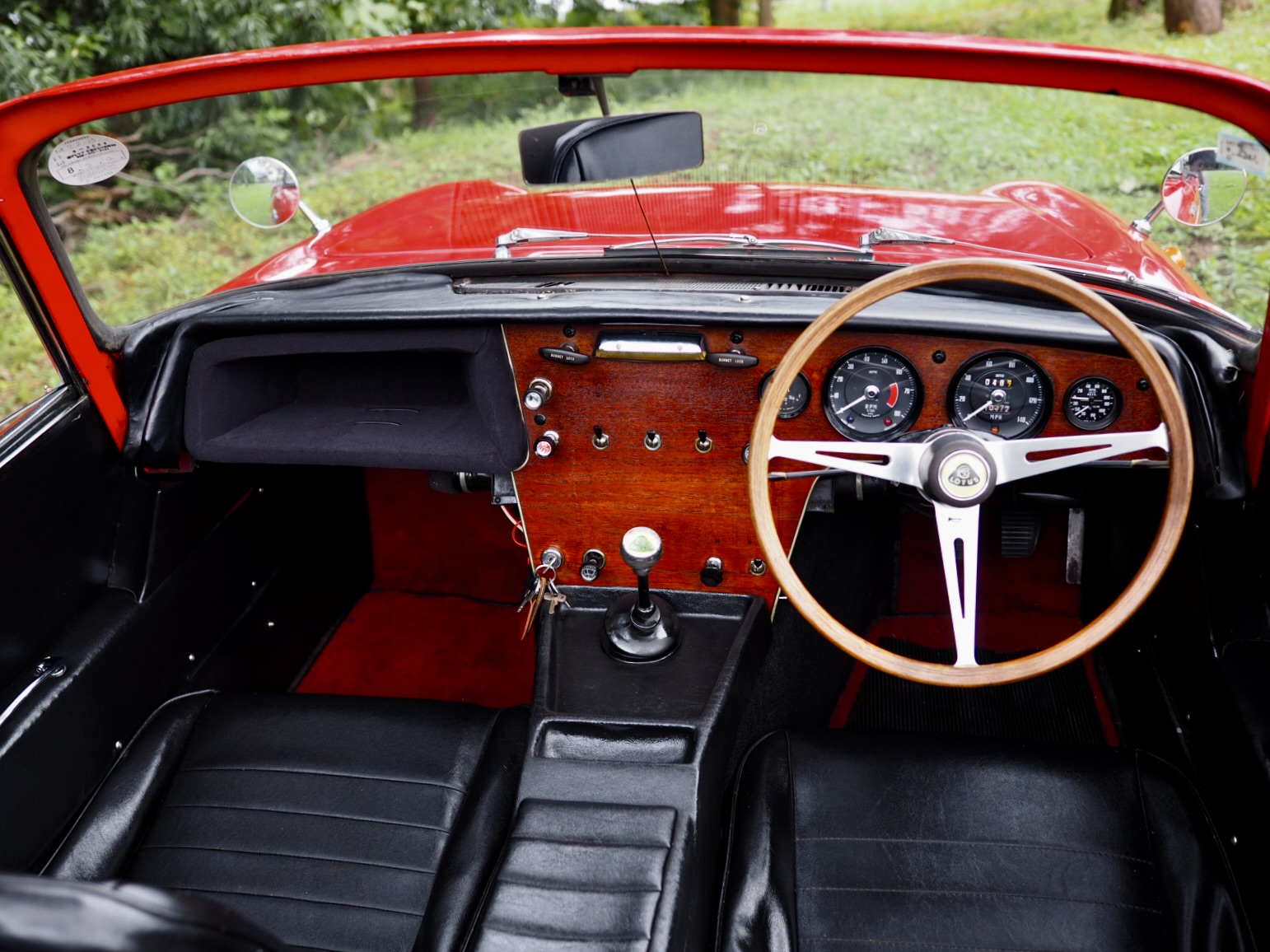
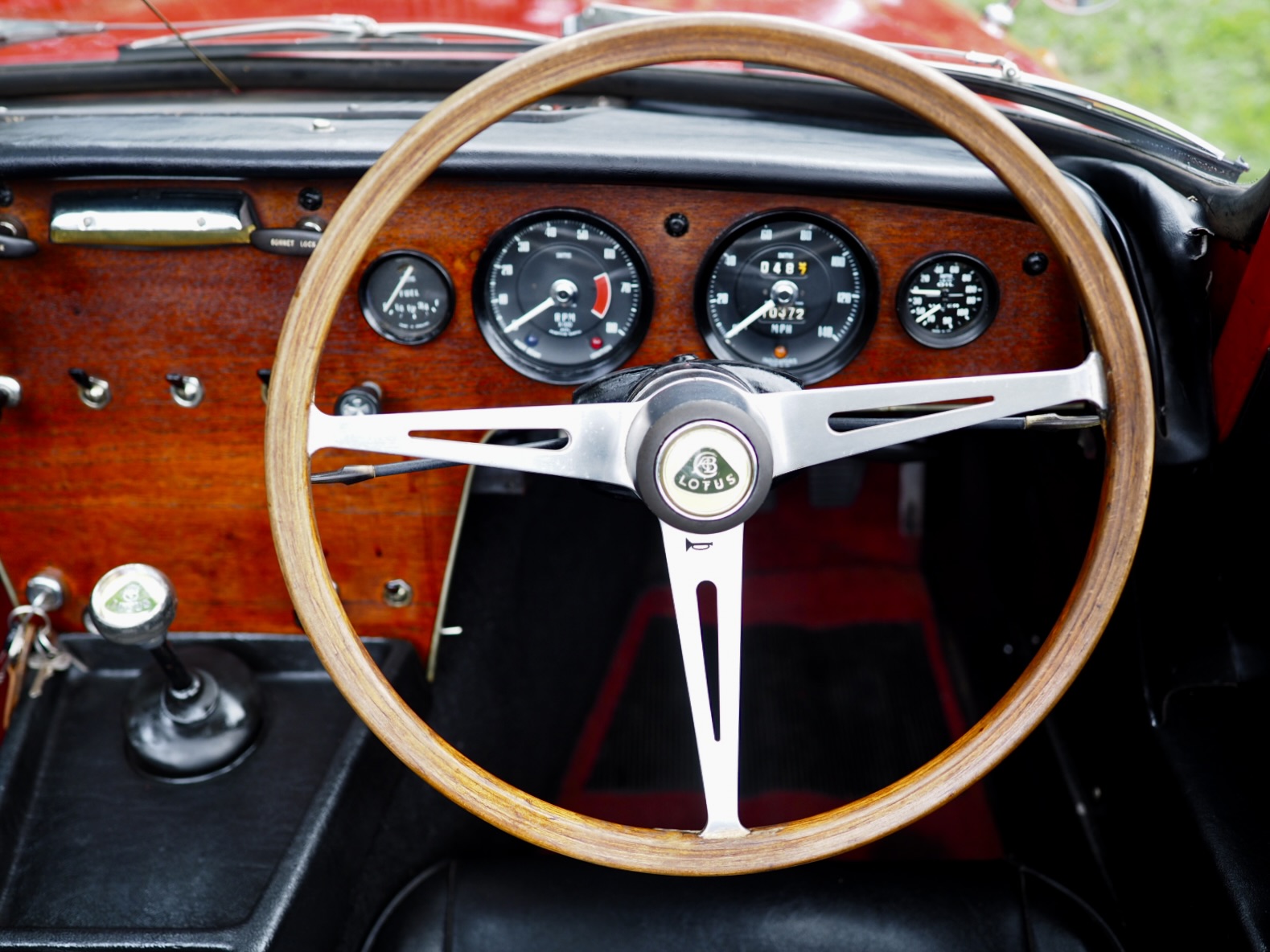
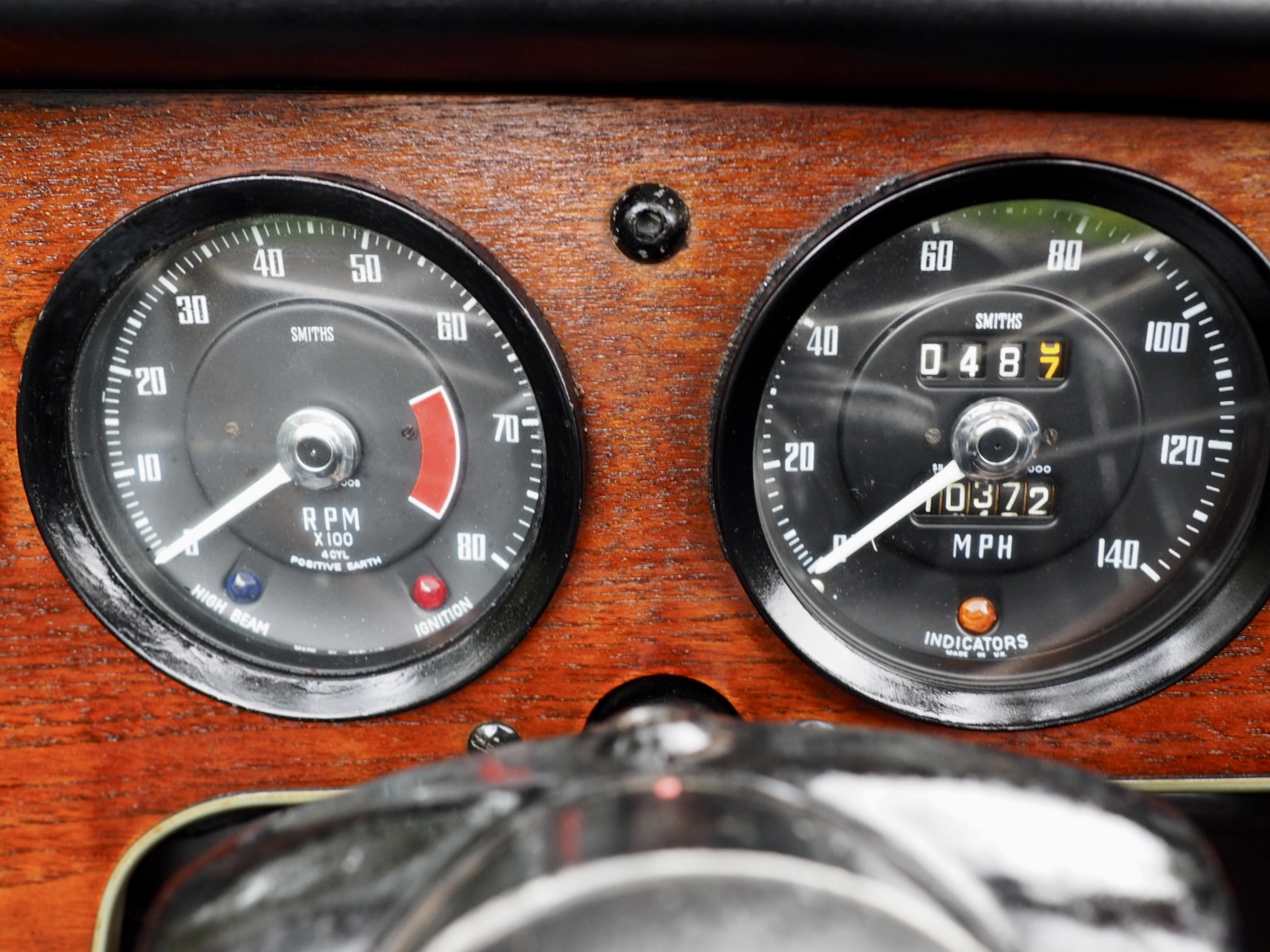
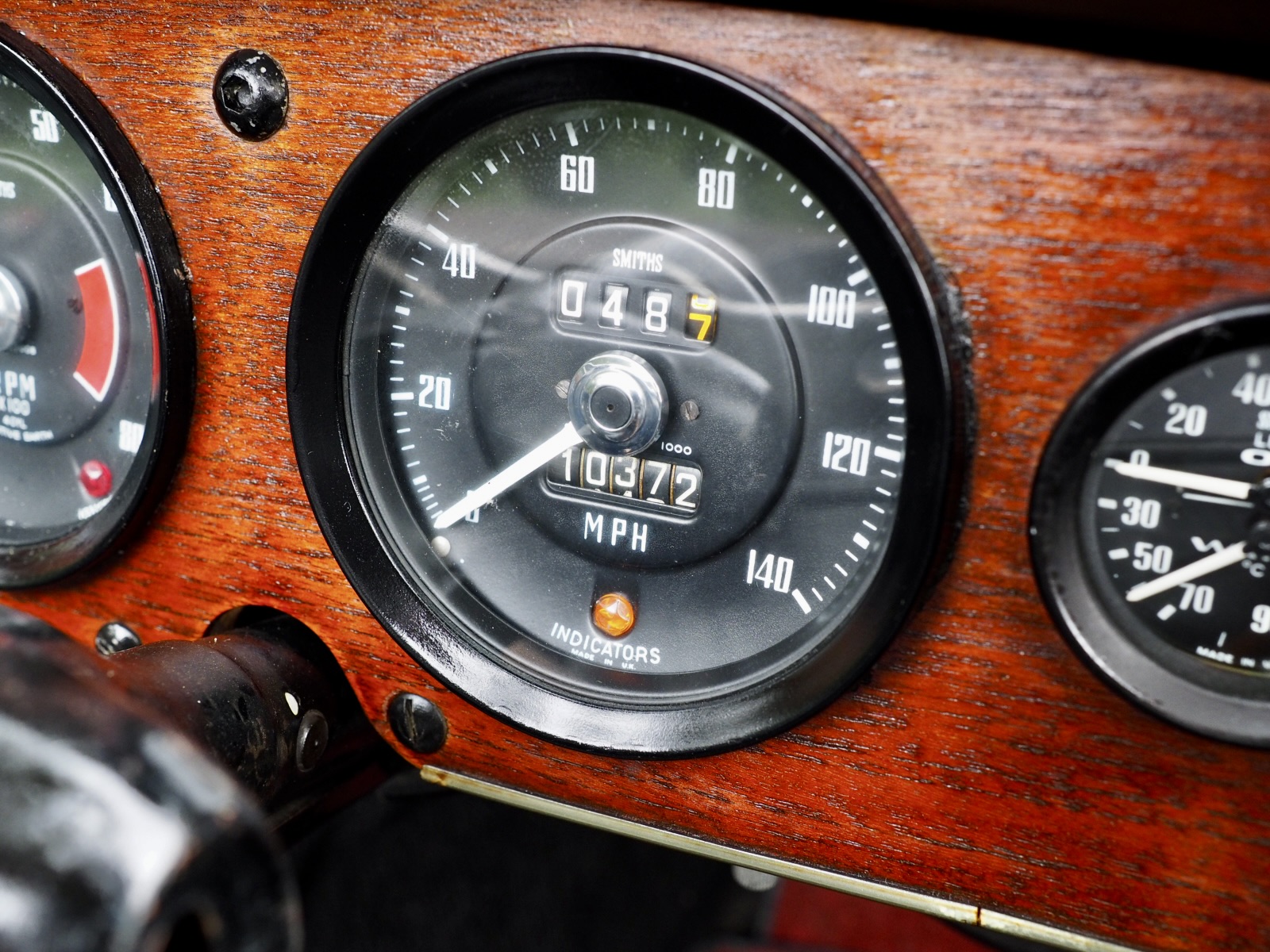
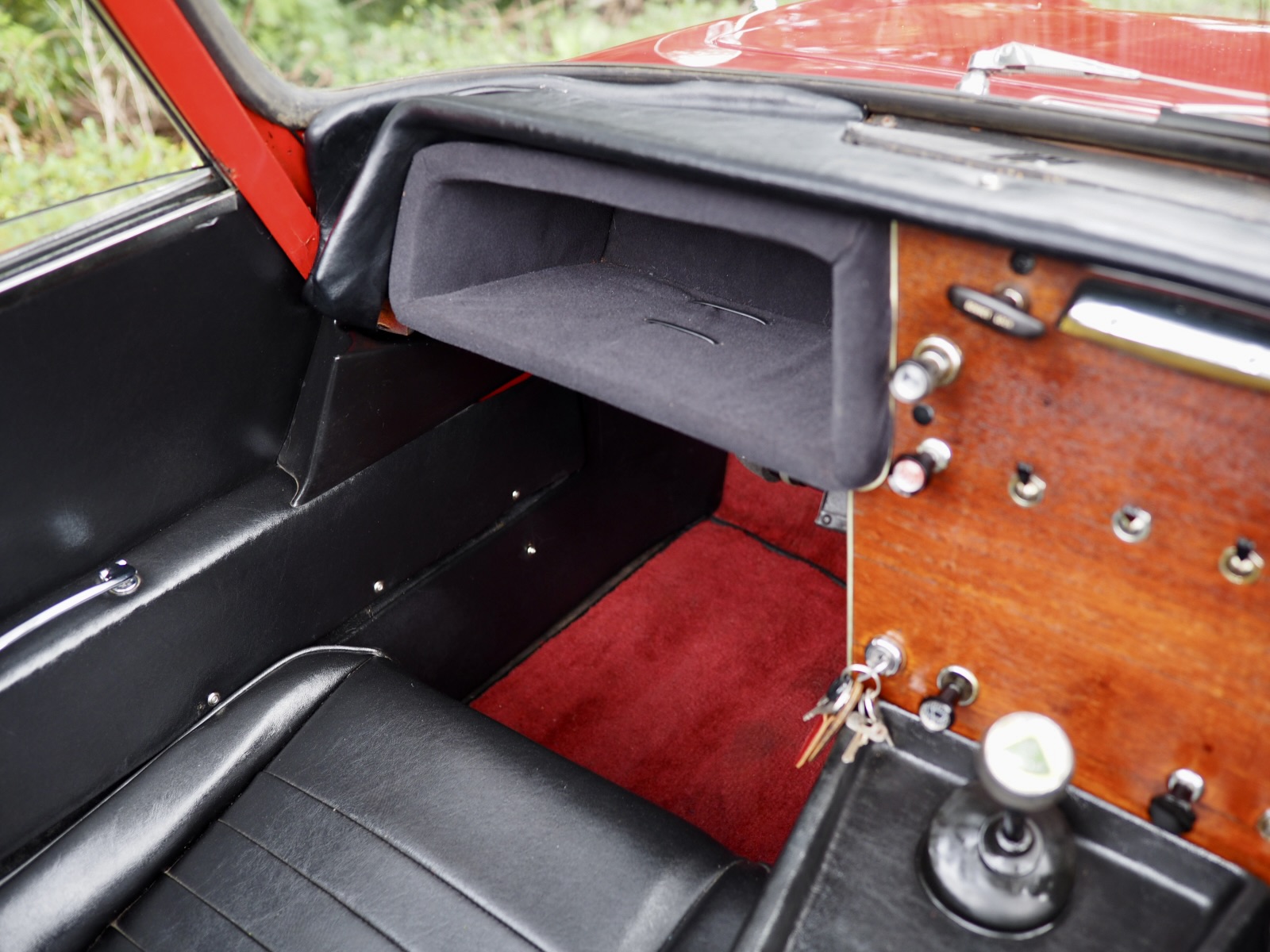
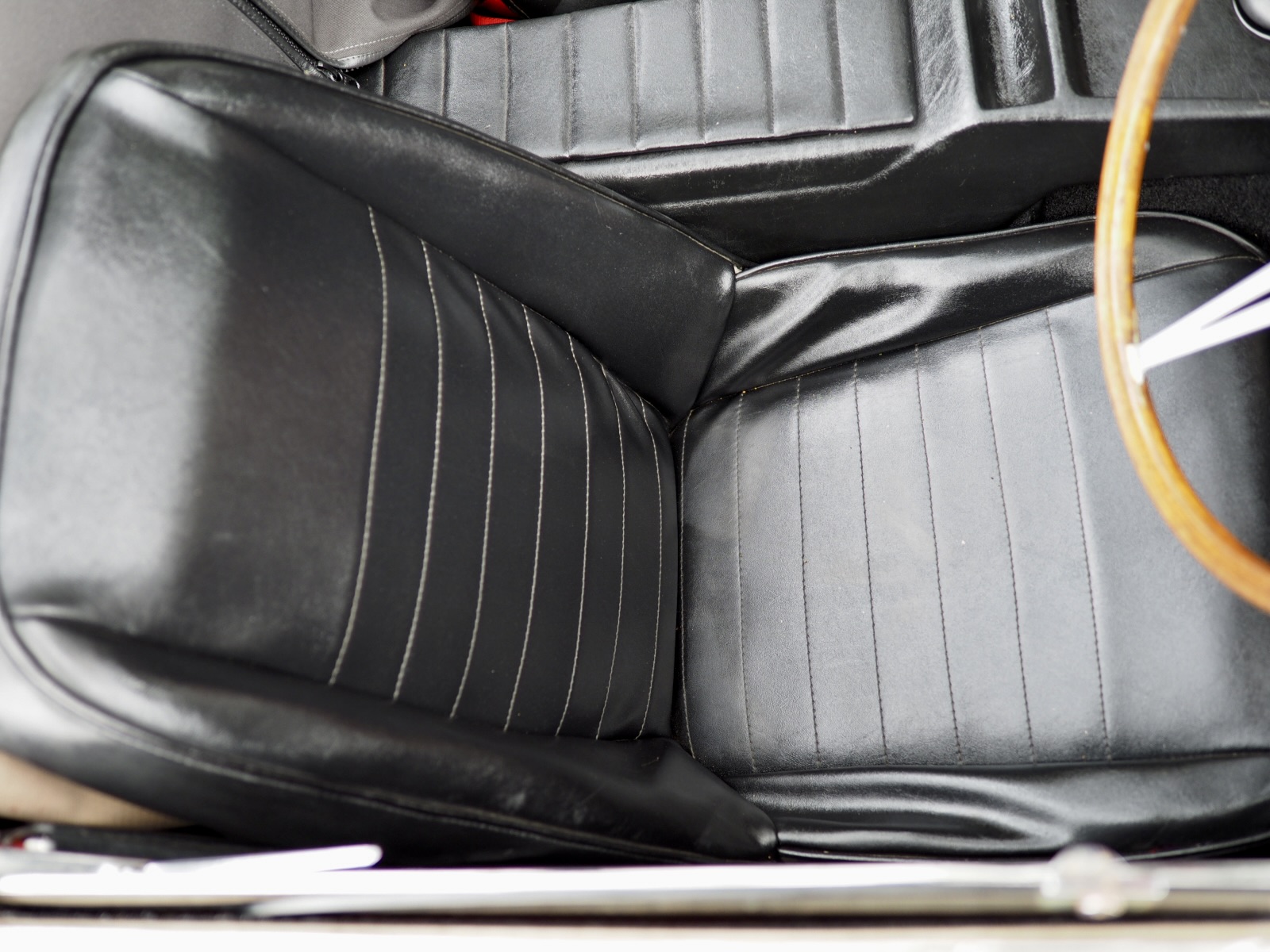
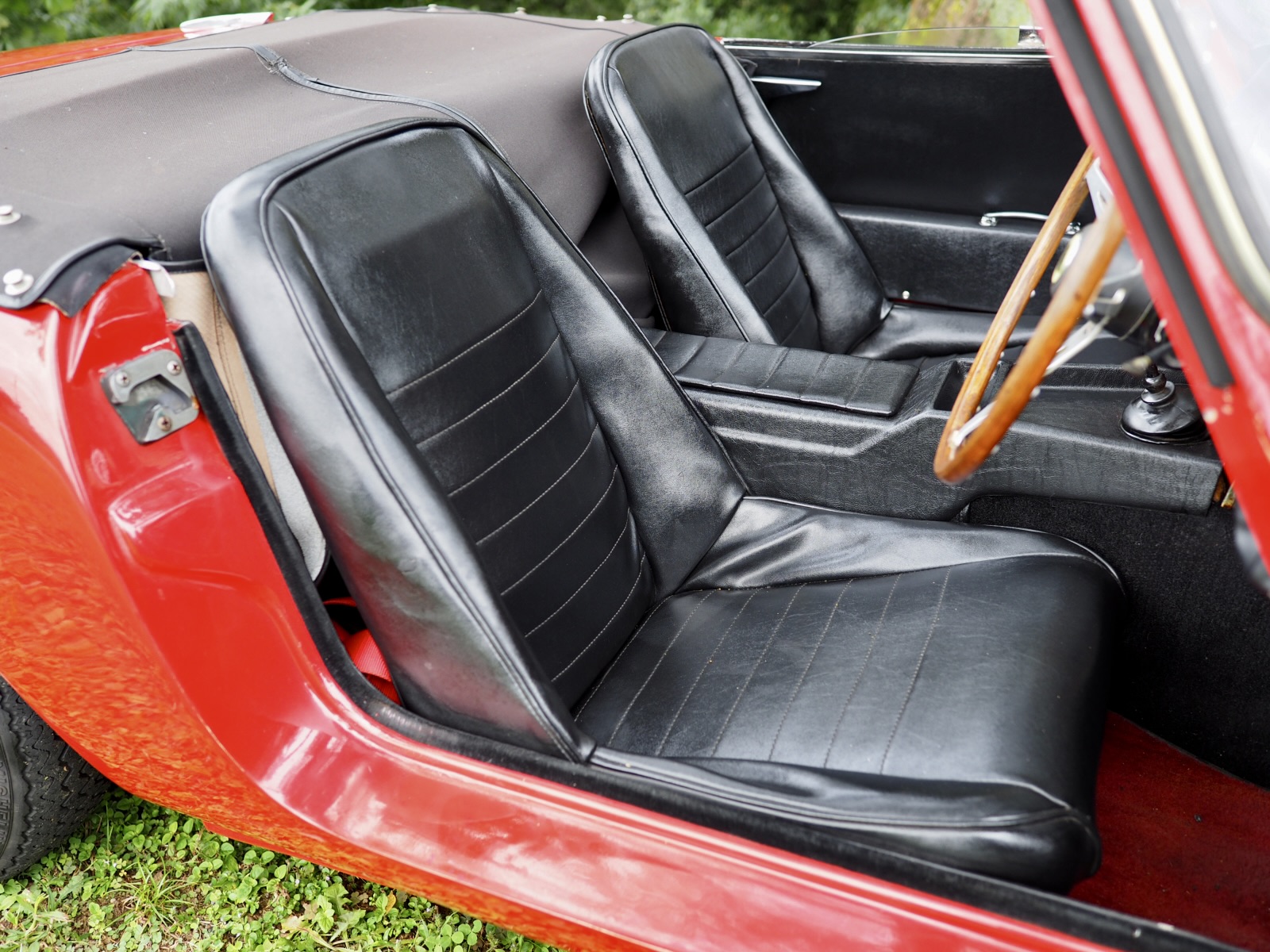
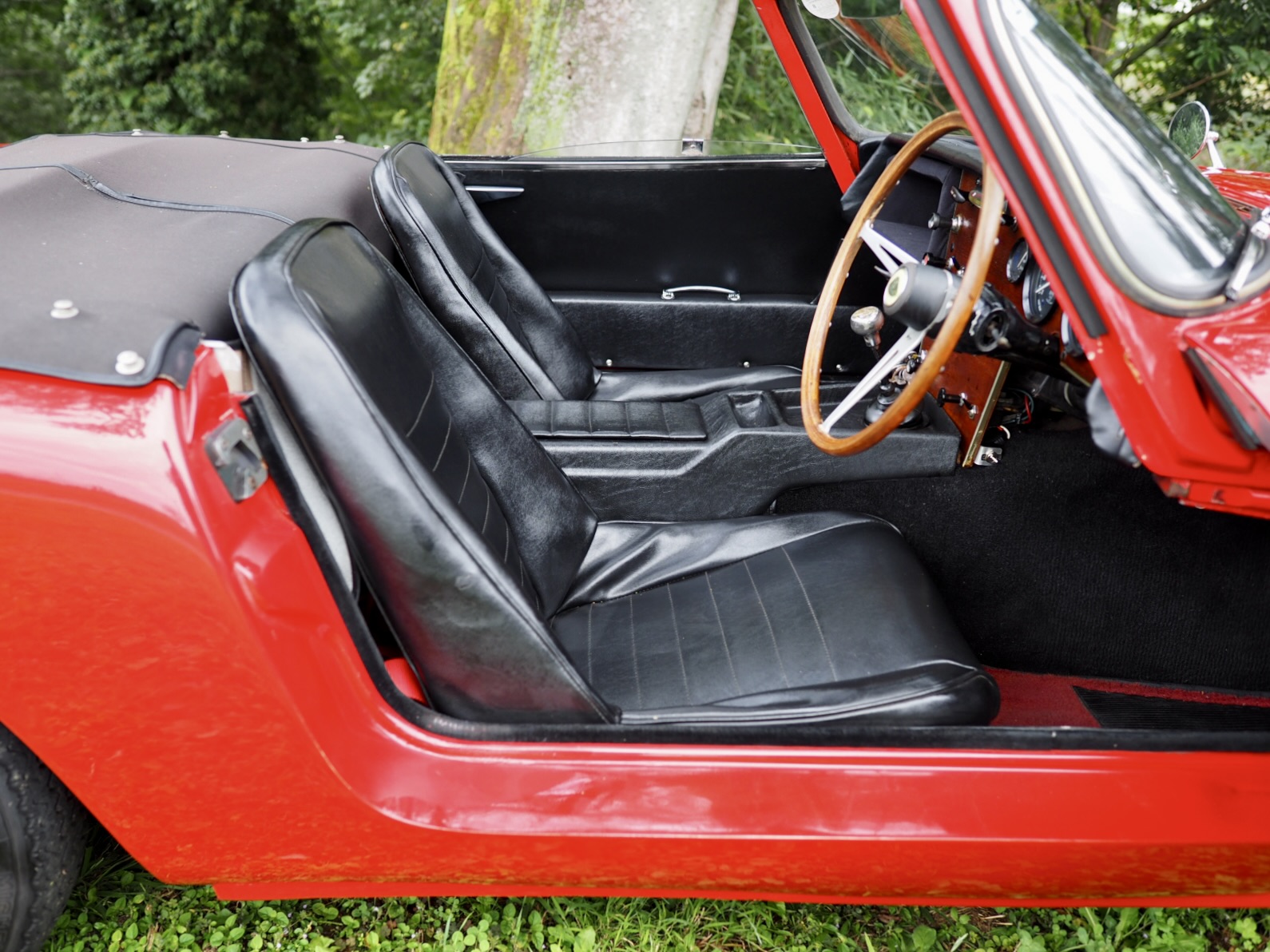
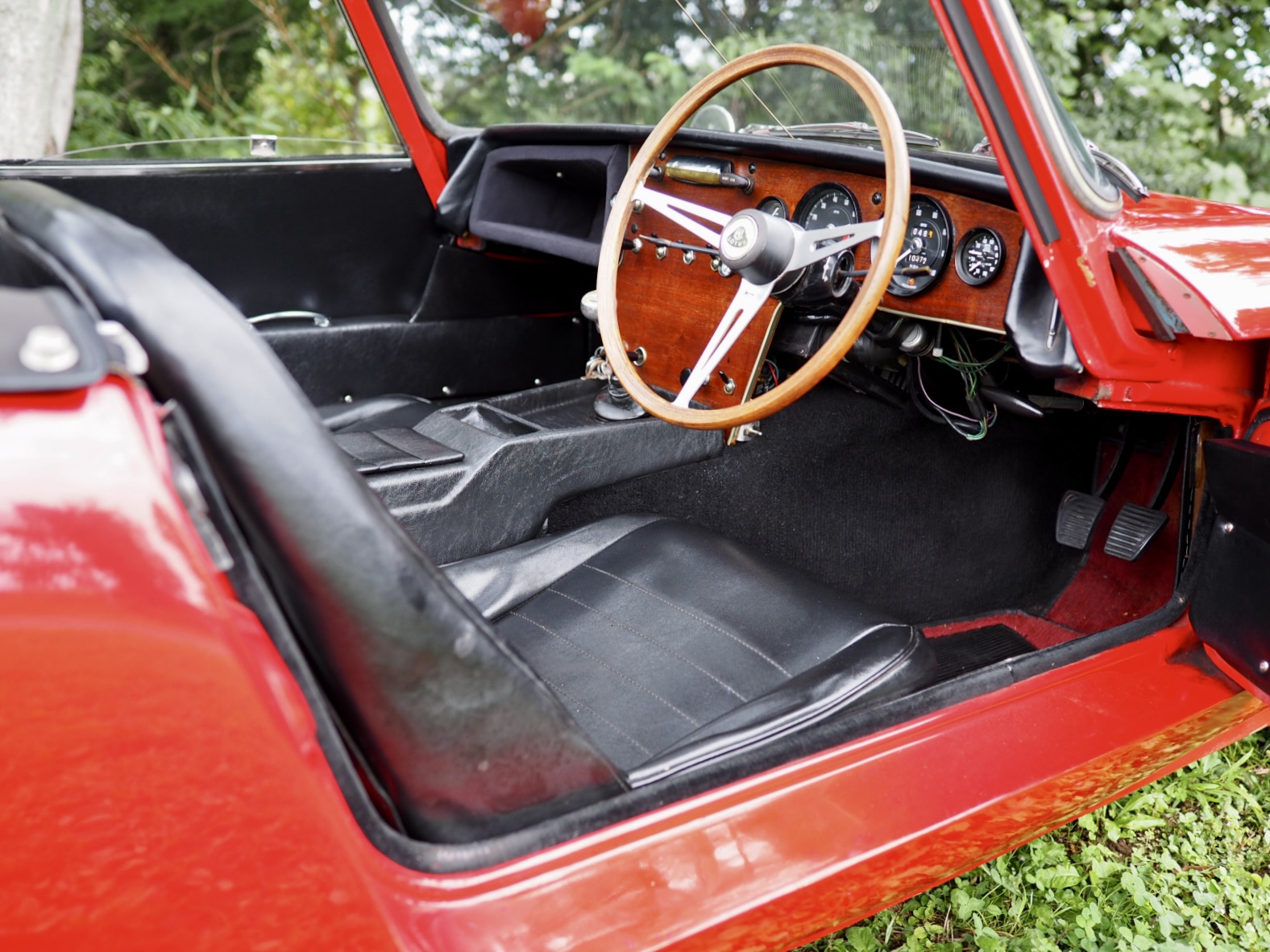
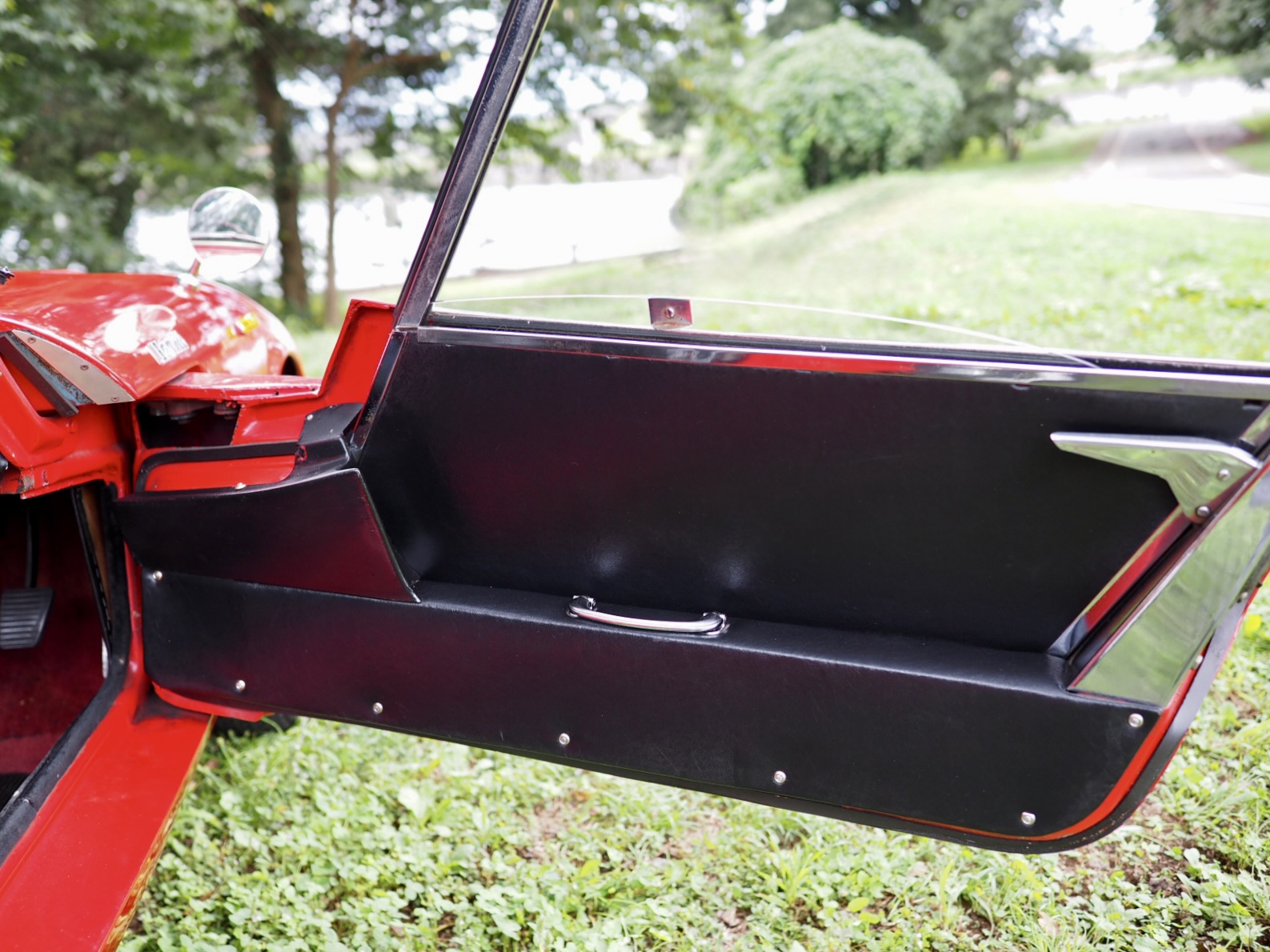
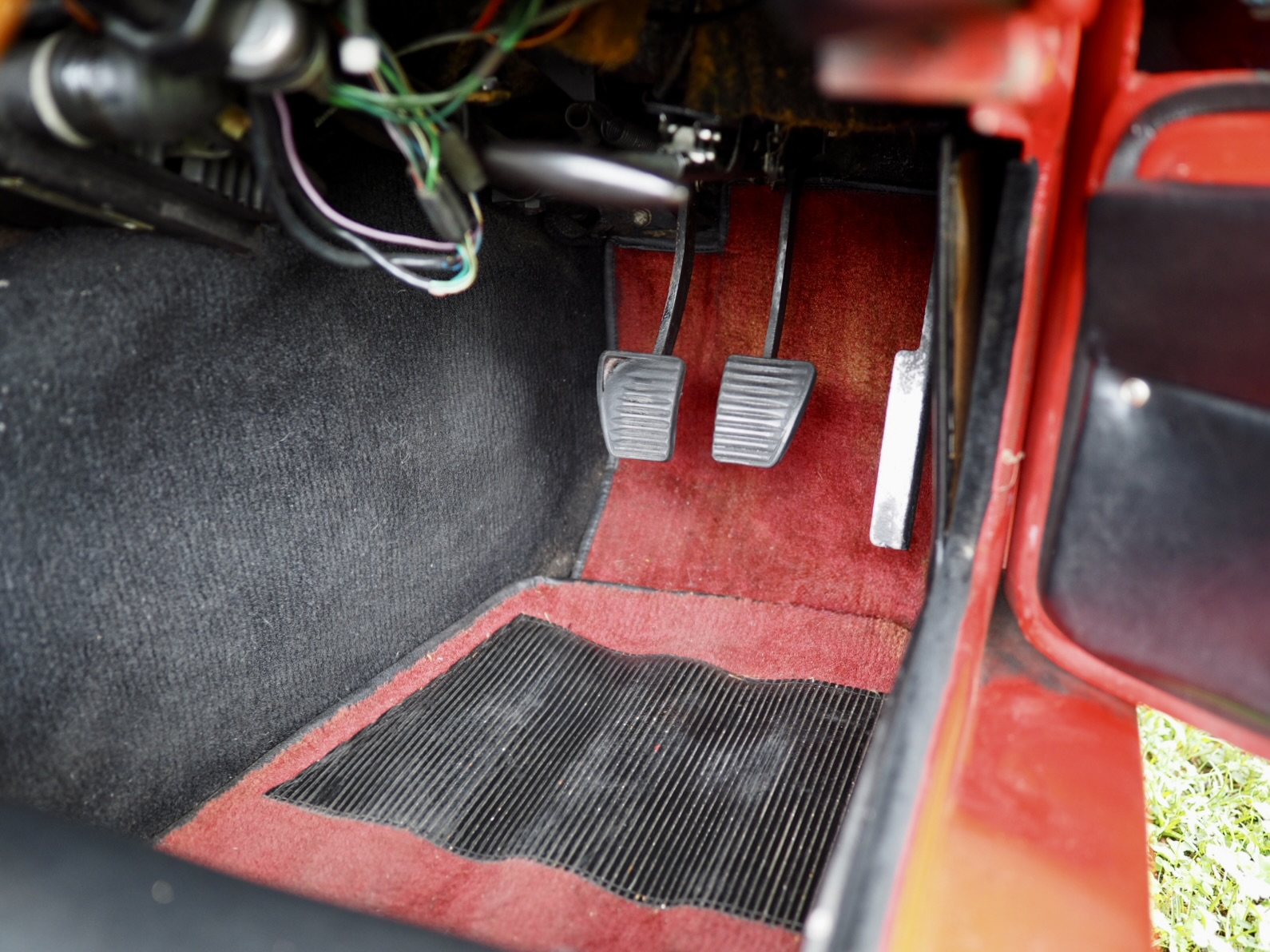
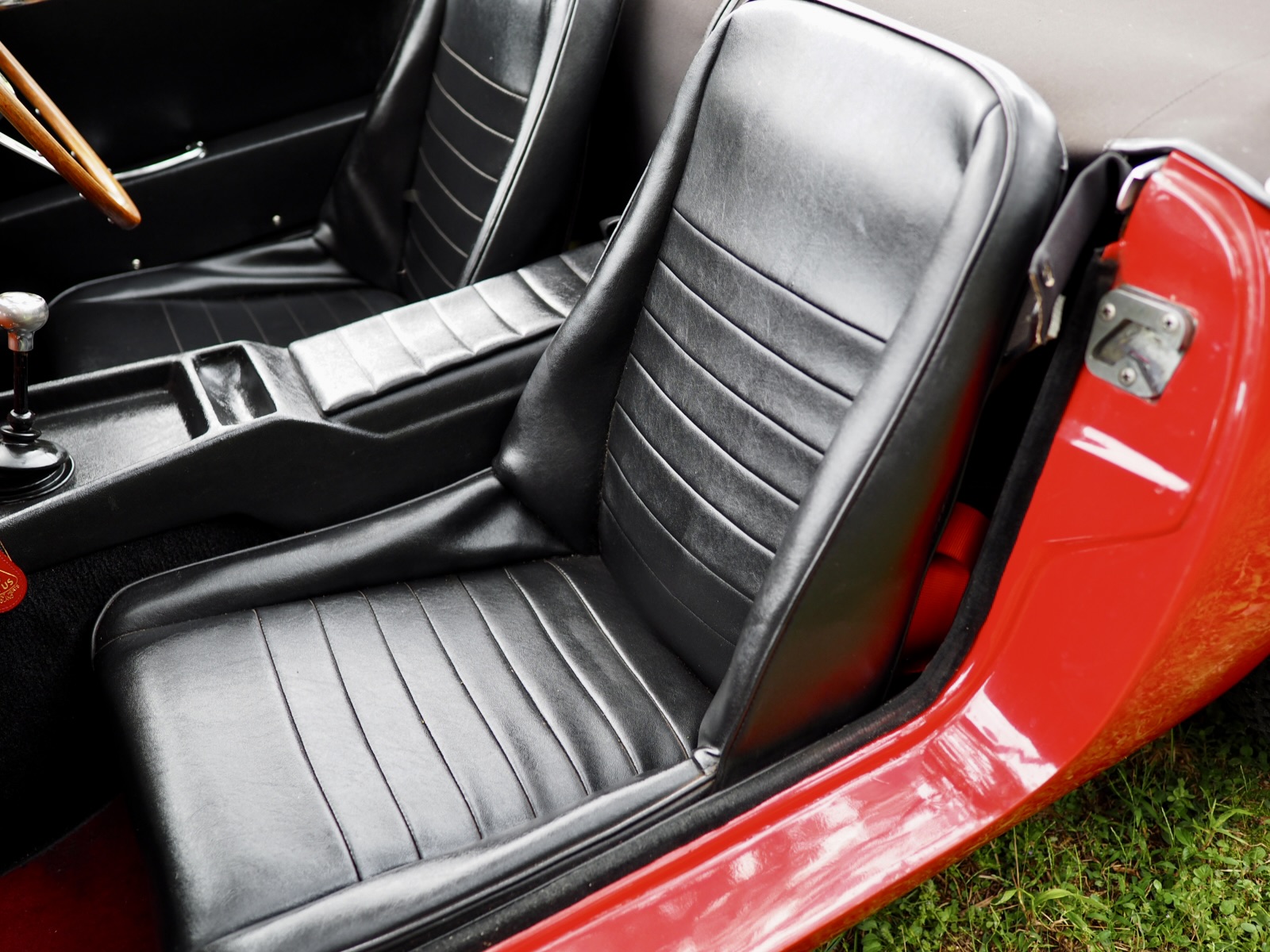
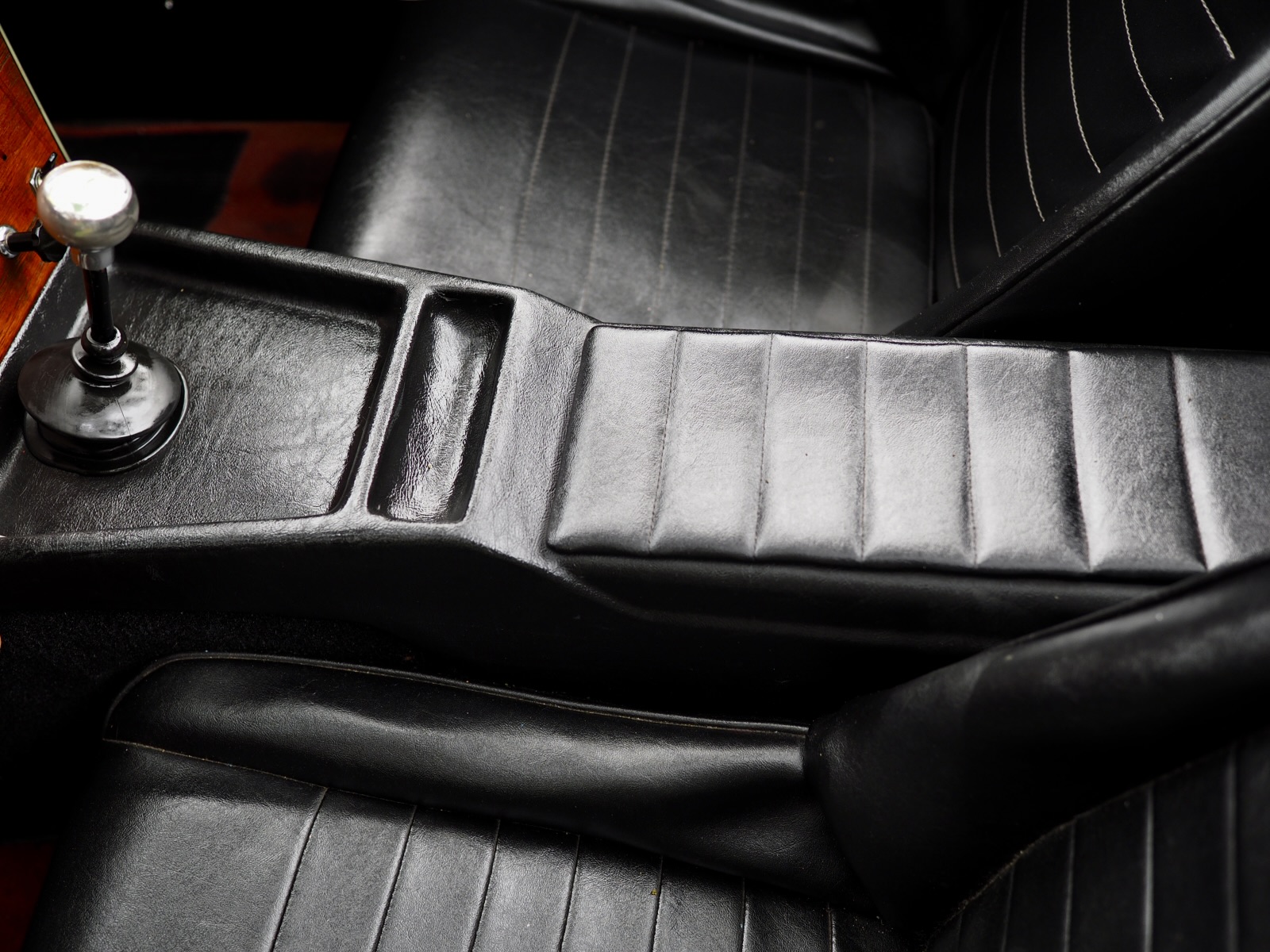
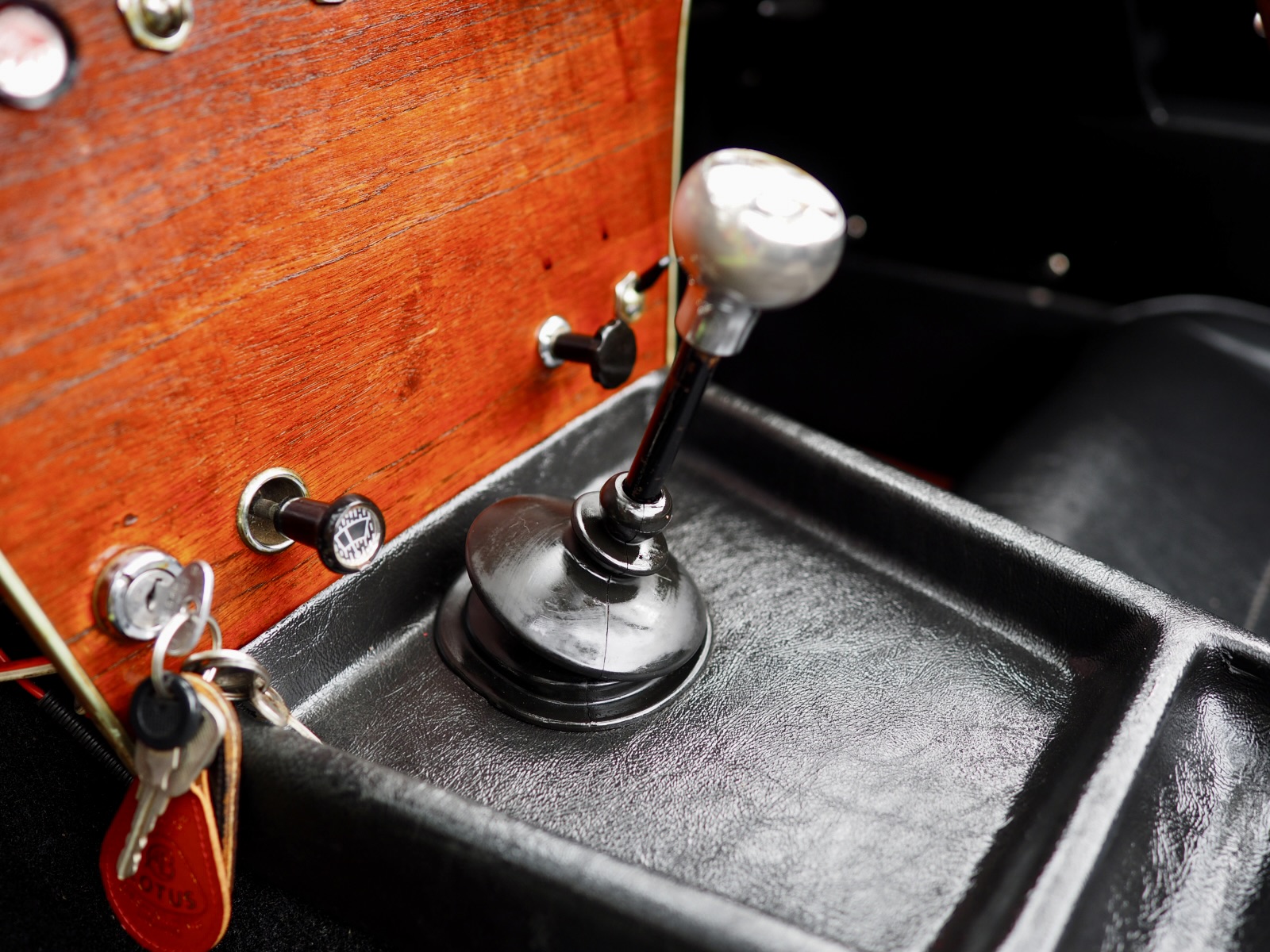
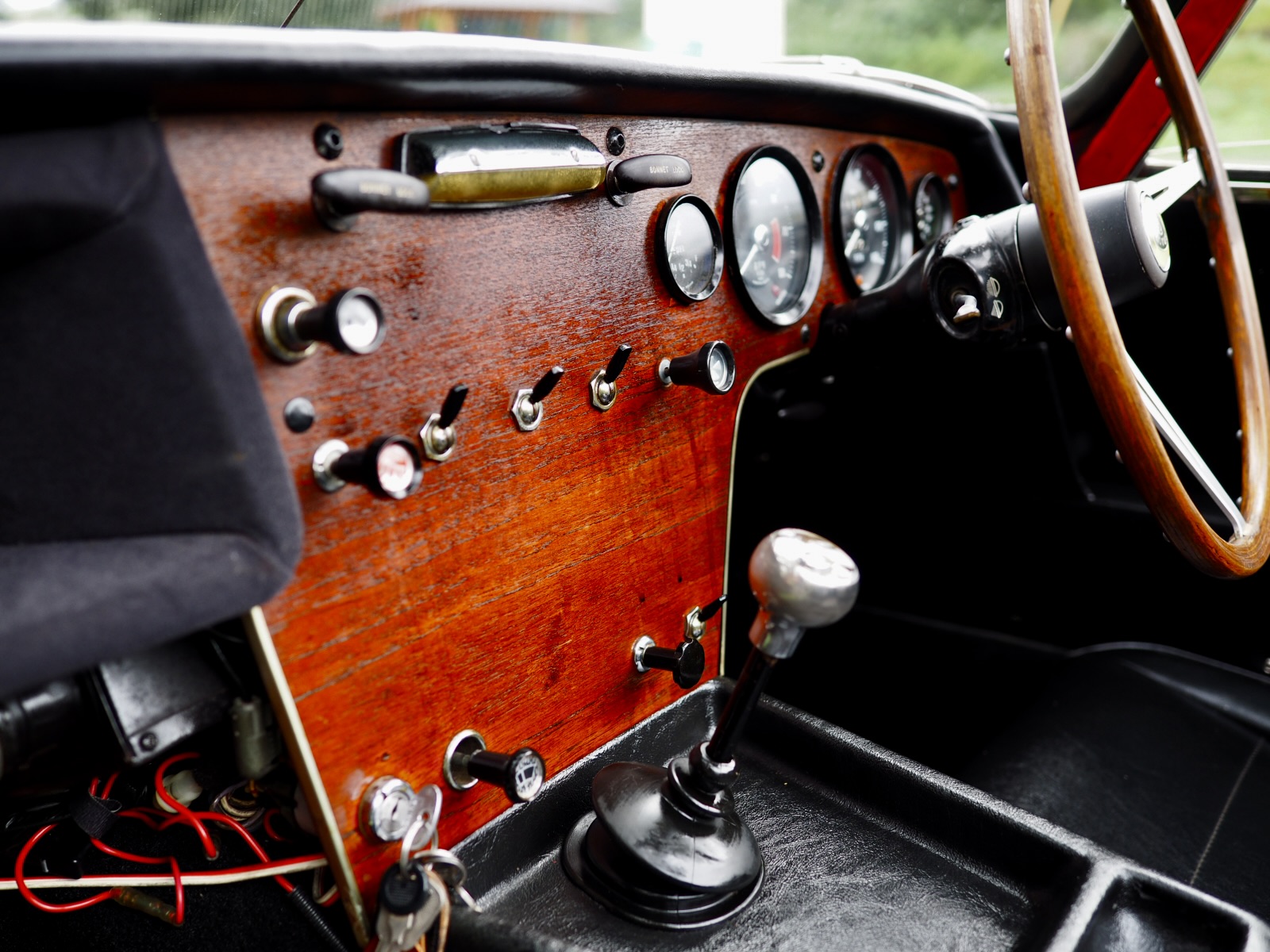
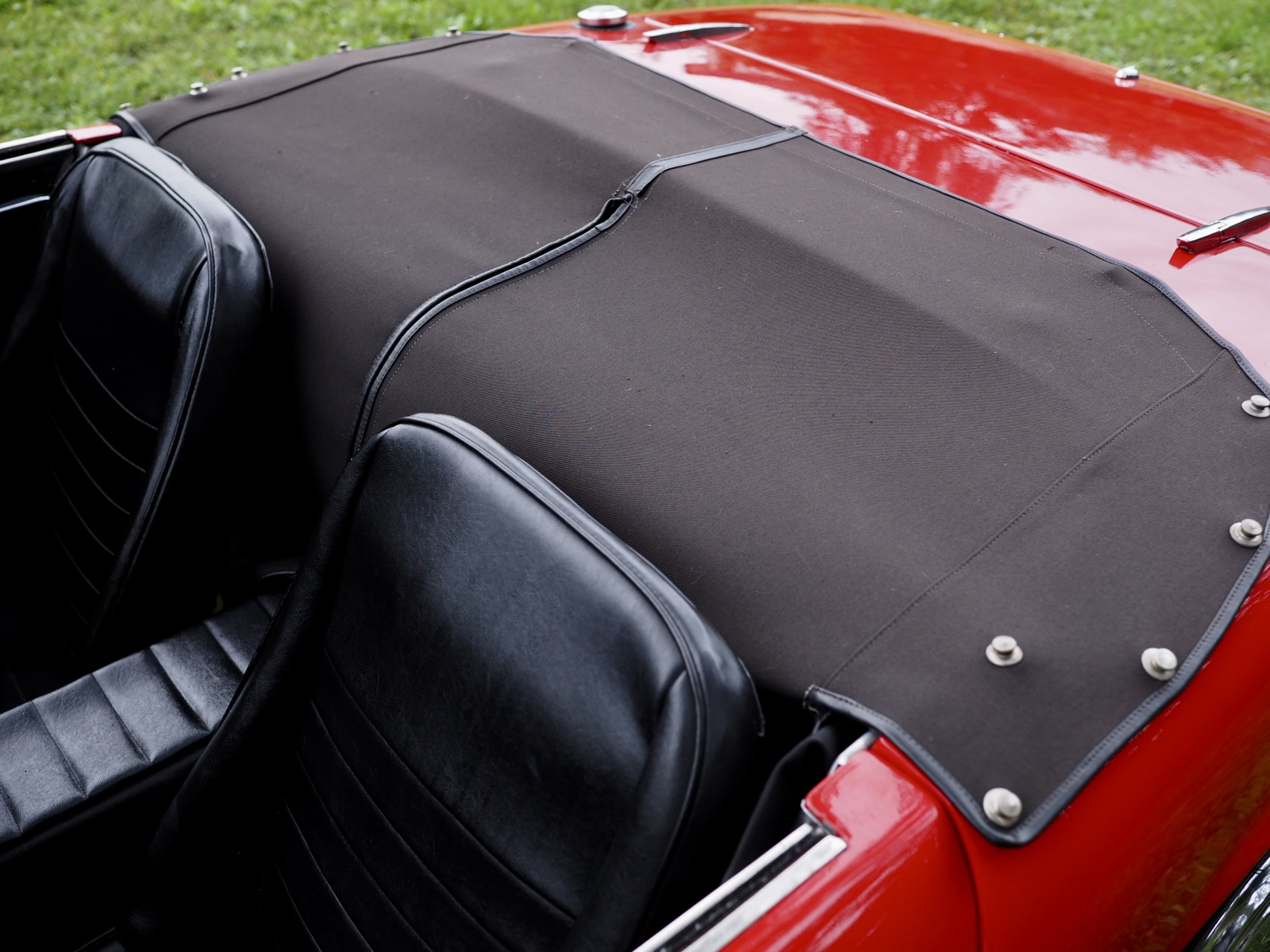
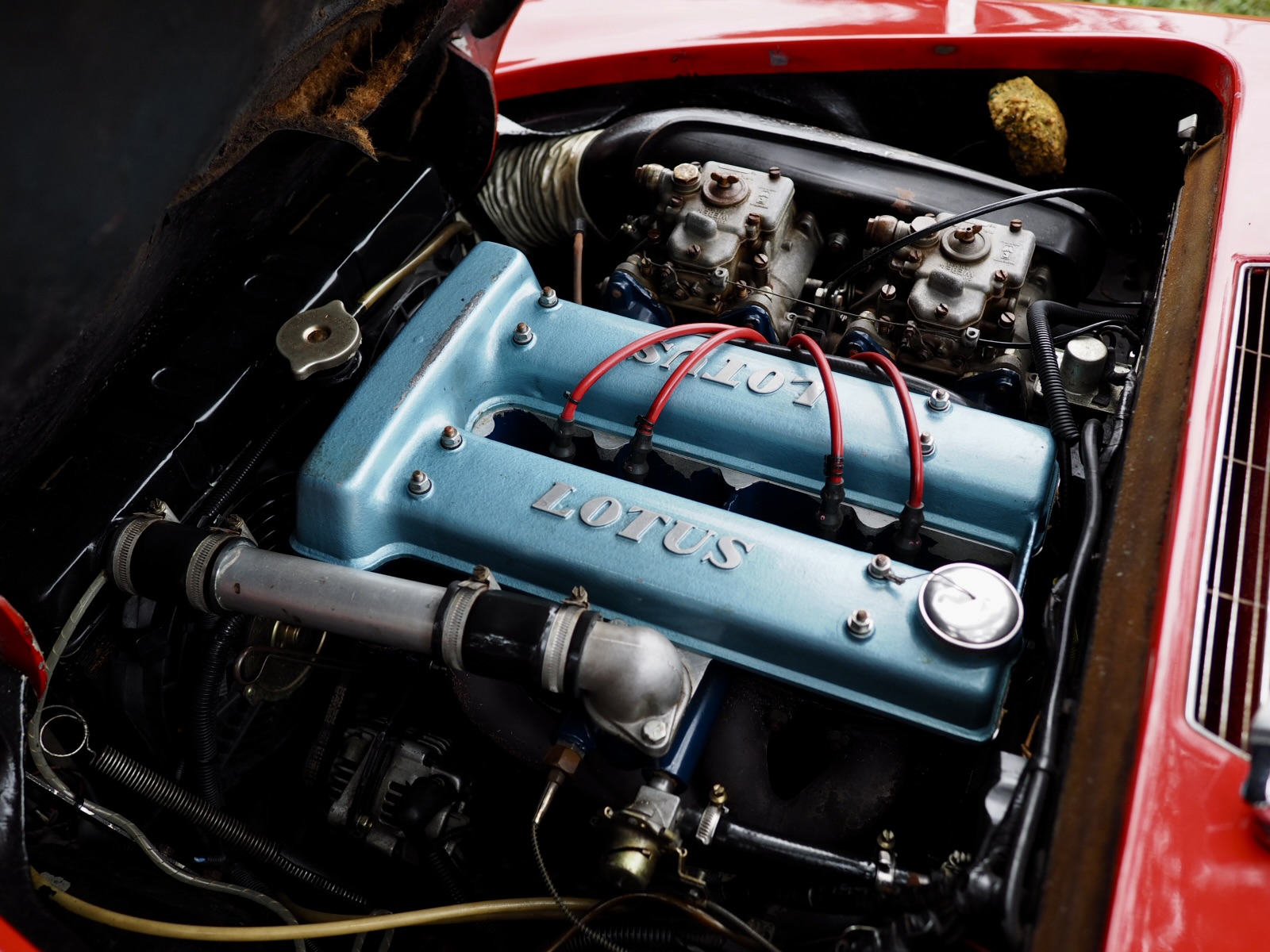
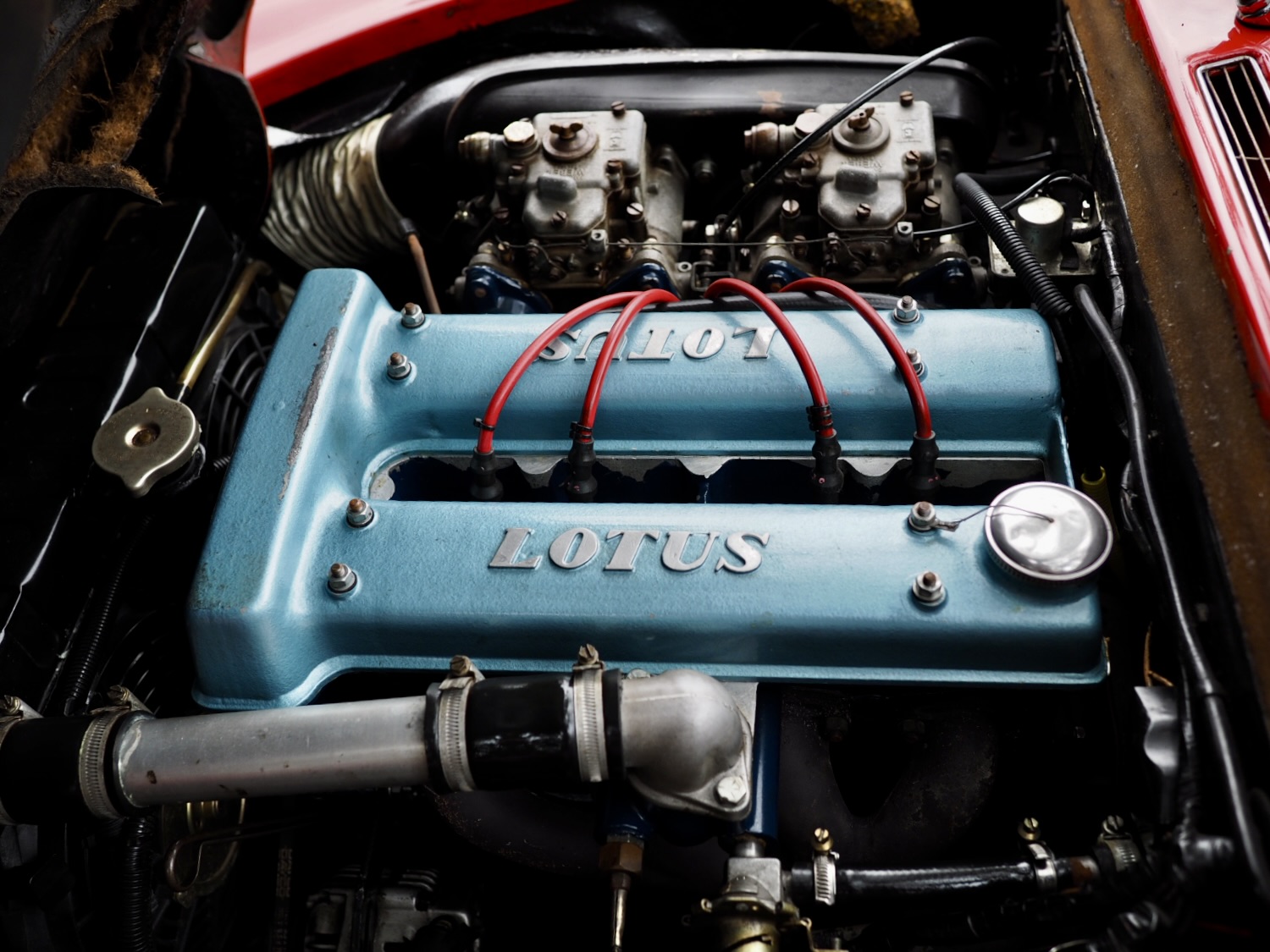
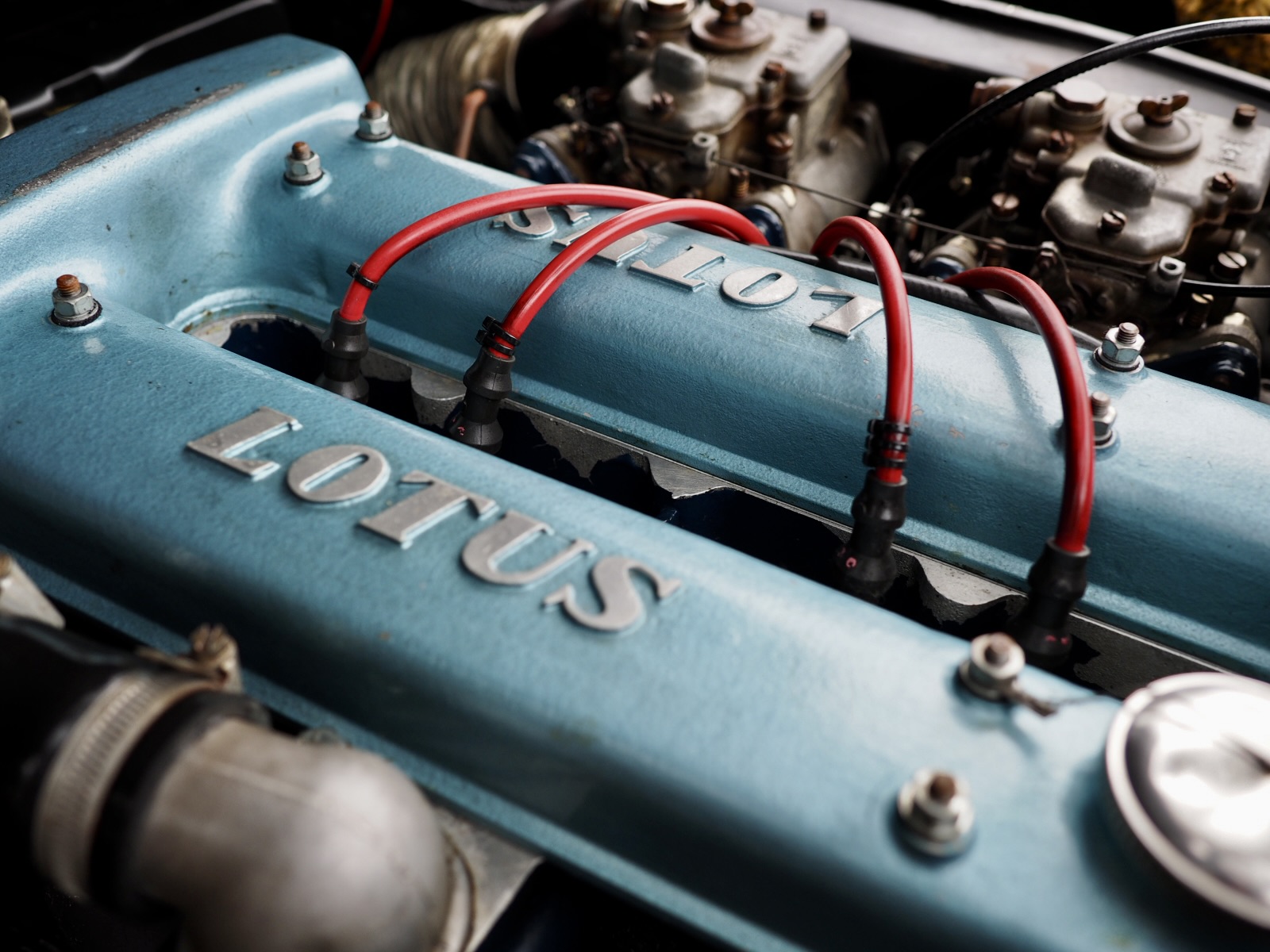
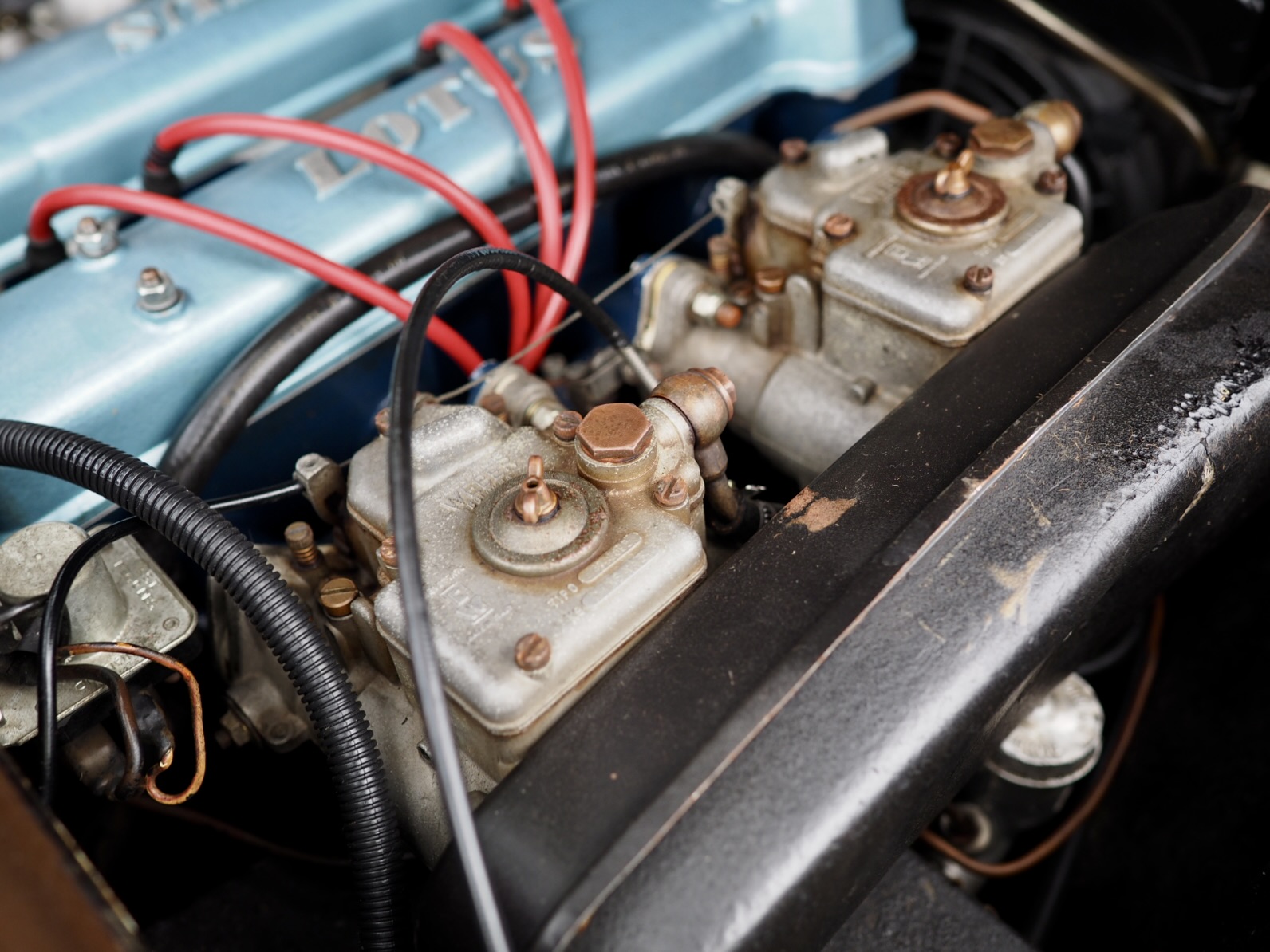
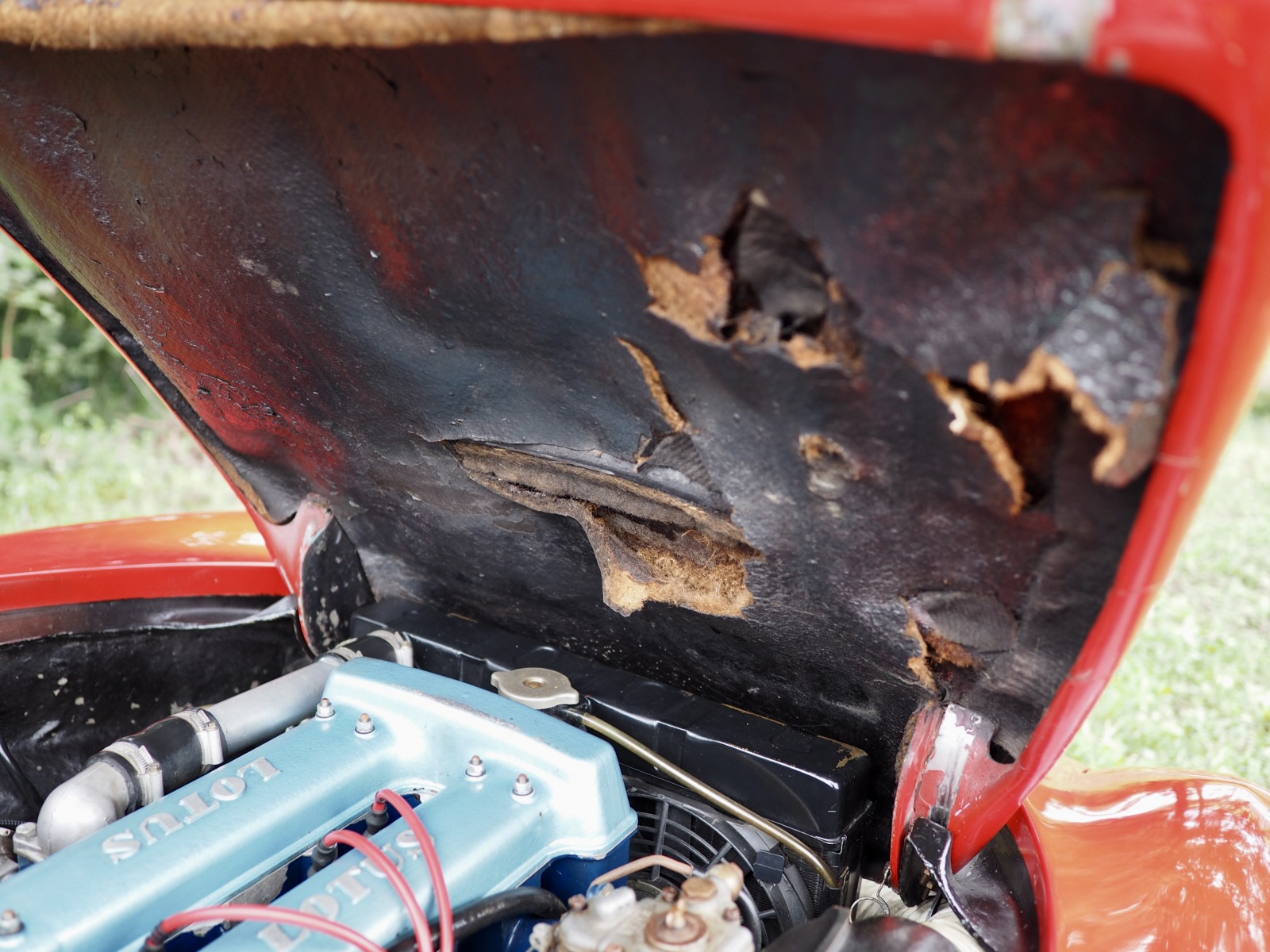
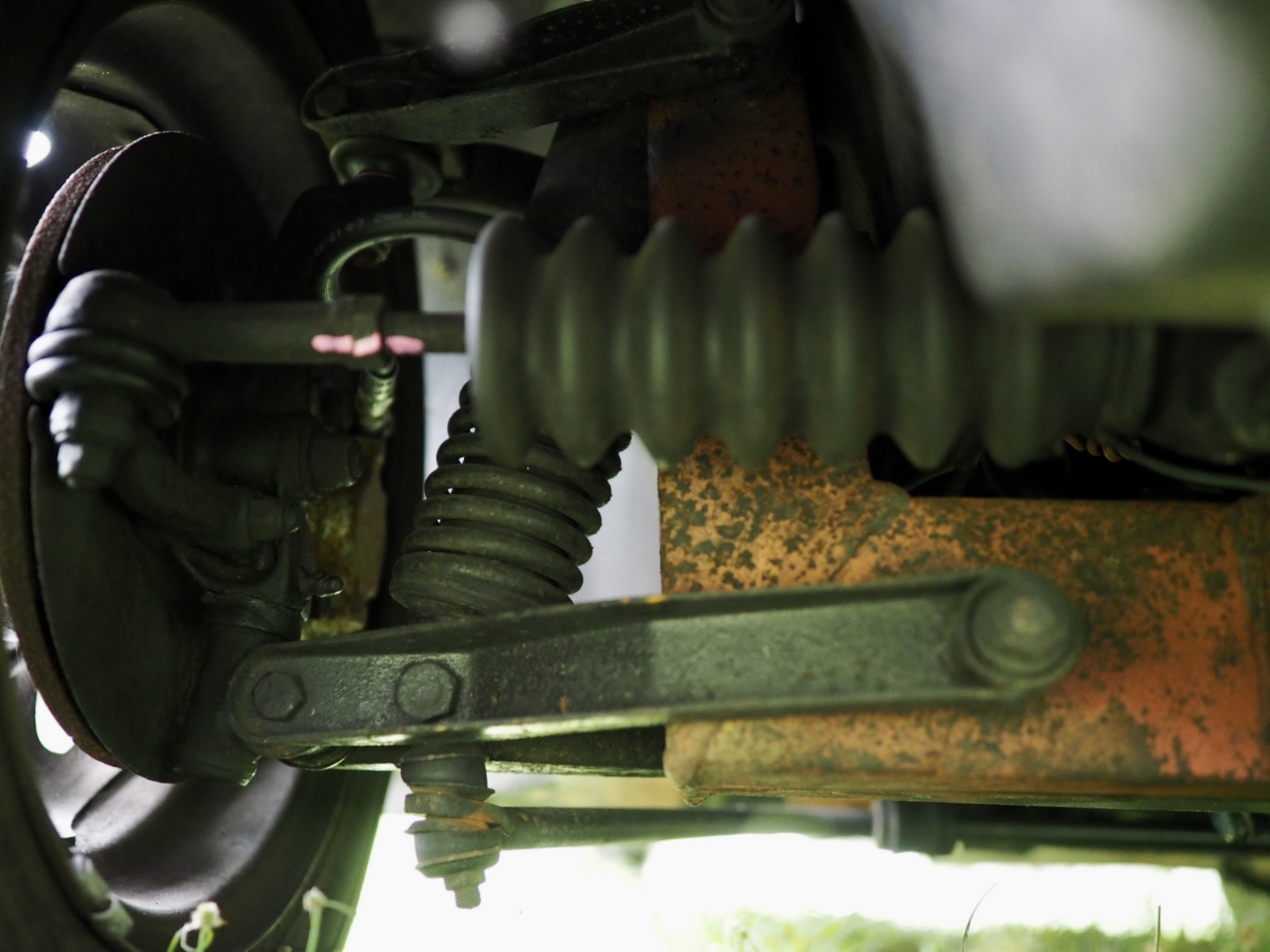
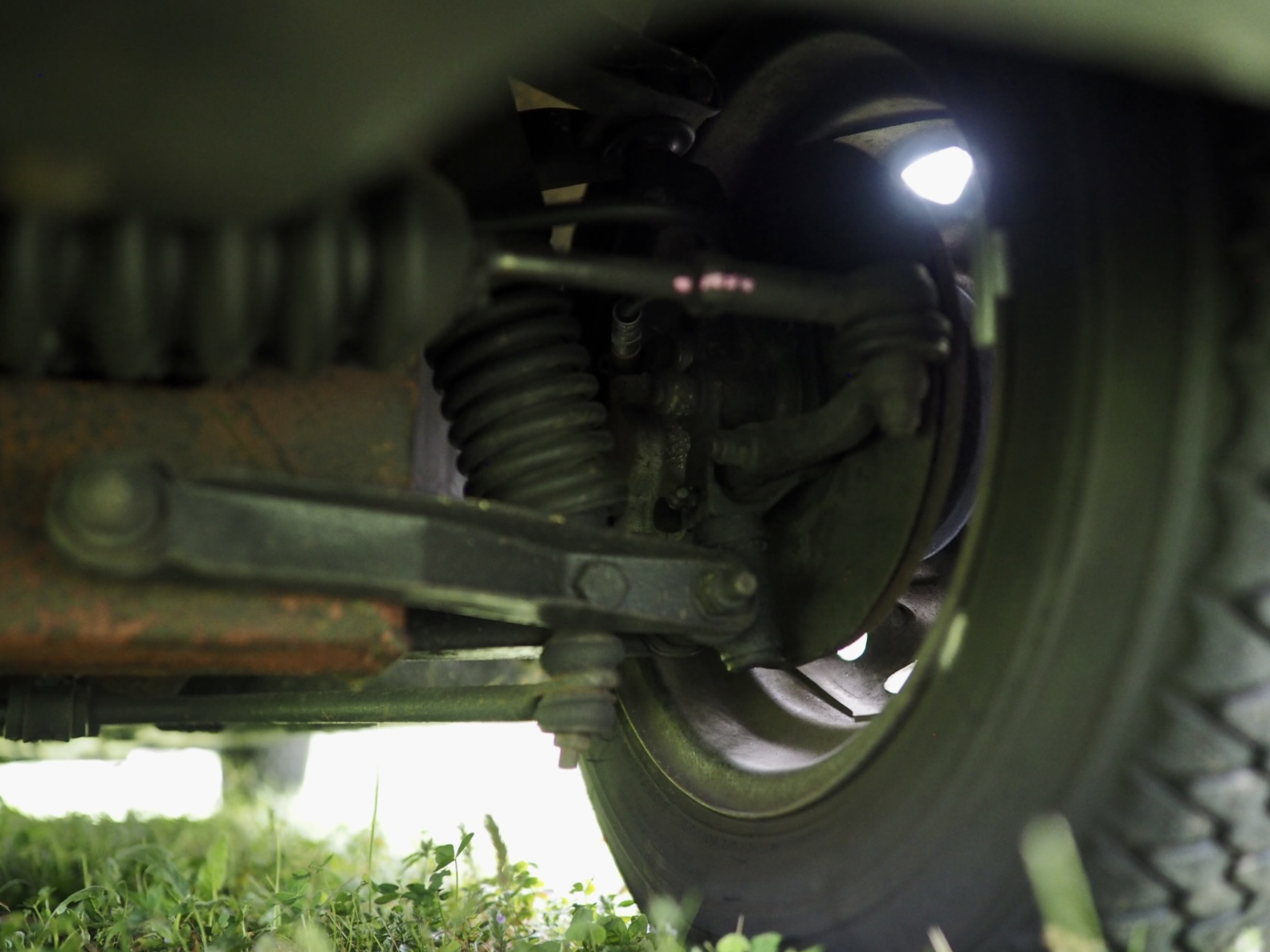
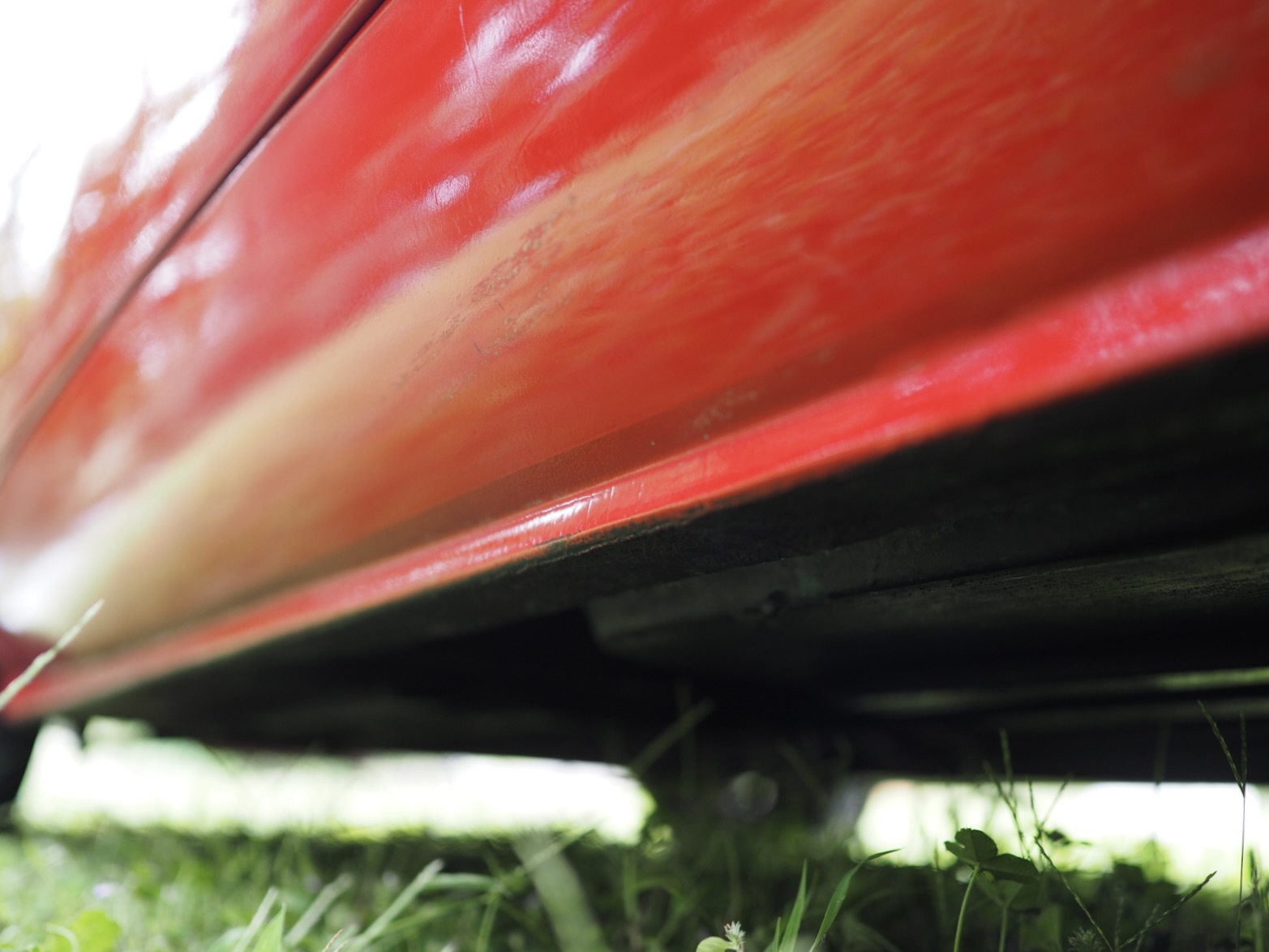
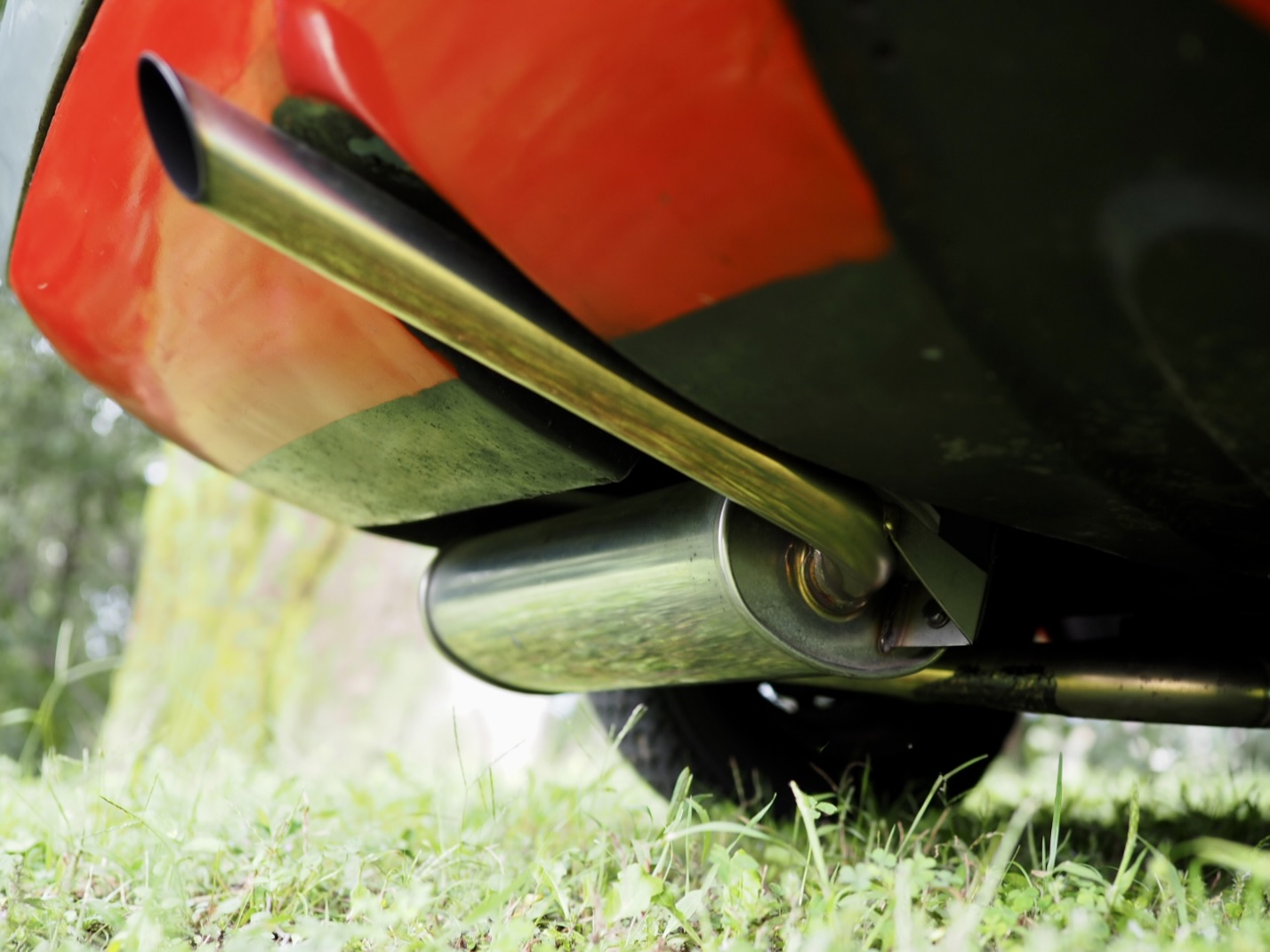
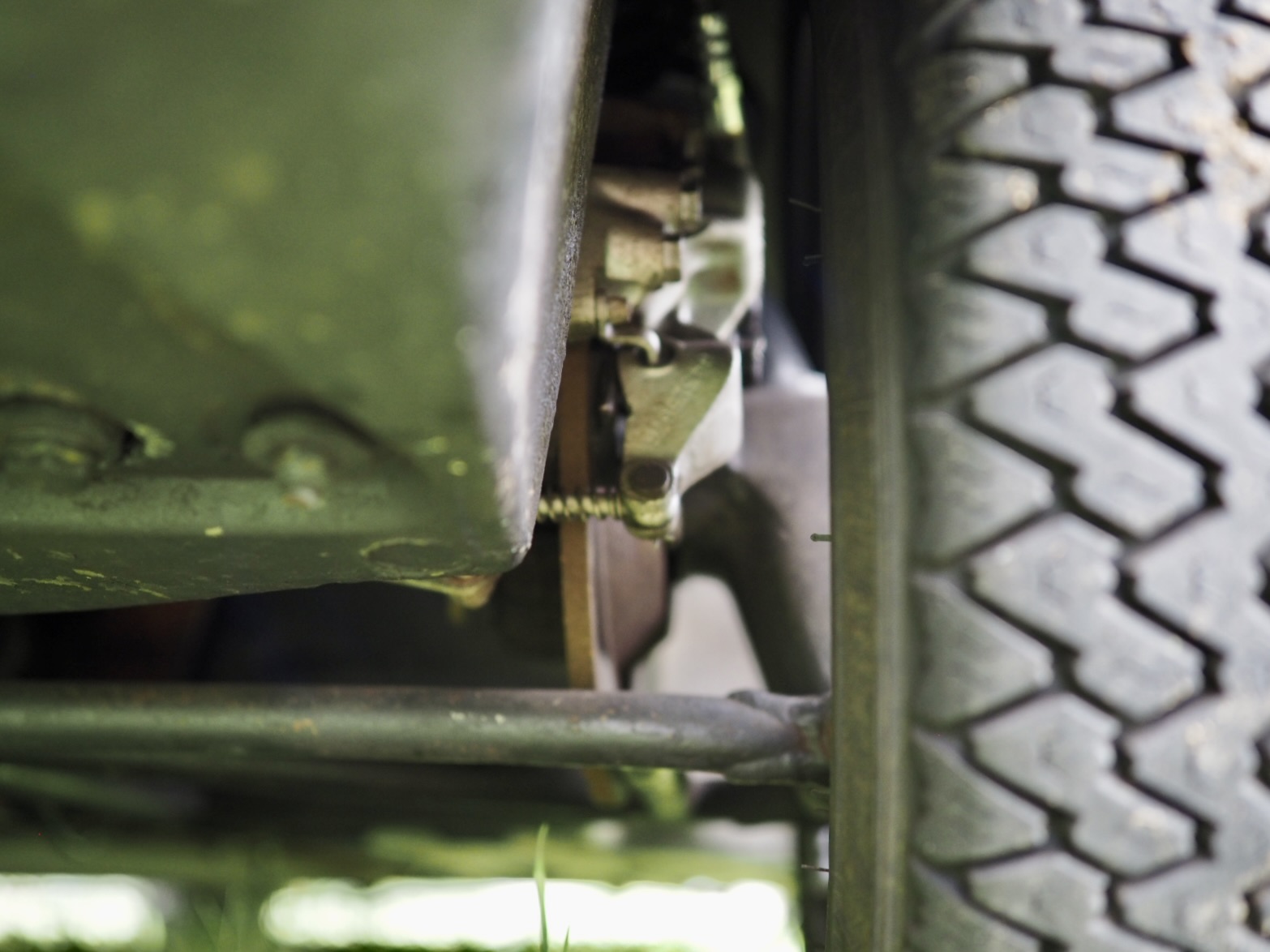
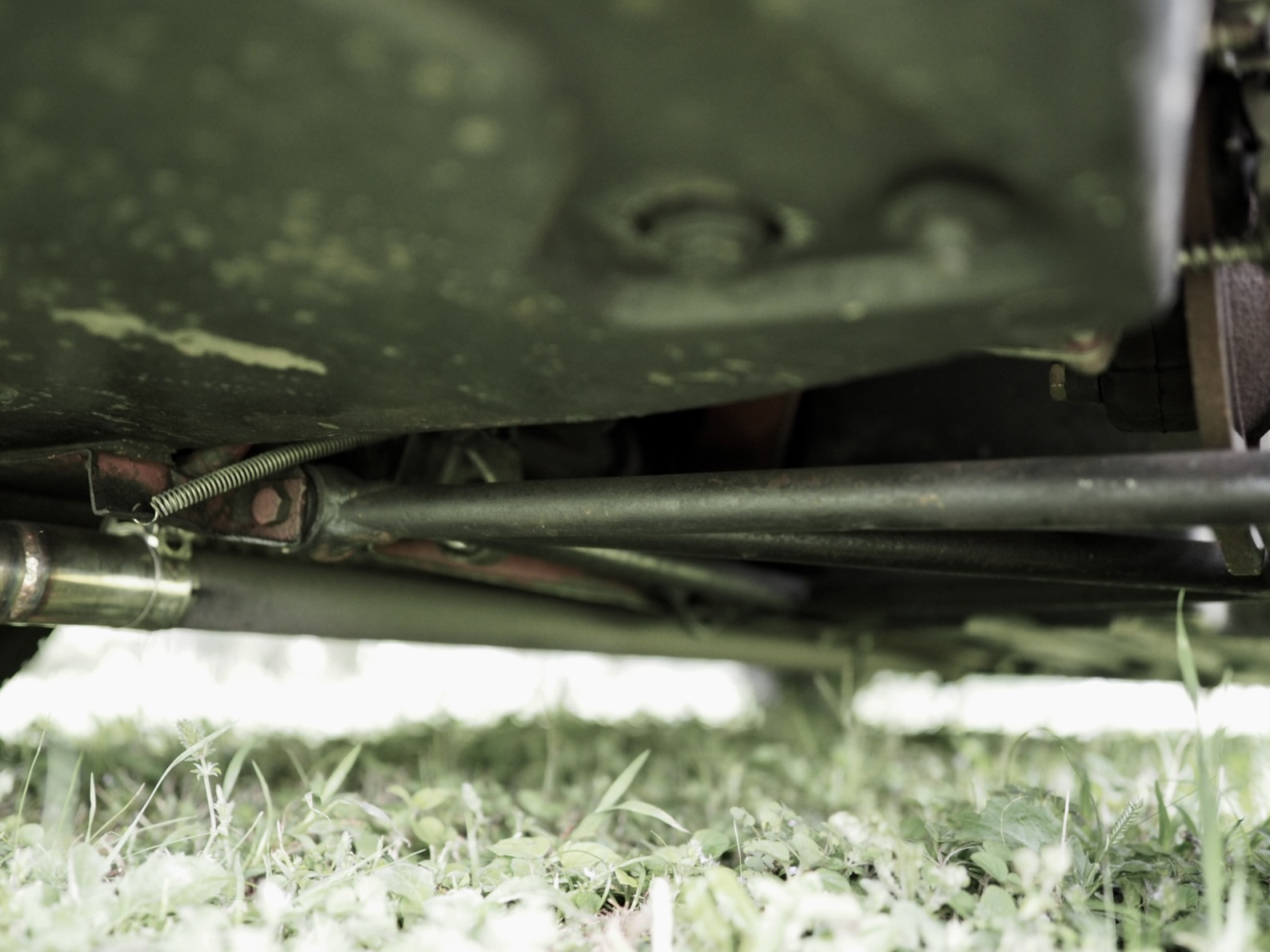
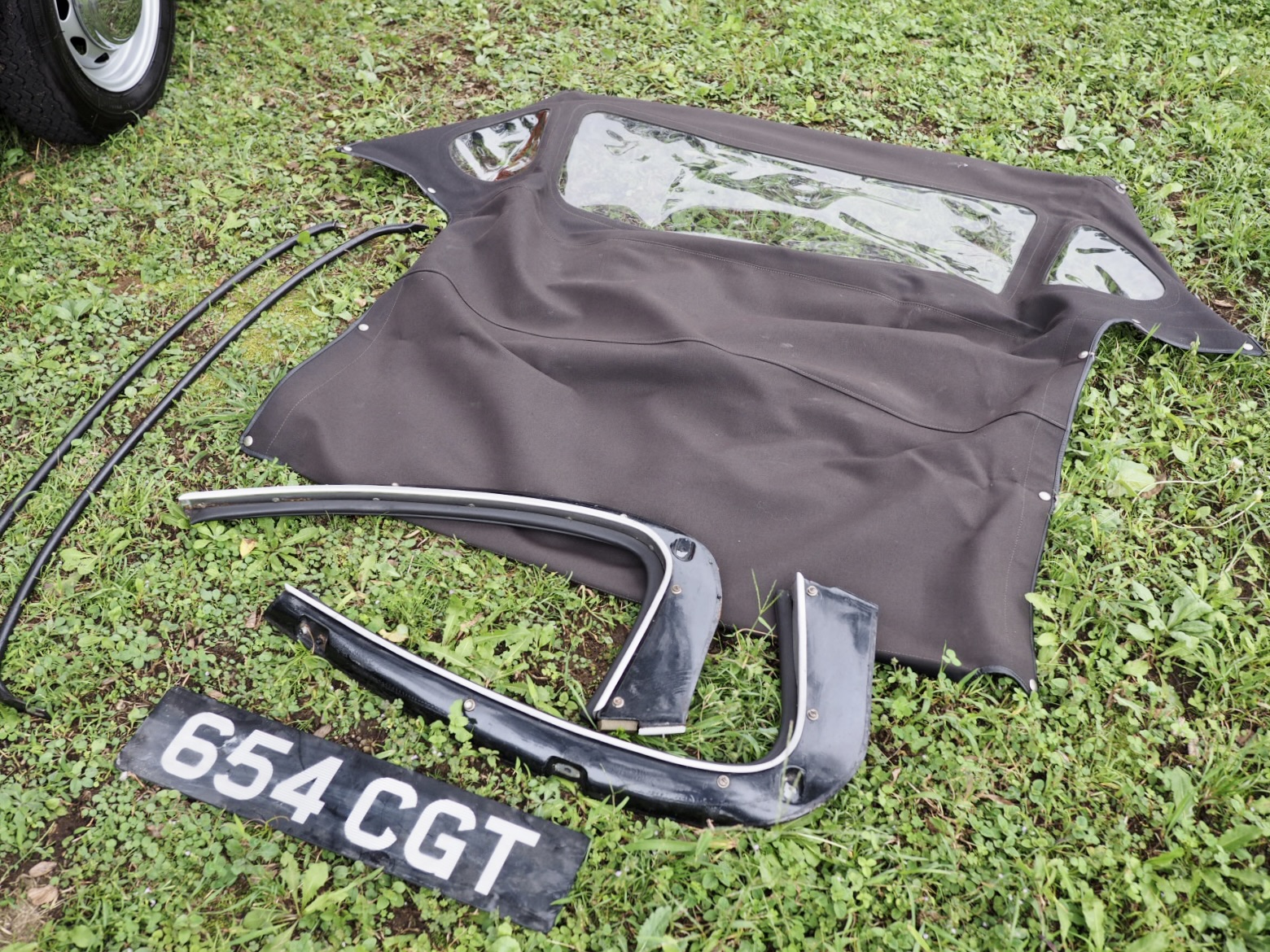
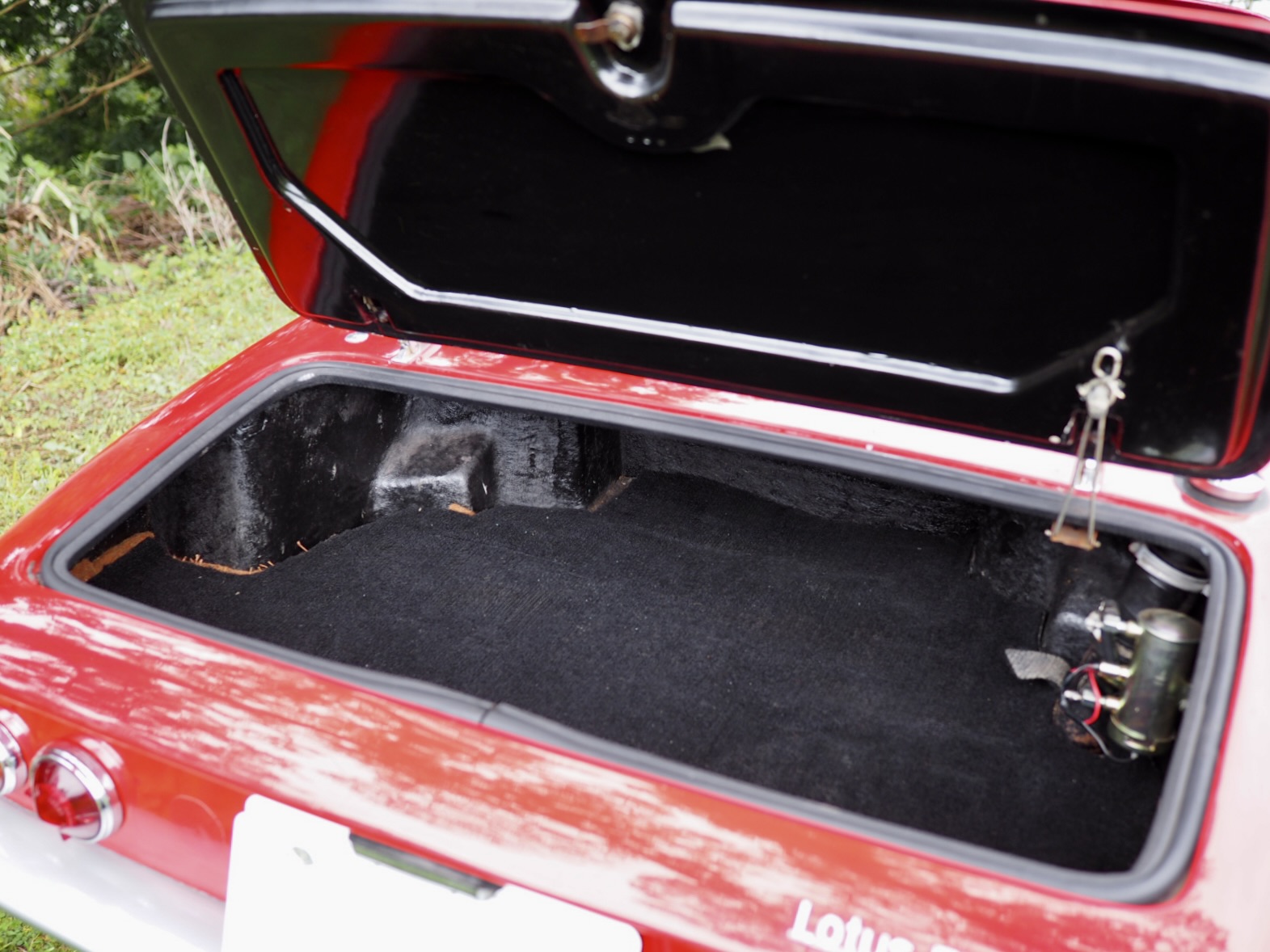
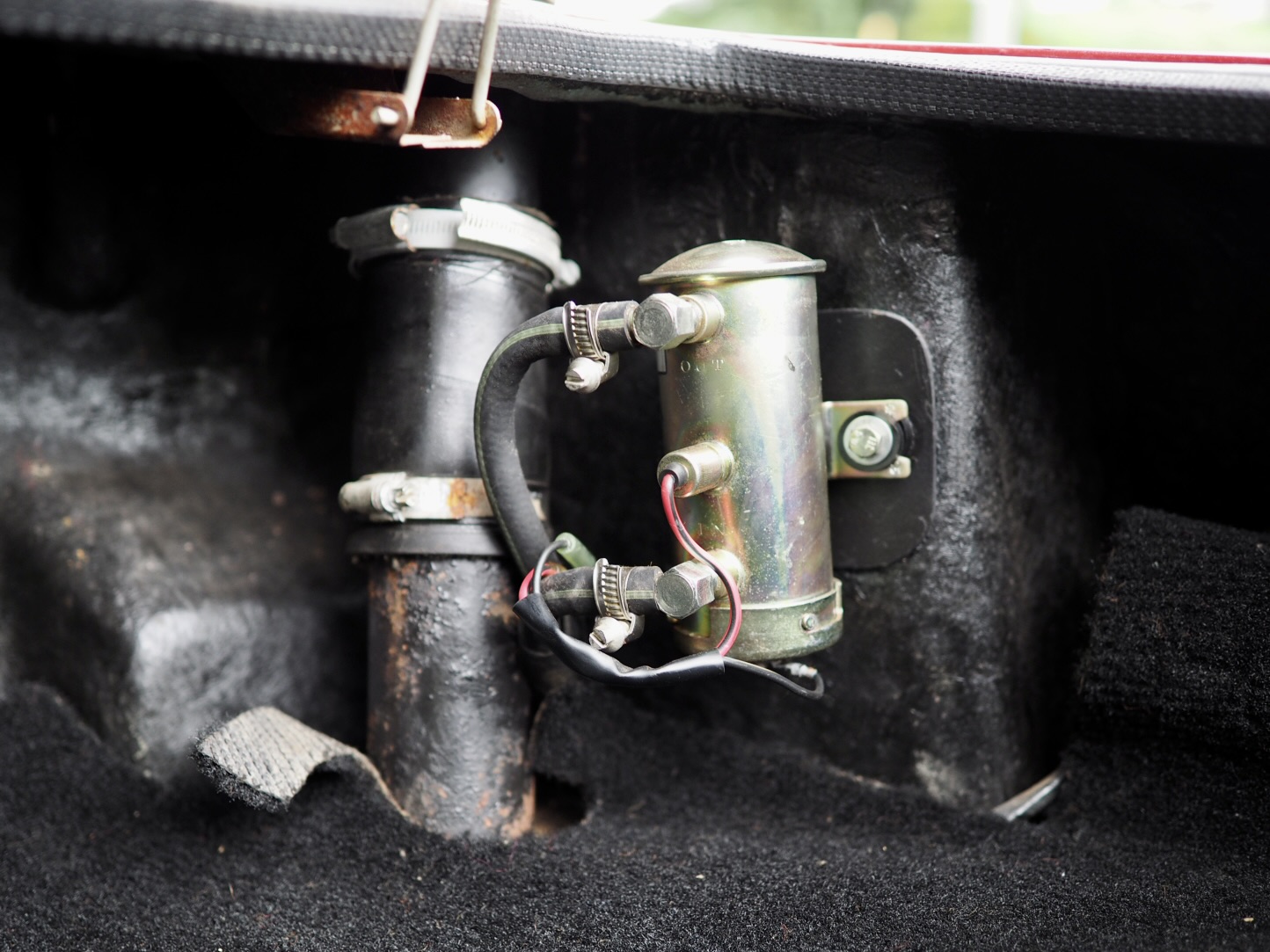
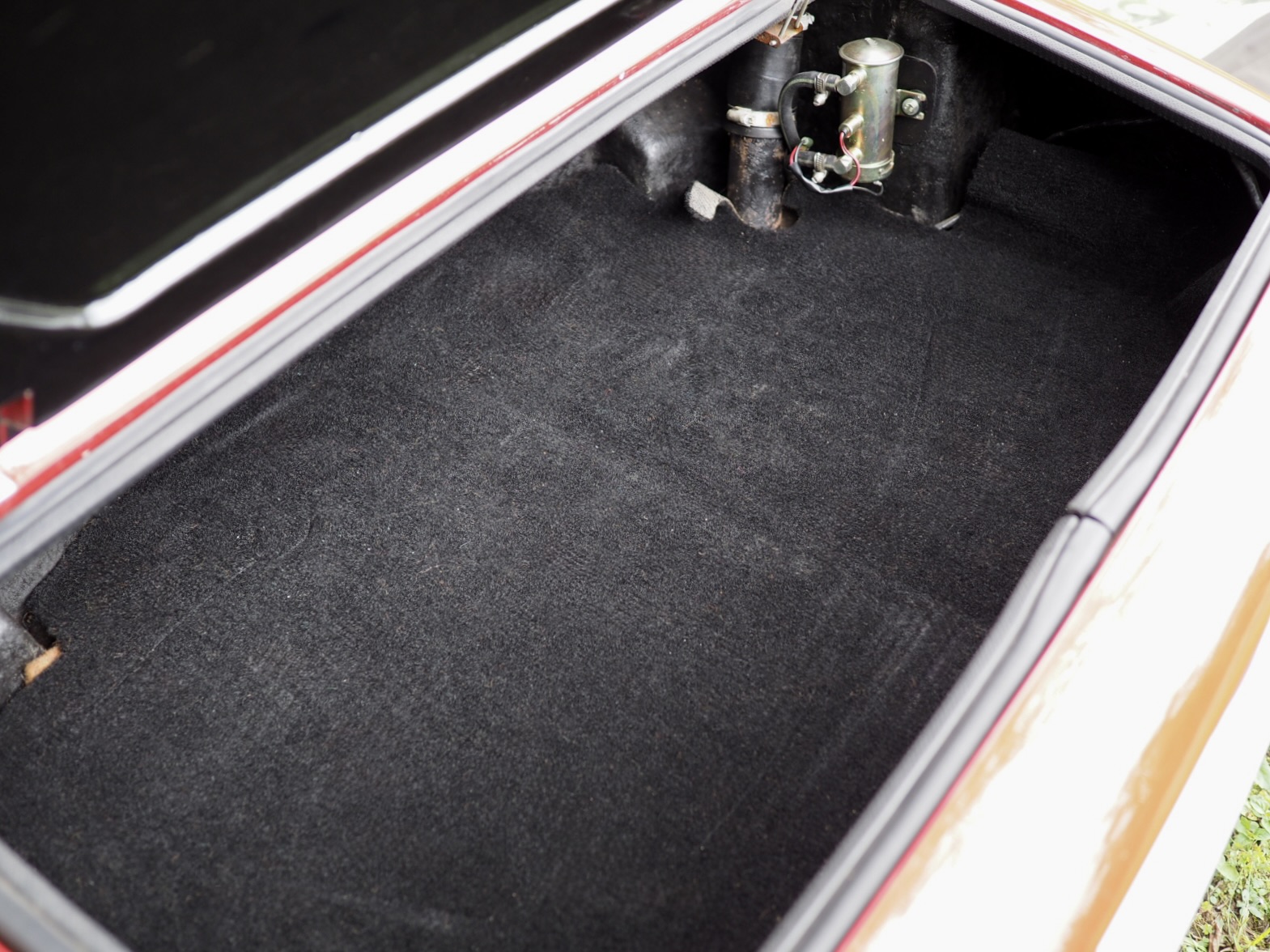
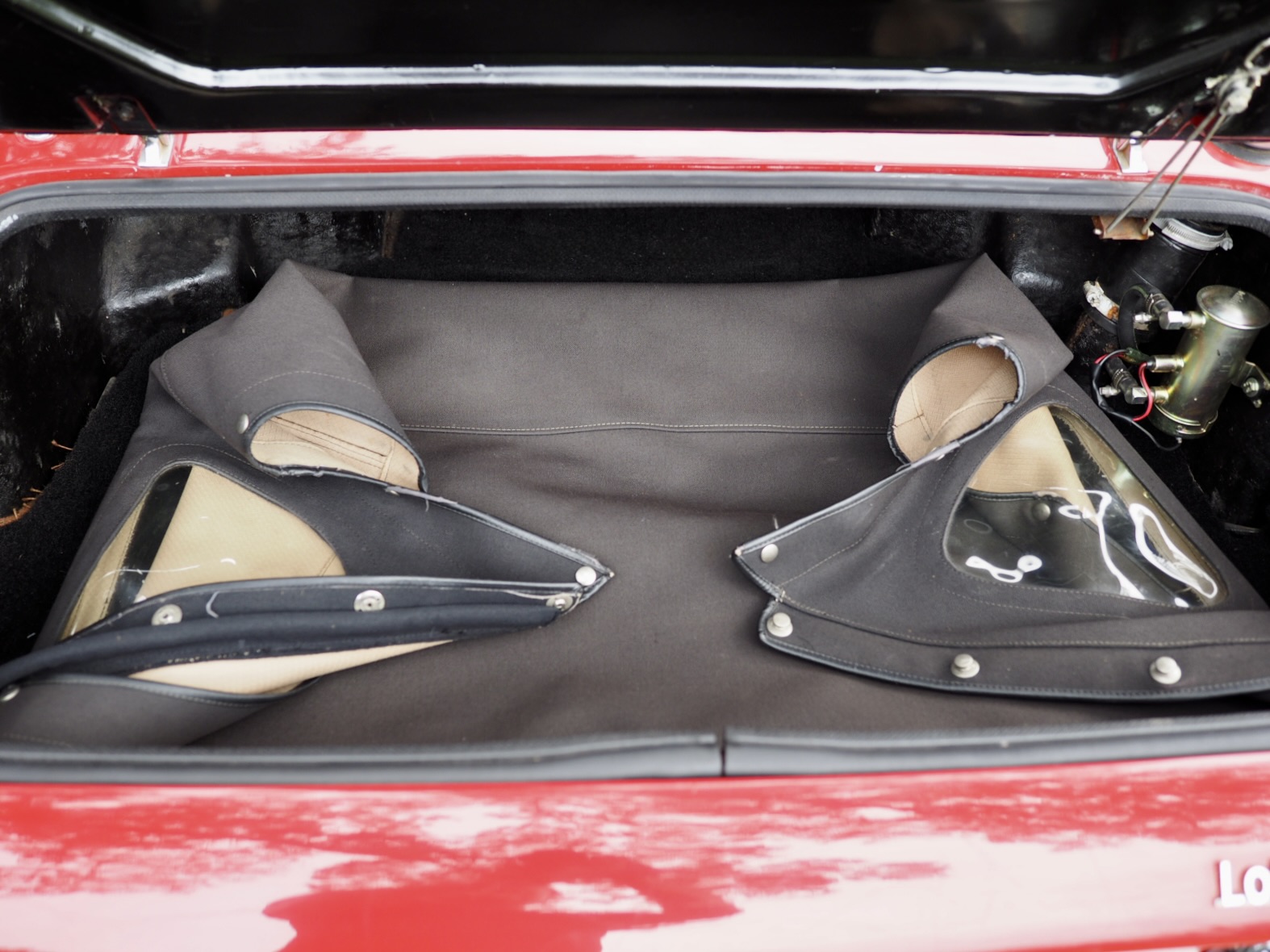
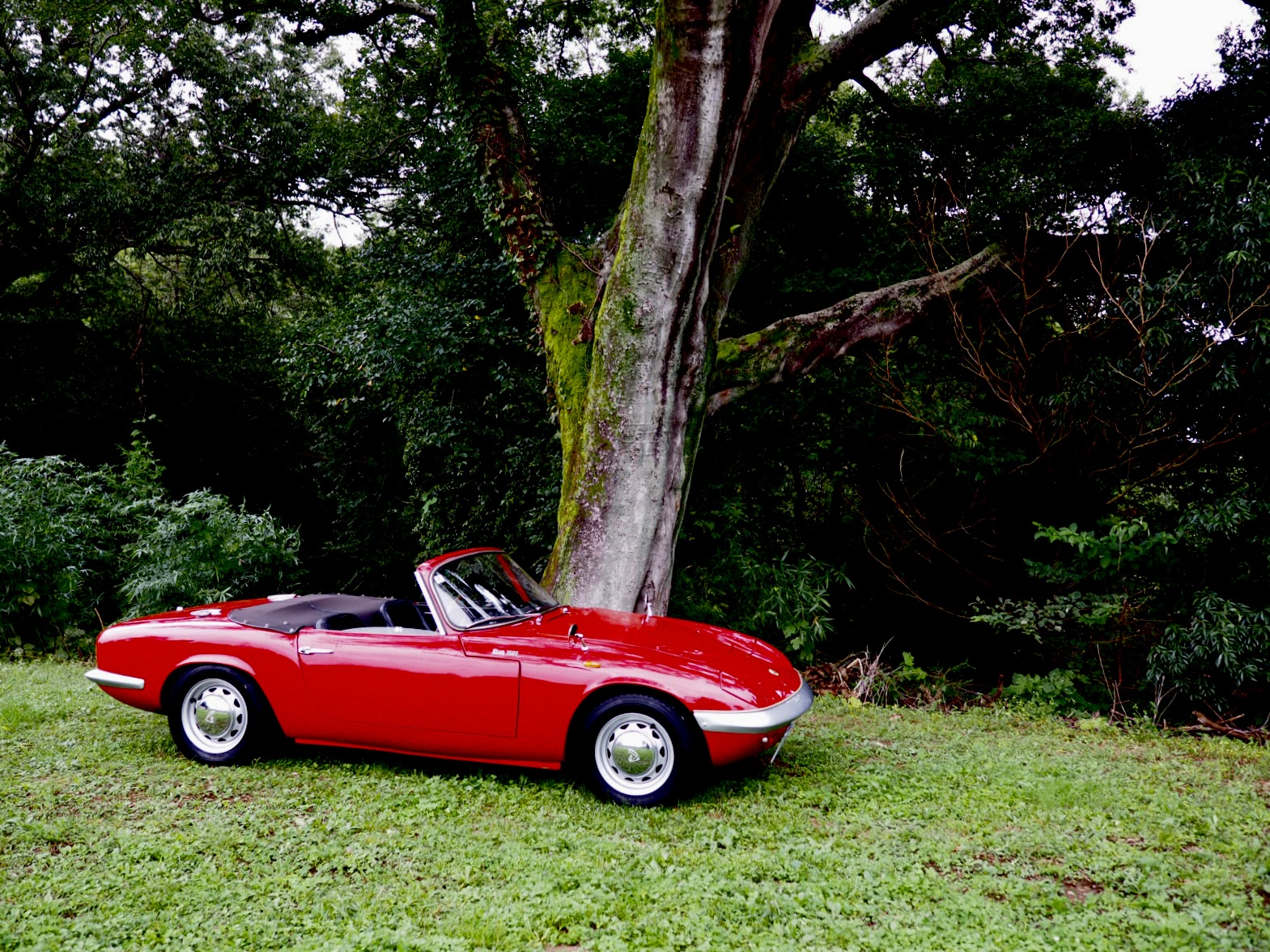
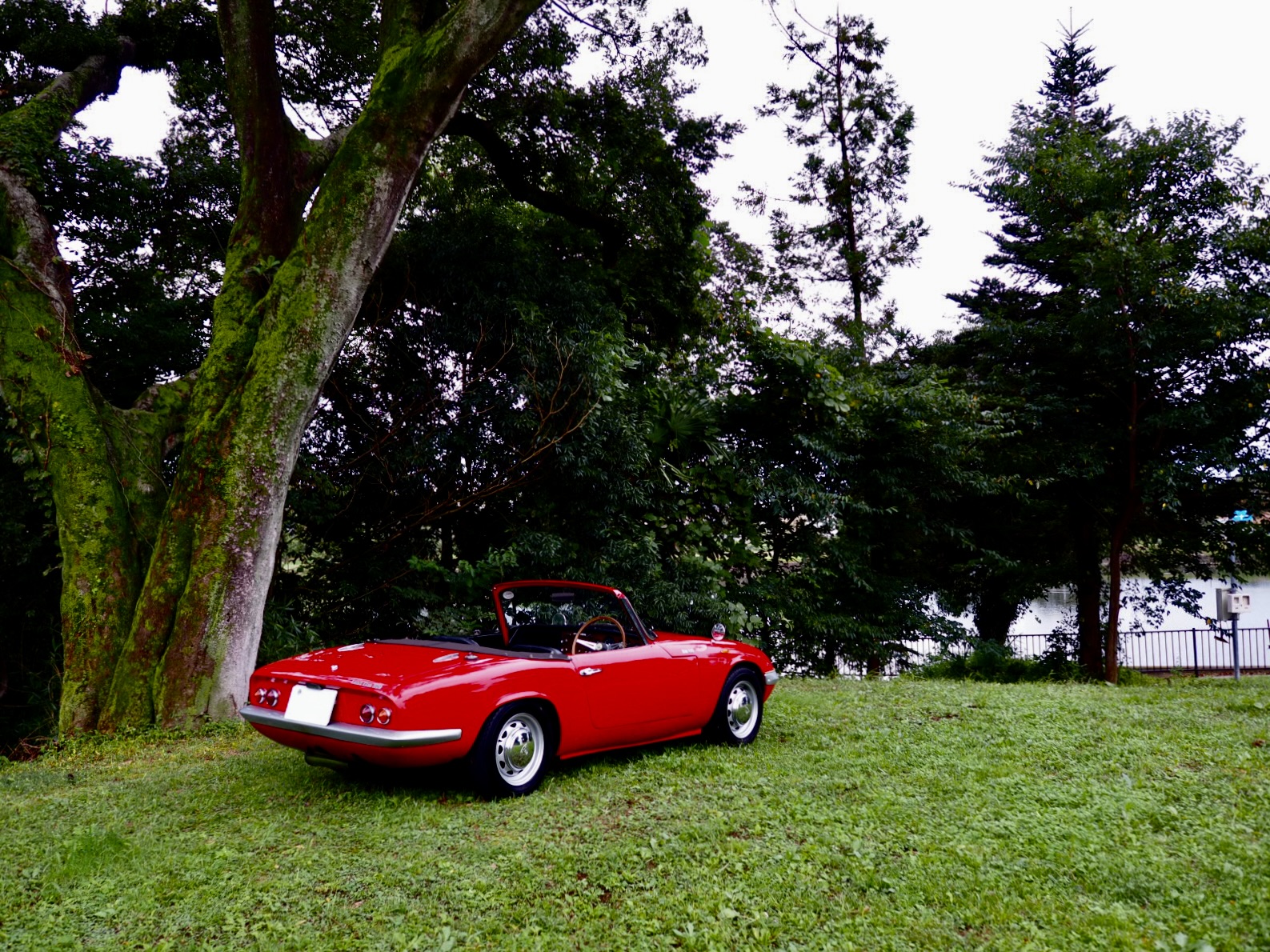
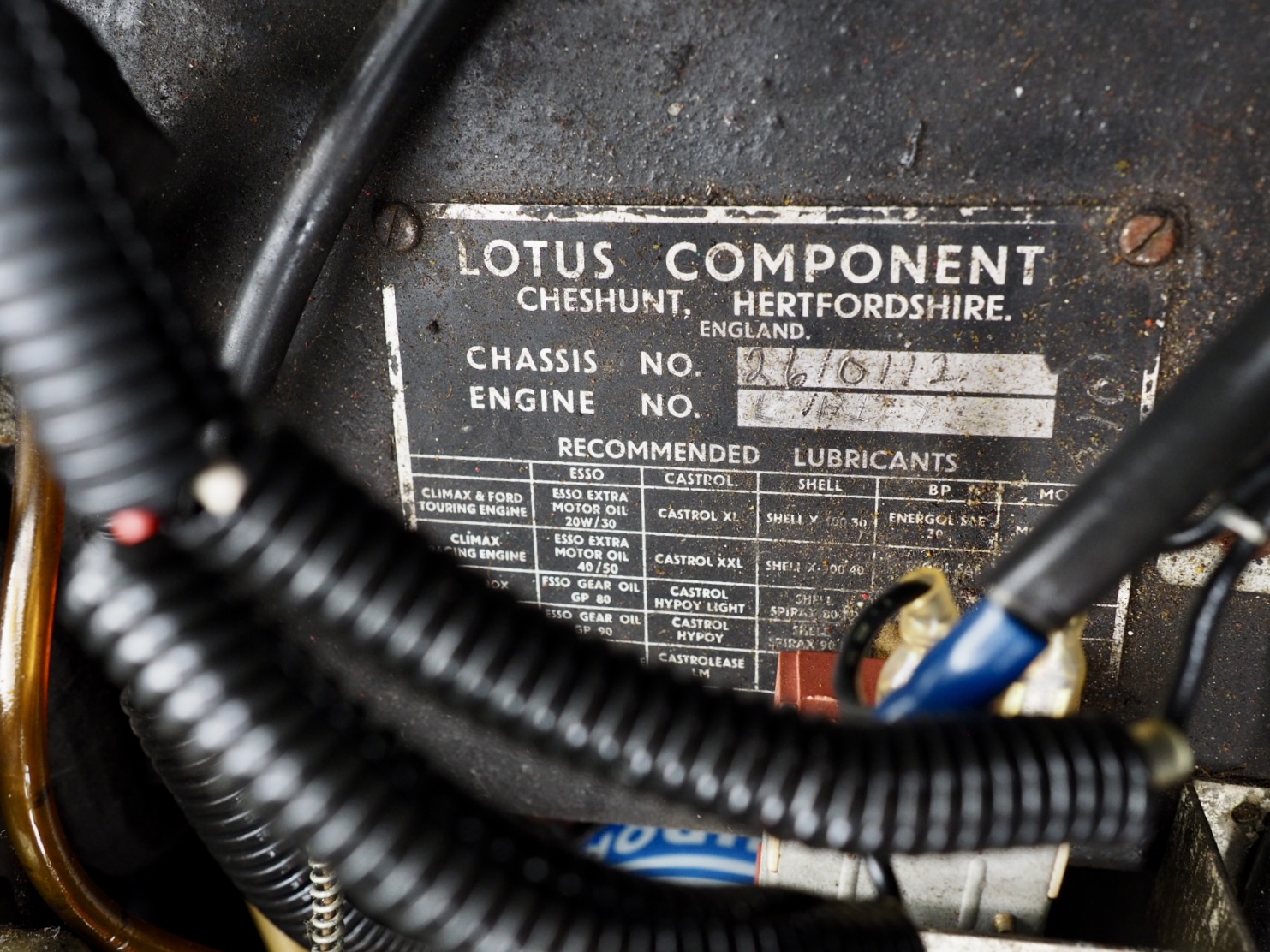
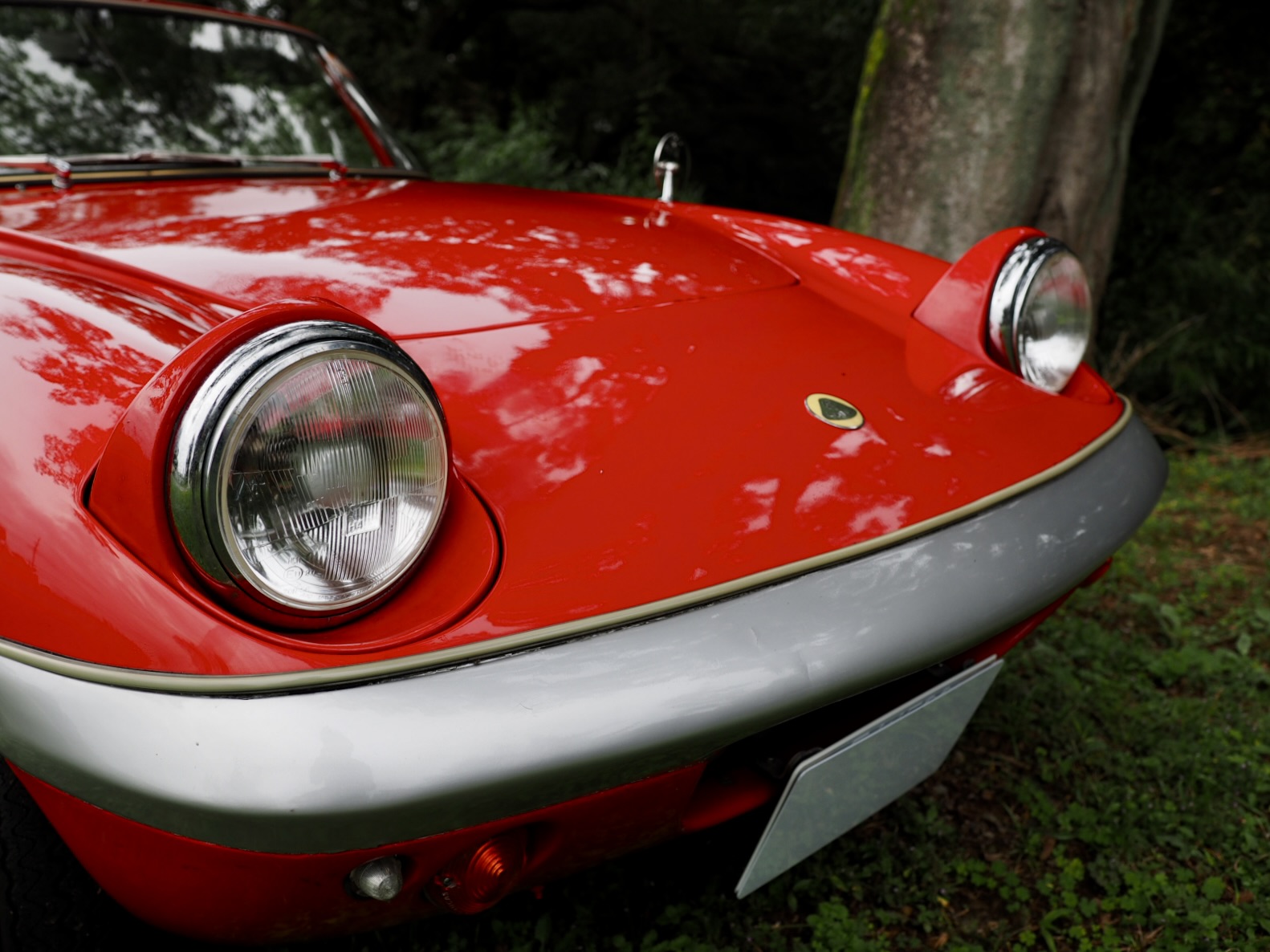
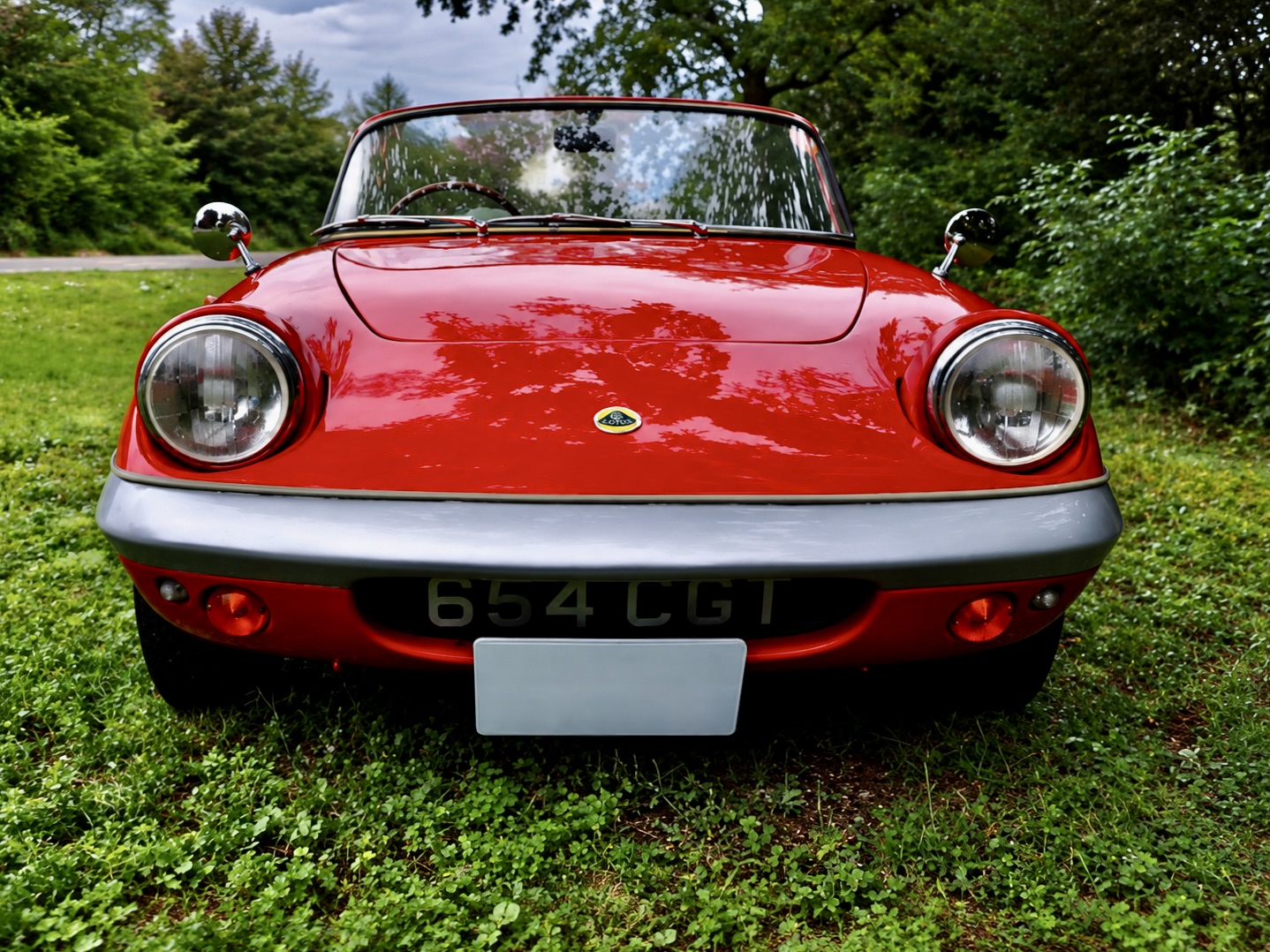
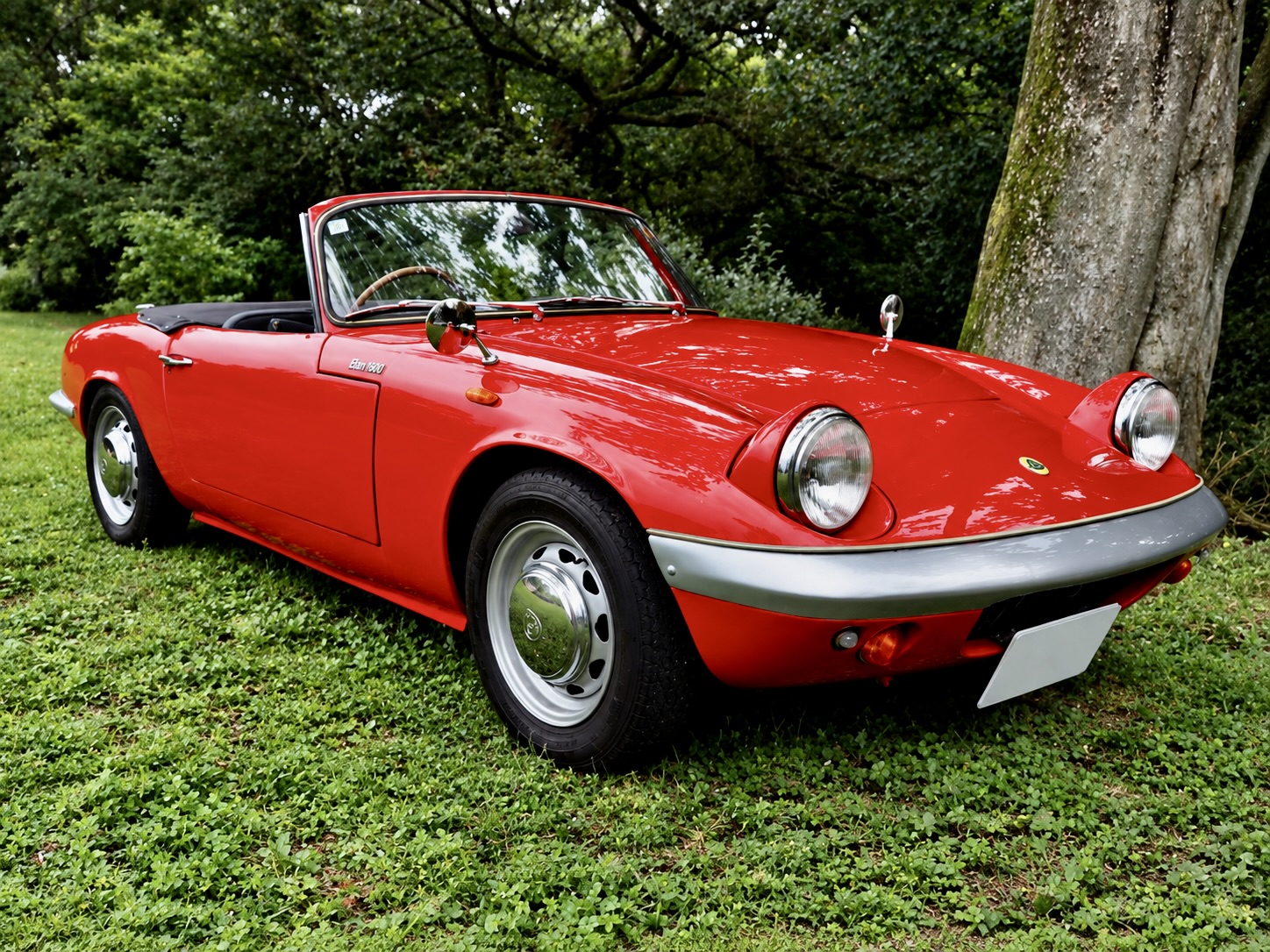
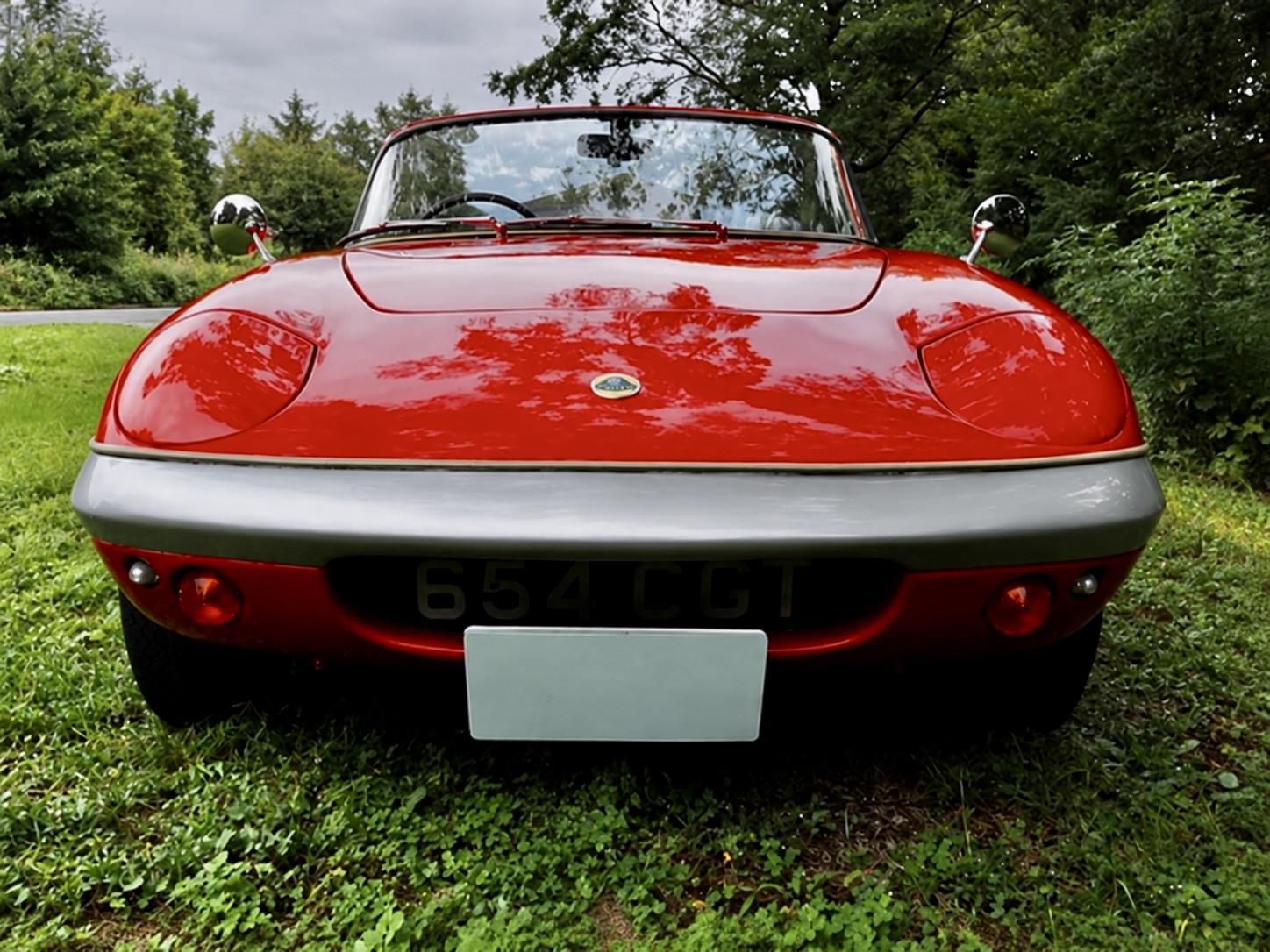
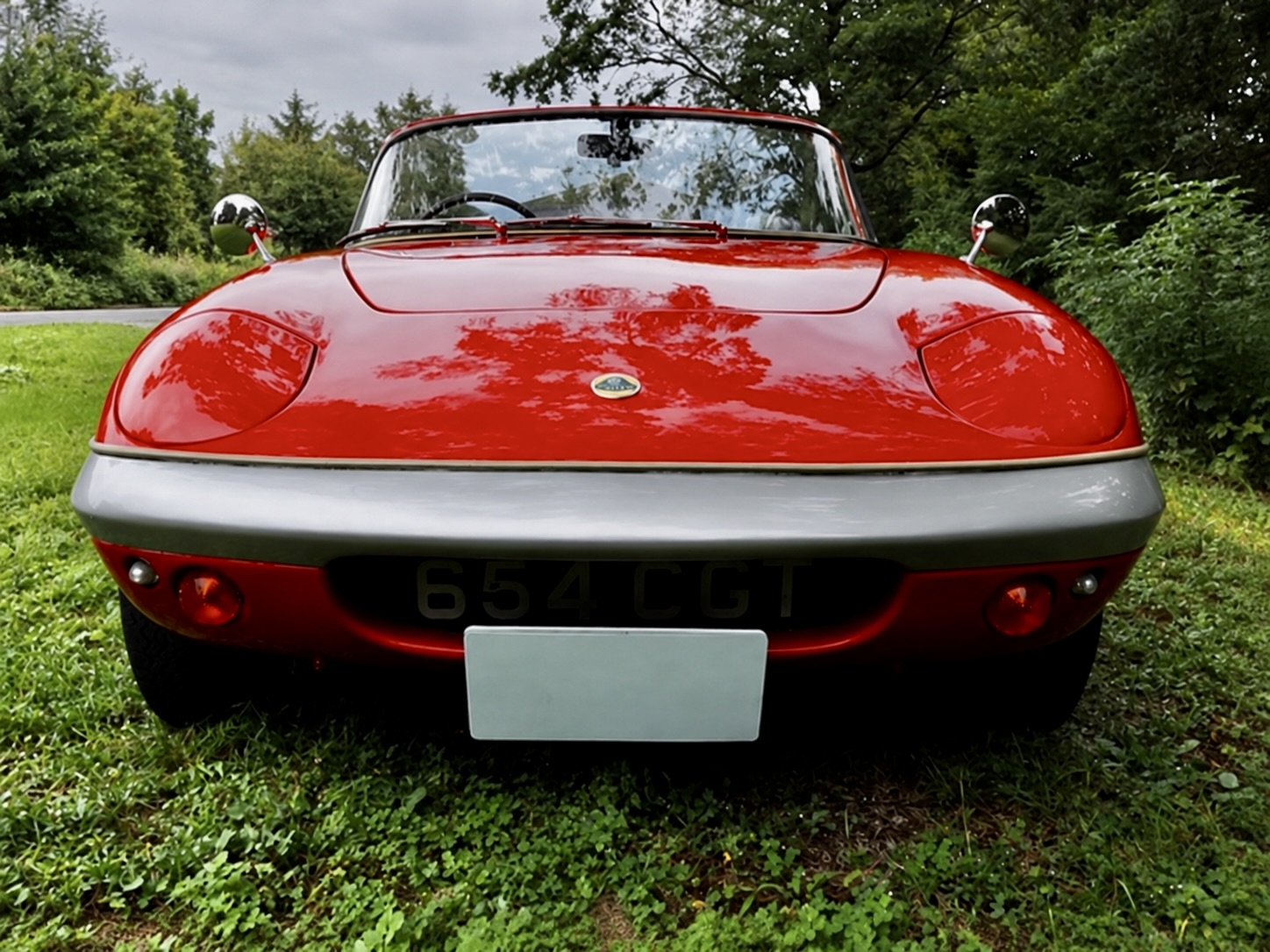
The detailed condition of the vehicle is described in each photo.
On the top slide you will find 50 attractive photos of the vehicle! Please click on a photo to view it with its description. Click outside the picture to return to the page.
SPEC
Length
3,690 mm
Width
1,380 mm
Height
1,150 mm
Weight
710 kg
Engine Displacement
1,558 cc
Currently Listed on BaT Auctions.