

TOP>Stock List>1964model Porsche 356C SC Karmann Coupe Outlaw
1964model
Porsche 356C SC Karmann Coupe Outlaw





↑↑↑Please watch the archived video above with audio if possible...
The legendary engineer Harry Pellow’s hand-built flat-four powers this final-year 1964 Porsche 356SC—an extraordinary example that exists here in Japan…! From chassis to engine to transmission, every component retains its matching numbers. With its rare Karmann-built body and unmistakable outlaw look, this remarkable machine captivates its driver with ferocious acceleration that snaps your head back in pure exhilaration… !
Chapter One…
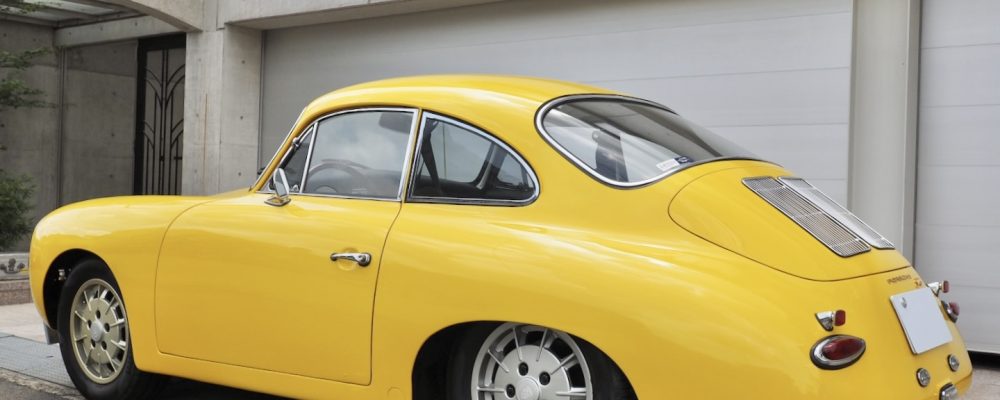
Bathed in outlaw style, the 356’s form reveals airflow you can almost see—radiant and alive.
This is the ultimate 356SC, a machine that exists to be driven and truly enjoyed…
In the 1980s and 1990s, long before the internet became what it is today, the culture surrounding the air-cooled Porsche 356 was far more insular, intense, and deeply personal than it is now.
On America’s West Coast, one man rose to near-mythical status among 356 enthusiasts. His name was Harry Pellow—known throughout the 356 world as “The Maestro.”
This was not an era when you could simply open YouTube and watch a teardown of a 356 engine. Back then, American owners devoured every issue of the 356 Registry magazine, getting their hands dirty—immersed in oil and mechanical study.
To younger air-cooled fans today, the 356 Registry might appear to be just another club publication. But in the 1980s and 1990s, within North American 356 culture, it was nothing less than the heart of the community—the place where the worldview of the 356 truly lived.
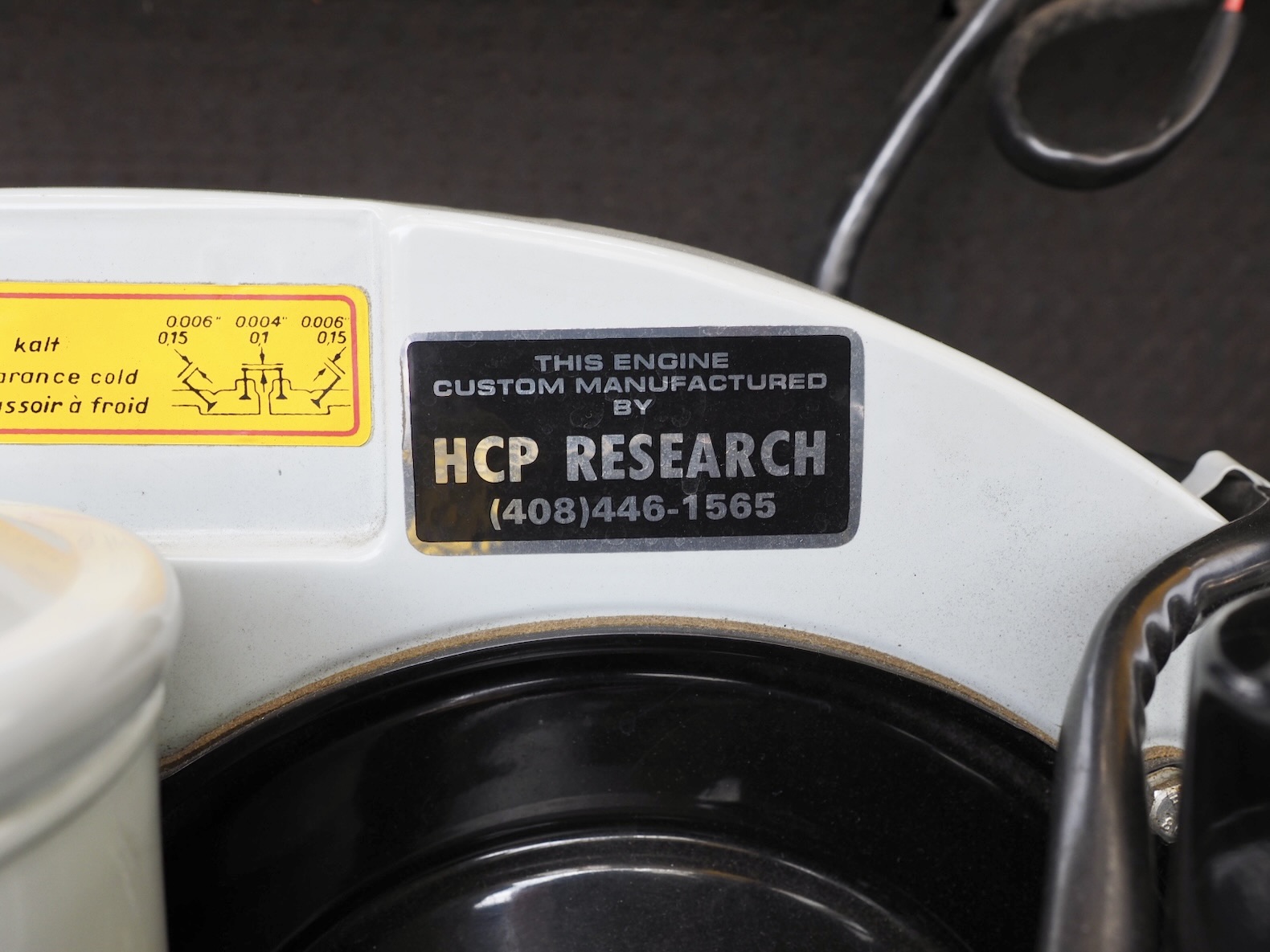
Information came only from the Registry, word of mouth, and gatherings and meetings held across the country. For enthusiasts who genuinely wanted a faster, sharper 356, there was only one path: find your way to HCP Research in Cupertino, California—and entrust your engine to Harry Pellow.
At that time, 356 culture in North America was entirely different from today’s investment-driven market. The 356 was still relatively affordable. Young enthusiasts drove them hard, modified them, broke them, rebuilt them.
Especially in California, the dominant philosophy was not “preserve the 356,” but “build a 356 that runs.” Even within the pages of the 356 Registry, the editorial focus leaned heavily toward real-world performance and driving pleasure. A distinct, uniquely American 356 culture was born there.
At the center of it all stood Harry Pellow and HCP Research.
In the tuning world of that era, there were different schools of thought. Bruce Baker and others—who would later become pillars of the 356 Registry community—leaned toward restoring the 356 correctly as an industrial product, preserving factory correctness.
Harry Pellow’s worldview, however, carried something far more volatile. He did not treat the 356 as a museum piece—but as a machine meant to run. He obsessively analyzed it to understand how to make it lighter, sharper, freer-revving—without losing its essence.
Those familiar with 356 engines know that in those days, parts availability and technical knowledge were nowhere near today’s level. Case tolerances, oil temperature management, head cracking, oil leaks, full-flow modifications, crankshaft balance—there was far greater individual variance between engines.
It is said that Harry Pellow accumulated countless failed 356 engines, tearing them down to study exactly why they broke. Stacks of cracked cases, seized pistons, cylinder heads on shelves, worn cams—these were not scrap. They were research material.
He studied where the 356 flat-four reached its limits. When he appeared at 356 events, crowds naturally formed. Impromptu technical lectures would begin—covering crankcases, oiling systems, combustion efficiency, cooling, Solex, Weber, Carrera, Super 90, Normal, SC… Once he began speaking about the 356, he would not stop.
His eccentric writing style and almost obsessive intensity earned him the nickname “Maestro.”
Most fascinating of all, Harry Pellow was not simply chasing horsepower numbers. What he truly sought was an engine that revved ferociously—yet did not break. To preserve the 356’s inherent lightness, responsiveness, and mechanical purity—while sharpening it further.
That was the essence of HCP Research’s tuning philosophy.
As a result, HCP-built 356 engines carried a distinct atmosphere. Not merely fast—but light, eager, razor-responsive. Almost alive.
A 356SC fitted with Weber 45 carburetors is perhaps the perfect example. Where the traditional 356 Registry philosophy favored retaining original Solex carburetors, North American outlaw culture saw Weber conversions as a badge of a “driver’s 356.”
Unstable idle. Fuel mixture sensitivity. Behavior that changed with temperature.
All of it part of the dialogue between driver and machine.
That dialogue—that tension—was the aesthetic of North American 356 culture.
Chapter Two…
Let us further unravel this captivating example through the many anecdotes left behind by the legendary Porsche 356 engineer, Harry Pellow…
In the 1980s and 1990s, before the internet existed in anything like its current form, the culture surrounding the air-cooled Porsche 356 was far more closed and far more intense than it is today.
On America’s West Coast, one man gained cult-like popularity among 356 enthusiasts. His name was Harry Pellow—a legendary engineer known in the 356 world by the nickname “Maestro.”
Naturally, this was not an era when you could easily watch a Porsche 356 engine teardown on YouTube. In the United States at the time, owners devoured the technical explanations in the 356 Registry magazine and got their hands dirty themselves, immersed in oil and mechanical work.
To younger air-cooled fans today, the 356 Registry may appear to be just another club magazine. But within North American 356 culture of the 1980s and 1990s, it would not be an exaggeration to say that the entire worldview of the 356 lived within its pages.
In those days, information from the 356 Registry, word of mouth, and the 356 meetings held across the country were the only sources of knowledge. Enthusiasts who genuinely sought a 356 that could run fast had to find their way to HCP Research in Cupertino, California, and entrust their engines to Harry Pellow.
At that time, North American 356 culture was completely different from today’s investment-driven market. The 356 was still relatively affordable, and young enthusiasts drove them hard, broke them, modified them, and rebuilt them.
Especially in California, the philosophy of “building a 356 that runs” was far stronger than “preserving a 356.” Even around the 356 Registry magazine, the editorial focus leaned toward real-world drivers who wanted their cars to run faster and feel better, forming a distinctive and uniquely American 356 culture.
At the very center of that world stood Harry Pellow and HCP Research.
In the 356 tuning scene of the time, there were different schools of thought. There was the Bruce Baker school—later becoming pillars of the 356 Registry community—which moved toward correctly restoring the 356 as an industrial product. In contrast, Harry Pellow’s worldview carried a more dangerous edge.
He did not treat the 356 as a craft artifact, but as a machine meant to run. He analyzed it obsessively, seeking how to make it lighter, sharper, and more freely revving—without losing its essential character.
Those familiar with 356 engines understand that at the time, information and parts were nowhere near as available as they are today. Case tolerances, oil temperatures, head cracking, oil leaks, full-flow oil modifications, crankshaft balance—there was far more individual variance among 356 flat-fours.
It is said that Harry Pellow gathered broken 356 engines relentlessly, disassembled them, observed them, and studied at an extraordinary level exactly why they had failed.
Stories of countless broken 356 engines stacked in the HCP Research garage are well known, but they were not mere scrap. Cracked cases, seized pistons, cylinder heads lined up on shelves, worn camshafts—all of it served as teaching material to study where the 356 flat-four reached its limits.
Whenever he appeared at 356 events or meetings, crowds would naturally gather, and spontaneous lectures on 356 engines would begin. Crankcases, oil lines, combustion efficiency, cooling, Solex, Weber, Carrera, Super 90, Normal, SC—once he began speaking about the 356, he would not stop. His distinctive writing style and almost maniacal intensity are said to have naturally cemented the nickname “Maestro.”
Most interesting of all is that Harry Pellow’s philosophy was not simply about a “horsepower competition.”
What he truly pursued was a 356 engine that would rev ferociously and feel exhilarating—without breaking.
To preserve the original lightness, responsiveness, and mechanical character unique to the air-cooled 356, while sharpening it even further—that was the essence of HCP Research’s 356 tuning philosophy.
As a result, HCP-built 356 engines shared a certain atmosphere. They were not merely fast, but light, eager to rev, razor-sharp in response—almost like living creatures.
A 356SC converted to Weber 45 carburetors is a perfect example. Unlike the 356 Registry philosophy of maintaining original Solex carburetors, North American outlaw culture regarded Weber conversions as the symbol of a “356 meant to run.”
Unstable idle, shifts in fuel mixture, changes in behavior with temperature—all of it included as part of the dialogue with the 356.
Within that dialogue lay the unique aesthetic of North American 356 culture.
Chapter Three…
Snapping your head back under acceleration—this is nothing short of the ultimate sensation…!
1964 Porsche 356SC Outlaw — The Author’s Afterword…!
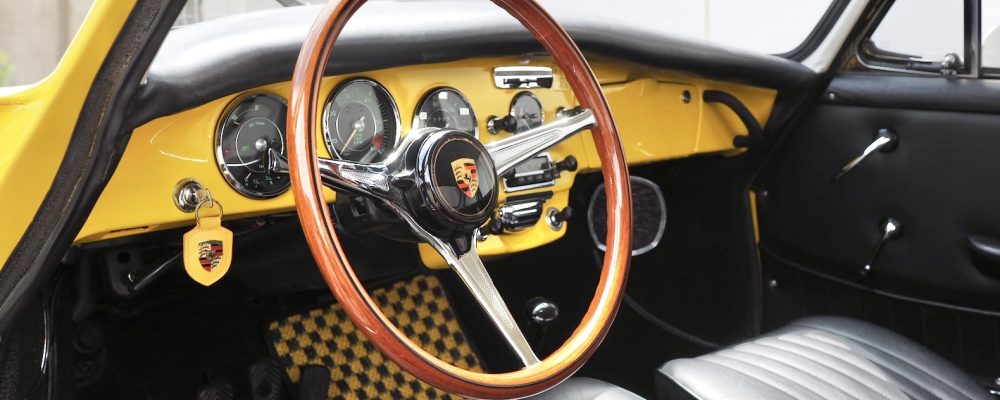
The 356SC Outlaw powered by an engine built by Harry Pellow—now meticulously maintained by one of Japan’s finest vintage Porsche specialists—exists today in peak condition.
That alone is an ultimate fact.
And this 1964 356SC is no ordinary example.
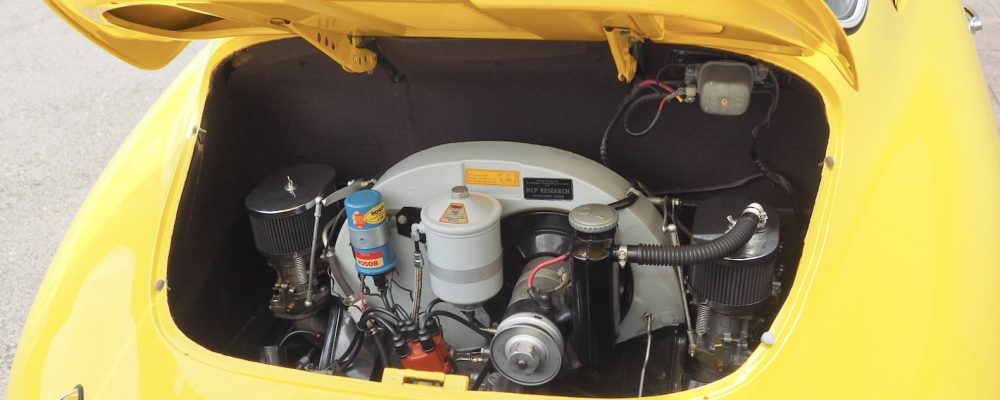
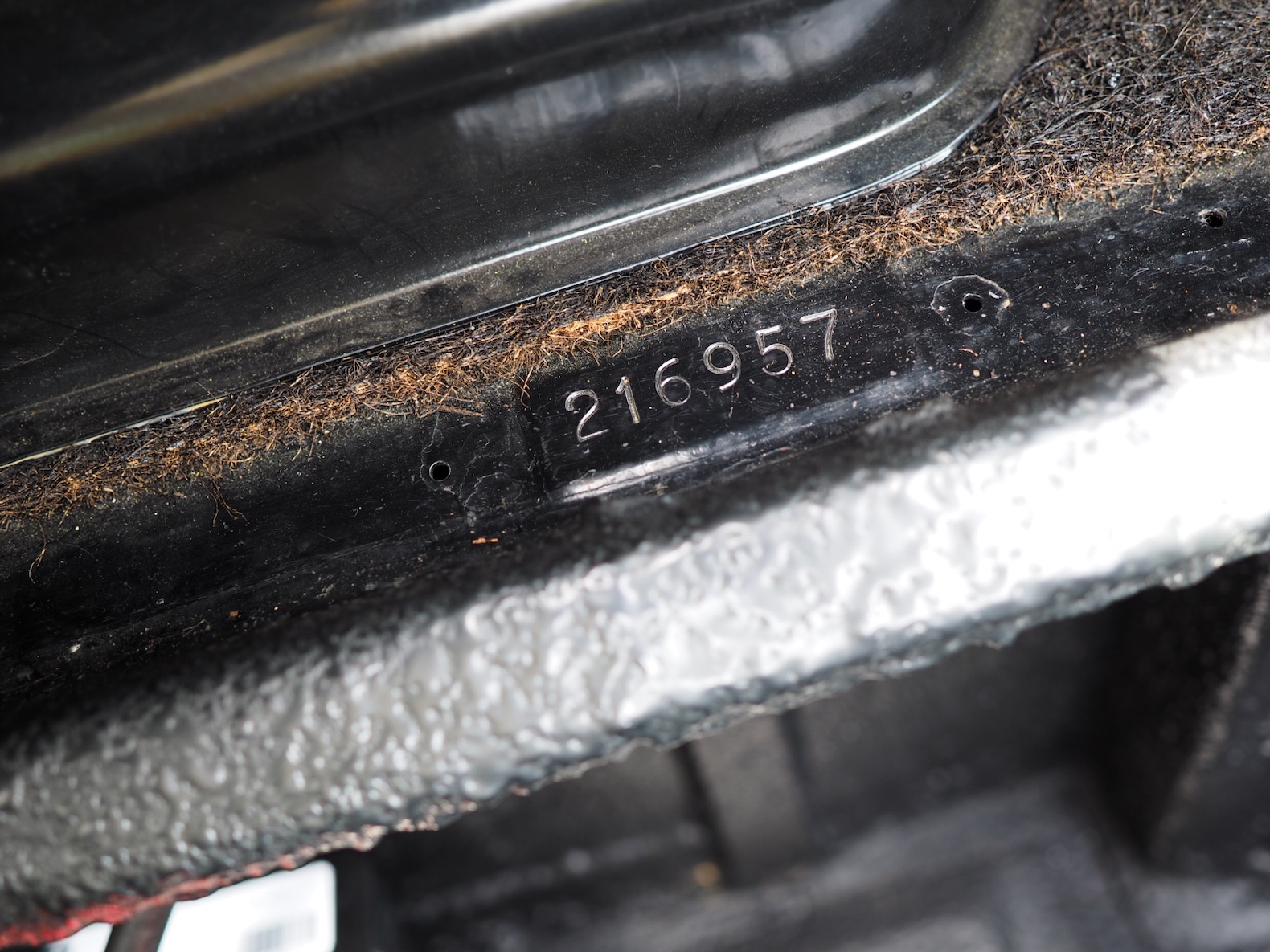
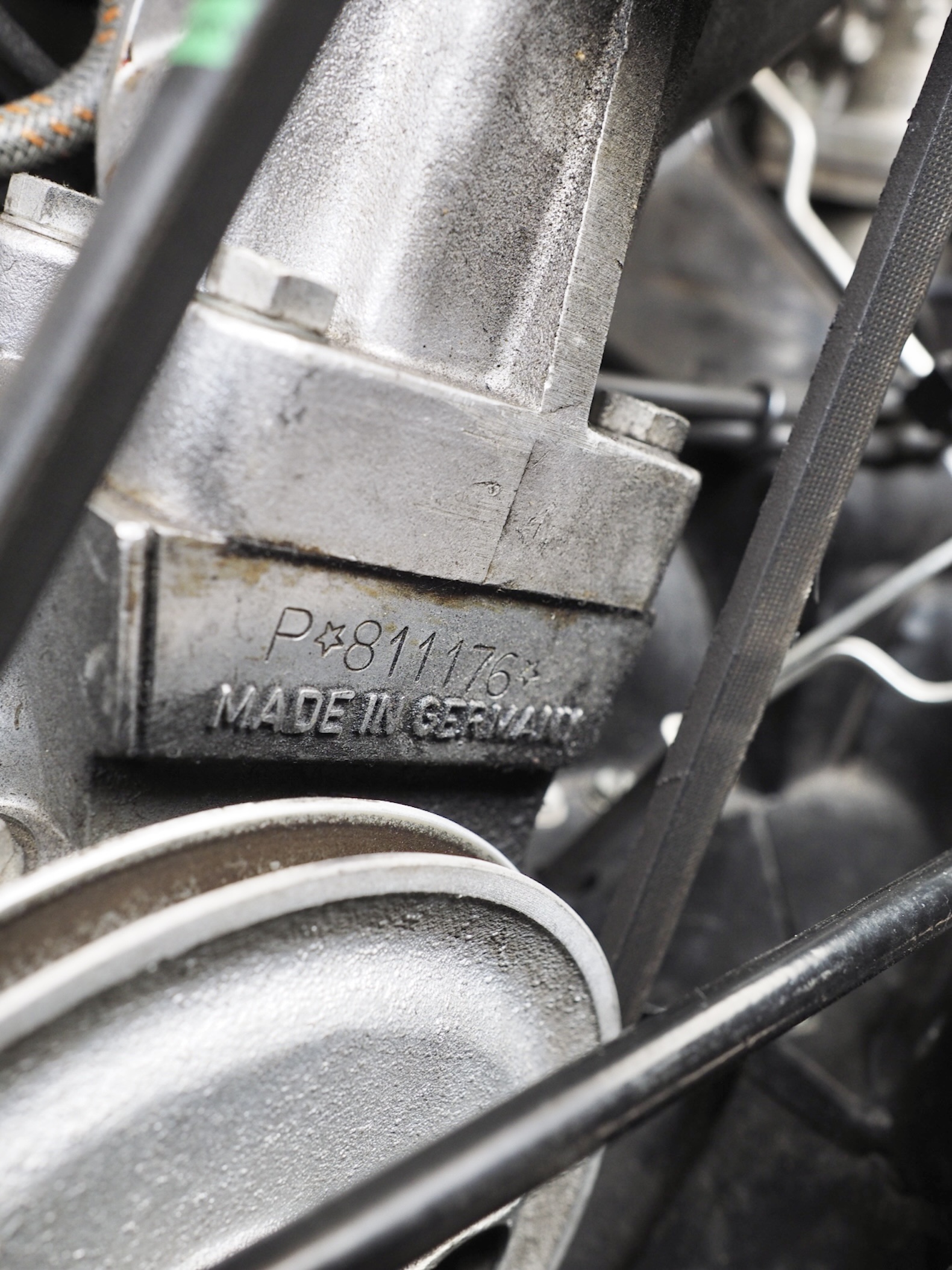
It retains its rare Karmann-built body with full matching numbers—chassis, engine, and transmission all intact. Into that authentic foundation is installed a lightly tuned flat-four, prepared in the spirit of HCP Research, breathing through twin Weber 45 downdrafts—the very symbol of outlaw culture.
It wears Mahle “Gas Burner” alloy wheels and is finished in an exceptionally vivid Racing Yellow.
This is not merely a 356SC.
It is a rolling embodiment of 1980s–90s North American 356 culture, brought forward into the present. And that realization alone is deeply moving.
Even more remarkable is that this car is not a static showpiece.
Under the passion of its current doctor-owner, it has been refined with the philosophy of “a 356 you can drive every day.”
After arriving in Japan, it underwent thorough recommissioning and detailed servicing at multiple Porsche specialists.
In other words, this is not just a “fast 356,” but a machine that embodies Harry Pellow’s original philosophy—an engine that revs fiercely yet remains reliable—now practiced in modern-day Japan.
As seen in the video, merging onto the Osaka expressway, the engine climbs toward 5,000 rpm with an intoxicating exhaust note before surging forward in one sweeping breath.
Thanks to camera stabilization, the footage remains steady—but under normal circumstances, the lens would likely have tilted upward along with my neck… (laughs).
The fully repainted body presents beautifully, with only a small trace of surface rust beneath the left door.
Combined with the carefully restored interior—retaining its period-correct atmosphere—it radiates an authentic charm that delights the eye.
The final-year 1964 Porsche 356SC—powered by a flat-four built by the legendary engineer Harry Pellow—exists here in Japan…! From chassis to engine to transmission, every component retains its matching numbers. With its rare Karmann-built body and unmistakable outlaw styling, this extraordinary machine captivates its driver with ferocious acceleration that snaps your head back the instant the throttle is opened…
Deeply moved by this astonishing reality, I found myself thinking from the bottom of my heart, “I have to drive this…!”
his extraordinary example—complete with a history that tells the very story of 356 culture itself—may well be the perfect “last car of your life.”
If you wish to experience it in person, we warmly invite you to visit Osaka, Japan.
We are fully prepared to respond to inquiries from around the world in English.
〜〜〜〜〜〜〜〜〜〜〜〜〜〜〜〜〜〜〜〜〜〜〜〜〜〜〜〜〜〜〜〜〜〜〜〜〜〜〜〜
This truly exceptional 1964 Porsche 356SC Outlaw is currently located in Osaka Prefecture, Japan.
Because this is a private party sale, no consumption tax or additional fees will be charged.
Upon purchase of this vehicle, the buyer will be responsible for the prorated annual automobile tax (¥45,400 per year) as well as the recycling deposit fee settlement (¥5,120).
Transportation arrangements are to be made by the buyer; however, should you wish, please feel free to consult with us. We can provide a quotation based on distance and arrange delivery using our company-owned 3-ton flat-loader transport truck.
Regarding Inquiries…
This vehicle is listed on the cross-border EC site for classic and collectible cars, Estate Sale Supremacy®︎.
Estate Sale Supremacy®︎ is the Japanese adaptation of the North American estate sale culture, introducing vehicles cherished by their owners through interview-based articles and video presentations.
We faithfully convey the current owner’s passion and memories while ensuring a secure brokerage process that responsibly passes the vehicle on to the next generation.
The contents of this article were written based on an approximately three-hour interview with the owner conducted on April 25, 2026, at 10:00 AM under clear skies. As the vehicle was inspected within a limited timeframe, we cannot guarantee that its condition is described with 100% accuracy. Furthermore, not all statements have been independently verified. Any comments regarding condition reflect the weather, circumstances at the time of the interview, and the author’s personal impressions.
For questions regarding the vehicle or to request an in-person inspection, please contact us using the form at the bottom of this page. As this is a private transaction, and to prevent non-serious inquiries, vehicle viewings are limited to customers who are genuinely considering purchase.
We sincerely appreciate your consideration.
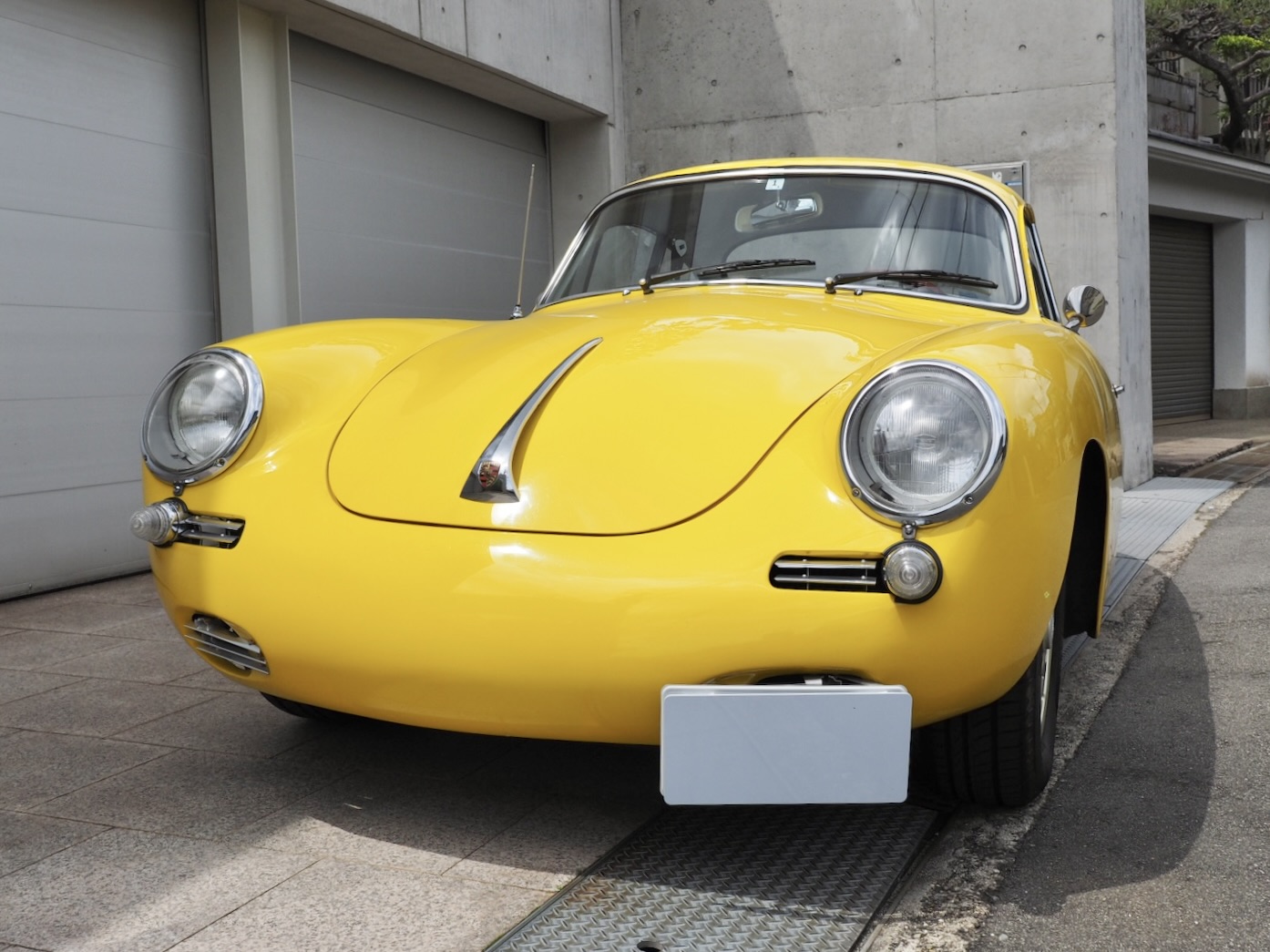
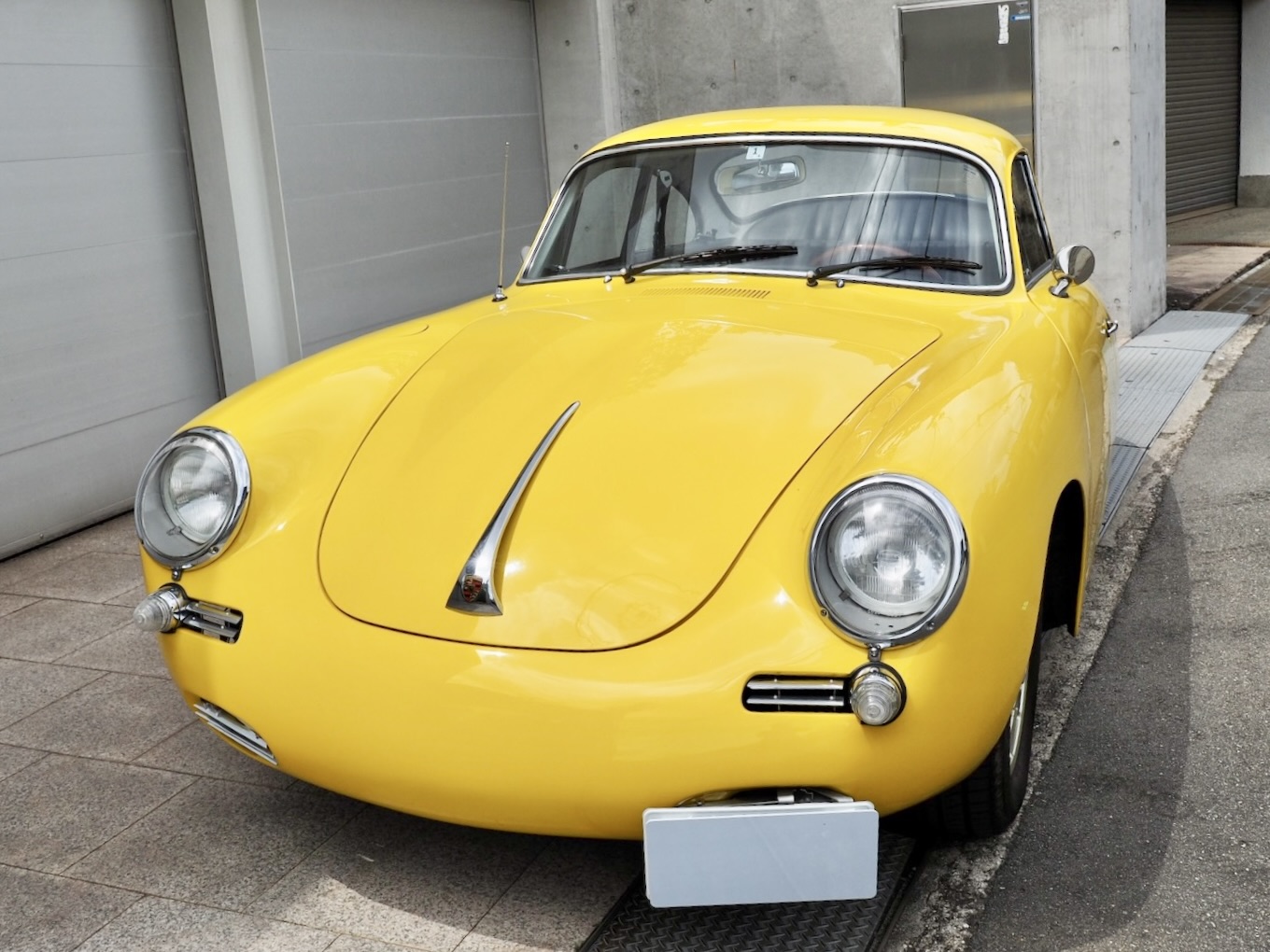
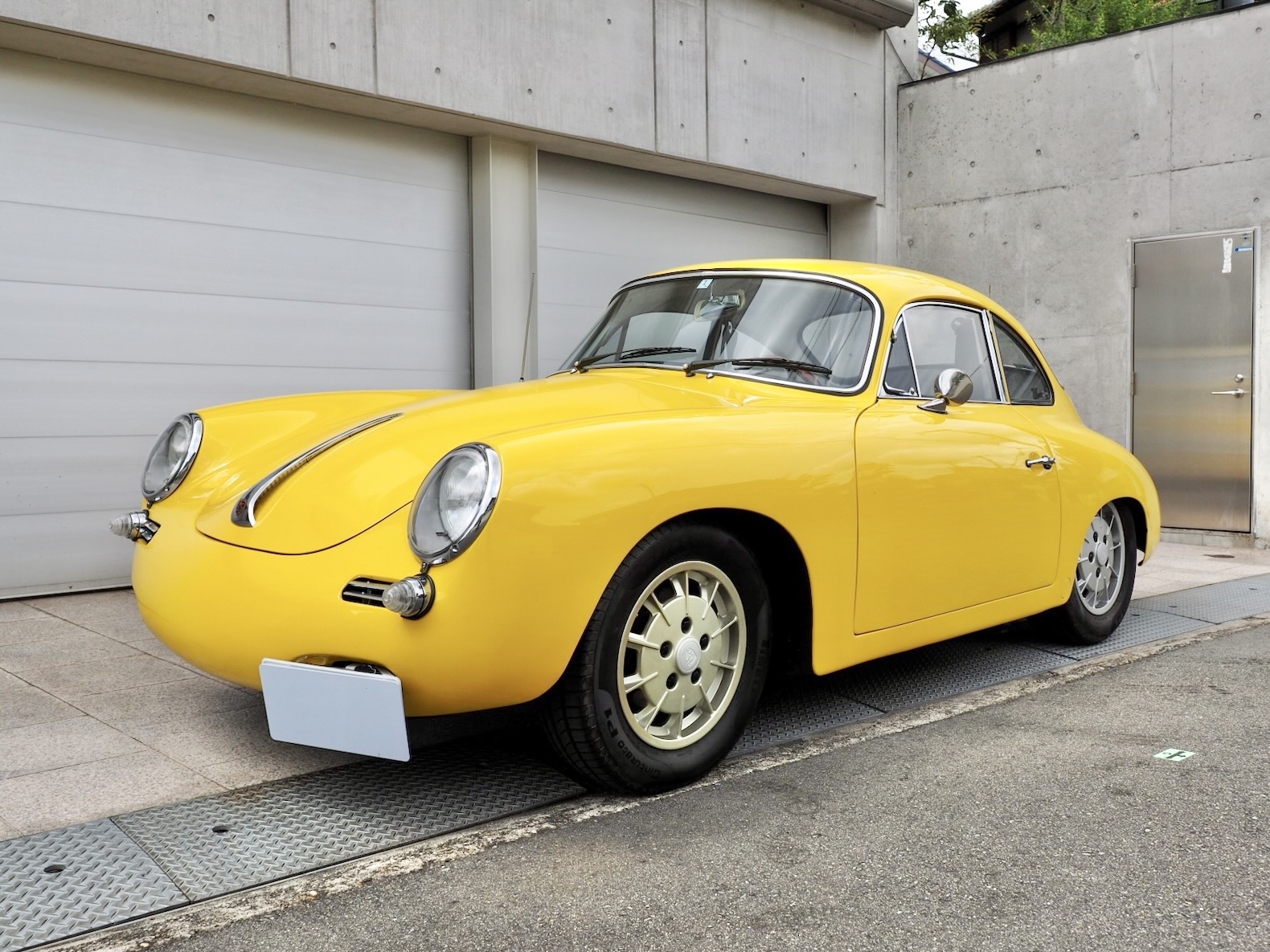
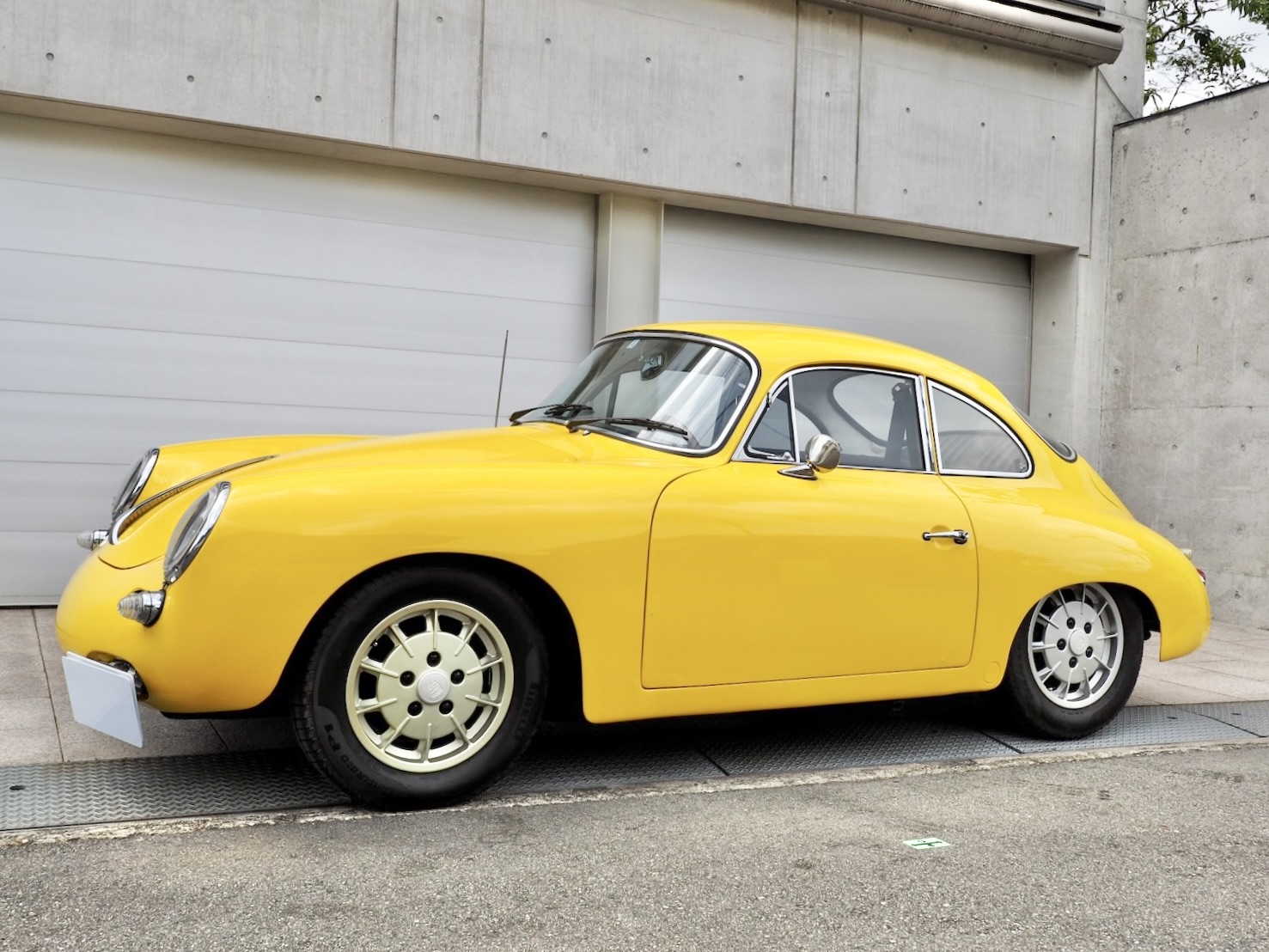
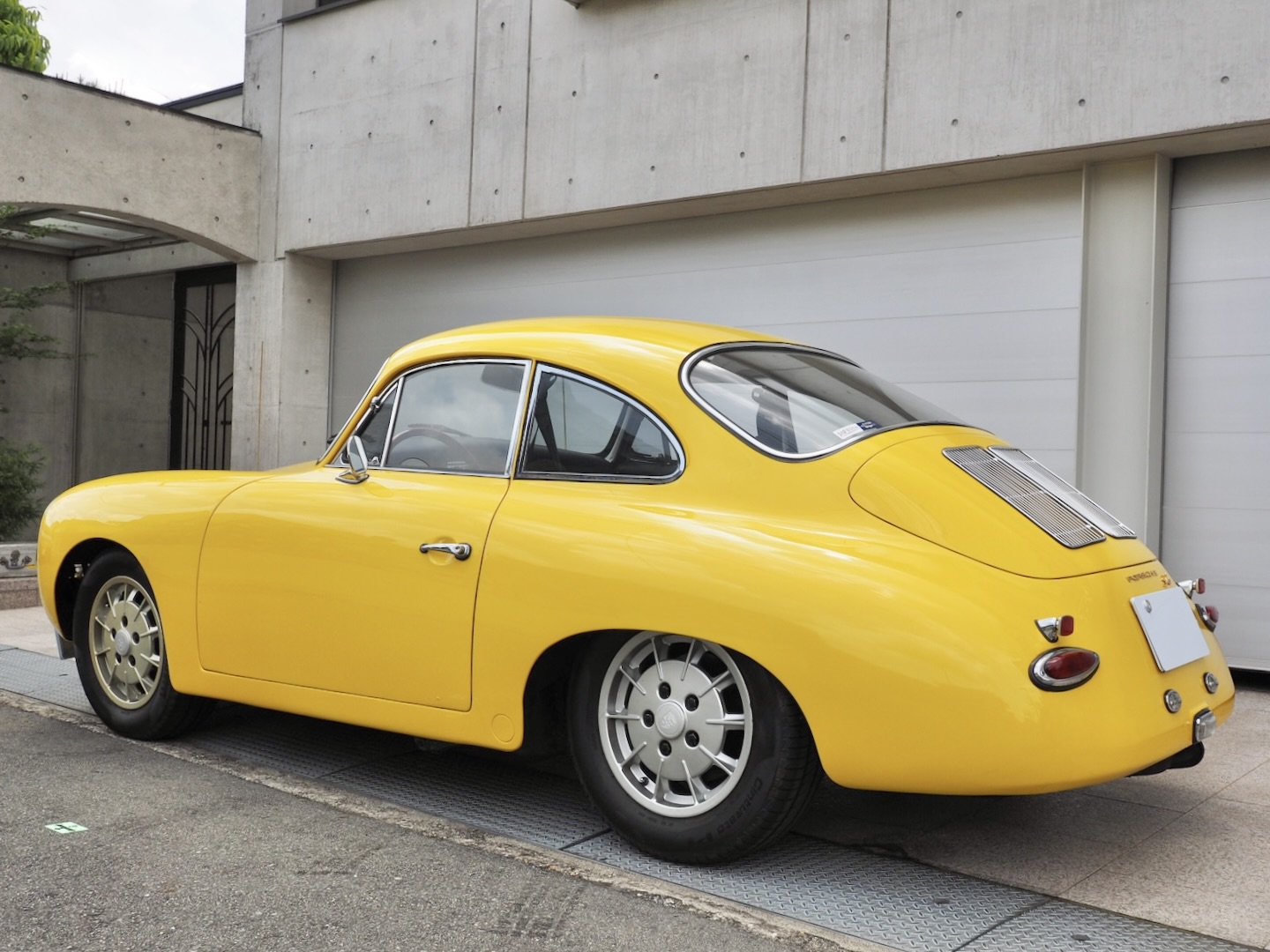
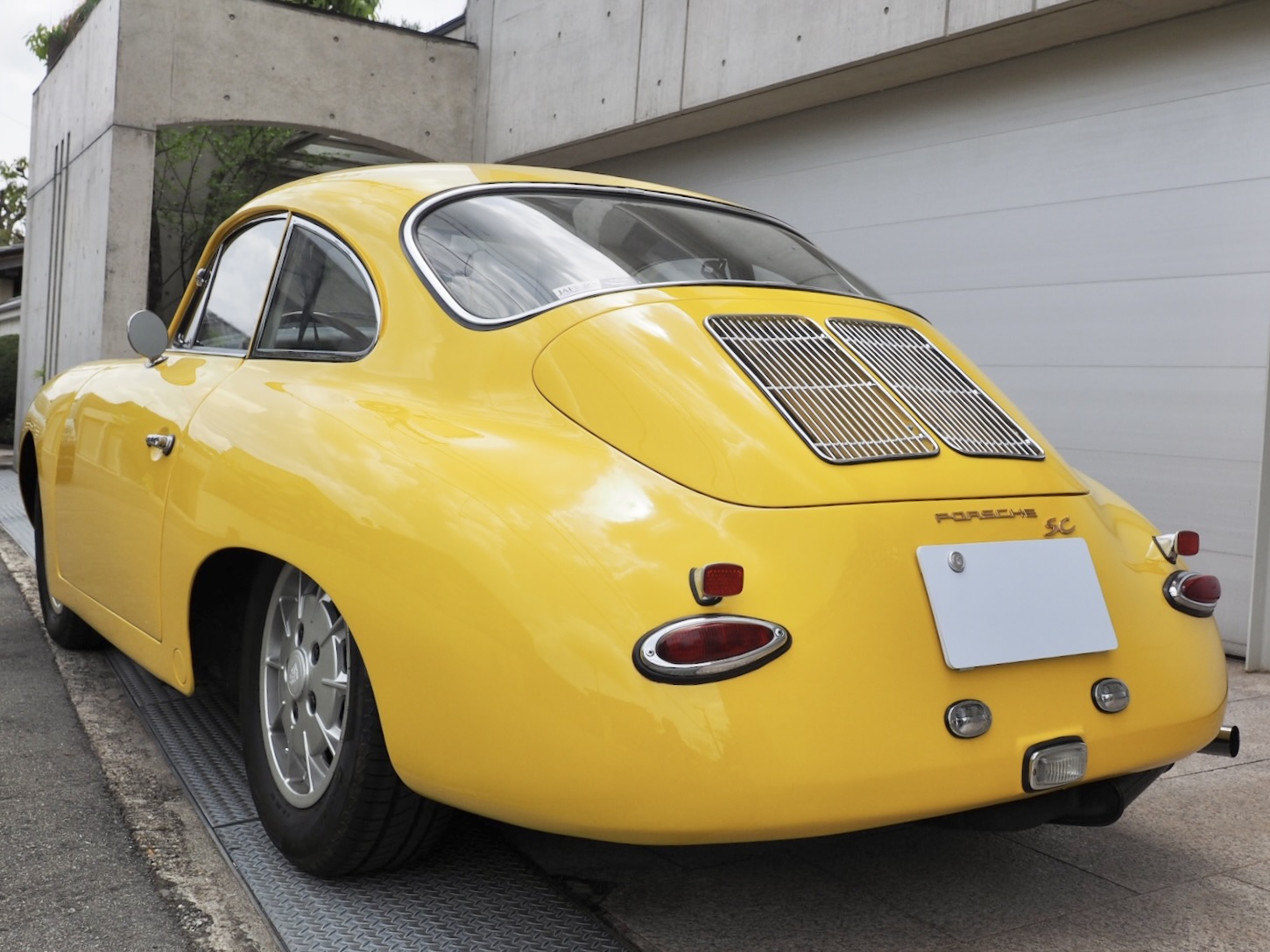
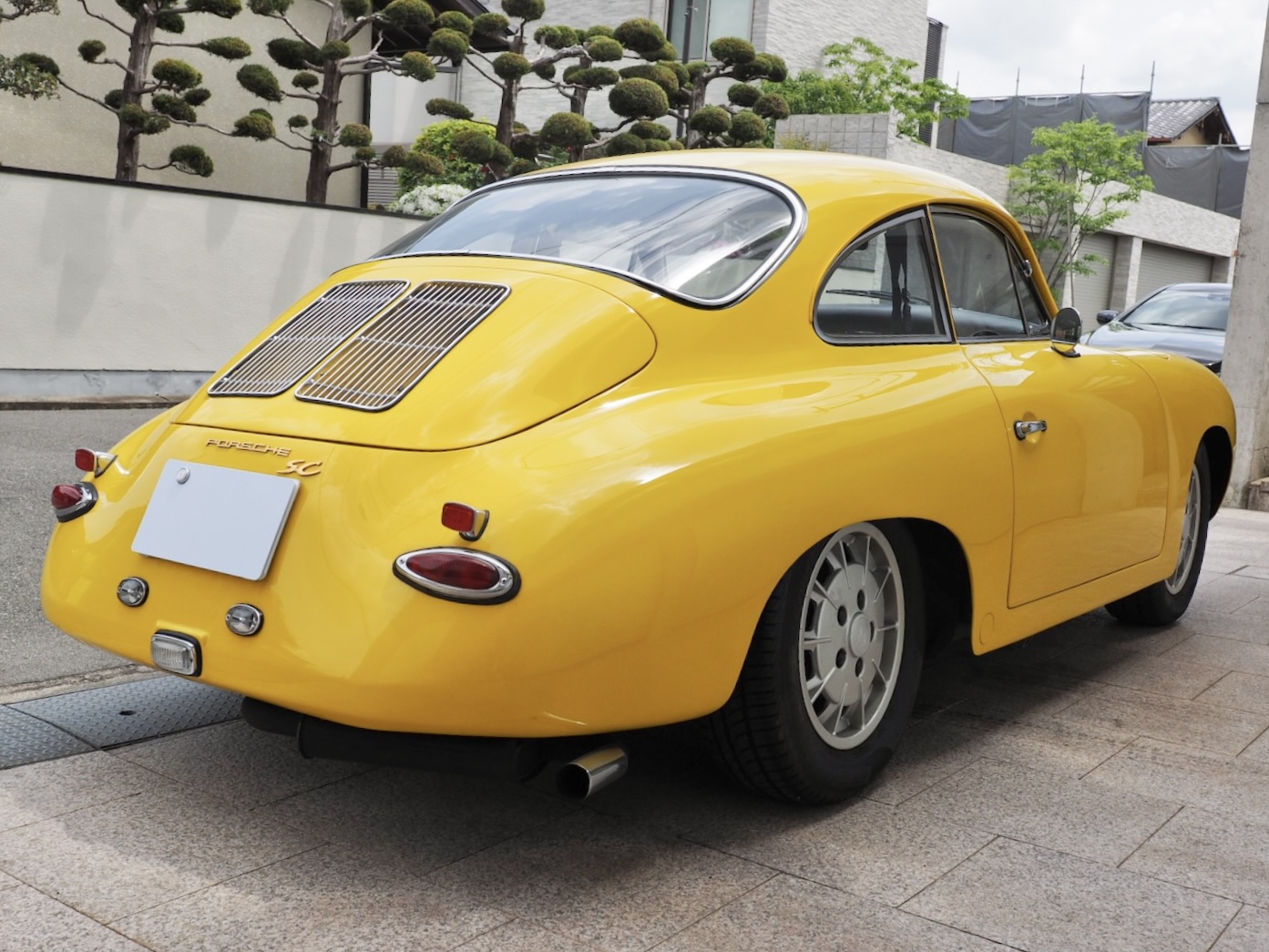
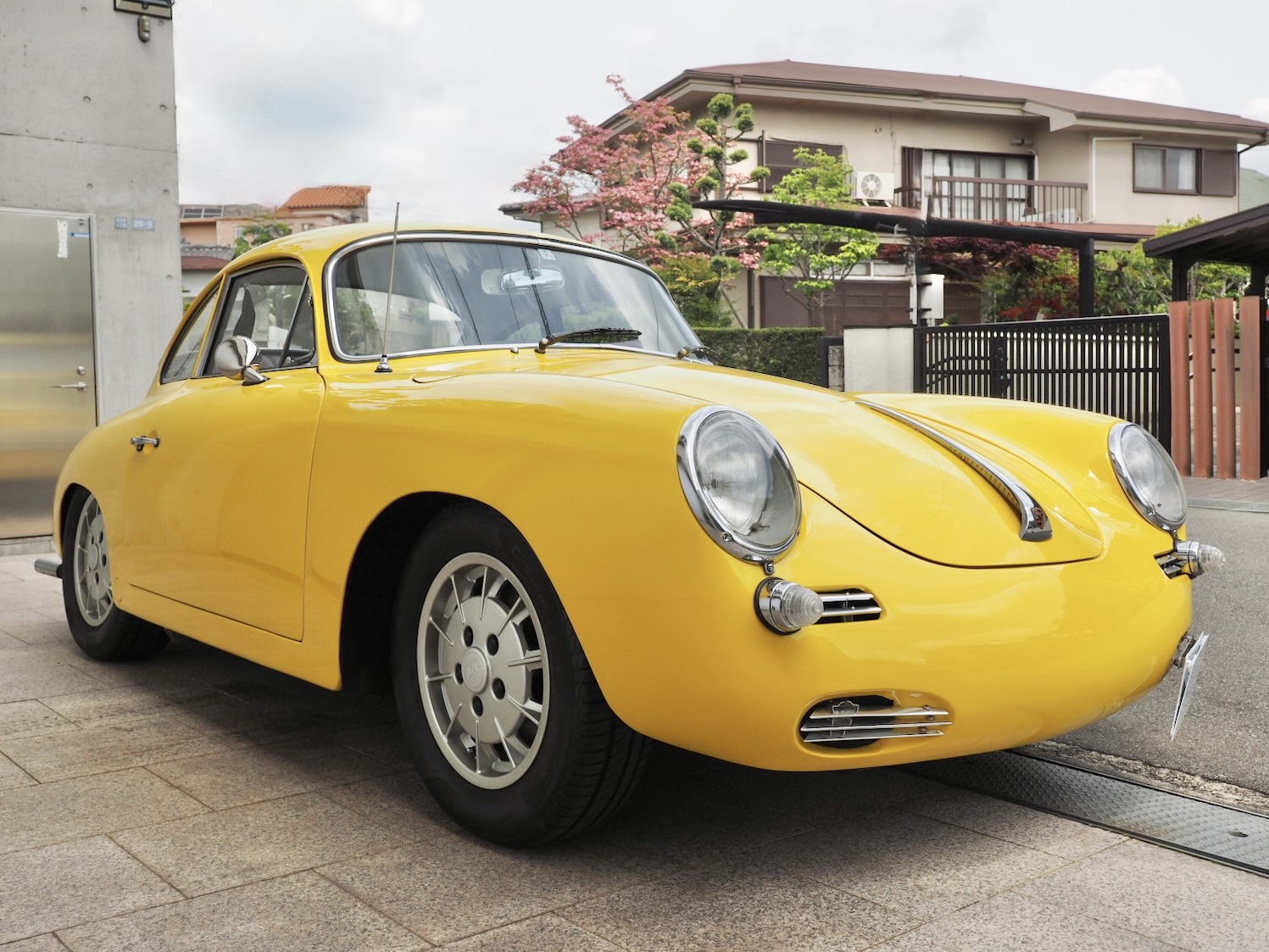
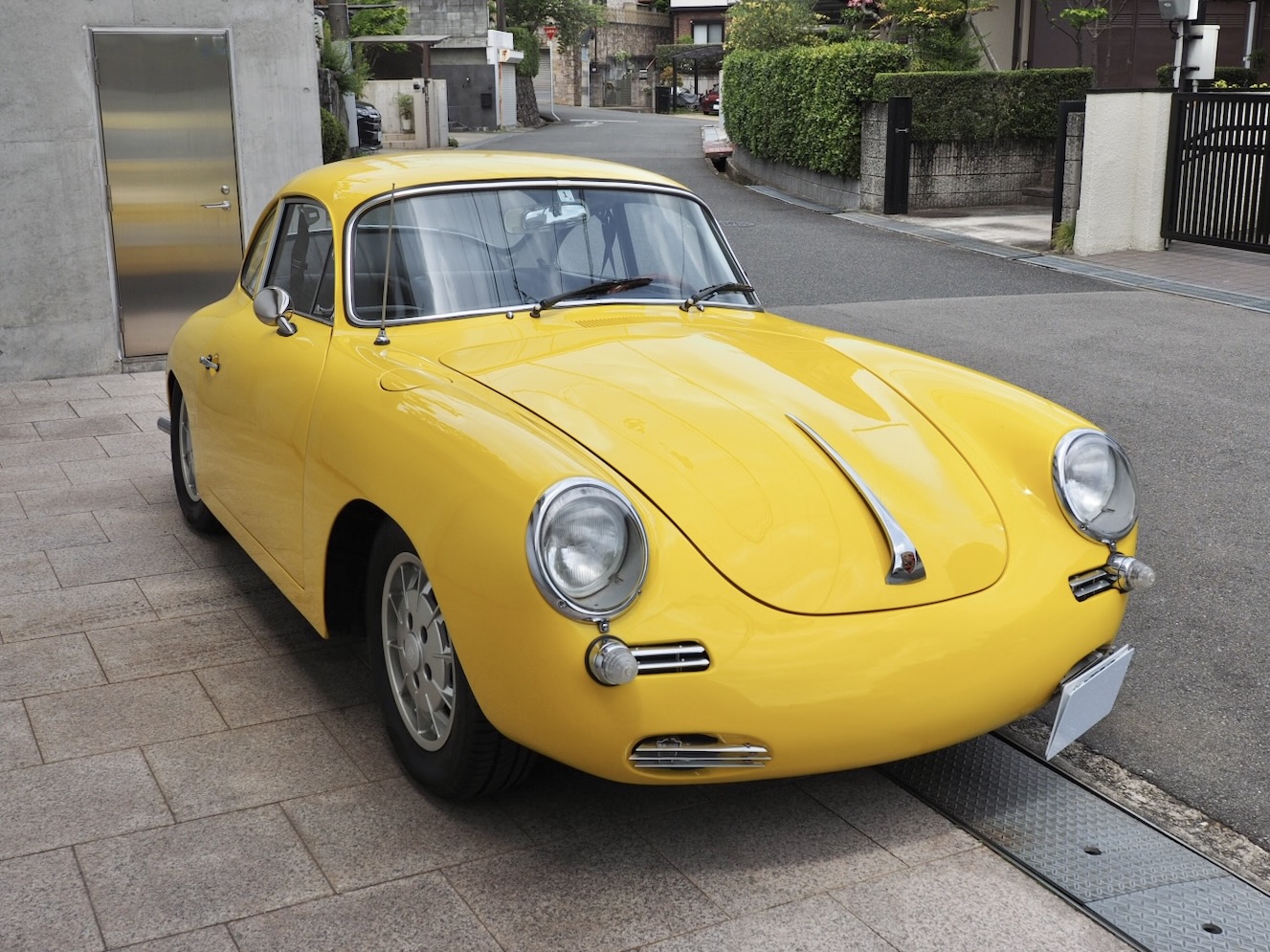
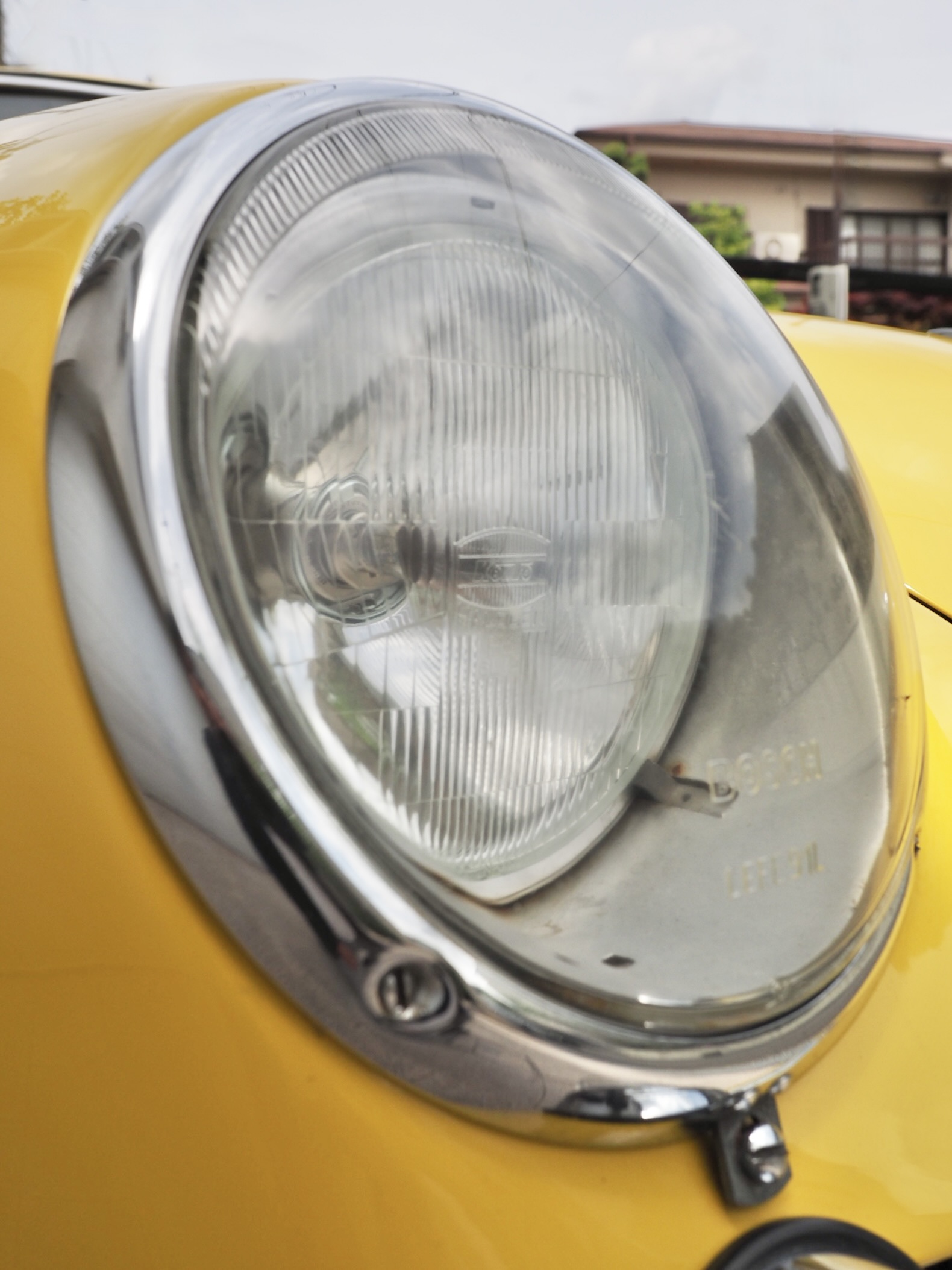
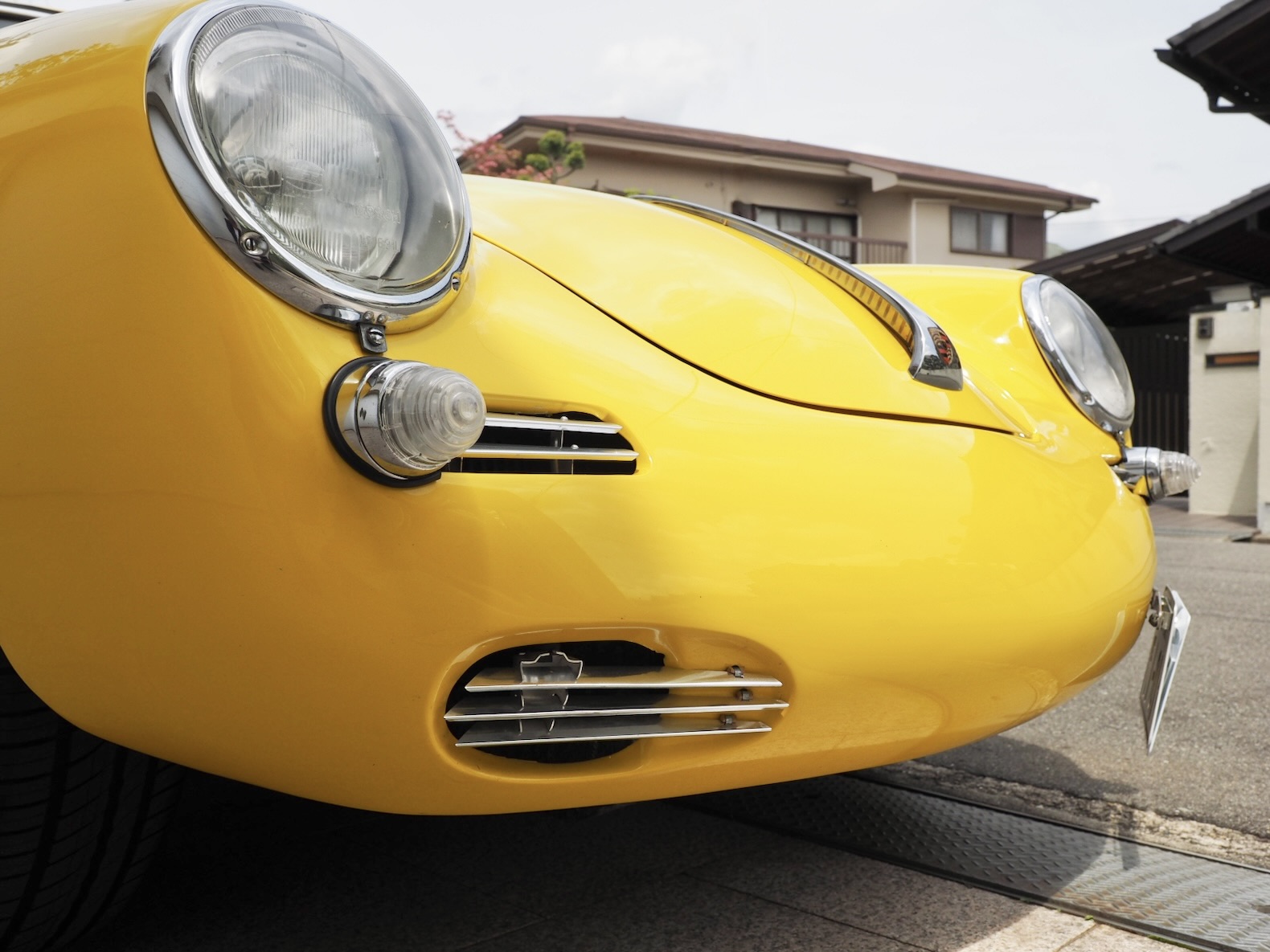
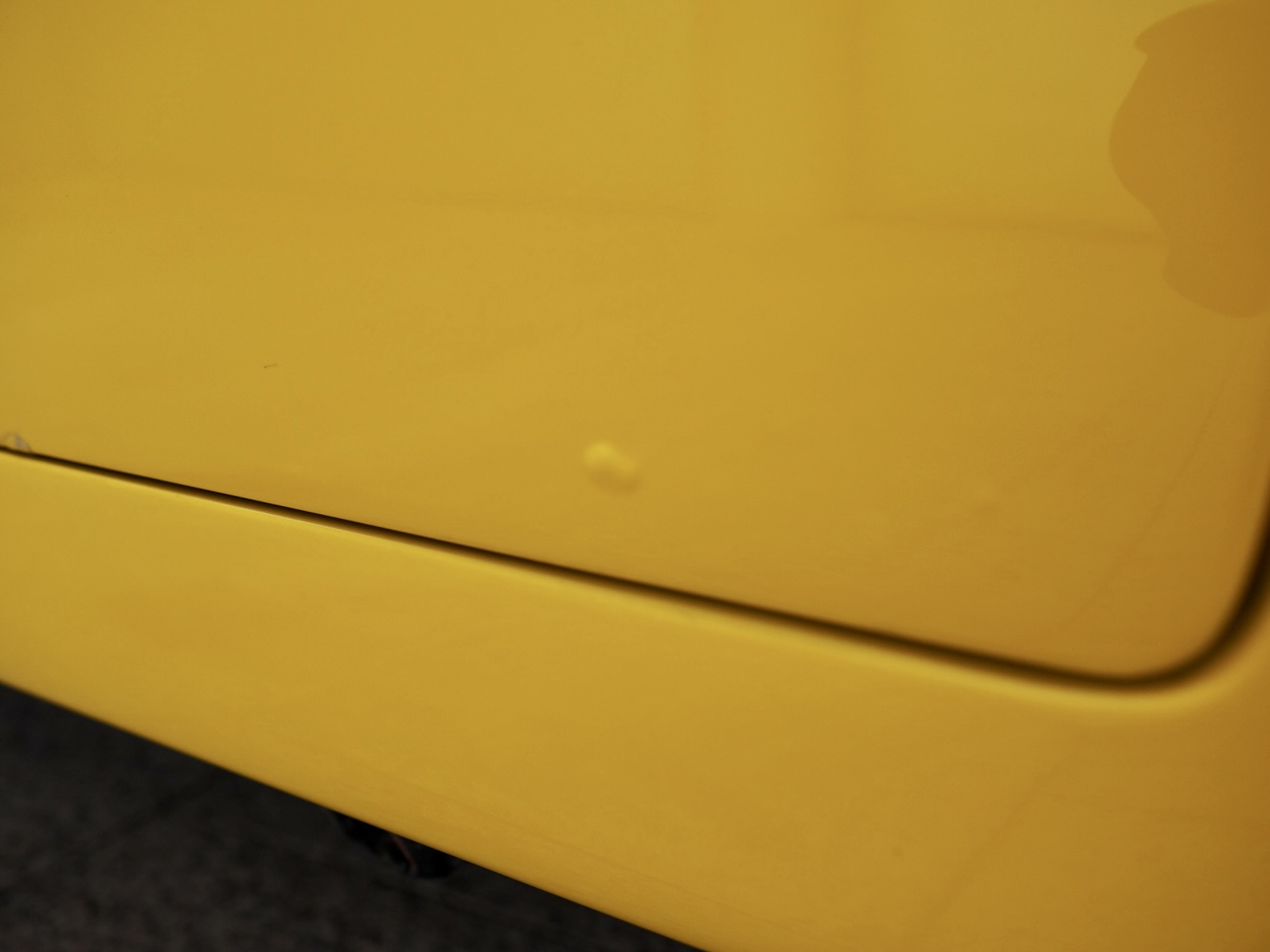
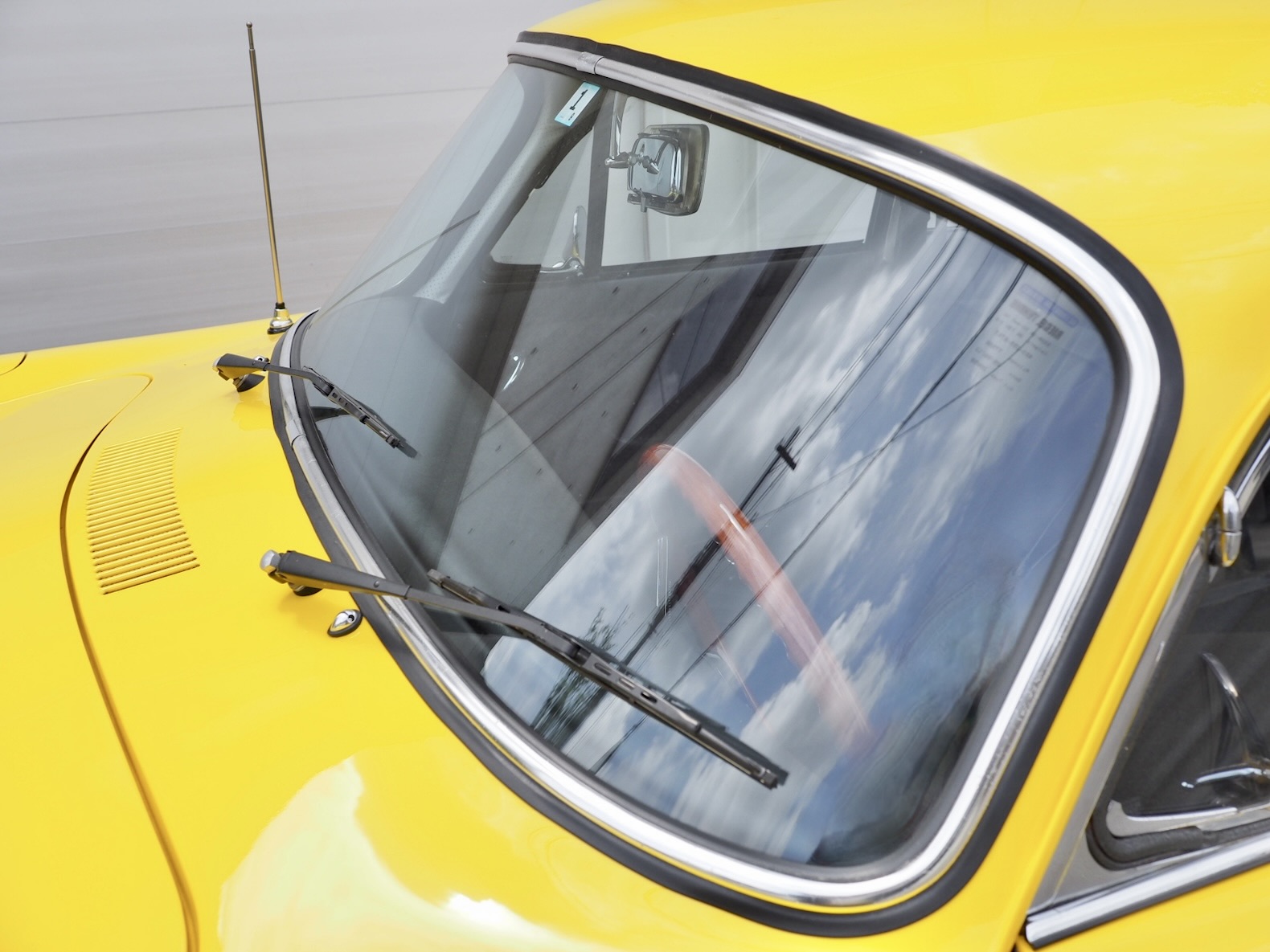
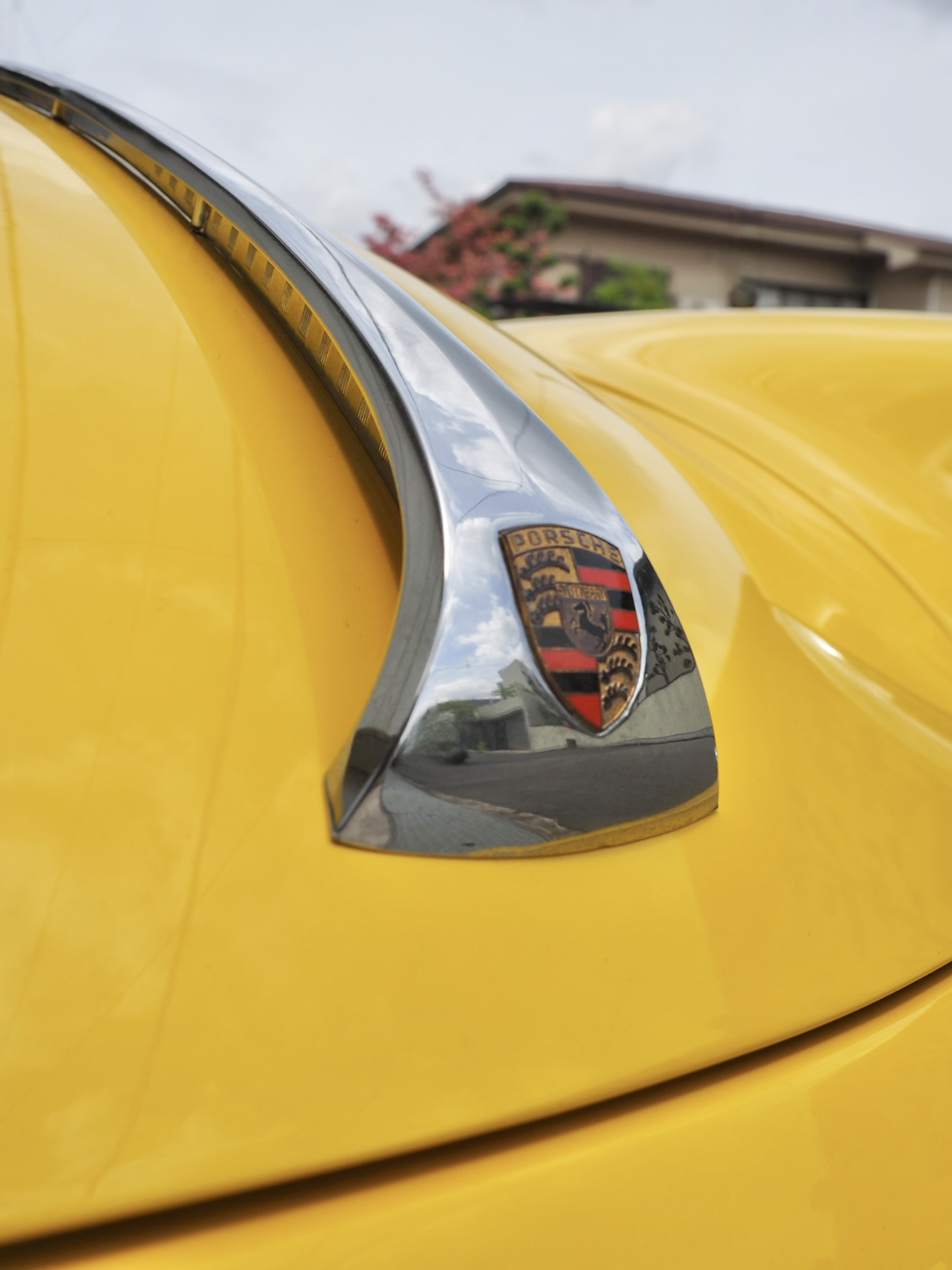
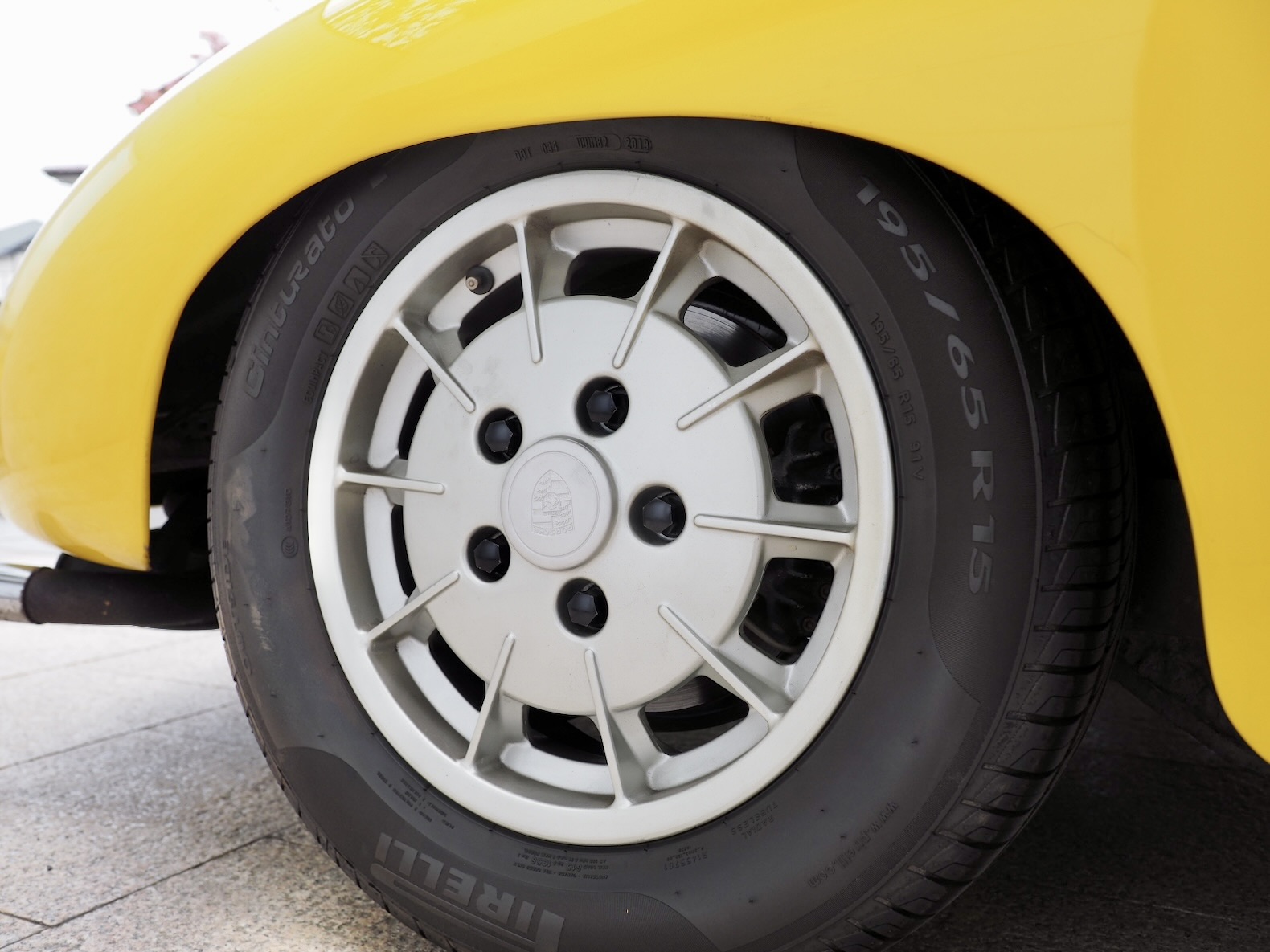
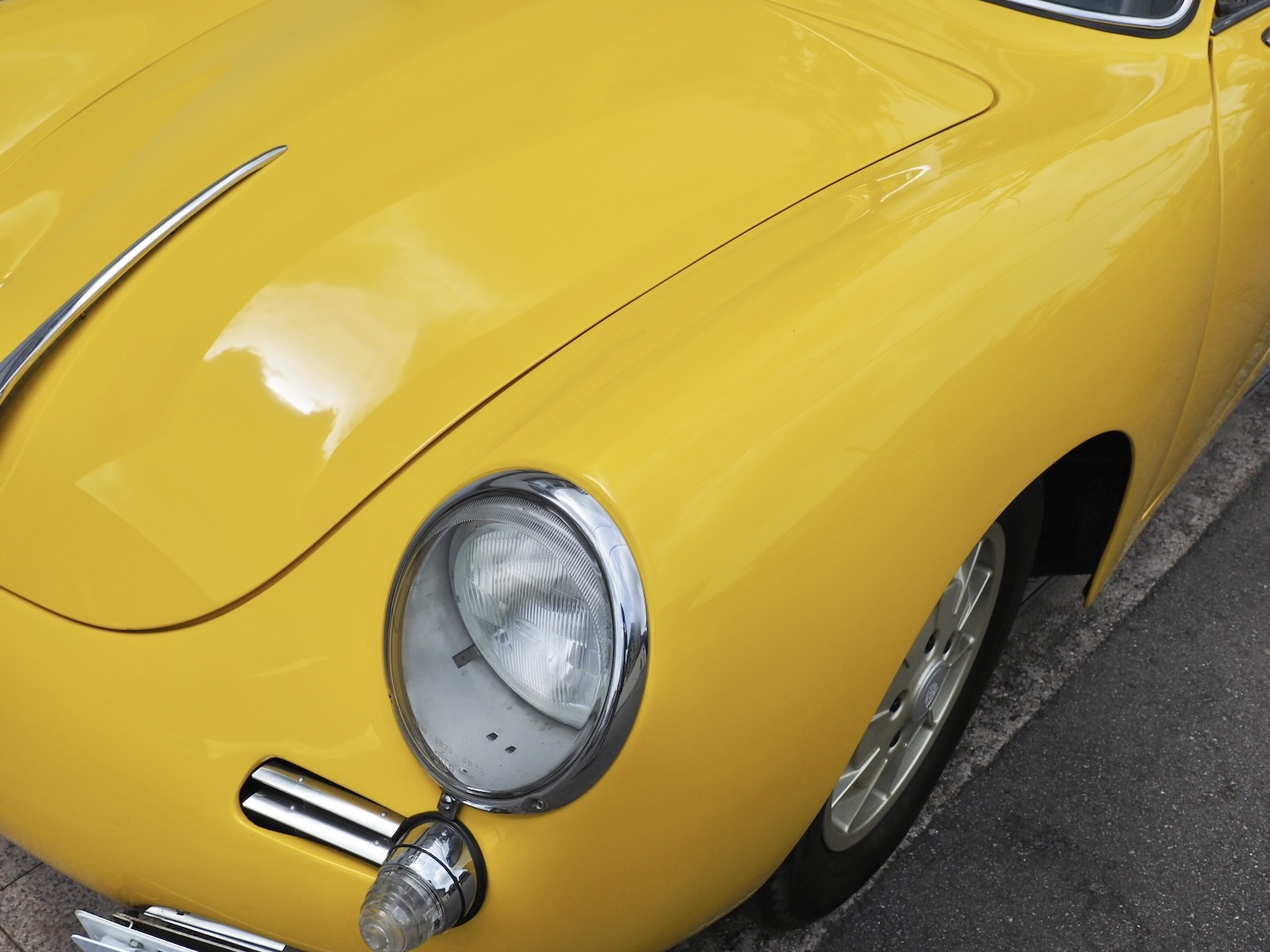
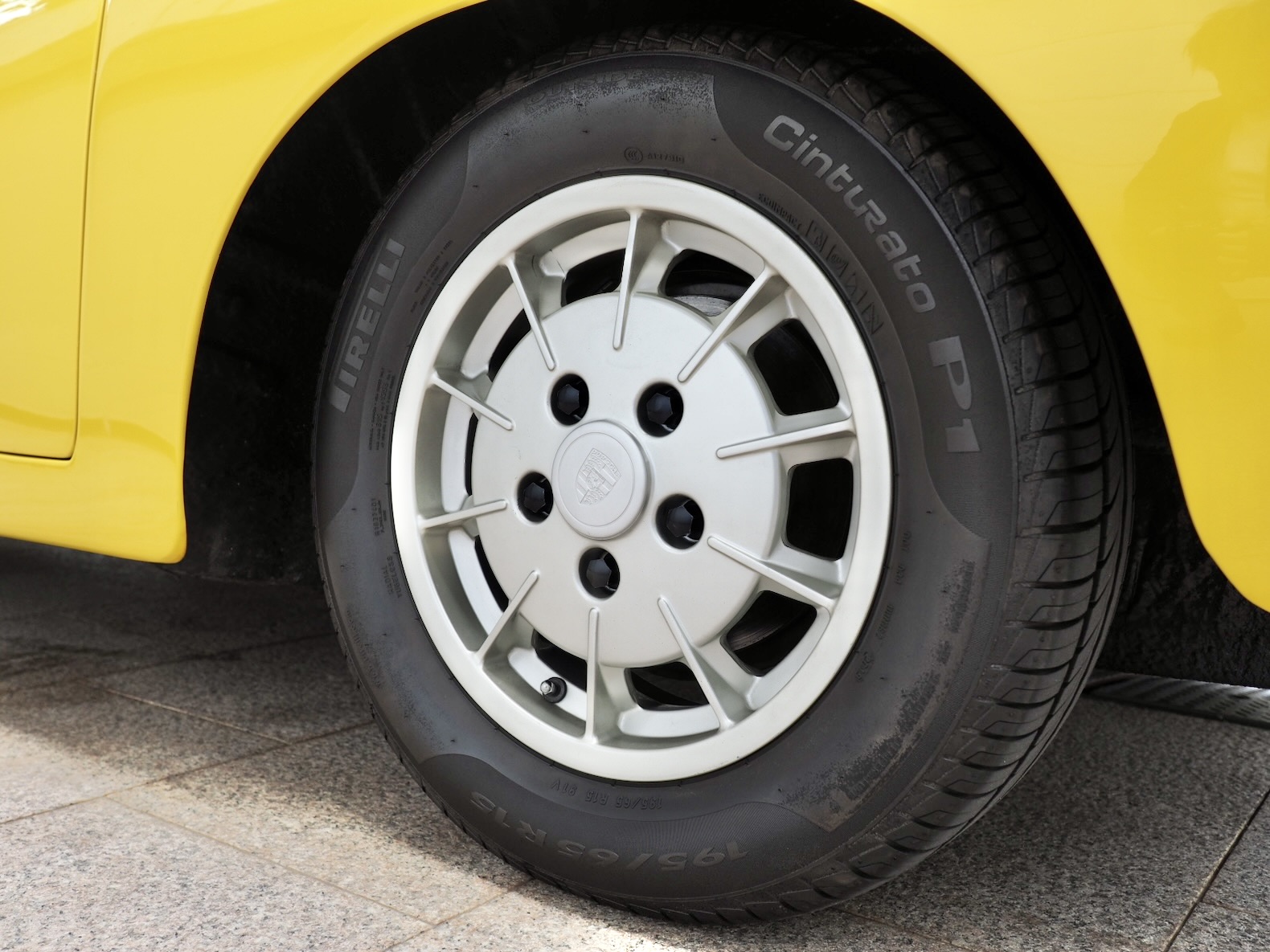
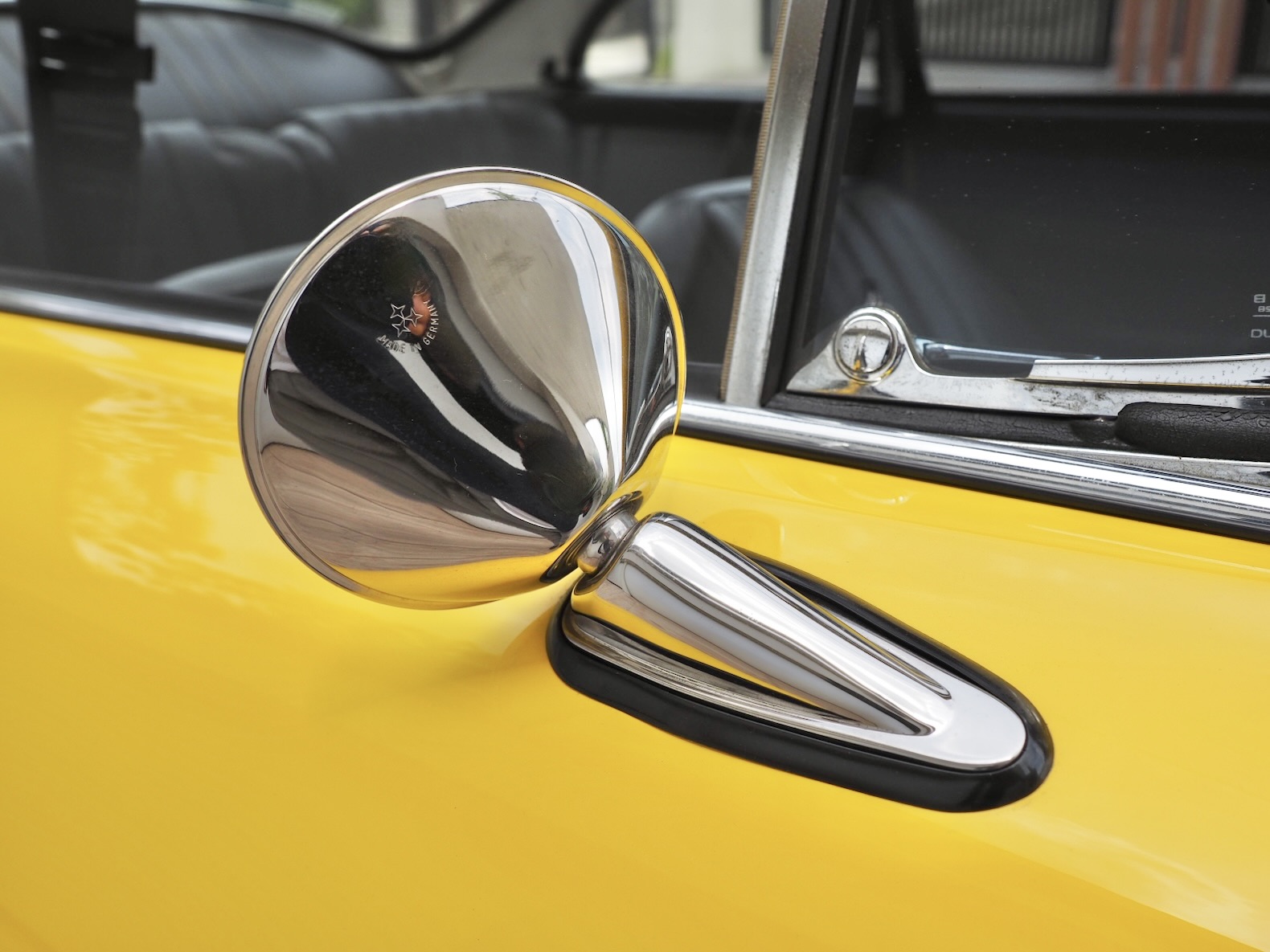
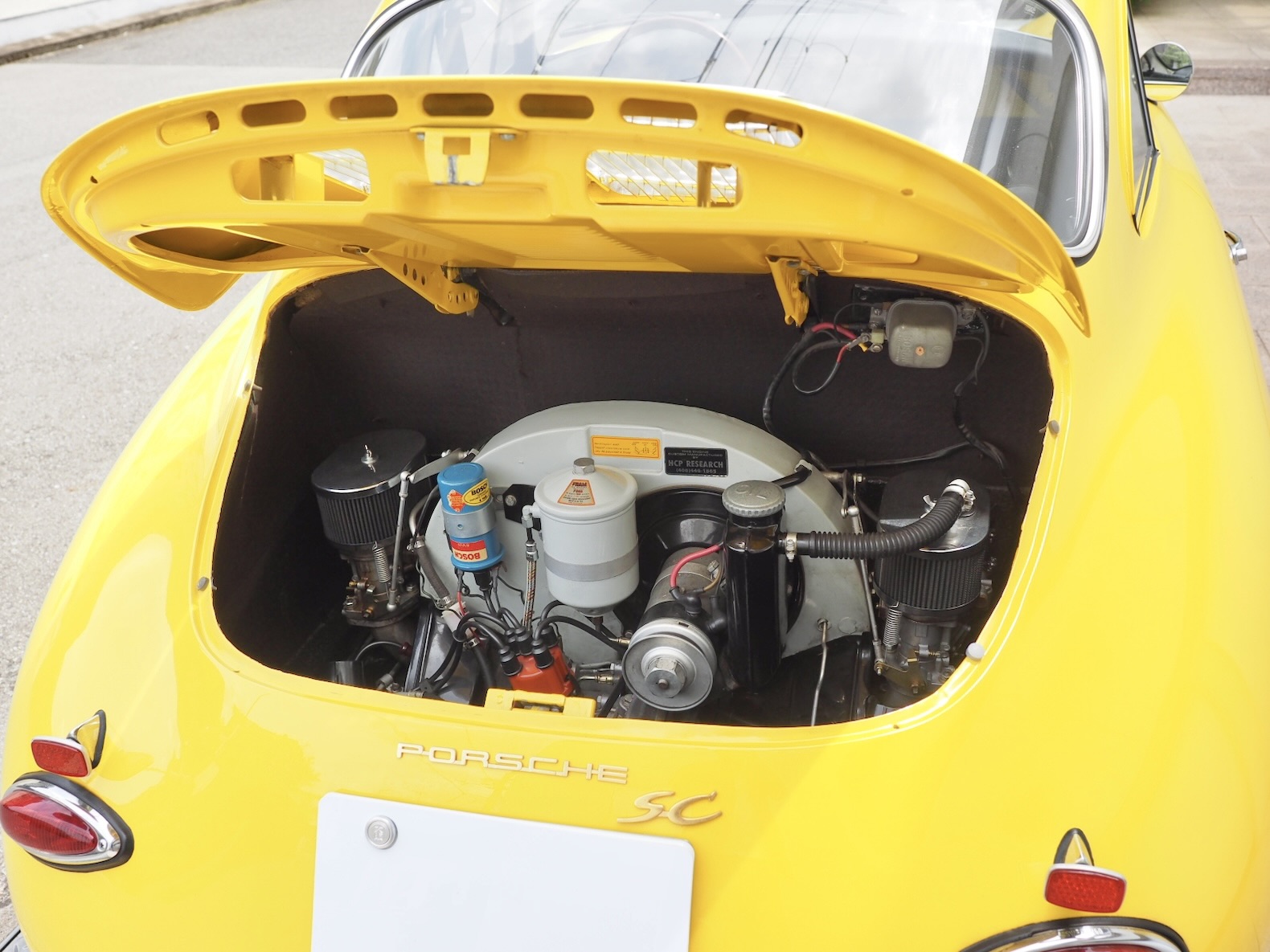
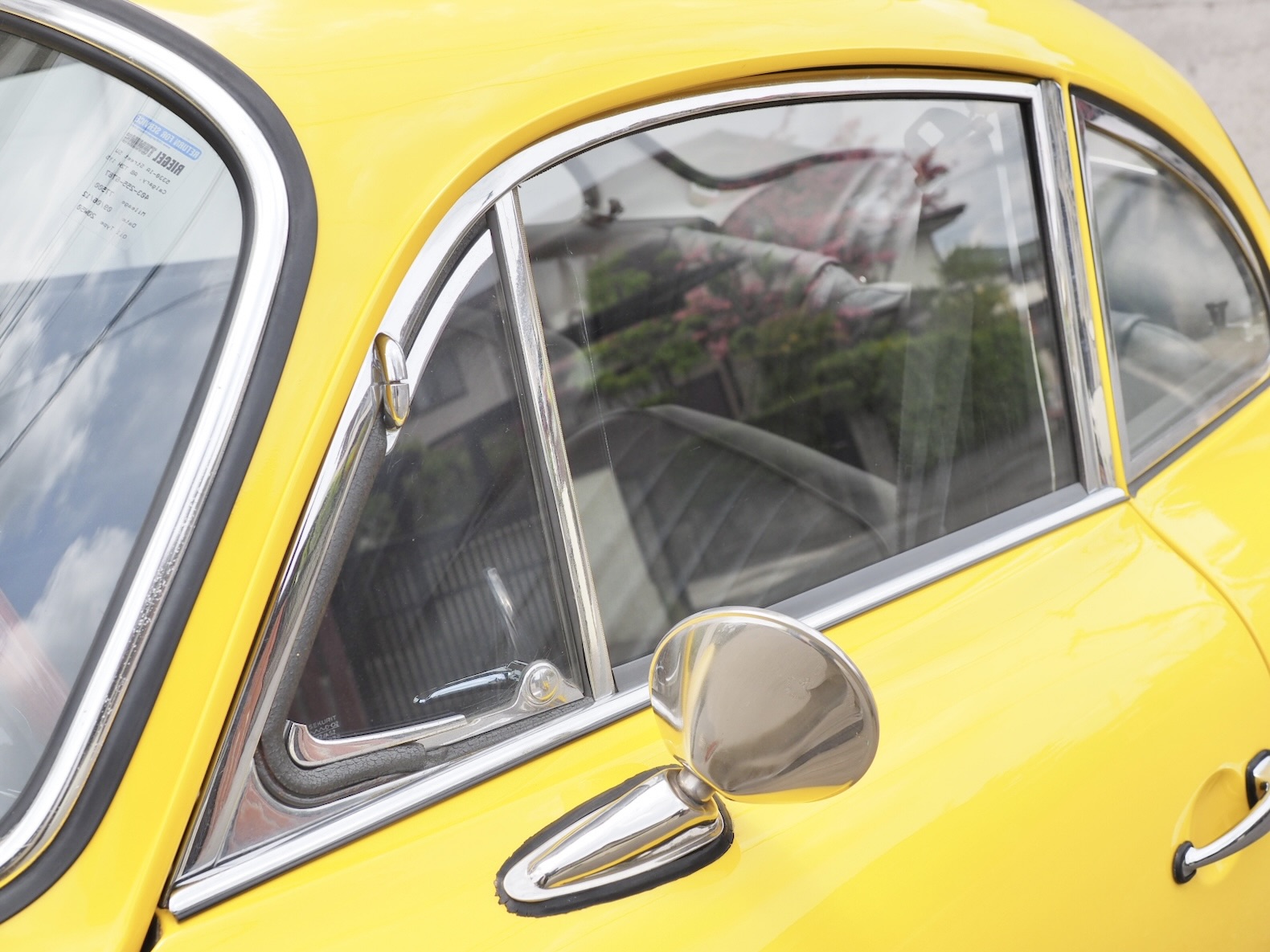
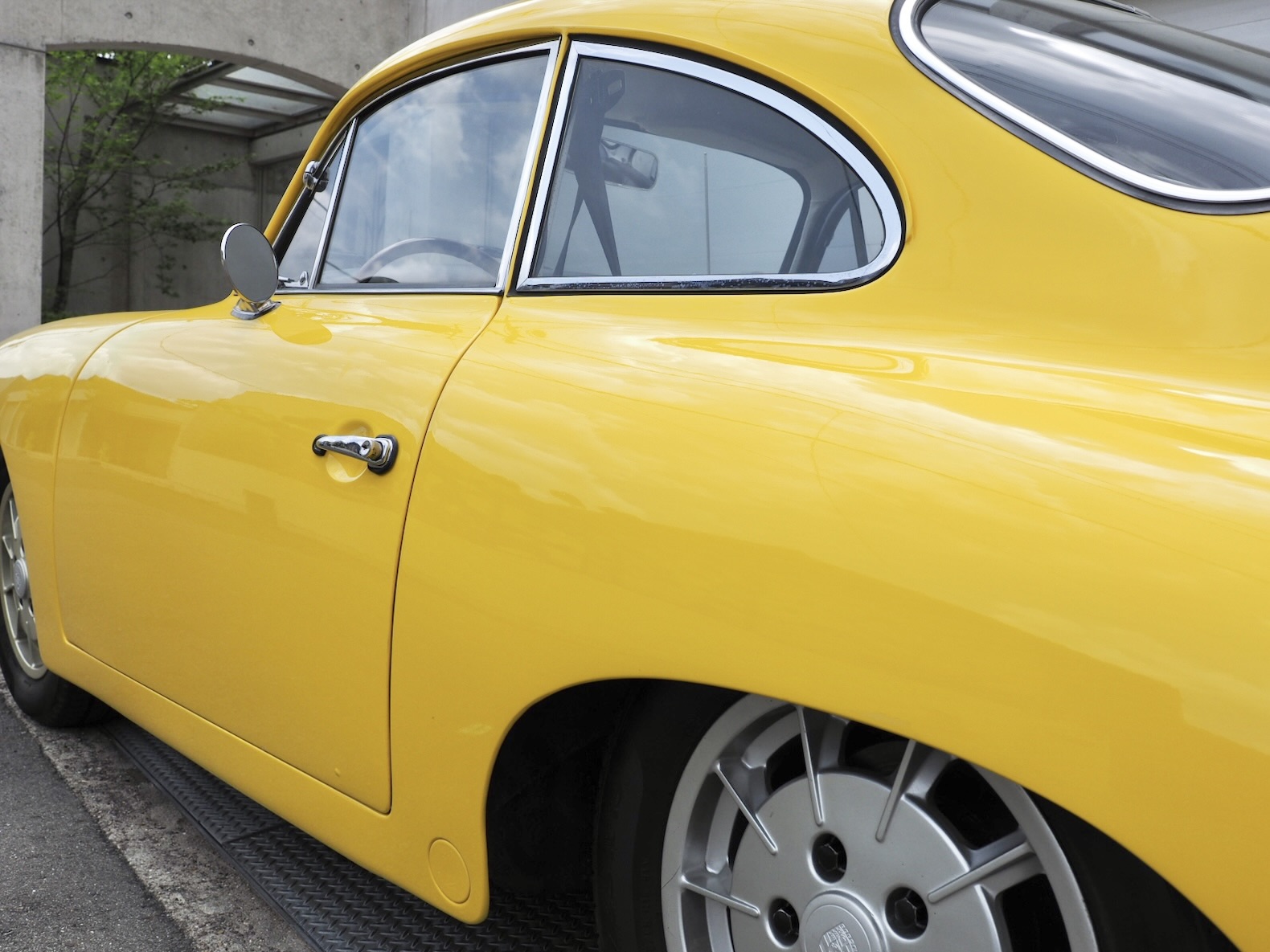
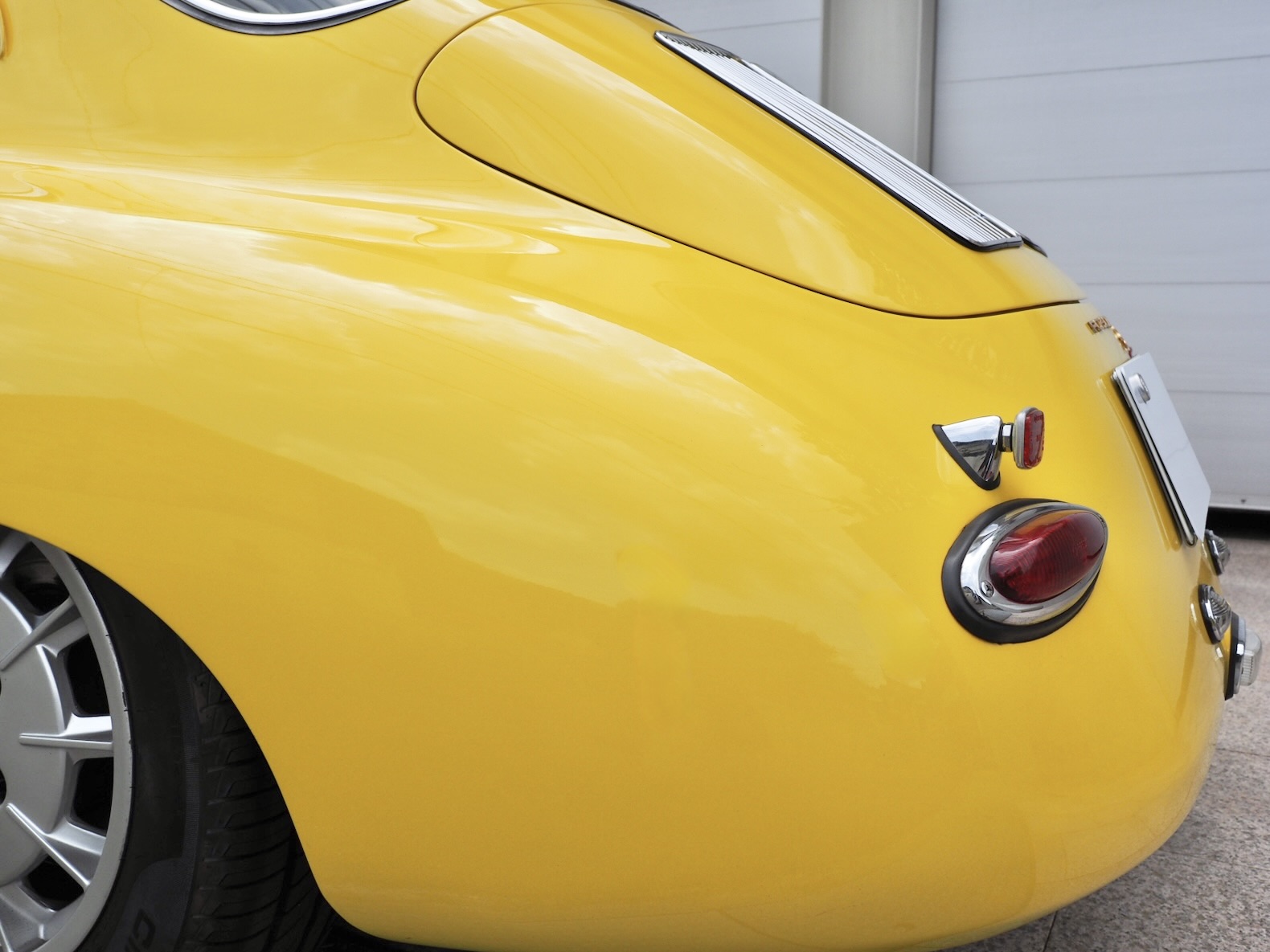
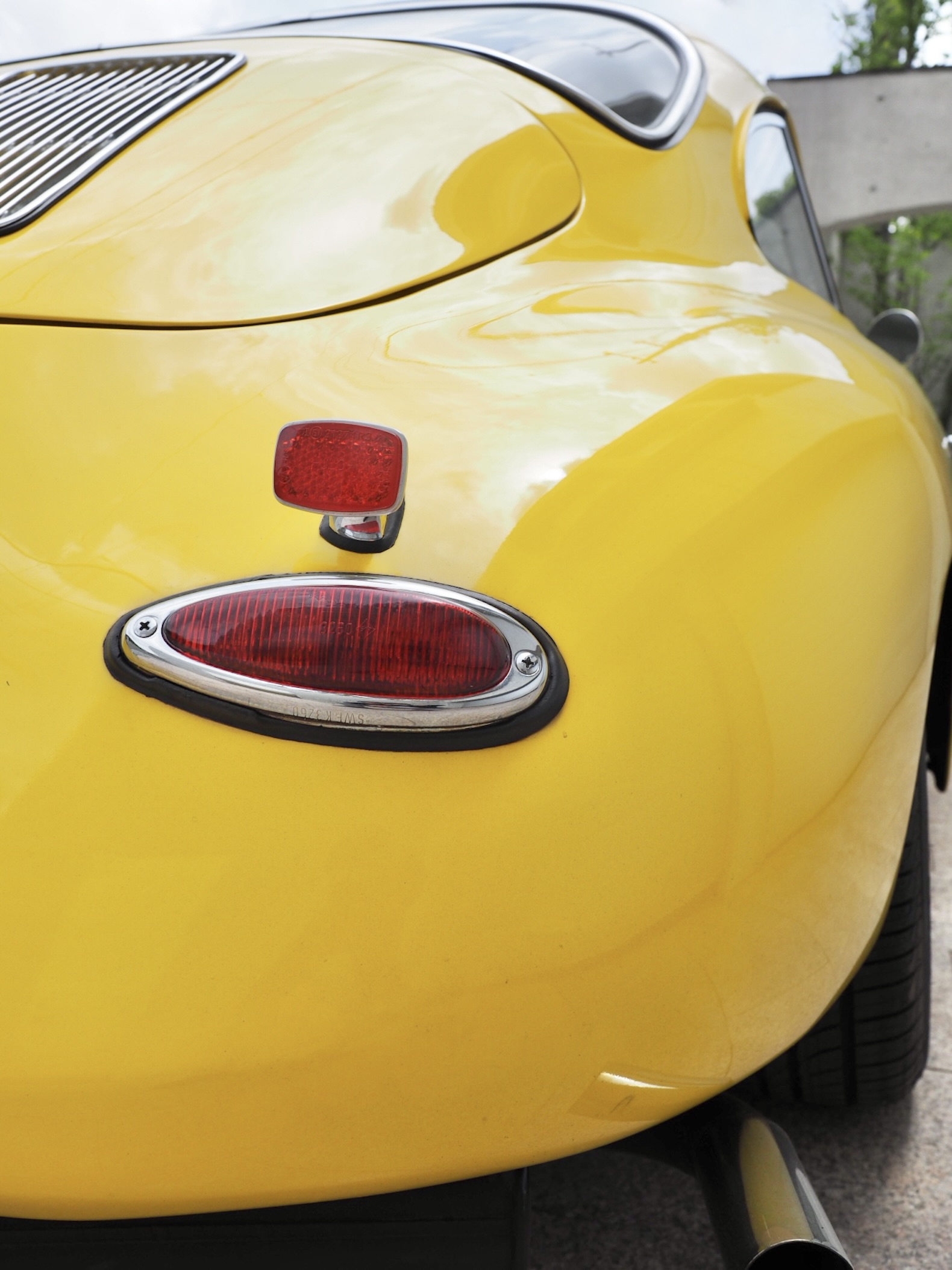
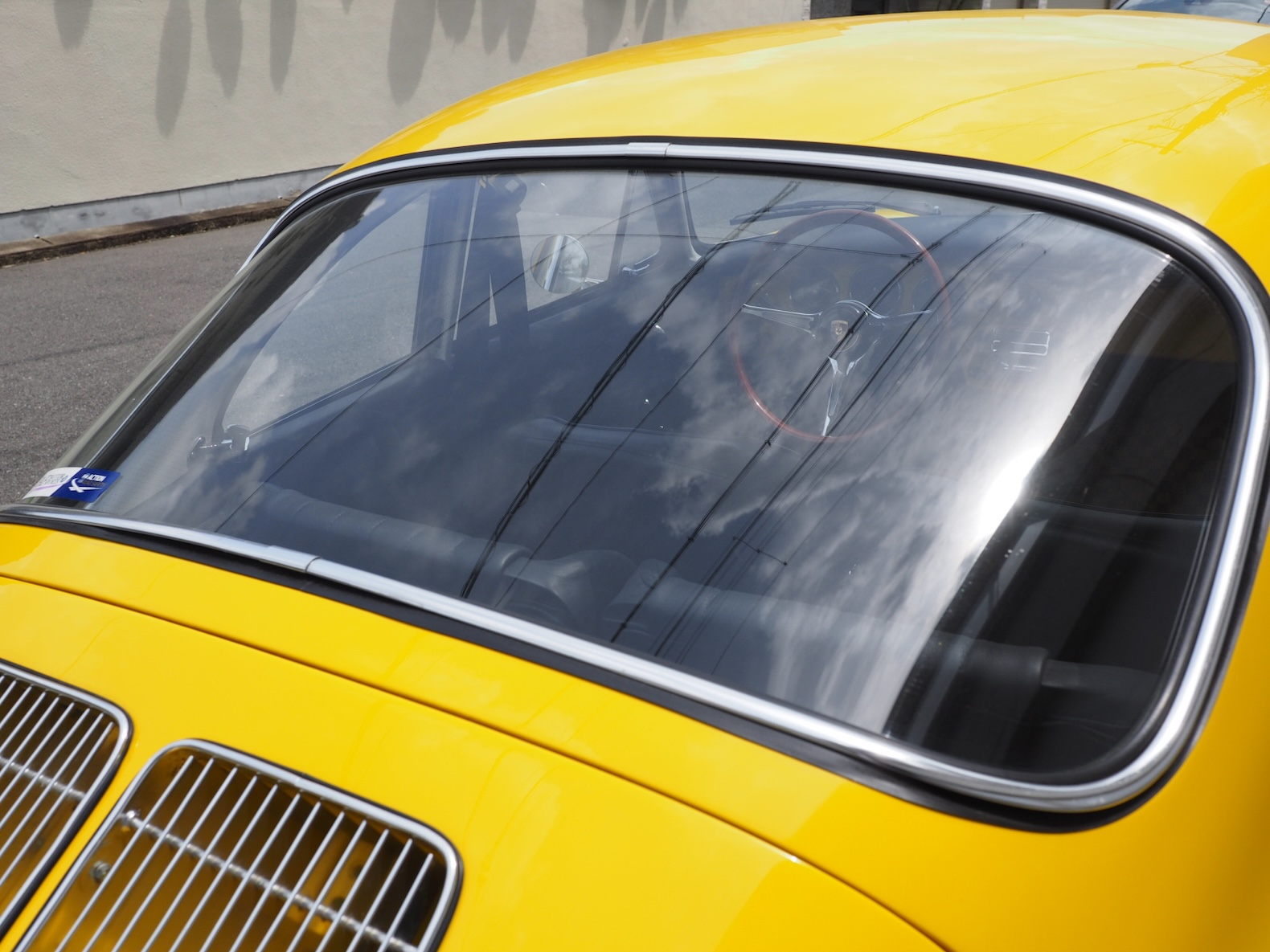
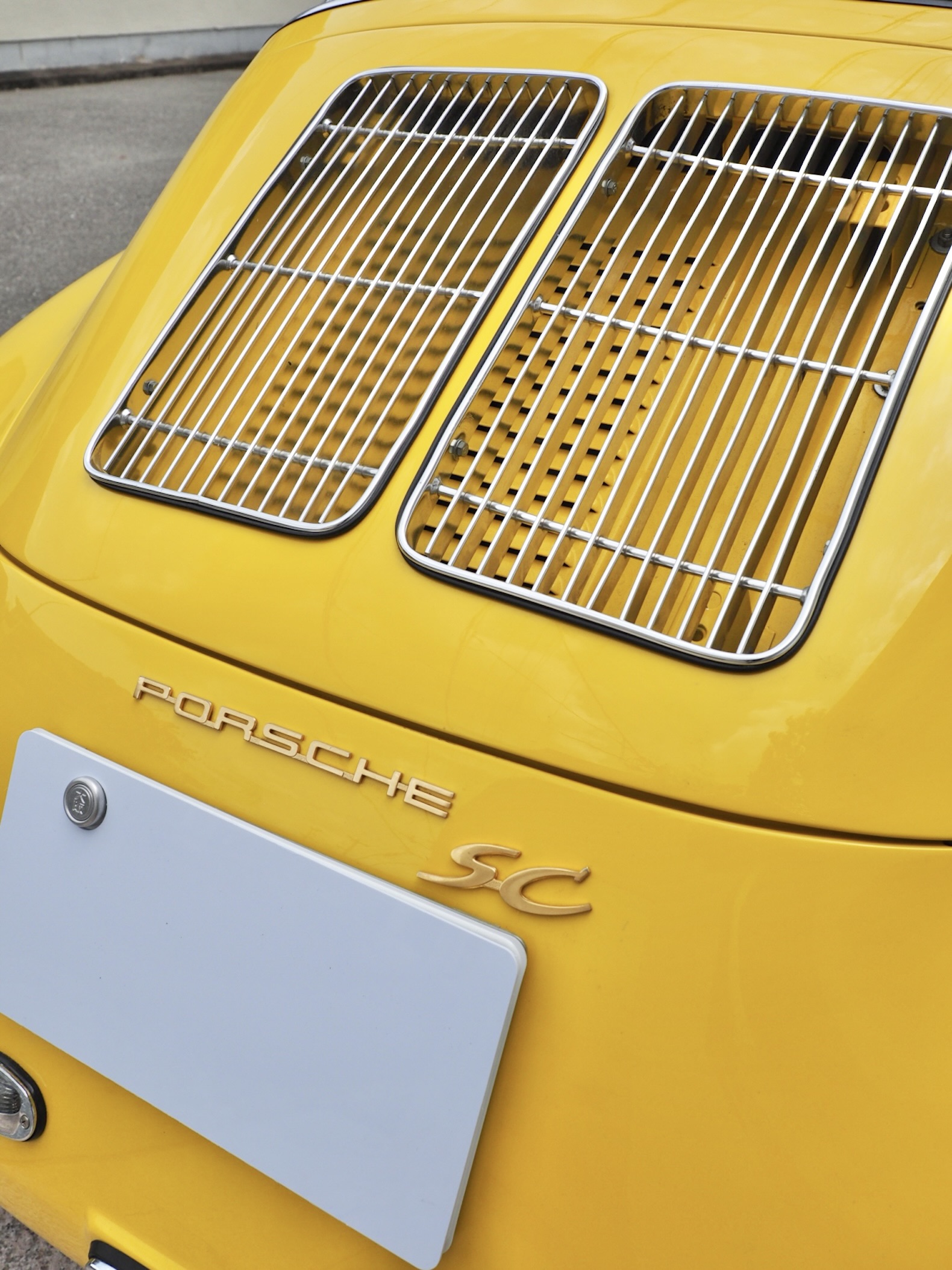
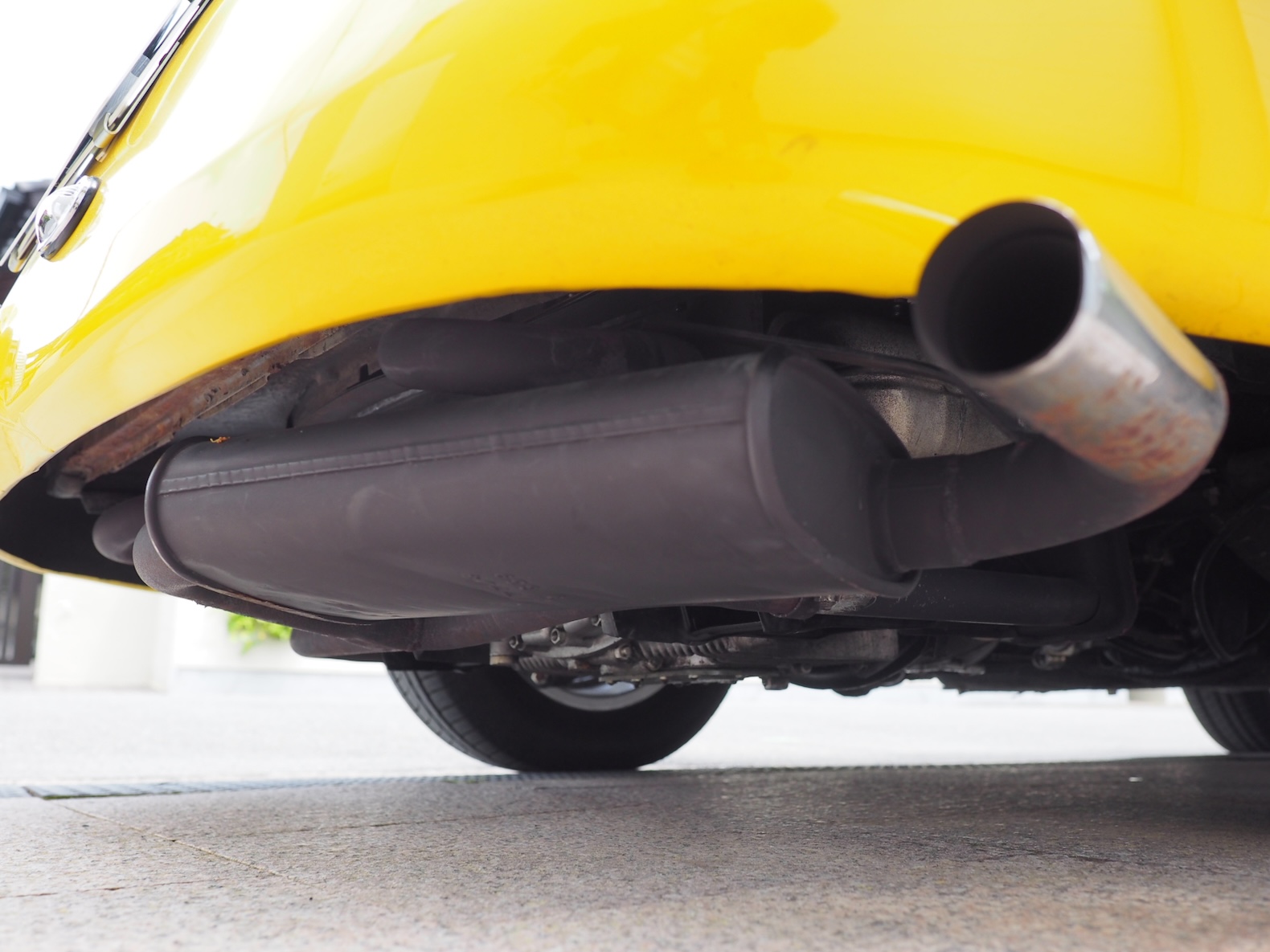
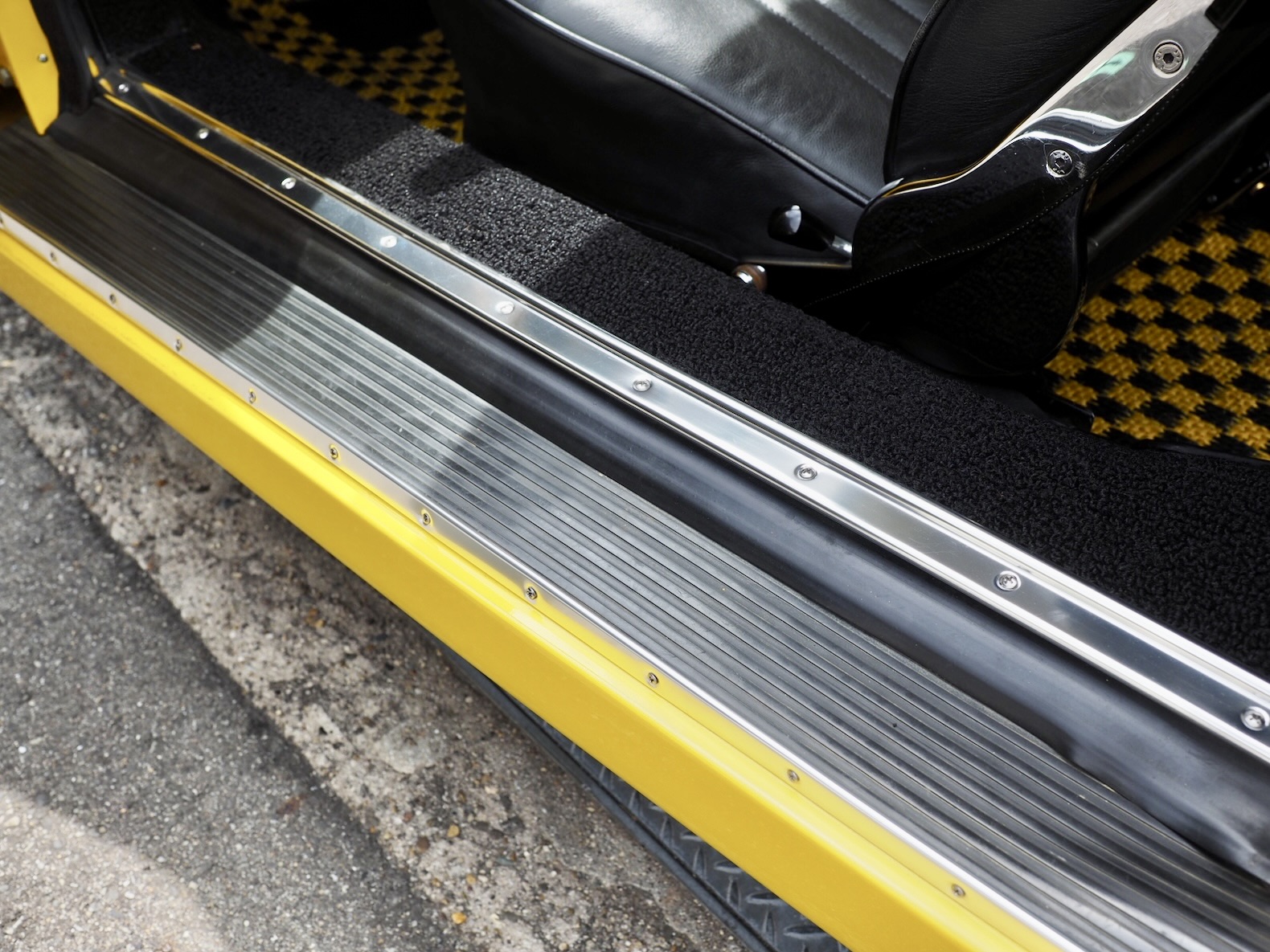
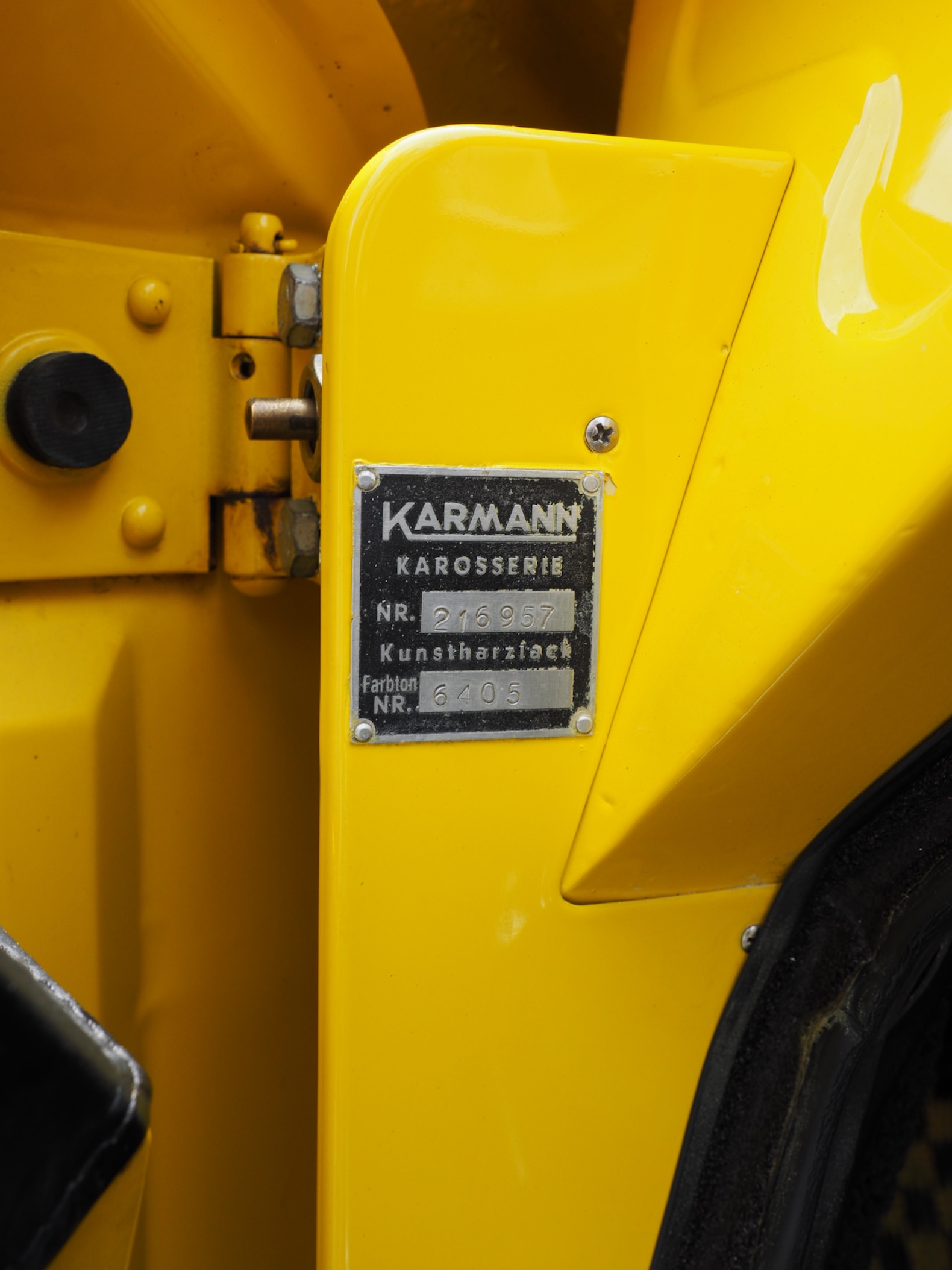
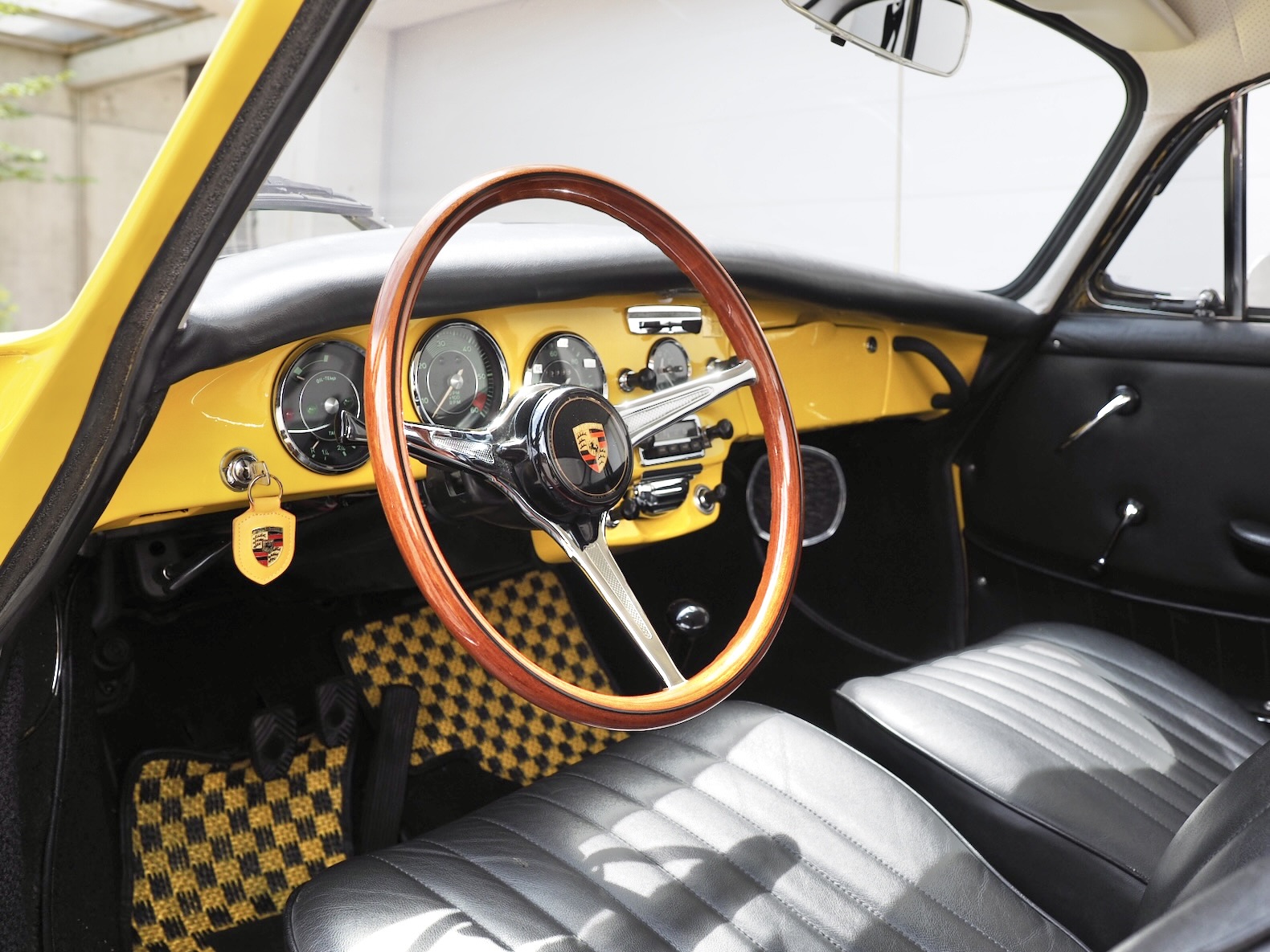
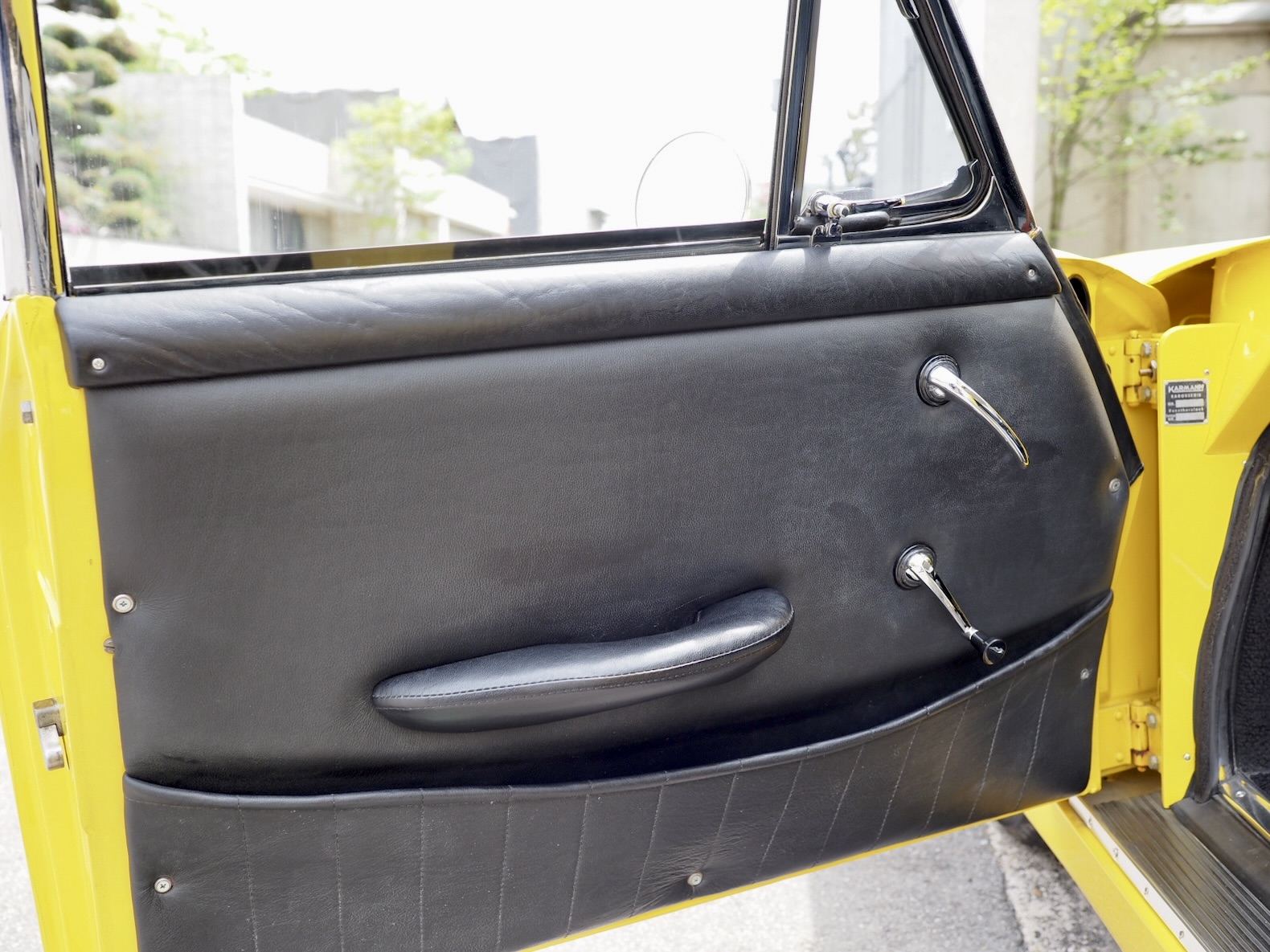
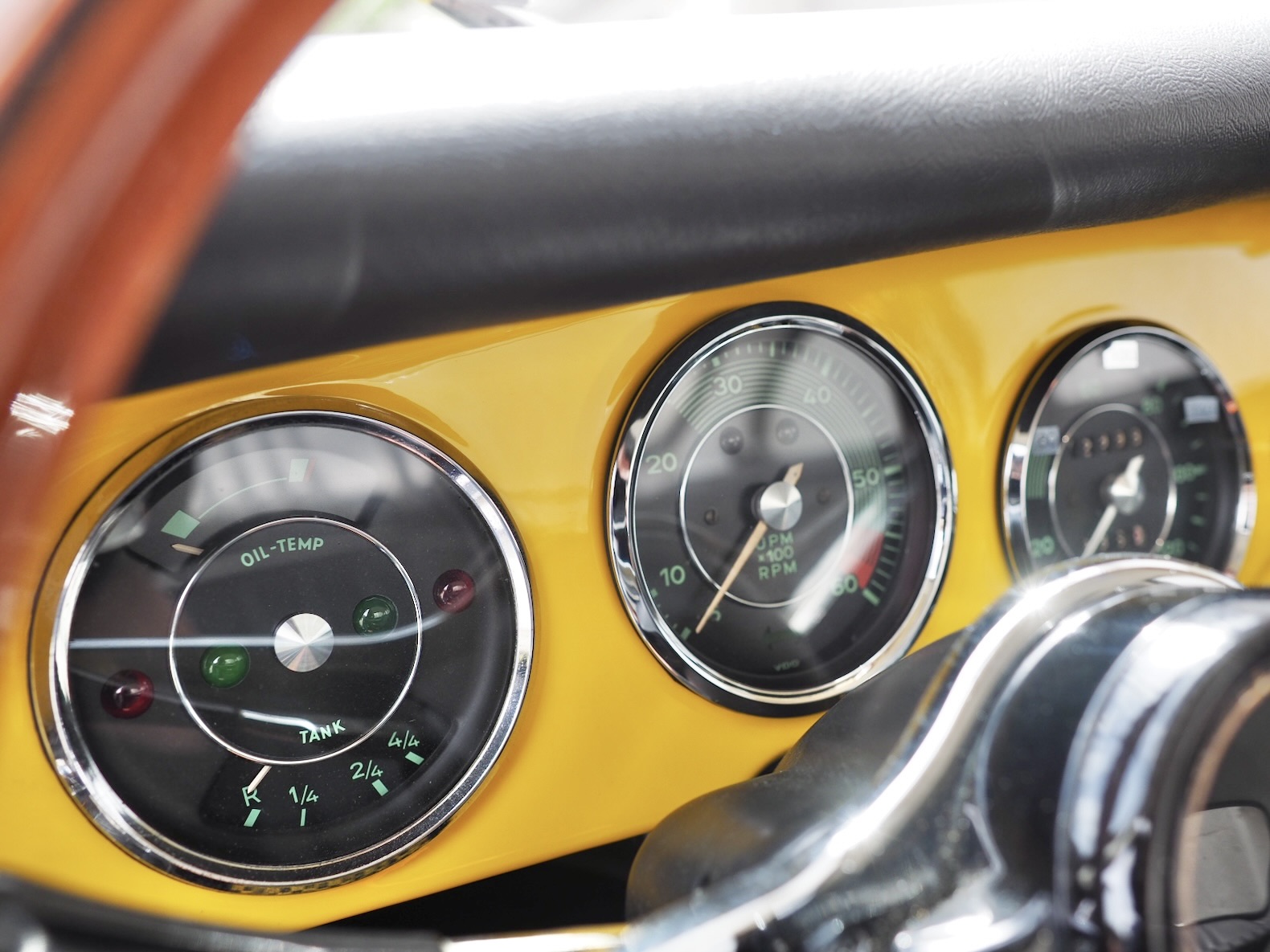
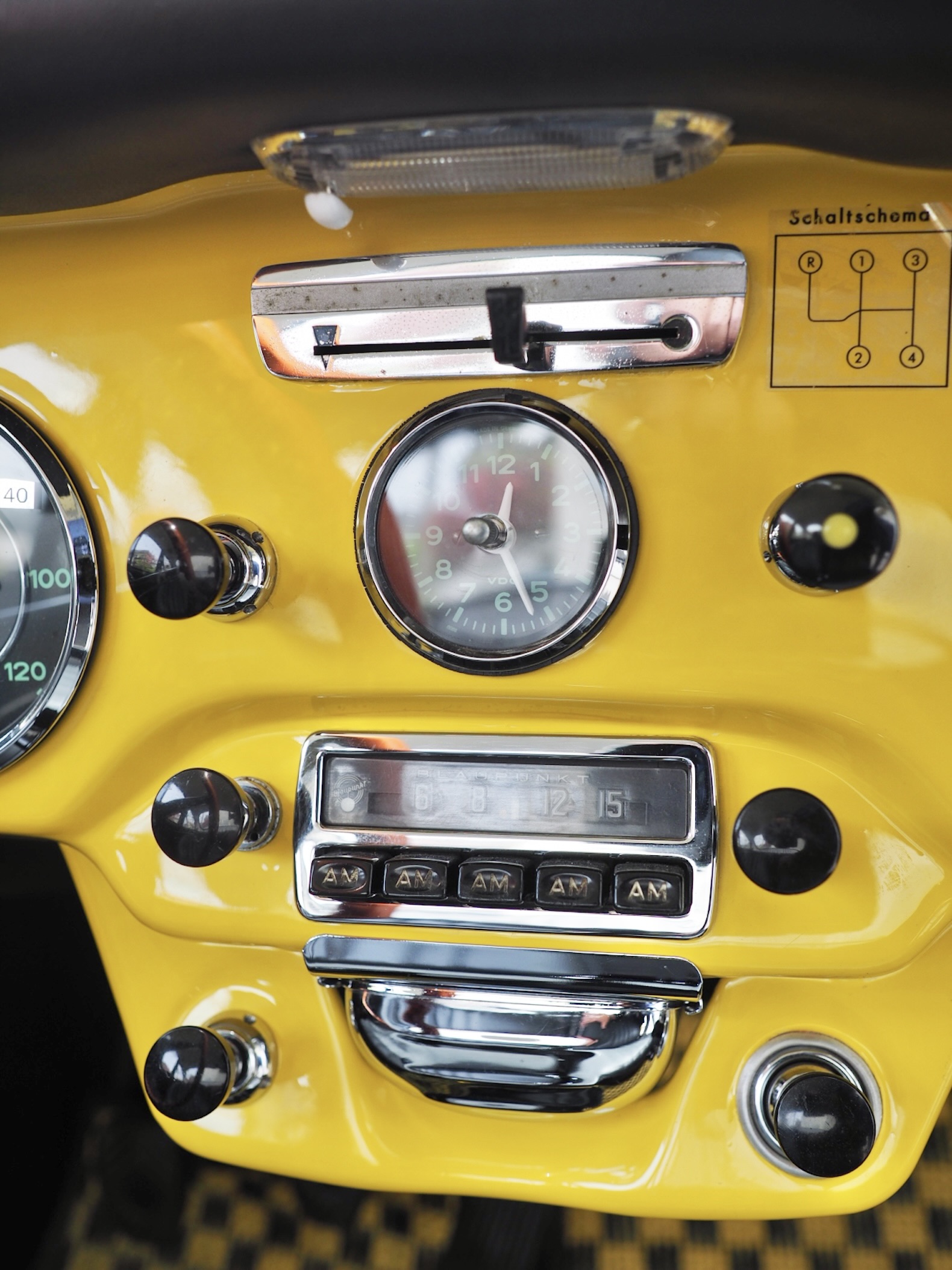
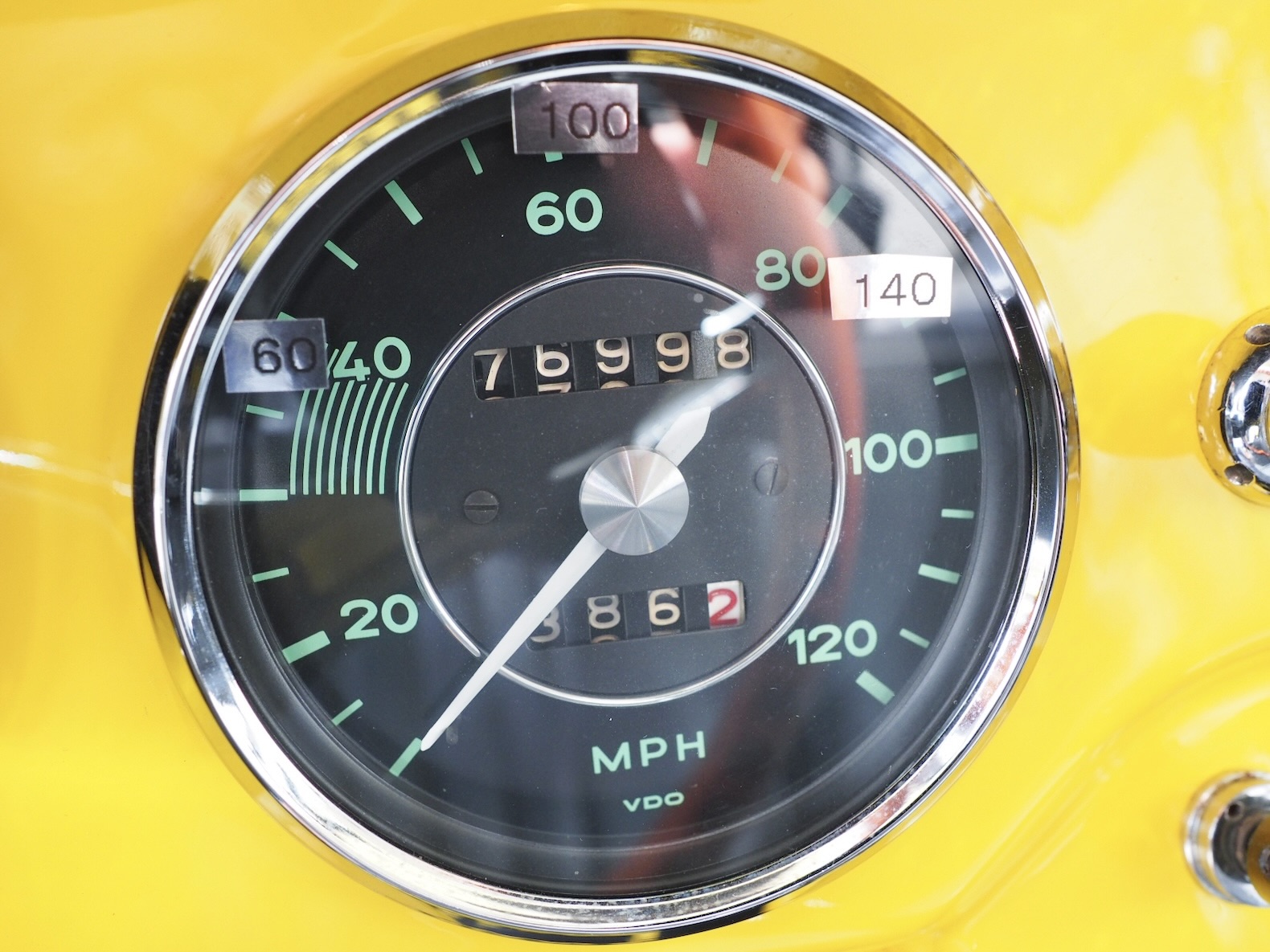
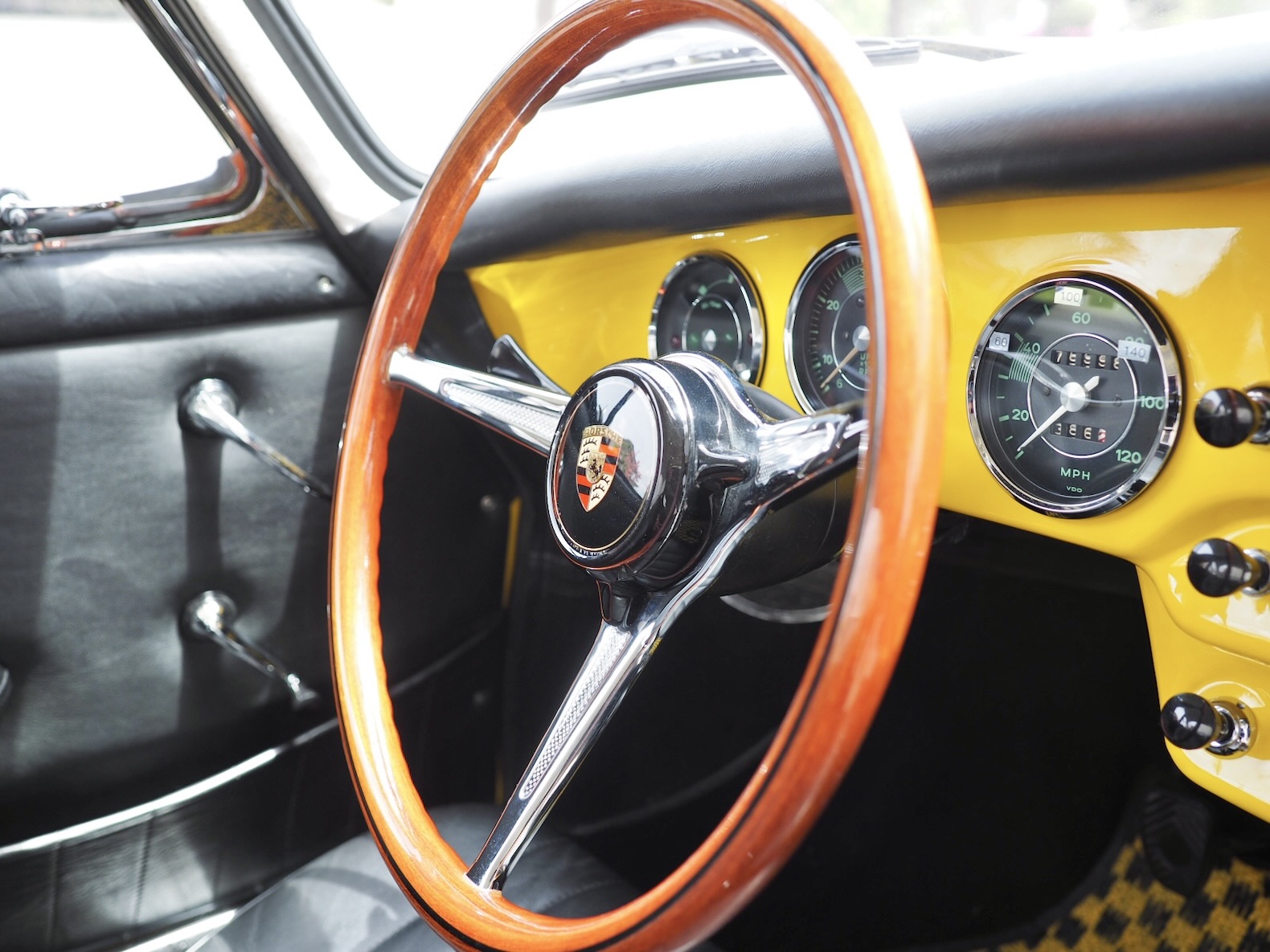
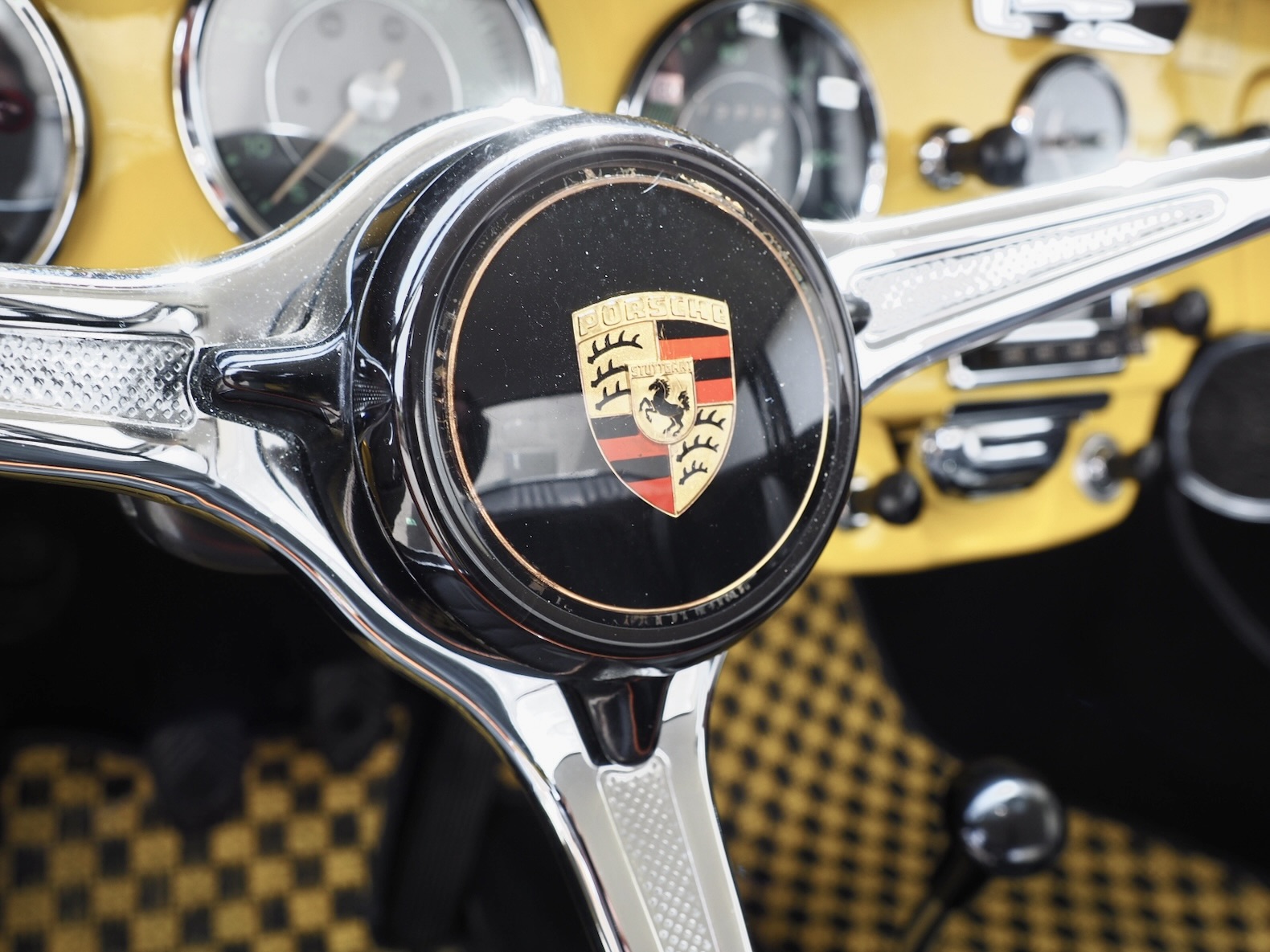
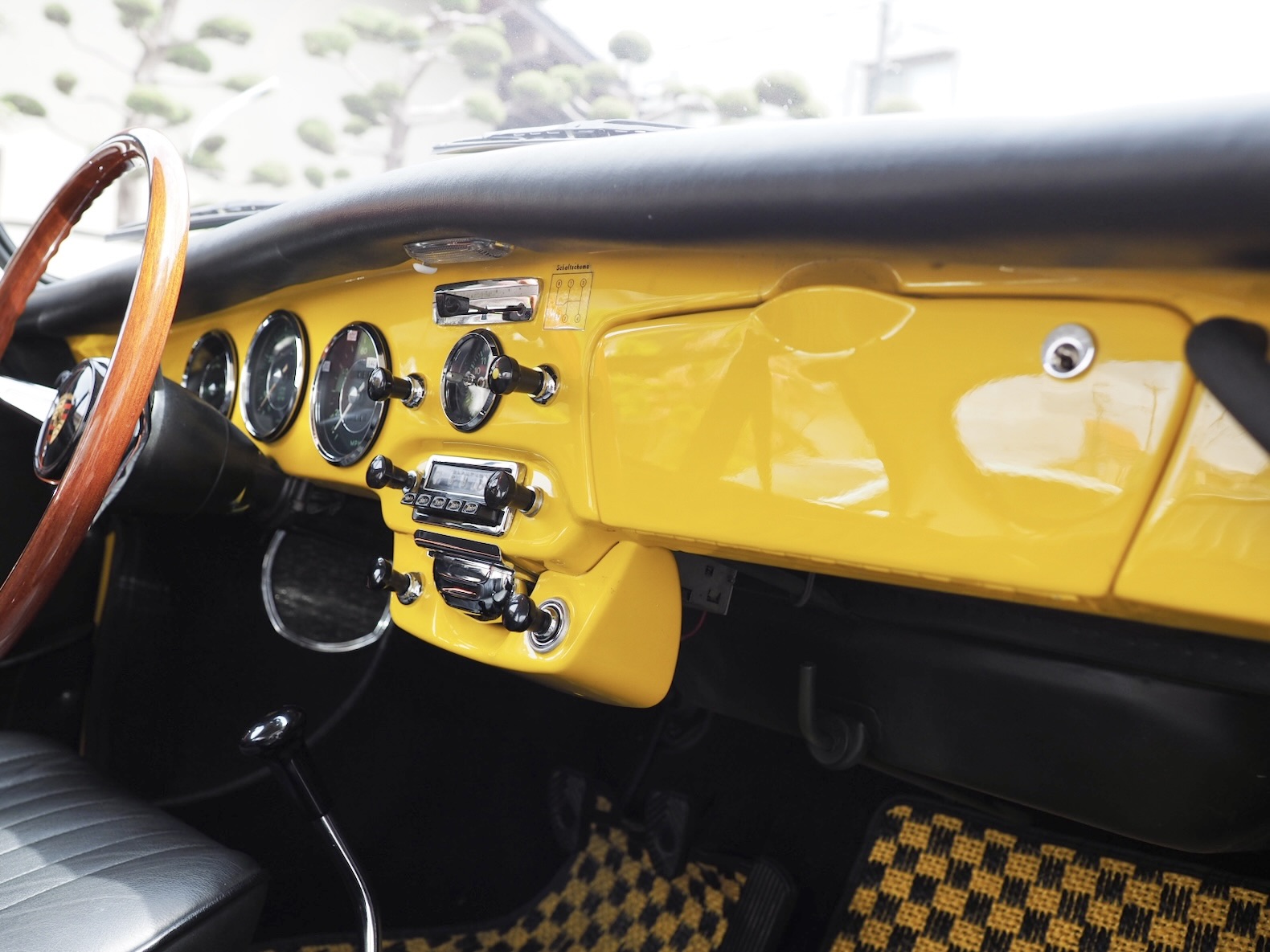
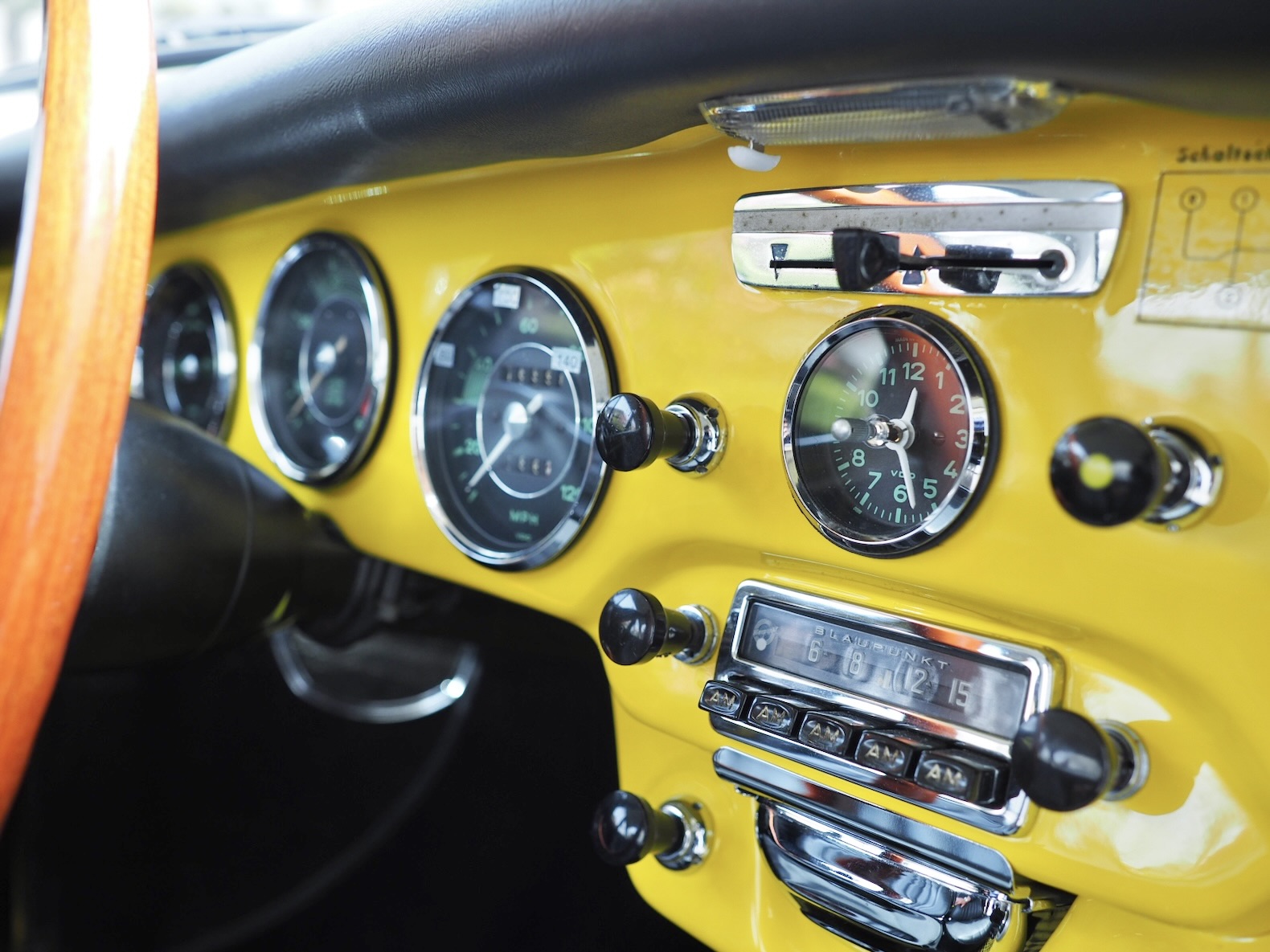
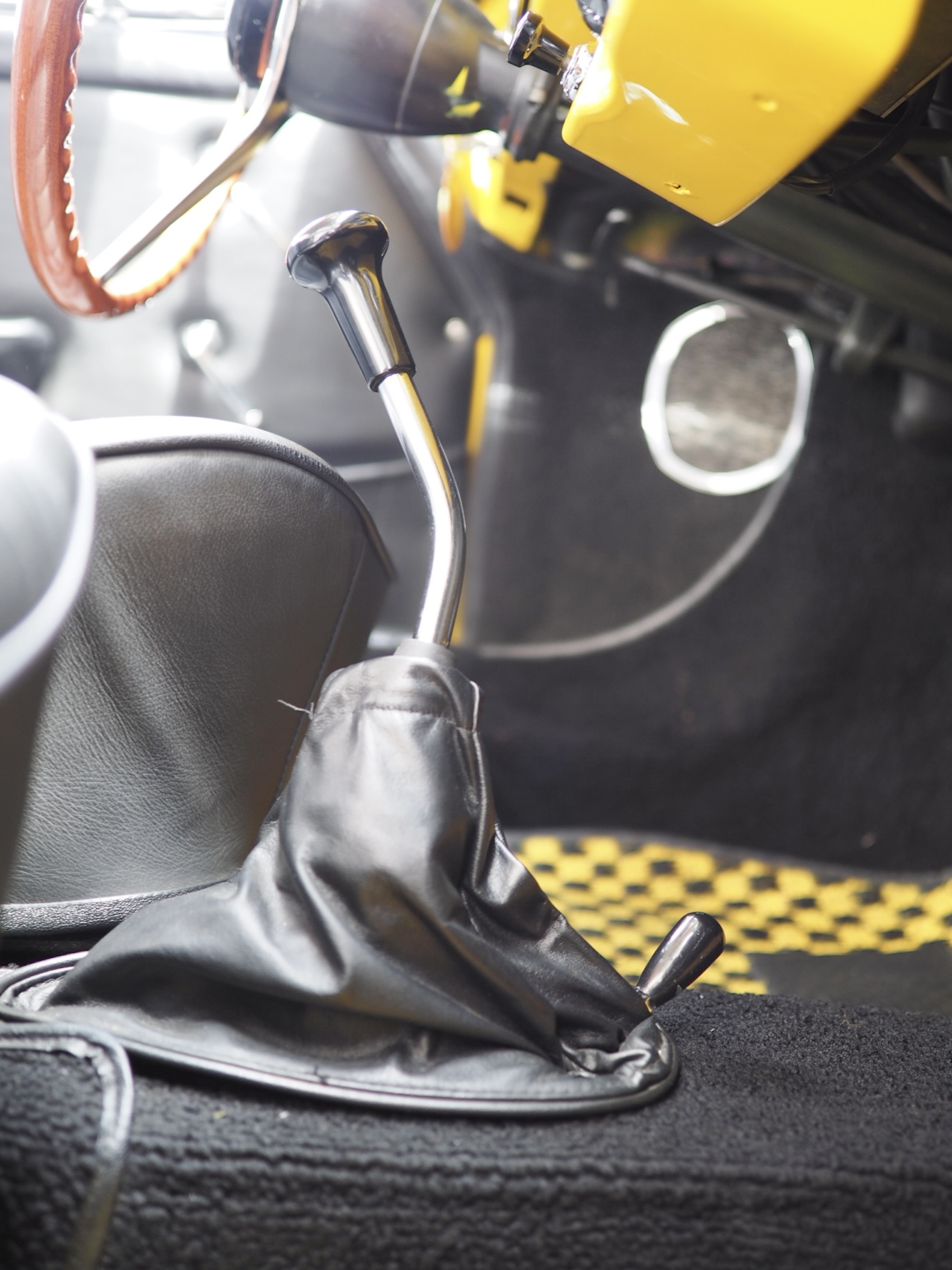
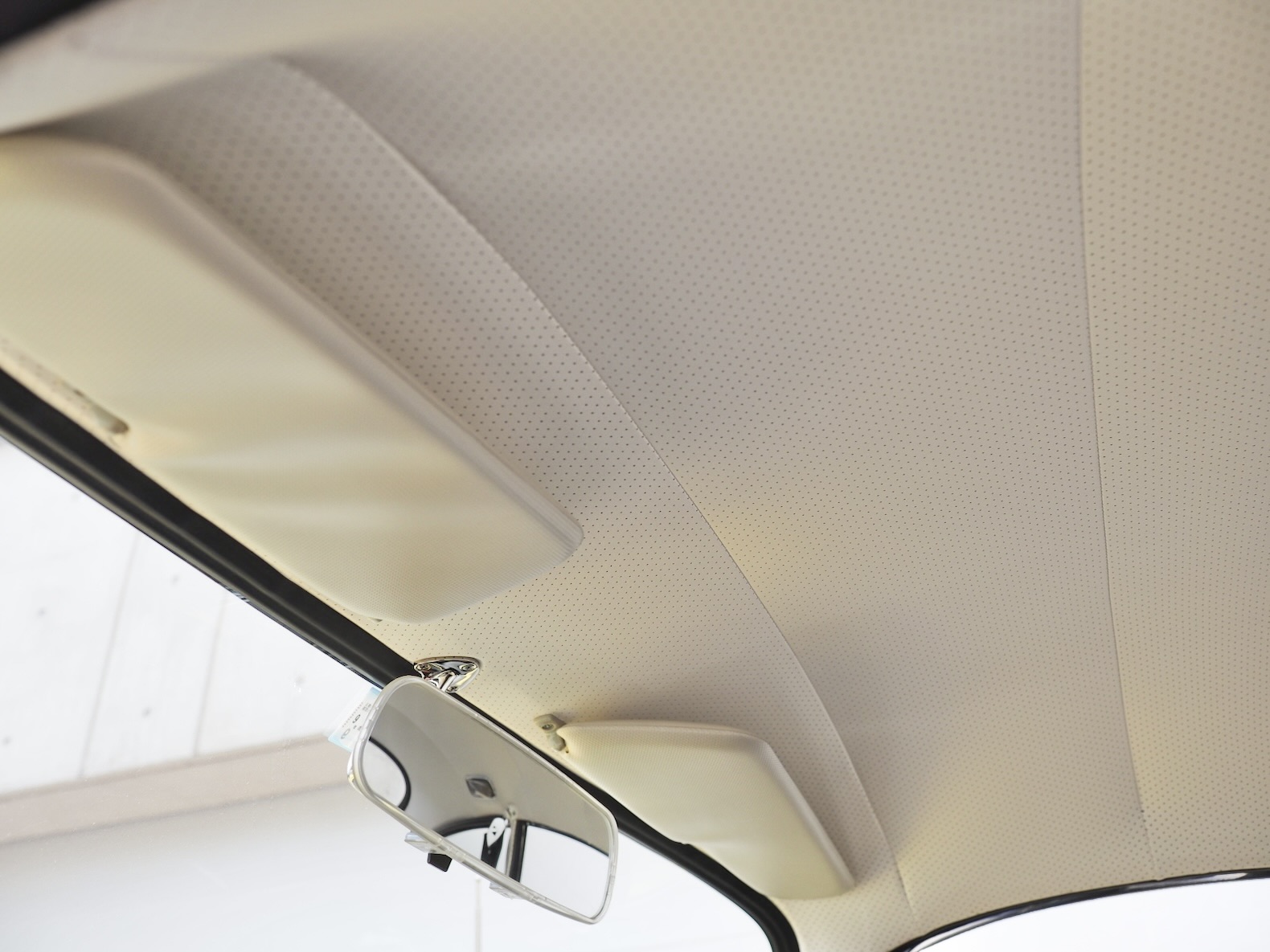
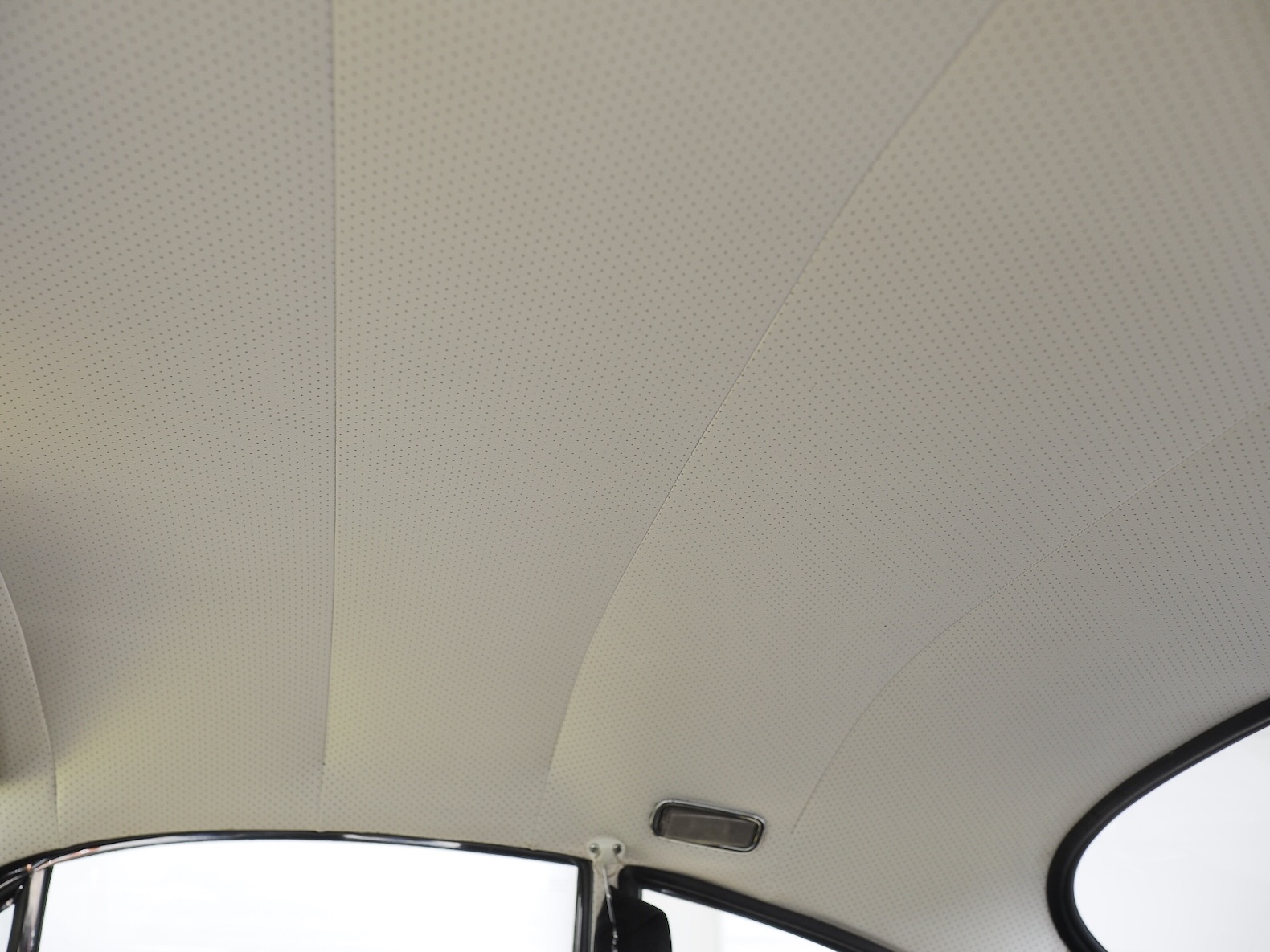
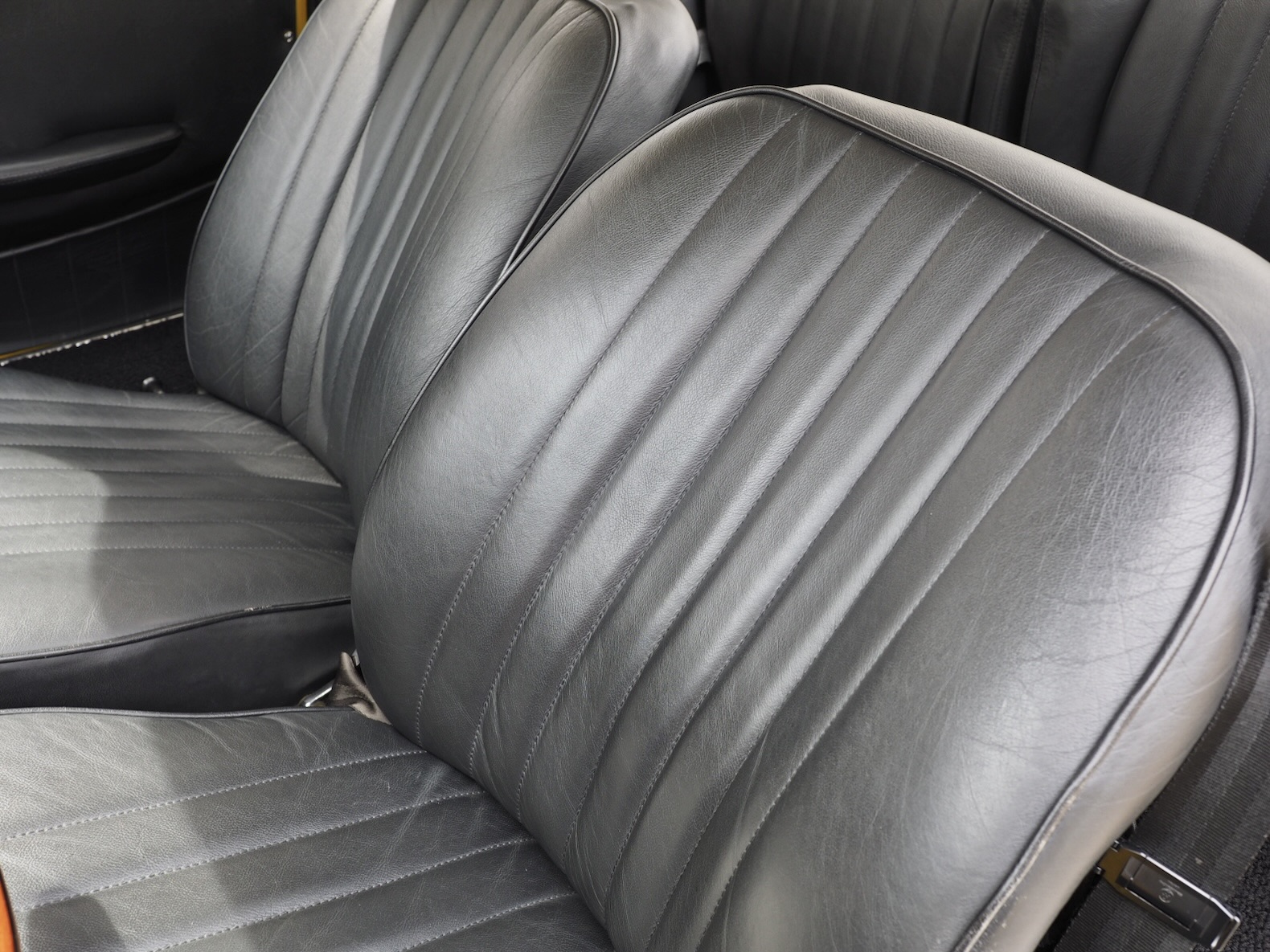
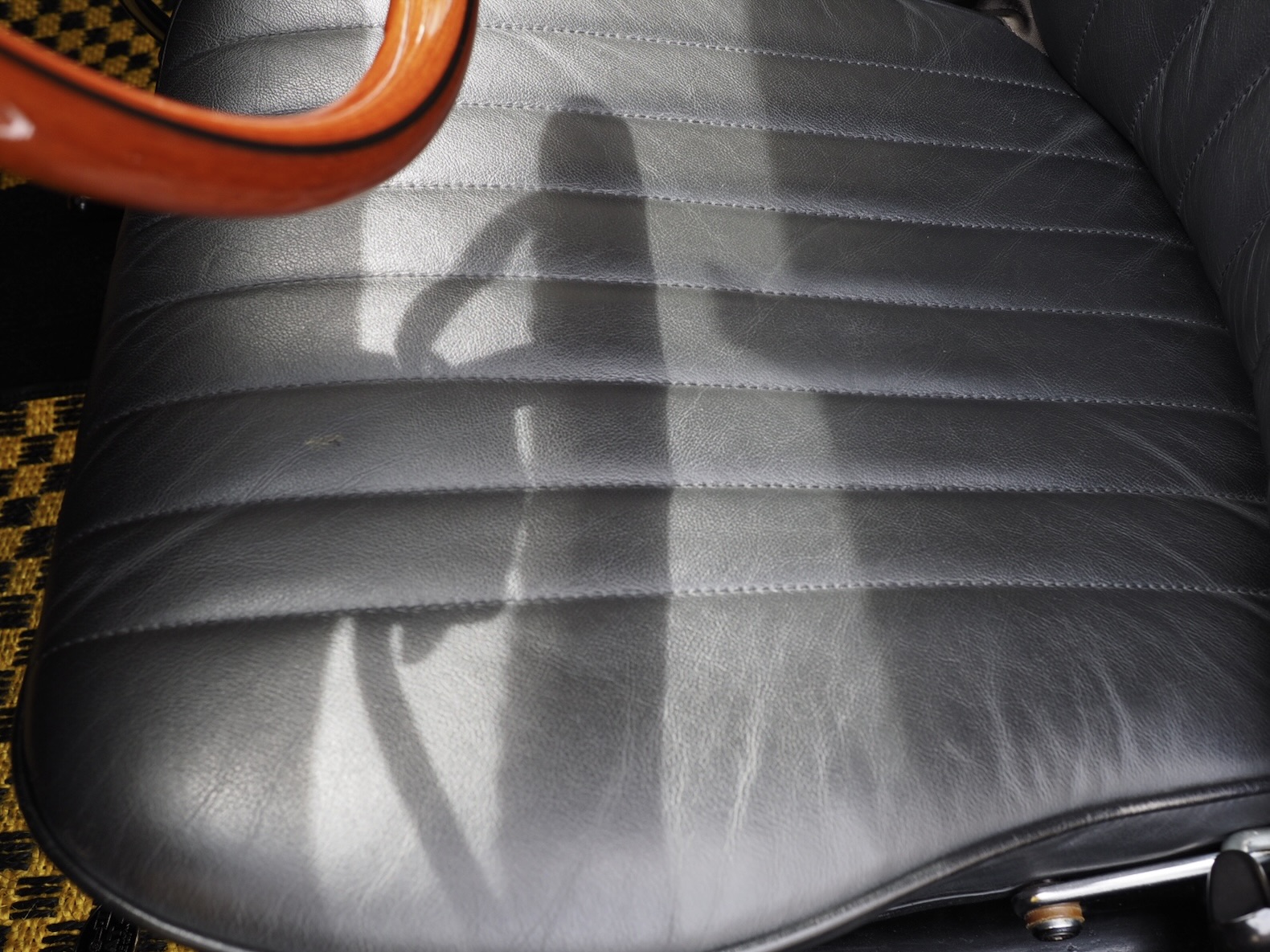
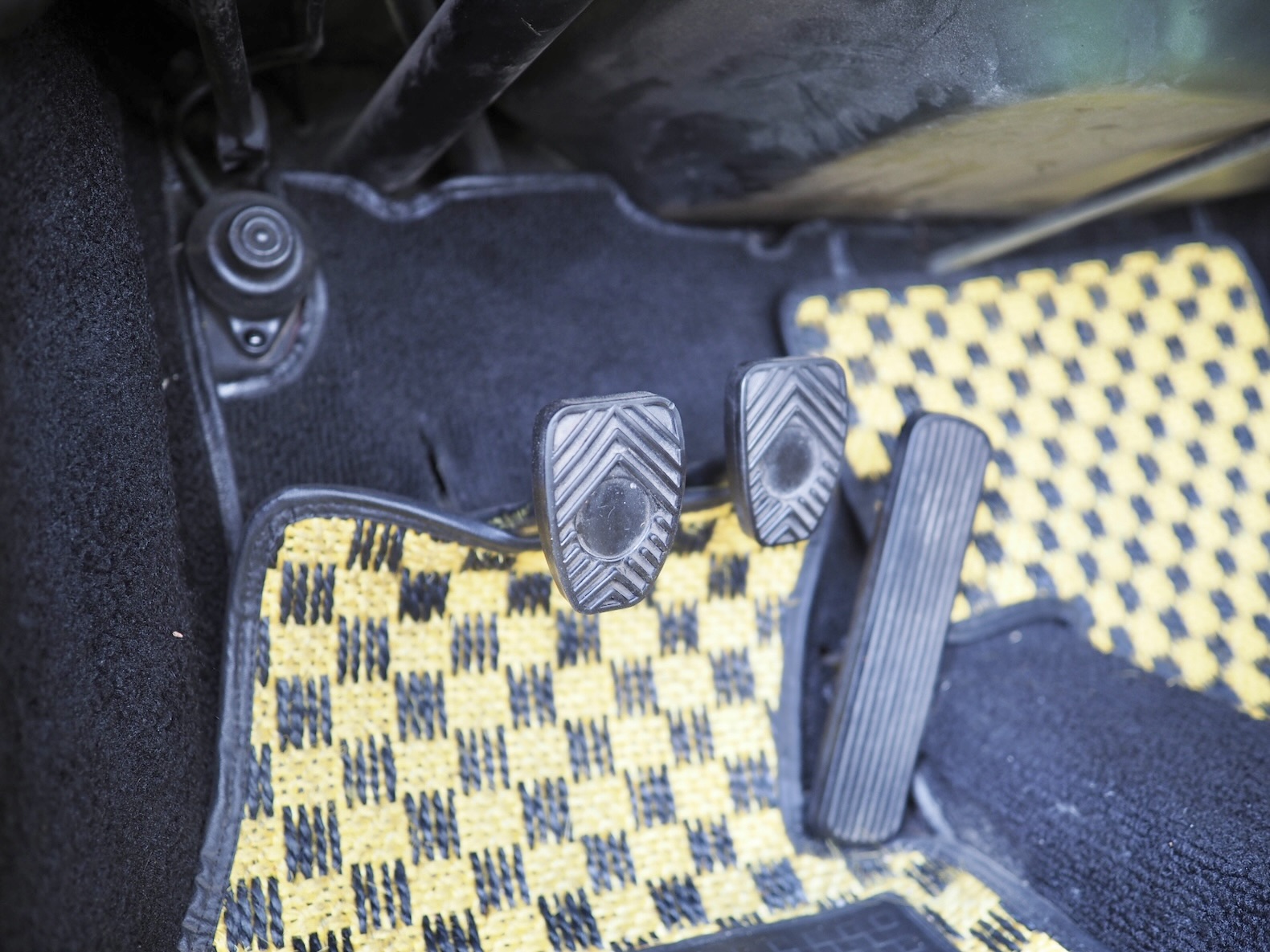
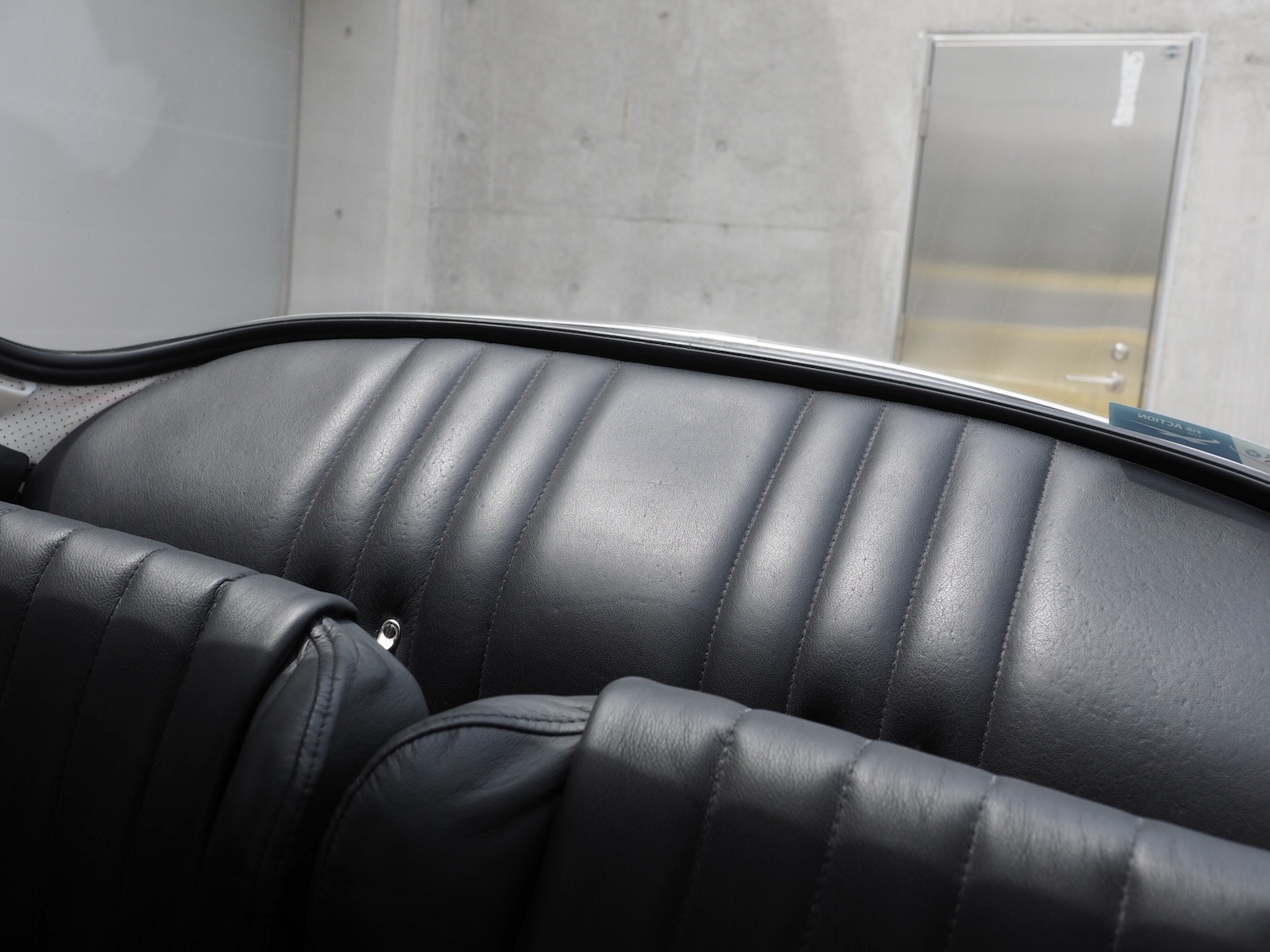
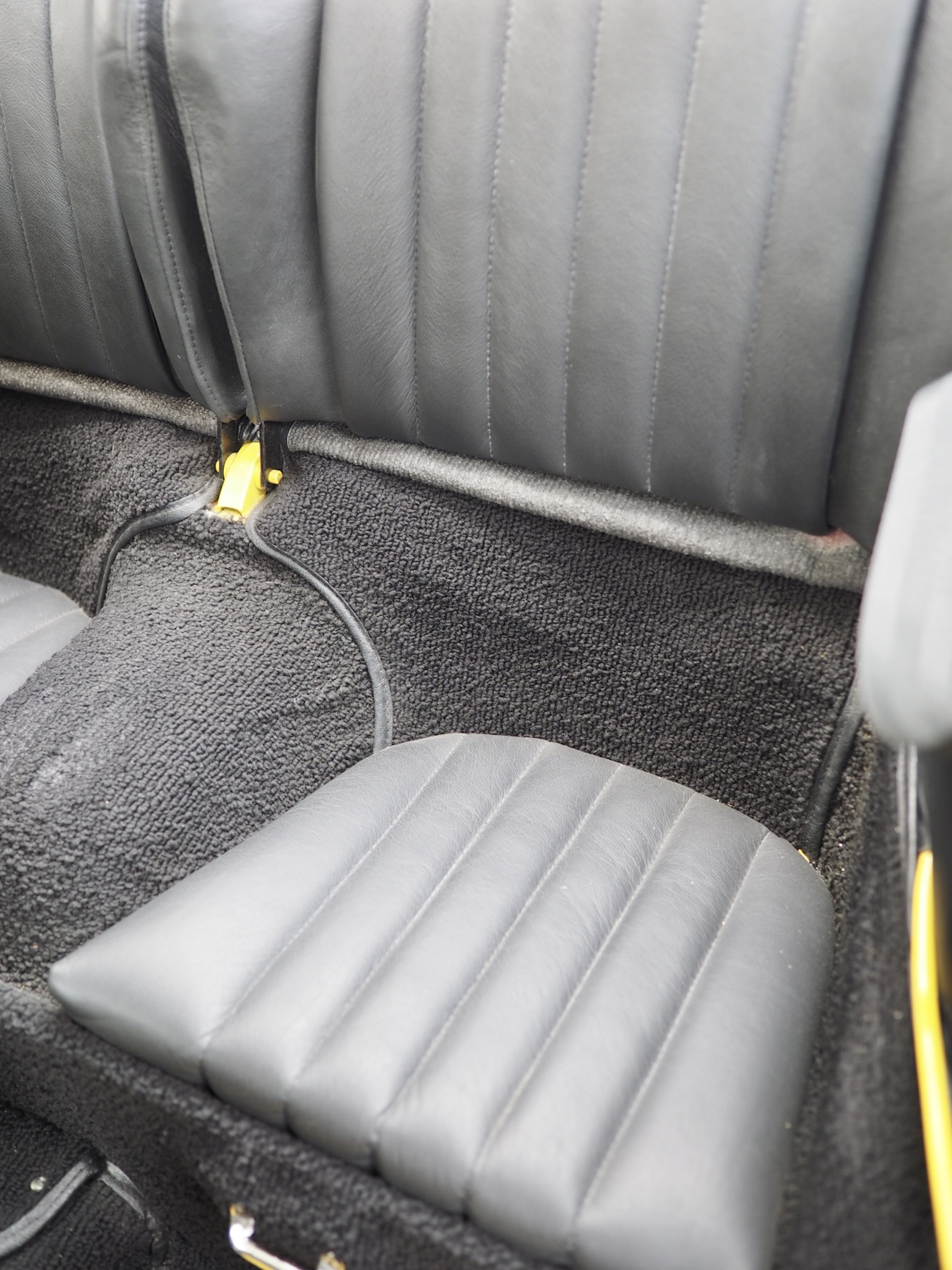
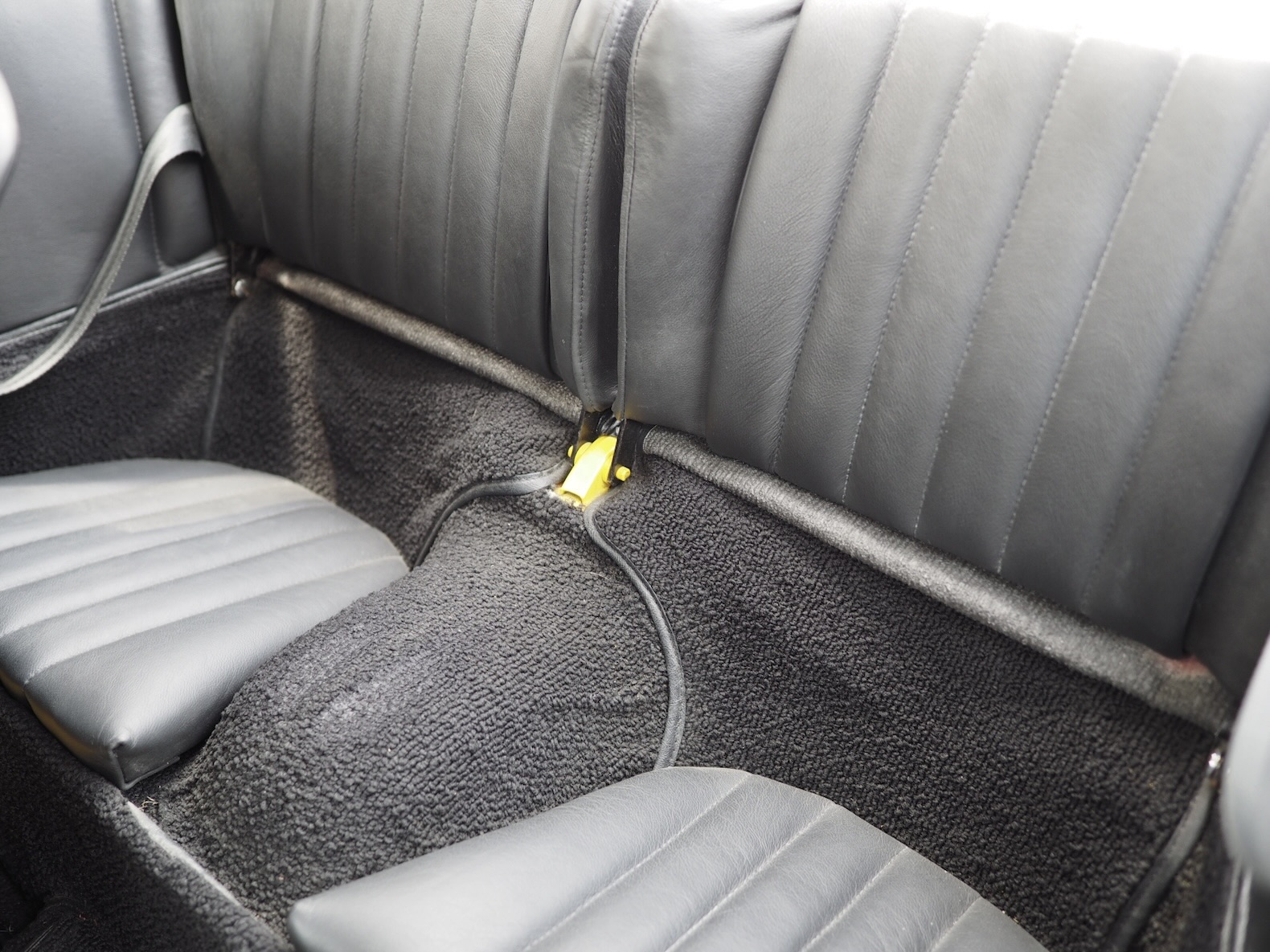
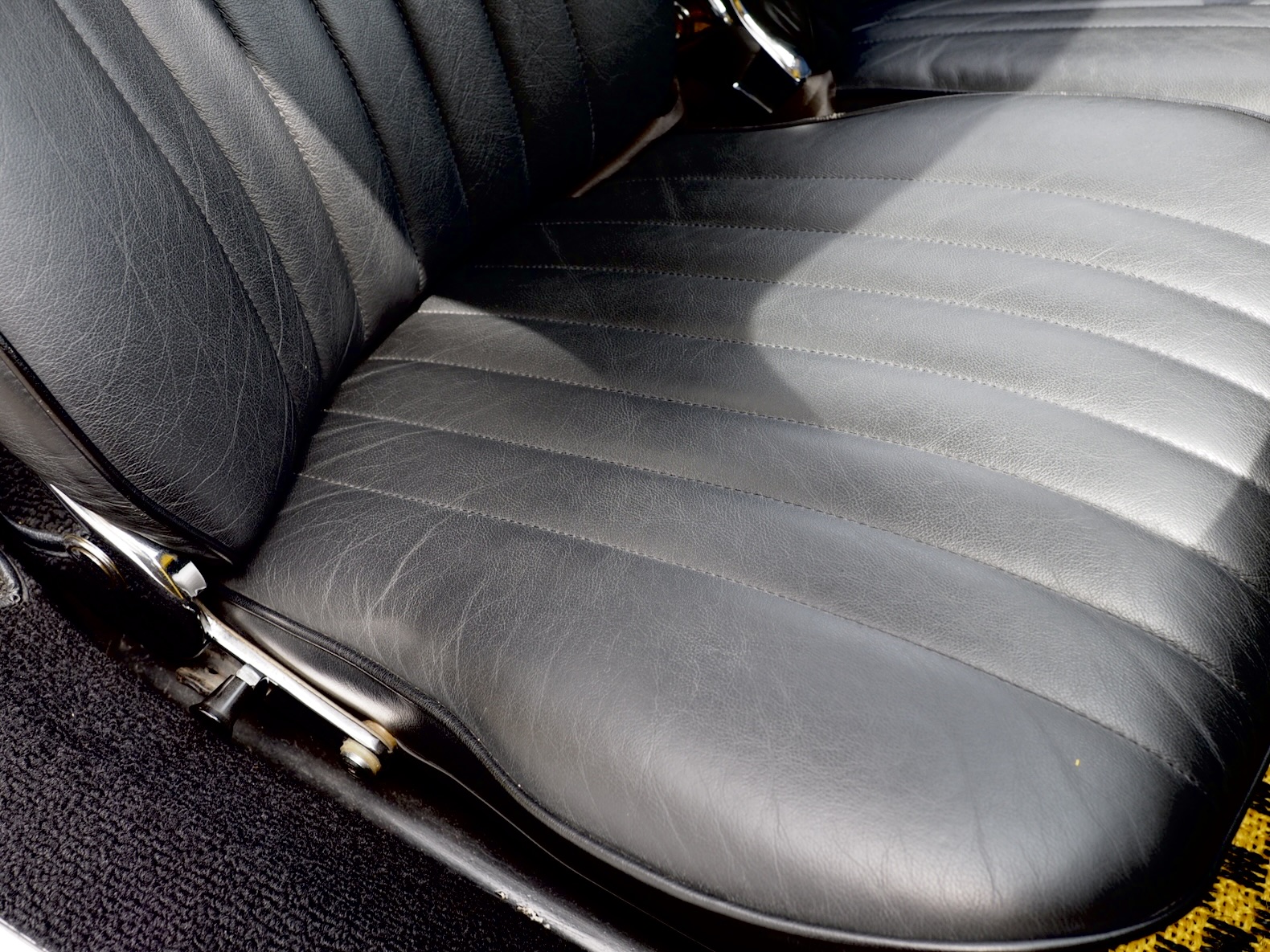
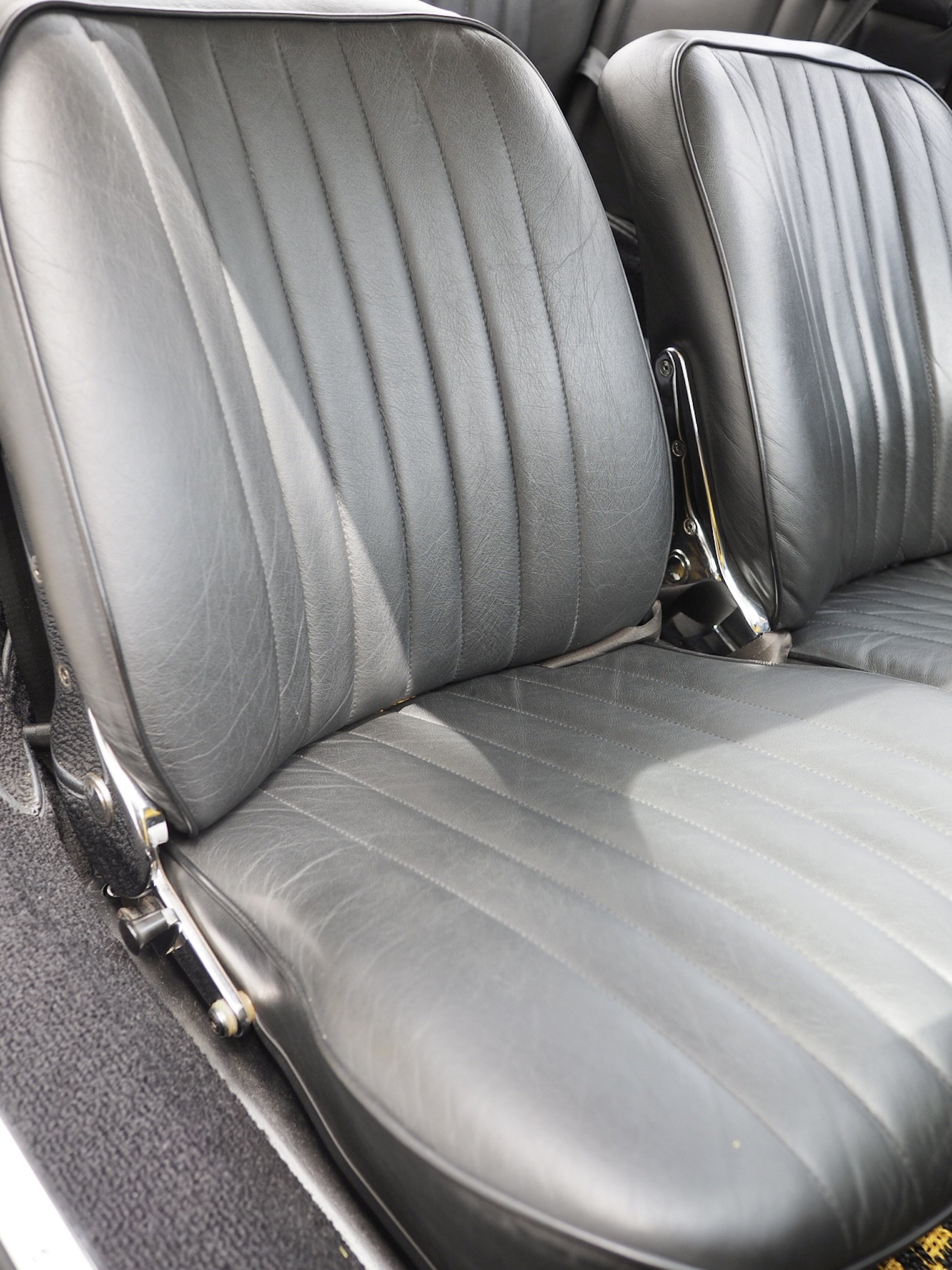
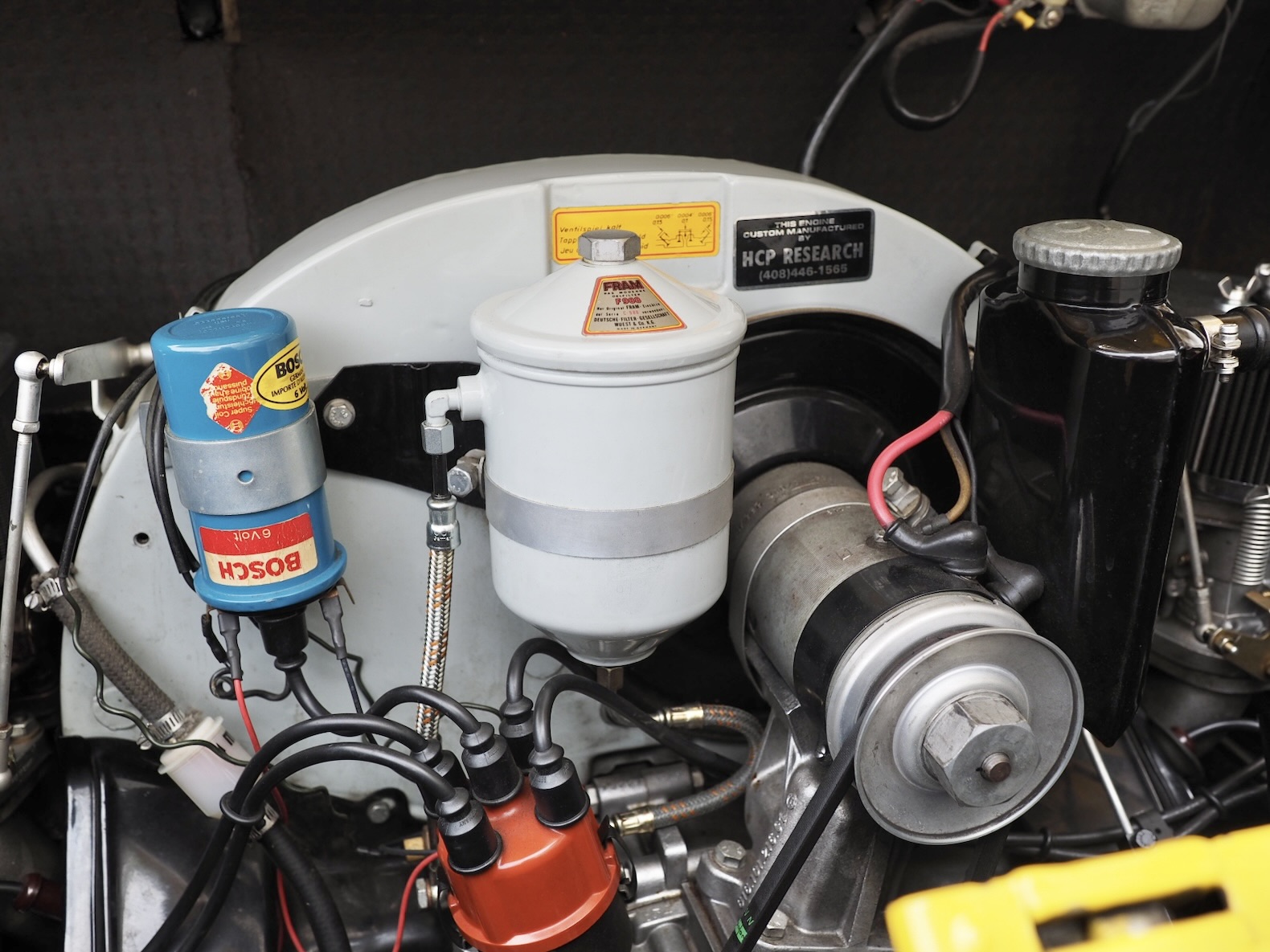
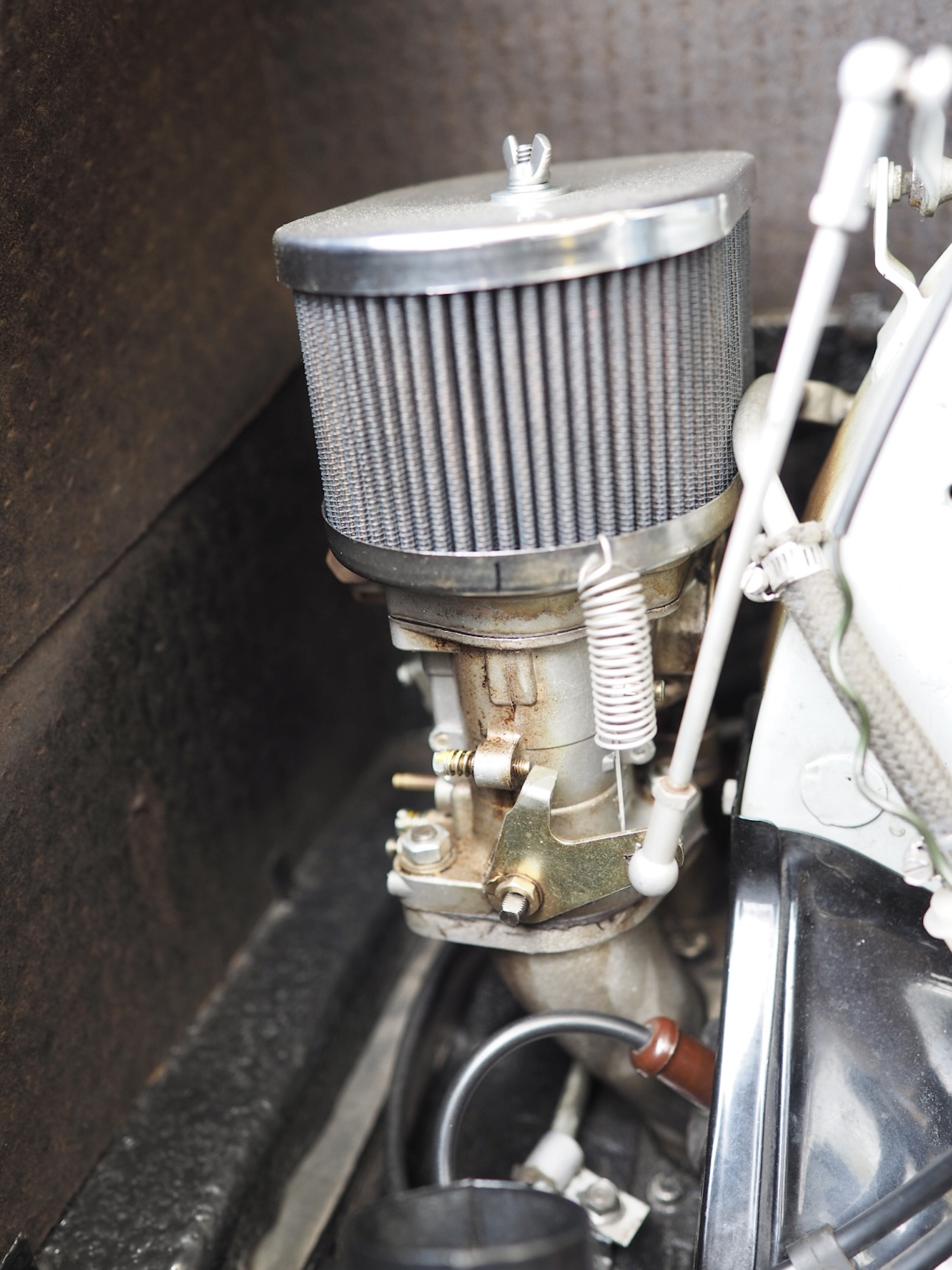
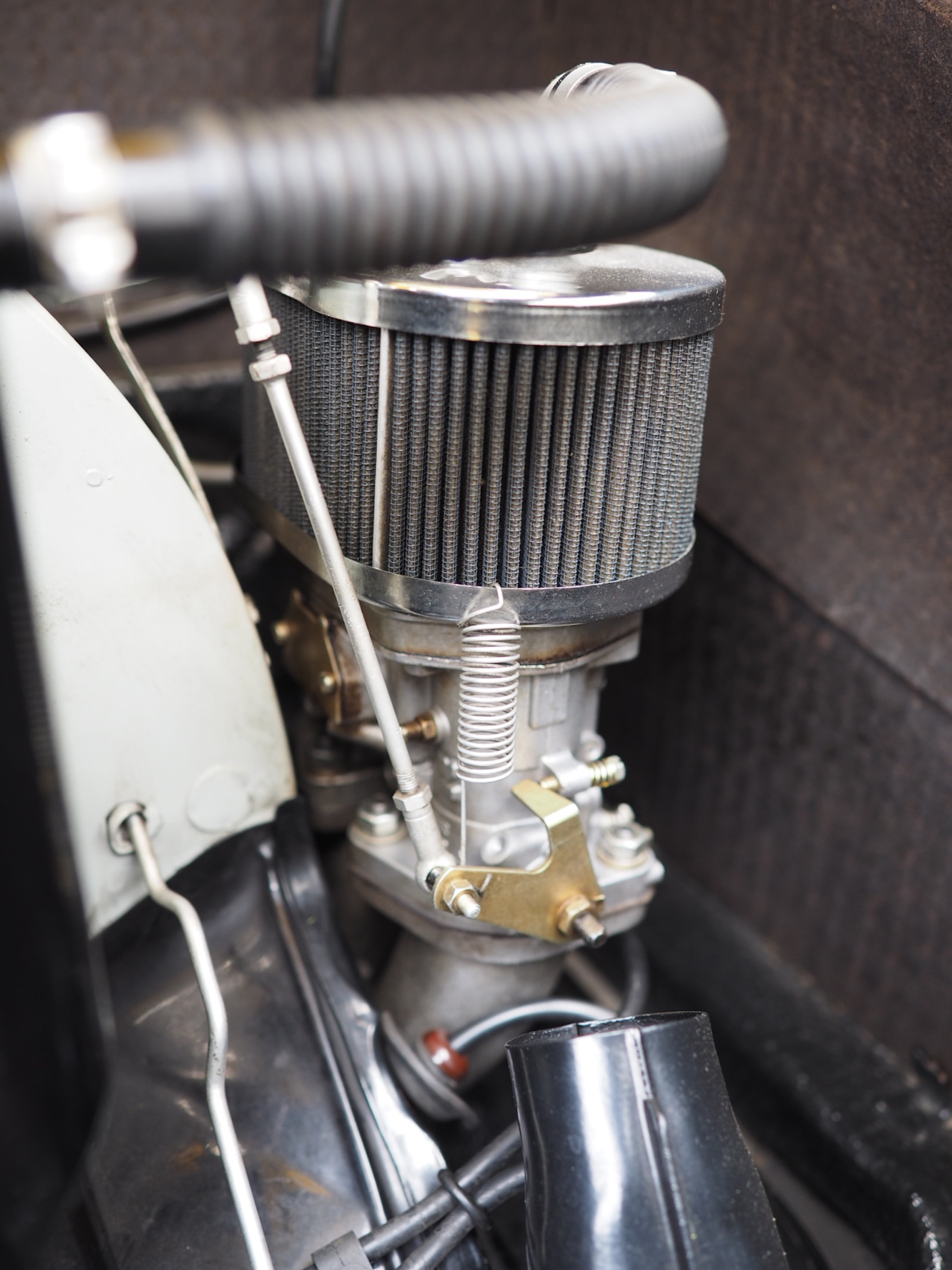
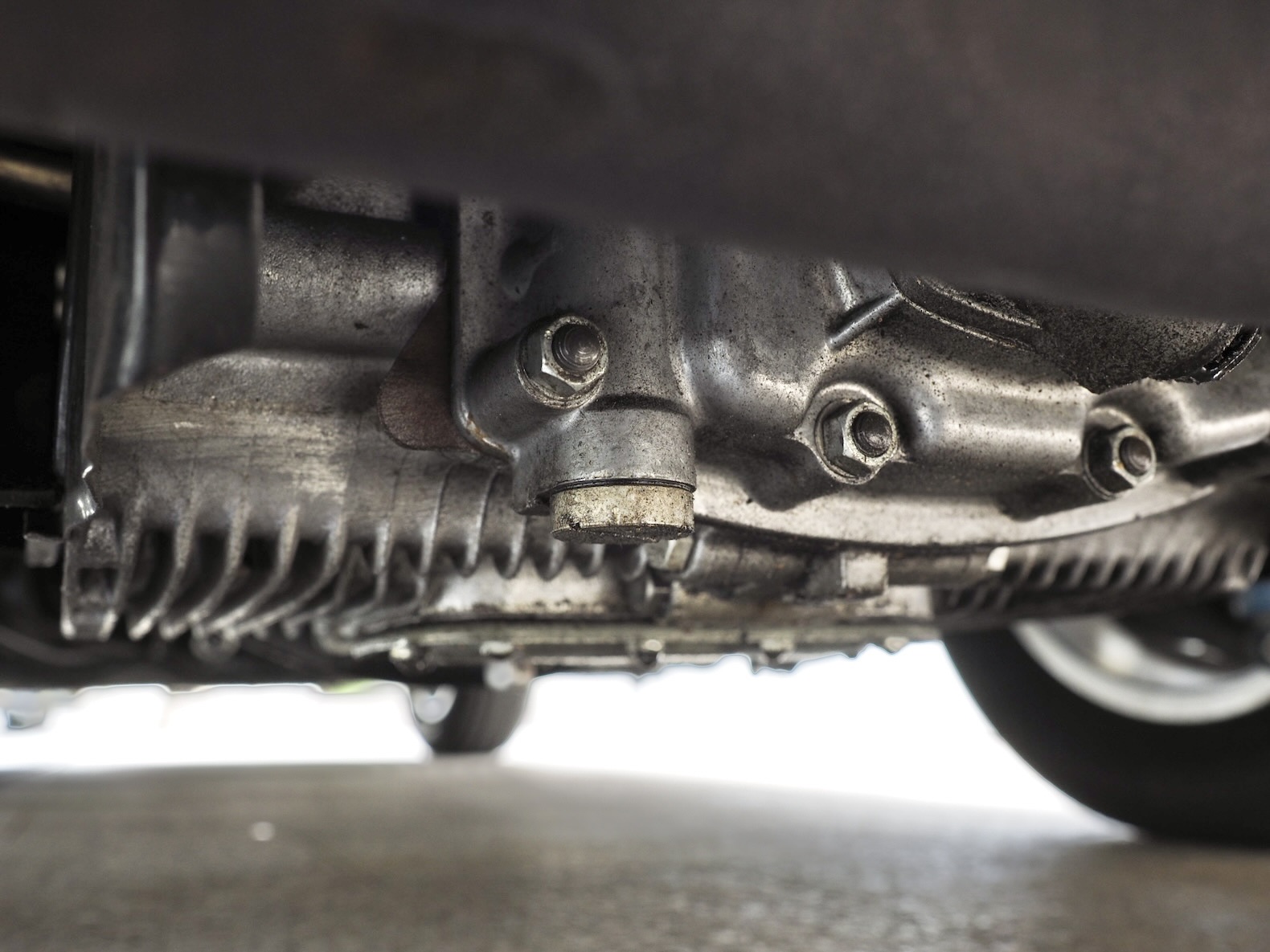
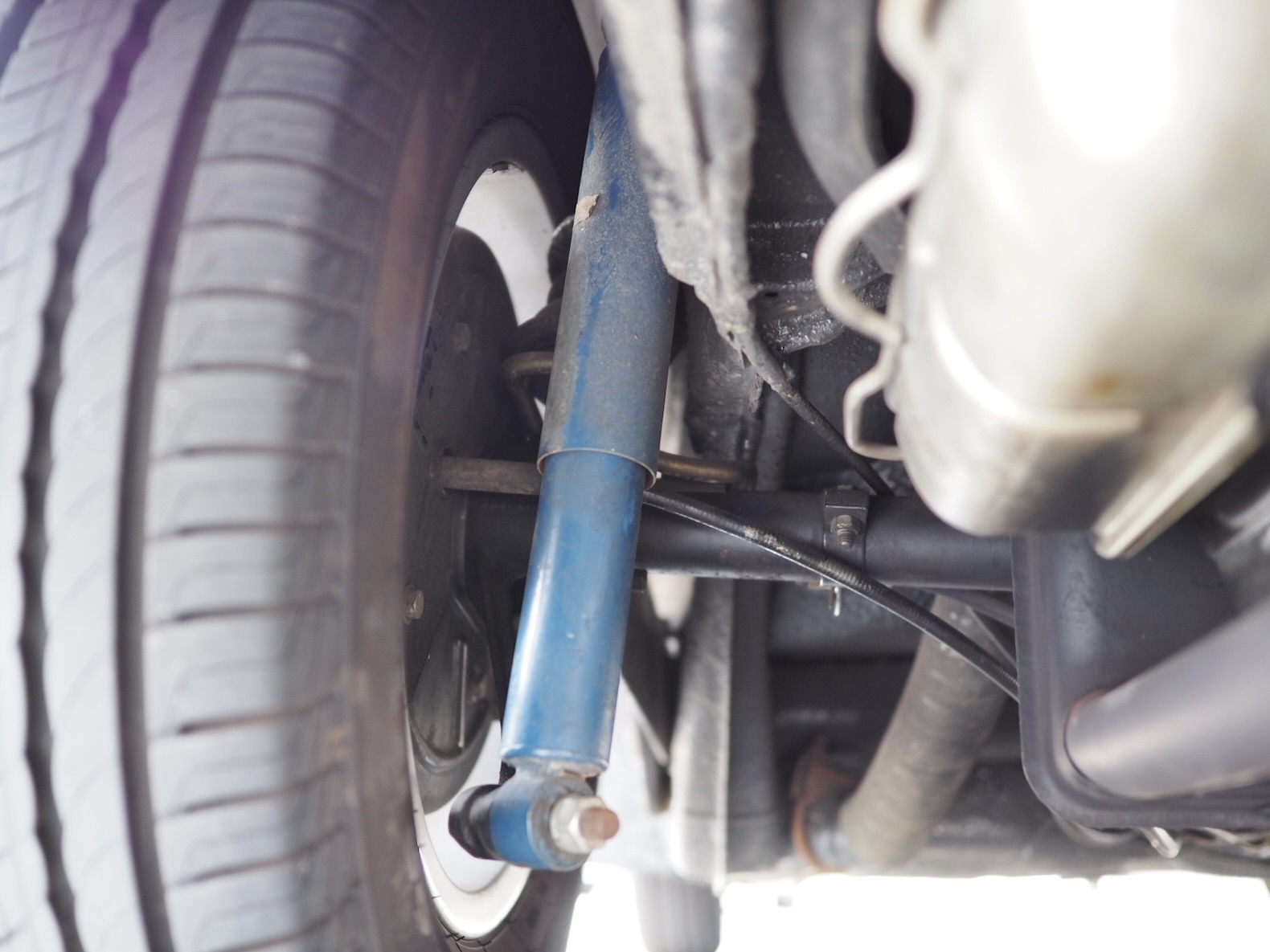
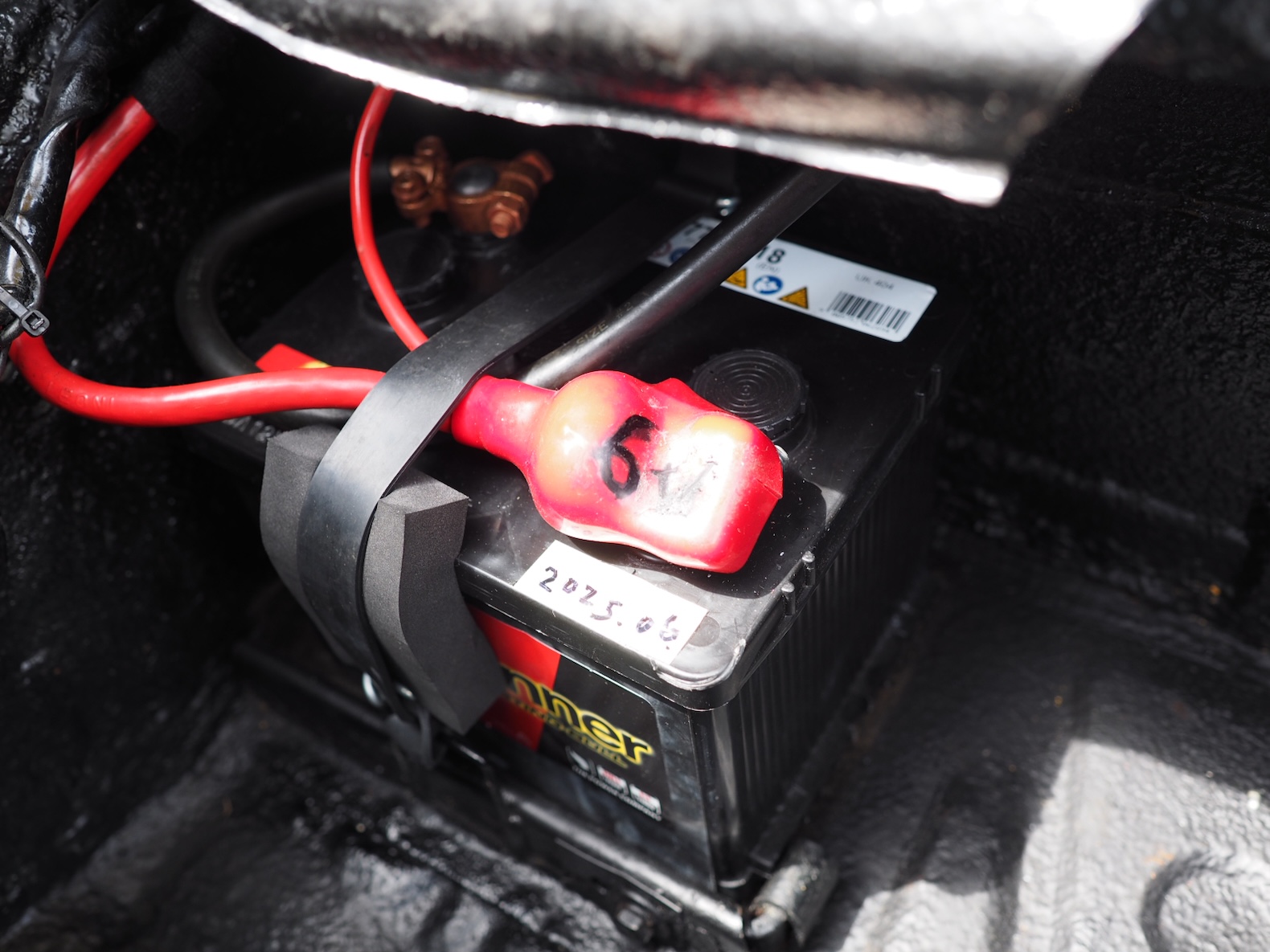
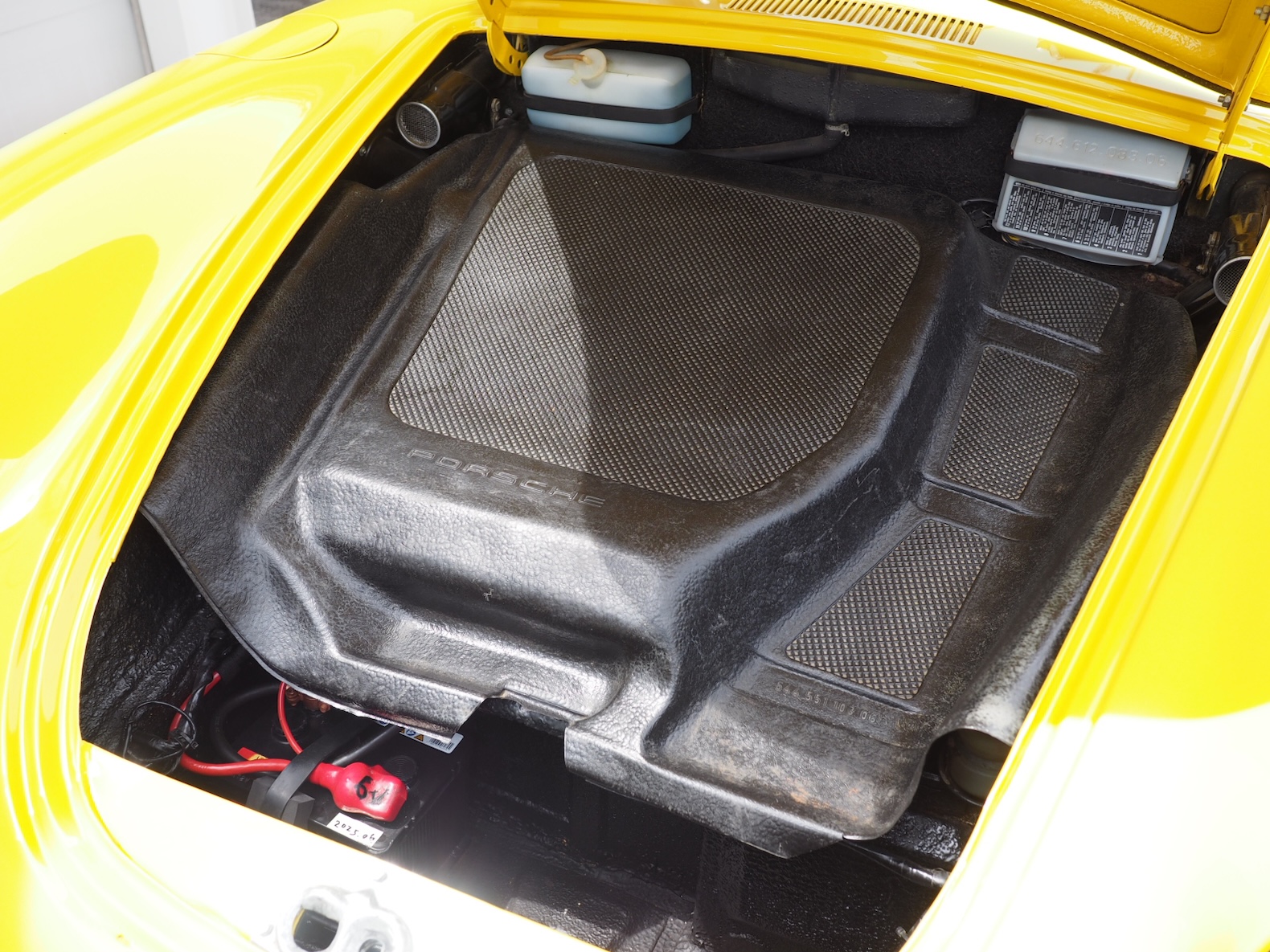
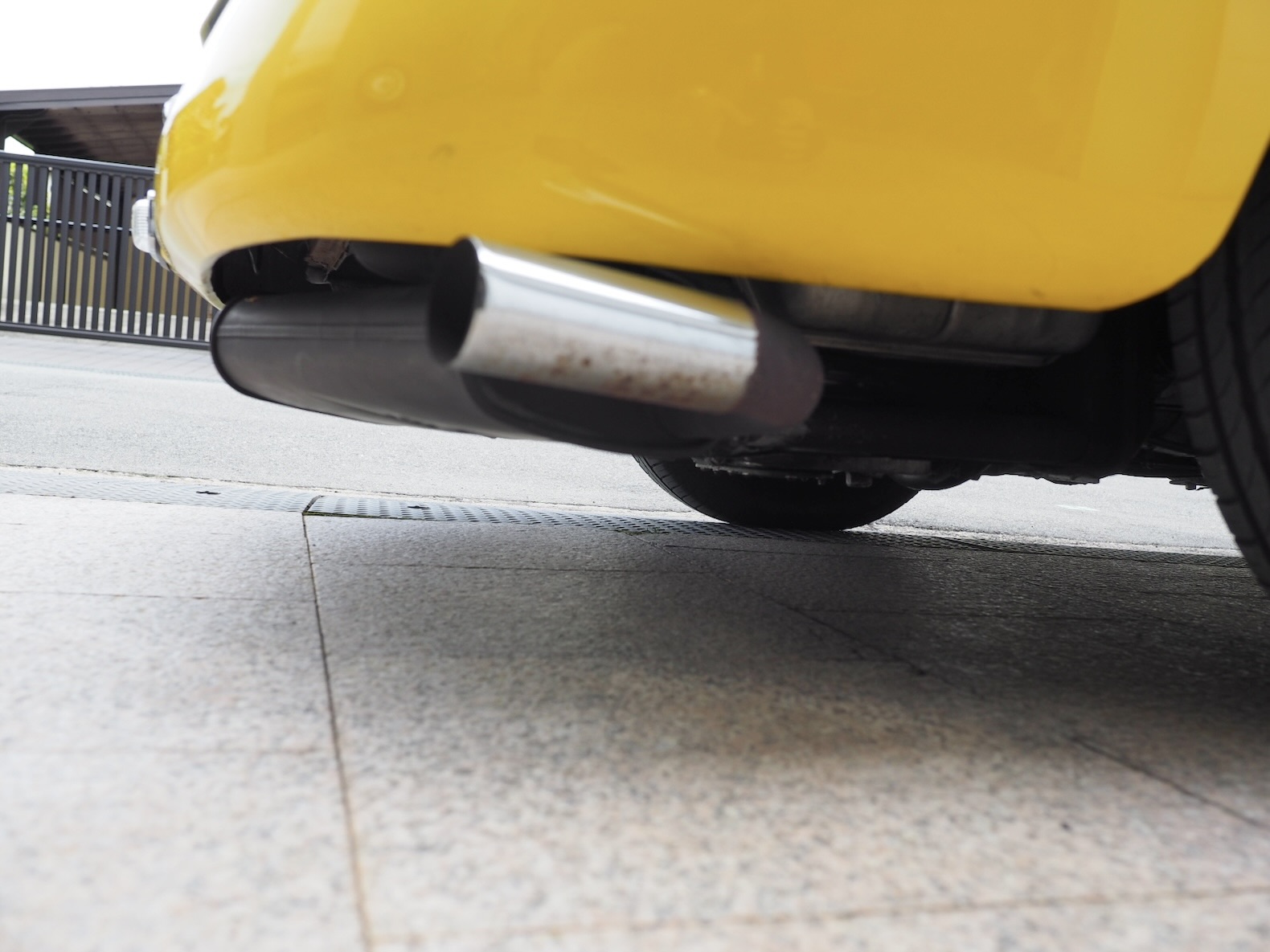
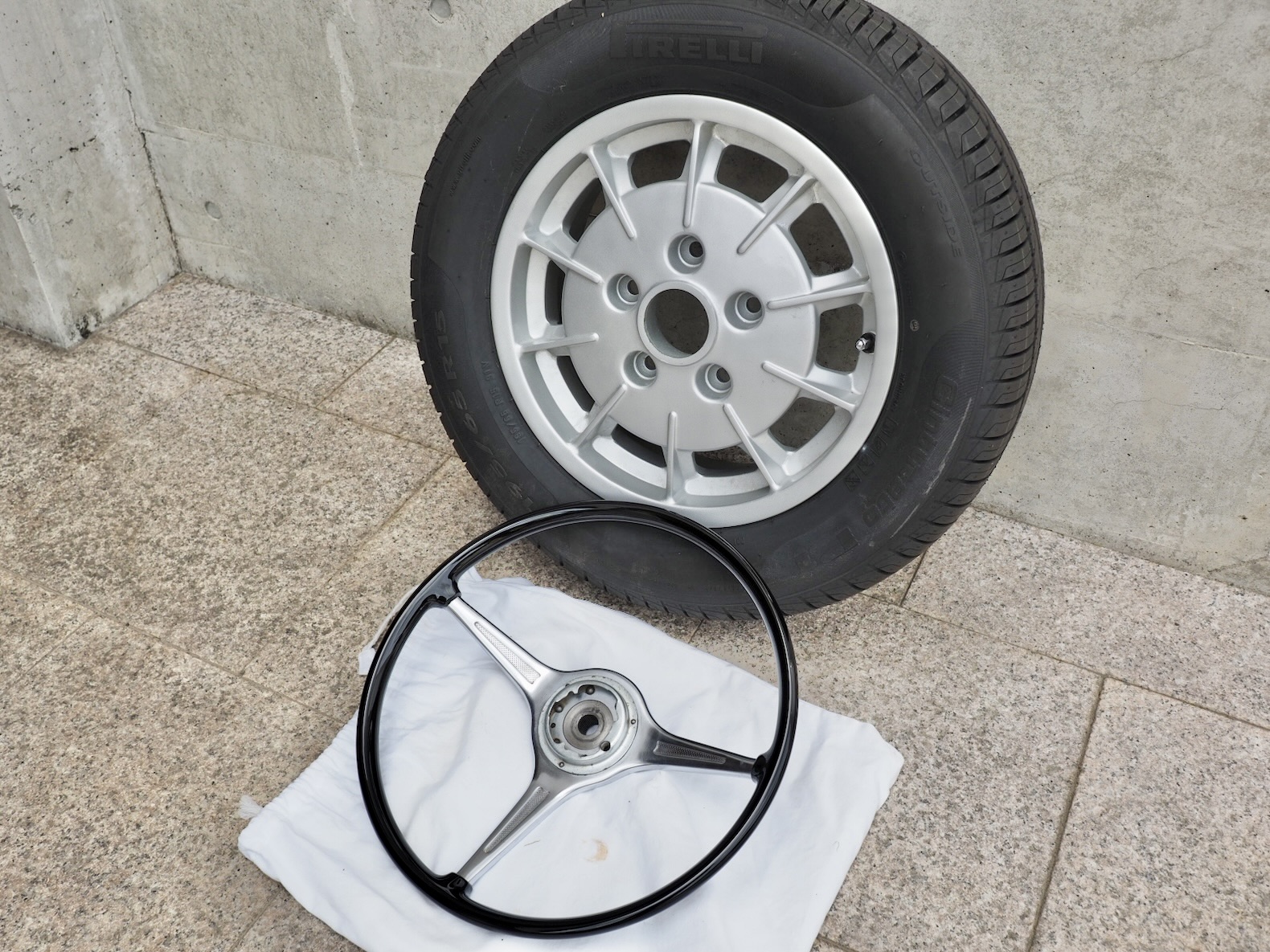
The detailed condition of the vehicle is described in each photo.
On the top slide you will find 50 attractive photos of the vehicle! Please click on a photo to view it with its description. Click outside the picture to return to the page.
SPEC
Length
3800mm
Width
1650mm
Height
1260mm
Weight
870kg
Engine Displacement
1580cc
FOB Tokyo price is