

TOP>Stock List>1949model FIAT 1100B Abarth Stabilimenti Farina Cabriolet
1949model
FIAT 1100B Abarth Stabilimenti Farina Cabriolet





↑↑↑Please watch the archived video above with audio if possible...
A work of art created by an Italian carrozzeria... The 1949 FIAT 1100B Abarth Stabilimenti Farina Cabriolet...! Could this be the discovery of the century...? An exceptionally rare 1100B318519, born in the very year Abarth was founded and infused with the beauty and engineering spirit of postwar Italy, had survived here in Japan...
Chapter One…
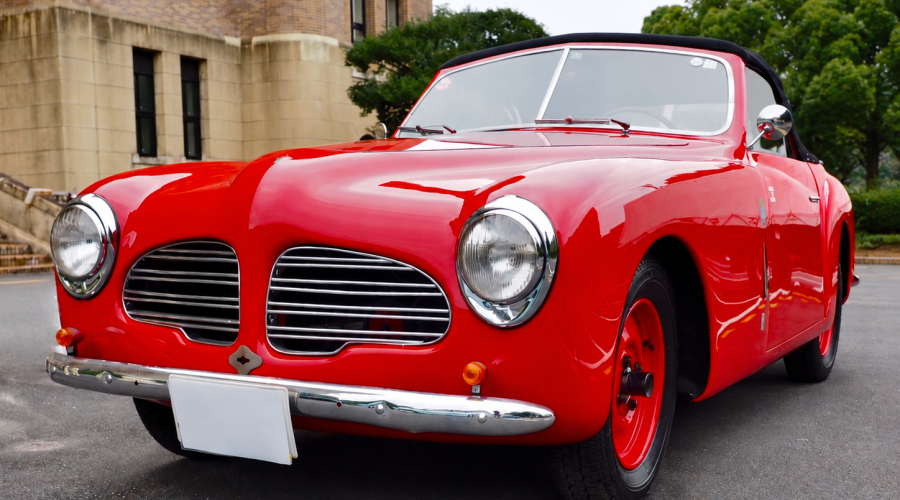
A coachbuilt model said to number only five worldwide… A beautiful FIAT 1100B Cabriolet shaped by the young Michelotti at the celebrated Farina works, and a car that traces the footsteps of Abarth in its founding years…
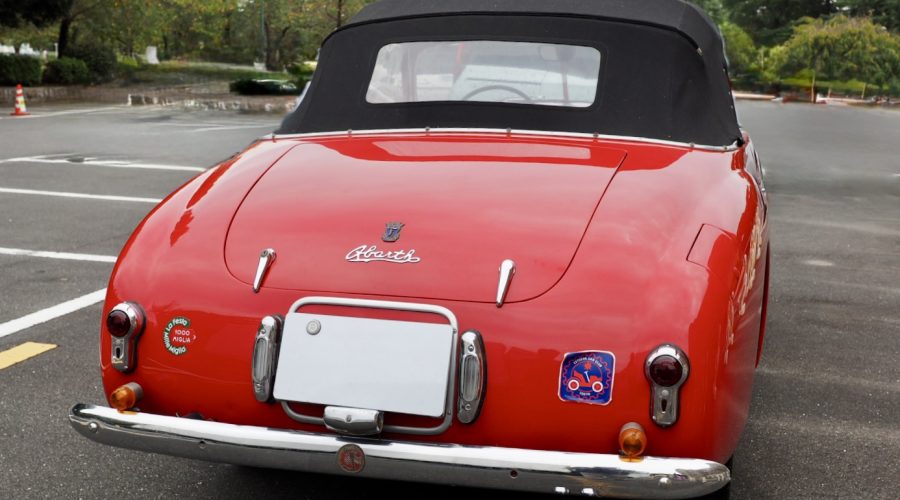
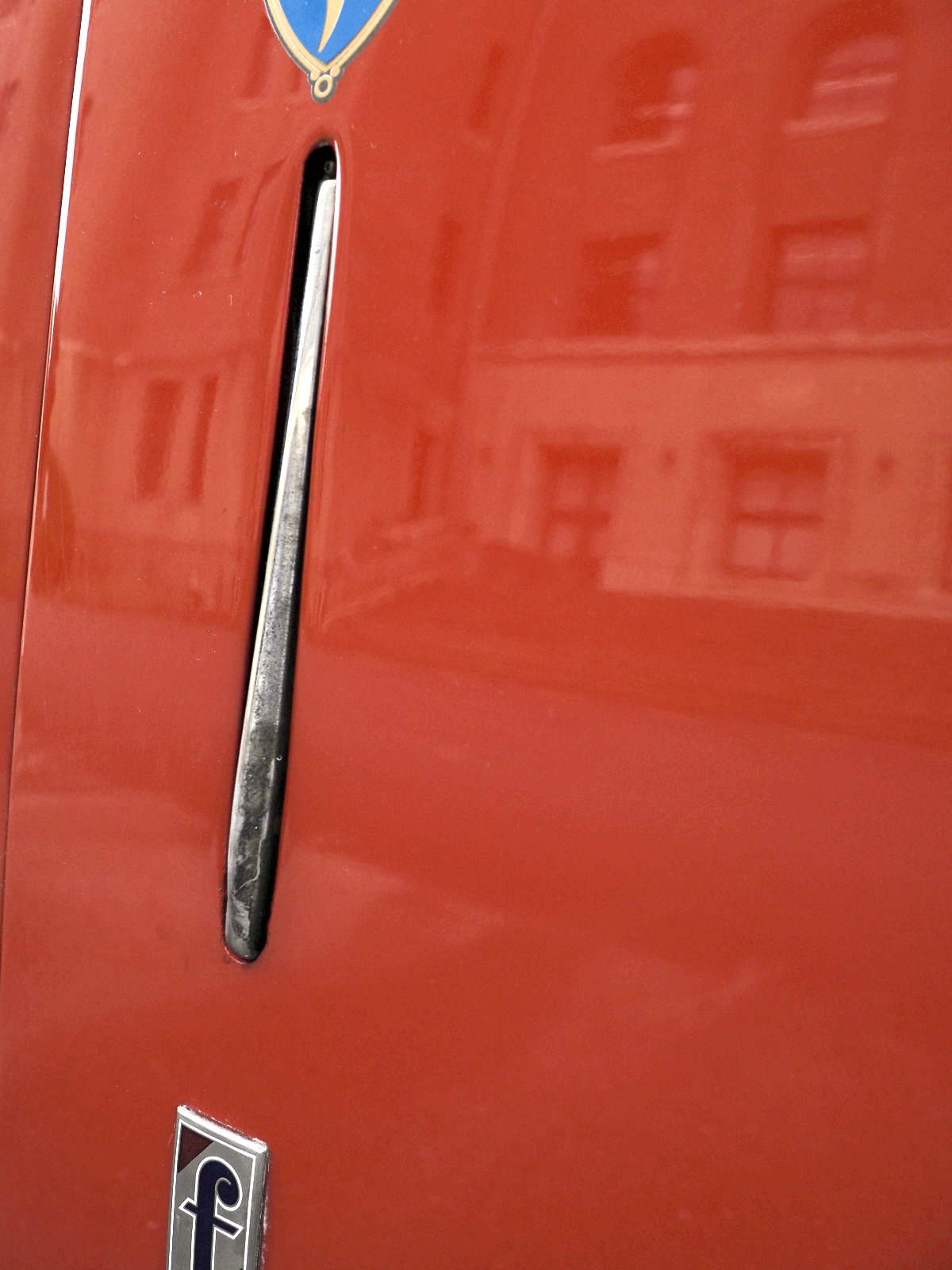
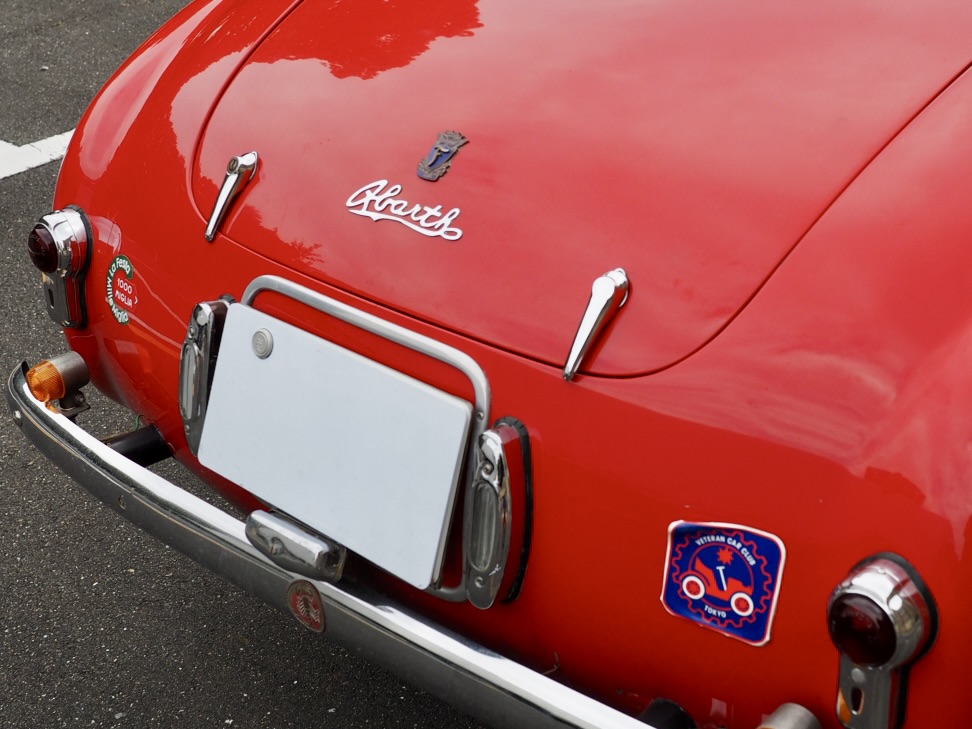
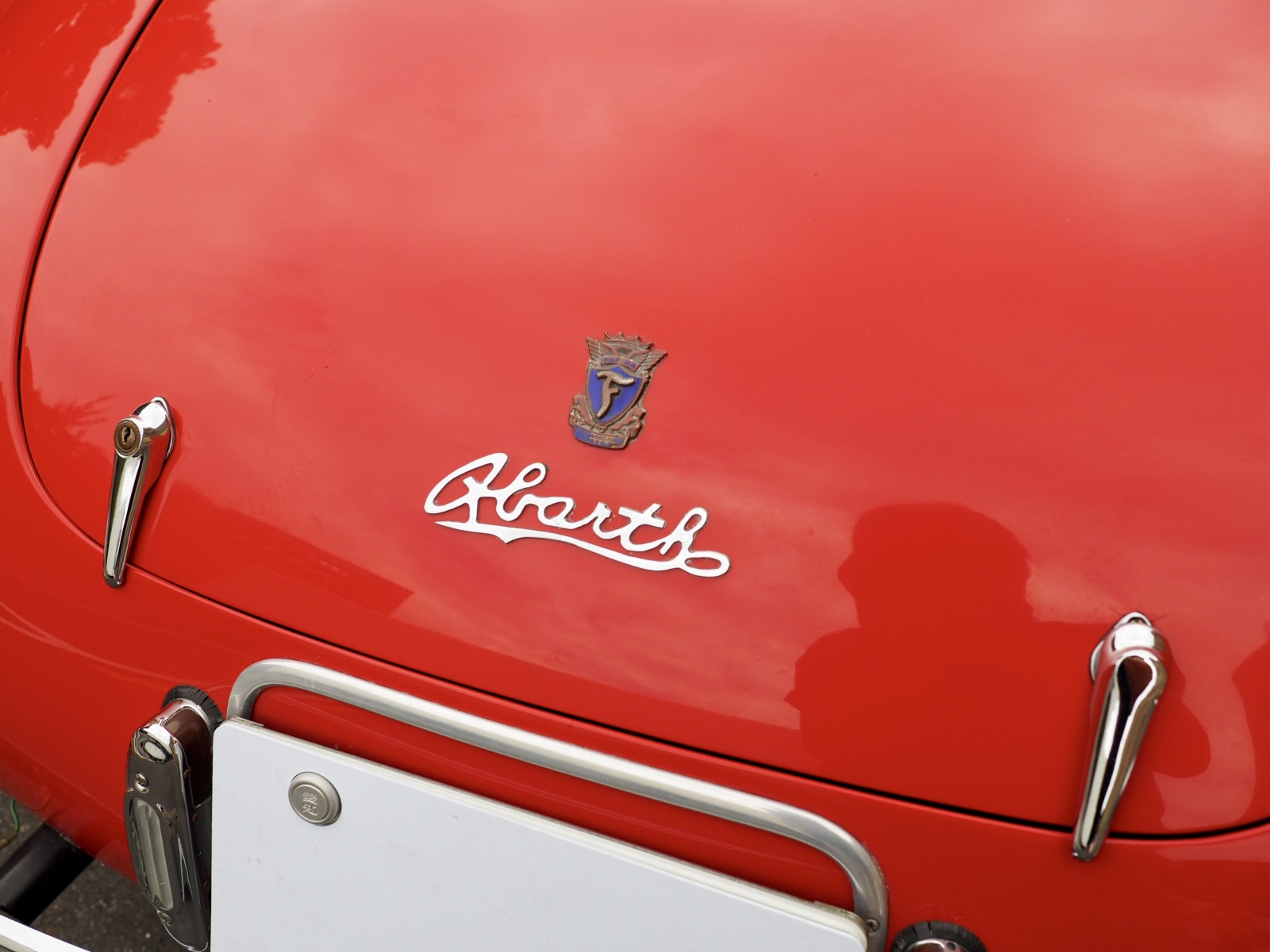
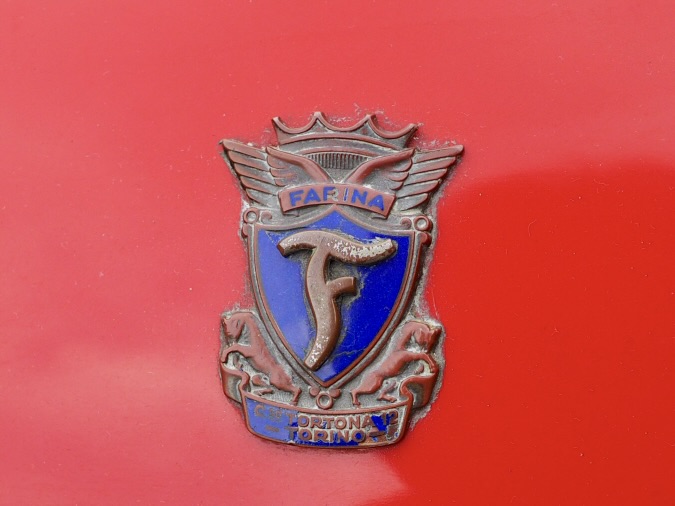
At the rear sits an elegant, hand-made enamel Farina emblem… and directly beneath it, an unmistakably period-looking Abarth logo in a rare flowing script…
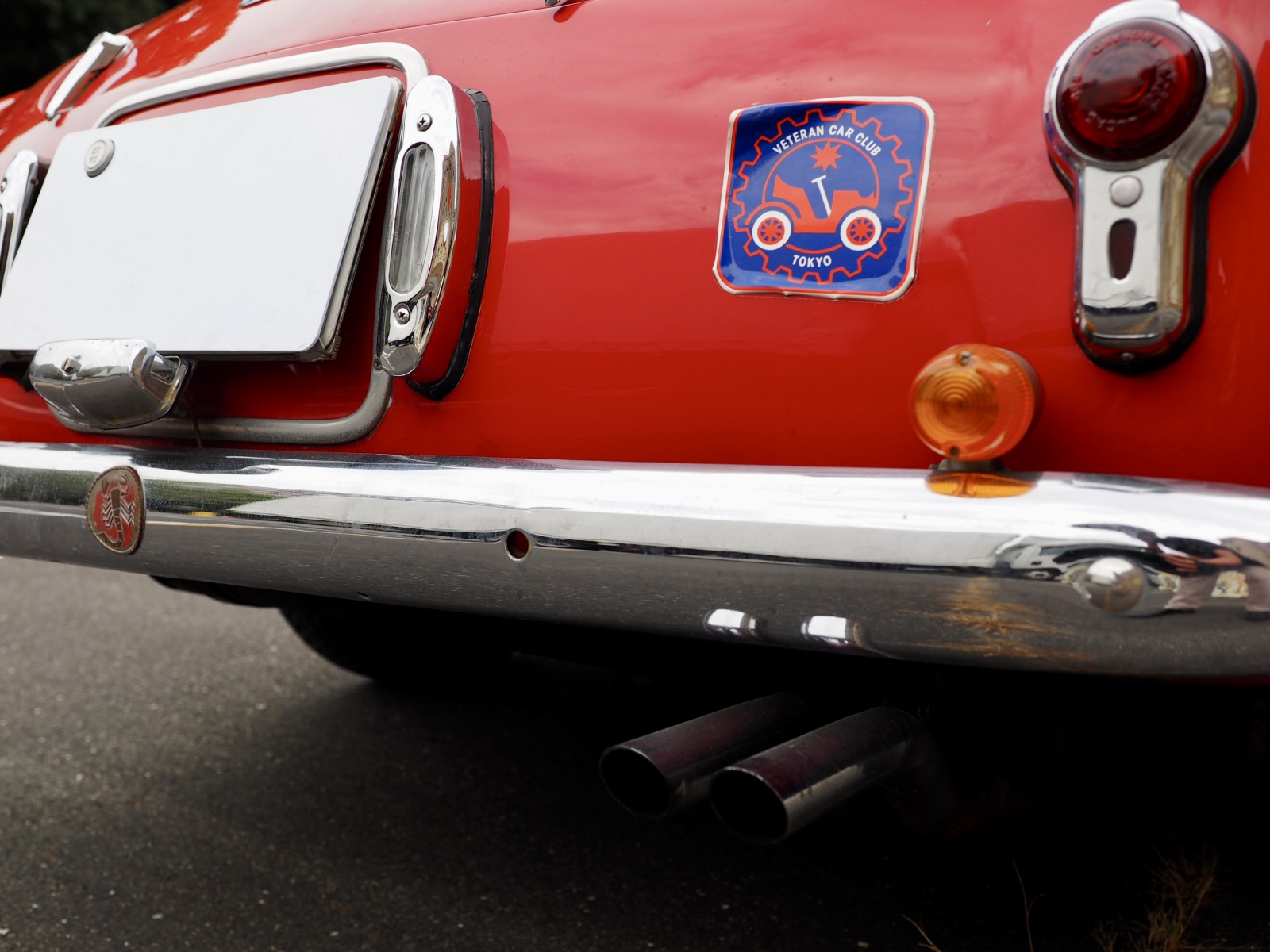
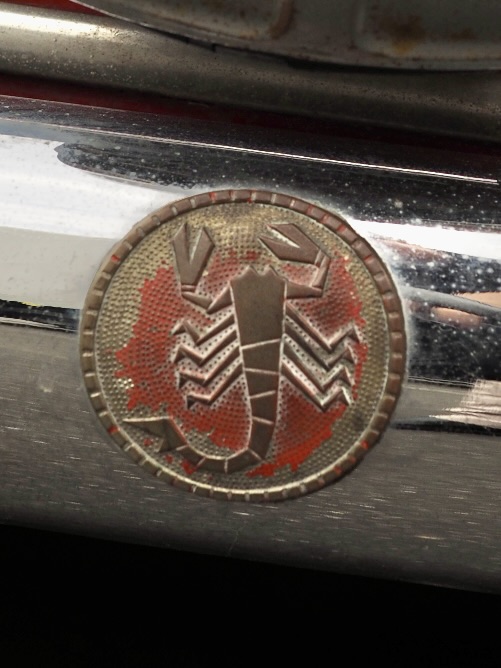
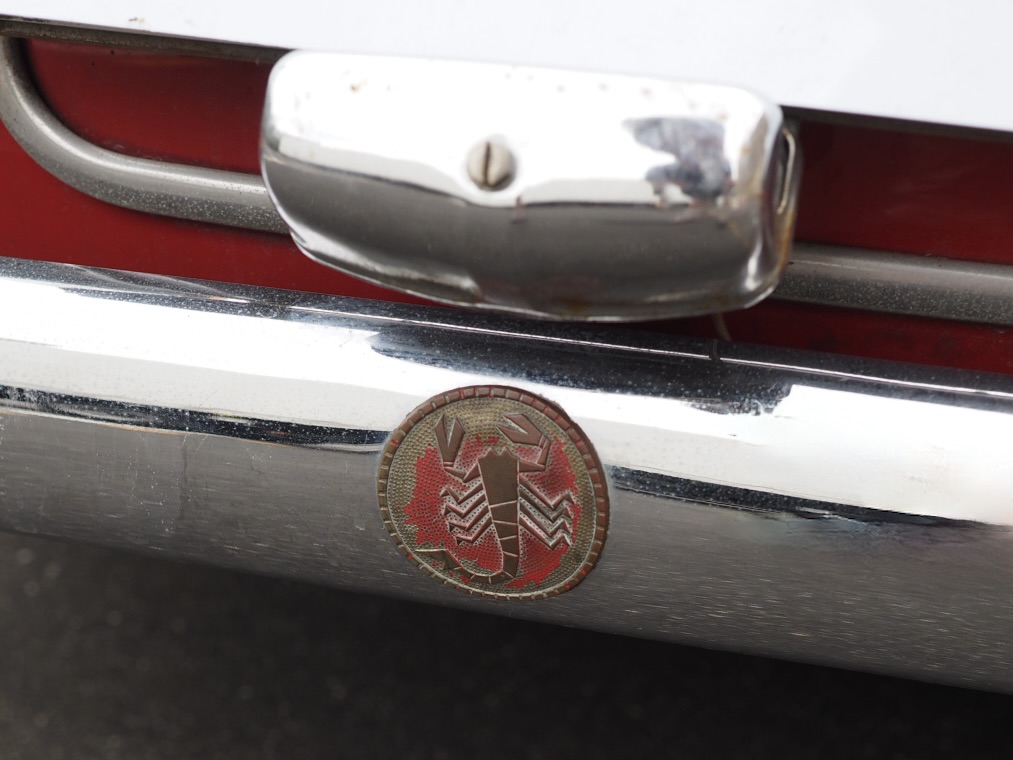
Just below that, at the center of the rear bumper, a hand-crafted round early Abarth scorpion badge asserts its presence almost as if it alone were telling the entire story of this car…
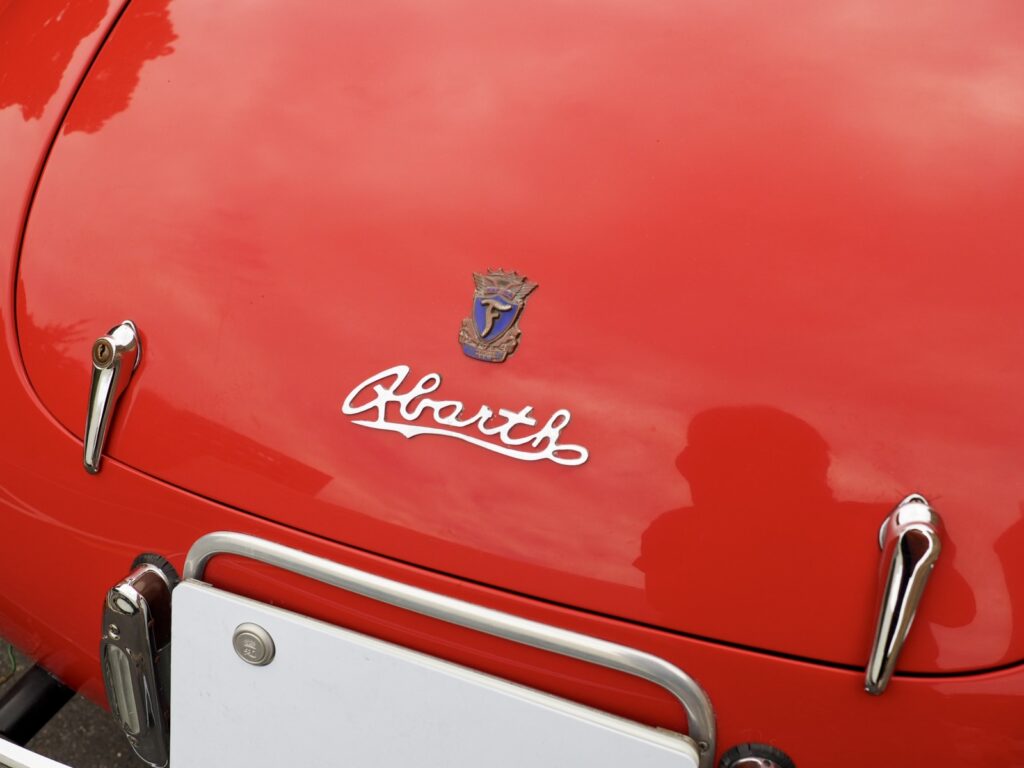
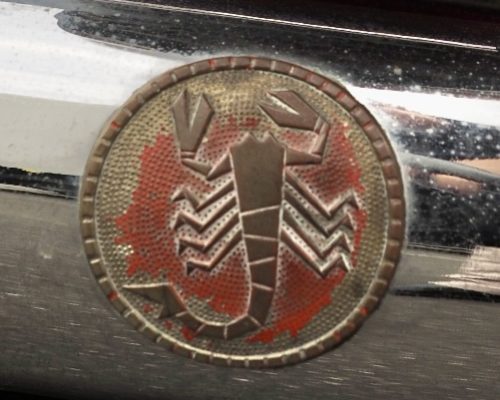
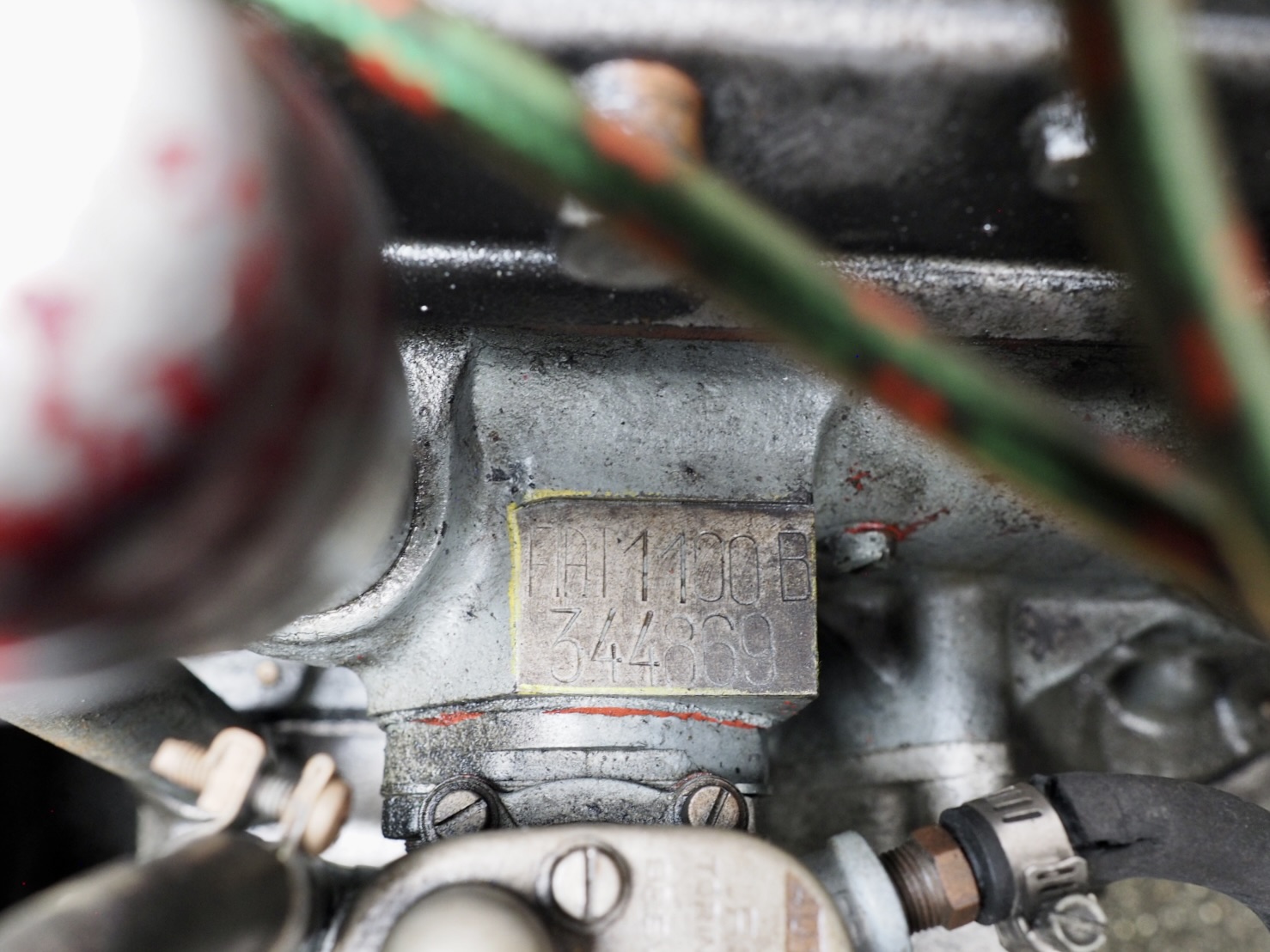
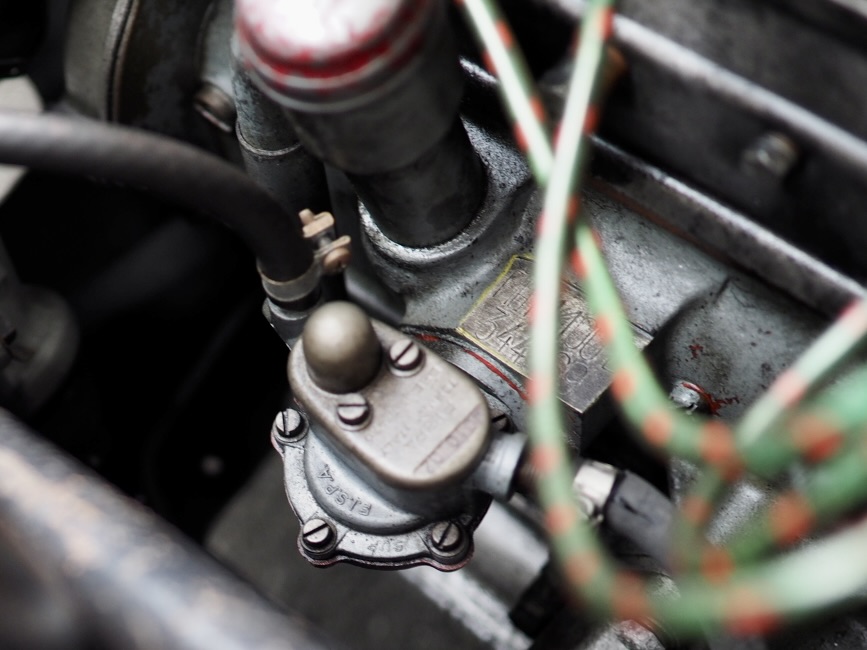
The exterior of 1100B318519 is, of course, the work of the renowned coachbuilder Stabilimenti Farina: a FIAT 1100B Cabriolet shaped during the period when the fresh talent of the young Giovanni Michelotti was flourishing, while the engine itself is clearly stamped FIAT1100B344869…
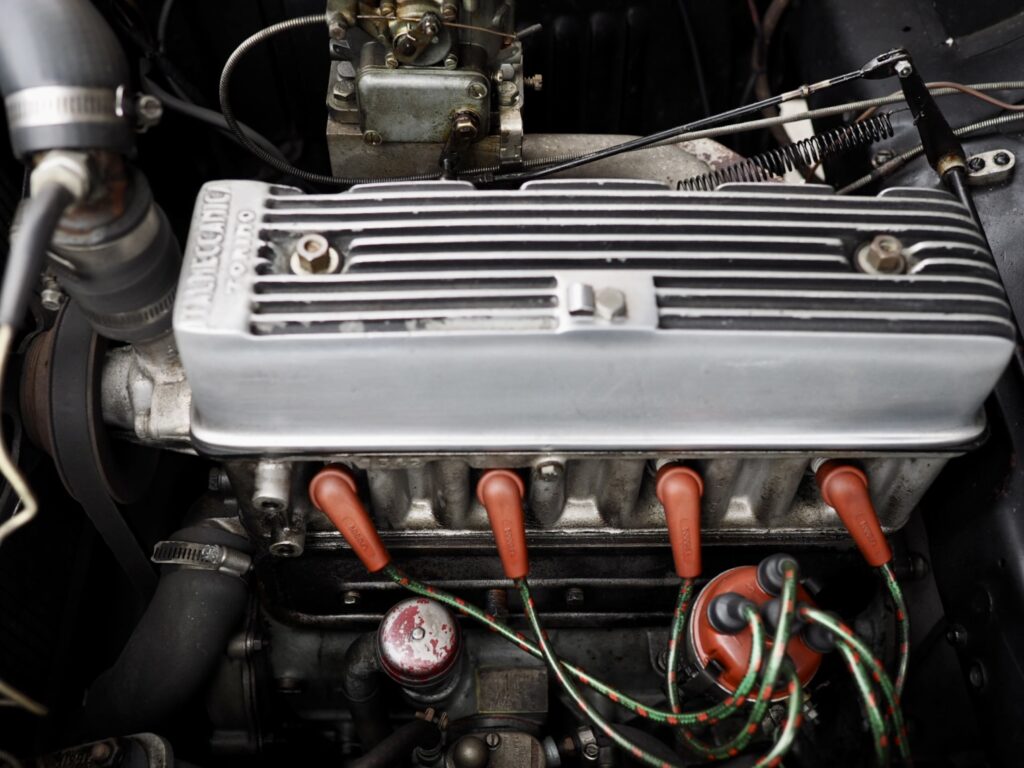
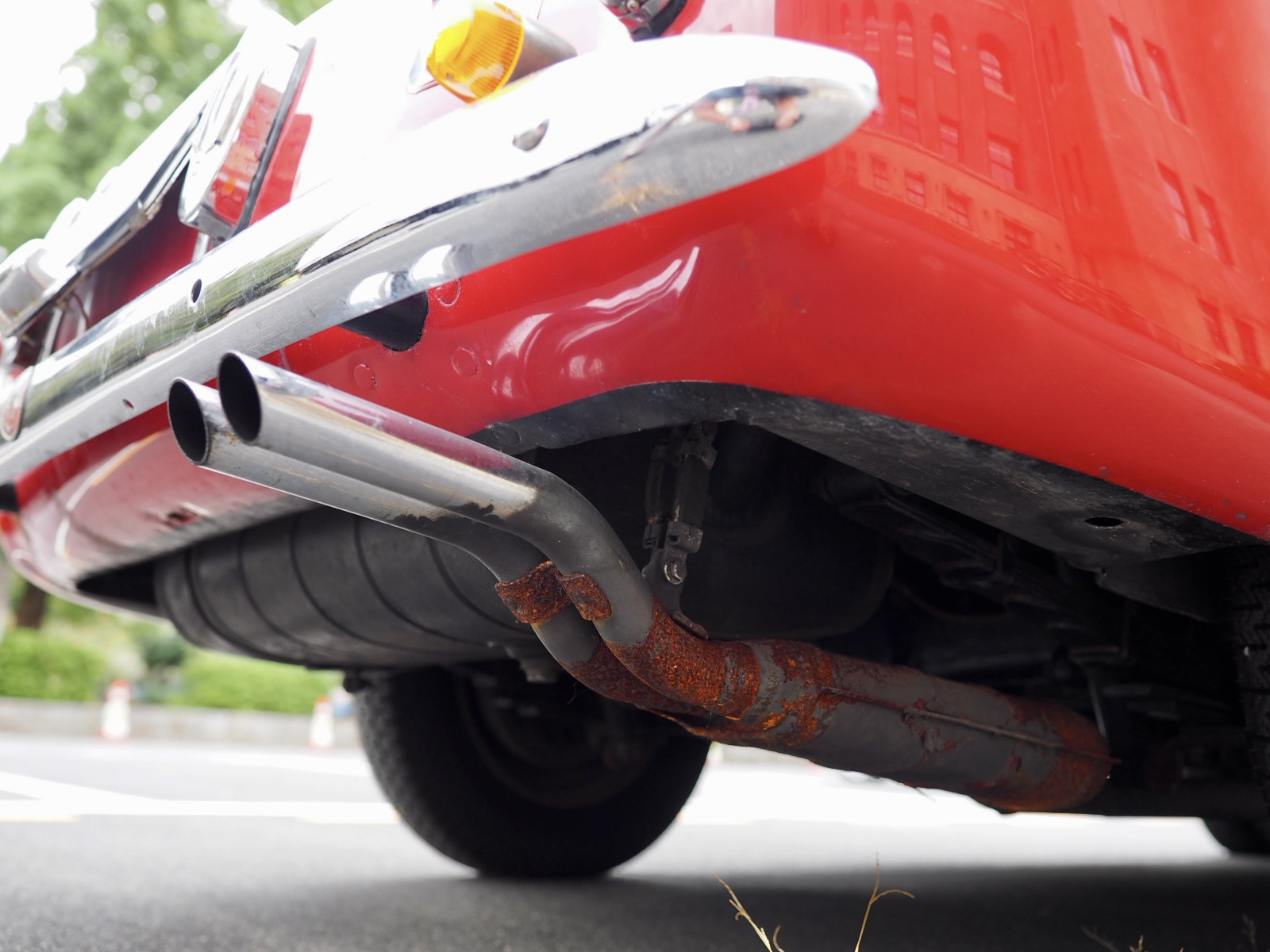
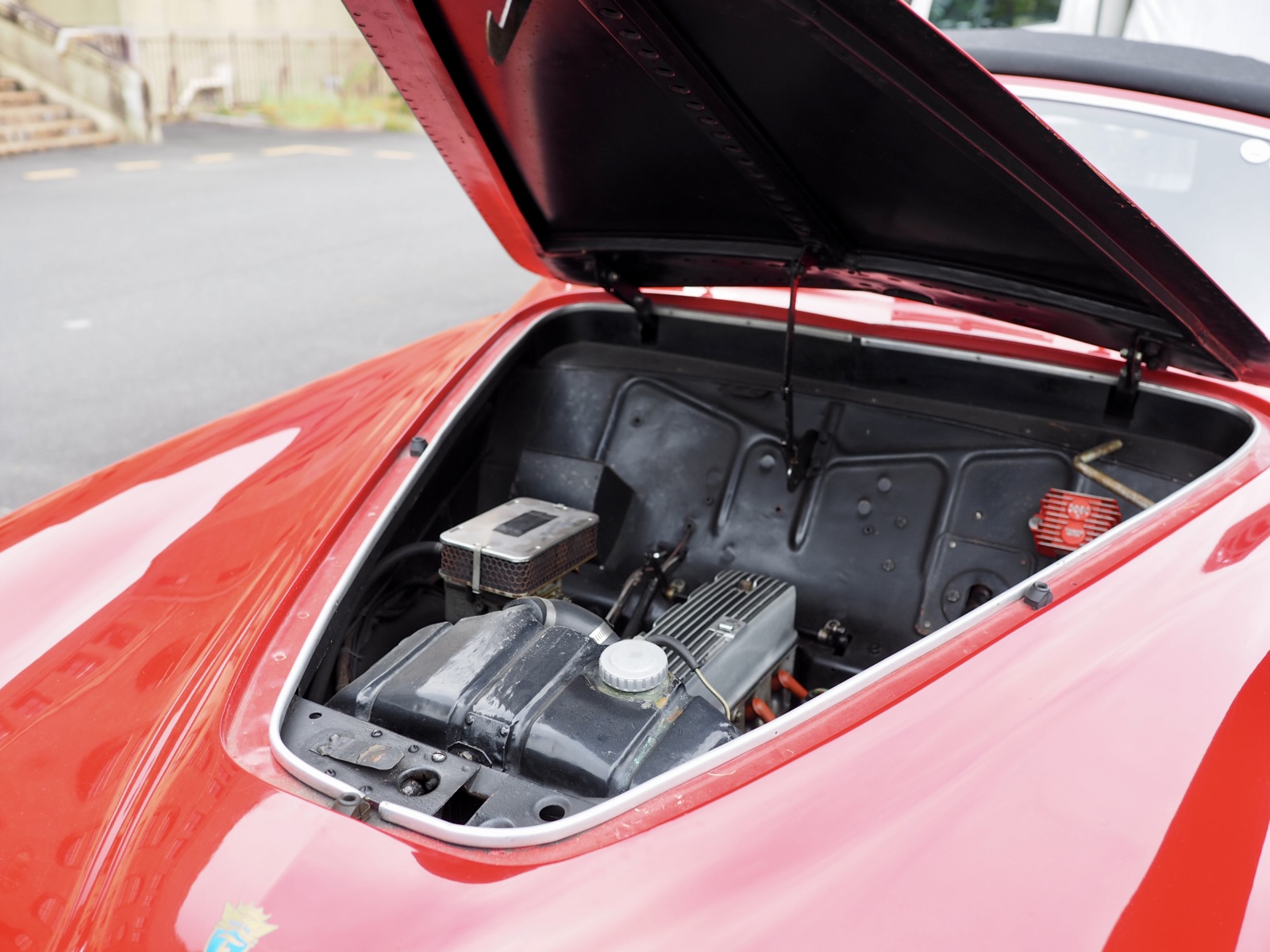
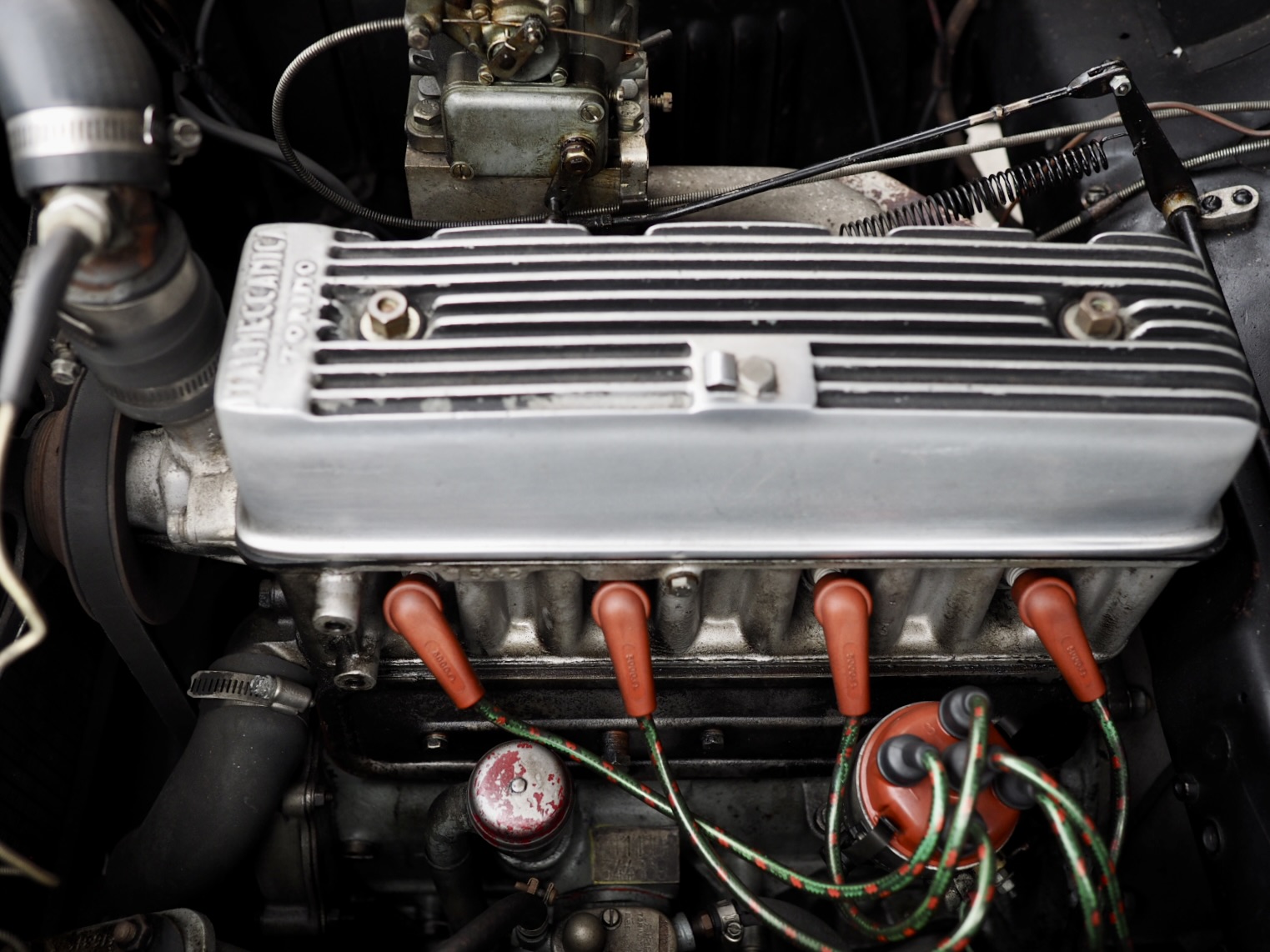
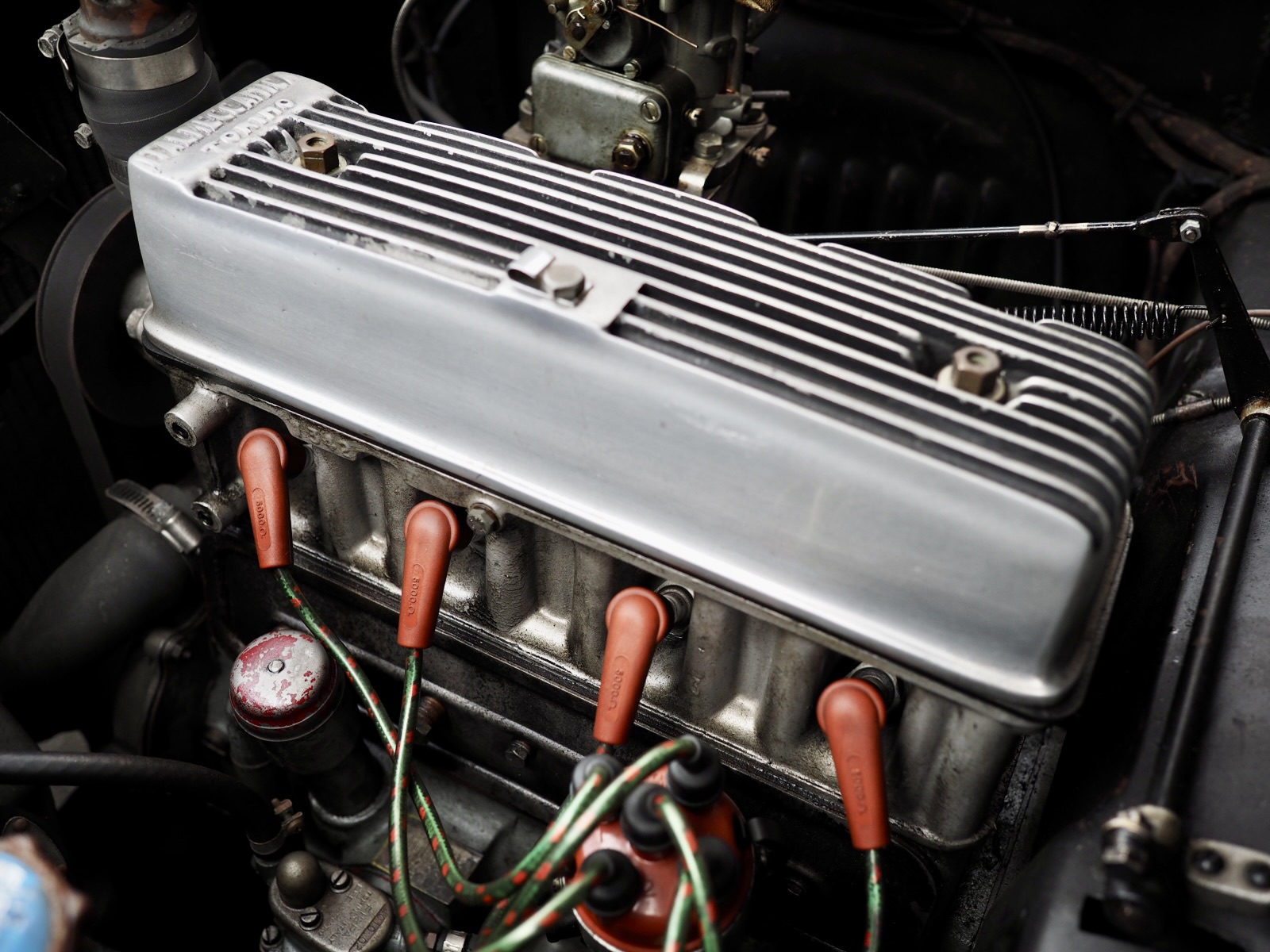
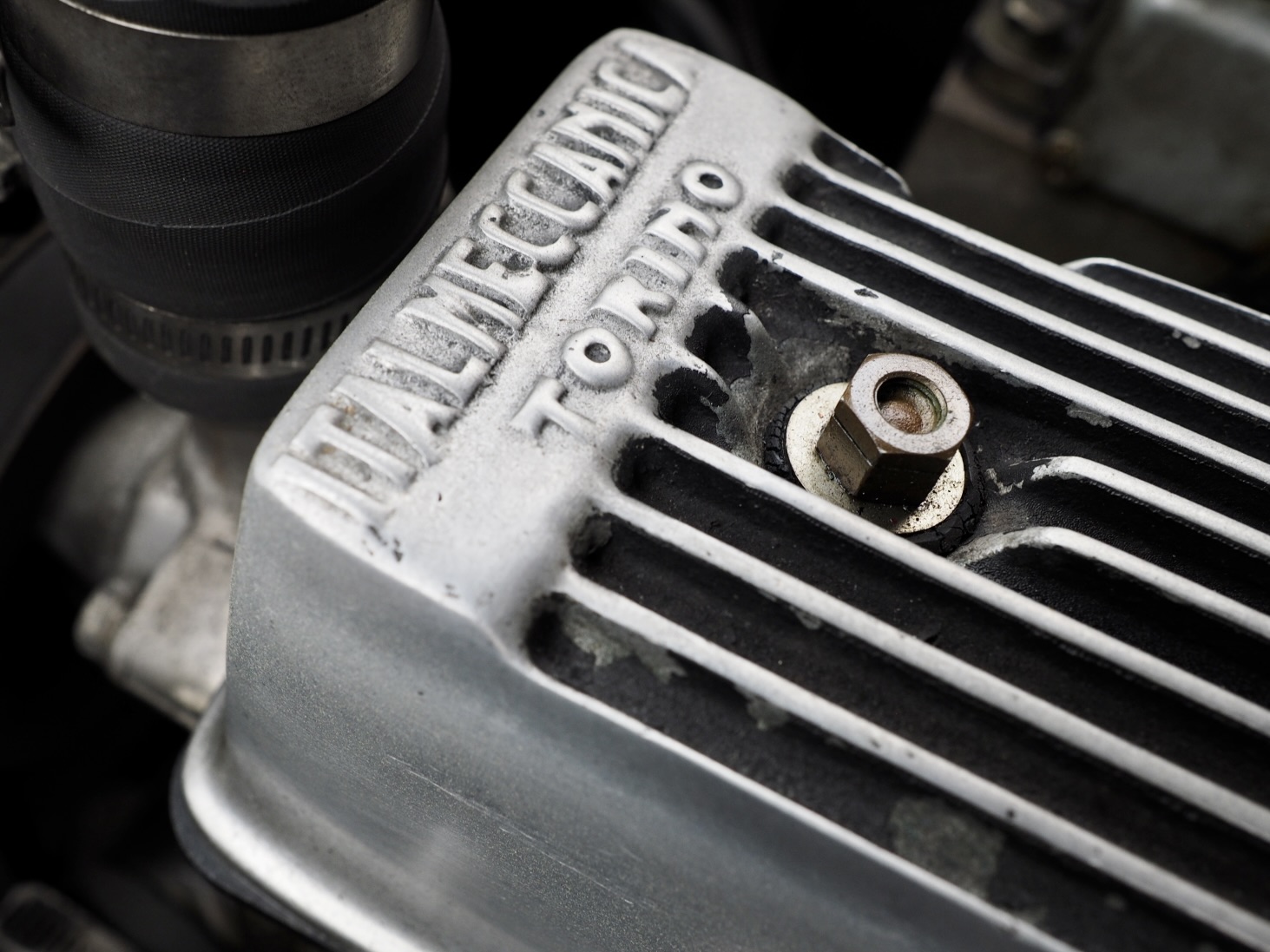
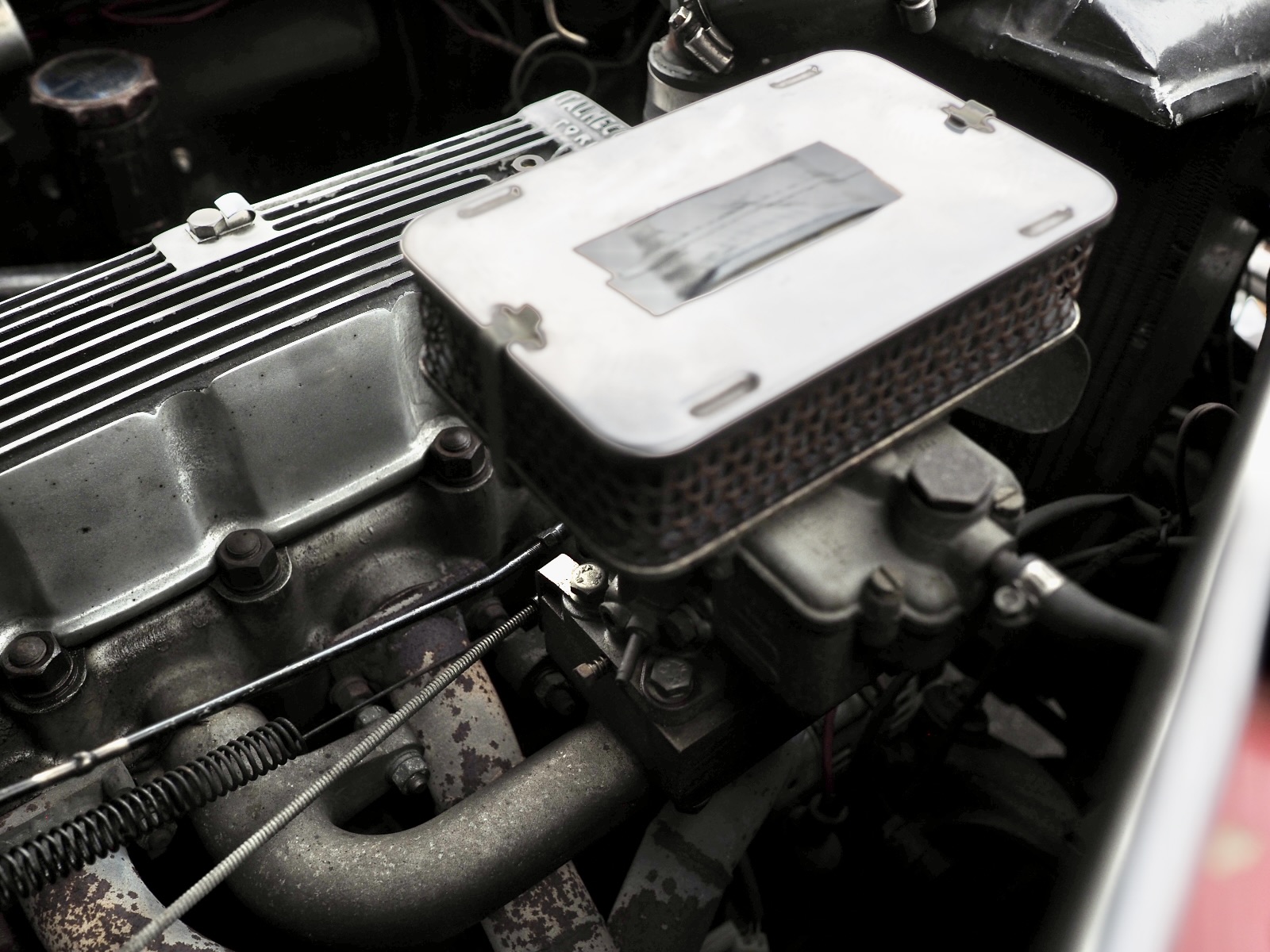
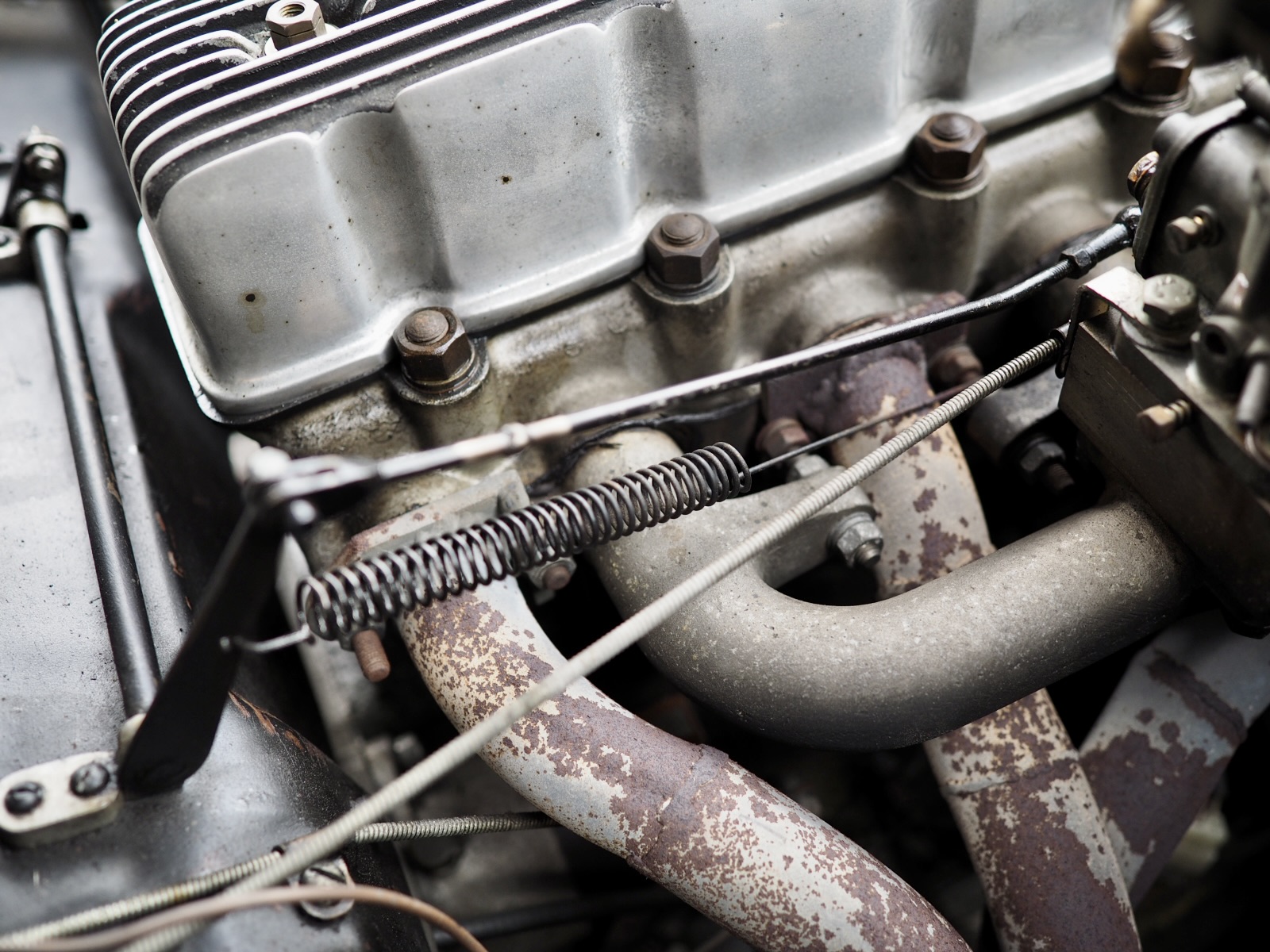
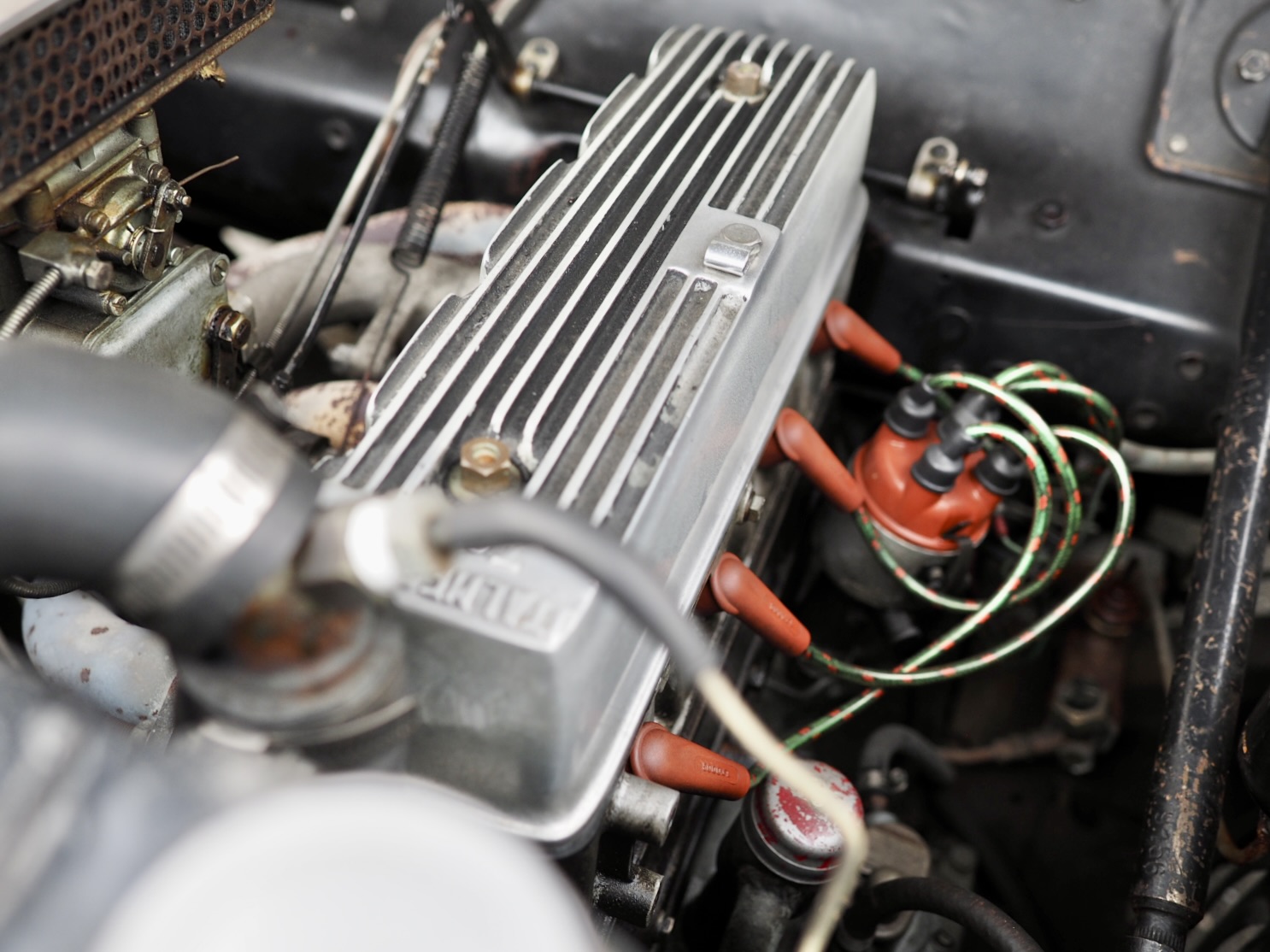
This beautifully flowing Michelotti creation, with its fully hand-formed aluminum body, belongs to the coachbuilt family known as the FIAT 1100B Stabilimenti Farina Cabriolet, of which only about five are said to survive worldwide. Yet beneath its striking hand-finned Italmeccanica rocker cover lies an almost organic-looking equal-length exhaust manifold that appears designed for excellent gas flow, leading to an unusually sporting twin-outlet exhaust. Most remarkable of all is a four-speed transmission combined with a high/low auxiliary range, effectively providing eight ratios—an arrangement almost never seen on other FIAT 1100B Stabilimenti Farina examples and one that seems to reflect the technical enthusiasm of early Abarth, which was already exploring improvements to transmission mechanisms at the time…
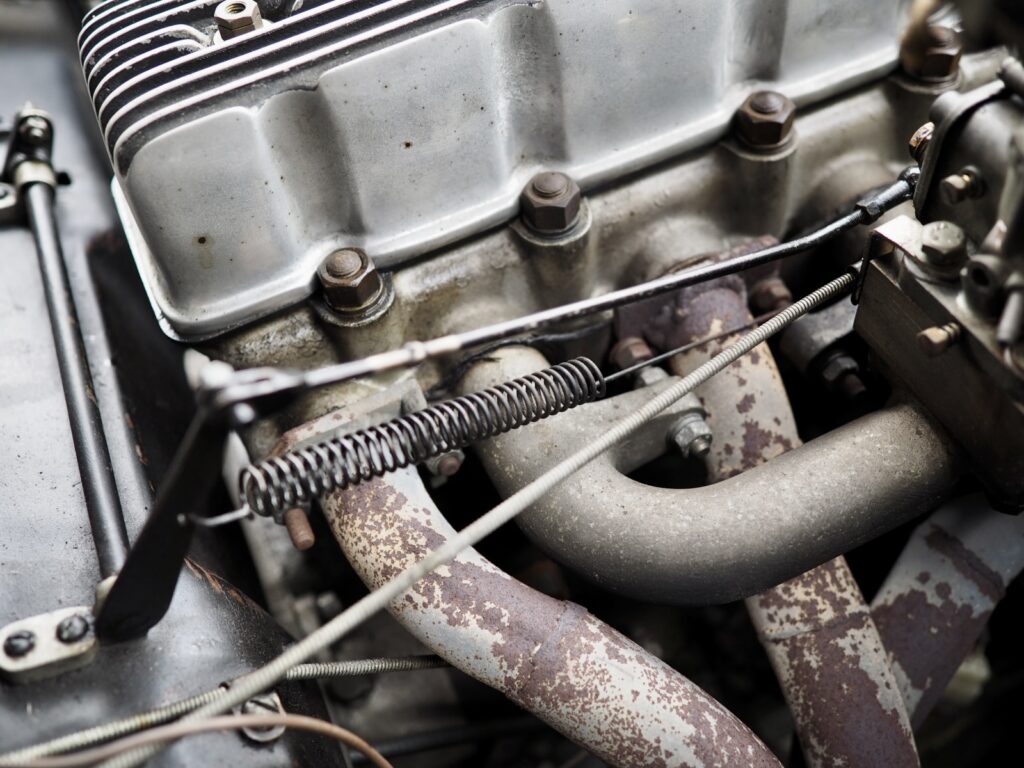
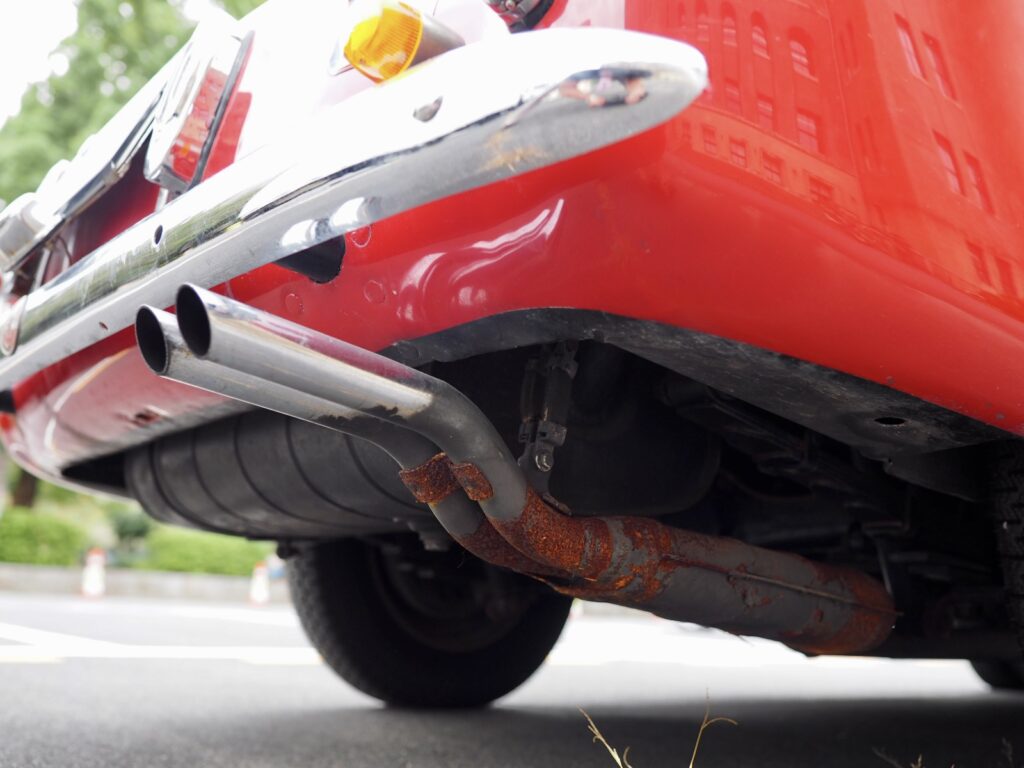
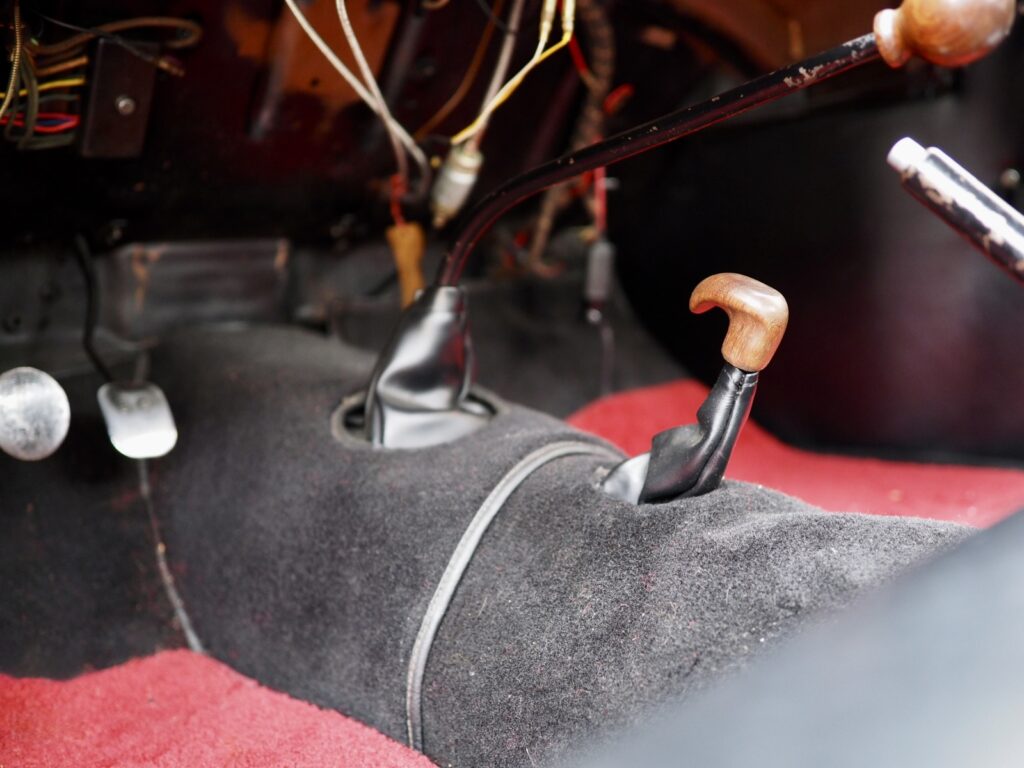
Specialist references state that only five FIAT 1100 Cabriolets were built by Stabilimenti Farina, and records of these precious cars still survive in various parts of the world…
To investigate the FIAT 1100B Abarth Stabilimenti Farina Cabriolet now in Japan, we undertook an extensive study of historical Italian material as well as surviving sales records, auction records and documentation for related cars around the world…
First, we contacted Stellantis Heritage, which maintains historical records for FIAT and Abarth, providing chassis No. 1100B318519 and engine No. FIAT1100B344869 and asking directly about factory records and any relationship to Abarth…
We also contacted the Registro Fiat Italiano in Italy and requested research into production ledgers, early registration records, the first owner, and any surviving documentation of special coachwork by Stabilimenti Farina…
The most wonderful encounter in this research, however, was our direct correspondence with Edgardo Michelotti, son of Giovanni Michelotti, one of the great figures in Italian automotive design history…!
Mr. Michelotti is the owner of Archivio Storico Michelotti, which preserves the enormous body of drawings and photographs left by his father Giovanni. He has spent more than a decade digitizing these priceless historical materials so that they can be passed on to future generations…
We sent him detailed photographs of 1100B318519 and asked for his opinion. He replied with great care, and even sent us the official catalog from “Michelotti World,” the 2021 centenary exhibition for Giovanni Michelotti held at MAUTO, the National Automobile Museum in Turin, together with period design drawings and photographs of a surviving 1949 FIAT 1100B Stabilimenti Farina Cabriolet that was actually exhibited in Italy…
March 31, 1949 — Bologna, Italy…
On this day, Carlo Abarth and racing driver Guido Scagliarini established “Abarth & C.,” the company that would later achieve worldwide fame…
Its launch, however, was anything but smooth…
At the time, Cisitalia, where Carlo had been involved in competition-car development, had invested enormous sums in an ambitious Grand Prix project and fallen into a severe financial crisis…
Unable to abandon his passion for racing, Carlo Abarth consulted his close friend Guido Scagliarini…
Guido’s father, businessman Armando Scagliarini, then offered financial support…
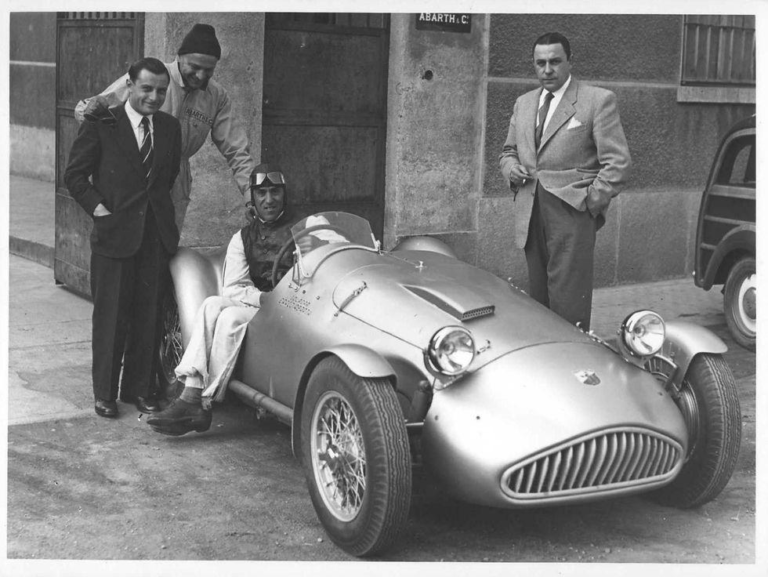
Carlo Abarth thus founded a company bearing his own name on the basis of four racing cars transferred from Cisitalia as compensation for his work, around twenty employees, and the workshop at Via Trecate 10 in Turin…
Abarth was not born from glamorous success, but from the technology and people of a racing team in financial distress—and from the friendship and support of those around Carlo…
Only a year later, on April 10, 1950, the legendary racing driver Tazio Nuvolari drove an Abarth 204A to a class victory in what would be the final race of his active career…
In that very founding year…
Born in 1949 was the car featured here: the FIAT 1100B Abarth Stabilimenti Farina Cabriolet, chassis No. 1100B318519…
What story, then, might have connected the newly founded Abarth with this beautiful Stabilimenti Farina Cabriolet…?
After the 204A racing cars inherited from Cisitalia, the 1950 Abarth 205A Berlinetta is generally known as one of the first cars produced independently by Abarth. Yet the fact that a car bearing the Abarth name existed even earlier—and in the very year the company was founded—makes the background of this example deeply intriguing…
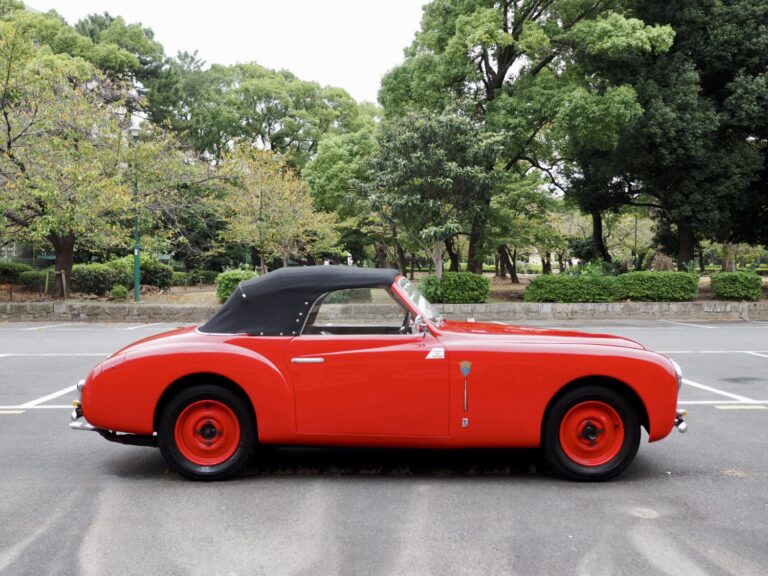
Remarkably, Edgardo Michelotti himself told us that he had not previously known of any Abarth involvement with a Stabilimenti Farina FIAT 1100B Cabriolet…
Why, then, does 1100B318519—born in the same year Abarth was founded—carry the Abarth name and such unusual mechanical features associated with Abarth thinking…?
Unfortunately, Mr. Michelotti explained that even the Michelotti family archive contains no surviving production record directly documenting a relationship with Abarth…
That only made the history more fascinating…
For the other known examples overseas, we examined auction records from RM Sotheby’s, Bonhams and Collecting Cars, together with sales material preserved by Classic Driver and European classic-car specialists…
By tracing each car’s year, chassis number, body details, ownership history and past event participation, the picture of the roughly five Stabilimenti Farina coachbuilt FIAT 1100 Cabriolets scattered around the world gradually became clearer…
【Car No. 1 — 1948 / Modena, Italy】
The first is a dark-red cabriolet said to have been exhibited at the 1948 Turin Motor Show…
It has been described as the first of the five cars built and was later offered for sale by the Modena classic-car specialist Excellence in Motion…
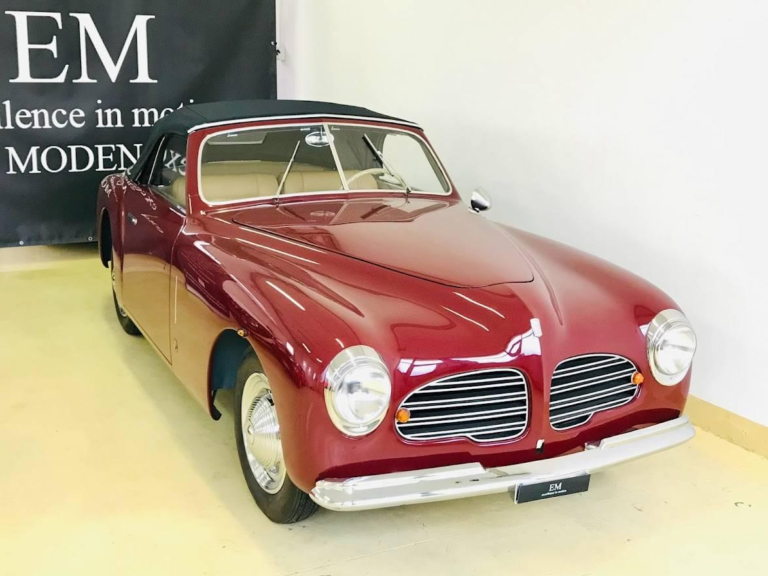
【Car No. 2 — 1948-1949 / The Netherlands】
Next is a dark-green example said to have been specially commissioned for a wealthy wine producer living near Bari in Puglia, southern Italy…
Records state that the car remained with the first owner’s family until 1984 and was restored in 1986…
In 2016 it moved to the Netherlands and was featured on Bring a Trailer that September; it is also recorded as having participated in Italy’s historic Mille Miglia in 2017…
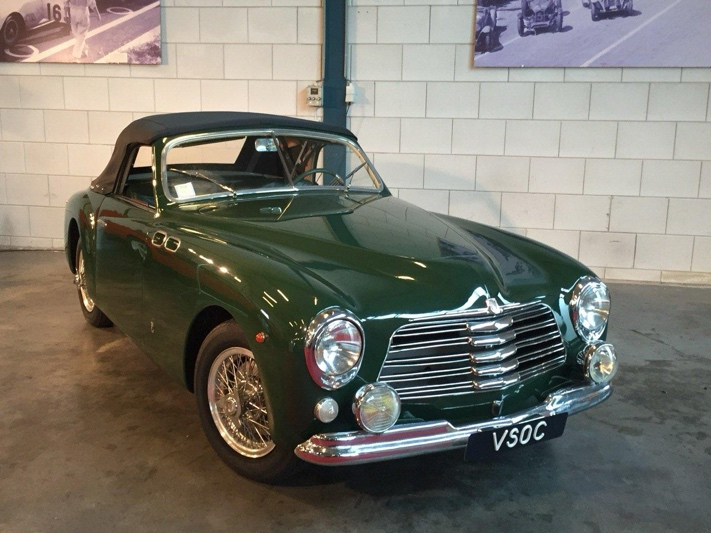
【Car No. 3 — 1949 / Belluno, Italy】
Then there is the red 1949 Cabriolet owned by the Sommavilla Collection in Belluno, Italy…
This is the very car for which Edgardo Michelotti sent us photographs directly: an example displayed in “Michelotti World” at MAUTO, the National Automobile Museum in Turin, in 2021…
Wearing its elegant Stabilimenti Farina body, the car was also featured in the official exhibition catalog and displayed as one of the vehicles representing the history of Giovanni Michelotti…
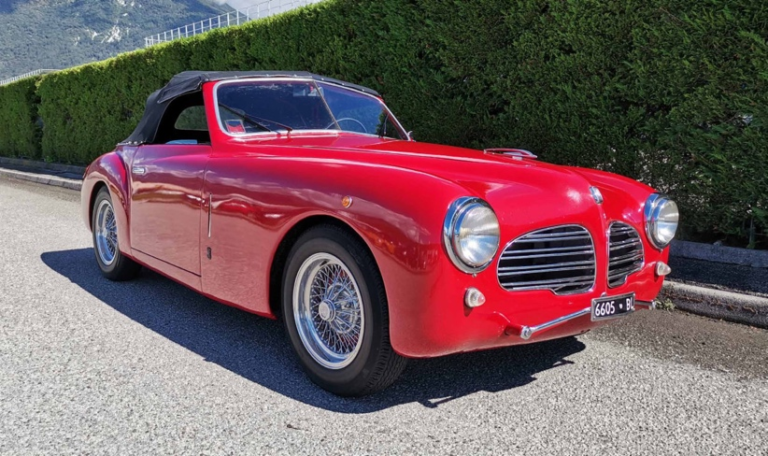
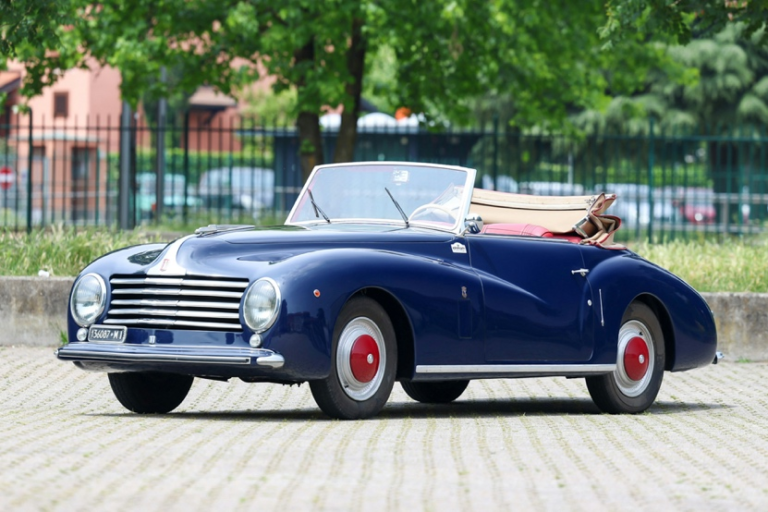
【Car No. 4 — 1949 / Milan, Italy】
In Milan, a 1949 FIAT 1100B Cabriolet with chassis No. 1100B291925 was offered on Collecting Cars in June 2026…
This car also carries special coachwork by Stabilimenti Farina and, like a bespoke commission of the period, has its own front-end design distinct from the other known cars…
【Car No. 5 — 1950 / United States】
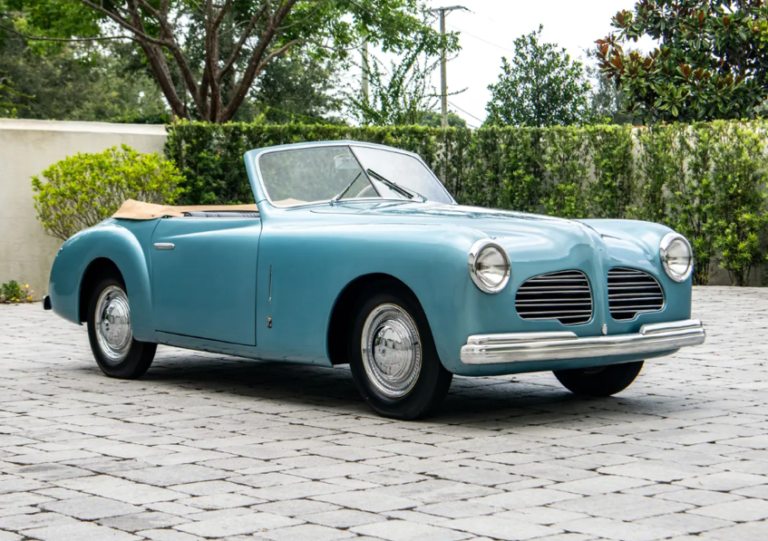
The final car is a pale-blue 1950 Cabriolet…
Recorded as chassis No. 1100B329030, it was delivered new in the summer of 1950 to Alessandro Alessandri in Italy and later served as a promotional car for the cycling team “US Salco,” giving it a particularly interesting history…
It was rediscovered in the 1980s after many years in deteriorated condition, then restored by an Italian craftsman over the course of roughly twenty years before eventually moving to the United States…
Thus, from Italy to the Netherlands and the United States, these works of Stabilimenti Farina—each overflowing with the essence of the young Michelotti’s design—have survived in different lands…
Each has its own ownership story, and even their details of form and equipment carry the individuality typical of Italian coachbuilt cars of the period…
The car featured here wears extremely rare early Abarth emblems and combines a hand-crafted rocker cover, an unusual exhaust manifold, specially shaped exhaust pipes, and a four-speed manual gearbox with an auxiliary range unit—mechanical features that visibly suggest something special and distinctly Abarth…
This is the 1949 FIAT 1100B Abarth Stabilimenti Farina Cabriolet, chassis No. 1100B318519…!
As we followed the surviving records of Farina-bodied FIAT 1100s around the world and unraveled their history, one extraordinary car currently in Japan emerged anew…
In 1949, the very year Carlo Abarth founded his own company, how did this particular car come into existence…?
The answer remains hidden within a history now approaching eighty years…
Chapter Two…
Abarth is born in 1949… Unraveling this car through the encounter between coachbuilders, engineers, and the young Michelotti in the turbulent years of postwar Italy…
This chapter is a little long, but every part is necessary to understand how this car came to be, so I would like to present the full story…
If you stay with it to the end, I believe you will find yourself nodding and saying, “Now I understand…” (author laughs)
1937 — Turin, the industrial city of northern Italy…
That year, Giovanni Michelotti, still only sixteen, saw a recruitment advertisement from the celebrated coachbuilder Stabilimenti Farina and joined the company…
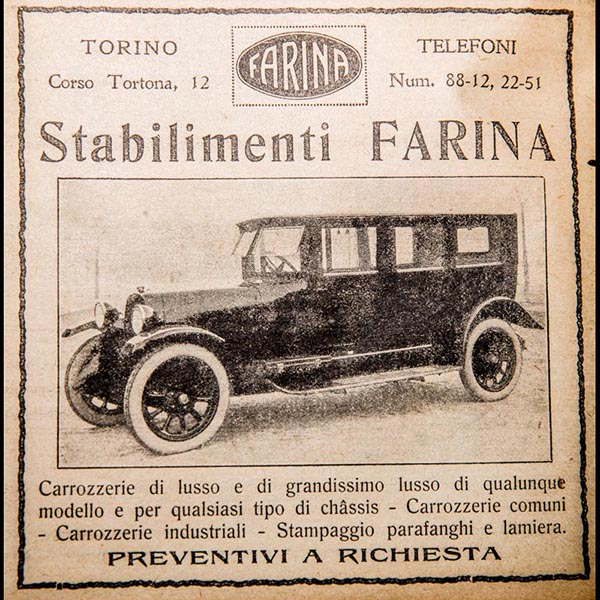
Founded in 1906, Stabilimenti Farina was one of Italy’s leading carrozzerie of the period…
This chapter is a little long, but every part is necessary to understand how this car came to be, so I would like to present the full story…
If you stay with it to the end, I believe you will find yourself nodding and saying, “Now I understand…” (author laughs)
This was an era before automobile manufacturers commonly designed and built complete bodies themselves. Many luxury and special-order cars were created by placing a bespoke body from a specialist coachbuilder onto a manufacturer-supplied chassis…
Stabilimenti Farina likewise used chassis from FIAT, Alfa Romeo, Lancia and later Ferrari to create special automobiles tailored to individual customers…
The sixteen-year-old Michelotti who joined the company was not immediately entrusted with automobile design…
He reportedly rode a bicycle to the workshop, beginning his working life by sharpening everyone’s pencils, organizing drawings and running errands…
1937 — Turin, the industrial city of northern Italy…
That year, Giovanni Michelotti, still only sixteen, saw a recruitment advertisement from the celebrated coachbuilder Stabilimenti Farina and joined the company…
Founded in 1906, Stabilimenti Farina was one of Italy’s leading carrozzerie of the period…
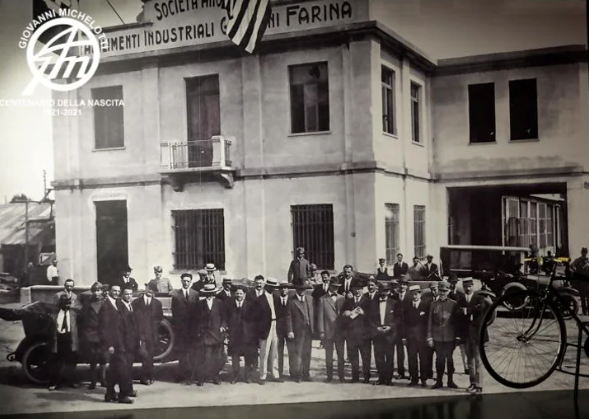
The chief designer at the time was Pietro Frua, who would later establish his own celebrated carrozzeria…
Michelotti regarded Frua as his first mentor, learning automobile form by watching his work closely…
After Frua left the workshop following a disagreement with Attilio Farina, Michelotti—who had been honing his skills in evening design classes—was given the opportunity to work seriously on automobile design…
The opportunity involved Alfa Romeo work connected with the renowned designer Mario Revelli di Beaumont…
From this experience, the young Michelotti’s talent blossomed rapidly, and between 1938 and 1947 he became involved in the design of numerous important automobiles produced by Stabilimenti Farina…
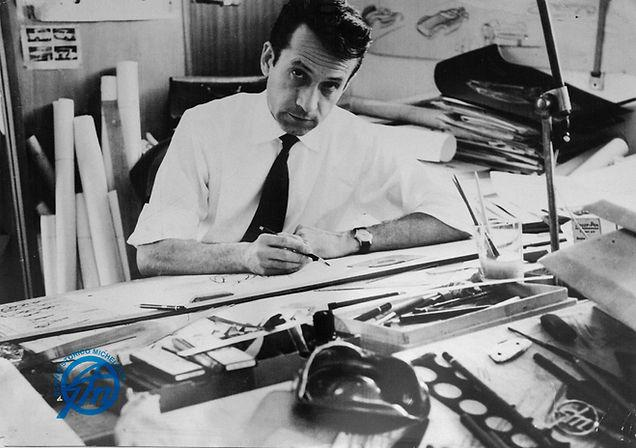
During those years, however, Italy lived through the Second World War…
The automobile industry was severely disrupted by the war, and even after the conflict ended the country faced shortages of factory equipment, materials and capital…
Yet postwar Turin still possessed the advanced mechanical knowledge accumulated before the war and the extraordinary skill of craftsmen able to shape free-flowing curves from flat sheet metal…
Against the tremendous energy of postwar reconstruction, Italy’s carrozzerie used those skills to create the designs of a new era…
The Cisitalia 202, introduced in 1947, became a symbol of that transformation…
The body of the 202, shaped by Battista “Pinin” Farina, moved away from the earlier convention of separate fenders and hood forms and instead blended front and rear fenders naturally into the overall surface of the car—an unmistakably modern design language…
An intriguing point is that Battista Farina, who created the Cisitalia 202, was the younger brother of Giovanni Carlo Farina, founder of Stabilimenti Farina…
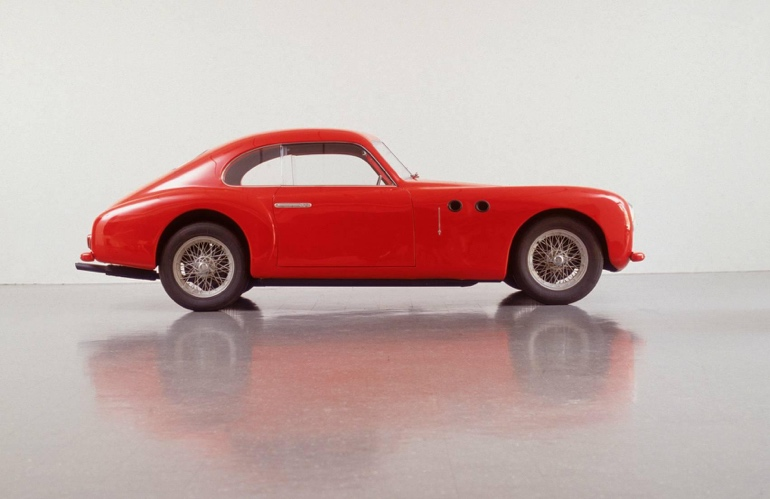
The elder brother’s Stabilimenti Farina and the younger brother’s Pinin Farina were separate companies, but both left important work during the period when Italian automotive design changed dramatically after the war…
At Stabilimenti Farina, bodies built for everything from the relatively small FIAT 1100 to the high-end Ferrari 166 sports car shared remarkably similar design ideas…
The official MAUTO exhibition catalog from 2021 records a particularly interesting anecdote about this…
Around 1949, the FIAT 1100 and Ferrari 166 built by Stabilimenti Farina were given body lines so similar that their common origin was unmistakable…
Enzo Ferrari is said to have been displeased that an expensive Ferrari and a comparatively small FIAT looked so much alike…
It is a fascinating anecdote when considering the background to Ferrari’s later deepening relationship with Pininfarina…
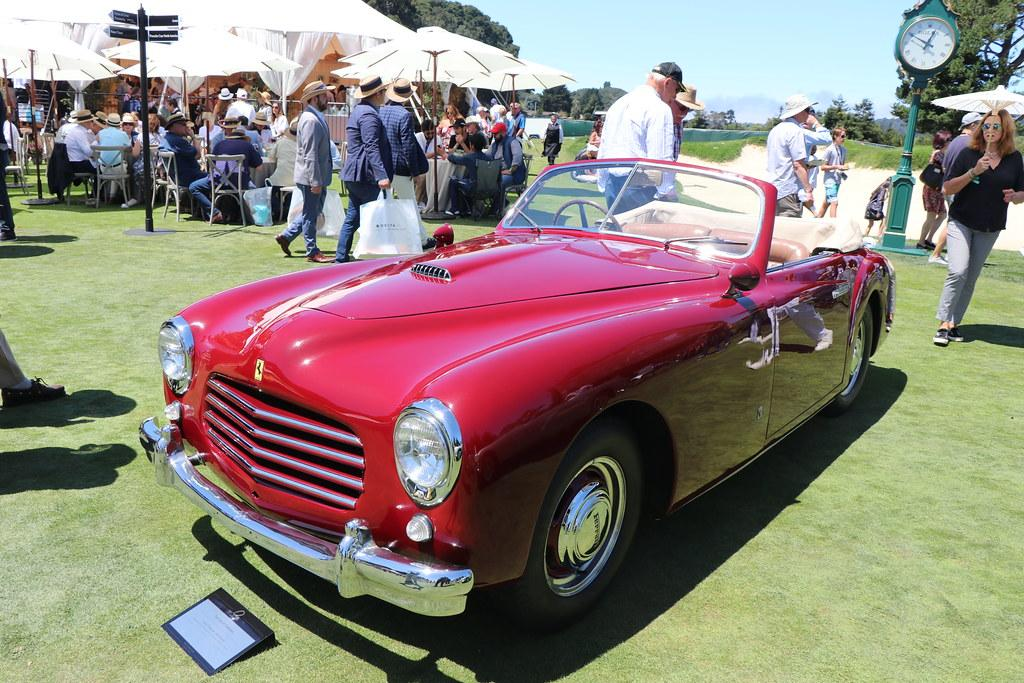
From Stabilimenti Farina’s perspective, however, adapting the same excellent design language to different chassis was not unusual for a coachbuilder of the era…
Adjusting fenders, grilles, bumpers and lighting to suit the dimensions and structure of each chassis and the wishes of each customer was an essential part of creating bespoke automobiles…
In 1949, at the age of twenty-eight, Giovanni Michelotti opened an independent automobile-body design studio on Via Ormea in Turin…
After independence he supplied designs to numerous coachbuilders, including Vignale, while continuing his relationship with Stabilimenti Farina…
According to his son Edgardo, Michelotti remained an employee of the company until 1946 and continued working with it as a consultant until the workshop closed in 1953…
Thus 1949—the year this FIAT 1100B is believed to have been built—was also the year Michelotti began a new path as an independent designer…
At the same time, another automotive engineer was preparing to establish a new company in Turin in 1949…
That man was Carlo Abarth…
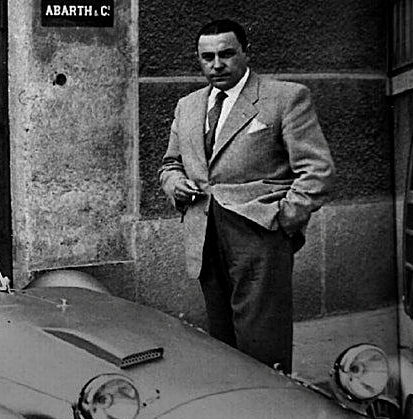
Born in Vienna in 1908, Carlo Abarth became involved in motorcycle competition from a young age and was deeply interested not only in riding but also in improving the machinery itself…
After the war, while seeking new business opportunities in Italy, he began acting as the Italian representative of the Porsche design office, with which he already had connections…
That relationship with Porsche would have a major influence on the eventual founding of Abarth…
At the time, Cisitalia, founded in Turin by businessman Piero Dusio, was developing lightweight racing cars using FIAT mechanical components…
The name Cisitalia was an abbreviation of Consorzio Industriale Sportivo Italia…
Dusio was a businessman with a strong passion for motor racing and an unusual background: before the war he had even played football for Juventus…
Cisitalia’s first successful racing car was the D46, introduced in 1946…
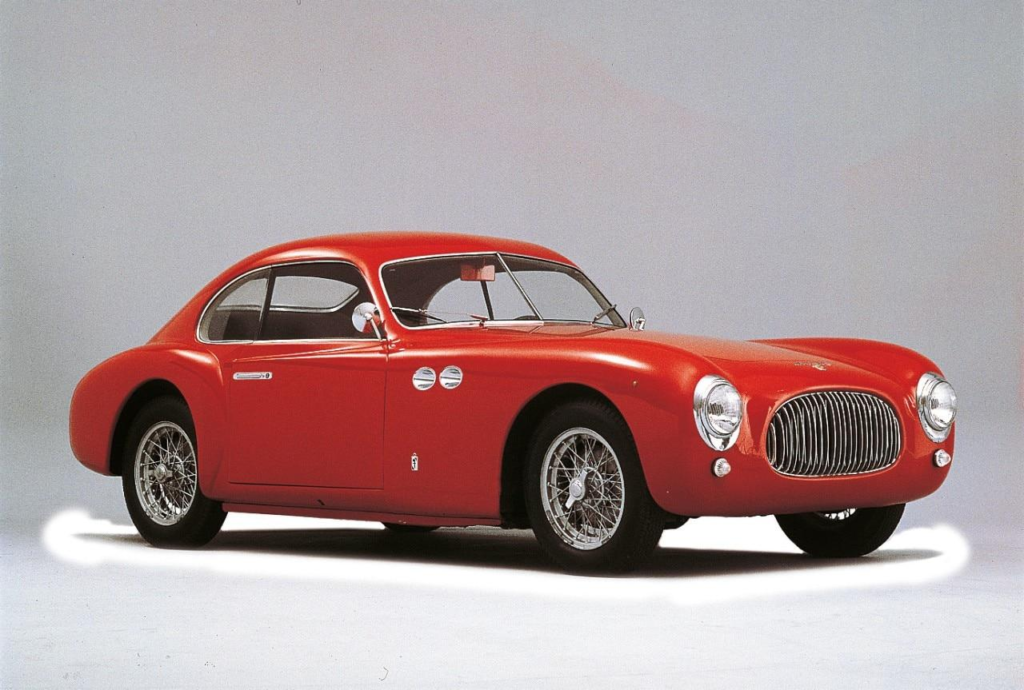
Together with Rudolf Hruska, Carlo Abarth acted as an intermediary between Cisitalia and Porsche and eventually worked as Cisitalia’s racing manager…
The Grand Prix car commissioned from Porsche by Cisitalia in 1947 was an extremely ambitious project known internally as Type 360…
It combined a 1,500 cc supercharged flat-twelve engine with four-wheel drive—an extraordinarily advanced design for its time…
Its technical complexity was on an entirely different level from the small competition cars using FIAT 1100-family engines…
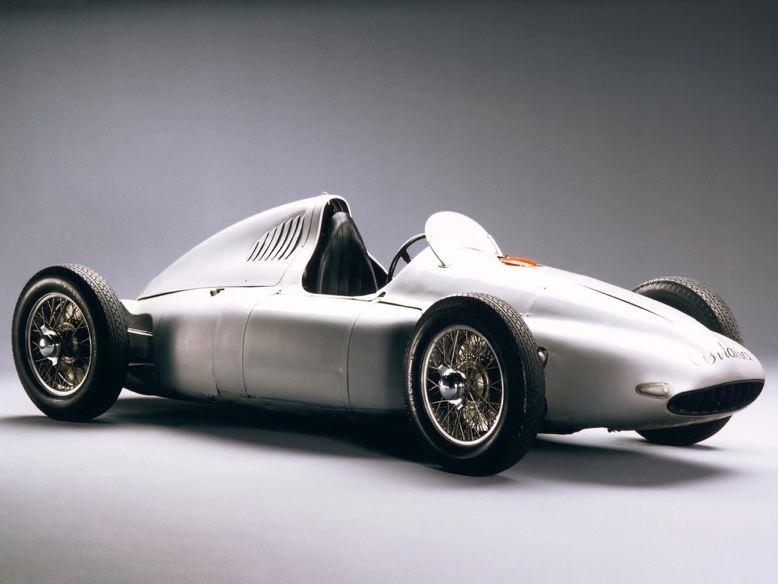
But the development costs placed an enormous burden on Cisitalia…
Building the Grand Prix car demanded huge funds, while Cisitalia still had to finance the development and production of its existing racing and sports cars…
By late 1948 the company’s finances had deteriorated rapidly, and by early 1949 the crisis had become so severe that asset control and unpaid employee wages had become serious issues…
In this situation, Carlo Abarth searched for a way to continue Cisitalia’s competition activities…
Alongside technical work drawing on his relationship with Porsche, he was also developing his own improvements to Cisitalia racing cars…
The most representative of these was the Cisitalia 204…
Developed from the Cisitalia 202-series racing spider, it was a pure competition sports car with a low hood and exposed front and rear fenders…
Its engine was based on the water-cooled FIAT 1100-family OHV inline-four, but performance was significantly increased through modifications such as multiple Weber carburetors…
The chassis and suspension were also modified, including independent front suspension using trailing arms and torsion-bar springs…
Rather than simply using standard FIAT 1100 production mechanisms, each system was developed for reduced weight, improved handling and greater output in competition…
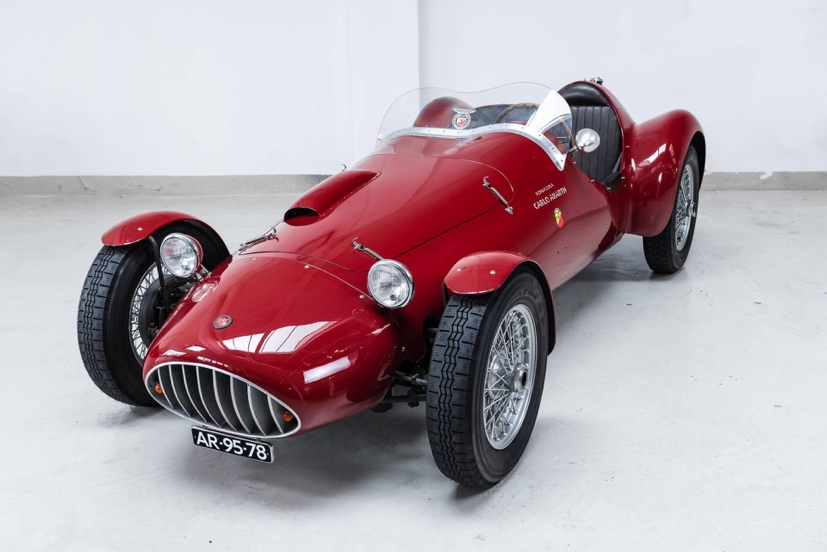
And then, on March 31, 1949, in Bologna, Italy…
Carlo Abarth founded Abarth & C. together with Guido Scagliarini, a Cisitalia racing driver and close friend…
The financial backing for this independence came from Guido’s father, Armando Scagliarini…
As compensation for his work at Cisitalia, Abarth took over one D46, three completed 204s and two unfinished 204s—a total of six competition cars including incomplete examples—and began business with around twenty employees at the facility on Via Trecate 10 in Turin…
This became the racing team known as Squadra Carlo Abarth…
Famous drivers including Tazio Nuvolari, Piero Taruffi, Franco Cortese and Guido Scagliarini gathered there, racing the inherited Cisitalia 204s as Abarth 204As…
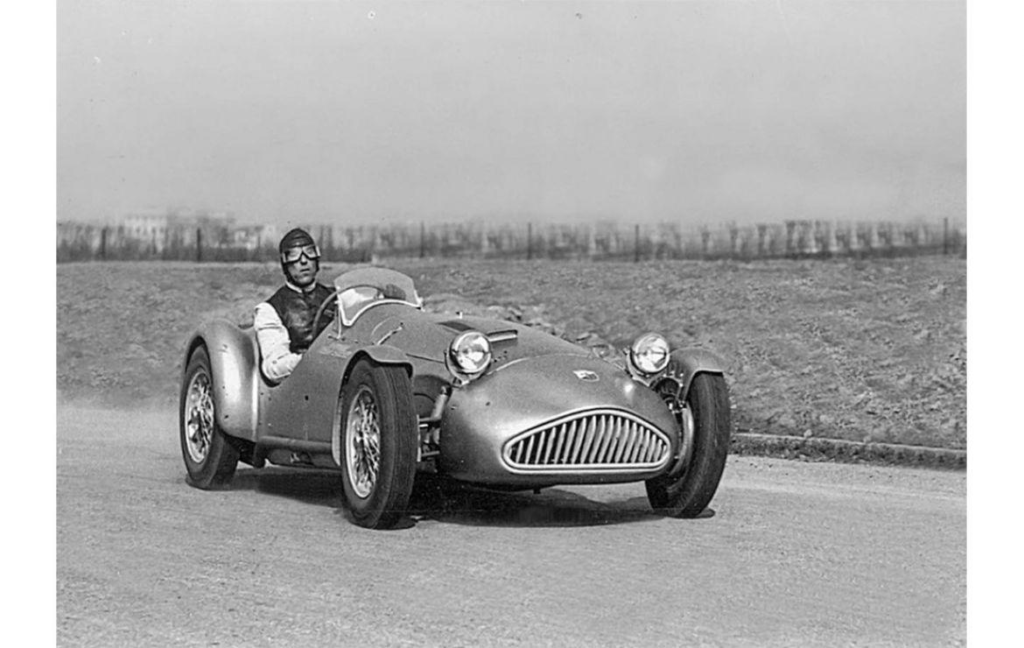
Abarth’s competition results were impressive from the outset. In the April 1949 Mille Miglia, Scagliarini and Maggio finished second in the under-1,100 cc class and fifth overall in a 204A…
Thus, almost immediately after establishing the company, Abarth was already building a record of achievement in motorsport…
But racing required enormous amounts of money…
Building, maintaining and transporting competition cars, purchasing parts and paying employees all demanded a stable source of income…
Carlo Abarth therefore began applying the technology developed through competition to ordinary road cars…
One of the products developed in the company’s earliest period was a kit converting the floor shift of the FIAT 500 Topolino to a column-shift arrangement…
This was not an engine-performance part, but a product that changed the gear-selection mechanism itself…
Column shifts were beginning to appear on newer passenger cars, and bringing that style of operation to the older Topolino reflected both practicality and commercial thinking…
Abarth also began developing exhaust systems intended to improve both gas flow and exhaust sound…
At the 32nd Turin Motor Show, which opened on May 4, 1950, the sports exhaust that would later become an Abarth signature—the “Marmitta Abarth”—was officially introduced…
The first version was made for the FIAT 500 Topolino, after which the range expanded to the FIAT 1100 and many other vehicles…
Combining improved performance through reduced exhaust restriction with a distinctive sound, the product gained popularity—helped by publicity from racing—and developed into a major business supporting Abarth’s growth…
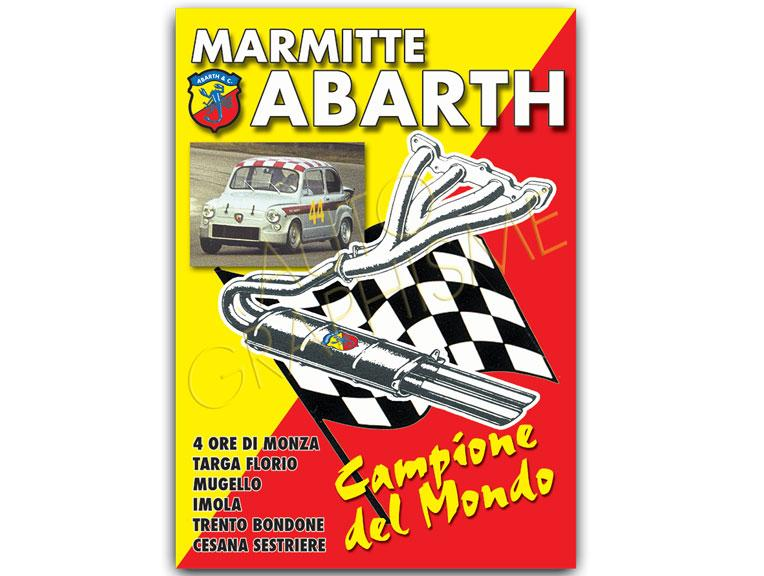
In other words, Carlo Abarth in the company’s founding years was not concerned only with building competition cars…
He worked broadly on extracting greater performance and usability from limited mechanical resources: improving small engines, designing exhaust systems and modifying gear-selection mechanisms…
It was amid this drama of Abarth’s founding years that the 1949 FIAT 1100B Abarth Stabilimenti Farina Cabriolet featured here is said to have been born, and the story attached to this car strongly reflects the background of that era…
According to that story, Carlo Abarth, newly independent and struggling to overcome the financial difficulties of his young company, obtained a FIAT 1100B chassis, took it to Stabilimenti Farina, and commissioned a special Cabriolet incorporating his own ideas—including the exhaust system and a transmission with auxiliary high/low range…
No original purchase order or sales record confirming this story has yet been found…
Yet when one considers Abarth’s actual business activities in 1949 and the financial conditions immediately after the split from Cisitalia, the tradition becomes extremely intriguing…
The FIAT 1100B was a mass-produced passenger car powered by a 1,089 cc water-cooled OHV inline-four…
Its separate chassis construction also made it well suited to coachbuilders wishing to use production-car mechanical components beneath bespoke bodies…
The basic engine, gearbox and driveline could be sourced from a series-production model while the body could be shaped freely to the customer’s wishes. Abarth, meanwhile, had already been involved in competition development of FIAT 1100-family engines during the Cisitalia period and possessed considerable experience with their mechanical architecture…
By combining such a chassis with a special Stabilimenti Farina Cabriolet body, a unique sports car with distinctive styling and mechanical character could be created without the enormous expense of developing a dedicated engine and drivetrain…
In Italy, such low-volume bespoke automobiles were known as “Fuoriserie” and were prized by enthusiasts as something fundamentally different from mass-produced cars…
If Carlo Abarth really was involved in the construction of this 1100B during his company’s founding period, it is entirely plausible to view it as a car combining special coachwork by a renowned carrozzeria with unique mechanical modifications…
The unusual exhaust-manifold shape, twin-outlet exhaust, and eight-ratio system combining a four-speed gearbox with high/low auxiliary range on 1100B318519 are exceptionally interesting features when considering that tradition…
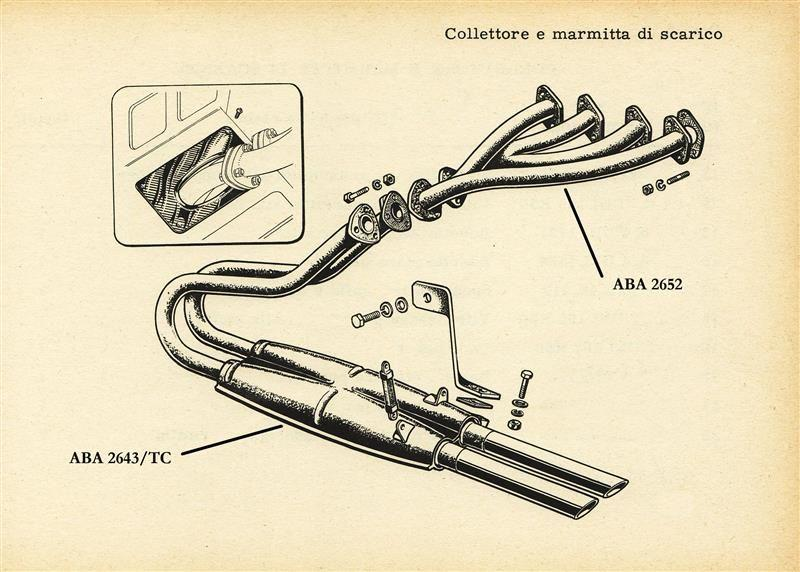
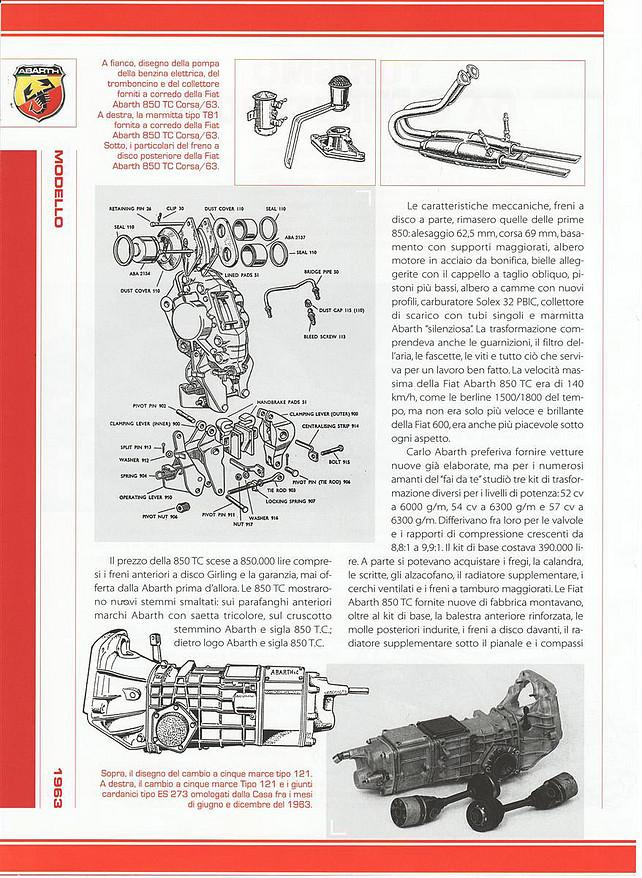
In particular, the fact that early Abarth developed both gear-selection conversion kits and sports exhaust systems as commercial products is impossible to overlook when considering the technical relationship to the mechanisms found on this car…
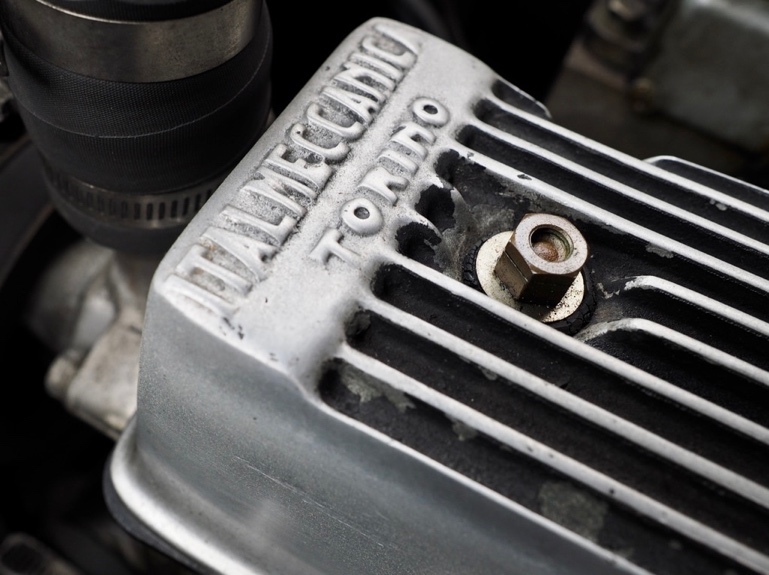
The engine is also fitted with a special finned light-alloy rocker cover bearing the cast inscription ITALMECCANICA TORINO…
Italmeccanica was another Turin company involved in high-performance engine components and special sports cars in the postwar period…
This car therefore brings together, in a remarkably unique way, equipment suggestive of the skills of several specialist Turin workshops of the era, all built upon FIAT production mechanicals…
As 1950 began, Abarth’s business developed in new directions beyond competition cars…
The Abarth 205A Berlinetta is a representative example…
Unlike the 204A inherited from Cisitalia, the 205A is known as one of the earliest beautiful coupé models newly created by Abarth after independence…
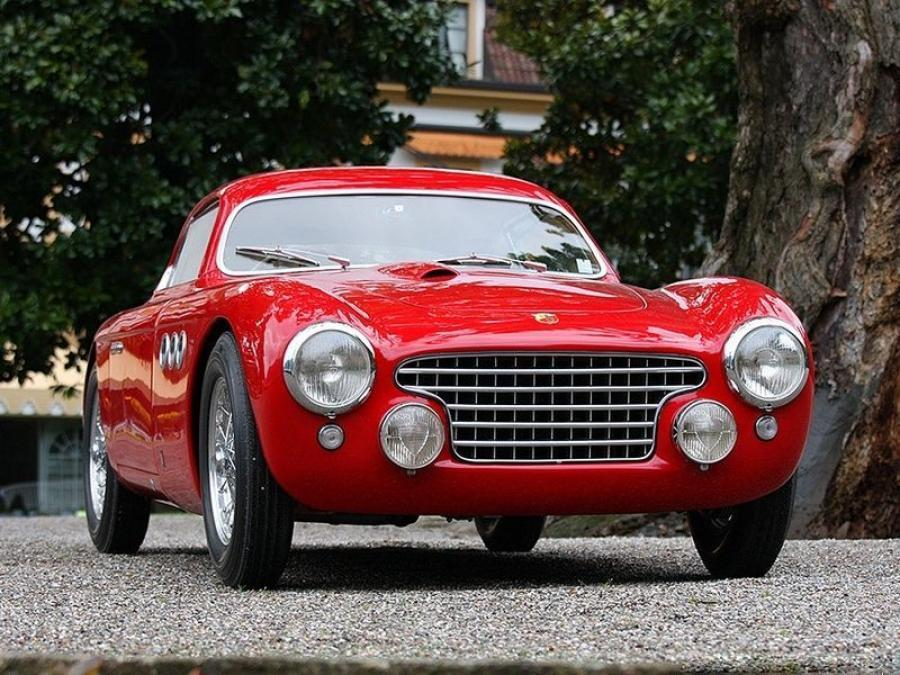
The first example, chassis No. 205-101, was completed in March 1950 and entered the Coppa Intereuropa at Monza on March 26…
The driver was Abarth co-founder Guido Scagliarini, who won his class…
Although its mechanical concept evolved from Cisitalia-era racing cars, the 205A was a special sports coupé using a dedicated steel platform chassis. Its engine was again a FIAT 1100B-family inline-four, modified with a Cisitalia cylinder head and other competition-oriented components…
The aluminum Berlinetta body of the 205A was built by Carrozzeria Vignale…
And its designer was Giovanni Michelotti…!
The boy who had joined Stabilimenti Farina in 1937 at the age of sixteen and started by sharpening pencils had, by 1950, become the designer of a sports coupé for the new Abarth marque…
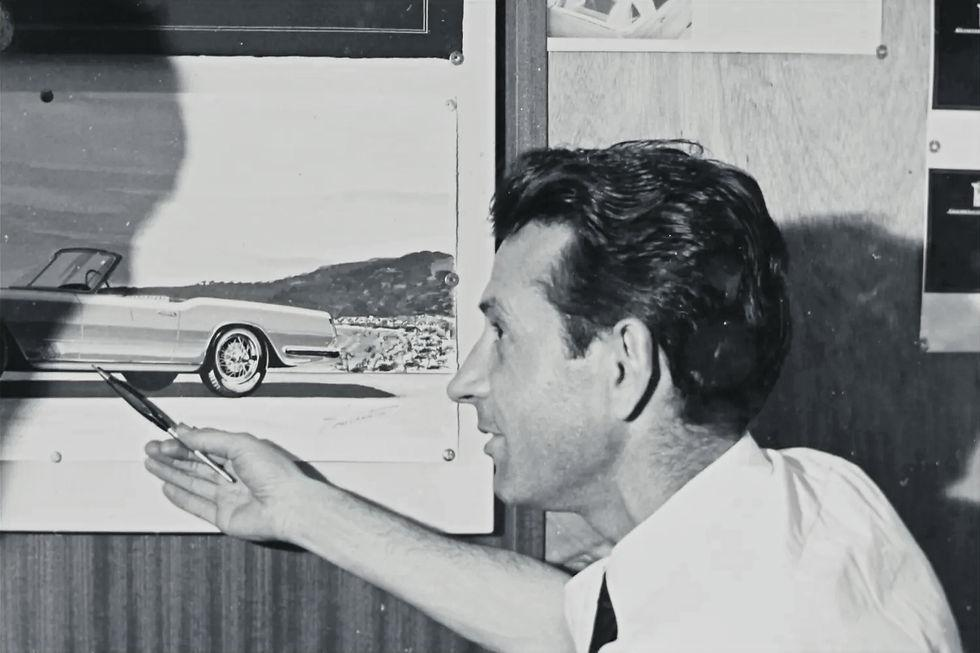
In 1951, an even more intriguing special car appeared…
It was the Abarth Simca 8 Sport Cabriolet built for Roger Barlow, a California sports-car dealer who also competed as a racing driver…
Barlow operated International Motors in Hollywood, with celebrities such as Bing Crosby and Clark Gable among his customers…
A devoted Simca enthusiast, he raced modified Simcas but also wanted a comfortable, high-performance special car he could use for everyday transportation…
This car was built to answer that request…
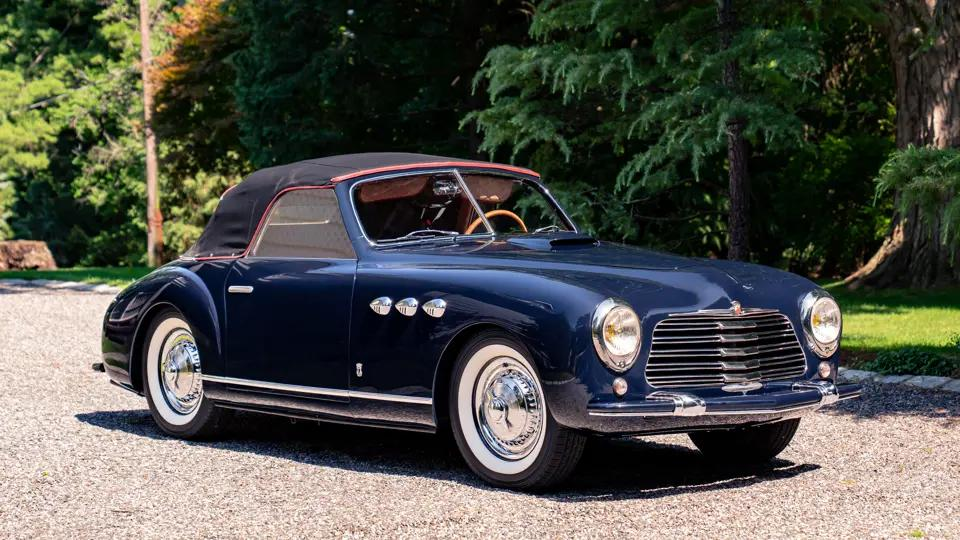
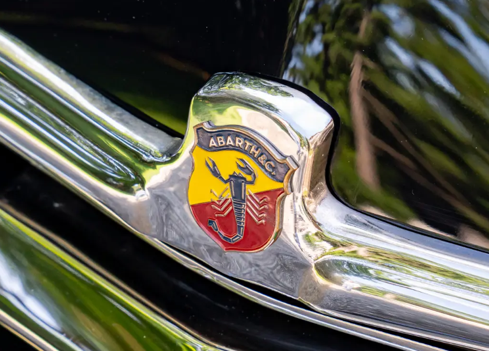
The basis was the French-built Simca 8, whose mechanical architecture derived from the FIAT 1100 family…
Its 1,221 cc inline-four received an Abarth-modified cylinder head and exhaust system, together with an S.Co.T. supercharger and Weber carburetor, for an estimated 90-100 horsepower…
And once again, the beautiful Cabriolet body was built by Stabilimenti Farina…
So by 1951, a car actually existed that combined a FIAT 1100-derived chassis and mechanical package, Abarth high-performance engine components, and a special Stabilimenti Farina body…
This Abarth Simca 8 was later documented in detail by RM Sotheby’s as chassis No. 897238, including its construction history and mechanical specification…
Its beautiful steel-and-aluminum body inherited Stabilimenti Farina design ideas shared with cars such as the Cisitalia 202 and Ferrari 166, while incorporating bespoke details including special bumpers, fender vents and a hood scoop. This 1951 Abarth Simca 8 is therefore a highly significant example showing that Carlo Abarth’s engineering and Stabilimenti Farina coachwork were indeed combined on the same automobile…
The period from Abarth’s founding in 1949 through the 205A of 1950 and the Abarth Simca 8 of 1951 was crucial, as Carlo Abarth expanded his activities across competition-car development, tuning of production cars and bespoke sports cars…
At the same time, Giovanni Michelotti had begun his career as an independent designer, while Turin carrozzerie including Stabilimenti Farina were creating one new postwar automotive form after another…
The FIAT 1100B Abarth Stabilimenti Farina Cabriolet chassis No. 1100B318519, said to have been built in 1949—two years before that Simca 8—can likewise be understood against this network of engineers and coachbuilders, helping explain the unique specification found only on this example…
Chapter Three…
Across seventy-seven years…
1100B318519 appears before us—a car that deserves to remain in history…
Moved by the passion of Italian craftsmen and the breath of history…
Born in Turin in 1949 and still surviving in Japan after seventy-seven years, this 1949 FIAT 1100B Abarth Stabilimenti Farina Cabriolet, chassis No. 1100B318519, is a truly extraordinary presence…
Its story—born from the drama of Abarth’s founding period and the world of the young Michelotti—fires the imagination and deepens the desire to investigate it even further…
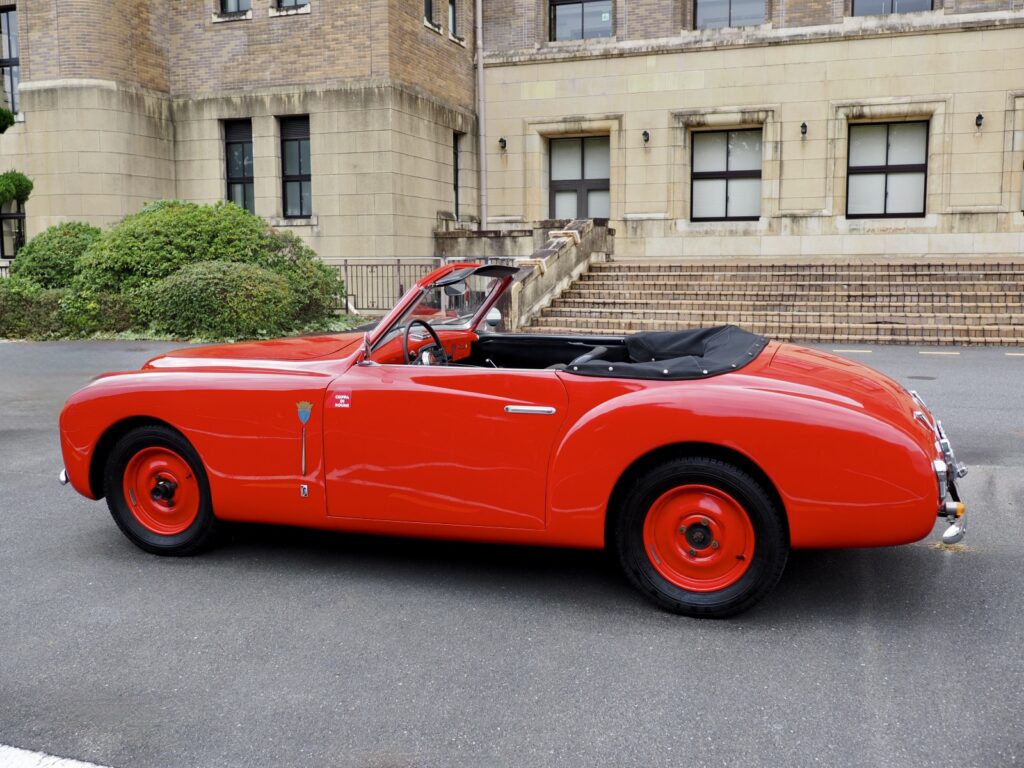
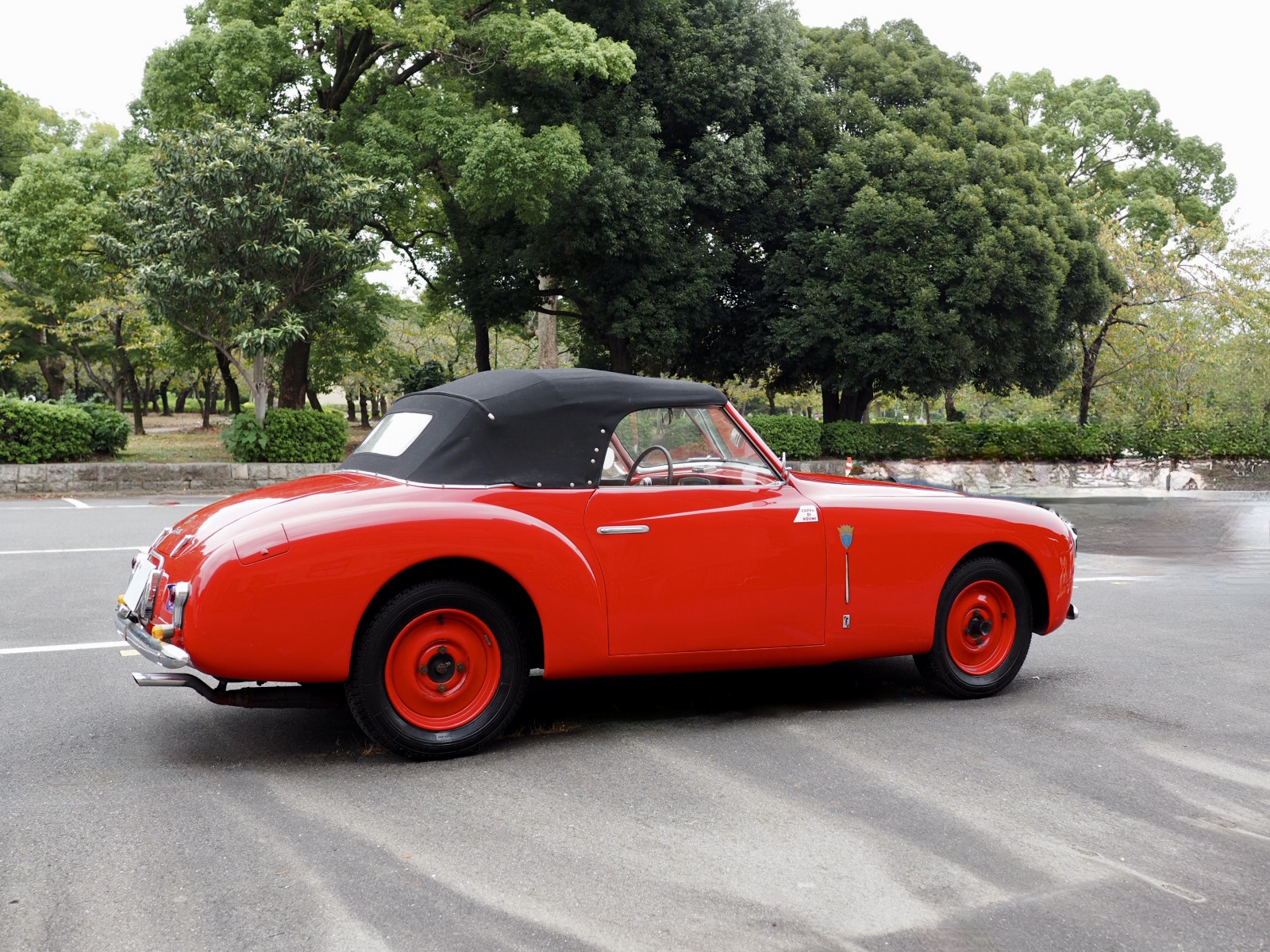
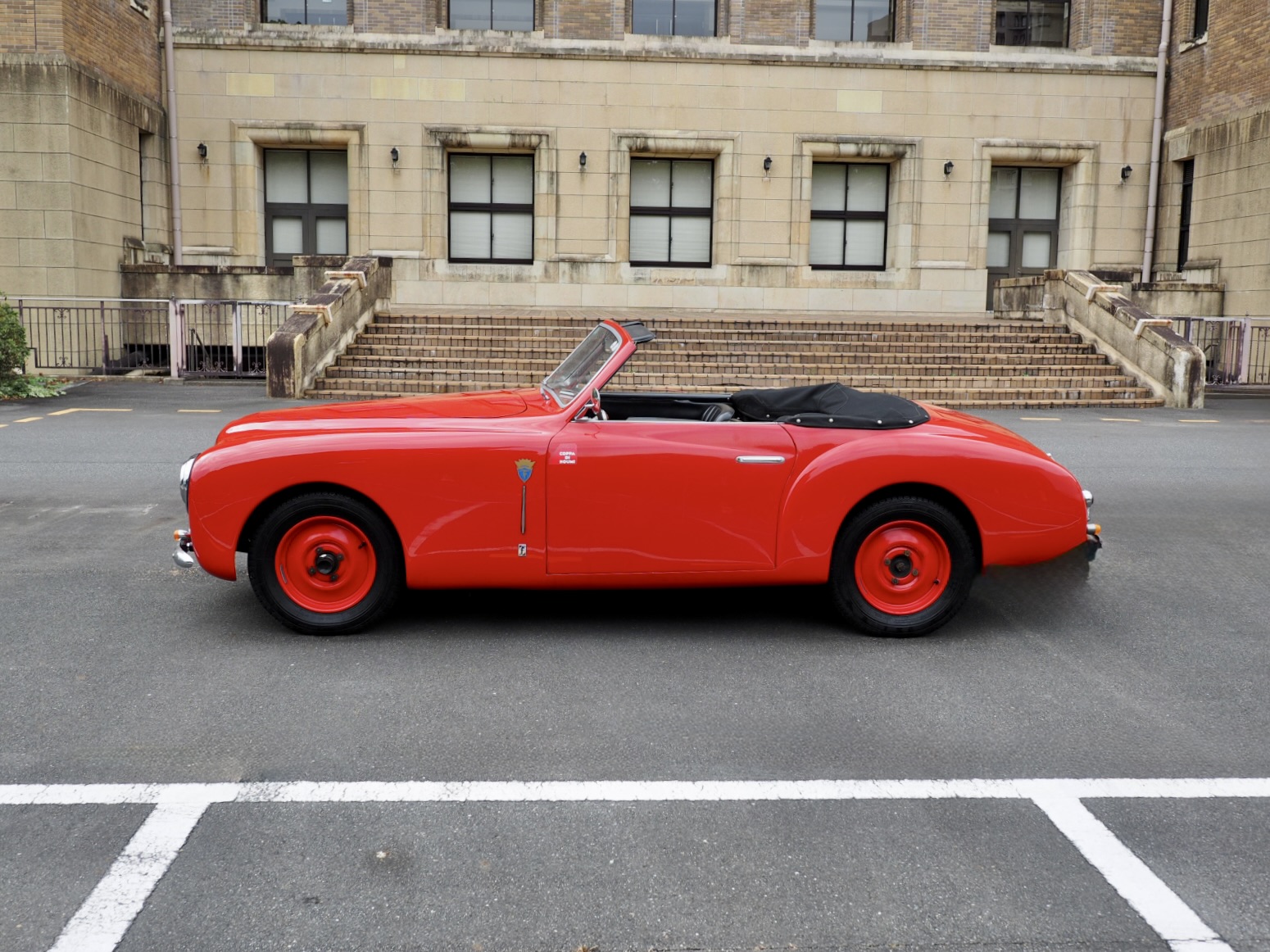
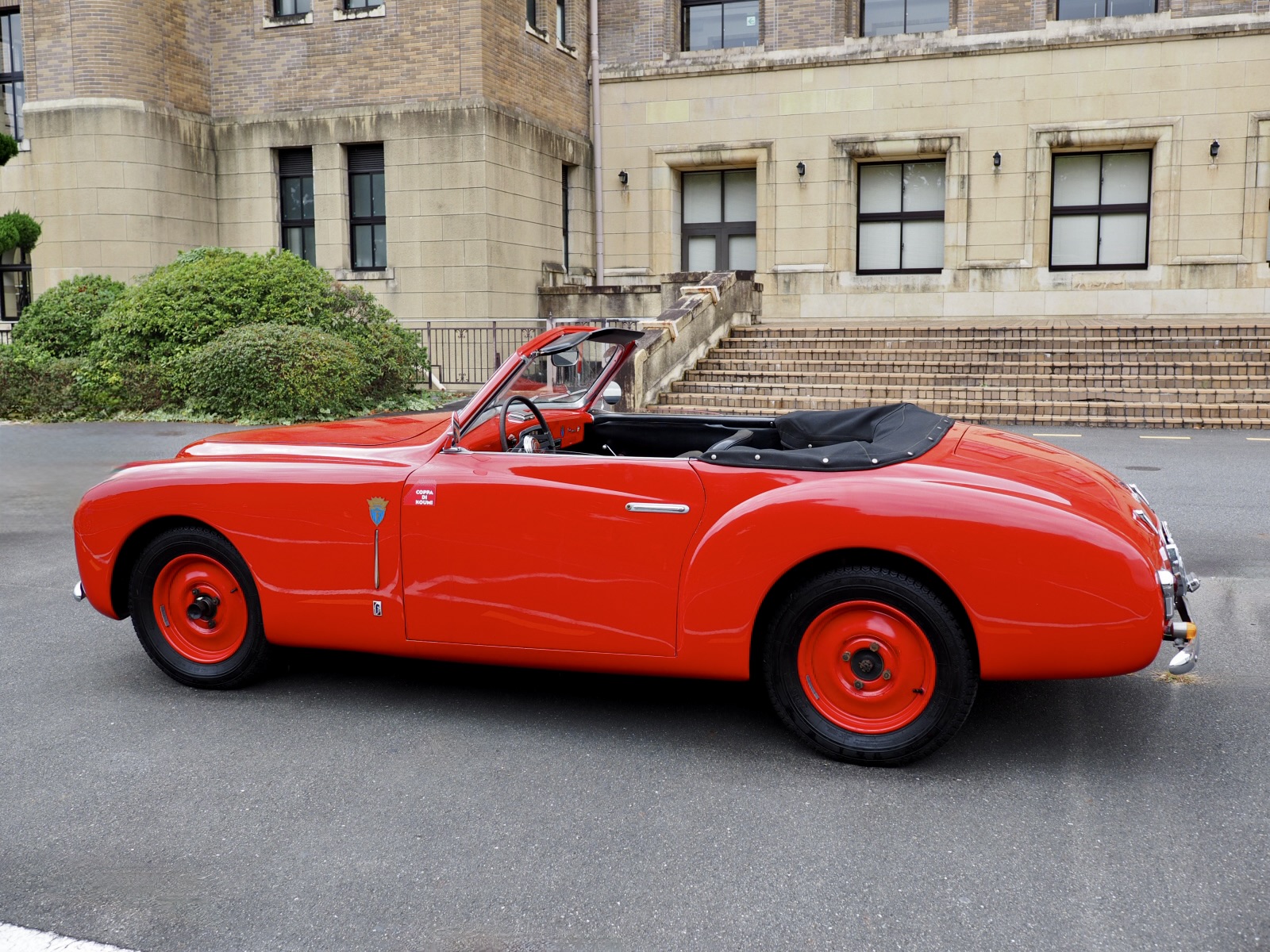
Standing before this car, whose very posture carries a special aura, the first surprise is the beautiful and captivating proportion granted to such a small body: only 407 cm long and 155 cm wide…
A long, low hood… front fenders flowing naturally from its curved surfaces… and a body line running in one continuous gesture from the doors to the rear…
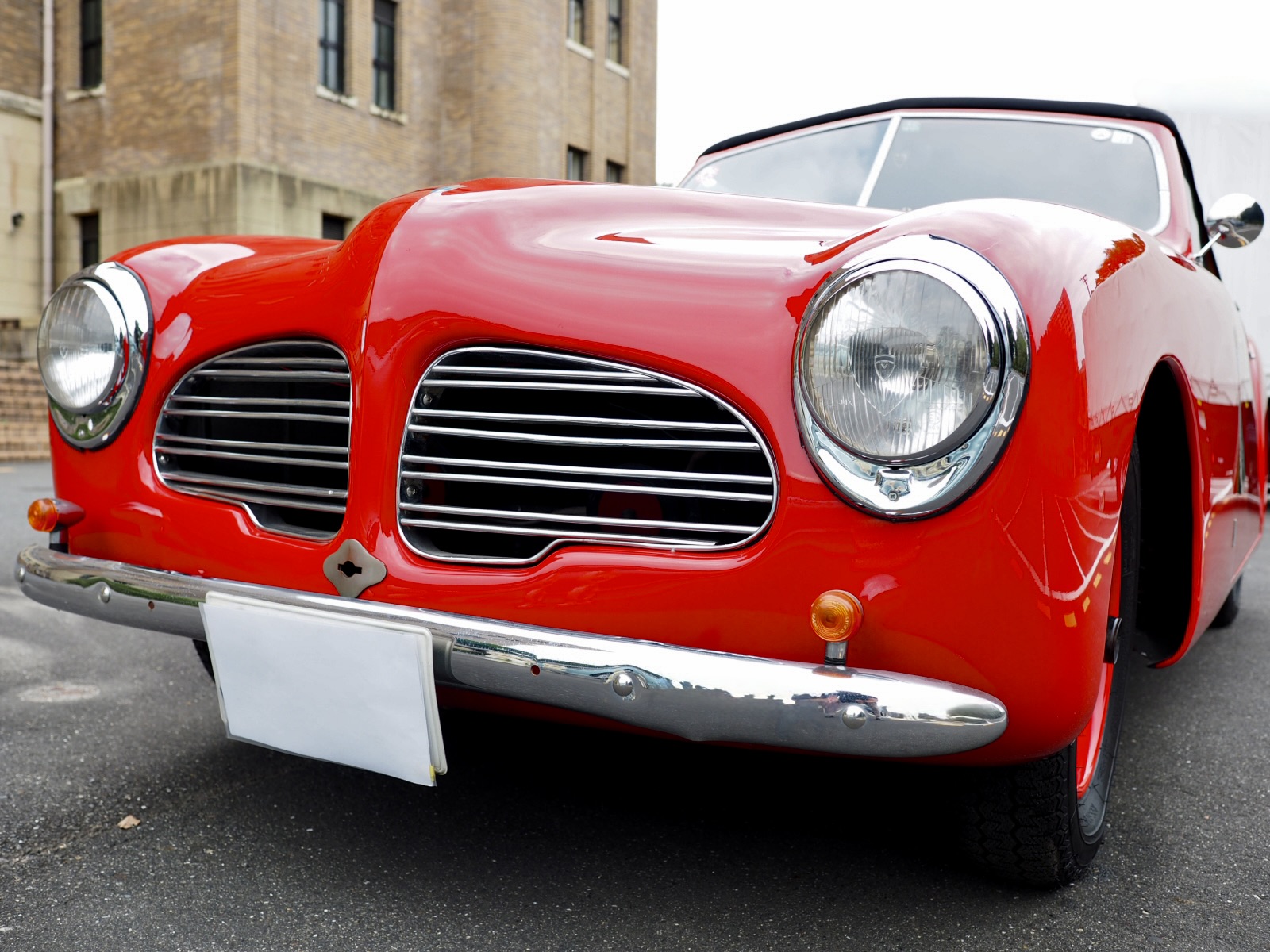
From the uniquely shaped split front grille and low two-piece windshield to the richly rounded rear fenders and seductive tail, the proportions remain beautifully balanced from every angle…
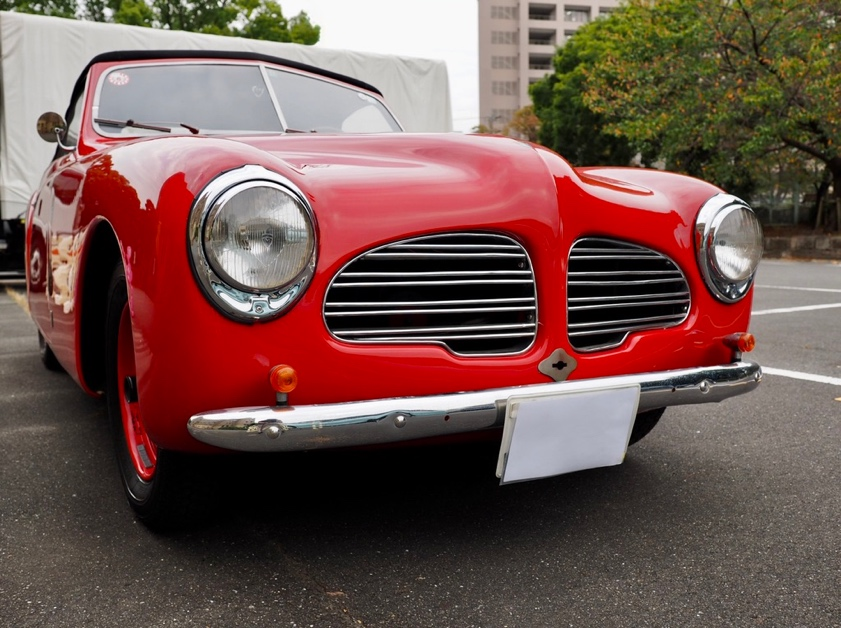
What is most moving is the fact that all of this was shaped by hand…
The skill of the craftsmen who formed sheet metal all those years ago can be felt everywhere in this compact body…
In an age before computer design or modern manufacturing equipment, a designer drew a curve with a single pencil and craftsmen transformed it into three-dimensional metal…
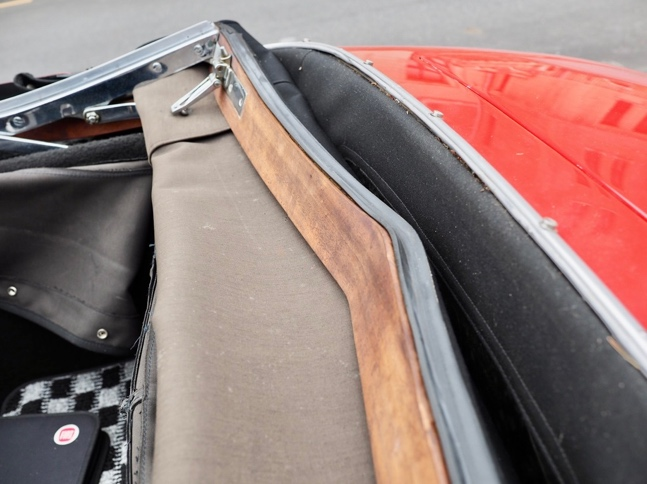
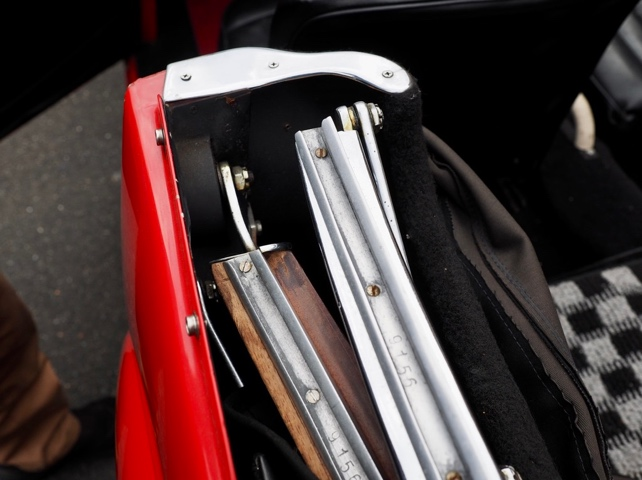
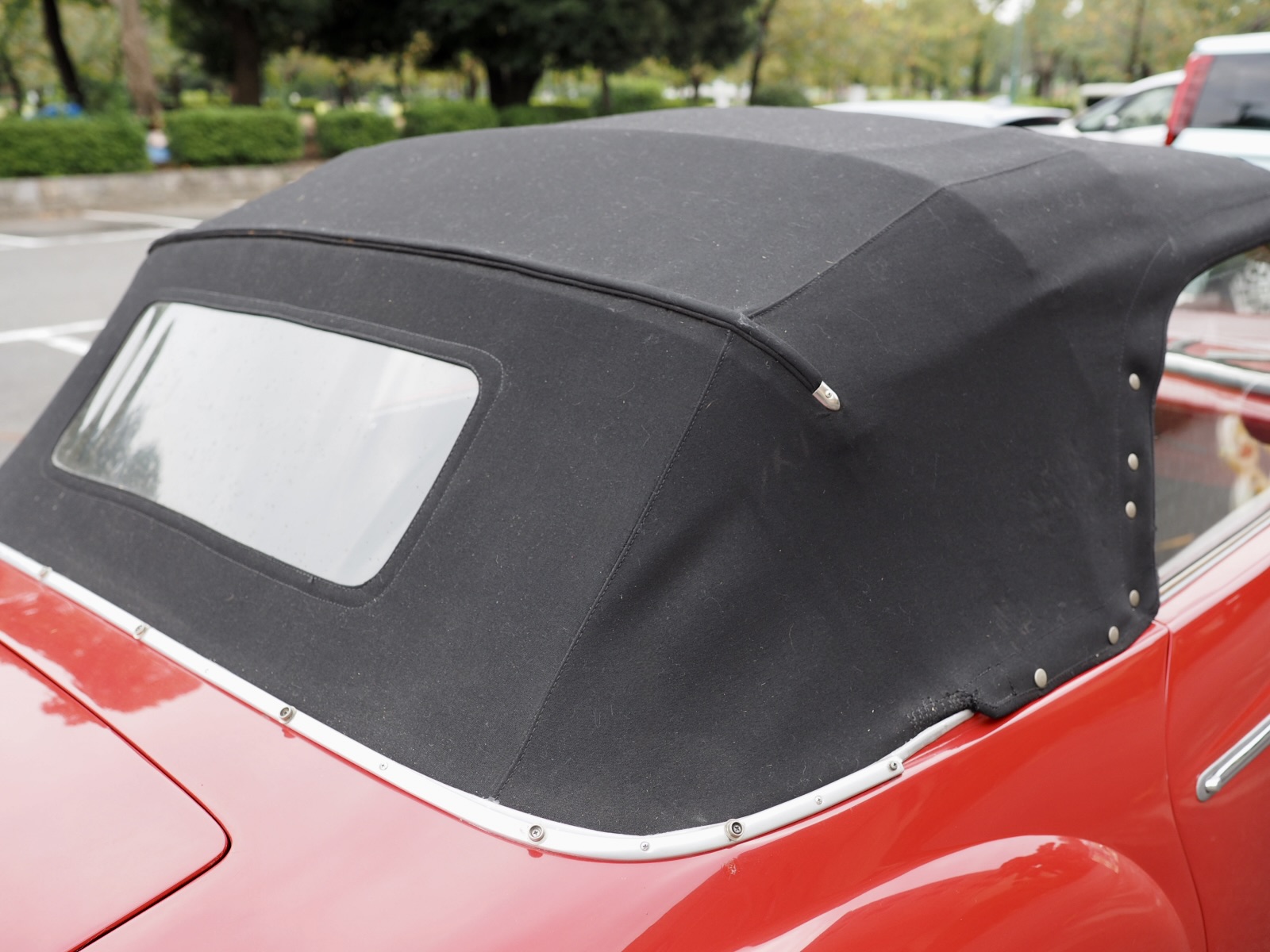
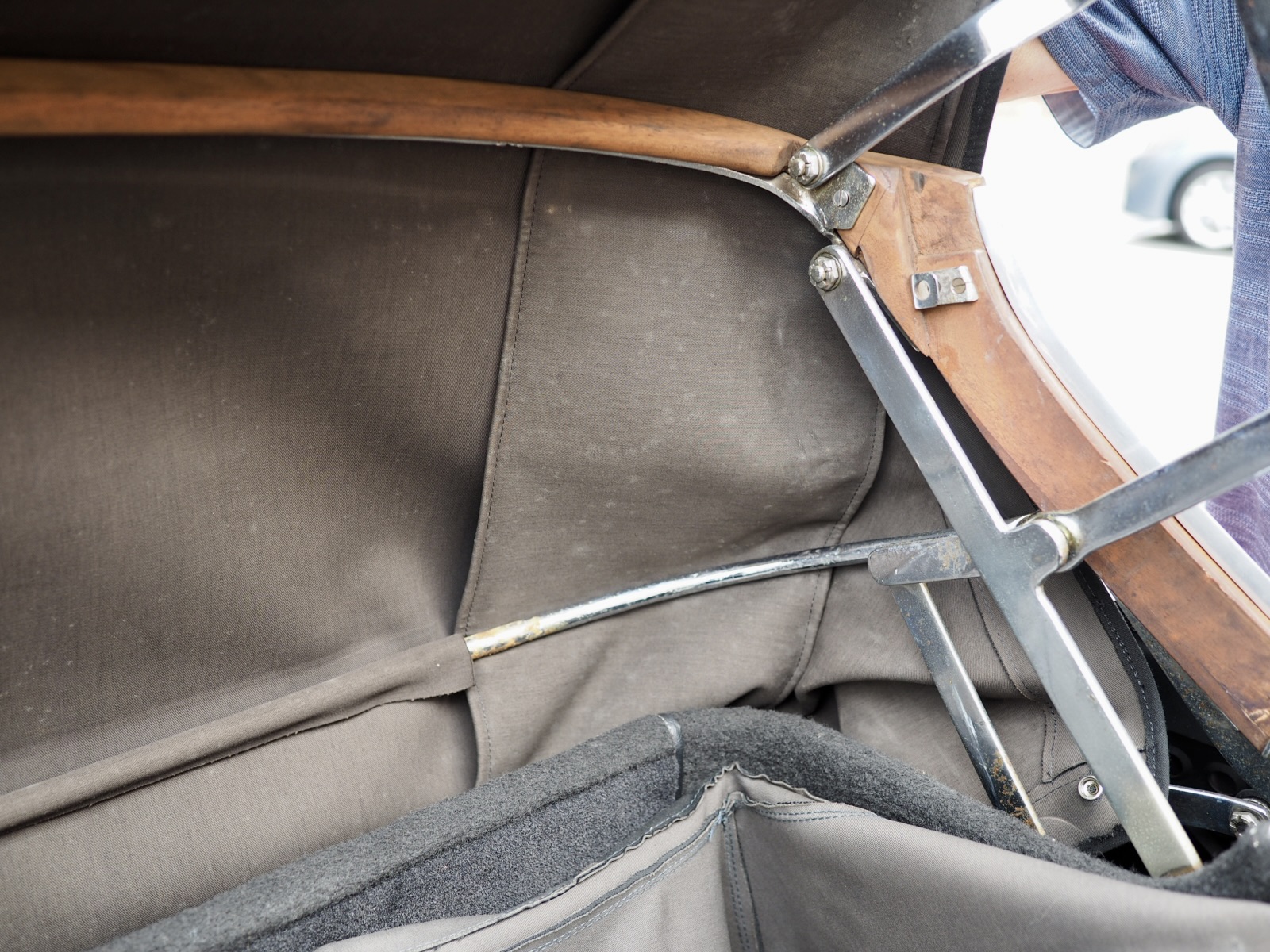
You can sense the same tradition in the operation of the soft top. Look closely at its framework and you can see traditional woodworking skills handed down from the era of carriage construction into Italy’s great carrozzerie…
Beautiful ash wood has been steam-bent into elegant curves, combined with hand-made metal fittings and hood bows. The mechanism operates with remarkable smoothness—arguably with a grace and reliability that many modern electric systems cannot match—and preserves the coachbuilding craft of the 1940s…
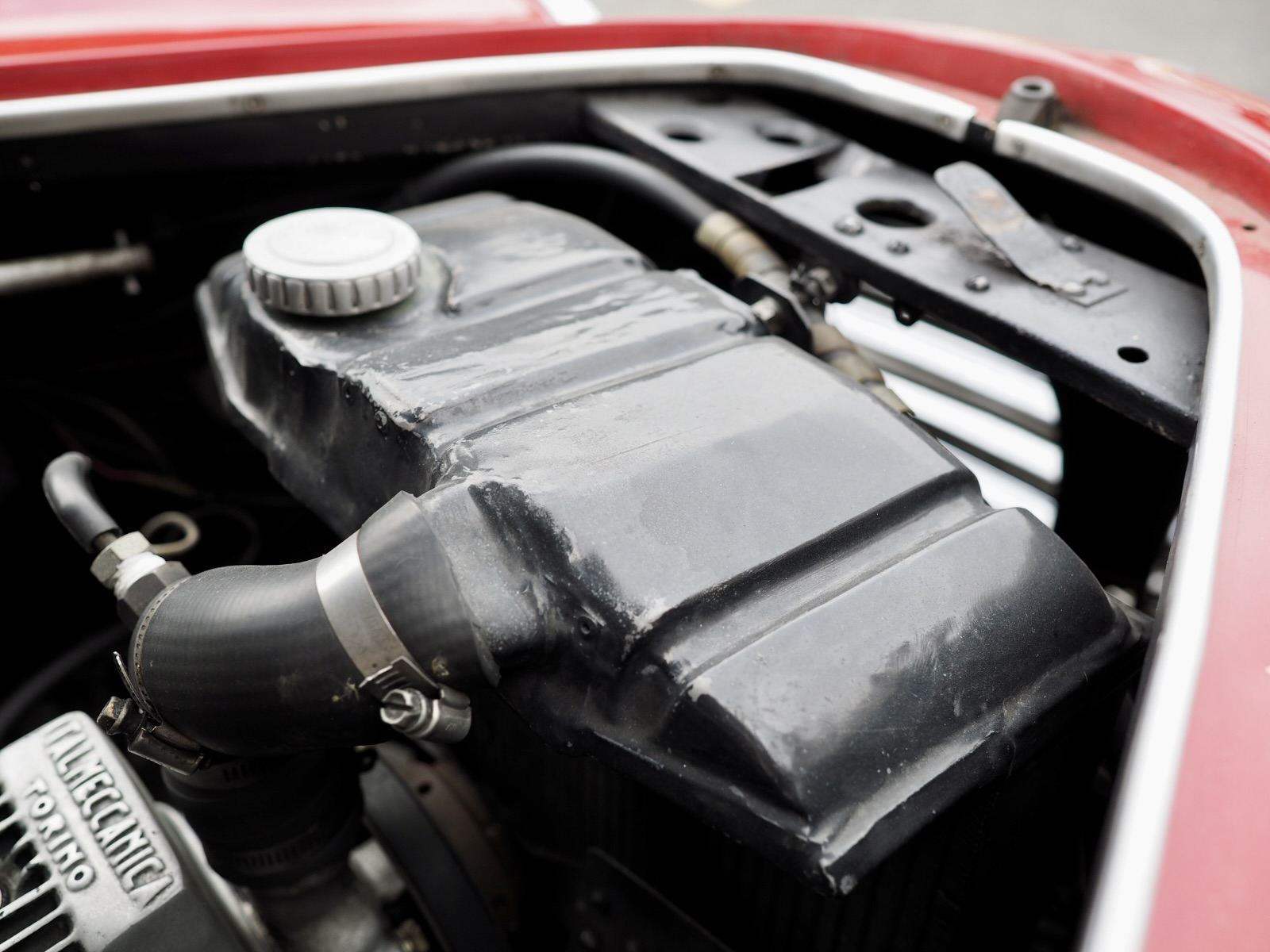
The engine hood fits with remarkable precision, yet incorporates tiny, carefully judged gaps almost invisible to the eye. Lift the lightweight panel and look into the engine bay, and the impression deepens further…!
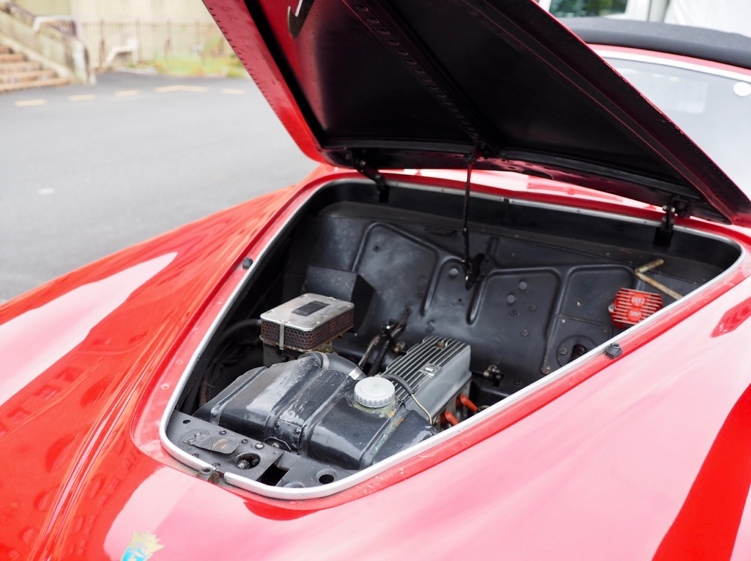
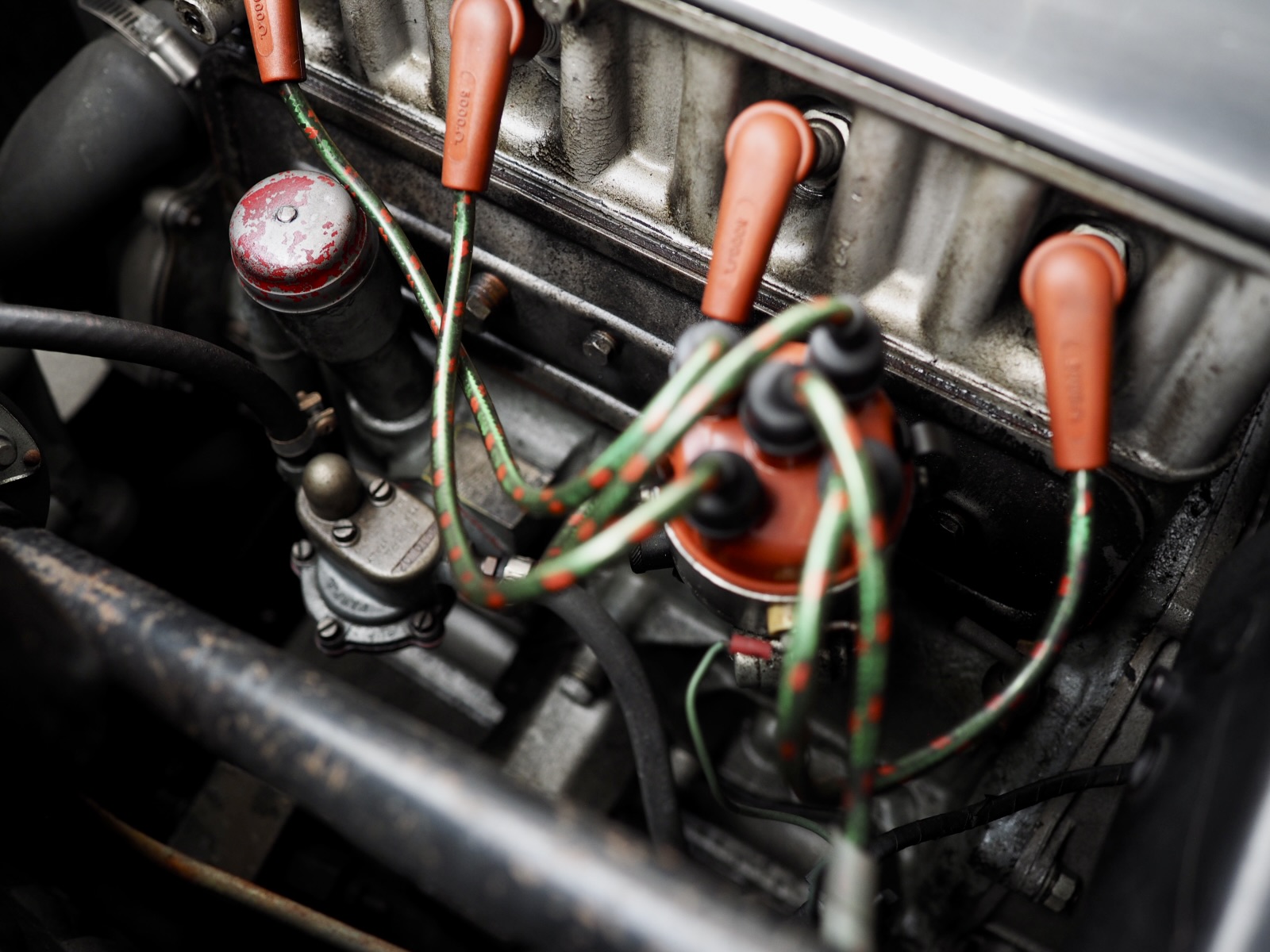
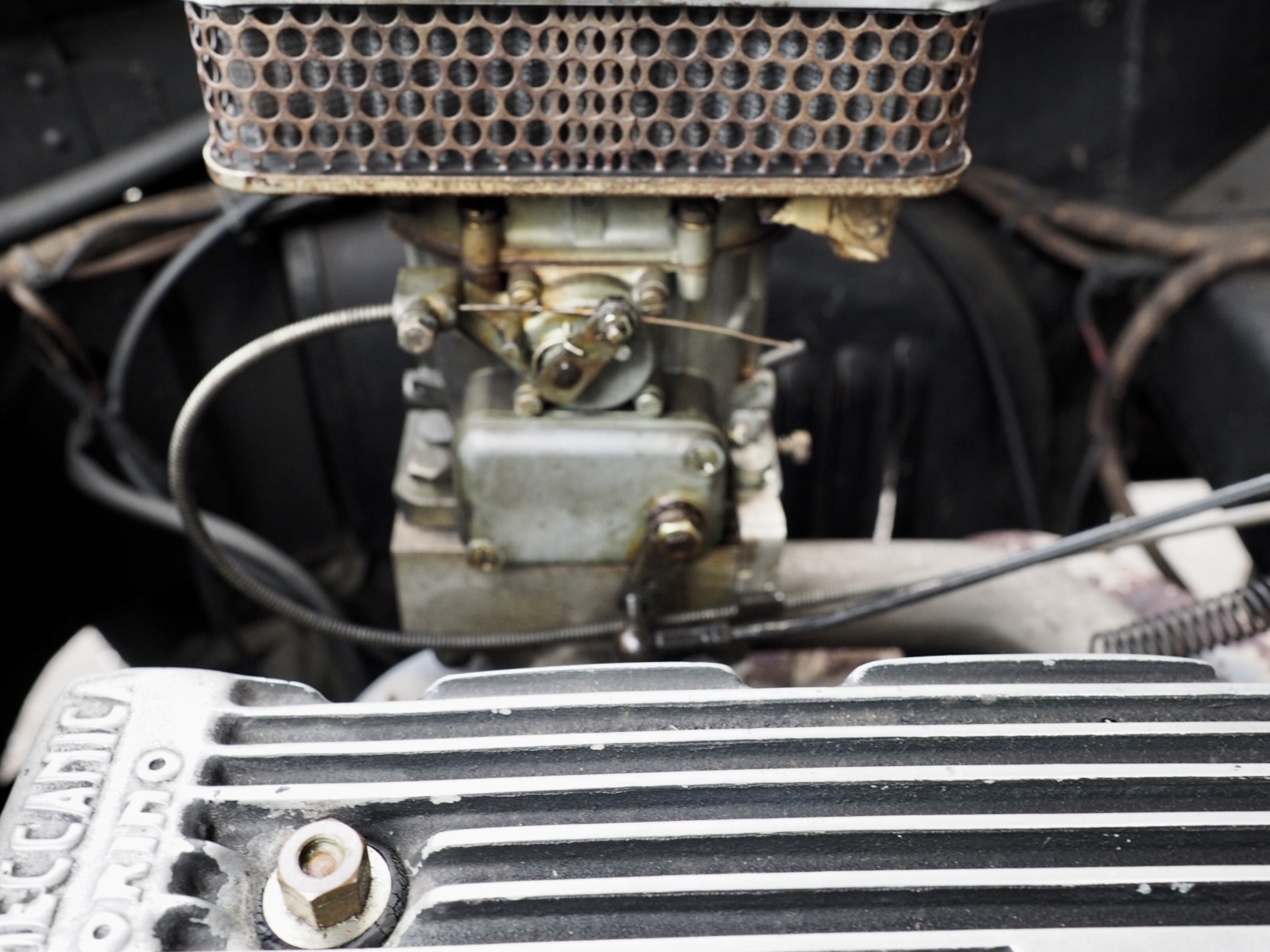
There, an aluminum rocker cover with fine cooling fins and the cast inscription “ITALMECCANICA TORINO” glows softly with hand-crafted beauty. Beside it, a steel-tube exhaust manifold winds through complex curves, apparently carefully arranged for equal-length primaries…
Those pipes feed the surviving twin-outlet exhaust, which even today produces a magnificent exhaust note…!
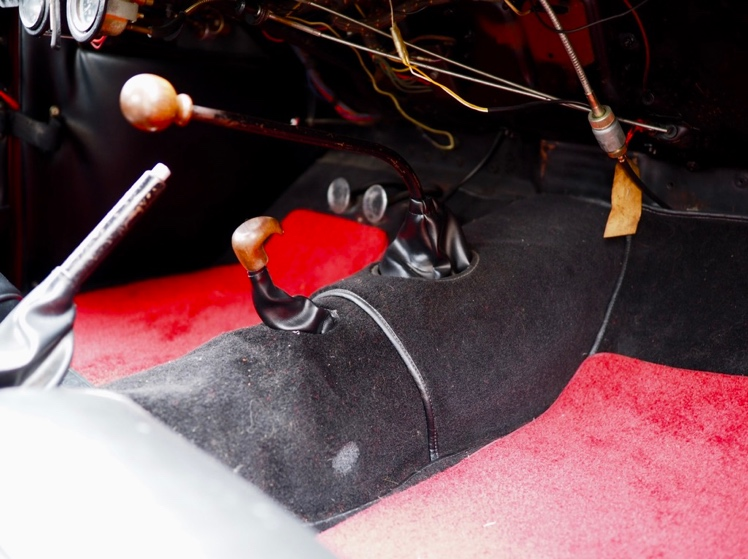
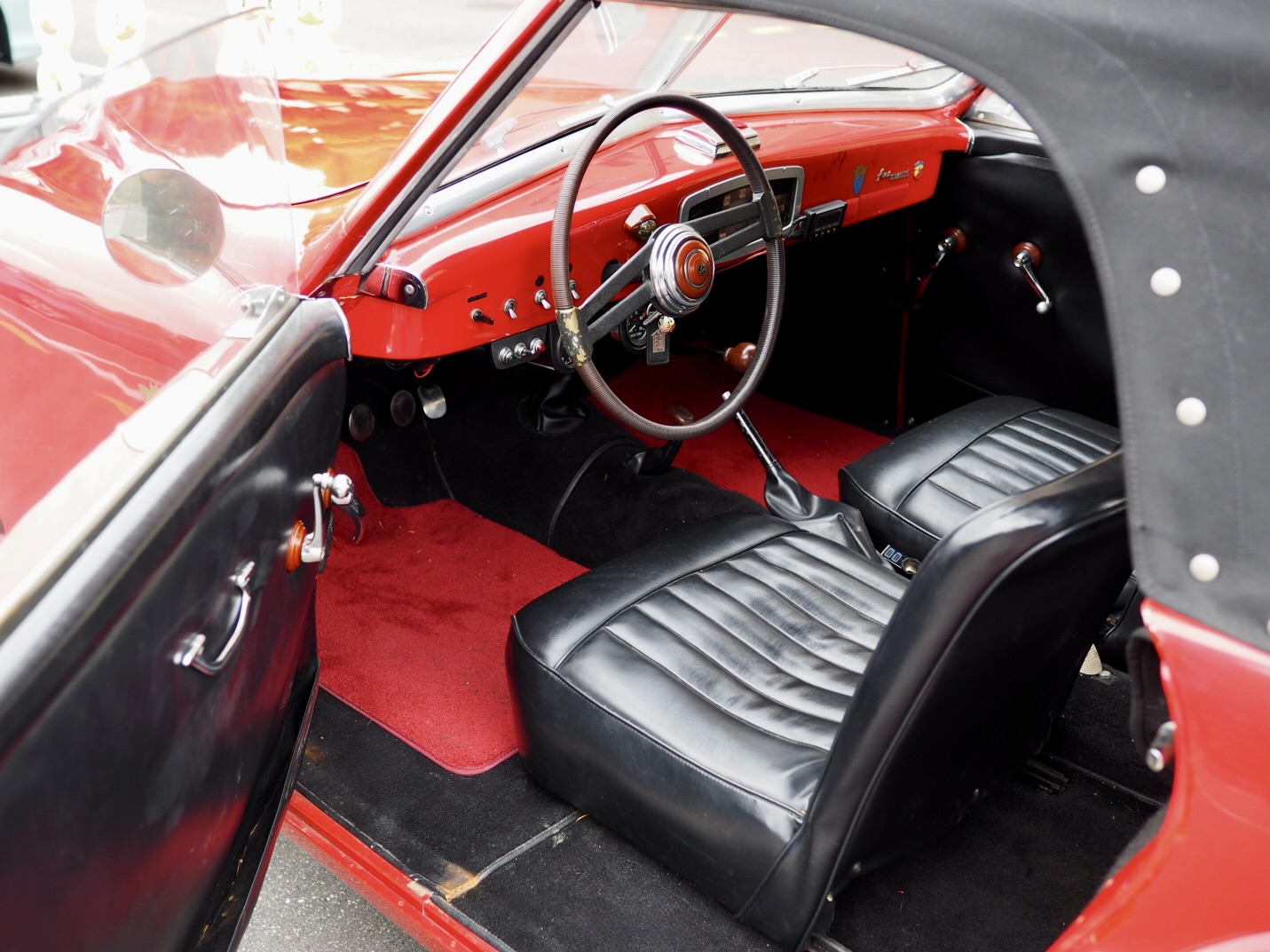
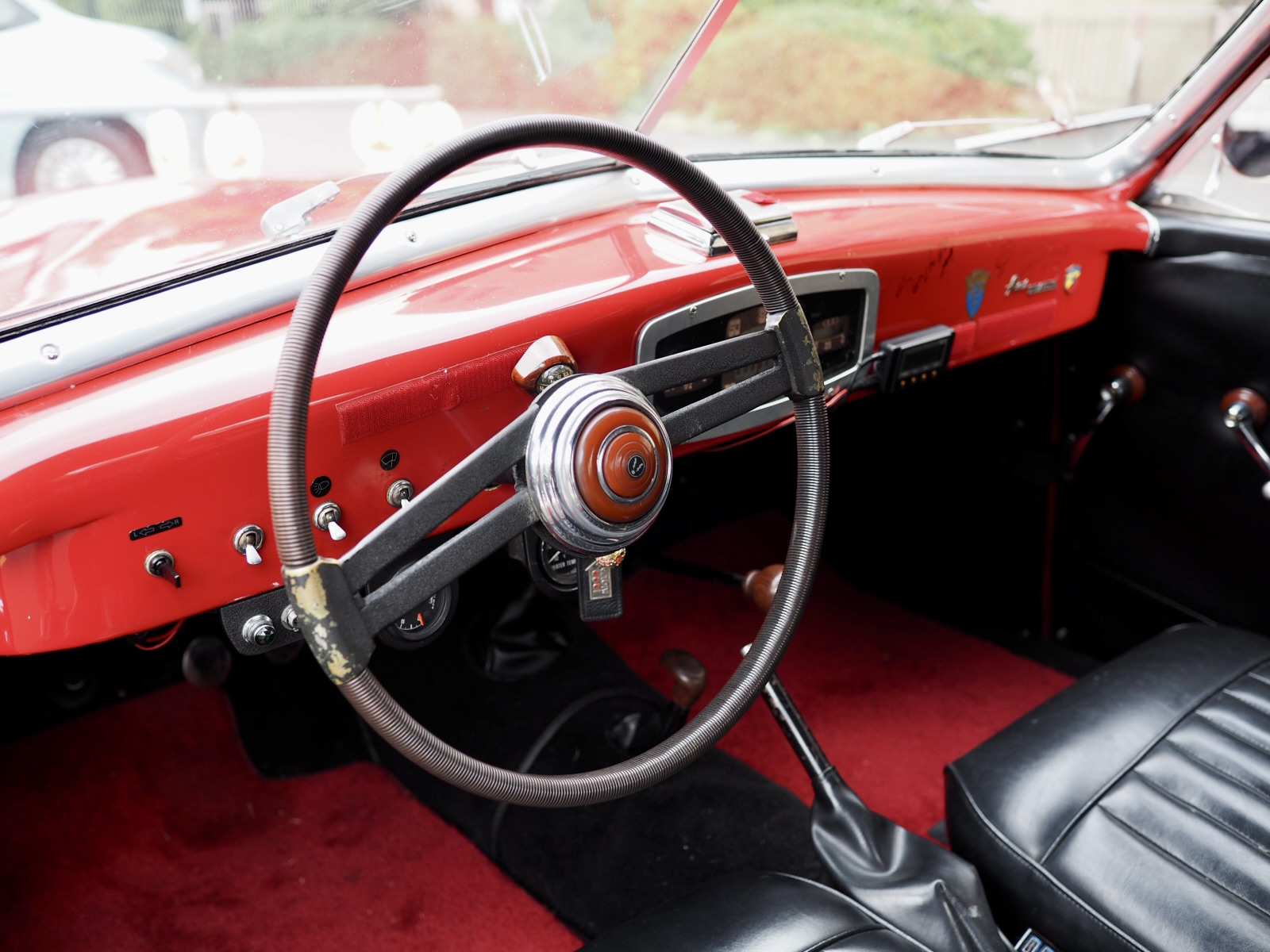
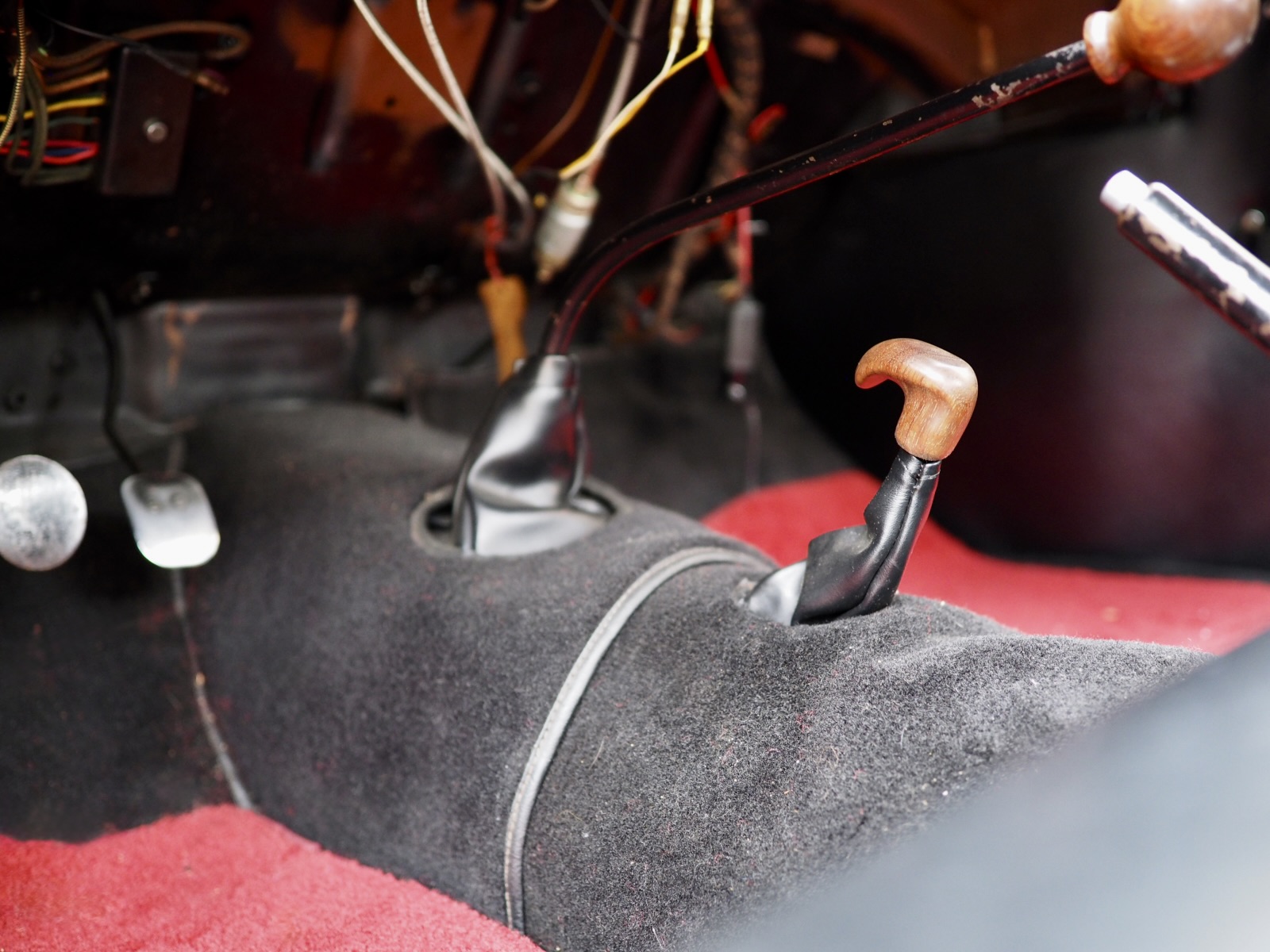
Equally innovative for its era is the long four-speed manual gear lever rising from deep in the floor toward the driver’s hand, accompanied by a shorter lever for the high/low auxiliary range. Together they provide no fewer than eight usable ratios…!
If this really preserves Abarth’s early enthusiasm for transmission innovation, it could without exaggeration be called a discovery of historic importance—and it is difficult to contain the excitement…!
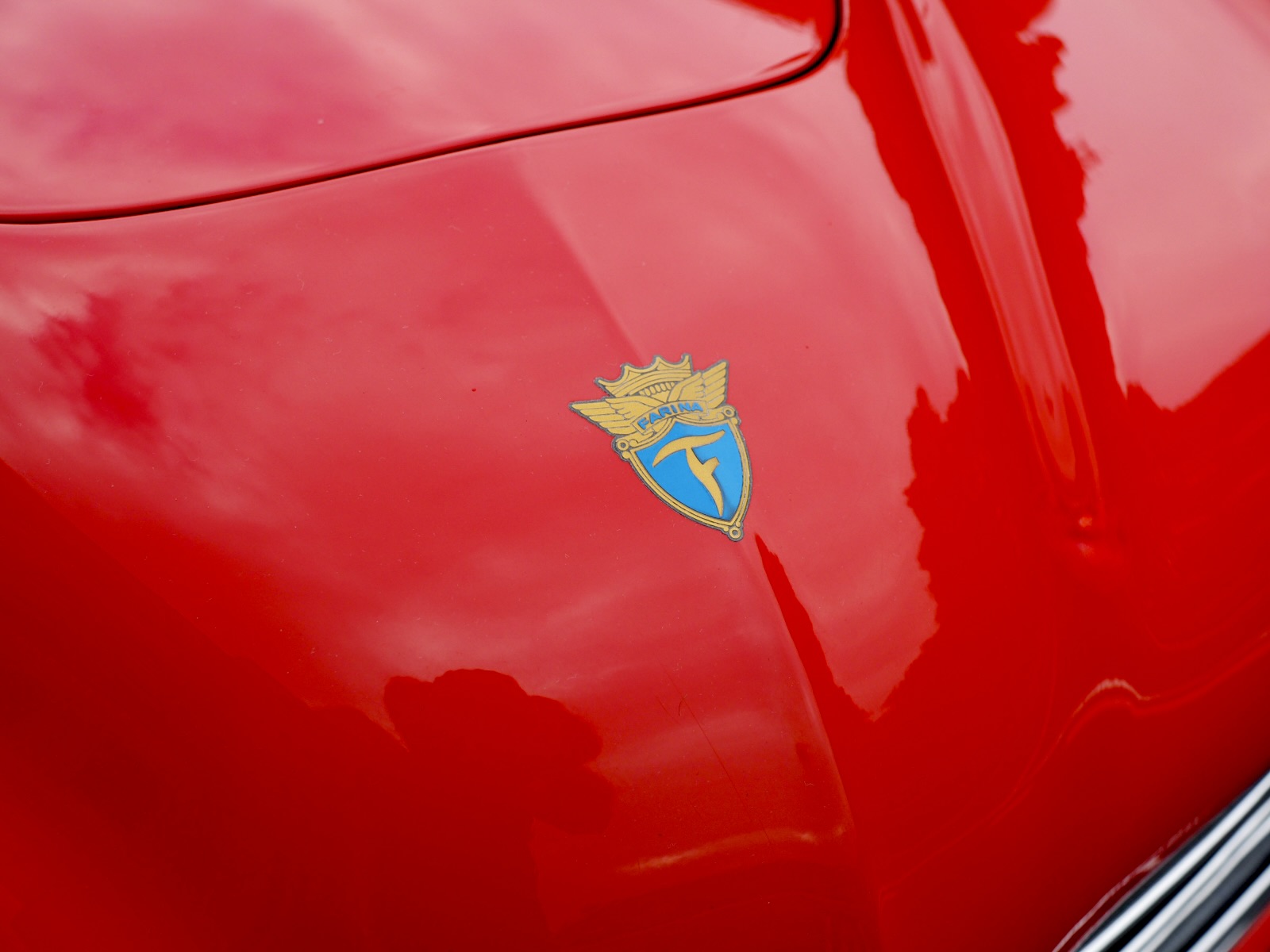
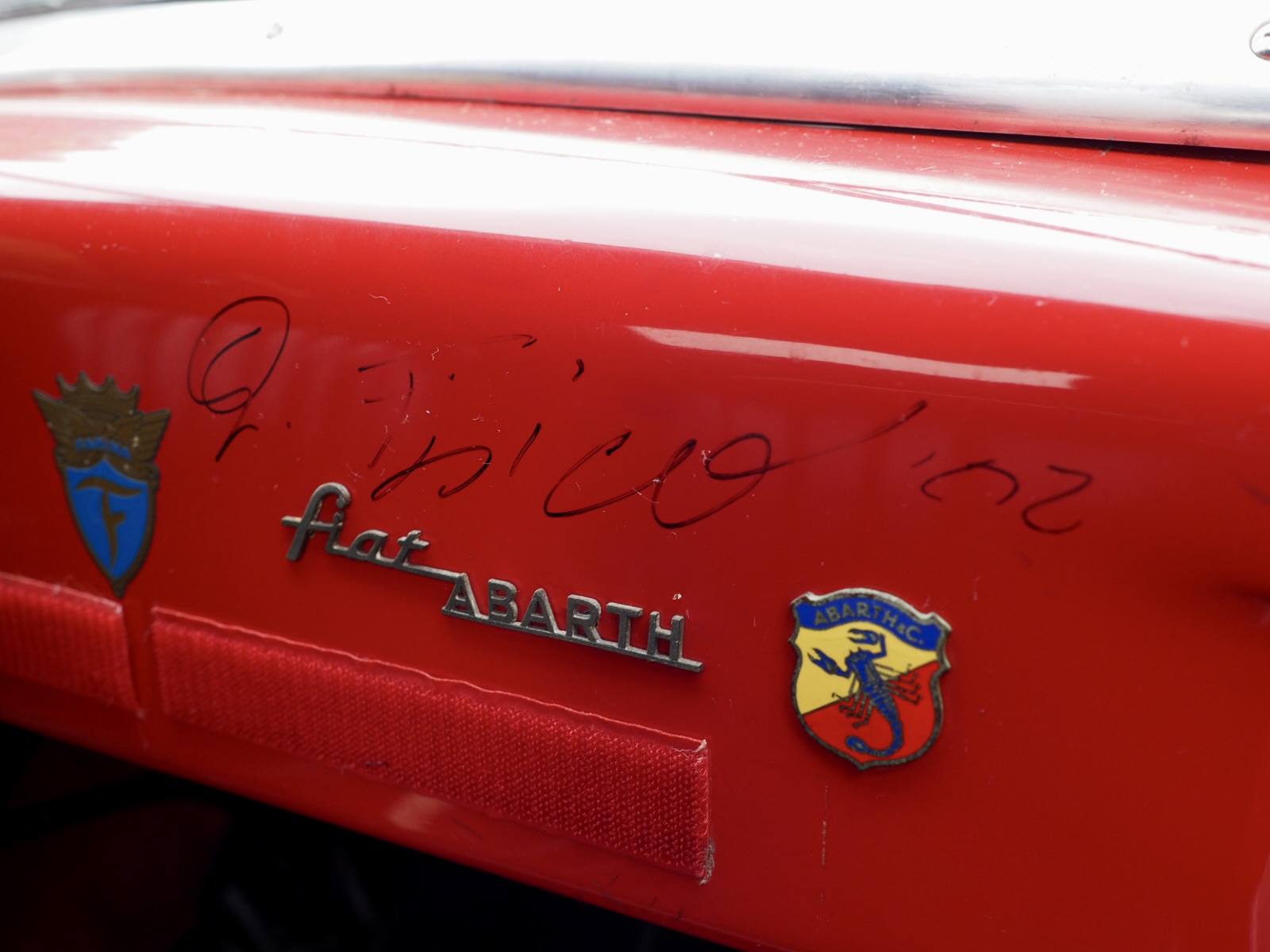
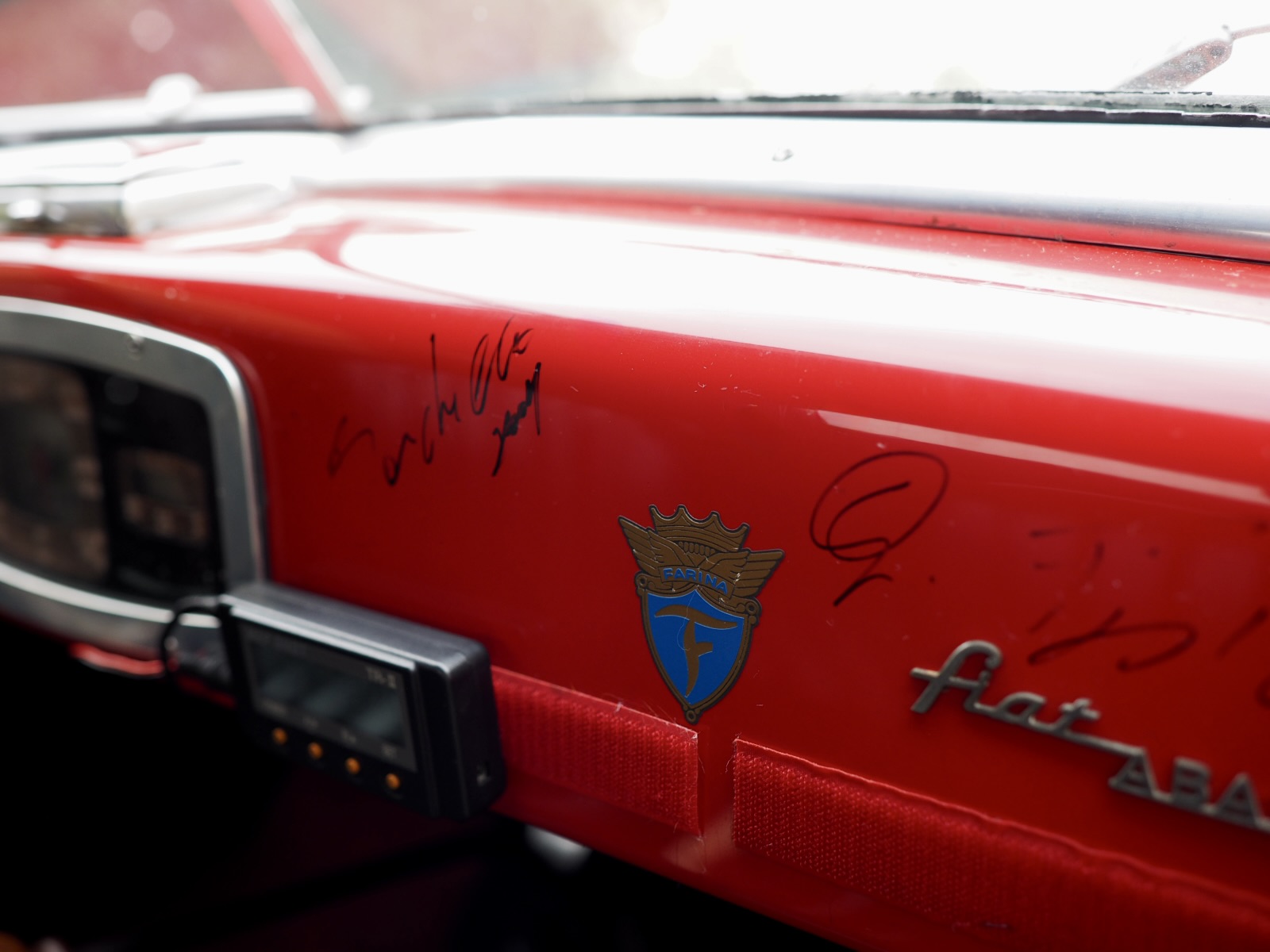
As if emphasizing these Abarth-related mechanical features, the rear carries an exceptionally rare flowing-script Abarth logo and a hand-made round scorpion badge. Together with the beautifully enameled Stabilimenti Farina emblem, they seem to speak eloquently of the car’s extraordinary background…
This 1949 FIAT 1100B Abarth Stabilimenti Farina Cabriolet, chassis No. 1100B318519, arrived in Japan in September 1994…
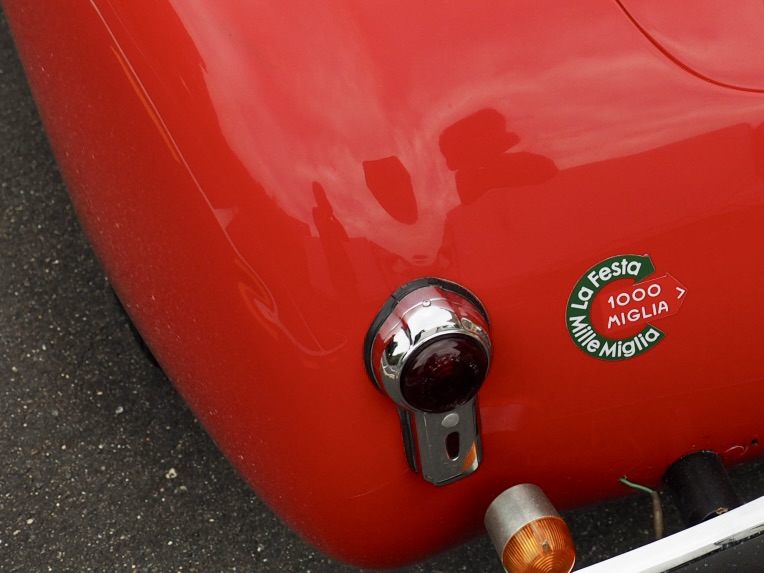
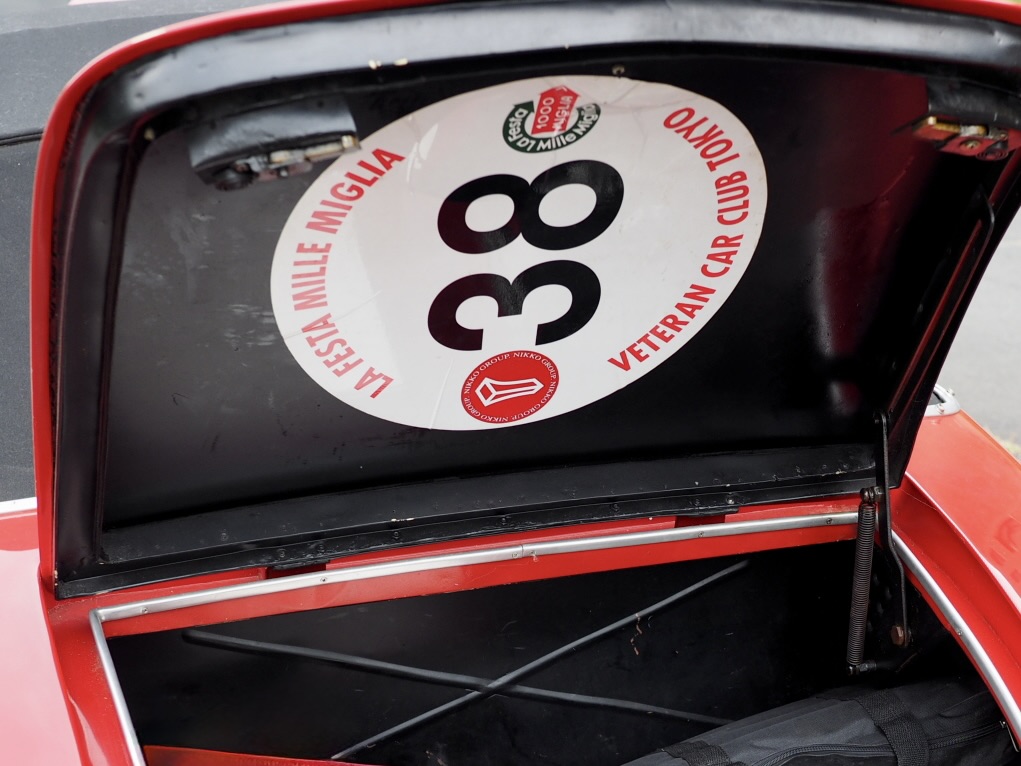
In 2001 it entered La Festa Mille Miglia in Japan…
The official event records list the car as “FIAT 1100 ABARTH Stabilimenti FARINA 1949,” and period photographs clearly show this distinctive red Cabriolet. We therefore know that at least a quarter-century ago it was already running on Japanese public roads as a valuable historic car carrying both the Abarth and Stabilimenti Farina names…
Then, on October 10, 2004…
On race day at the Formula 1 Japanese Grand Prix at Suzuka Circuit in Mie Prefecture, this very 1949 FIAT 1100B Abarth Stabilimenti Farina Cabriolet was used in the drivers’ parade before spectators from around the world…!
During that parade, driven by the current owner, the passenger in this red Cabriolet was Rubens Barrichello, then competing for Scuderia Ferrari…
Period photographs clearly show Barrichello waving to the crowd with an “R. Barrichello” name plate displayed on the side of the beautiful red car…
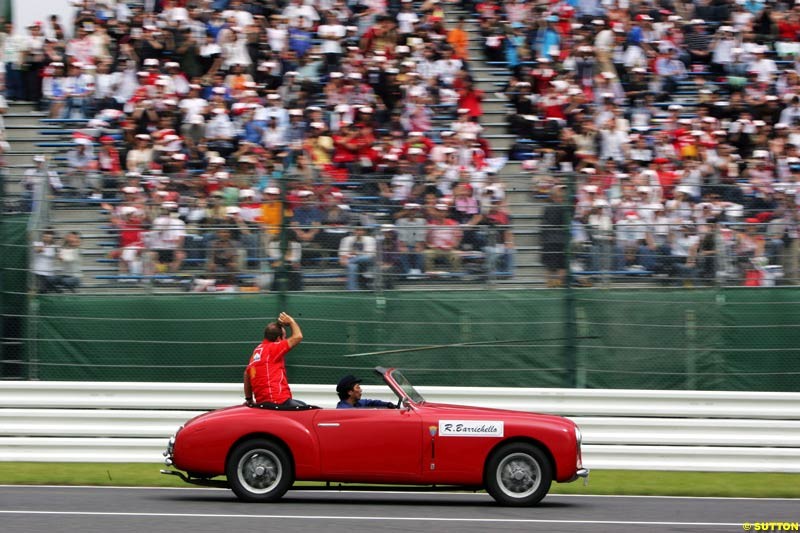
An AFP photograph taken the same day captures Michael Schumacher in a Ferrari Daytona in the foreground, with Barrichello following behind in this FIAT 1100B Abarth Stabilimenti Farina Cabriolet…
[October 10, 2004 — Suzuka F1 Drivers’ Parade / AFP-Getty Images official photograph]
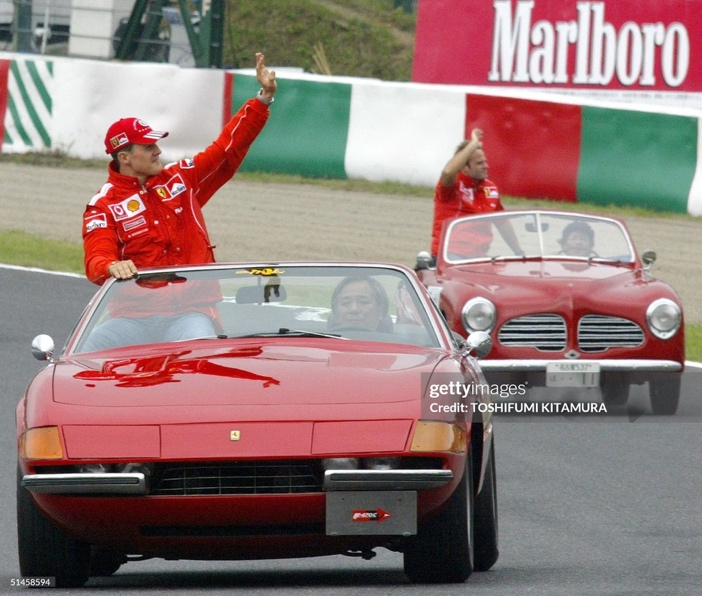
The 2004 season was also the year Michael Schumacher secured his seventh Formula 1 World Championship with Ferrari, while Barrichello finished second in the drivers’ standings—a truly special season for Scuderia Ferrari…
There is something wonderful about the fact that this small Italian Cabriolet, born in 1949, added color to the Japanese Grand Prix during such a historic season…
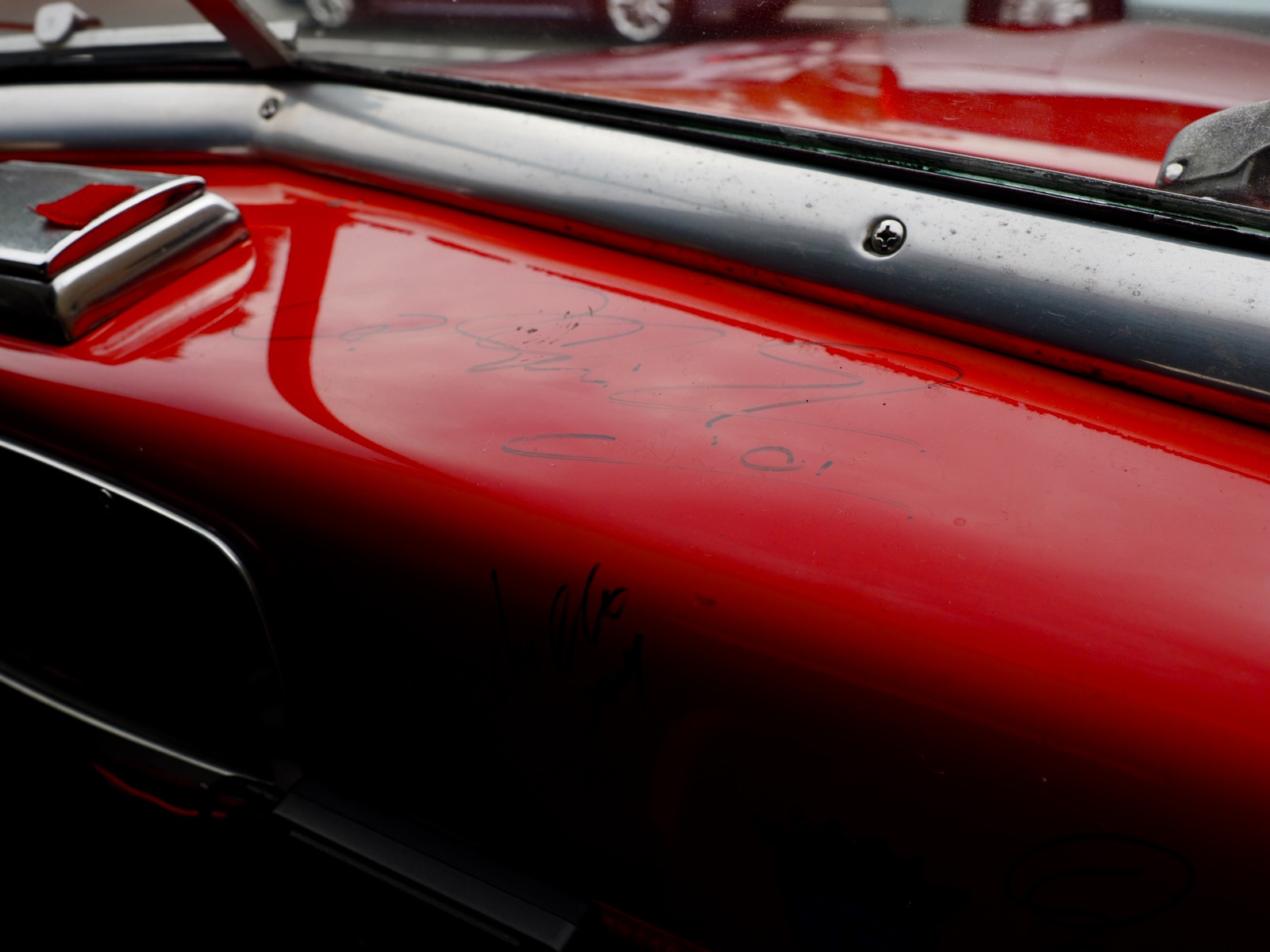
That memory remains physically on the car today: the dashboard still carries the original signatures personally written by Michael Schumacher and Rubens Barrichello at the time…
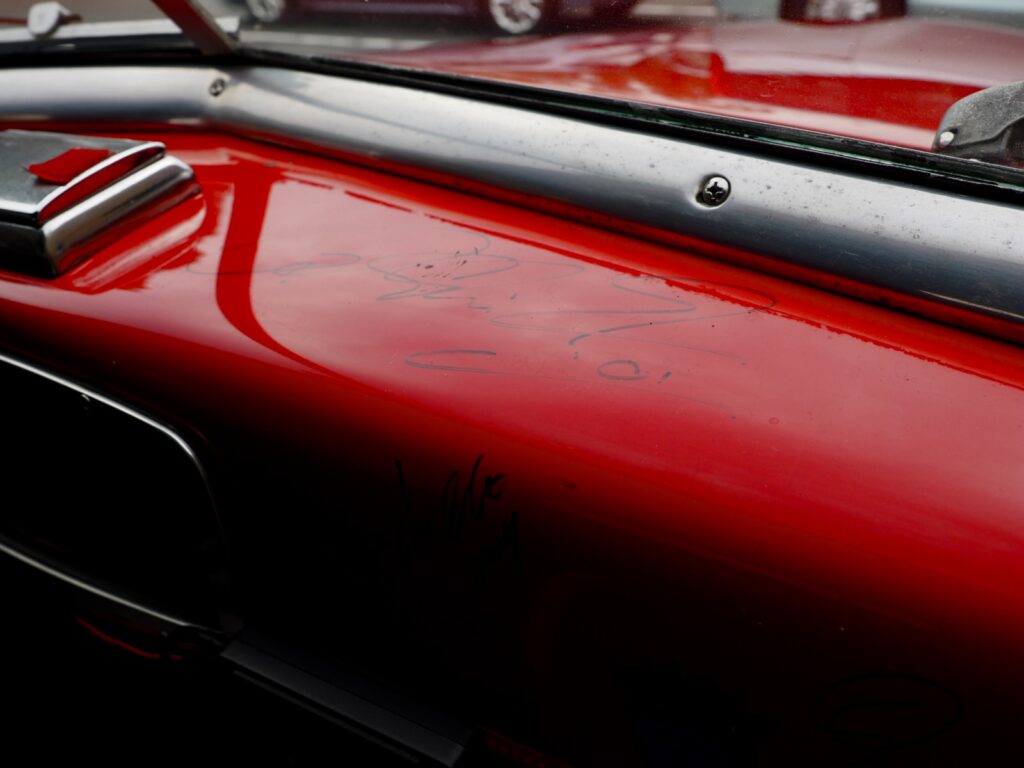
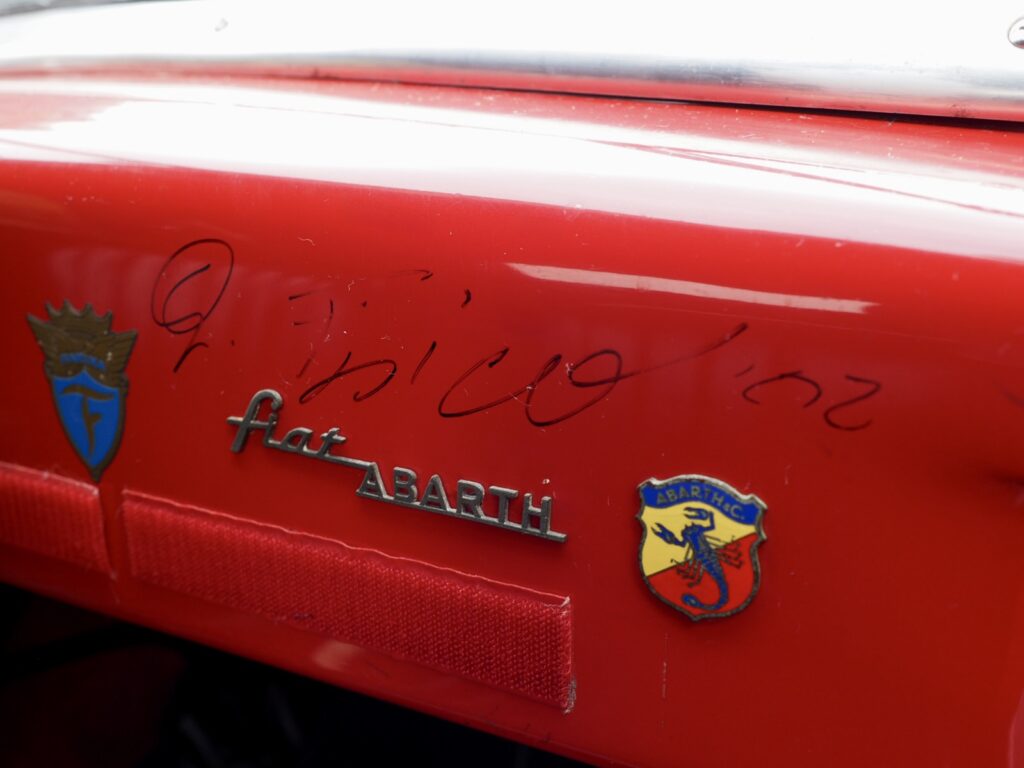
More than twenty years later, the beautiful body created by a great coachbuilder in 1949 still carries its many fascinating mechanical details and the history it has accumulated in Japan…
Today, nearly eighty years later, the car quietly speaks of the meeting of newly founded Abarth and the young Michelotti, and of a one-of-a-kind automobile in which Stabilimenti Farina coachwork and distinctive Abarth engineering seem to have crystallized together…
It is impossible not to feel that this hidden history itself is a major part of the car’s appeal…
That is why I chose the following theme for this research…
A work of art created by an Italian carrozzeria... The 1949 FIAT 1100B Abarth Stabilimenti Farina Cabriolet...! Could this be the discovery of the century...? An exceptionally rare 1100B318519, born in the very year Abarth was founded and infused with the beauty and engineering spirit of postwar Italy, had survived here in Japan...
I sincerely hope that a future owner, somewhere in the world we have yet to encounter, will take this research even further and reach conclusions beyond those I have been able to uncover…
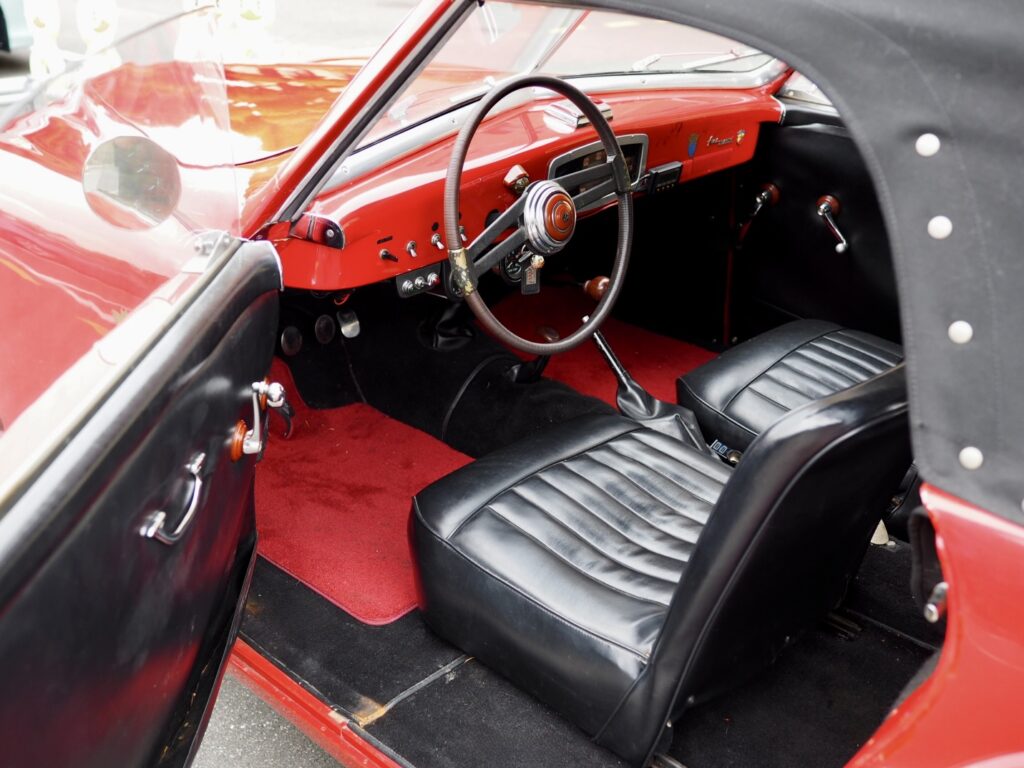
This globally significant 1949 FIAT 1100B Abarth Stabilimenti Farina Cabriolet is currently located in Aichi Prefecture, Japan.
As this is a private-party sale, no consumption tax or dealer fees will be charged.
Upon purchase, the buyer will be responsible for prorated automobile tax (annual amount: ¥39,600) and settlement of the recycling deposit (¥11,350).
Transportation should be arranged by the buyer, but please feel free to consult us if desired. We can prepare a quotation based on distance and can also deliver the vehicle using our own 3-ton flat-loader transporter.
【Regarding Inquiries…】
The vehicle on this page is listed on Estate Sale Supremacy®, a cross-border e-commerce platform for classic and collectible cars.
Estate Sale Supremacy® is a Japanese interpretation of North American estate-sale culture, introducing cherished vehicles through owner interviews, written features and video.
We faithfully express the current owner’s feelings while preserving the memories in the heart, and we support a secure sales-brokerage process to ensure the vehicle is properly passed on to the next generation.
This article was written based on an approximately three-hour interview with the owner beginning at 1:00 p.m. under cloudy skies on October 20, 2026. Because the inspection time was limited, the description may not represent the vehicle’s condition with 100% accuracy. Not every statement in the article has been independently verified, and comments regarding condition reflect the weather, circumstances and the author’s subjective impressions at the time of the interview.
For questions regarding the listed vehicle or to request an in-person inspection, please contact us using the form at the bottom of this page. As this is a private-party transaction, in order to prevent casual viewing requests, inspections are limited to customers seriously considering a purchase.
Thank you for your consideration.
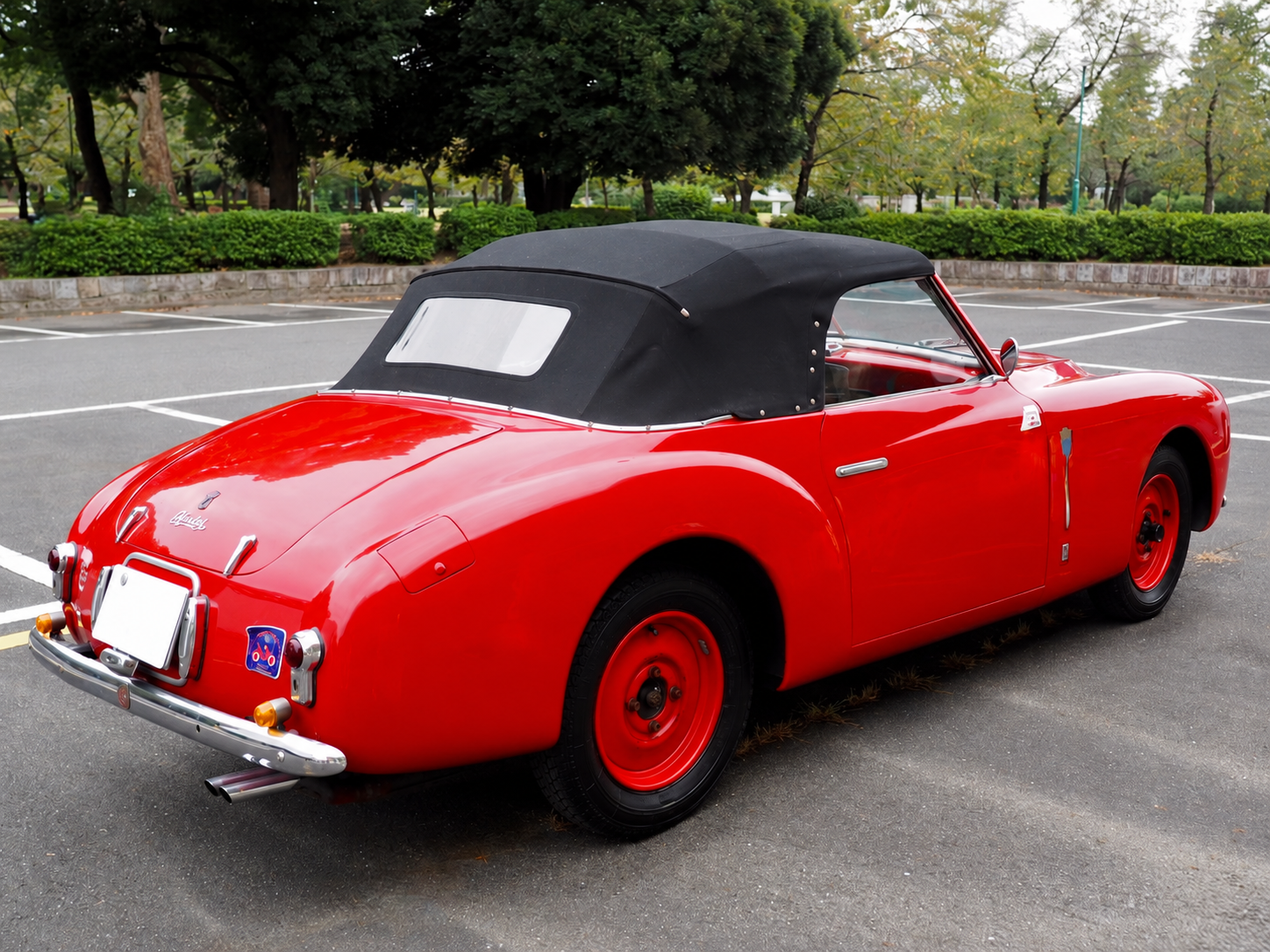
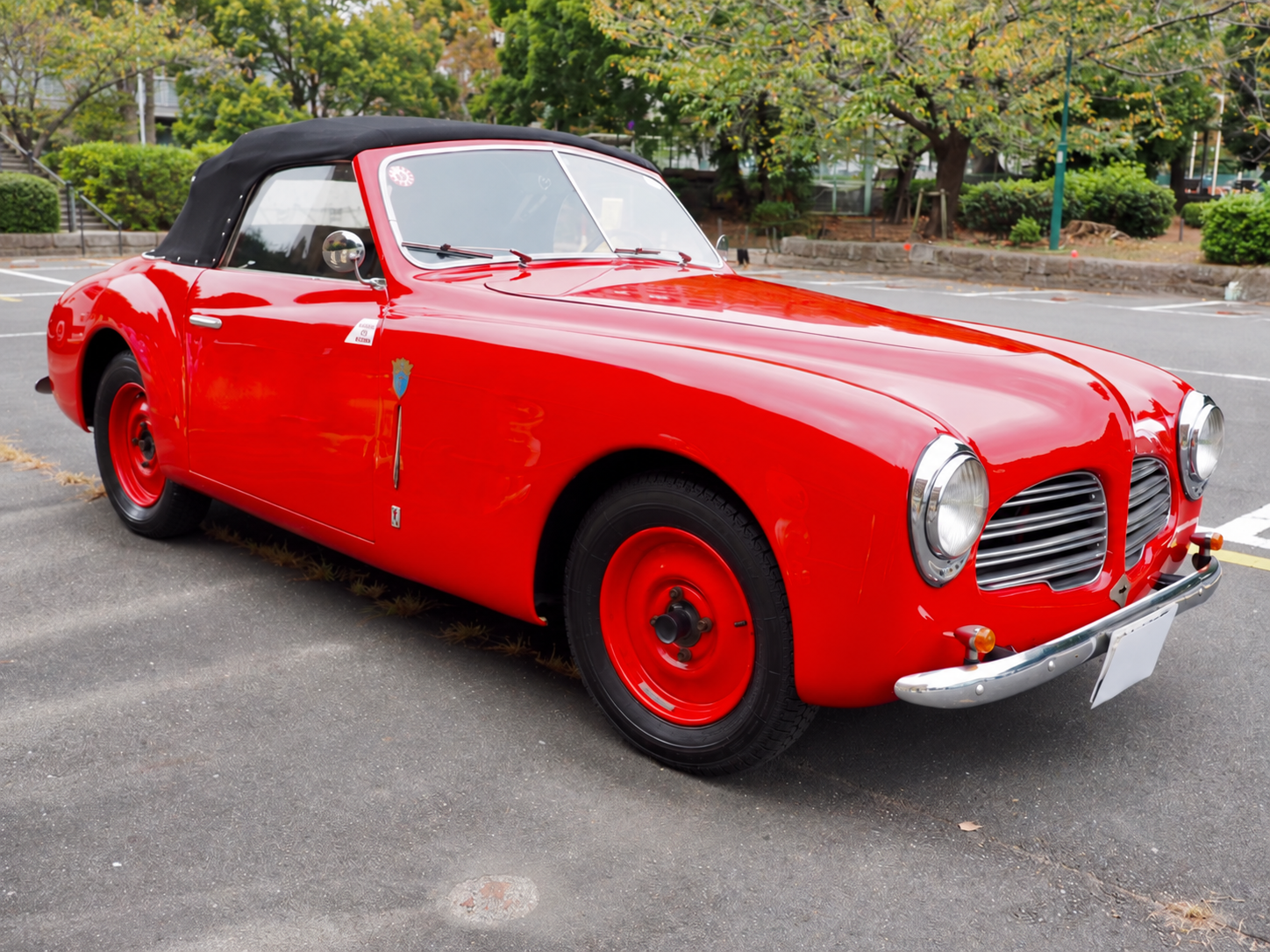
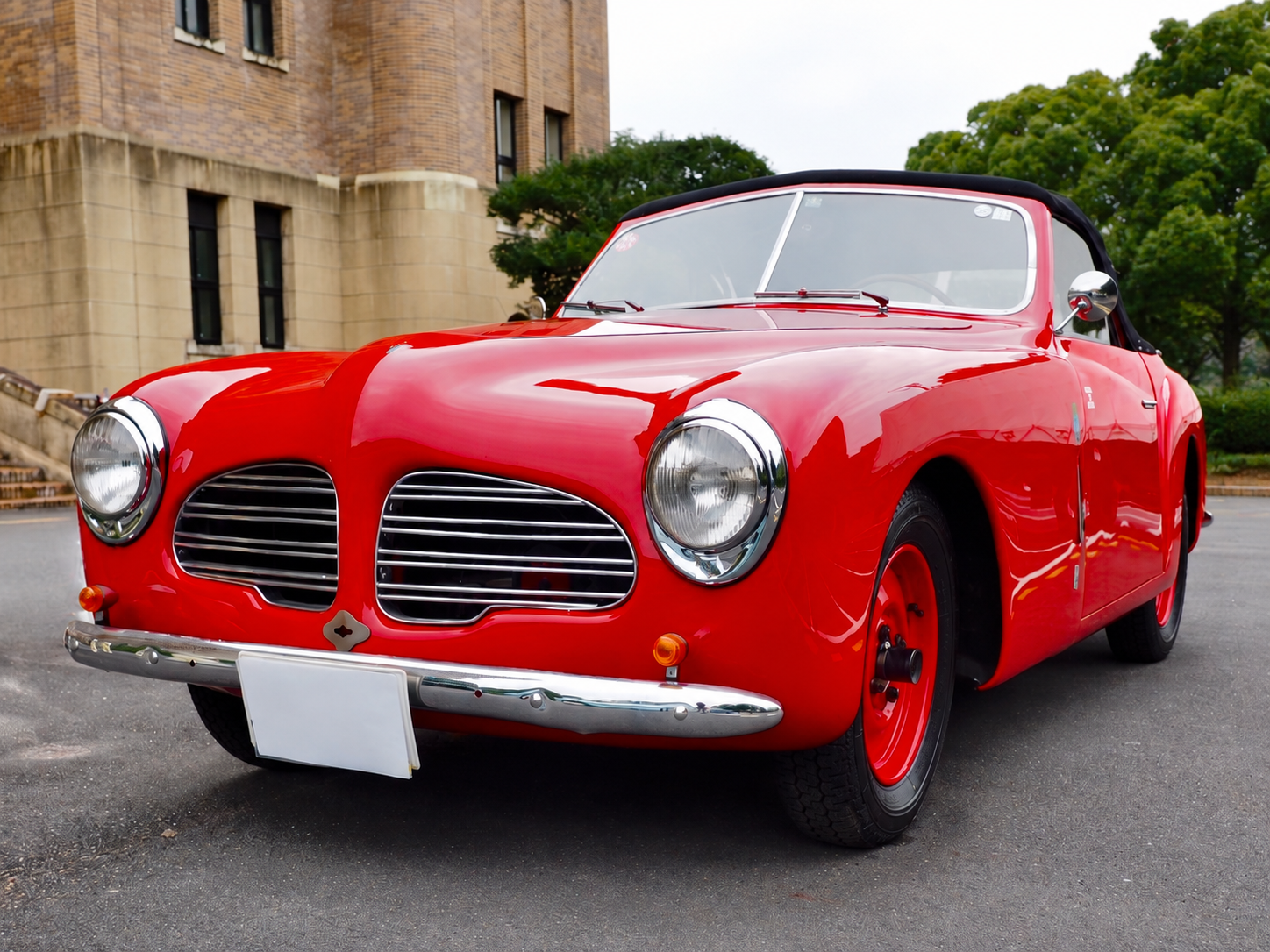
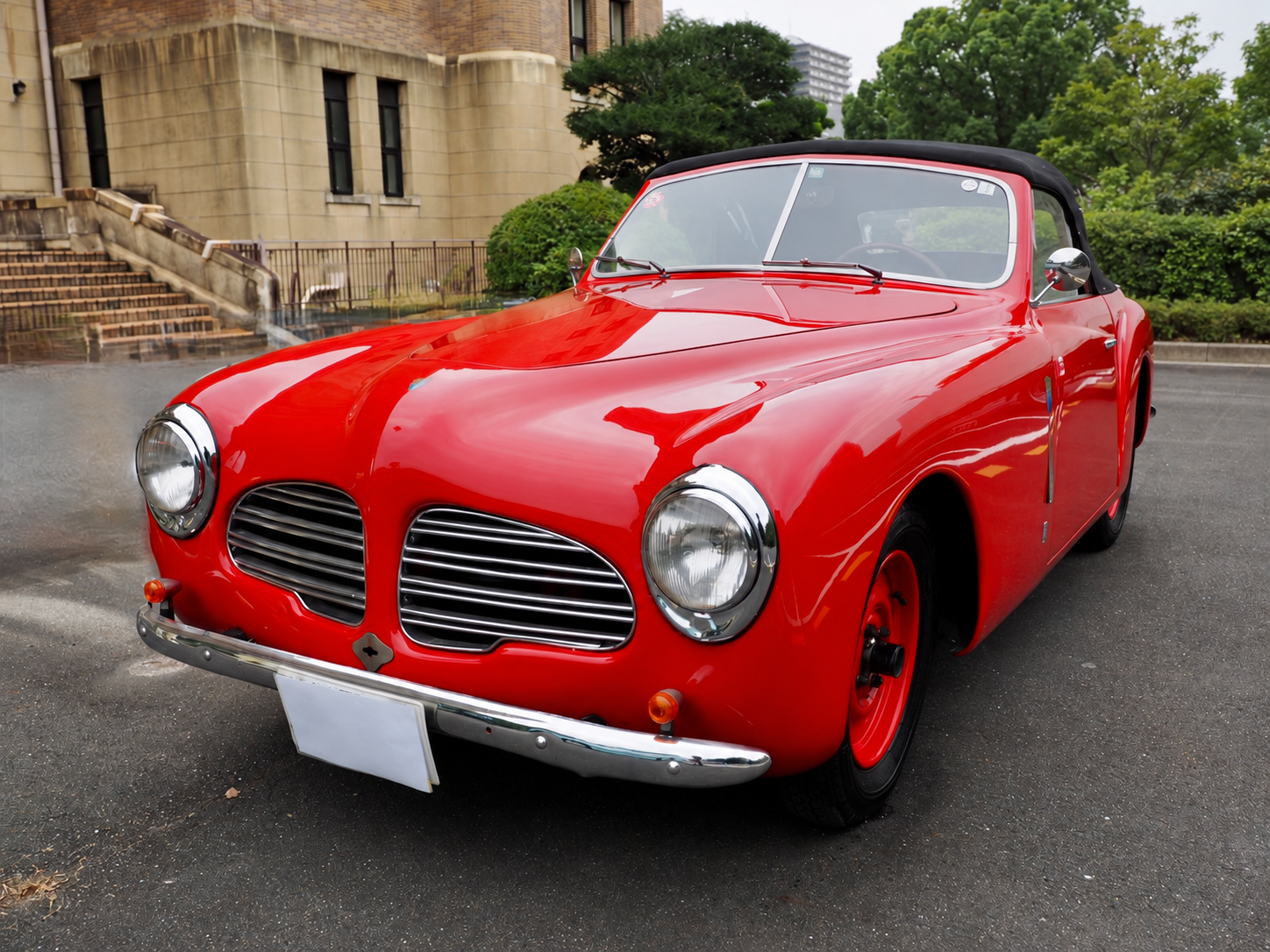
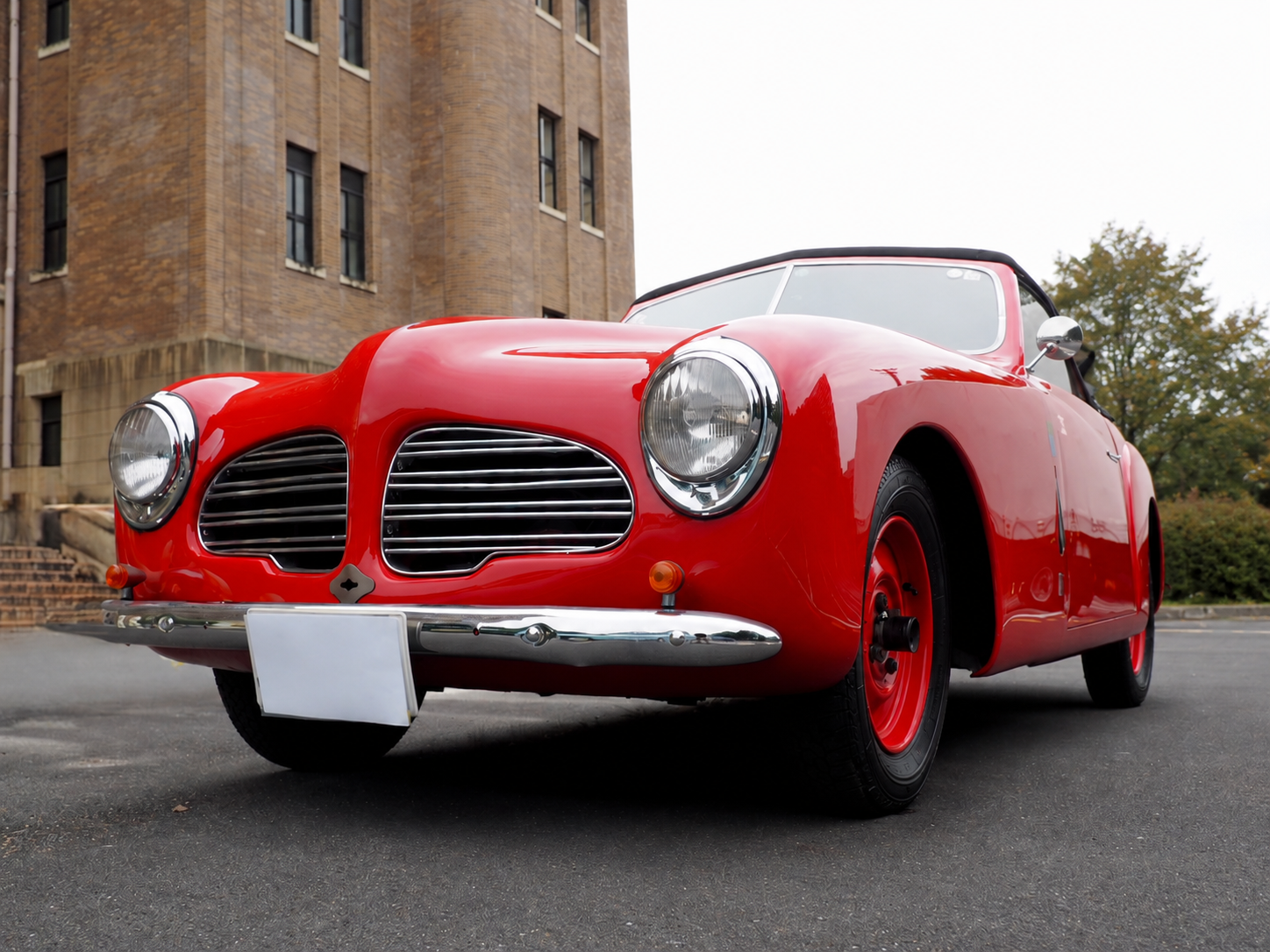
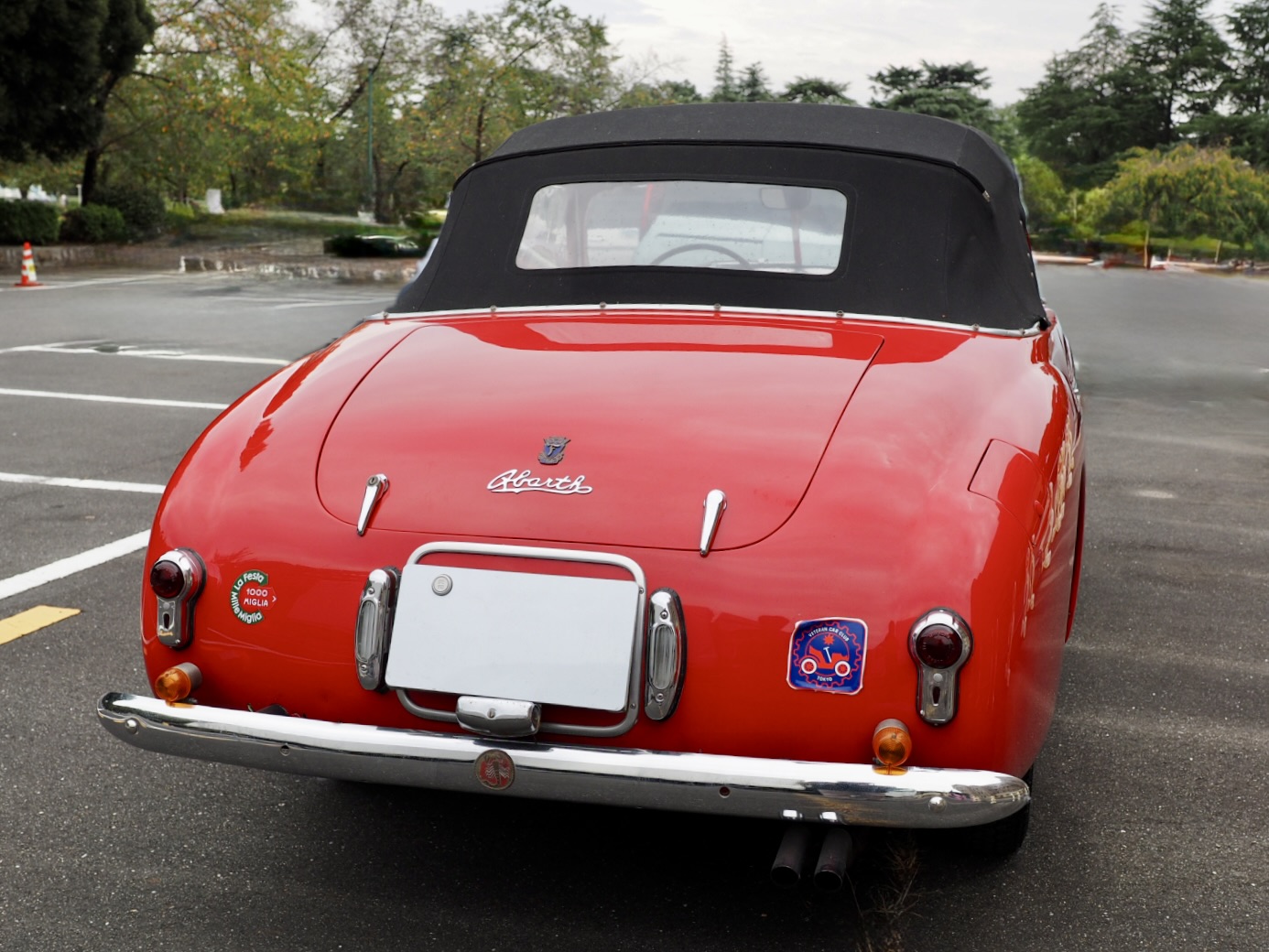
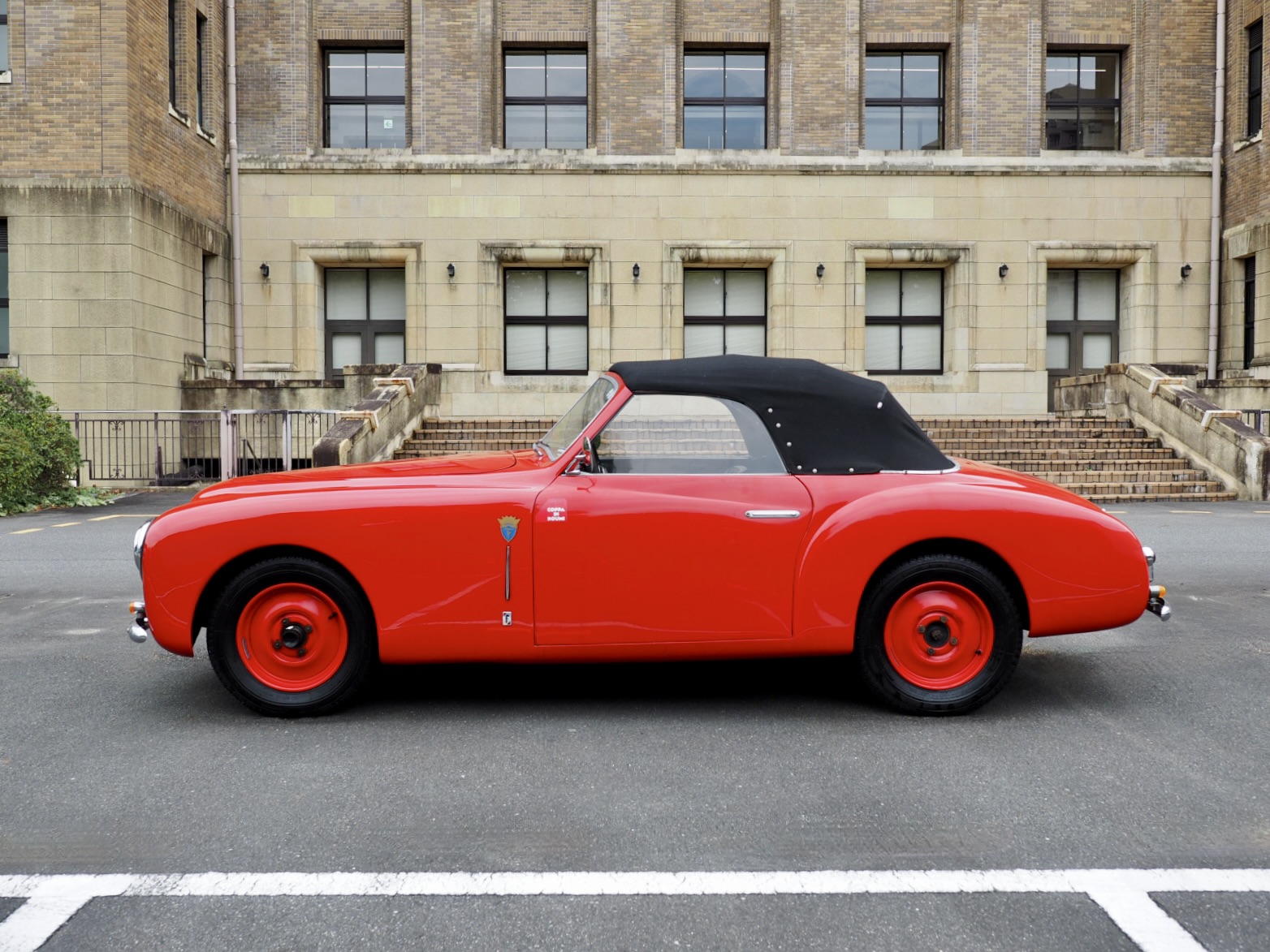
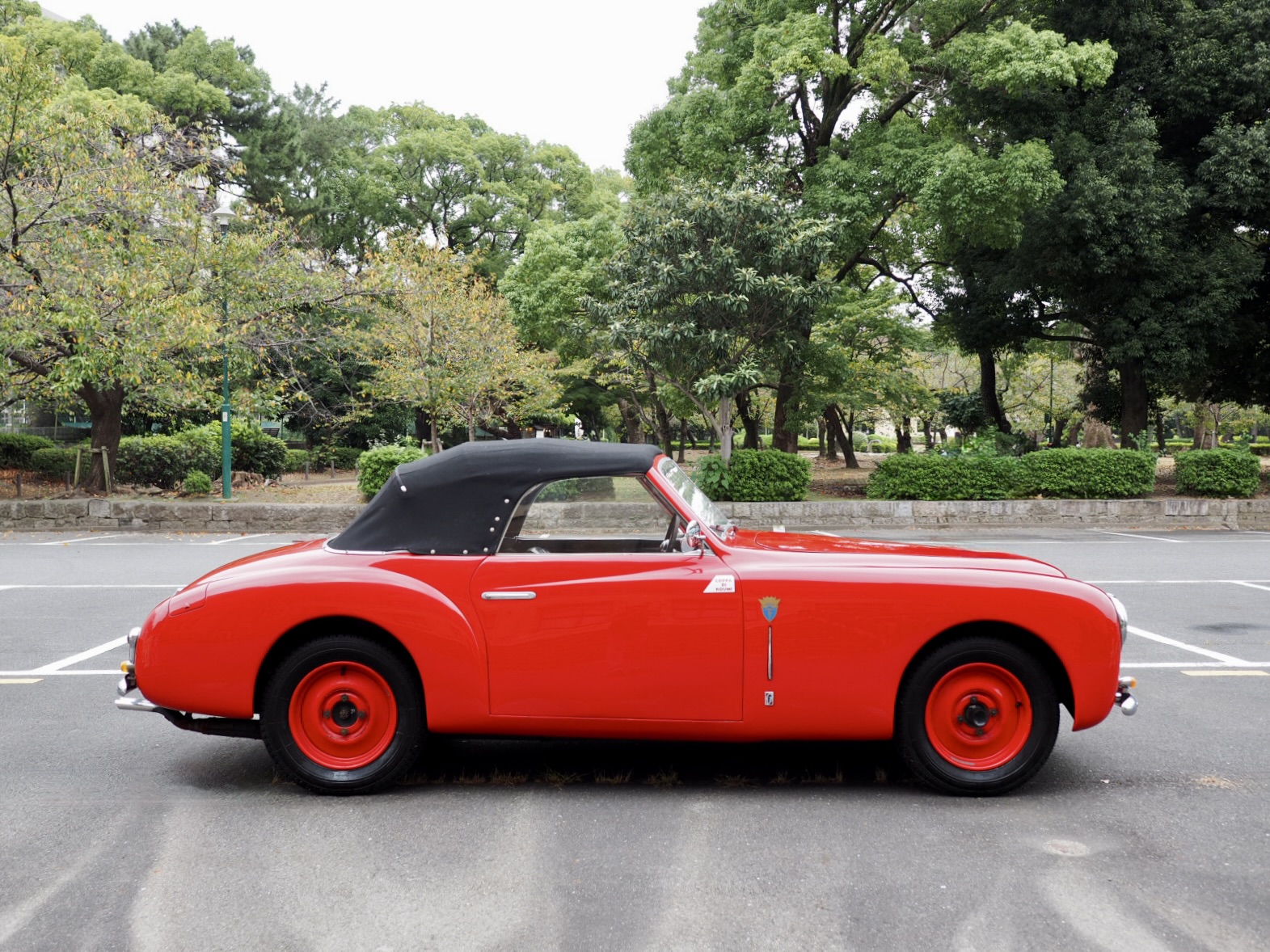
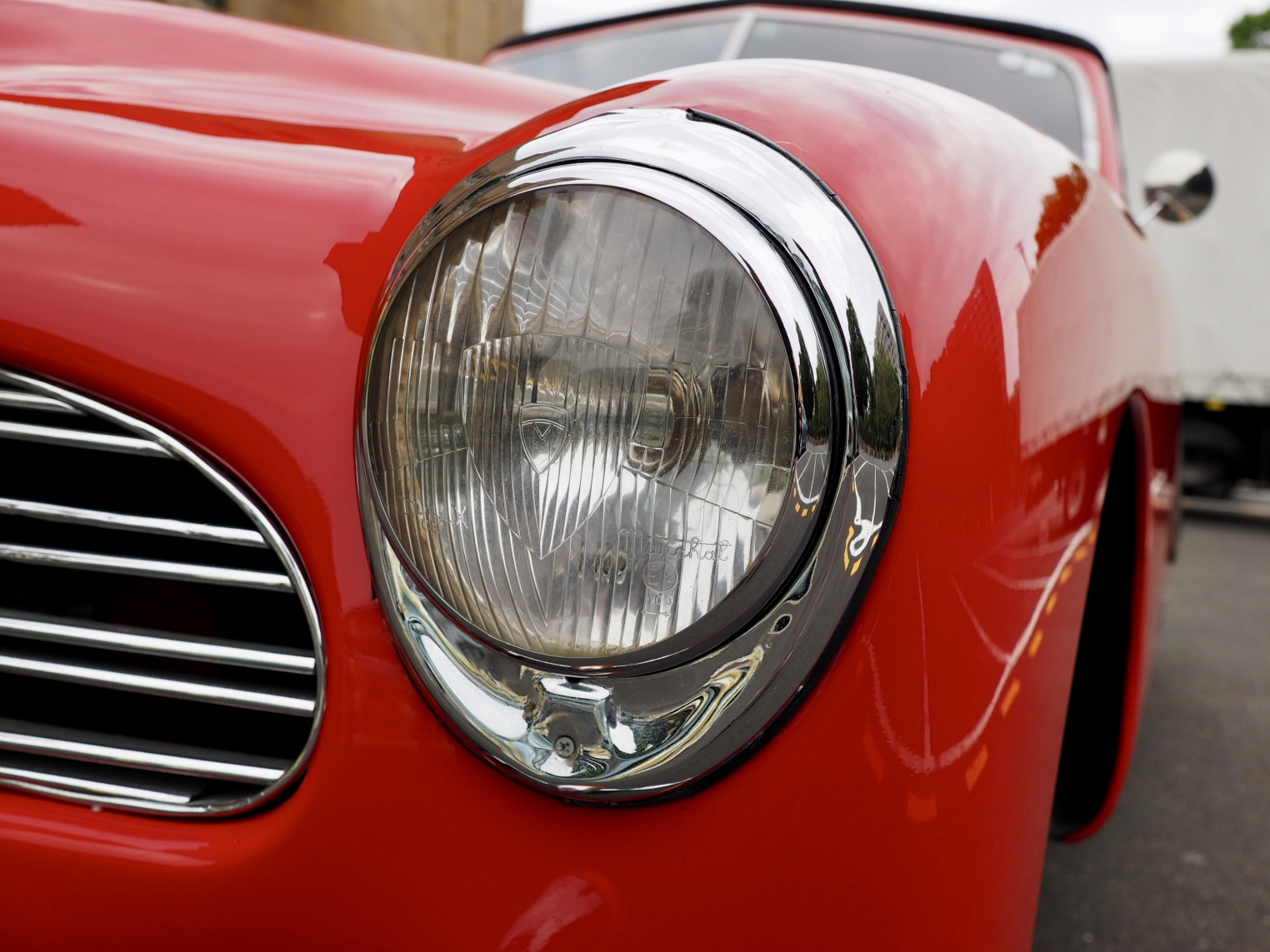
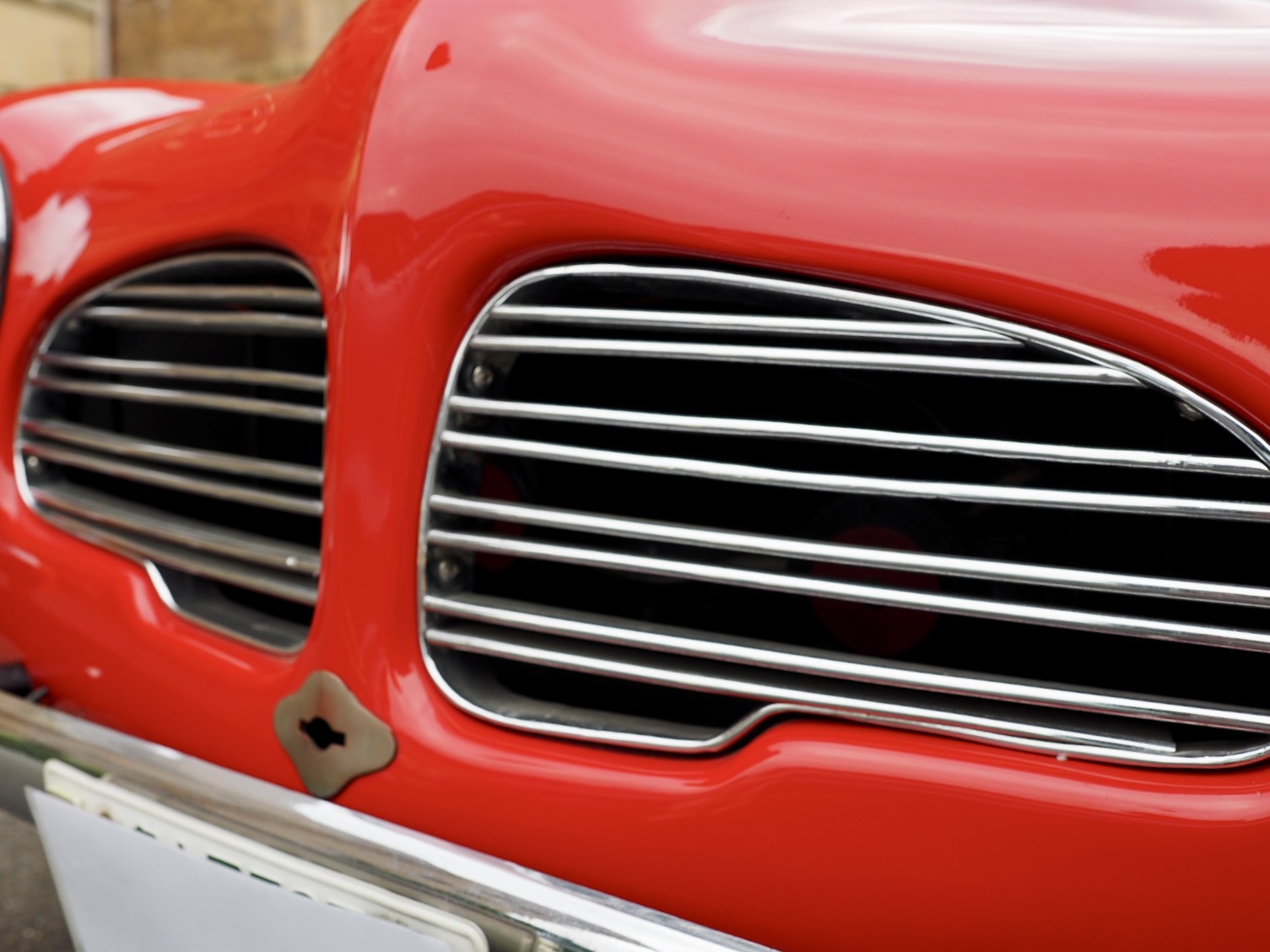
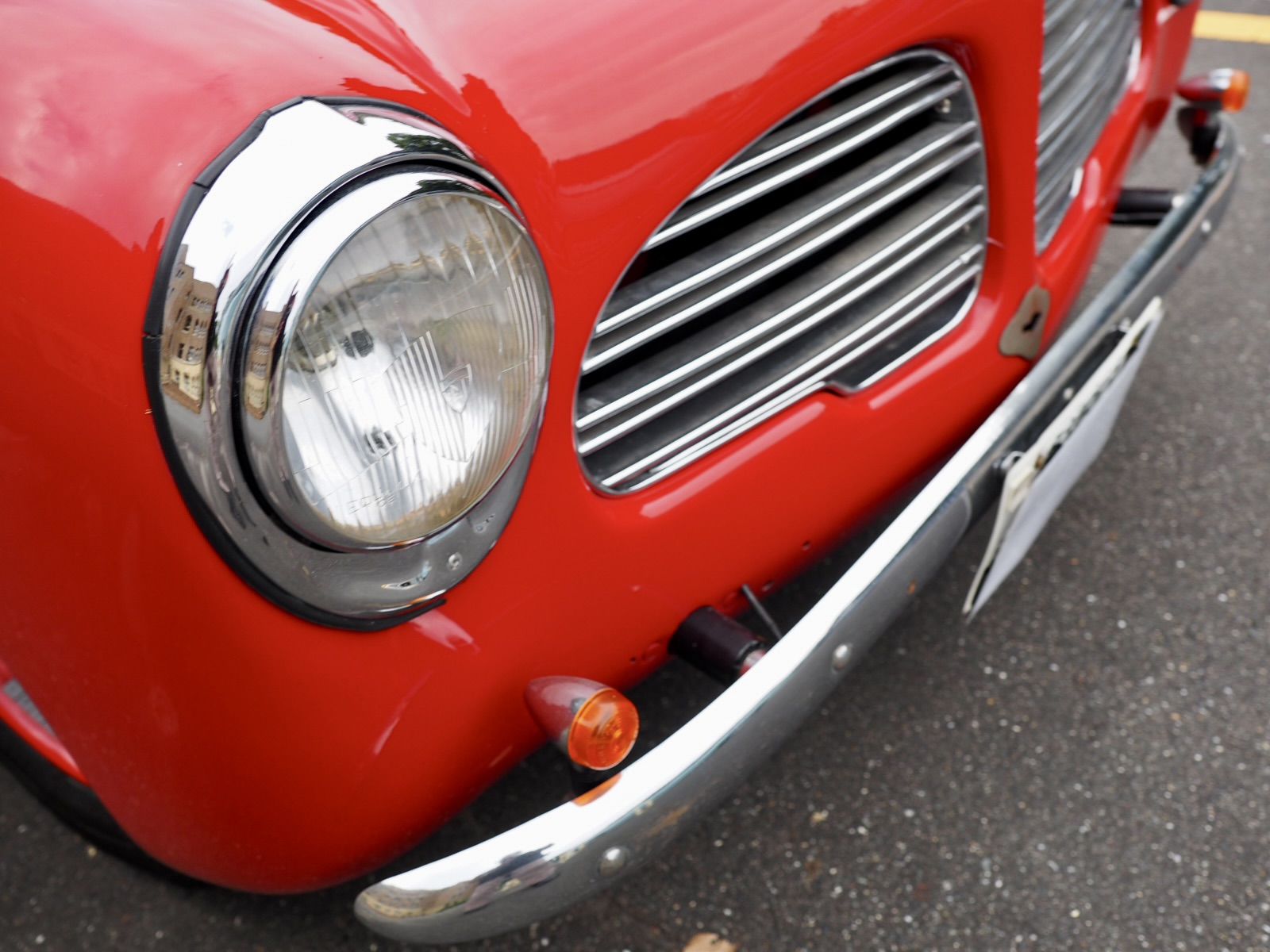
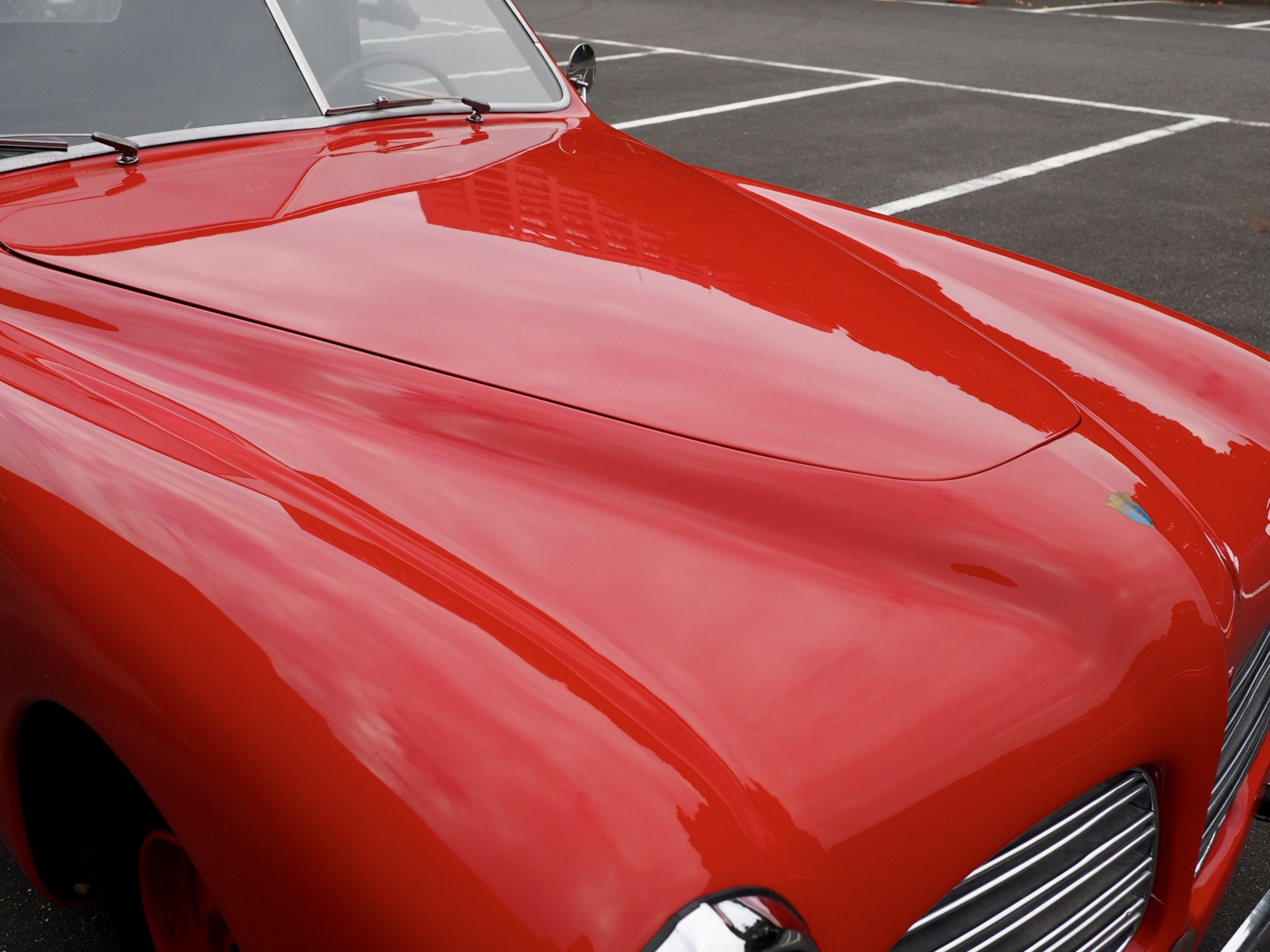
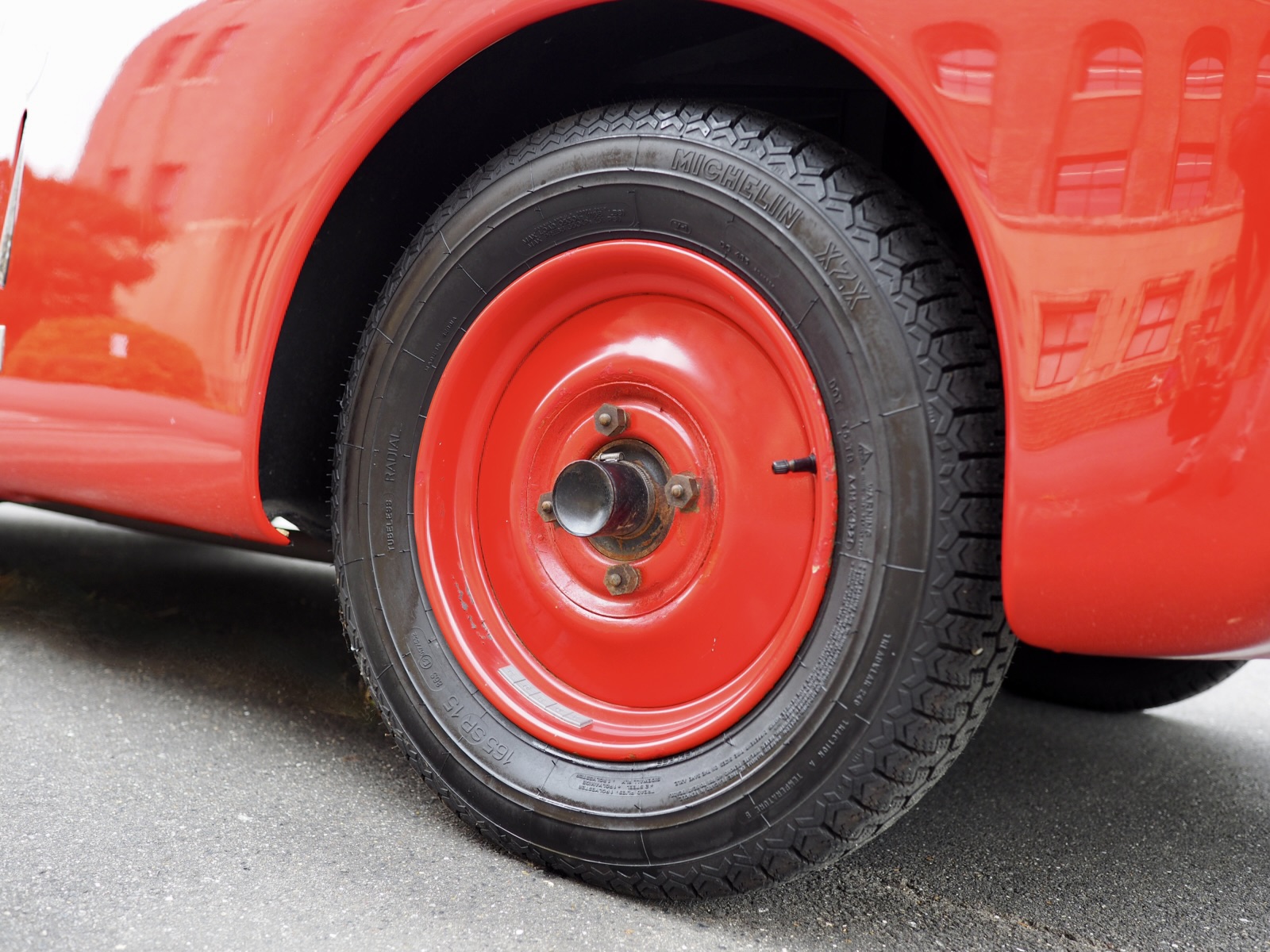
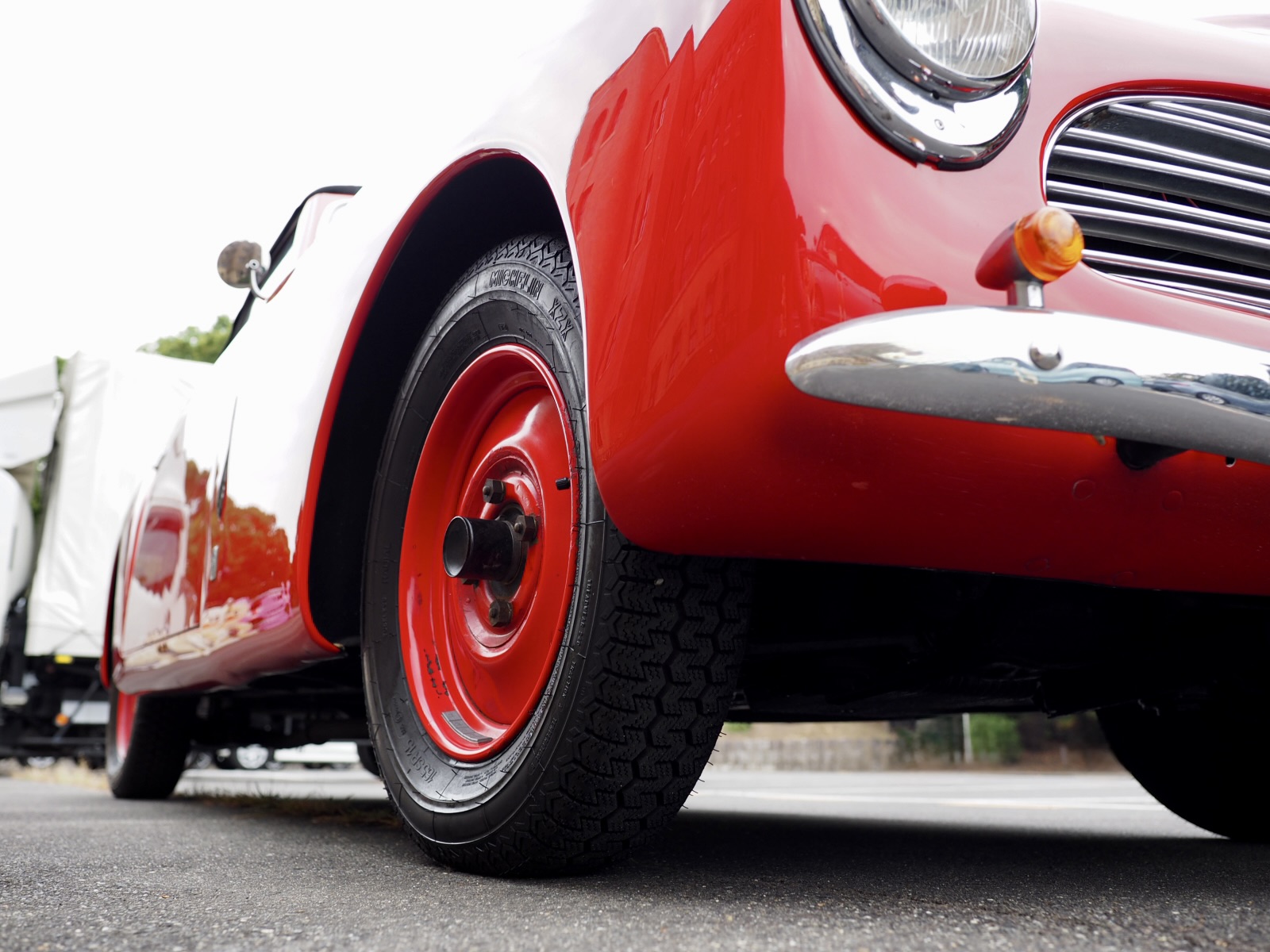
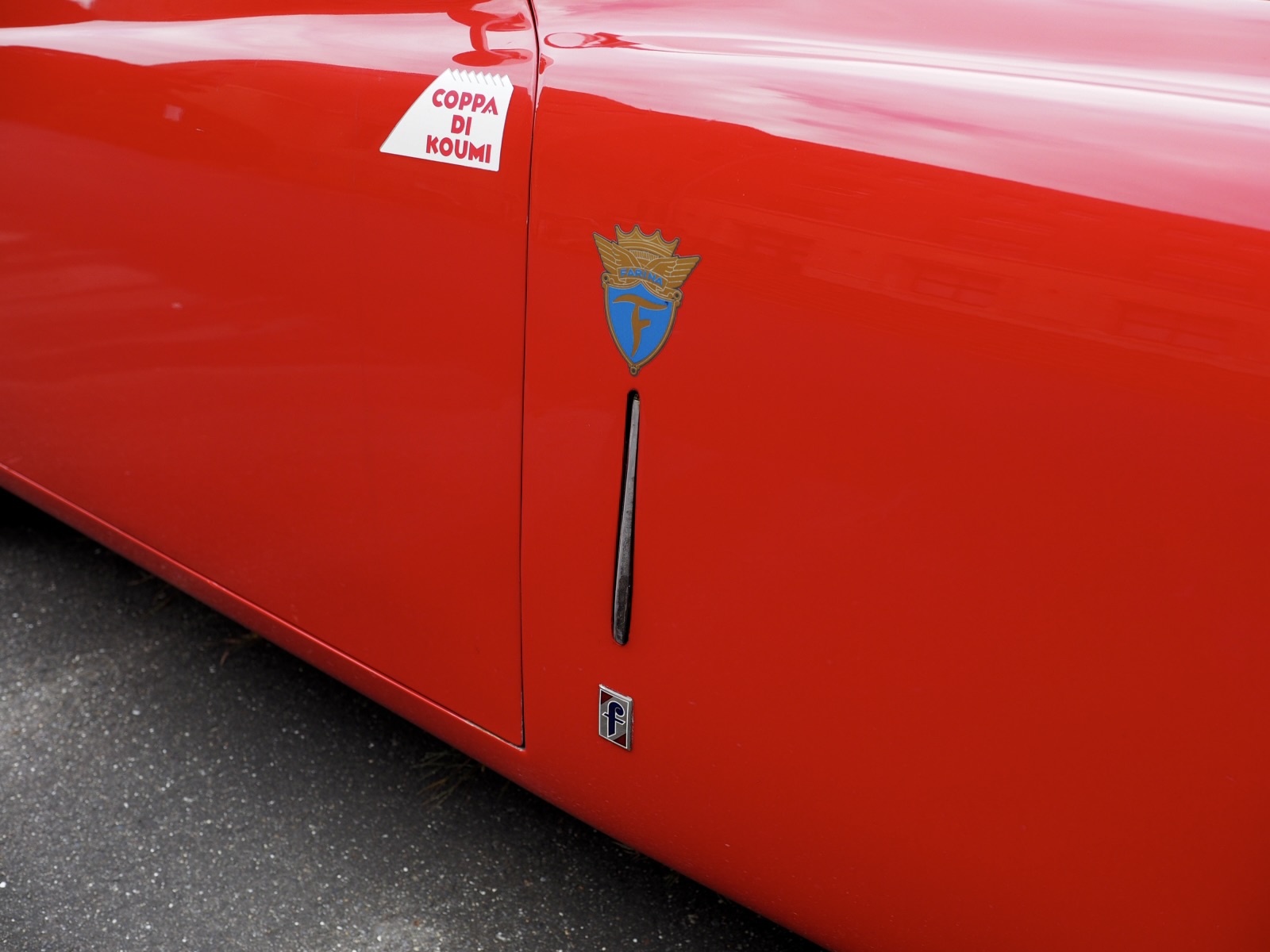
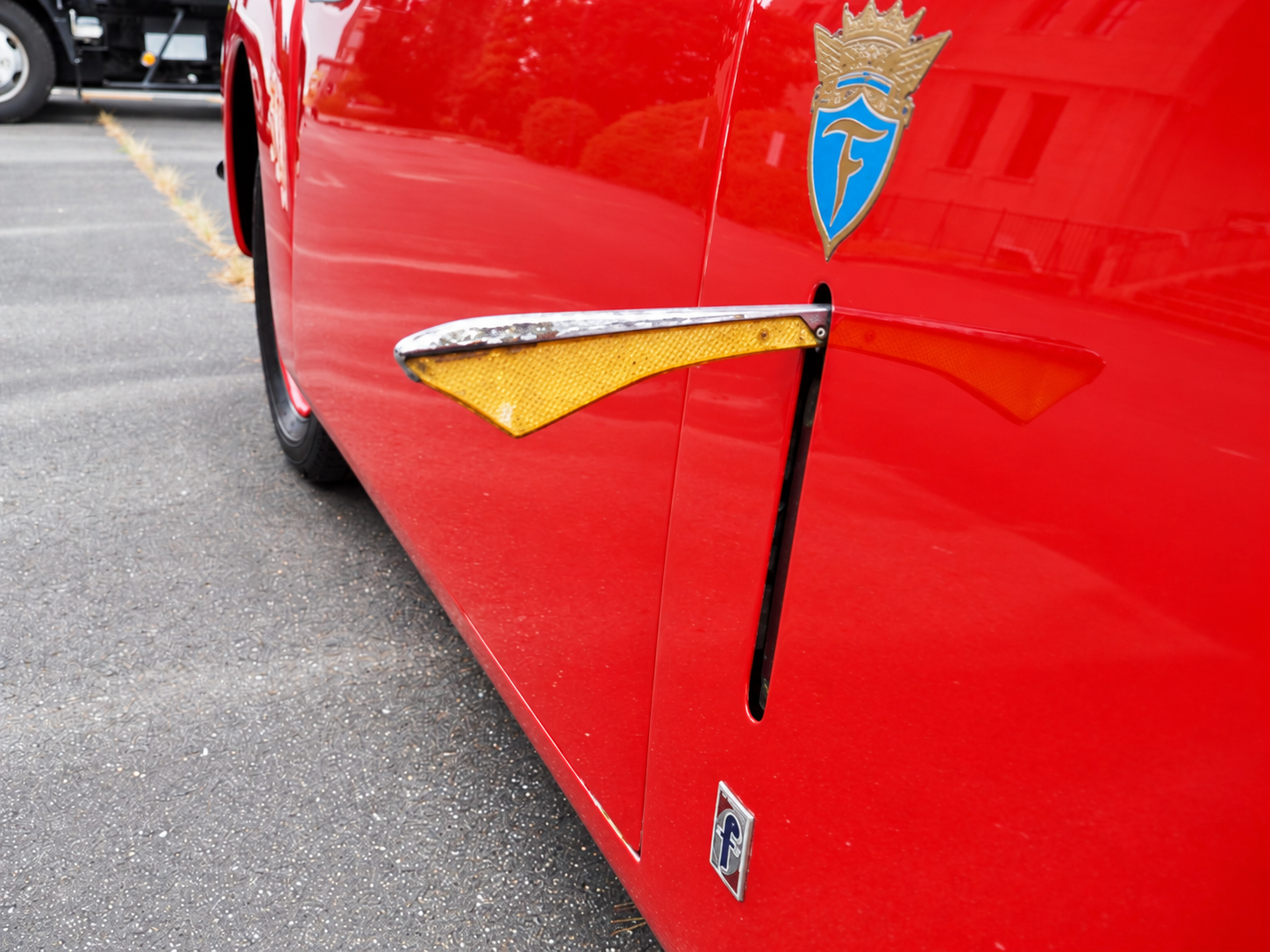
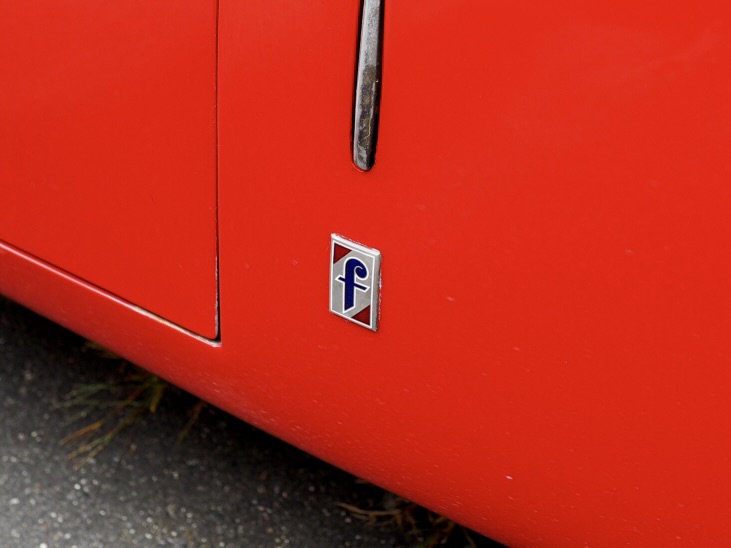
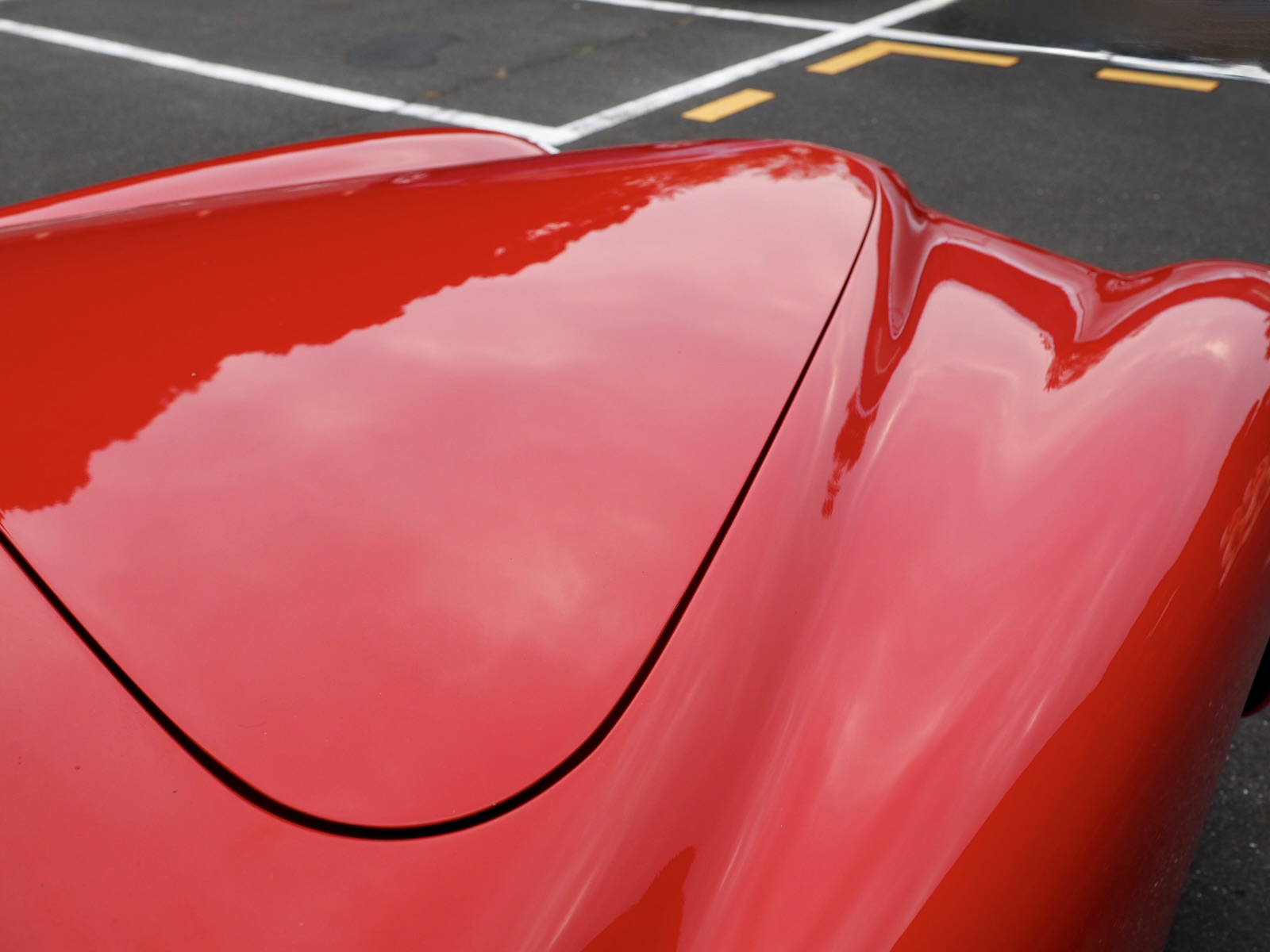
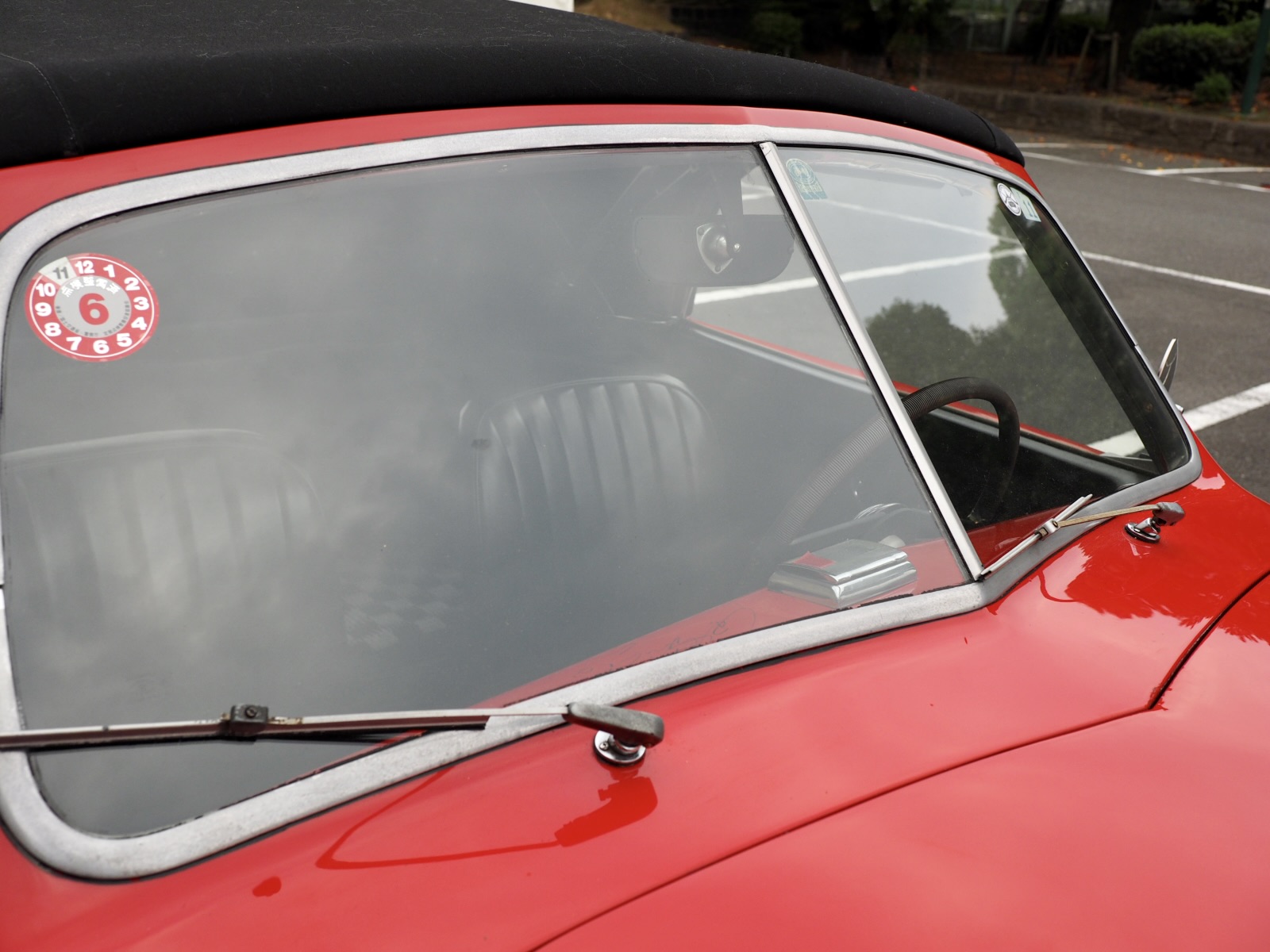
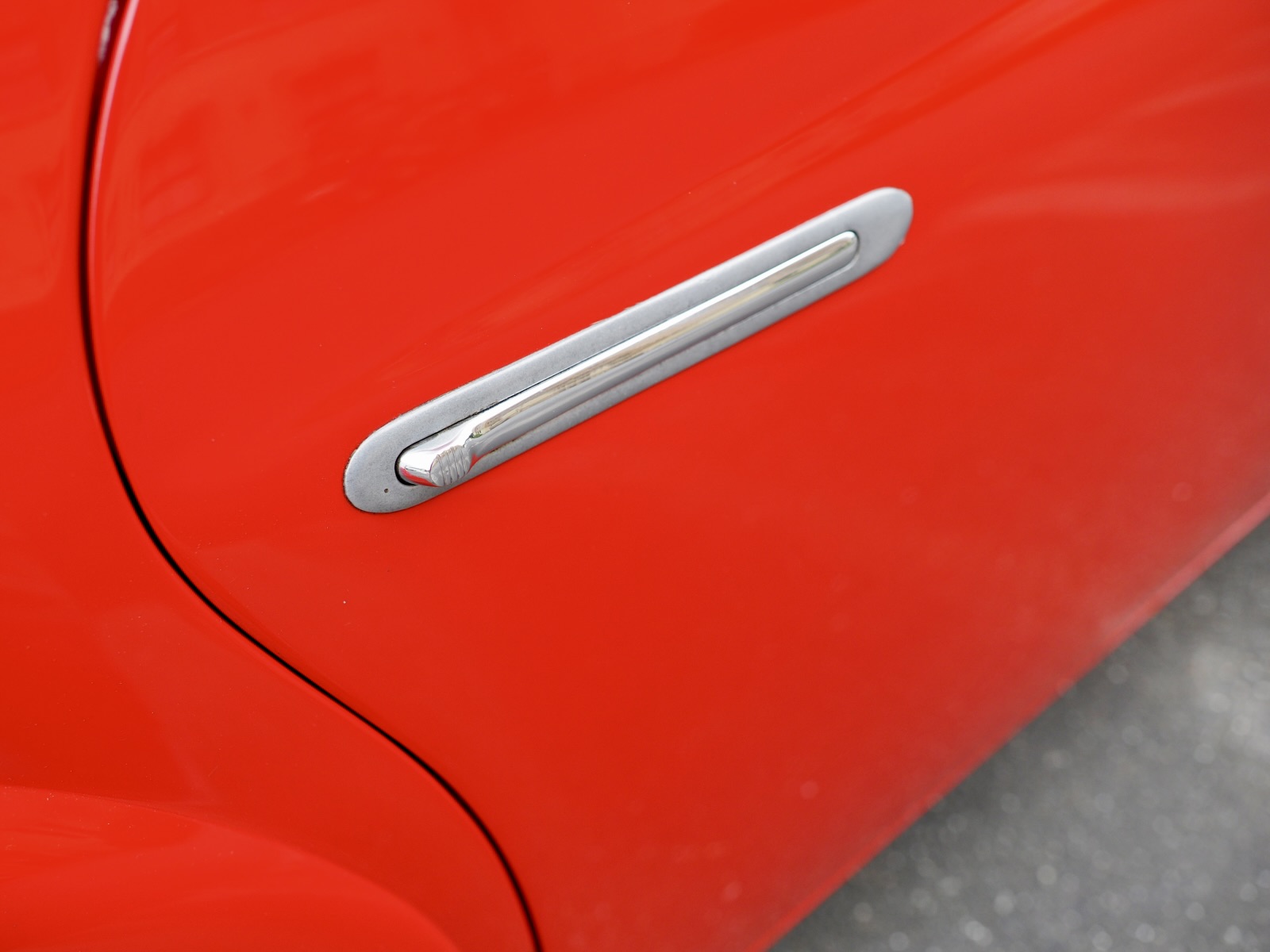
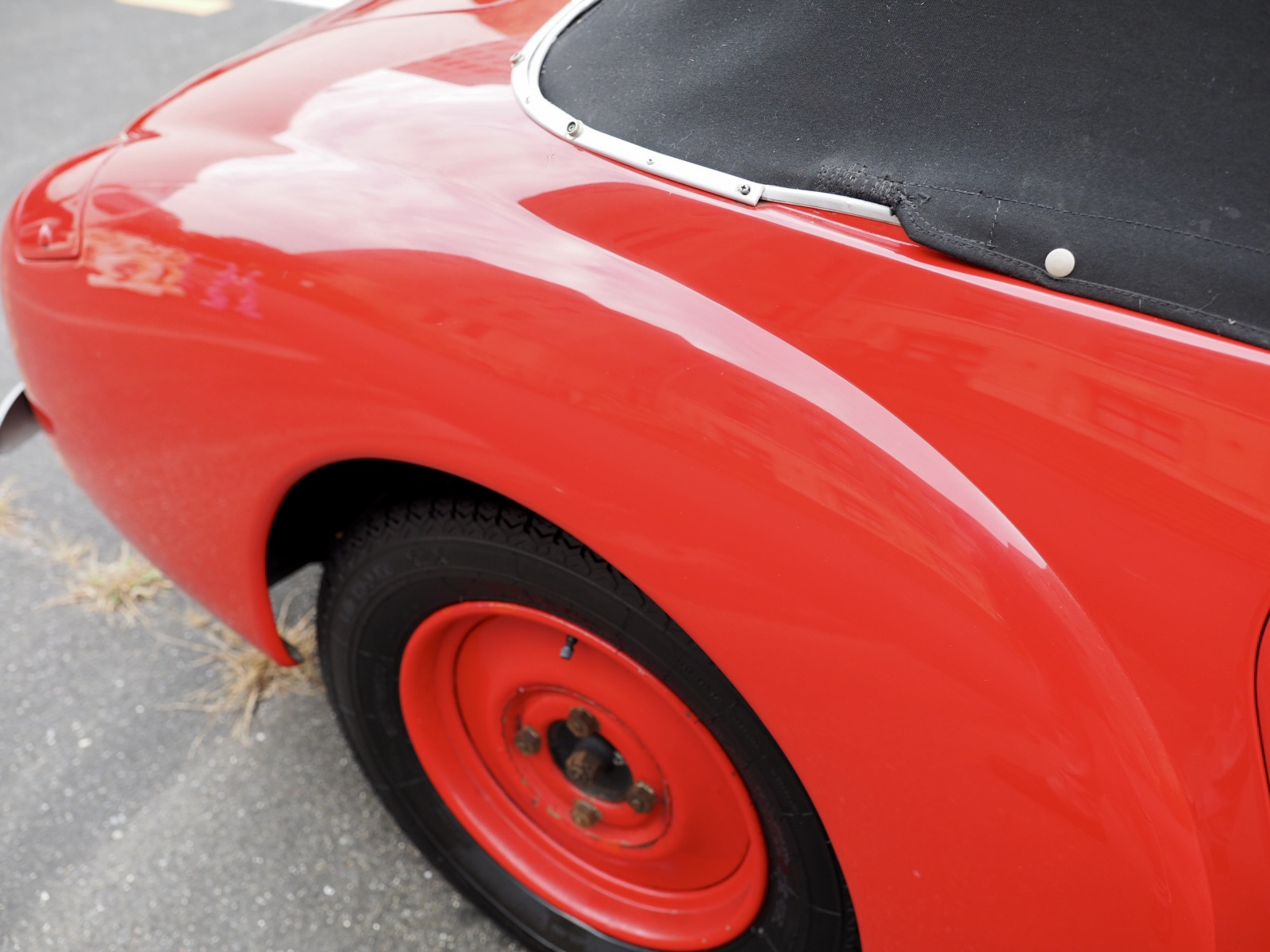
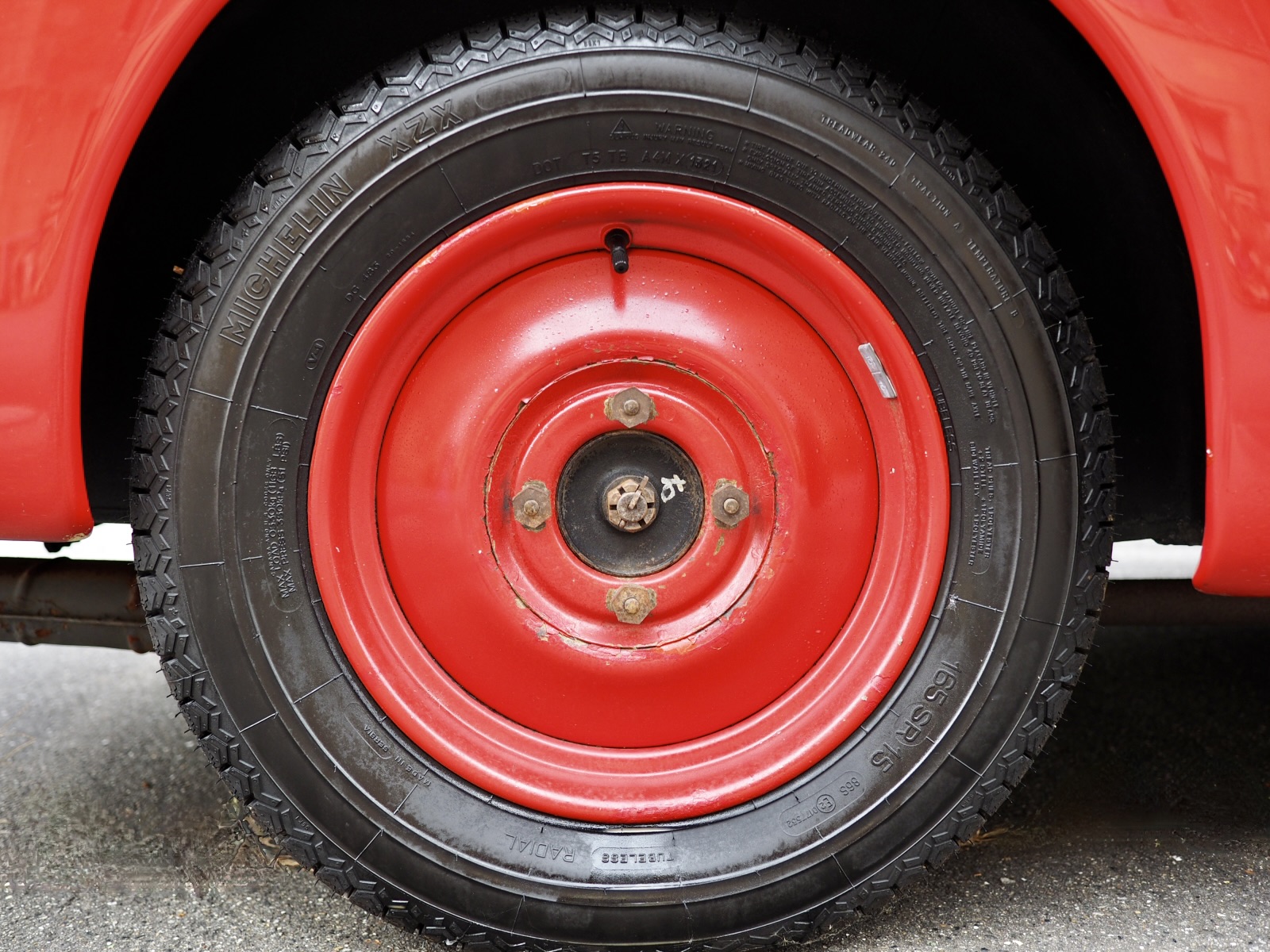
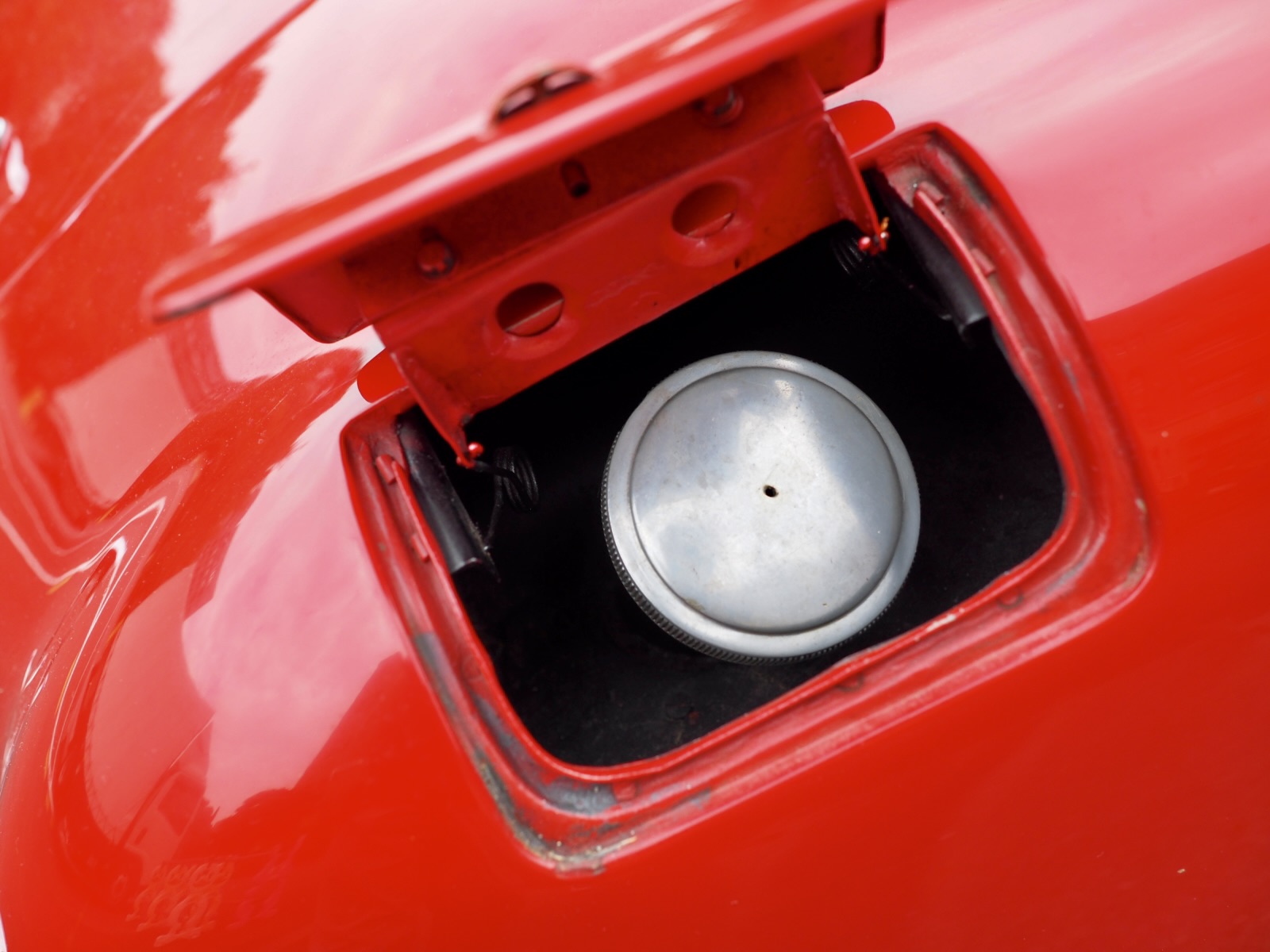
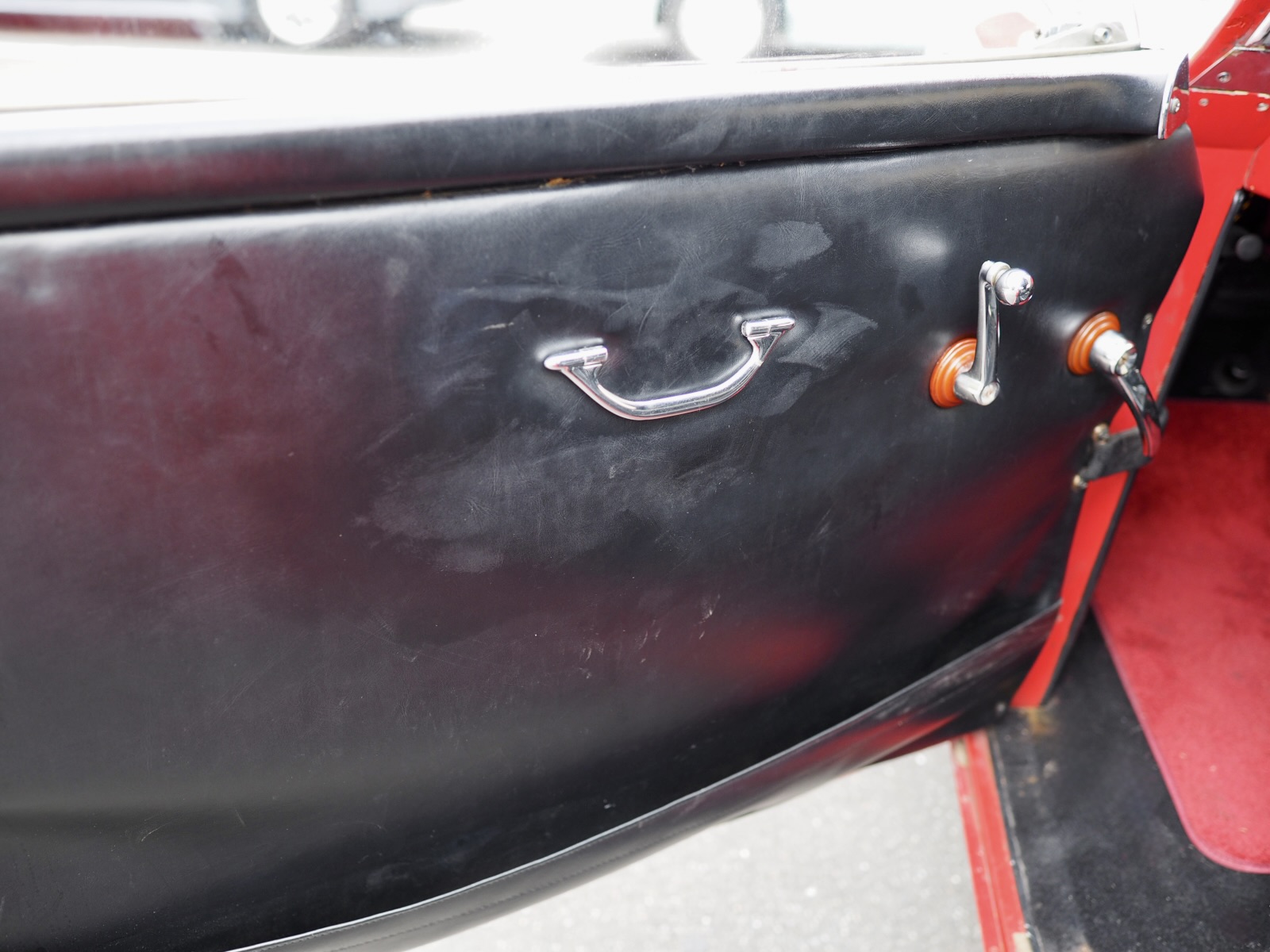
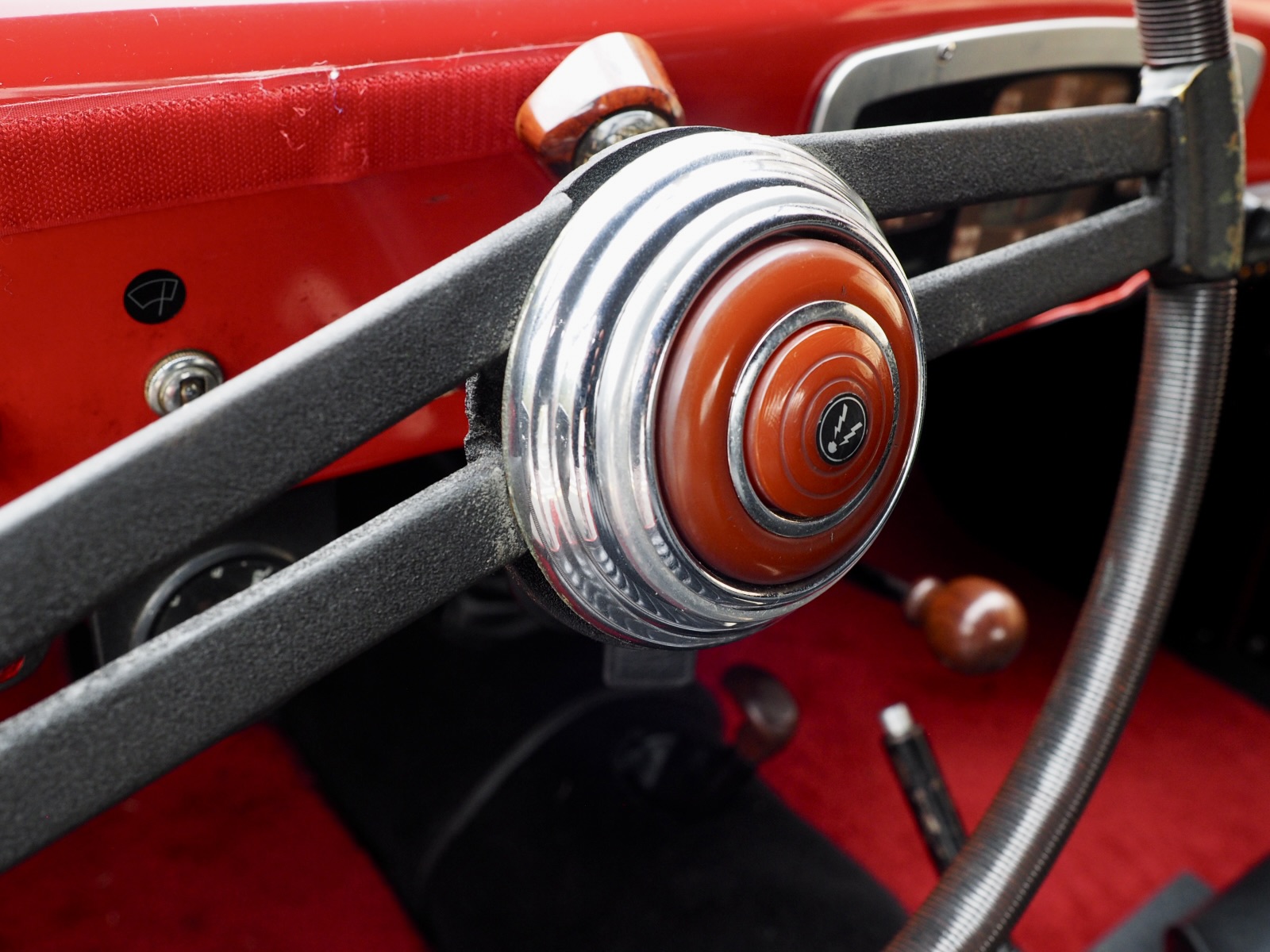
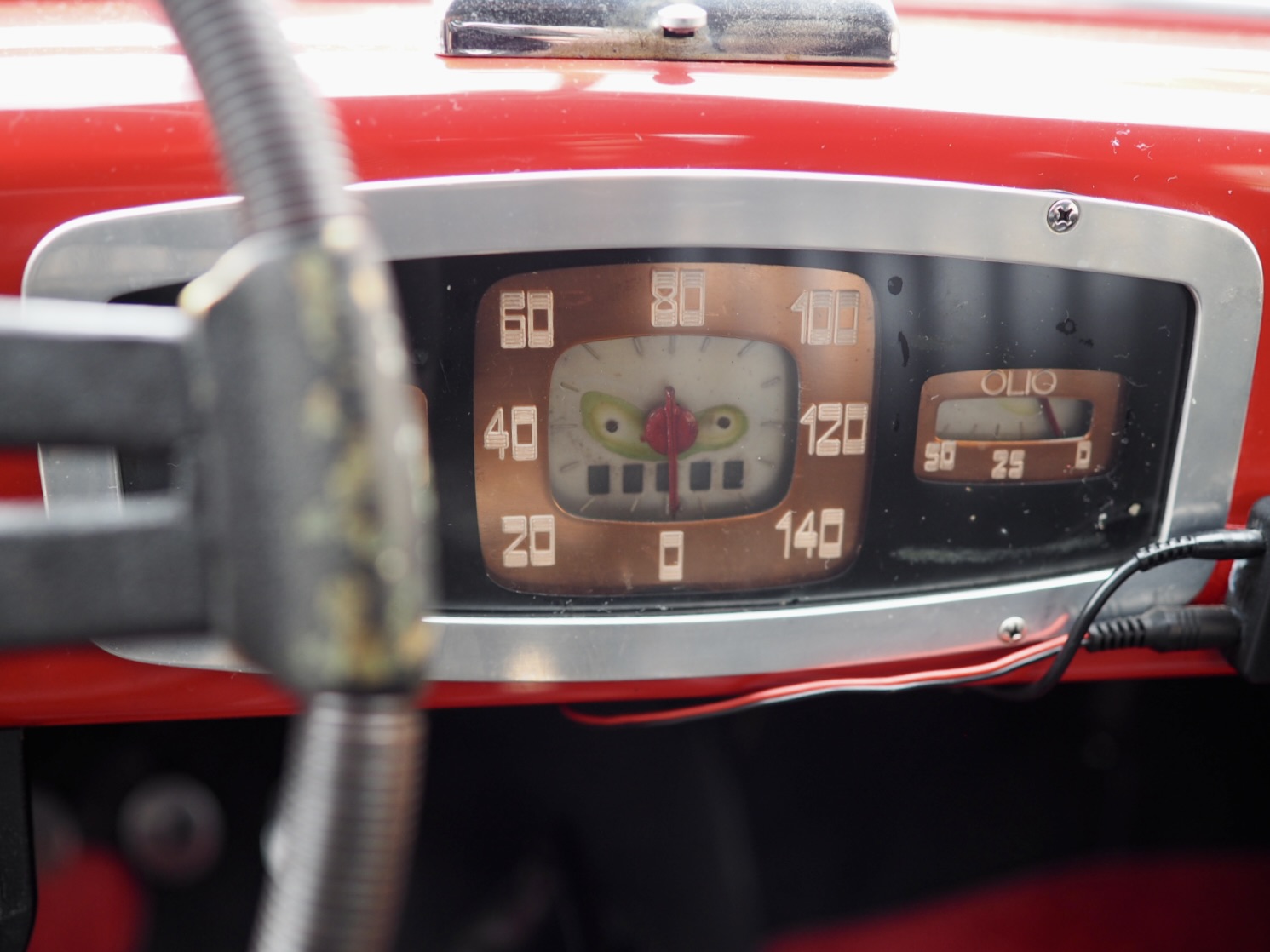
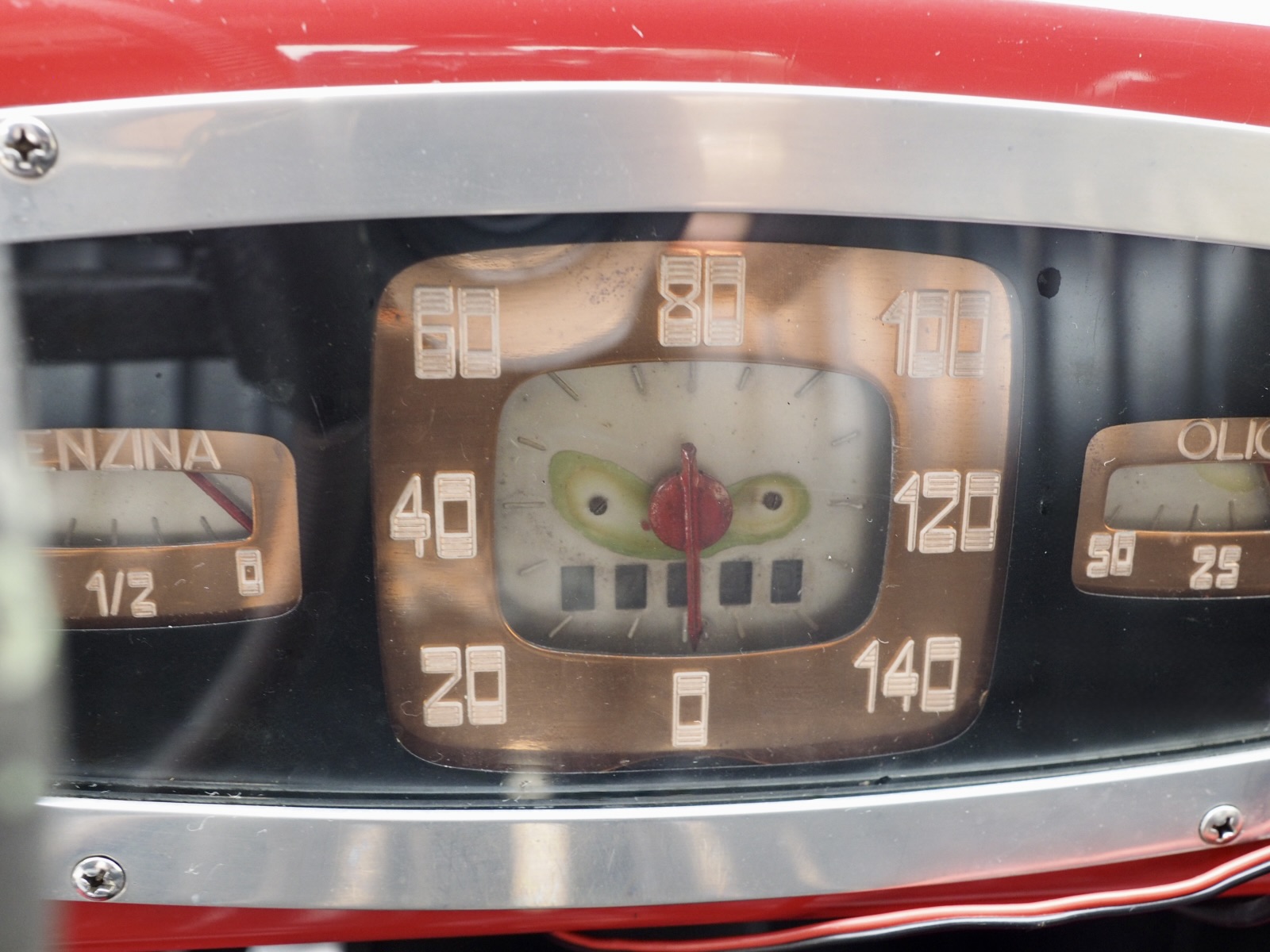
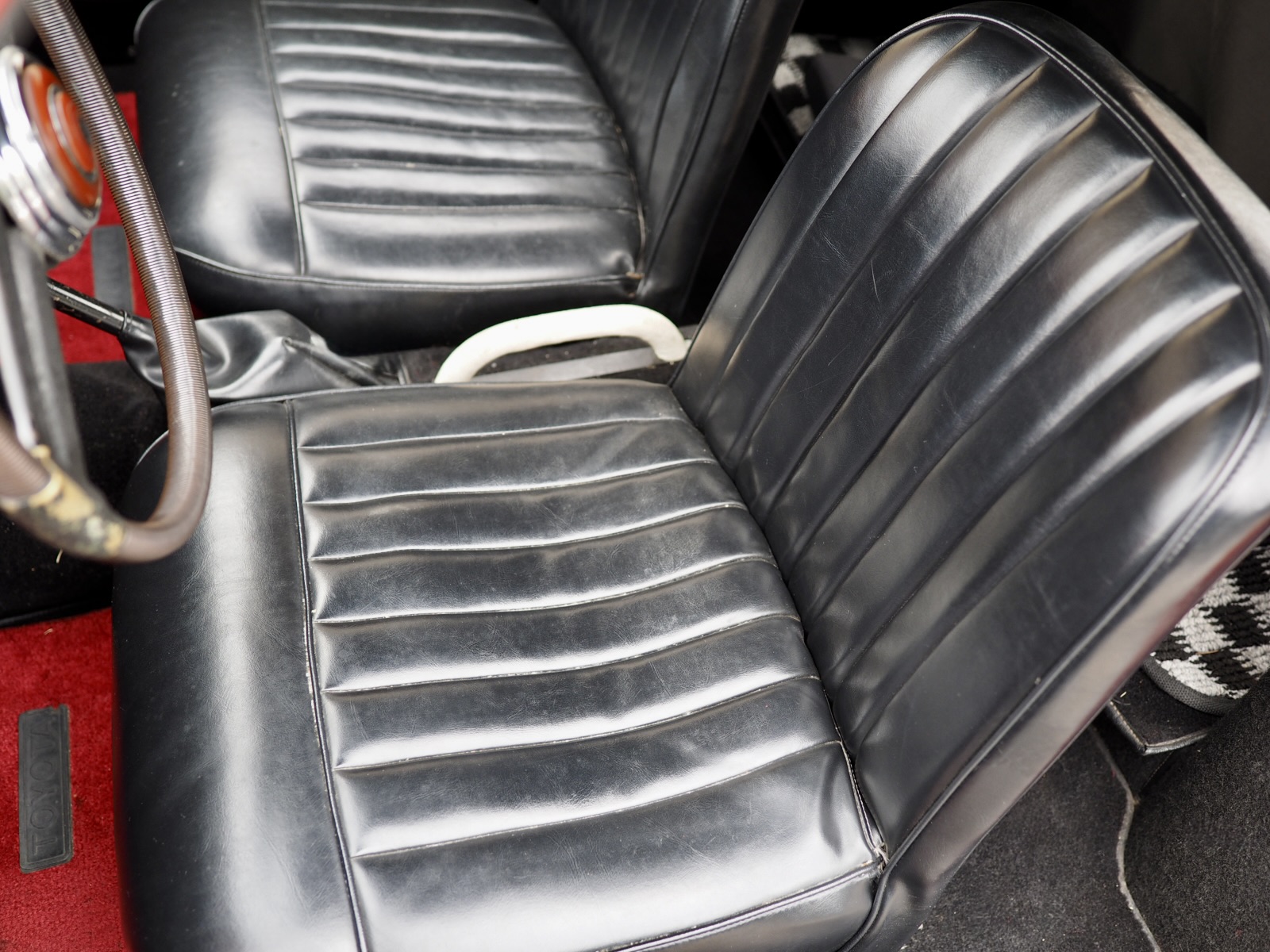
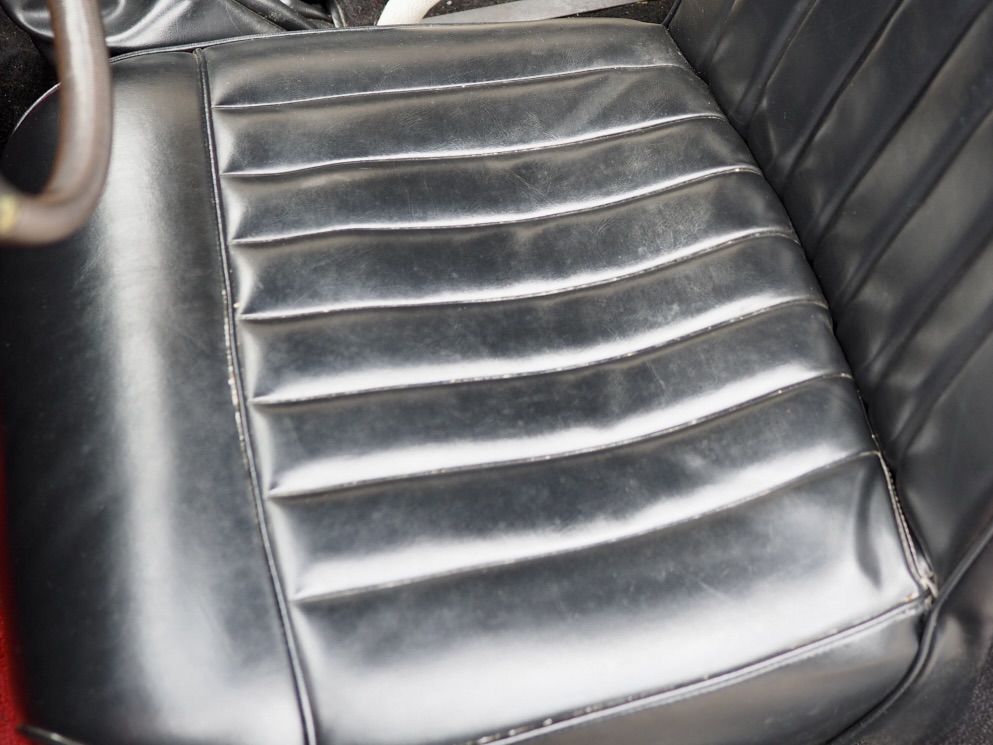
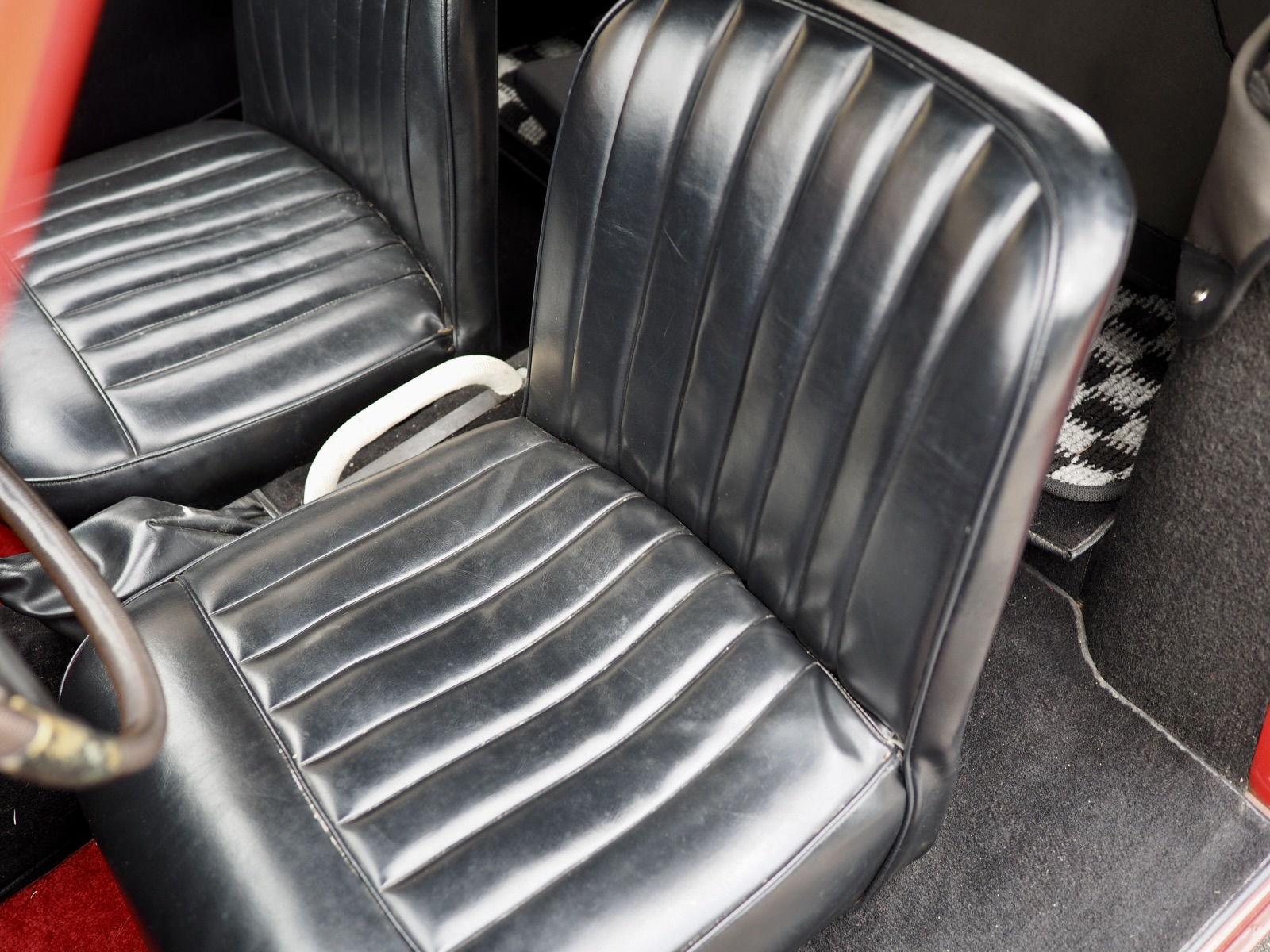
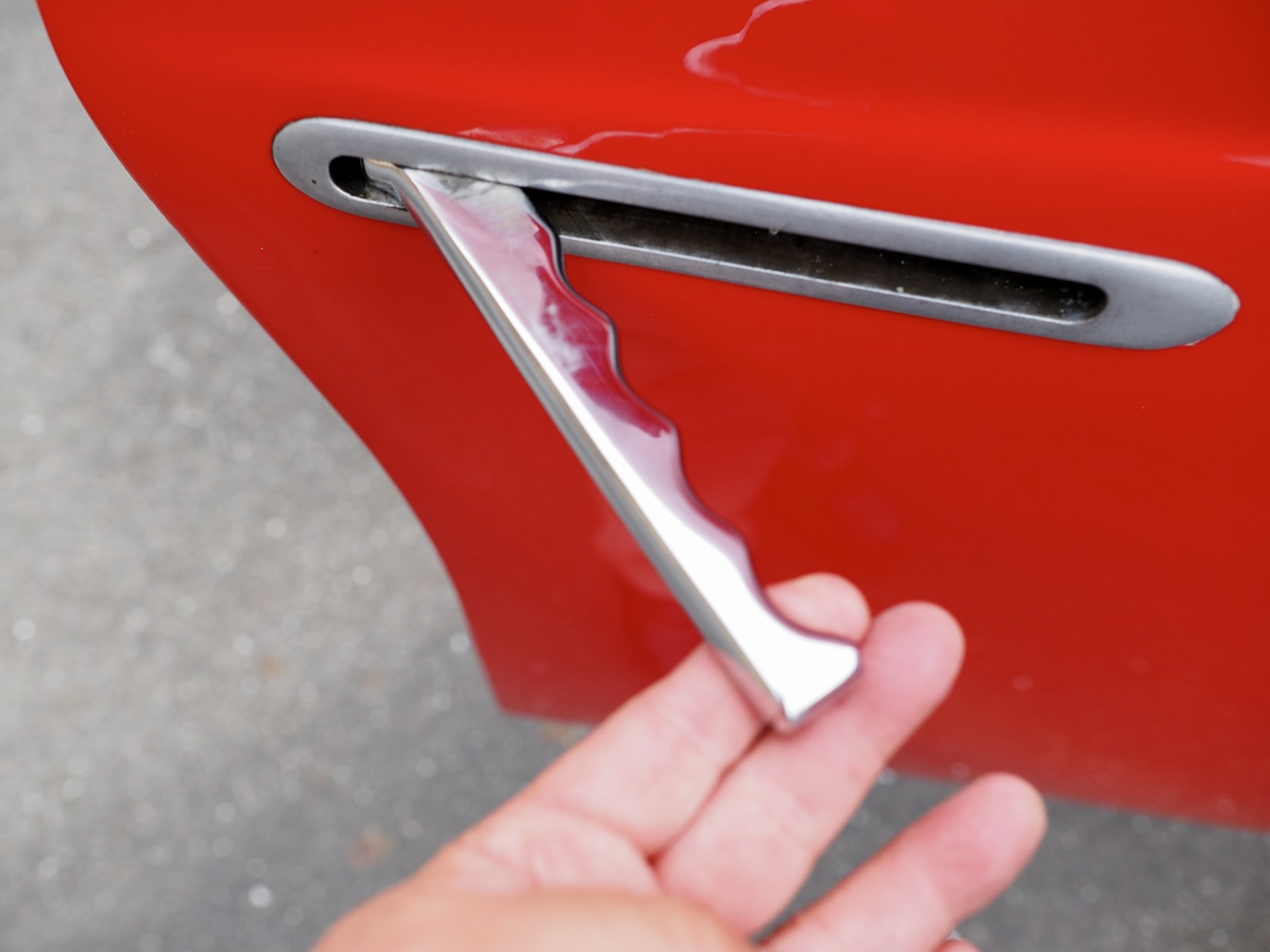
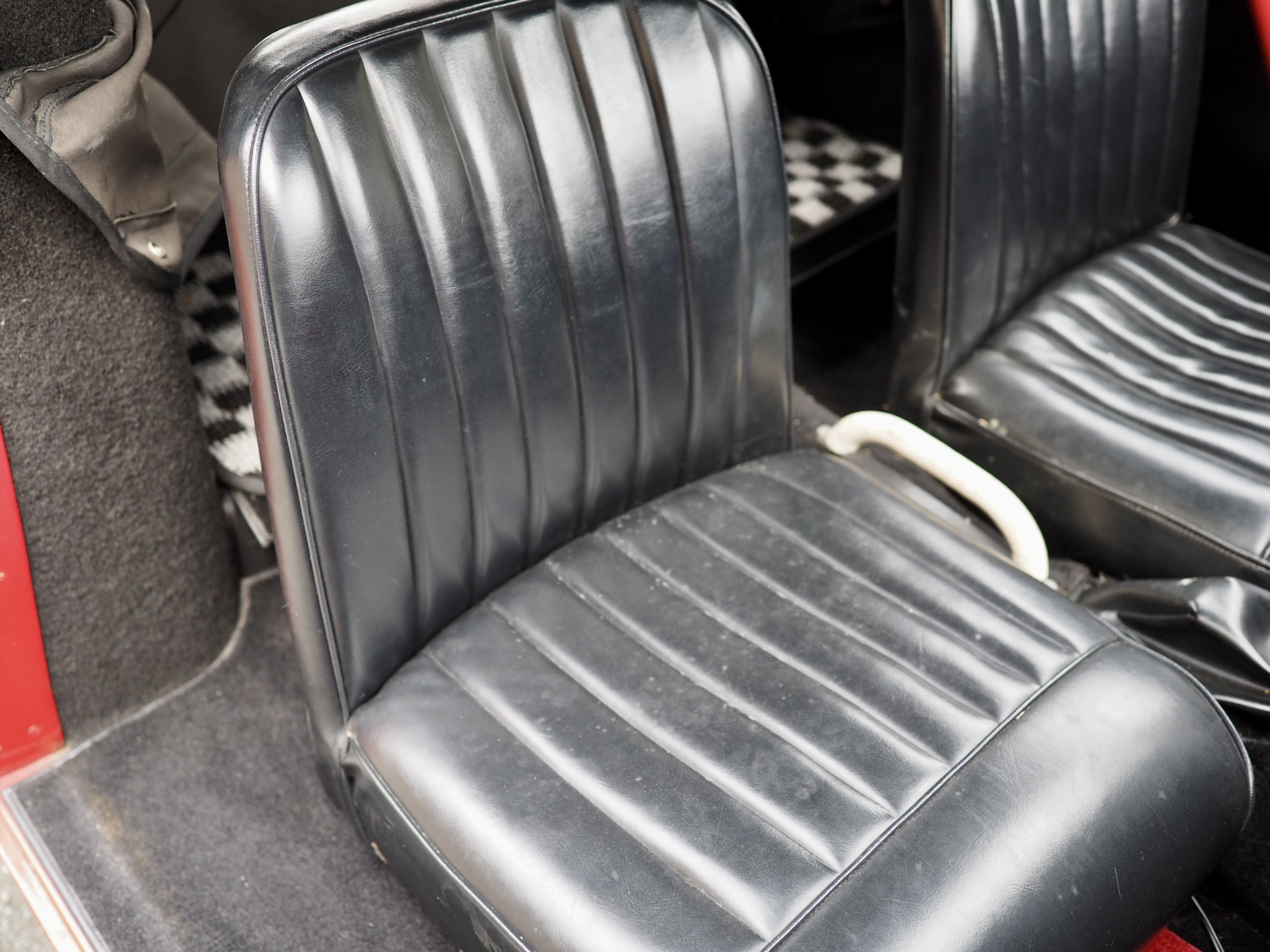
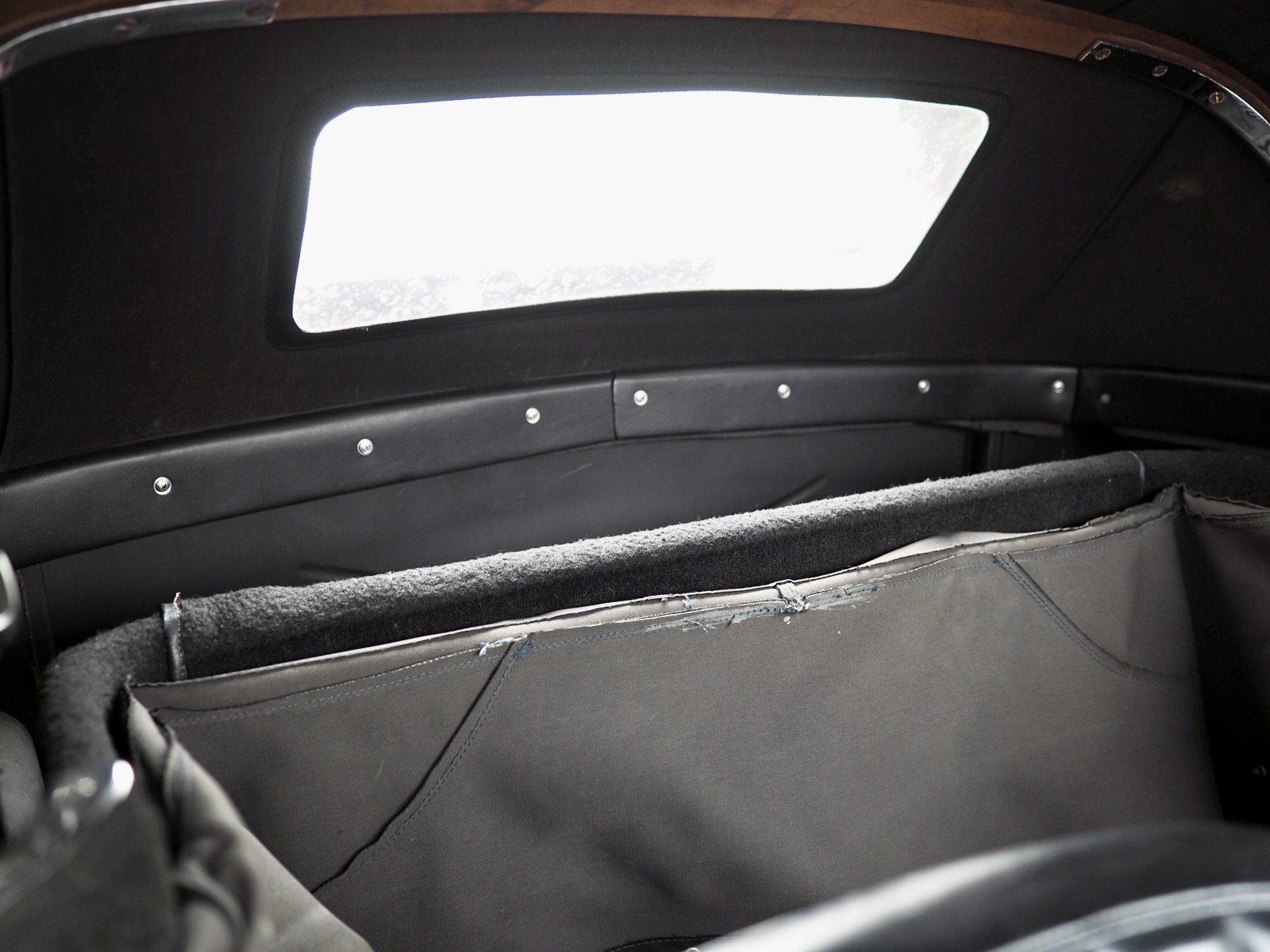
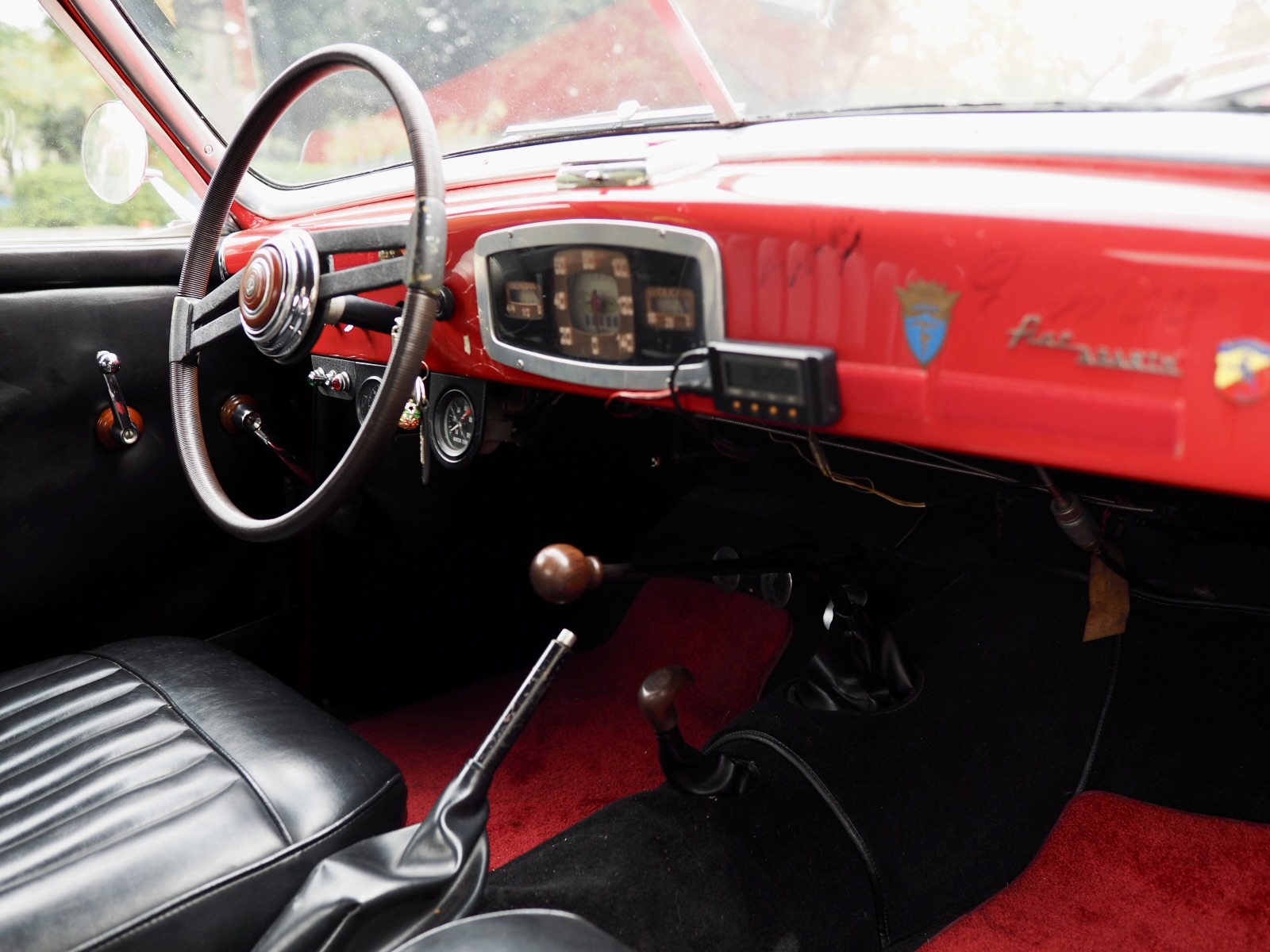
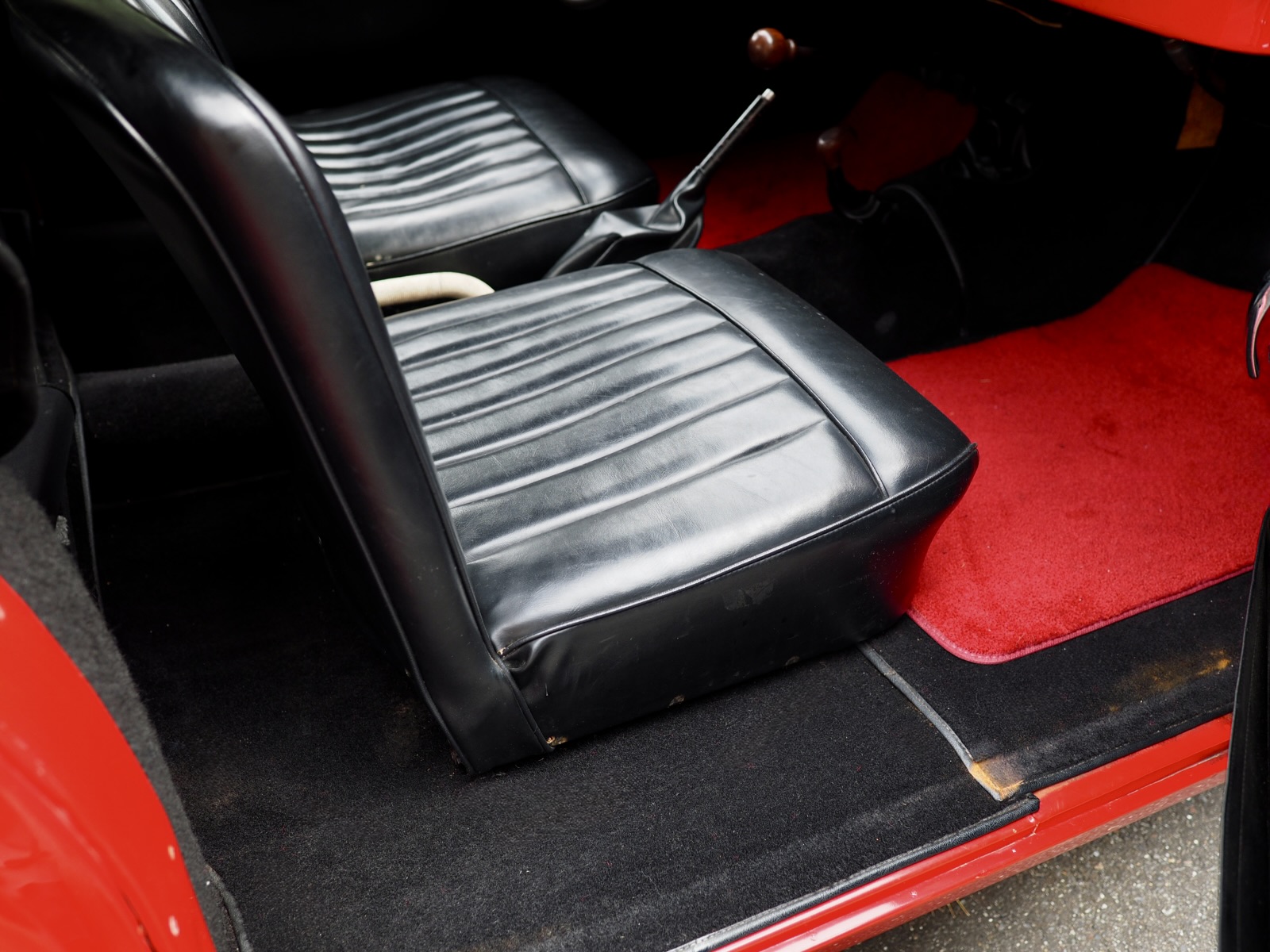
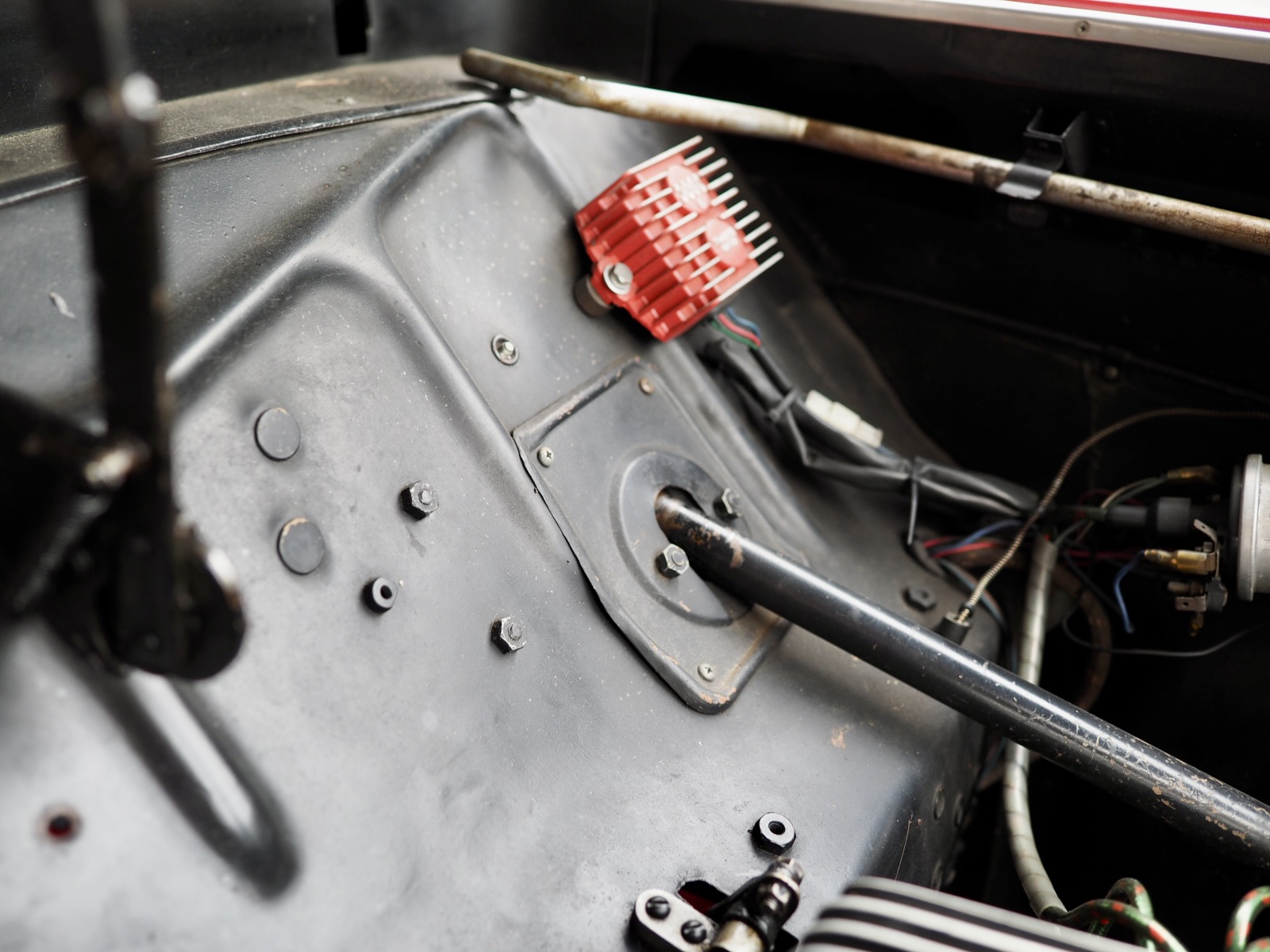
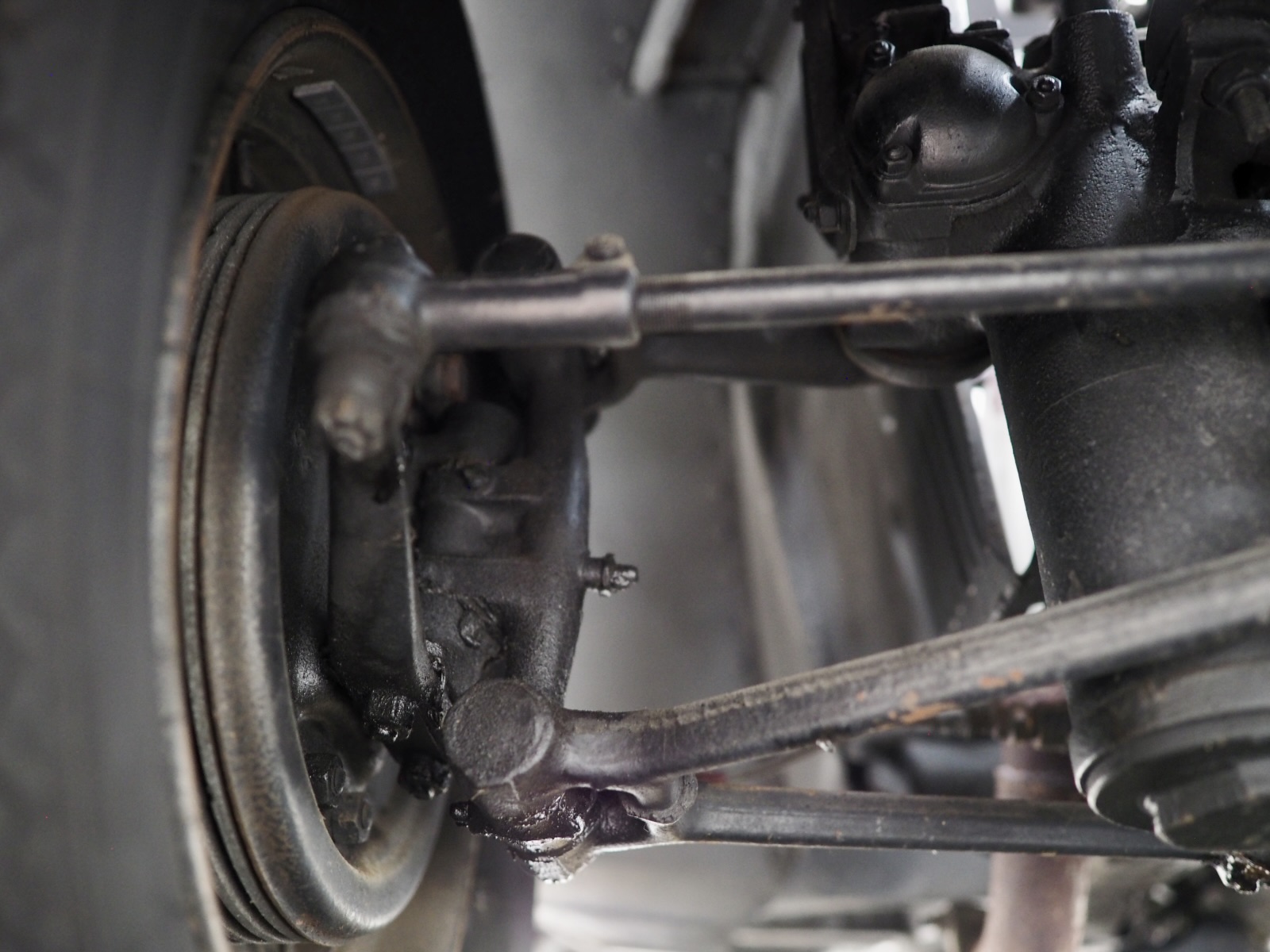
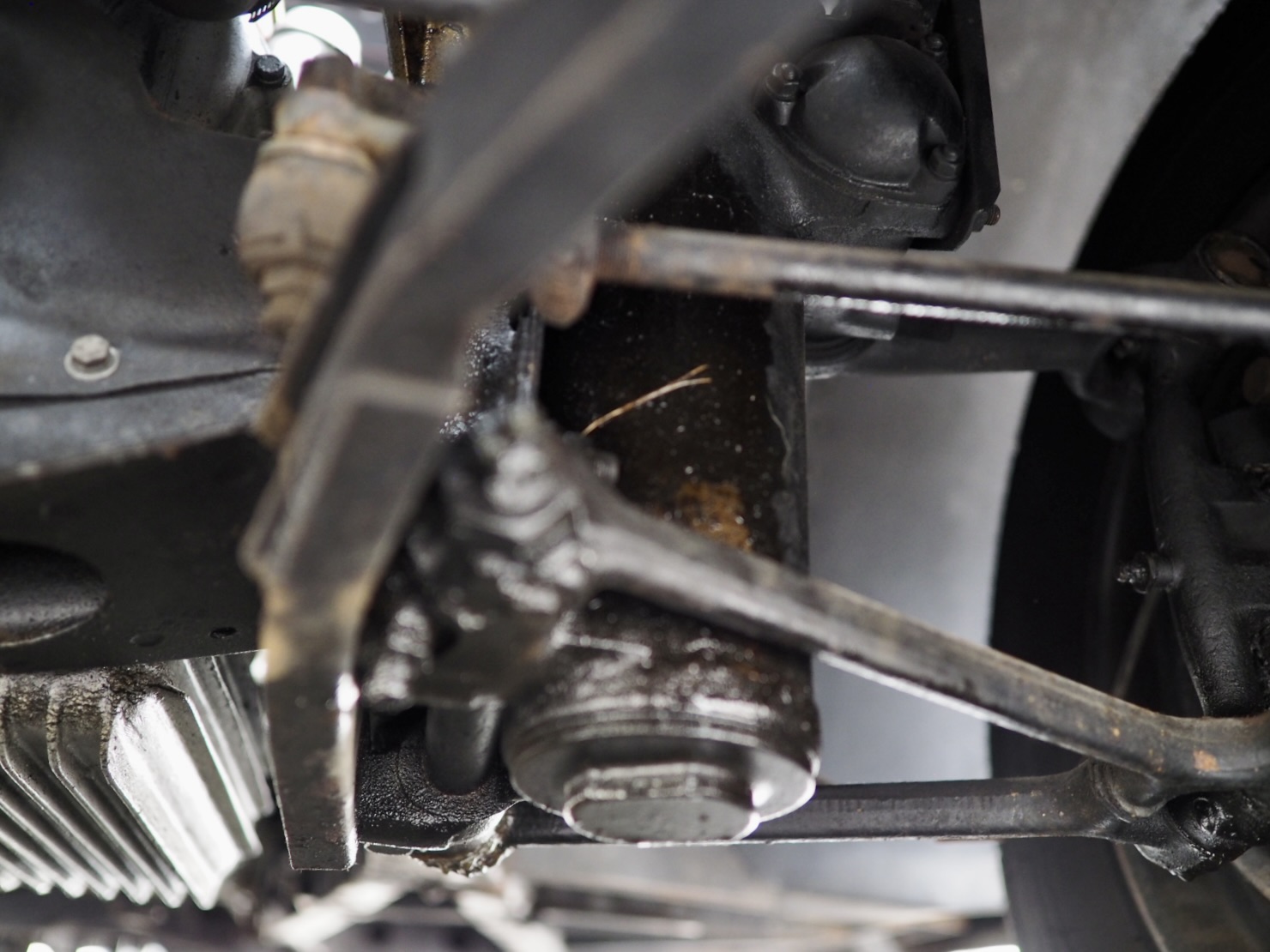
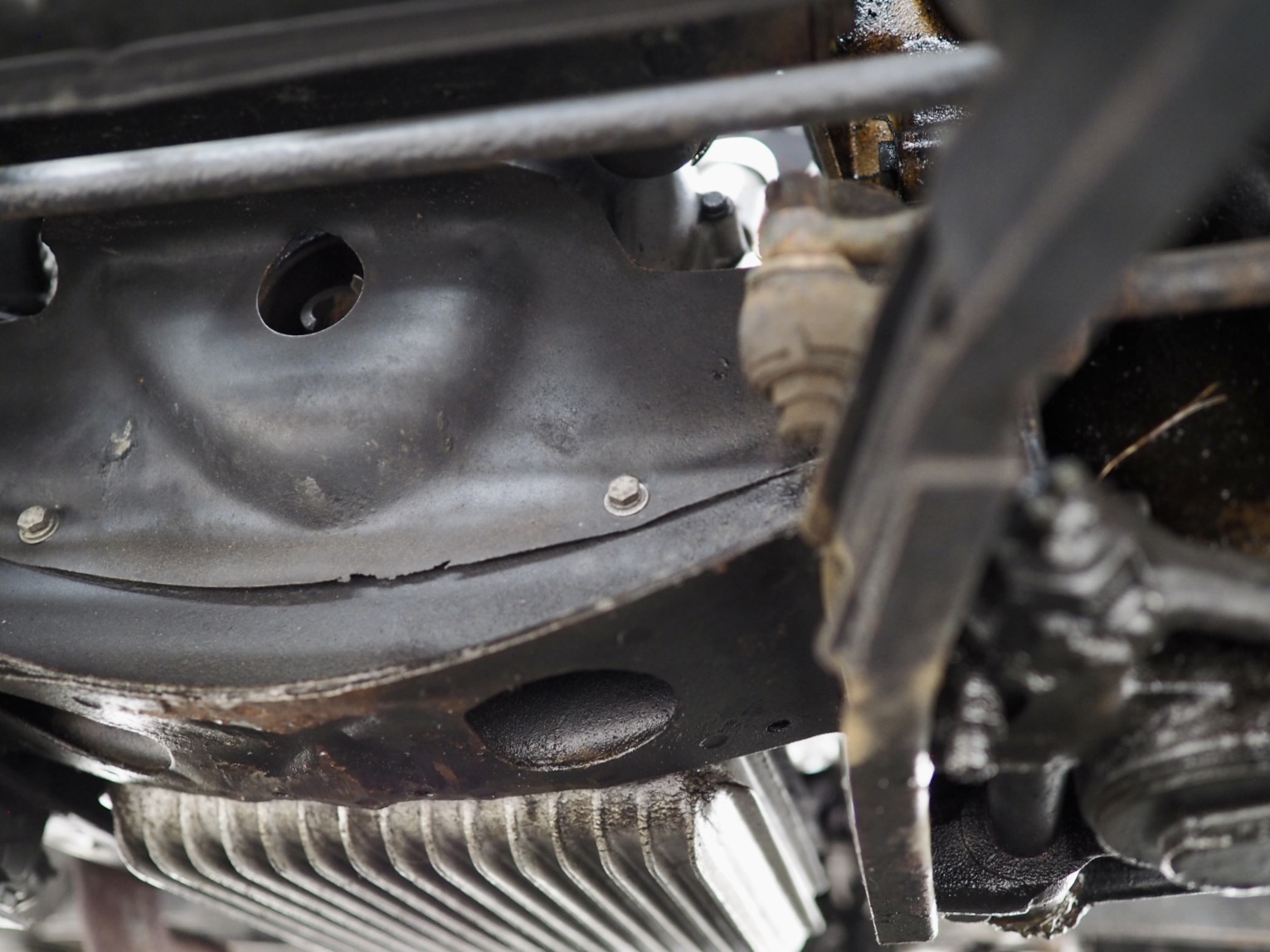
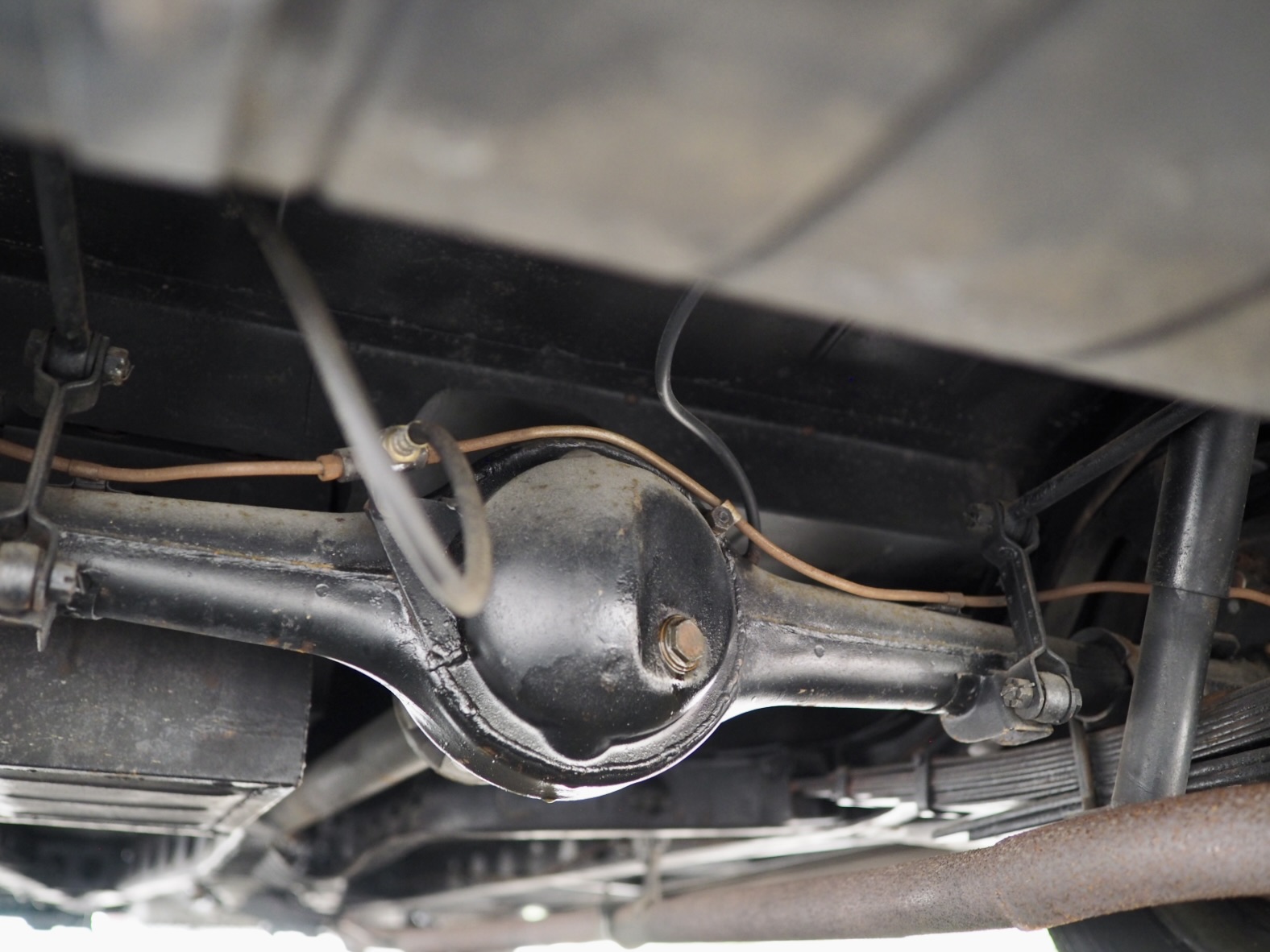
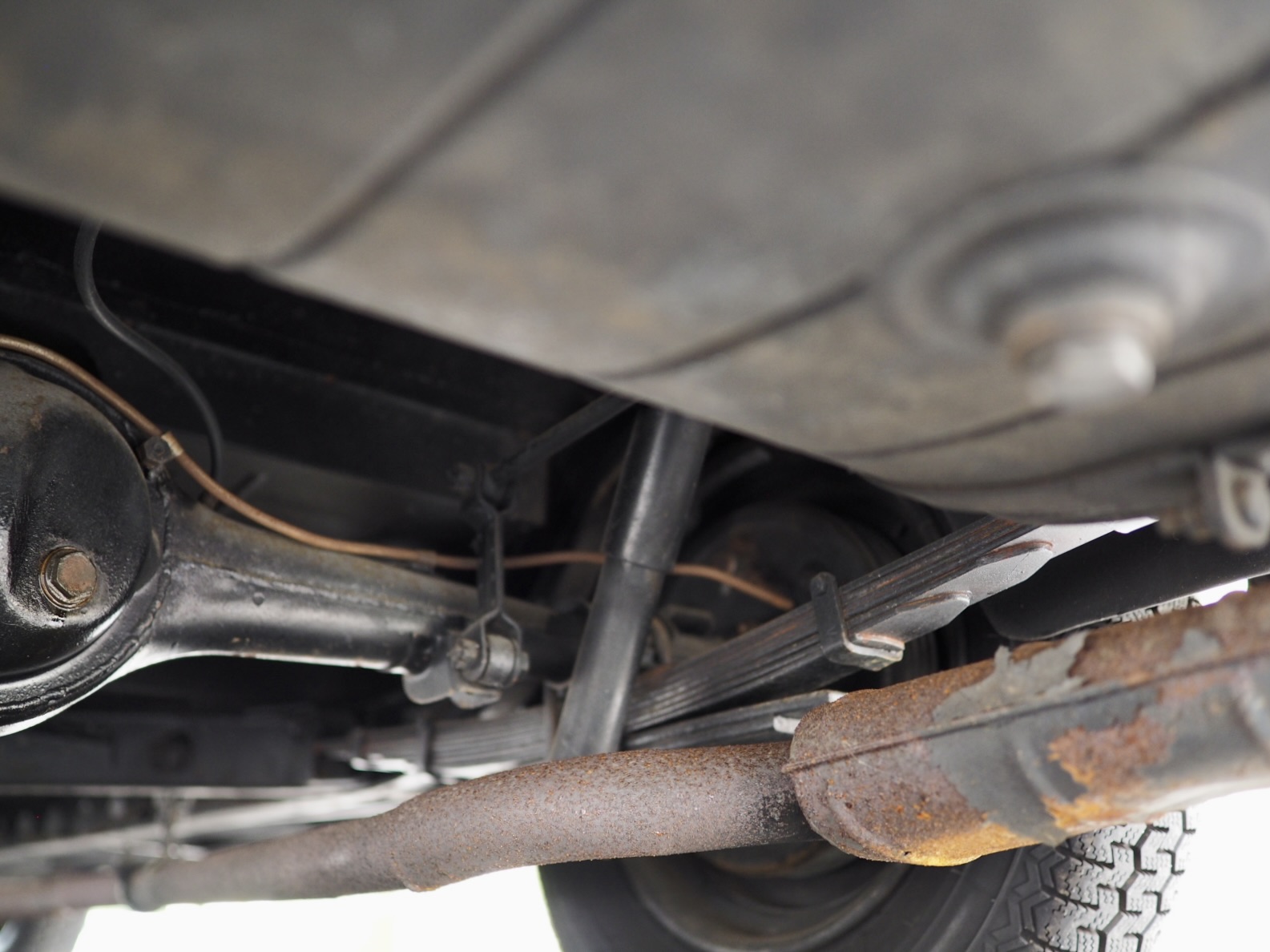
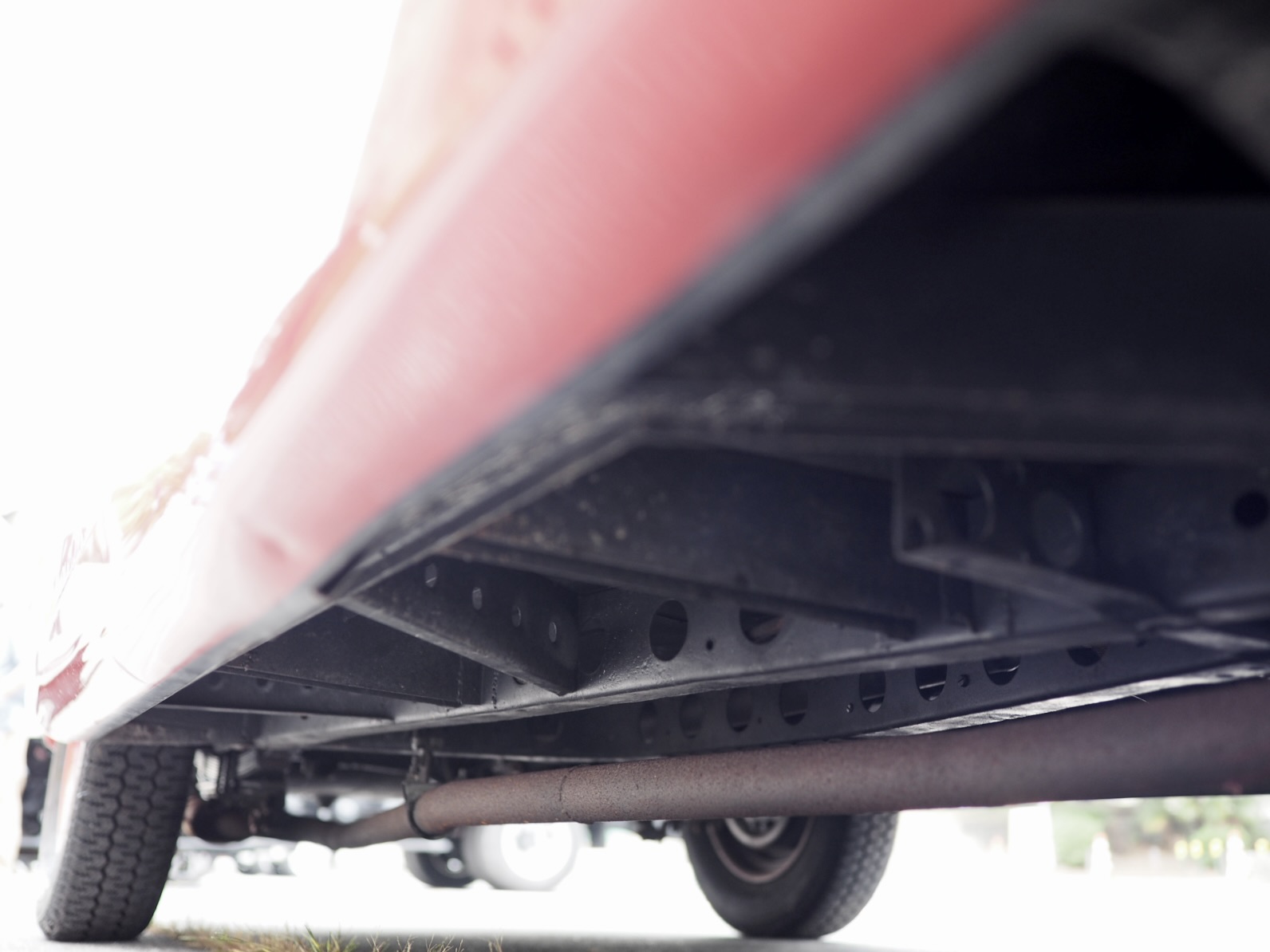
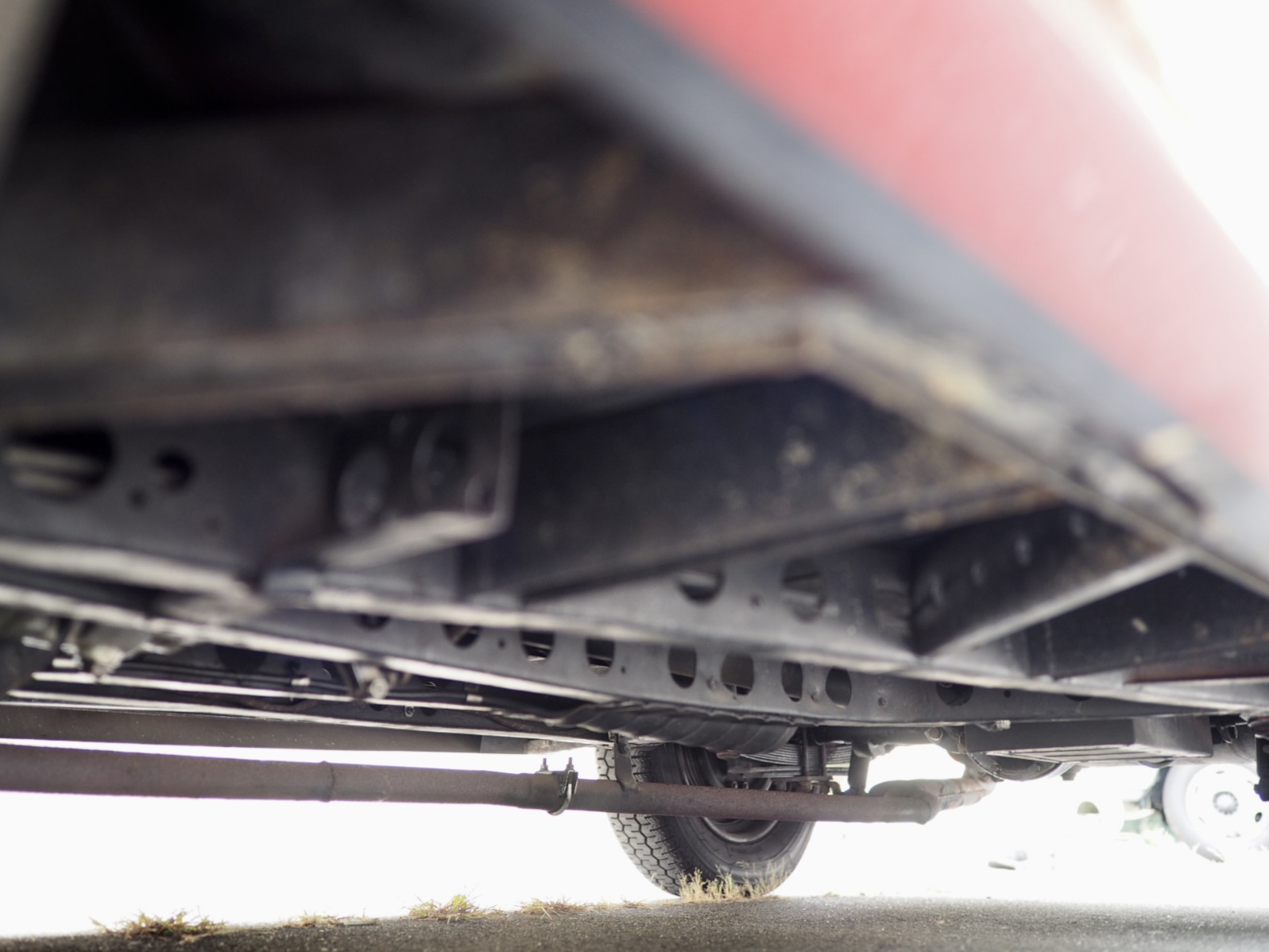
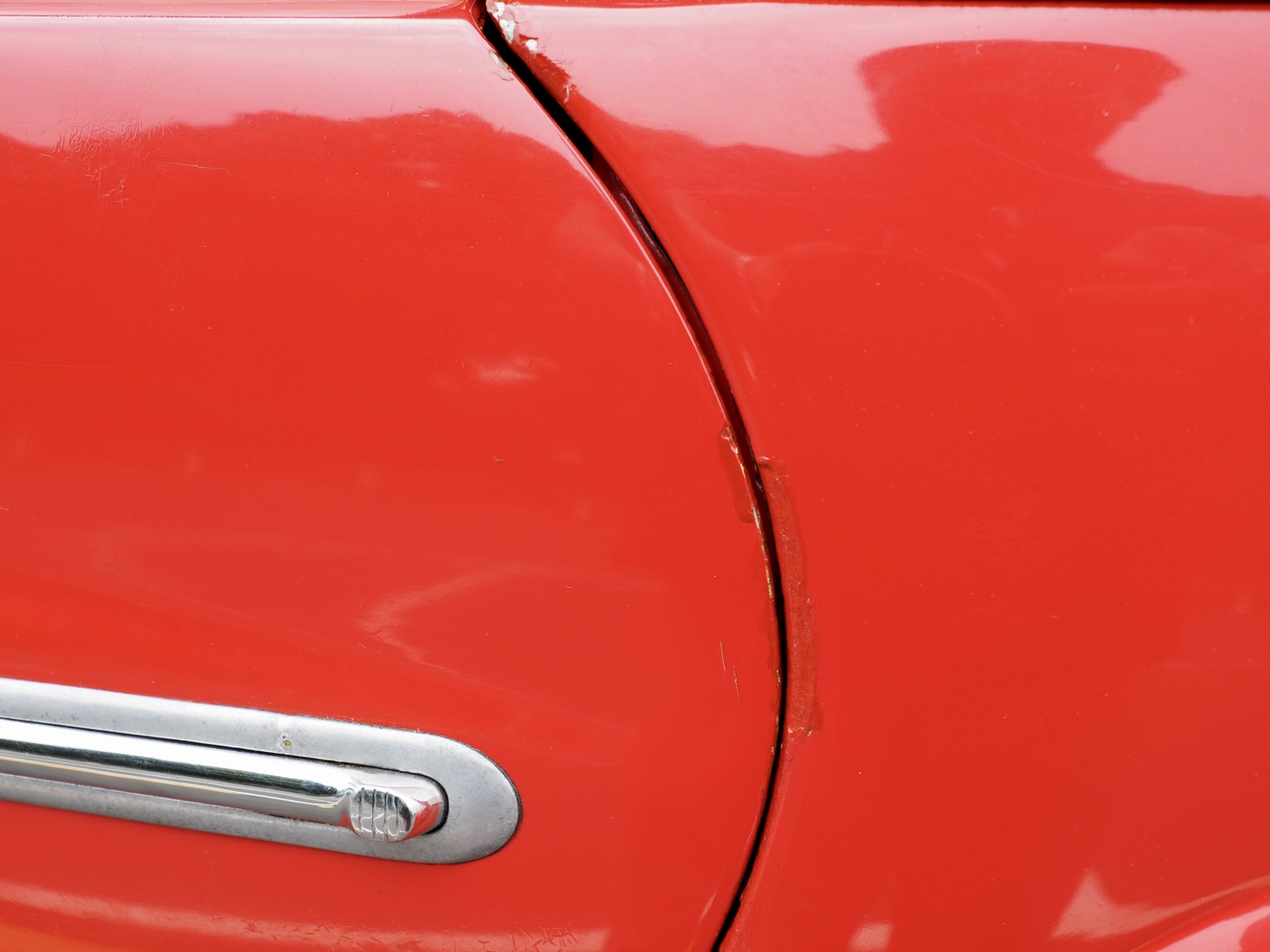
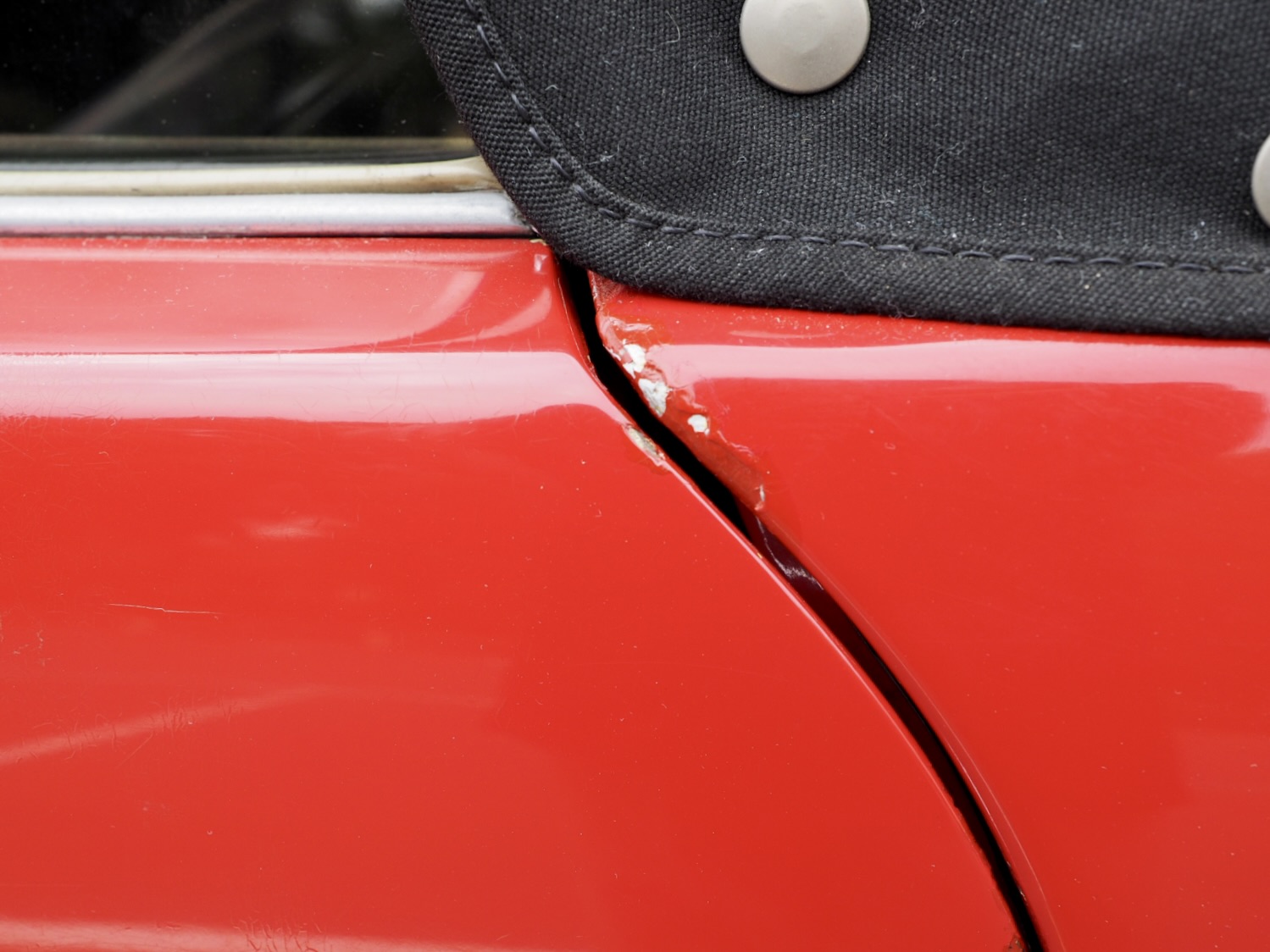
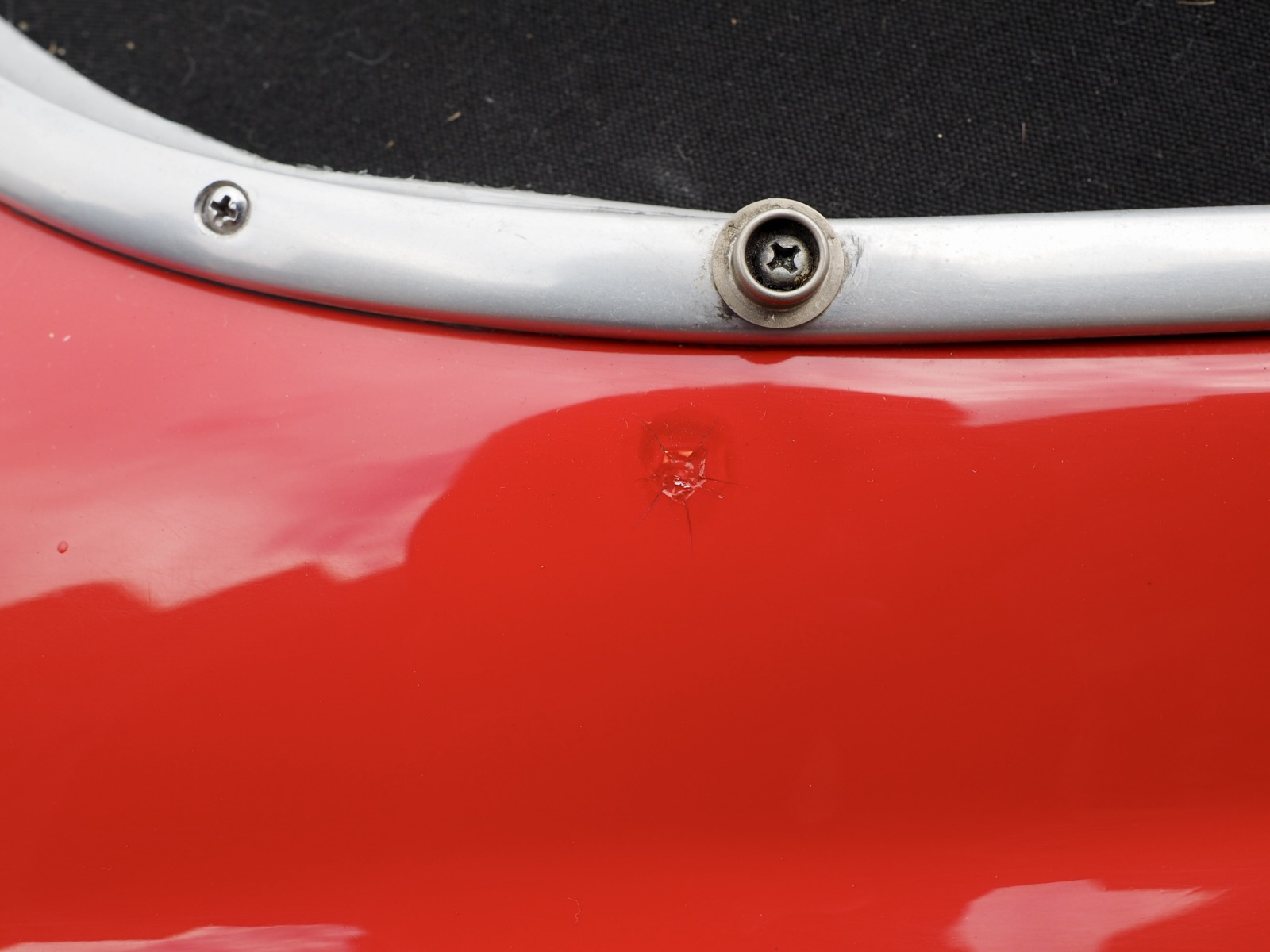
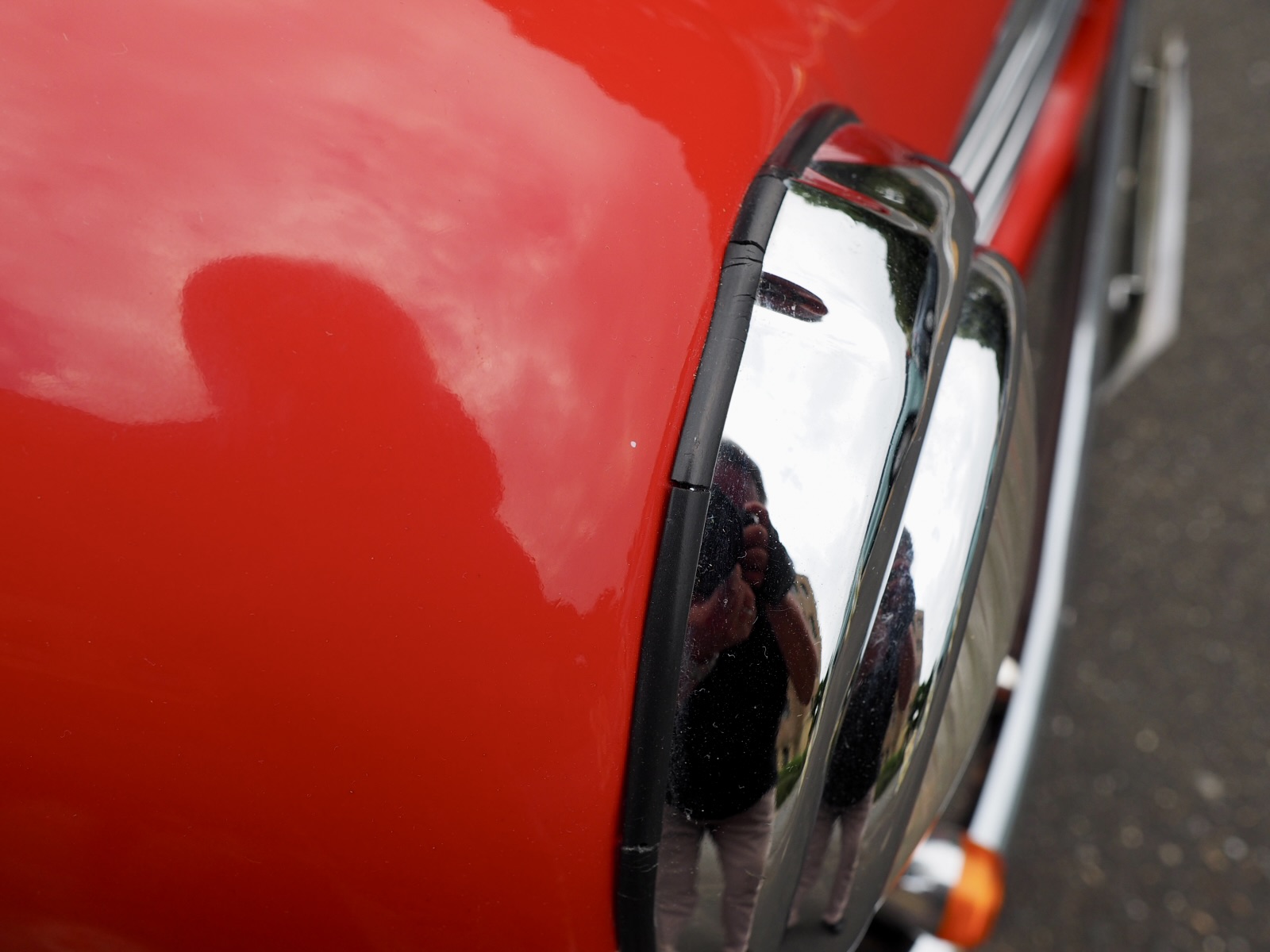
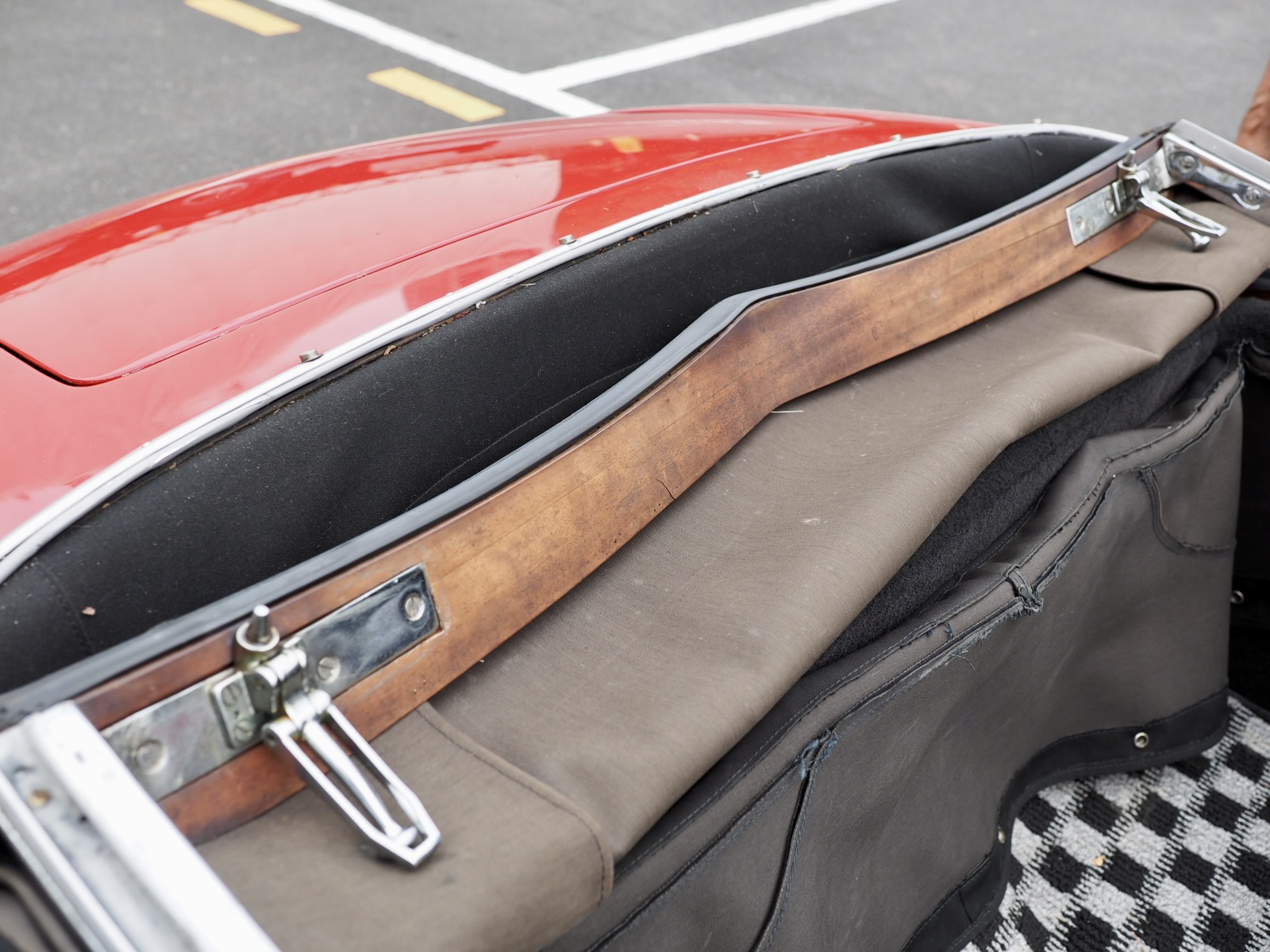
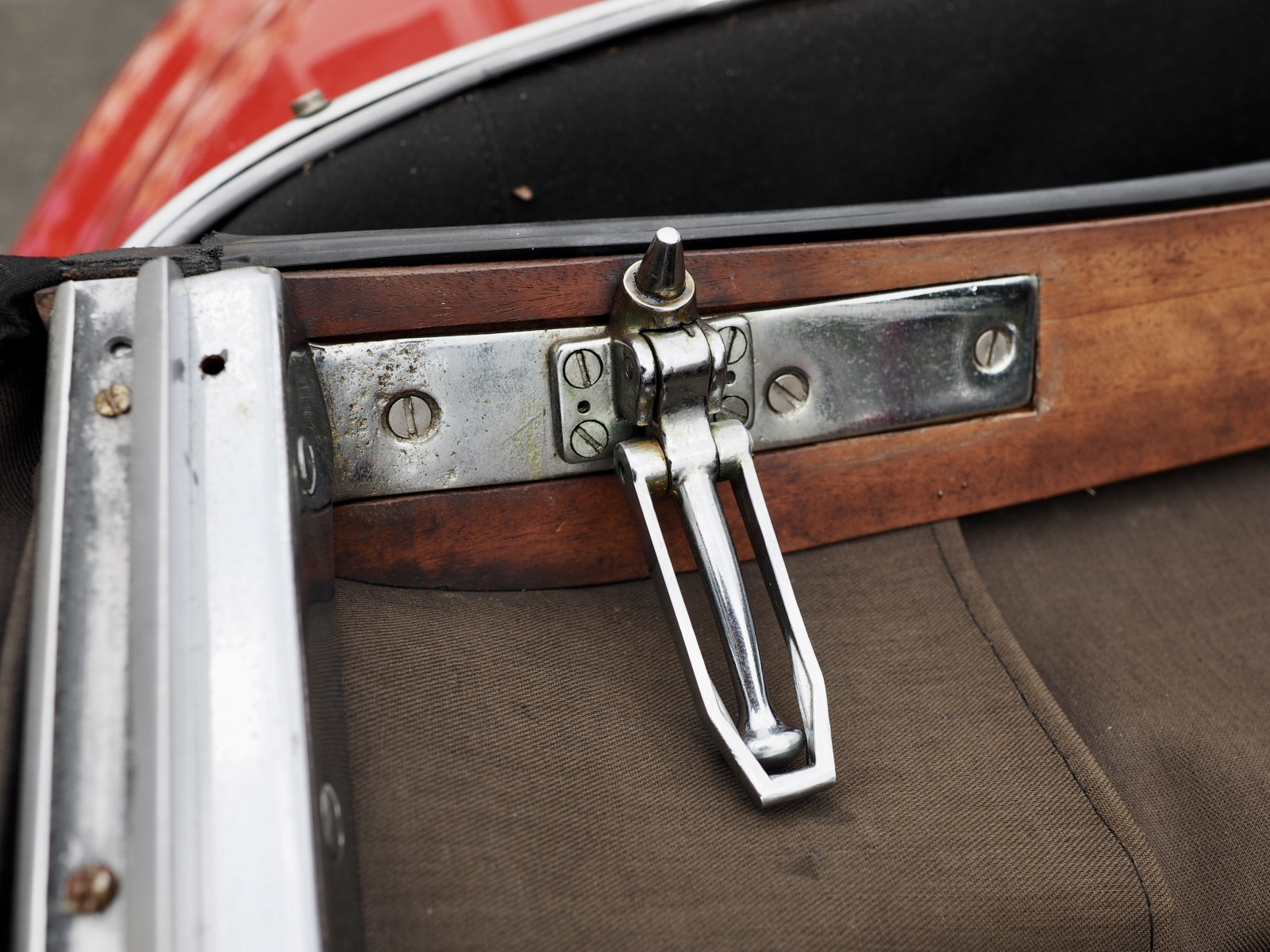
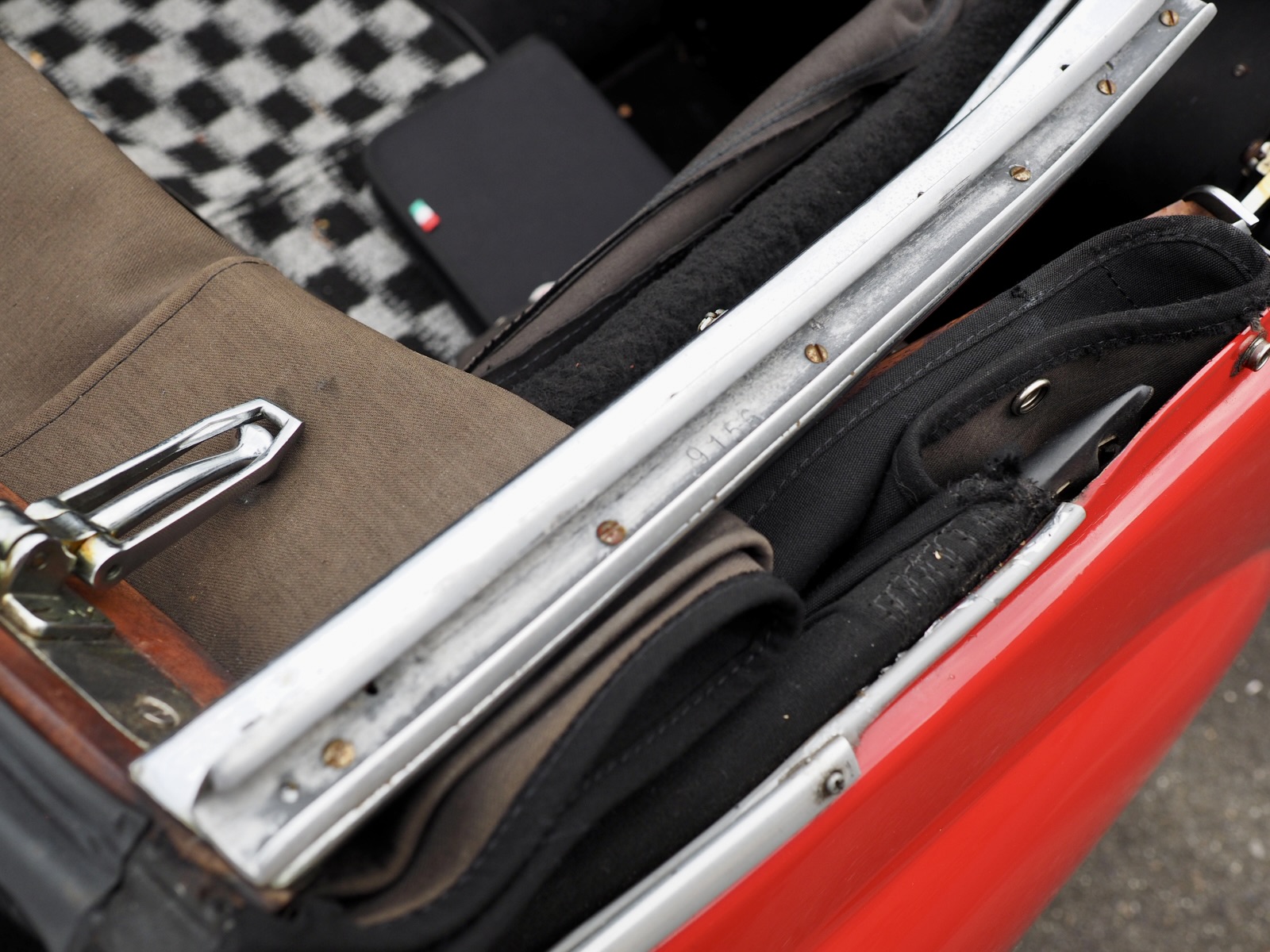
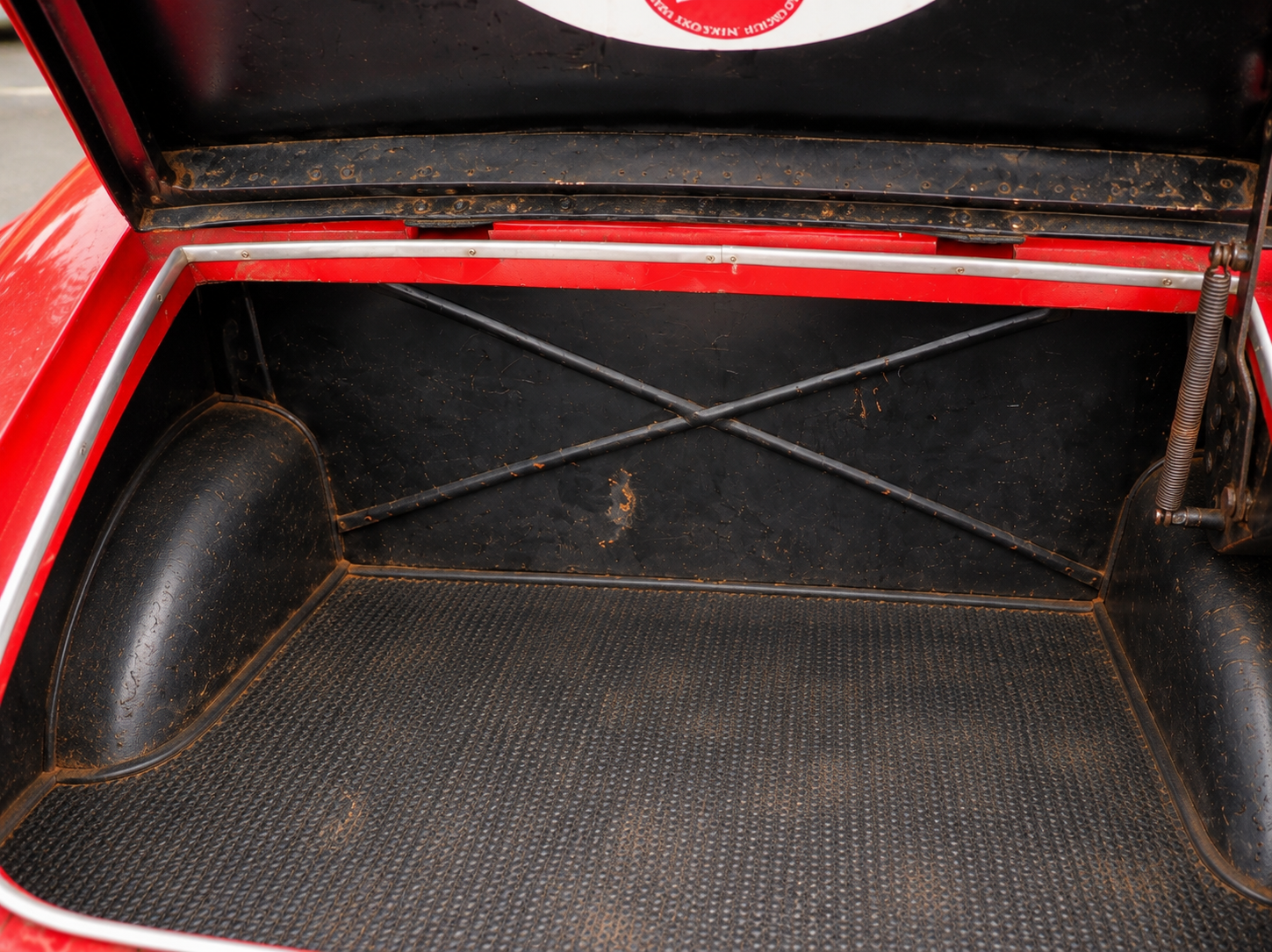
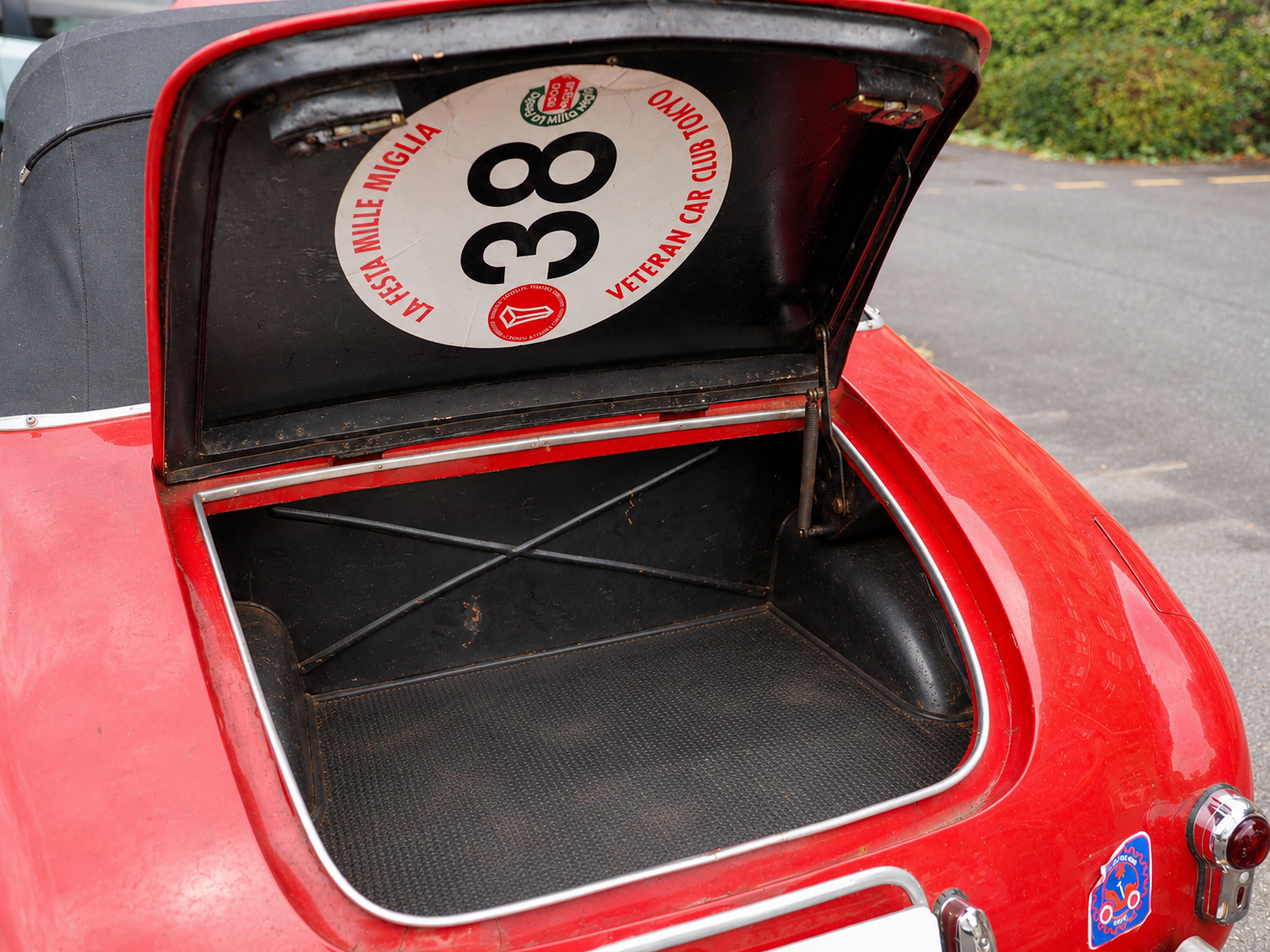
The detailed condition of the vehicle is described in each photo.
On the top slide you will find 50 attractive photos of the vehicle! Please click on a photo to view it with its description. Click outside the picture to return to the page.
SPEC
Overall length
407 cm
Width
155 cm
Height
137 cm
Vehicle weight
890 kg
Currently listed on BaT