

TOP>Stock List>2001model Morgan Aero 8 Series 1
2001model
Morgan Aero 8 Series 1






↑↑↑Please watch the archived video above with audio if possible...
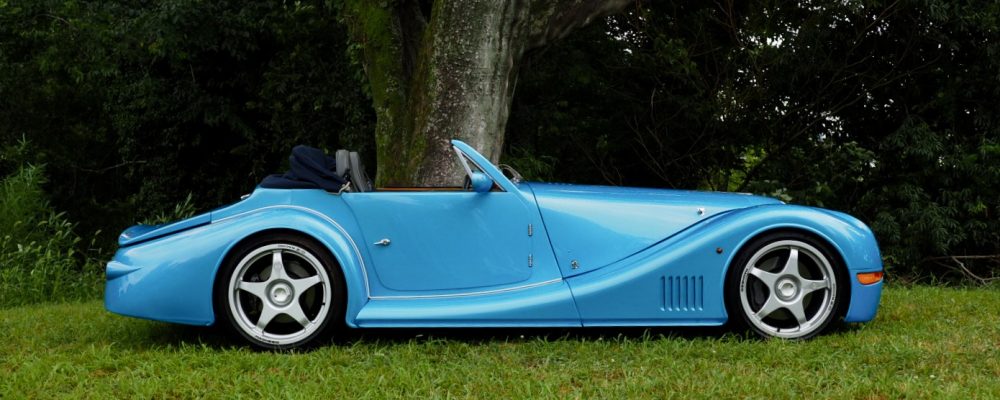
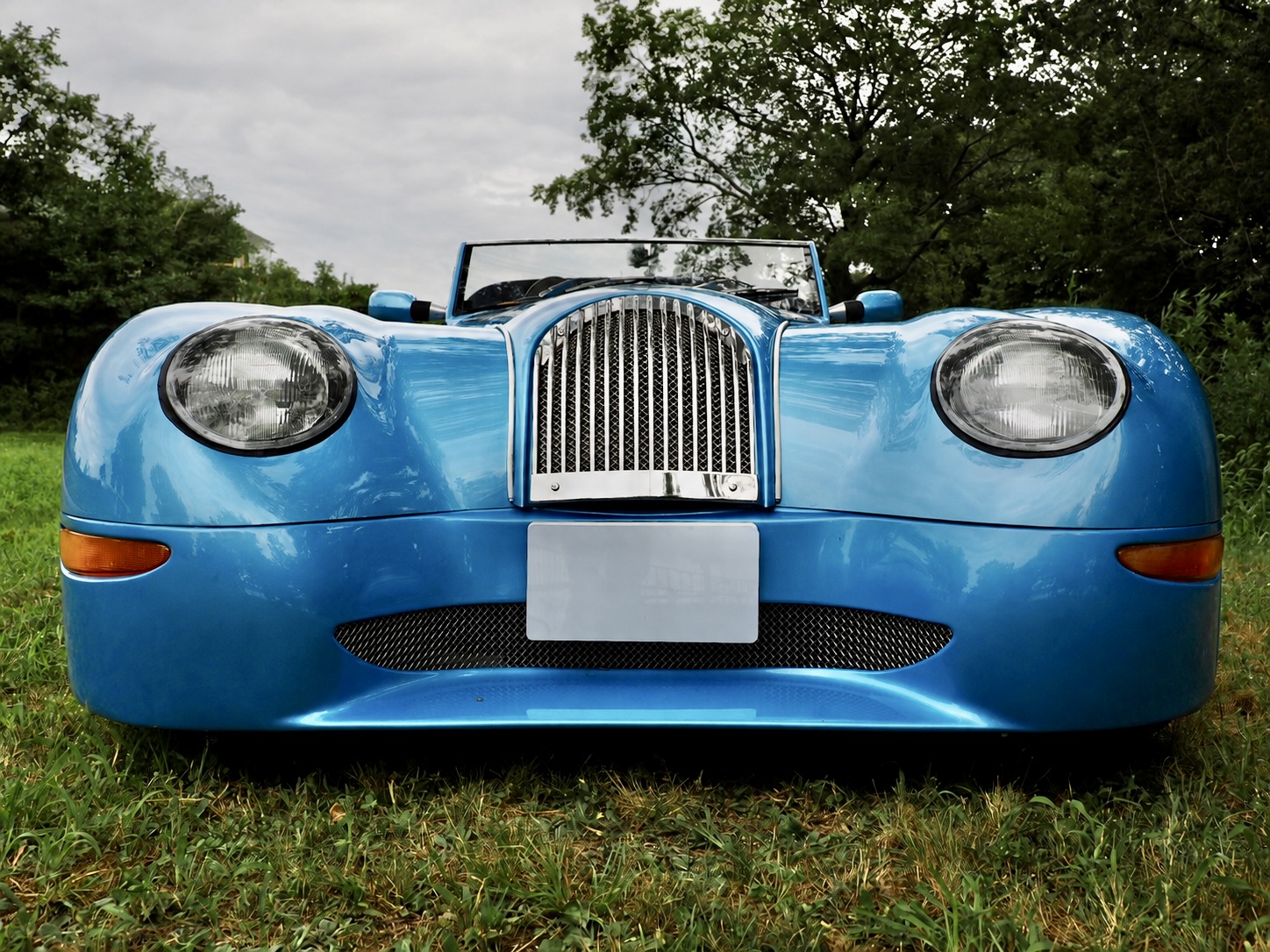
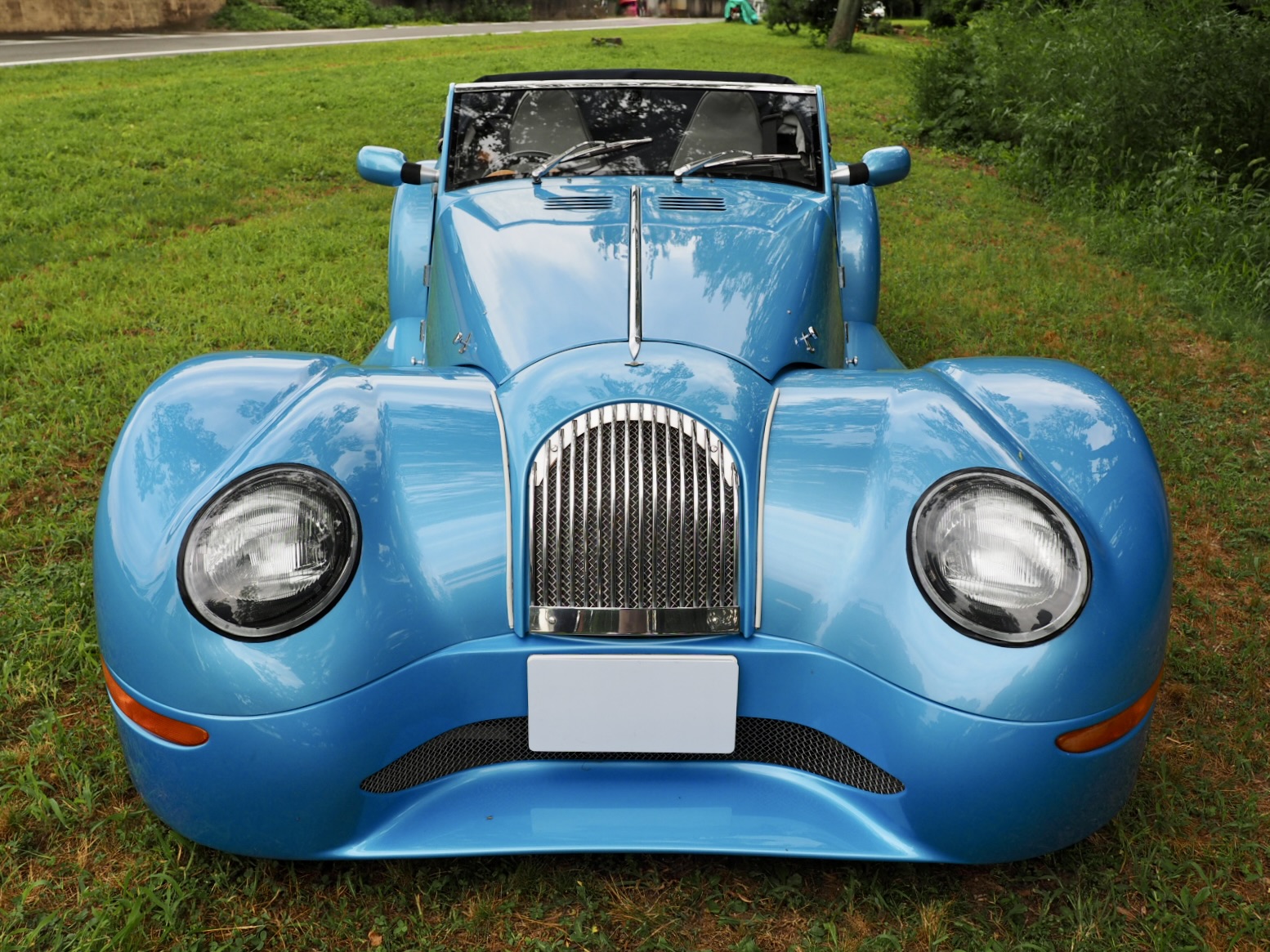
A machine whose one-of-a-kind cross-eyed look speaks with overwhelming individuality...! Only 210 examples were released worldwide... and of those, the rare right-hand-drive versions accounted for less than half...! The very early 2001 Series 1 Morgan Aero 8 was nothing less than a true GT racing model — one with which the long-established Morgan Motor Company itself shattered all conventional ideas...!
Chapter One…
An extremely early example that came from the United Kingdom to Japan before official imports by Morgan Japan had even begun…
With a clear history from its first owner through to the present day, this individual car exists today while maintaining its originality, yet benefiting from subtle updates along the way…
Through a wonderful chain of connections, the writer has been fortunate enough to continuously follow this Morgan Aero 8 Series 1 from its first owner all the way to the current owner — a car whose story is told by its serial number, “G0026”…
The chassis number of this vehicle is SA9AERO80004G0026…
Because the final digits of an Aero 8 VIN represent the individual car’s serial number, this reveals that this particular example is the 26th car produced, making it an extremely early production vehicle.
The first registration year recorded on the Japanese vehicle inspection certificate is Heisei 16, or 2004.
This simply indicates the date when the car was first registered in Japan, and is separate from the date it was manufactured by the Morgan Motor Company. This is something occasionally seen with imported vehicles.
For that reason, this vehicle is believed to be without question the 26th example from the very early 2001 production lot of 50 cars. As this article is being written, we are currently in the process of obtaining official factory records from the Morgan Motor Company in the United Kingdom.
In any case, this vehicle is also now eligible for import under America’s 25-year rule, the longest import restriction in the world. Because of this, we are now able to introduce to customers around the globe an extremely precious early-lot Morgan Aero 8 — one that has been carefully cherished in Japan, has continued to pass what is often regarded as the world’s most stringent vehicle inspection system every two years, and has also received meticulous updates based on its original character.
The writer can hardly contain his excitement at being able to present this car today…
The meticulous updates, carried out without destroying the original elements of the car, were performed by our affiliated workshop.
And the person who has personally brought the car to the Japanese Land Transport Office every two years — where gas concentration, headlight aim, braking performance, instrument accuracy, and even the condition of each mechanical component are strictly inspected — and continued to have it pass inspection is none other than the writer himself.
Each time, I drove and confirmed this car personally.
That car is this 2001 Morgan Aero 8.
Mounted in this Series 1 is the highly regarded BMW M62 4.4L V8 engine…!
With 286 PS unleashed through an engine system with almost no electronic intervention, combined with a Morgan-style ash-wood bathtub body placed on an aluminum chassis and a vehicle weight of only 1,140 kg, the resulting wildness makes your brain — flung far backward the moment you press the accelerator — wonder, “Is this really a Morgan…?!”
Its violently explosive acceleration, enough to spin the wheels if you shift roughly into second gear, is the kind of experience that makes you break into a smile and think, “This is faster than anything I have ever driven before…!”
And this very “distinctive sensation like a raw racing car” is the reason for the Series 1’s existence…!
It is surely the greatest reason collectors around the world continue searching not for a Series 2 or Series 3, but for a Series 1.
In fact, from the Series 2 onward, the Aero 8 received numerous improvements intended to meet North American environmental requirements and enhance comfort and practicality.
Although the BMW M62 engine is equipped with an electronically controlled throttle, it belongs to the generation before the later N62, which controlled intake itself through Valvetronic.
Press the accelerator, and the ferocious torque produced by the 4.4L V8 launches the lightweight 1,140 kg body forward in one explosive motion, creating a rough and savage acceleration feel completely different from that of the Series 2…!
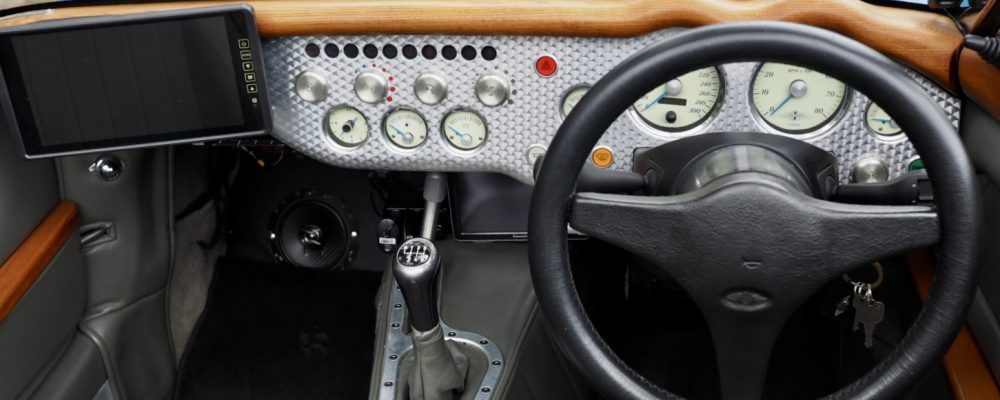
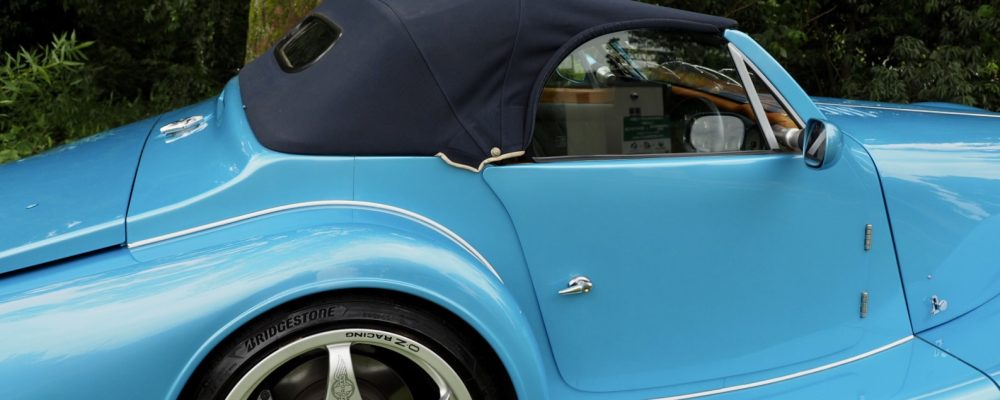
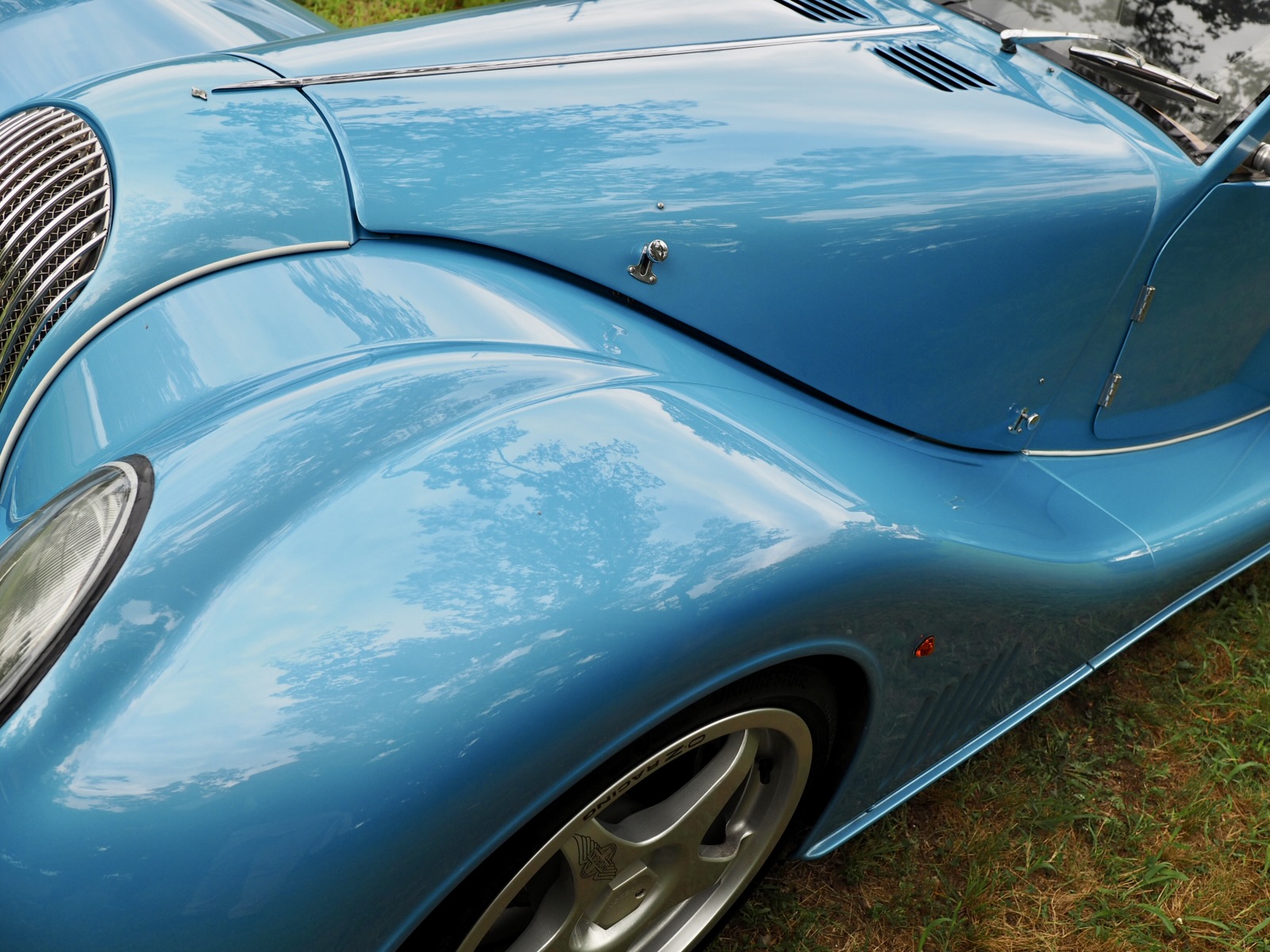
Furthermore, the center-lock OZ Racing magnesium wheels, adopted only on the Series 1 and evoking the world of racing, were changed to a conventional five-lug type on the Series 2.
In addition, the exposed aluminum dashboard design, fuel tank, soft-top structure, and other areas were revised, allowing the car to evolve into a more complete grand tourer.
Of course, that was a positive value known as “evolution.”
On the other hand, what is densely present in the Series 1 is the vision of the Morgan development team of that era — a team that broke away from long-standing preconceptions and shaped, without compromise, “the new Morgan they truly wanted to create…!”
When you continue watching this one car up close, you can understand this very clearly.
The appealing element of “rawness,” almost like a one-off racing car, gradually disappeared in the later evolution of the model.
That is precisely why the Aero 8 Series 1 is, without question, the sharpest and most extreme model in Morgan history.
It is also the lightest…
And the one with the strongest racing-car character…
This very fact gives it a special presence that will never again be repeated, radiating a magnificent aura and continuing to fascinate collectors all over the world even today…!
The current owner is a veteran collector, someone the writer has long been indebted to, and a person who deeply loves many special models.
He kept this rare Series 1 as part of his collection in a very quiet and peaceful environment in Tokyo.
Due to the natural changes in life stage that come to everyone, he found himself unable to drive it frequently, which led to this listing request.
However, at the owner’s strong request, he chose to prepare this rare Series 1 so that it could be passed on safely to the next generation, while preserving its original worldview completely and making it a car that can still be enjoyed with confidence in the modern day.
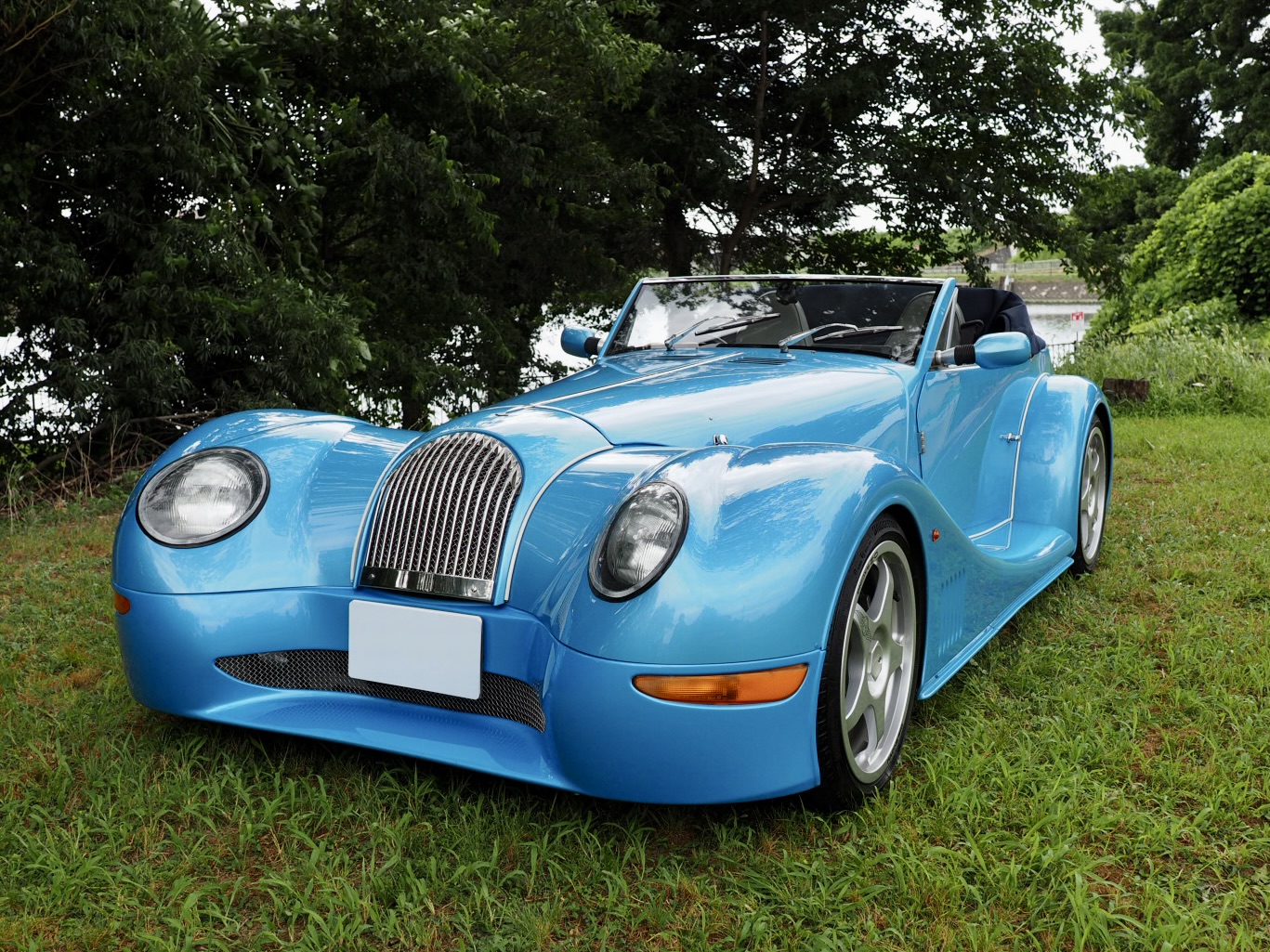
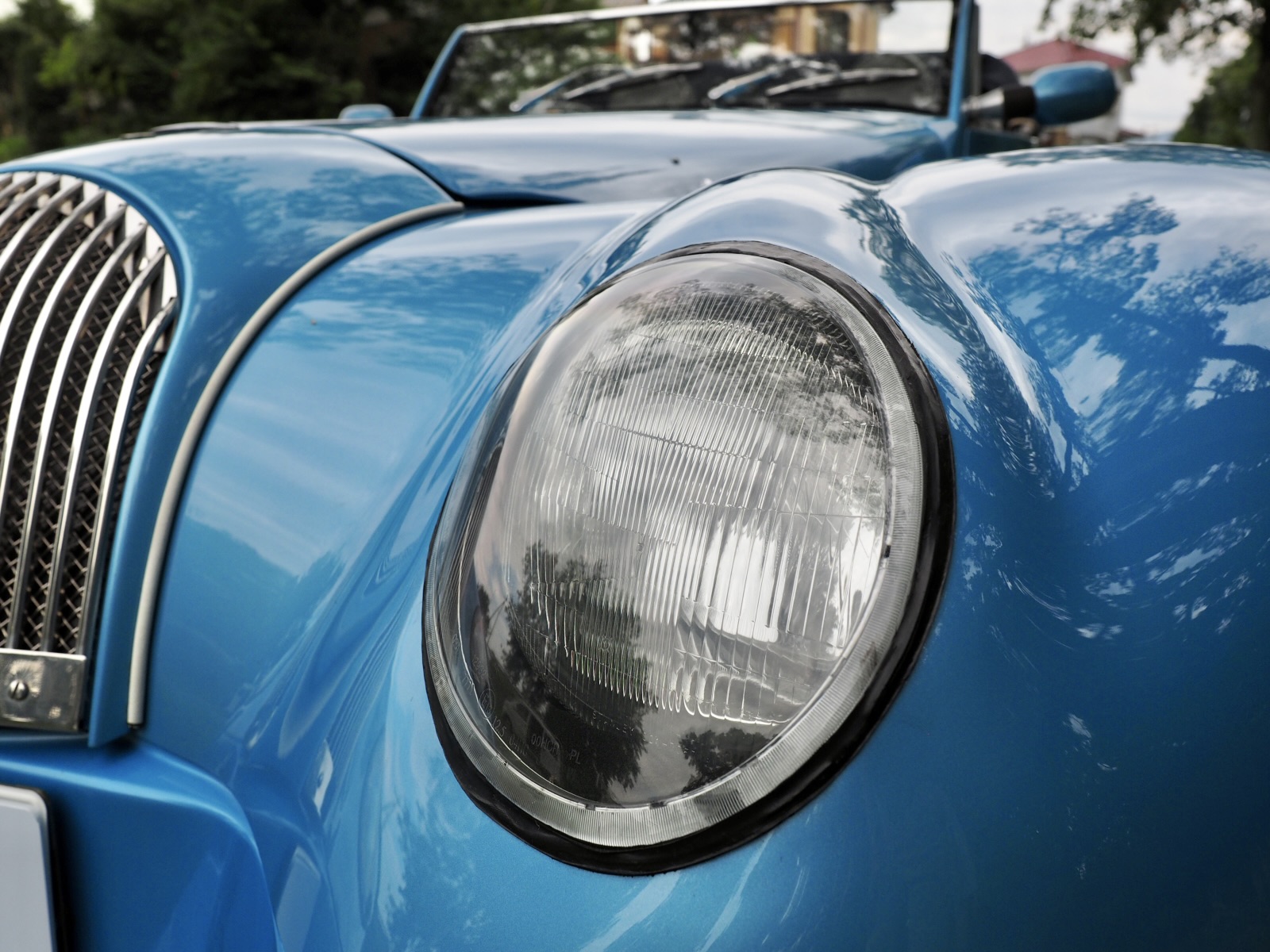
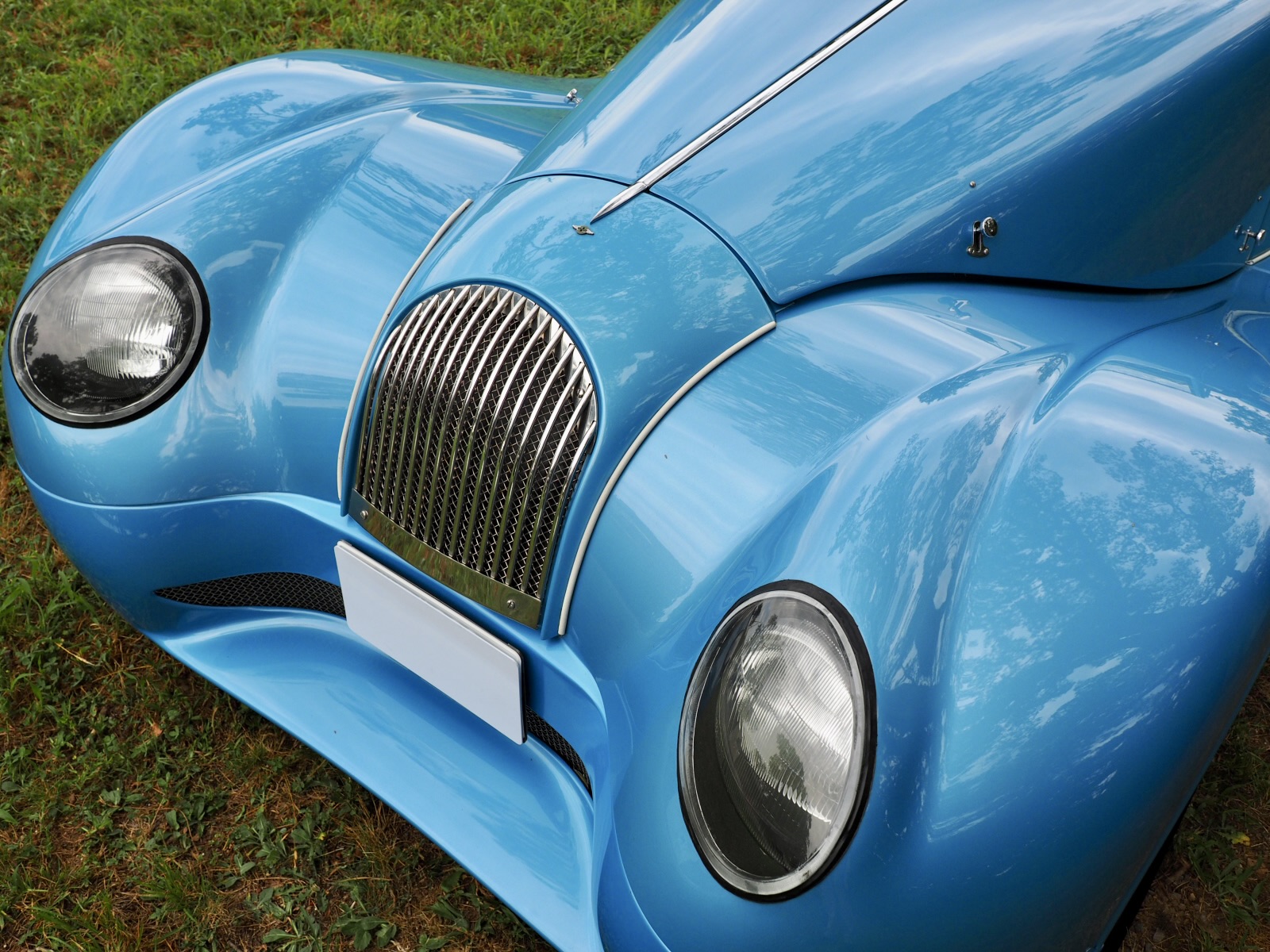
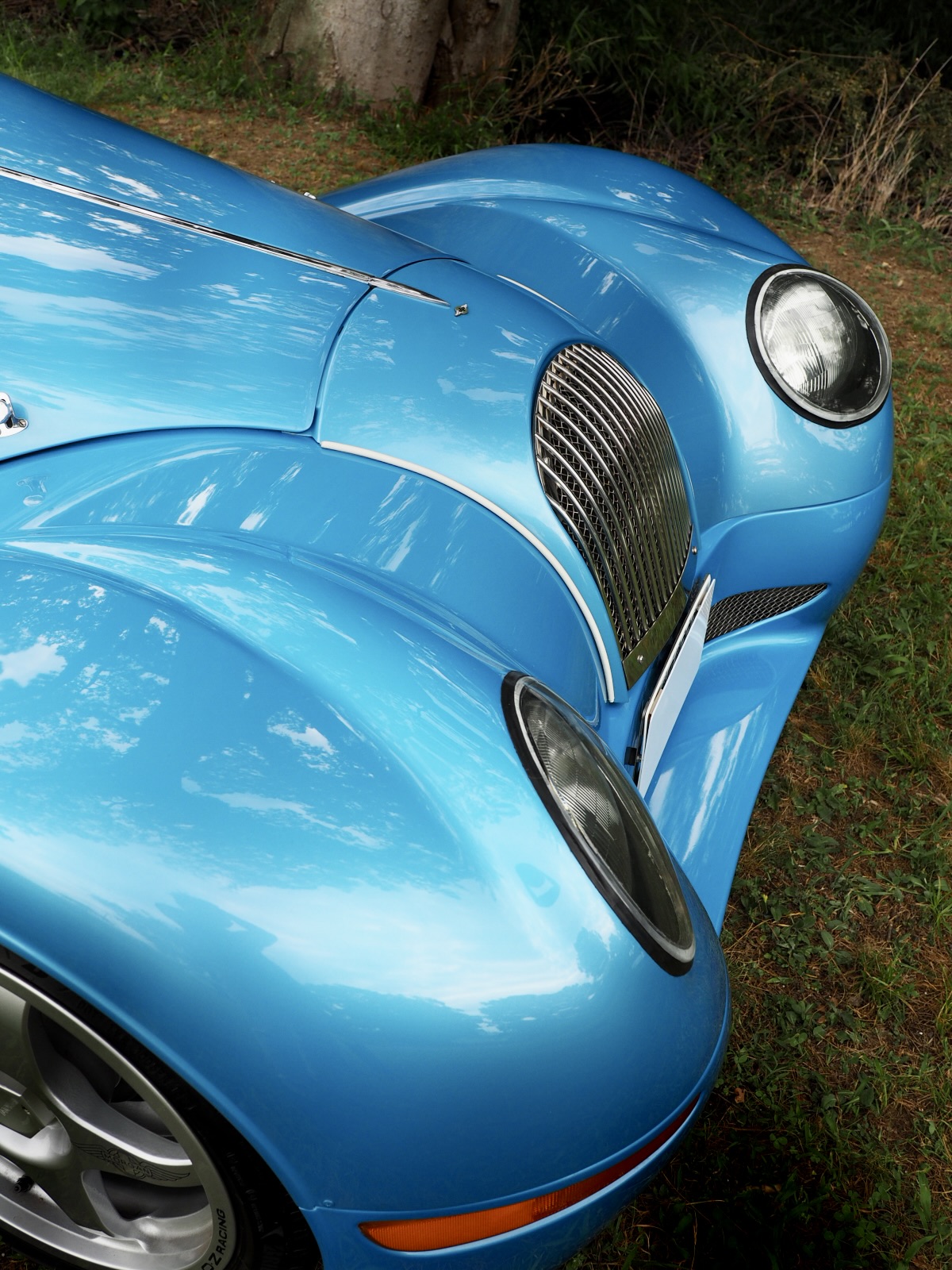
The cross-eyed headlights, which ordinarily cannot pass Japan’s strict roadworthiness safety standards, were modified for continued Japanese vehicle inspection without changing their distinctive exterior appearance at all. The internal structure of the lenses was reviewed, and the lights were converted to LED specification.
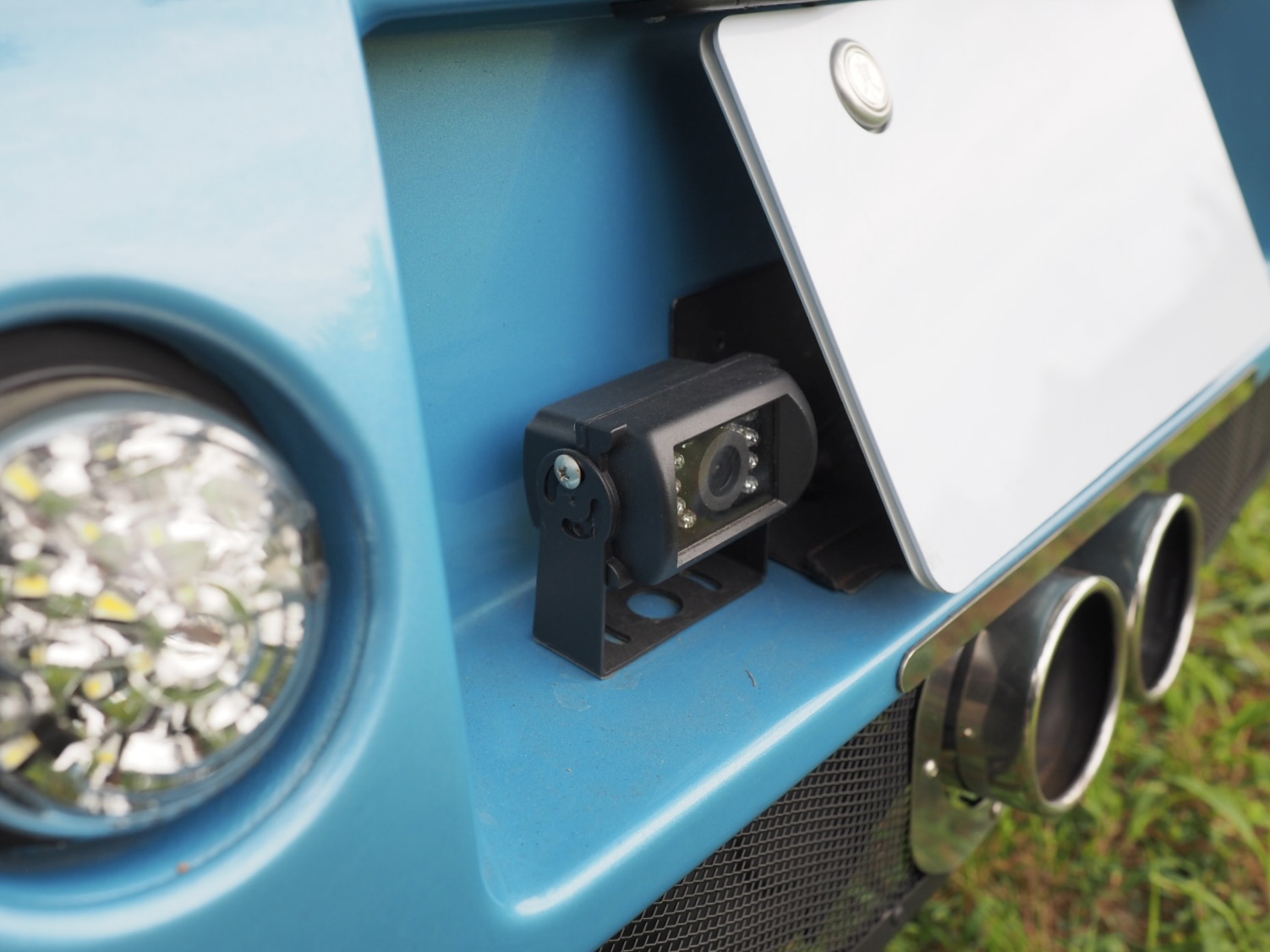
Various lighting components, including the rear tail lamps, were fitted with dedicated LED systems sourced from the United Kingdom, improving visibility and reliability and greatly enhancing safety.
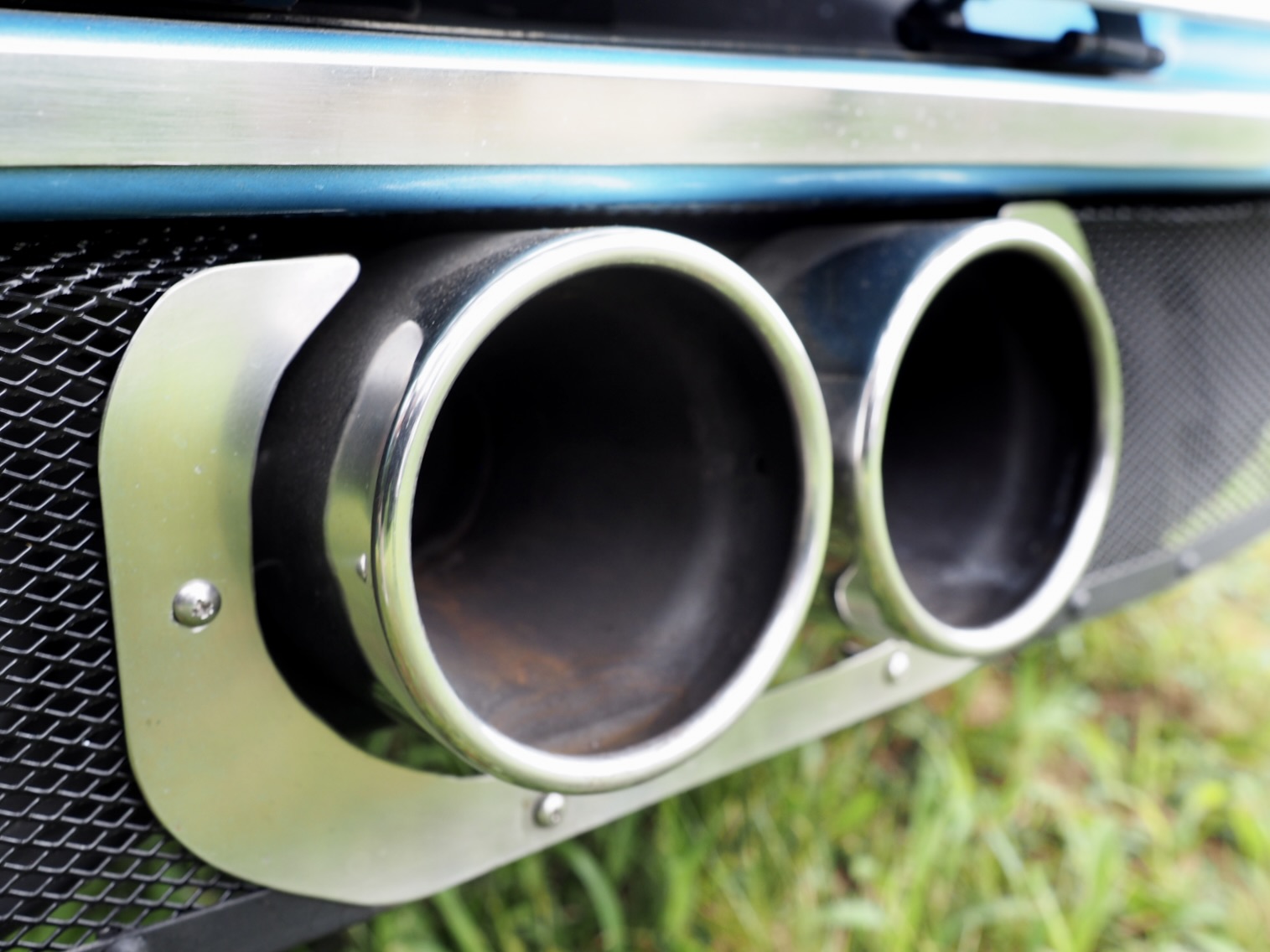
The original muffler, whose performance had deteriorated with age, was replaced with a one-off custom-made unit in a beautiful twin center-exit layout, without compromising the original rear view of the Series 1.
In consideration of noise during nearby urban driving, a variable valve system was also incorporated.
The brake master cylinder, for which genuine parts are already discontinued, was overhauled after contacting Lockheed in the United Kingdom, the original manufacturer, using internal parts from a master cylinder of the same diameter.
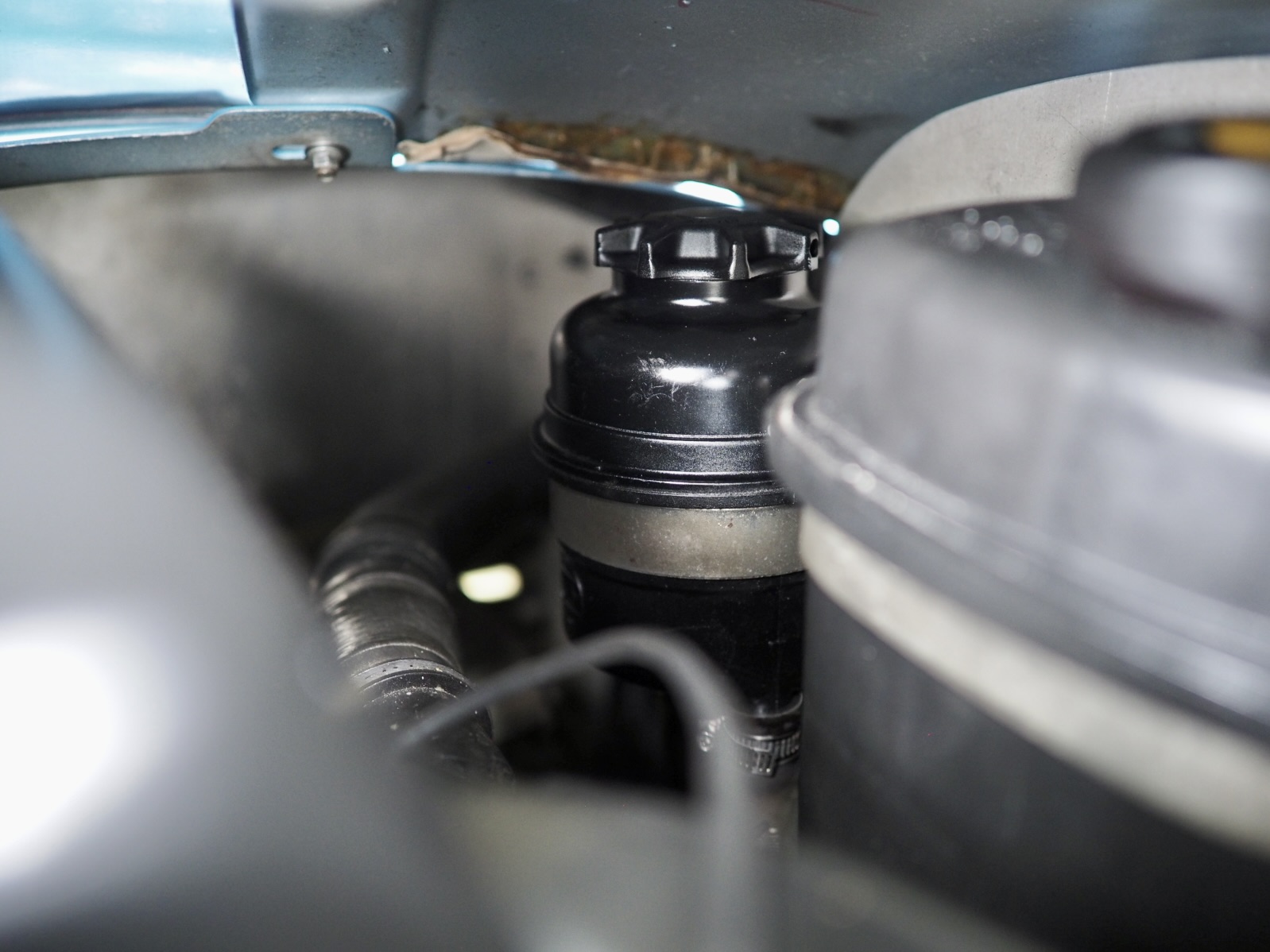
Furthermore, because the original power steering pump had also become unobtainable, a one-off unit was fabricated based on a reverse-rotation power steering pump. Mounting strength was increased, and the hydraulic hoses were replaced with stainless-mesh hoses, achieving a more accurate and confidence-inspiring steering feel.
The OZ Racing magnesium center-lock wheels, one of the defining features of the Series 1, were also refreshed beautifully and faithfully to the original condition. Because they are made of magnesium, very few workshops are capable of restoring them, but a craftsman with the necessary skill was found and entrusted with the work.
In addition, in 2023, the car received a same-color refresh paint finish in its original color, and the aluminum body still shines vividly today.
A rare example said to be one of only 210 produced worldwide…
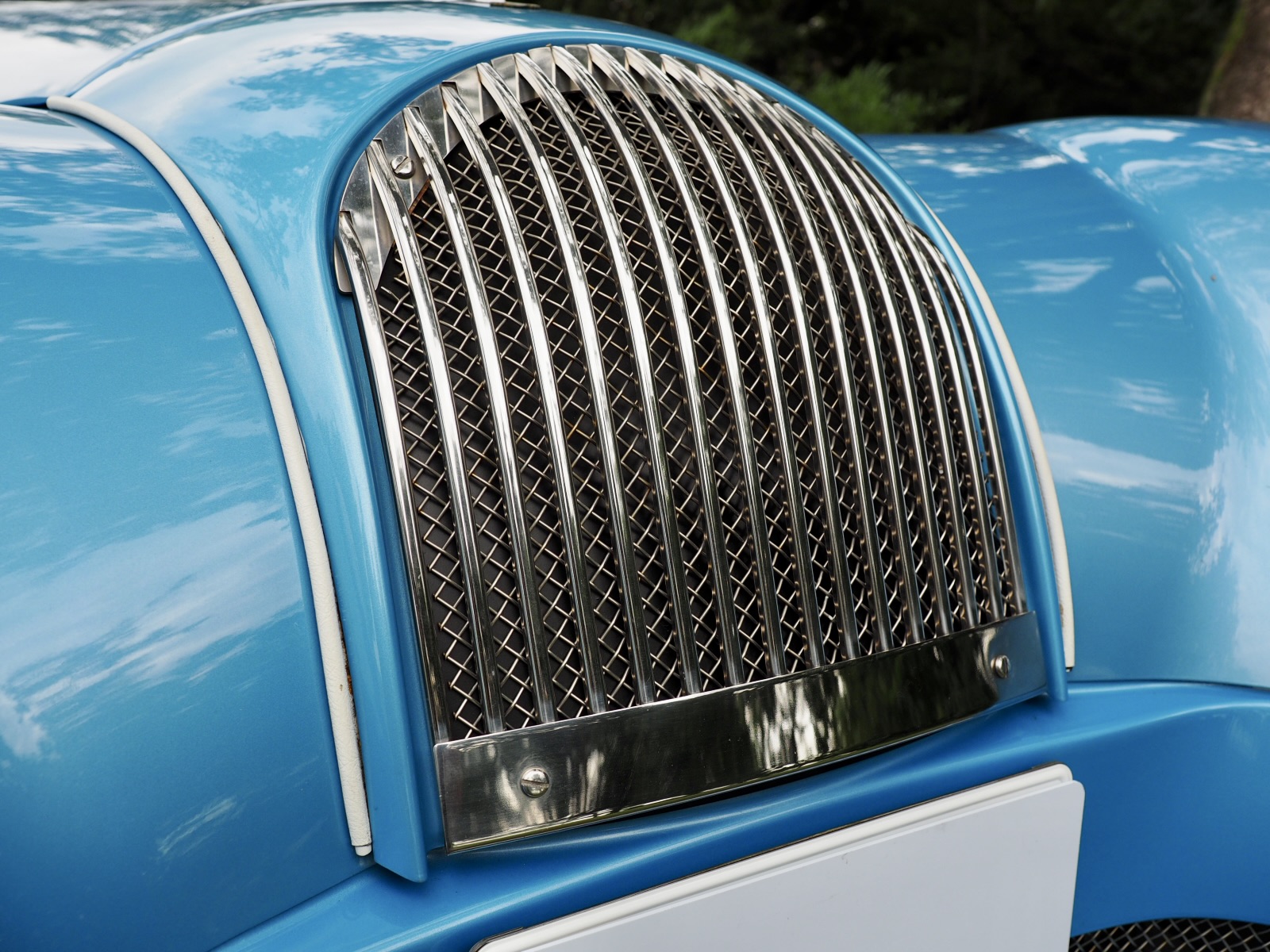
Its distinctive form overflows with a special presence wherever it goes. Even when compared with other Morgans, including the 4/4, 4+4, and +8, it makes its clearly different personality known.
It is a car filled with a truly special presence.
For that reason, if one deeply understands the values embodied in this individual car and keeps it close at hand, the more one touches it, the richer its flavor becomes. And the more one drives it, the more one is overwhelmed by its astonishing dynamism.
That is the Morgan Aero 8 Series 1.
But why did the long-established Morgan company, which had continued protecting tradition for nearly 100 years, make the decision just before the millennium to break through its own history and release this Aero 8 Series 1 into the world?
The answer lay in one grand challenge envisioned by Charles Morgan, the man in charge of its development.
Chapter Two…
Just before the voice of the millennium could be heard, the long-established Morgan Motor Company itself shattered conventional ideas and released the Aero 8 — a car that would never appear again…!
We now take a deeper look at the development background behind this extraordinary model, and further explore the appeal of Series 1 #0026…!
“How can we create a new car without disappointing customers around the world who have been captivated by the British roadster…?”
In the mid-1990s, the goal set by Charles Morgan, grandson of founder H.F.S. Morgan, was not simply to modernize an old Morgan.
The development objective he later described was extremely clear: to recapture once again the spirit of challenge that existed when the Plus 8 was launched in 1968.
That meant once again creating, by Morgan’s own hands, one of Britain’s leading high-performance cars — a car capable of accelerating freely from any speed range through the combination of a large-displacement engine and a lightweight body.
This new project began from the racing field of FIA GT2.
Christopher Lawrence, the distinguished figure who drove a Morgan Plus 4 at the 1962 24 Hours of Le Mans and achieved victory in the 2.0L class, continued his relationship with Morgan afterward and formally joined the Morgan Motor Company in 1996.
What he was entrusted with was not the improvement of an existing model, but leading a development team for a new car that would pass through racing and evolve into a revolutionary road car.
The works GT2 racer, quickly born from Charles Morgan’s idea and Lawrence’s engineering, was entered into actual competition in the 1997 FIA GT Championship.
Although it mainly used conventional Plus 8 body panels, beneath them existed an entirely new aluminum chassis.
In terms of performance, the car possessed competitiveness. However, the traditional Plus 8 body shape had limitations in aerodynamic performance at high speeds, making it clear that in order to compete with the world as a GT machine, not only the chassis but the entire body form itself would have to be remade from a blank sheet.
And this is where the story of the Aero 8 truly begins…
The small but highly specialized development team in Malvern would complete the first Aero 8 road prototype in 1998.
As you may already understand, the Aero 8 was not a sports car that was first created as a production road car and then developed into a competition version.
First, rigidity, weight distribution, suspension geometry, braking ability, and aerodynamic performance required for GT2 racing were pursued. Then, while resolving the problems revealed on the circuit, that design was transformed into a car usable on public roads.
It was a model developed through a method completely opposite to the usual process…!
The development period spent bringing the Aero 8 to production was four years.
This project was described as the largest development project the company had ever undertaken.
When one considers that Morgan, whose annual production volume was less than what a major manufacturer could build in a single day, simultaneously advanced a dedicated chassis, dedicated body, independent suspension, aerodynamic development, crash testing, electronic control, and integration of a BMW powertrain, this was a grand challenge on a scale that cannot be compared with ordinary new-car development…!
The chassis used aluminum material that was, at the time, the latest surface-treated material for automotive structure, produced at Alcan’s factory in Nachterstedt, Germany.
The Aero 8 effectively became the world’s first all-aluminum coachbuilt car.
The aluminum members were bonded using high-performance structural adhesive made by Gurit Essex, the kind also used in aircraft. High-strength rivets made by Böllhoff of Germany were also used in combination to secure secondary mechanical strength.
During the production process, the aluminum chassis was made by heating aluminum sheets to approximately 400 degrees Celsius, then pressing them into molds using compressed air to create the Aero 8’s fascinating and complex curved surfaces.
Meanwhile, on top of the completed aluminum structure, an ash-wood frame — Morgan’s traditional method for supporting the body — was incorporated by the hands of craftsmen.
Here, too, we can clearly see Morgan’s almost unusually precise philosophy of manufacturing.
Rather than clinging to an old structure simply in order to preserve tradition, Morgan completely remade the areas responsible for driving performance and safety in aluminum, while retaining traditional ash wood in the areas responsible for craftsmanship and Morgan’s unique form.
Yes…!
The Aero 8 was not a car that eliminated tradition through new technology.
It was a car that discovered a new role for tradition…!
The aerodynamic development carried out alongside the chassis development was also on a scale Morgan had never attempted before.
The flat undertray, which completely covers the lower section of the body, uses Venturi tunnels at the rear to generate ground-effect downforce on both the front and rear axles.
And then there is the greatest defining feature of the Series 1…
The cross-eyed look, in which the left and right headlights appear to face inward when viewing the car from the front, was also born from this aerodynamic development and from the limitations of available mass-production components.
By using Volkswagen New Beetle headlights with the left and right units swapped, extending the front wings forward of the radiator, and arranging the splitter accordingly, the Aero 8 gained this unique front face.
In other words, this distinctive expression was born as the result of solving multiple conditions at once: aerodynamics, cooling, parts supply, and small-volume production…!
The suspension was also completely separated from traditional Morgans.
No matter how hard you throw it around, the Aero 8 Series 1 responds with a calm sense of rigidity and stable movement…!
And there is good reason for that…!
This racing-car-like suspension system is based on independent suspension proven in the GT2 machine. Long lateral wishbones are positioned front and rear, while the high-rigidity chassis and solid suspension mounting points are designed to maintain accurate geometry throughout the full stroke range.
It achieves such an excellent configuration that even anti-roll bars — which ordinary high-performance cars use to suppress roll — were deemed unnecessary…!
And the combination of inboard-mounted Koni dampers, just like on a race car, Eibach springs from a Formula 1 supplier, rose joints, and a flat floor is no longer the component layout of a classical roadster at all.
It is the component layout of a racing car itself…!
Supporting all of this are brakes designed and manufactured by AP Racing of the United Kingdom as dedicated Aero 8 components, using ventilated cast-iron discs front and rear.
When you actually lift them, they are incredibly light…!
The 18-inch OZ Racing wheels used cast magnesium, which at the time was among the lightest five-spoke wheels available for production cars.
The adoption of center-lock magnesium wheels is an extremely luxurious specification. But behind it lay the reduction of unsprung weight that was essential for the Aero 8, safety in the event of tire trouble, and even a maintenance philosophy derived from competition cars.
Morgan’s relationship with BMW, which supplied the engine, was also far more involved than simply purchasing a completed engine and installing it.
According to Morgan development materials from the time, two engineers from BMW and one engineer from Bosch were dispatched to Morgan for approximately two years and took part in the development of the engine management system specifically for the Aero 8.
The BMW M62 TUB44 V8 engine features 32 valves, variable intake-side valve timing, cruise control, OBD, an immobilizer, and an electronically controlled throttle, all managed by a Bosch ECU.
The crisp and pleasantly mechanical 6-speed manual transmission was manufactured by Getrag, and it adopted a self-adjusting mechanism that keeps pedal characteristics consistent even as the clutch wears.
The BTR Hydradrive unit with built-in LSD was also adopted, and this configuration itself was carried over directly from the GT2 racing car.
When one follows the development environment of the Aero 8 in detail like this, it becomes very clear that this was not a car created according to ordinary concepts at all.
It was one car that Morgan developed with obsession, breaking through conventional ideas by its own hand.
The relationship with Christopher Lawrence that began at Le Mans in 1962…
His formal joining in 1996…
Entry into FIA GT2 in 1997…
The aerodynamic limitations revealed there…
And the engineering team’s all-out effort to overcome those limitations over four years…
The Aero 8 was the result of that challenge…!
And while incorporating so much specialized technology and so many innovative ideas from outside the company, the final assembly was still carried out by the craftsmen of the long-established Morgan factory in Malvern.
The fact that this grand, forward-looking project preserved Morgan’s material character — ash wood, aluminum, and leather — is deeply significant.
Rather than imitating the technical power of giant manufacturers, Morgan gathered the finest specialists and components precisely because it was a small manufacturer, and completed the Aero 8 by prioritizing design purpose over mass-production efficiency.
At this point…!
There is simply no way this car could fail to be exciting to drive…!!!
What Charles Morgan challenged the company’s future to create was not merely a car with a nostalgic shape and a modern engine installed.
Just as the Plus 8 had done in 1968, the aim was to mount a large-displacement engine in a lightweight body and achieve performance that could be compared head-on with Ferrari, Porsche, and other world-class sports cars — all through Morgan’s own unique manufacturing methods.
The answer completed from that vision was the Aero 8.
And the model in which those original development ideals appeared most vividly was this Series 1…!
Chapter Three…
Author’s afterword after actually driving the 2004 Morgan Aero 8 Series 1…!
After the recent one-off repair and fabrication work on the power steering pump, I have driven this particular car many times as a test, and I am writing this article based on those experiences…
I have just returned from a drive for photo and video shooting in conditions approaching 40 degrees Celsius. The water temperature remained stable, and thanks also to the recent full recharge of R134a gas, the air conditioning is operating properly as well.
The classic Morgan driving posture remains unchanged — holding the steering wheel close in your hands and stretching your legs straight forward as you drive. Yet with the Aero 8, one kick of the accelerator delivers savage, raw big torque, and by actively revving its high-revving V8 engine, you can enjoy a torrent of acceleration.
It is a drive unique to the Aero 8 — one so thrilling that it makes you forget the heat and break into an involuntary grin. No matter how many times I drive it, it is deeply sensual…!
As mentioned earlier, I have driven Morgans such as the 4/4, the Plus 4, the Plus 8, and even the modern revival of the Three-Wheeler.
But the feeling of this Aero 8 Series 1 is completely different from all of them.
And yet, the scent is unmistakably the same Morgan…!
That is what makes the Aero 8 so exquisitely fascinating and overwhelmingly appealing. Once you truly understand its origins, every one of these differences begins to make perfect sense, and the rarity of the Series 1 becomes something that sinks deeply and affectionately into the heart.
Of course, this extremely beautiful example is also magnificent simply to line up in a garage and admire.
But when you fully understand that it is, at heart, a racing car, and you take it out early on a weekend morning to a winding road you know well, its thunderous acceleration is sure to push every concern of daily life far behind you, leaving both body and mind completely refreshed…!
And the rarity of only 210 examples worldwide — meaning you are unlikely to encounter the same car wherever you go — will no doubt be another element that deeply satisfies the heart of the new owner, as they admire it thoughtfully in the garage night after night.
And for that very reason…
A machine whose one-of-a-kind cross-eyed look speaks with overwhelming individuality...! Only 210 examples were released worldwide... and of those, the rare right-hand-drive versions accounted for less than half...! The very early 2001 Series 1 Morgan Aero 8 was nothing less than a true GT racing model — one with which the long-established Morgan Motor Company itself shattered all conventional ideas...!
After finishing the shooting drive in the midst of the summer heat and sitting down to face the manuscript, the title above naturally came to mind…
Including its most recent maintenance, this Aero 8 Series 1 is now in very well-sorted condition and drives beautifully. However, because it is such a rare individual car, it naturally requires a deep understanding in how it should be handled.
And because it is an extremely rare example, the car will surely ask its next owner for a fitting level of understanding and patience, together with the responsibility of preserving it properly and passing it on to future generations.
I have experienced this myself, and in truth, that is exactly the part that makes it feel “absolutely adorable”…
Please come to Maebashi City, Gunma Prefecture, for the ultimate in-person viewing of this extraordinary car.
As this is a private-party sale, no consumption tax or additional dealer fees will be charged.
Upon purchase of this vehicle, the buyer will be responsible for the prorated automobile tax settlement — based on the annual tax amount of ¥87,900 — as well as the recycling deposit settlement of ¥12,790.
Transportation and delivery arrangements shall also be made by the buyer. However, our company owns an enclosed flat-loader transport vehicle and can also accommodate vehicle transport requests throughout Japan.
Please feel free to consult with us if you would like assistance…
【Regarding Inquiries…】
The vehicle featured on this page is listed on “Estate Sale Supremacy®,” a cross-border e-commerce platform for classic and collectible cars.
An estate sale of supremacy — the finest and highest kind…
Estate Sale Supremacy® is the Japanese version of the North American estate sale culture. It introduces cherished vehicles filled with their owners’ memories and passion to the world through interview-based articles and videos edited by the writer.
We sincerely express the current owner’s thoughts and emotions, while helping preserve those memories in the heart and ensuring that the vehicle is properly passed on to the next generation through guidance and sales brokerage support.
We conduct detailed interviews with the current owner, including past maintenance records, repair history, and whether or not the vehicle has been involved in any accidents.
If the vehicle has a major accident history, or if the current owner’s period of ownership is extremely short and detailed information cannot be confirmed, we decline to conduct coverage. In this way, we make every effort to provide as much peace of mind as possible to prospective buyers.
This article was written based on an interview with the owner conducted over approximately three hours, beginning at 10:00 a.m. on August 1, 2026, under clear weather conditions.
Please note that, due to the limited inspection time, the condition of the actual vehicle may not be described with 100% complete accuracy. In addition, not every statement in the article has been independently verified. Comments regarding condition and other impressions are based on the weather conditions at the time of the interview and the subjective views of the writer.
For questions regarding the listed vehicle or to request an in-person inspection, please contact us using the form at the bottom of this page.
As this is a private-party transaction, in order to prevent casual or non-serious inquiries, vehicle inspections are limited to customers who are seriously considering purchase.
Thank you very much for your kind consideration.
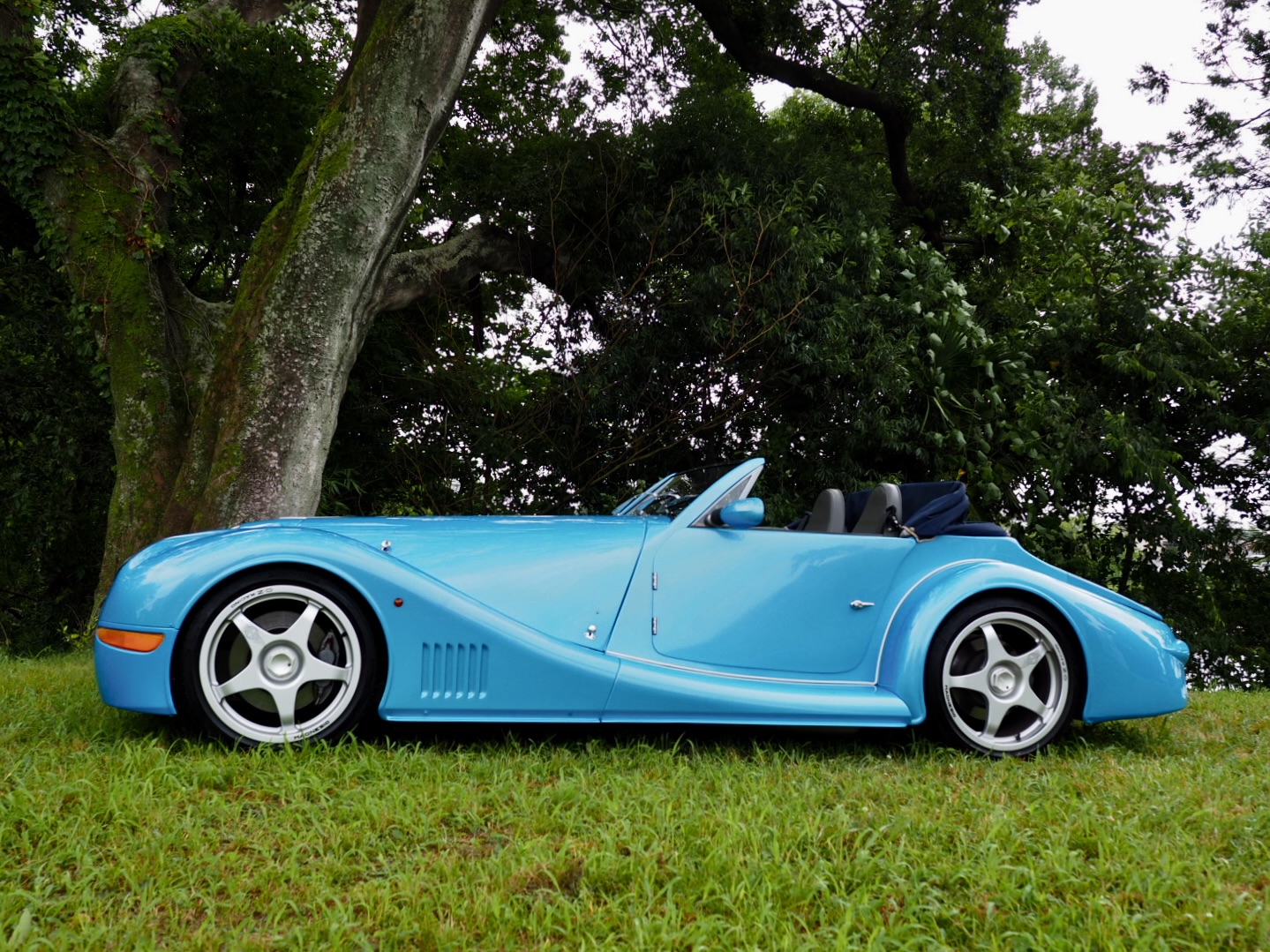
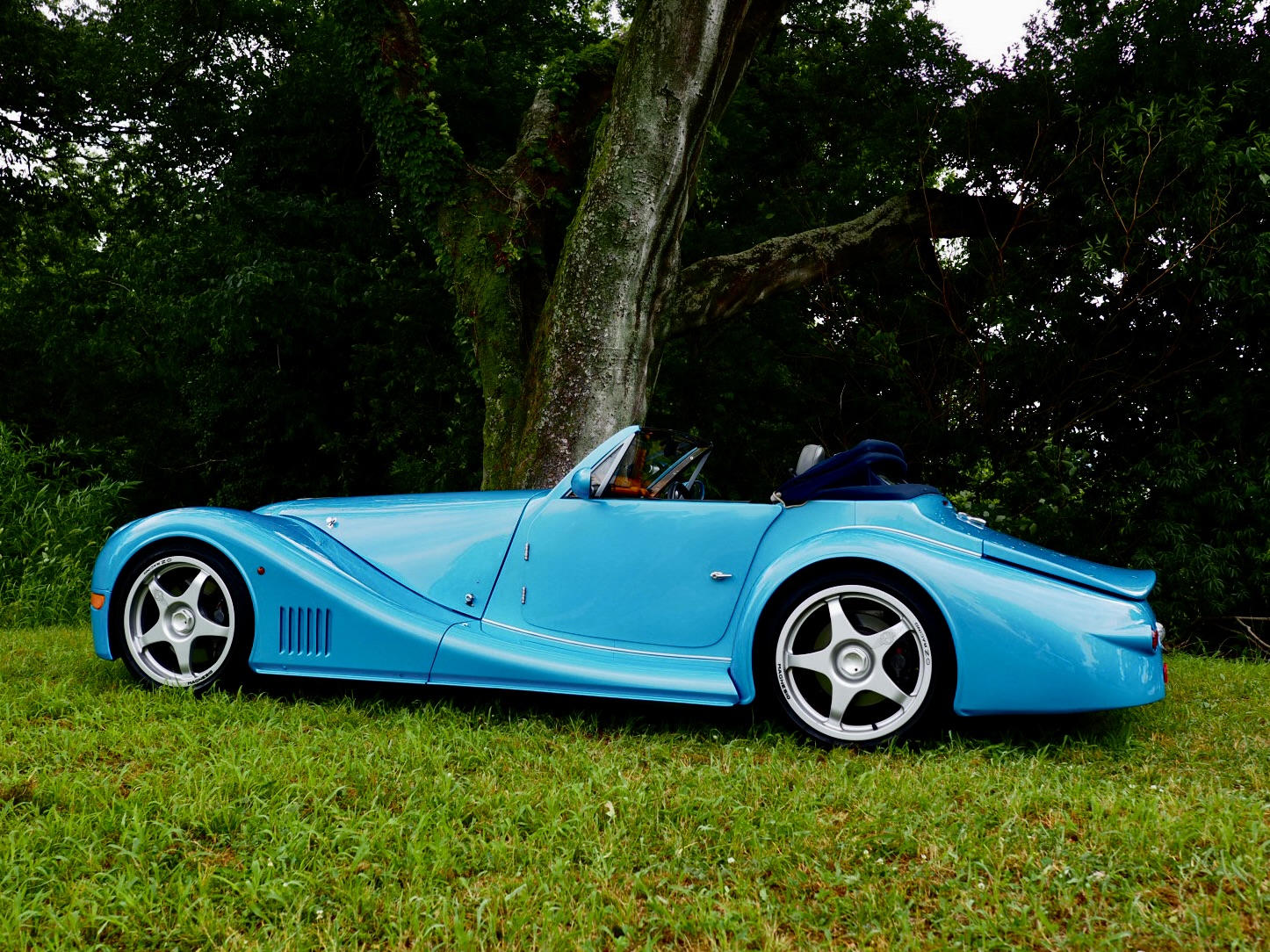
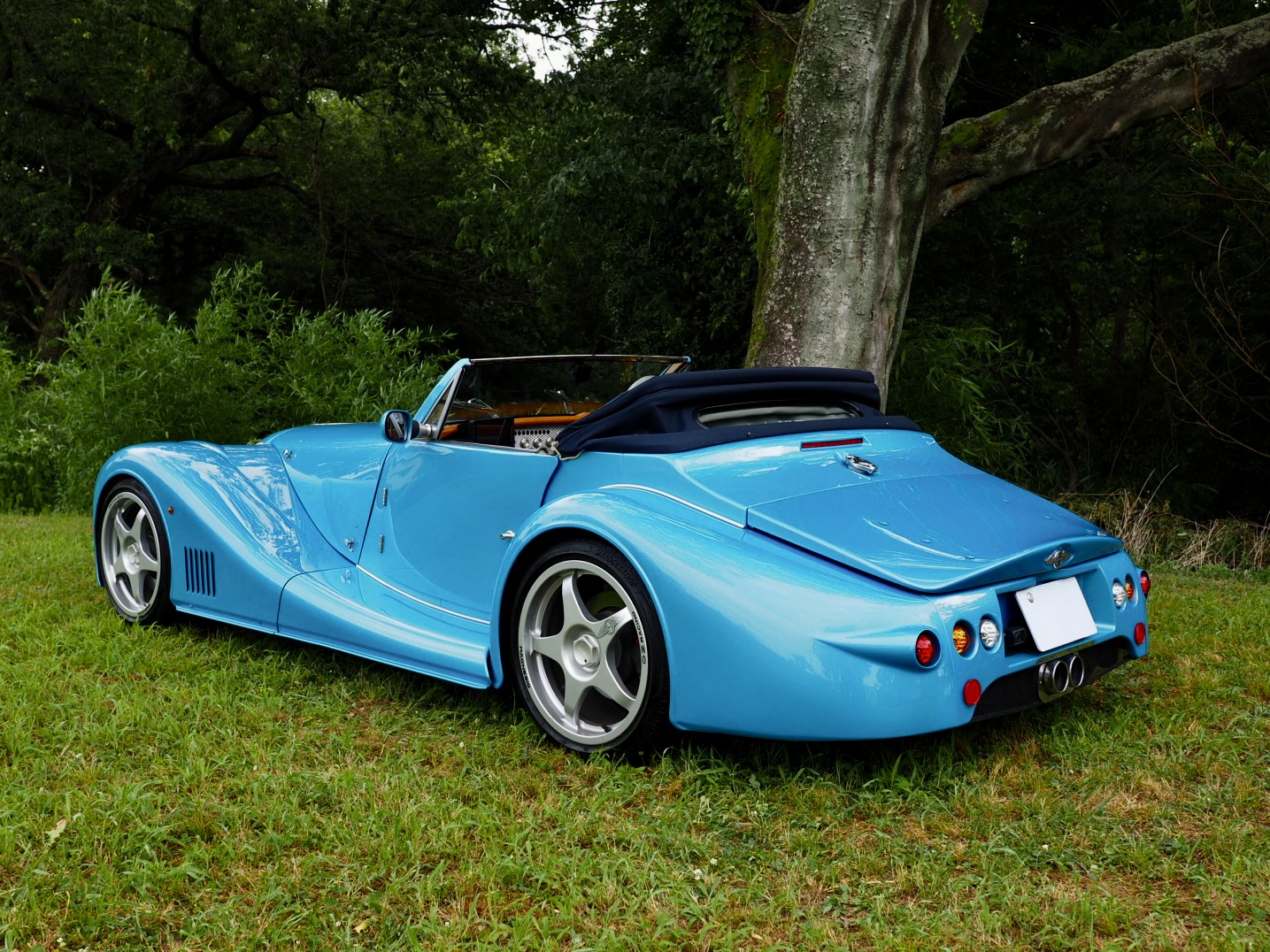
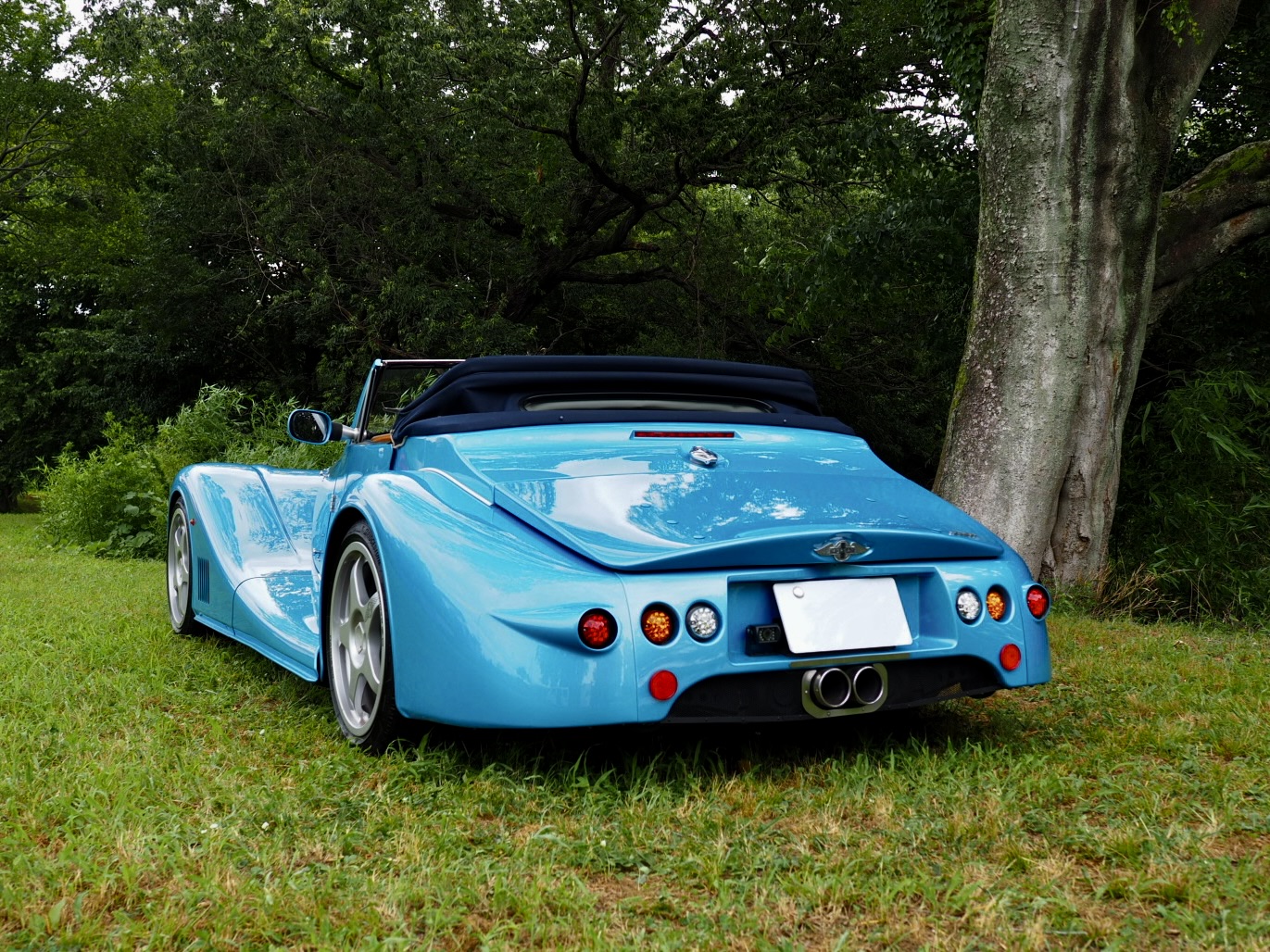
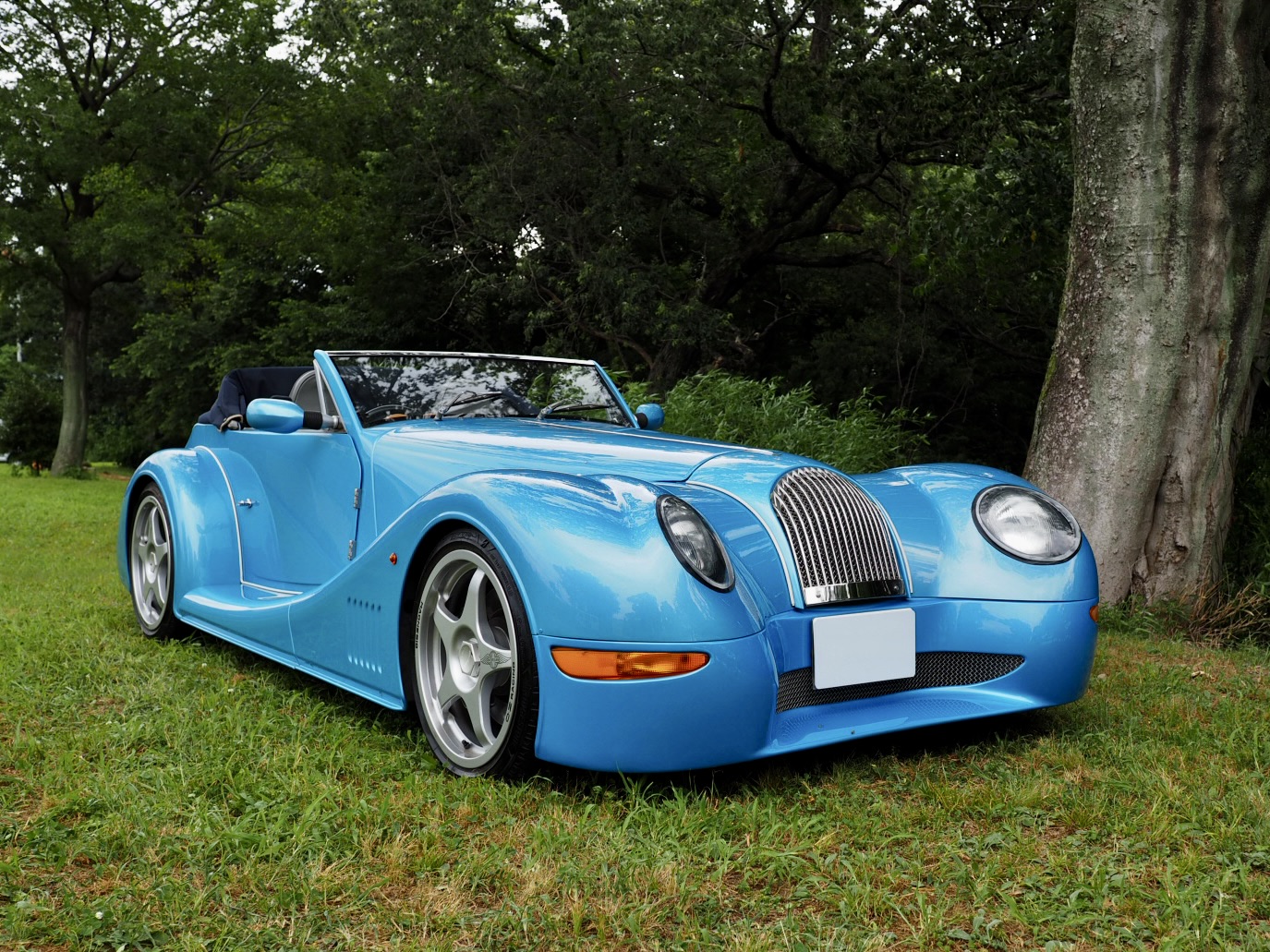
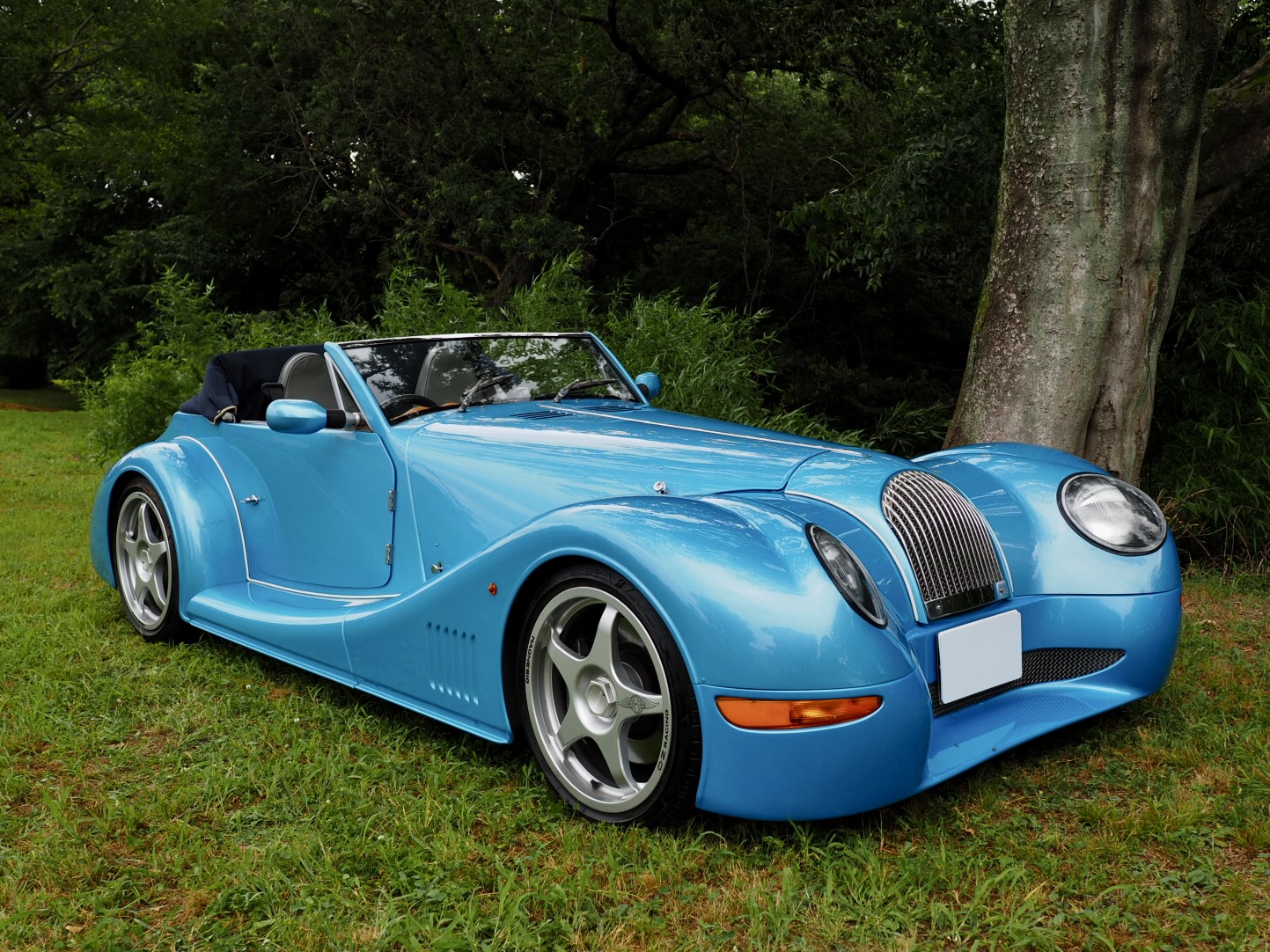
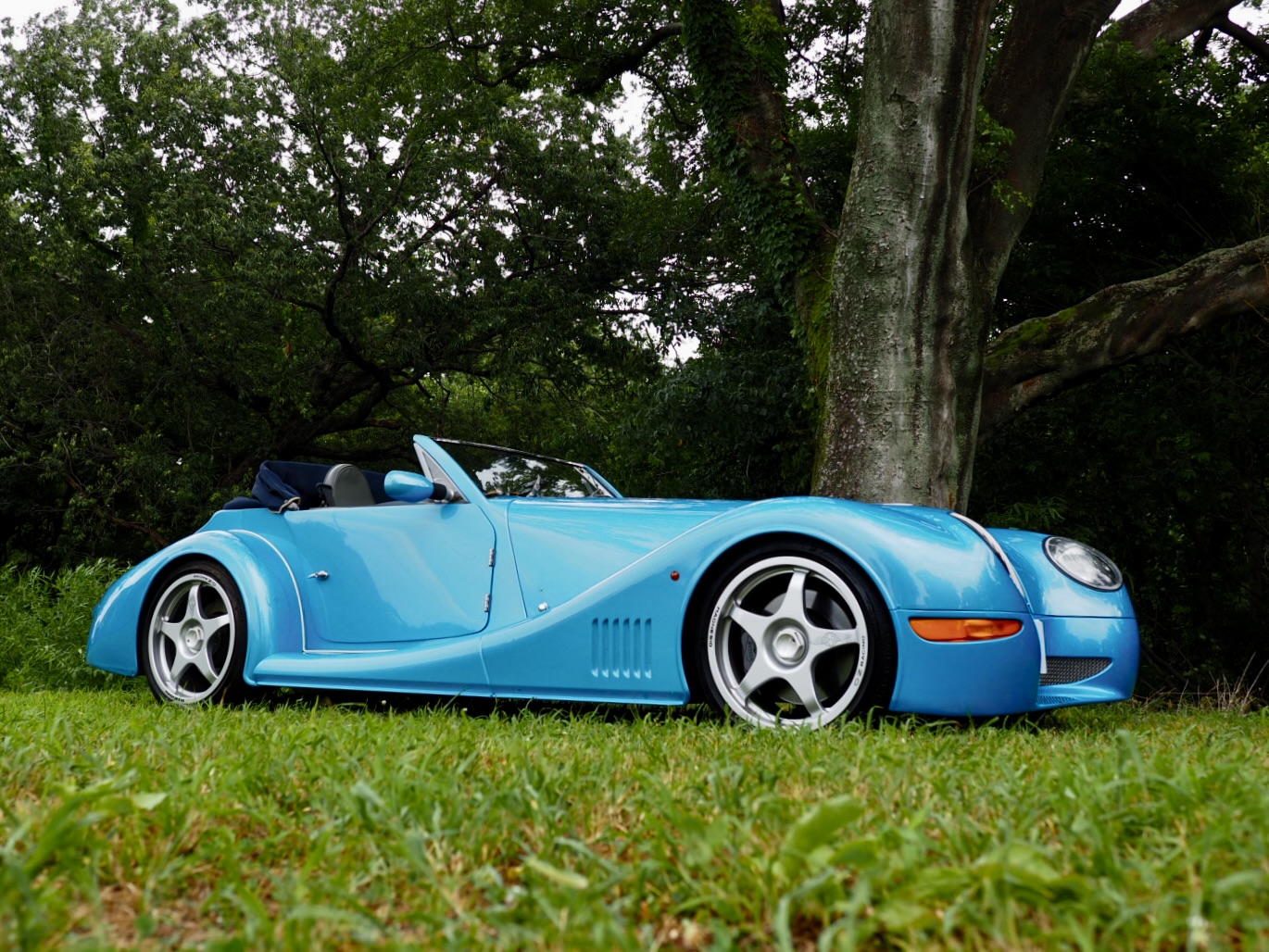
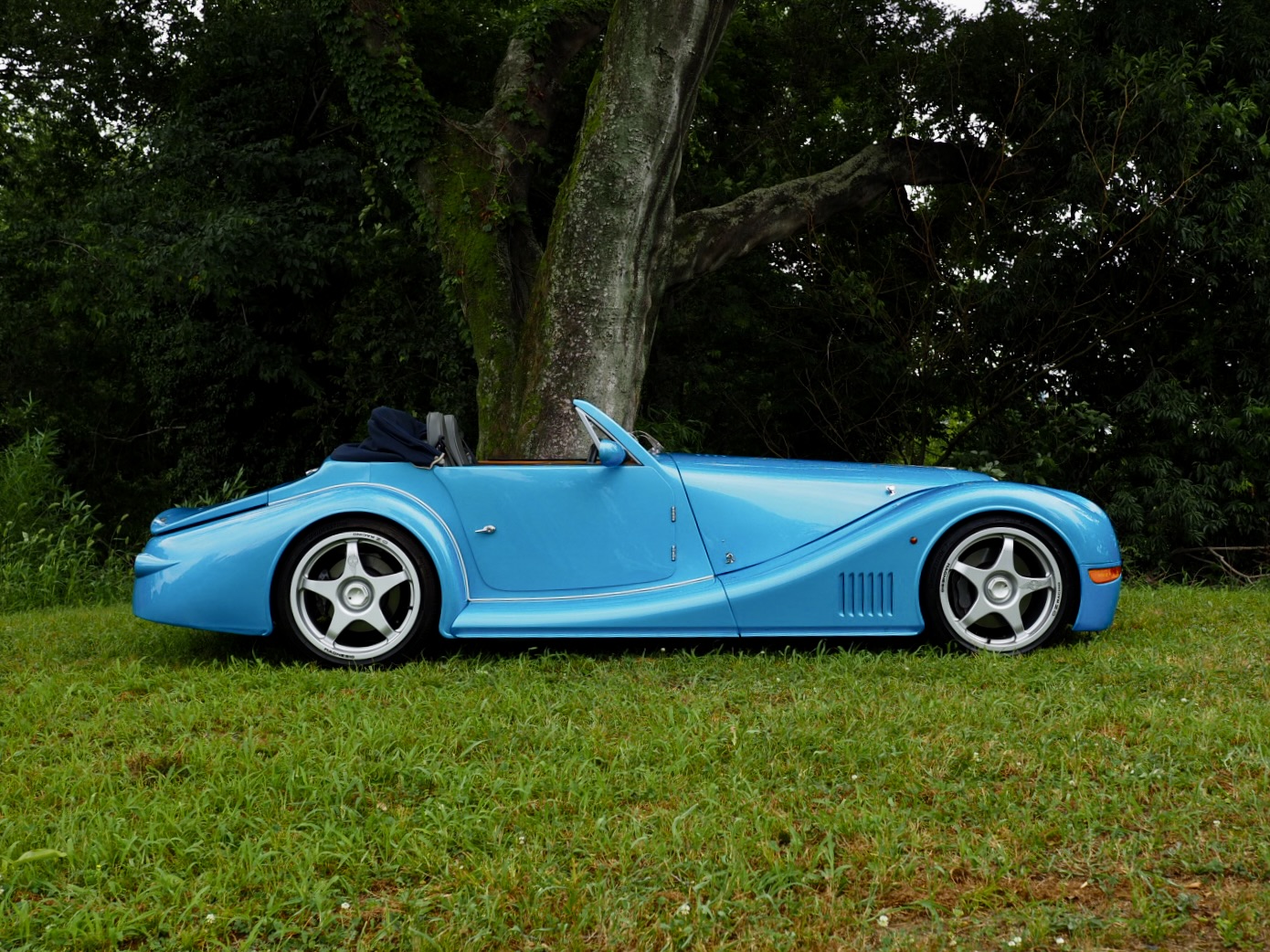
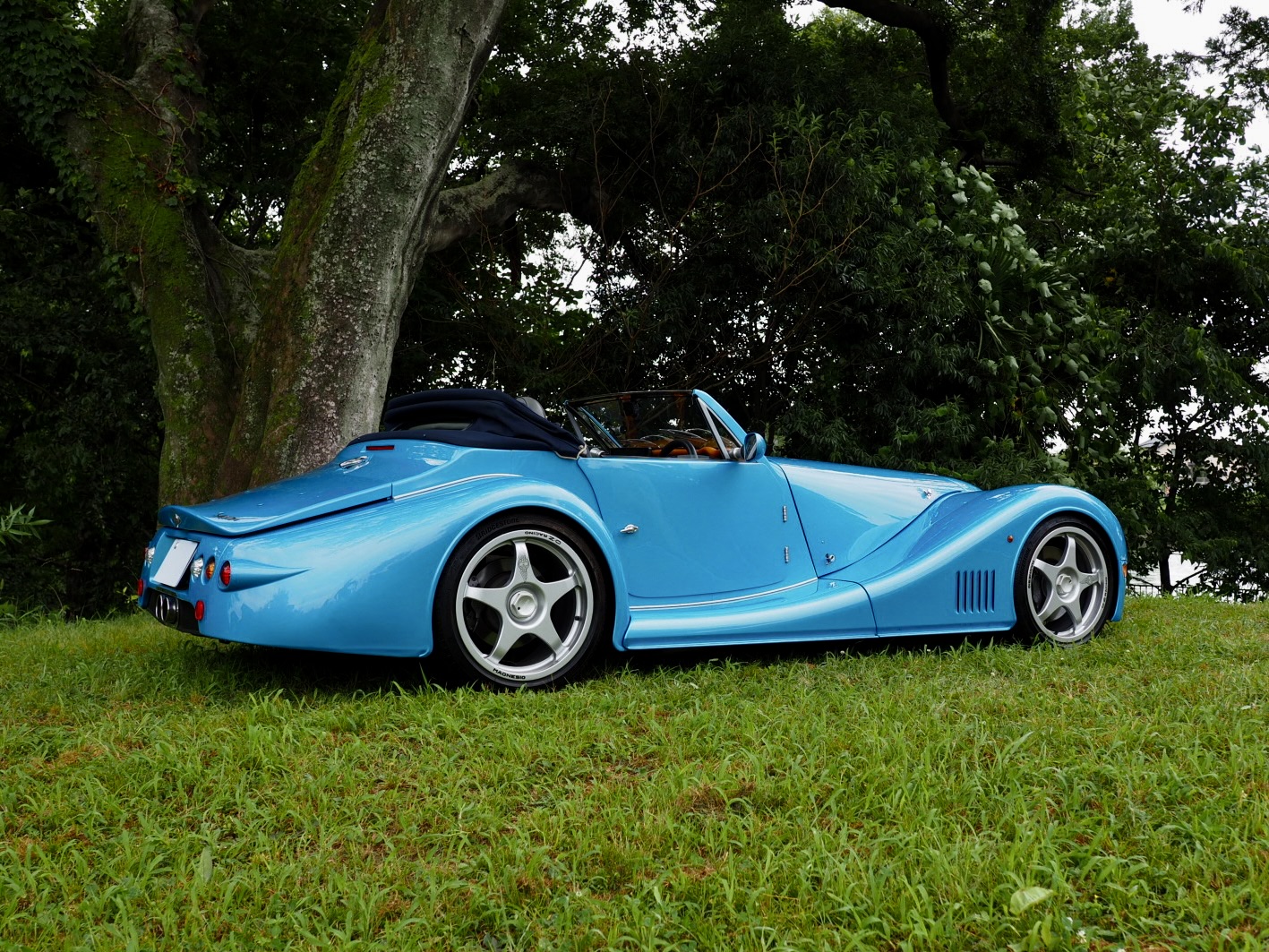
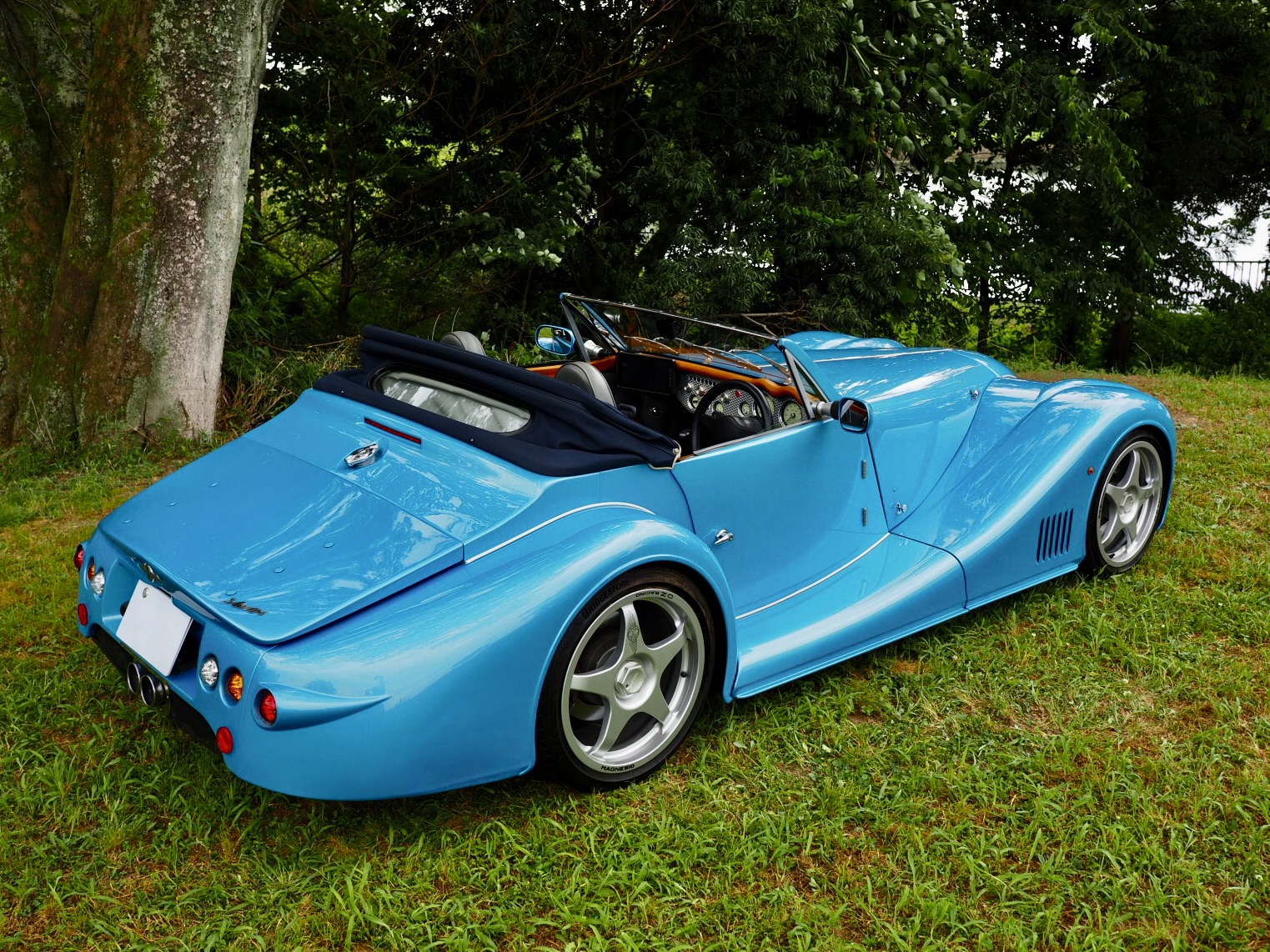
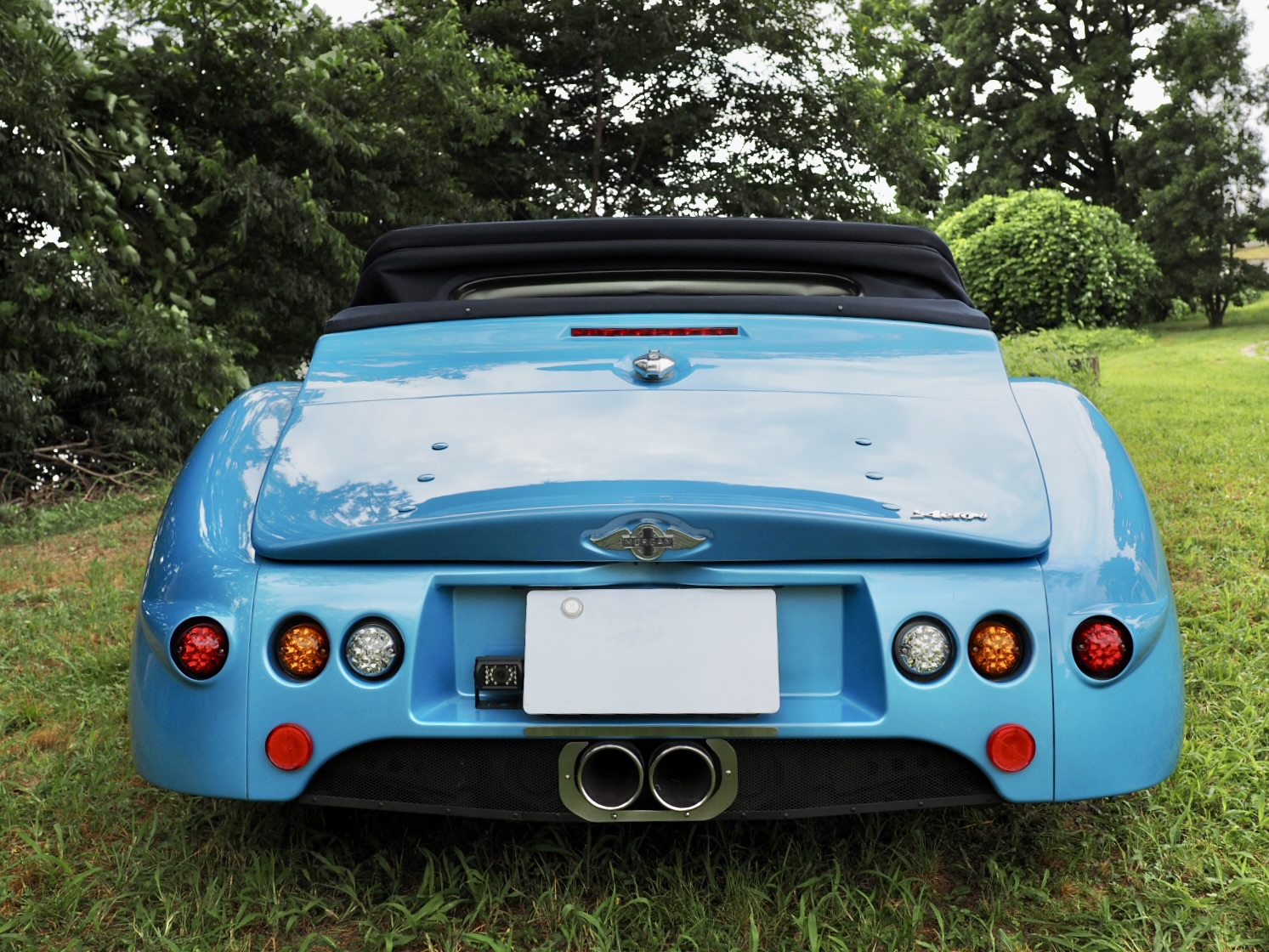
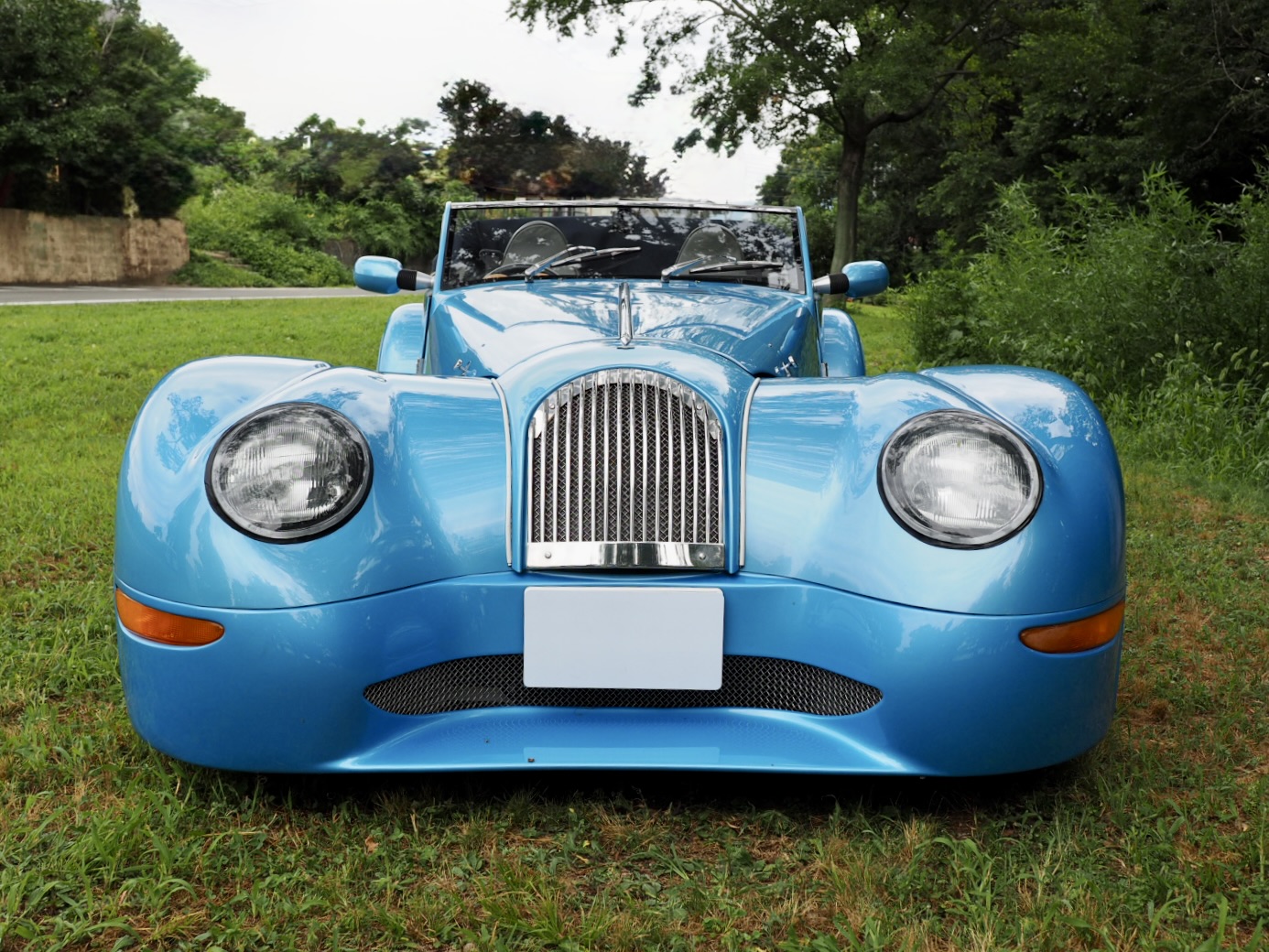
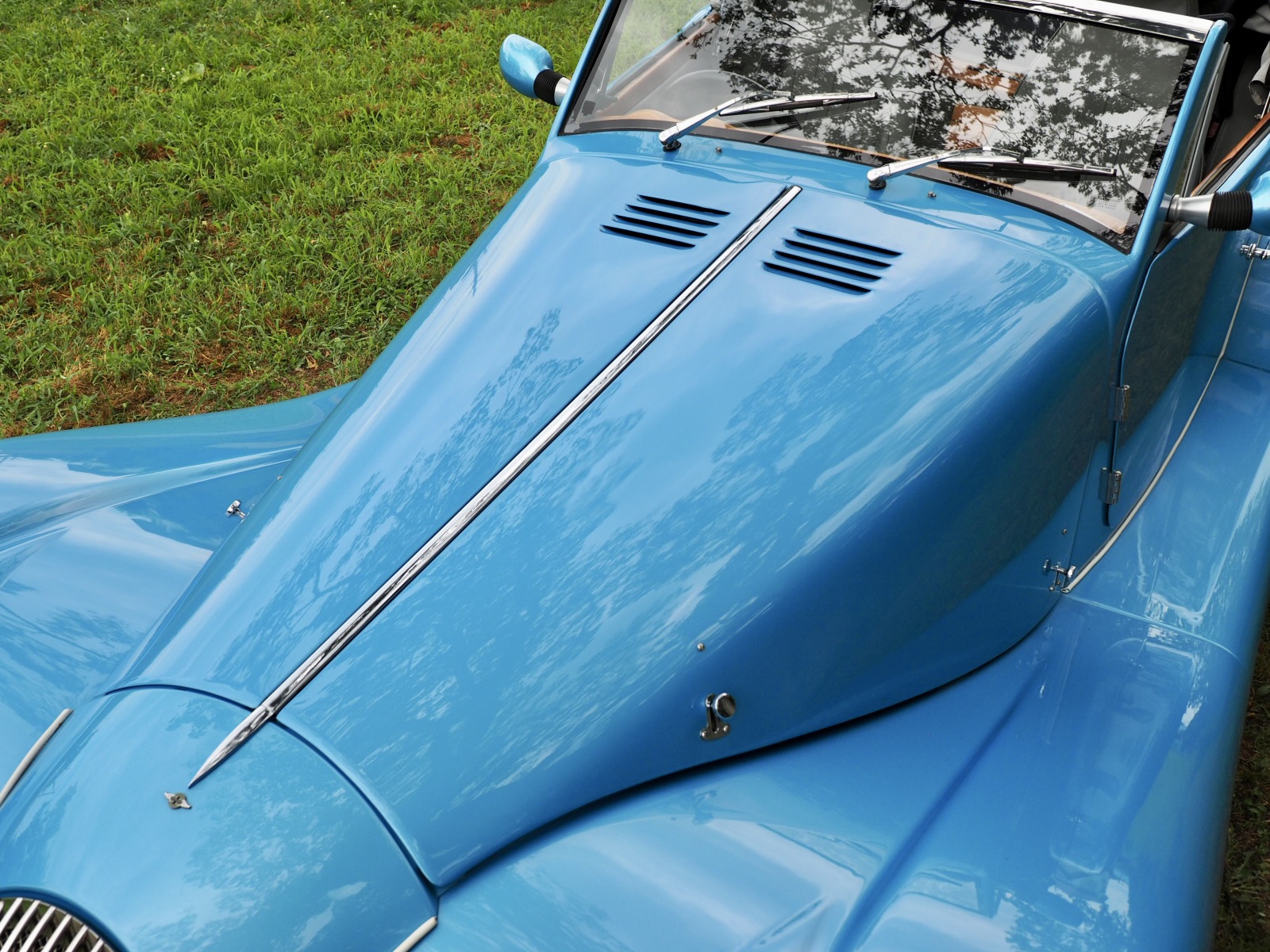
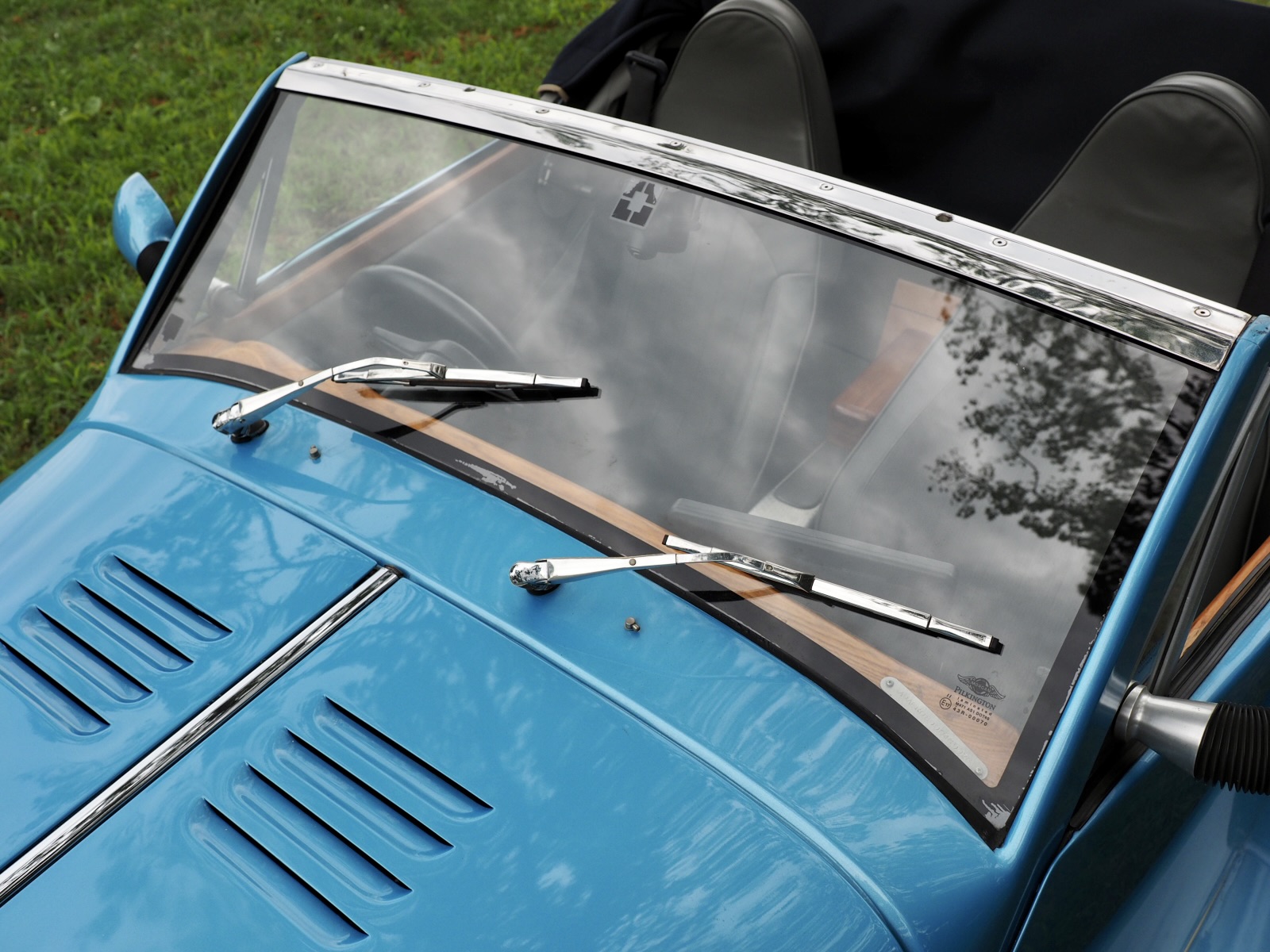
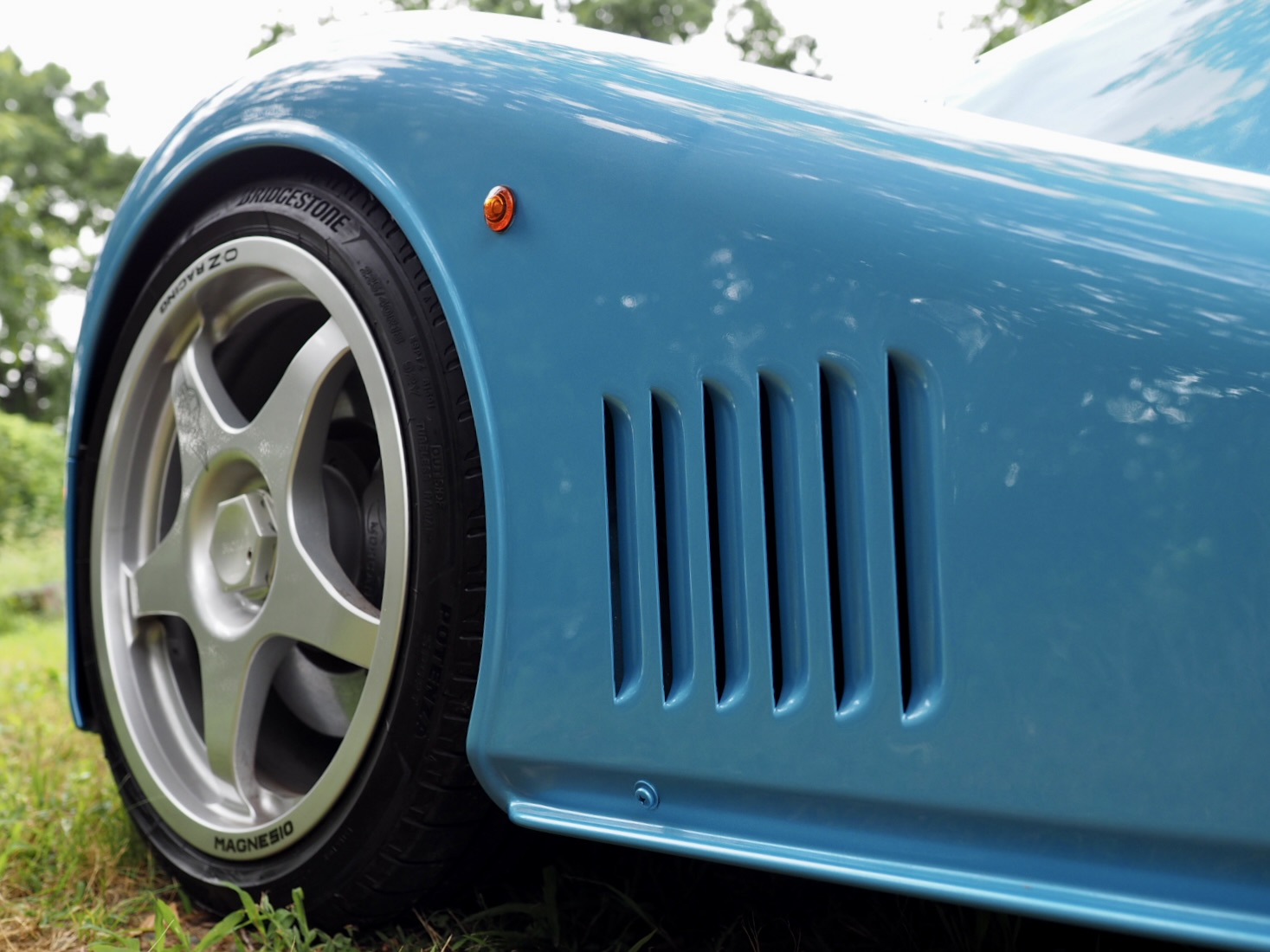
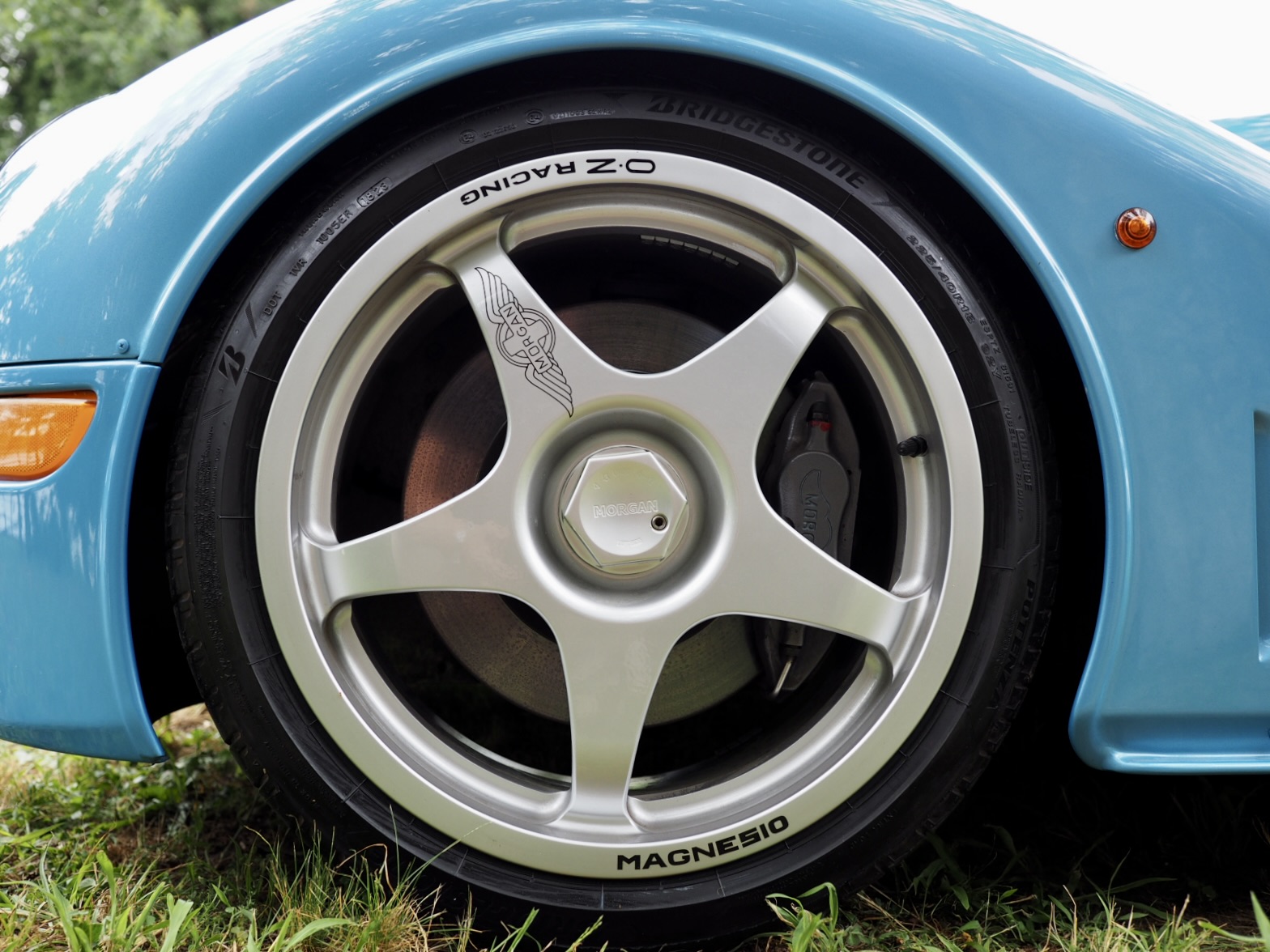
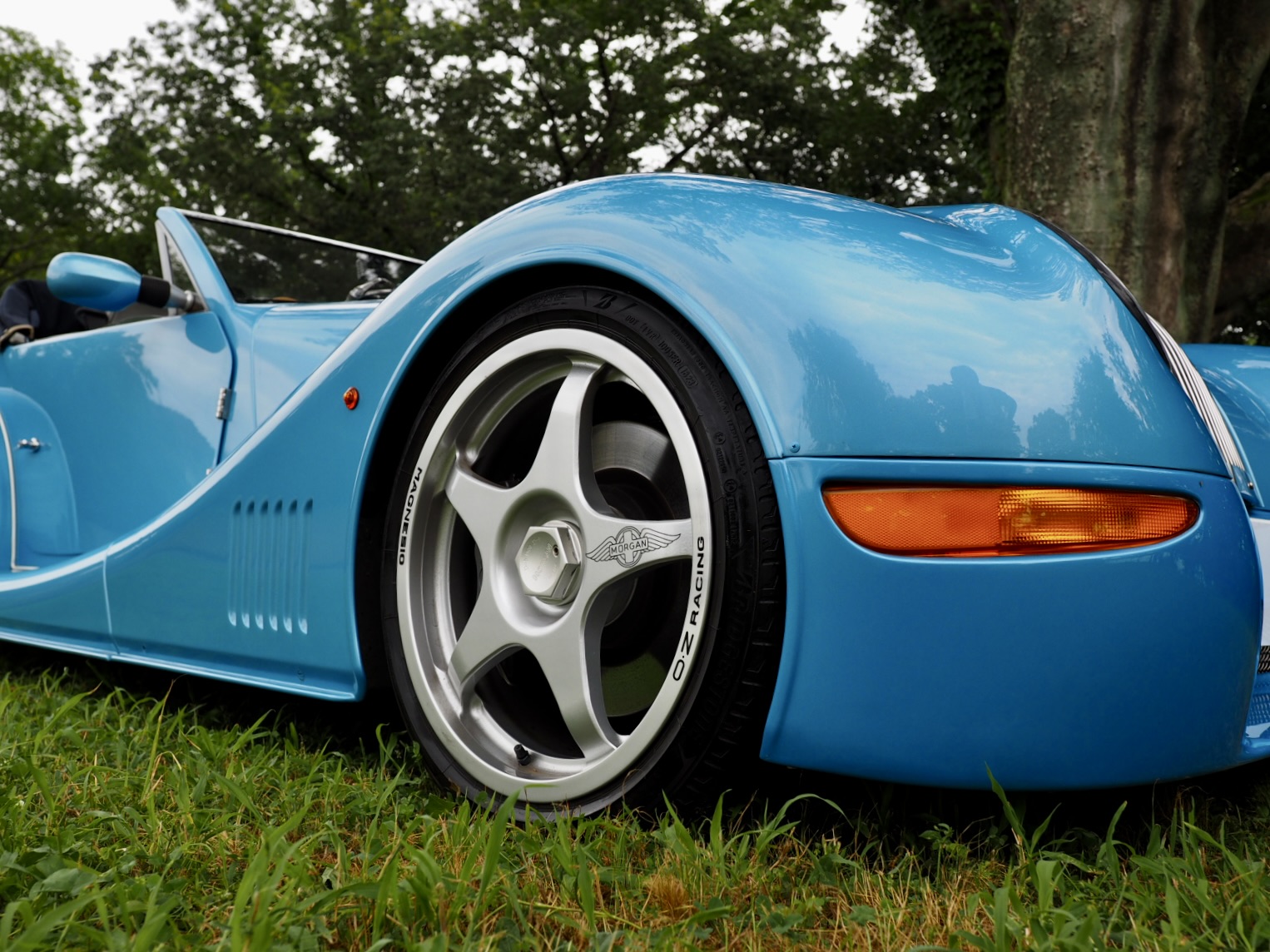
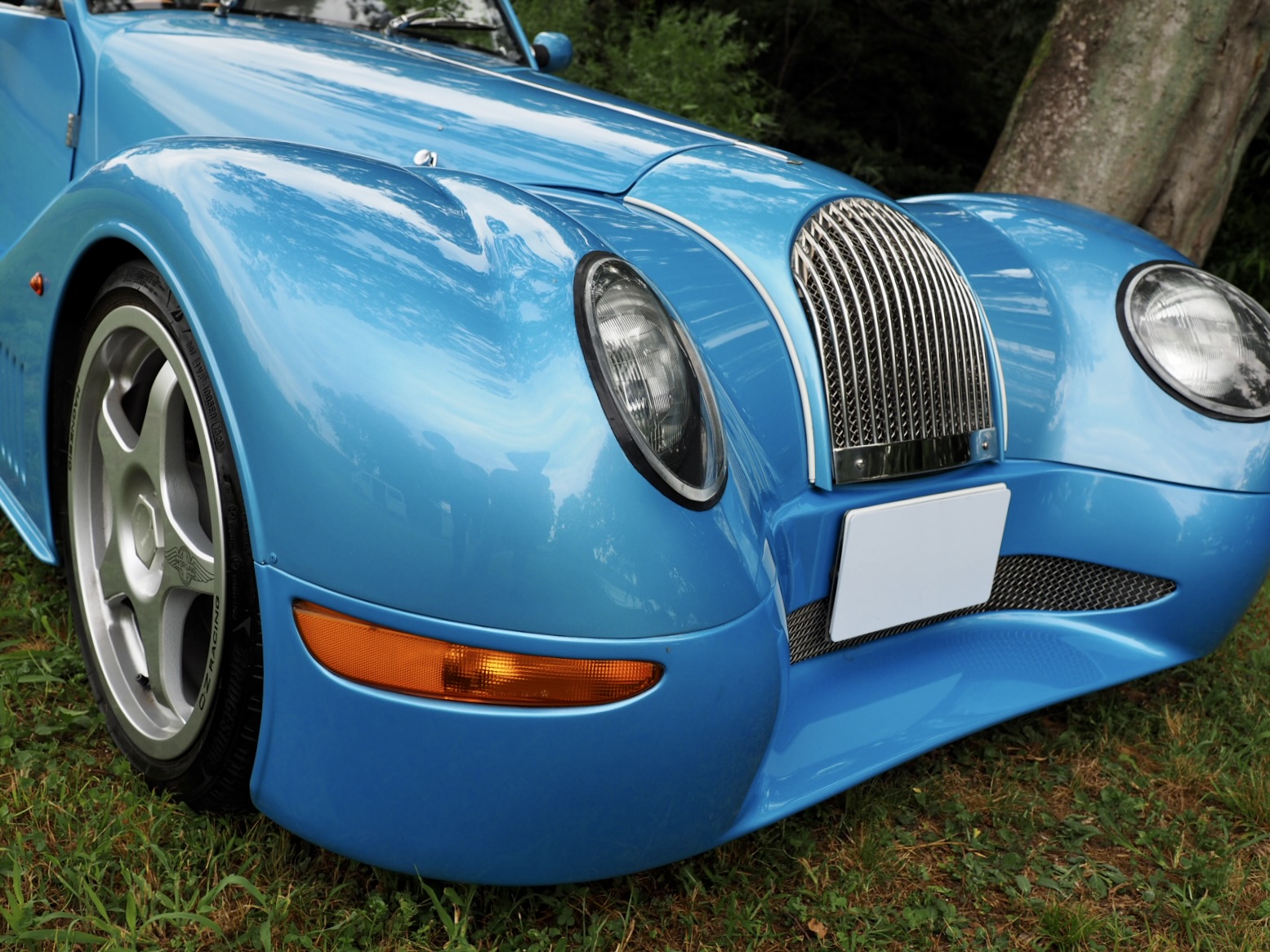
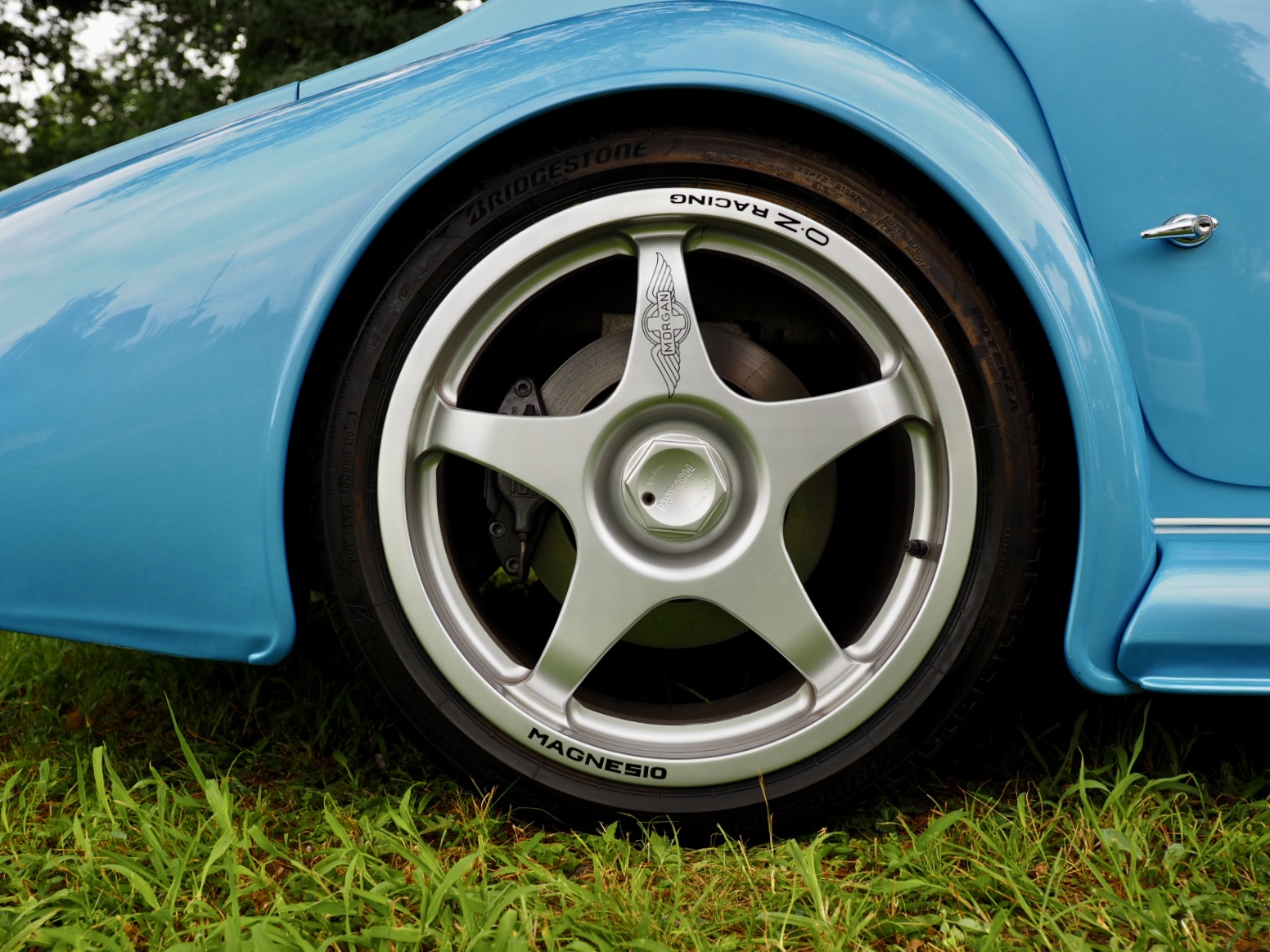
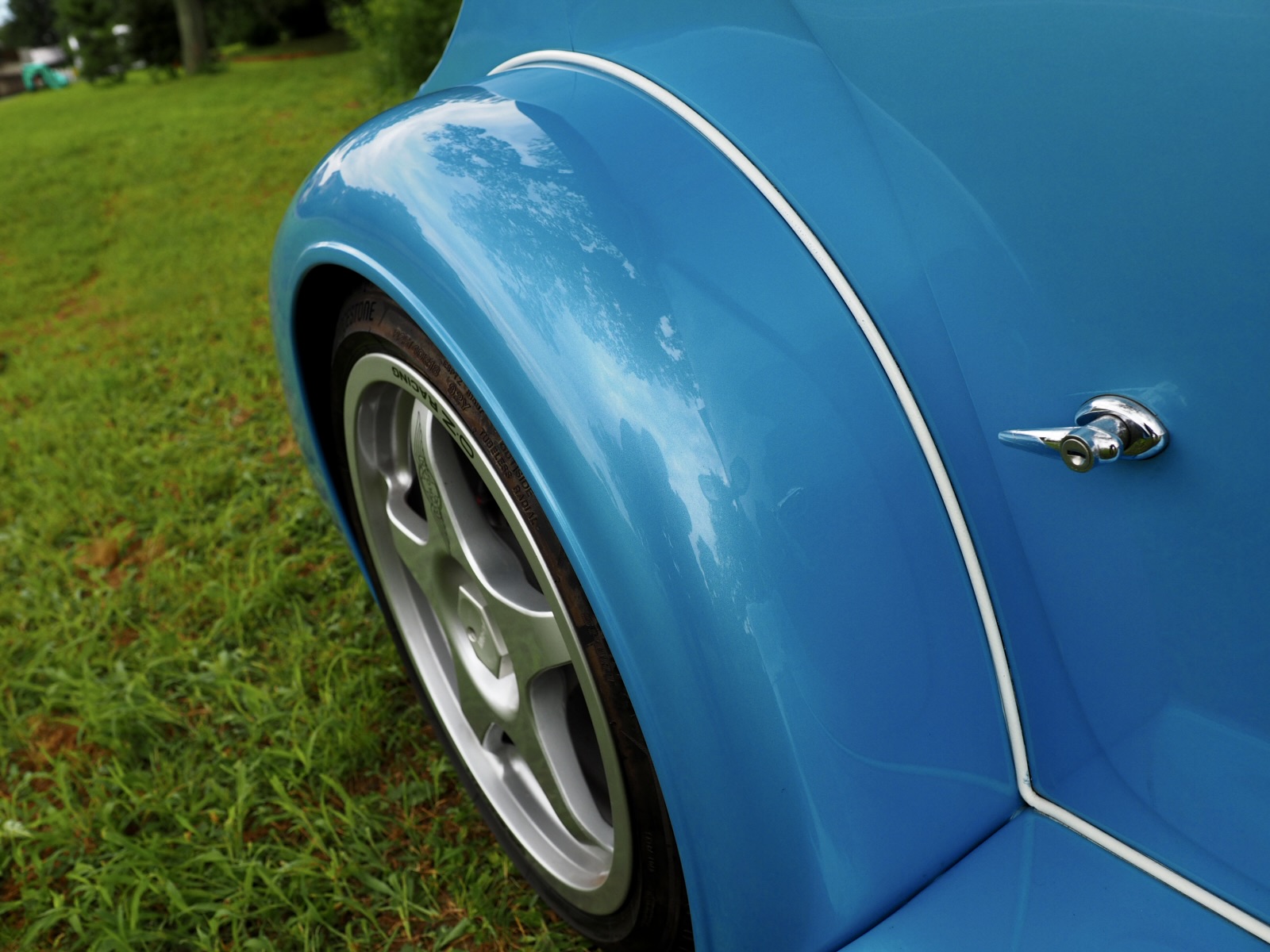
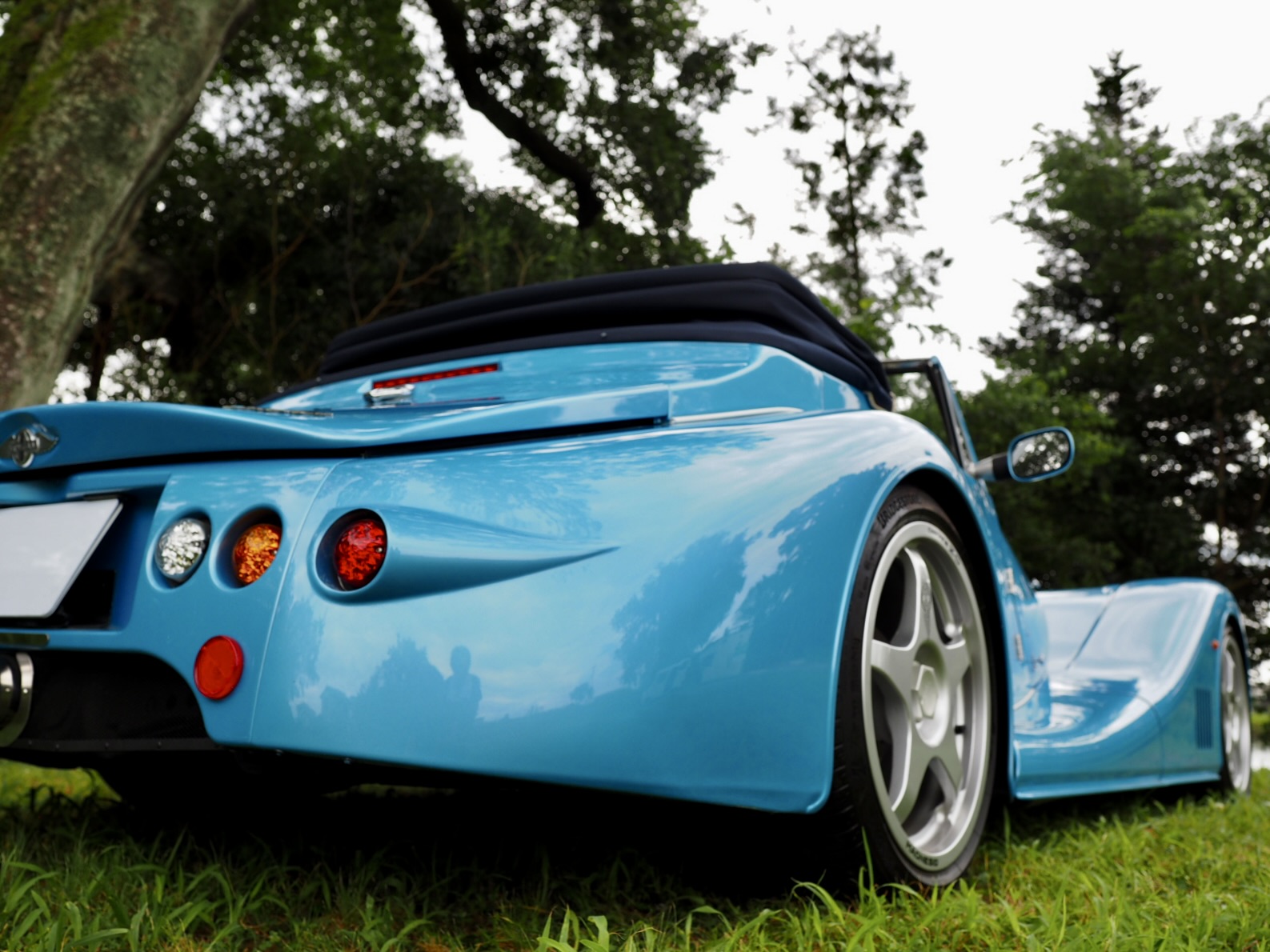
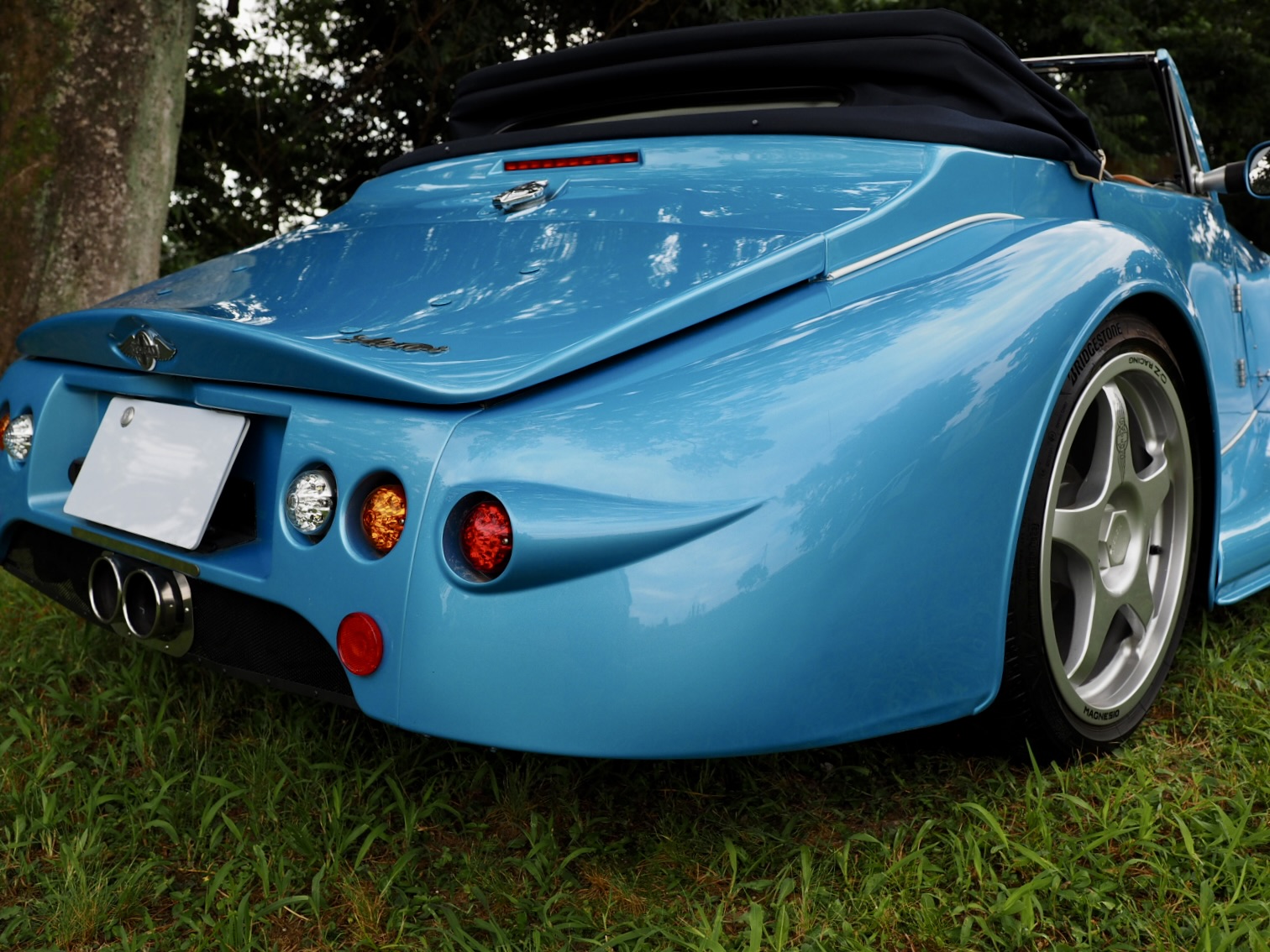
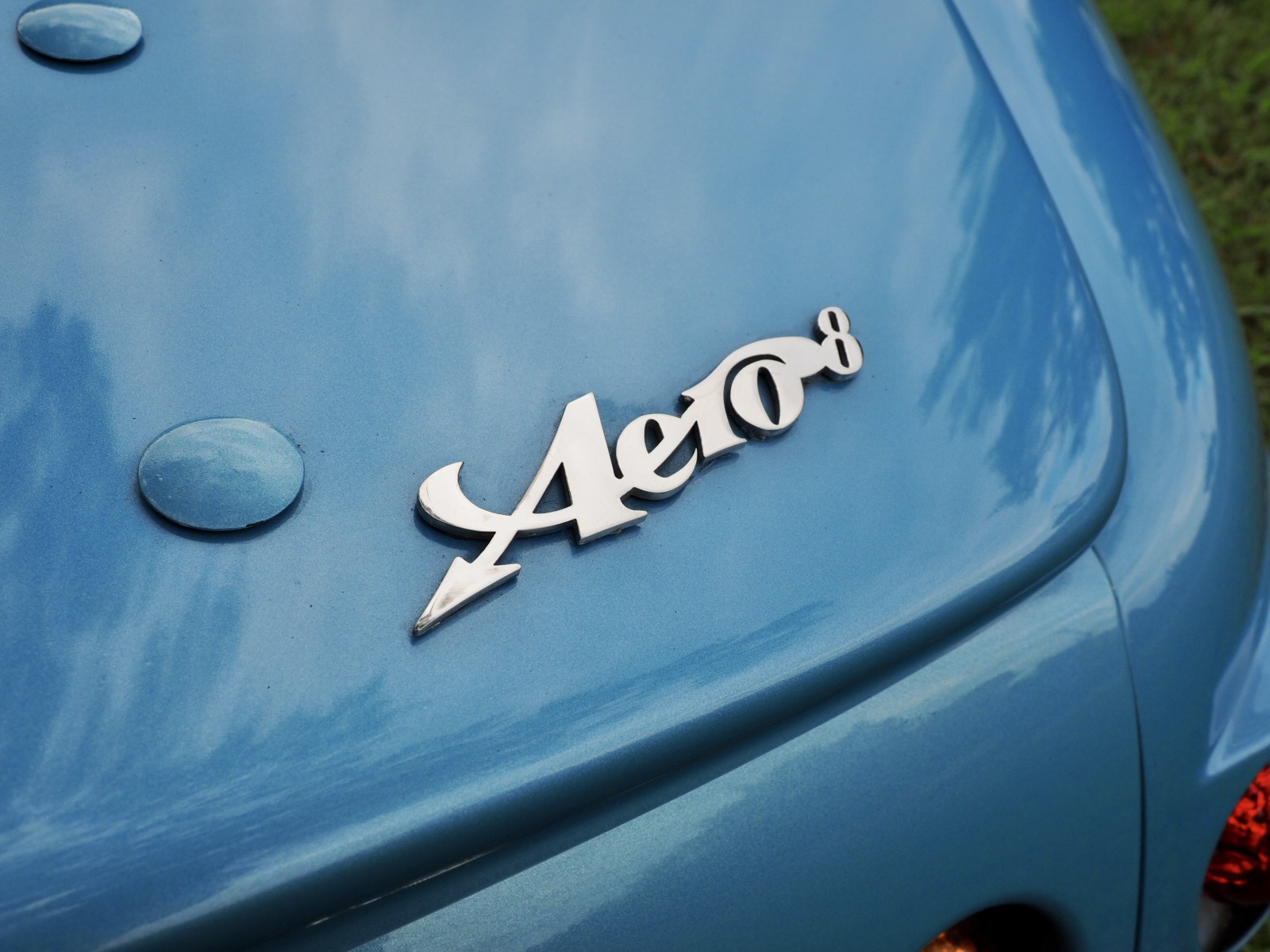
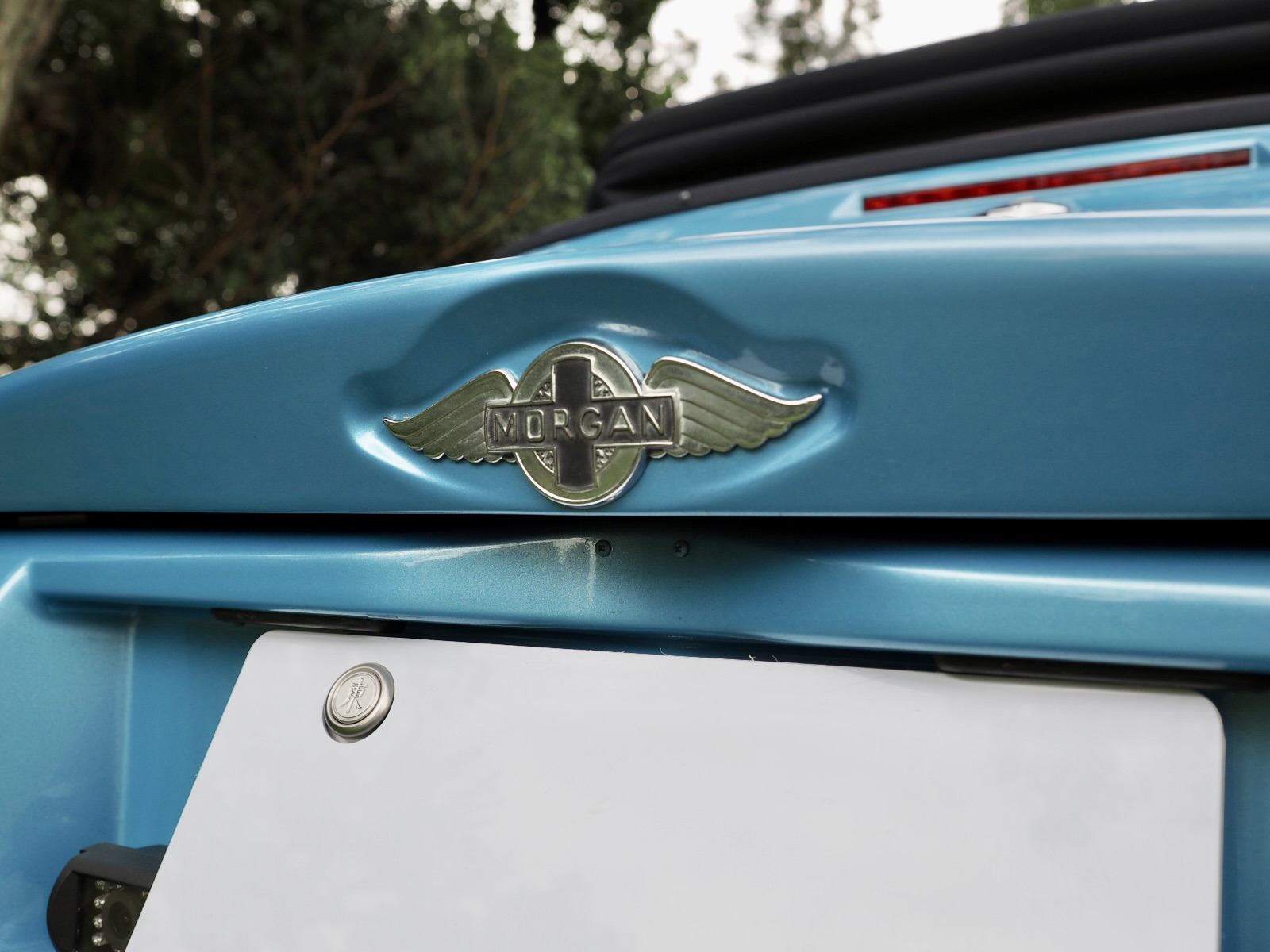
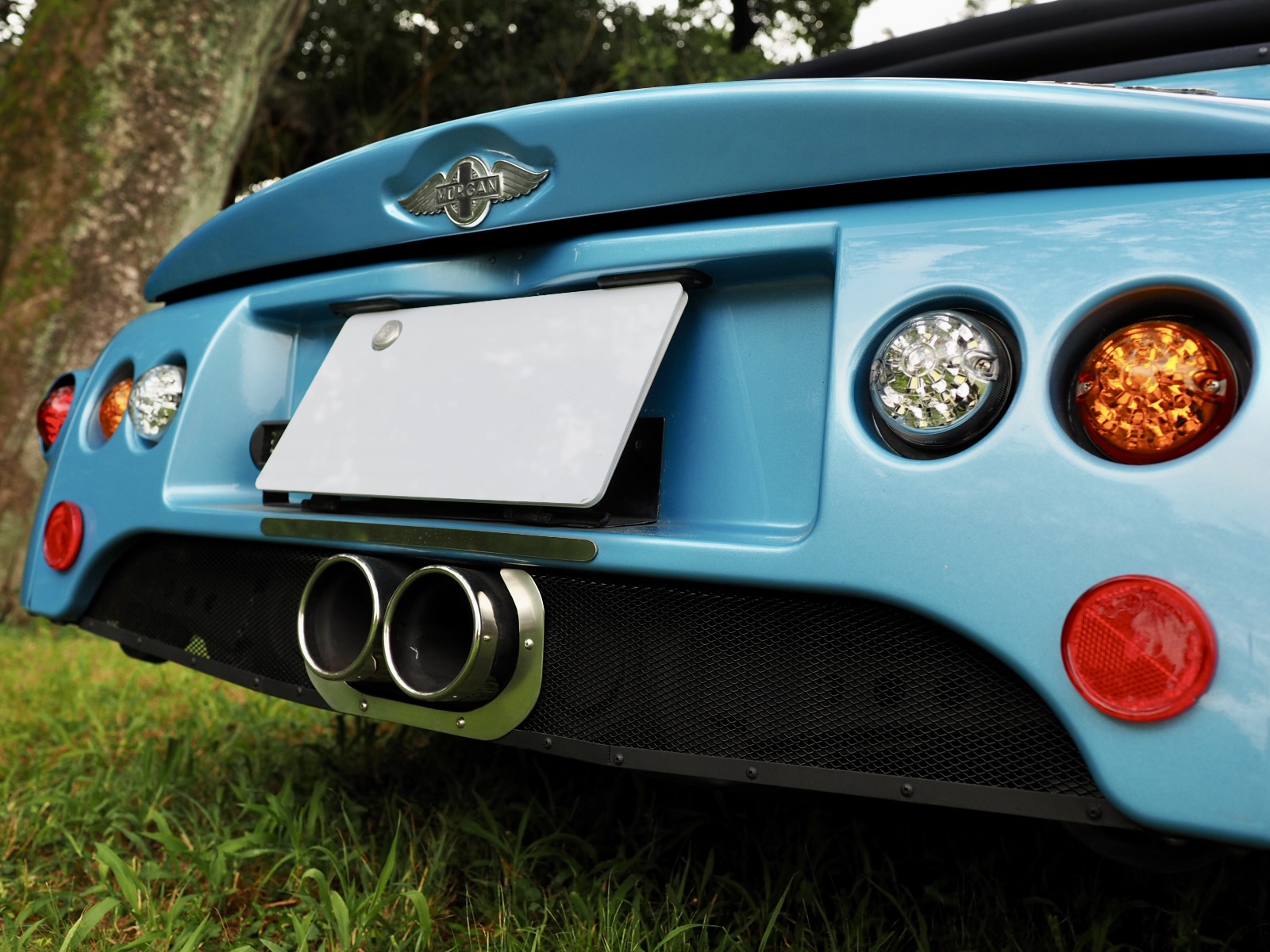
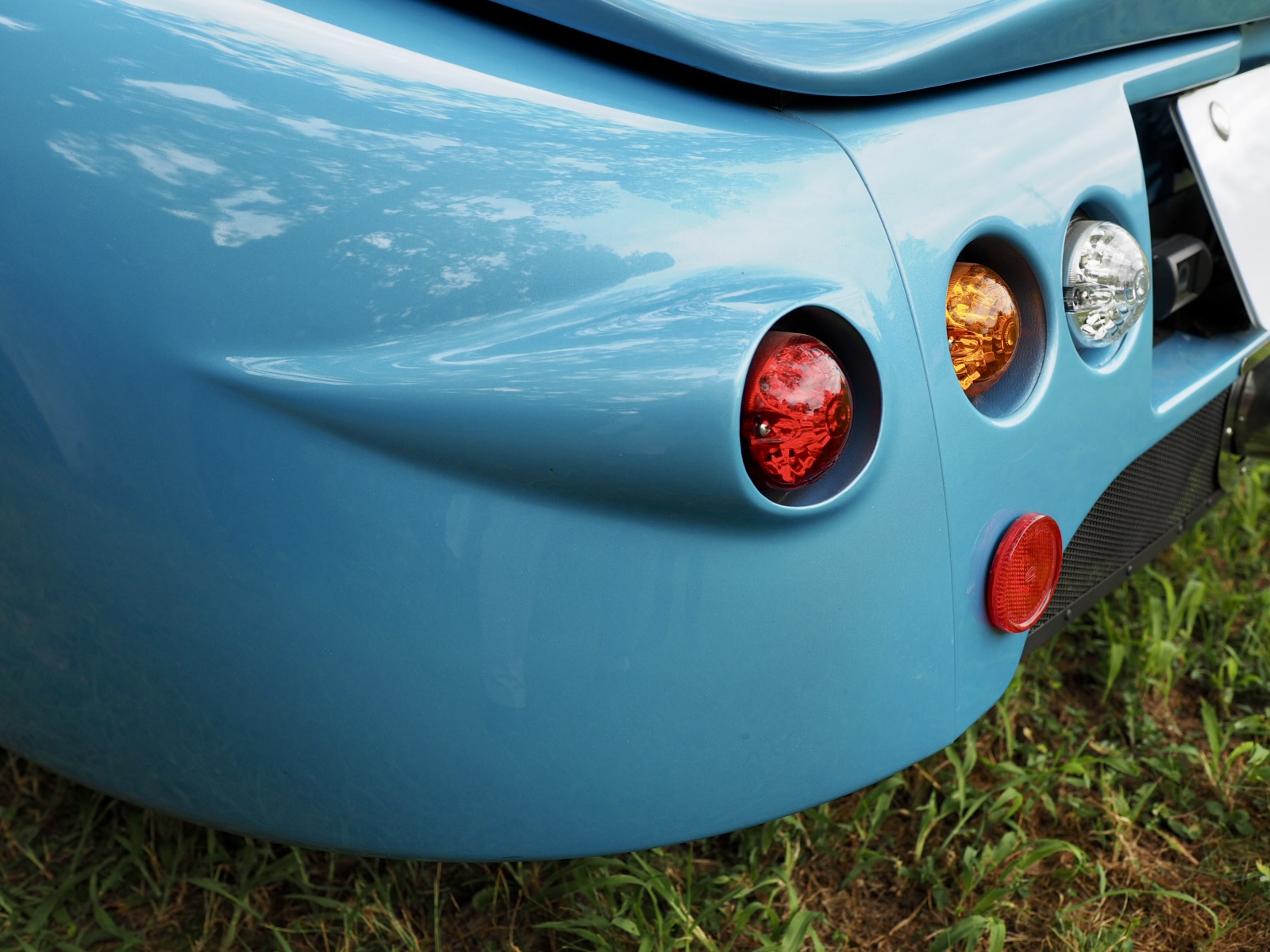
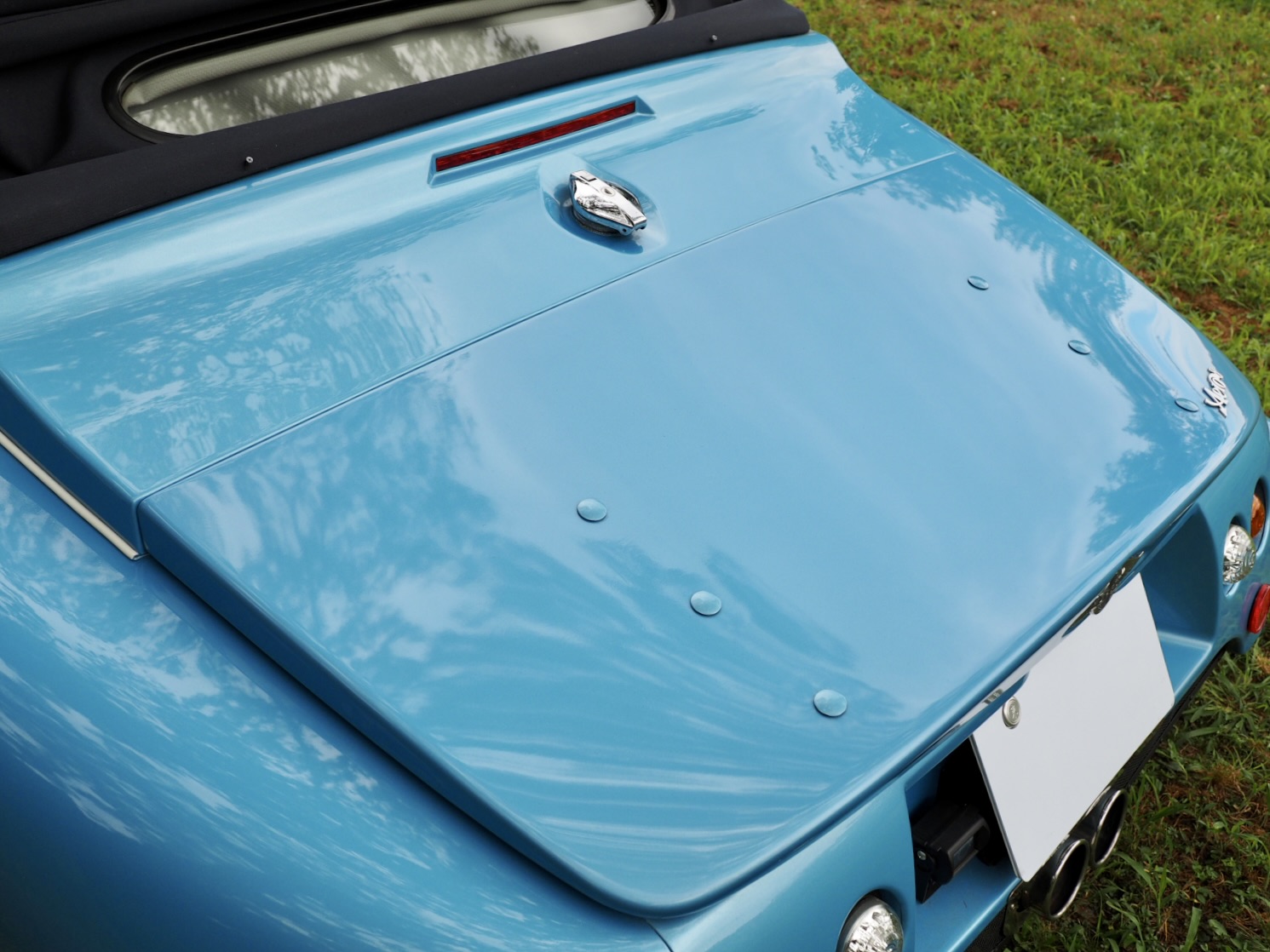
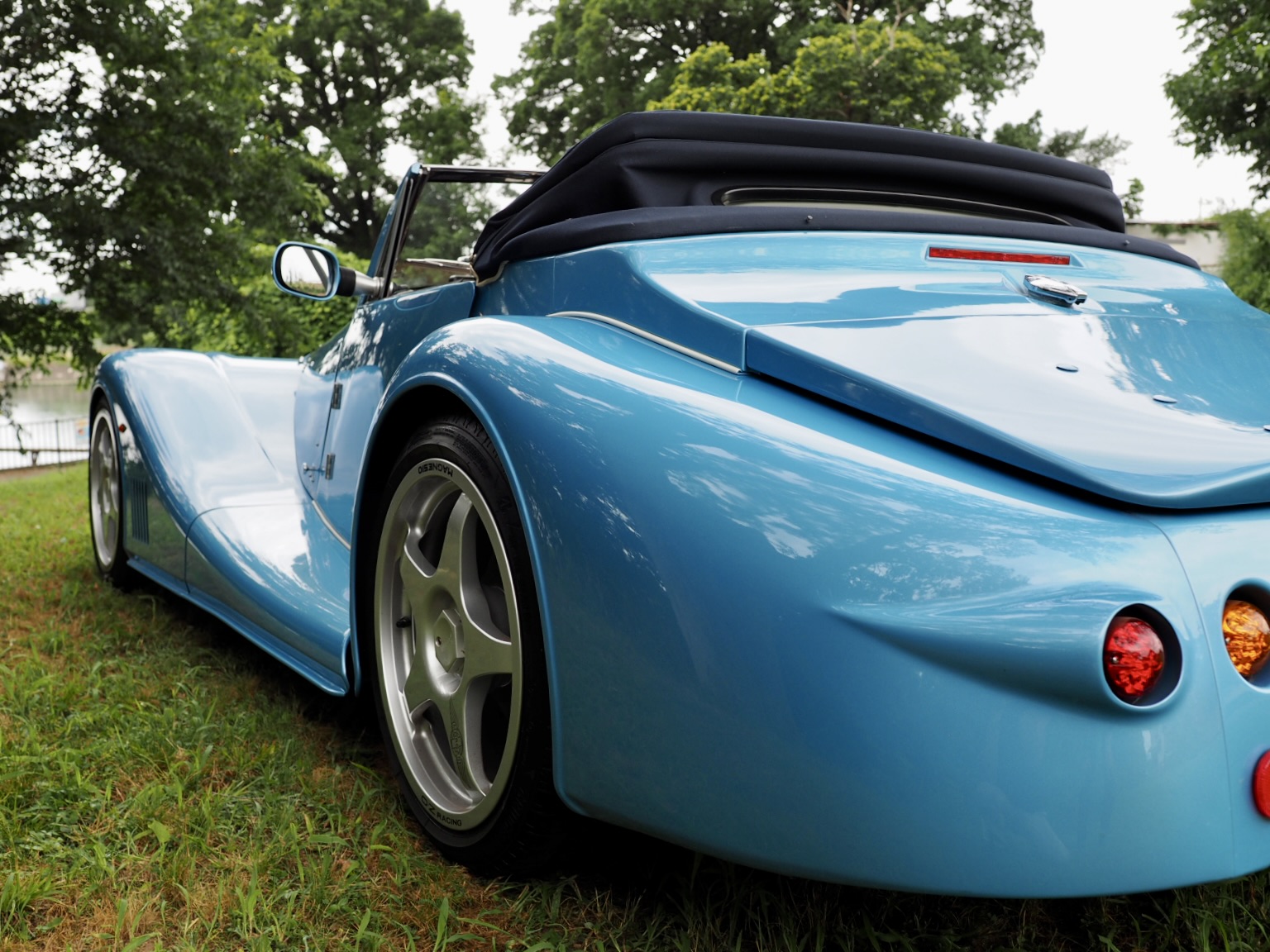
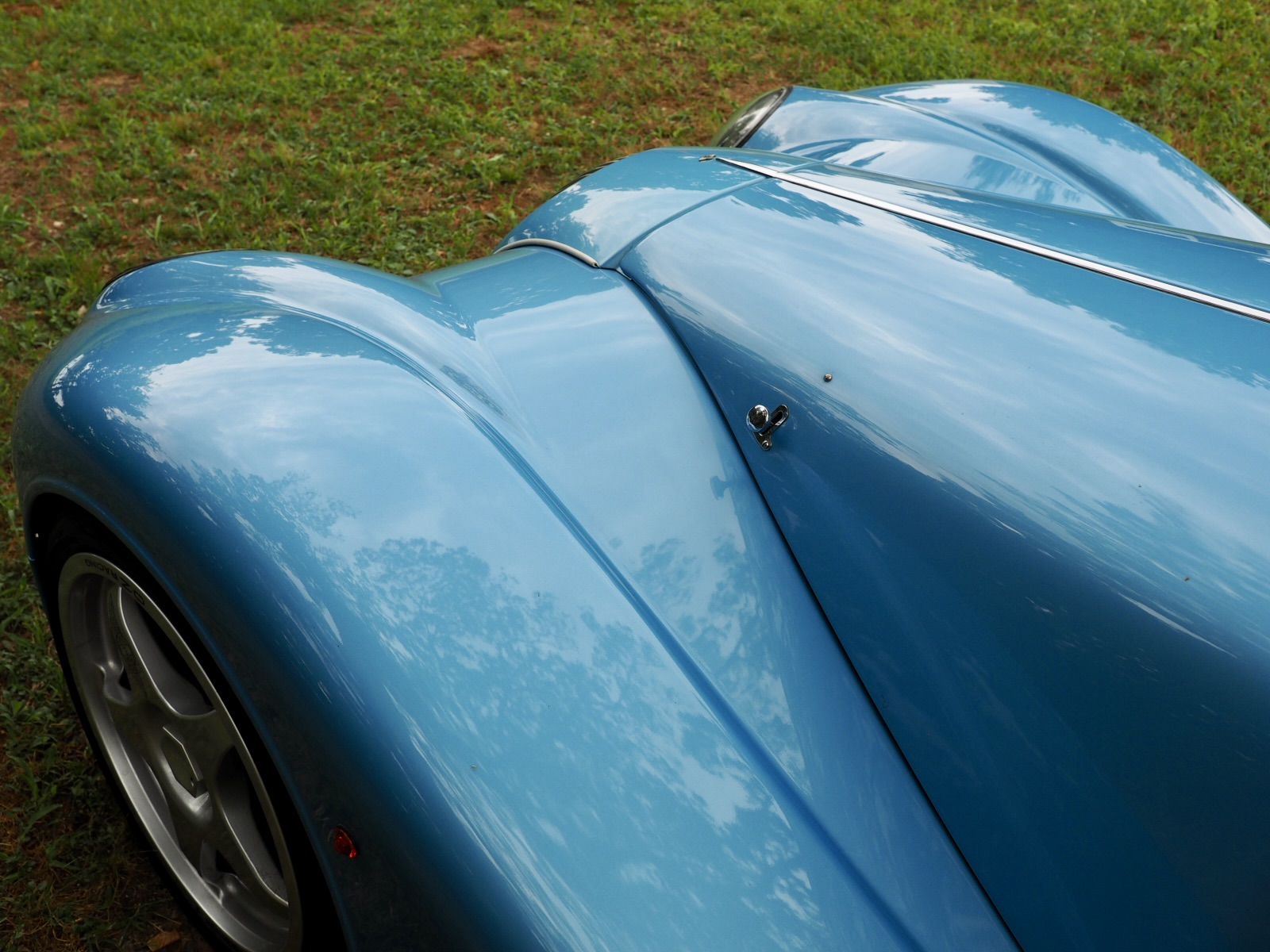
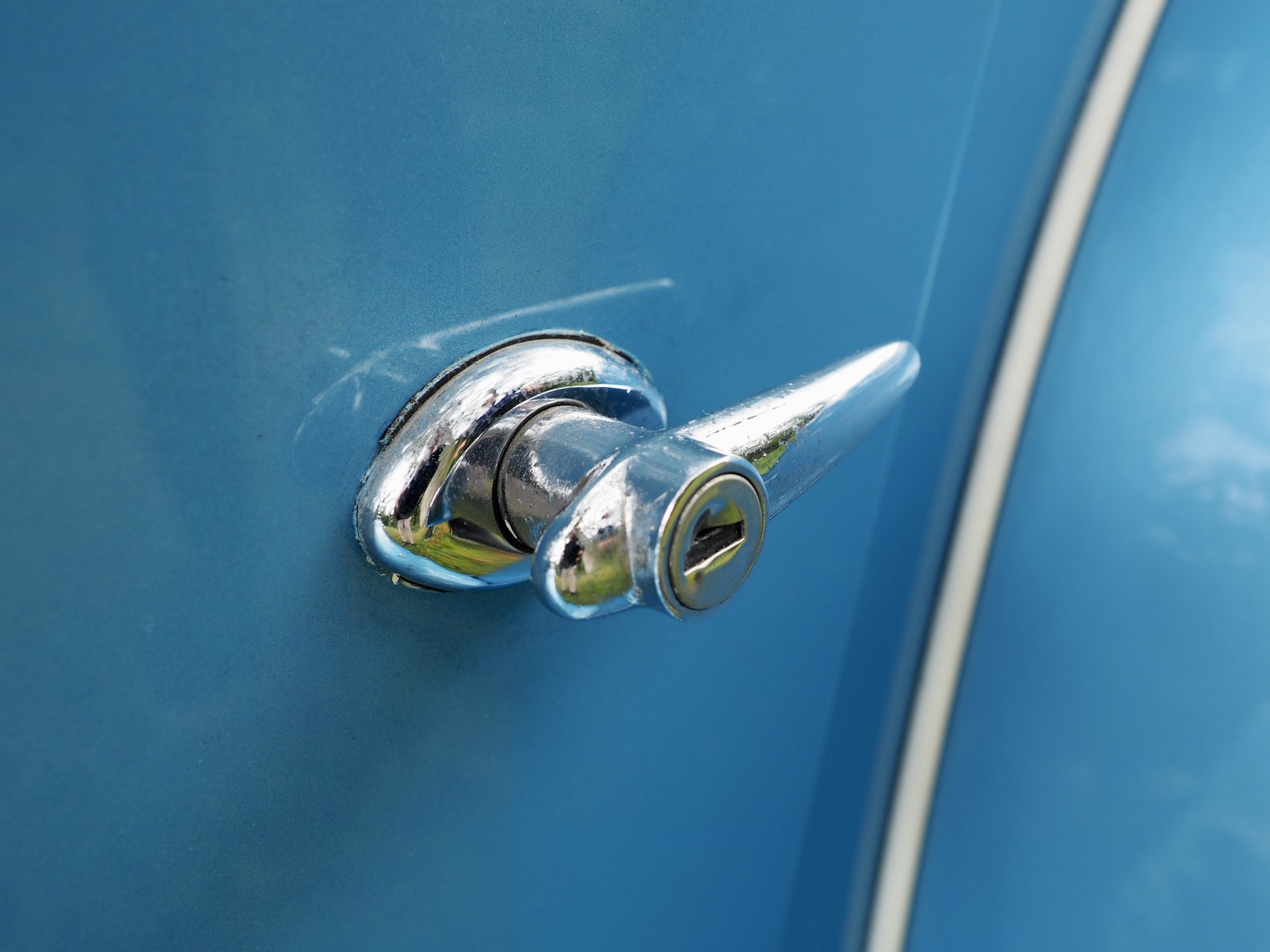
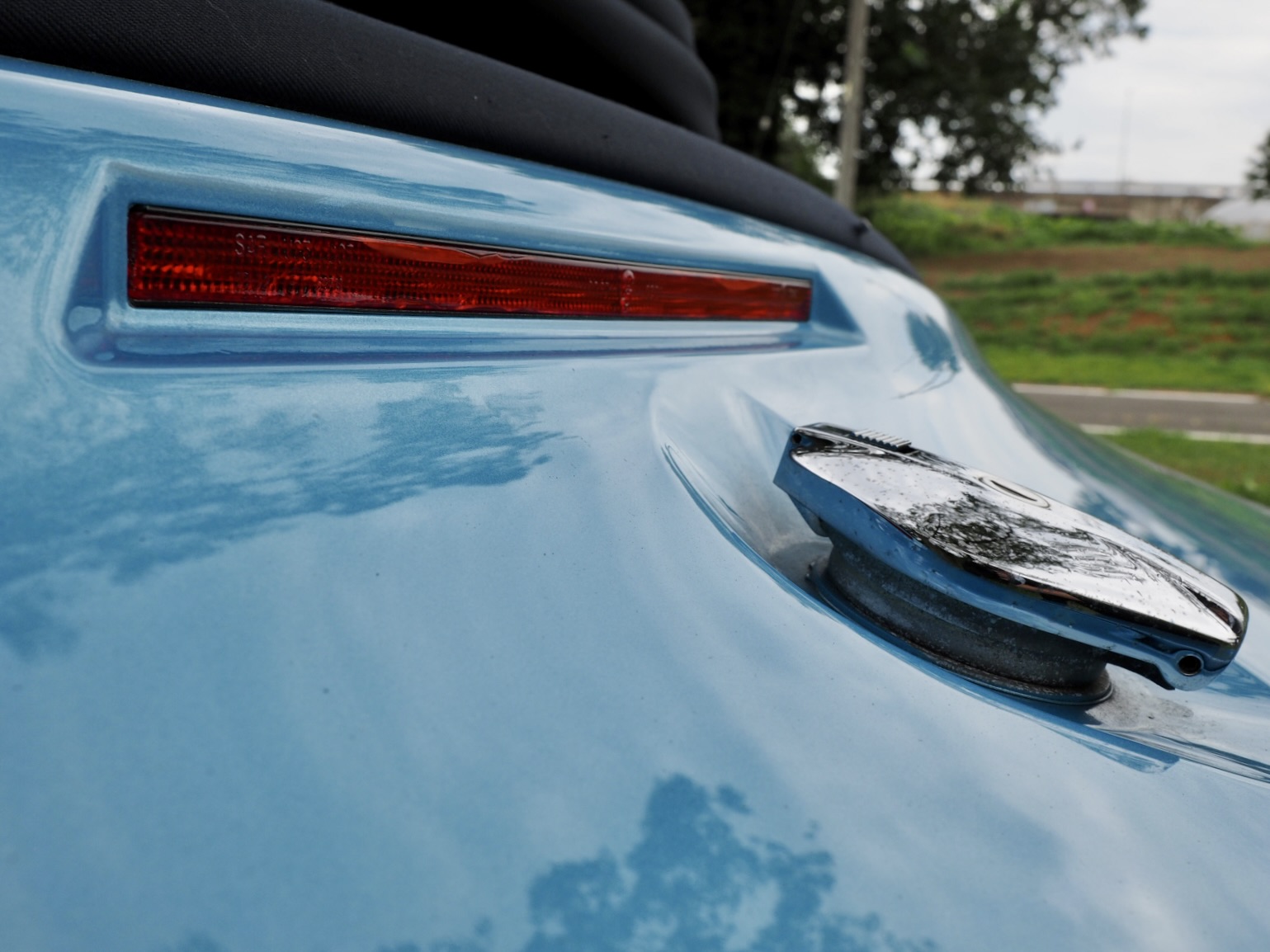
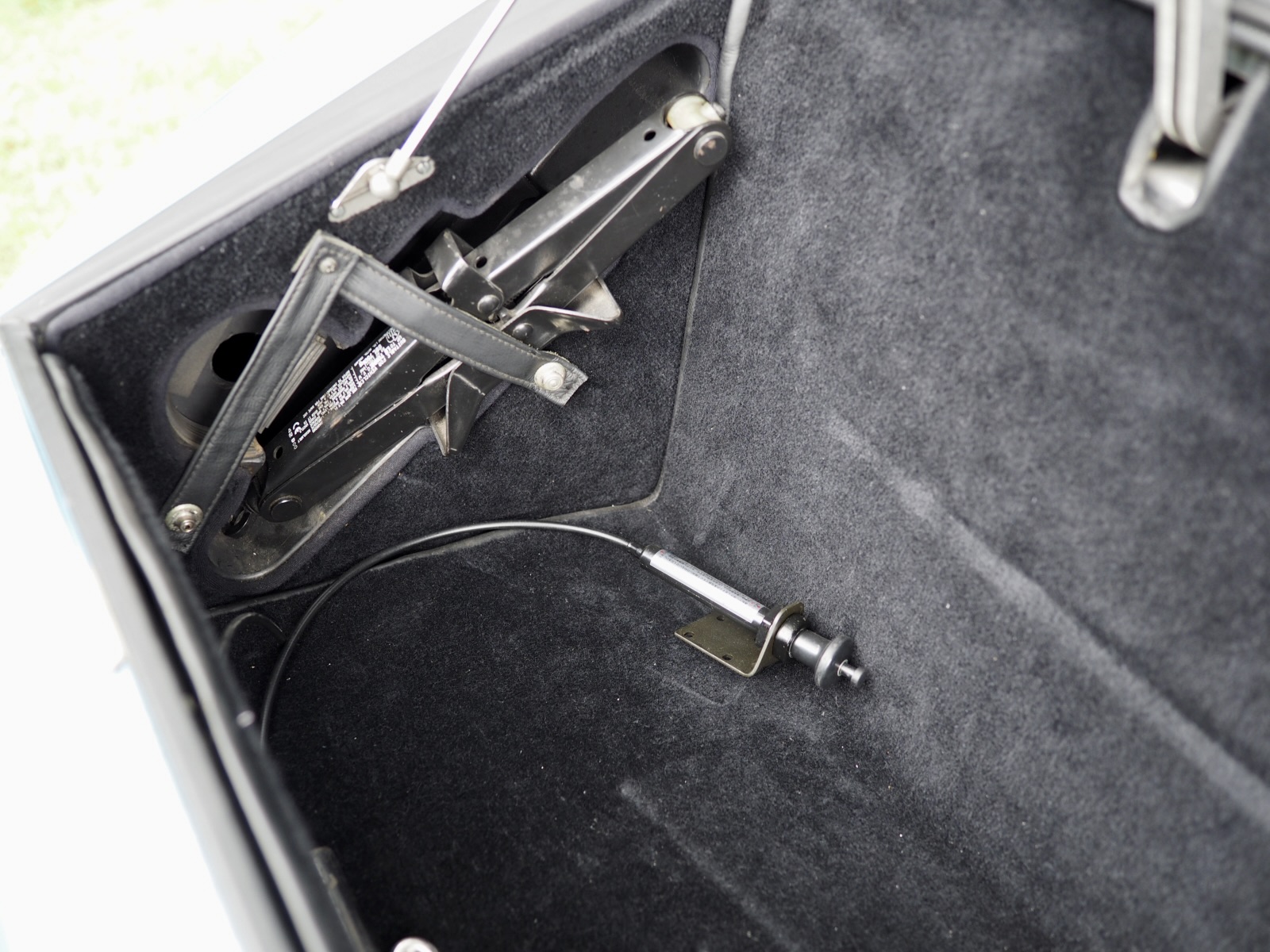
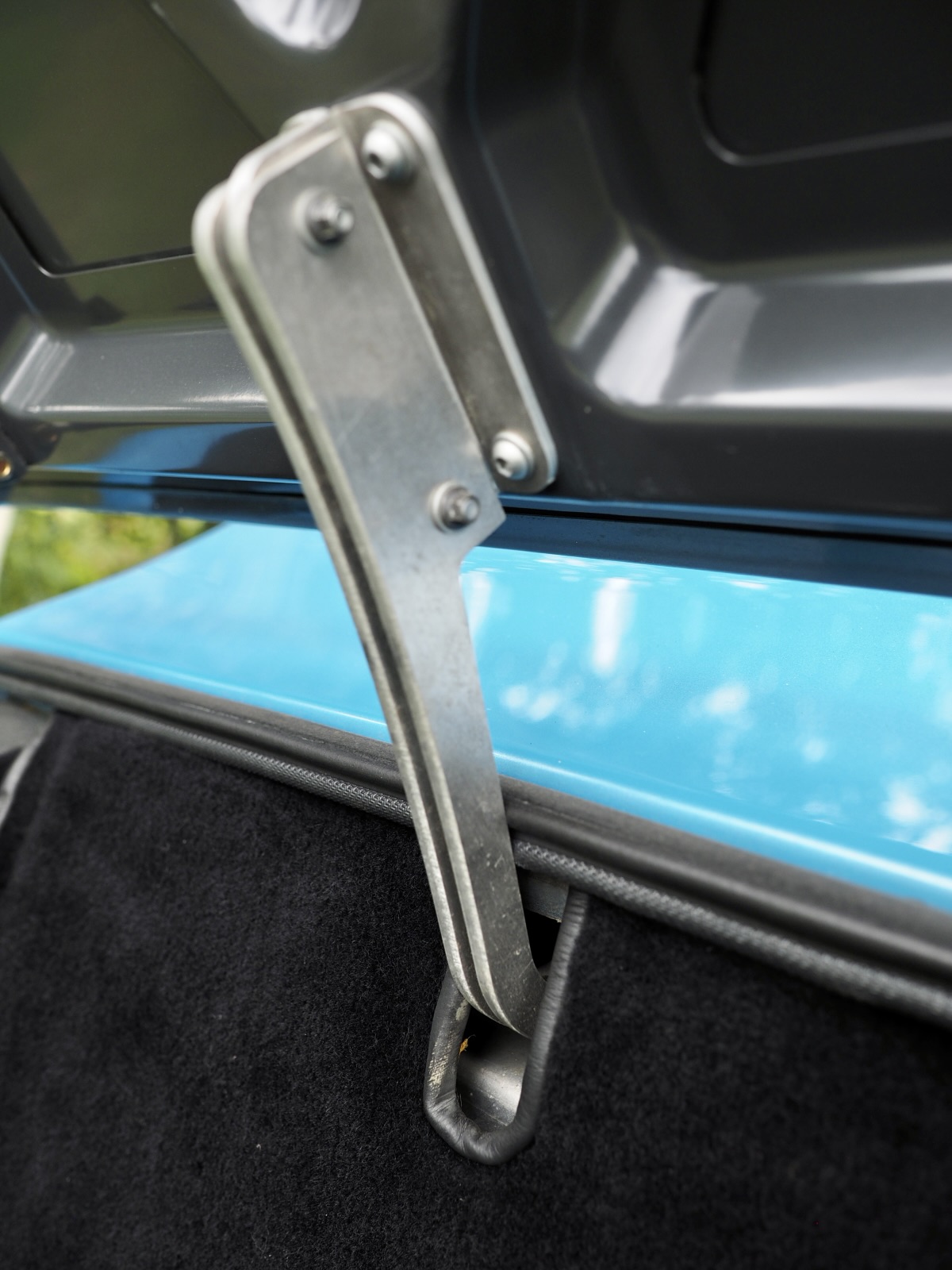
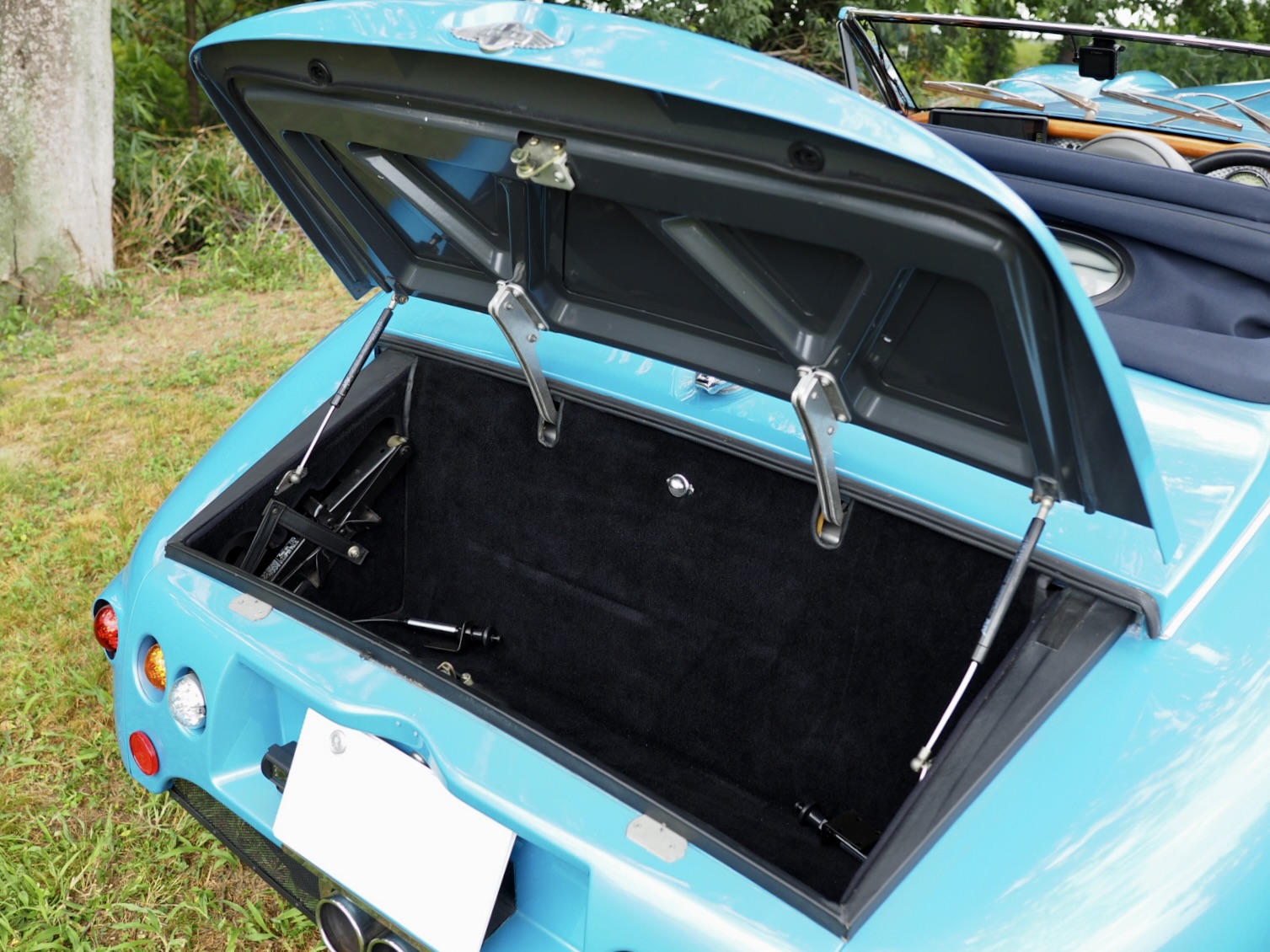
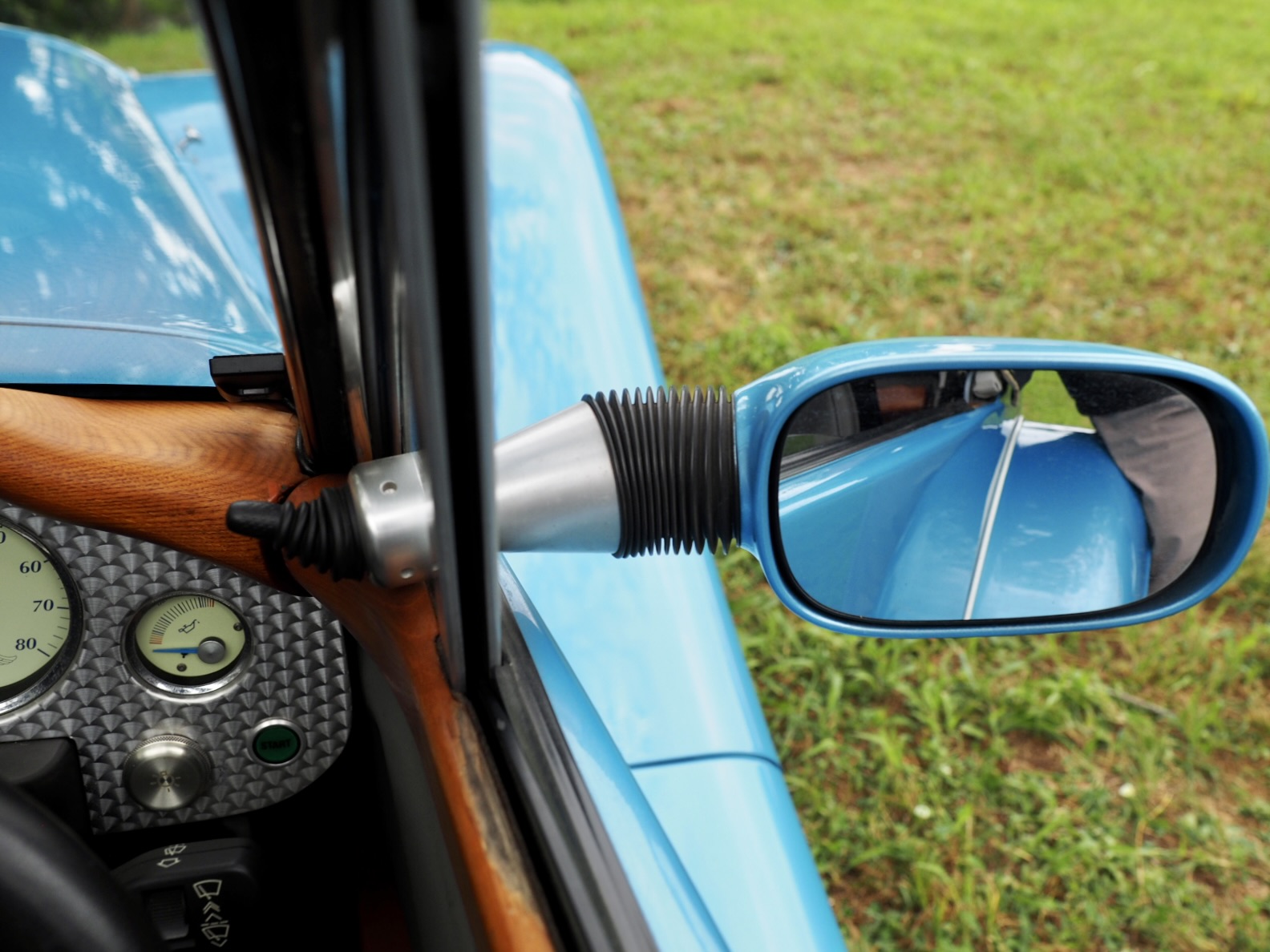
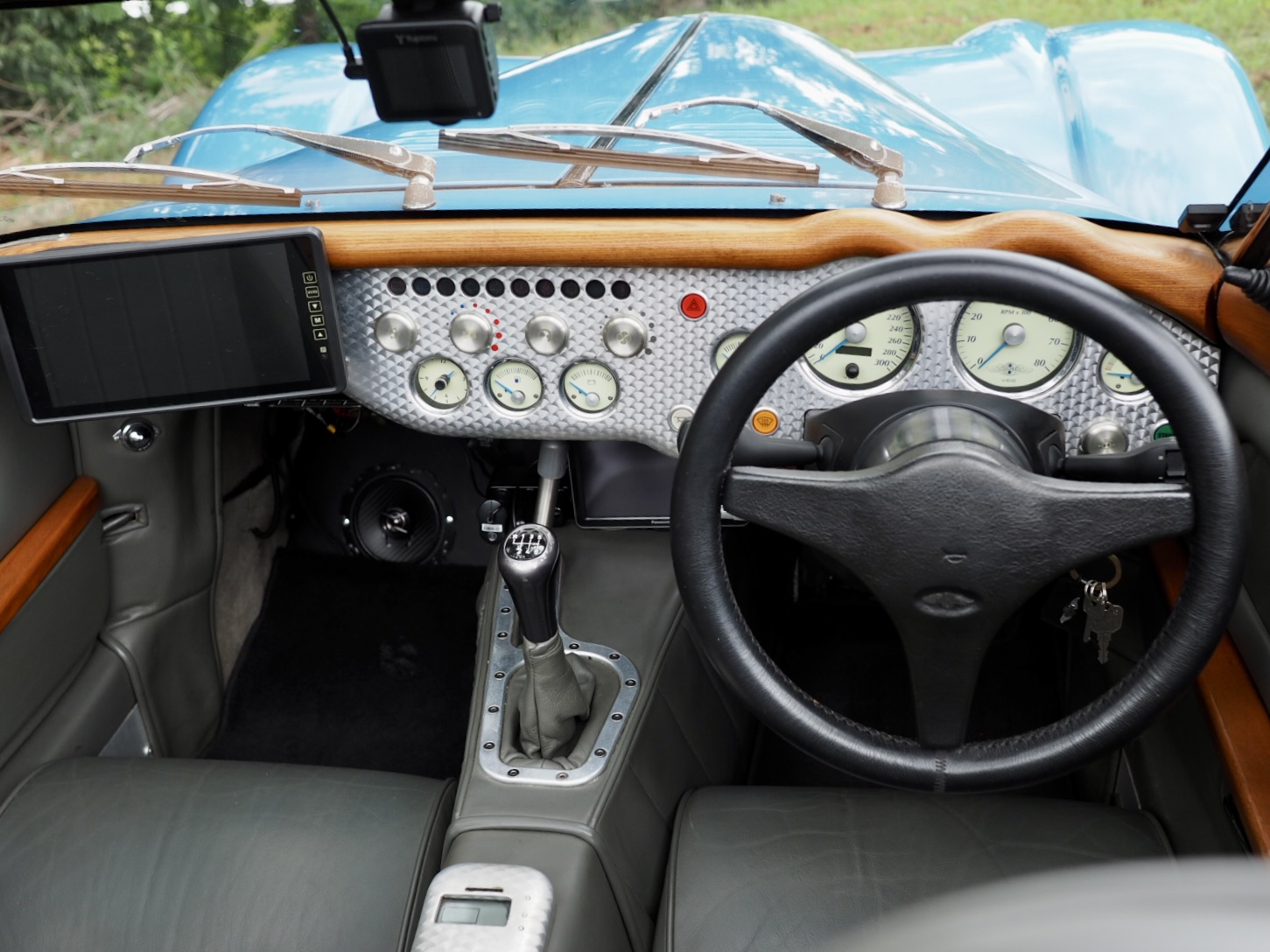
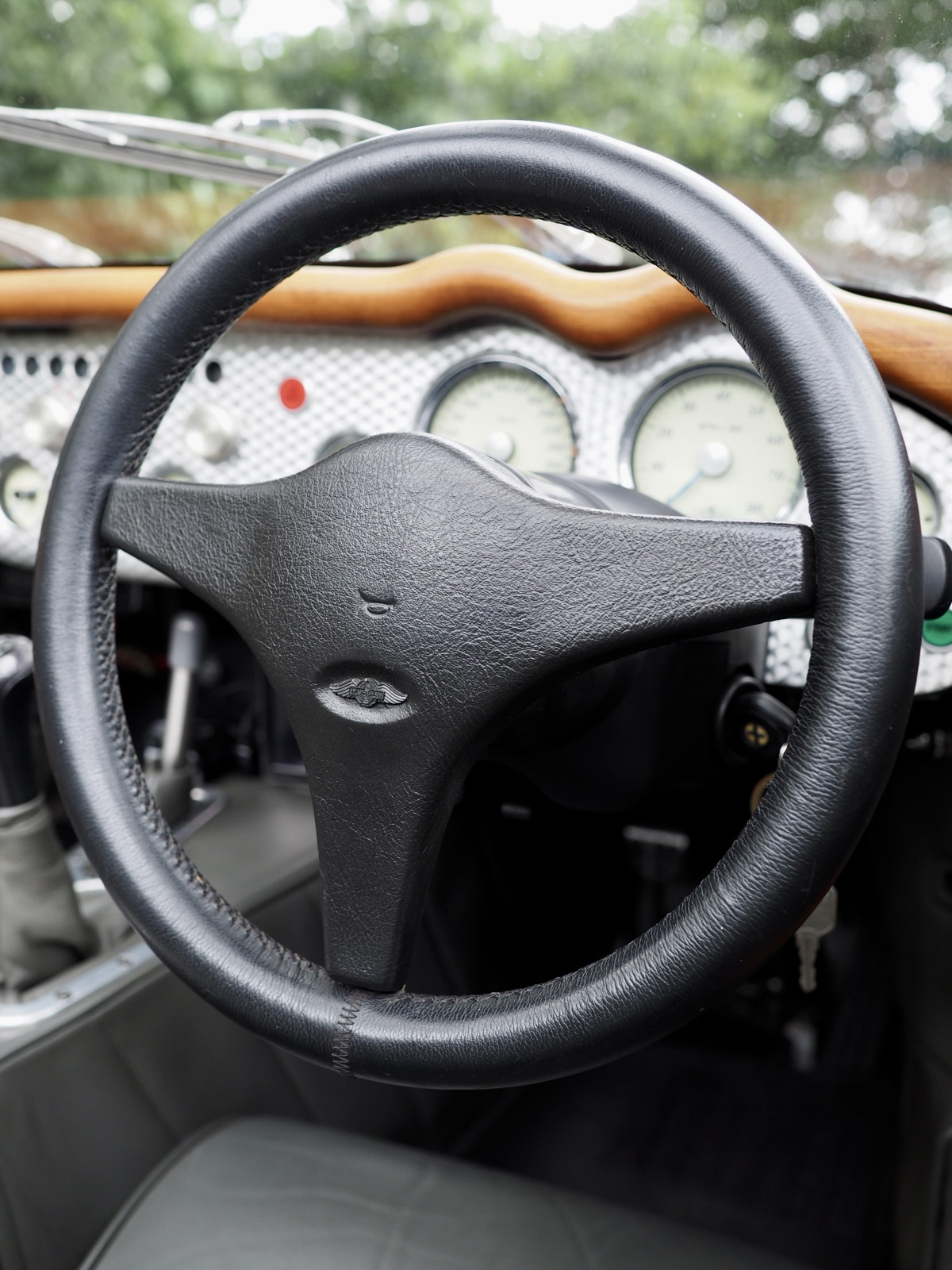
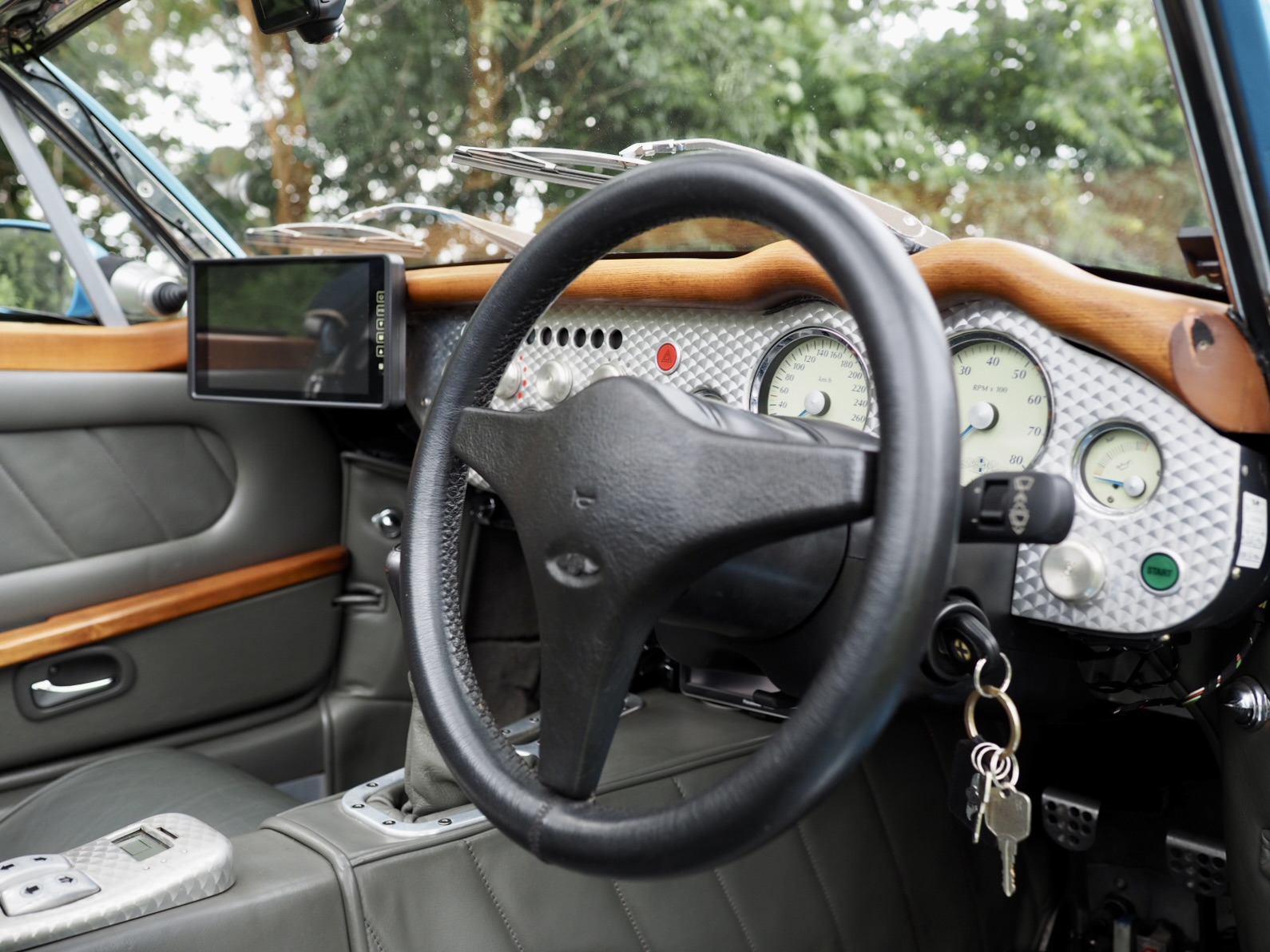
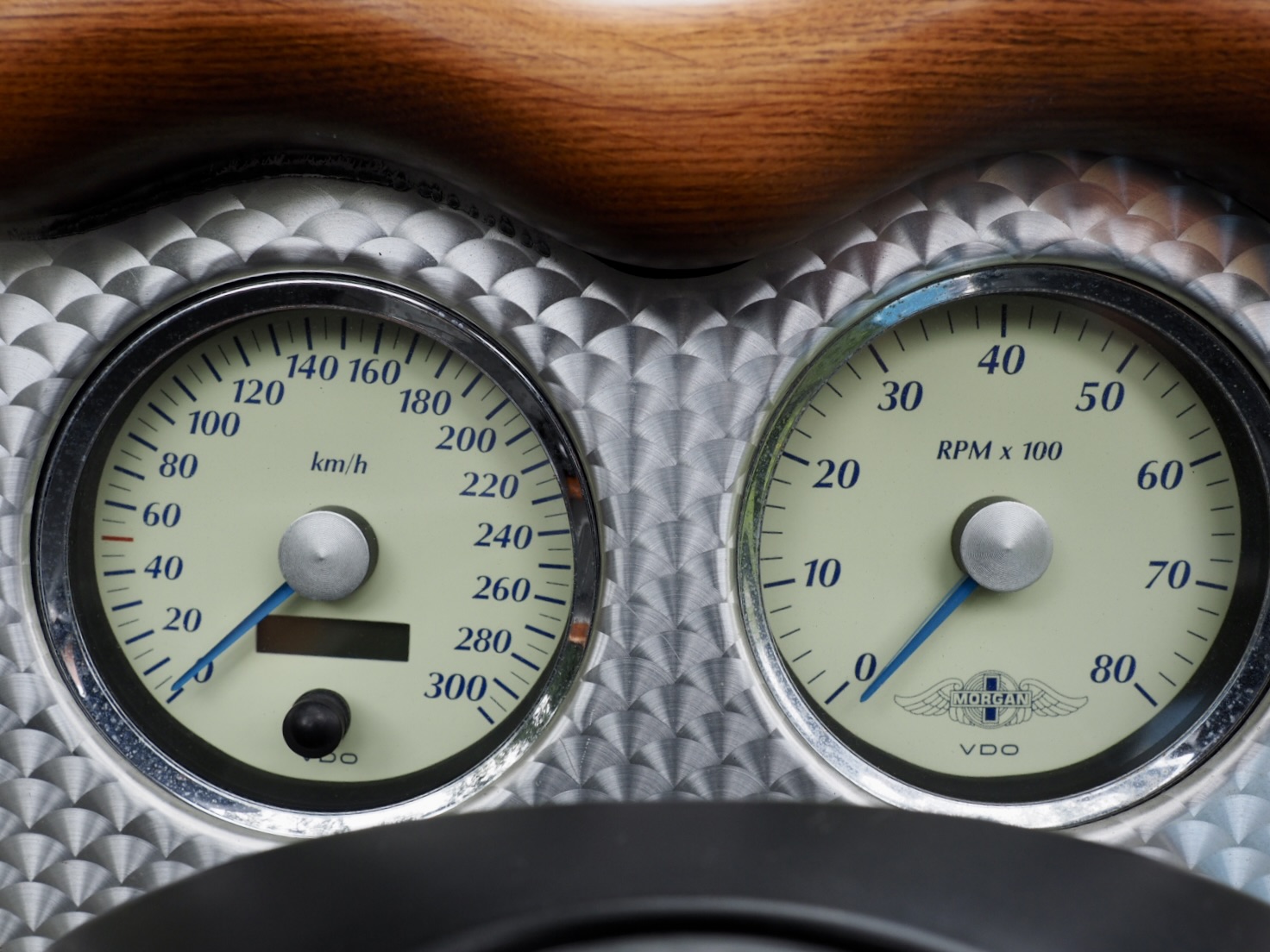
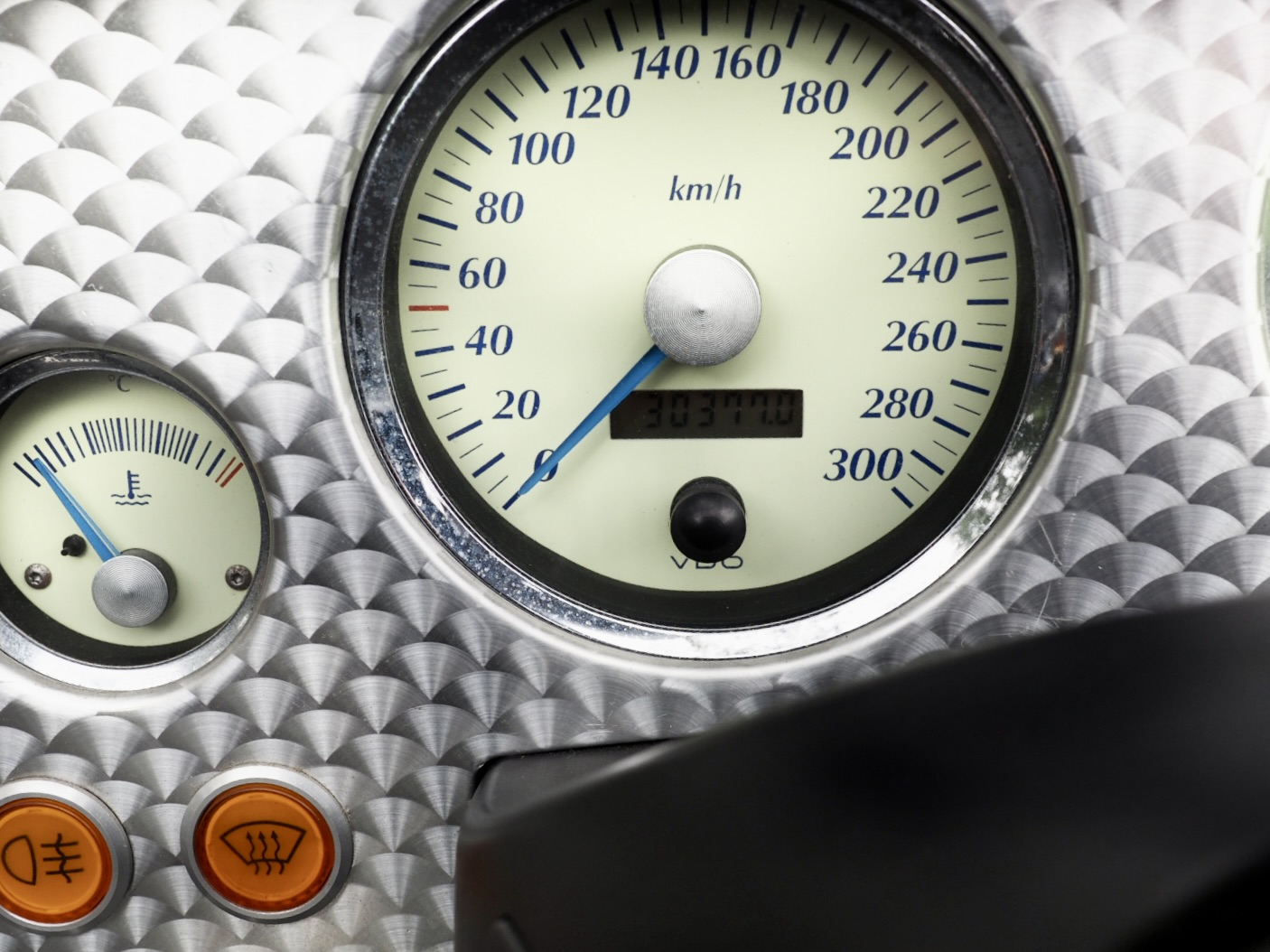
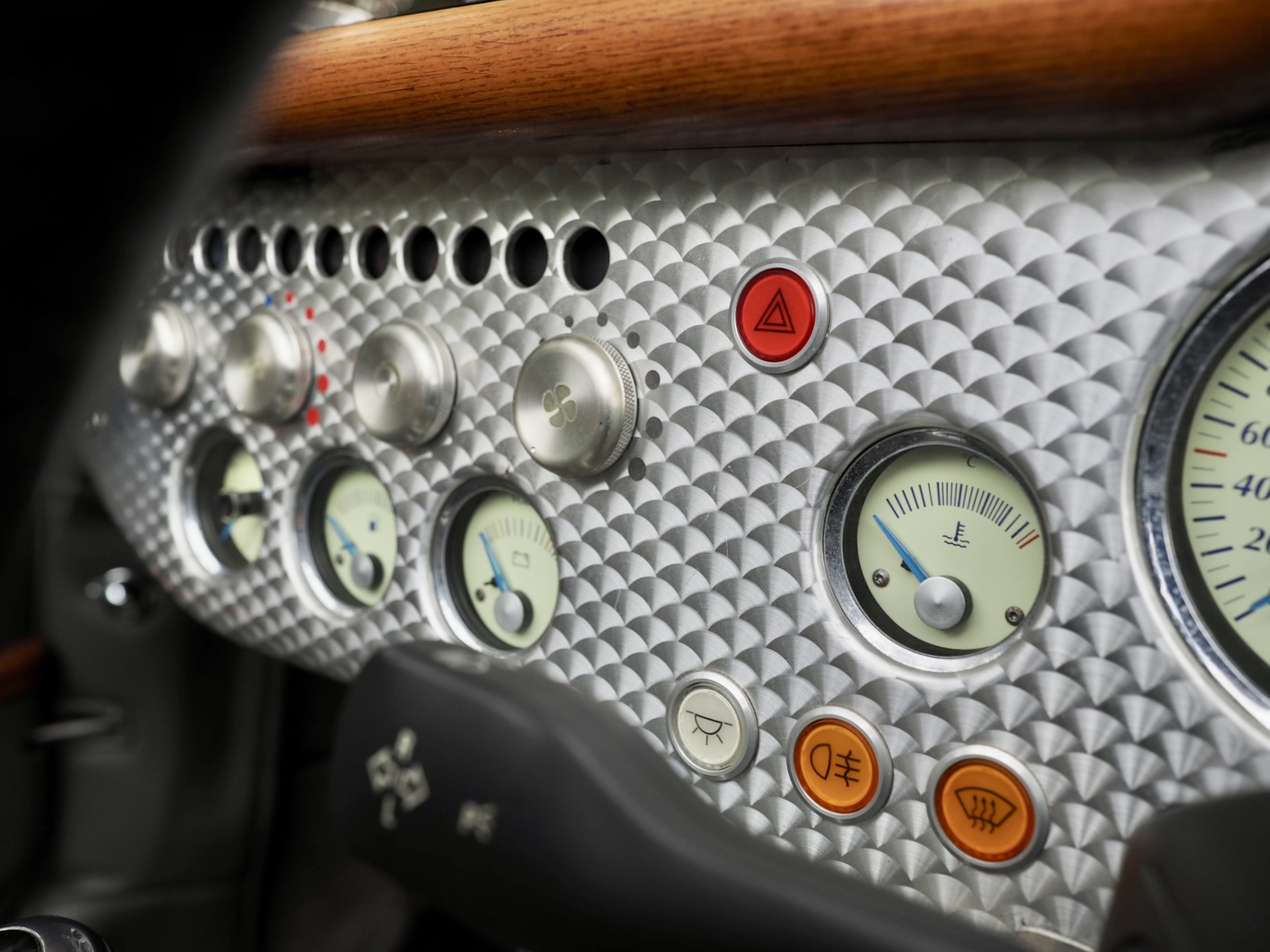
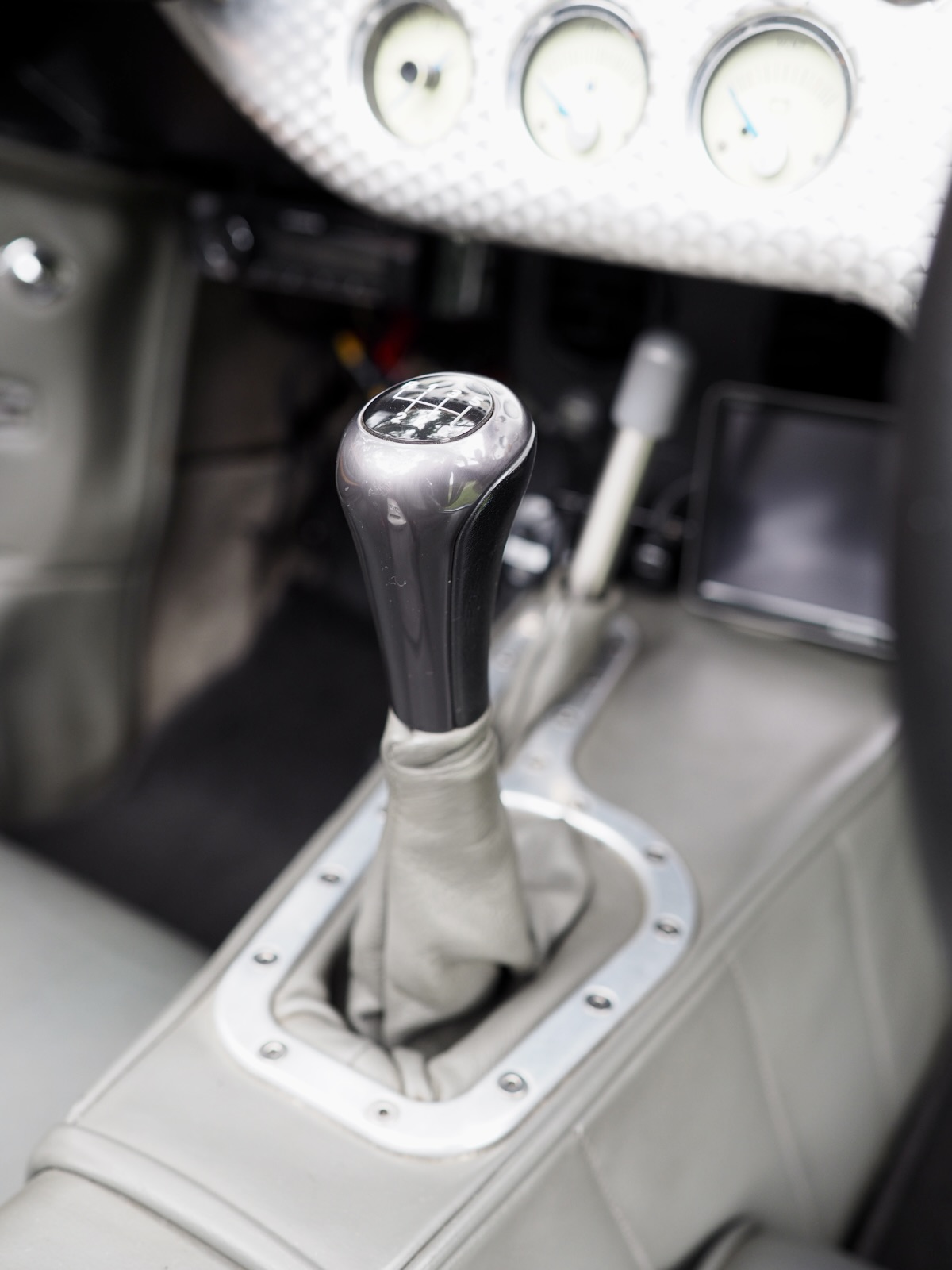
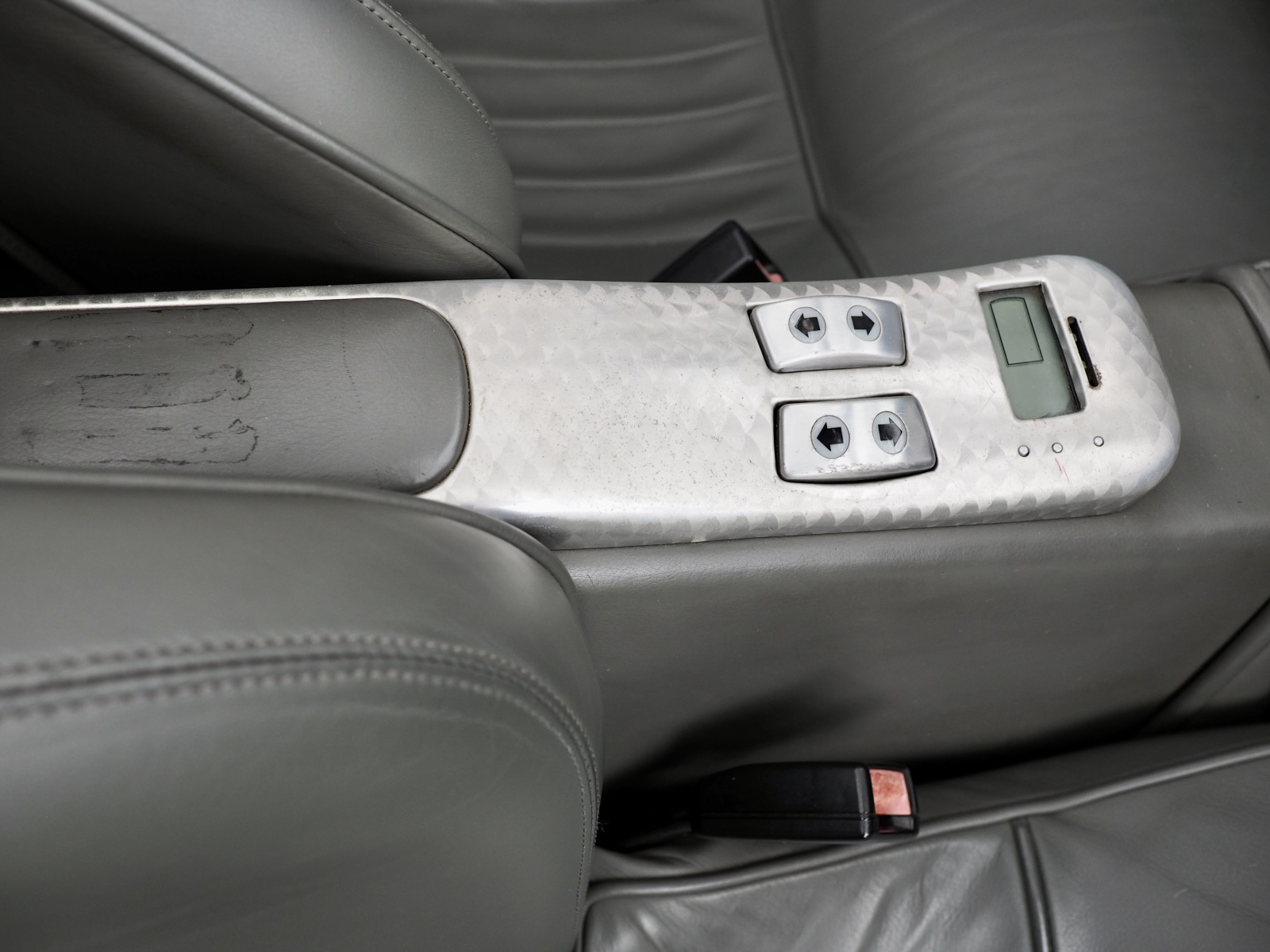
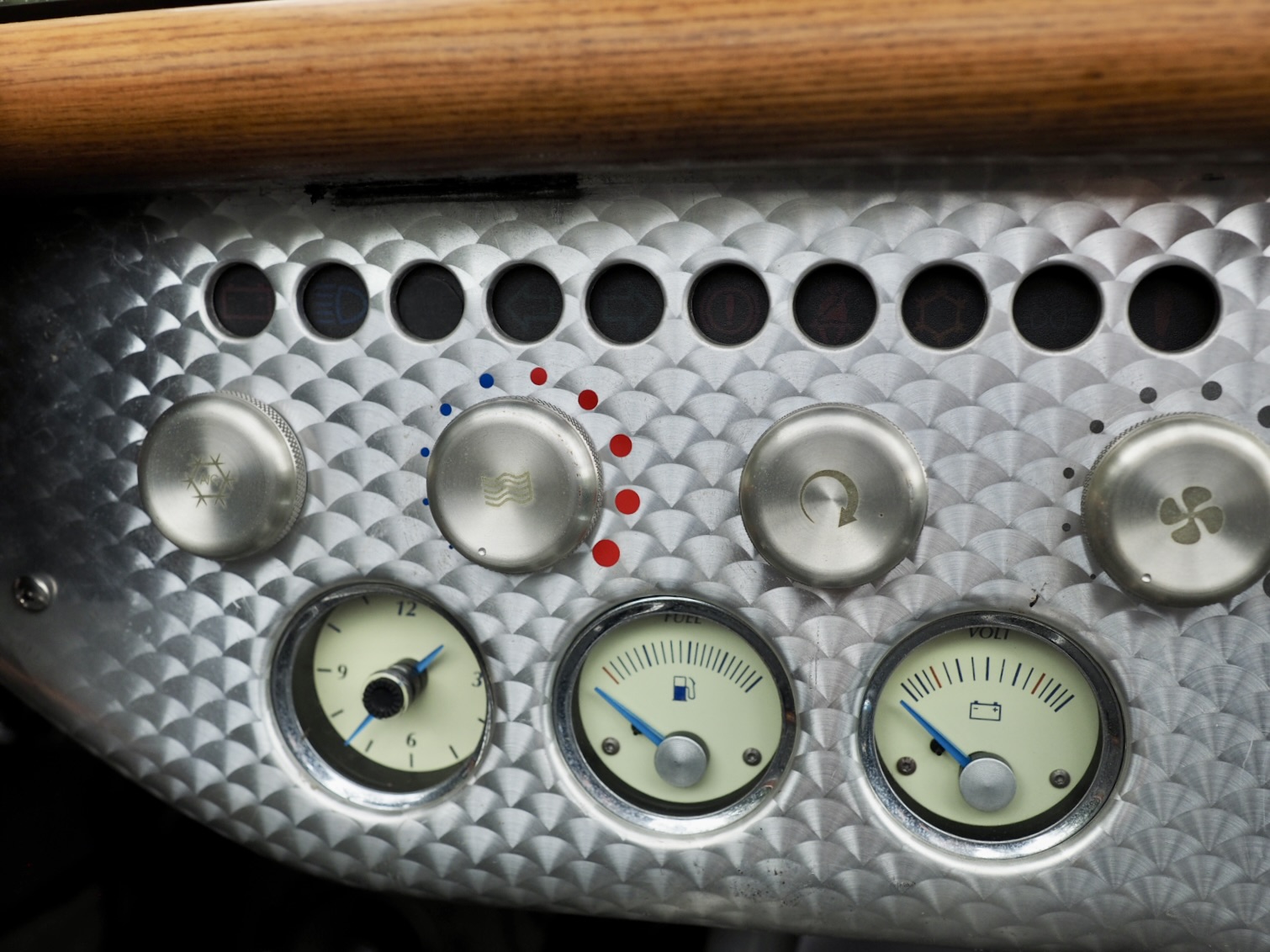
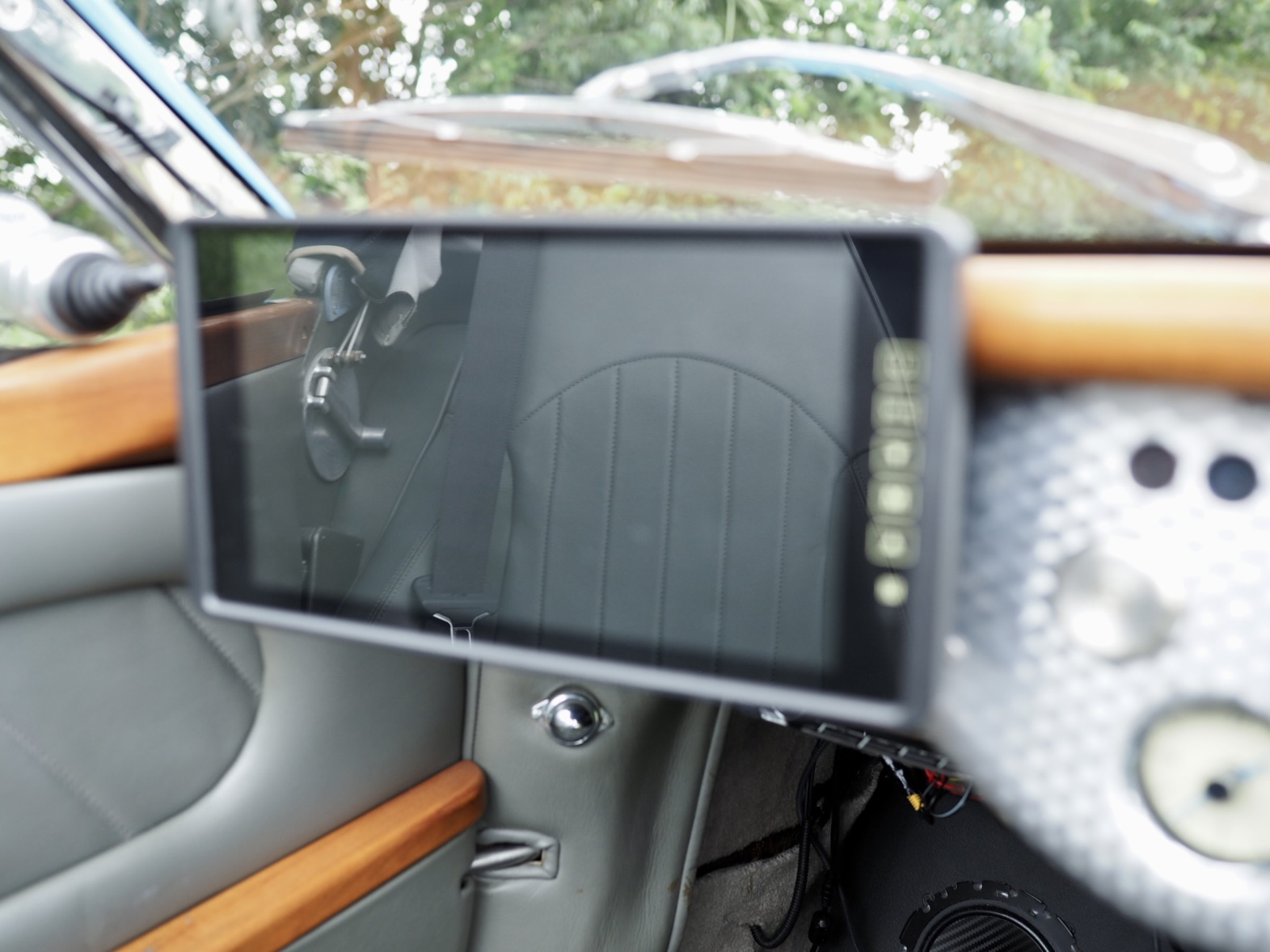
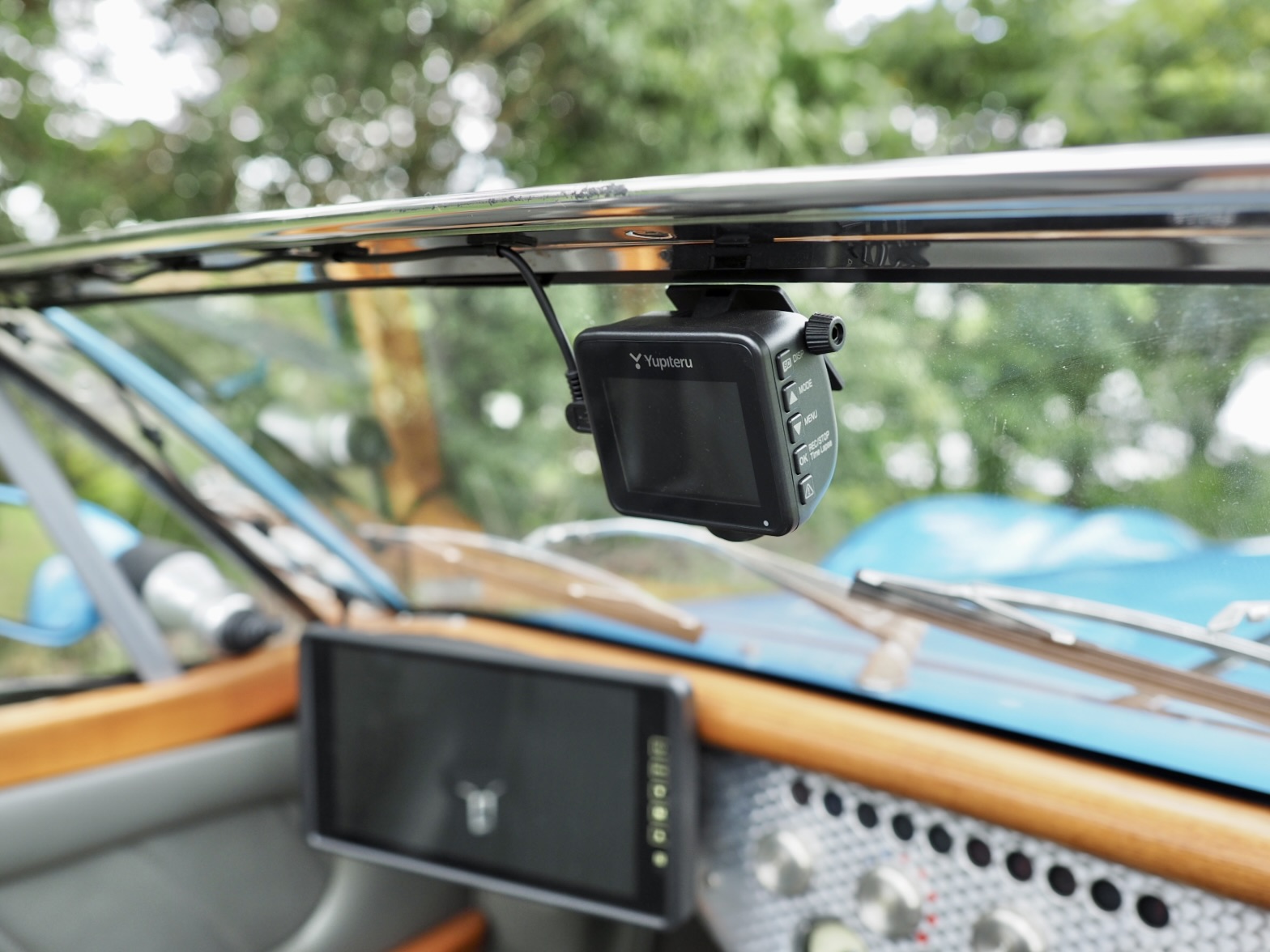
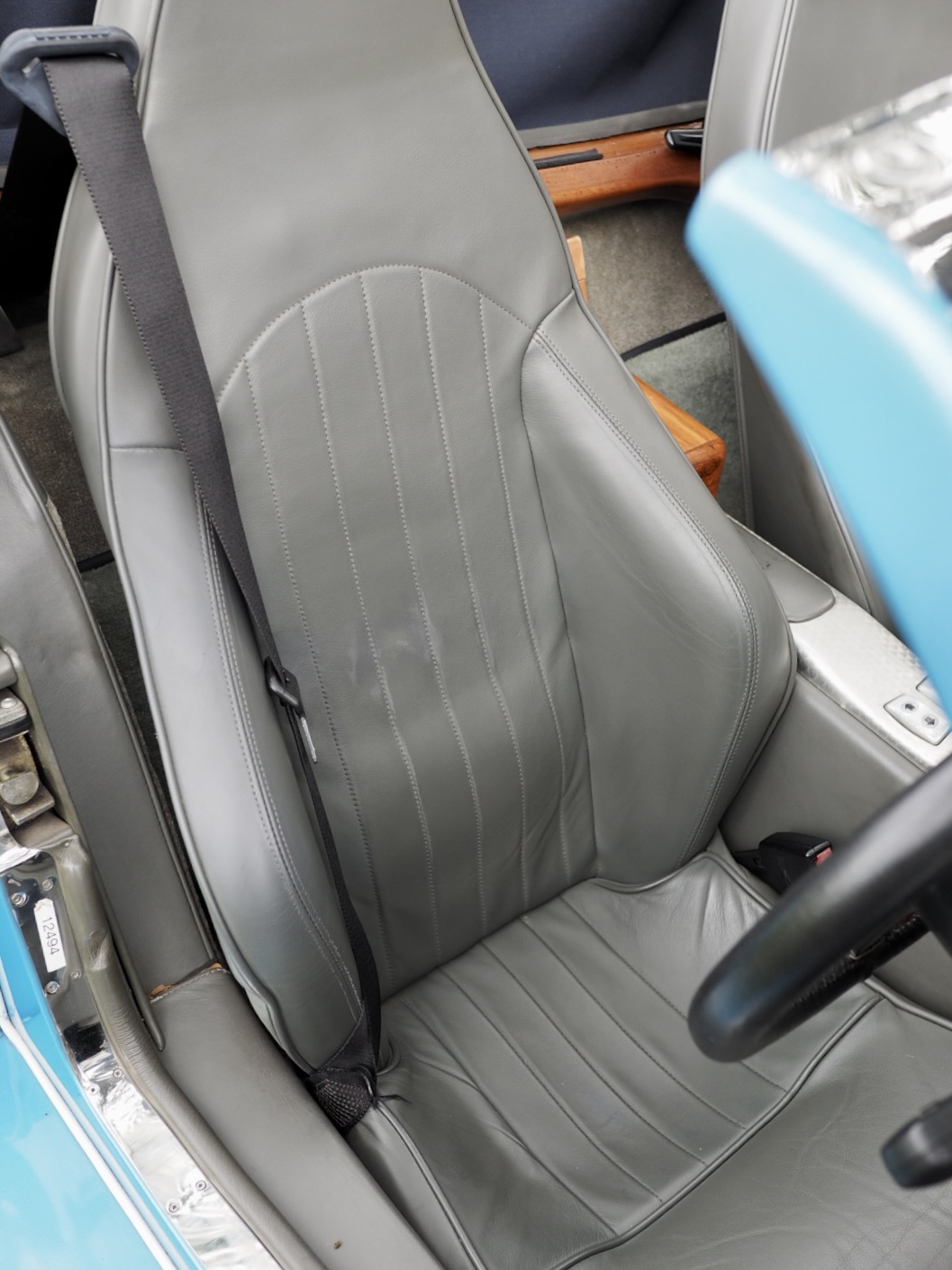
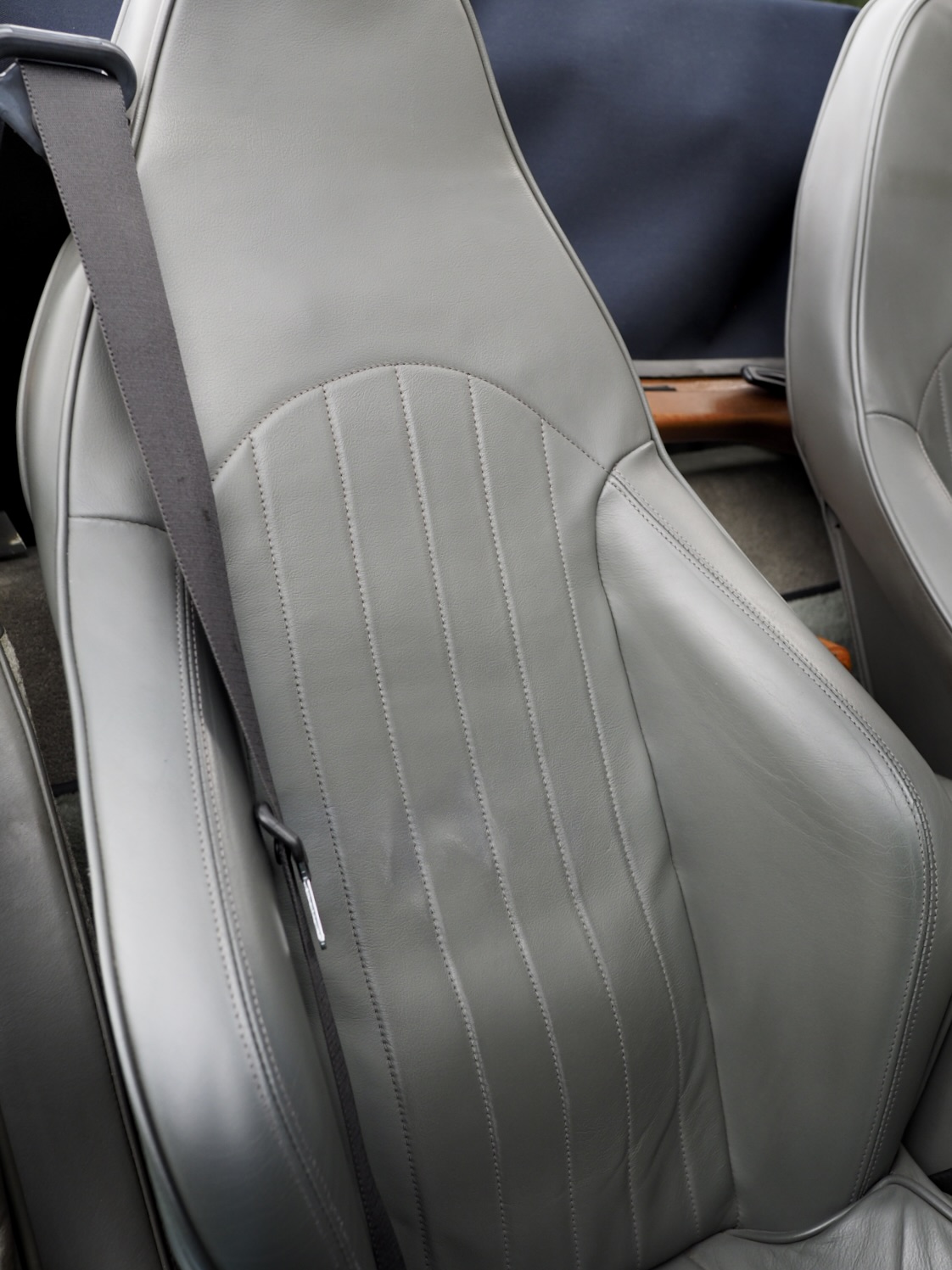
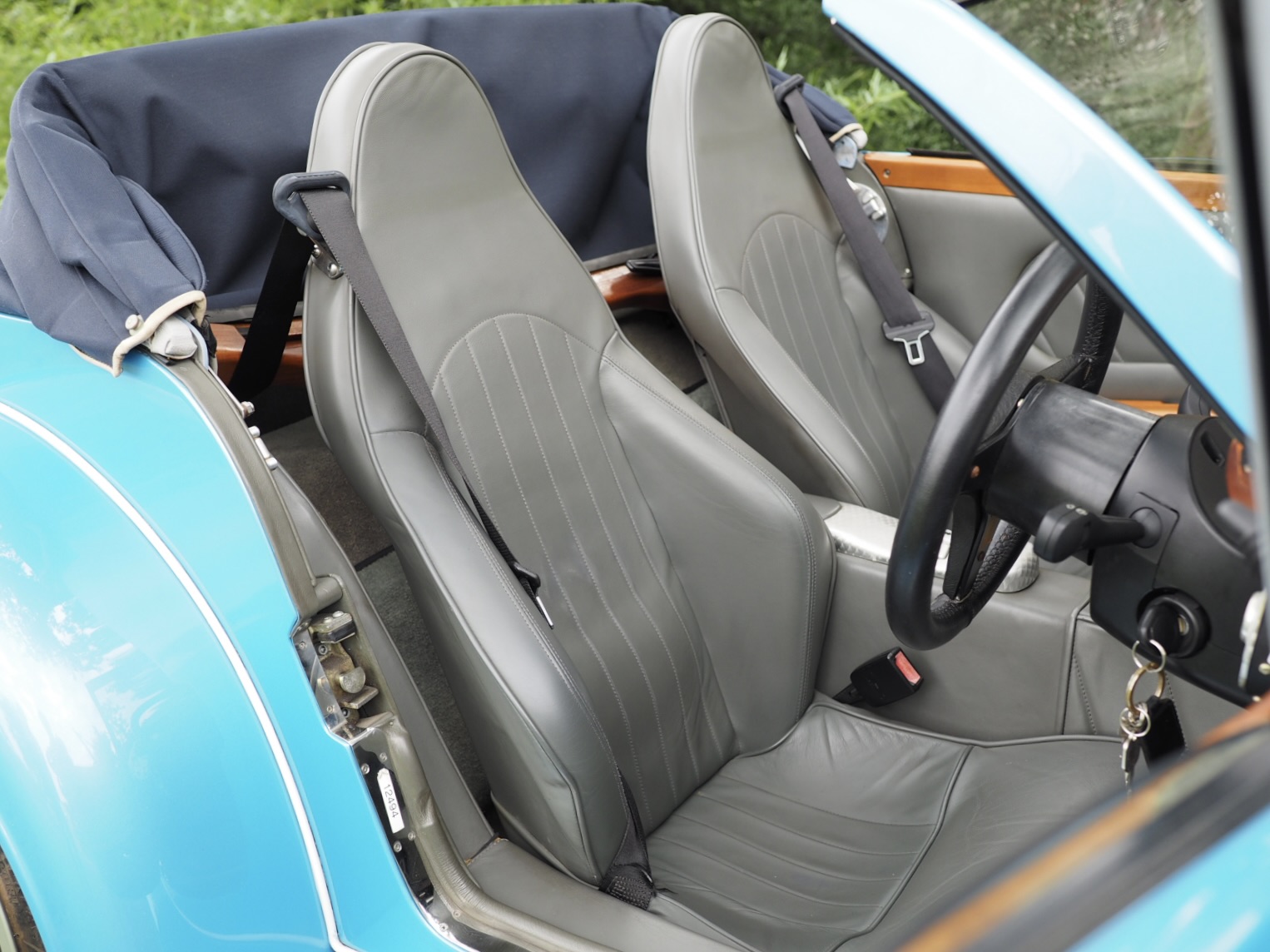
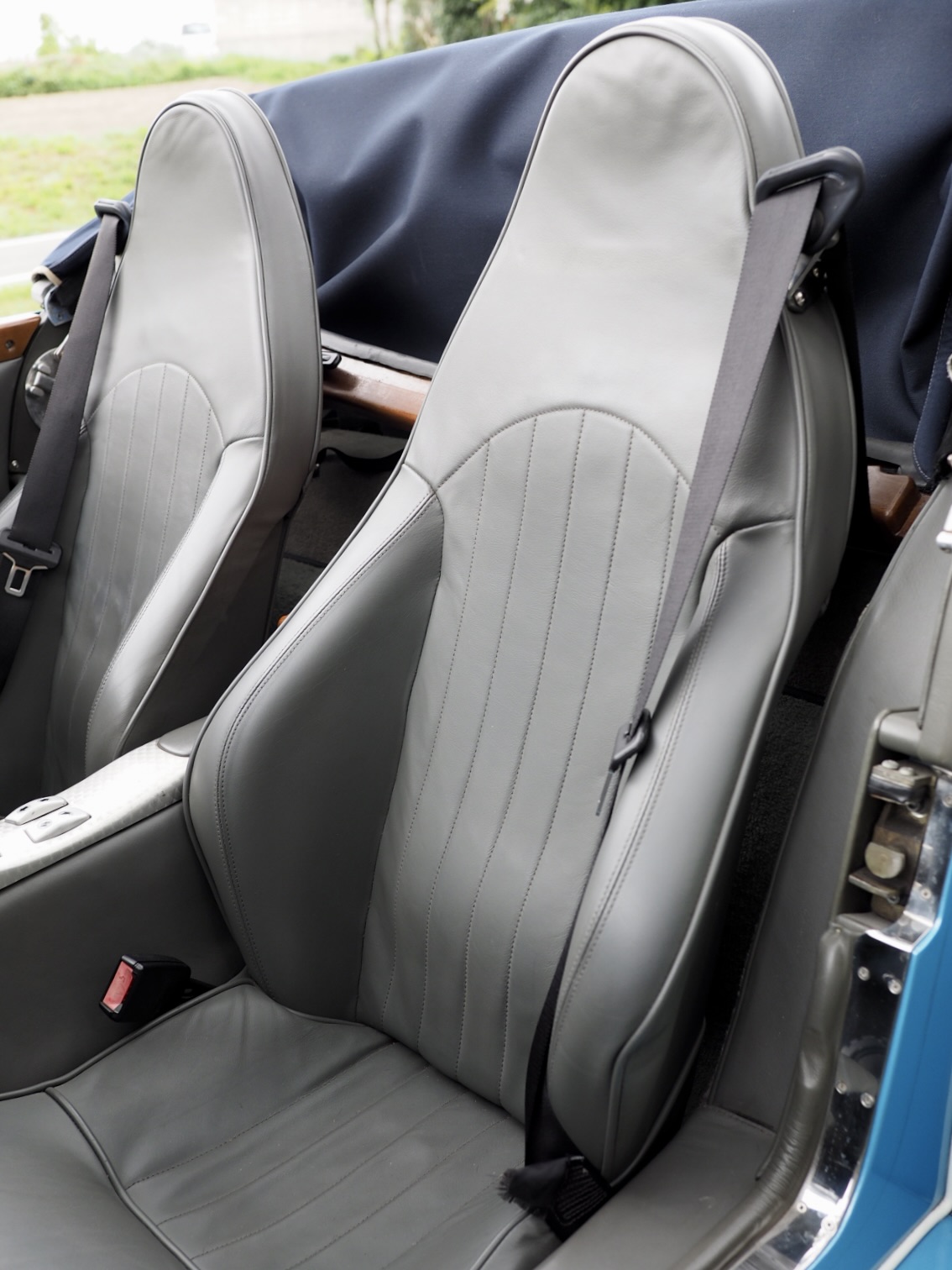
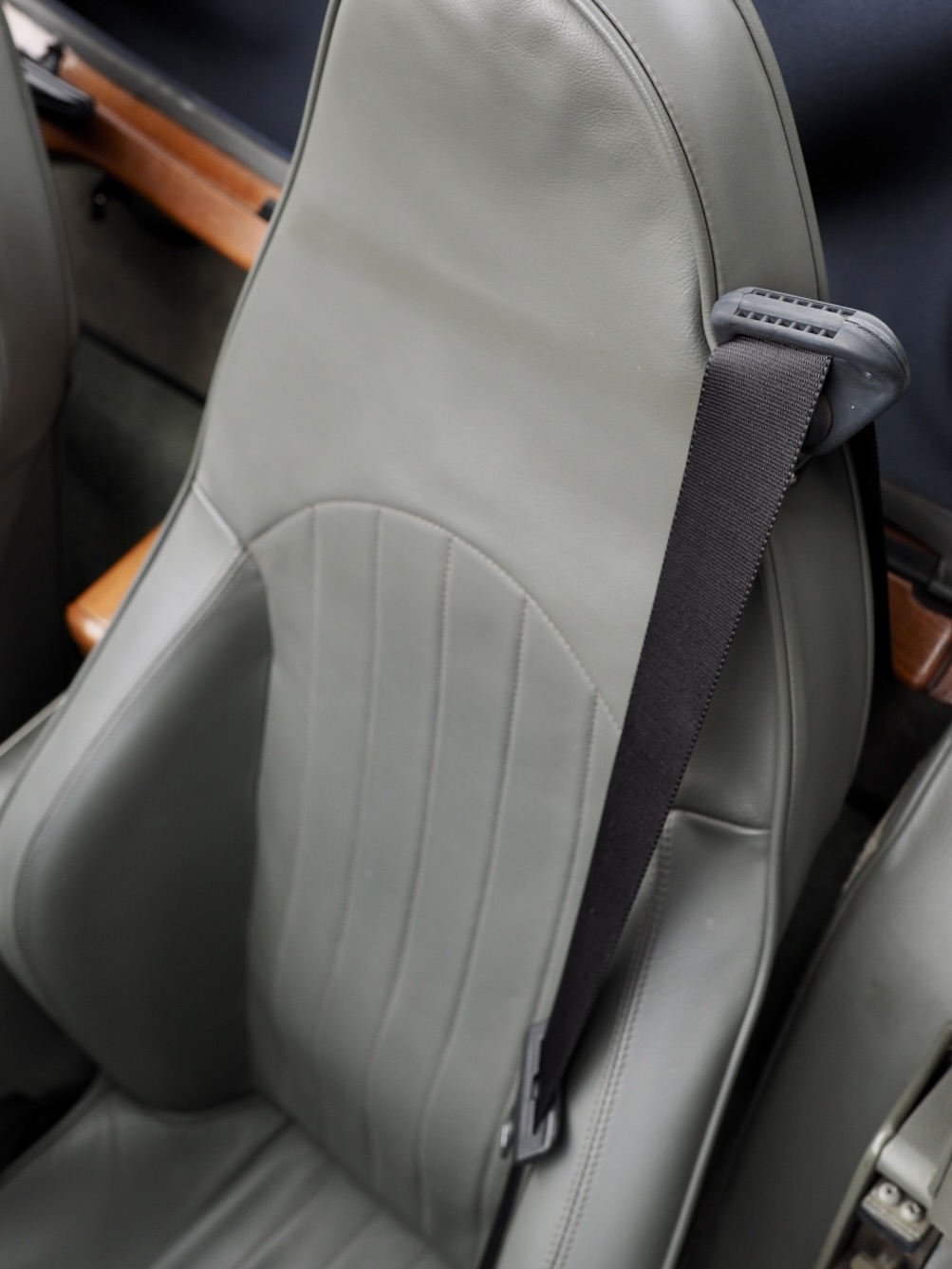
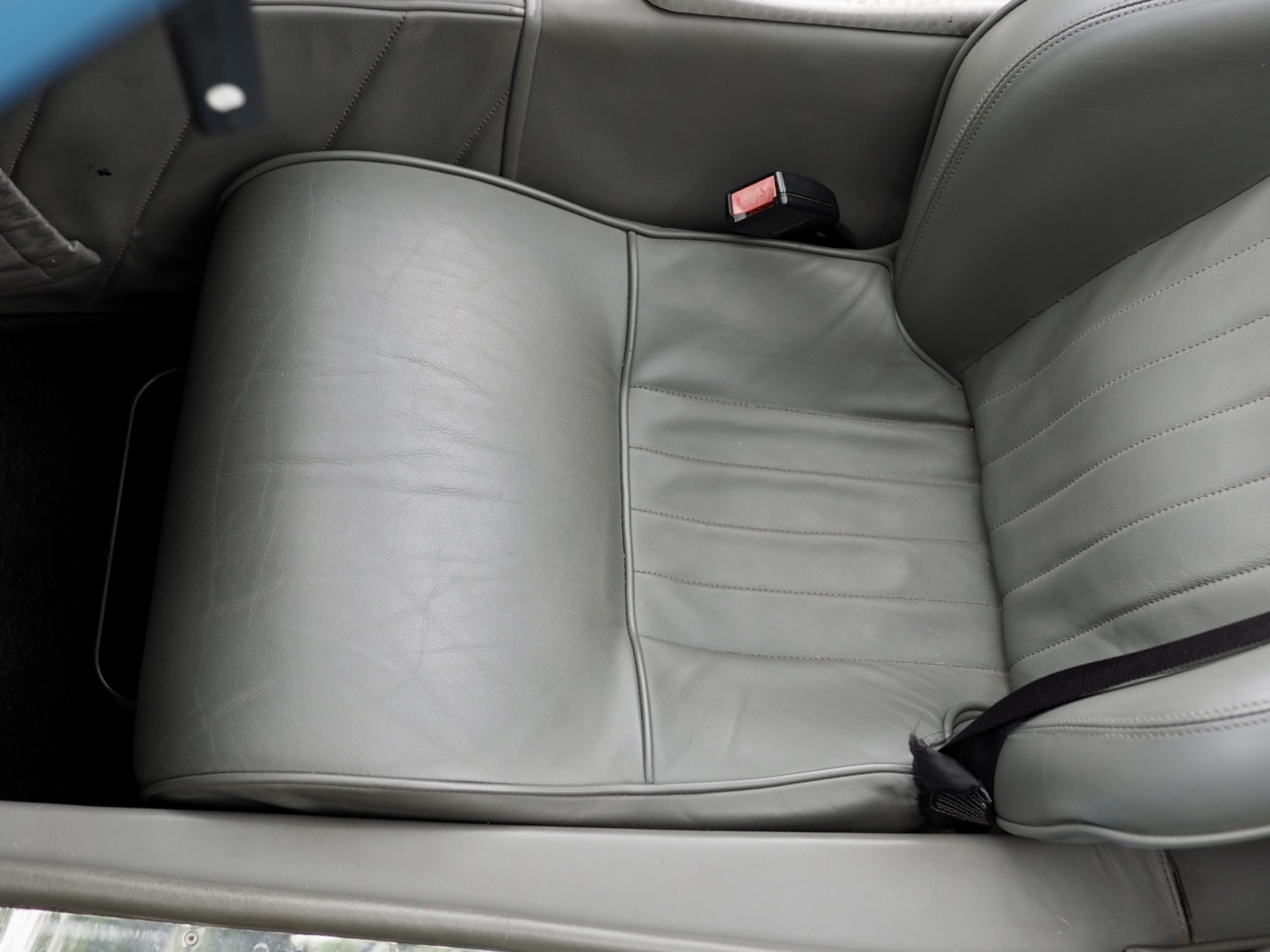
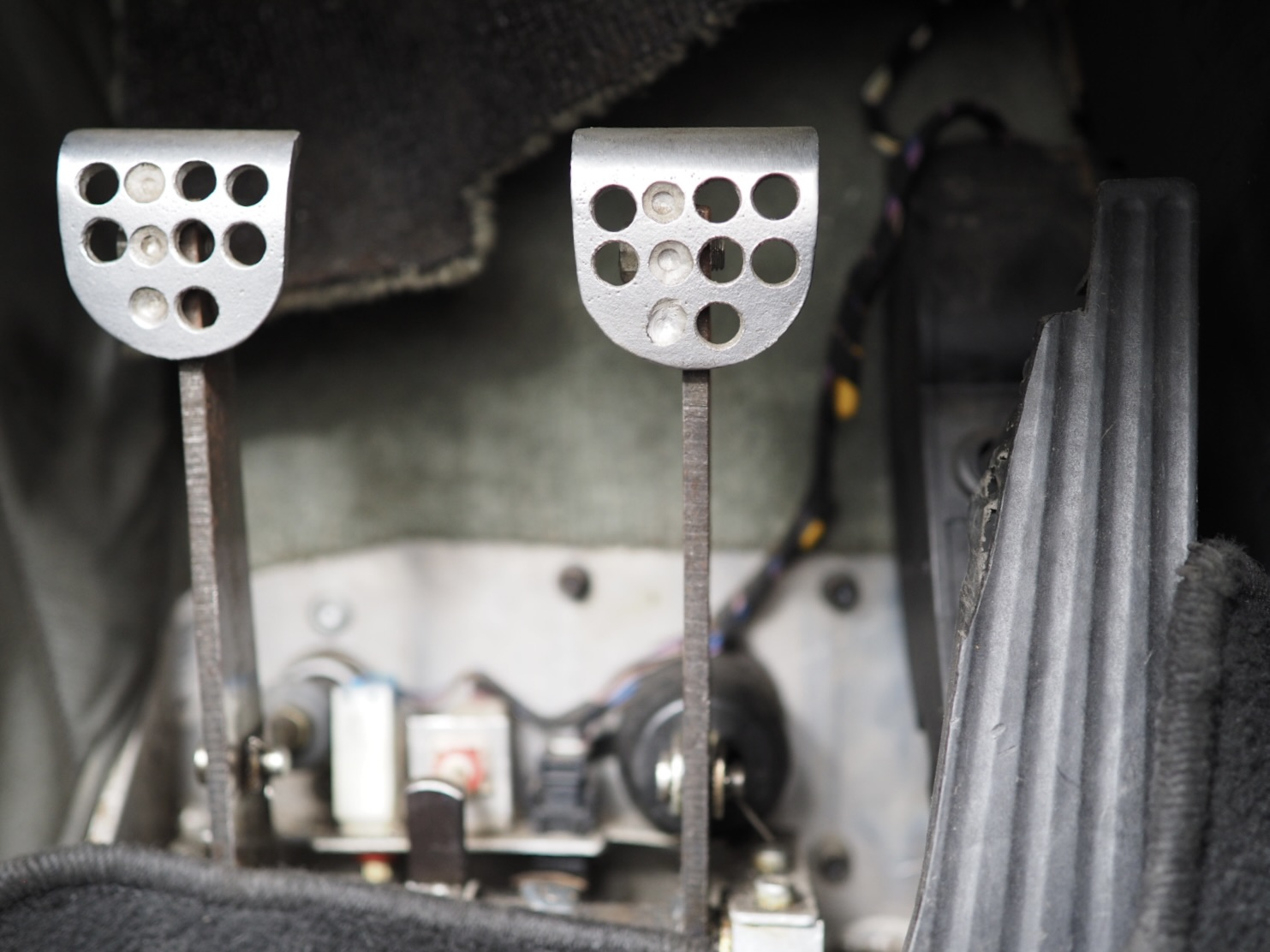
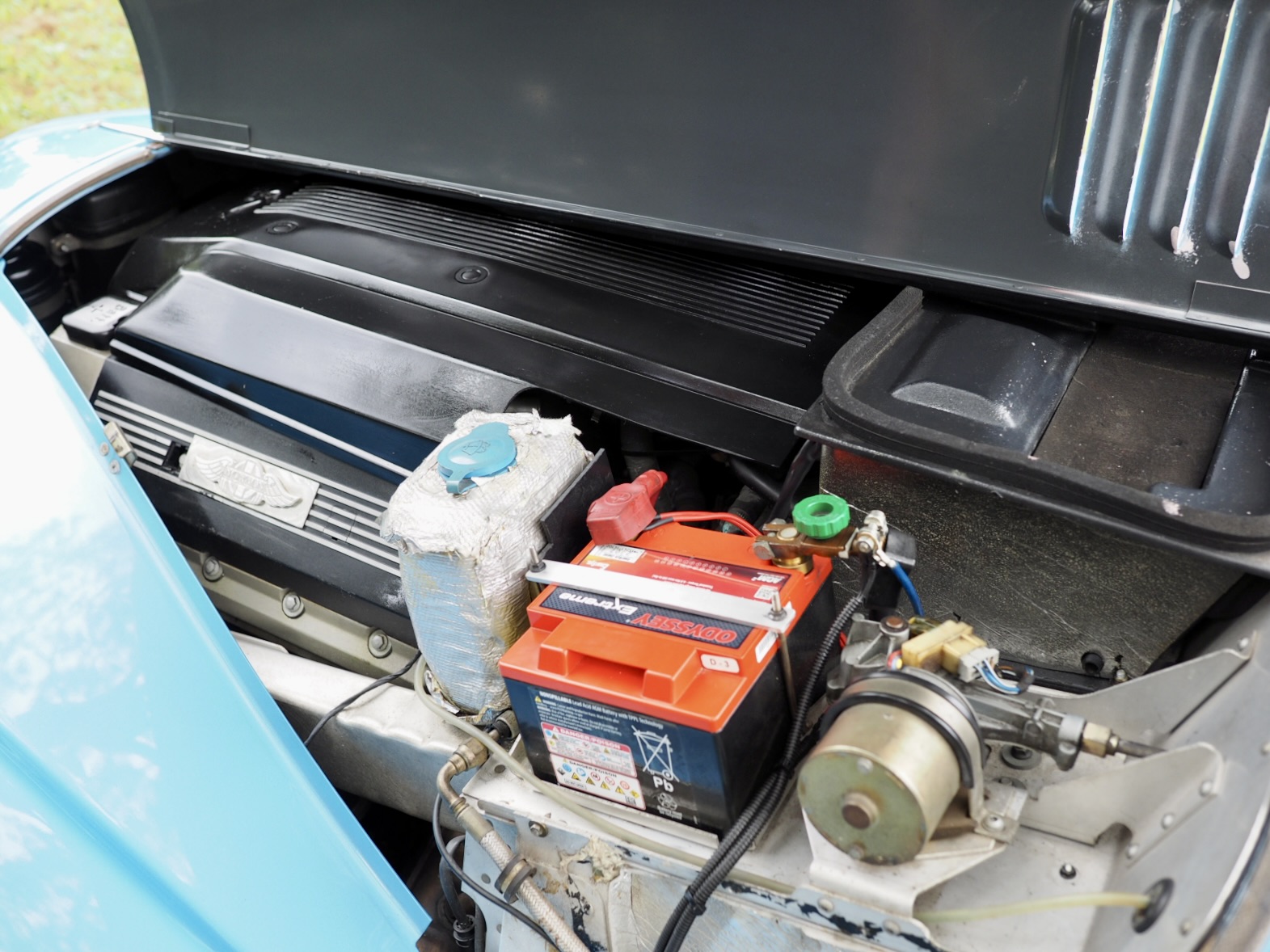
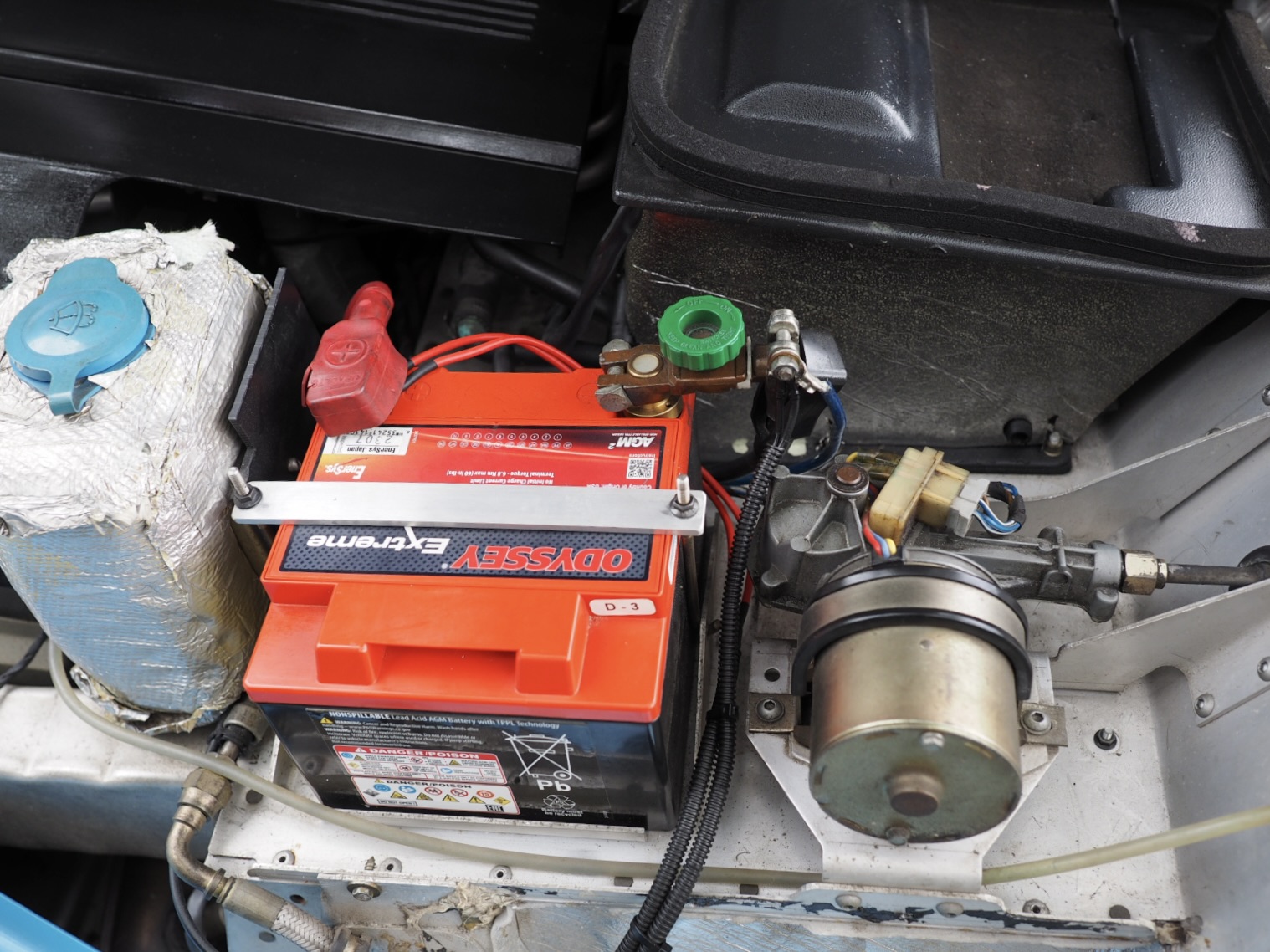
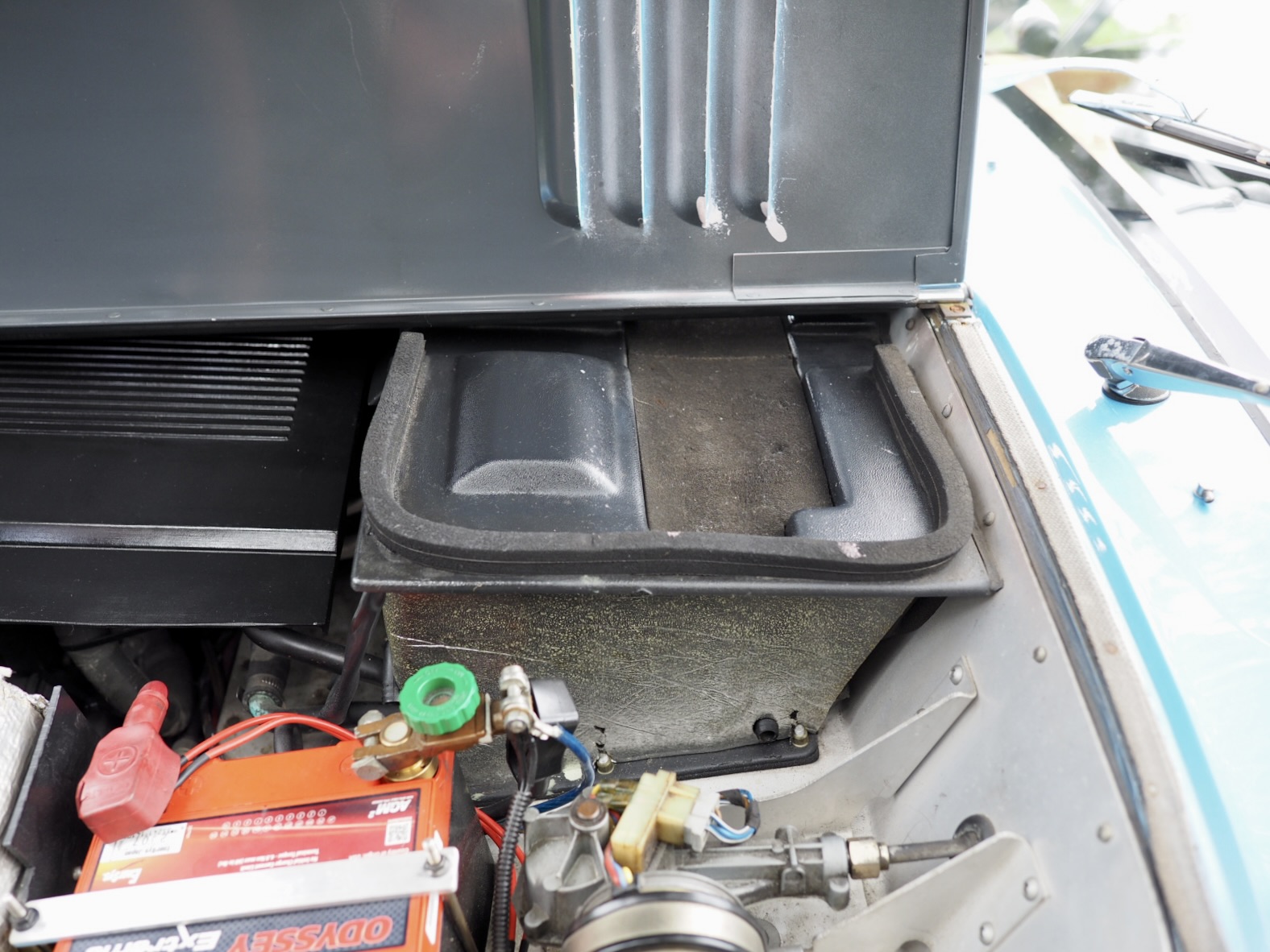
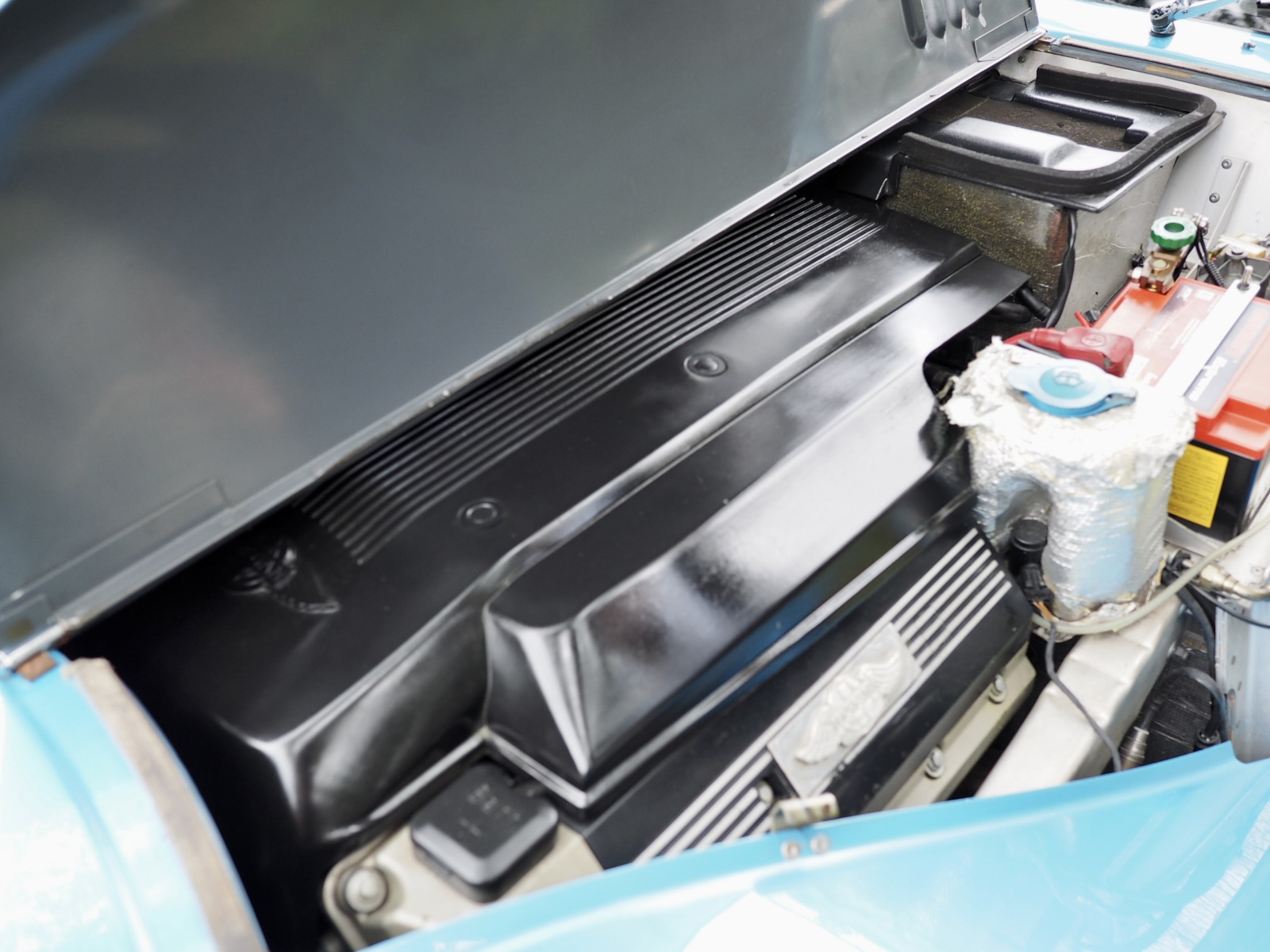
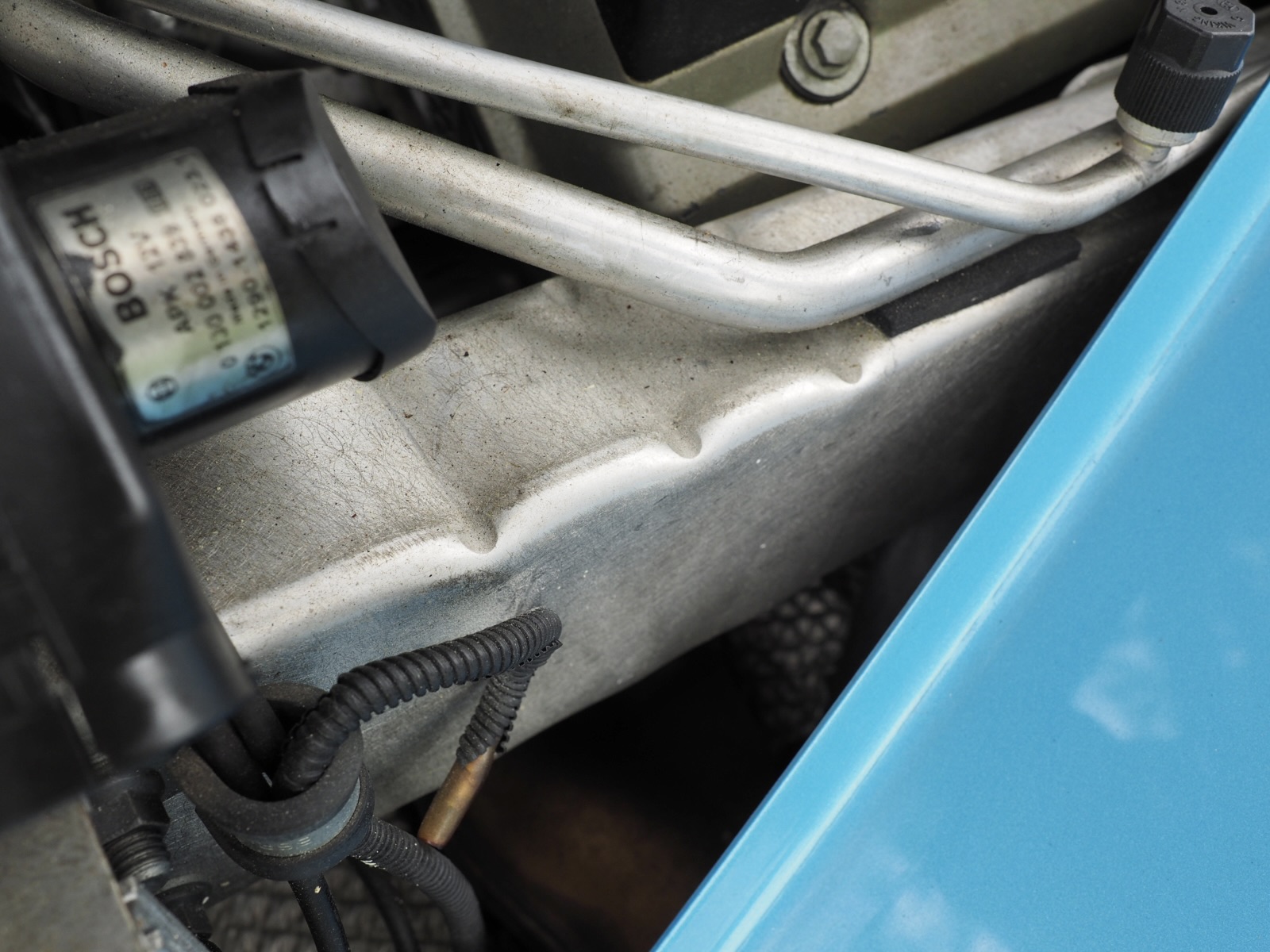
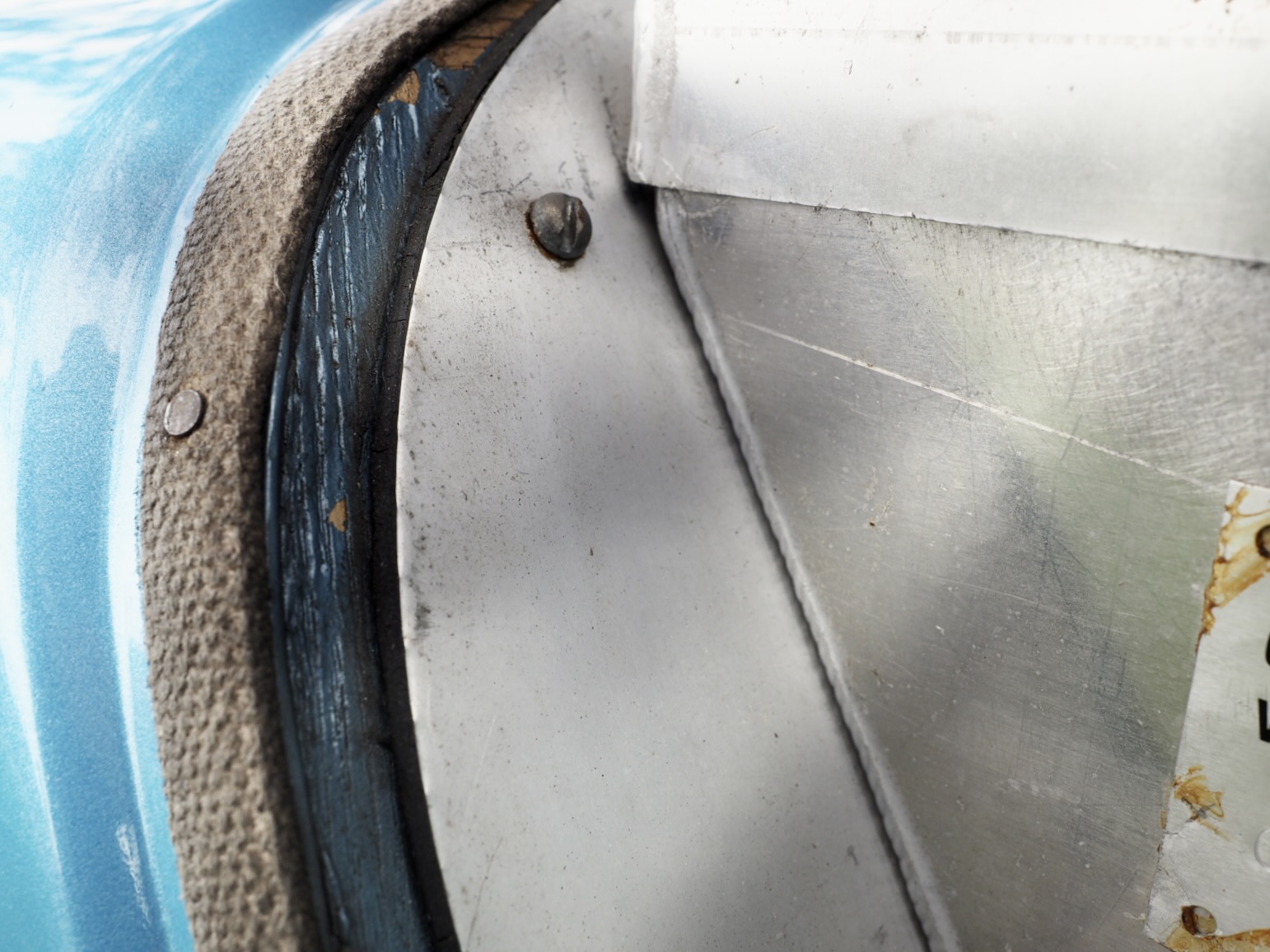
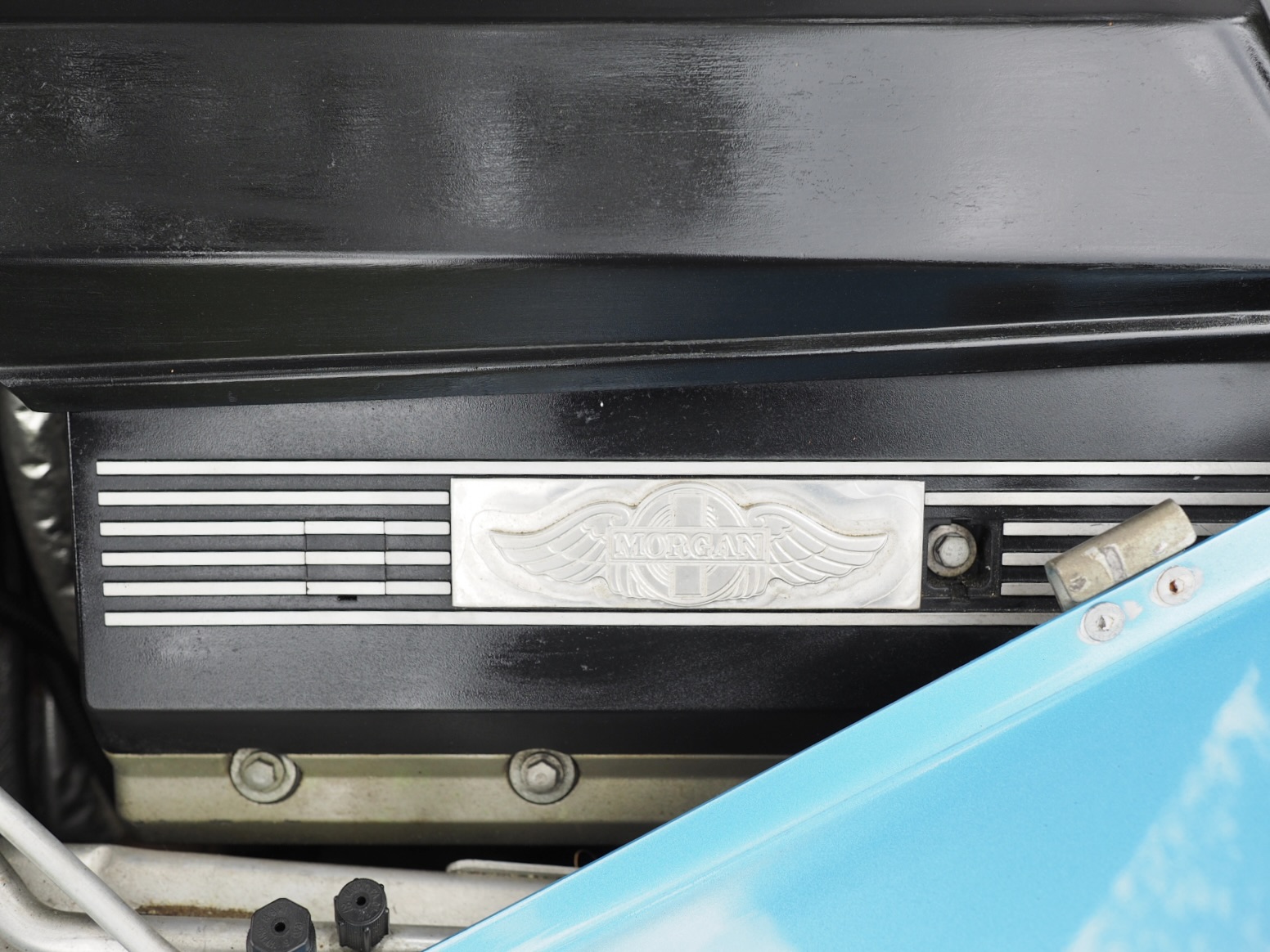
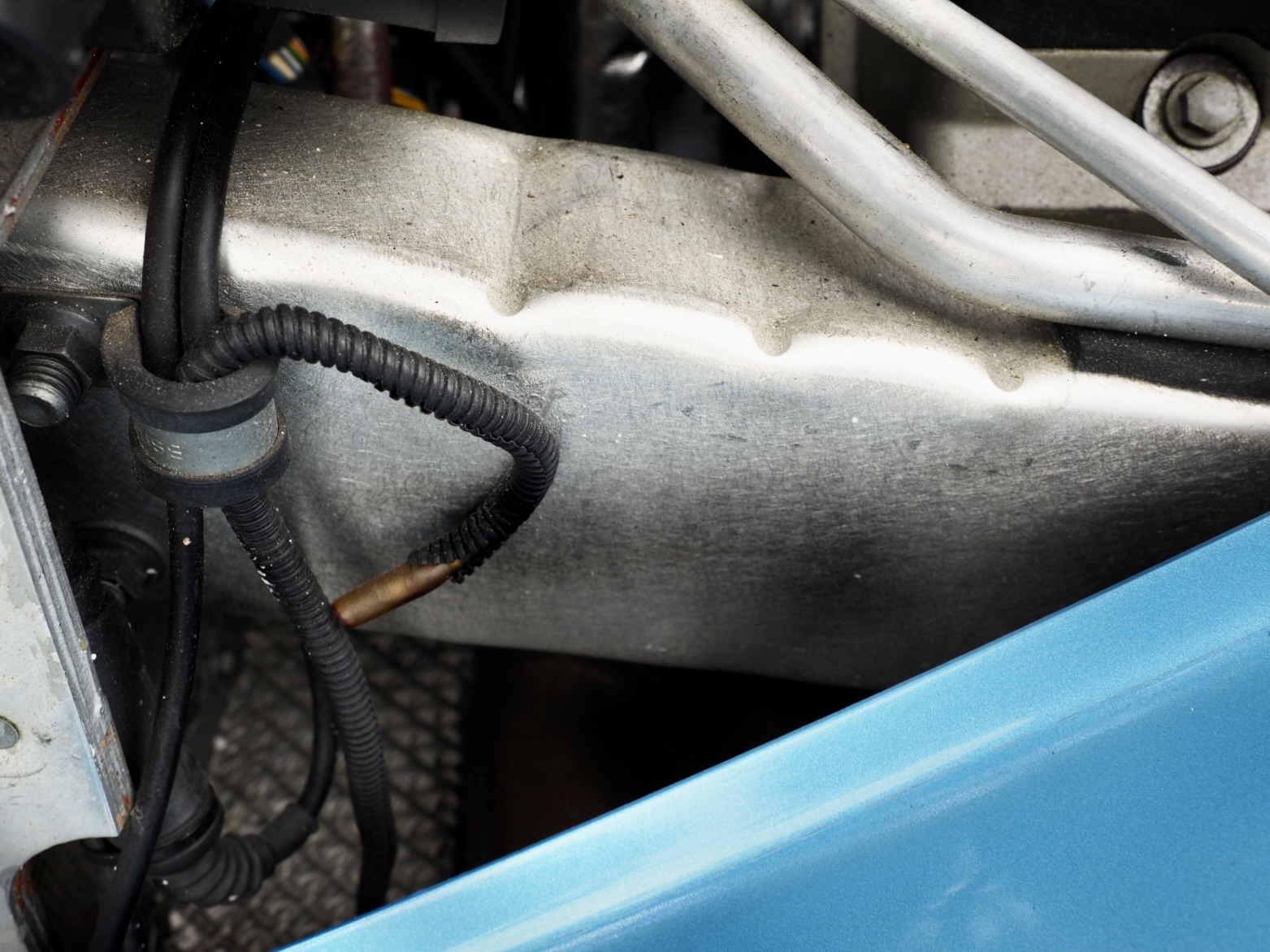
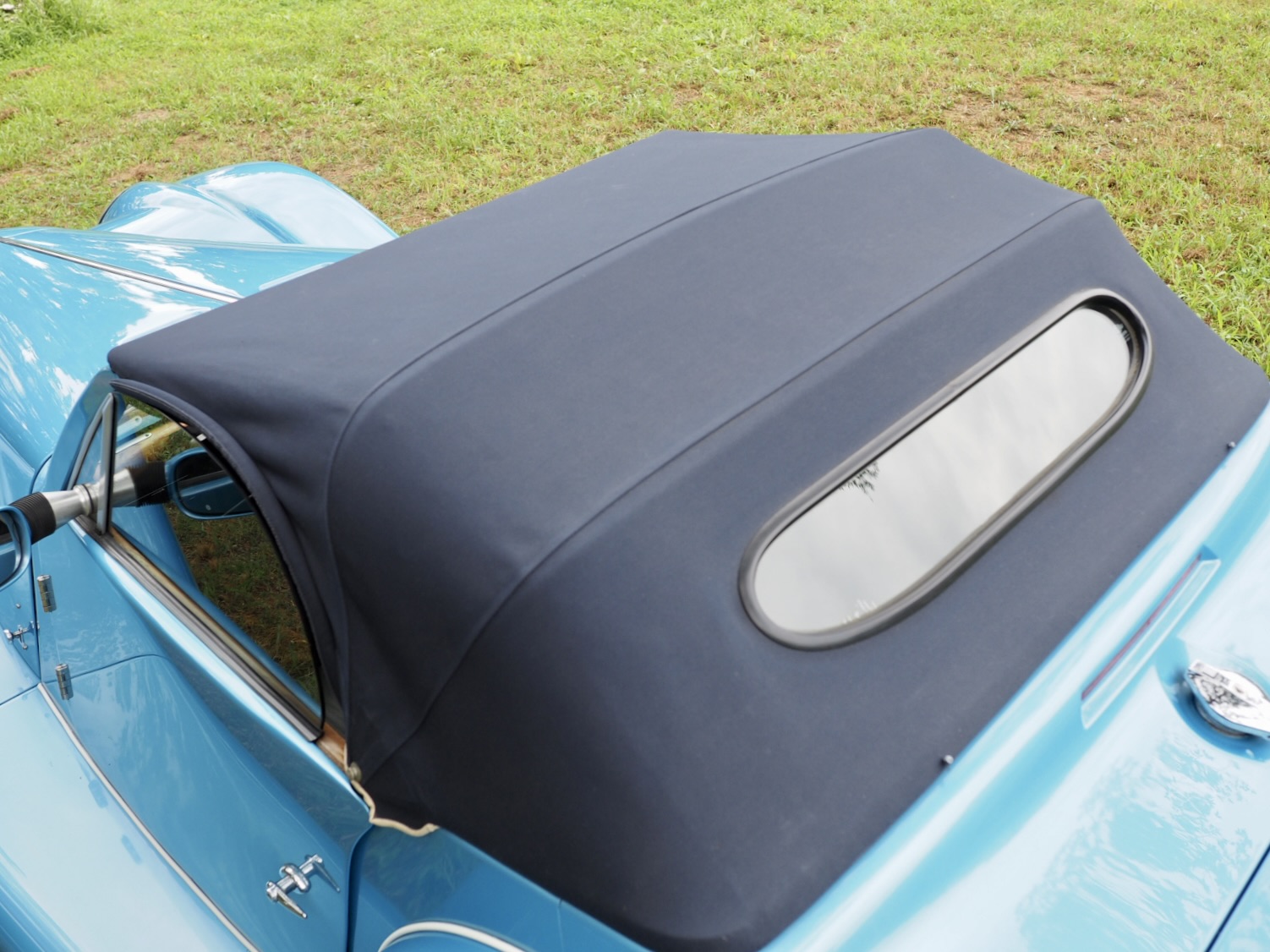
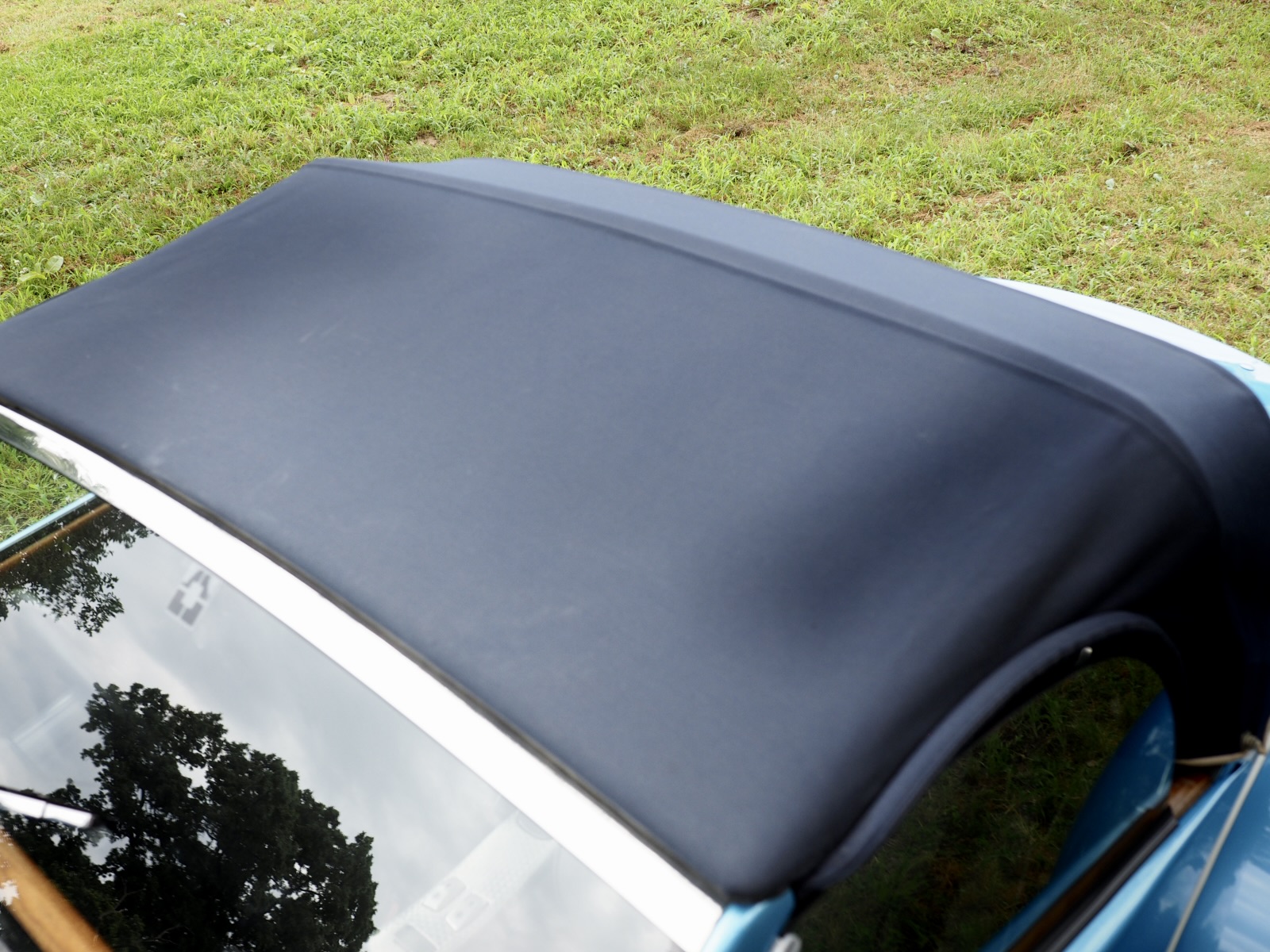
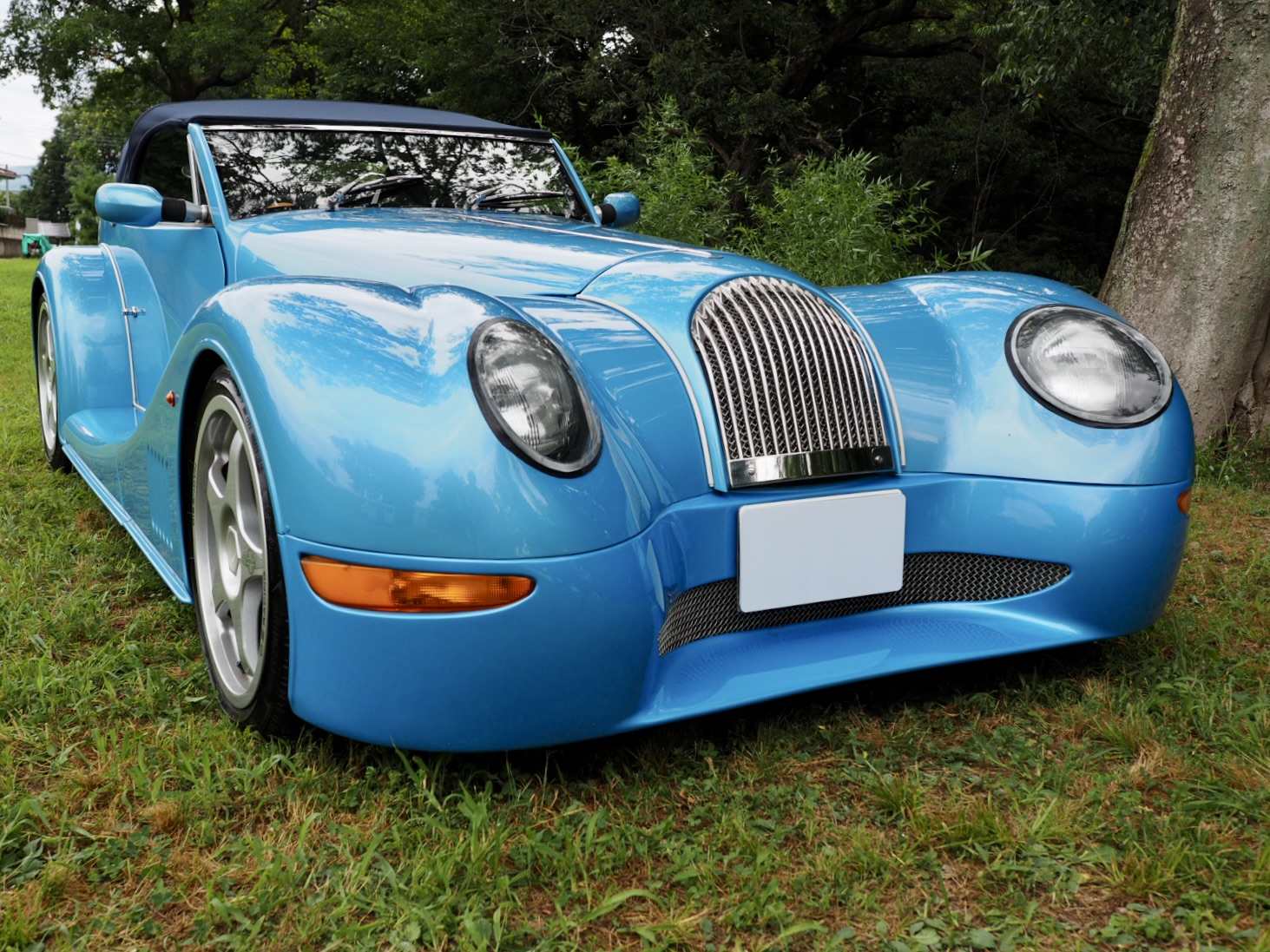
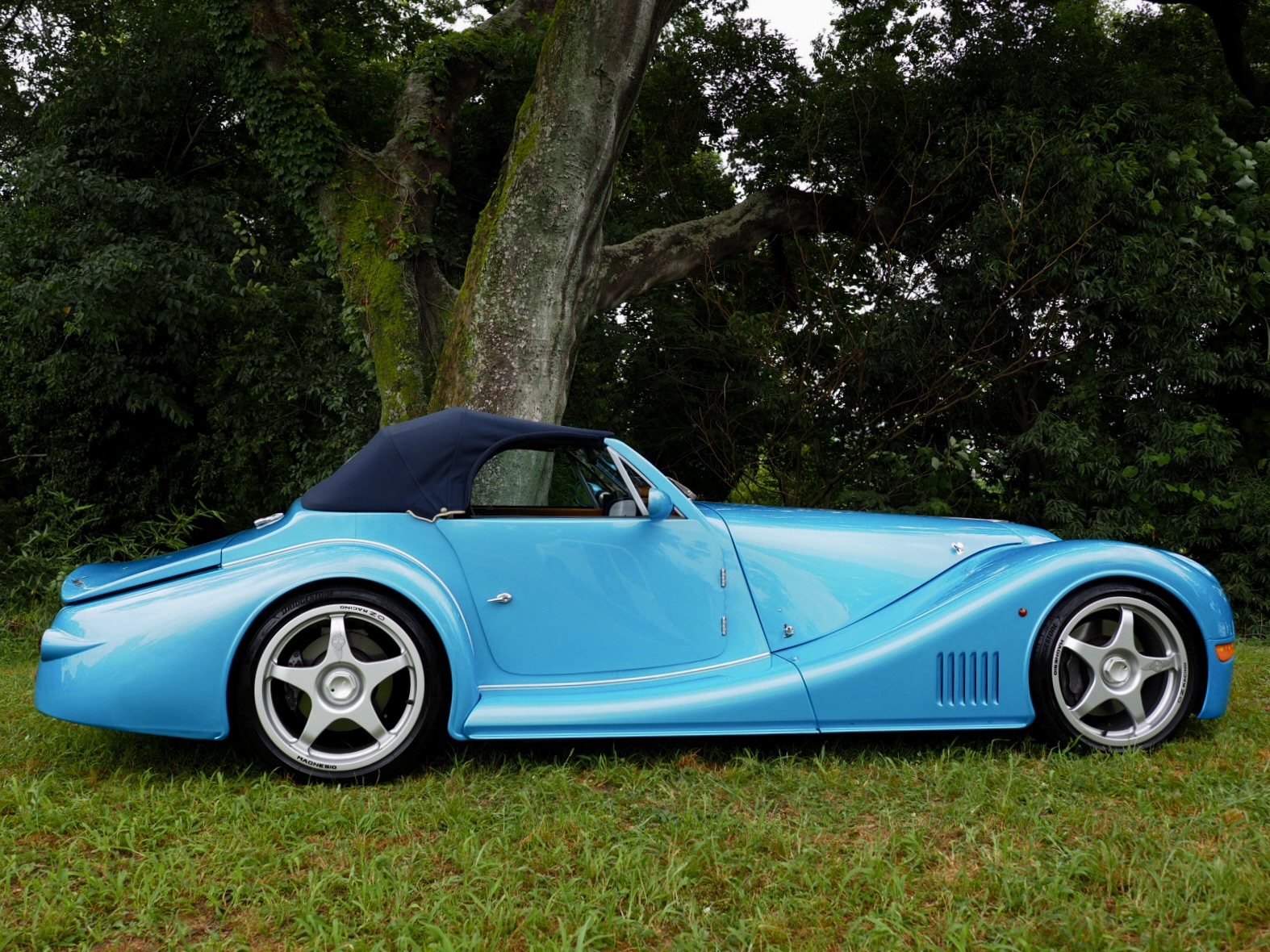
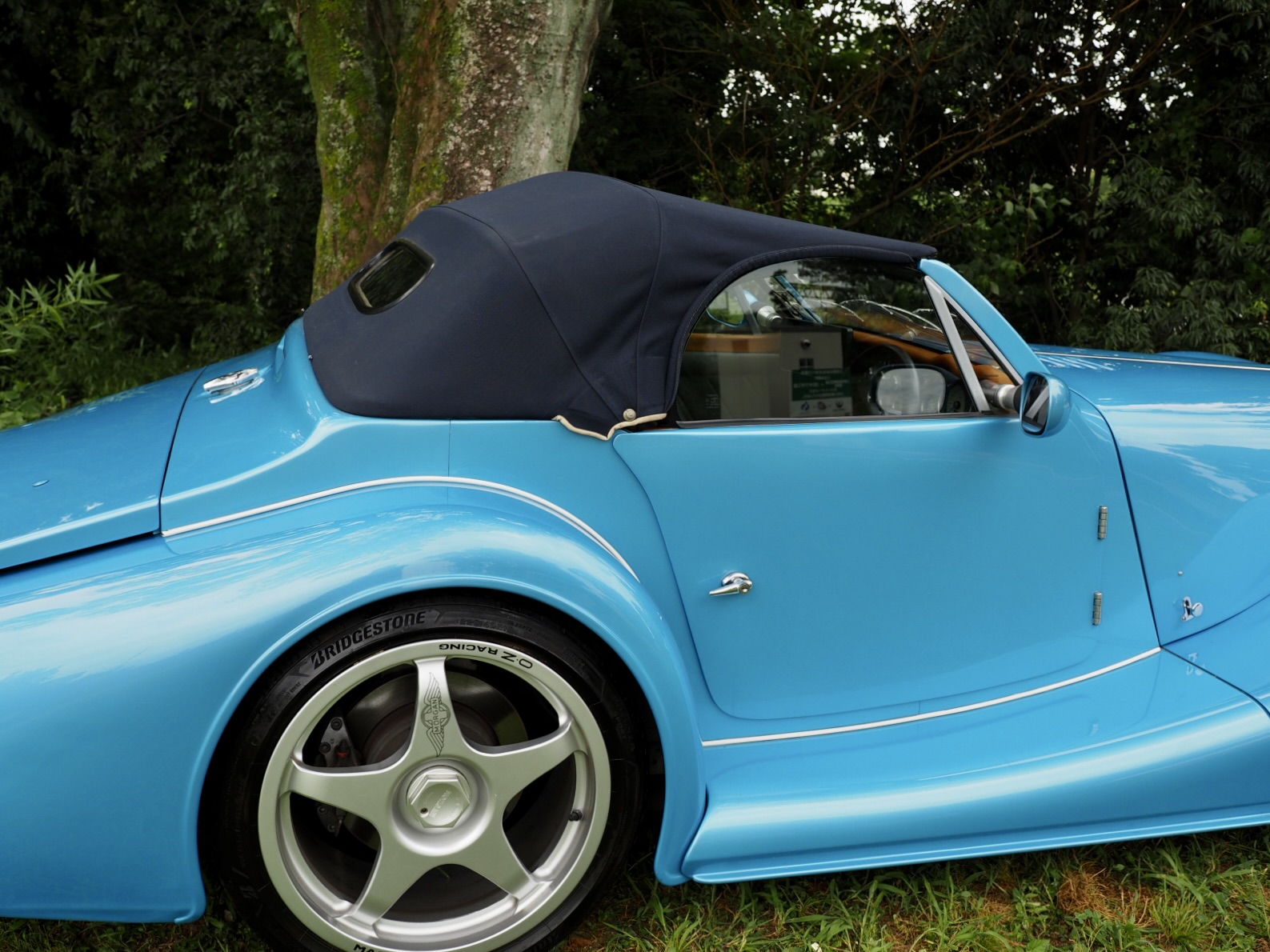
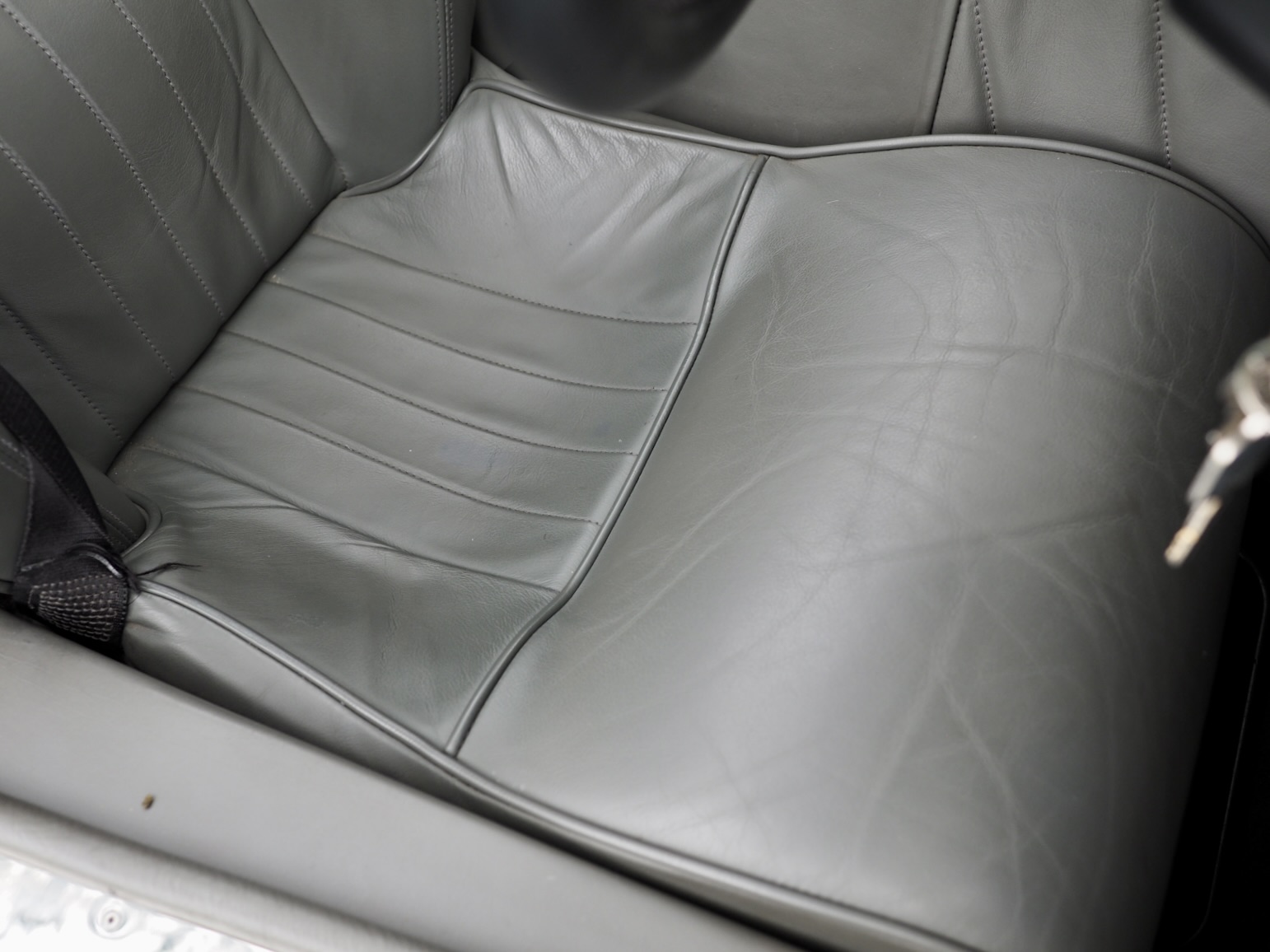
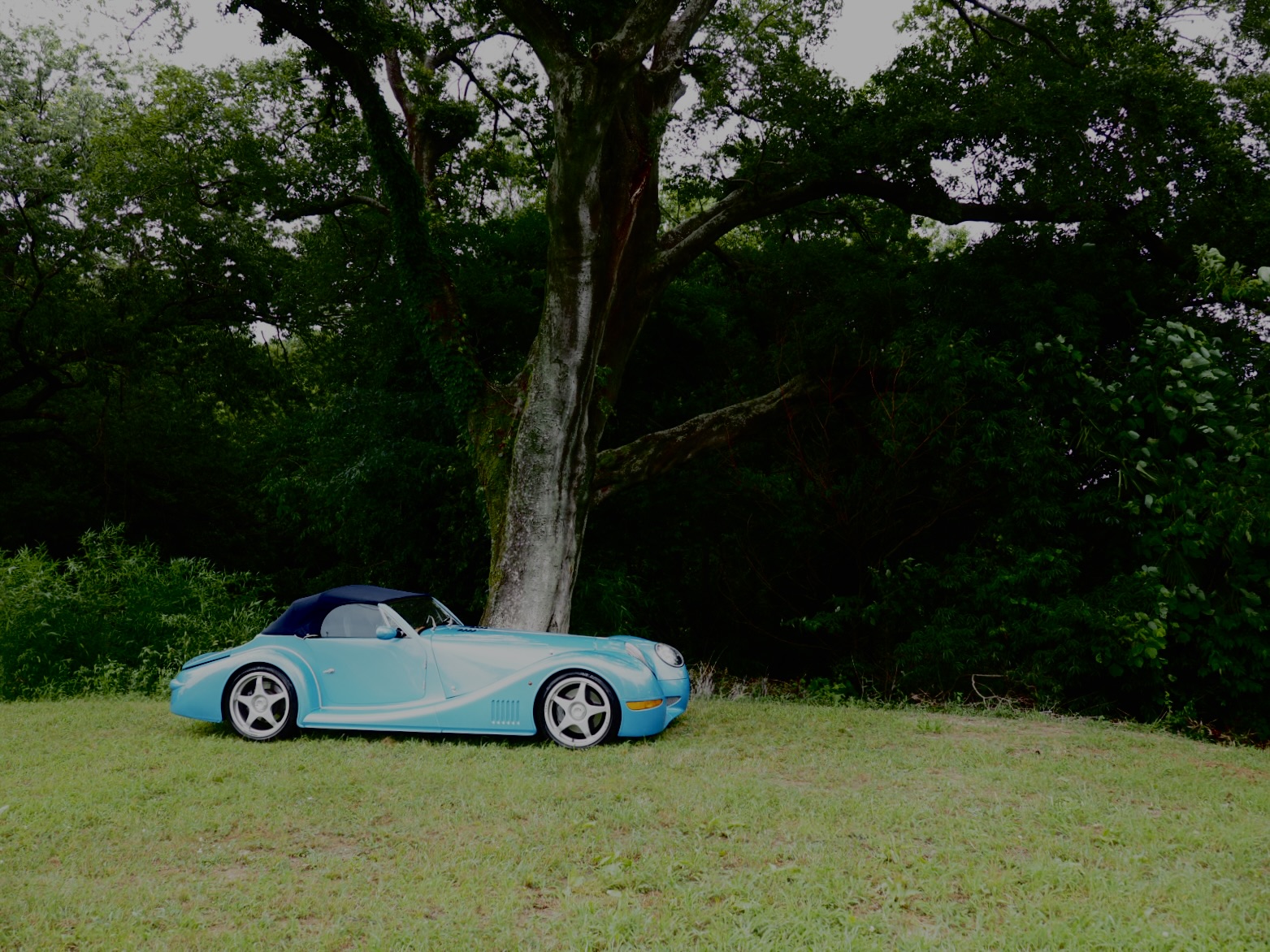
The detailed condition of the vehicle is described in each photo.
On the top slide you will find 50 attractive photos of the vehicle! Please click on a photo to view it with its description. Click outside the picture to return to the page.
SPEC
Length
4,120mm
Width
1,770mm
Height
1,200mm
Weight
1,140kg
Engine Displacement
4,398cc